
Sculpture at Wisely
One of the events at Wisley Gardens has been the sculpture trail. Here are just a few that I found particularly engaging and here are the Alice in Wonderland pieces. A couple of clicks to expand. Enjoy ~
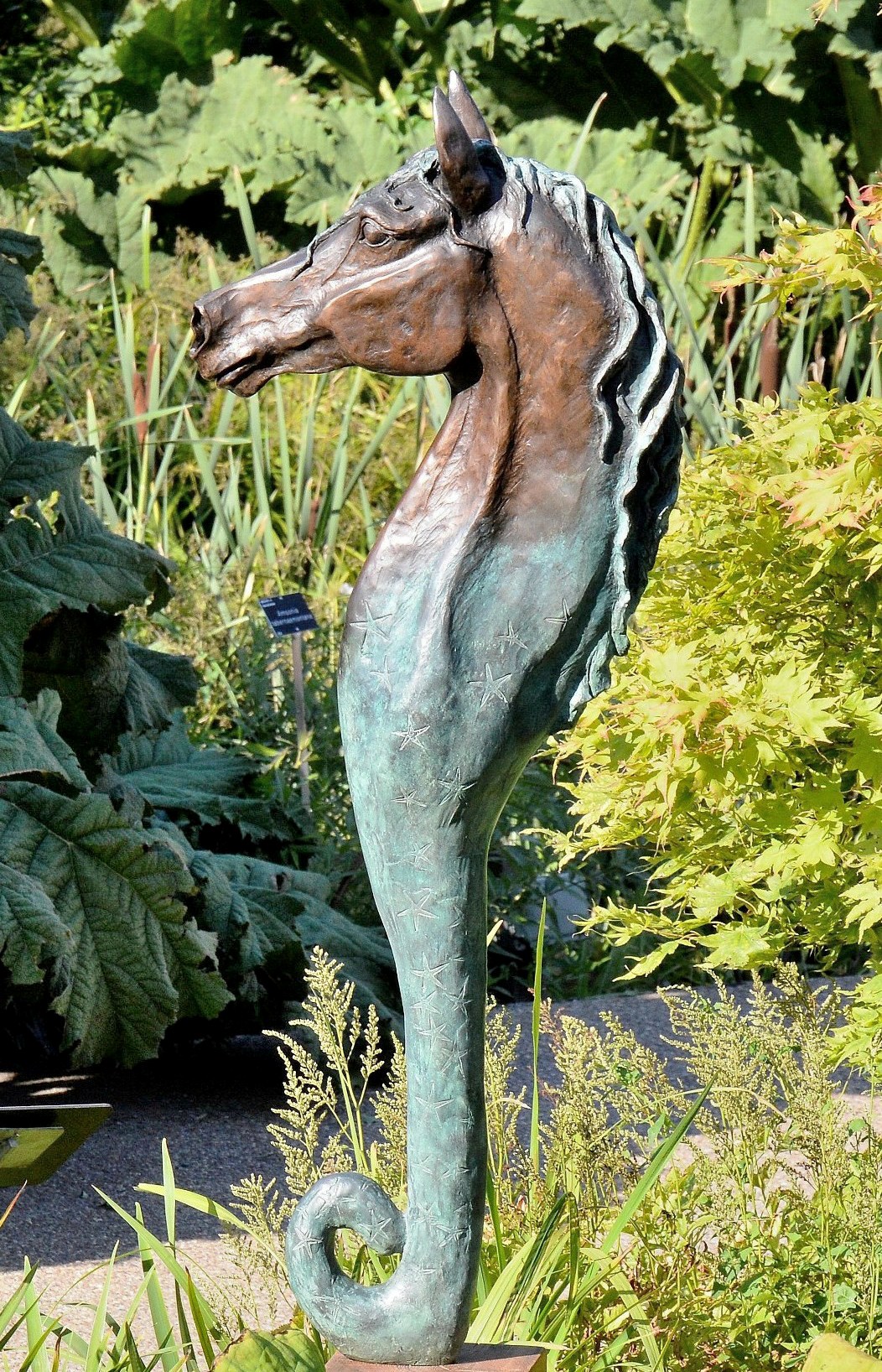
Sea Horse in Rockery at Wisley Gardens

Figure XVIII by Henriette Van der Does at Wisley Gardens
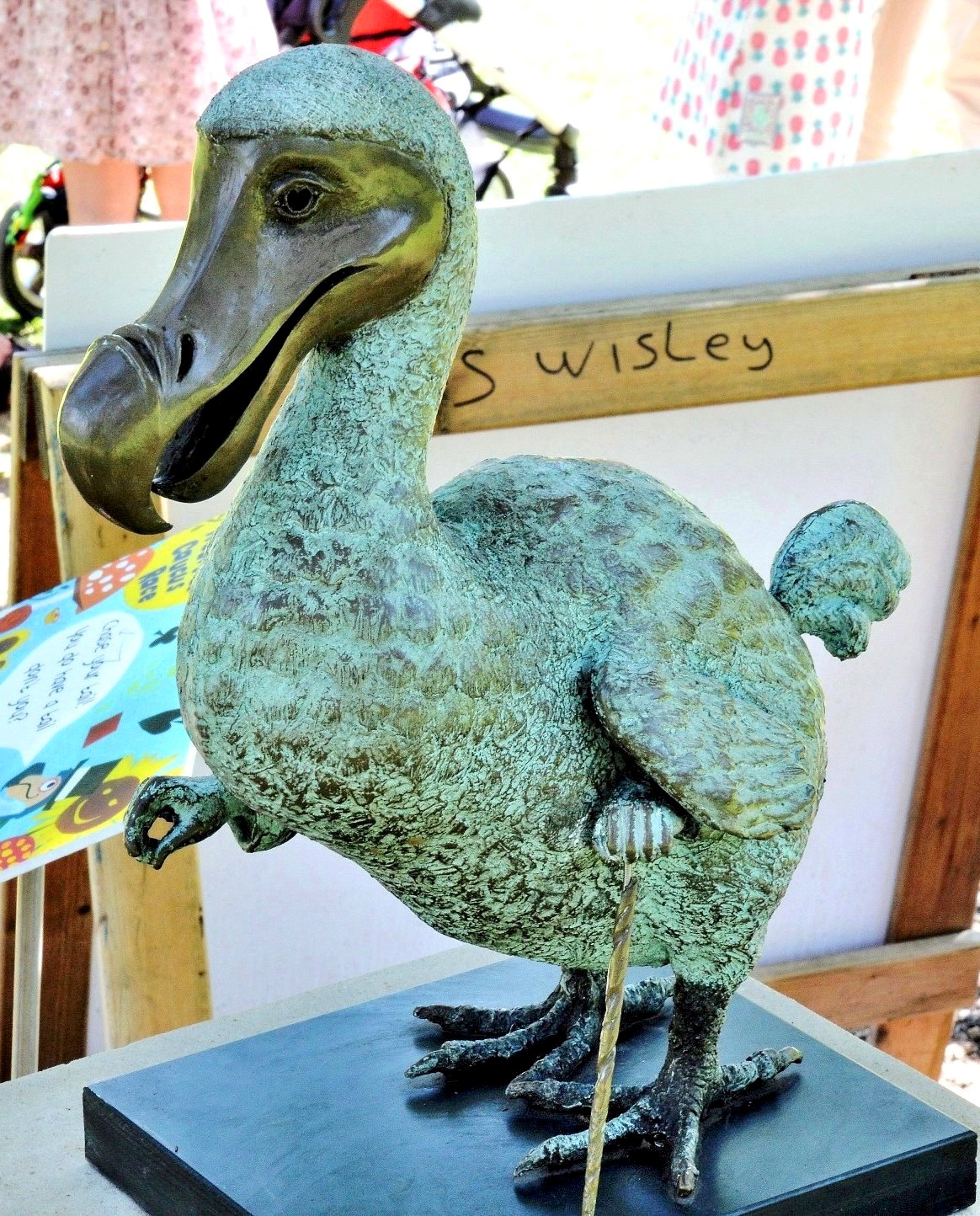
The Dodo by Robert James Sculpture Ltd at Wisley Gardens

Making Time by Lynn Warren at Wisley Gardens
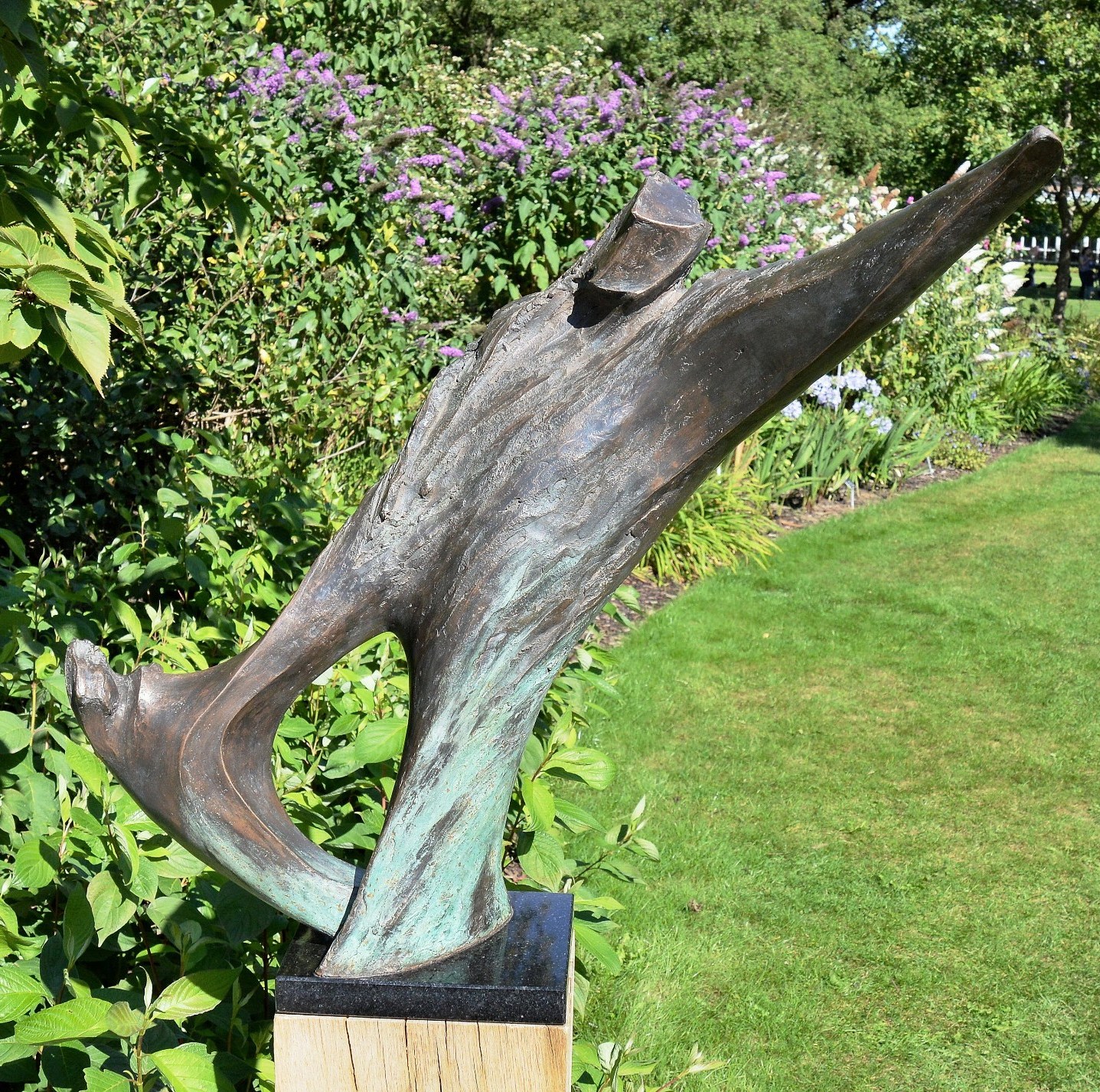
Time to Go by Lynn Warren at Wisley Gardens

Pan at Wisley Gardens
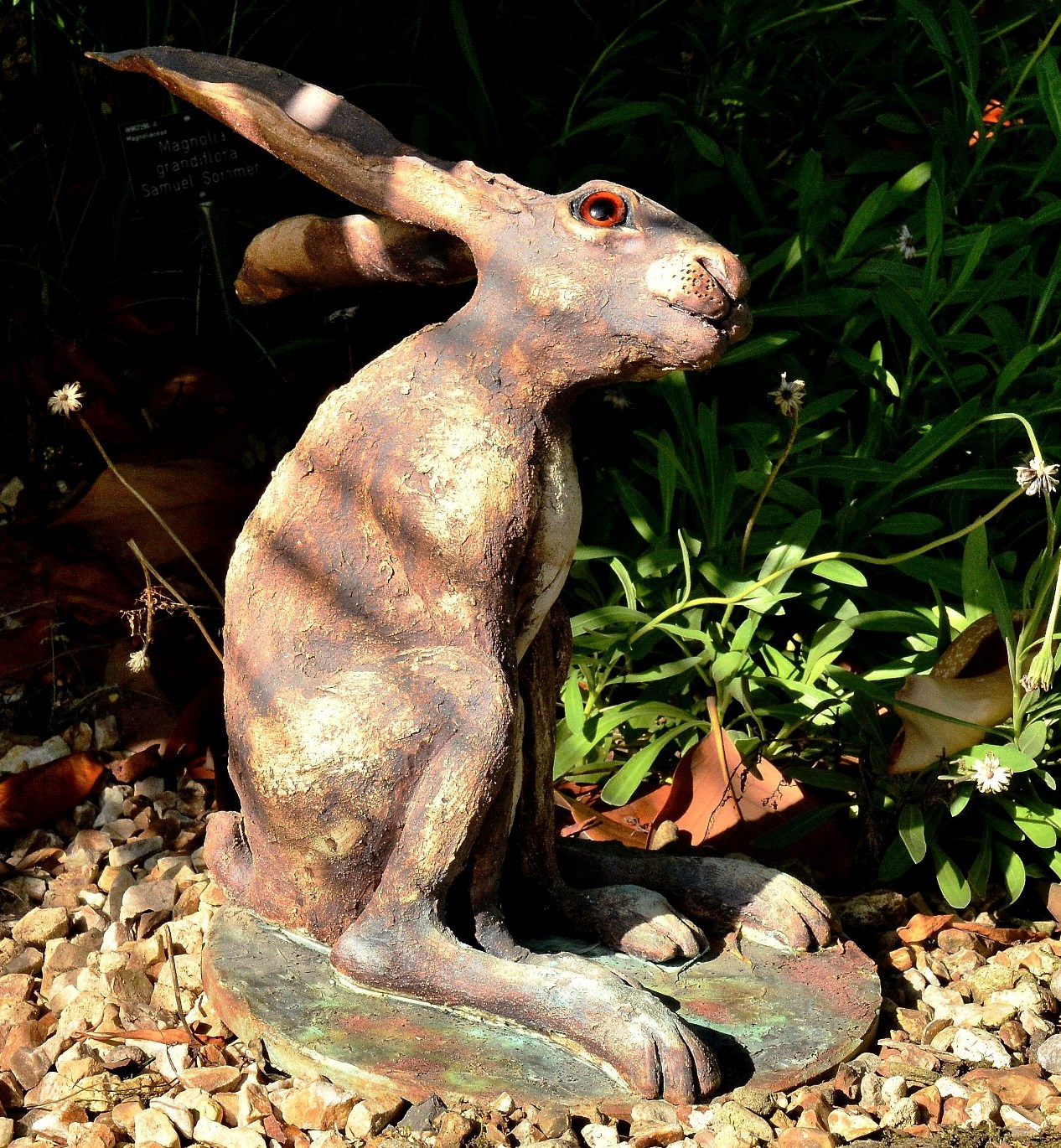
Moon Gazing Hare by Alan Wallis at Wisley Gardens

Offering by Everard Meynell at Wisley Gardens
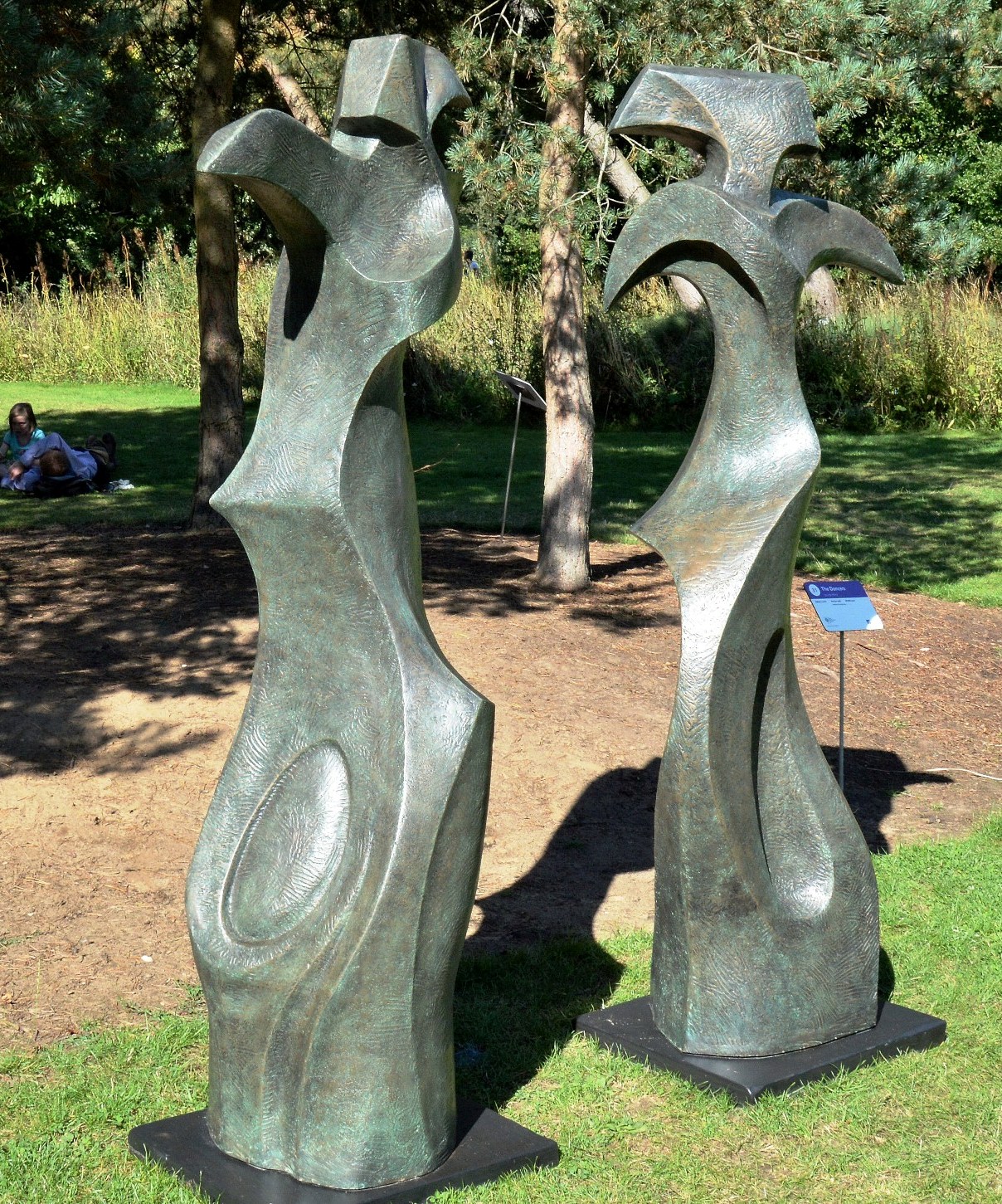
The Dancers by Lilly Henry at Wisley Gardens
Wisley Gardens Orchids and Pitchers
Wisley Gardens (main post here) has a very well kept glass house with many amazing inhabitants. Here are just a few.

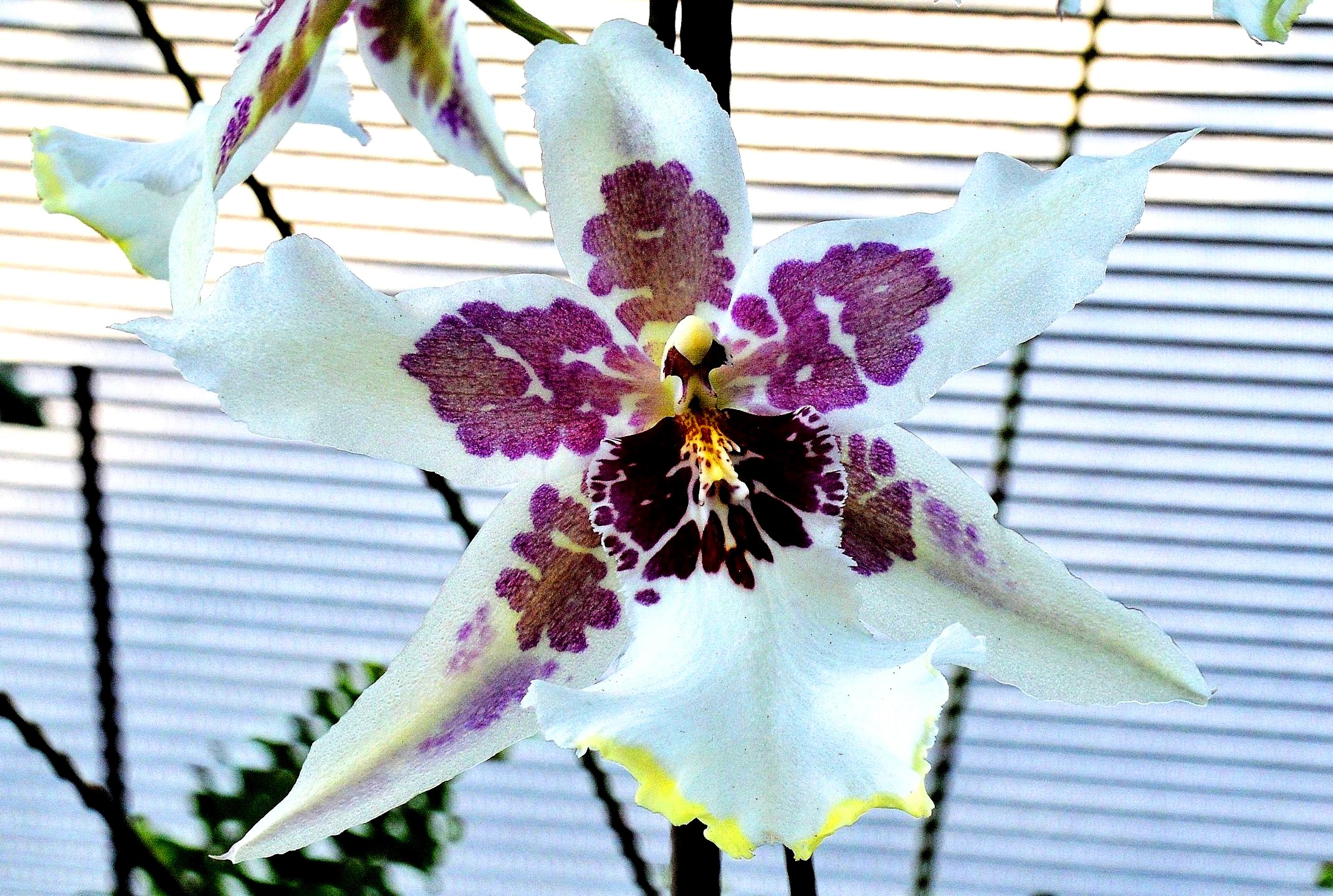

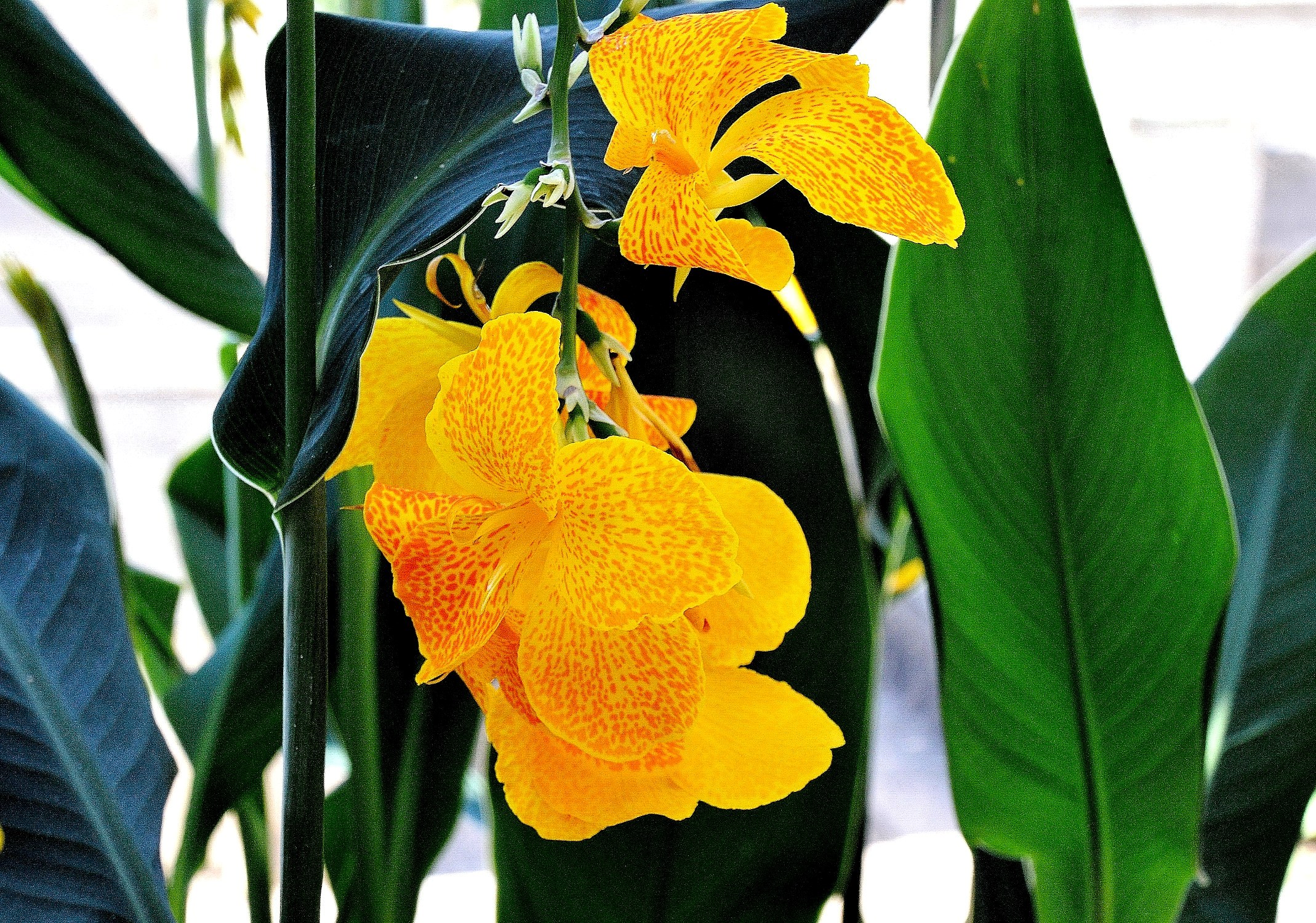
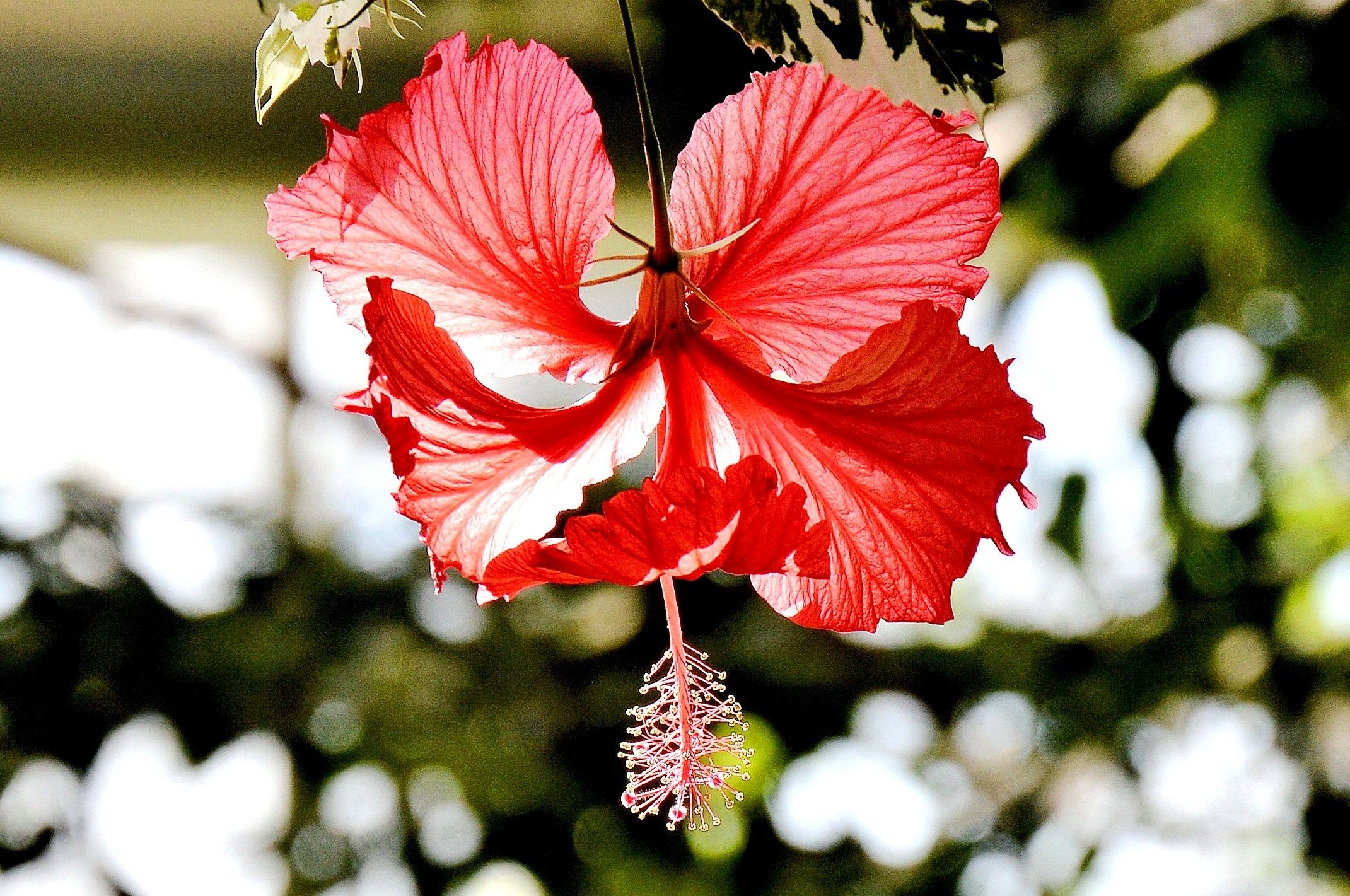
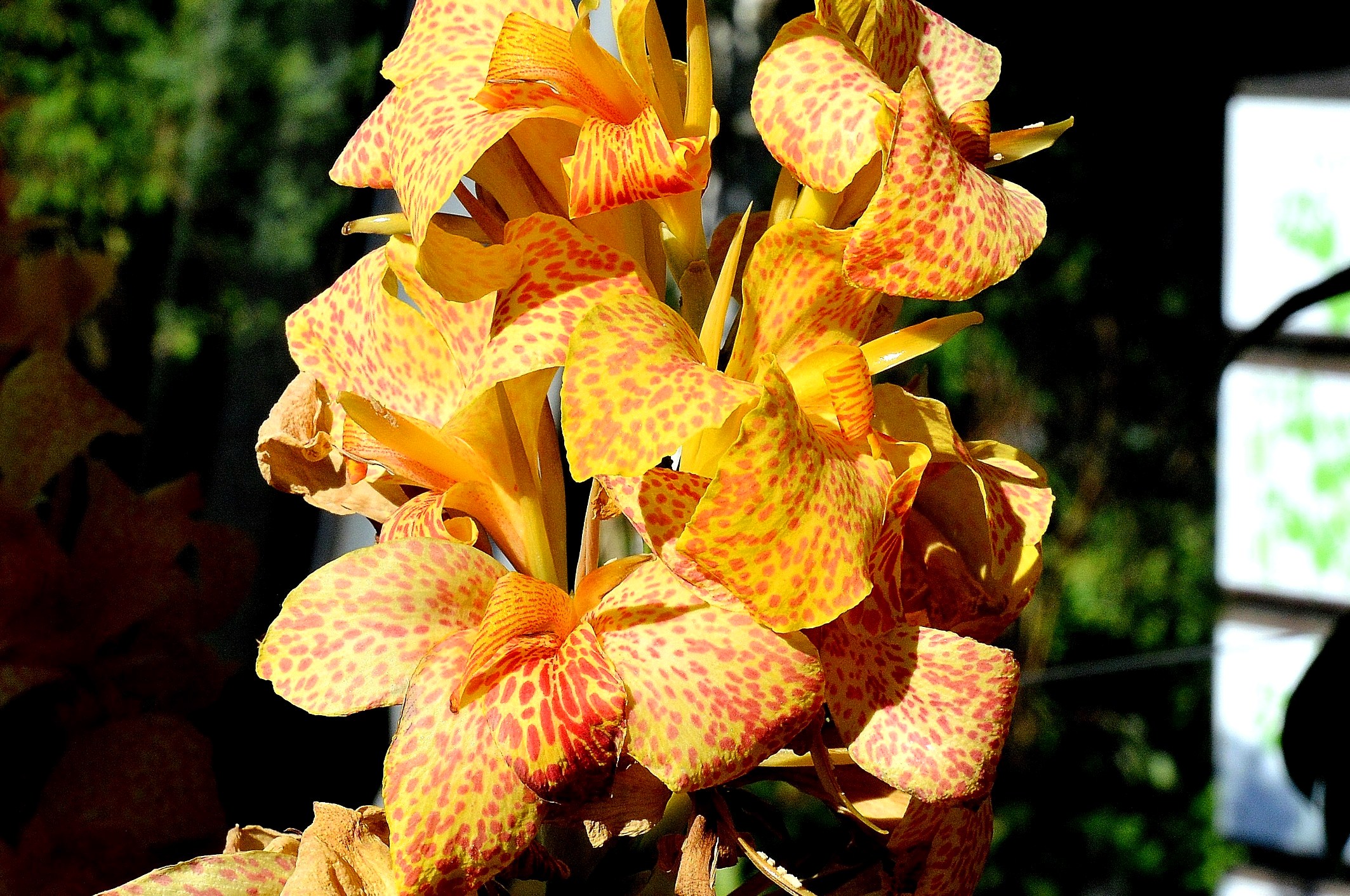
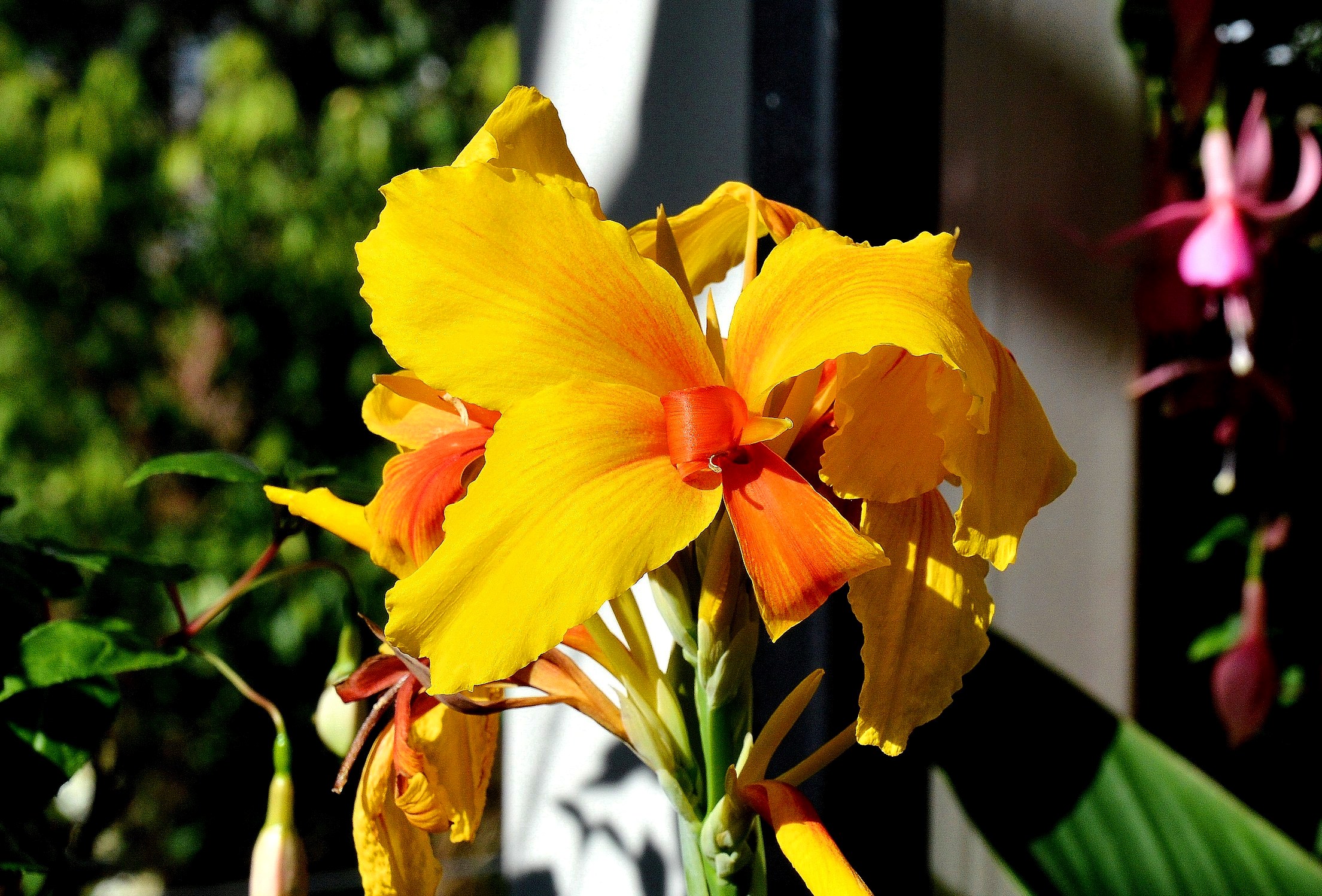
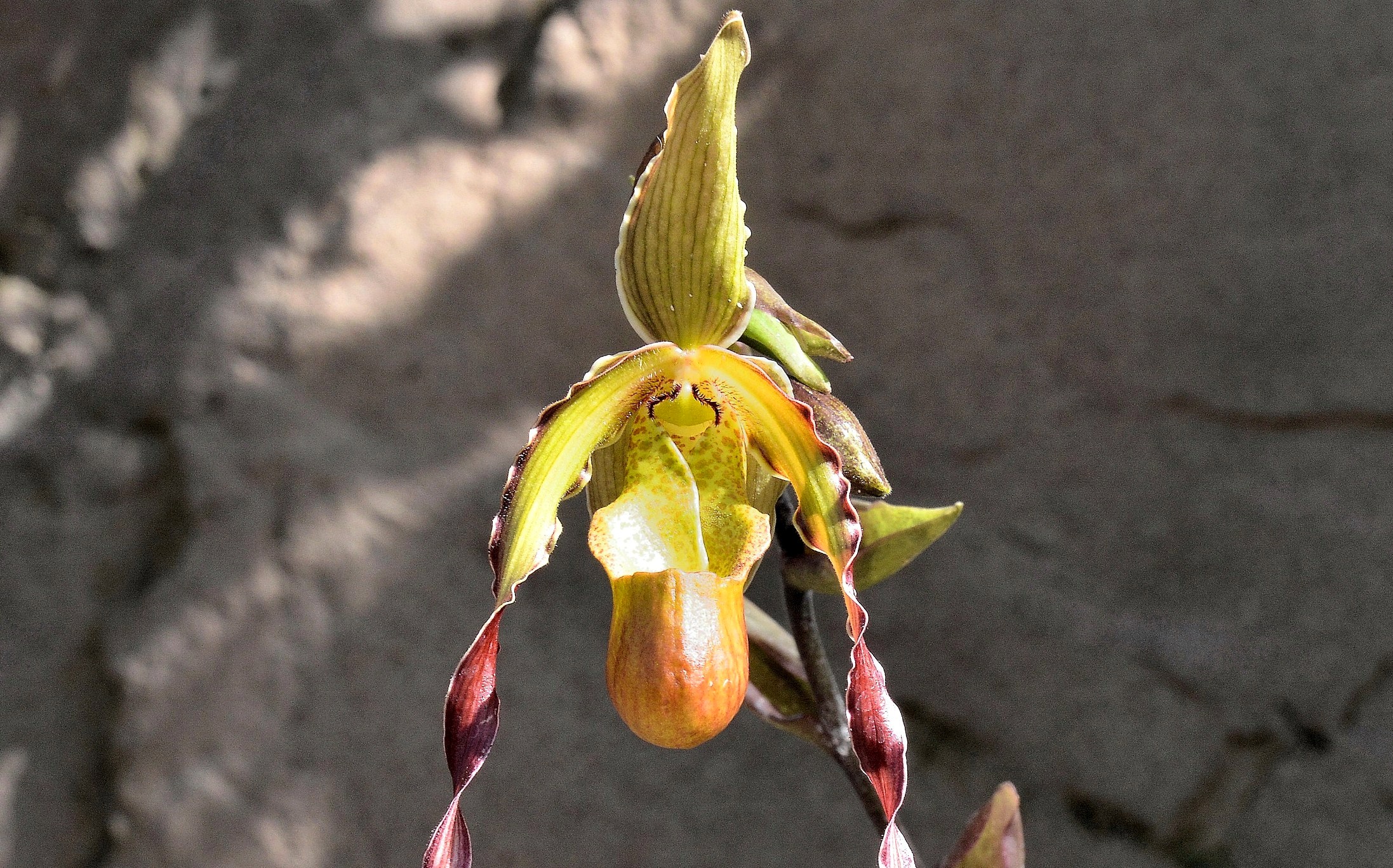

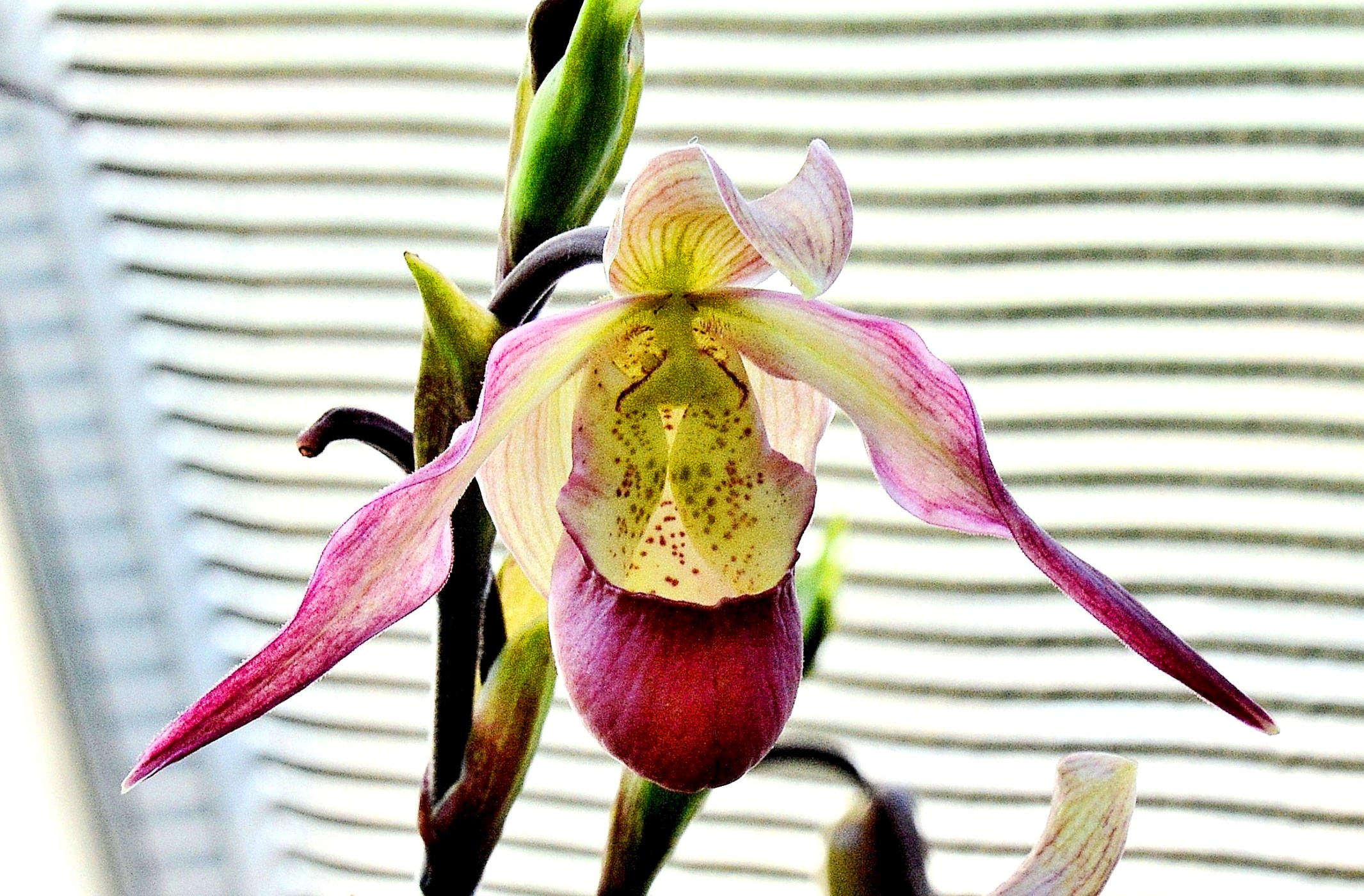
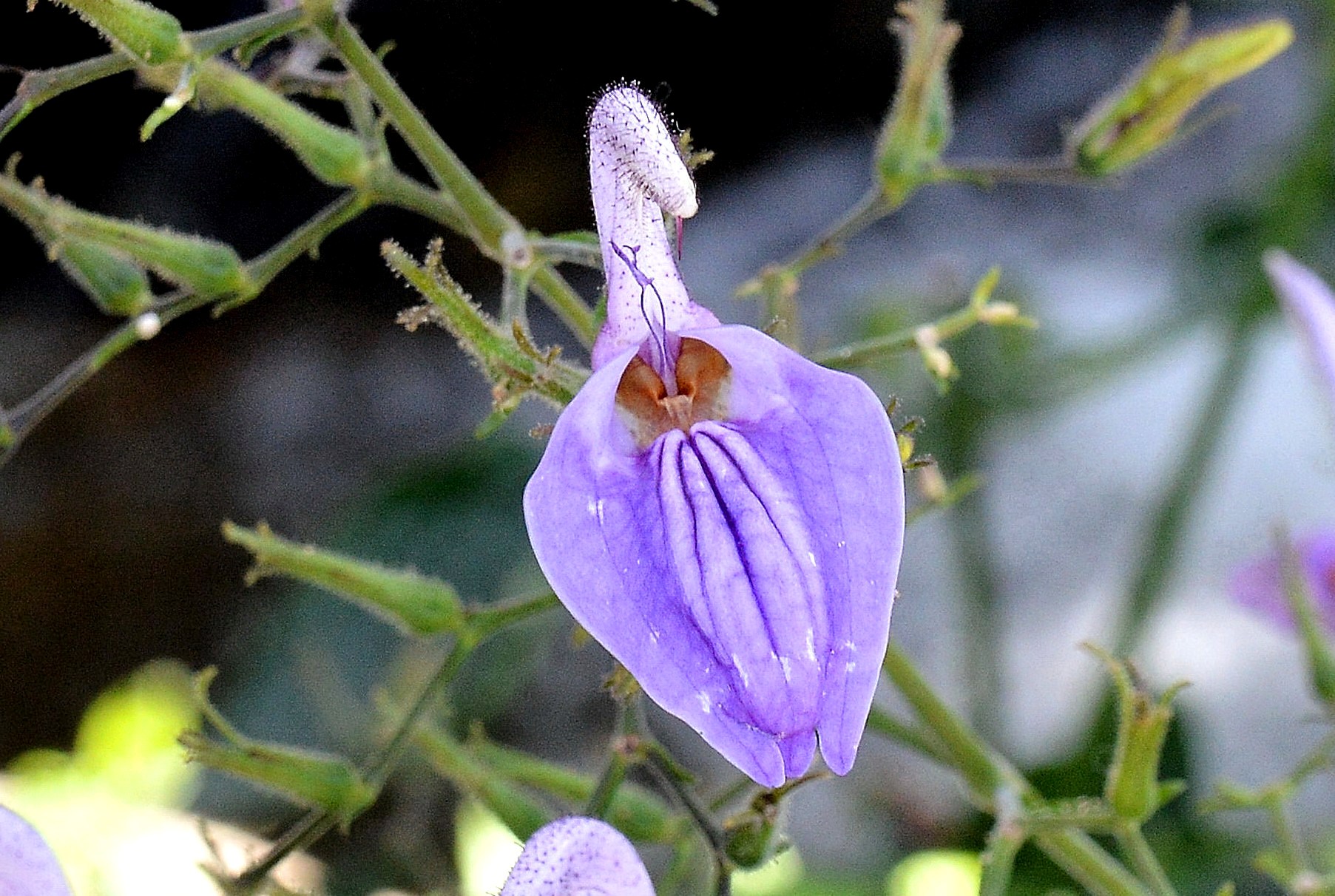

I didn’t know what this was called. I thought “Your Highness” was probably the safest option.
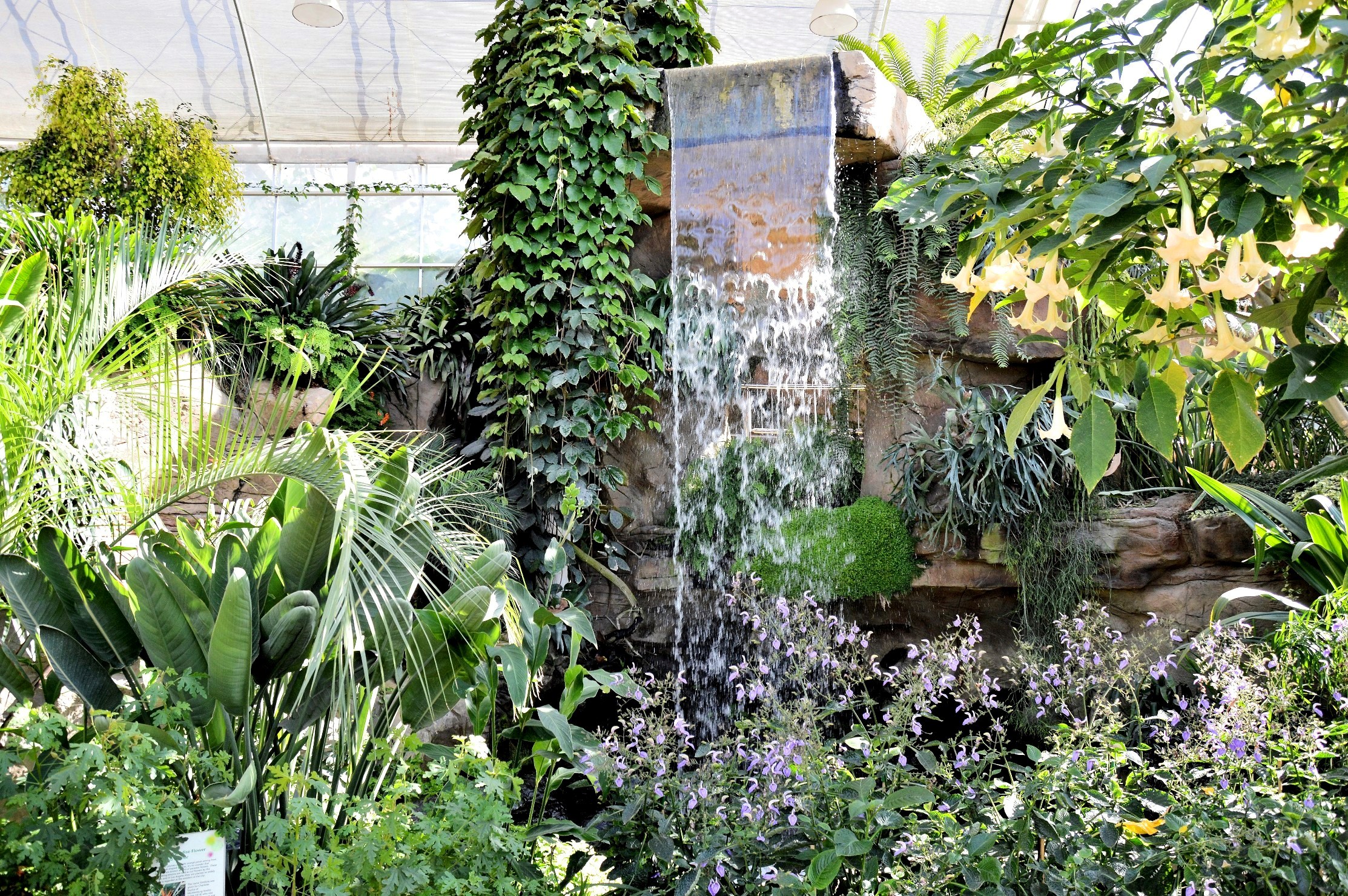
The glass house is much bigger than this, but I particularly like this section. More at Wisley Gardens.

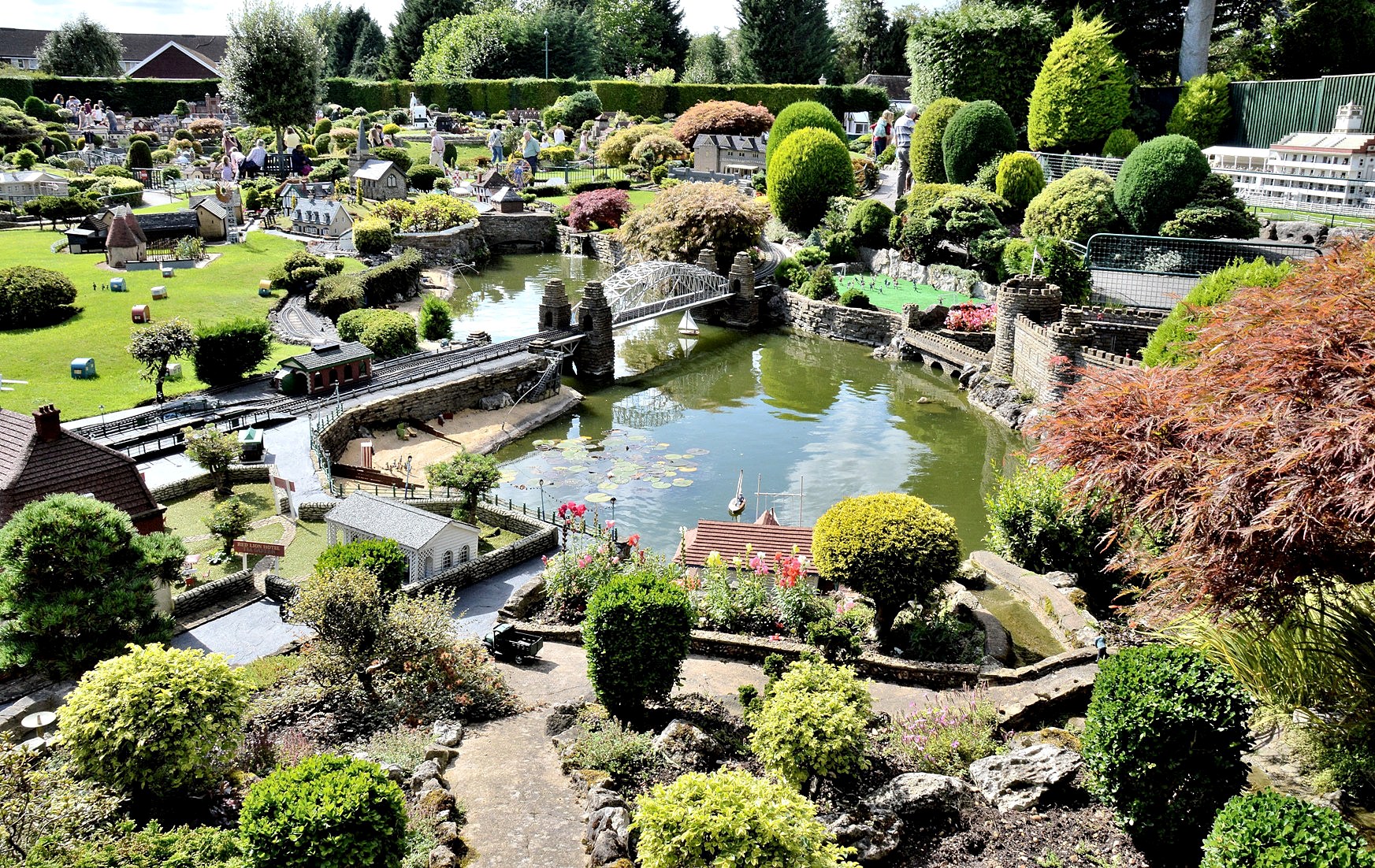
A Very Model Village at Bekonscot
30 pictures. Bekonscot Model Village, near Beaconsfield rail station, just to the north west of London, is one of the most unusual places to photograph near London.
– For detail, please click on and image and then again to expand –
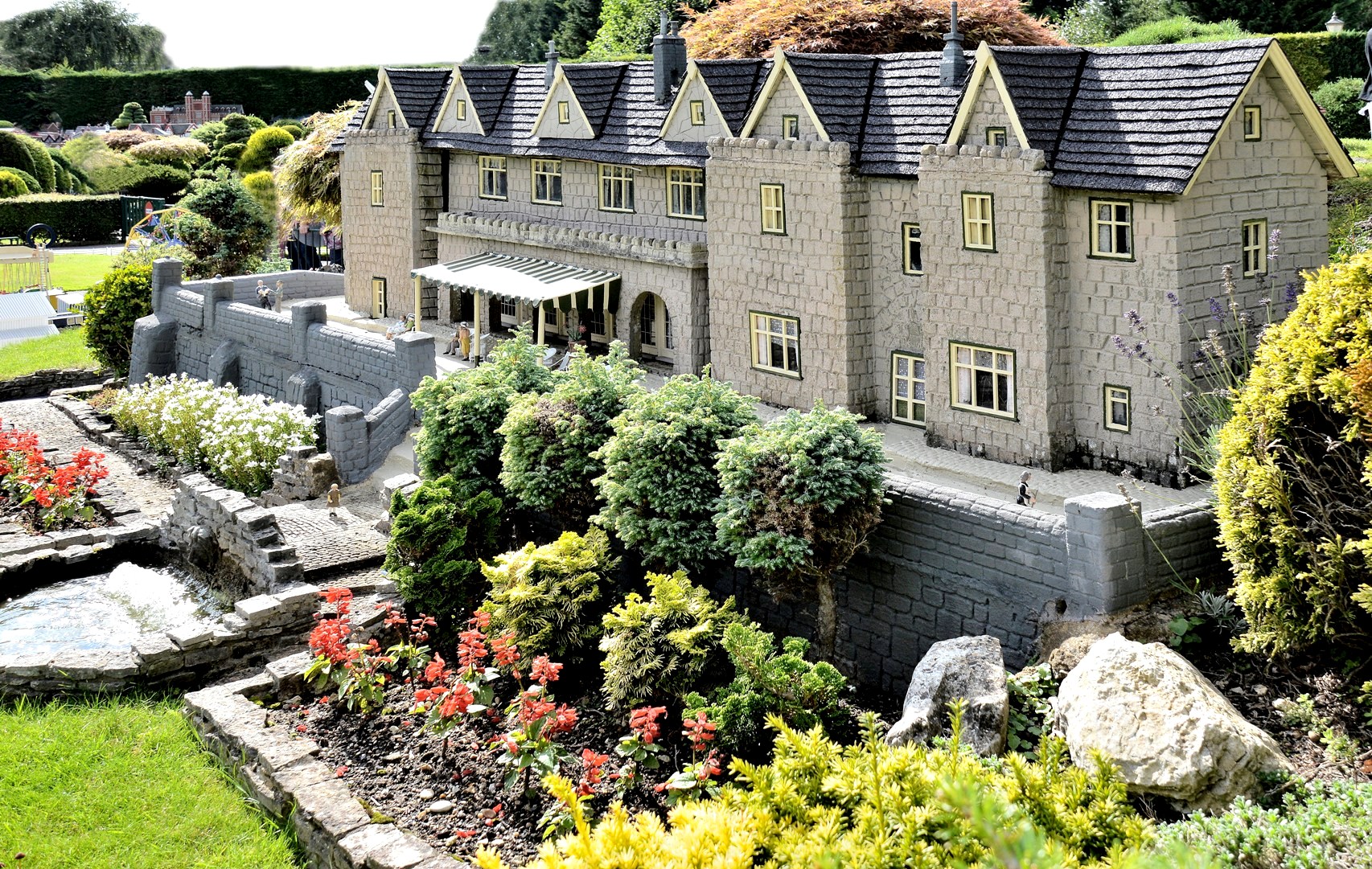
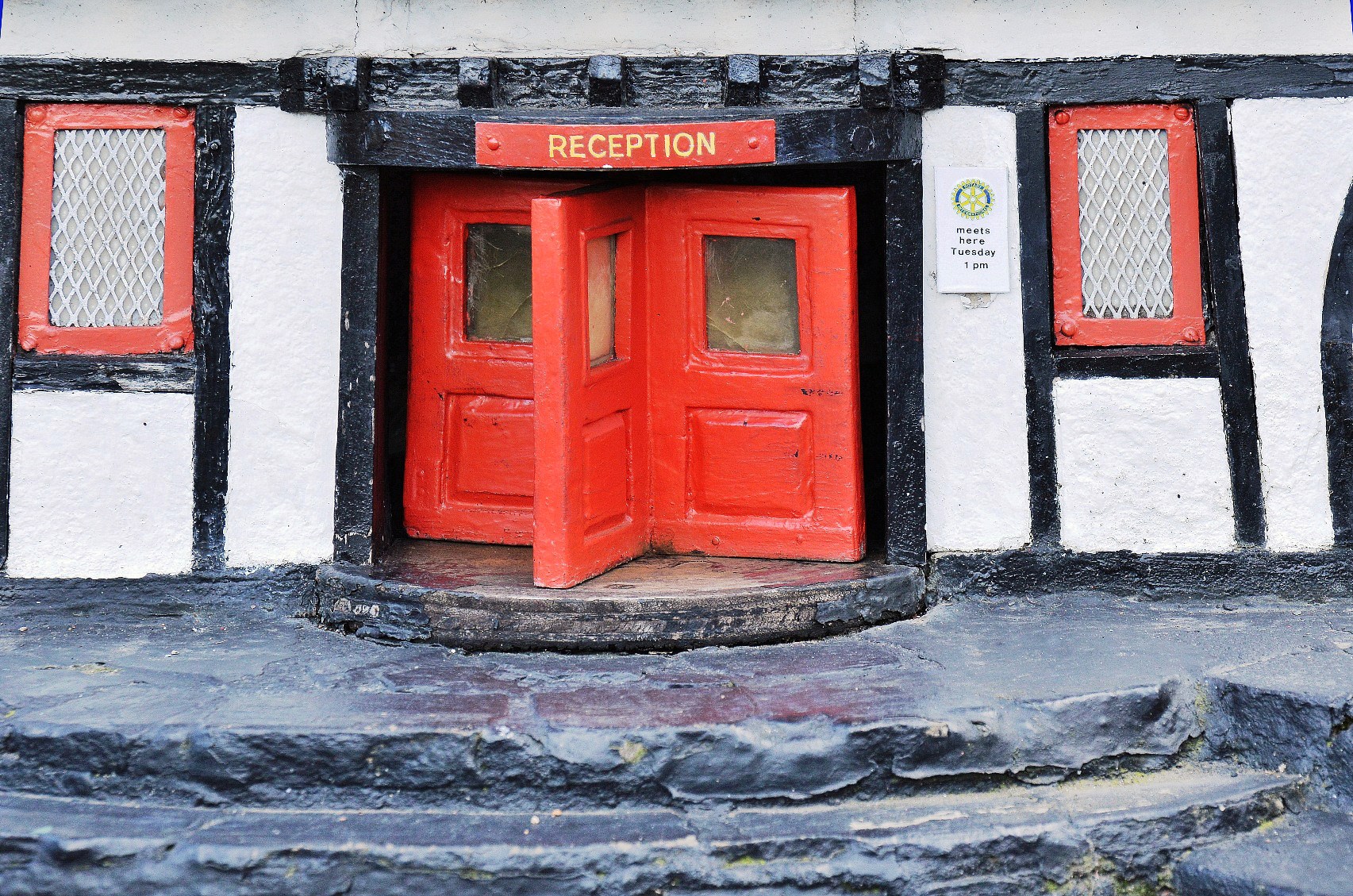
Of course, one stayed at the best hotel, as one does.
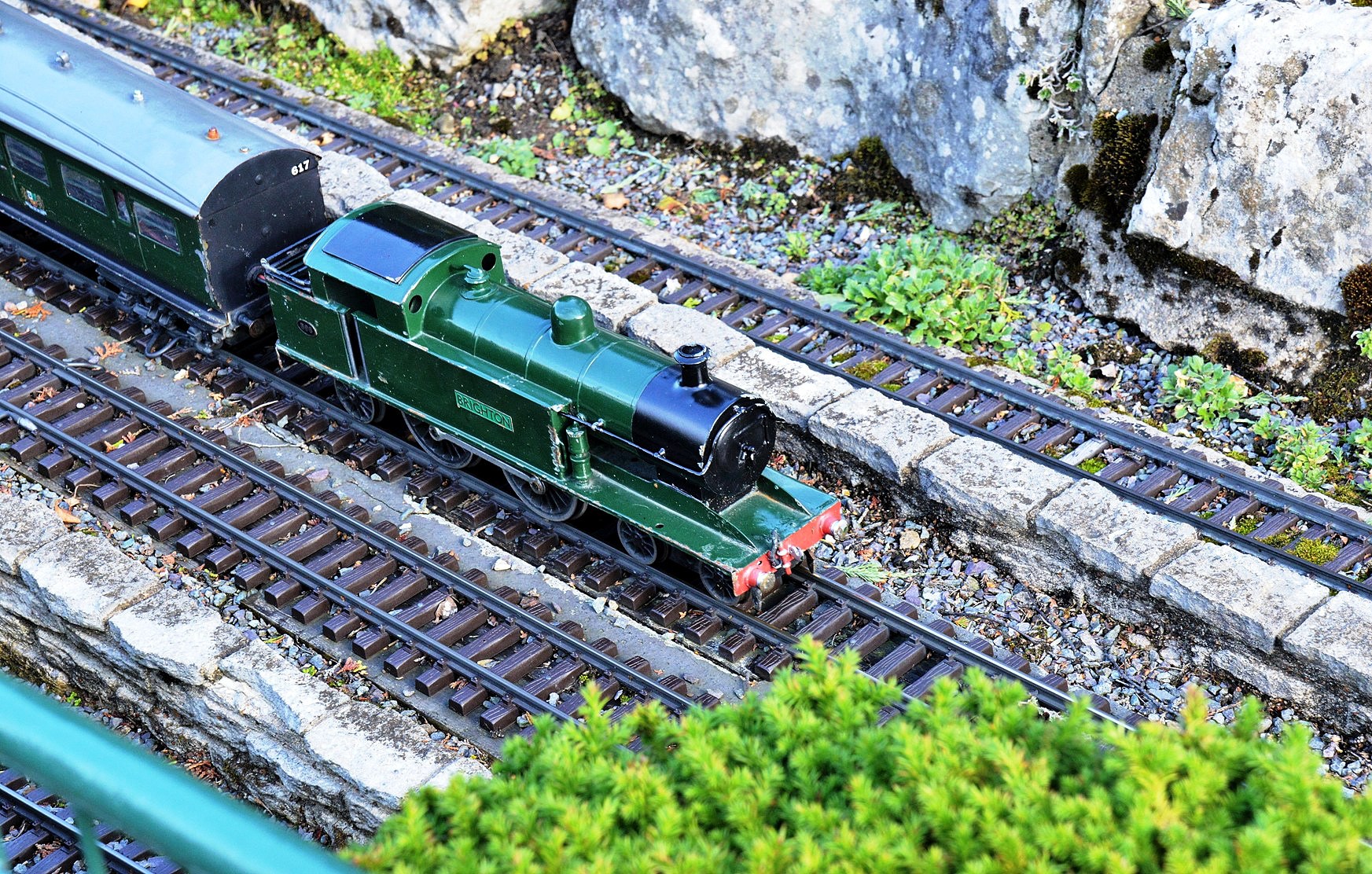
Having arrived in style, as one does too.
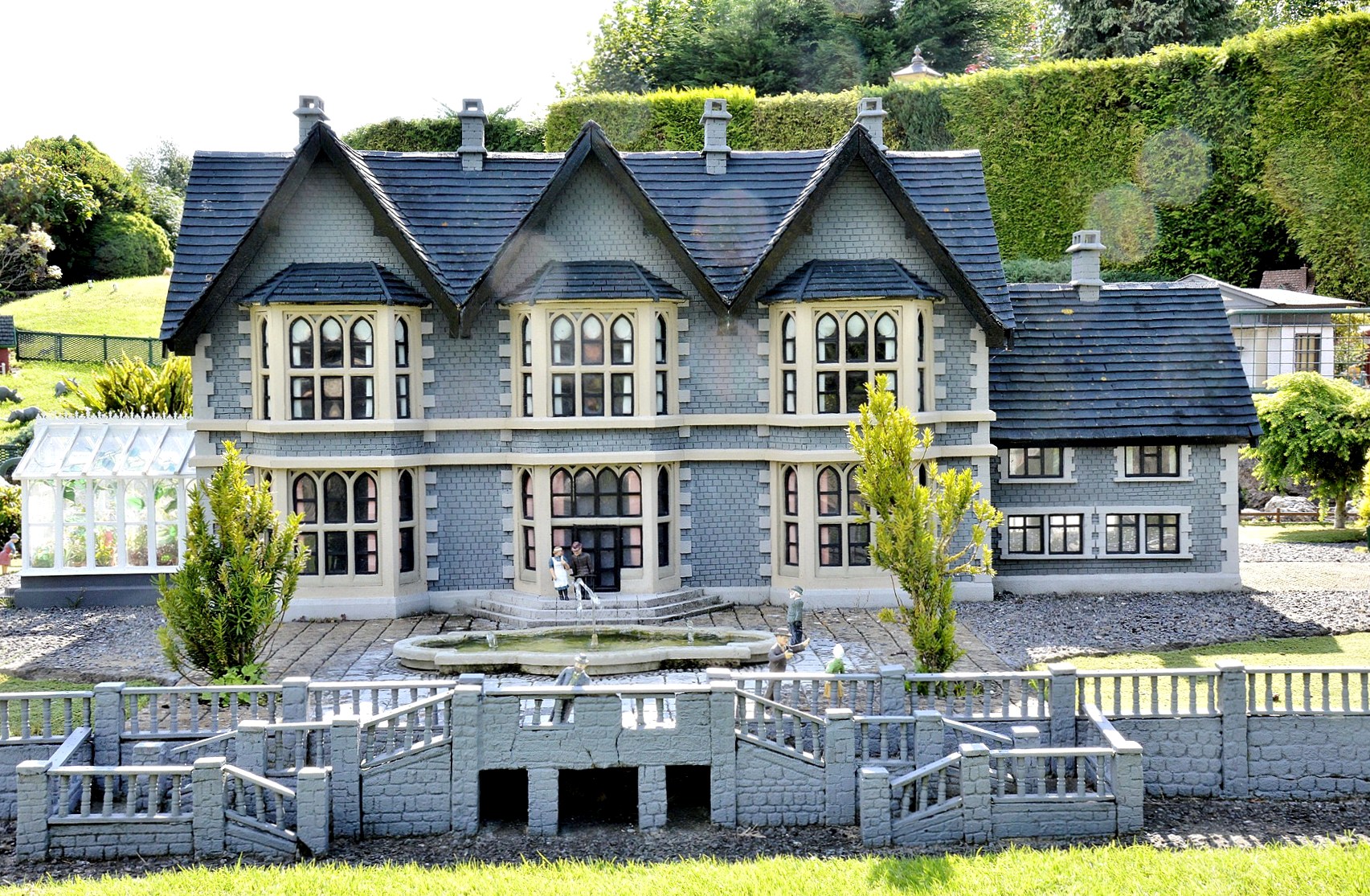
Then tea with the local squire and a tour of the town.

You might notice that they are keen to discourage running. It’s for the benefit of the occasional giant. Personally, I’ve never needed any discouragement.

Caught up on some local news. The forecast was that there would be weather all day, so we strolled on.

The local fireman in action. Good show, what.
 After all the excitement, a little libation seemed in order. Then, on to the town center.

Of course, they do like their little joke. Fruiterers U.R.A Peach, Evan Leigh Soles and Lee Key Plumbers.
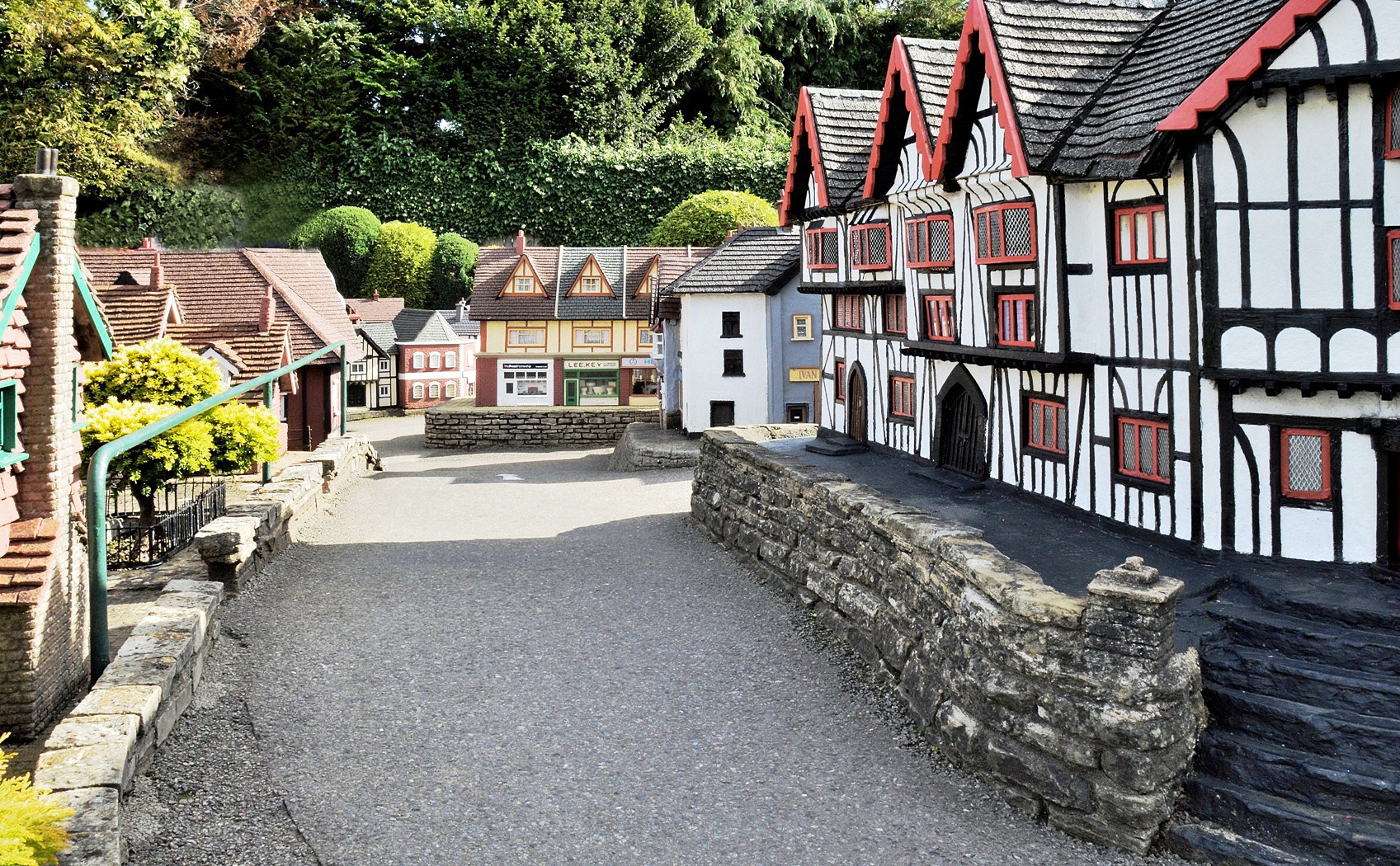
Seems a bit quiet but they’re all in the Royal Saracens Head.

With such an open invitation, how could one refuse. Thirsty work, all this walking about.
After a drink or two, we thought we’d behave responsibly and refrain from driving. So we borrowed the twin-engined job. ↓ 😀
 Of course Bekonscot does have a very good transport system.
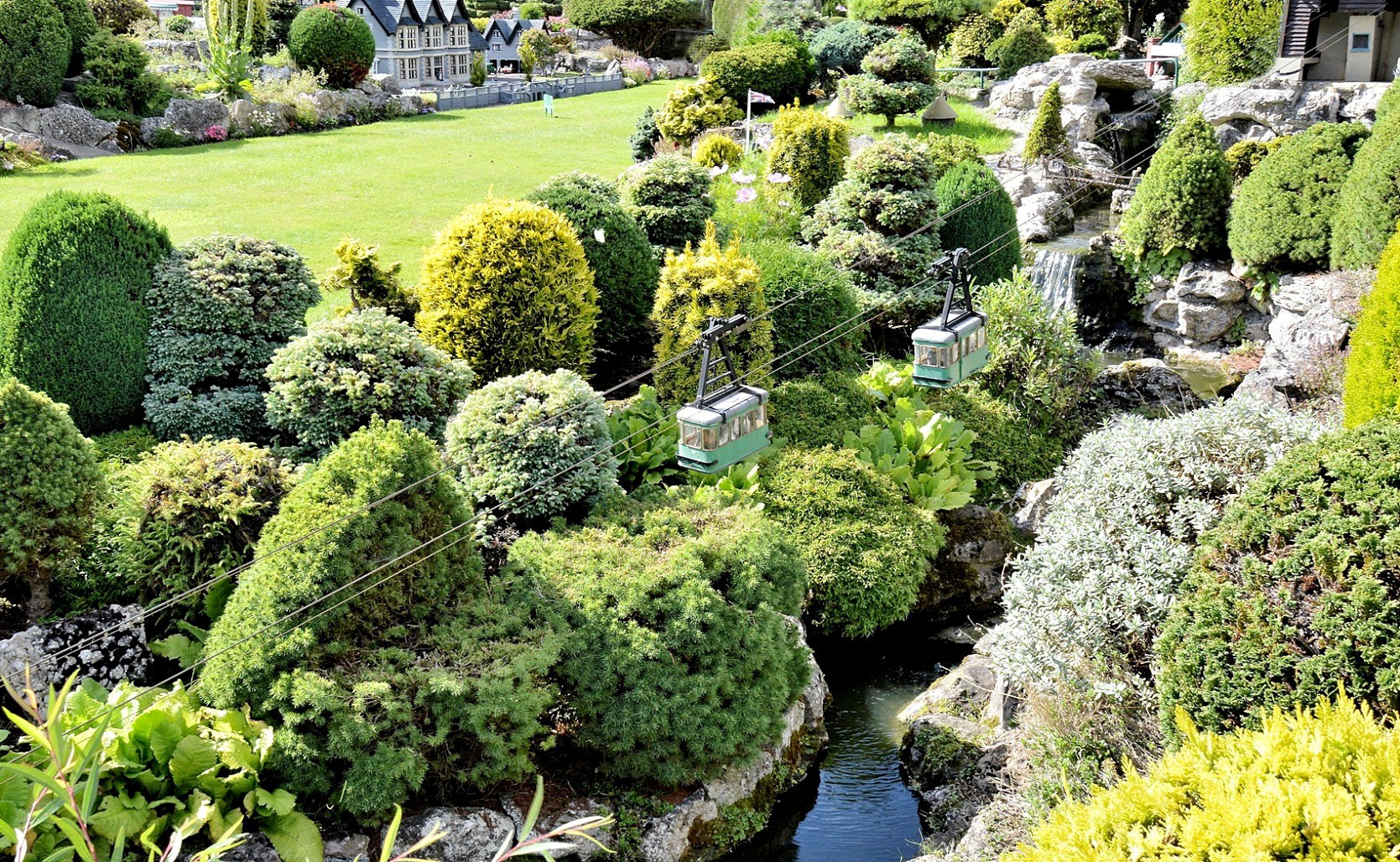 We gave the jolly old castle a fly by. They turned out the guard for us. Actually, I think we were being shot at but I’m sure they didn’t mean it, just a bit of fun. 🙂
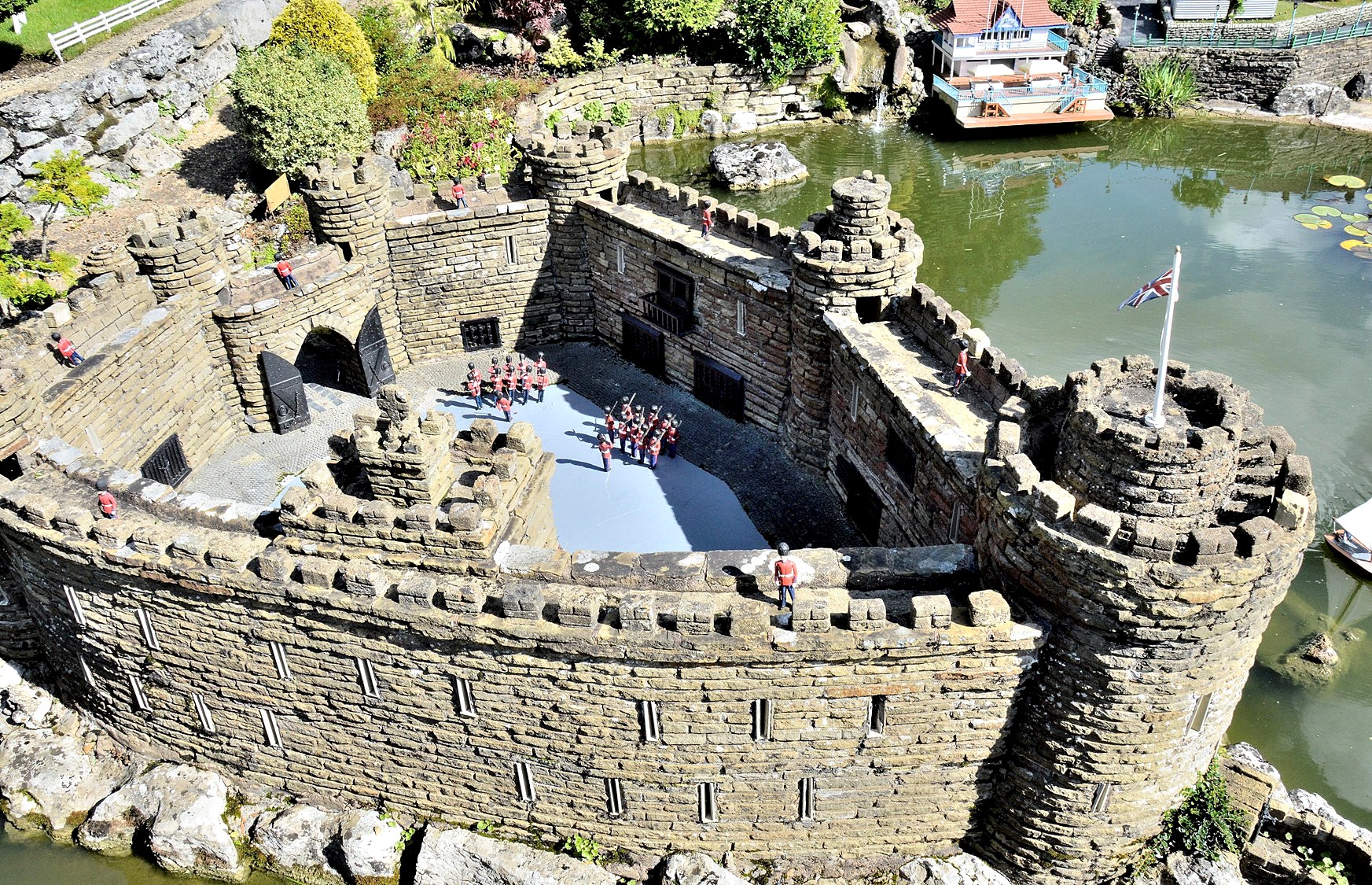
.

A nice little church, right next to the fun fair.
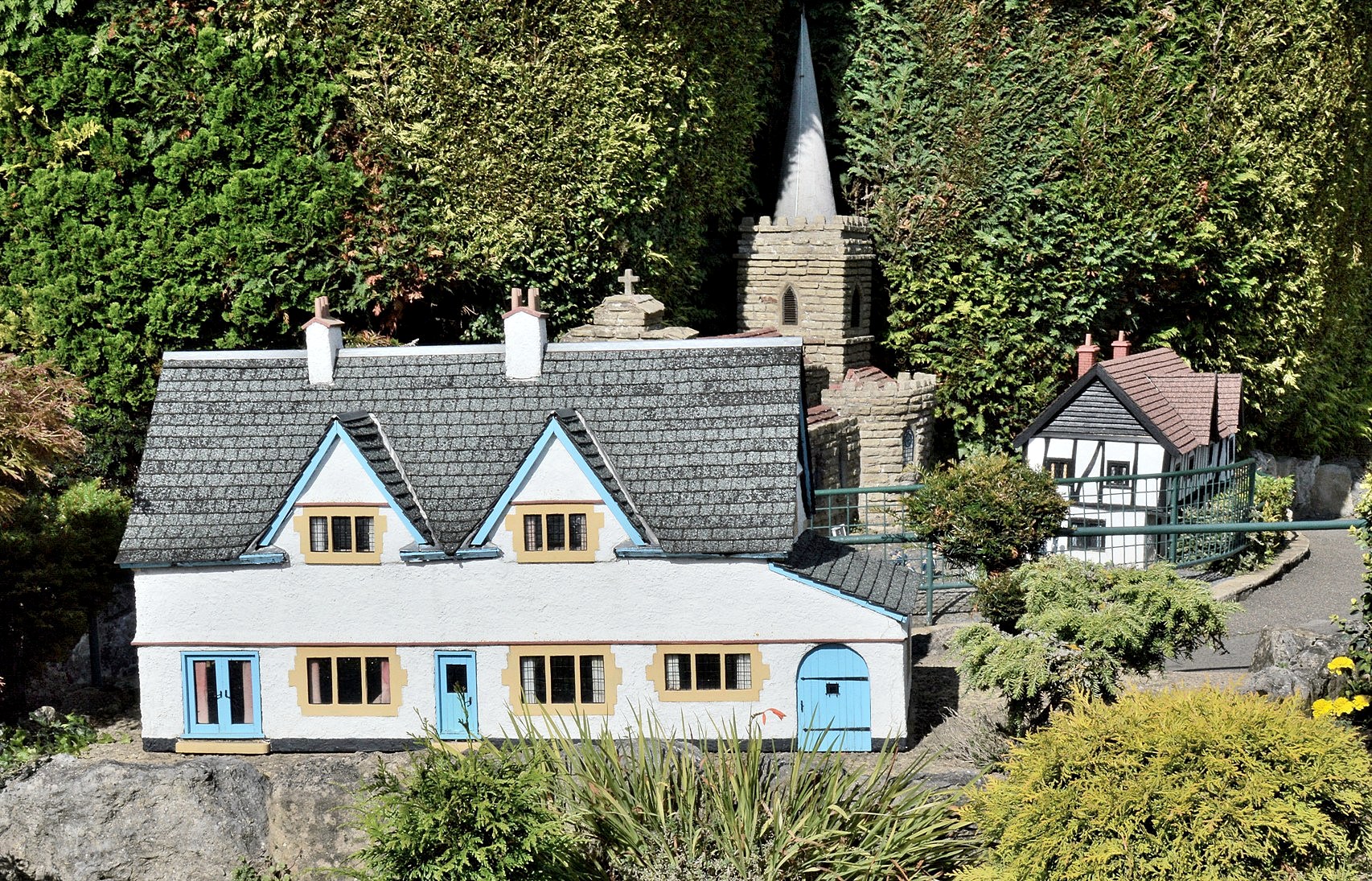
And, another with a quite modern vicarage.
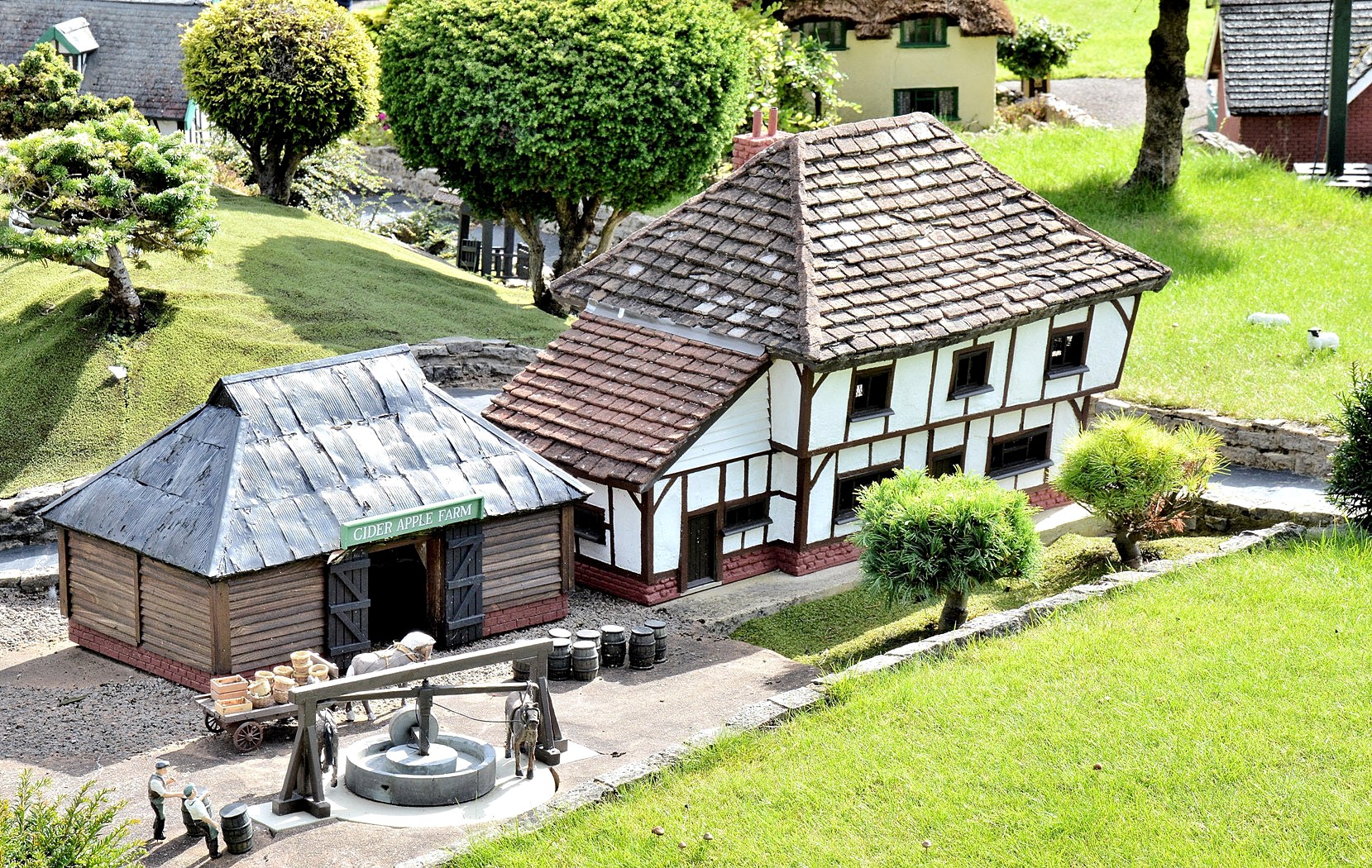
The cider apple farm. Almost landed for a sample, but thought we’d better press on. 🙂

Bekonscot is generally very industrious and the canal very busy.
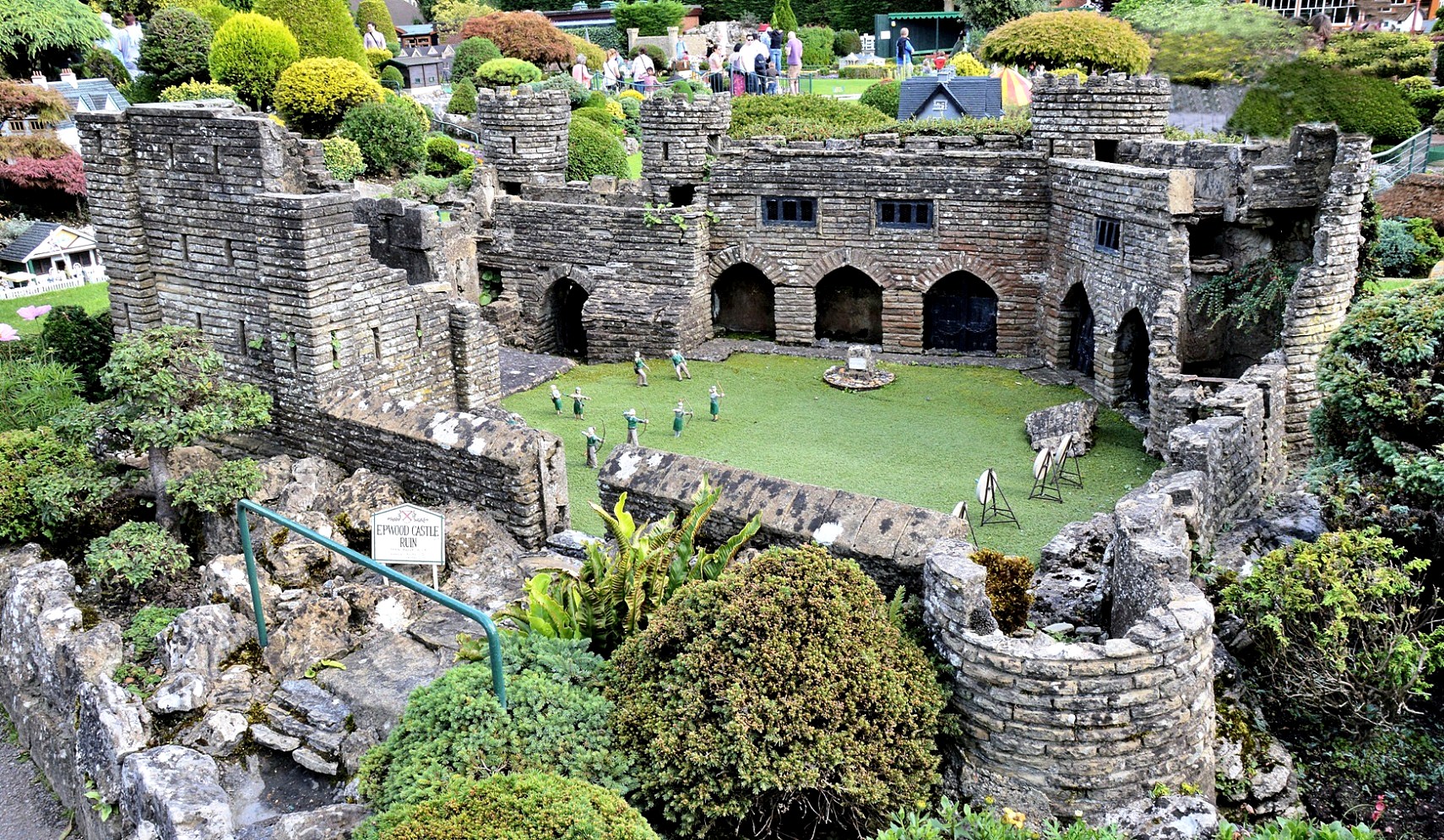
The old castle ruins are very popular. In the background one can see some of those giants I mentioned earlier with they’re plaintiff cries of “Don’t do that to your sister” and “How many times have I got to tell you”. I believe their numbers are kept down by congestion charging. 😀

The old fishing village.

The college is world-famous. Mostly for its prodigious cider consumption.

Farming is strictly organic. There’s a recital every day. 😀
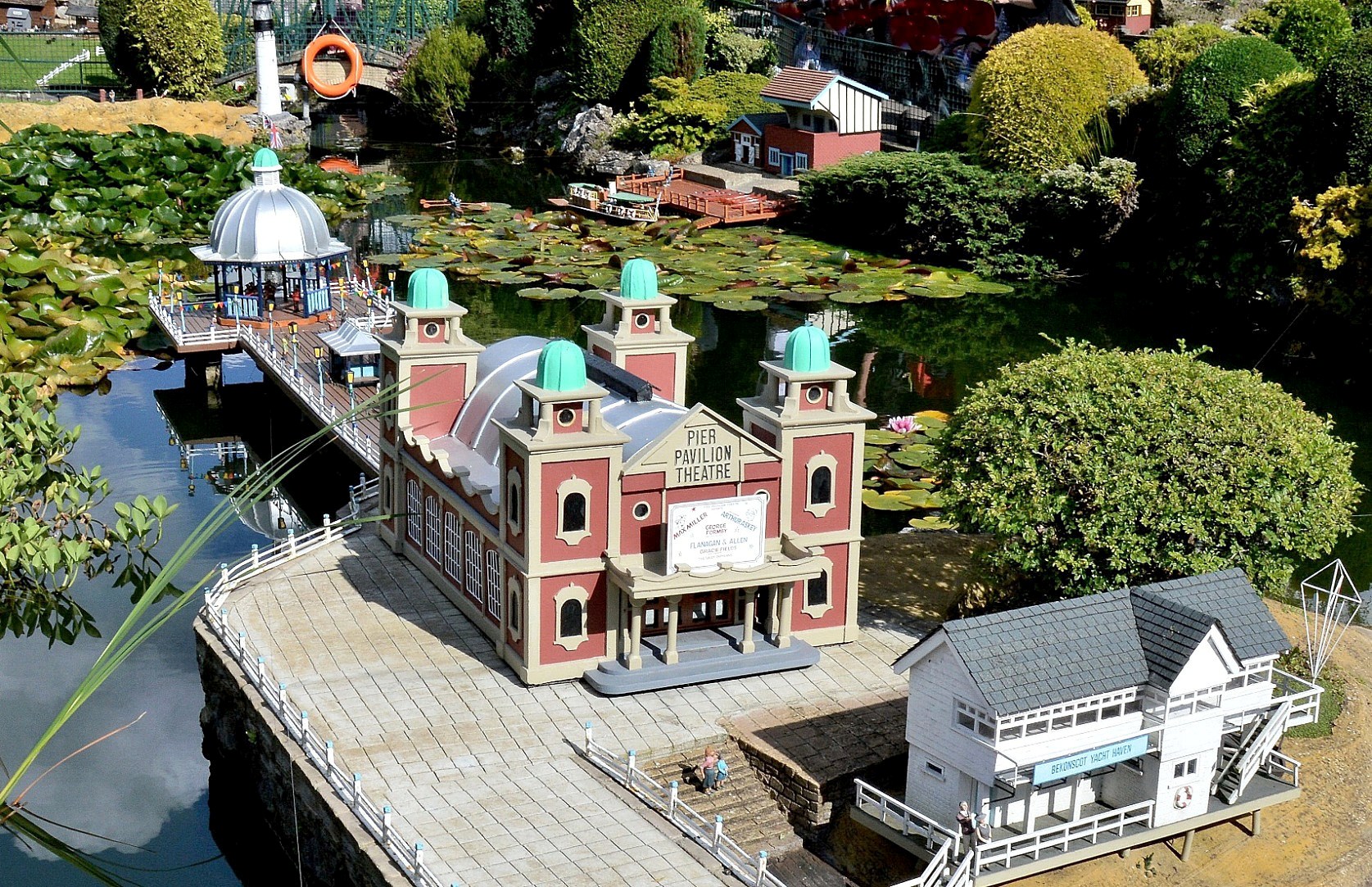
Plenty of other entertainment though. With the latest in performers.
It was from here that Sir Earnest Guzzelit embarked on his exploration of the Amazon rain-forest. Nobody has had the heart to tell him that he’s been going round in circles for two years.
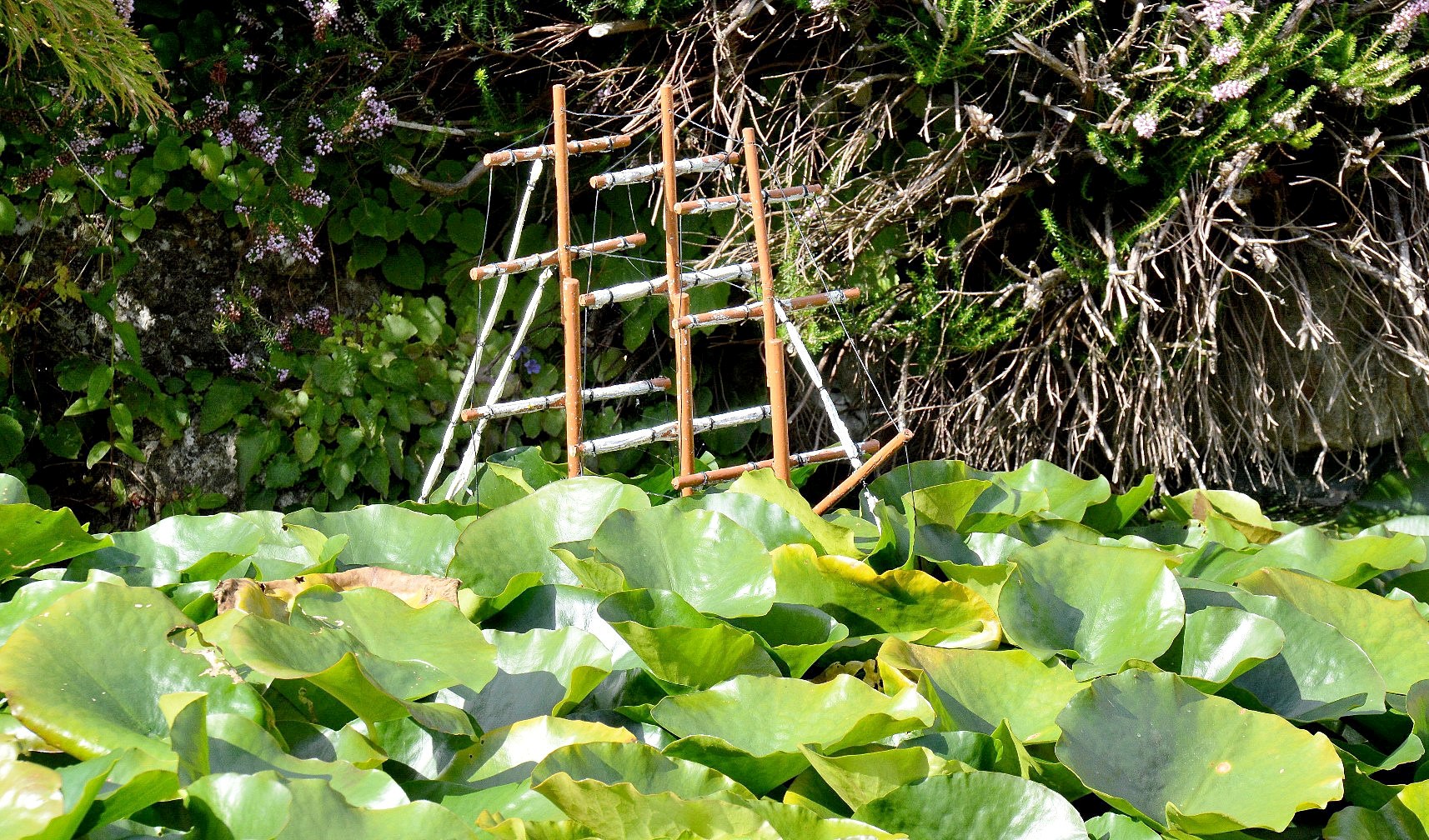 .
.

There’s Fred with his steam roller. Known locally as Fearless Fred on account of not being scared of big flowers.
And, more local humour.
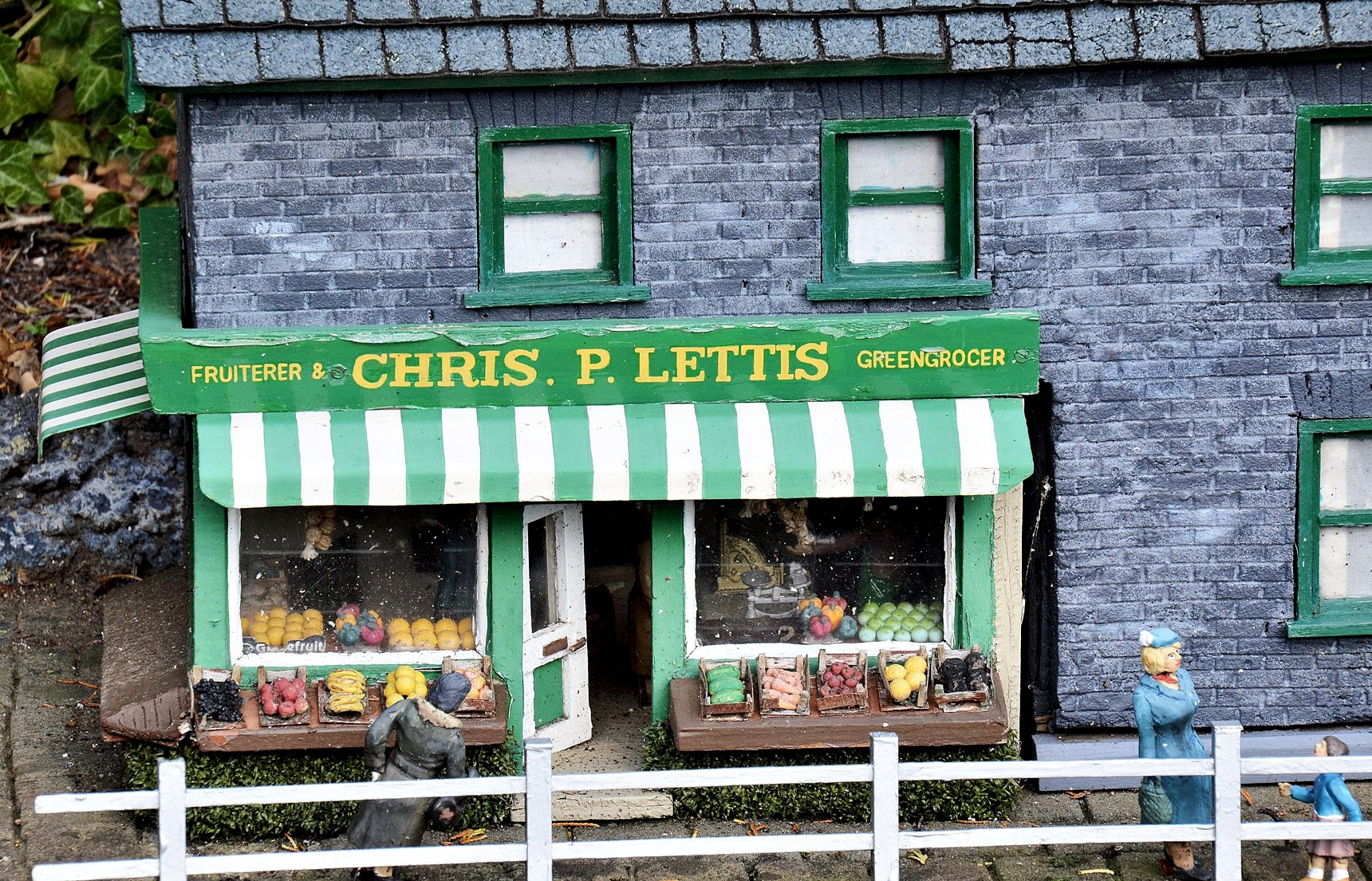
.

.

This one’s my favourite (W.E. Humpit and U Burnett).
There was a tiny bit of a crash landing. As luck would have it, quite close to this rescue center. 🙂
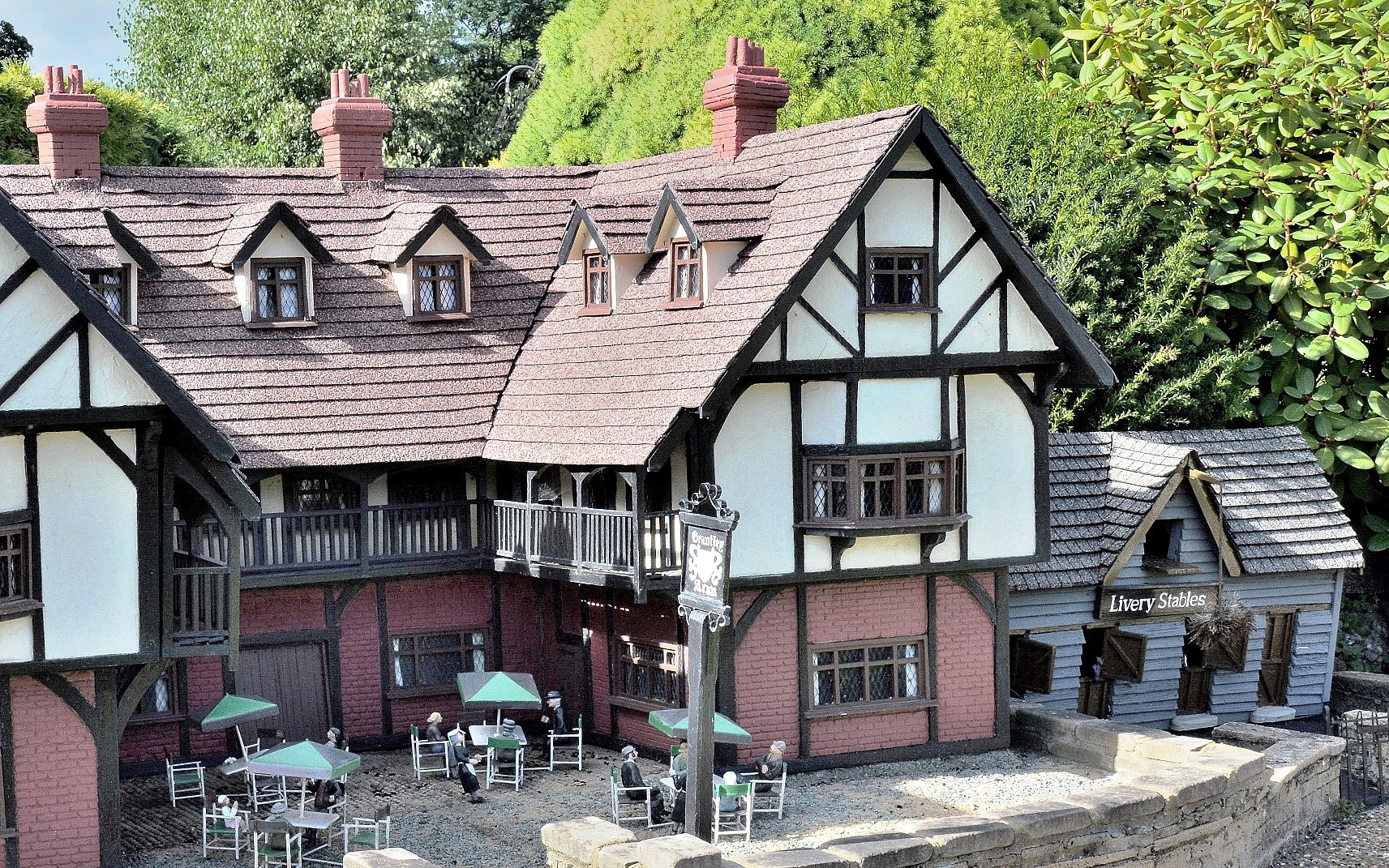 .
.
Well there you have it, you see. Not very big until you get right down to it. 🙂
There’s more magic at Alice in Wonderland. 😀
Bekonscot is the oldest model village in the world and if you would like to know more about Bekonscot⇐. It is worth checking the Admission Times and Prices. For 2015 it is much cheaper after 3:30 pm (closes 5:30 pm). If traveling by rail there is a signed foot path just outside the Beaconsfield station exit (cross the footbridge first, if coming from London – Waterloo).
And, there is also:-
The Elfin Oak, Babbacombe Model Village (Devon) and nearby Kents Caverns, Corfe Castle and more Model Villages. Enjoy and thanks for the visit.
Said Alice, at Wisley
The Alice in Wonderland event ends 31st Aug 2015, but in the meantime click on twice to expand, said Alice ~

If you look where Alice looks, then you’ll see what Alice sees. Cats with a cheesy grins, found nesting up in trees.

Said Alice, to a rabbit who was late.

And here’s a snail that’s made of flowers, and a mushroom for my plate,

A pillar with a hookah.
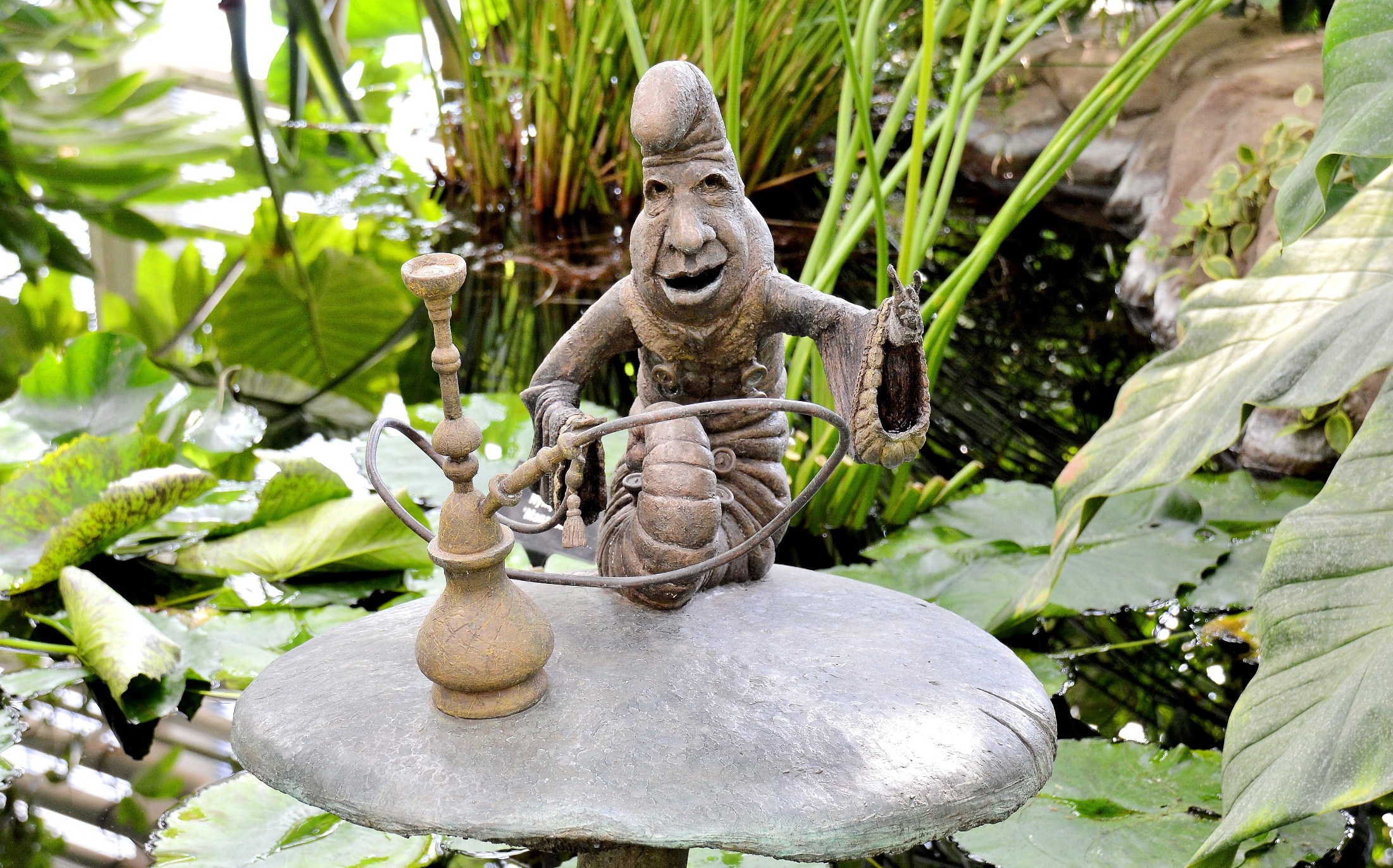
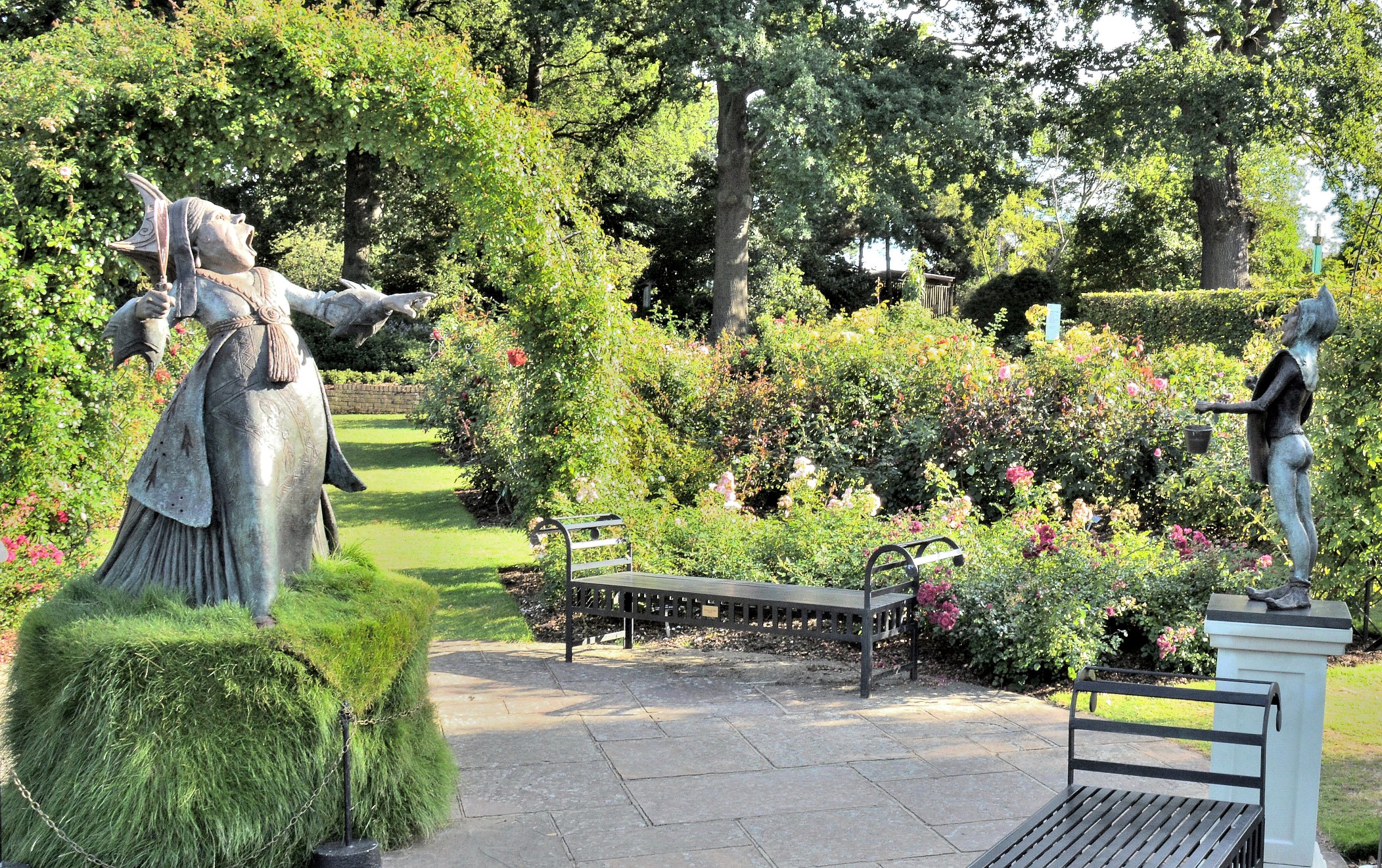
Off with his head
And a Red Queen in a spate,
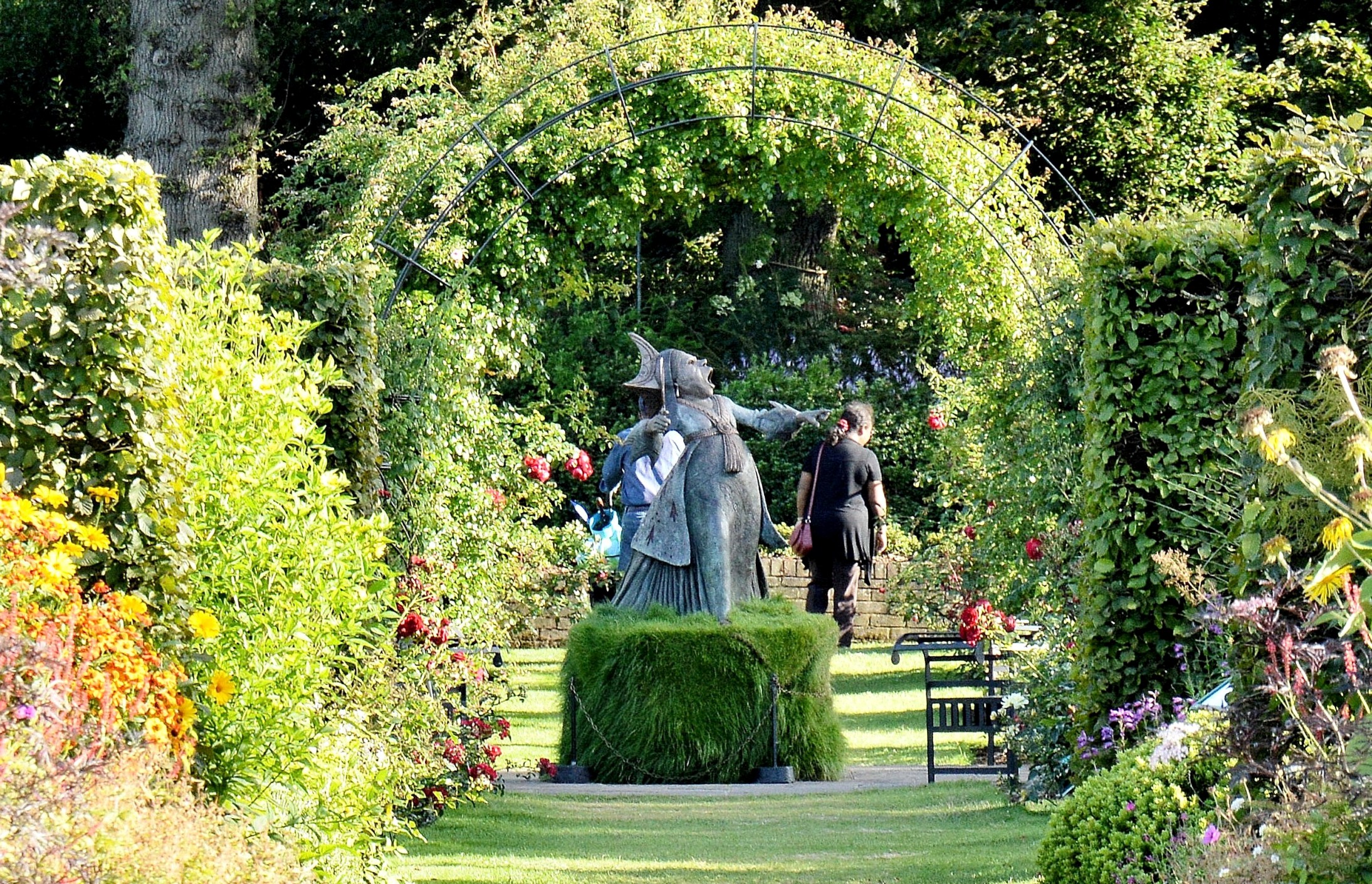
. . . and his
Then strange tea with the Mad Hatter,

Wouldn’t that be great ?.

Said Alice, who burst into song ~
Wisley Gardens

Wisley Gardens is run by the Royal Horticultural Society and is certainly amongst their best and quite spectacular.
There is a Flower Show from 8th to 13th September 2015 – Website here. Travel here. Flowers here. Wisley Wonderland here, Glass House/Orchids/Pitchers here, Statues here and Fuchsias will be added. Enjoy :-
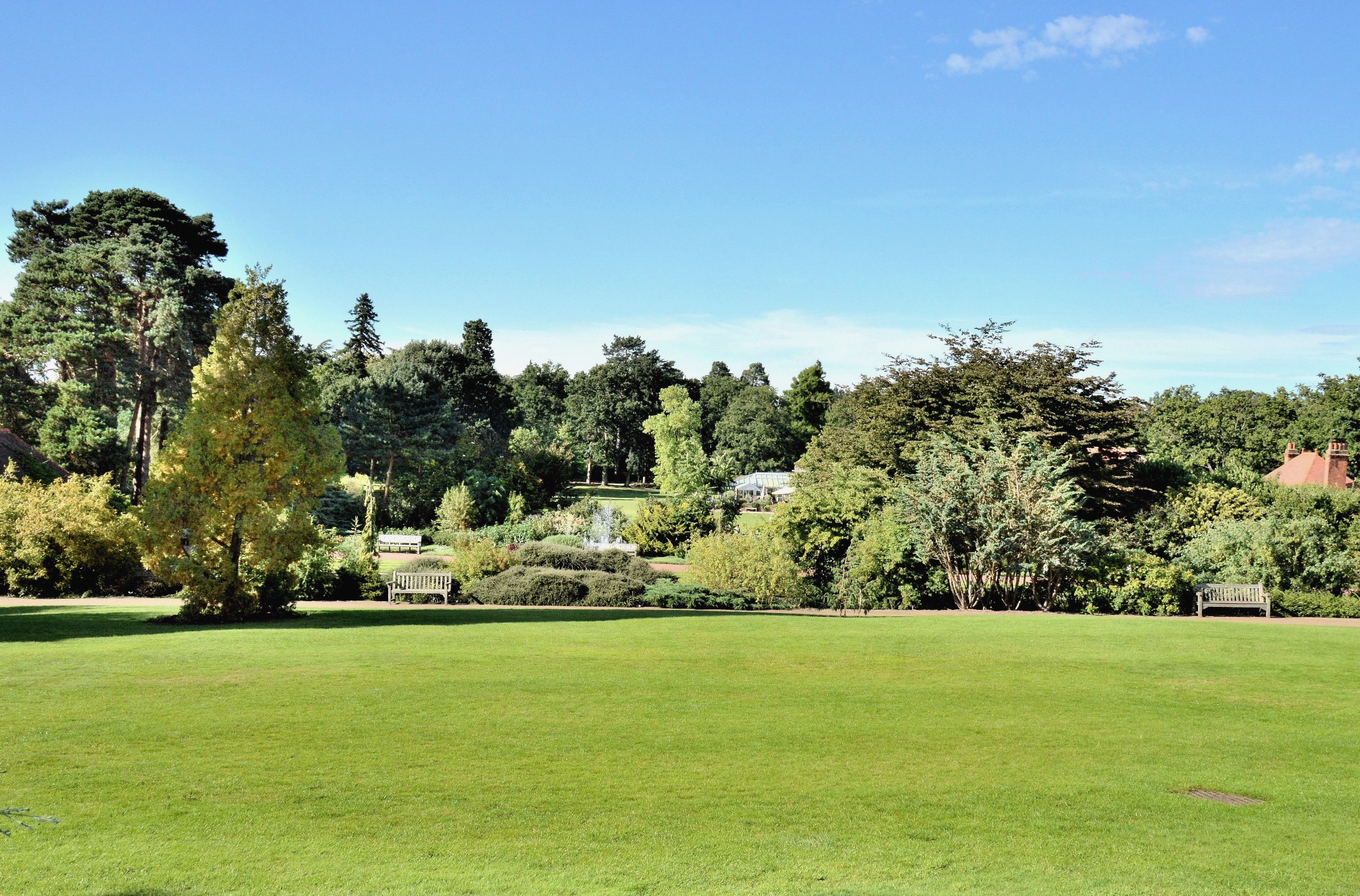
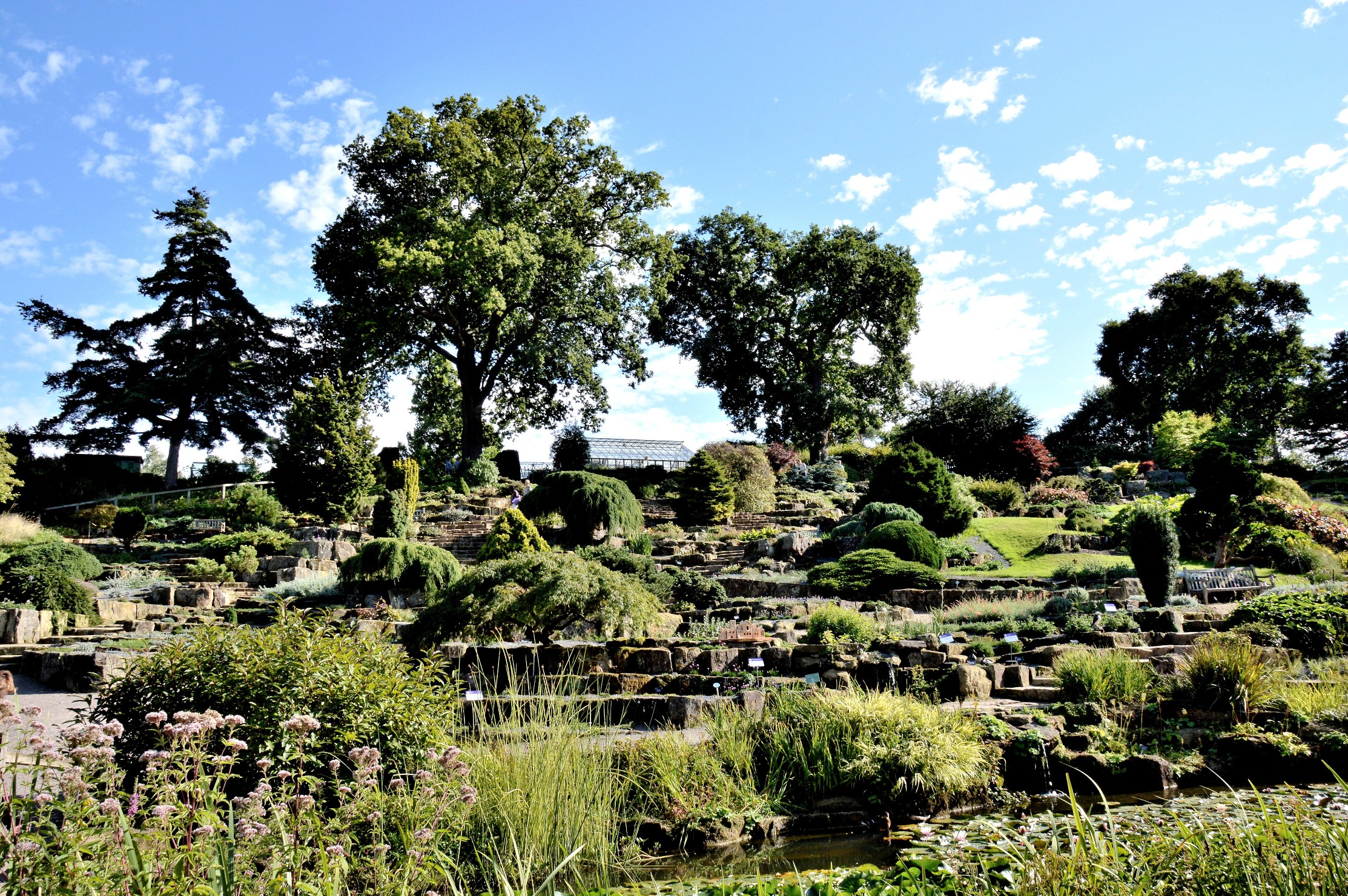
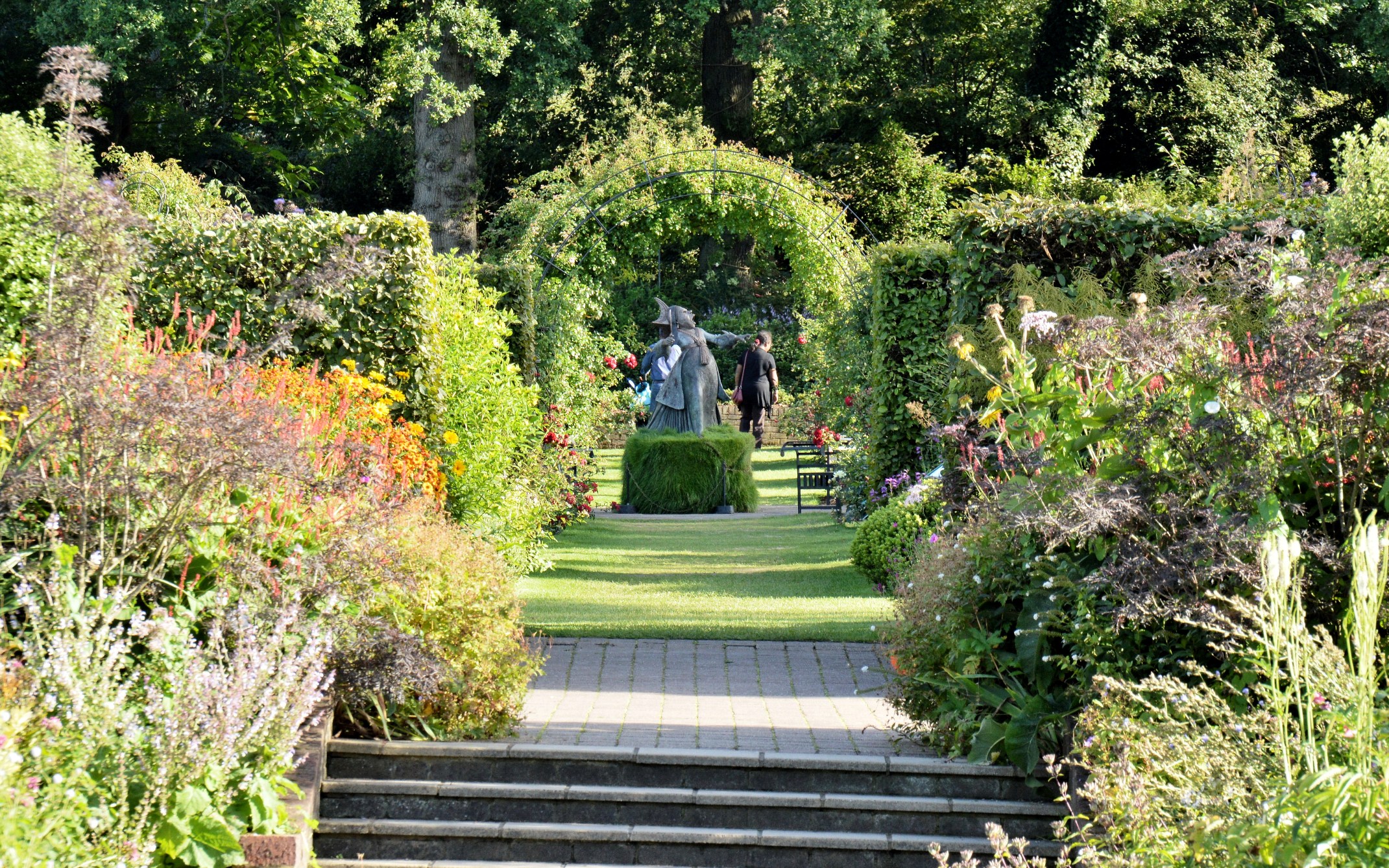
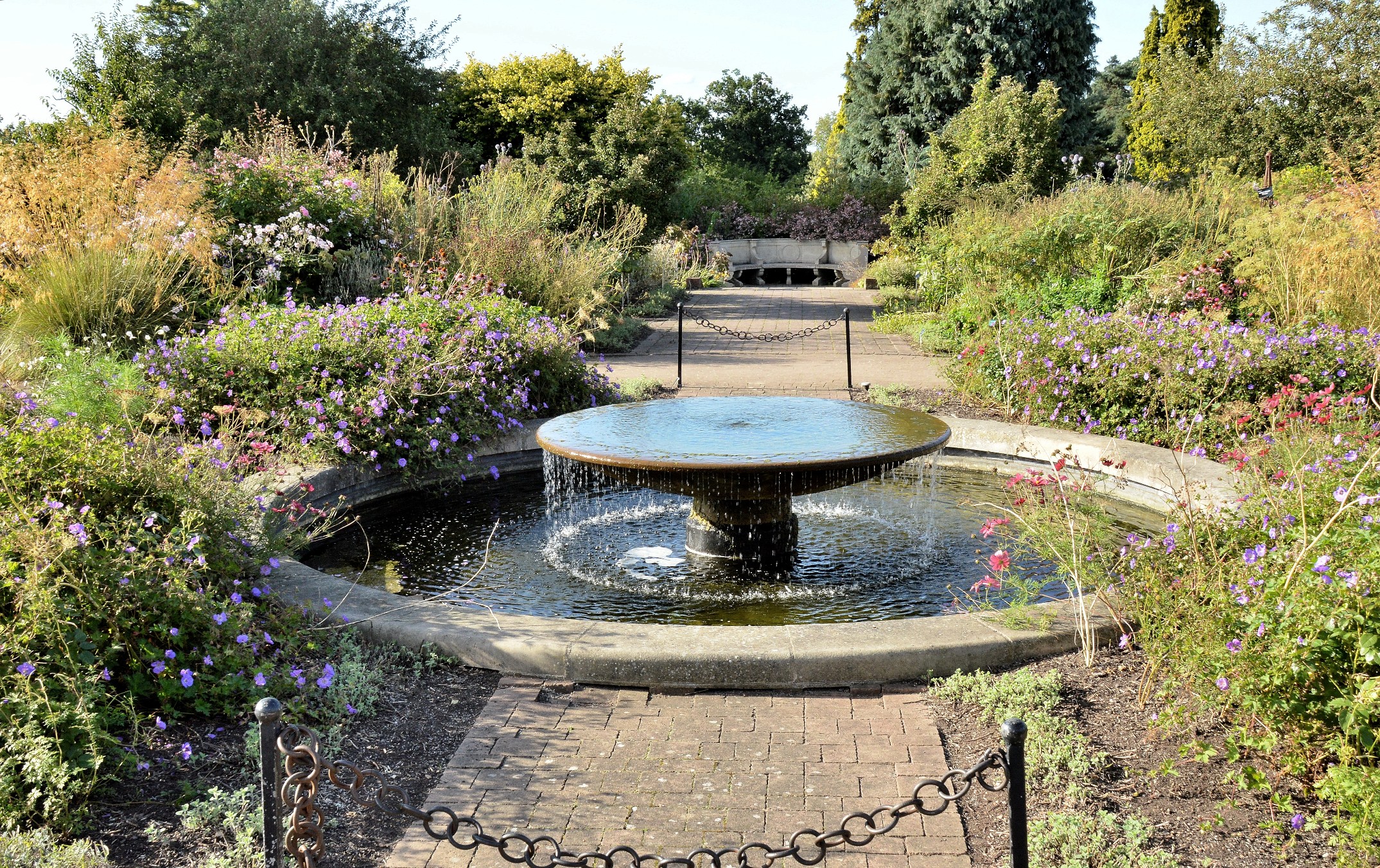
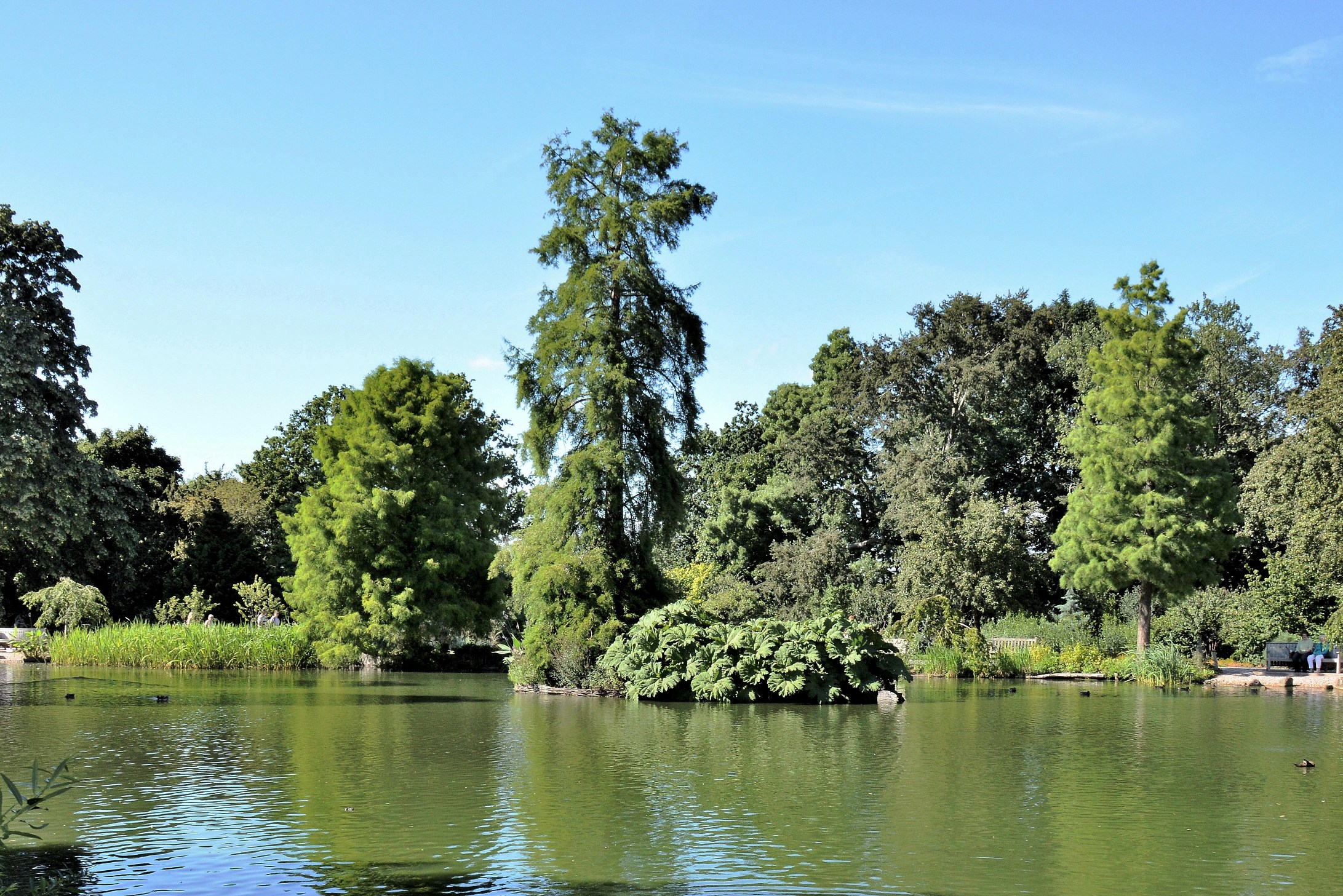


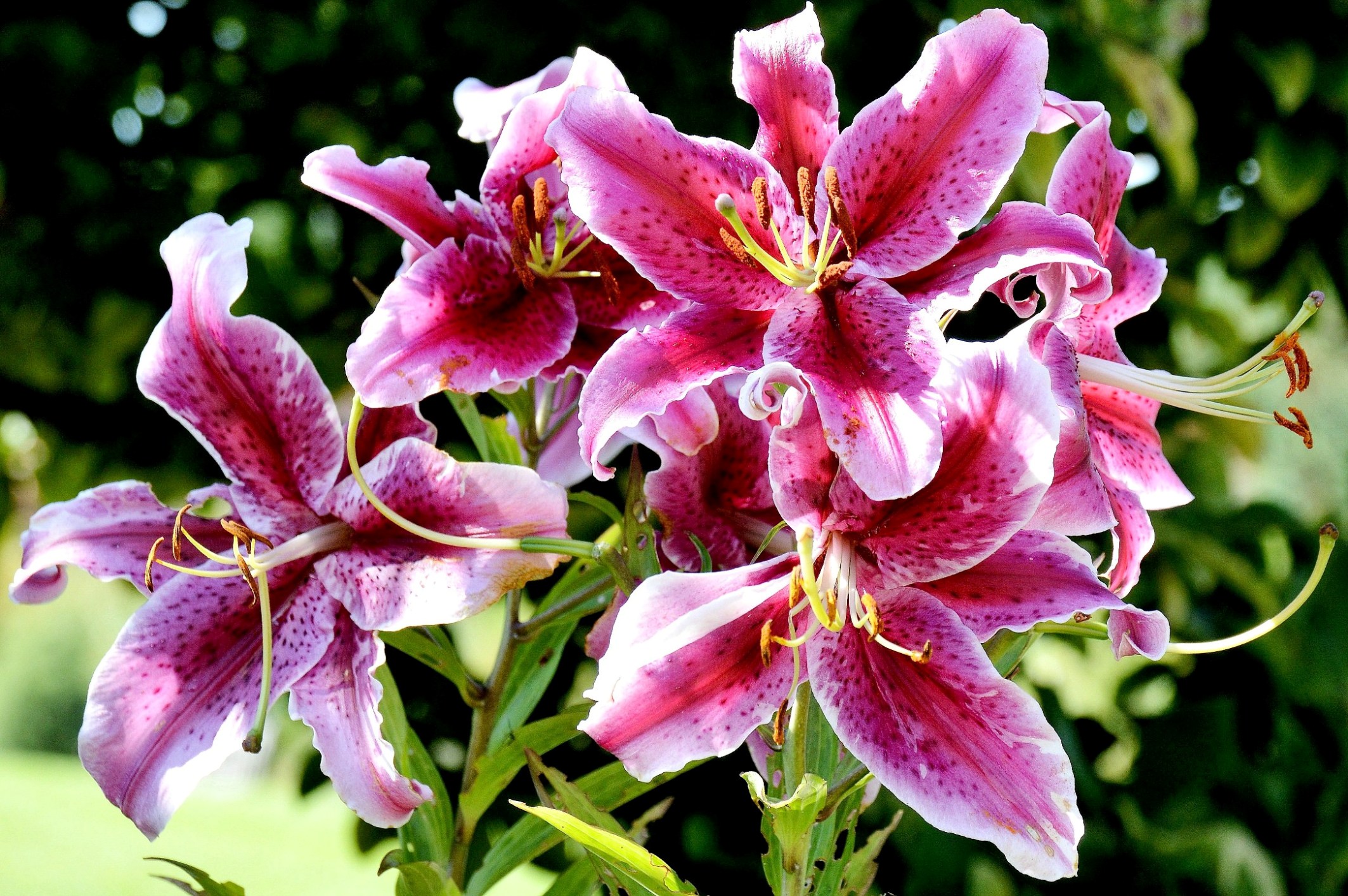
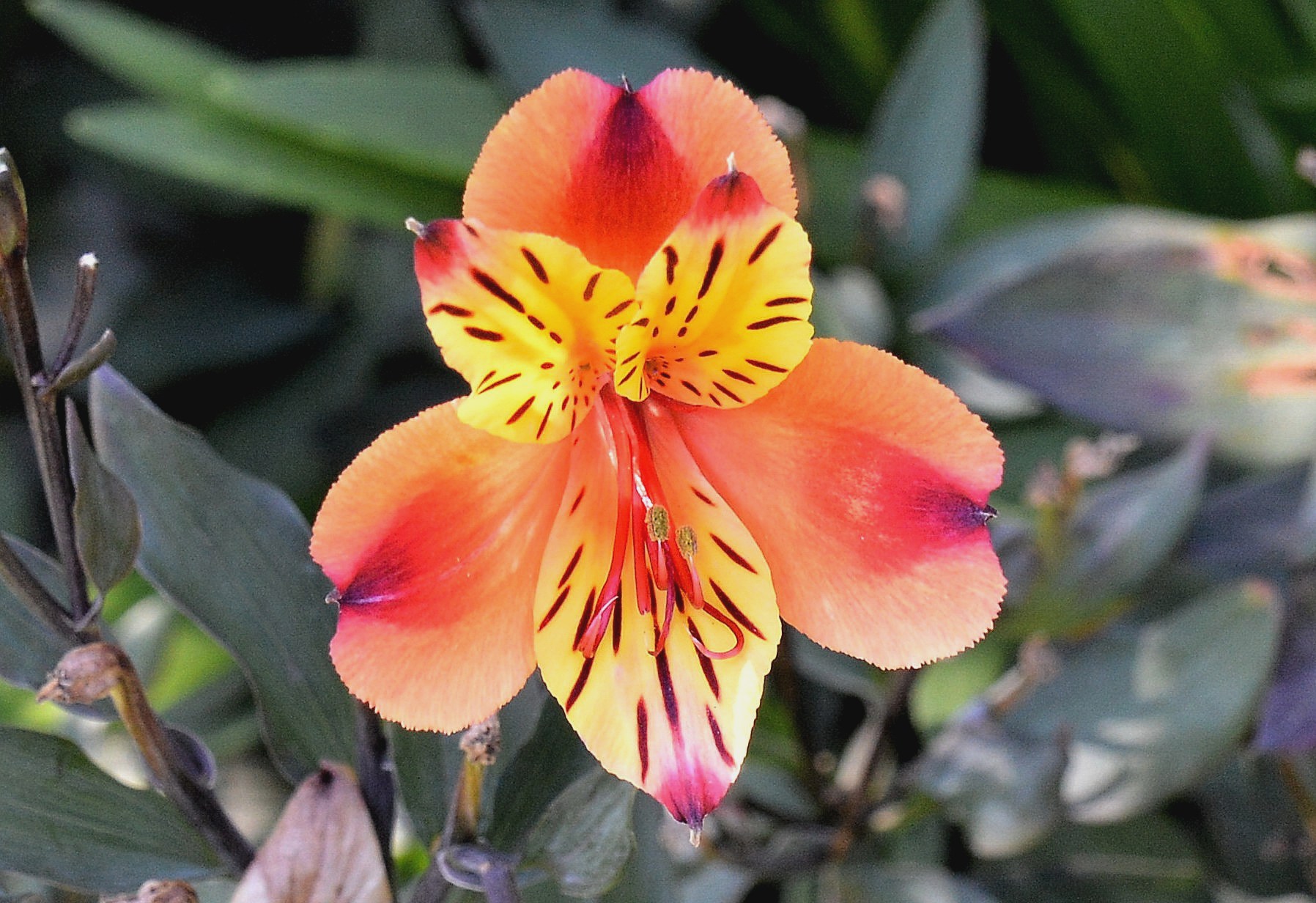
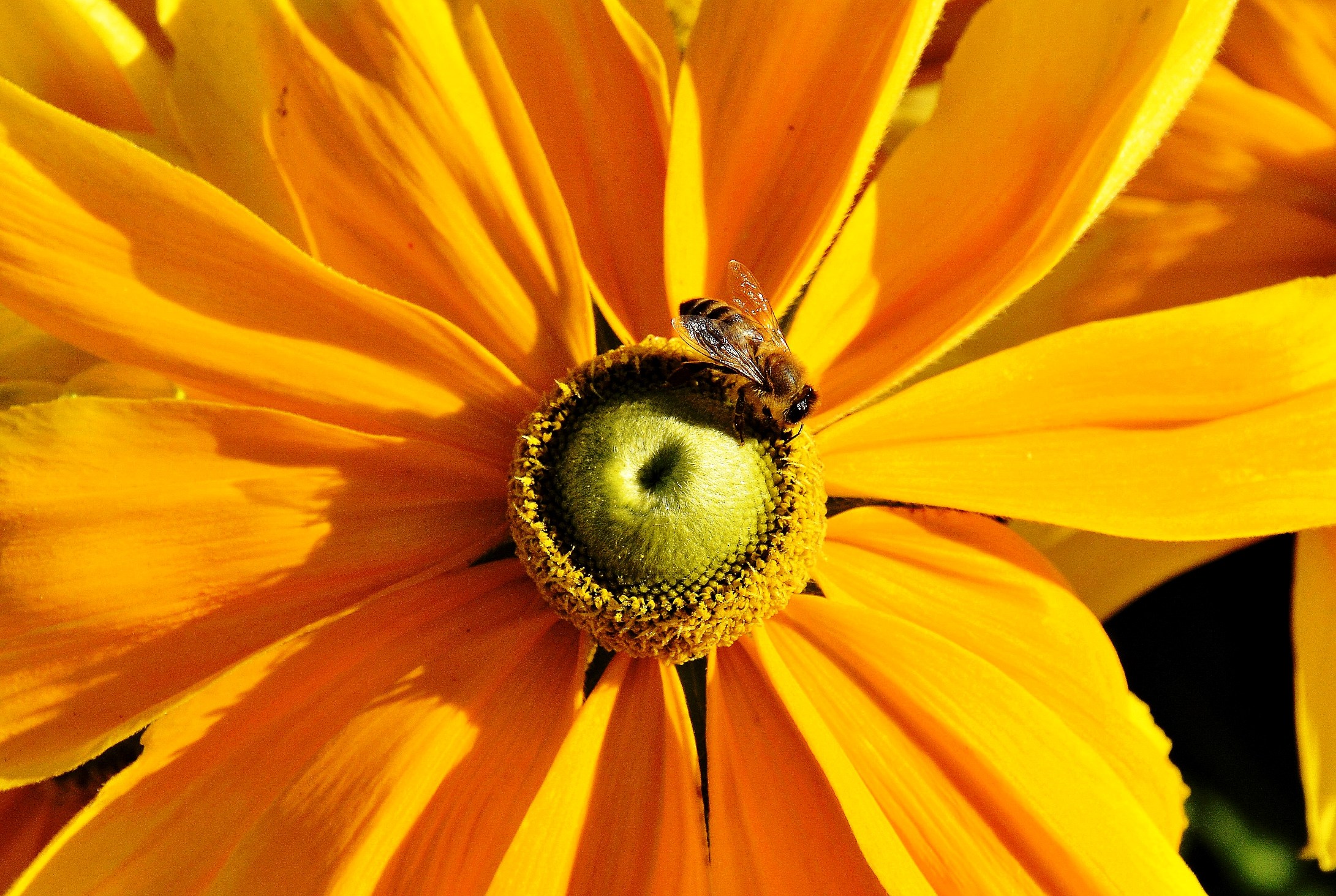
Flowers at Wisley Gardens

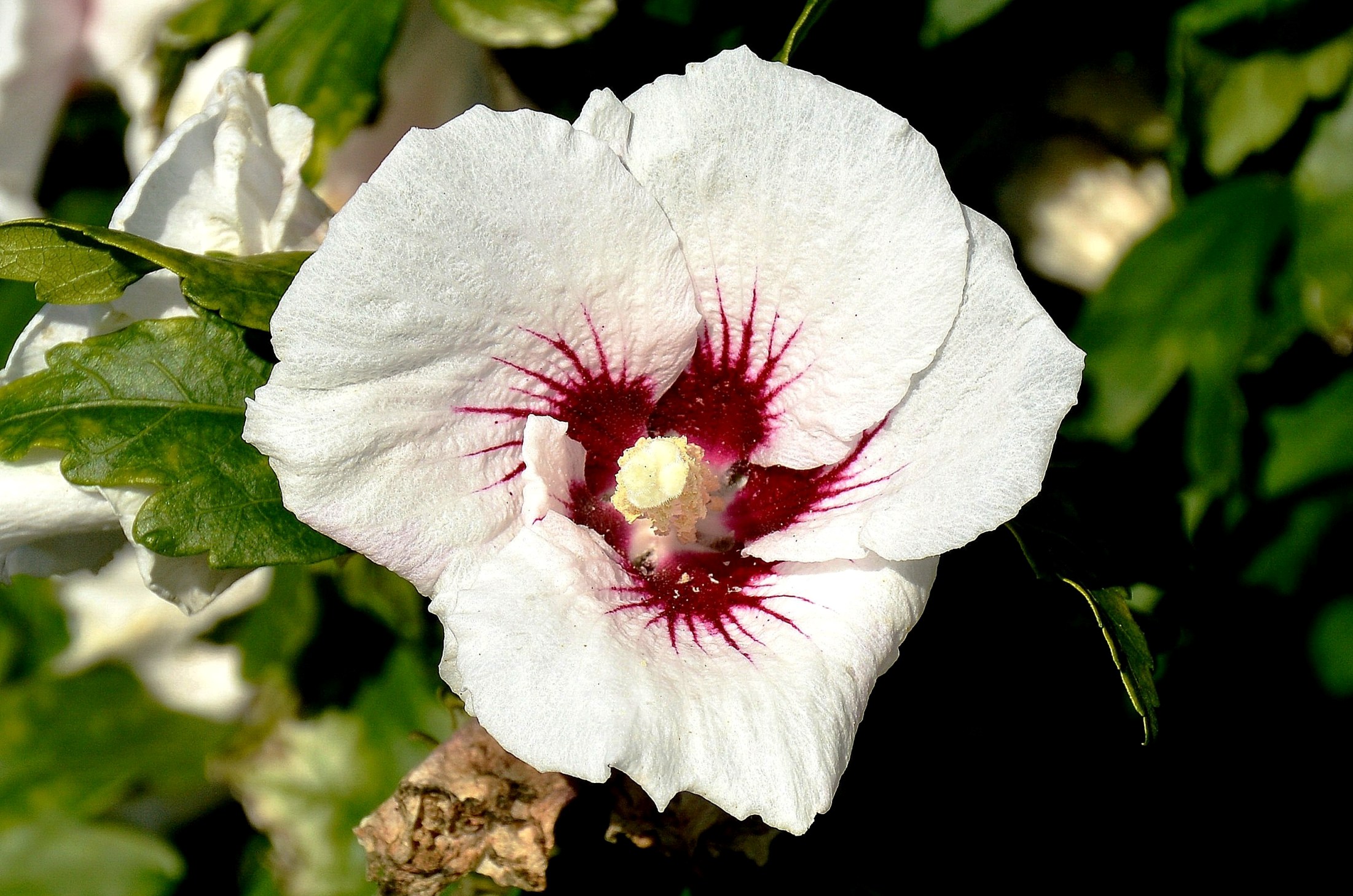
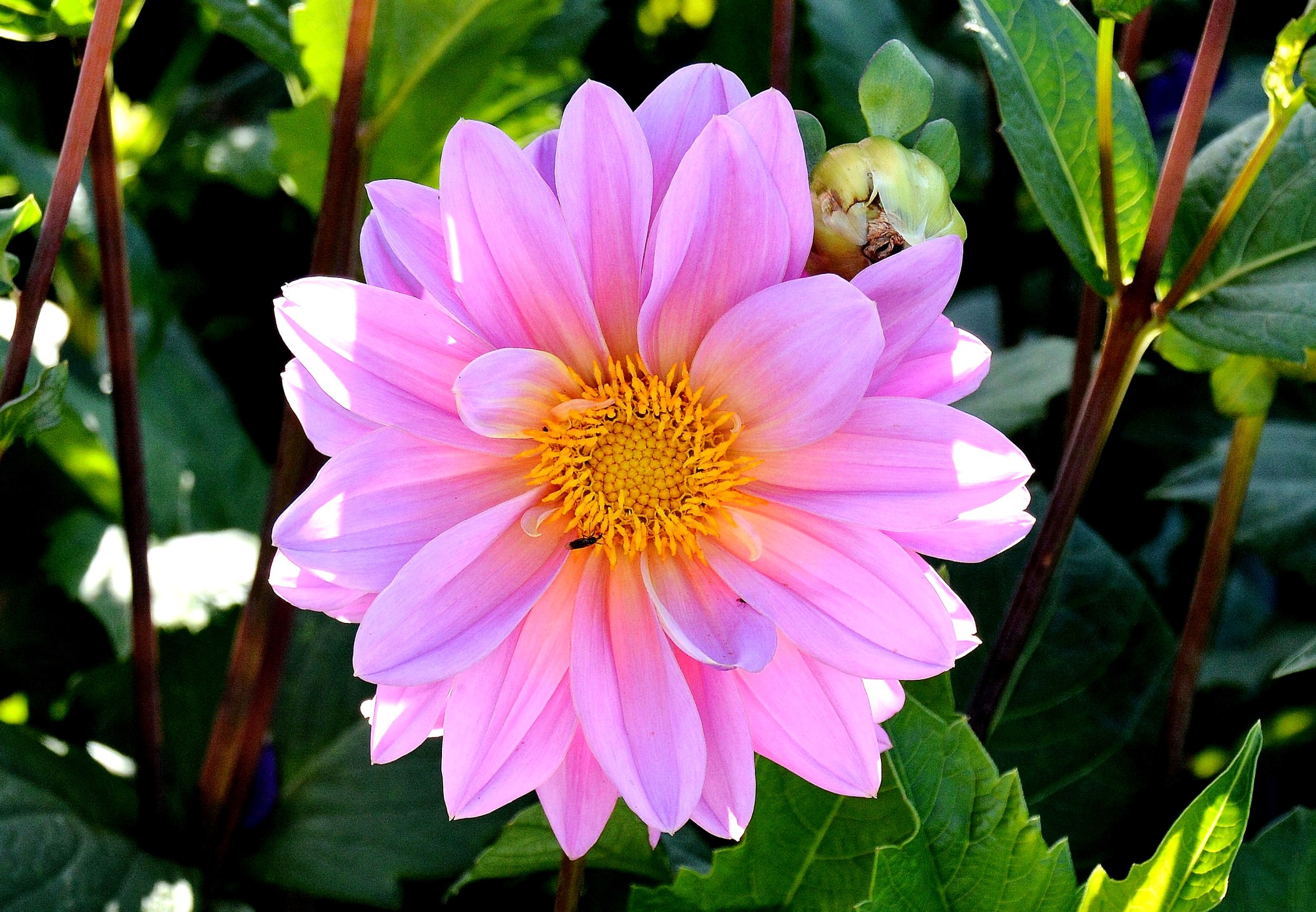
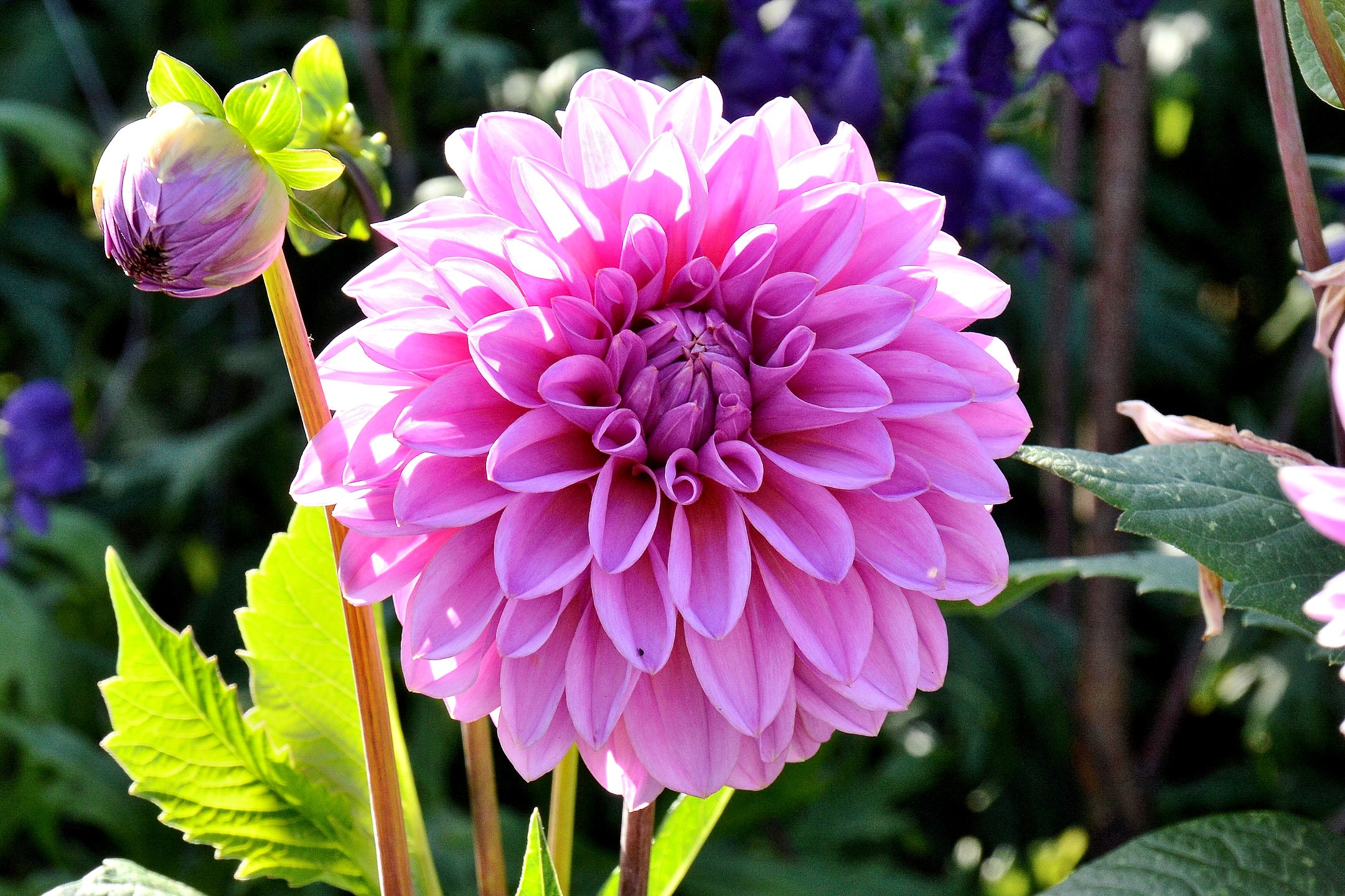
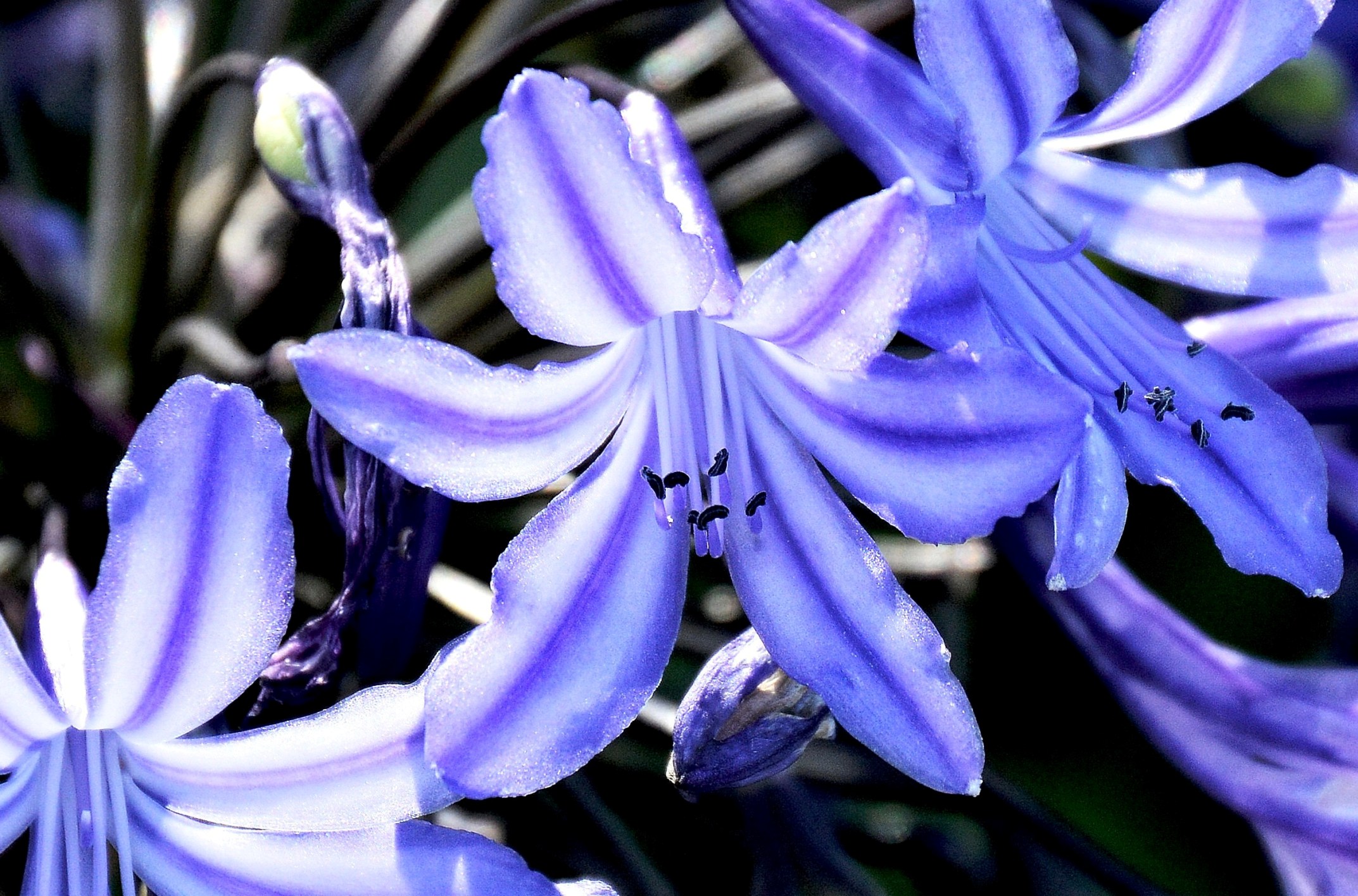
Wisely Gardens is run by the Royal Horticultural Society and I think the best I have seen. Please click here for the Gardens/Glasshouse/Orchids/Bonsai Trees/Statues.



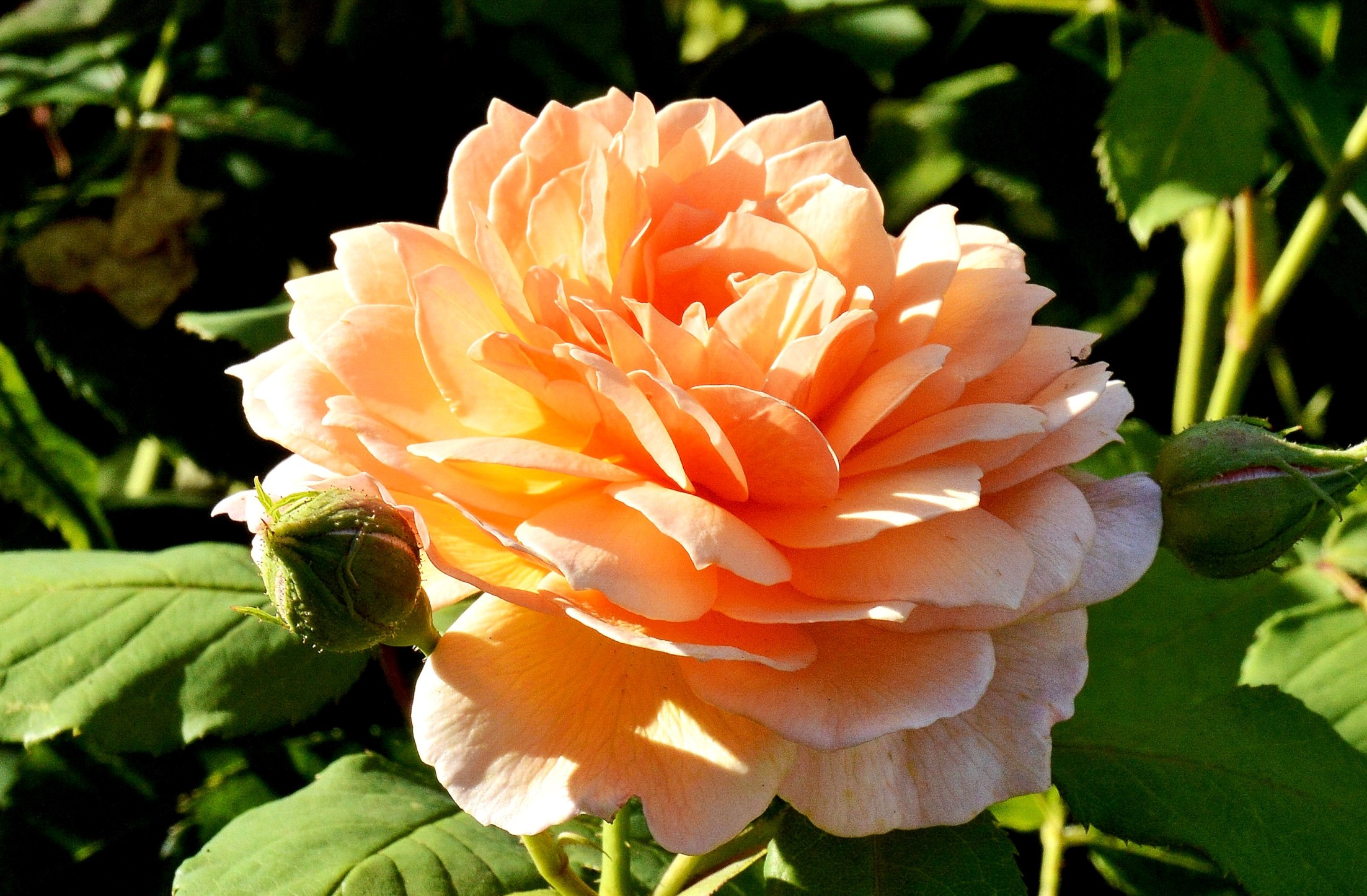
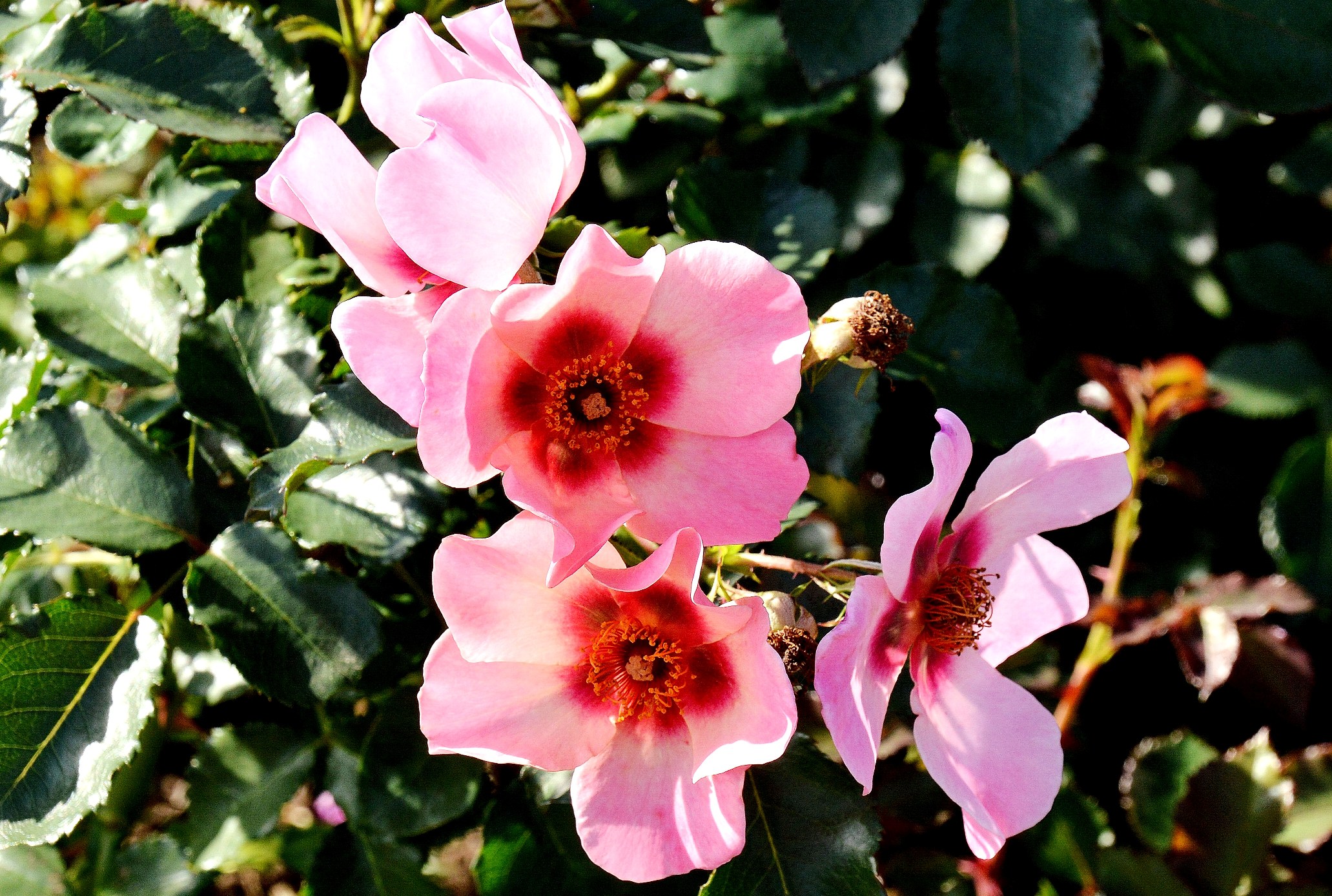
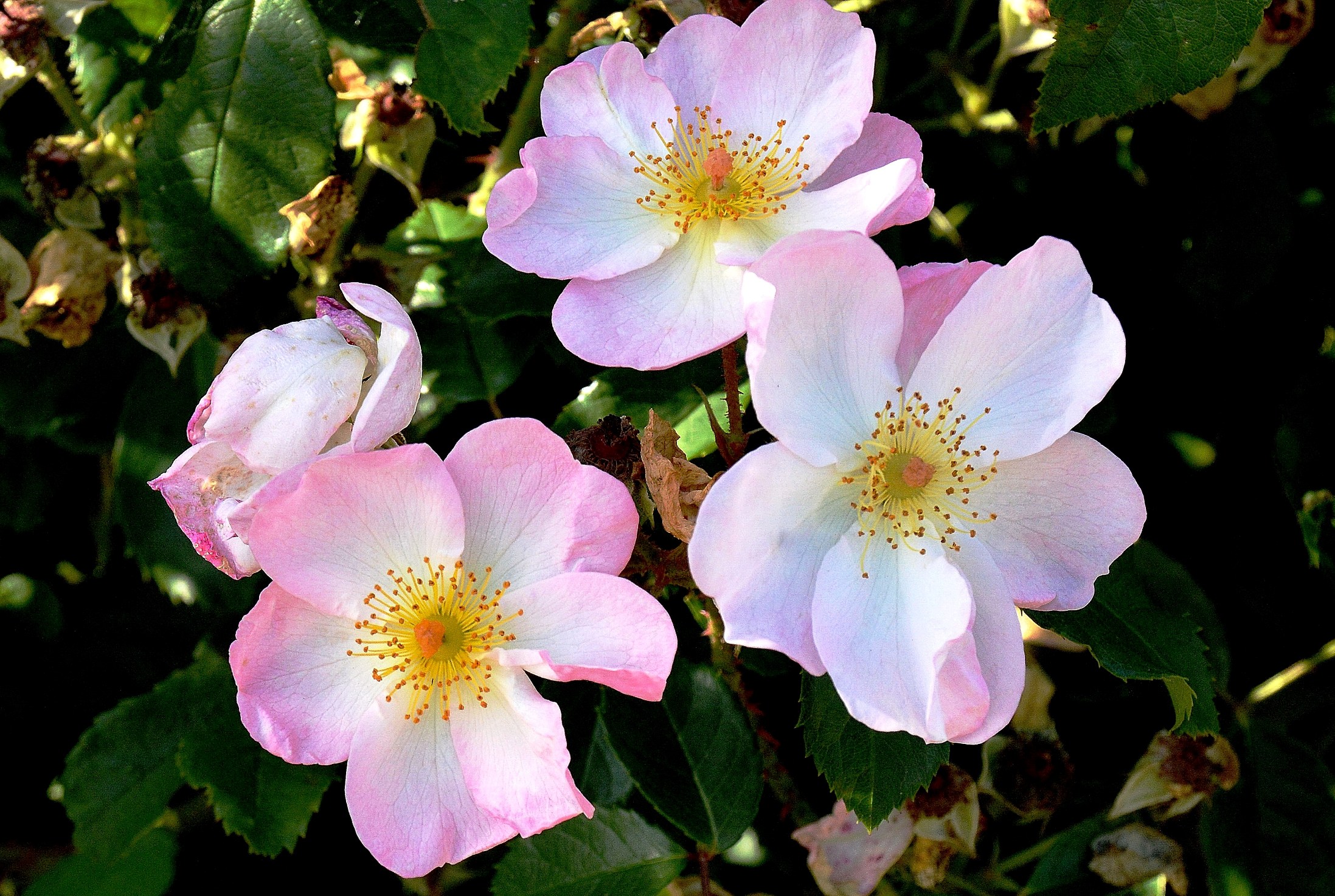
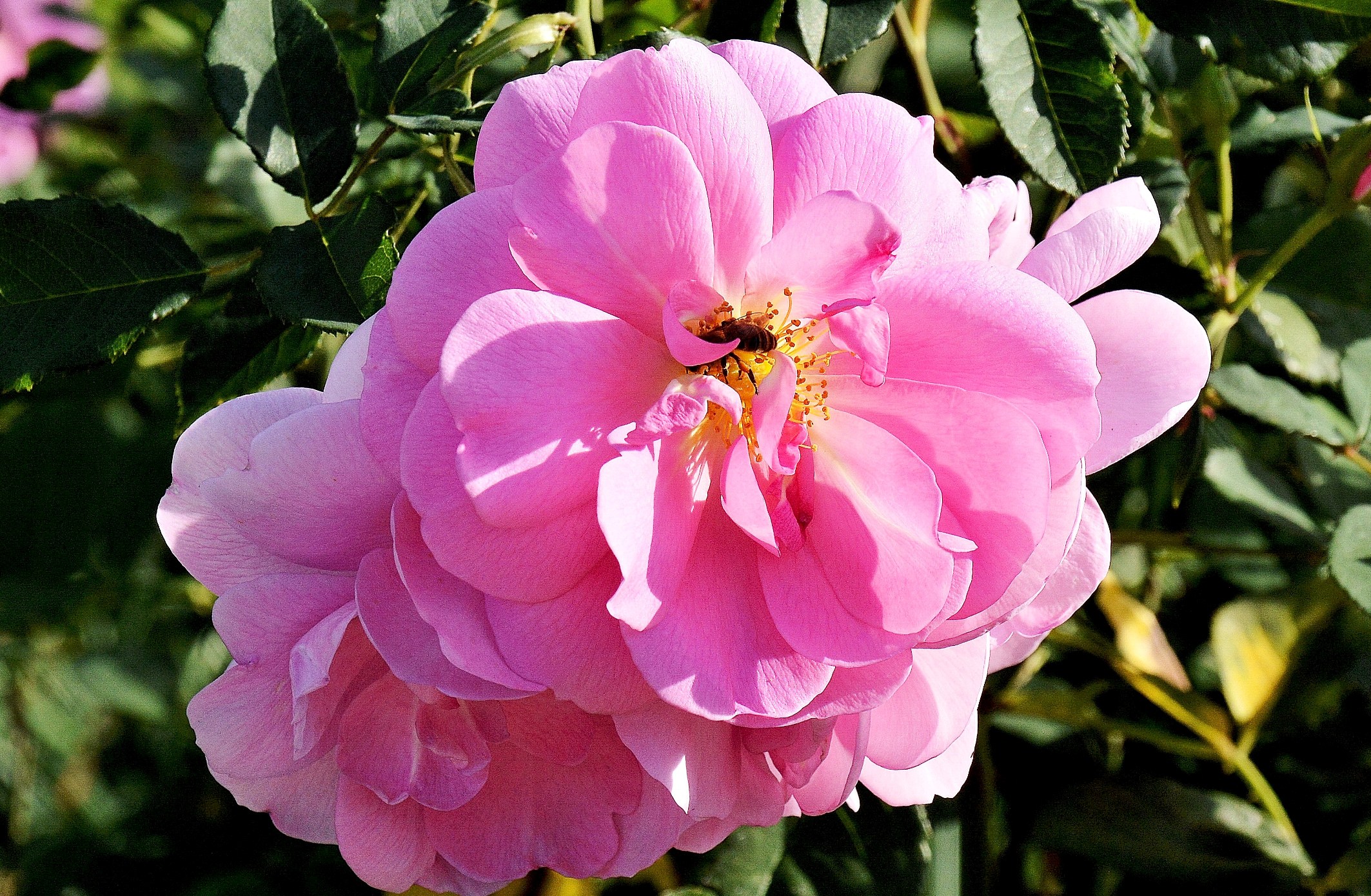

St Paul’s Cathedral

For more than 1,400 years, a Cathedral dedicated to St Paul has stood at the highest point in the City of London. The present cathedral was designed by Sir Christopher Wren and built during the period 1675 and 1710. More History ⇒.
Photography is not usually allowed except on a few days each year or with a permit. The few visitor date/times/charges for photography without a permit during 2017 are here ⇐. For permits and commercial photography/filming, please see here ⇒ . General Admission and charges are here ⇒.
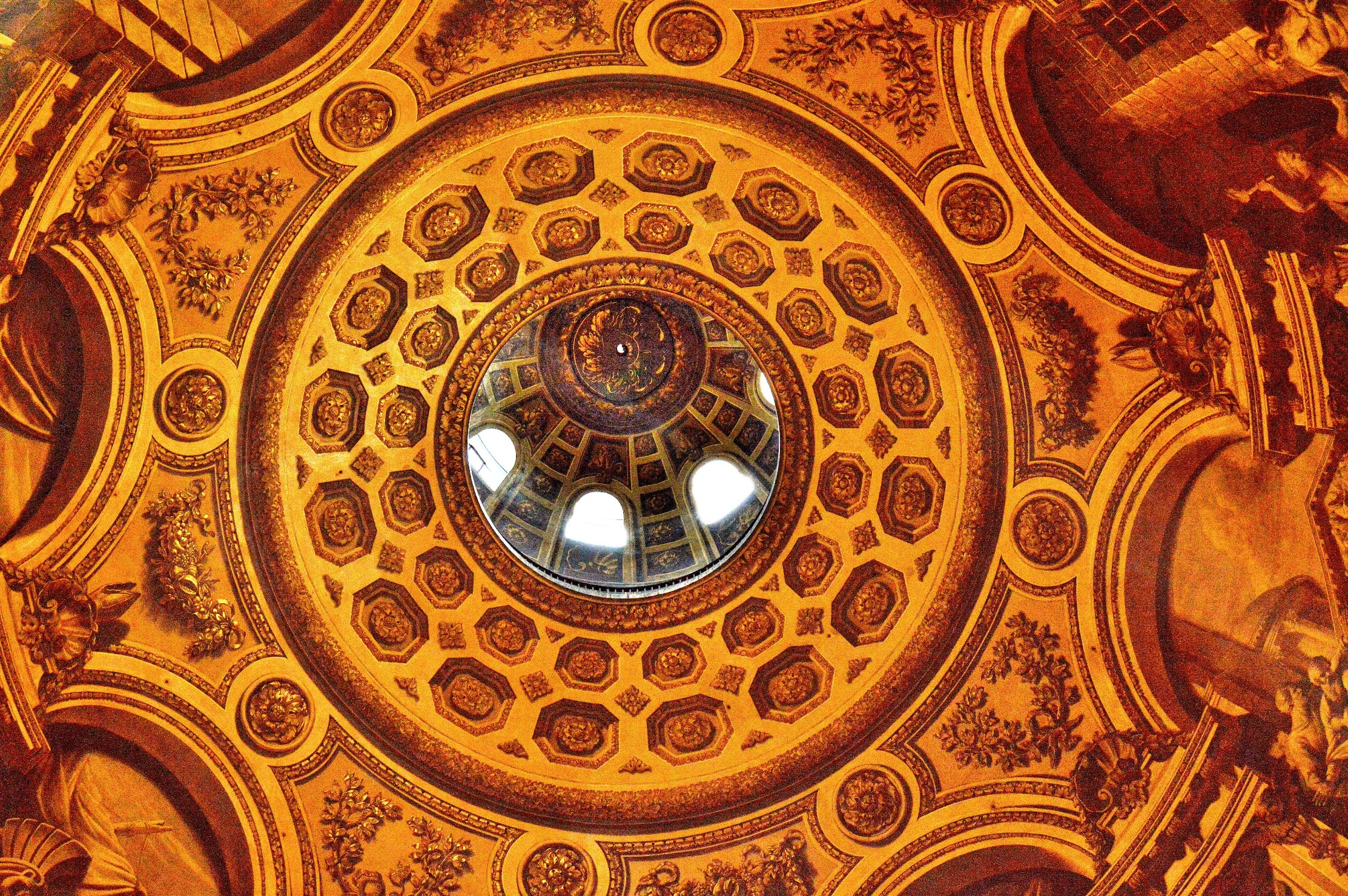
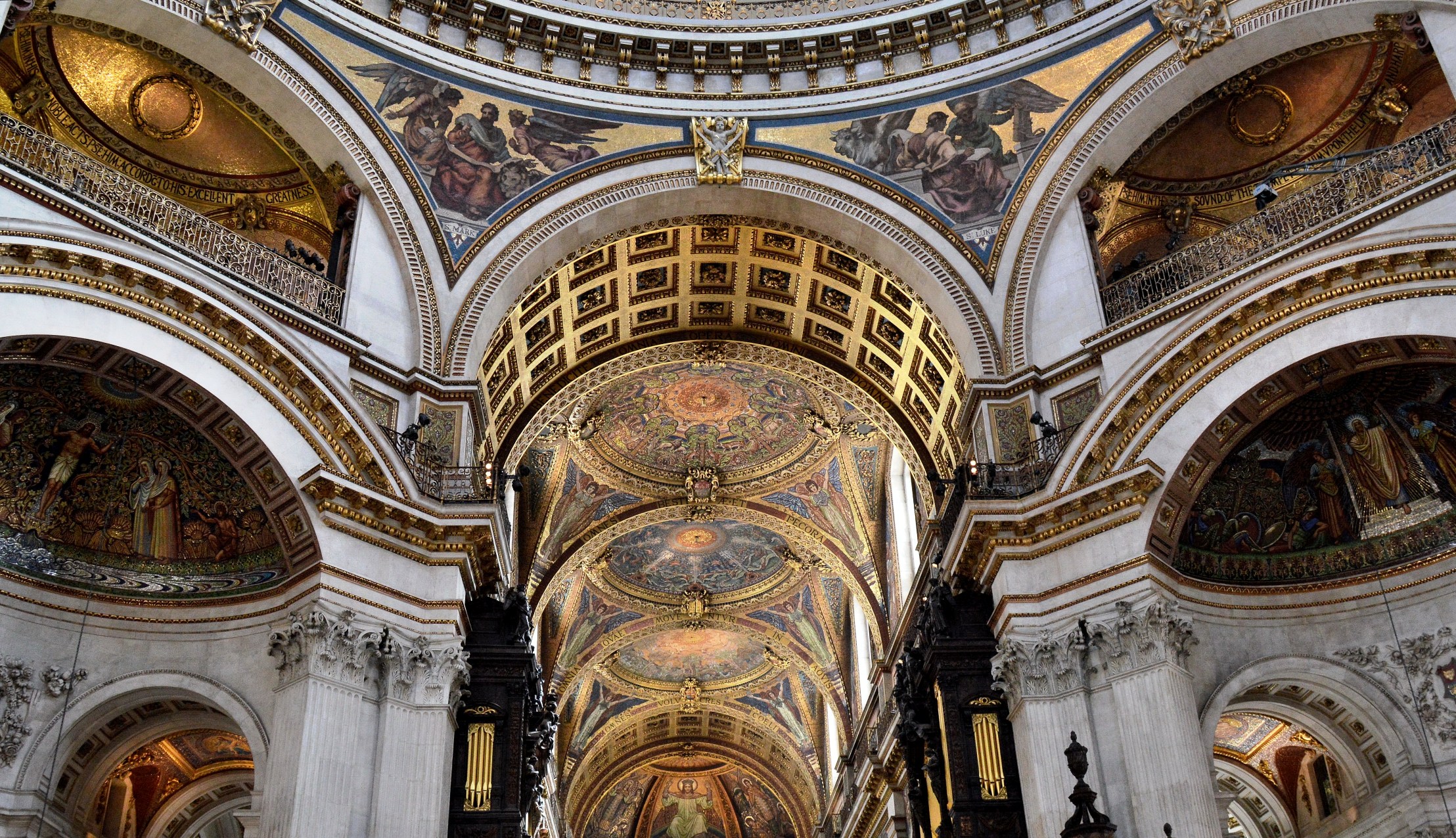
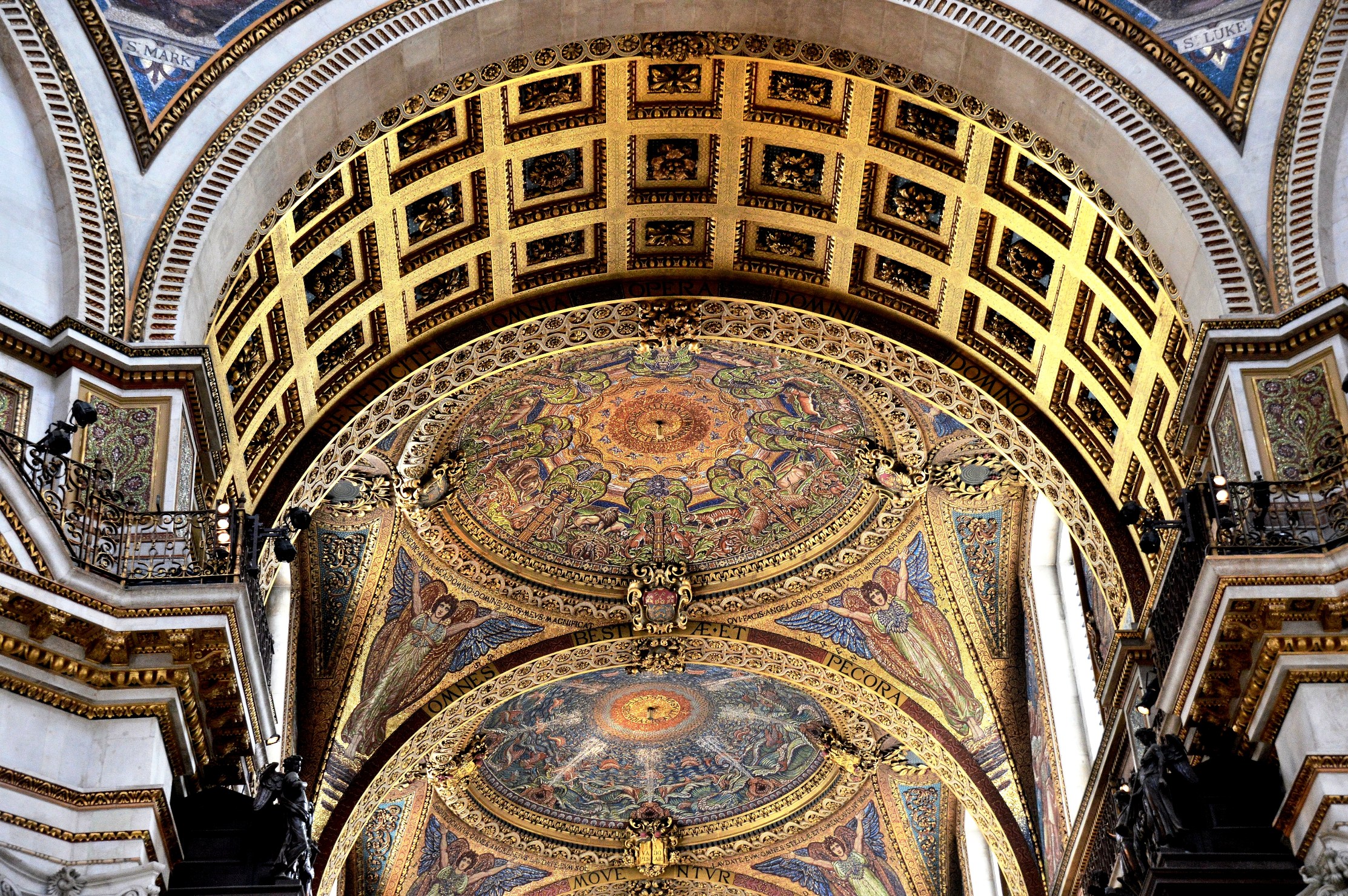
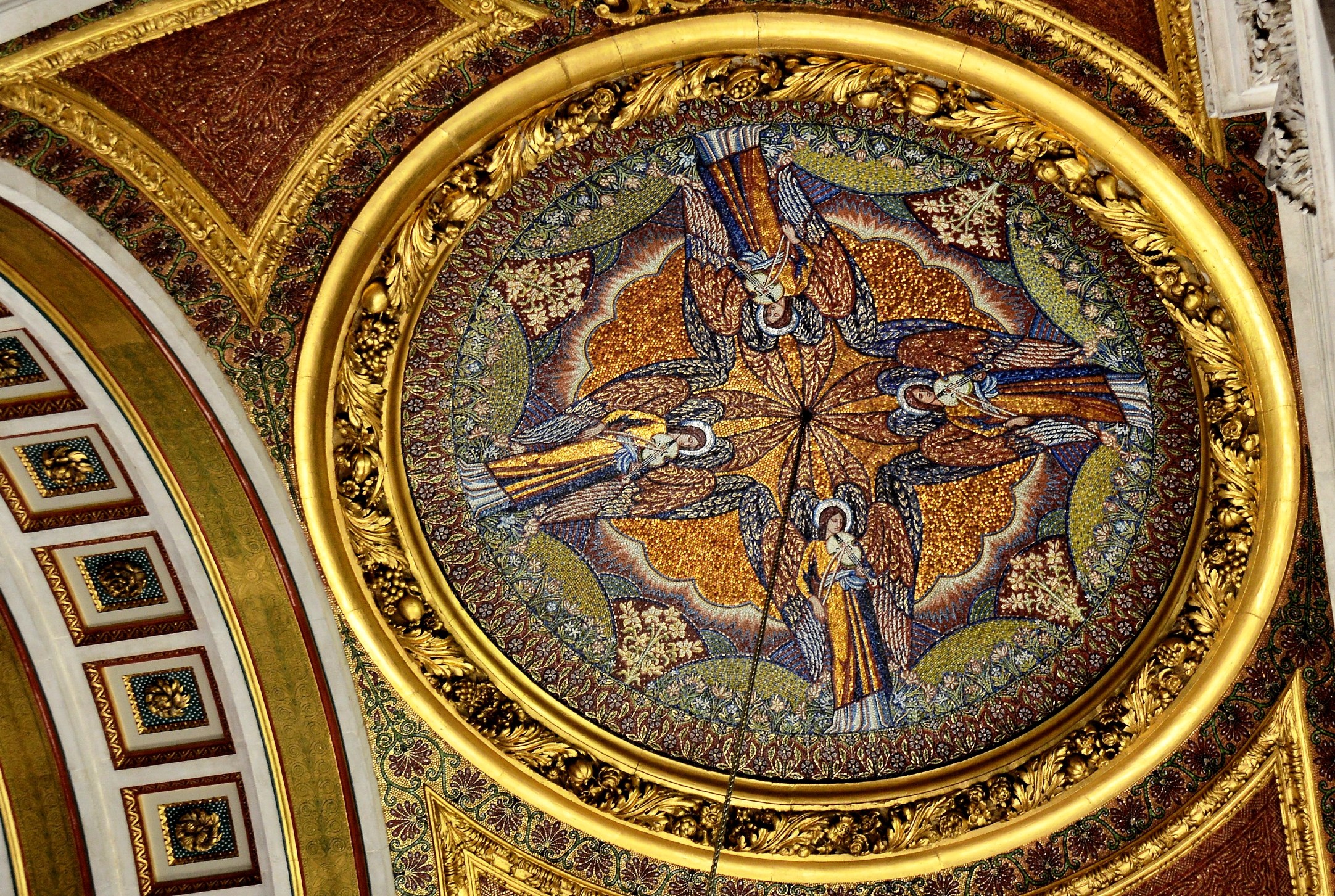
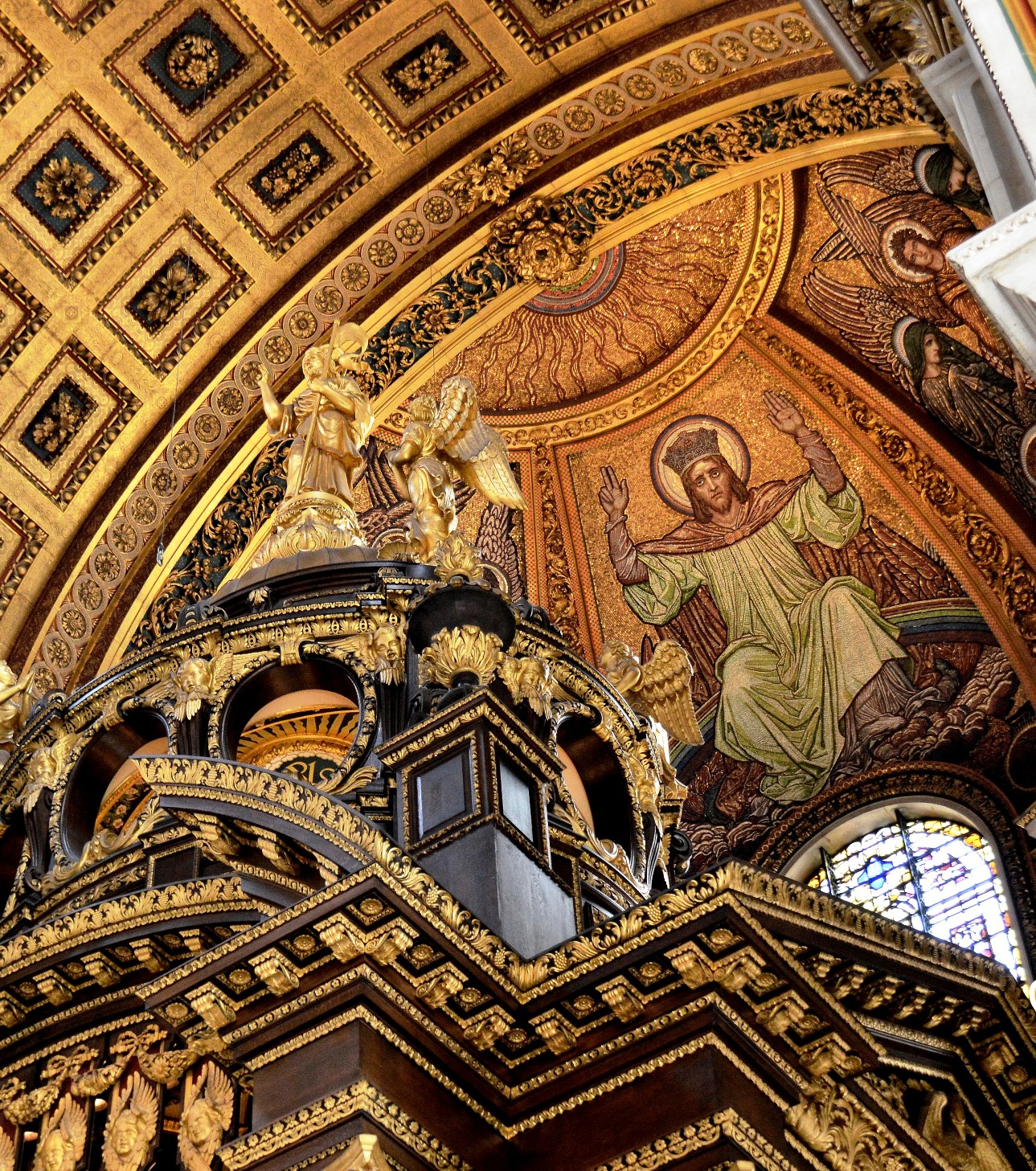
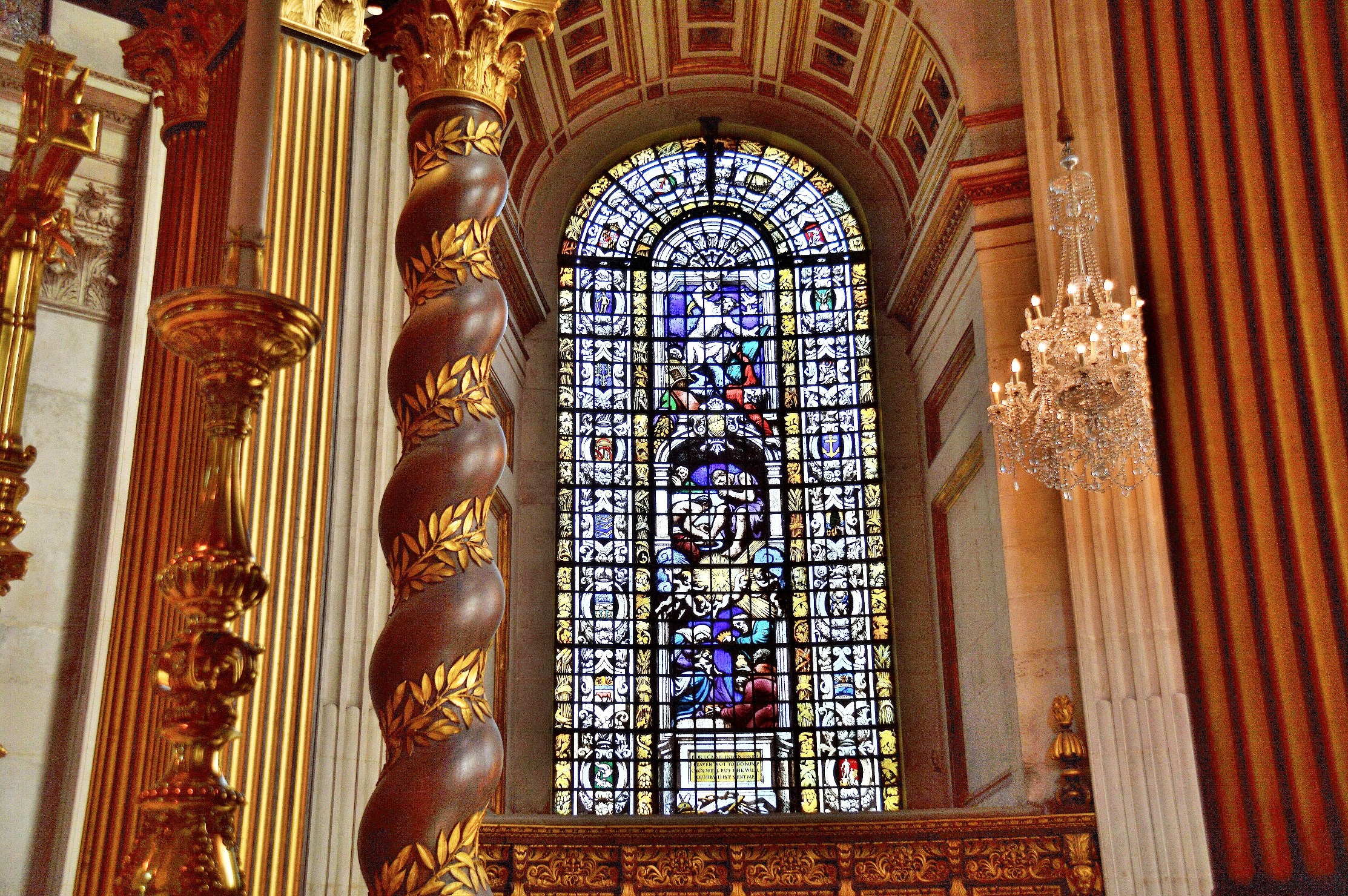
I caught the last opportunity for 2015 and so, of course, went overboard. To view the astonishing detail of the decor, please click on the image and then again to expand.
The Nave
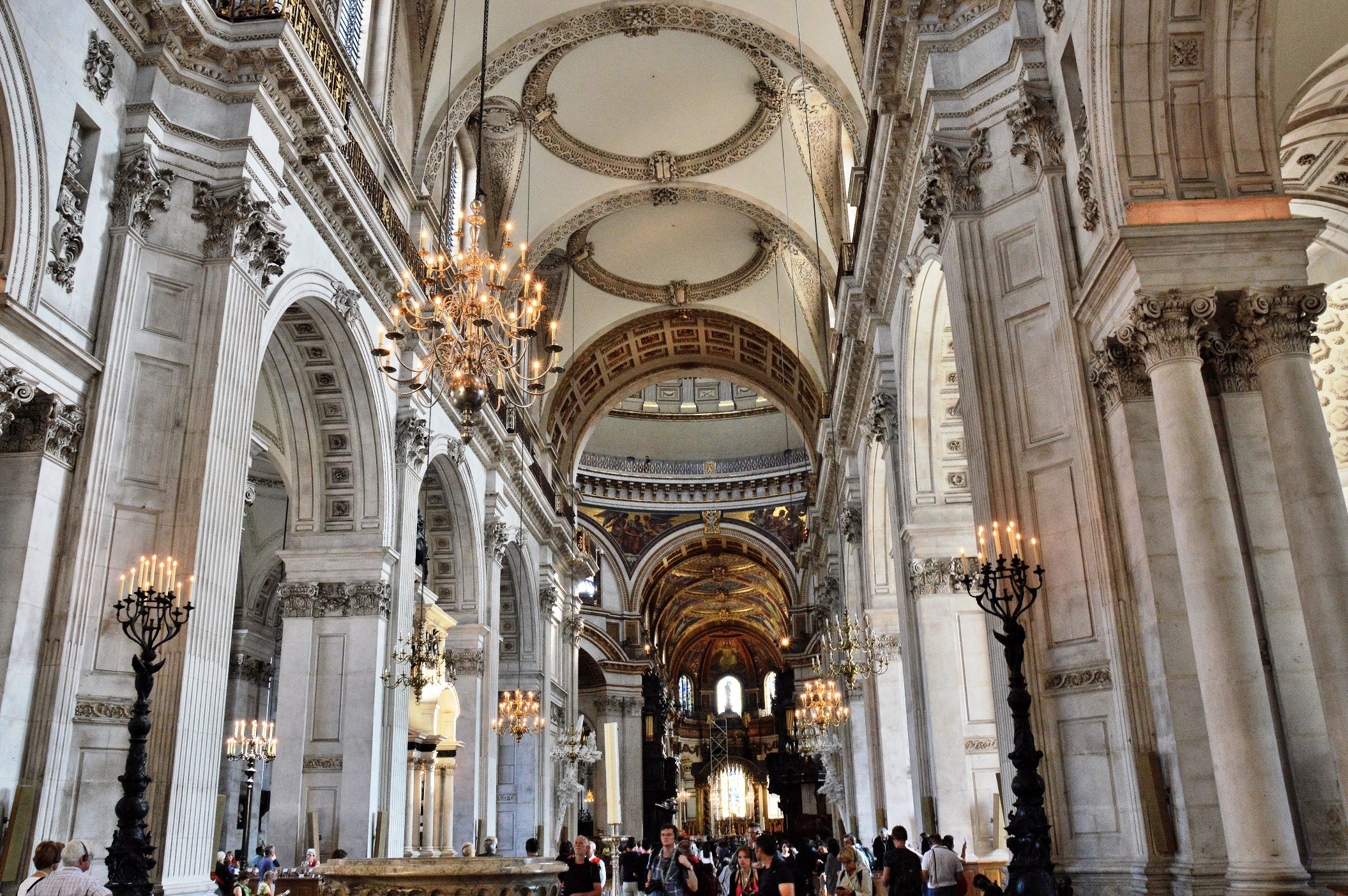
Beside the Dome and the Dome
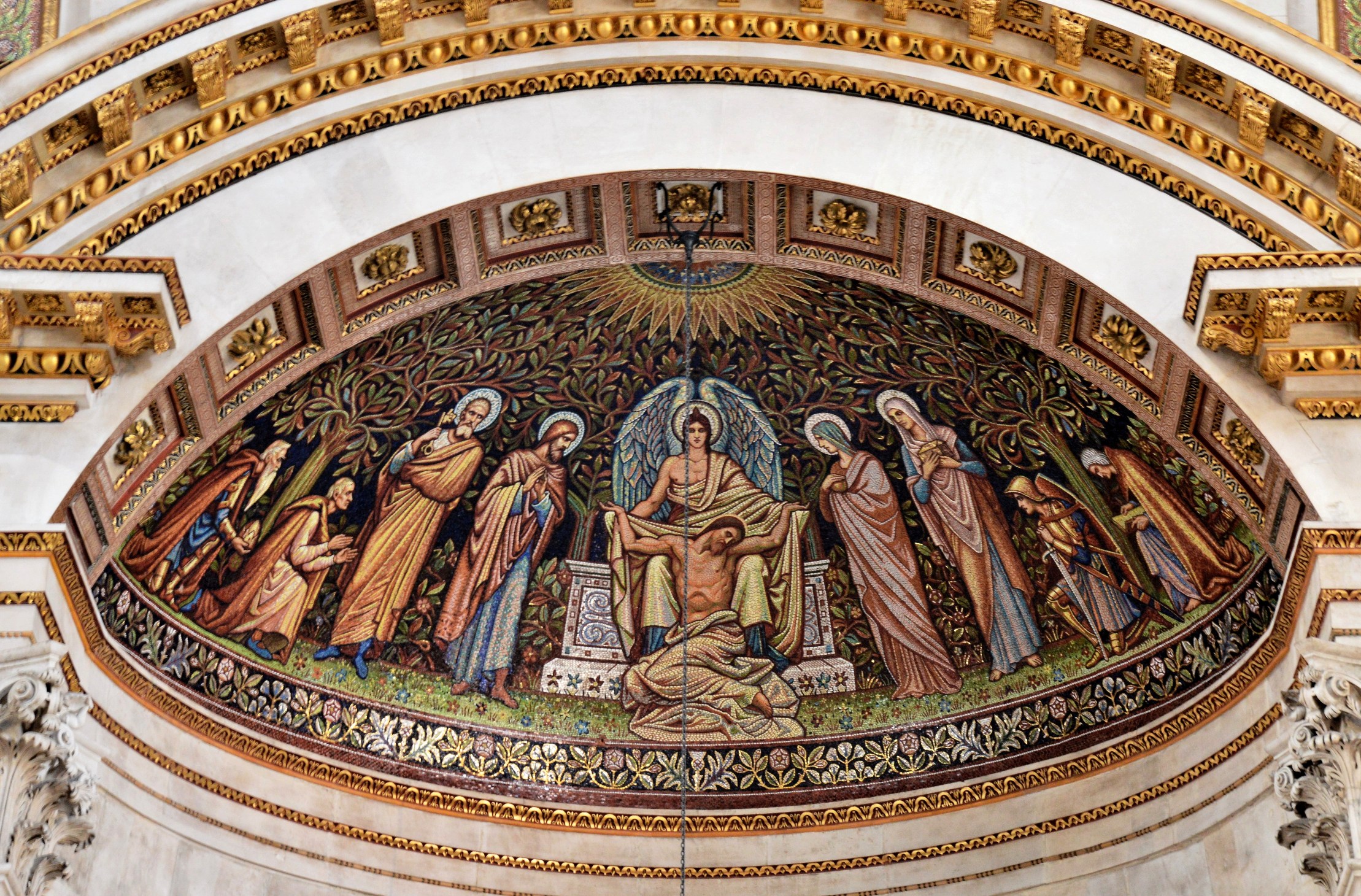

The gallery at the first level is known as the Whispering Gallery at 30 meters above the cathedral floor. So called because, when it is quiet, a whisper on one side will travel around the wall and be heard on the other side.
Higher still is the Stone Gallery at 53 meters and the topmost is the Golden Gallery at 85 meters. If you can climb to the top, they give a you a badge. 😛 .
The Ceiling above the Quire
.

.

.

.
.

The High Alter and the Apse
.
.
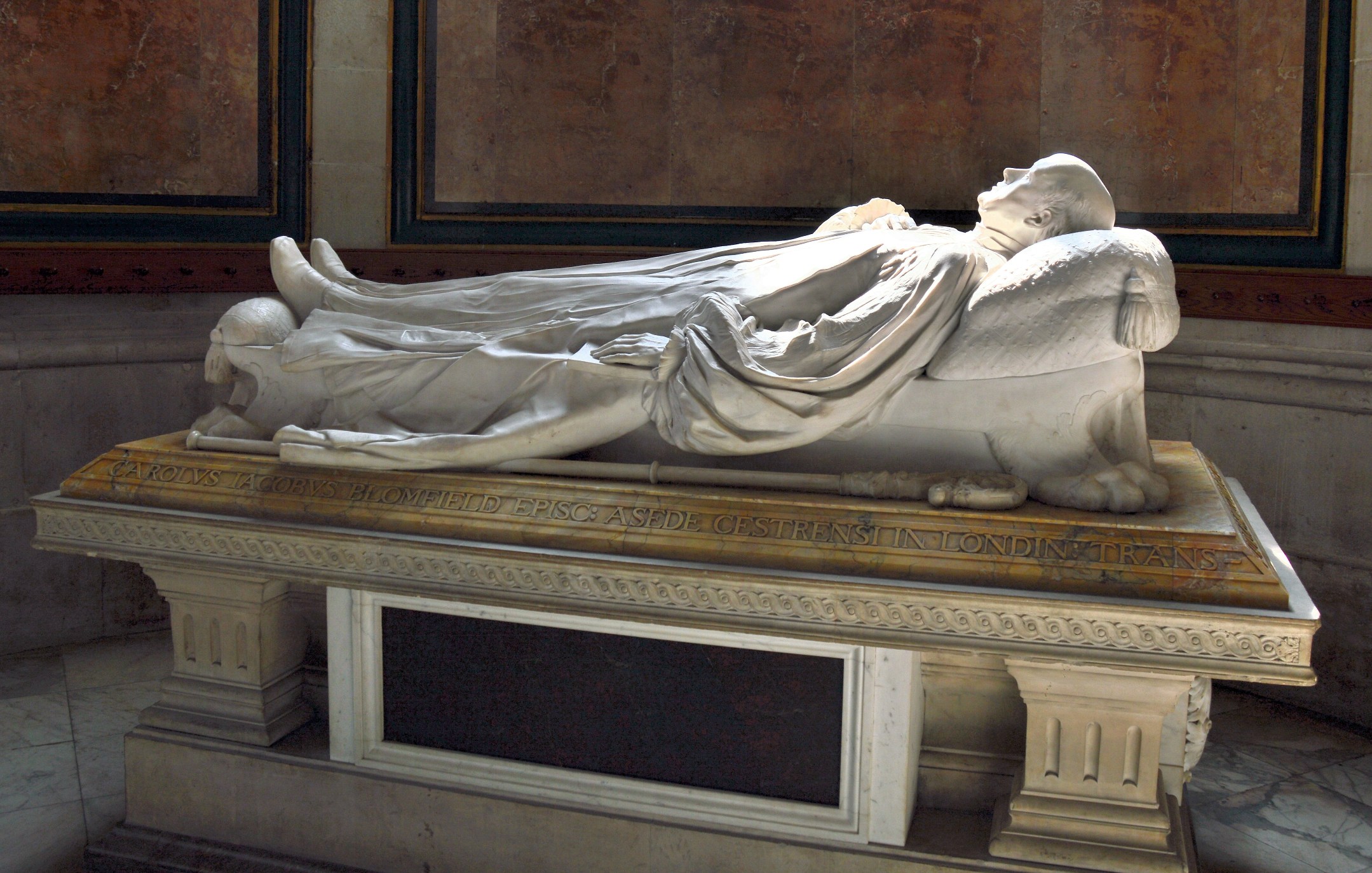
There are many monuments and dedications at the cathedral. I chose this one because of the workmanship and for being a little known personage. It is of course Carolus Jacobus Blomfield.
Here is the famous exterior of the Dome.
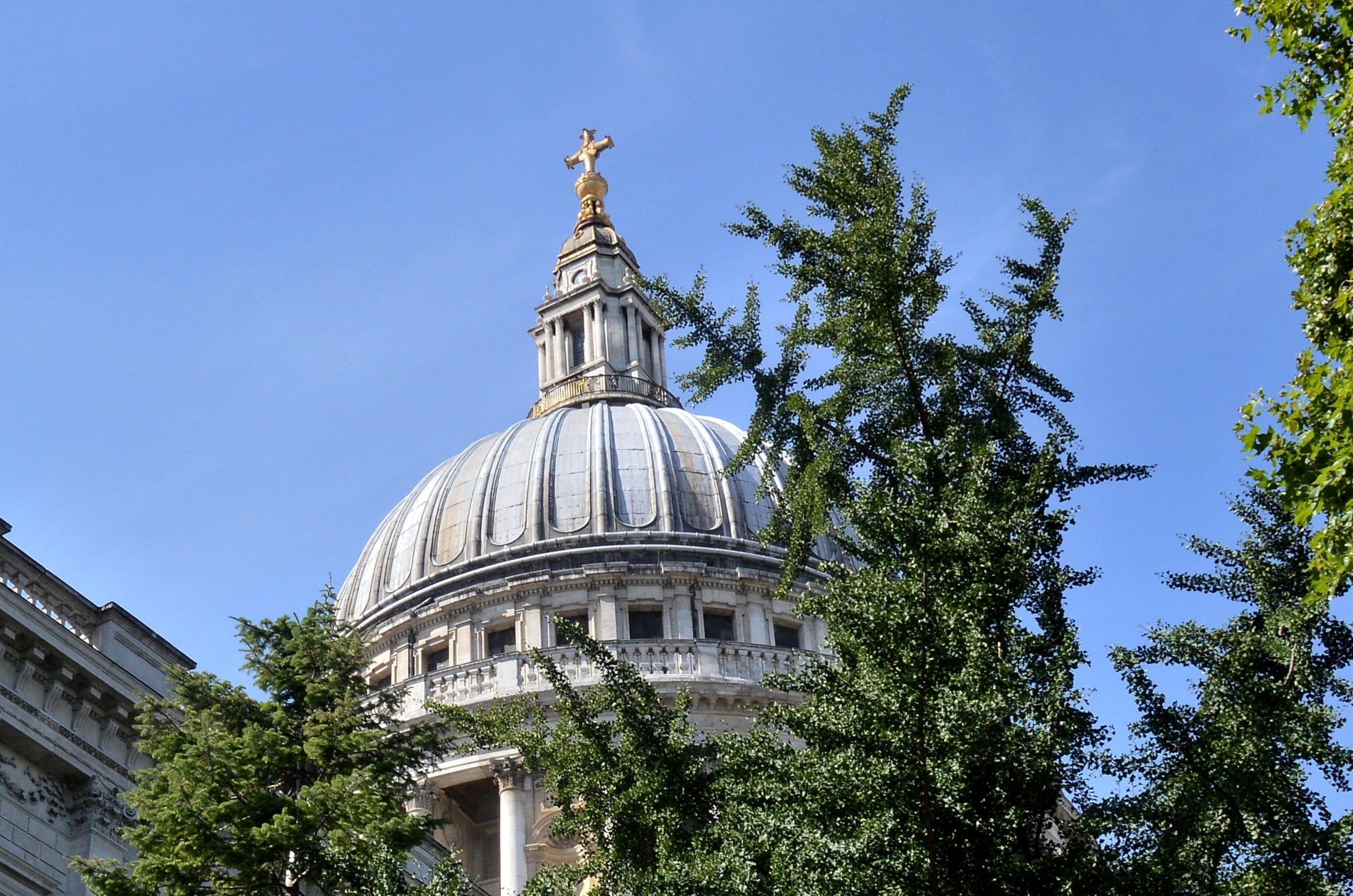
.
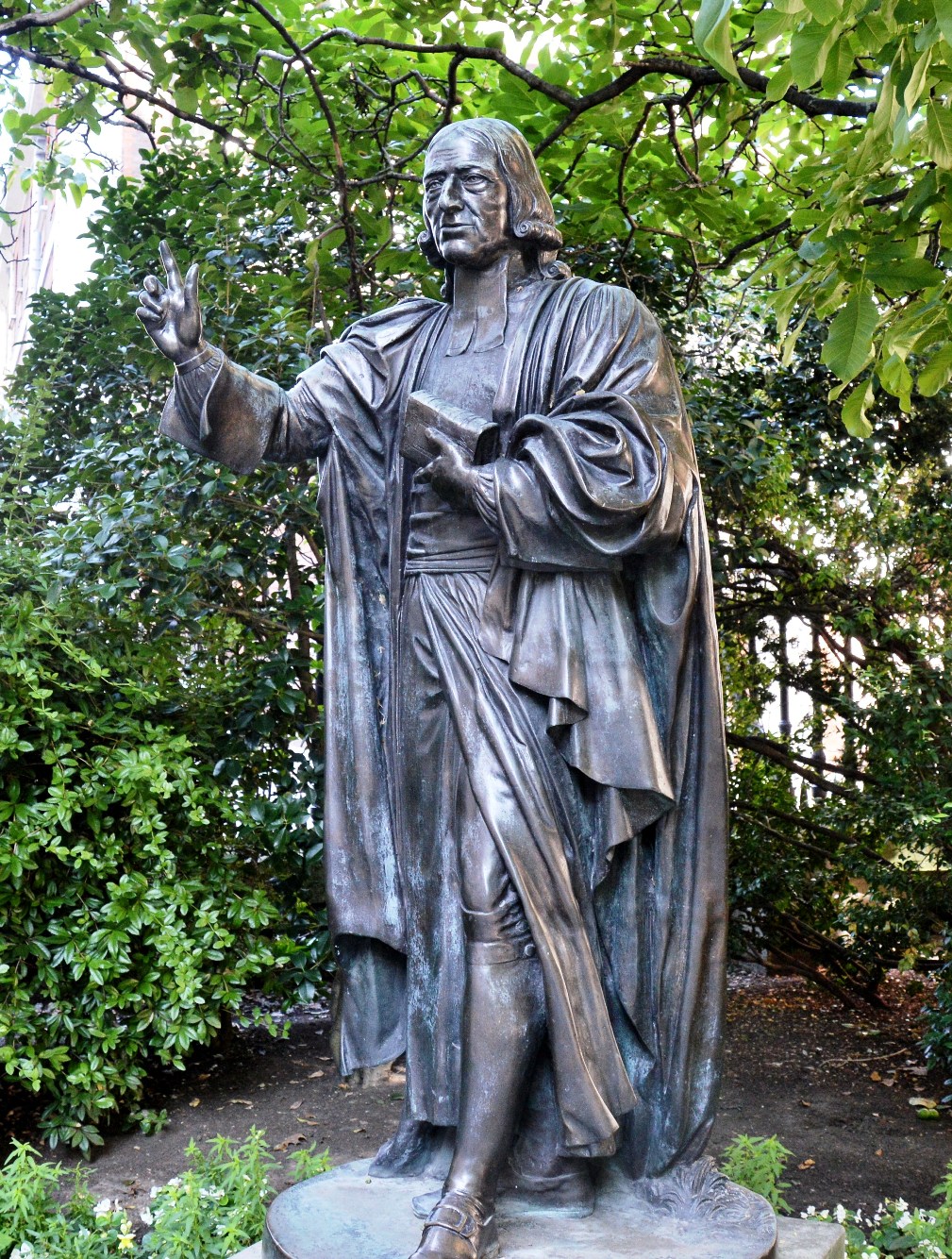 This is John Wesley, Father of Methodism. Another well made statue.
.
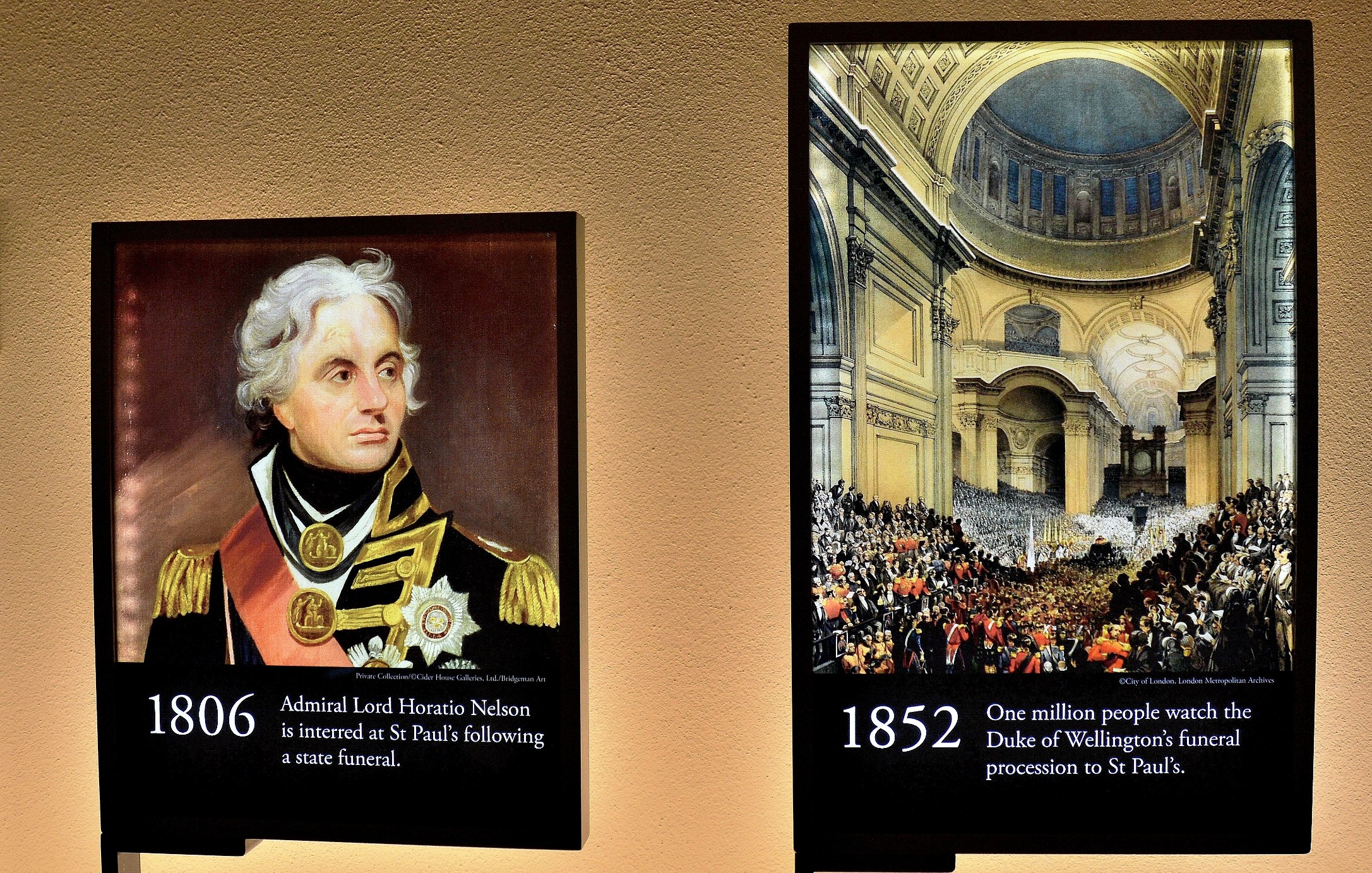
 The Crypt has many tombs, dedications and a cafe. Perhaps the most famous tomb being that of Viscount Horatio Nelson. These are some of the dedications.
.
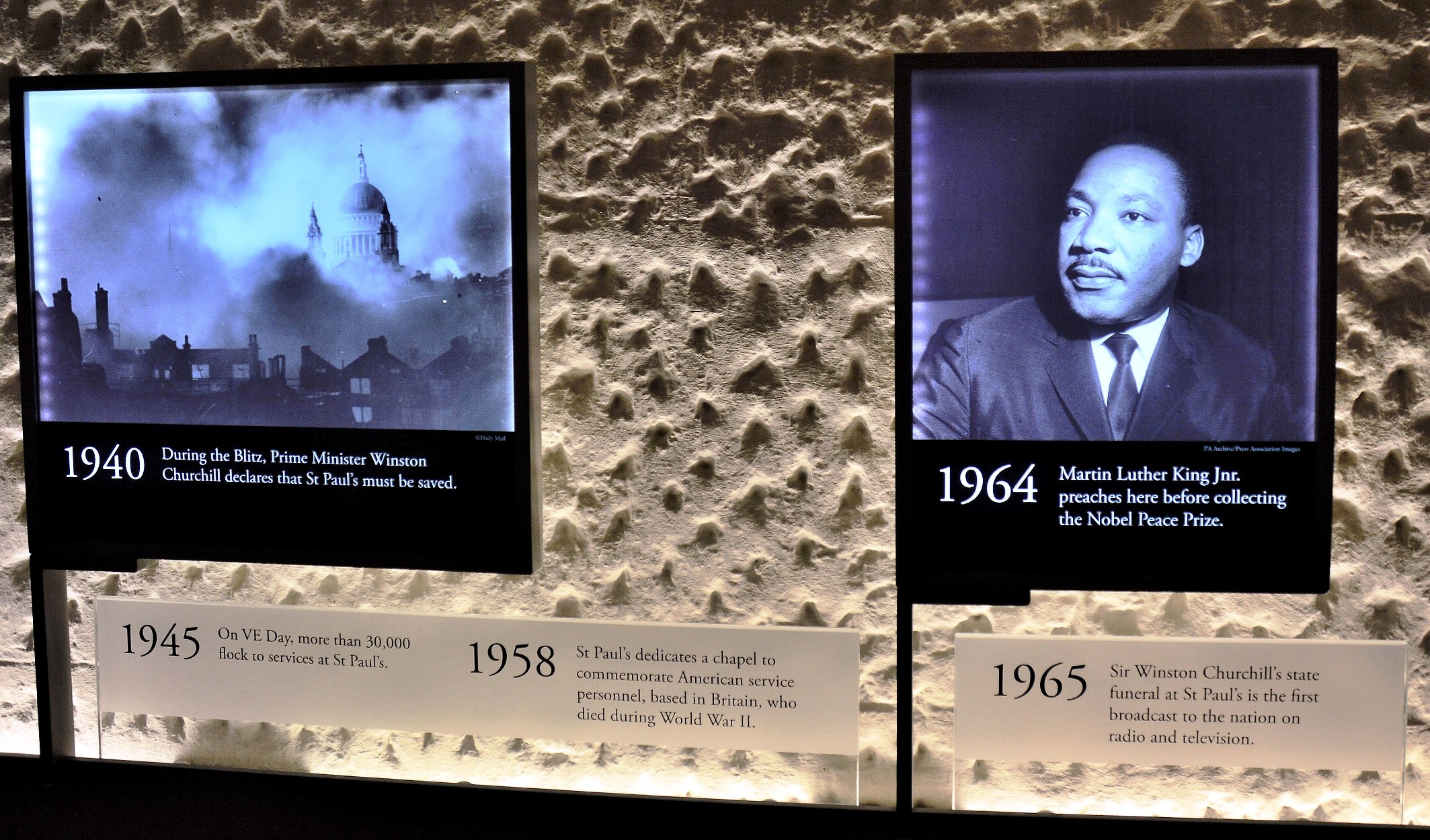
Lastly, the cathedral does have its contemporary side and has housed an exhibition of work by street artist Inkie. Below is one item retained and presently on view just inside the cathedral entrance.

Osterley Park House
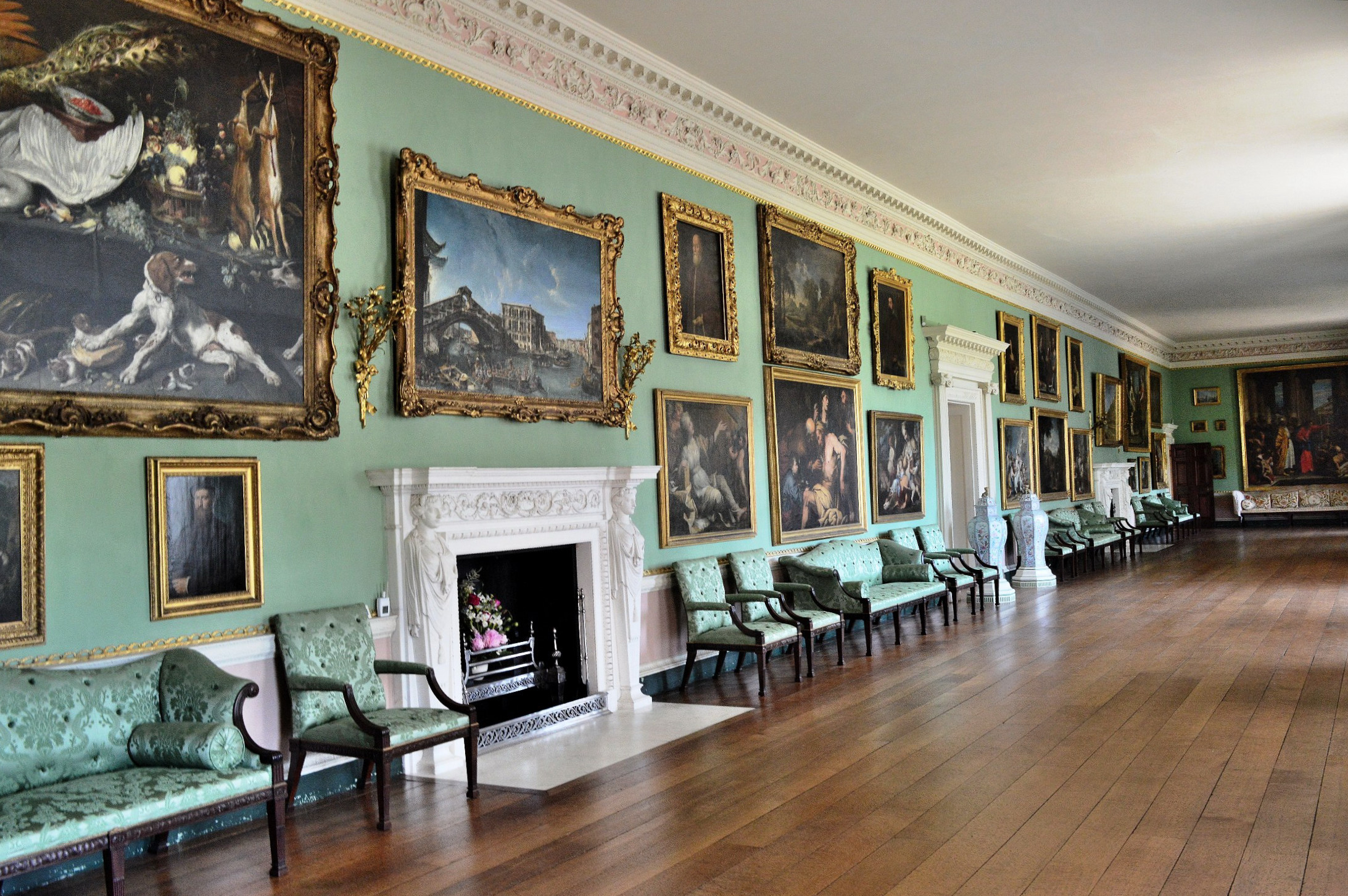
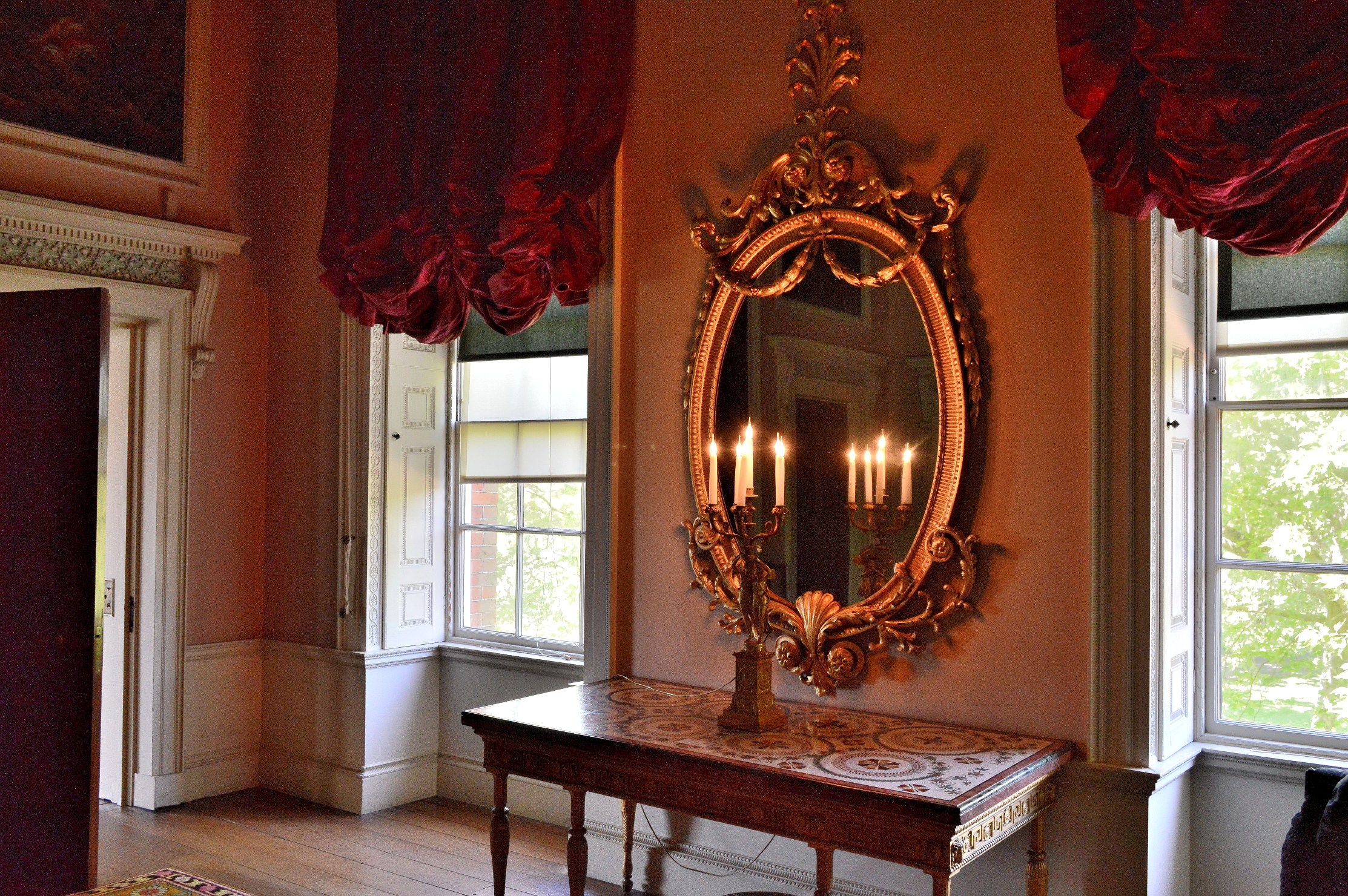
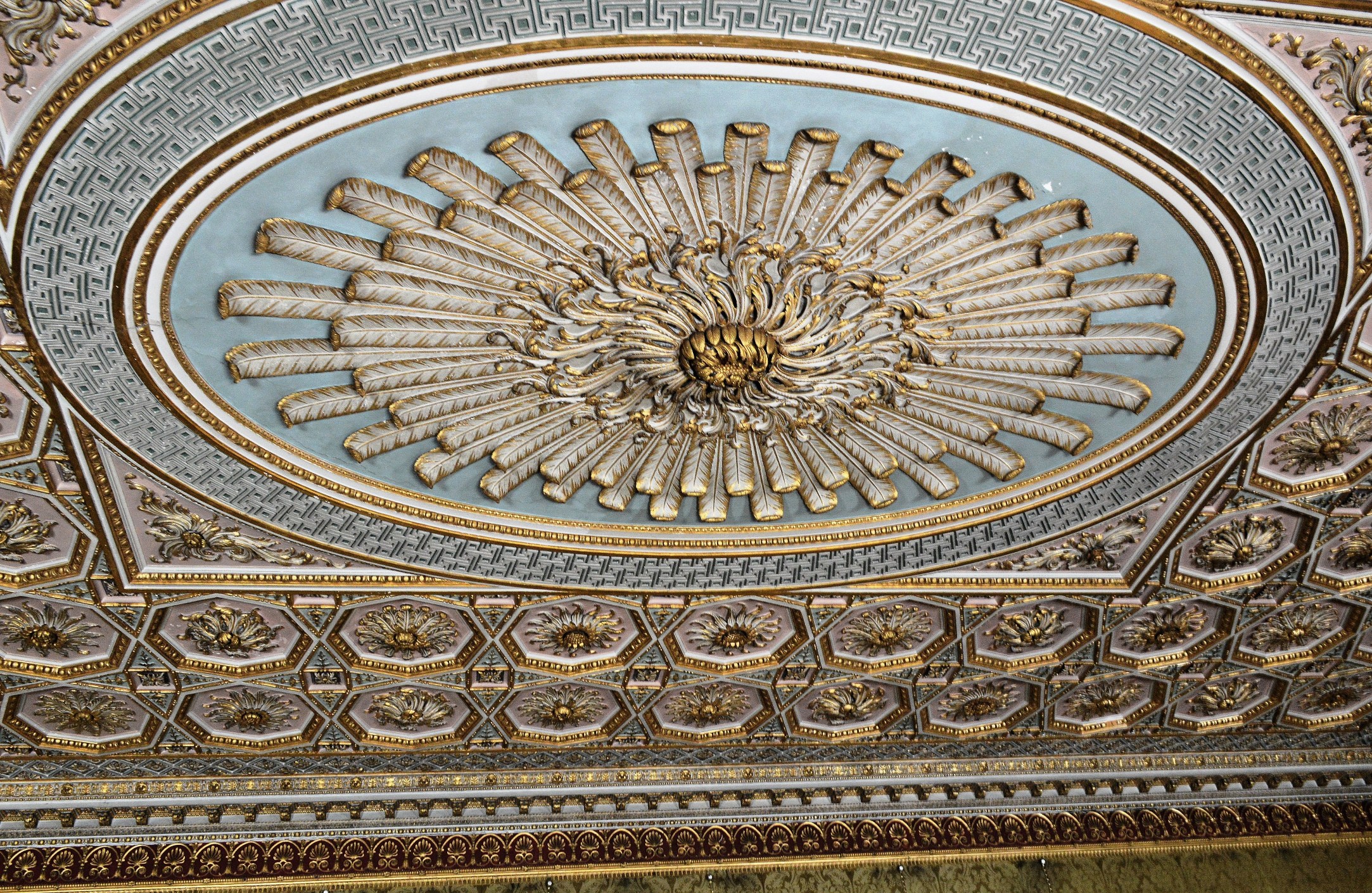
Osterley Park House was entirely redesigned by architect Robert Adam over a period of twenty years beginning in 1761 on behalf of the Childs family. Although the the house is not entirely full of artifacts, it is one of the most sumptuous that I have visited. The gardens can be found here and the flowers here. Admission times, prices and further information can be found here.
Unfortunately the upstairs rooms were closed during my visit, but here are the downstairs rooms. The lighting was little dull in places, so it has been raised a little.




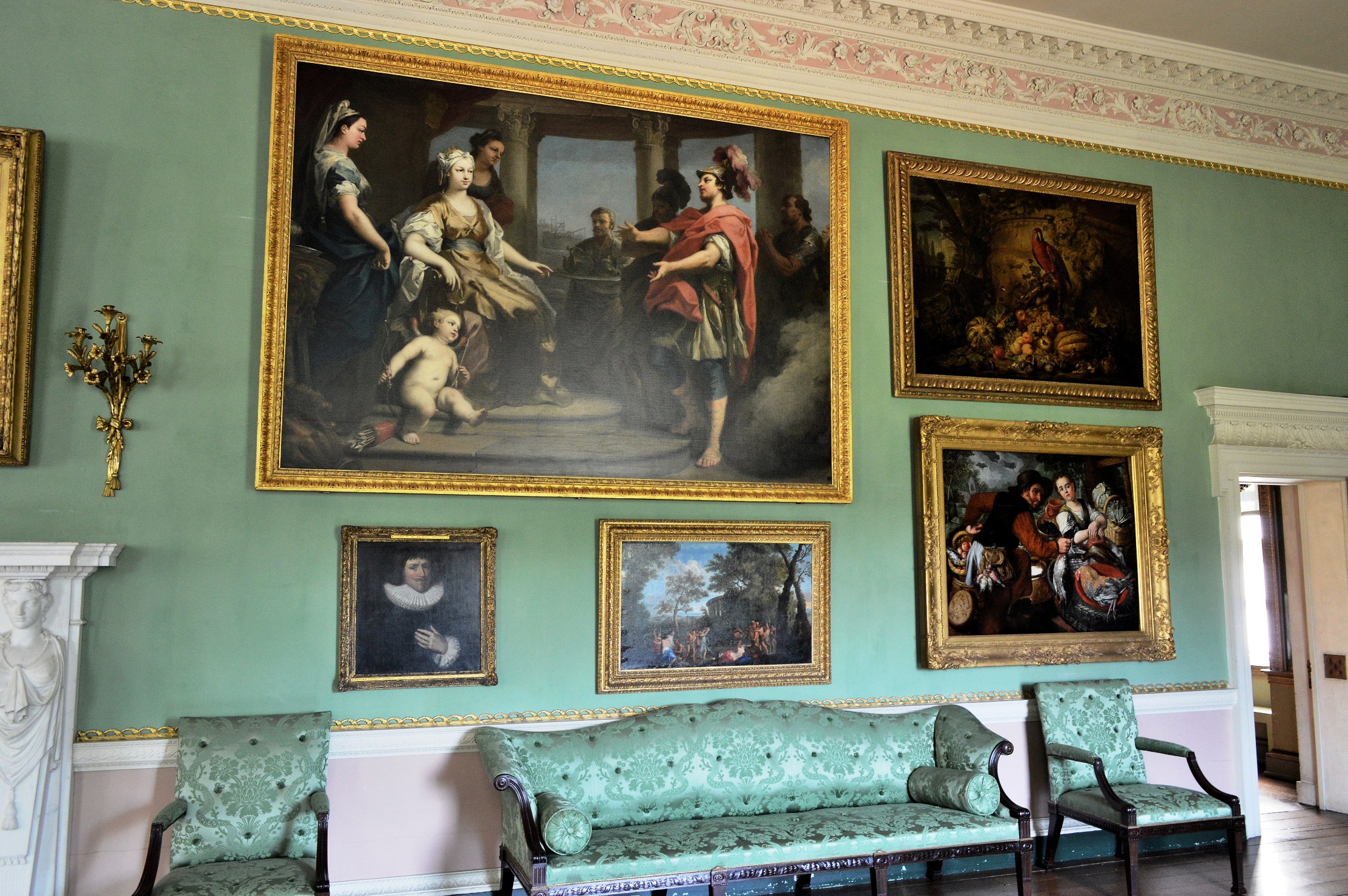


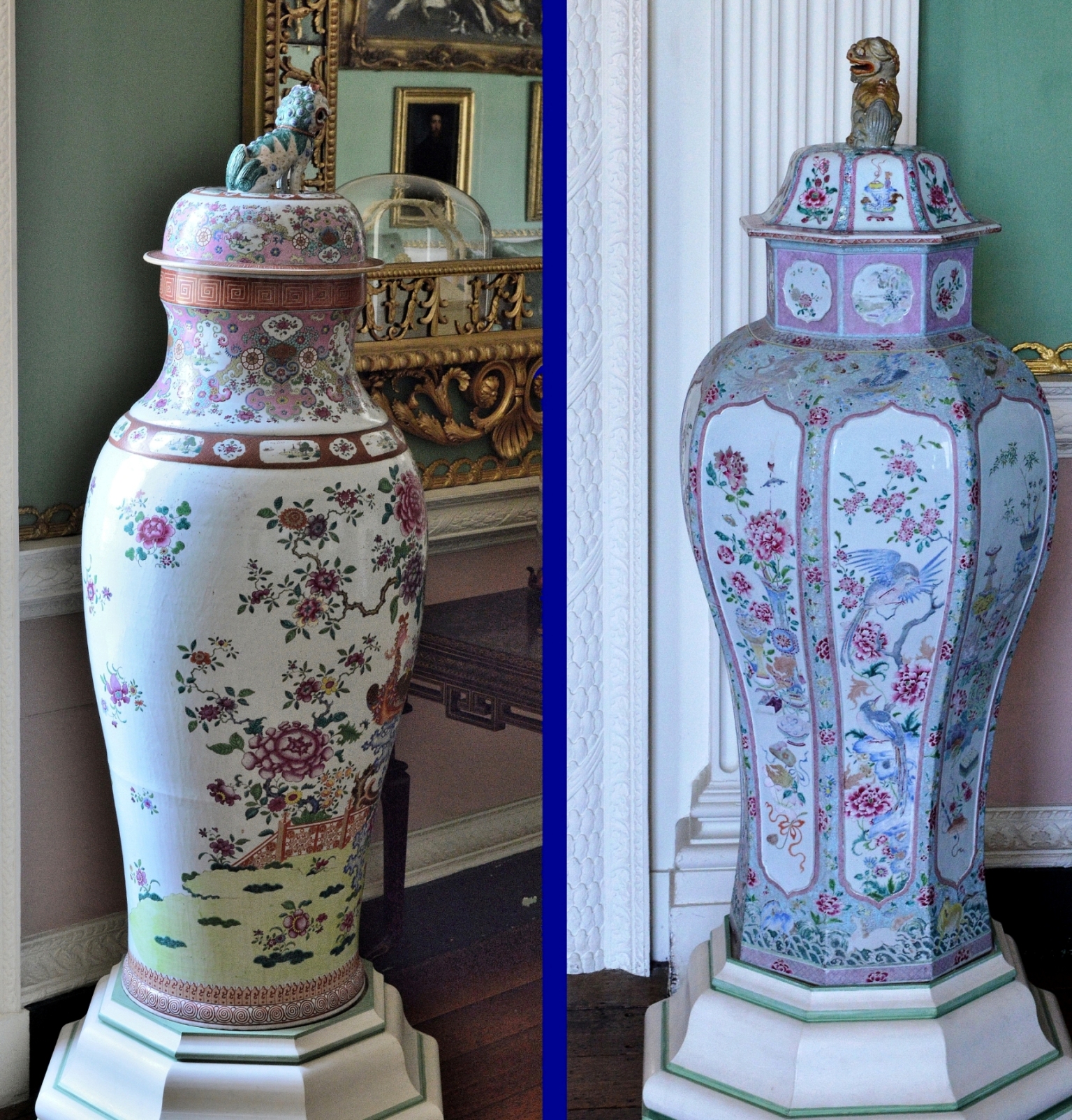
Osterley Park Gardens
Ossterley Park Gardens are to the rear of the house and adjacent to two pleasant lakes with some wildfowl. Entry to the gardens is by ticket only. A post of the flora is here and the the sumptuous house interiors/sdmission/onfo here : -)
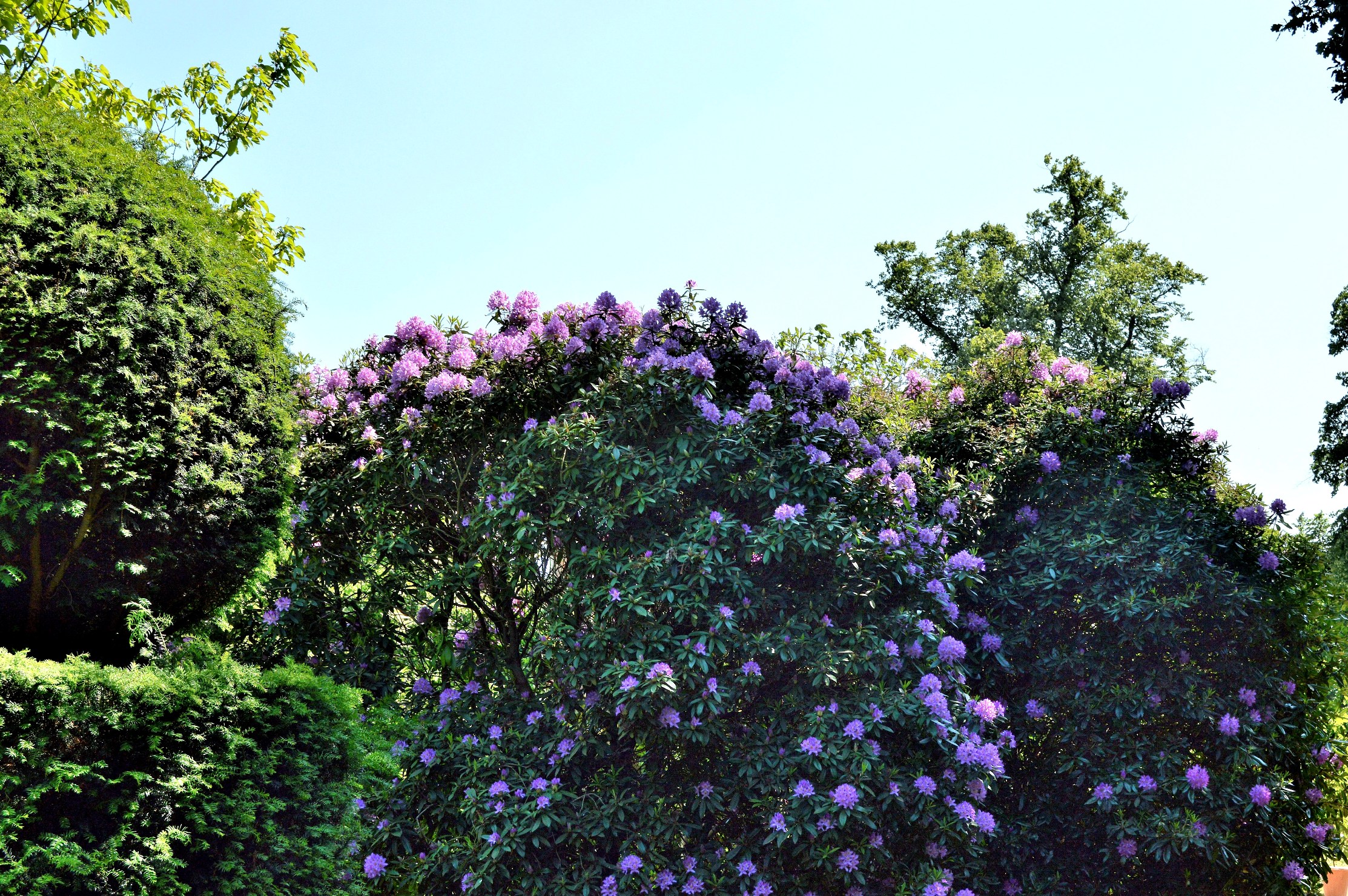
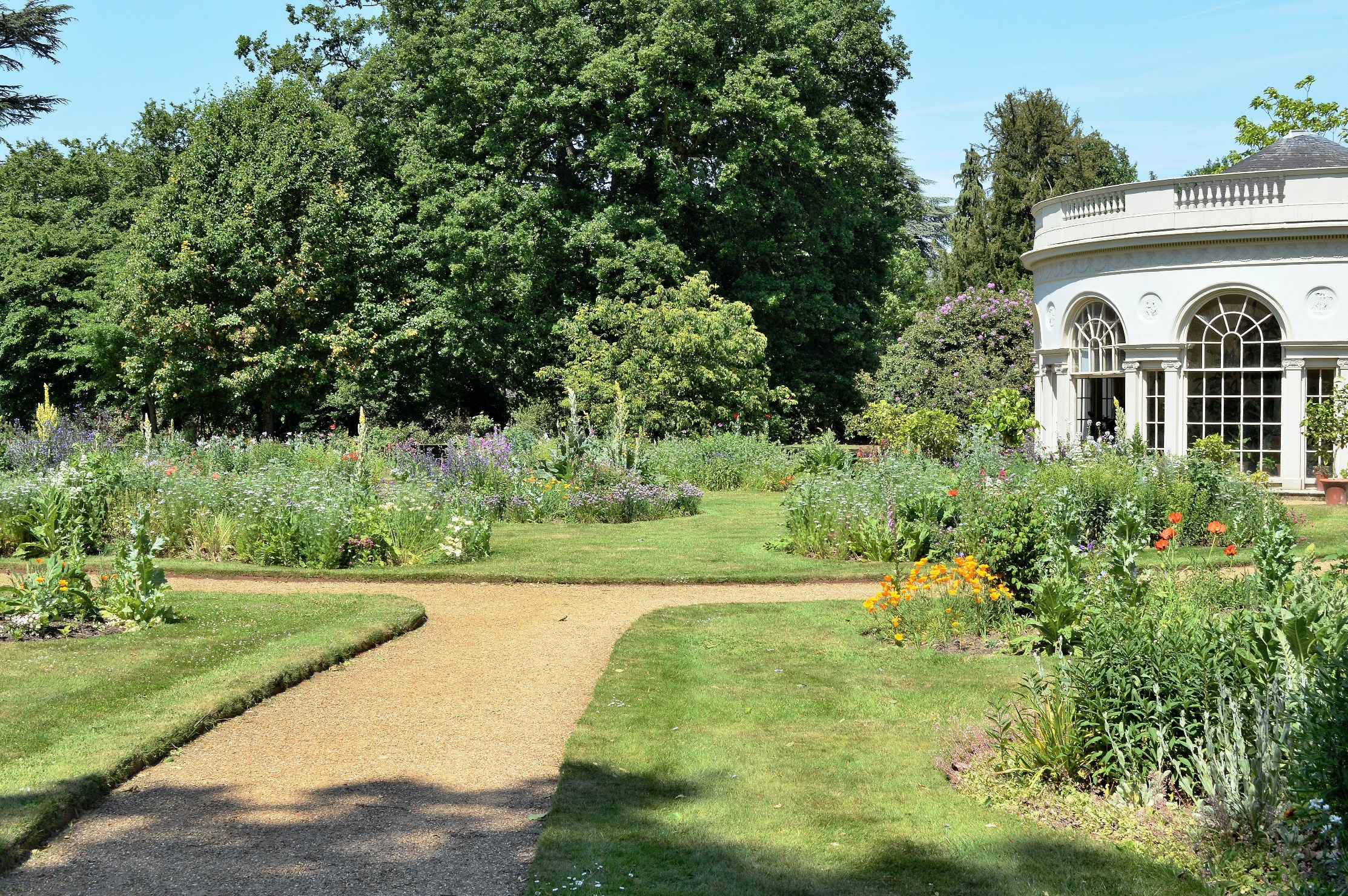
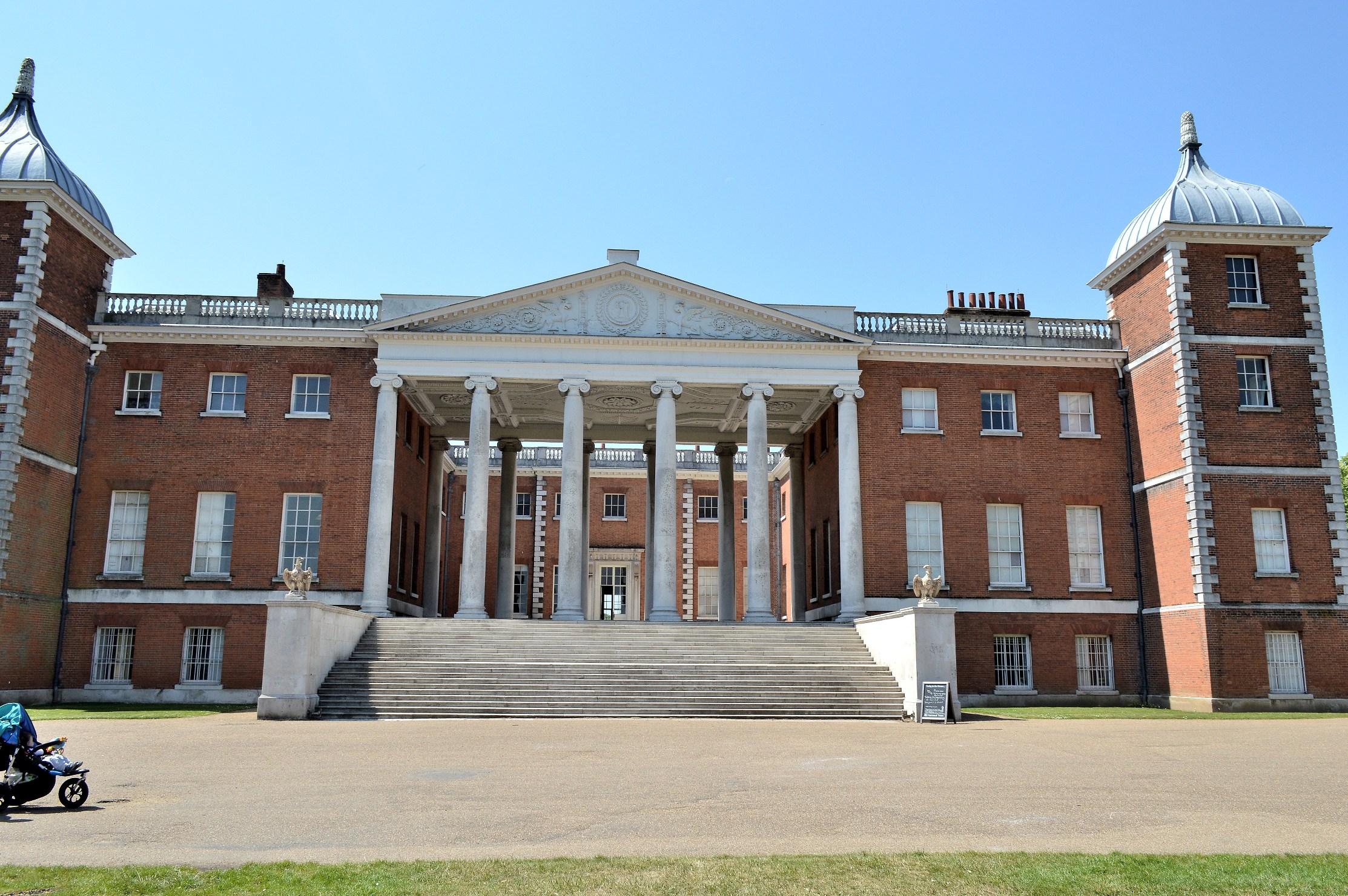
Geffrye Museum – Interiors
The Geoffrye Museum is very close to Hoxton station on the London Overground Line. There is a front and back garden area, which is worth seeing, and entrance to the museum is free. The interior has a long row of rooms which depict interior decor and furniture throughout the ages. There is also an exhibition area in the basement and one may join a tour of a small Alms House exhibit.
Here is a taste of the museum.


Geffrye Museum Gardens and Flowers
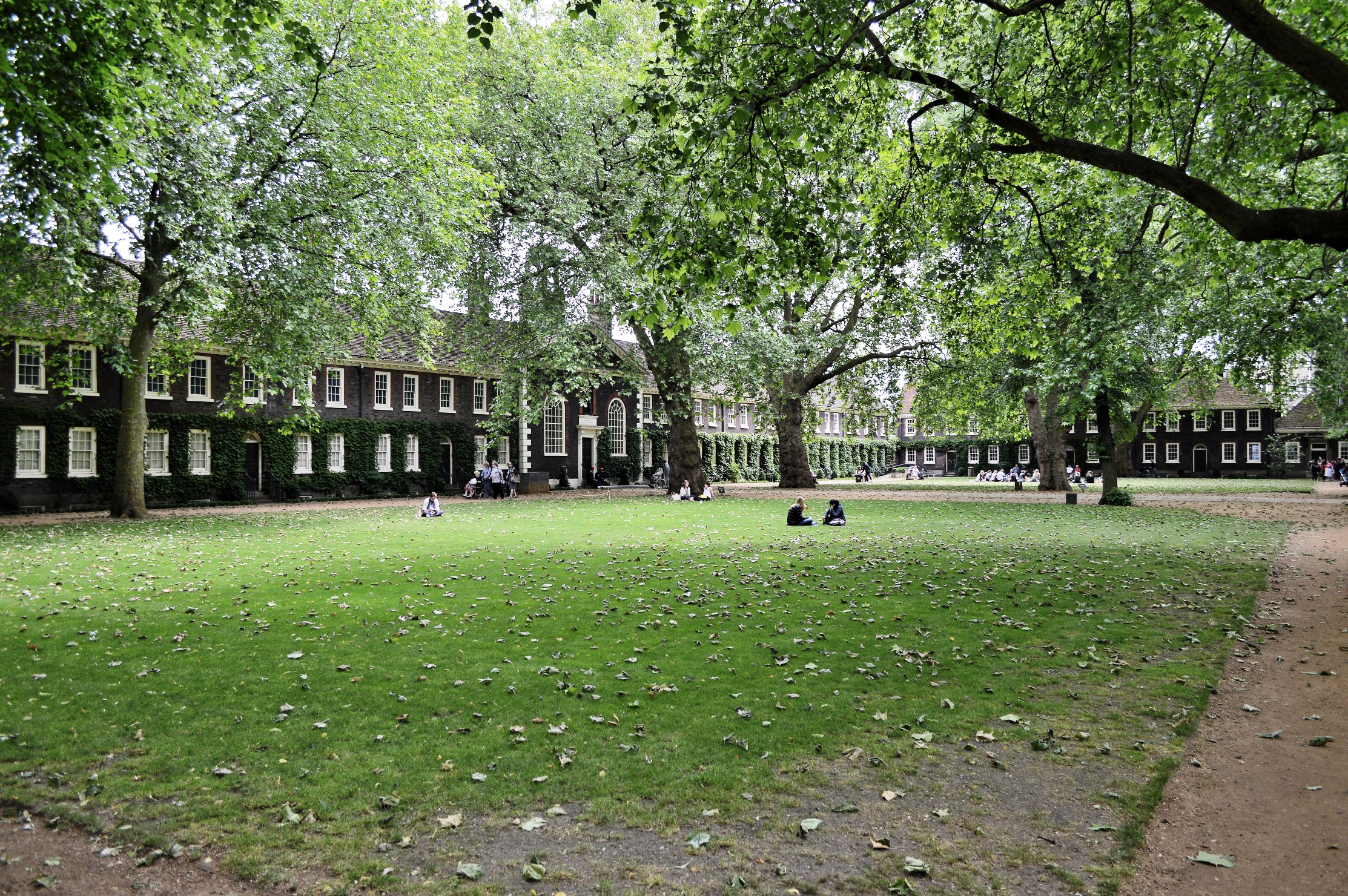
The Geffrye Museum Font Garden
15 pics. One can have a pleasant picnic in the front garden, stroll through the rose and herb garden to the rear and then return to the front and enter the museum free. The museum interiors are series of rooms depicting the changes of decor and furnishing over time .
.
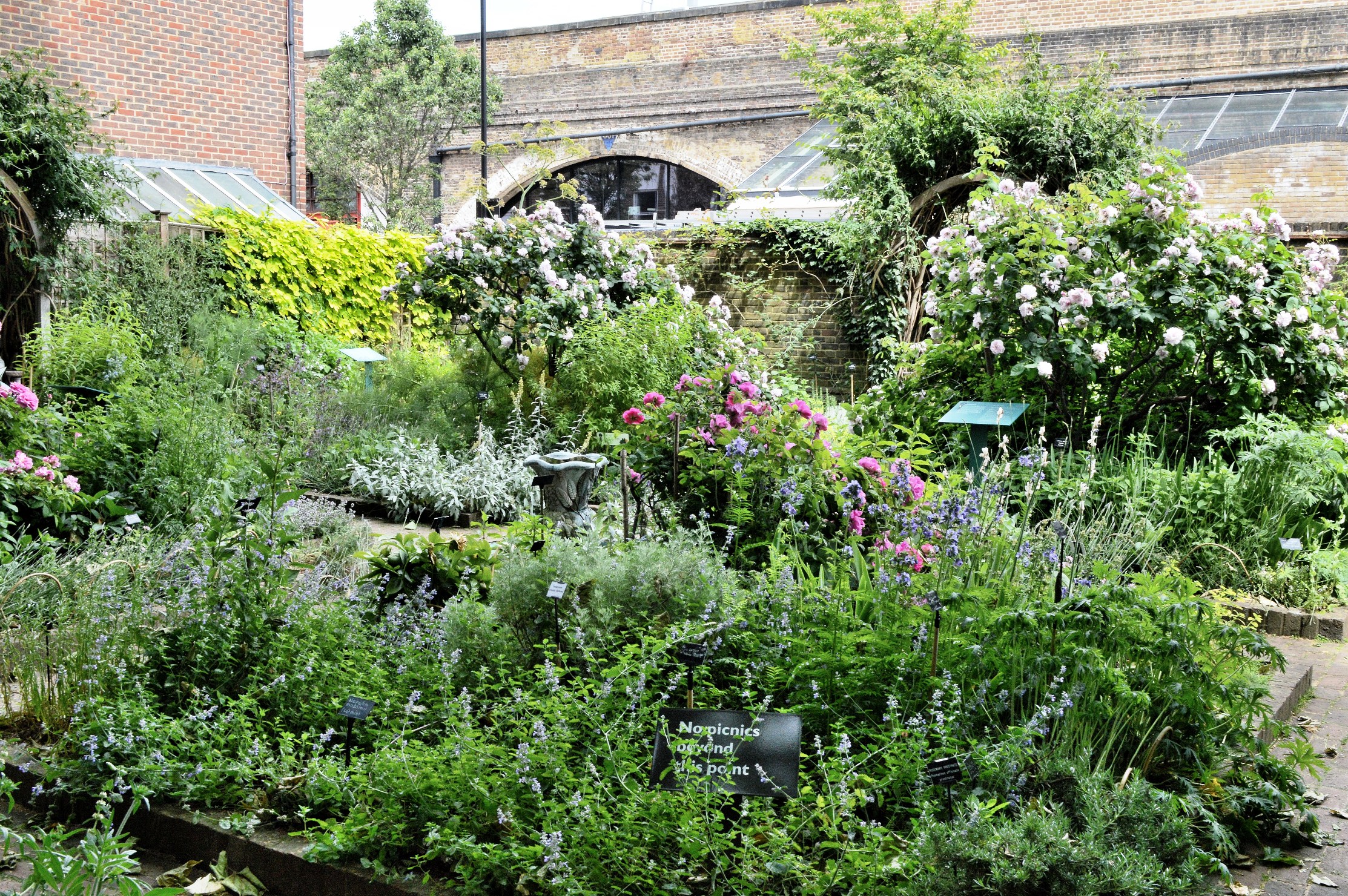
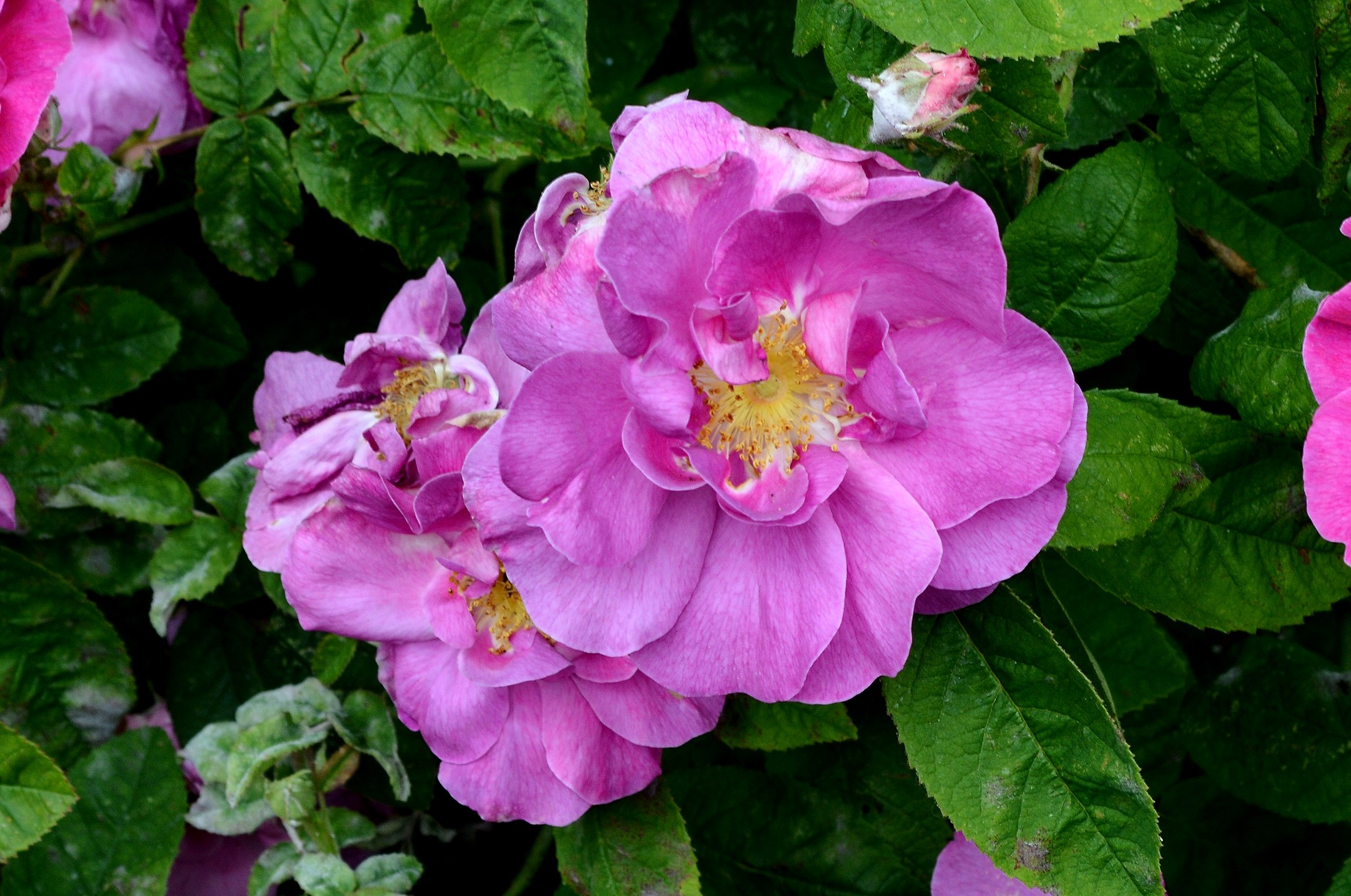
The Rear Herb and Rose Gardens
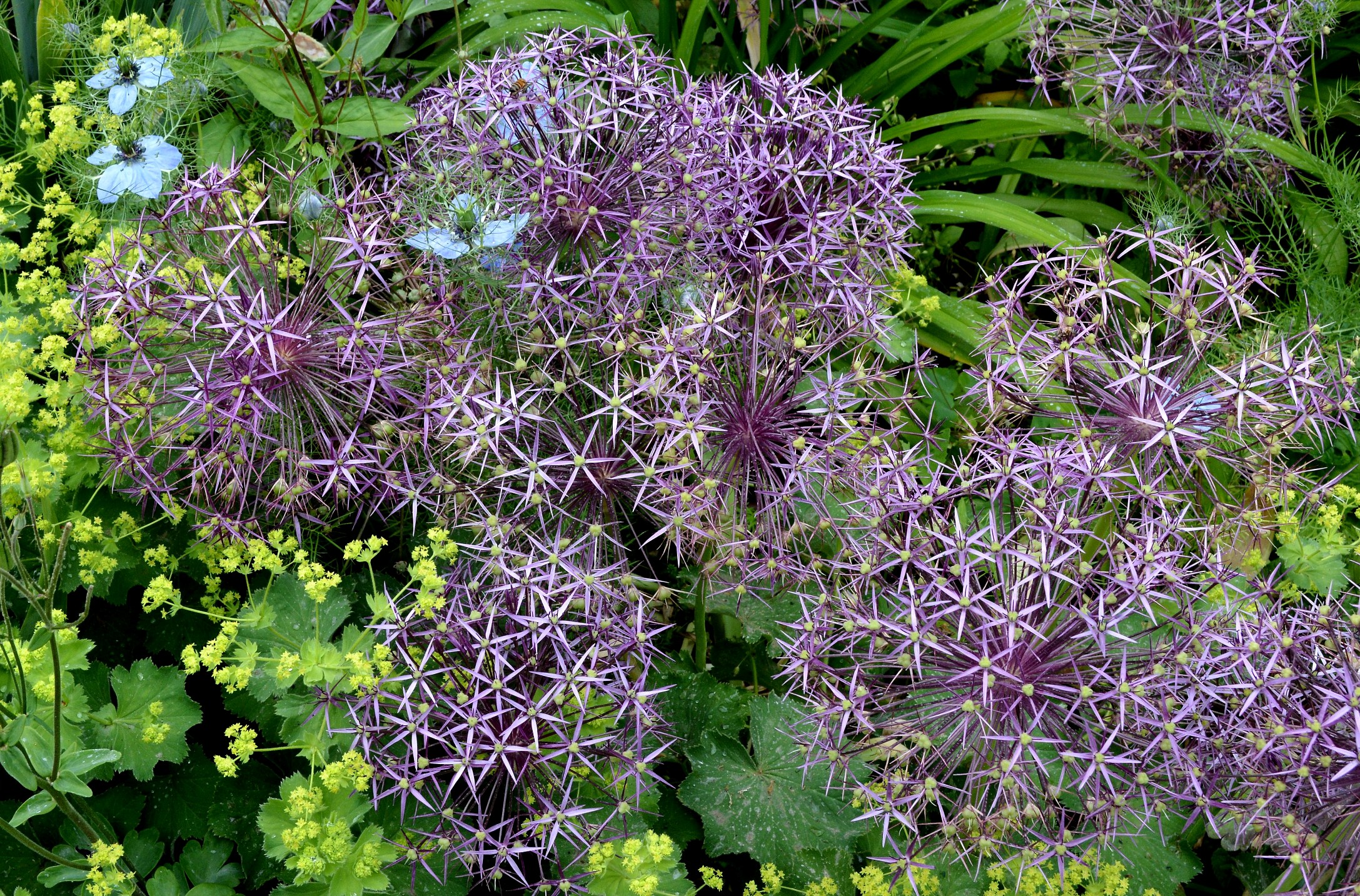
Together with many other colourful blooms.




Sutton House
Lenenfold Parlour

So called because of its rare linenfold design wood paneling.
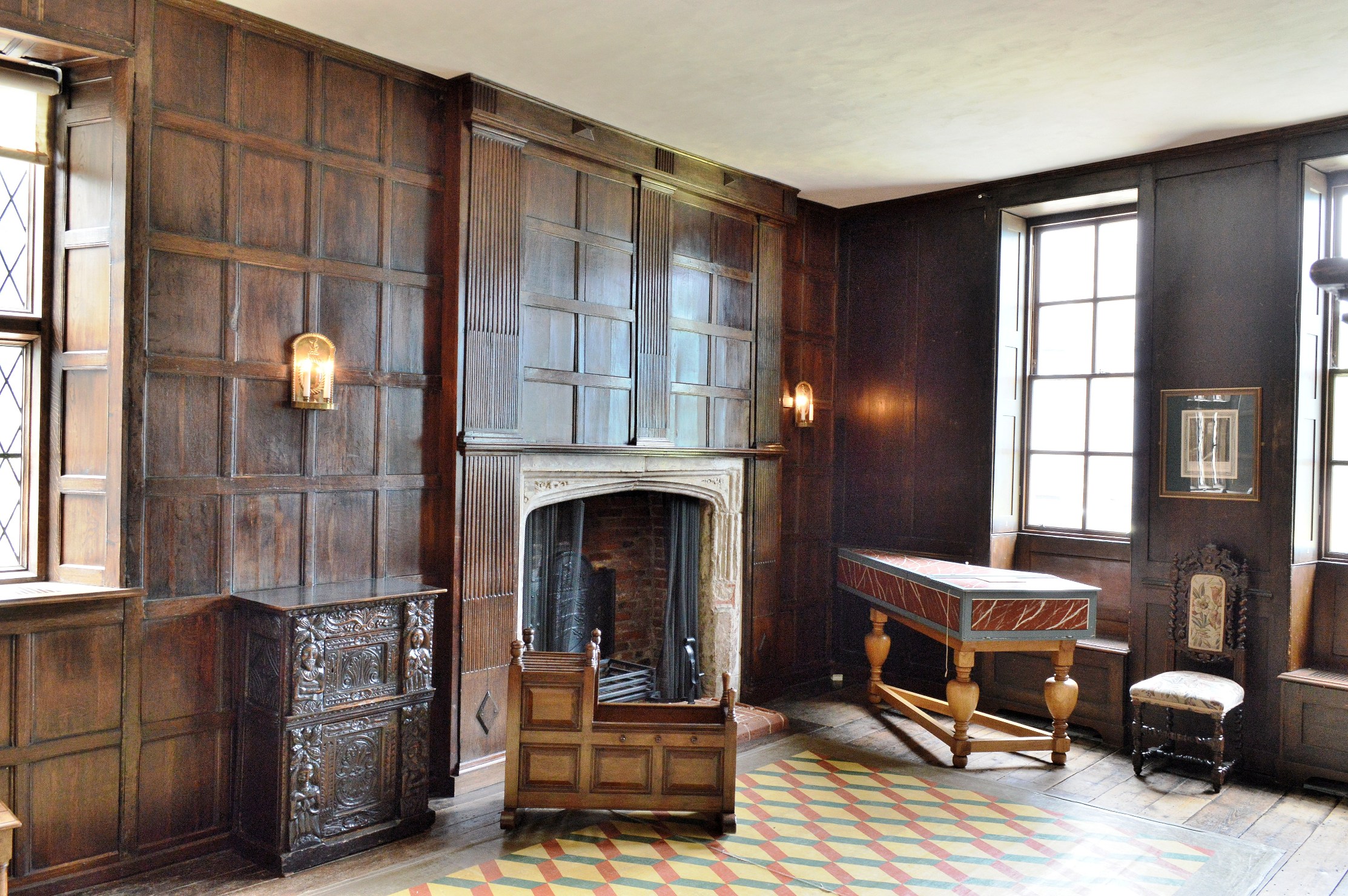
19 pics. Sutton House is not very big but it is a real gem and is well worth a visit. It was built-in 1535 by Sir Ralph Sadleir (Principal Secretary of State to Henry VIII) and has a long history of occupation including merchants, sea captains, Huguenot silk-weavers, Victorian schoolmistresses and Edwardian clergy. In later years it was used by WWII Fire Wardens, the ASTMS Union and then a squat/music venue/community center known as the Blue Room. The staff are friendly and helpful and it is well managed which results in a sense of preserved rather than restored.
More history here ⇒, website (opening times/small entry fee) here ⇒ and essential travel guide here ⇐. Note: sometimes the website (2019) is misleading about opening times and how to book a visit, you can contact here ».
There is also a Georgian Parlour, tea room, small cafe. outdoor seating areas, used book shop, cellar and chapel (little bare though), small garden/play area and community room. The site hosts a number of events and family themed days (check the website above).
Do use the paper guide provided on entry, otherwise it is very easy to miss a room or one of the treasure chests.
Art Gallery

If you click on twice to expand, then you will see the names of the young artists. The room also has an audio-visual guide.
Little Chamber


Great Chamber

Sir Ralph Sadleir MP

Lady Sadleir and Sir Edwin Sadleir both by Mary Beale
Victorian Room


Tudor Kitchen

That’s my selfie.
Top Floor

This is what remains of the the Blue Room squat, which has it’s own history.
Courtyard Seating


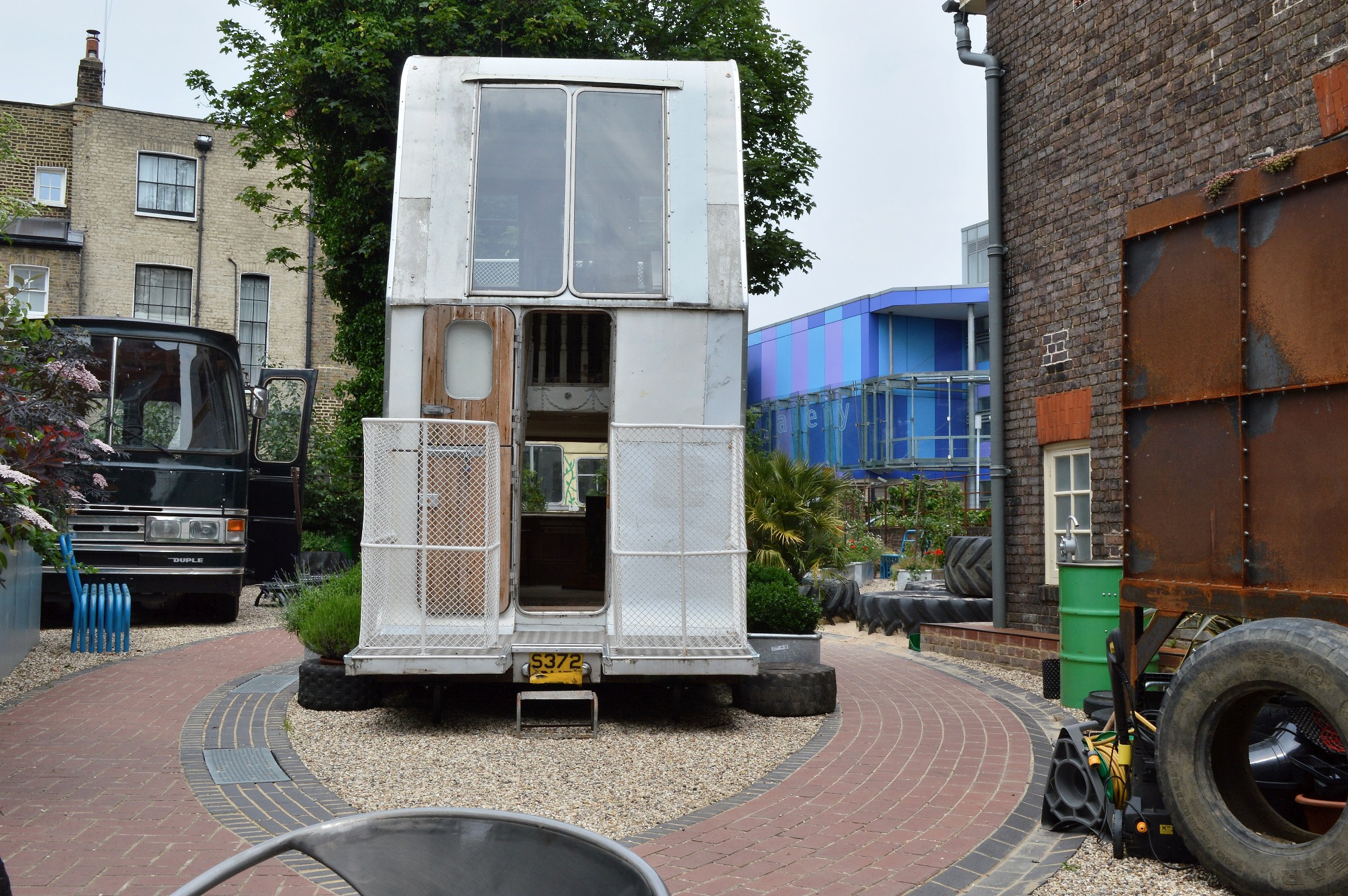
Breakers Yard Garden and Sand Pit


Shop

I do love a duck.
Flowers at Kenwood Park
10 pics. Kenwood Gardens can be found here and Kenwood House interiors (with information and travel) here.
Flowers at Kenwood Gardens
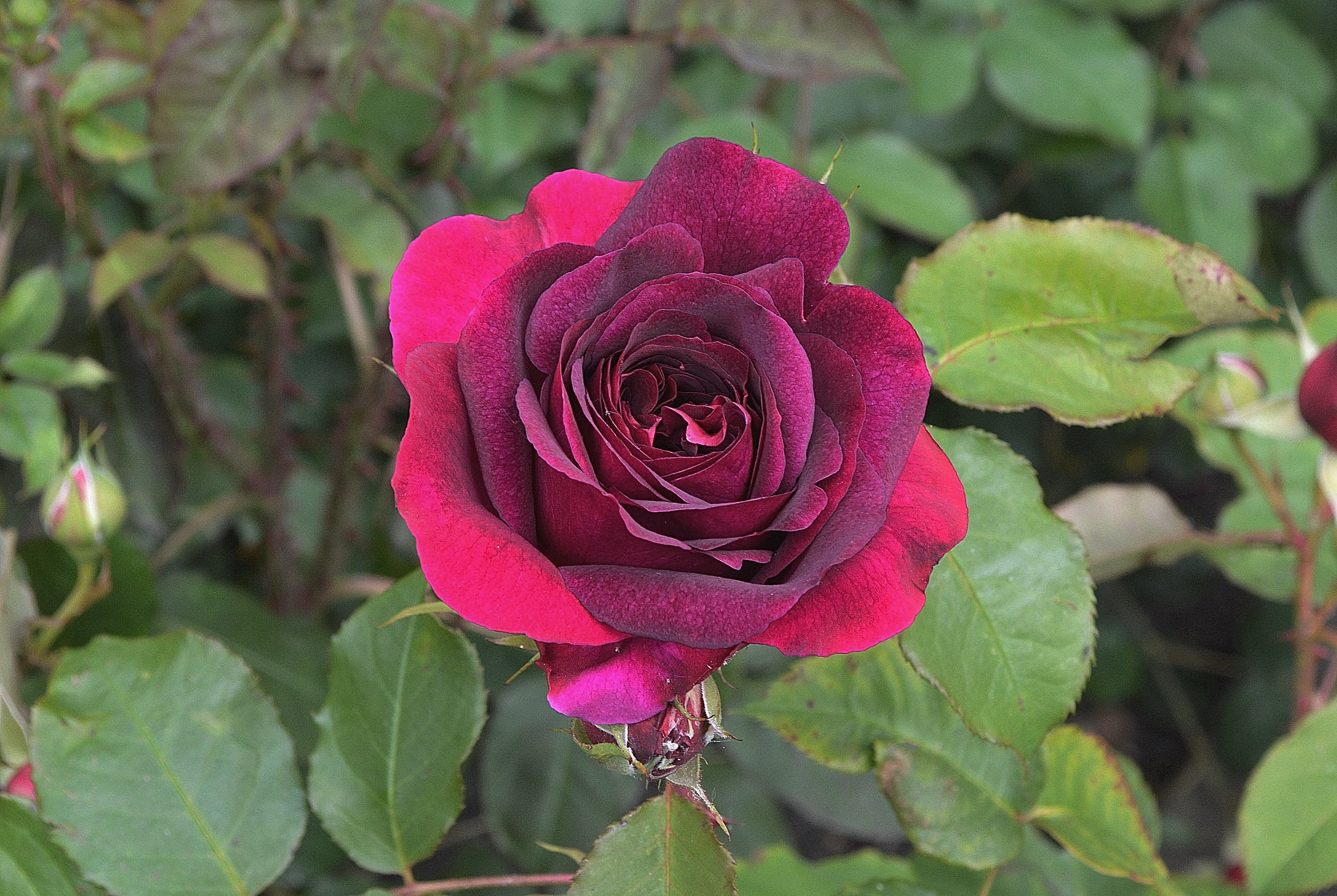
Mostly Rhododendron in a great variety of colours and roses near the cafe
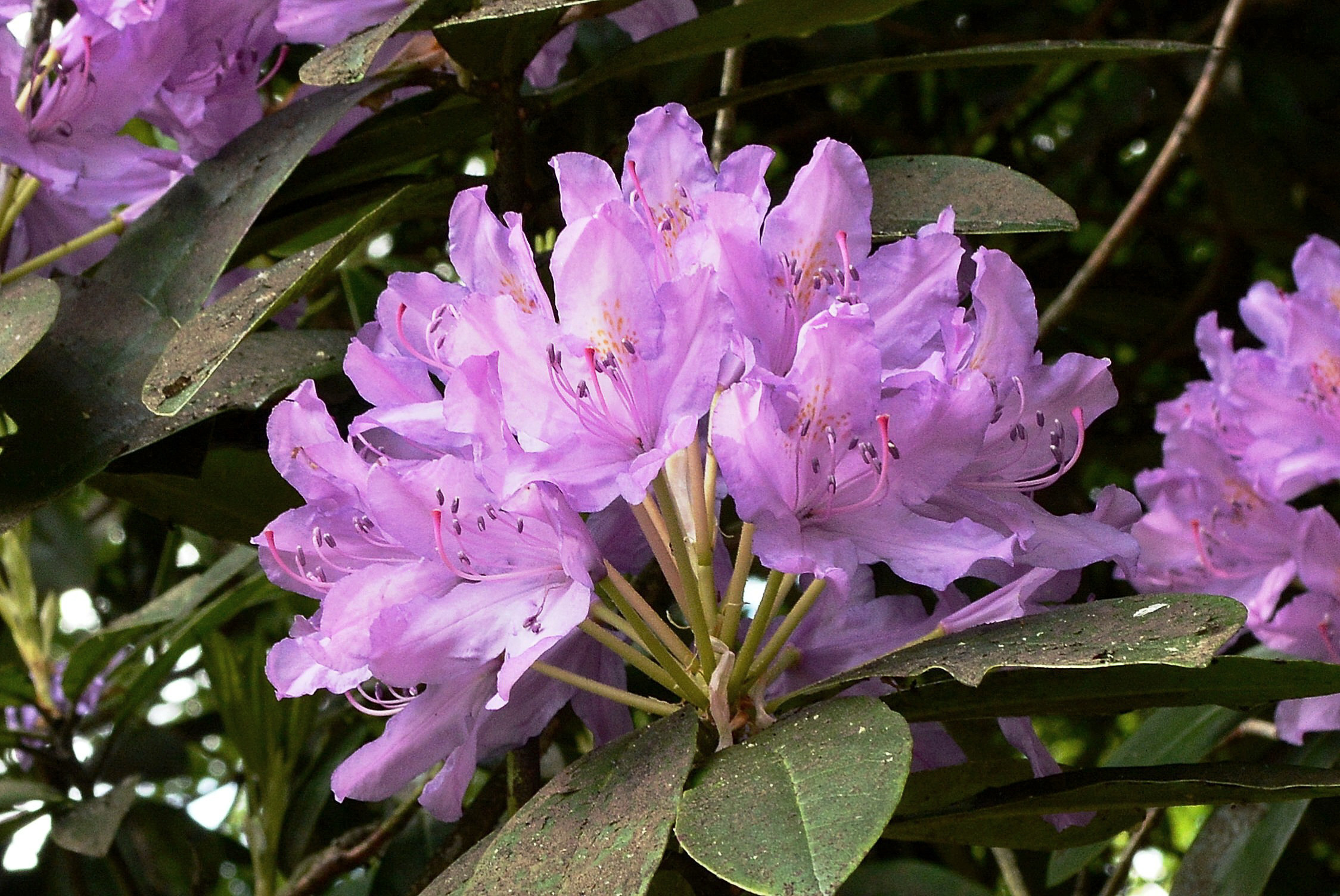


Kenwood is a very welcoming place and this flower even has dance steps for the bees :-).
Flowers at the Cafe Seating Area and Shop Wall
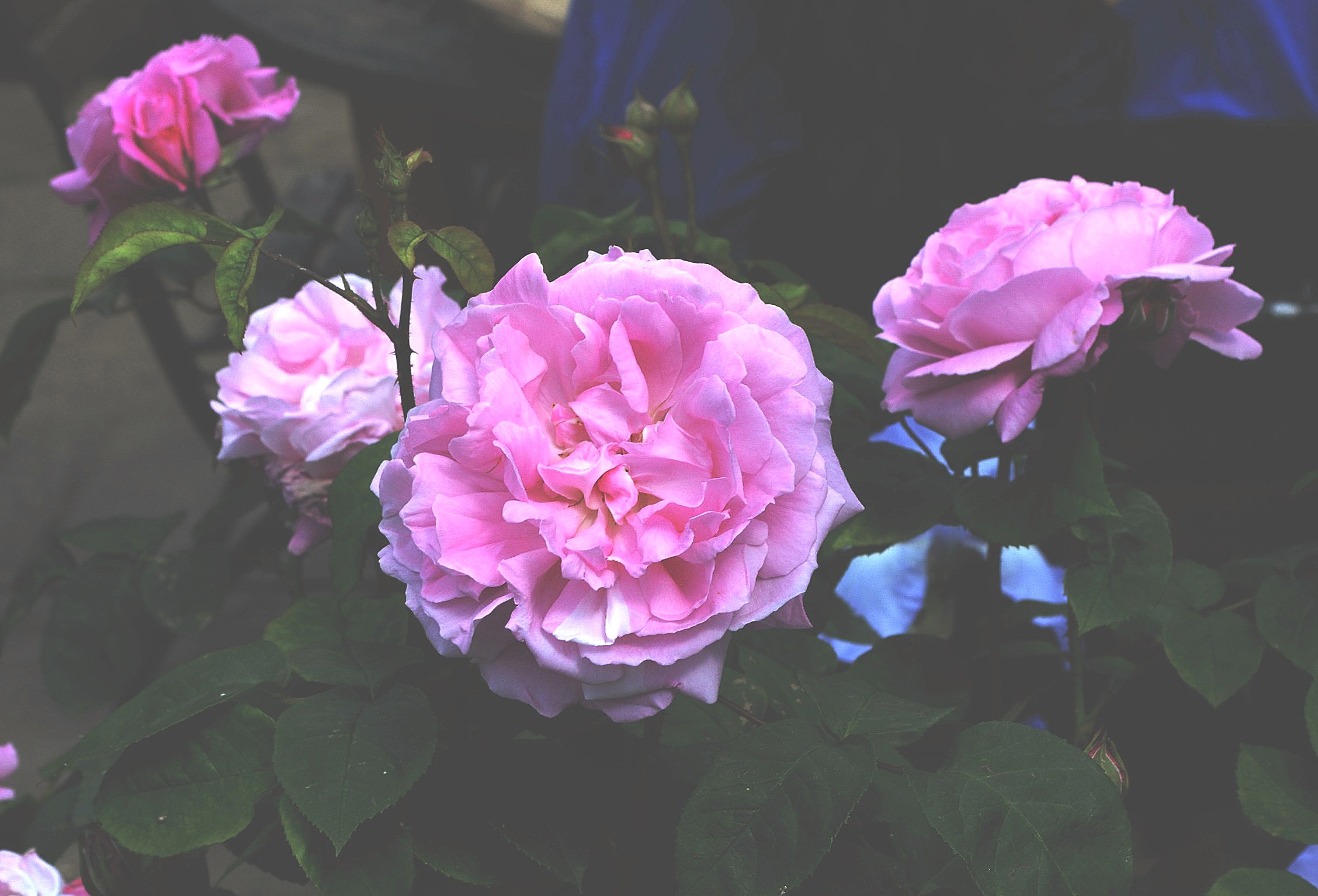
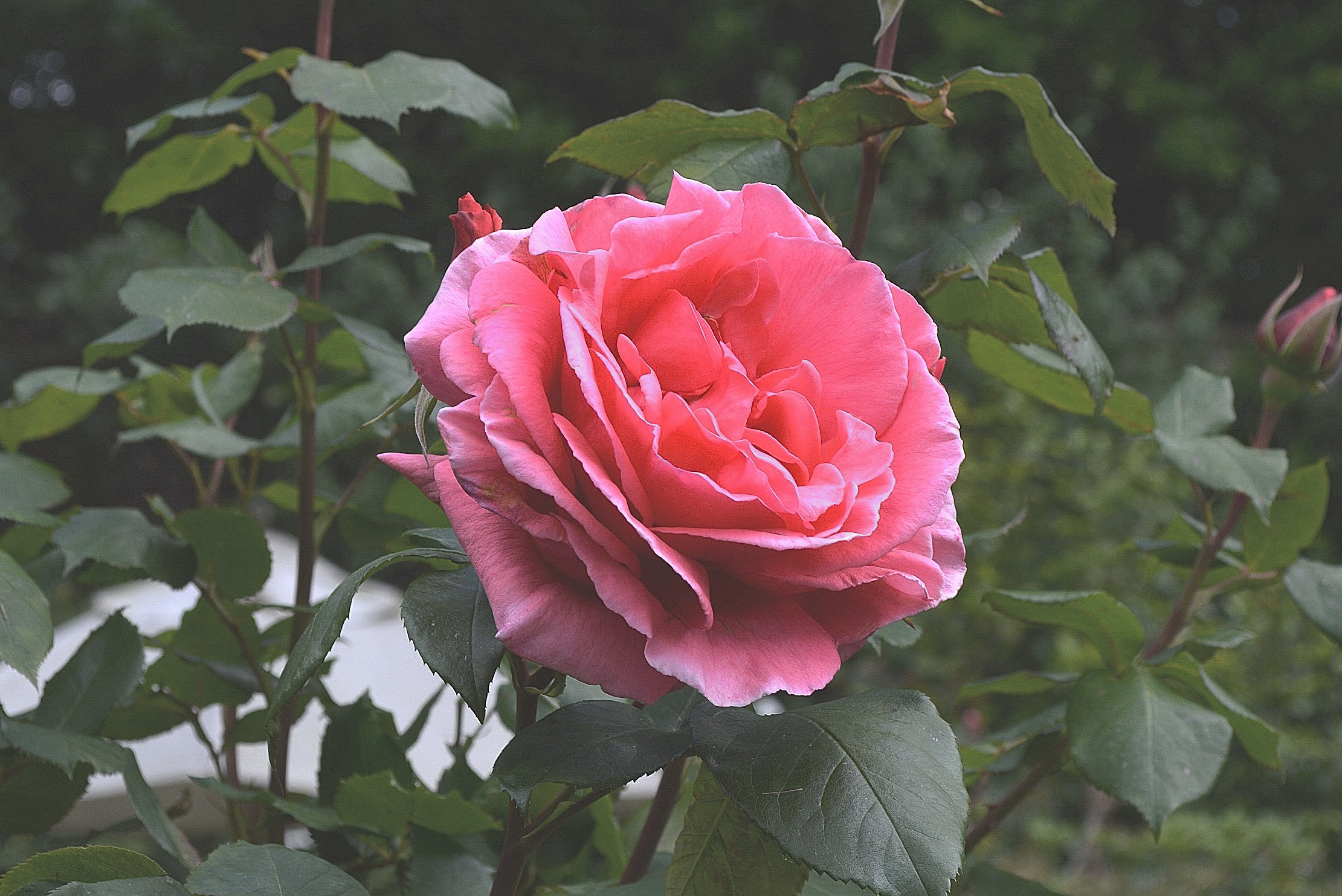
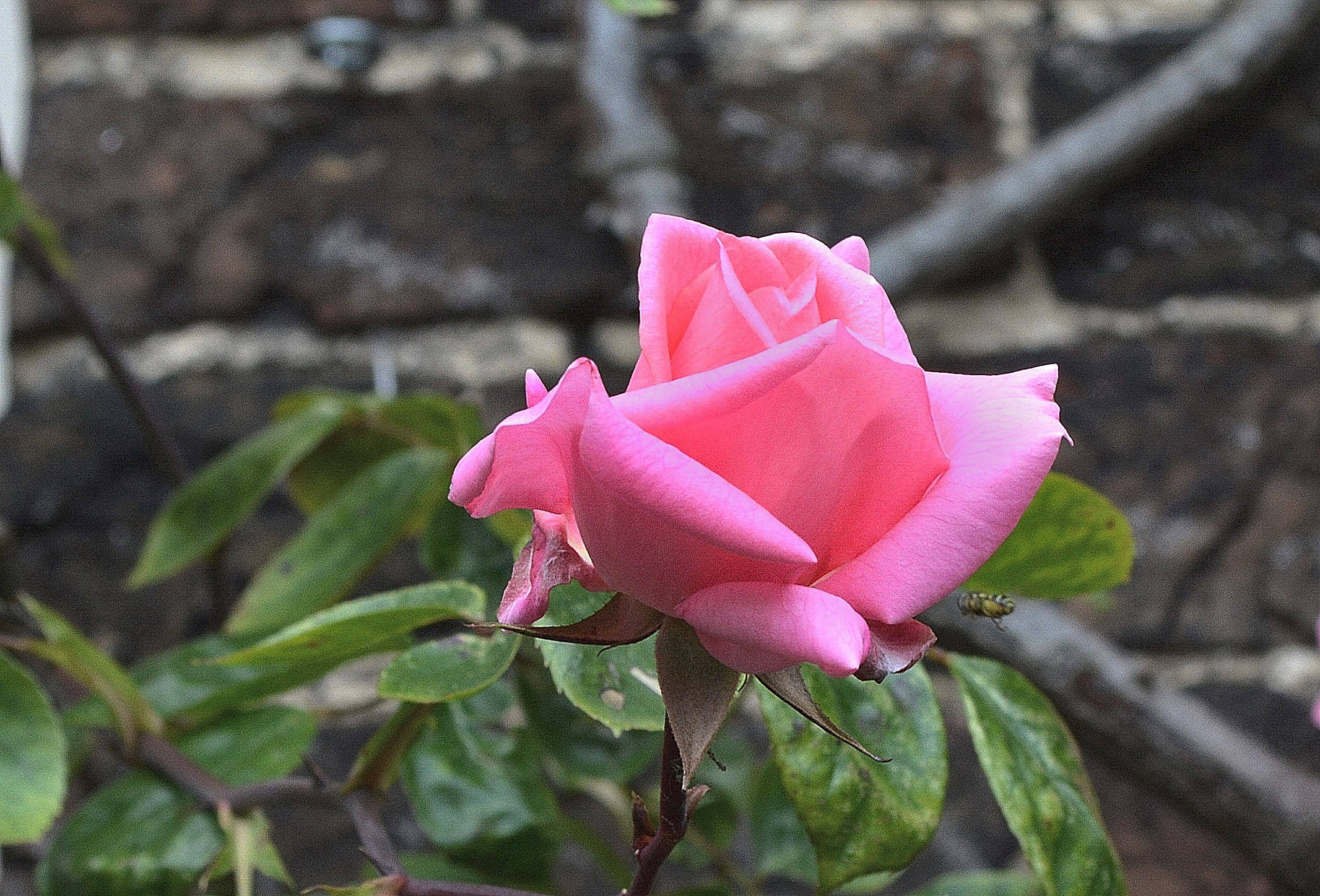
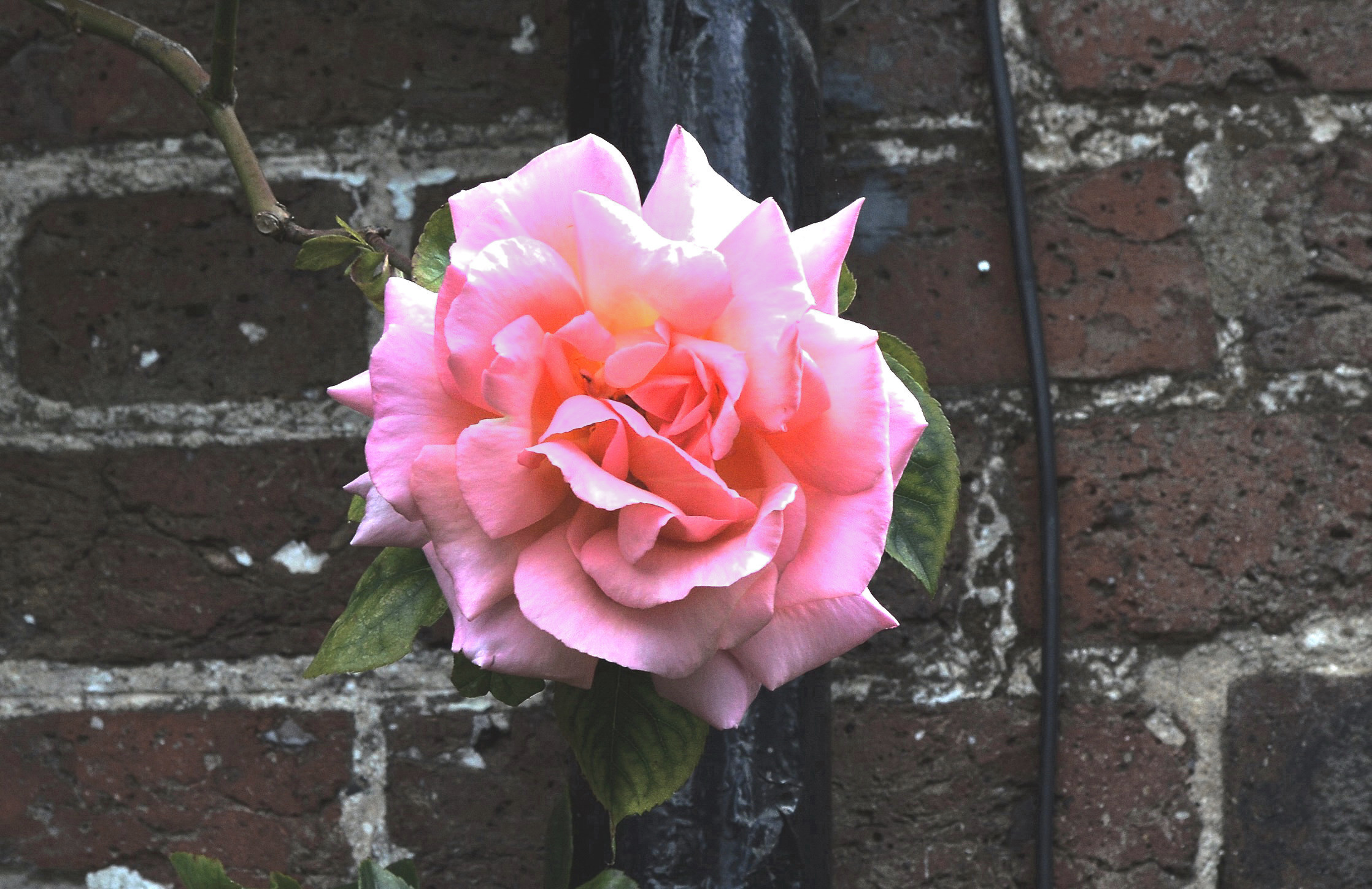

Kenwood House Gardens

This is the front of Kenwood House with entrance to the rear, gardens to the left and cafe/shop to the right. The interiors are here and flowers are here. Entrance is free to both house and gardens and non-commercial photographers are welcome inside.
The nearest underground rail station is Archway and the 210 bus can be taken from stand E to the next stop E (near Compton Ave) and then a short walk to Kenwood House.
This is one of the most pleasant and peaceful gardens and park-lands that I have visited. Most of the flowers are Rhododendron in a great variety of colours. There will be close ups in the next post.
Kenwood House Gardens

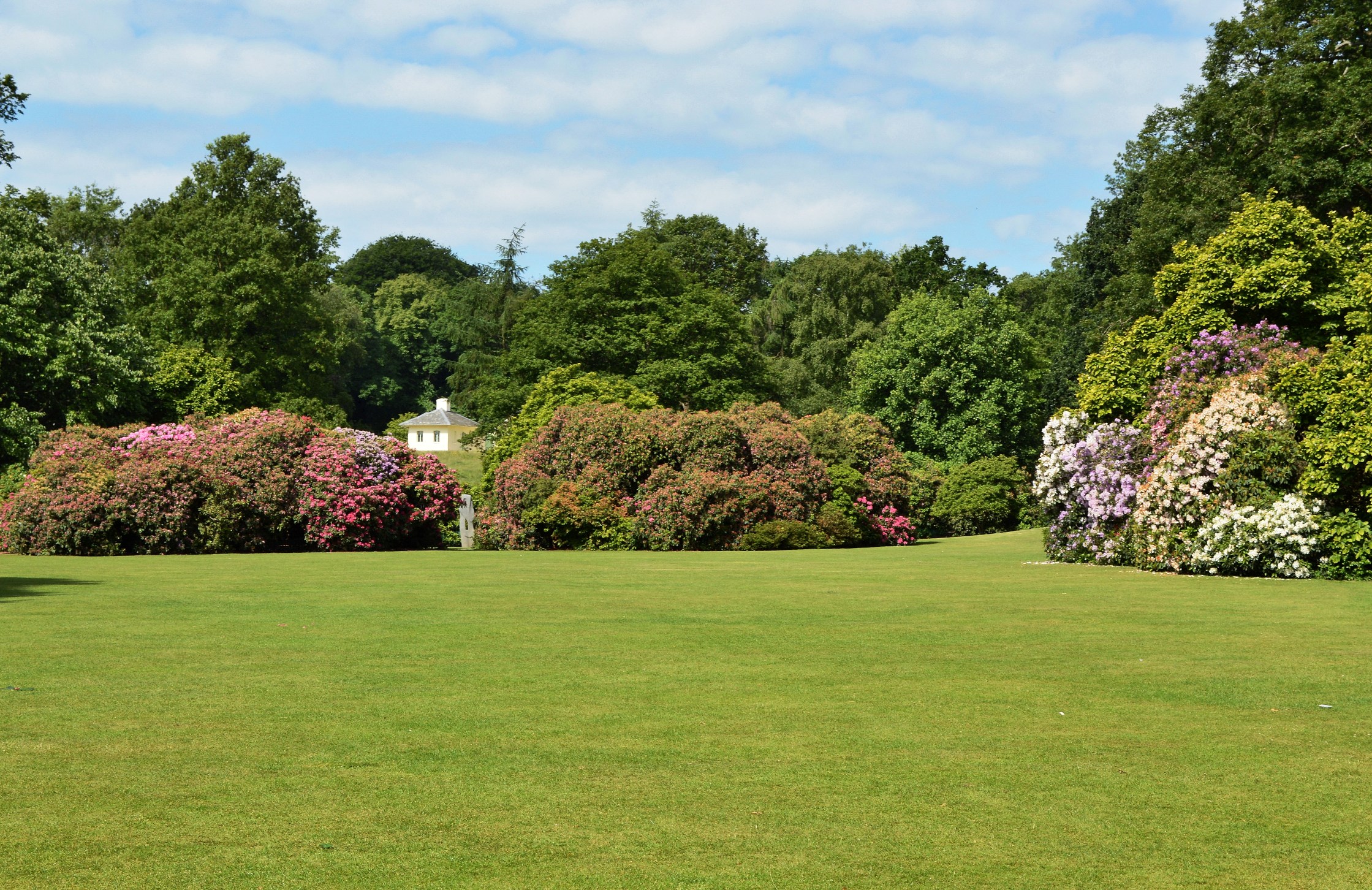
Just to the left of the Dairy (small white building) in the distance just beyond the gardens, is a statue by Henry Moore.

Henry Moore – Two Piece Reclining Figure No 5 . Myself, I might have called it “Dreams of a Jive Bunny”. 🙂
Back to the gardens.


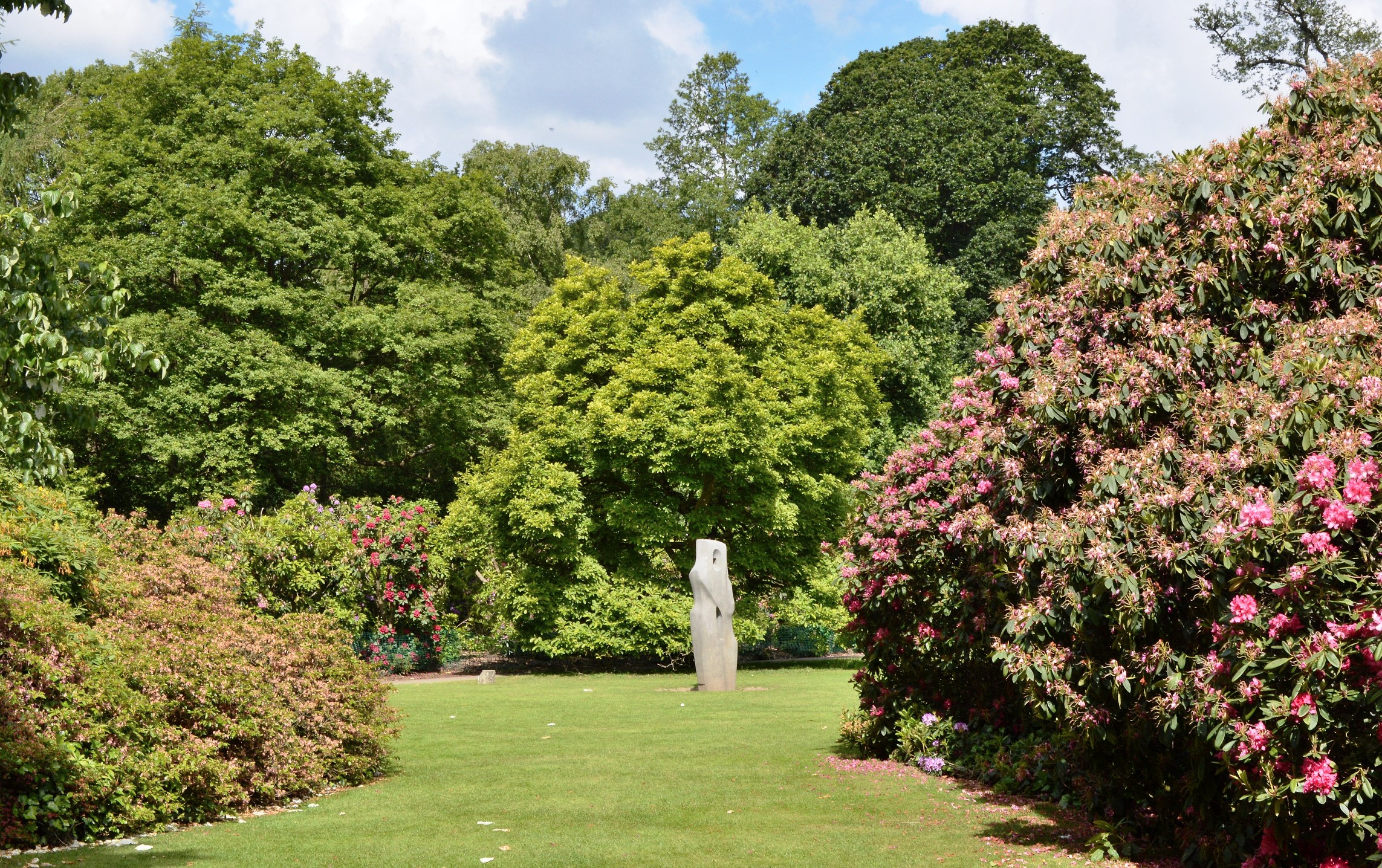
Spot the Gorilla

This is a view to the south of Kenwood Park and beyond is Hampstead Heath. If you look closely, just to the right of center, one might see a huge green shaggy gorilla with three fingers in the water. 🙂 And, who’s he talking to ? 🙂

The cafe has a very pleasant seating area amongst an array of flowers, with more seating from where this photograph is taken, and a shop to the right. The staff are friendly and, although quite busy, a very calm and enjoyable atmosphere.
Here is the boss (of all he surveys). 🙂

Kenwood House – Interiors

Kenwood House is free to enter and photography is allowed. It houses a massive art collection bequeathed by Lord Iveagh (Vermeer, Rembrandt, Gainsborough, Reynolds, Larkin and Boucher) and sits amongst an ornamental garden with parklands and is adjacent to Hampstead Heath. There is also a shop and the cafe, Gardens ( here ) and Flowers ( here ) are a delight .
It does get quite busy with tours and school trips. Nevertheless it has a calm ambiance with friendly staff and an occasional school party sitting on the floor quietly mesmerized by a story teller. You might wish to click on The Website.
The easiest route is to Archway underground station and then the 210 bus from stand E to the next stand E by Compton Rd.
The Rooms


The Ceilings
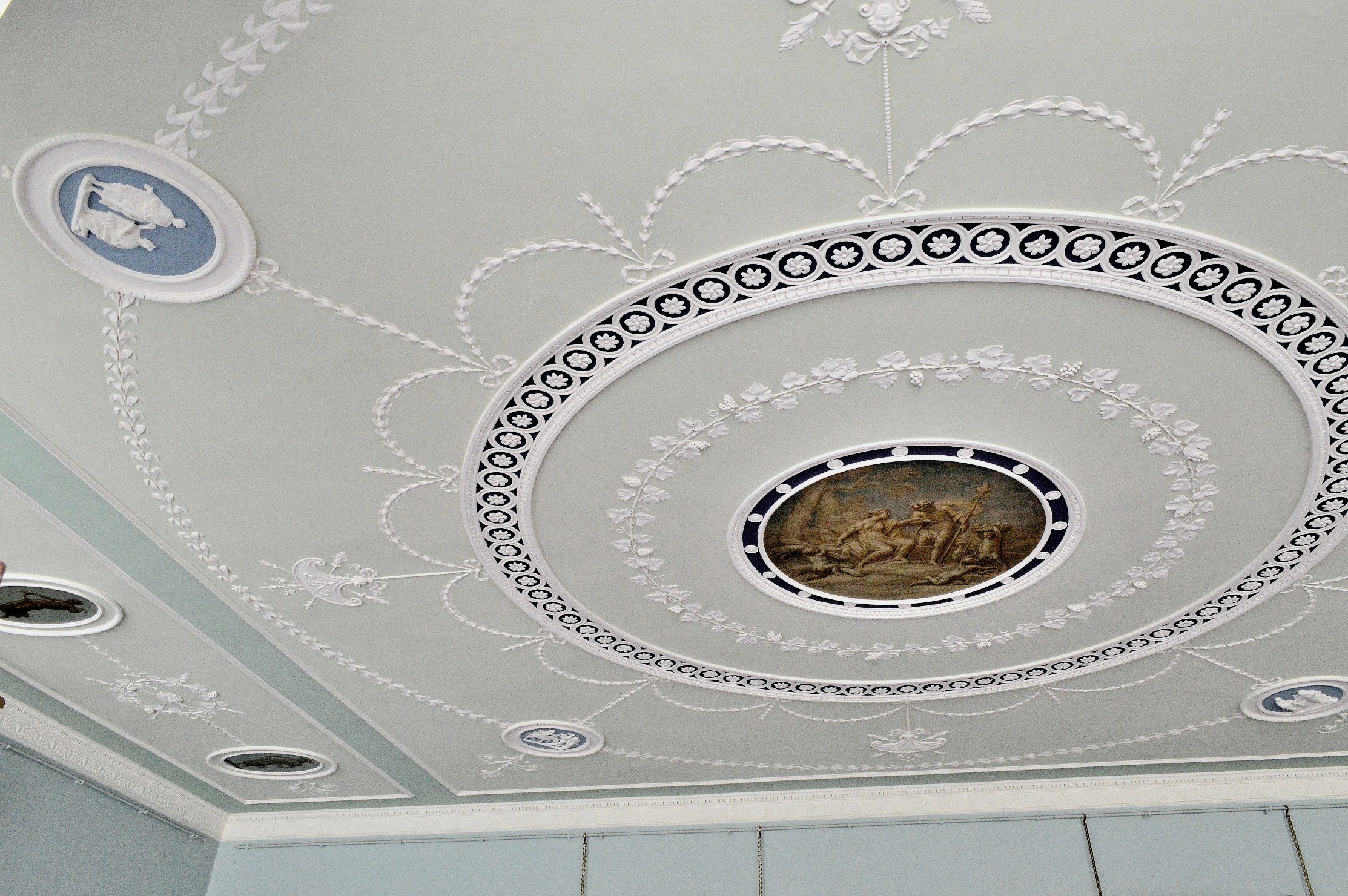
Foyer
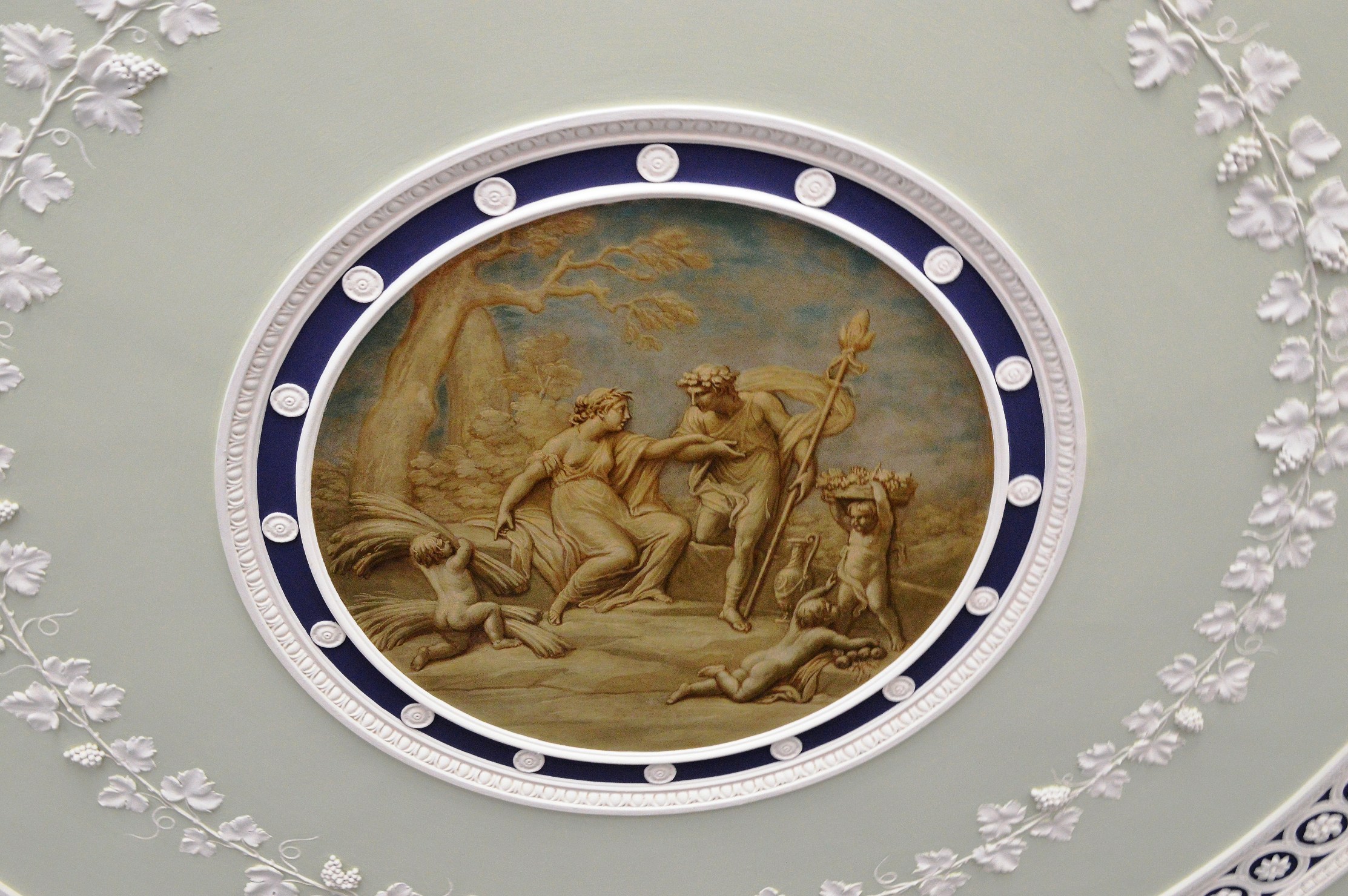
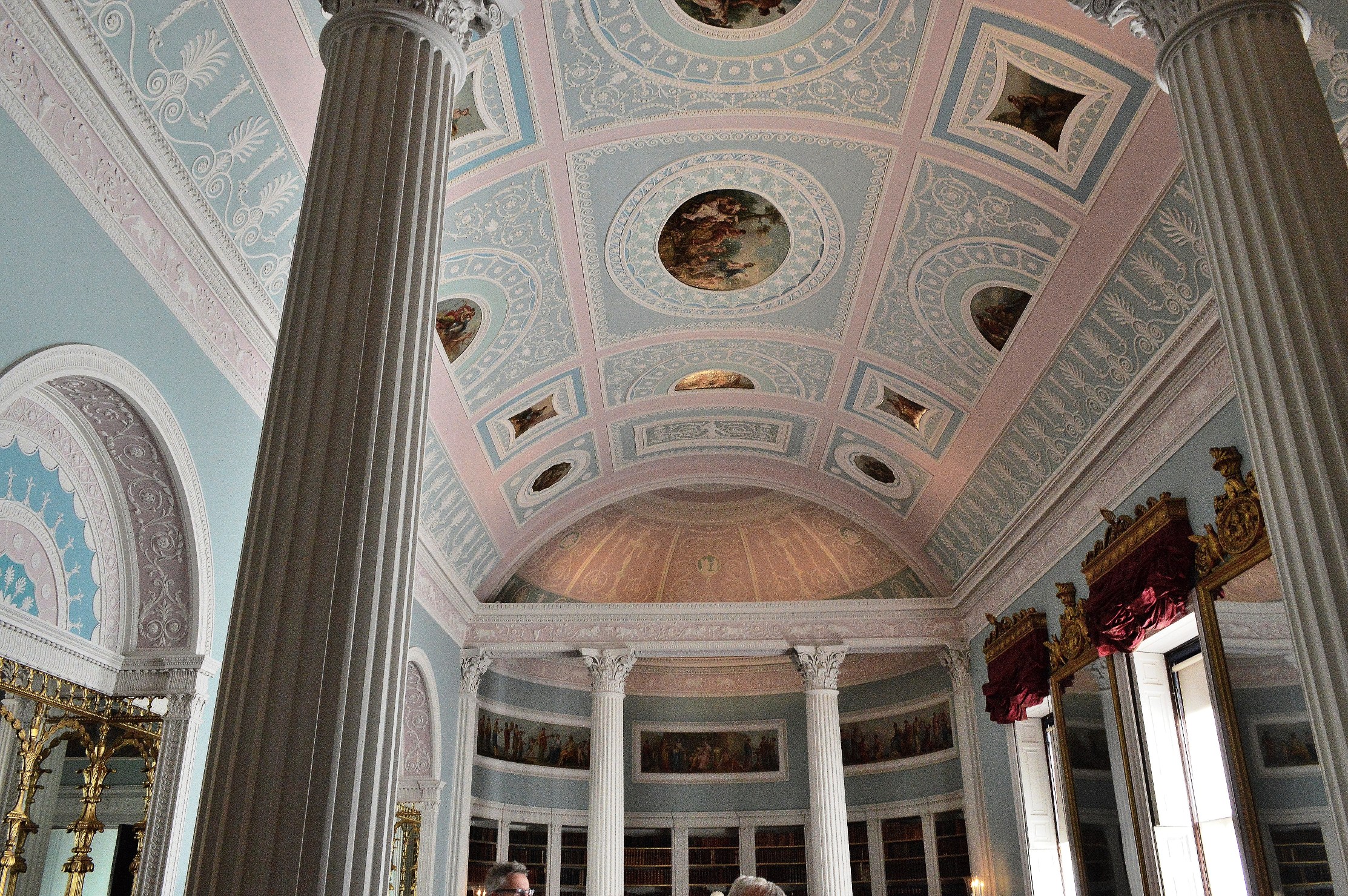
Library
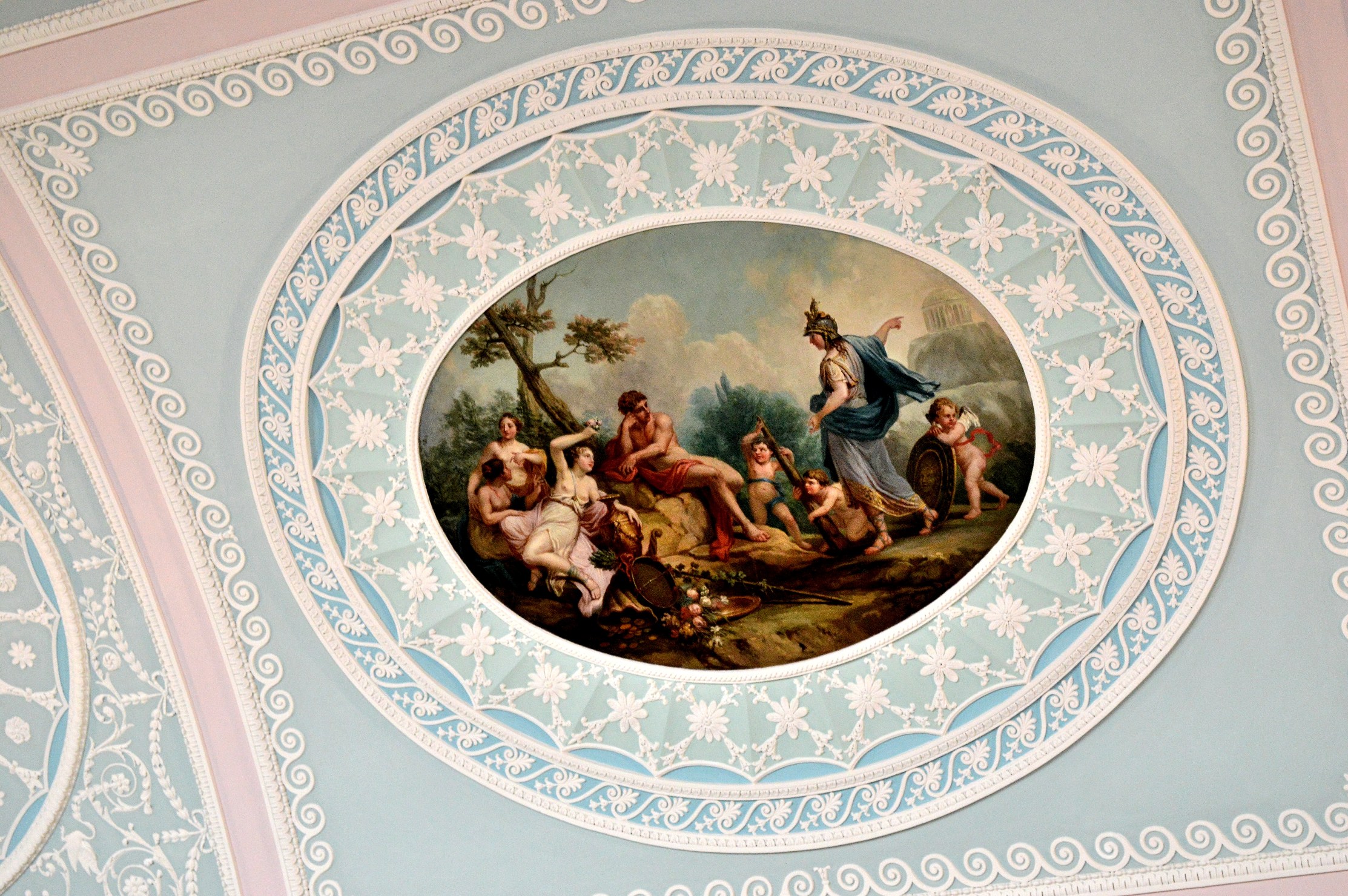
The Paintings
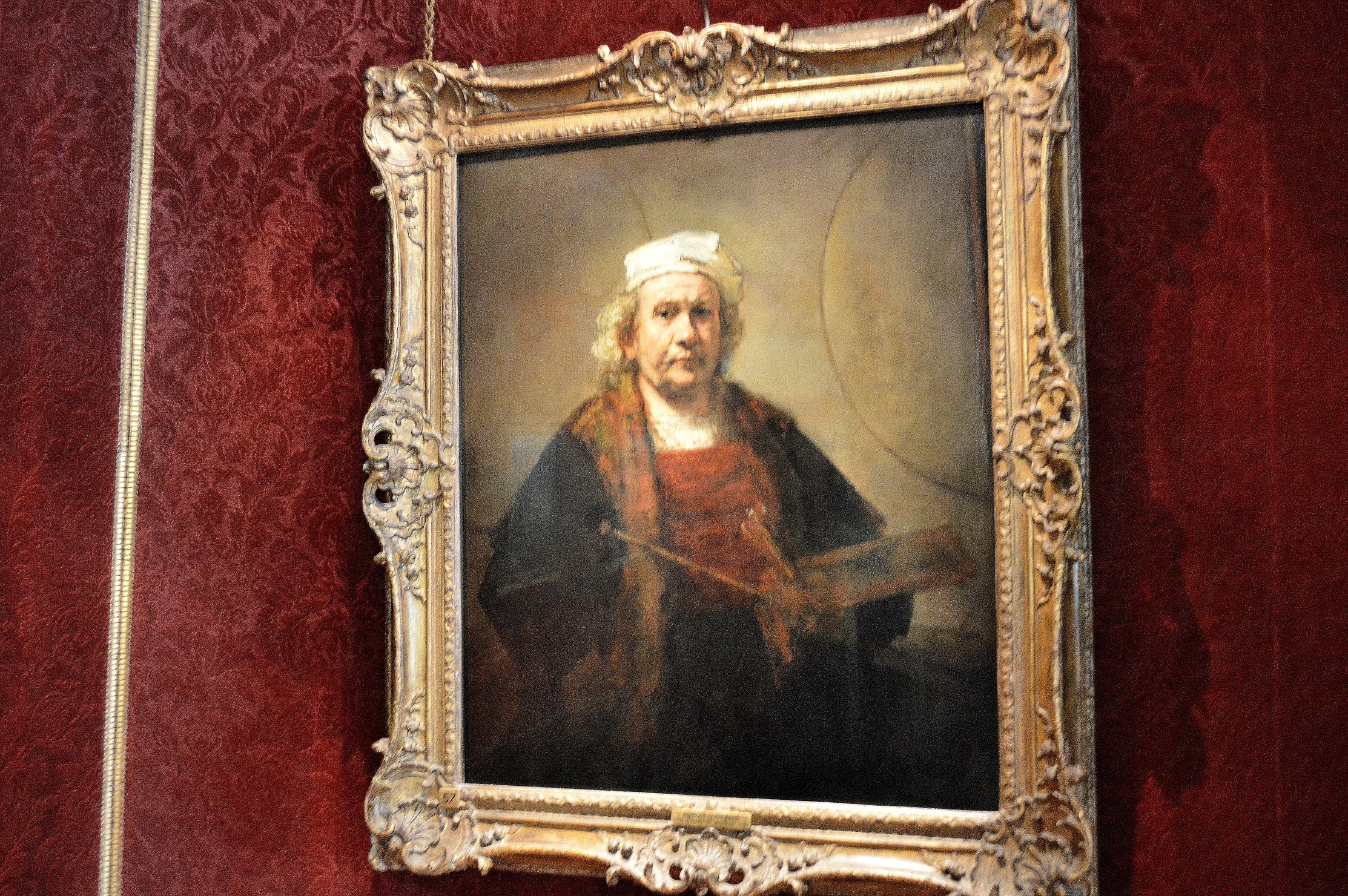
Rembrandt – self portrait with two circles
It seems that selfies are nothing new to the world.

Man Offering Grapes to a Girl – Francois Boucher
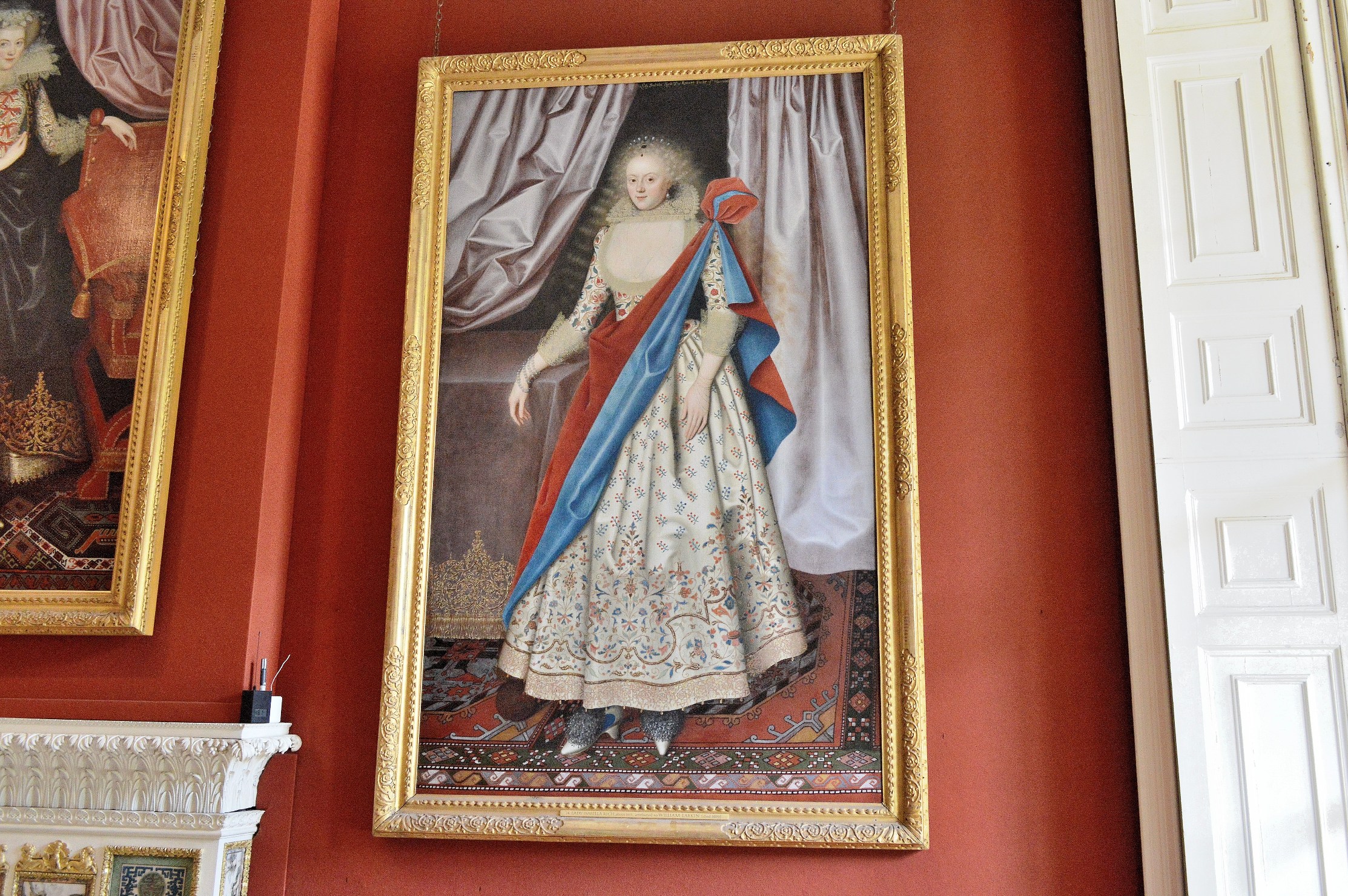
Lady Isabella Rich – Attr William Larkin
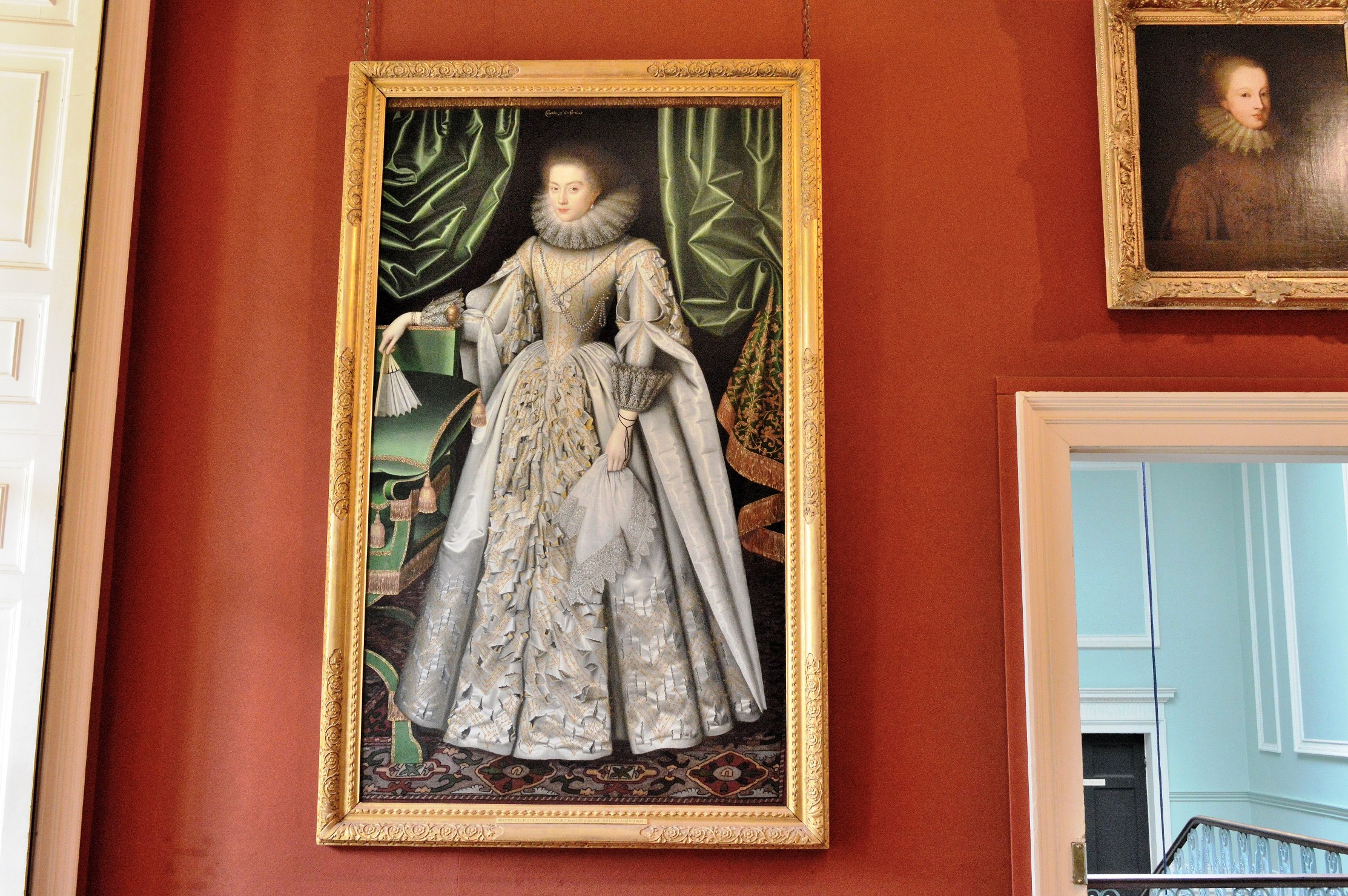
Diana Cecil – Countess of Oxford – attr William Larkin
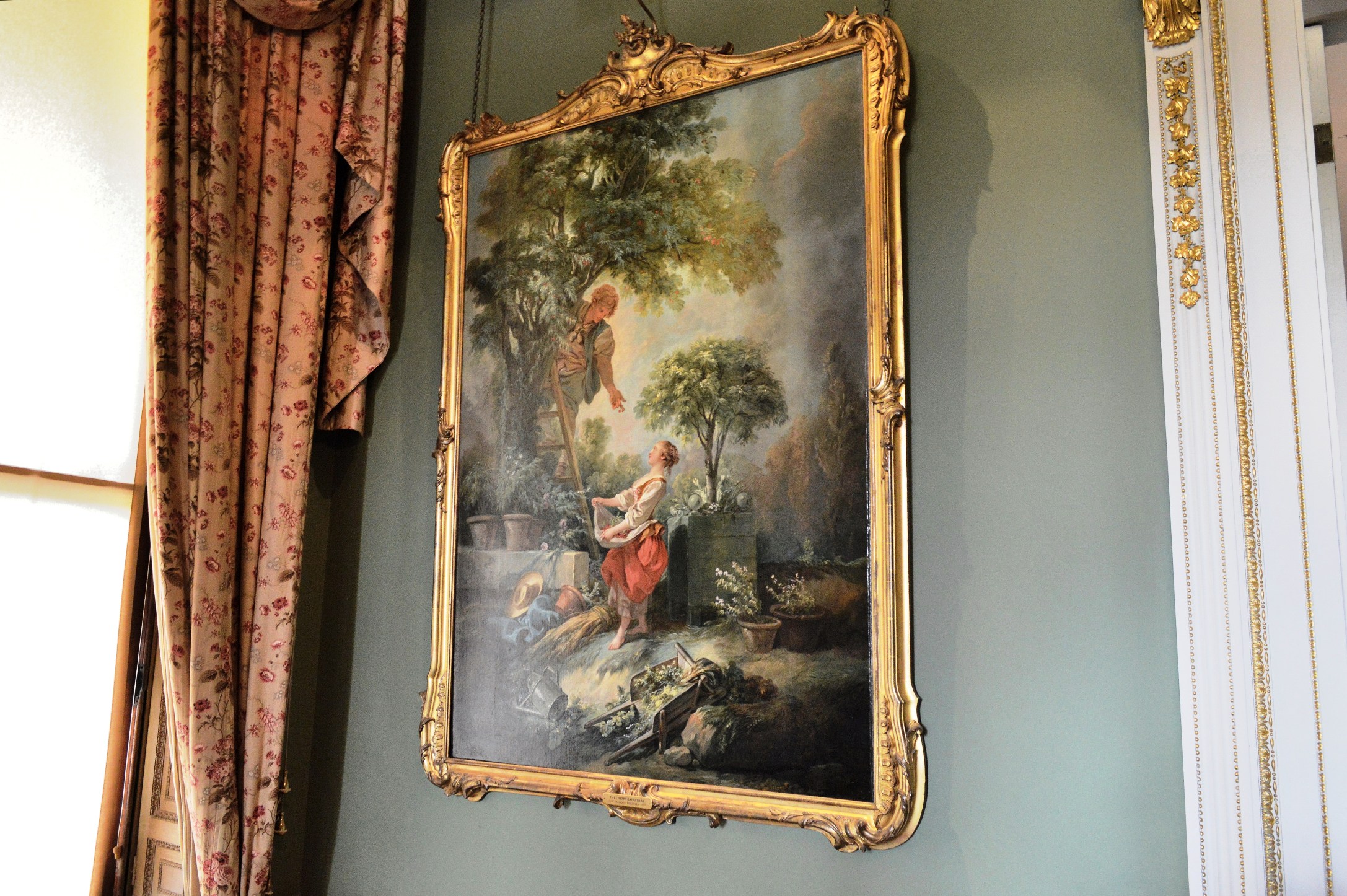
The Cherry Gatherers – Francois Boucher

Dido Elizabeth Belle and Lady Elizabeth Murray by Johann Zoffany
Some Trinkets

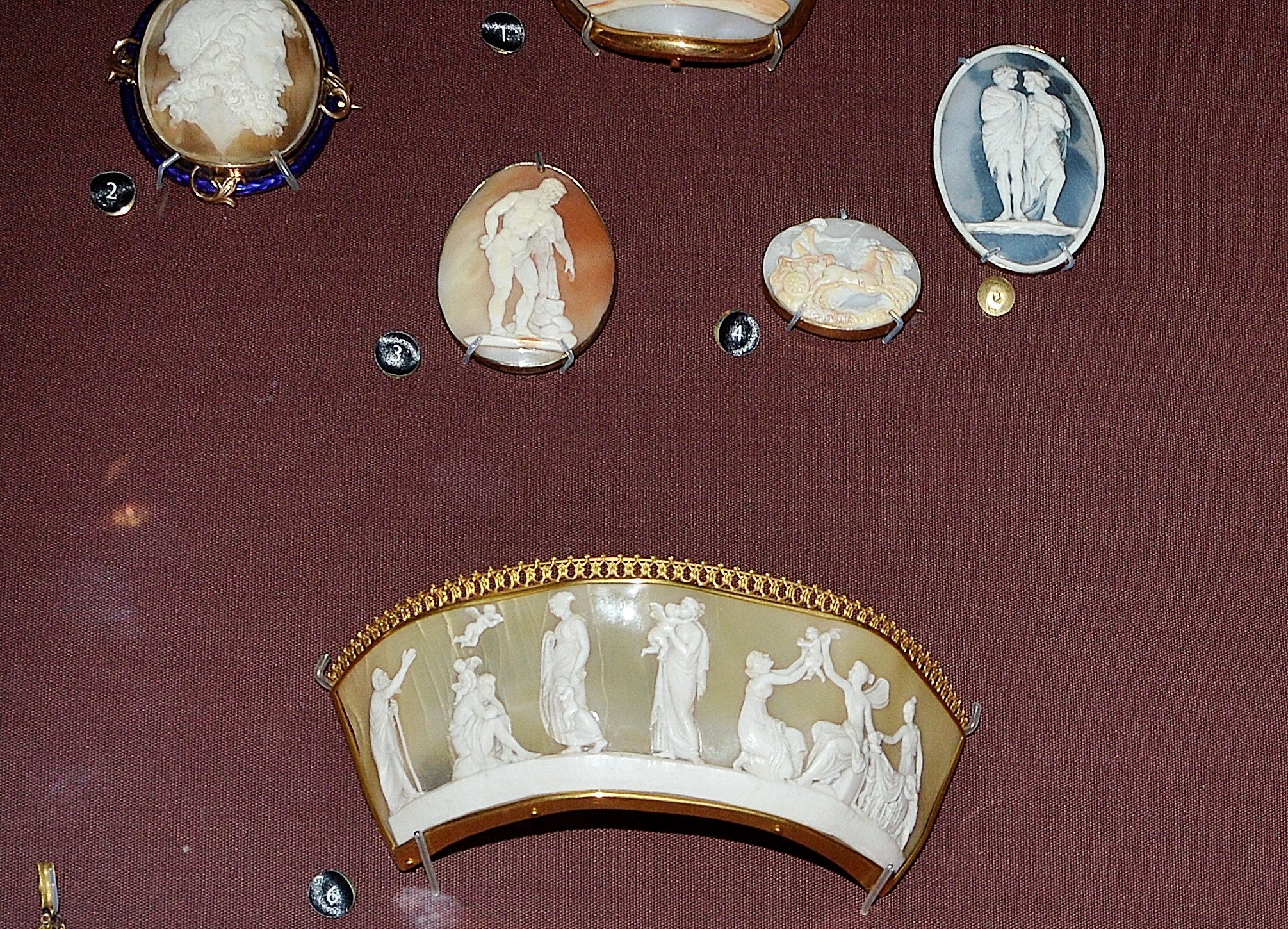

Strawberry Hill House – Interiors
The interiors of Strawberry Hill House are so well refurbished, that it seems waiting for its first occupants. Whilst the house has few artifacts at present, the trust is raising funds to restore at least some of Horace Walpole’s massive collection. For pictures of the castle-like exterior, history and essential information for visitors please click here.
These pictures are not necessarily in the order they were taken, do not include all the rooms and it is essential to use the guide-book to ensure seeing everything.
It is worth magnifying some of these pictures, especially the stained glass. To do so please click on a picture and then again to magnify and then use your browser’s “back” key to return here.. Enjoy 🙂 .
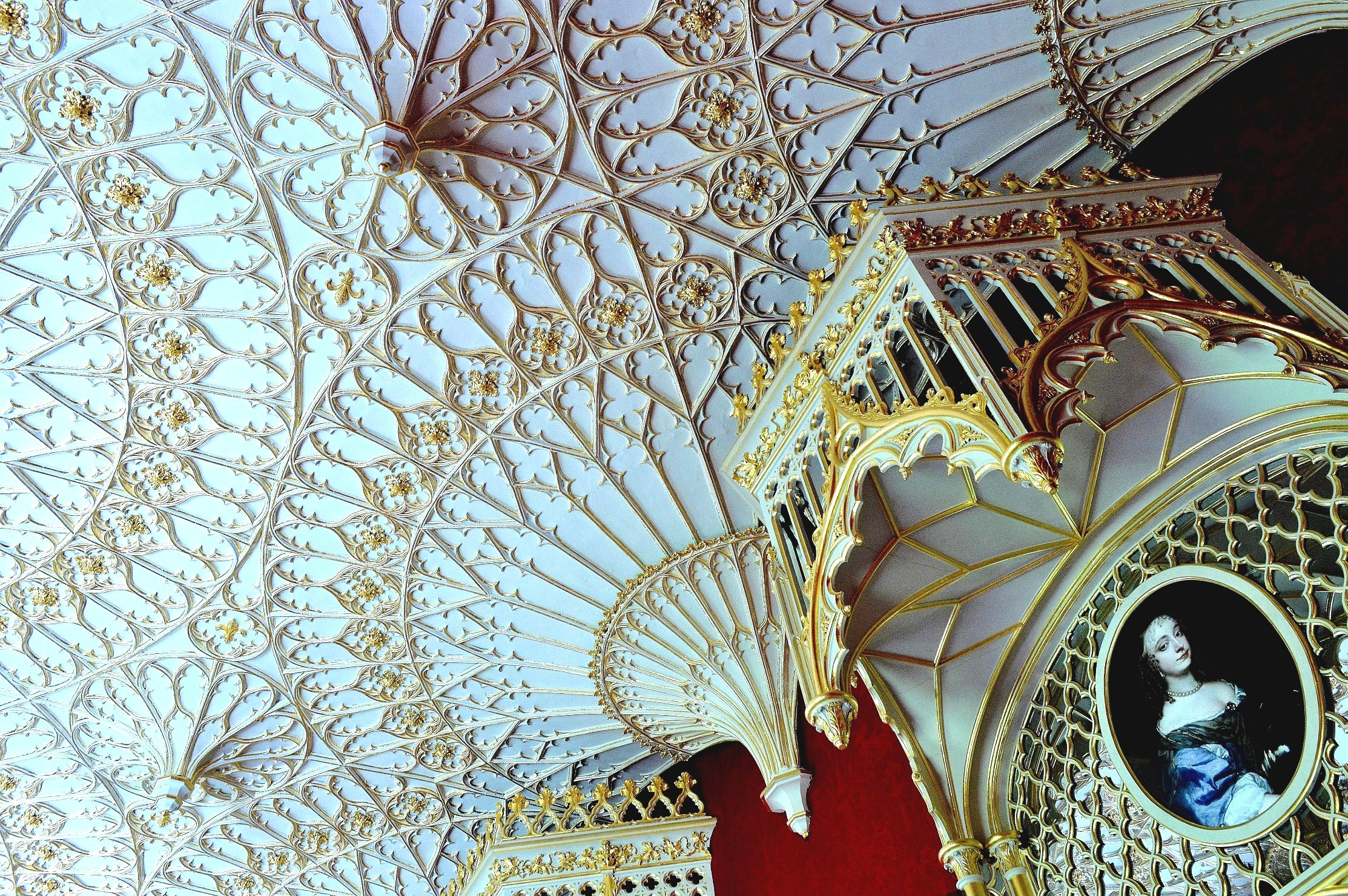


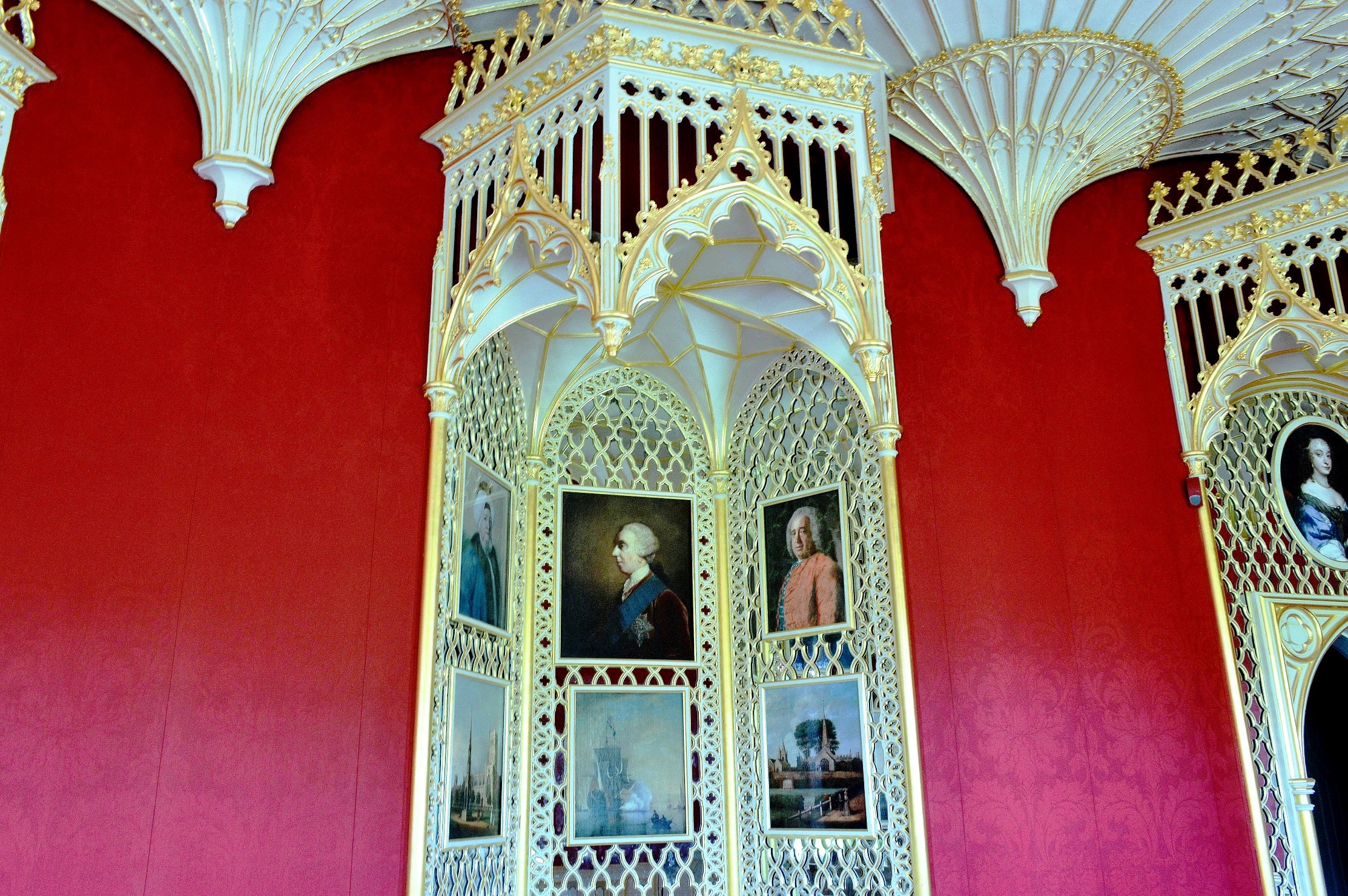
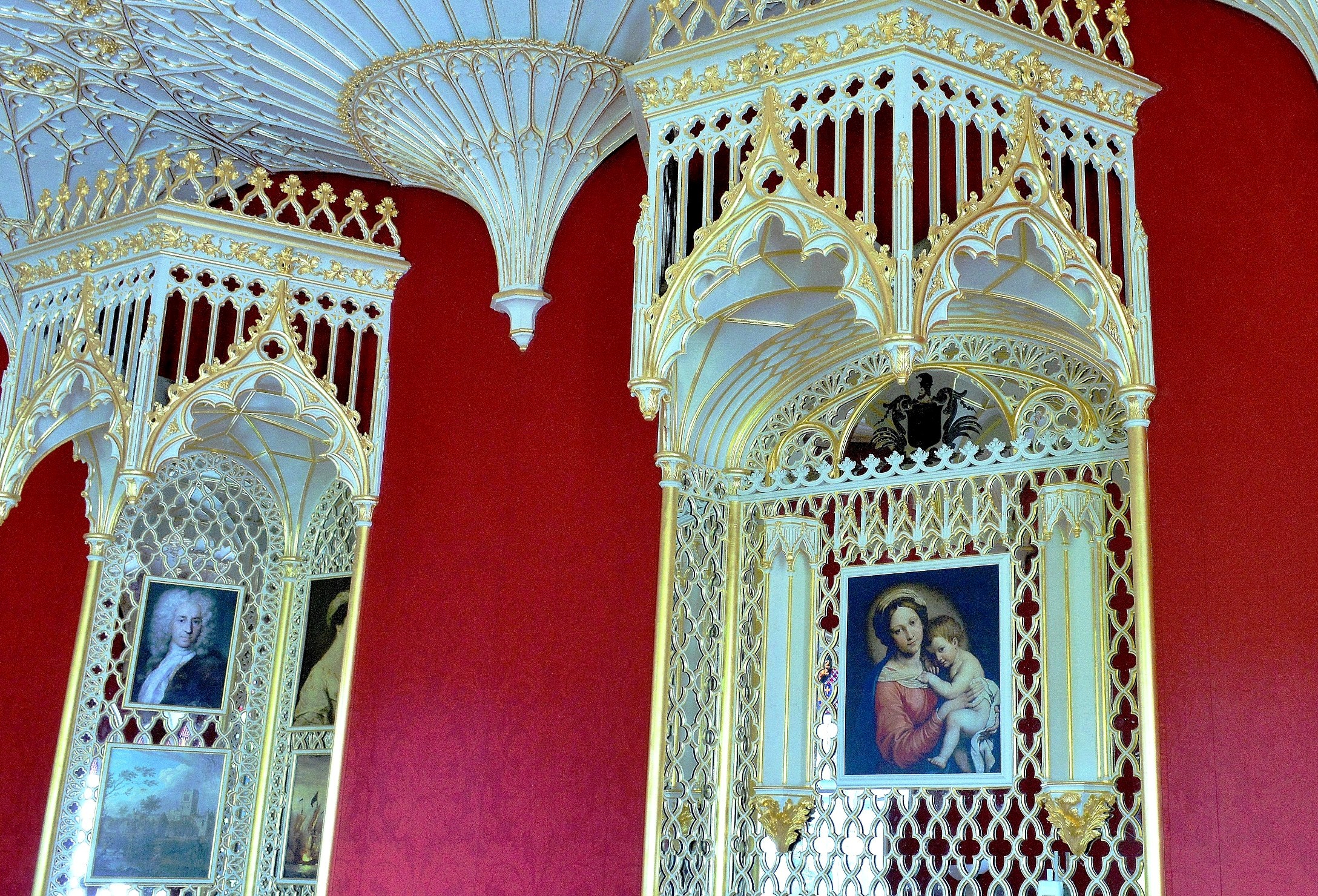

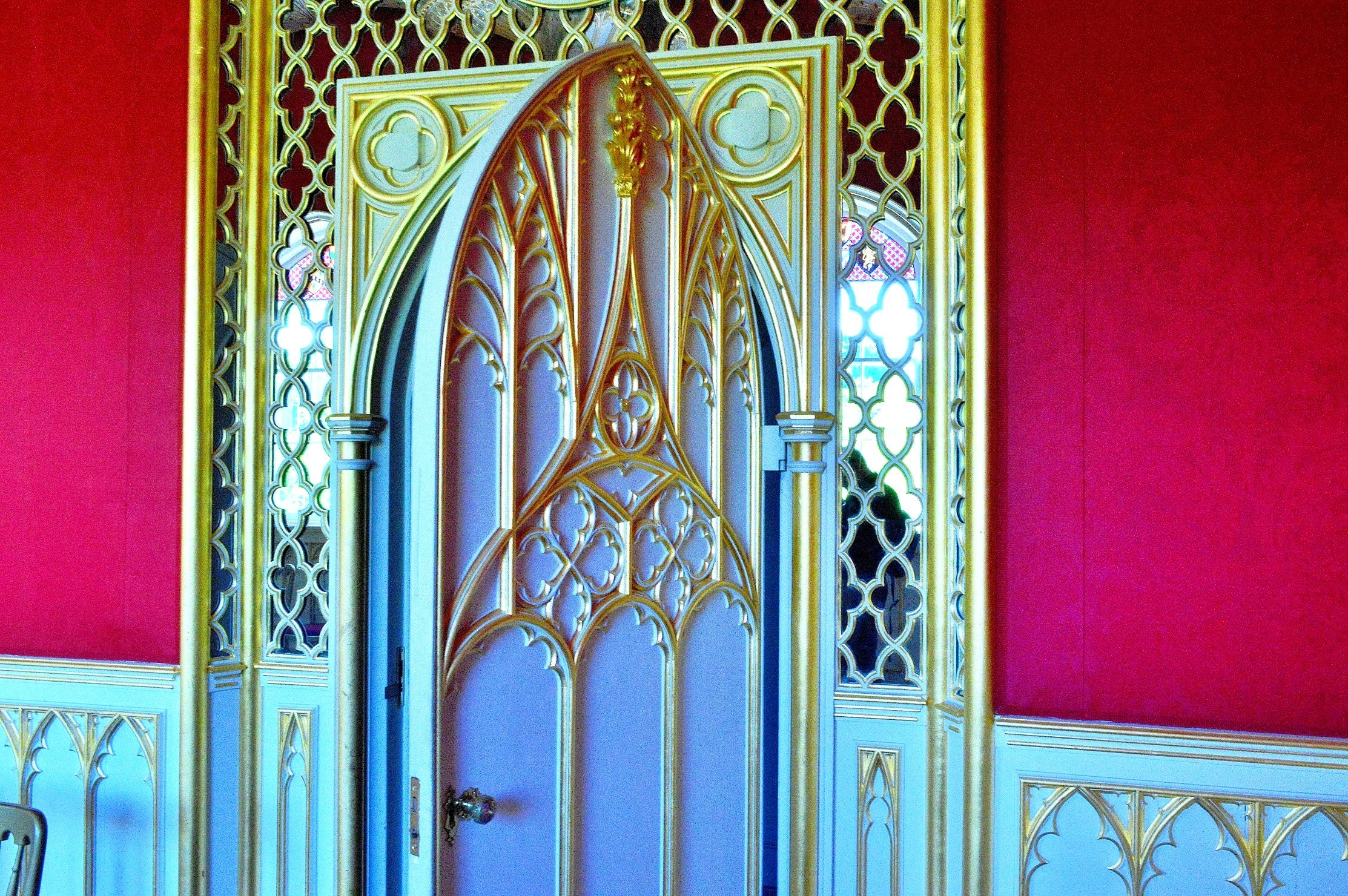

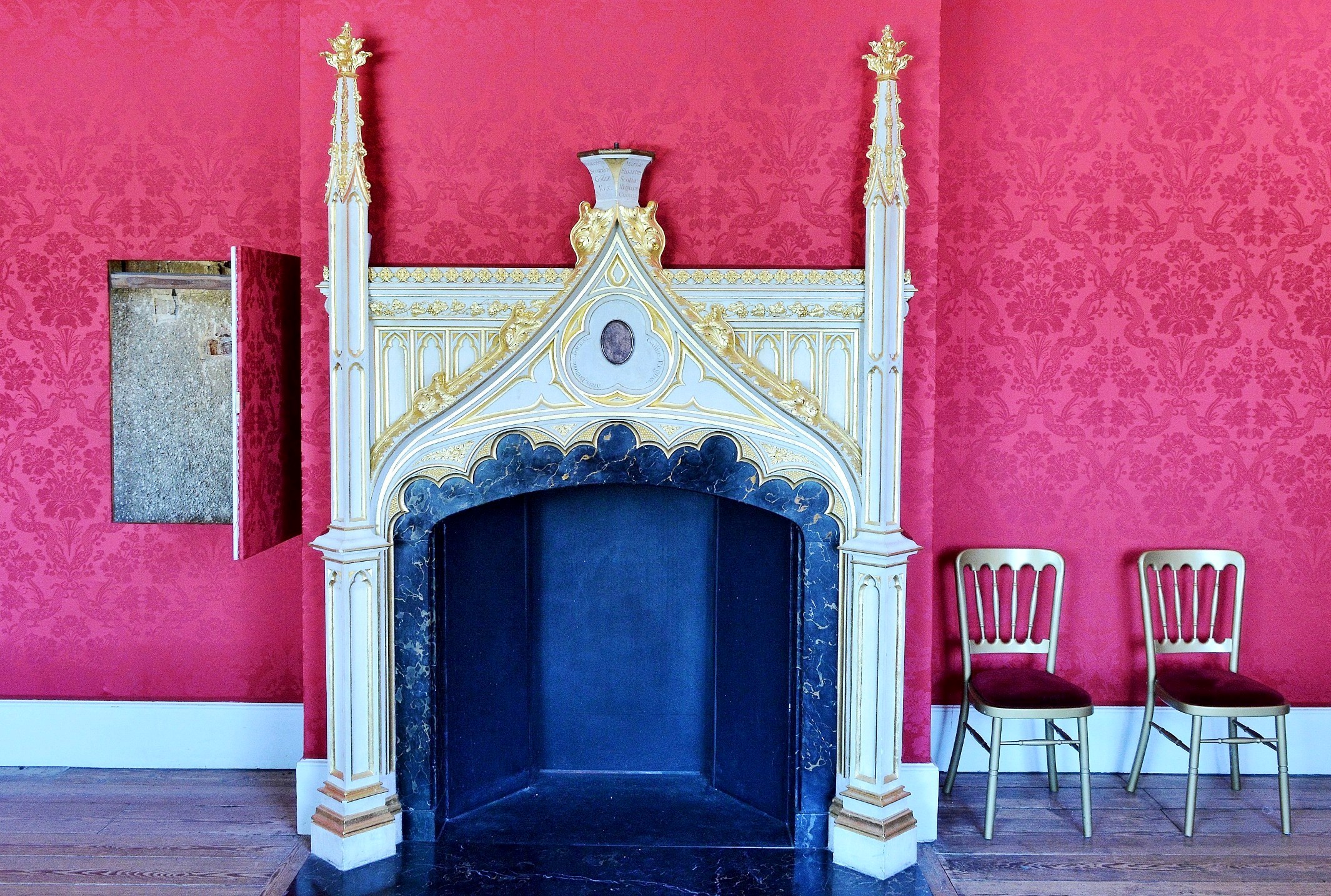

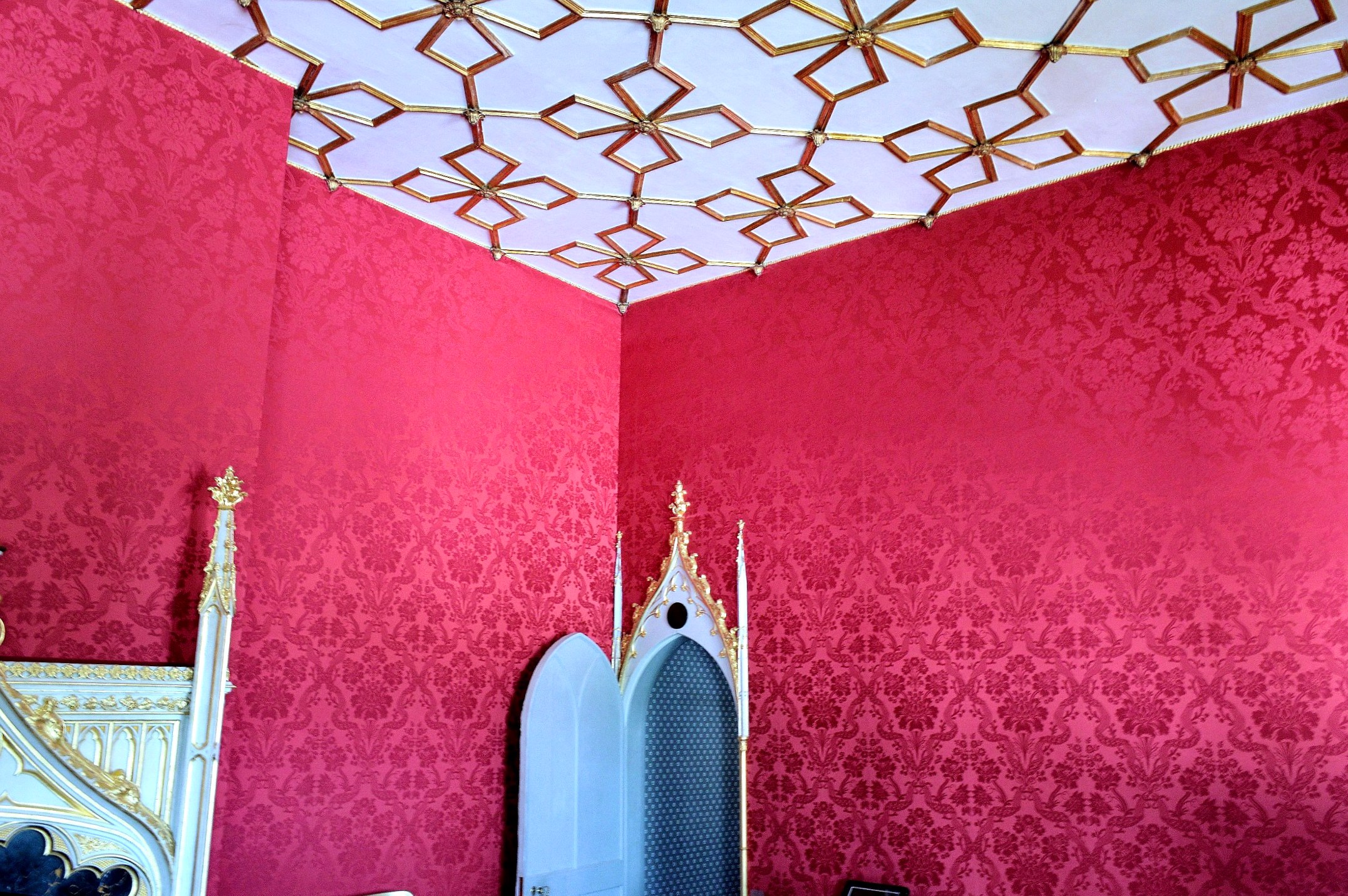


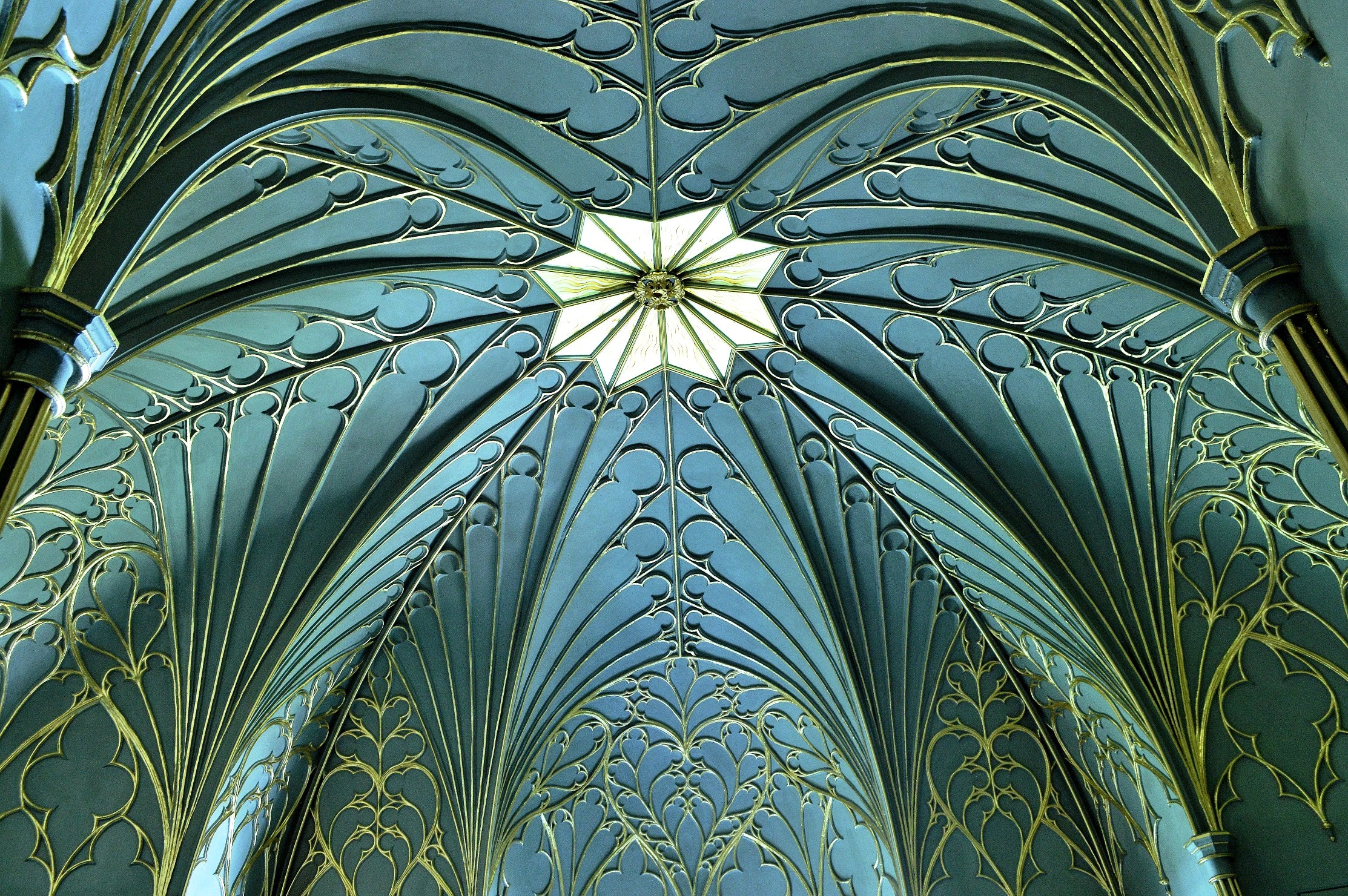


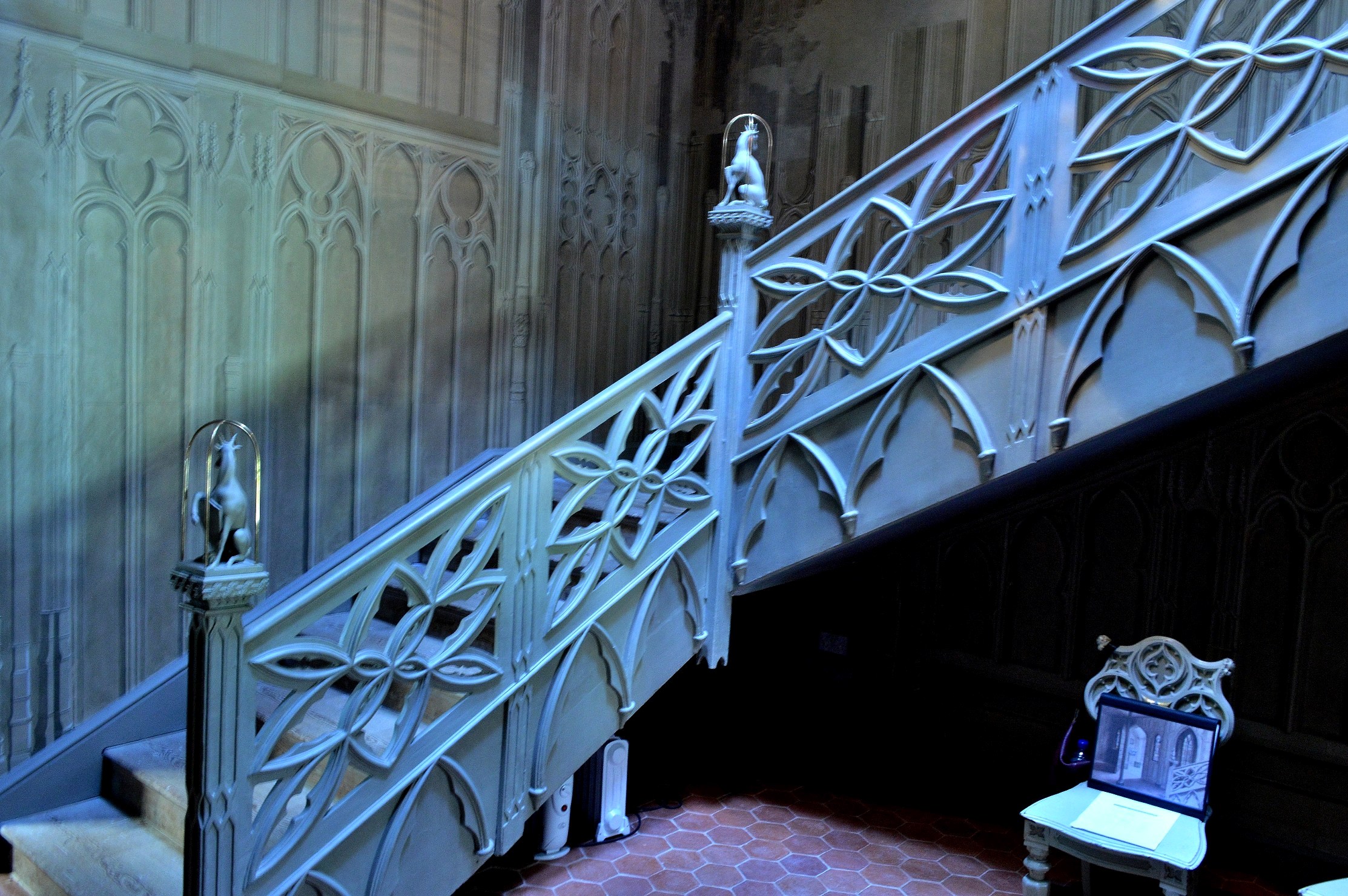


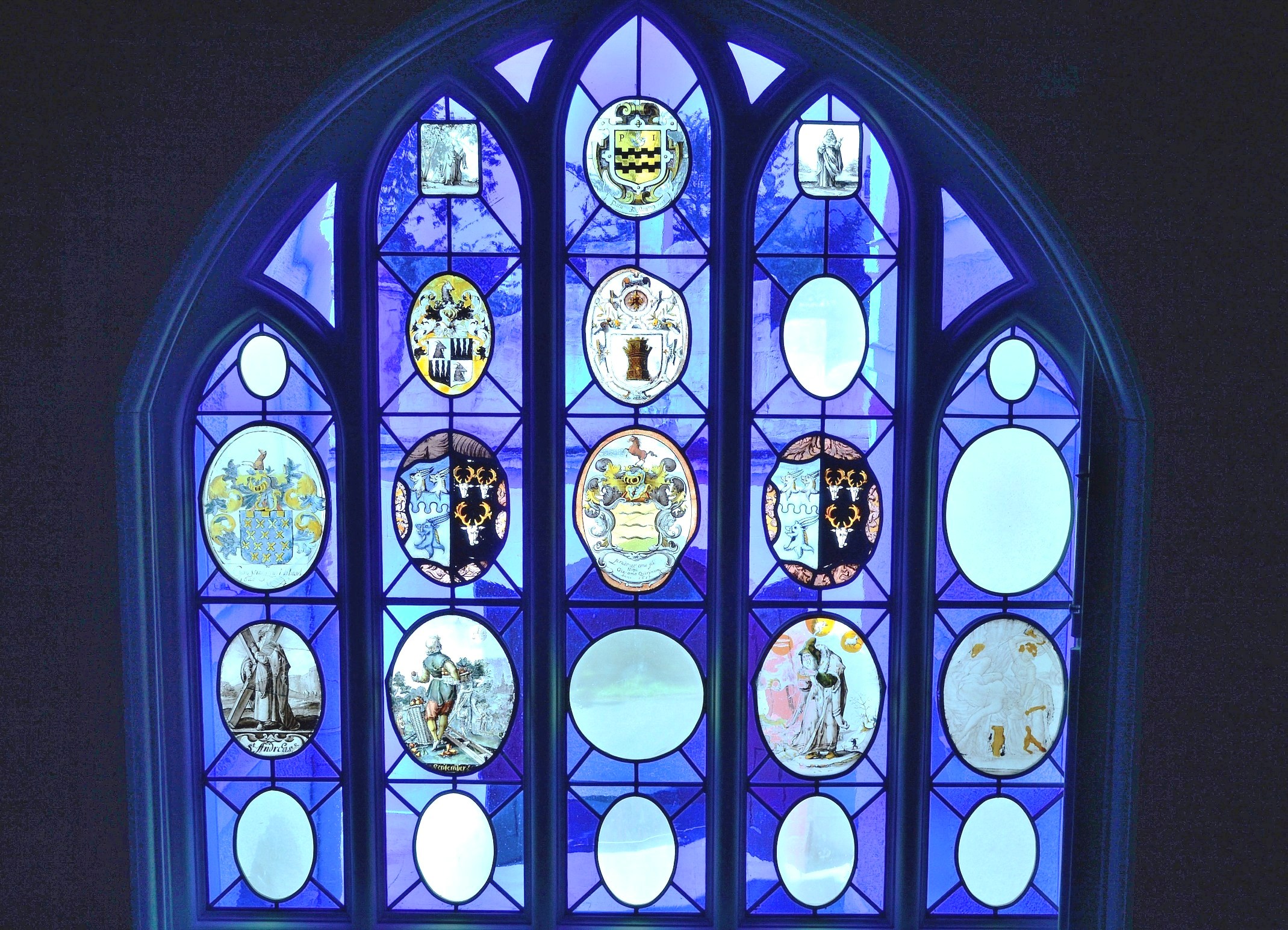


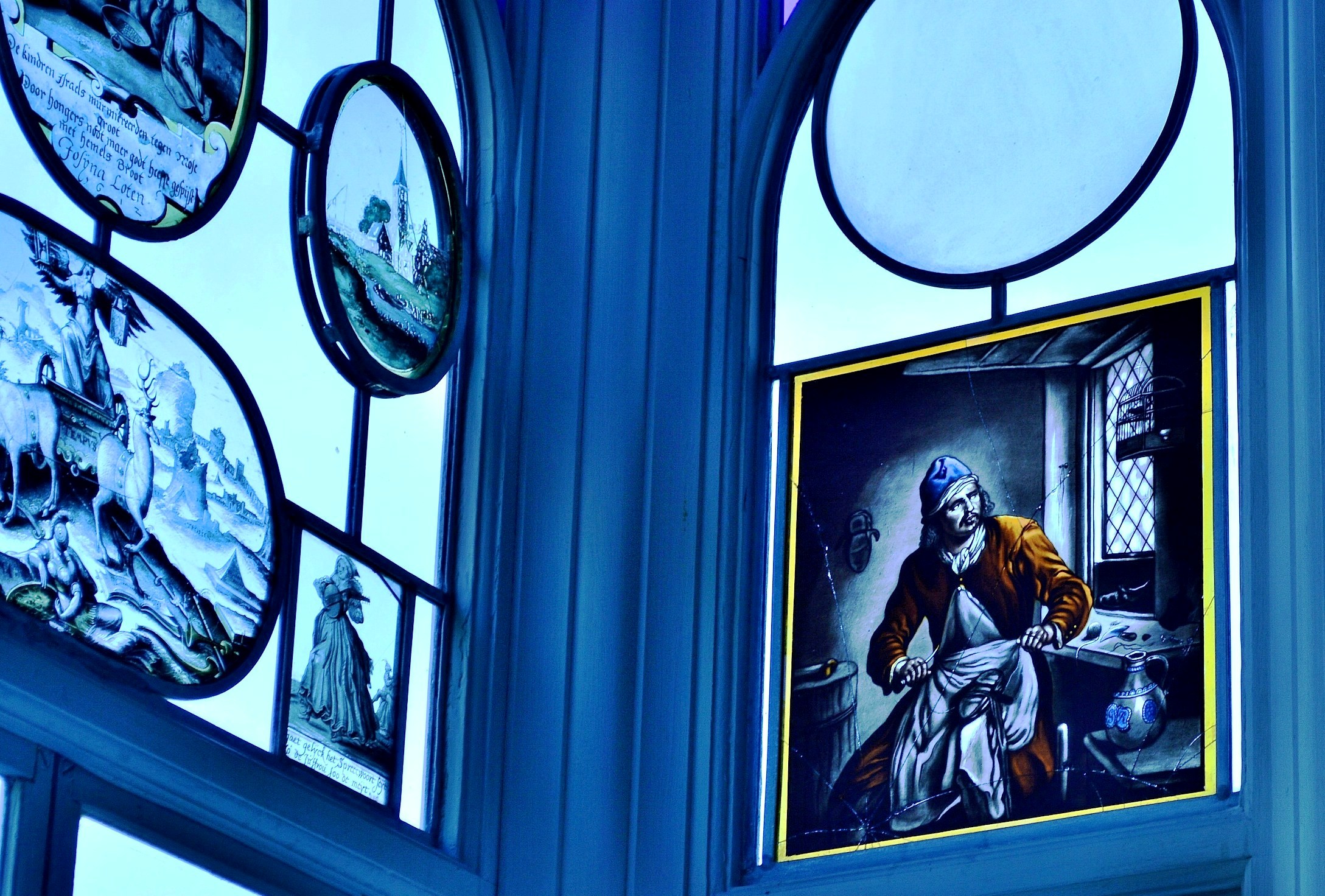

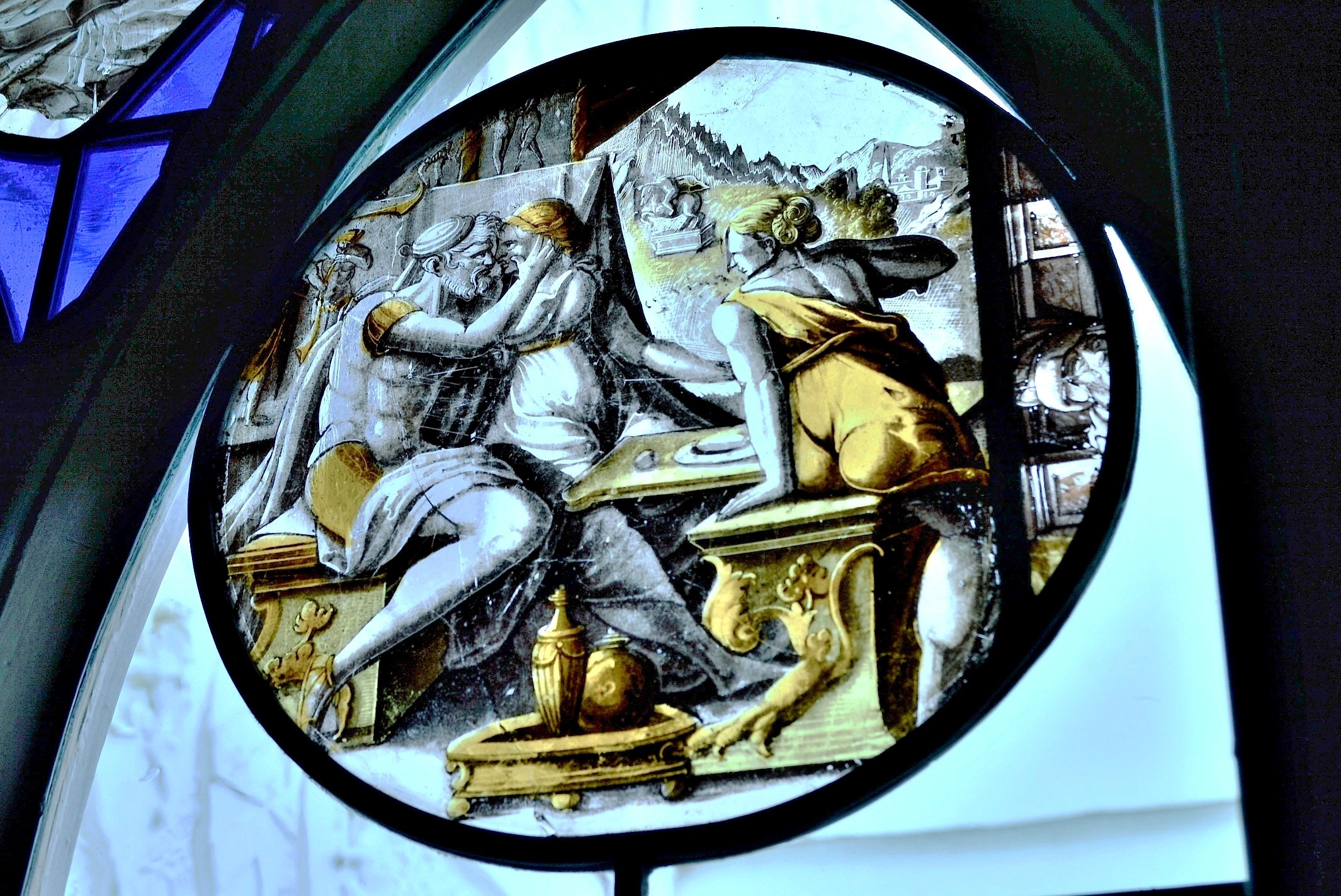

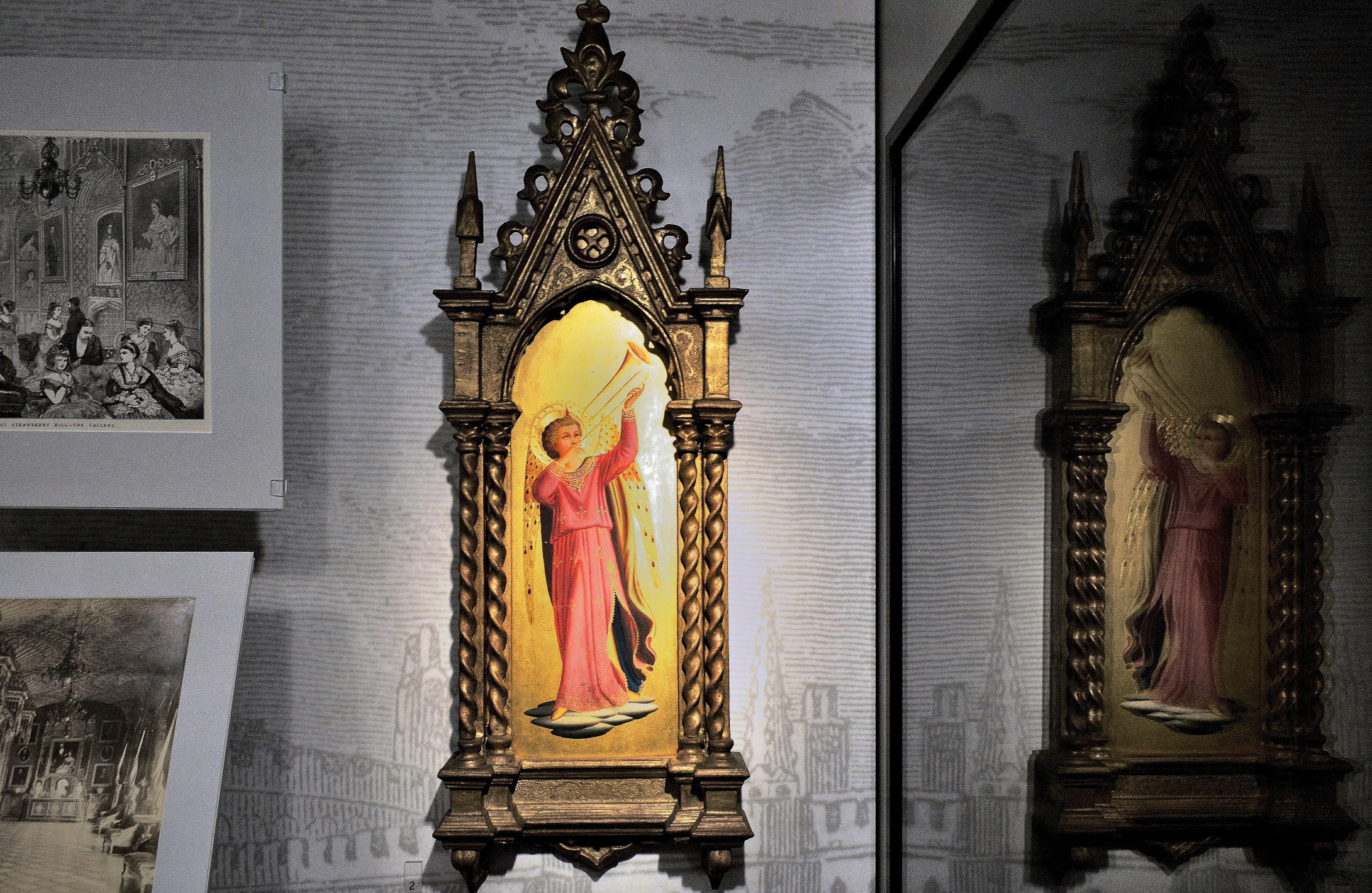
Strawberry Hill House
Exteriors
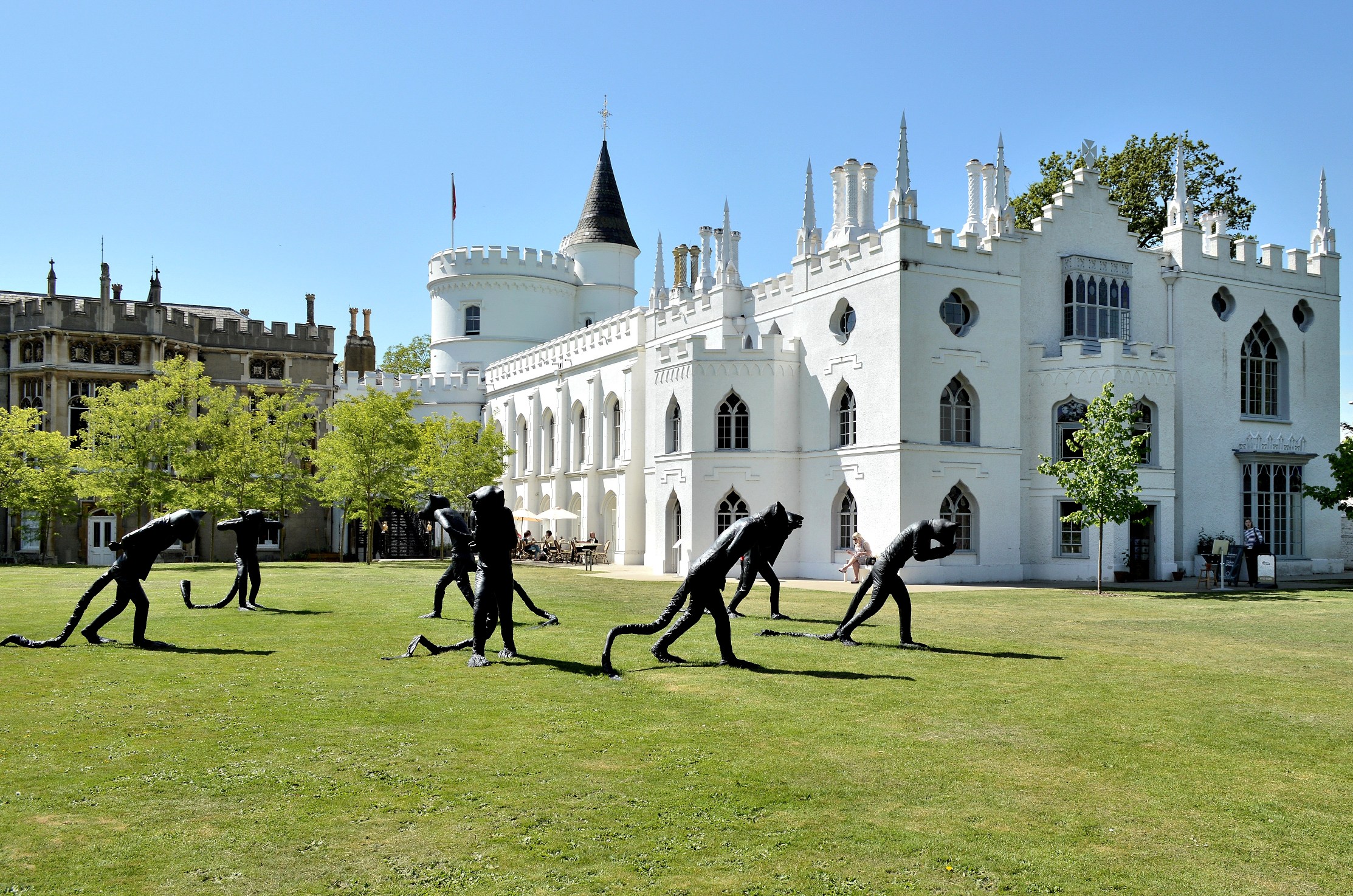
10 pics – The house was created by Horace Walpole who was the youngest son of Robert Walpole (Britain’s first Prime Minister). Work began in 1749 and continued in stages over the following 27 years. It was recently discovered that the original colouring was white and would have looked quite remarkable in its day, as it does now. The house is in a Gothic style of the fairy-tale variety and has extraordinary interiors here.
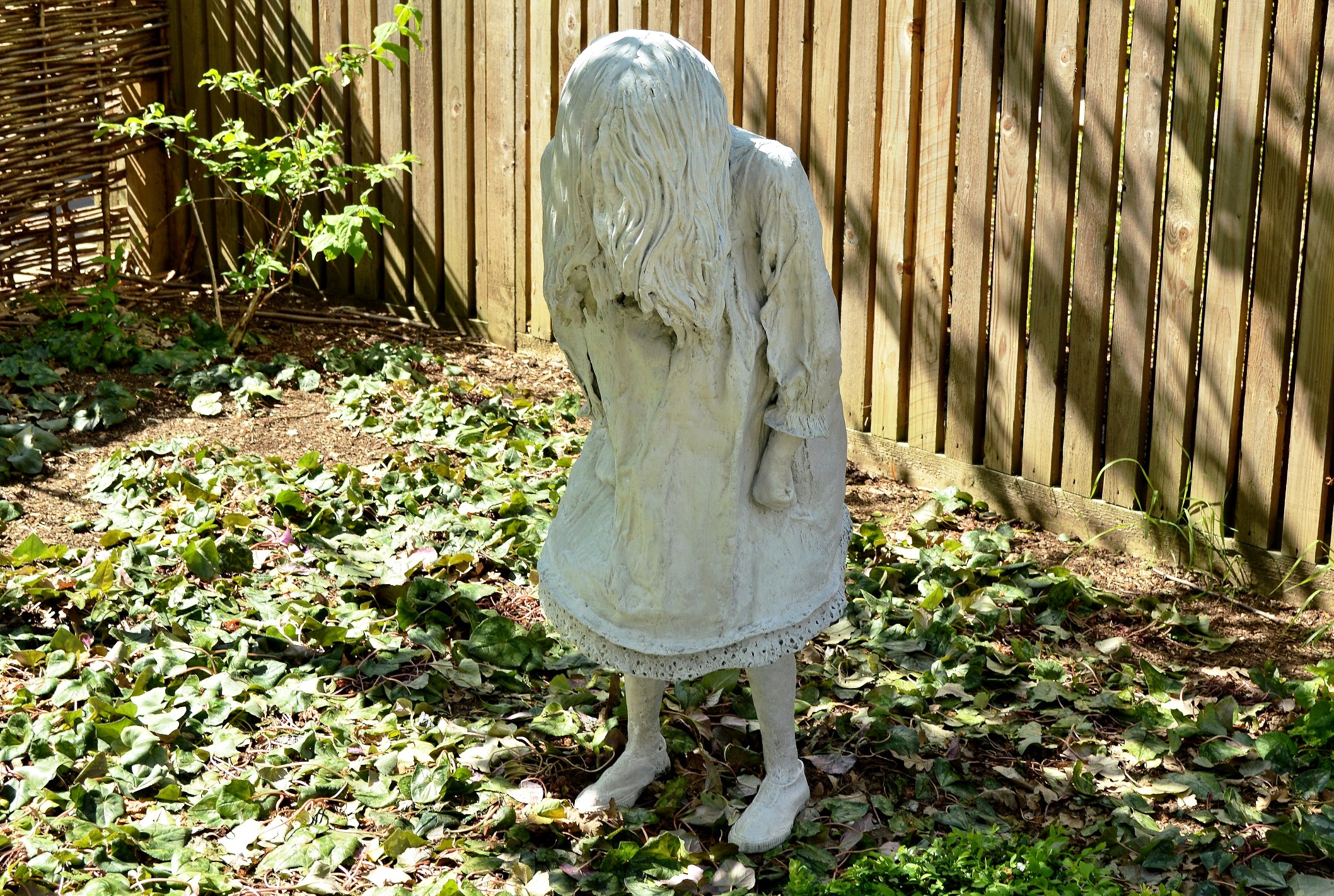
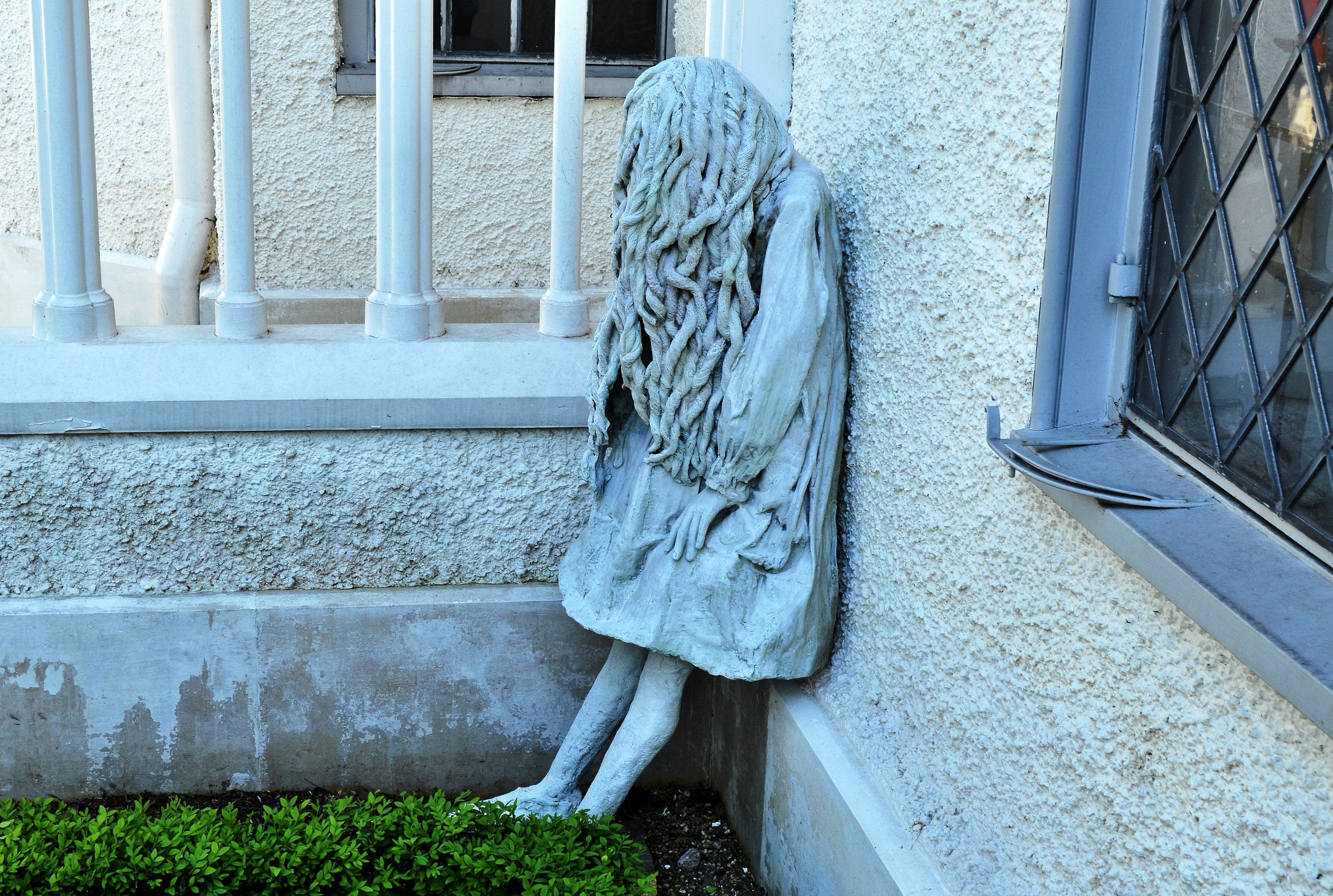
The interiors have been restored to an original state which gives a quite surreal appearance, as if it is still waiting for its first occupant. It’s surreal, but very peaceful character, is aided by some recent artwork.
The house once contained a massive collection of artworks, which were unfortunately sold by a later owner. The collection was so vast that the sale lasted for 30 days. The trust is gradually acquiring more items for the interior but the restored decor, picture glass and paintings are still worth seeing.
The website is here and the Wikipedia history here. Do check the website for opening times and to book a ticket for the house (before 10:30 on the day of your visit). Tickets are half price on Mondays and Tuesdays. A guide-book is provided and essential if one is not to miss some of the rooms and the Chapel. I missed the Chapel but Google images are available here (there are many pics of the house mixed in),





St James’s Park
The Eastern End of St James’s Park
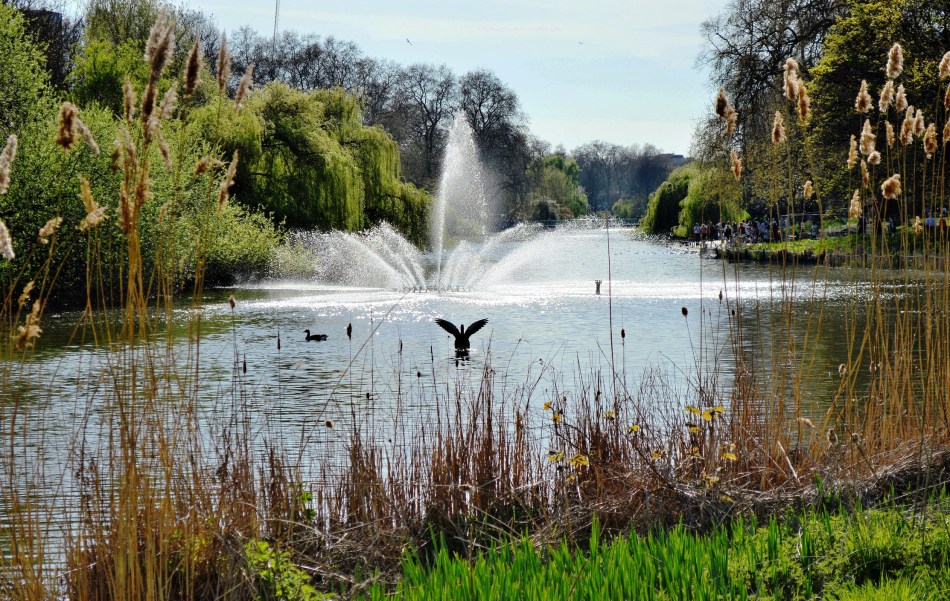

Hiya, welcome to St James’s Park. At this end of the long lake can be found a cafe, parkland, benches, deck chairs, flower beds, geese, ducks, coots and moorhens here. There are also some very friendly squirrels here and pelicans further down this page (feeding time at the cottage is 2:30 pm).
At the western end can be found Buckingham Place, the changing of the guard pageant, more waterfowl including swans and nearby Green Park with the Canada Memorial.
The nearest underground station is St James (although Westminster is almost as close to the eastern end of the park) and it is a pleasant walk beside the lake from end to end.
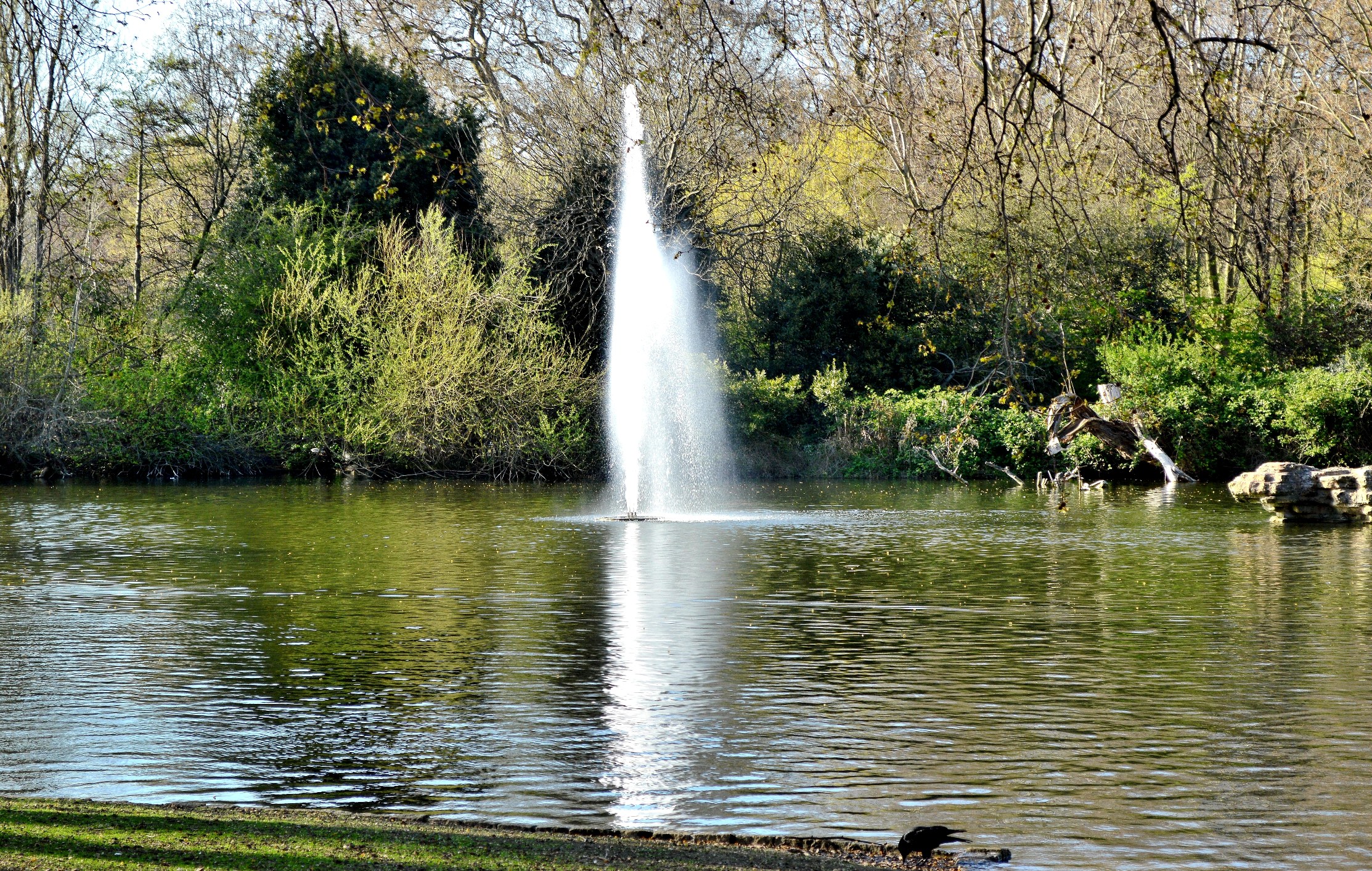
.

.
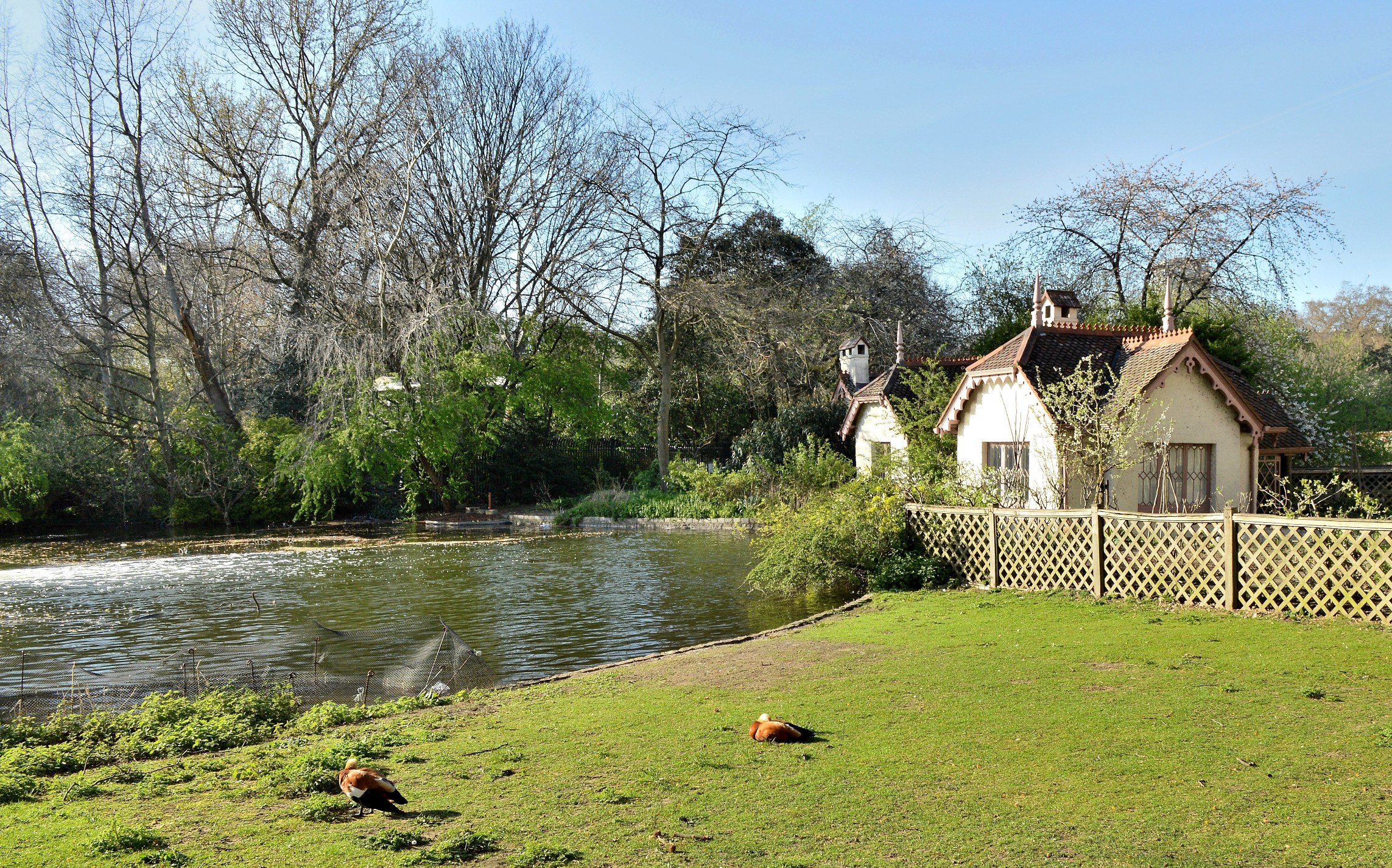
The pelicans gather beside this cottage just before 2:30 pm for feeding.
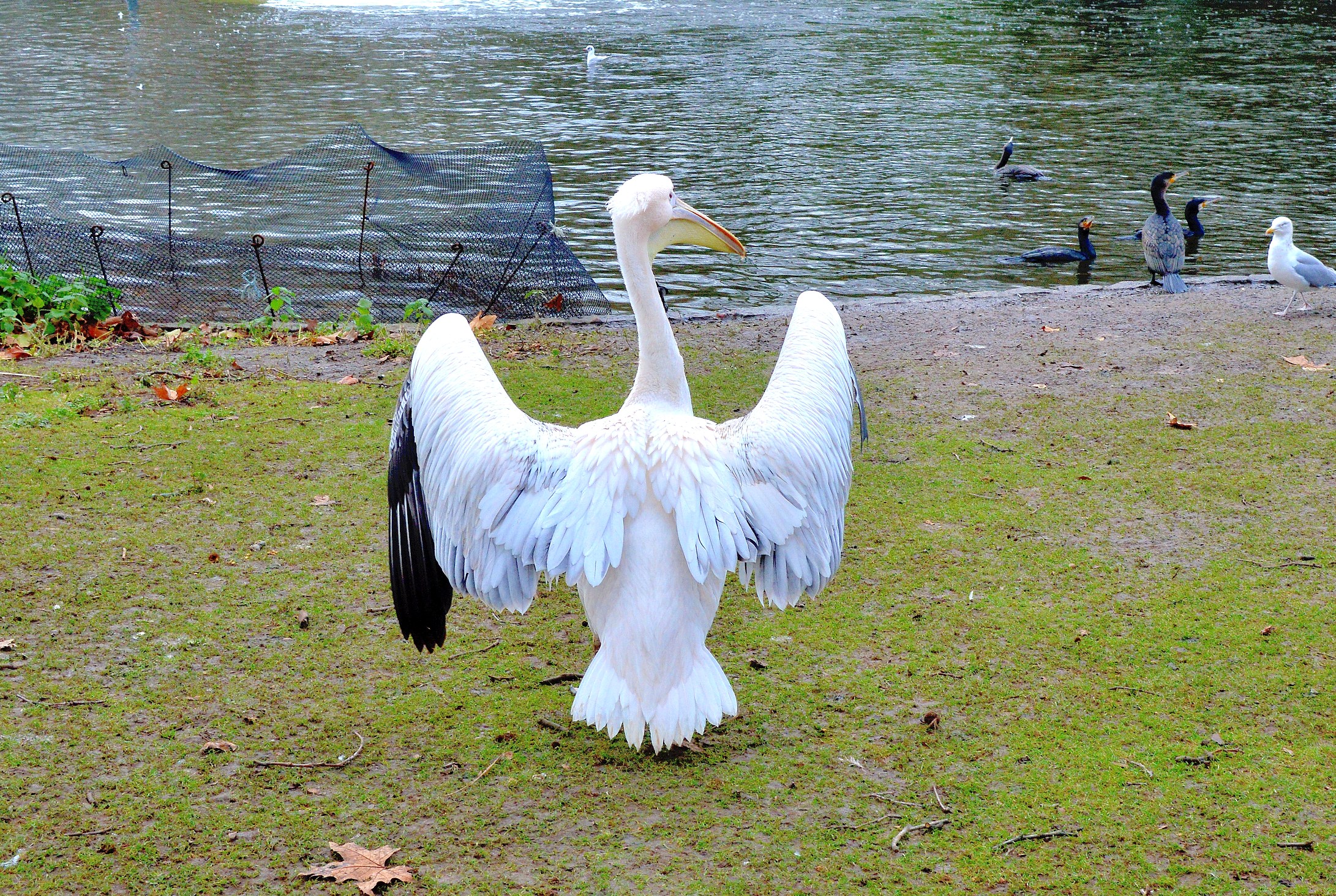 “Perhaps a little pigeon al fresco whilst I am waiting”. – “Oy who nicked my piano ?”

The London Eye.
Buckingham Palace from the Central Bridge
Looking to the west.

.
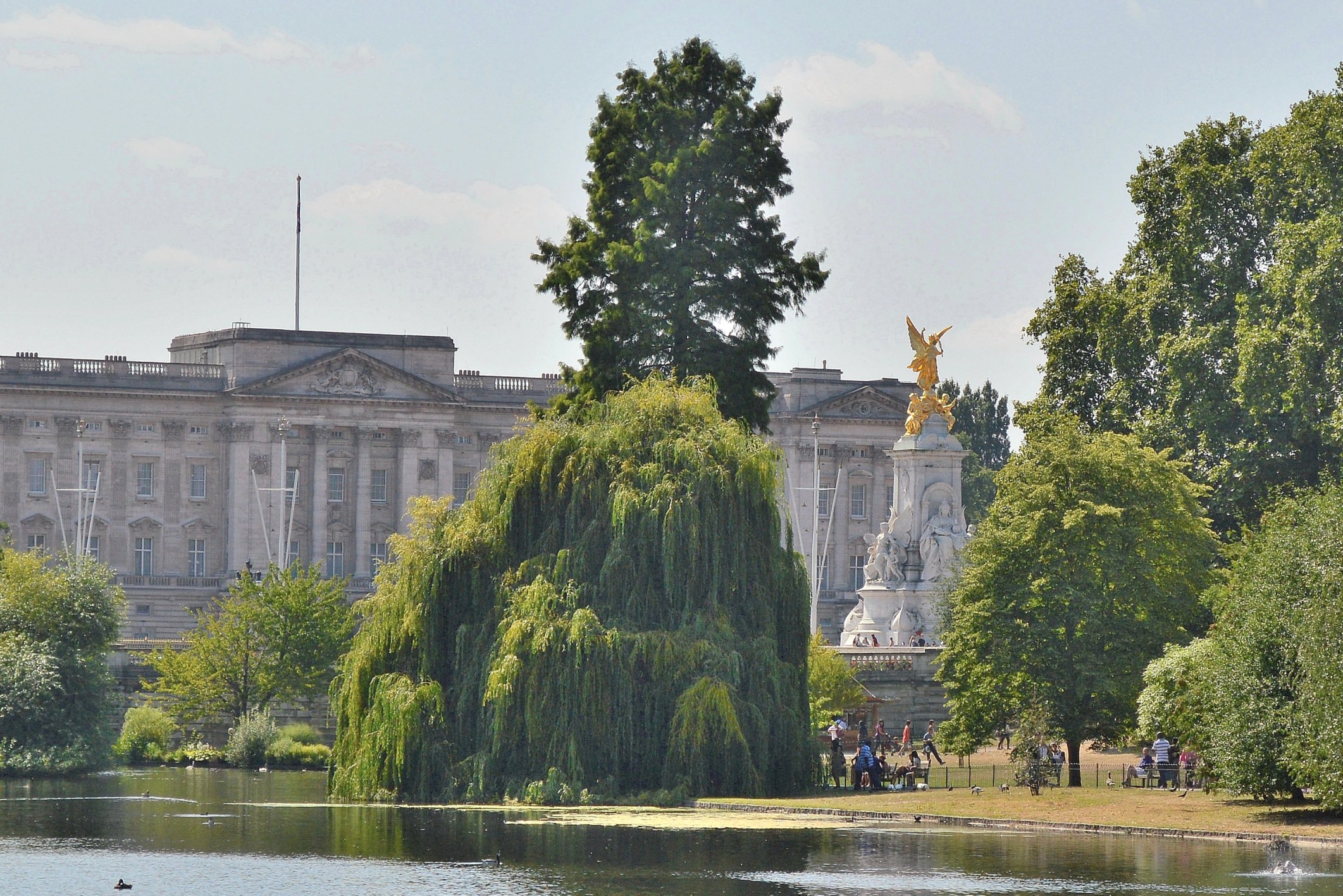
If you look carefully, you can see the Old Man of the Willow, sitting down with his hands on his knees.
Horse Guards from the Central Bridge
Looking to the east.

You cannot view the interiors but there is a small museum and one of these.
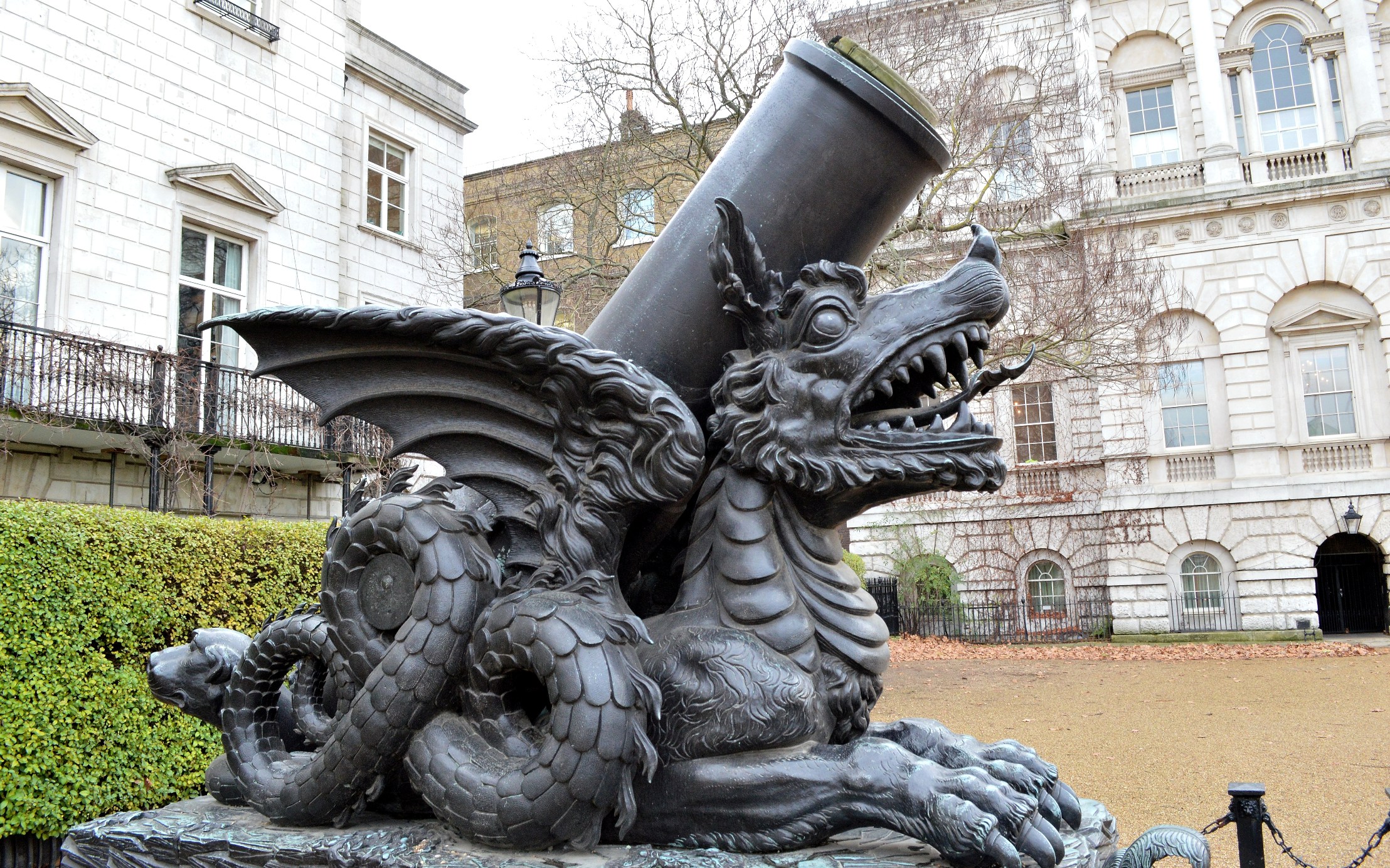
.

.. and as always, one of these. Doesn’t it make you want to say “you poor ~ “.
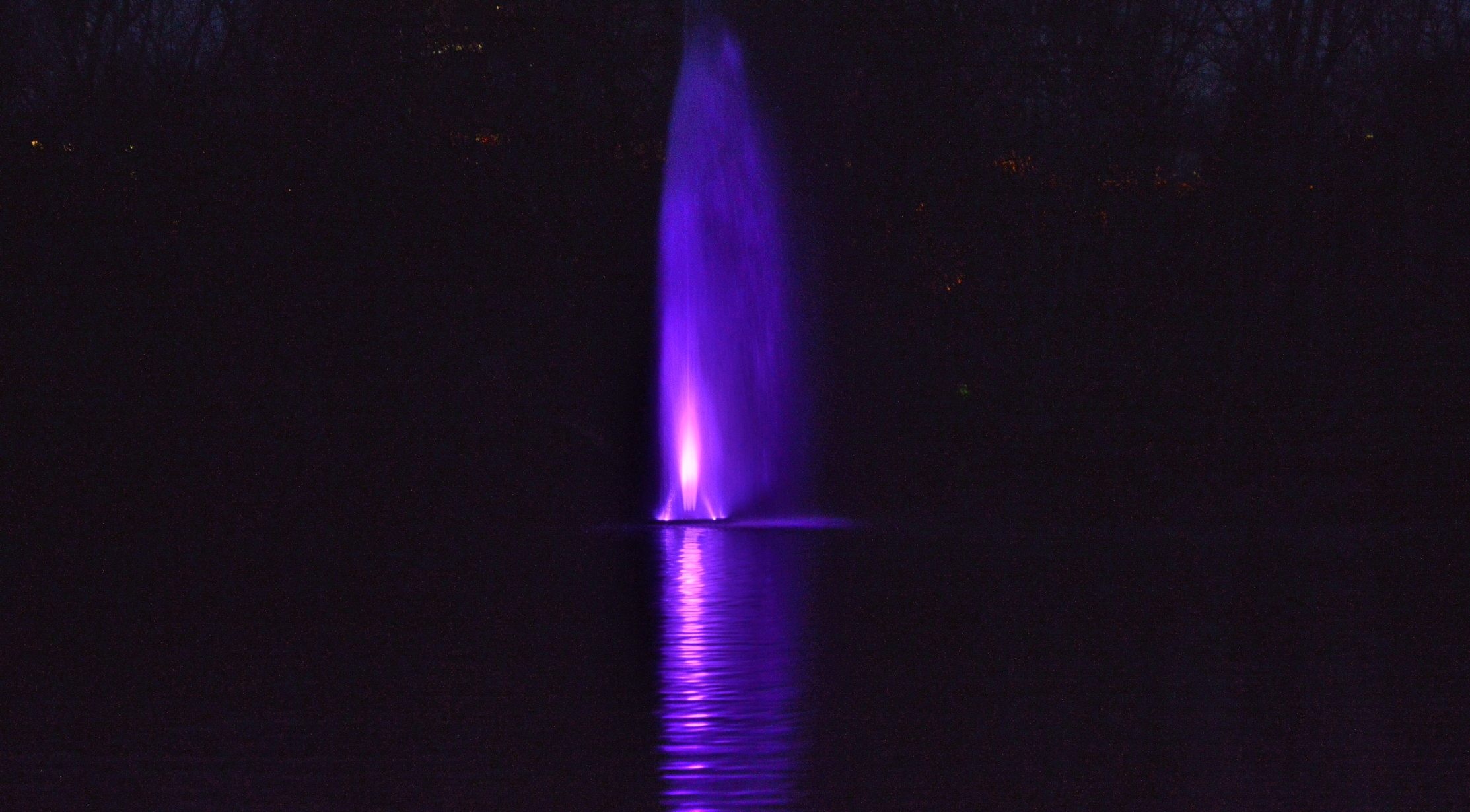
At dusk the fountains light up and from the sound of all the honks and quacks there all having a party 😀 .
St James Park – Wildlife Band
At the East End of St James Park, London
So let me introduce to you, The one and only Billy Shears, And Sgt. Pepper’s Lonely Hearts Club Band.

Ruddy Duck (really)
It was twenty years ago today, Sgt. Pepper taught the band to play, They’ve been going in and out of style, But they’re guaranteed to raise a smile, So may I introduce to you, The act you’ve known for all these years, Sgt. Pepper’s Lonely Hearts Club Band

We’re Sgt. Pepper’s Lonely Hearts Club Band, We hope you will enjoy the show

We’re Sgt. Pepper’s Lonely Hearts Club Band, Sit back and let the evening go

It’s wonderful to be here

It’s certainly a thrill

You’re such a lovely audience
We’d like to take you home with us

We’d love to take you home

Oh we would, we would. – Why are you doing that with your leg ? I don’t know, he started it.
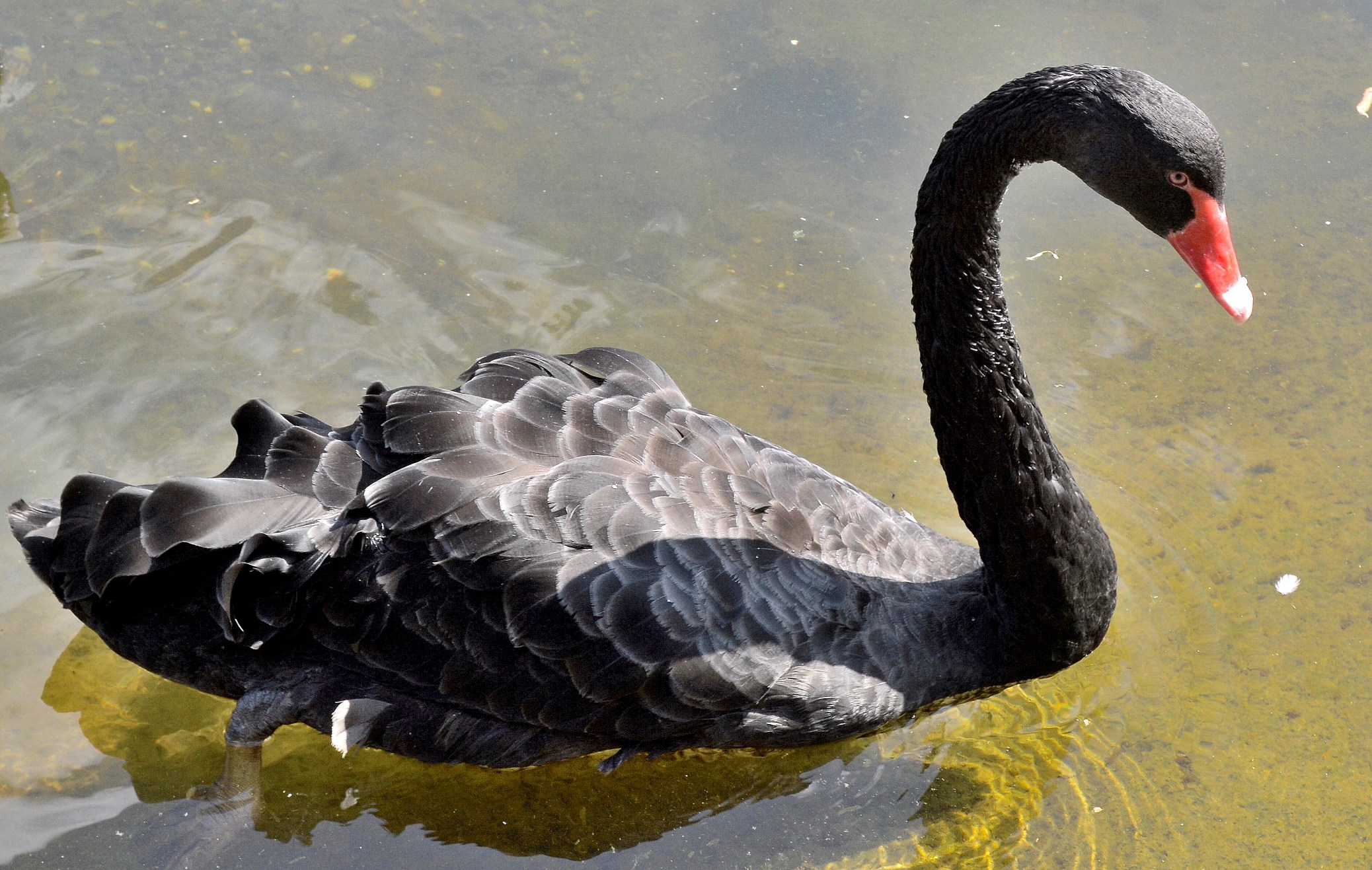
More feathers than sense that lot.

Find the Squirrel (its in the middle).

Here’s one. Here’s some more (in a new tab).

I am Moorhen than Duck

I don’t really want to stop the show, But I thought that you might like to know, That the singer’s going to sing a song, And he wants you all to sing along
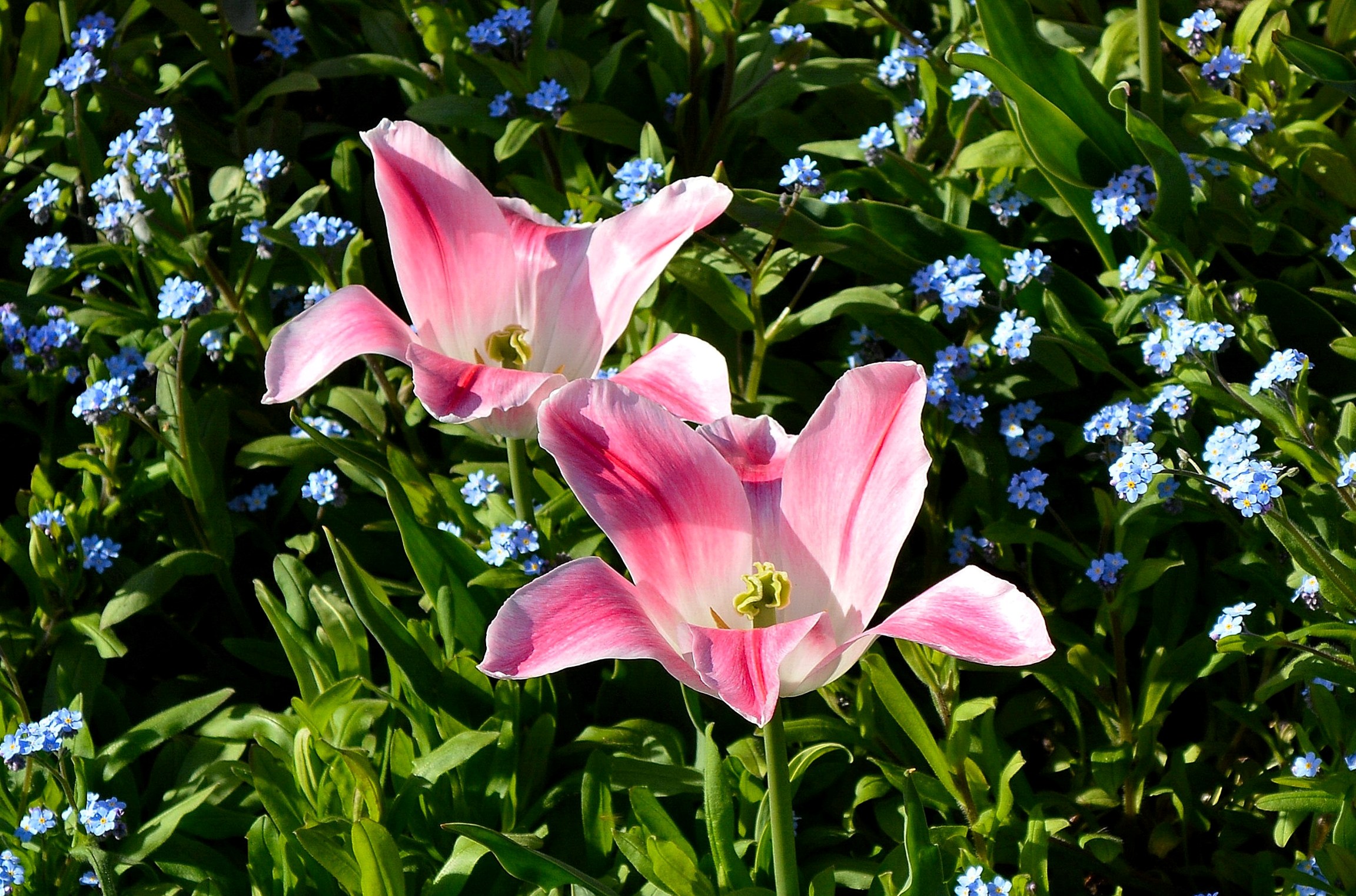
We’re Sgt. Pepper’s Lonely Hearts Club Band
We hope you will enjoy the show
We’re Sgt. Pepper’s Lonely Hearts Club Band
Sit back and let the evening go
Sgt. Pepper’s lonely, Sgt. Pepper’s lonely
Sgt. Pepper’s Lonely Hearts Club Band ~
We hope you enjoyed the show and thank you for visiting.
Canada Memorial
The Canada Memorial (London) was opened in 1994 and is dedicated to the Canadians who served in the two world wars. It can found at the bottom of Green Park very near to Buckingham Palace.
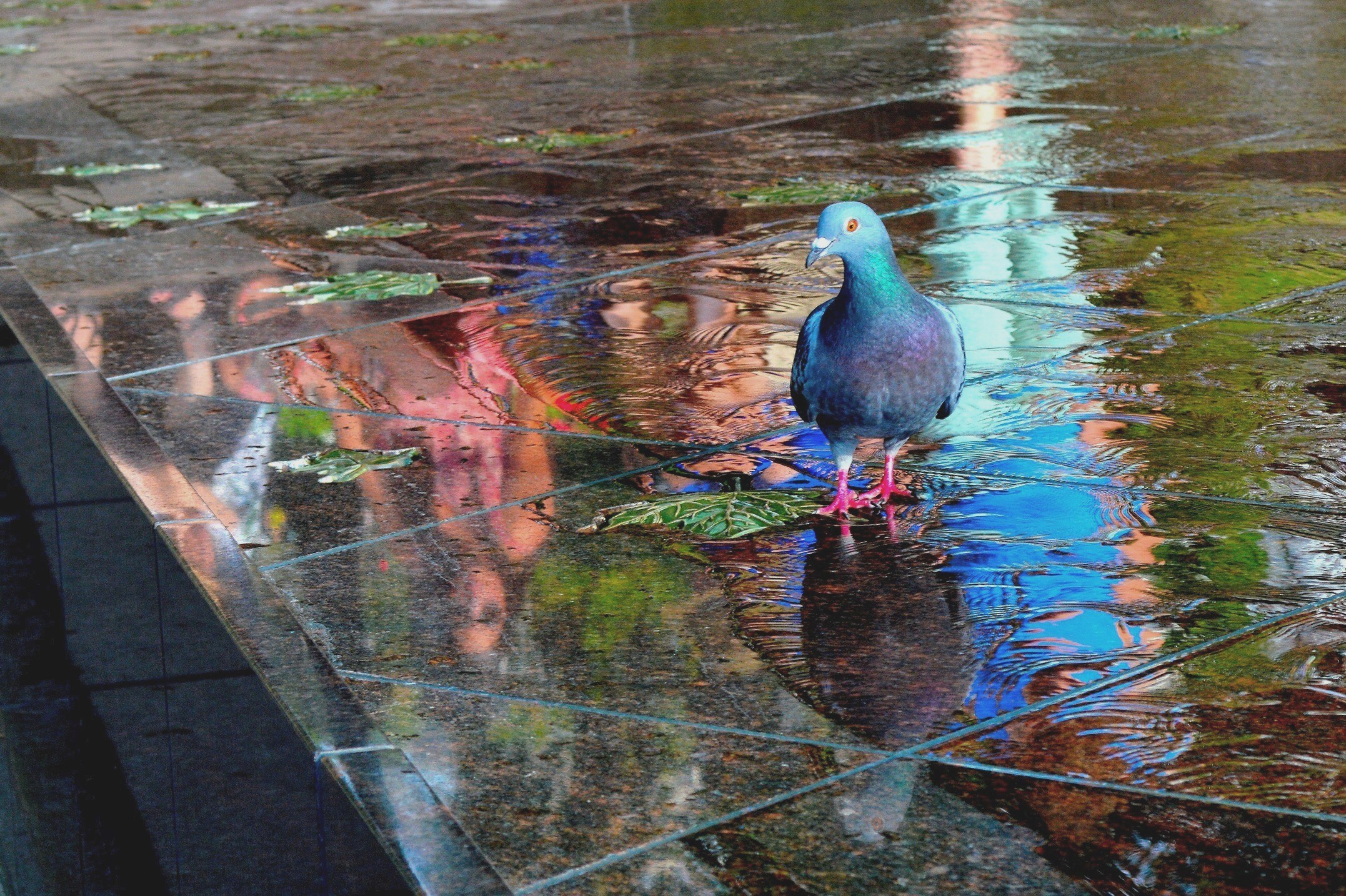
When I visited it was a very hot day in July and children were very happily using it as a water slide. Despite the “keep off” sign, nobody wanted to stop them and everybody was having a great day in the sunshine.
This little pigeon decided to join in and enjoy cool feet. A lot of wild life around London seem to have become so accustomed to a human presence that they can allow themselves to indulge in curiosity and even participation. The squirrels of St James Park being a great example. Here is one cool pigeon.
.

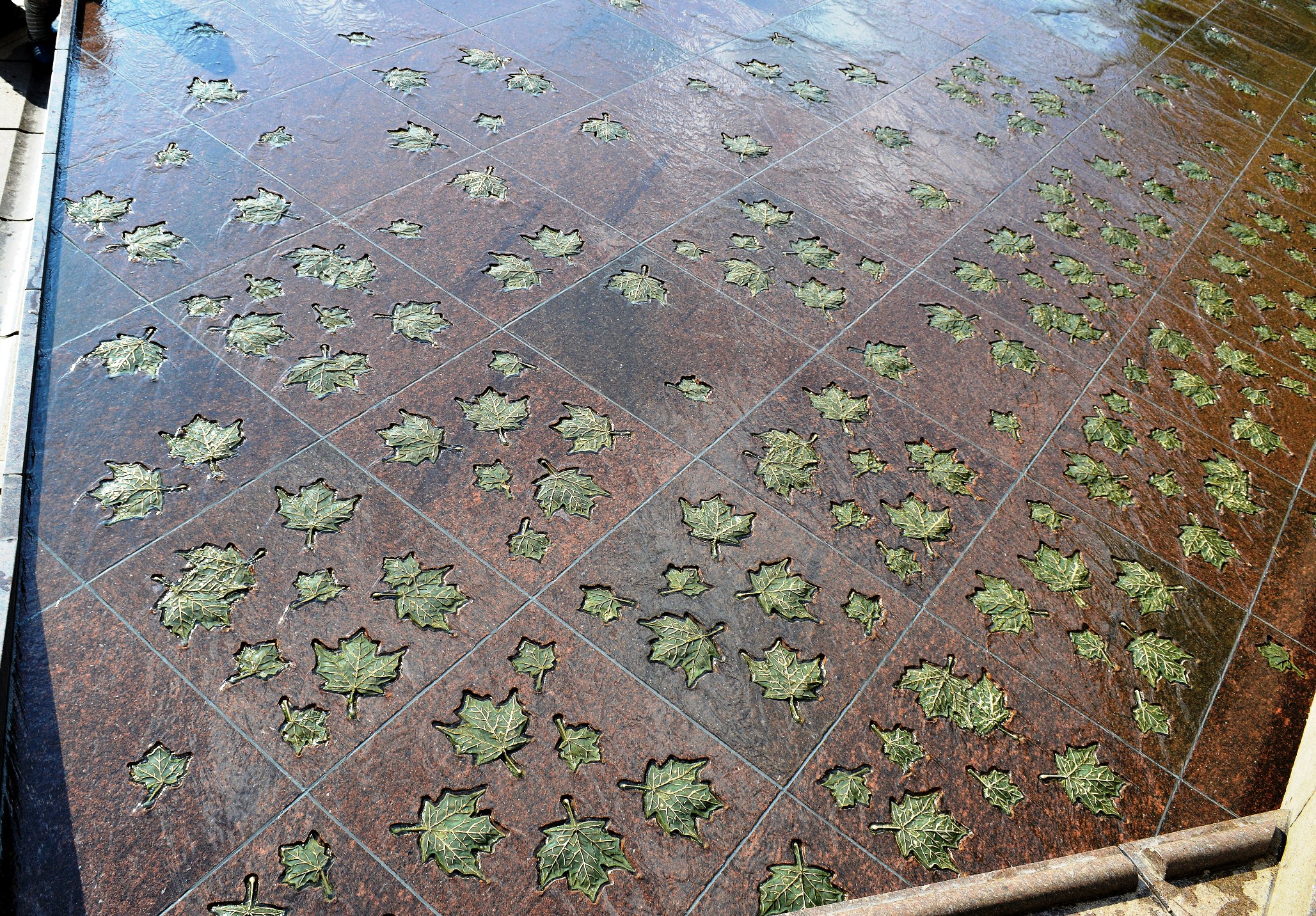
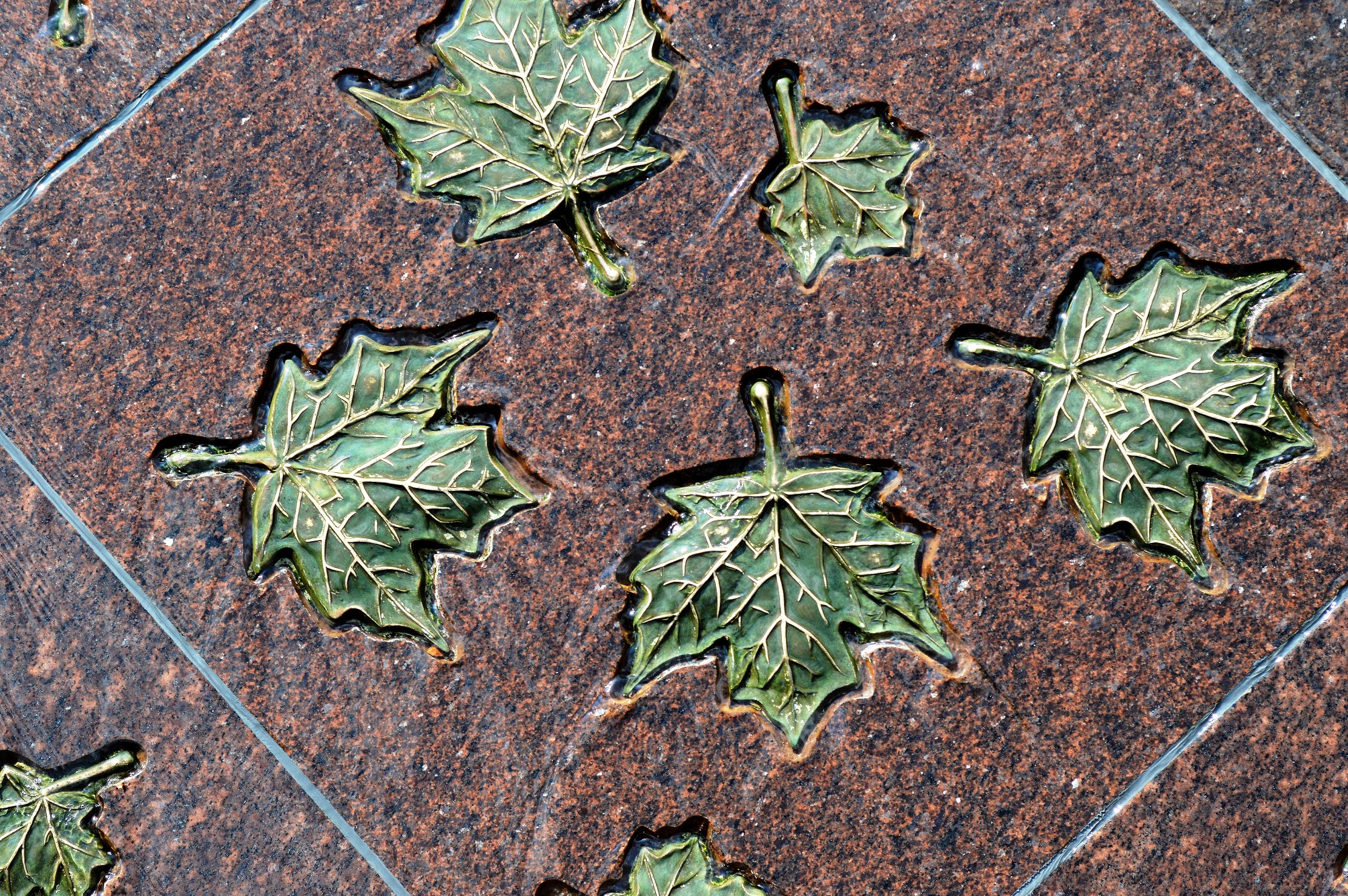
The colours of the opening picture are so intriguing that I couldn’t help tweaking it a bit.
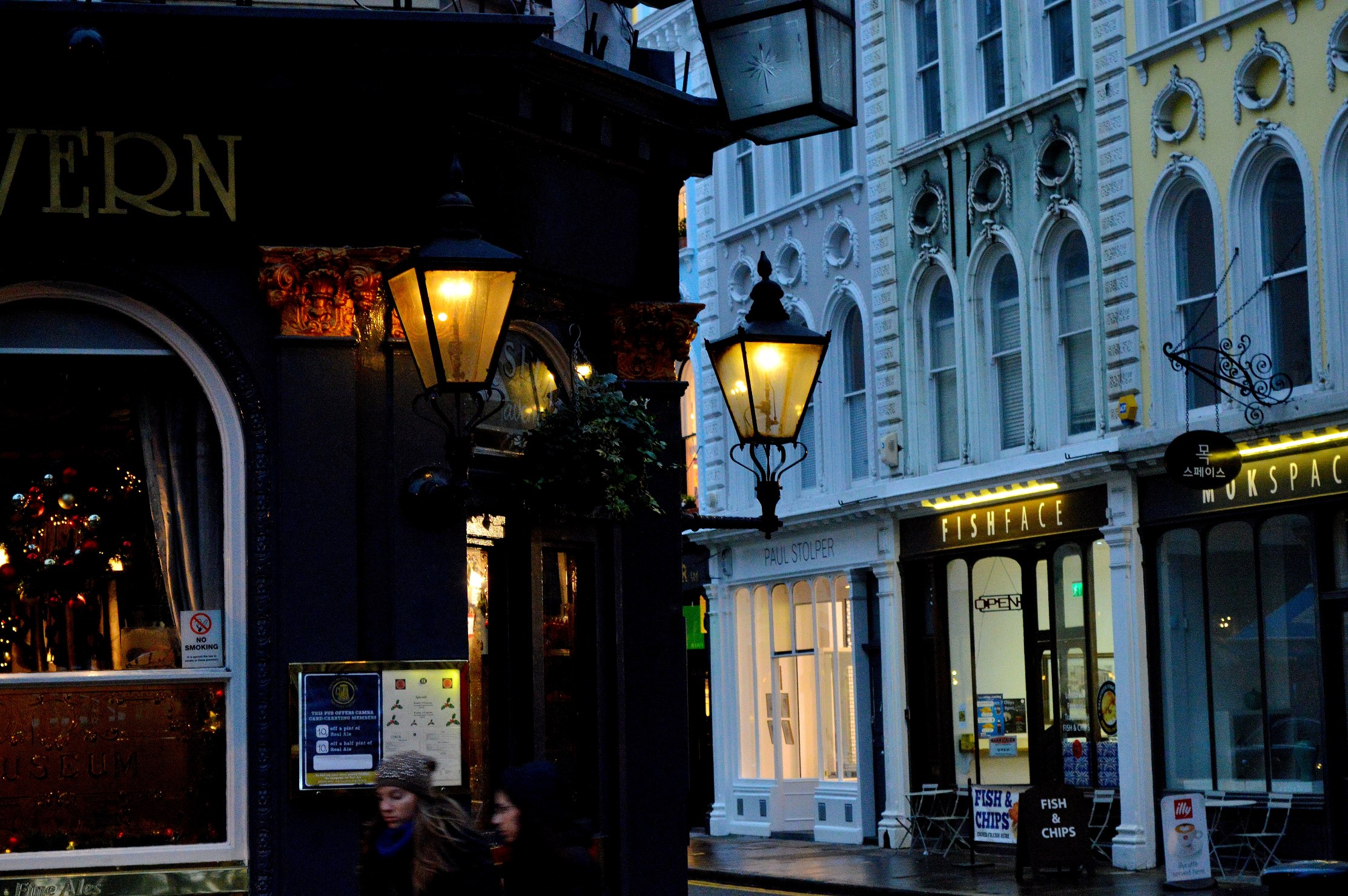
Gas Lamps and Penny Farthings
The first gas lighting appeared on Pall Mall in 1807 and began to spread from 1812 when the London and Westminster Gas Light and Coke Company was created. Early gas was created by heating coal which then released mainly hydrogen. More about present day London’s Gas Lamps and where to see them. The best place being the broad avenue of Kensington Palace Gardens. The gardens do close at dusk but there is information about turnstile exits here.
A more intense light could be created by directing an oxyhydrogen flame upon a cylinder of quicklime (calcium oxide). The resulting light was commonly known as limelight and used for stage lighting. Hence the term “being in the limelight” is used to mean being the center of attention.
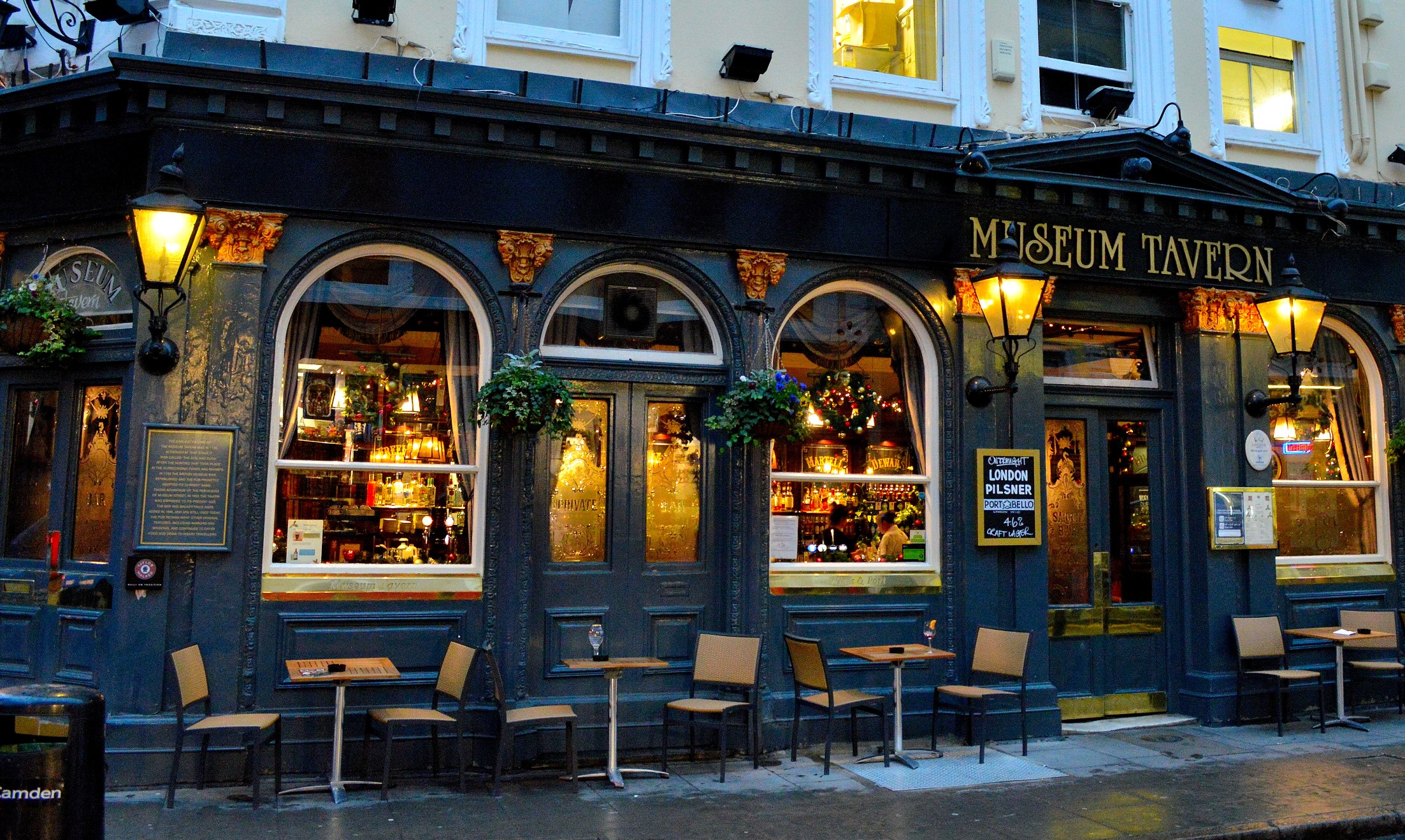
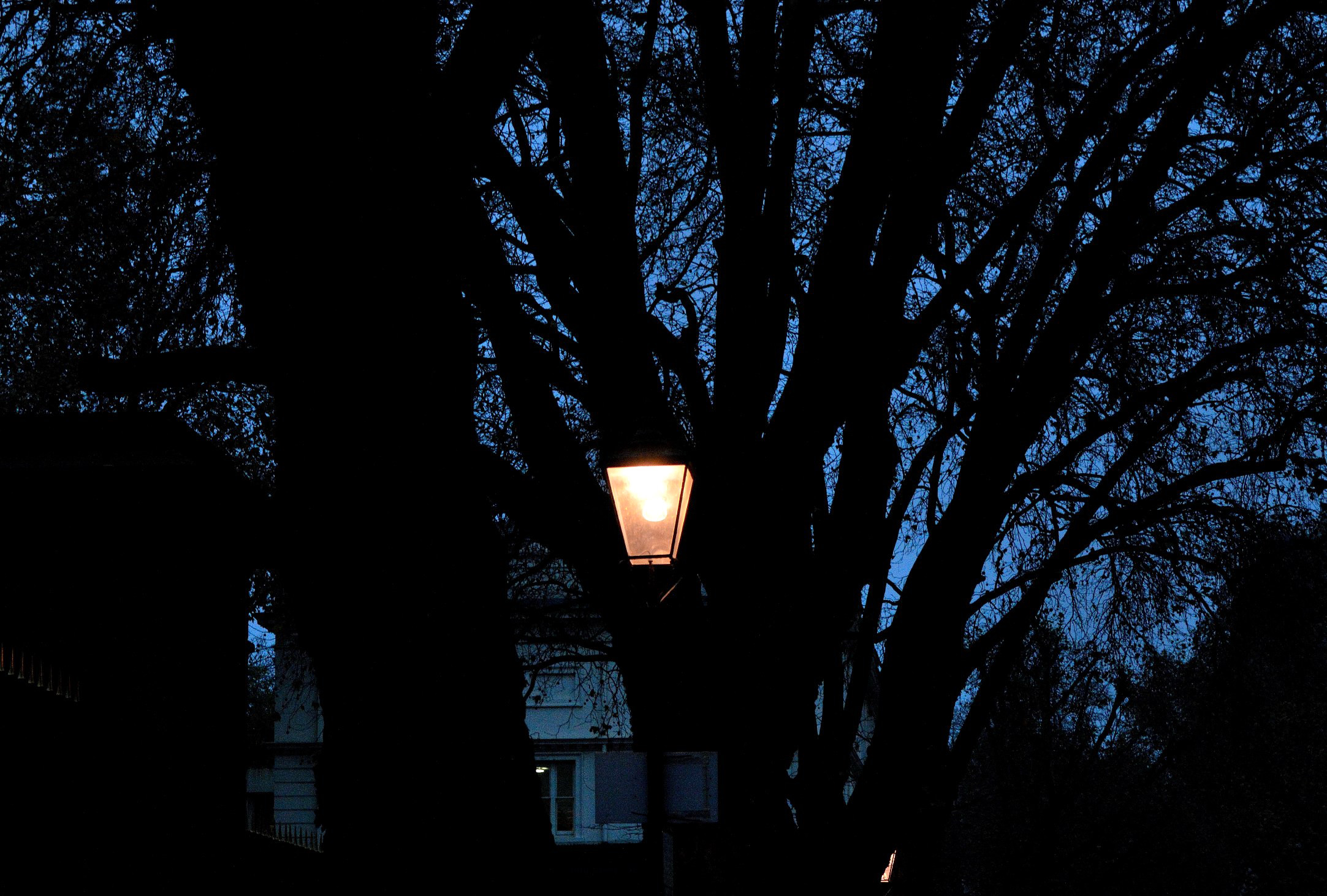
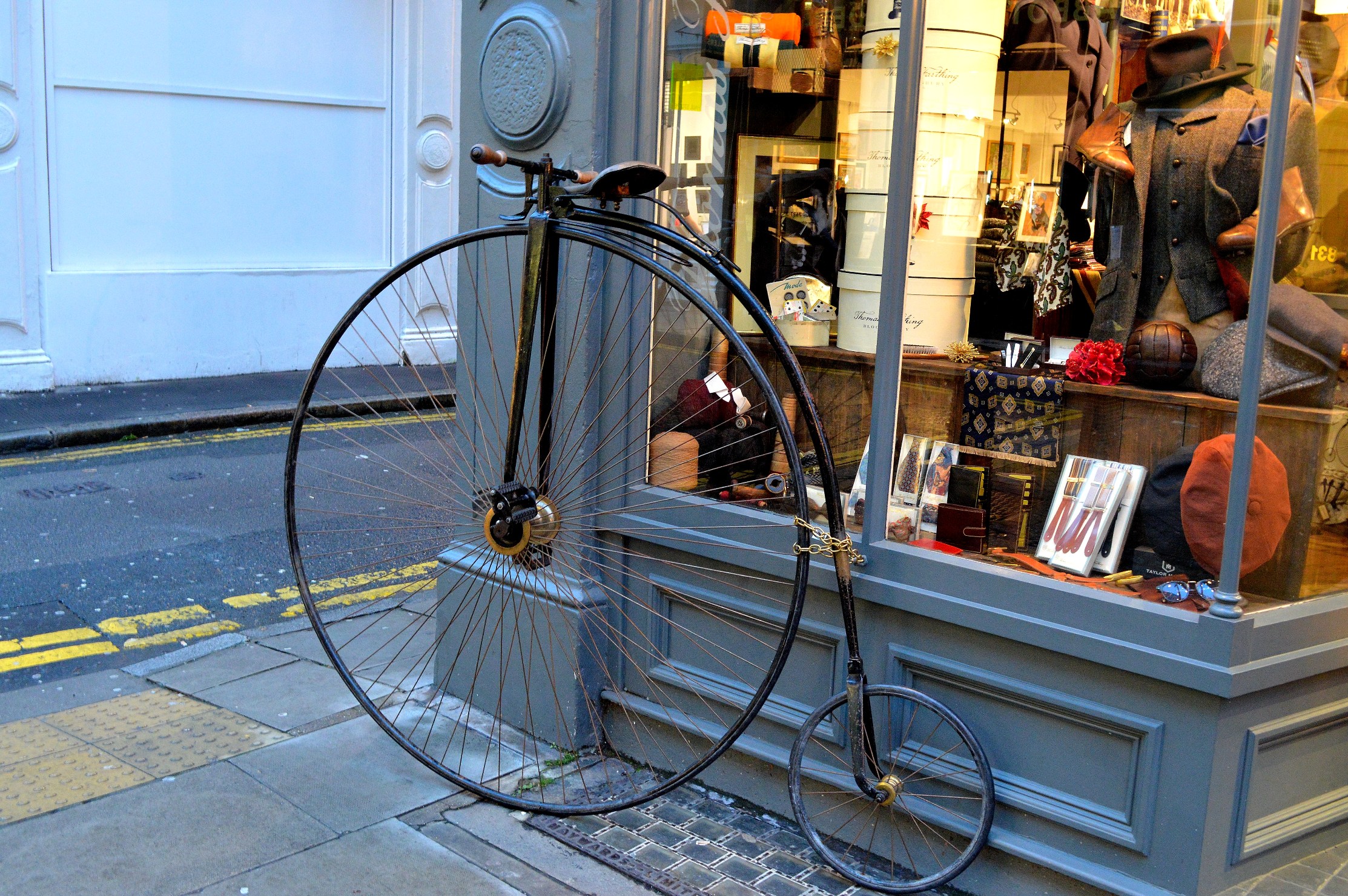
These gas lamps are just outside the British Museum with a Penny Farthing bicycle further down the page.


British Museum
Sutton Hoo Treasure
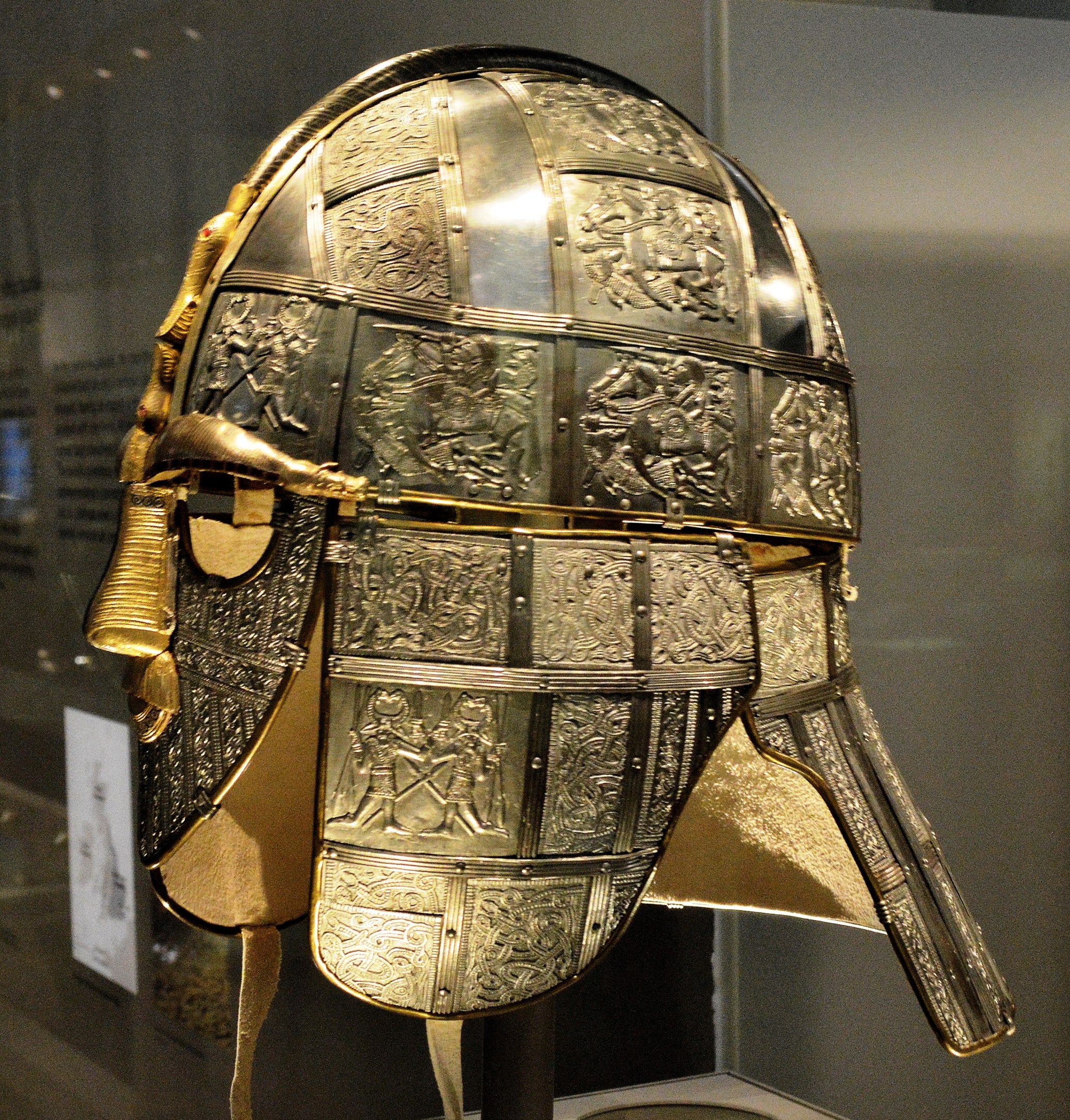
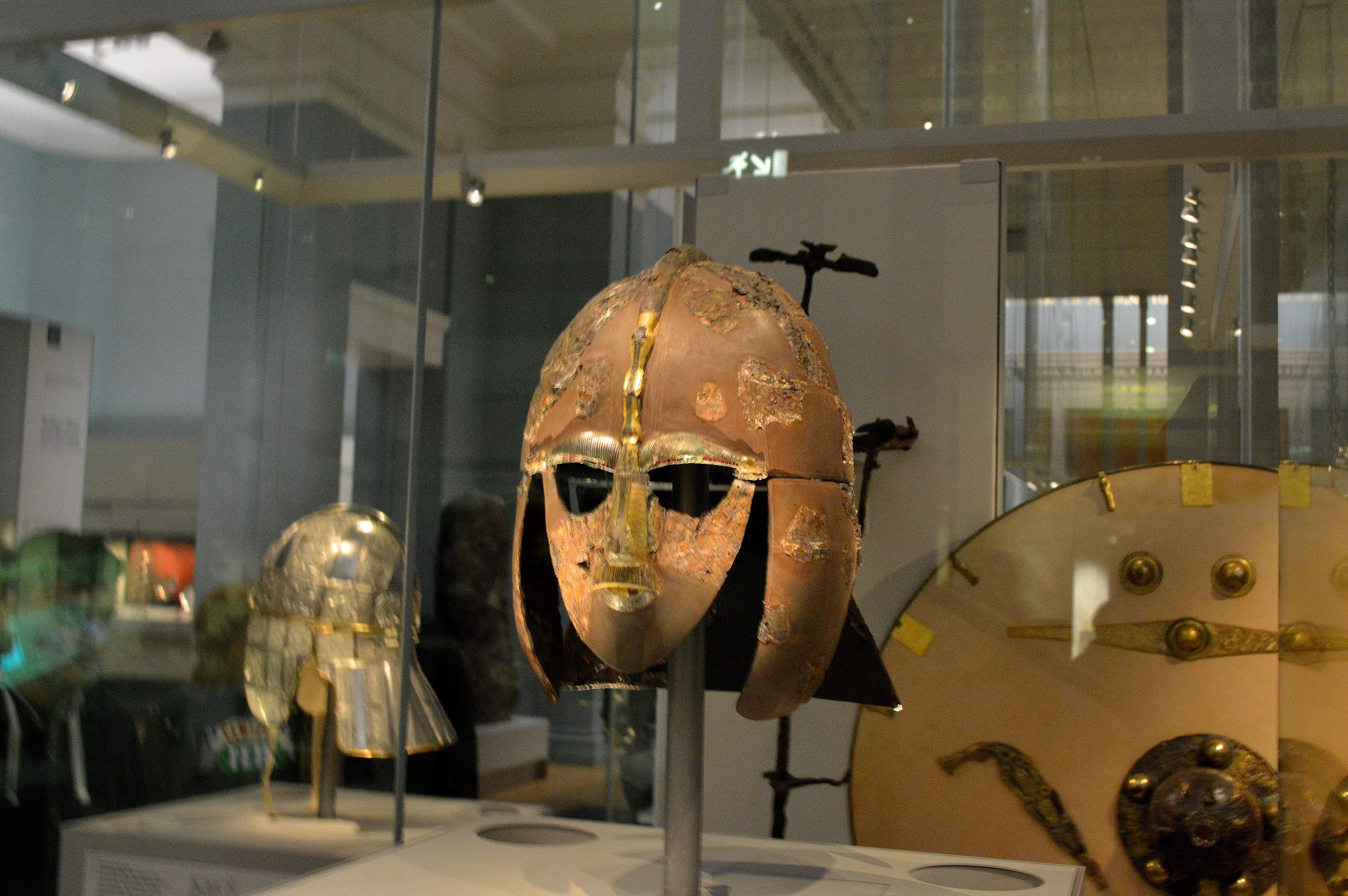
Sutton Hoo Helmet
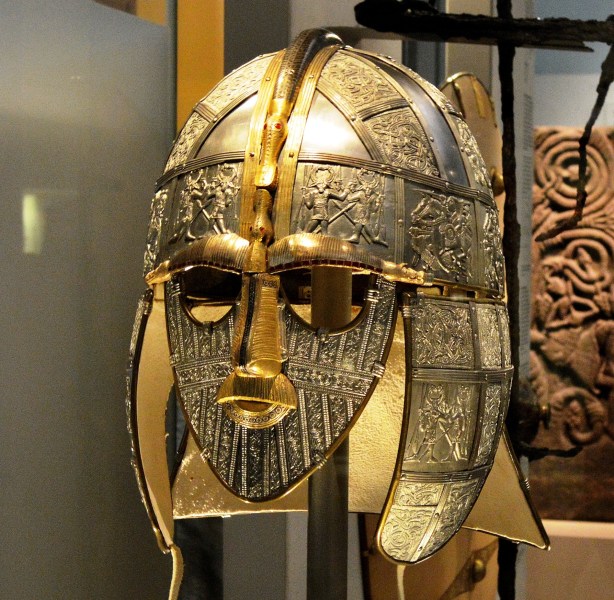

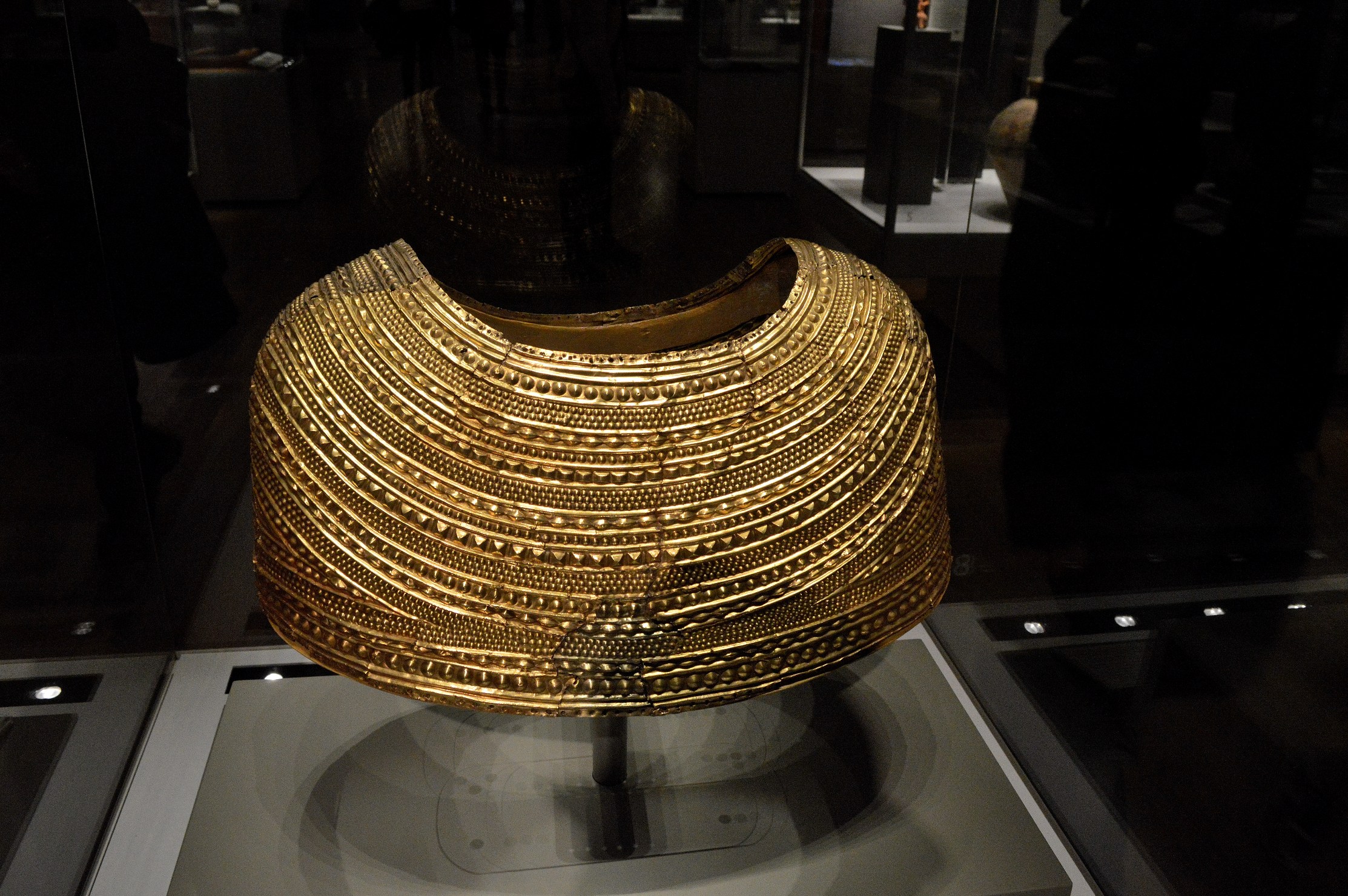
The replica helmet and mask are part of the Sutton Hoo Treasure (Wiki) with more at Sutton Hoo Site. The original find is further down together with more artifacts from antiquity.

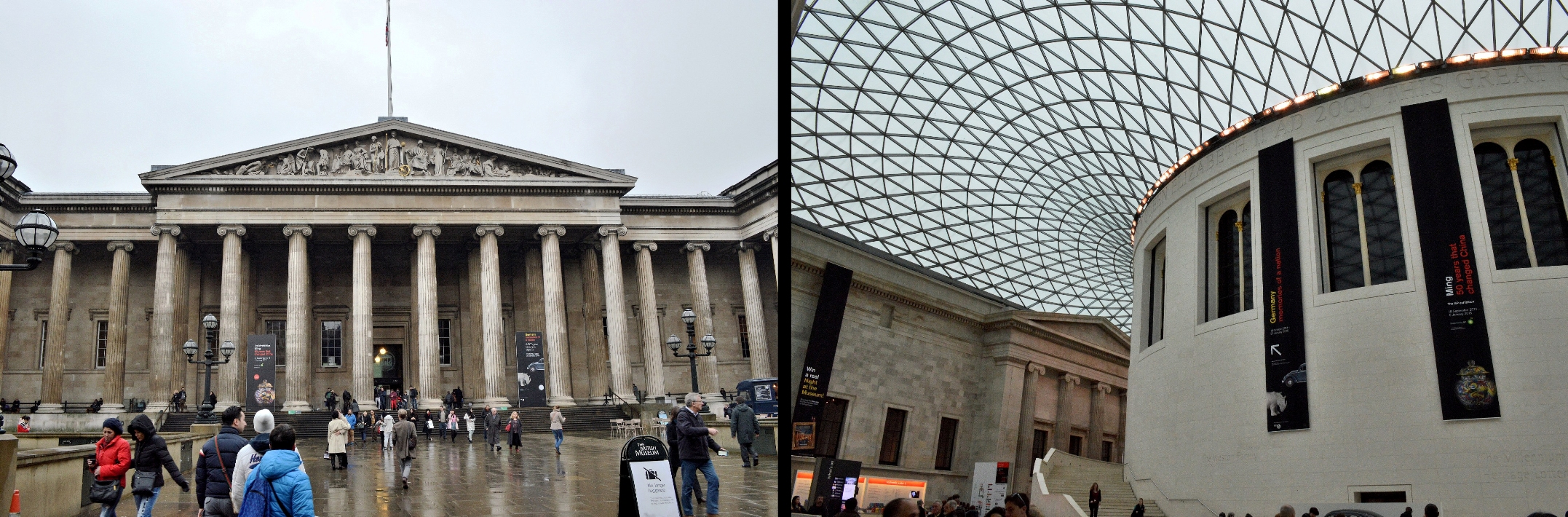
The Museum
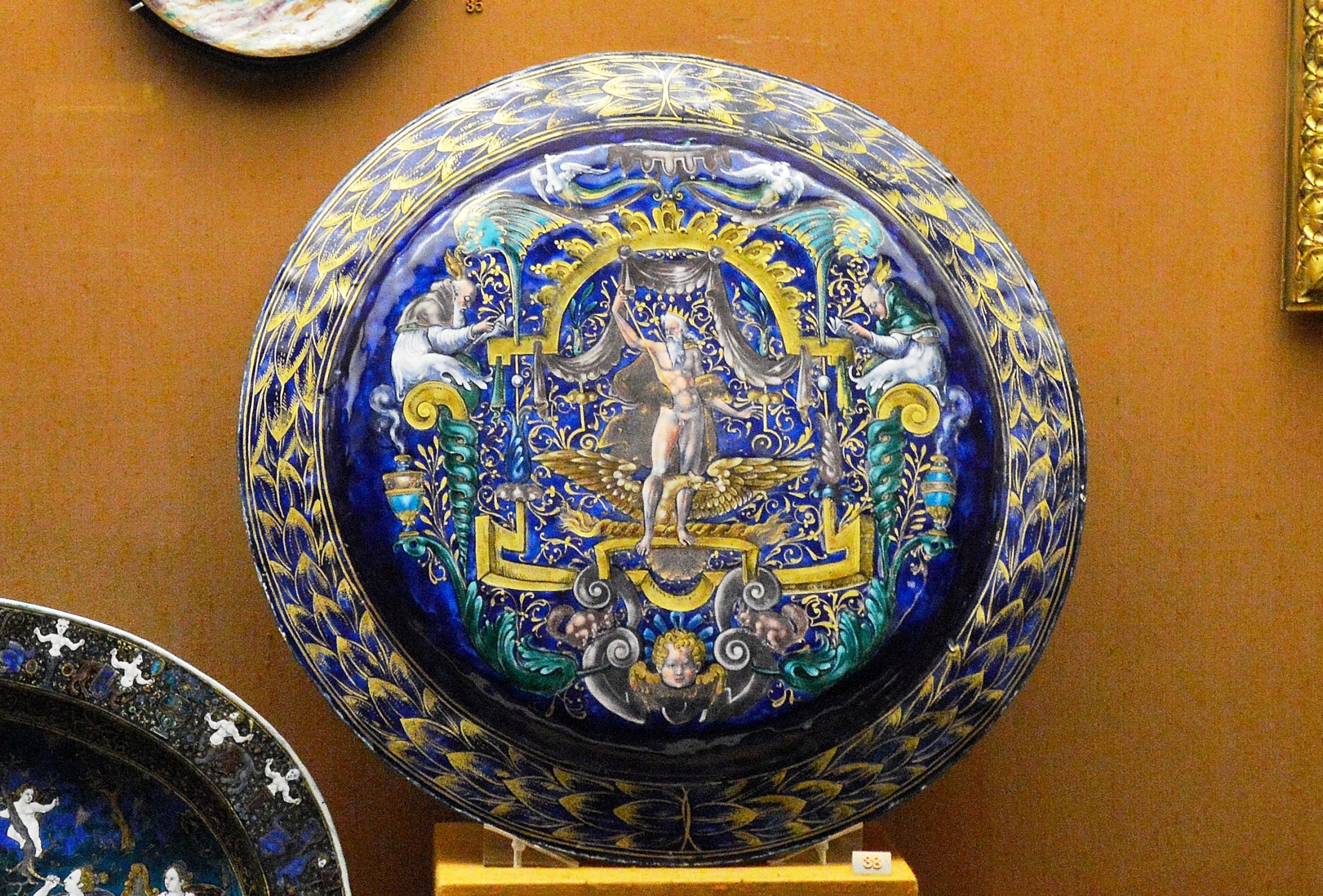
The British Museum (for details, admission and location) is probably the largest in the UK and contains artifacts from all over the world, from antiquity to more recent times. Whilst there is some controversy about ownership of some items (e.g. the Elgin Marbles), the museum has preserved what otherwise might have been lost and is free to all visitors. There is a an extensive cloakroom and non-commercial photography is allowed.
Of similar interest is the Victoria and Albert Museum, which is dedicated to design from across the world. More from the British Museum:-

Cosy
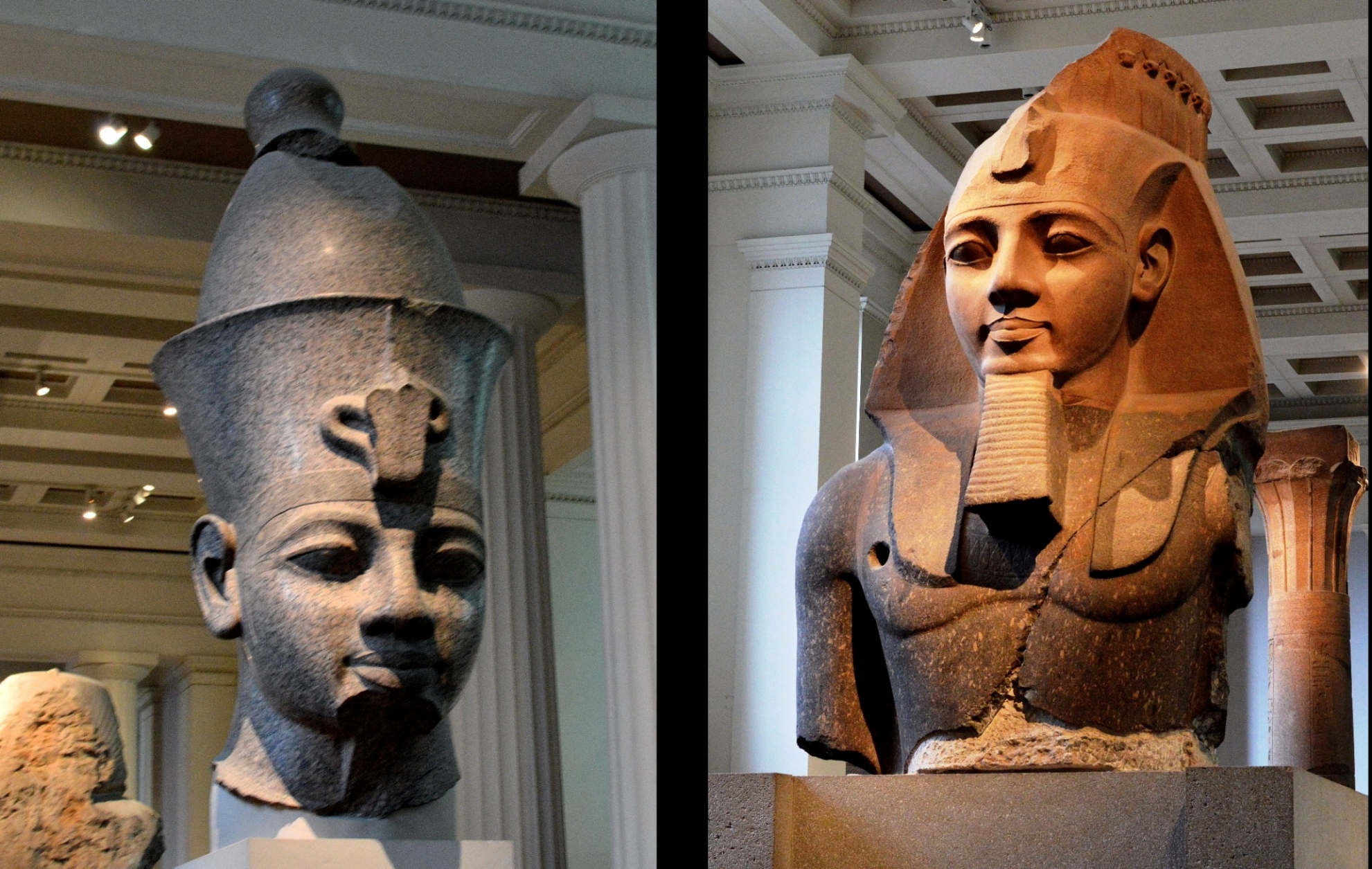
Nefer Teapot Nefer did

Rar

Raaaar
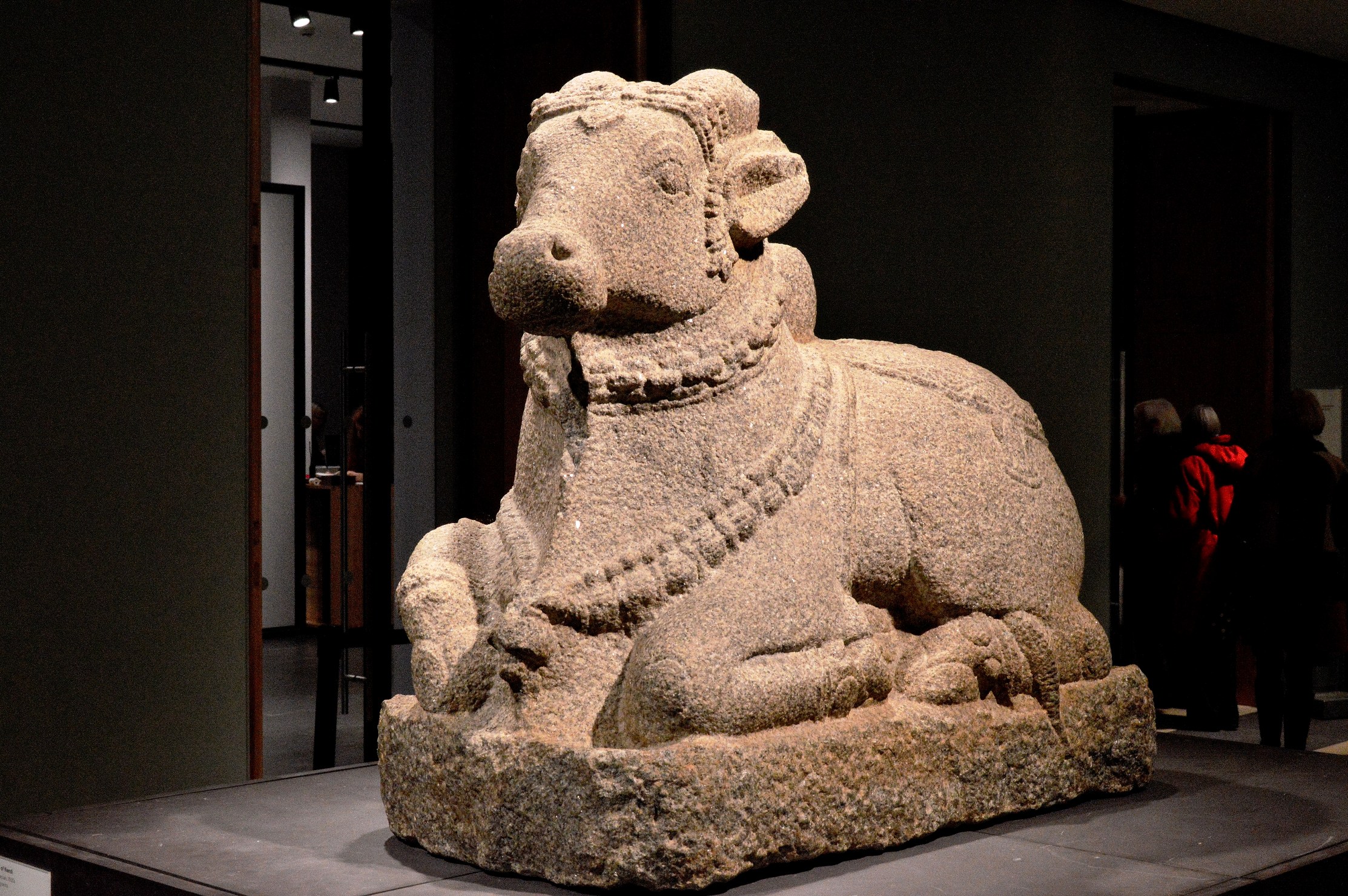
Moo see um

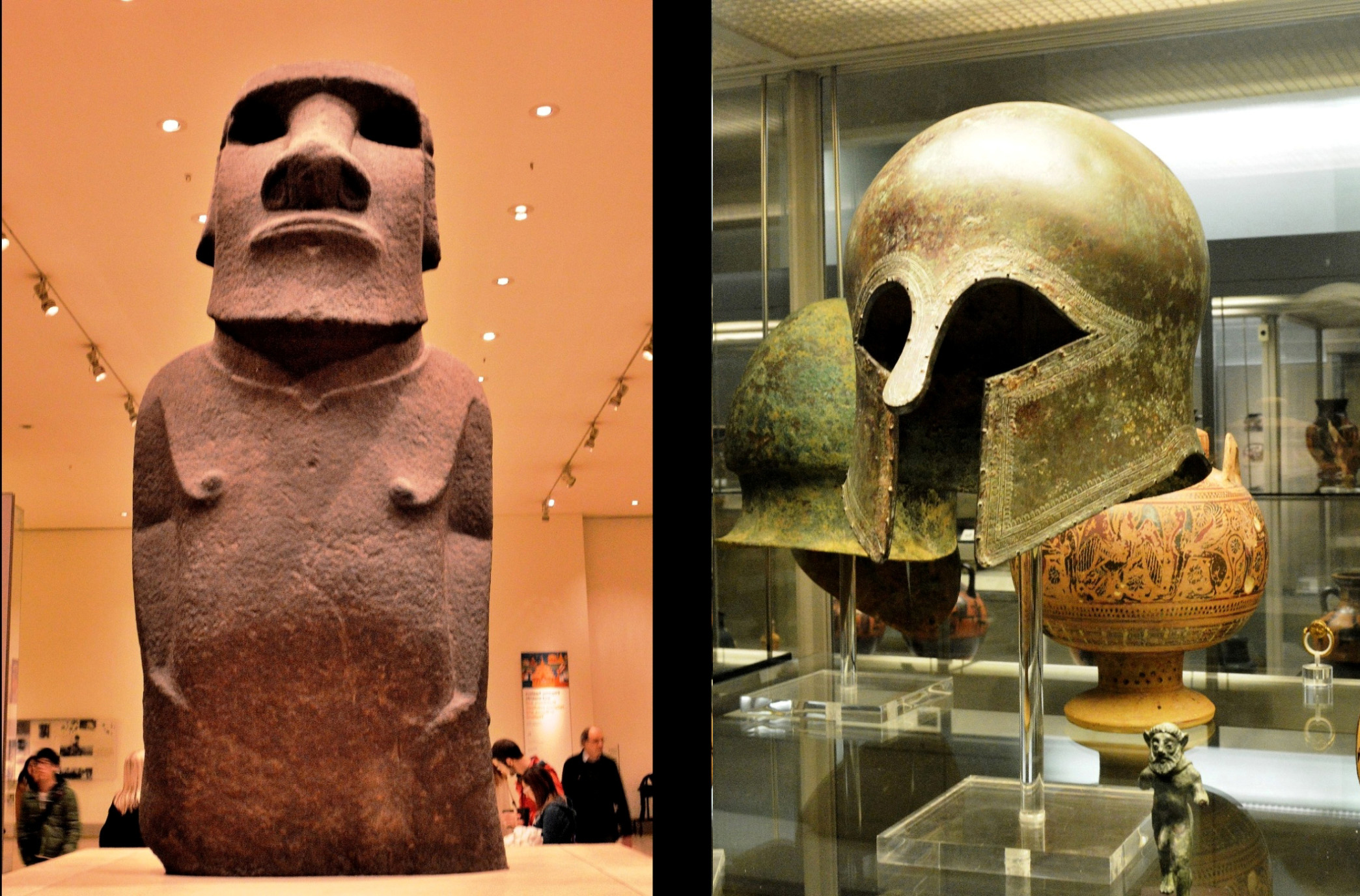
What time do you call this then. ……………………………………………………………….Oh mum, it’s only XXII o’clock
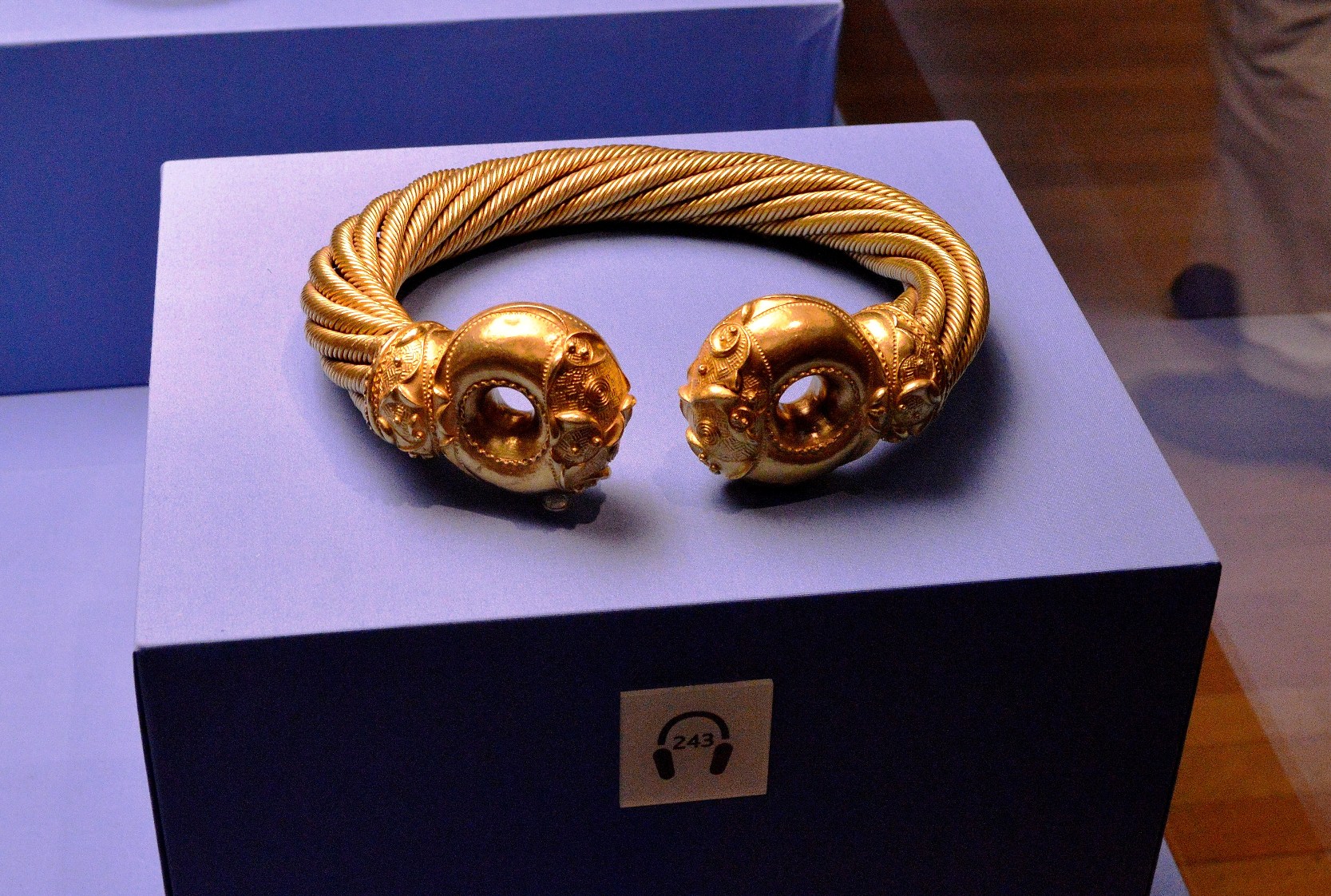


The Horniman Museum
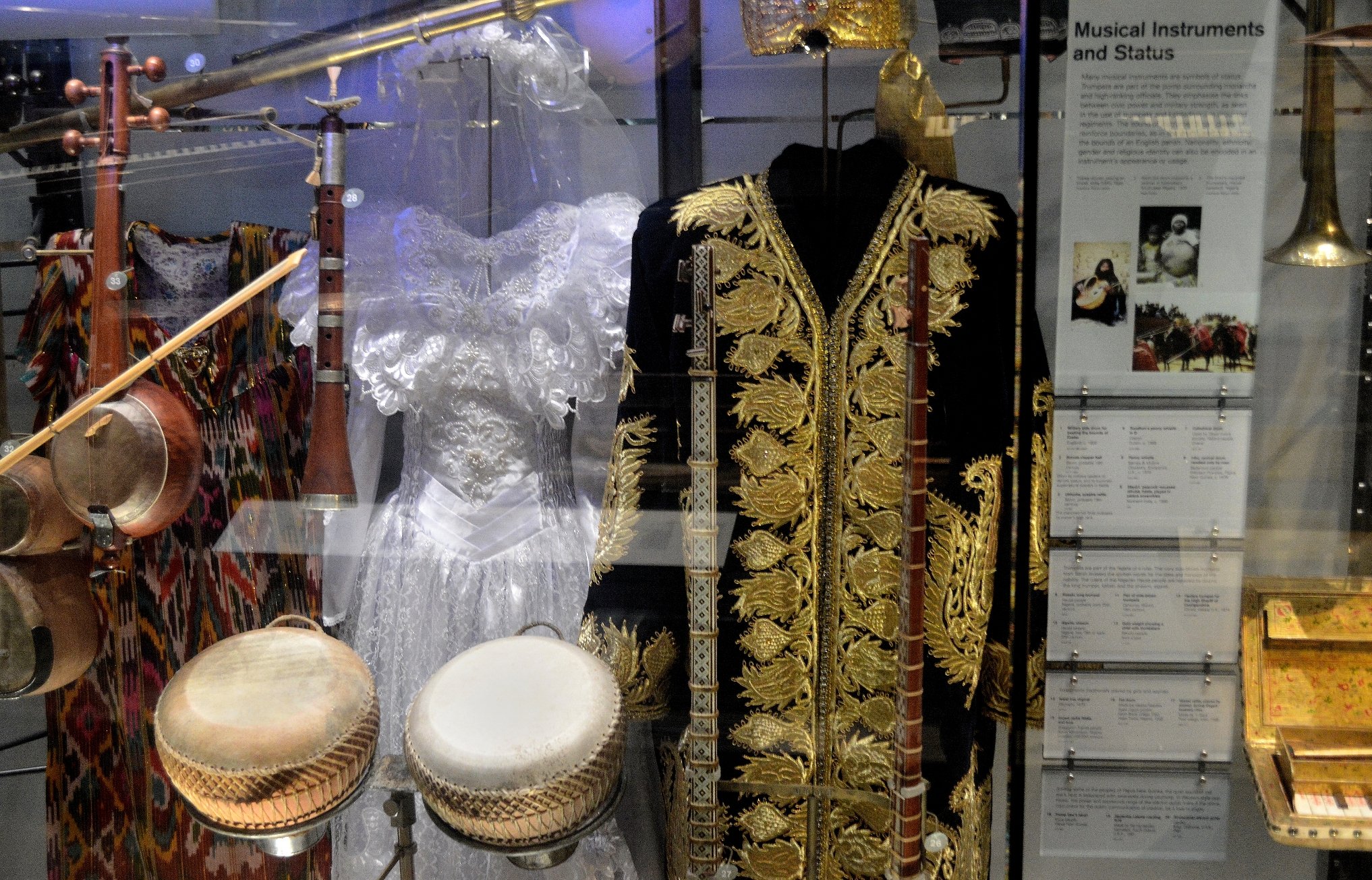
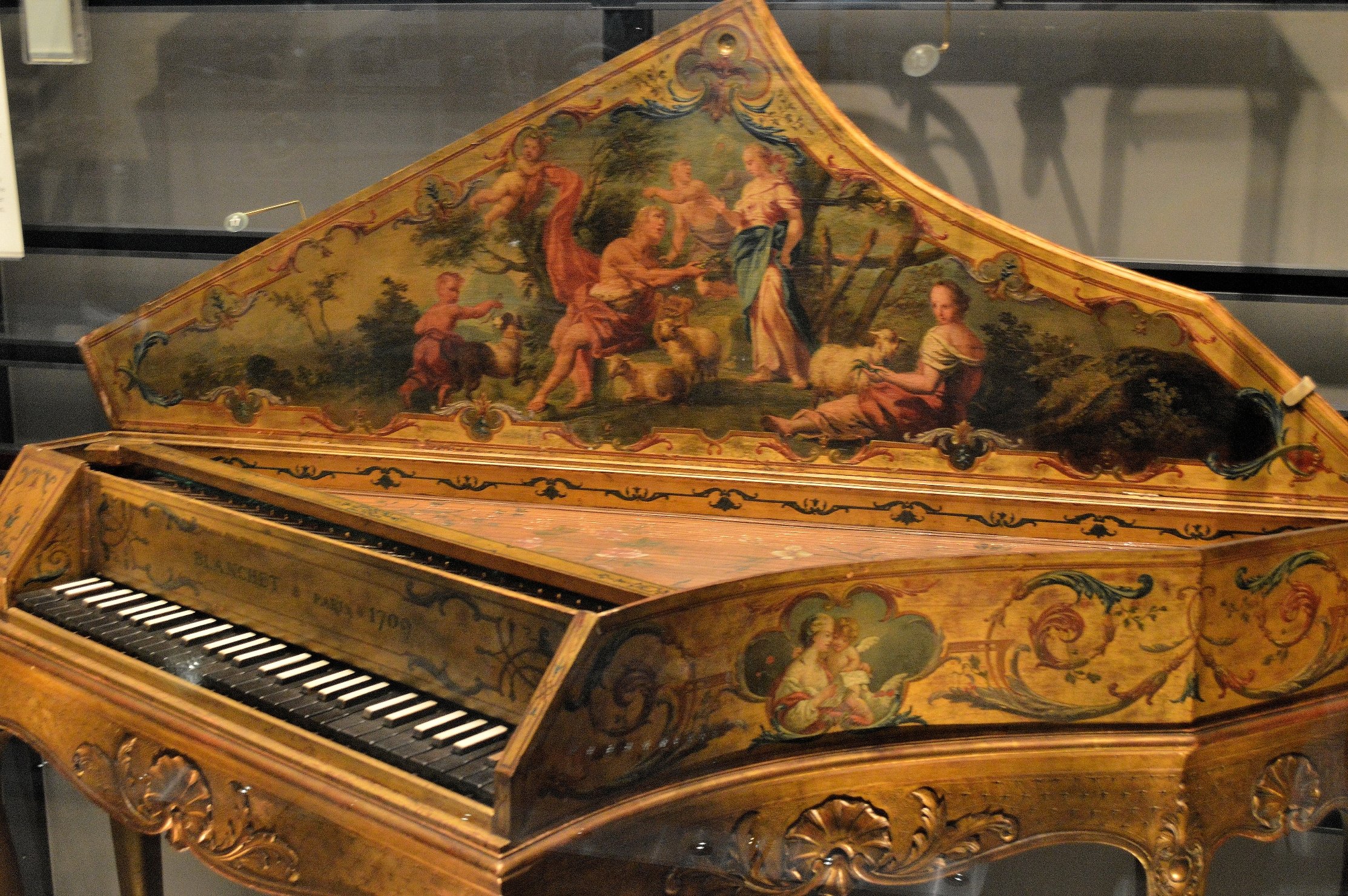
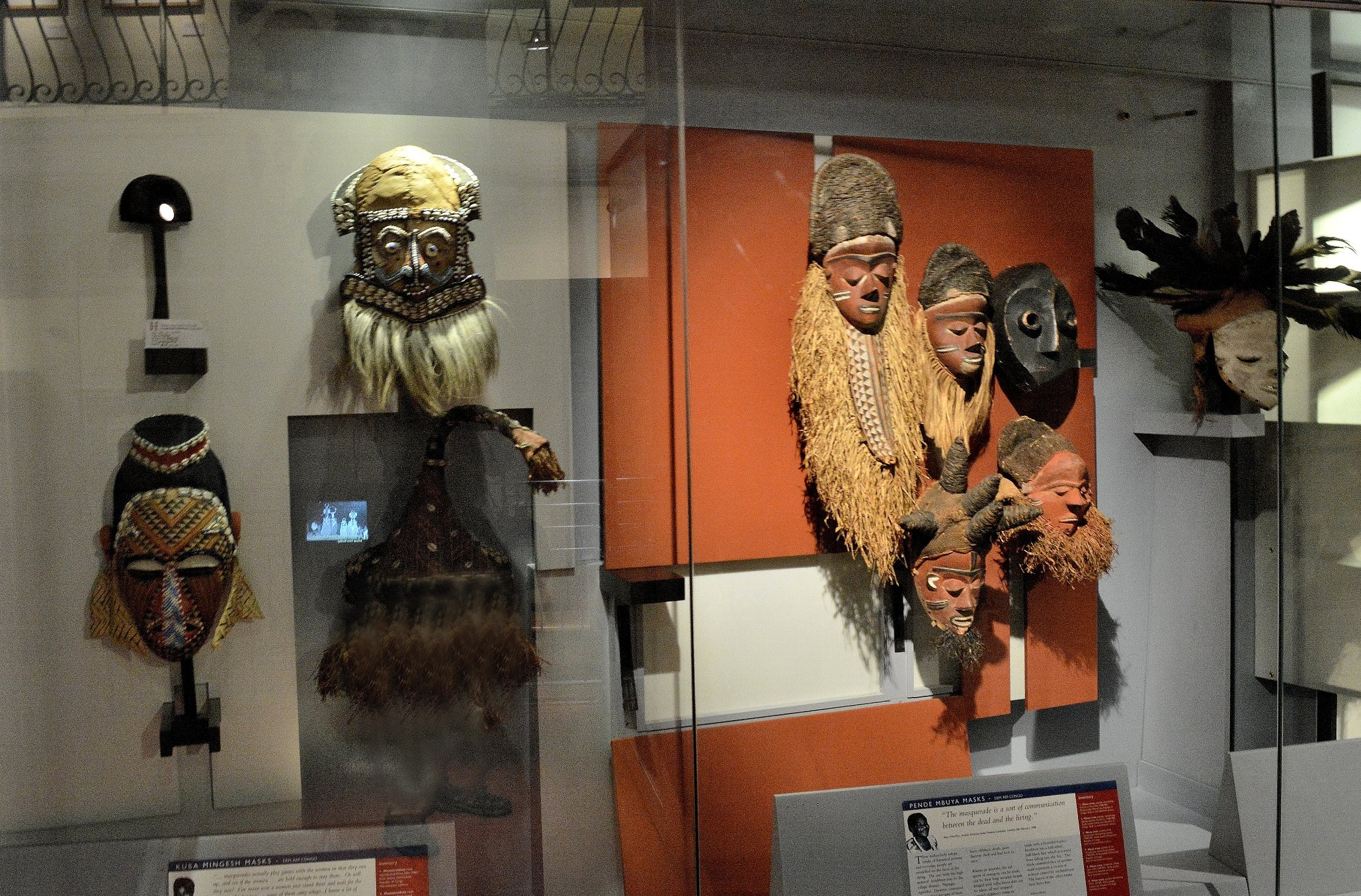
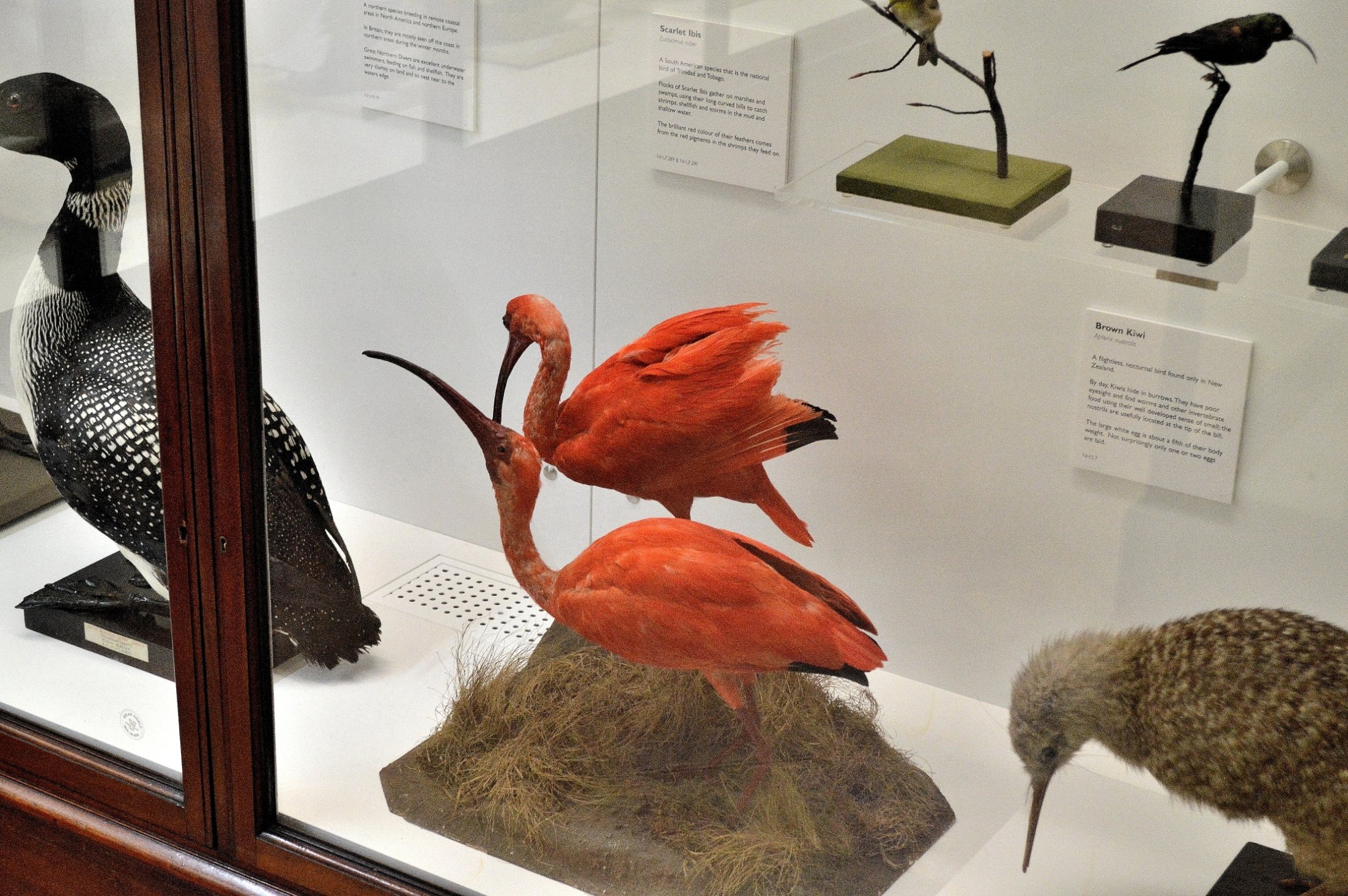
20 pics – The Horniman Museum and grounds are free to enter and include the lower gardens and wonderful flower beds⇐ with more spectacular flowers at the upper gardens⇐.. The museum is a mix of natural history, unusual artifacts from around the word and a small but unusual aquarium (there is a charge of £4).
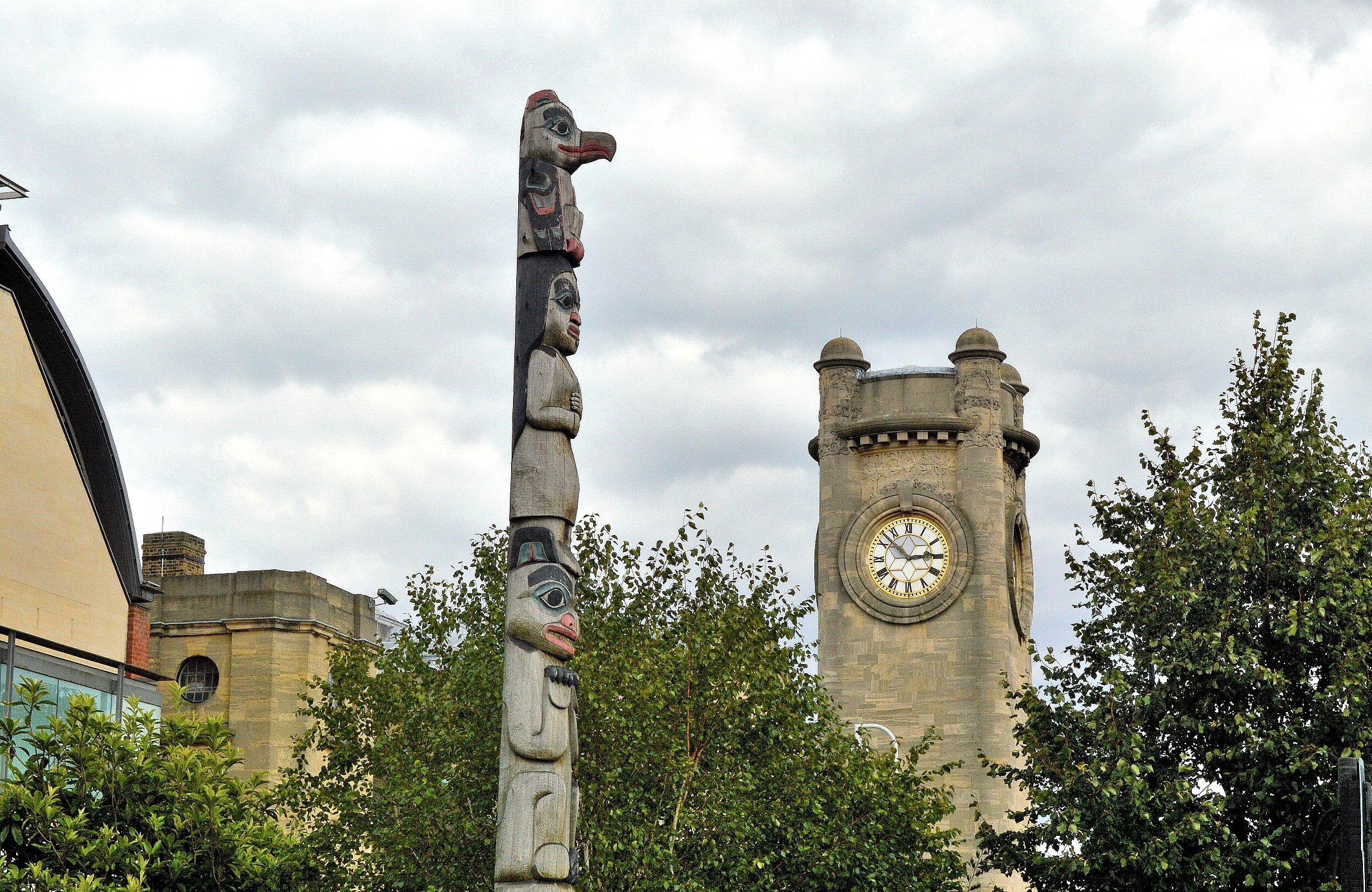
The museum and grounds are located just south of London near Forest Hill rail station and make a good day out at little expense. Please click on information/events⇒ and/or the getting there map⇒. The map shows the route from station to museum as quite short. It is a bit longer than it appears and is better to take one of the buses (listed on the map page) up the steep hill to the museum stop. The museum stop is just past this clock tower at the prow of the hill.
The Museum








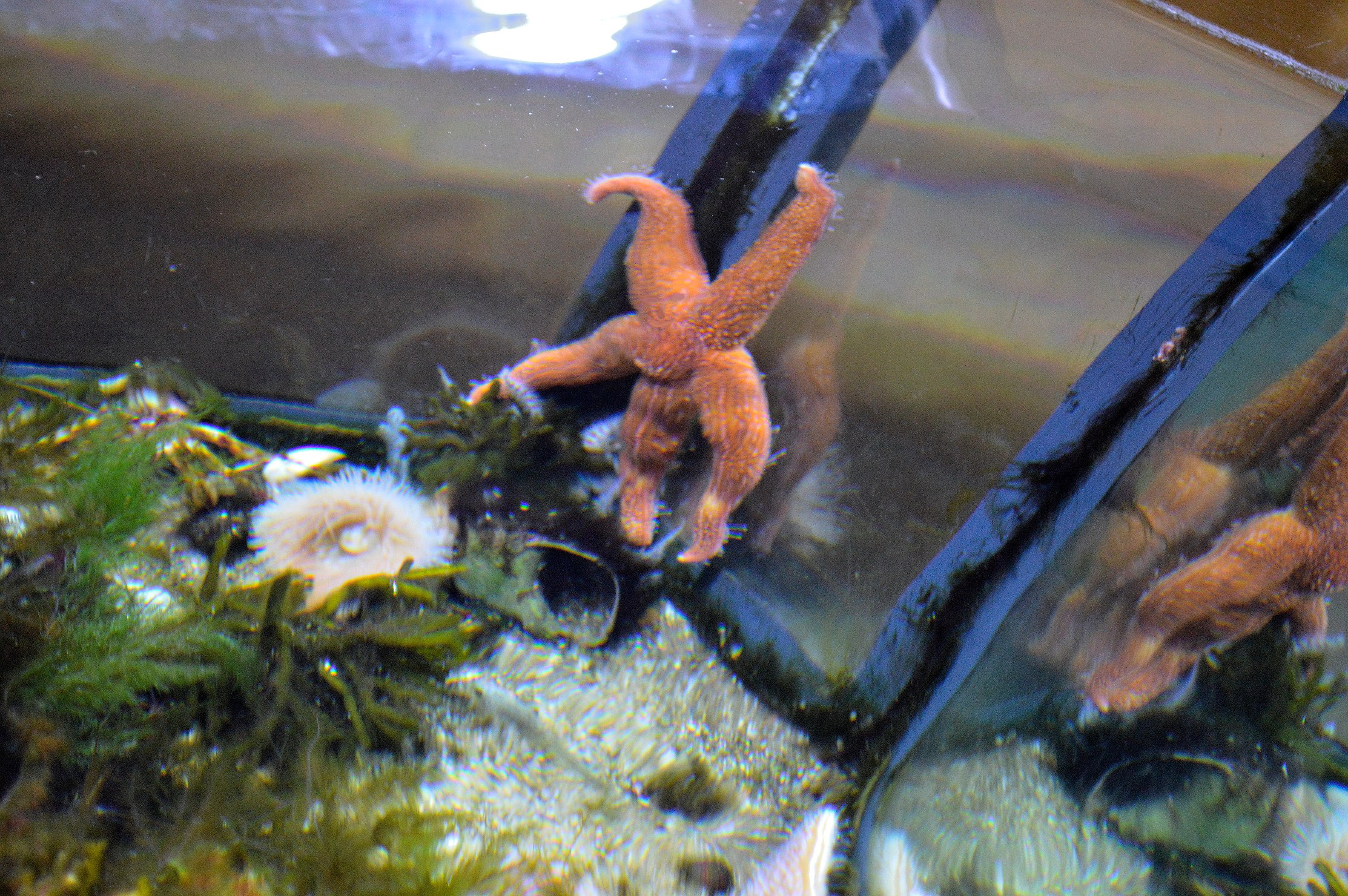
The Aquarium
This chap has all the appearance of gnome doing a high-five. You can even see a face.


Pretentious, moi ?

Doh.

 Freed From Time
Wheels on Fire
We have come a long way since the horrors of starvation, disease and widespread homelessness of the past, even though we have some way to go and further still in some parts of the world. It is not very long since these scenes were quite common, even the heart of one of the most prosperous empires in the world. Albeit, part of the solution has left us with another problem to solve. Here is some of the past that made the present.
Viewers can click on any picture to expand and again to magnify. These pictures are from a temporary exhibition at the Geffrye Museum
.
The solution was in part due to the great philanthropists who sought social justice as much as charitable actions. Amongst them, those proposed for the Beacon Awards, Angela Burdett-Couts, David Lloyd George, the Salvation Army (150 years and going strong) and many others.
Amongst the work-houses were the Alms Houses, usually provided for those from specific trades or professions who had fallen upon hard times (pictures from a small exhibit/tour at the Geffrye Museum). Alms houses still exist, please click here for more.
.
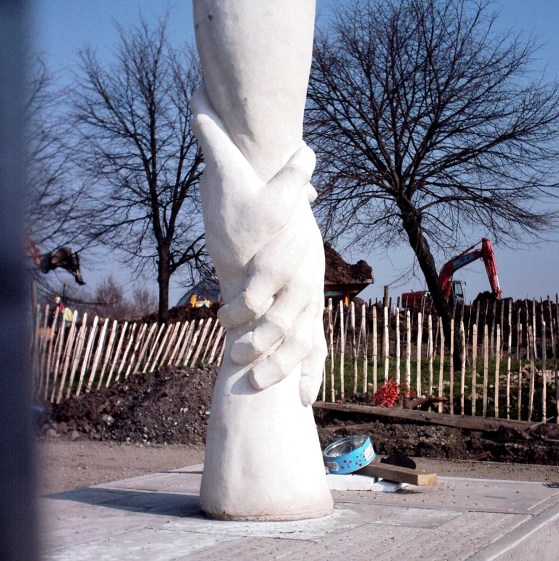
Then there were those who courageously fought for common rights.
The formation of workers unions and the fellowship of humanity.
Even Winston Churchill, who started as a Liberal and became a Conservative, said “The inherent vice of capitalism is the unequal sharing of blessings; the inherent virtue of socialism is the equal sharing of miseries”.
Even surrounded by the pursuits of greed, the slow advance of true humanity has been indomitable. Showing itself as inherent throughout time, it cannot decline, it keeps on being born.
.
.
.
.
Amongst these pursuits has been the advantages of coal, steam and steel. An industrial revolution and an extent of hard toil that gave us all the modern advantages, which we largely take for granted.
Our societies have been the foremost in receiving the advantages of the industrial revolution and therefore the foremost in creating the resulting problems of climate damage. It is those who have yet to follow this route who will suffer the most damage before they receive any major benefit. It is up to us, who have the benefits, to be the foremost in resolving the matter. Those who may wish to know more about how, could click here ⇐, and maybe one day ~
.

.
And, thank you for visiting Freed From Time.
Sharing:
July 19, 2015 | Categories: Climate Change, East London, History, uk | Tags: alms house, Climate Change, geffrye museum, homeless, philanthropists, poverty, salvation army, social comment, social justice, victorian, work house | 6 Comments