
Osterley Park House
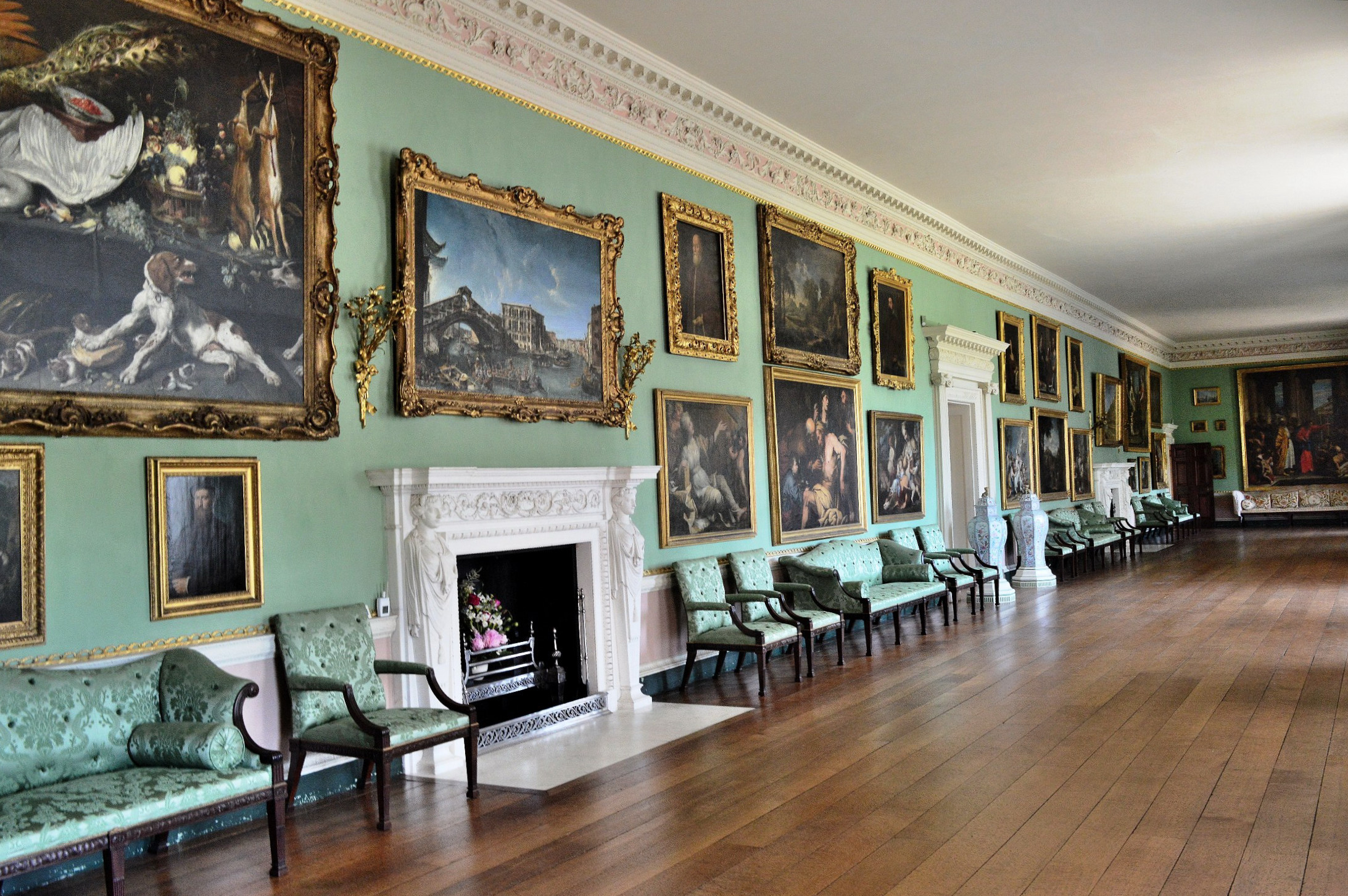
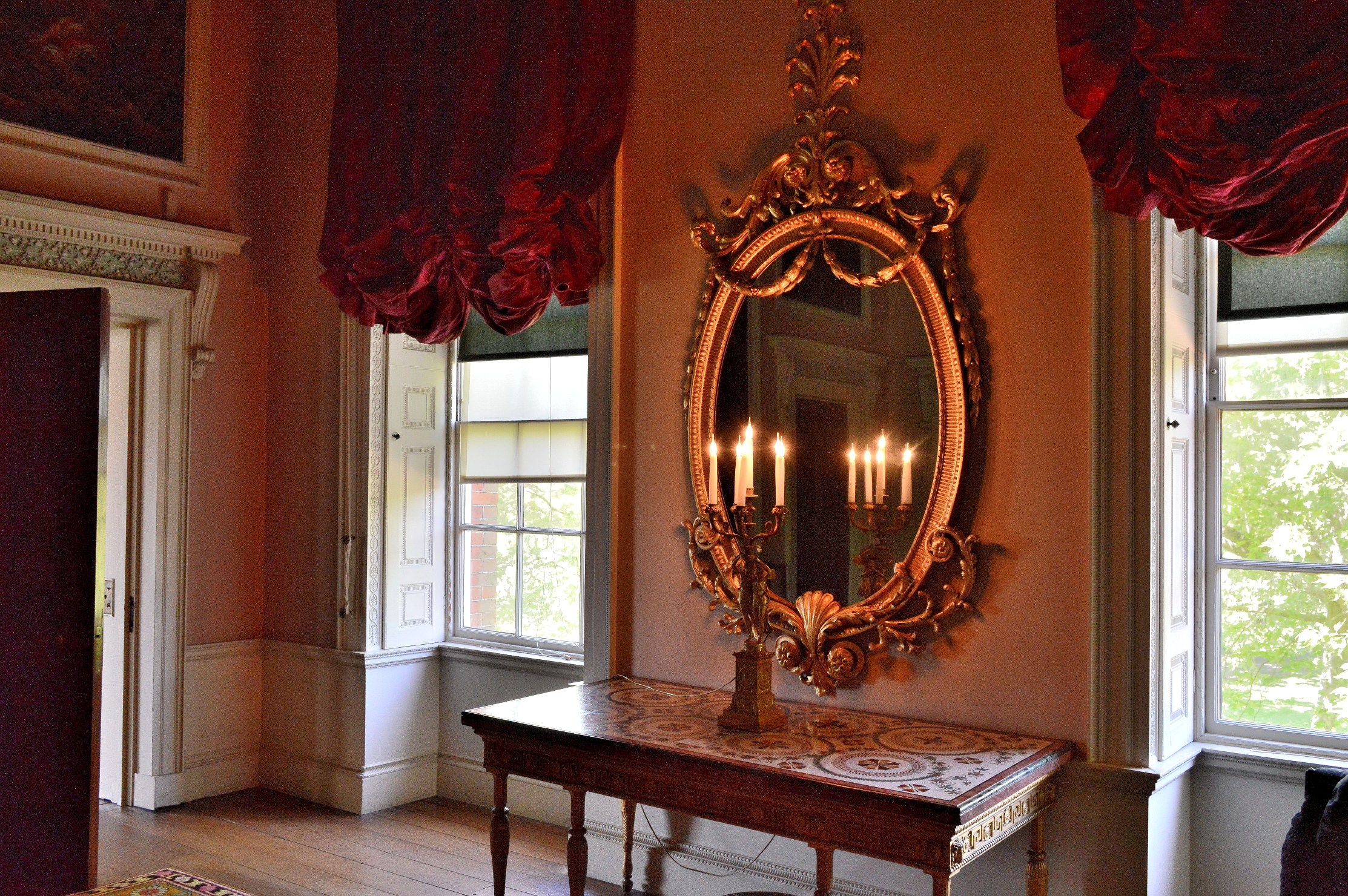
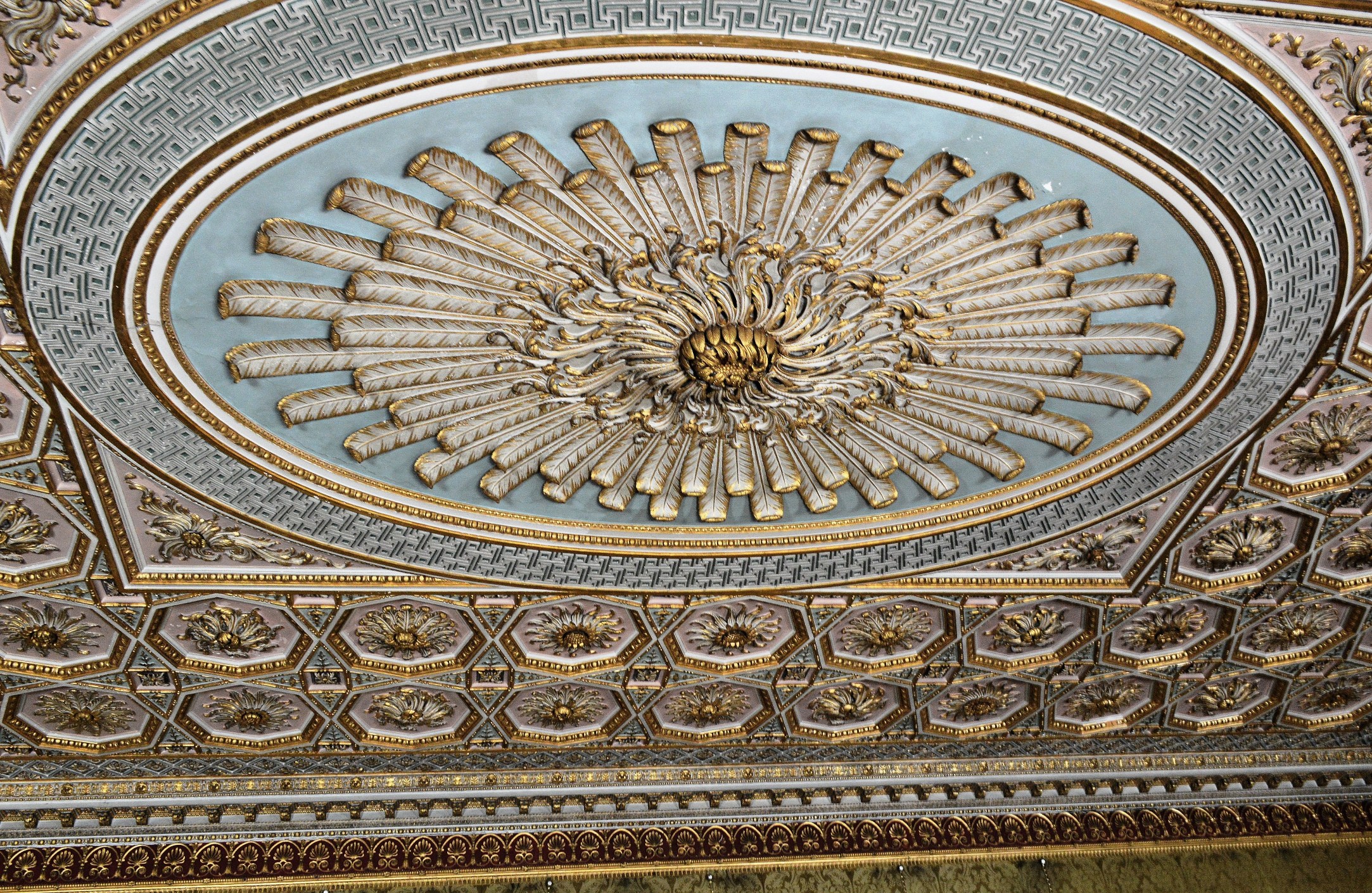
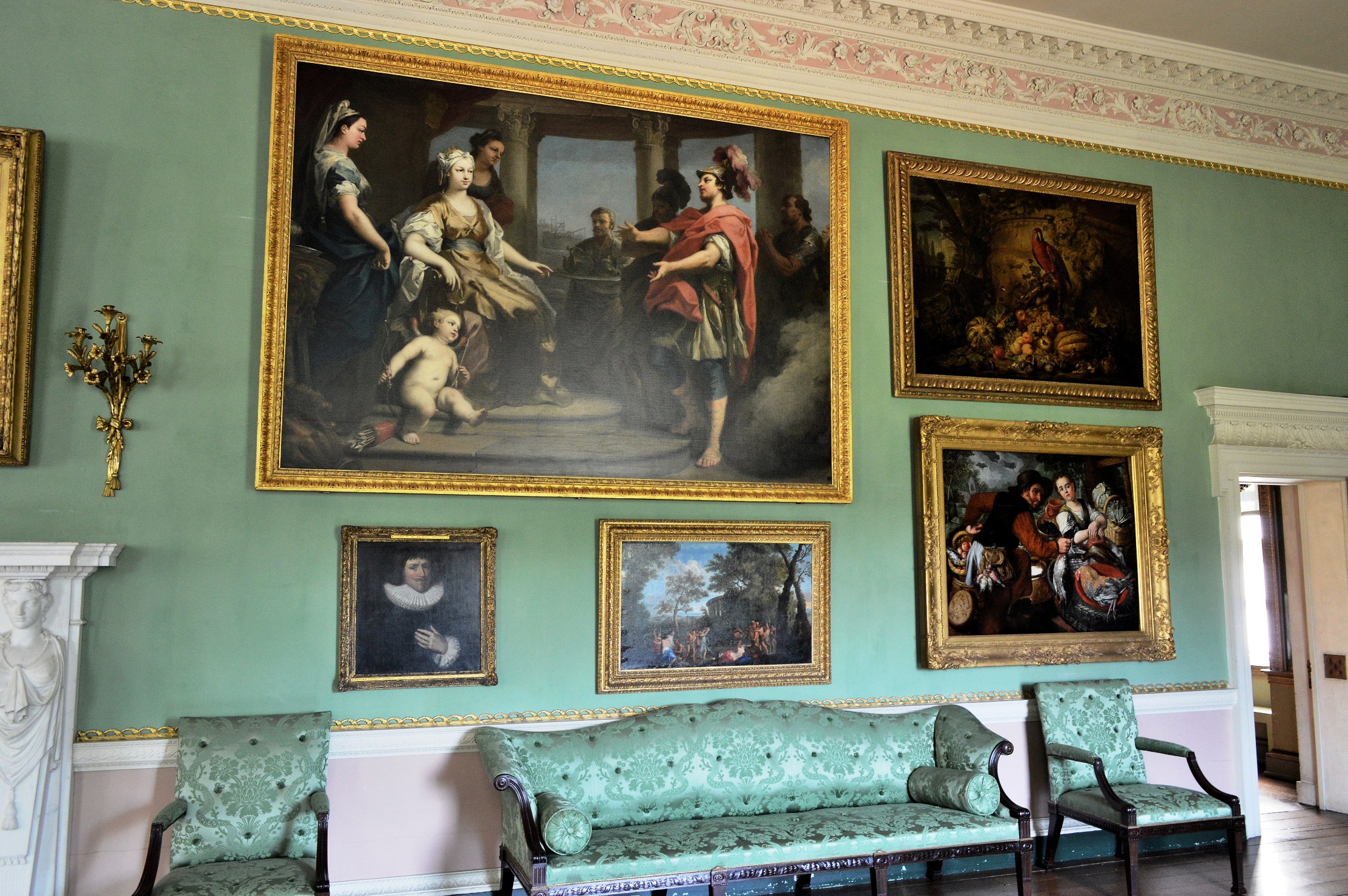
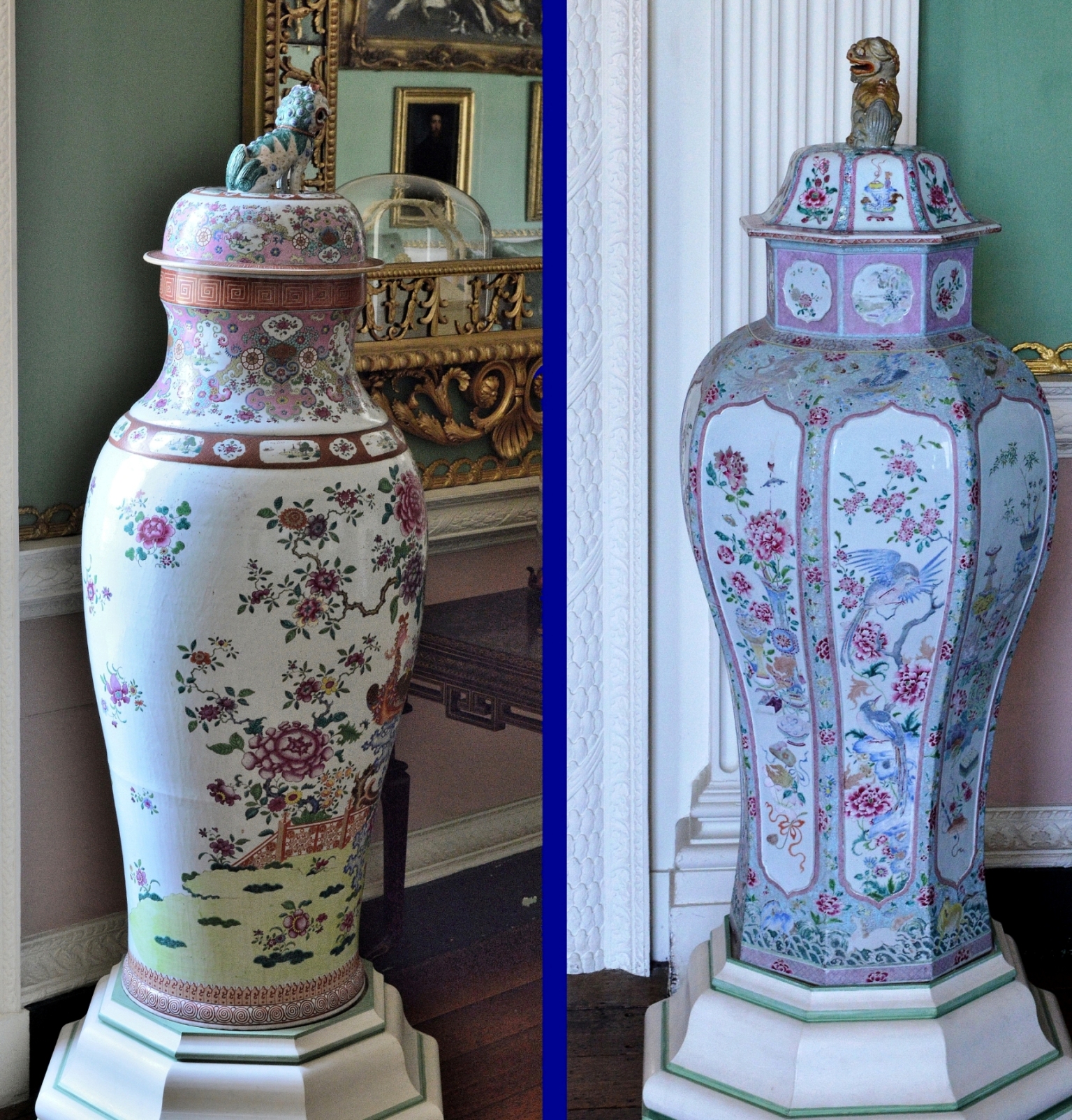
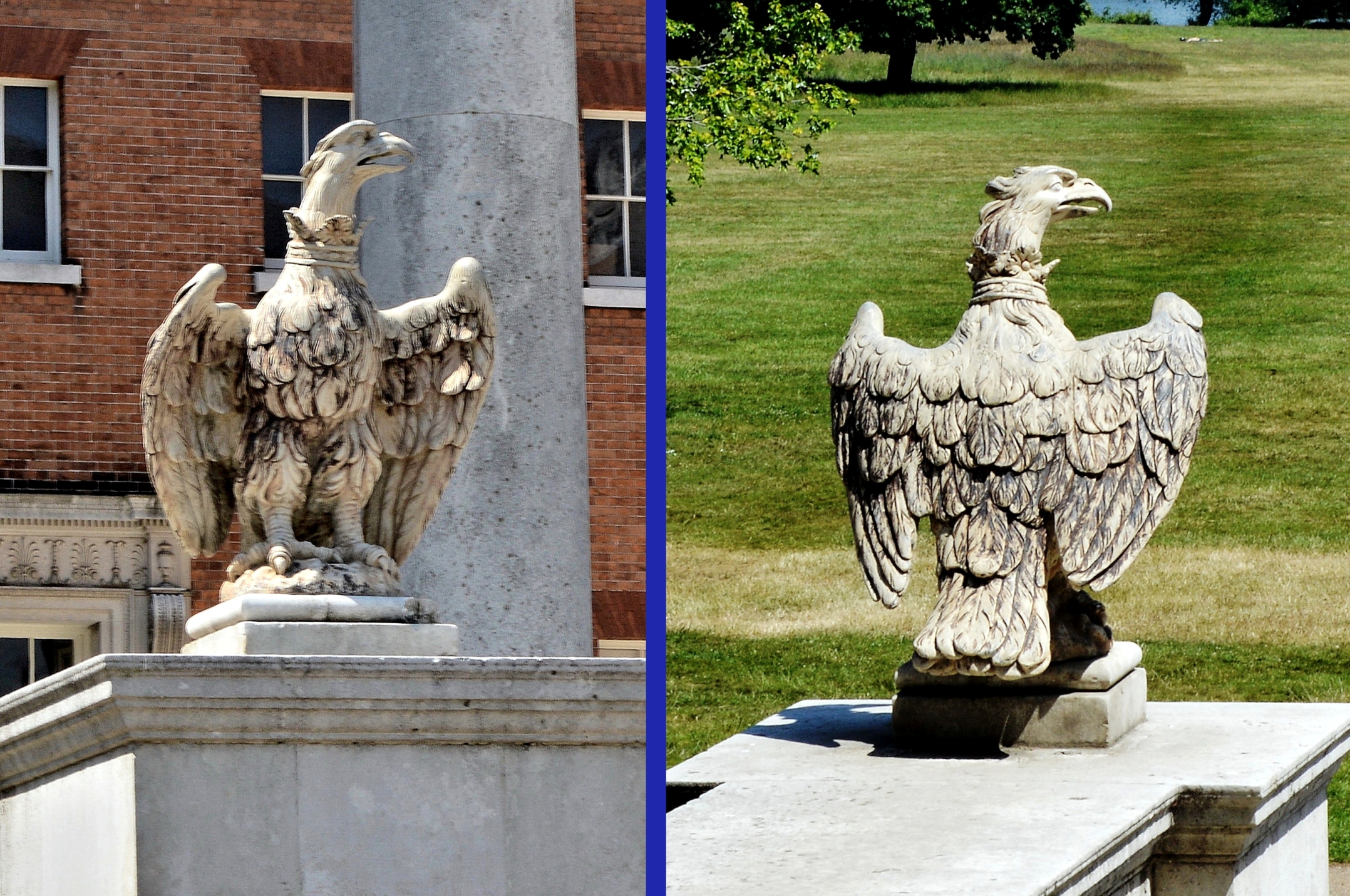
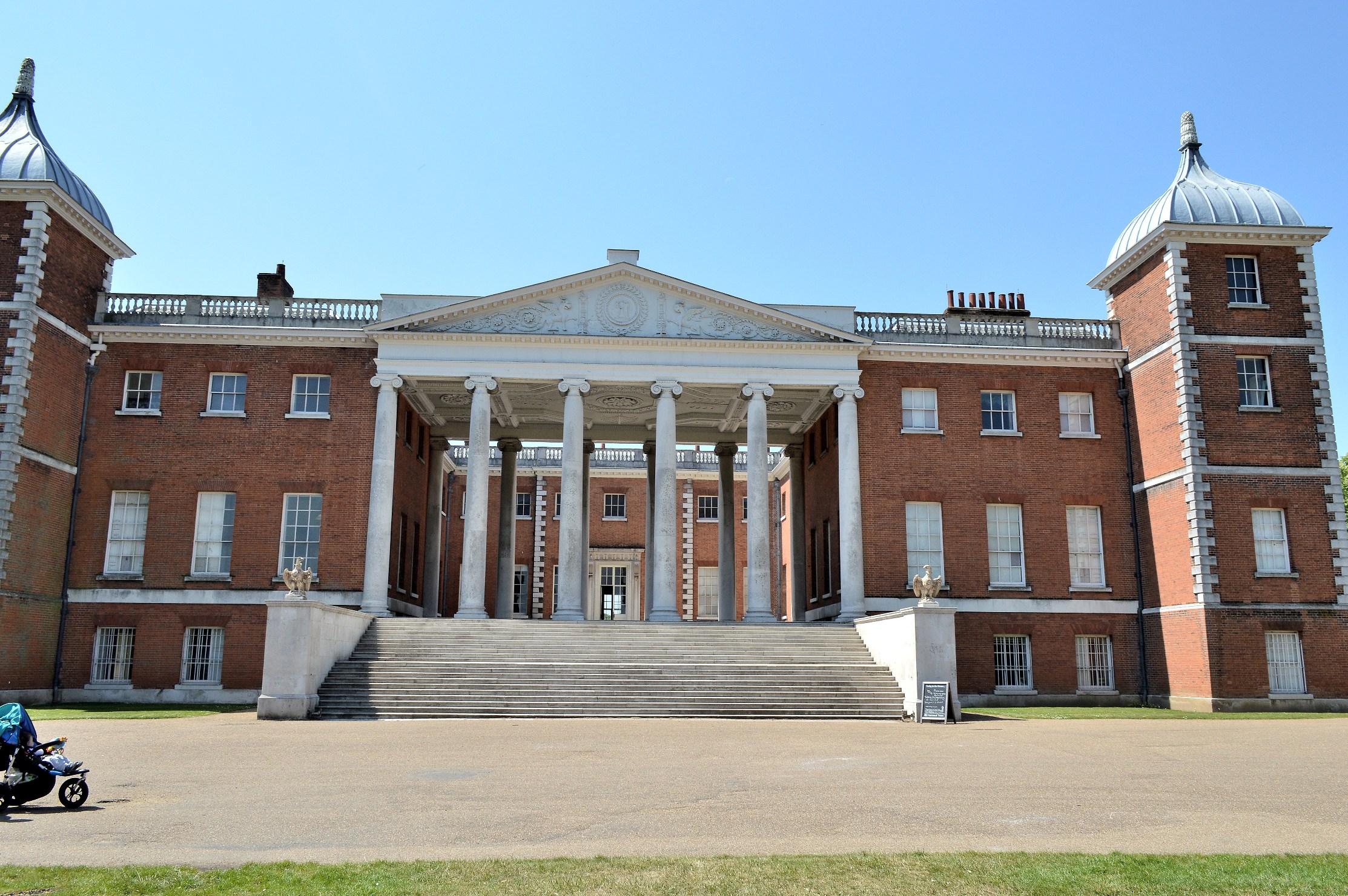
Osterley Park House was entirely redesigned by architect Robert Adam over a period of twenty years beginning in 1761 on behalf of the Childs family. Although the the house is not entirely full of artifacts, it is one of the most sumptuous that I have visited. The gardens can be found here and the flowers here. Admission times, prices and further information can be found here.
Unfortunately the upstairs rooms were closed during my visit, but here are the downstairs rooms. The lighting was little dull in places, so it has been raised a little.






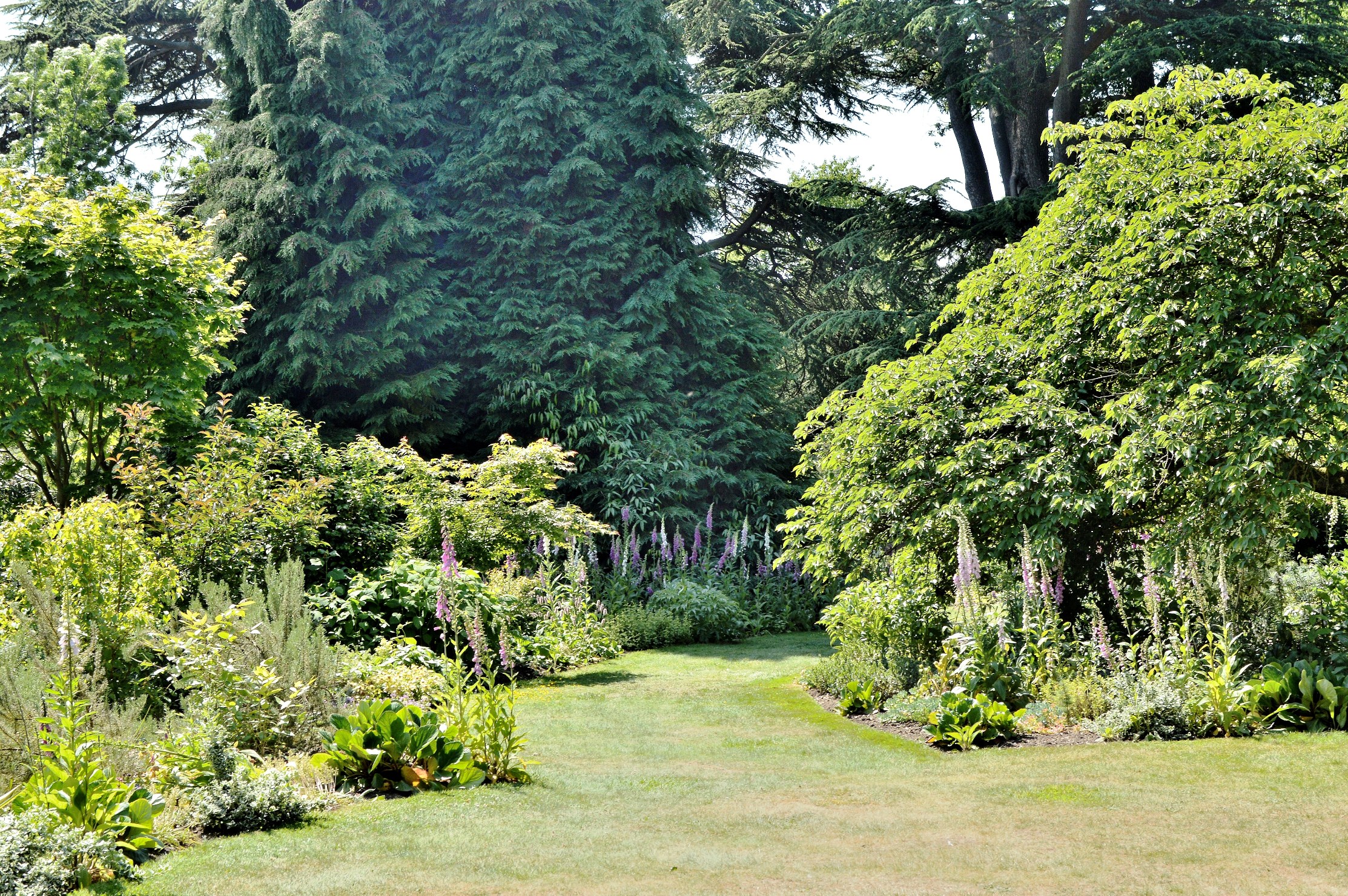
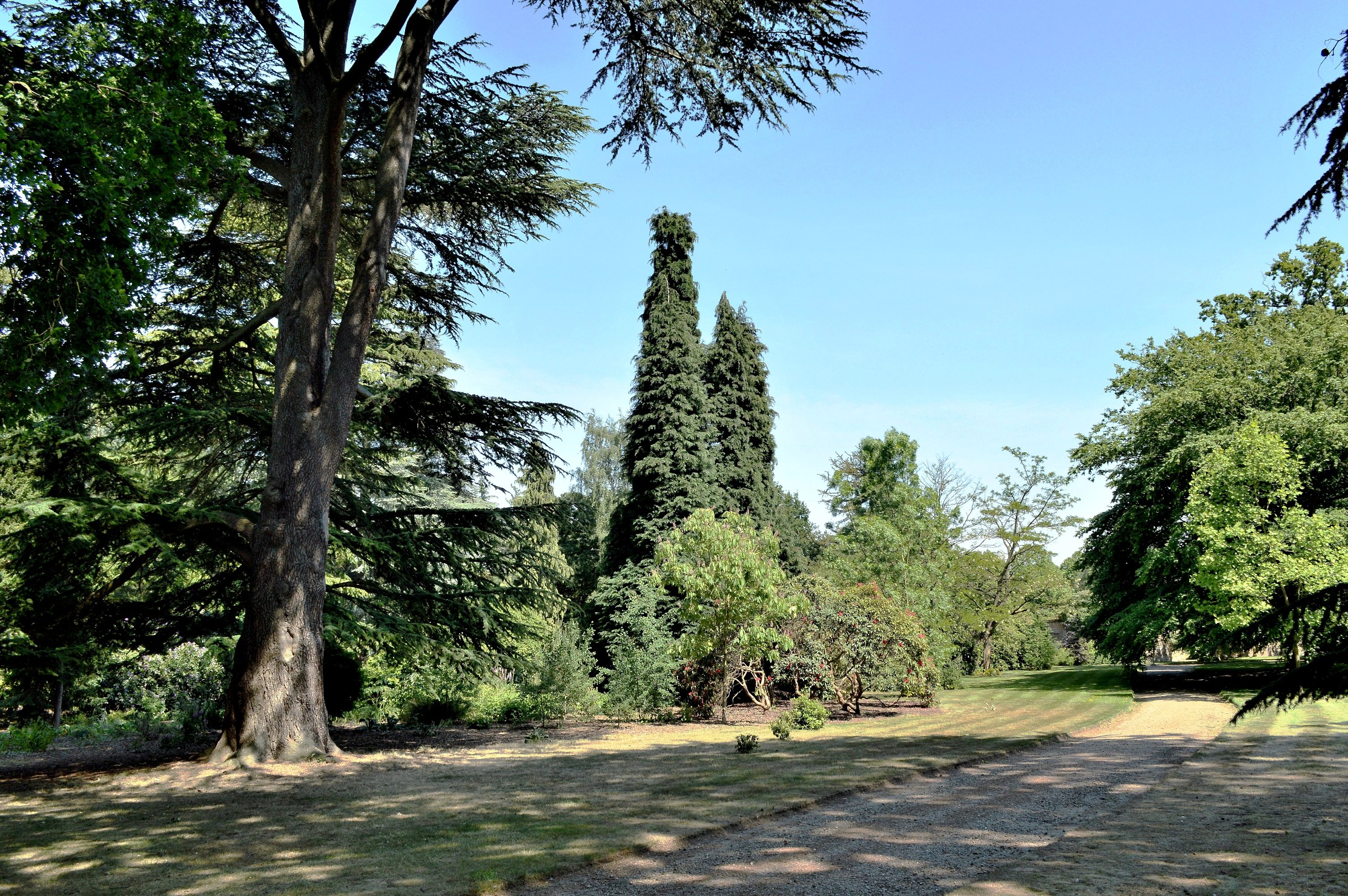
Osterley Park Gardens
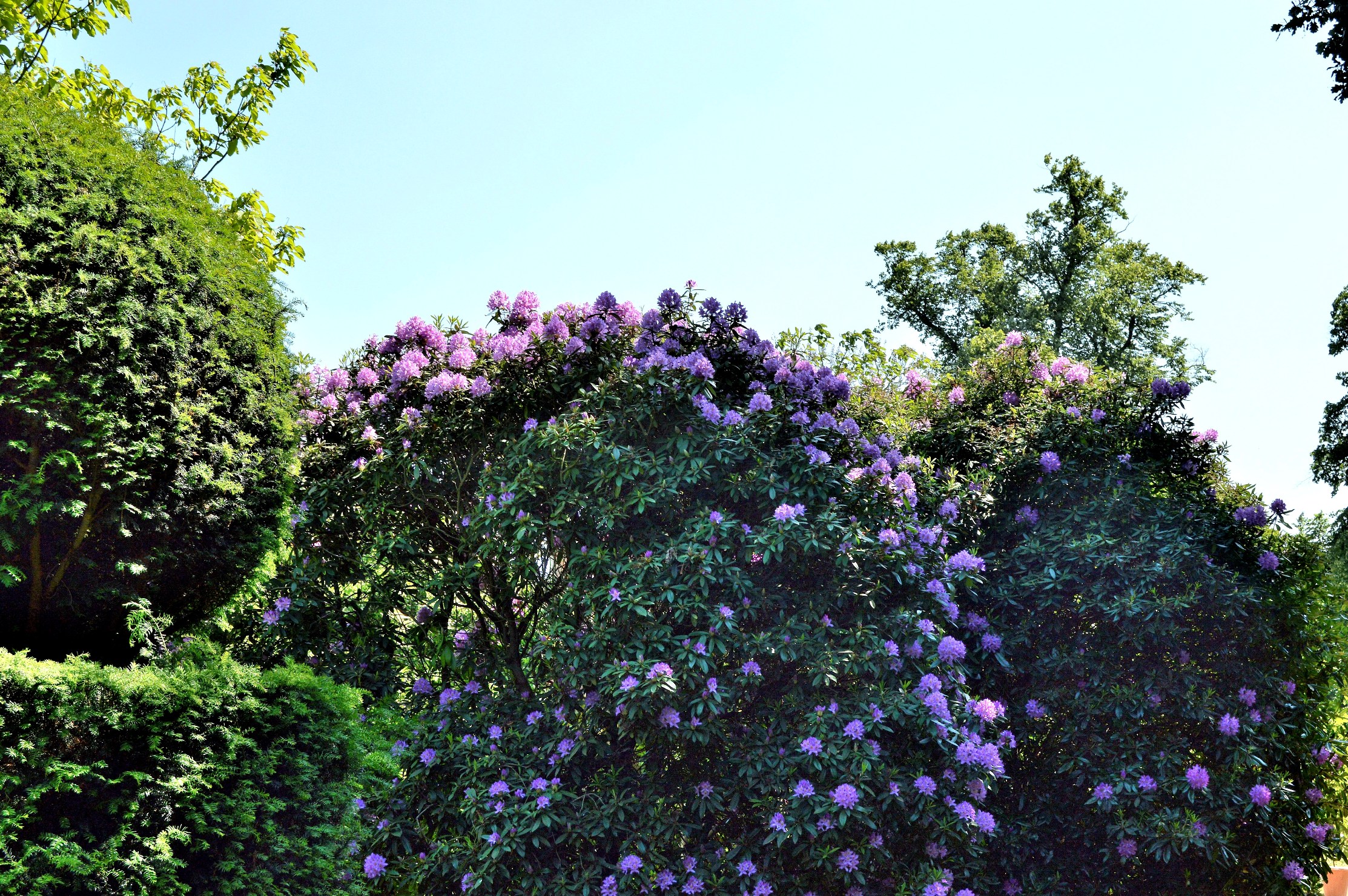
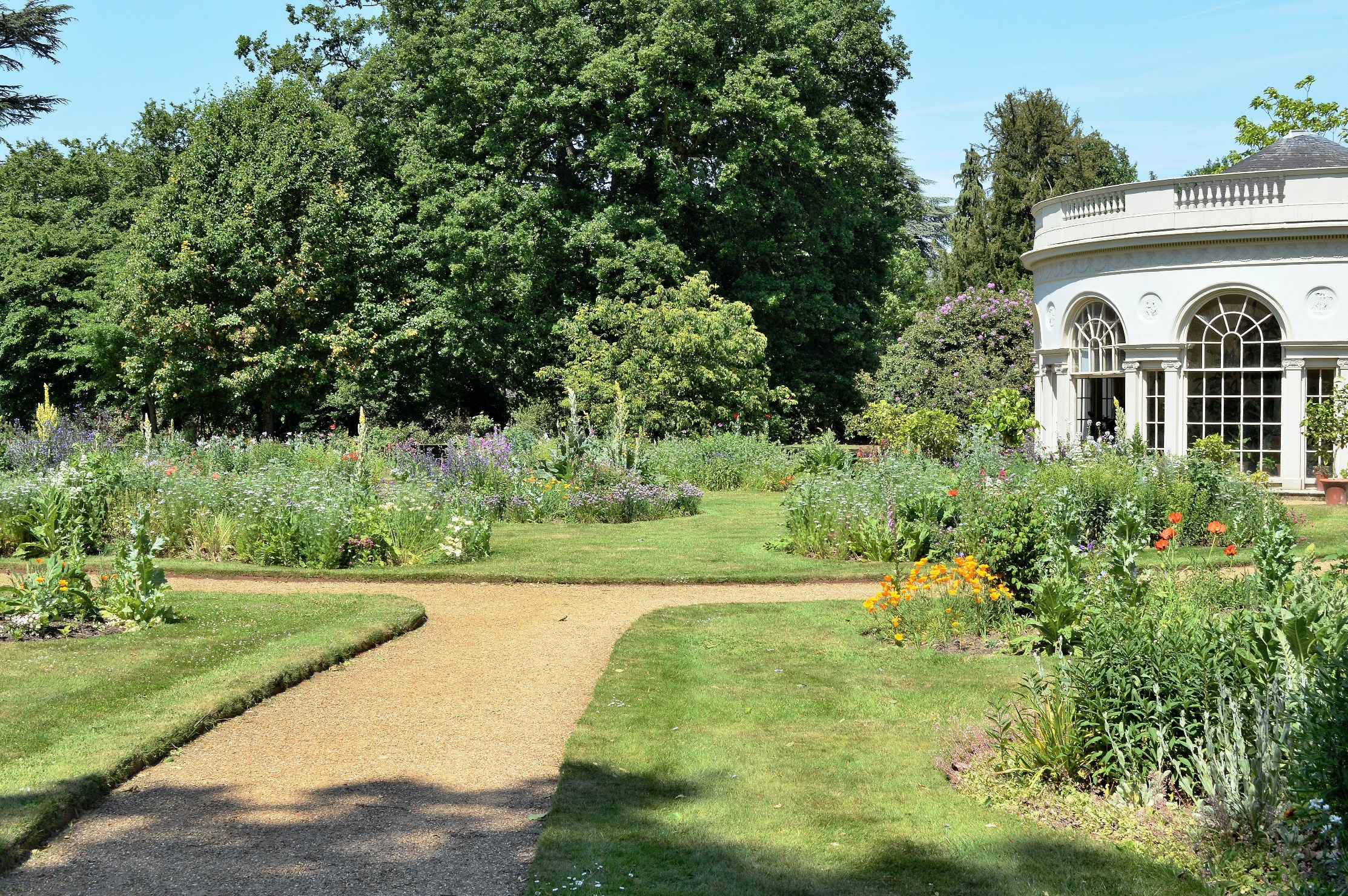
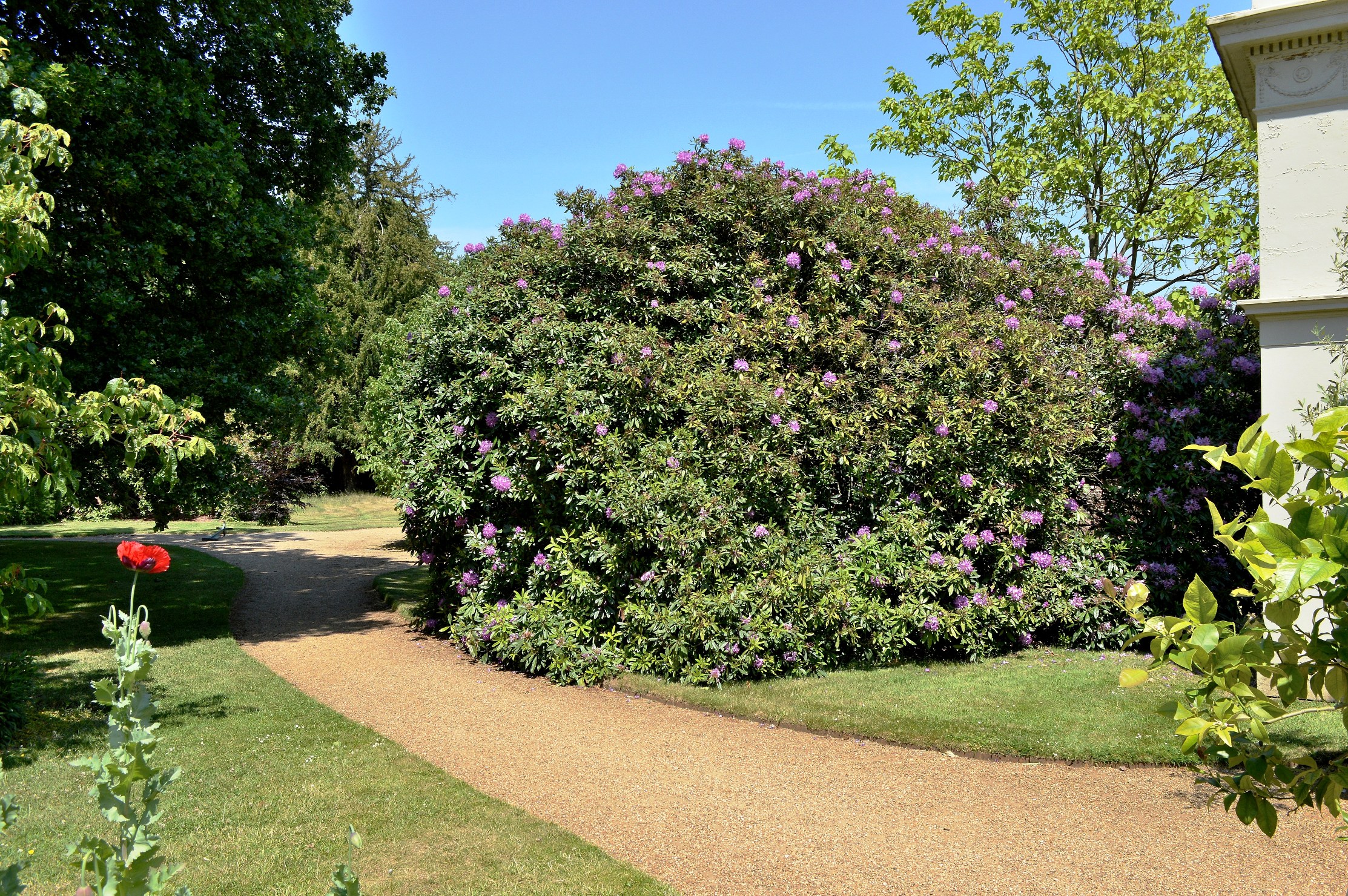
Ossterley Park Gardens are to the rear of the house and adjacent to two pleasant lakes with some wildfowl. Entry to the gardens is by ticket only. A post of the flora is here and the the sumptuous house interiors/sdmission/onfo here : -)
Geffrye Museum – Interiors
The Geoffrye Museum is very close to Hoxton station on the London Overground Line. There is a front and back garden area, which is worth seeing, and entrance to the museum is free. The interior has a long row of rooms which depict interior decor and furniture throughout the ages. There is also an exhibition area in the basement and one may join a tour of a small Alms House exhibit.
Here is a taste of the museum.


Geffrye Museum Gardens and Flowers
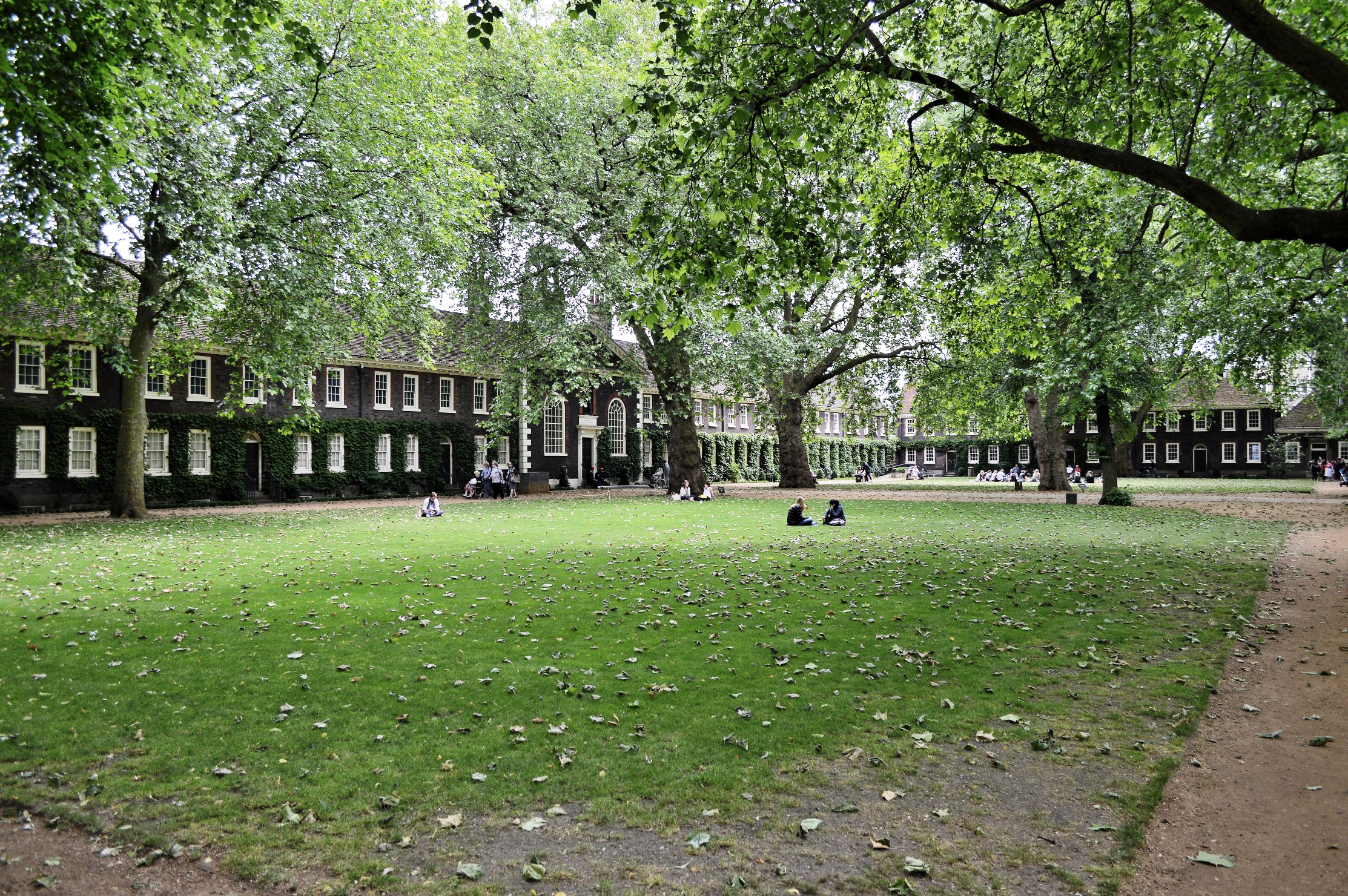
The Geffrye Museum Font Garden
15 pics. One can have a pleasant picnic in the front garden, stroll through the rose and herb garden to the rear and then return to the front and enter the museum free. The museum interiors are series of rooms depicting the changes of decor and furnishing over time .
.
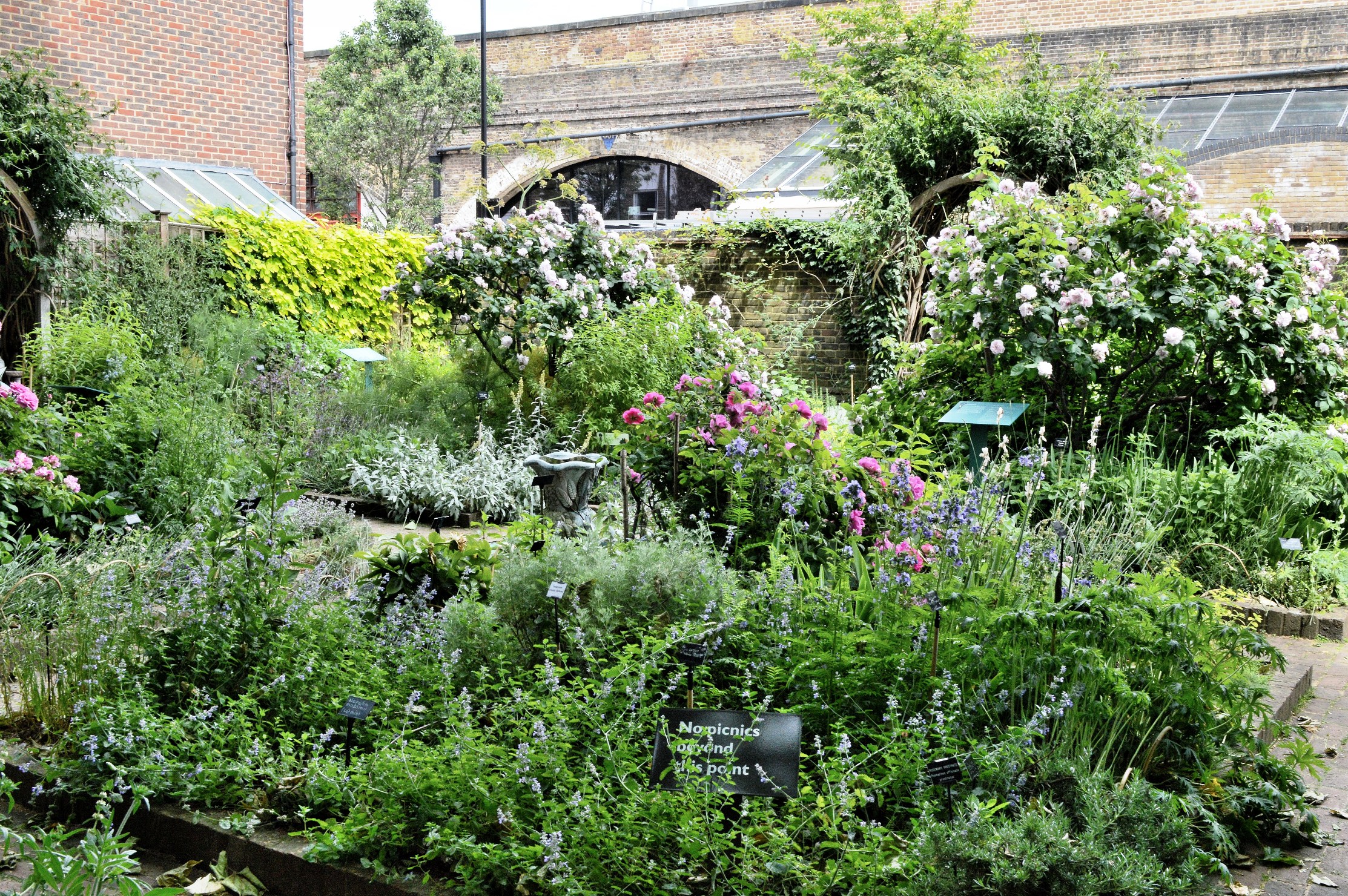
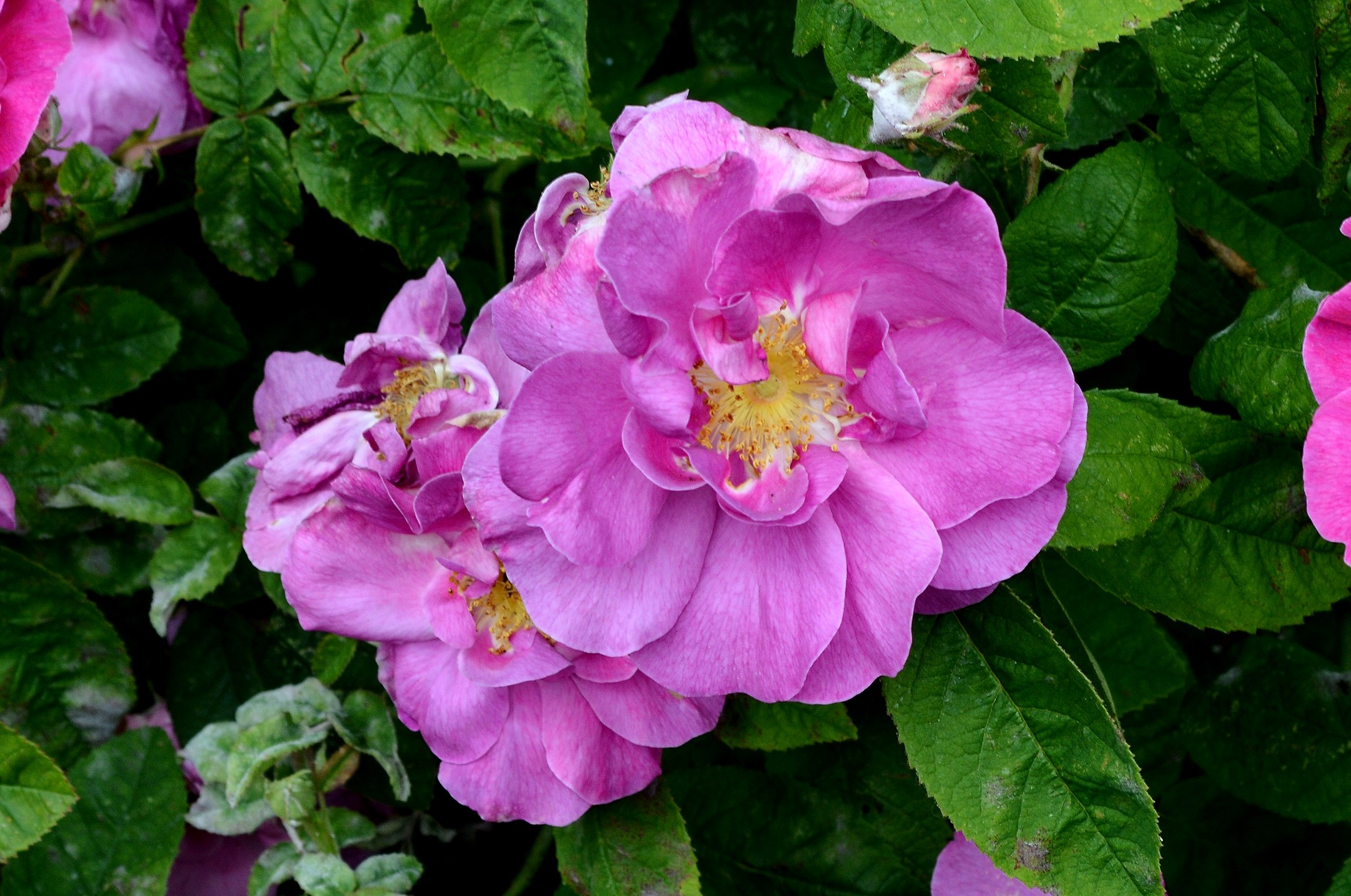
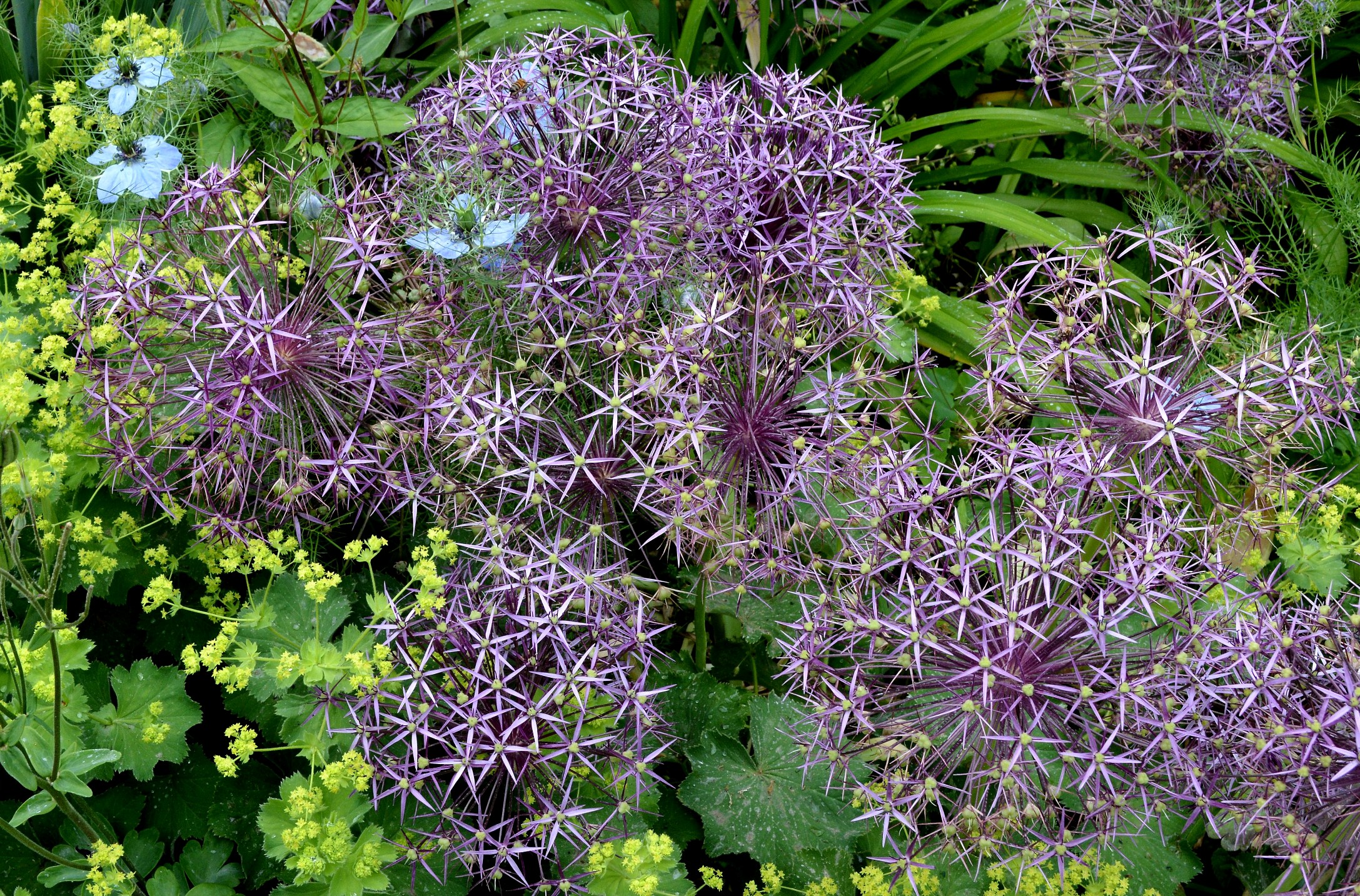
The Rear Herb and Rose Gardens
Together with many other colourful blooms.





Sutton House
Lenenfold Parlour

So called because of its rare linenfold design wood paneling.
19 pics. Sutton House is not very big but it is a real gem and is well worth a visit. It was built-in 1535 by Sir Ralph Sadleir (Principal Secretary of State to Henry VIII) and has a long history of occupation including merchants, sea captains, Huguenot silk-weavers, Victorian schoolmistresses and Edwardian clergy. In later years it was used by WWII Fire Wardens, the ASTMS Union and then a squat/music venue/community center known as the Blue Room. The staff are friendly and helpful and it is well managed which results in a sense of preserved rather than restored.
More history here ⇒, website (opening times/small entry fee) here ⇒ and essential travel guide here ⇐. Note: sometimes the website (2019) is misleading about opening times and how to book a visit, you can contact here ».
There is also a Georgian Parlour, tea room, small cafe. outdoor seating areas, used book shop, cellar and chapel (little bare though), small garden/play area and community room. The site hosts a number of events and family themed days (check the website above).
Do use the paper guide provided on entry, otherwise it is very easy to miss a room or one of the treasure chests.
Art Gallery

If you click on twice to expand, then you will see the names of the young artists. The room also has an audio-visual guide.
Little Chamber
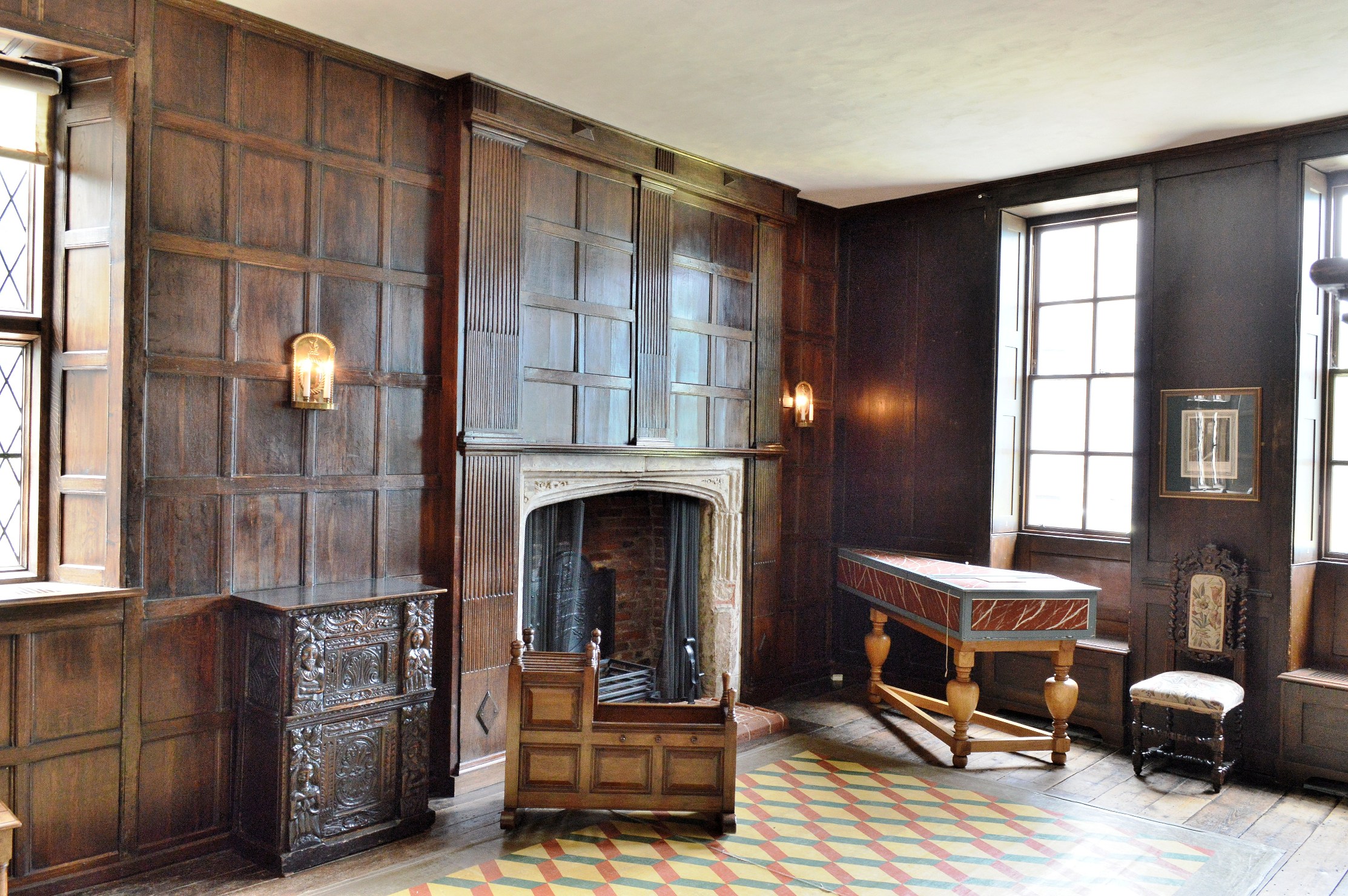


Great Chamber

Sir Ralph Sadleir MP

Lady Sadleir and Sir Edwin Sadleir both by Mary Beale
Victorian Room


Tudor Kitchen

That’s my selfie.
Top Floor

This is what remains of the the Blue Room squat, which has it’s own history.
Courtyard Seating


Breakers Yard Garden and Sand Pit
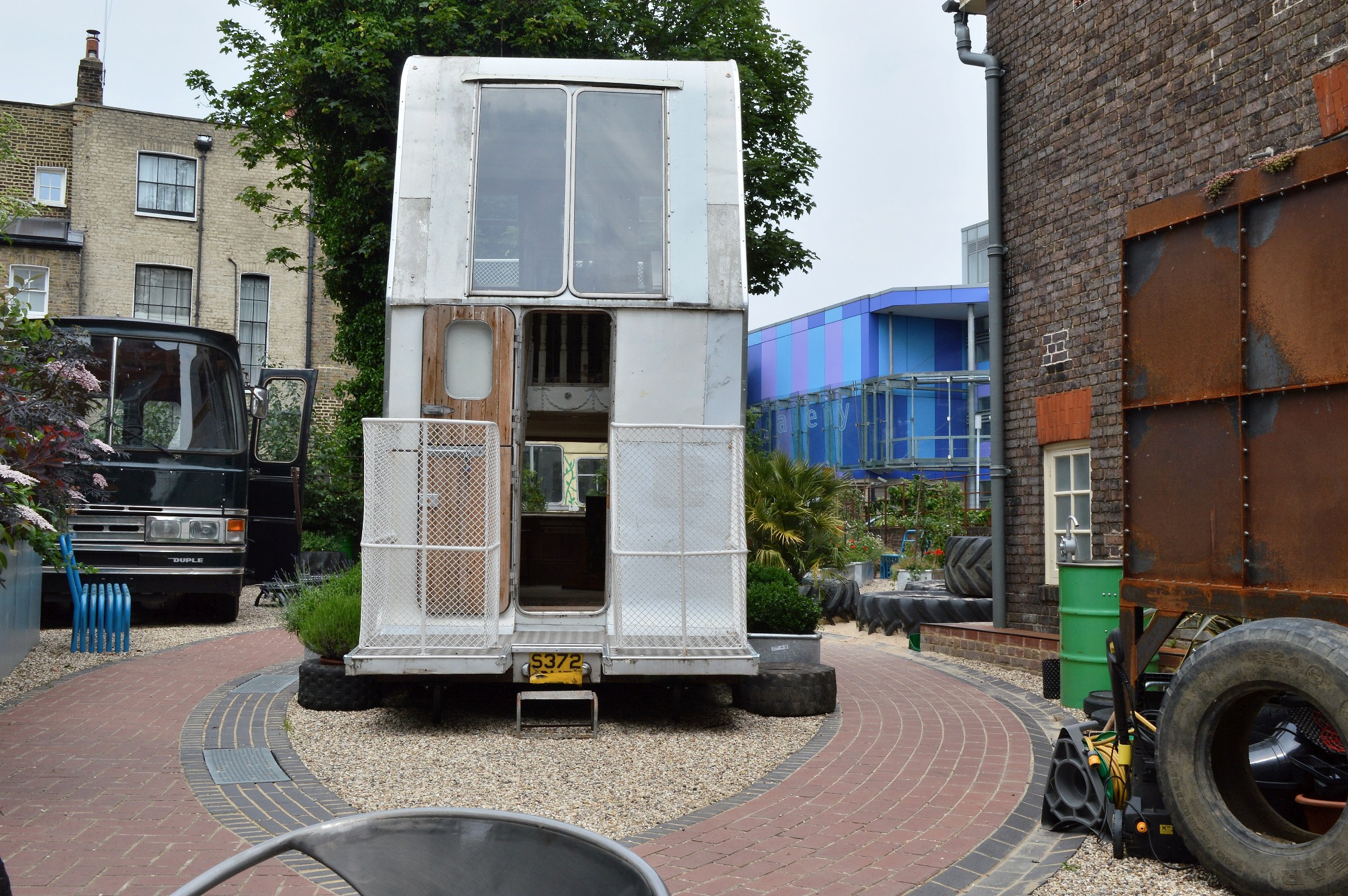


Shop

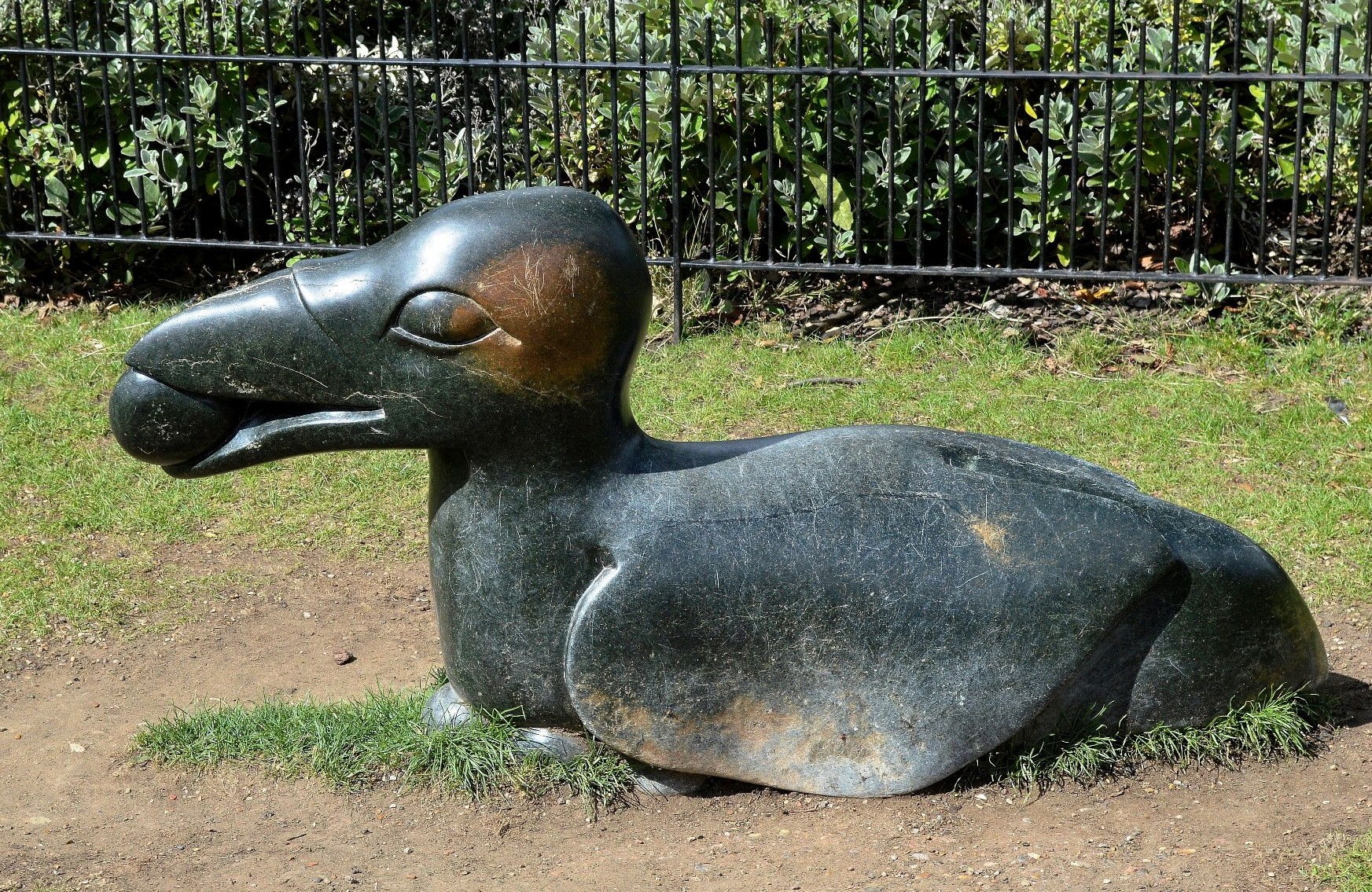
I do love a duck.
Kenwood House Gardens

This is the front of Kenwood House with entrance to the rear, gardens to the left and cafe/shop to the right. The interiors are here and flowers are here. Entrance is free to both house and gardens and non-commercial photographers are welcome inside.
The nearest underground rail station is Archway and the 210 bus can be taken from stand E to the next stop E (near Compton Ave) and then a short walk to Kenwood House.
This is one of the most pleasant and peaceful gardens and park-lands that I have visited. Most of the flowers are Rhododendron in a great variety of colours. There will be close ups in the next post.
Kenwood House Gardens

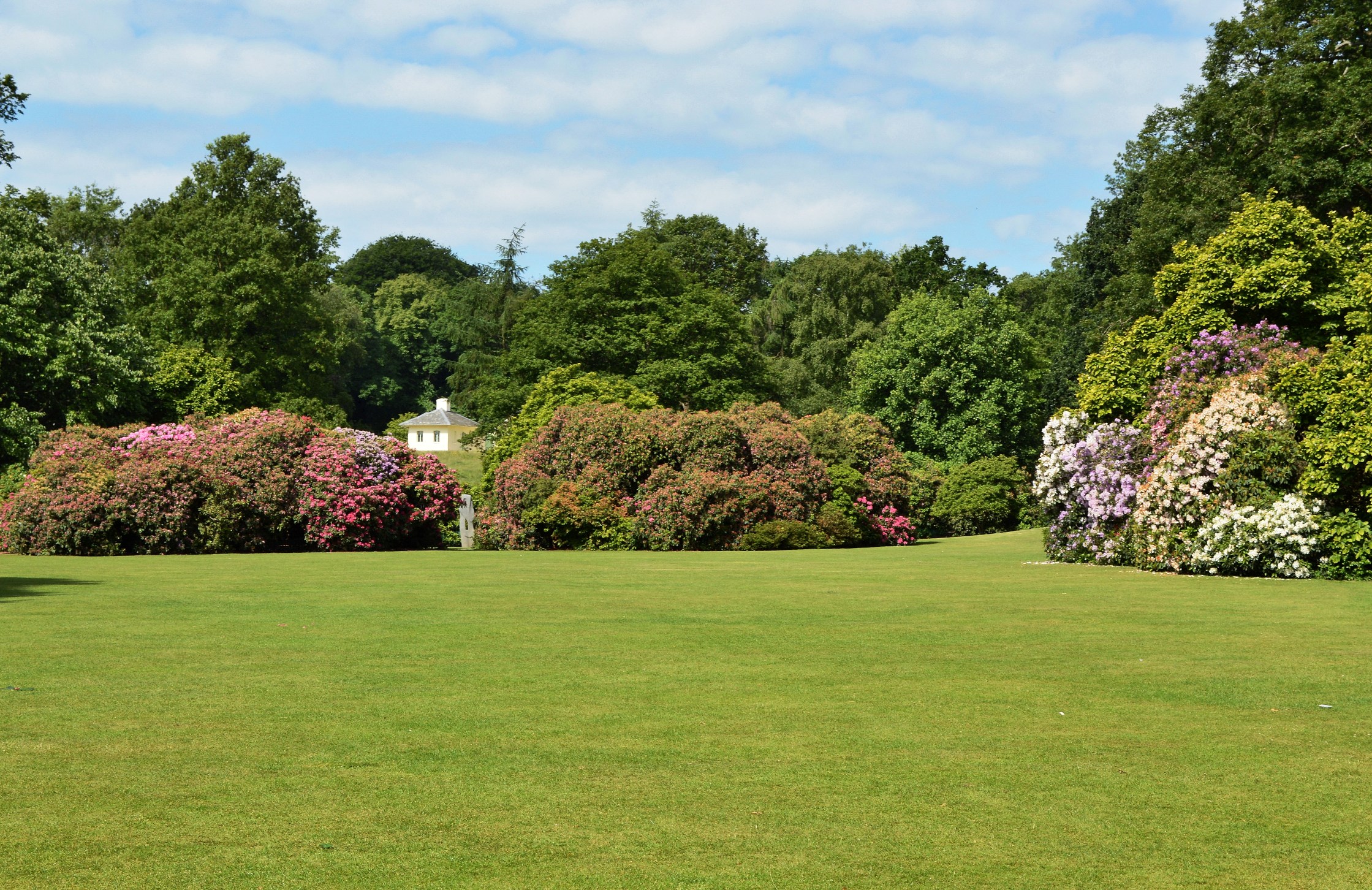
Just to the left of the Dairy (small white building) in the distance just beyond the gardens, is a statue by Henry Moore.

Henry Moore – Two Piece Reclining Figure No 5 . Myself, I might have called it “Dreams of a Jive Bunny”. 🙂
Back to the gardens.


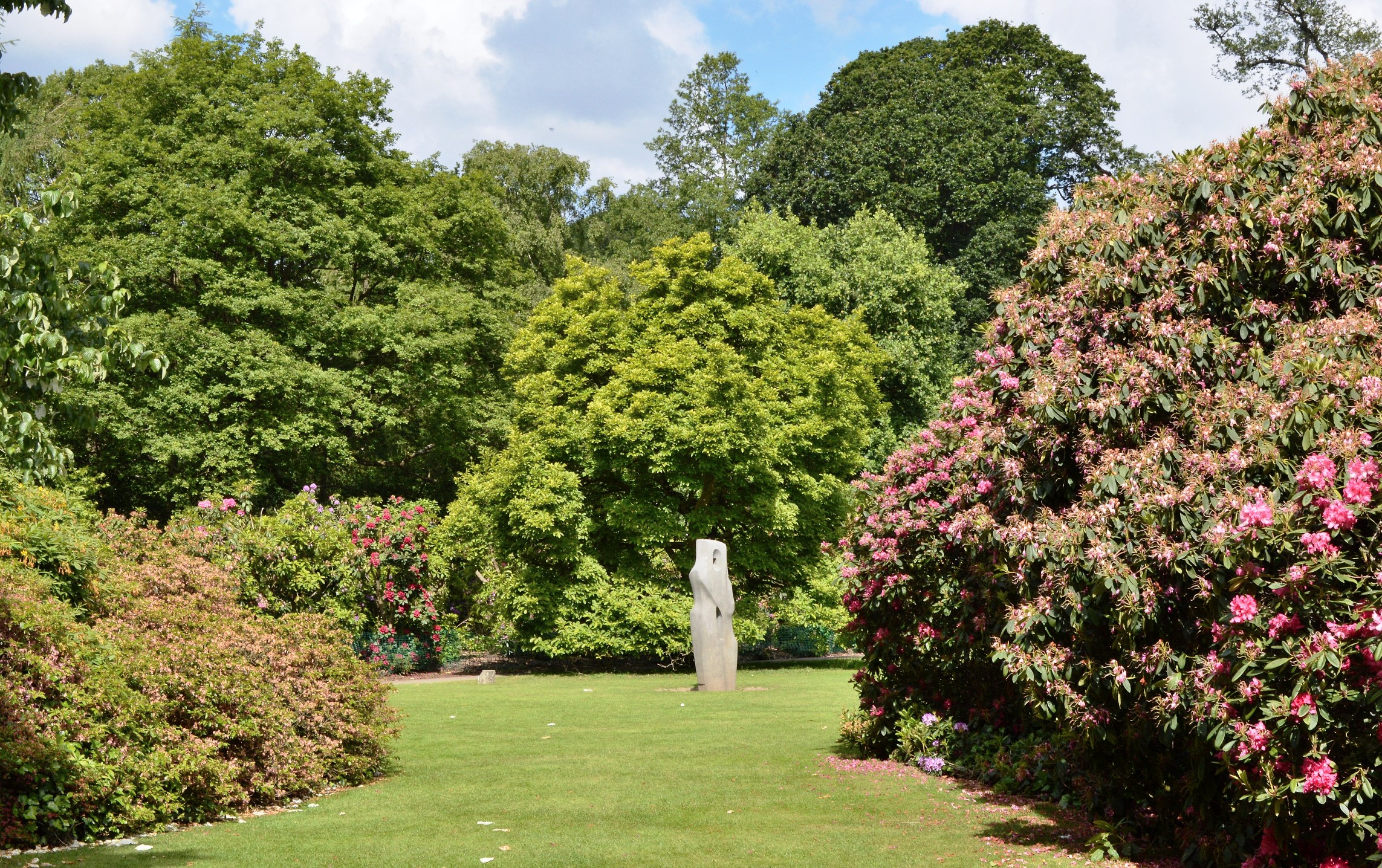
Spot the Gorilla

This is a view to the south of Kenwood Park and beyond is Hampstead Heath. If you look closely, just to the right of center, one might see a huge green shaggy gorilla with three fingers in the water. 🙂 And, who’s he talking to ? 🙂

The cafe has a very pleasant seating area amongst an array of flowers, with more seating from where this photograph is taken, and a shop to the right. The staff are friendly and, although quite busy, a very calm and enjoyable atmosphere.
Here is the boss (of all he surveys). 🙂

Kenwood House – Interiors

Kenwood House is free to enter and photography is allowed. It houses a massive art collection bequeathed by Lord Iveagh (Vermeer, Rembrandt, Gainsborough, Reynolds, Larkin and Boucher) and sits amongst an ornamental garden with parklands and is adjacent to Hampstead Heath. There is also a shop and the cafe, Gardens ( here ) and Flowers ( here ) are a delight .
It does get quite busy with tours and school trips. Nevertheless it has a calm ambiance with friendly staff and an occasional school party sitting on the floor quietly mesmerized by a story teller. You might wish to click on The Website.
The easiest route is to Archway underground station and then the 210 bus from stand E to the next stand E by Compton Rd.
The Rooms


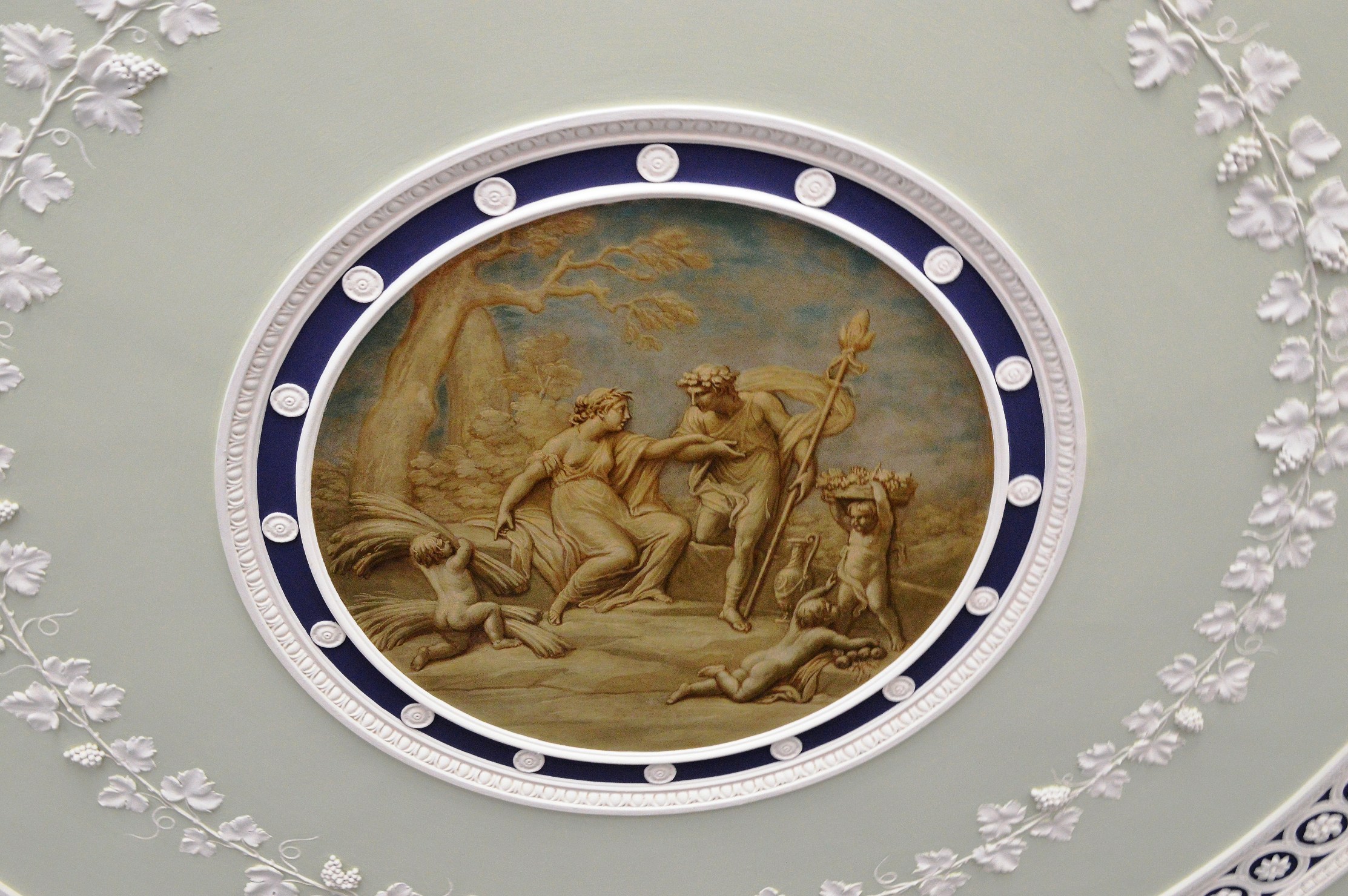
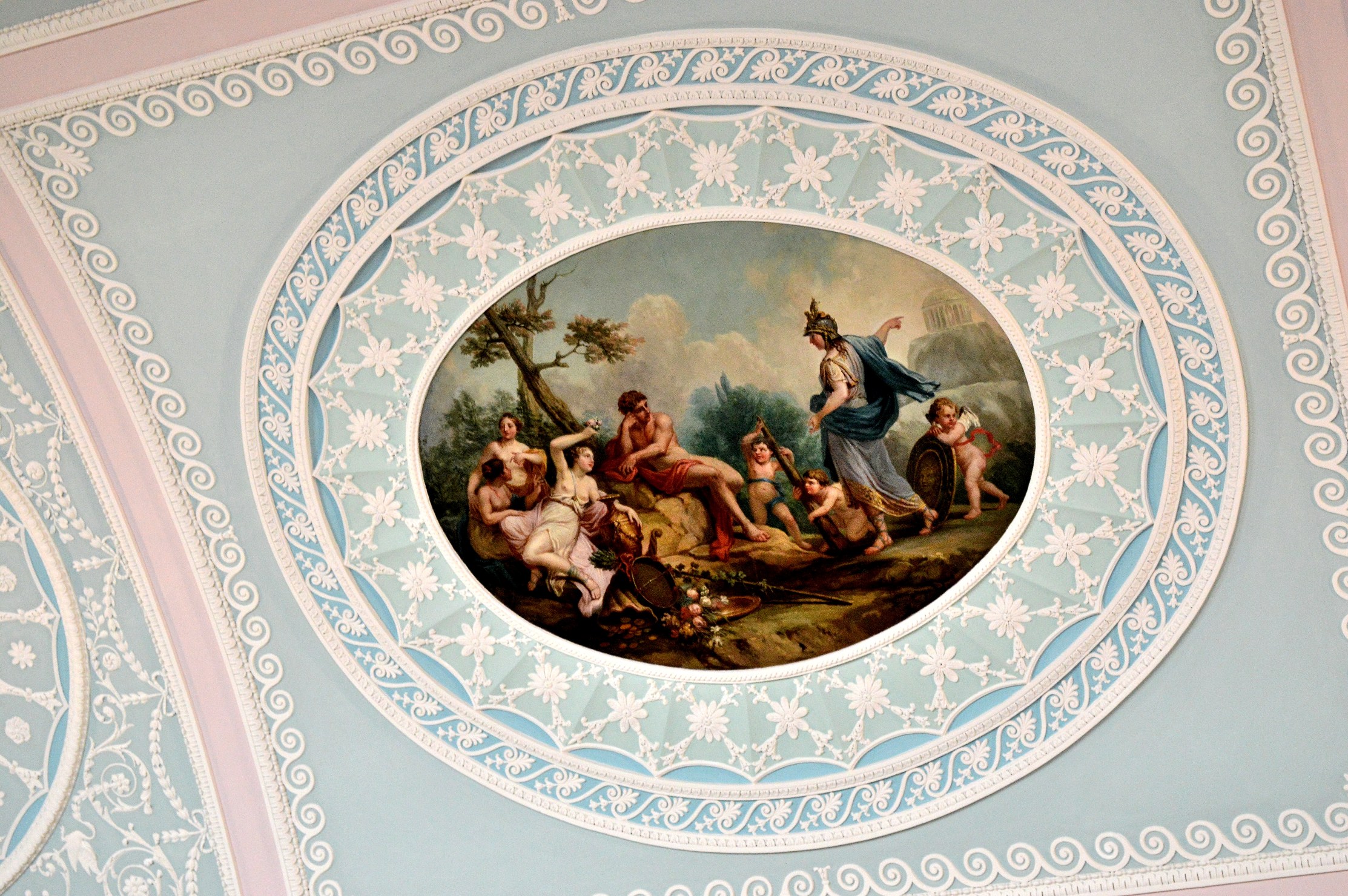
The Ceilings
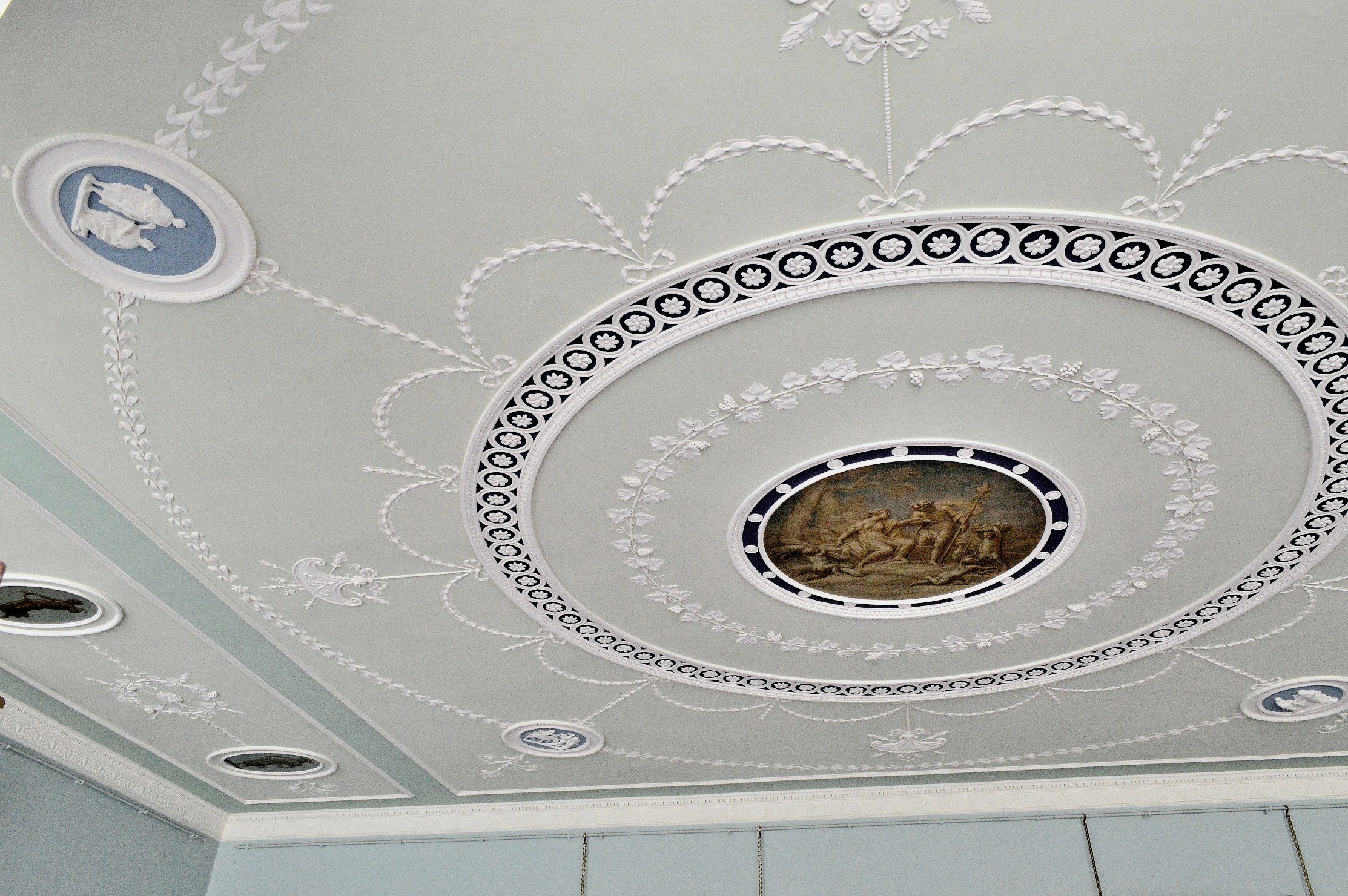
Foyer
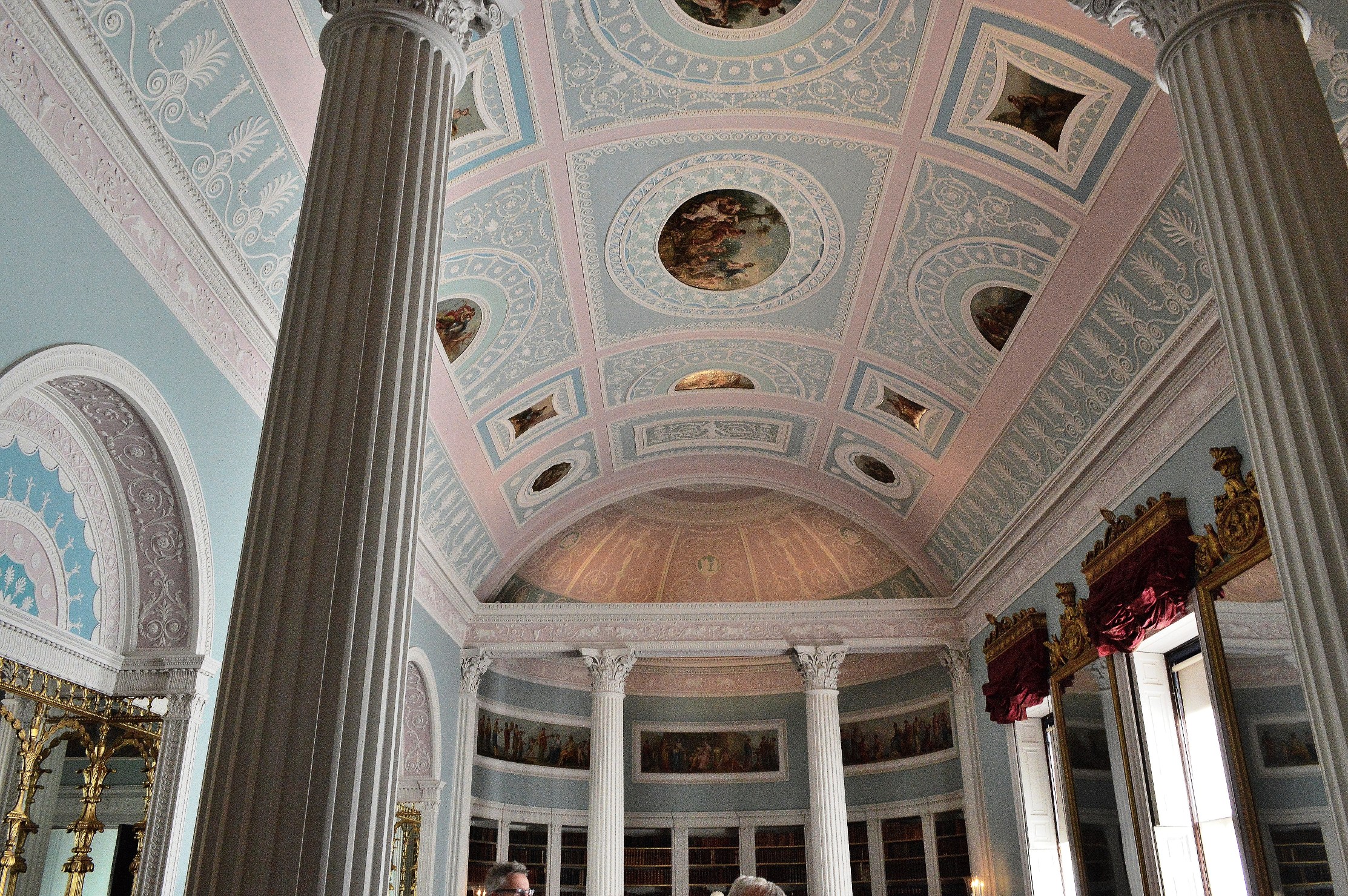
Library
The Paintings
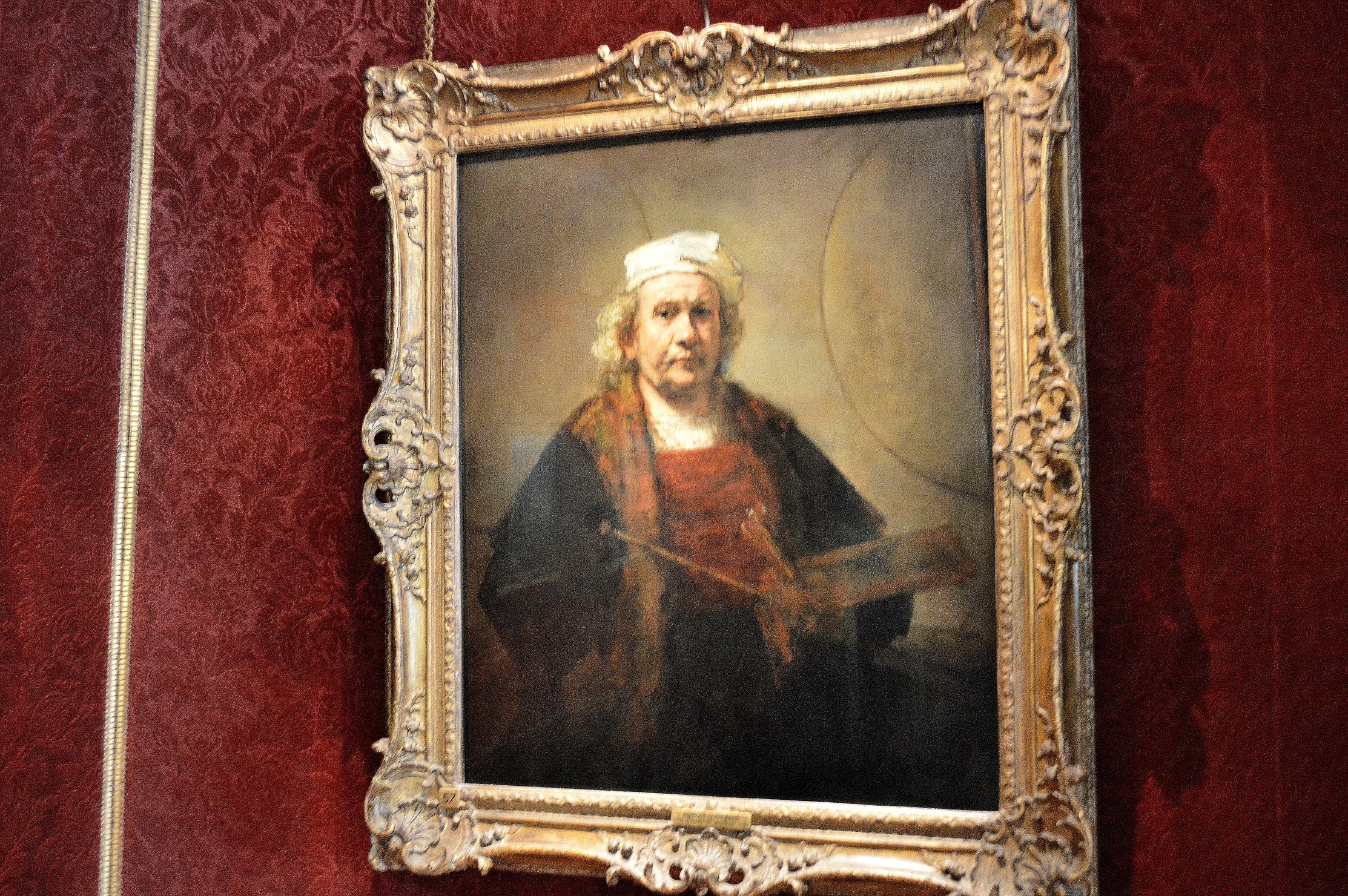
Rembrandt – self portrait with two circles
It seems that selfies are nothing new to the world.

Man Offering Grapes to a Girl – Francois Boucher
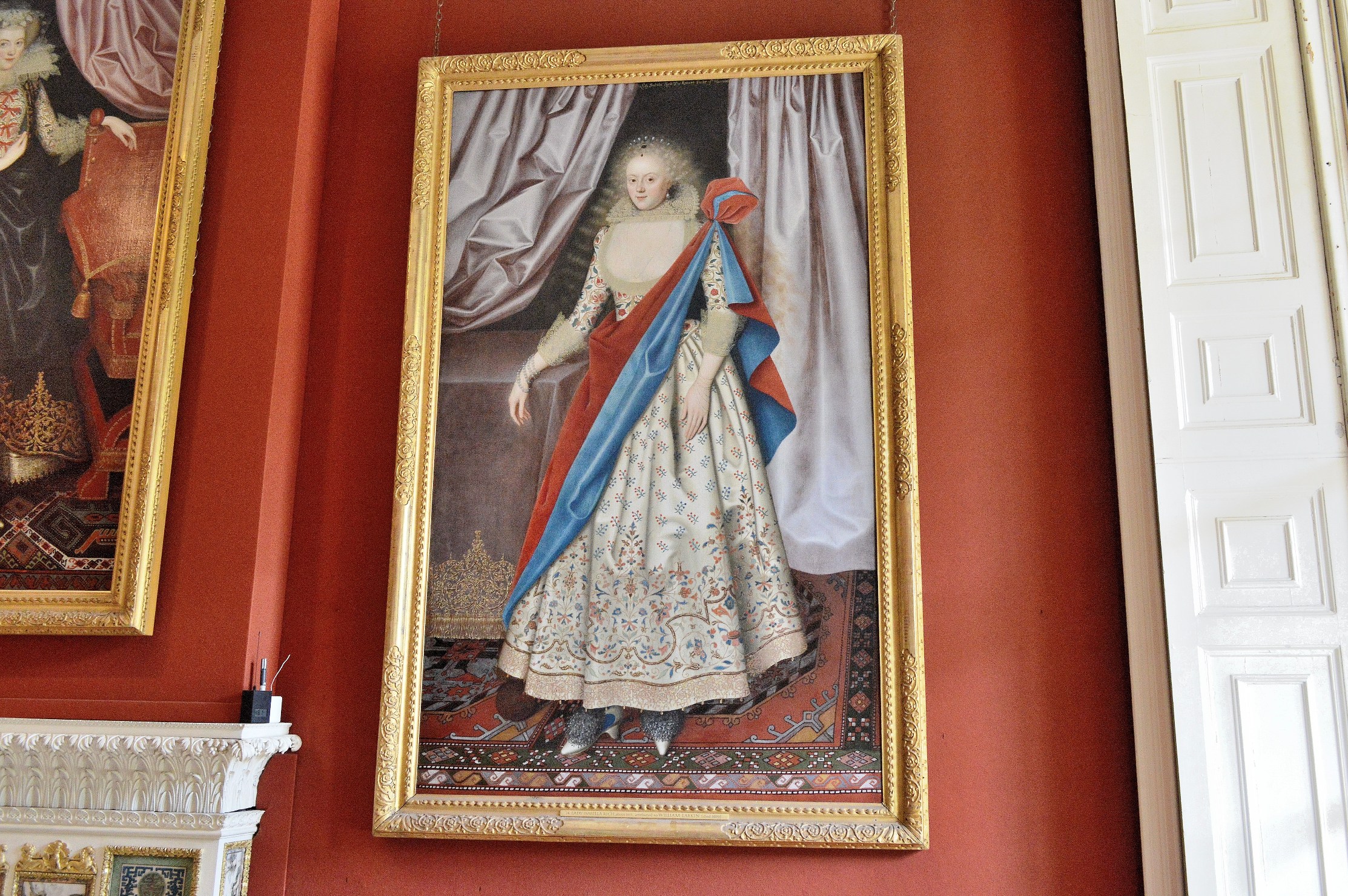
Lady Isabella Rich – Attr William Larkin
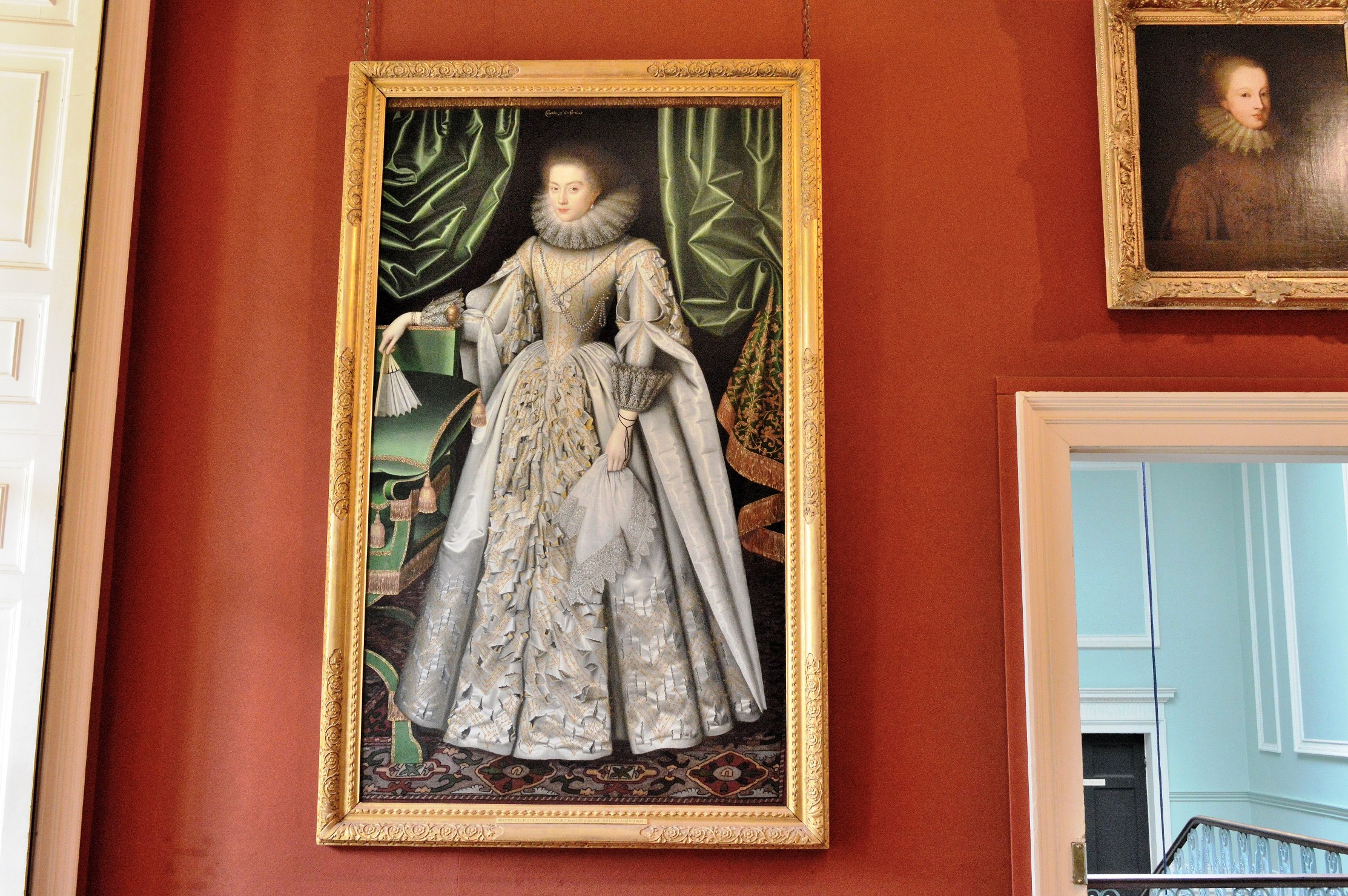
Diana Cecil – Countess of Oxford – attr William Larkin
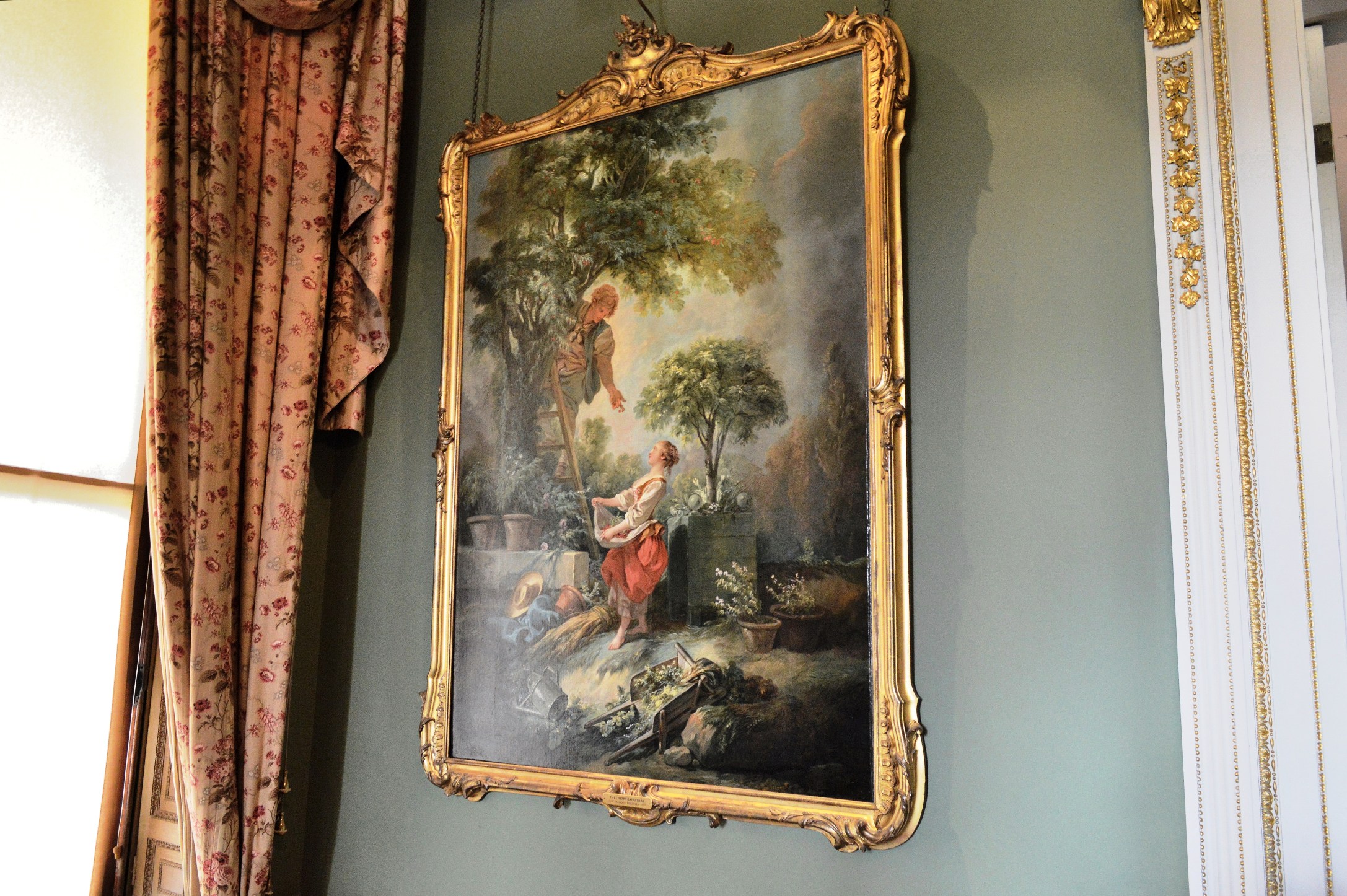
The Cherry Gatherers – Francois Boucher

Dido Elizabeth Belle and Lady Elizabeth Murray by Johann Zoffany
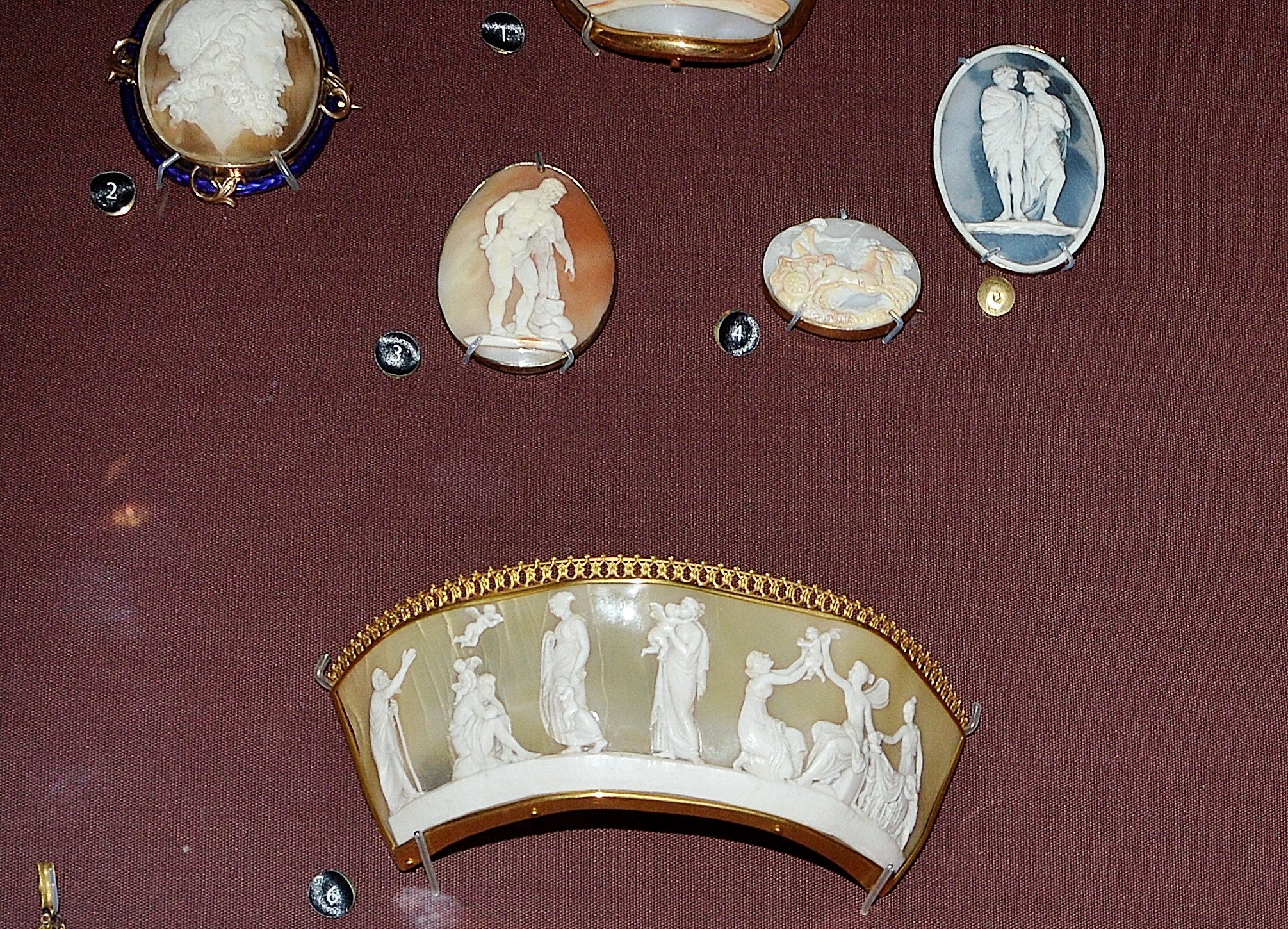
Some Trinkets


Strawberry Hill House – Interiors
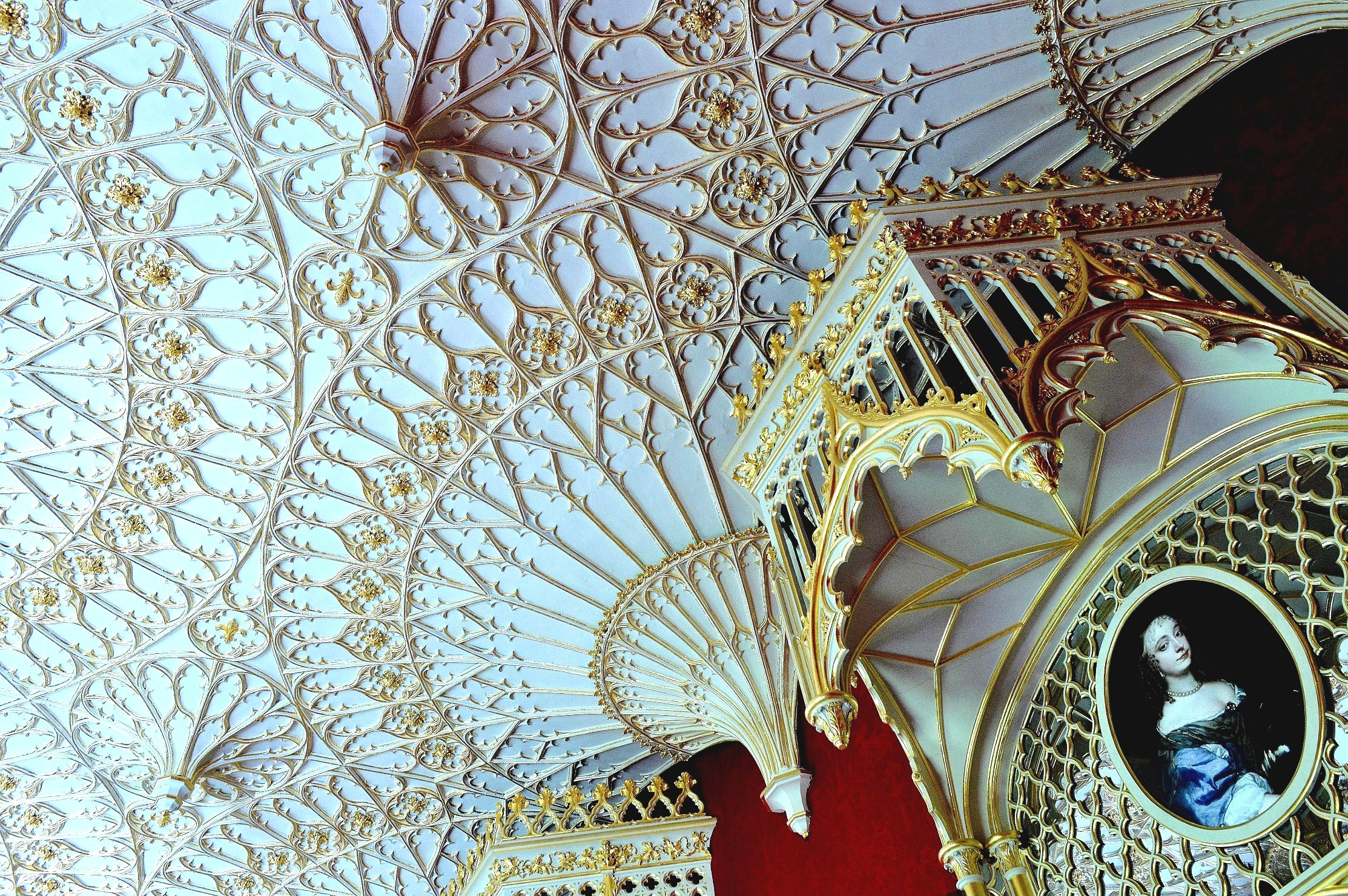
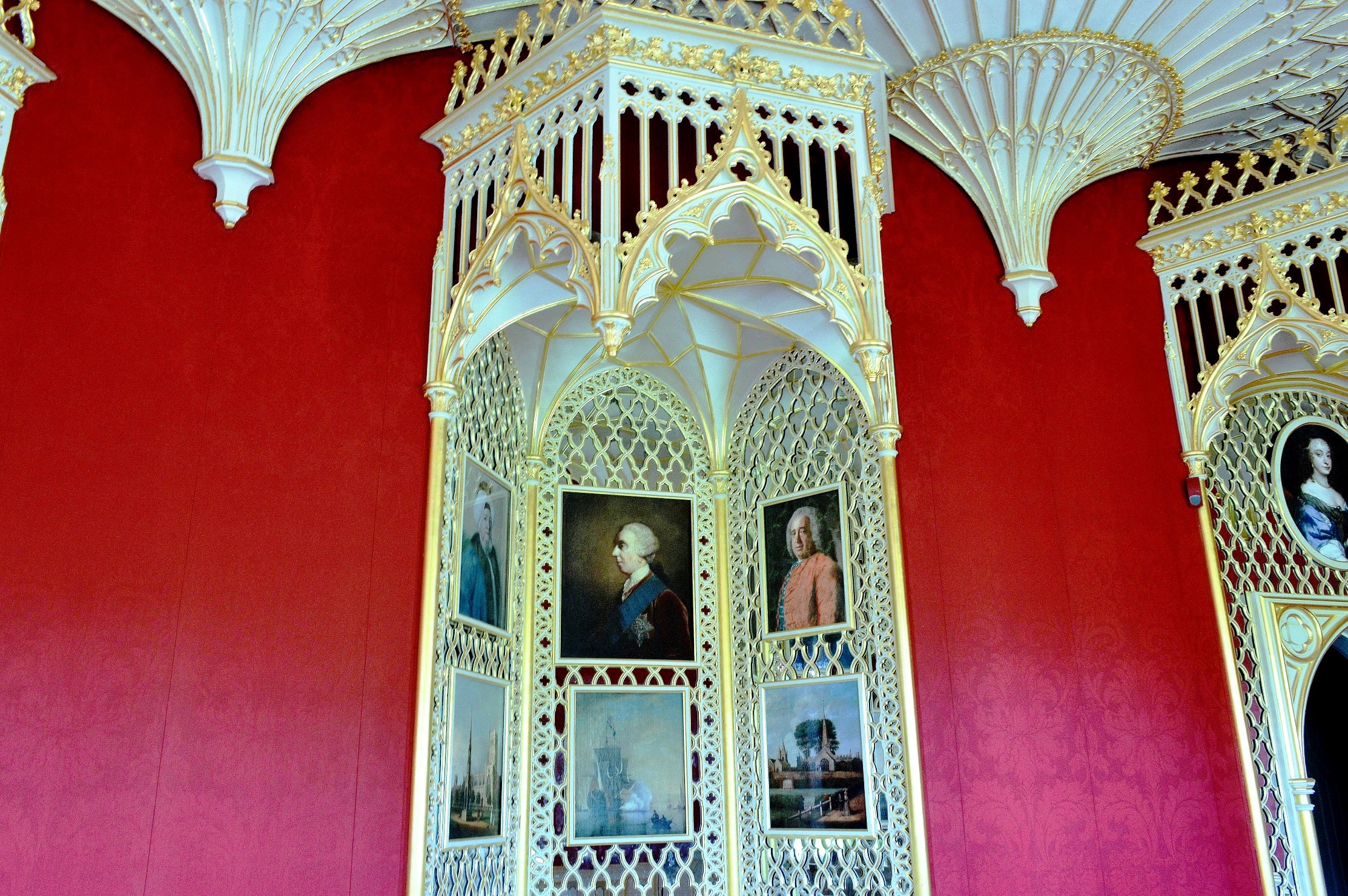
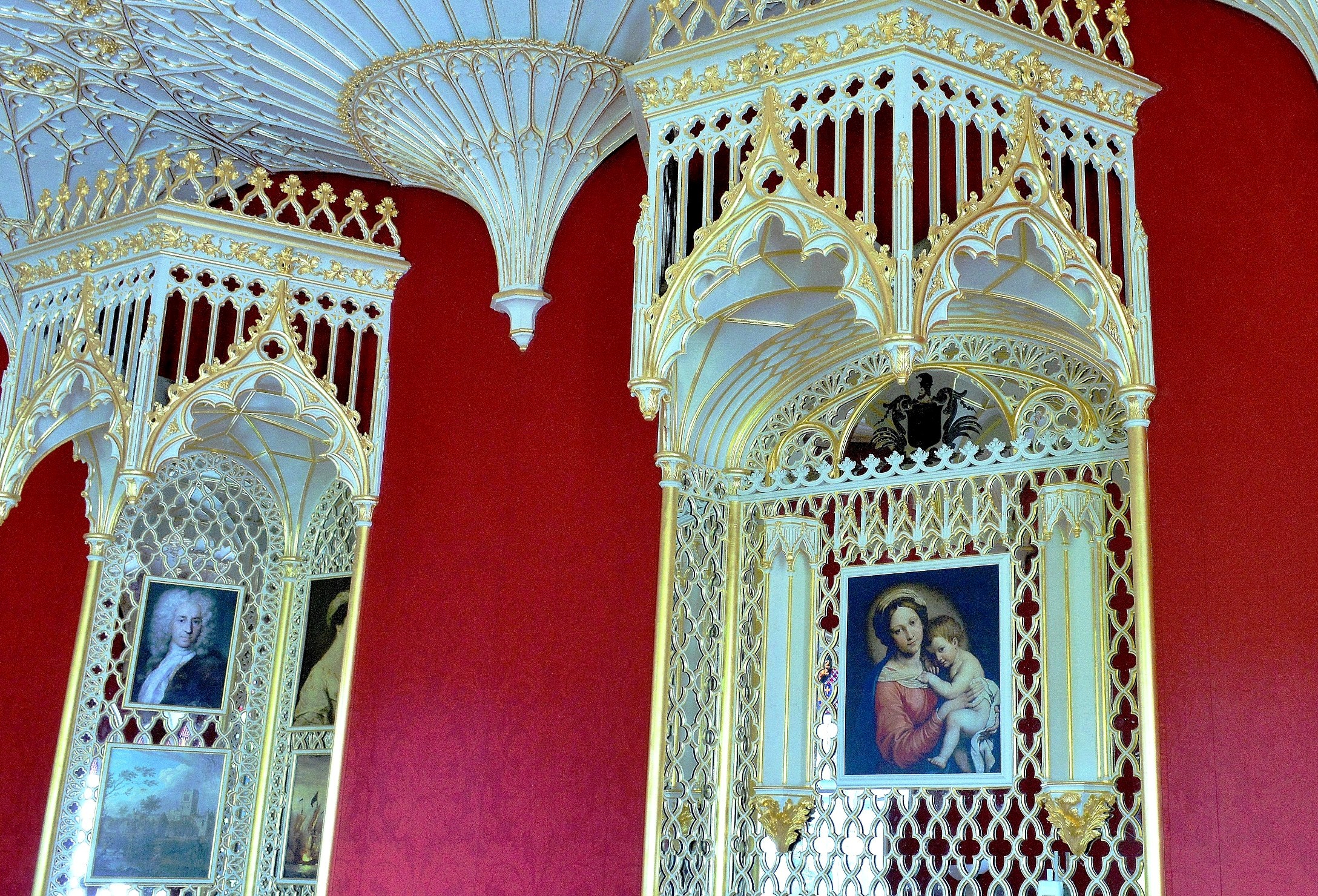
The interiors of Strawberry Hill House are so well refurbished, that it seems waiting for its first occupants. Whilst the house has few artifacts at present, the trust is raising funds to restore at least some of Horace Walpole’s massive collection. For pictures of the castle-like exterior, history and essential information for visitors please click here.
These pictures are not necessarily in the order they were taken, do not include all the rooms and it is essential to use the guide-book to ensure seeing everything.
It is worth magnifying some of these pictures, especially the stained glass. To do so please click on a picture and then again to magnify and then use your browser’s “back” key to return here.. Enjoy 🙂 .



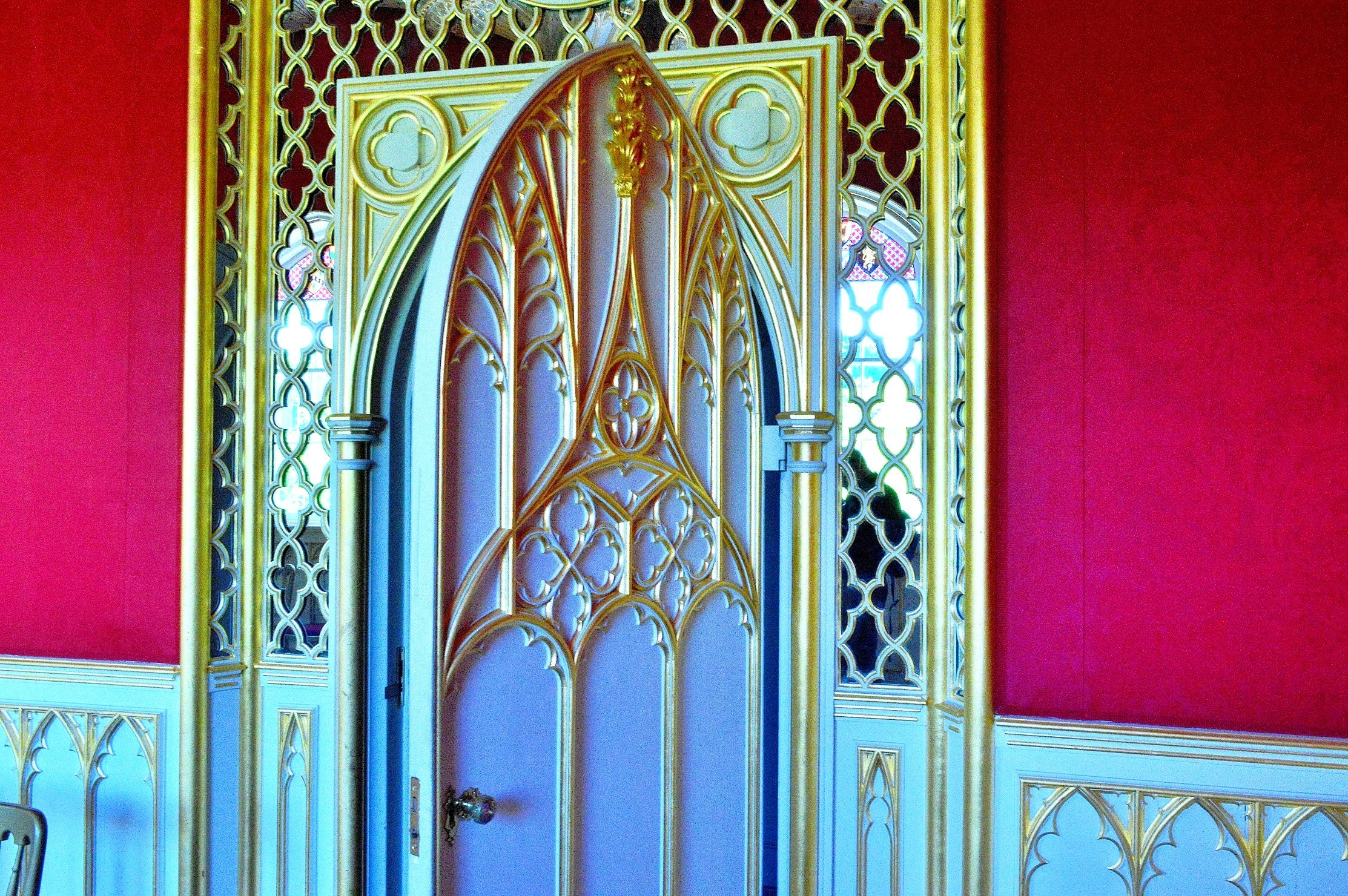

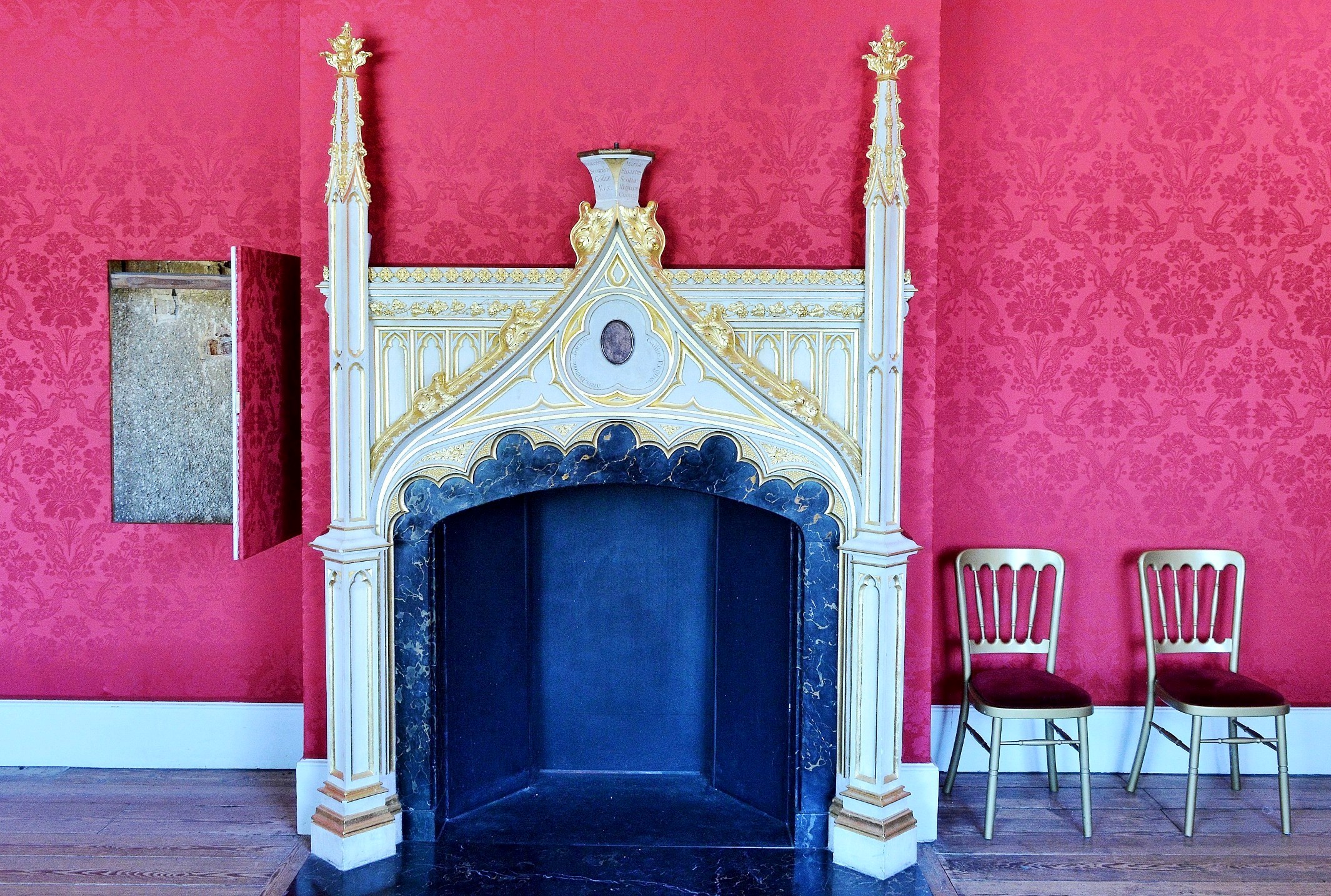

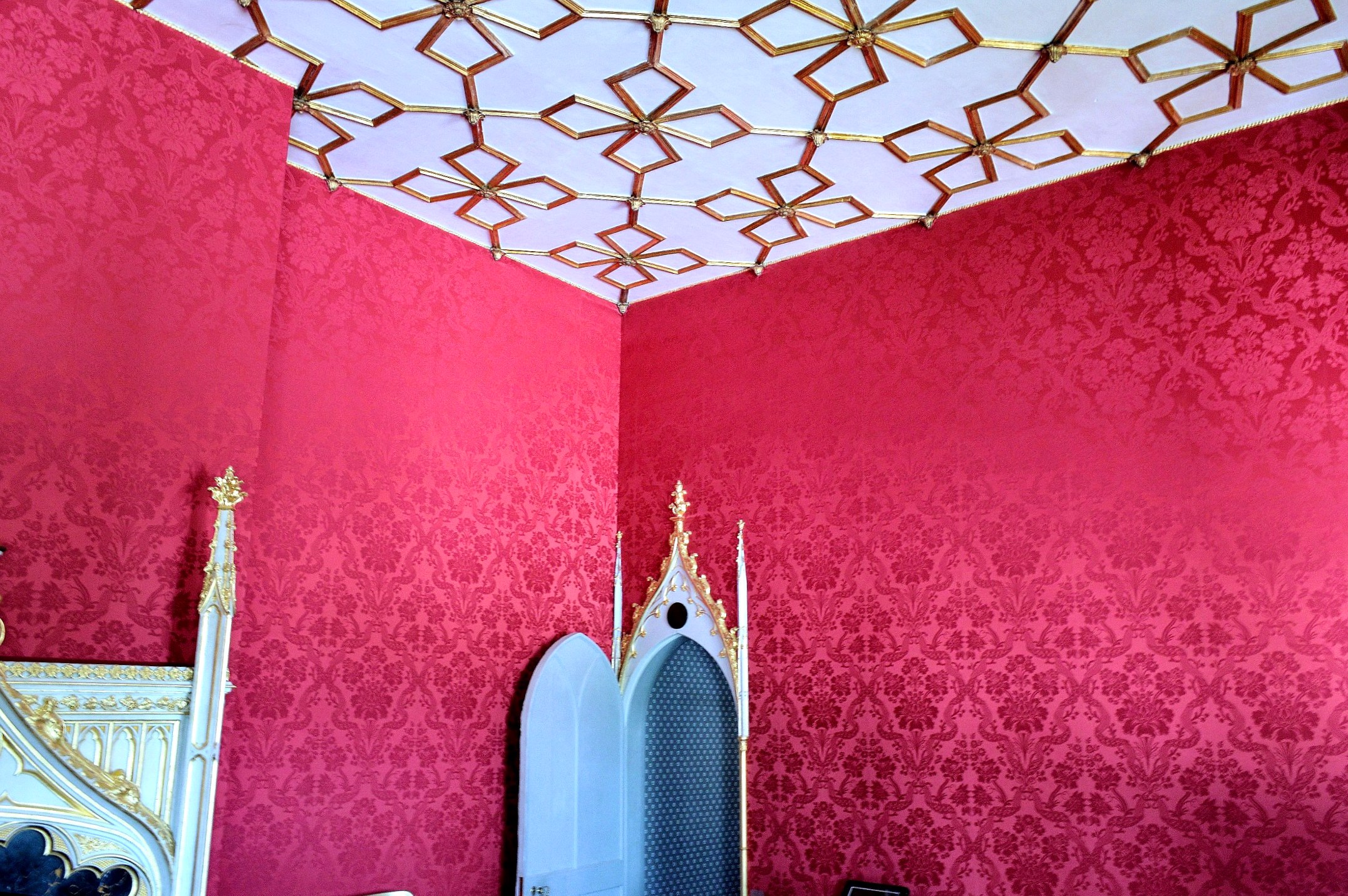


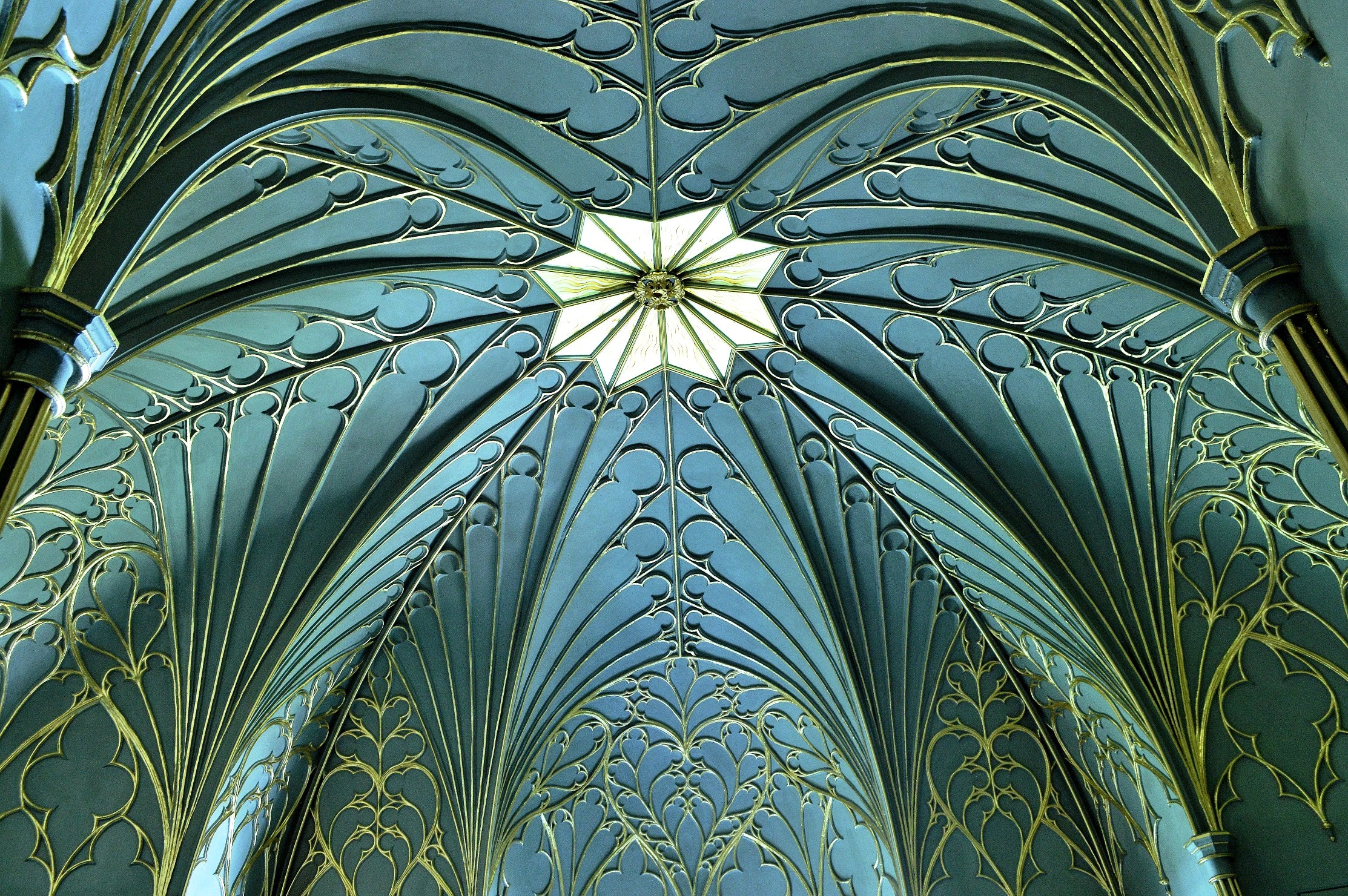


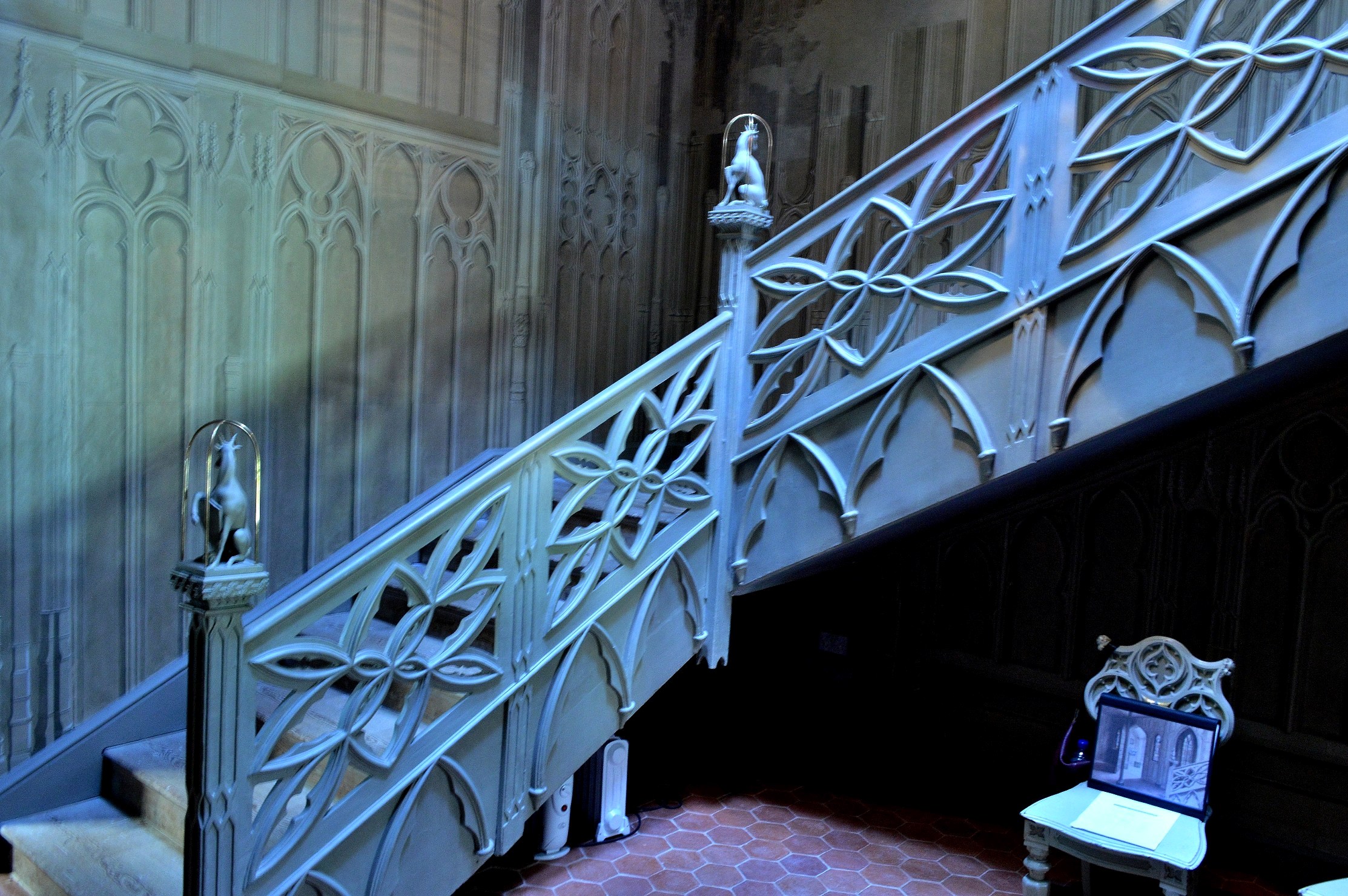


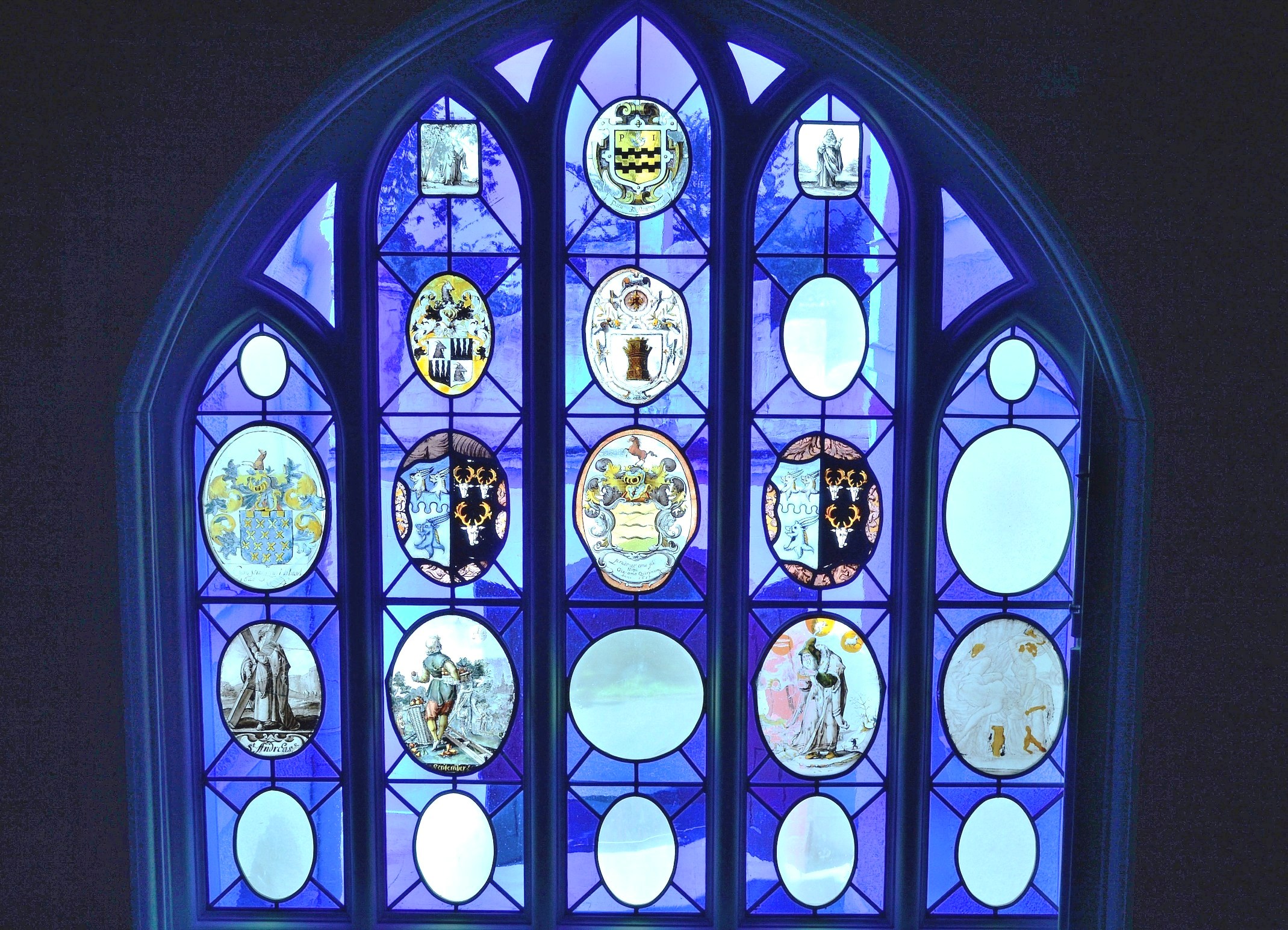


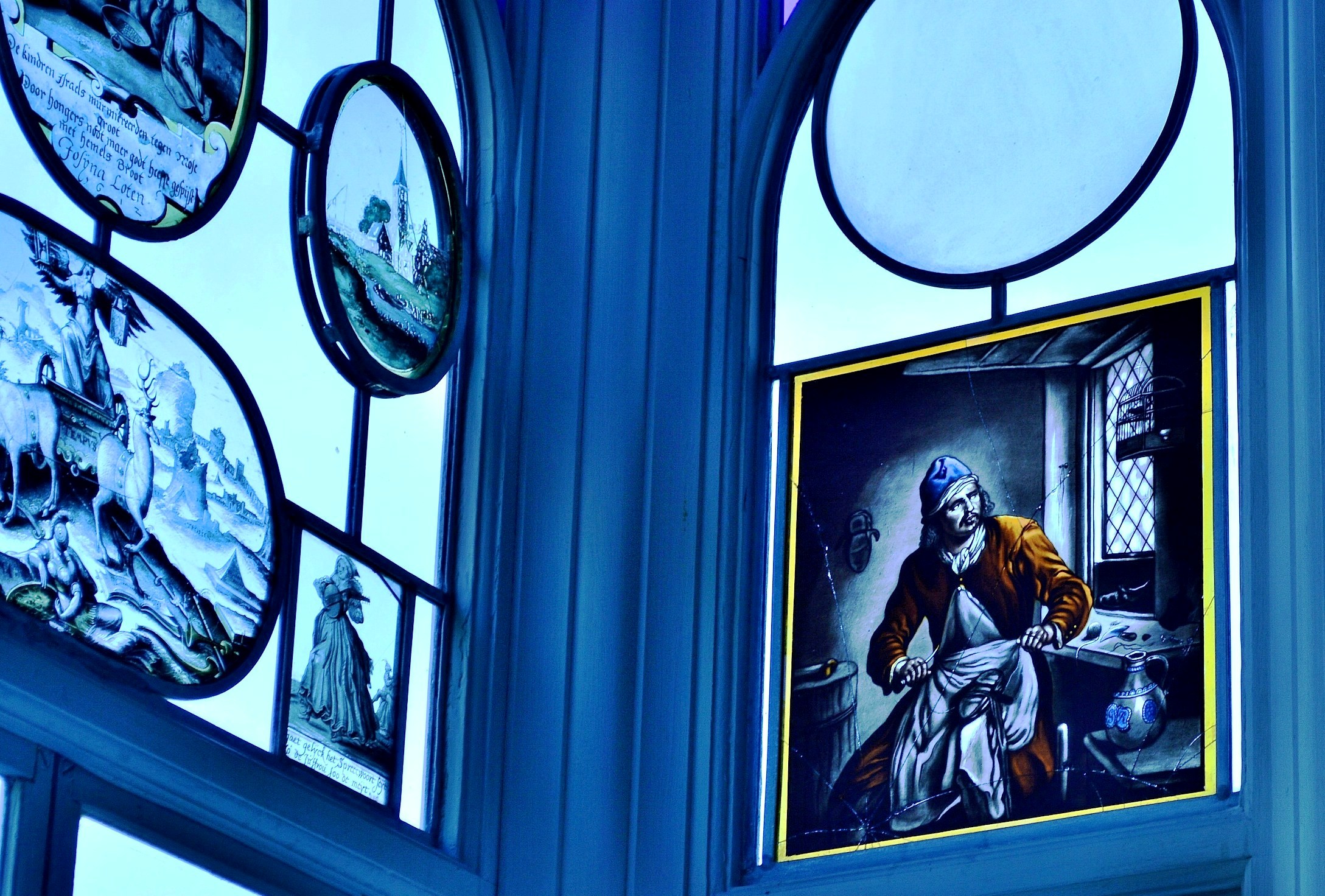

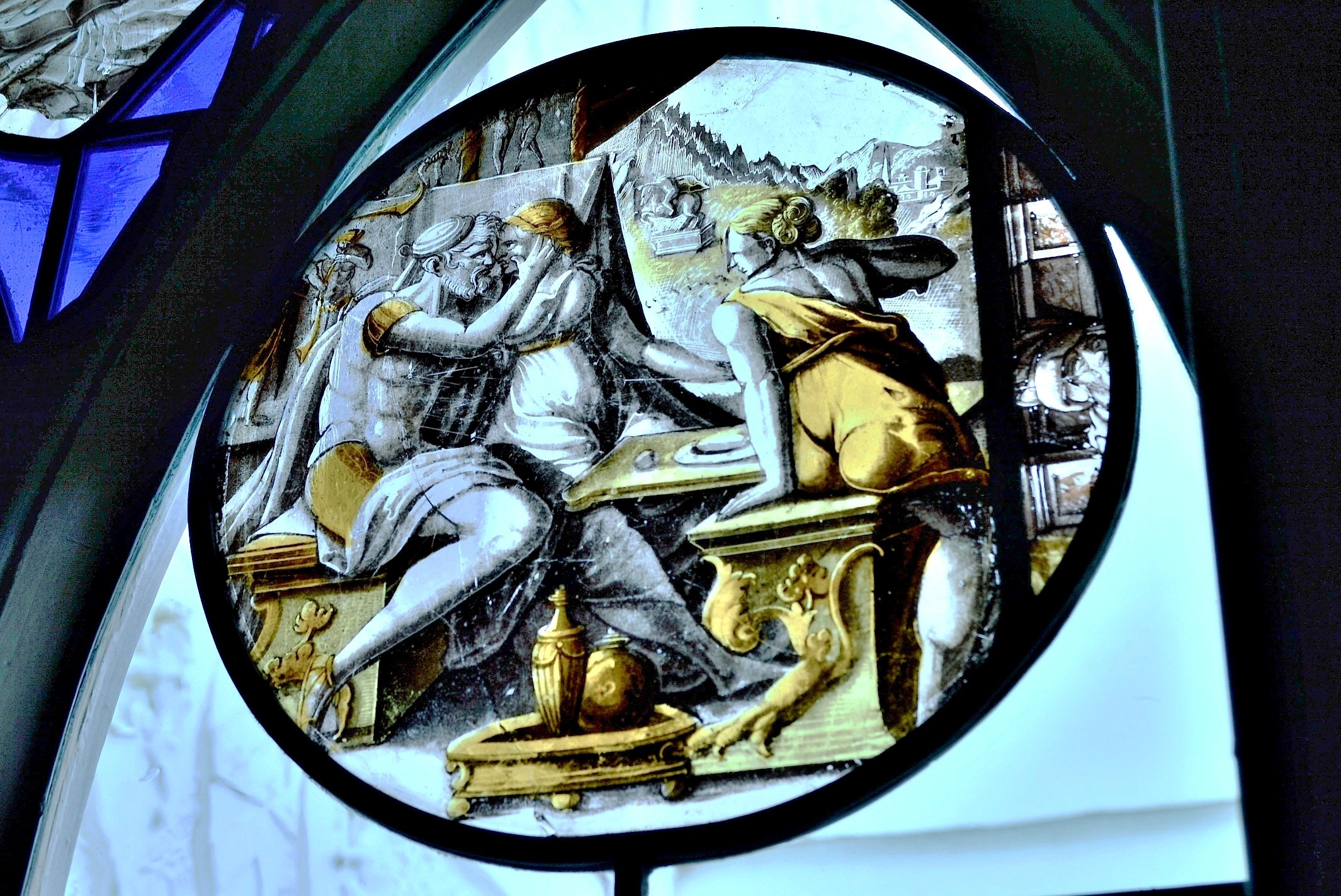

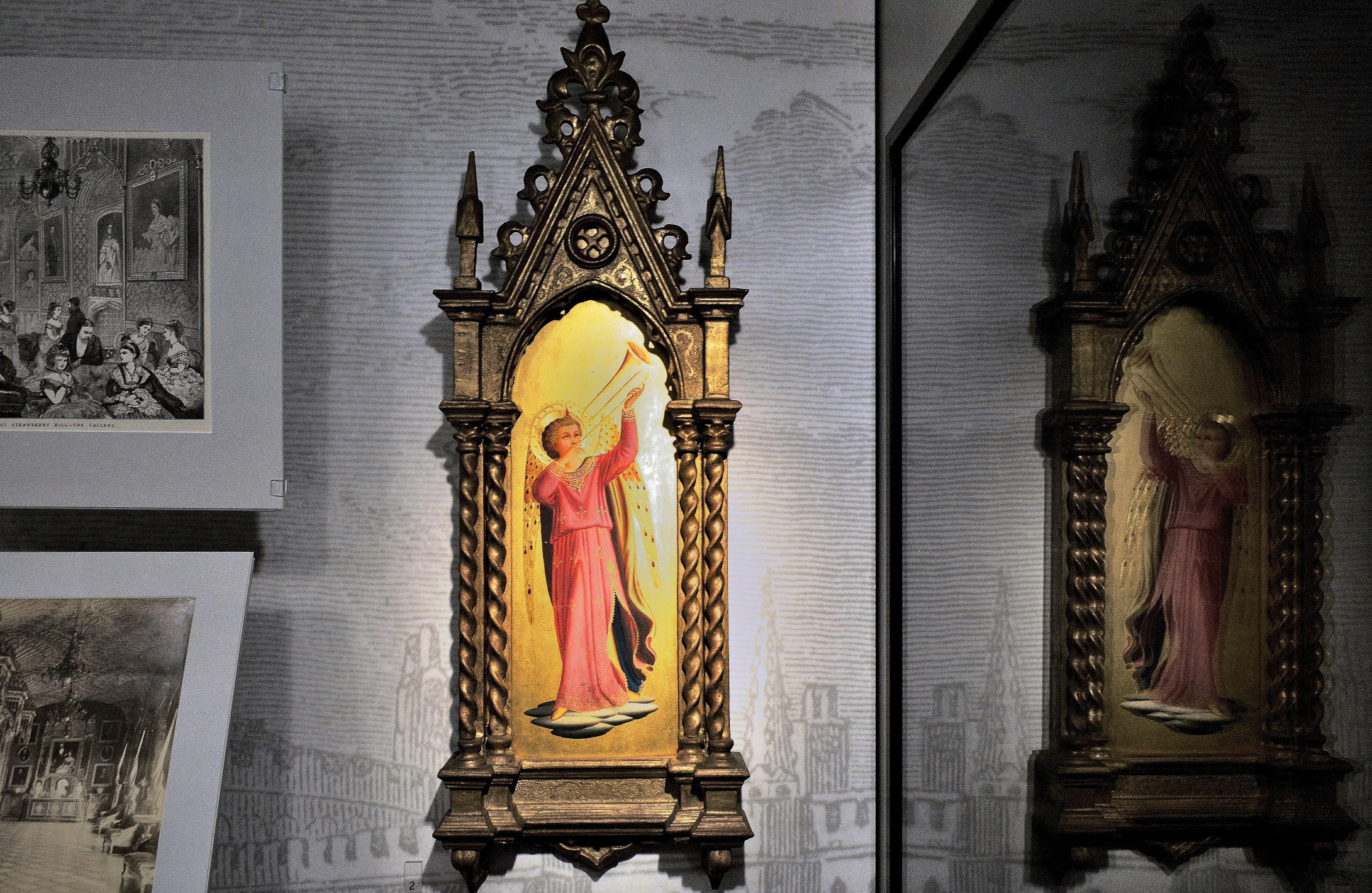
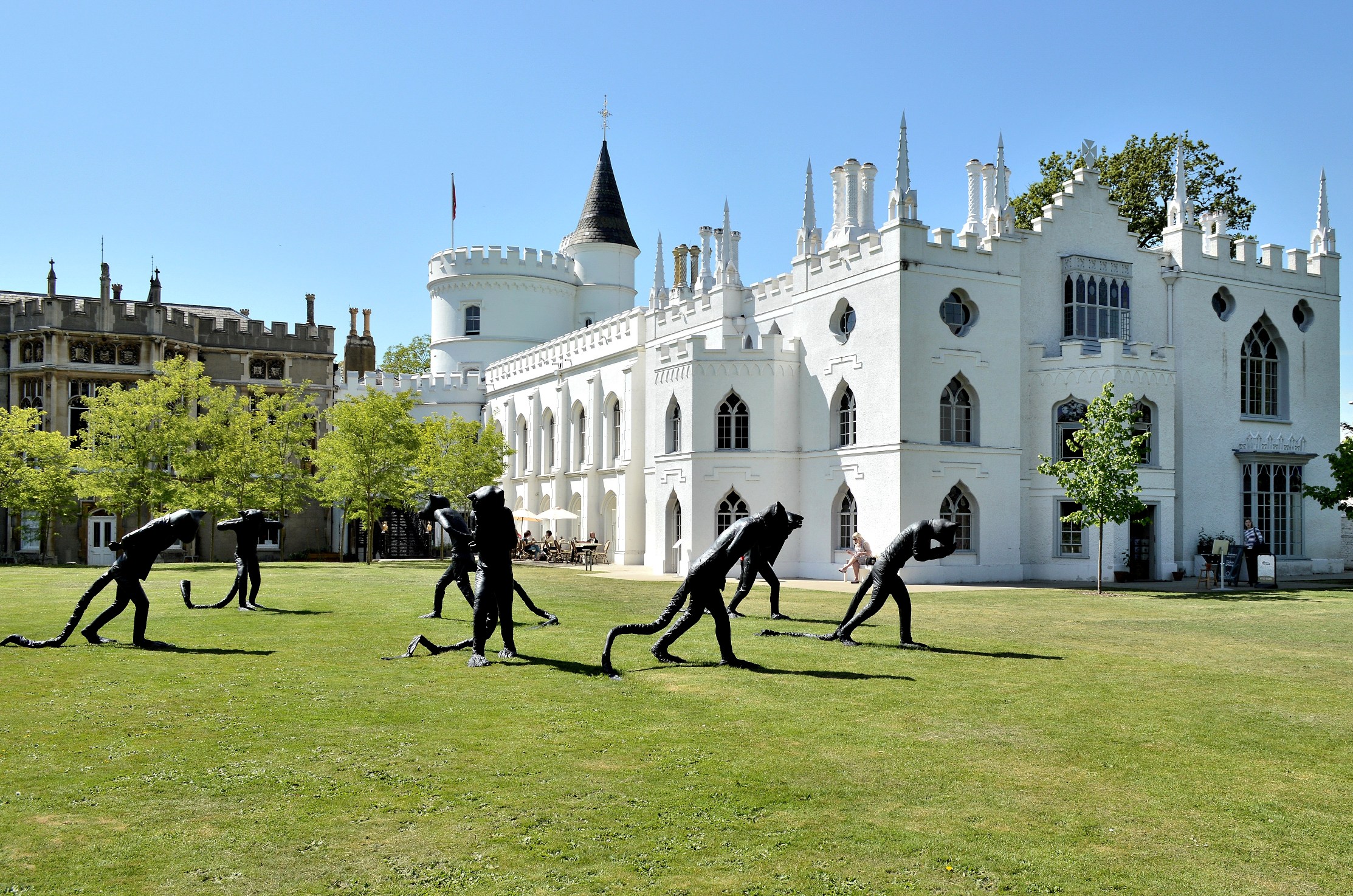
Strawberry Hill House
Exteriors
10 pics – The house was created by Horace Walpole who was the youngest son of Robert Walpole (Britain’s first Prime Minister). Work began in 1749 and continued in stages over the following 27 years. It was recently discovered that the original colouring was white and would have looked quite remarkable in its day, as it does now. The house is in a Gothic style of the fairy-tale variety and has extraordinary interiors here.
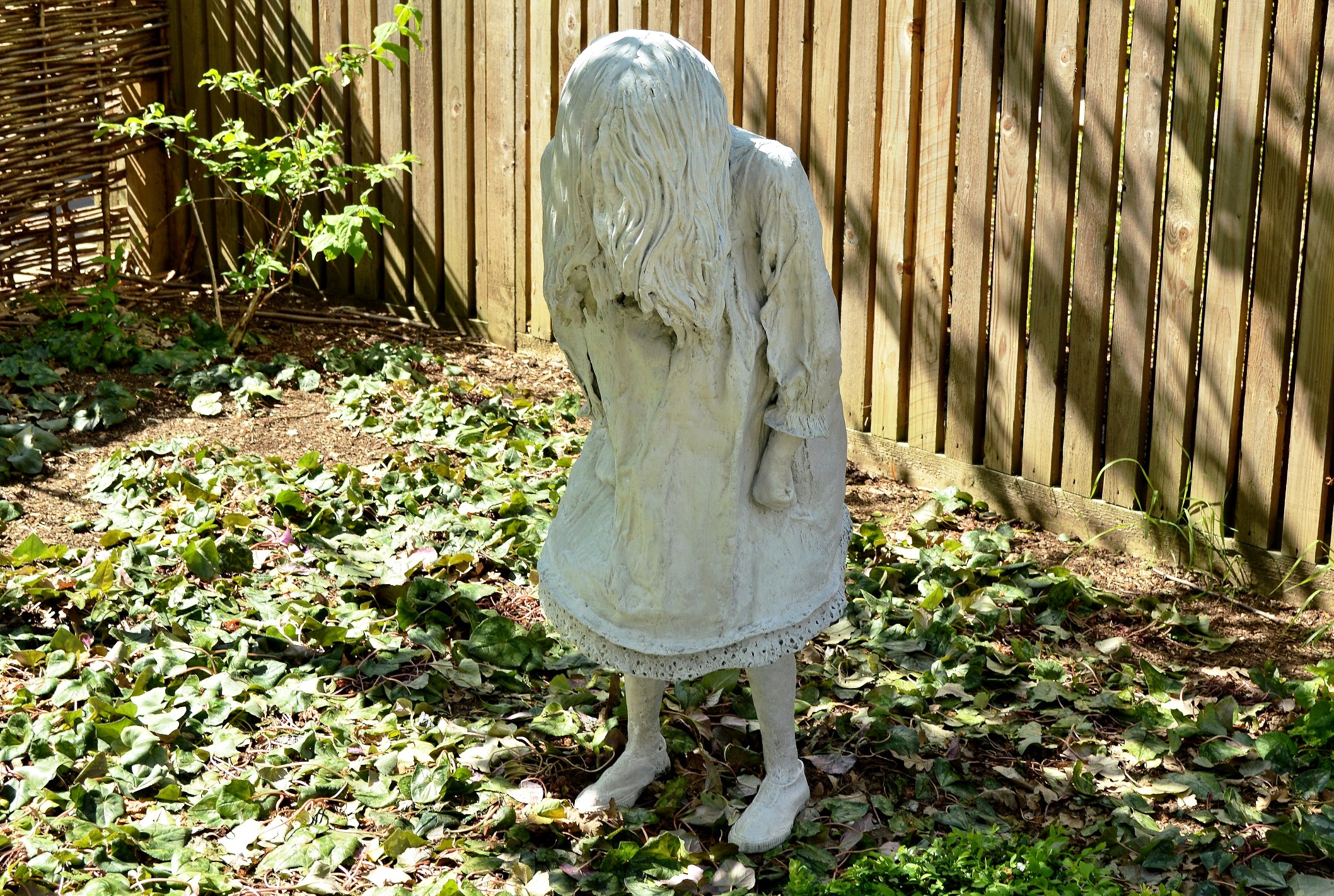
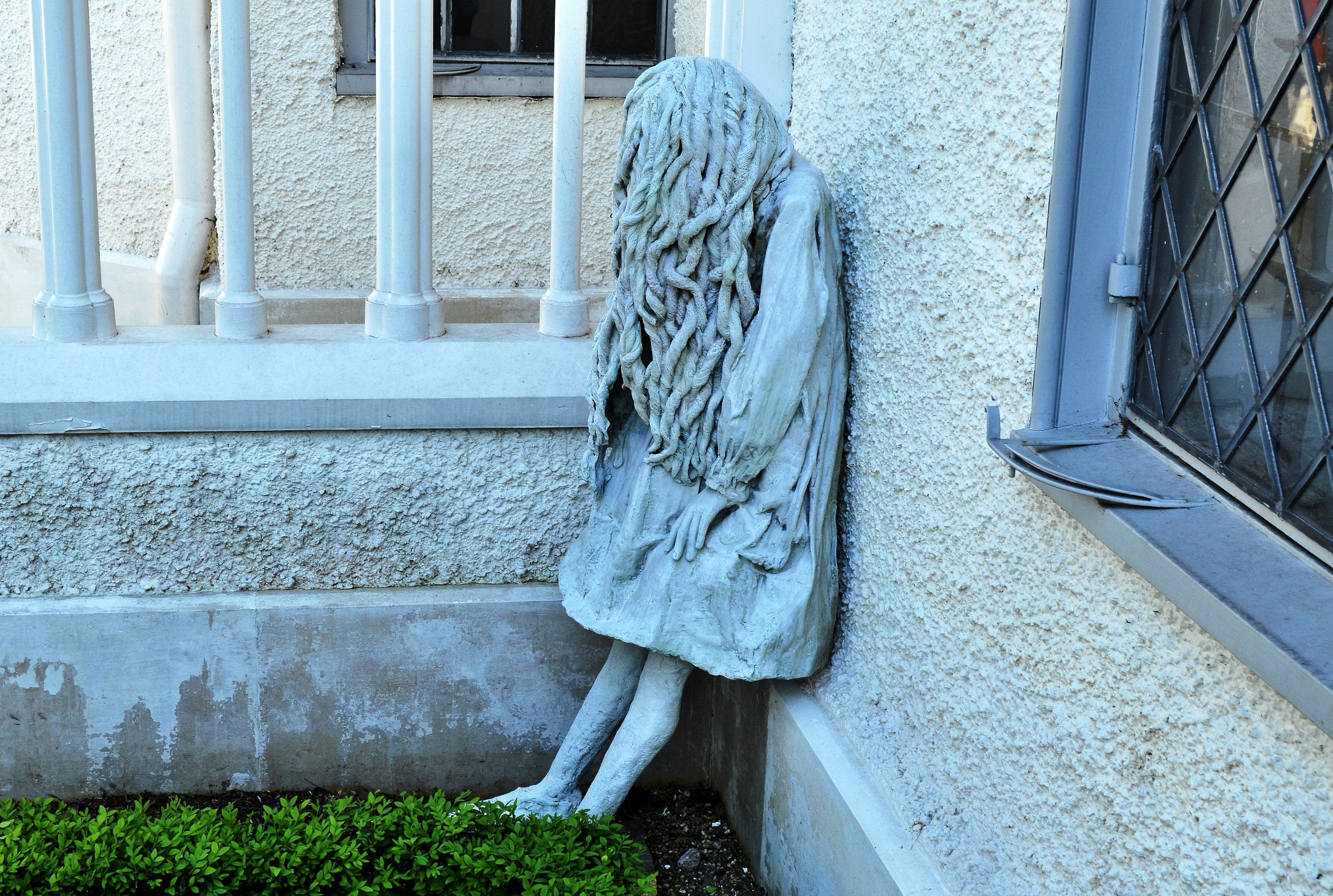
The interiors have been restored to an original state which gives a quite surreal appearance, as if it is still waiting for its first occupant. It’s surreal, but very peaceful character, is aided by some recent artwork.
The house once contained a massive collection of artworks, which were unfortunately sold by a later owner. The collection was so vast that the sale lasted for 30 days. The trust is gradually acquiring more items for the interior but the restored decor, picture glass and paintings are still worth seeing.
The website is here and the Wikipedia history here. Do check the website for opening times and to book a ticket for the house (before 10:30 on the day of your visit). Tickets are half price on Mondays and Tuesdays. A guide-book is provided and essential if one is not to miss some of the rooms and the Chapel. I missed the Chapel but Google images are available here (there are many pics of the house mixed in),





St James’s Park
The Eastern End of St James’s Park
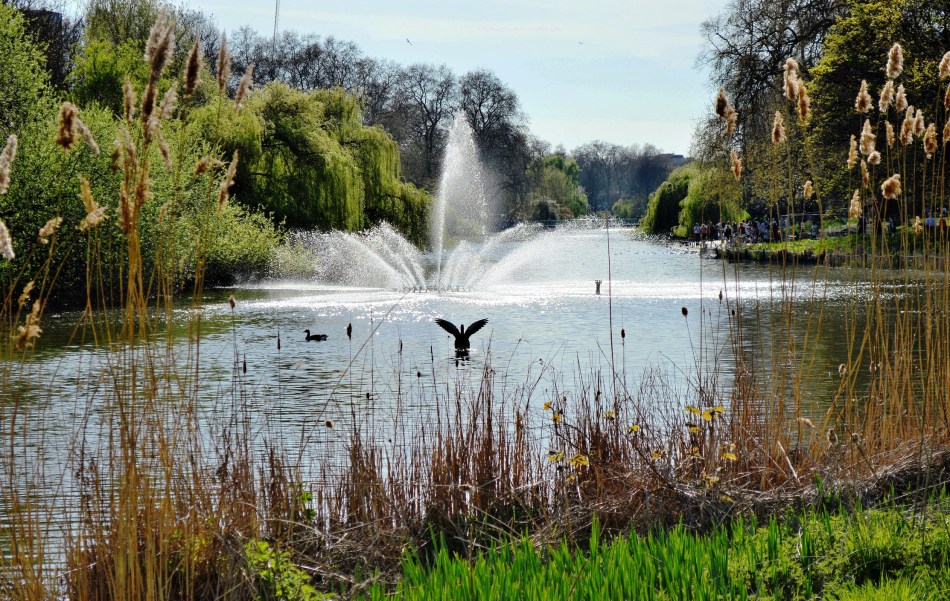

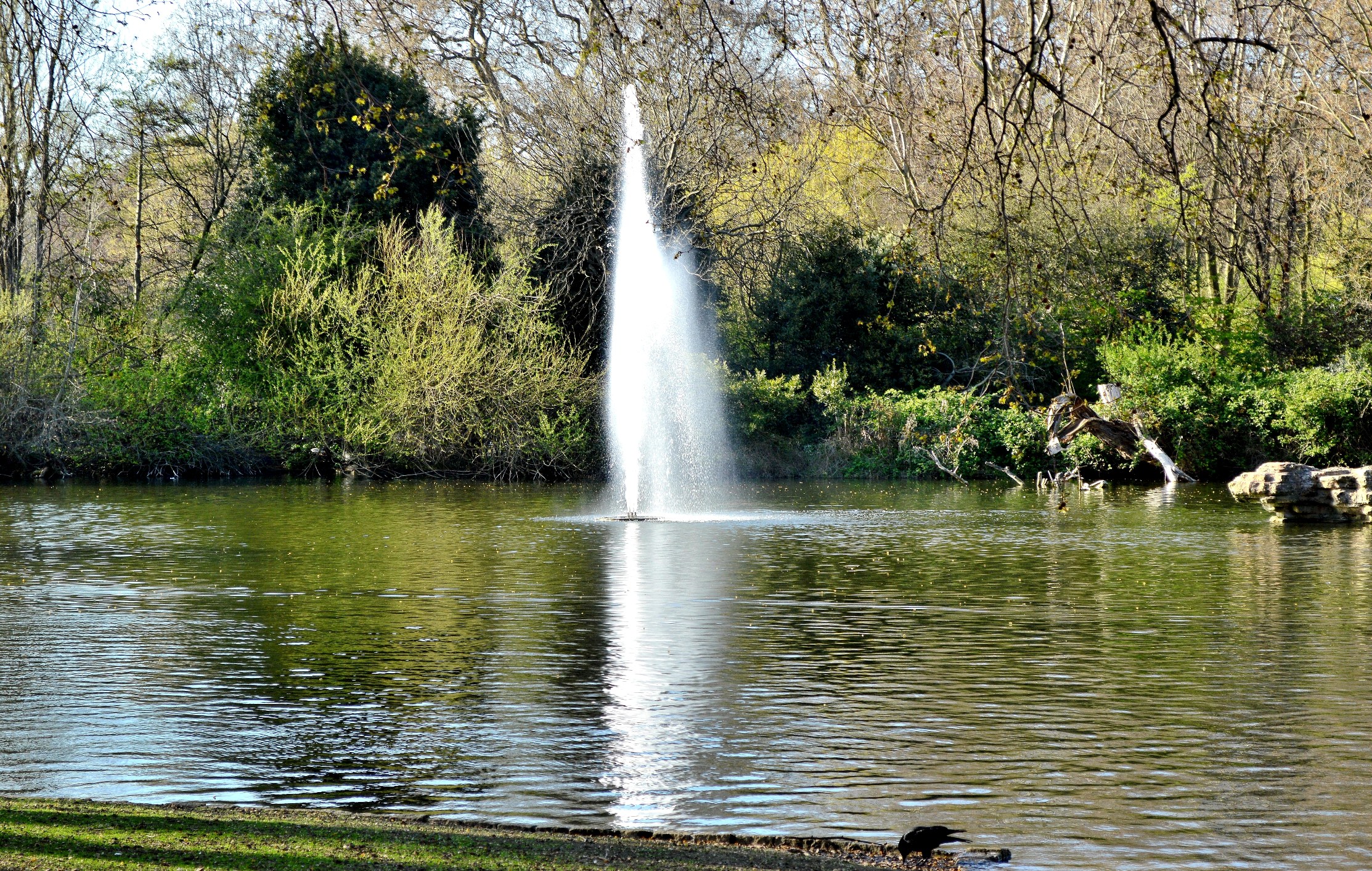
Hiya, welcome to St James’s Park. At this end of the long lake can be found a cafe, parkland, benches, deck chairs, flower beds, geese, ducks, coots and moorhens here. There are also some very friendly squirrels here and pelicans further down this page (feeding time at the cottage is 2:30 pm).
At the western end can be found Buckingham Place, the changing of the guard pageant, more waterfowl including swans and nearby Green Park with the Canada Memorial.
The nearest underground station is St James (although Westminster is almost as close to the eastern end of the park) and it is a pleasant walk beside the lake from end to end.
.

.
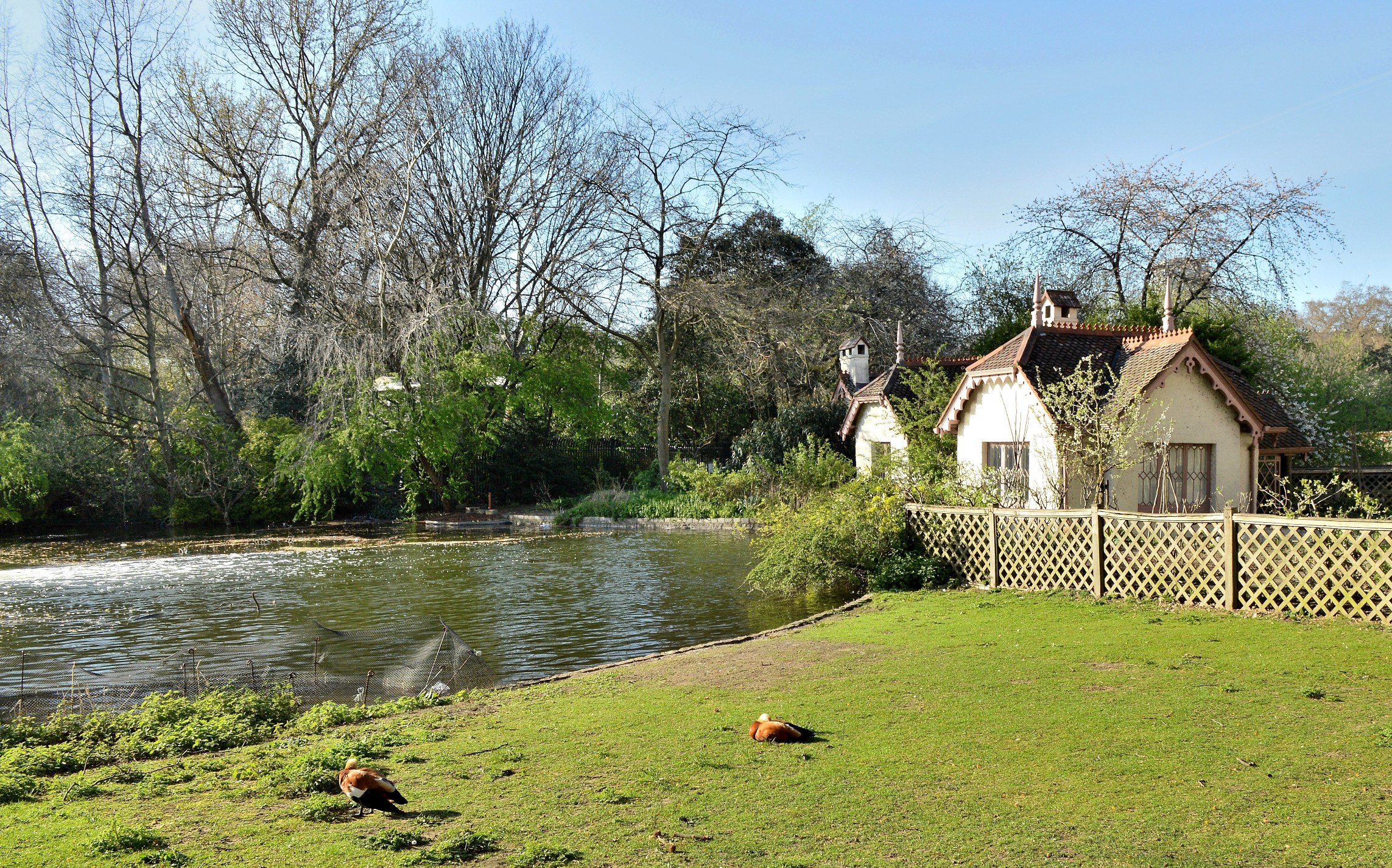
The pelicans gather beside this cottage just before 2:30 pm for feeding.
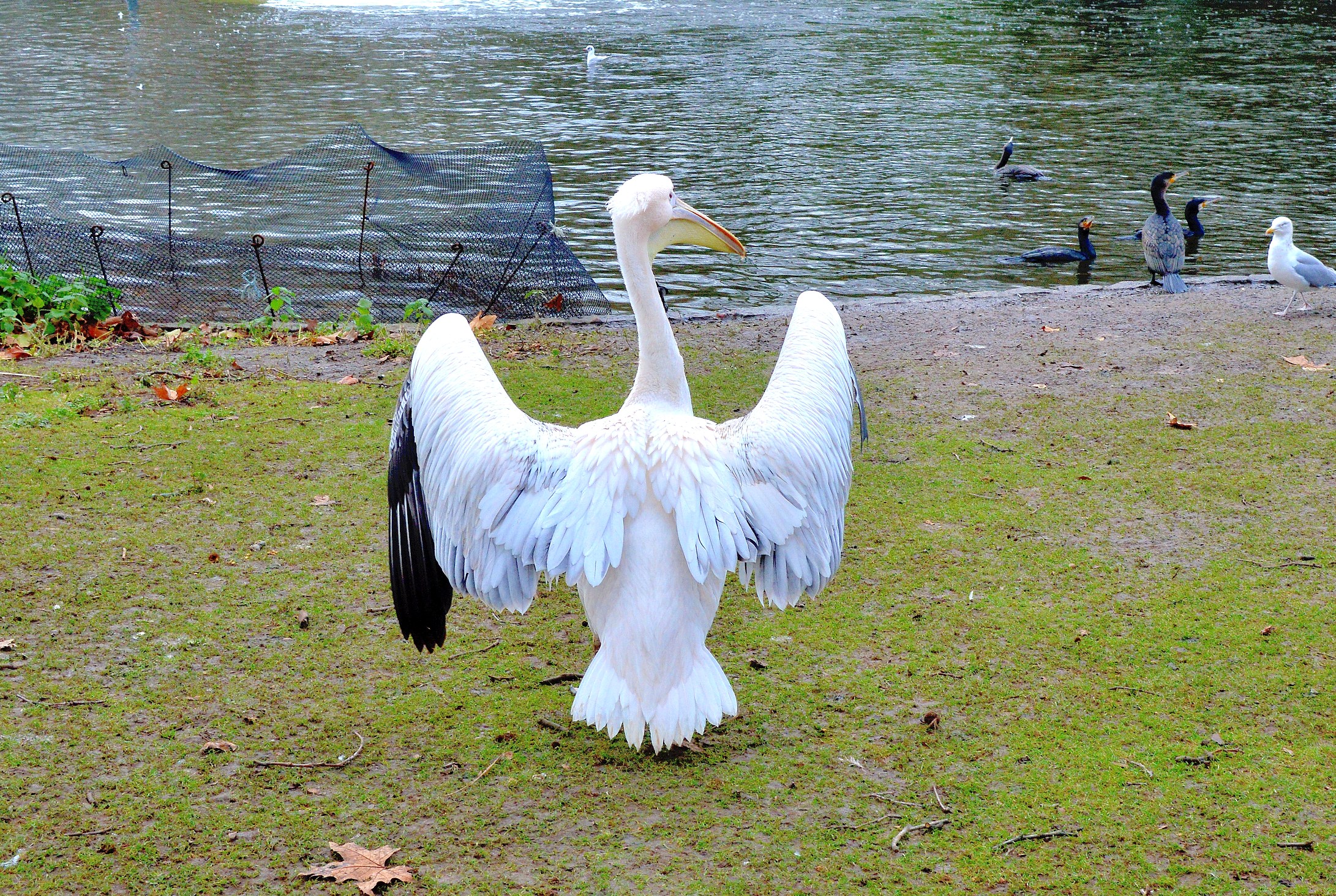 “Perhaps a little pigeon al fresco whilst I am waiting”. – “Oy who nicked my piano ?”

The London Eye.
Buckingham Palace from the Central Bridge
Looking to the west.

.
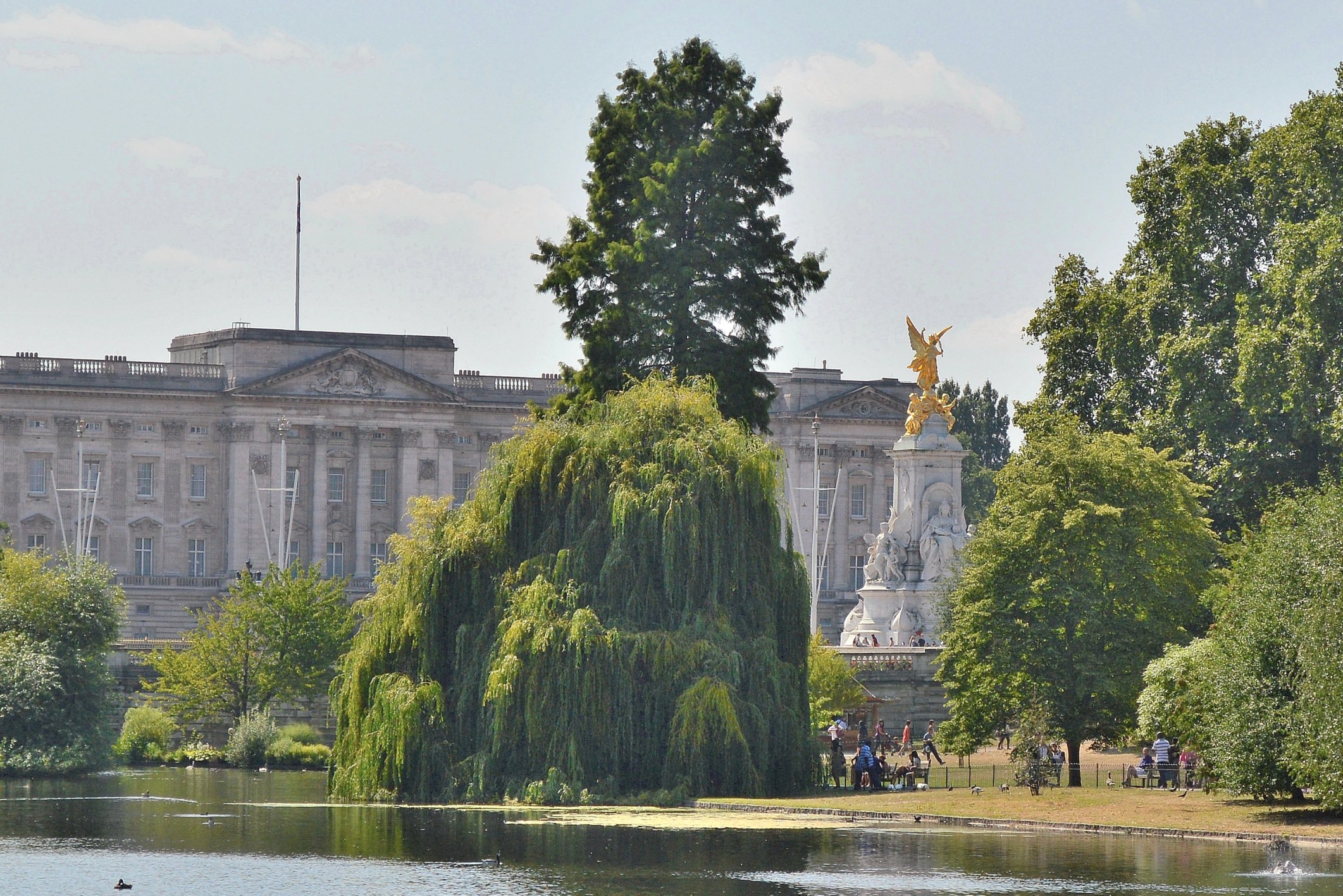
If you look carefully, you can see the Old Man of the Willow, sitting down with his hands on his knees.
Horse Guards from the Central Bridge
Looking to the east.

You cannot view the interiors but there is a small museum and one of these.
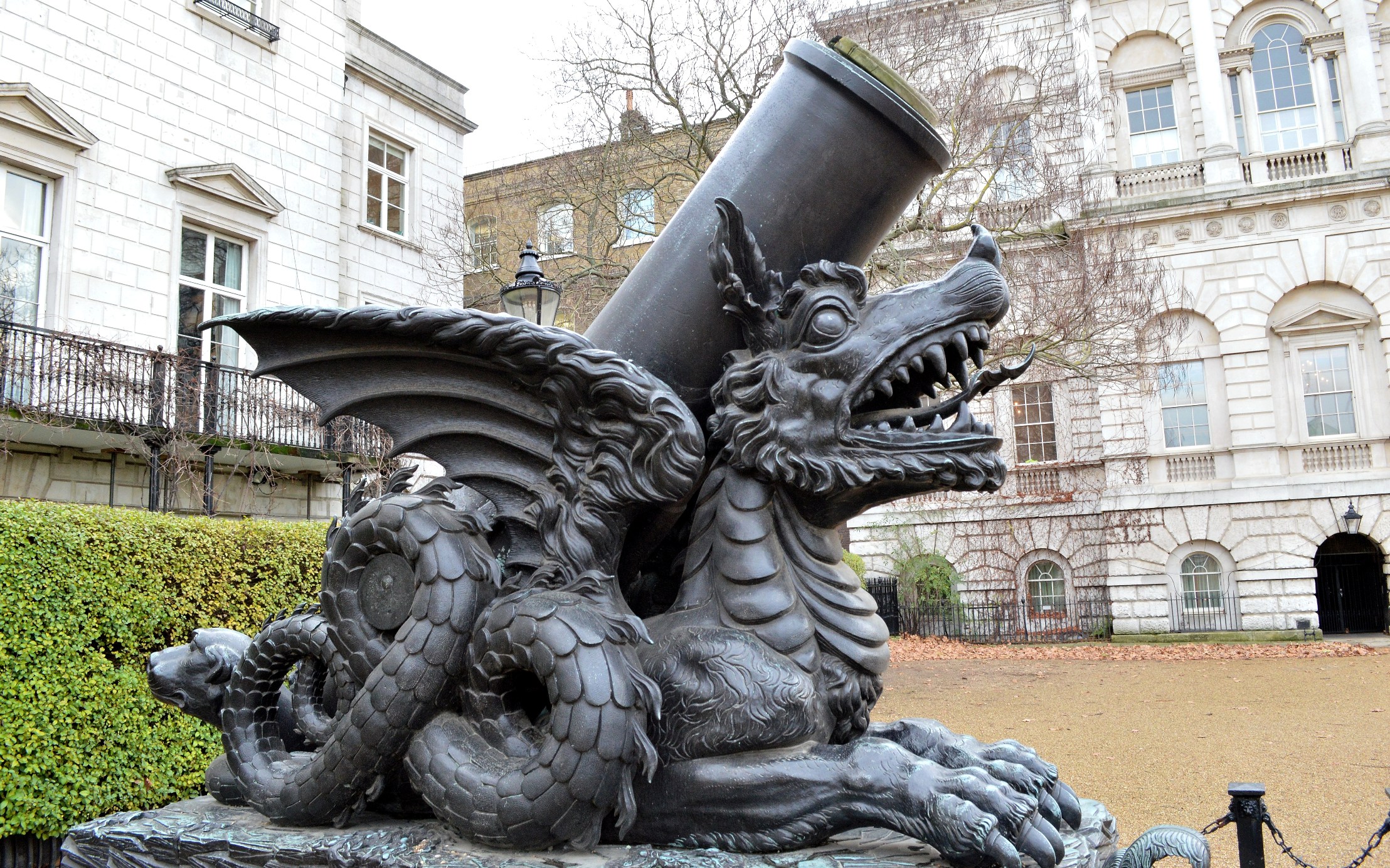
.

.. and as always, one of these. Doesn’t it make you want to say “you poor ~ “.
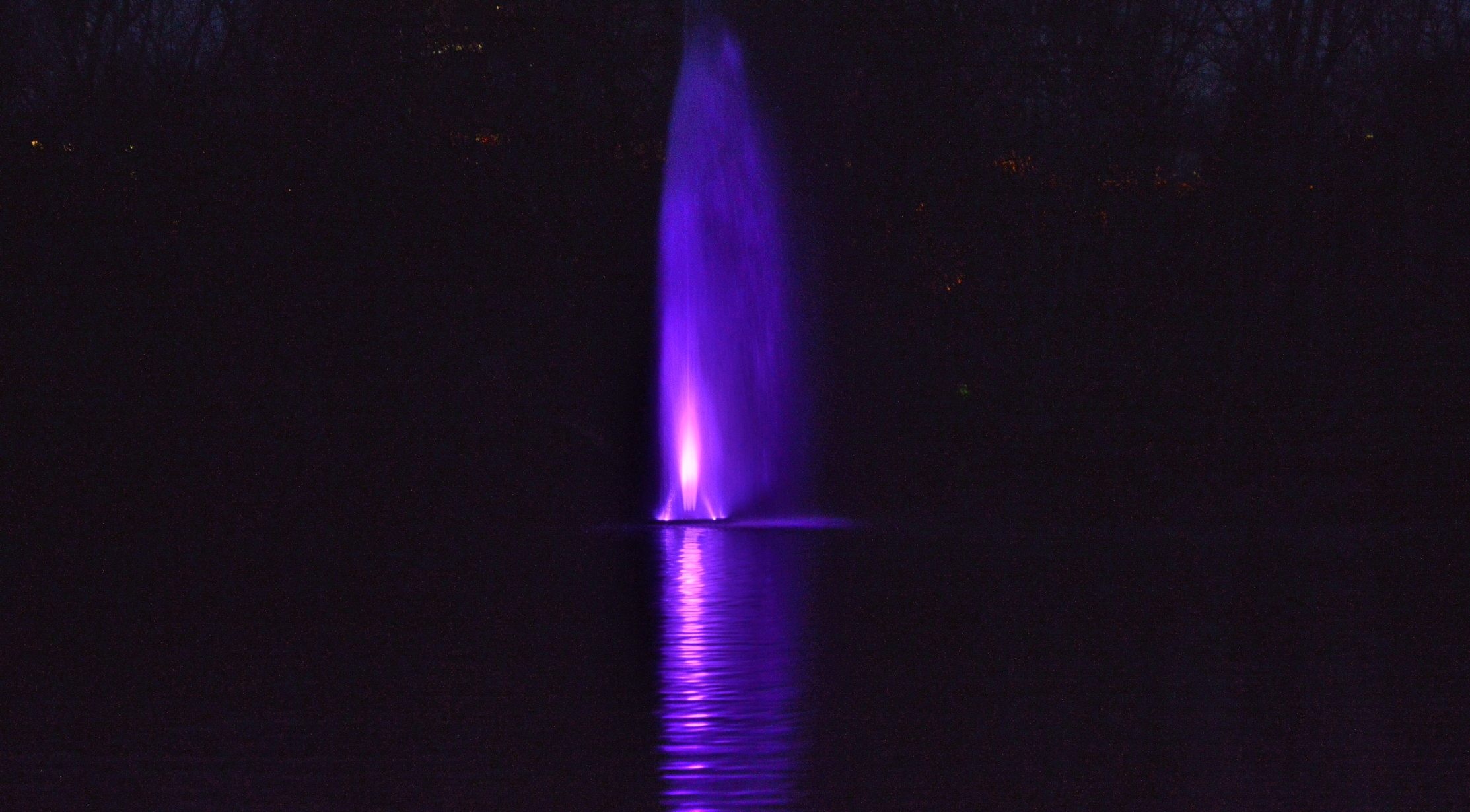
At dusk the fountains light up and from the sound of all the honks and quacks there all having a party 😀 .
Canada Memorial
The Canada Memorial (London) was opened in 1994 and is dedicated to the Canadians who served in the two world wars. It can found at the bottom of Green Park very near to Buckingham Palace.
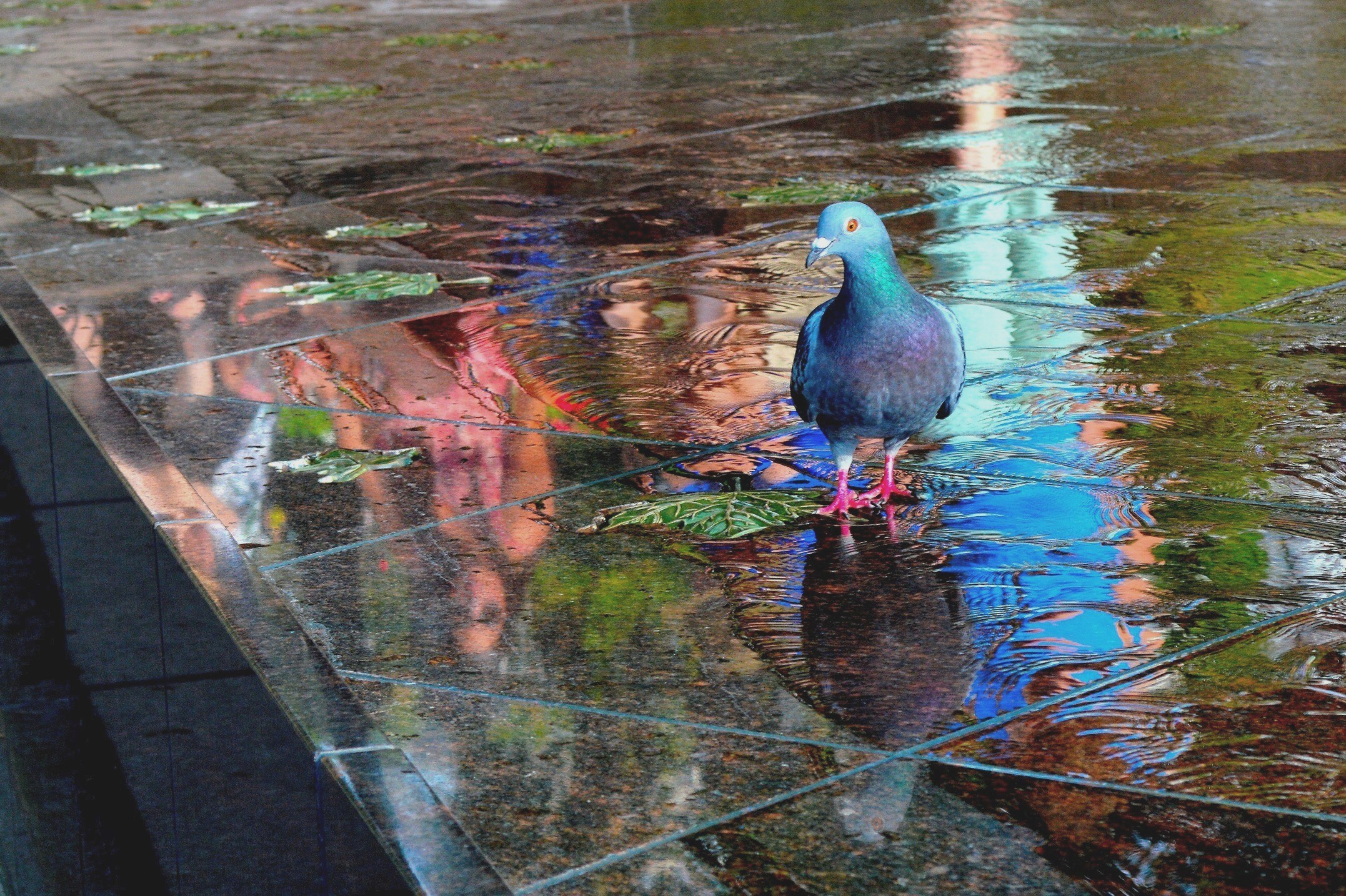
When I visited it was a very hot day in July and children were very happily using it as a water slide. Despite the “keep off” sign, nobody wanted to stop them and everybody was having a great day in the sunshine.
This little pigeon decided to join in and enjoy cool feet. A lot of wild life around London seem to have become so accustomed to a human presence that they can allow themselves to indulge in curiosity and even participation. The squirrels of St James Park being a great example. Here is one cool pigeon.
.

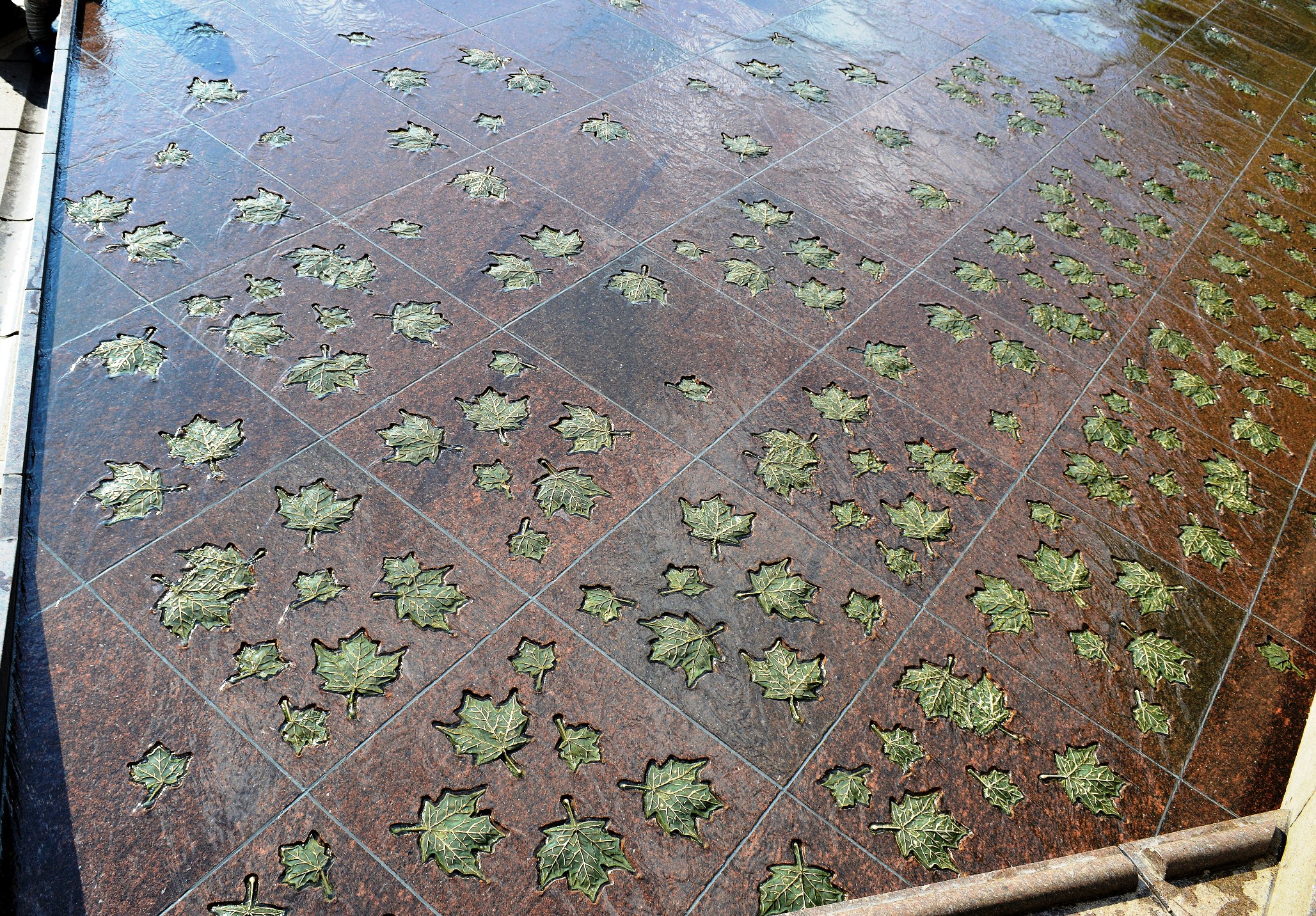
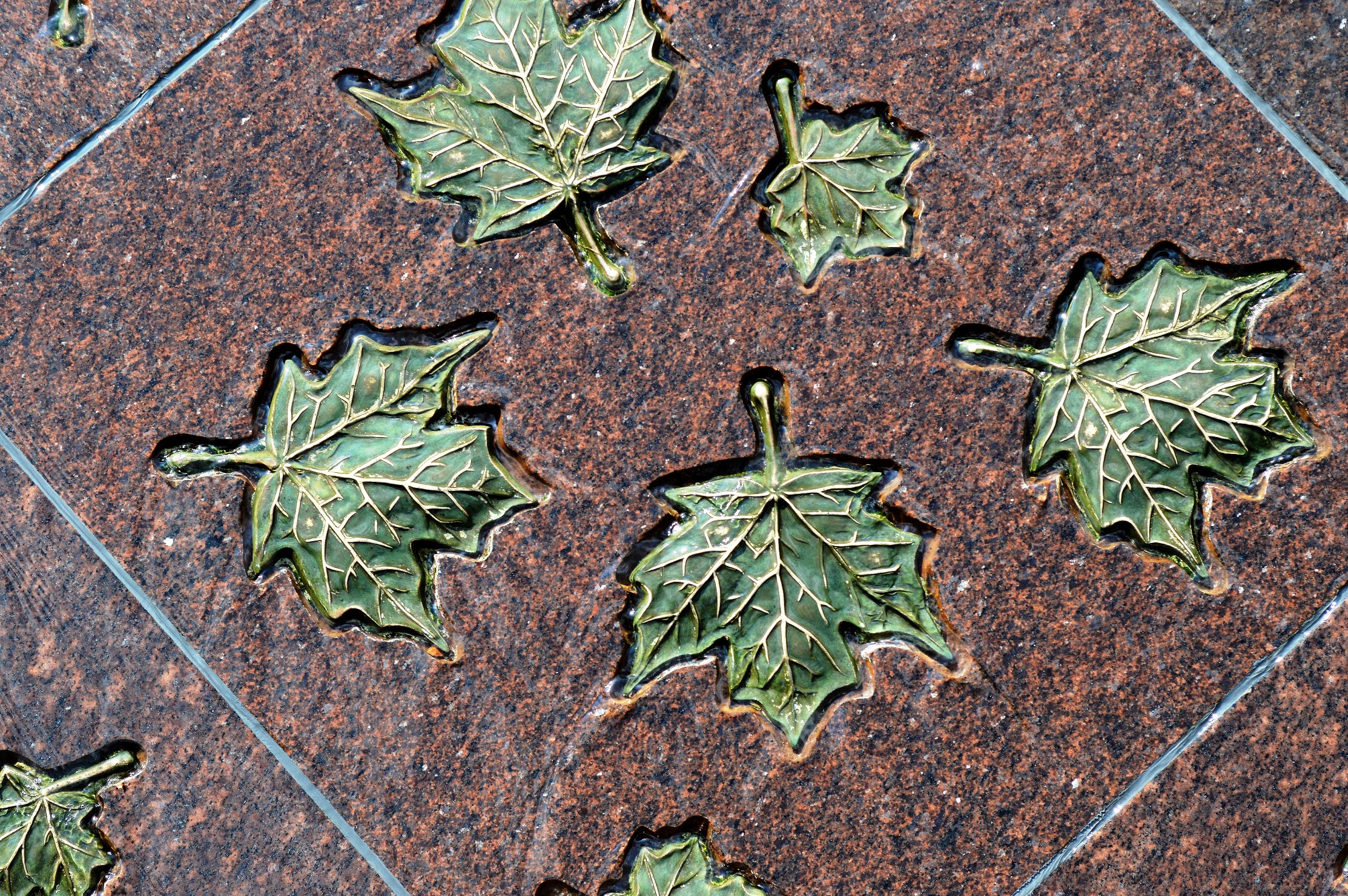
The colours of the opening picture are so intriguing that I couldn’t help tweaking it a bit.
British Museum
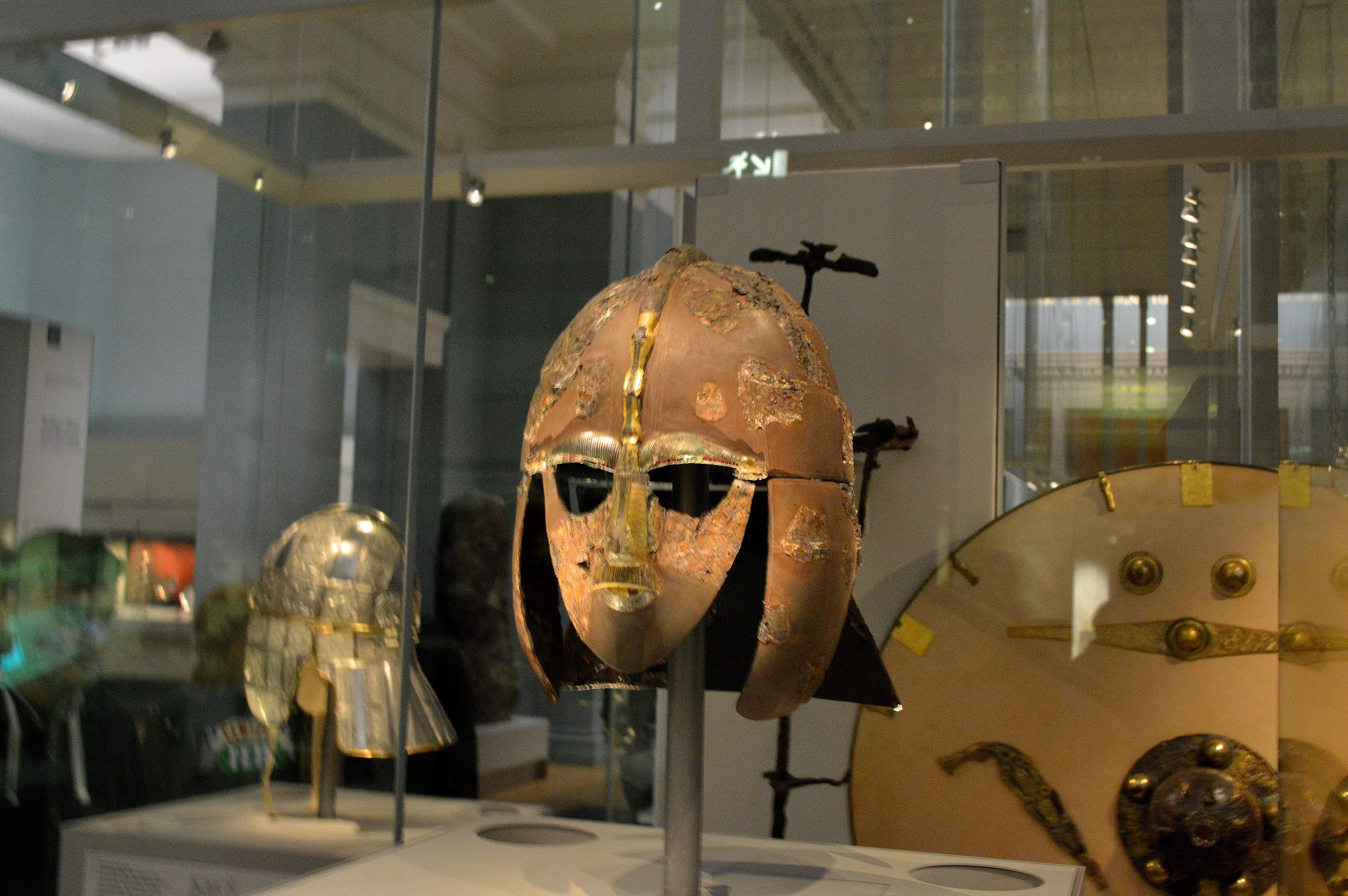
Sutton Hoo Treasure
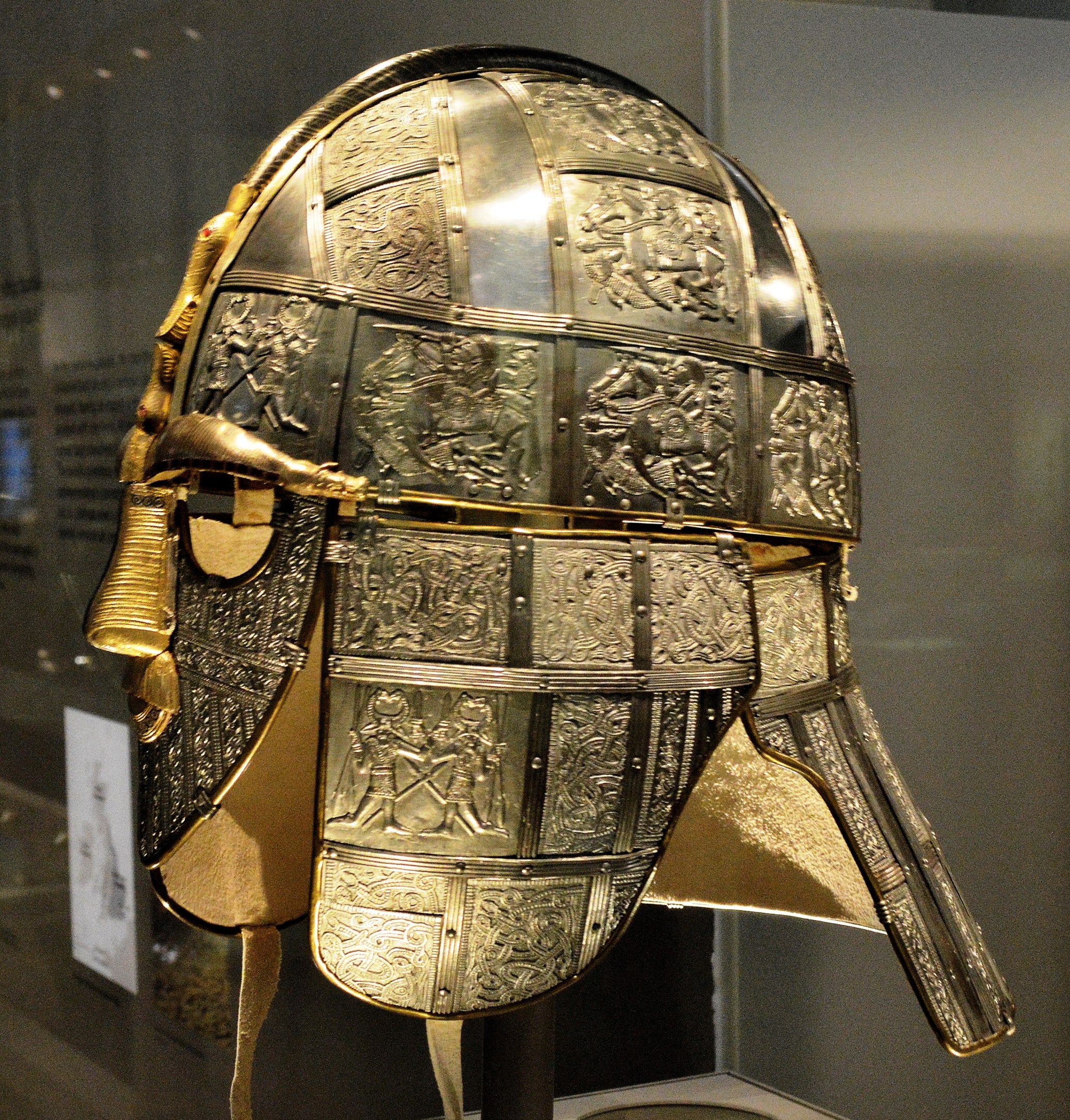
Sutton Hoo Helmet
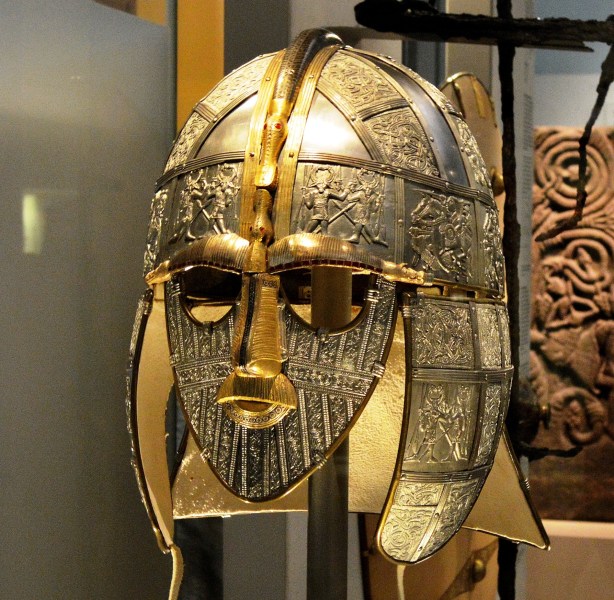

The replica helmet and mask are part of the Sutton Hoo Treasure (Wiki) with more at Sutton Hoo Site. The original find is further down together with more artifacts from antiquity.

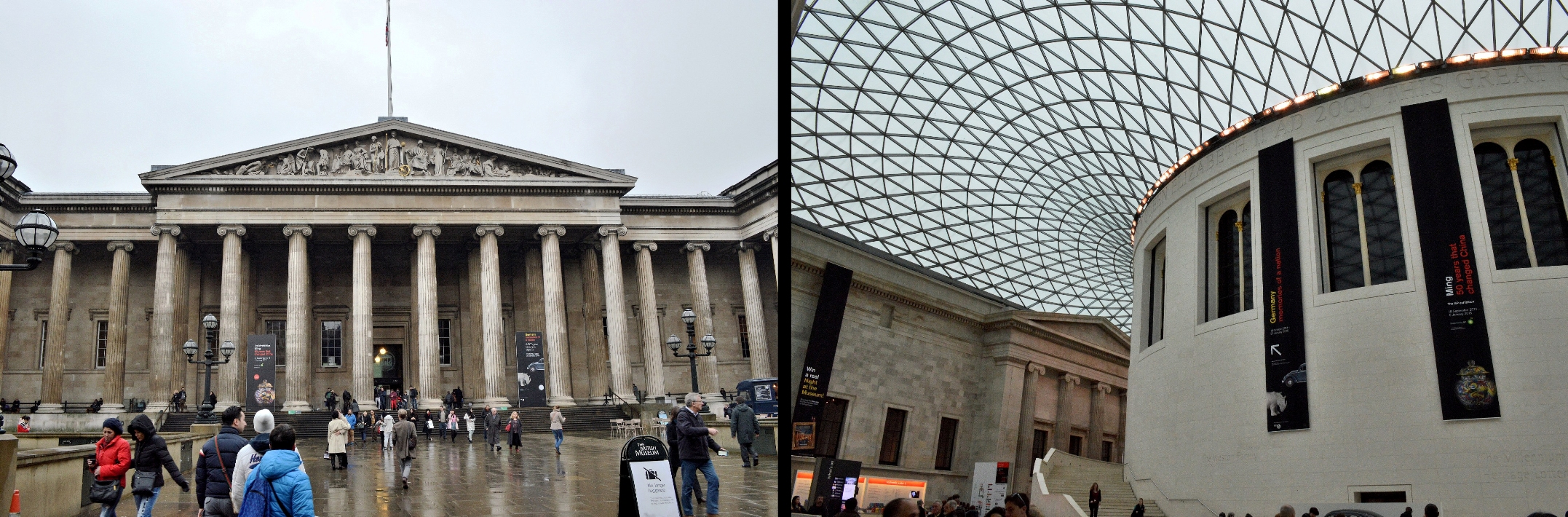
The Museum
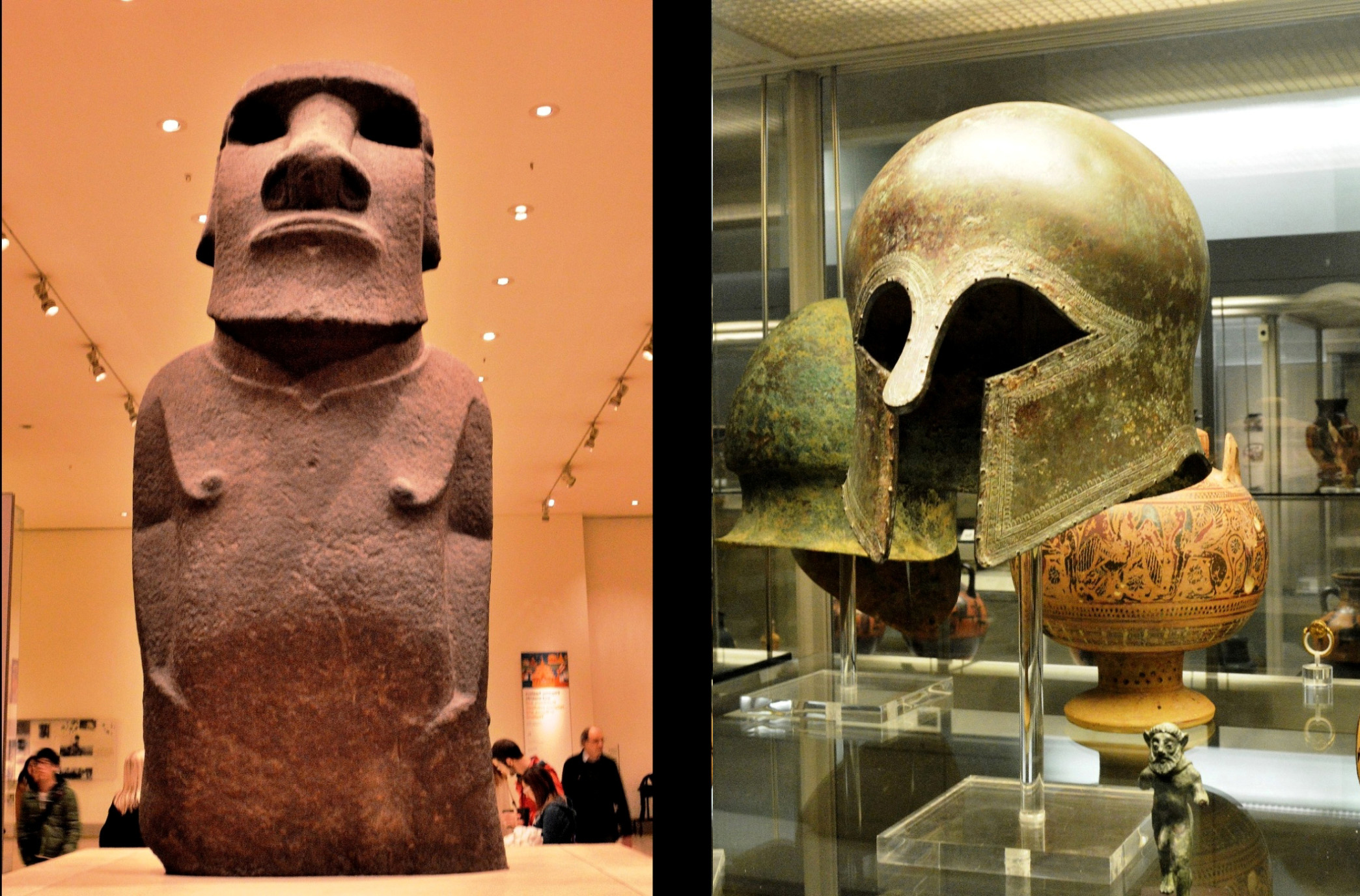
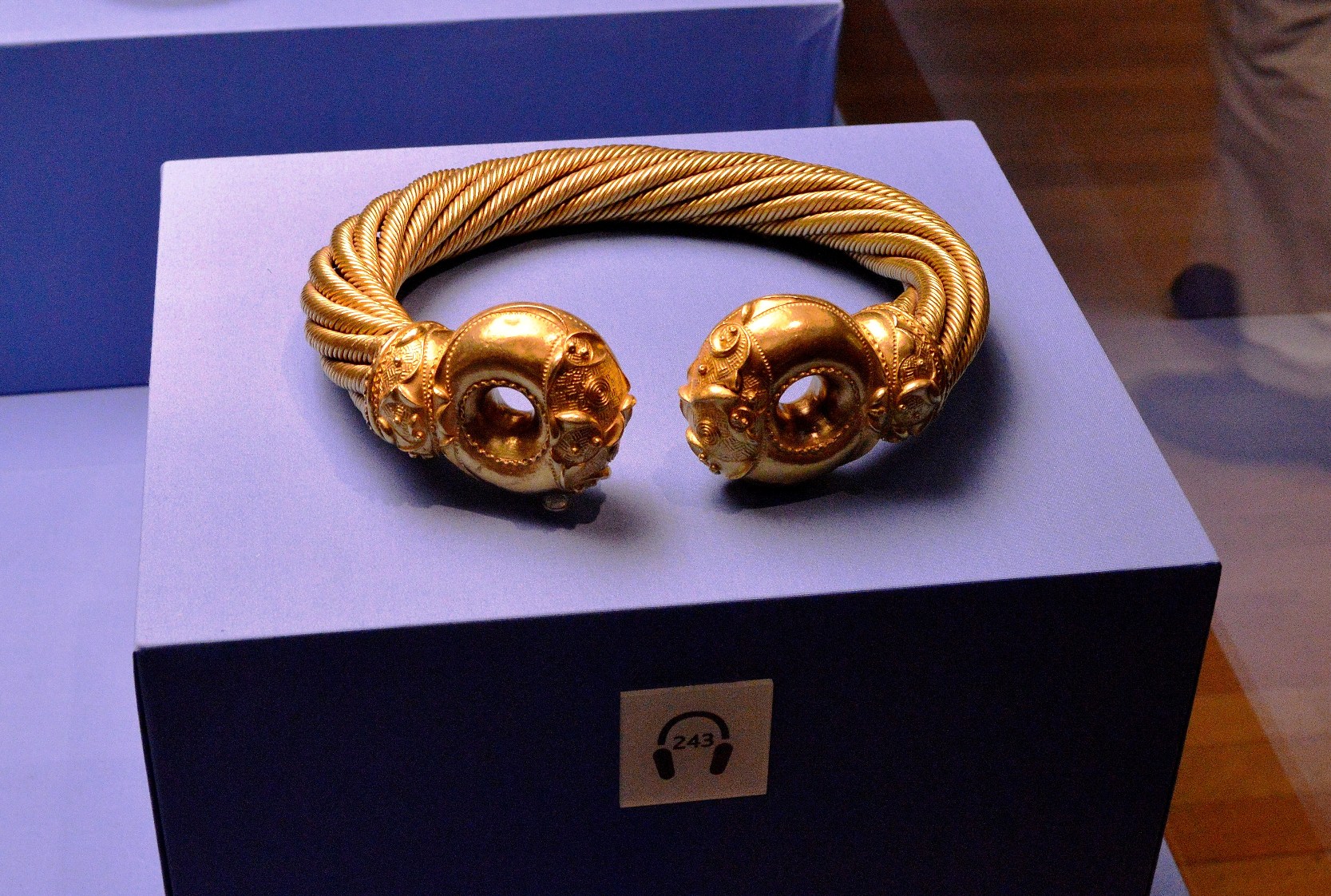
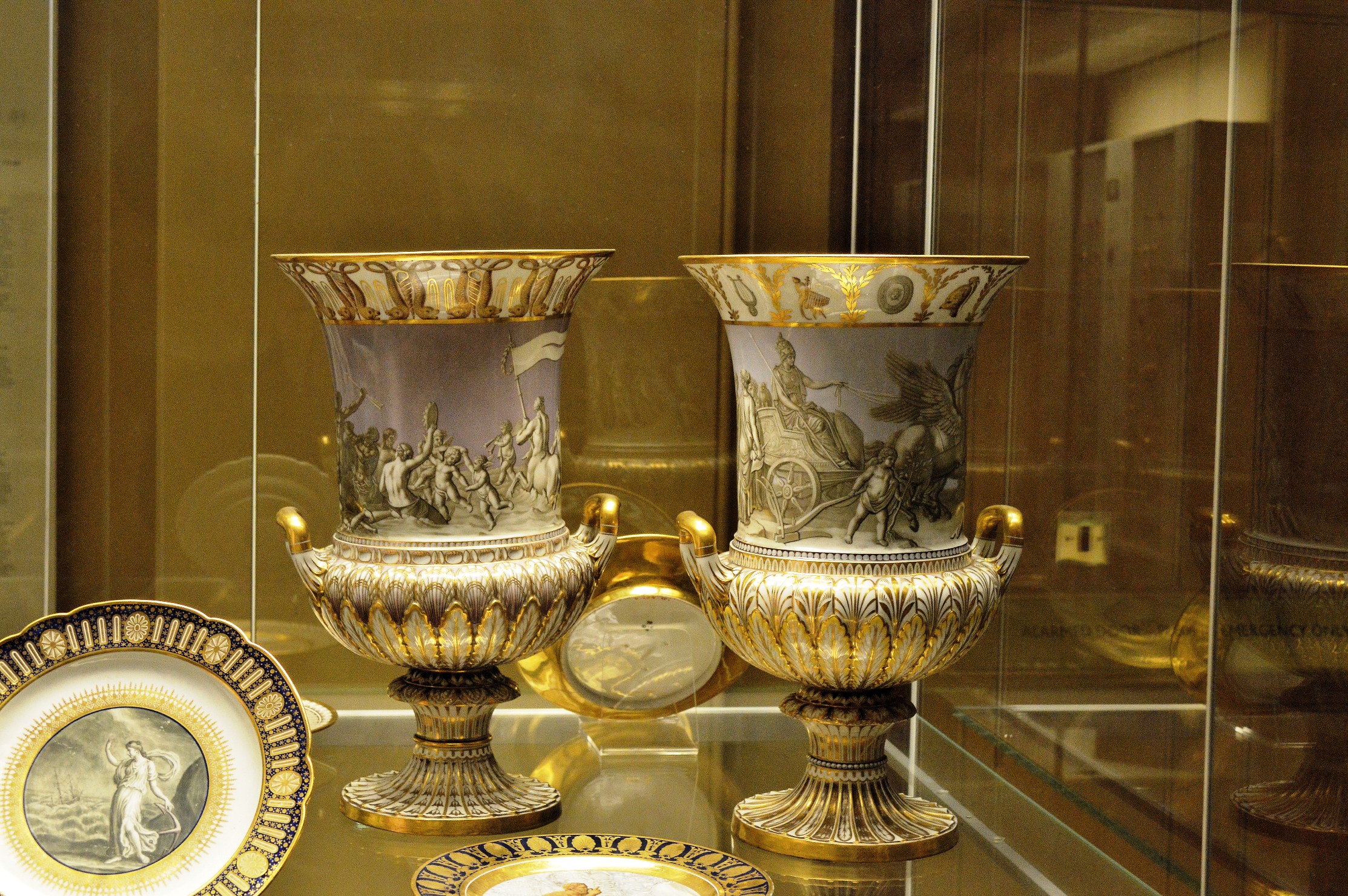
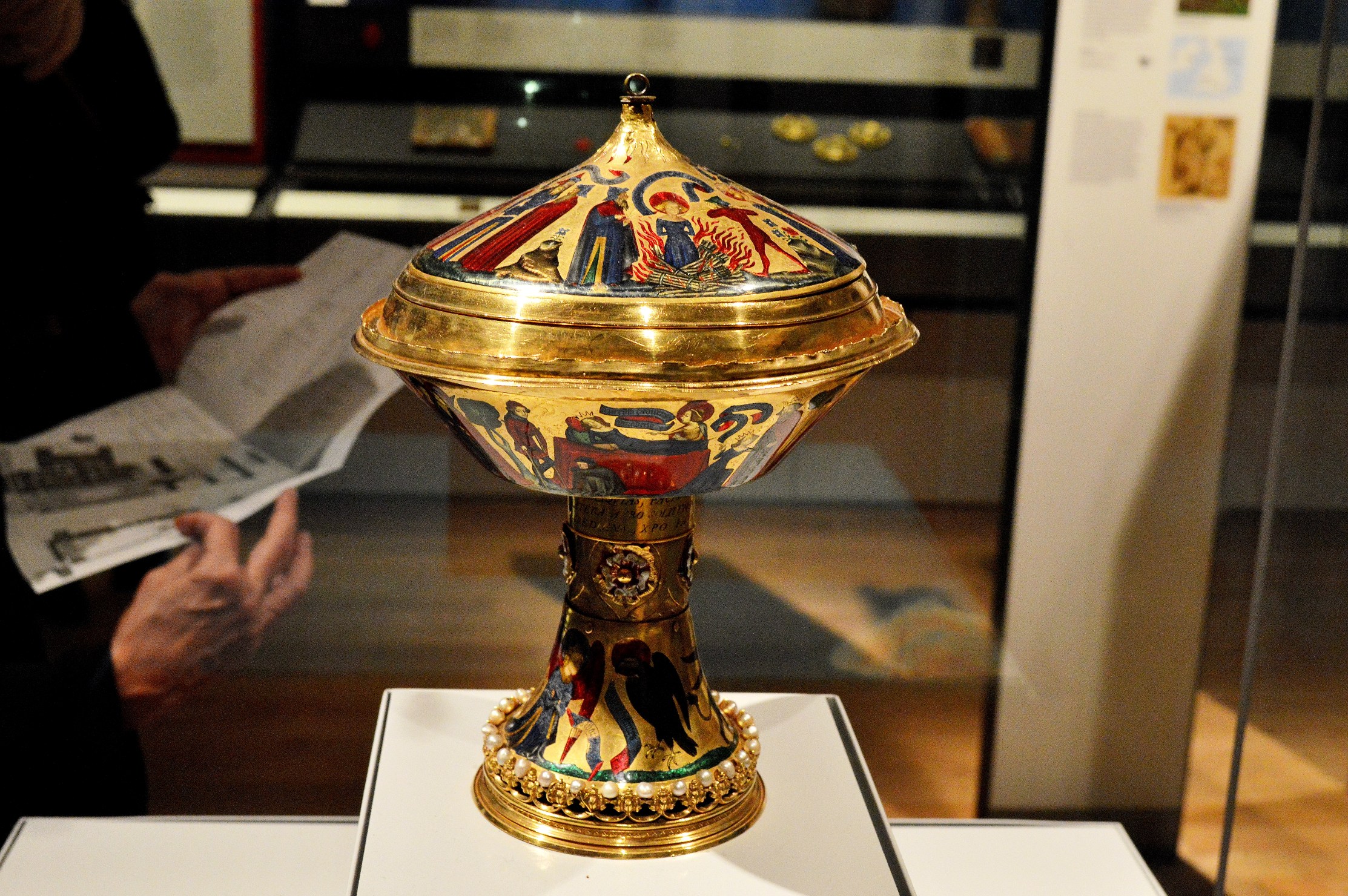
The British Museum (for details, admission and location) is probably the largest in the UK and contains artifacts from all over the world, from antiquity to more recent times. Whilst there is some controversy about ownership of some items (e.g. the Elgin Marbles), the museum has preserved what otherwise might have been lost and is free to all visitors. There is a an extensive cloakroom and non-commercial photography is allowed.
Of similar interest is the Victoria and Albert Museum, which is dedicated to design from across the world. More from the British Museum:-

Cosy
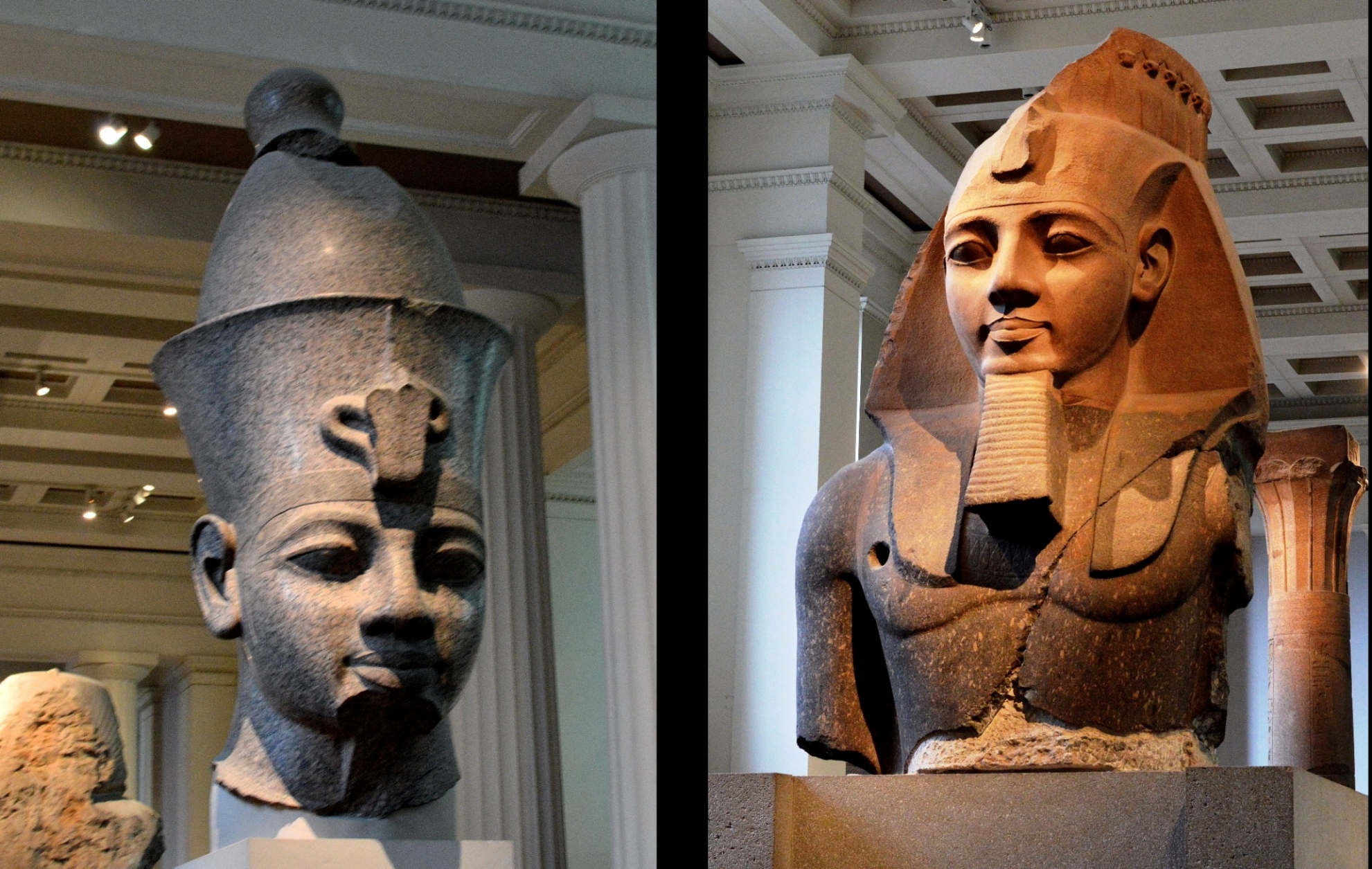
Nefer Teapot Nefer did

Rar

Raaaar
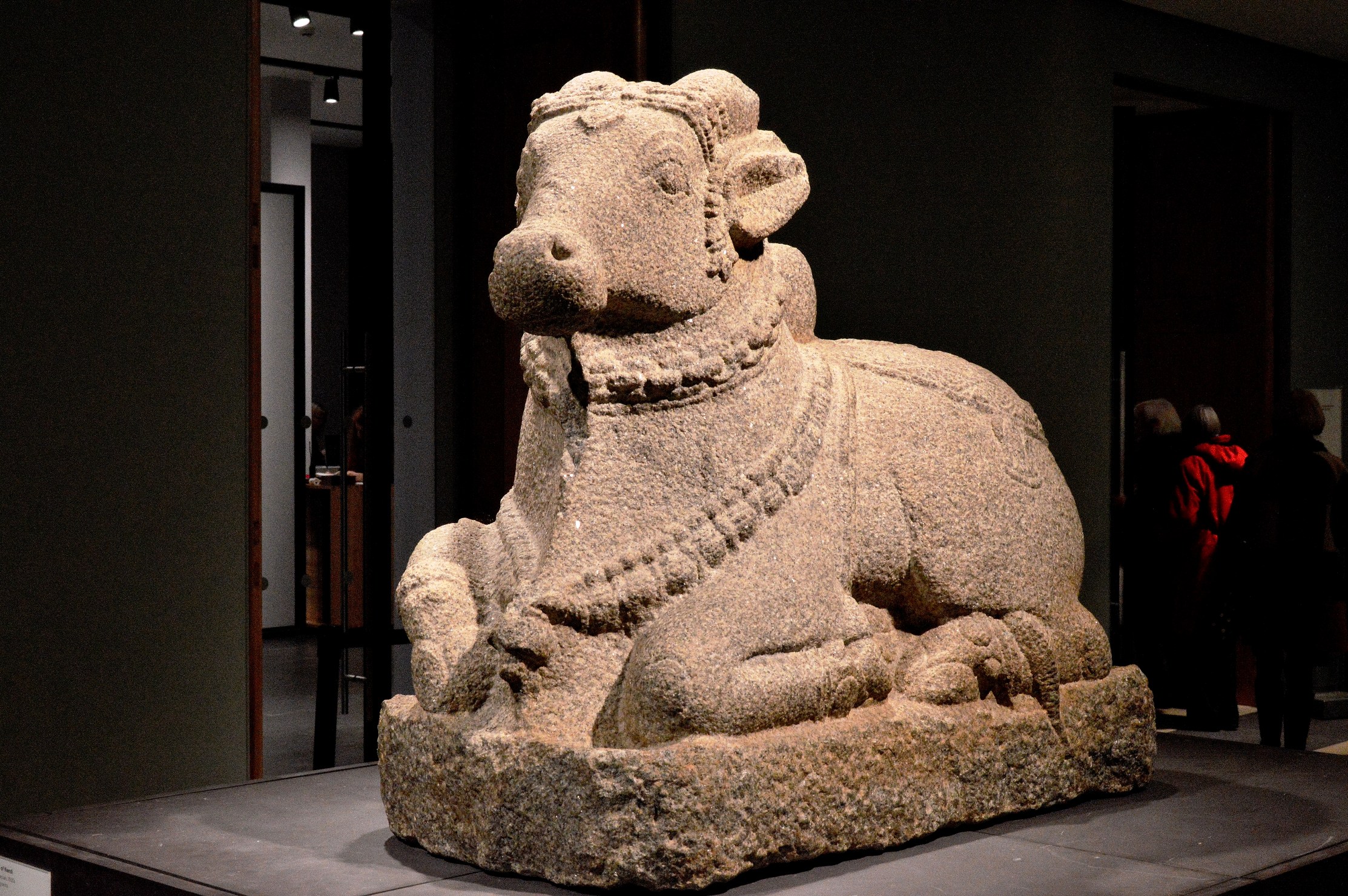
Moo see um

What time do you call this then. ……………………………………………………………….Oh mum, it’s only XXII o’clock


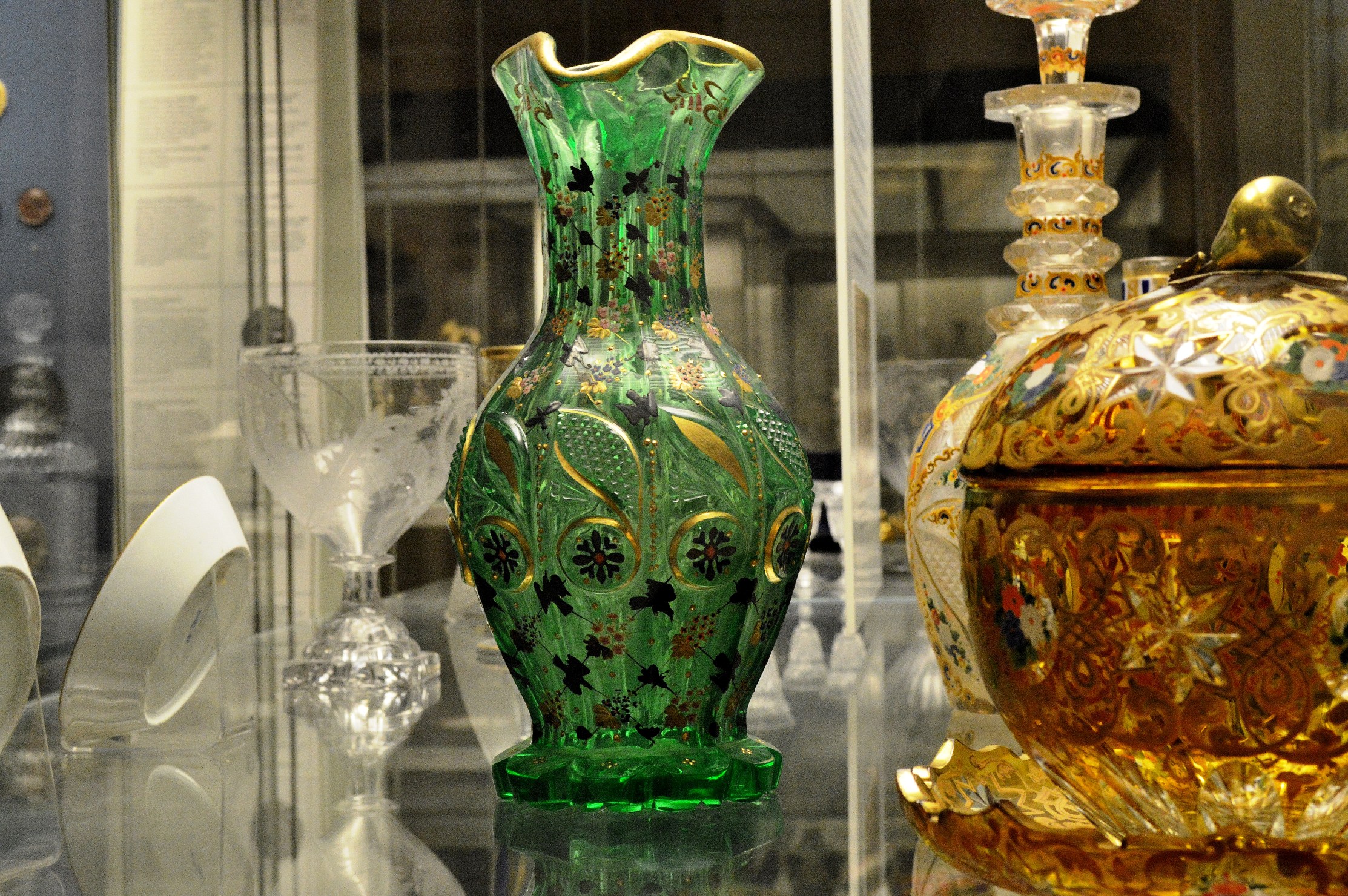
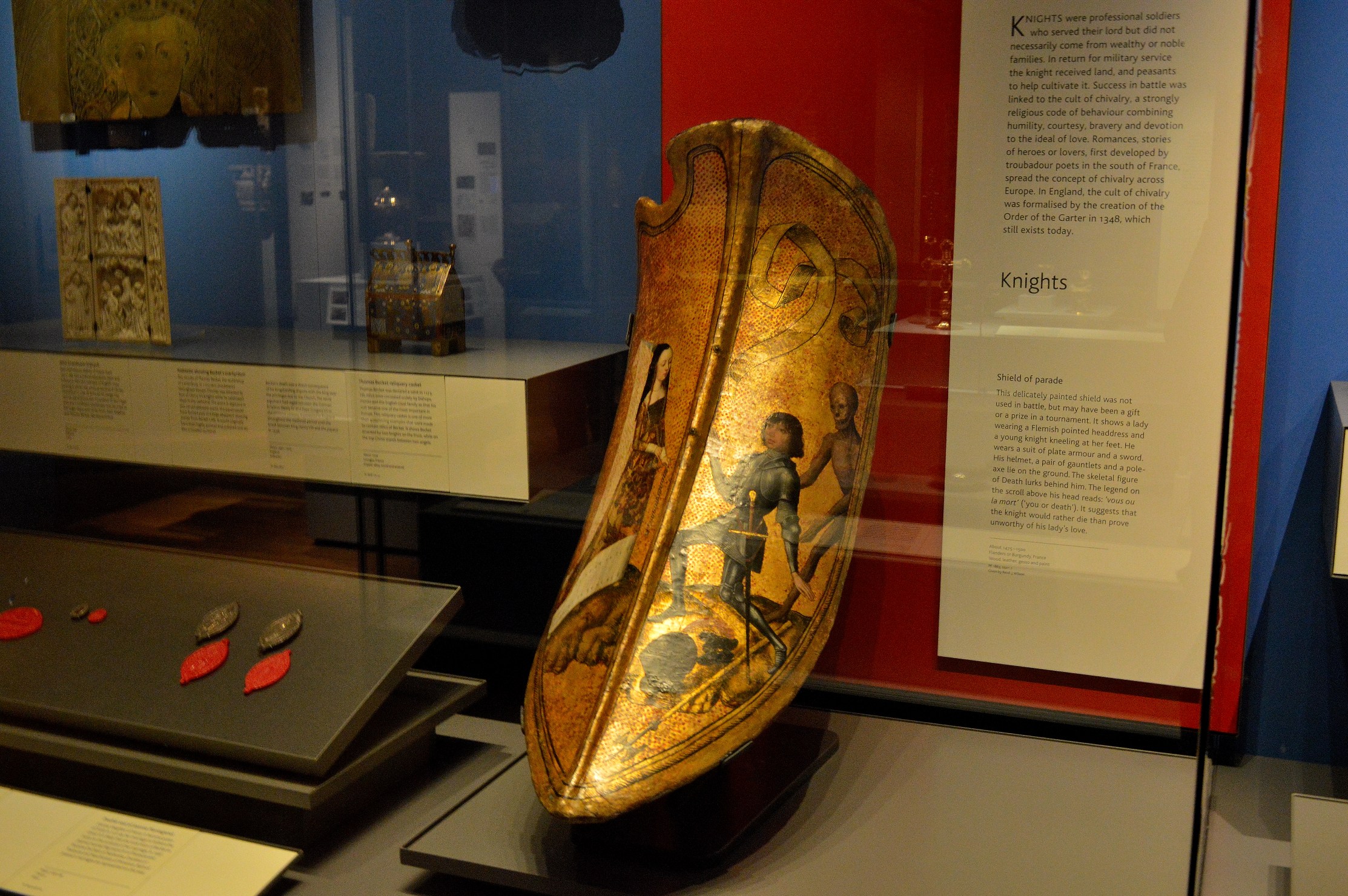
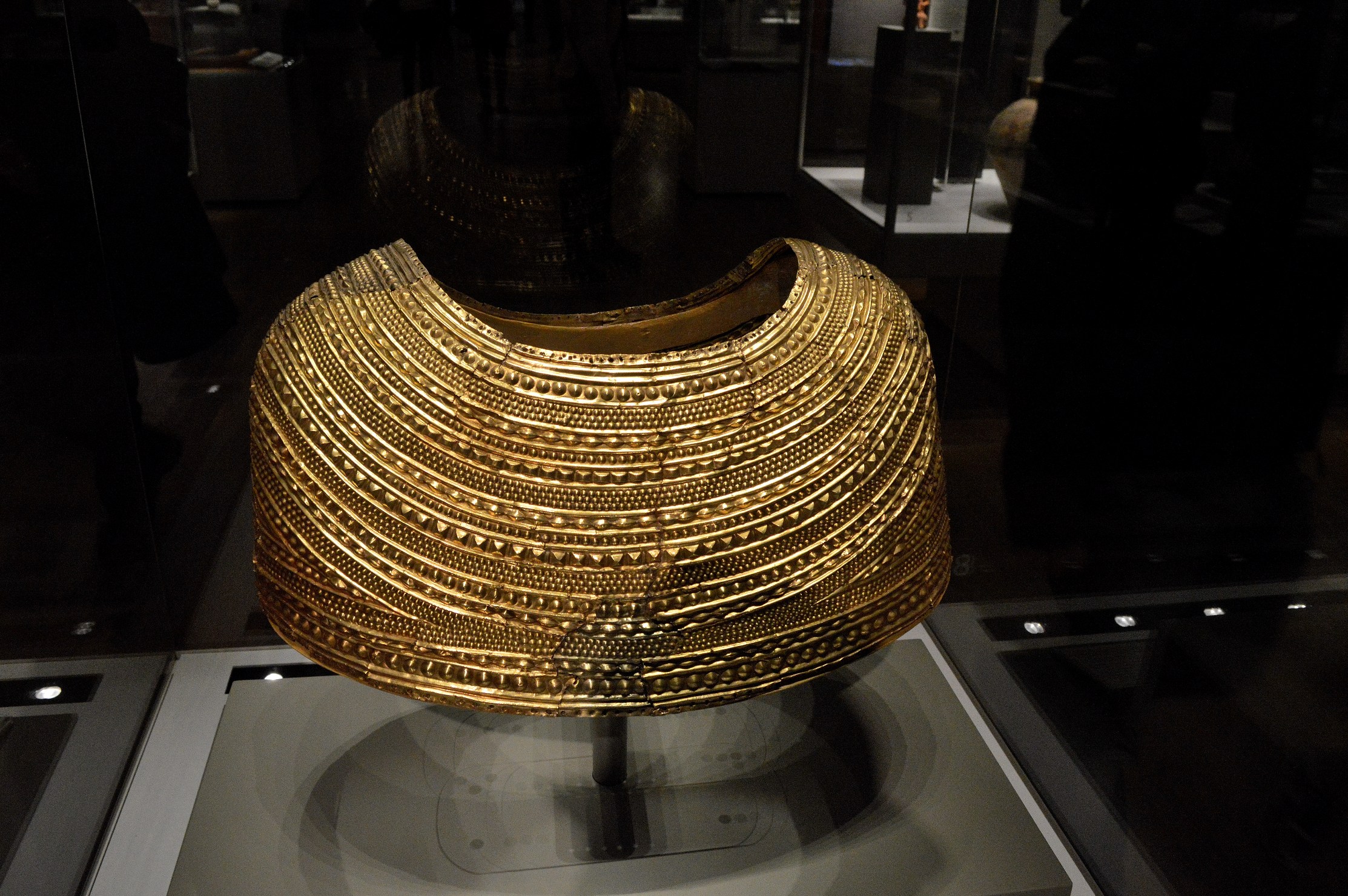
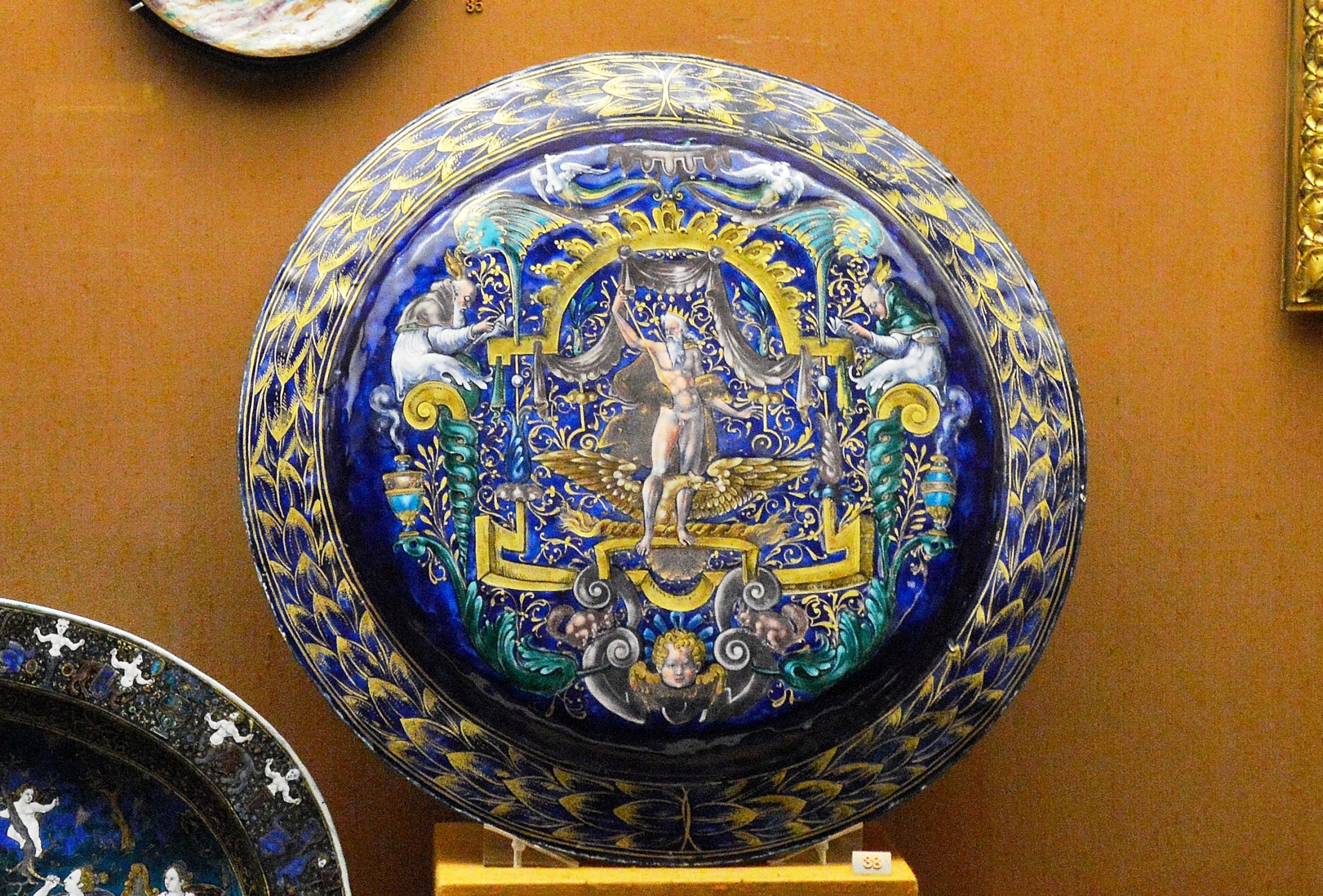
The Horniman Museum
20 pics – The Horniman Museum and grounds are free to enter and include the lower gardens and wonderful flower beds⇐ with more spectacular flowers at the upper gardens⇐.. The museum is a mix of natural history, unusual artifacts from around the word and a small but unusual aquarium (there is a charge of £4).
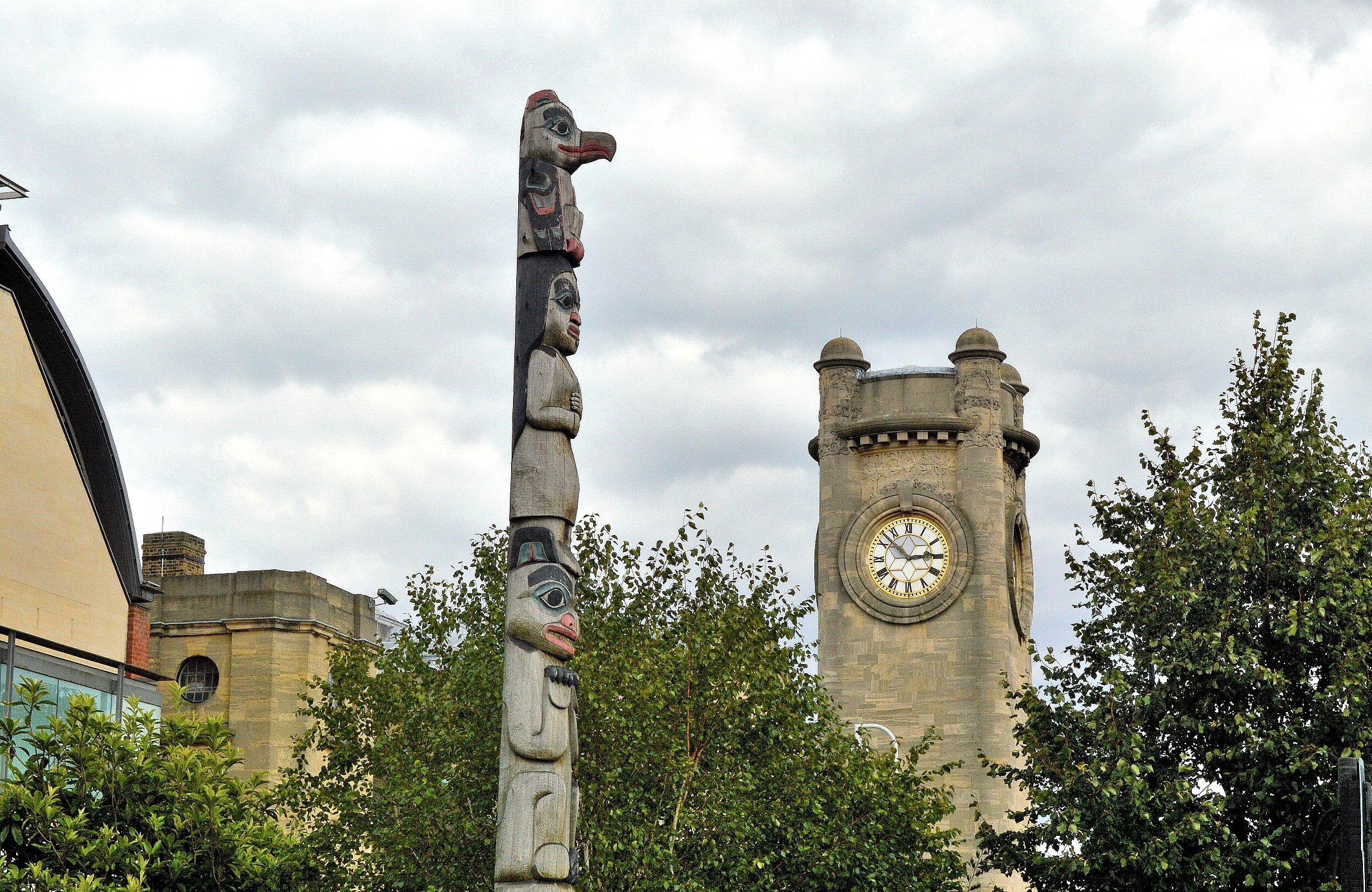
The museum and grounds are located just south of London near Forest Hill rail station and make a good day out at little expense. Please click on information/events⇒ and/or the getting there map⇒. The map shows the route from station to museum as quite short. It is a bit longer than it appears and is better to take one of the buses (listed on the map page) up the steep hill to the museum stop. The museum stop is just past this clock tower at the prow of the hill.
The Museum



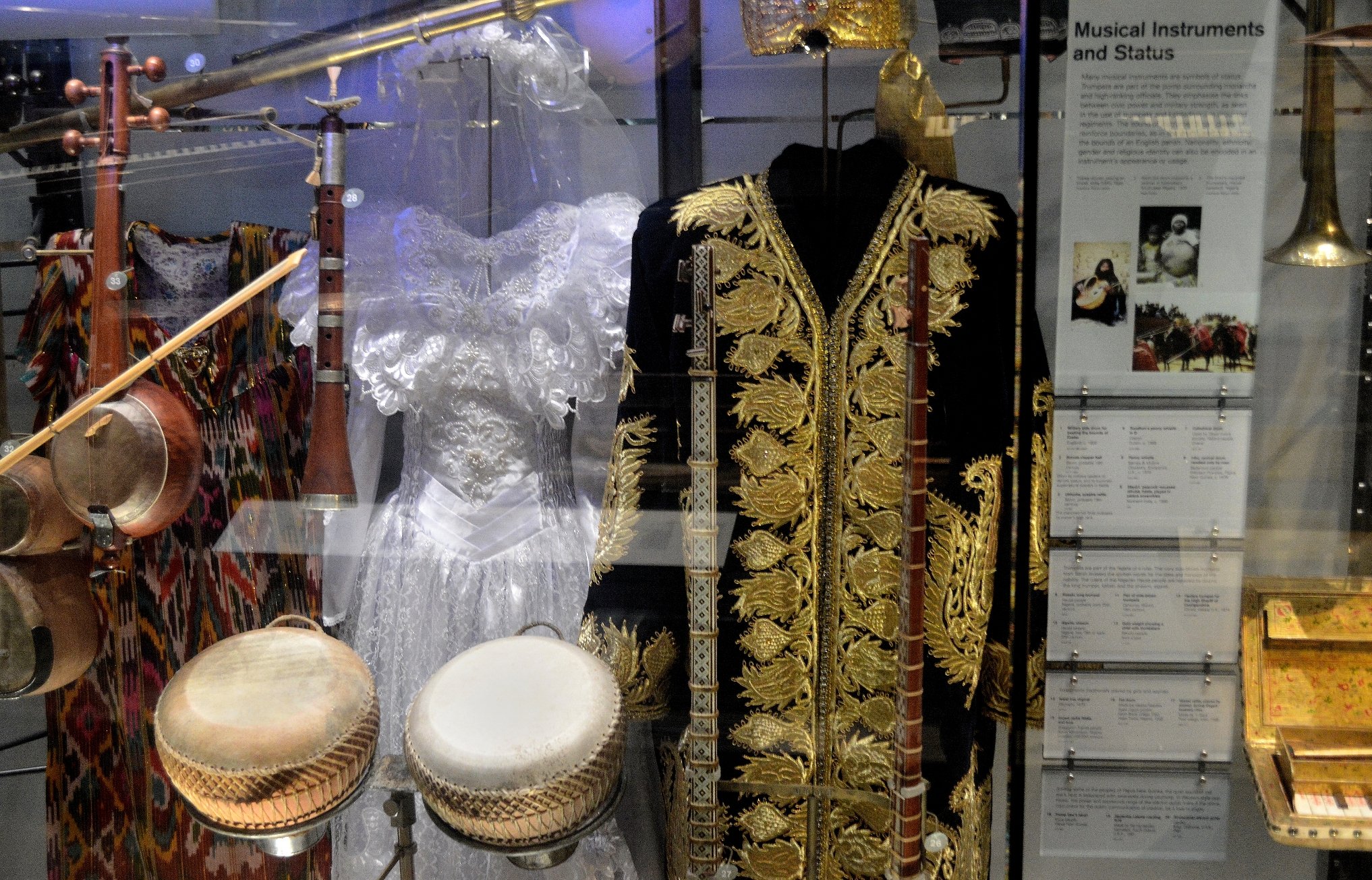


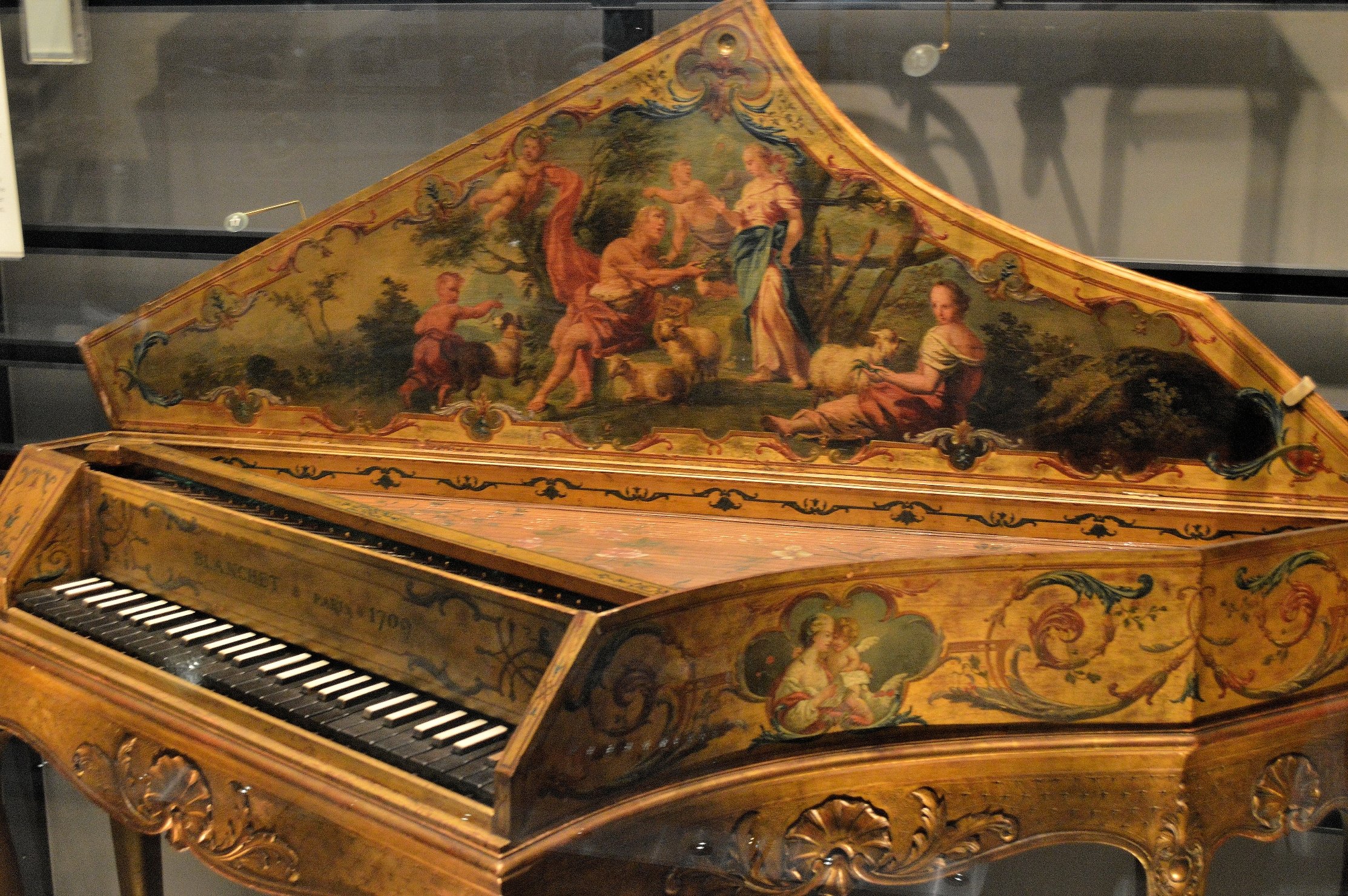
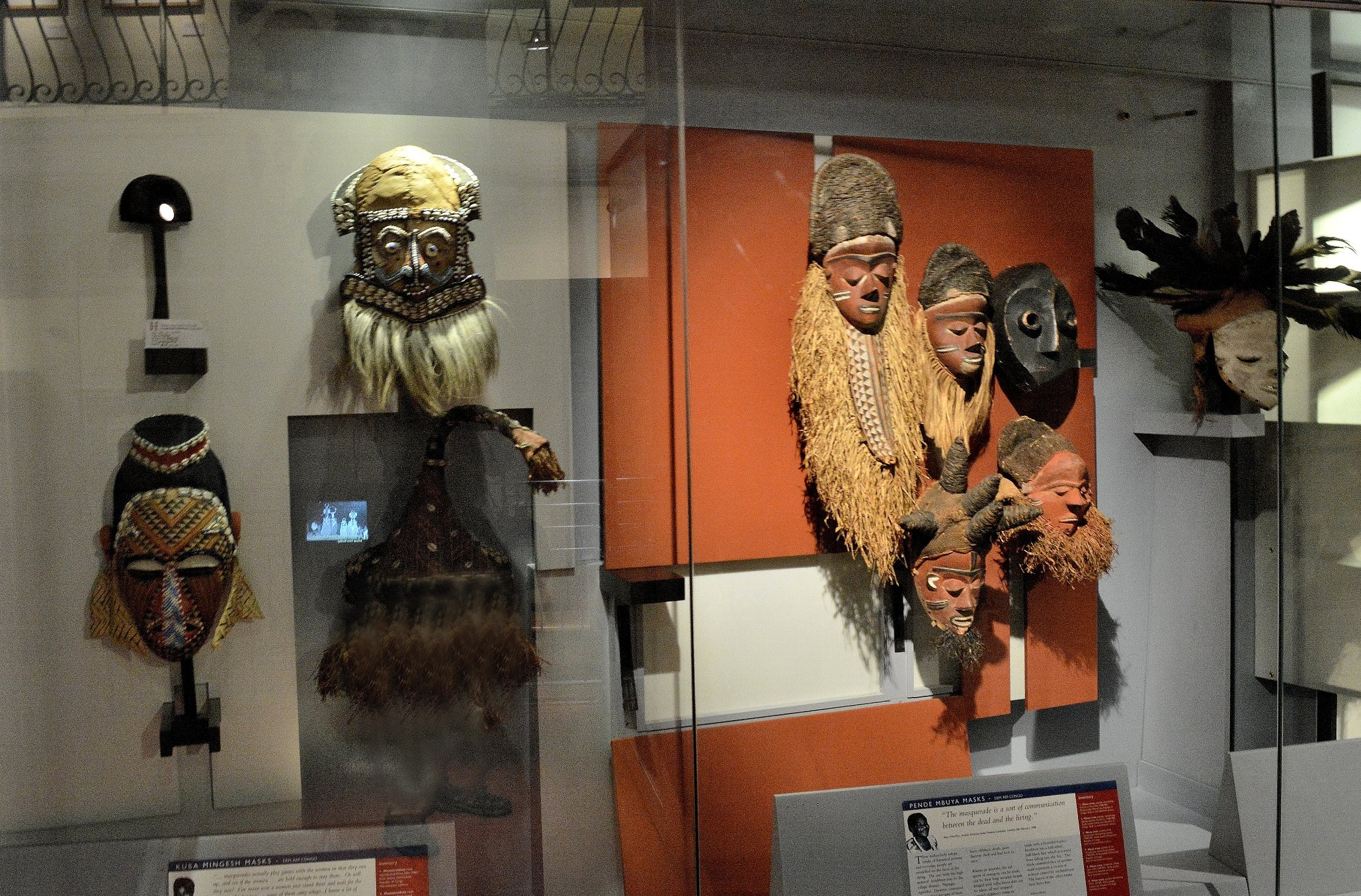


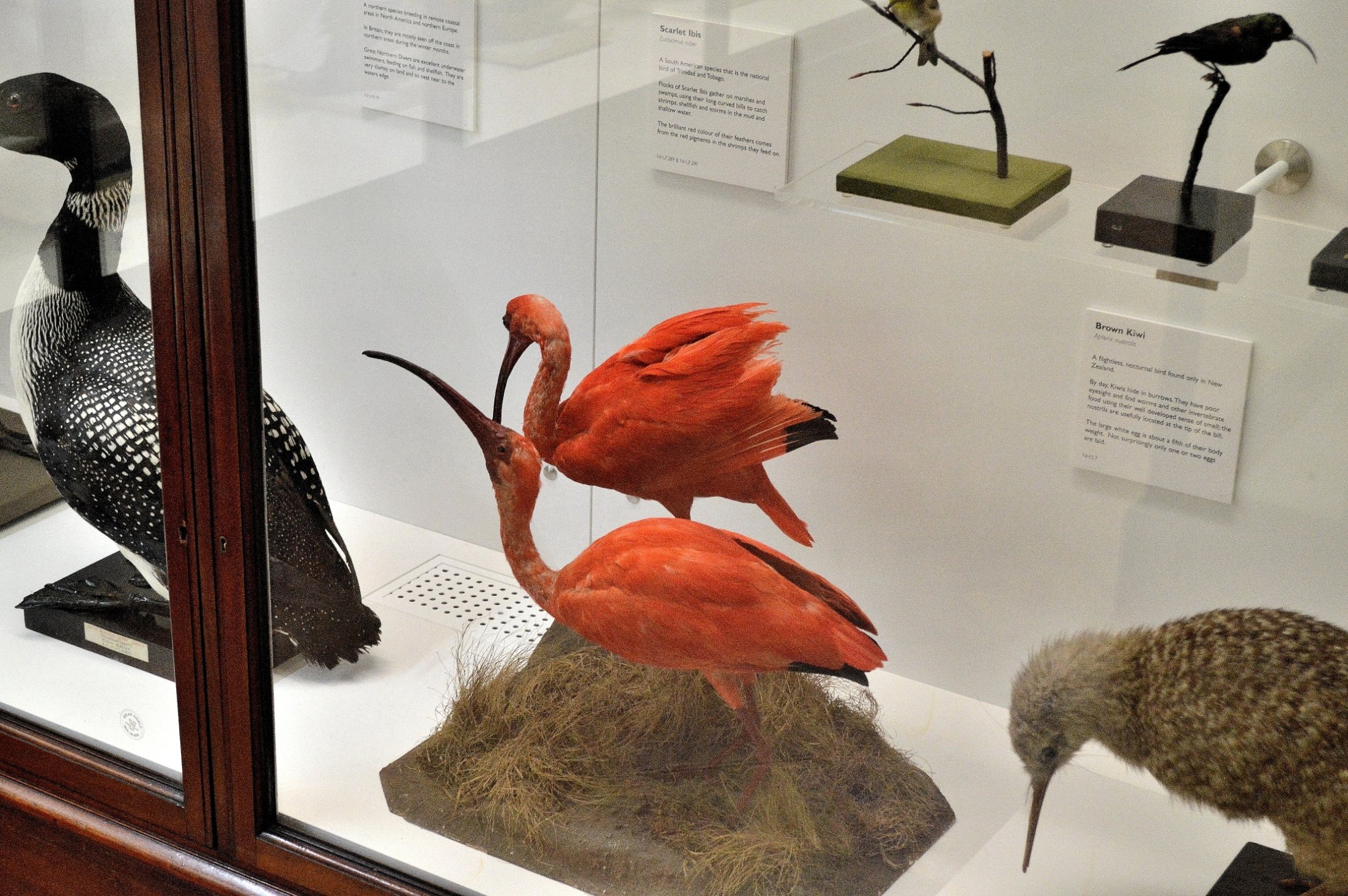

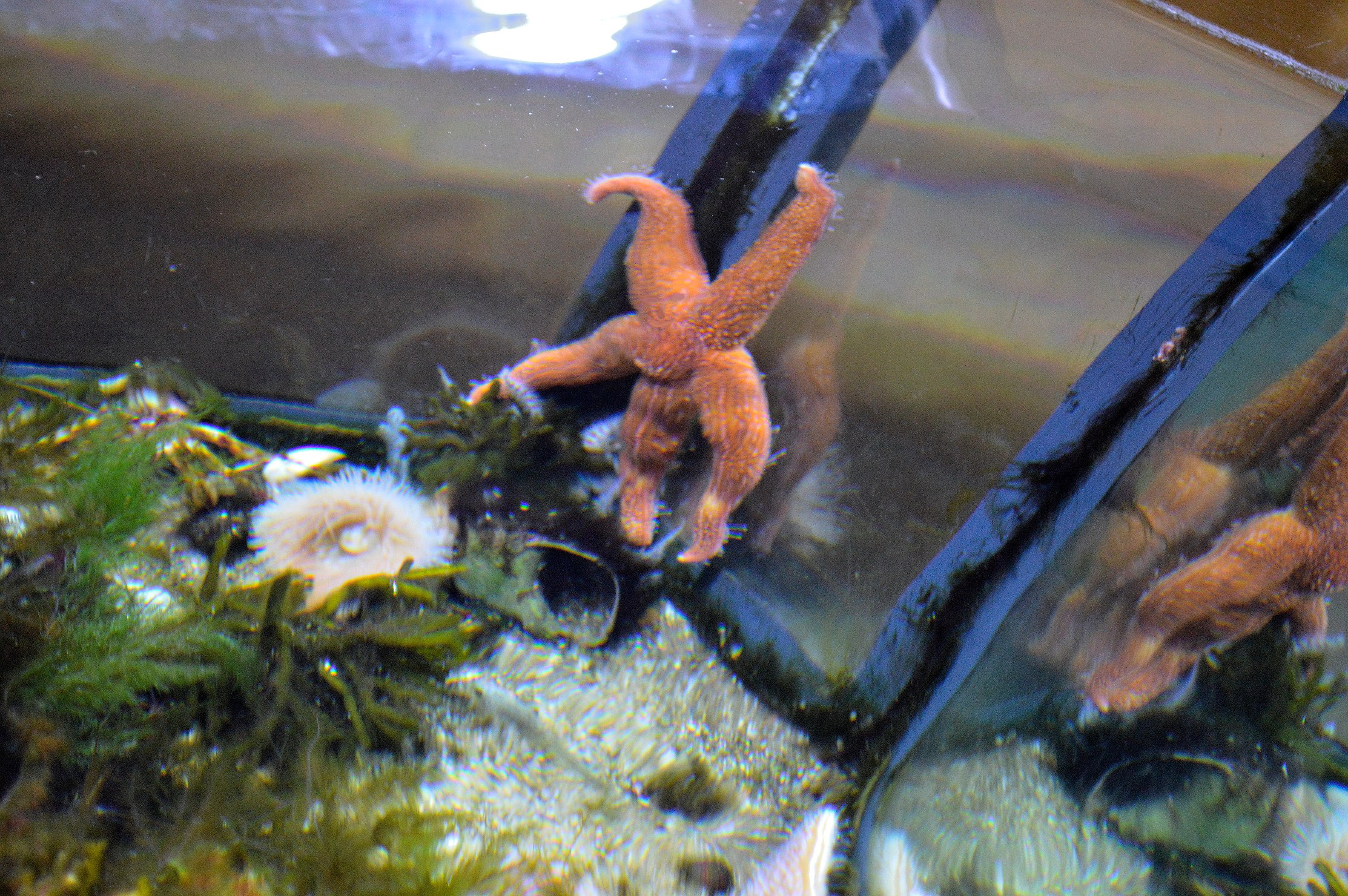
The Aquarium
This chap has all the appearance of gnome doing a high-five. You can even see a face.


Pretentious, moi ?

Doh.
Horniman Museum Gardens
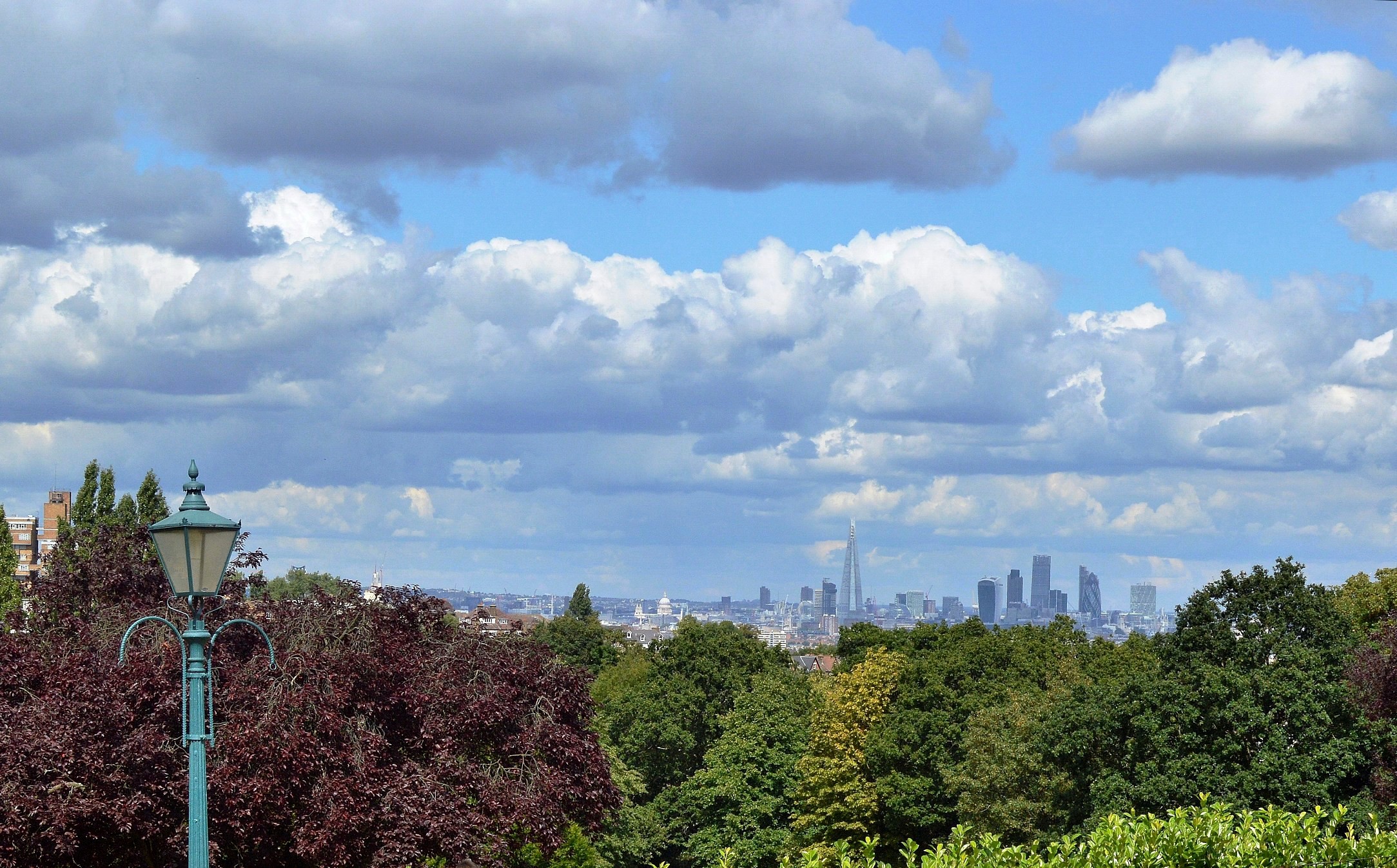
12 pics – A view from the upper gardens of the Horniman Museum across London’s Canary Wharf and the Shard of Glass (the tall pointy thing). For a range of quite extraordinary flowers from the upper gardens please click here, for the museum interiors and artifacts please click here.
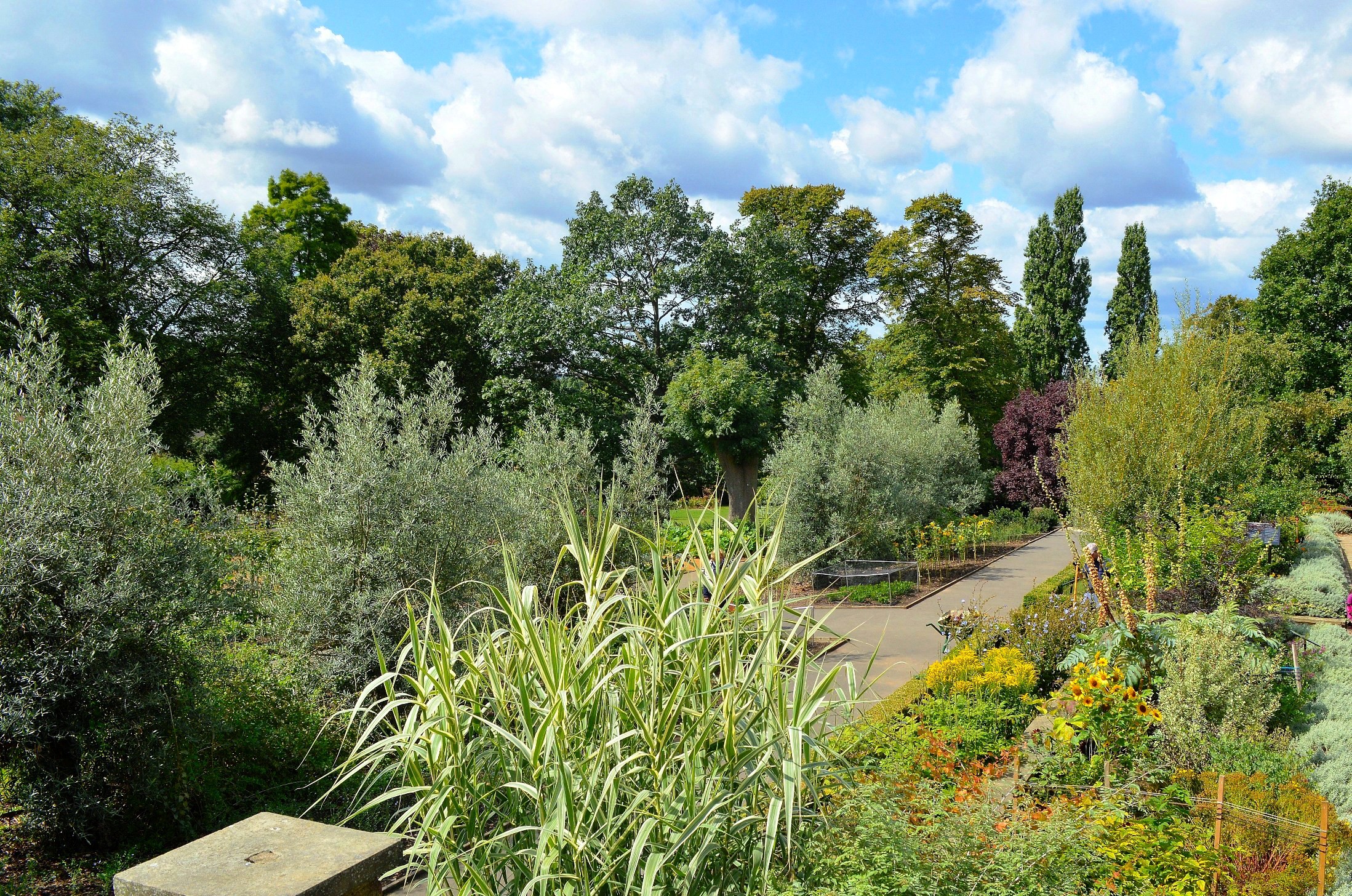
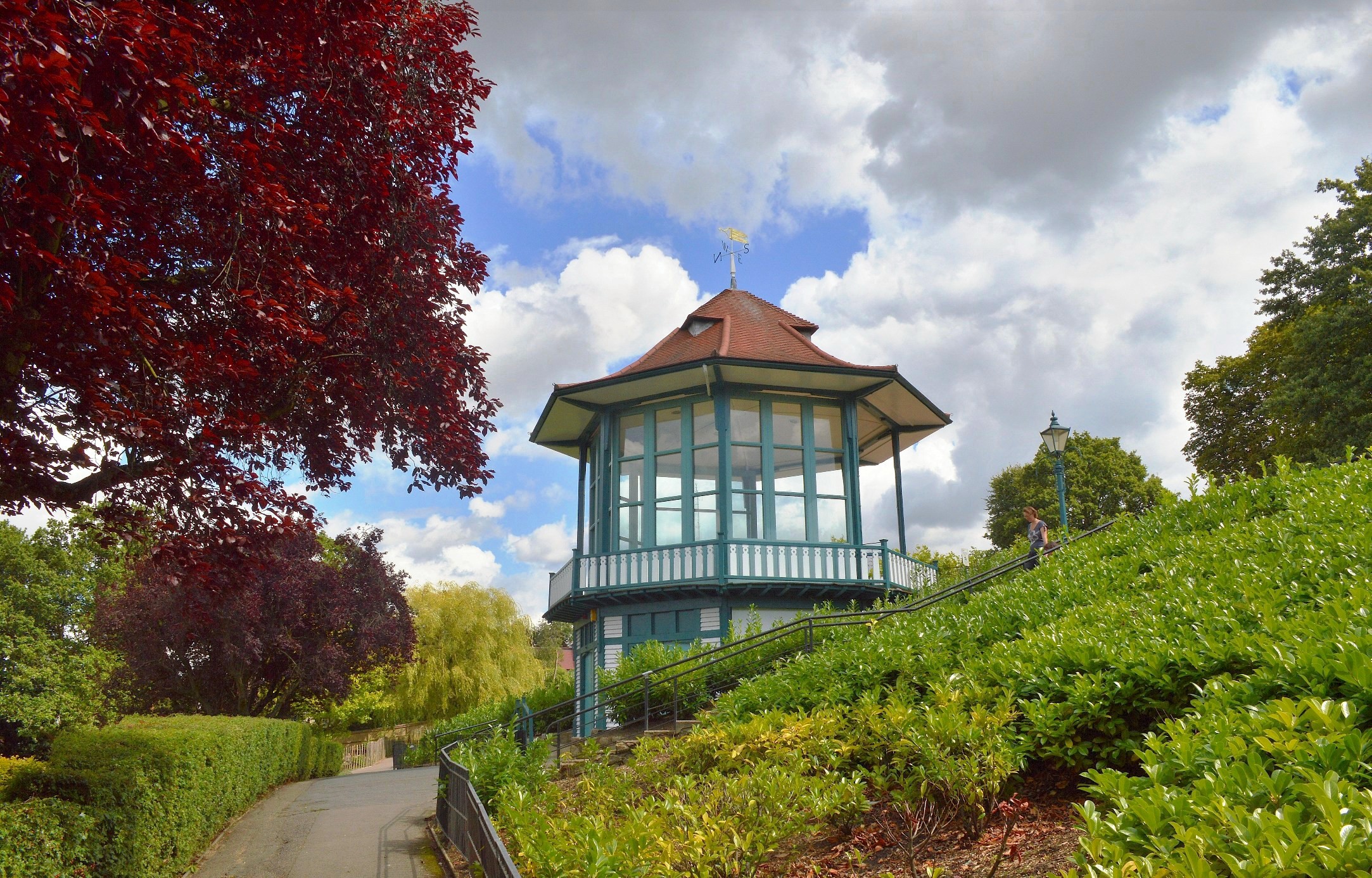
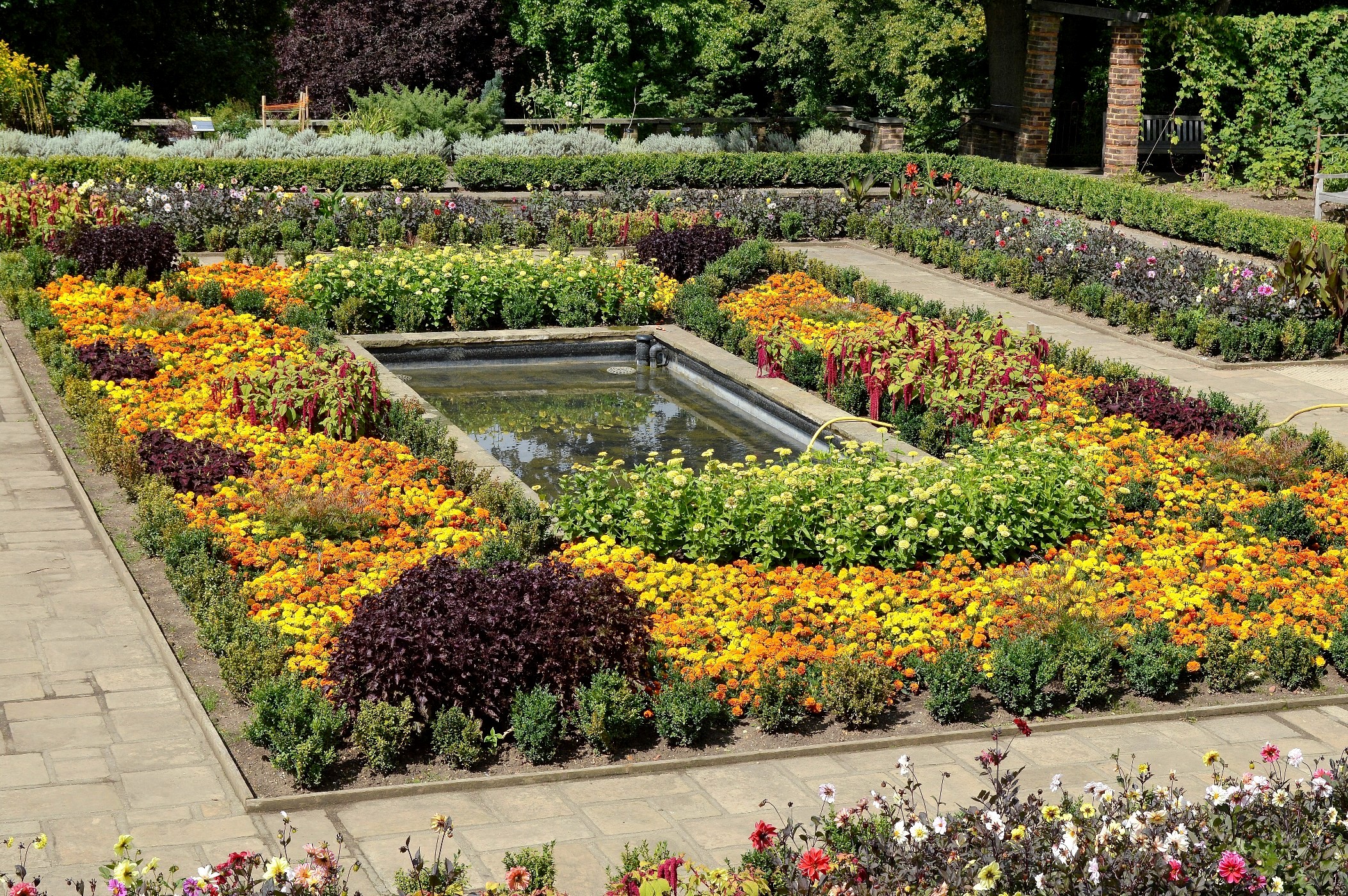
The dye garden.
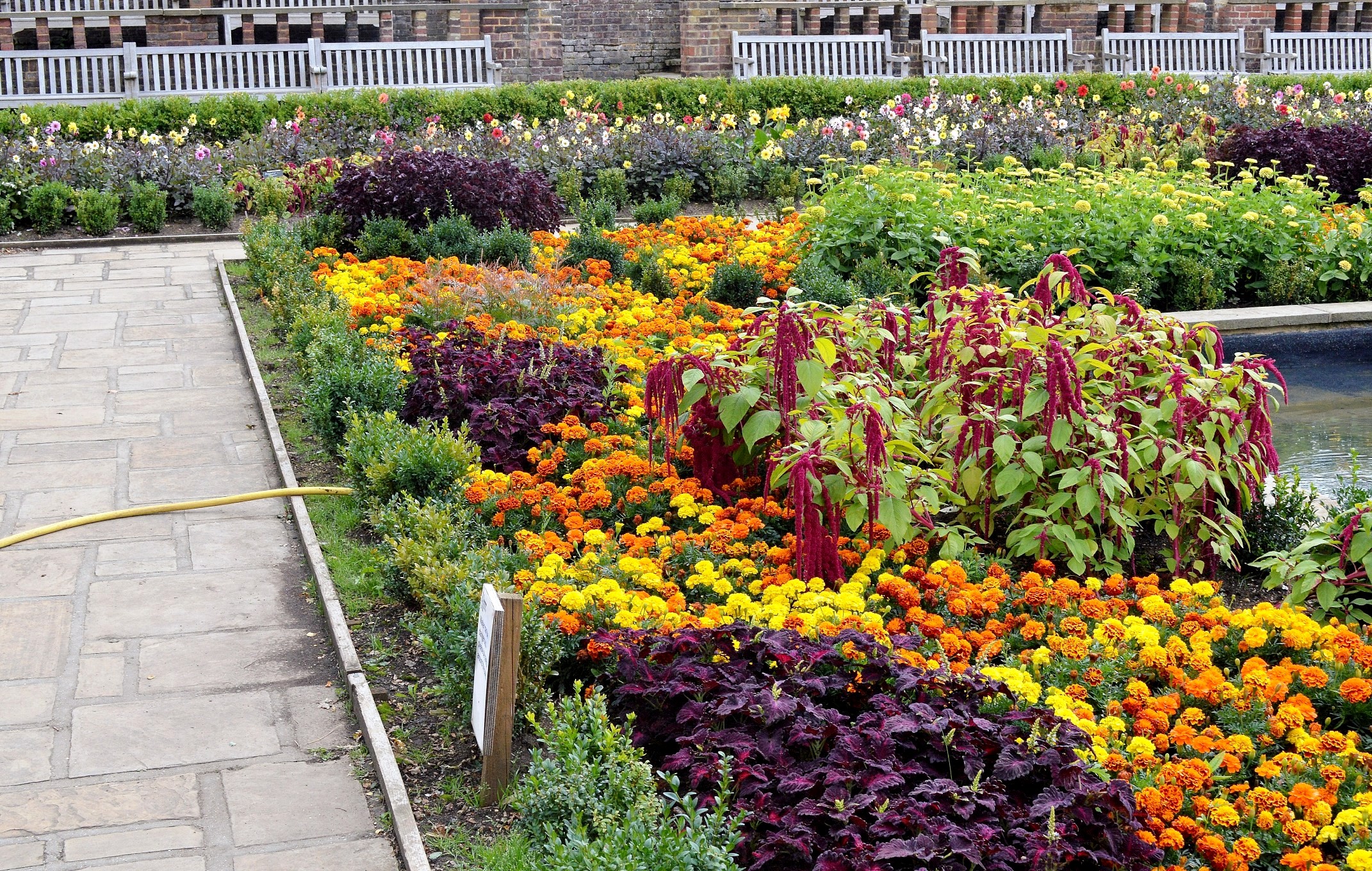
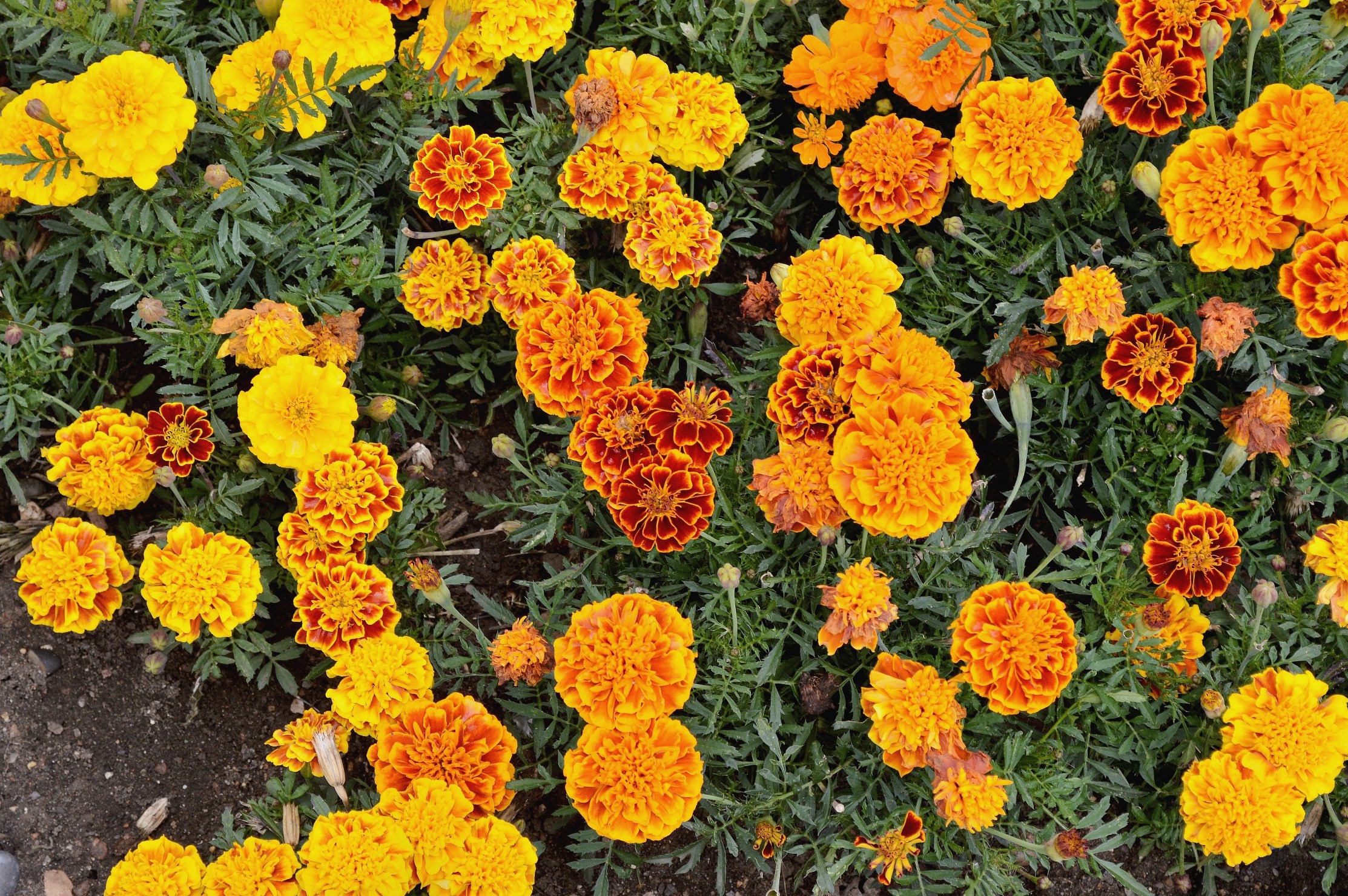
I didn’t post process these. They really are this bright.
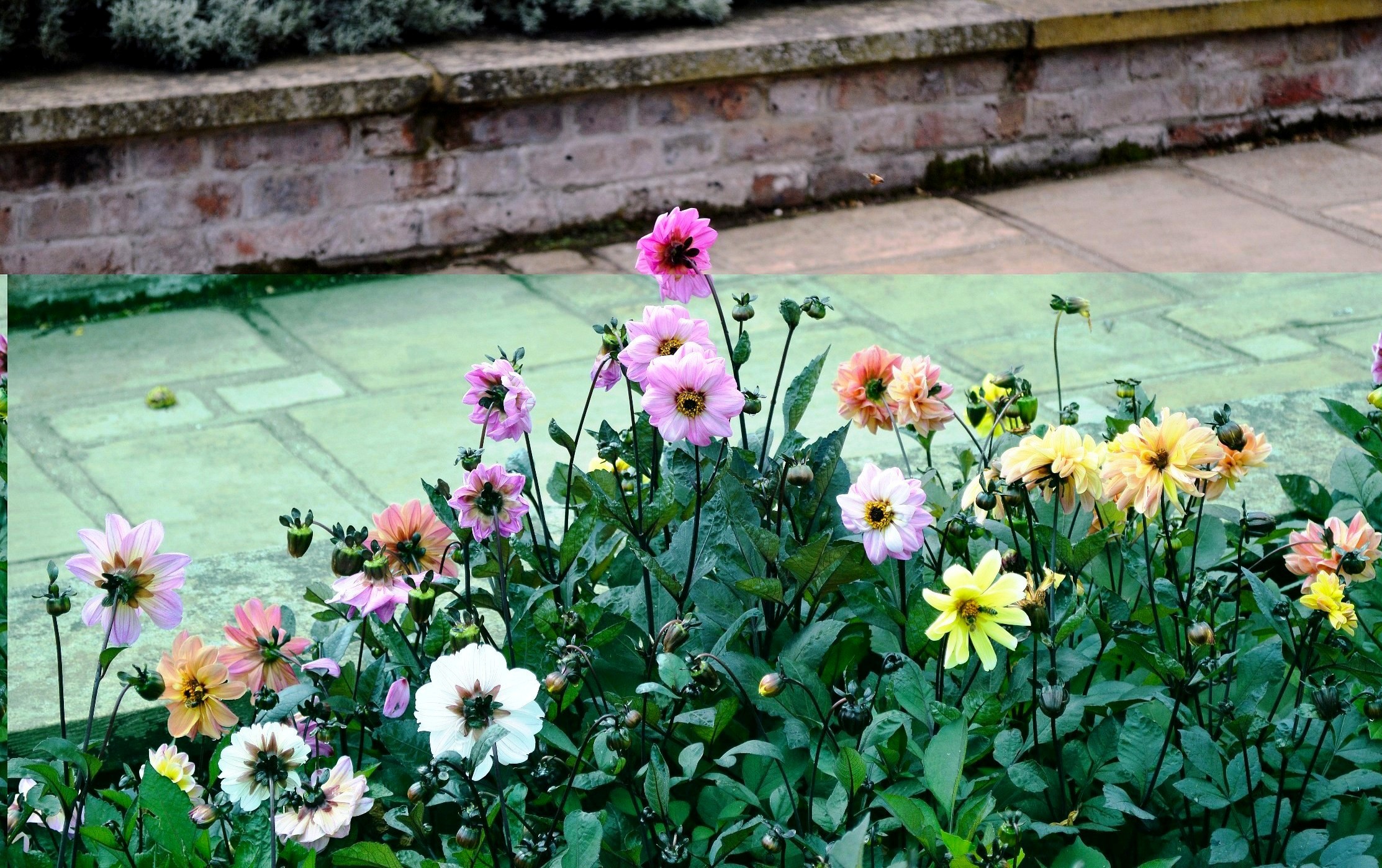
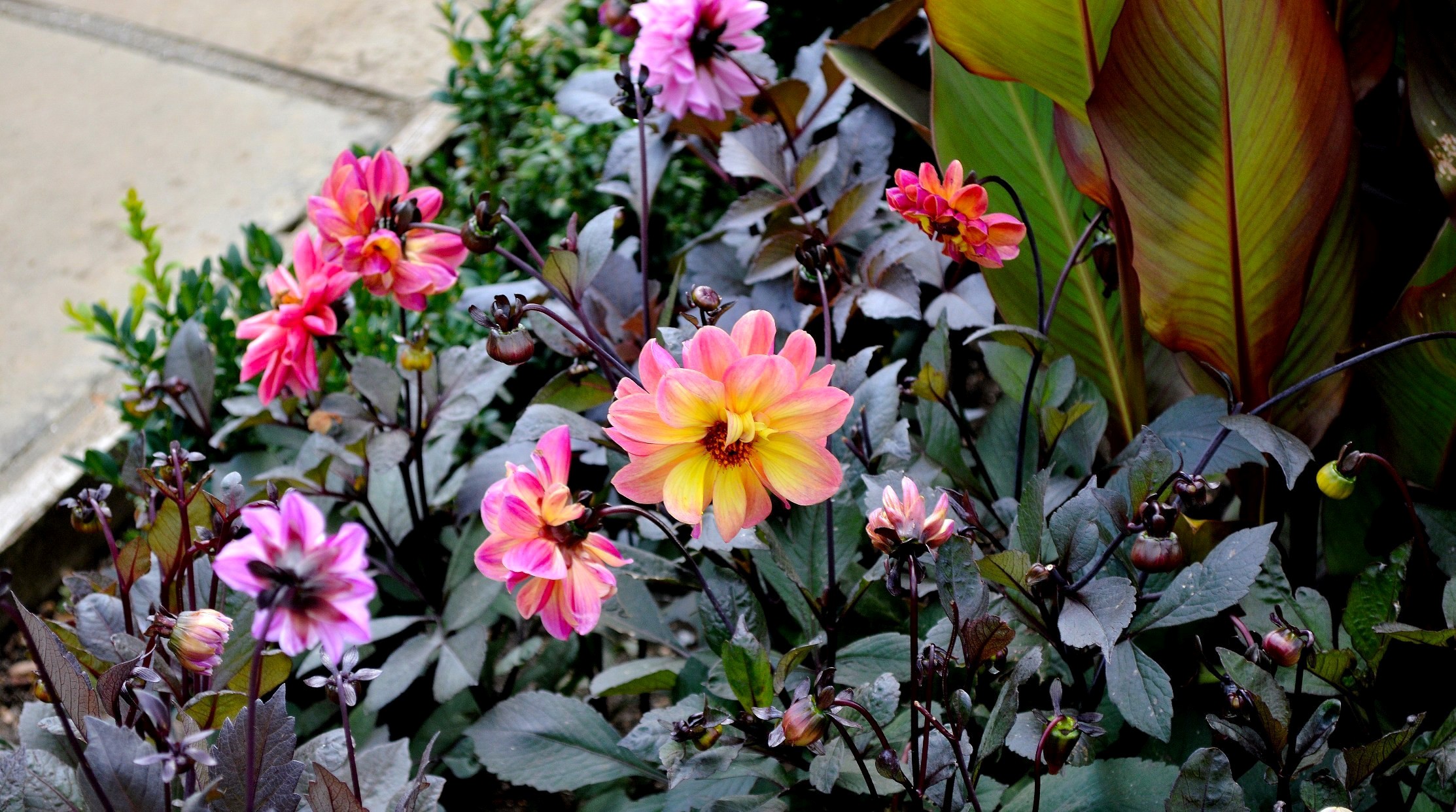
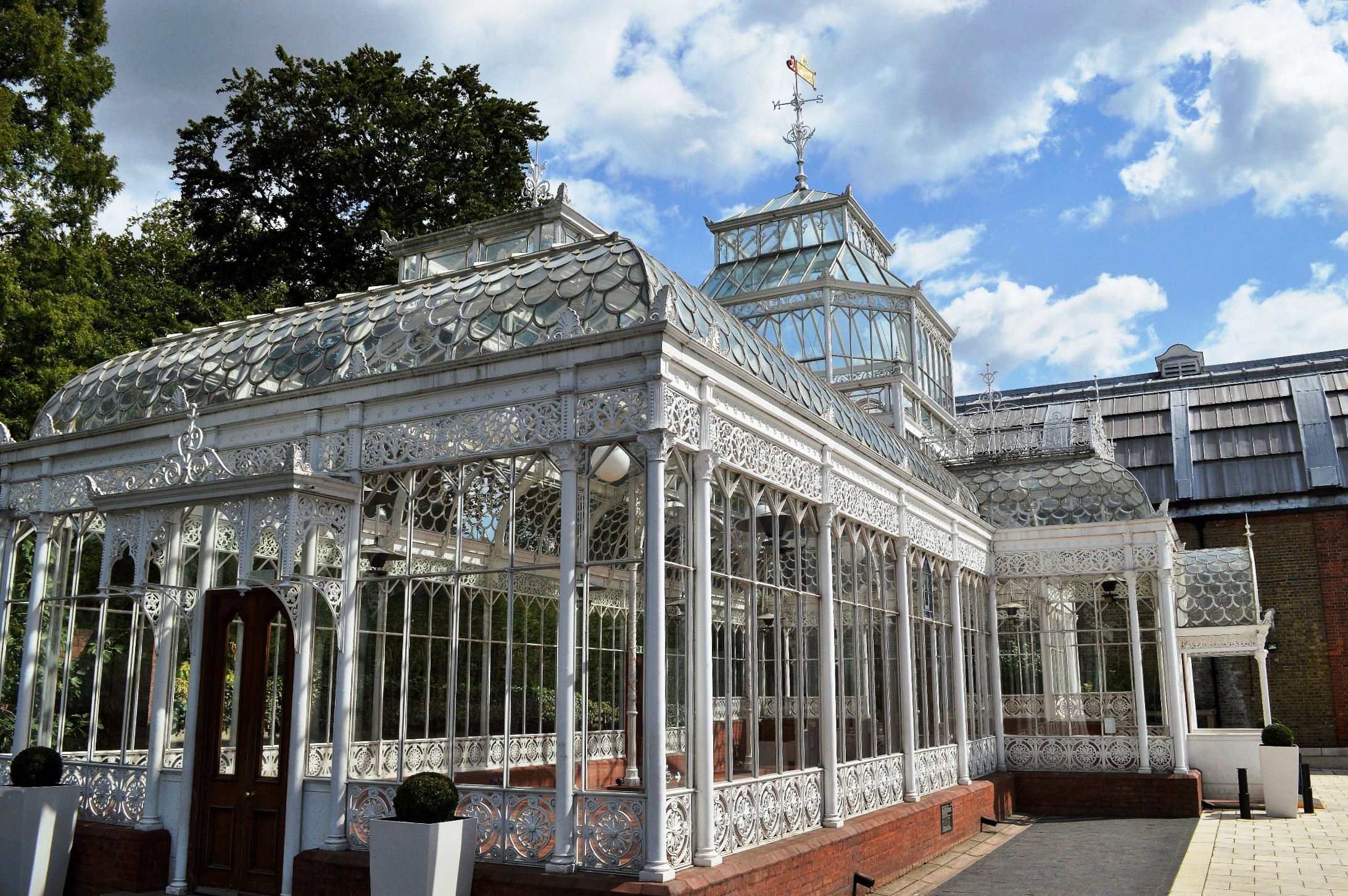
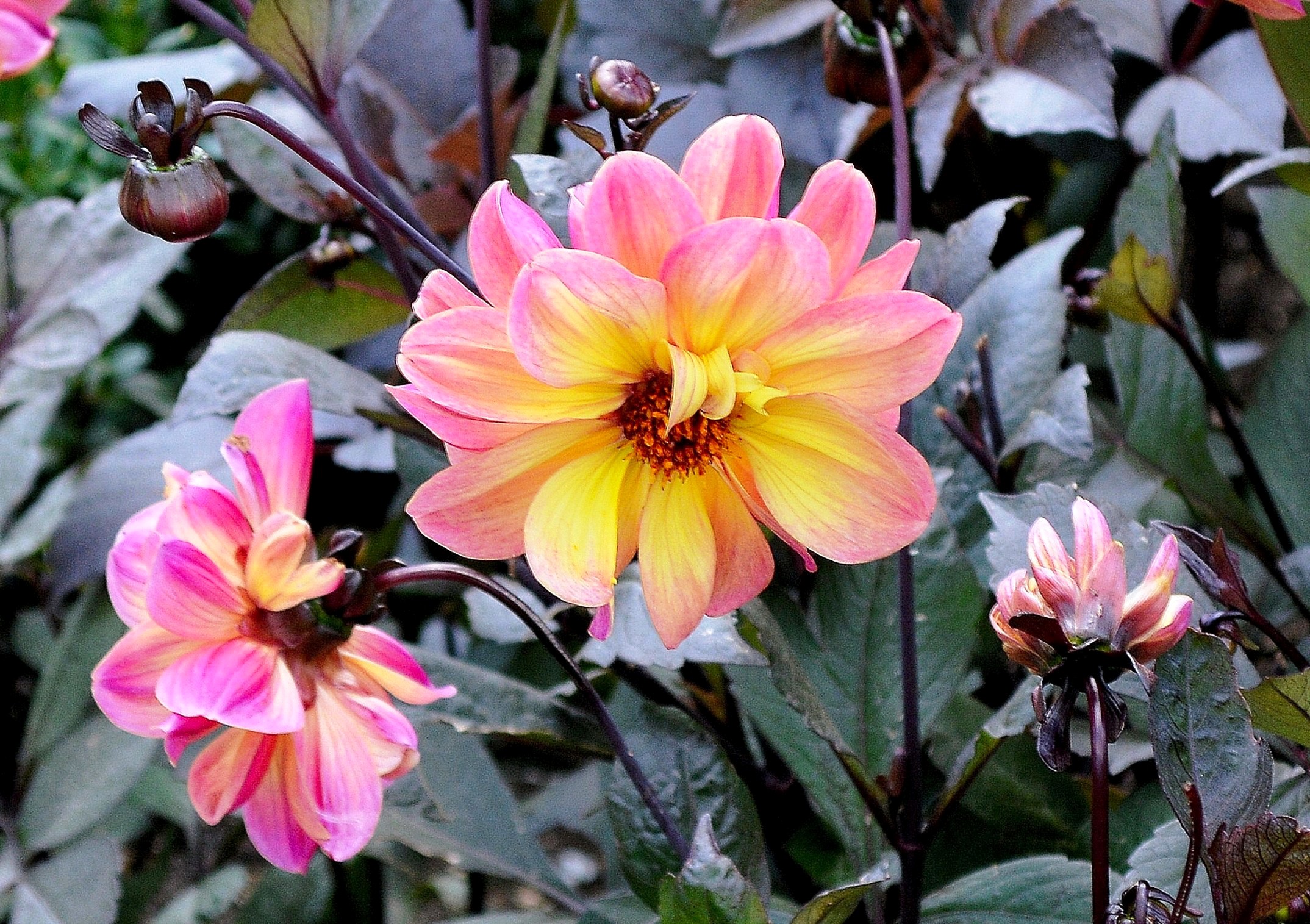
Alright now I’ve got a pearl of wisdom, what do I do with it ?
I you think I’m strange, wait until you see what’s inside the museum. I was thrown out for being too normal :-D.
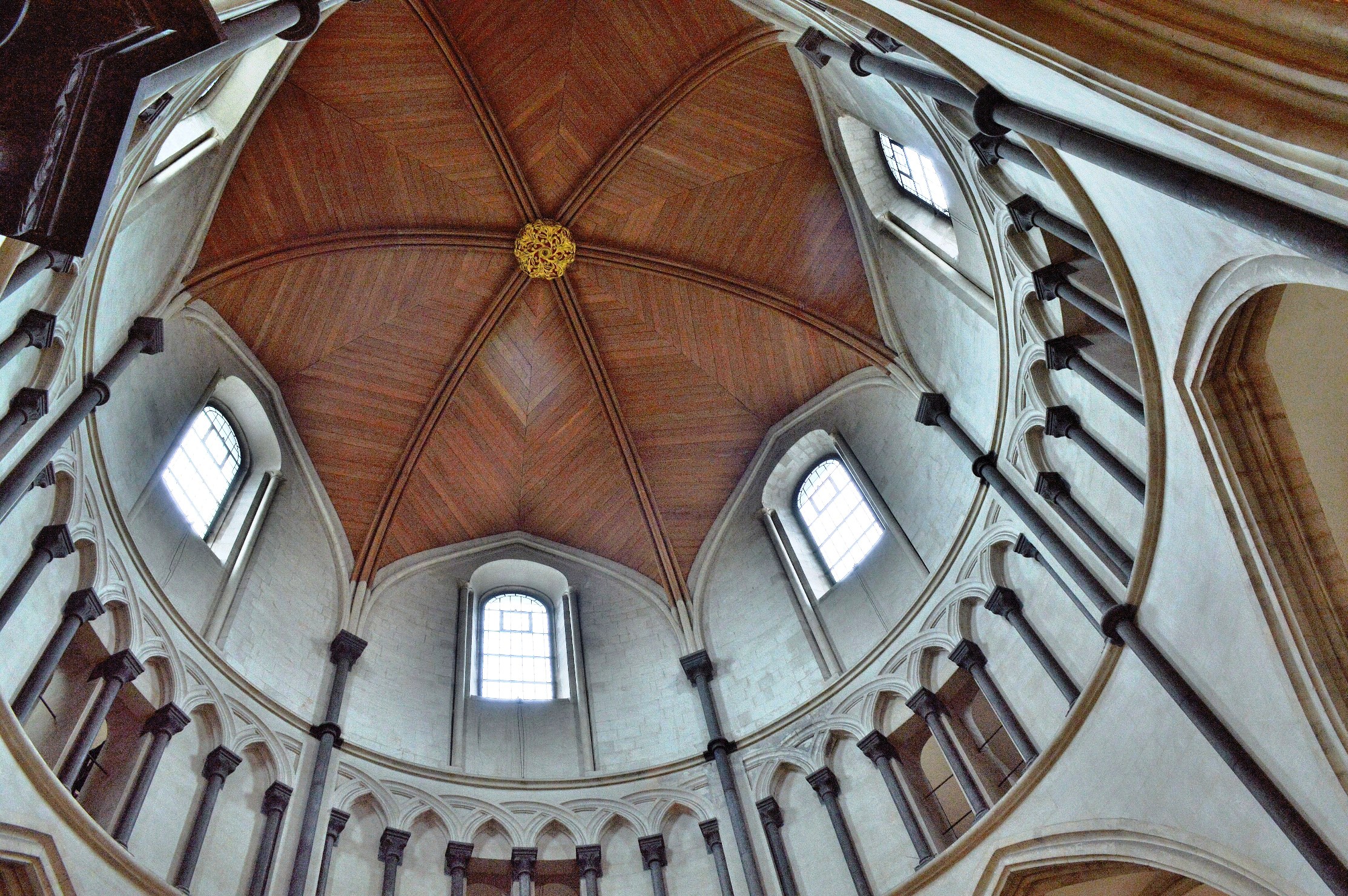
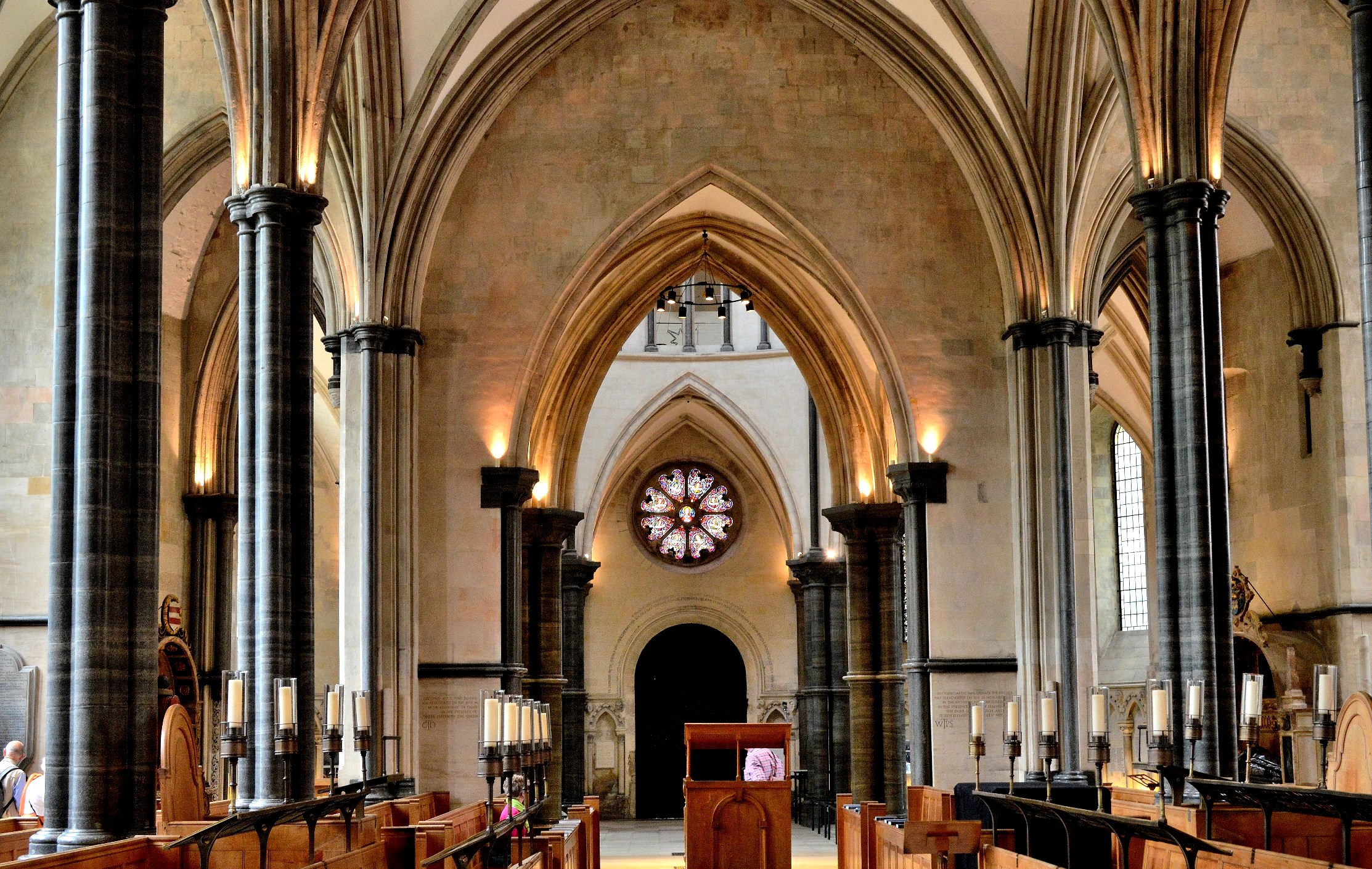
The Temple Church
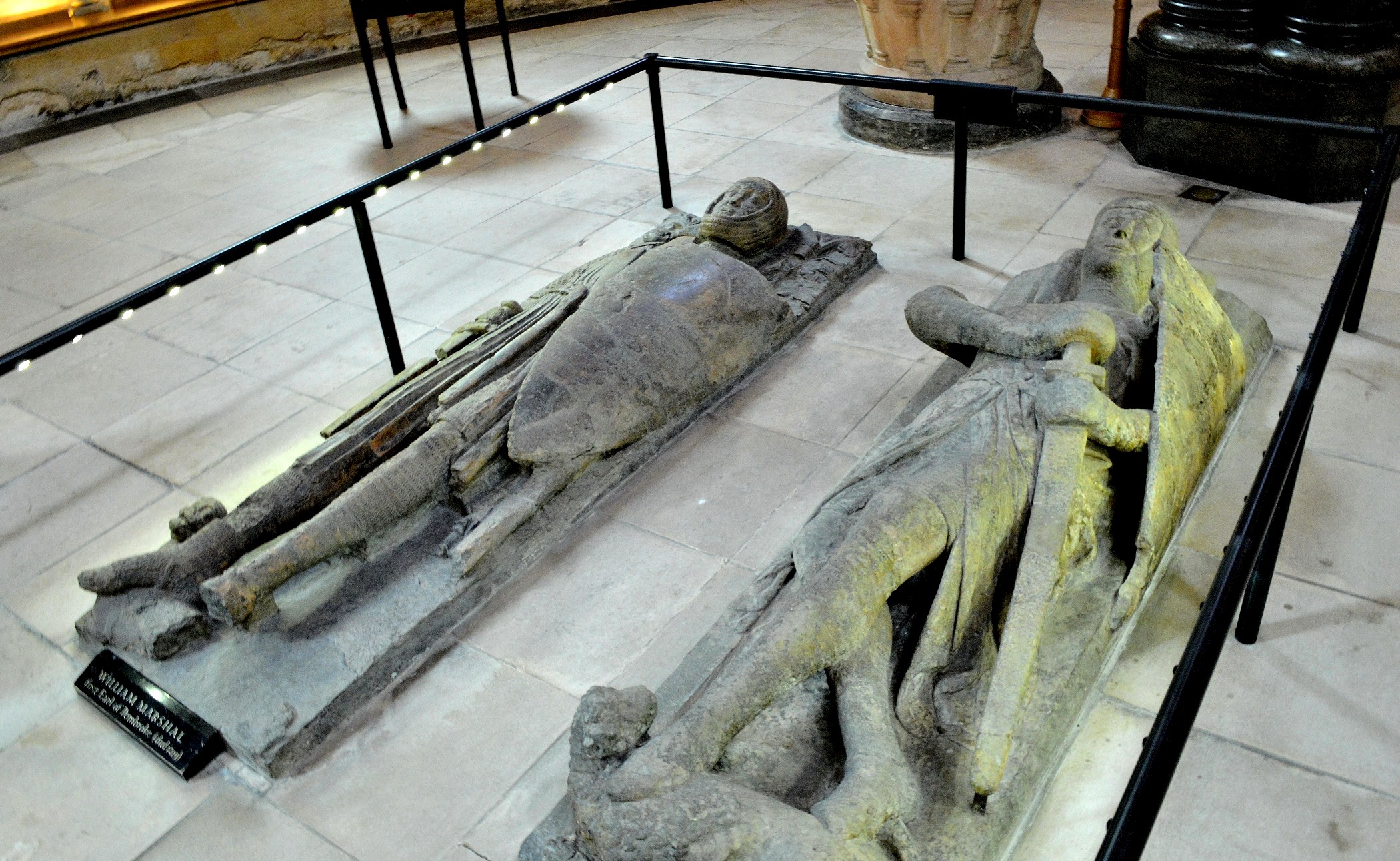
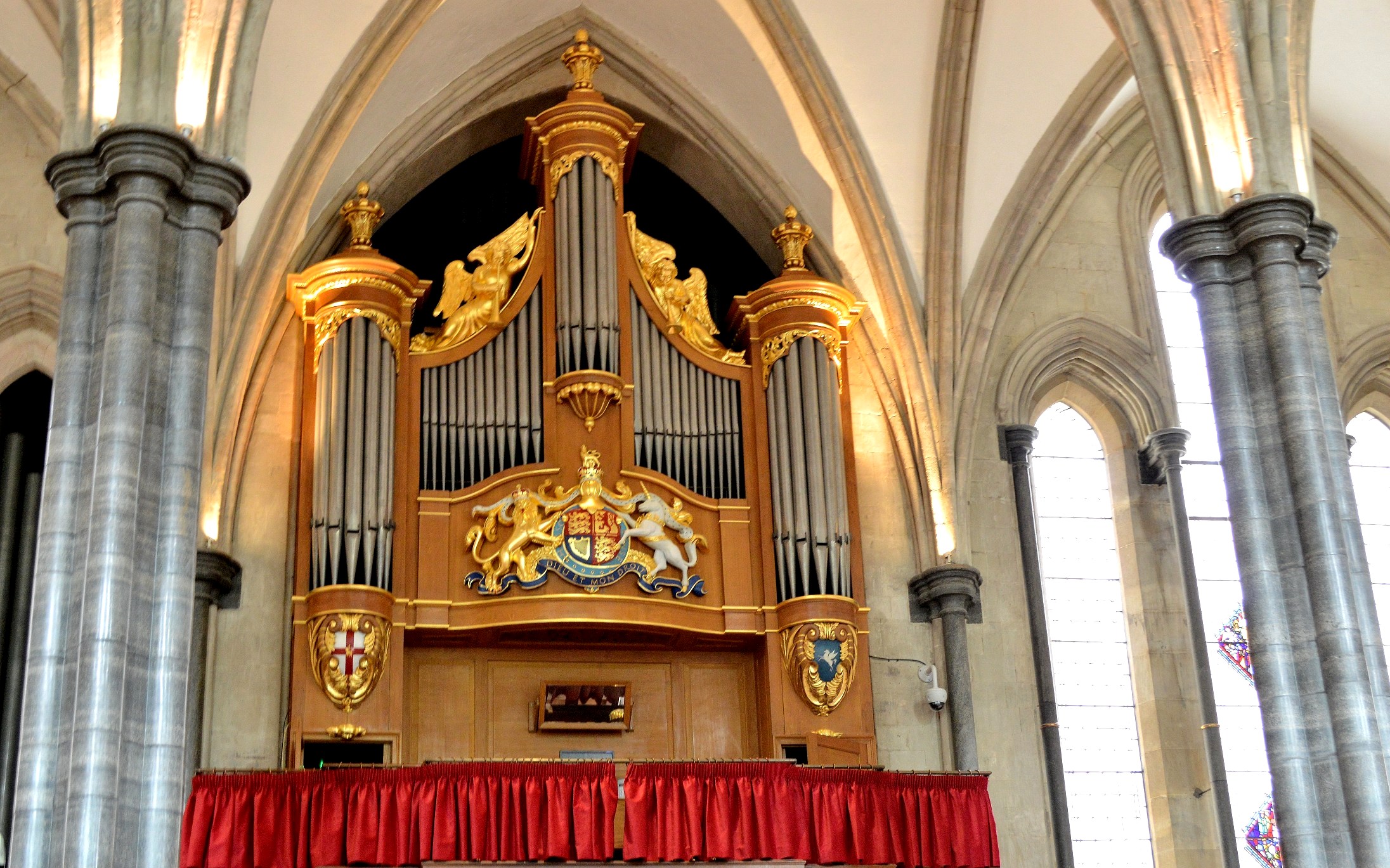
 16 pics – The Temple Church dates from 1185 and can be found amidst the Temple Court. More pictures of the Temple Court and how to find it here⇐.
Flowers of the Temple Court here⇐,
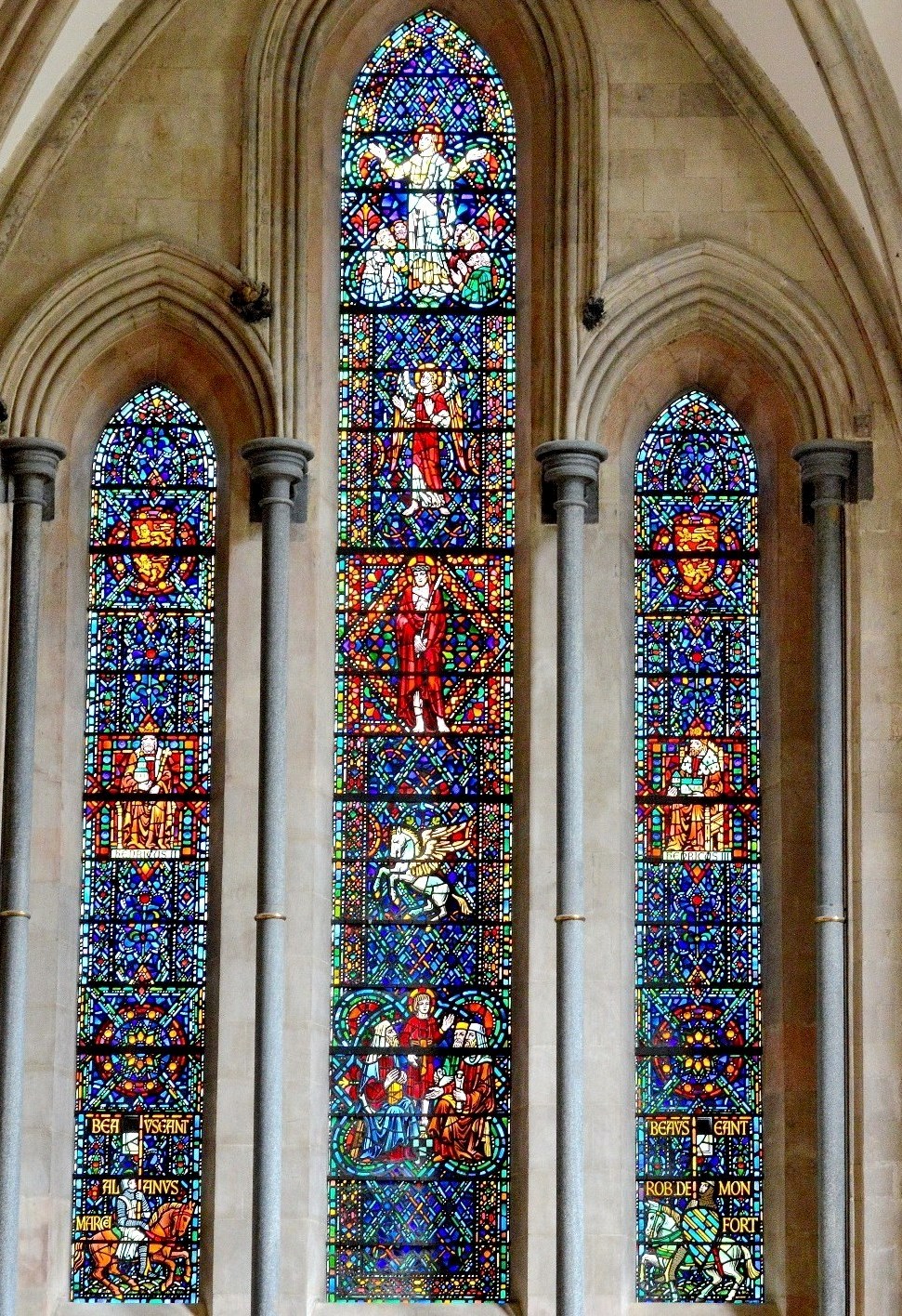
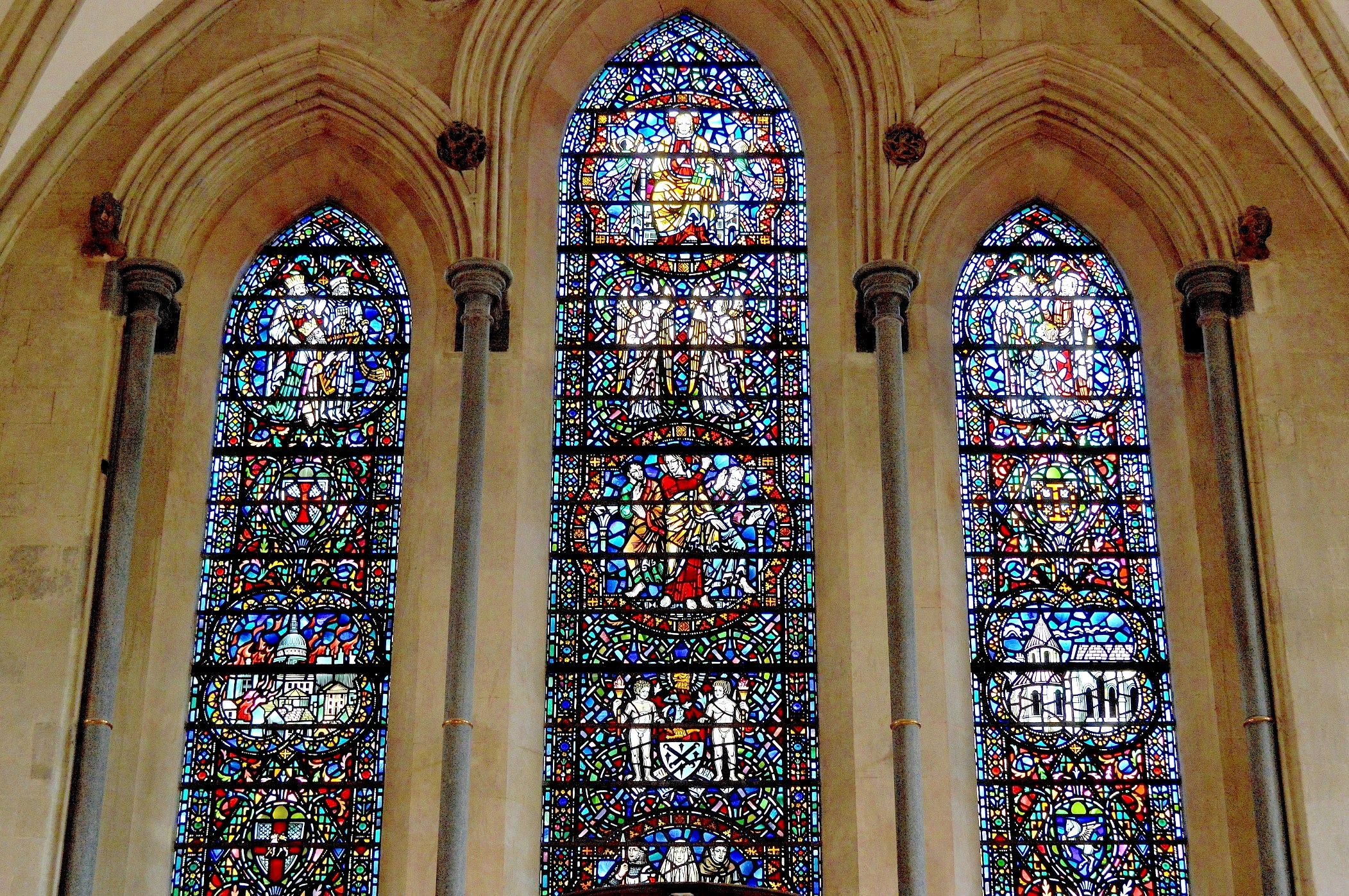
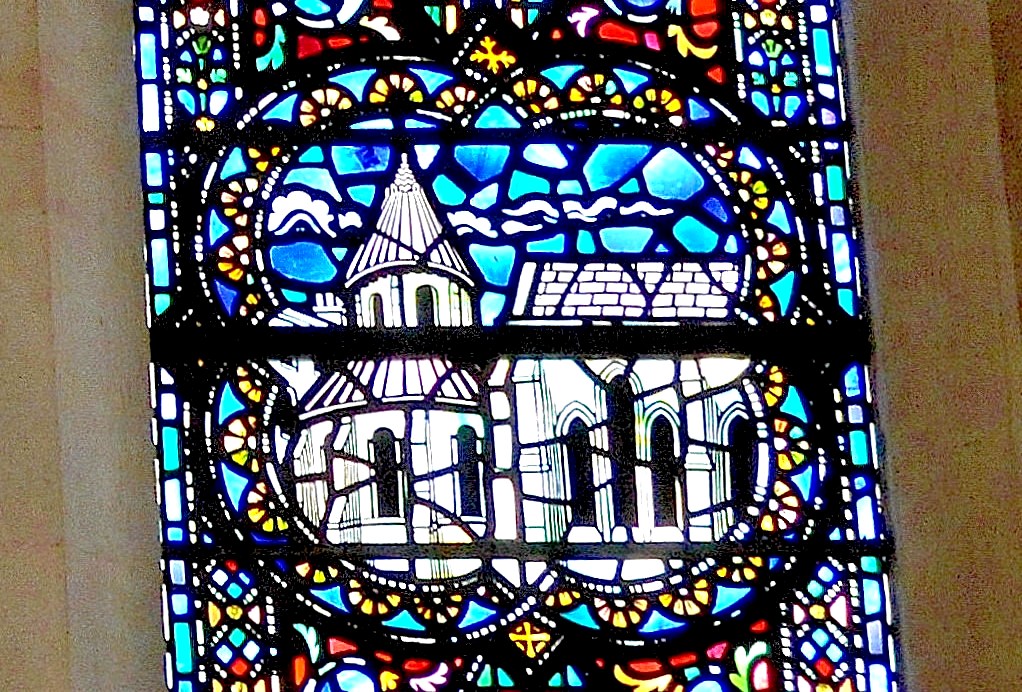
Admission to the Temple Church here⇒ (do check for admission dates/times) and its History here. It has some of the most intricate stained glass that I have ever seen and there are pictures further down.
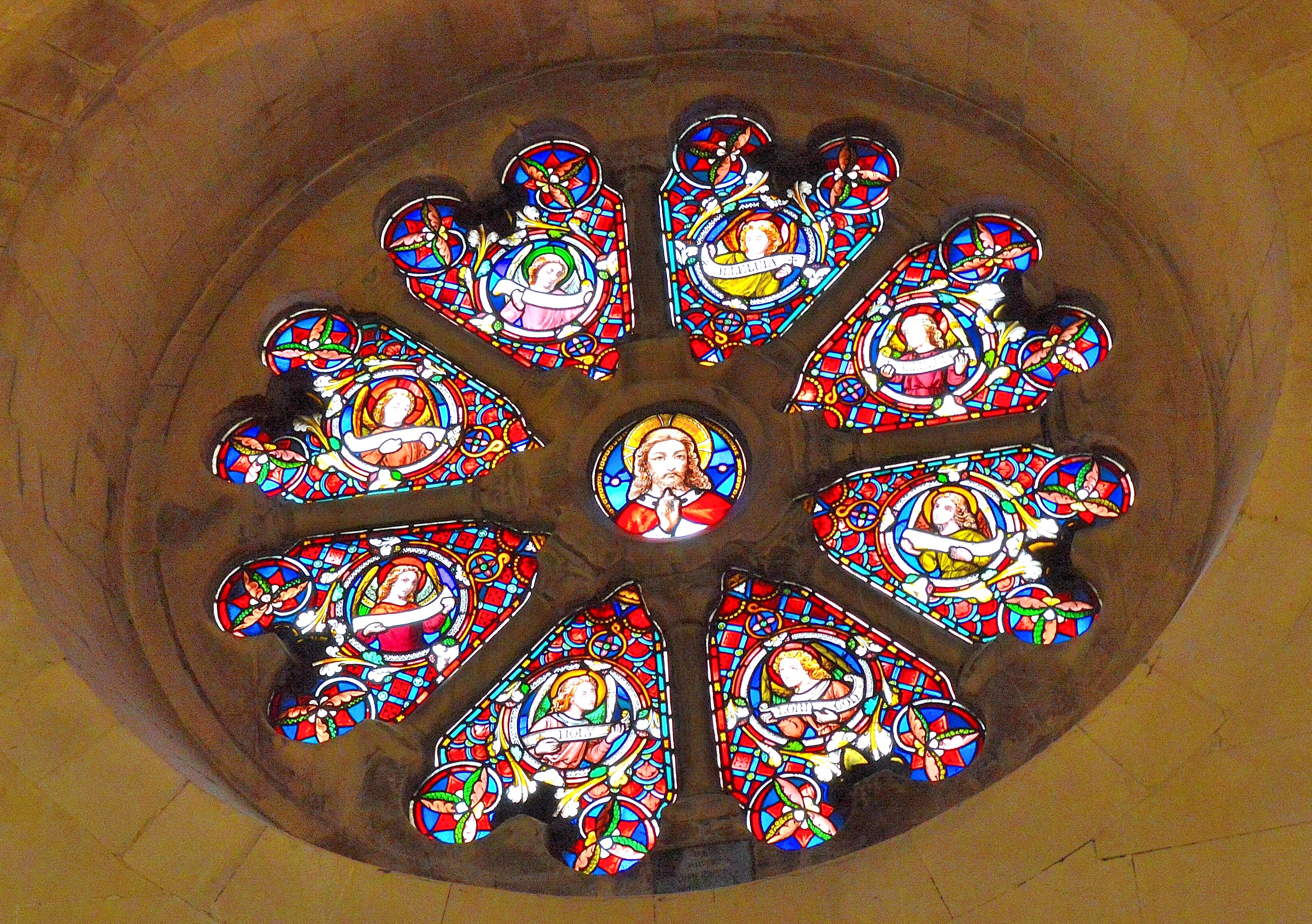
These are four separate windows.





The Temple Court
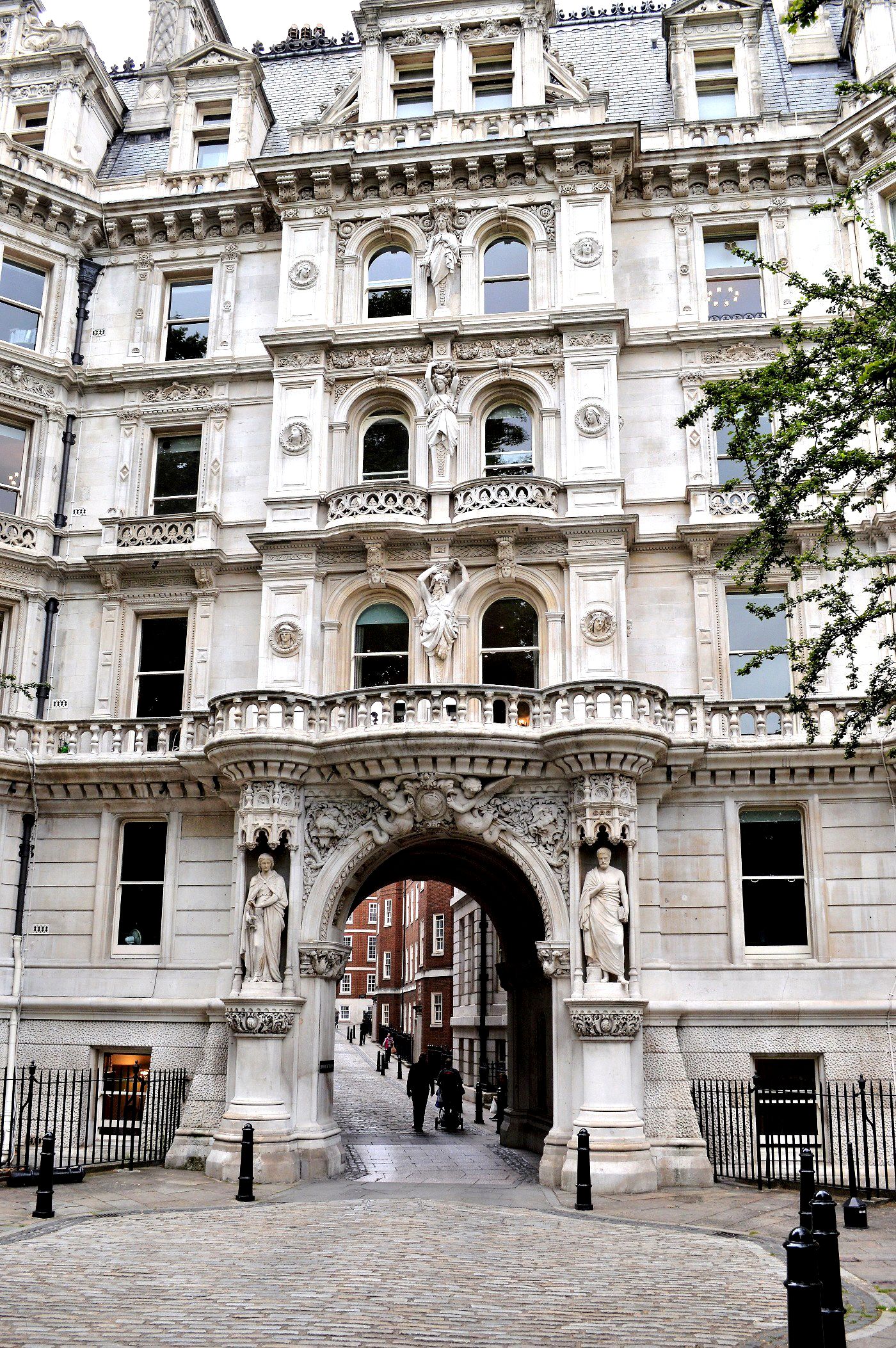 9 pics – The Temple Court was established in the twelfth century by the famous Nights Templar. Later given to the Nights Hospitaller, it has changed hands frequently but mostly provided chambers for barristers throughout the centuries. It is still one of the centers of English law.
Many of buildings were damaged during WWII and rebuilt. More of its history here⇒.
The Temple Court is haven of peace hidden away amongst the bustle of London. The nearest underground railway station is the Temple. On leaving the station turn left and proceed until you see this portico on our left.
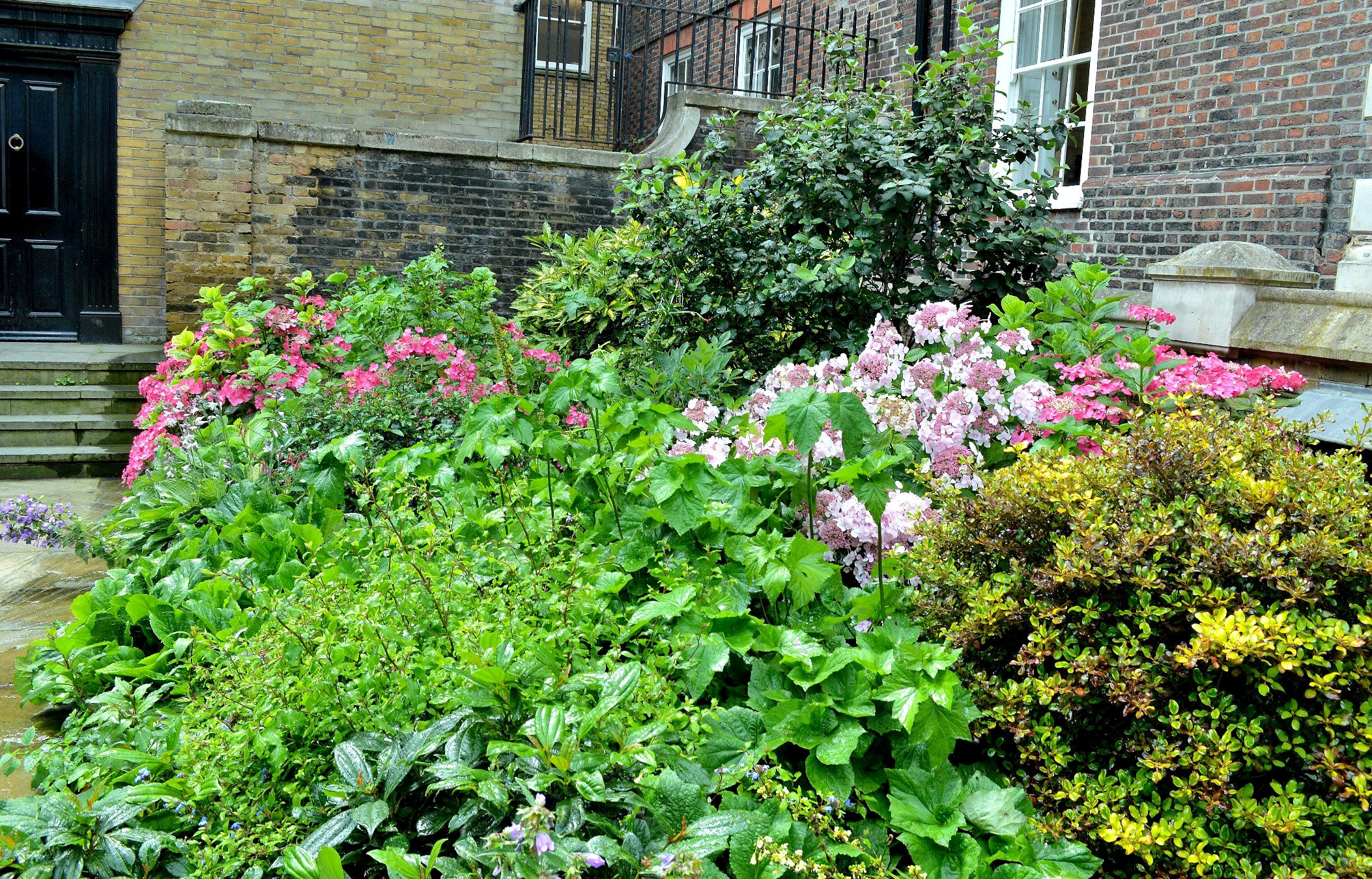
Within the court there are many delightful small gardens and the Temple Church. More flowers here ⇒ and pictures from within the Temple Church here ⇒.
Within the court ⇓.




The Tower of London

The view from Tower Hill (just outside Tower Hill underground station). Click here for more about the Tower History, Events Tours and Admission and here for the White Tower Interiors (Armour and Weapons) and here for nearby All Hallows Church (the oldest in London). Visitors can photograph most places except for the Jewel House (home of the famous Crown Jewels). There will be queues for exhibits such as the Jewel House and it is better to arrive early.


Tower Bridge and the Tower itself. The bridge was originally raised by steam powered hydraulic engines but in recent times by an electrically powered hydraulic system . Visit inside the bridge here ⇒.
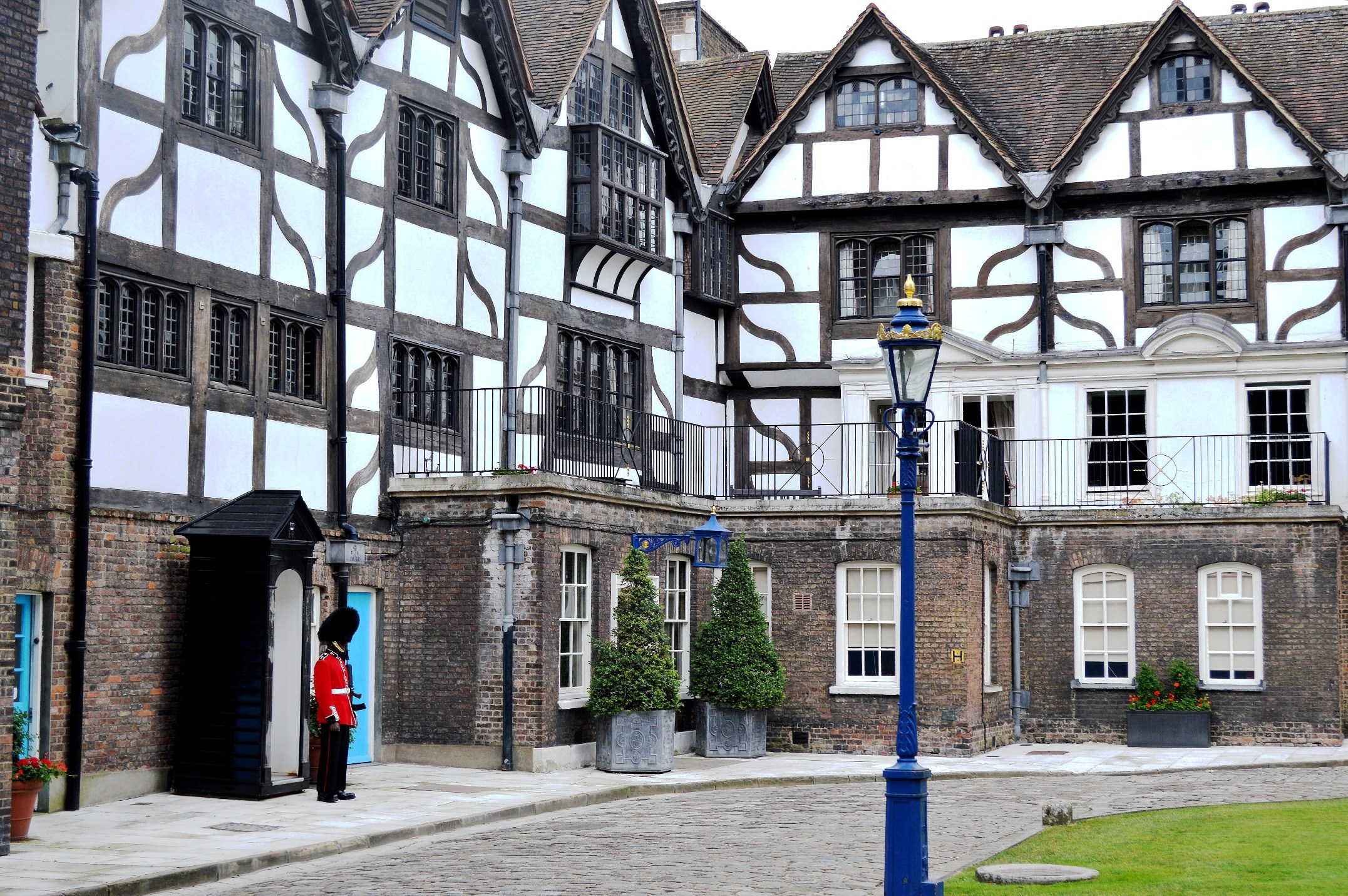
There is always one of these standing guard.
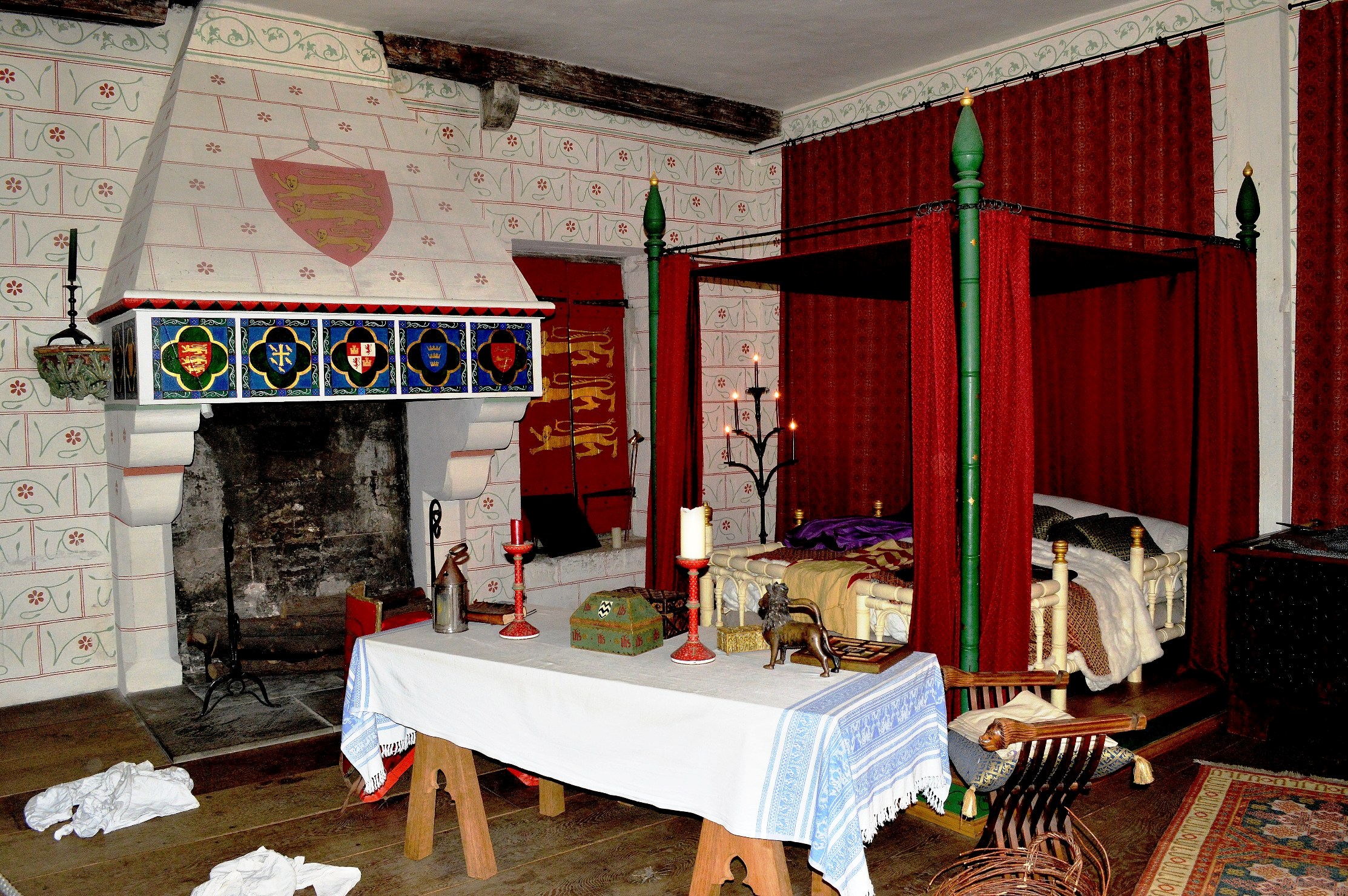

The tower once had a menagerie.


Those accused of treason would be transported to the tower by river and entered via traitors gate and might then go to the Bloody Tower. Below the tower is the remnants of a torture chamber. Visitors were queuing up.


There are a number of tour guides, all happy to be photographed.

The cage holds some of the tower’s ravens. They are not all let free at the same time. The legend is that England will fall if the ravens ever left the tower. They are very well cared for and locked up at night. They also think they own the place.


The guards are not allowed to interact with anybody but you can stand beside one and have your photograph taken. Should anybody get too familiar, or just because the guard feels like it, he will let out a blood curdling scream and present the pointy end of his rifle. Then there is vigorous marching up and down. It has the desired effect.

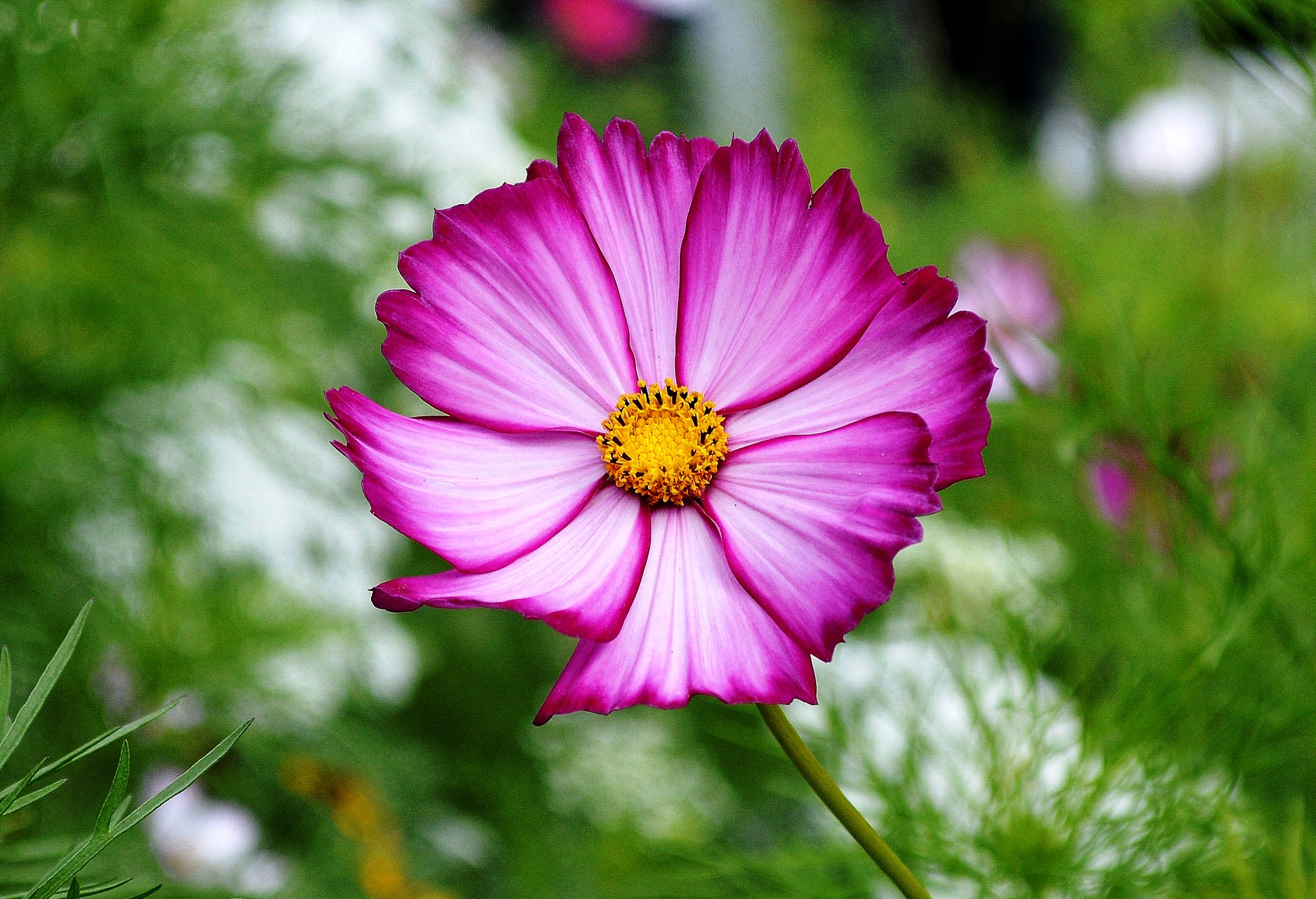
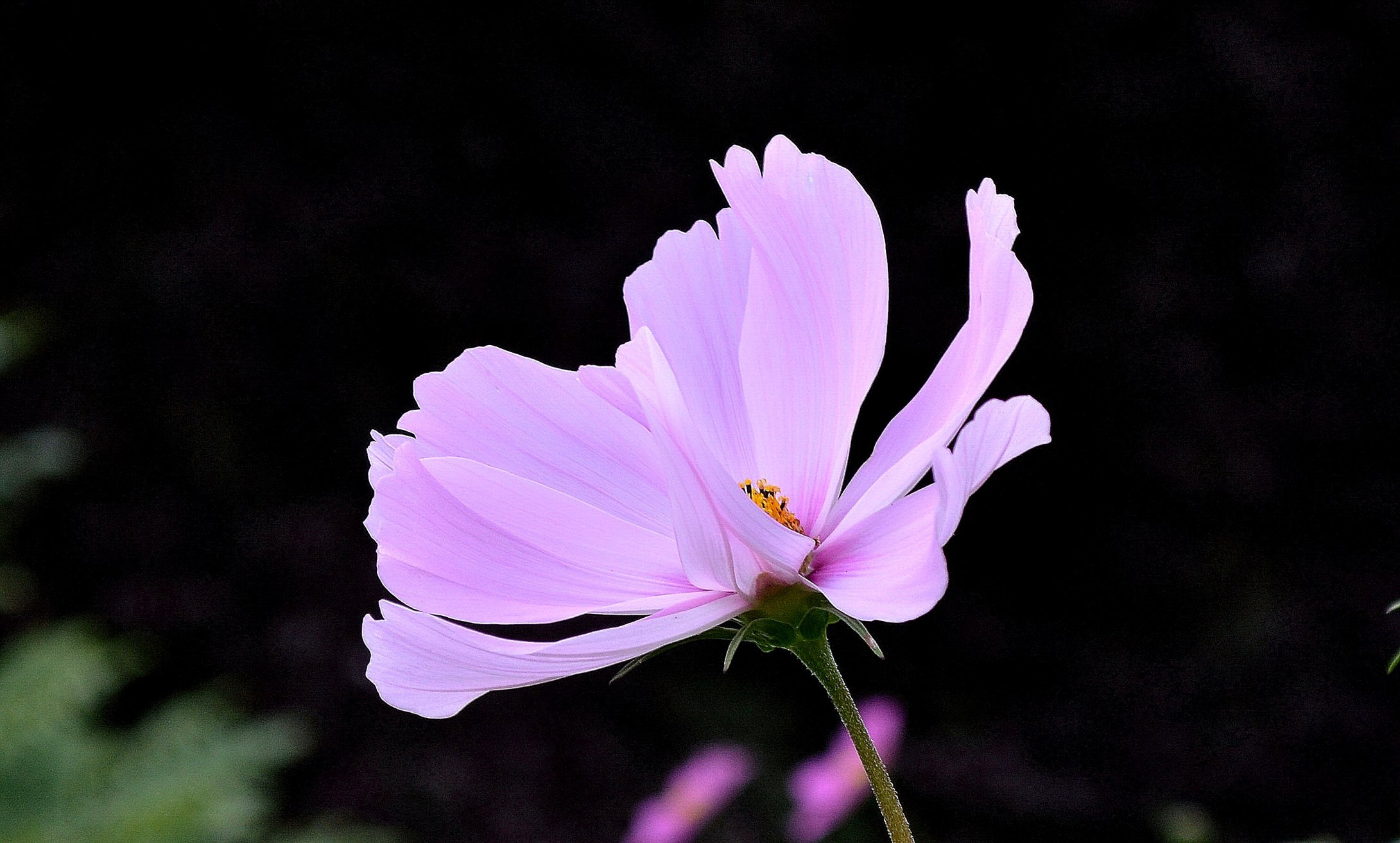
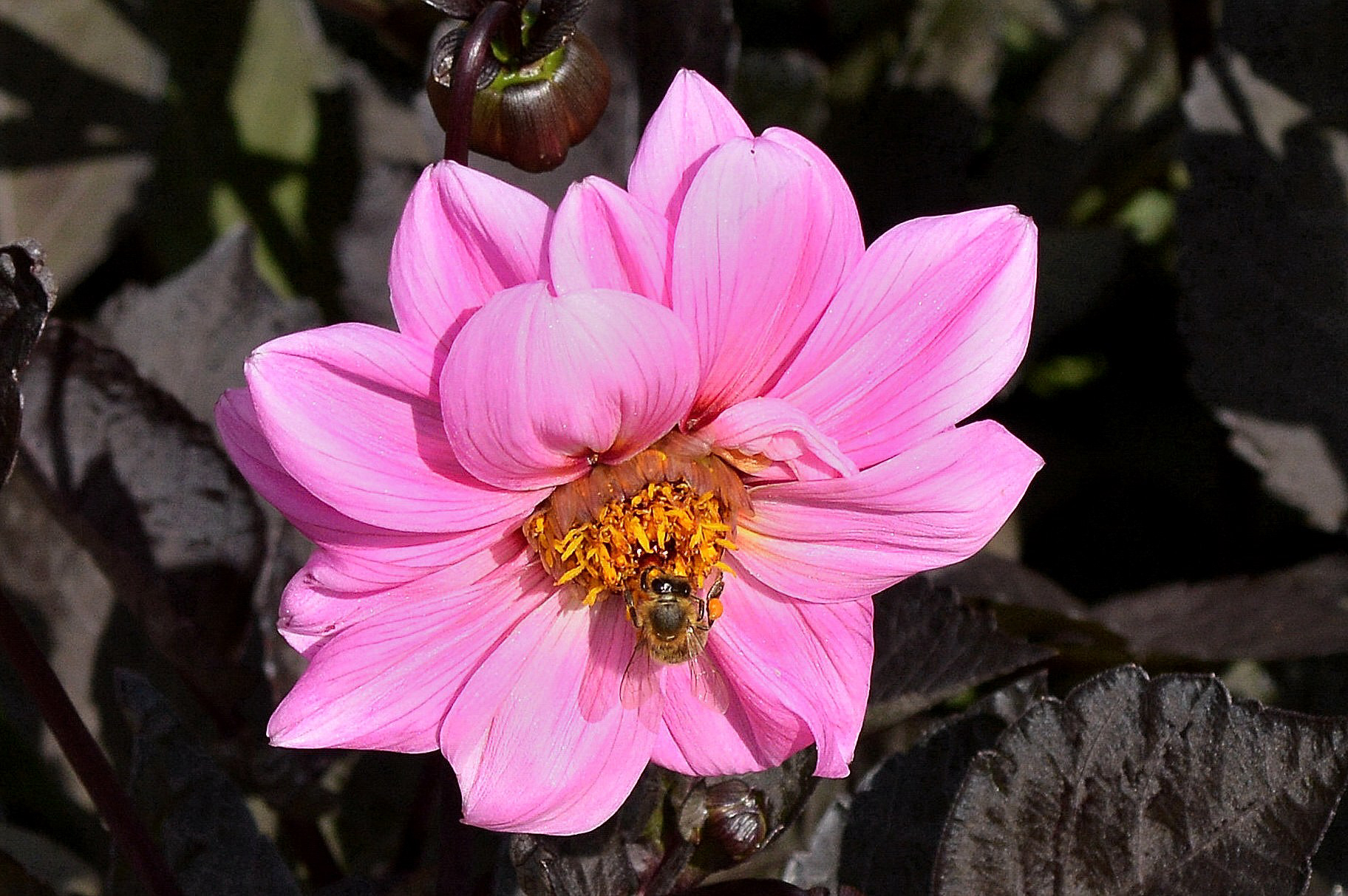
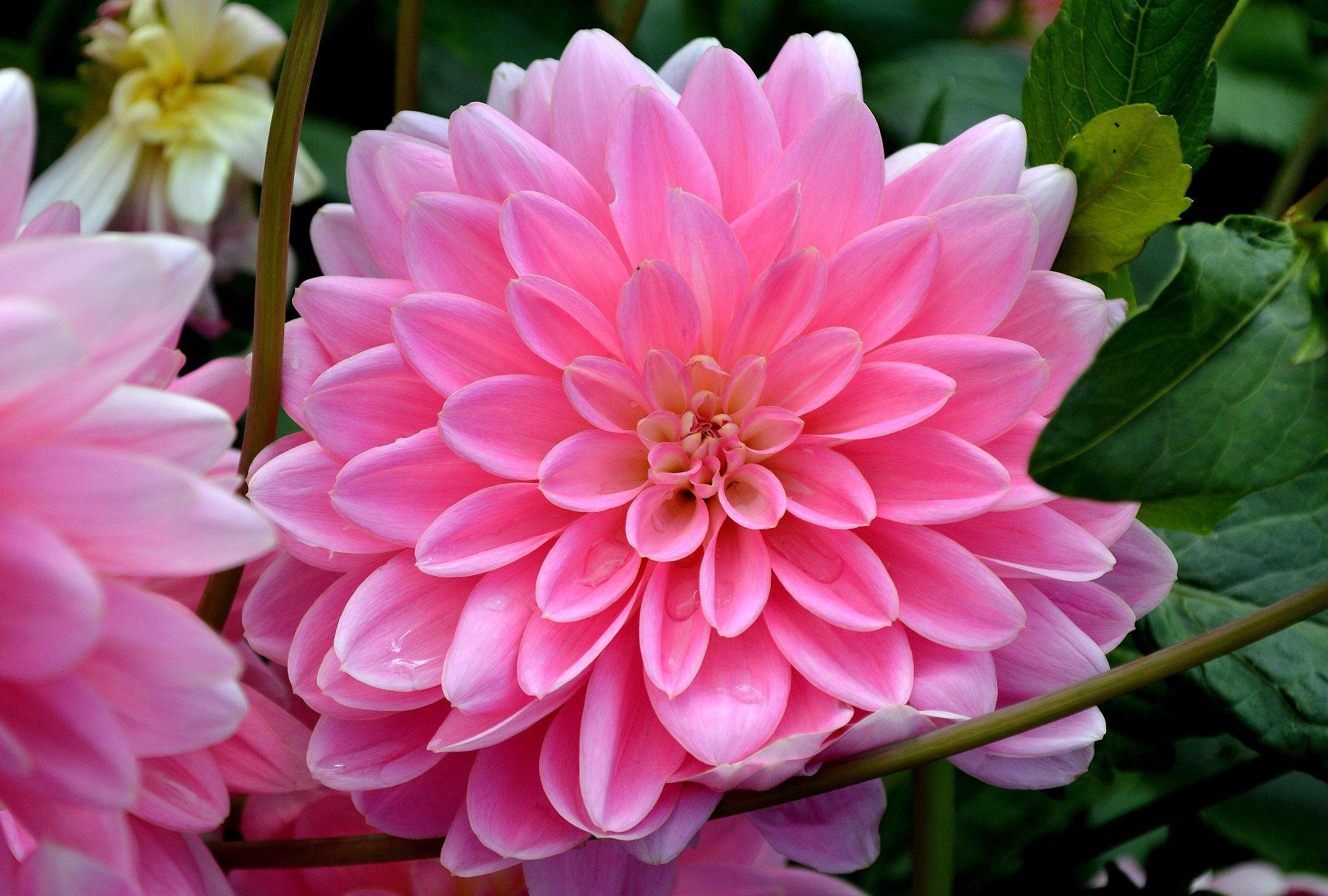
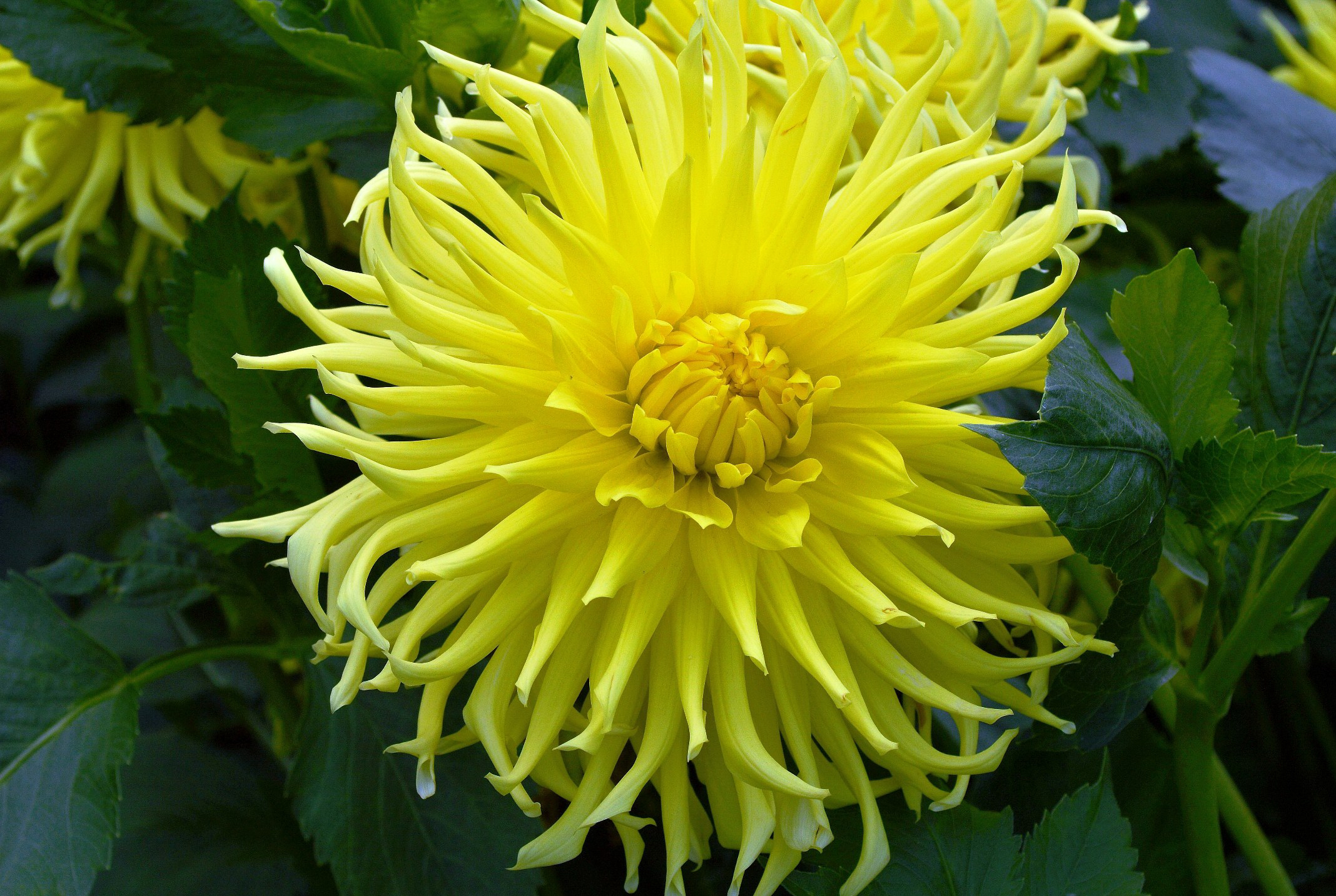
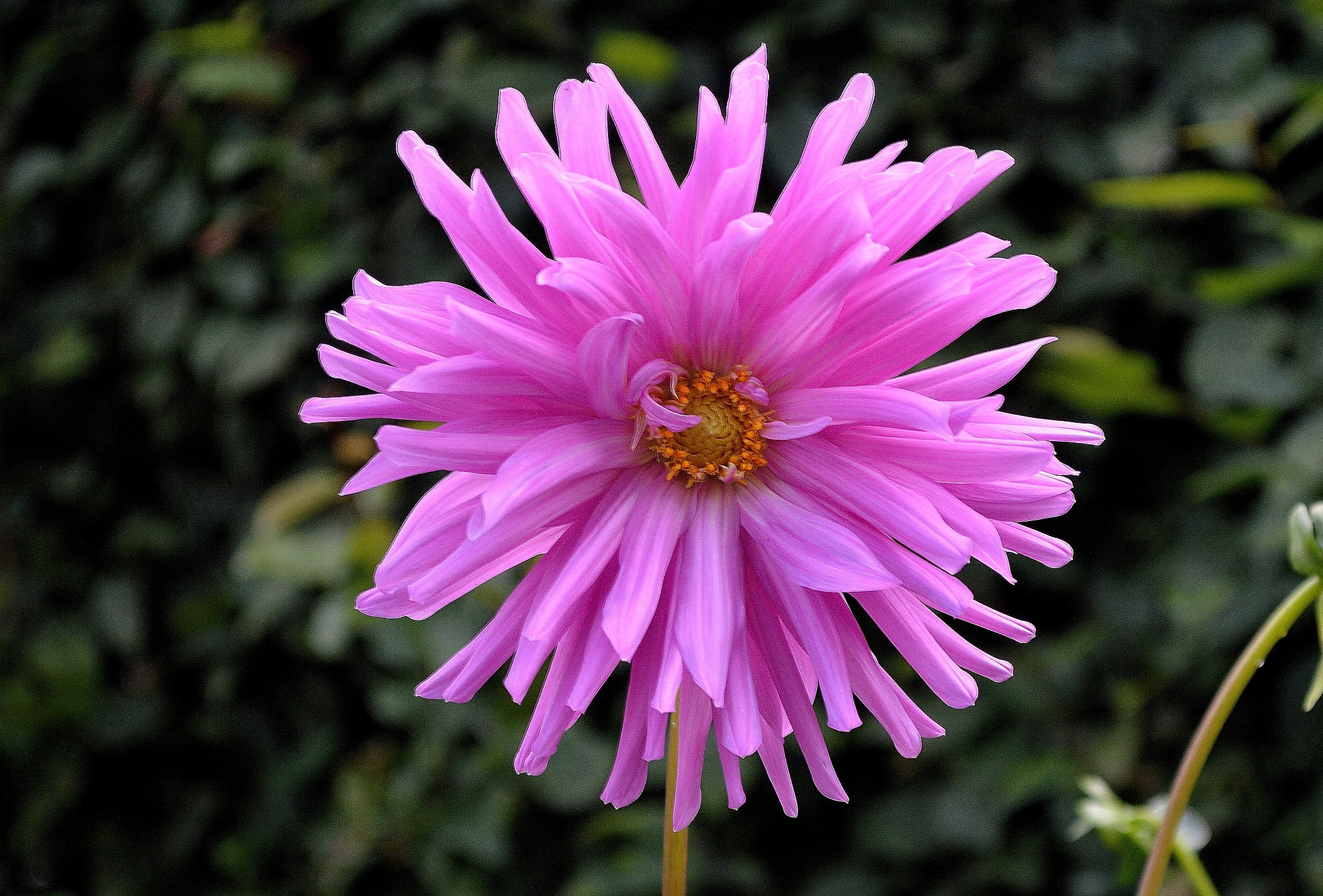
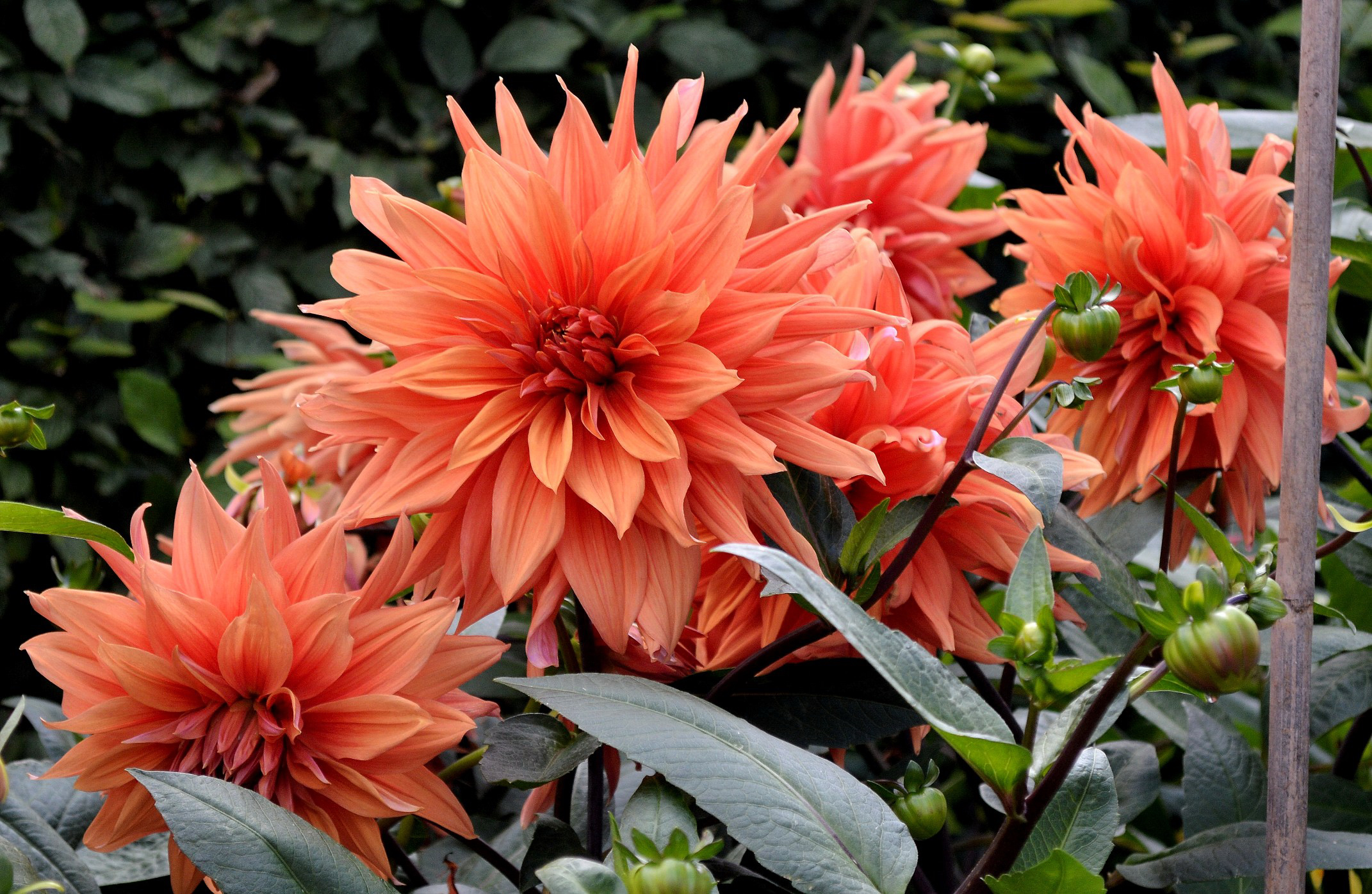
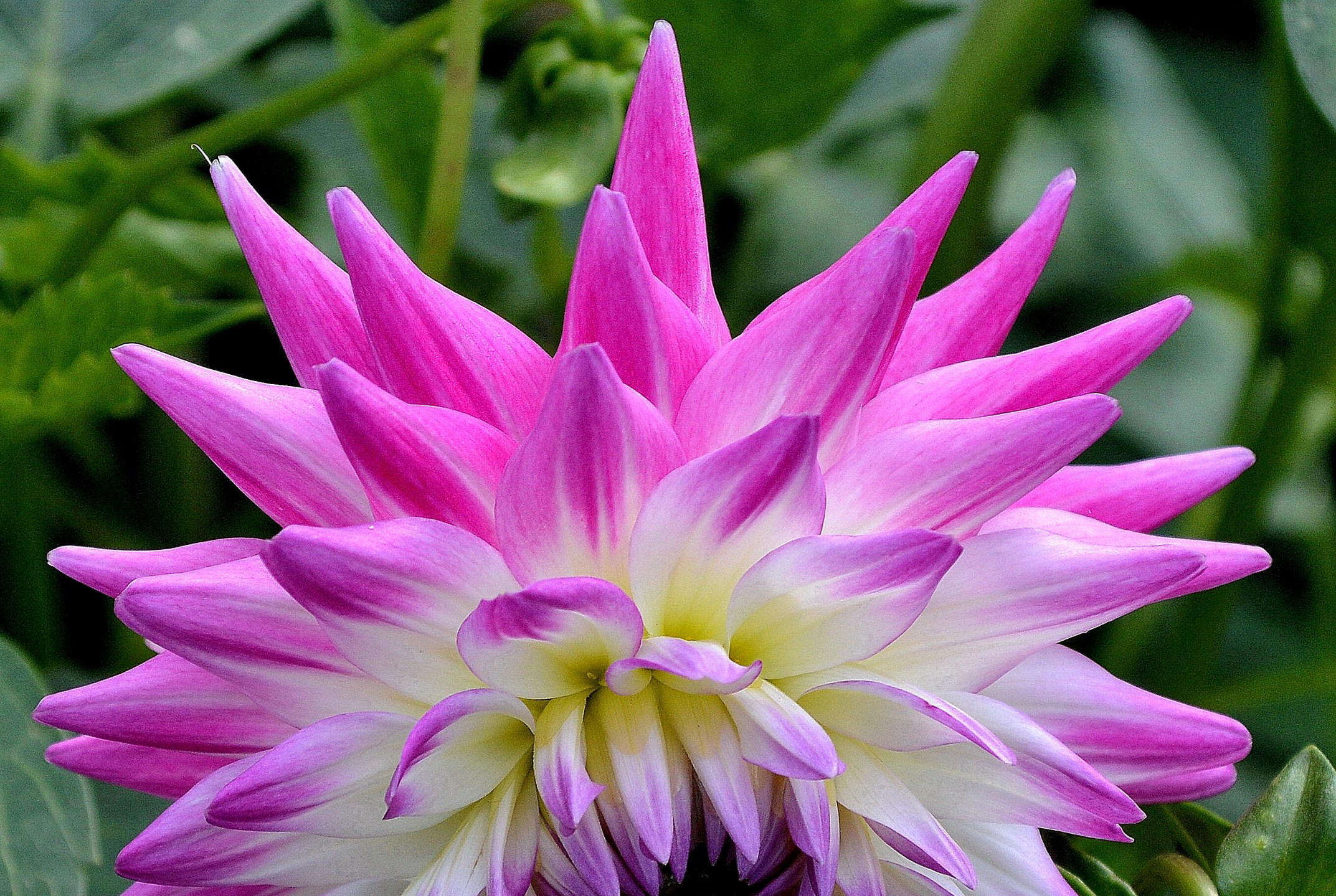
Flowers at the Horniman Museum
These pictures were taken at the upper garden area of the Horniman Museum in mid August of 2014. There will be more about the extraordinary Horniman Museum later.





The Tower of London – White Tower
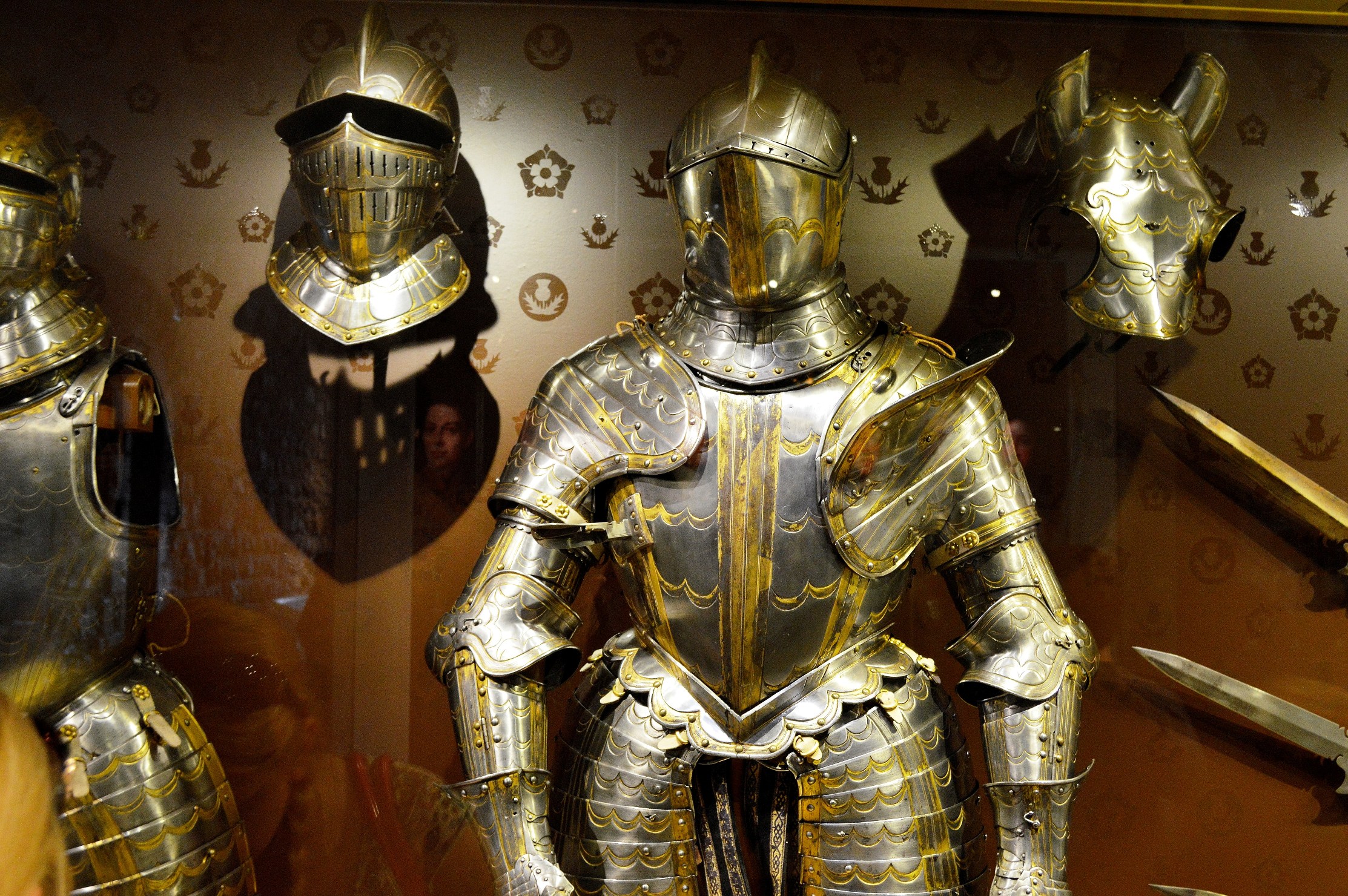
Inside the White Tower
The White Tower contains mainly suits of armour and weaponry. In the days of sophisticated construction, a suit of armour could cost as much as a house and was often more of a status symbol than for military purpose. Nevertheless, when in use, a knight and horse in full armour at the gallop would be terrifying and the equivalent of a modern-day tank.




Queen Mary’s Gardens
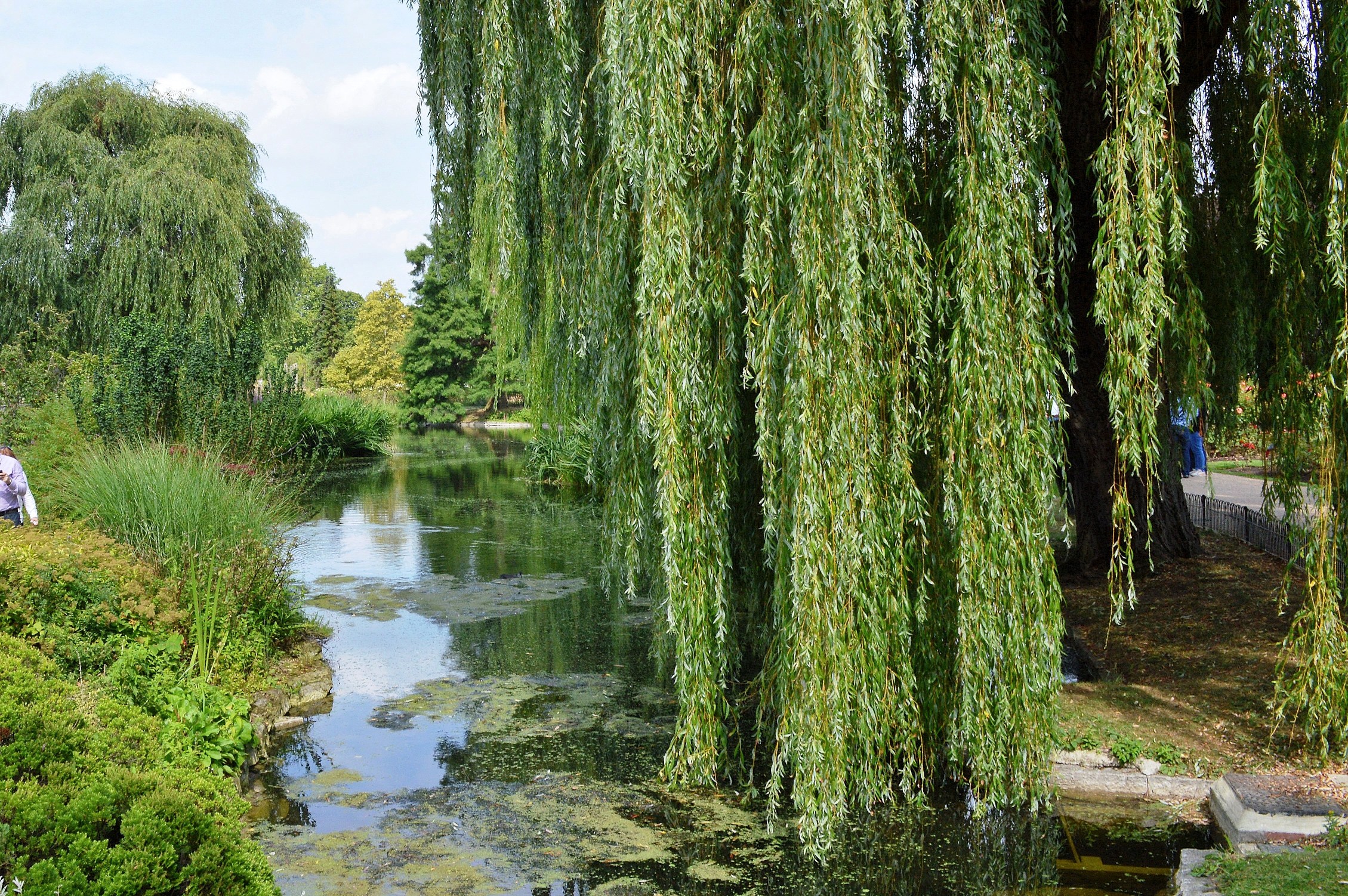
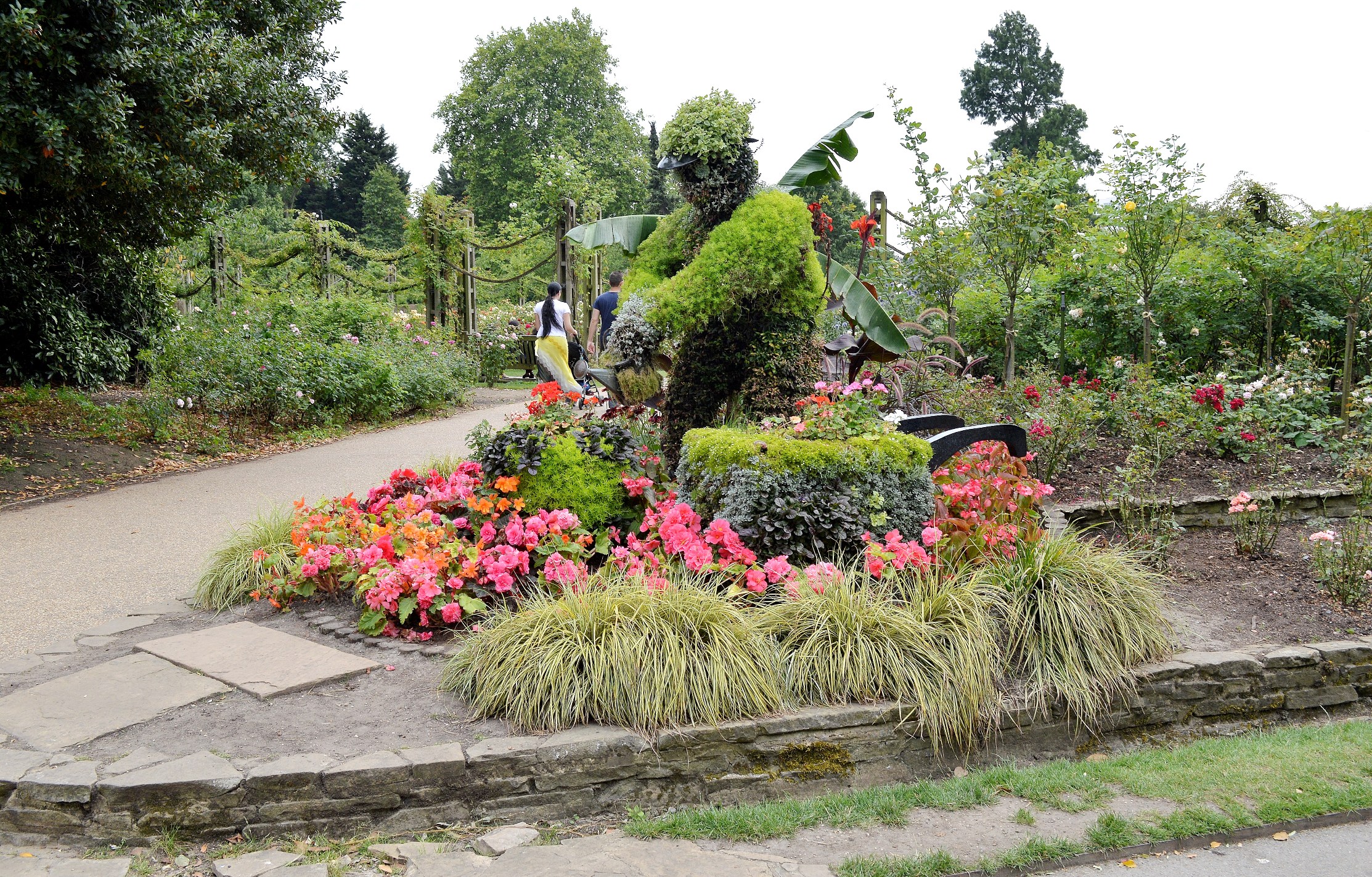
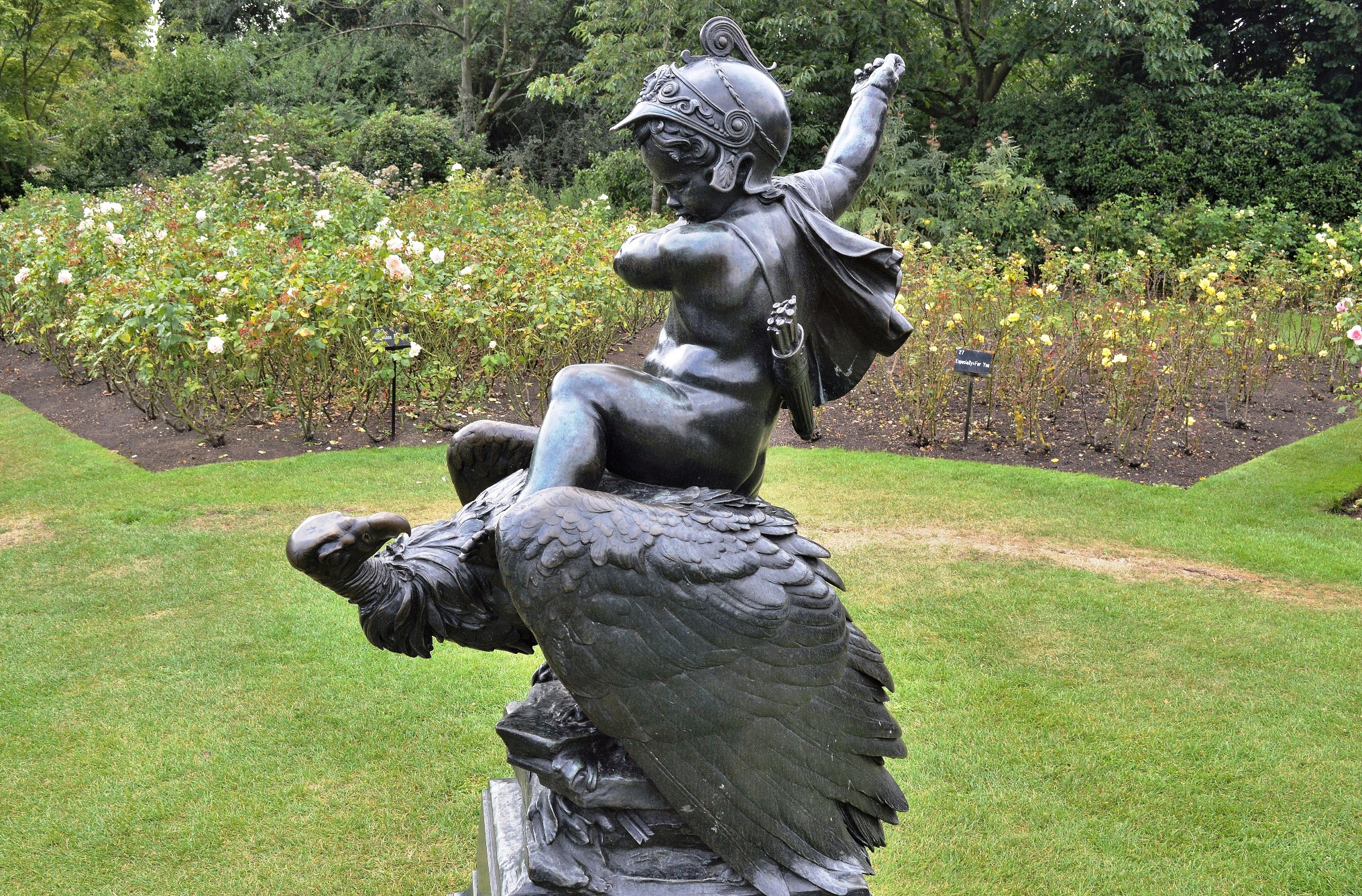
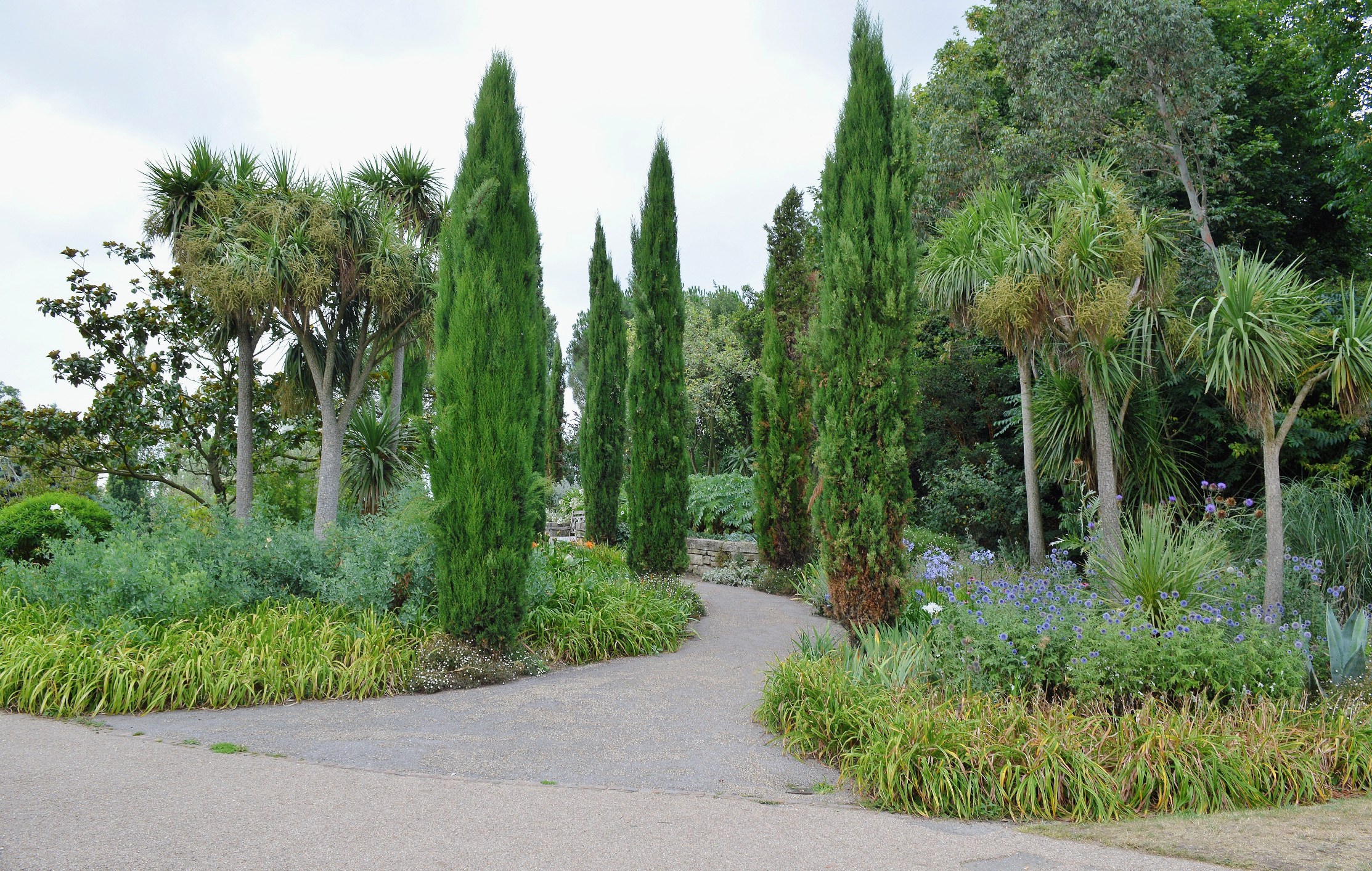
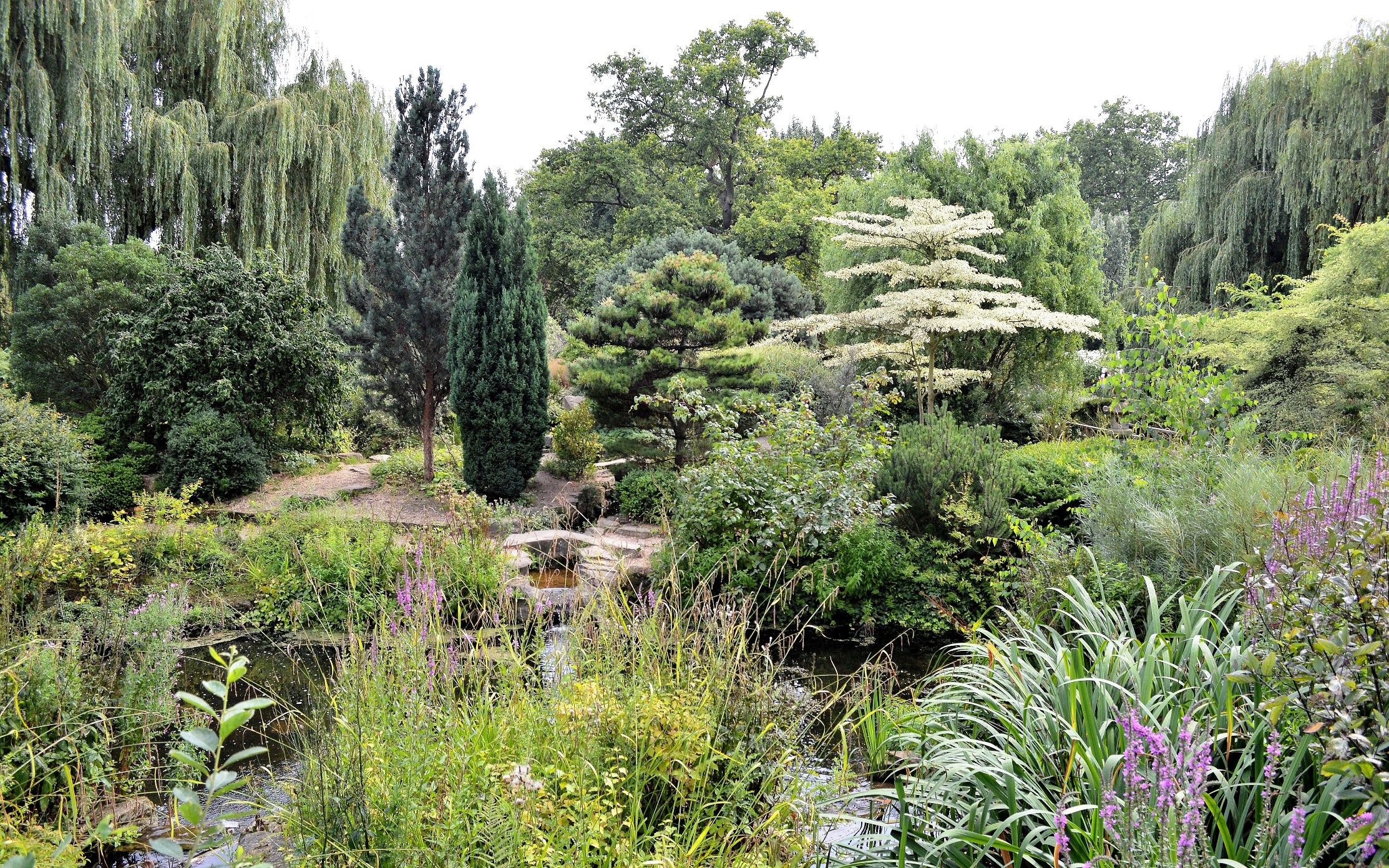
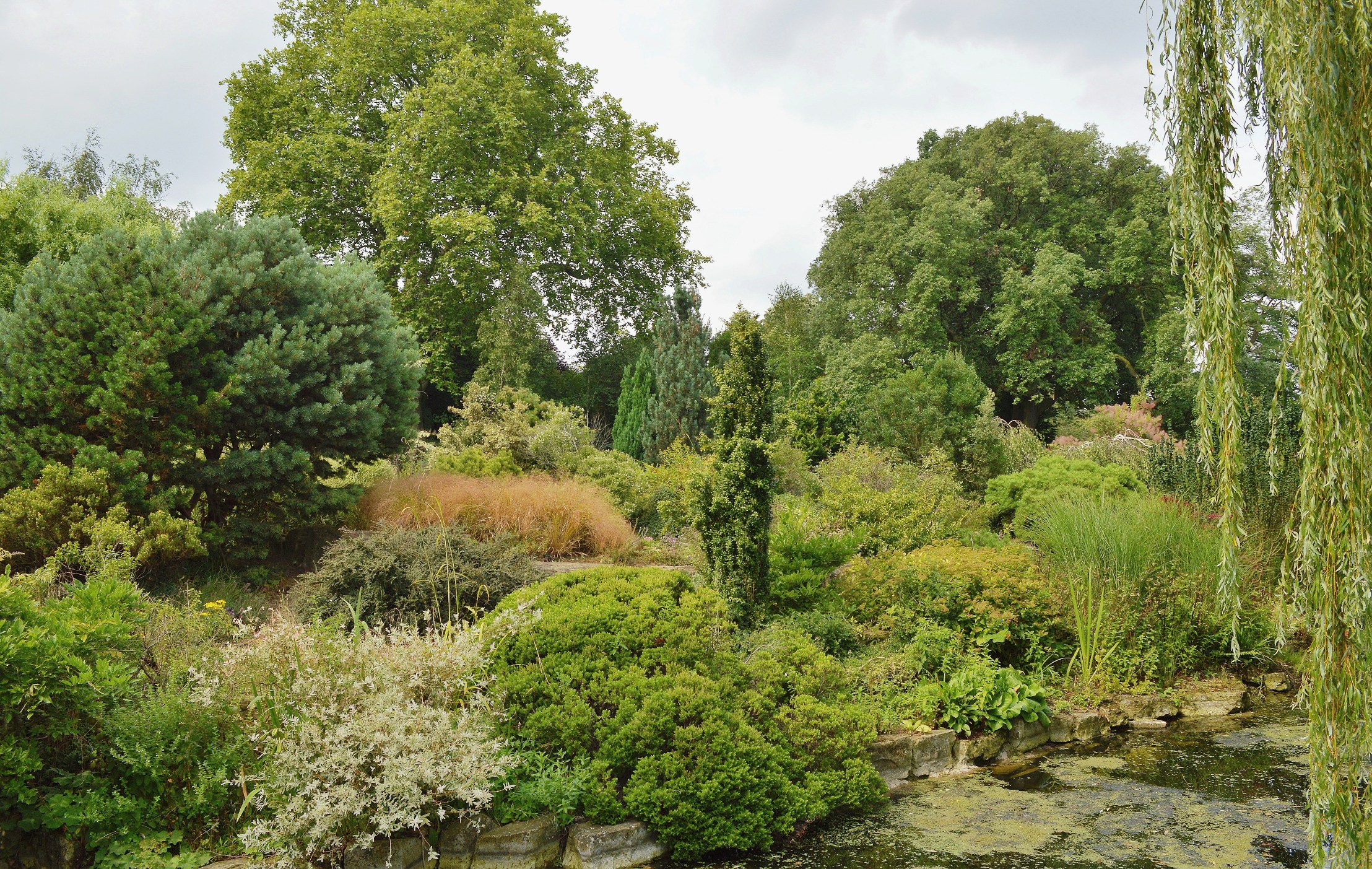
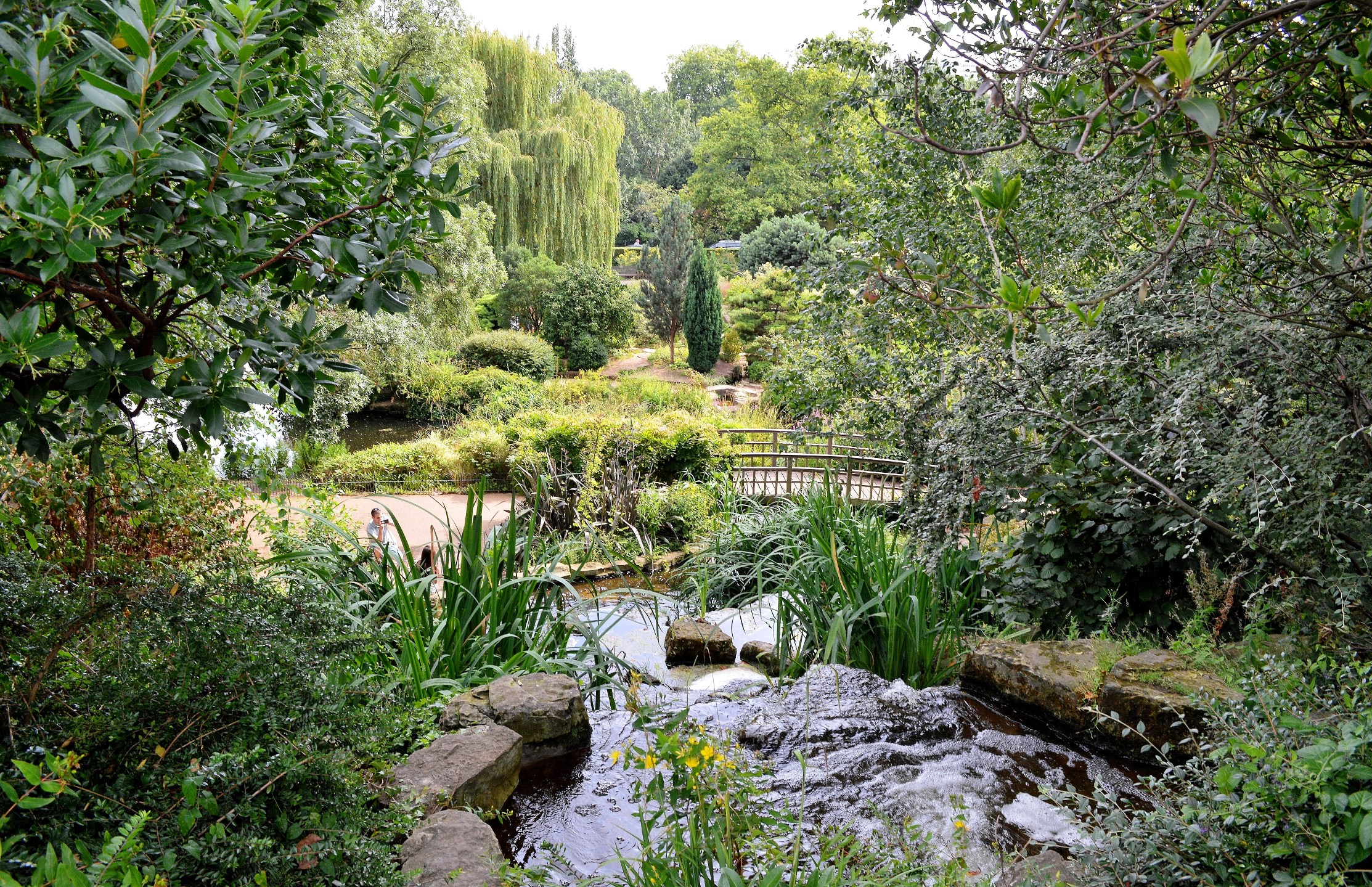
14 pics. Queen Mary’s Gardens was opened in 1932 and named after the wife of George V. It can be found near the southern end of Regents Park, is shown by Google maps as the “Inner Circle” and the nearest underground station is Baker St. The gardens are in part a formal setting with up to 12,000 roses and 9,00 begonias. There is also a landscaped area of tress, bushes and a small wetland.
Photographs of some of the flowers can be found here and more information here.


Squirrels in the Park
Just outside Kensington Palace and a little to the north, there is an intersection in the path where the squirrels like to play. These cheeky chaps seem particularly interested in people with shopping. They also like to play hide and seek with photographers. The other games are; now I’m in focus and now I’m not and I’ll move just at the moment you press the shutter button. They’re very good at it. I took about 20 snaps, these are the only 4 worth showing. Can’t complain though, they were only having fun and very endearing.

“I say, have you got any linguine and do you know the way to San José.”
Just outside Kensington Palace where you can see this house.

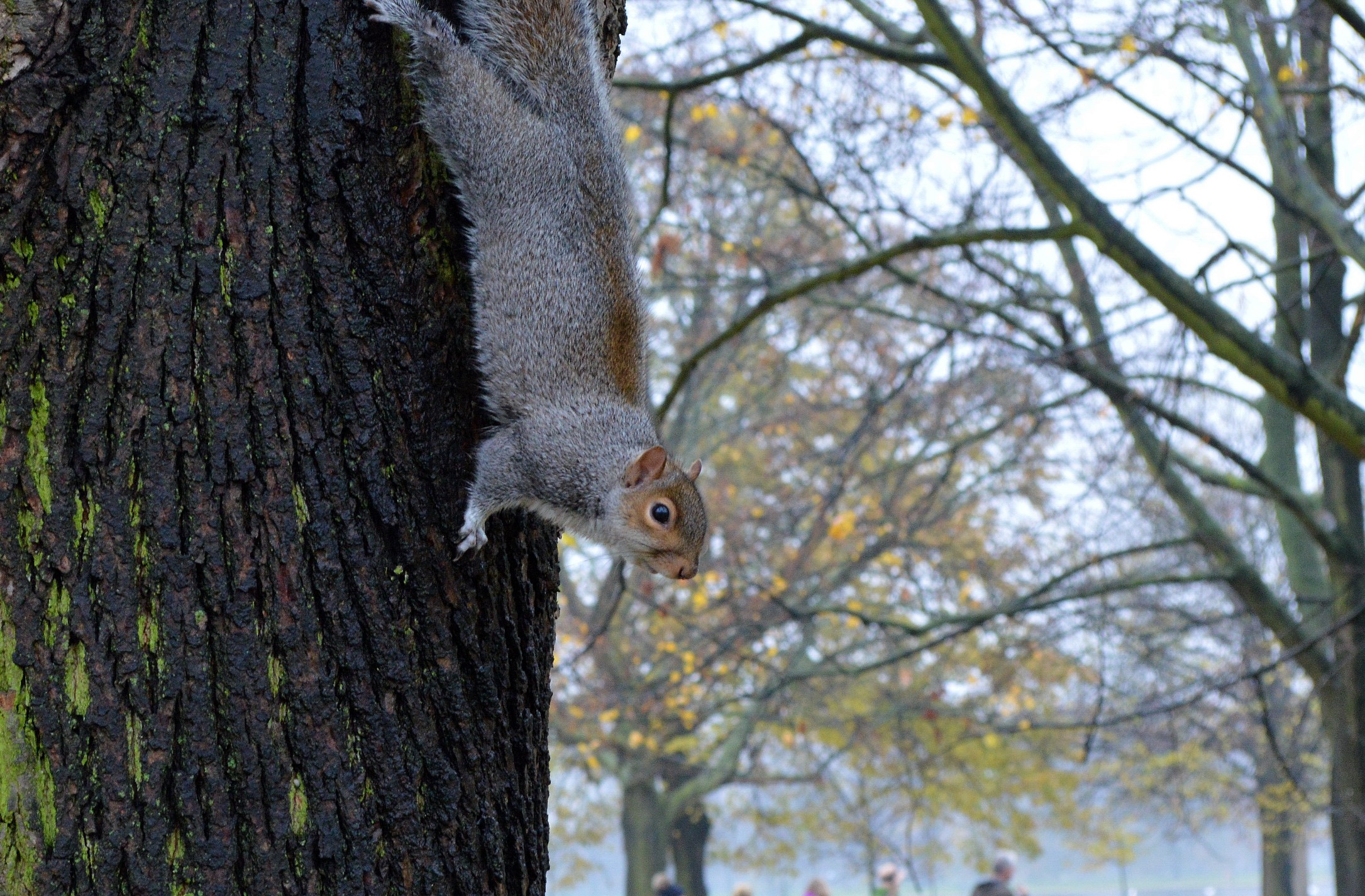
Now you see me, and now ~
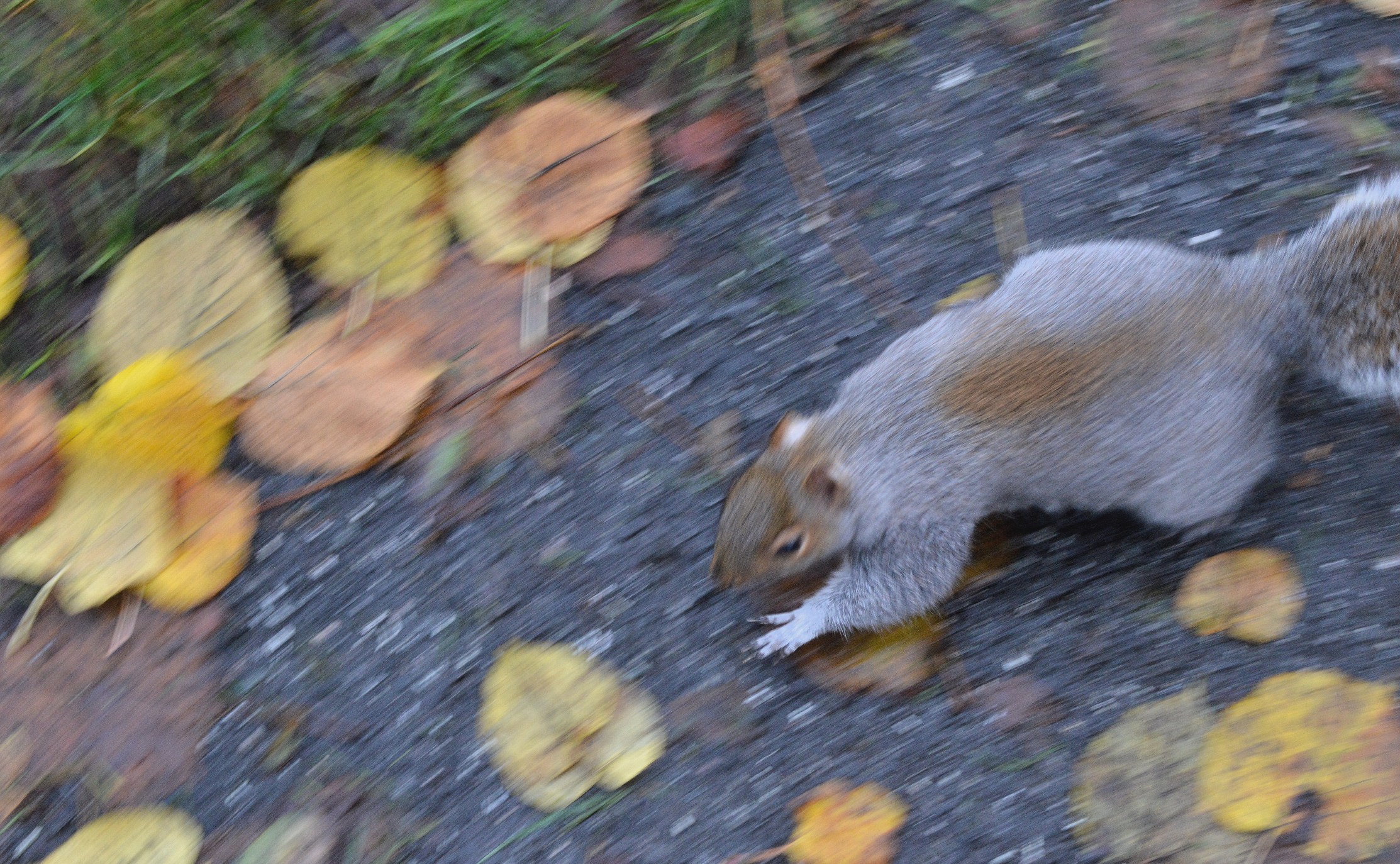
“Flash ah ah , the savior of the universe”.
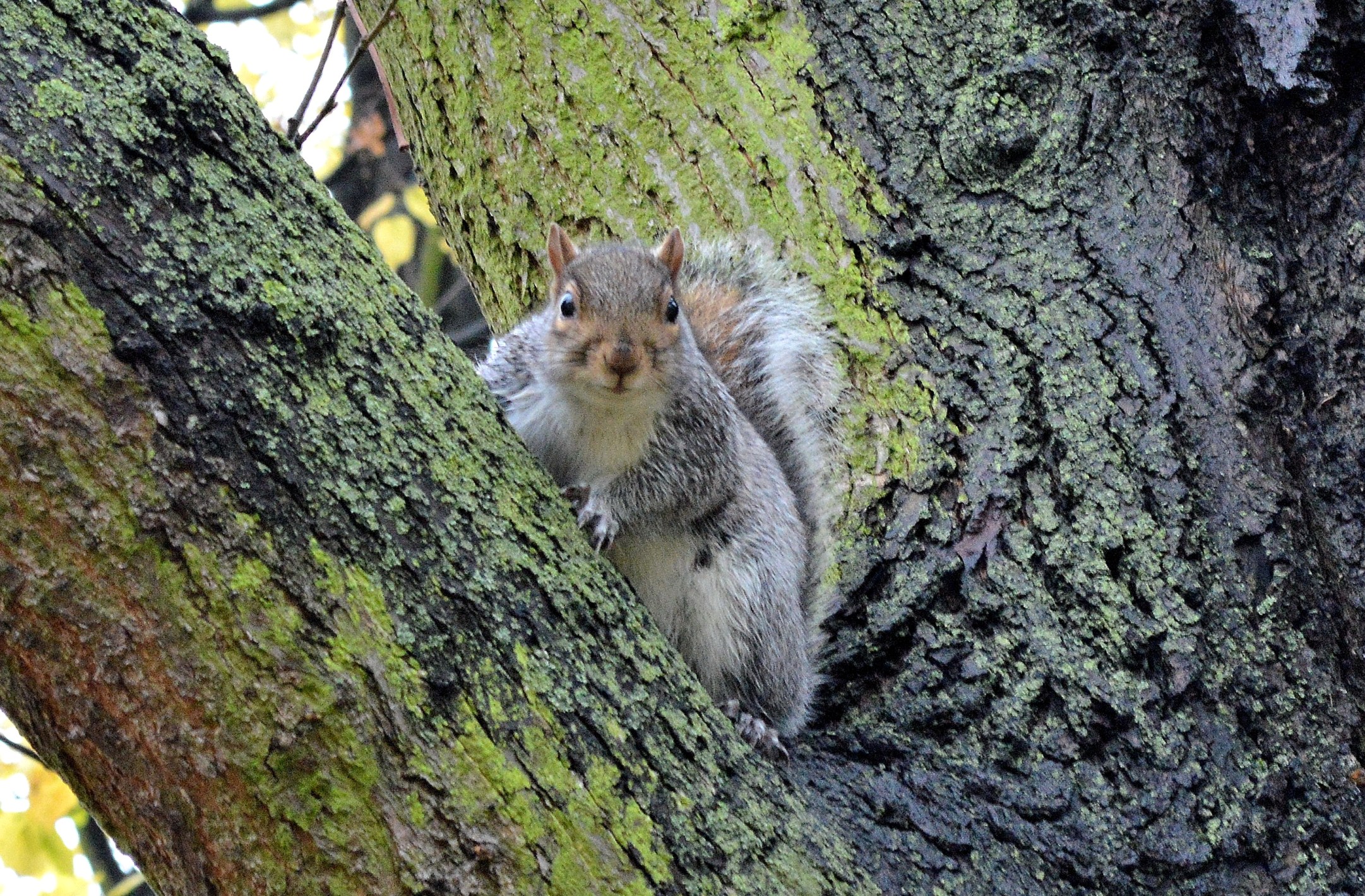
“Alright you got me. Now about my fee”.
I hope you enjoyed that. They always make me laugh.
You might also like Squirrels up my Leg ⇐.
Kensington Gardens
Also, Kensington Palace , Kensington Garden Flowers , Elfin Oak , Playful Squirrels , Squirrels up my Leg , and Serpentine Water Fowl ( The Dog and Swan)

At the Queens Gate

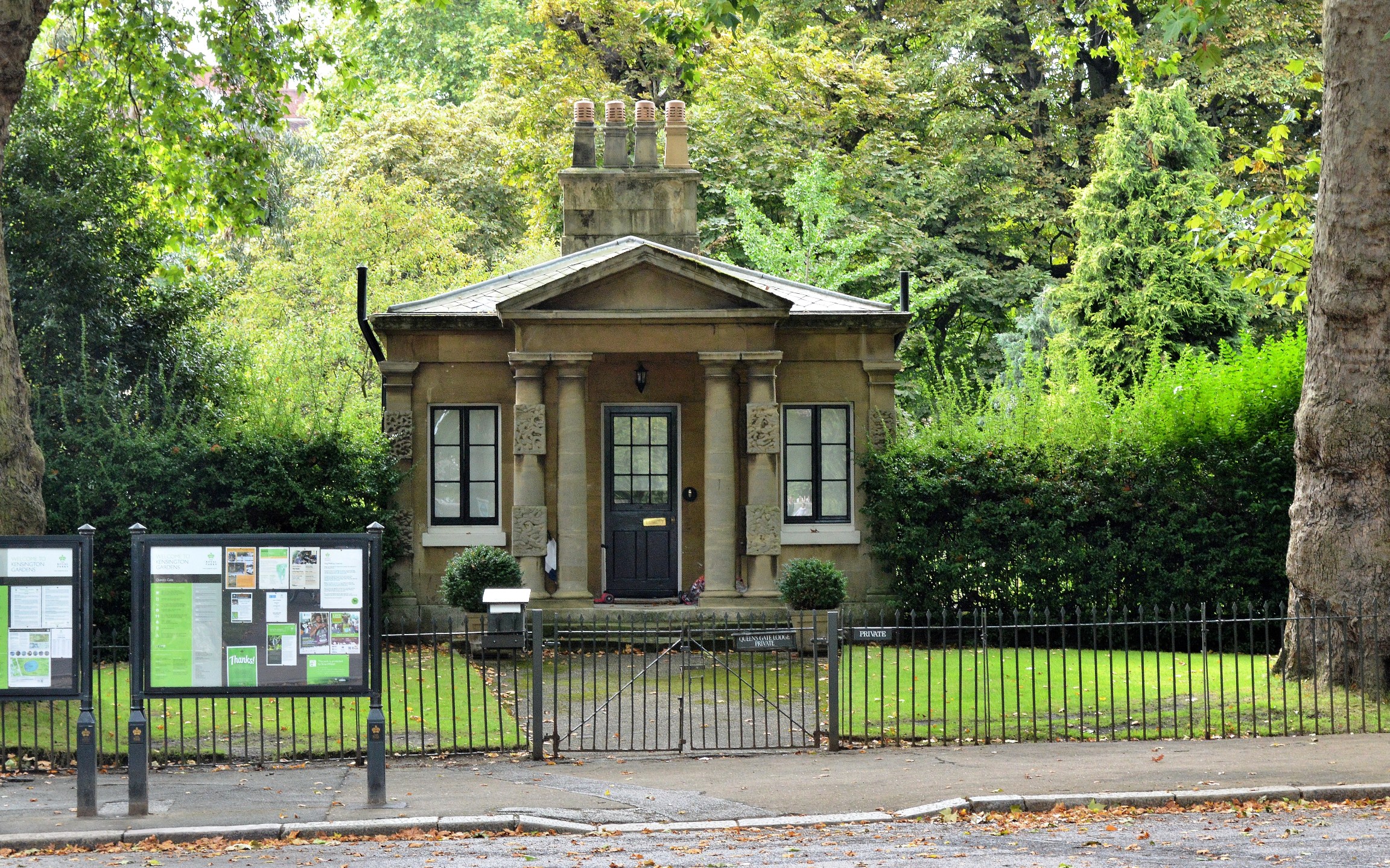
The Gardens


On the other side of the Serpentine Lake is Hyde Park. We’ll have a wander over.
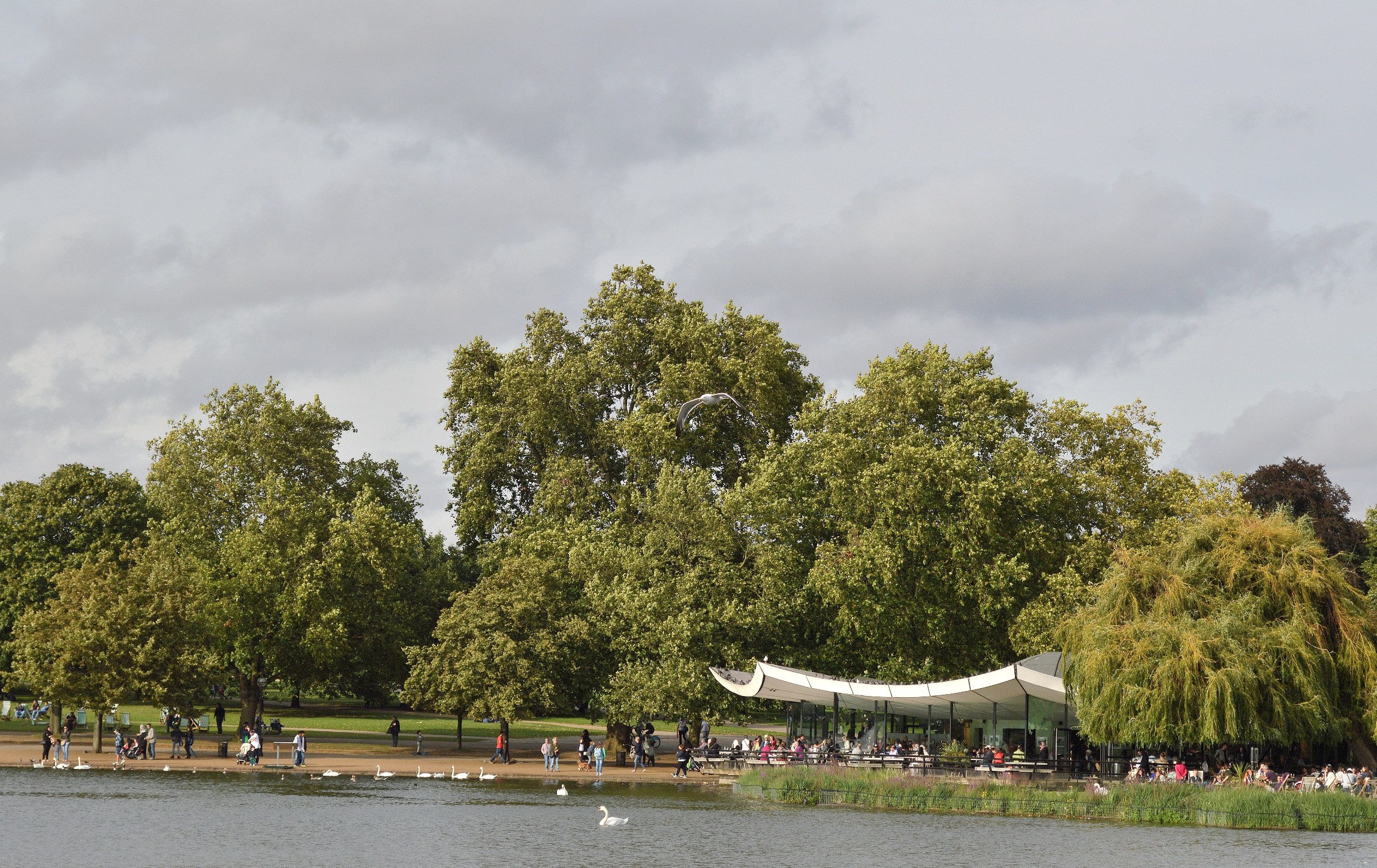

Here I am on my holidays, That’s me with the wings. What a hoot, honk.
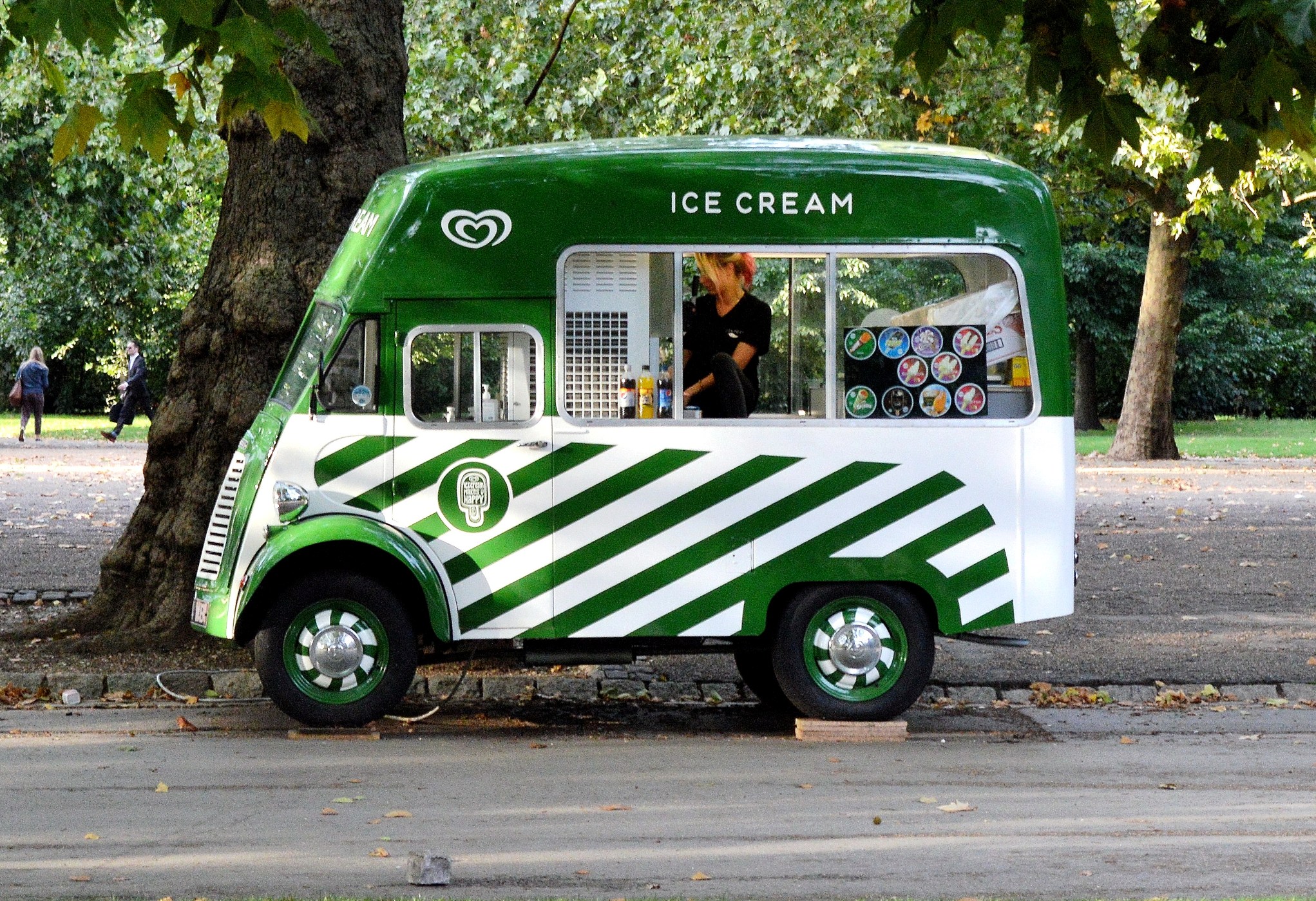
And, In the Autumn
Back at Kensington Gardens in the Autumn

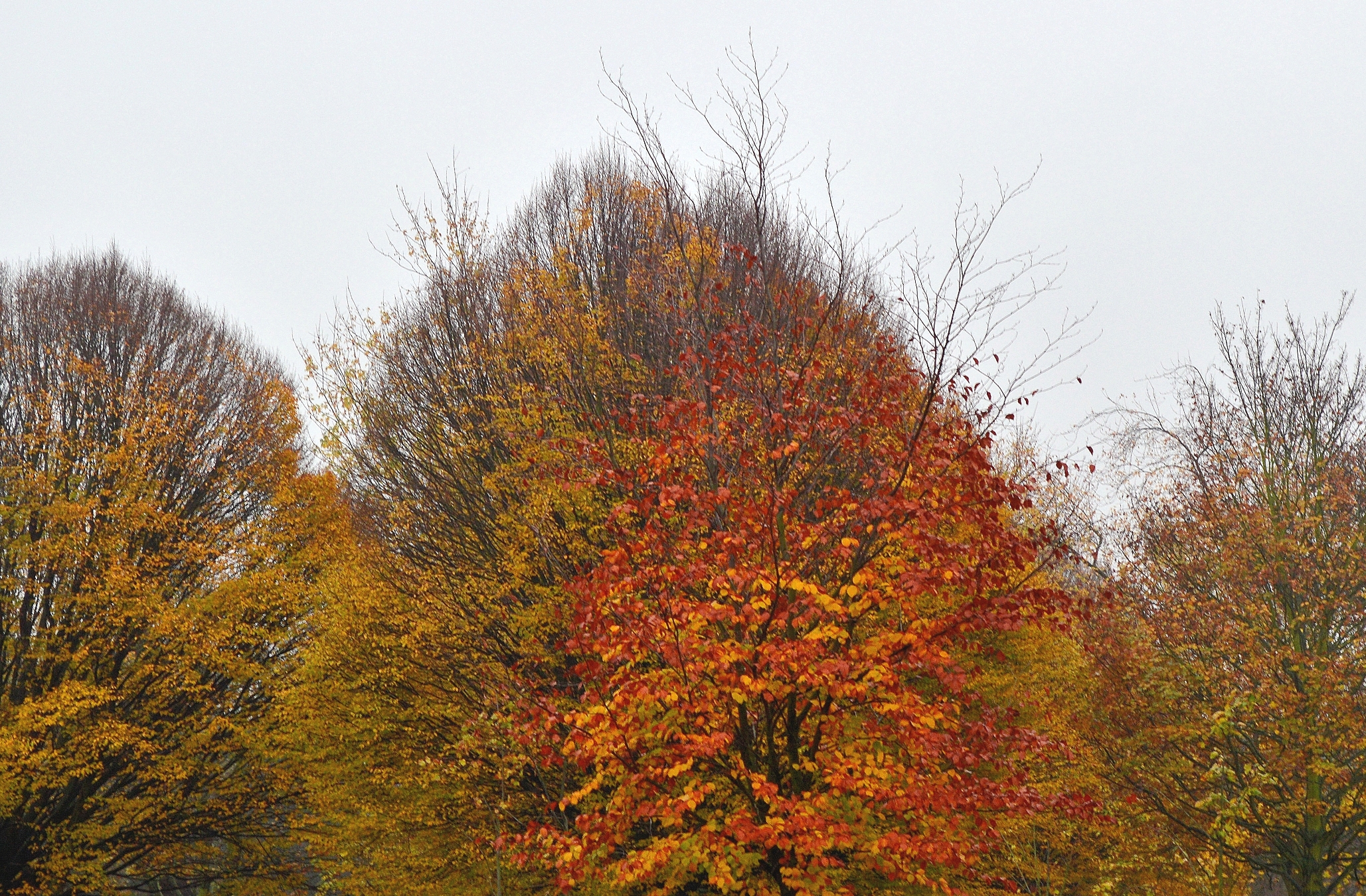

A beautifully atmospheric autumn evening, at 11 am. I do love the British weather.
Kensington Palace
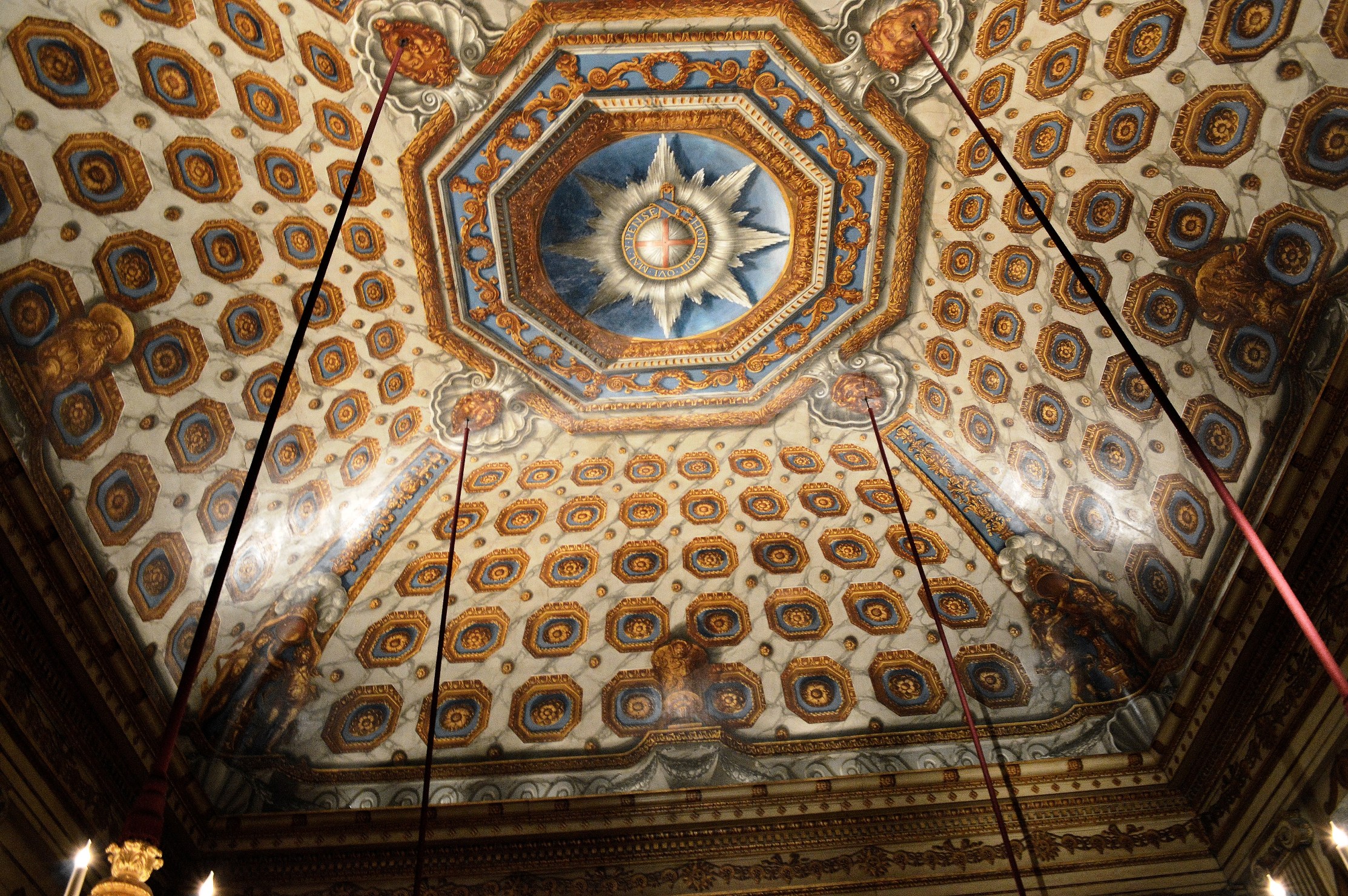
17 pics. From Queensway Underground station, across the main road, through the main gates and along the broad avenue facing south through Kensington Gardens. After a short walk, a small clock tower and the Elfin Oak ⇐ can be seen on the right. A little further on, also on the right, is Kensington Palace. The palace was built in 1605. More of its history, from Wiki, can be found here ⇐. The official website, with admission prices etc, can be found here ⇐.
Non-commercial photography is permitted but the lighting is dim and there is a certain amount of glare. As a result it was necessary to use a higher ISO setting than I would normally wish and gives a brighter impression than is really the case. Nevertheless, if you like old houses, it is the most atmospheric that I have come across so far.
It is well worth using the map, provided with your ticket, and finding the Queen’s rooms. They are located behind a large wooden door and you may have to ask an attendant for access. However, the staff are very friendly, informative and helpful.



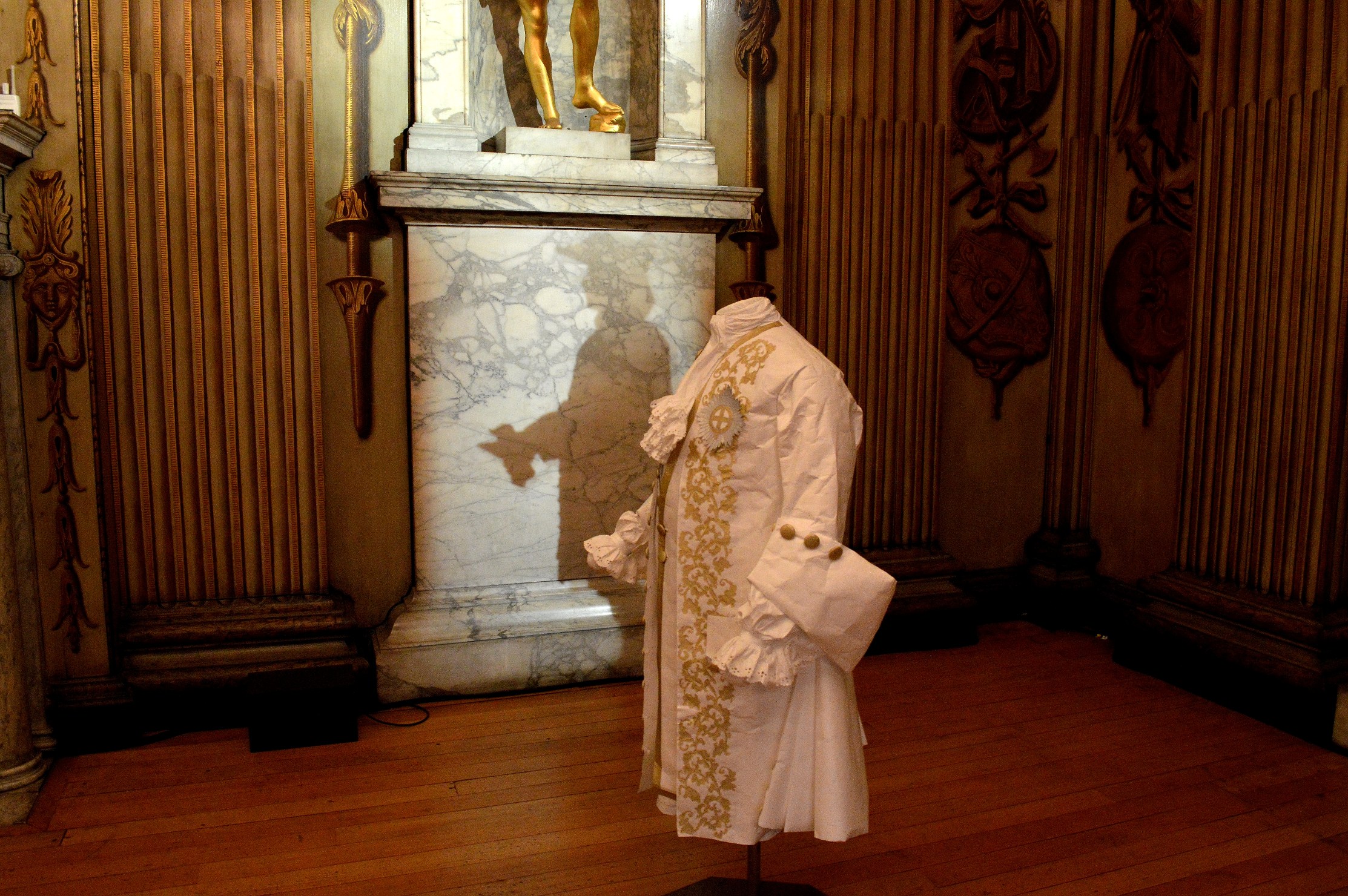
If you wait a little while, the shadow will dance accompanied by the sound of shoes upon the hard wood floor and occasionally a little music.

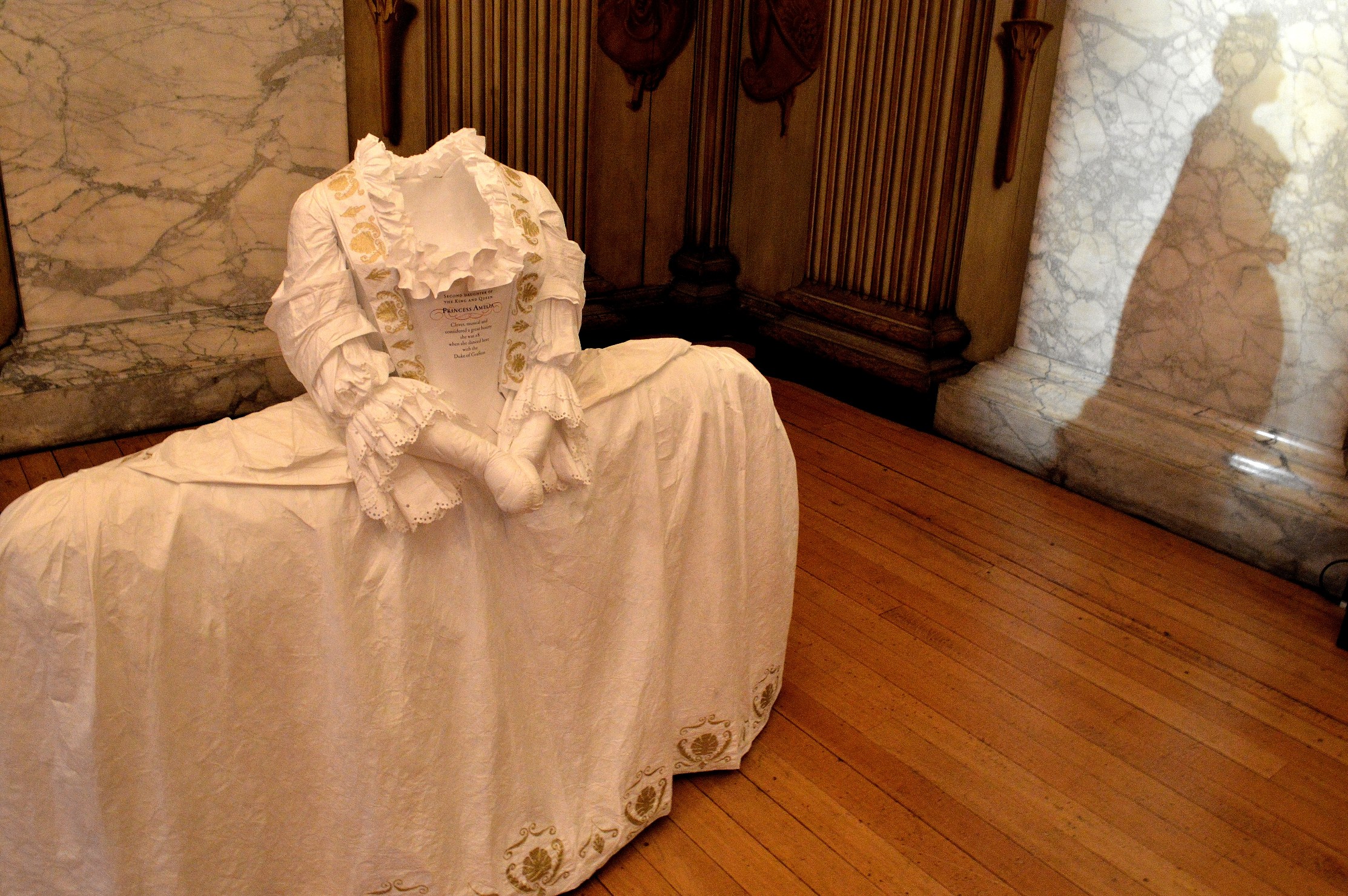
Above is Princess Amelia, a favourite daughter of George III. The shadow dancers will occasionally move into each others space and dance together.

One can only wonder at how many, during the long past, have gazed at this view from the window and of their thoughts and dreams. You might spare a moment to join them.


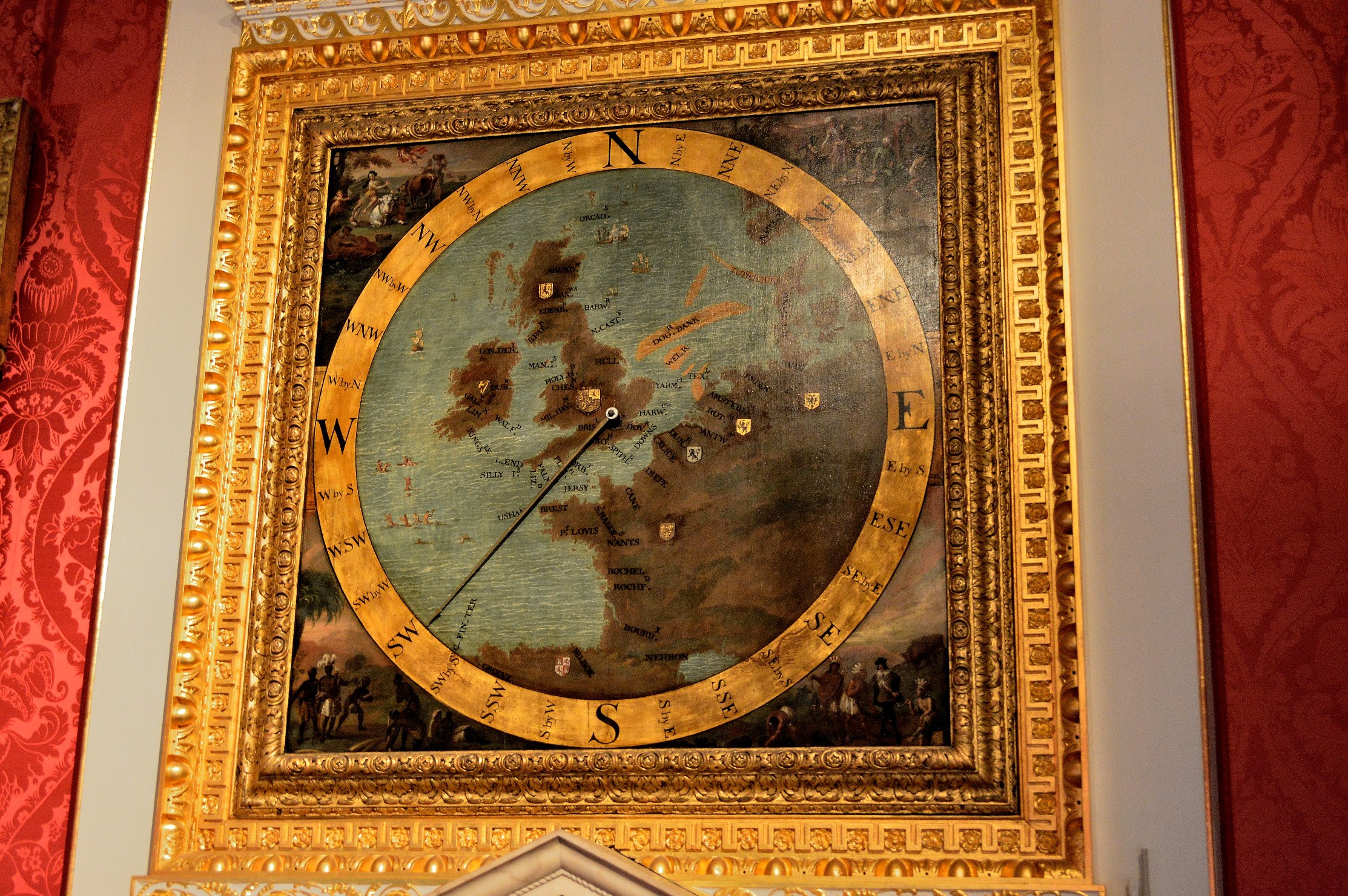


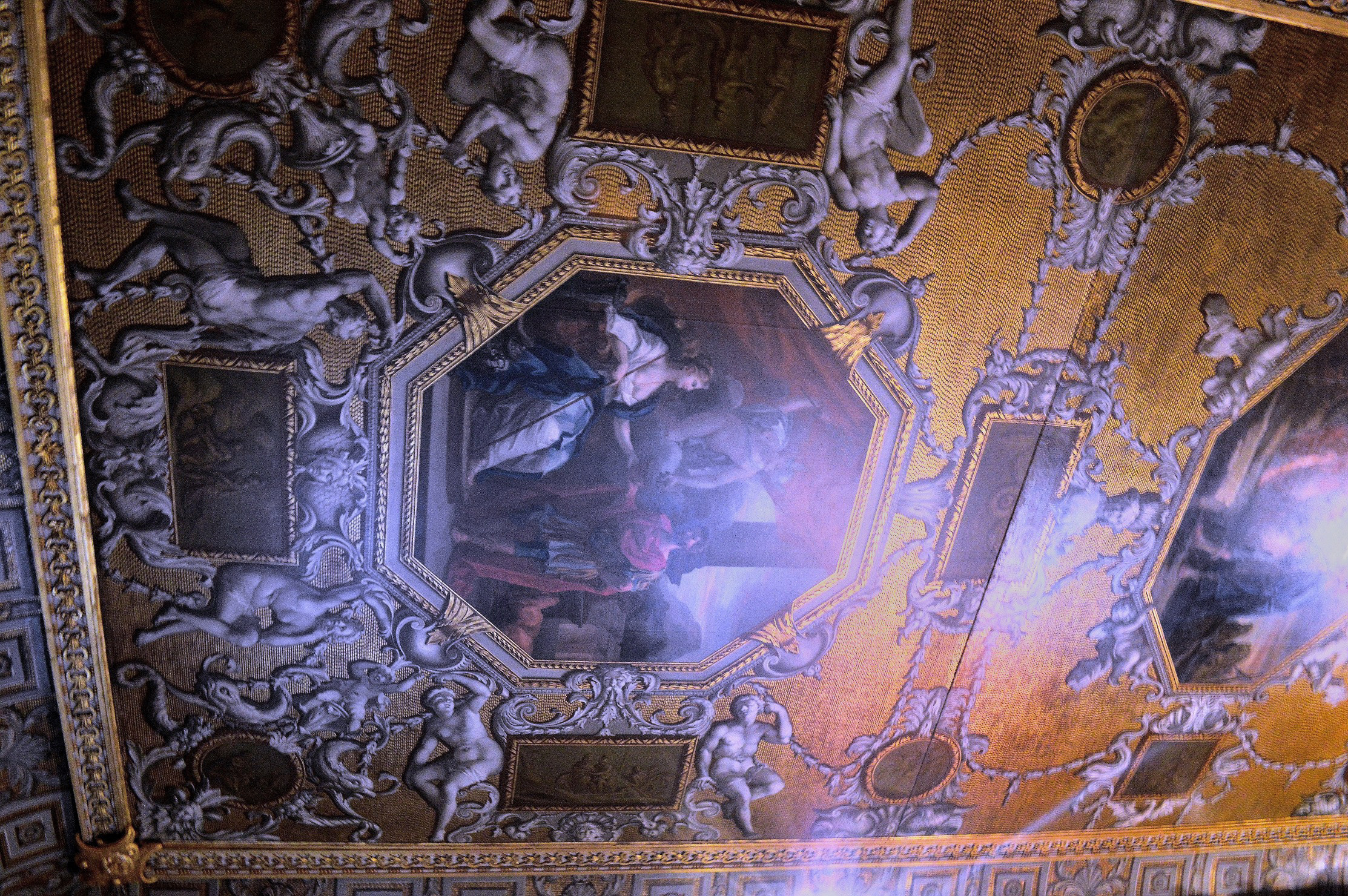
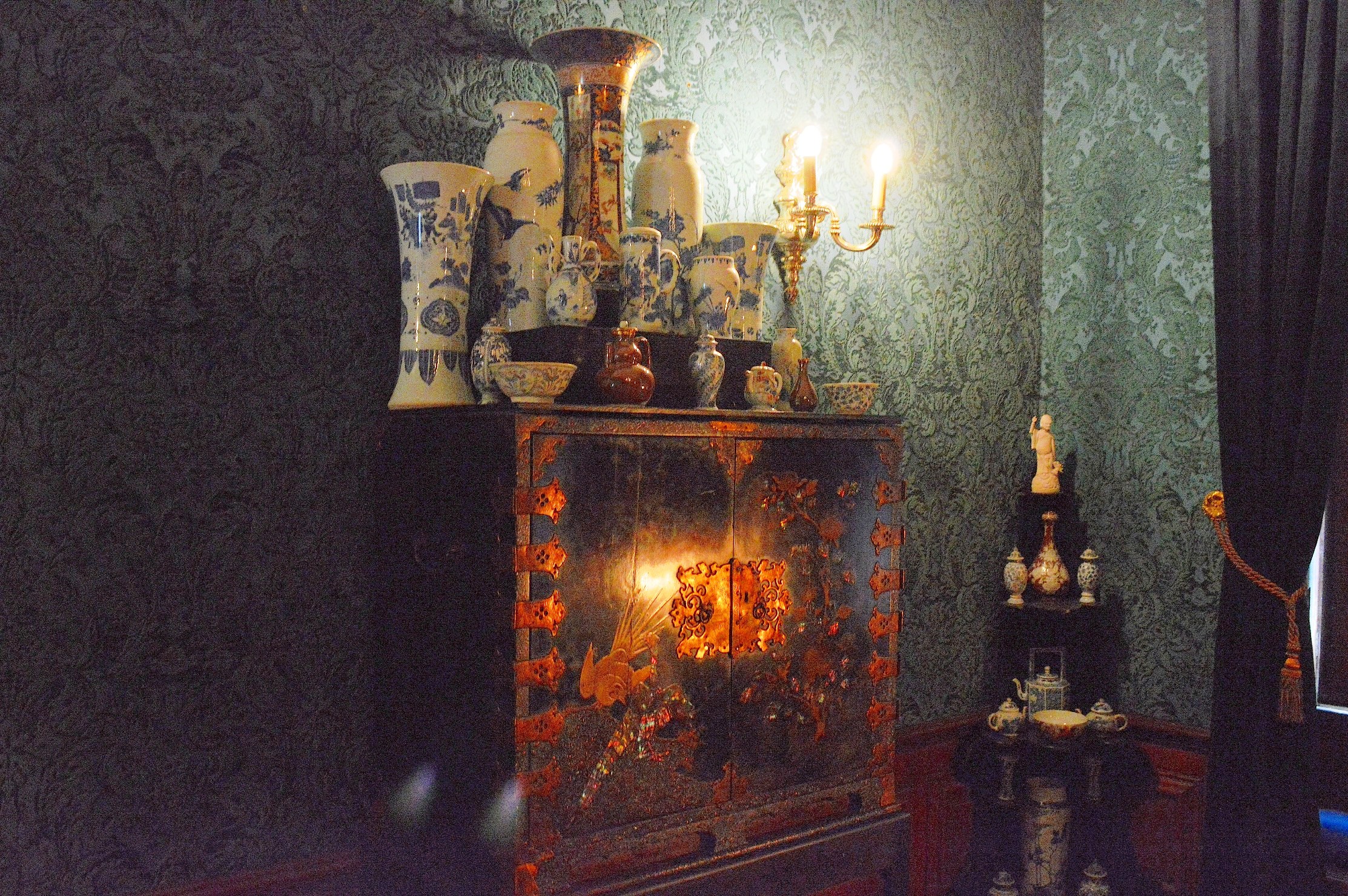
And, hats off to the artisans who built this for their skill and diligence.
You might also like to see some of Kensington Gardens Flowers ⇐ or perhaps what the local Water Fowl ⇐ do for fun.
The Elfin Oak
From the North Gate of Kensington Gardens, just across from the station called Queensway, a traveler might proceed along the great path leading south. After but a short walk, can be found on the right, a small clock tower. Very close to this, and beside an outdoor purveyor of comestibles, the Elfin Oak will be found.

.

.
 The remaining stump is of an Oak being 900 years of age. Carefully carved by Mr Ivor Innes in the year 1911 to reveal the elfin folk that were hidden within. Thereafter maintained by that same gentlemen for a further 40 years.
Later restored by the efforts of the inimitable Mr Spike Milligan and friends in 1966, the Elfin Oak is now protected by its own cage of steel.
Peeking into this little world, one might still see – Wookey the witch, with her three jars of health, wealth and happiness, Huckleberry the gnome, carrying a bag of berries up the Gnomes’ Stairway to the banquet within Bark Hall, and Grumples and Groodles the Elves being awakened by Brownie, Dinkie, Rumplelocks and Hereandthere stealing eggs from the crows’ nest. Or, these fine characters :-
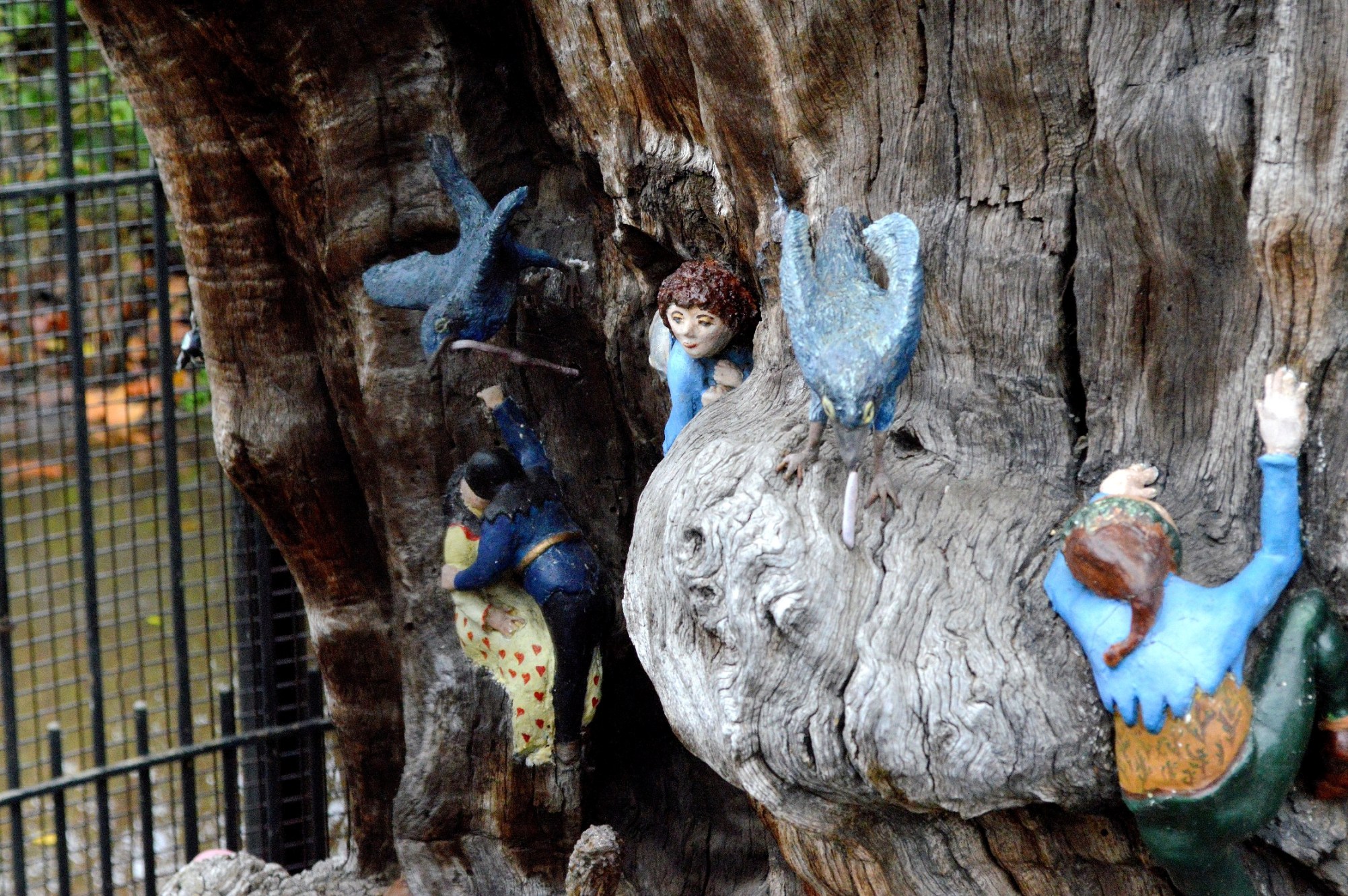
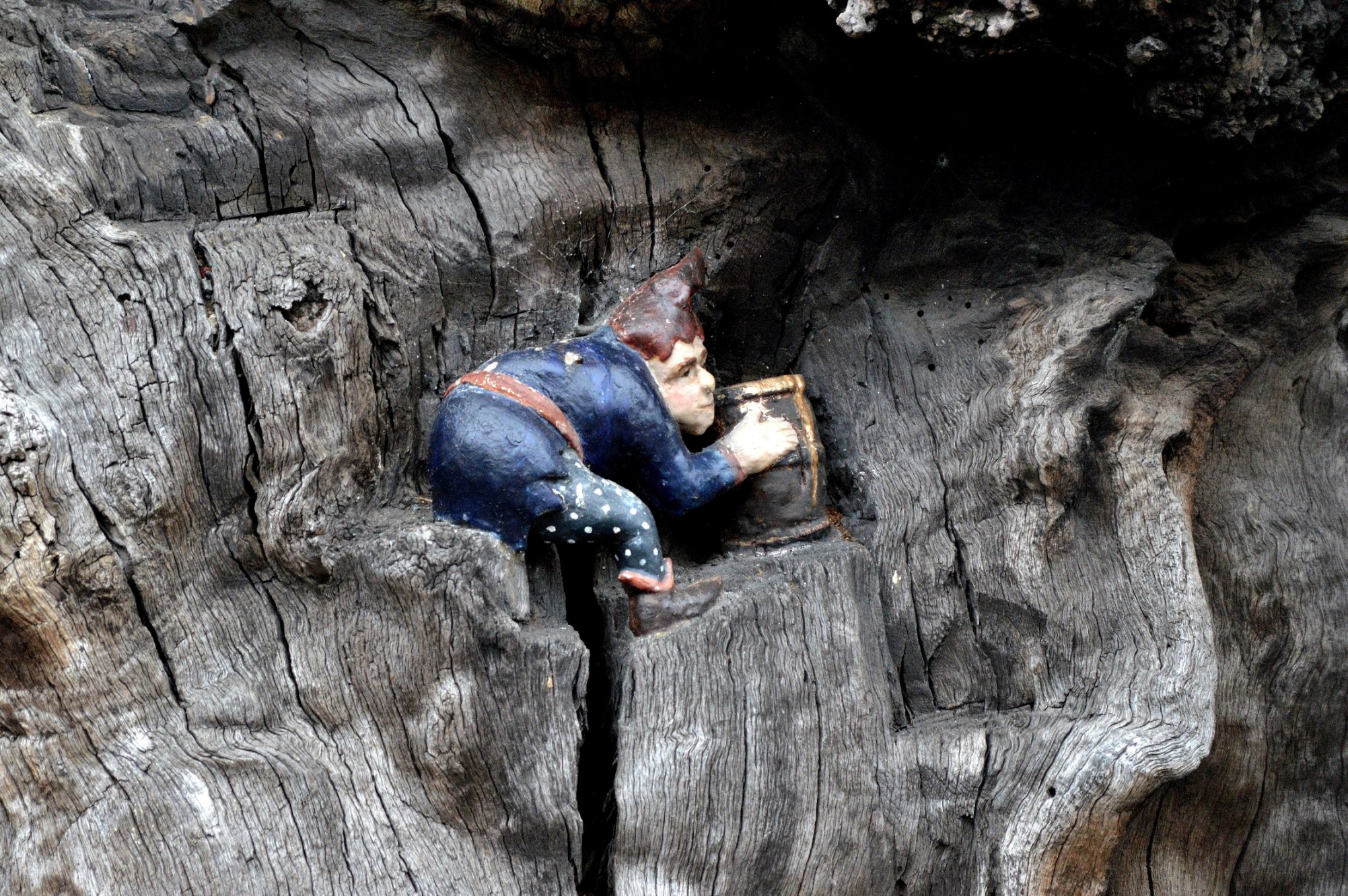


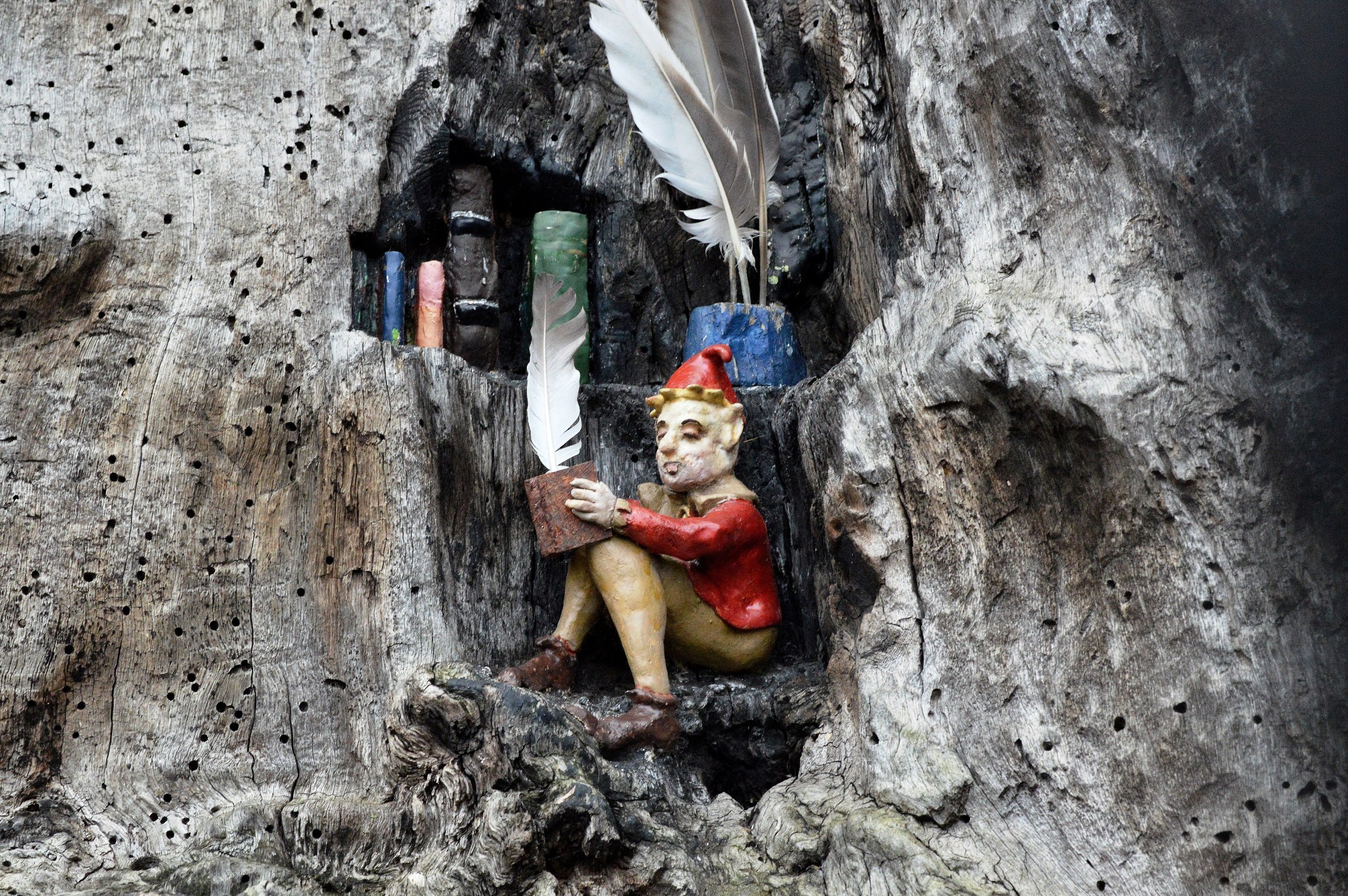
. . . . and many more
A book, with the title “The Elfin Oak of Kensington Gardens”, was later crafted by Ivor and Elsie Innes and revealed that “for centuries now it has been the home of fairies, gnomes, elves, imps, and pixies. In the nooks and crannies they lurk, or peer out of holes and crevices, their natural windows and doorways. It is their hiding-place by day, their revelry place by night, and when the great moon tops the bare branchless tree the Elfin Clans come out to play and frolic in the moonlight.”

 Freed From Time