
Model Steam Engines at the Science Museum

Model of Shand Mason Steam Fire Engine
On the mezzanine floor, that you can only reach by stairs, of the Science Museum in the “Making of the Modern World” hall you can find these hand crafted beauties. The Science Museum also has a wonderful collection of beautiful antique watches.

Model of Alexandra Steam Train

Model of Stephenson’s Long Barrel Steam Locomotive

Model of Austria Steam Locomotive
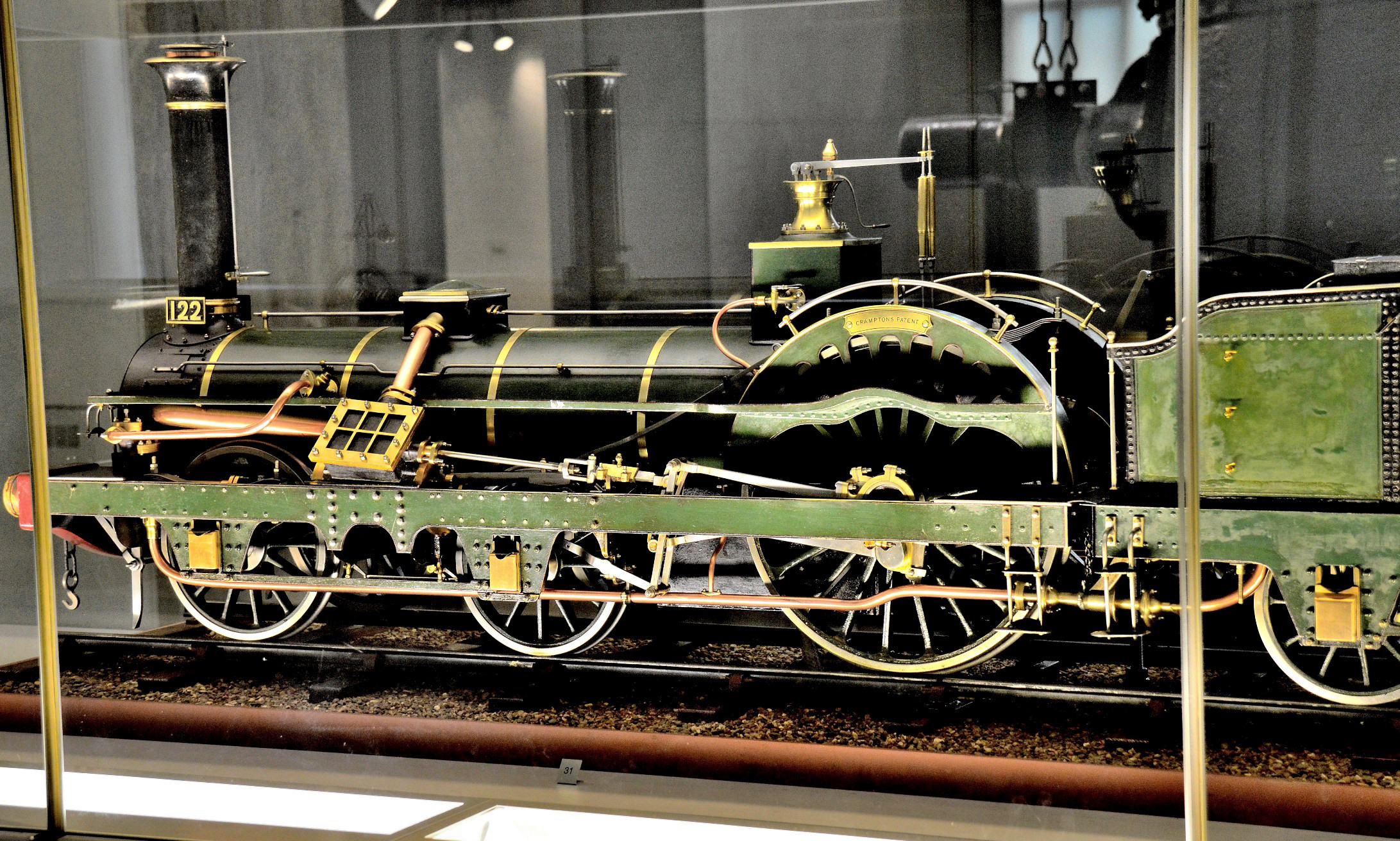
Model of Crampton’s Steam Locomotive

Model of American 4-4-0 Steam Locomotive

Model Steam Train

Model Steam Train Showing Exposed Fire Tubes
This one shows the fire tubes that carry the hot gases from the fire box through the boiler. It was by this innovation that it was possible to transfer a great deal of heat quickly to the surrounding water, hence create and maintain a large volume of high pressure steam to drive the locomotive. The steam rises to the bubble on the top and a throttle controls the steam flow to the cylinders/pistons beneath.
And, a Rolls Royce

Model of Rolls Royce Silver Ghost 1911
And, a Wooden Ship

Model Wooden Ship
And, on the Ground Floor

Model of the Rocket Steam Train

Royal George No 5 Model Steam Train
Happy traveling. :-).

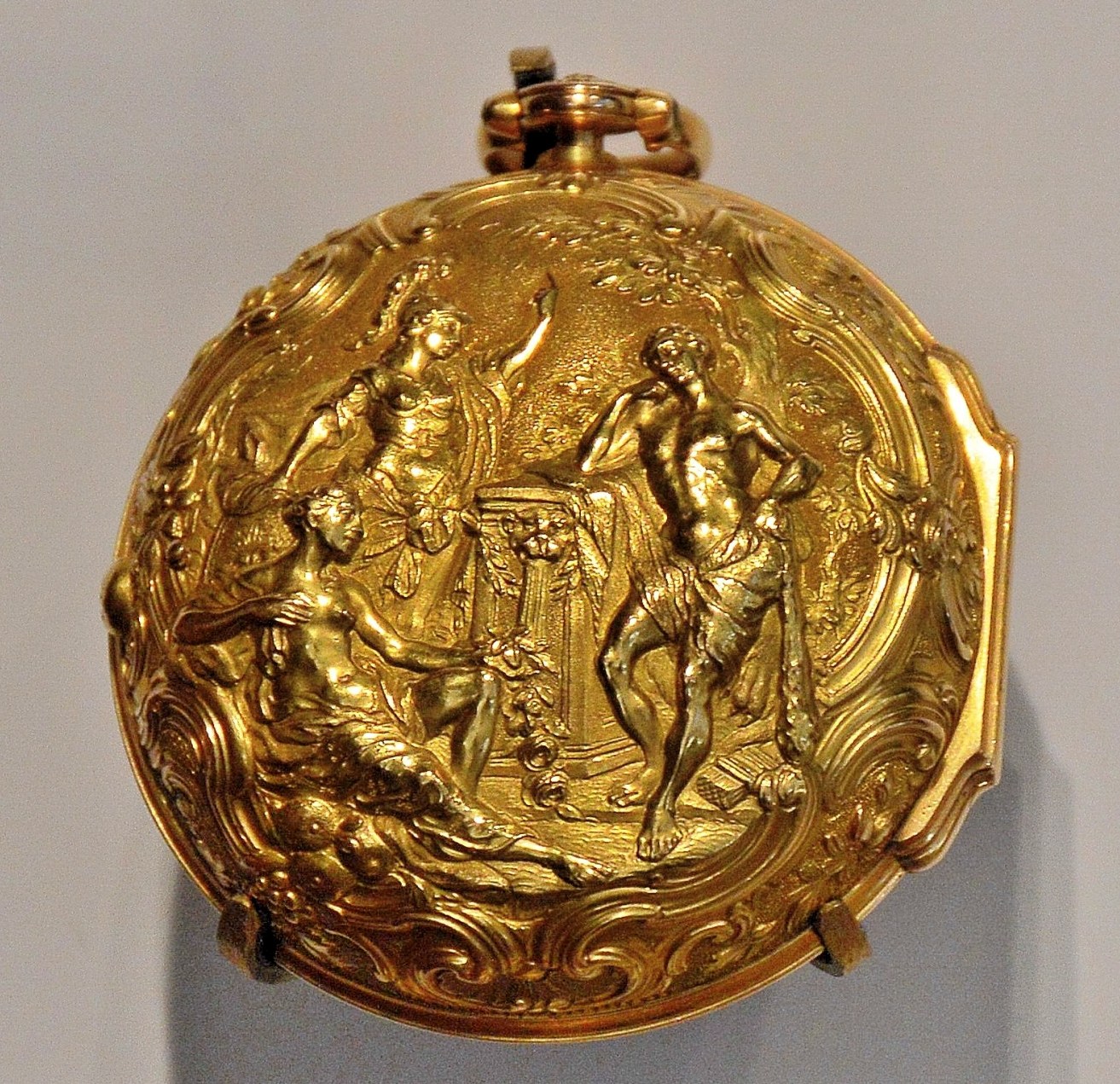
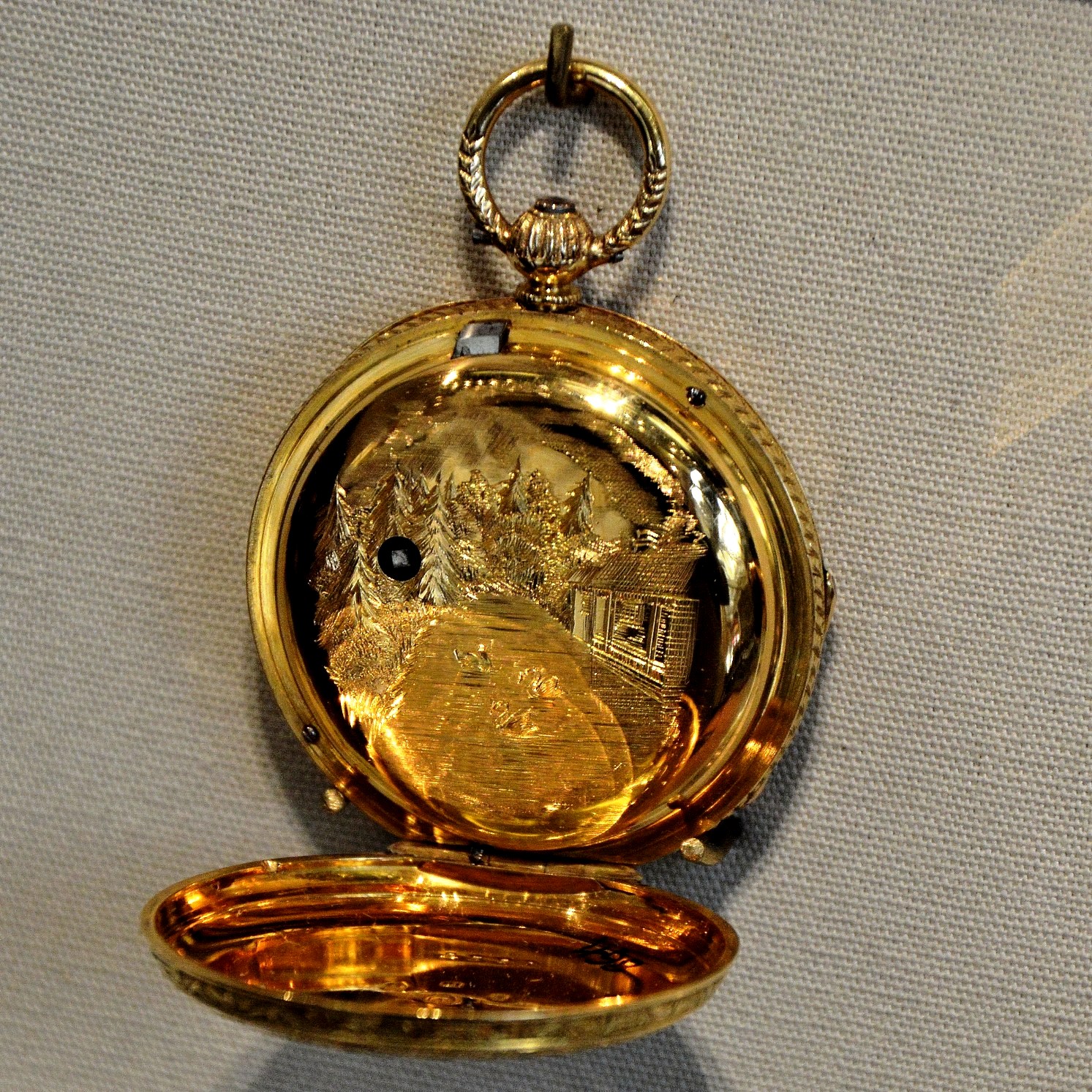
Beautiful Timepieces at the Science Museum London

32 pics. The London Science Museum now incorporates the Clock Museum which was previously housed at the Guildhall. Along with some beautifully crafted watches there are examples of chronometers.
The chronometer has been vital to the ability to create charts and safely navigate the world. The first chronometers were invented by John Harrison and are currently kept at Greenwich. Navigation and Greenwich and Greenwich Mean Time and there importance to the modern world can be found here whilst information about Harrison’s timepieces here.
Here are just a few of the hundreds of timepieces on view at the museum. It is well worth viewing the detail by right clicking on a picture, selecting “Open Link in New Tab” and then left click on the image to magnify.
.
The Watches

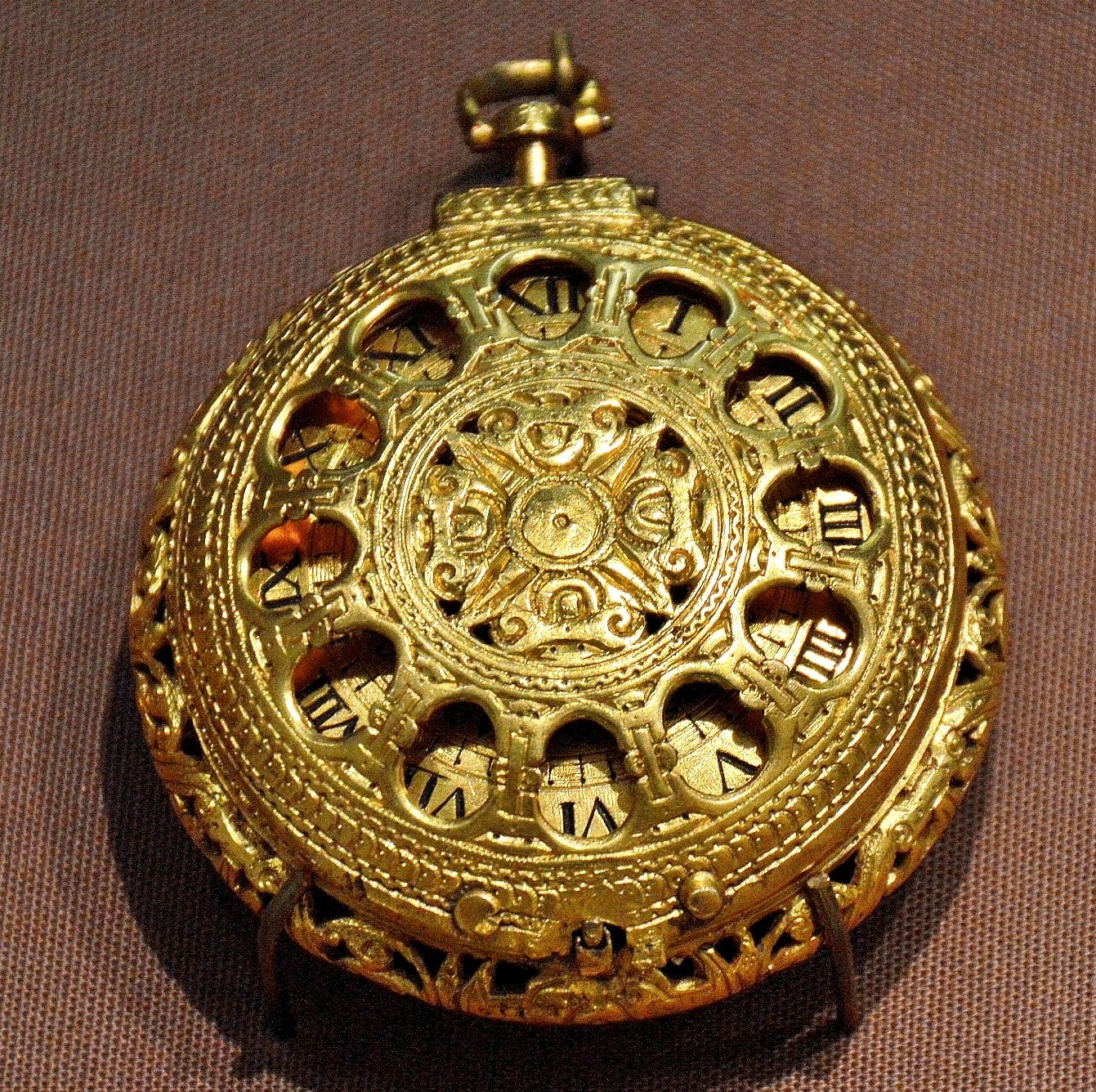
Cornelius Yate c1620
.
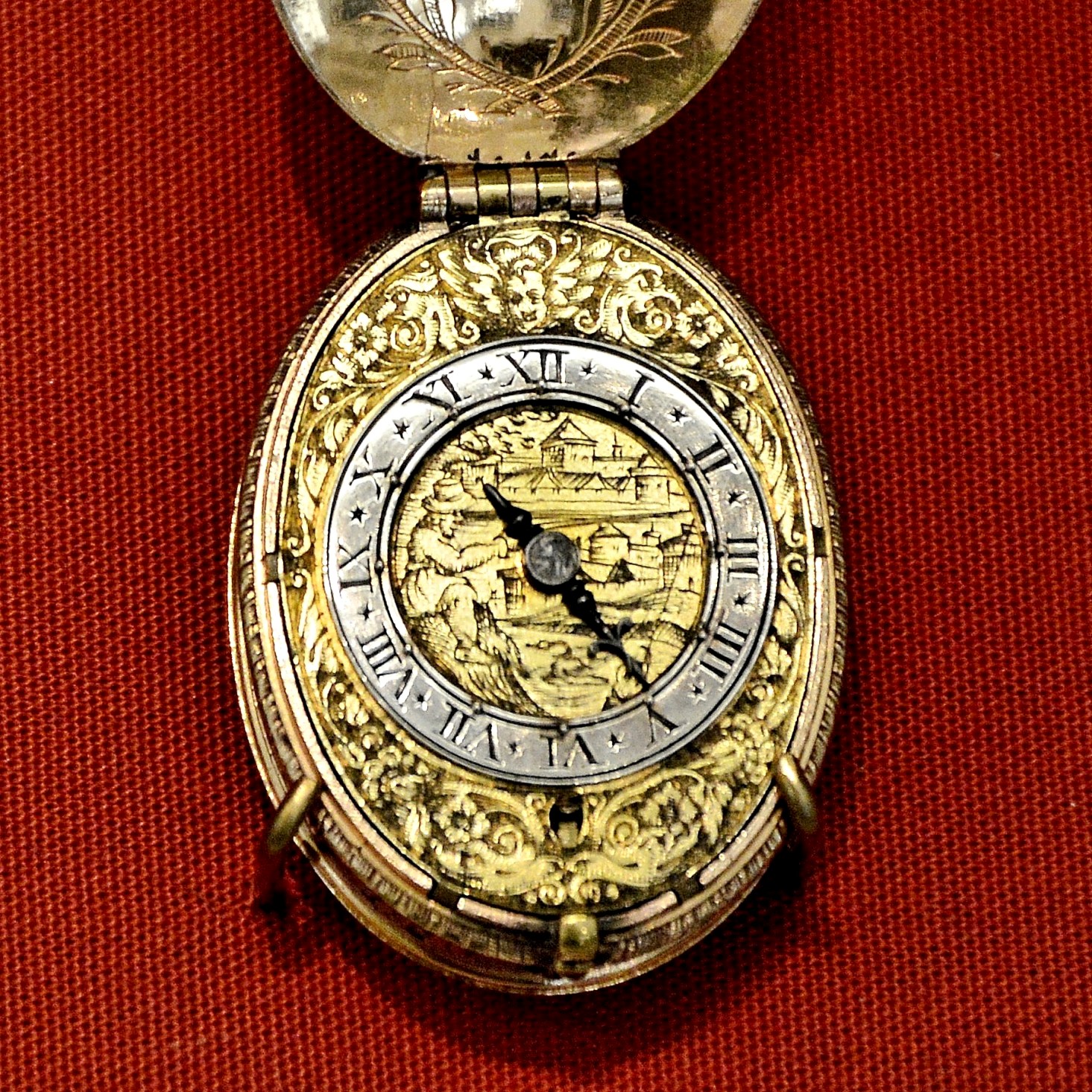
Robert Grinkin c1620
.

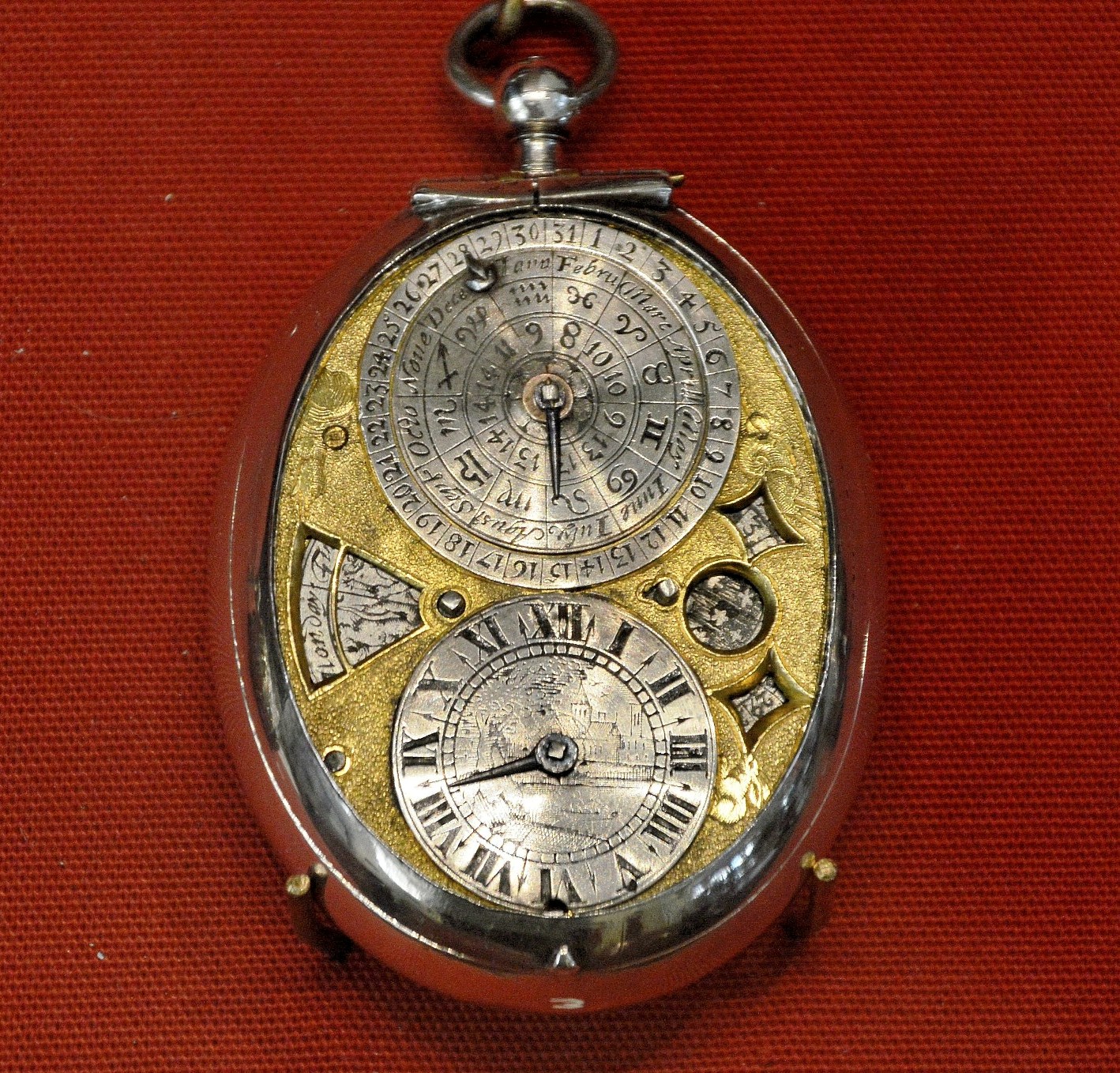
Robert Grinkin
.
.

.
.

.
.
.

.
.

Jean Robert Soret c1812
.

L’Epine
.

.
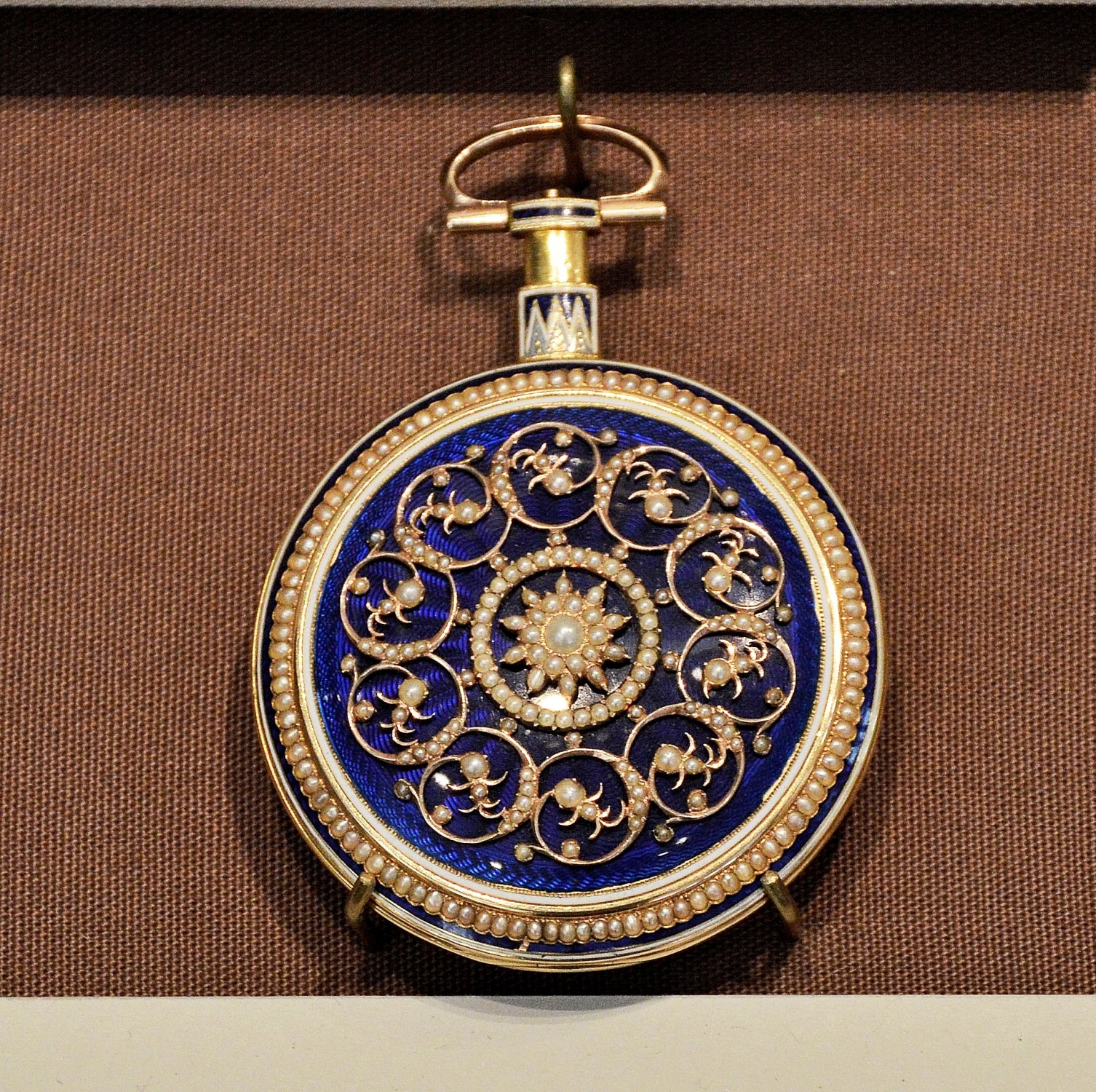
Andrews c1790
.
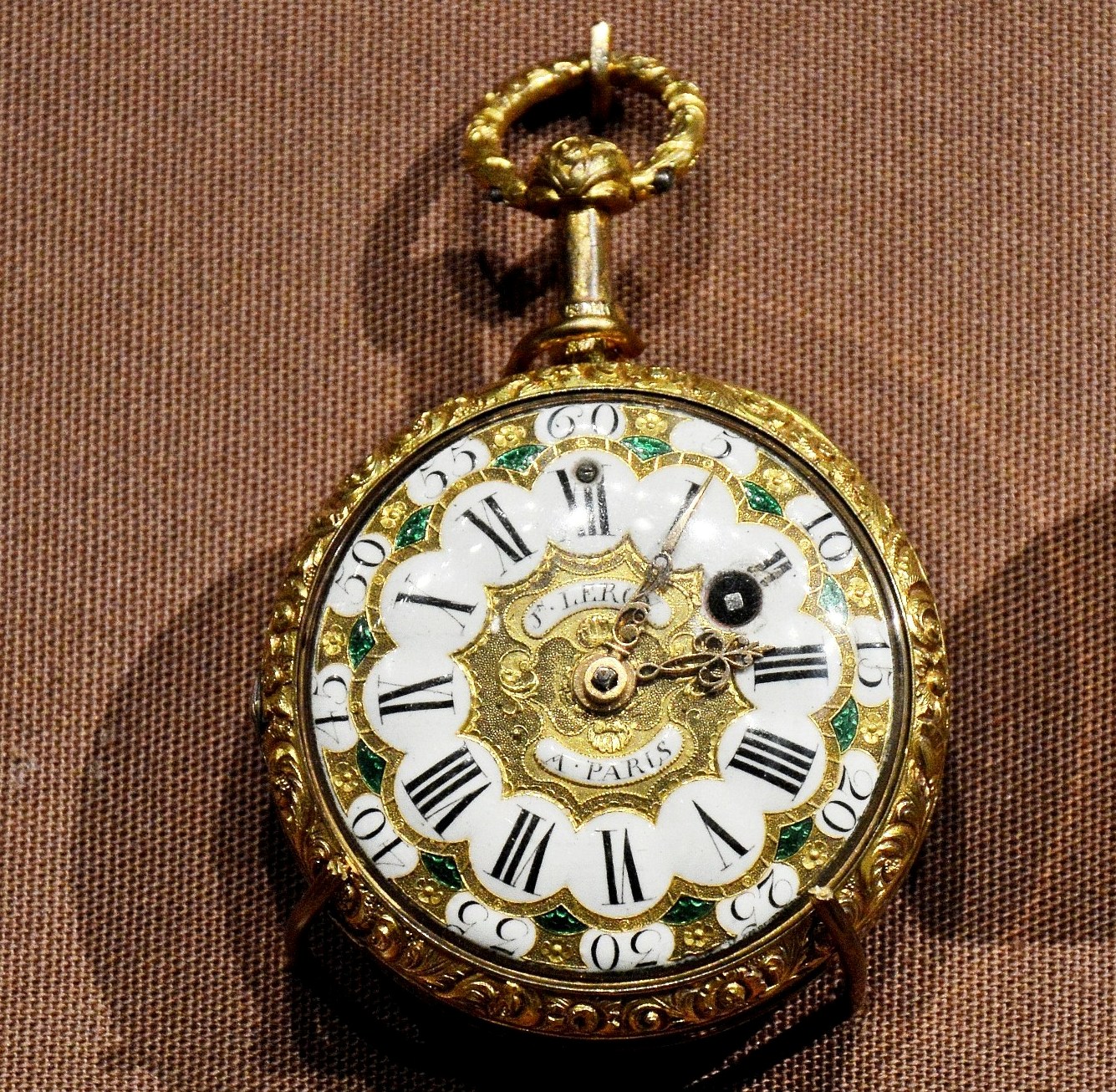
Jean LeRoy
.
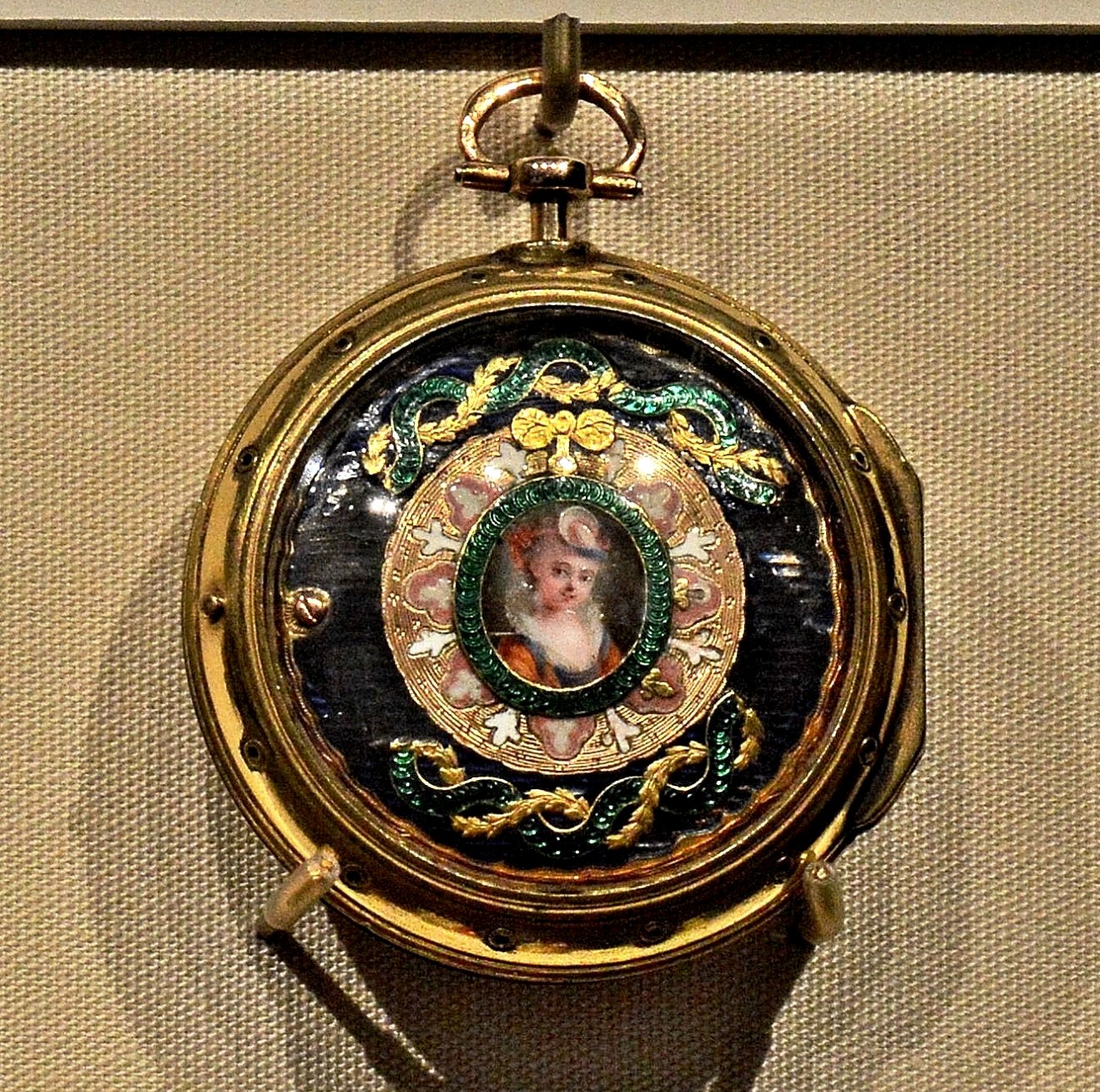
Jean Antoine Lepine Late 18th Century
.

.

.
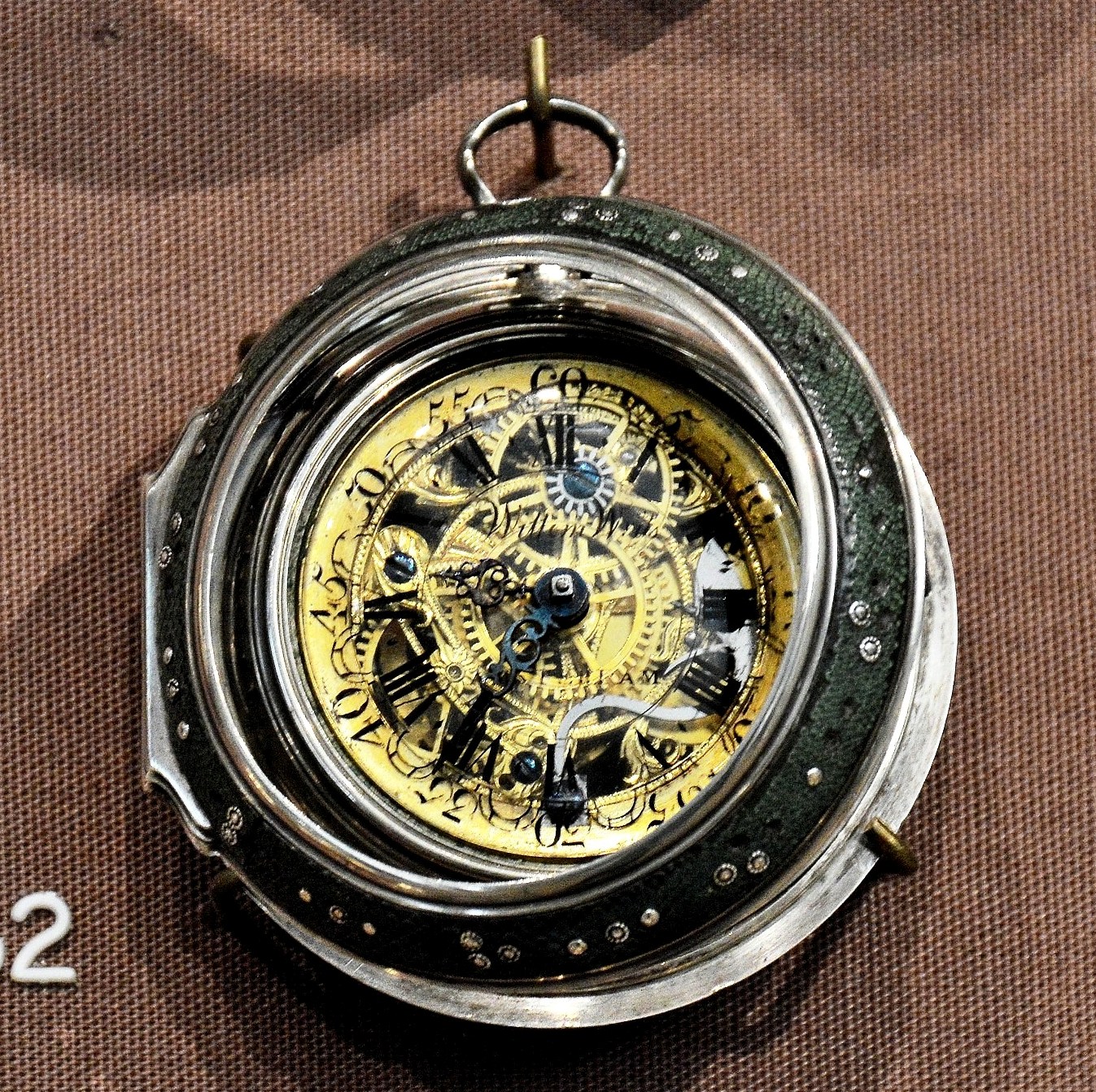
.
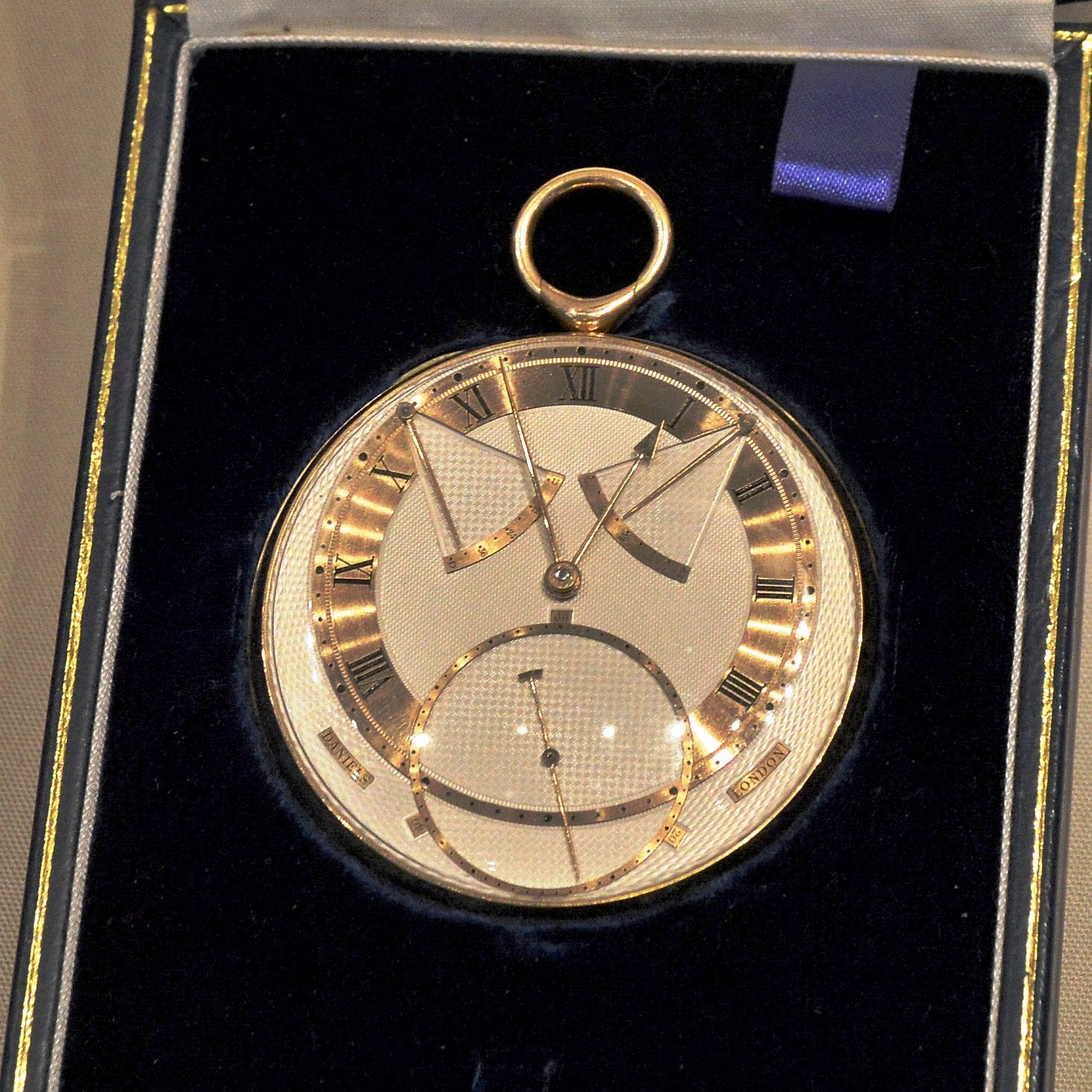
George Daniels c1986
.
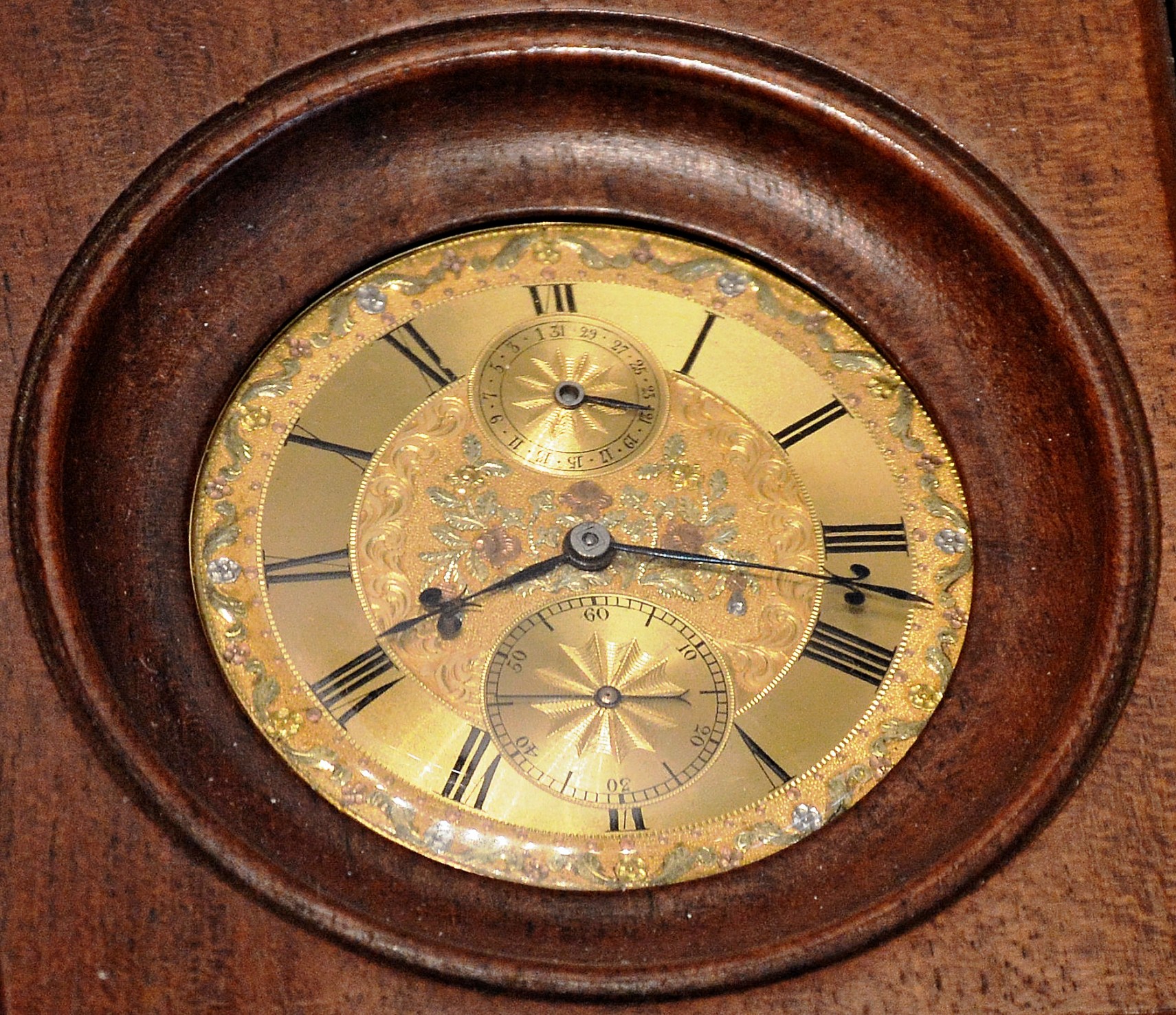
The Marine Chronometers

Charles Shepherd c1822 Marine Chronometer
.

Barrauds Marine Chronometer c1822
.
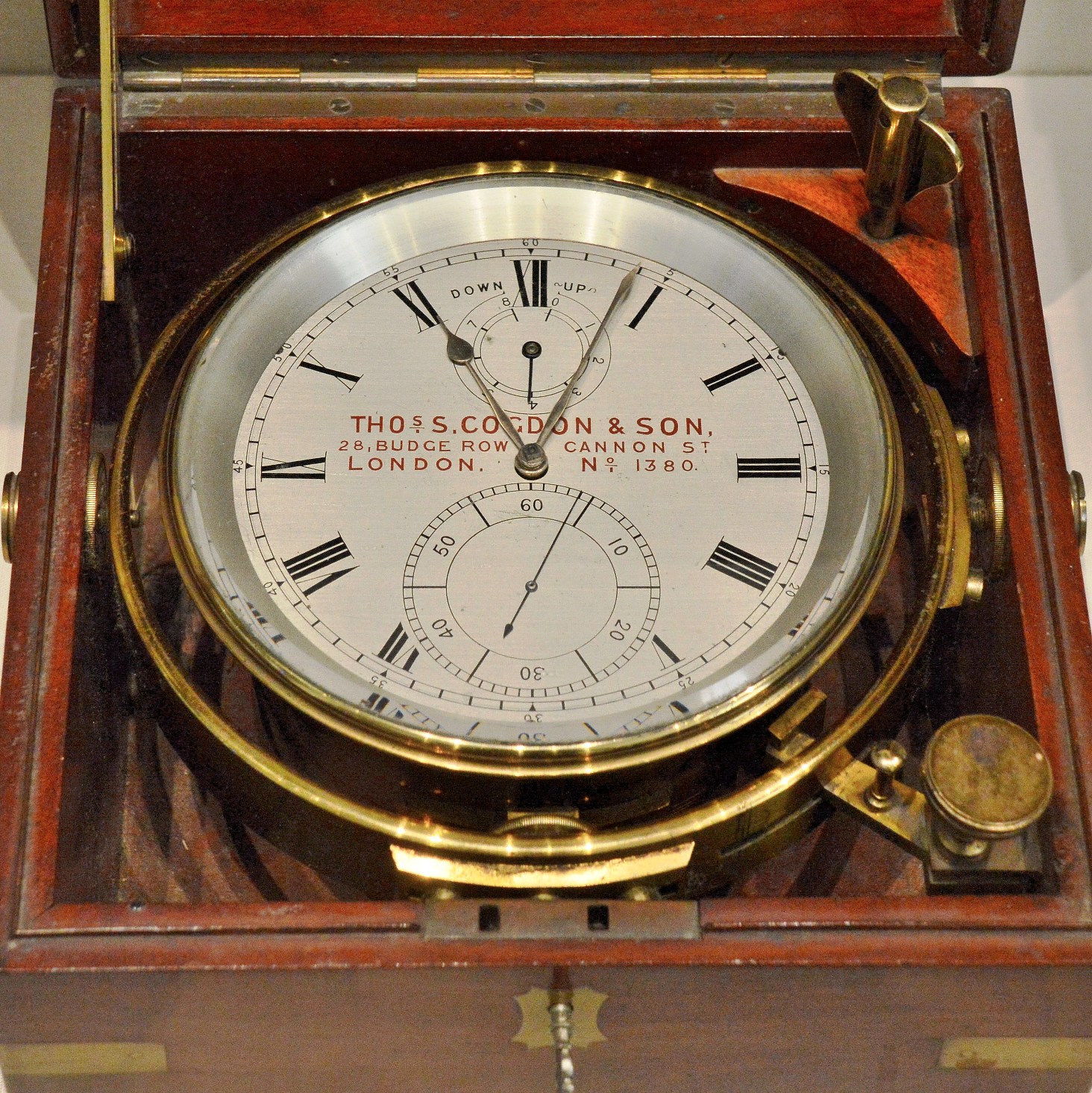
Cogden and Son Marine Chronometer
.

.
.
The Clocks
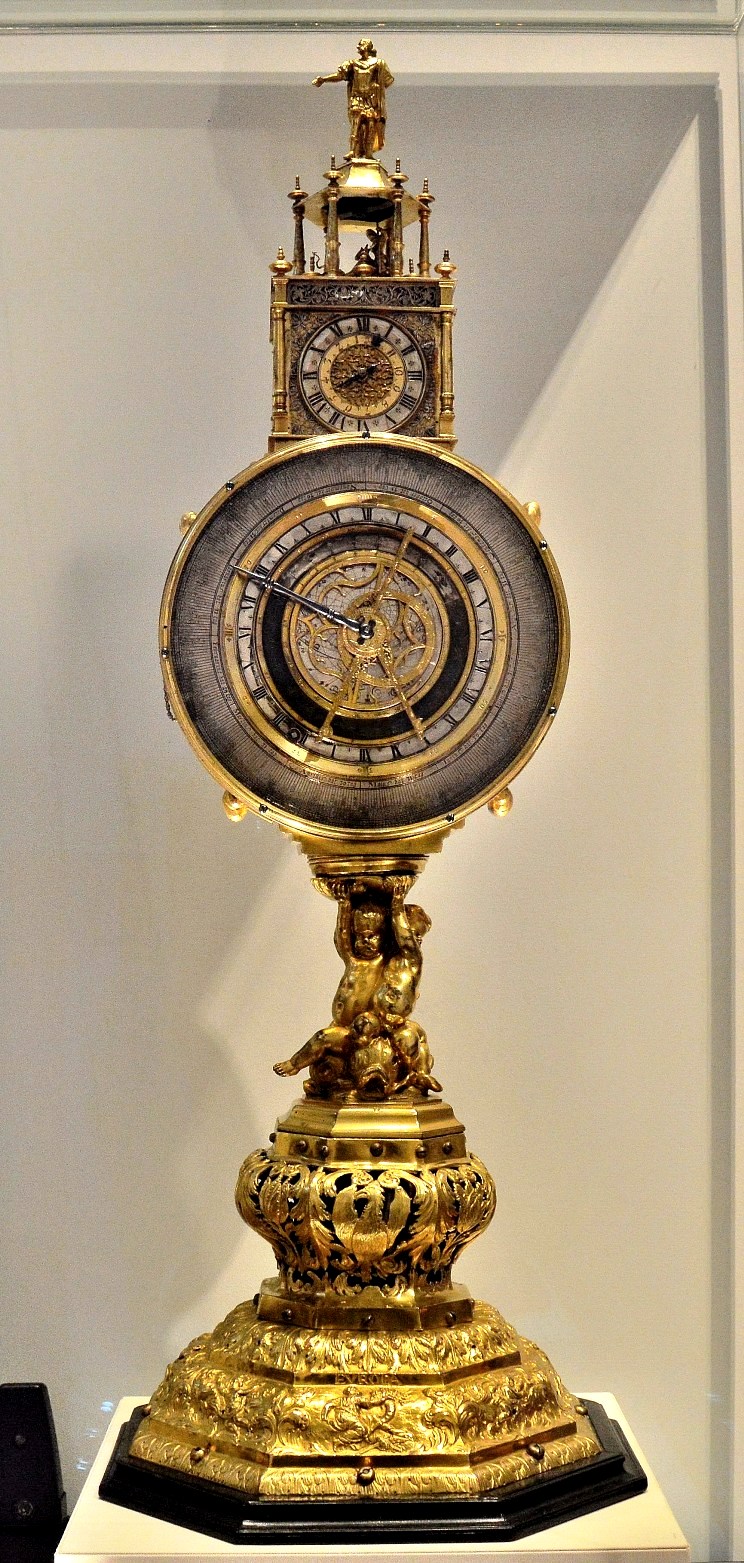
Johan Schneider c1625
.
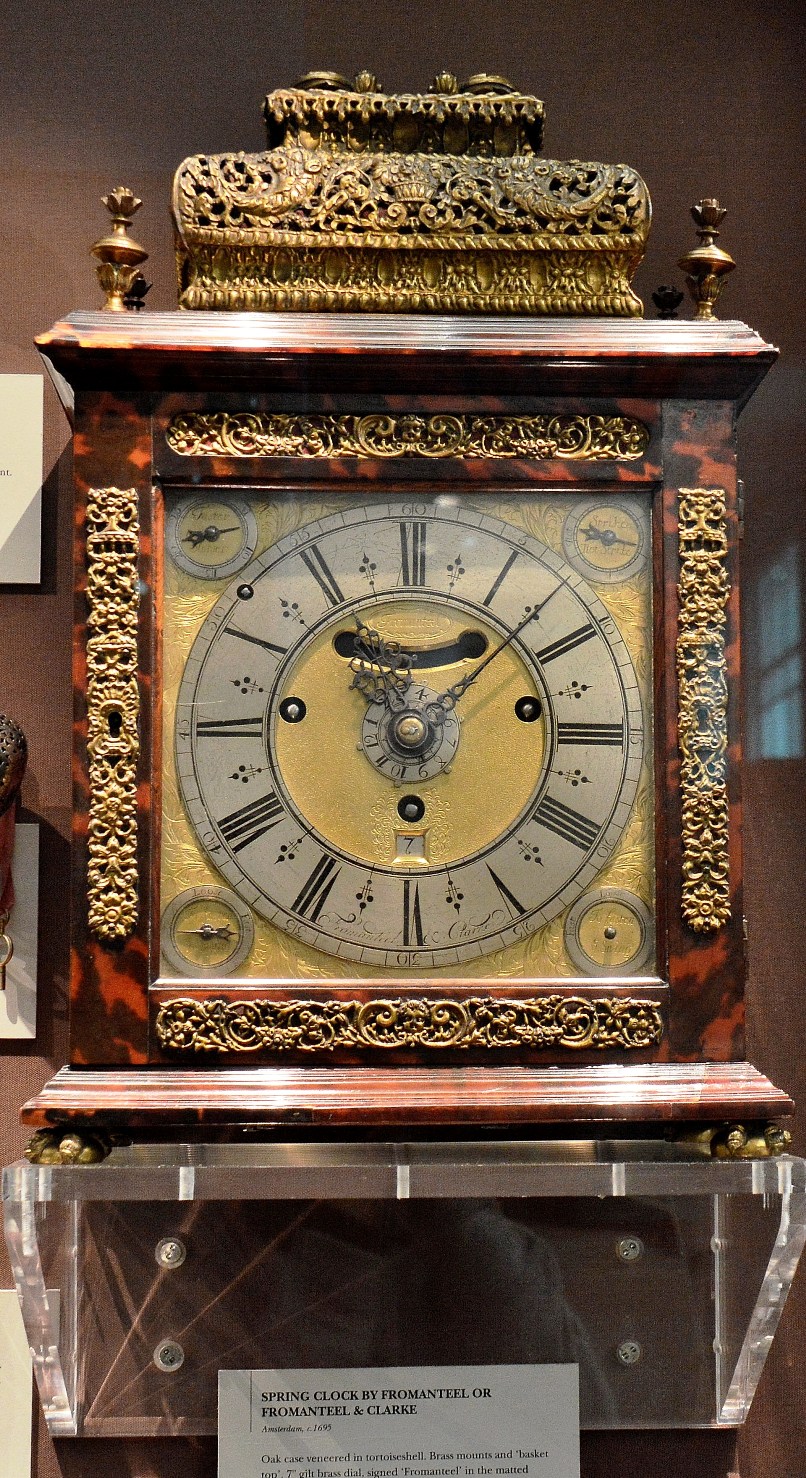
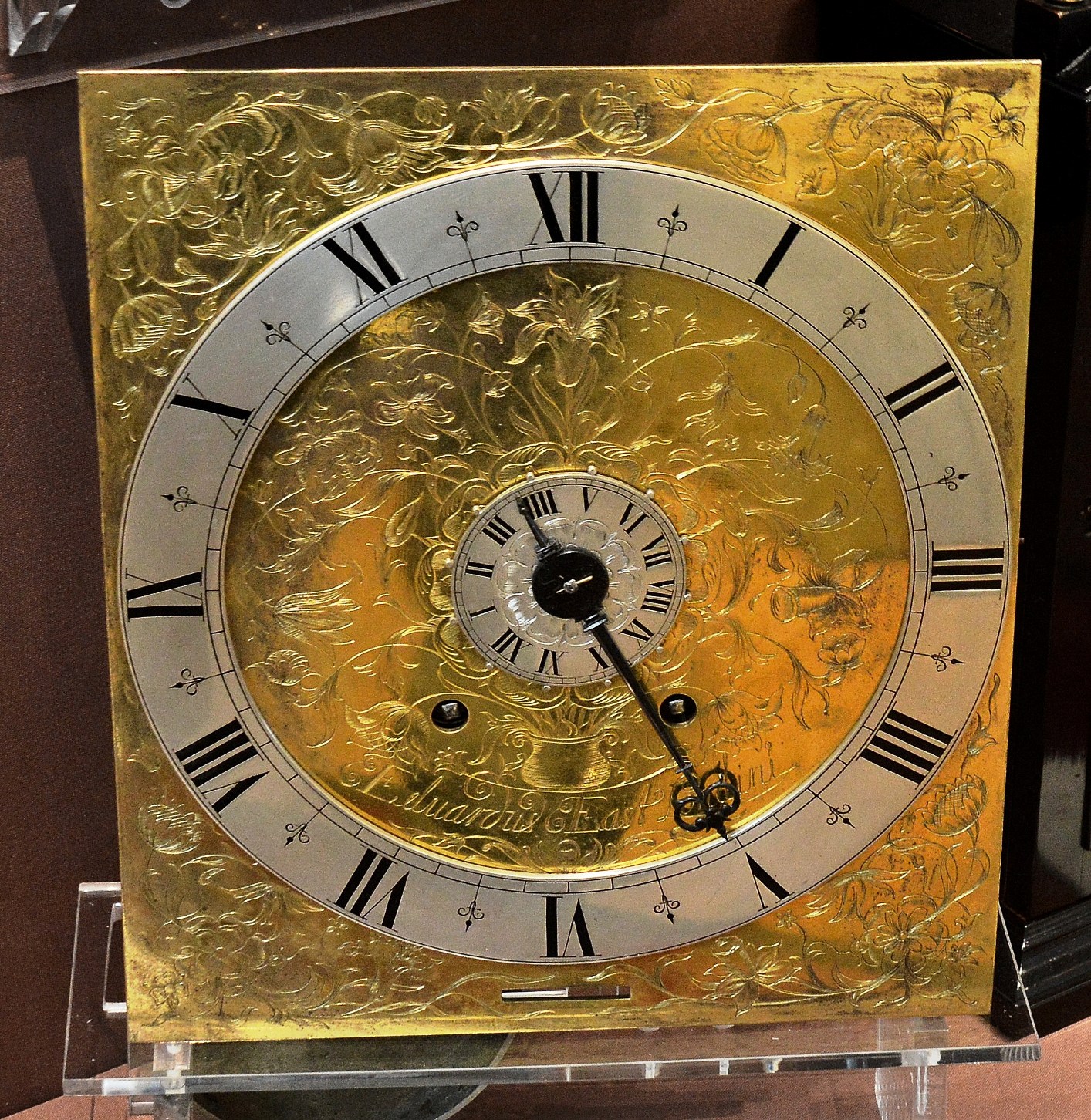
Fromanteel and Clark c1695
.

J. Schmidt Table Clock c1827
.
.

I hope you enjoyed that and so it’s goodbye from them and it’s goodbye from me.
Science Museum London
22 pics. The Natural History Museum⇐, Science Museum and fabulous Victoria & Albert Museum⇐ are all close together and very near South Kensington underground rail station. All are free to enter, although a small donation is usual, and have picnic areas (a wise choice).
It is advisable to download/save/print the museum map⇒. Their website is here⇒ and of special interest are the beautiful antique timepieces⇐ and the model steam engines⇐.

Newcomen type Atmospheric Engine
During the early 1700’s there was a developing energy crisis. Coal was needed to fuel industry, especially the smelting casting and forging of iron. Surface coal was becoming rare and deep mines were subject to flooding. Pumping out by hand or animal power was inadequate so Newcomen invented the Atmospheric Engine around 1712 and they continued as the only kind of steam engine until 1802.
The Atmospheric Engine filled a cylinder with steam at normal pressure which then condensed and reduced to less than atmospheric pressure. The external atmospheric pressure then pushed the piston into the cylinder, drawing the beam down and lifting the water pump at the other end. The age of the industrial revolution advanced along with our dependence on fossil fuels.
The one above was built in 1791 and continued in use for 127 years.

Bell Crank Engine by Boulton and Watt
Later, a more powerful type of pressurized steam engine, which pushes a piston along a cylinder, was developed by James Watt in 1802. This one powered a workshop and later an electrical generator.

Puffing Billy
The earliest practical steam locomotive was designed by Richard Trevithick in 1804 and used for the transport of coal. The Puffing Billy, above, was built by William Hedley.

Stephenson’s Rocket
George Stephenson built the Locomotion for the Stockton and Darlington Railway which was the first public steam railway in the world. It was his son, Robert Stephenson, who built the famous and more successful Rocket in 1829.

Grand Junction Railway Locomotive Columbine
Then innovation took off in leaps and bounds.

Traction Engine
.

Pumping Engine
Steam driven pumping became another essential for the advancement of human civilization by the provision of clean water and removal of waste. Both were essential for the limitation of disease. You might like a look at the beautifully ornate Crossness Pumping Station ⇐ and the awesome machines at the London (Kew) Water and Steam Museum ⇐.
.

Bessemer Converter
These developments were aided by the invention of the Bessemer Converter in 1856. Molten iron, refined from iron ore in a Blast Furnace, is poured into the vessel and then air followed by oxygen is forced through the molten metal. This was the first method of removing impurities on a large economic scale to produce steel.
The great gout of fire that spouts from the converter is awesome and can be seen on video by clicking on Bessemer Steel Making at Workington Cumbria⇒.
.

Babbage’s Difference Engine No 2
Meanwhile there had been a need to produce accurate mathematical tables for engineers, astronomers, navigators etc. After around 25 years of trying, Charles Babbage created the Difference Engine No 2. Whilst it can only add and subtract, it can be programmed do so a number of times, hence it can multiply and divide. Modern computers use the same method.
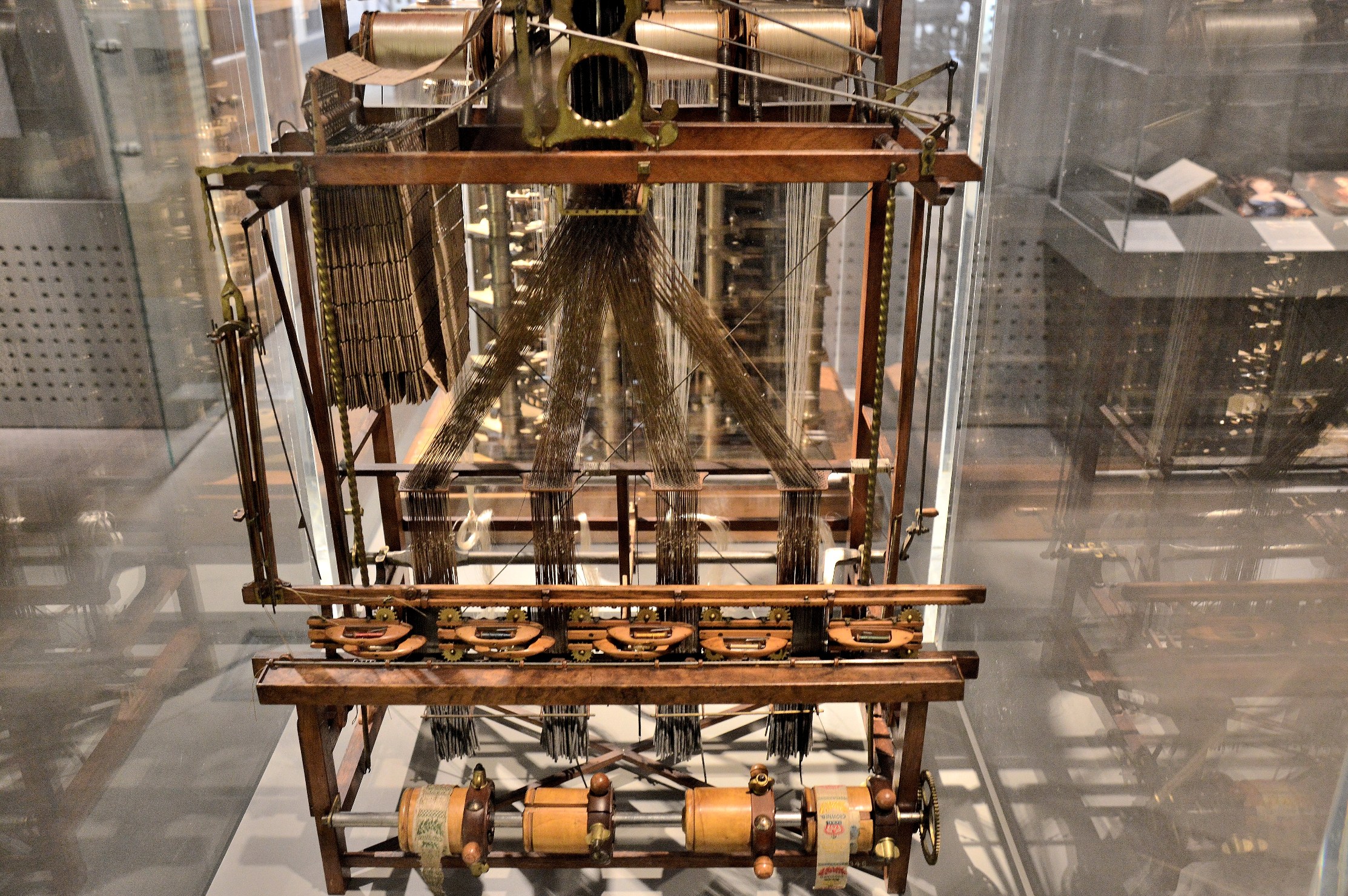
Ribbon Loom by James Heywood using the Jacquard Principle
This clever little device can automatically weave a complex design using a series of punched cards for instruction. That is, a programmable process. Punched cards were used by early computers.
And then :-.

Well alright its early days yet.

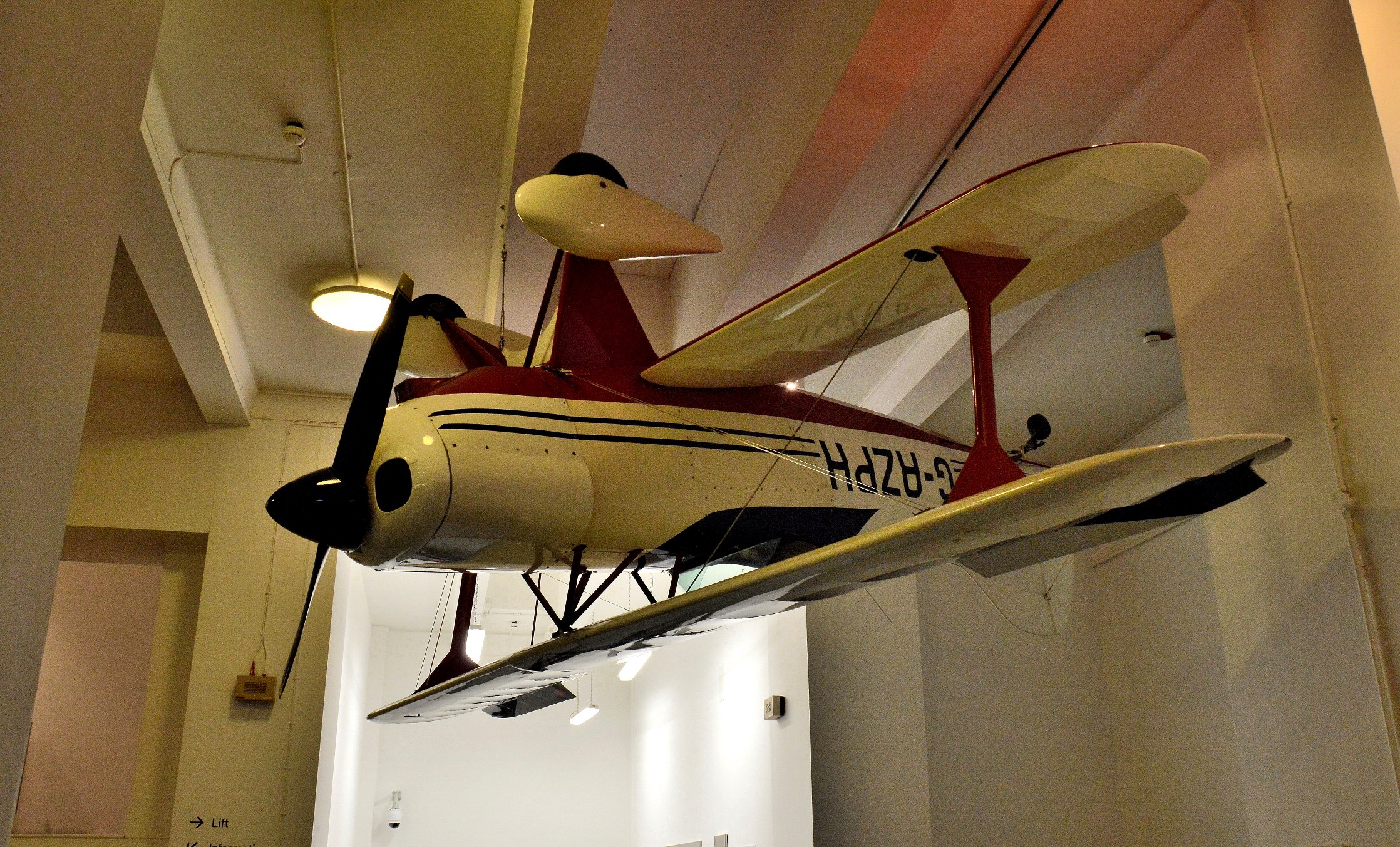
Amy Johnson’s Airplane Jason
Amy Johnson was the first person to fly solo from Britain to Australia, although in several legs. If you click on twice to expand, you might notice an AA (Automobile Association) sticker just beneath “Jason”. Now that’s what I call optimism.
And then:-

The Spitfire
.

Lockheed Electra
.
Normal service will be resumed when Grommet gets back from the chip shop. 🙂

Harrier Jump Jet
And then :-
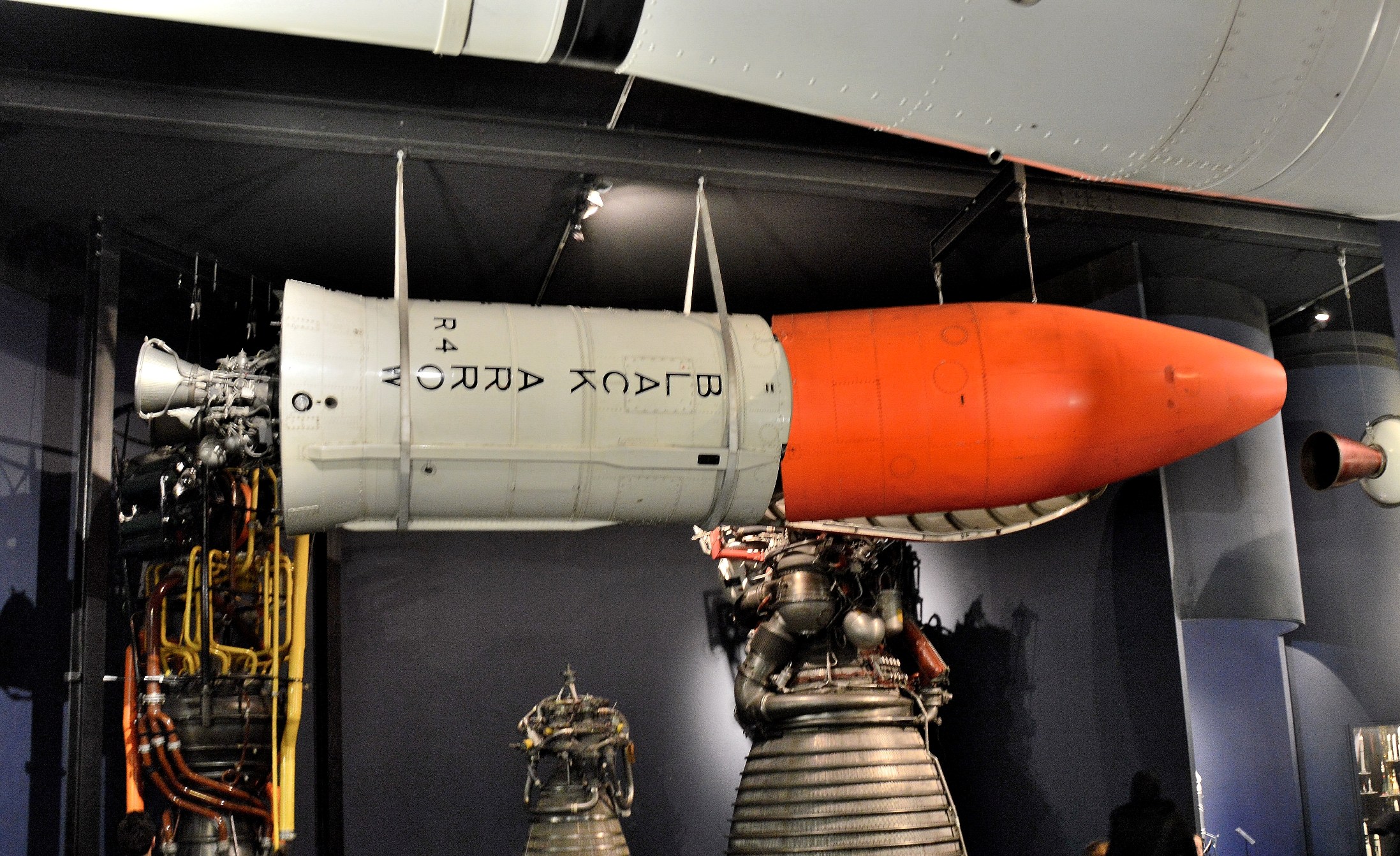
Space Rockets
.

Space Satellite
.

Space Capsule
.

Moon Lander
And then:-

This suspended globe in the Science Museum turns and changes to show the weather patterns and day and night. At times it shows the vast number of lights we are burning.
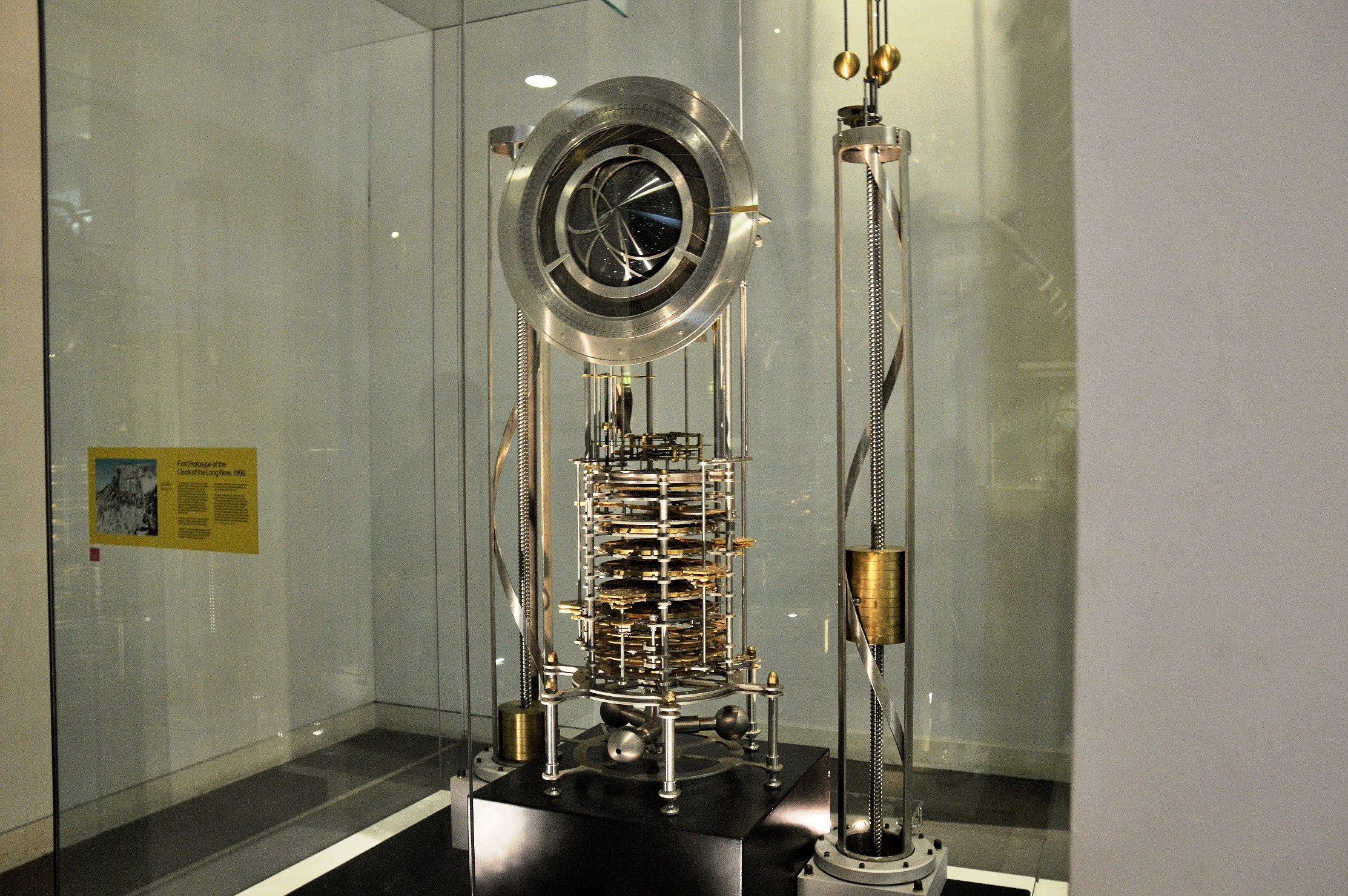
The Clock of the Long Now
Please click on twice to expand the small print.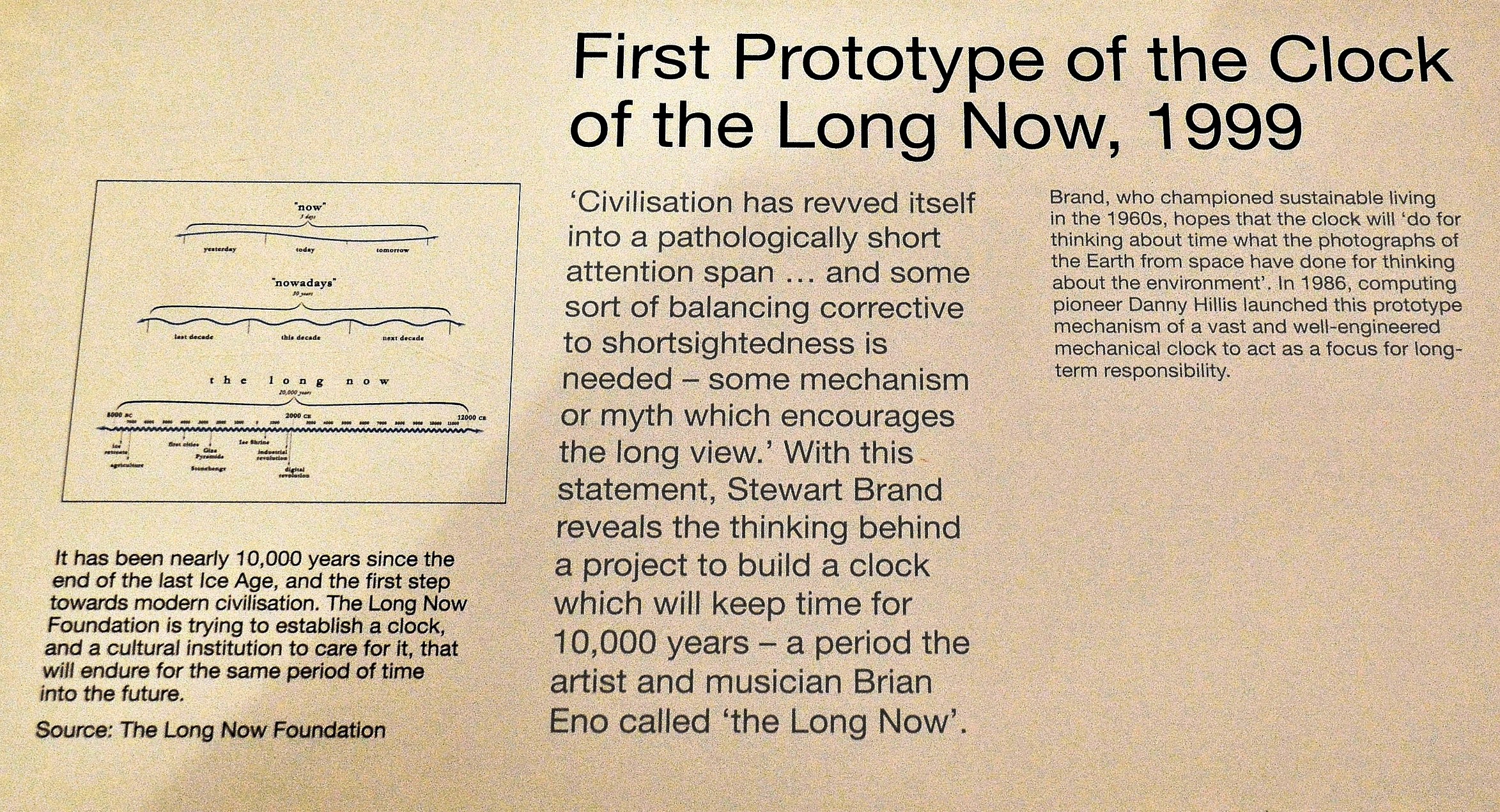
.
Fossil fuels have been the foundation of our modern world and all of its benefits. Knowing no better, we have used a crude and poisonous medicine, we now have to evolve to stop the increasingly damaging side-effects. Considering all that mankind has done, surely we can manage this too.
.
Bow Bells, Cockneys, Dick Whitington and Captain John Smith
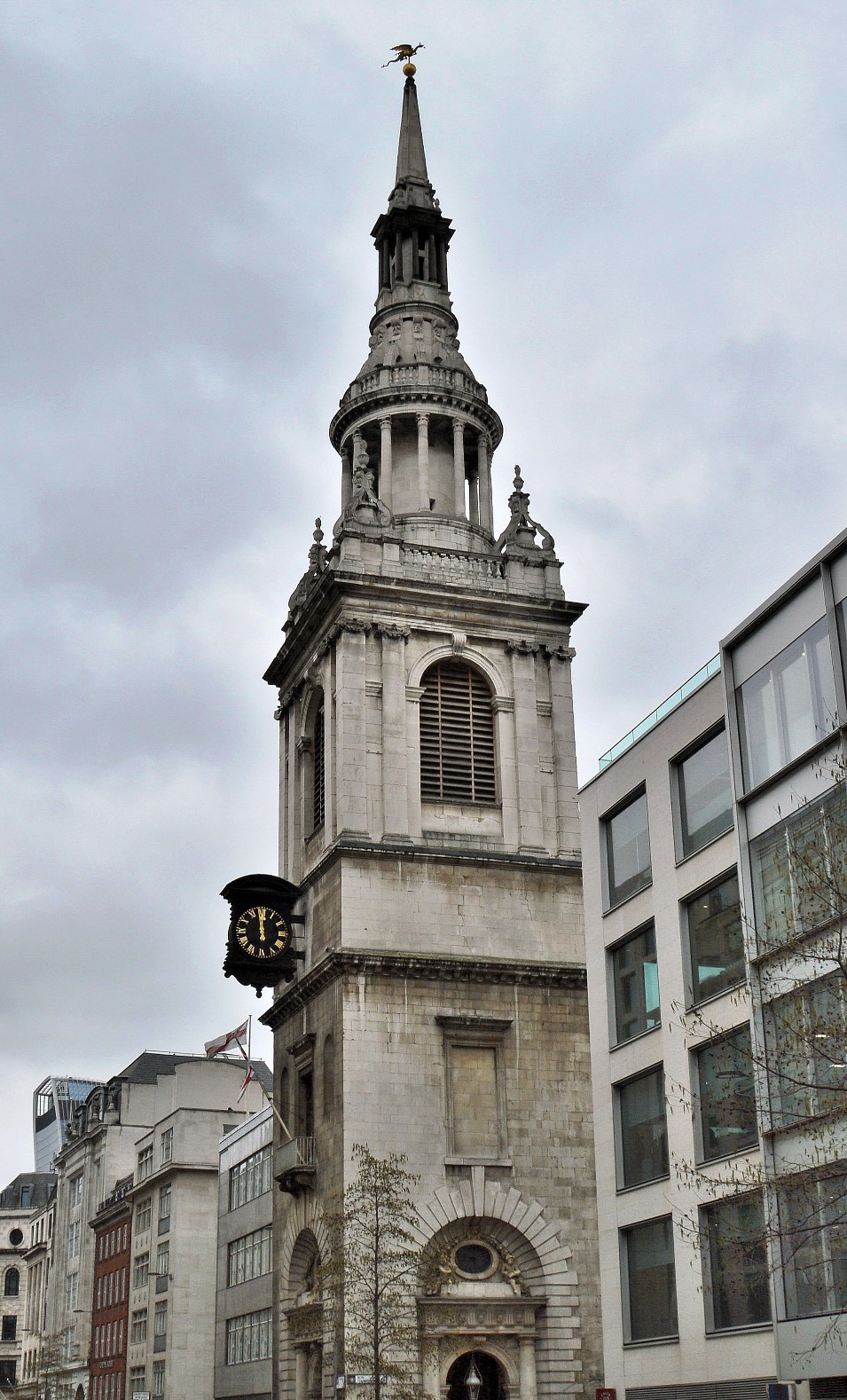
The Church of St Mary Le Bow
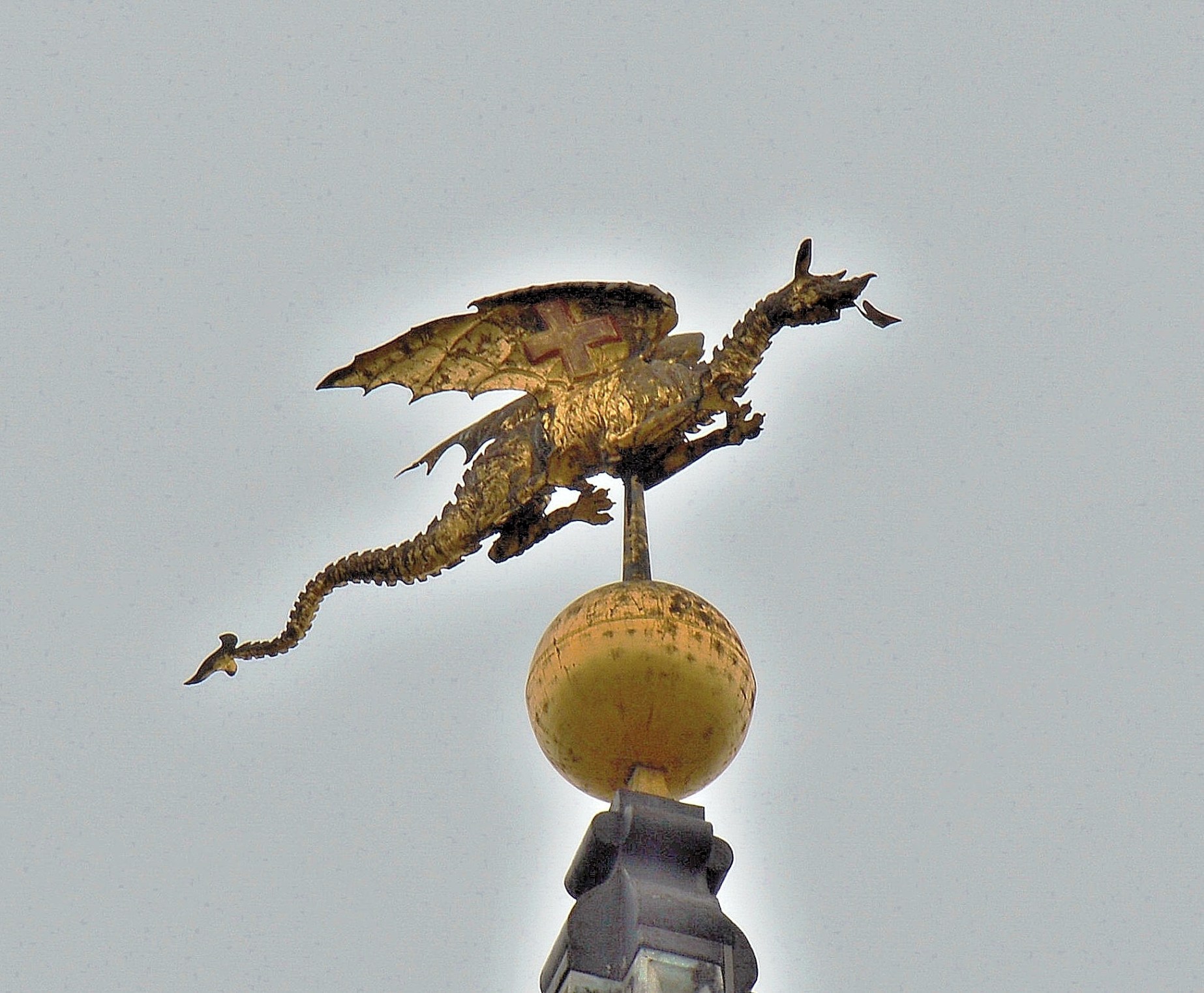
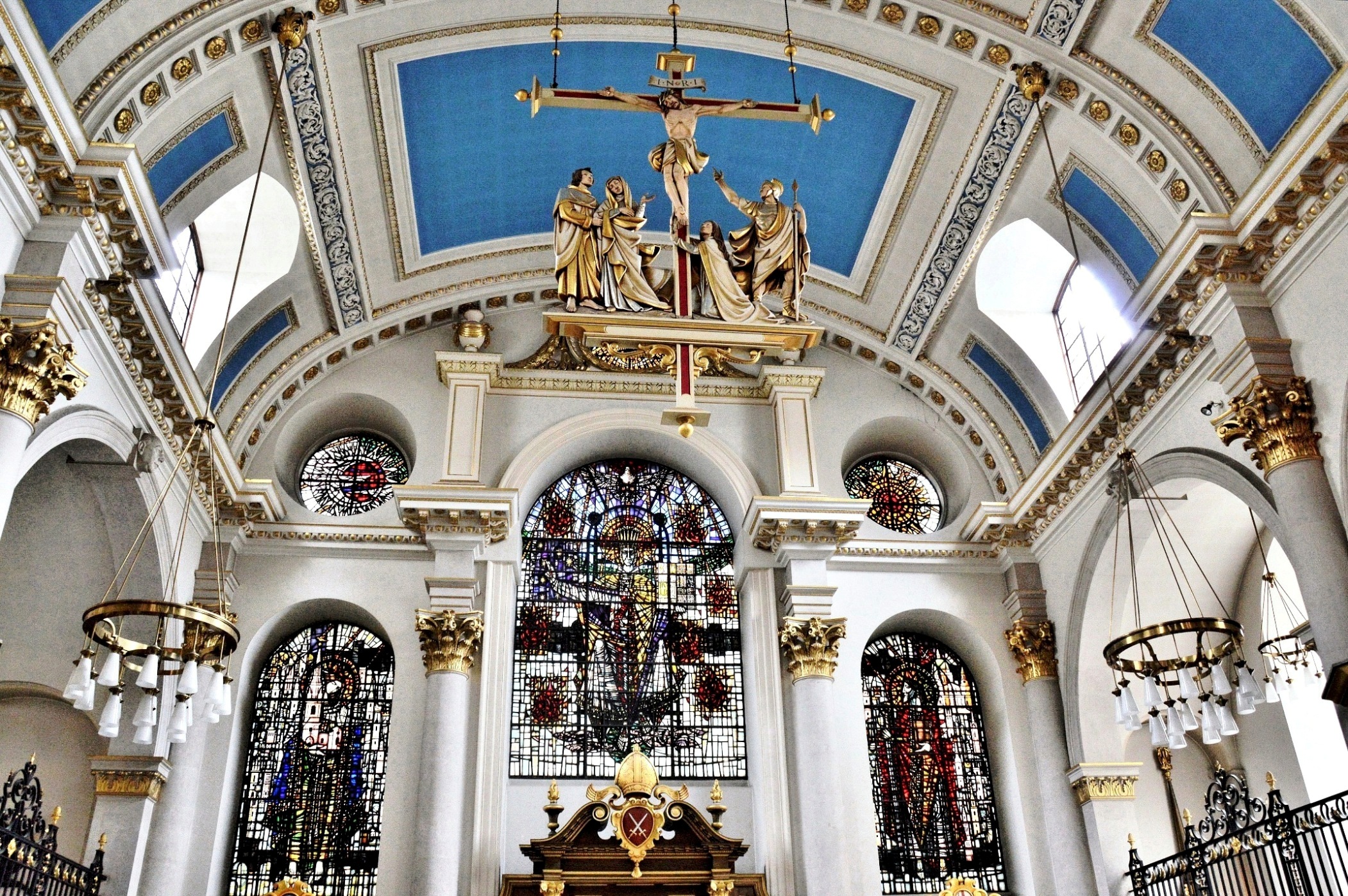 The Church of St Mary Le Bow is in Cheapside and but 3 minutes walk from St Paul’s Cathedral. To be a true Cockney, which is not quite what people think, one must be born within the sound of St Mary Le Bow bells. Their website can be found here and this is not the same place as St Mary’s in the district of Bow.
According to folklore Dick Whittington changed his mind about leaving London when he heard the peal of Bow bells, and so changed his fortunes and became Lord Mayor of London. There was in fact a Richard Whittington who was Lord Mayor of London several times during the 14th century.

.
 .
.
 .
.

There is also a cosy little crypt converted into a pleasant café.
 .
.
 .
.

In the square, just outside the church, is a statue of Captain John Smith. The captain was a mercenary, pirate, explorer and at one time leader of Jamestown the first permanent English colony in America. It is said (mostly by himself) that his life was once saved by Pocohantas. He was probably what we would call now, a real swashbuckler. Anybody who wore rain-catcher boots like that had to be hardy. 🙂
The Queens Gallery
The Queens Gallery can be found at the southern wall of Buckingham Palace (near Victoria Station) beside the Royal Mews and you can photograph in both. Nearby are the State Rooms, where photography is not allowed. There are also some very royal gift shops.
I’ve chosen paintings and sketch cartoons that show slices of life from the artist’s point of view. They have all been enhanced to compensate for the low lighting and the fading/darkening of paint over time. They show the patience and skill that was employed, which makes them a joy to see.
Paintings

Market Scene by Night by Petrus van Schendel
.
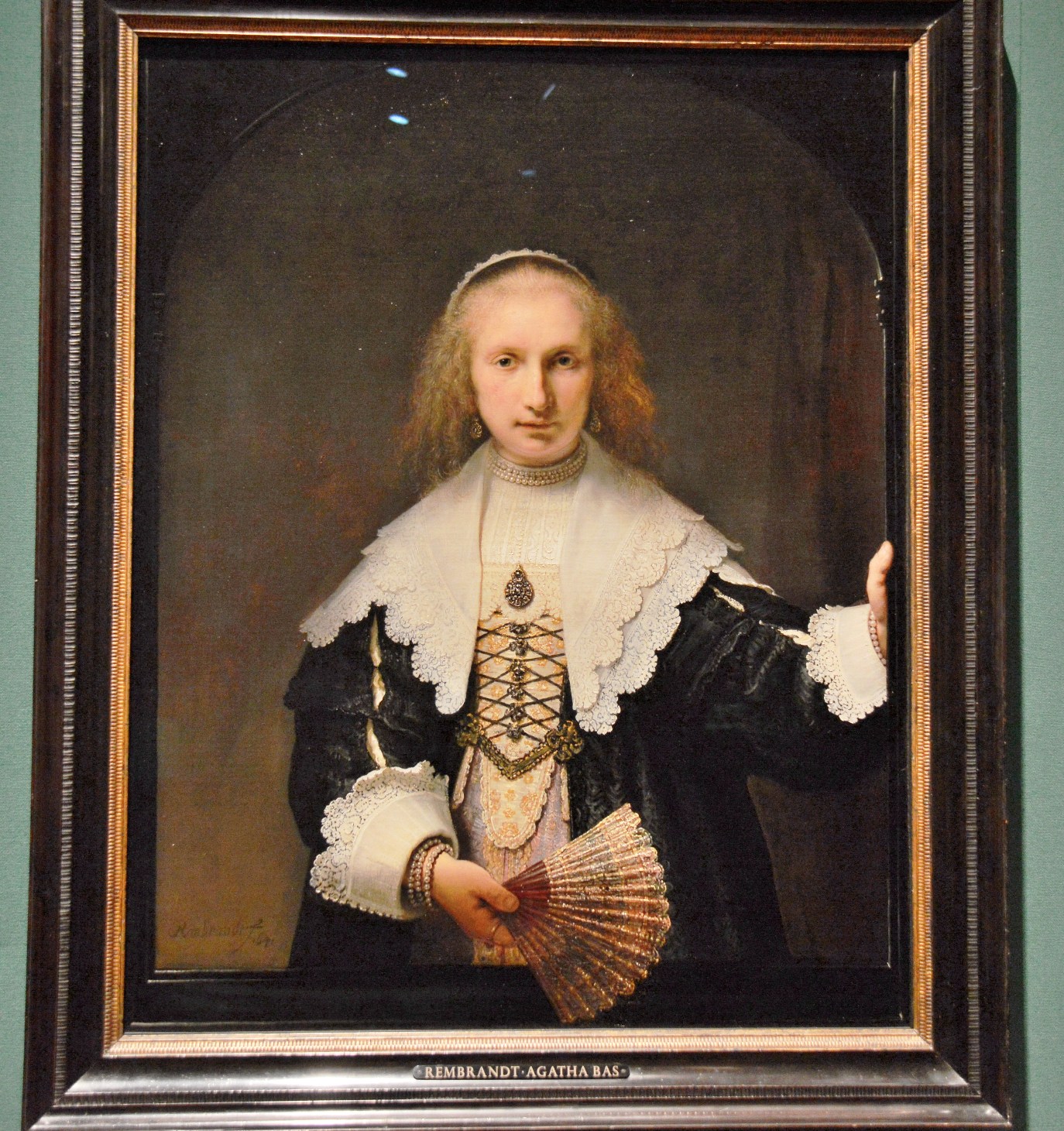
Agatha Bas by Rembrandt van Rijn
.
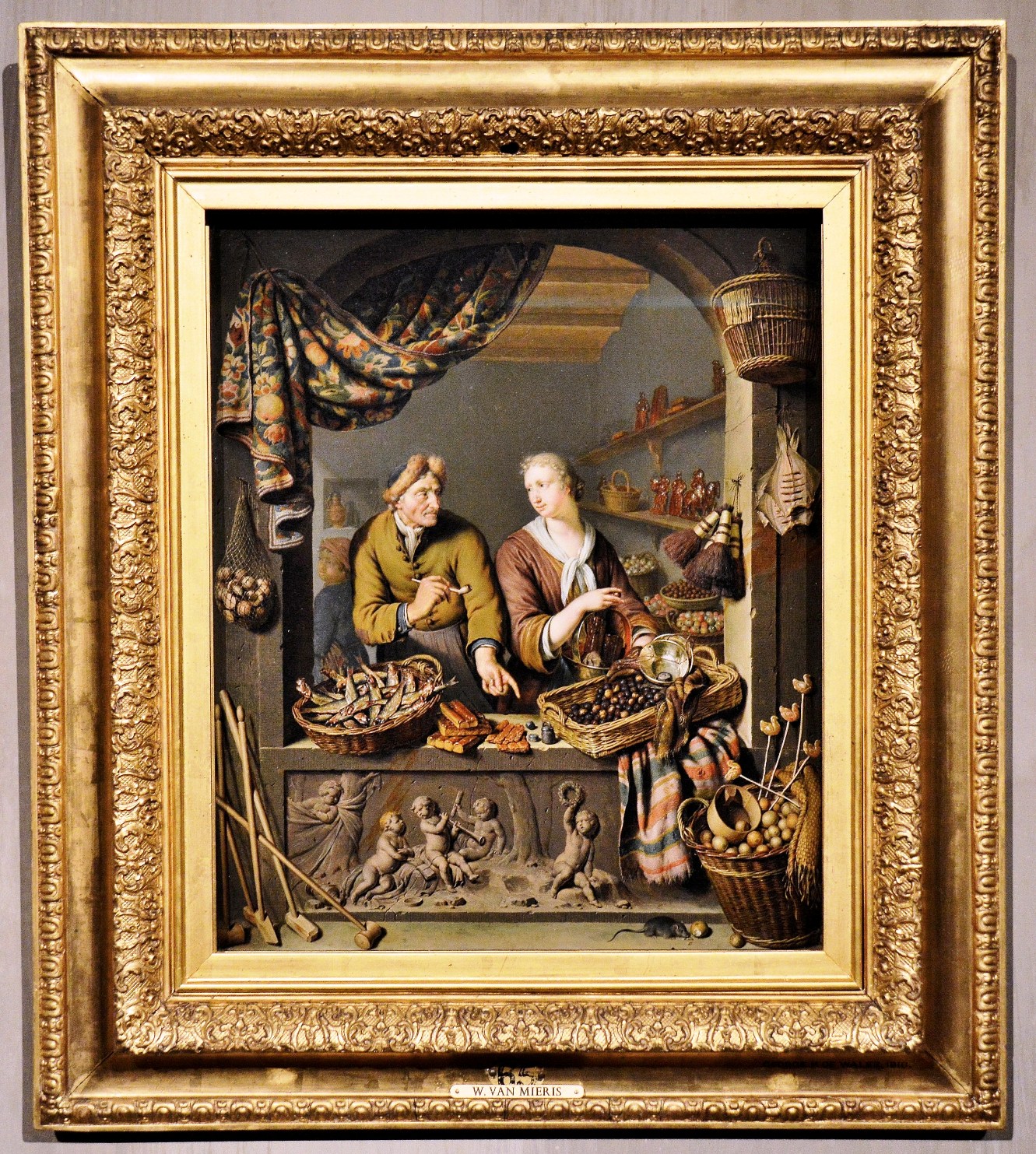
An Old Man and a Girl at a Vegetable and Fish Stall by Willem van Mierls
.

A Village Revel by Jan Steen
.
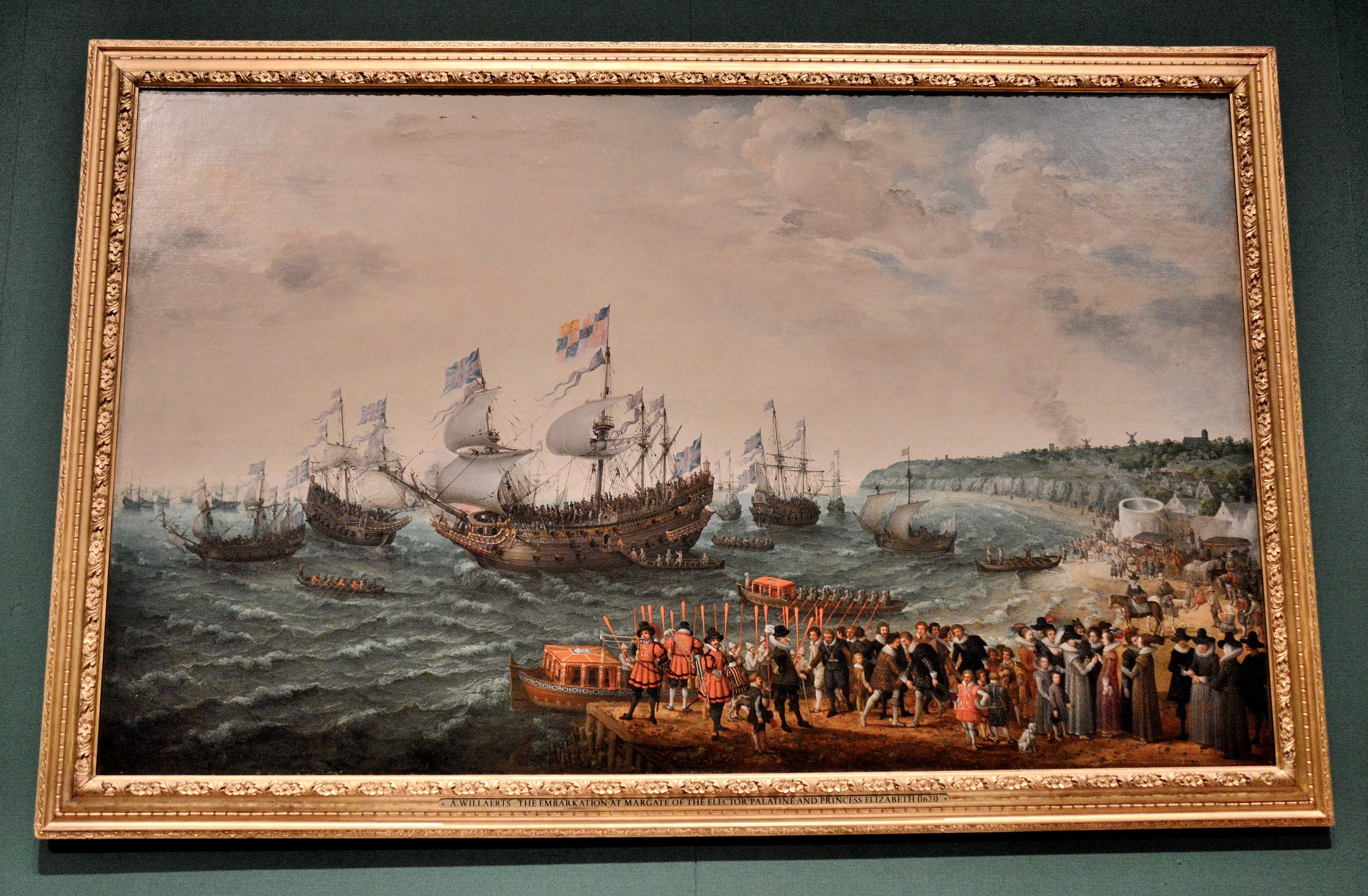
The Embarkation at Margate of the Elector Palatine and Princess Elizabeth by Adam Willaerts
.
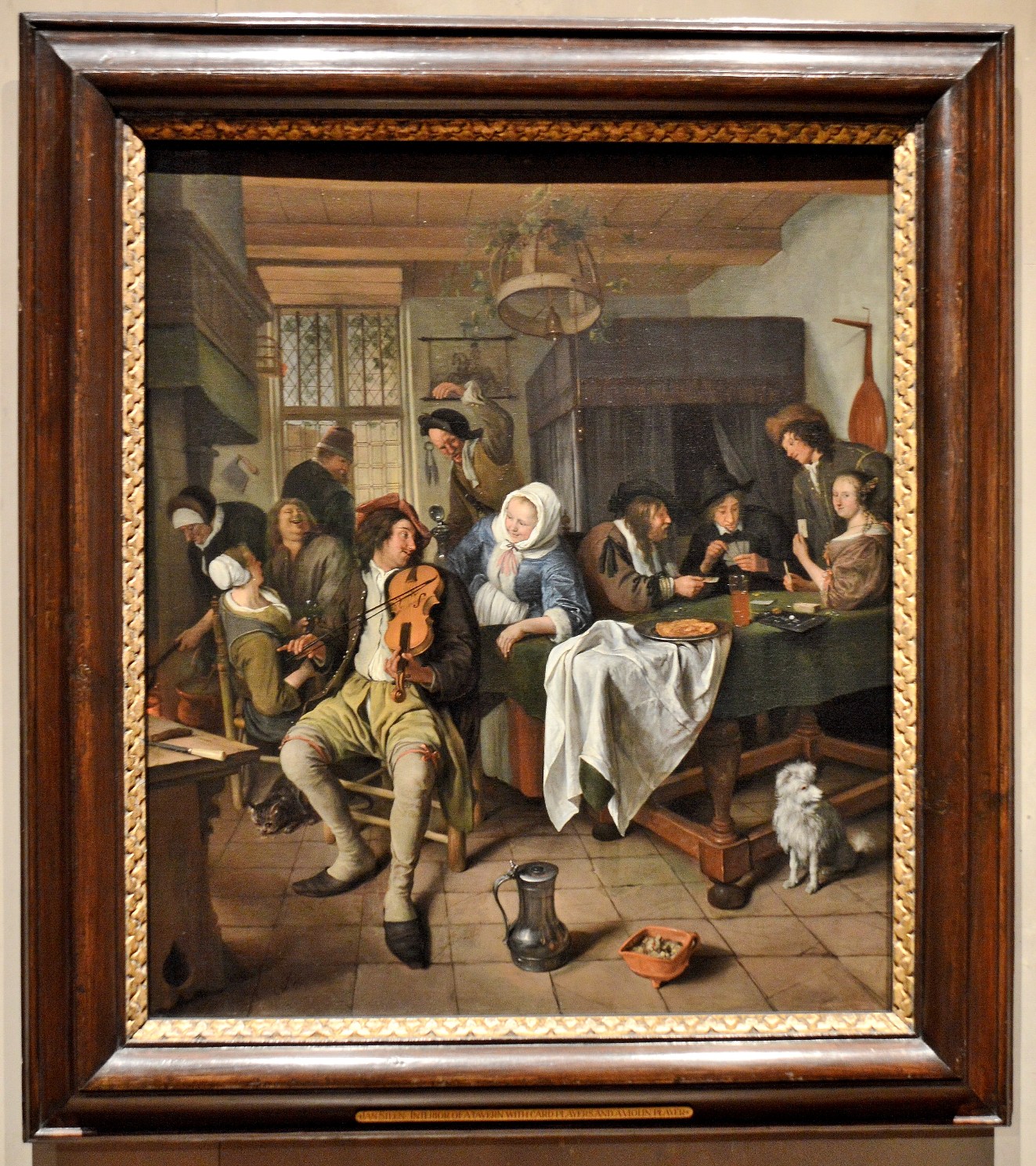
Interior of Tavern with Card Players and a Violin Player by Jan Steen
.
Ornamental

.

.

.

Cartoons
18th century Britain was quite frank in its depictions of society and the notable. Sometimes irreverent and quite often bawdy. The first is a satire of the Duchess of Devonshire trying to assist her lover, Charles James Fox, to obtain a seat in Parliament. Fox succeeded in being elected but the Duchess never regained her reputation.
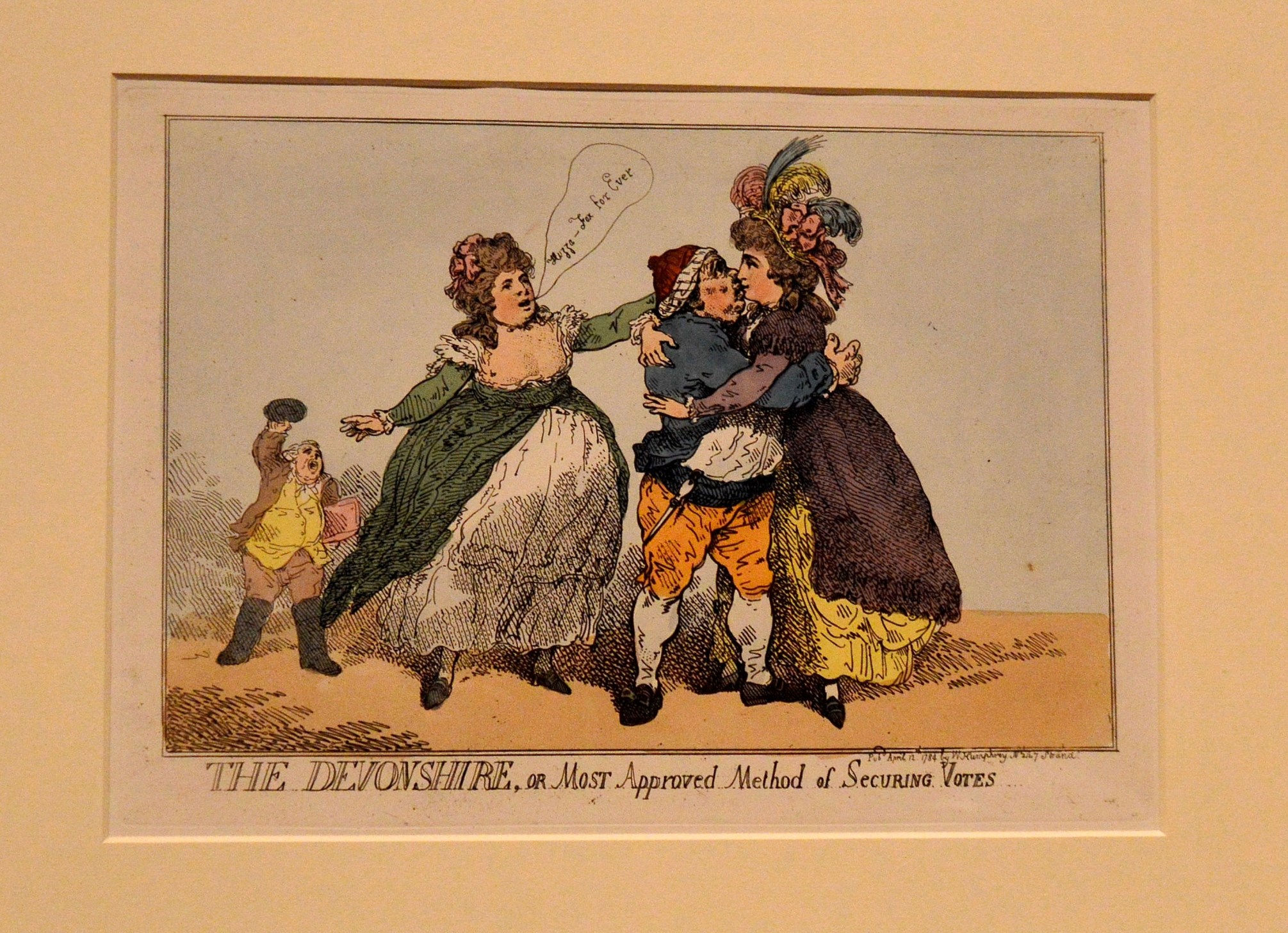
The Devonshire, or Most Approved Method of Securing Votes
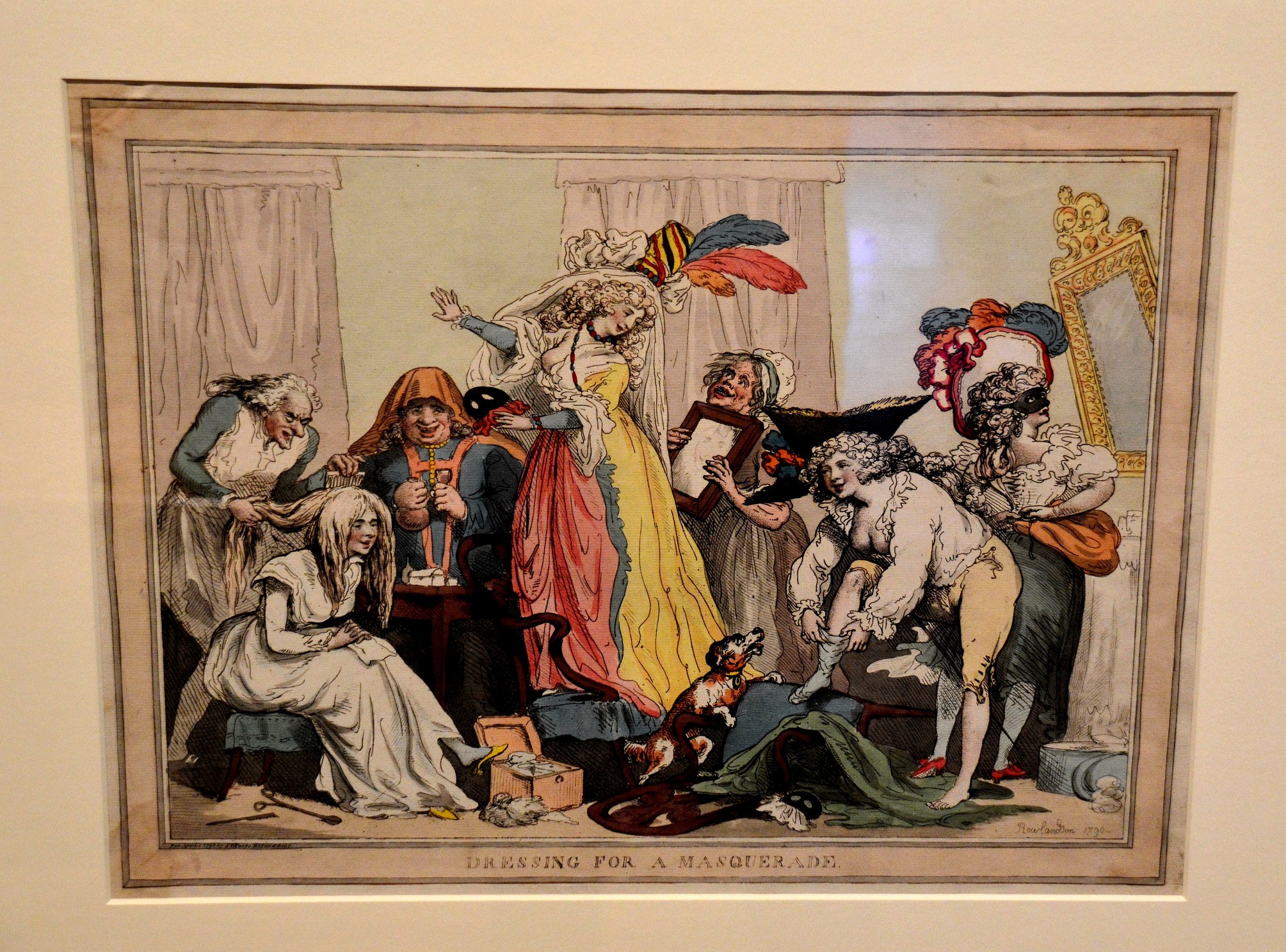
Dressing for a Masquerade

The Unwelcome Visitor
.
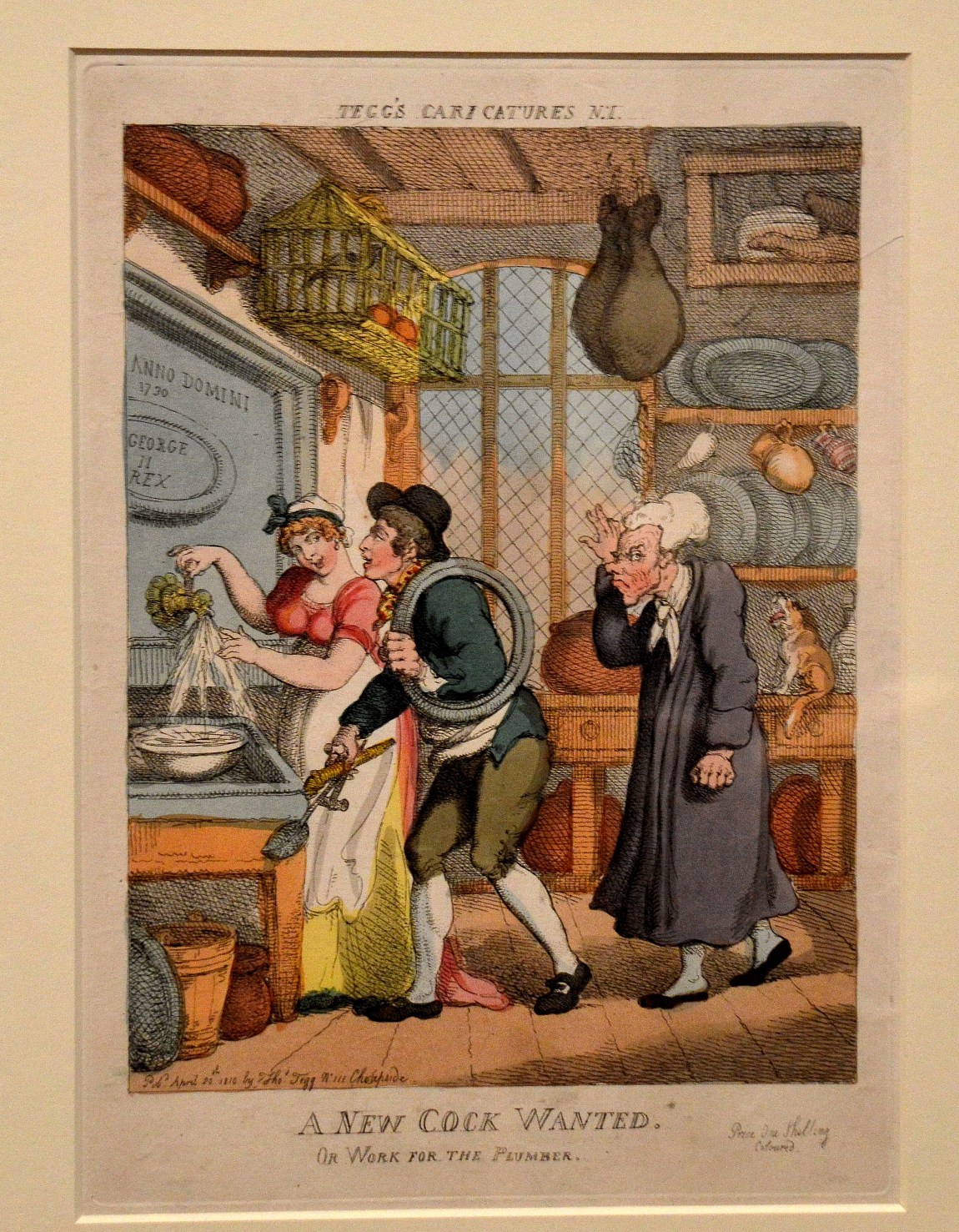
A New Cock Wanted or Work for the Plumber
More Ornaments
To restore some dignity, a picture of bathing implements for the royal corgis. 🙂

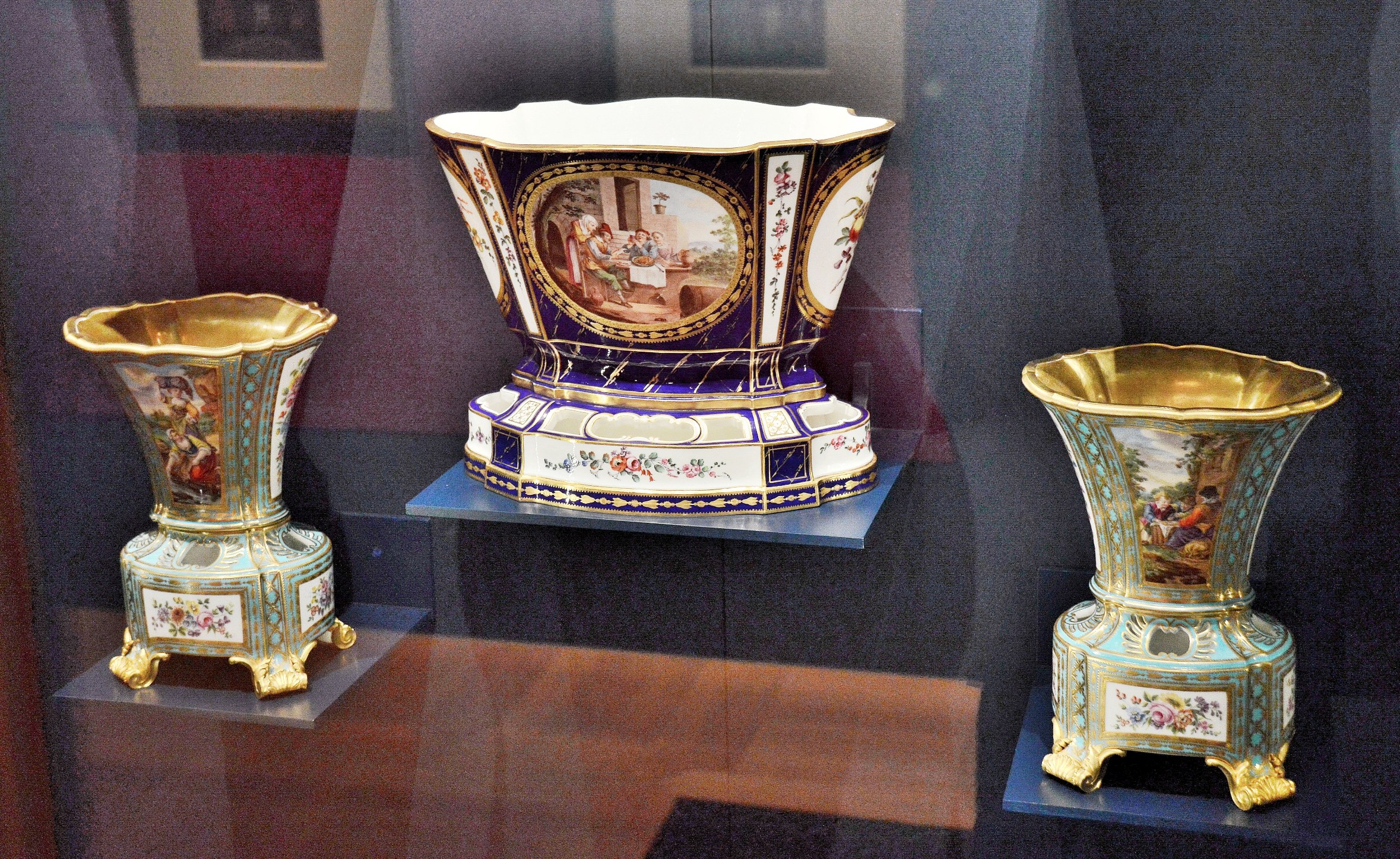
The National Gallery – London – UK

The Horses of Achilles in the style of Anthony van Dyke
The National Gallery (London UK) is adjacent to Trafalgar Square ⇐, St Martin in the Field ⇐ and the National Portrait Gallery ⇐. Entrance is free and you may photograph (no flash or tripod). You can also download images but with very limited use. The website is here ⇒.
Paintings like these provide an insight into past life, attitudes, stories and legends. Many show the enormous skill of the artists. All have been brightened a little to compensate for the low lighting and fading/darkening of paint. You might also like a selection of digitally enhanced versions that try to show their original vibrancy here ⇐.

The National Gallery Entrance (London)

The Fighting Temeraire by Joseph Mallord William Turner

The Virgin and Child with Saints by Lorenzo Costa and Gianfrancesco Maineri

Saints Christina and Ottilia by Lucas Cranach the Elder

Saints Genevieve and Appollonia by Lucas Cranach the Elder

Adriana van Heusden and her Daughter at the New Fish Market in Amsterdam by Emanuel de Witte

Seaport with the Embarkation of the Queen of Sheba by Claude

Dutch Vessels Close Inshore at Low Tide and Men Bathing by Wilem van de Velde

Infant St John with the Lamb by Bartoleme Esteban Murillo

London Interior of the Rotunda at Raneleigh by Canaletto

Phillip th IV Hunting Wild Boar by Diego Valazquez

Eaton College

National Gallery Portico – London
The Royal Mews

10 pics and the best is last. I thought a Royal Mews would have cats deep in thought but it turns out to be coaches. The one above is the “Glass Coach” and was used for royal marriages, including our own Queen Elizabeth II.
The Royal Mews can be found at the southern wall of Buckingham Palace (near Victoria Station) beside the Queens Gallery and you can photograph in both. Nearby are the State Rooms, where photography is not allowed. There are also some very royal gift shops,
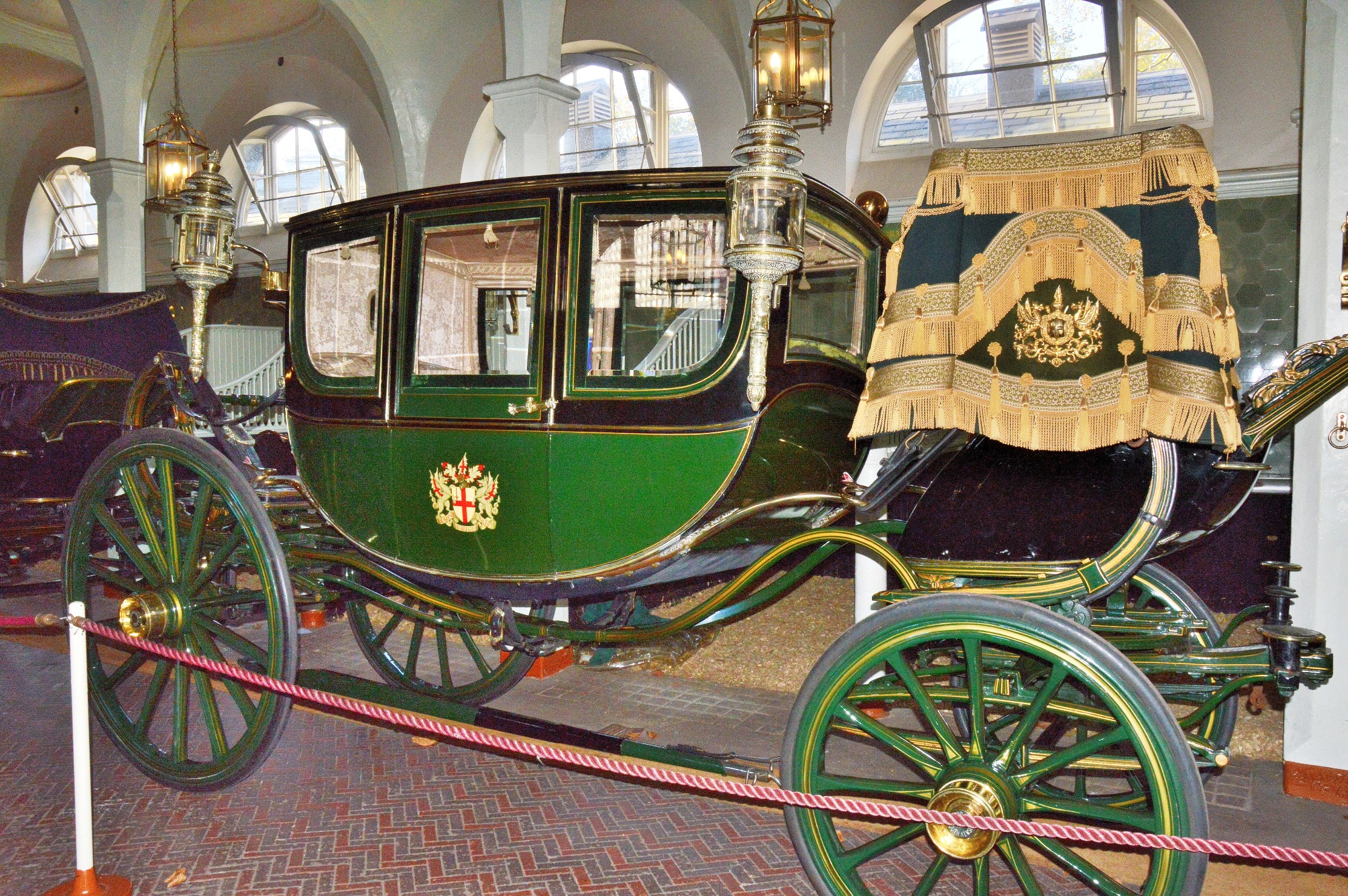
And, there’s a green one,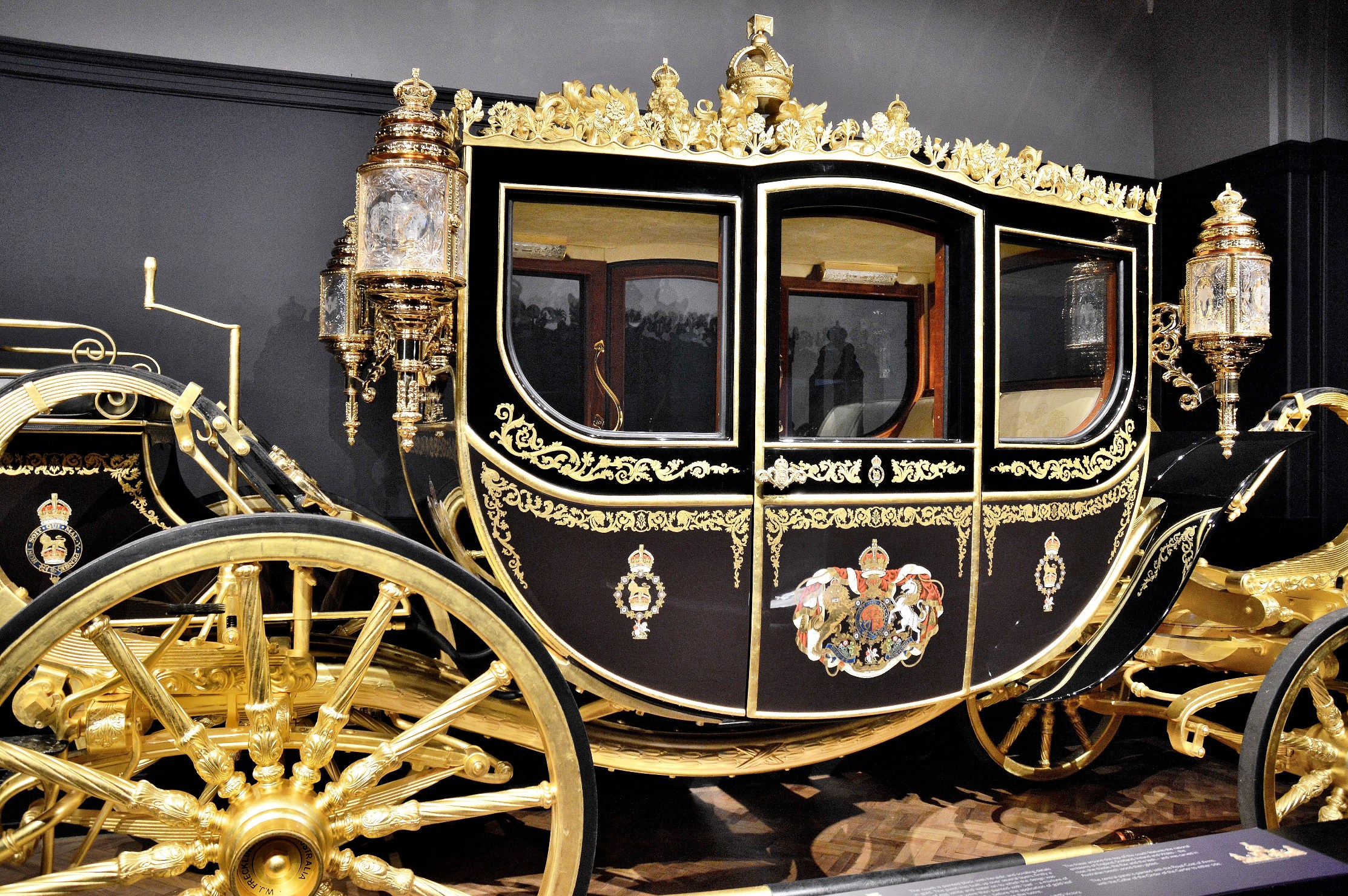
And, Vorsprung durch Technik,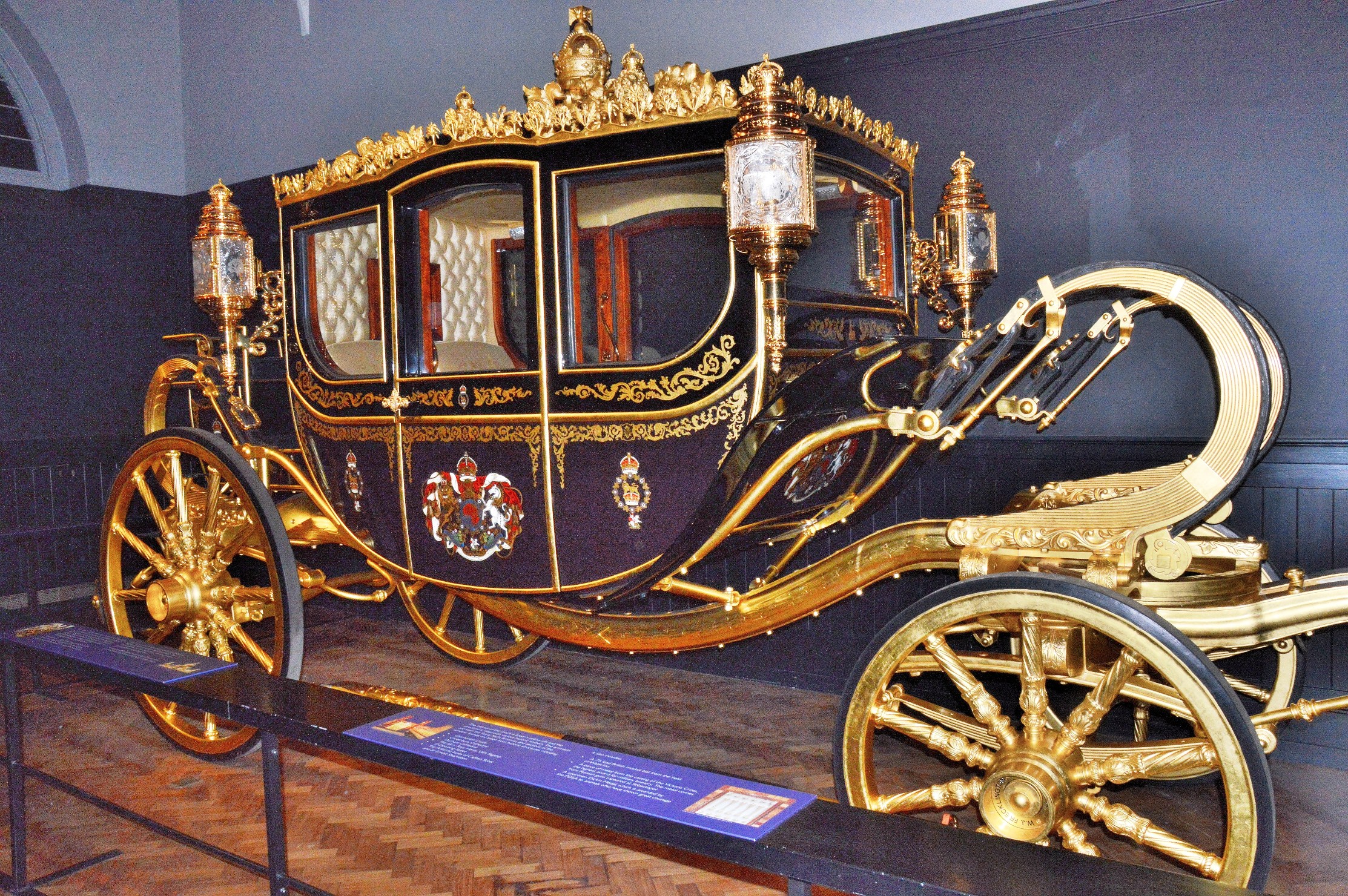
.

This is a Donkey Barouche. Although it would probably look prettier with a donkey sitting in it. 🙂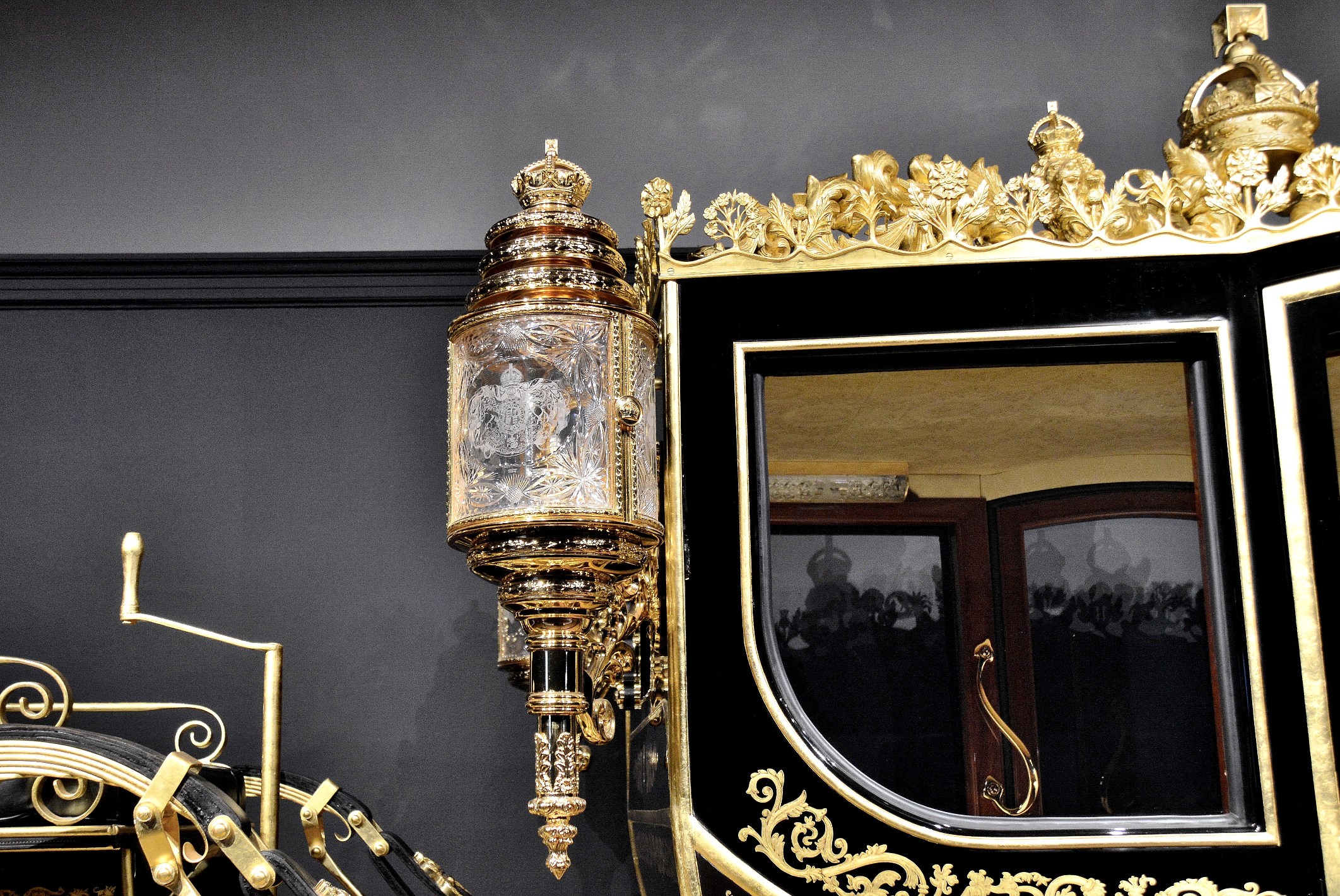
I thought I might borrow this for Christmas. I’m sure they wouldn’t notice. It would make a great tankard full of amber foaming beer for quaffing.

And, here’s my ride. Cinderella would have been jealous.
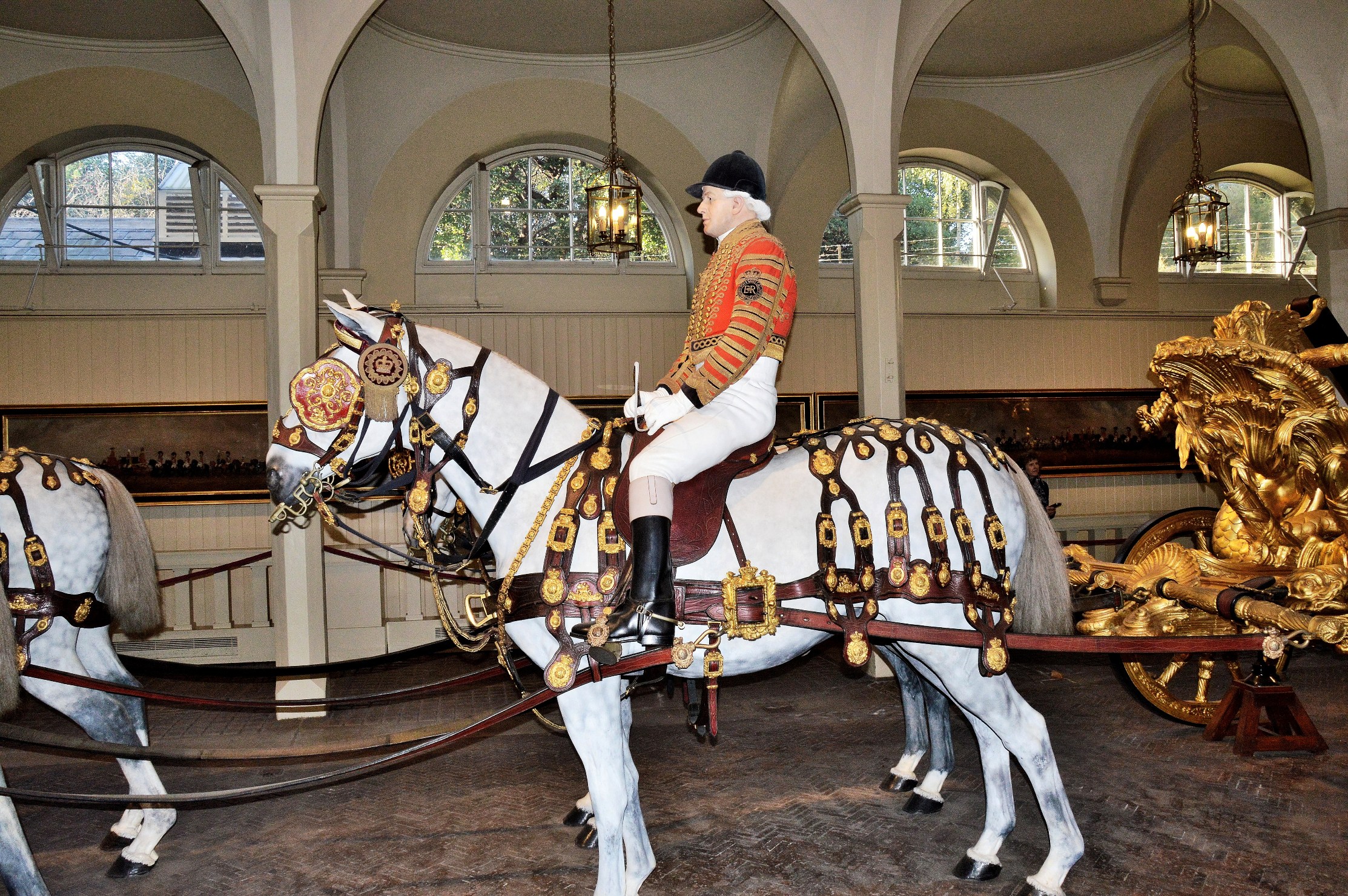
I think the coachmen turn back into corgis at midnight. 🙂
.
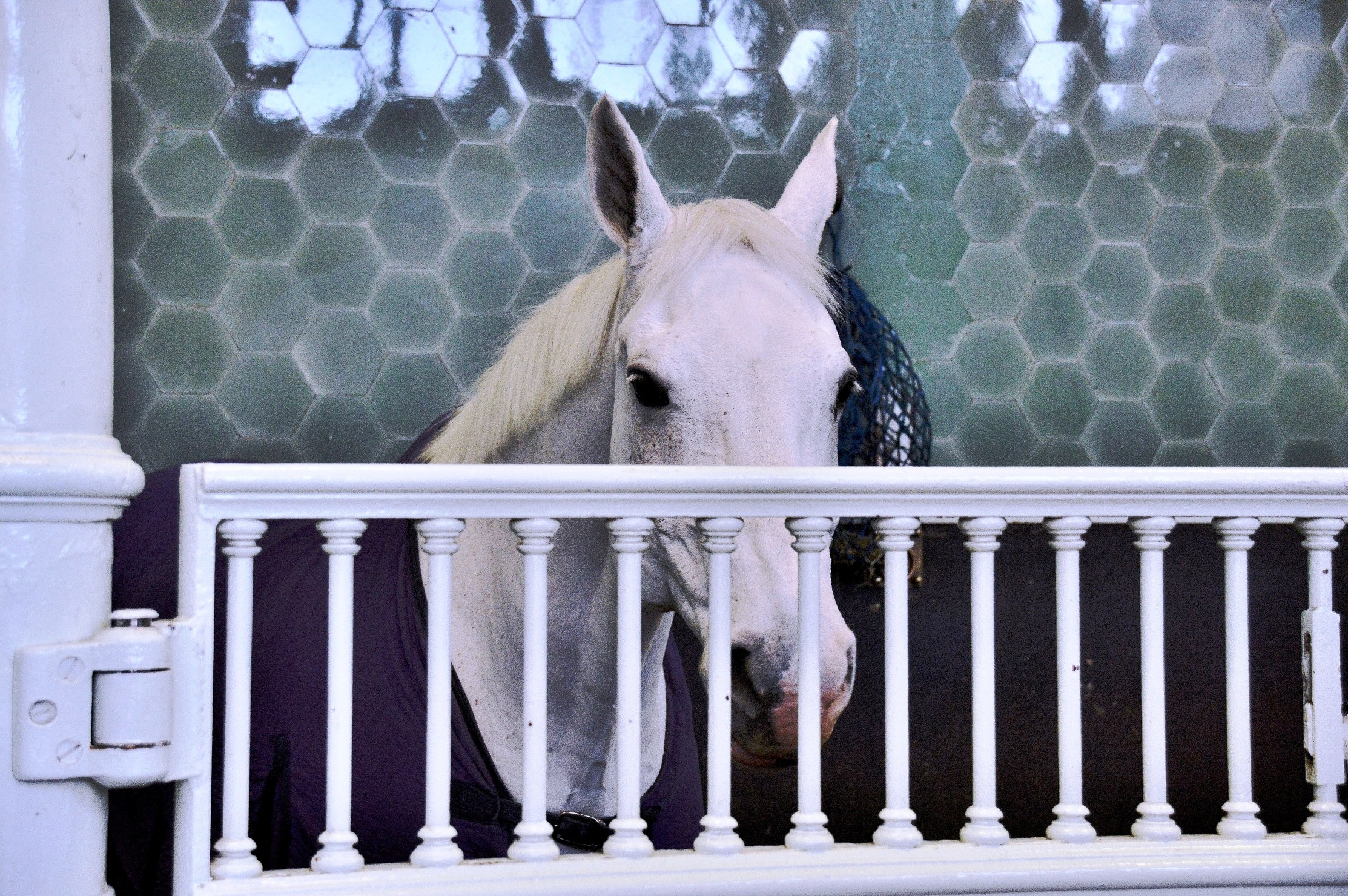
Oh poop, I got caught and put in jail. I’m being held for ransom. Help ! Send mince pies and brandy or it’s jingly bell sleigh duty for me.
St Martin in the Field

St Martin in the Field is right beside Trafalgar Square and is notable for its concerts. The lunchtime concerts are free and tickets for evening concerts can be booked in advance. The acoustics are truly remarkable and the choir I heard rehearsing were a real wonder. More here ⇒
You might notice the unusual window that appears to be distorted around the light fitting. That is its real shape. More about the window here ⇒ and listen to the choir below. 🙂
The National Portrait Gallery, London
The National Portrait Gallery is, to me, the best of the London Galleries. Here you can see some excellent portraiture of those who influenced the world we live in. There are many more paintings, here I have shown mostly the more contemporary.
The Portrait gallery is right behind The National Gallery, very close to Trafalgar Square and St Martin in the Field and not far from St James Park and Westminster. The nearest underground rail station is Charing Cross.
The brief factual comments are mostly extracts from Wikipedia and more information is available by clicking on the pink links.
 David Lloyd George, laid the foundation for the modern welfare state, served as Prime Minister during WWI and was the last Liberal Party Prime Minister.
.
 Amy Johnson, was a pioneering English aviator and was the first female pilot to fly alone from Britain to Australia.
.
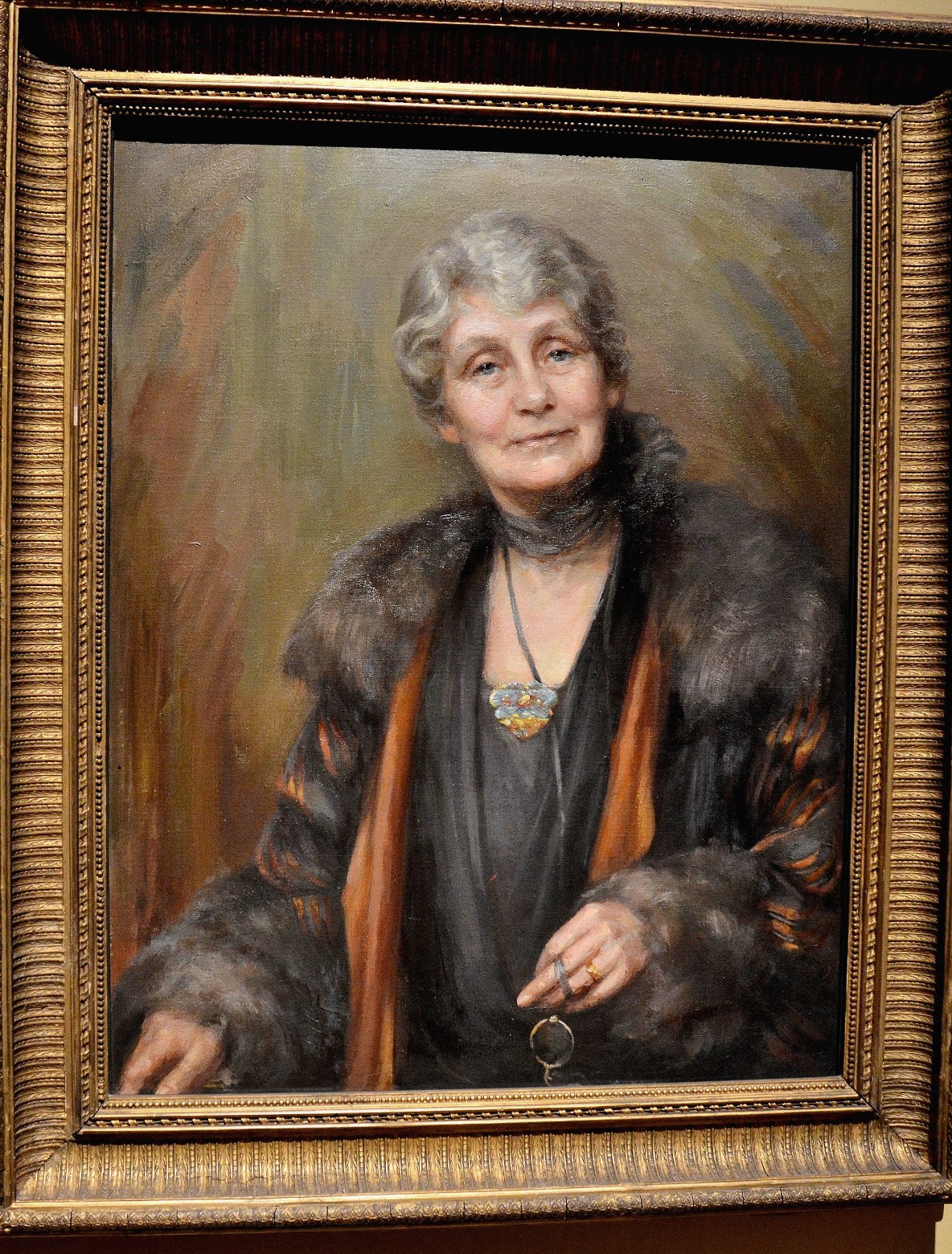 Emmeline Pankhurst, leader of the British Suffragette movement.
.

Sir Winston Churchill, needs no introduction.
.
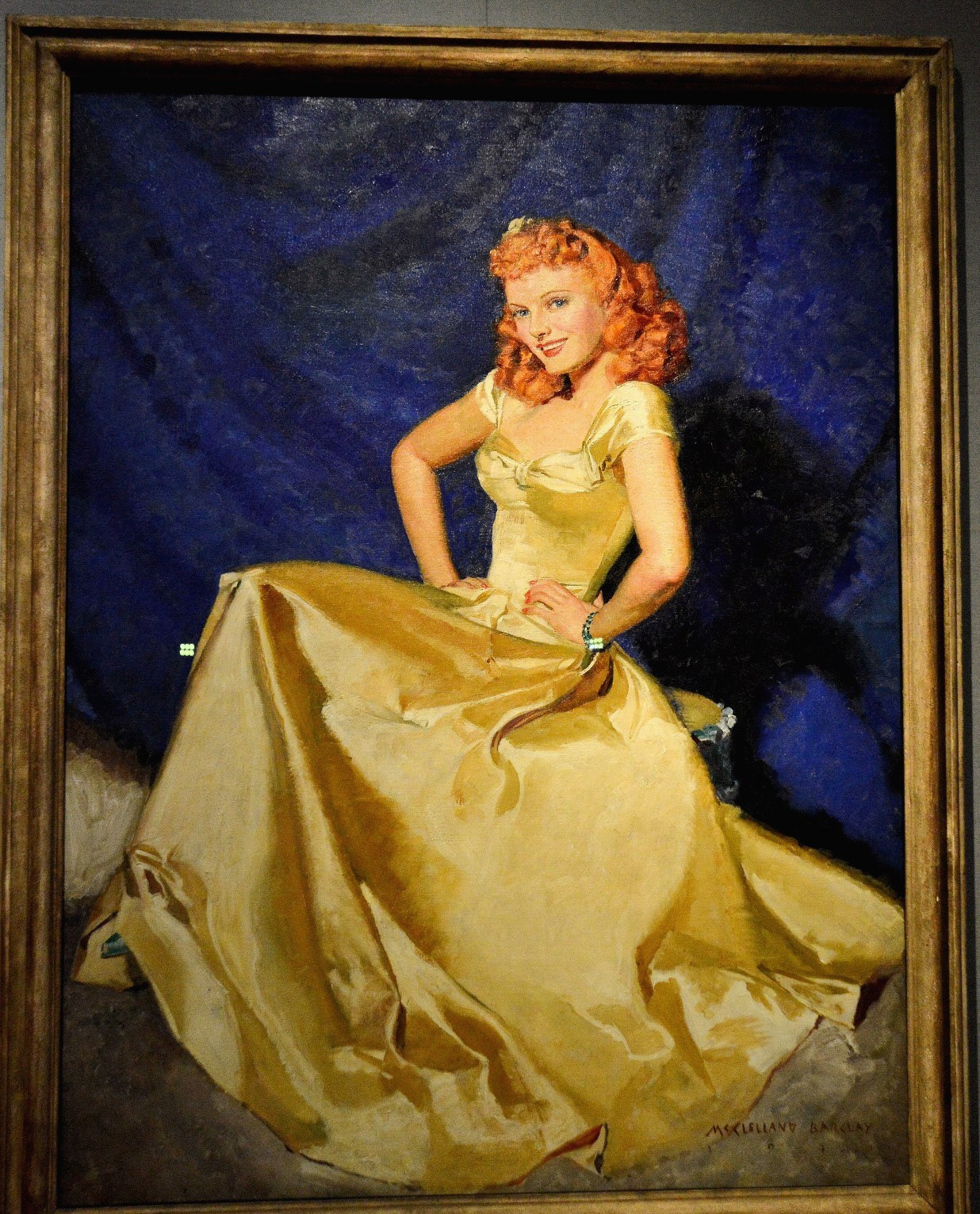
Dame Anna Neagle, a very popular British stage and screen actress.
.

Beatrix Potter, illustrator, natural scientist, and conservationist best known for her children’s books featuring animals such as those in The Tale of Peter Rabbit.
.

Robert Louis Stevenson, who wrote Treasure Island, Kidnapped and The Strange Case of Dr Jekyll and Mr Hyde.
.

Dame Margot Fonteyn, widely regarded as one of the greatest classical ballet dancers of all time.
.

Dame Monica Mason, a former ballet dancer and artistic director of the Royal Ballet in London from 2002 to 2012.
.
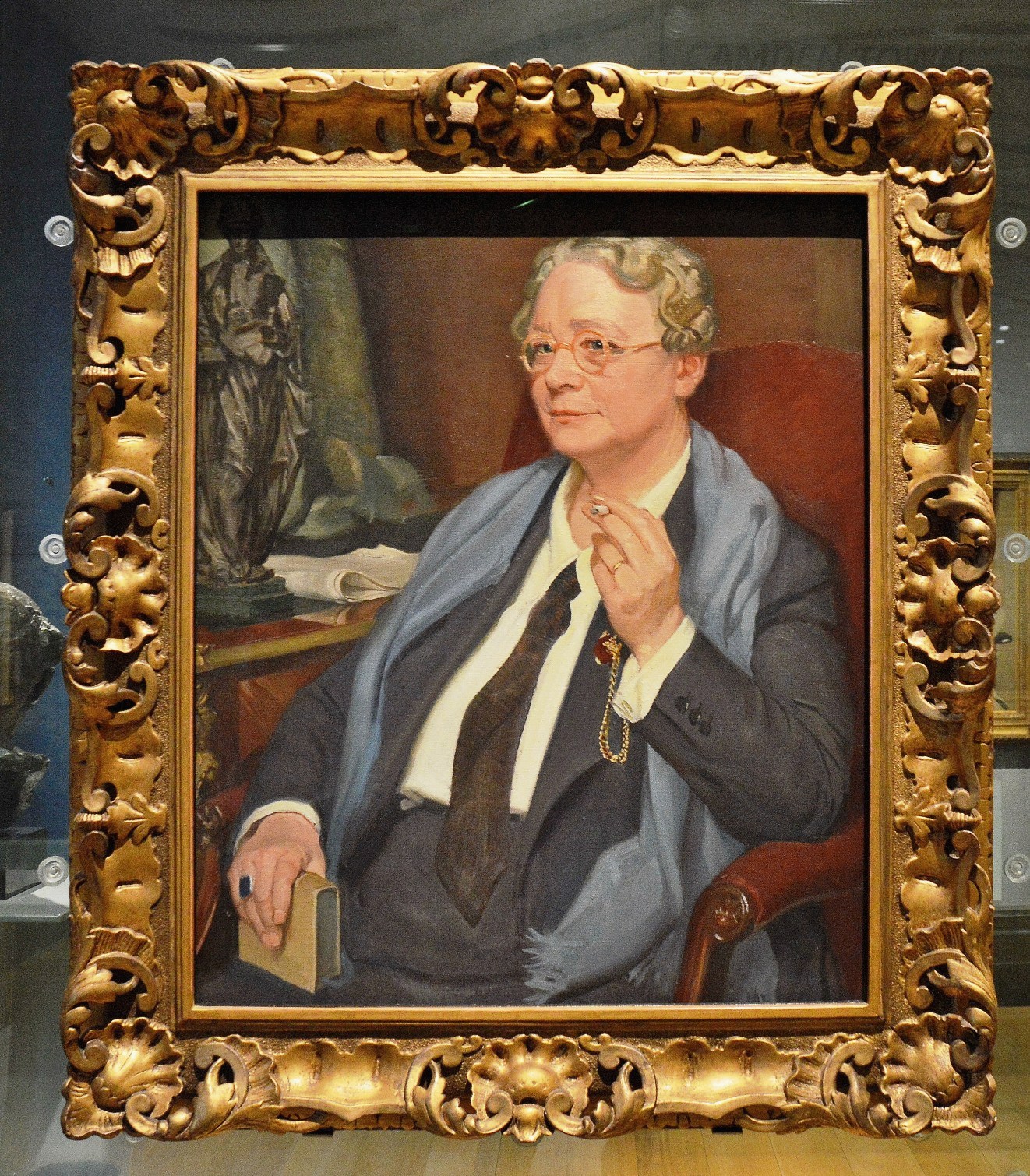
Dorothy L. Sayers, a renowned English crime writer, poet, playwright, essayist, translator and Christian humanist.
.

Dylan Thomas, a Welsh poet and writer whose works include the poems “Do not go gentle into that good night”, “And death shall have no dominion” and the “Play for Voices”, Under Milk Wood. He also encouraged a reputation as a “roistering, drunken and doomed poet”.
.

Edward William Lane, a British Orientalist, translator and lexicographer. He is known for his translation of One Thousand and One Nights, which he censored, with the usual 19th-century view on “Victorian morality”.
.

Sir Henry Irving, a Victorian actor/manager and the first actor to be awarded a knighthood.
.

Henry James, an American writer who spent most of his writing career in Britain.
.
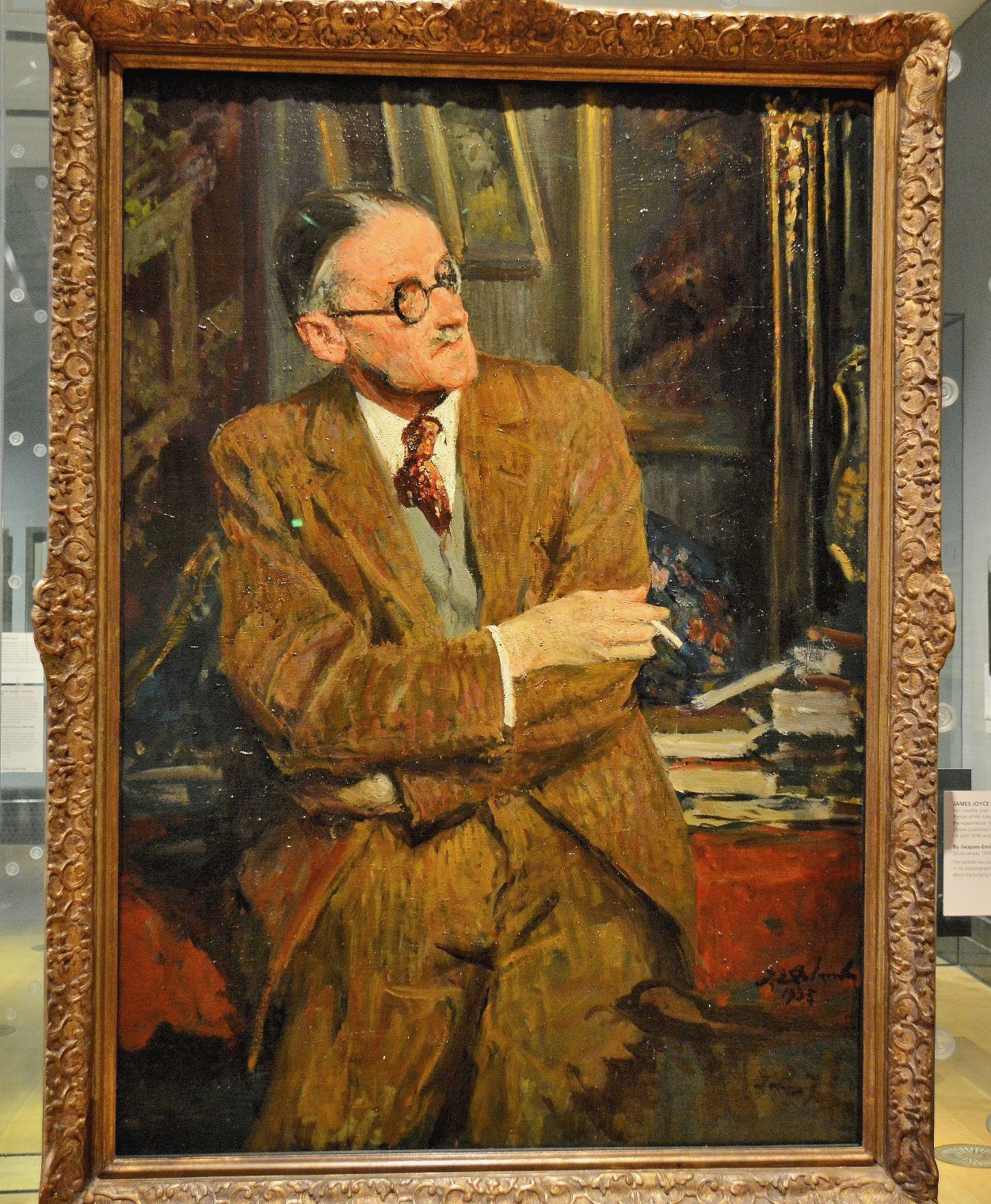
James Joyce was an Irish novelist and poet, considered to be one of the most influential writers in the modernist avant-garde of the early 20th century. Joyce is best known for Ulysses (1922).
.
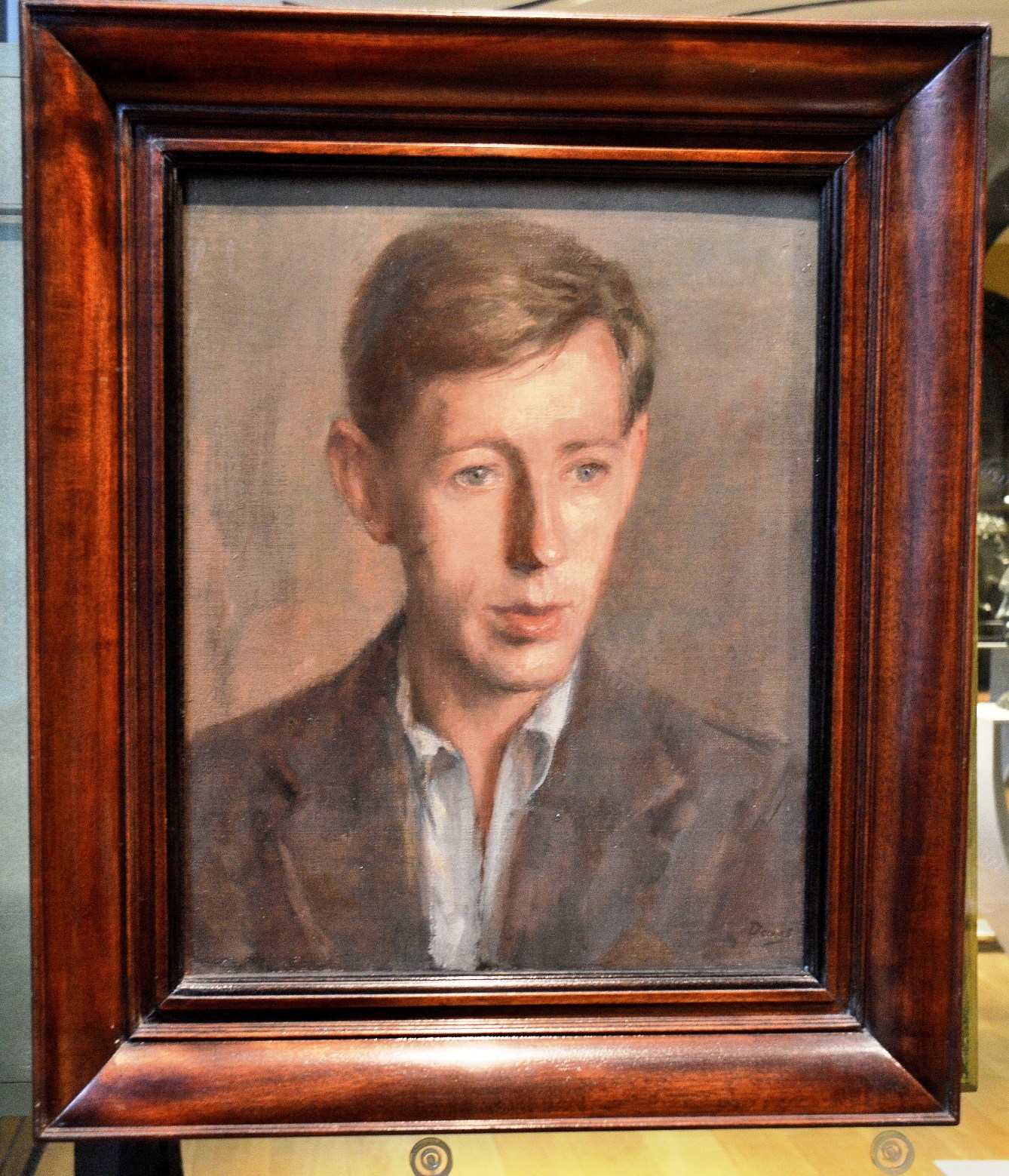
Laurie Lee, an English poet, novelist and screenwriter. His most famous work was an autobiographical trilogy which consisted of Cider with Rosie (1959), As I Walked Out One Midsummer Morning (1969) and A Moment of War (1991).
.

Elizabeth I More of her paintings/history can be found in the post Hatfield House and Elizabeth I.
.

Lady Hamilton and Admiral Lord Nelson. A scandalous affair. Just goes to show that if one is a hero, one can get away with anything.
.
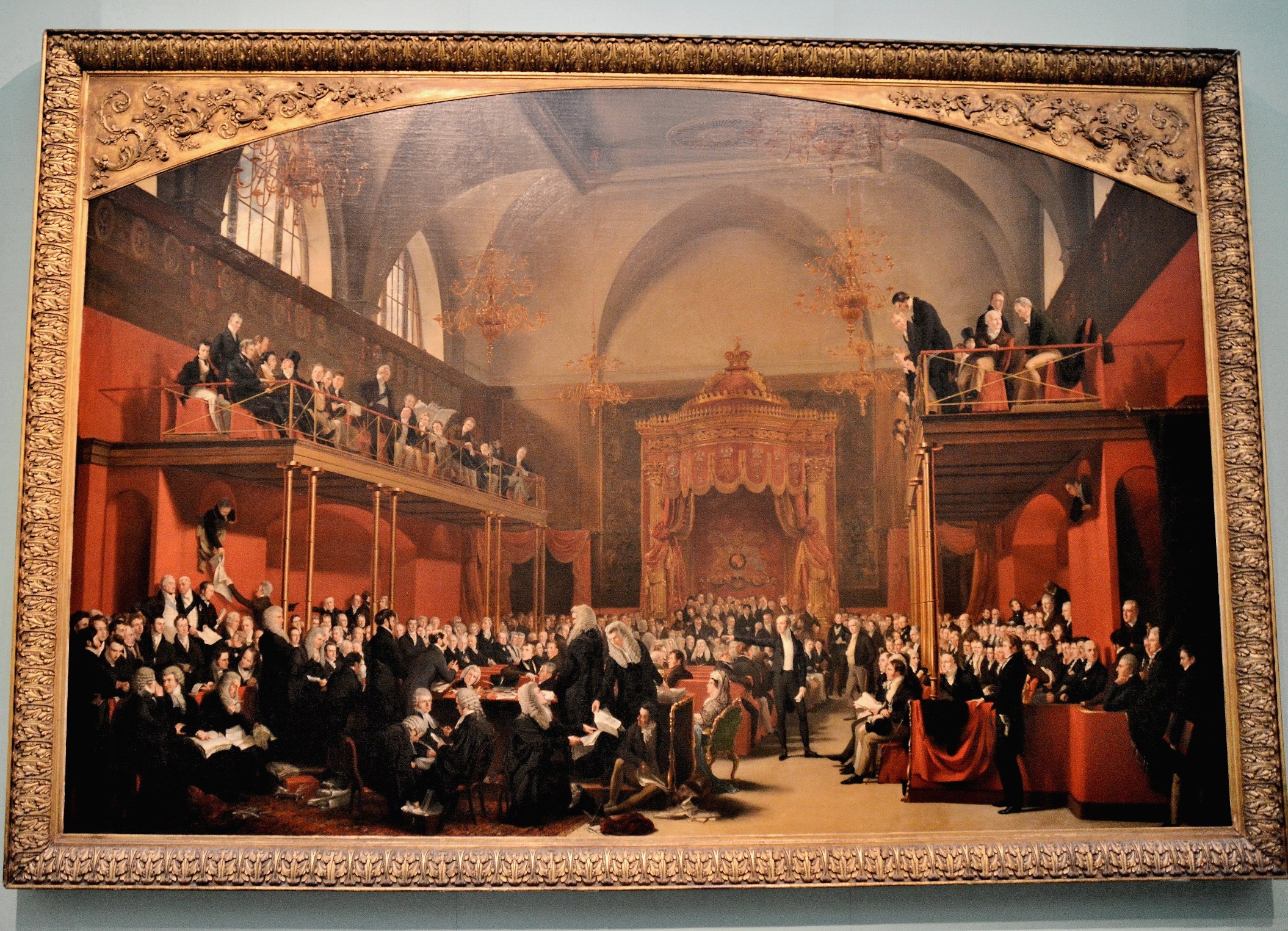
The Trial of Queen Caroline. In fact a parliamentary debate designed to grant King George IV a divorce.
.
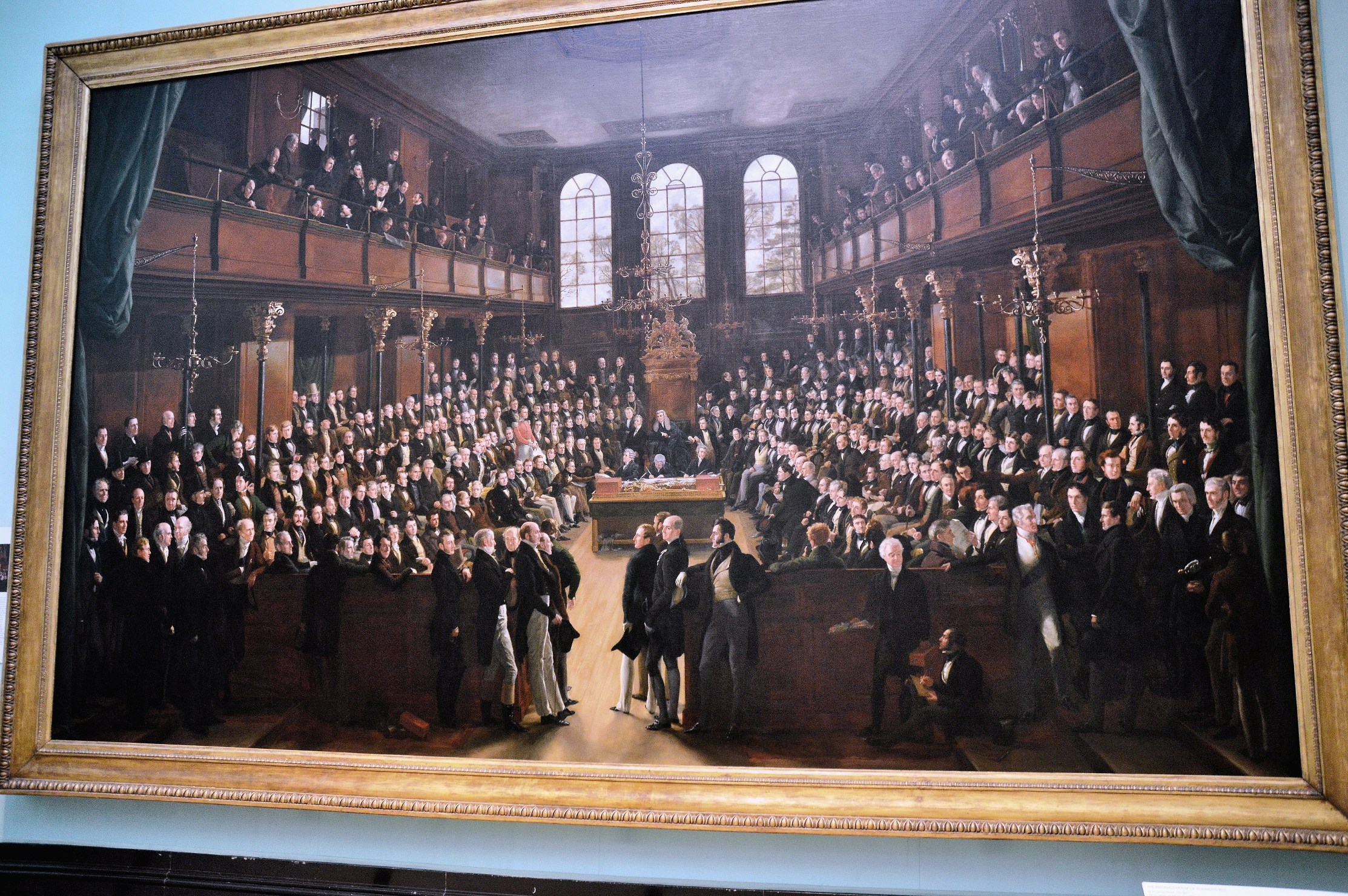
Reformed House of Commons. Following the Representation of the People Act 1832 .
.

Sir Earnest Shackleton. Amongst his many exploits Shackleton safely brought back his entire expedition after their ship was crushed by Antarctic ice. It took three years.
.
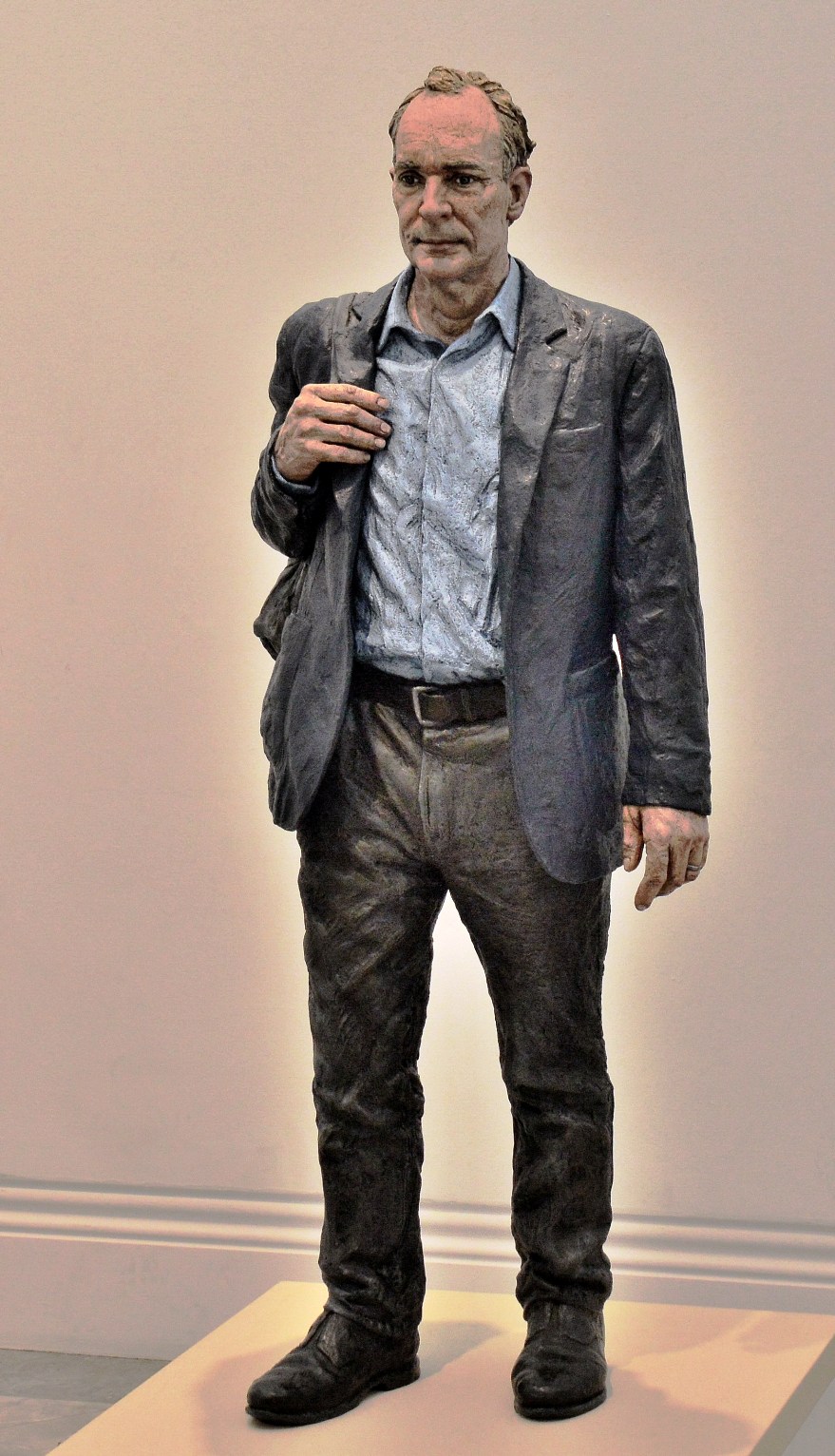 Sir Tim Berners-Lee, an English computer scientist, best known as the inventor of the World Wide Web.
I think he probably did more to change the world than anybody else.
Trafalgar Square and Street Artists

Even on a grey November day there is something to see. The eyes in this drawing are worth a second look.

.

.


“They seek him here, they seek him there, His clothes are loud, but never square.
It will make or break him so he’s got to buy the best, ‘Cause he’s a dedicated follower of fashion”.

This one has been here for a long time.

There was an event on, so I couldn’t get a shot of the whole square. Here are some samples.
.
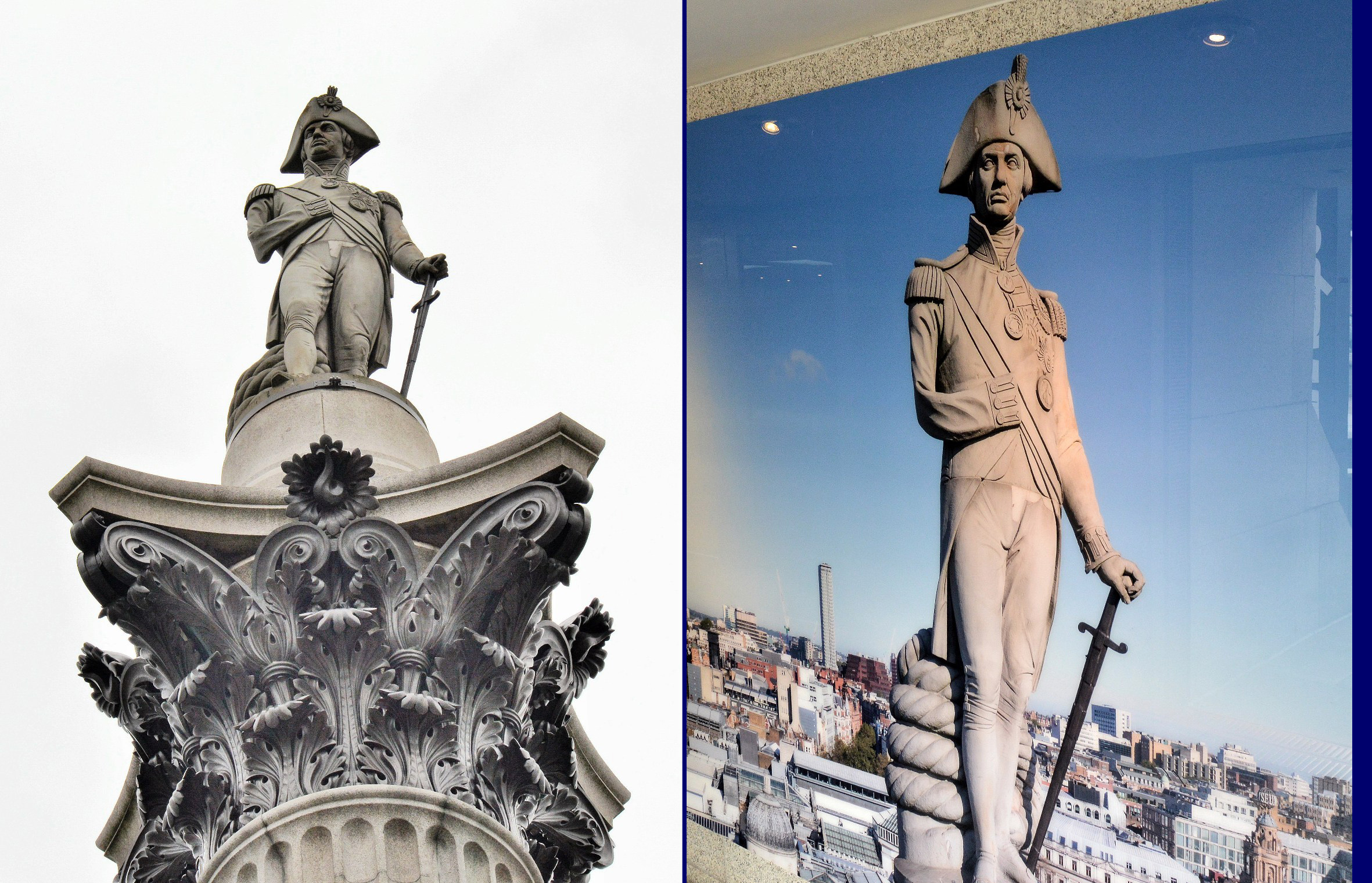
Nelson’s column is 170 ft tall. In it’s time that was impressive.
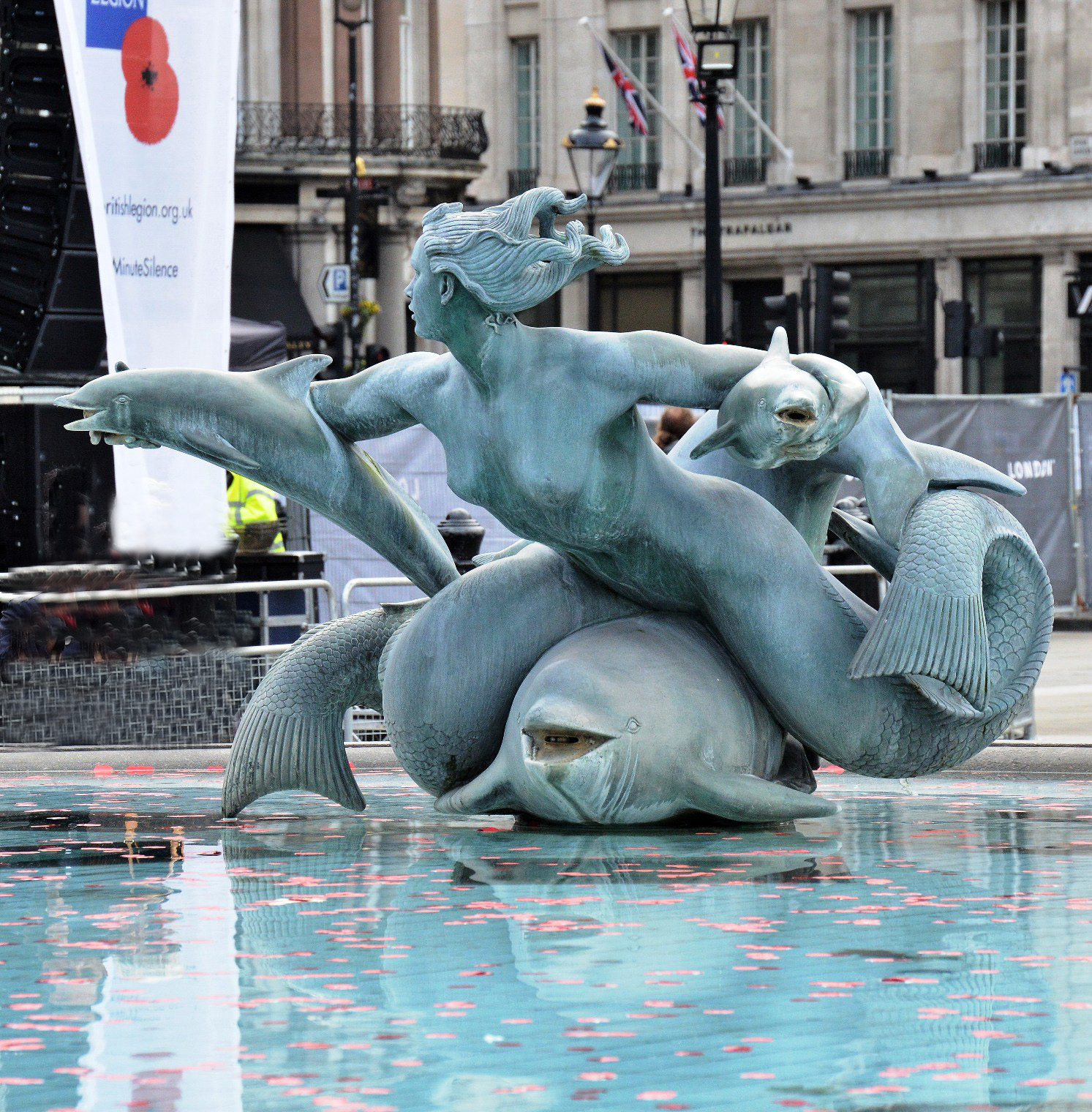
As for what follows, sometimes it’s best not to ask.

St Paul’s Cathedral

For more than 1,400 years, a Cathedral dedicated to St Paul has stood at the highest point in the City of London. The present cathedral was designed by Sir Christopher Wren and built during the period 1675 and 1710. More History ⇒.
Photography is not usually allowed except on a few days each year or with a permit. The few visitor date/times/charges for photography without a permit during 2017 are here ⇐. For permits and commercial photography/filming, please see here ⇒ . General Admission and charges are here ⇒.
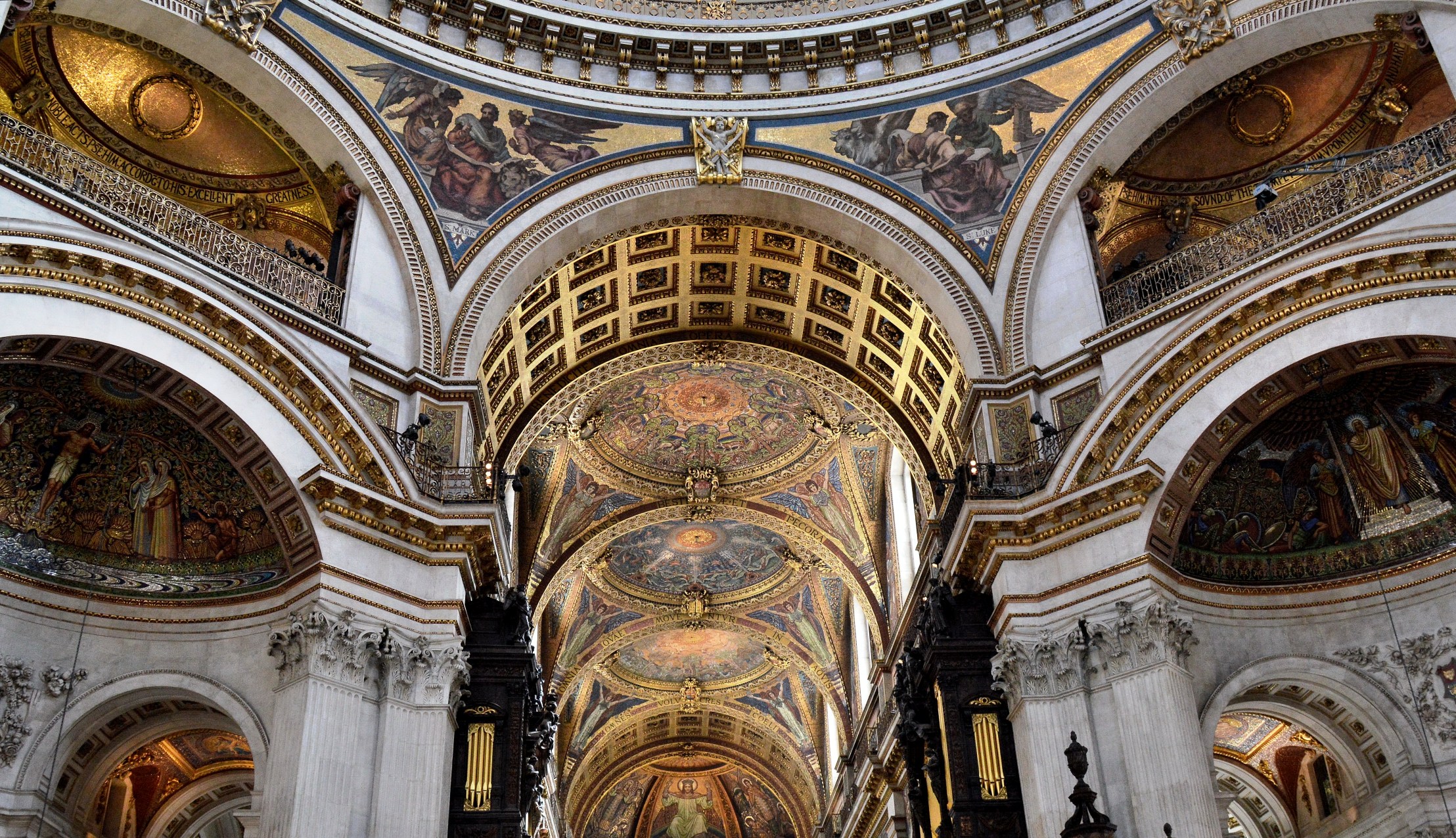
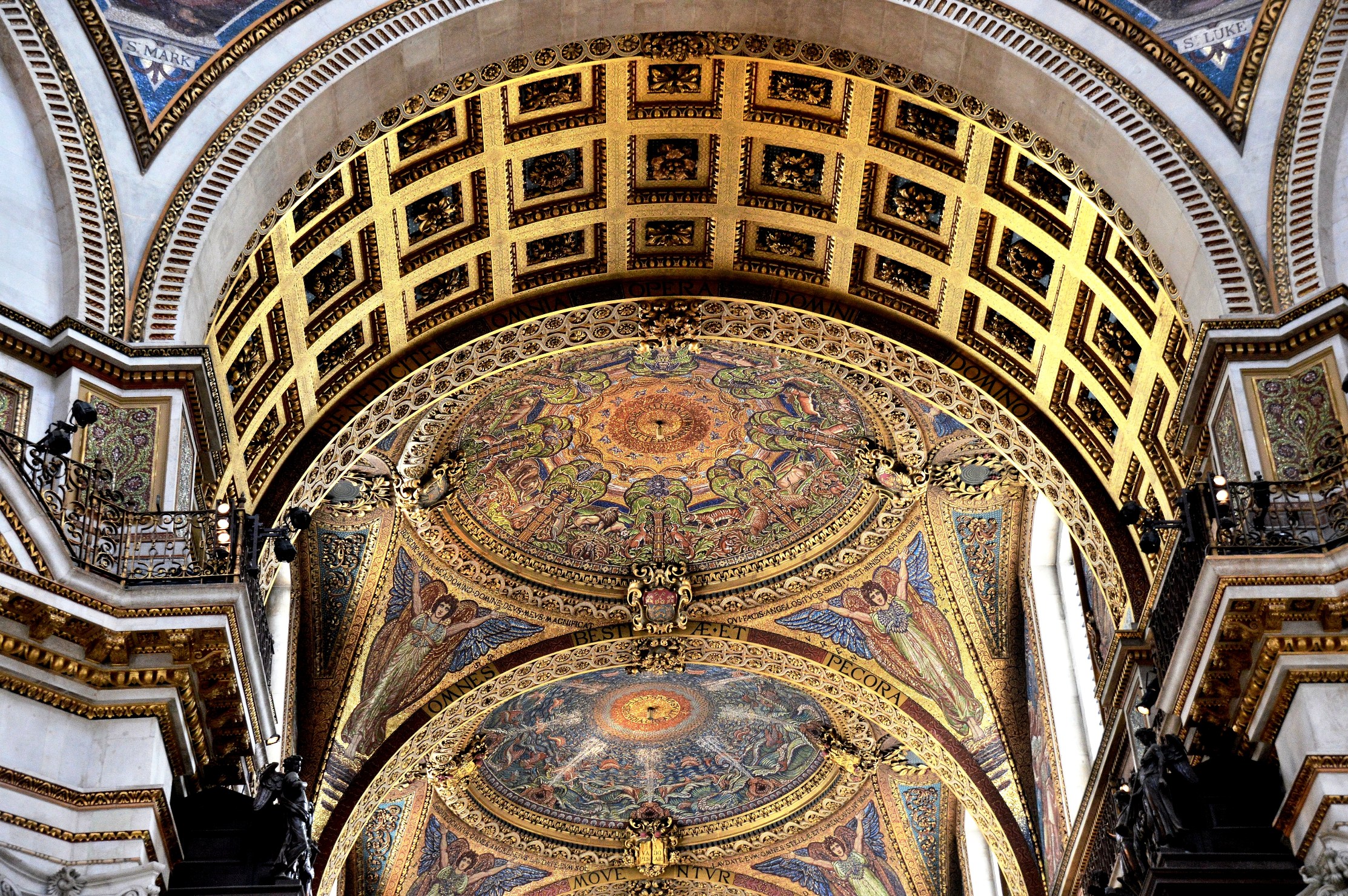
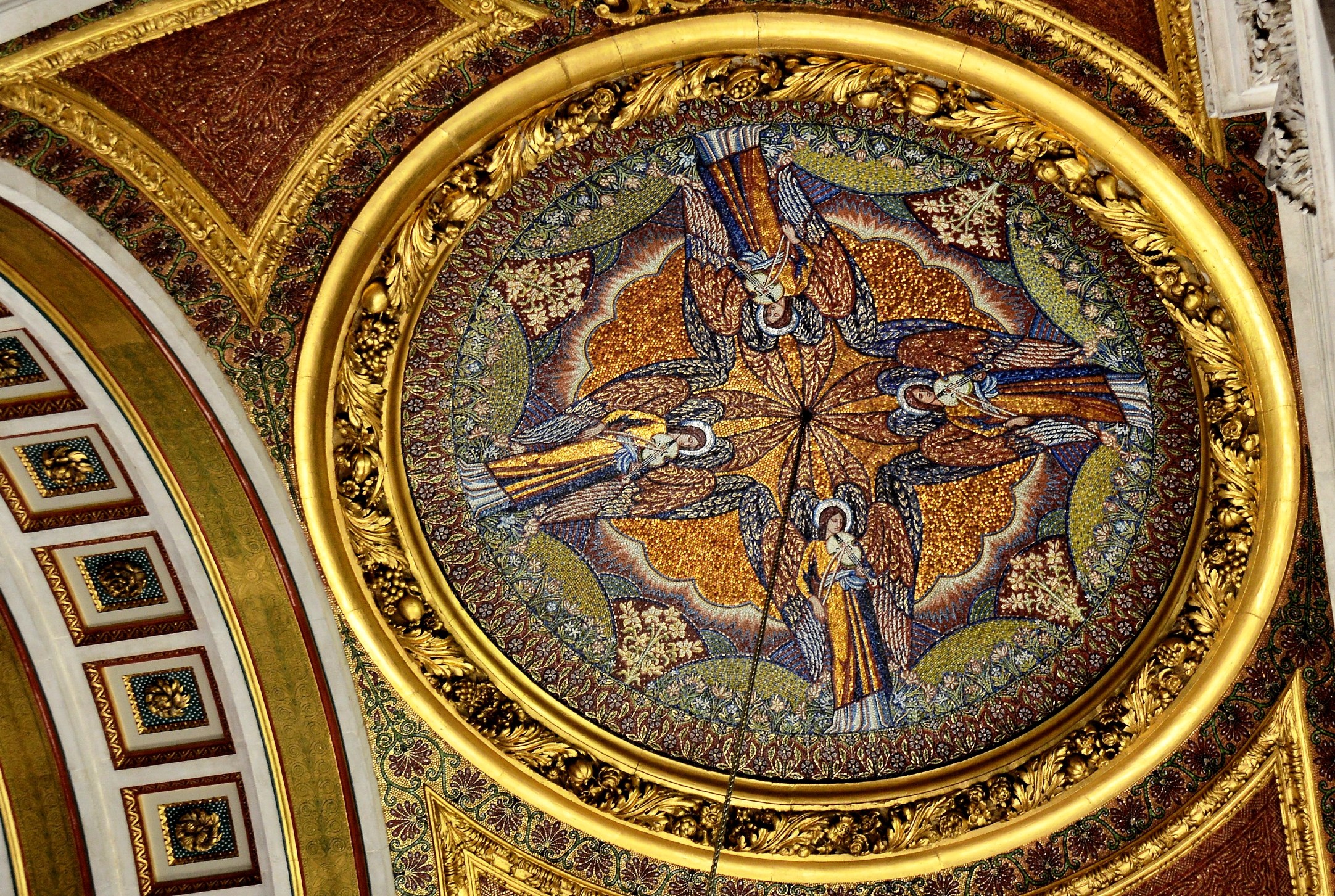
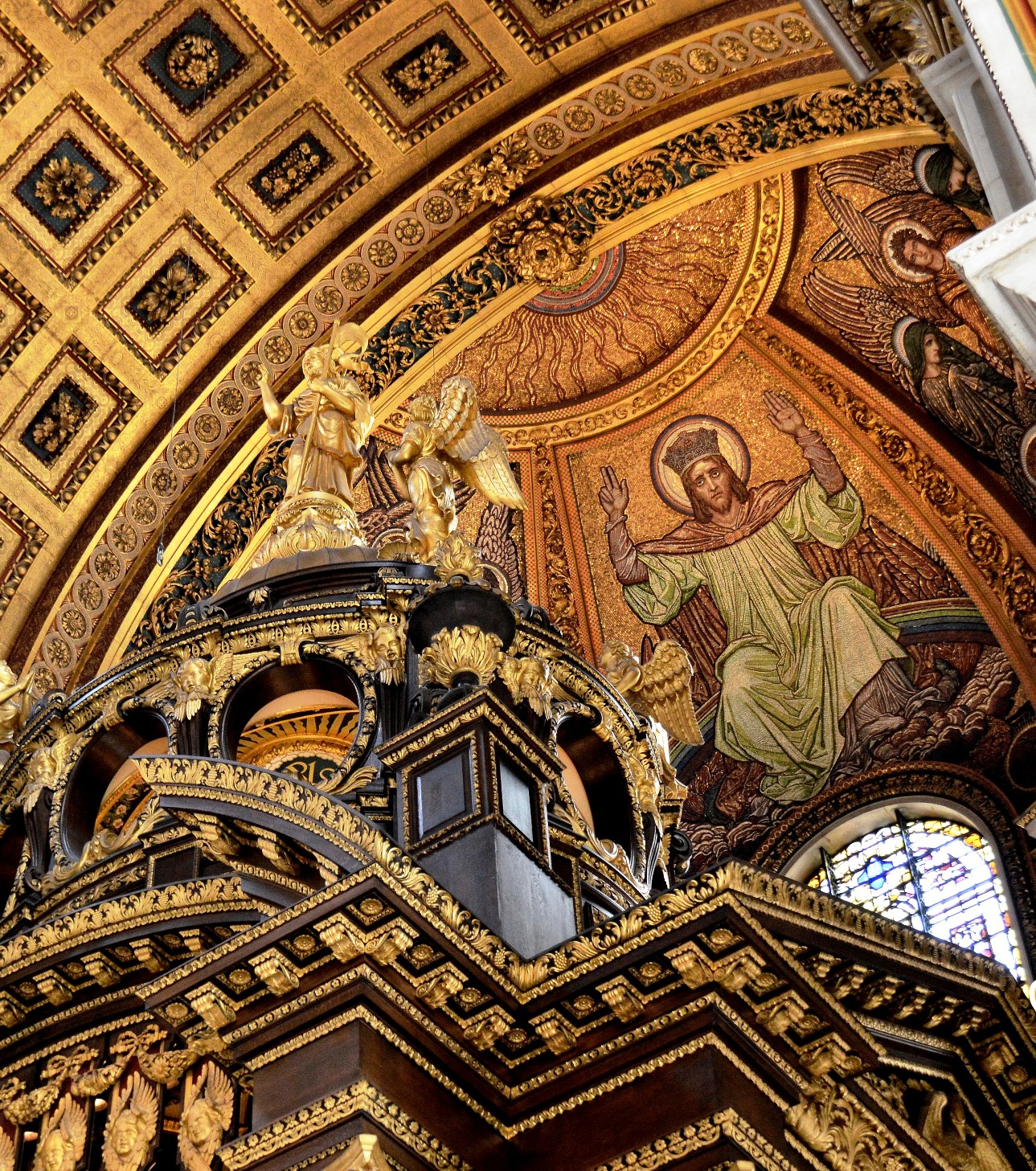
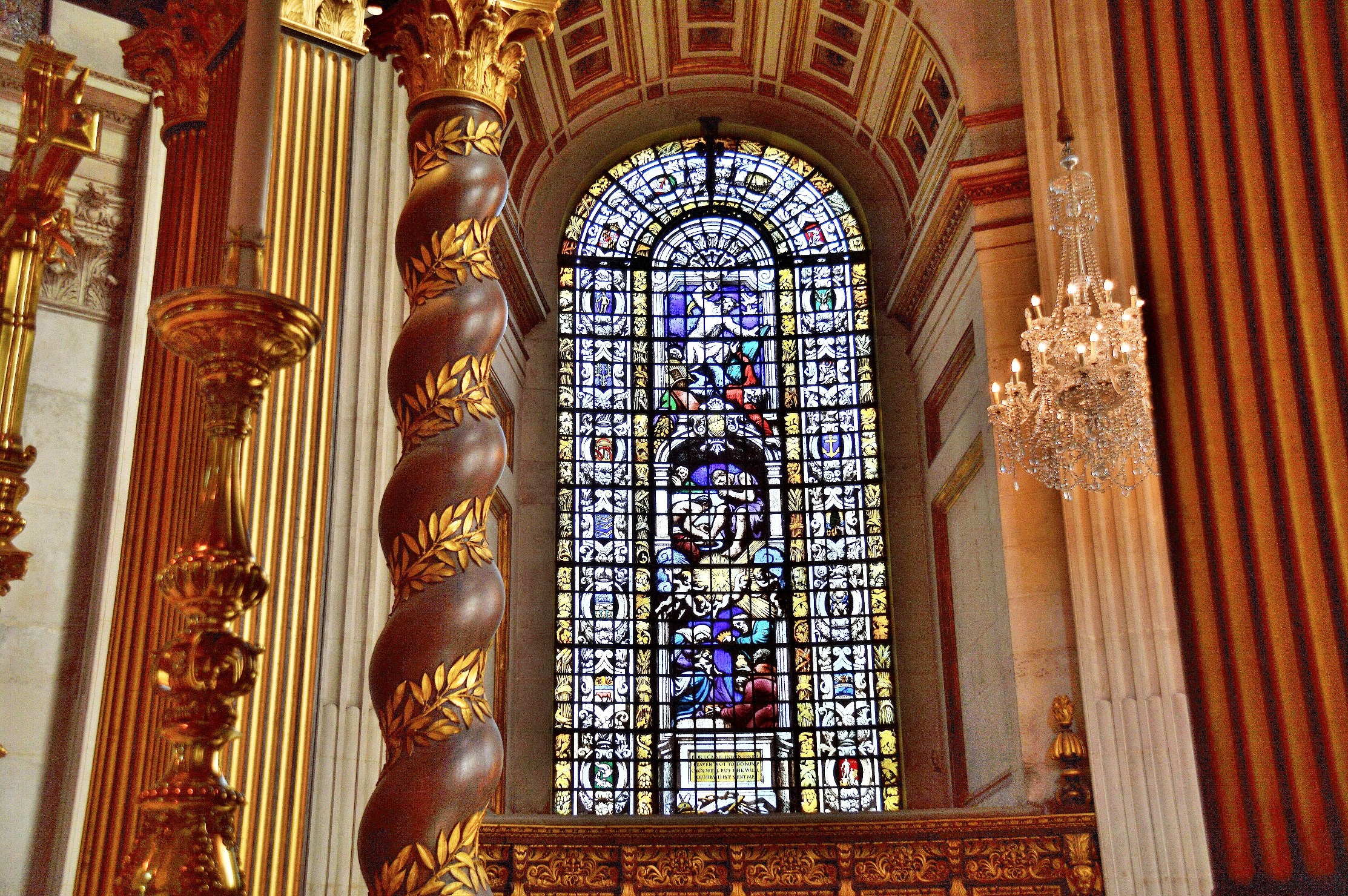
I caught the last opportunity for 2015 and so, of course, went overboard. To view the astonishing detail of the decor, please click on the image and then again to expand.
The Nave
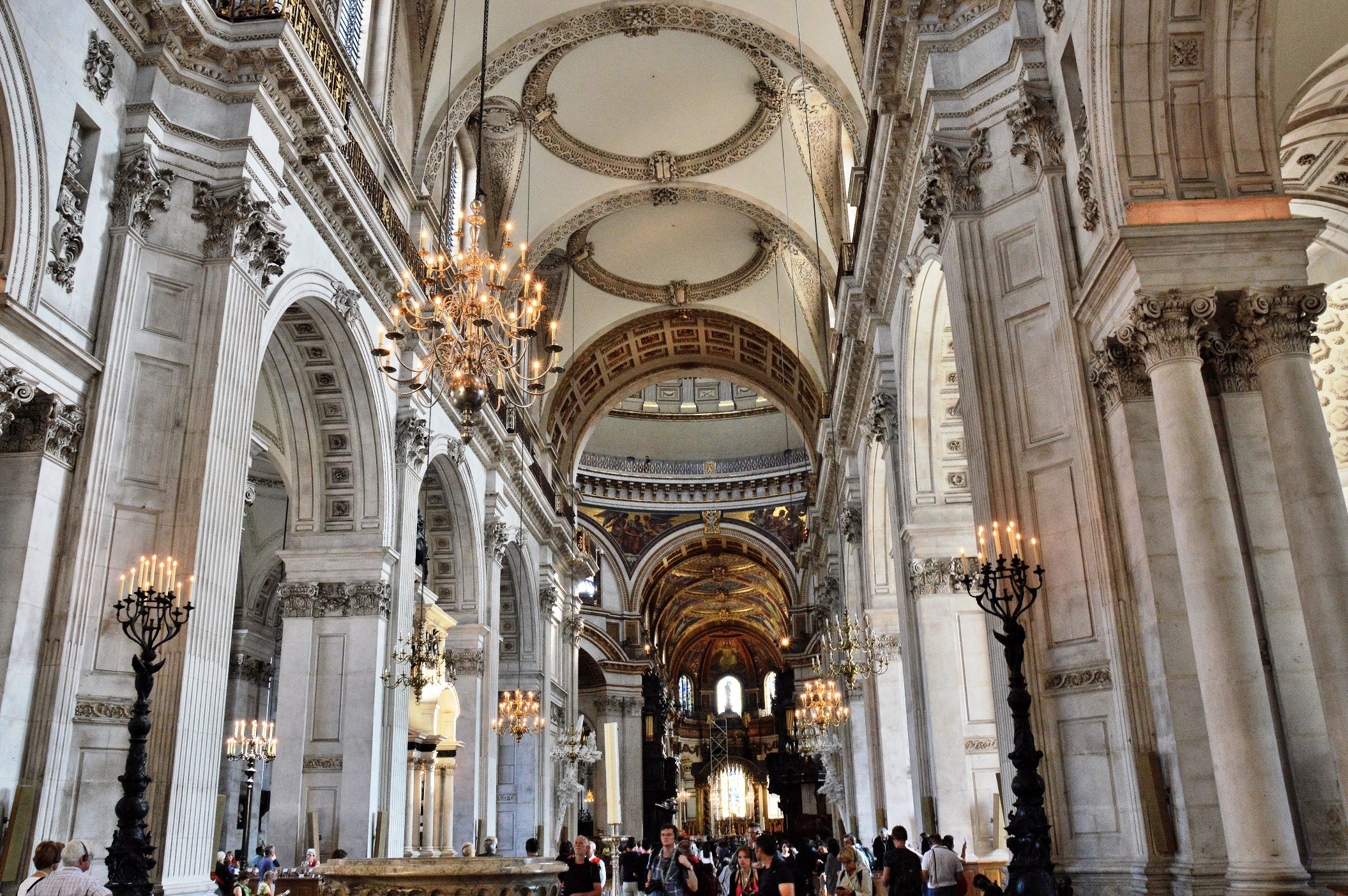
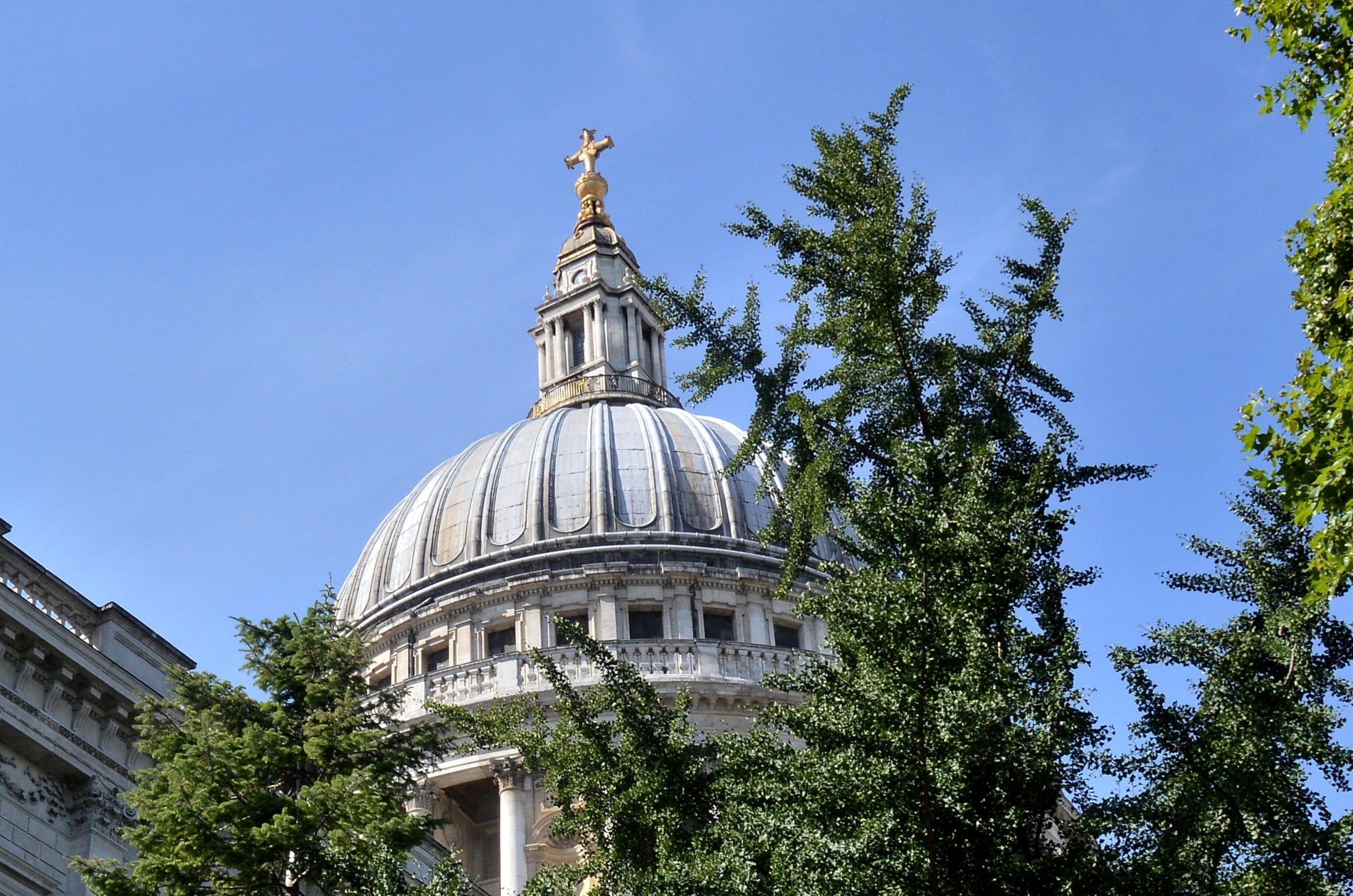
Beside the Dome and the Dome
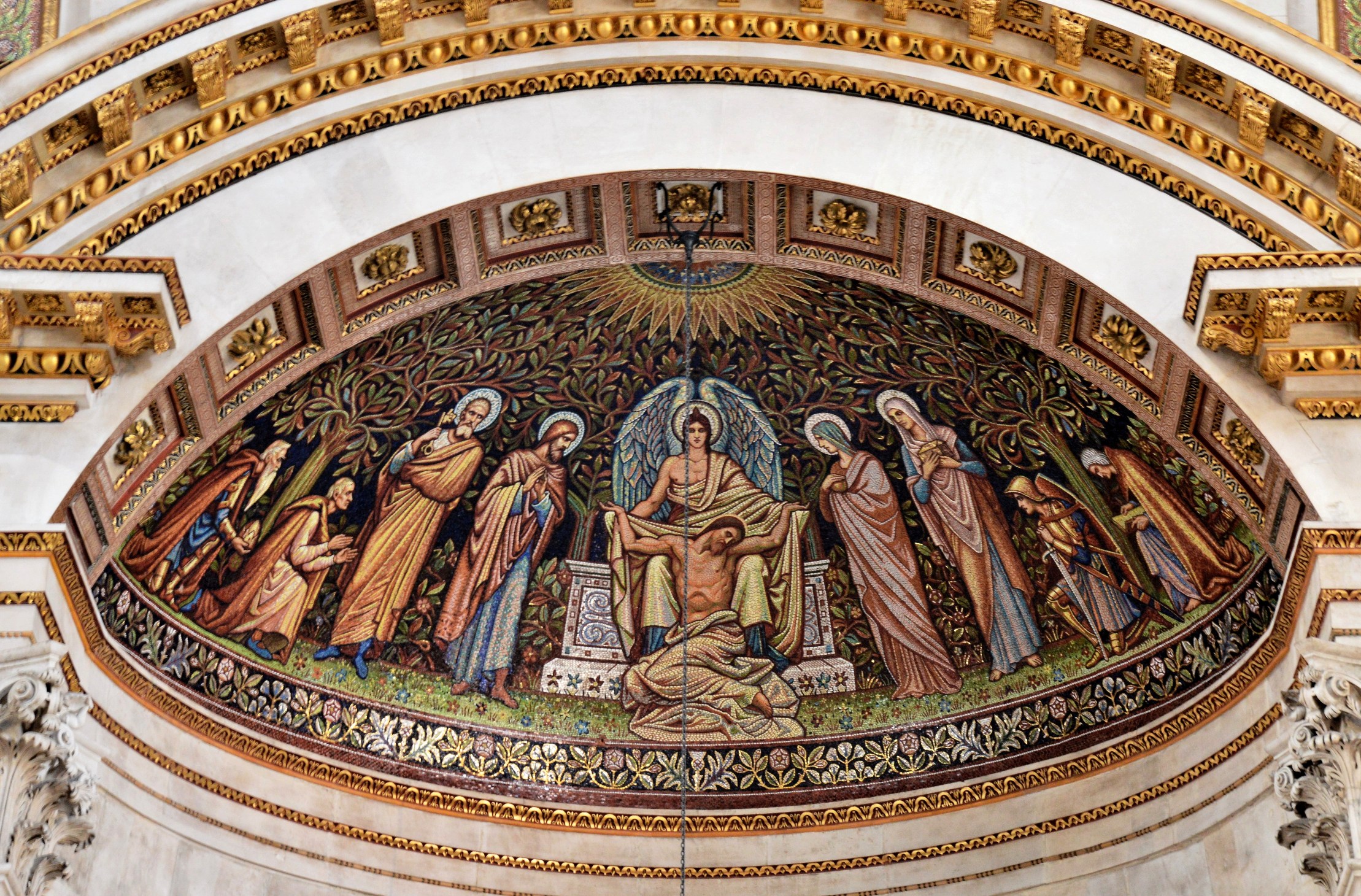

The gallery at the first level is known as the Whispering Gallery at 30 meters above the cathedral floor. So called because, when it is quiet, a whisper on one side will travel around the wall and be heard on the other side.
Higher still is the Stone Gallery at 53 meters and the topmost is the Golden Gallery at 85 meters. If you can climb to the top, they give a you a badge. 😛 .
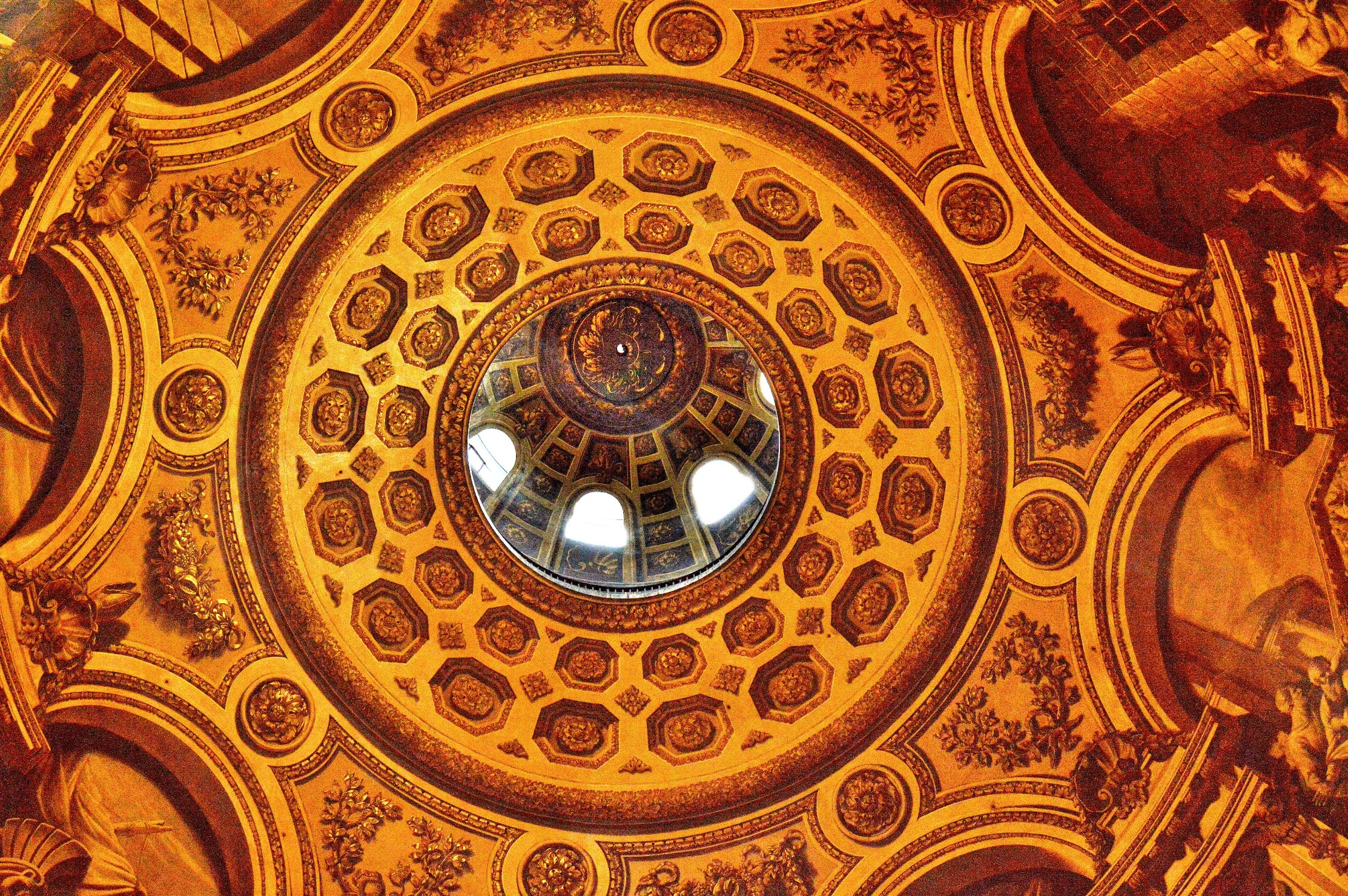
The Ceiling above the Quire
.

.

.

.
.

The High Alter and the Apse
.
.
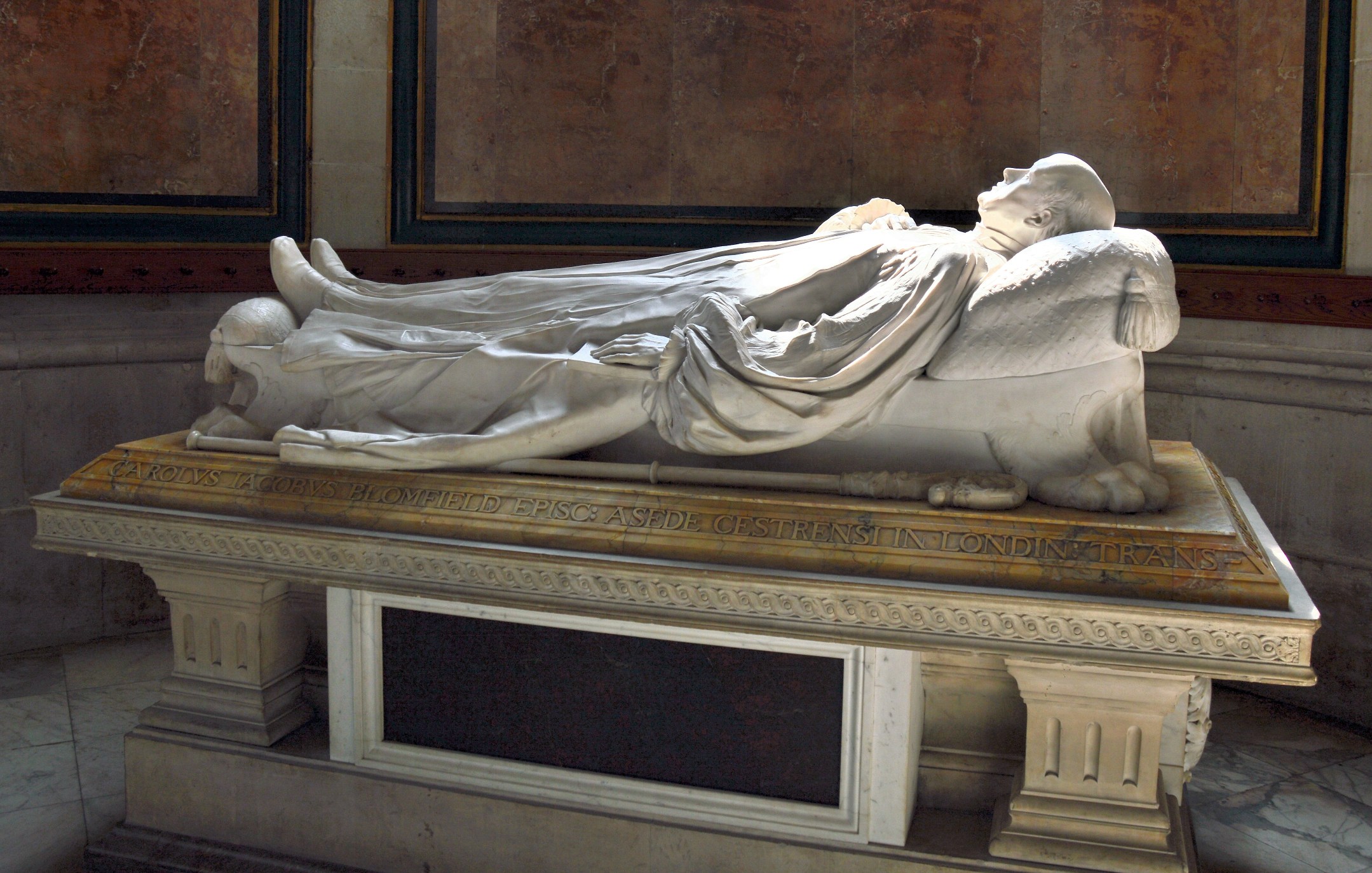
There are many monuments and dedications at the cathedral. I chose this one because of the workmanship and for being a little known personage. It is of course Carolus Jacobus Blomfield.
Here is the famous exterior of the Dome.
.
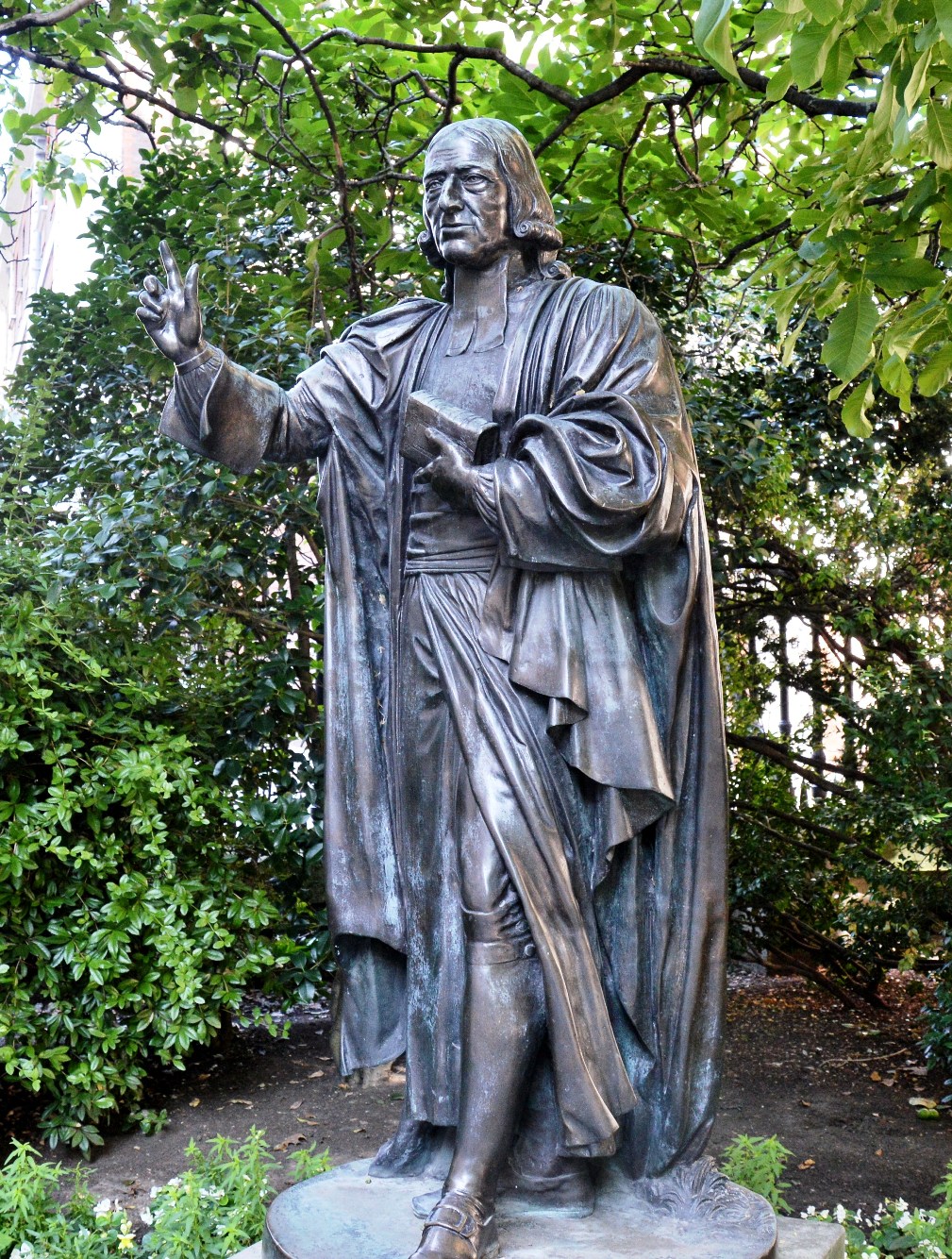 This is John Wesley, Father of Methodism. Another well made statue.
.
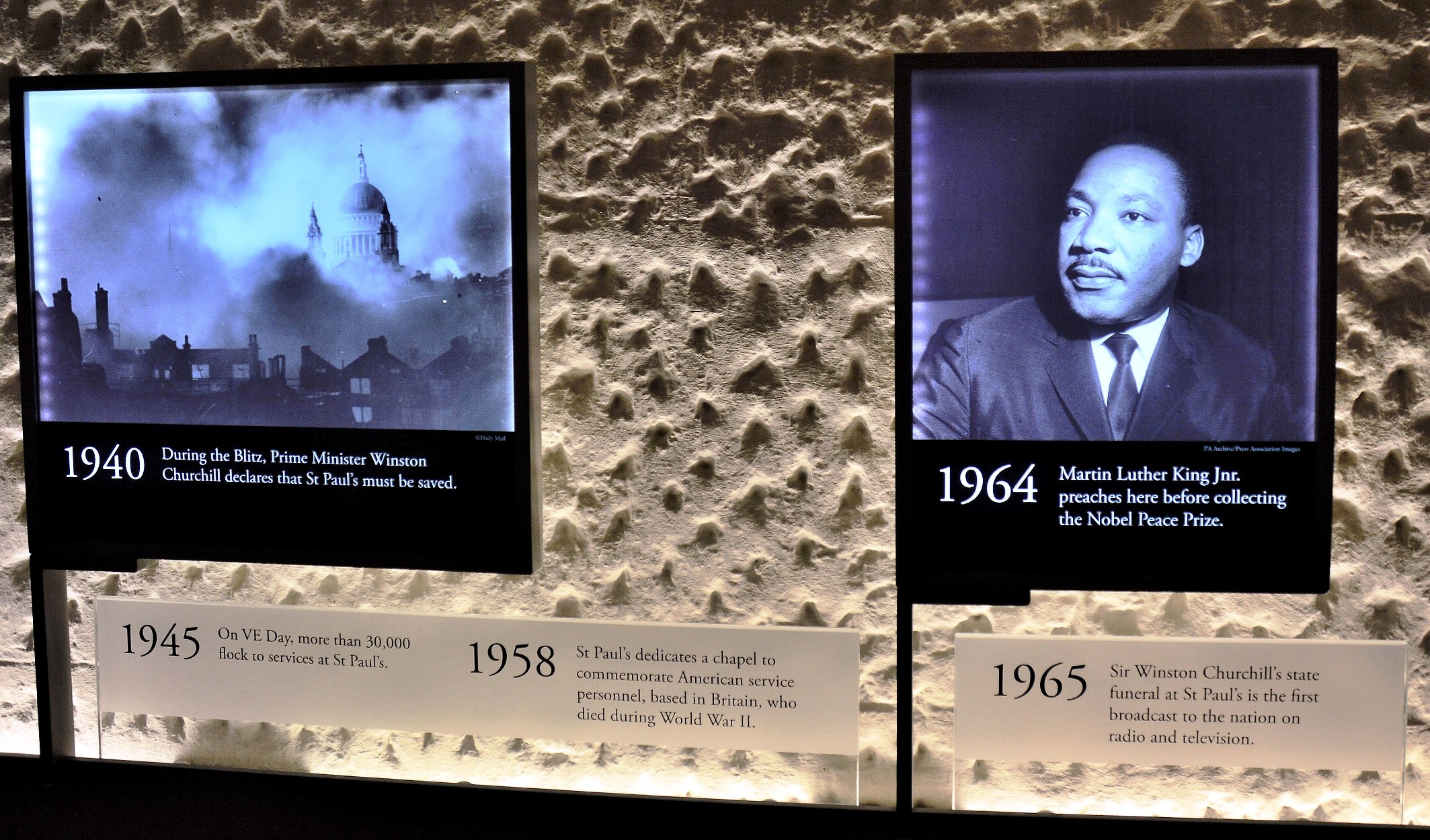
 The Crypt has many tombs, dedications and a cafe. Perhaps the most famous tomb being that of Viscount Horatio Nelson. These are some of the dedications.
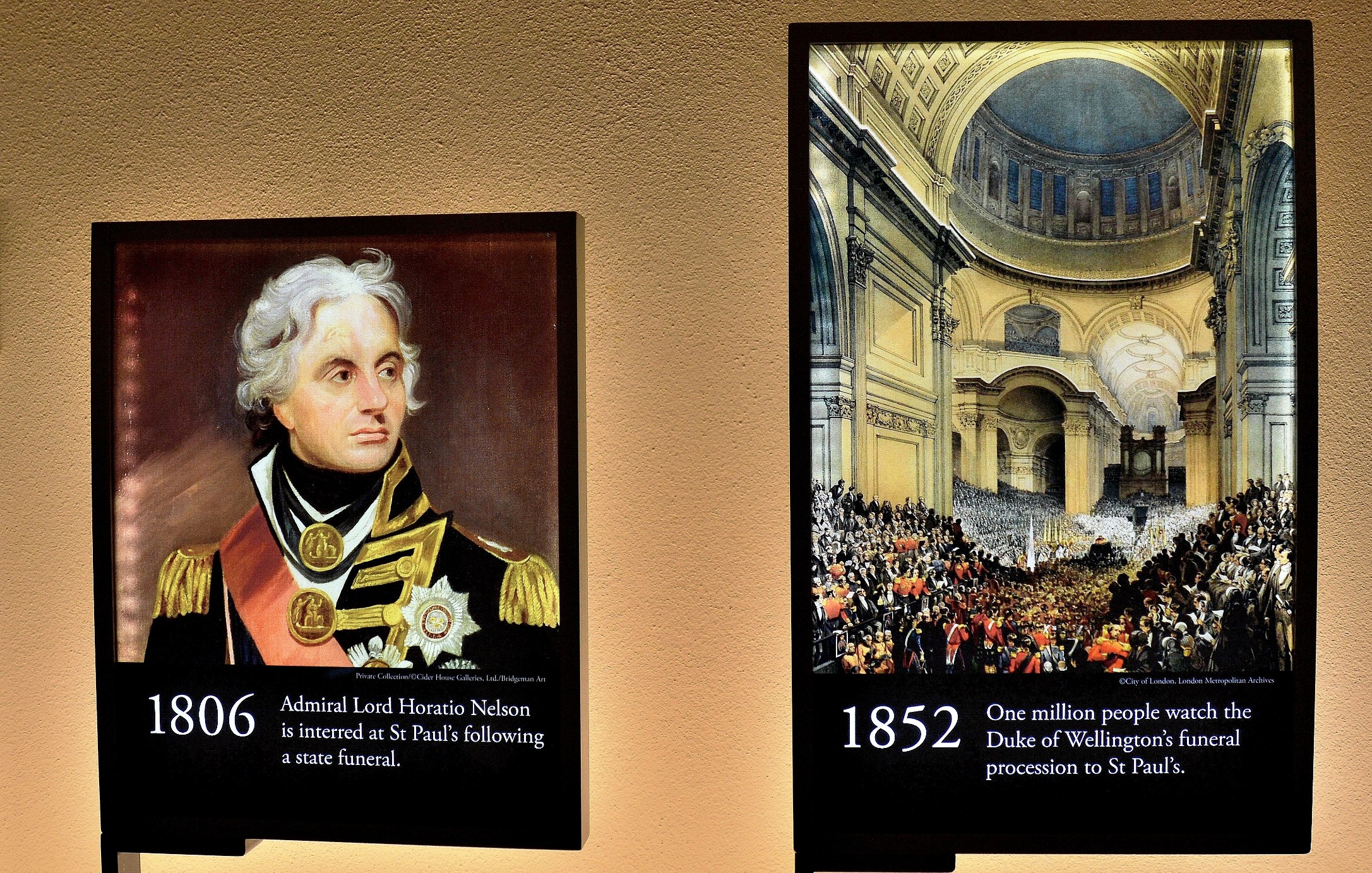
.
Lastly, the cathedral does have its contemporary side and has housed an exhibition of work by street artist Inkie. Below is one item retained and presently on view just inside the cathedral entrance.

St James’s Park
The Eastern End of St James’s Park
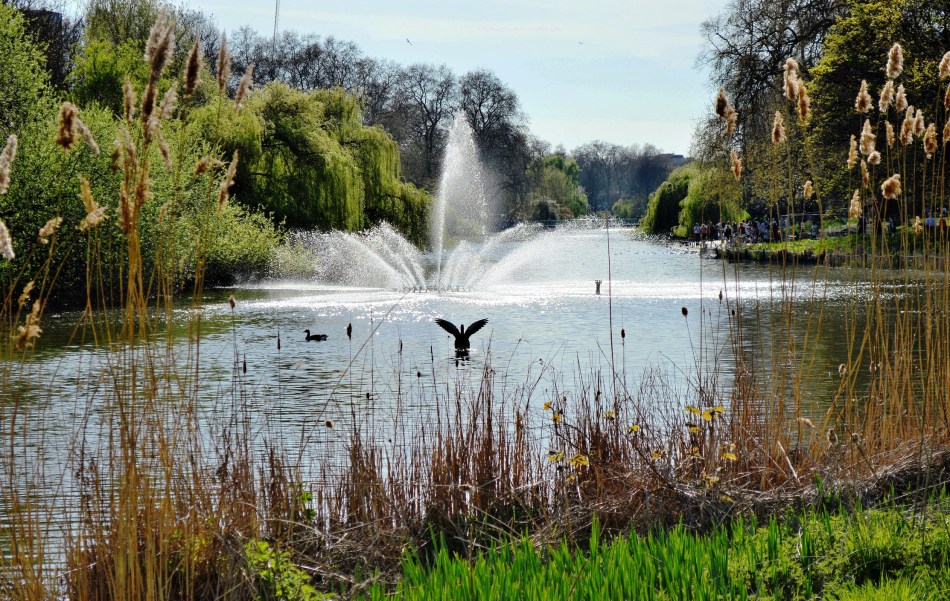

Hiya, welcome to St James’s Park. At this end of the long lake can be found a cafe, parkland, benches, deck chairs, flower beds, geese, ducks, coots and moorhens here. There are also some very friendly squirrels here and pelicans further down this page (feeding time at the cottage is 2:30 pm).
At the western end can be found Buckingham Place, the changing of the guard pageant, more waterfowl including swans and nearby Green Park with the Canada Memorial.
The nearest underground station is St James (although Westminster is almost as close to the eastern end of the park) and it is a pleasant walk beside the lake from end to end.
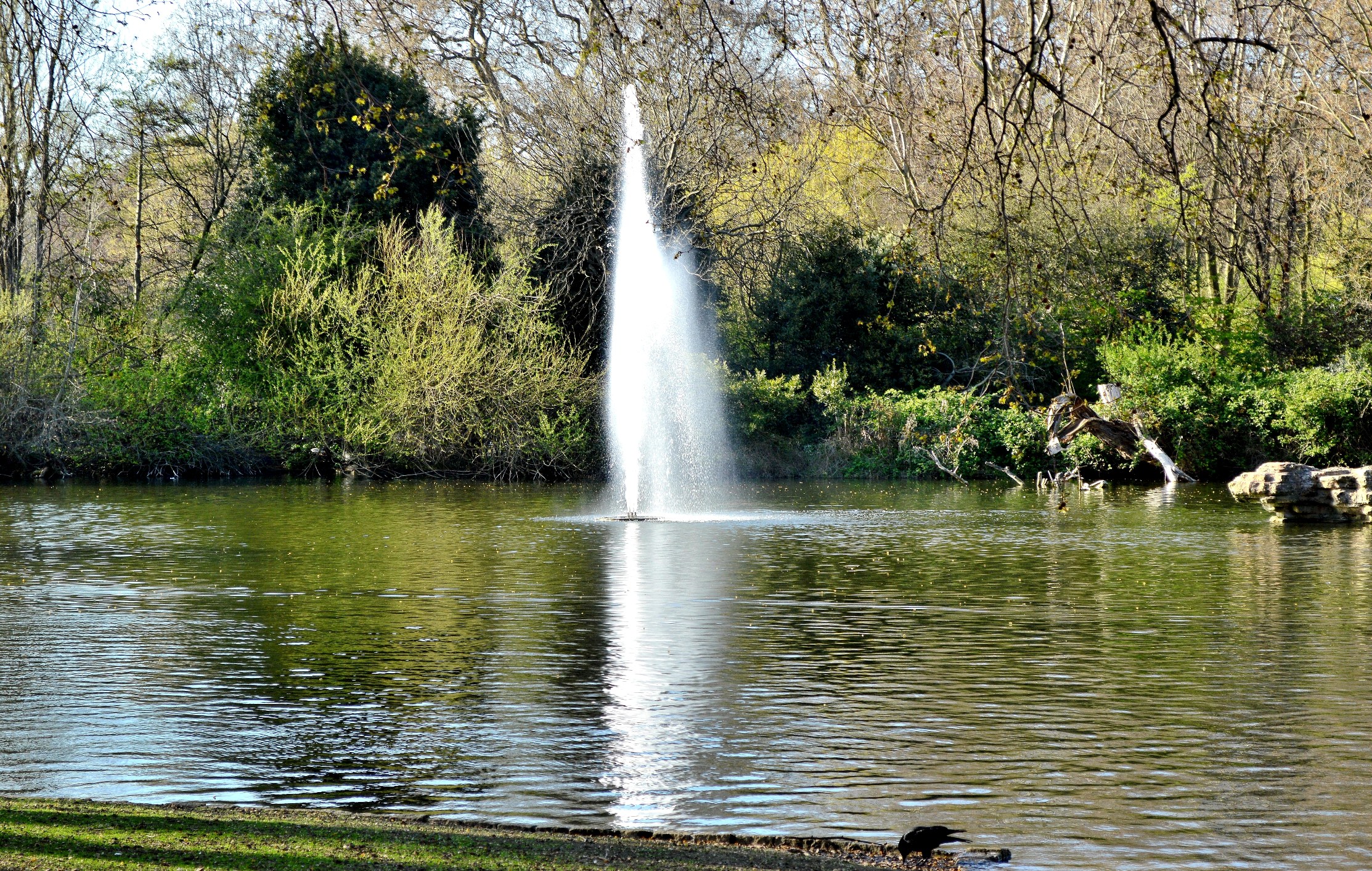
.

.
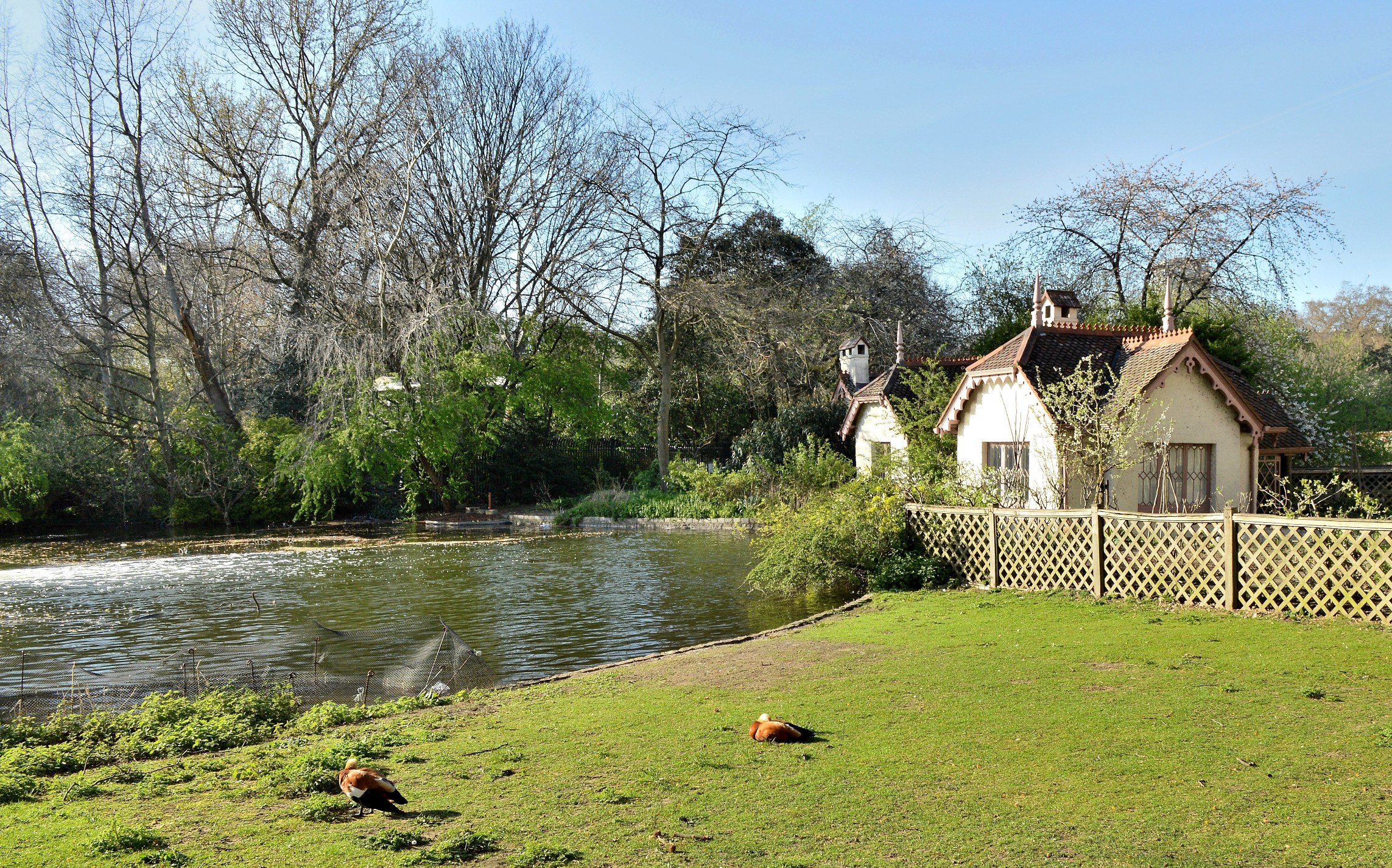
The pelicans gather beside this cottage just before 2:30 pm for feeding.
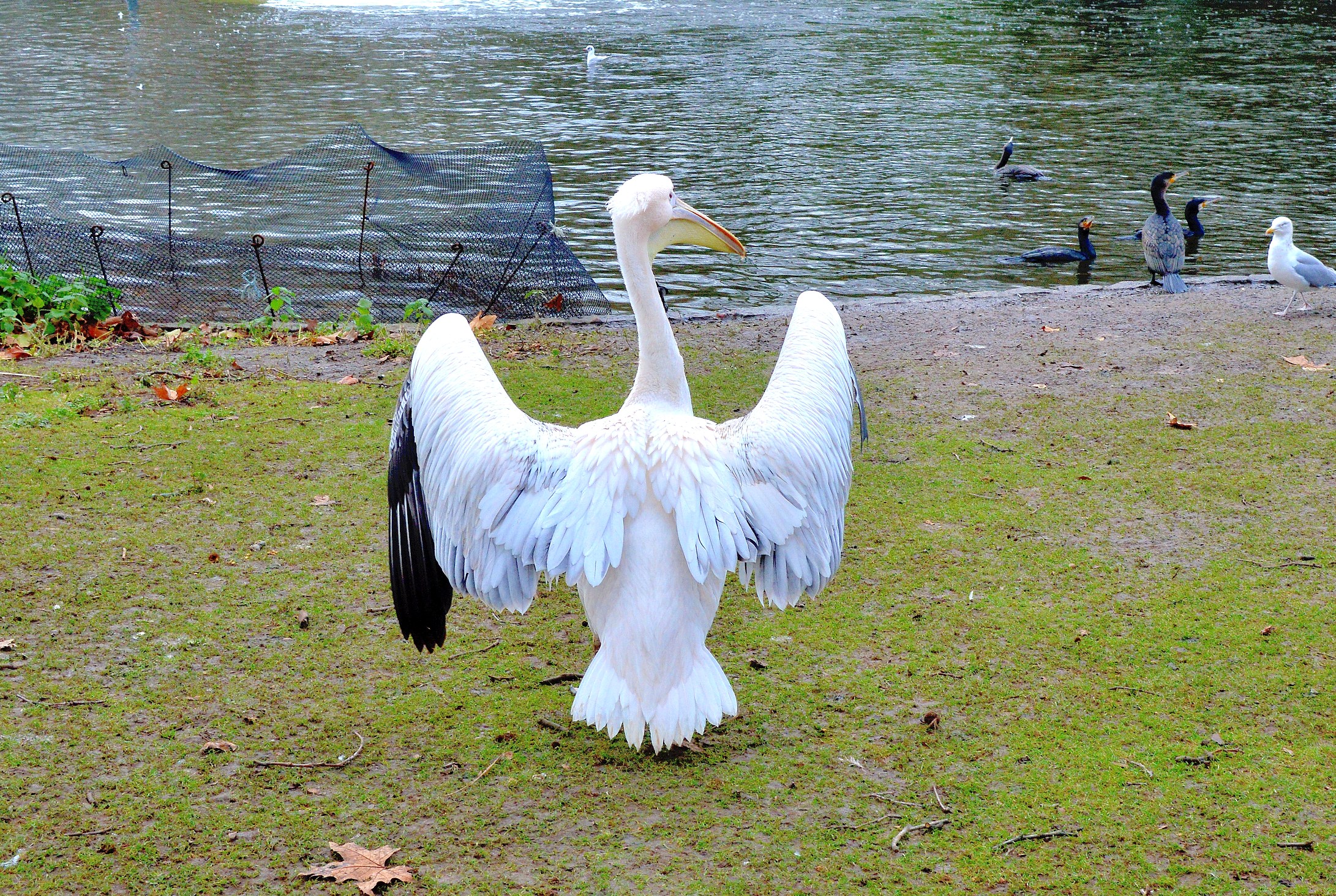 “Perhaps a little pigeon al fresco whilst I am waiting”. – “Oy who nicked my piano ?”

The London Eye.
Buckingham Palace from the Central Bridge
Looking to the west.

.
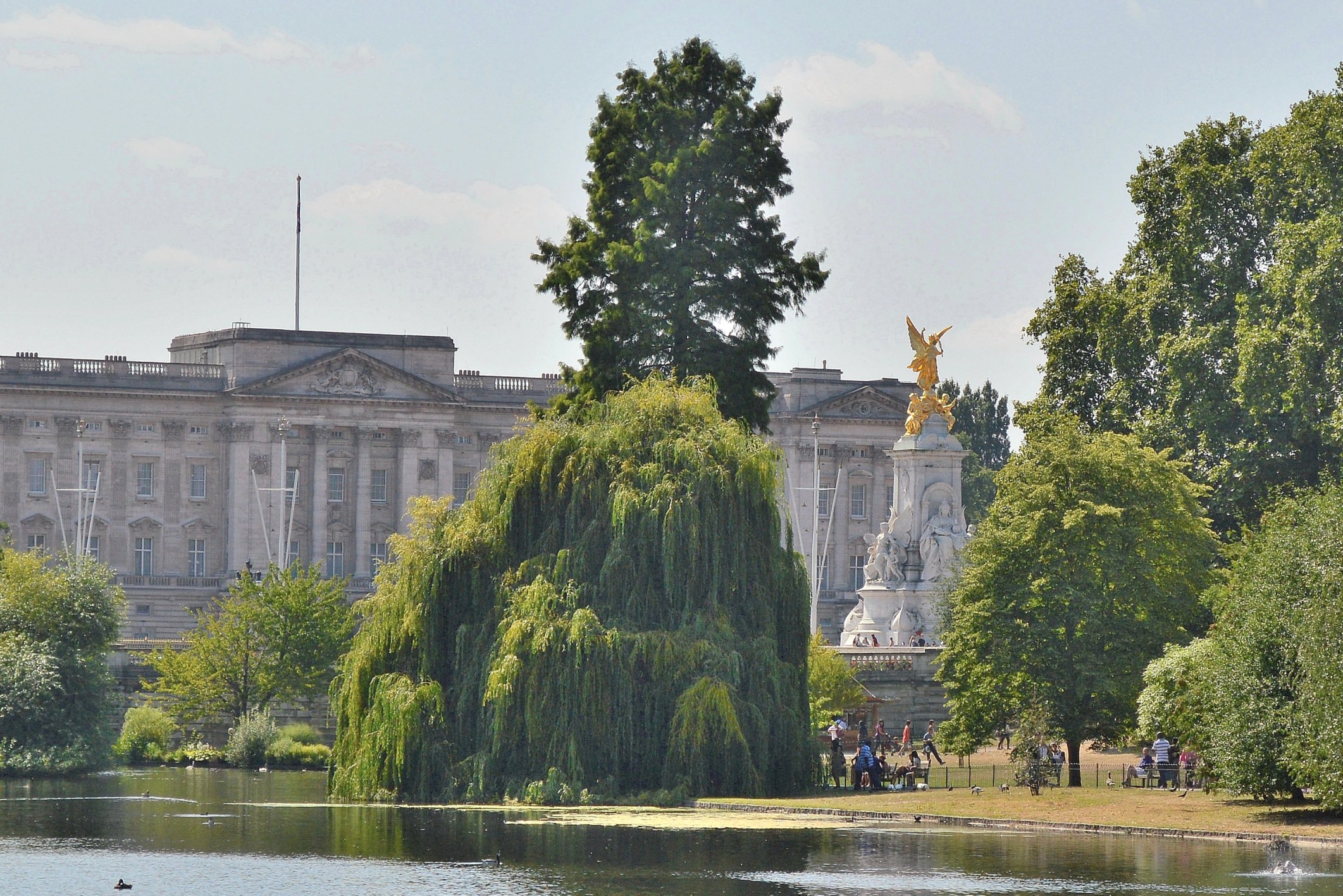
If you look carefully, you can see the Old Man of the Willow, sitting down with his hands on his knees.
Horse Guards from the Central Bridge
Looking to the east.

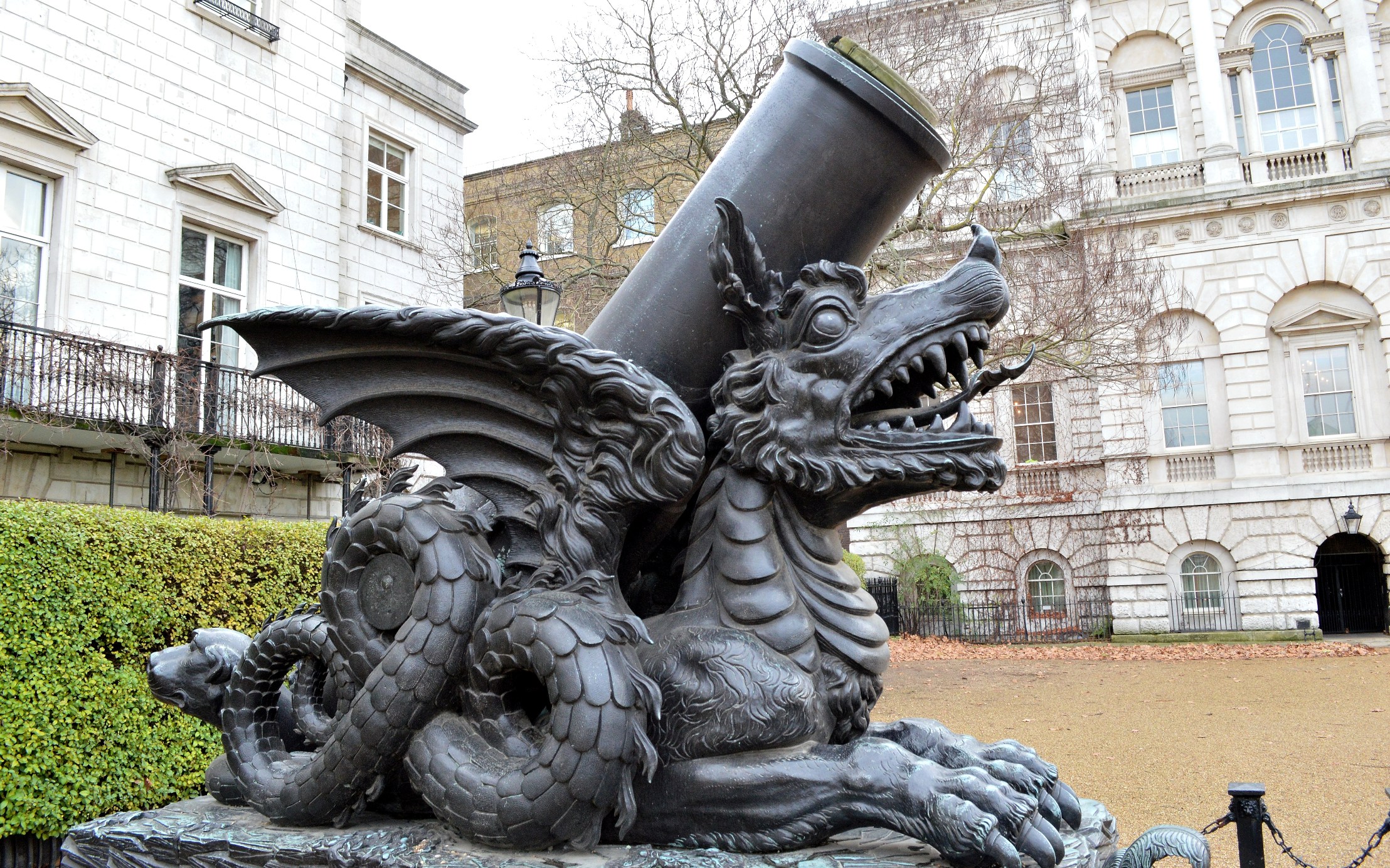
You cannot view the interiors but there is a small museum and one of these.
.

.. and as always, one of these. Doesn’t it make you want to say “you poor ~ “.
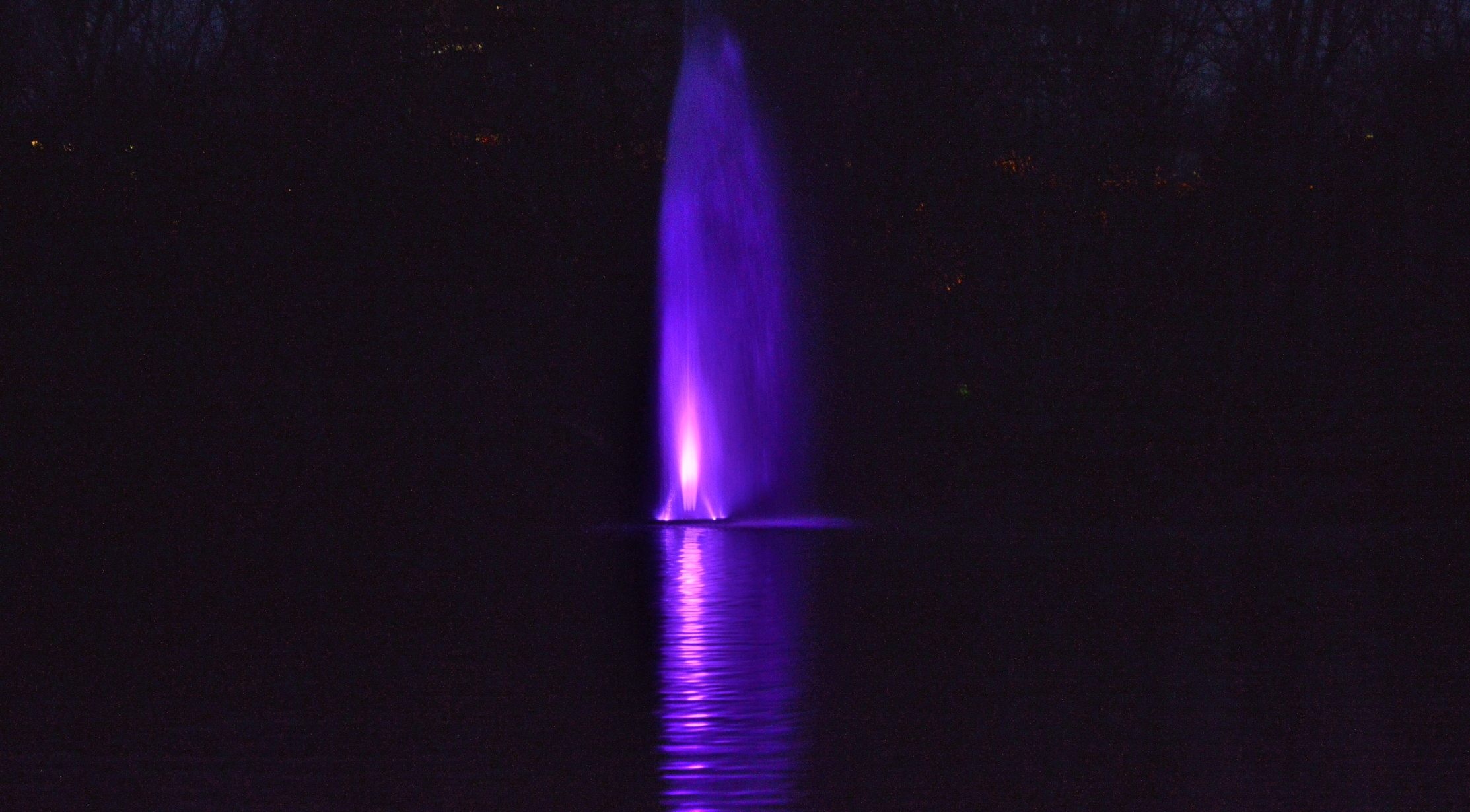
At dusk the fountains light up and from the sound of all the honks and quacks there all having a party 😀 .
St James Park – Wildlife Band
At the East End of St James Park, London
So let me introduce to you, The one and only Billy Shears, And Sgt. Pepper’s Lonely Hearts Club Band.

Ruddy Duck (really)
It was twenty years ago today, Sgt. Pepper taught the band to play, They’ve been going in and out of style, But they’re guaranteed to raise a smile, So may I introduce to you, The act you’ve known for all these years, Sgt. Pepper’s Lonely Hearts Club Band

We’re Sgt. Pepper’s Lonely Hearts Club Band, We hope you will enjoy the show

We’re Sgt. Pepper’s Lonely Hearts Club Band, Sit back and let the evening go

It’s wonderful to be here

It’s certainly a thrill

You’re such a lovely audience
We’d like to take you home with us

We’d love to take you home

Oh we would, we would. – Why are you doing that with your leg ? I don’t know, he started it.
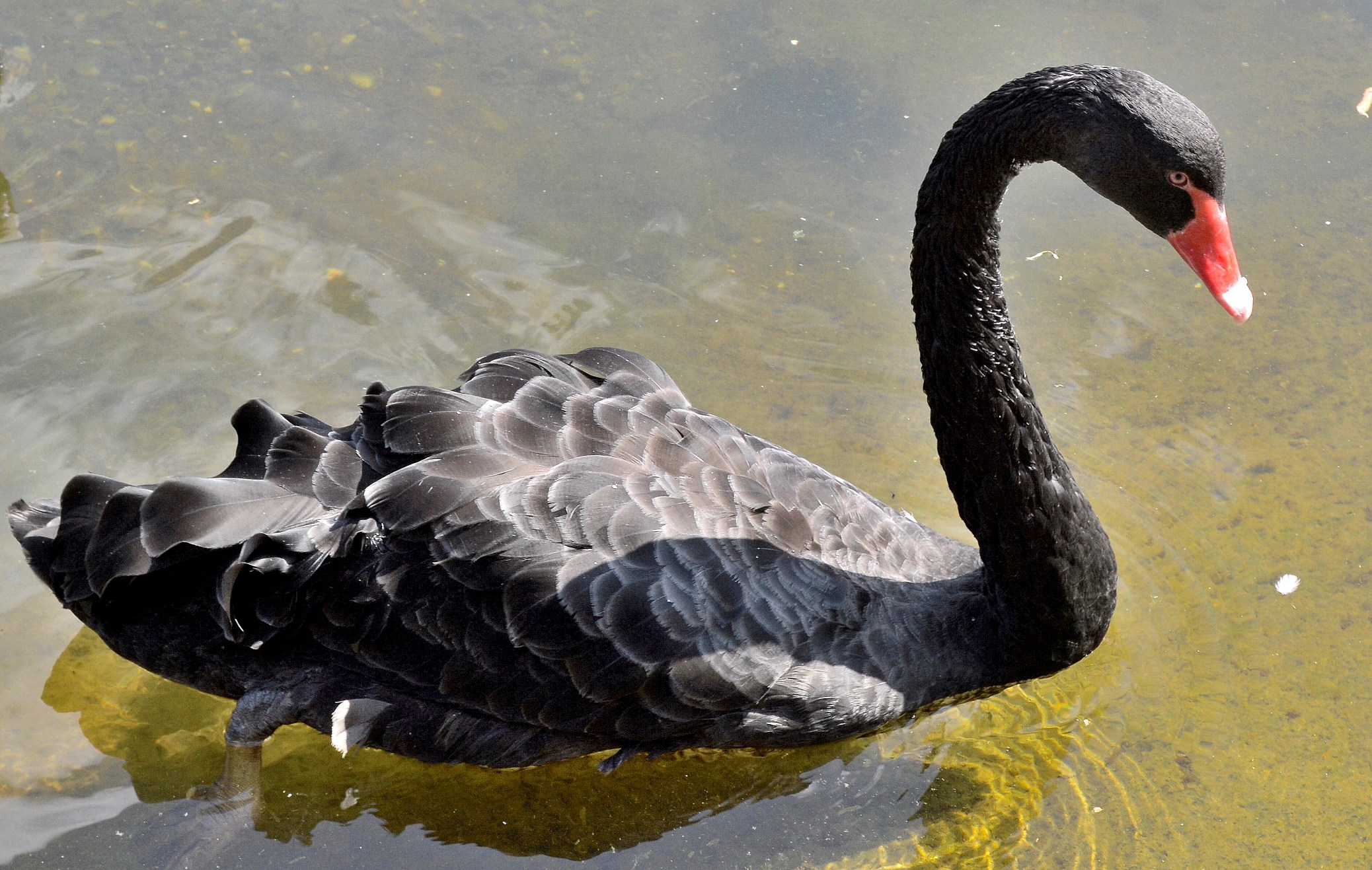
More feathers than sense that lot.

Find the Squirrel (its in the middle).

Here’s one. Here’s some more (in a new tab).

I am Moorhen than Duck

I don’t really want to stop the show, But I thought that you might like to know, That the singer’s going to sing a song, And he wants you all to sing along
We’re Sgt. Pepper’s Lonely Hearts Club Band
We hope you will enjoy the show
We’re Sgt. Pepper’s Lonely Hearts Club Band
Sit back and let the evening go
Sgt. Pepper’s lonely, Sgt. Pepper’s lonely
Sgt. Pepper’s Lonely Hearts Club Band ~
We hope you enjoyed the show and thank you for visiting.
Canada Memorial
The Canada Memorial (London) was opened in 1994 and is dedicated to the Canadians who served in the two world wars. It can found at the bottom of Green Park very near to Buckingham Palace.
When I visited it was a very hot day in July and children were very happily using it as a water slide. Despite the “keep off” sign, nobody wanted to stop them and everybody was having a great day in the sunshine.
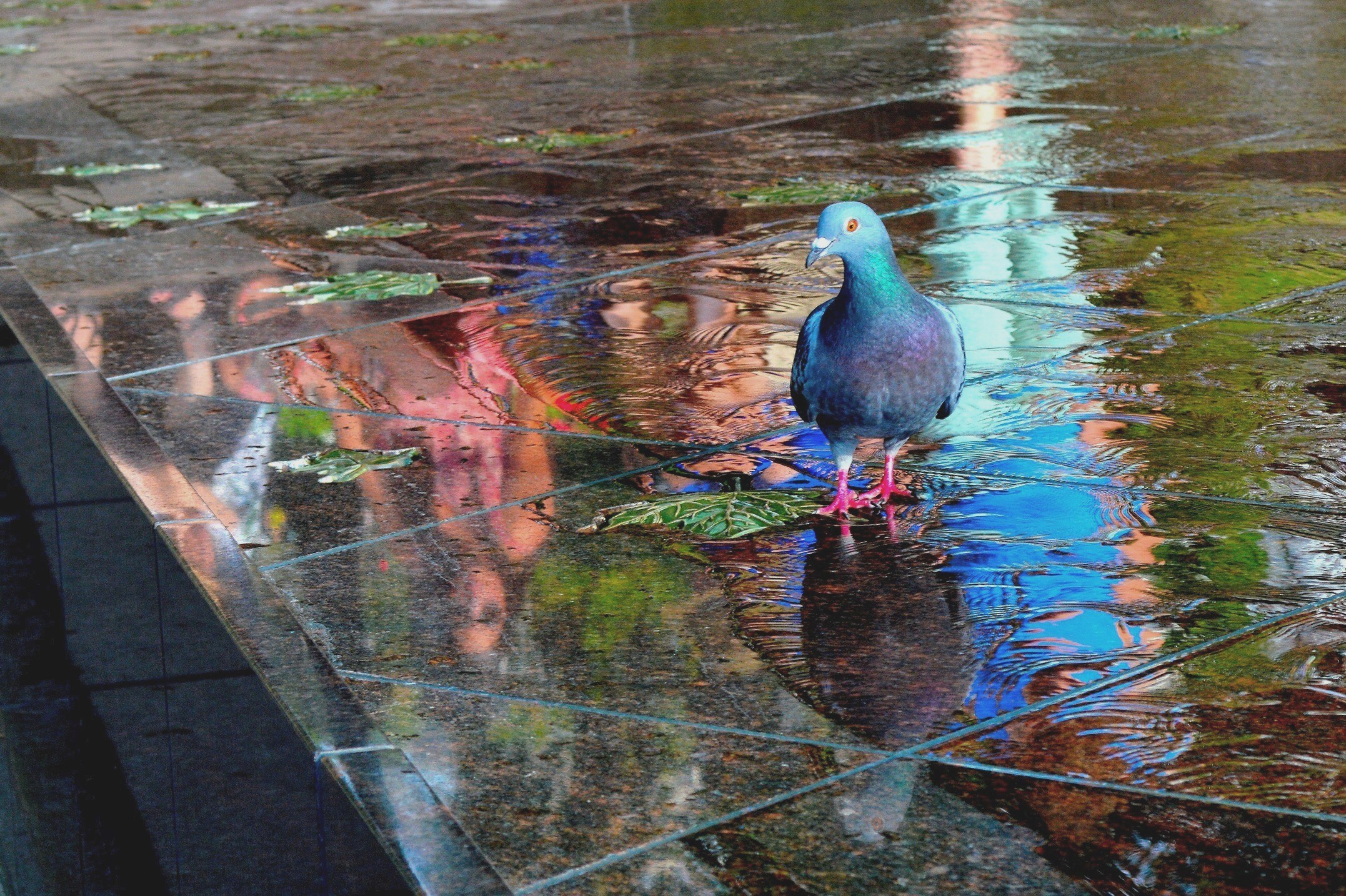
This little pigeon decided to join in and enjoy cool feet. A lot of wild life around London seem to have become so accustomed to a human presence that they can allow themselves to indulge in curiosity and even participation. The squirrels of St James Park being a great example. Here is one cool pigeon.
.

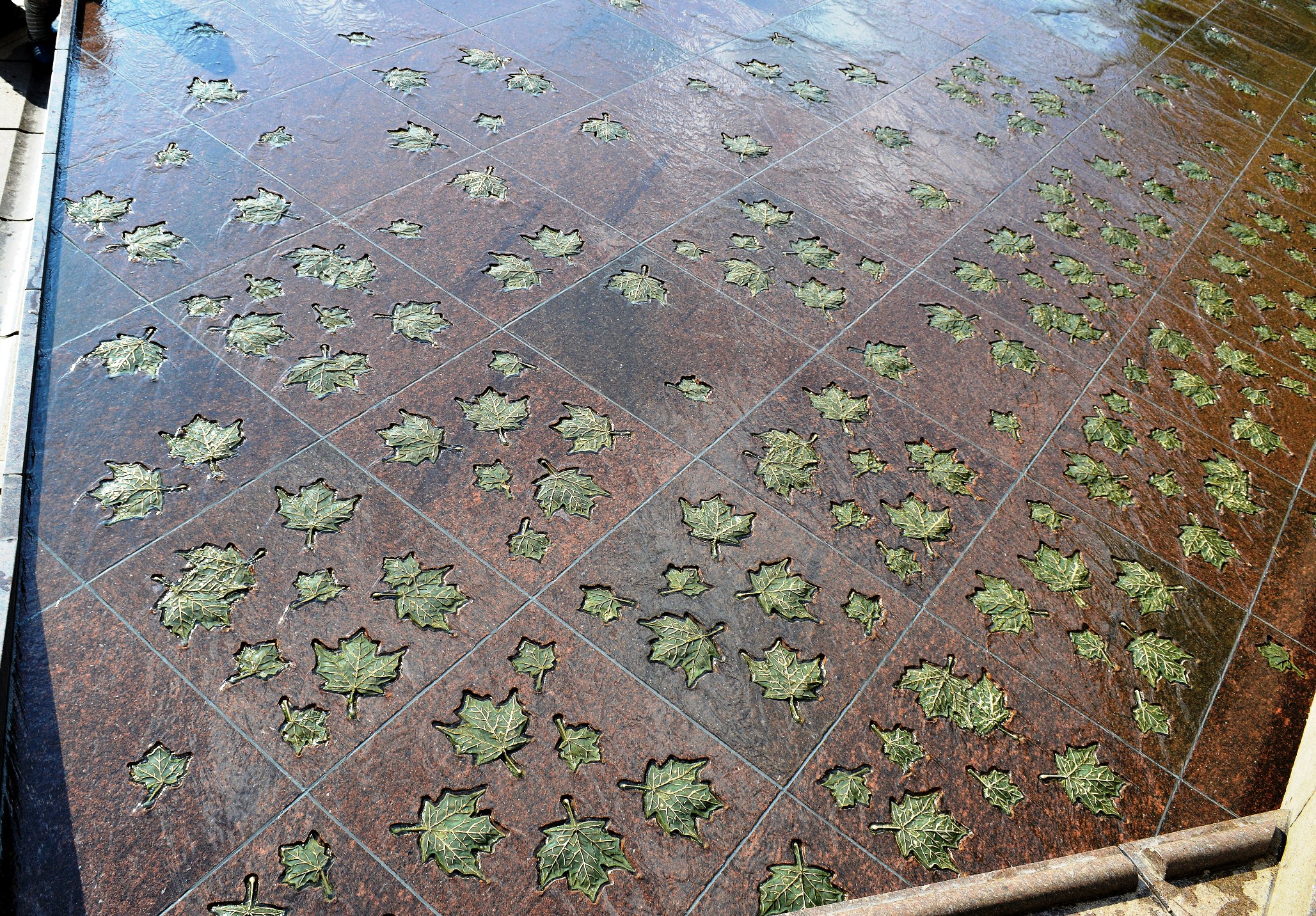
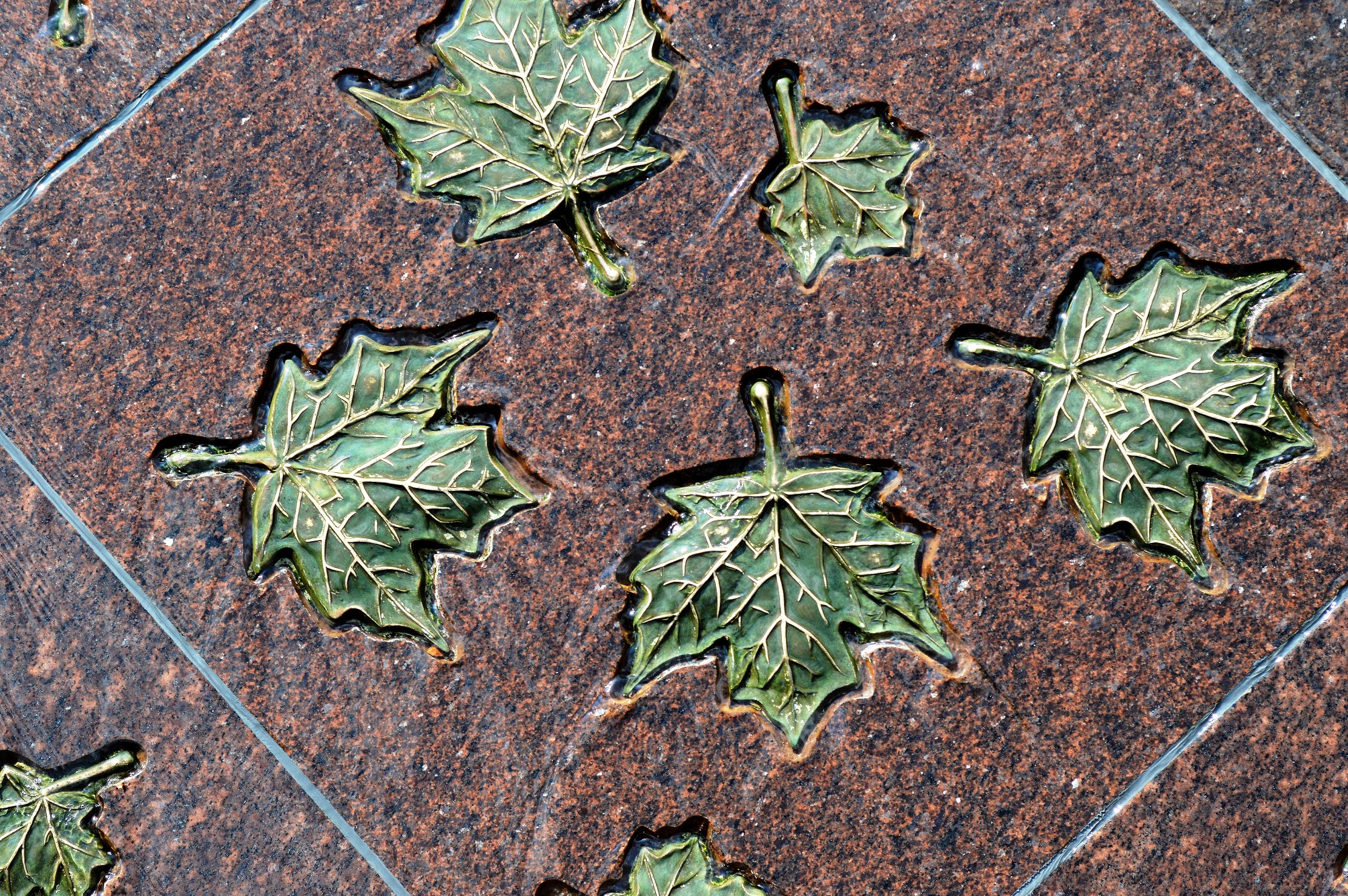
The colours of the opening picture are so intriguing that I couldn’t help tweaking it a bit.
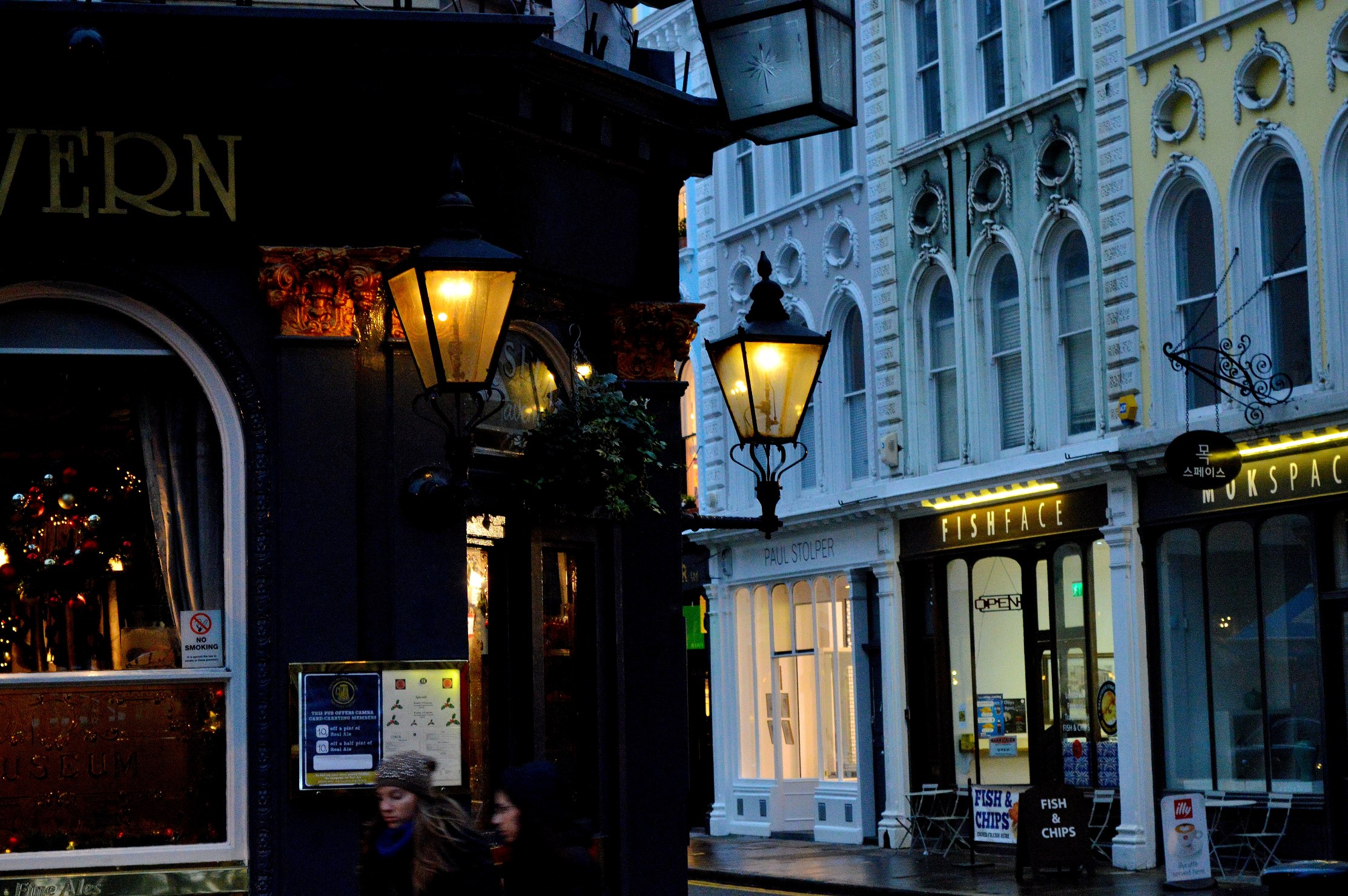
Gas Lamps and Penny Farthings
The first gas lighting appeared on Pall Mall in 1807 and began to spread from 1812 when the London and Westminster Gas Light and Coke Company was created. Early gas was created by heating coal which then released mainly hydrogen. More about present day London’s Gas Lamps and where to see them. The best place being the broad avenue of Kensington Palace Gardens. The gardens do close at dusk but there is information about turnstile exits here.
A more intense light could be created by directing an oxyhydrogen flame upon a cylinder of quicklime (calcium oxide). The resulting light was commonly known as limelight and used for stage lighting. Hence the term “being in the limelight” is used to mean being the center of attention.
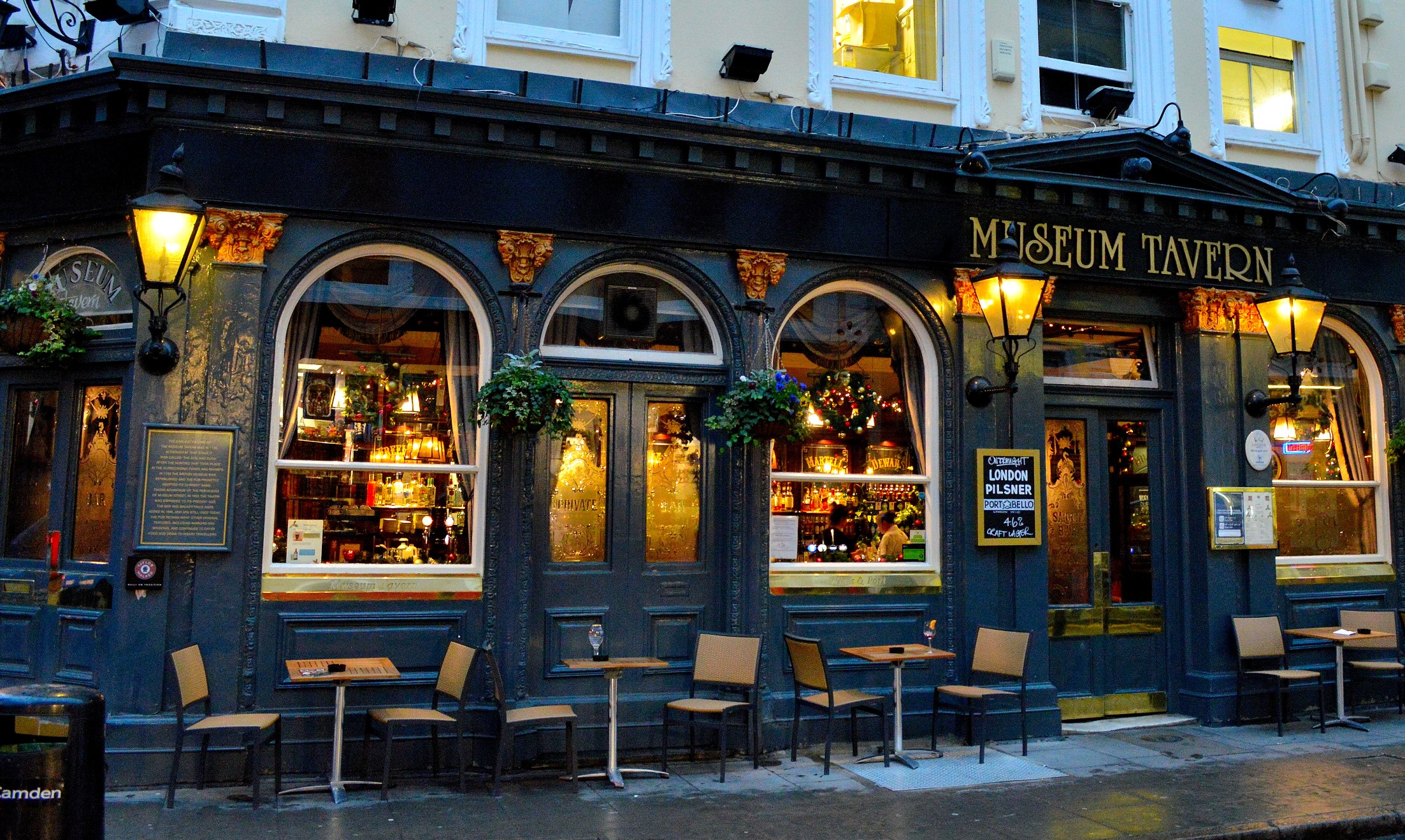
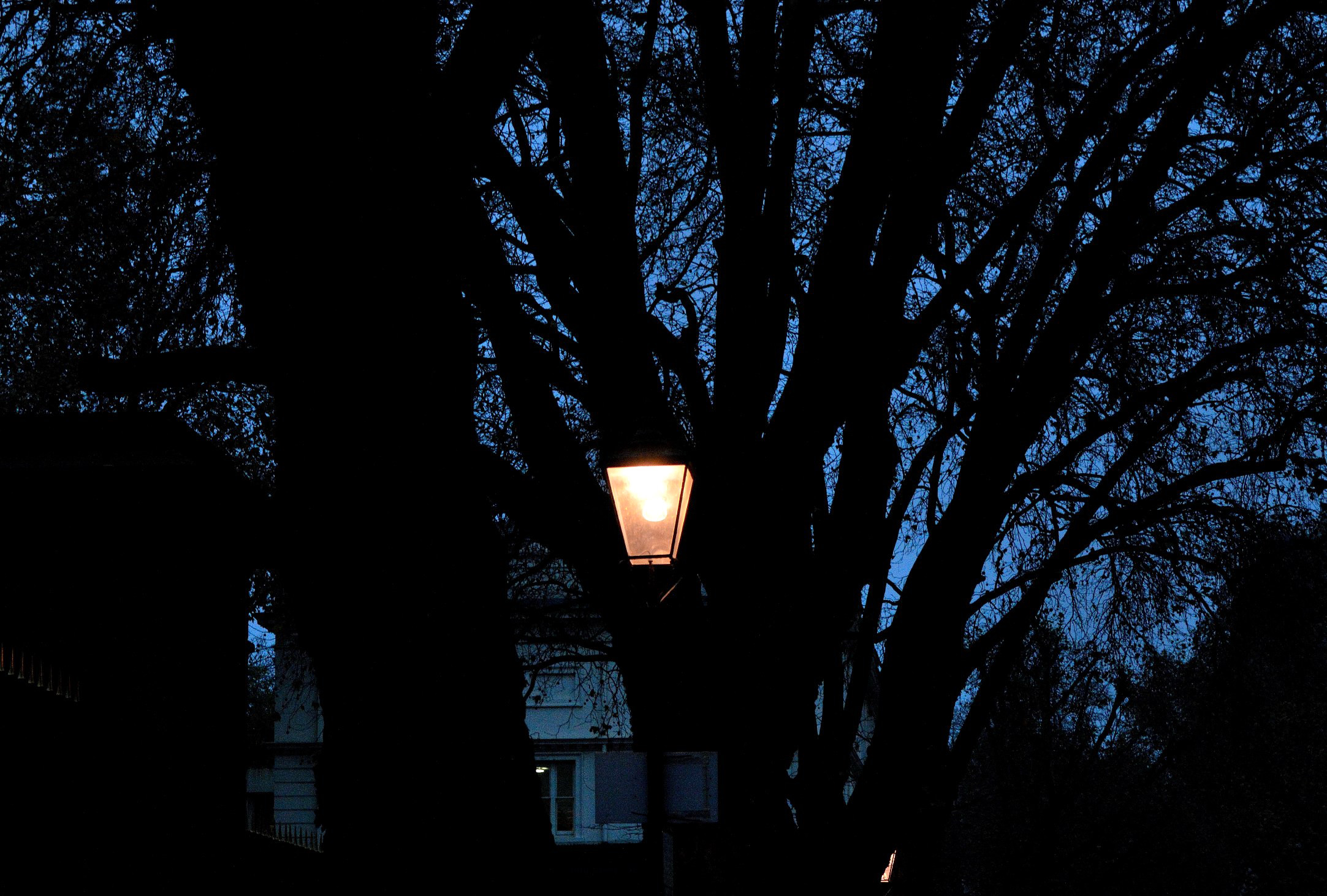
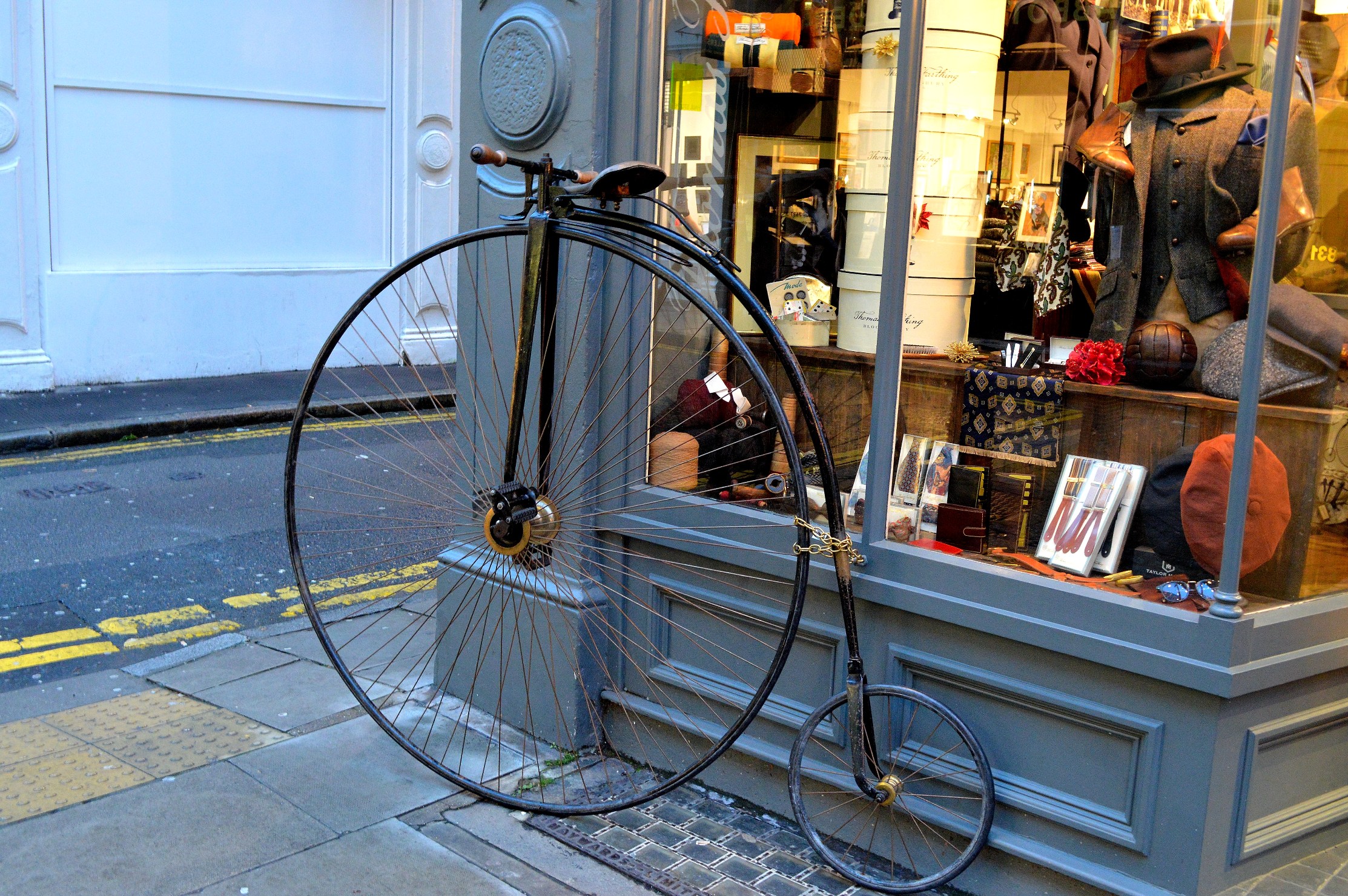
These gas lamps are just outside the British Museum with a Penny Farthing bicycle further down the page.


British Museum
Sutton Hoo Treasure
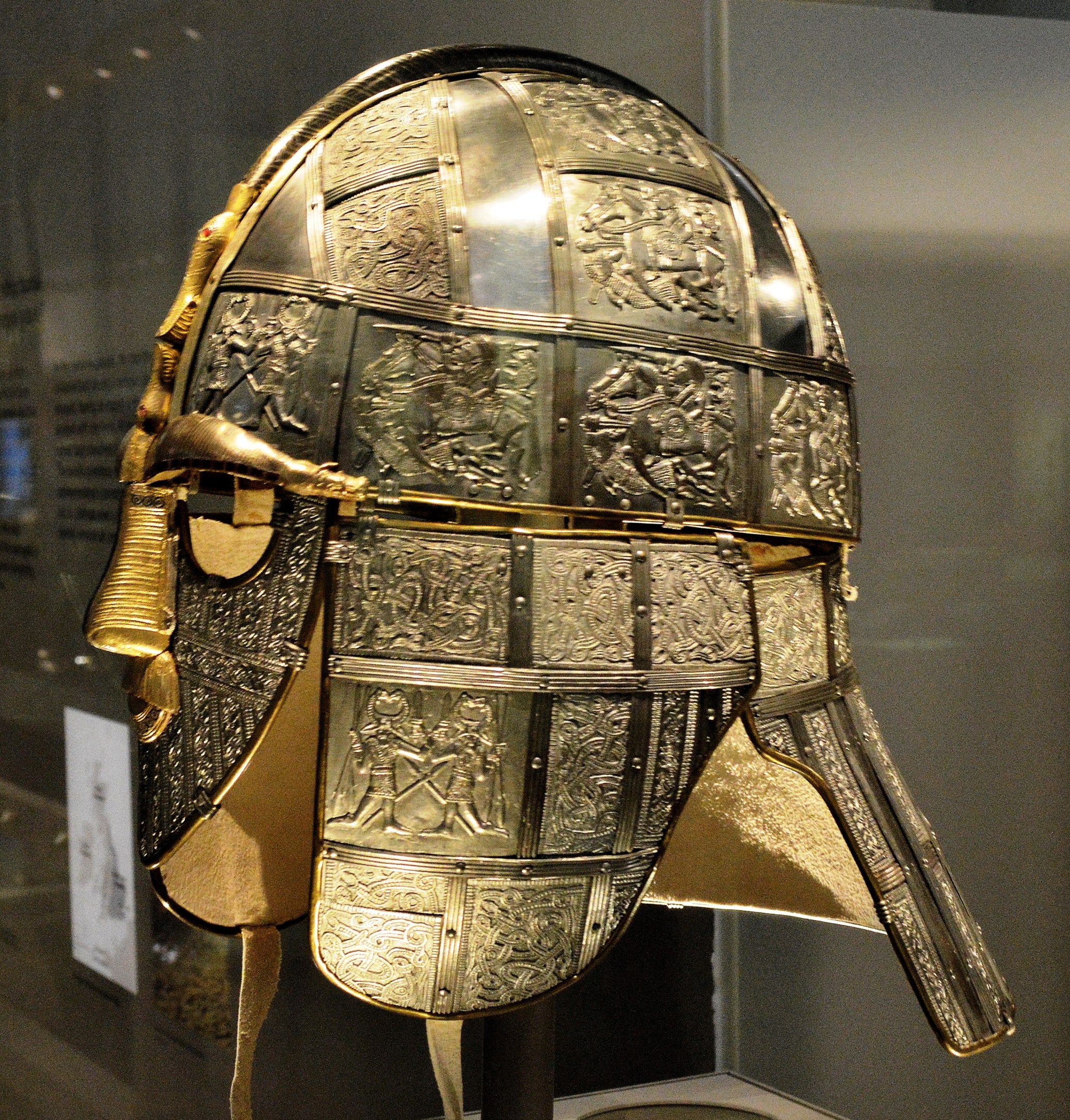
Sutton Hoo Helmet
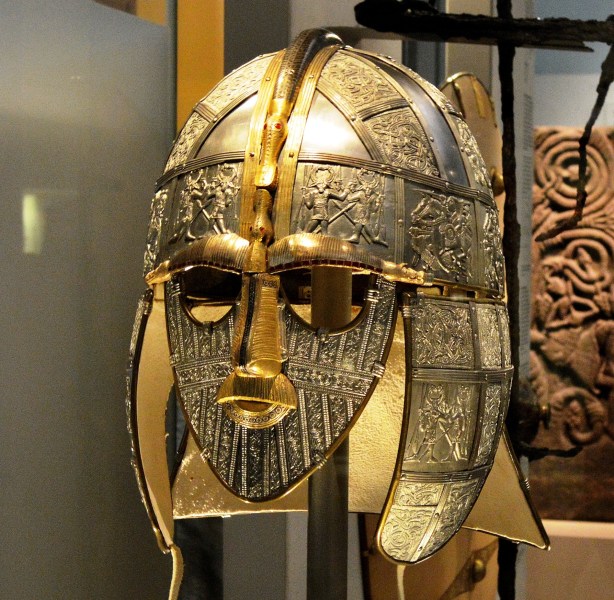

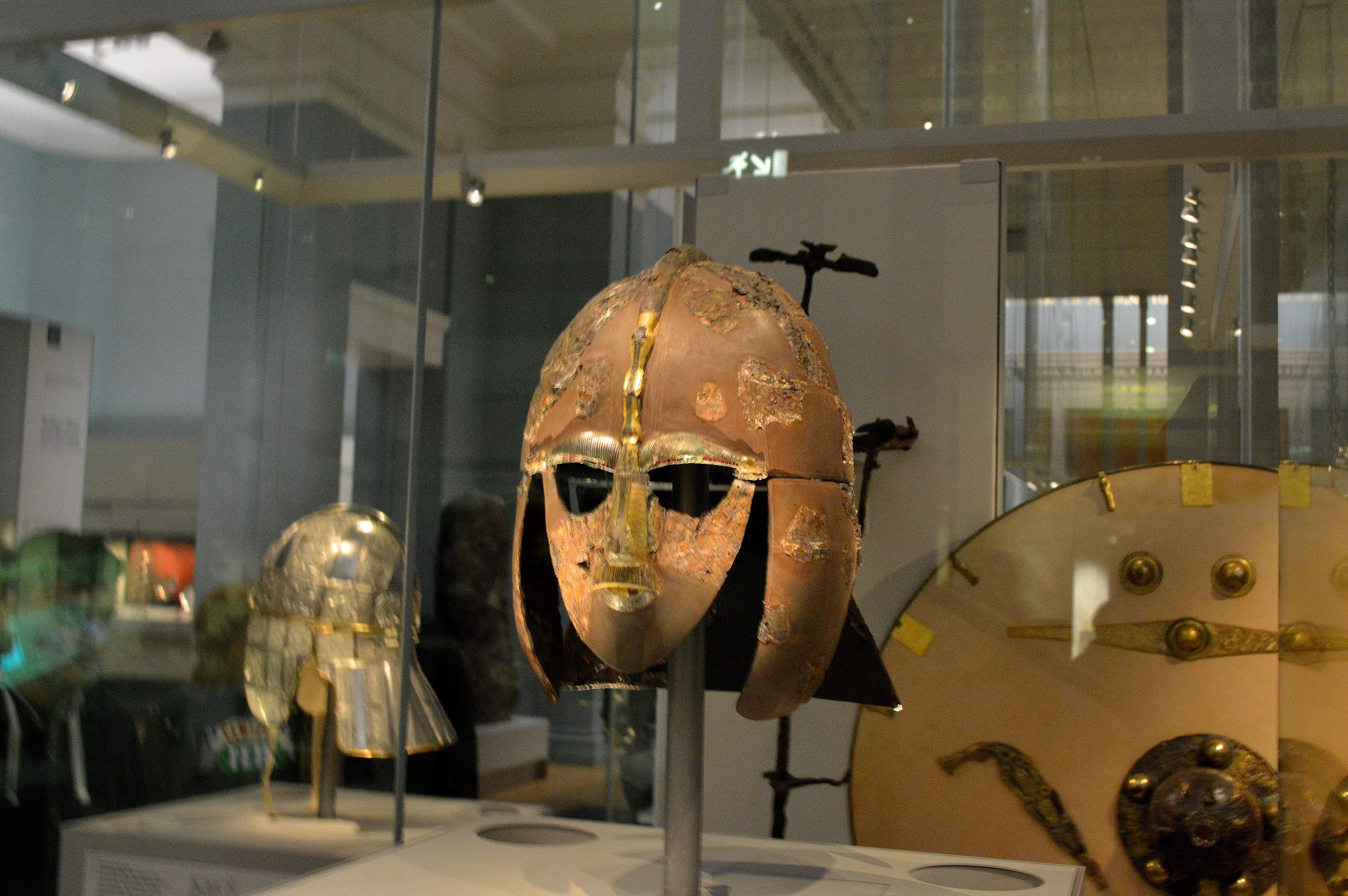
The replica helmet and mask are part of the Sutton Hoo Treasure (Wiki) with more at Sutton Hoo Site. The original find is further down together with more artifacts from antiquity.

The Museum
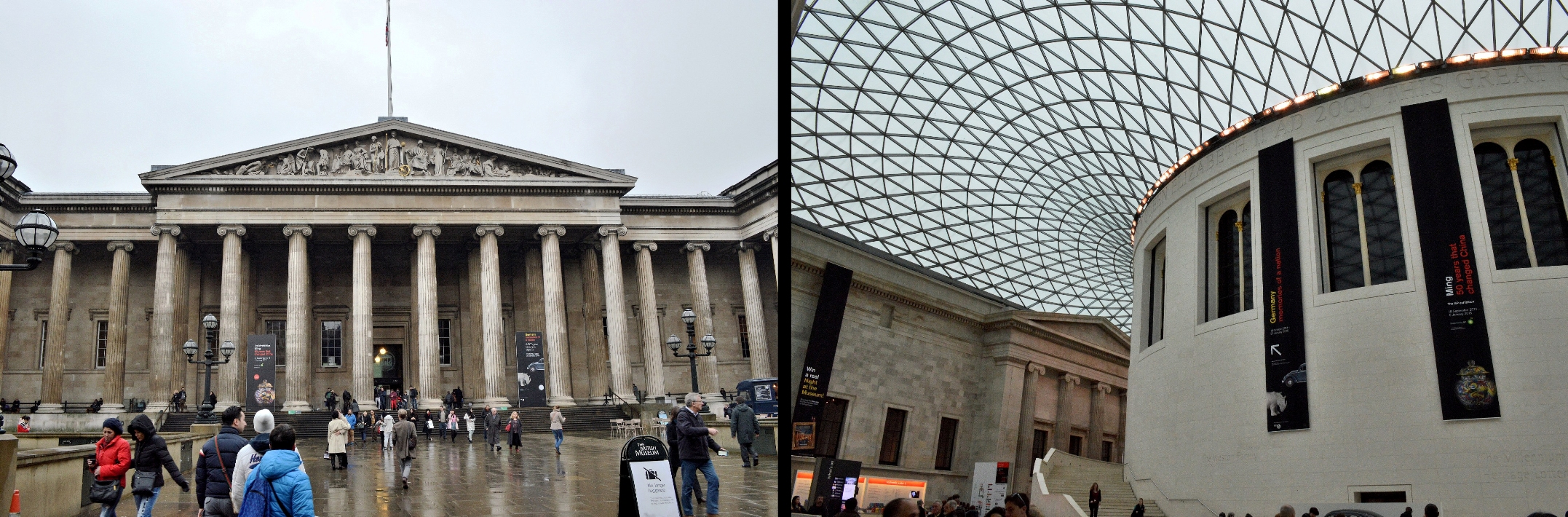
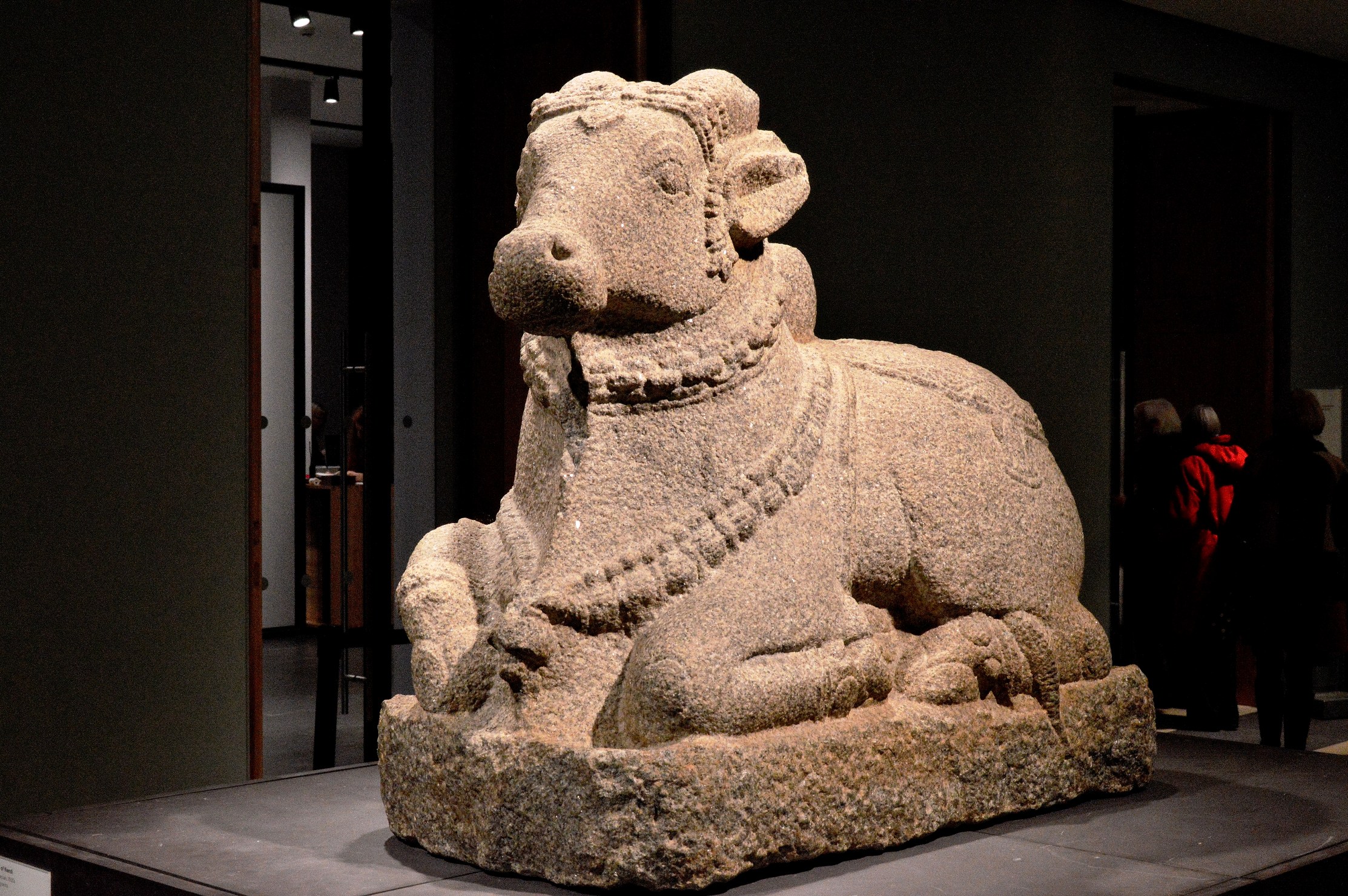
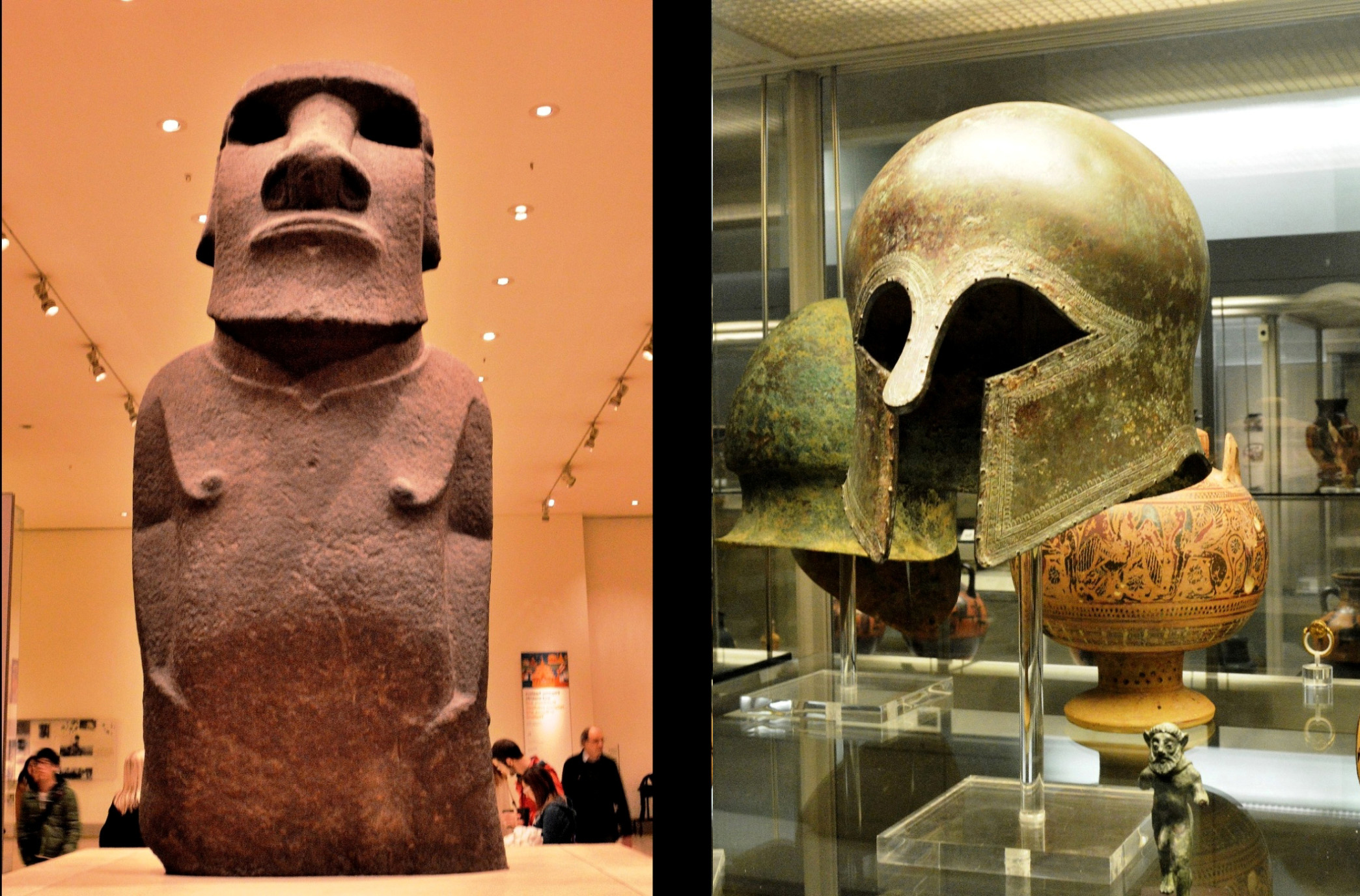
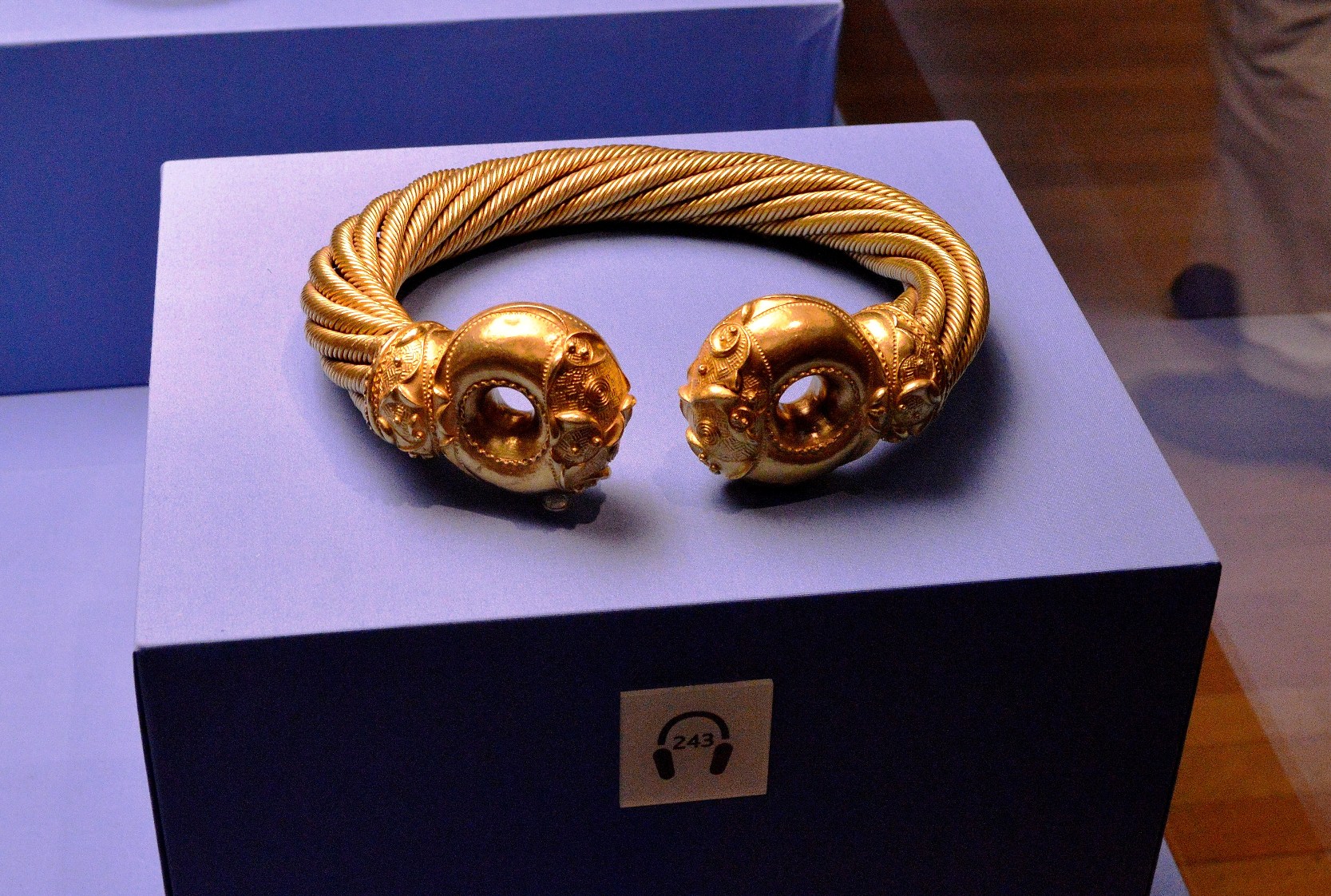
The British Museum (for details, admission and location) is probably the largest in the UK and contains artifacts from all over the world, from antiquity to more recent times. Whilst there is some controversy about ownership of some items (e.g. the Elgin Marbles), the museum has preserved what otherwise might have been lost and is free to all visitors. There is a an extensive cloakroom and non-commercial photography is allowed.
Of similar interest is the Victoria and Albert Museum, which is dedicated to design from across the world. More from the British Museum:-

Cosy
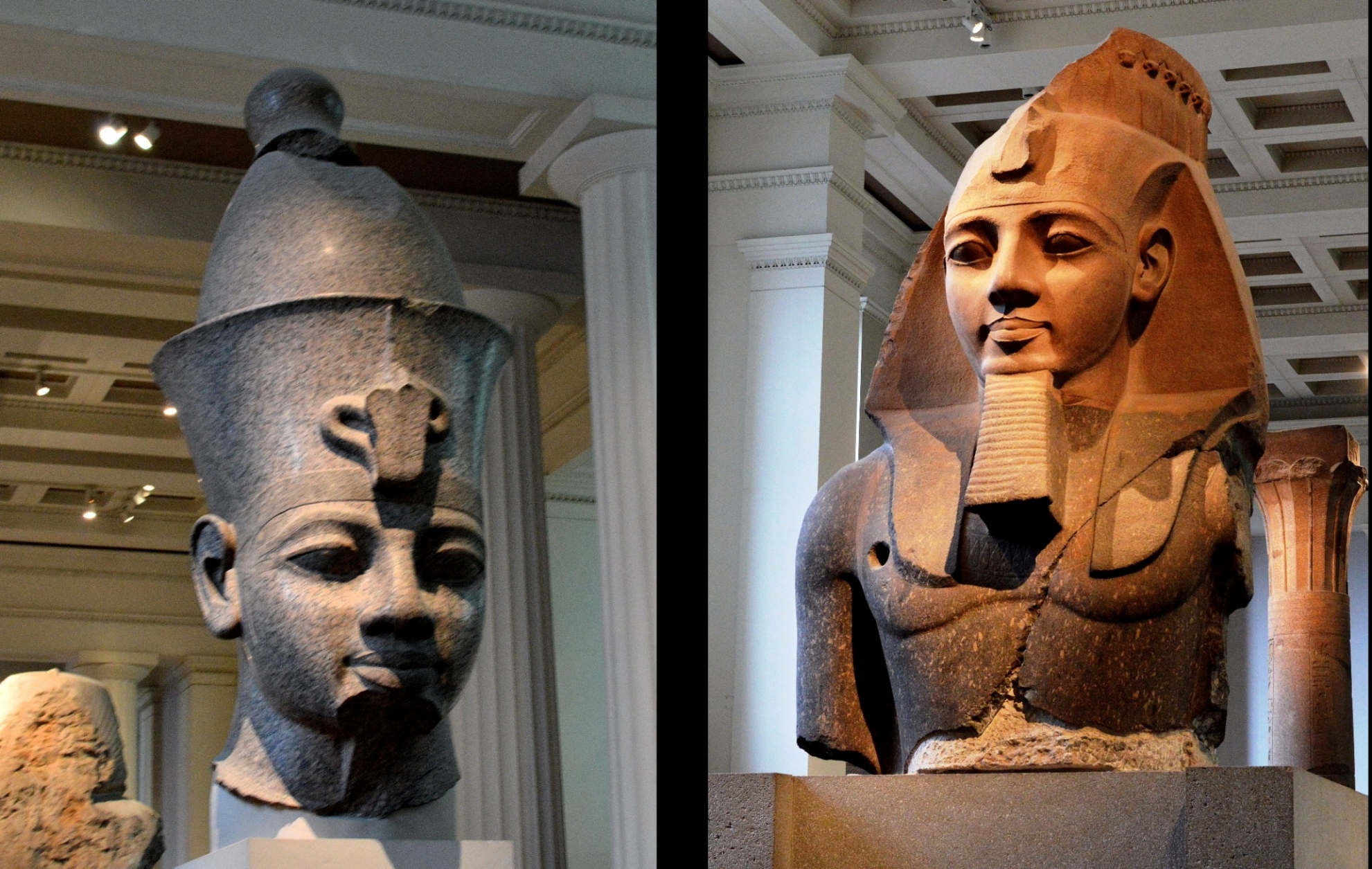
Nefer Teapot Nefer did

Rar

Raaaar
Moo see um

What time do you call this then. ……………………………………………………………….Oh mum, it’s only XXII o’clock


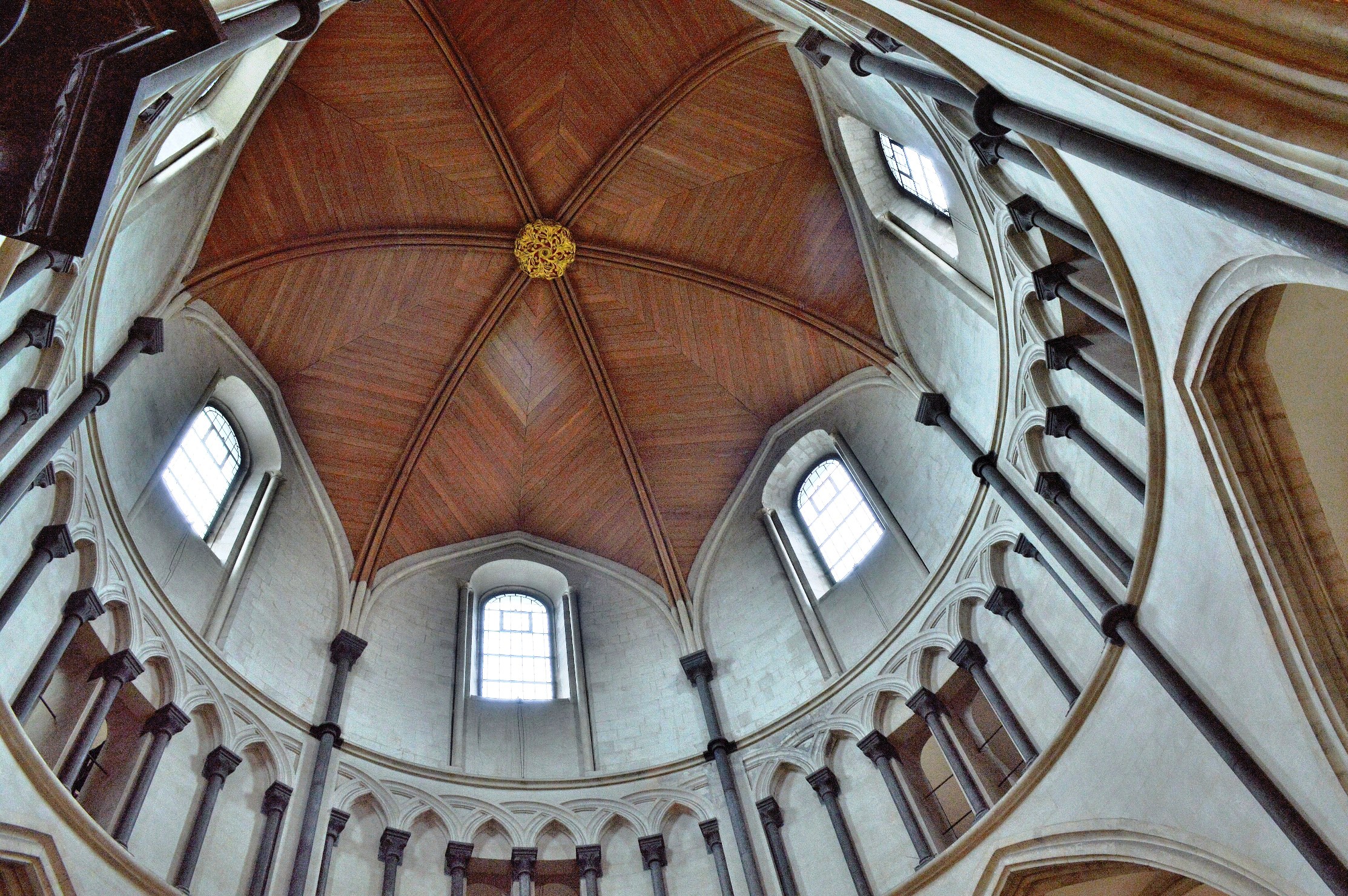
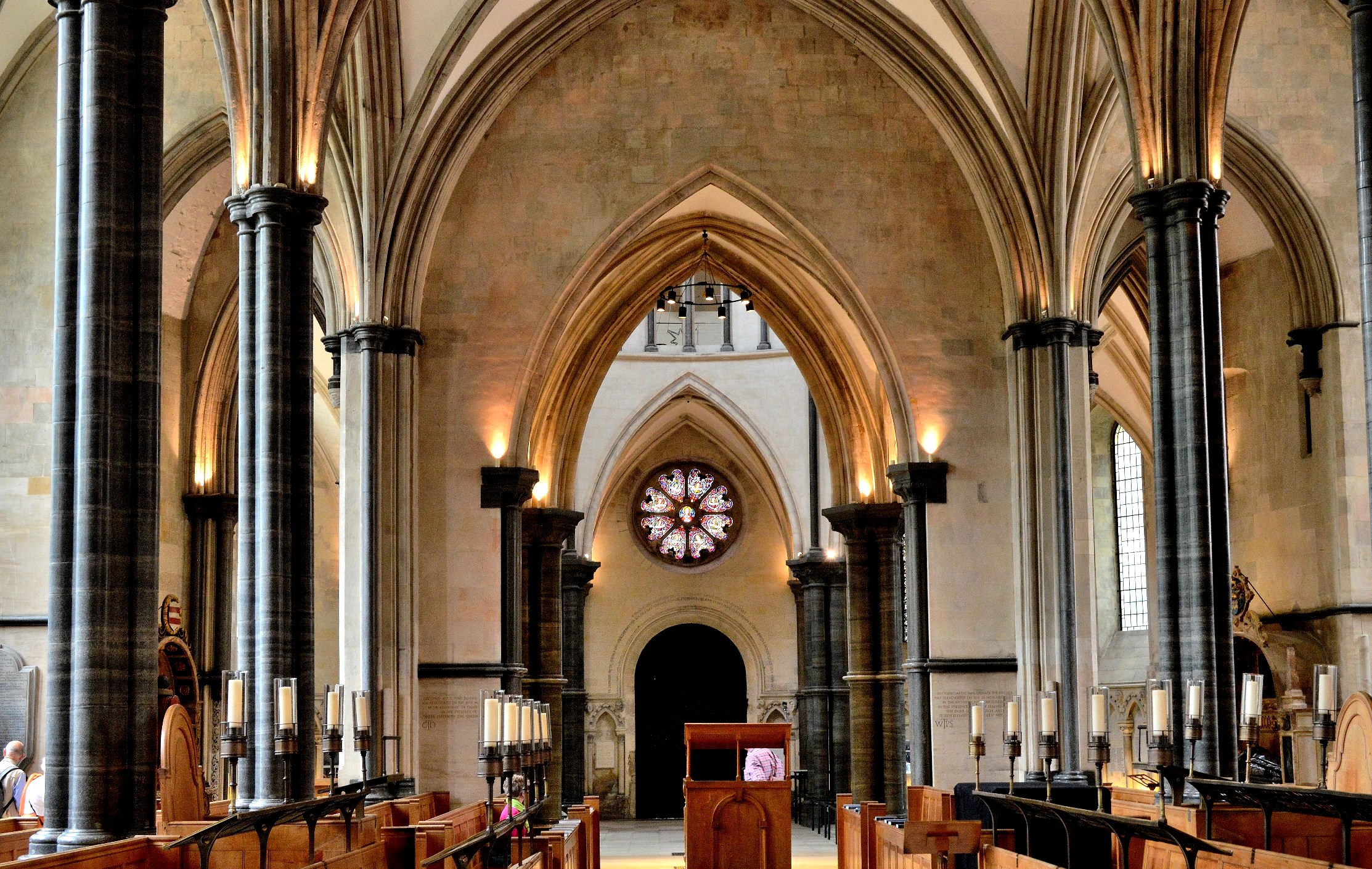
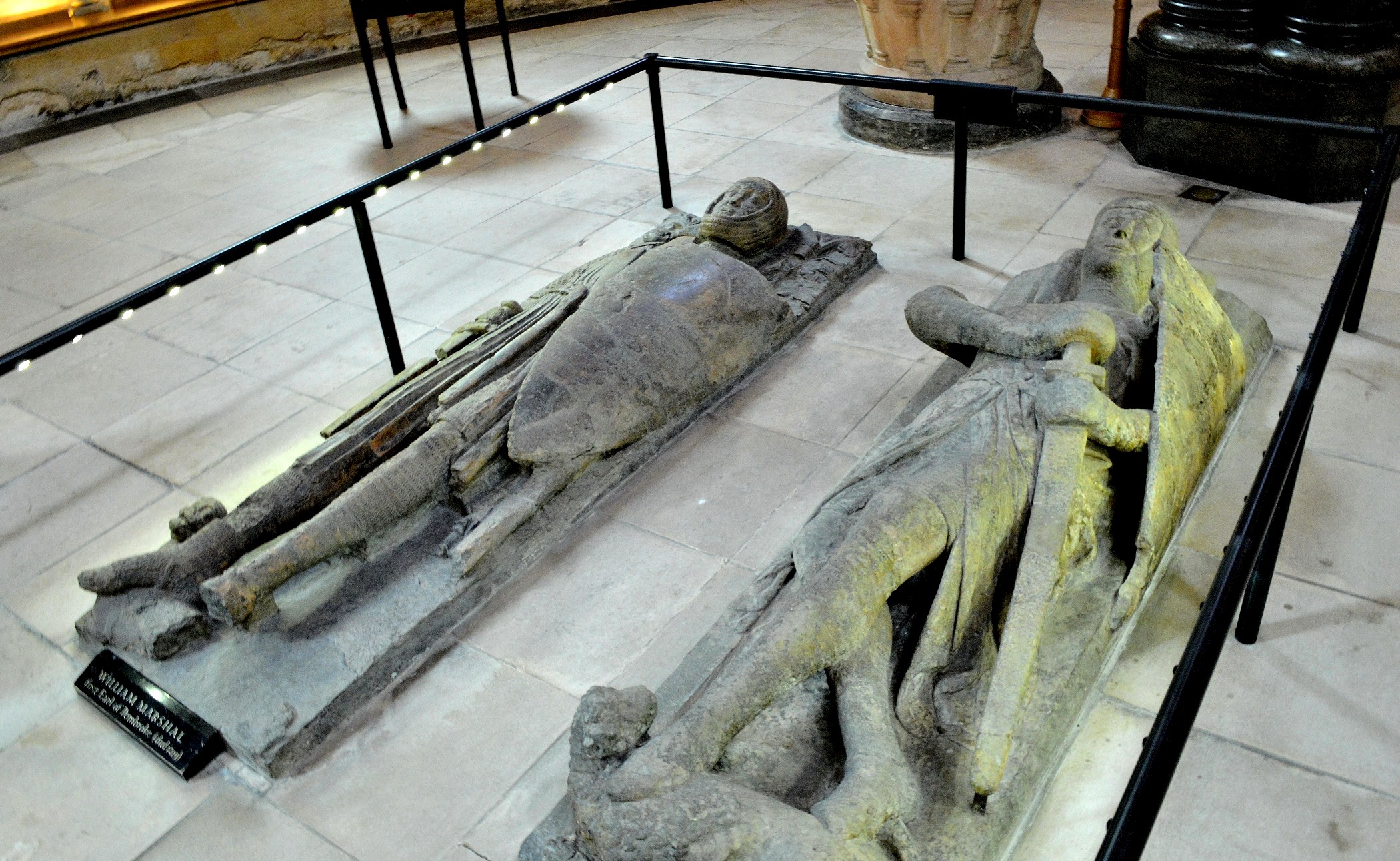
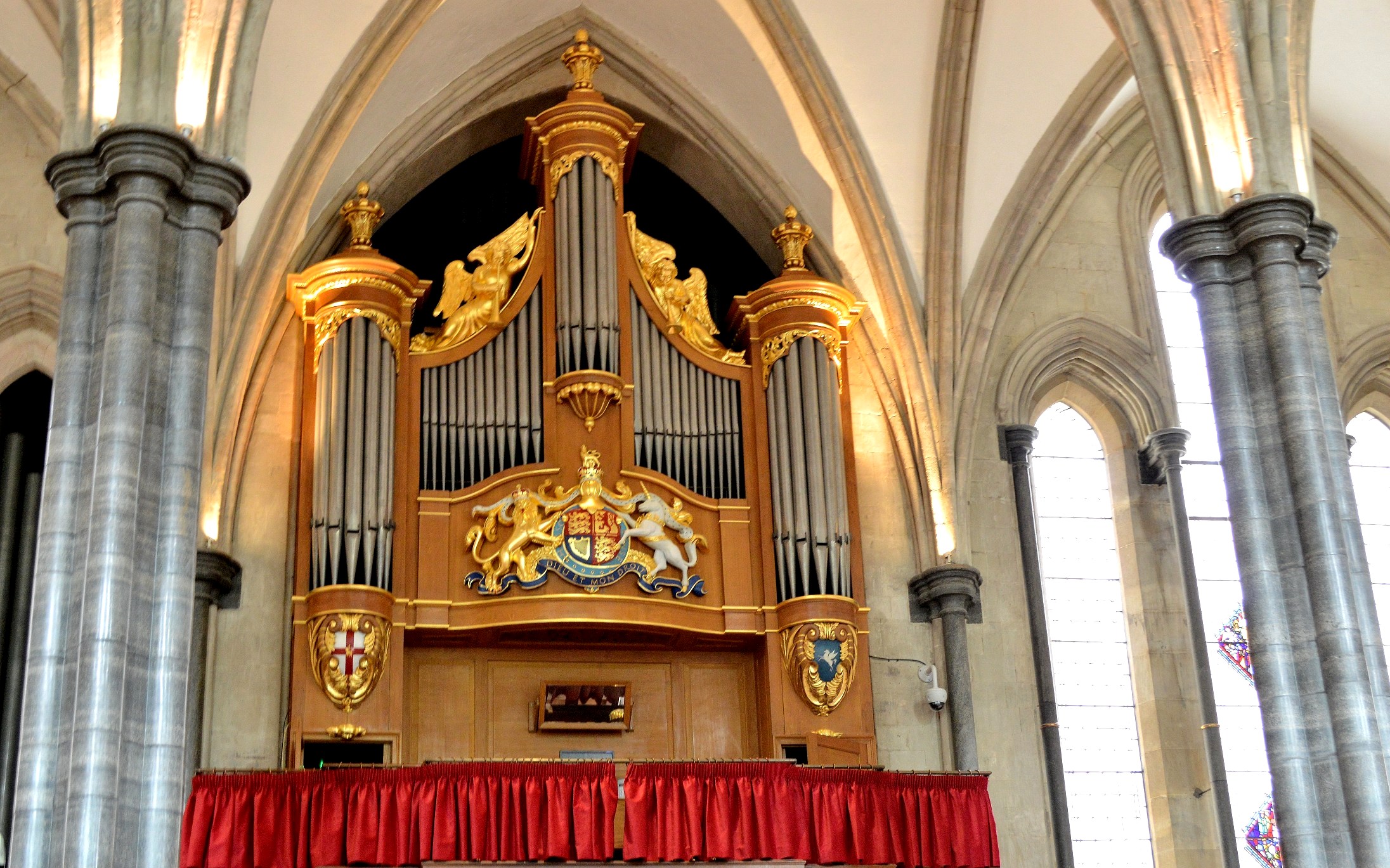
The Temple Church
 16 pics – The Temple Church dates from 1185 and can be found amidst the Temple Court. More pictures of the Temple Court and how to find it here⇐.
Flowers of the Temple Court here⇐,
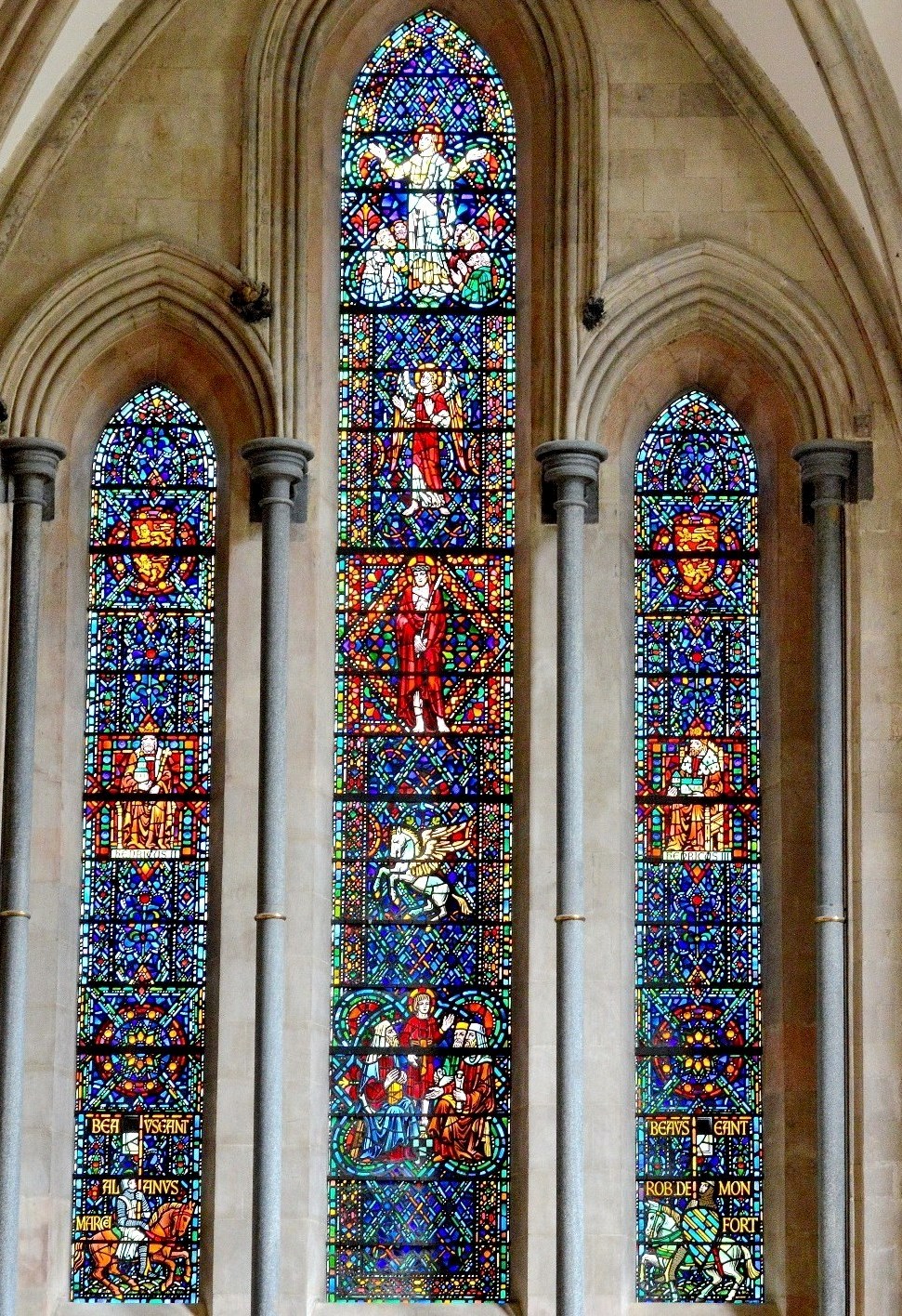
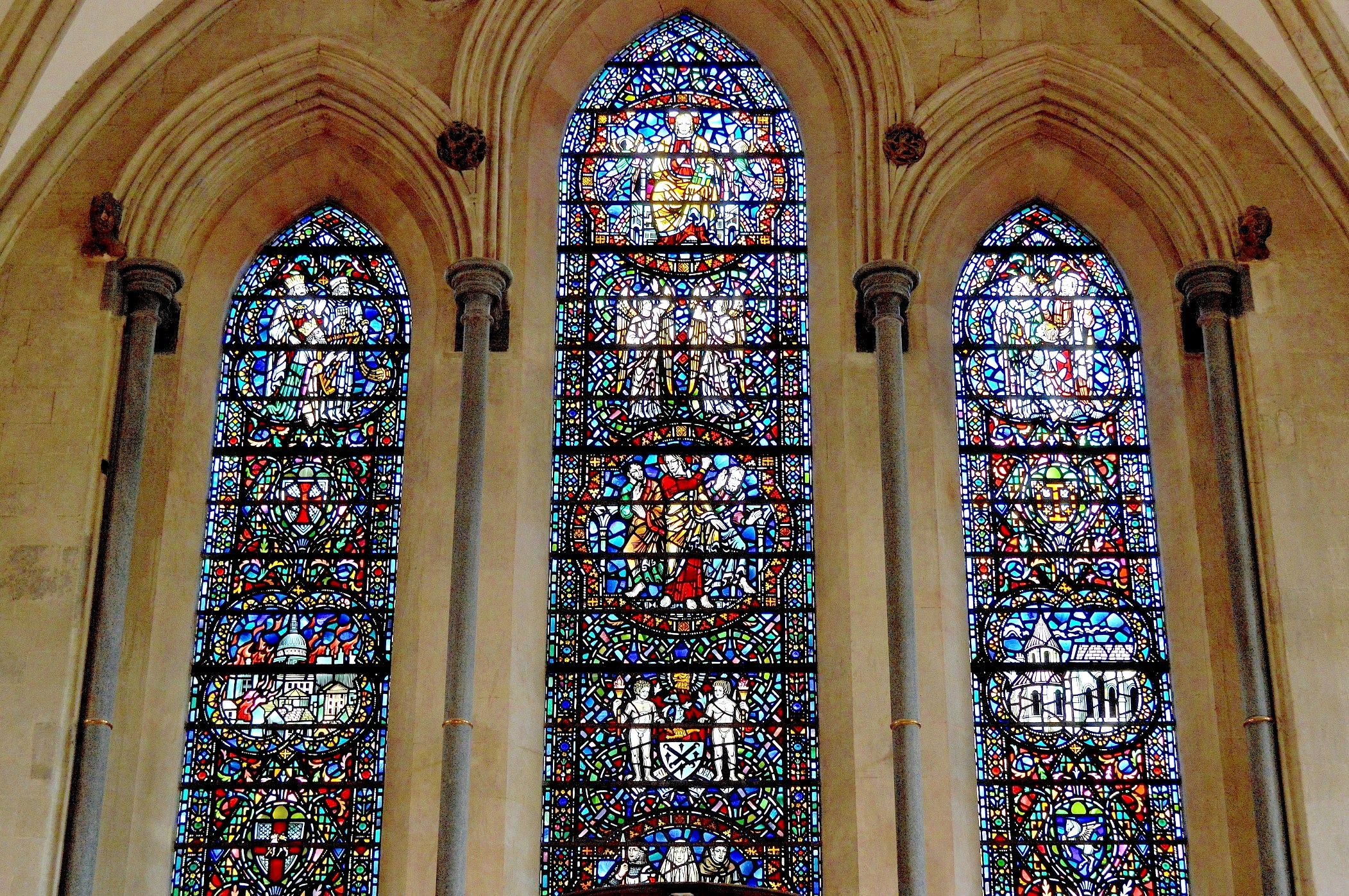
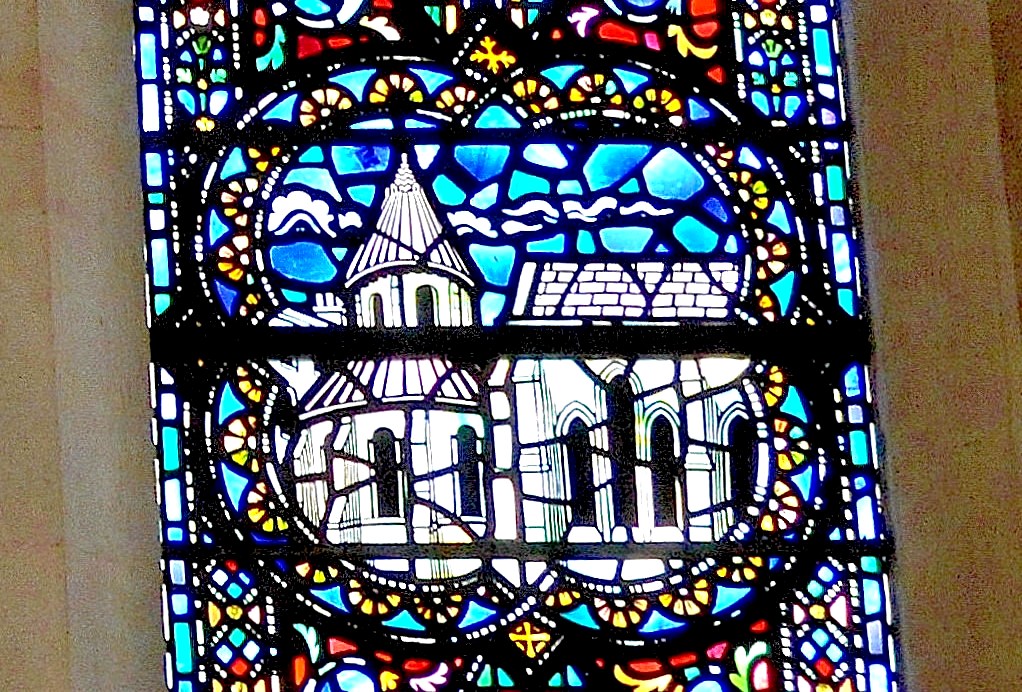
Admission to the Temple Church here⇒ (do check for admission dates/times) and its History here. It has some of the most intricate stained glass that I have ever seen and there are pictures further down.
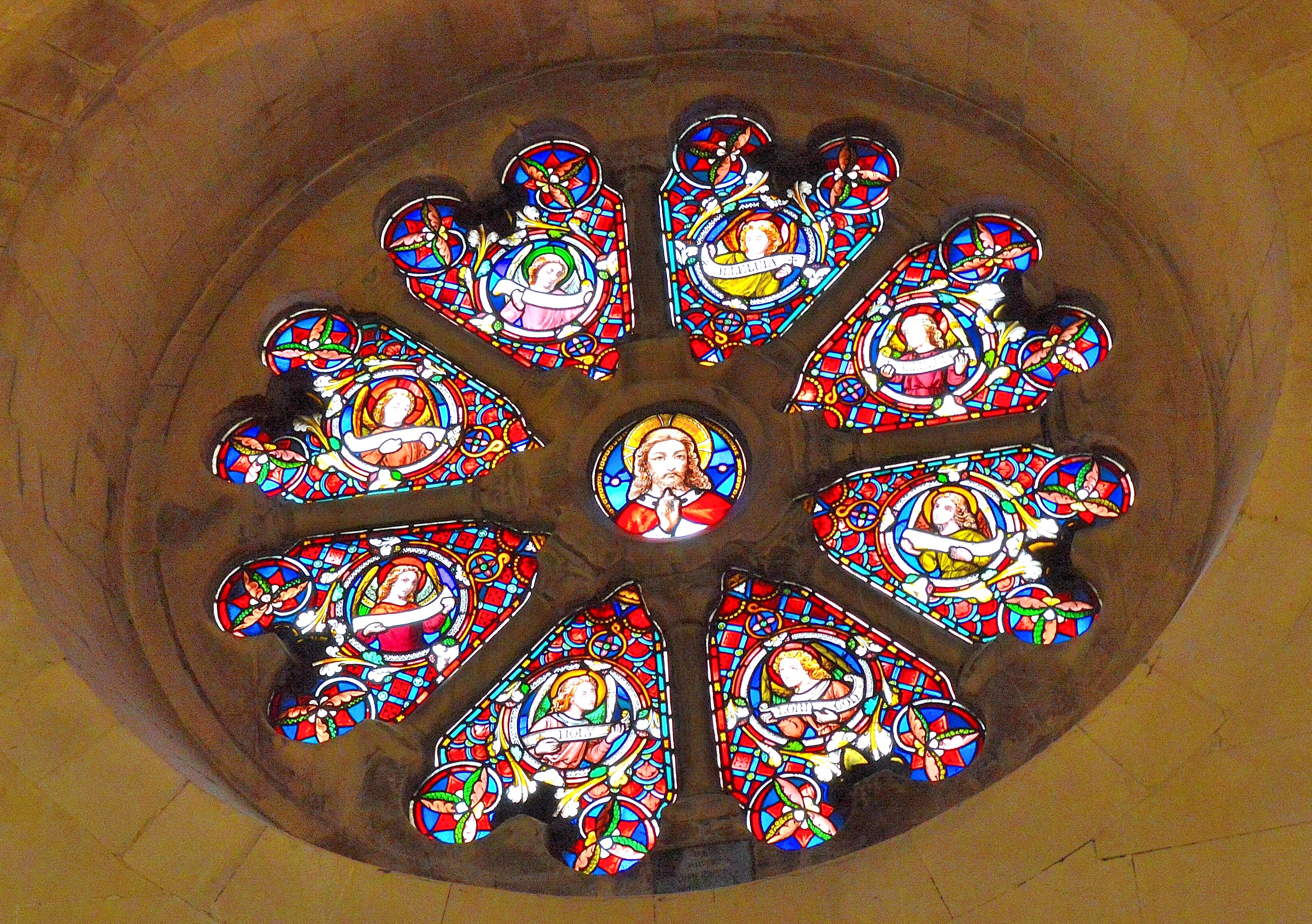
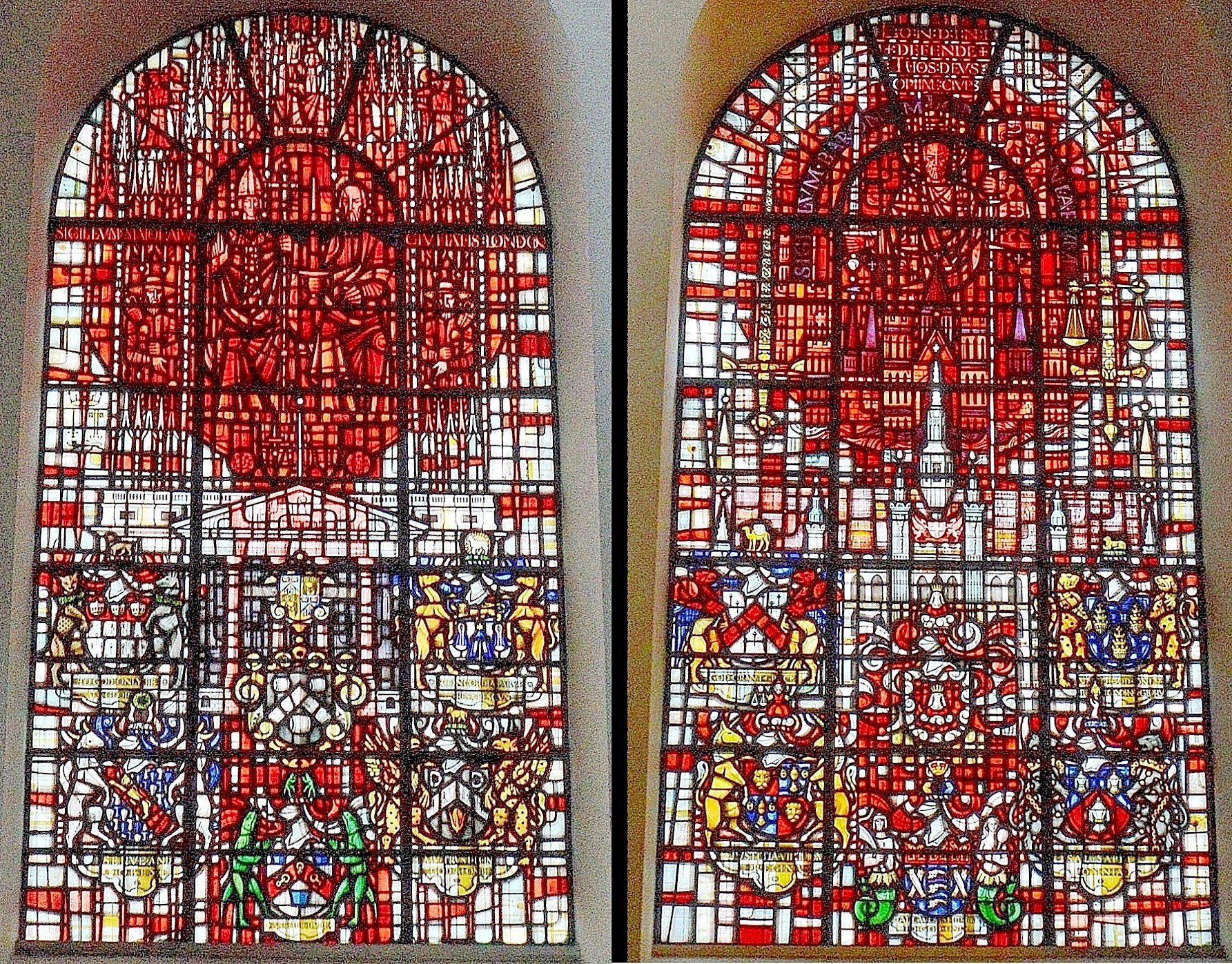
These are four separate windows.





The Temple Court
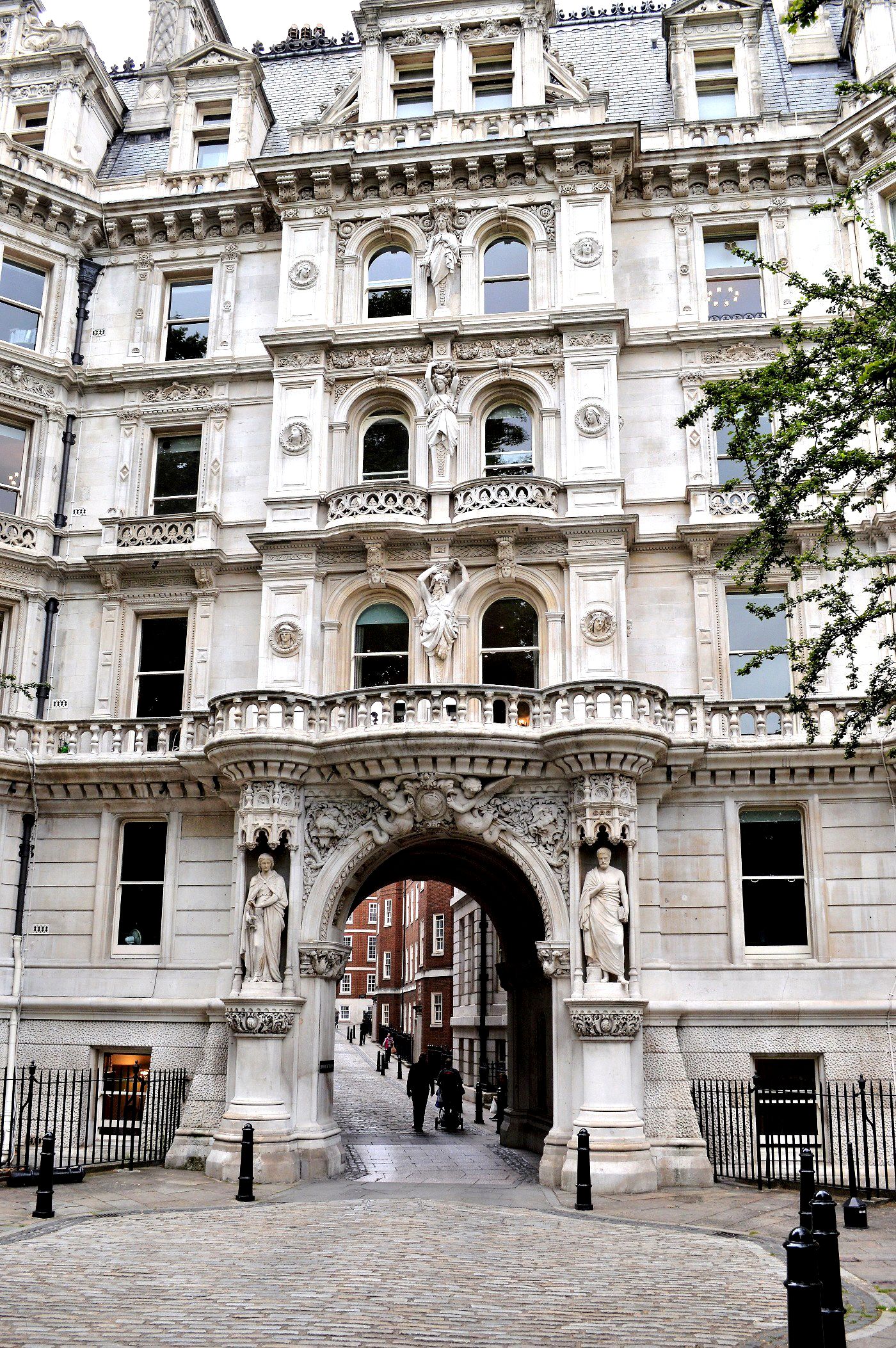 9 pics – The Temple Court was established in the twelfth century by the famous Nights Templar. Later given to the Nights Hospitaller, it has changed hands frequently but mostly provided chambers for barristers throughout the centuries. It is still one of the centers of English law.
Many of buildings were damaged during WWII and rebuilt. More of its history here⇒.
The Temple Court is haven of peace hidden away amongst the bustle of London. The nearest underground railway station is the Temple. On leaving the station turn left and proceed until you see this portico on our left.
Within the court there are many delightful small gardens and the Temple Church. More flowers here ⇒ and pictures from within the Temple Church here ⇒.
Within the court ⇓.




The Tower of London

The view from Tower Hill (just outside Tower Hill underground station). Click here for more about the Tower History, Events Tours and Admission and here for the White Tower Interiors (Armour and Weapons) and here for nearby All Hallows Church (the oldest in London). Visitors can photograph most places except for the Jewel House (home of the famous Crown Jewels). There will be queues for exhibits such as the Jewel House and it is better to arrive early.


Tower Bridge and the Tower itself. The bridge was originally raised by steam powered hydraulic engines but in recent times by an electrically powered hydraulic system . Visit inside the bridge here ⇒.
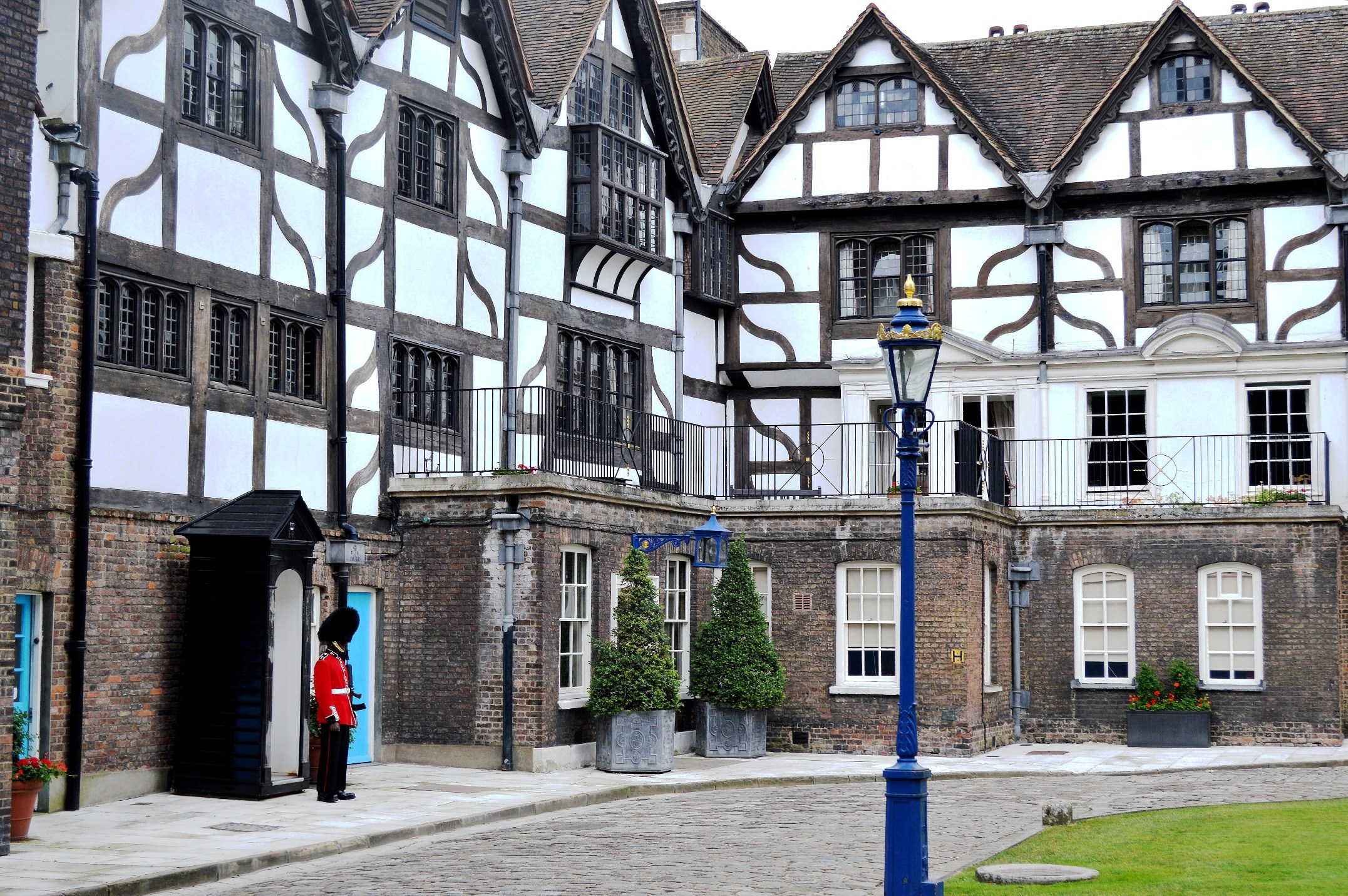
There is always one of these standing guard.
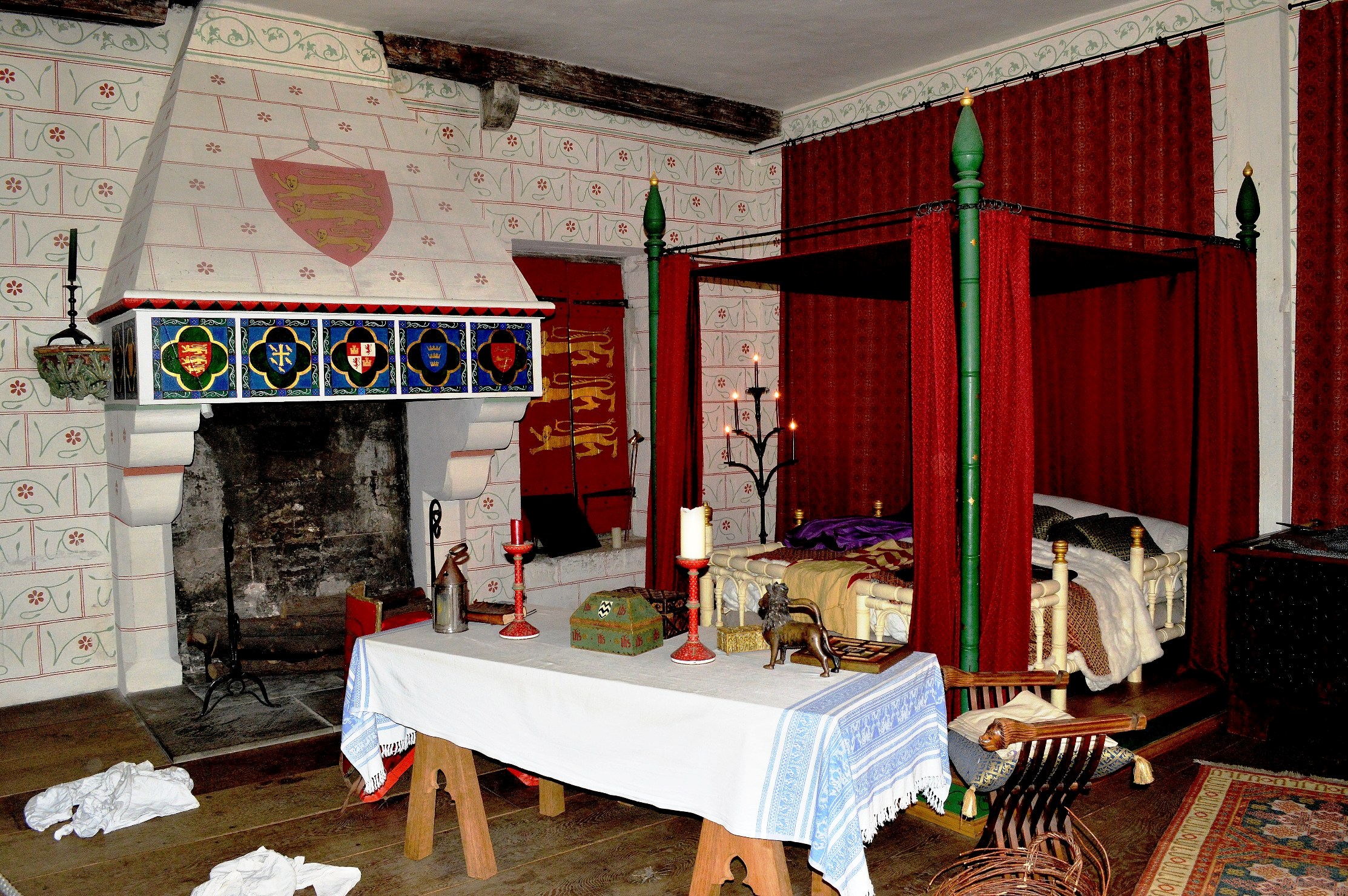

The tower once had a menagerie.


Those accused of treason would be transported to the tower by river and entered via traitors gate and might then go to the Bloody Tower. Below the tower is the remnants of a torture chamber. Visitors were queuing up.


There are a number of tour guides, all happy to be photographed.

The cage holds some of the tower’s ravens. They are not all let free at the same time. The legend is that England will fall if the ravens ever left the tower. They are very well cared for and locked up at night. They also think they own the place.


The guards are not allowed to interact with anybody but you can stand beside one and have your photograph taken. Should anybody get too familiar, or just because the guard feels like it, he will let out a blood curdling scream and present the pointy end of his rifle. Then there is vigorous marching up and down. It has the desired effect.

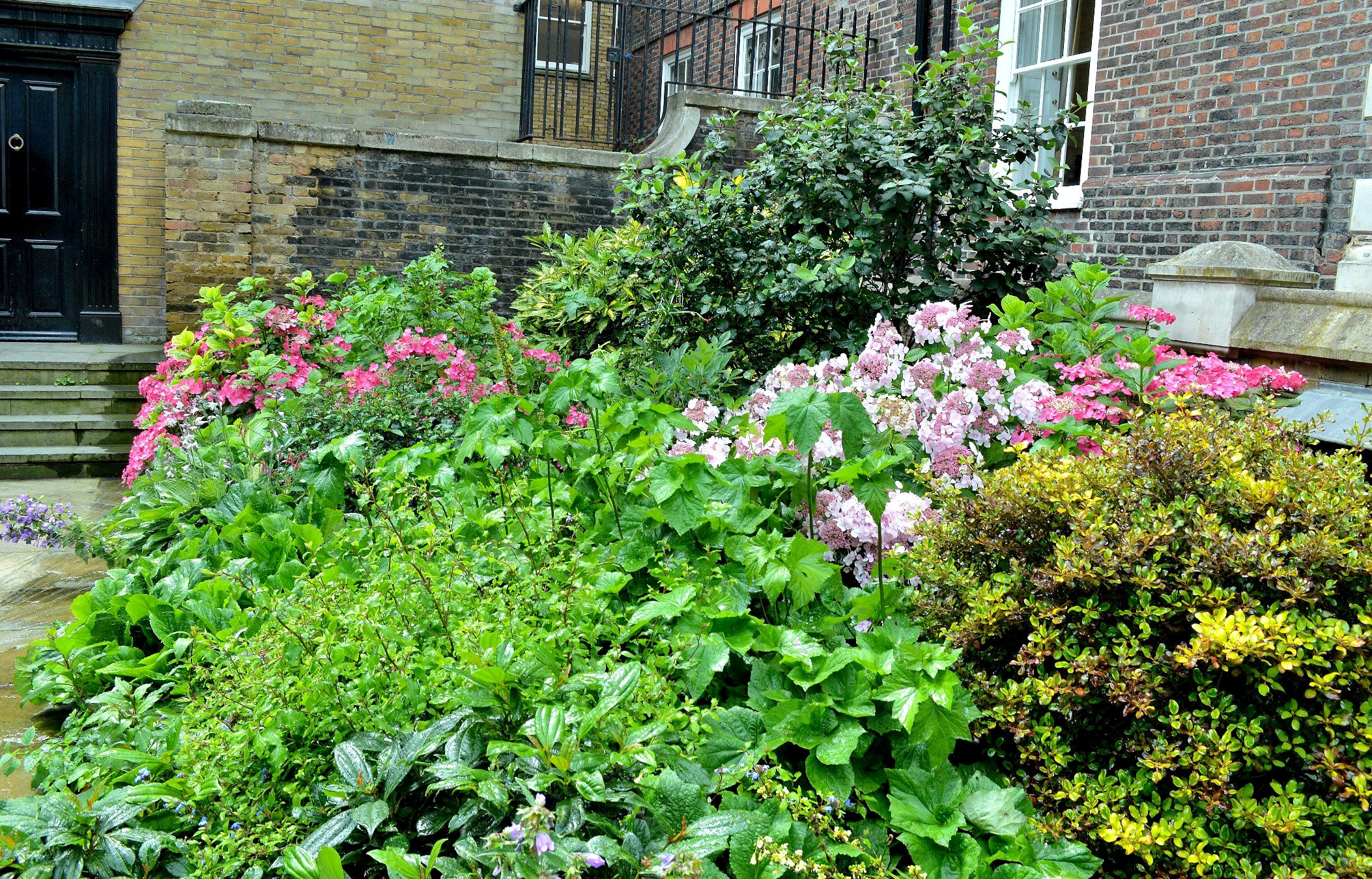
Flowers at Temple Court
18 pics – To brighten up the winter gloom, a few flowers from the Temple Court gardens, London.
In southern England the kink in the old jet stream has been weaving about all over the place and forecasters have been having a hard time. The other day, thinking it was going to be wet, I took to wearing Wellington boots. The locals were so surprised. It was my own fault, I should have put some cloths on.
The Temple Court Flowers
A big hats off the Temple Court gardeners. There are many flower beds dotted around the place, a very nice little enclosed garden and a beautiful rose garden. They are all in pristine condition and somehow a considerable diversity thrives happily alongside one another.
There will be more from the Temple Court later, in the meantime, here are the flowers photographed in early July of 2014.

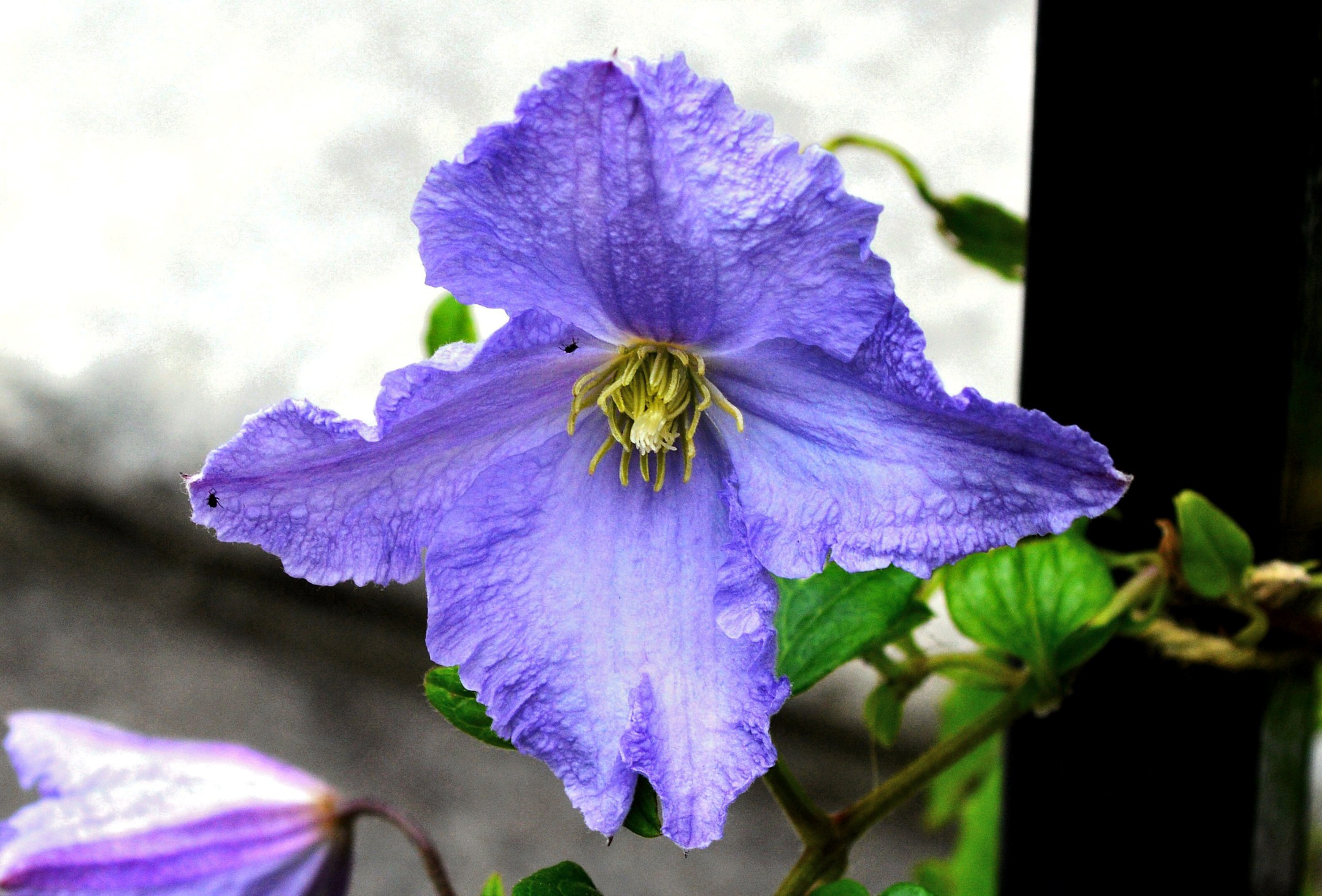
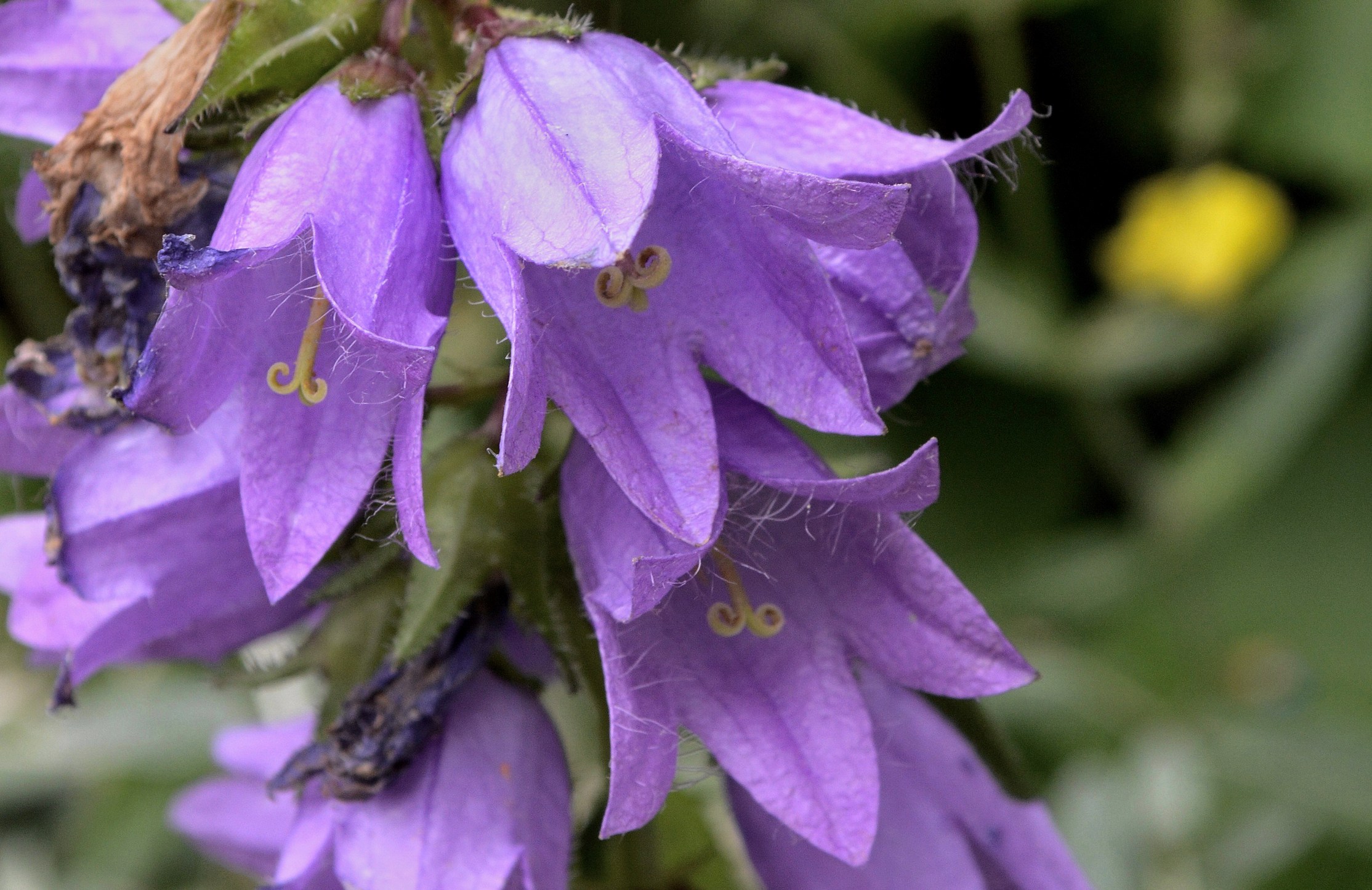


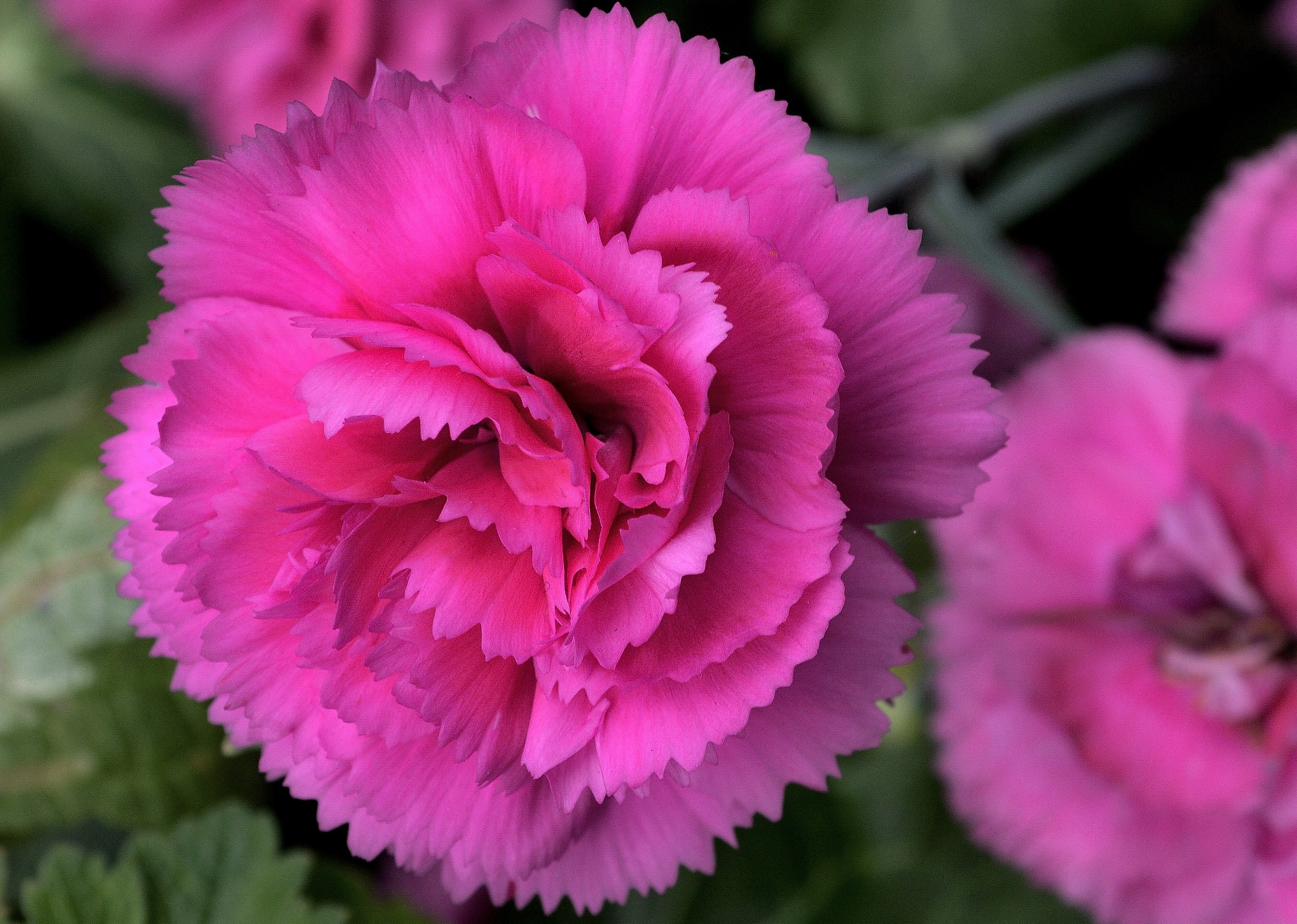
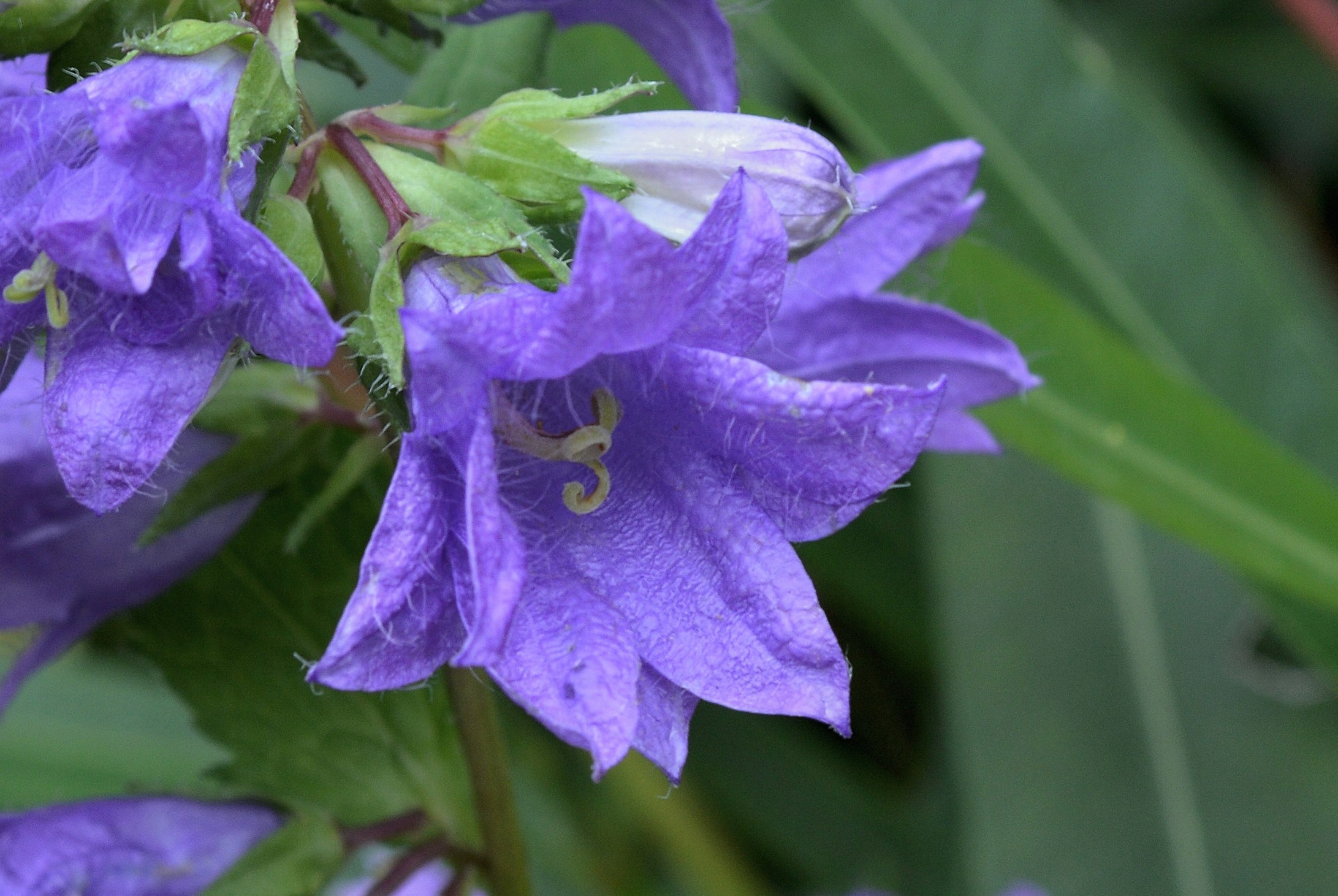
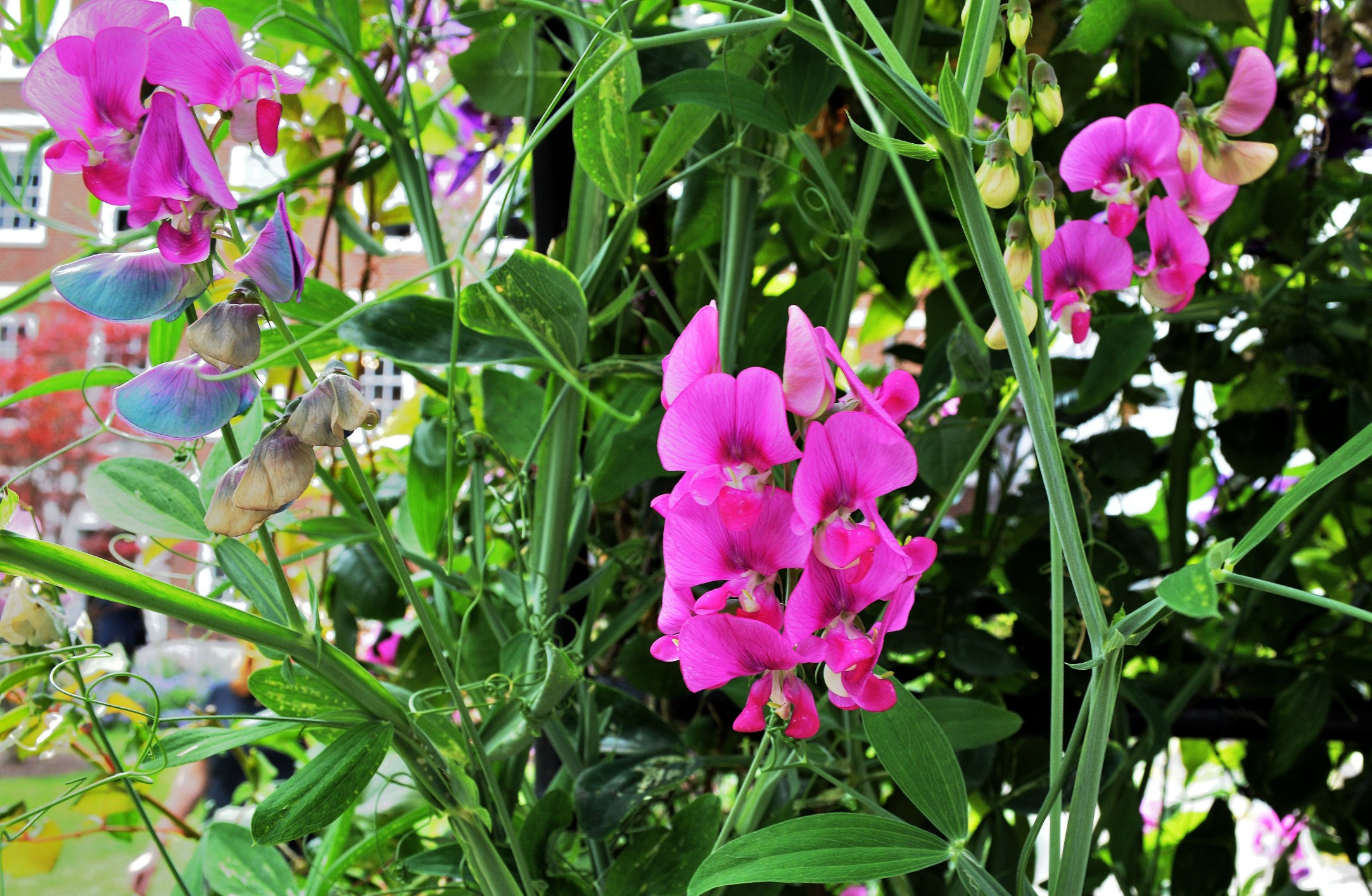
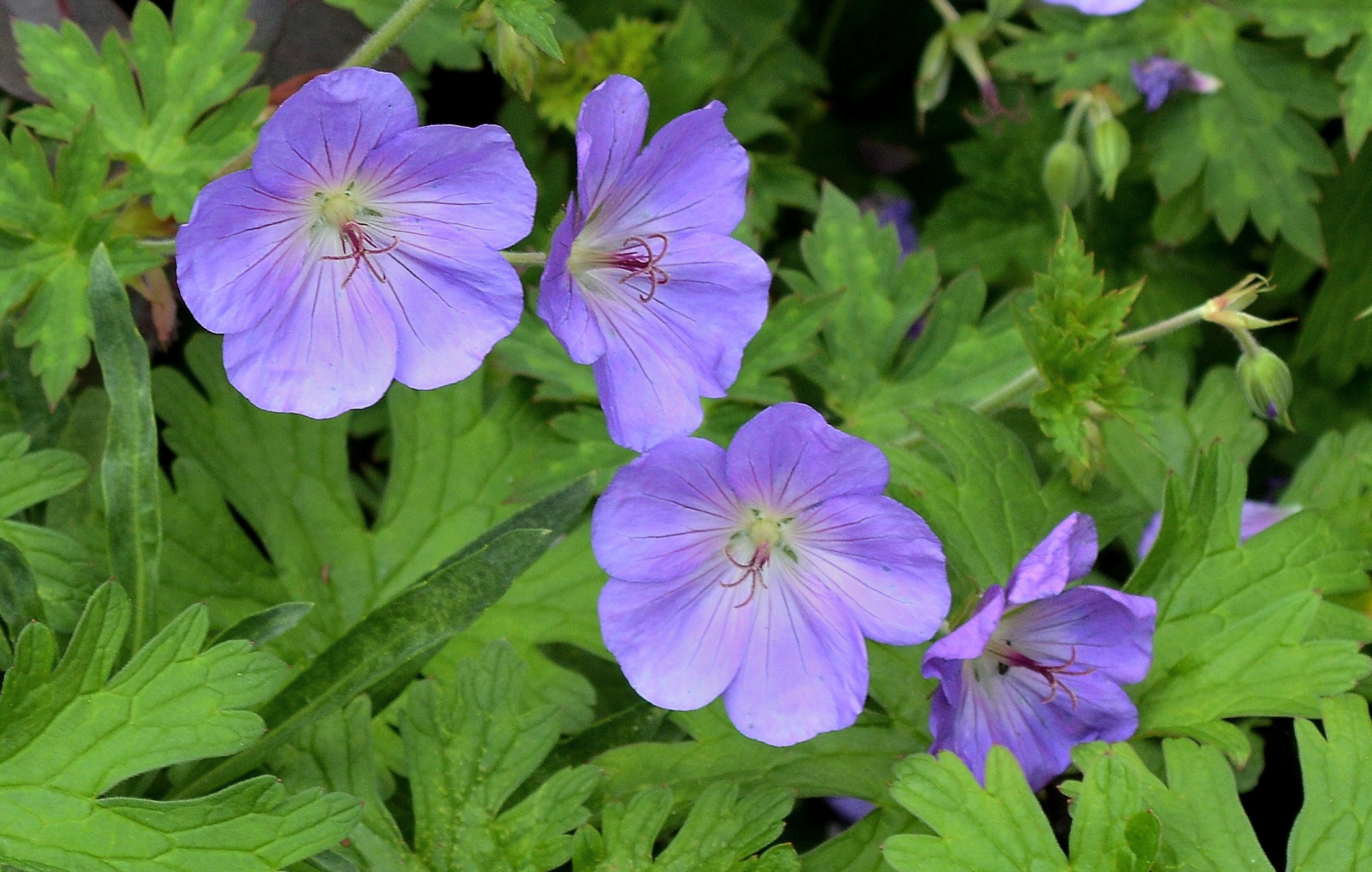
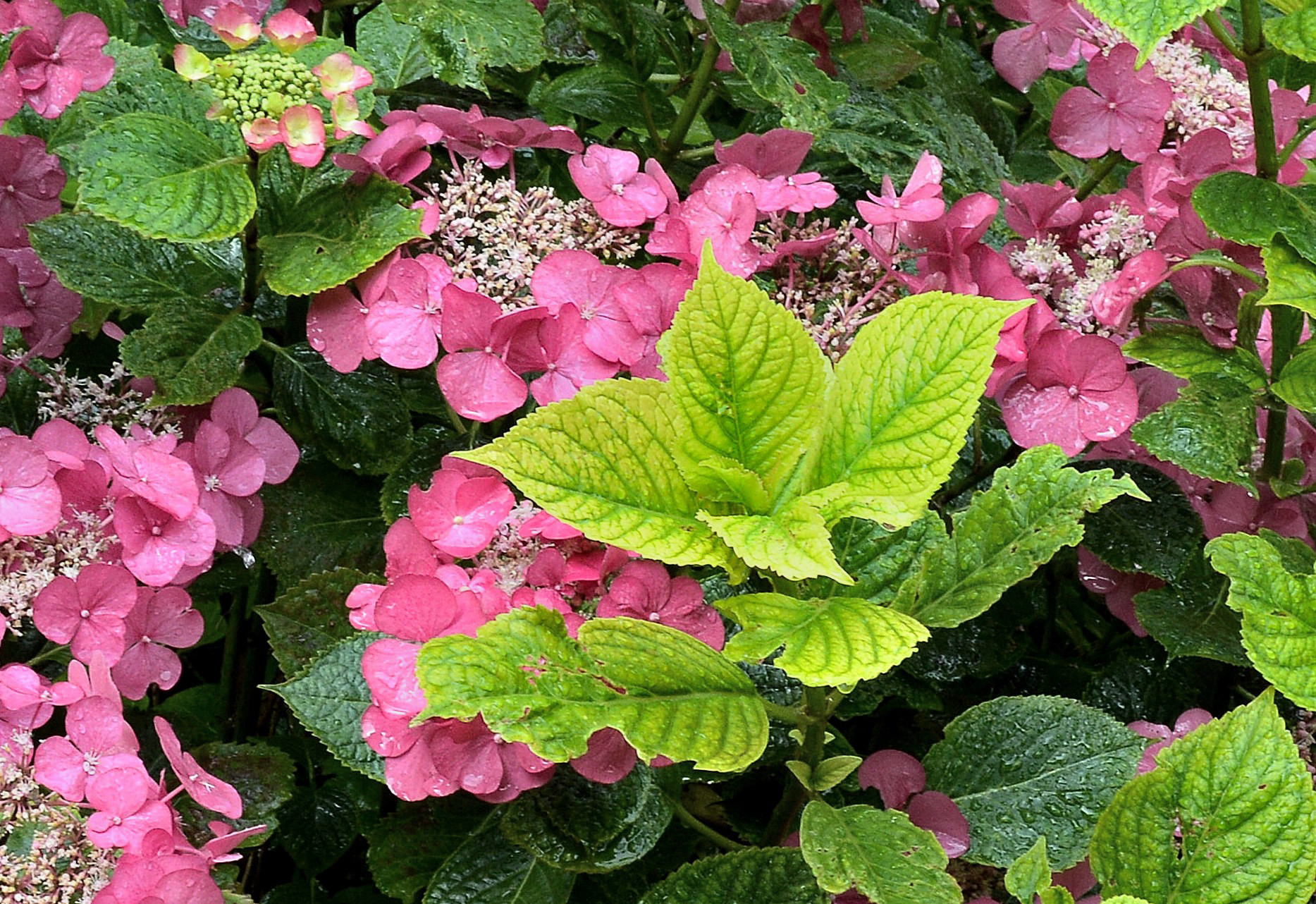
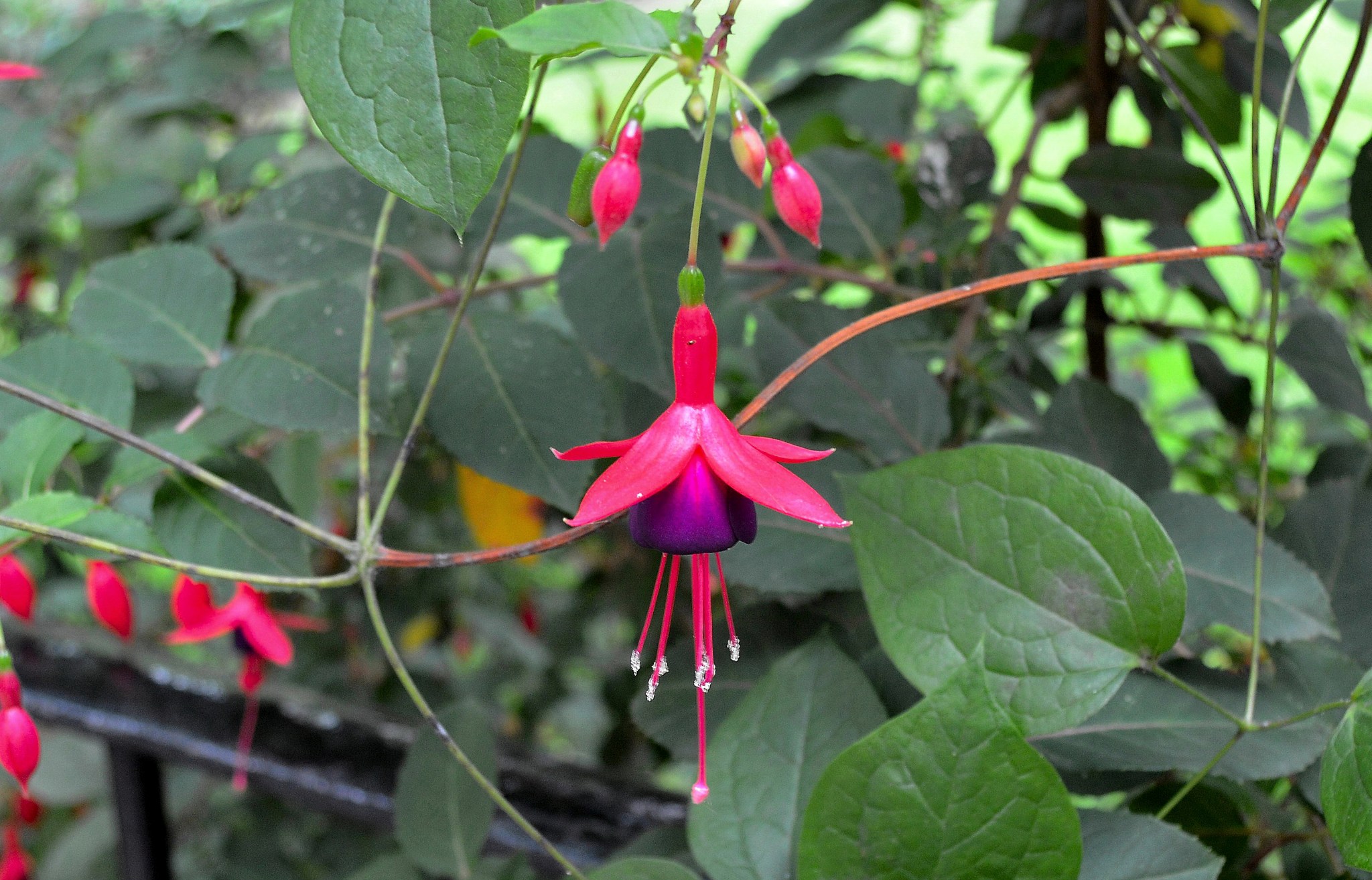


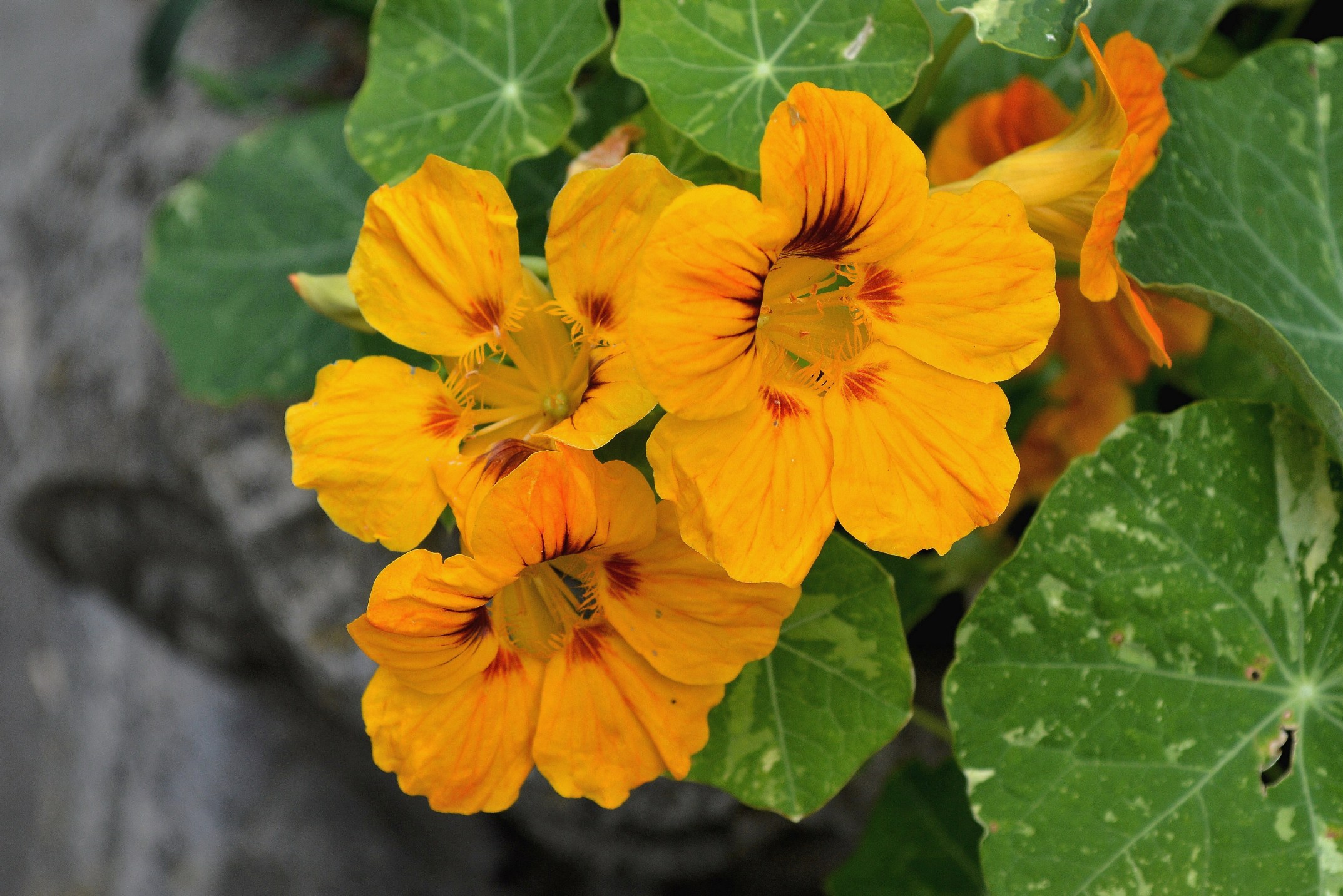
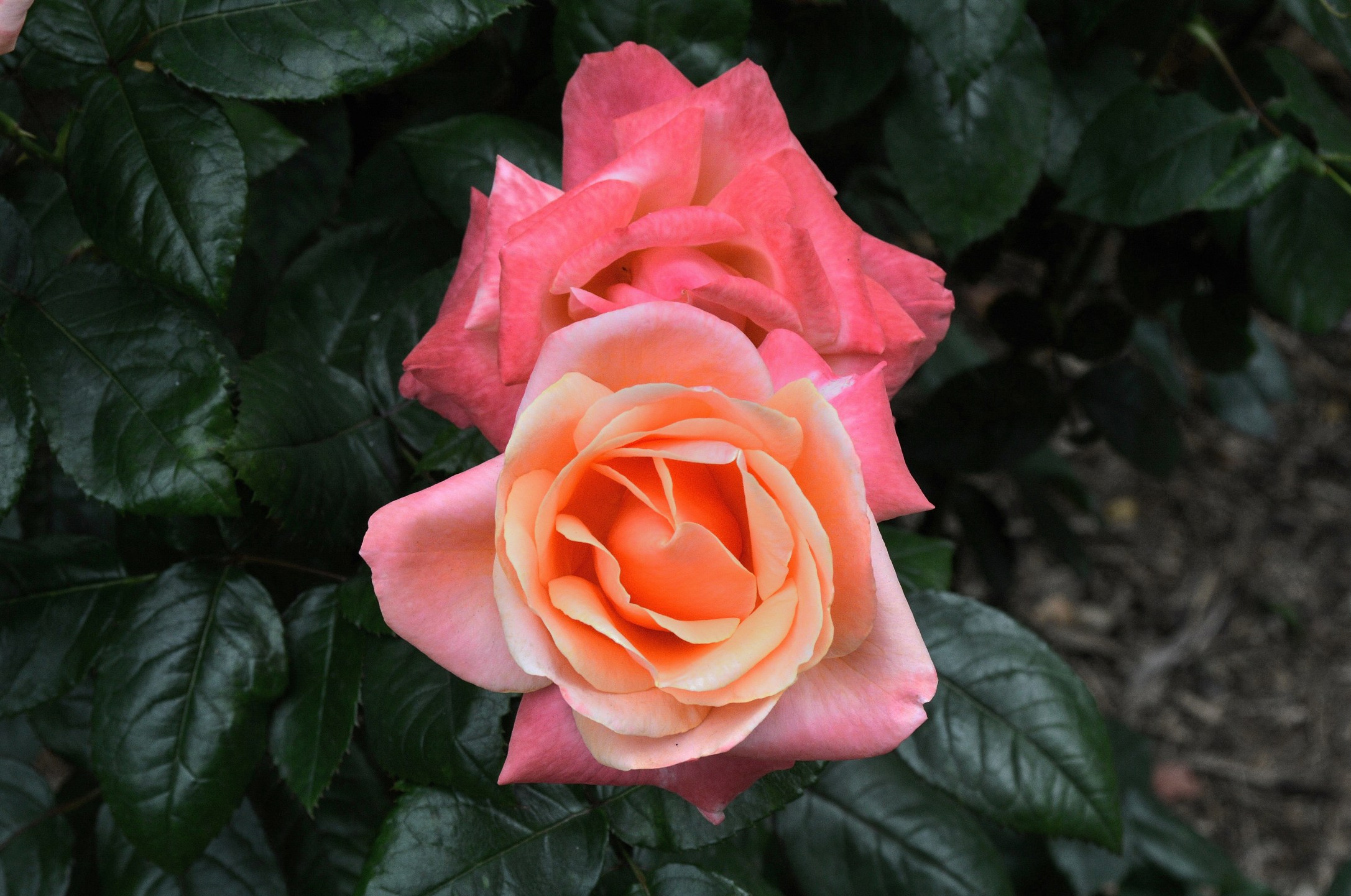
The plant (?), in the first picture, ate a corporate banker. I don’t want to say what the second did to a stockbroker. 🙂
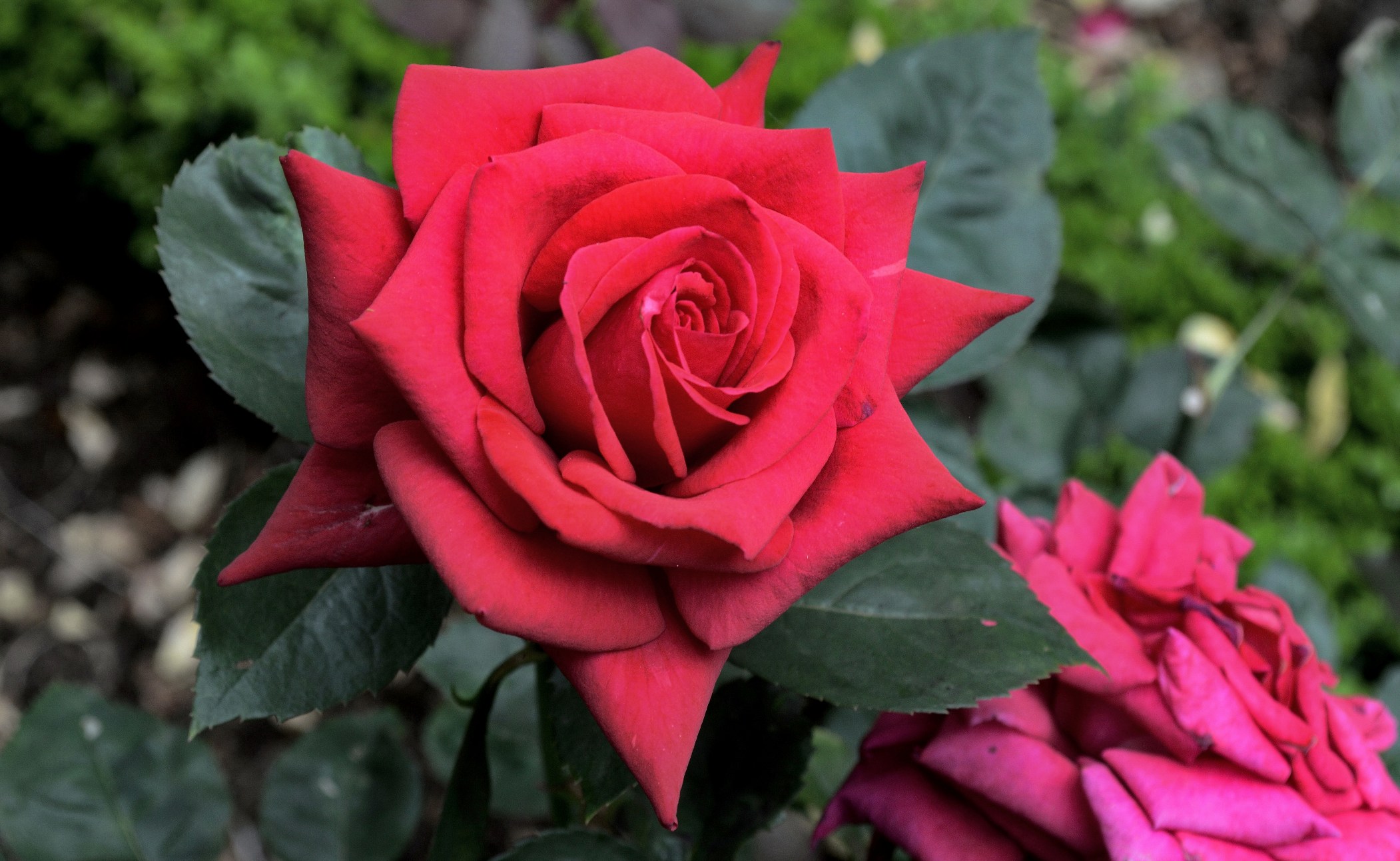
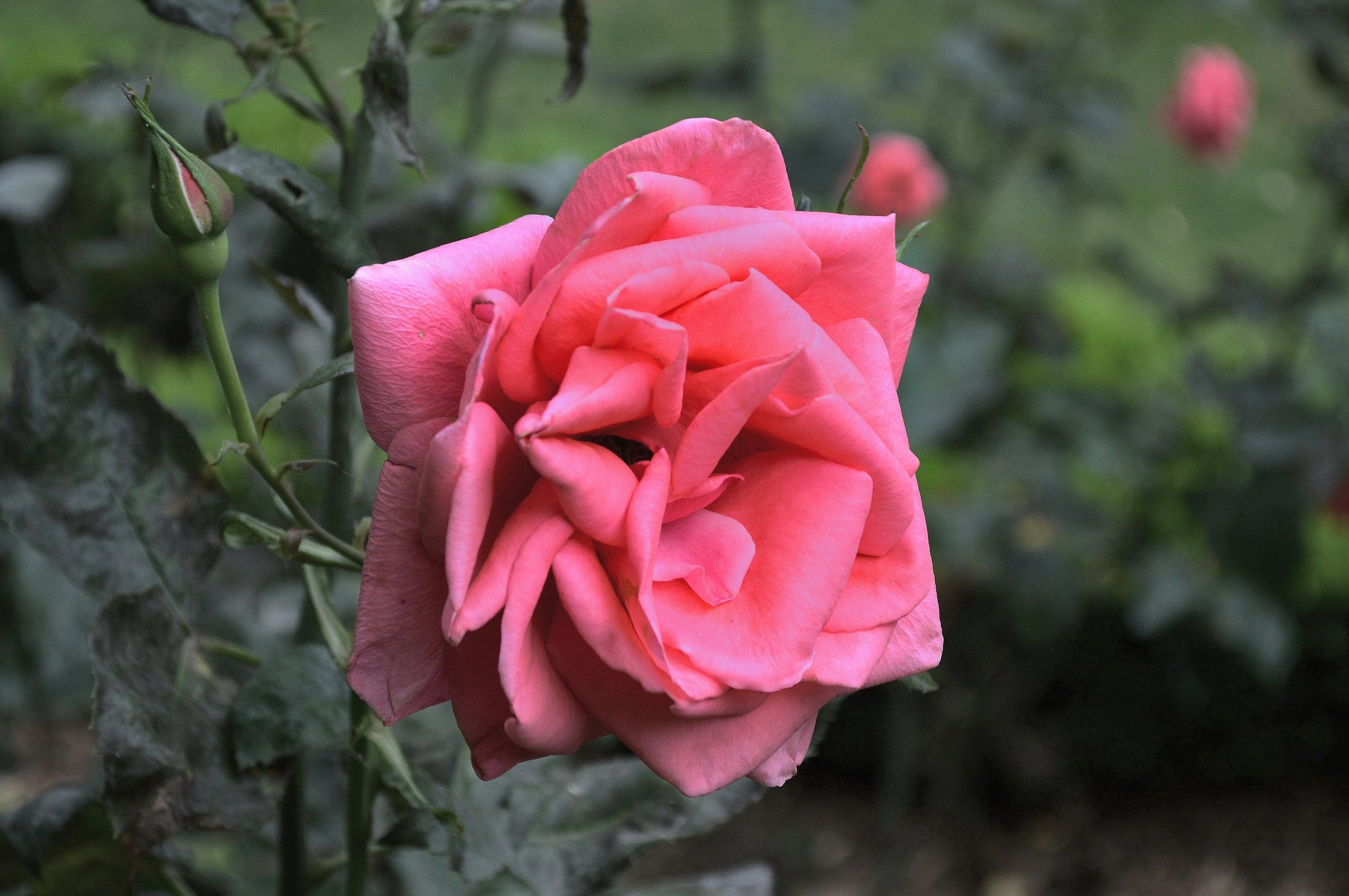
This last one is from a small garden adjacent to the Temple Court.
I’ve been saving, what I believe to be, the best flowers until mid February and there will be more about the Temple Court and the Tower of London soon.
The Tower of London – White Tower
Inside the White Tower
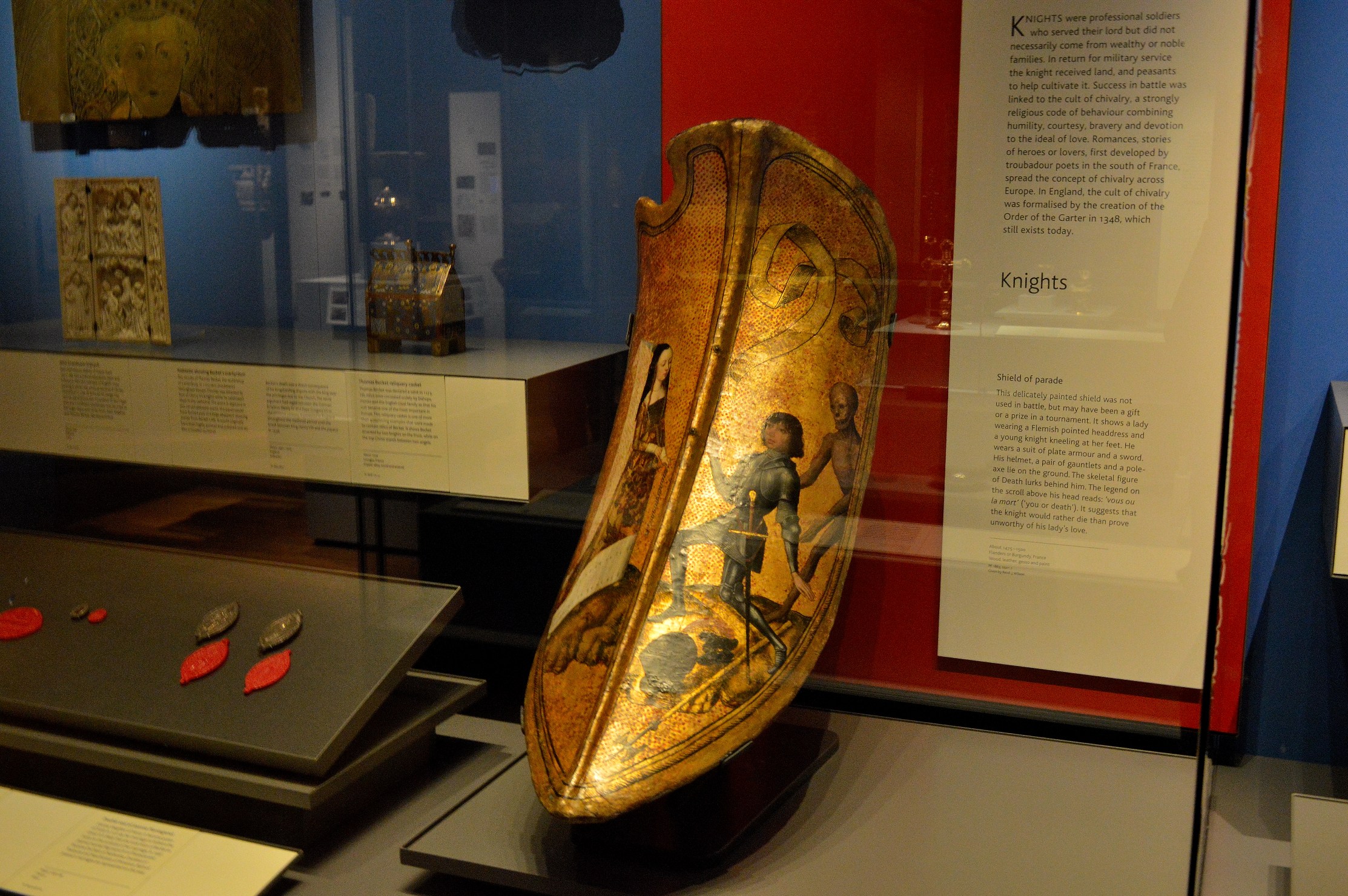
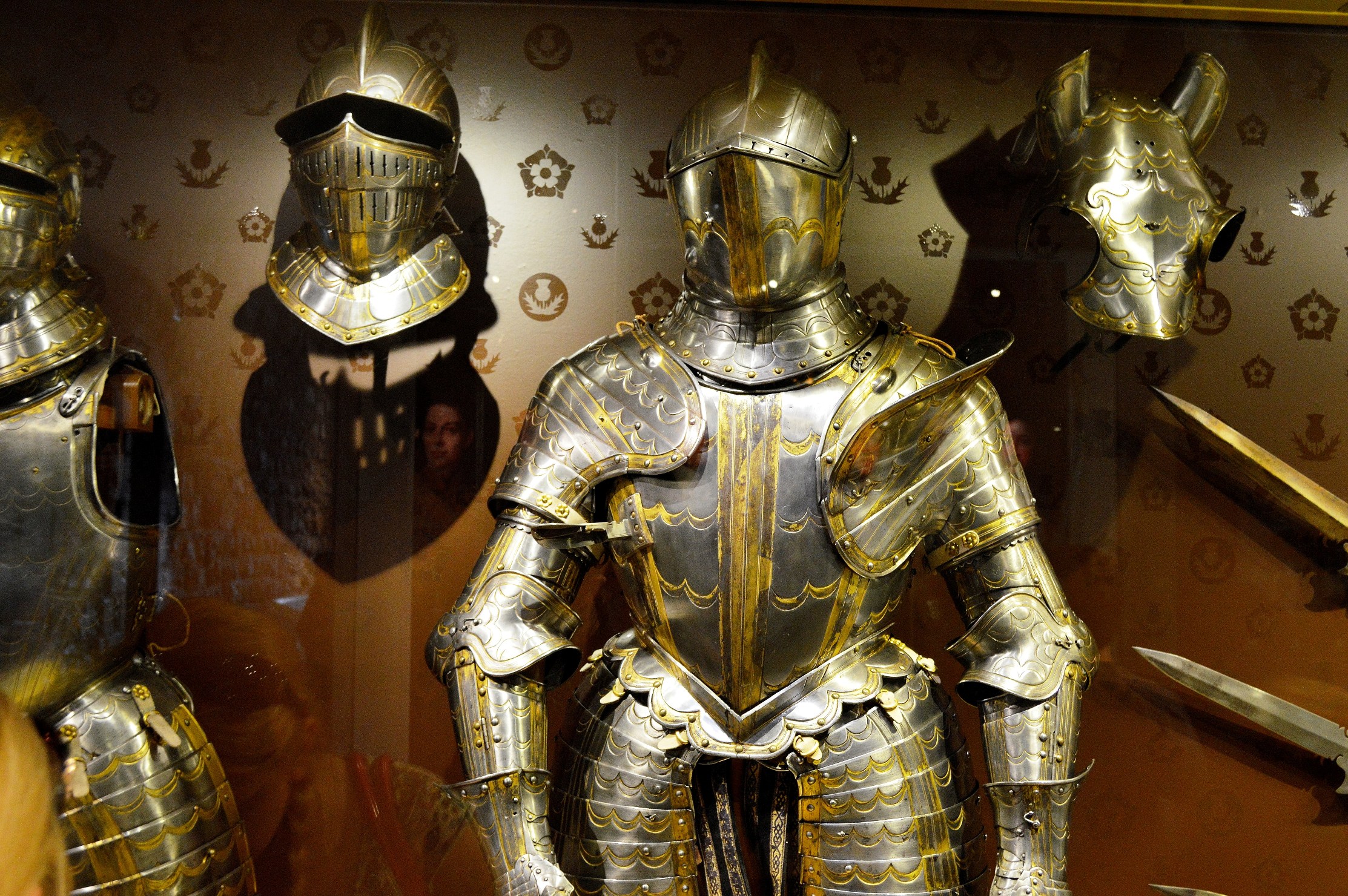
The White Tower contains mainly suits of armour and weaponry. In the days of sophisticated construction, a suit of armour could cost as much as a house and was often more of a status symbol than for military purpose. Nevertheless, when in use, a knight and horse in full armour at the gallop would be terrifying and the equivalent of a modern-day tank.




Flowers at Queen Mary’s Gardens
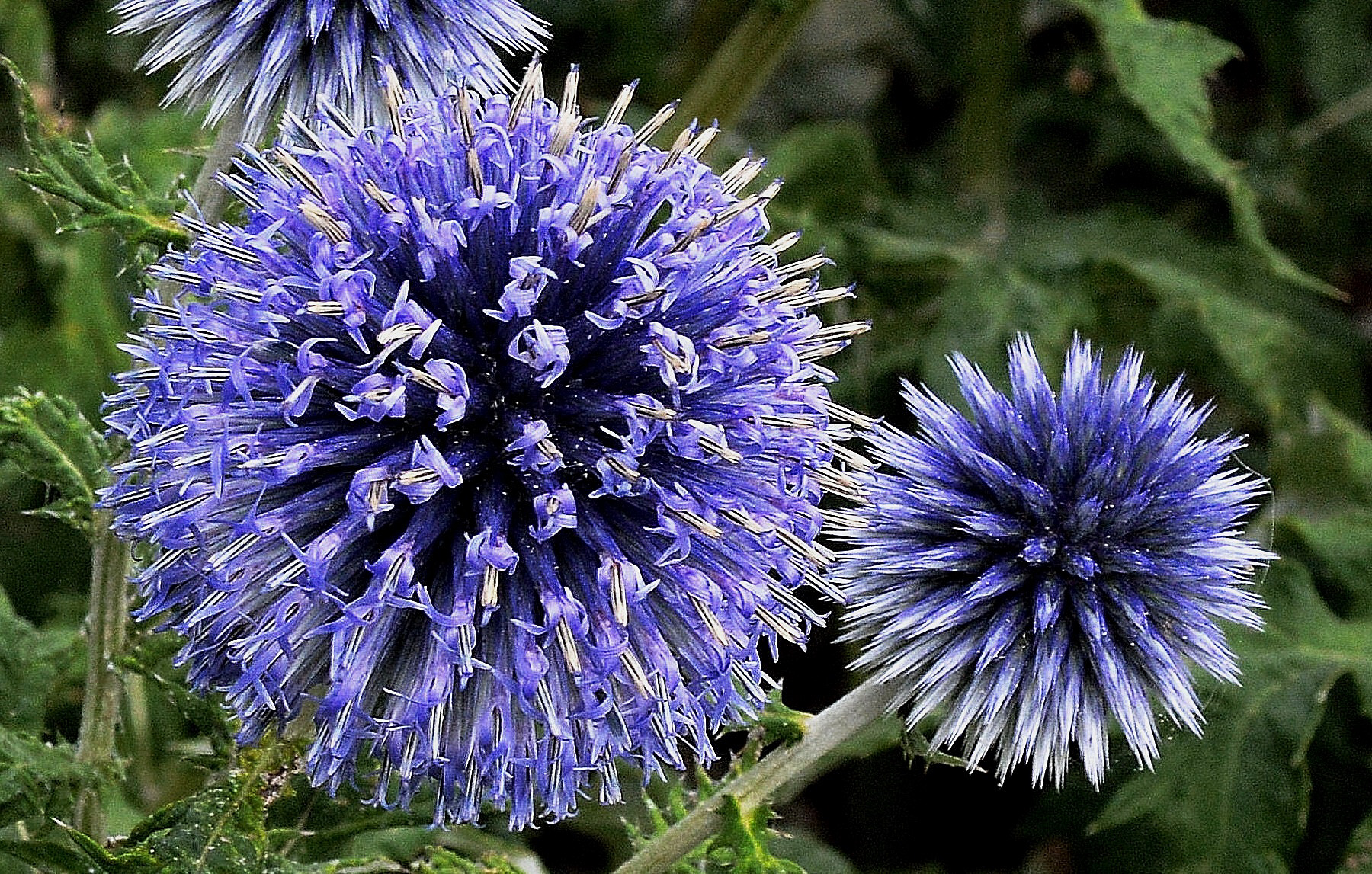
Queen Mary’s Gardens can be found at the eastern end of Regents Park, London. It is a world-famous horticultural site with a great variety of plants including 12,000 roses and 9,000 begonias. There will be more views later. In the meantime, a little colour photographed in July, to brighten up the day.



The Great Nut Heist
At the Eastern End of St James’s Park
This time I took some food. I put down the carrier bag to take out my camera and ~
“Right, I’ll do the old squirrel up the leg routine”.
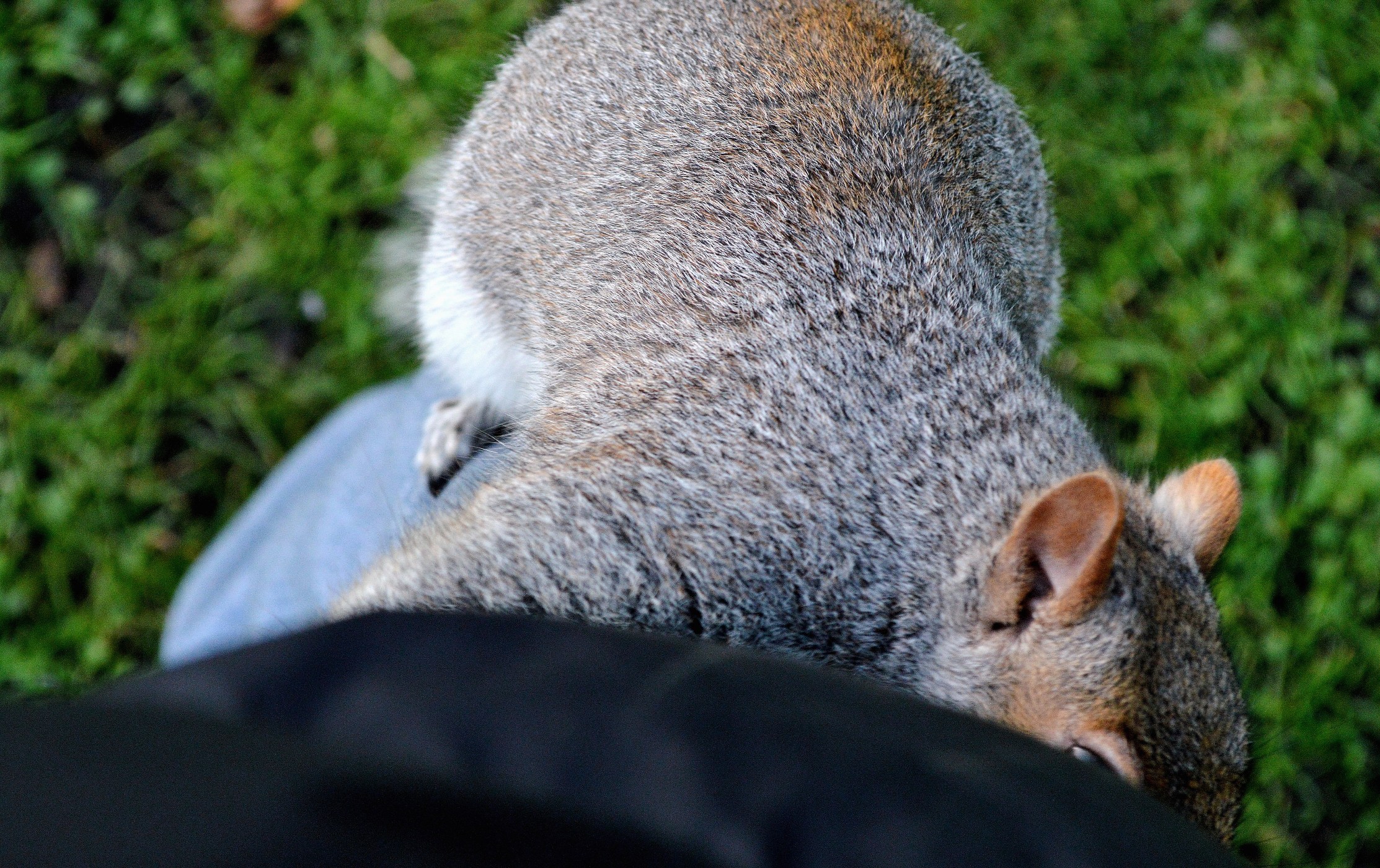
“You do the blag”


“I’ll do the snatch. I’m so cute the rozzers will never suspect”

“Oh my, Oh my, Oh my. I’m rich I tell you, rich”

“Well now that’s all sorted out, a nice little sit down on this handy leggy thing”
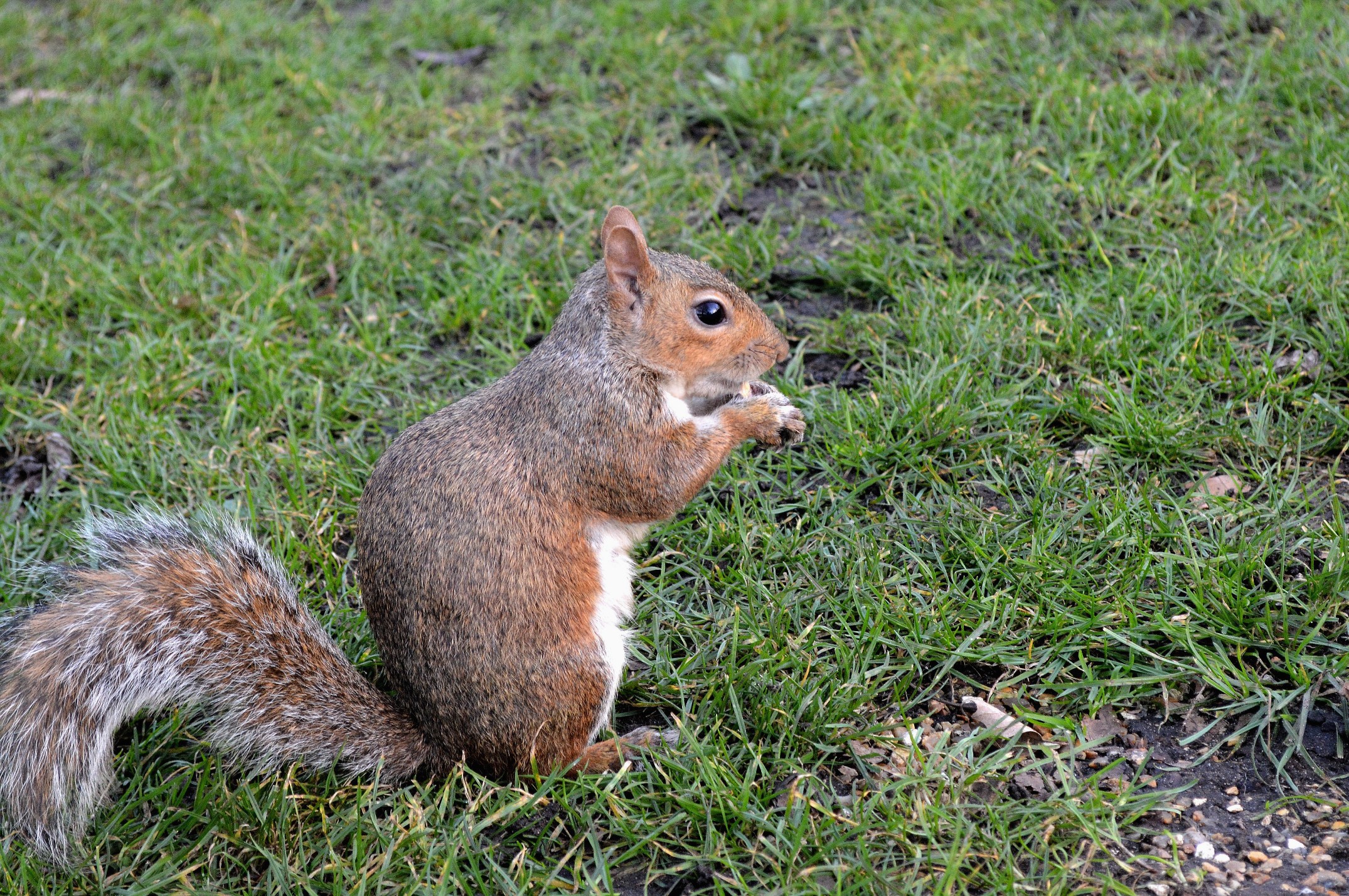
“Cor blimey governor, it ain’t ‘alf a good bit of cashew this.”

“A nice piece of walnut for me. I say, any chance of liqueur”.

“Look it’s the great Squirreldini”

“Blasted squirrels. Any of us could do that if we wanted too”

“What, with these feet”

We don’t have much and life can be hard, but:-
Sittin’ in the morning sun
I’ll be sittin’ when the evening comes
Watching the ships roll in
Then I watch them roll away again, yeah
I’m sittin’ on the dock of the bay
Watchin’ the tide roll away, ooh
I’m just sittin’ on the dock of the bay
Wastin’ time
Otis Redding Listen on Youtube
There are more squirrels at Squirrels in the Park and Squirrels Up My Leg
Squirrels with Altitude
I’ve always considered myself to be quite animal friendly, and animals quite friendly to me. Nevertheless, at the south east corner of St James’s Park Lake, I was quite surprised by this.

I discovered why squirrels are so good at climbing trees. Those little claws are sharp.
When he or she looked up and realised that this tree had a face, there was a quick scamper off behind a real tree.
Then, would you ~

it.
There was another one.

At first I thought this must be the same squirrel, but a close examination of the whiskers shows a variation and there is slightly darker patch at the left shoulder. I think they must have been siblings and the little scamps were playing “Anything you can do, I can do better”.
Even the geese were surprised.

Wha’ the ~.
Still, they were only having fun in their own squirrely way. Good on them, they make me laugh and I feel quite privileged to have had squirrels up my leg.
There are more squirrels at the Great Nut Heist.

 Freed From Time