
The Wallace Collection
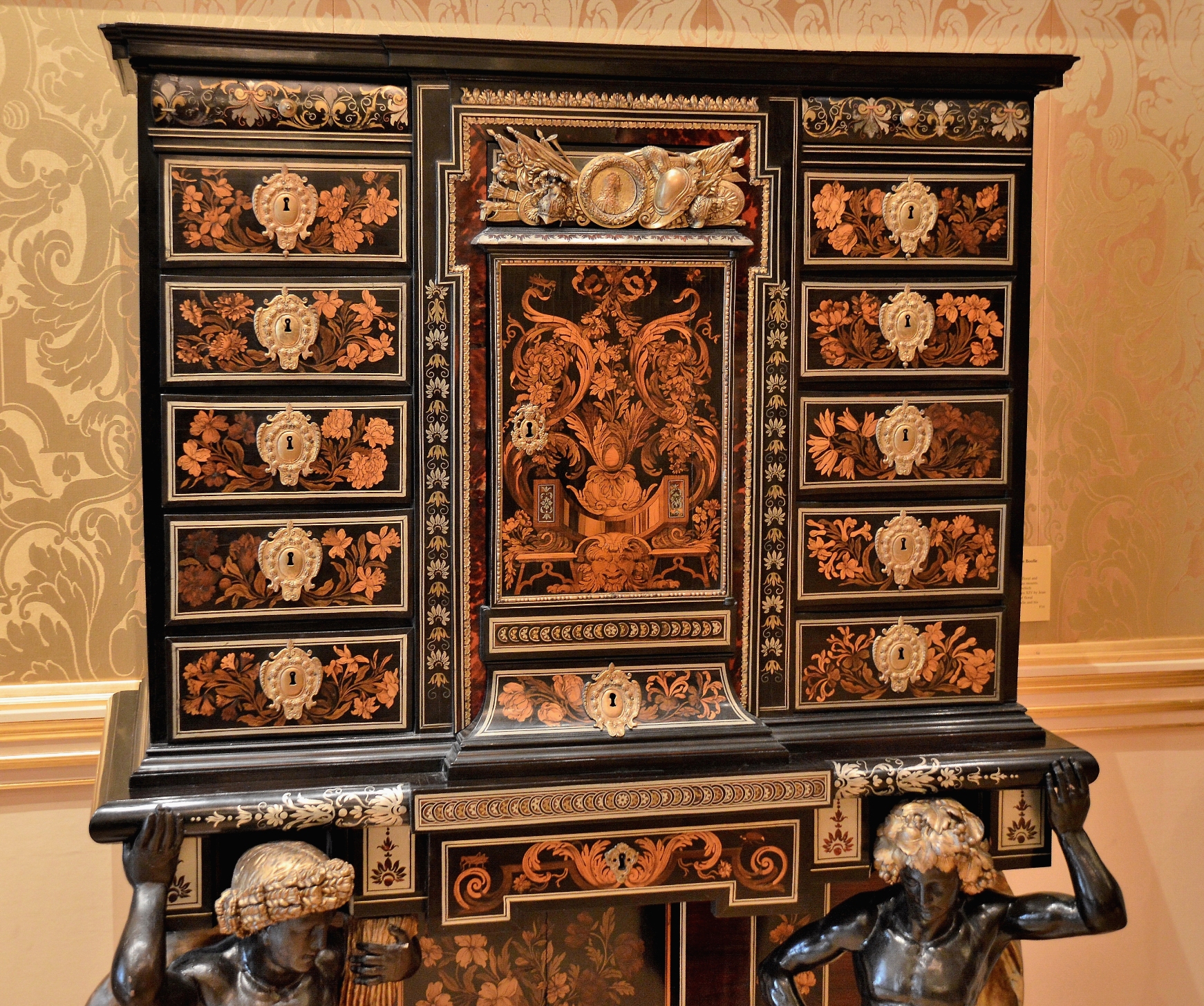
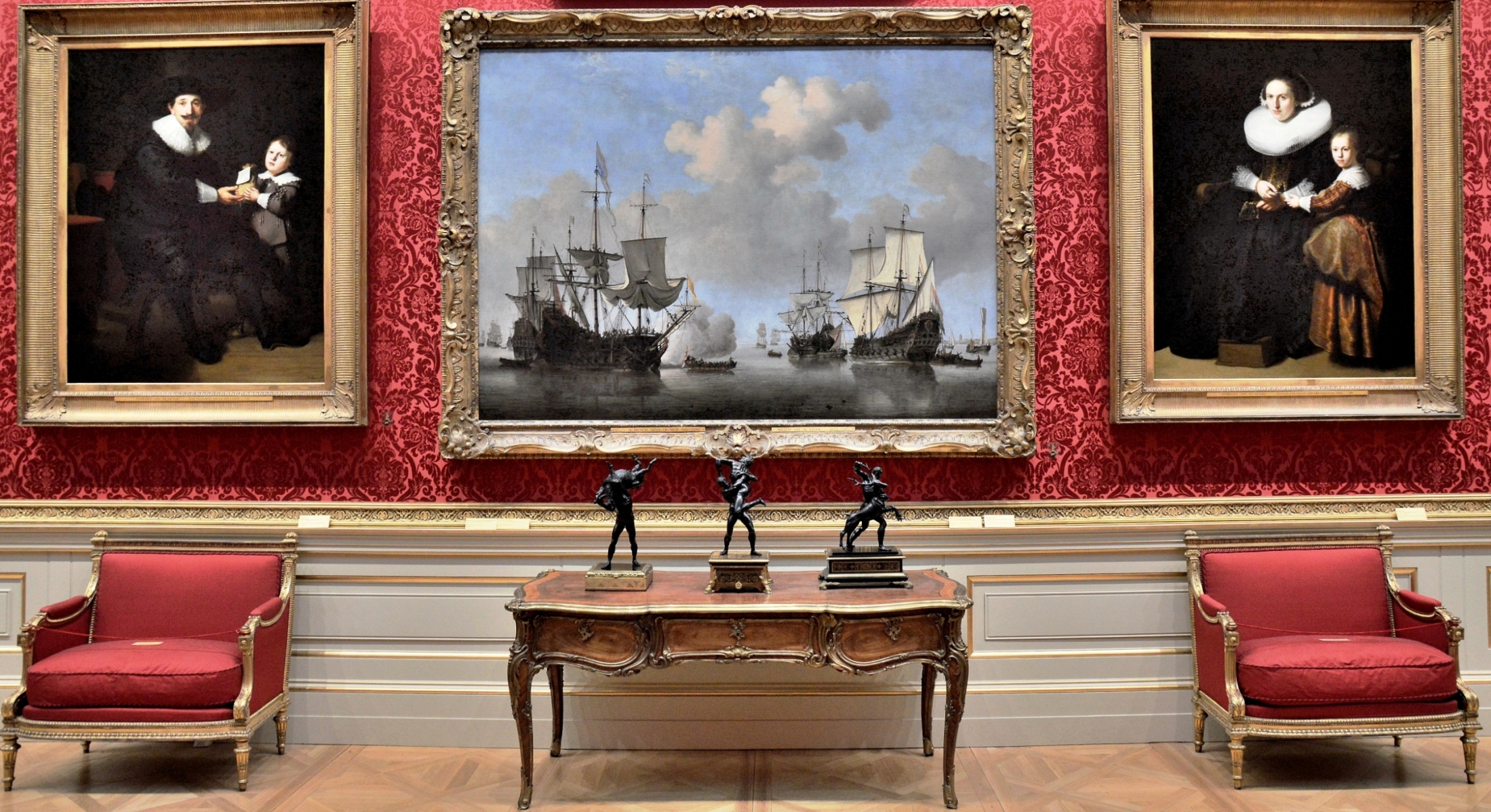
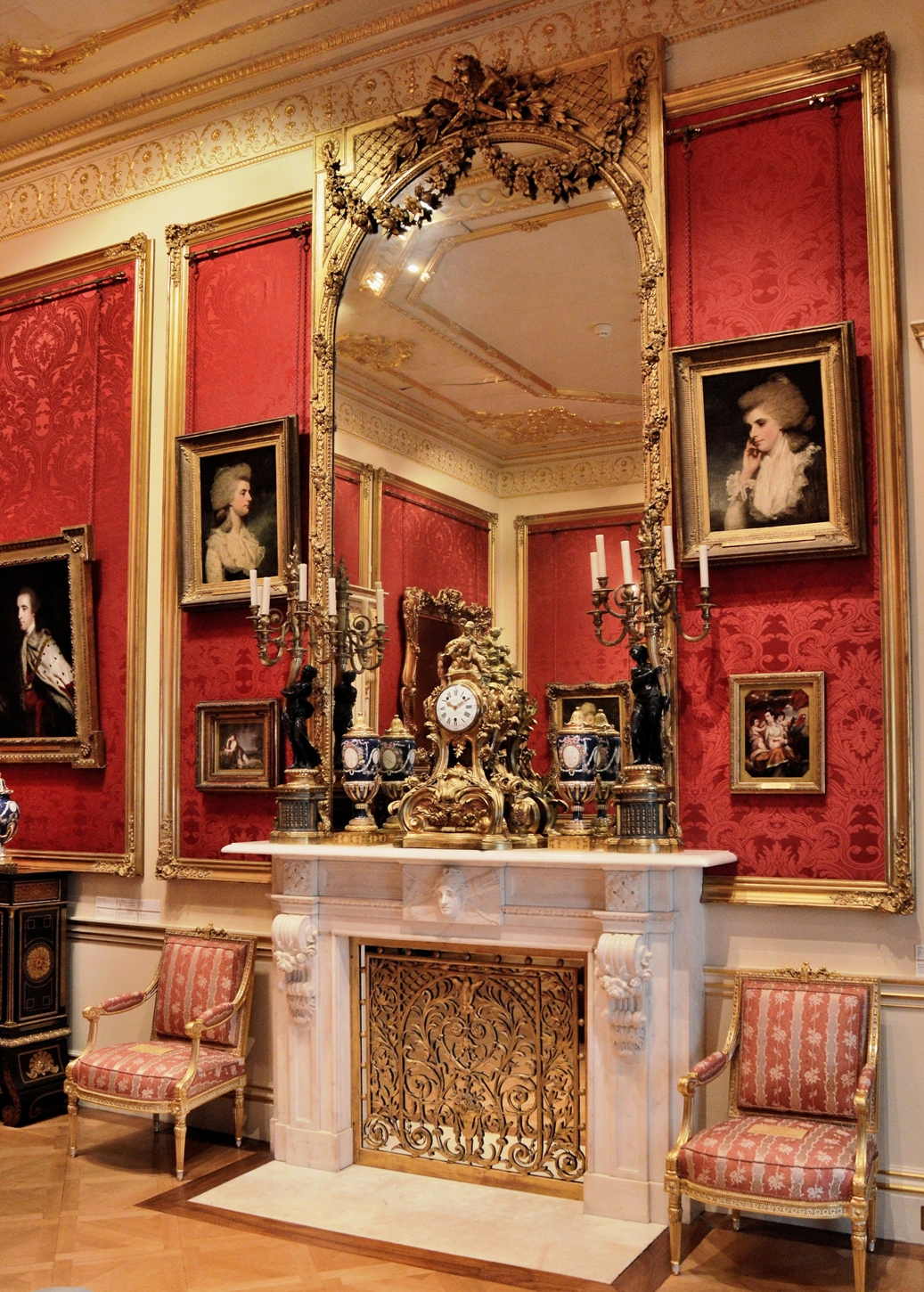
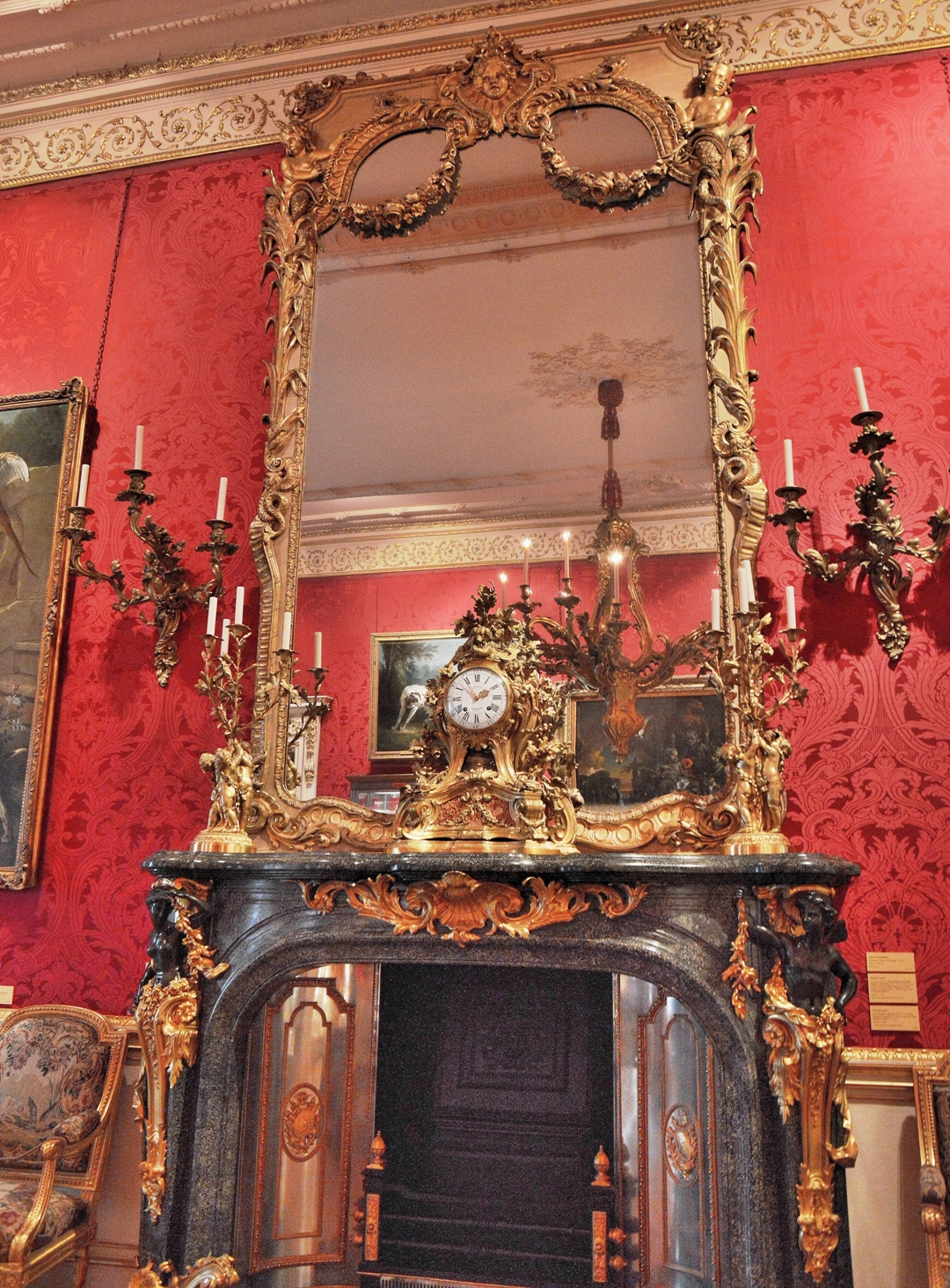
20 pics. Some of the items from the extraordinary Wallace Collection. Displayed at Hertford House in the heart of London (see Google maps), the collection was bequeathed to the nation by Lady Wallace in 1897 and is free to enter. As well as the sample items below, the collection also includes an extensive armoury and a number of beautiful gold, silver and glass ornaments. And, here is the The Wallace Collection Website.
Among the paintings can be found two paintings by Titian, five Rembrandts, nine Rubenses, four Van Dycks, eight Canalettos, nineteen Bouchers, masterpieces by de Hooch, nine Teniers, Frans Hals, nine Murillos, two Velázquez and paintings by Domenichino, Cima, Daddi, Reni, Rosa, Thomas Gainsborough, Joshua Reynolds, Antoine Watteau, Nicholas Lancret, Jan Steen, Aelbert Cuyp and nine Guardis. More information at the Wiki entry.
To view the amazing craftsmanship in more details, please click on an image and then again to magnify, Enjoy :-).

.

The Laughing Cavalier by Frans Hals. Famous for his broad hat 😀 .
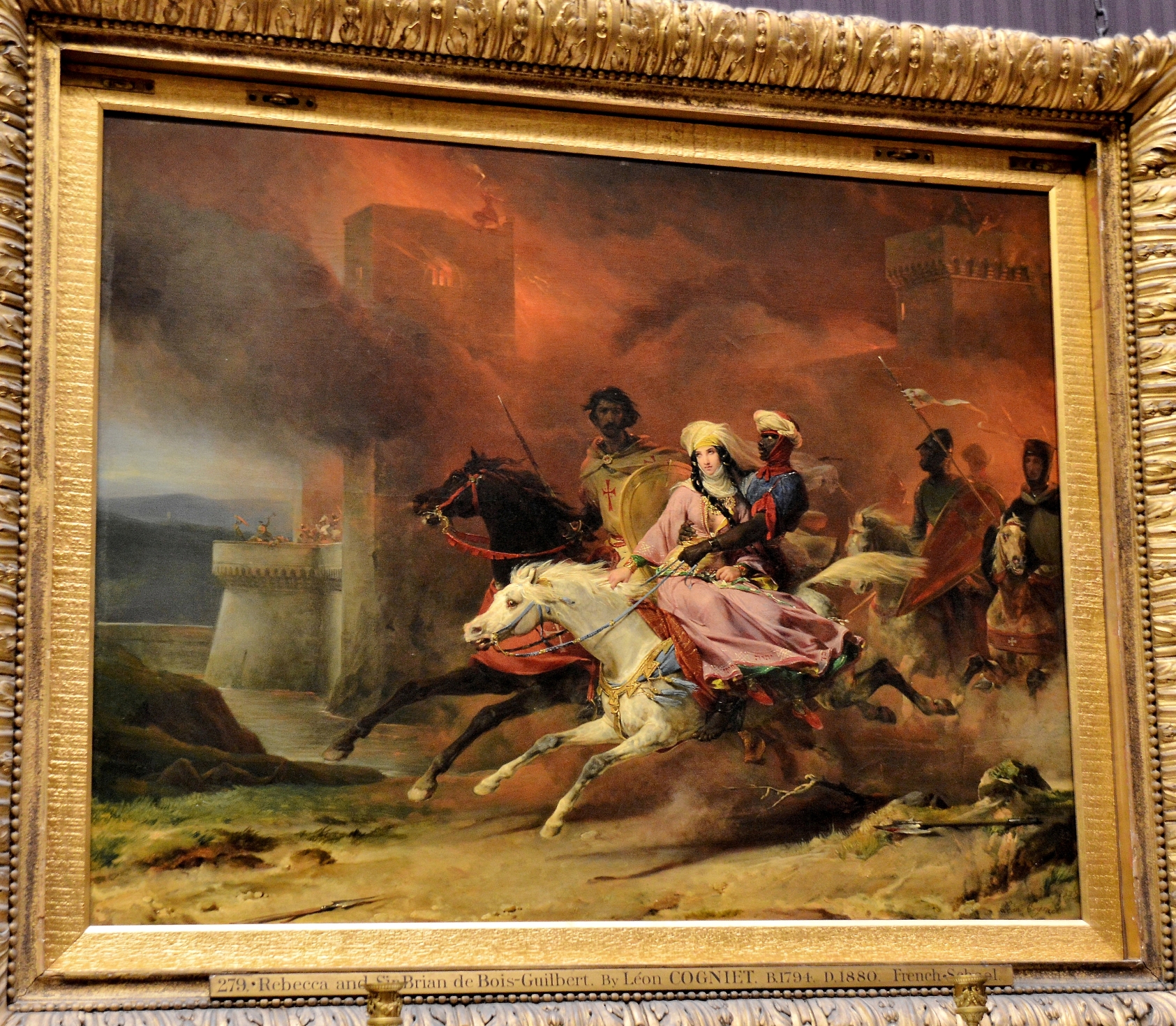
Rebecca and Sir Brian de Bois-Guilbert by Léon Cogniet. A little enhanced to compensate for the fading effect of age.
At the siege of the castle of Torquilstone the beautiful Rebecca, daughter of Isaac the Jew, is abducted by the Norman Templar, Sir Brian de Bois-Guilbert (he’s the one with the templar cross on his tunic). Ulrica, an old Saxon woman who had set fire to the castle, exalts in her vengeful fury at the top of the distant tower.
.
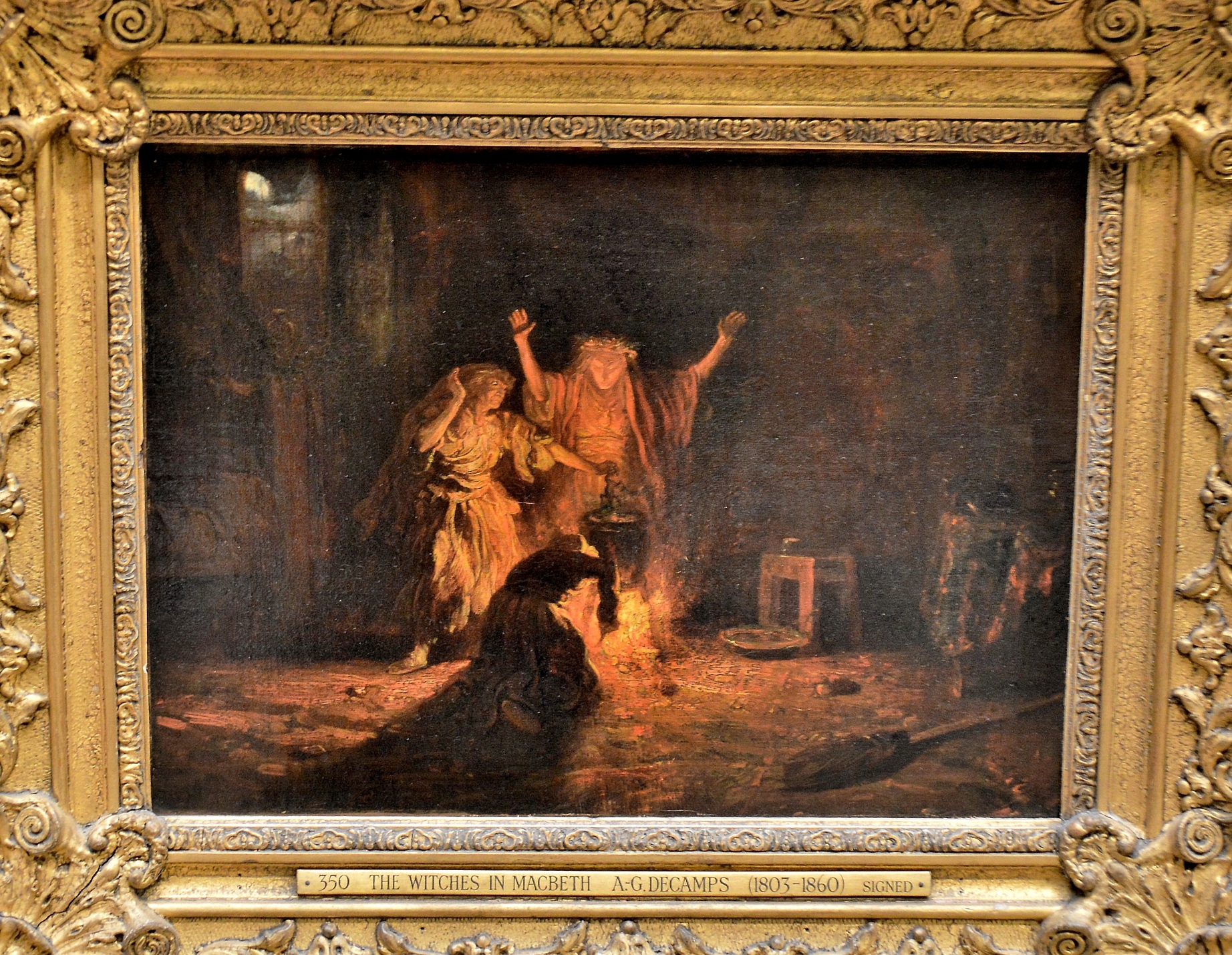
The Witches in Macbeth by Alexandre-Gabriel Decamps.
.

.
.

.
.
.

.

.

.

.

.

.

.

.

.


All Hallows by the Tower AD 675
 All Hallows by the Tower (AD 675) is the oldest church in London and almost the oldest in the UK. Some of its fascinating history can be found on its website here and its wiki history here. Older churches can be found here and the oldest UK church still functioning is St Martin’s (AD 597) near Canterbury.
The image above is of the Toc H Lamp signifying membership of that international charity which was founded by army chaplain Rev Tubby Clayton as a refuge from the fighting in Belgium during WWI. The Reverend was later vicar of All Hallows from 1922 to 1962.
.
.
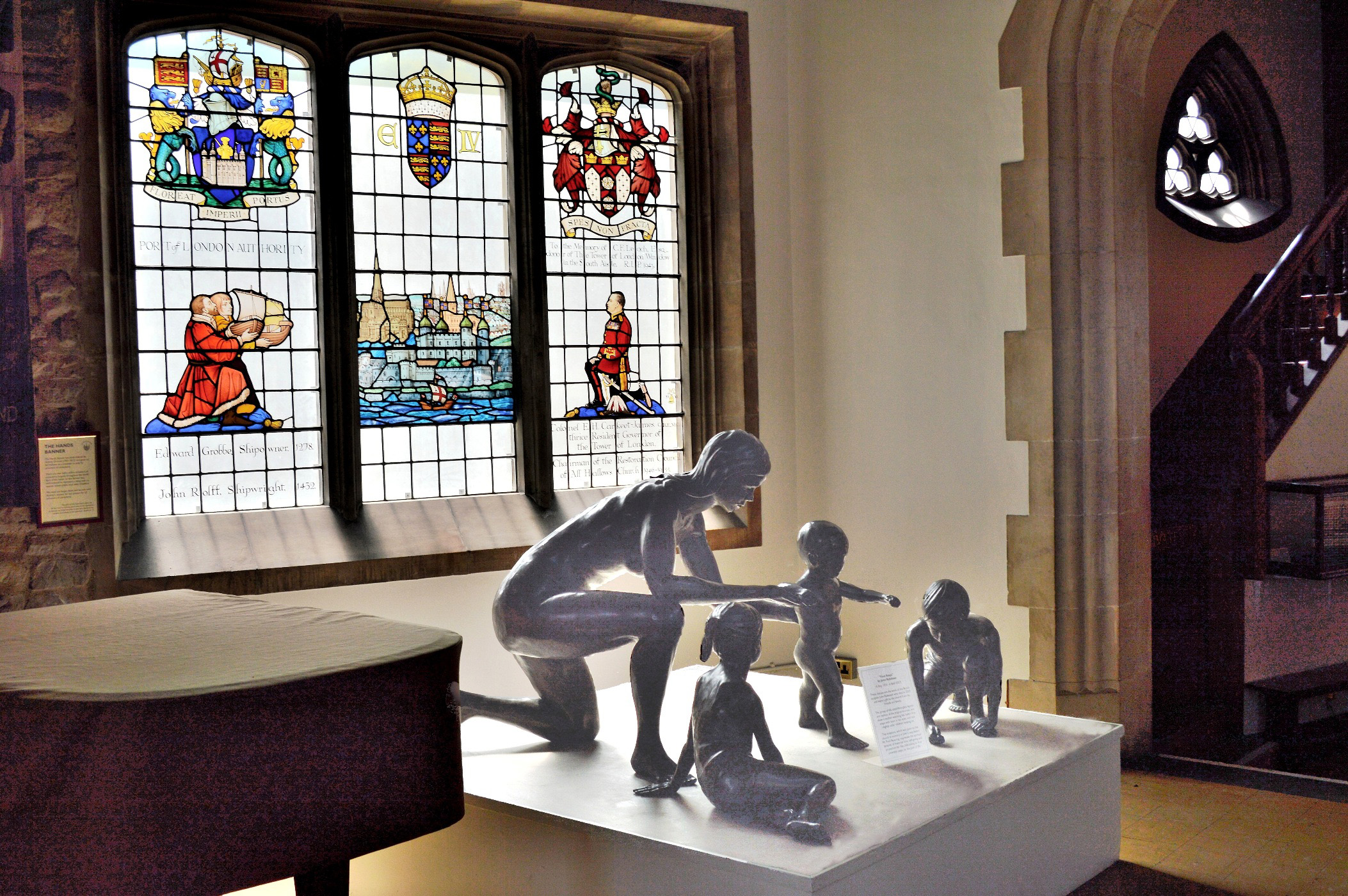
First Steps Sculpture by John Robinson
.
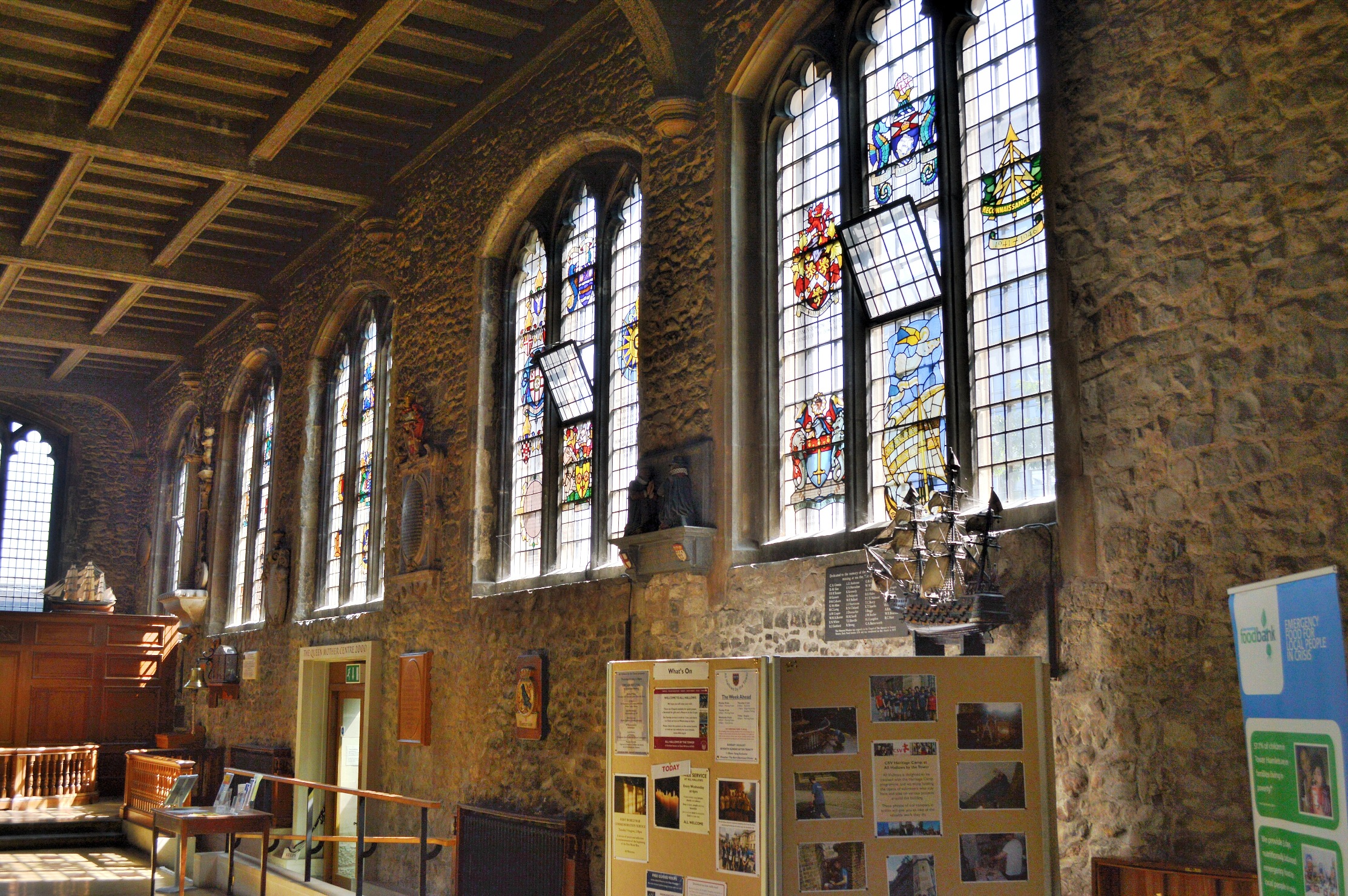
All Hallows is a working church and engages in such enterprises as a food bank.
.
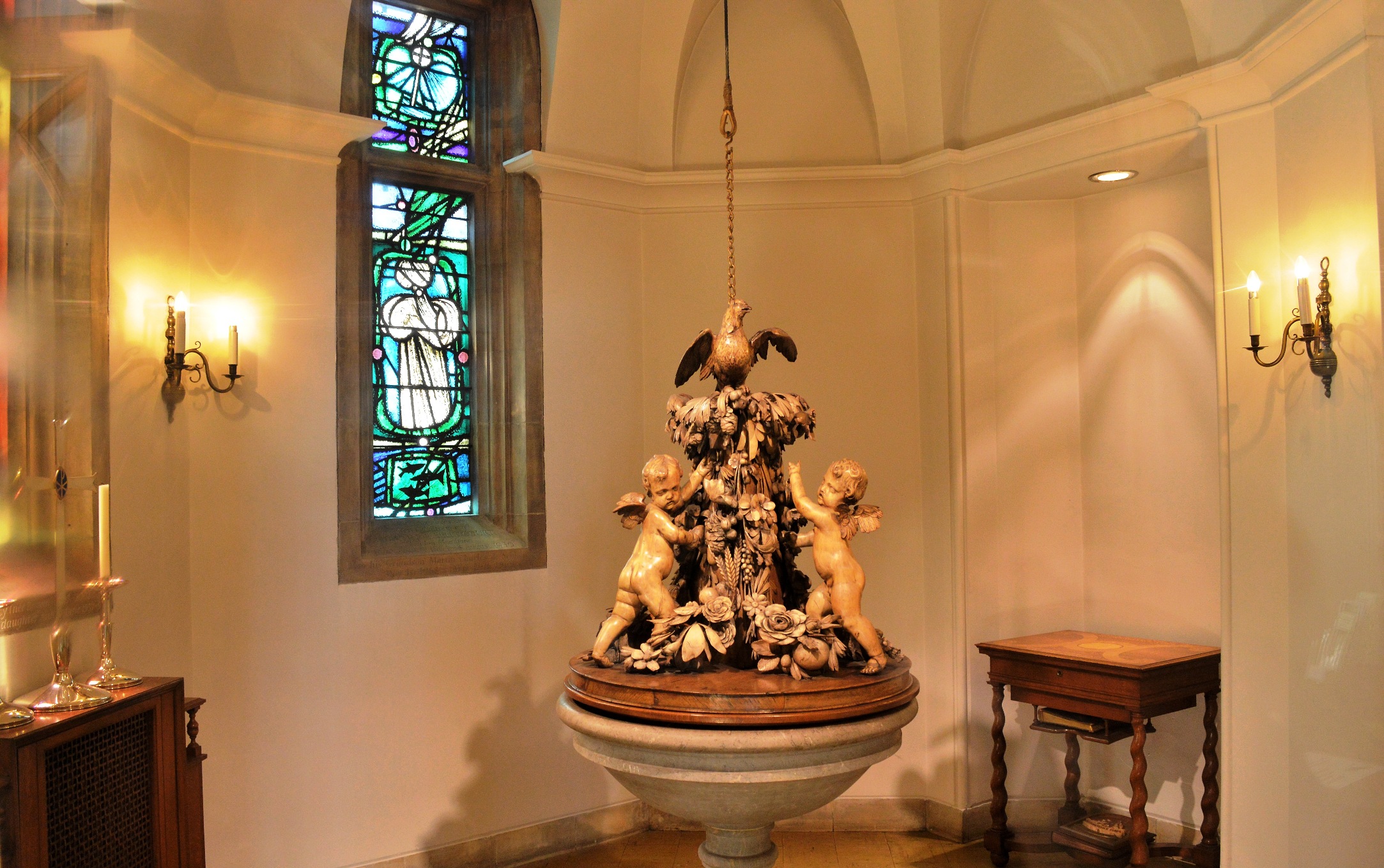
Baptismal Font Cover by Grinling Gibbons in 1682 for £12

Altar stone from the castle of Richard 1 at Athlit in the Holy Land
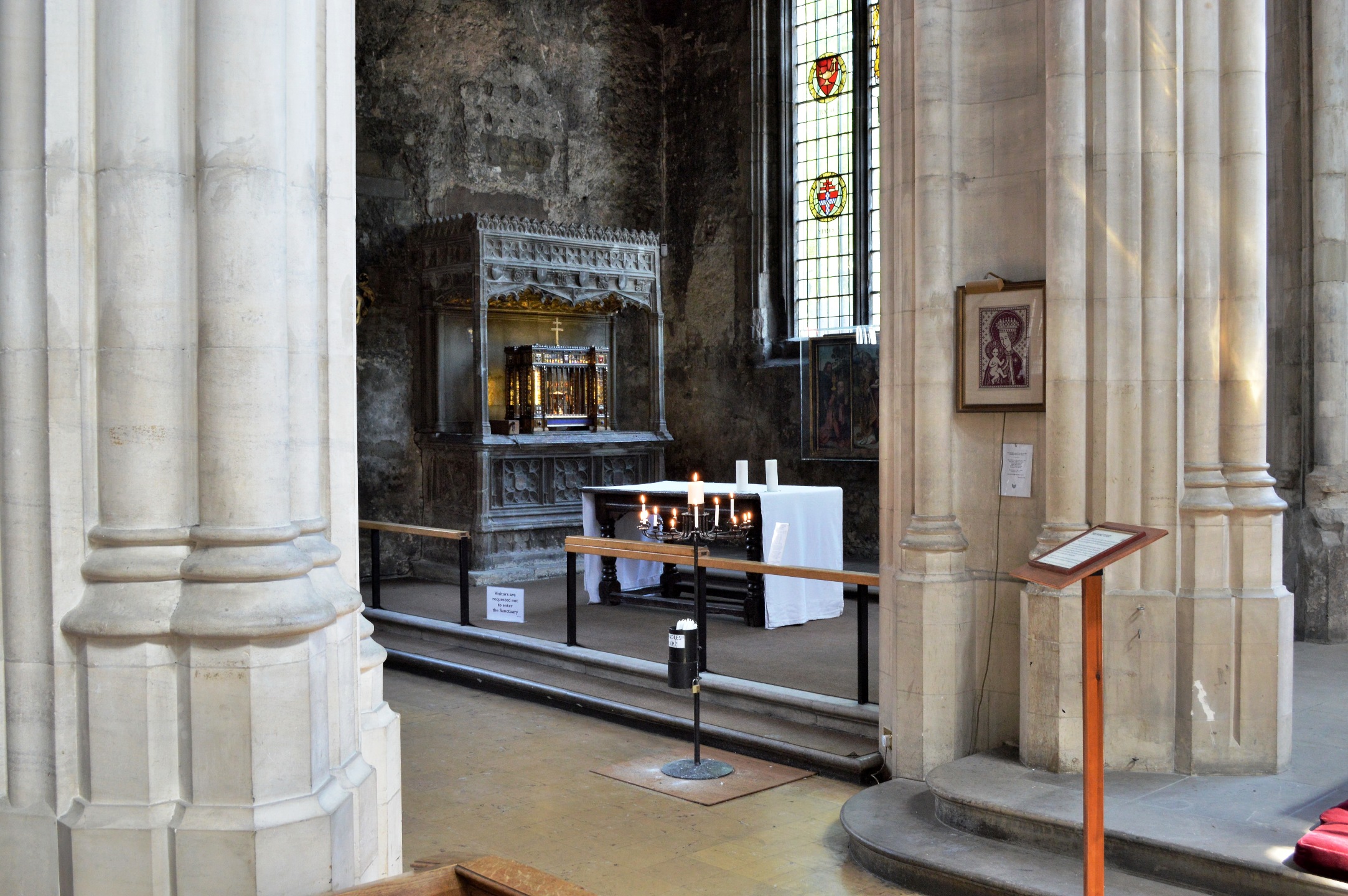
Part of the church was destroyed during WWII but there is a spiral staircase that leads down to the oldest part of the church, including a small museum with Saxon arches. At the end of the aisle is this alter with the rock face beyond.
.

The church is easy enough to find, being a little to the west of the Tower of London and its green spire easily visible at a distance when emerging from Tower Hill underground rail station.
The Natural History Museum London
The Natural History Museum, the very interesting Science Museum and fabulous Victoria & Albert Museum are all close together and very near South Kensington underground rail station. All are free to enter, although a small donation is usual, and have picnic areas (a wise choice).
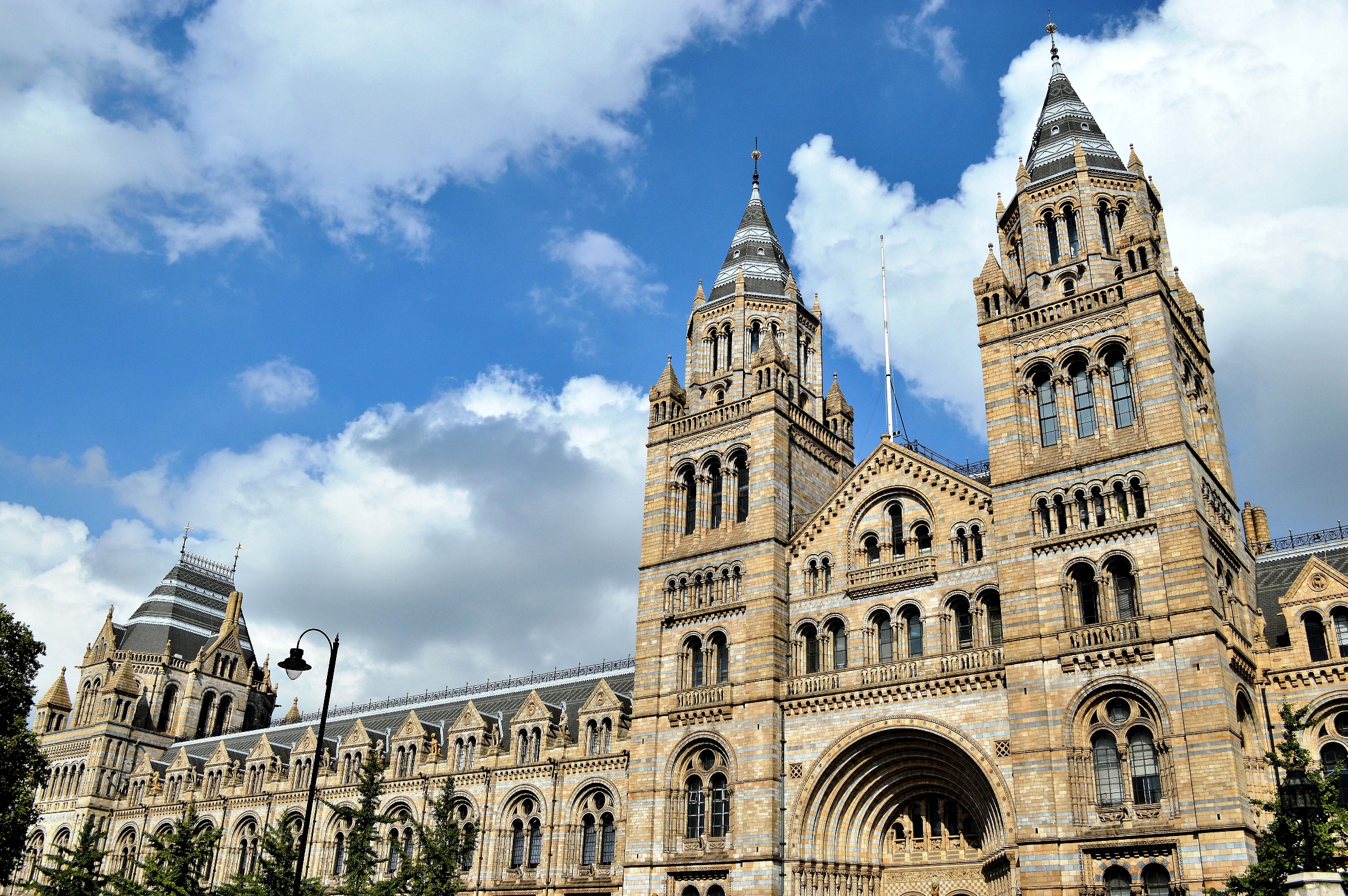
The Natural History Museum also contains The Earth’s Treasury and The Vault of precious items. Both are worth seeing. It is advisable to arrive early at the Natural History Museum to avoid queues and download/save/print the the map. The website. Here is the architecture and a few of the exhibits.
The Architecture and Charles Darwin
.

.

.

Charles Darwin Statue
.
The Exhibits

Diplodocus
At the main entrance “Dippy” (diplodocus), sometimes a Blue Whale, welcomes visitors with equal aplomb. Dippy likes walks in the park, sushi and going to the theater. Would like to meet similar, must have good sense of humour.

At the side entrance one is greeted by a smaller cousin. And then ~

The escalator to hell. It actually leads to a display of information about the earth’s early years and volcanoes. Included is a mock min-market that shakes to simulate an earthquake. It wasn’t working when I was there. How come they always turn off the dangerous stuff whenever I arrive ? It’s a mystery to me.
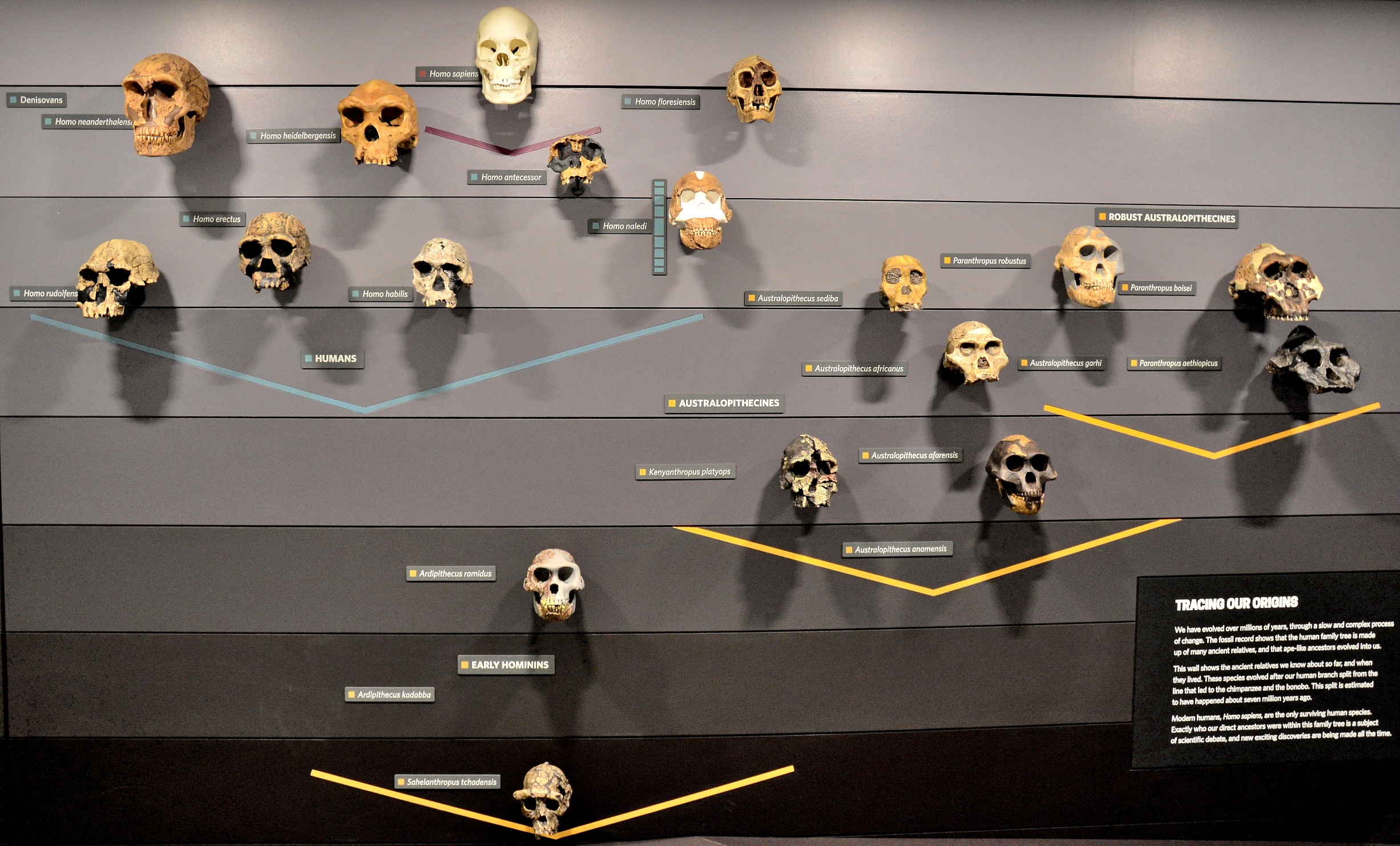
Near the elevator, on the ground floor, you can meet one’s ancestral relatives. The top row is the present and then seven rows of one million years each. Spot anybody that you know ?. To read the labels, click on the image and then again to magnify.
Unfortunately the dinosaur gallery was closed during my visit, but there were a few on show.

This little tyke is animated. Noticeably breathing and occasionally moving in his/her sleep.

Cynognathus
The Cynognathus was supposedly about the size of a dog. If that’s true, I wonder if Lord Baskerville knows it’s out.
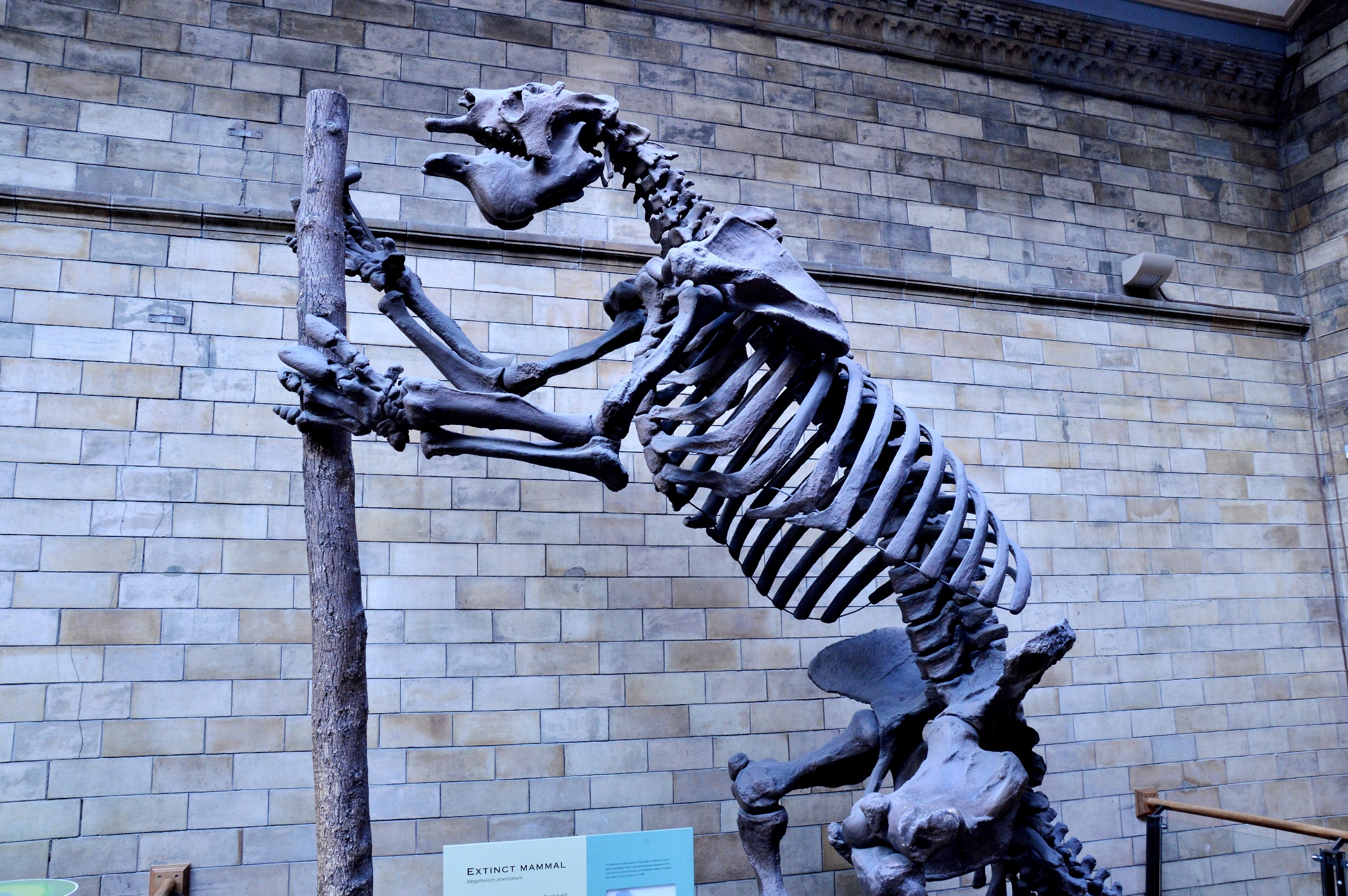
Megatherium Americanum
Aka, prehistoric stick insect.

Killer Bird and Pseudo-elephant
“My mother always said you were a skinflint, look at me when I’m talking to you and when are you going to fix that shelf and stop calling me beaky”. “Aaaarg”

Shell and Triton’s Trumpet
.

Baler Shell
The Baler Shell, so-called because it is very useful for baling out canoes (honest).

Queen Conch
.

There are loads of stuffed animals. I picked just one.

Dodo Bird
The Dodo bird, it is reported, became extinct because it was not sufficiently afraid of mankind. There’s a lesson in that somewhere.
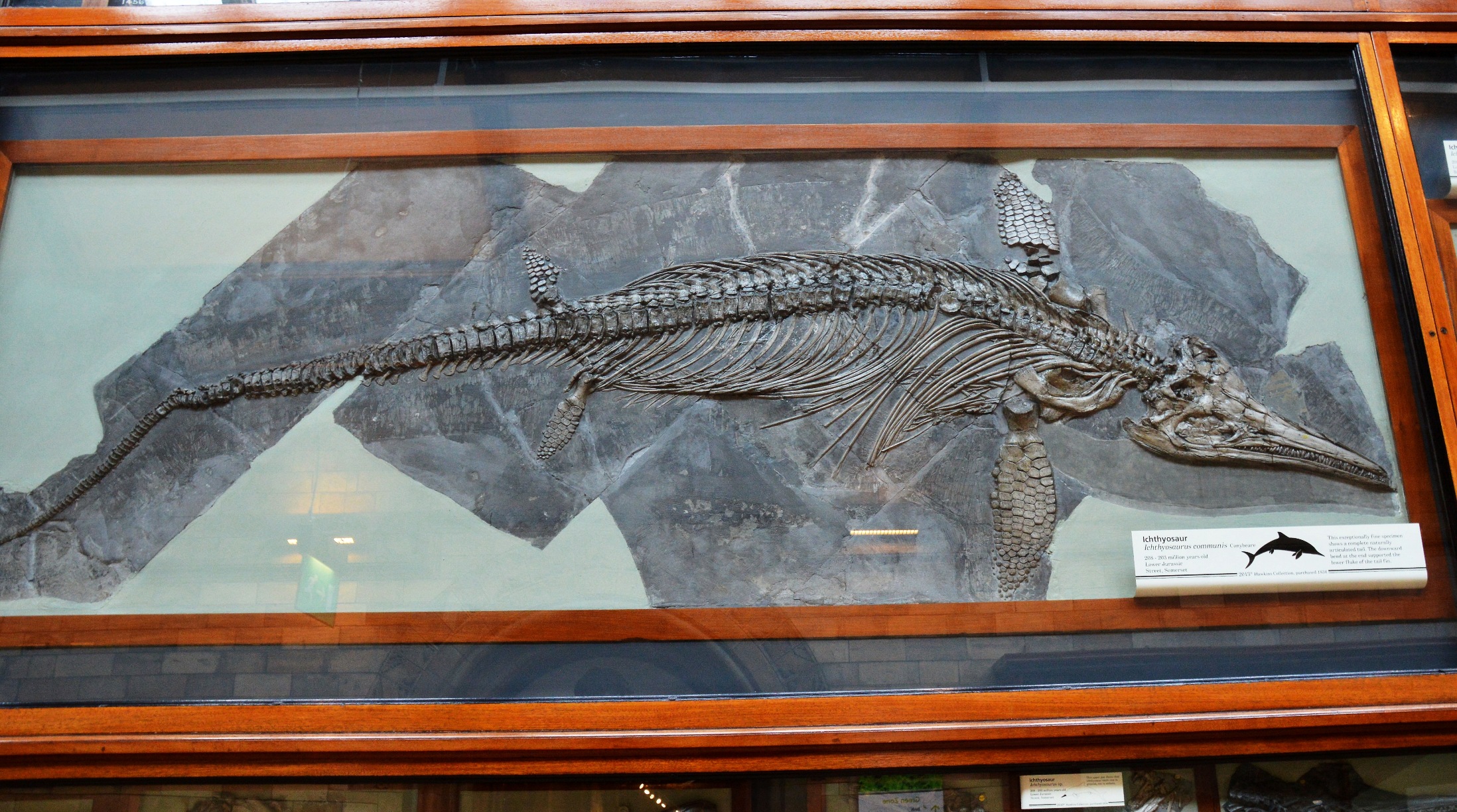
Ichthysaurus Fossil
.

Goethite
I can take a hint.
Model Steam Engines at the Science Museum

Model of Shand Mason Steam Fire Engine
On the mezzanine floor, that you can only reach by stairs, of the Science Museum in the “Making of the Modern World” hall you can find these hand crafted beauties. The Science Museum also has a wonderful collection of beautiful antique watches.

Model of Alexandra Steam Train

Model of Stephenson’s Long Barrel Steam Locomotive

Model of Austria Steam Locomotive
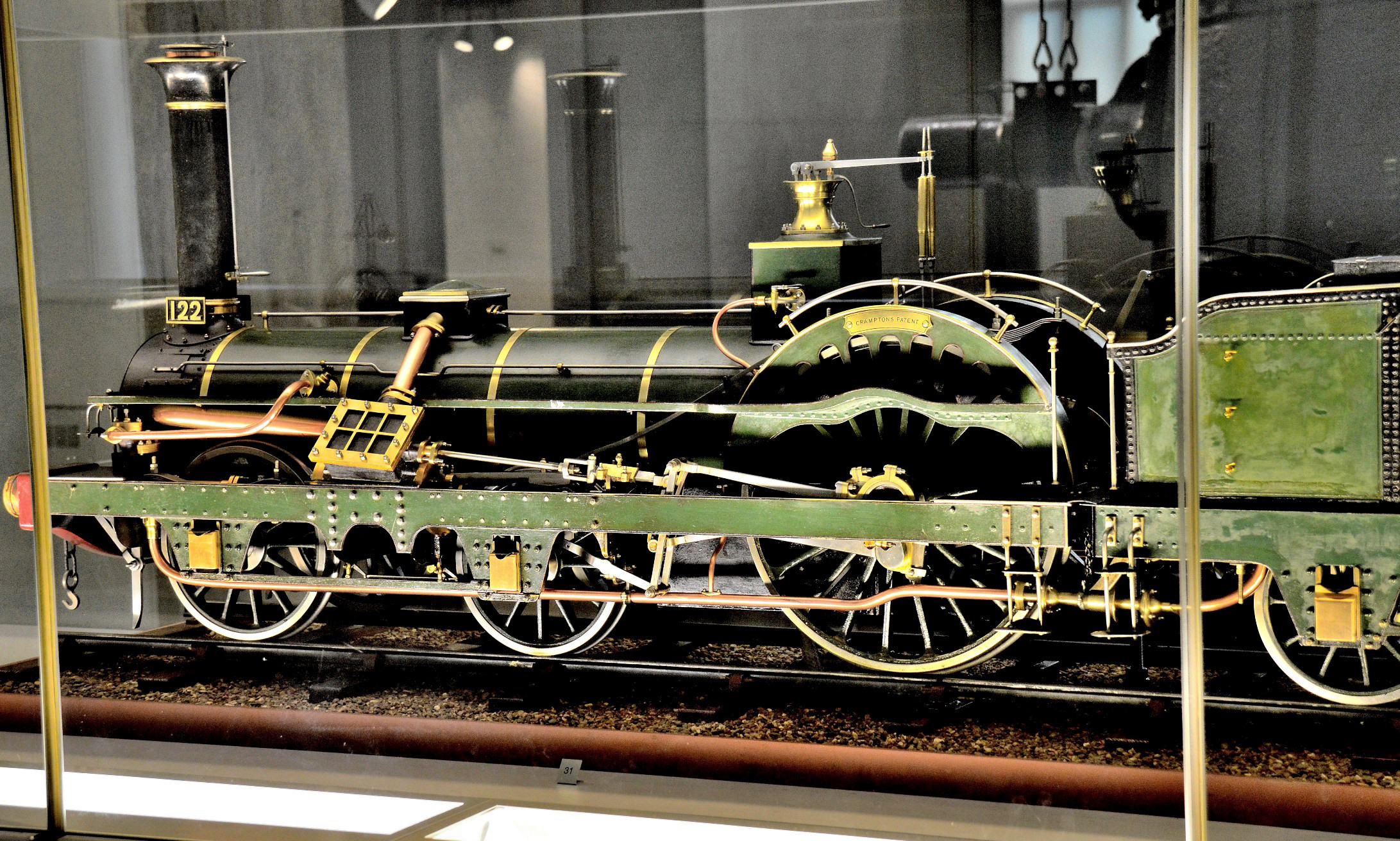
Model of Crampton’s Steam Locomotive

Model of American 4-4-0 Steam Locomotive

Model Steam Train

Model Steam Train Showing Exposed Fire Tubes
This one shows the fire tubes that carry the hot gases from the fire box through the boiler. It was by this innovation that it was possible to transfer a great deal of heat quickly to the surrounding water, hence create and maintain a large volume of high pressure steam to drive the locomotive. The steam rises to the bubble on the top and a throttle controls the steam flow to the cylinders/pistons beneath.
And, a Rolls Royce

Model of Rolls Royce Silver Ghost 1911
And, a Wooden Ship

Model Wooden Ship
And, on the Ground Floor

Model of the Rocket Steam Train

Royal George No 5 Model Steam Train
Happy traveling. :-).
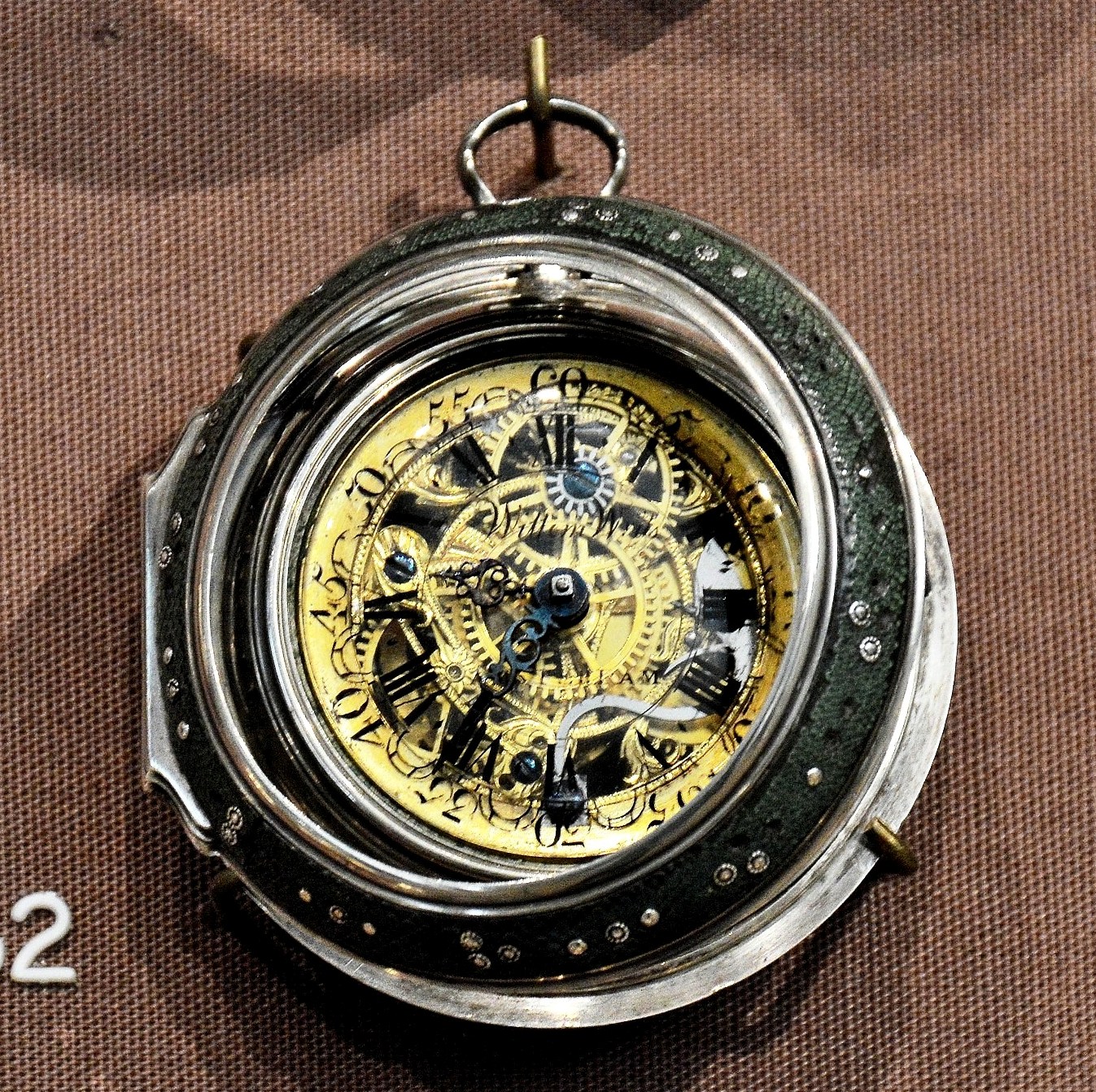
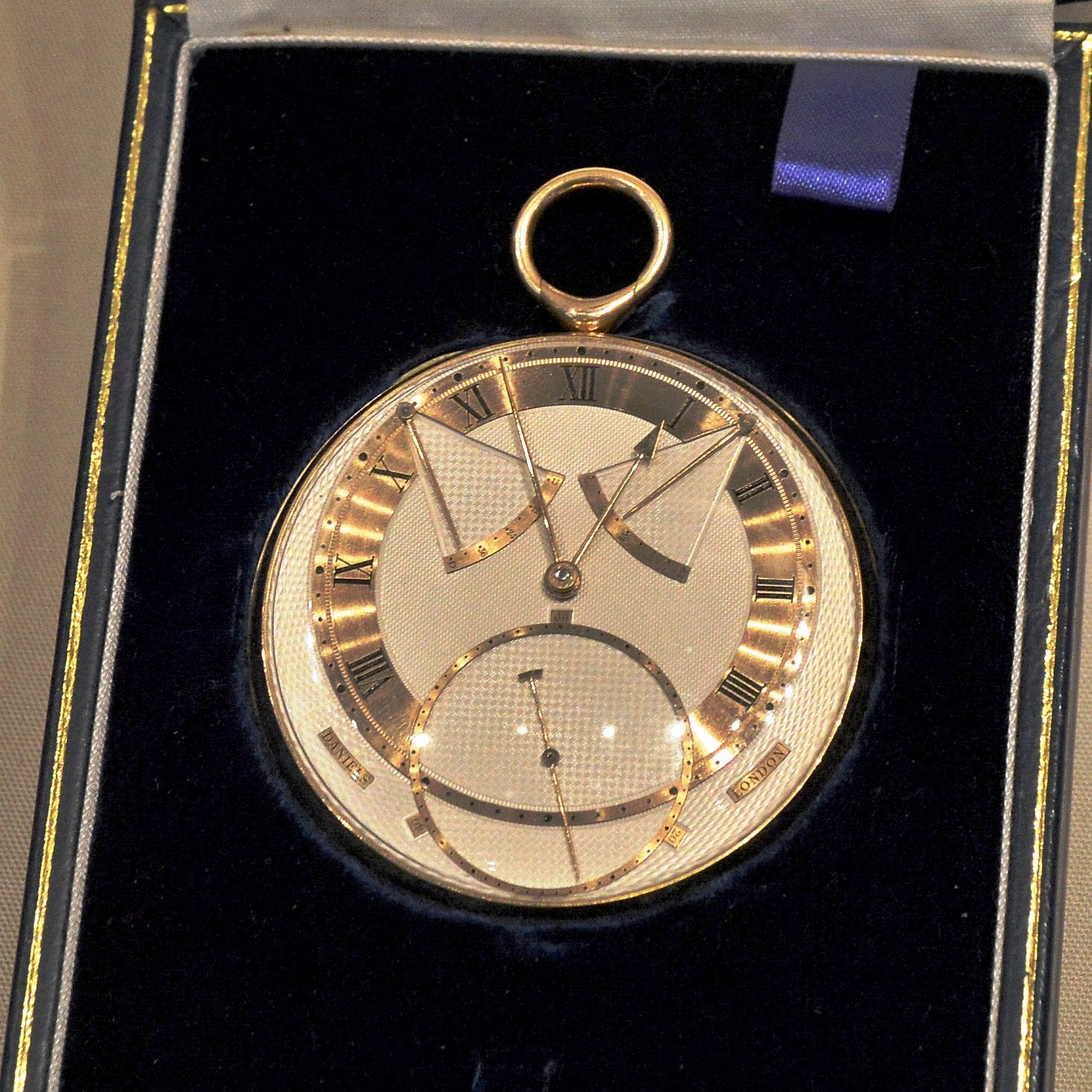
Beautiful Timepieces at the Science Museum London

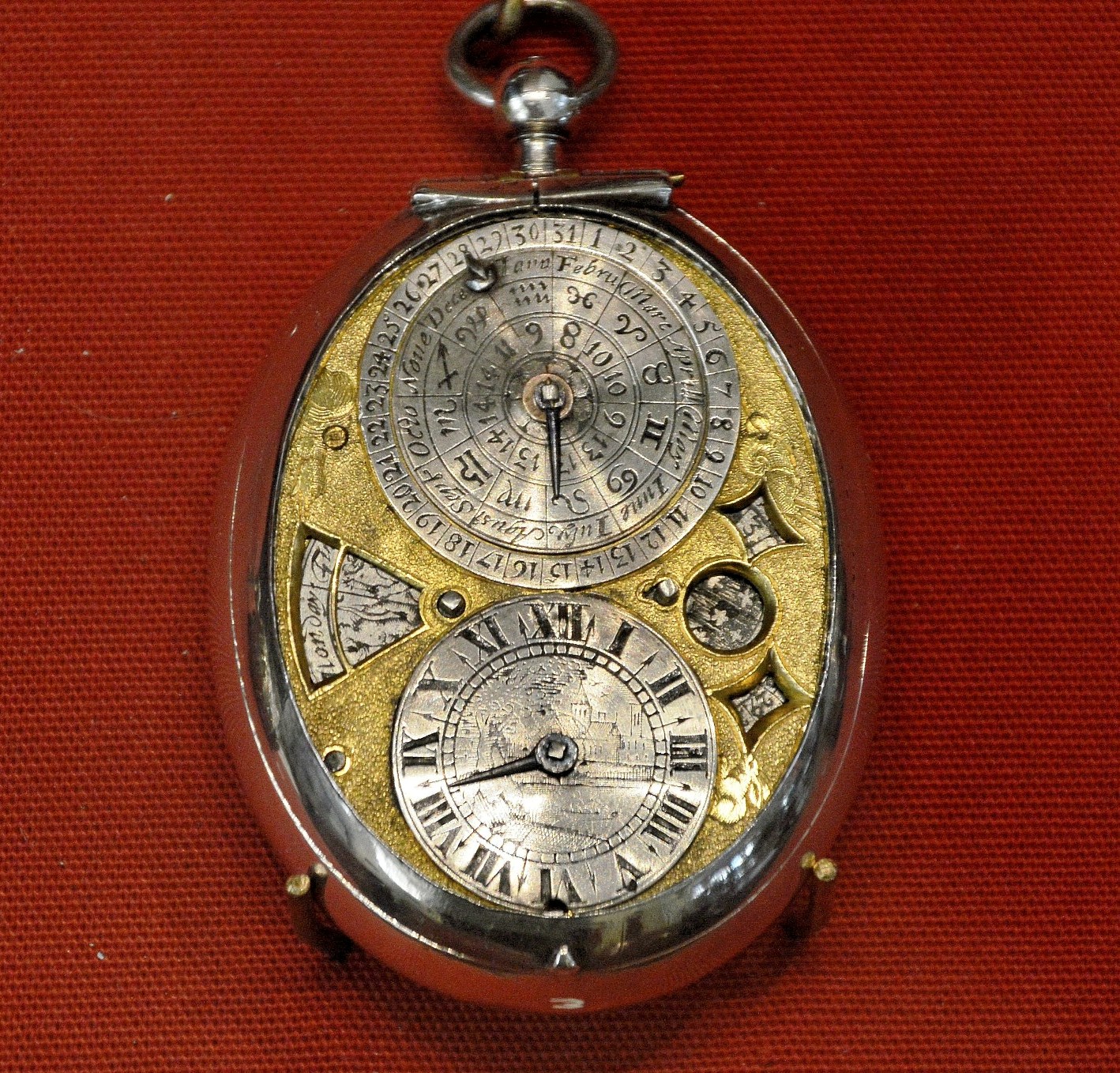
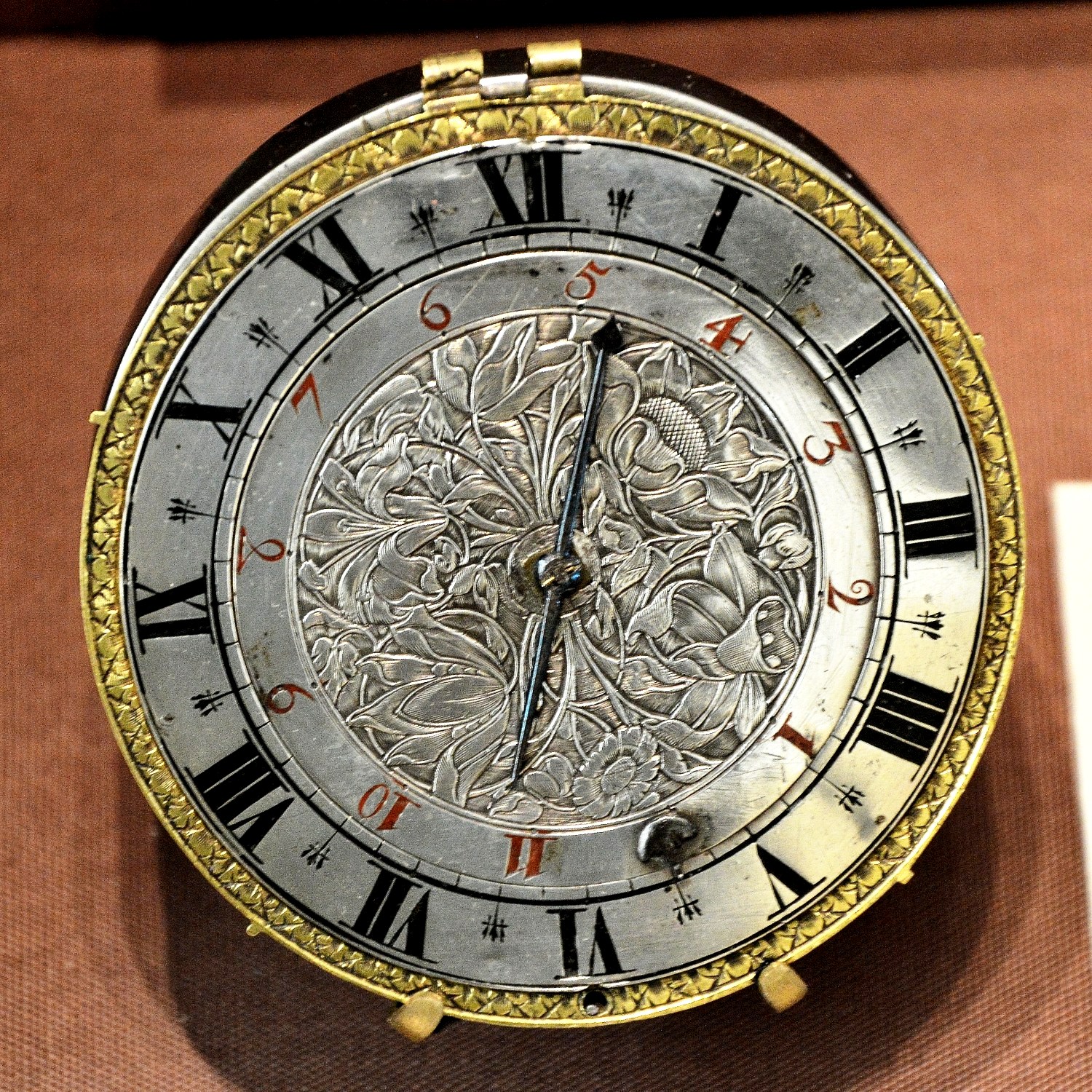
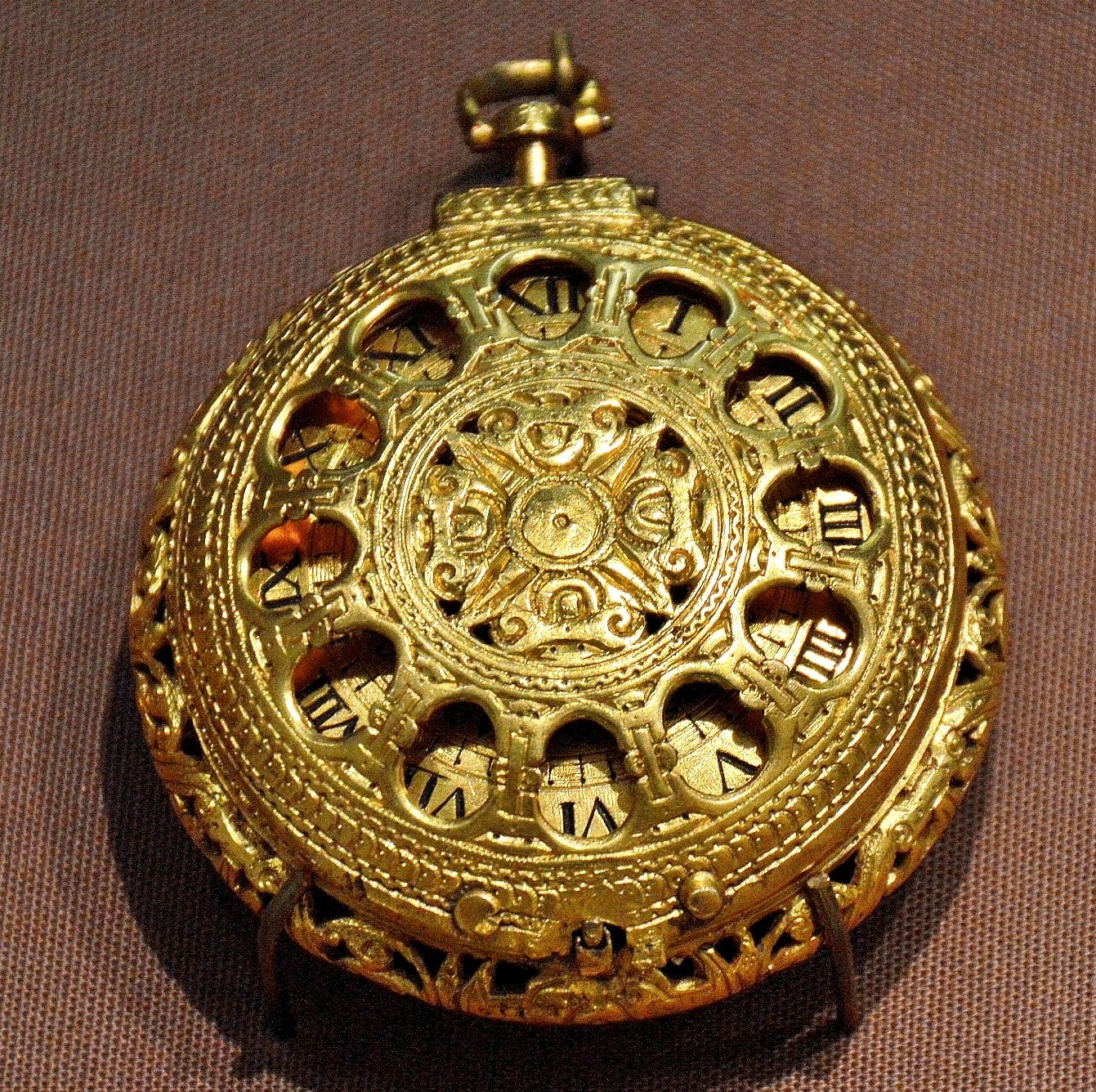
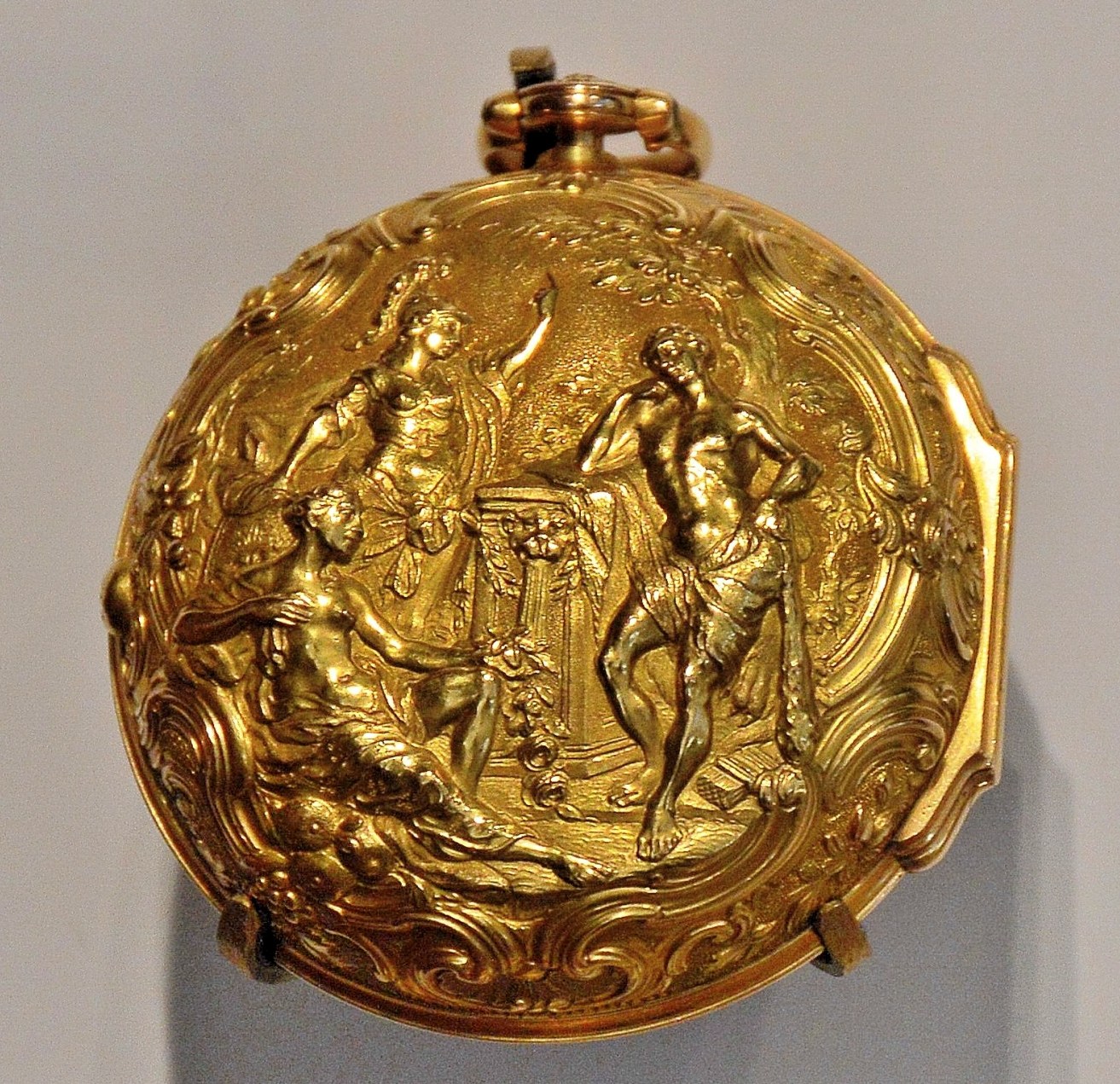
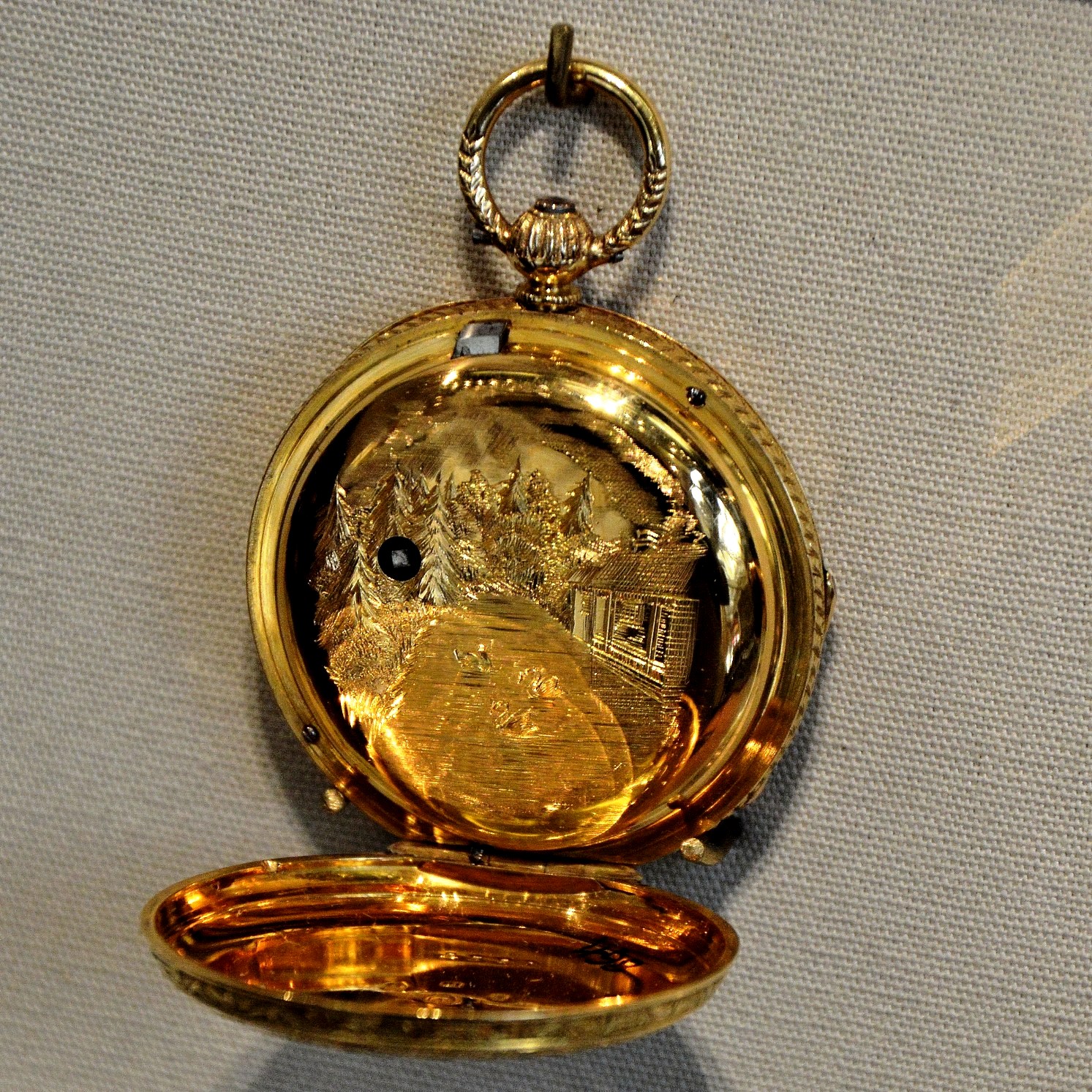
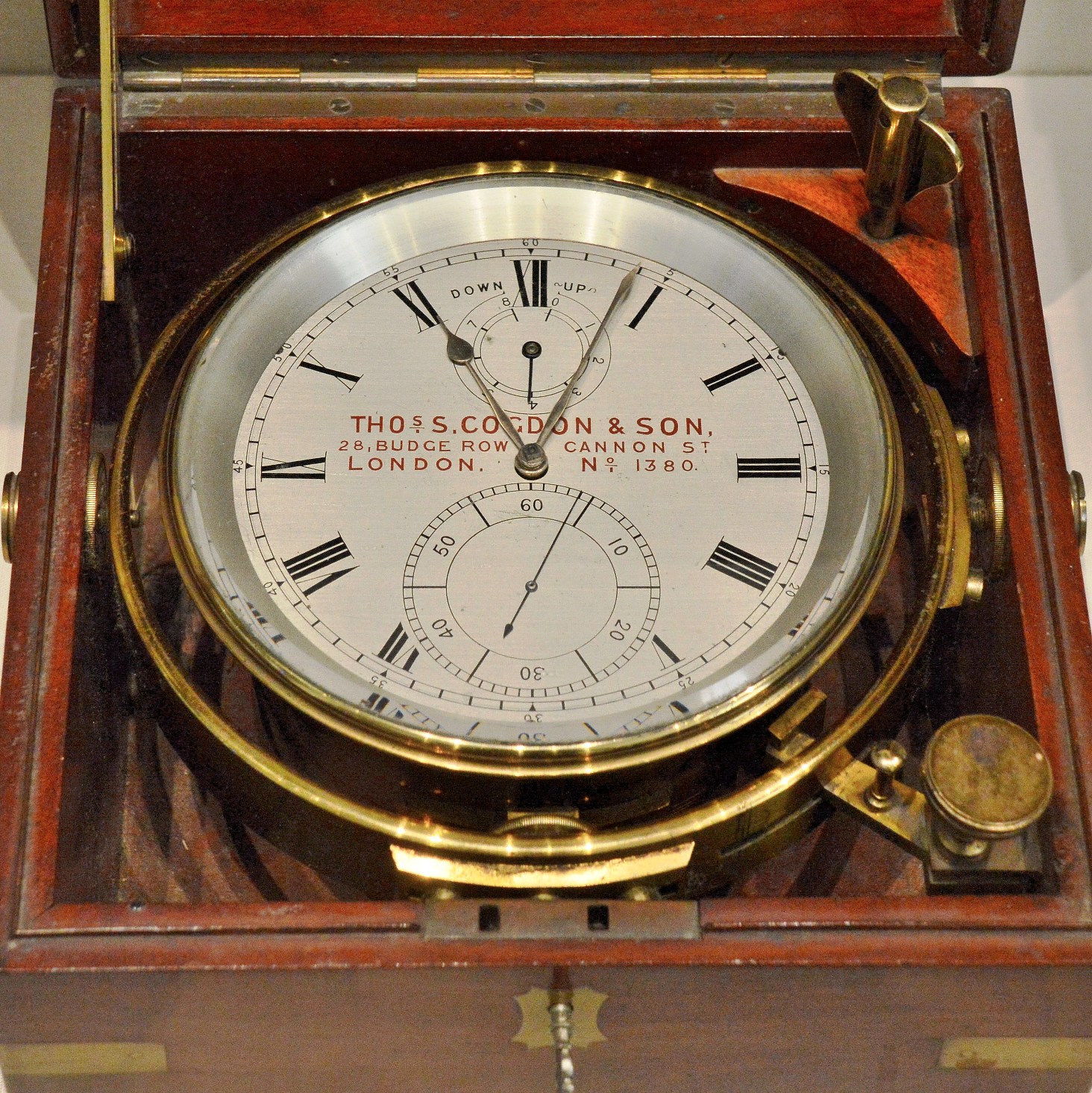
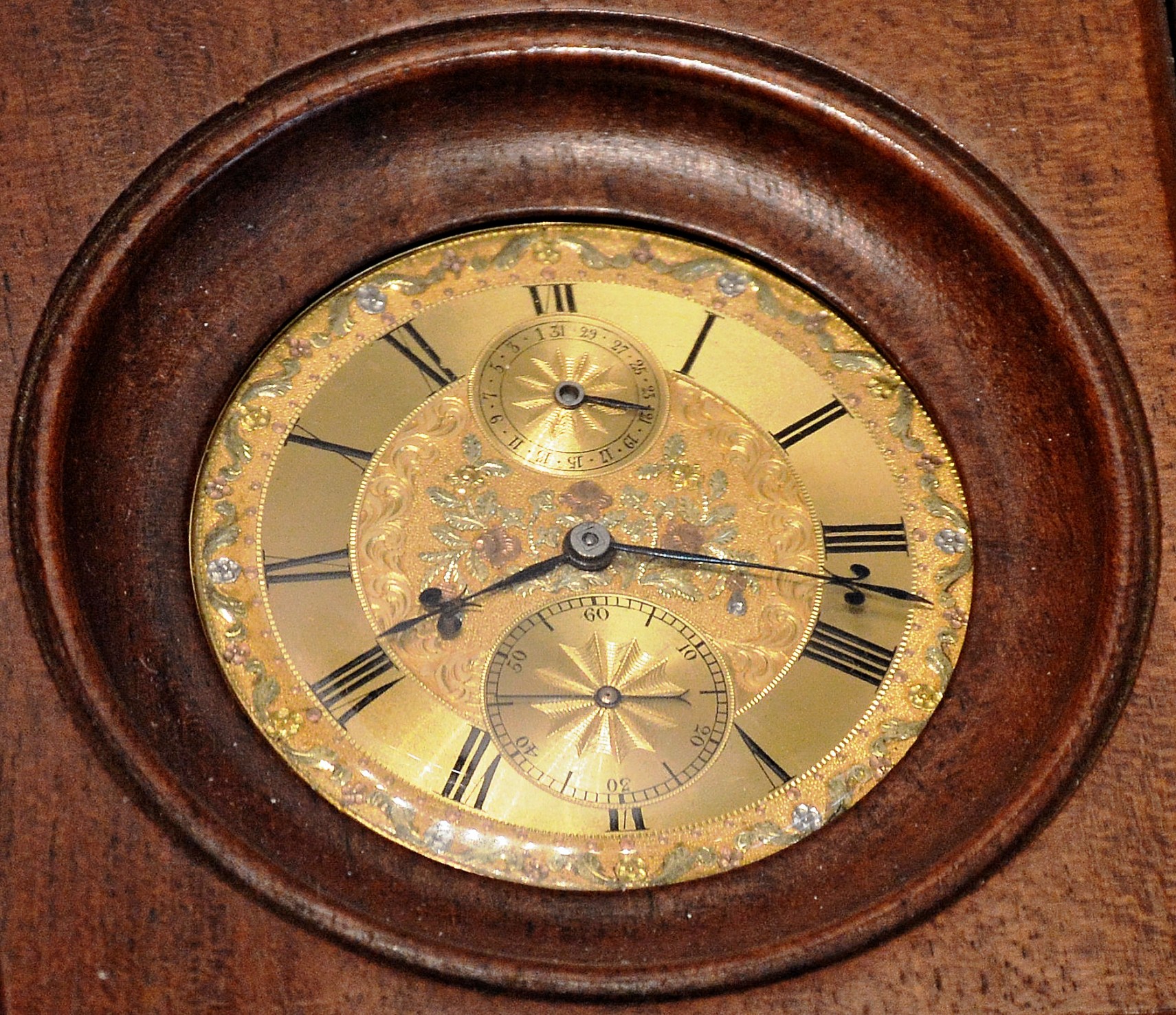
32 pics. The London Science Museum now incorporates the Clock Museum which was previously housed at the Guildhall. Along with some beautifully crafted watches there are examples of chronometers.
The chronometer has been vital to the ability to create charts and safely navigate the world. The first chronometers were invented by John Harrison and are currently kept at Greenwich. Navigation and Greenwich and Greenwich Mean Time and there importance to the modern world can be found here whilst information about Harrison’s timepieces here.
Here are just a few of the hundreds of timepieces on view at the museum. It is well worth viewing the detail by right clicking on a picture, selecting “Open Link in New Tab” and then left click on the image to magnify.
.
The Watches

Cornelius Yate c1620
.
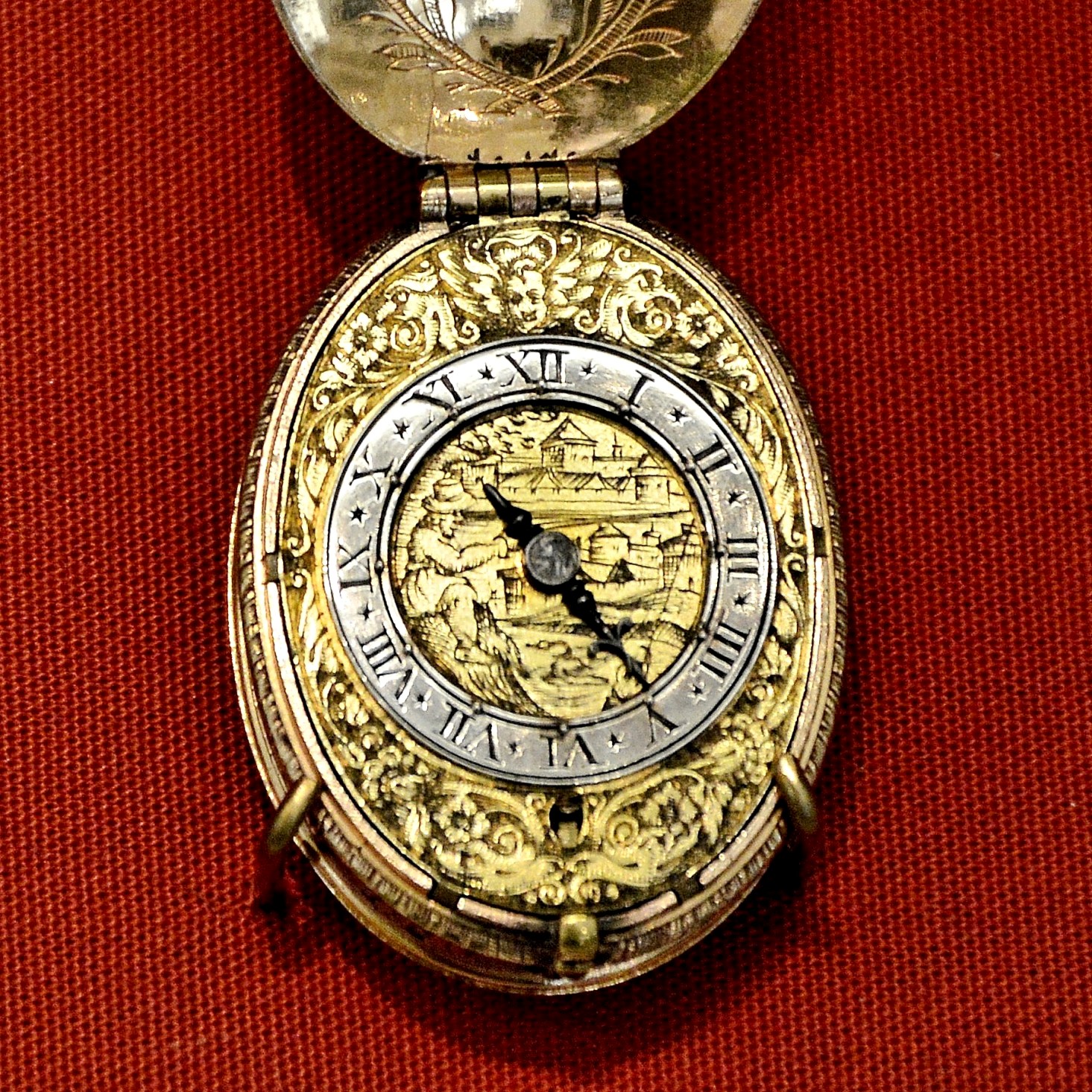
Robert Grinkin c1620
.

Robert Grinkin
.
.

.
.

.
.
.

.
.

Jean Robert Soret c1812
.

L’Epine
.

.
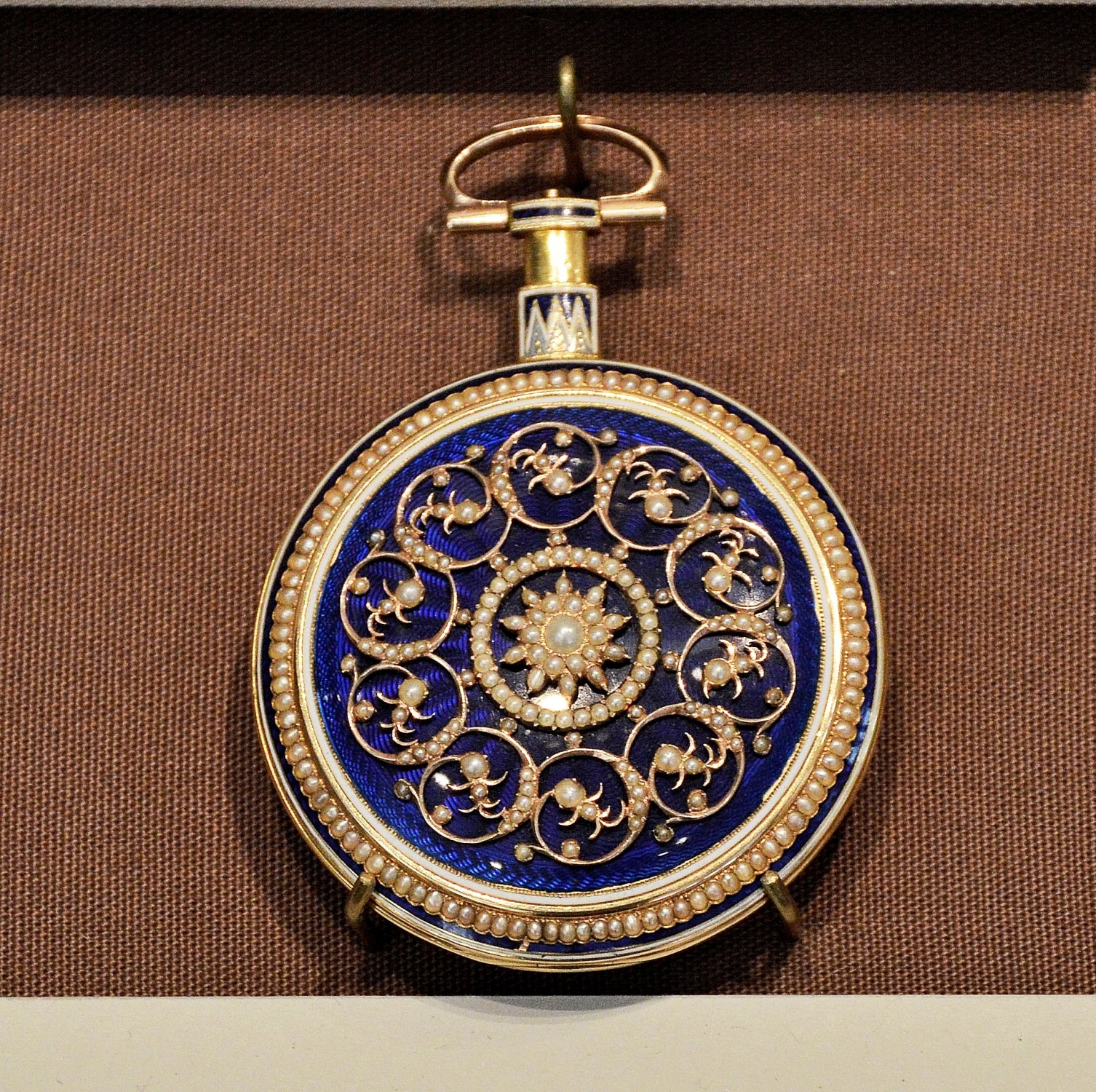
Andrews c1790
.
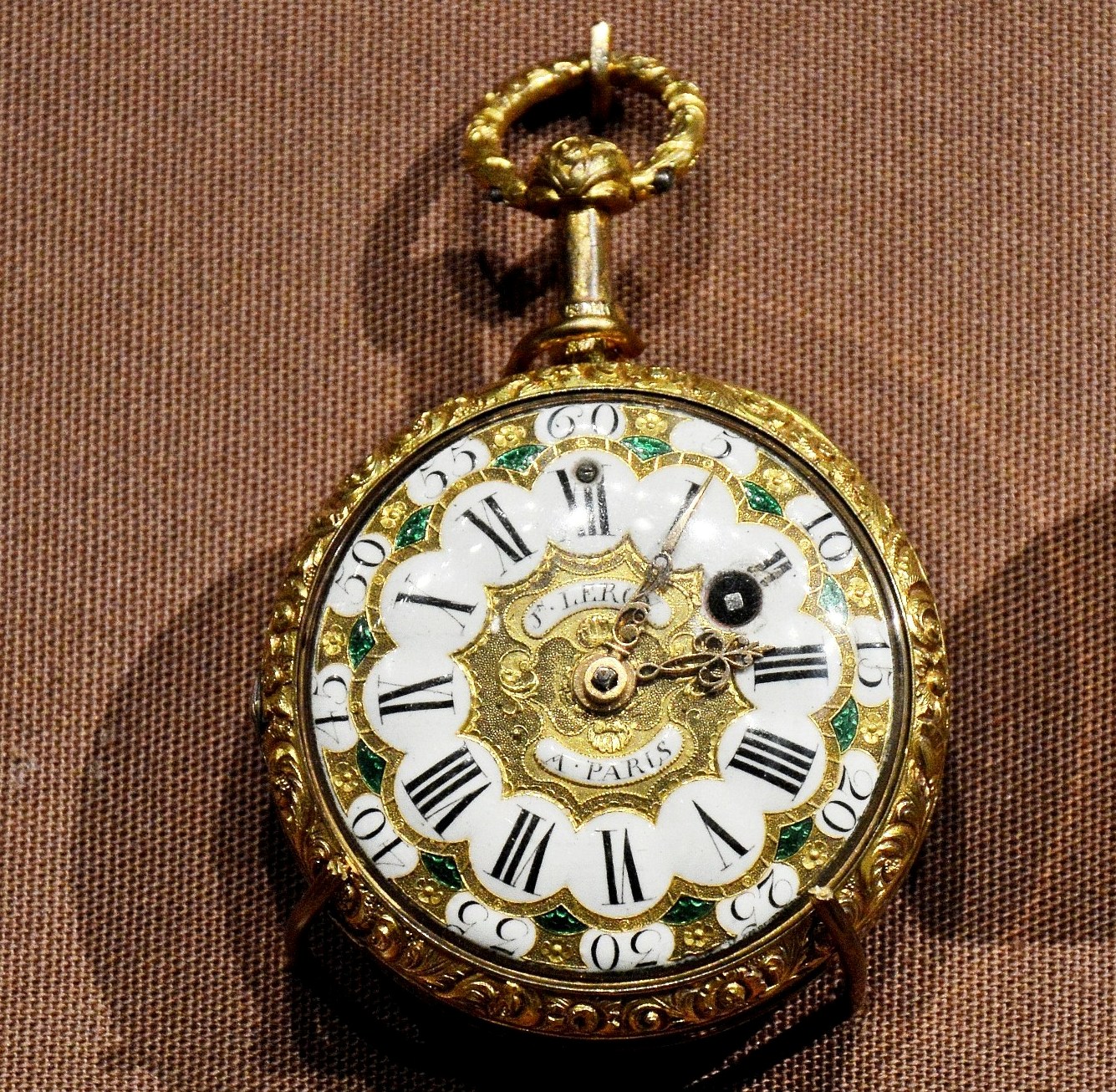
Jean LeRoy
.
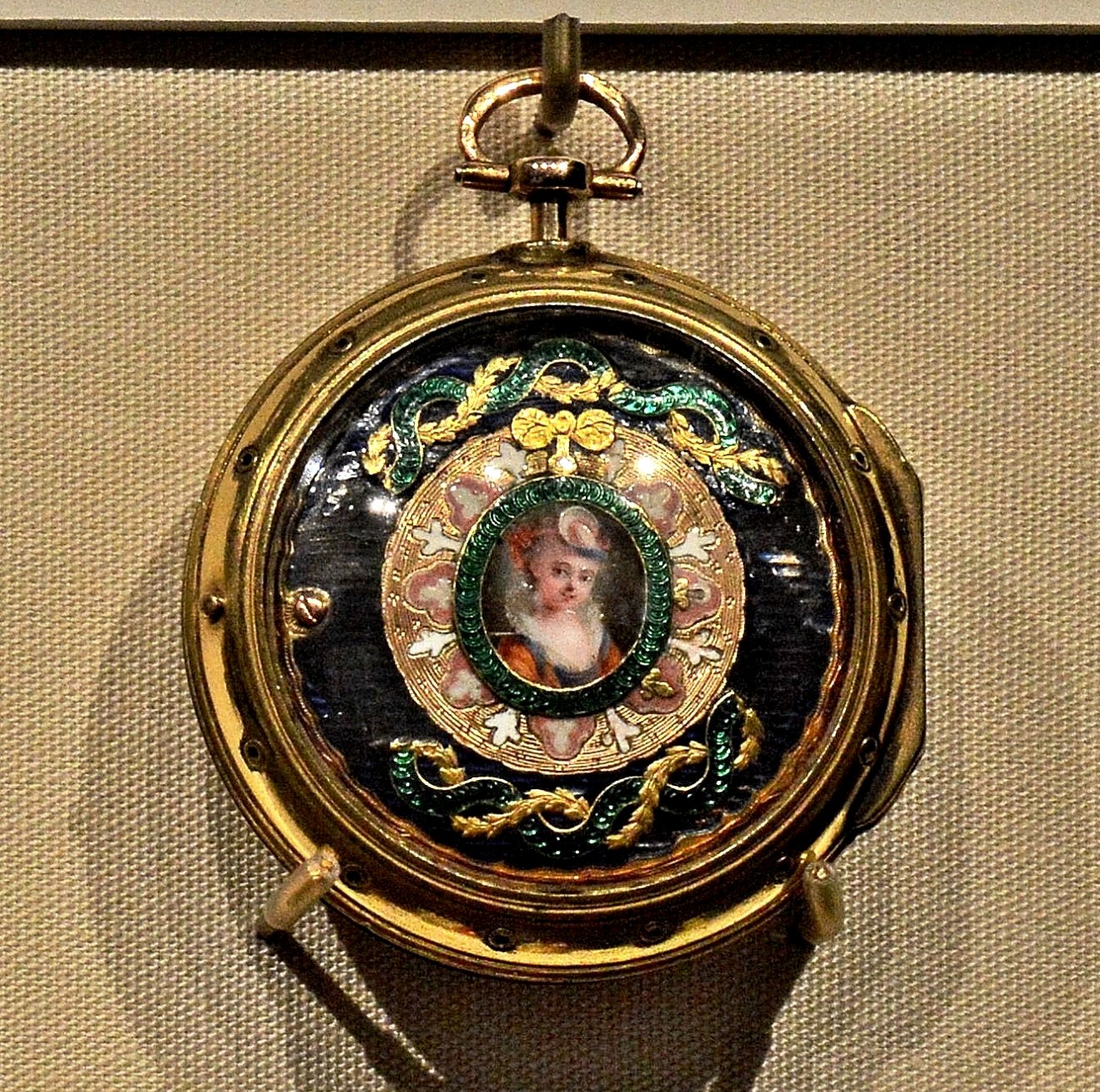
Jean Antoine Lepine Late 18th Century
.

.

.
.
George Daniels c1986
.
The Marine Chronometers

Charles Shepherd c1822 Marine Chronometer
.

Barrauds Marine Chronometer c1822
.
Cogden and Son Marine Chronometer
.

.
.
The Clocks
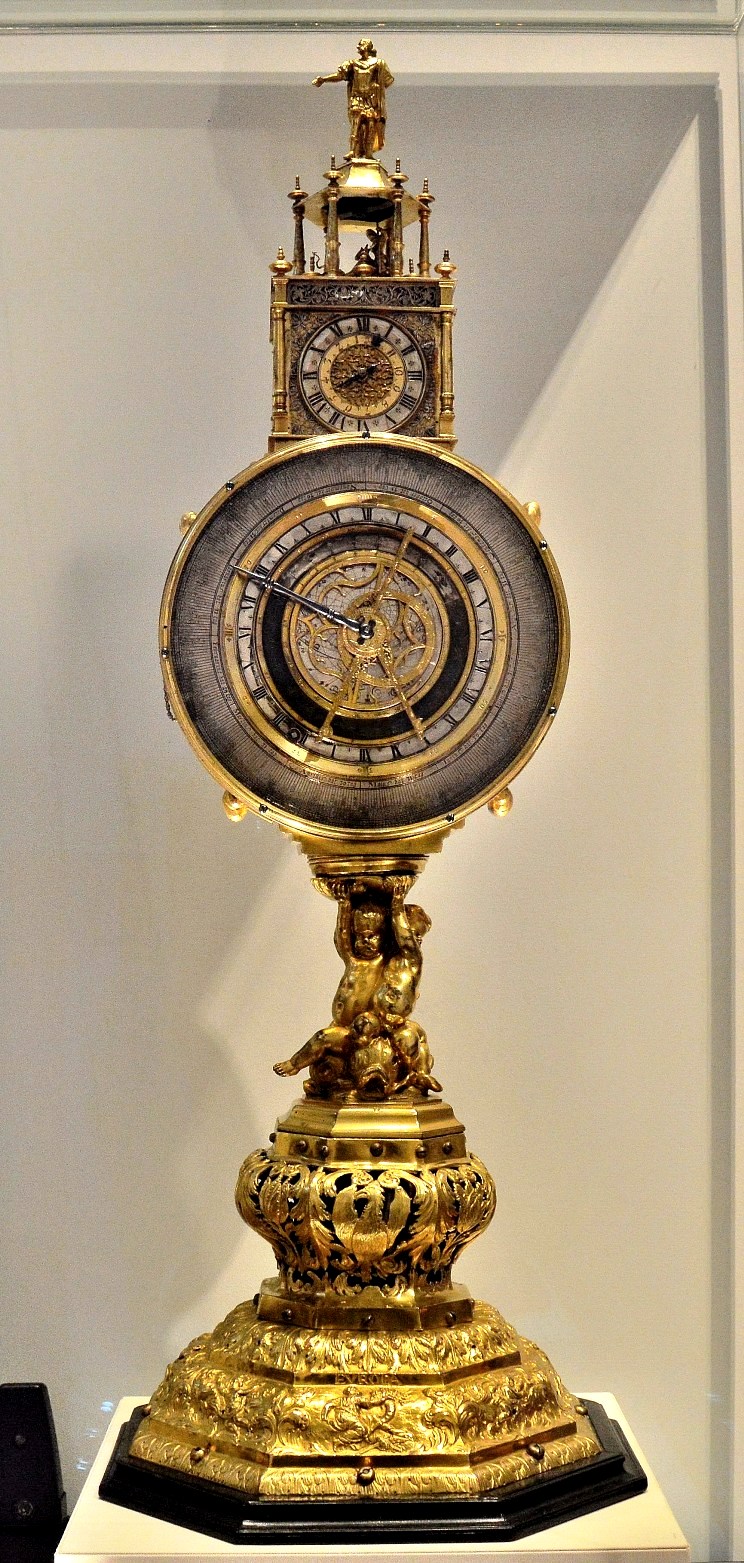
Johan Schneider c1625
.
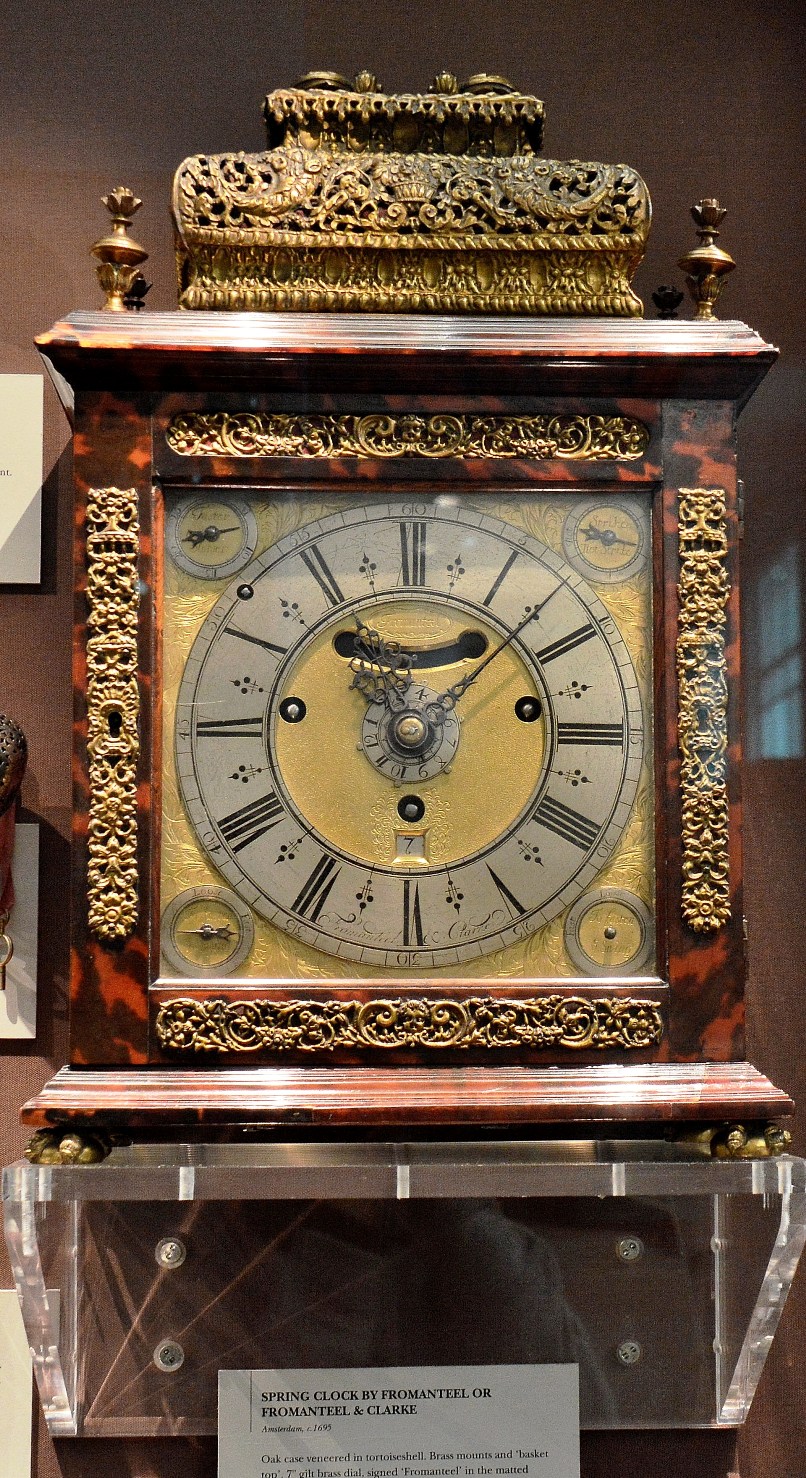
Fromanteel and Clark c1695
.

J. Schmidt Table Clock c1827
.
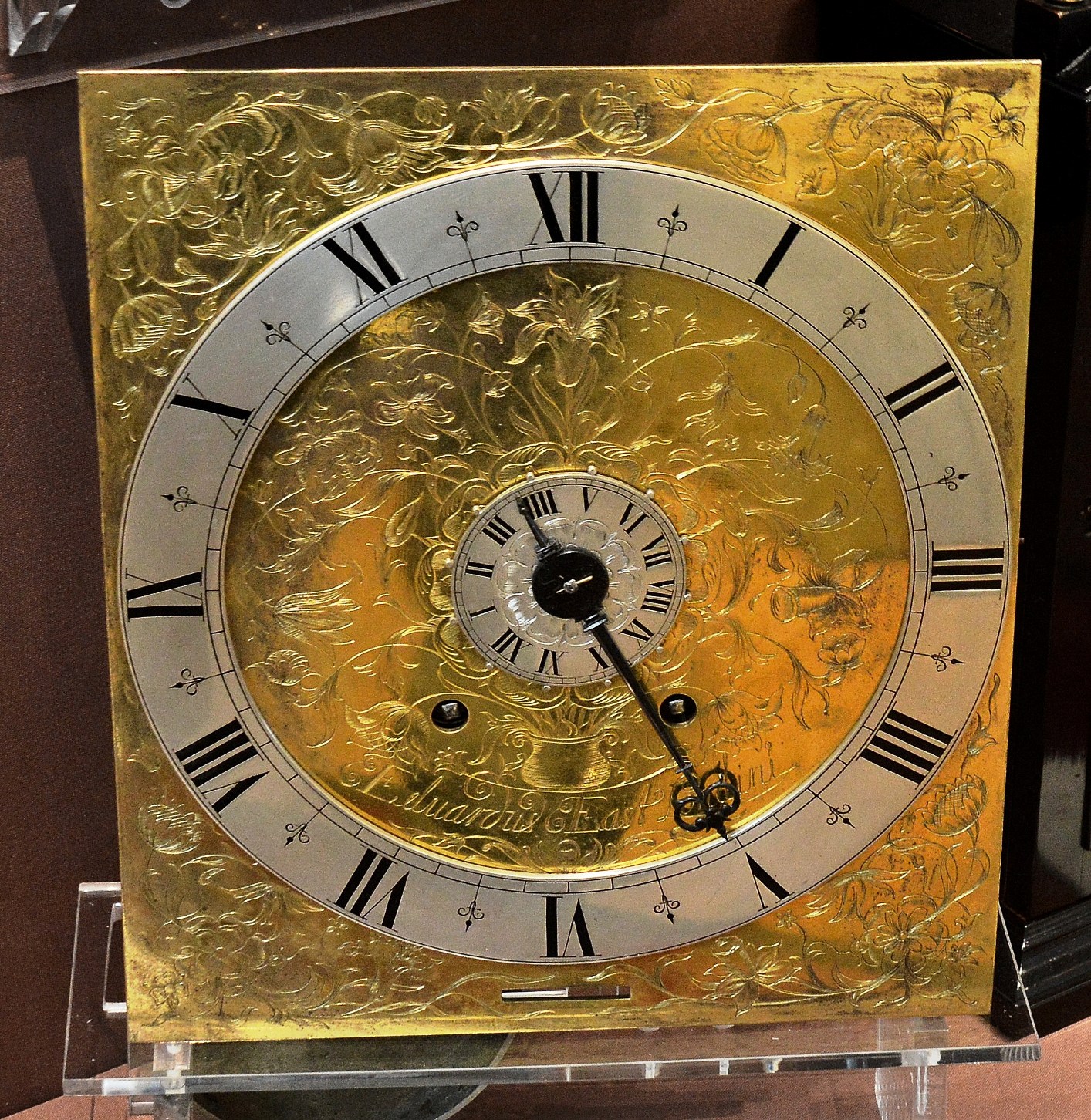
.

I hope you enjoyed that and so it’s goodbye from them and it’s goodbye from me.
Science Museum London
22 pics. The Natural History Museum⇐, Science Museum and fabulous Victoria & Albert Museum⇐ are all close together and very near South Kensington underground rail station. All are free to enter, although a small donation is usual, and have picnic areas (a wise choice).
It is advisable to download/save/print the museum map⇒. Their website is here⇒ and of special interest are the beautiful antique timepieces⇐ and the model steam engines⇐.

Newcomen type Atmospheric Engine
During the early 1700’s there was a developing energy crisis. Coal was needed to fuel industry, especially the smelting casting and forging of iron. Surface coal was becoming rare and deep mines were subject to flooding. Pumping out by hand or animal power was inadequate so Newcomen invented the Atmospheric Engine around 1712 and they continued as the only kind of steam engine until 1802.
The Atmospheric Engine filled a cylinder with steam at normal pressure which then condensed and reduced to less than atmospheric pressure. The external atmospheric pressure then pushed the piston into the cylinder, drawing the beam down and lifting the water pump at the other end. The age of the industrial revolution advanced along with our dependence on fossil fuels.
The one above was built in 1791 and continued in use for 127 years.

Bell Crank Engine by Boulton and Watt
Later, a more powerful type of pressurized steam engine, which pushes a piston along a cylinder, was developed by James Watt in 1802. This one powered a workshop and later an electrical generator.

Puffing Billy
The earliest practical steam locomotive was designed by Richard Trevithick in 1804 and used for the transport of coal. The Puffing Billy, above, was built by William Hedley.

Stephenson’s Rocket
George Stephenson built the Locomotion for the Stockton and Darlington Railway which was the first public steam railway in the world. It was his son, Robert Stephenson, who built the famous and more successful Rocket in 1829.

Grand Junction Railway Locomotive Columbine
Then innovation took off in leaps and bounds.

Traction Engine
.

Pumping Engine
Steam driven pumping became another essential for the advancement of human civilization by the provision of clean water and removal of waste. Both were essential for the limitation of disease. You might like a look at the beautifully ornate Crossness Pumping Station ⇐ and the awesome machines at the London (Kew) Water and Steam Museum ⇐.
.

Bessemer Converter
These developments were aided by the invention of the Bessemer Converter in 1856. Molten iron, refined from iron ore in a Blast Furnace, is poured into the vessel and then air followed by oxygen is forced through the molten metal. This was the first method of removing impurities on a large economic scale to produce steel.
The great gout of fire that spouts from the converter is awesome and can be seen on video by clicking on Bessemer Steel Making at Workington Cumbria⇒.
.

Babbage’s Difference Engine No 2
Meanwhile there had been a need to produce accurate mathematical tables for engineers, astronomers, navigators etc. After around 25 years of trying, Charles Babbage created the Difference Engine No 2. Whilst it can only add and subtract, it can be programmed do so a number of times, hence it can multiply and divide. Modern computers use the same method.
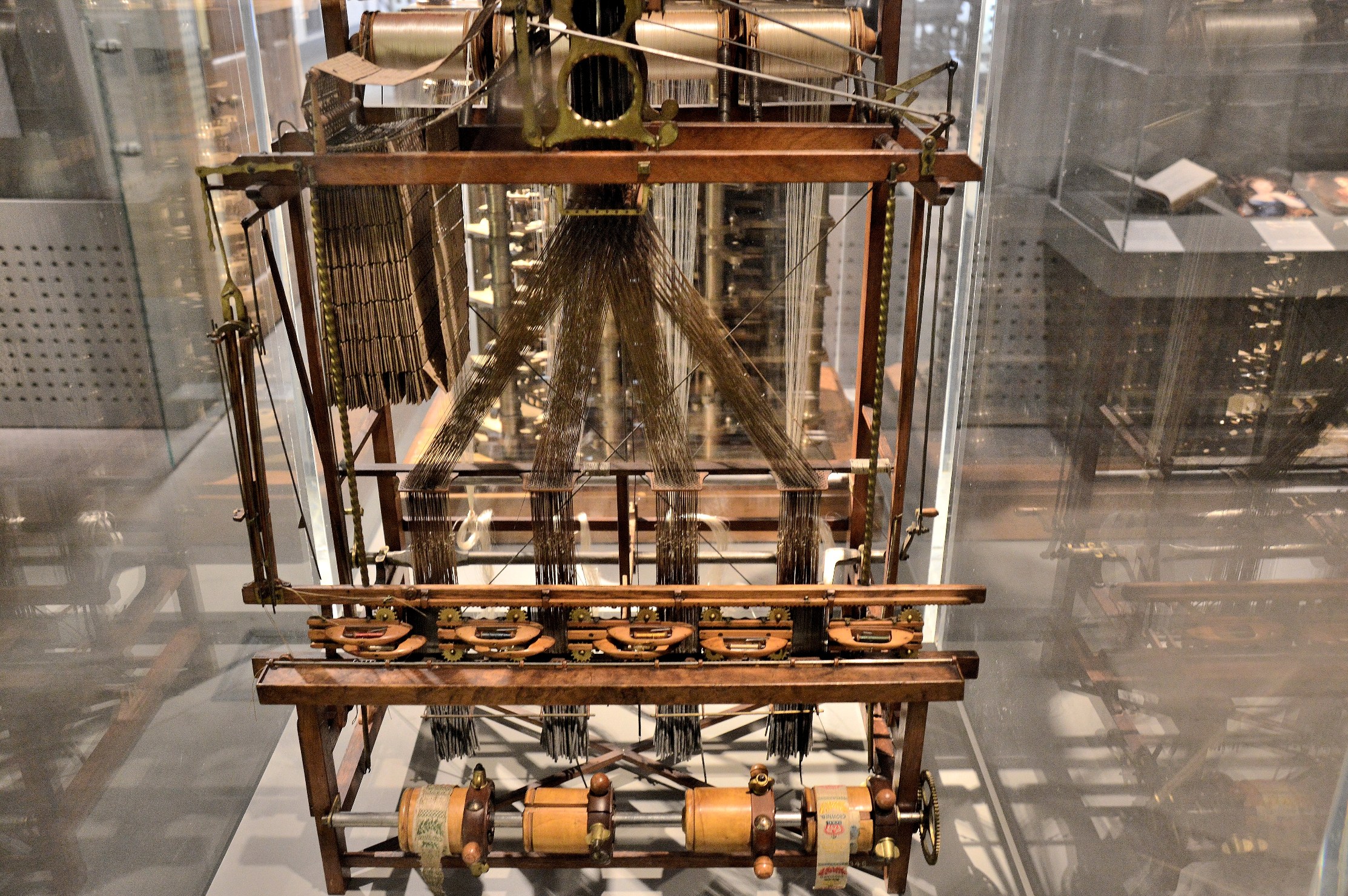
Ribbon Loom by James Heywood using the Jacquard Principle
This clever little device can automatically weave a complex design using a series of punched cards for instruction. That is, a programmable process. Punched cards were used by early computers.
And then :-.

Well alright its early days yet.

Amy Johnson’s Airplane Jason
Amy Johnson was the first person to fly solo from Britain to Australia, although in several legs. If you click on twice to expand, you might notice an AA (Automobile Association) sticker just beneath “Jason”. Now that’s what I call optimism.
And then:-

The Spitfire
.

Lockheed Electra
.
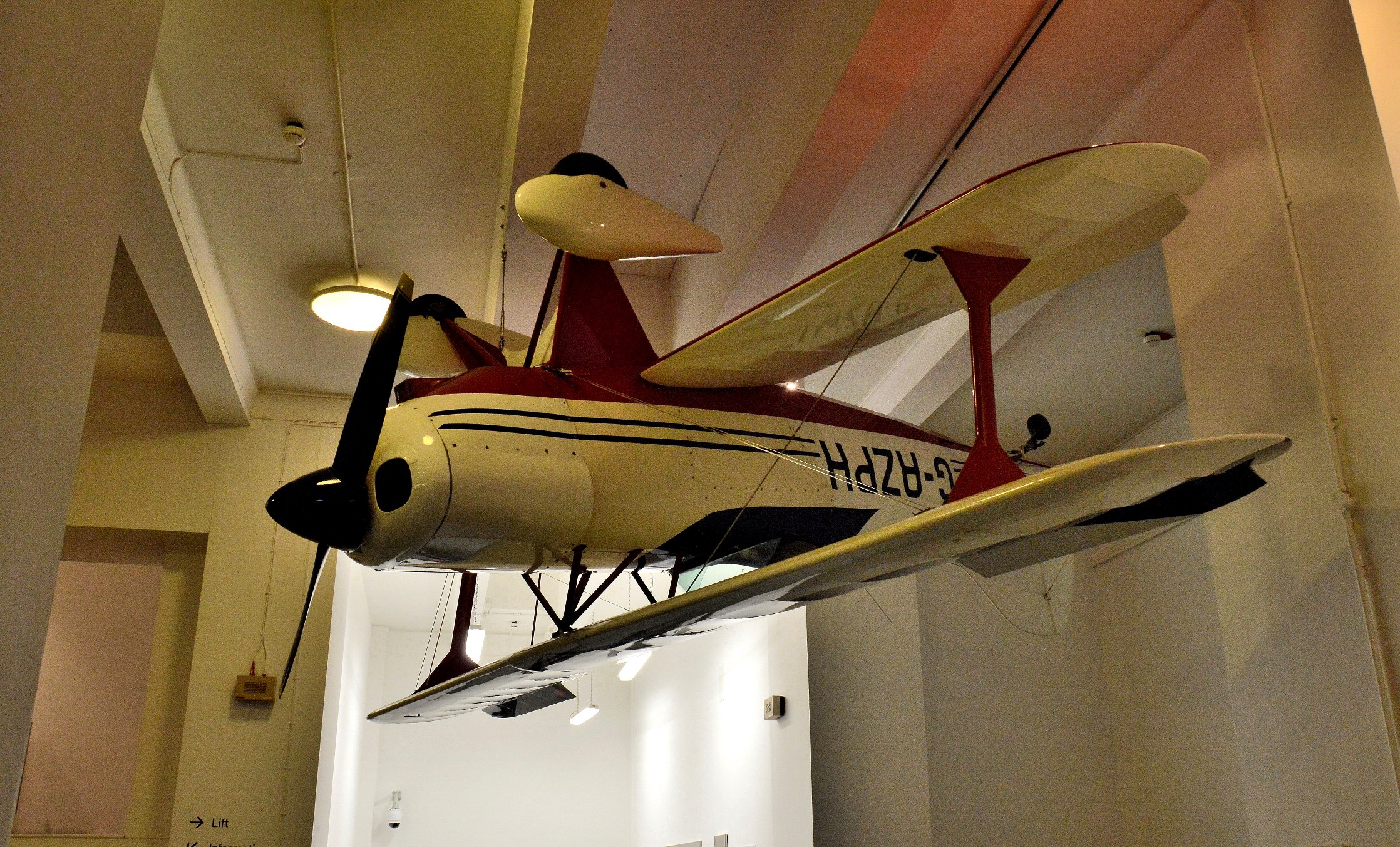
Normal service will be resumed when Grommet gets back from the chip shop. 🙂

Harrier Jump Jet
And then :-
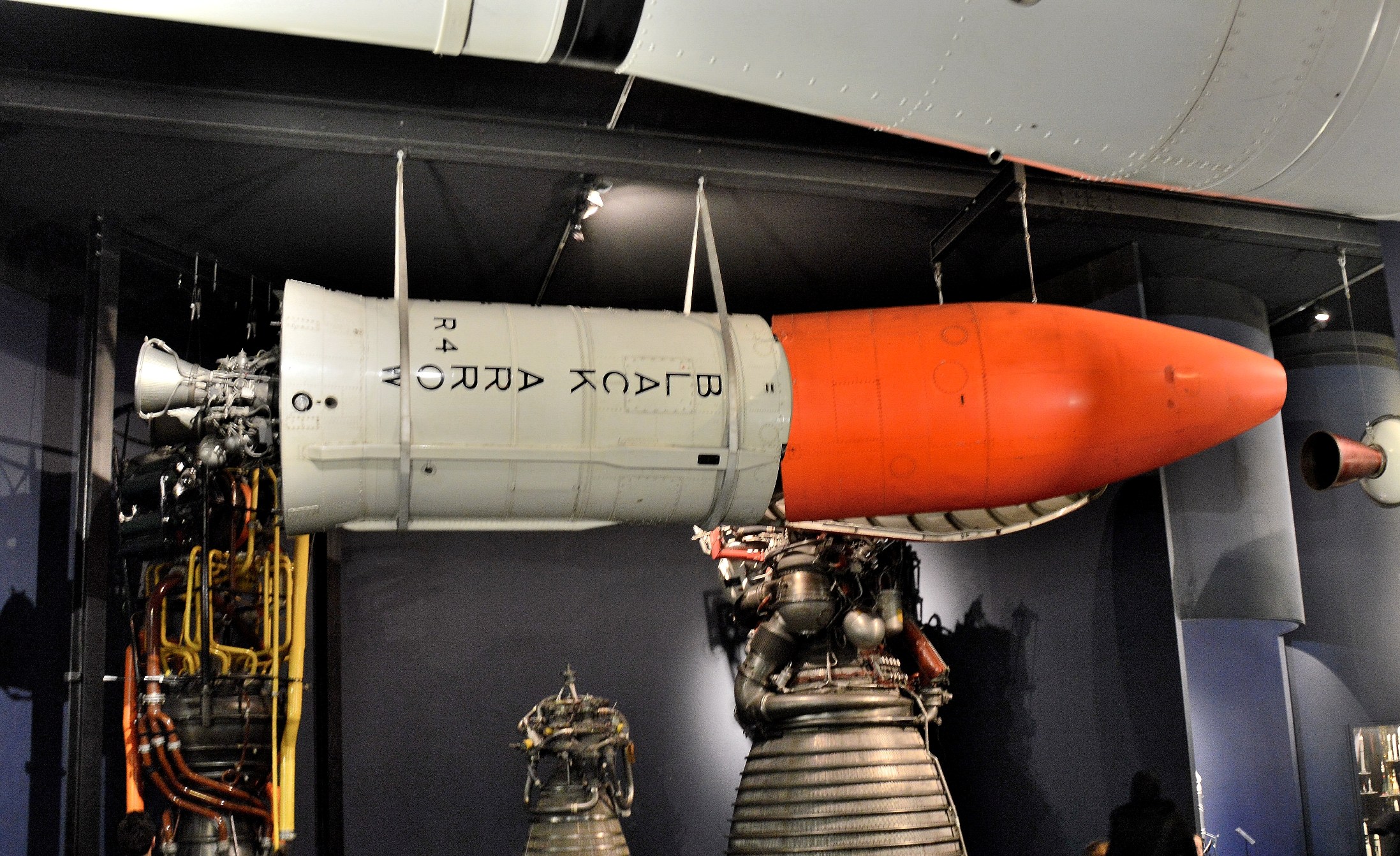
Space Rockets
.

Space Satellite
.

Space Capsule
.

Moon Lander
And then:-

This suspended globe in the Science Museum turns and changes to show the weather patterns and day and night. At times it shows the vast number of lights we are burning.
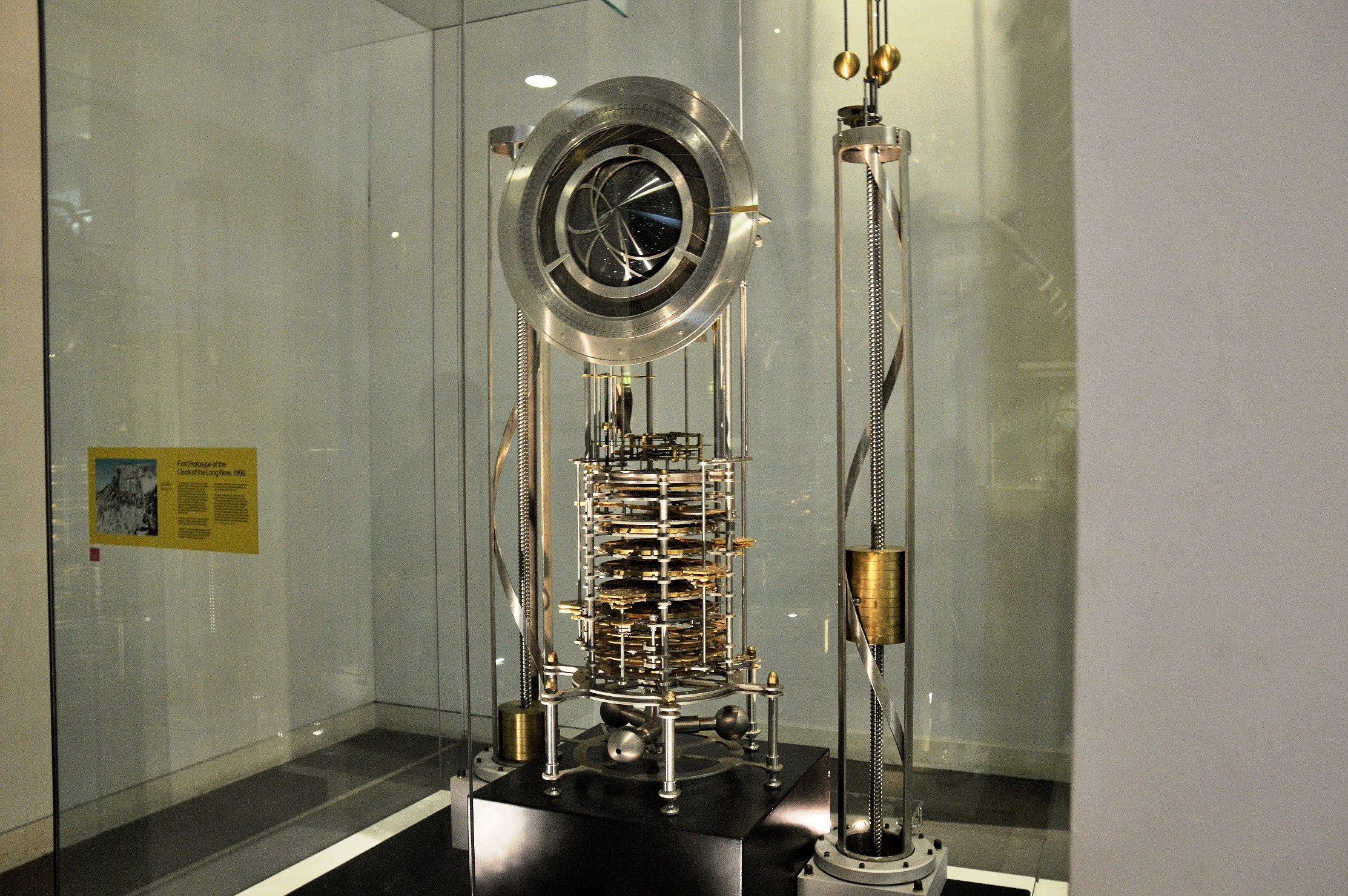
The Clock of the Long Now
Please click on twice to expand the small print.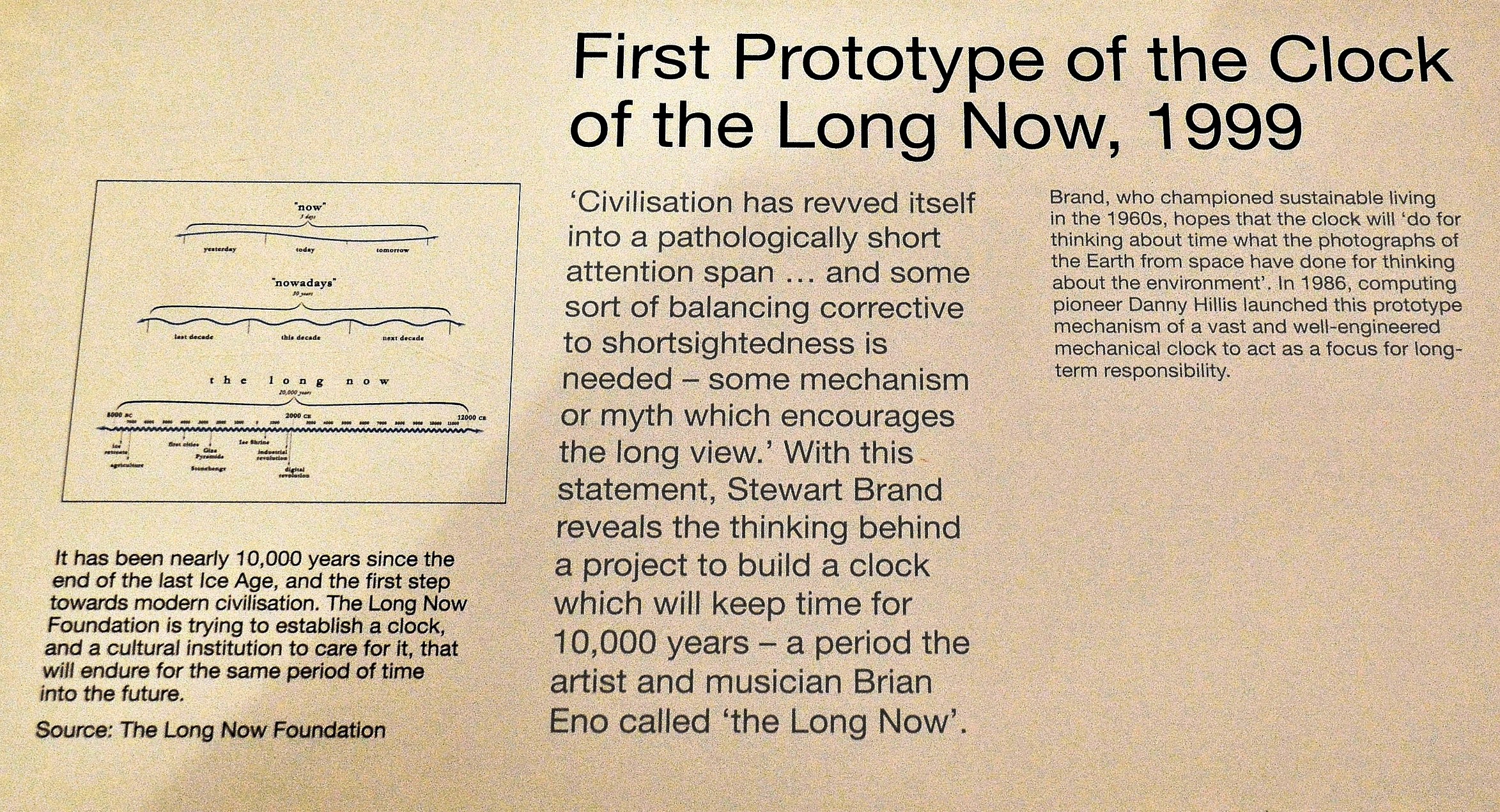
.
Fossil fuels have been the foundation of our modern world and all of its benefits. Knowing no better, we have used a crude and poisonous medicine, we now have to evolve to stop the increasingly damaging side-effects. Considering all that mankind has done, surely we can manage this too.
.
Bow Bells, Cockneys, Dick Whitington and Captain John Smith
The Church of St Mary Le Bow
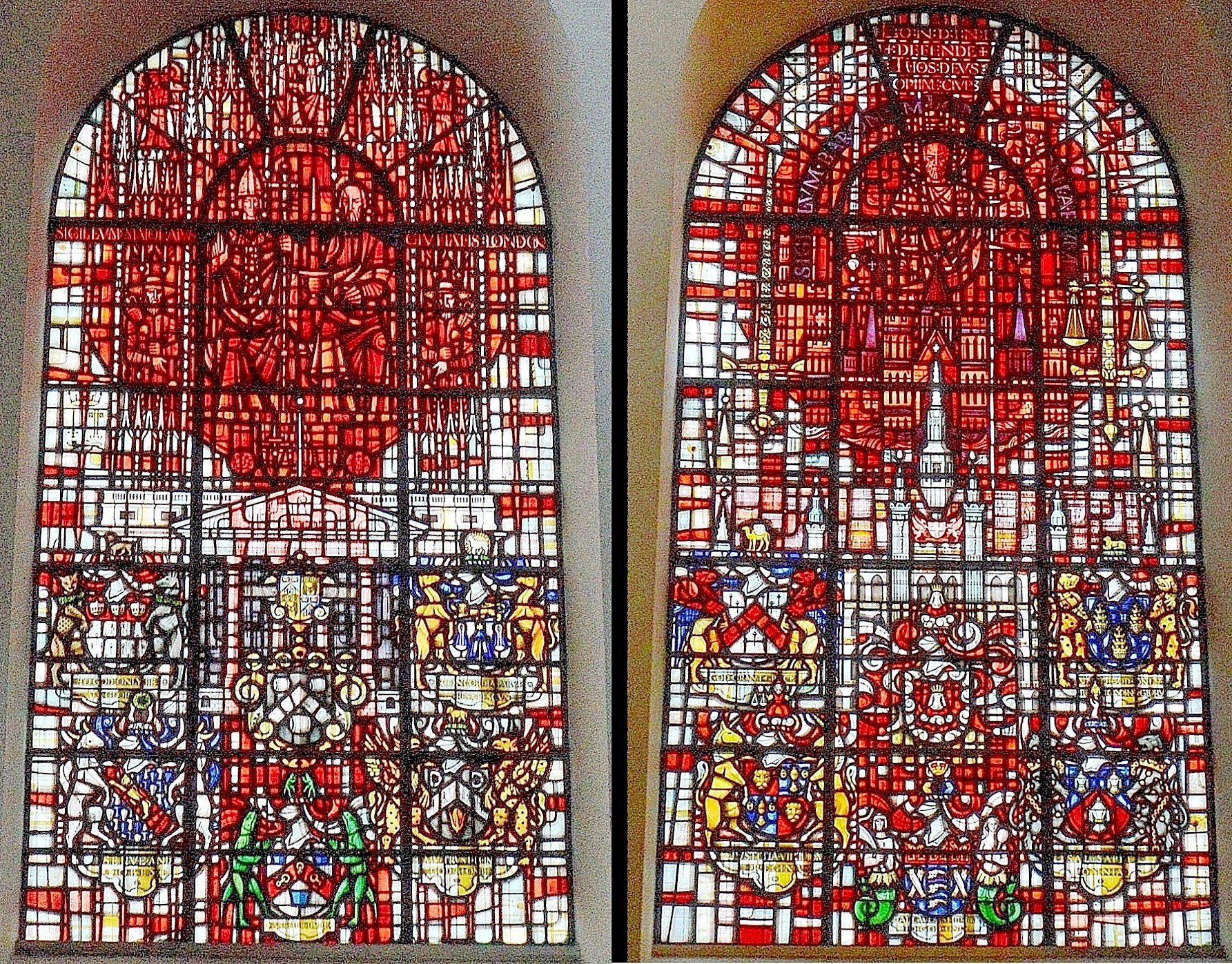
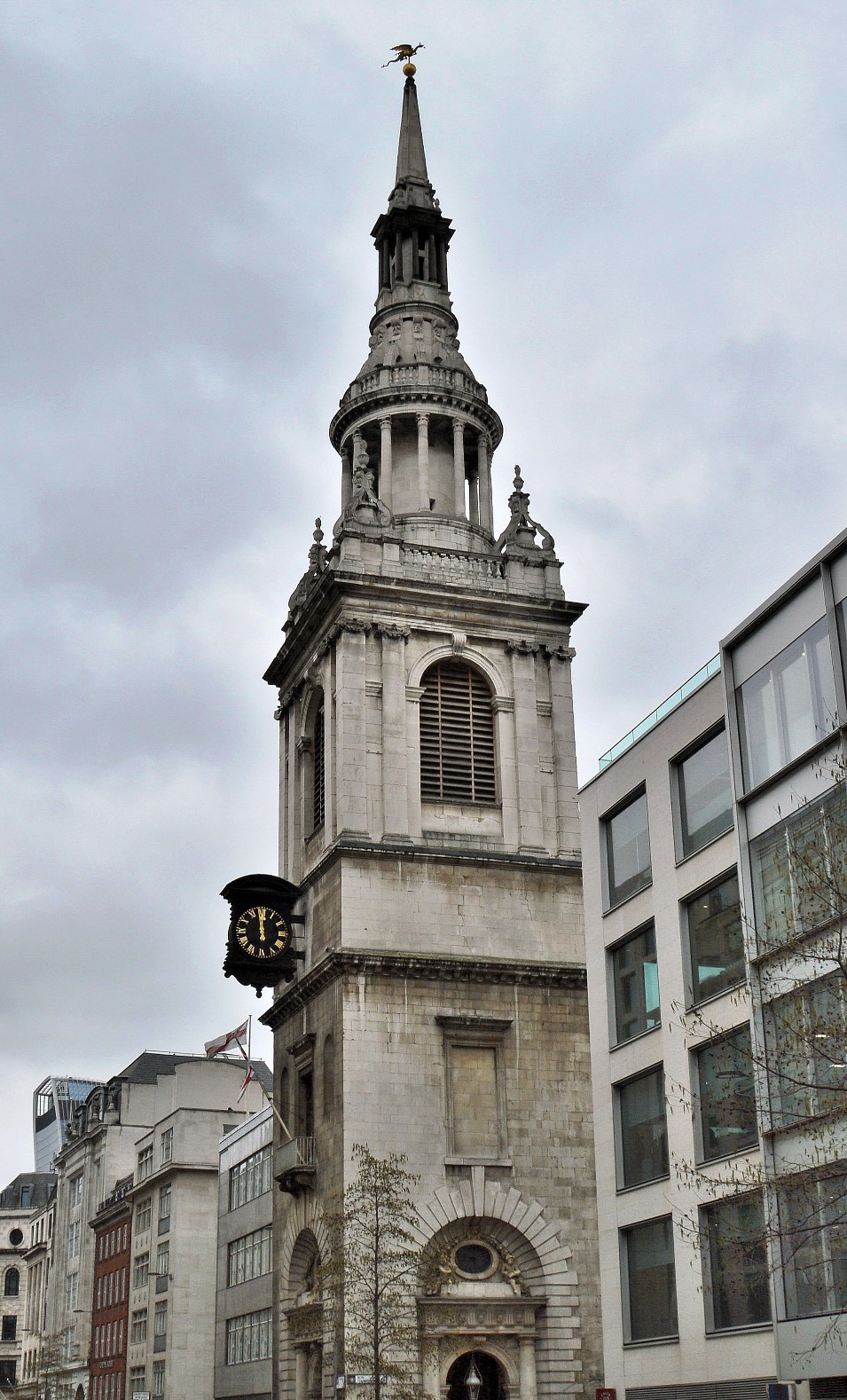
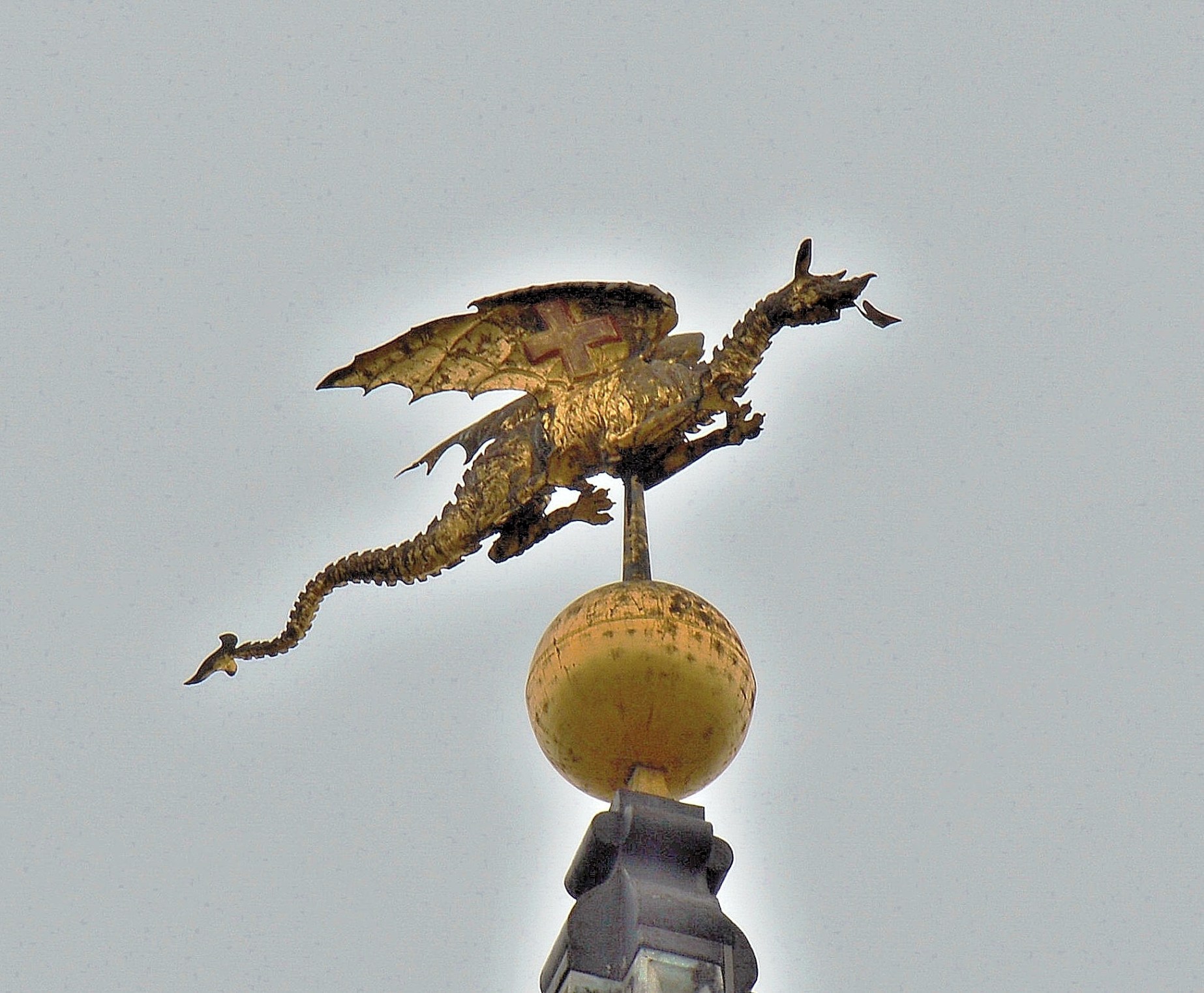
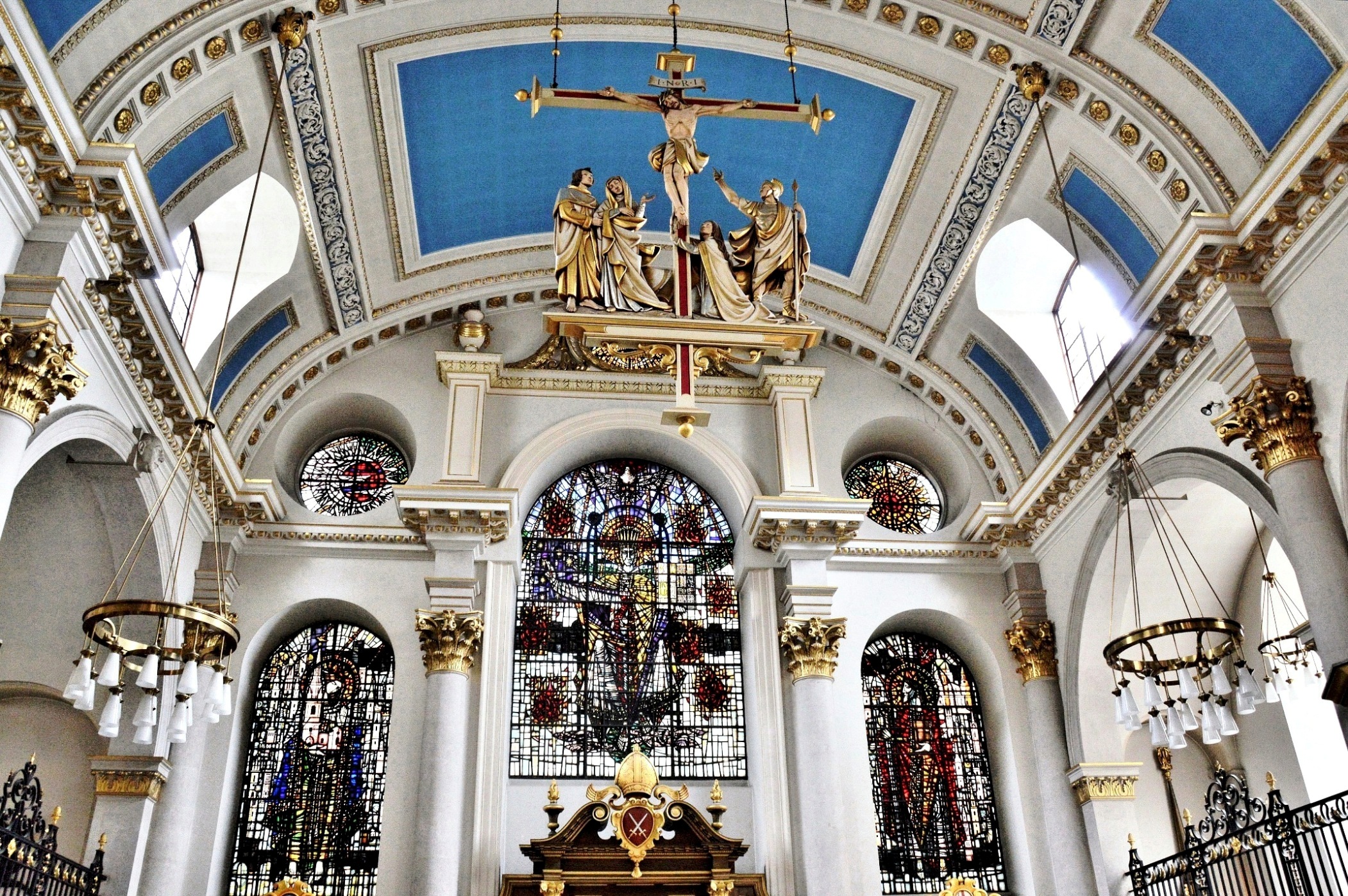 The Church of St Mary Le Bow is in Cheapside and but 3 minutes walk from St Paul’s Cathedral. To be a true Cockney, which is not quite what people think, one must be born within the sound of St Mary Le Bow bells. Their website can be found here and this is not the same place as St Mary’s in the district of Bow.
According to folklore Dick Whittington changed his mind about leaving London when he heard the peal of Bow bells, and so changed his fortunes and became Lord Mayor of London. There was in fact a Richard Whittington who was Lord Mayor of London several times during the 14th century.

.
 .
.
 .
.

There is also a cosy little crypt converted into a pleasant café.
 .
.
 .
.

In the square, just outside the church, is a statue of Captain John Smith. The captain was a mercenary, pirate, explorer and at one time leader of Jamestown the first permanent English colony in America. It is said (mostly by himself) that his life was once saved by Pocohantas. He was probably what we would call now, a real swashbuckler. Anybody who wore rain-catcher boots like that had to be hardy. 🙂
The Queens Gallery
The Queens Gallery can be found at the southern wall of Buckingham Palace (near Victoria Station) beside the Royal Mews and you can photograph in both. Nearby are the State Rooms, where photography is not allowed. There are also some very royal gift shops.
I’ve chosen paintings and sketch cartoons that show slices of life from the artist’s point of view. They have all been enhanced to compensate for the low lighting and the fading/darkening of paint over time. They show the patience and skill that was employed, which makes them a joy to see.
Paintings

Market Scene by Night by Petrus van Schendel
.
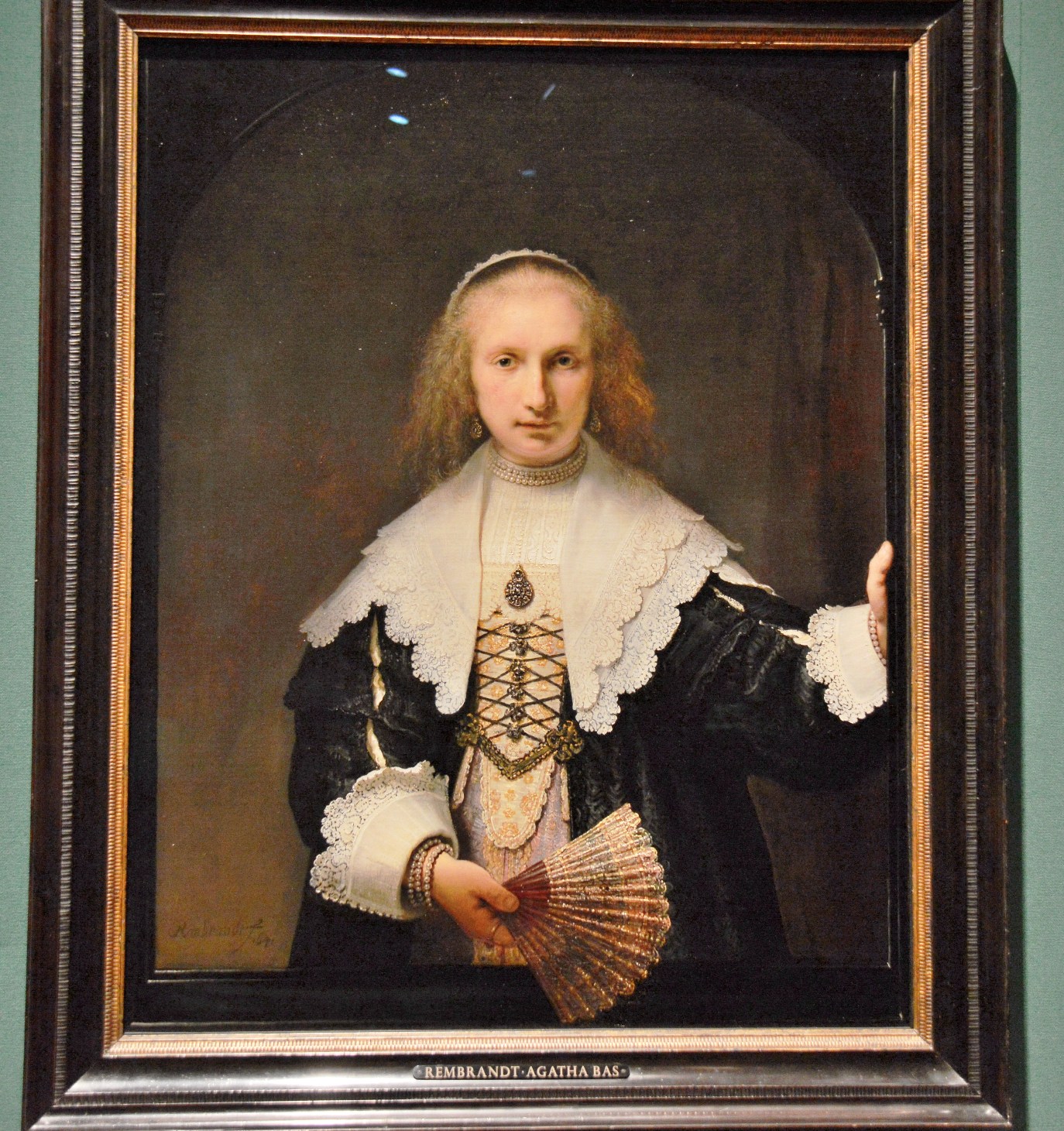
Agatha Bas by Rembrandt van Rijn
.
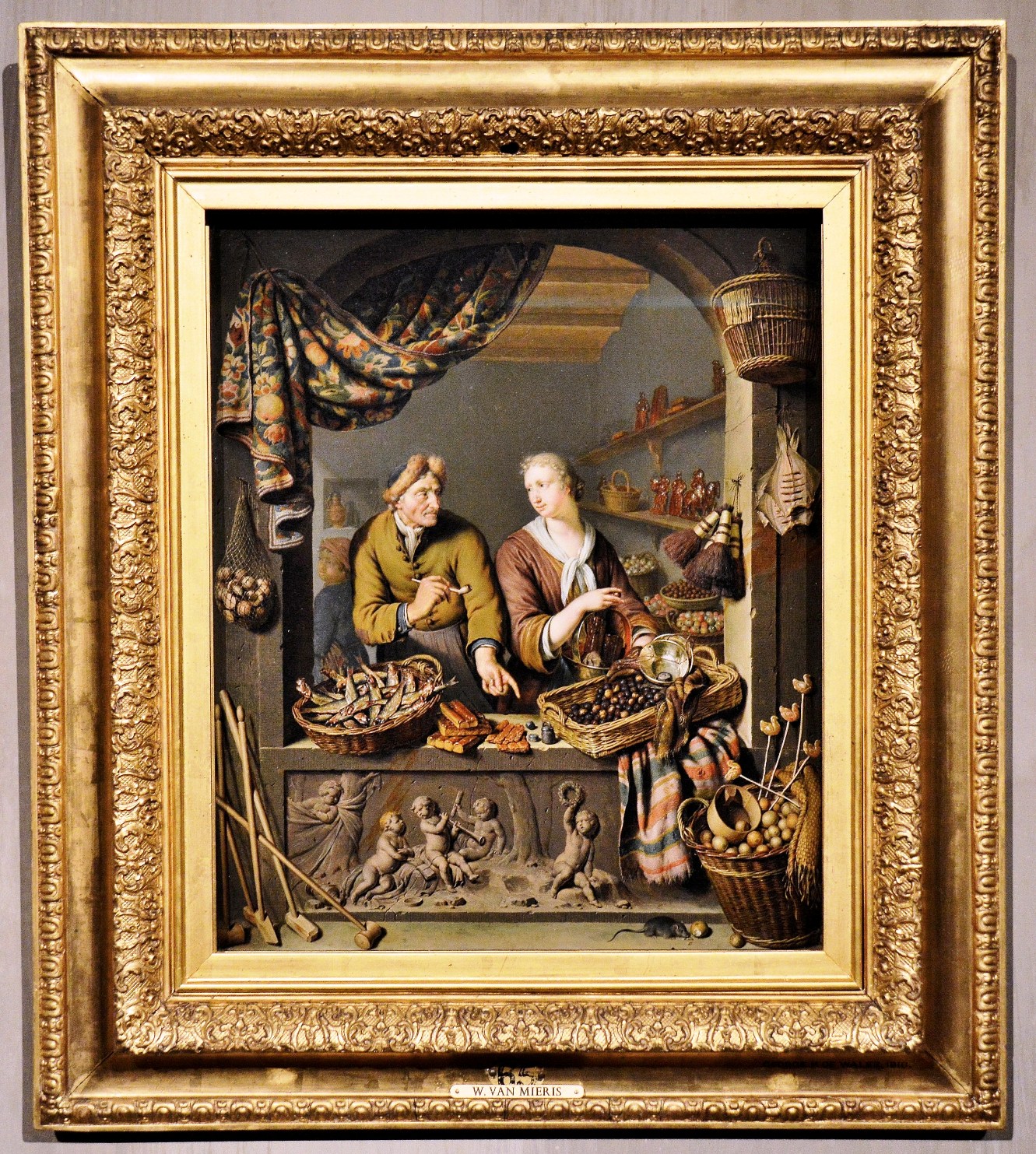
An Old Man and a Girl at a Vegetable and Fish Stall by Willem van Mierls
.

A Village Revel by Jan Steen
.
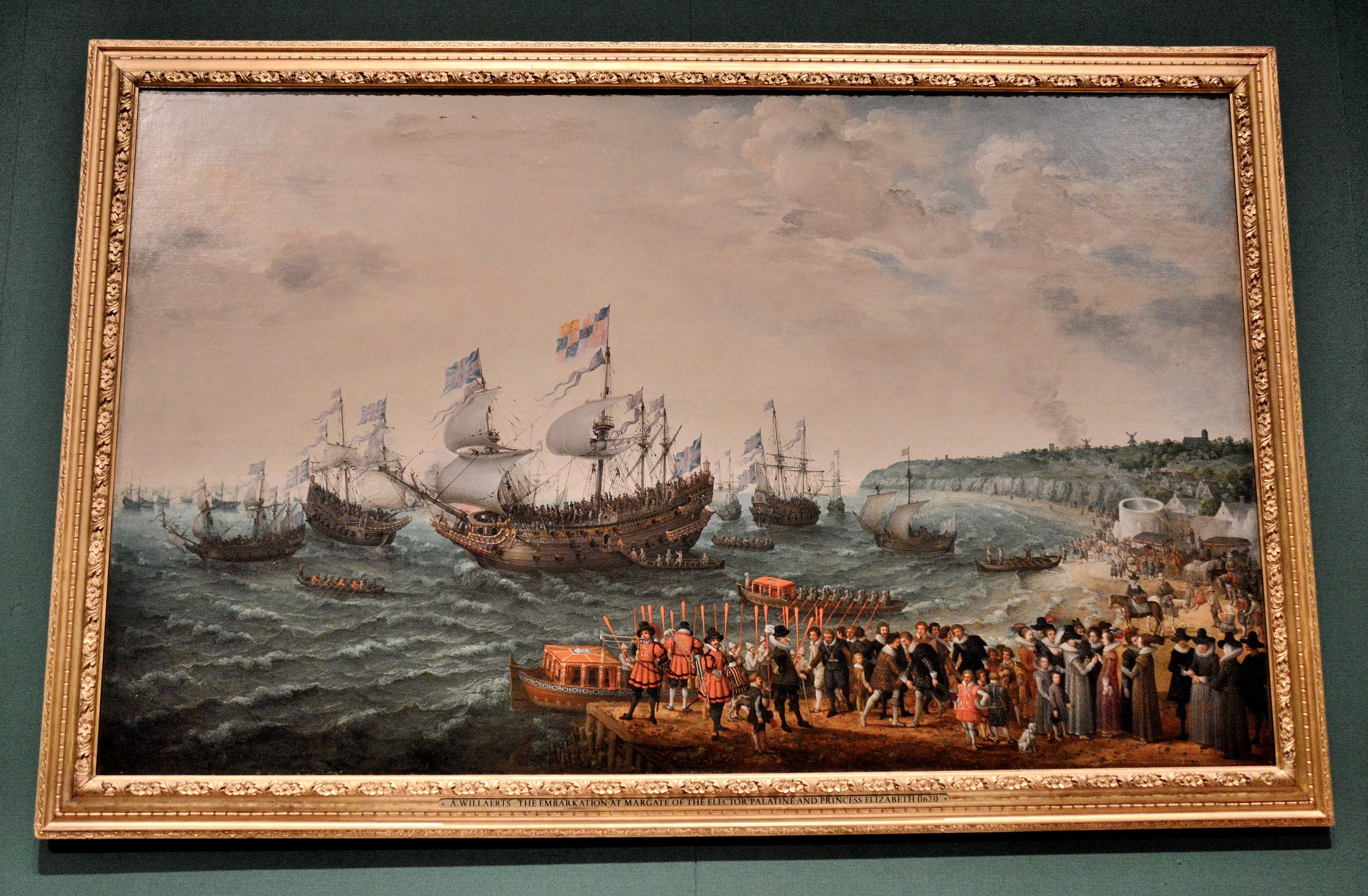
The Embarkation at Margate of the Elector Palatine and Princess Elizabeth by Adam Willaerts
.
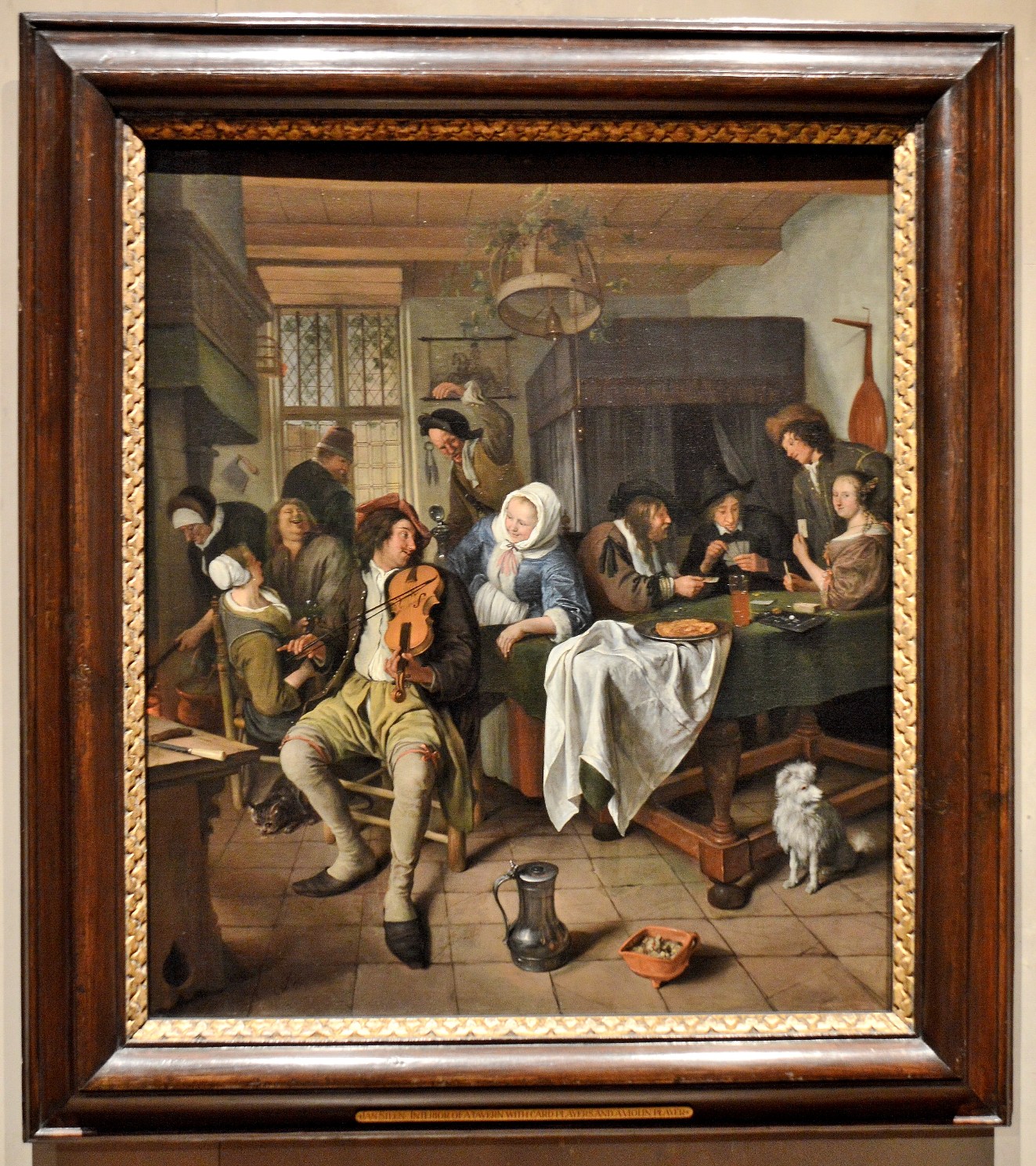
Interior of Tavern with Card Players and a Violin Player by Jan Steen
.
Ornamental

.

.

.

Cartoons
18th century Britain was quite frank in its depictions of society and the notable. Sometimes irreverent and quite often bawdy. The first is a satire of the Duchess of Devonshire trying to assist her lover, Charles James Fox, to obtain a seat in Parliament. Fox succeeded in being elected but the Duchess never regained her reputation.
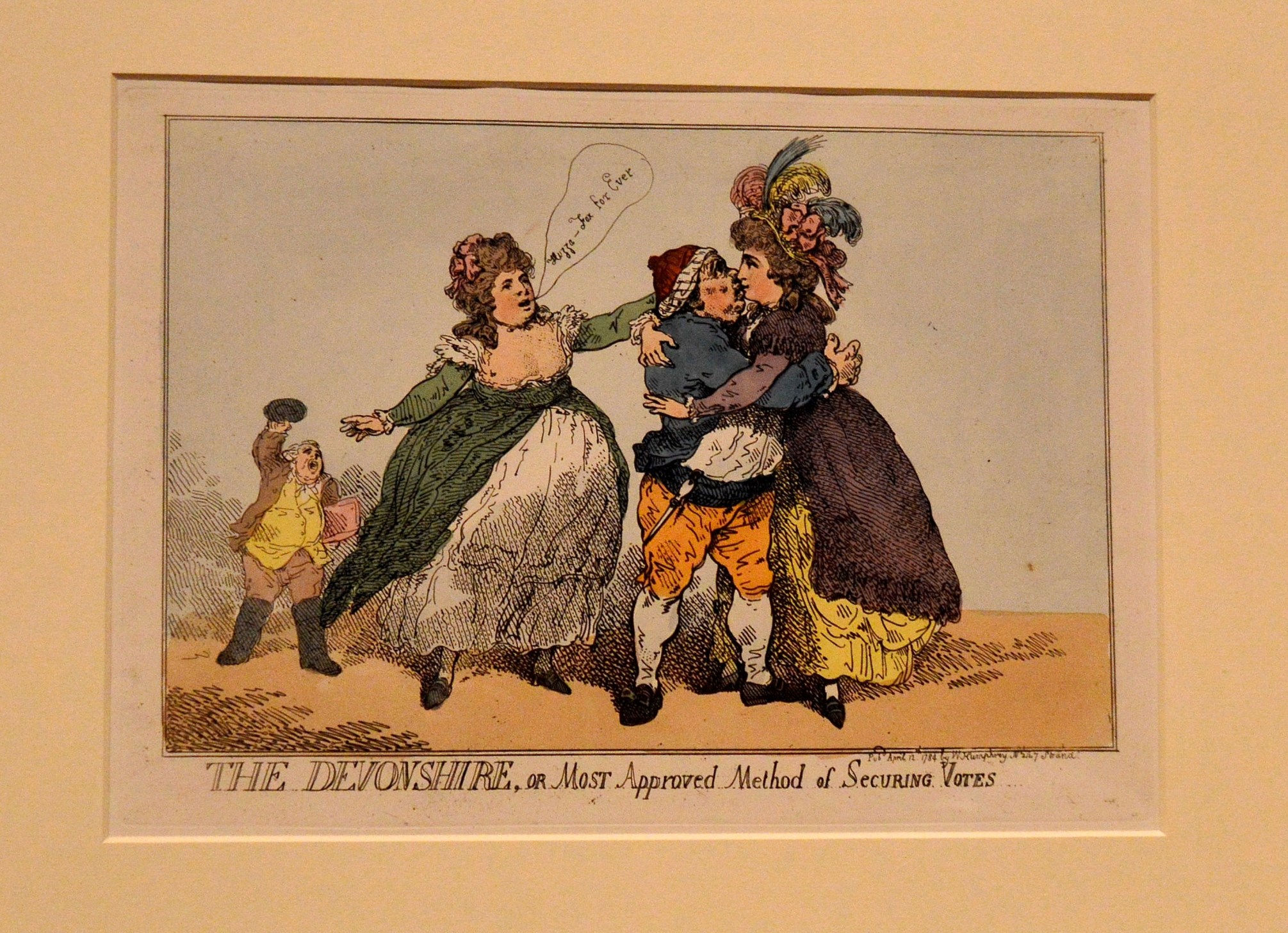
The Devonshire, or Most Approved Method of Securing Votes
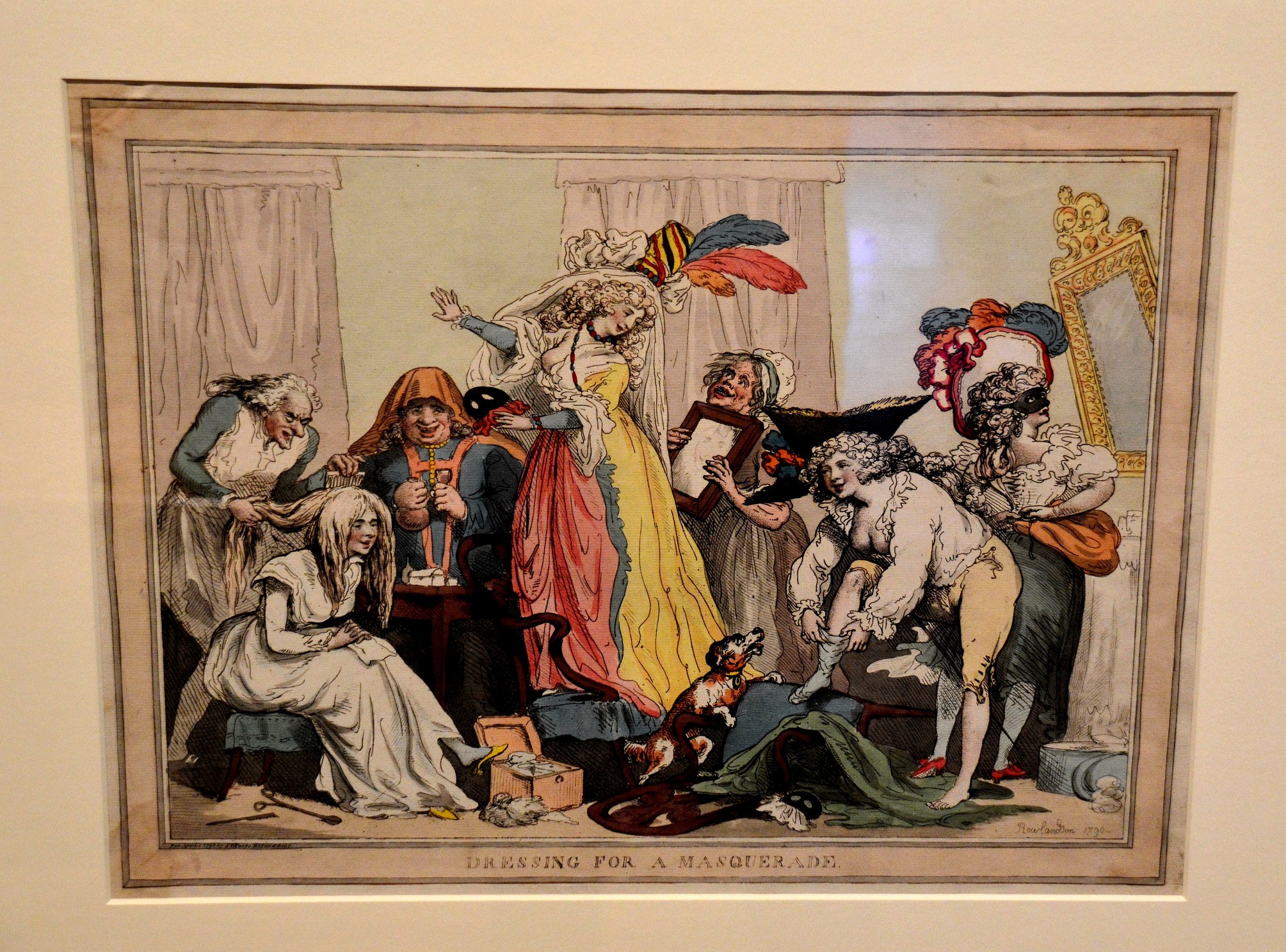
Dressing for a Masquerade

The Unwelcome Visitor
.
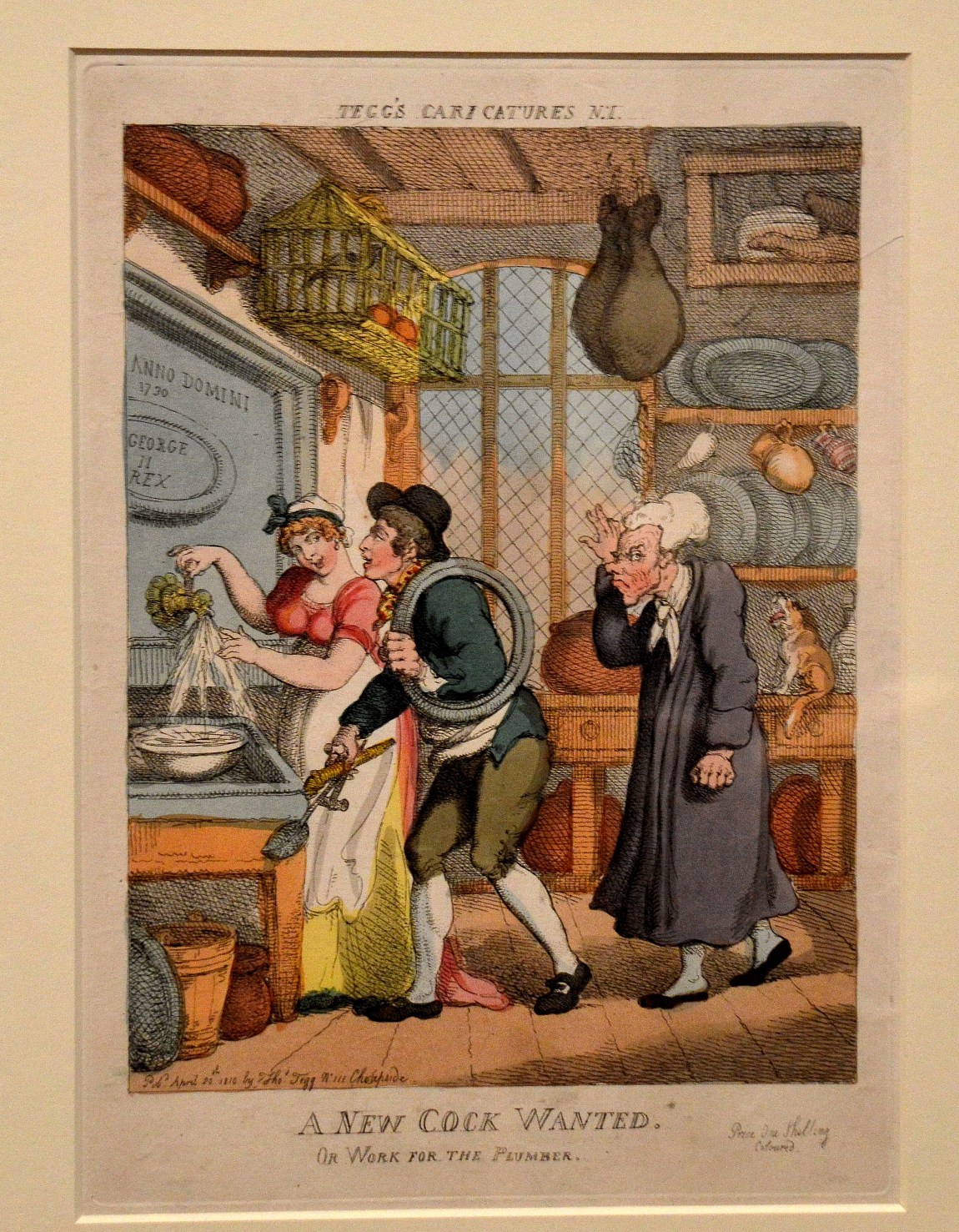
A New Cock Wanted or Work for the Plumber
More Ornaments
To restore some dignity, a picture of bathing implements for the royal corgis. 🙂

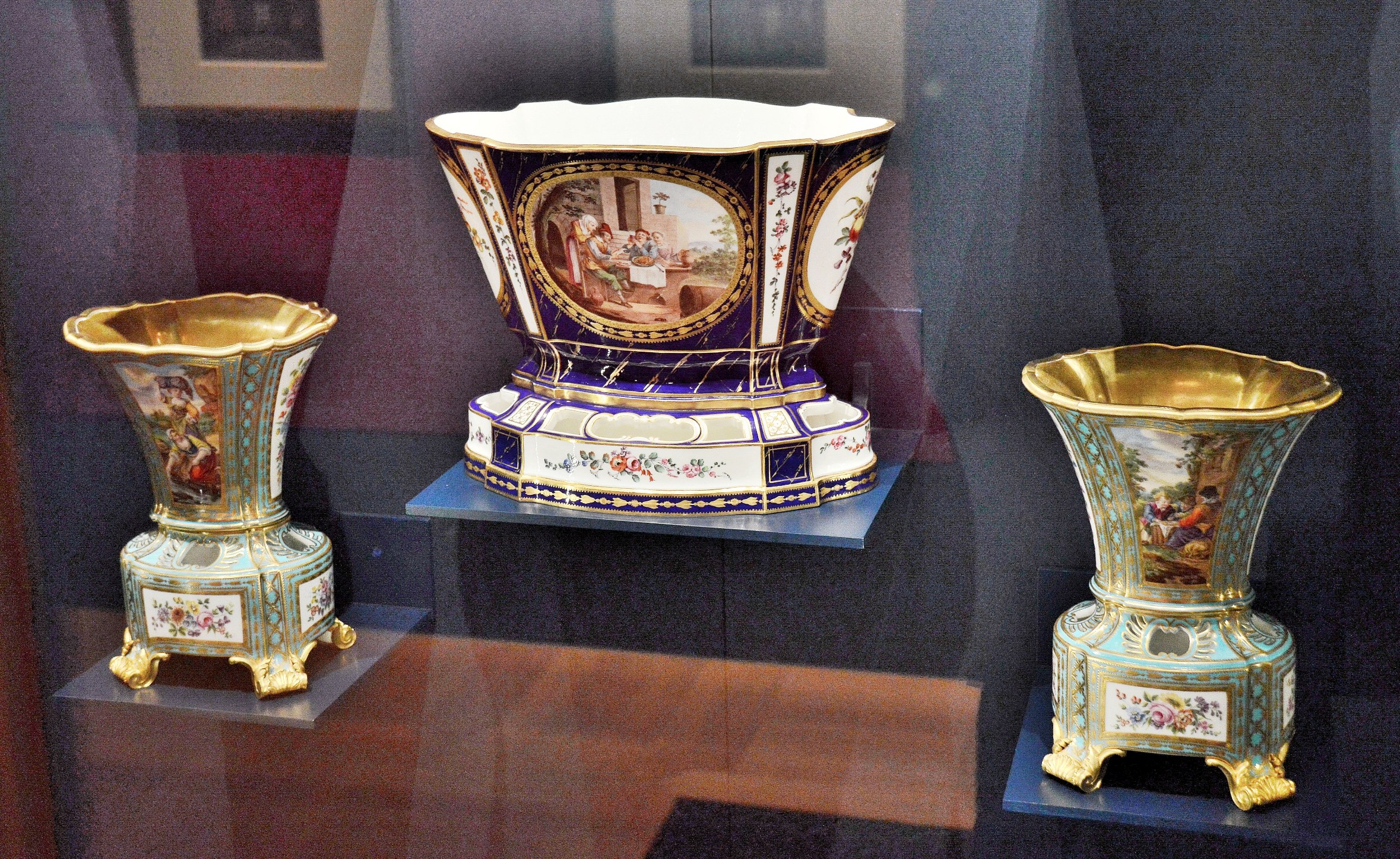
The National Gallery – London – UK

The Horses of Achilles in the style of Anthony van Dyke
The National Gallery (London UK) is adjacent to Trafalgar Square ⇐, St Martin in the Field ⇐ and the National Portrait Gallery ⇐. Entrance is free and you may photograph (no flash or tripod). You can also download images but with very limited use. The website is here ⇒.
Paintings like these provide an insight into past life, attitudes, stories and legends. Many show the enormous skill of the artists. All have been brightened a little to compensate for the low lighting and fading/darkening of paint. You might also like a selection of digitally enhanced versions that try to show their original vibrancy here ⇐.

The National Gallery Entrance (London)

The Fighting Temeraire by Joseph Mallord William Turner

The Virgin and Child with Saints by Lorenzo Costa and Gianfrancesco Maineri

Saints Christina and Ottilia by Lucas Cranach the Elder

Saints Genevieve and Appollonia by Lucas Cranach the Elder

Adriana van Heusden and her Daughter at the New Fish Market in Amsterdam by Emanuel de Witte

Seaport with the Embarkation of the Queen of Sheba by Claude

Dutch Vessels Close Inshore at Low Tide and Men Bathing by Wilem van de Velde

Infant St John with the Lamb by Bartoleme Esteban Murillo

London Interior of the Rotunda at Raneleigh by Canaletto

Phillip th IV Hunting Wild Boar by Diego Valazquez

Eaton College

National Gallery Portico – London
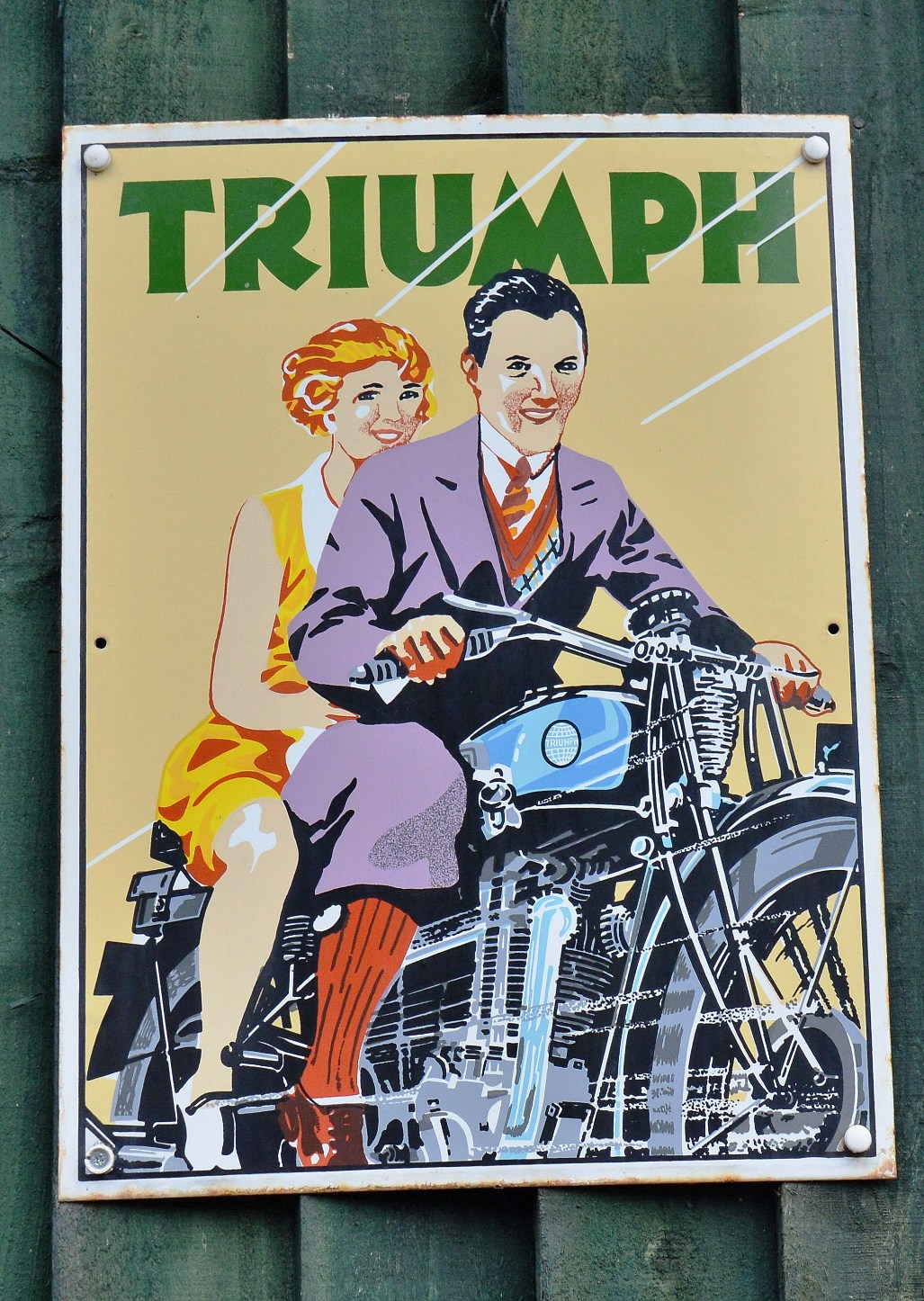
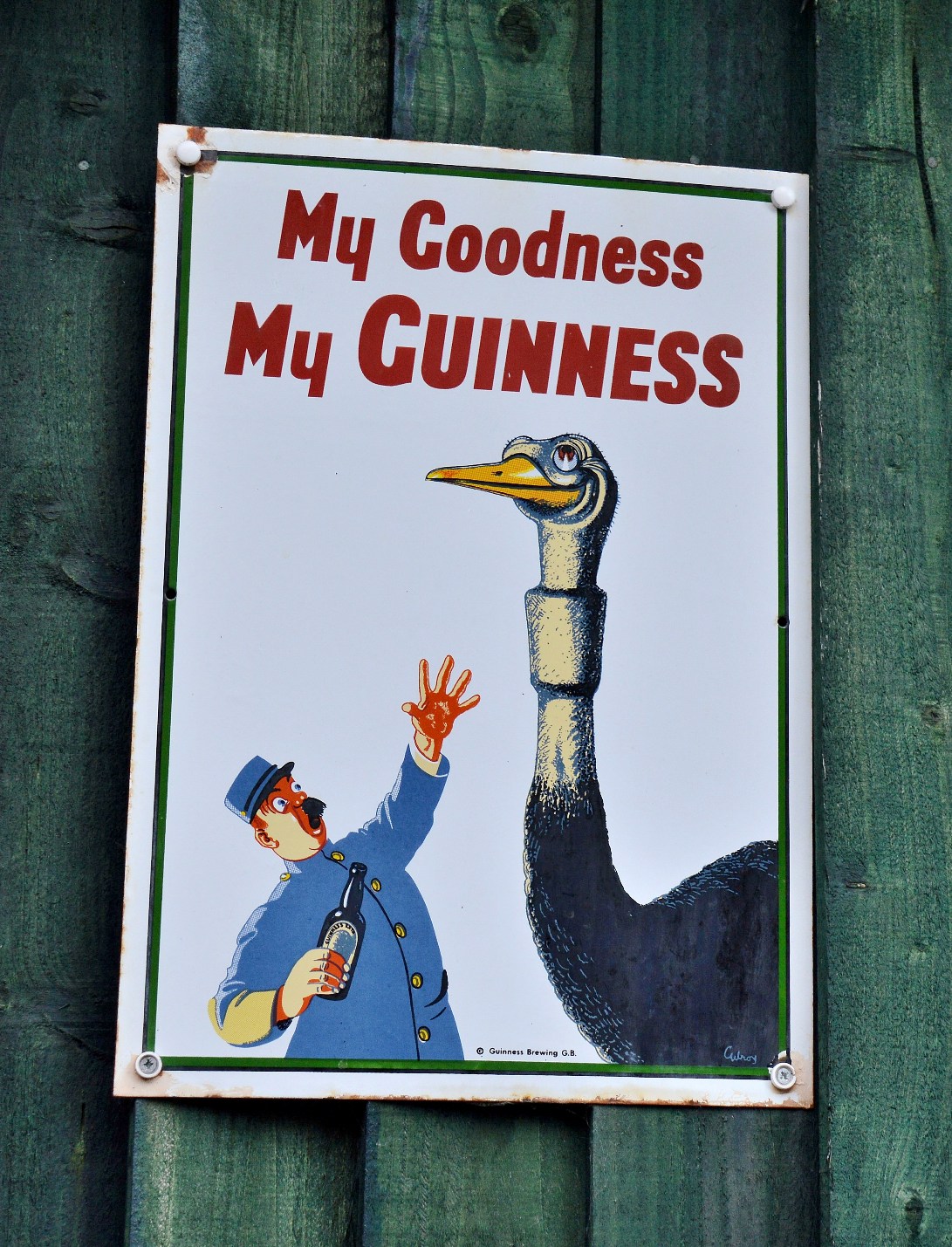
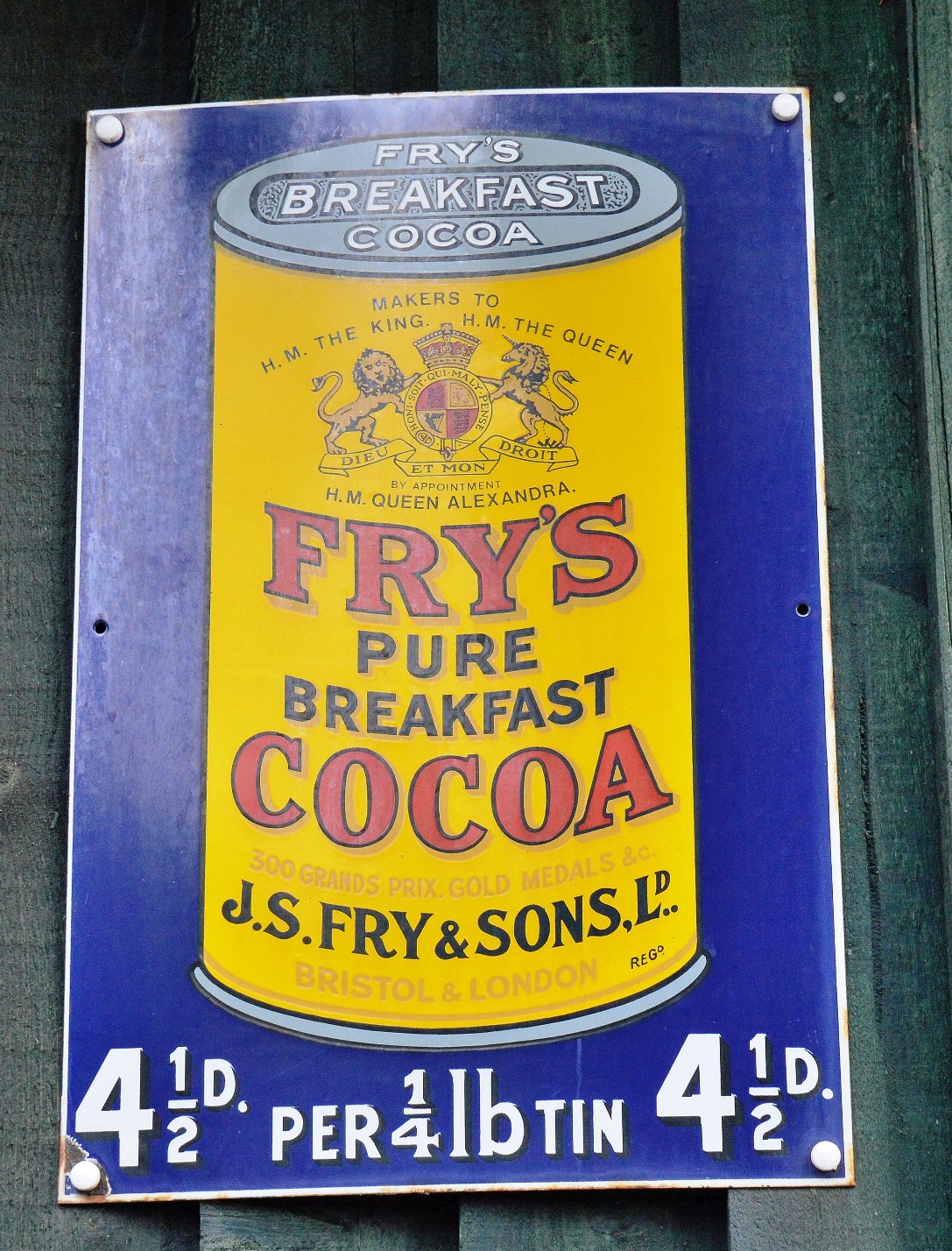
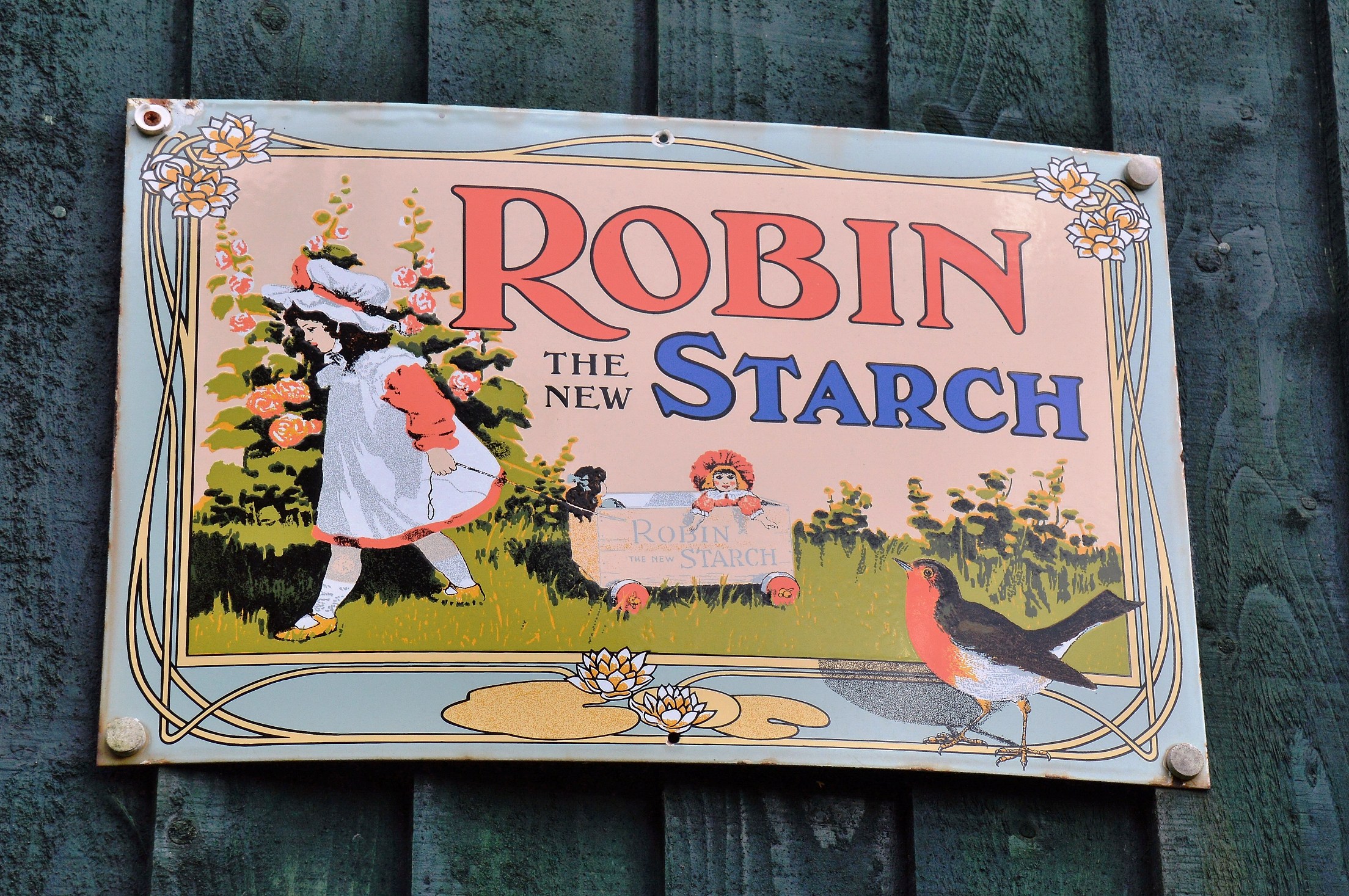
Advertising in the Age of Innocence ? No 2

11 Signs found at the Bekonscot Model Village⇐ at Beaconsfield. The other vintage signs are here ⇐ .
These advertising signs seem so simple compared with modern sophistry. Perhaps they are no less clever than those of present time but reflect an appeal to simpler desires and attitudes compared with today. Which do you find persuasive ?
.

.
.

.

.
.

.
.

.
.

The Royal Mews

10 pics and the best is last. I thought a Royal Mews would have cats deep in thought but it turns out to be coaches. The one above is the “Glass Coach” and was used for royal marriages, including our own Queen Elizabeth II.
The Royal Mews can be found at the southern wall of Buckingham Palace (near Victoria Station) beside the Queens Gallery and you can photograph in both. Nearby are the State Rooms, where photography is not allowed. There are also some very royal gift shops,
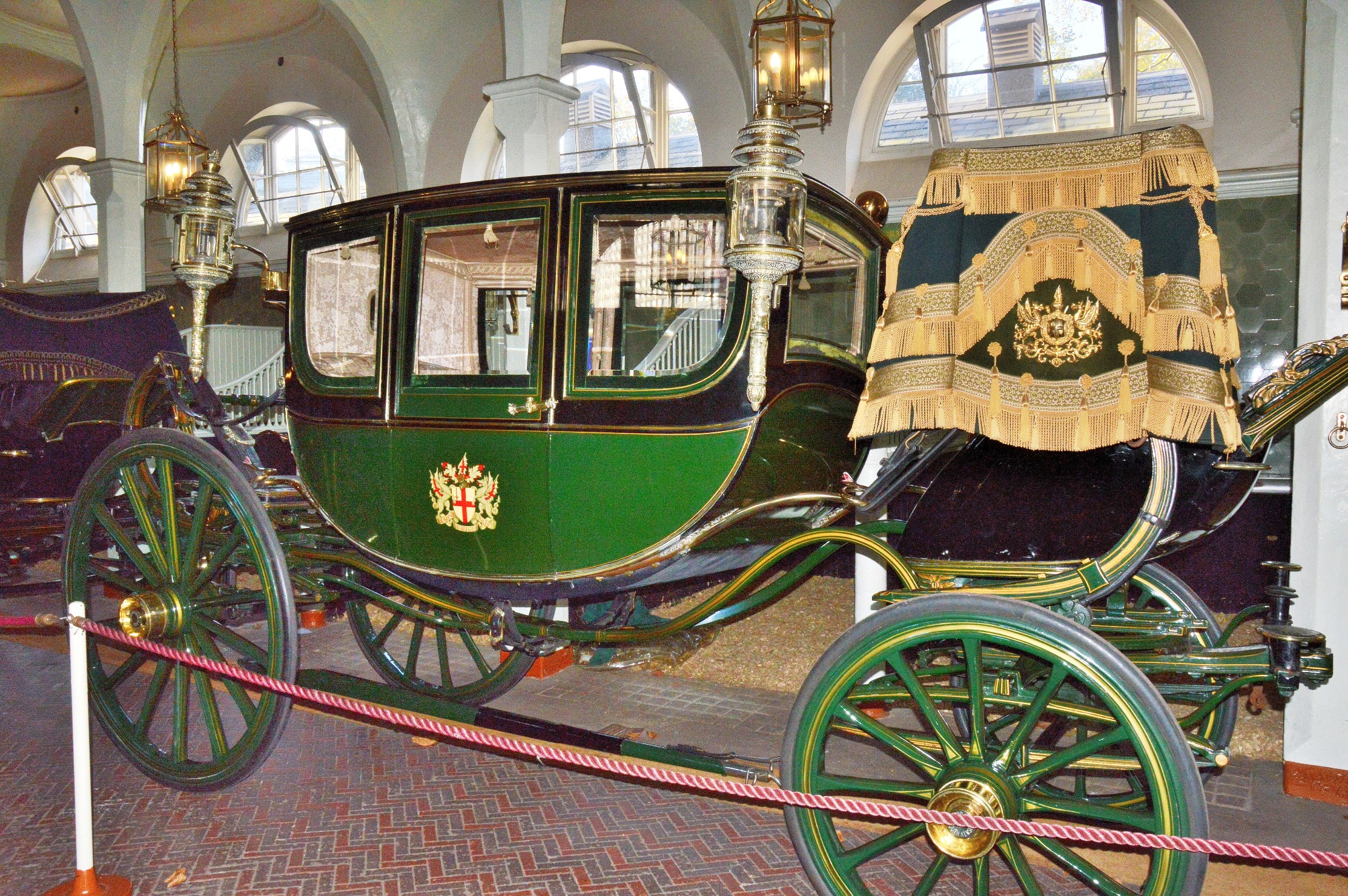
And, there’s a green one,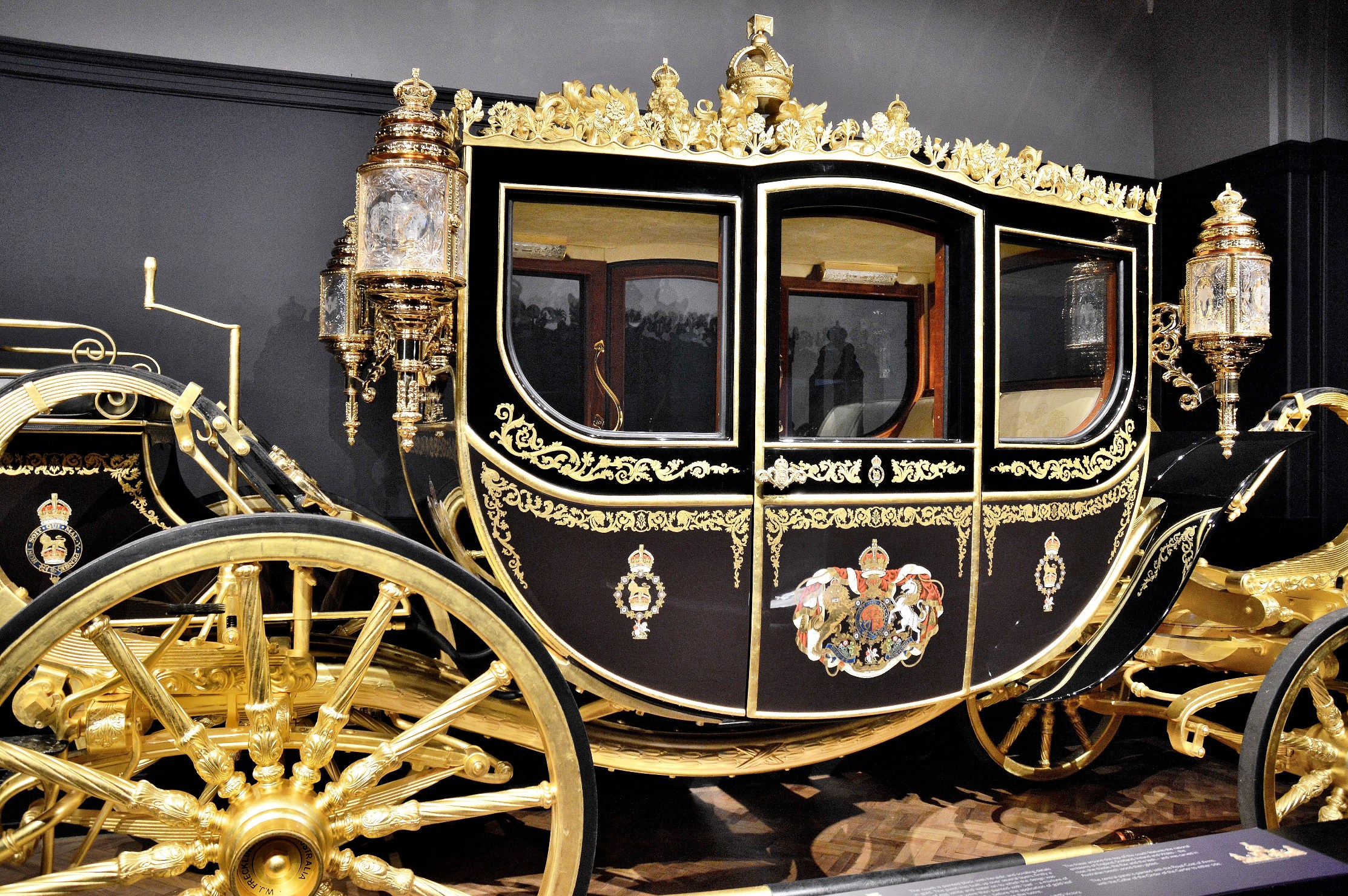
And, Vorsprung durch Technik,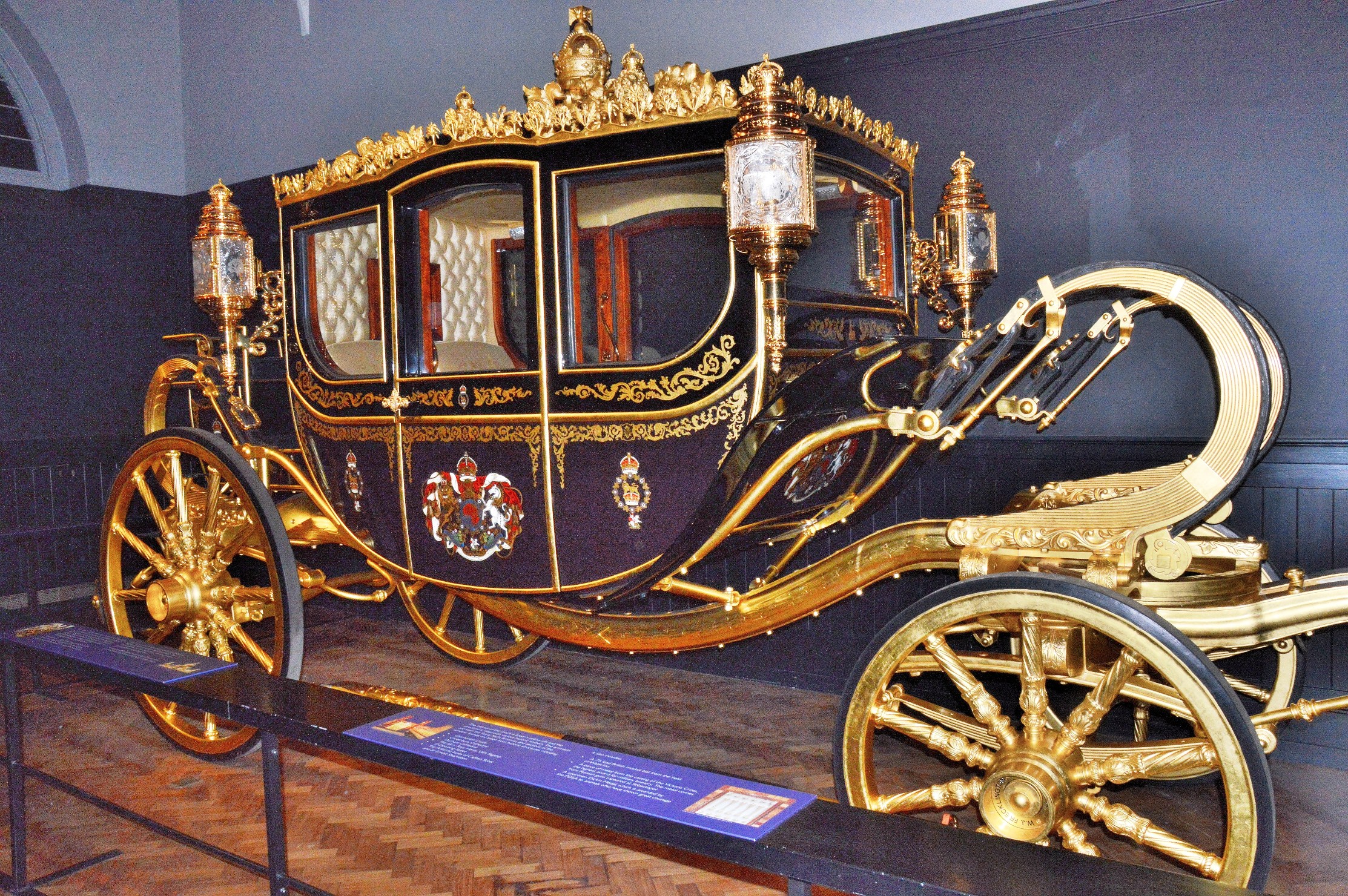
.

This is a Donkey Barouche. Although it would probably look prettier with a donkey sitting in it. 🙂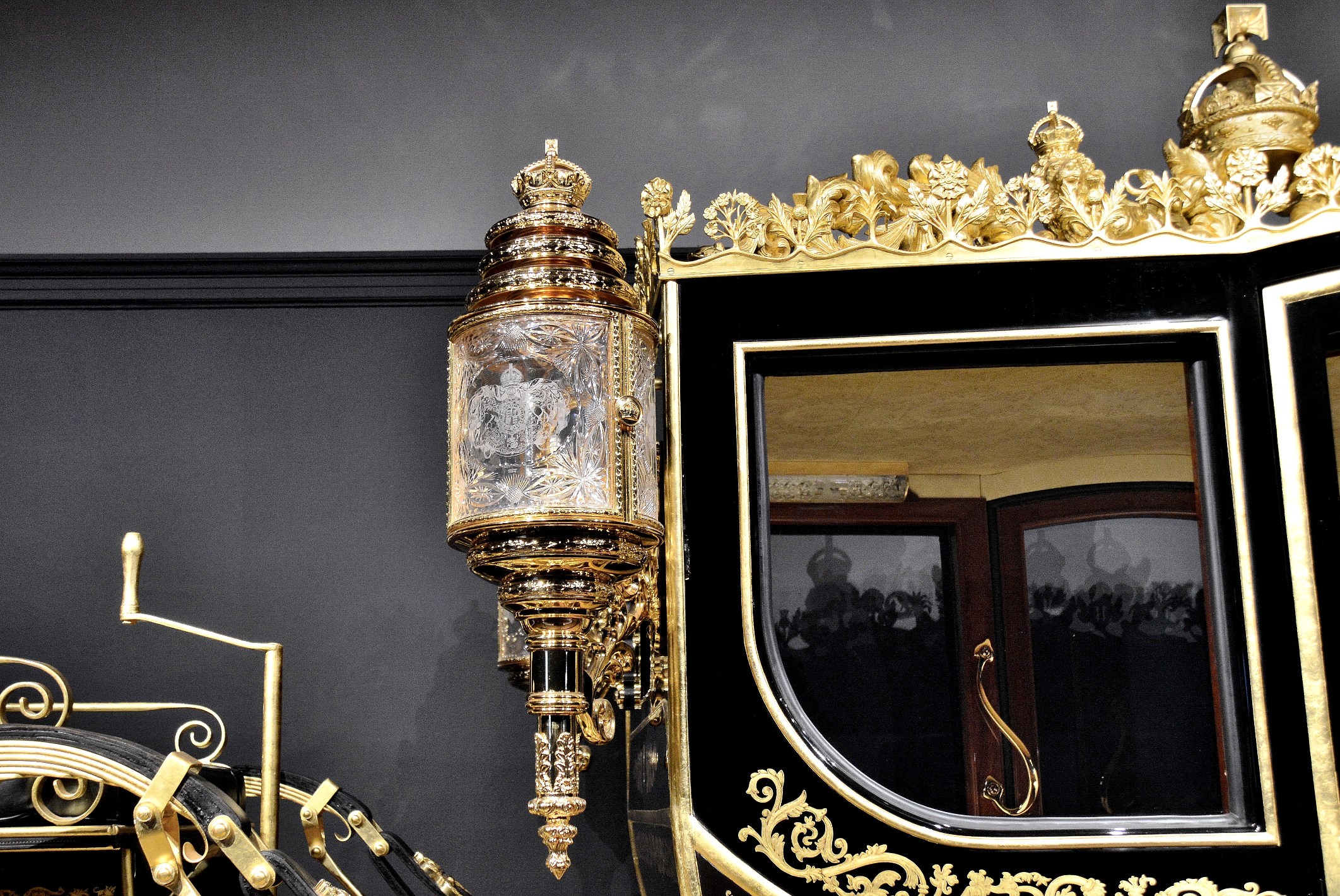
I thought I might borrow this for Christmas. I’m sure they wouldn’t notice. It would make a great tankard full of amber foaming beer for quaffing.

And, here’s my ride. Cinderella would have been jealous.
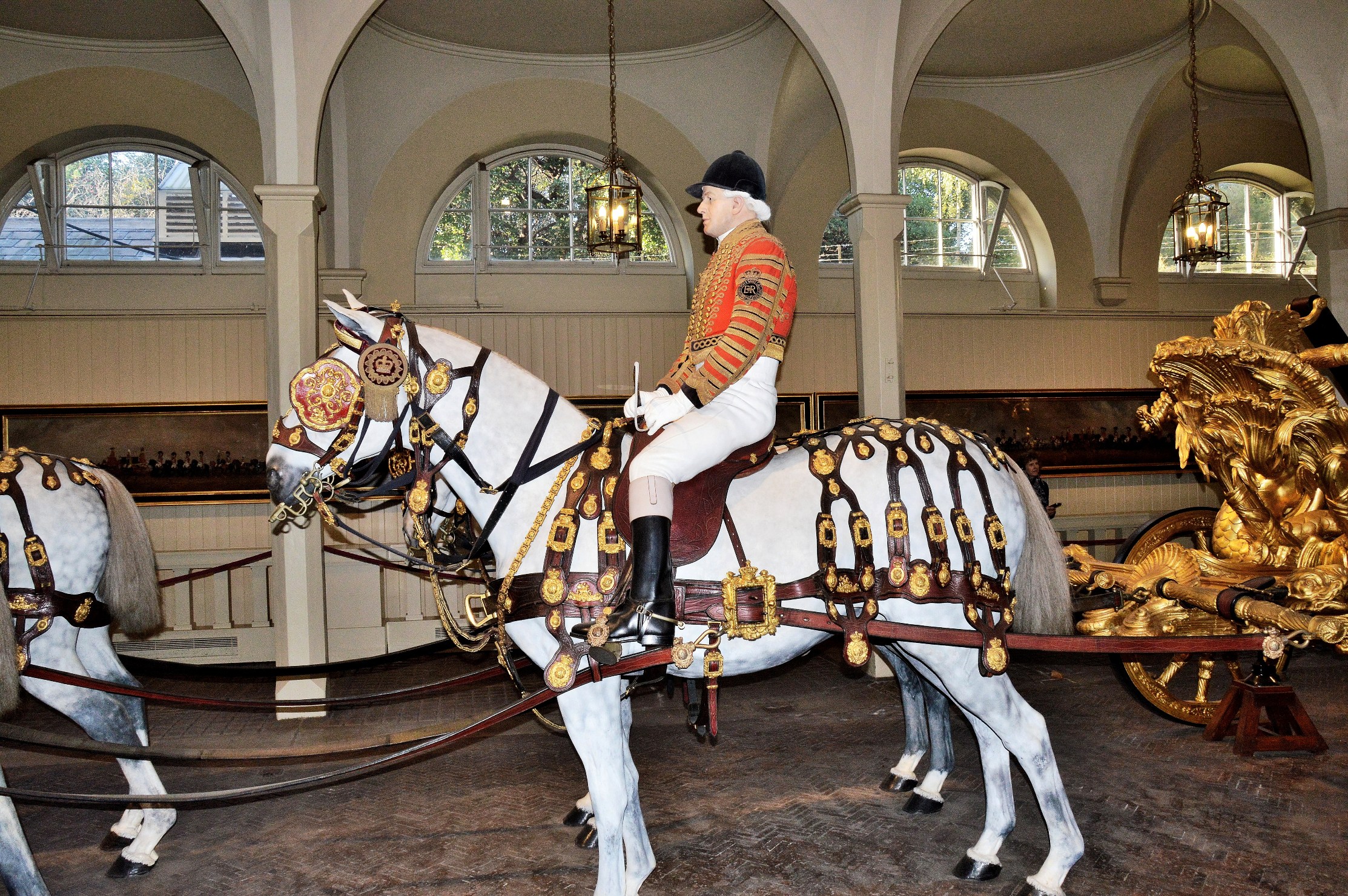
I think the coachmen turn back into corgis at midnight. 🙂
.
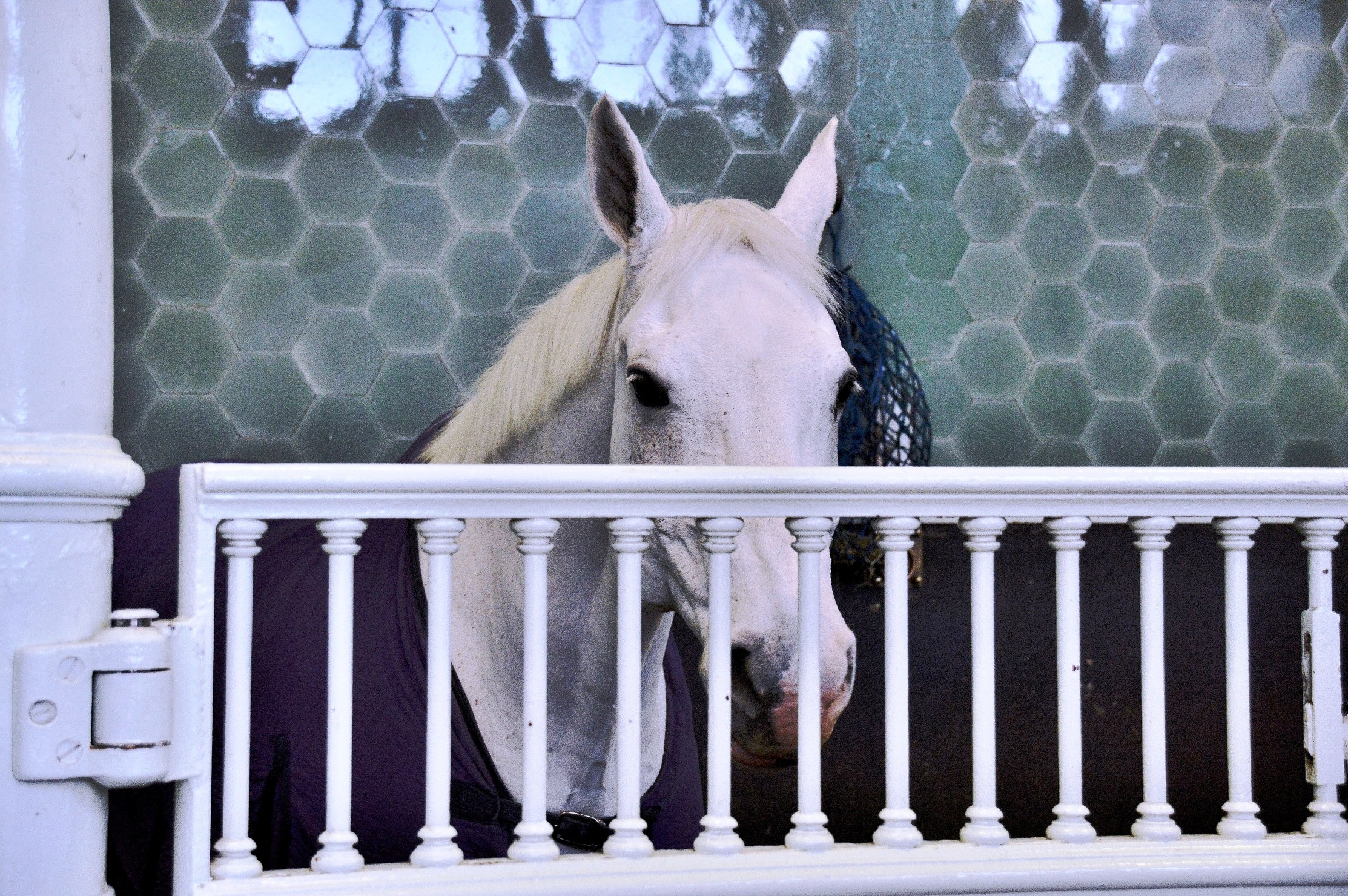
Oh poop, I got caught and put in jail. I’m being held for ransom. Help ! Send mince pies and brandy or it’s jingly bell sleigh duty for me.
The Builders
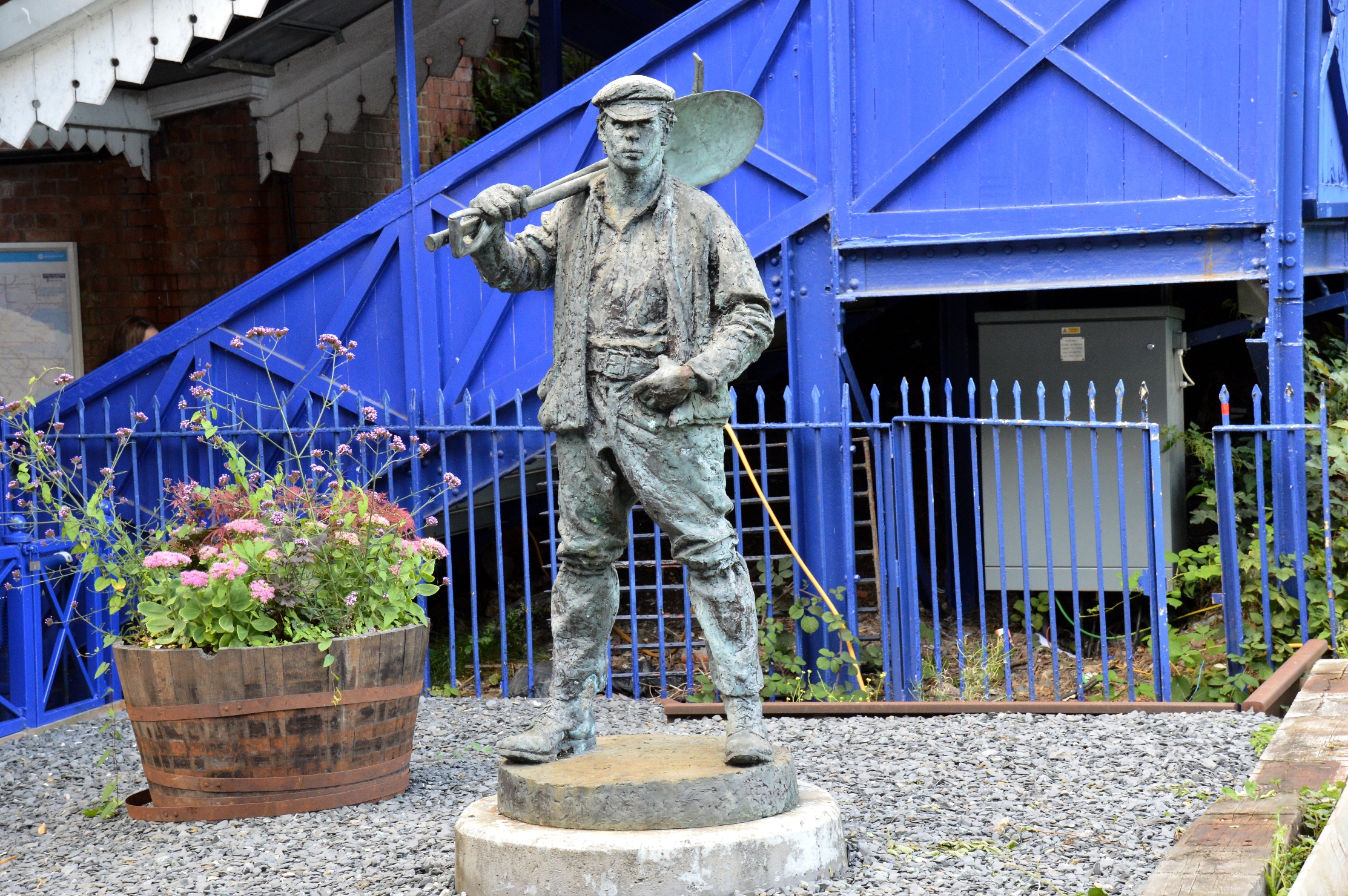
Many of the posts here, are to show the fabulous achievements of past builders, makers, artisans and artists. They gave us the world that we live in but very few are remembered by name. Here and there can be seen works that commemorate their efforts.
Above is “The Unknown Navvy” (navigator) by Anthony Stones which is currently at Gerrards Cross rail station just outside London.
Below is “The Building Worker” by Alan Wilson which can be found just north of the Tower of London beside the main road. Its plaque reads:-
“For the thousands of building workers who have lost their lives at work, we commemorate you”.
“For the thousands of building workers who are today building and rebuilding towns and cities across the United Kingdom, we celebrate you”.

Trafalgar Square and Street Artists

Even on a grey November day there is something to see. The eyes in this drawing are worth a second look.

.

.


“They seek him here, they seek him there, His clothes are loud, but never square.
It will make or break him so he’s got to buy the best, ‘Cause he’s a dedicated follower of fashion”.

This one has been here for a long time.

There was an event on, so I couldn’t get a shot of the whole square. Here are some samples.
.
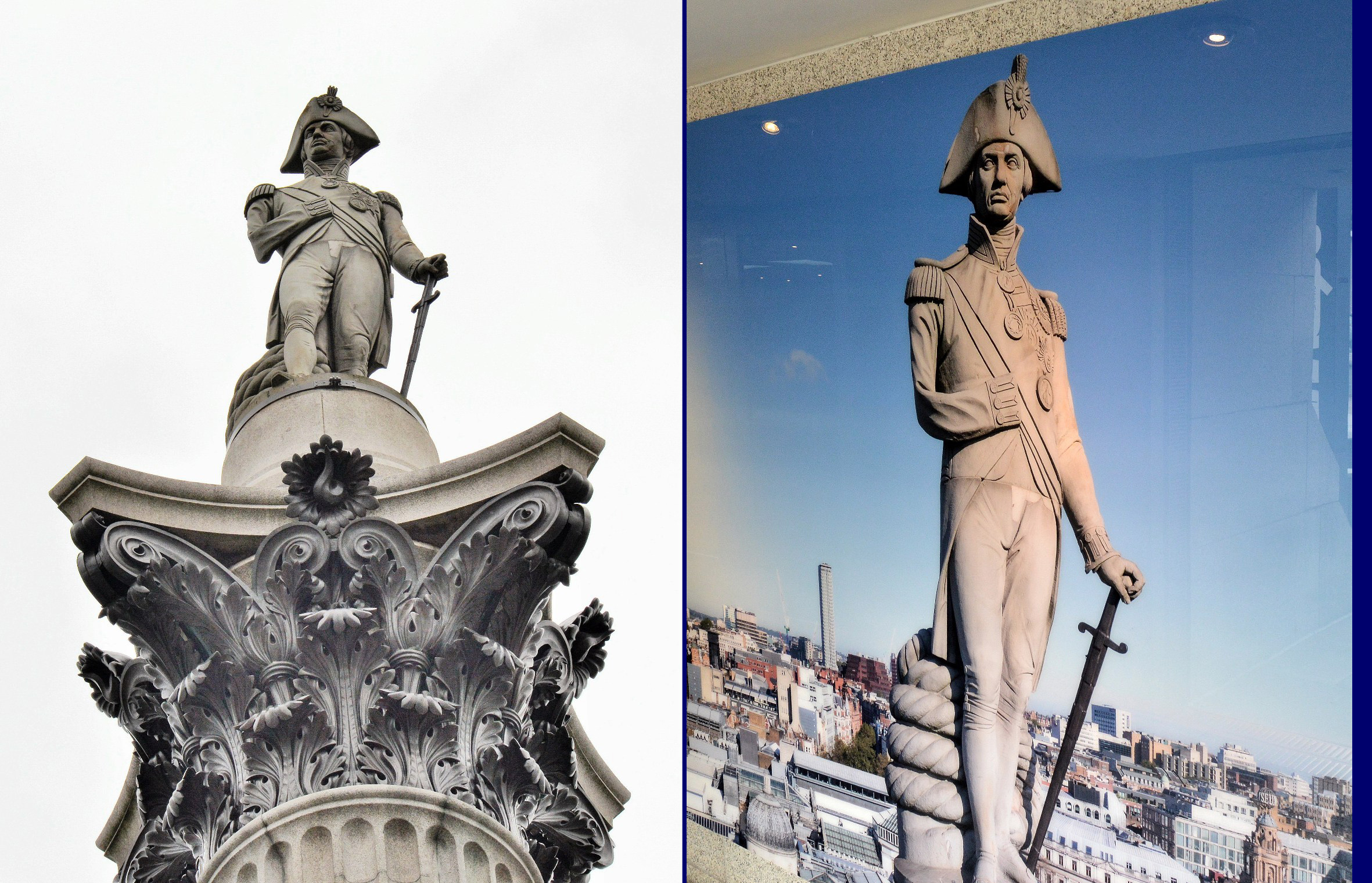
Nelson’s column is 170 ft tall. In it’s time that was impressive.
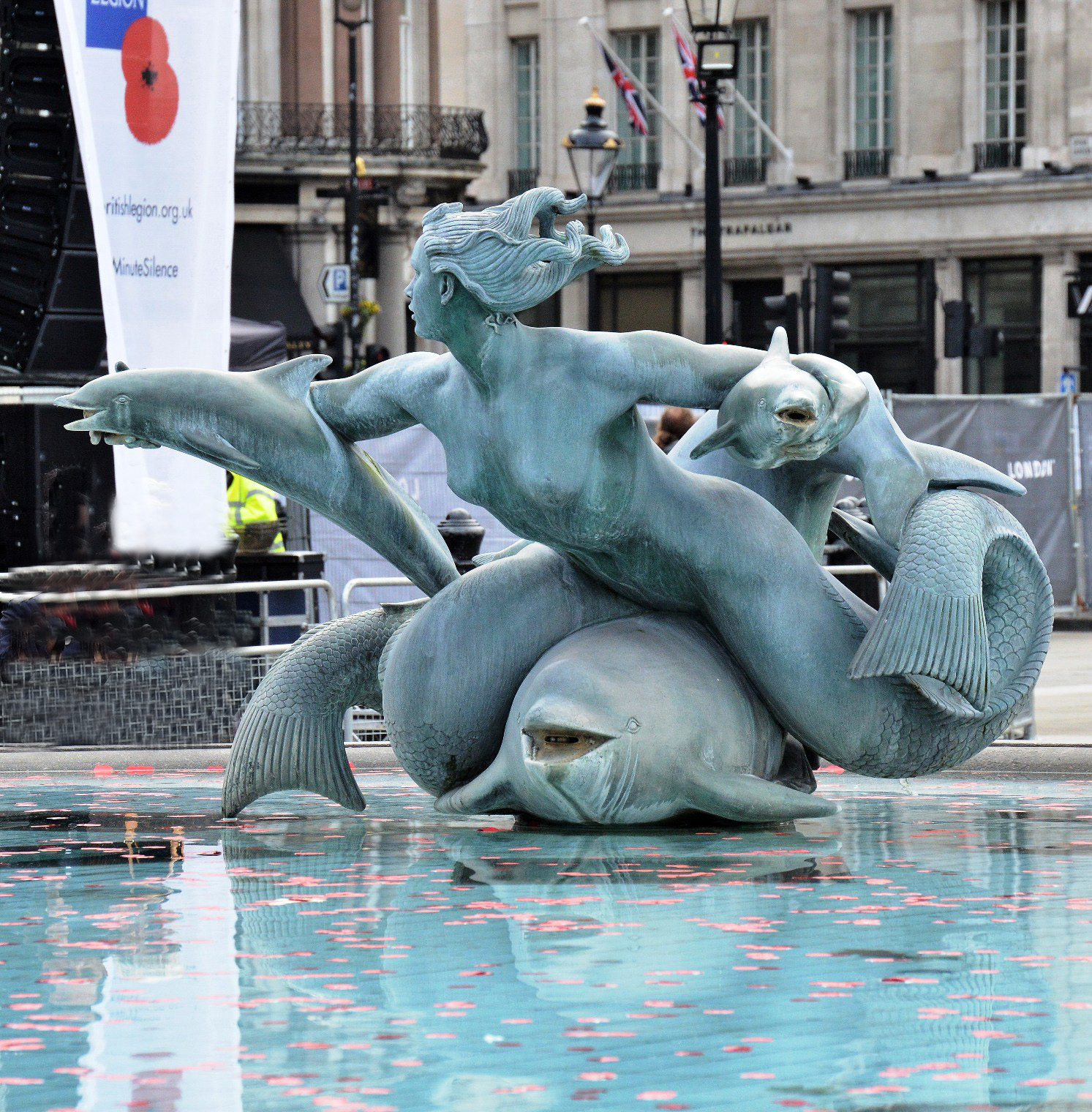
As for what follows, sometimes it’s best not to ask.

Waltham Abbey and King Harold’s Day
The Church

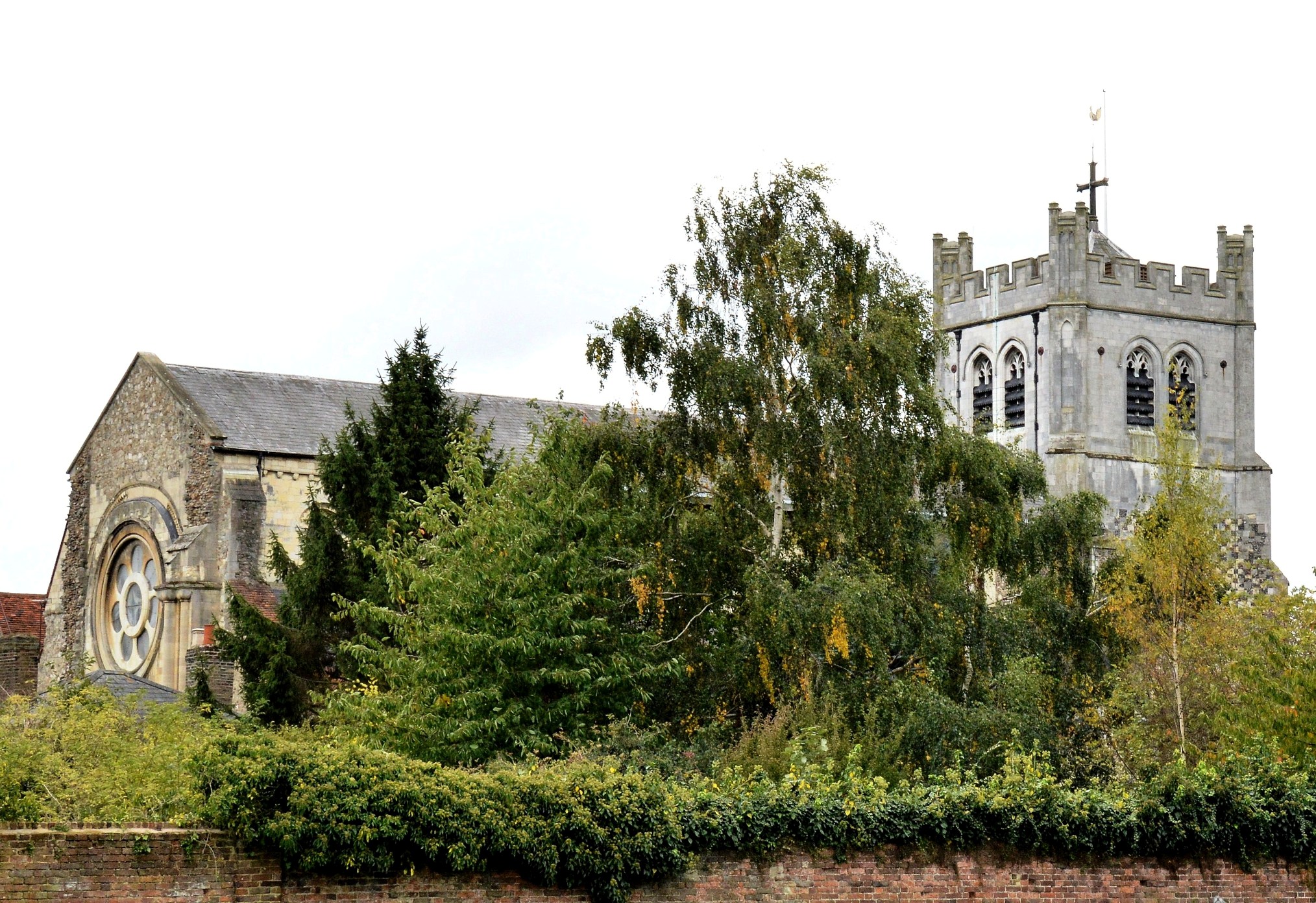
There has been a church on this site since 610 AD. Rebuilt on a grander scale by Harold Godwinson (Earl of Essex and East Anglia) and consecrated in 1060 AD. The church has a long history that can be found here.
Harold Godwinson later became King Harold II in 1066. During that year Harold was forced to march north to Stamford Bridge and fend of a viking invasion. Two weeks later he was in Hastings trying to repel the Norman invasion. The Normans prevailed over the Anglo-Saxons and England/Britain was changed forever. This was the last successful invasion of the British Isles.

.

.

.

.

.
.
King Harold’s Day
.

.

“Hit me with your rhythm stick”. Morris dancing didn’t appear until 1448 but I’m not going to say anyting.
“I don’t know why they do it. They’d be better of with a hammer, like me and Thor”.
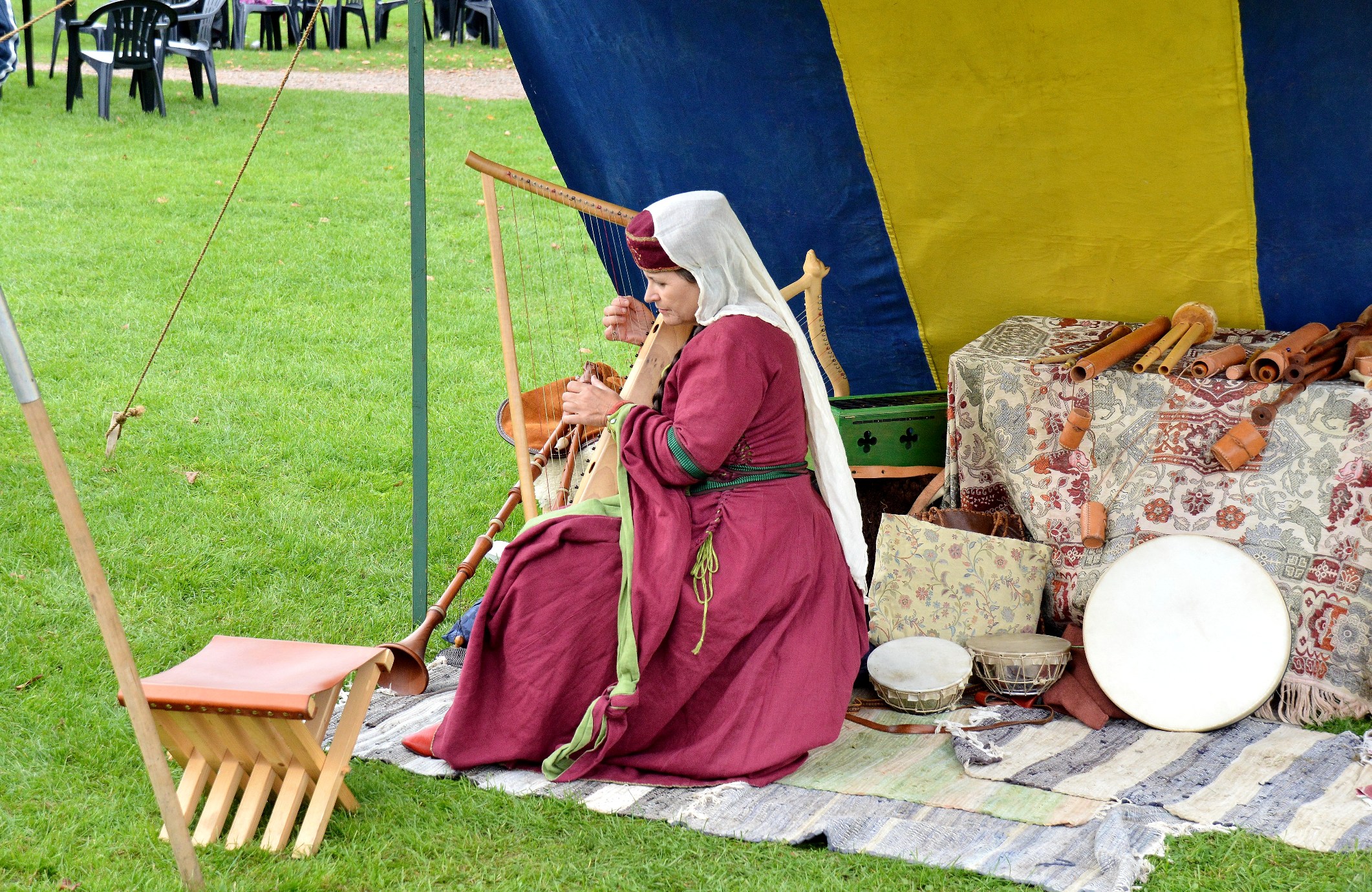
She was very good and produced some appealing airs.


The value of life was accounted very differently then. A slaves life being worth less than a toe of any other person.

On the other hand they had some sophisticated shoe marketing techniques.

What did the Normans ever do for us ?

“Falcons, who said falcons, I’ll give them food poisoning”. The falconry display includes a Peregrine Falcon and is here 🙂
Leeds Castle Interiors
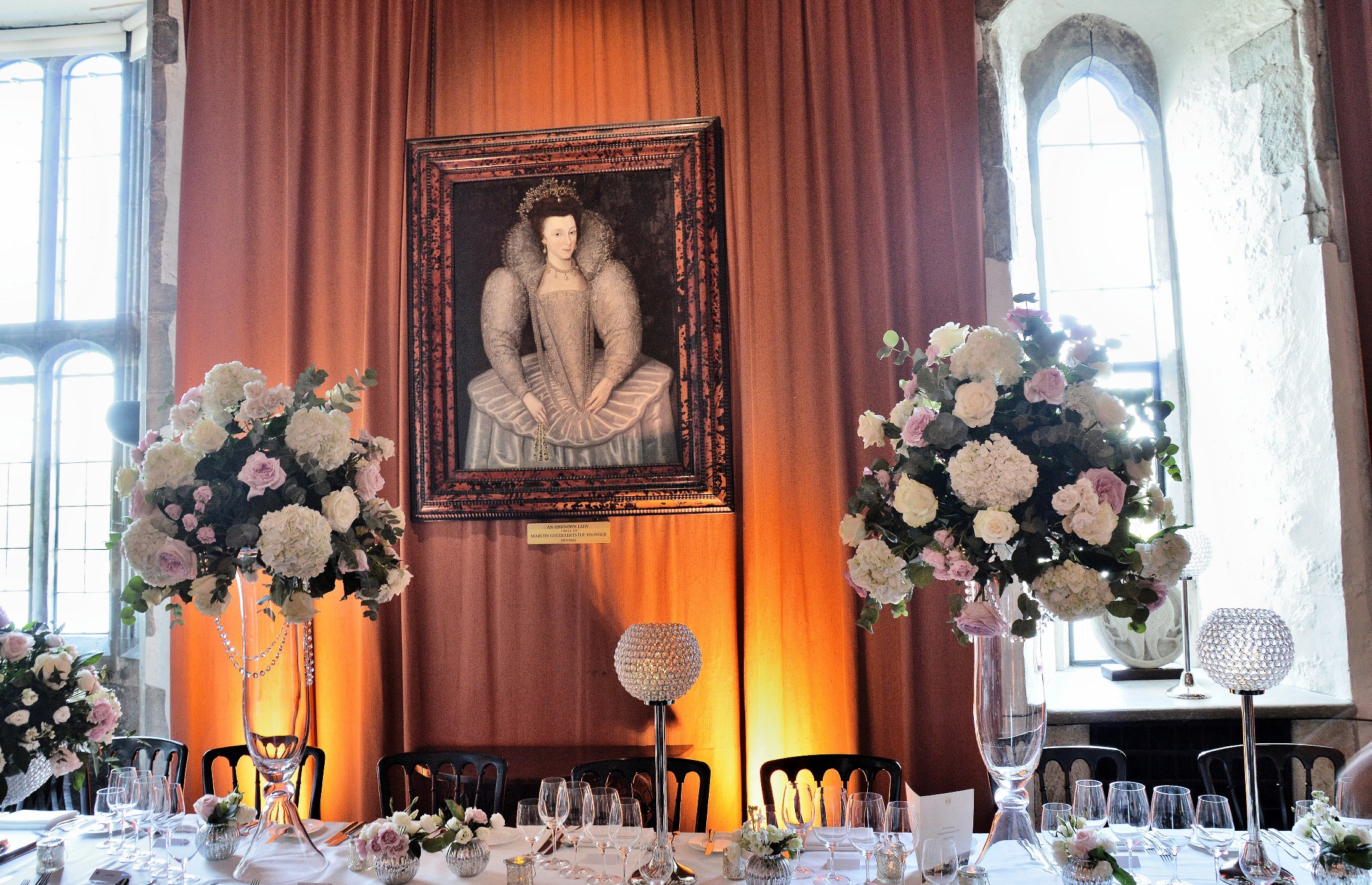
A castle has been on this site, in Kent, since 1119 and has been used by a number of royalty including Edward I and Henry VIII. The castle was purchased by Lady Baillie in 1926 and was used for a number of worthy purposes including a hospital for airmen during WWII.
In 1974 it was left to the Leeds Castle Foundation to be preserved for the benefit of the public. The history (Wiki) is here, castle/events website here, grounds/moat/lake/gardens here, falconry display here and the flower festival is here.
The name “Leeds” seems to have the original meaning of loud or rushing water. Hence there is a Leeds village nearby and another Leeds in the north of England.

This fellow is carrying a pole axe which was used to penetrate armour, quite often the opponent’s helmet. Hence the expression, being pole-axed.

I’m sure you could play a board game on that.
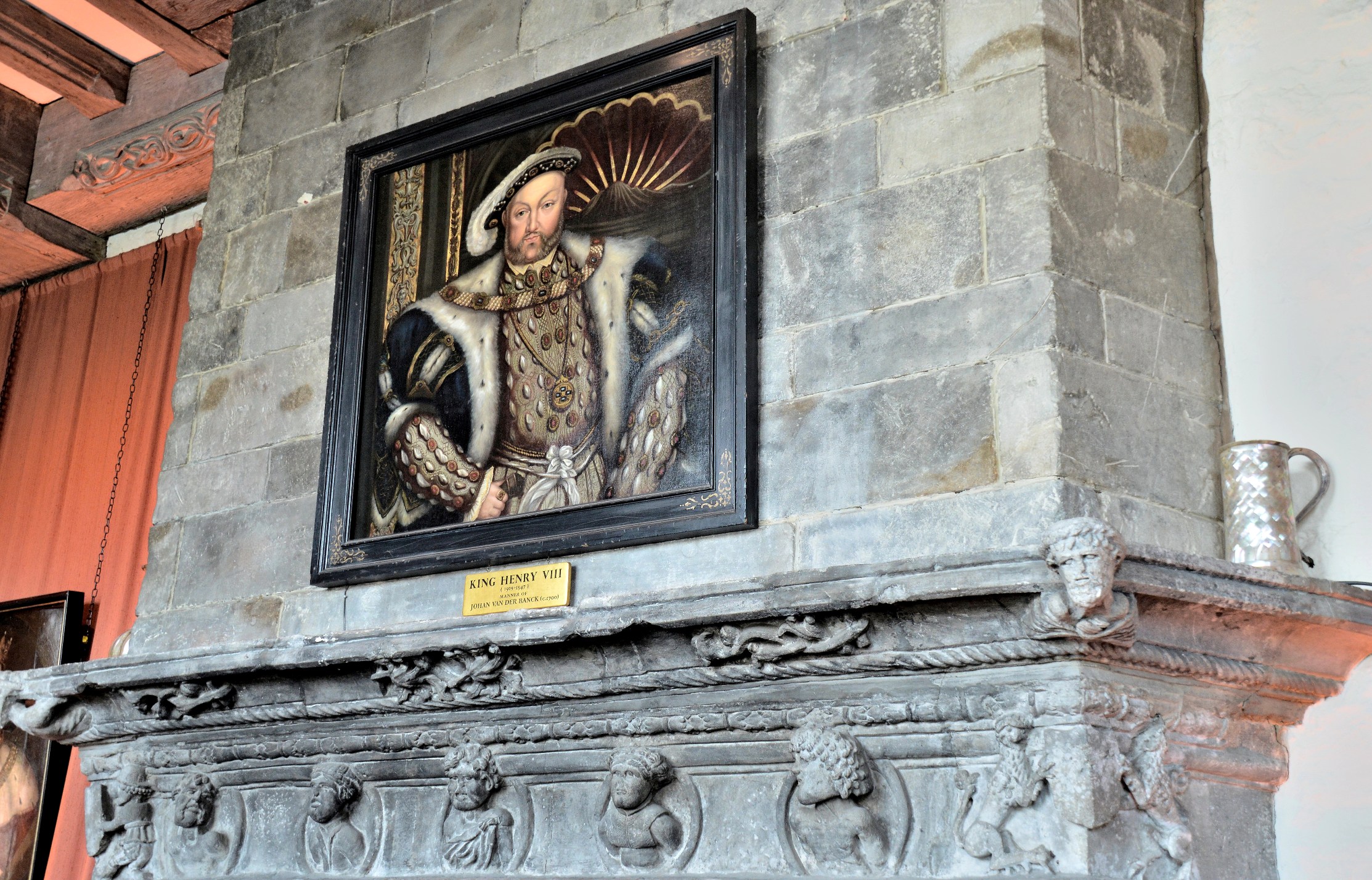
Henry VIII and it looks like he left his tankard behind.

.

I’m not sure whether this is a charming guardian or a psychopath in a skirt. I suppose the defining question is; would I want him at the top of my stairs on dark night ?
.

.

.

.

.
.
.

And, Richard II. We all know what happened to him.
Thanks for the visit and ~
Hatfield House and Gardens
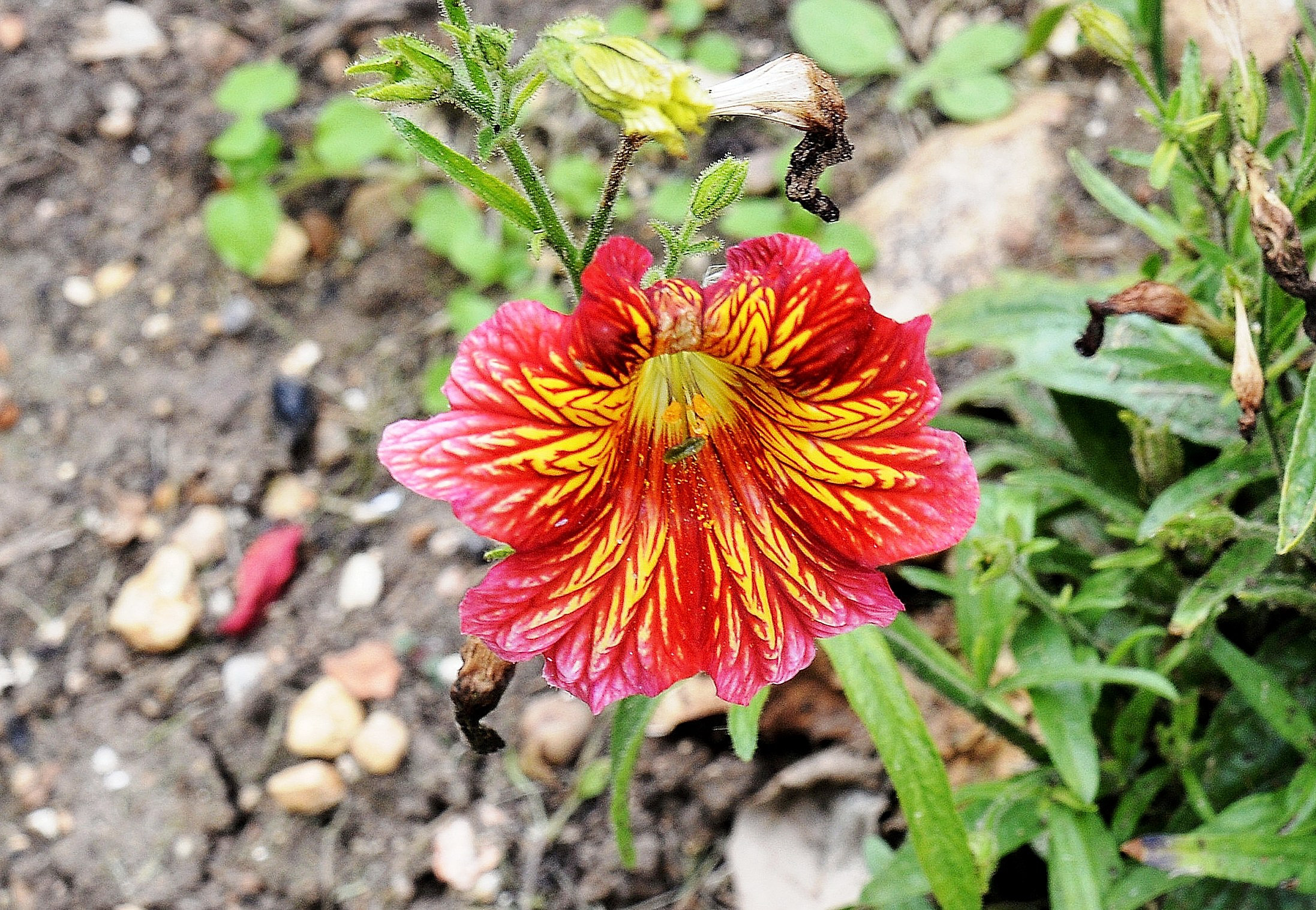
There is a lot of history and a lot to see at Hatfield House. This is just a sample. I’ve started with this flower because it is the most regal that I have seen. You might also like to view the amazing interiors and some of its Elizabethan history by clicking here.

Inside the house are the famous Rainbow and Ermine portraits of Elizabeth I, together with a number of ornate ceilings and artifacts.
.
For instance, this is Lord Burghley who created and ran what was probably the first organized intelligence service.
.

.
.
. Access from Hatfield rail station is via a viaduct (I’ve always wanted to say that) that spans over a village.
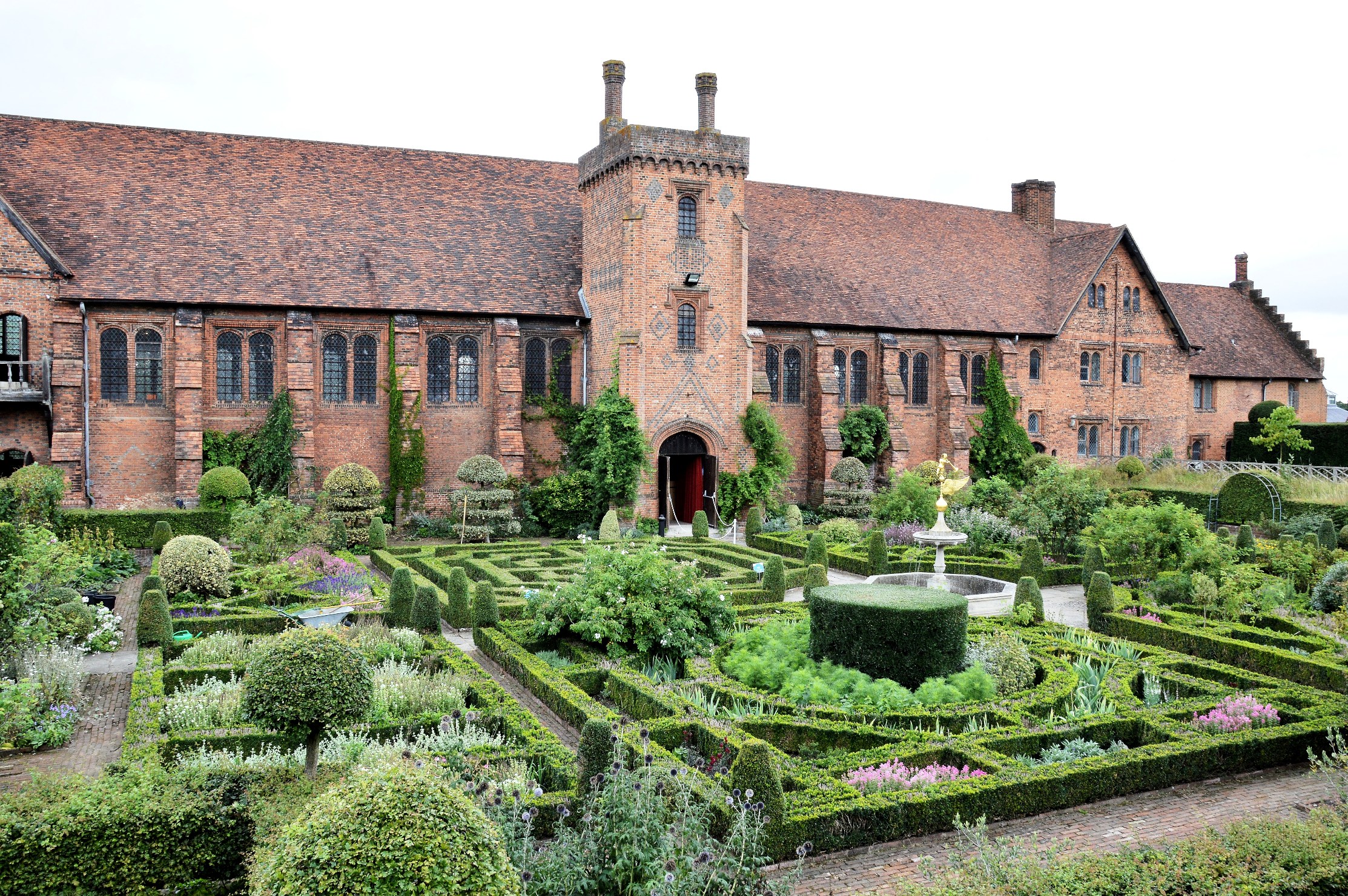
Further into the estate is the old house and gardens.

This is the rear view of the newer house.

Across the green is the old church.

And, nearby is a path leading to the church which is open to visitors for part of the day.

In the church grounds there is this Tudor cottage.

And, inside the church the ceiling is being restored.

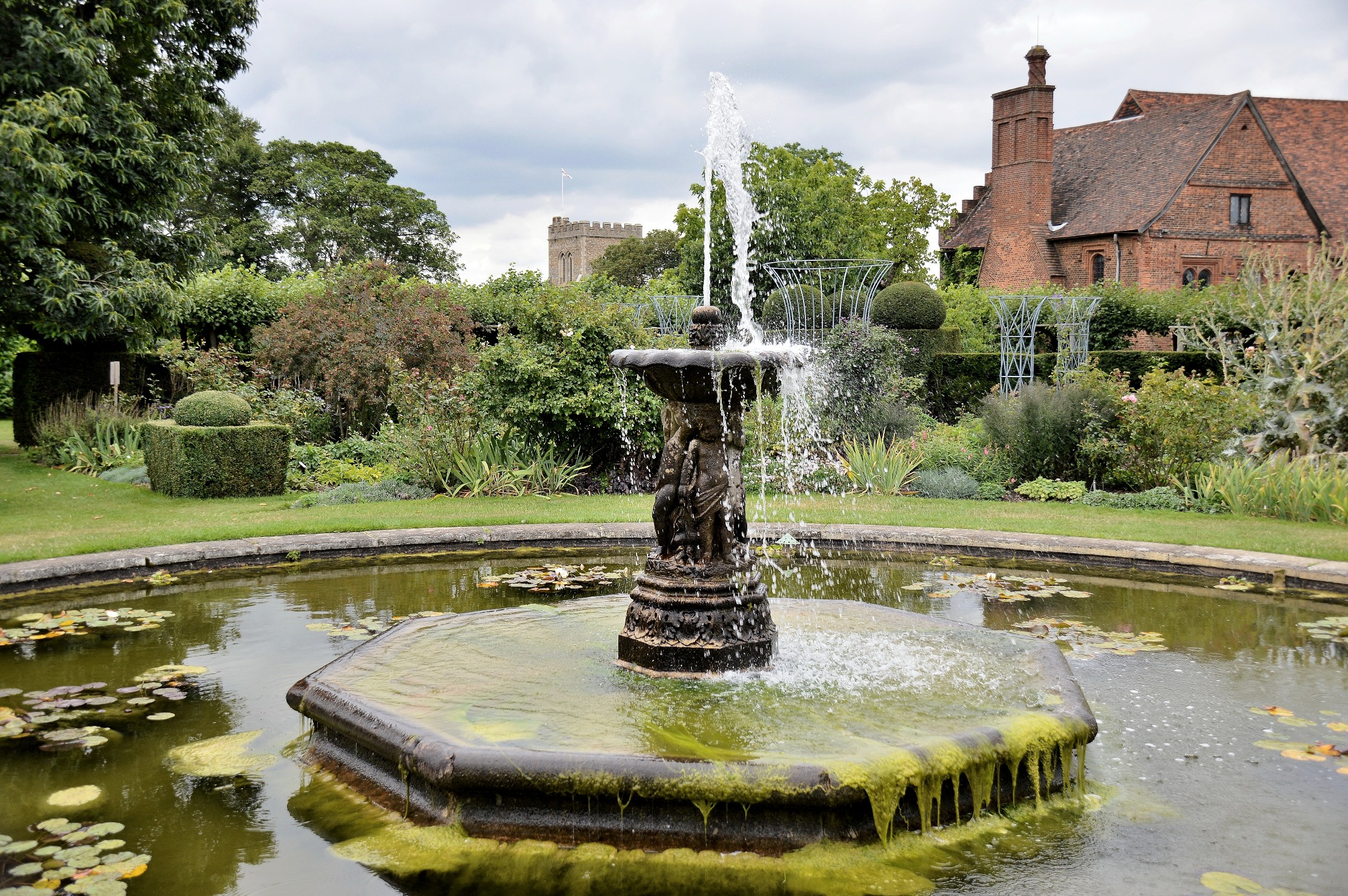
There are a number of gardens and water features.
.

Meet the crew. There are several statues but I thought this was the best and appears to feature Queen Elizabeth I herself.

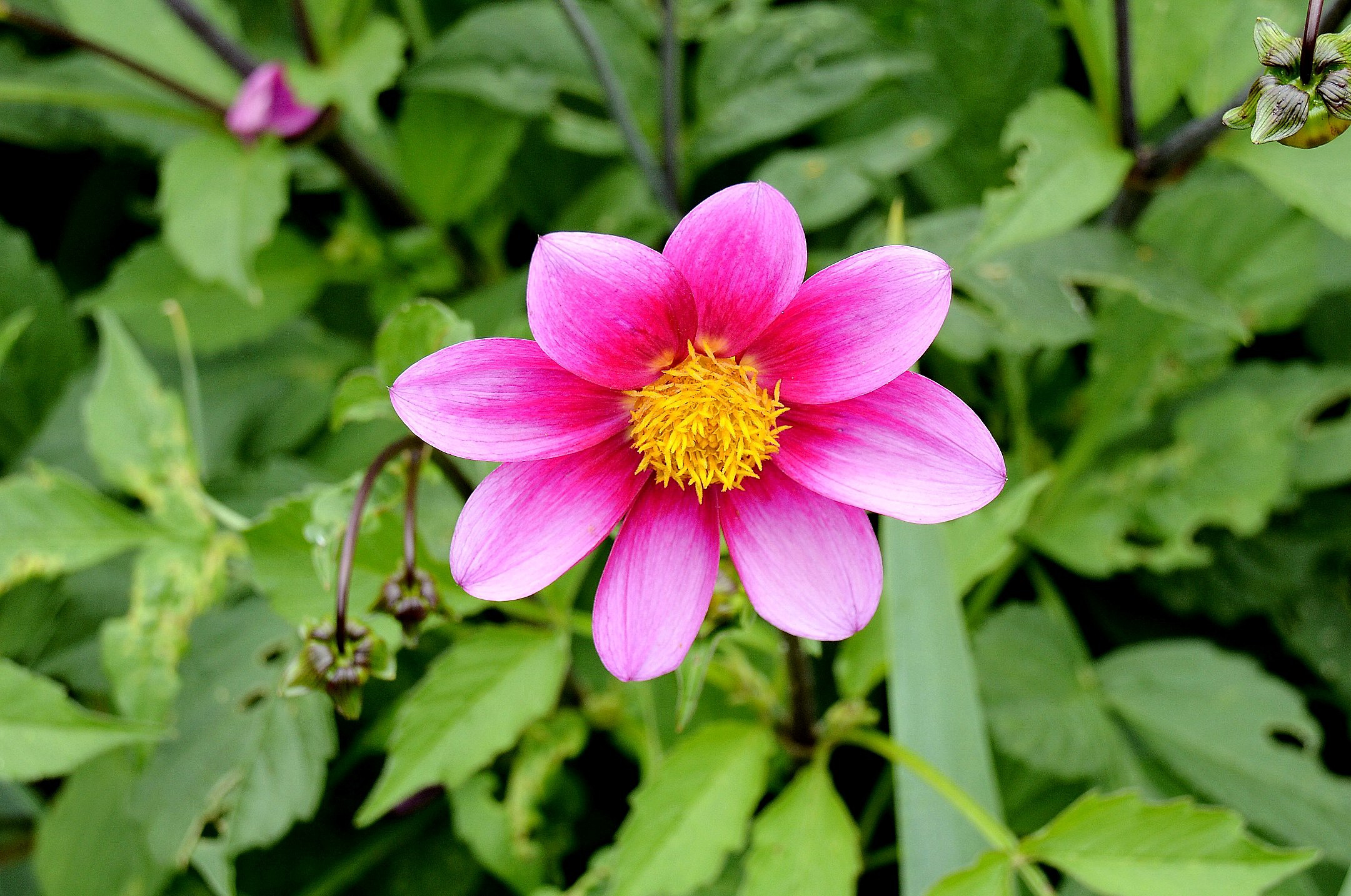
There is quite an extensive shopping mall with a gallery, large cafe and this. A toy shop and gun shop side by side. What can I say, it’s the countryside. Here are some flowers.
.

If you like history then Hatfield House is steeped in it. More here.
Hatfield House and Elizabeth I
17 pics. Hatfield House is one of the most historically significant places to photograph near London and The Grounds ⇐, Extraordinary Chickens ⇐, Hatfield House Website ⇒.
Upon an autumn day being 27th November 1558 beside an oak tree near to Hatfield House which was her home at the time, Princess Elizabeth Tudor was told that she had become Queen Elizabeth I of England, following the death of her elder half-sister Queen Mary I.
Elizabeth’s accession had not been a certainty. Queen Mary I, also known as “Bloody Mary”, resented her own mother’s displacement as Henry VIII’s wife by Elizabeth’s mother Anne Boleyn. Queen Mary’s sobriquet stemmed from her attempt to return England to Catholicism by persecution of Protestants. Elizabeth was considered to have protestant leanings and likely to undo Mary’s efforts.
Fortunately Elizabeth was popular and had a number of powerful allies. Otherwise the whole future of Britain would have been changed and would have had a significant impact upon world history. Elizabeth’s reign of 44 years was known as a Golden Age with herself as “Gloriana” the virgin queen.
Portraits of Elizabeth started to include a variety of symbols which made them statements of intent and power and helped to establish the cult of Elizabeth. Here are two of them with some of the symbols explained, followed by images from within Hatfield House.

The Ermine Portrait shows Elizabeth holding an olive branch in her right hand signifying the offer of peace. Upon her left is an ermine wearing a crown as a collar and near her left hand the sword of state.
The ermine in the picture, with its black flecks, is a stylised version that indicates its heraldic significance that looks up to the queen.
An ermine is a stoat (short-tailed weasel) in its white winter coat. It represents purity and valour based upon an old legend that it would rather die than soil its white coat. Monarchs and peers had used the ermine to make cloaks. With several of the pelts sown together, the black tipped tails created a pattern of dark flecks. This then became an heraldic device of black flecks upon white.
Taken overall the message is that whilst Elizabeth offered peace, she was ready to use the sword, limited only by righteous regal purity.

The Rainbow Portrait includes the Latin phrase “Non Sine Sole Iris” (No Rainbow Without Sun). Although in the last year of her reign, Elizabeth is depicted in her prime with flowery symbols of spring on her dress.
The dress is protected by a cloak that has eyes and ears both inside and outside. There is also a serpent on her arm that represents subtle wisdom and a powerful bite.
The rainbow in her right hand seems to have no colour. I have not found a commentator who explains this but does seem to be of significance.
Taken altogether this is Elizabeth as the source of nature’s beauty and light protected by an ability to hear and see everything and to act upon that knowledge.
One of the famous Queen Elizabeth I Armada paintings can be seen at The Queen’s House ⇐ in Greenwich.
There have been many films depicting Elizabeth’s very dramatic life. My personal favourites are the 1998 film “Elizabeth” and the 2007 film “Elizabeth: The Golden Age” both starring Cate Blanchett and, I think, definitely worth seeing.
And, here is the house:-


.

.

.

.

.

.

There are a great many works of art in Hatfield House, this one took my interest because it shows that artists of the past had some curious notions or tried to create them. In this picture of Eden there are people other than Adam and Eve and some of the animals are transparent. Click on twice for a closer view.

.

.

This painting of Cicely Alice (Marchioness of Salisbury) was painted about 1910. I found it to be somewhat enigmatic. Whilst I could not find any cause for it, if you click on twice to expand, it looks as if she is about to burst into tears.

More from the grounds ⇐.
Cilla’s gift . .
. . and Dudley made her laugh
. . and Anyone Had a Heart
. . and Alfie
. . and always.
St Paul’s Cathedral

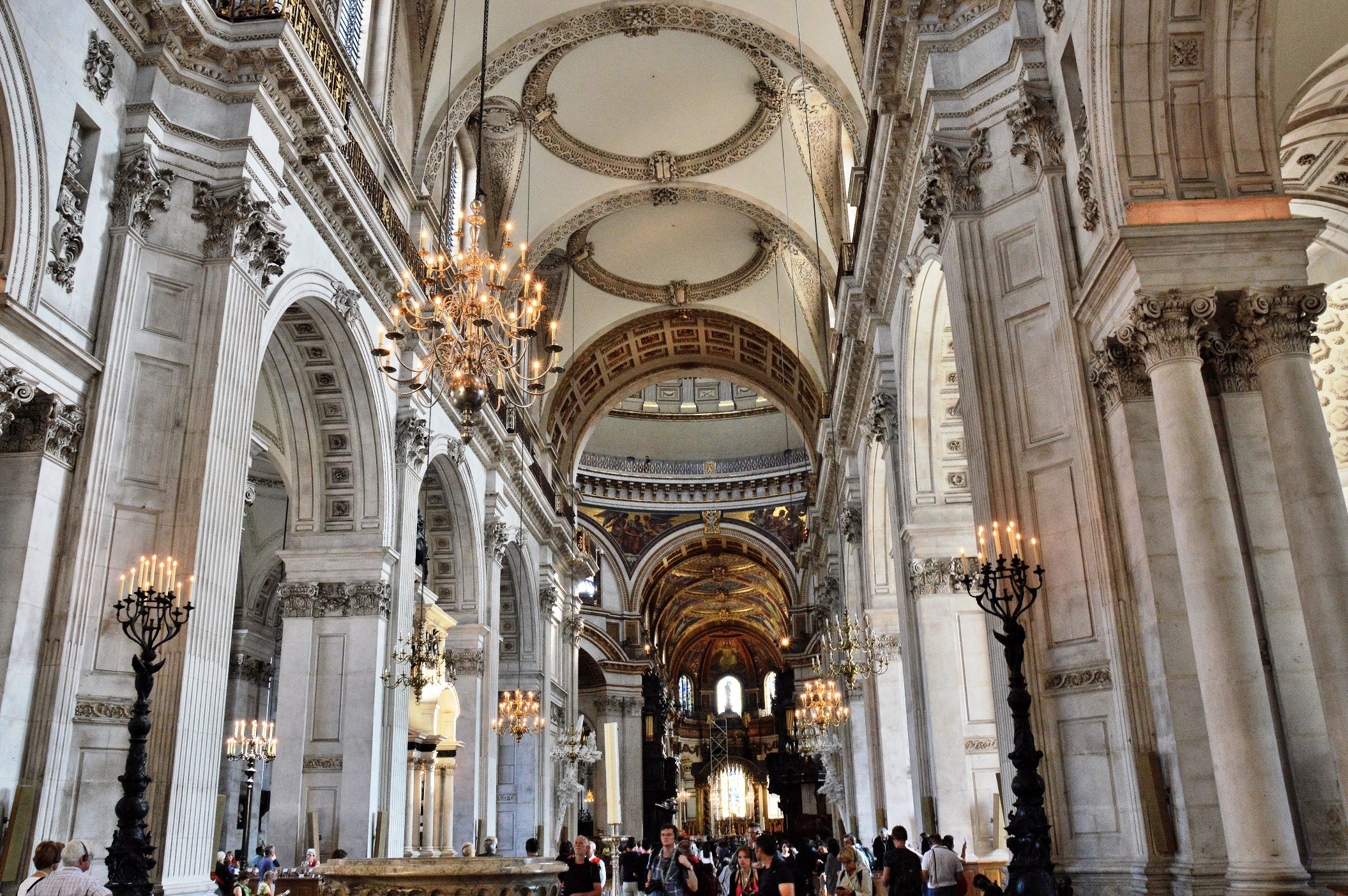
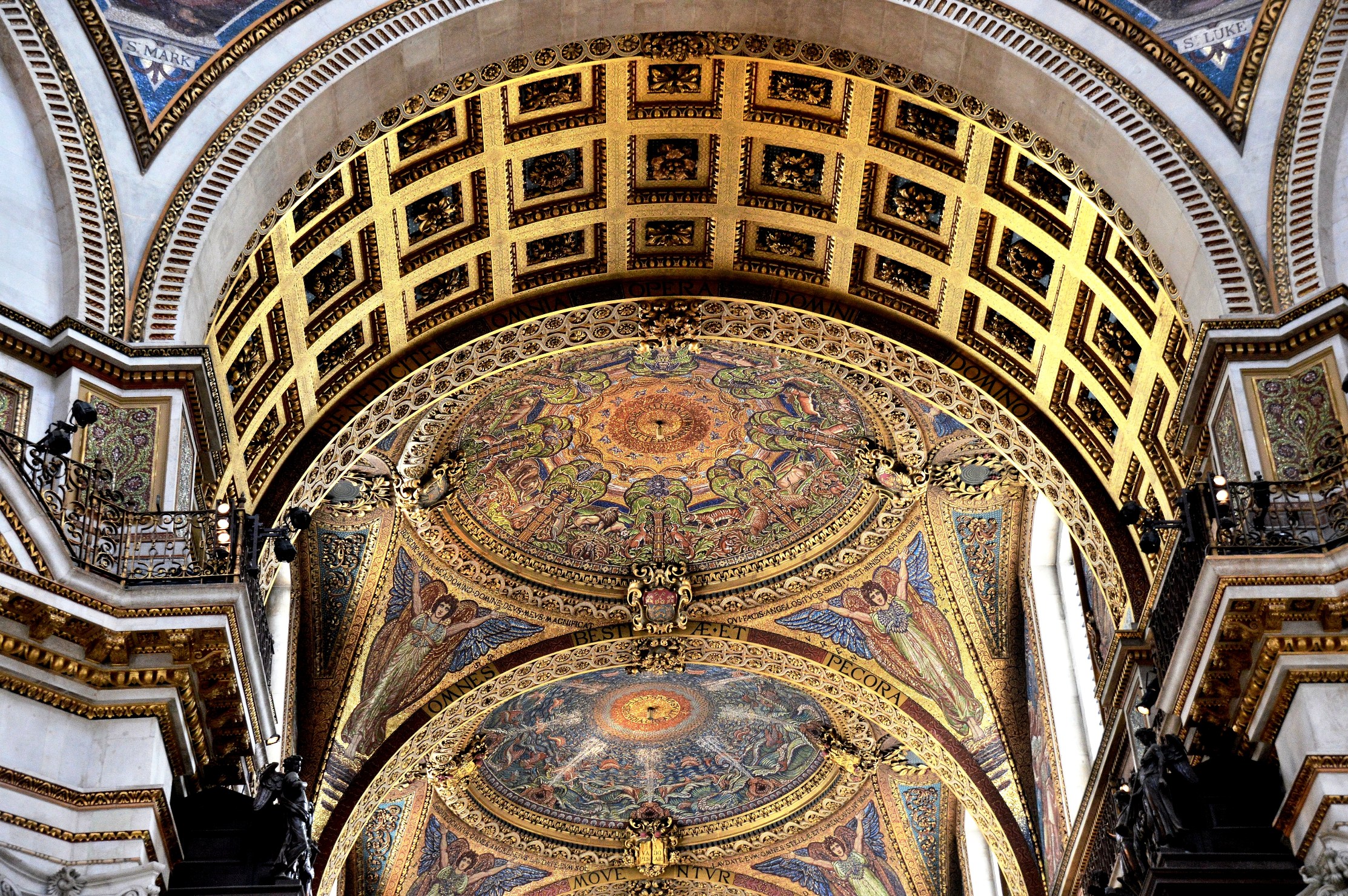
For more than 1,400 years, a Cathedral dedicated to St Paul has stood at the highest point in the City of London. The present cathedral was designed by Sir Christopher Wren and built during the period 1675 and 1710. More History ⇒.
Photography is not usually allowed except on a few days each year or with a permit. The few visitor date/times/charges for photography without a permit during 2017 are here ⇐. For permits and commercial photography/filming, please see here ⇒ . General Admission and charges are here ⇒.
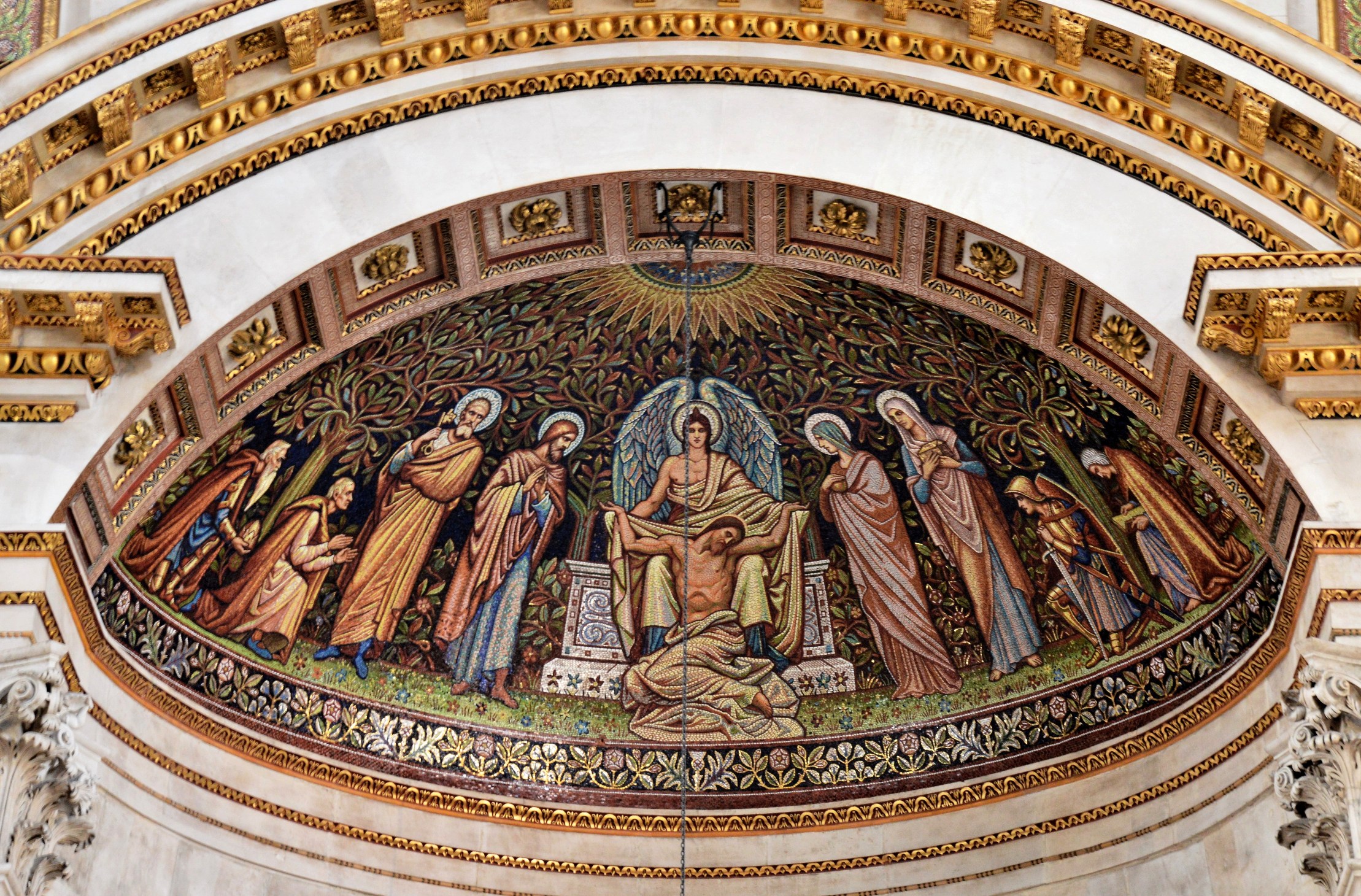
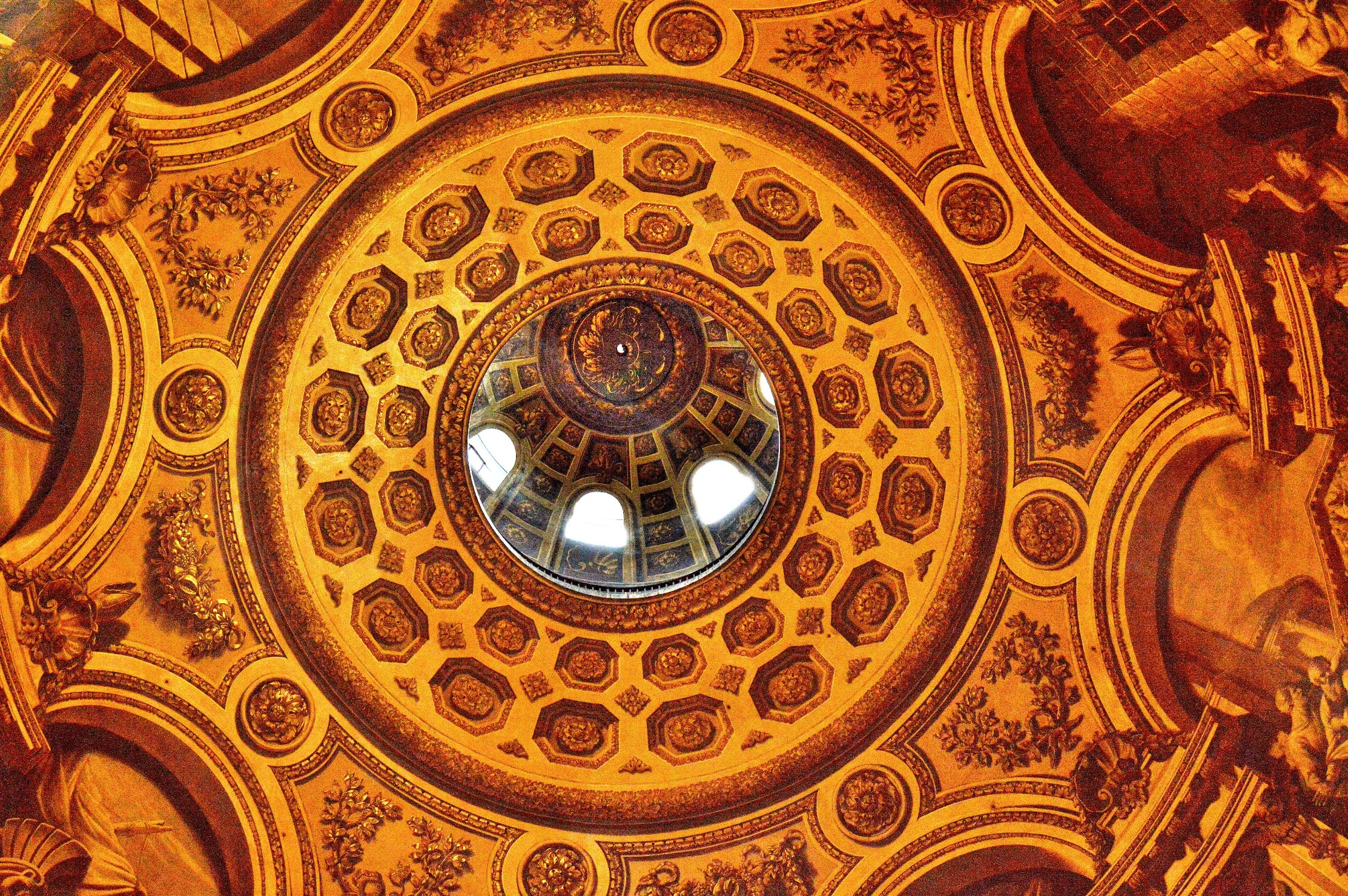
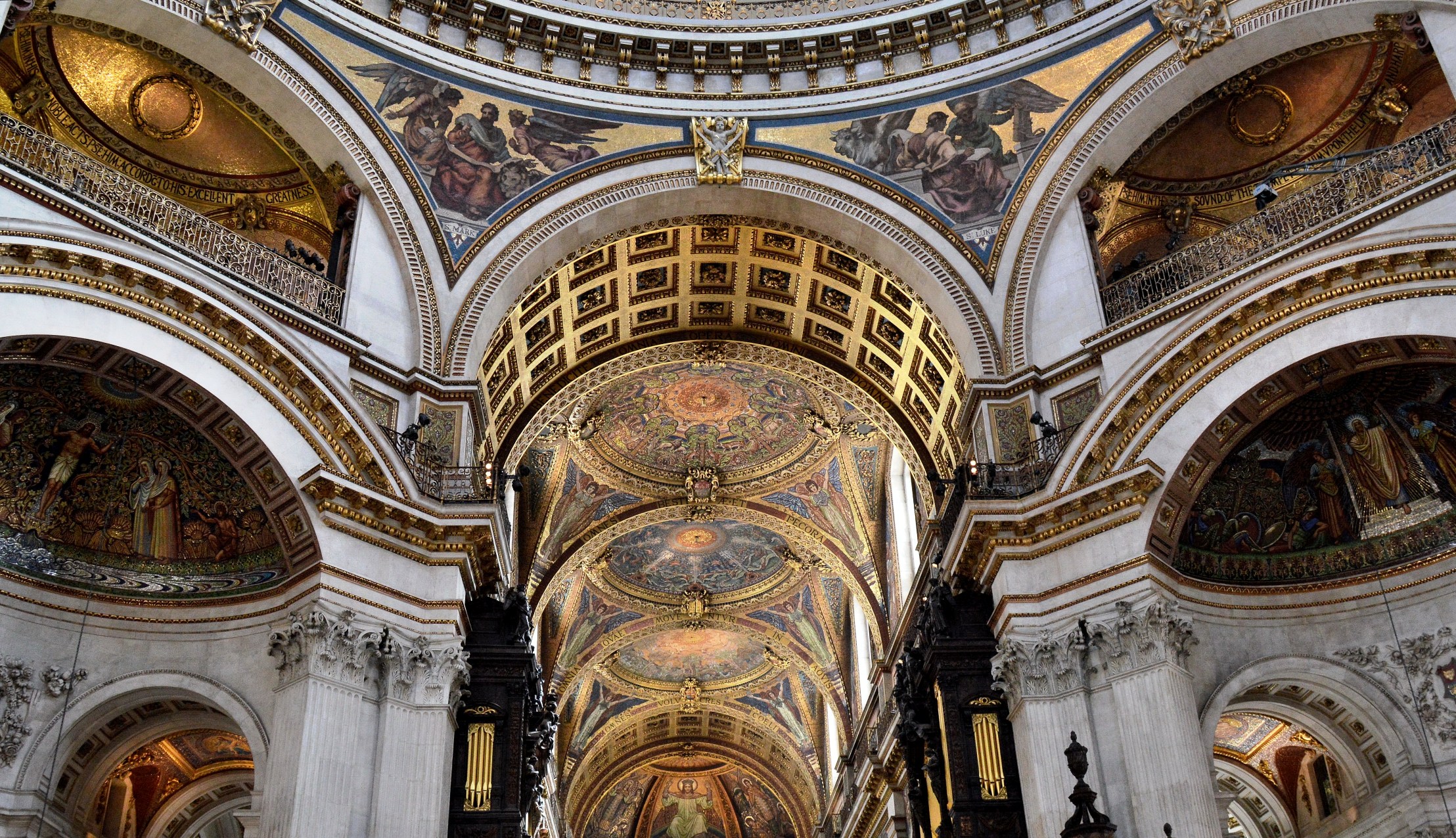
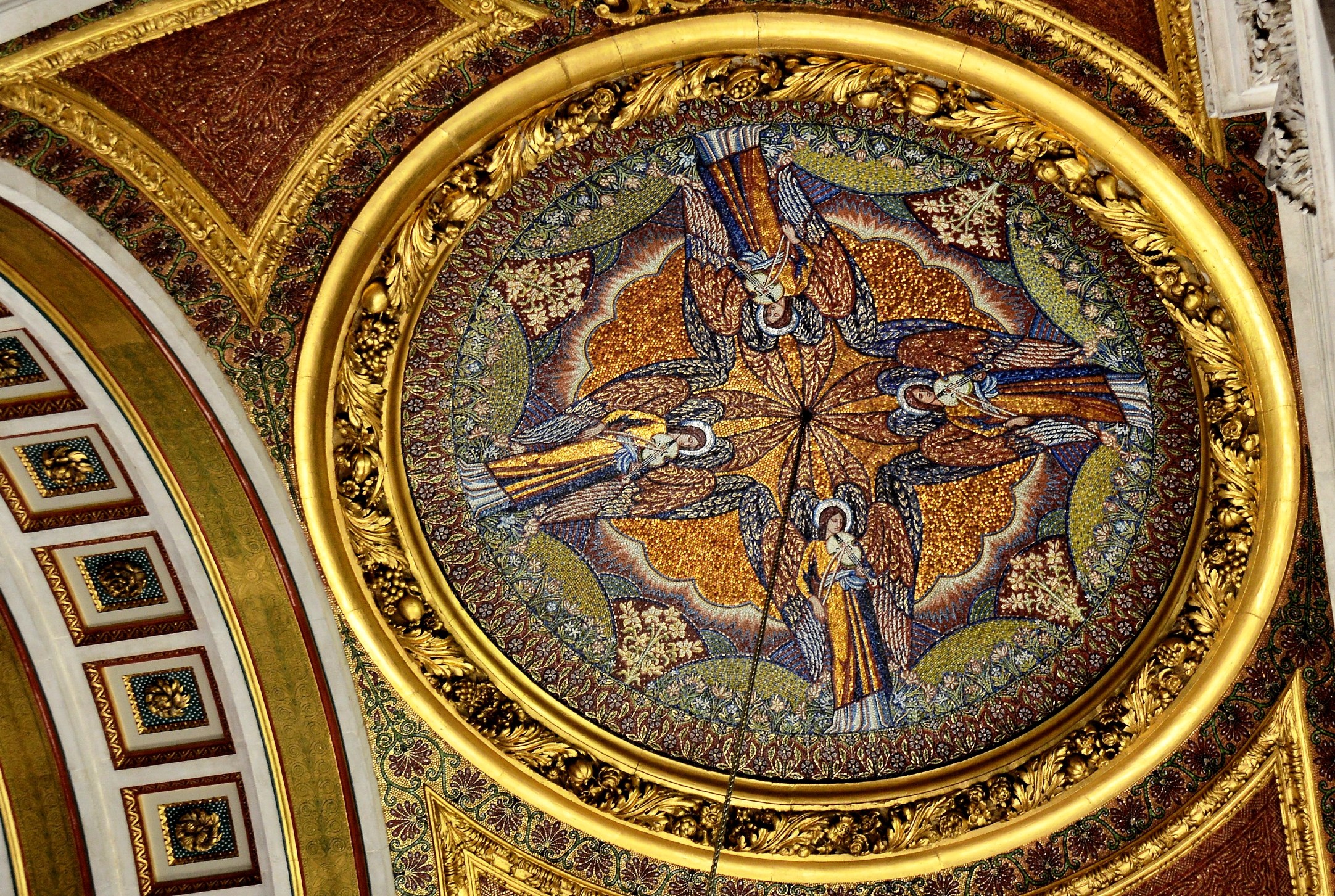
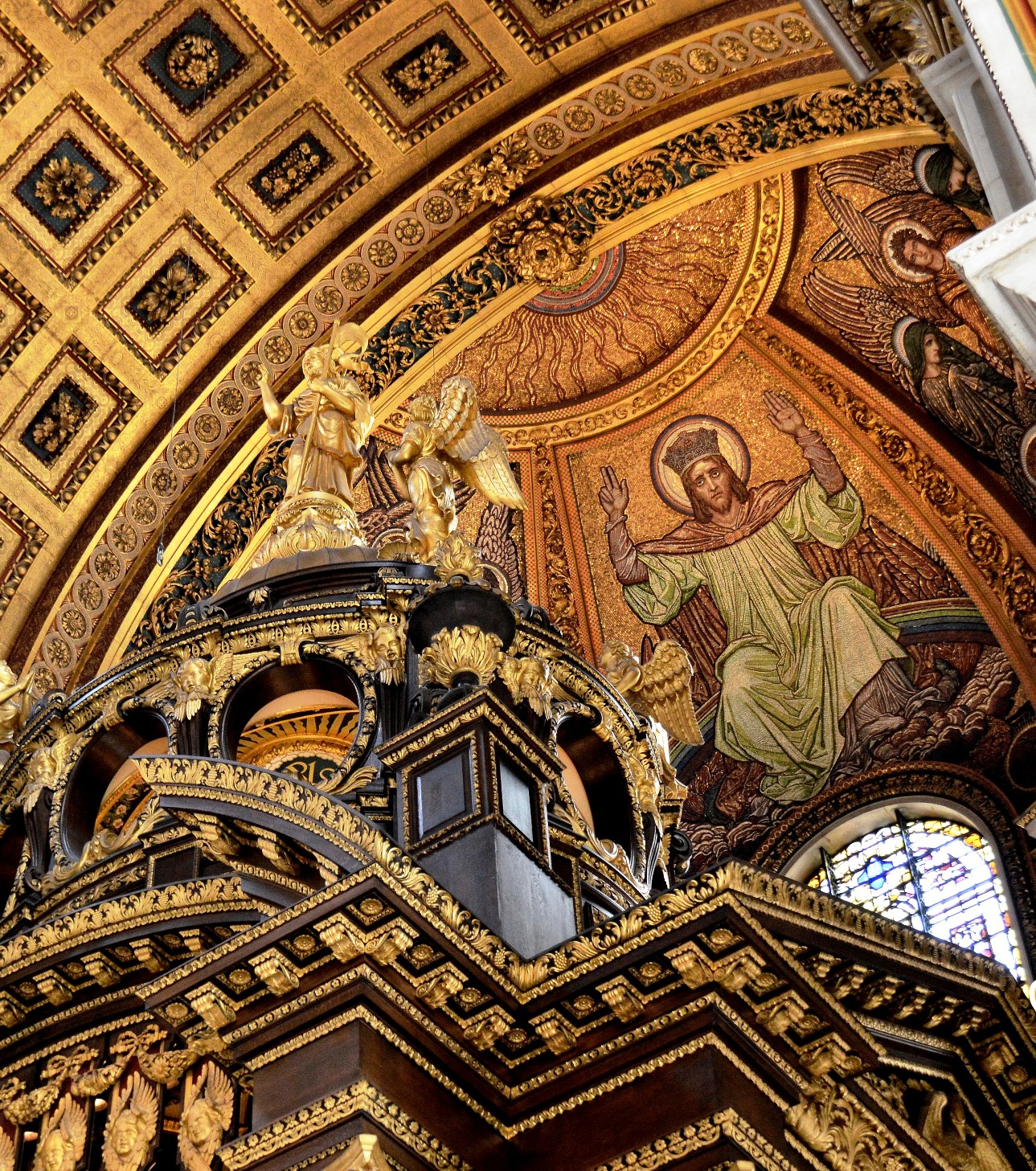
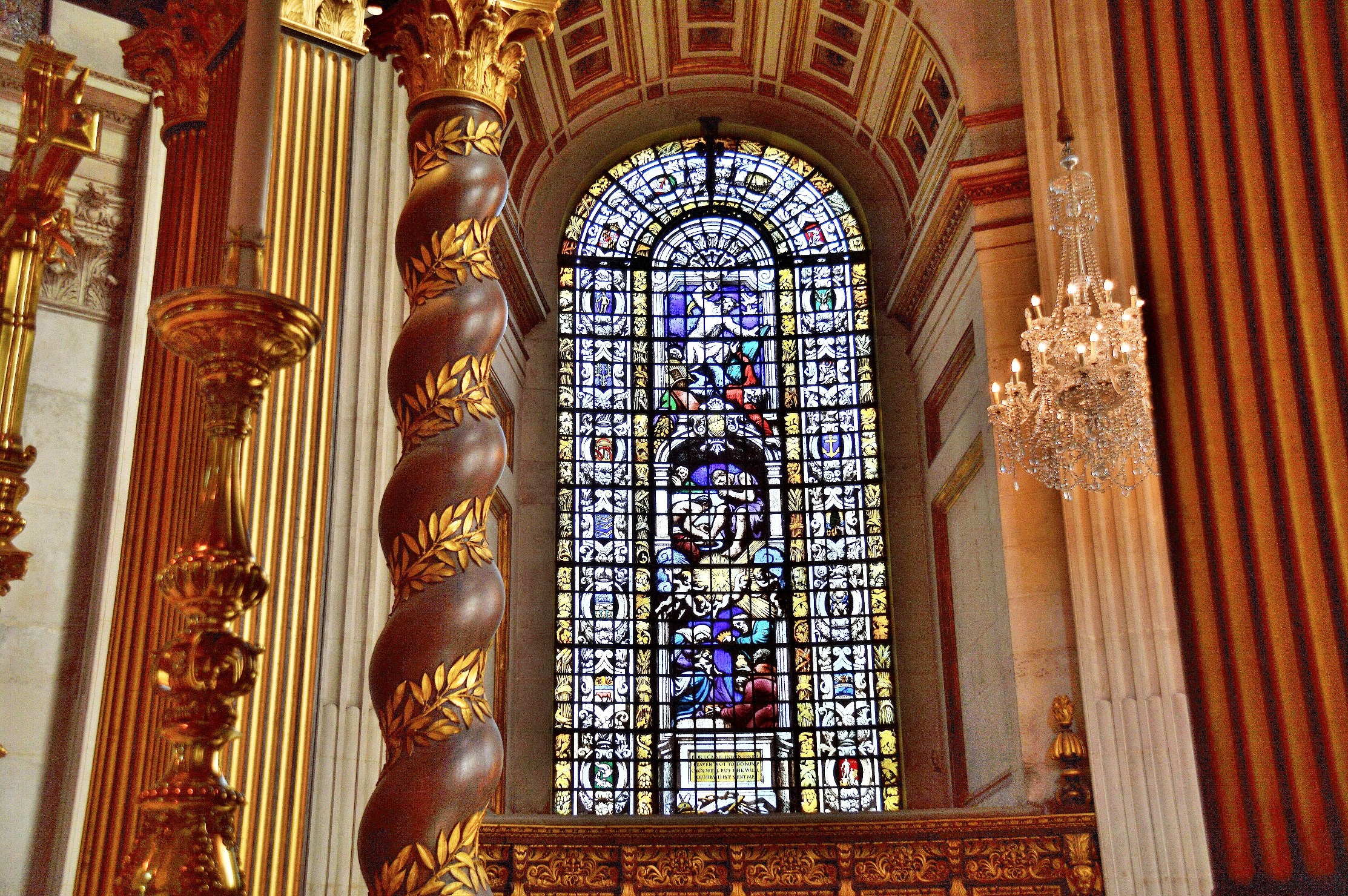
I caught the last opportunity for 2015 and so, of course, went overboard. To view the astonishing detail of the decor, please click on the image and then again to expand.
The Nave
Beside the Dome and the Dome

The gallery at the first level is known as the Whispering Gallery at 30 meters above the cathedral floor. So called because, when it is quiet, a whisper on one side will travel around the wall and be heard on the other side.
Higher still is the Stone Gallery at 53 meters and the topmost is the Golden Gallery at 85 meters. If you can climb to the top, they give a you a badge. 😛 .
The Ceiling above the Quire
.

.

.

.
.

The High Alter and the Apse
.
.
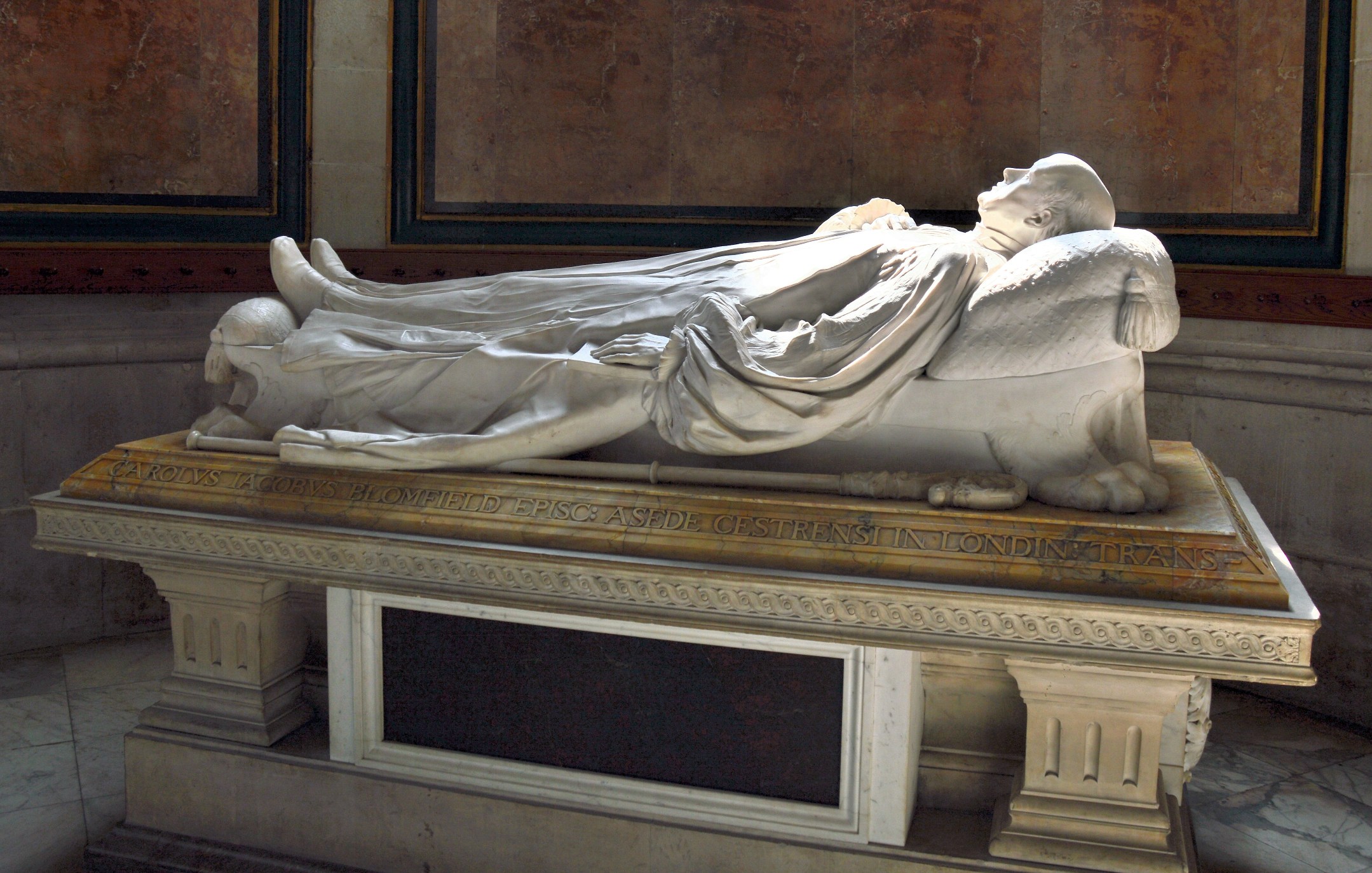
There are many monuments and dedications at the cathedral. I chose this one because of the workmanship and for being a little known personage. It is of course Carolus Jacobus Blomfield.
Here is the famous exterior of the Dome.
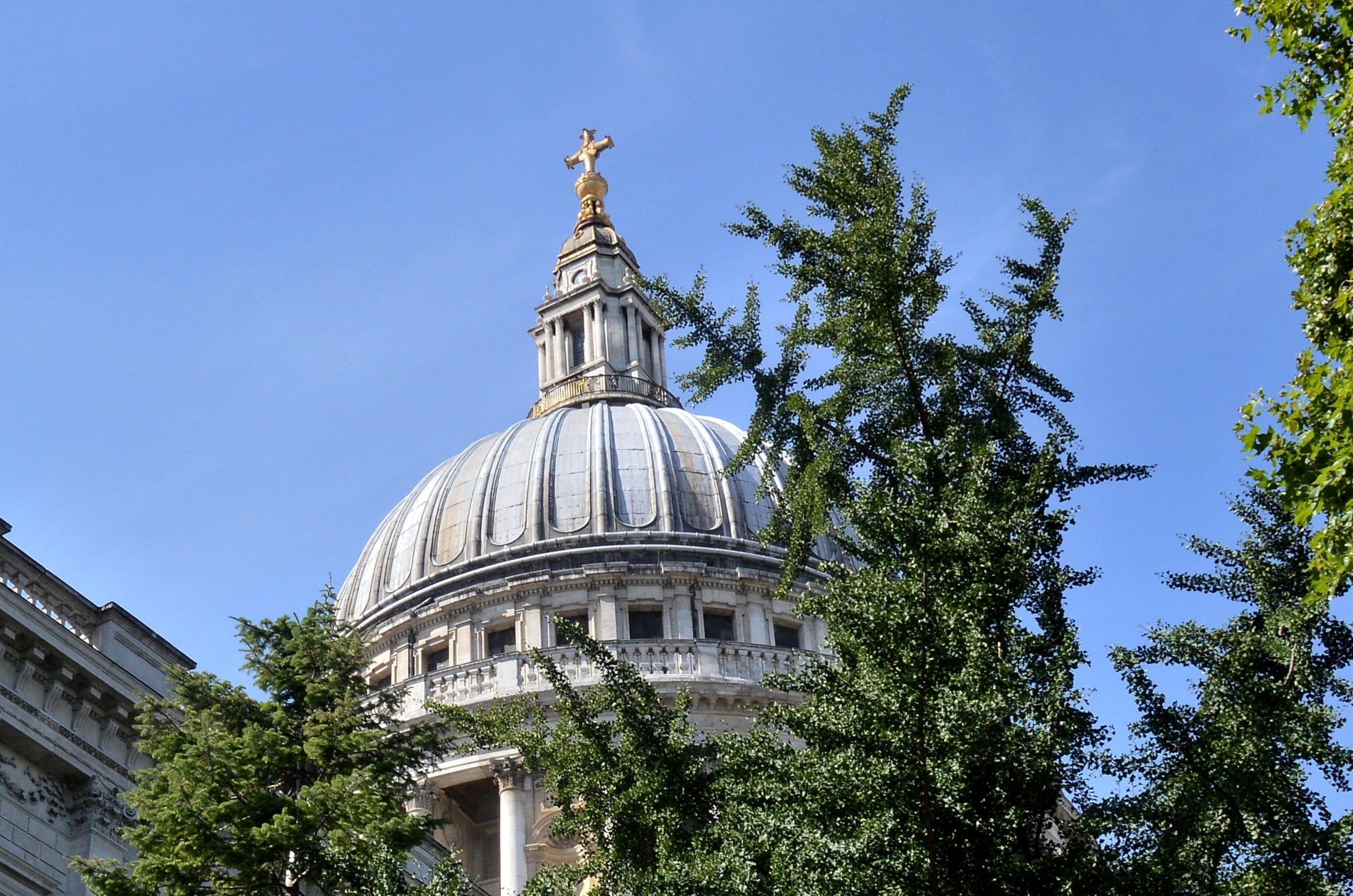
.
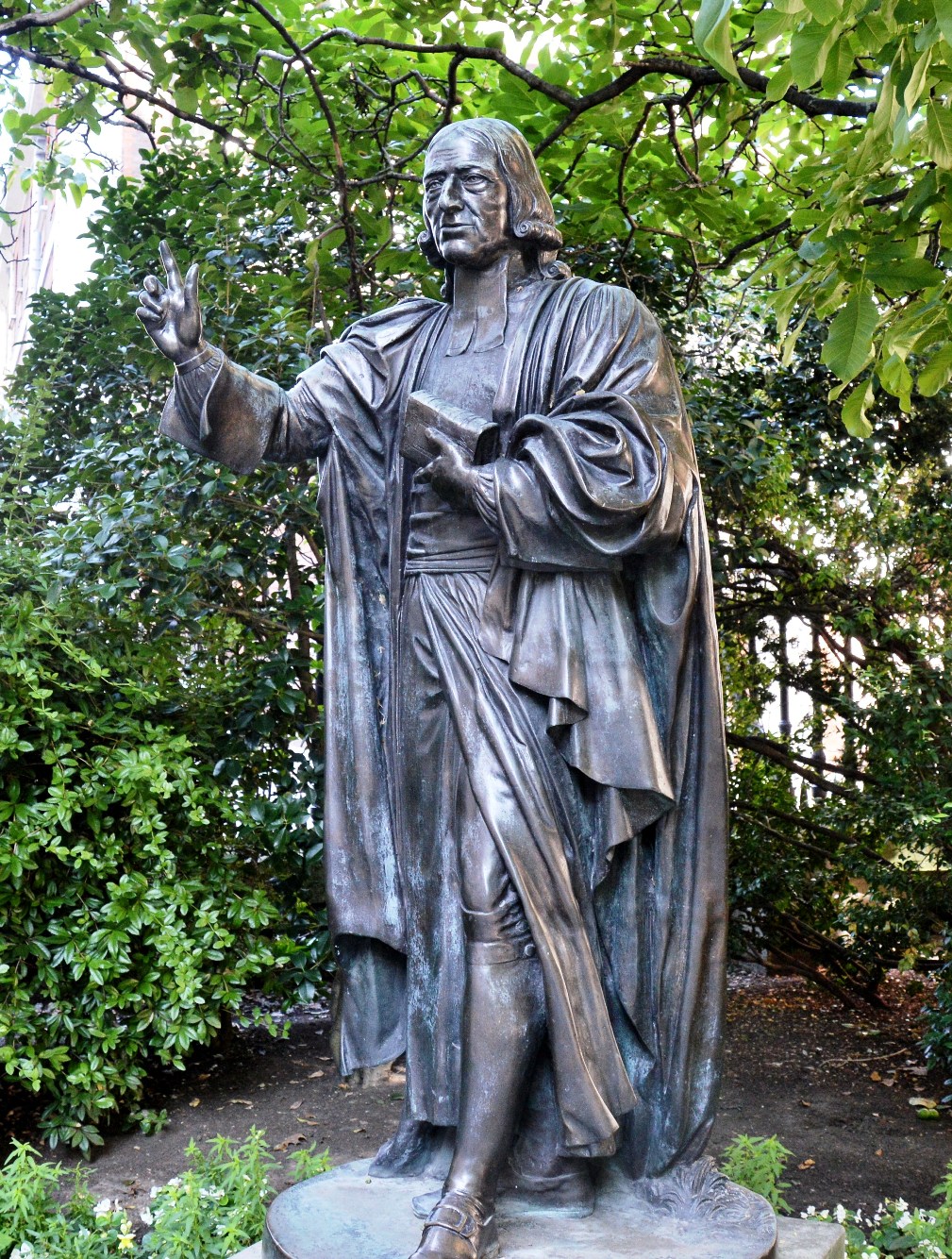 This is John Wesley, Father of Methodism. Another well made statue.
.
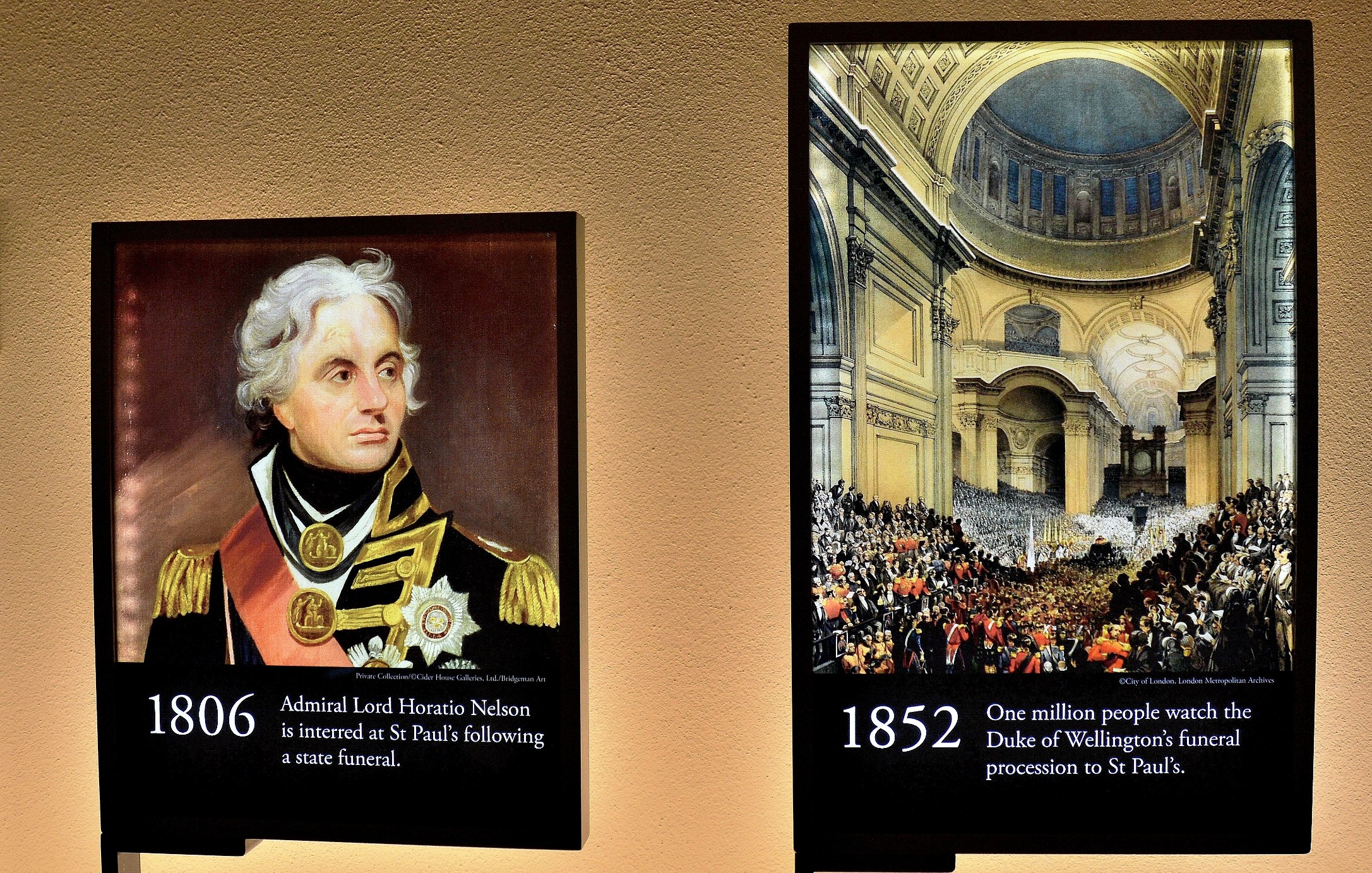
 The Crypt has many tombs, dedications and a cafe. Perhaps the most famous tomb being that of Viscount Horatio Nelson. These are some of the dedications.
.
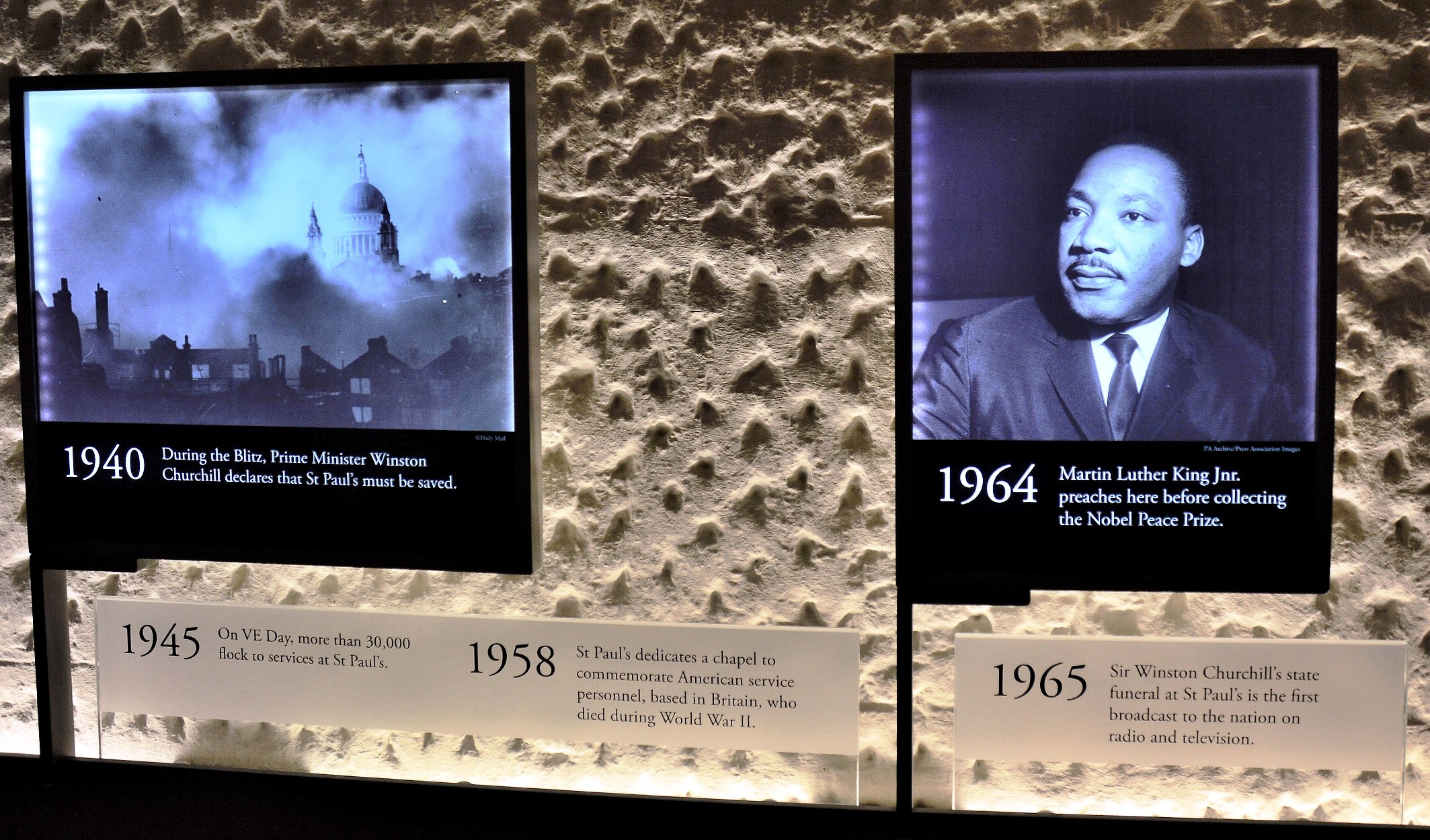
Lastly, the cathedral does have its contemporary side and has housed an exhibition of work by street artist Inkie. Below is one item retained and presently on view just inside the cathedral entrance.

Osterley Park House
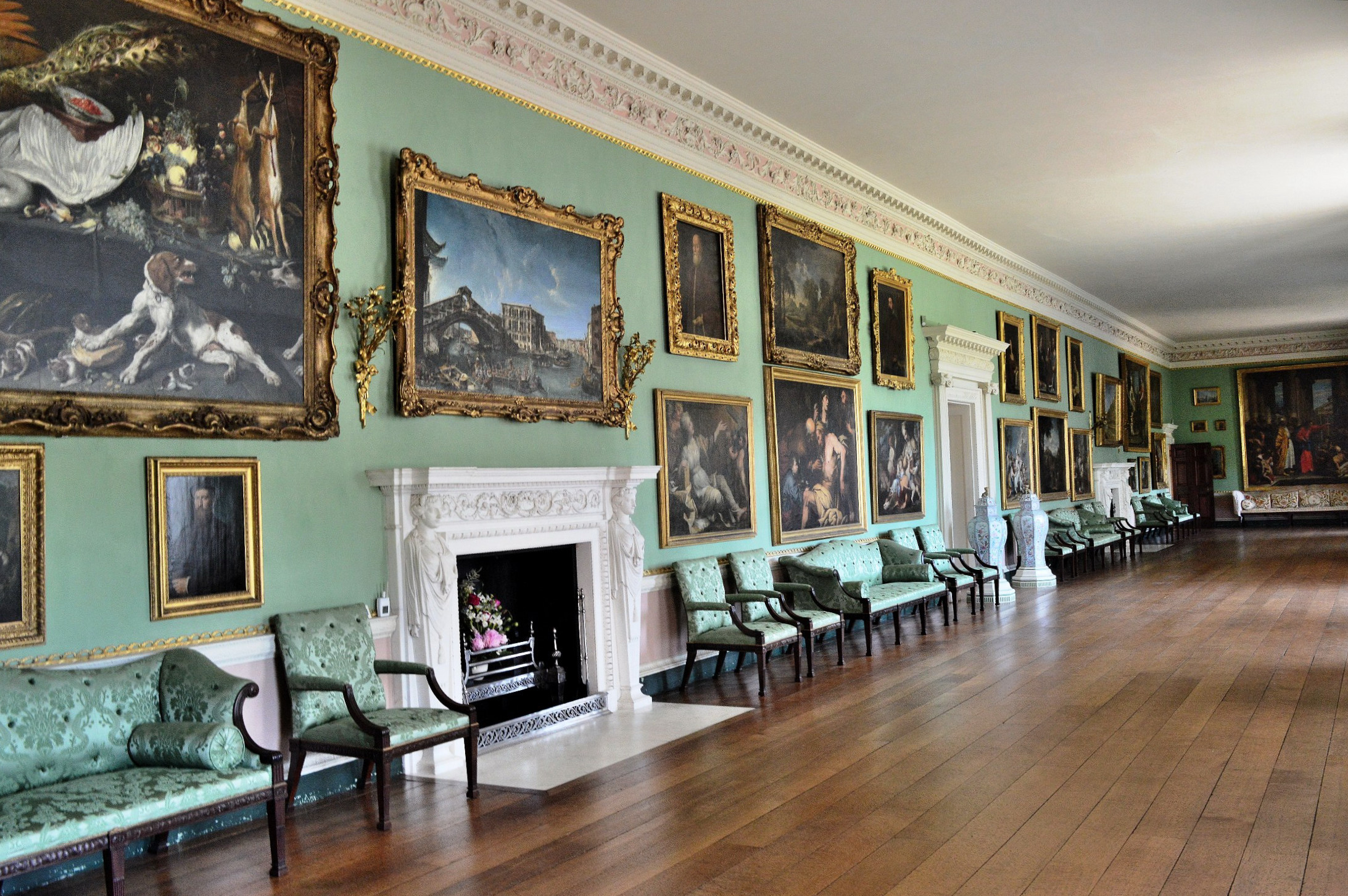
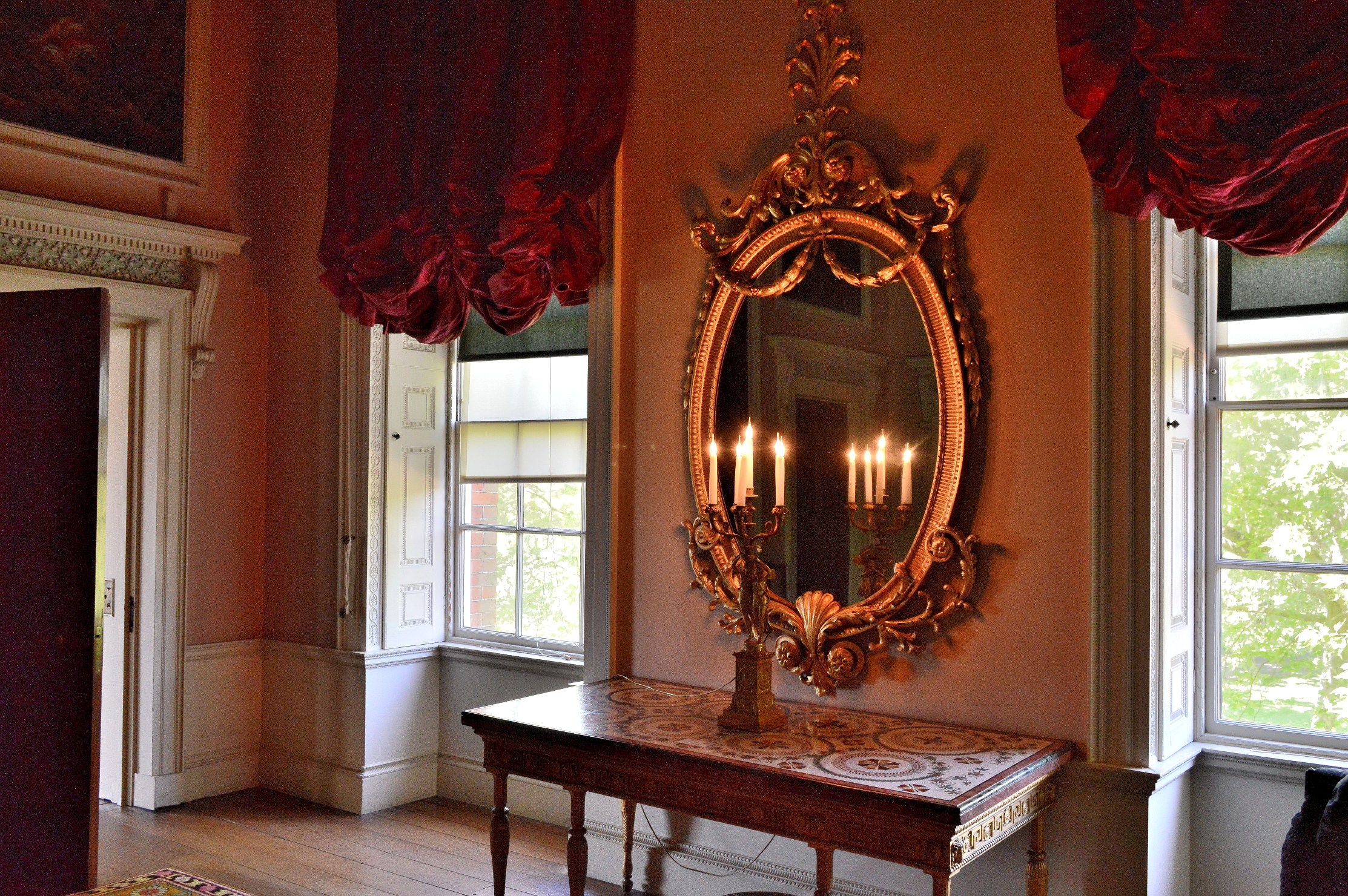
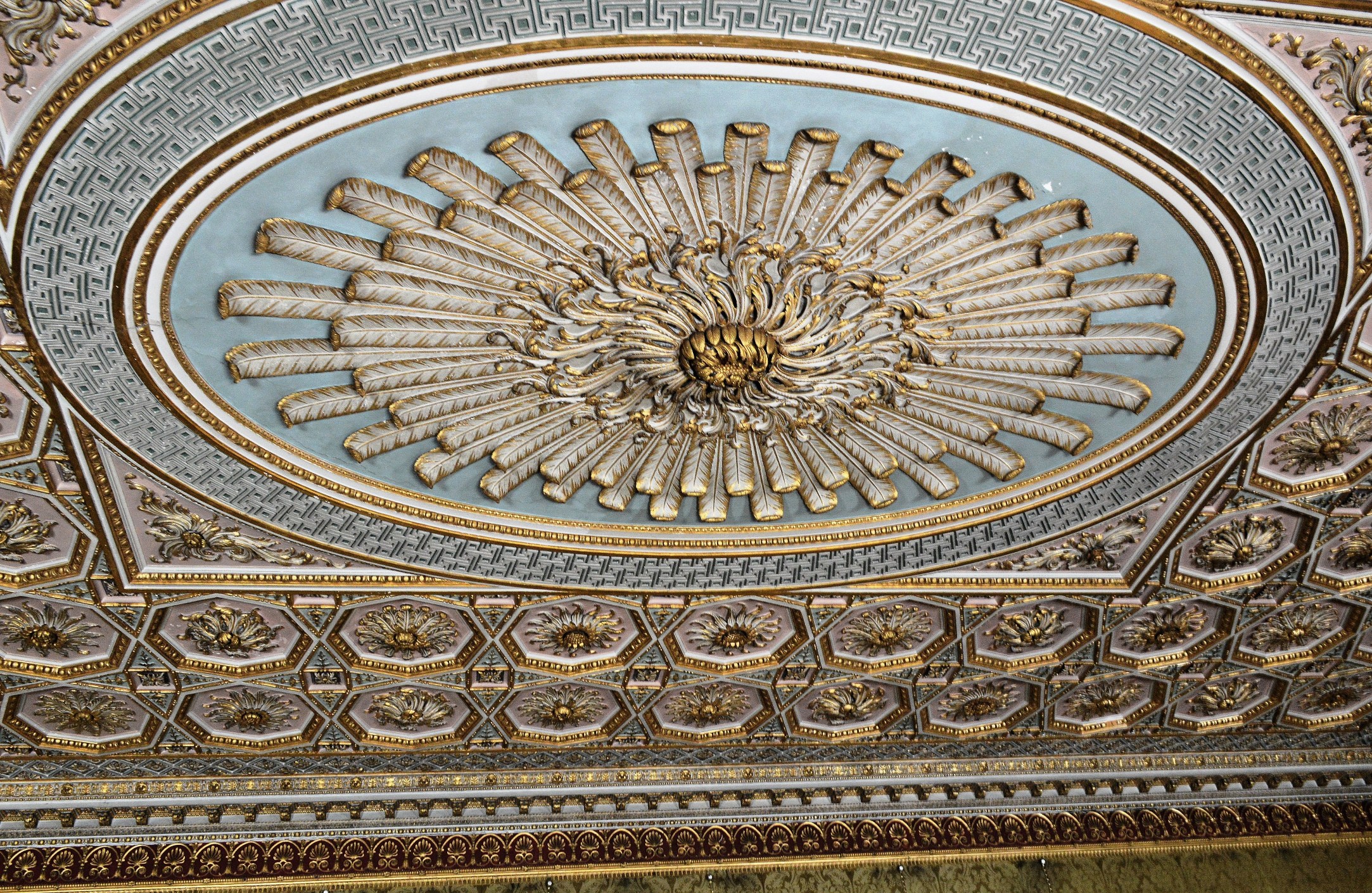
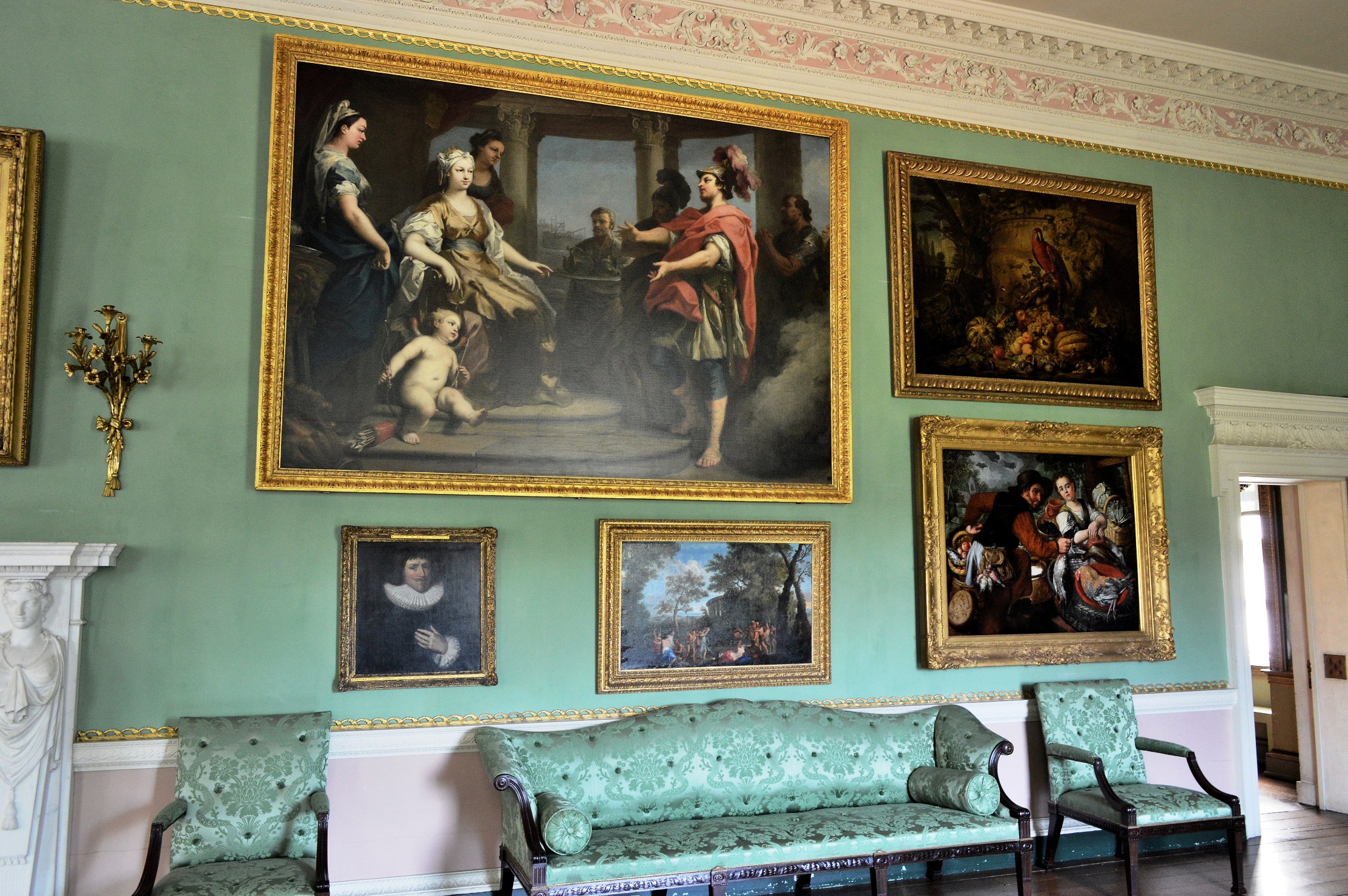
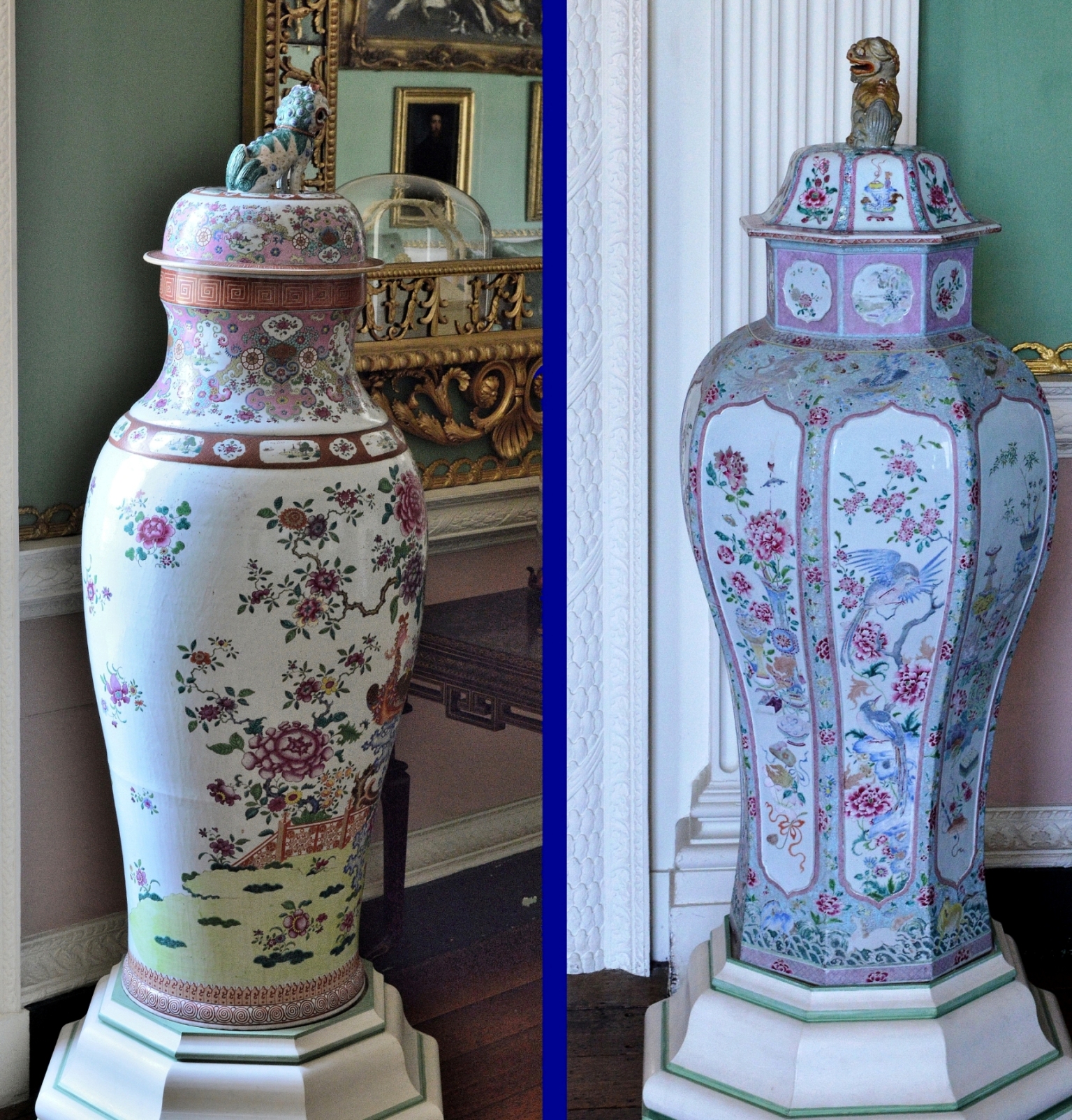
Osterley Park House was entirely redesigned by architect Robert Adam over a period of twenty years beginning in 1761 on behalf of the Childs family. Although the the house is not entirely full of artifacts, it is one of the most sumptuous that I have visited. The gardens can be found here and the flowers here. Admission times, prices and further information can be found here.
Unfortunately the upstairs rooms were closed during my visit, but here are the downstairs rooms. The lighting was little dull in places, so it has been raised a little.






Geffrye Museum – Interiors
The Geoffrye Museum is very close to Hoxton station on the London Overground Line. There is a front and back garden area, which is worth seeing, and entrance to the museum is free. The interior has a long row of rooms which depict interior decor and furniture throughout the ages. There is also an exhibition area in the basement and one may join a tour of a small Alms House exhibit.
Here is a taste of the museum.


Sutton House
Lenenfold Parlour

So called because of its rare linenfold design wood paneling.
19 pics. Sutton House is not very big but it is a real gem and is well worth a visit. It was built-in 1535 by Sir Ralph Sadleir (Principal Secretary of State to Henry VIII) and has a long history of occupation including merchants, sea captains, Huguenot silk-weavers, Victorian schoolmistresses and Edwardian clergy. In later years it was used by WWII Fire Wardens, the ASTMS Union and then a squat/music venue/community center known as the Blue Room. The staff are friendly and helpful and it is well managed which results in a sense of preserved rather than restored.
More history here ⇒, website (opening times/small entry fee) here ⇒ and essential travel guide here ⇐. Note: sometimes the website (2019) is misleading about opening times and how to book a visit, you can contact here ».
There is also a Georgian Parlour, tea room, small cafe. outdoor seating areas, used book shop, cellar and chapel (little bare though), small garden/play area and community room. The site hosts a number of events and family themed days (check the website above).
Do use the paper guide provided on entry, otherwise it is very easy to miss a room or one of the treasure chests.
Art Gallery

If you click on twice to expand, then you will see the names of the young artists. The room also has an audio-visual guide.
Little Chamber
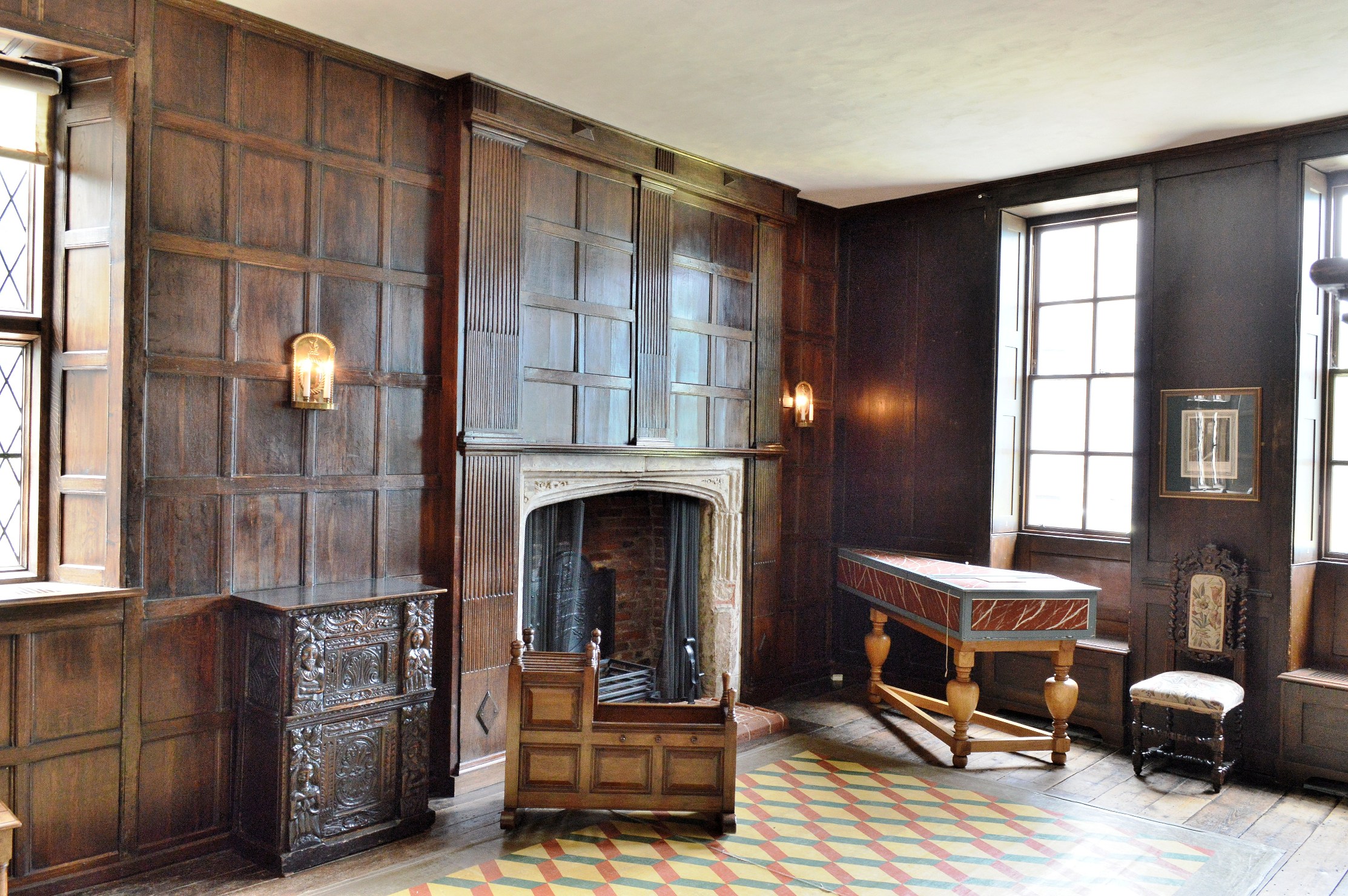


Great Chamber

Sir Ralph Sadleir MP

Lady Sadleir and Sir Edwin Sadleir both by Mary Beale
Victorian Room


Tudor Kitchen

That’s my selfie.
Top Floor

This is what remains of the the Blue Room squat, which has it’s own history.
Courtyard Seating


Breakers Yard Garden and Sand Pit
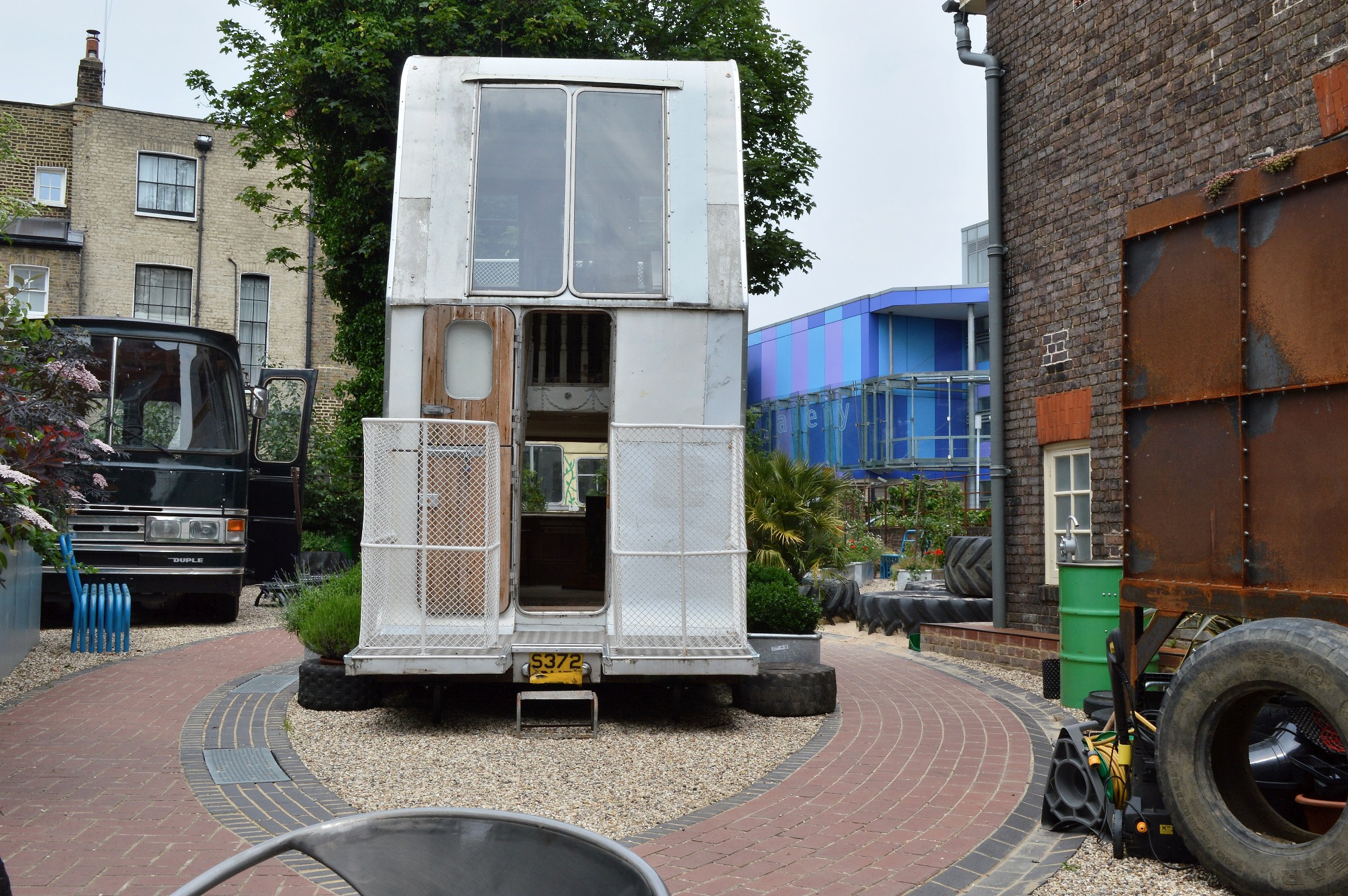


Shop

I do love a duck.
Kenwood House – Interiors

Kenwood House is free to enter and photography is allowed. It houses a massive art collection bequeathed by Lord Iveagh (Vermeer, Rembrandt, Gainsborough, Reynolds, Larkin and Boucher) and sits amongst an ornamental garden with parklands and is adjacent to Hampstead Heath. There is also a shop and the cafe, Gardens ( here ) and Flowers ( here ) are a delight .
It does get quite busy with tours and school trips. Nevertheless it has a calm ambiance with friendly staff and an occasional school party sitting on the floor quietly mesmerized by a story teller. You might wish to click on The Website.
The easiest route is to Archway underground station and then the 210 bus from stand E to the next stand E by Compton Rd.
The Rooms


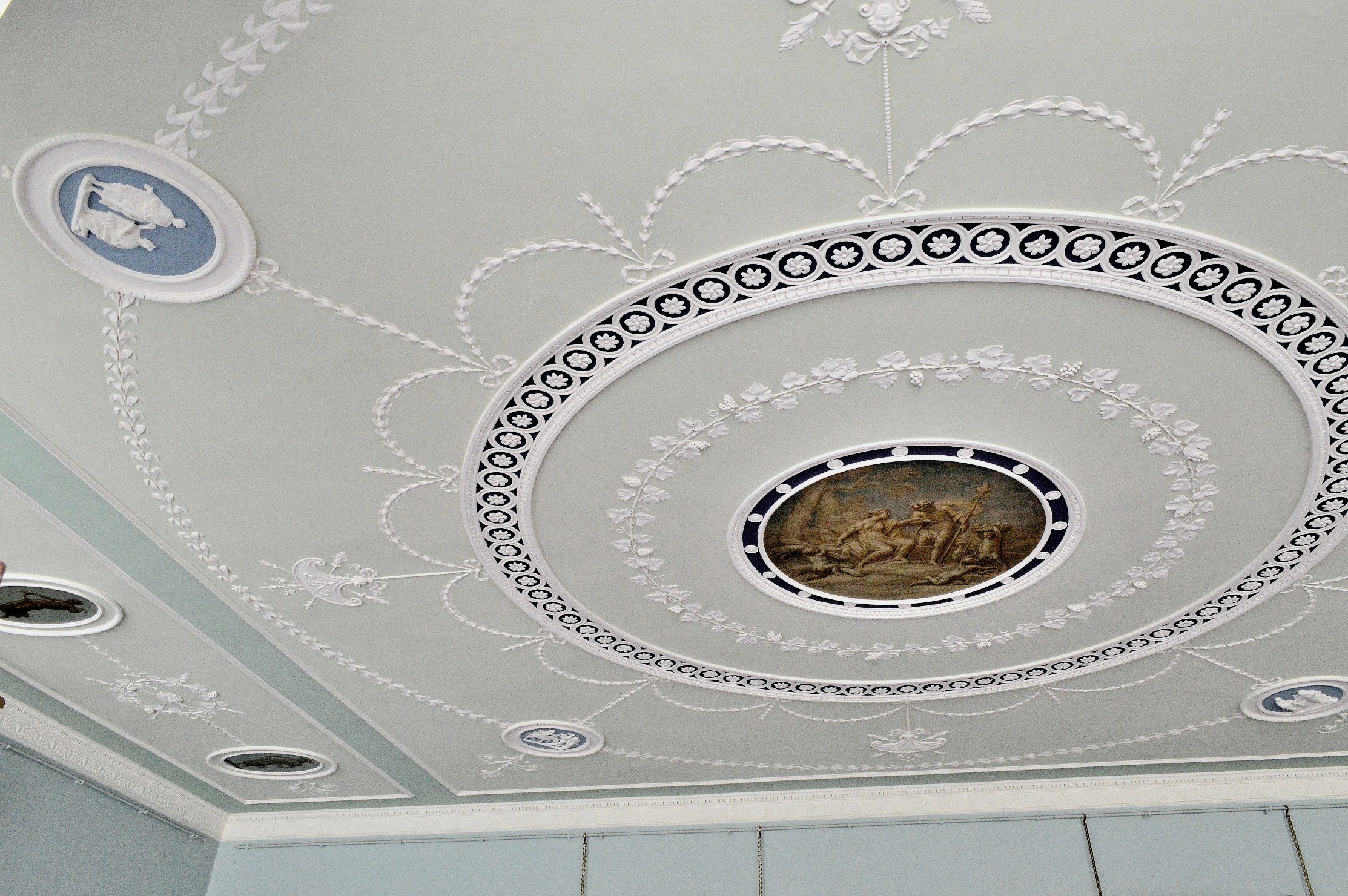
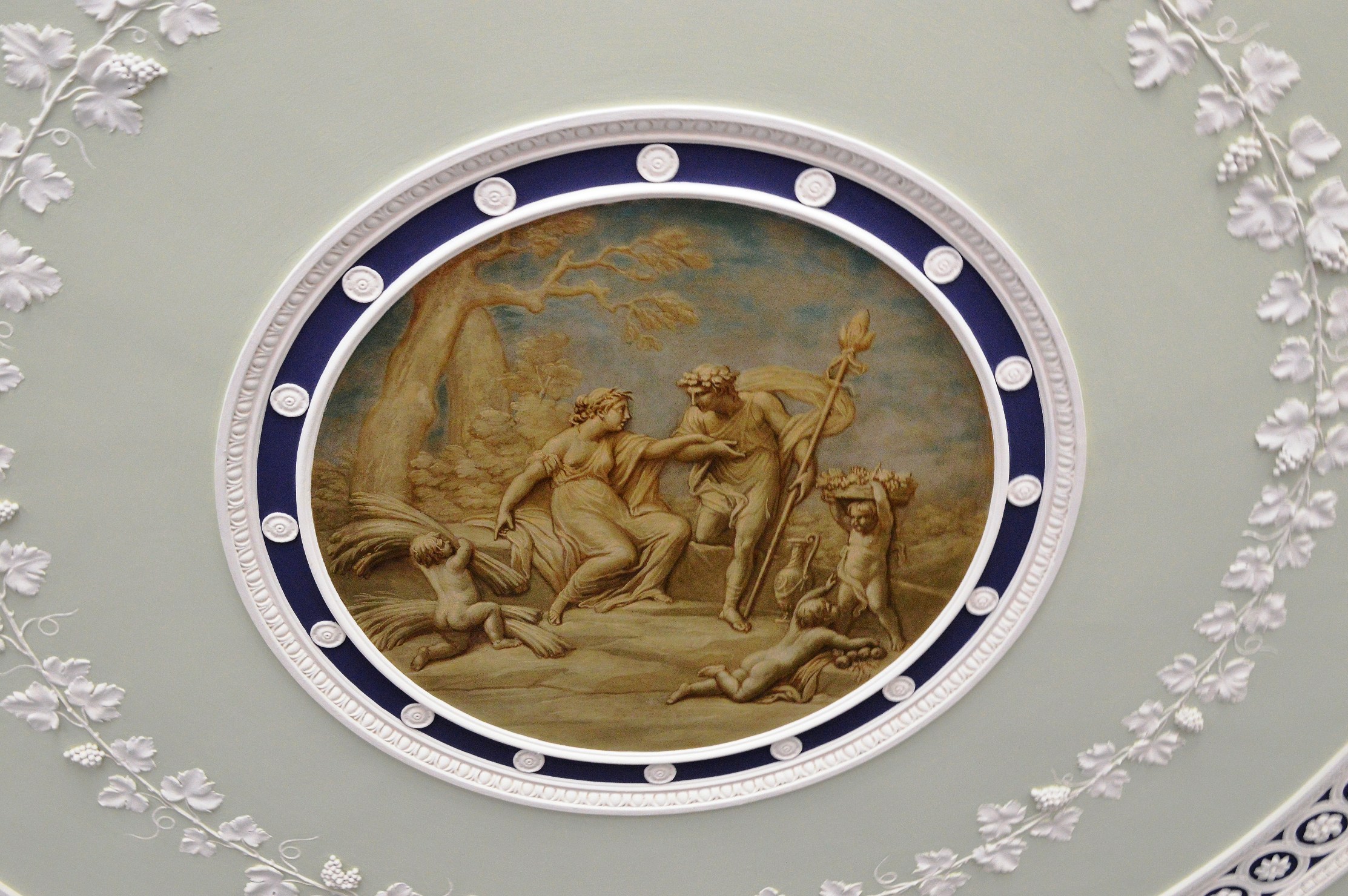
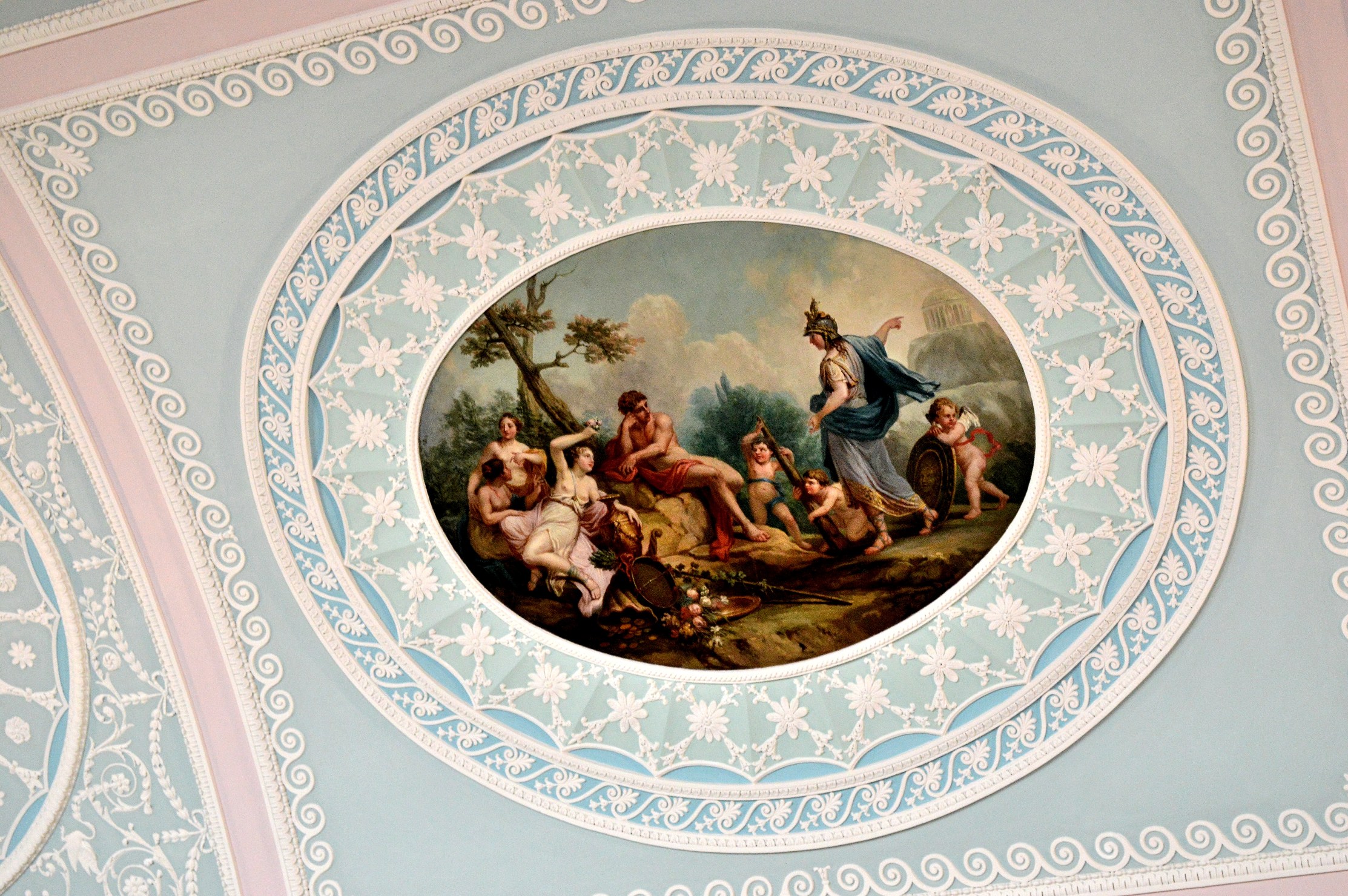
The Ceilings
Foyer
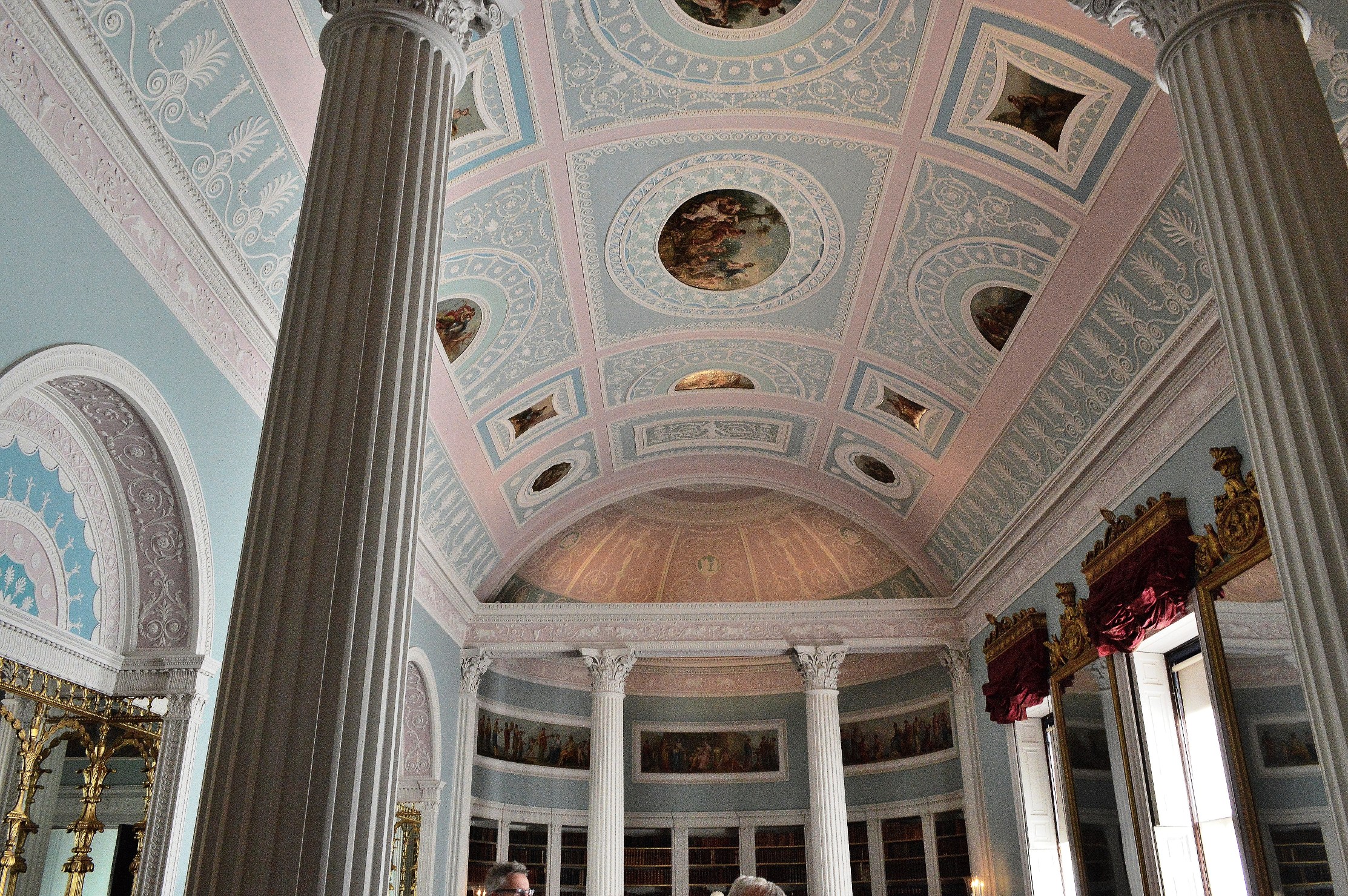
Library
The Paintings
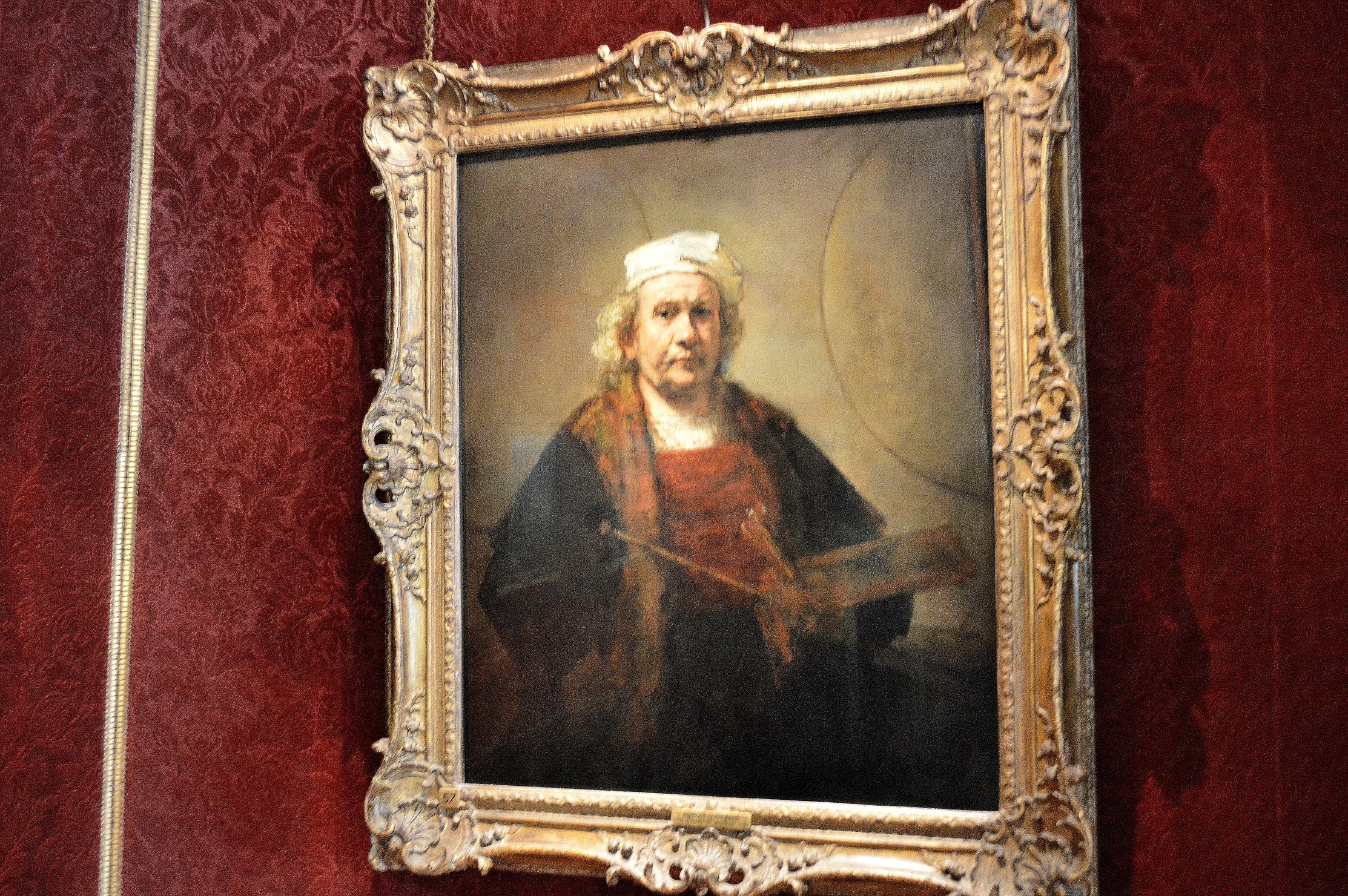
Rembrandt – self portrait with two circles
It seems that selfies are nothing new to the world.

Man Offering Grapes to a Girl – Francois Boucher
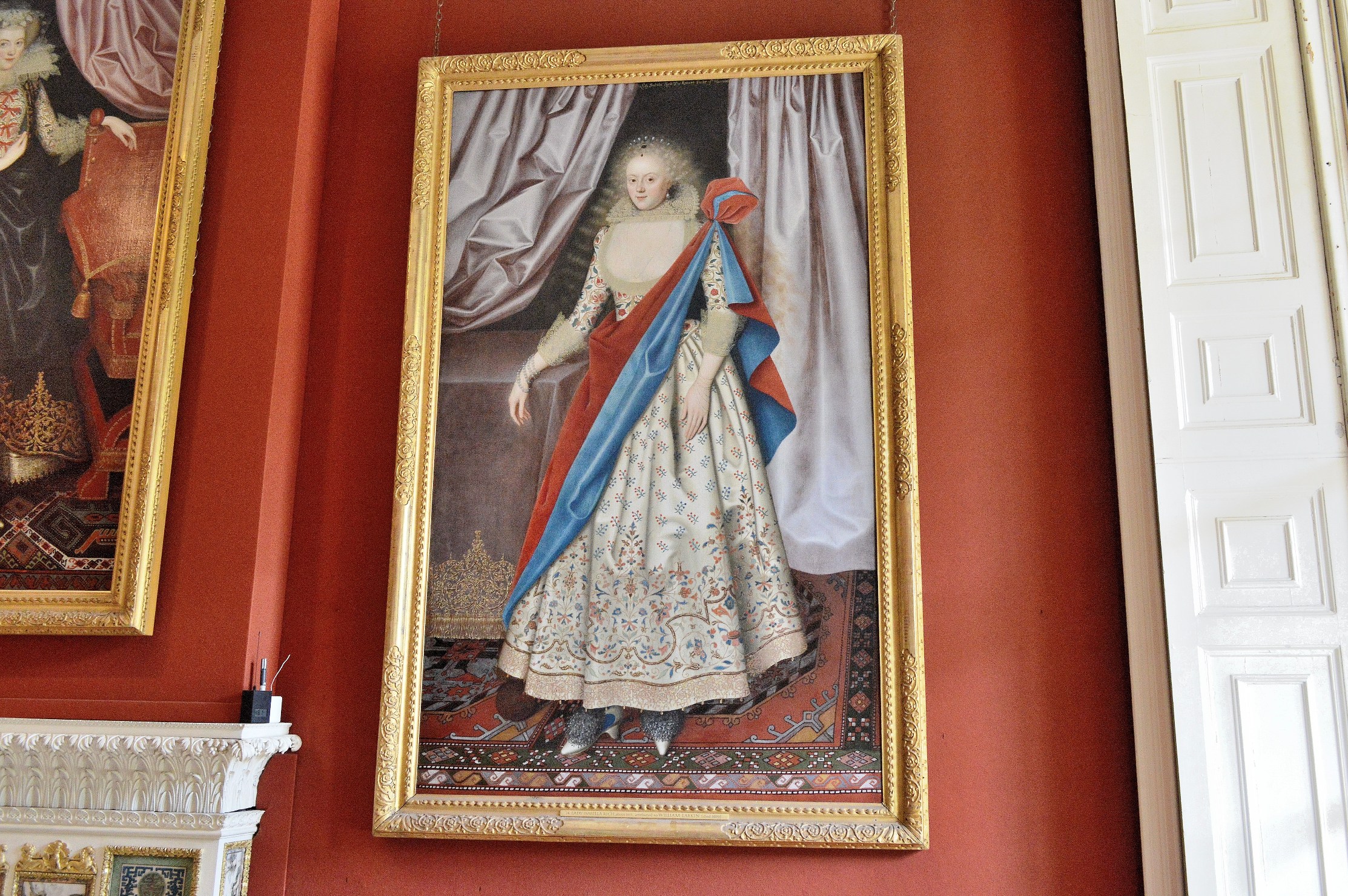
Lady Isabella Rich – Attr William Larkin
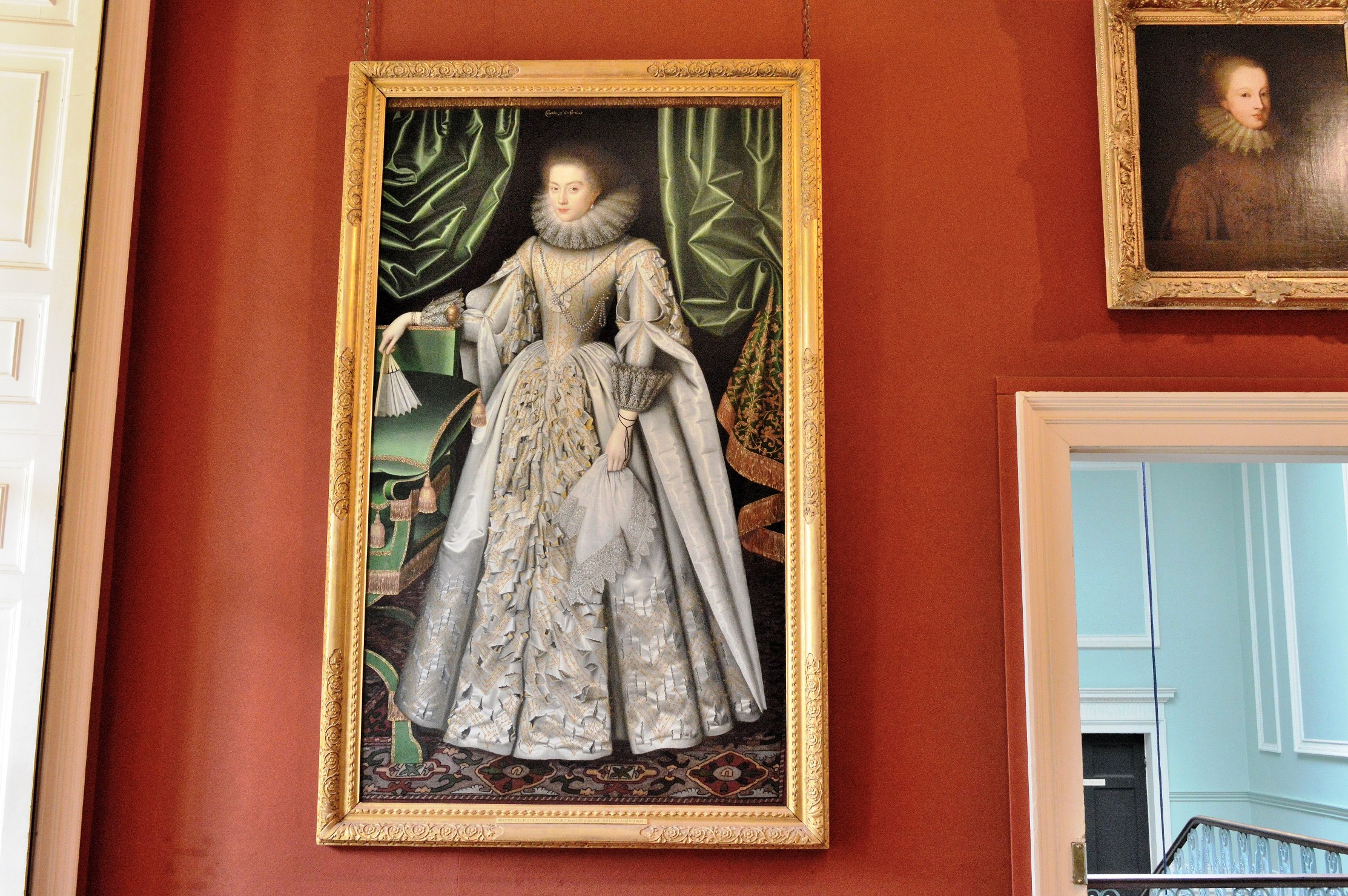
Diana Cecil – Countess of Oxford – attr William Larkin
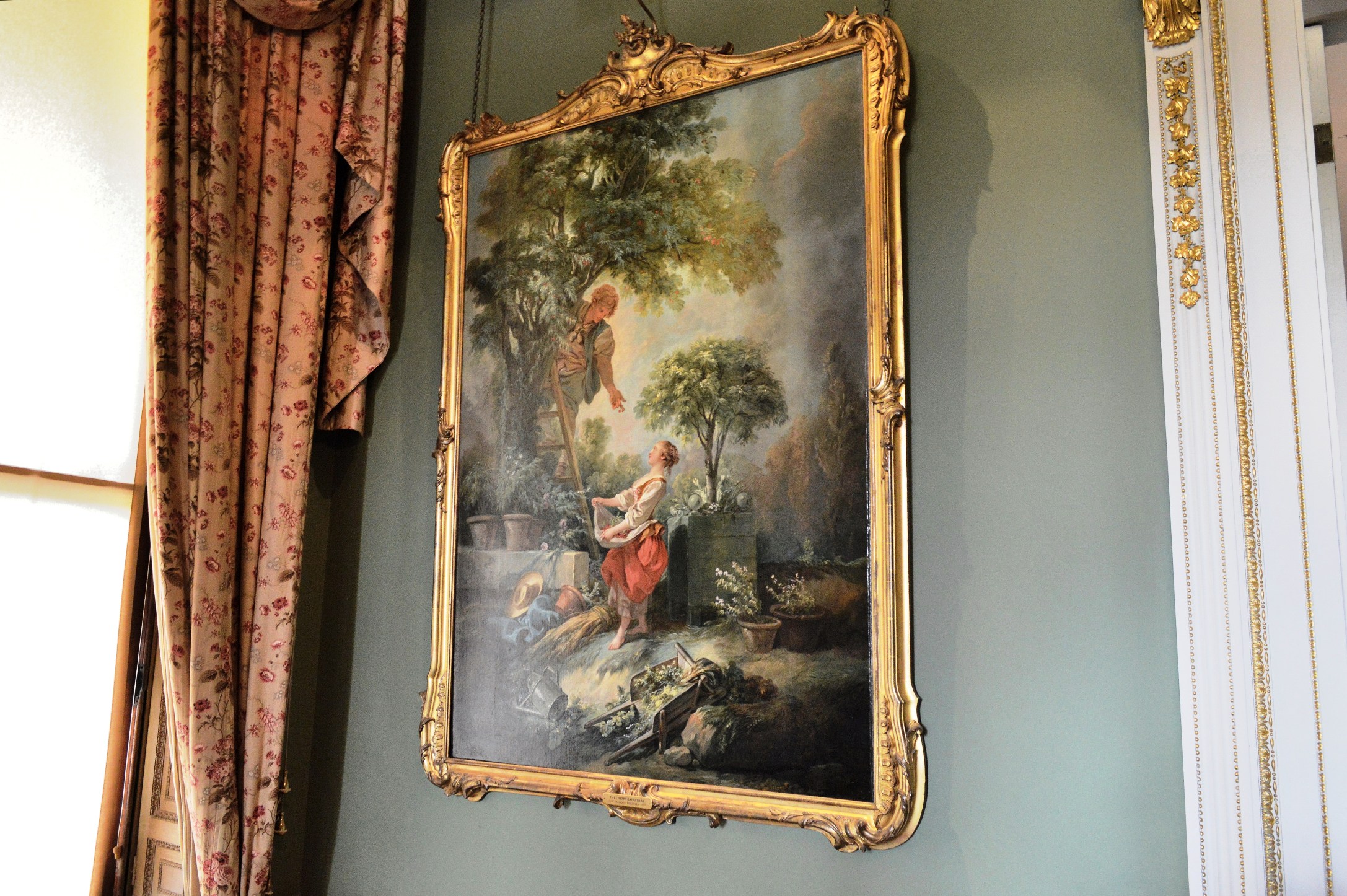
The Cherry Gatherers – Francois Boucher

Dido Elizabeth Belle and Lady Elizabeth Murray by Johann Zoffany
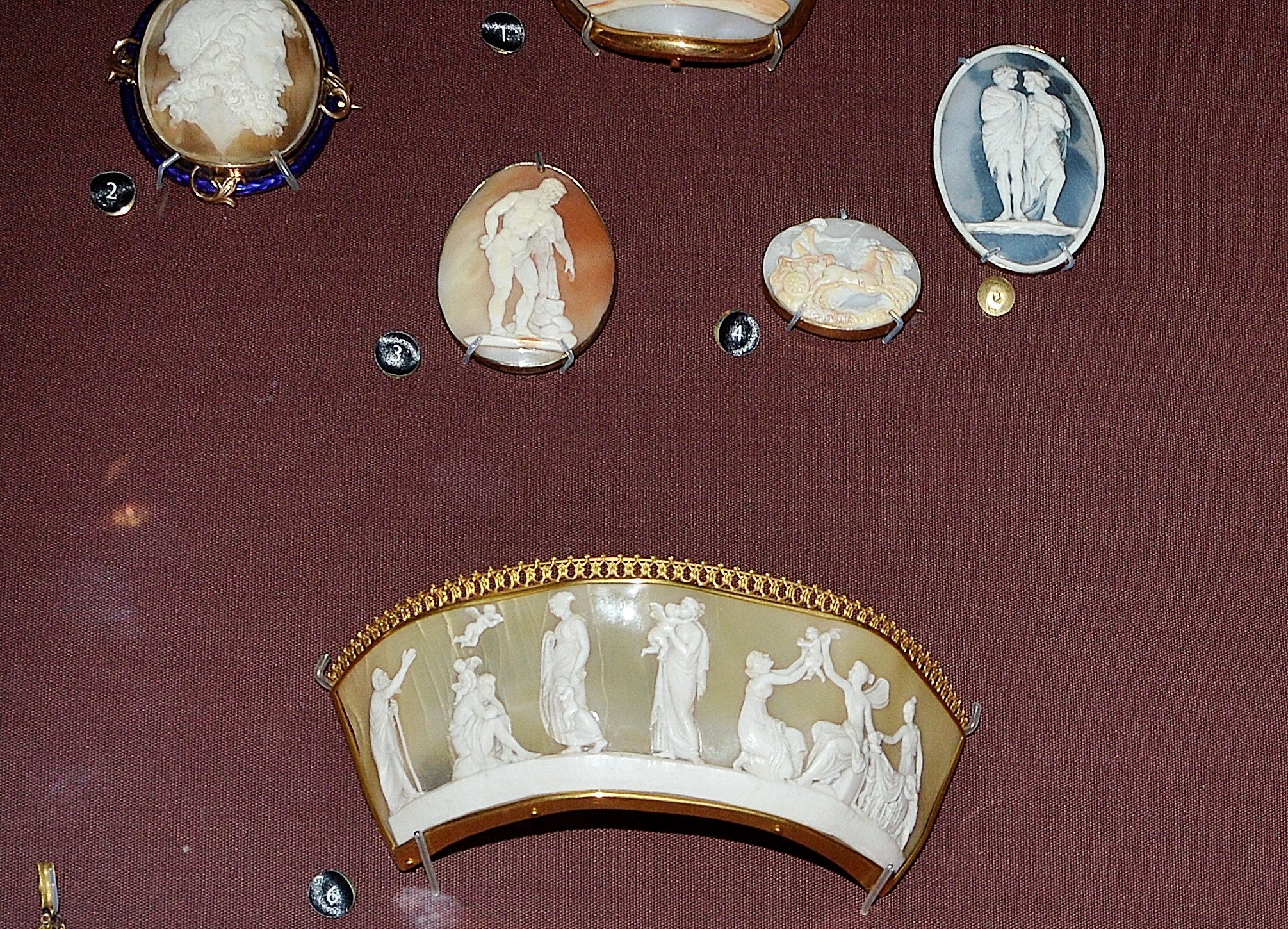
Some Trinkets



 Freed From Time
Wheels on Fire
We have come a long way since the horrors of starvation, disease and widespread homelessness of the past, even though we have some way to go and further still in some parts of the world. It is not very long since these scenes were quite common, even the heart of one of the most prosperous empires in the world. Albeit, part of the solution has left us with another problem to solve. Here is some of the past that made the present.
Viewers can click on any picture to expand and again to magnify. These pictures are from a temporary exhibition at the Geffrye Museum
.
The solution was in part due to the great philanthropists who sought social justice as much as charitable actions. Amongst them, those proposed for the Beacon Awards, Angela Burdett-Couts, David Lloyd George, the Salvation Army (150 years and going strong) and many others.
Amongst the work-houses were the Alms Houses, usually provided for those from specific trades or professions who had fallen upon hard times (pictures from a small exhibit/tour at the Geffrye Museum). Alms houses still exist, please click here for more.
.
Then there were those who courageously fought for common rights.
The formation of workers unions and the fellowship of humanity.
Even Winston Churchill, who started as a Liberal and became a Conservative, said “The inherent vice of capitalism is the unequal sharing of blessings; the inherent virtue of socialism is the equal sharing of miseries”.
Even surrounded by the pursuits of greed, the slow advance of true humanity has been indomitable. Showing itself as inherent throughout time, it cannot decline, it keeps on being born.
.
.
.
.
Amongst these pursuits has been the advantages of coal, steam and steel. An industrial revolution and an extent of hard toil that gave us all the modern advantages, which we largely take for granted.
Our societies have been the foremost in receiving the advantages of the industrial revolution and therefore the foremost in creating the resulting problems of climate damage. It is those who have yet to follow this route who will suffer the most damage before they receive any major benefit. It is up to us, who have the benefits, to be the foremost in resolving the matter. Those who may wish to know more about how, could click here ⇐, and maybe one day ~
.

.
And, thank you for visiting Freed From Time.
Sharing:
July 19, 2015 | Categories: Climate Change, East London, History, uk | Tags: alms house, Climate Change, geffrye museum, homeless, philanthropists, poverty, salvation army, social comment, social justice, victorian, work house | 6 Comments