
In All Their Glory
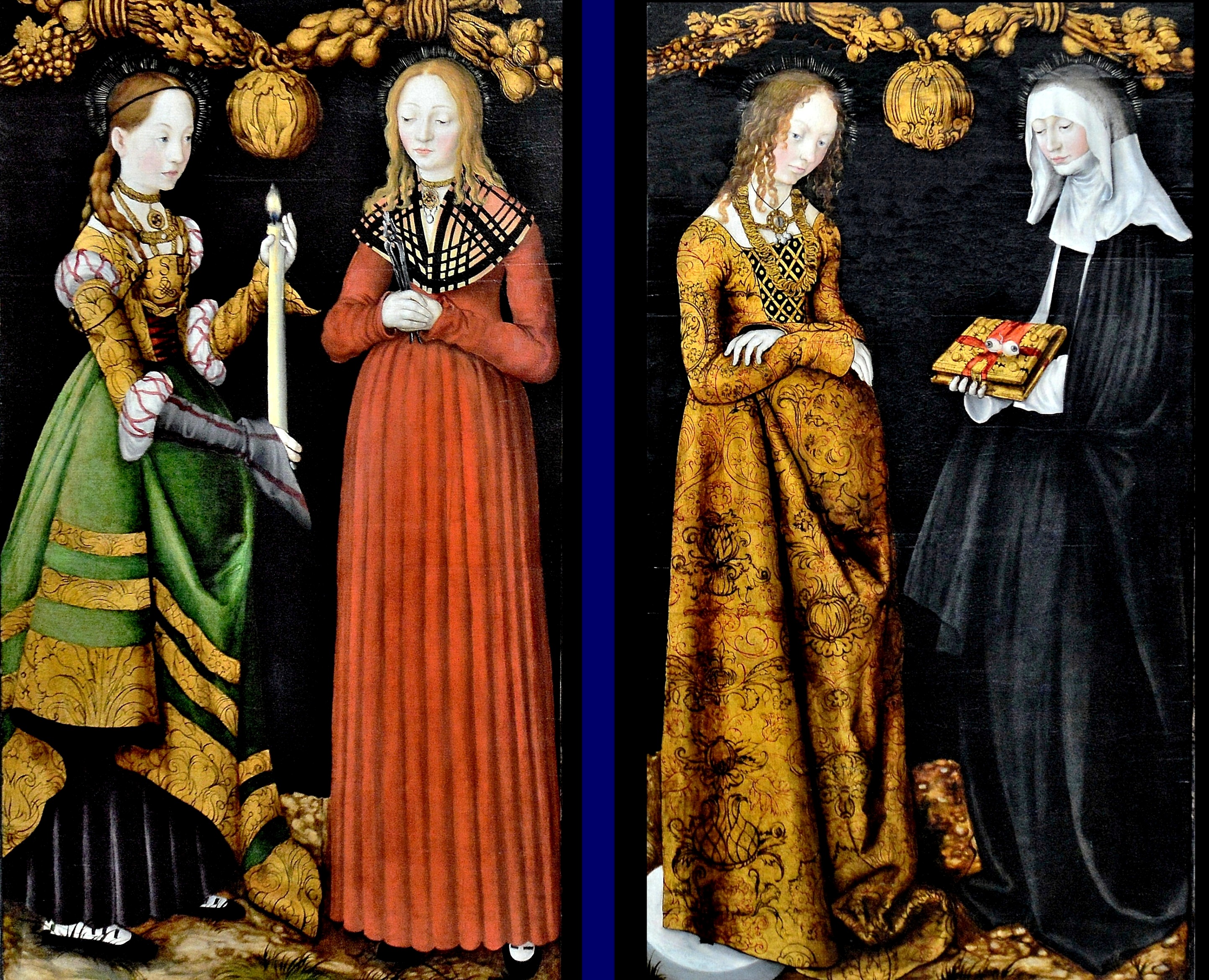
Saints Genevieve and Appollonia and Saints Christina and Ottilia by Lucas Cranach the Elder at the National Gallery
11 pics. Paintings on this blog have been enhanced a little to compensate for lighting/age, but not so much that a visitor to the venue would be disappointed by the original. However, the camera can show what time has hidden. In turn, that shows why some of these works began with such renown. A renown that they carried forward into the present, even as they lost their original appearance.
Here is an attempt to show each of these pictures at their best. Mostly by extraction of detail from darkened areas together with a little colour enhancement.
To view the detail, please click on an image and then again to magnify.
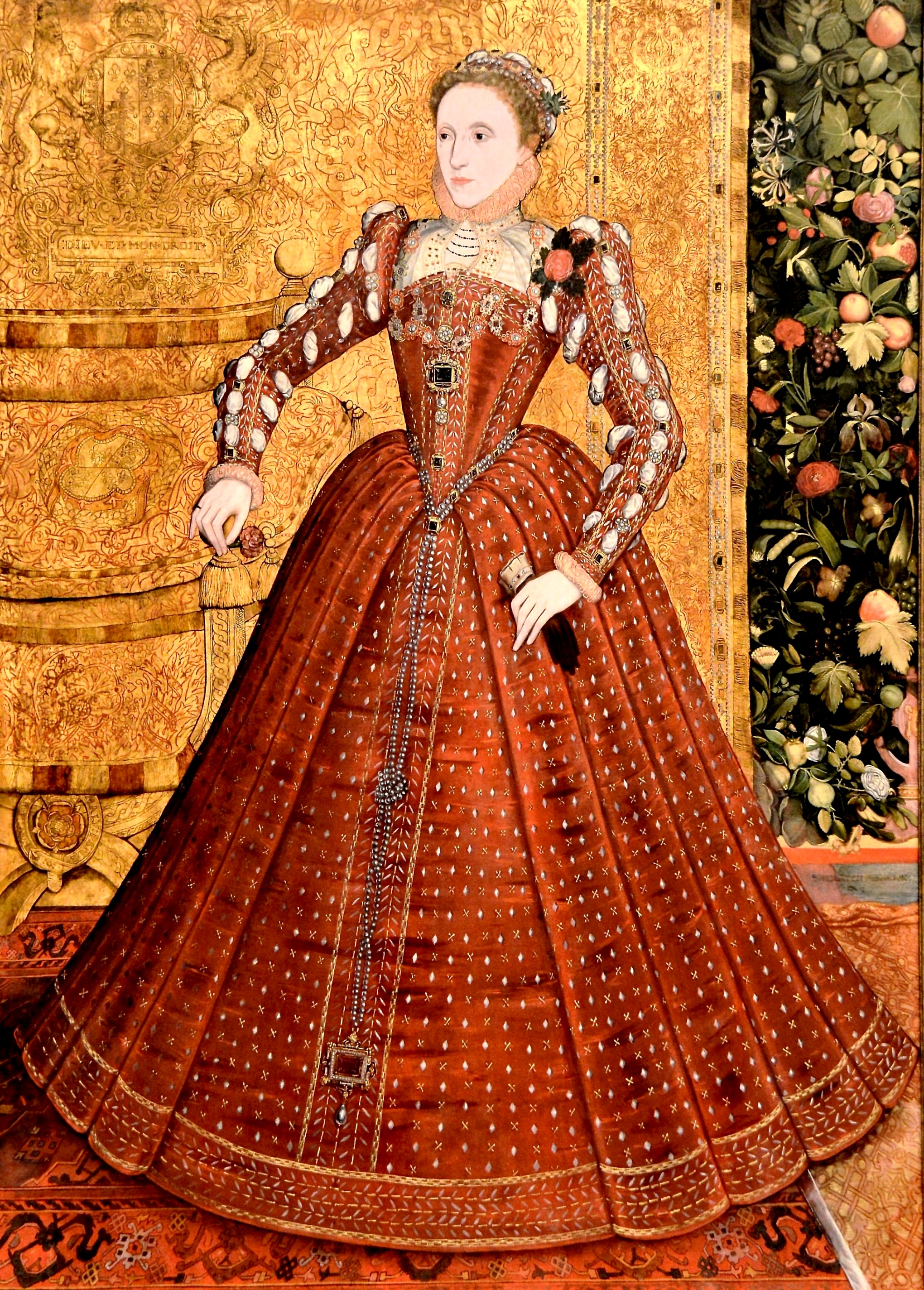
Elizabeth I by Steven van Herwijck at the Tate Britain
This one particularly caught my eye because the artist had managed to capture the texture and shading of a velvet dress. We take for granted that such can be shown in a photograph, but to do so with paint is a marvelous achievement.

The Fighting Temeraire by Joseph Mallord William Turner at the National Gallery
Turner’s work is more evocative than detailed, but it does capture one’s senses.

Seaport with the Embarkation of the Queen of Sheba by Claude at the National Gallery
.

The Decline of Carthage by Turner at the Tate Britain
.

Market Scene by Night by Petrus van Schendel at the Queen’s Gallery
I chose this one because the candle flare, the glow on the faces and shadowy figures in the background all add to a sense of being there.
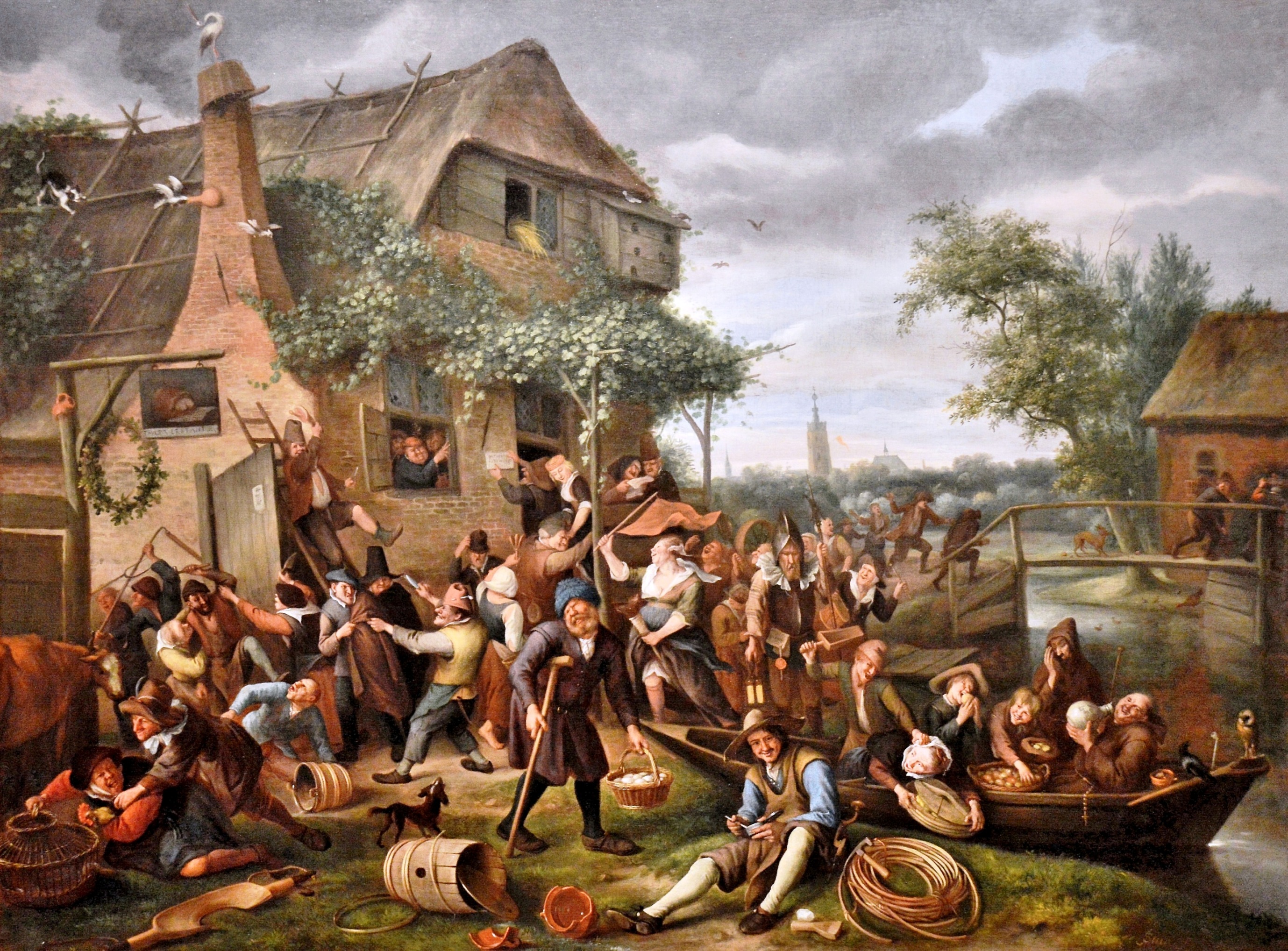
A Village Revel by Jan Steen at the Queen’s Gallery
Every face has an expression that could tell a tale. Especially ‘im with the cheeky grin at the bottom.

The Horses of Achilles in the style of Anthony van Dyke at the National Gallery
A mythical horse followed by a mythical lady. Both may attune to our extra senses.

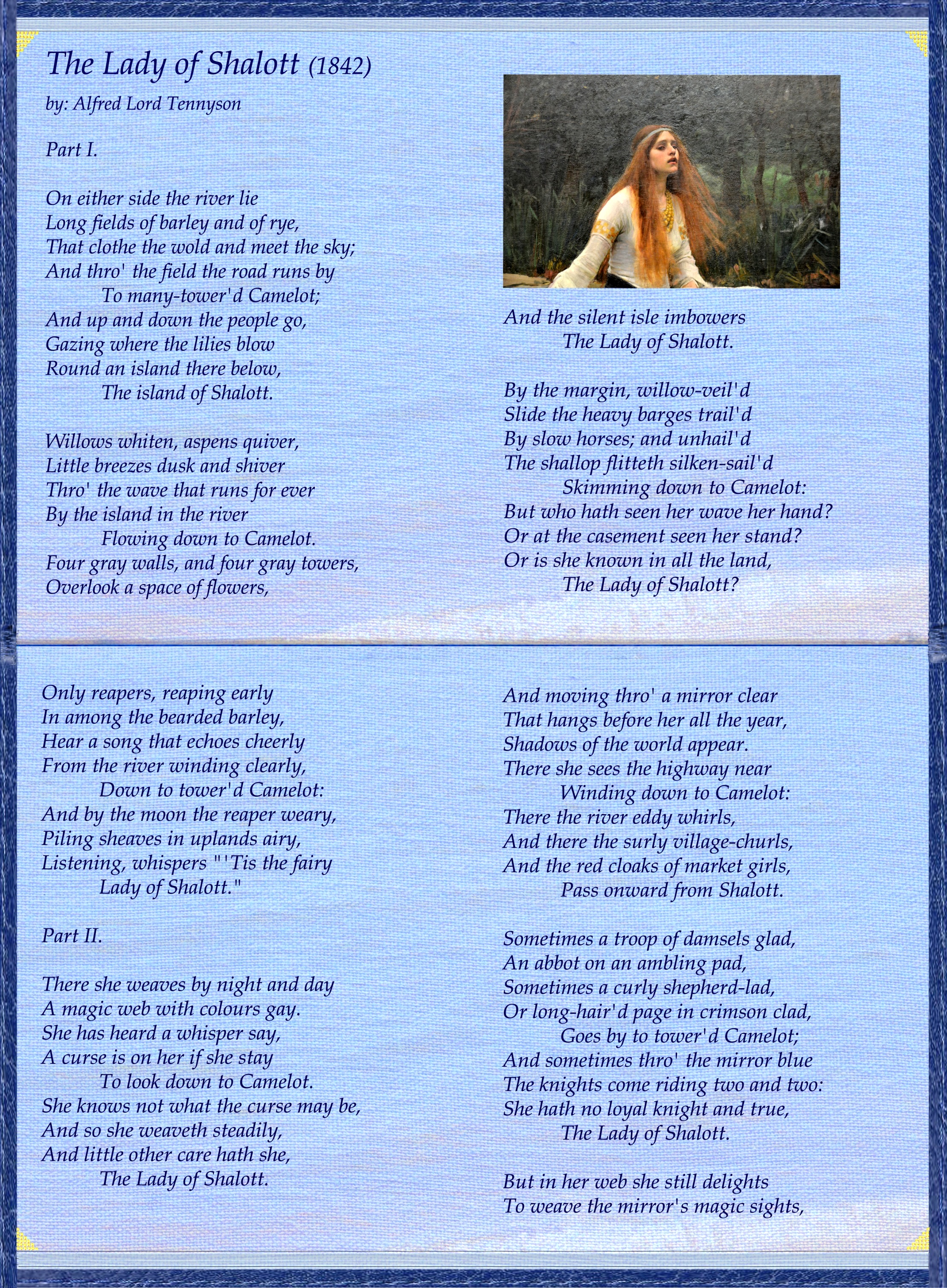
The Lady of Shalott by John William Waterhouse at the Tate Britain
The Lady of Shalott has been brought out just enough to see the depth of paint used for the texture of the background trees. Perhaps what is so striking about this work is how Waterhouse used variations of colour intensity to draw one’s eye to the central scene then more to the lady and then yet more to her face. A face and expression which well suits the story in the poem ⇒ .
.

Carnival Masks at the Winter Wonderland Hyde Park
The designer of these will probably never know such acclaim as those above. But I think, in good company with all those who care about their work and try to create something for the enjoyment of others.
Thanks for the visit and I hope you found it pleasing to your eye.
More artwork (all free to visit) at the National Gallery, National Portrait Gallery, Tate Britain, Wallace Collection and Kenwood House. There is also the Queen’s Gallery which does charge for entry.

The Lady of Shalott
The Lady of Shalott poem by Alfred Lord Tennyson was the inspiration for the painting of the same name by John William Waterhouse here ⇒. The poem was loosely based upon the tragic Arthurian legend of Elaine of Astolat ⇒. There is an 1833 version and an 1842 version of the poem. This is the latter.
The poem includes the phrase “The mirror crack’d from side to side” which was used for the title of a Miss Marple murder mystery by Agatha Christie.


The Tate Britain Art Gallery
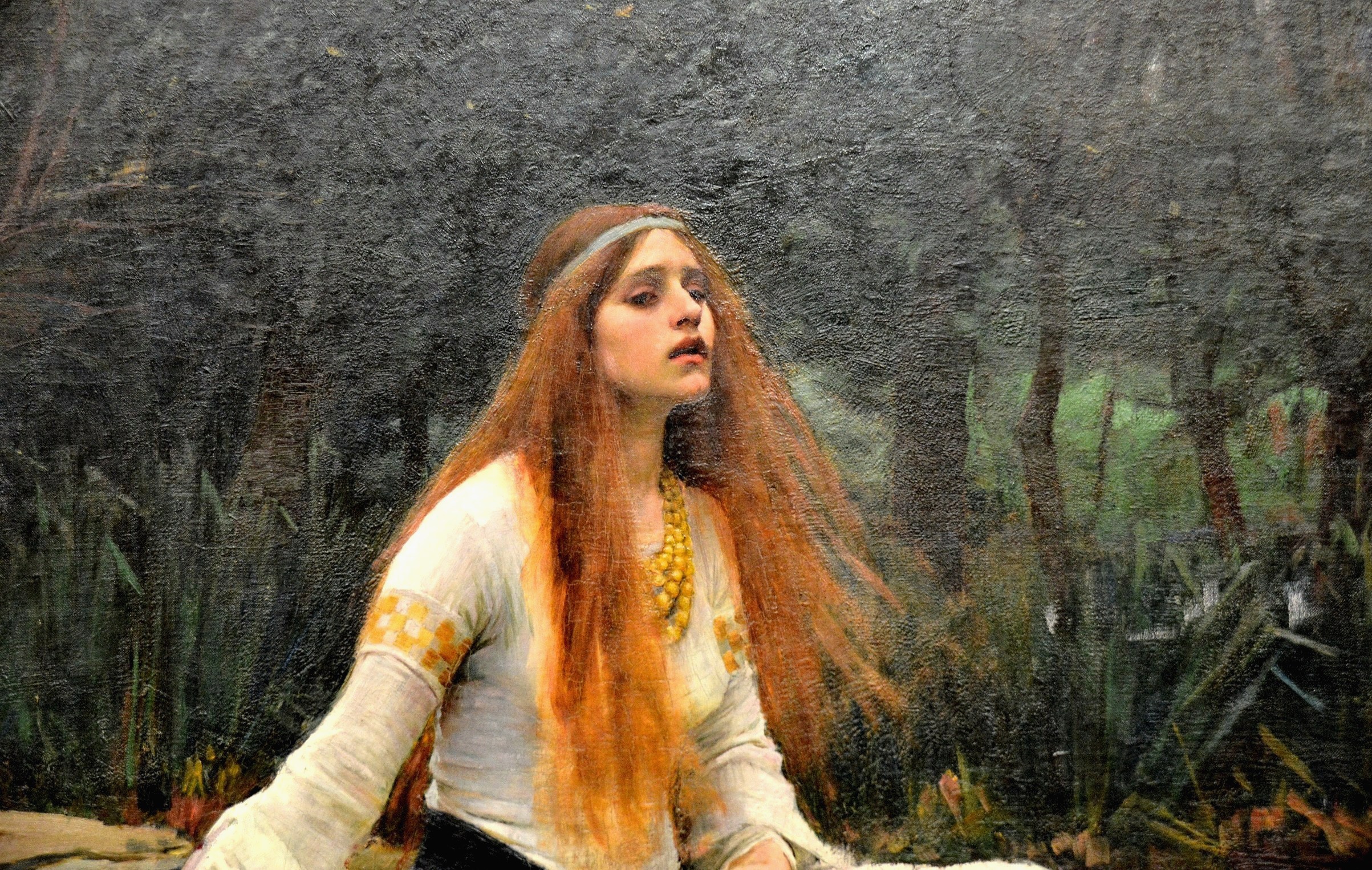
20 pics. The Tate Britain contains a wide range of artwork ranging from the classical to modern. It includes the Lady of Shalott by John William Waterhouse, which was inspired by the poem of Alfred Lord Tennyson (here ⇒) and worth reading. The Tate Britain’s Website ⇒
I’ve introduced a little enhancement to compensate for the loss of colour/detail over time, but not so much as to lose the sense of age. More advanced digital restoration of these pictures and a few more from other galleries can be found at In All Their Glory ⇒ .

There are several works by the Pre-Raphaelite Brotherhood ⇒ which I particularly like for there vibrancy and detail which requires a patience born of dedication.

Edward Coley Burne-Jones
.
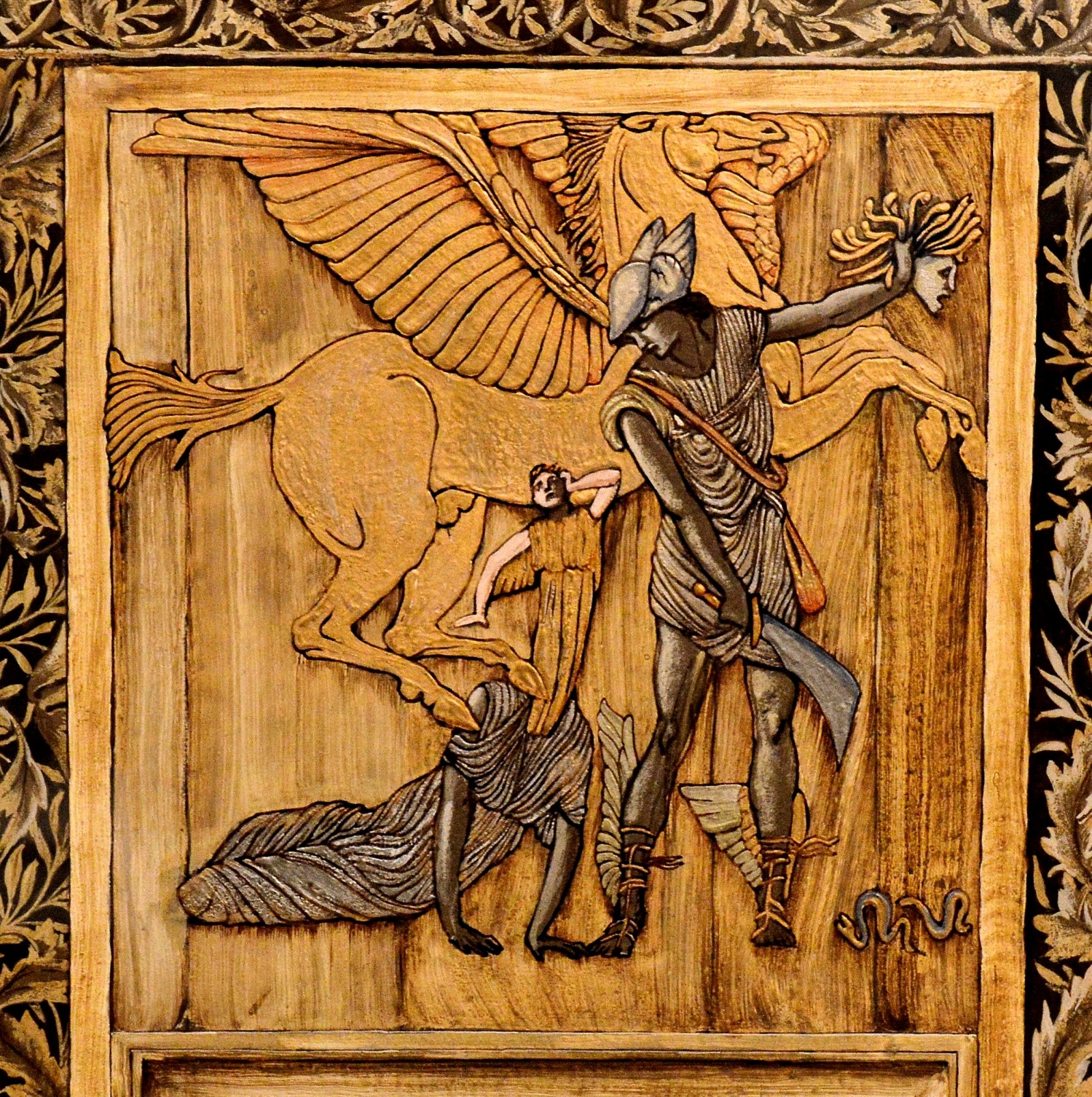
Edward Coley Burne-Jones
.

The Wedding of St George and Princess Sabra by Rossetti
And, more historical works.

Elizabeth I by Steven van Herwijck
There are more paintings of Elizabeth I, together with their subtle meanings, at Hatfield House.
The Tate includes an entire wing dedicated to Turner. Here are just a few.

Turner Self Portrait
.

Palestrina – Composition by Turner
.

The Decline of the Carthage by Turner
And, a good many items of classical appearance.

.

.

George Bernard Shaw
.
 “What do you think of all this modern art then”. “Don’t ask me, I prefer heavy-metal, although I suppose Cranach the Elder wasn’t bad”.

“Some days one wonders if it’s worth getting out of bed”.

“Ow, my eye”.

“Last time I take you down the pub”.

Peace.

.

And the dark shape just below is ~.
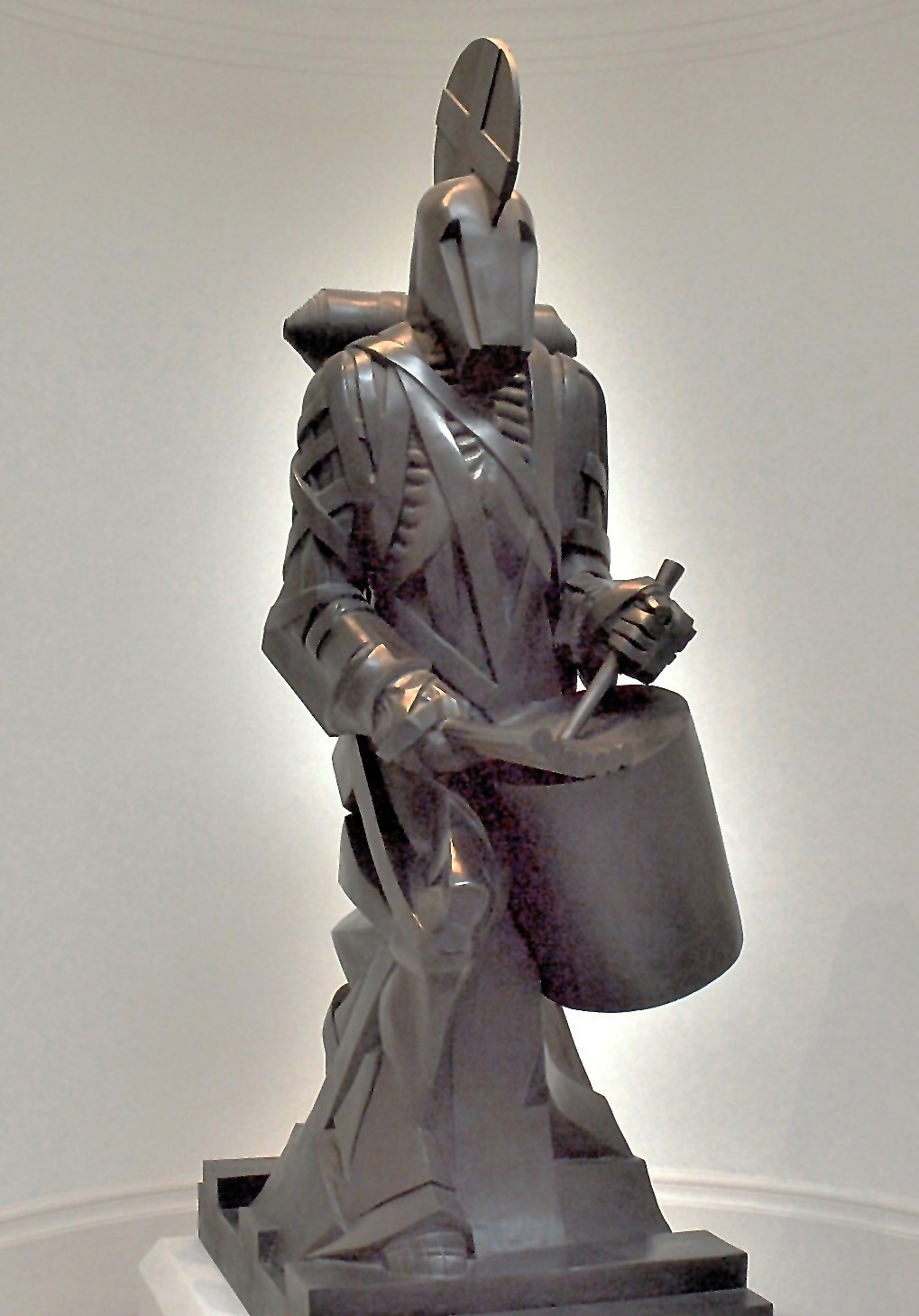
Thank you for coming and a drum roll for our next visit.
Wallace Collection Ornaments
First Floor Gallery


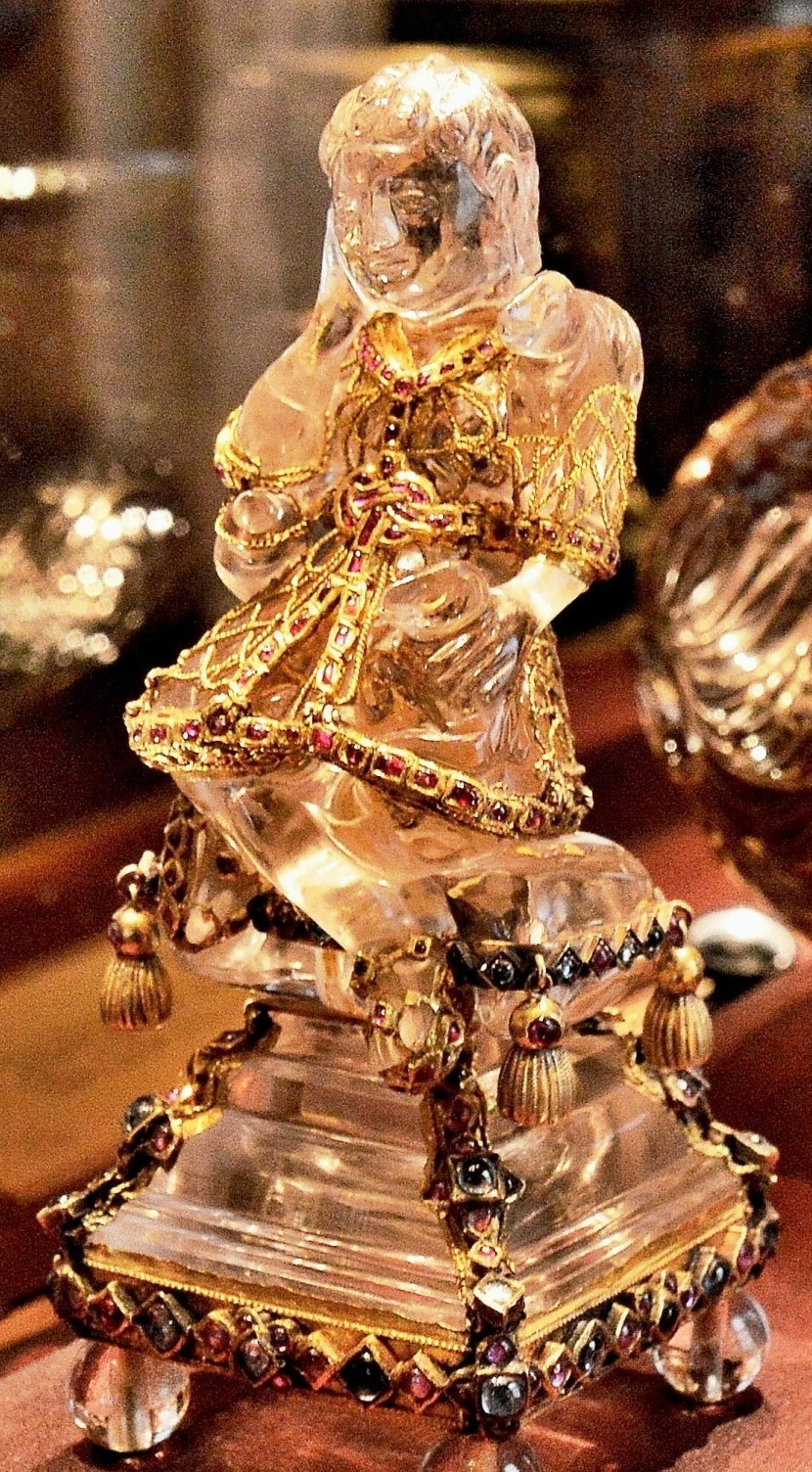
18 pics. Some of the artifacts from the Wallace Collection (click here for more pictures and information). To see the detail, please click on an image and then again to magnify.

.

.
.

.

.

.

.
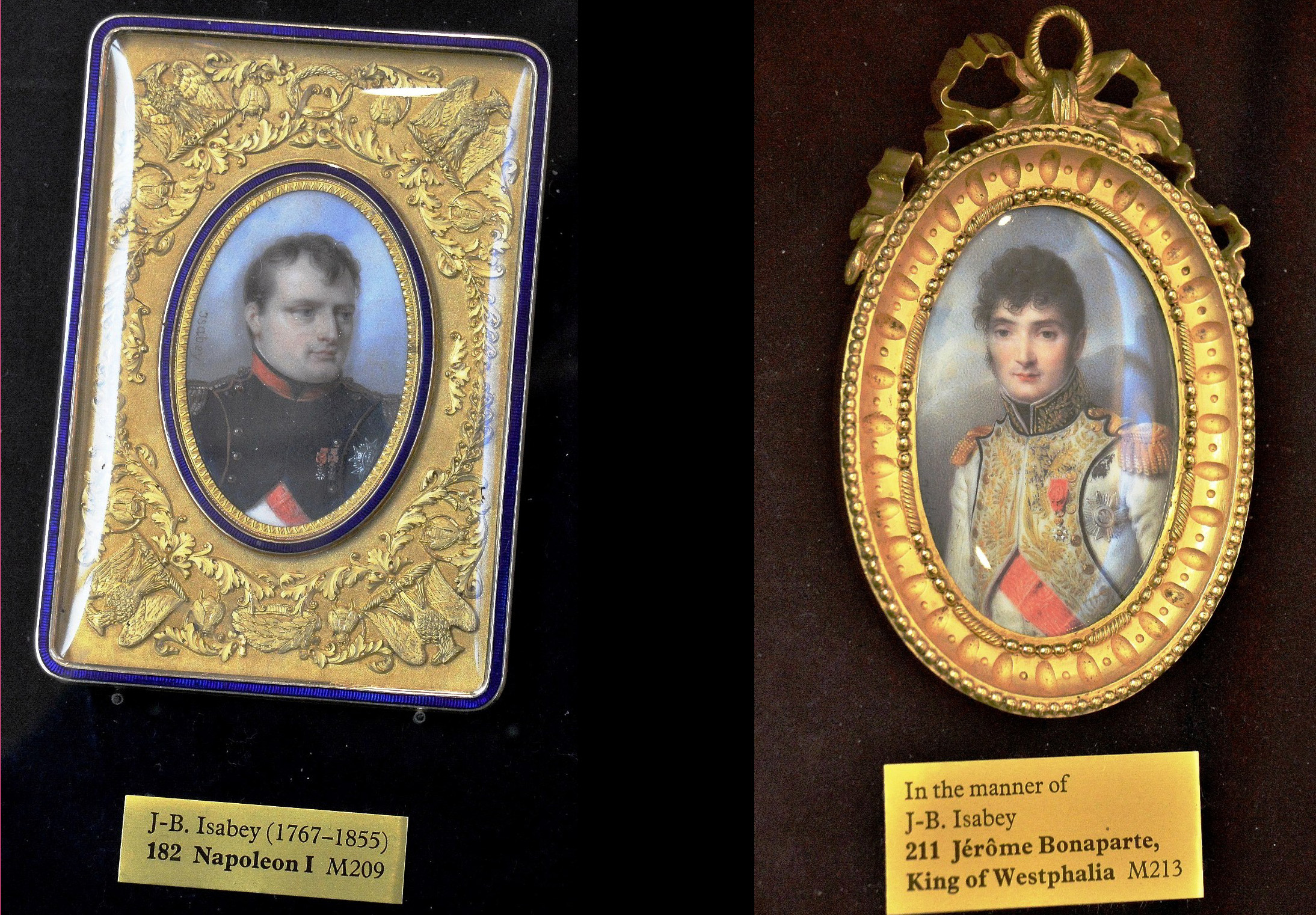
Jérôme Bonaparte was Napoleon’s younger brother, who Napoleon made king of the fabricated realm of the Kingdom Westphalia (not quite the same as Westphalia). It was created as part of ending the 30 years war and a model for the respect of sovereignty. The realm and monarchy lasted for about six years (maybe the clue is in the phonetics) but served its purpose.

.

.

.
.
.

.
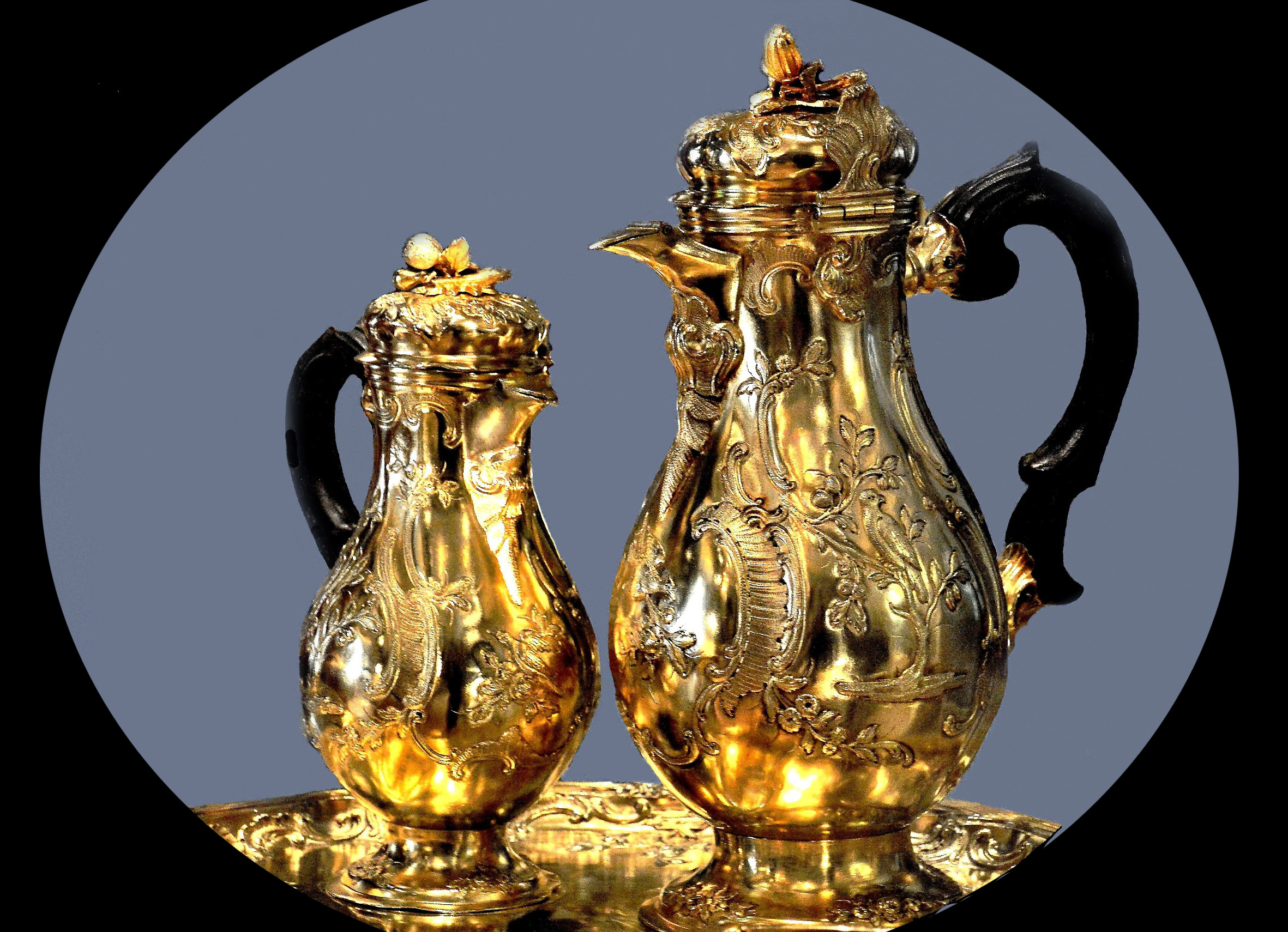
“With this little spout, I feel like a small duck”. “Oh alright, you can have one for Christmas.” 😀
.
On The Ground Floor Armoury

.

More of the armoury here ⇒
The Wallace Collection
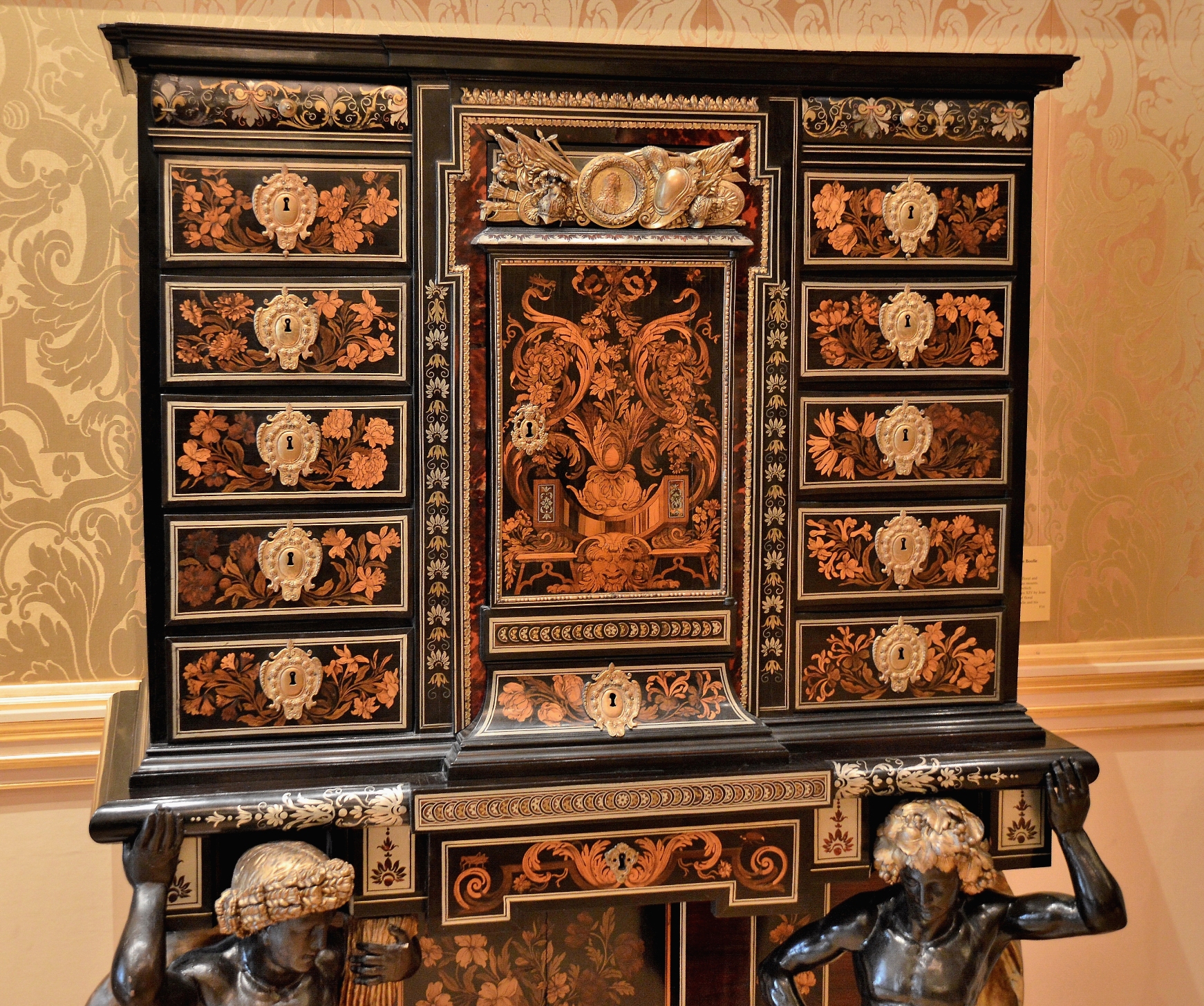
20 pics. Some of the items from the extraordinary Wallace Collection. Displayed at Hertford House in the heart of London (see Google maps), the collection was bequeathed to the nation by Lady Wallace in 1897 and is free to enter. As well as the sample items below, the collection also includes an extensive armoury and a number of beautiful gold, silver and glass ornaments. And, here is the The Wallace Collection Website.
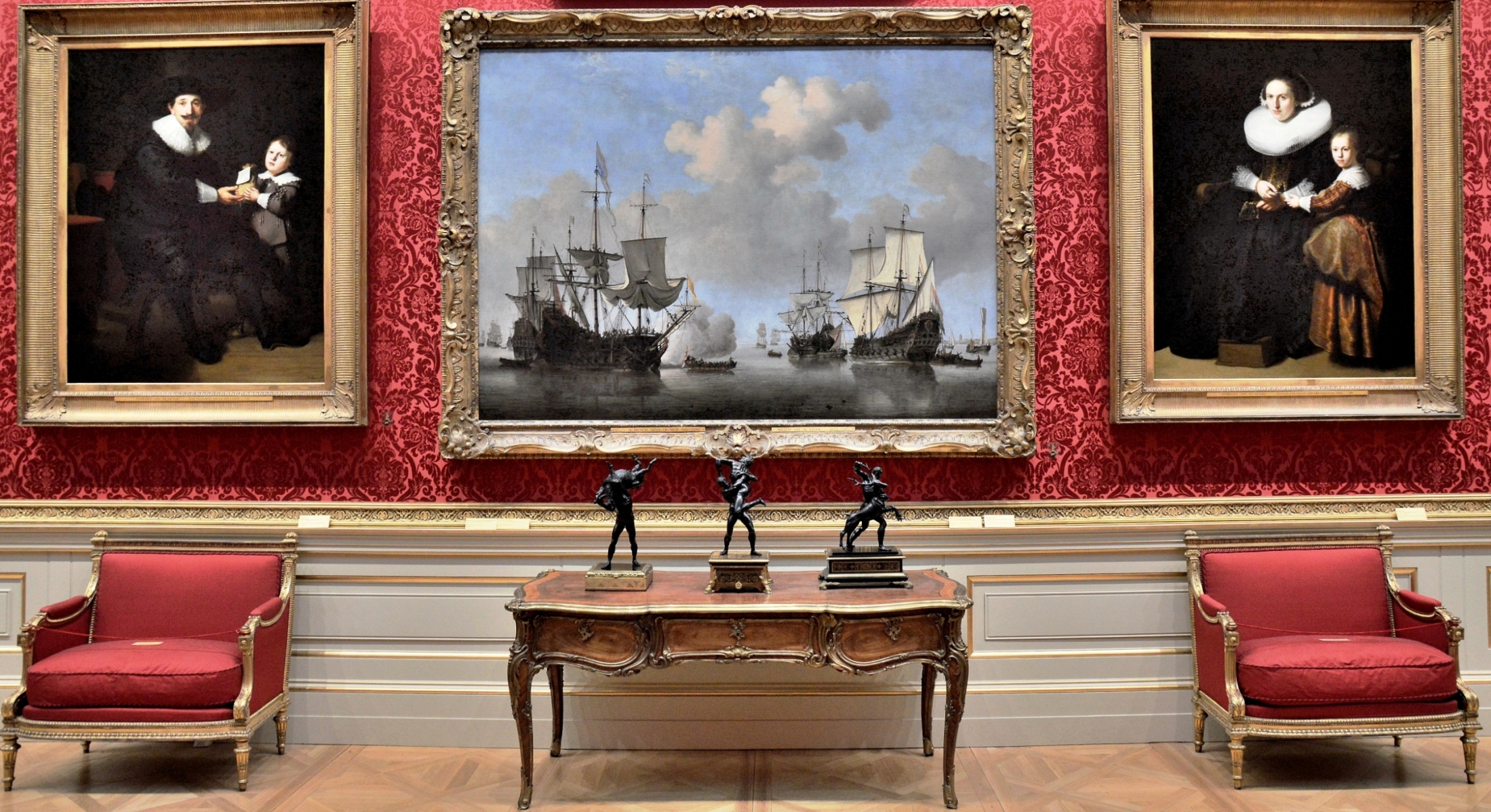
Among the paintings can be found two paintings by Titian, five Rembrandts, nine Rubenses, four Van Dycks, eight Canalettos, nineteen Bouchers, masterpieces by de Hooch, nine Teniers, Frans Hals, nine Murillos, two Velázquez and paintings by Domenichino, Cima, Daddi, Reni, Rosa, Thomas Gainsborough, Joshua Reynolds, Antoine Watteau, Nicholas Lancret, Jan Steen, Aelbert Cuyp and nine Guardis. More information at the Wiki entry.
To view the amazing craftsmanship in more details, please click on an image and then again to magnify, Enjoy :-).

.

The Laughing Cavalier by Frans Hals. Famous for his broad hat 😀 .
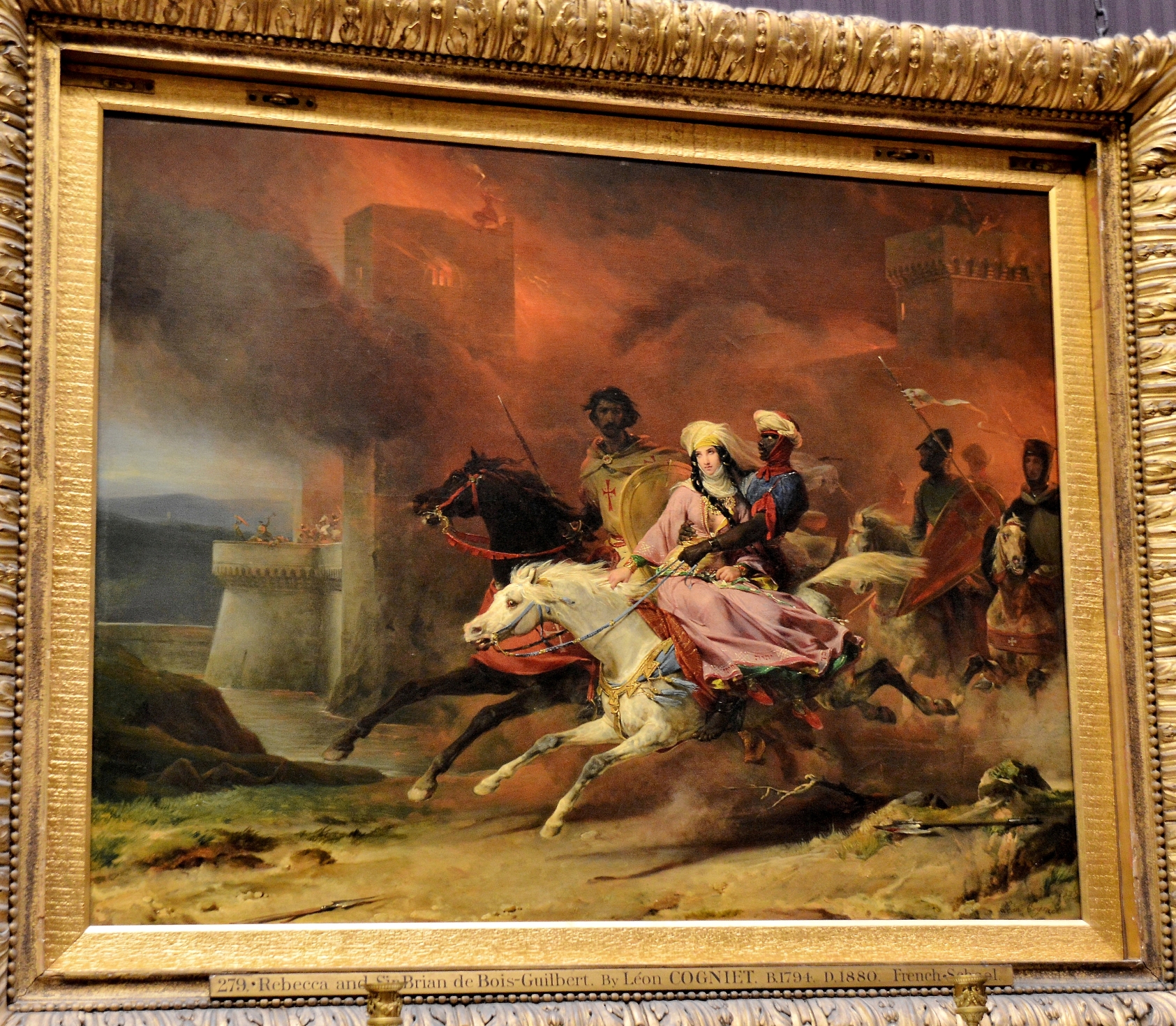
Rebecca and Sir Brian de Bois-Guilbert by Léon Cogniet. A little enhanced to compensate for the fading effect of age.
At the siege of the castle of Torquilstone the beautiful Rebecca, daughter of Isaac the Jew, is abducted by the Norman Templar, Sir Brian de Bois-Guilbert (he’s the one with the templar cross on his tunic). Ulrica, an old Saxon woman who had set fire to the castle, exalts in her vengeful fury at the top of the distant tower.
.
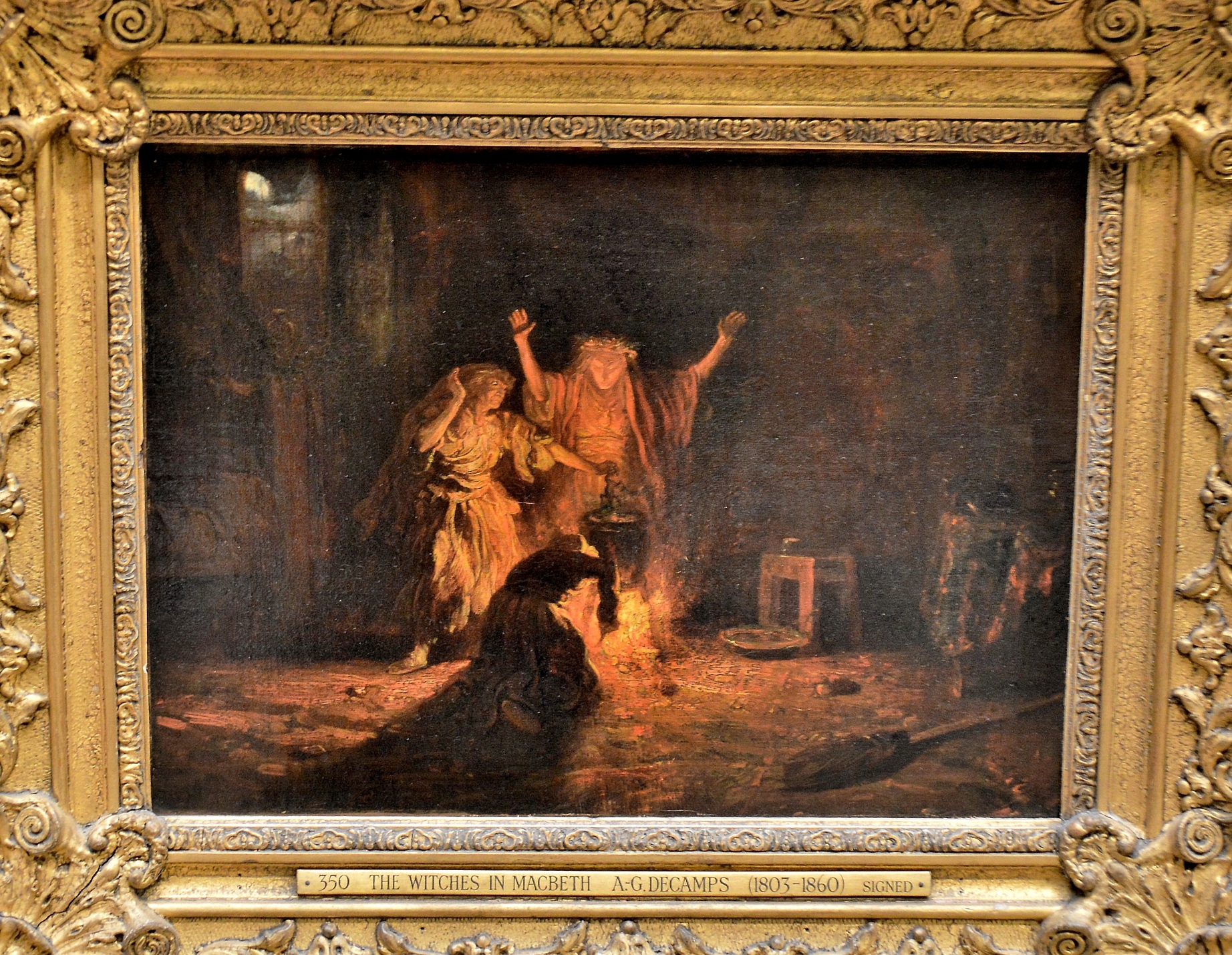
The Witches in Macbeth by Alexandre-Gabriel Decamps.
.

.
.

.
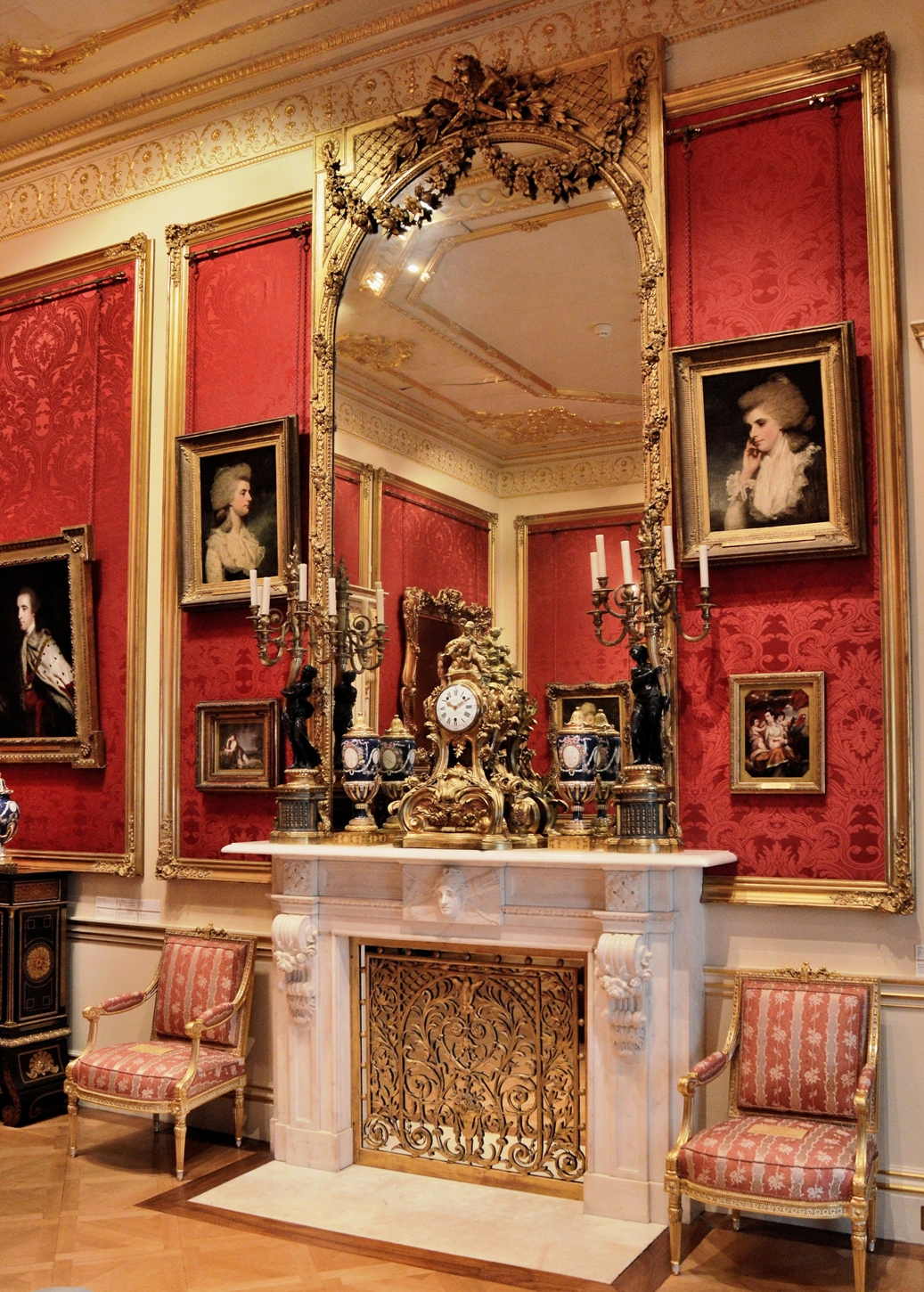
.
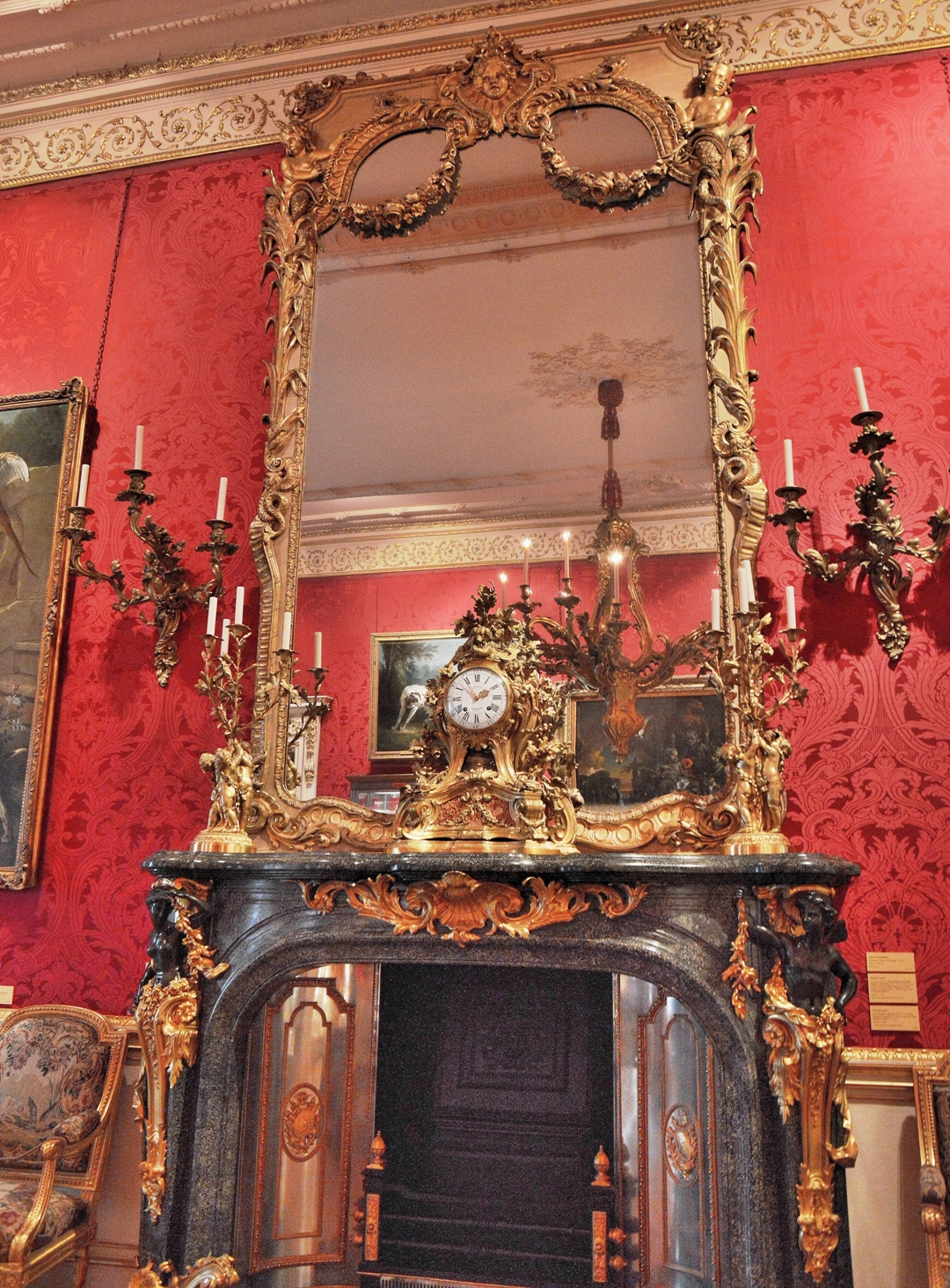
.

.

.

.

.

.

.

.

.

.

All Hallows by the Tower AD 675
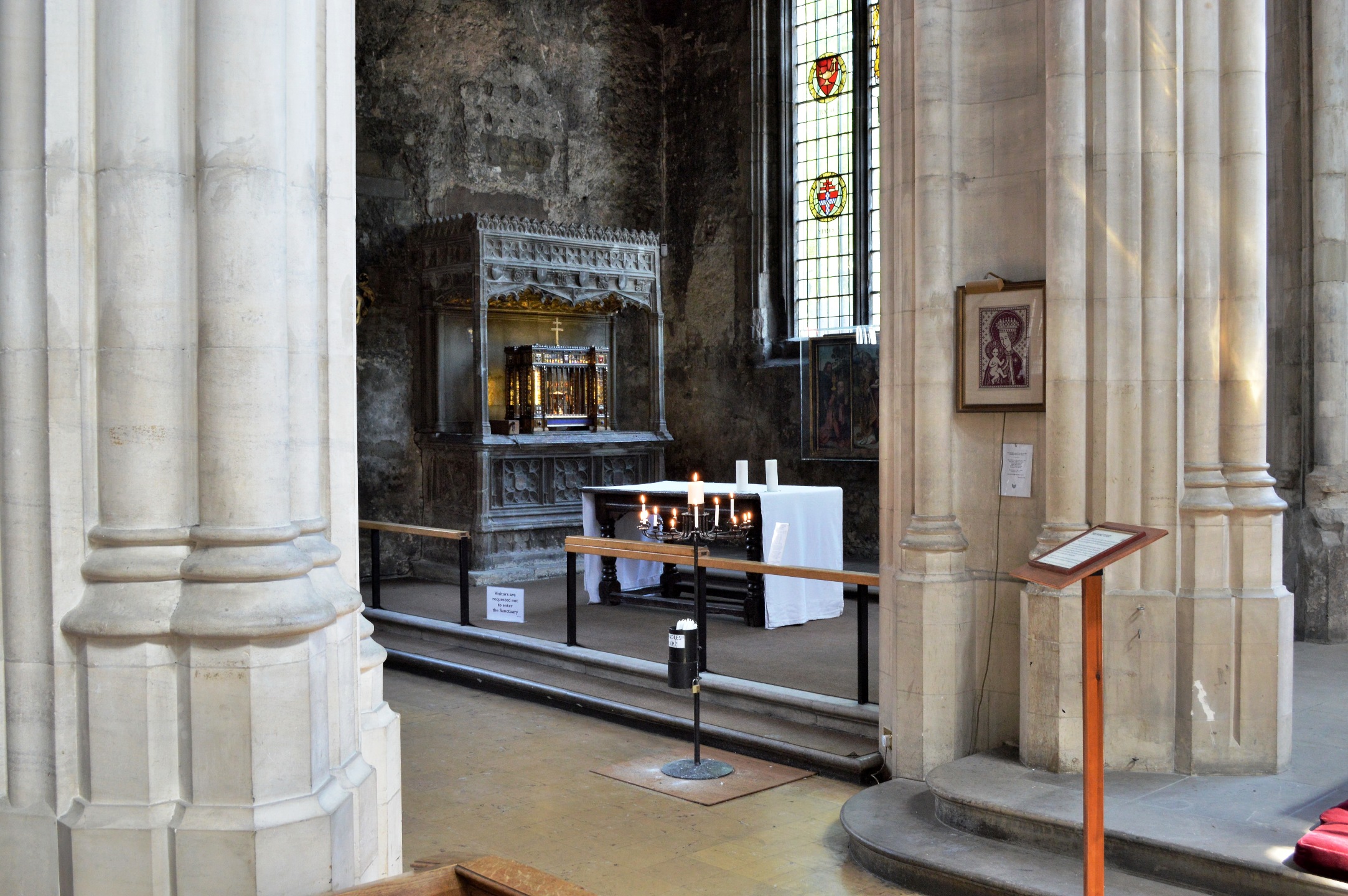
 All Hallows by the Tower (AD 675) is the oldest church in London and almost the oldest in the UK. Some of its fascinating history can be found on its website here and its wiki history here. Older churches can be found here and the oldest UK church still functioning is St Martin’s (AD 597) near Canterbury.
The image above is of the Toc H Lamp signifying membership of that international charity which was founded by army chaplain Rev Tubby Clayton as a refuge from the fighting in Belgium during WWI. The Reverend was later vicar of All Hallows from 1922 to 1962.
.
.
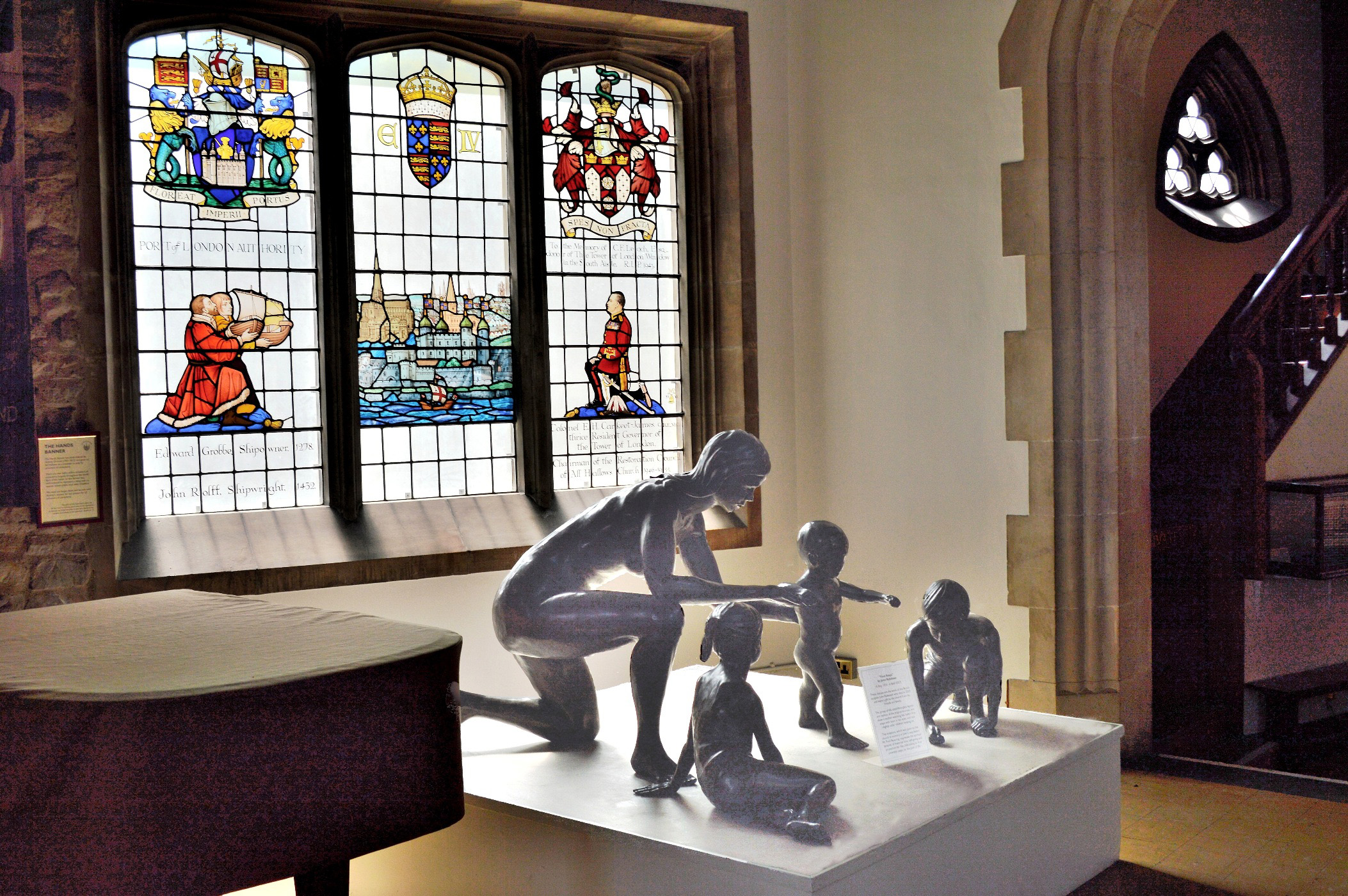
First Steps Sculpture by John Robinson
.
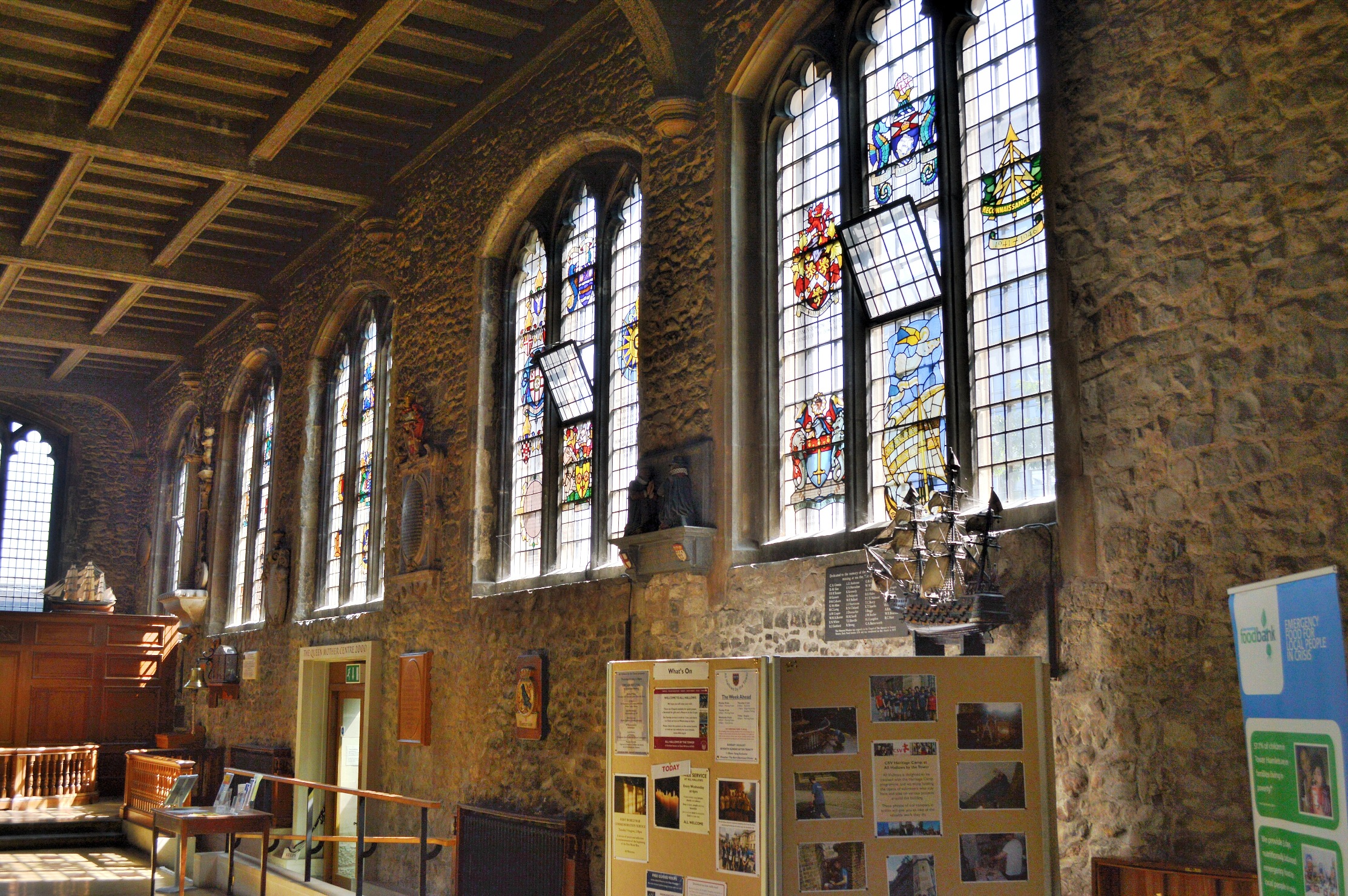
All Hallows is a working church and engages in such enterprises as a food bank.
.
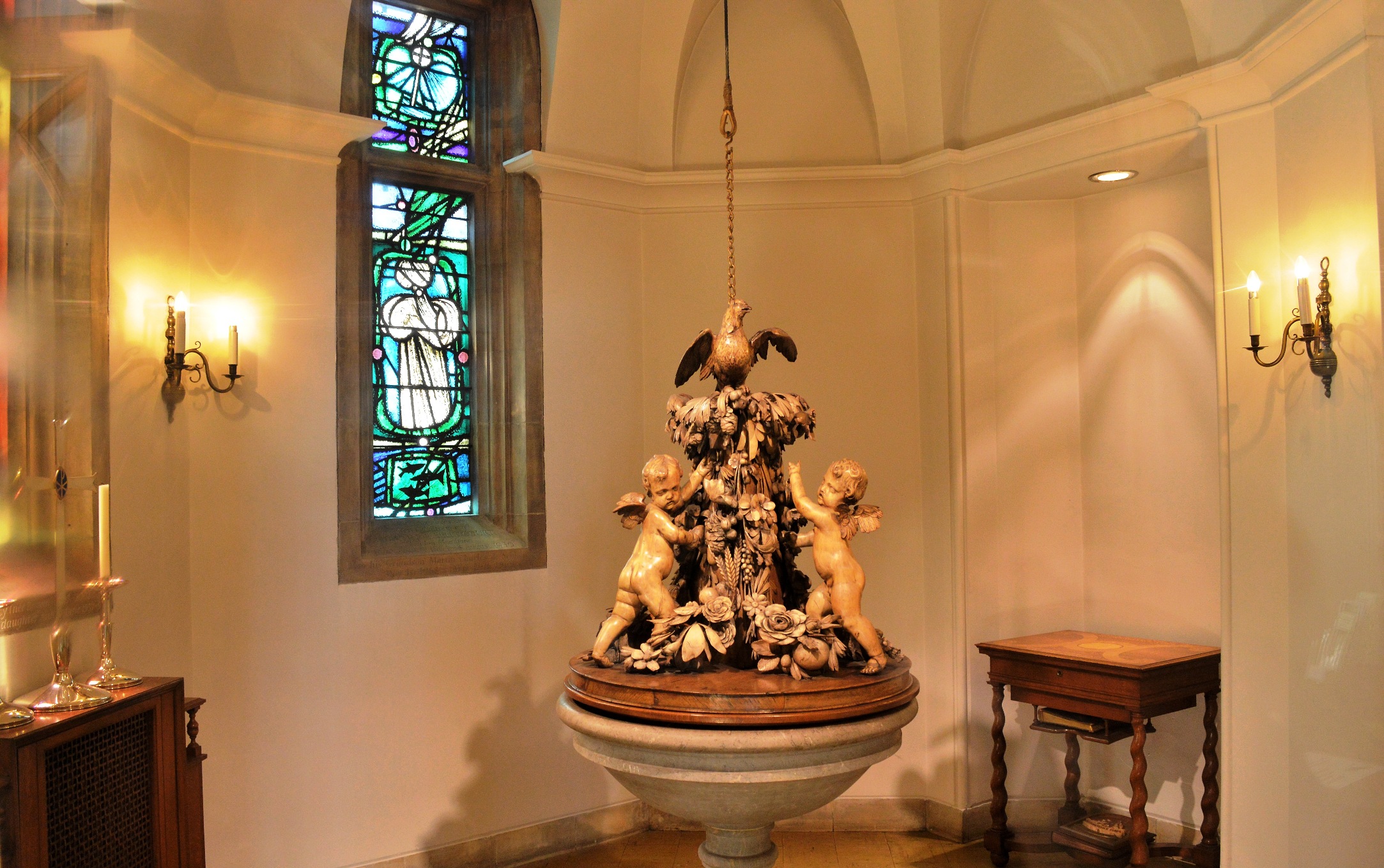
Baptismal Font Cover by Grinling Gibbons in 1682 for £12

Altar stone from the castle of Richard 1 at Athlit in the Holy Land
Part of the church was destroyed during WWII but there is a spiral staircase that leads down to the oldest part of the church, including a small museum with Saxon arches. At the end of the aisle is this alter with the rock face beyond.
.

The church is easy enough to find, being a little to the west of the Tower of London and its green spire easily visible at a distance when emerging from Tower Hill underground rail station.
The Queens Gallery
The Queens Gallery can be found at the southern wall of Buckingham Palace (near Victoria Station) beside the Royal Mews and you can photograph in both. Nearby are the State Rooms, where photography is not allowed. There are also some very royal gift shops.
I’ve chosen paintings and sketch cartoons that show slices of life from the artist’s point of view. They have all been enhanced to compensate for the low lighting and the fading/darkening of paint over time. They show the patience and skill that was employed, which makes them a joy to see.
Paintings

Market Scene by Night by Petrus van Schendel
.
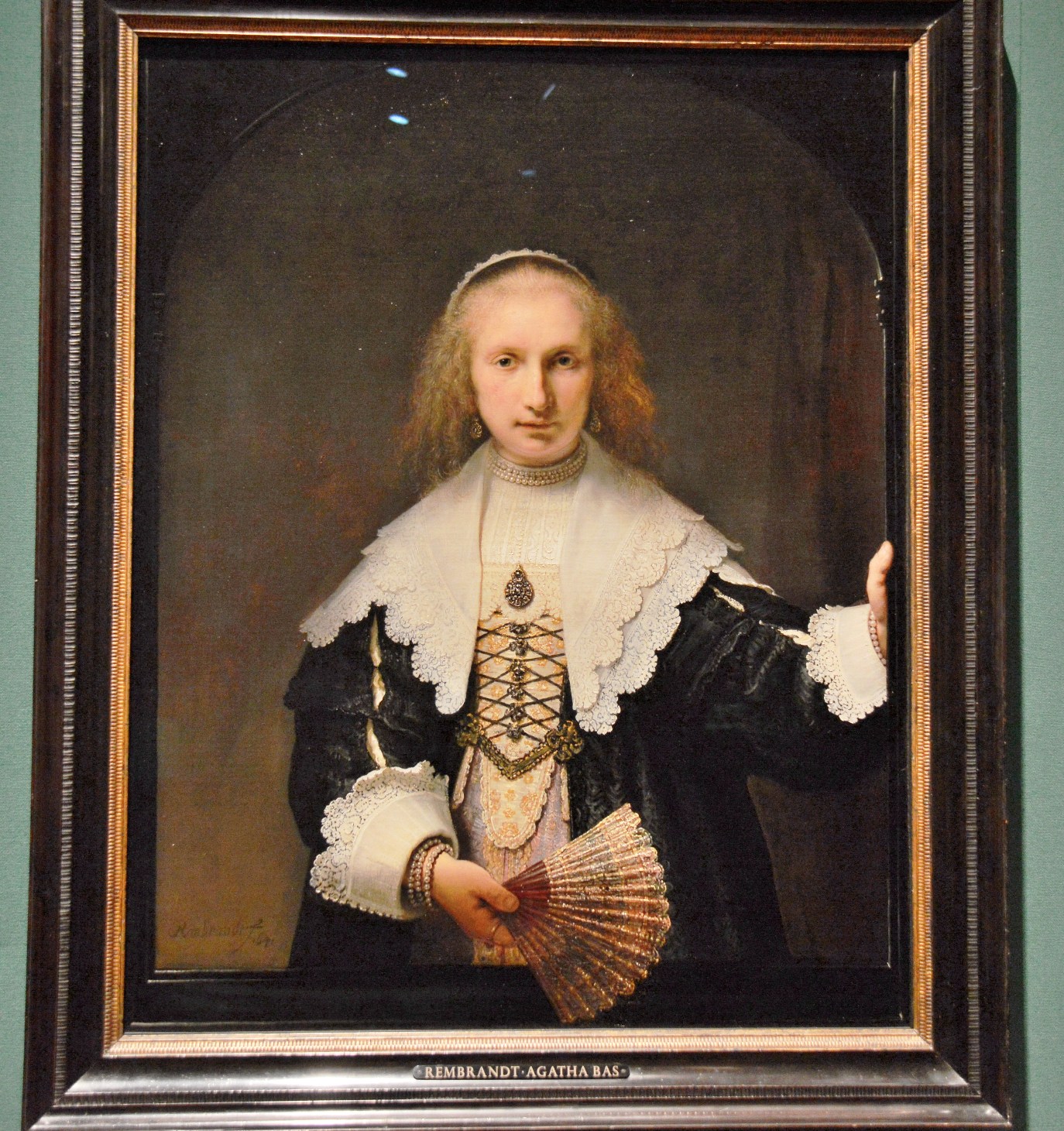
Agatha Bas by Rembrandt van Rijn
.
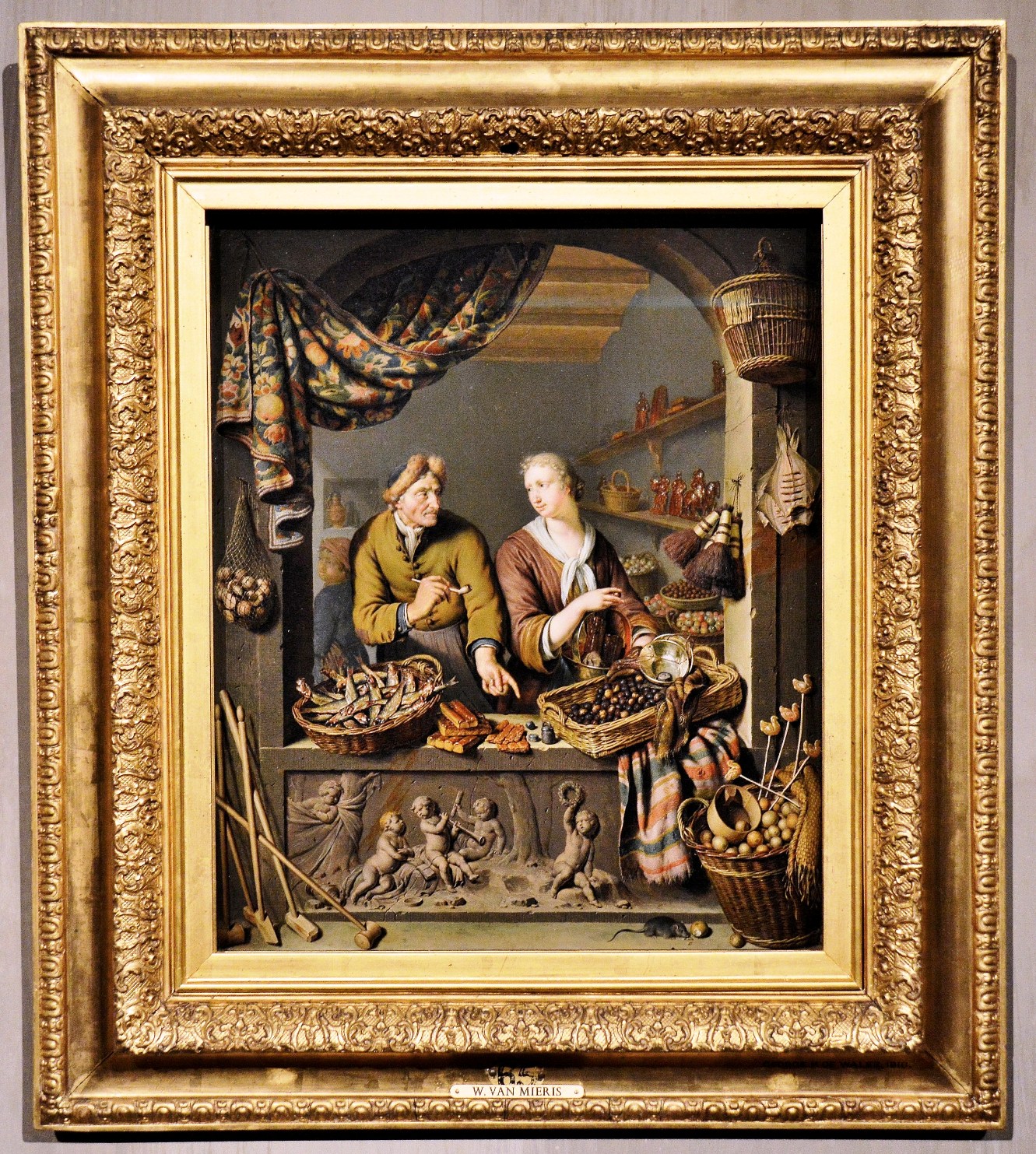
An Old Man and a Girl at a Vegetable and Fish Stall by Willem van Mierls
.

A Village Revel by Jan Steen
.
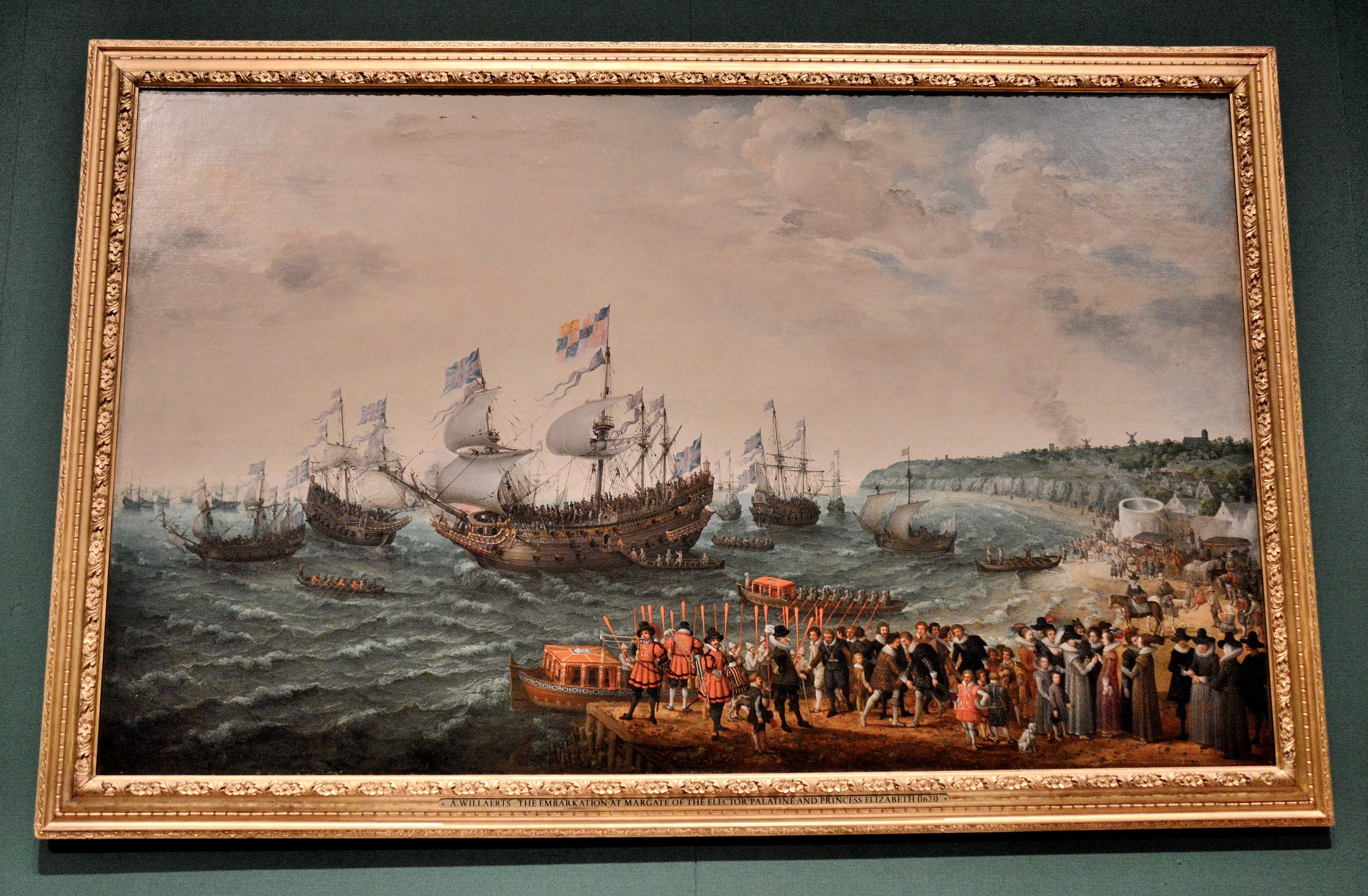
The Embarkation at Margate of the Elector Palatine and Princess Elizabeth by Adam Willaerts
.
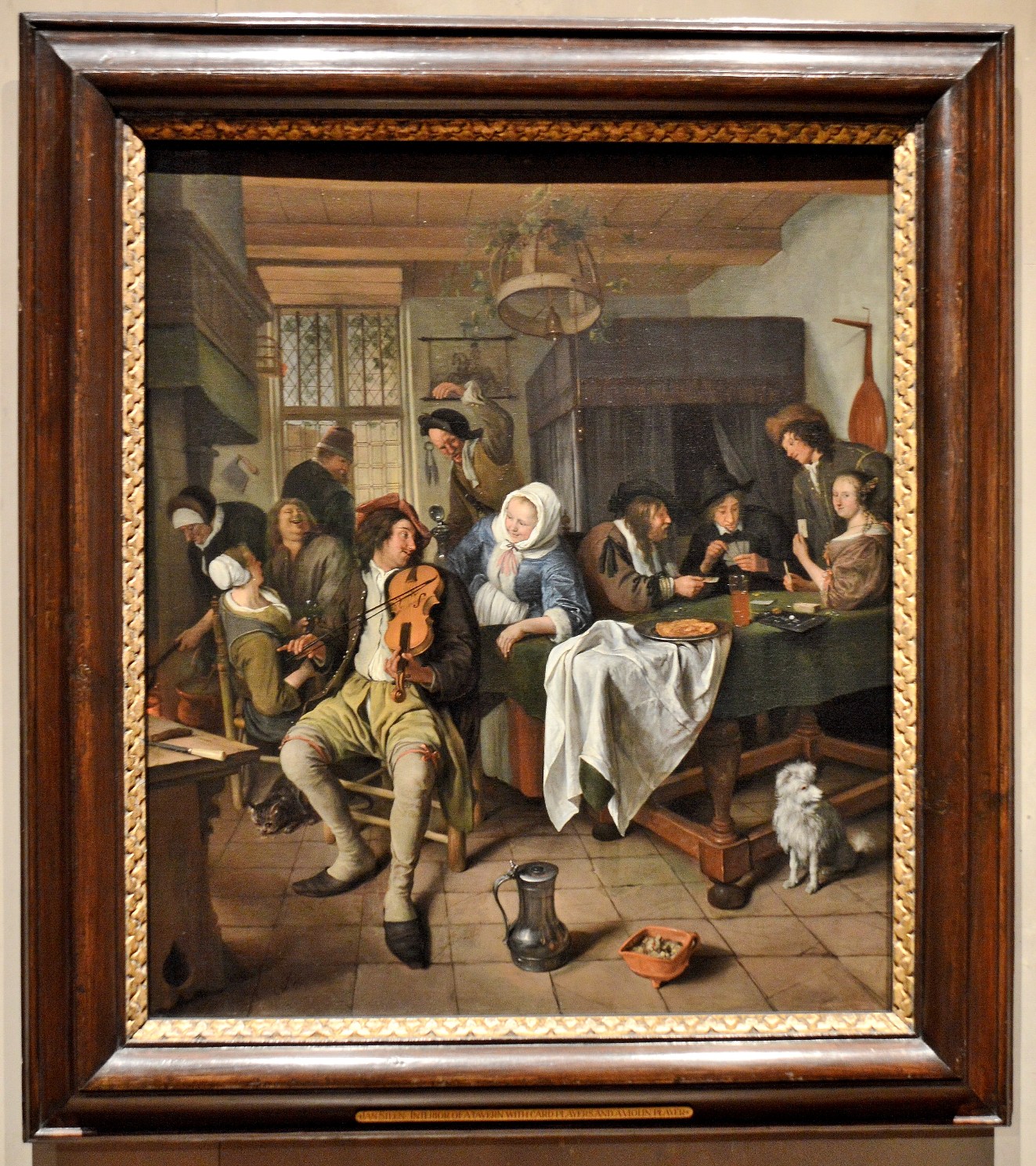
Interior of Tavern with Card Players and a Violin Player by Jan Steen
.
Ornamental

.

.

.

Cartoons
18th century Britain was quite frank in its depictions of society and the notable. Sometimes irreverent and quite often bawdy. The first is a satire of the Duchess of Devonshire trying to assist her lover, Charles James Fox, to obtain a seat in Parliament. Fox succeeded in being elected but the Duchess never regained her reputation.
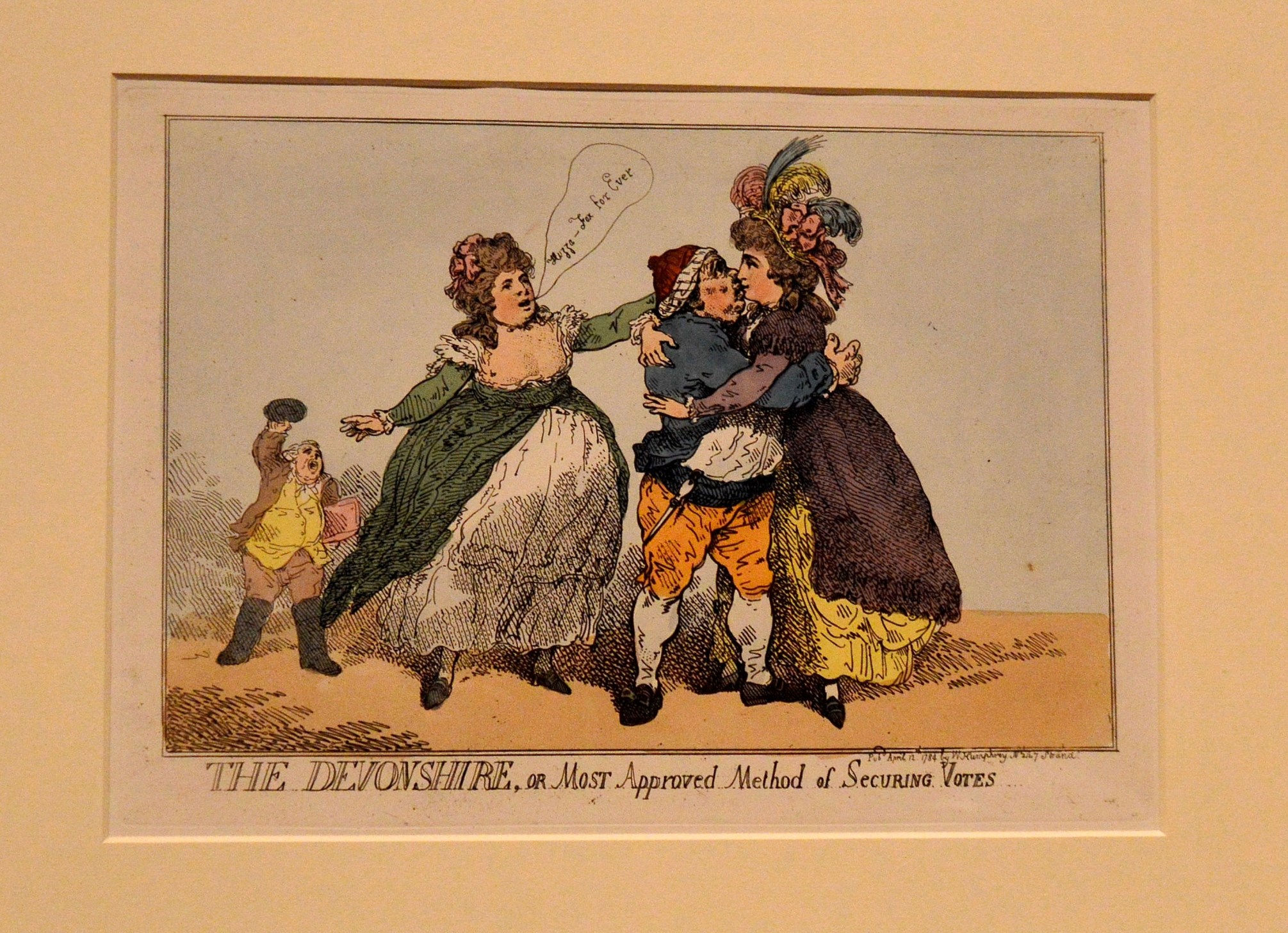
The Devonshire, or Most Approved Method of Securing Votes
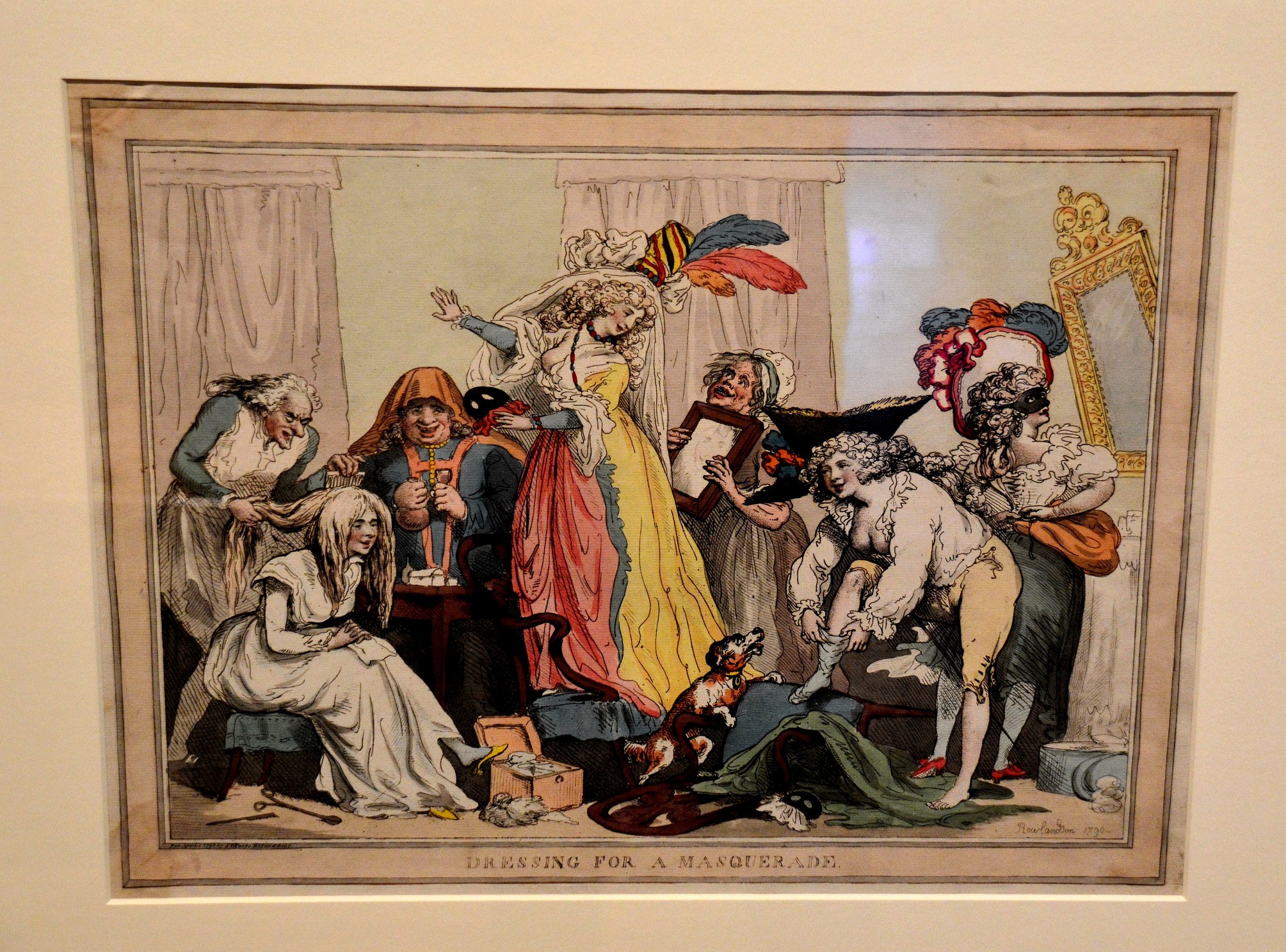
Dressing for a Masquerade

The Unwelcome Visitor
.
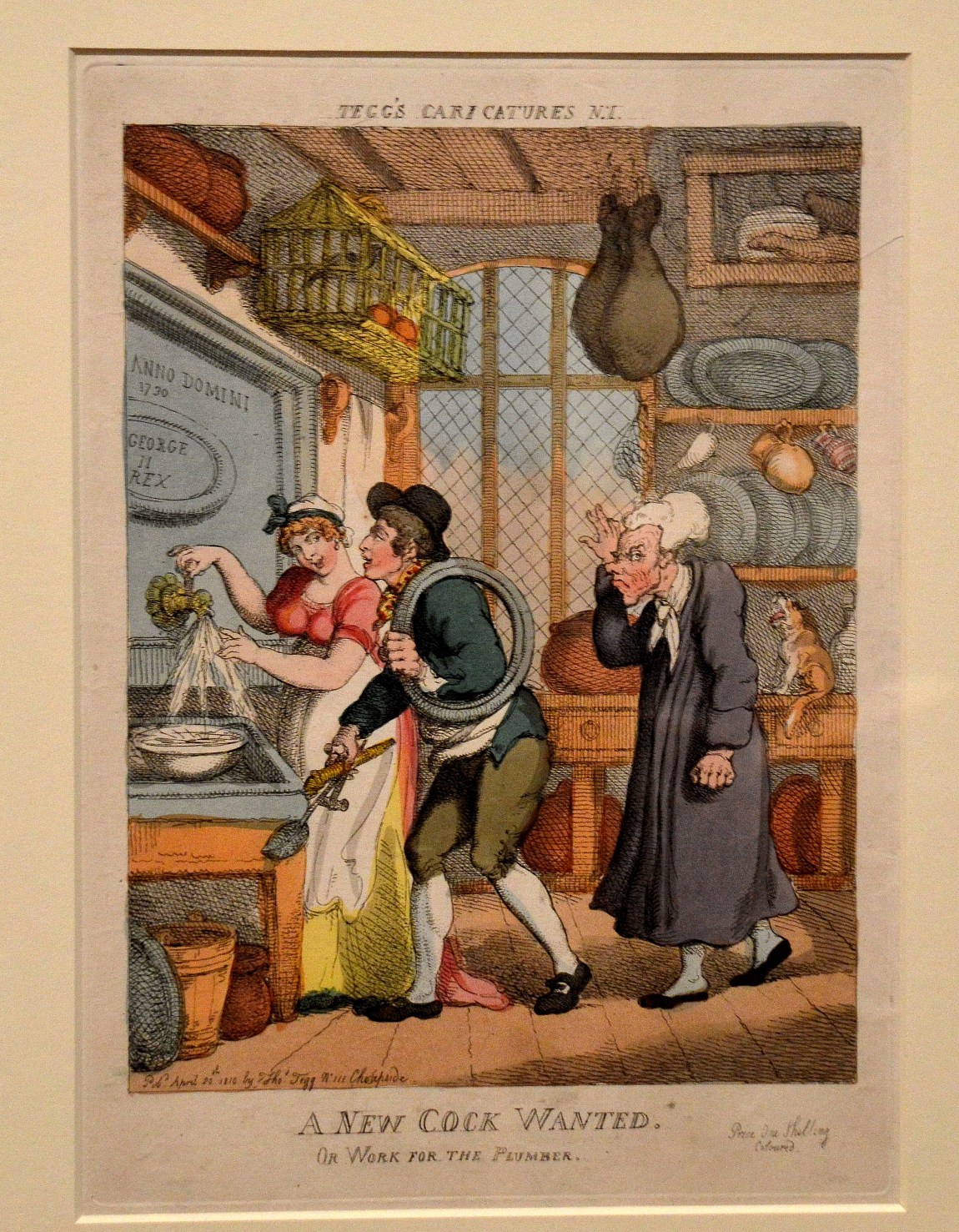
A New Cock Wanted or Work for the Plumber
More Ornaments
To restore some dignity, a picture of bathing implements for the royal corgis. 🙂

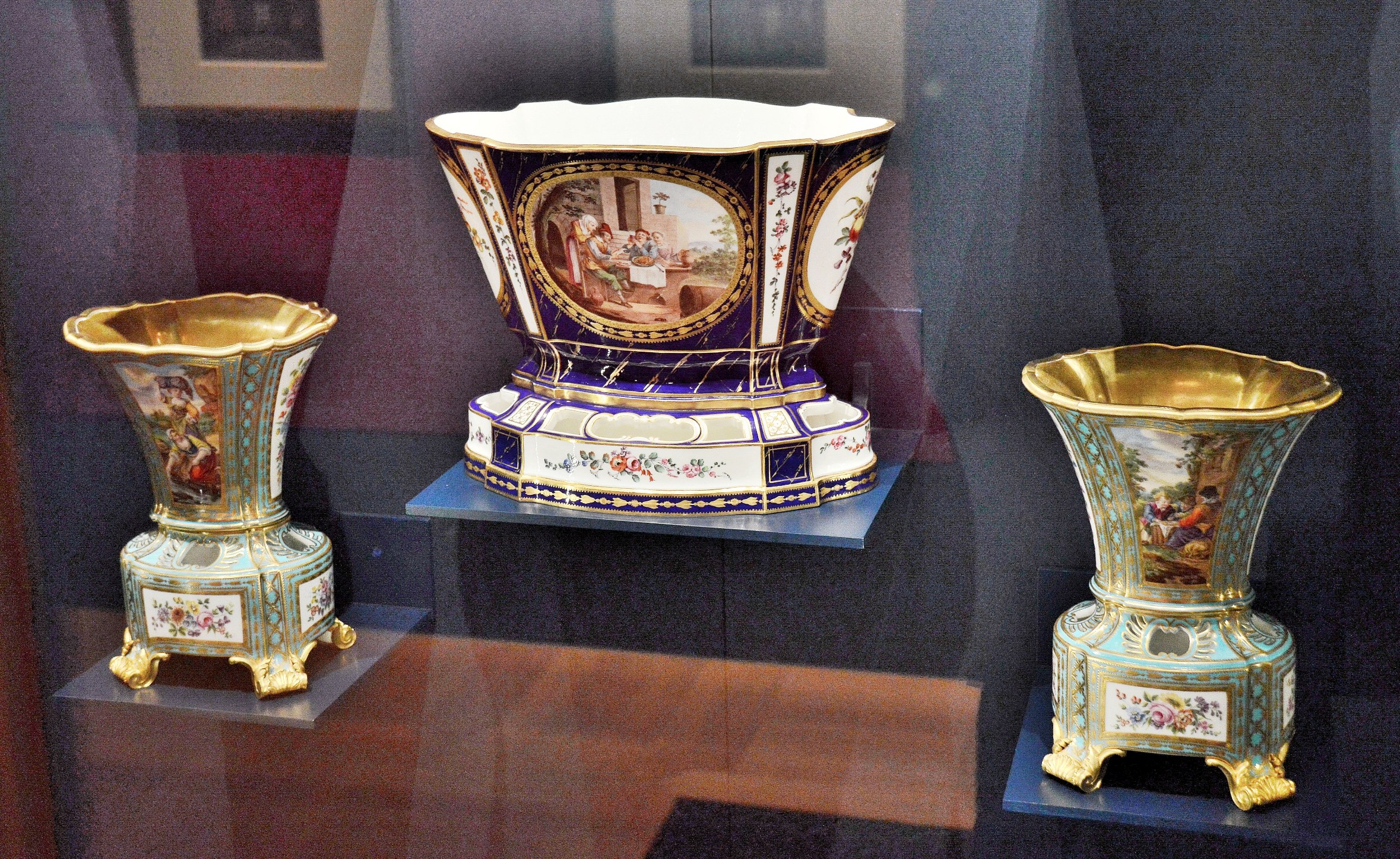
The National Gallery – London – UK

The Horses of Achilles in the style of Anthony van Dyke
The National Gallery (London UK) is adjacent to Trafalgar Square ⇐, St Martin in the Field ⇐ and the National Portrait Gallery ⇐. Entrance is free and you may photograph (no flash or tripod). You can also download images but with very limited use. The website is here ⇒.
Paintings like these provide an insight into past life, attitudes, stories and legends. Many show the enormous skill of the artists. All have been brightened a little to compensate for the low lighting and fading/darkening of paint. You might also like a selection of digitally enhanced versions that try to show their original vibrancy here ⇐.

The National Gallery Entrance (London)

The Fighting Temeraire by Joseph Mallord William Turner

The Virgin and Child with Saints by Lorenzo Costa and Gianfrancesco Maineri

Saints Christina and Ottilia by Lucas Cranach the Elder

Saints Genevieve and Appollonia by Lucas Cranach the Elder

Adriana van Heusden and her Daughter at the New Fish Market in Amsterdam by Emanuel de Witte

Seaport with the Embarkation of the Queen of Sheba by Claude

Dutch Vessels Close Inshore at Low Tide and Men Bathing by Wilem van de Velde

Infant St John with the Lamb by Bartoleme Esteban Murillo

London Interior of the Rotunda at Raneleigh by Canaletto

Phillip th IV Hunting Wild Boar by Diego Valazquez

Eaton College

National Gallery Portico – London
Brighten the Day – Bubblemania
Four morphed bubble pictures (a little colour for your holidays) 😀 and Merry Christmas to you all.



Creative Commons: Available free for non-commercial use.
Advertising in the Age of Innocence ? No 2

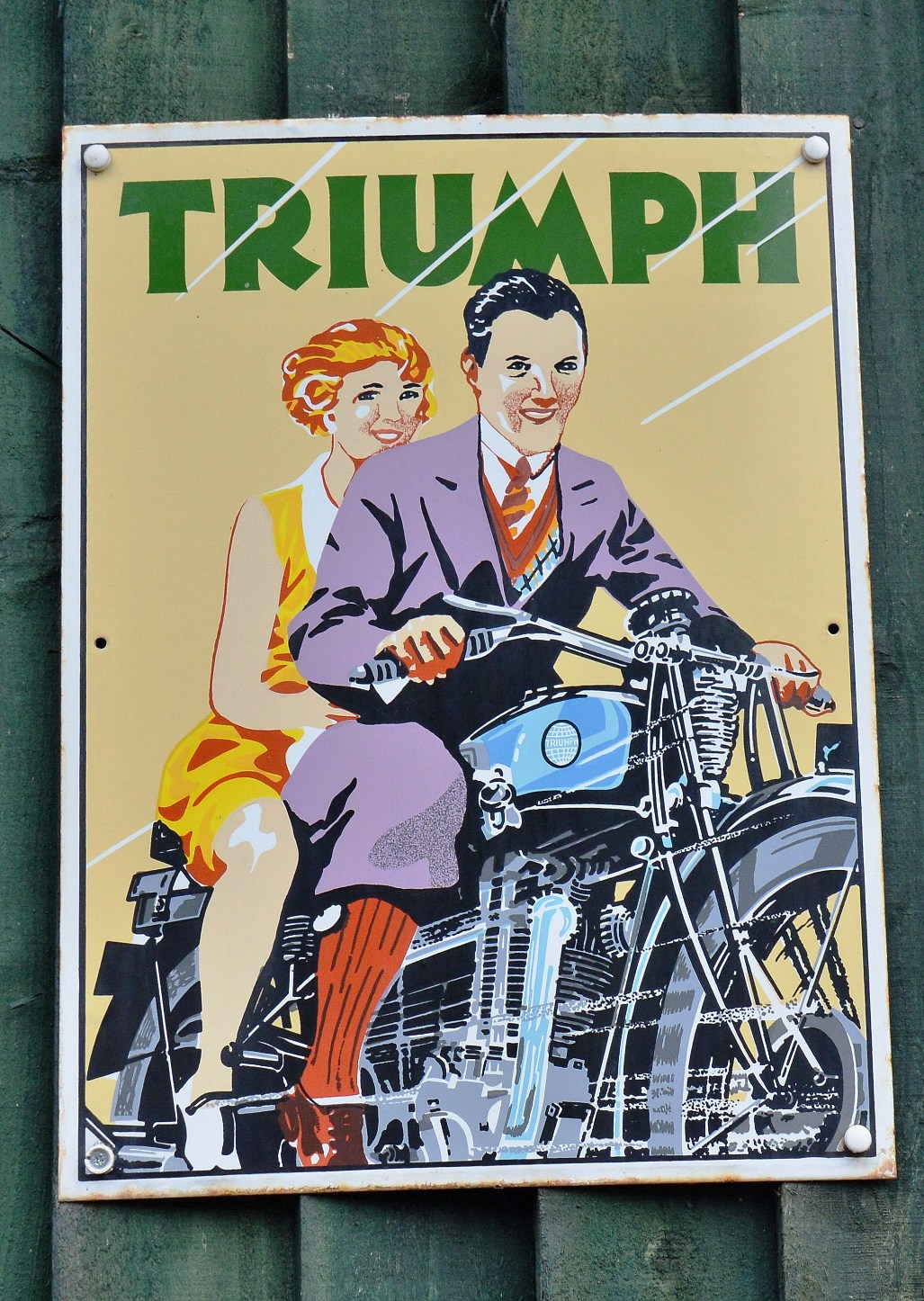
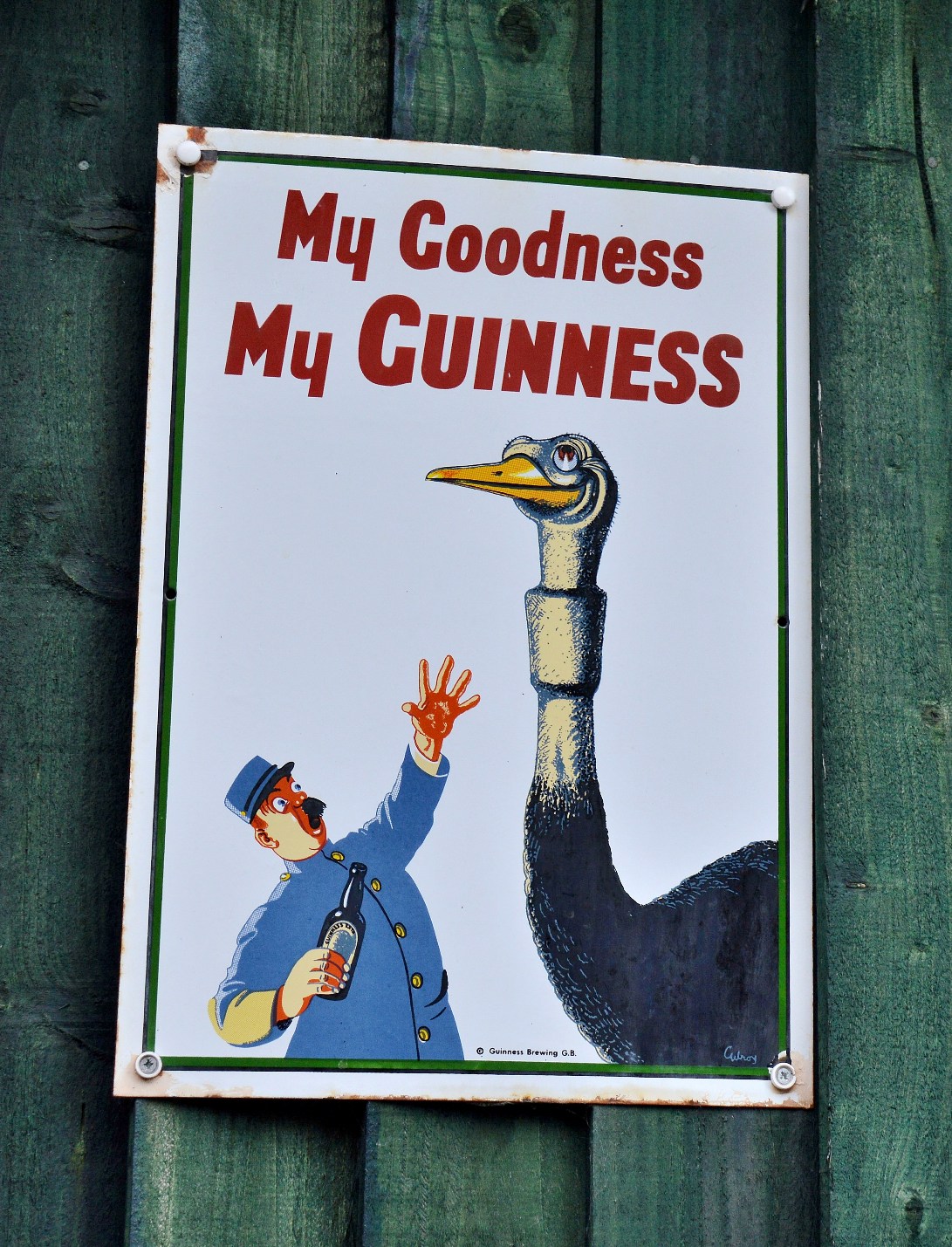
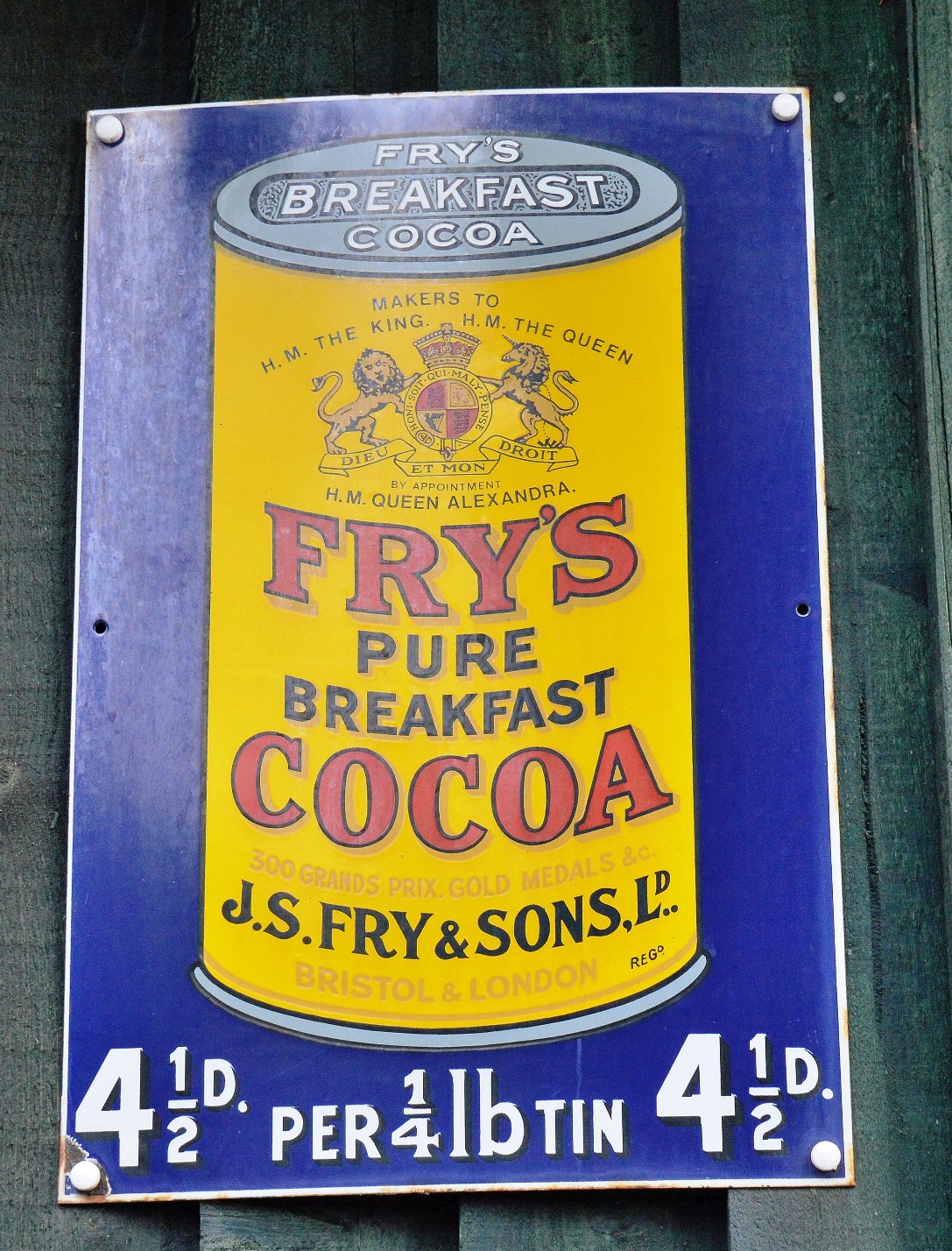
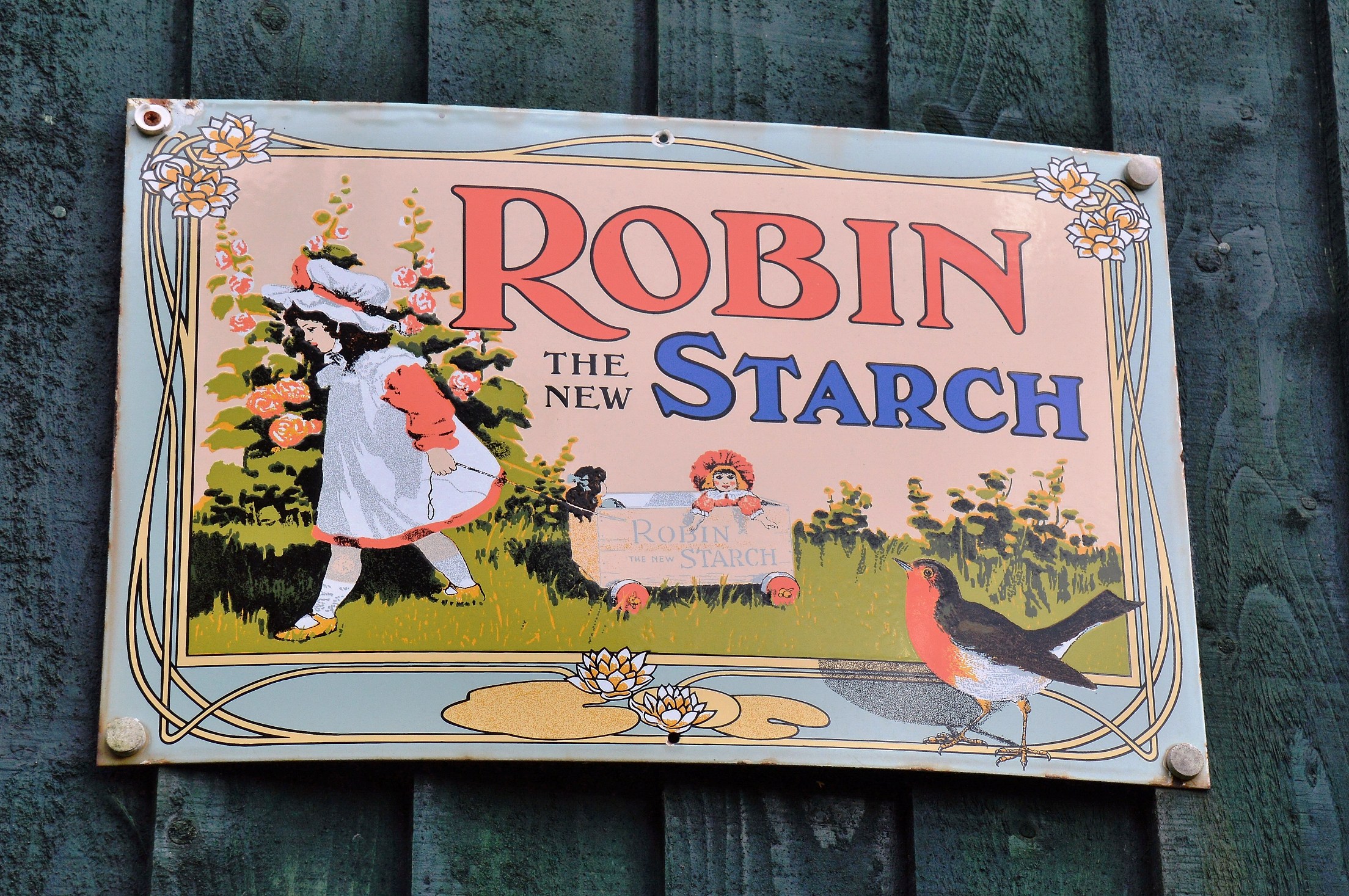
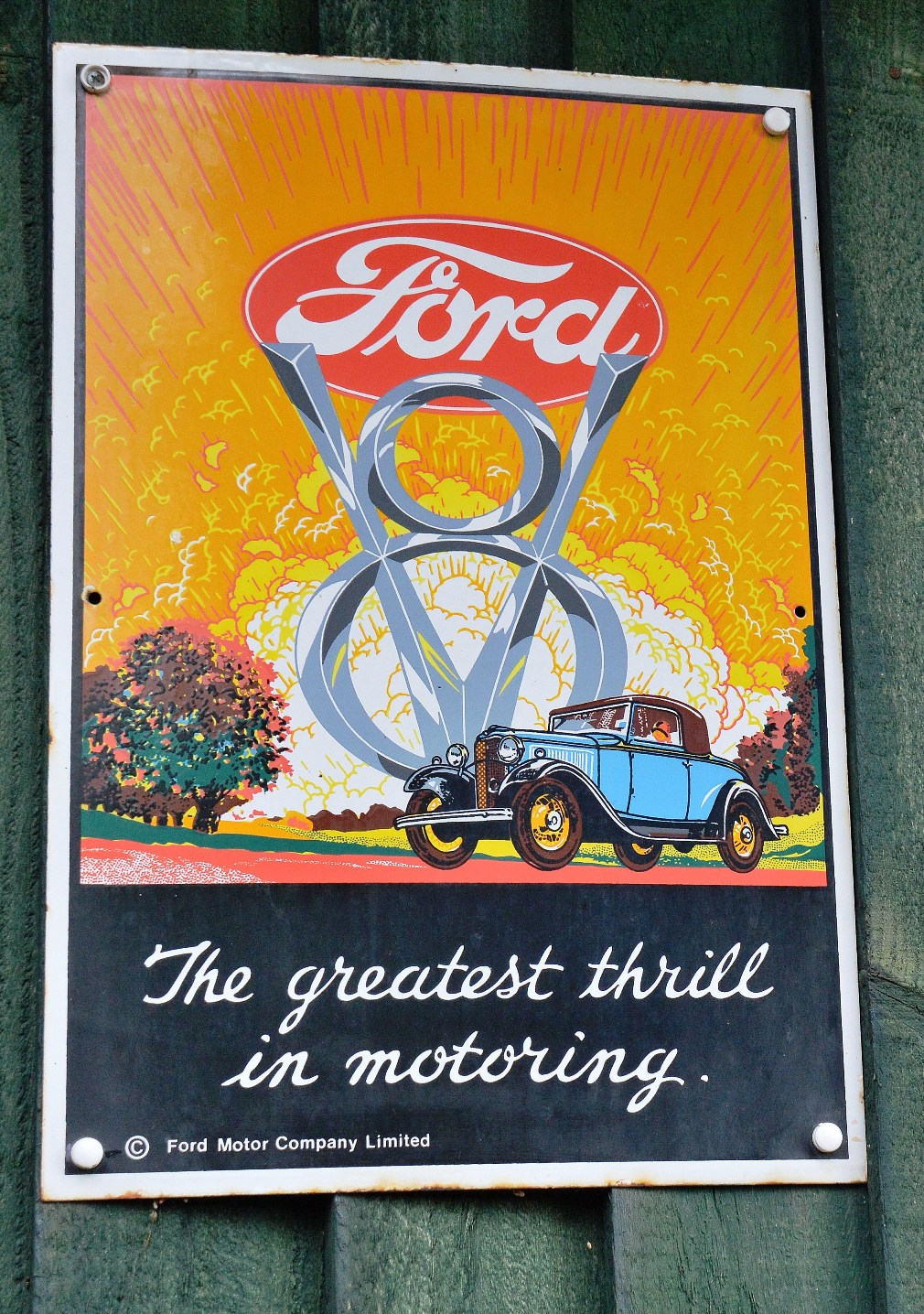
11 Signs found at the Bekonscot Model Village⇐ at Beaconsfield. The other vintage signs are here ⇐ .
These advertising signs seem so simple compared with modern sophistry. Perhaps they are no less clever than those of present time but reflect an appeal to simpler desires and attitudes compared with today. Which do you find persuasive ?
.

.
.

.

.
.

.
.

.
.

The Builders
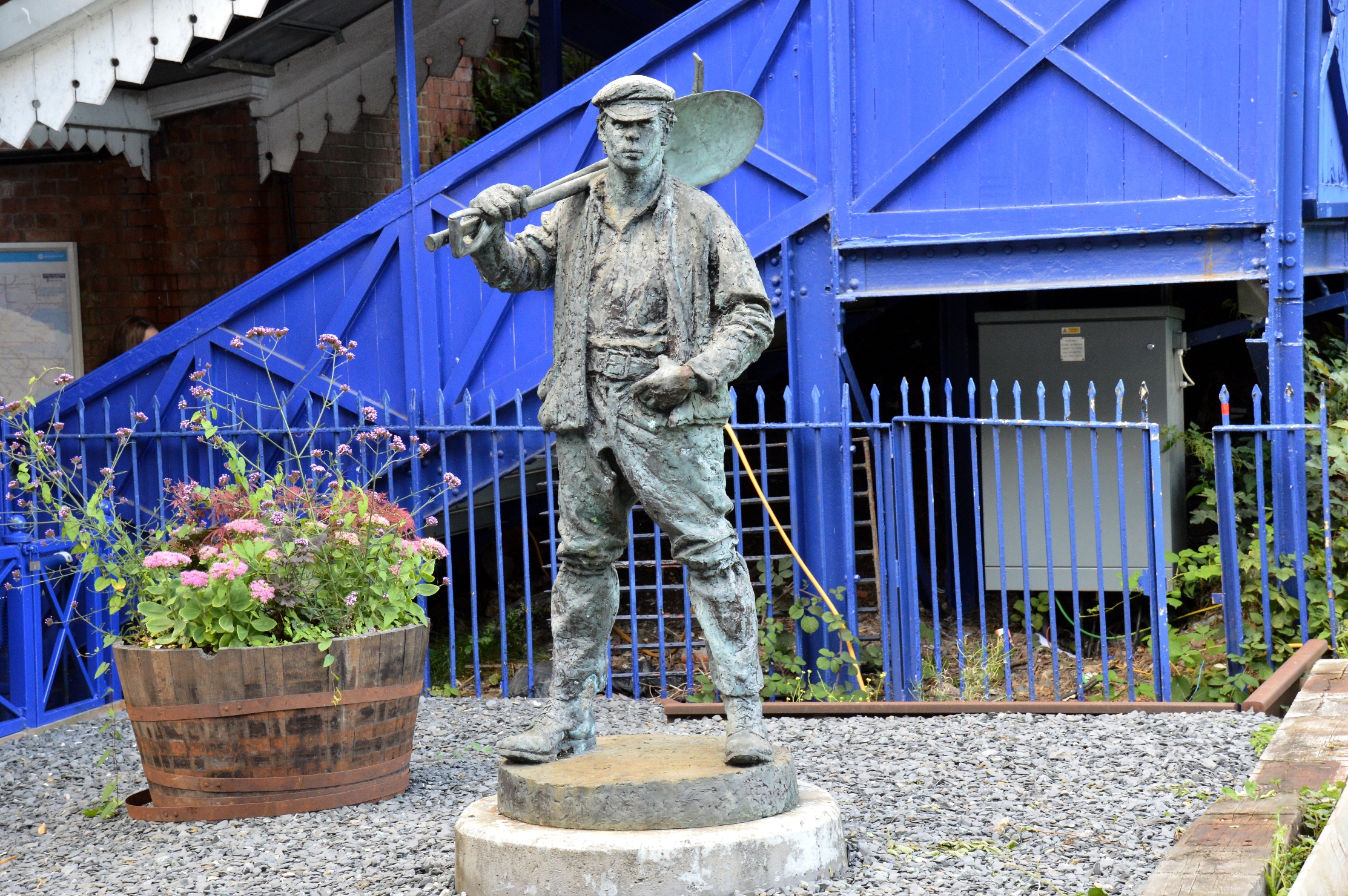
Many of the posts here, are to show the fabulous achievements of past builders, makers, artisans and artists. They gave us the world that we live in but very few are remembered by name. Here and there can be seen works that commemorate their efforts.
Above is “The Unknown Navvy” (navigator) by Anthony Stones which is currently at Gerrards Cross rail station just outside London.
Below is “The Building Worker” by Alan Wilson which can be found just north of the Tower of London beside the main road. Its plaque reads:-
“For the thousands of building workers who have lost their lives at work, we commemorate you”.
“For the thousands of building workers who are today building and rebuilding towns and cities across the United Kingdom, we celebrate you”.

Advertising in the Age of Innocence ?
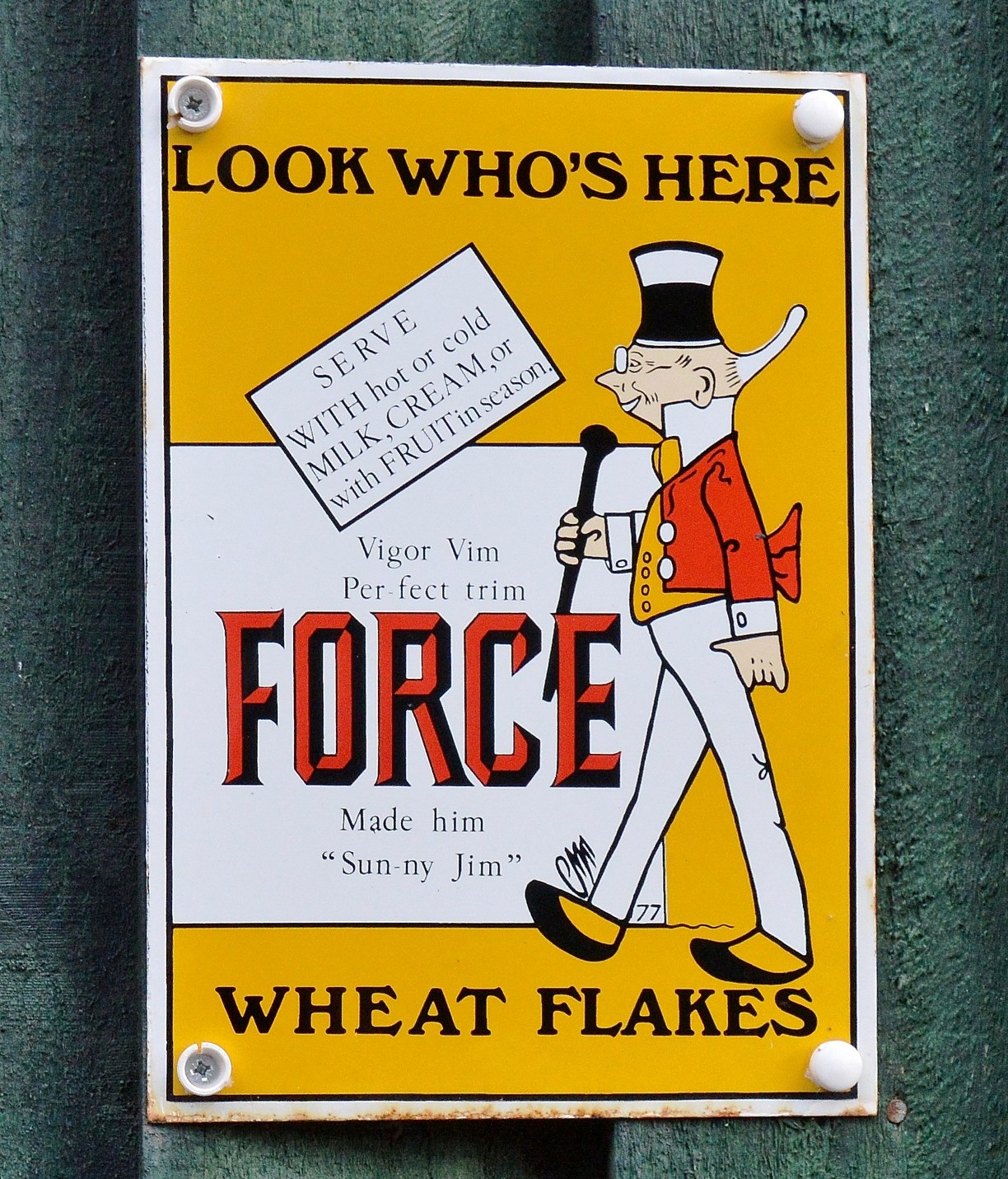 Most of these are from the 1920’s. A few are earlier. They all come from the Bekonscot Model Village⇐. You might notice that some of the claims are blatantly exaggerated, but I think I prefer that to the present day subtleties of spin. More here ⇐.
 .
.

.
.

.

.

.

.

.

The tonic wine might be more welcome.

.

I included this because I find it inspiring that so many such projects, both religious and secular, have stood the test of time. They often work quietly in the background and have made a profound difference to the lives of vulnerable people over the decades.
🙂
Leeds Castle Interiors
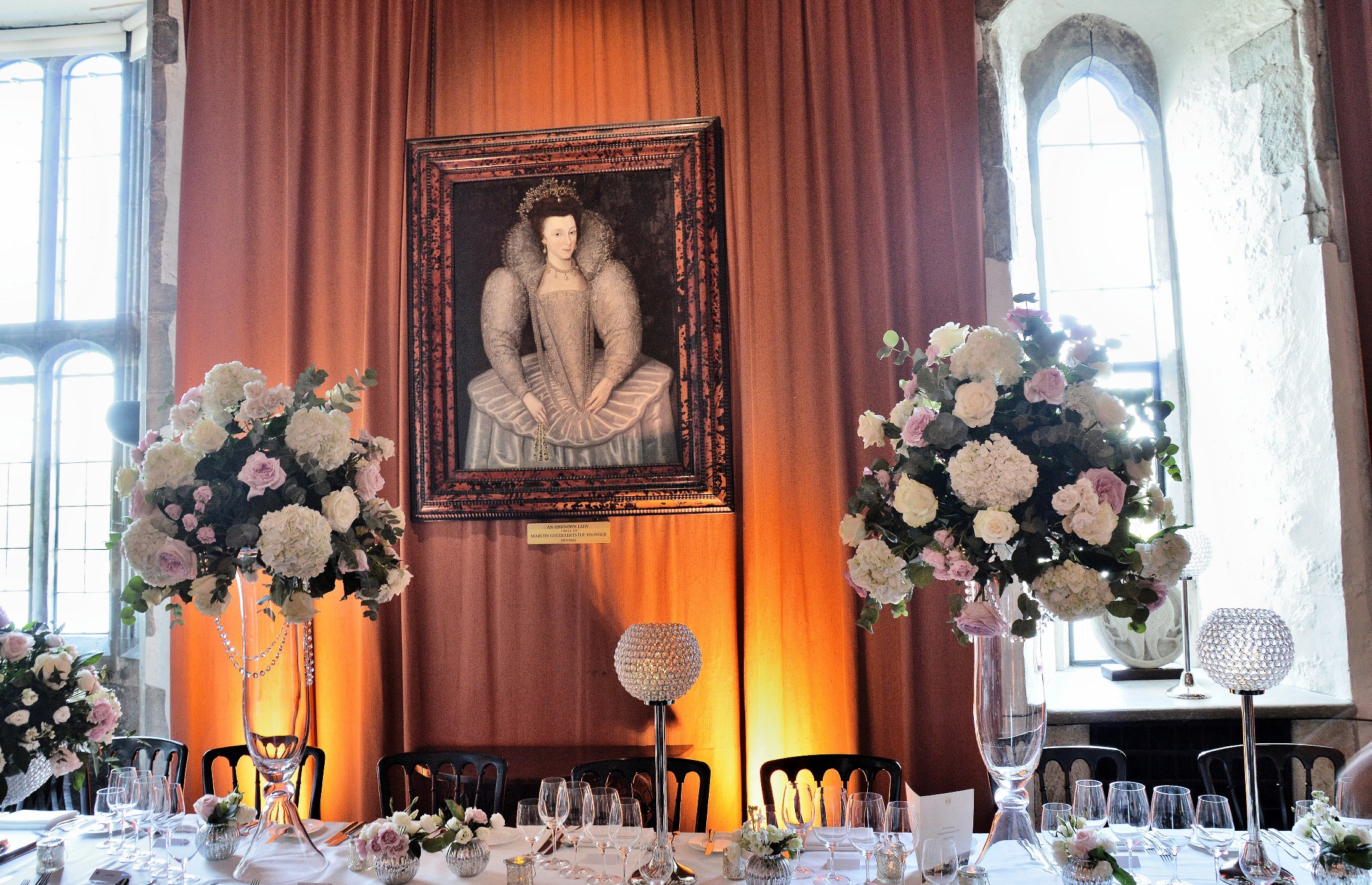
A castle has been on this site, in Kent, since 1119 and has been used by a number of royalty including Edward I and Henry VIII. The castle was purchased by Lady Baillie in 1926 and was used for a number of worthy purposes including a hospital for airmen during WWII.
In 1974 it was left to the Leeds Castle Foundation to be preserved for the benefit of the public. The history (Wiki) is here, castle/events website here, grounds/moat/lake/gardens here, falconry display here and the flower festival is here.
The name “Leeds” seems to have the original meaning of loud or rushing water. Hence there is a Leeds village nearby and another Leeds in the north of England.

This fellow is carrying a pole axe which was used to penetrate armour, quite often the opponent’s helmet. Hence the expression, being pole-axed.

I’m sure you could play a board game on that.
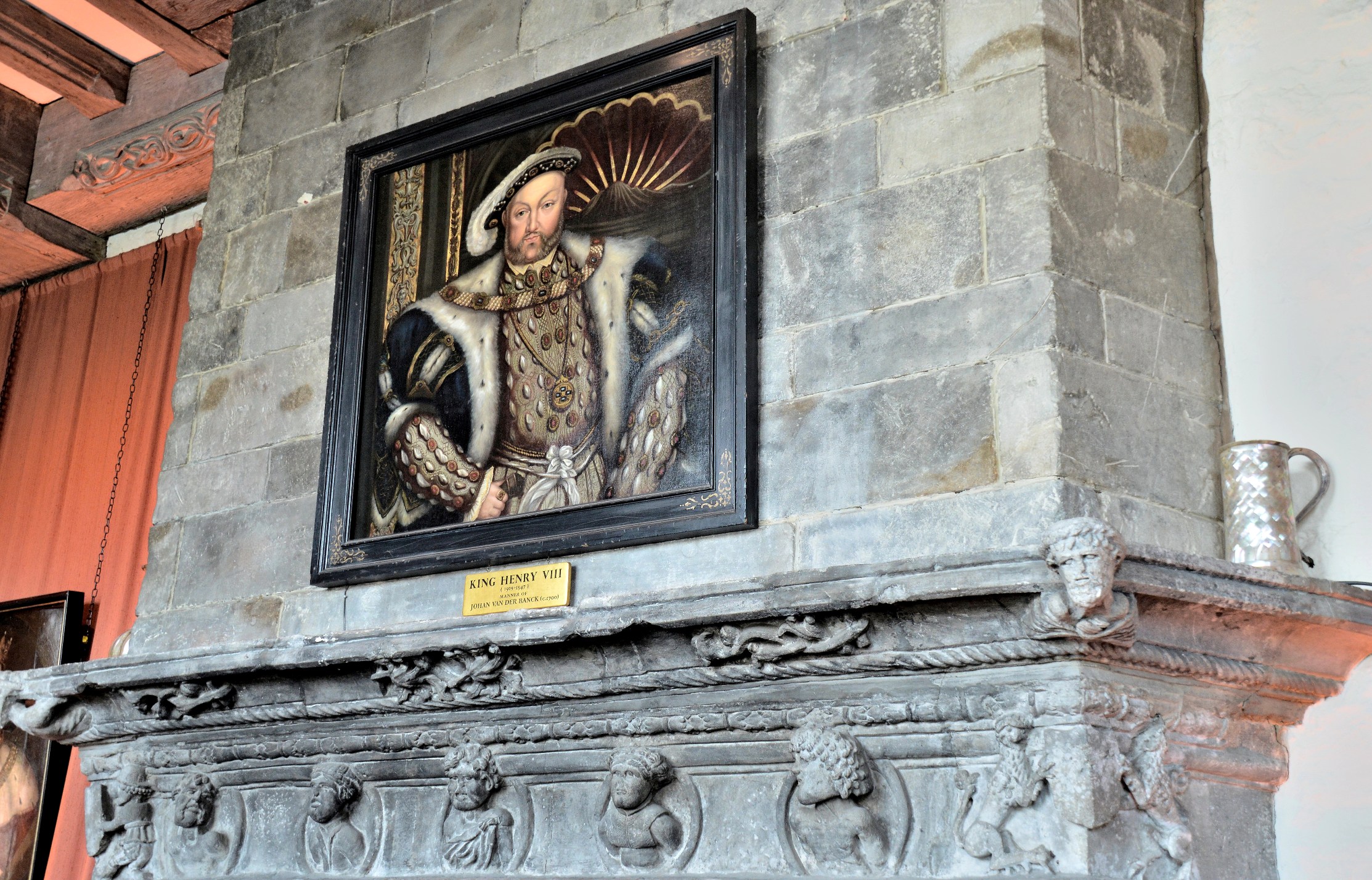
Henry VIII and it looks like he left his tankard behind.

.

I’m not sure whether this is a charming guardian or a psychopath in a skirt. I suppose the defining question is; would I want him at the top of my stairs on dark night ?
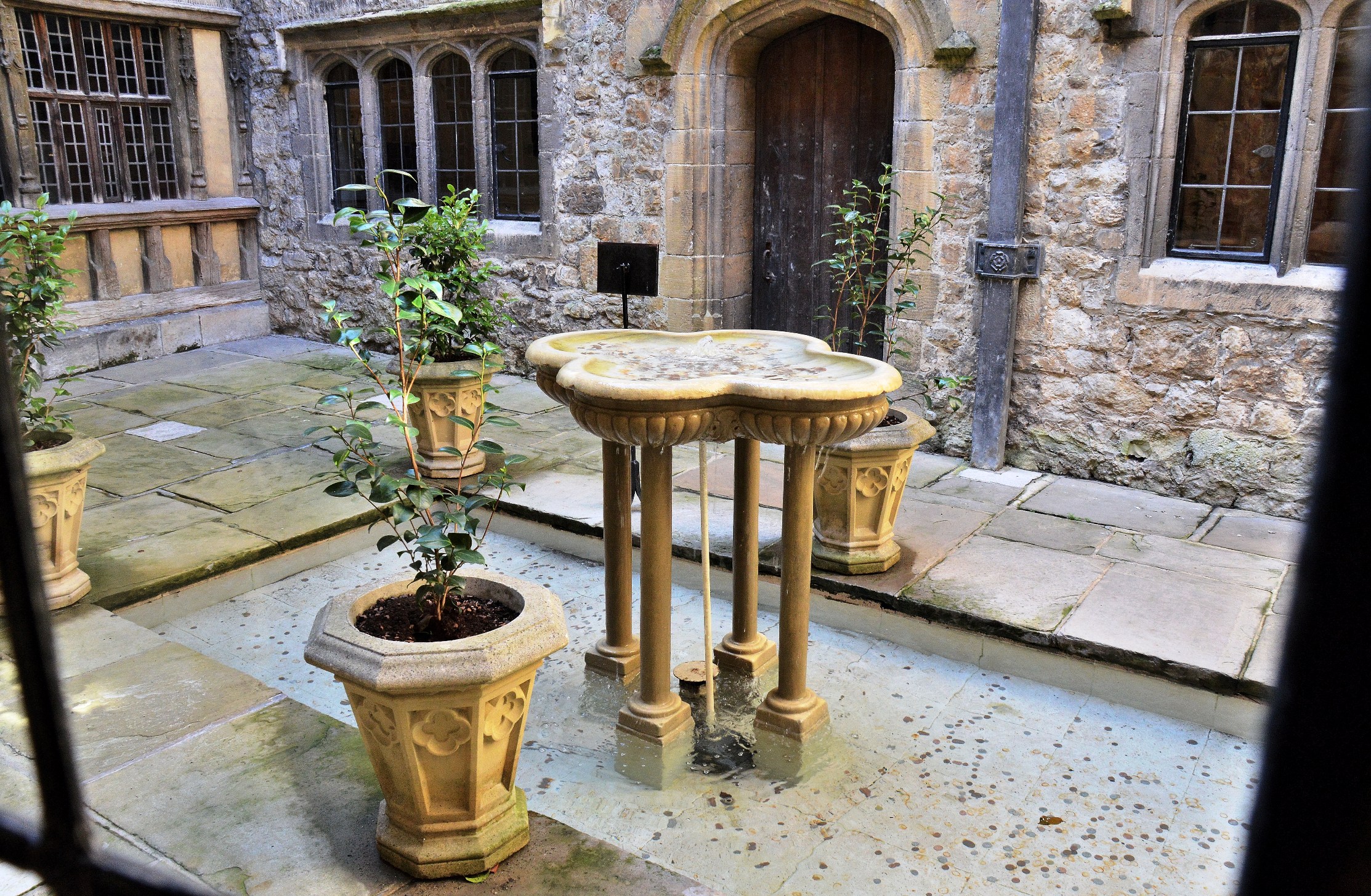
.

.

.

.

.
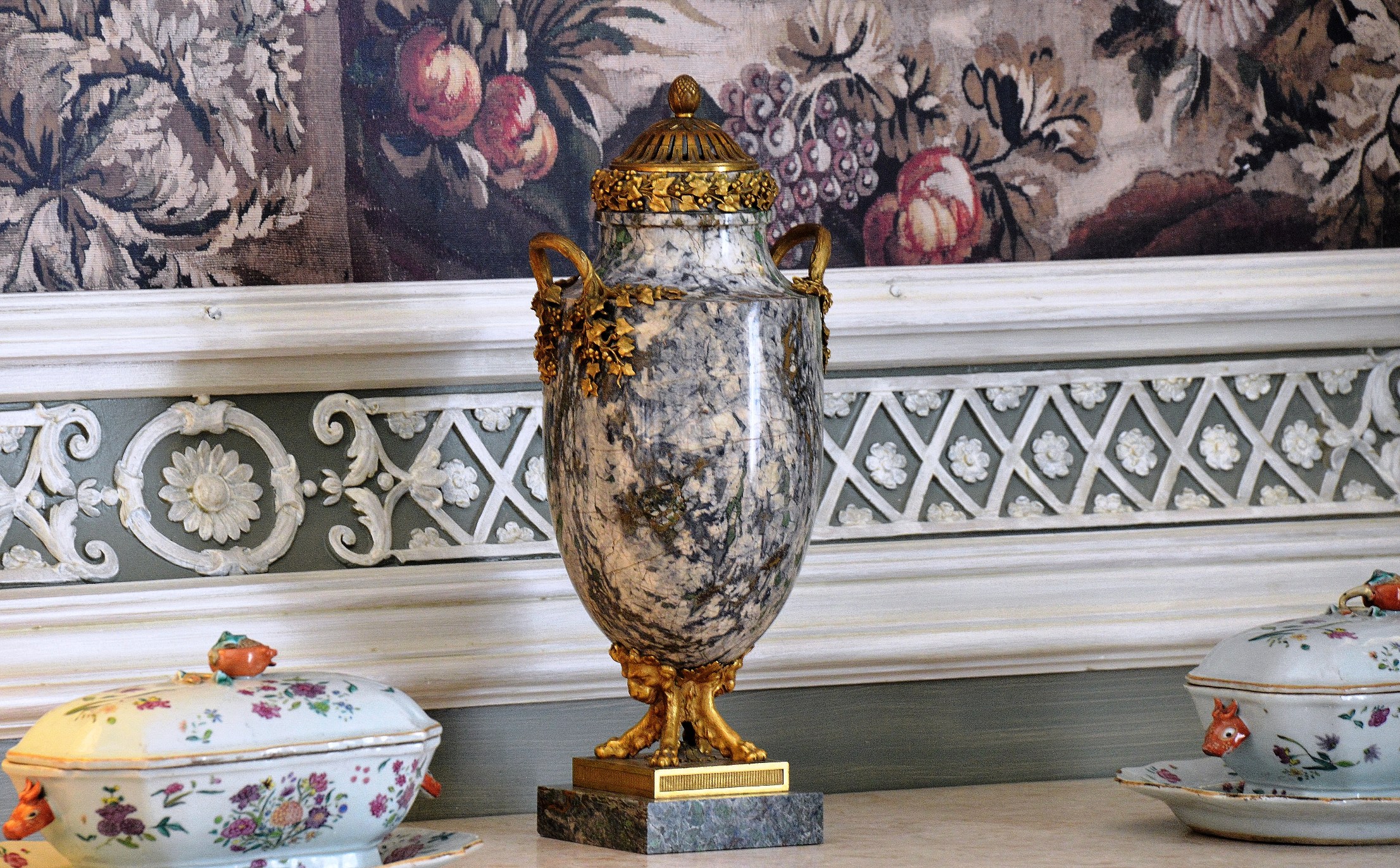
.
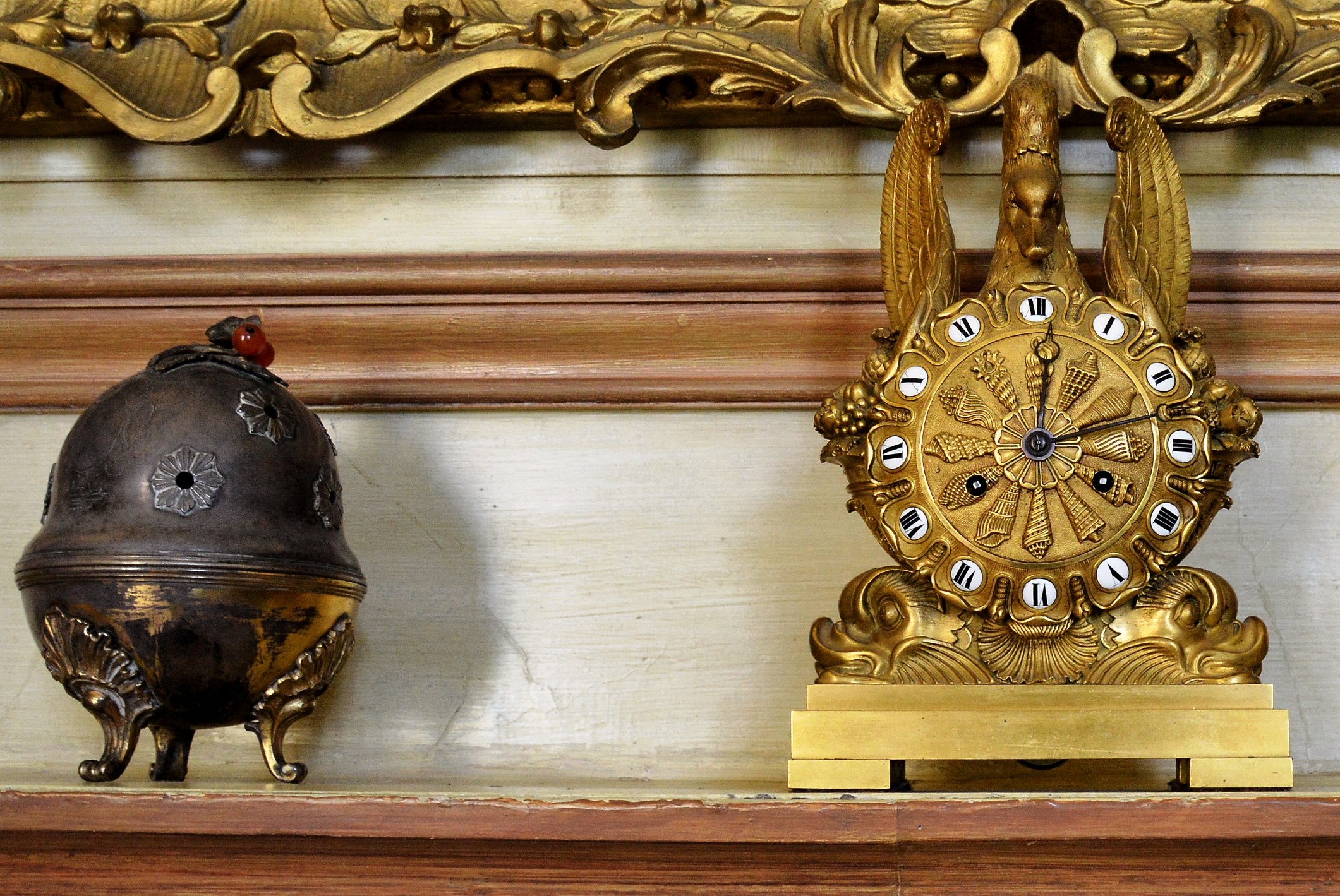
.

And, Richard II. We all know what happened to him.
Thanks for the visit and ~
Brighten the Day 1
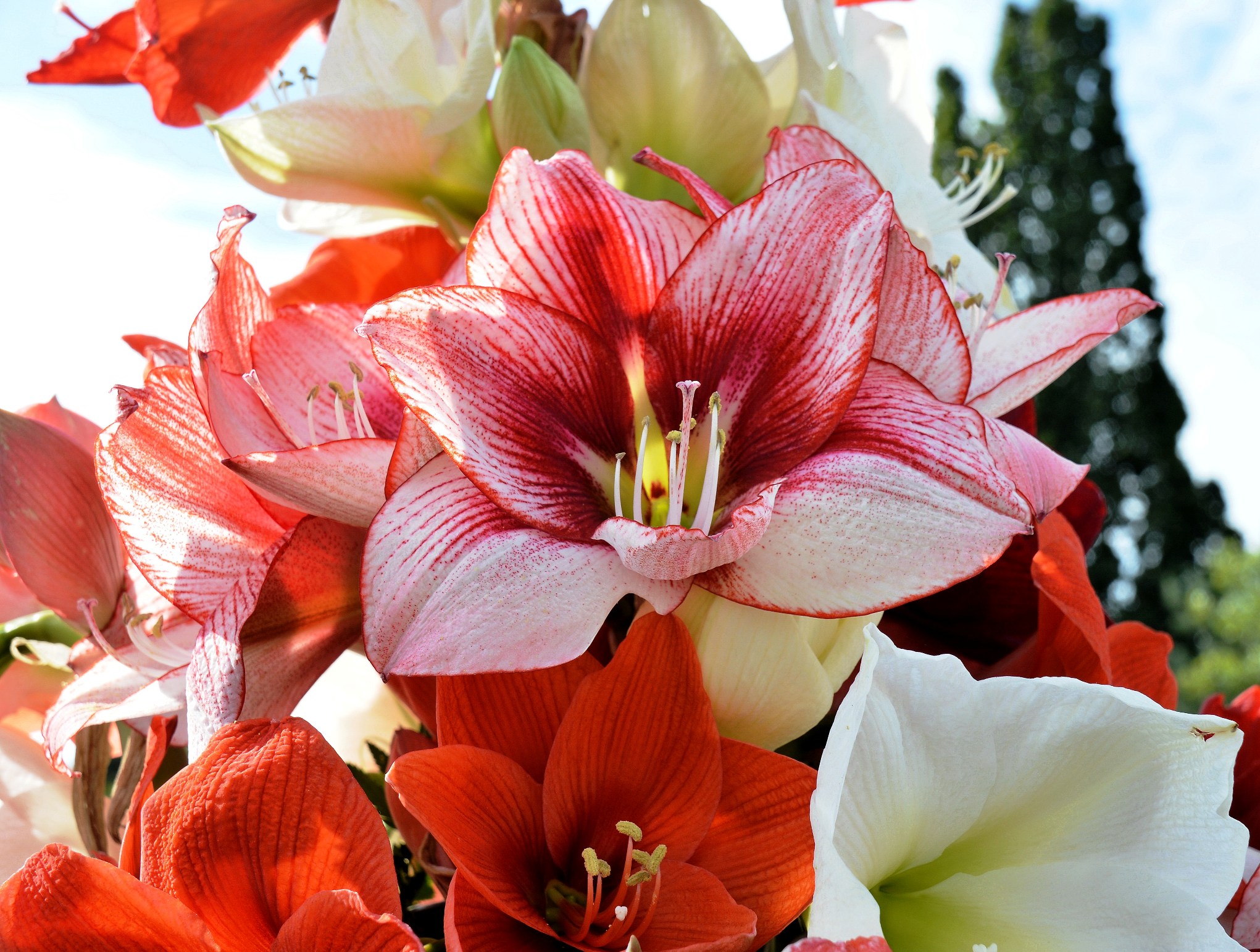
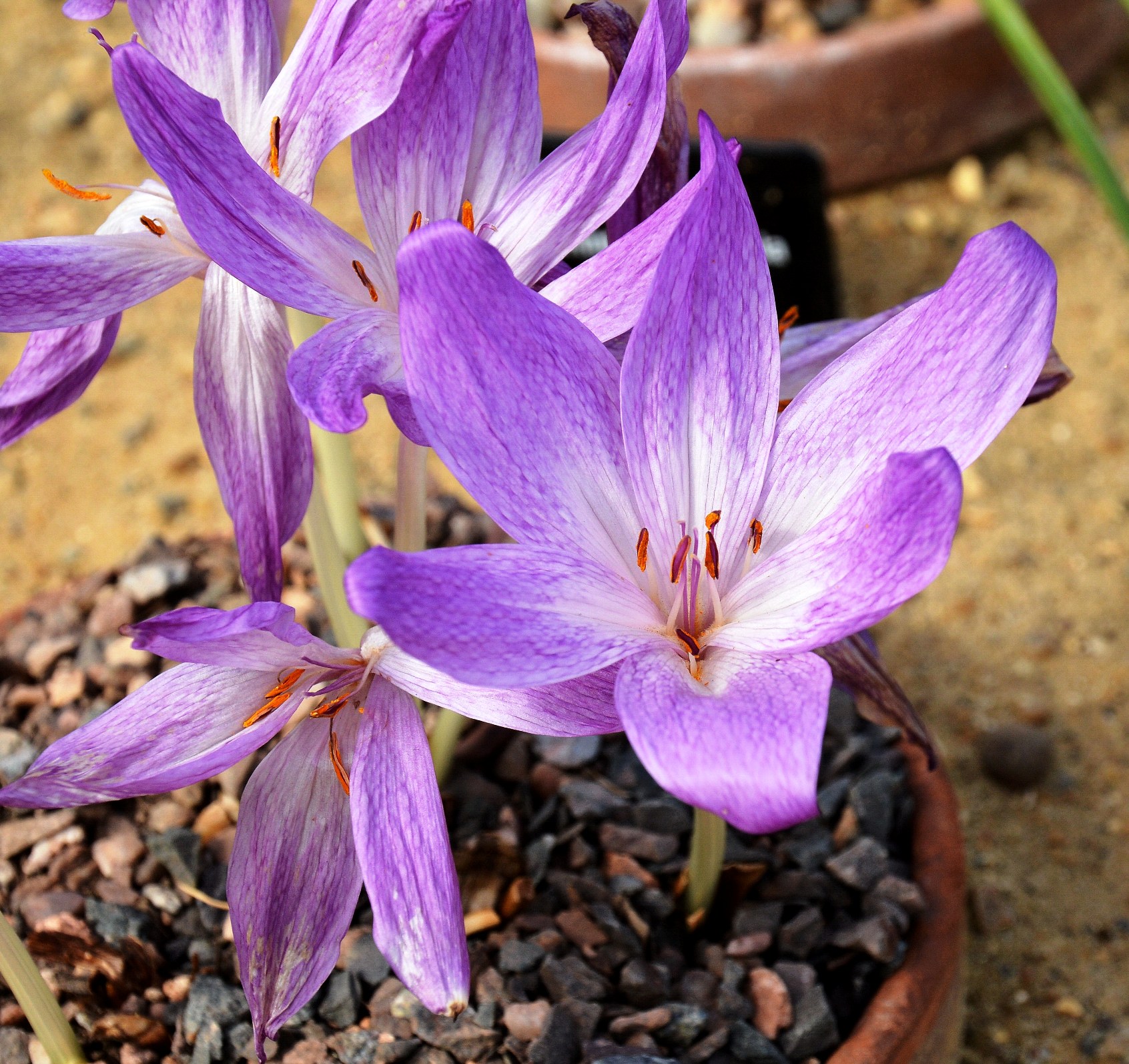
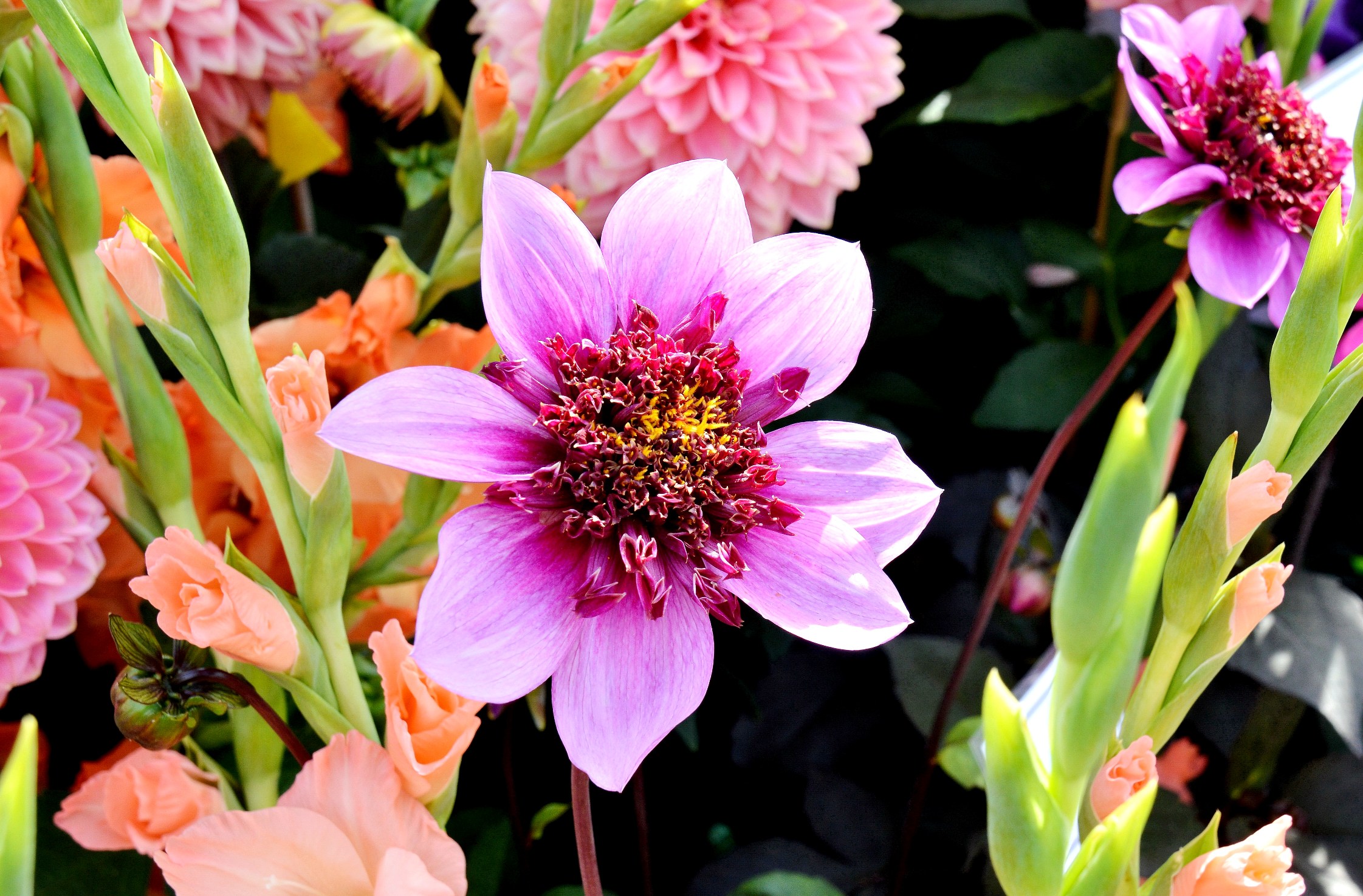
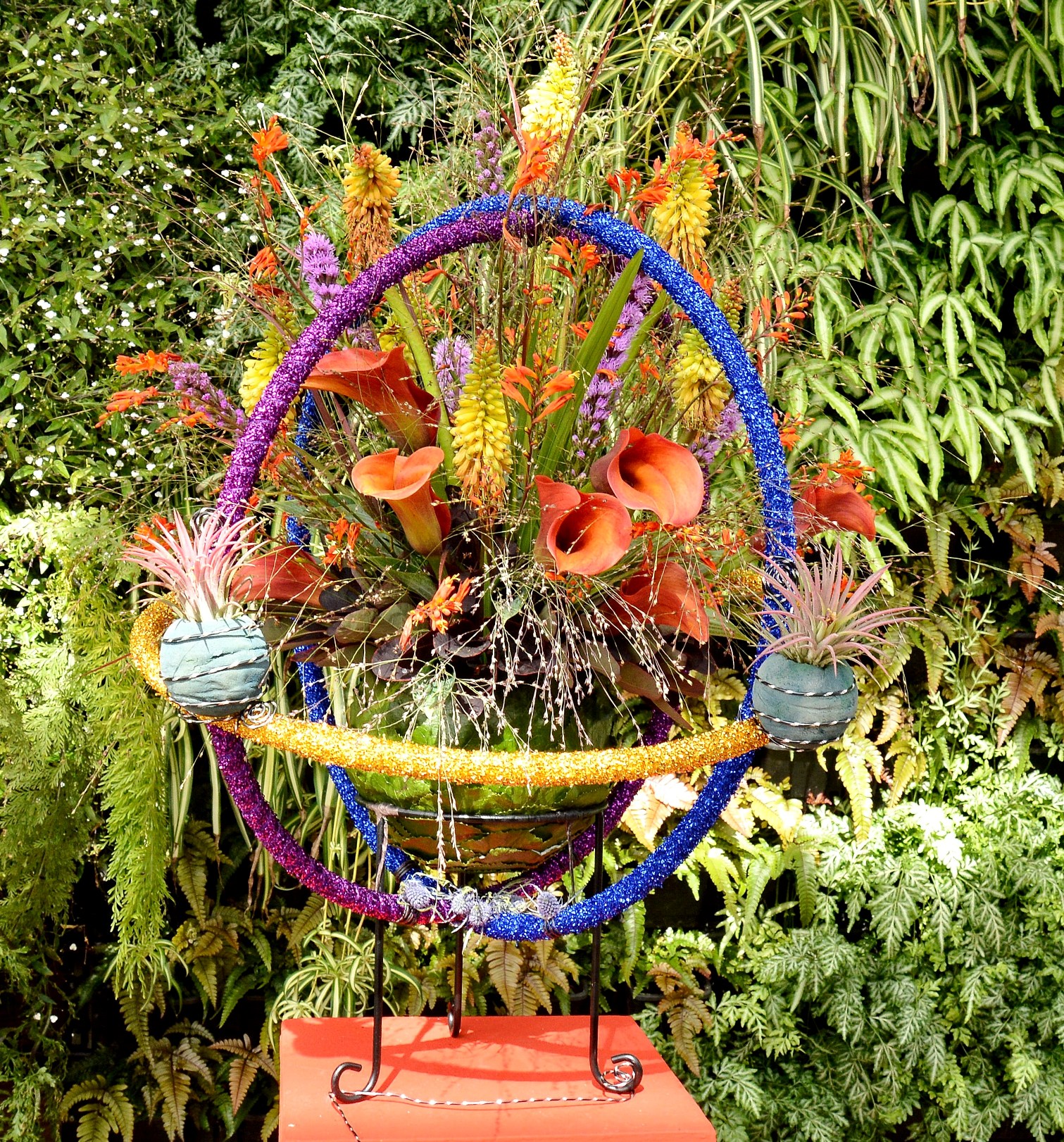 10 pics. I’ve put aside some florality to brighten the winter days. Collages will include flowers, orchids, bonsai trees, statues, an occasional odd duck and perhaps something photo-shopped. Mostly from the Wisley flower show. This is the first, I hope that it brightens your day. 🙂 Click on twice to expand an image.

.
.

Have a guess how old this Bonsai tree (Juniperus Rigida) is, Answer further down.

It’s not my fault. I just live here.

Best Friends by Harriet Francis
Fluffy did it.
.

.

.
.
And, the Bonsai tree is an amazing 150 years old.
More Brighten the Day ⇐.
Hatfield House and Gardens
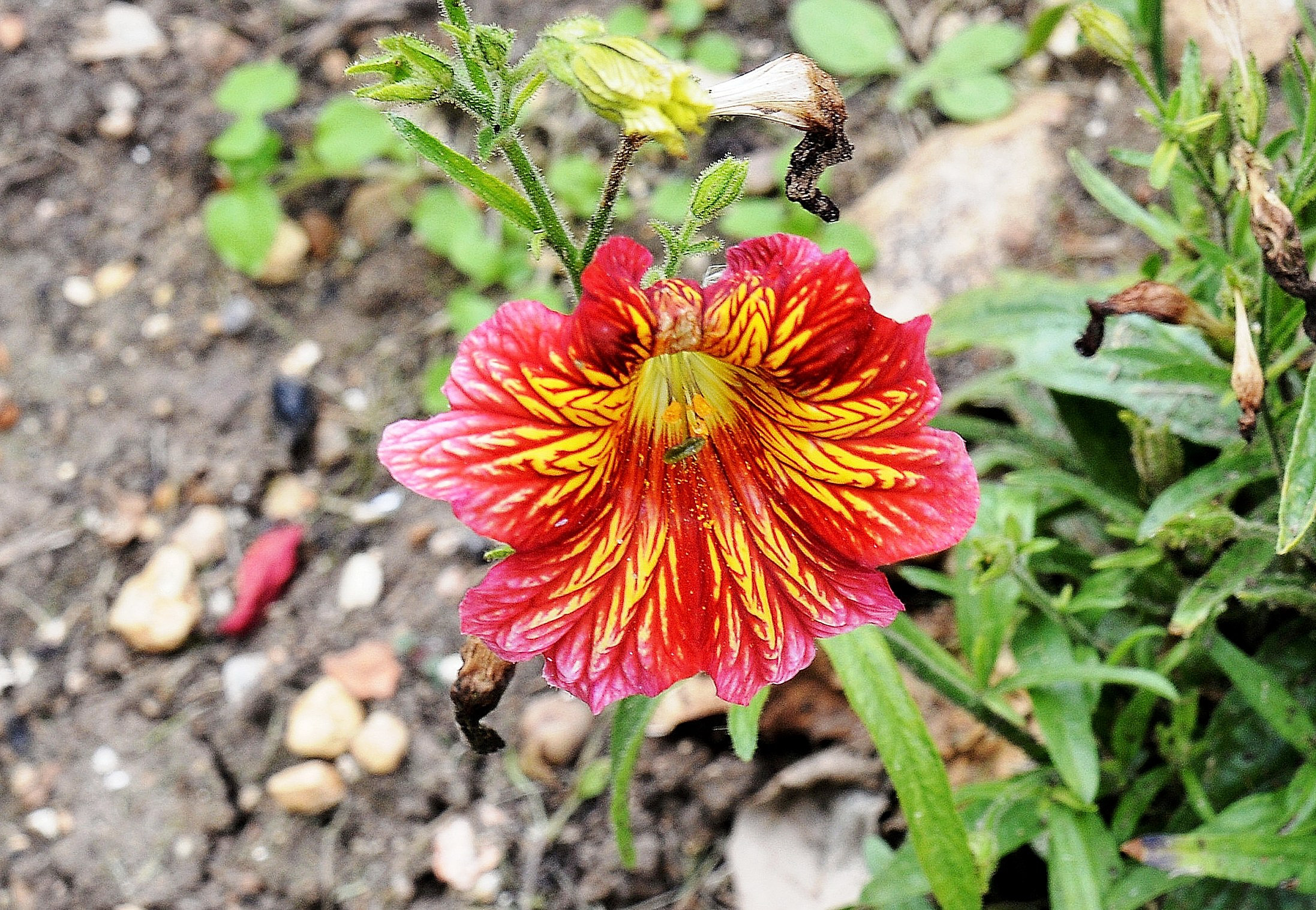
There is a lot of history and a lot to see at Hatfield House. This is just a sample. I’ve started with this flower because it is the most regal that I have seen. You might also like to view the amazing interiors and some of its Elizabethan history by clicking here.

Inside the house are the famous Rainbow and Ermine portraits of Elizabeth I, together with a number of ornate ceilings and artifacts.
.
For instance, this is Lord Burghley who created and ran what was probably the first organized intelligence service.
.

.
.
. Access from Hatfield rail station is via a viaduct (I’ve always wanted to say that) that spans over a village.
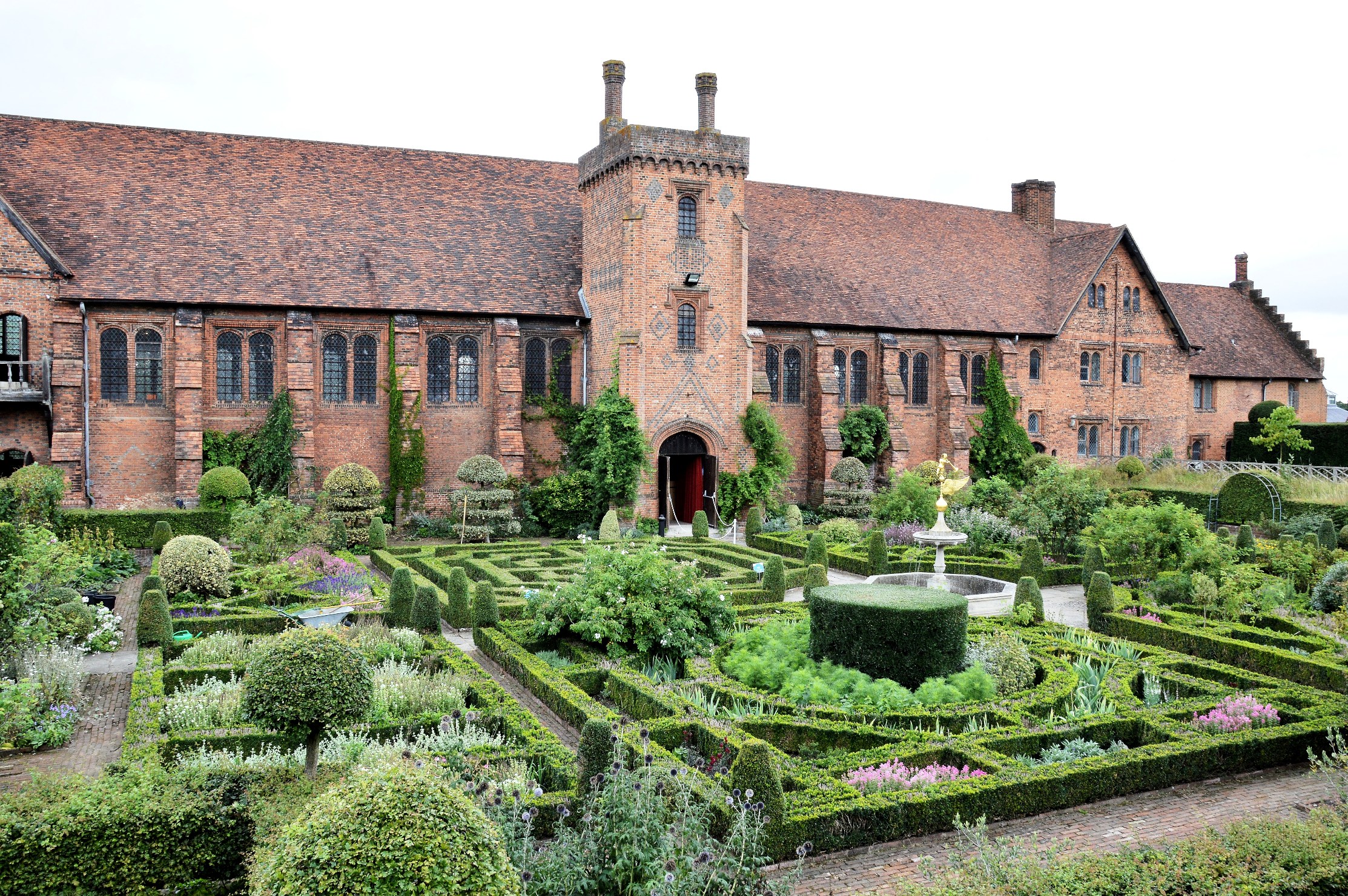
Further into the estate is the old house and gardens.

This is the rear view of the newer house.

Across the green is the old church.

And, nearby is a path leading to the church which is open to visitors for part of the day.

In the church grounds there is this Tudor cottage.

And, inside the church the ceiling is being restored.

There are a number of gardens and water features.
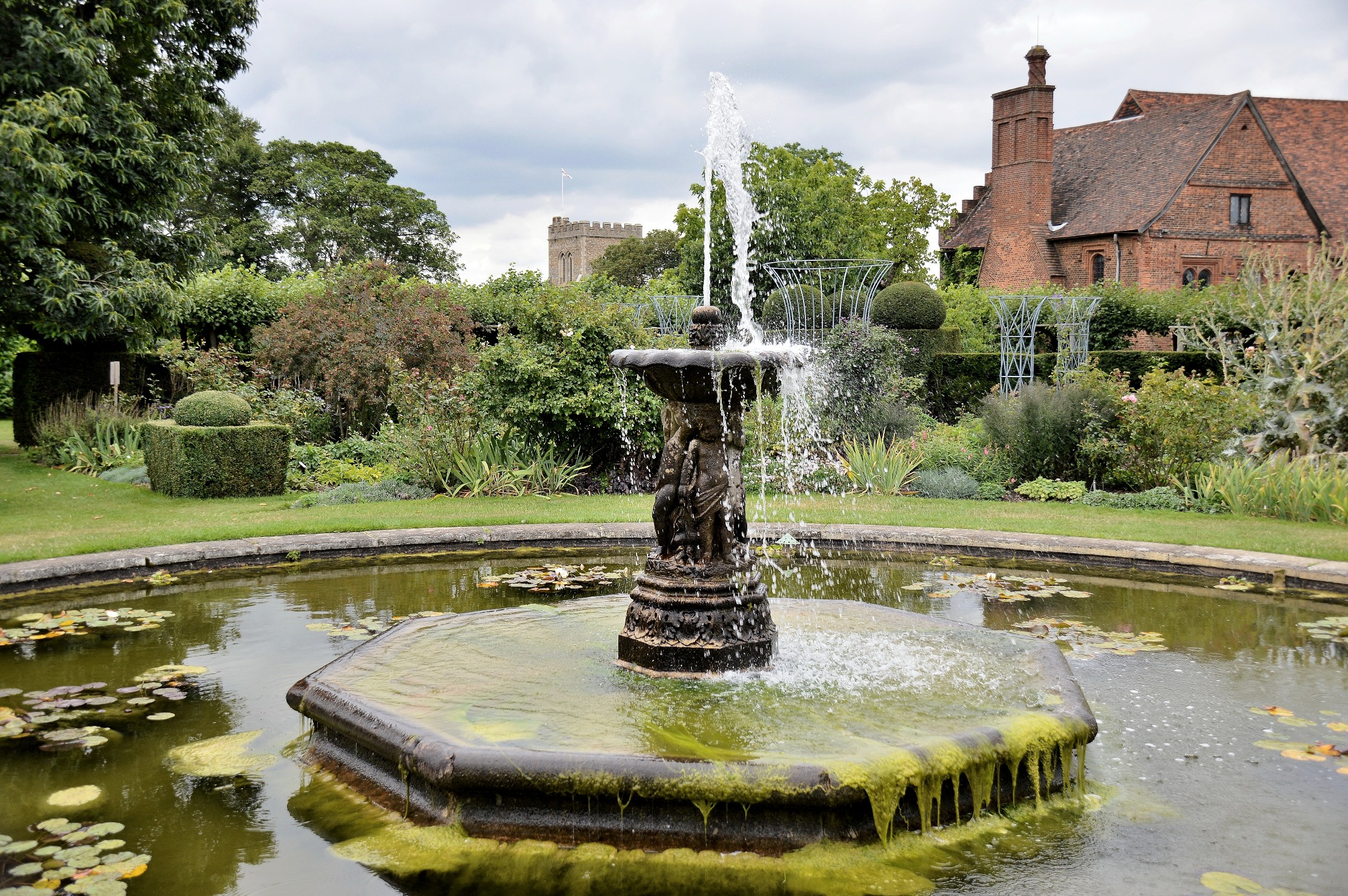
.

Meet the crew. There are several statues but I thought this was the best and appears to feature Queen Elizabeth I herself.

There is quite an extensive shopping mall with a gallery, large cafe and this. A toy shop and gun shop side by side. What can I say, it’s the countryside. Here are some flowers.
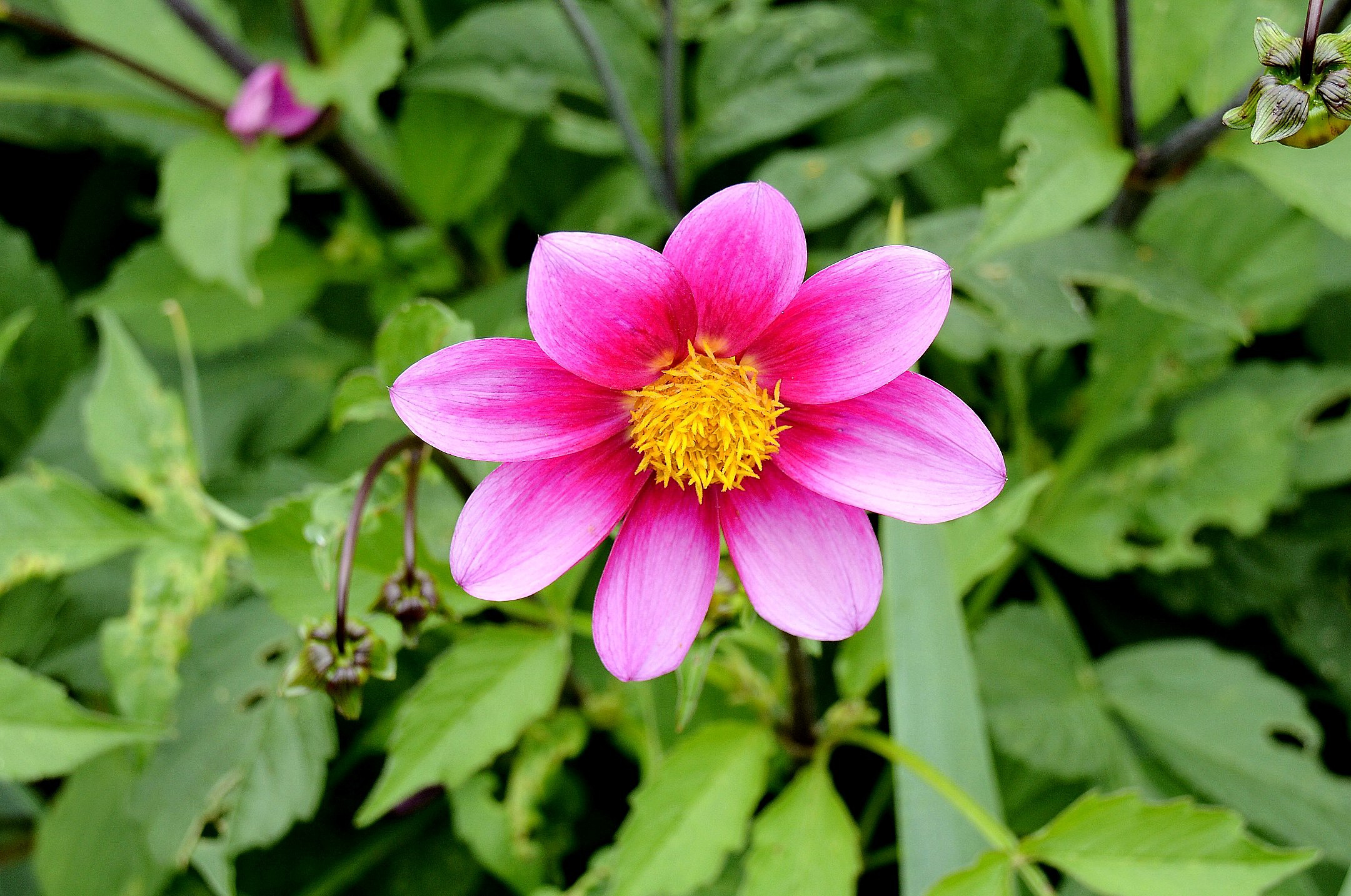
.
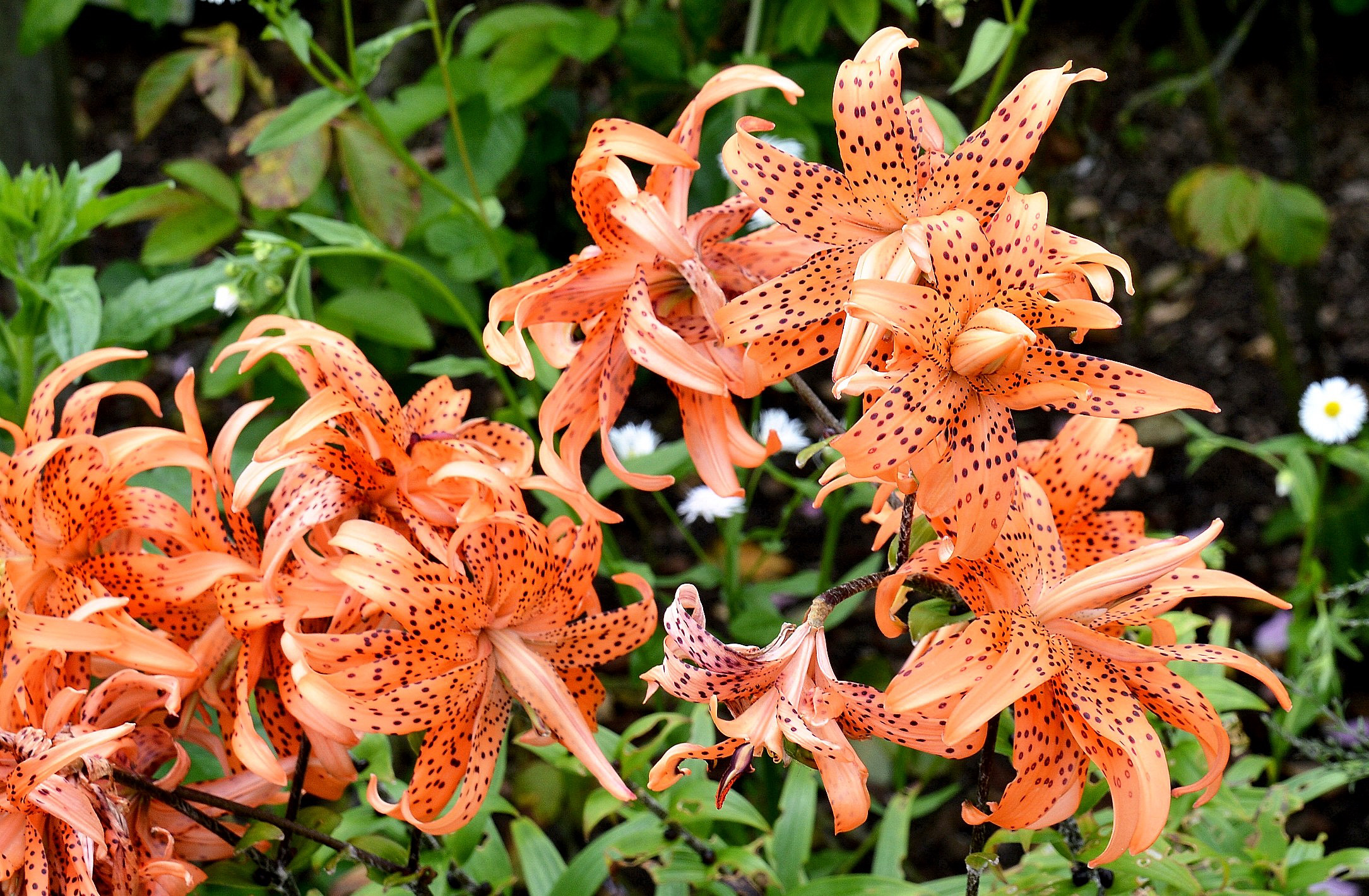
If you like history then Hatfield House is steeped in it. More here.
Hatfield House and Elizabeth I
17 pics. Hatfield House is one of the most historically significant places to photograph near London and The Grounds ⇐, Extraordinary Chickens ⇐, Hatfield House Website ⇒.
Upon an autumn day being 27th November 1558 beside an oak tree near to Hatfield House which was her home at the time, Princess Elizabeth Tudor was told that she had become Queen Elizabeth I of England, following the death of her elder half-sister Queen Mary I.
Elizabeth’s accession had not been a certainty. Queen Mary I, also known as “Bloody Mary”, resented her own mother’s displacement as Henry VIII’s wife by Elizabeth’s mother Anne Boleyn. Queen Mary’s sobriquet stemmed from her attempt to return England to Catholicism by persecution of Protestants. Elizabeth was considered to have protestant leanings and likely to undo Mary’s efforts.
Fortunately Elizabeth was popular and had a number of powerful allies. Otherwise the whole future of Britain would have been changed and would have had a significant impact upon world history. Elizabeth’s reign of 44 years was known as a Golden Age with herself as “Gloriana” the virgin queen.
Portraits of Elizabeth started to include a variety of symbols which made them statements of intent and power and helped to establish the cult of Elizabeth. Here are two of them with some of the symbols explained, followed by images from within Hatfield House.

The Ermine Portrait shows Elizabeth holding an olive branch in her right hand signifying the offer of peace. Upon her left is an ermine wearing a crown as a collar and near her left hand the sword of state.
The ermine in the picture, with its black flecks, is a stylised version that indicates its heraldic significance that looks up to the queen.
An ermine is a stoat (short-tailed weasel) in its white winter coat. It represents purity and valour based upon an old legend that it would rather die than soil its white coat. Monarchs and peers had used the ermine to make cloaks. With several of the pelts sown together, the black tipped tails created a pattern of dark flecks. This then became an heraldic device of black flecks upon white.
Taken overall the message is that whilst Elizabeth offered peace, she was ready to use the sword, limited only by righteous regal purity.

The Rainbow Portrait includes the Latin phrase “Non Sine Sole Iris” (No Rainbow Without Sun). Although in the last year of her reign, Elizabeth is depicted in her prime with flowery symbols of spring on her dress.
The dress is protected by a cloak that has eyes and ears both inside and outside. There is also a serpent on her arm that represents subtle wisdom and a powerful bite.
The rainbow in her right hand seems to have no colour. I have not found a commentator who explains this but does seem to be of significance.
Taken altogether this is Elizabeth as the source of nature’s beauty and light protected by an ability to hear and see everything and to act upon that knowledge.
One of the famous Queen Elizabeth I Armada paintings can be seen at The Queen’s House ⇐ in Greenwich.
There have been many films depicting Elizabeth’s very dramatic life. My personal favourites are the 1998 film “Elizabeth” and the 2007 film “Elizabeth: The Golden Age” both starring Cate Blanchett and, I think, definitely worth seeing.
And, here is the house:-


.

.

.

.

.

.

There are a great many works of art in Hatfield House, this one took my interest because it shows that artists of the past had some curious notions or tried to create them. In this picture of Eden there are people other than Adam and Eve and some of the animals are transparent. Click on twice for a closer view.

.

.

This painting of Cicely Alice (Marchioness of Salisbury) was painted about 1910. I found it to be somewhat enigmatic. Whilst I could not find any cause for it, if you click on twice to expand, it looks as if she is about to burst into tears.

More from the grounds ⇐.
Sculpture at Wisely
One of the events at Wisley Gardens has been the sculpture trail. Here are just a few that I found particularly engaging and here are the Alice in Wonderland pieces. A couple of clicks to expand. Enjoy ~
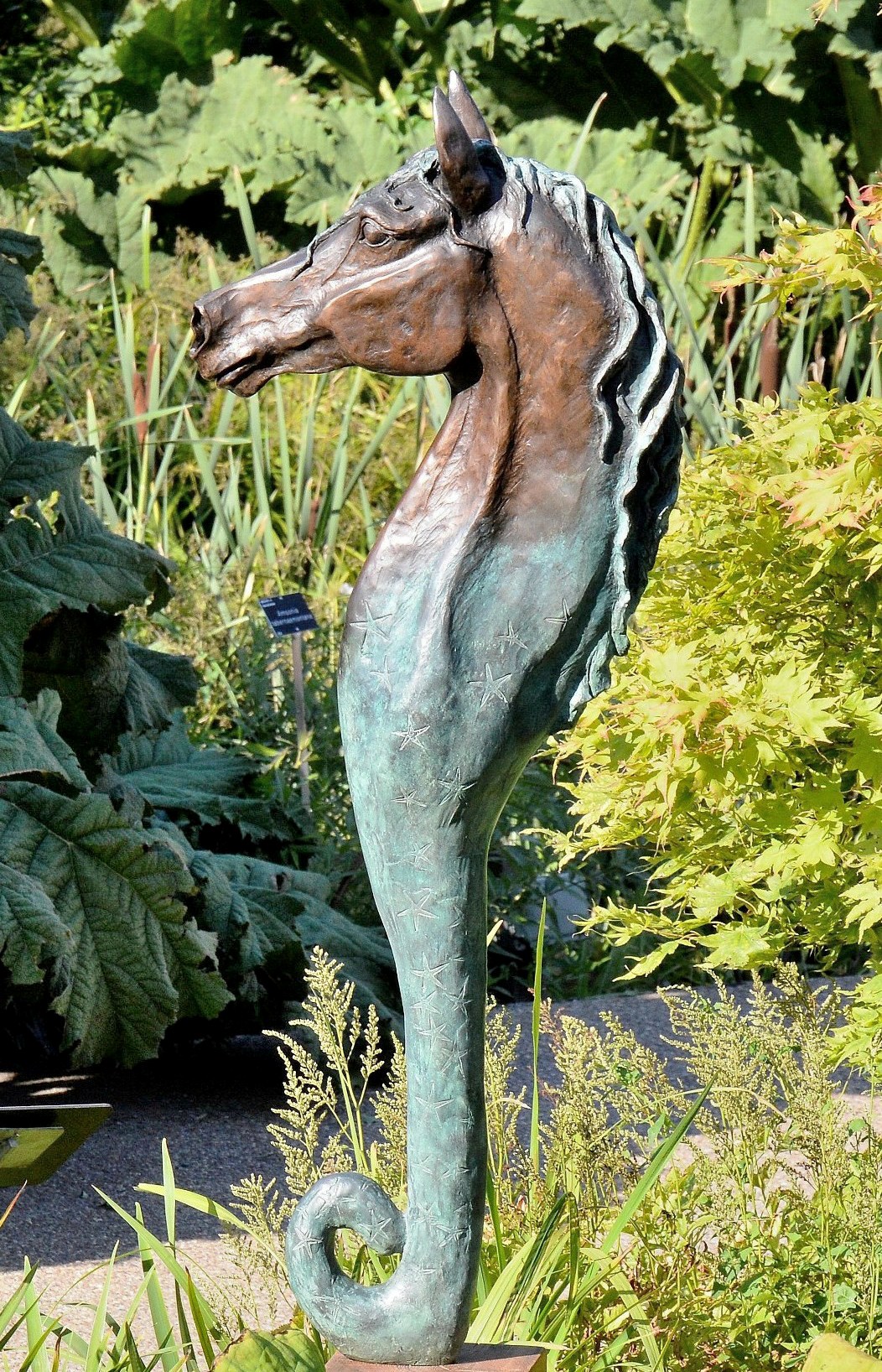
Sea Horse in Rockery at Wisley Gardens

Figure XVIII by Henriette Van der Does at Wisley Gardens
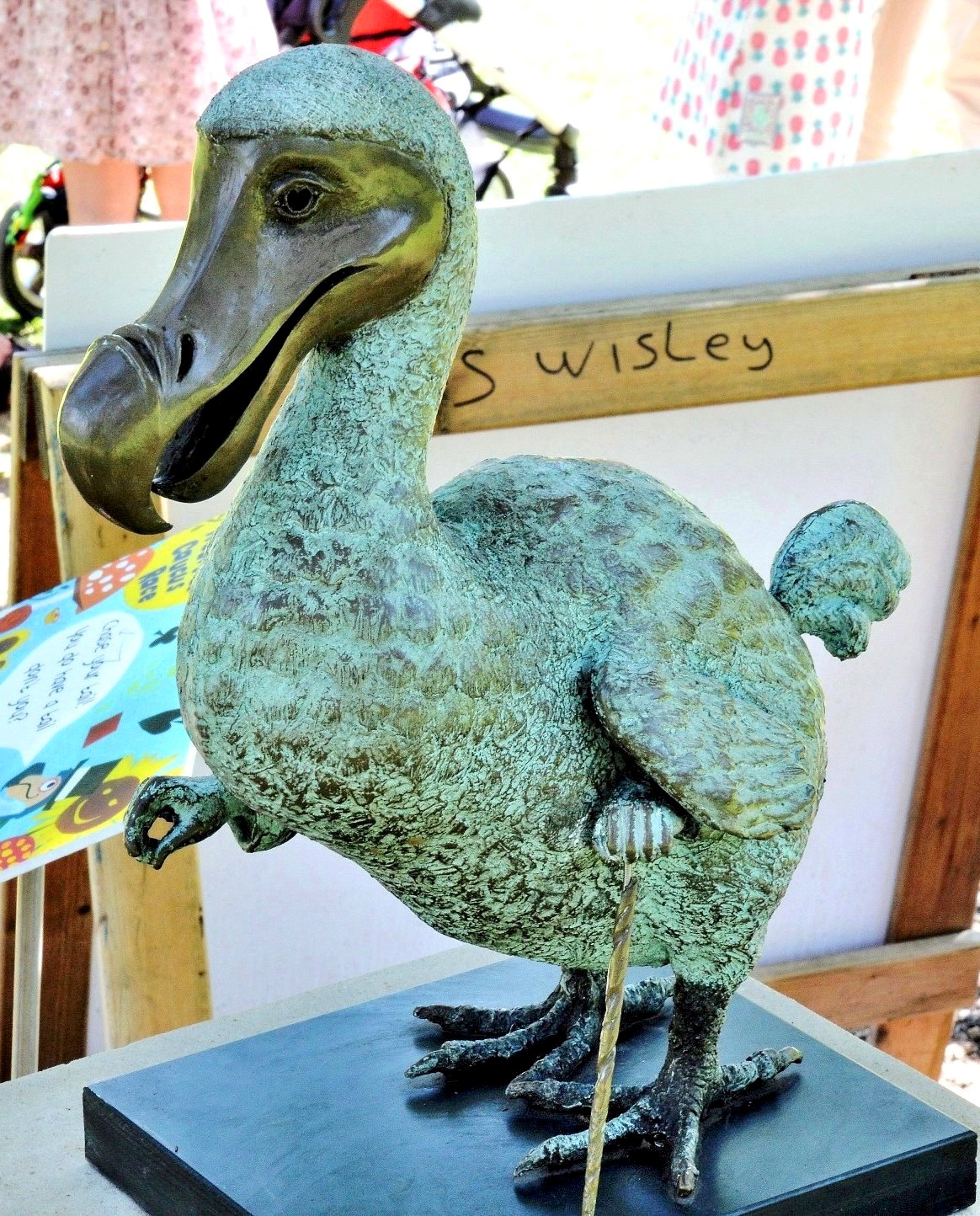
The Dodo by Robert James Sculpture Ltd at Wisley Gardens

Making Time by Lynn Warren at Wisley Gardens
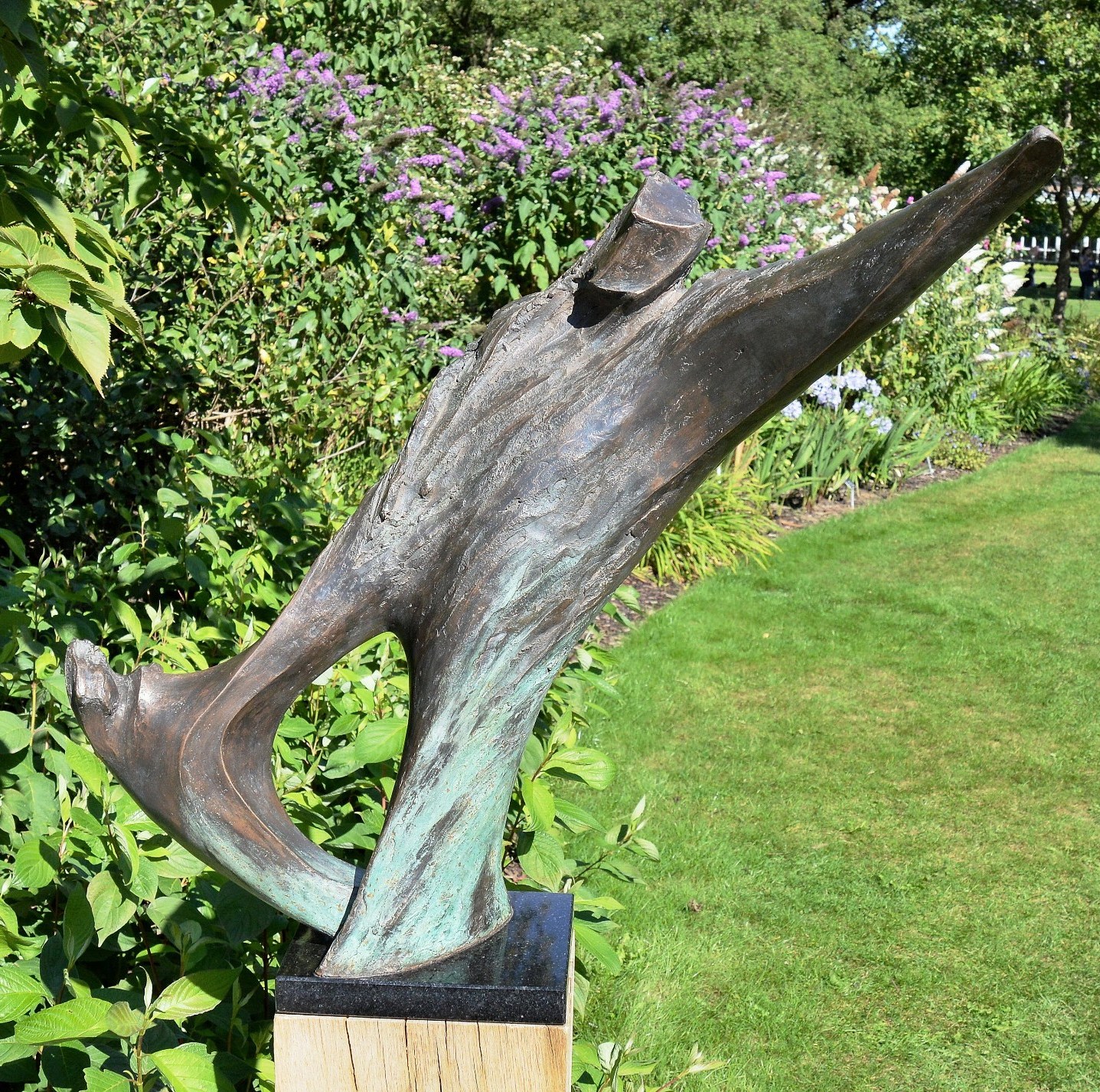
Time to Go by Lynn Warren at Wisley Gardens

Pan at Wisley Gardens
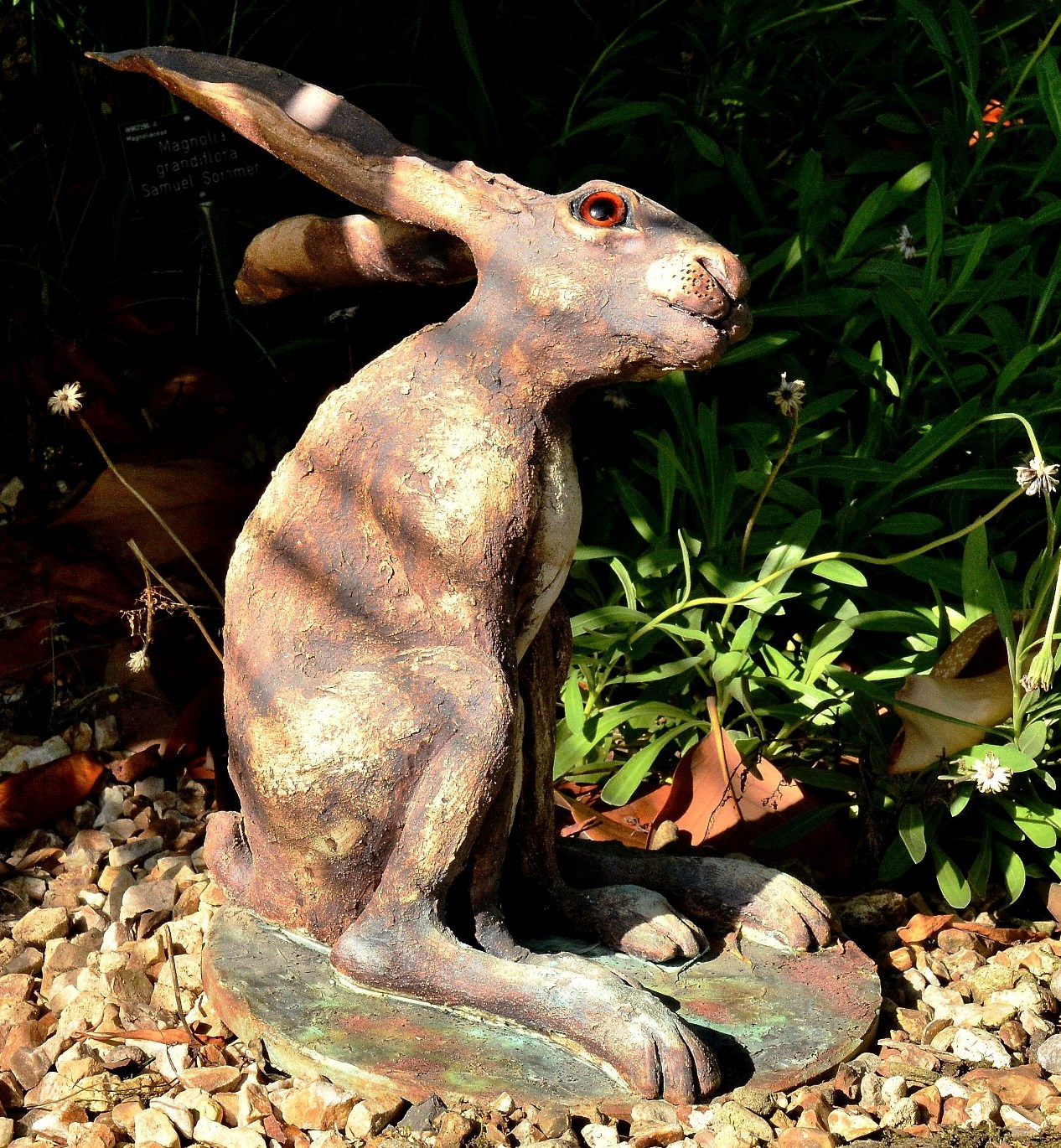
Moon Gazing Hare by Alan Wallis at Wisley Gardens

Offering by Everard Meynell at Wisley Gardens
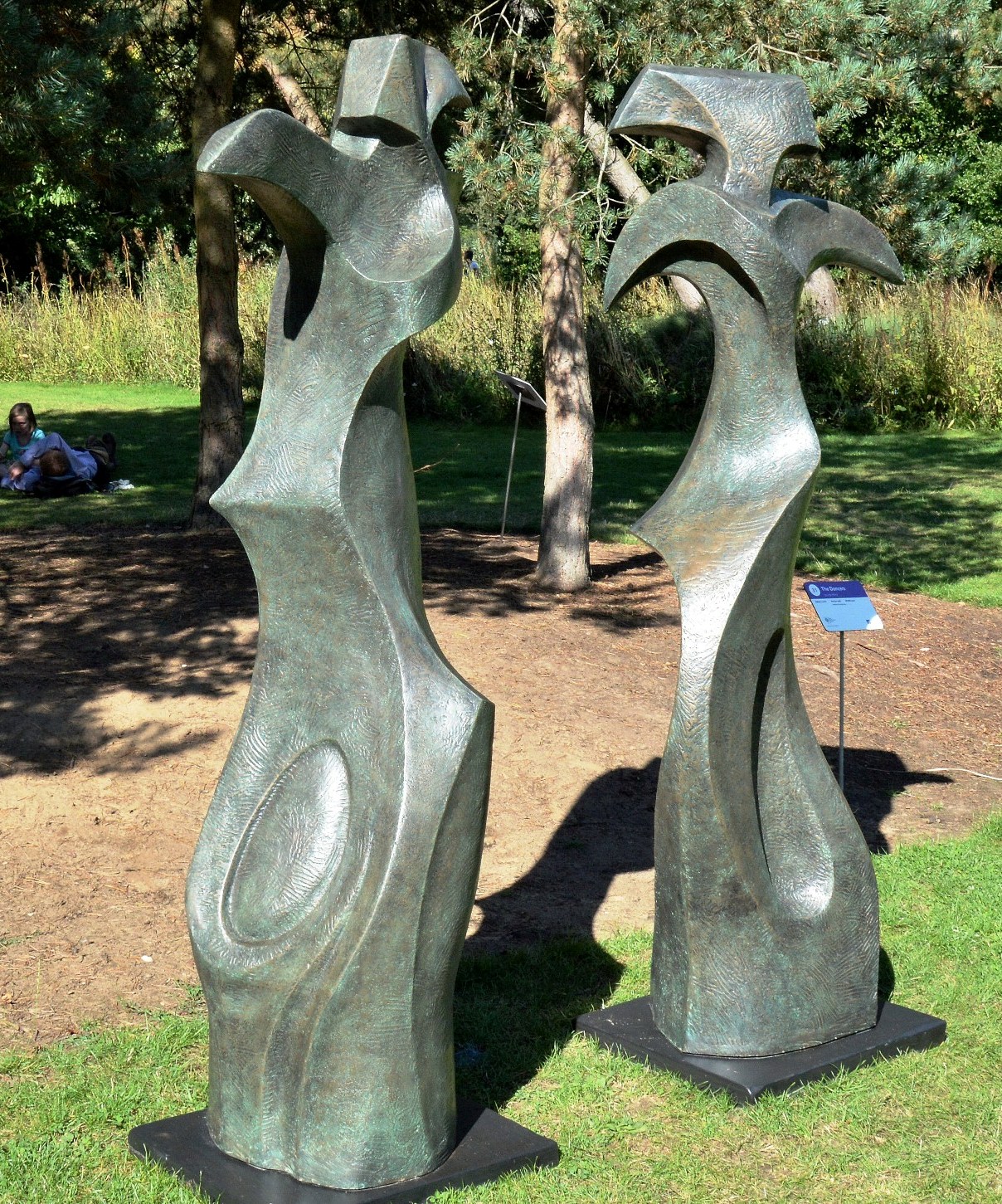
The Dancers by Lilly Henry at Wisley Gardens
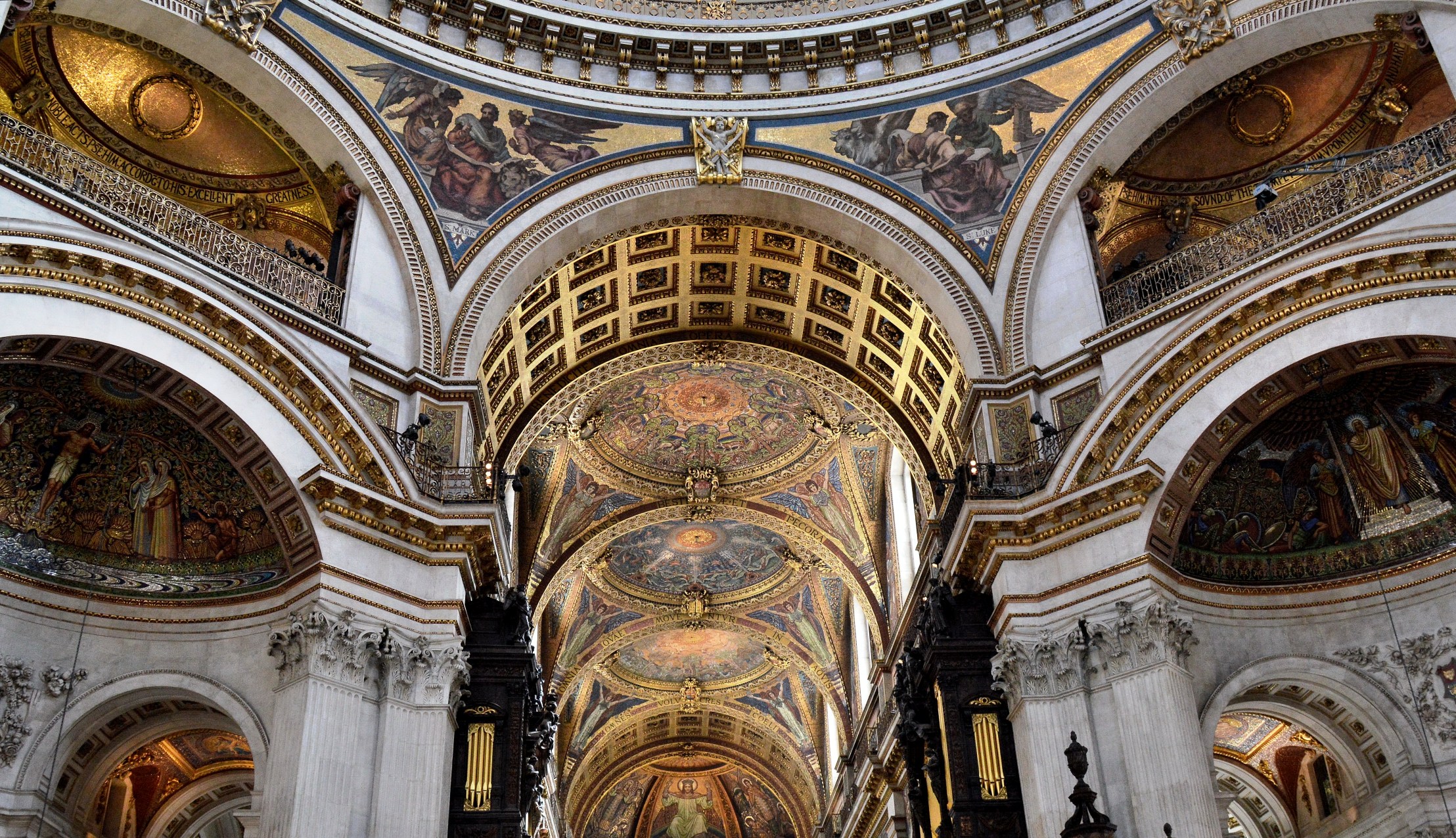
St Paul’s Cathedral

For more than 1,400 years, a Cathedral dedicated to St Paul has stood at the highest point in the City of London. The present cathedral was designed by Sir Christopher Wren and built during the period 1675 and 1710. More History ⇒.
Photography is not usually allowed except on a few days each year or with a permit. The few visitor date/times/charges for photography without a permit during 2017 are here ⇐. For permits and commercial photography/filming, please see here ⇒ . General Admission and charges are here ⇒.
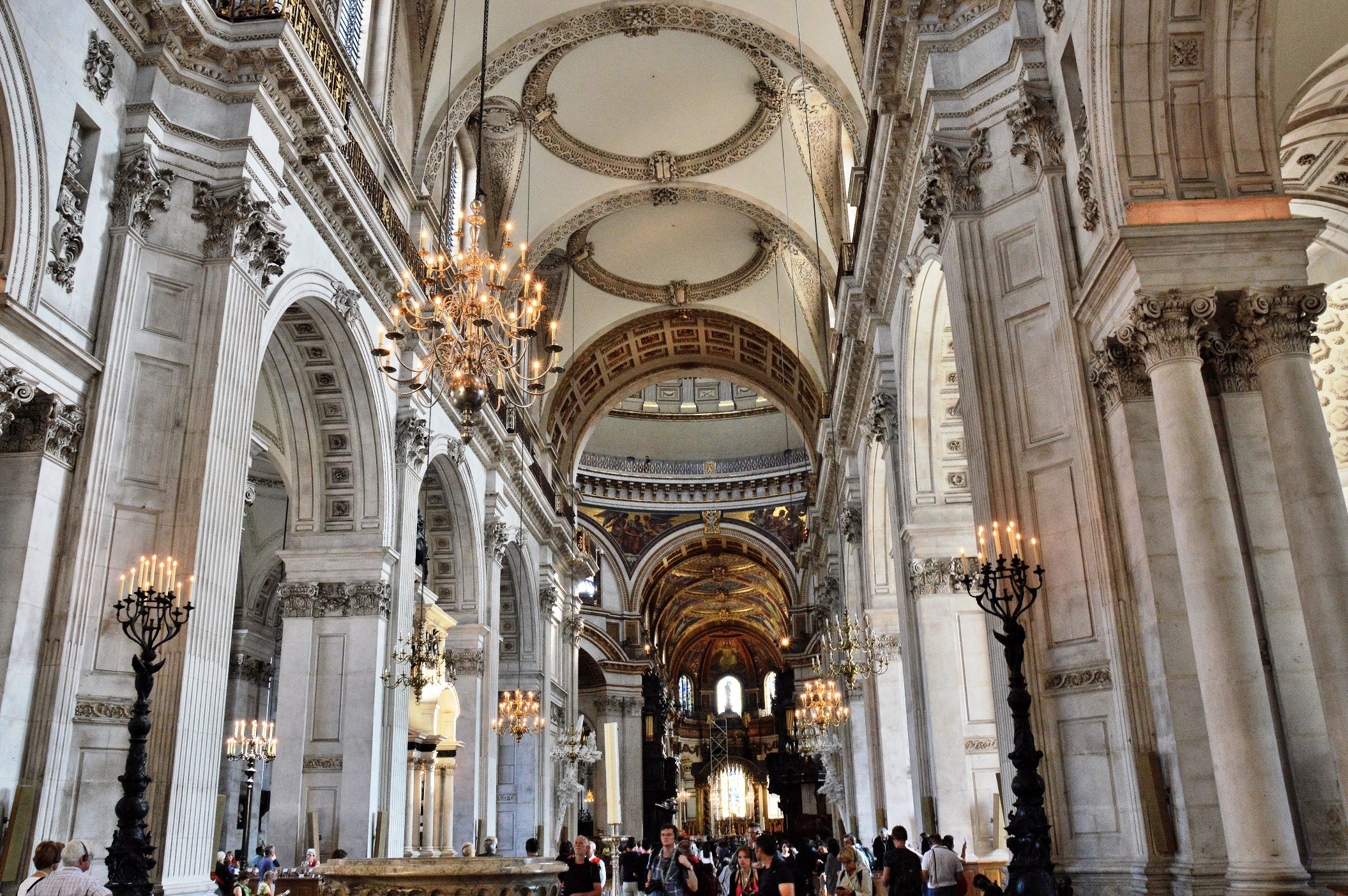
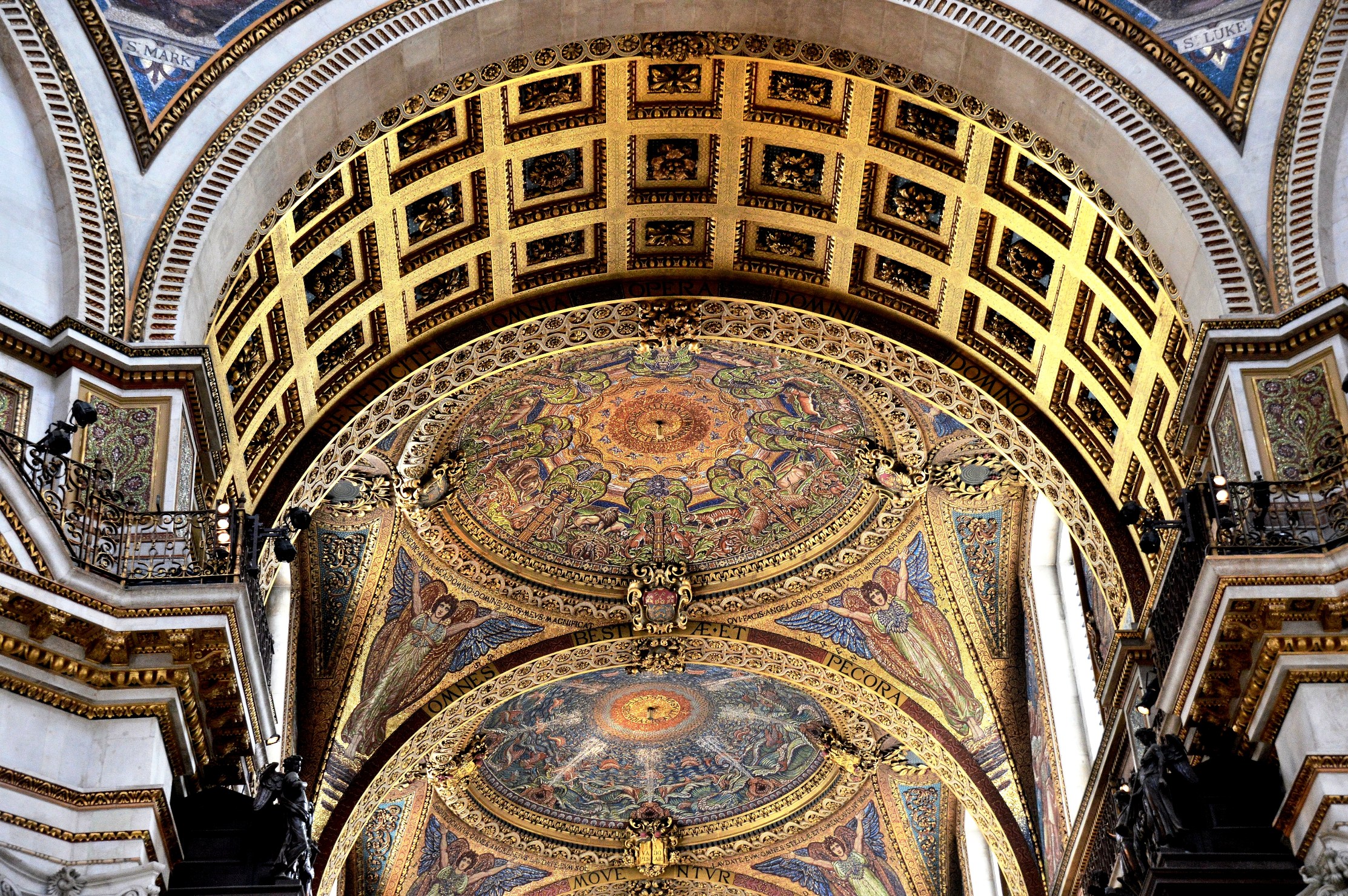
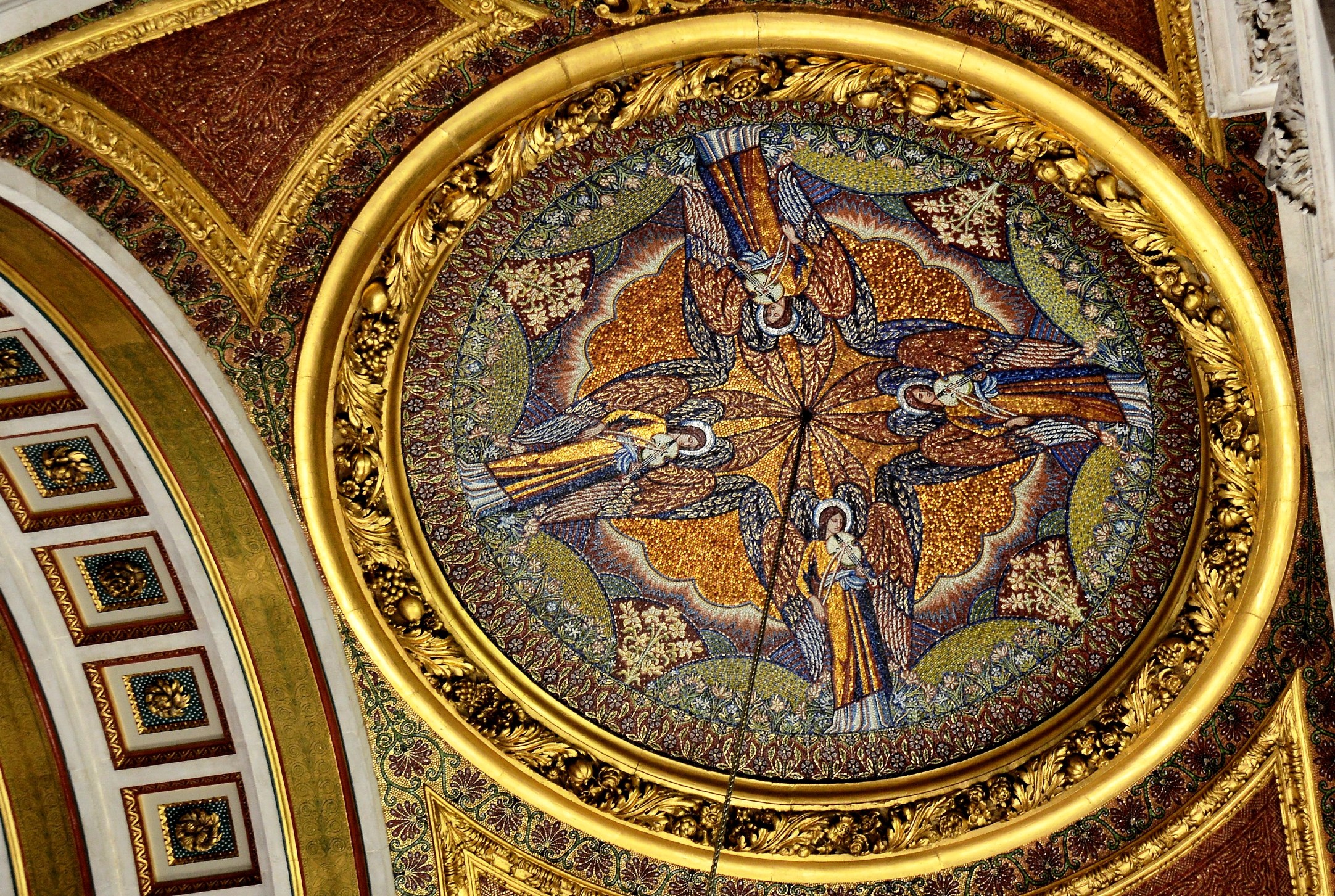
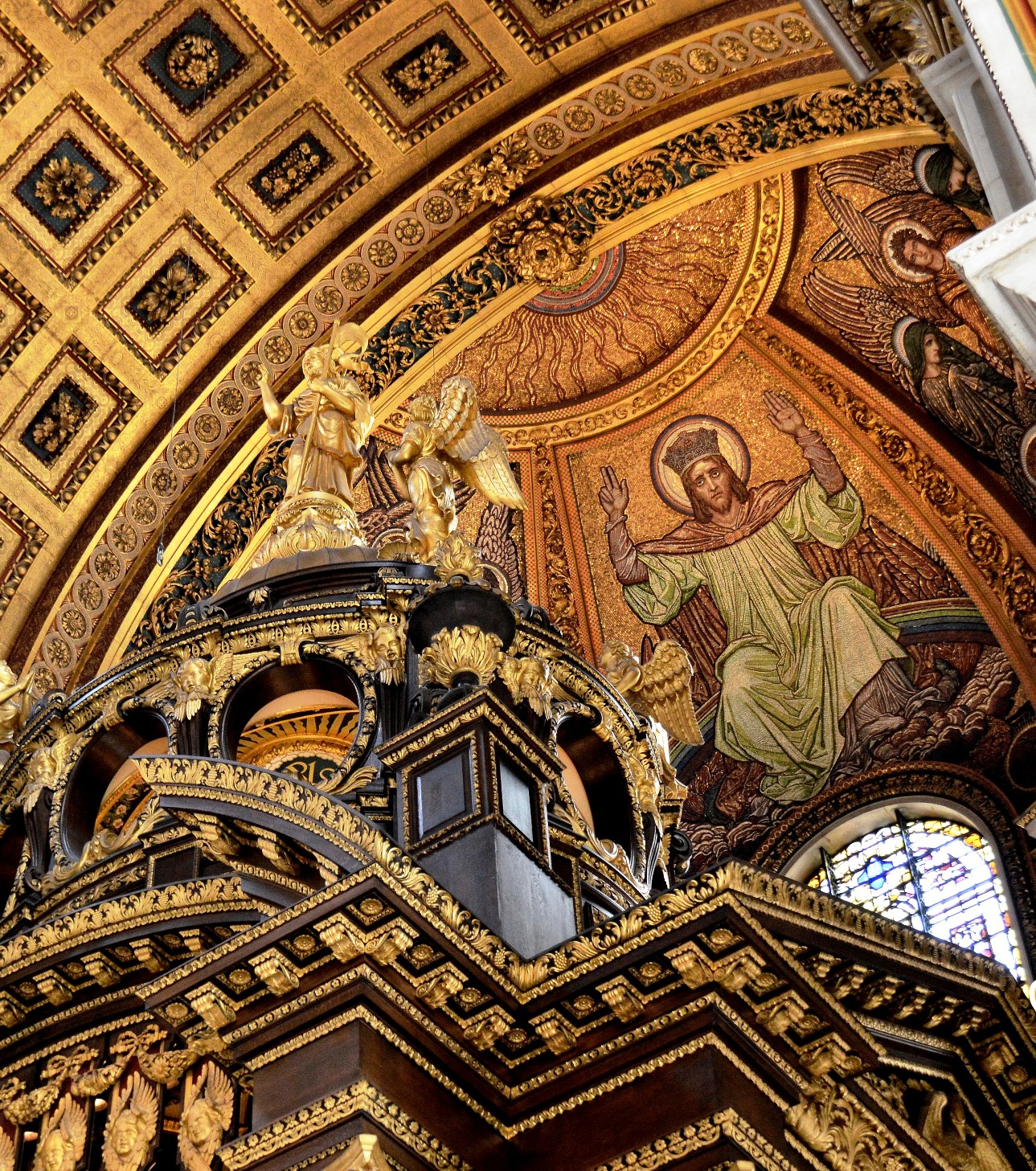
I caught the last opportunity for 2015 and so, of course, went overboard. To view the astonishing detail of the decor, please click on the image and then again to expand.
The Nave
Beside the Dome and the Dome
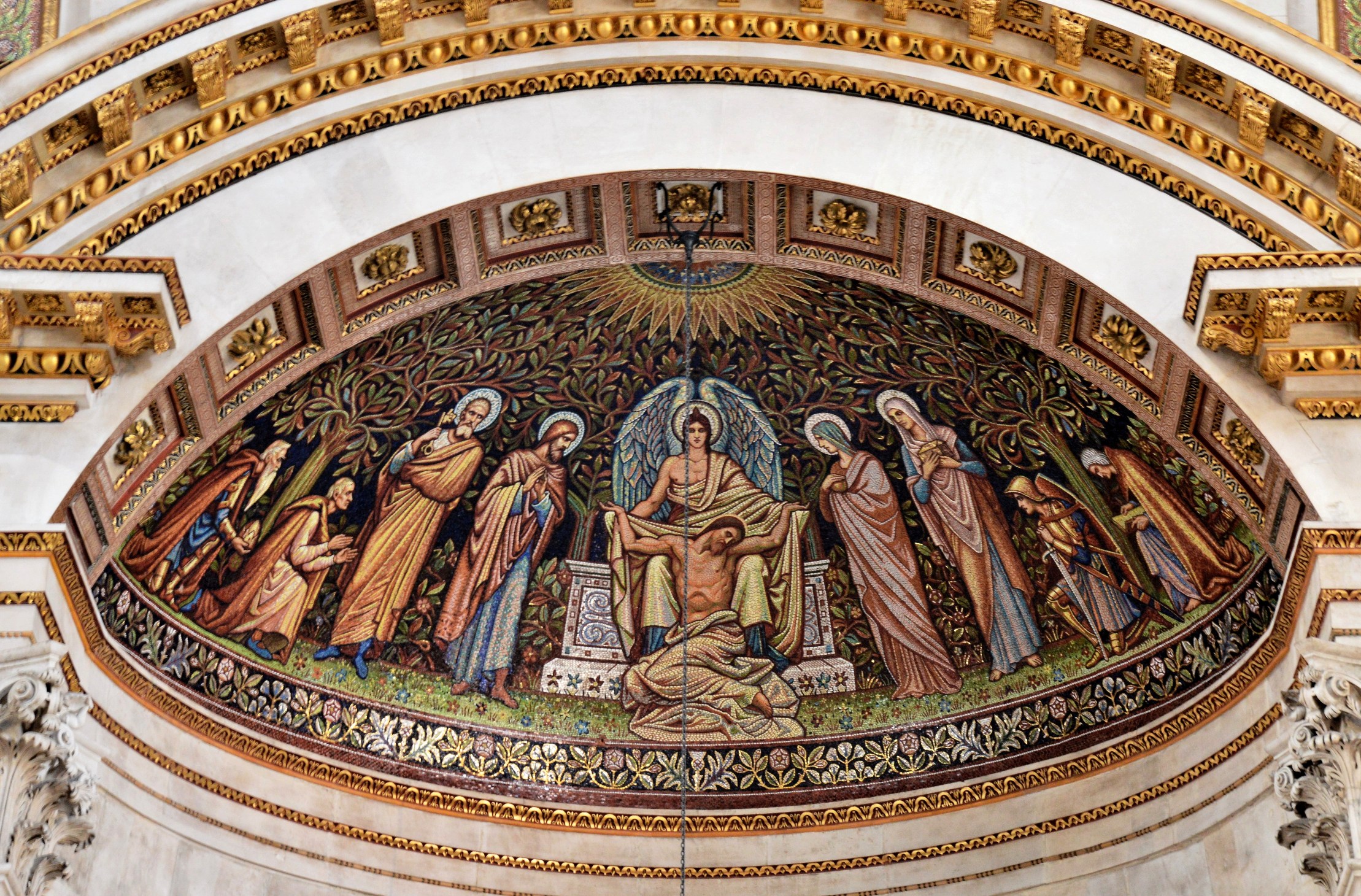

The gallery at the first level is known as the Whispering Gallery at 30 meters above the cathedral floor. So called because, when it is quiet, a whisper on one side will travel around the wall and be heard on the other side.
Higher still is the Stone Gallery at 53 meters and the topmost is the Golden Gallery at 85 meters. If you can climb to the top, they give a you a badge. 😛 .
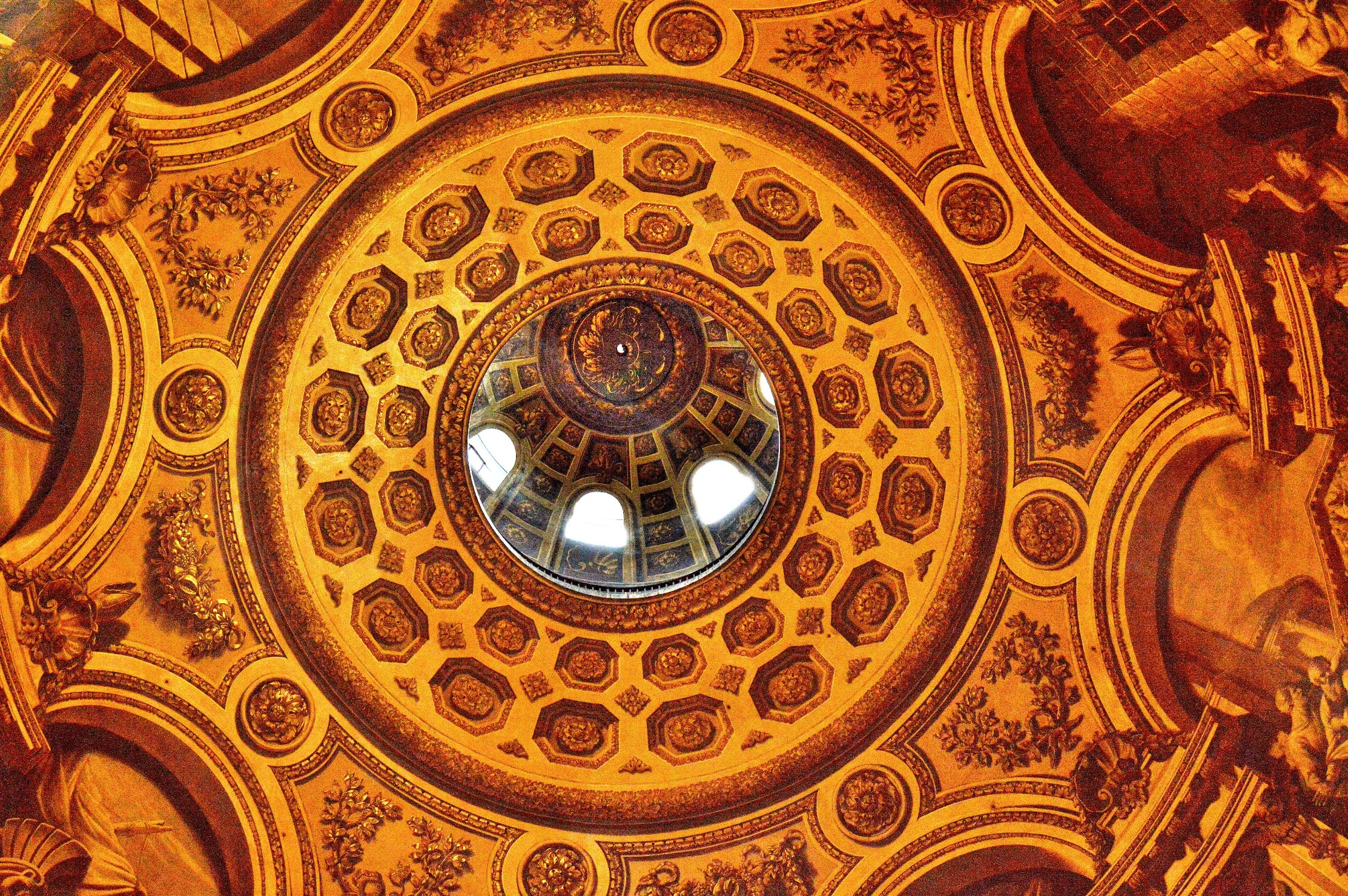
The Ceiling above the Quire
.

.

.

.
.

The High Alter and the Apse
.
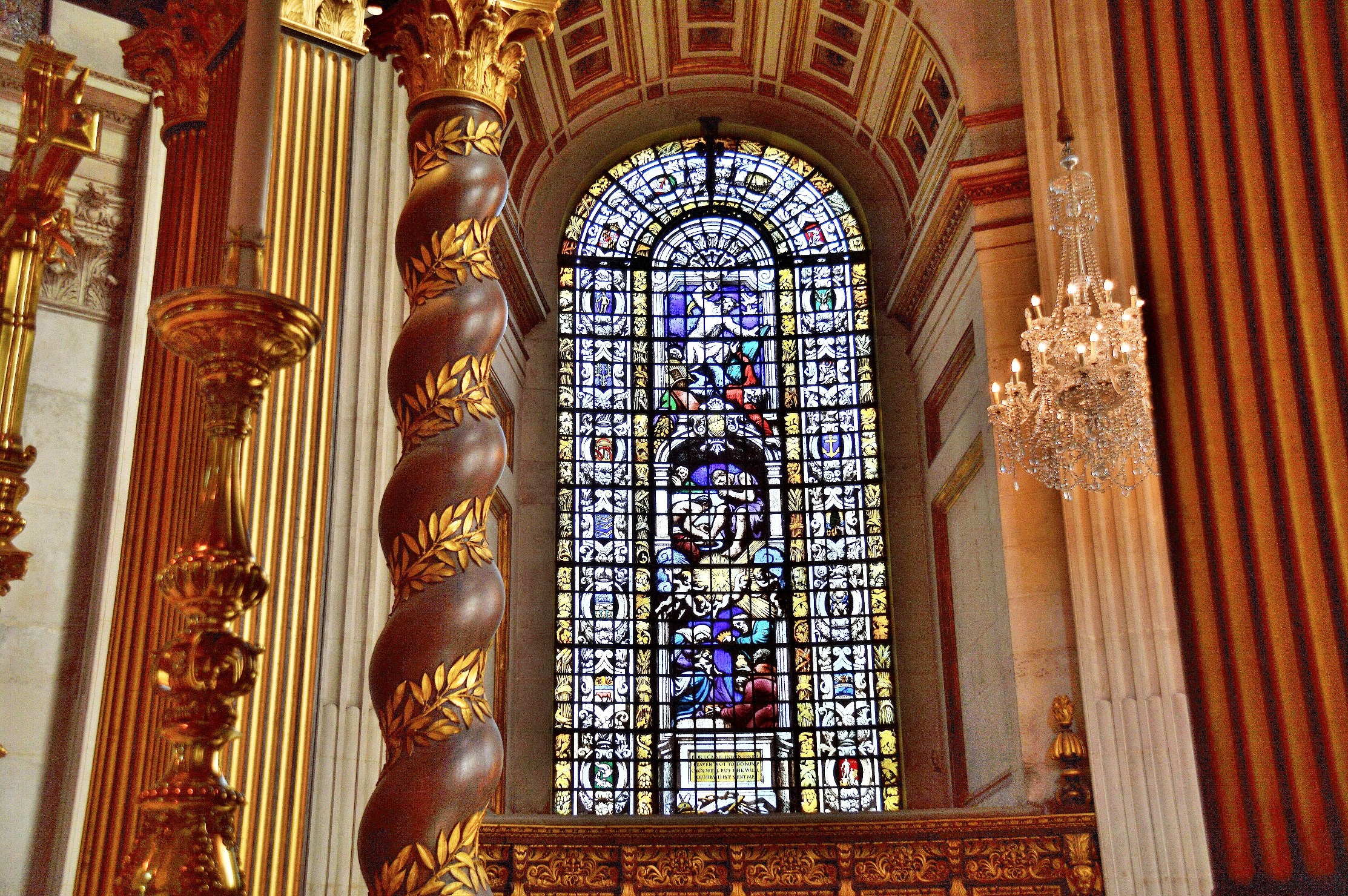
.
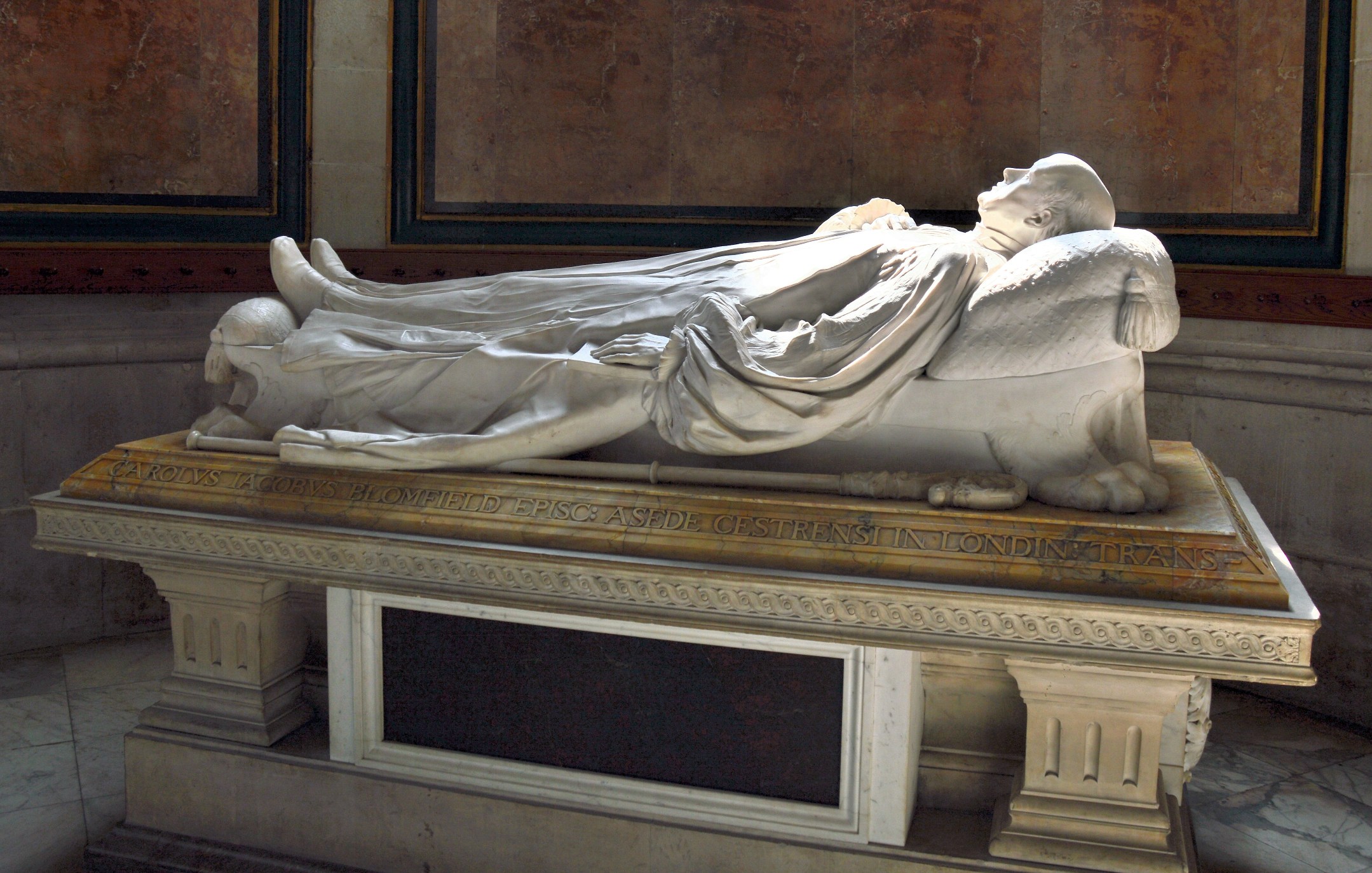
There are many monuments and dedications at the cathedral. I chose this one because of the workmanship and for being a little known personage. It is of course Carolus Jacobus Blomfield.
Here is the famous exterior of the Dome.
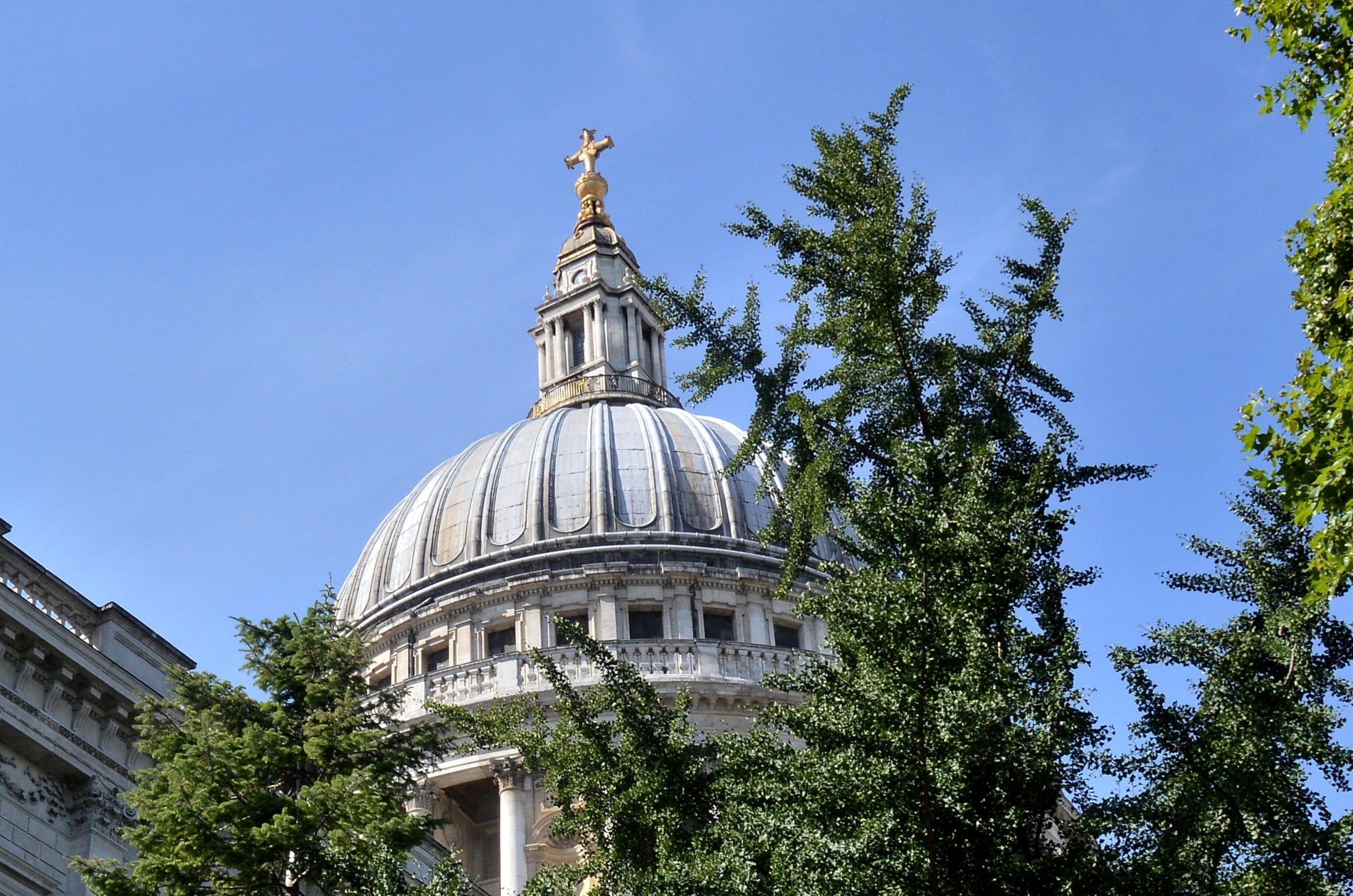
.
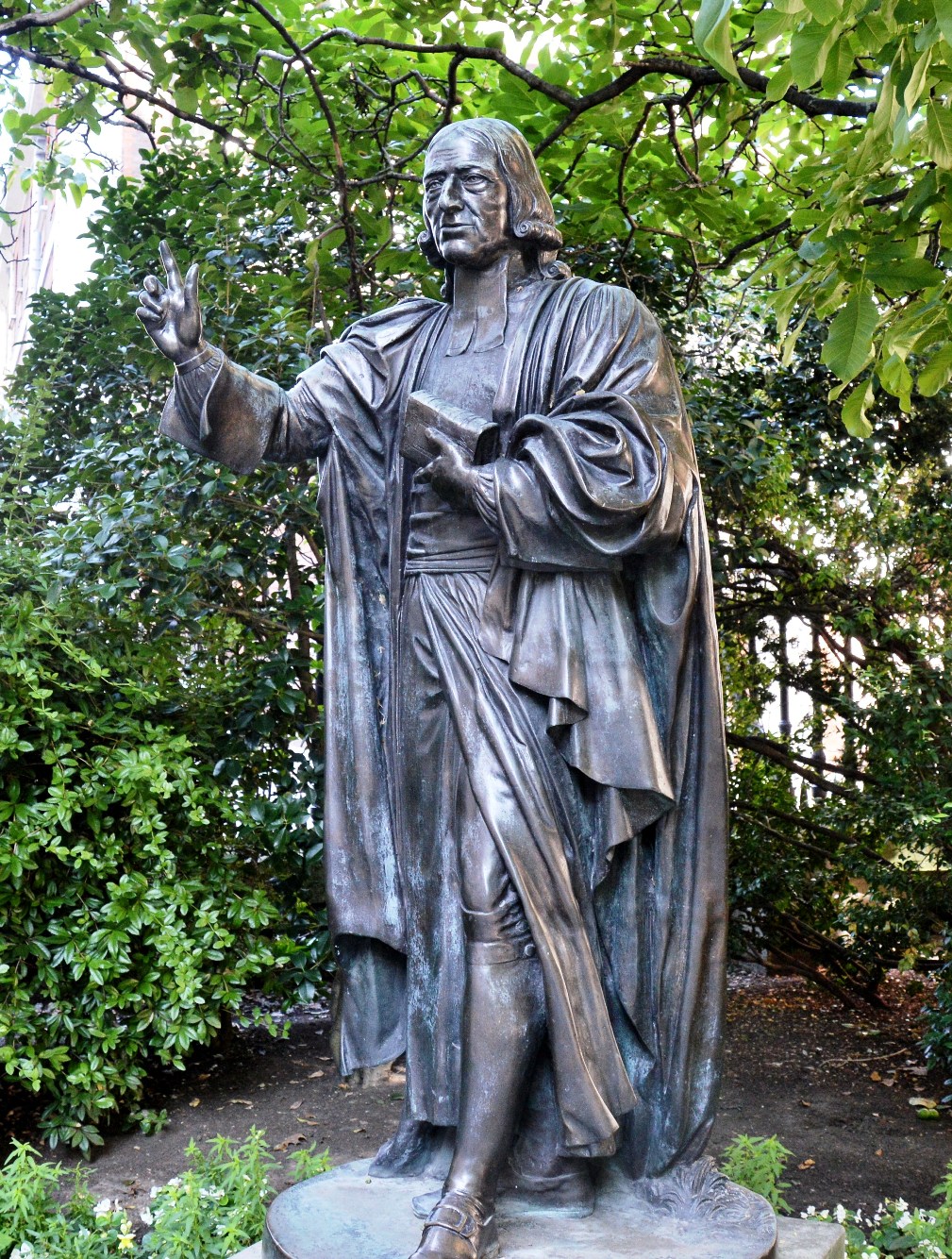 This is John Wesley, Father of Methodism. Another well made statue.
.
 The Crypt has many tombs, dedications and a cafe. Perhaps the most famous tomb being that of Viscount Horatio Nelson. These are some of the dedications.
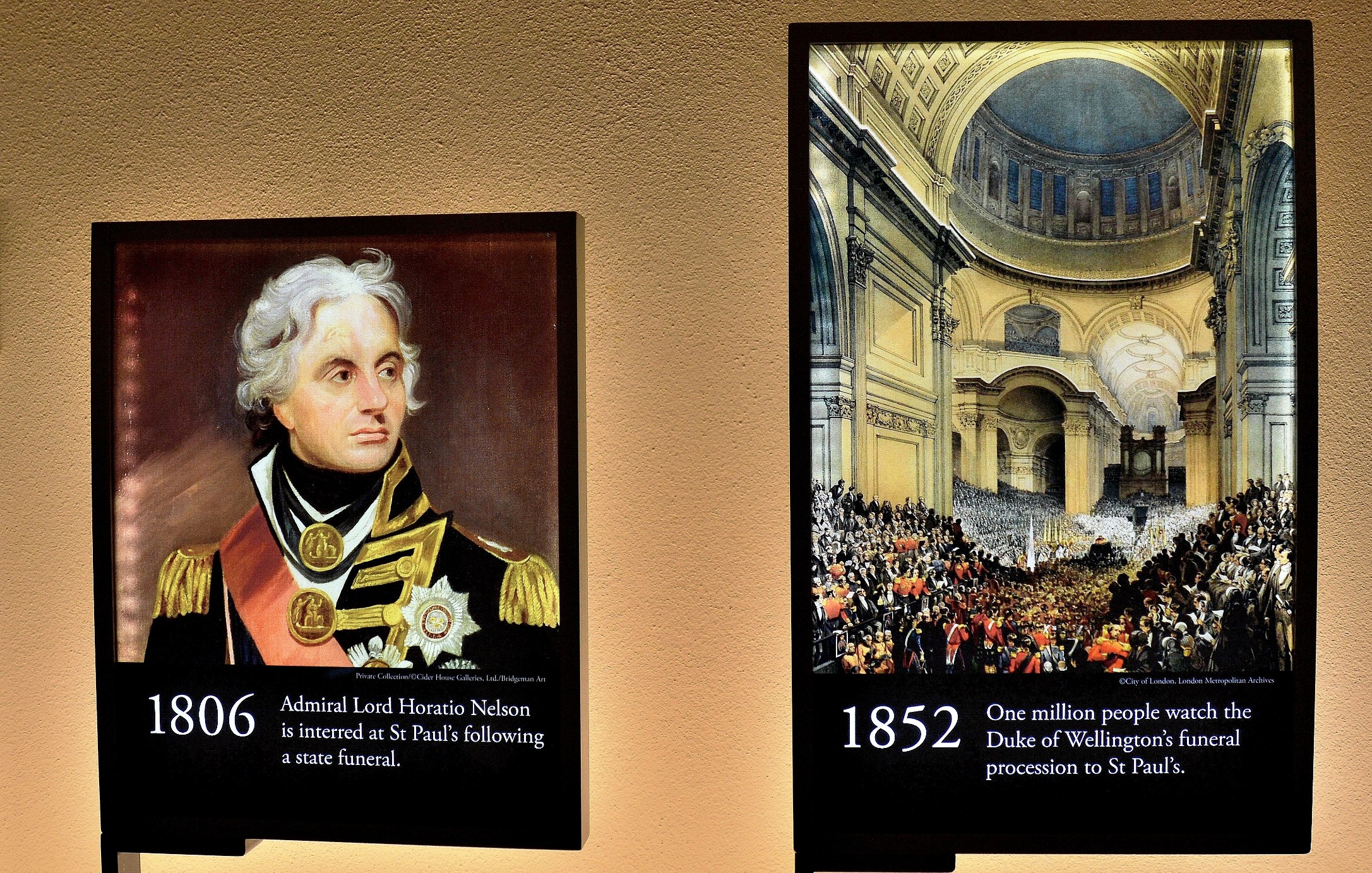
.
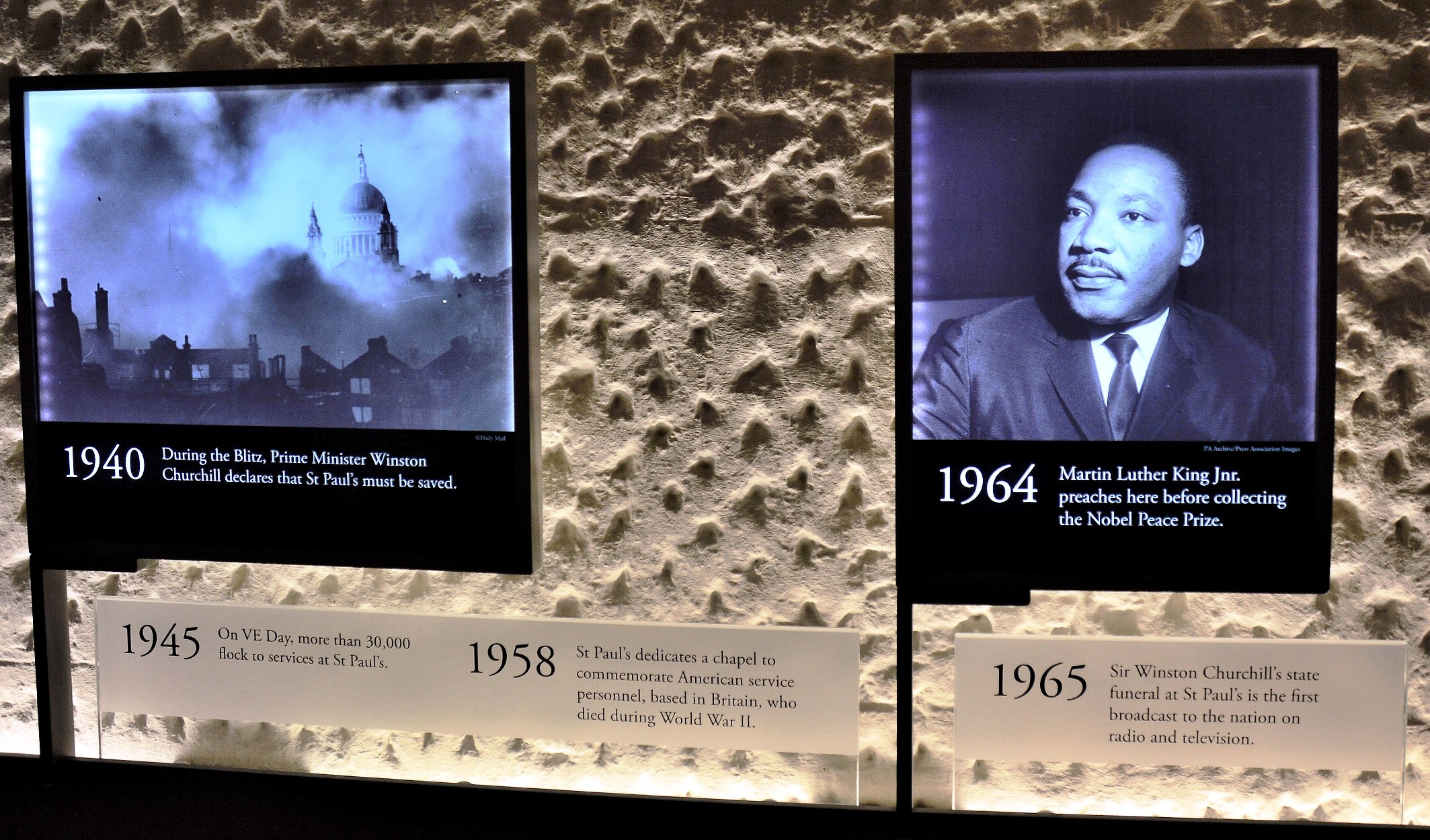
Lastly, the cathedral does have its contemporary side and has housed an exhibition of work by street artist Inkie. Below is one item retained and presently on view just inside the cathedral entrance.

The Secret of Vauxhall Park
Vauxhall Park, in SW London, is a small but pleasant area with a very nice little café and a secret.


On the way, there is a very aromatic field of lavender that hosts a number of visitors (please click here if you can spare a moment to help save the UK bees from insecticides) . The lavender was harvested in the past, distilled into oil and made available for purchase -see the Friends of Vauxhall Park.


And, at the eastern end, adjacent to the children’s play area, the only model village in London. Albeit small, it is quite charming.

Created by Edgar Wilson in 1949, the only other surviving by the same person being in Melbourne Australia. This one was restored in 2001 by local resident Mr Nobby Clerk.
Such places do give rise to imagination (my excuse for what follows).

They’re both called Mini. Would you Adam and Eve it.

Professor Pelican teaches his Ducks to Cluck class, attended by Vera, Chuck and Dave (who knows where they were first mentioned ?).
And, there is also:-
The Elfin Oak, Bekonscot Model Village and Railway (near London), Babbacombe Model Village (Devon) and nearby Kents Caverns, Corfe Castle and more Model Villages. Enjoy and thanks for the visit.
Osterley Park House
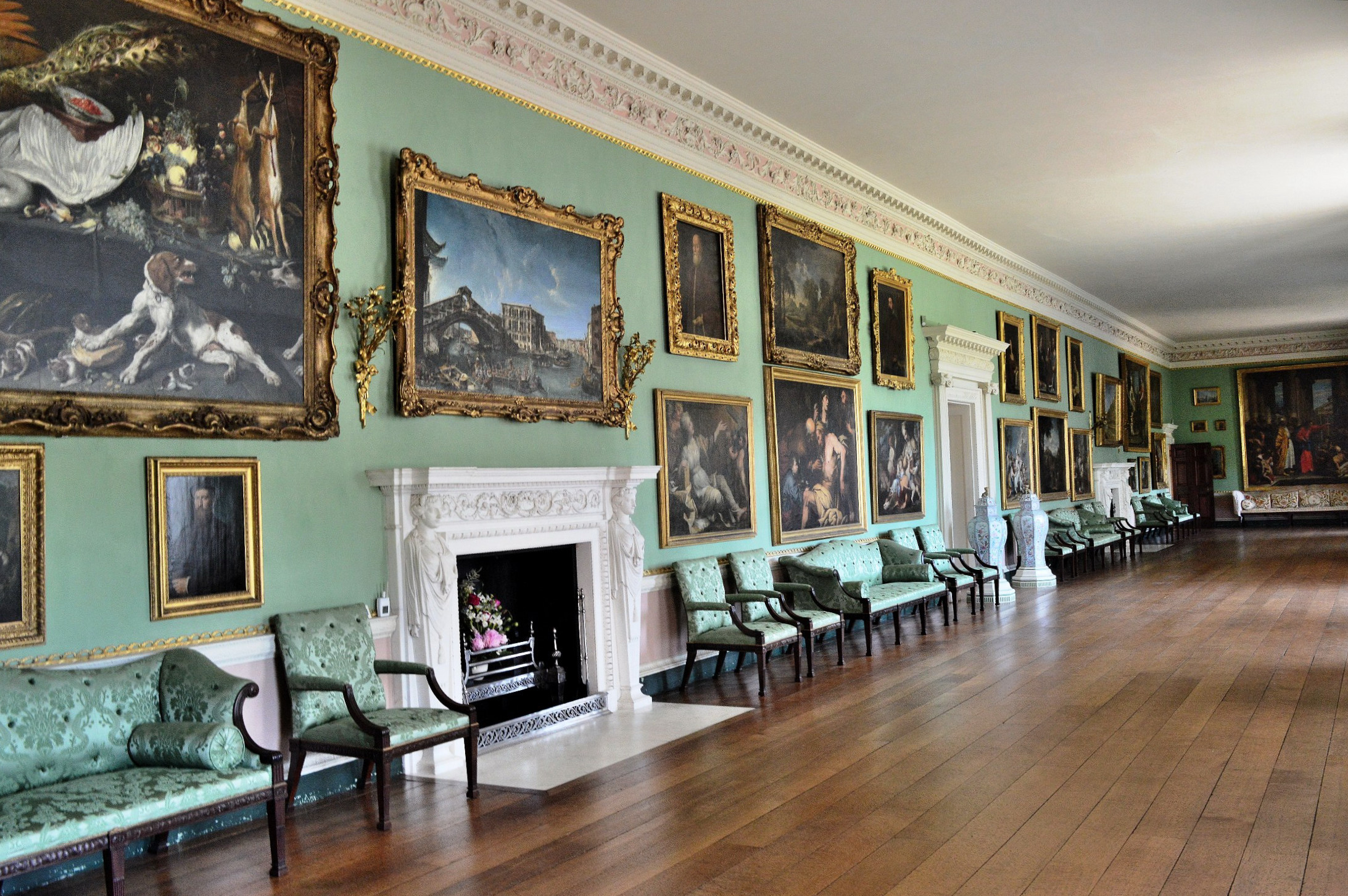
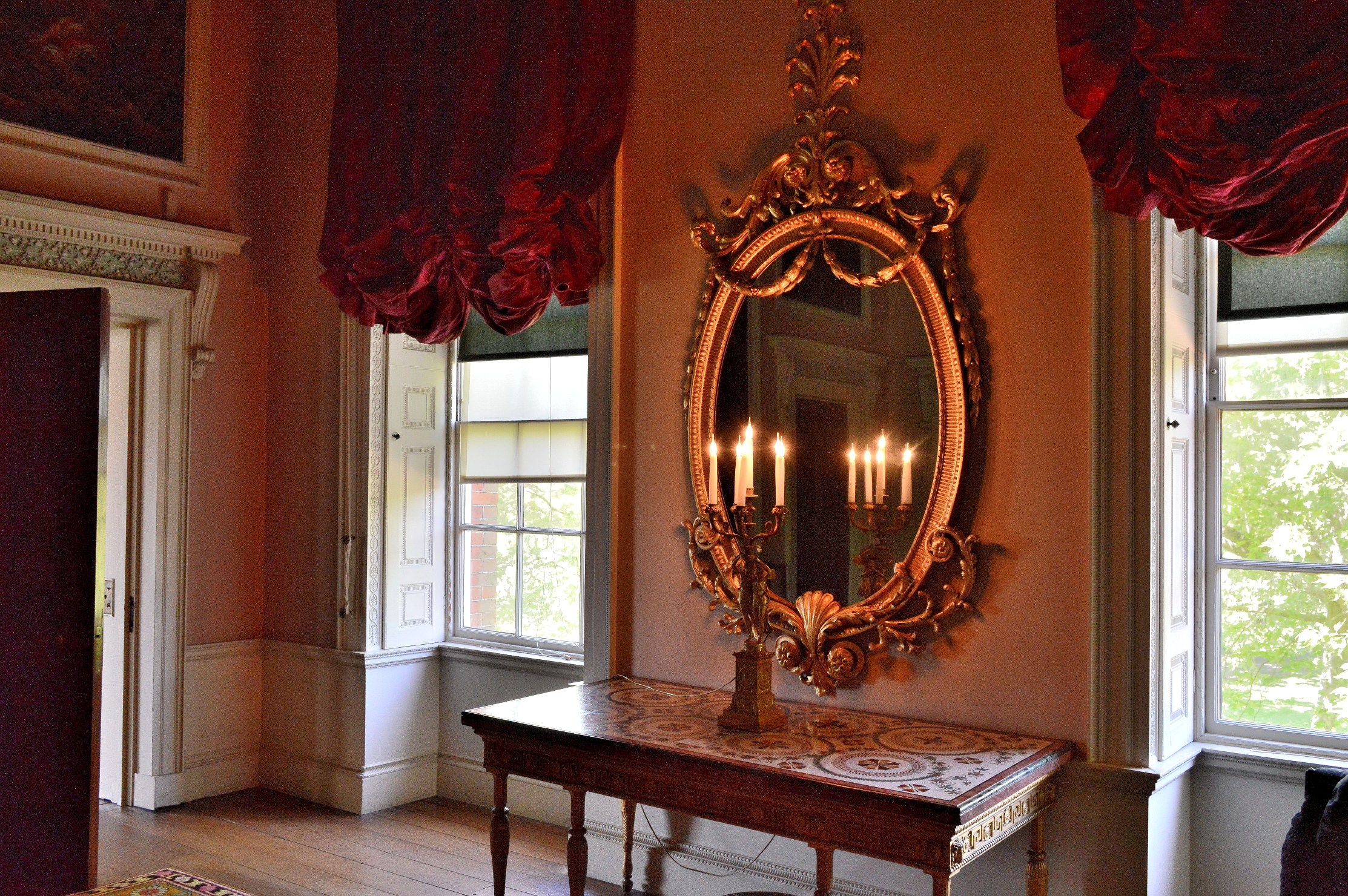
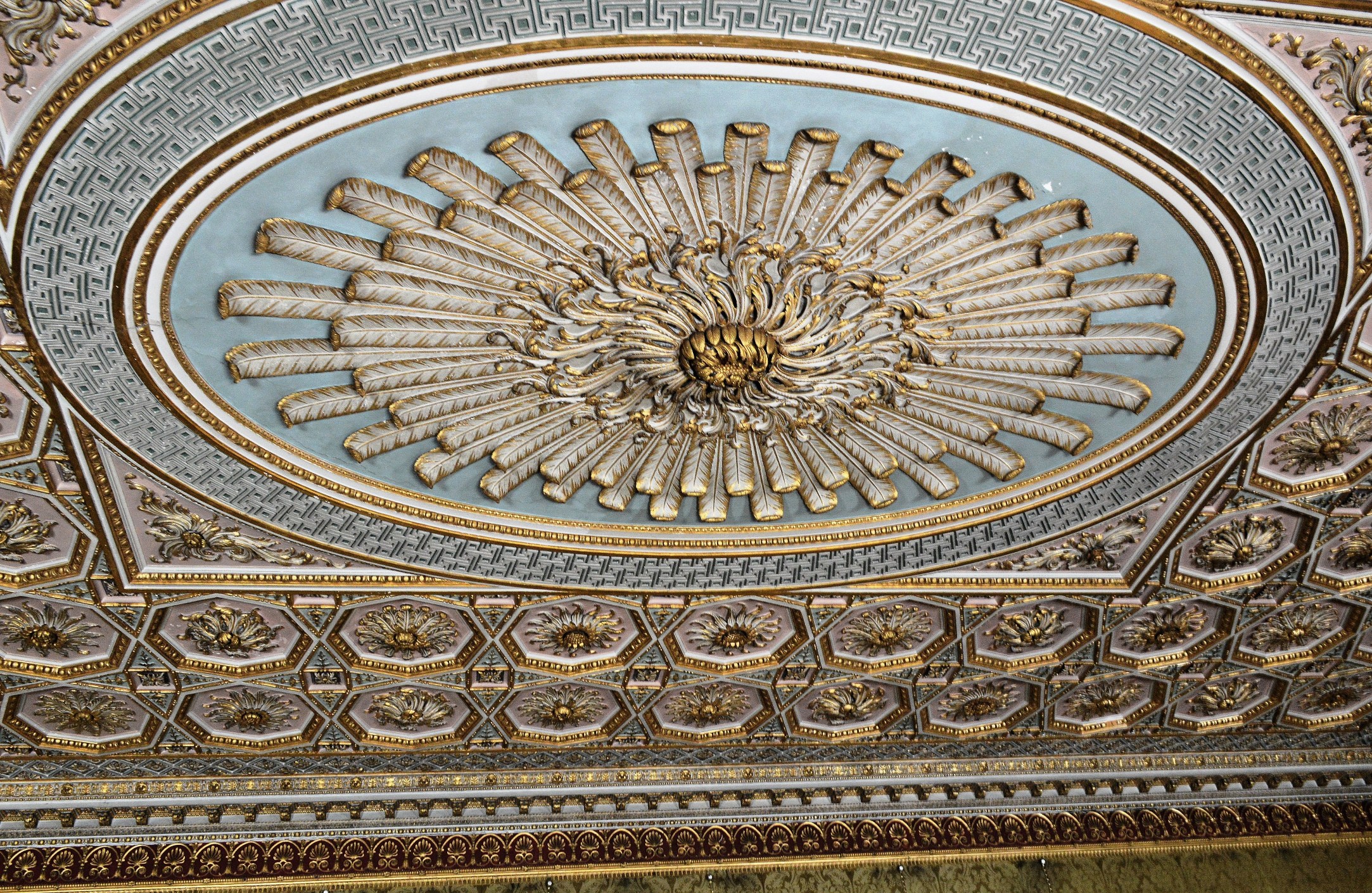
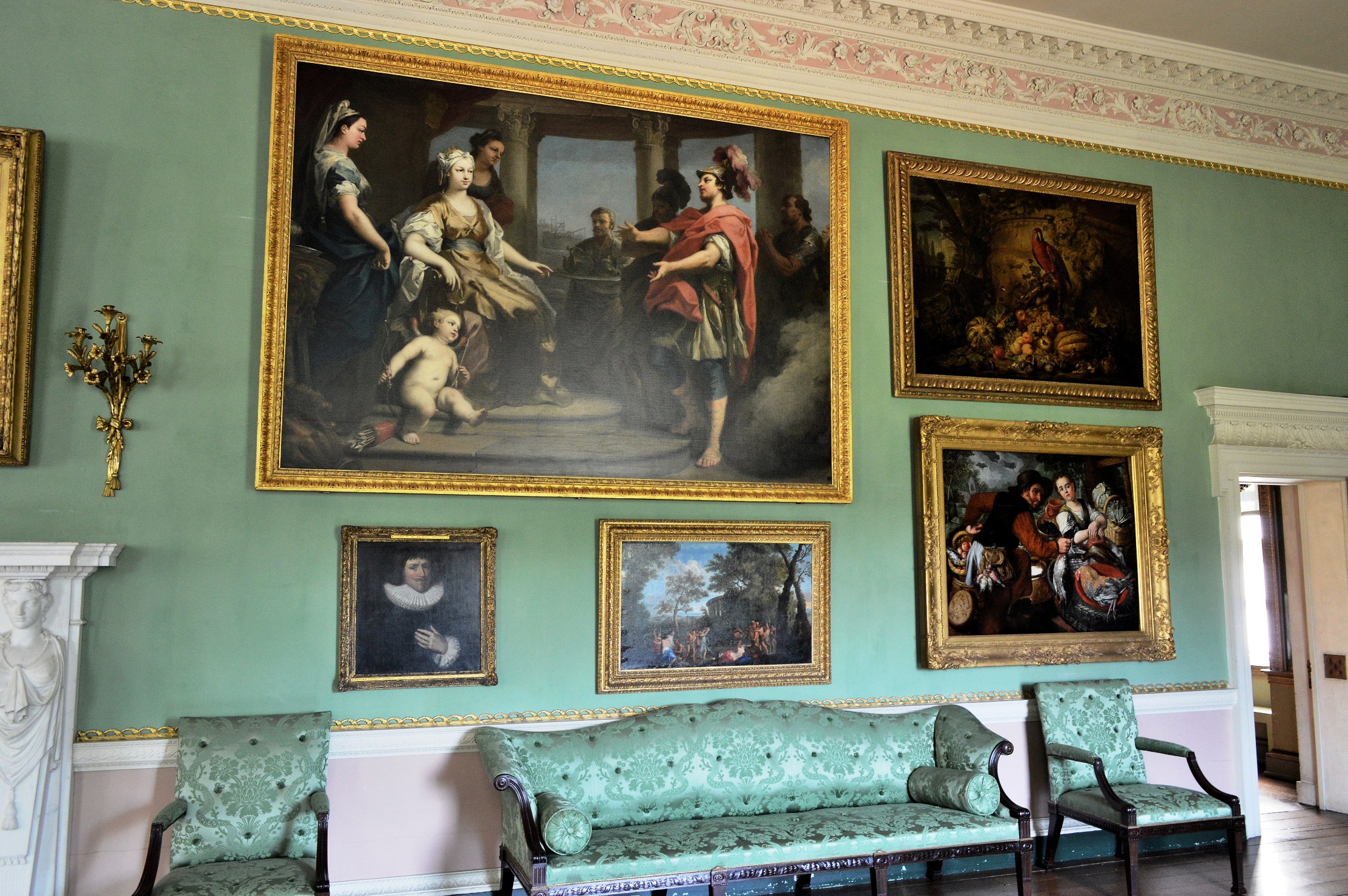
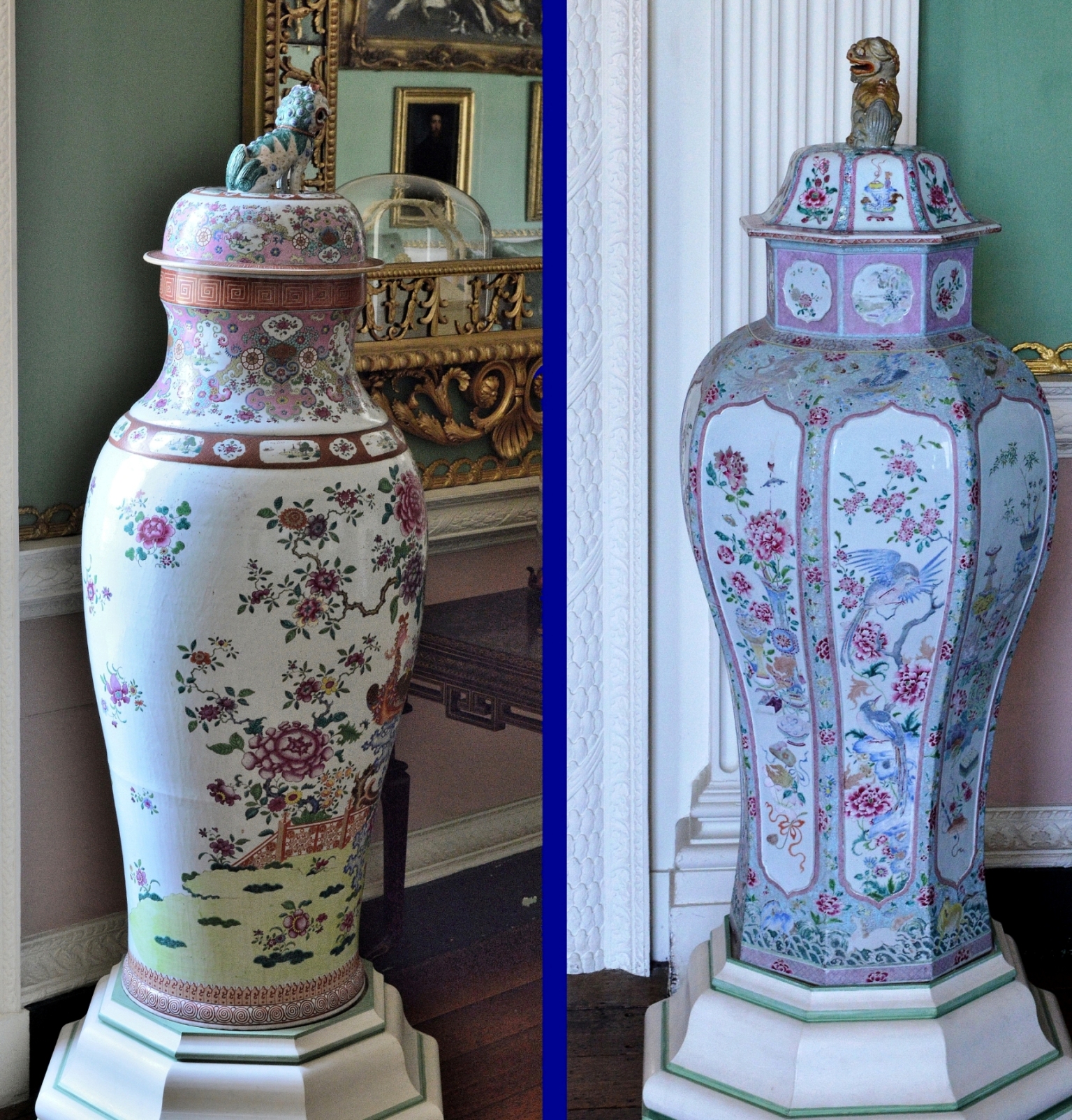
Osterley Park House was entirely redesigned by architect Robert Adam over a period of twenty years beginning in 1761 on behalf of the Childs family. Although the the house is not entirely full of artifacts, it is one of the most sumptuous that I have visited. The gardens can be found here and the flowers here. Admission times, prices and further information can be found here.
Unfortunately the upstairs rooms were closed during my visit, but here are the downstairs rooms. The lighting was little dull in places, so it has been raised a little.






Geffrye Museum – Interiors
The Geoffrye Museum is very close to Hoxton station on the London Overground Line. There is a front and back garden area, which is worth seeing, and entrance to the museum is free. The interior has a long row of rooms which depict interior decor and furniture throughout the ages. There is also an exhibition area in the basement and one may join a tour of a small Alms House exhibit.
Here is a taste of the museum.


Sutton House
Lenenfold Parlour

So called because of its rare linenfold design wood paneling.
19 pics. Sutton House is not very big but it is a real gem and is well worth a visit. It was built-in 1535 by Sir Ralph Sadleir (Principal Secretary of State to Henry VIII) and has a long history of occupation including merchants, sea captains, Huguenot silk-weavers, Victorian schoolmistresses and Edwardian clergy. In later years it was used by WWII Fire Wardens, the ASTMS Union and then a squat/music venue/community center known as the Blue Room. The staff are friendly and helpful and it is well managed which results in a sense of preserved rather than restored.
More history here ⇒, website (opening times/small entry fee) here ⇒ and essential travel guide here ⇐. Note: sometimes the website (2019) is misleading about opening times and how to book a visit, you can contact here ».
There is also a Georgian Parlour, tea room, small cafe. outdoor seating areas, used book shop, cellar and chapel (little bare though), small garden/play area and community room. The site hosts a number of events and family themed days (check the website above).
Do use the paper guide provided on entry, otherwise it is very easy to miss a room or one of the treasure chests.
Art Gallery

If you click on twice to expand, then you will see the names of the young artists. The room also has an audio-visual guide.
Little Chamber
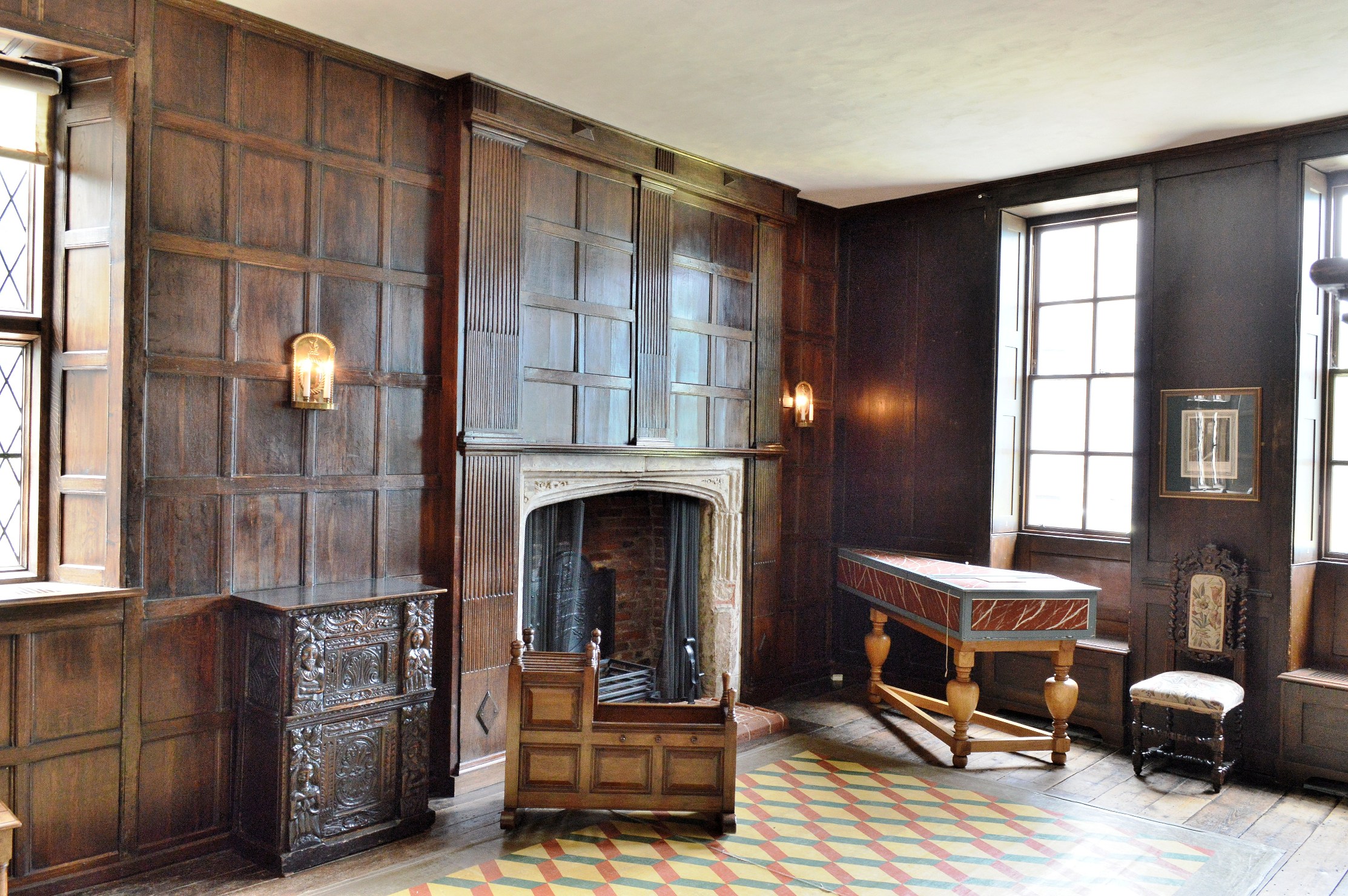


Great Chamber

Sir Ralph Sadleir MP

Lady Sadleir and Sir Edwin Sadleir both by Mary Beale
Victorian Room


Tudor Kitchen

That’s my selfie.
Top Floor

This is what remains of the the Blue Room squat, which has it’s own history.
Courtyard Seating


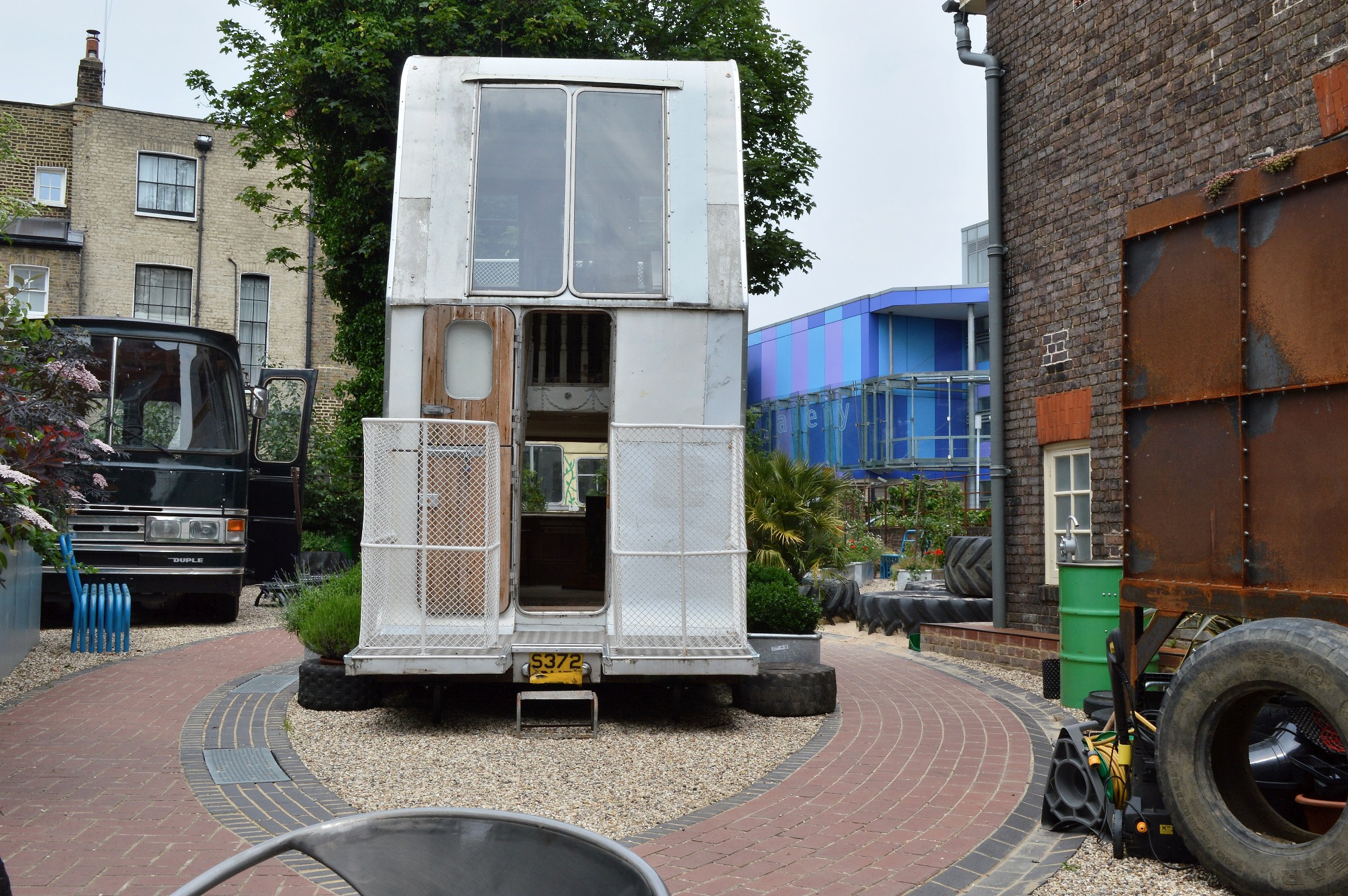
Breakers Yard Garden and Sand Pit


Shop

I do love a duck.
Kenwood House – Interiors

Kenwood House is free to enter and photography is allowed. It houses a massive art collection bequeathed by Lord Iveagh (Vermeer, Rembrandt, Gainsborough, Reynolds, Larkin and Boucher) and sits amongst an ornamental garden with parklands and is adjacent to Hampstead Heath. There is also a shop and the cafe, Gardens ( here ) and Flowers ( here ) are a delight .
It does get quite busy with tours and school trips. Nevertheless it has a calm ambiance with friendly staff and an occasional school party sitting on the floor quietly mesmerized by a story teller. You might wish to click on The Website.
The easiest route is to Archway underground station and then the 210 bus from stand E to the next stand E by Compton Rd.
The Rooms


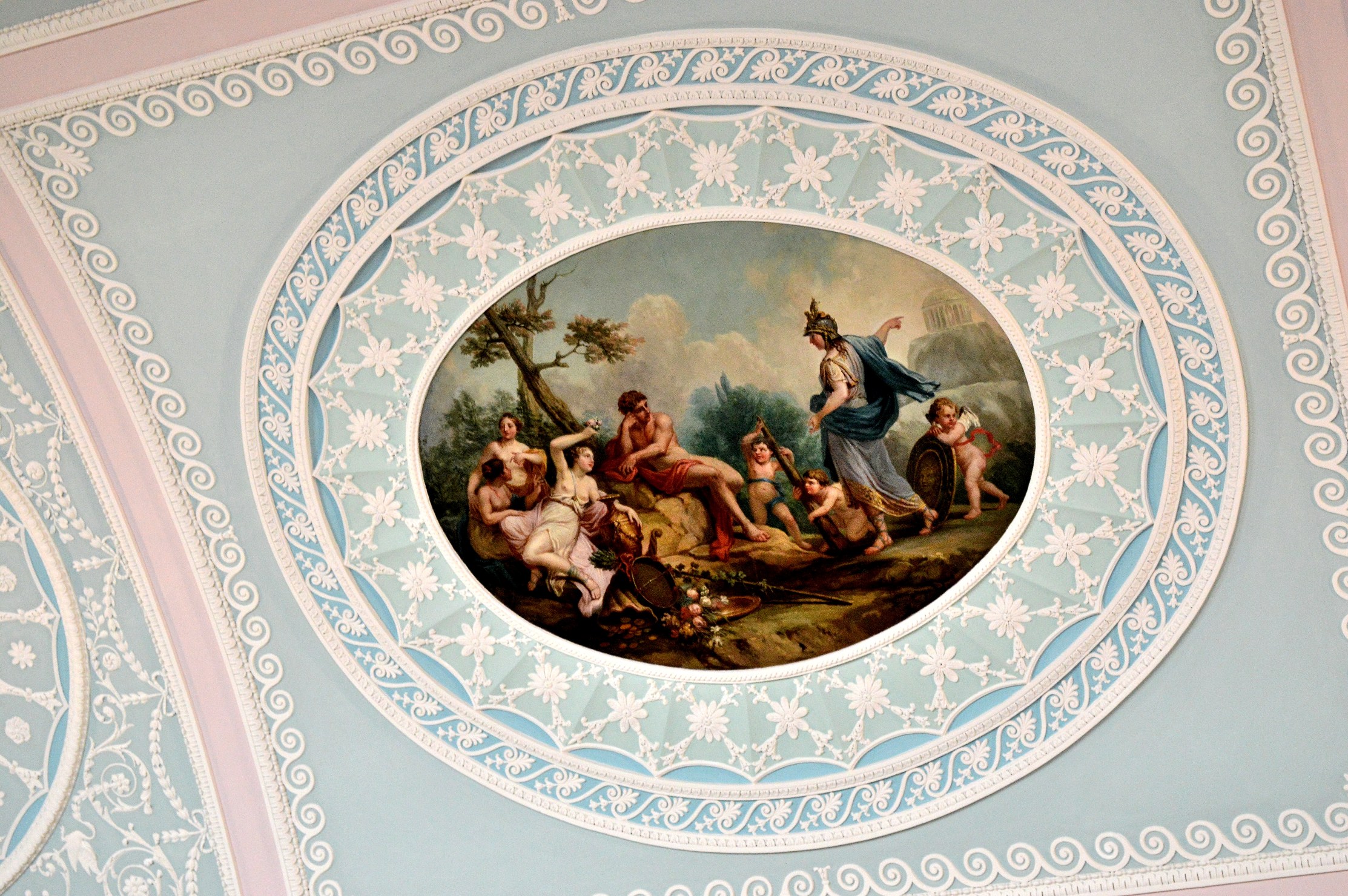
The Ceilings
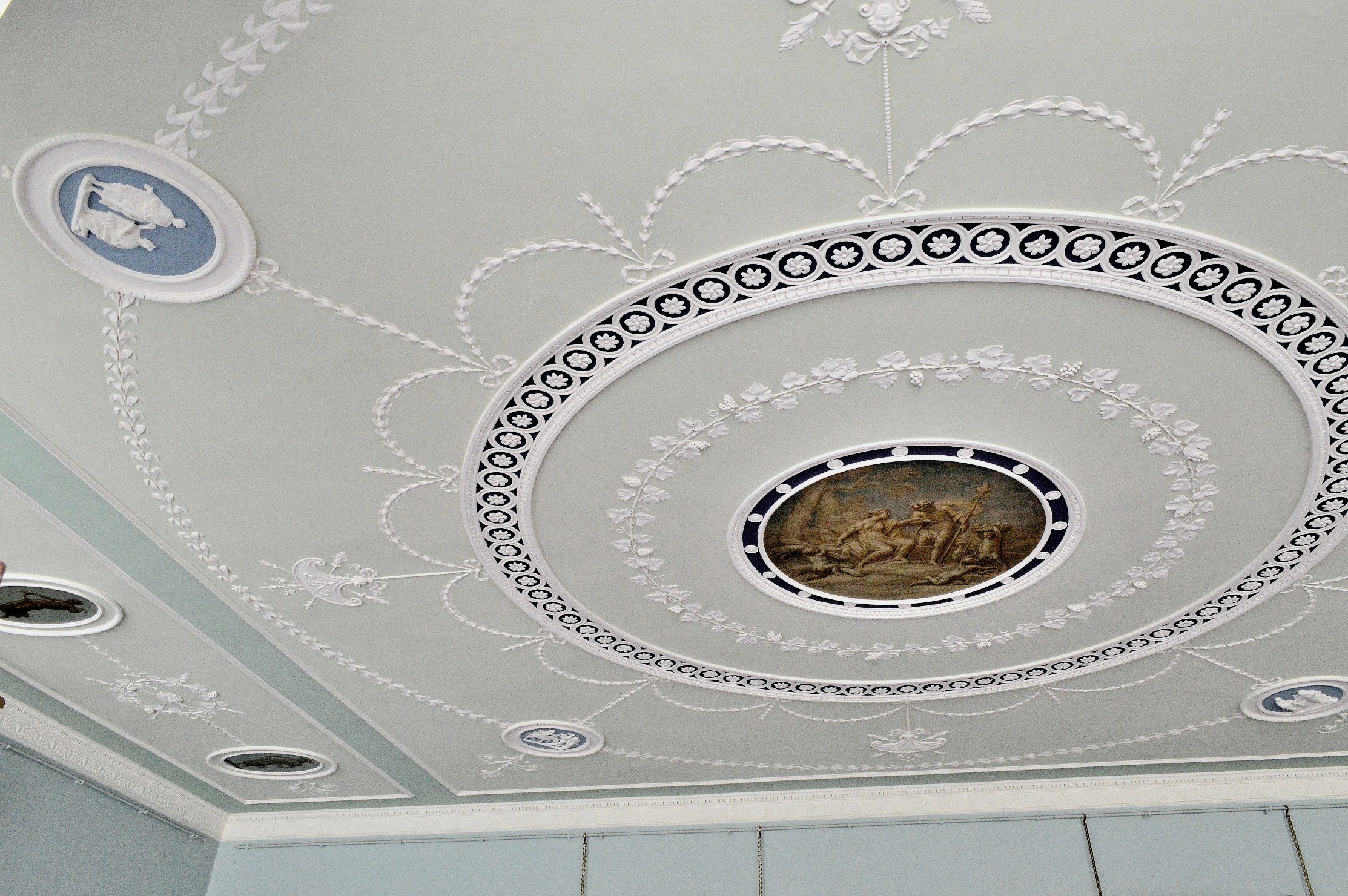
Foyer
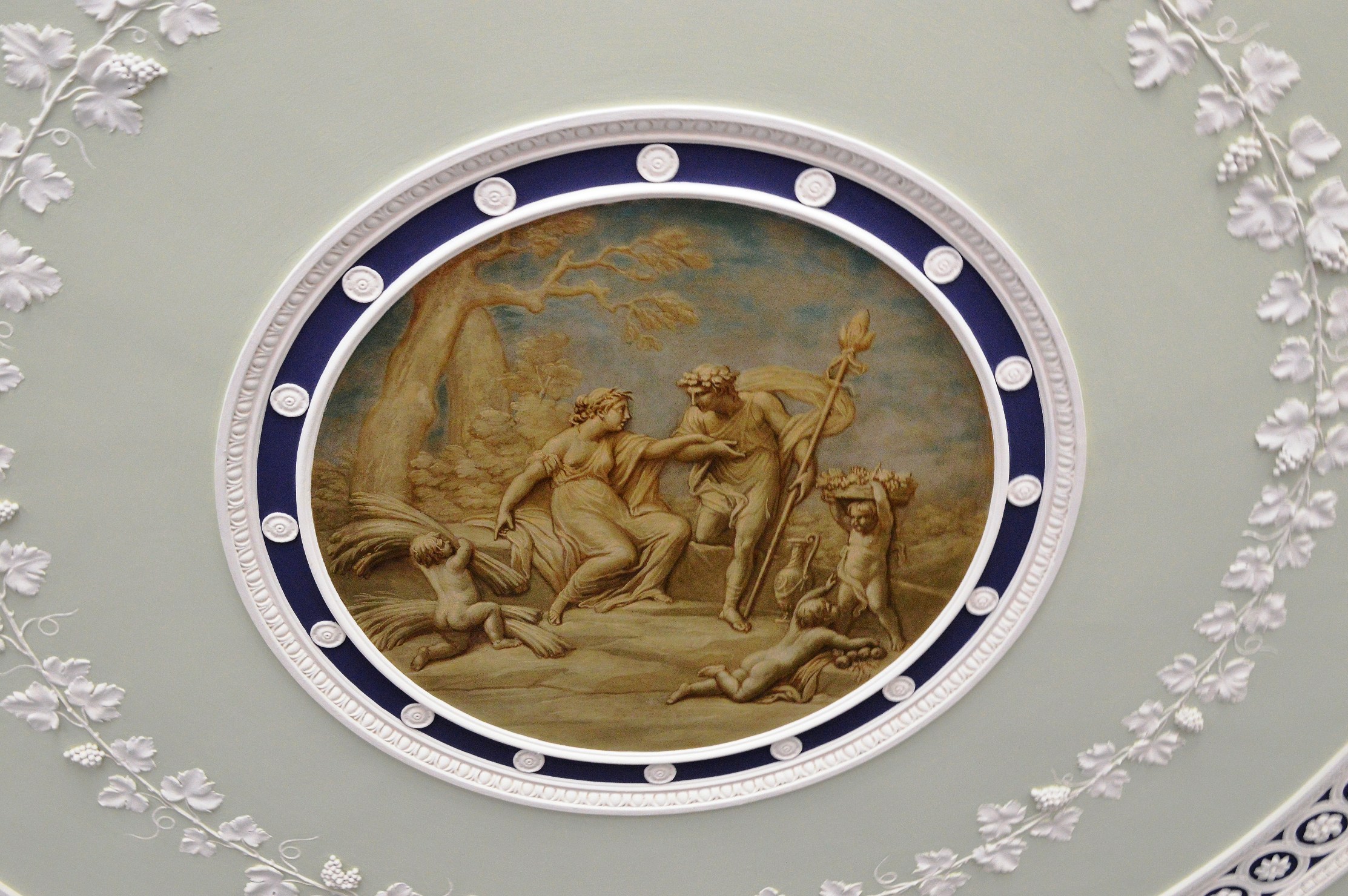
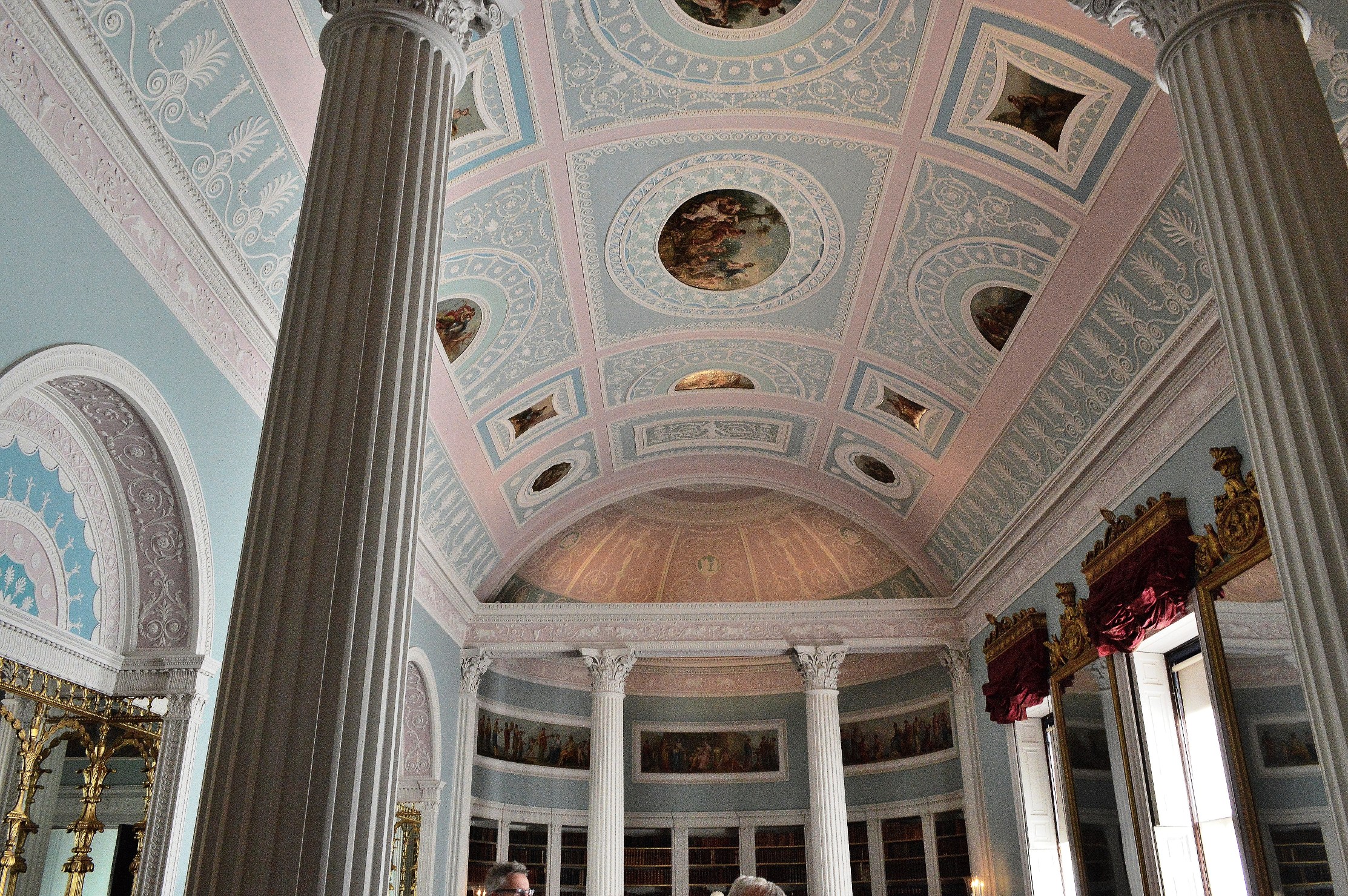
Library
The Paintings
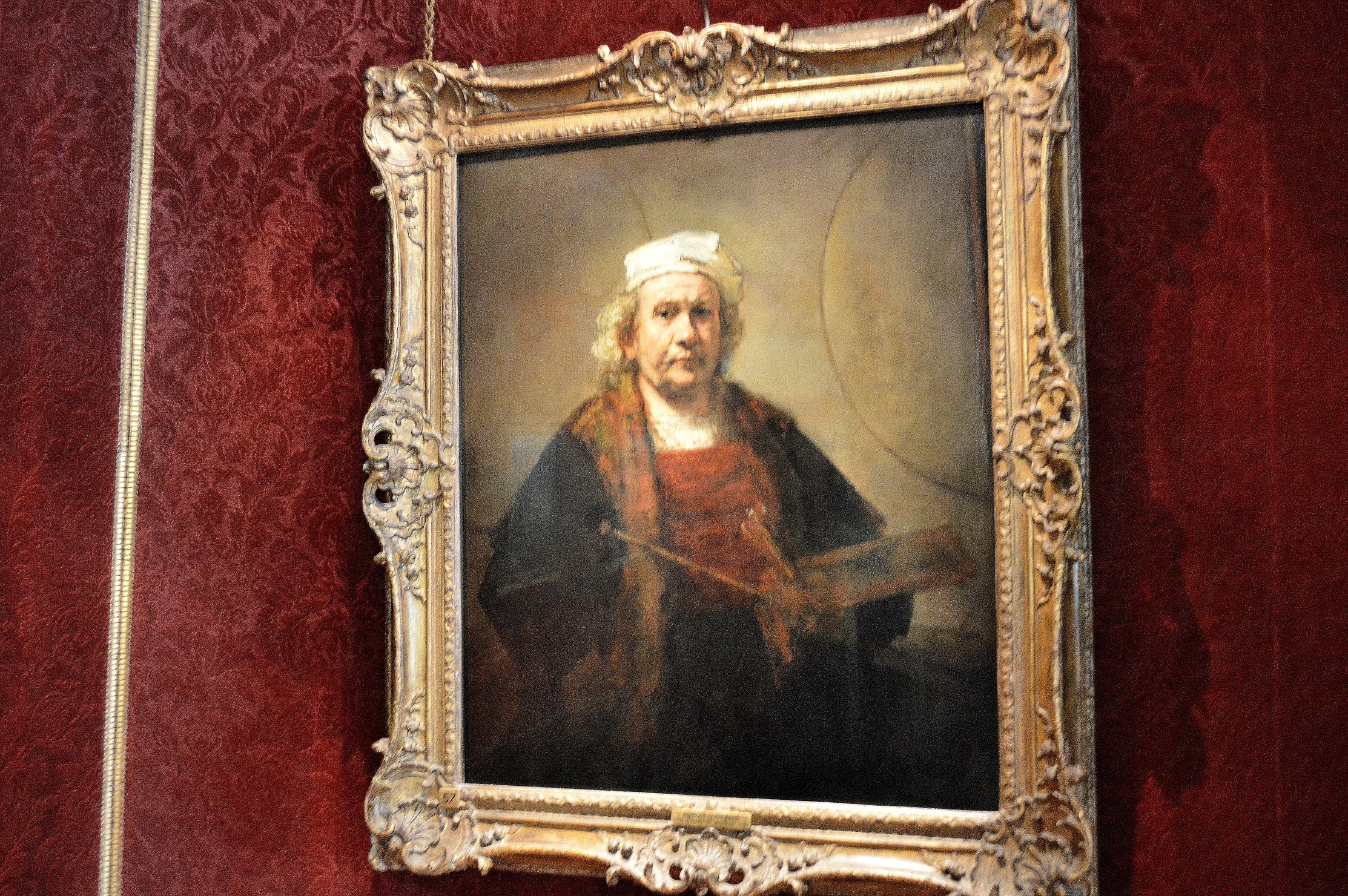
Rembrandt – self portrait with two circles
It seems that selfies are nothing new to the world.

Man Offering Grapes to a Girl – Francois Boucher
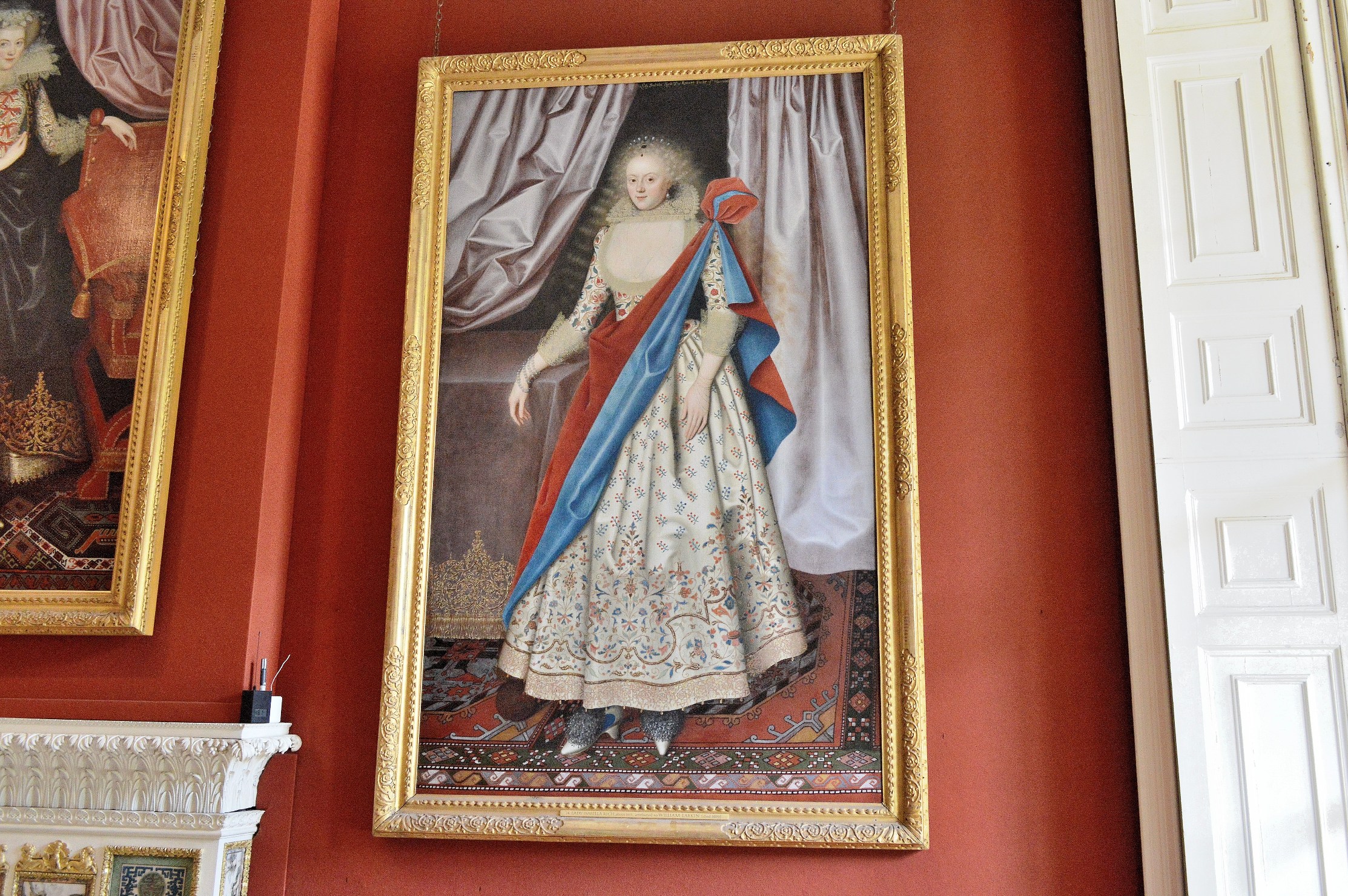
Lady Isabella Rich – Attr William Larkin
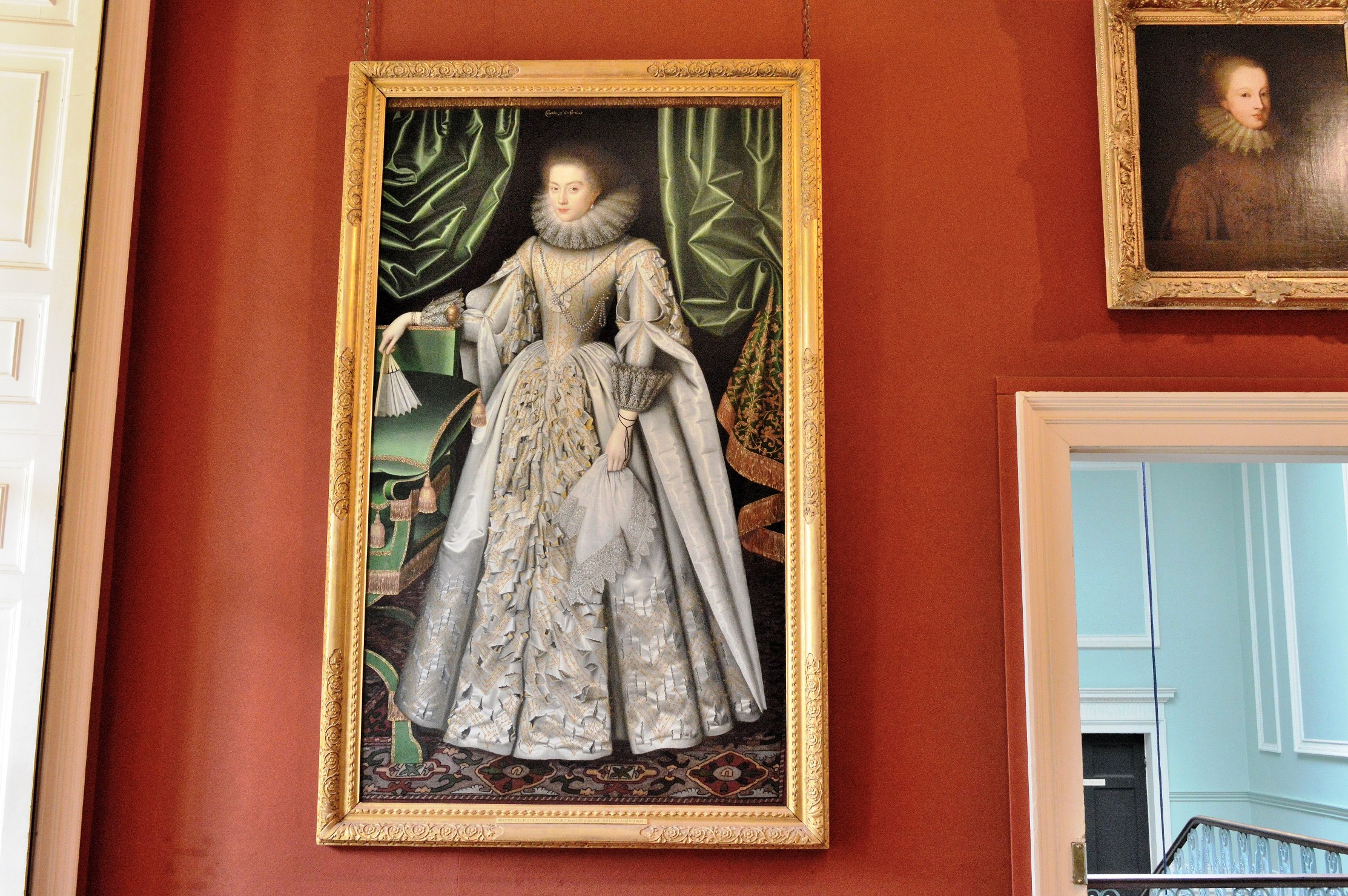
Diana Cecil – Countess of Oxford – attr William Larkin
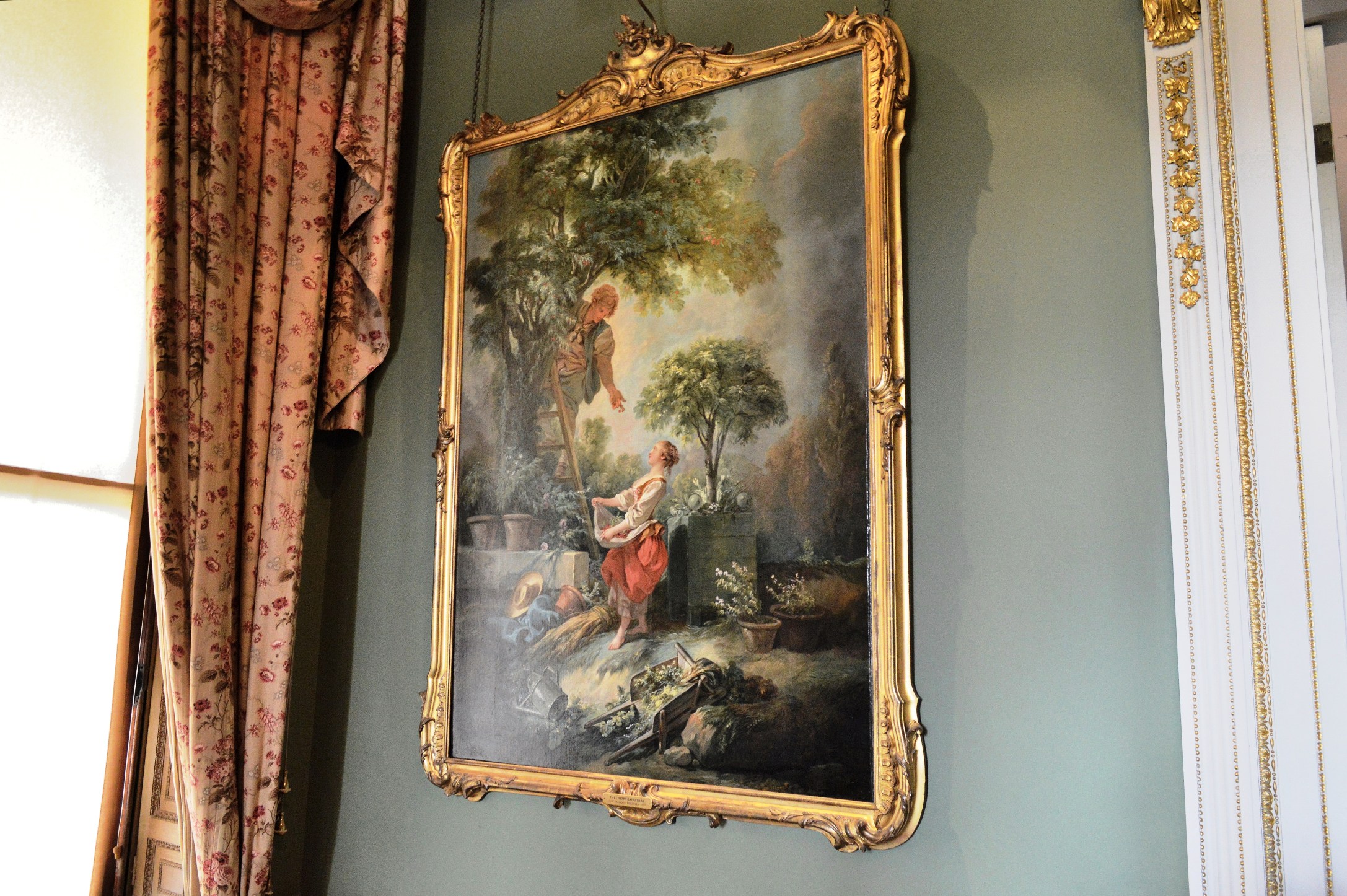
The Cherry Gatherers – Francois Boucher

Dido Elizabeth Belle and Lady Elizabeth Murray by Johann Zoffany
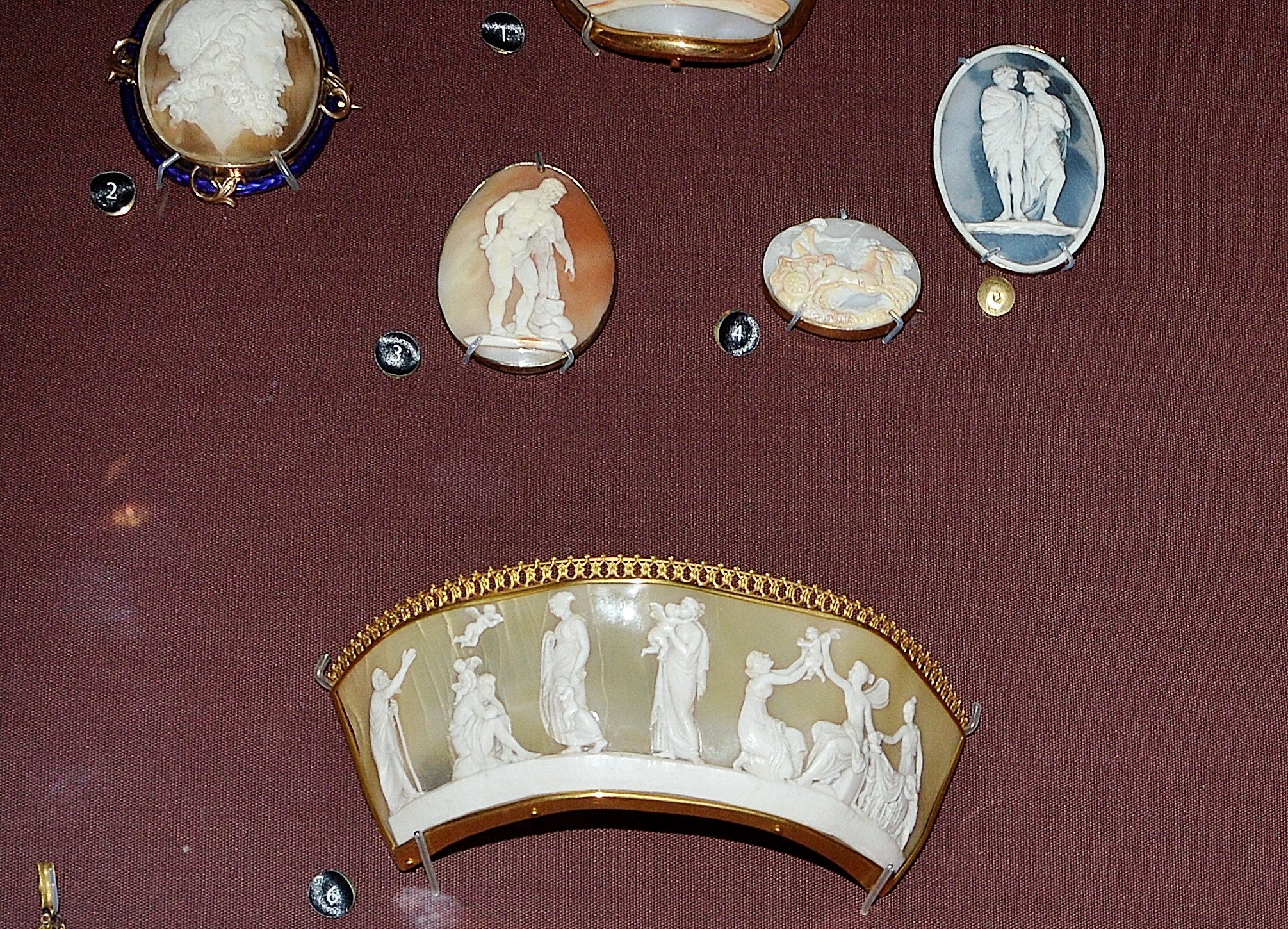
Some Trinkets


Floral Fusion 2
3 pics.
A little something to brighten the day (click on a picture for full screen and again to magnify).

A little more colour ↓.

A little less flowers ↓.

No flowers were harmed whilst making this display but several brain cells went walkabouts. 😀

 Freed From Time