
St Mary’s Church in Stoke Newington

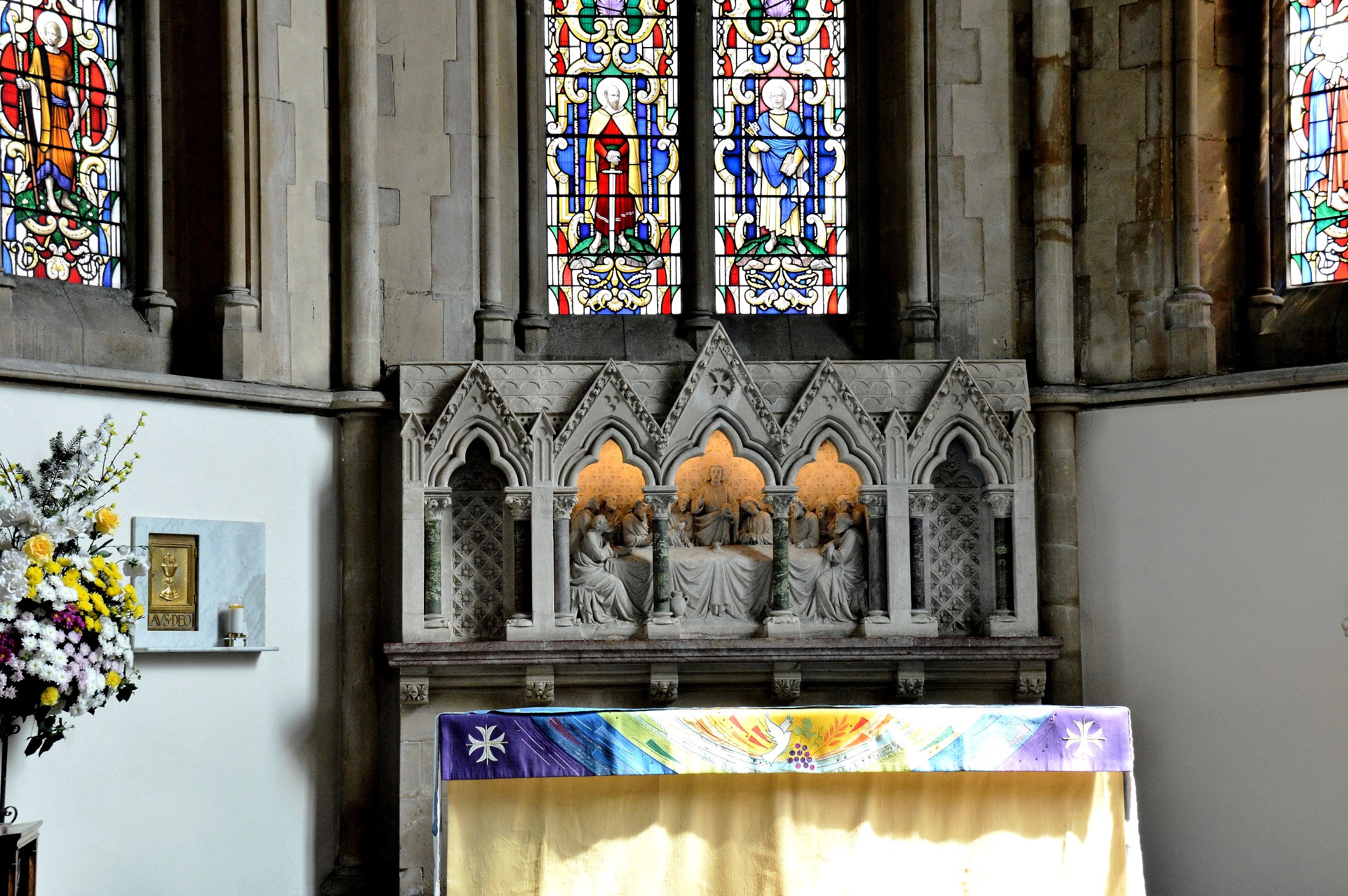
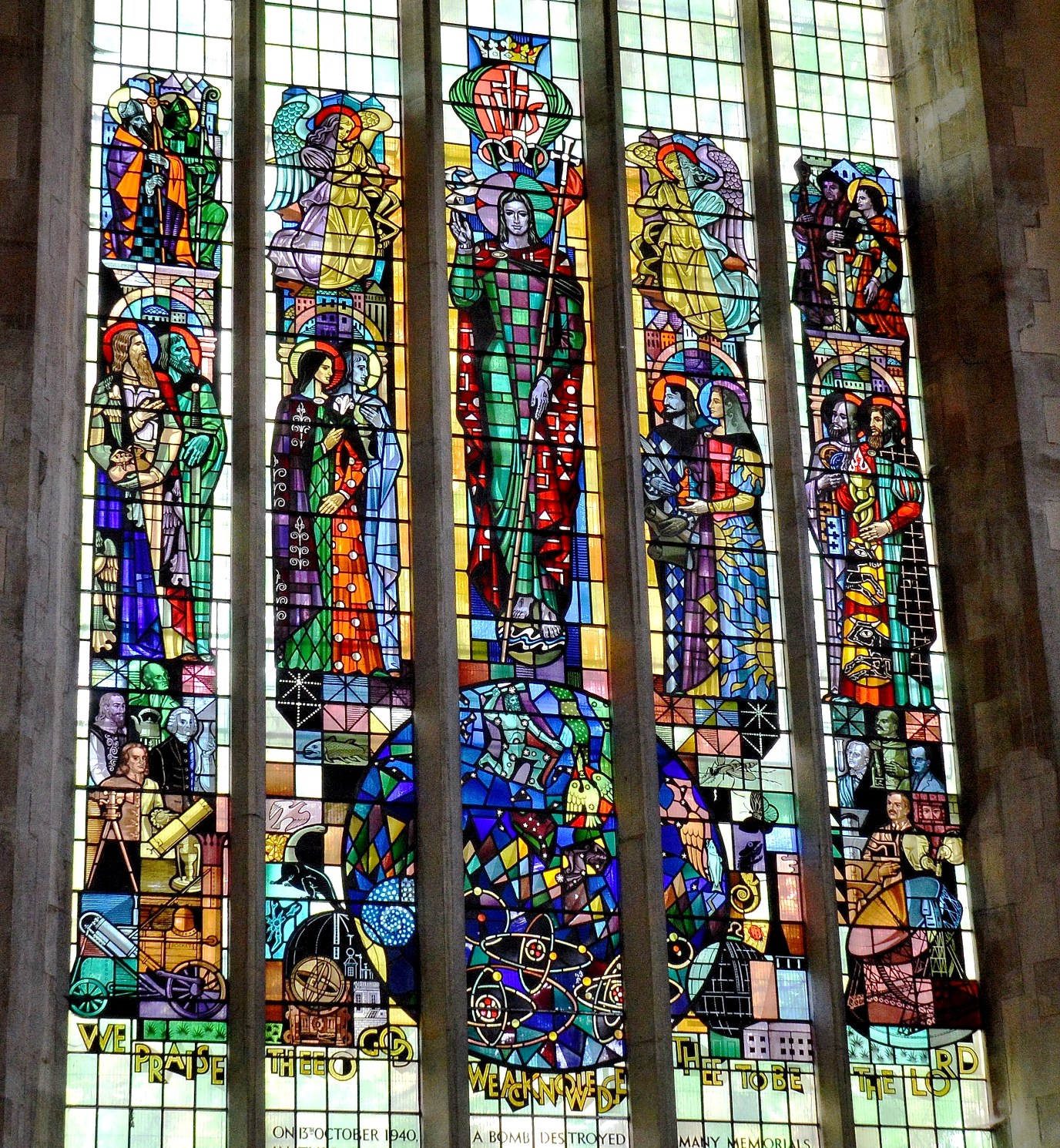
A view of the stunning St Mary’s Church⇒, designed by George Gilbert Scott, as seen from just inside Clissold Park⇐ at the eastern end. The church dates from 1858 and was built when the “Old” church (further down this page) was no longer adequate. Inside the “New” church ⇓.

.
.
.

.

.

And, from the street ⇑. Just to the left, on the nearer side of the street, is the old church ⇓.

The old church site dates back to the early 14th century but was rebuilt during the 16th century. This makes it the oldest Elizabethan church still in use in London. It is also a venue for community events, artwork, music and for hire. The website is here⇐.
Thanks for the visit and perhaps you would like the Clissold Park Goslings⇐.

Clissold Park, Deer, Goats and Ducks

Clissold Park is one of the most pleasant places I have been fortunate enough to visit. It has lakes with numerous waterfowl, a goat enclosure, a deer enclosure, a small butterfly house (sometimes), a paddling pool (sometimes), a playground, a skate park, a small aviary, tennis courts and an indoor/outdoor café. Please click here⇐ for more information and an expandable park map.
The above view is from near the Green Lanes entrance. Probably the easiest means of travel is to Manor House underground rail station then a bus 141 or 341 (from Stop C beside the shops opposite the Park View Cafe) traveling south and alight at the second stop after passing the large brick-built synagogue with two towers.

Just to the left of the entrance is the first lake (the other is a little further along) where, of course, will be found some of these ⇓.

White Ducks
 For more Clissold Park wildfowl including Canada Geese Goslings please click here ⇐.
.
.
.
.
.
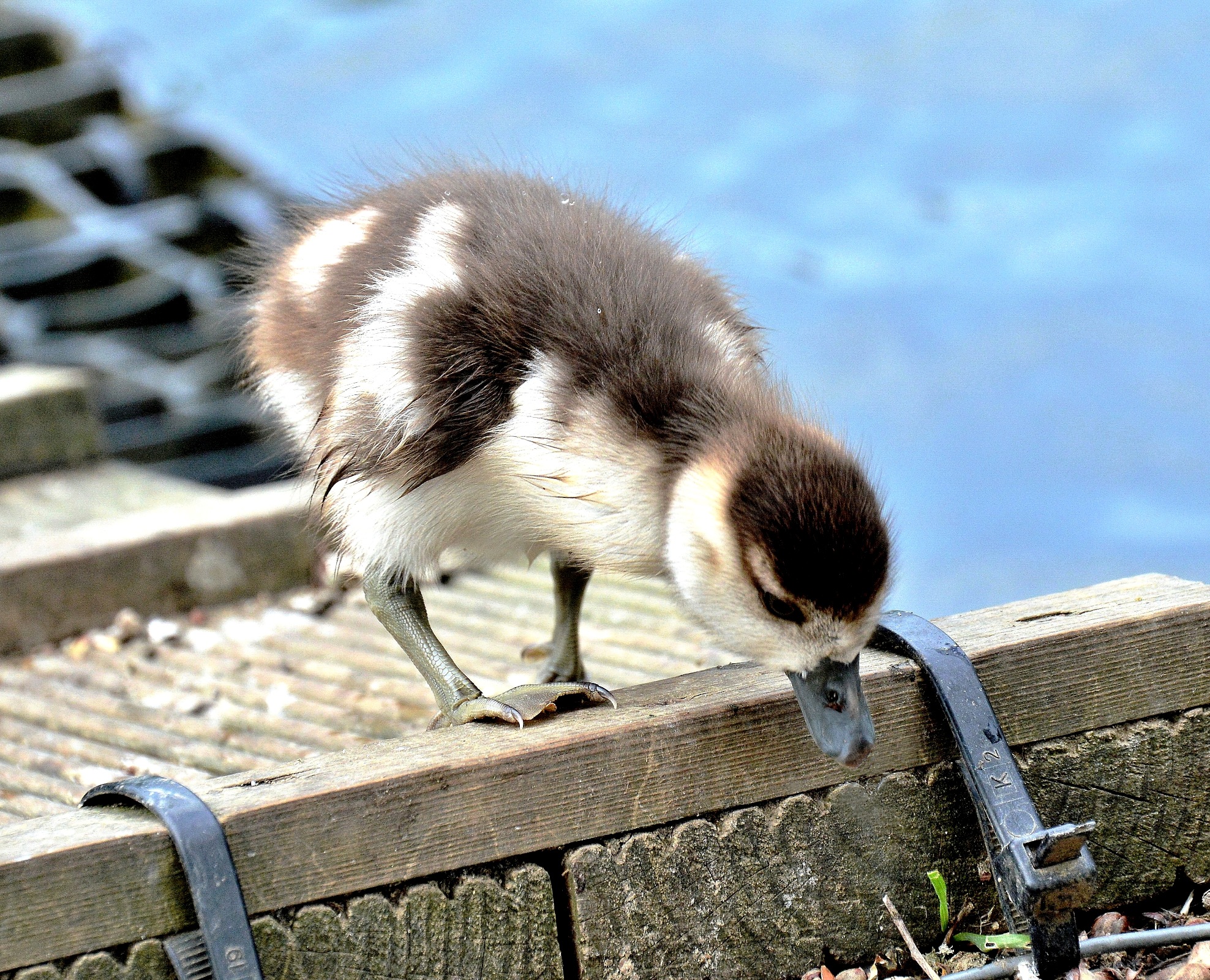 And, for still more with Egyptian Geese Goslings, Mallard Ducklings and Coot Chicks please click here ⇐.
.
.
.
.
.
.
And, there are some ducks here ⇓ followed by some four legged critters and the café with its Wisteria. 🙂
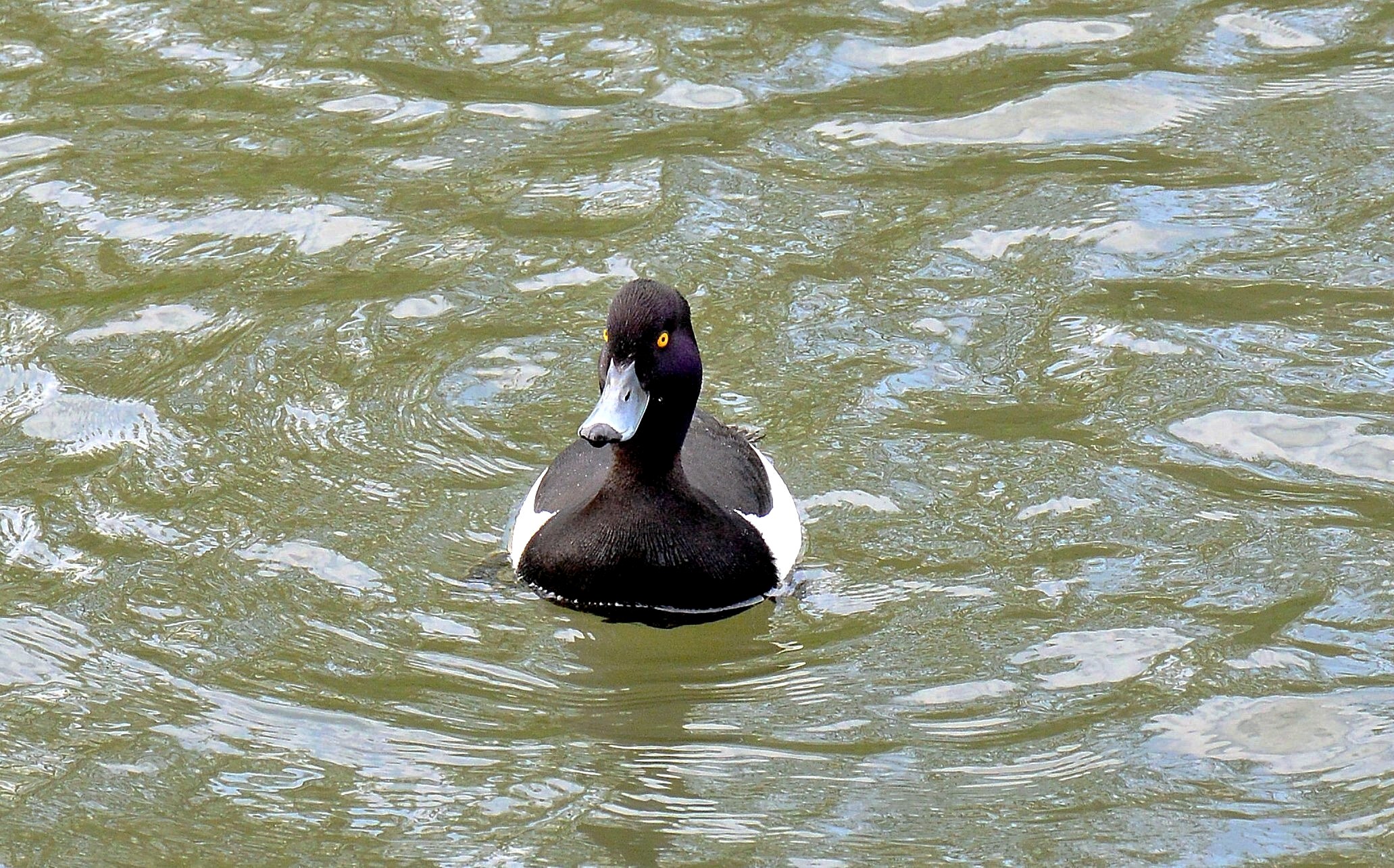
Tufted Duck
.
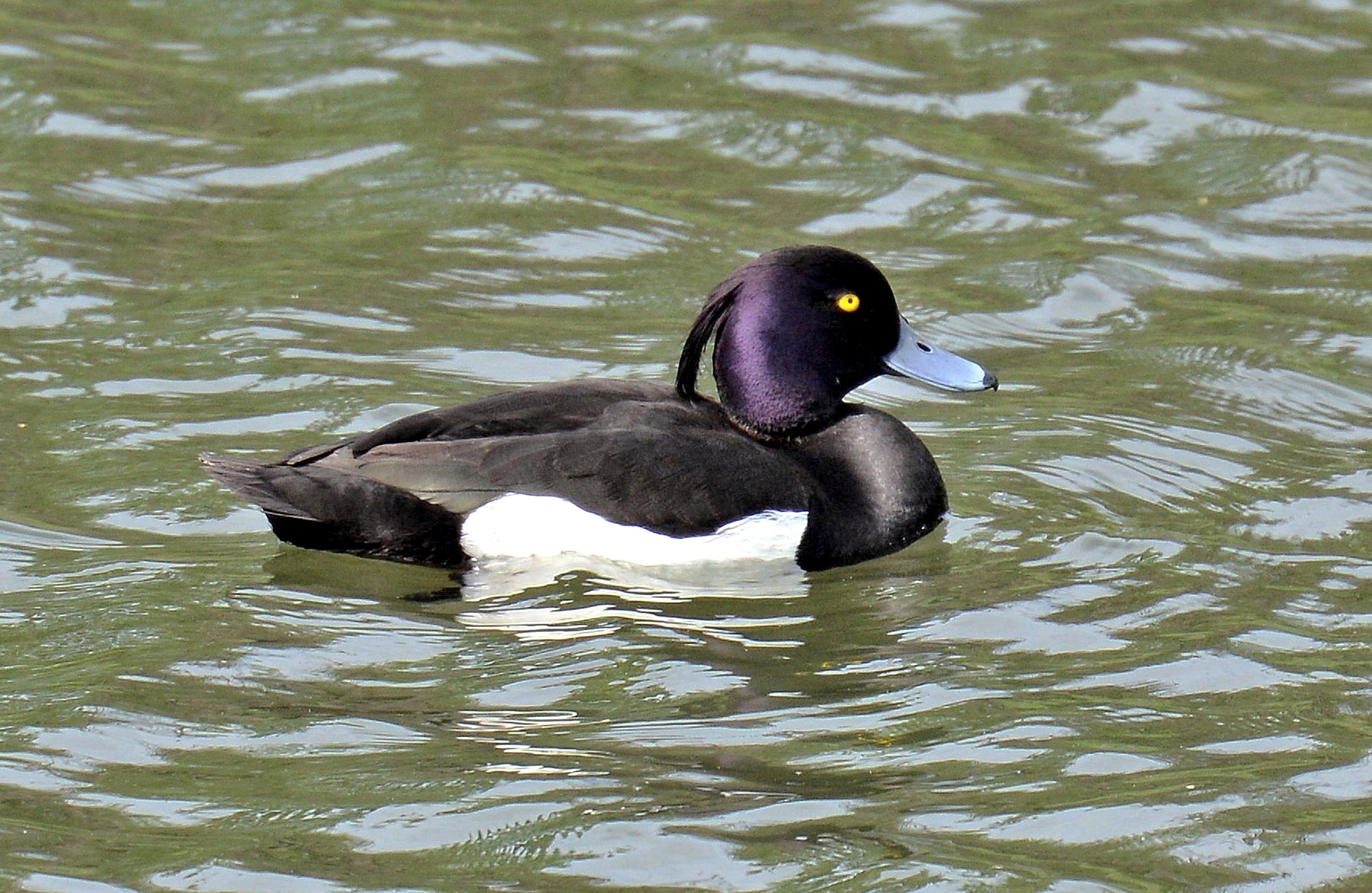
Another Tufted Duck
Which James Bond film does he ⇑ remind you of ?
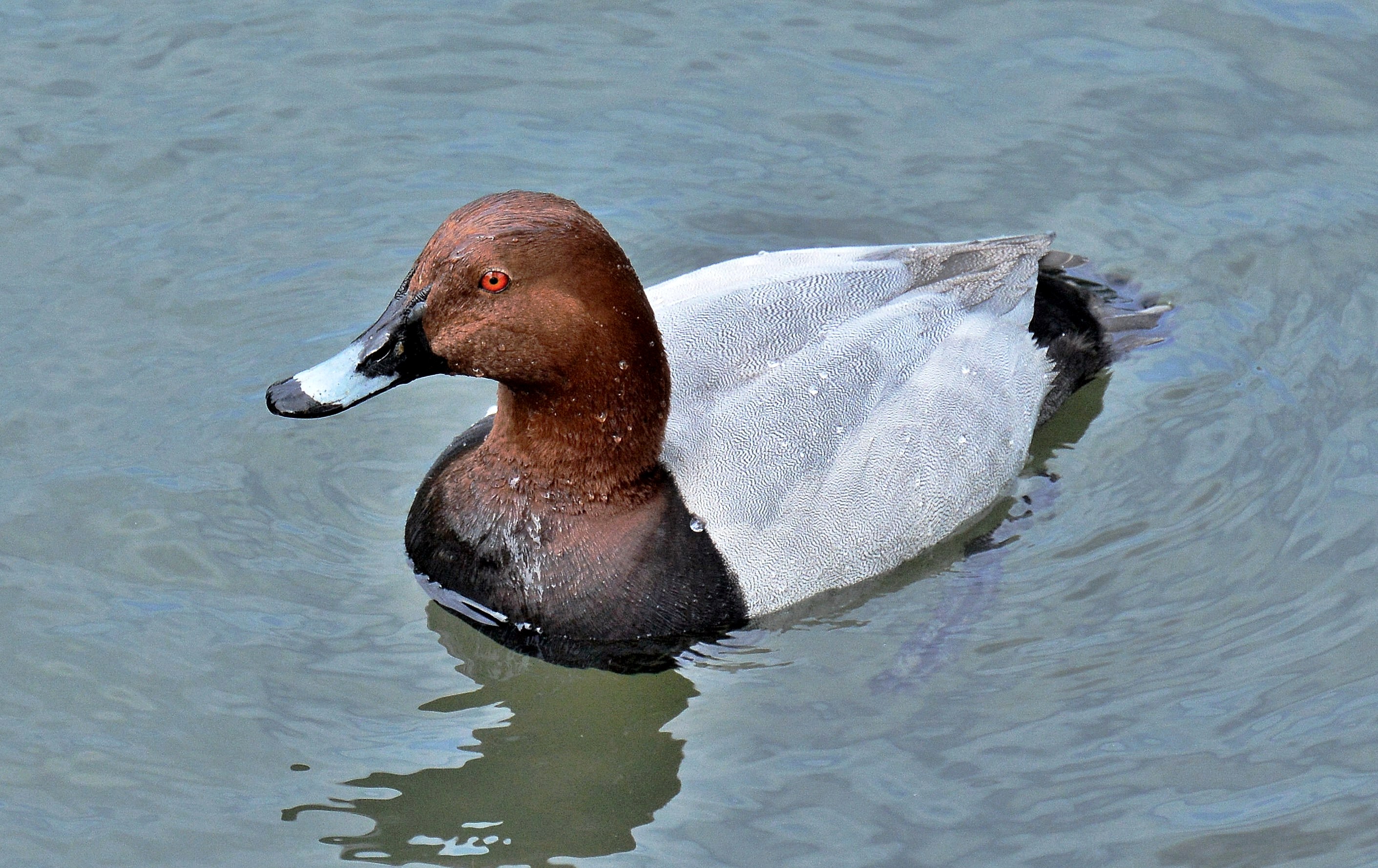
Redhead Duck
” I may appear to be a little wooden but the girls are more relaxed” ⇓.
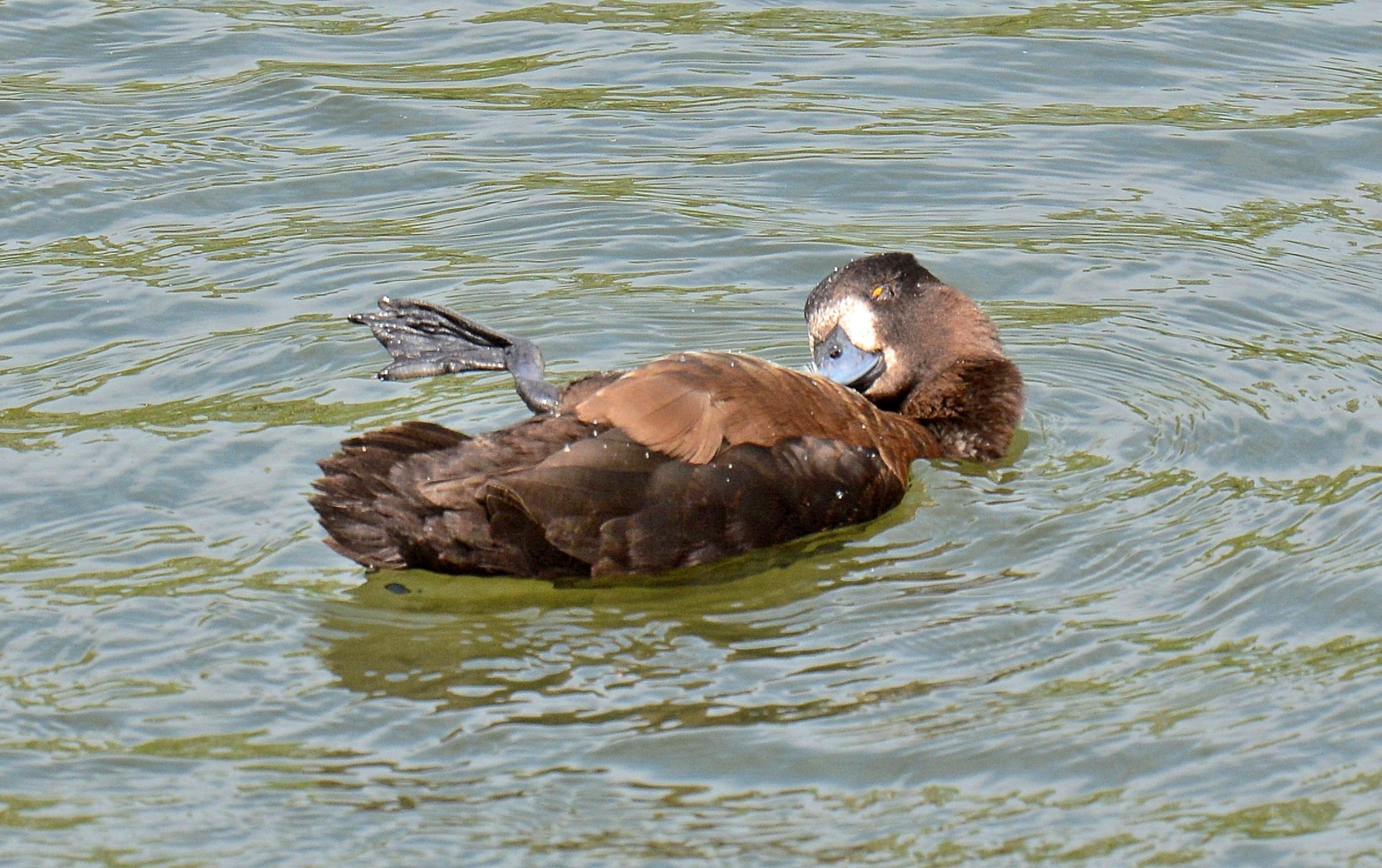
Female Redhead Duck
“Oh what bliss, four or five hours to put my feet up while his nibs does posing”

“Oh well, I suppose I could take a break. Somebody peel me a grape”.
Further towards the church steeple and a little to the right are the enclosures..

“Did somebody mention nibbles”.
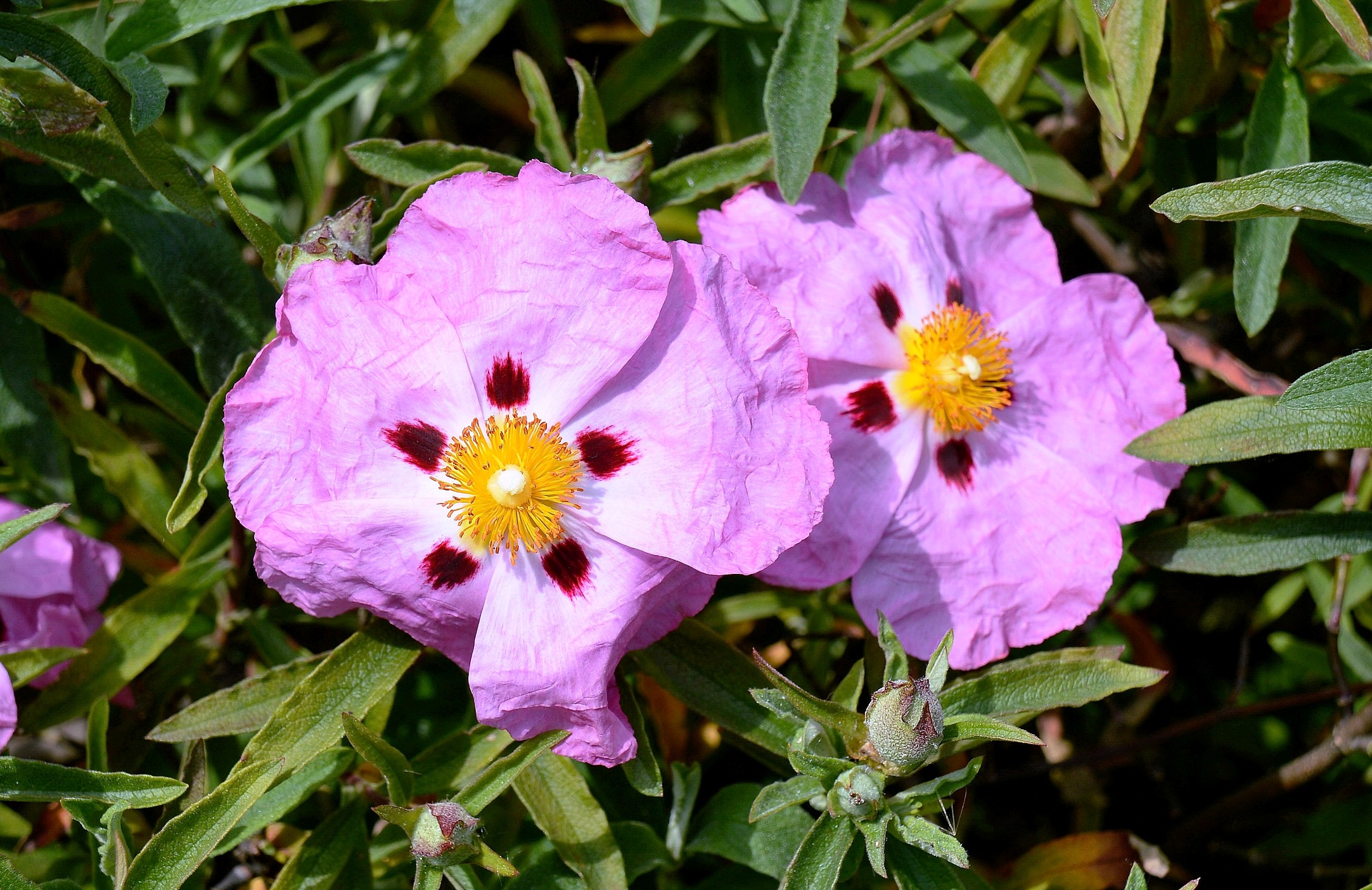
There is small geodetic dome for a butterfly house but it was not open when I was there. There is also a small aviary but it was not possible to photograph through the complex mesh. So I photographed a flower instead and then on to the deer.

Fallow Deer
.

You cannot enter these enclosure and these photographs were taken with a zoom lens. Nevertheless, it is an opportunity to safely see these animals and without having to travel far out of London.
There are more deer at Bushy Park ⇐, Richmond Park and Hampton Court Old Deer Park. In those places it is possible to roam more freely (with care) although the deer can be difficult to locate in such large expanses. The easiest to find are at Hampton Court Old Deer Park where the deer are either in the open field or somewhere beneath the single line of trees.

A little further on is a view of St Mary’s Church (Stoke Newington). The small footbridge crosses a short section of what remains of New River, which was new in 1613. More of that later.
Moving to the left and going around, there is ⇓.

The Clissold House café with its nearby hedge of Wisteria. At the bottom right can be seen a little of the old New River.

Female Mallard
Which also has the occasional duck.

The Wisteria hedge
.
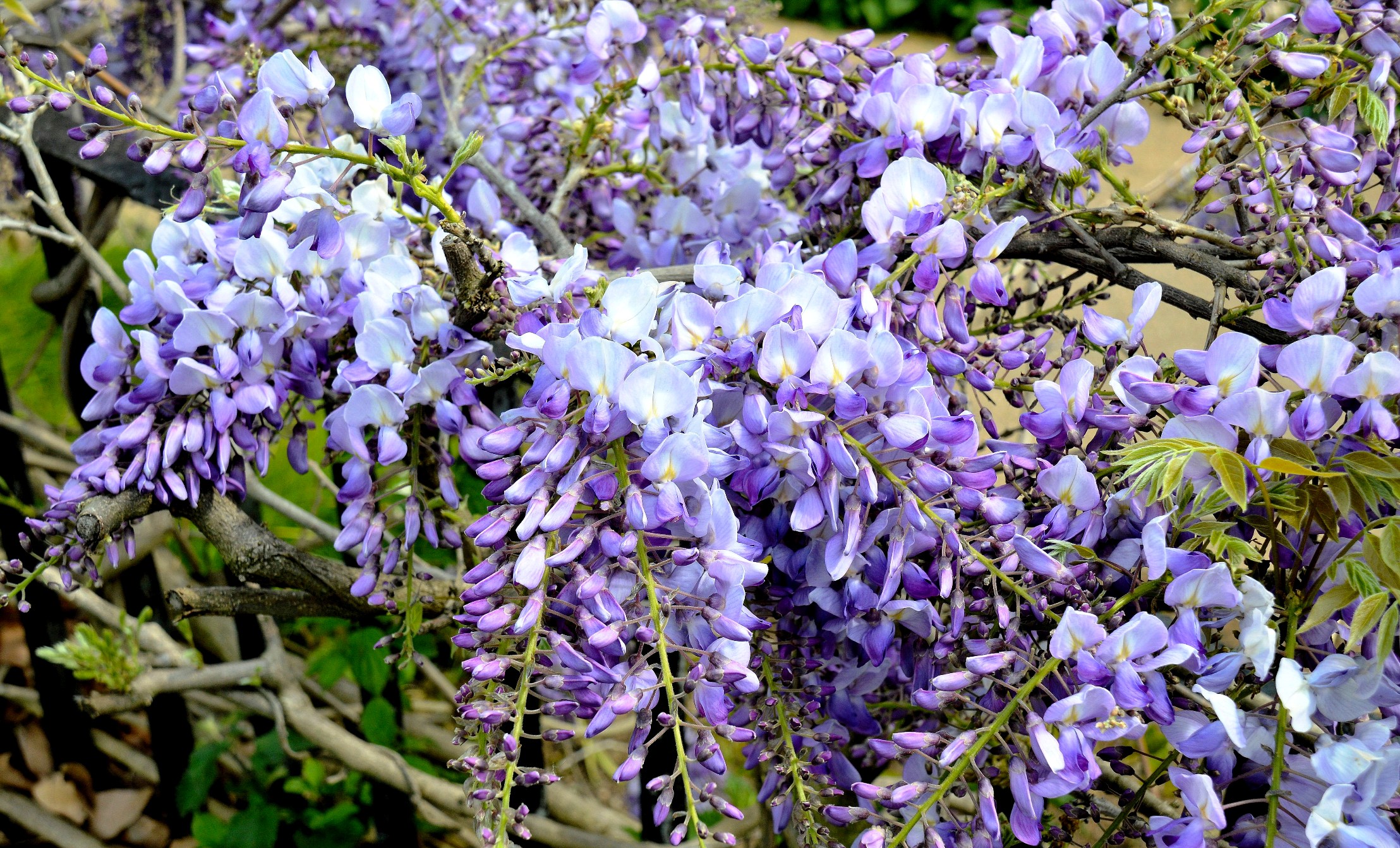
Wisteria Close Up
.
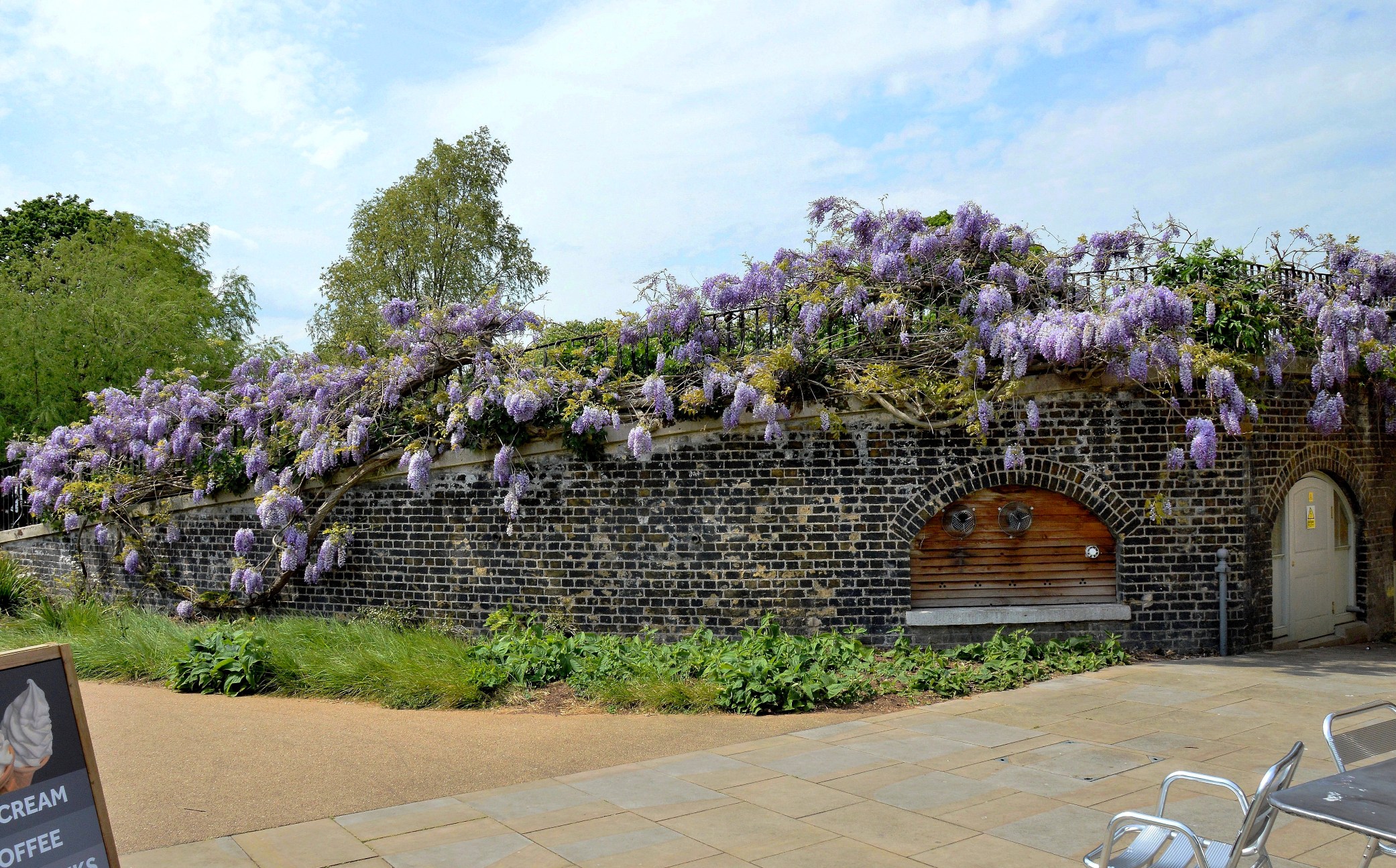
On the other side of the Wisteria hedge is another area of the café. Such places can be a little expensive, so a picnic is always worth considering.

So as we leave the park, the church is at our backs and will be in another post. Not far off is the Rose and Crown with menus⇒ where the prices are not too unreasonable for a meal and you can get a Sunday Roast up to eight or nine in the evening (probably a good idea to book ahead).
I hope you enjoyed the tour. Next is the nearby St Mary’s Church⇐ and then the slightly more rugged Woodberry Wetlands and New River walk⇐.
Clissold Park Goslings, Ducklings and Coot Chicks

“My name is Pond, James Pond, and ~”. – More here ⇓ and Here⇐.

Egyptian Geese and Goslings
“Here we come, walkin’ down the street, we get the funniest looks from, ev’ry one we meet.
Hey, hey, we’re the Goslings, and people say we paddle around.
But we’re too busy singing, to put anybody down”.
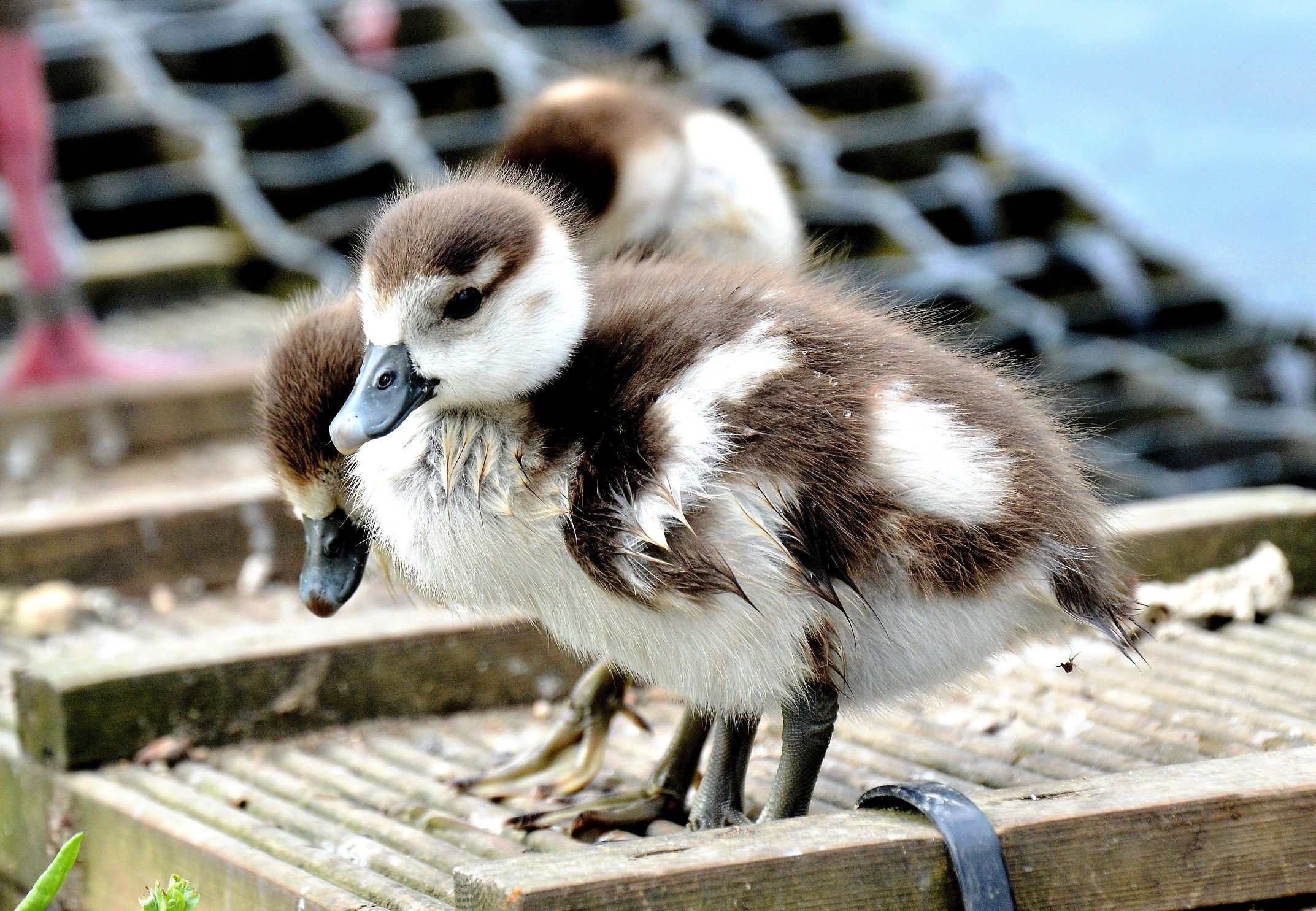
“Whisper, whisper”.

“You’re kidding”.
“Oh my gosh, he’s right”. “One small step for man, one giant leap for a little gosling”.

“Oh look, I’ve got two of them”.
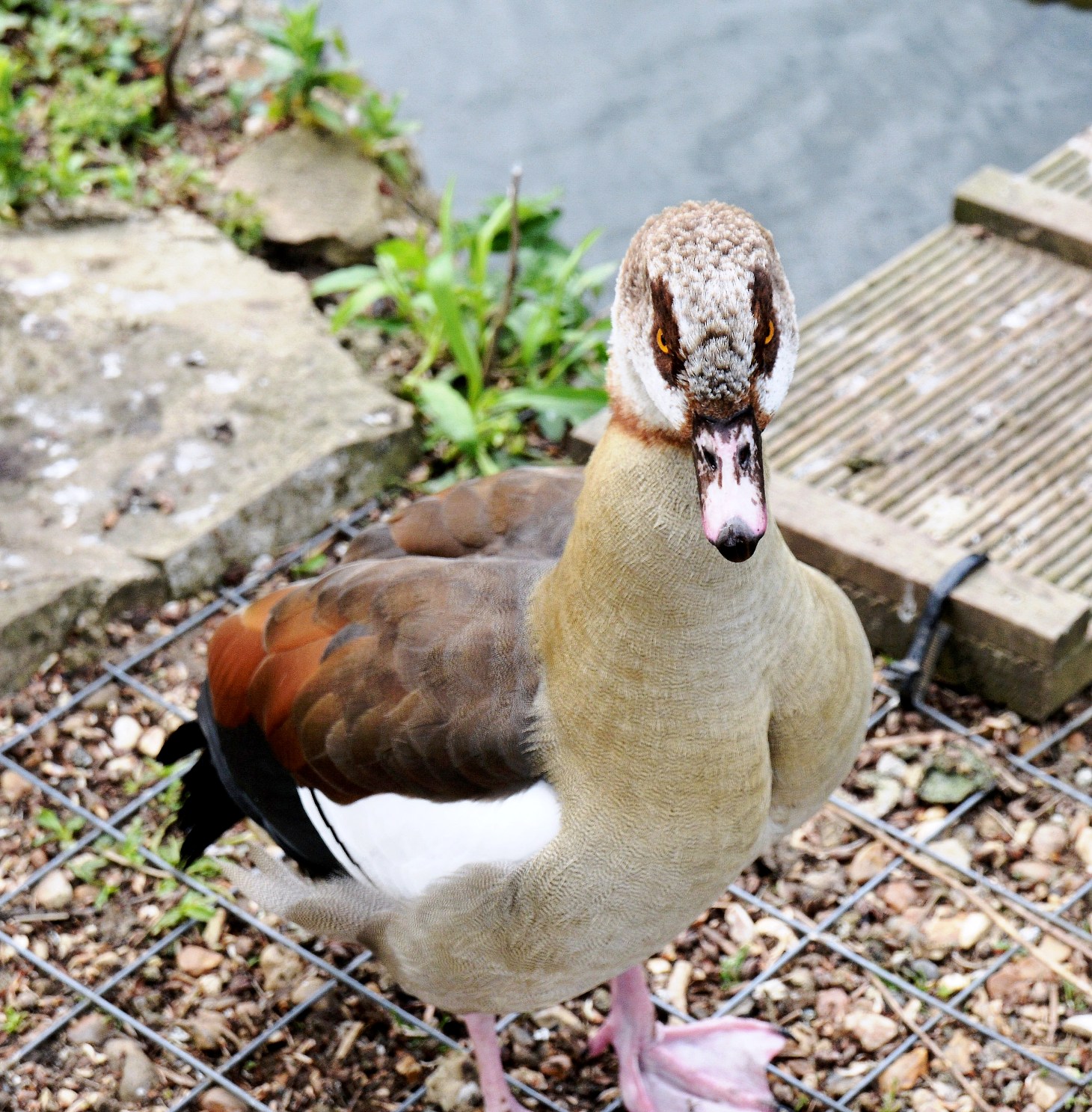
“See what I have to put up with”.
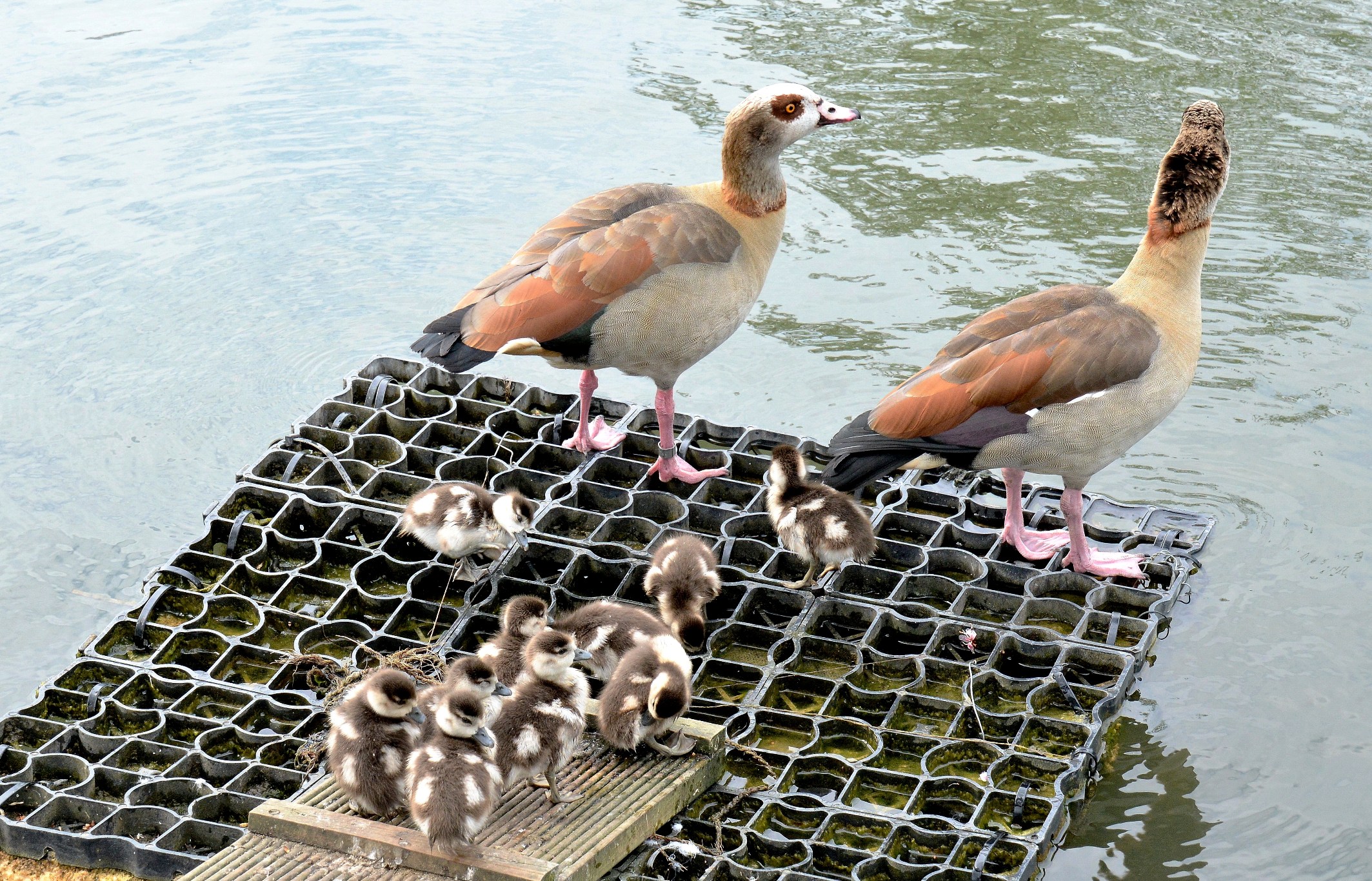
“Where’s that bus. Looks like we’ll have to swim for it”
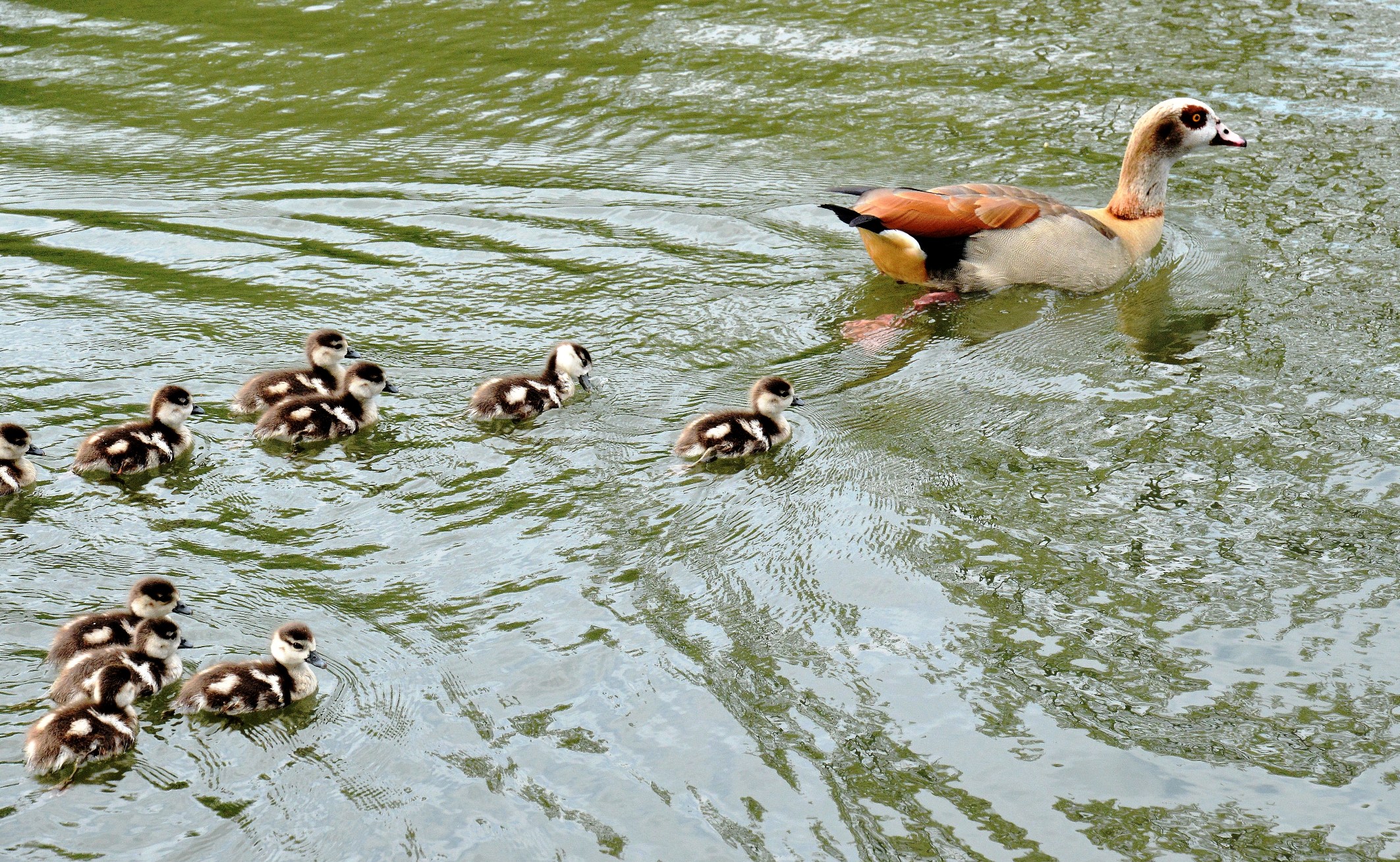
“I get around, get around round round, I get around,
I’m gettin’ bugged driving up and down this same old strip, I gotta finda new place where the kids are hip,
My buddies and me are getting real well known, yeah, the bad guys know us and they leave us alone,
I get around, get around round round, I get around”.
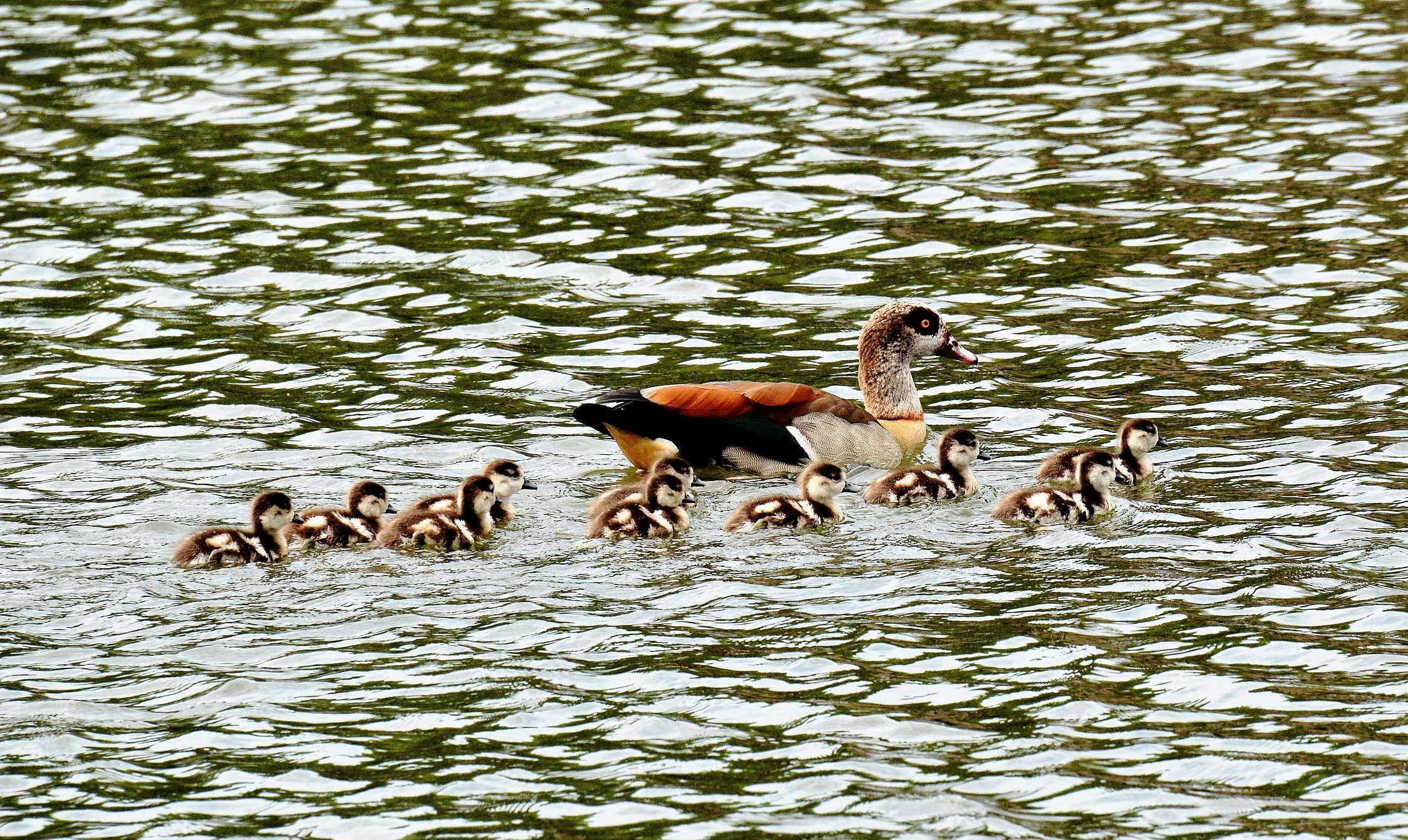
“We are sailing, we are sailing, home again ‘cross the sea.
We are sailing stormy waters, to be near you, to be free”.
.
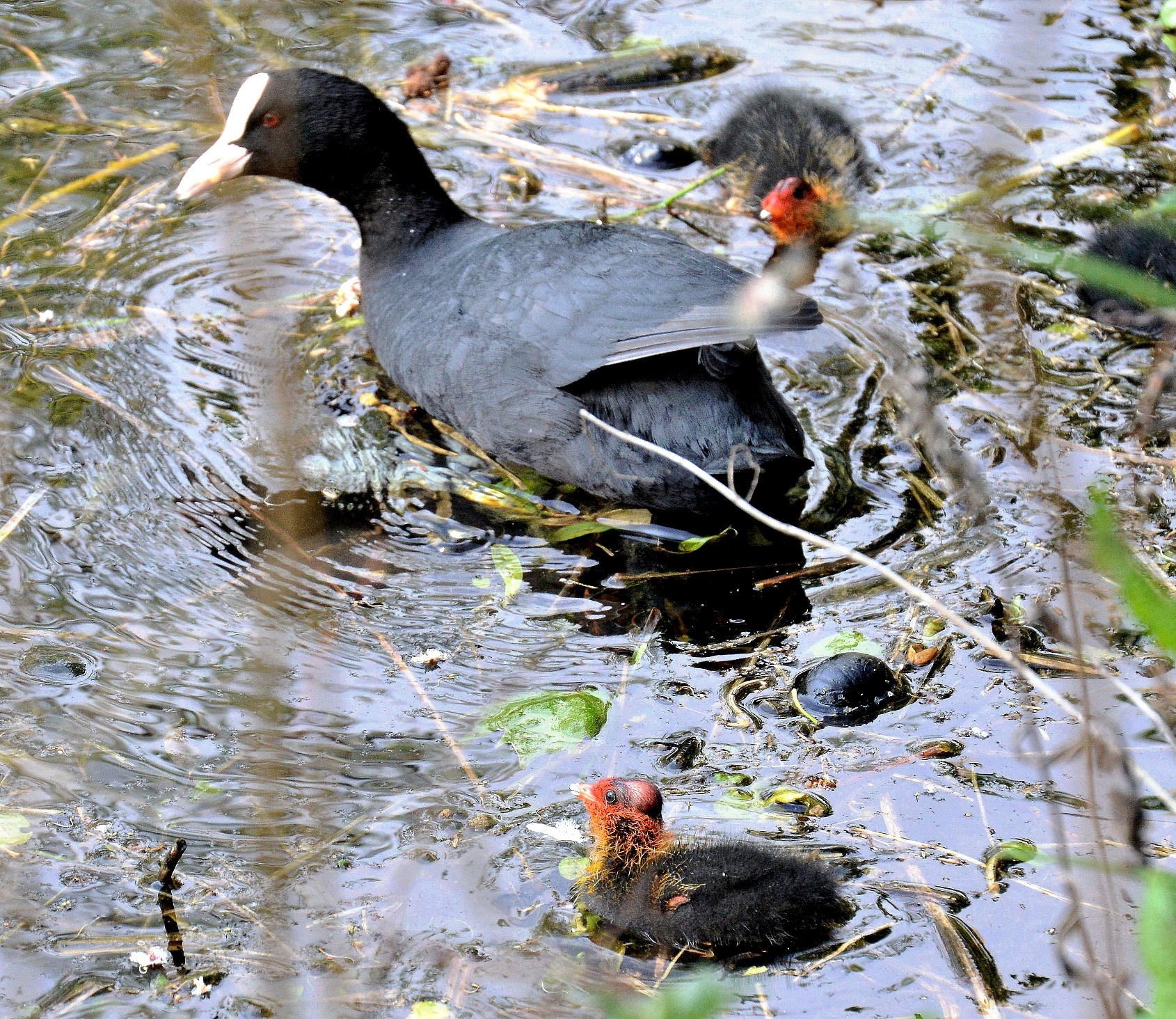
Coot and Chicks
Many people think that the expression “bald as a coot” refers to the white featherless shield on the adult coots forehead.

There might be another explanation.

“I saw a mouse, where, there on the stair, where on the stair, right there,
A little mouse with clogs on, well I declare, going clip clippity clop on the stair”.
.

Mallard Duck
“Just call me Slick”.

Female Mallard and Ducklings
.
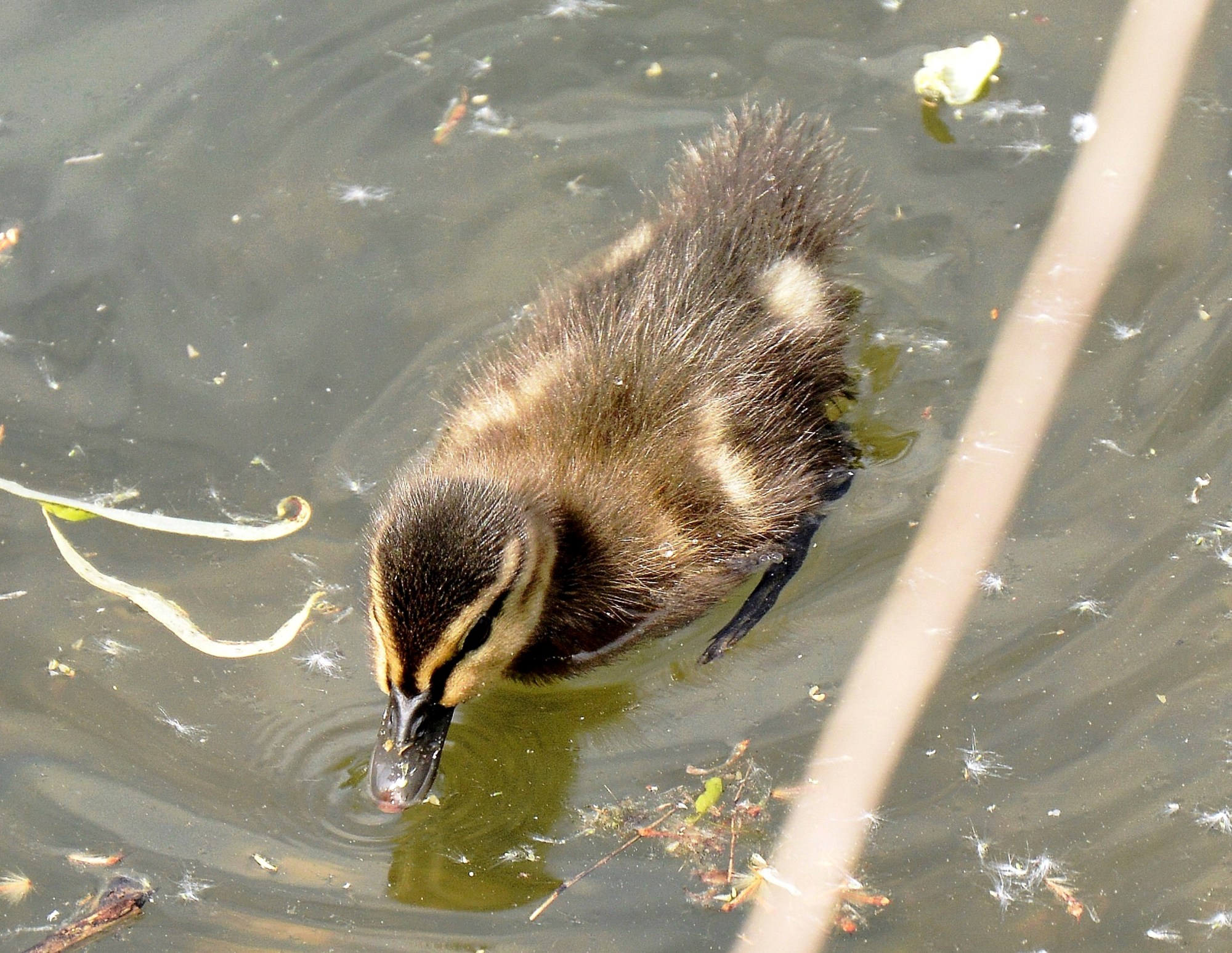
Mallard Duckling
“Oh soup. The world is made of soup. Oh frabjous day”. 🙂
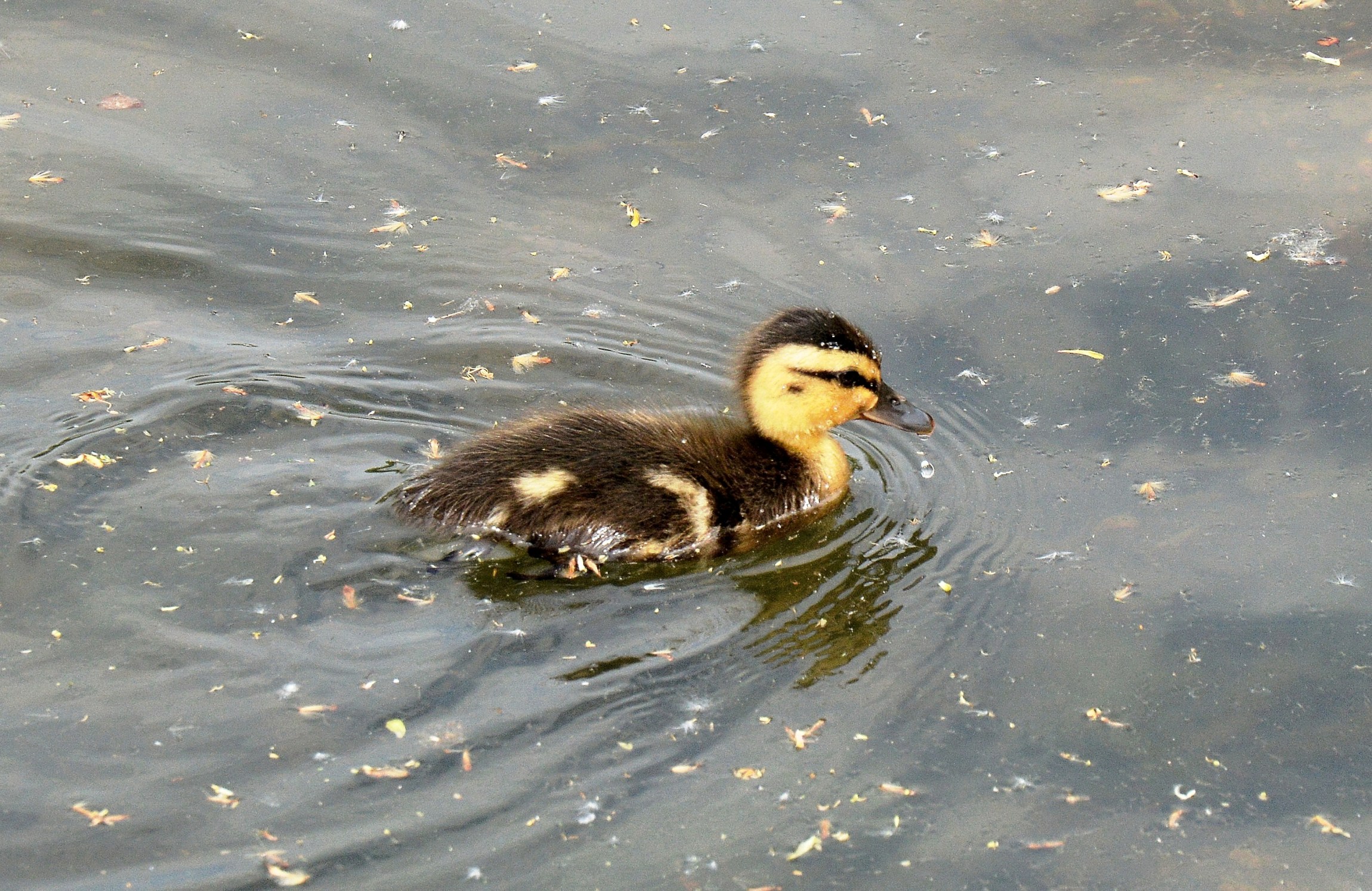 “They call me Baby Driver, and once upon a pair of wheels,
Hit the road and I’m gone ah, what’s my number,
I wonder how your engine feels, ba ba ba ba”.
.

Moorhen
“This is the river police. We know you’re here somewhere. Stop all that singing and come out with your wings up”. 🙂
.
More about Clissold Park and more goslings and ducks here⇐.
Clissold Park Geese, Ducks and Swan

Canada Goose and Goslings
“Announcing the Goslette triblings”. – More here ⇓ and Here⇐.
“Oh dad”. “Honestly, he’s so embarrassing”.
“Where’s Agnes”.

“I’m off”.

.
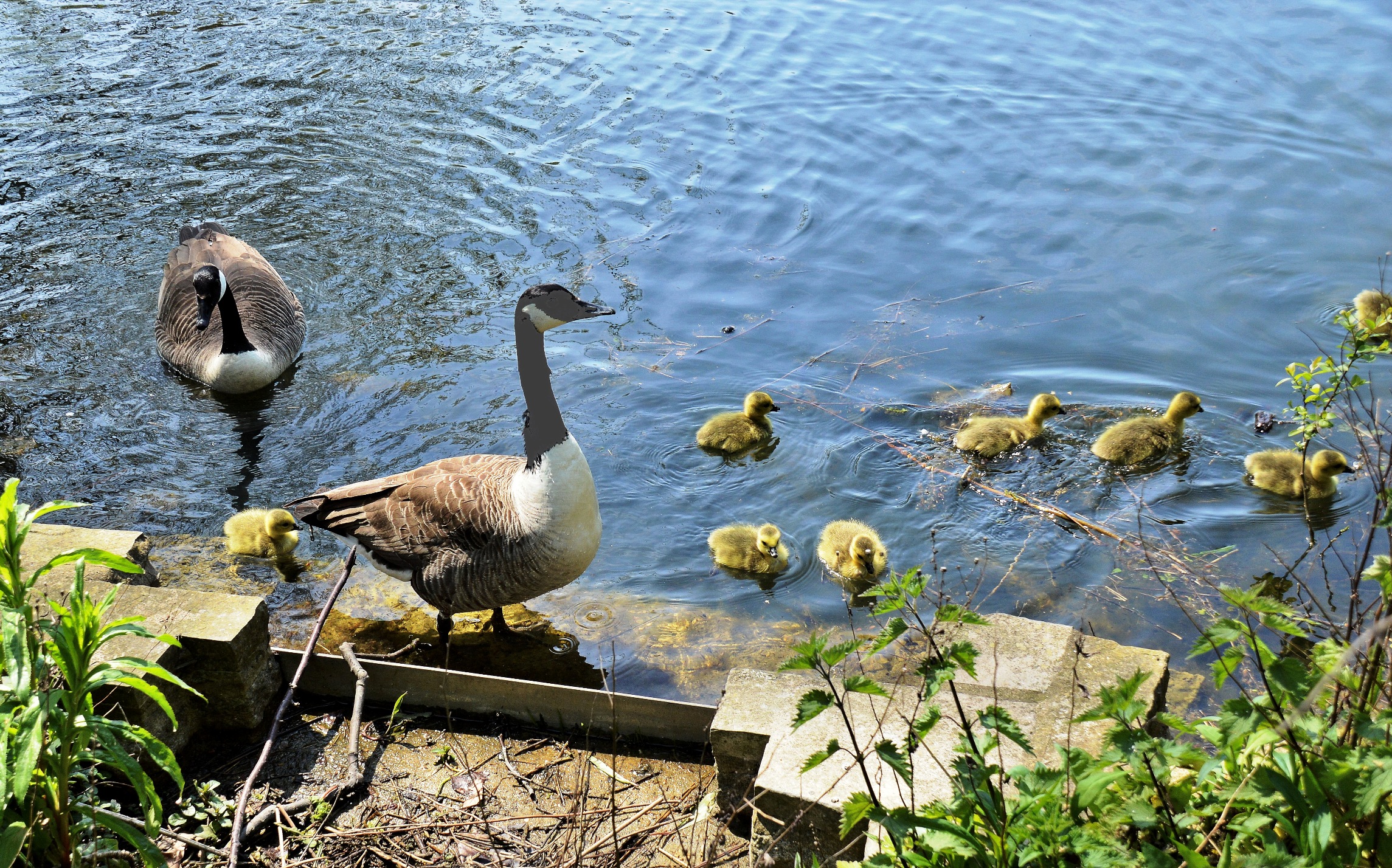
“I say, lets all go see the fountain.”.

Clissold park also has a Fallow Deer enclosure, goats, an aviary and is quite close to the new wetlands nature reserve at Woodberry. More of these things later. In the meantime:-

White Duck Family
Charlie is the original “odd duck”.
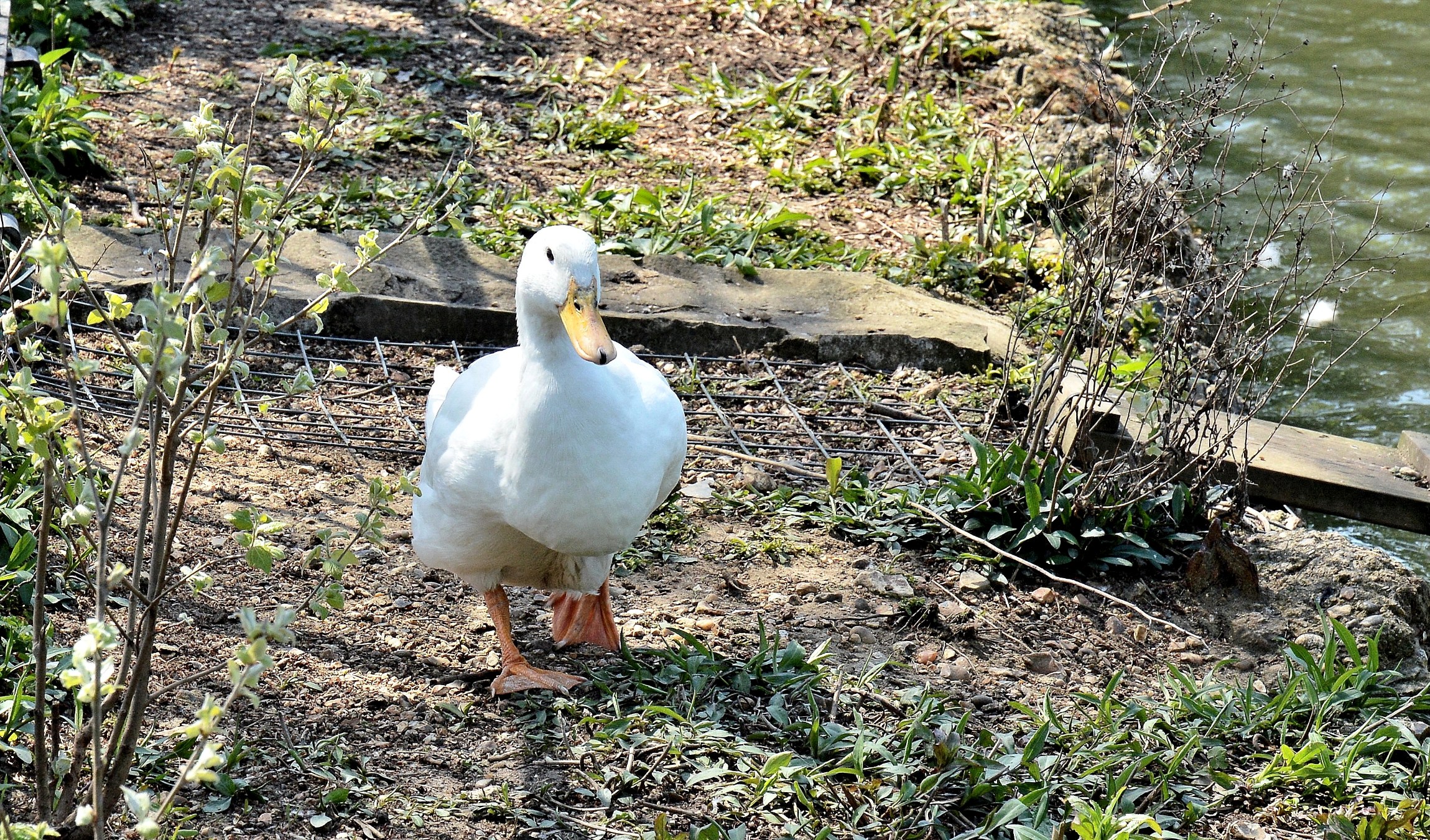
He leads his aquatic family from the bank side, quacking all the way.

.

It looks and sounds very much like a trainer calling instructions to a rowing crew

“Don’t do that when I’m talking to you”. “Really, no manners whatsonever”.
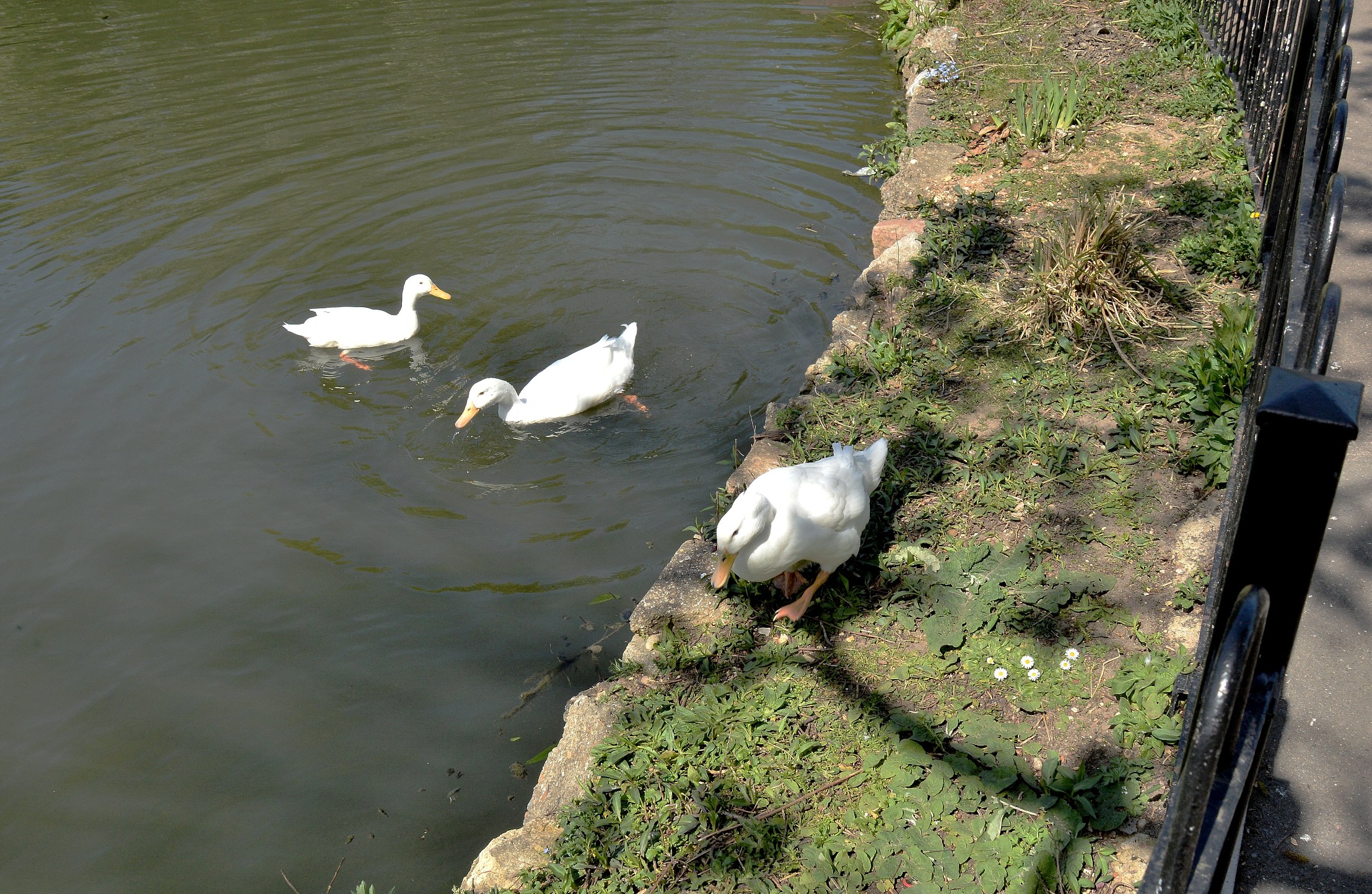
And, off they go again.

Female Tufted Duck
“Quackers”. Well one can’t have a post about ducks without it.

Redhead Duck
“One should be more sedate”.
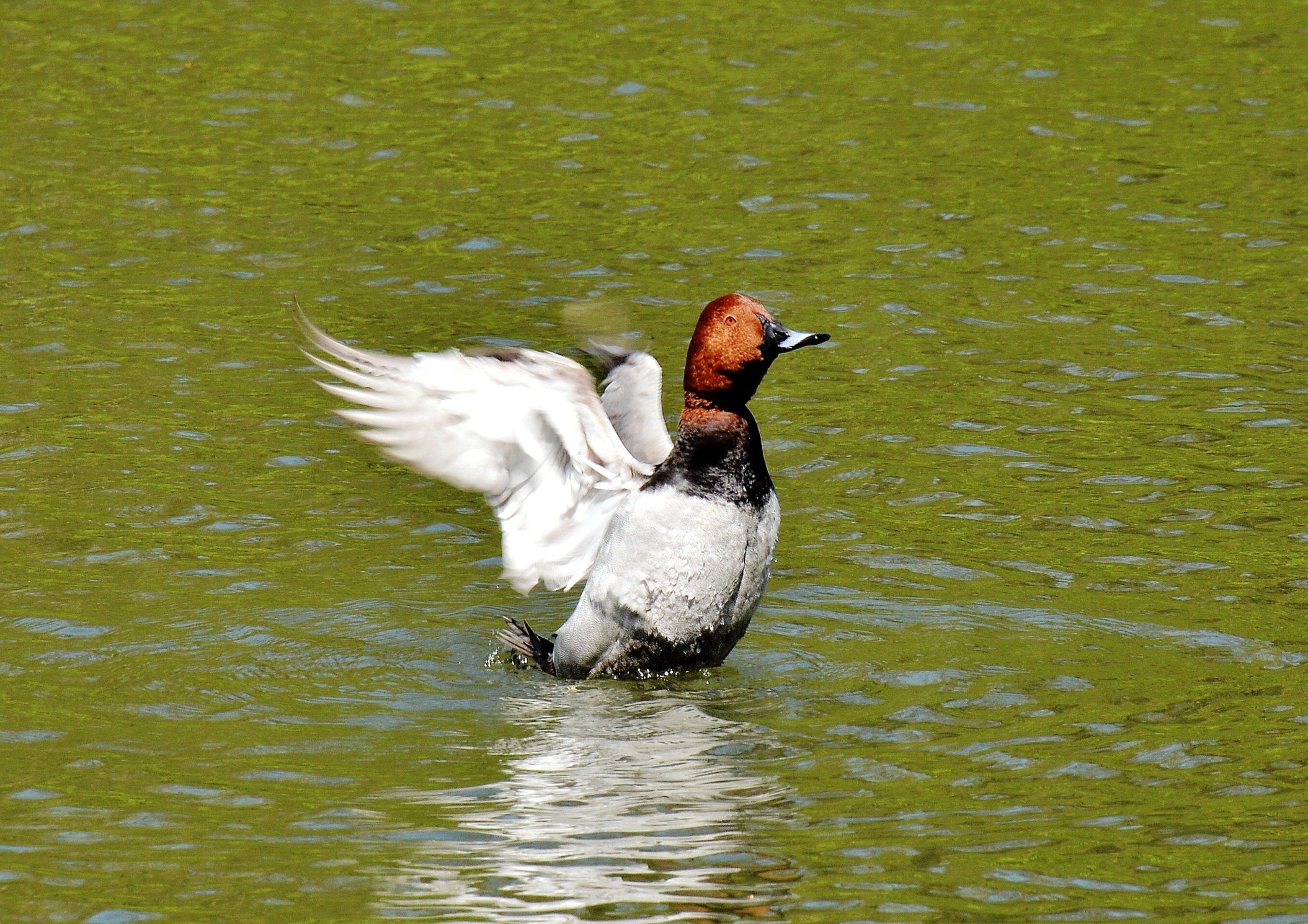
“And keep up appearances”.

“Oh the stress”.

“Stress ! You should see my bill for neck maintenance”.

“On the other hand”
“I’m sittin’ on the dock of the bay
Watchin’ the tide roll away, ooh
I’m just sittin’ on the dock of the bay
Wastin’ time
doop doo doo, dup be doob be doo doo”.
More about Clissold Park and more goslings and ducks here⇐.
Burgh House and Hampstead Flora

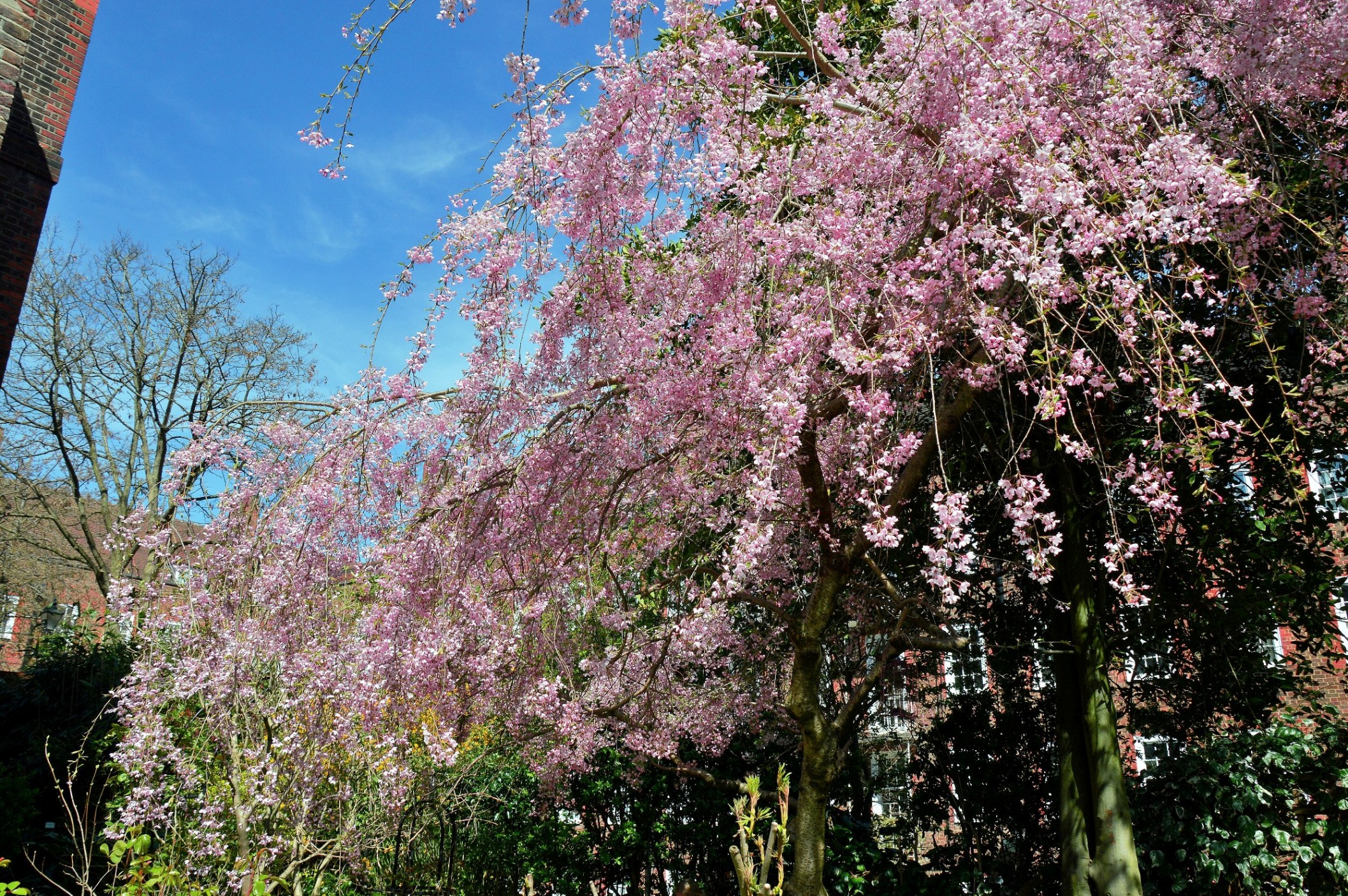
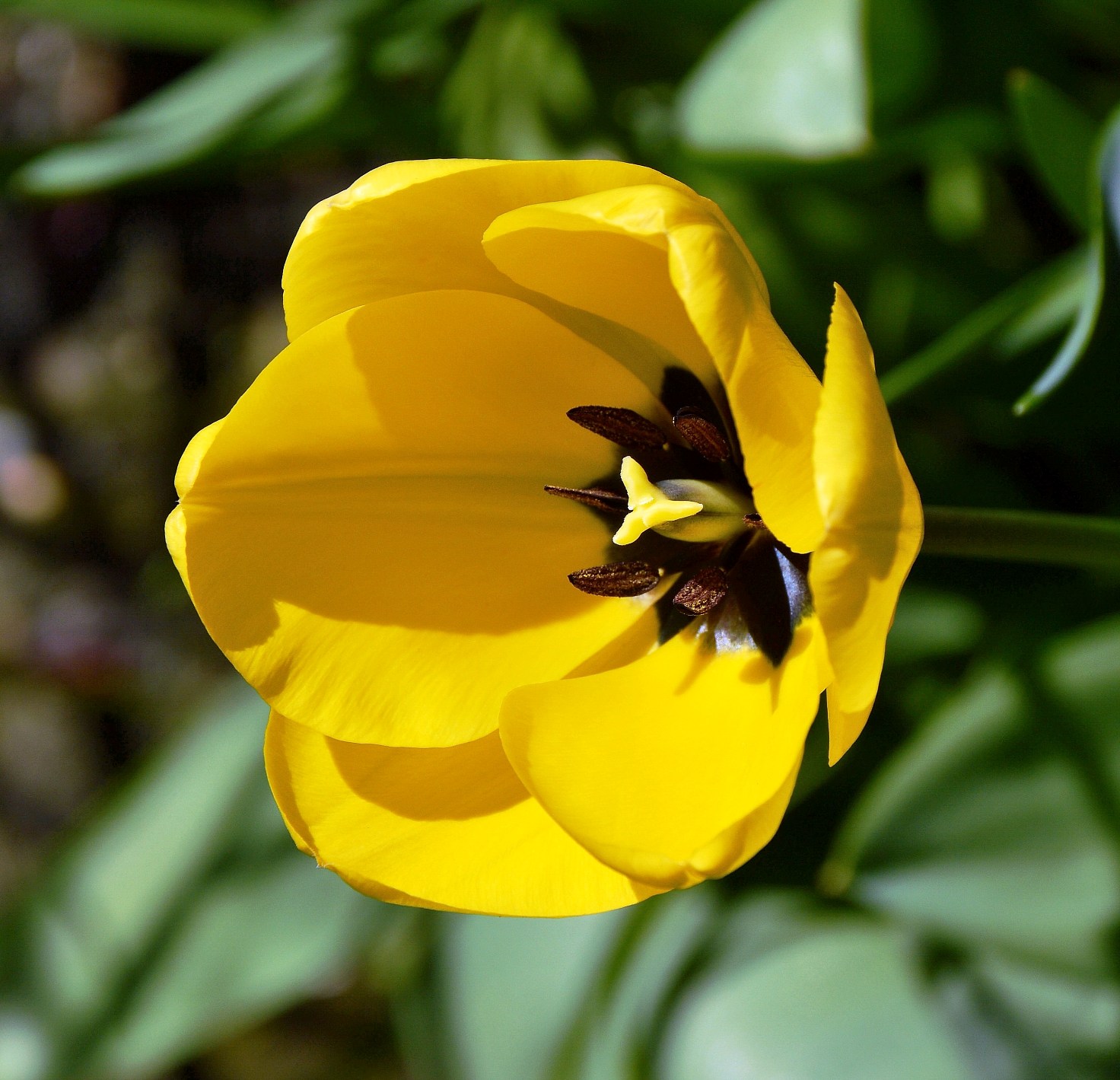
Burgh House provides space for the small Hampstead Museum⇐ and a pleasant indoor/outdoor tea-room (The Buttery). It is close to the charming Fenton House⇐, not far from Kenwood House⇐ and the outdoor seating area has some nicely kept flora.
.

.
.

.

The above orchid is from inside Burgh House and the flora below is from picturesque Hampstead.

.

.

.
30+ Attractions on London’s South Bank
Here there are more than 30 places to visit on London’s South Bank and more than 40 additional places to visit, in and around London, shown in this sites Gallery ⇐, most of which can be photographed.
South Bank Attractions
This ⇐ indicates a click-on link to a photographic article with a further link to the location’s website.
This ⇒ indicates a direct link to the location’s website.
Locations can be found on this Google Map where one can enter the name of a location in the Search box and/or click-on + to magnify.
Several Miles East of Bankside
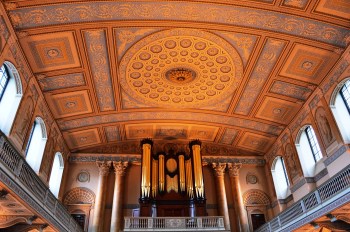
Fabulous Maritime Greenwich ⇐ includes extensive parklands, several free venues, numerous photographic opportunities, the Fan Museum, the Naval College Painted Hall and Chapel, the National Maritime Museum, the Royal Observatory, the Planetarium, the Cutty Sark, craft market, a comedy club, theatre, picturehouse, numerous eateries and a notable history.
The most straightforward travel route is by use of the Docklands Light Railway to the “Cutty Sark for Maritime Greenwich” station. Alternatively the DLR to Deptford then the No 53 bus to the top gardens (saves walking up the hill)
. . . . . . . . . . . . . . . . . . . . . . . . . . . . . . . . . . . . . . . . . . . . . . . . . . . . . . . . . . . . . . . .  . . . . . .
.
.
.
.
.
.
Just East of Bankside
Tower Bridge Exhibition ⇐ 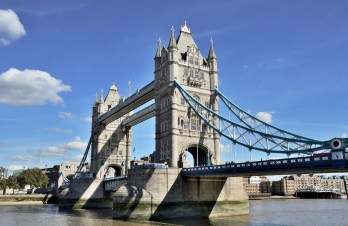 ⇒. Visit inside to see the architecture, machinery and high level views including the glass floor.
Nearest station is Tower Hill.
.
.
.
.
and the The Tower of London ⇐ ⇒. on the North Bank, includes  walking the battlements, the White Tower (armaments and armour) The Fusiliers Museum, Royal Chapel and Crown Jewels. You can photograph for non-commercial purposes everything except the last two.
Nearest station is Tower Hill.
.
.
Back to the South Bank and the nearest station to the following venues is London Bridge.
.
HMS Belfast ⇒. Access is from the  South Bank. The easiest way to get there is the walkway at the corner Morgan’s Lane (see Google map) near London Bridge station.
View what life was like on board for the crew at war and at sea from WW2 to 1963. Best to check the website/contact for photographic opportunity inside the ship.
.
.
London Bridge City Pier ⇒. Boat trips to/from North Greenwich (east) and Embankment (west).
.
The Shard Viewing Platform ⇒. At the top of the tallest building
in the European Union. It can be expensive but, according to their website there is “no time restriction on your stay”.
.
.
.
.
.
London Bridge Experience ⇒. Billed as the UK’s scariest year round attraction, complete with tombs.
.
Southwark Cathedral ⇐ ⇒. A site of worship for more than a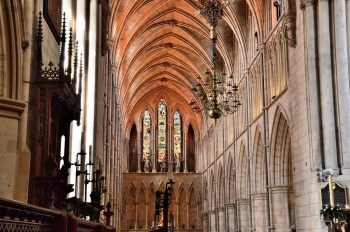 thousand years, it has some extraordinary stained glass and a curious legend attached. It is free to enter and an amateur photographer’s permit can be obtained from the cathedral shop for £2.50. The cathedral is in continuous use, so do check the link (and on to the website) for the times of services.
.
.
.
The Clink Prison Museum ⇒. Built upon the original site of the Clink Prison (1144) and gave all other prisons their pseudonym. Do see the link for opening times.
.
.
.
.
.
Along Bankside
The Golden Hinde II ⇒. A replica of Sir Frances Drake’s ship. The  original was used to circumnavigate the globe between 1577 and 1580. Available for fun and interactive tours.
.
.
.
.
.
Anchor Pub ⇒. From where you can get a first view of St Paul’s 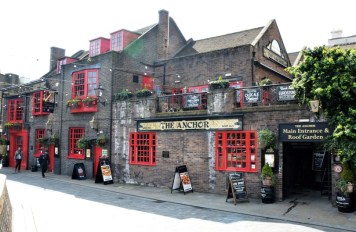 Cathedral across the Thames. A tavern has been on this site for more than 800 years and was rebuilt in 1676 after being destroyed in the Great Fire of London.
.
.
.
.
.
The Rose Playhouse ⇒. The first Elizabethan theatre on Bankside and  continues to entertain audiences today. Please see the website link for “Whats on” .
.
.
.
.
.
The Globe Theatre ⇒. A replica of Shakespeare’s Globe Theatre just a few hundred yards from where the original stood. The theatre provides tours, exhibitions and plays. Please see the website link for opening times, available options and “Whats on”.
.
.
.
.
Millennium Bridge ⇒(Wiki). That’s the one that, as soon as it was 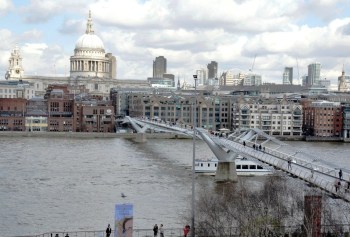 opened, had to be closed for two years to fix the alarming swaying motion and was known to Londoner’s as the “wobbly bridge”. It is now used extensively by pedestrians and is a convenient means of passage between the South Bank and St Paul’s Cathedral.
.
.
.
.
St Paul’s Cathedral ⇐ ⇒. Although this is on the North Bank, it is but a short walk across the footbridge. There is a charge for admission and there are only a few days each year when photography is allowed. It does have some extraordinary architecture and decor, There are many more photographs attached to the above link.
.
.
.
.
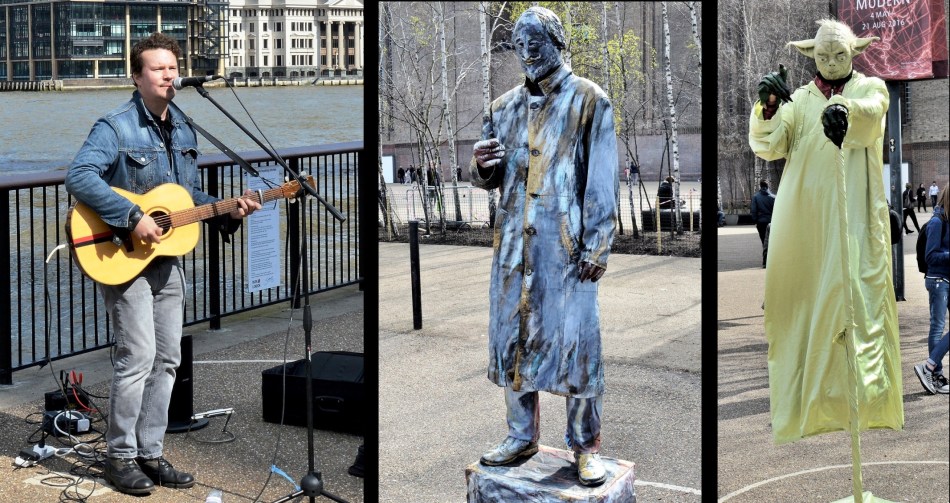
South Bank Street Performers mostly in the vicinity of the footbridge.
.
and often includes a Bubbleer more pictures ⇐. 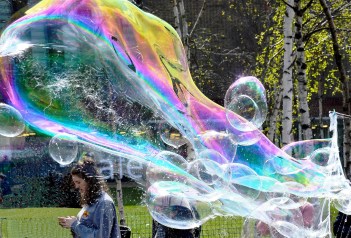
.
.
.
.
.
.
The Tate Modern ⇐ ⇒. is a large modern art gallery very close to the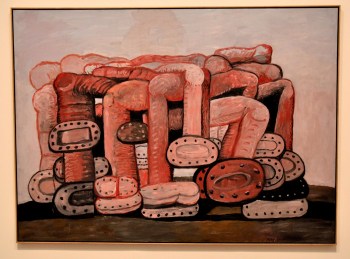 footbridge on the South Bank. There are a great variety of works including some of political history and ideology. It is free to enter and you may photograph for non-commercial purposes.
.
.
.
.
Near to The Tate Modern and Millenium Footbridge ⇓.
Bankside Gallery ⇒. An educational charity of the Royal Watercolour Society and the Royal Society of Painter-Printmakers. Artwork is also for sale.
Purdy Hicks⇒. Art Dealers .
Nearer to The London Eye (Giant Ferrris Wheel) and nearest underground station is Waterloo ⇓
National Theatre ⇒. Whats on.
Hayward Gallery⇒ . Closed for two years from October 2015 for essential repairs..
Queen Elizabeth Hall⇒. Closed for two years from October 2015 for essential repairs.
South Bank Centre⇒ , A variety of events and festivals dedicated to the arts.
London Wonderground⇒ . Circus, cabaret, fairground and family entertainment.
London Eye ⇒. Giant Ferris Wheel (as seen from St James Park  on the north side of the Thames).
.
.
.
.
.
Between the London Eye and Westminster Bridge ⇓
The London Dungeon⇒ . “We are a thrill-filled journey through London’s murky past. You get 110 minutes of laughs, scares, theatre, shocks, rides, special effects, characters, jokes, mazes and storytelling”.
Shrek’s Adventure ⇒. “Join Donkey on his magical 4D flying bus before journeying through 10 interactive live shows in a walk and ride madcap adventure”.
Westminster Palace ⇐ ⇒. As seen from the South Bank across  Westminster Bridge. The link leads to information about tours inside the Palace.
.
.
.
.
West of Westminster Bridge on the South Bank ⇓
Florence Nightingale Museum ⇒.

Garden Museum ⇒. at Lambeth.
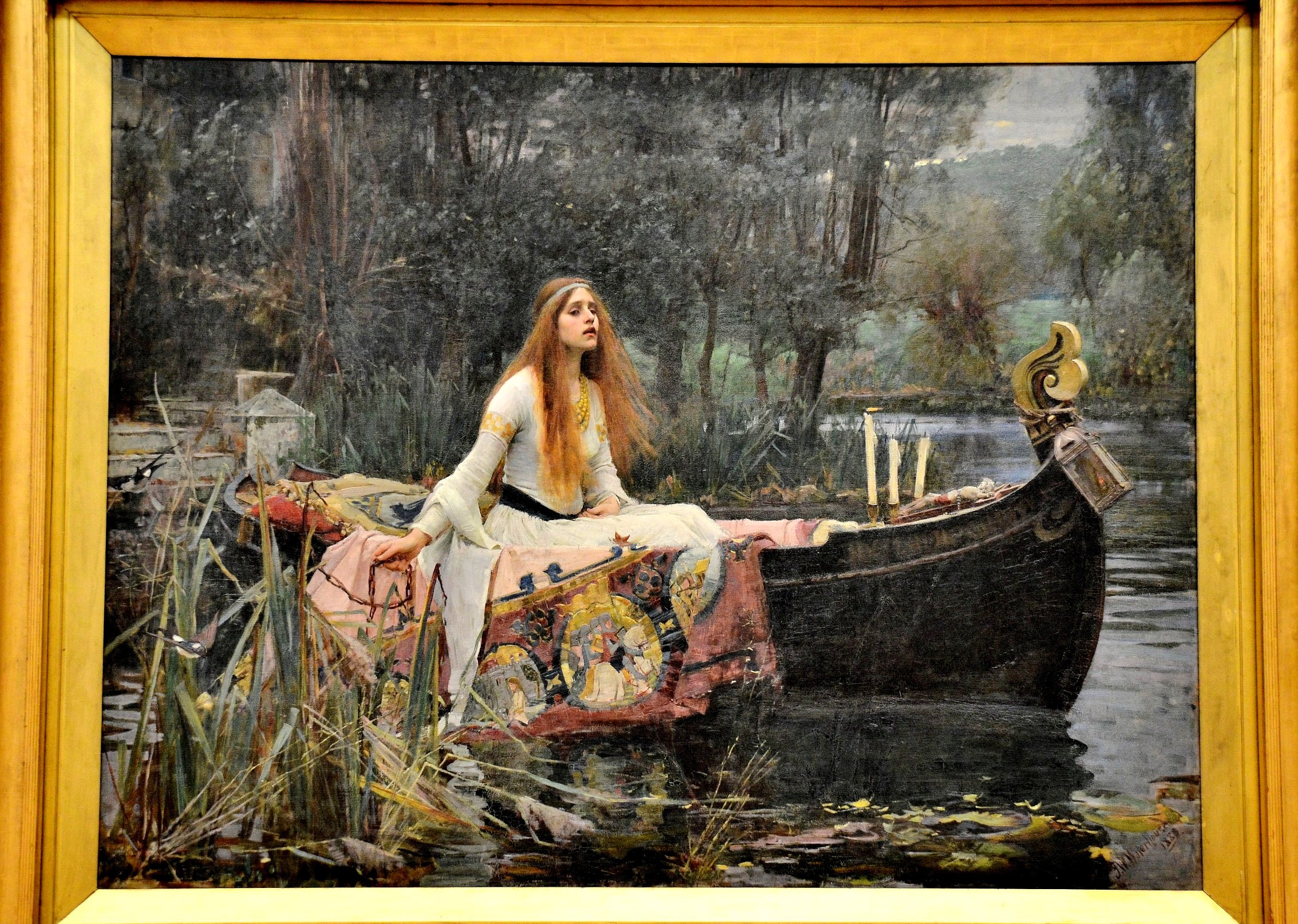
Tate Britain ⇐ ⇒. On the North Bank but only a short walk over Vauxhall Bridge. The Tate Britain houses a quite large collection of classical works and modern pieces.
Fenton House, Porcelain, Instruments, Views, Hampstead

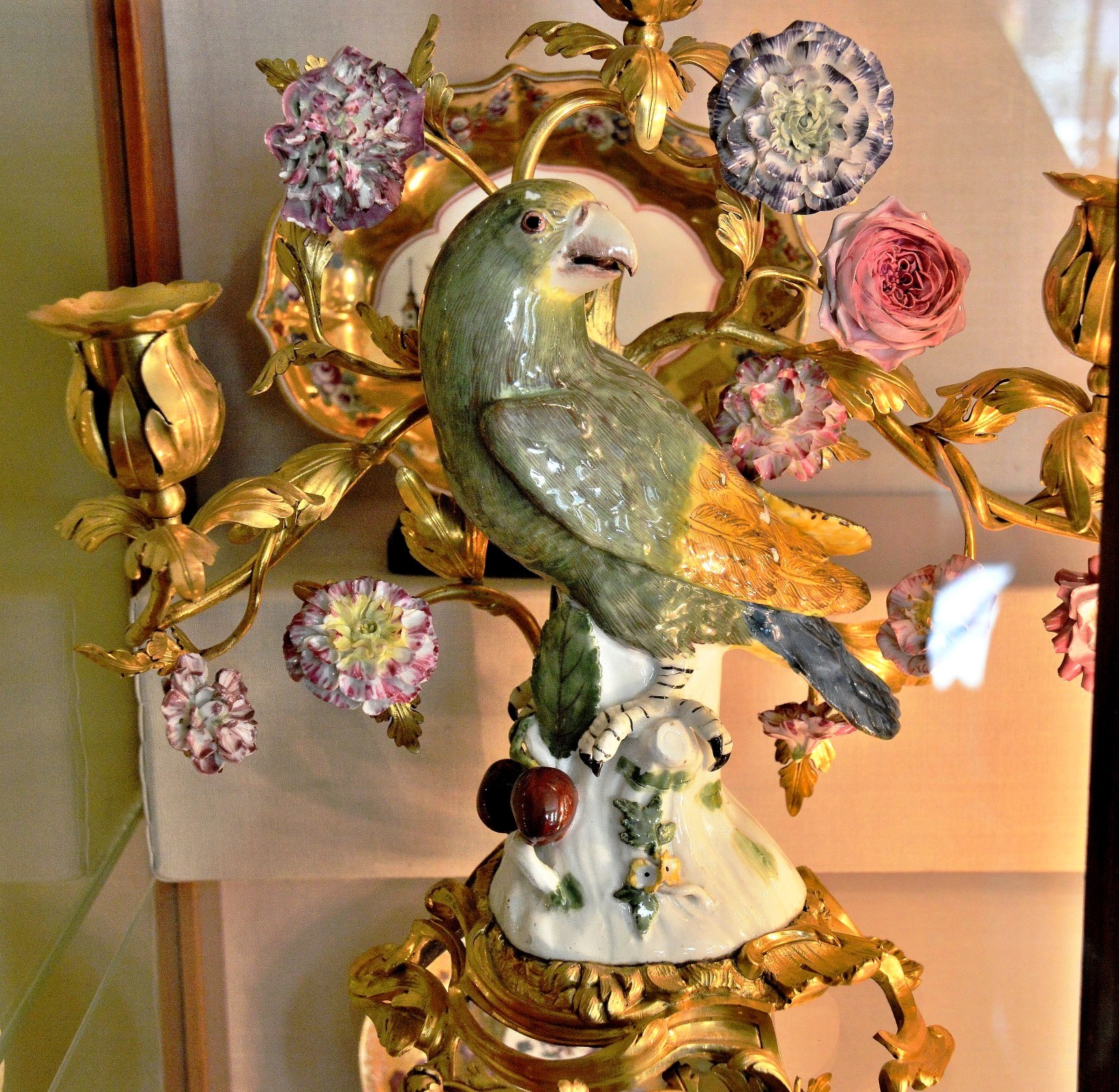
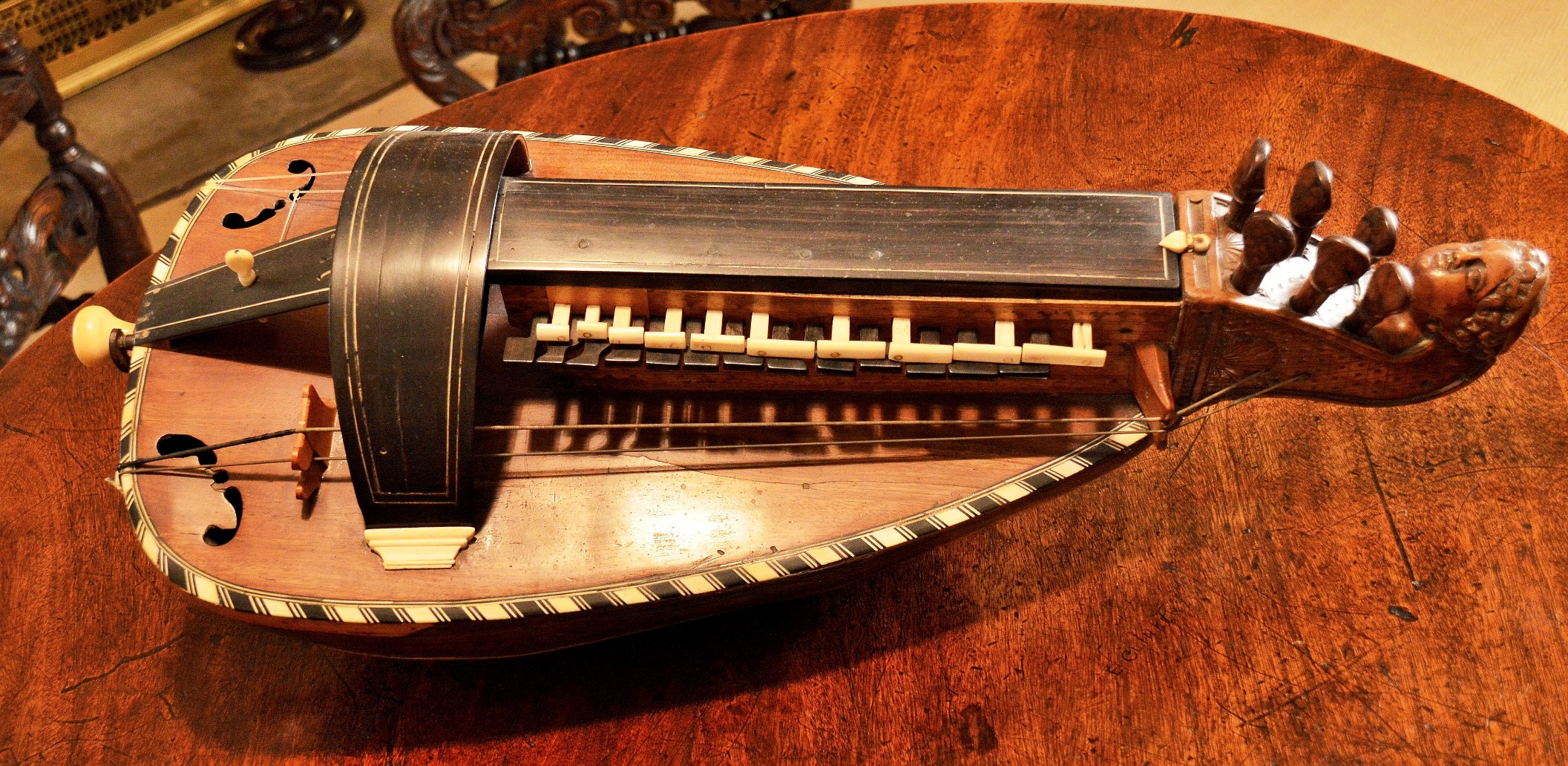
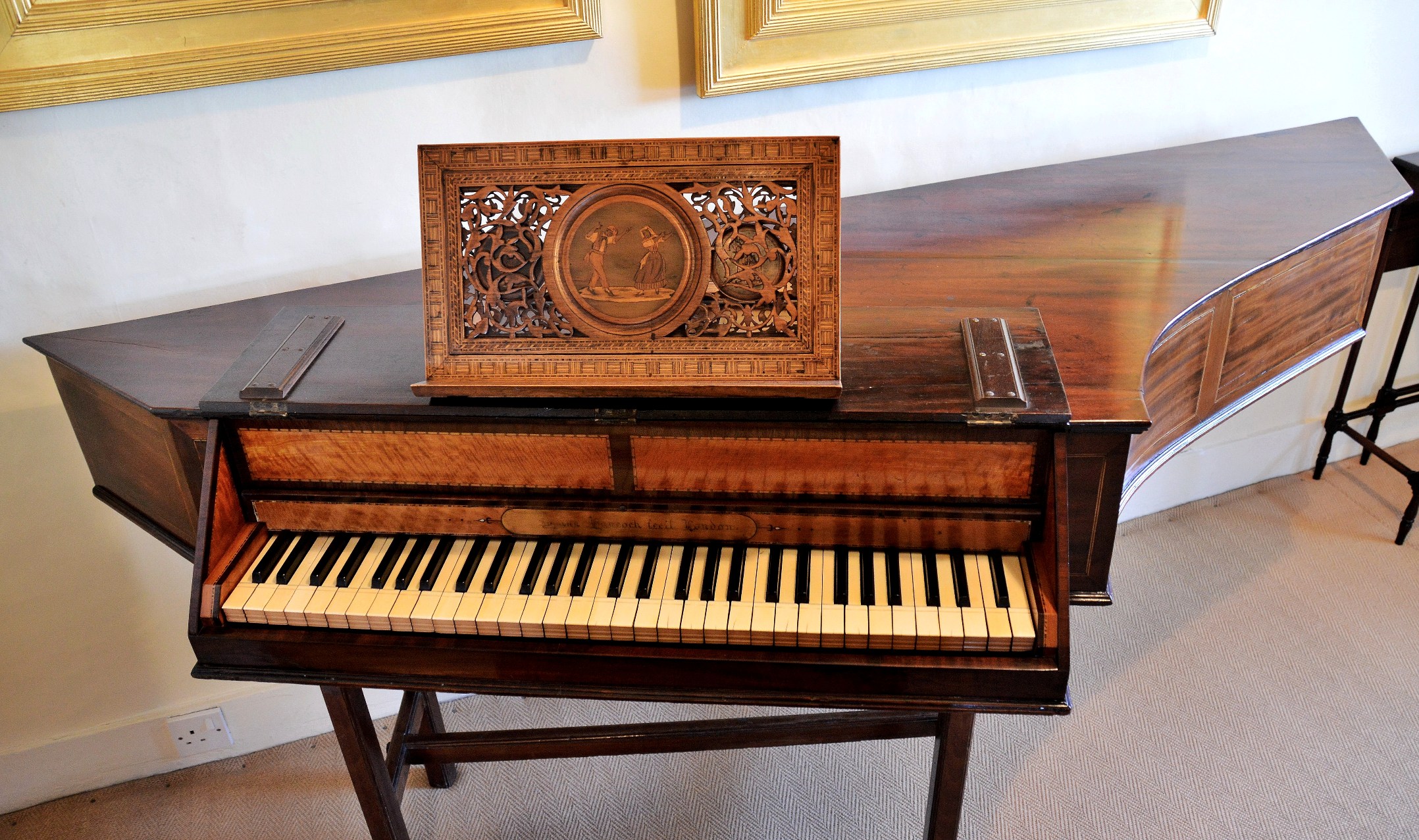
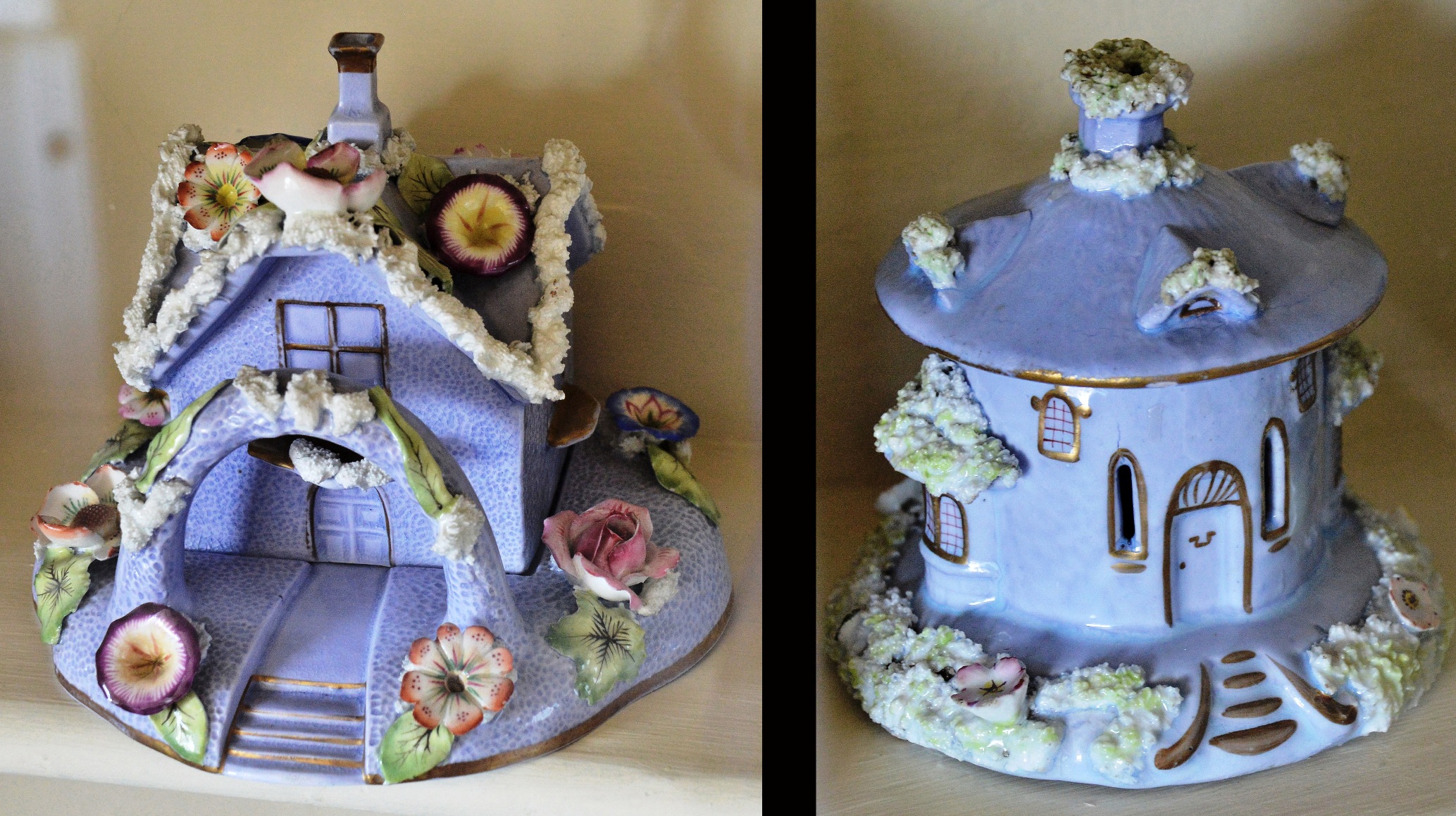
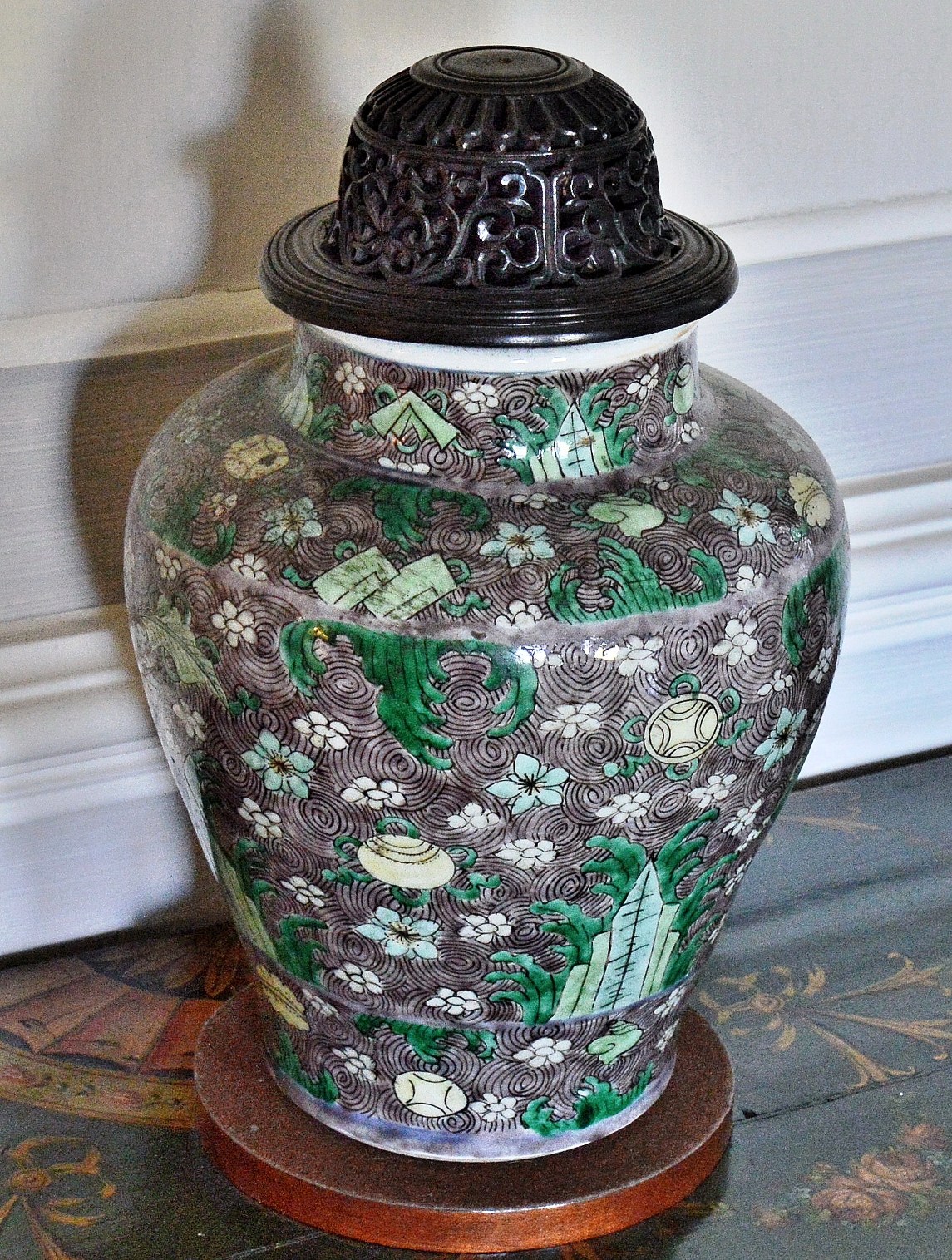
20 pics. Fenton House is not spectacular but it is very charming with a large collection of porcelain (including Meissen) together with several musical instruments and paintings. Its website is here (it isn’t open every day and there is a charge but there are occasional concerts) and some of its history here.
The above view of the gardens is from the third floor balcony and in the distance can be seen The Admirals House (where the origins of Mary Poppins was written) which has its own history here.
One can photograph everywhere except the harpsichord in the dining room (it belongs to the Queen) and the large framed pictures on the third floor.
Unfortunately there is no café but there several places for refreshment near the corner of Mount Square and Heath Street and along New End there is The Duke of Hamilton and The Buttery of Burgh House (they are all on Google Maps).
Not far away, just to the north of Hampstead Heath, is Kenwood House which is free to enter.
 The Meissen.
 .
.
 .
.
 Another view from the third floor balcony showing the Shard of Glass in the distance.
 .
.
 .
.
 .
.
 .
.
 .
.
 .
.
 .
.
 .
.
 .
.
 .
.
 .
.
 .
.
 .
.
 .
.

Tower Hamlets Cemetery Park, Fox and Flowers
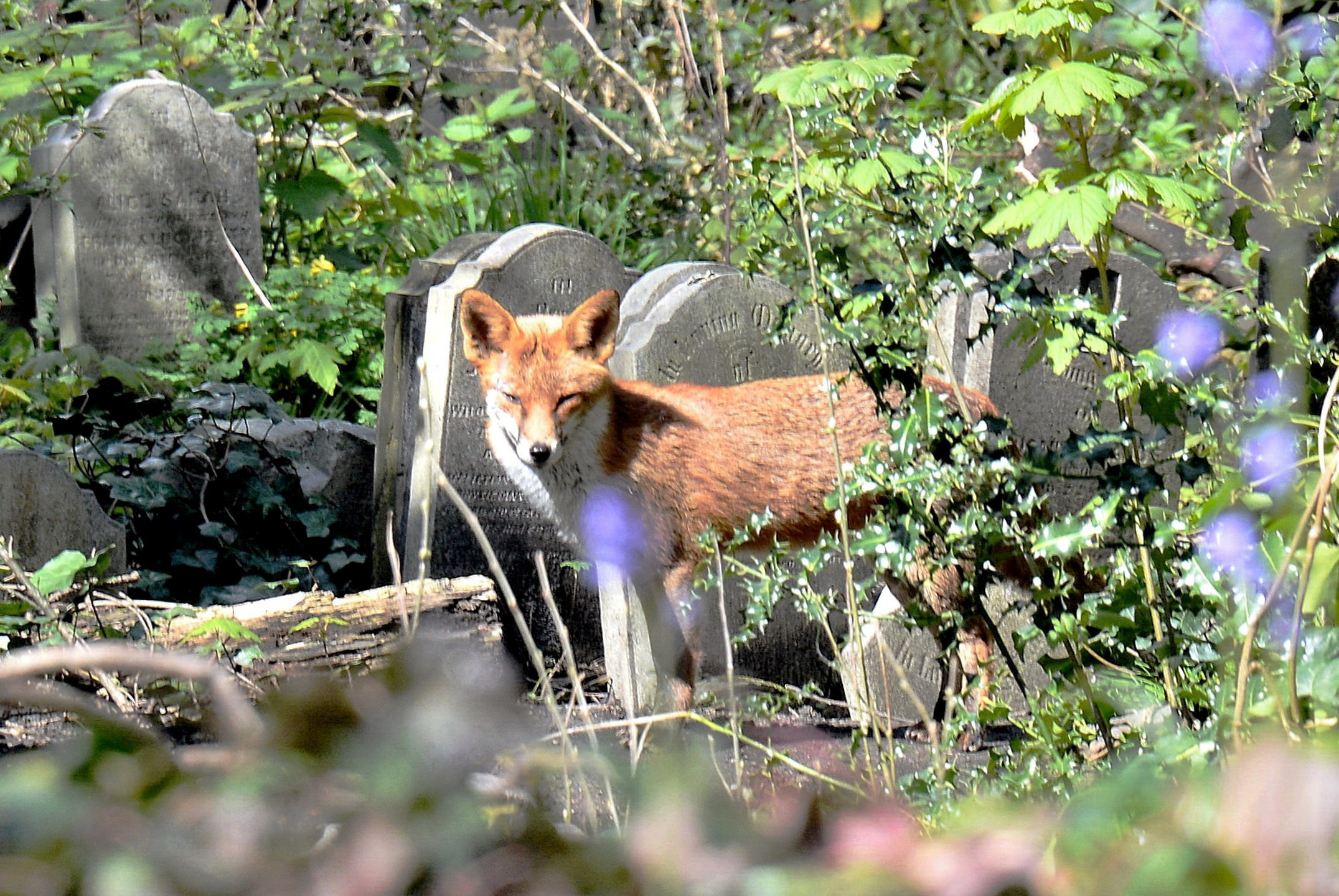
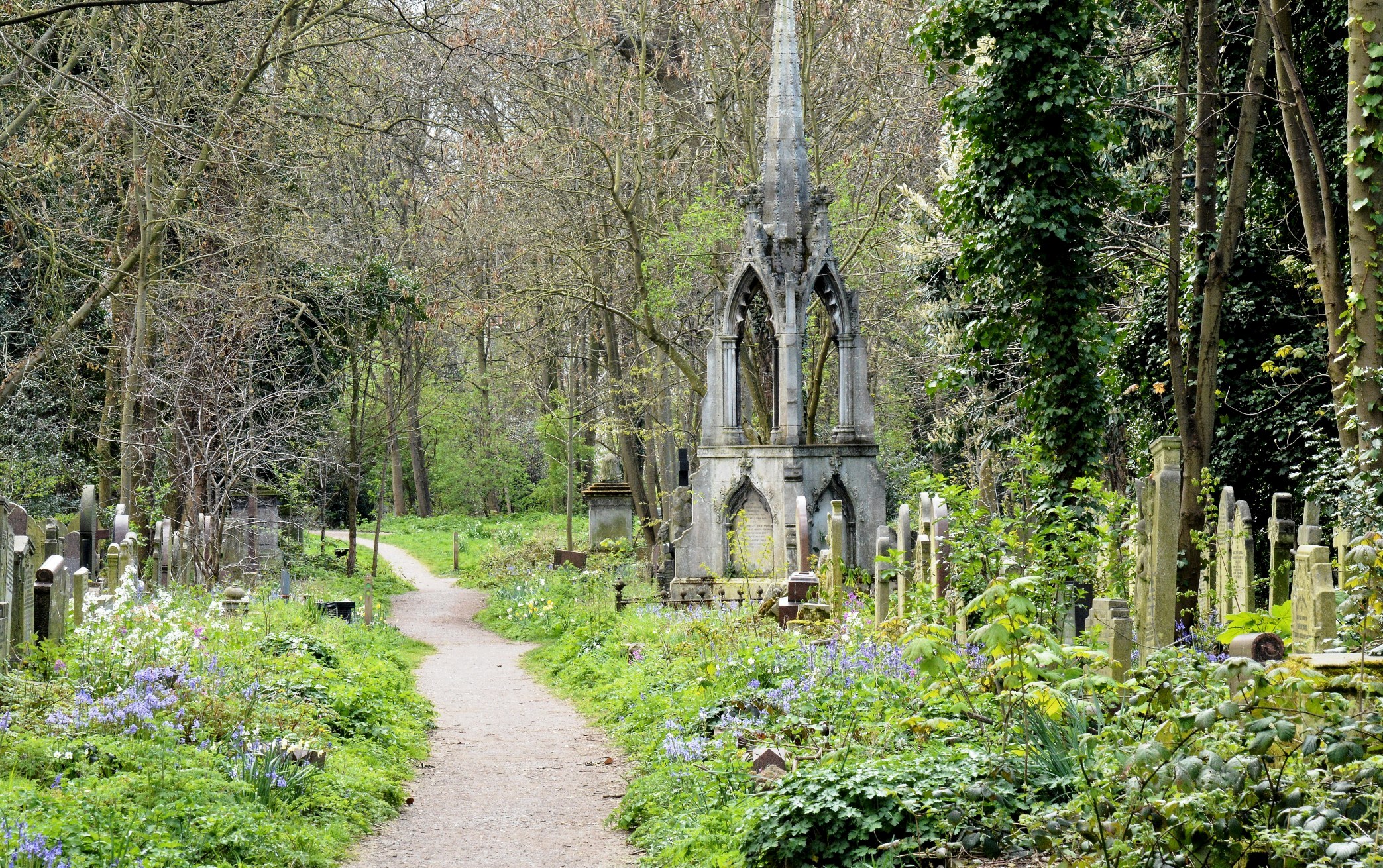
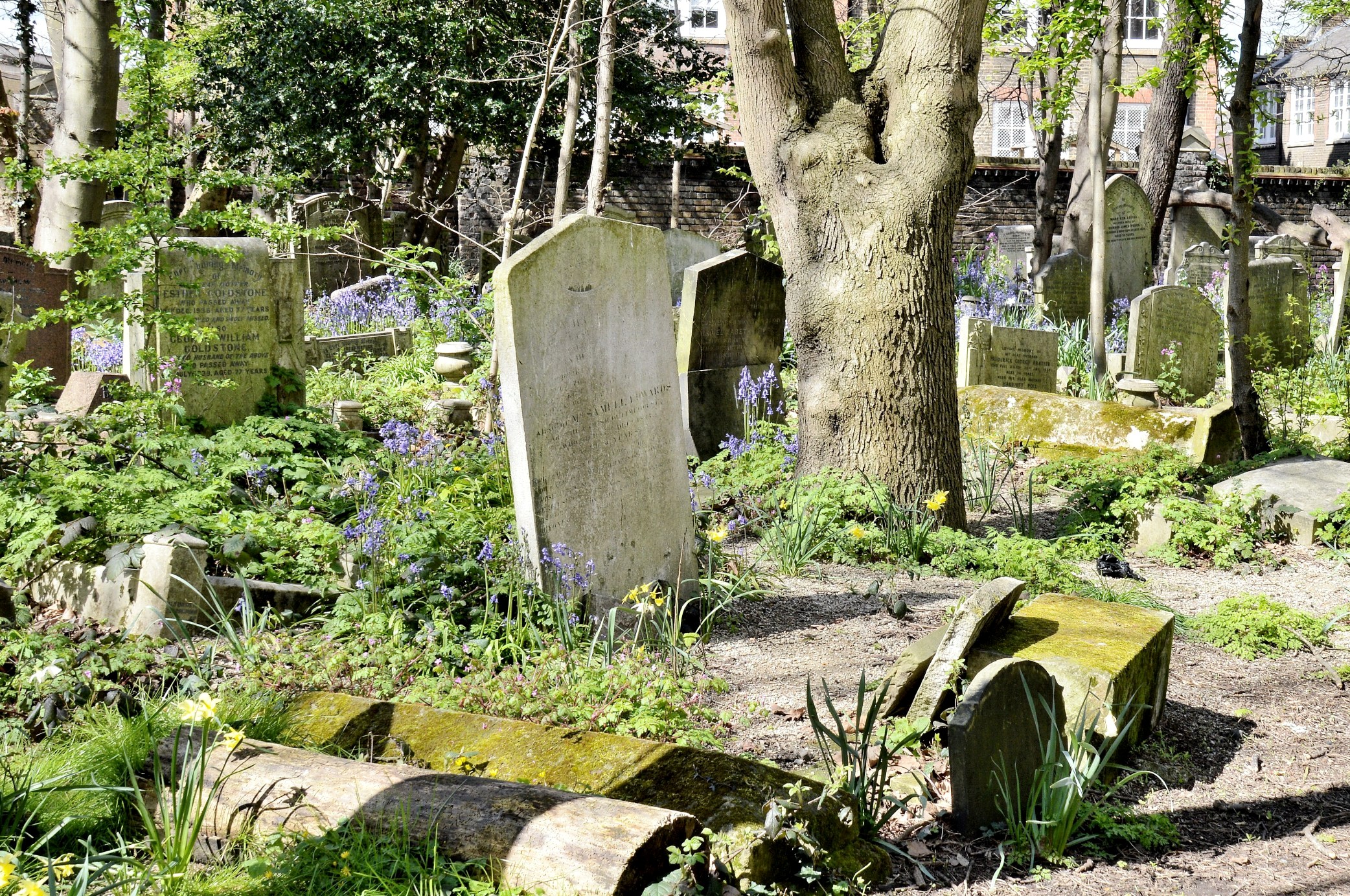
Tower Hamlets Cemetery was opened in 1841 and its last use was in 1966. It is now a lightly managed woodland, a nature reserve and has an ecology center. It is the only woodland for miles and comes complete with many cheeping birds, squirrels and the occasional fox. About Tower Hamlets Cemetery Park ⇒.
The park is located just south of Mile End underground station (on exiting the station turn right then second right onto Southern Grove and the park gates further down on the left).

.
.

.
.

.

The above are artificial (fooled me).
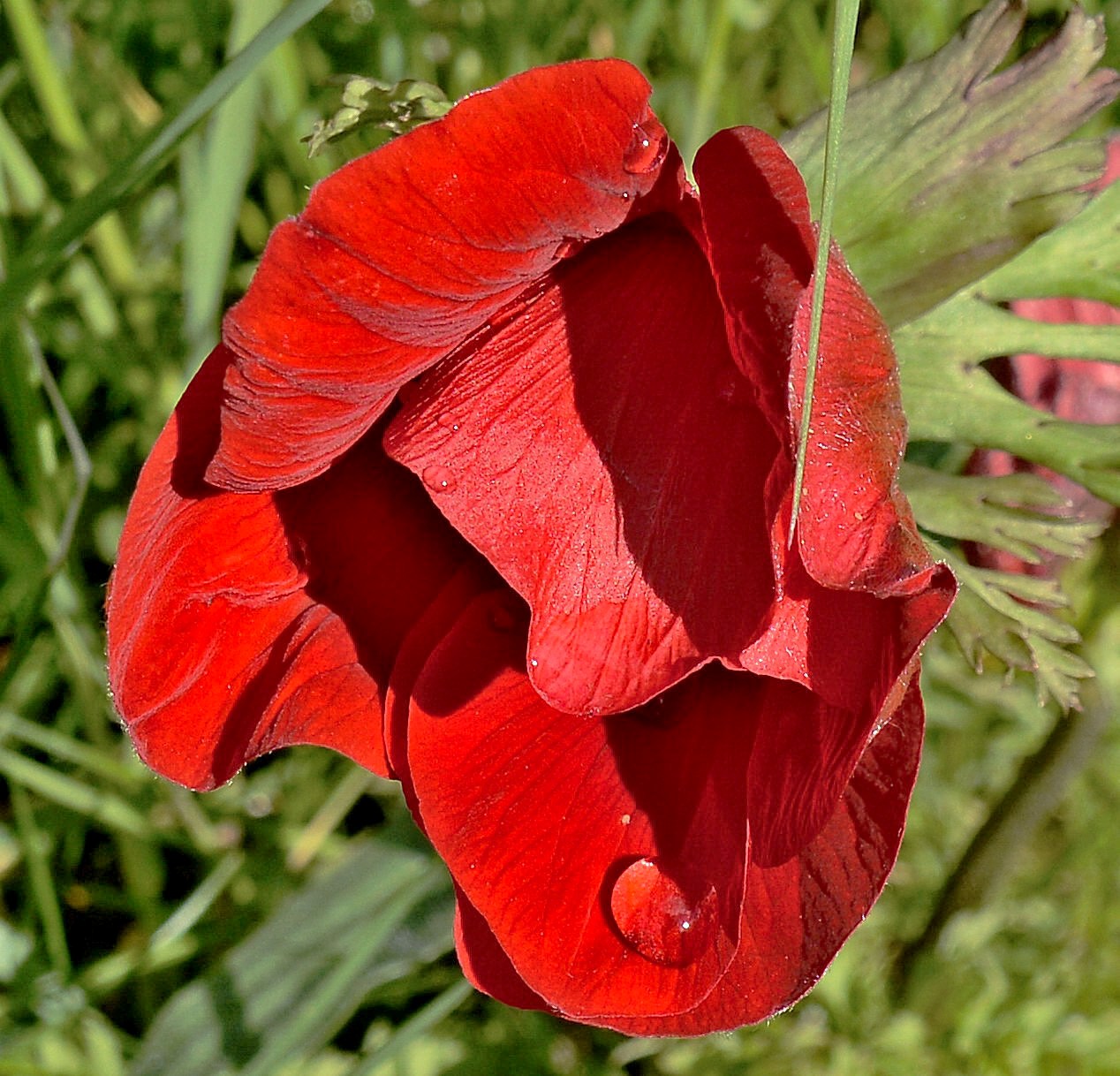
These are just outside the southern railings.

.

More from Tower Hamlets Cemetery Park in spring with squirrels ⇐.
Super Bubbles on London’s South Bank

Alien Relaxes Under Duvet
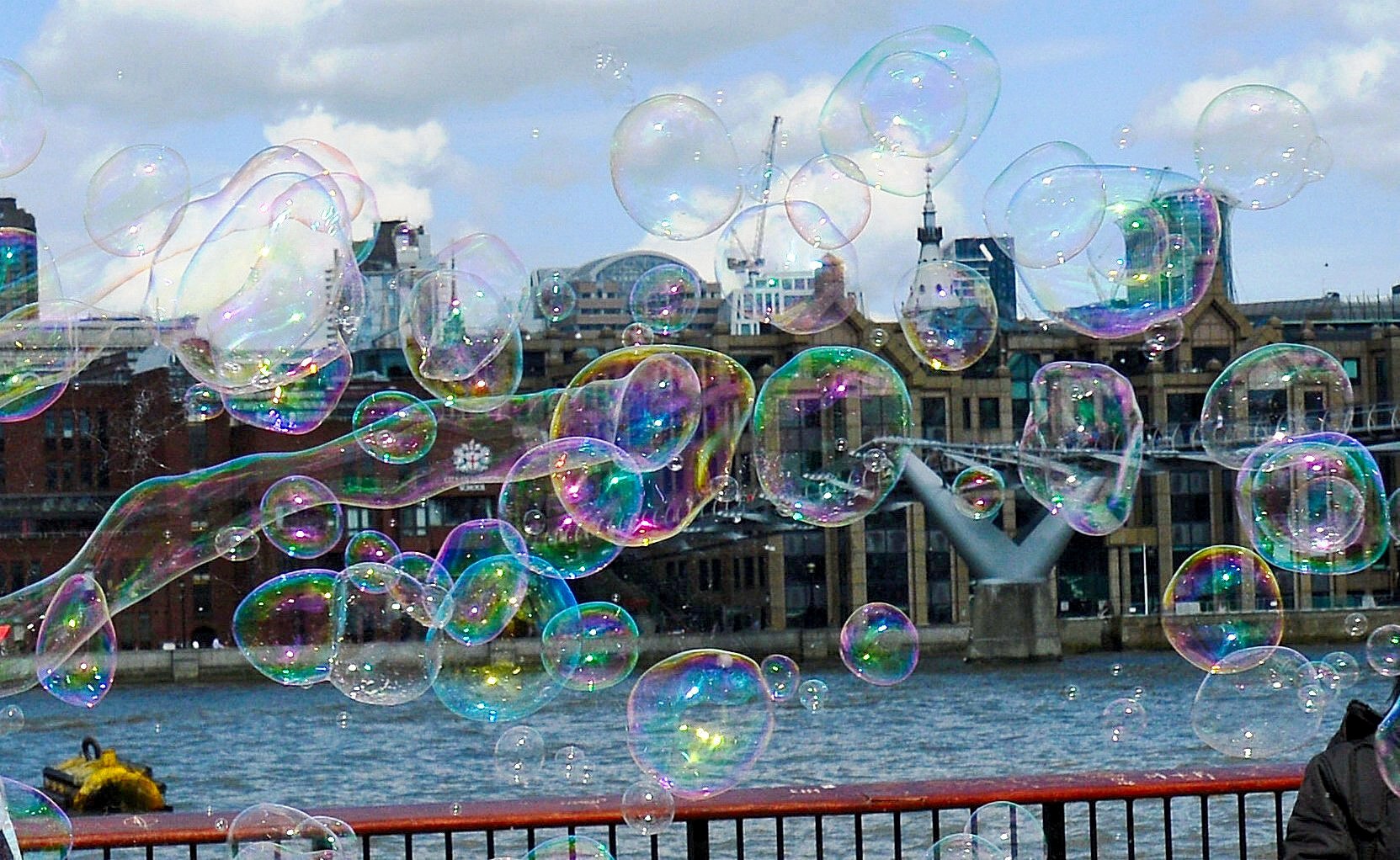
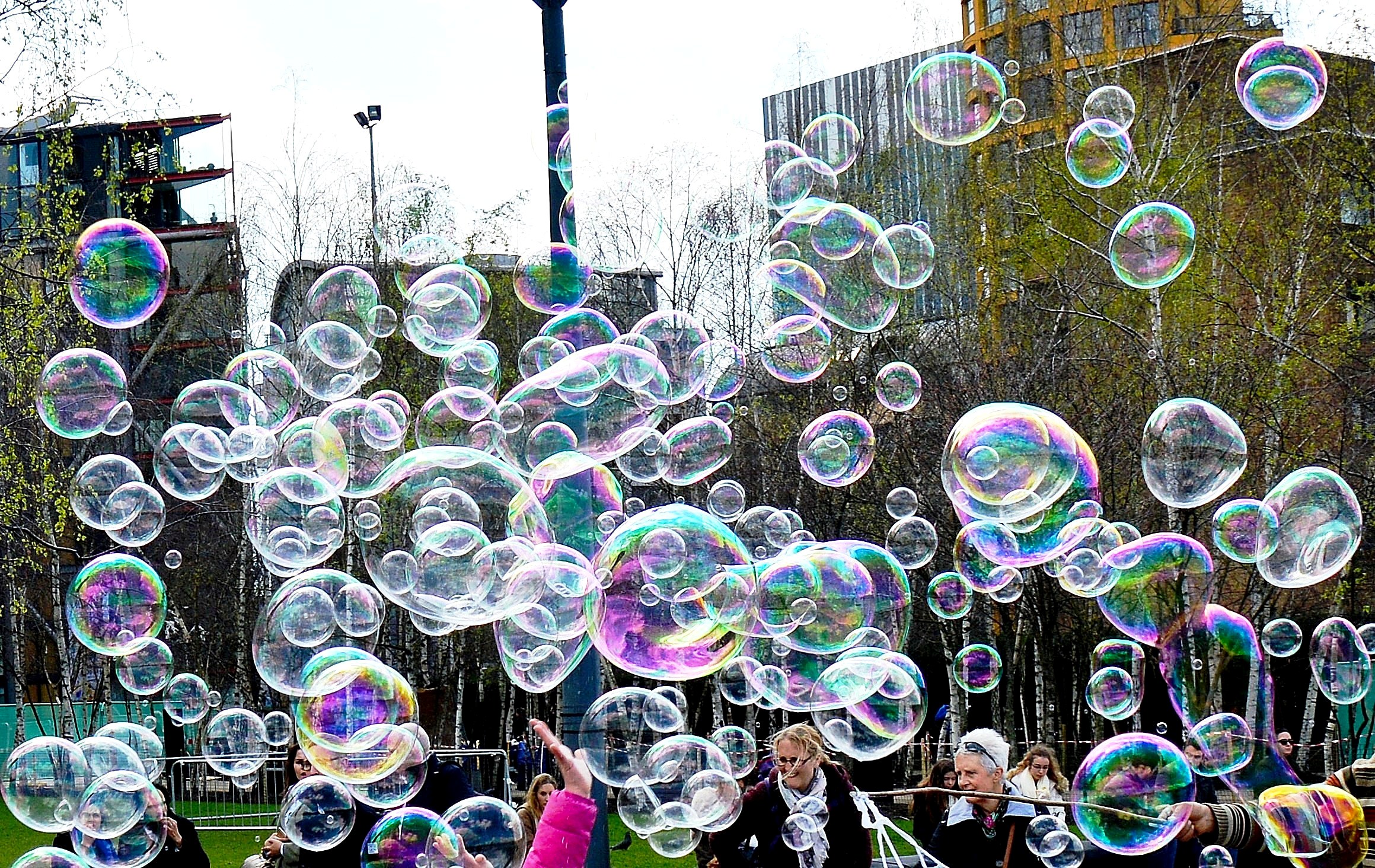
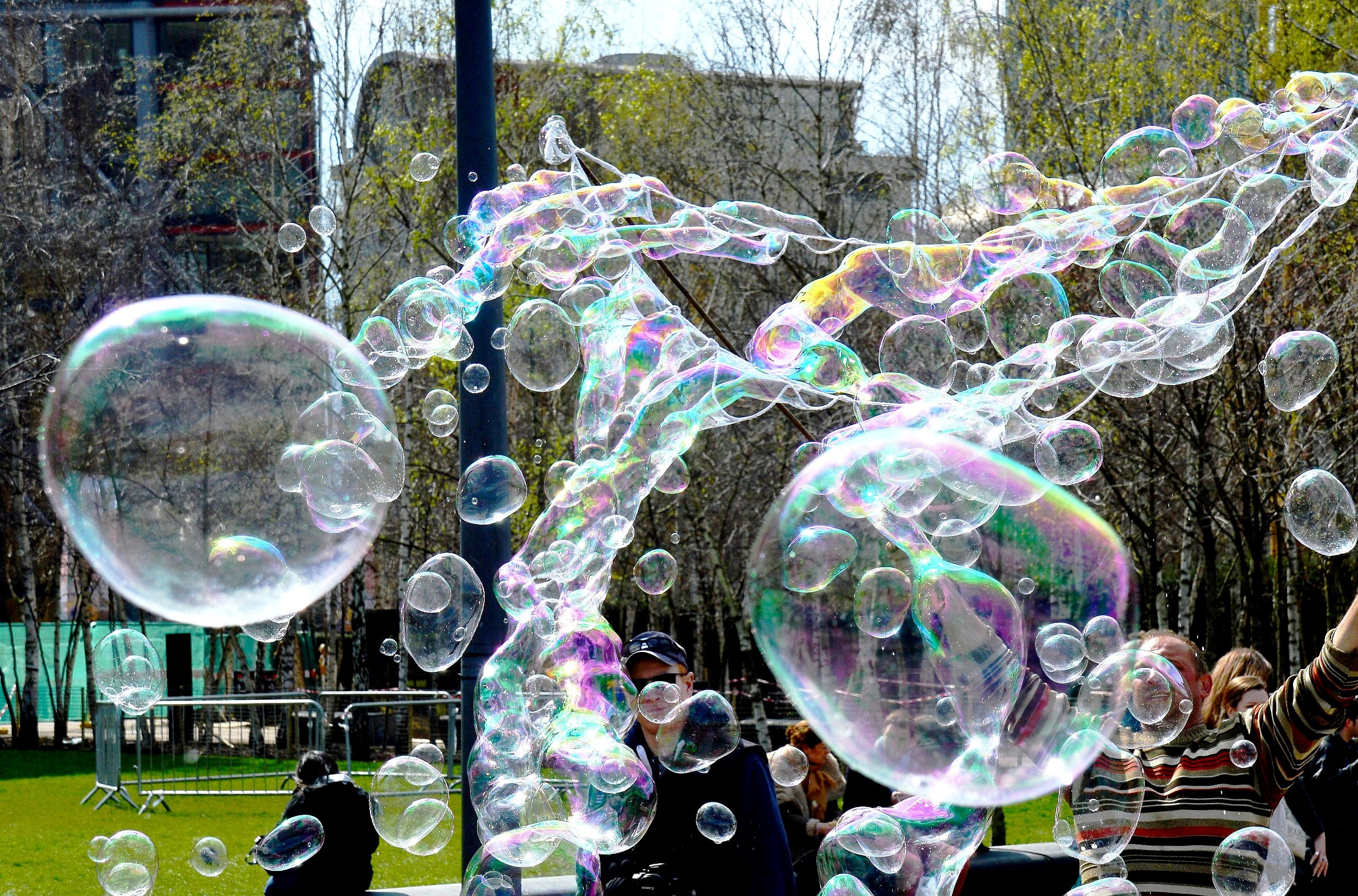
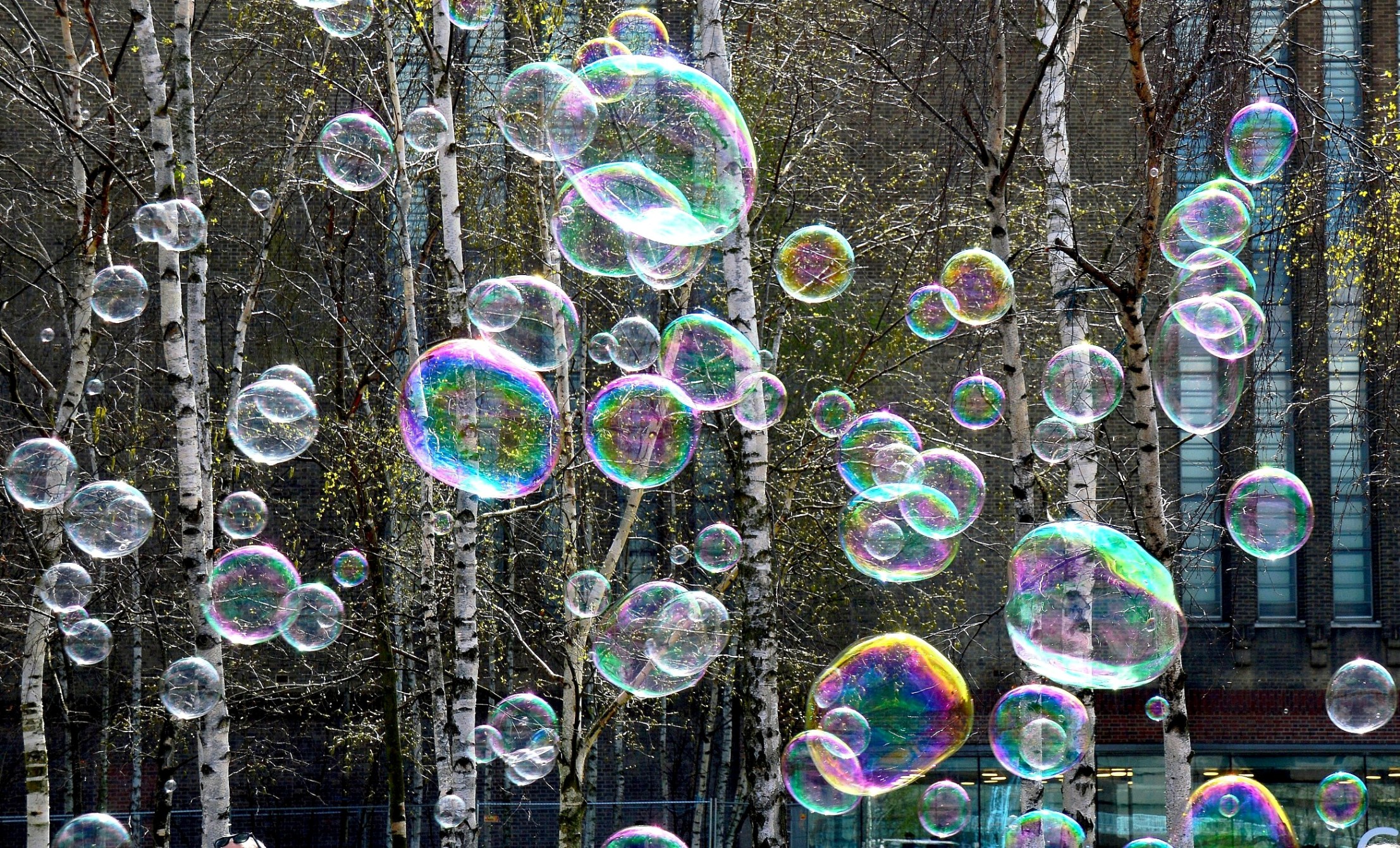
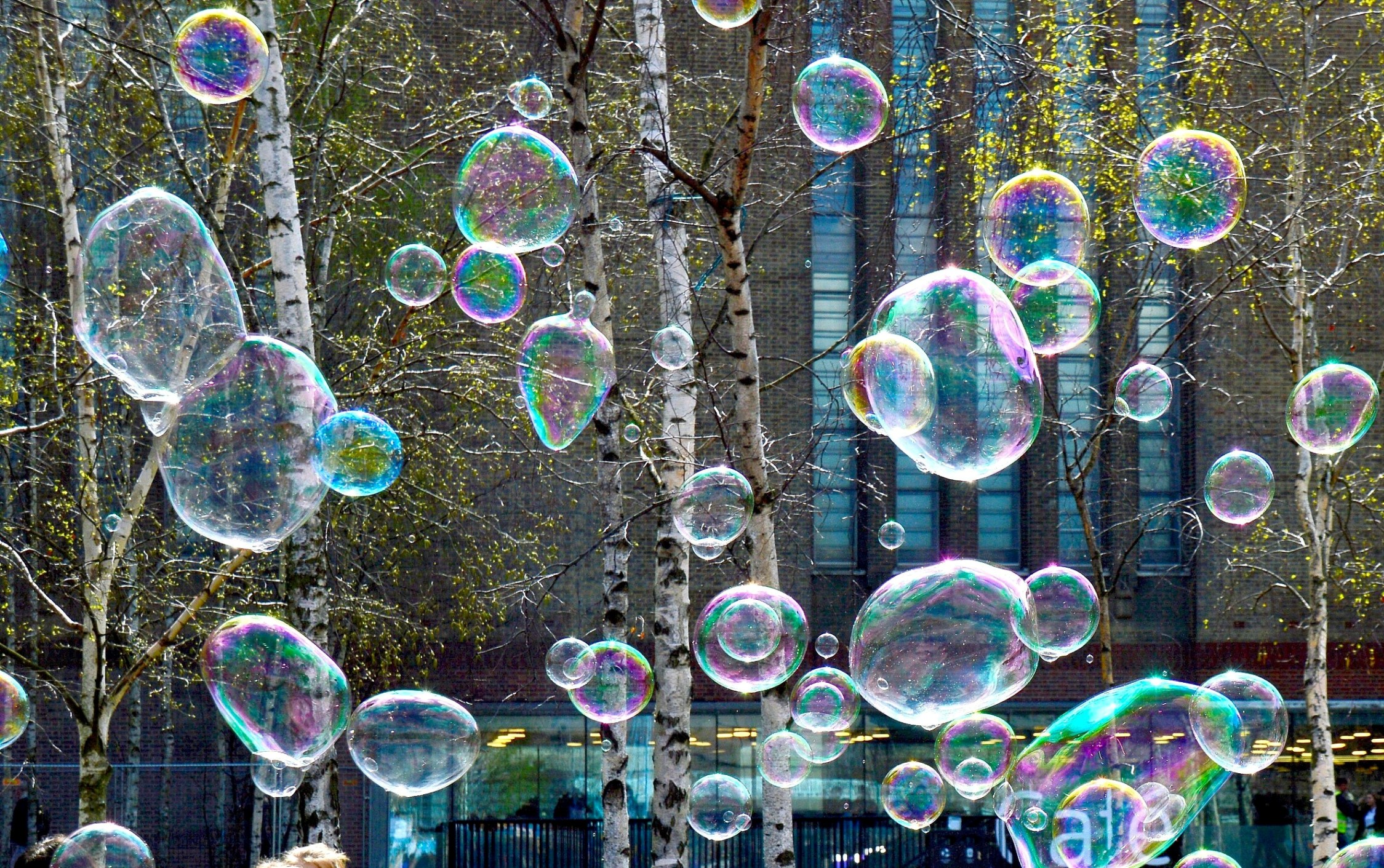
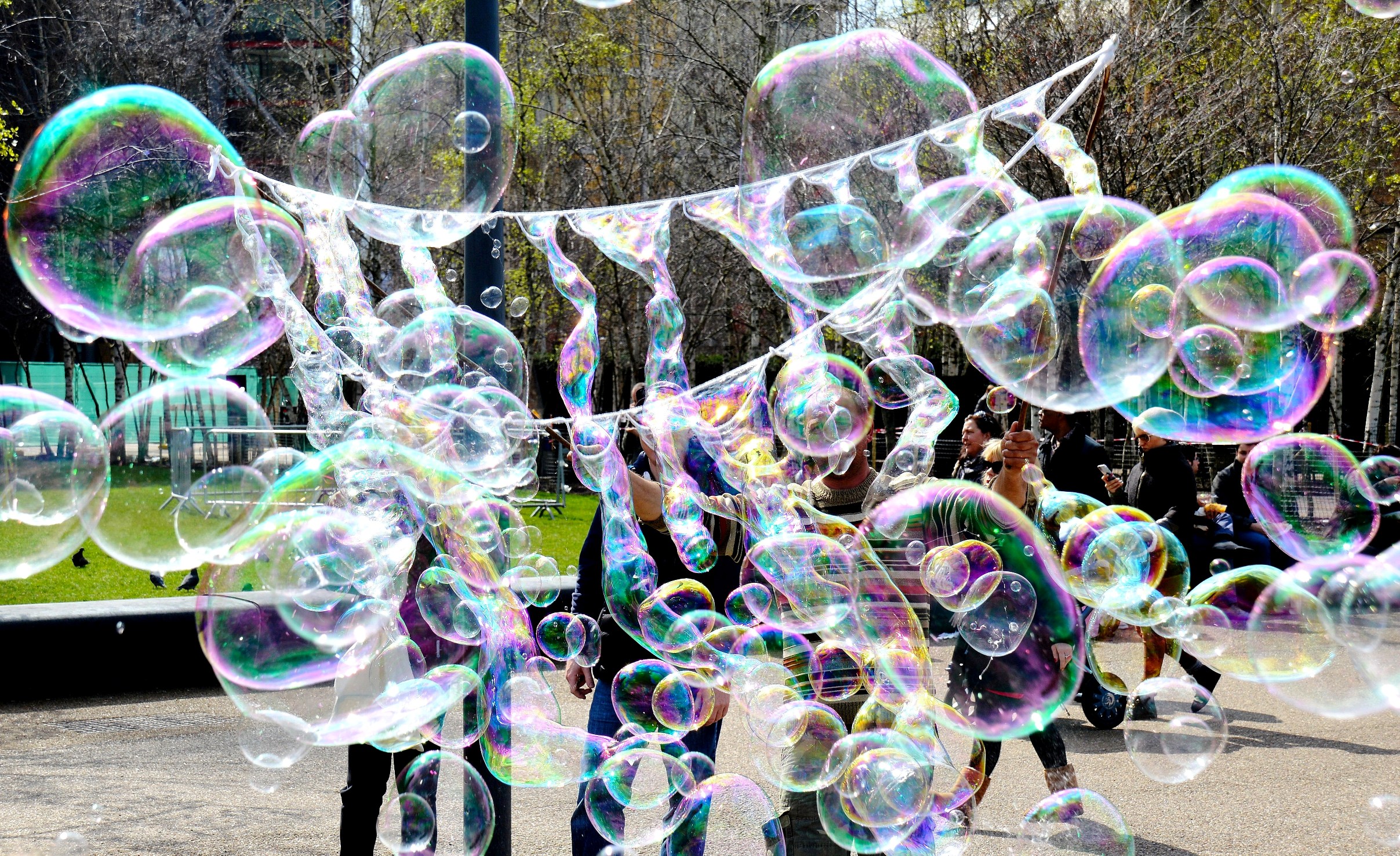
Along London’s South Bank there are a variety of street performers including singers, performance artists and bubbleeers. Here are some pics of amazing bubbles outside the Tate Modern Art Gallery. Being outside a modern art gallery, I’ve added a little whimsy. 😀
.
.
.
.
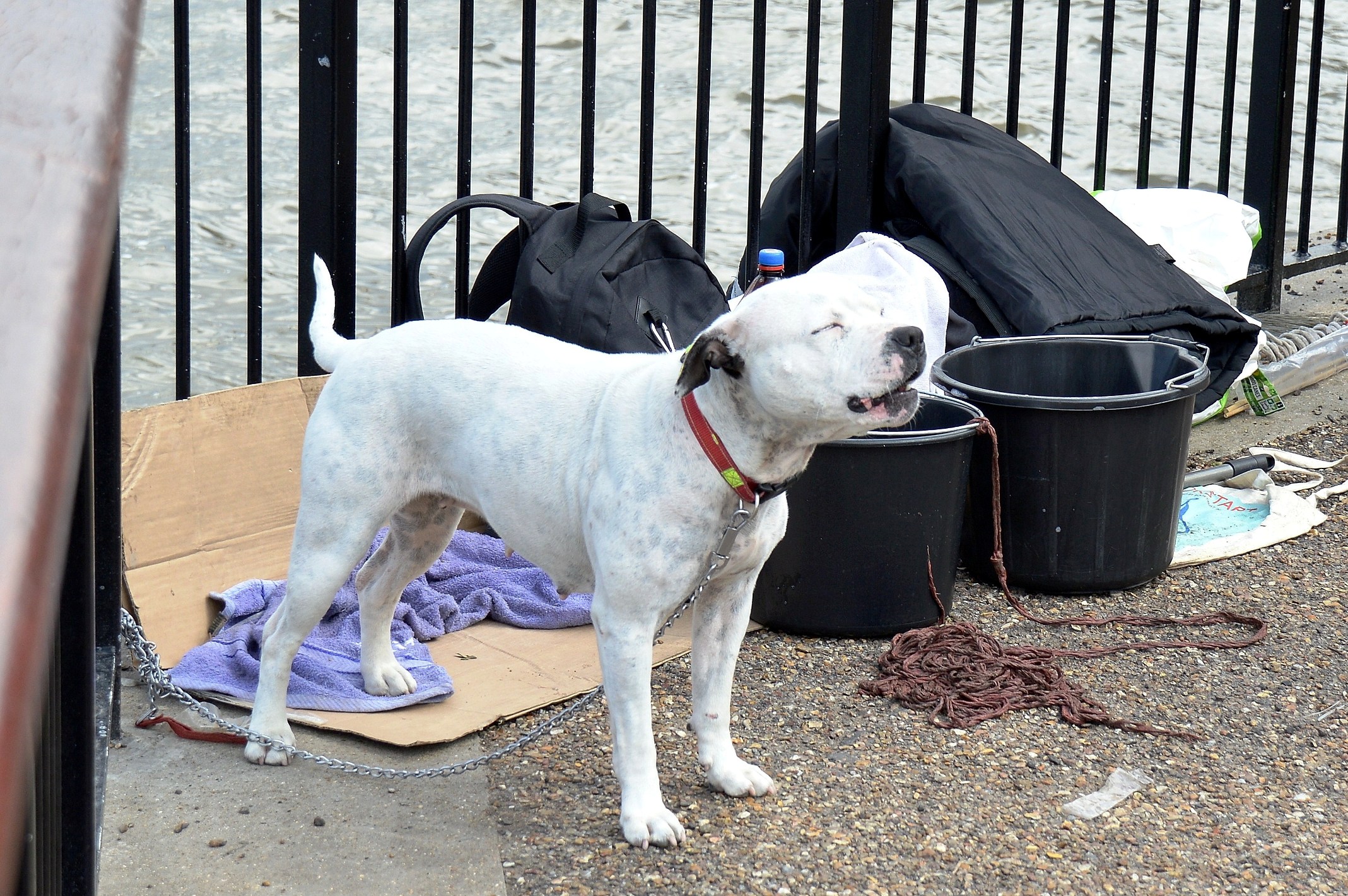
A little dog defends the world from bubbles by giving them a good barking at. Job done, he then had little snooze.
.

Lifeboat Emerges From Jelly World
.

.
.
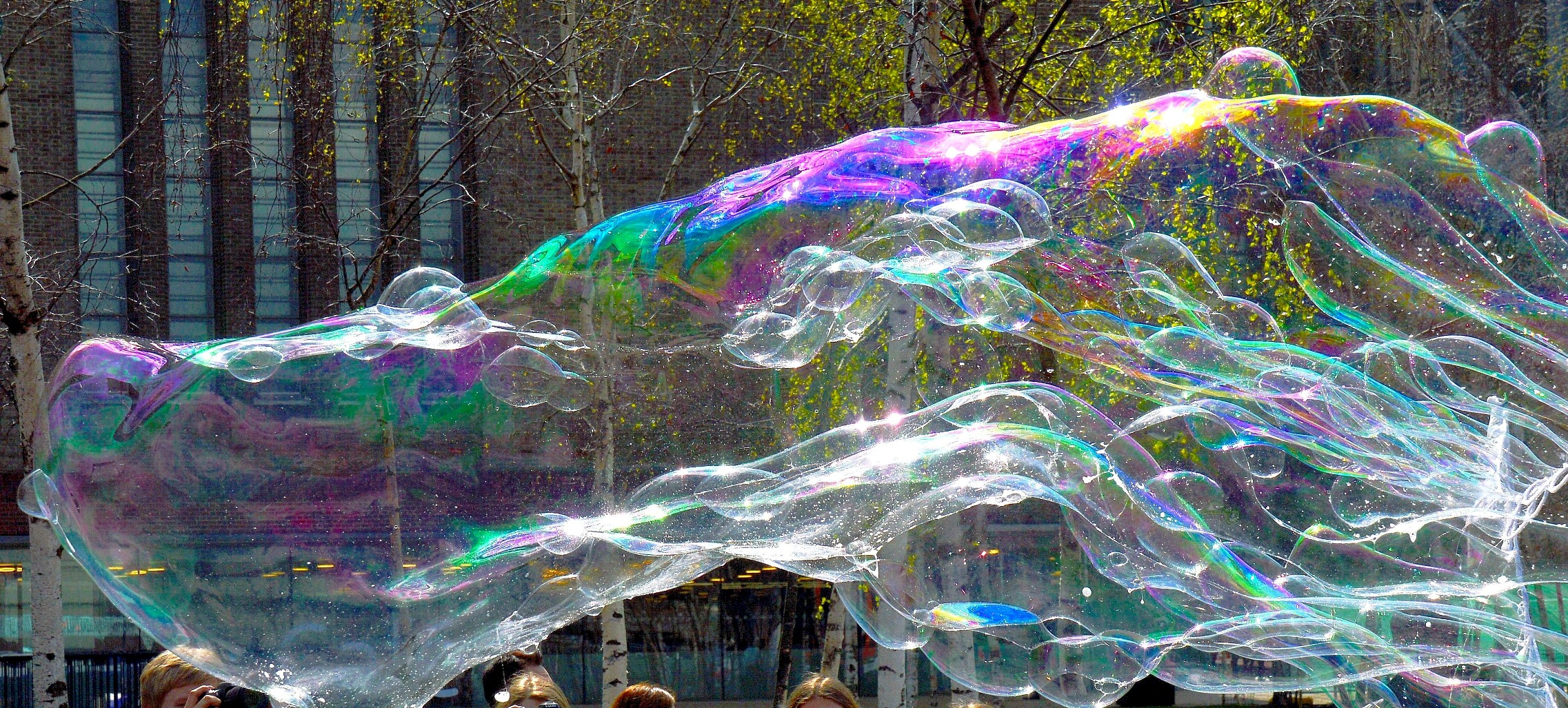
Prehistoric Alligator Gives Large Frog a Ride
.

Swimmer Leaps Out of Water – Frightened by Prehistoric Alligator
.

Jumbo Jet
.
.

.
.
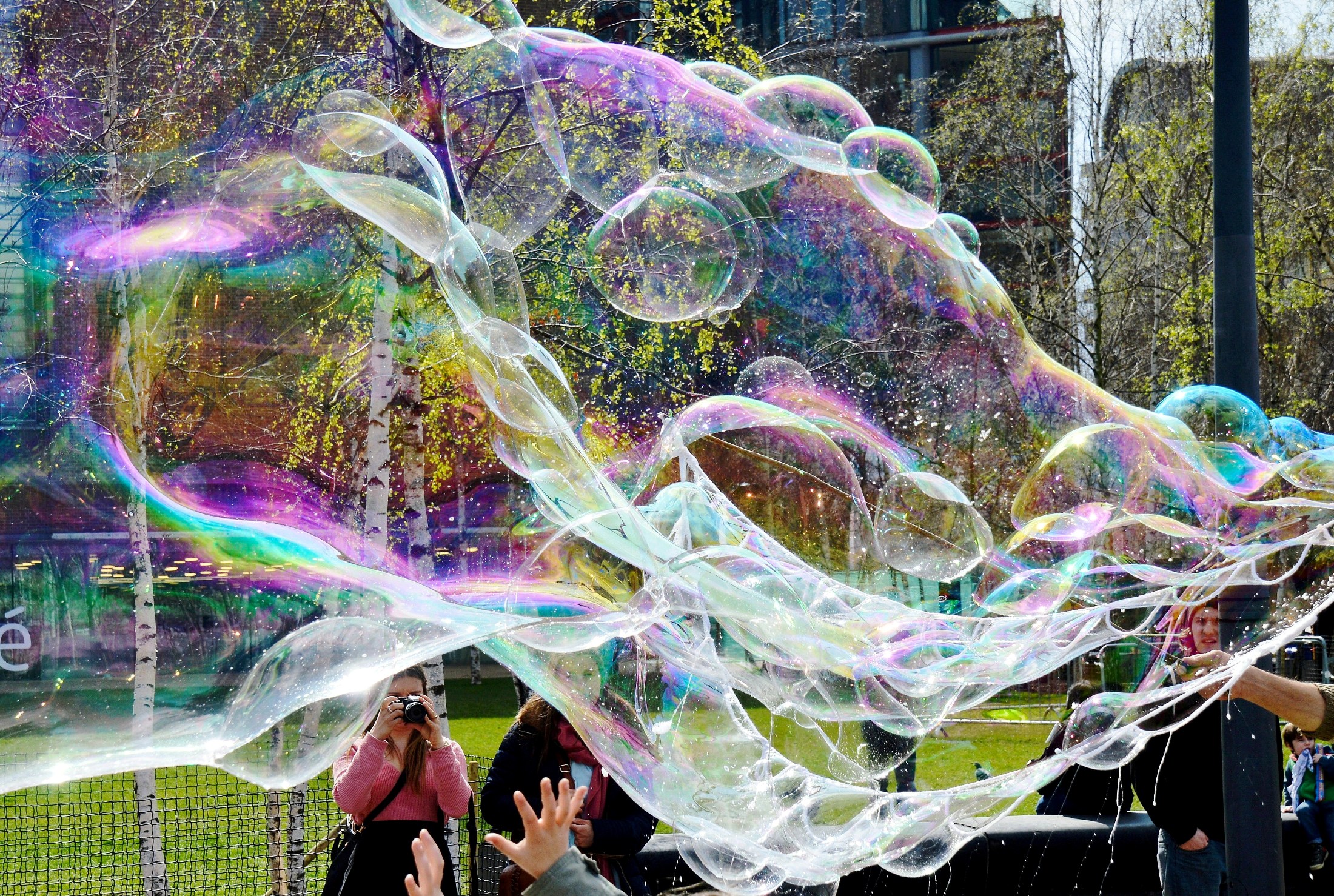
Jumbo Jet Makes Emergency Landing on Massive Bubble Bath – Frightens Prehistoric Alligator – Frog’s Had Enough and Goes Home on Bus
Well, might have. 😀
The Tate Modern Gallery

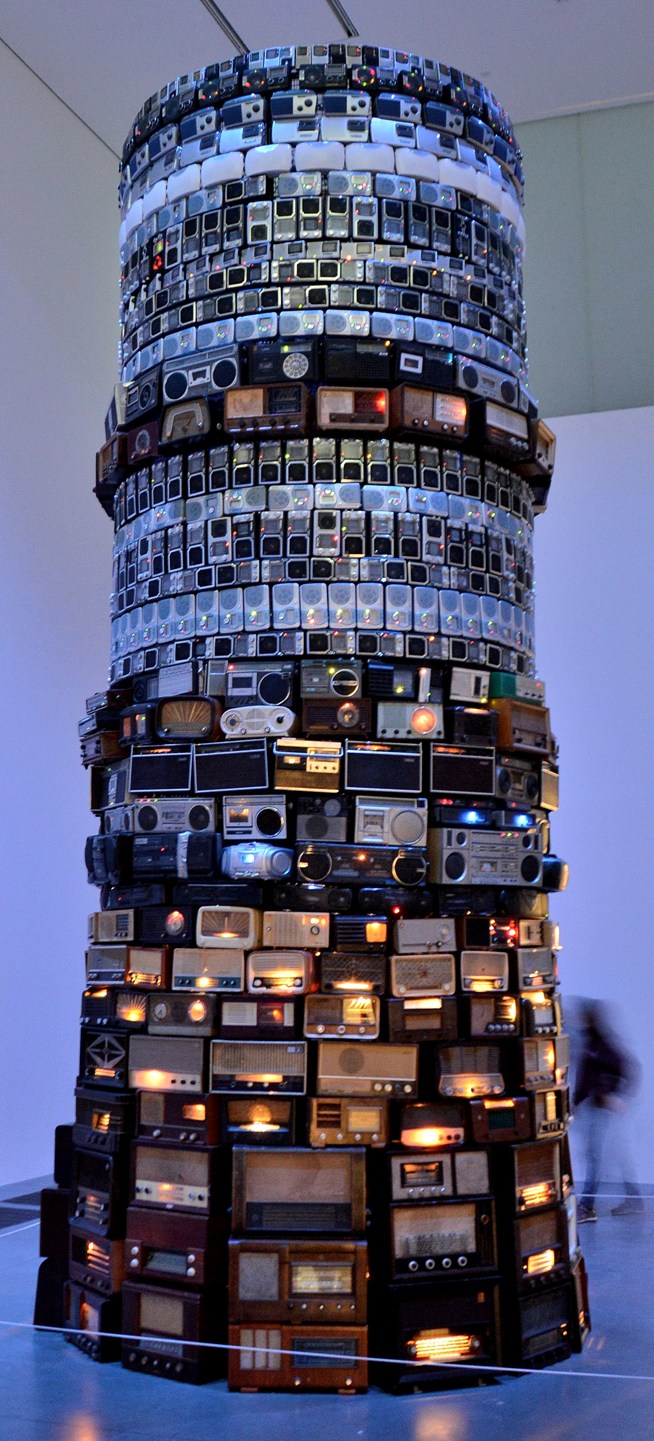
The Tate Modern (website) occupies a huge building on London’s South Bank amongst a cluster of other venues, including the Globe Theatre. It’s contents can be classified generally as modern art but does include some items of past political and ideological interest.
I was disappointed at the absence of poster, record cover and street art but there is a breadth of other items and probably something to suit most tastes. I’ve tried to include a broad mix of items that I like and those that I do not. Taste is a very personal choice and, I think, not a matter for value judgements (they thought so too and wouldn’t let me take my angle-grinder in 🙂 ).
The venue is free to enter and photography is permitted except in some of the exhibitions. Further up river is the Tate Britain with a mix of classical paintings and some modern art sculpture.

Tate Modern – Winnie Mandela
.

.

For a closer view, click on the image and then again to magnify.

This is half of an installation in progress. The other half is the same but faces the other way with a platform in between and will be “A live art game for children and adults”.

Tate Modern – Salvador Dali – Autumnal Canibbalism
.

Tate Modern – Pablo Picasso – Weeping Woman
.
.

.

Tate Modern – Gerhard Richter
I did find that many of the larger works were better viewed at a distance and hence very effective when seen in the smaller scale of a photograph.

Tate Modern – Gerhard Richter
.

.

.

.

.
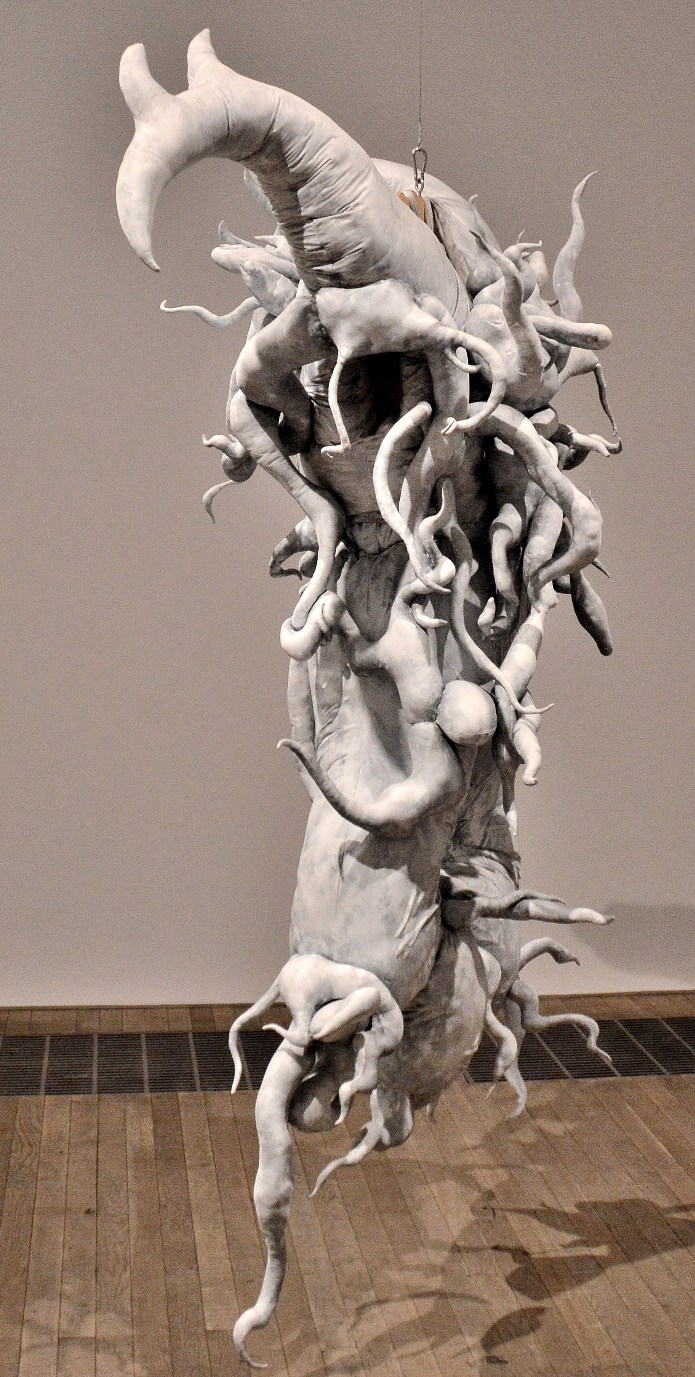
Tate Modern – Lee Bul – Untitled (Cravings White)
.
.
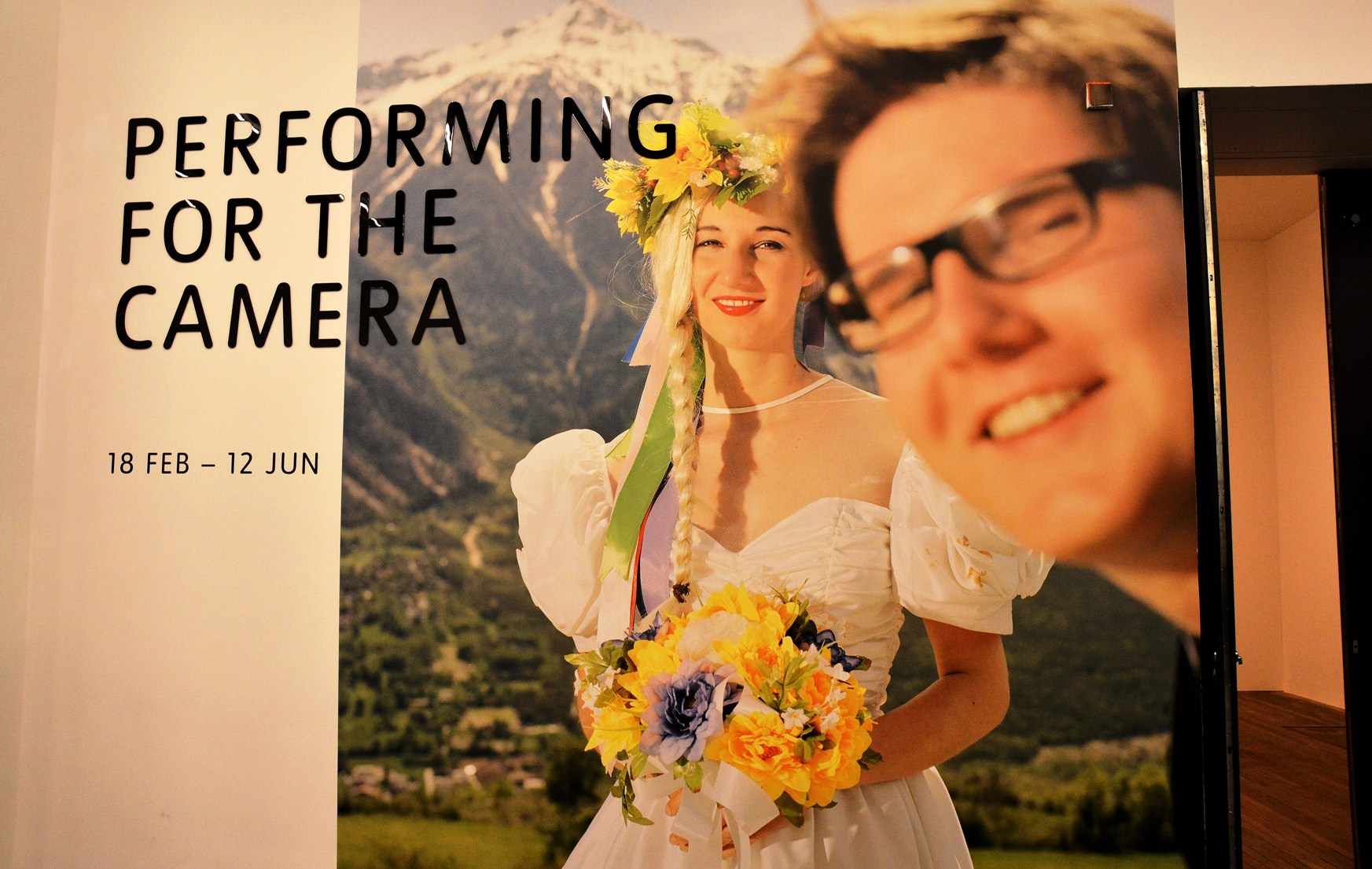
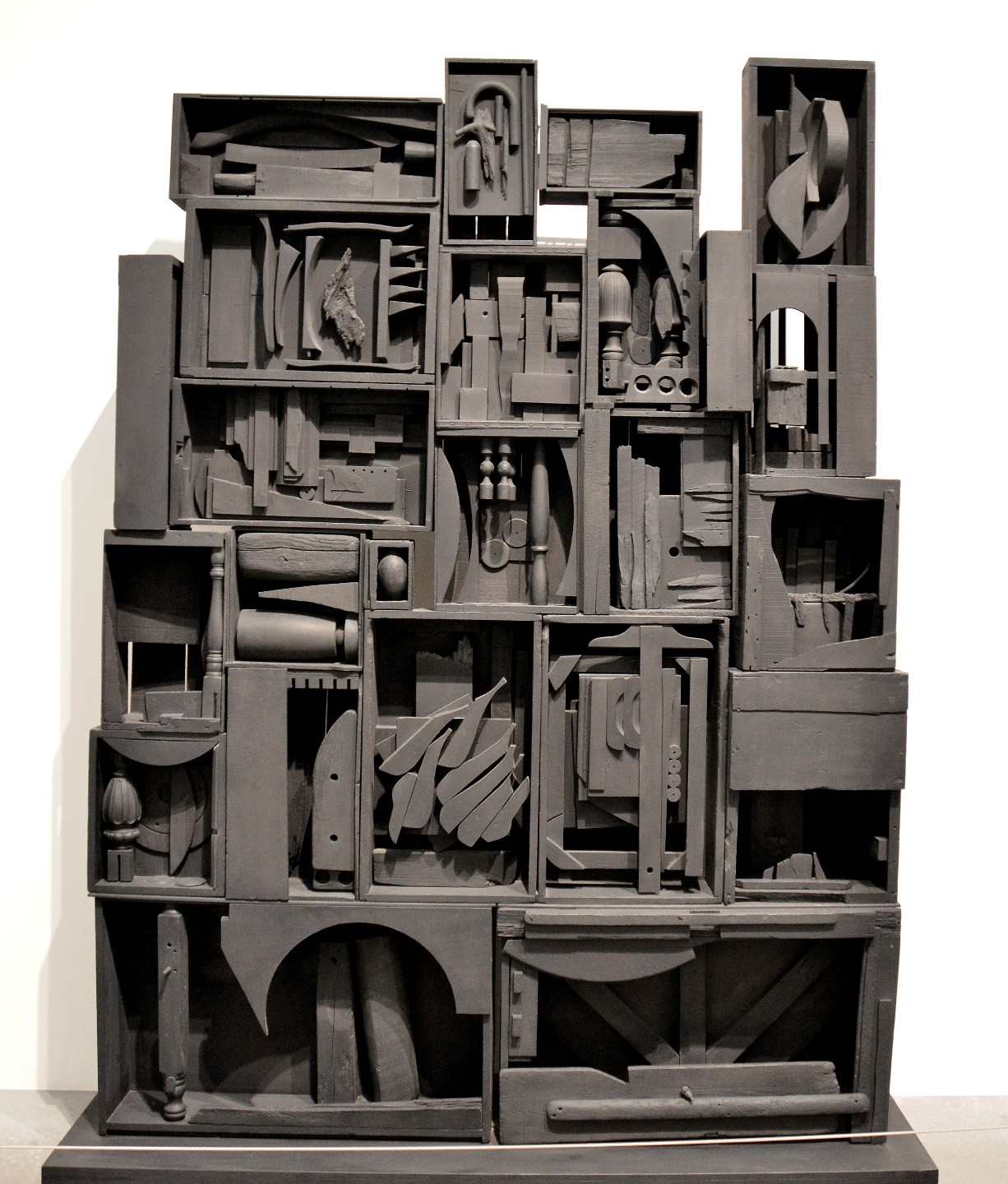
I’ve included this as an example of post-modern existentialist irony. That is, there is a sign outside the exhibition room that says “NO PHOTOGRAPHY” and me with no angle-grinder. Some people have no sense of humour.
Southwark Cathedral Interiors, Stained Glass and Legend

21 pics. Southwark Cathedral has some of the finest stained glass that I’ve seen anywhere. It is free to enter and a non-commercial photographers permit/sticker can be purchased from the shop for £2.50. The Wiki hiistory is here and the cathedral’s website is here.
The site of Southwark Cathedral has been a place of worship for more than a 1000 years and has a curious legend attached to its origins (see below). It is is very close to London Bridge Station and near to Bankside, The South Bank, The New Globe Theatre, The Tate Modern and many other venues of interest (South Bank Attractions »).
Beside the cathedral is the Borough food market where one can purchase almost anything from Falafel to Thai food.
For a closer view please click on an image and then again to magnify.
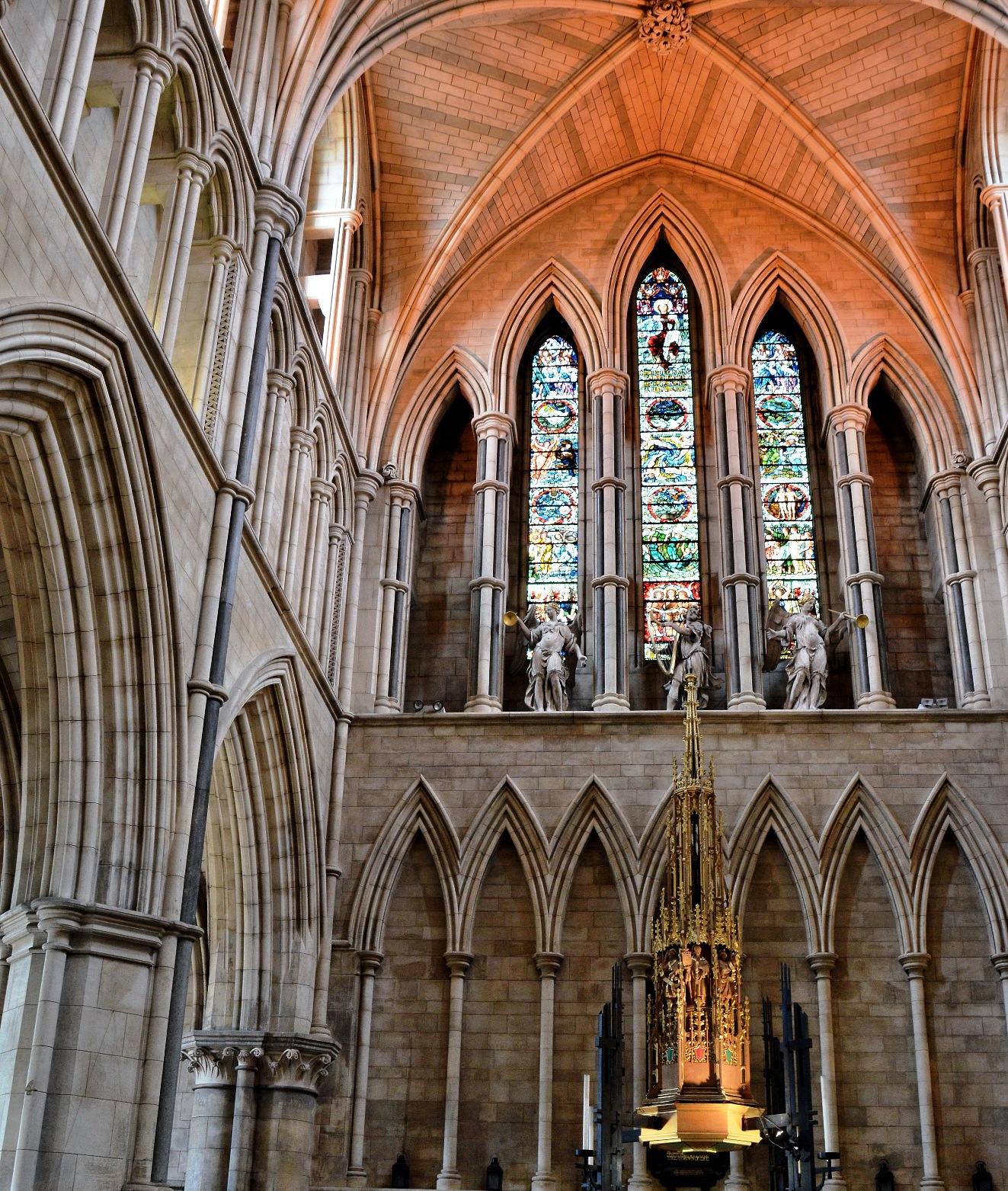
Southwark Cathedral End of Nave and Font
.
 .
.

Southwark Cathedral Choir and Sanctuary
.
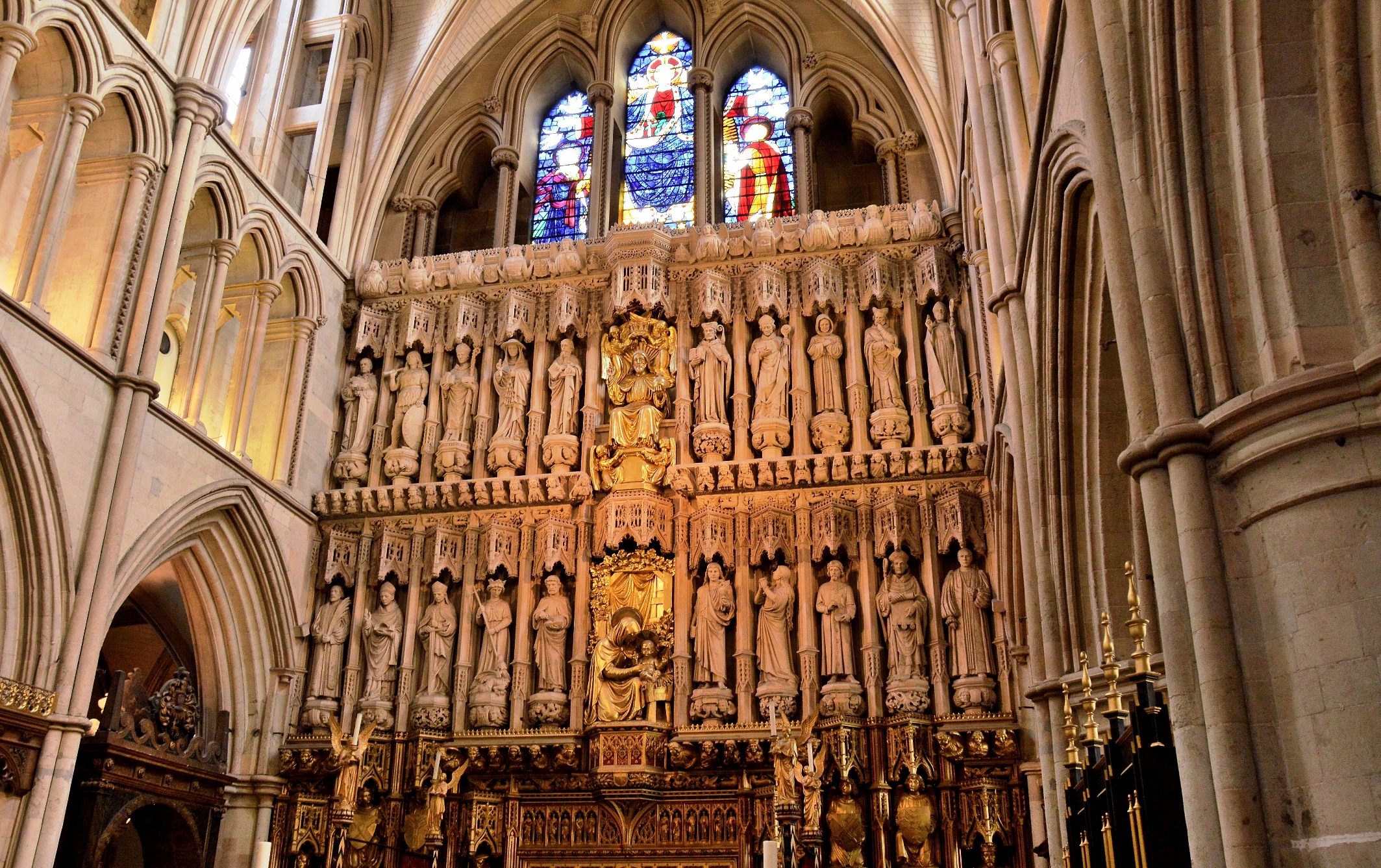
Southwark Cathedral Sanctuary
.

Stained Glass
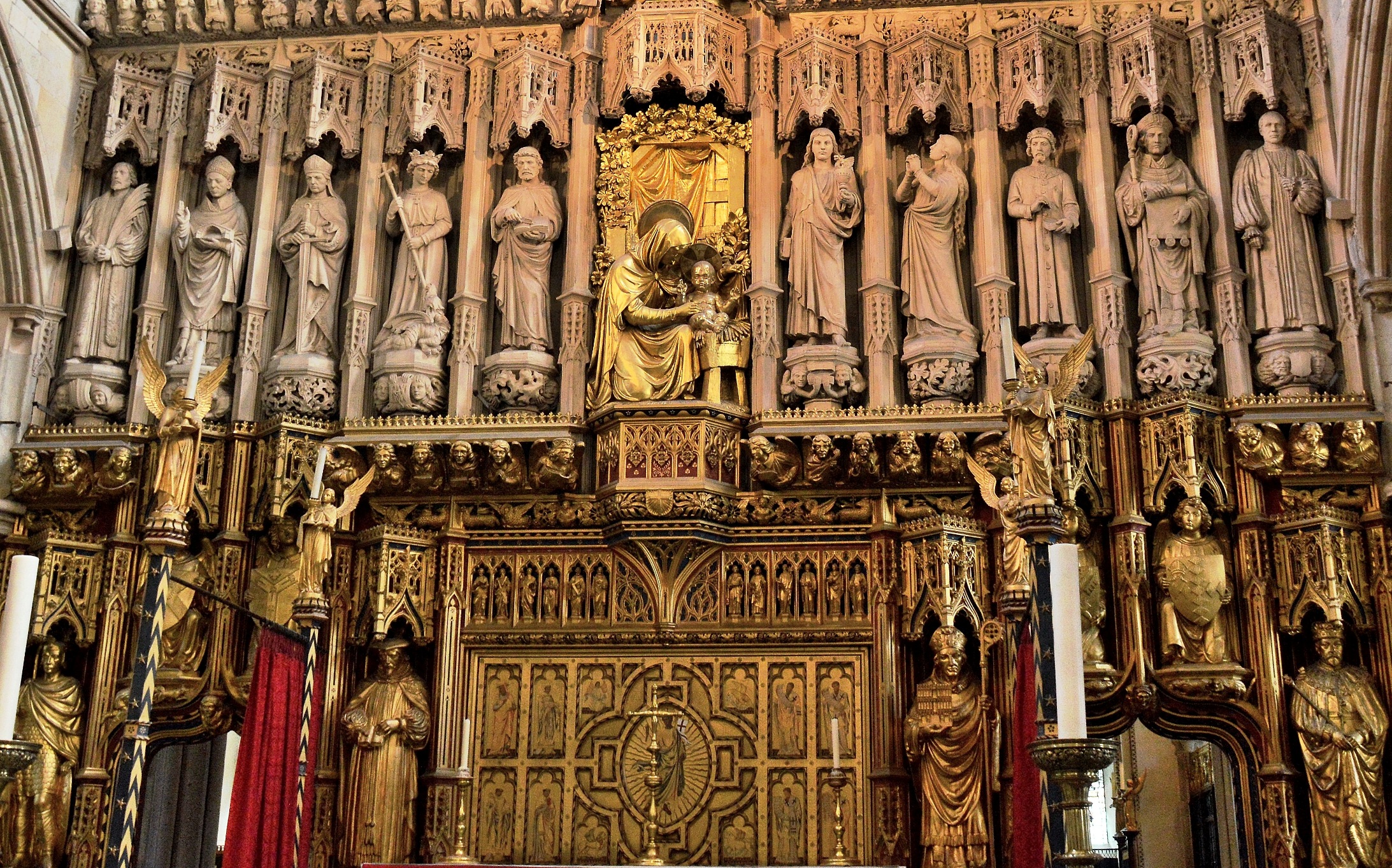

.

.
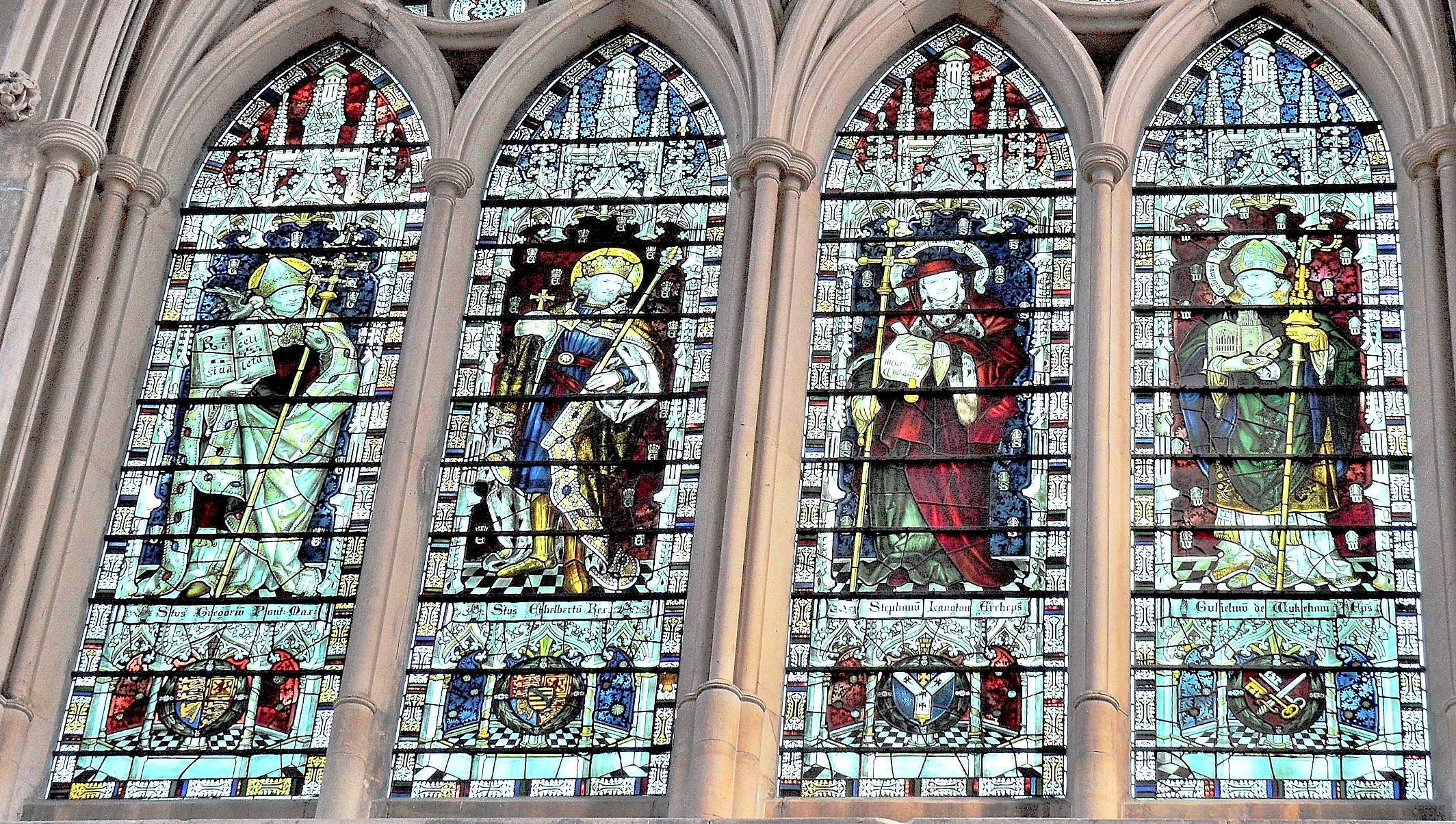
.

.
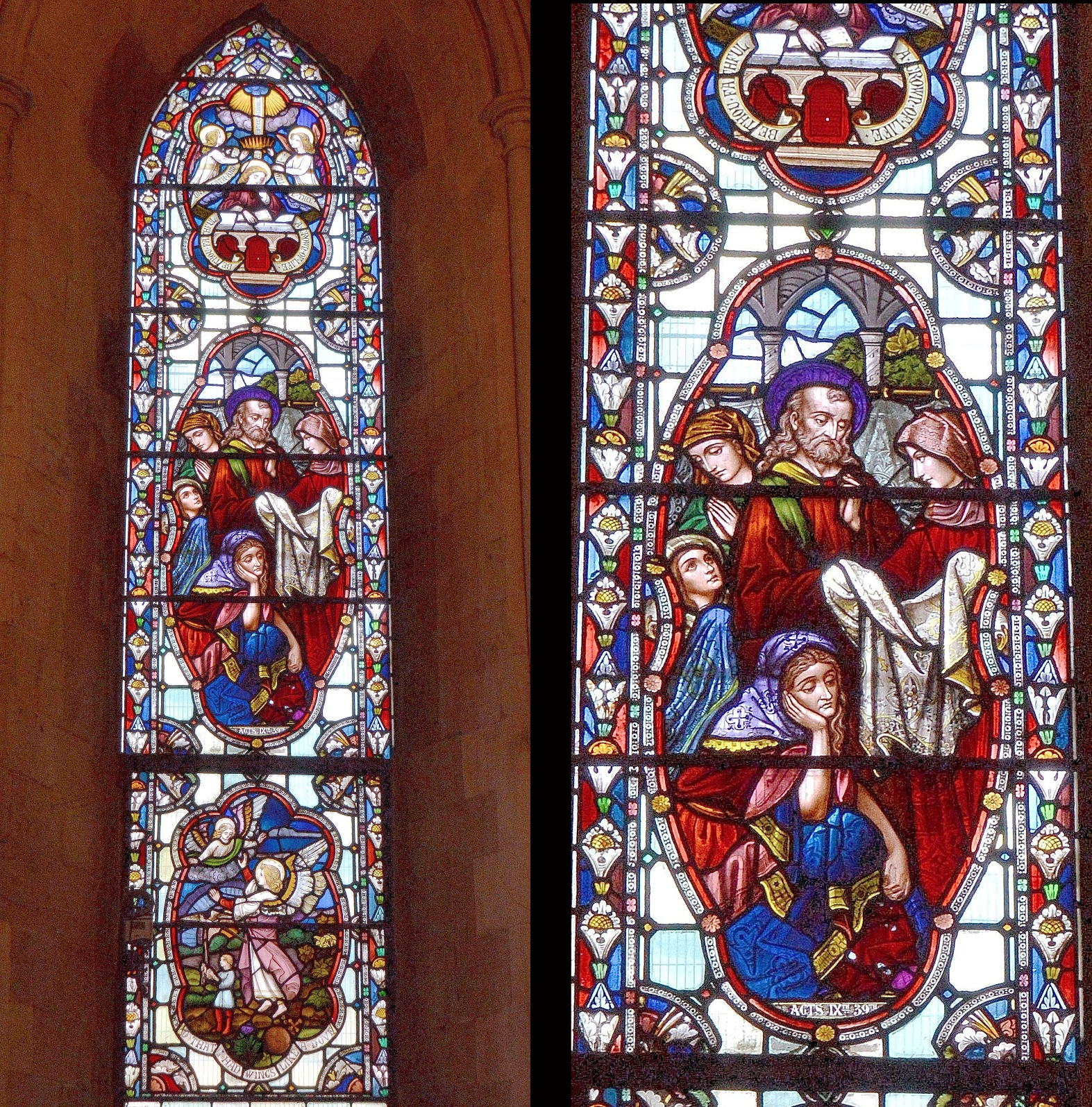
.

.
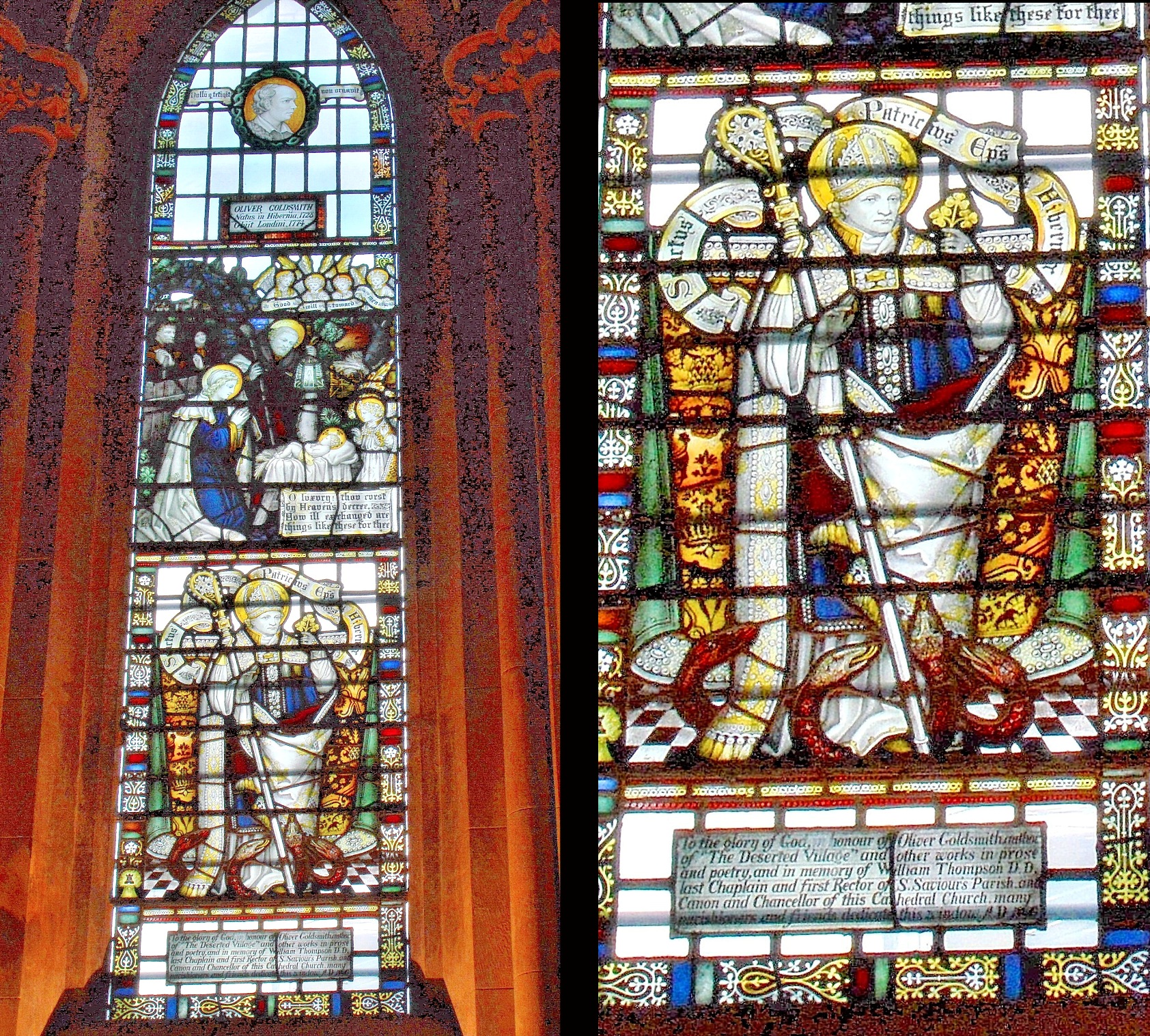
.
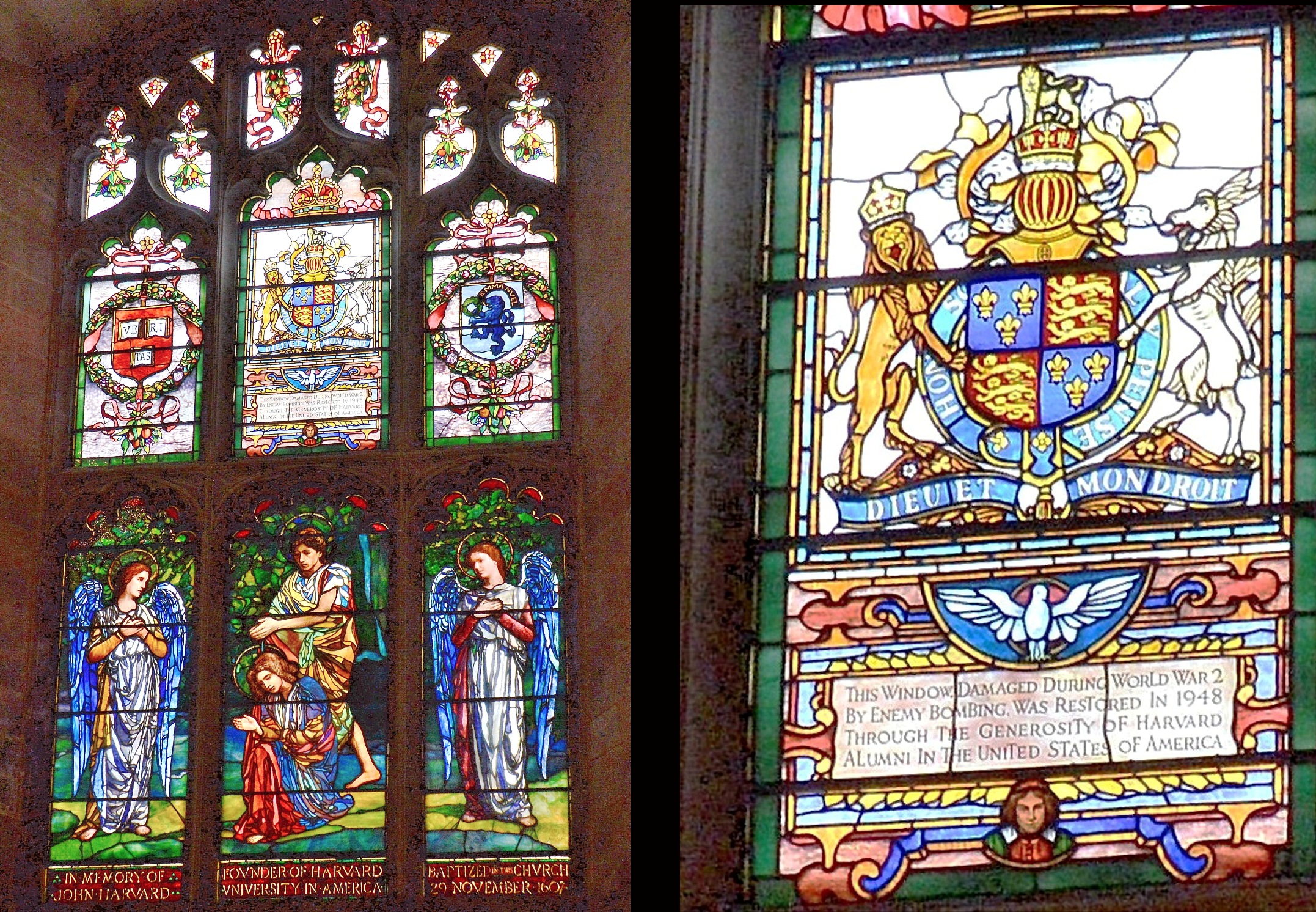
Restored by Harvard Alumni after WWII bomb damage
.
Artifacts

.

.
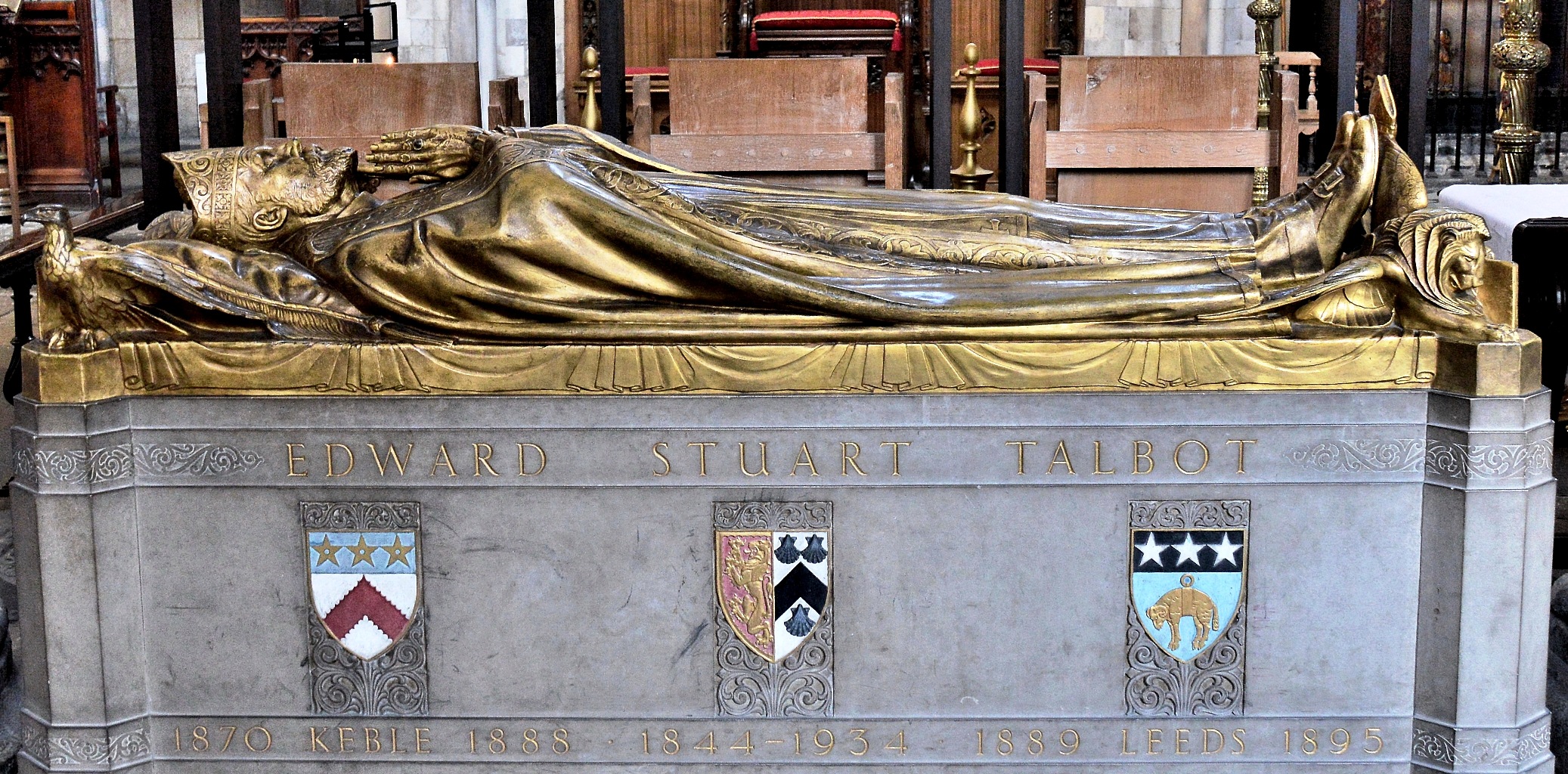
.
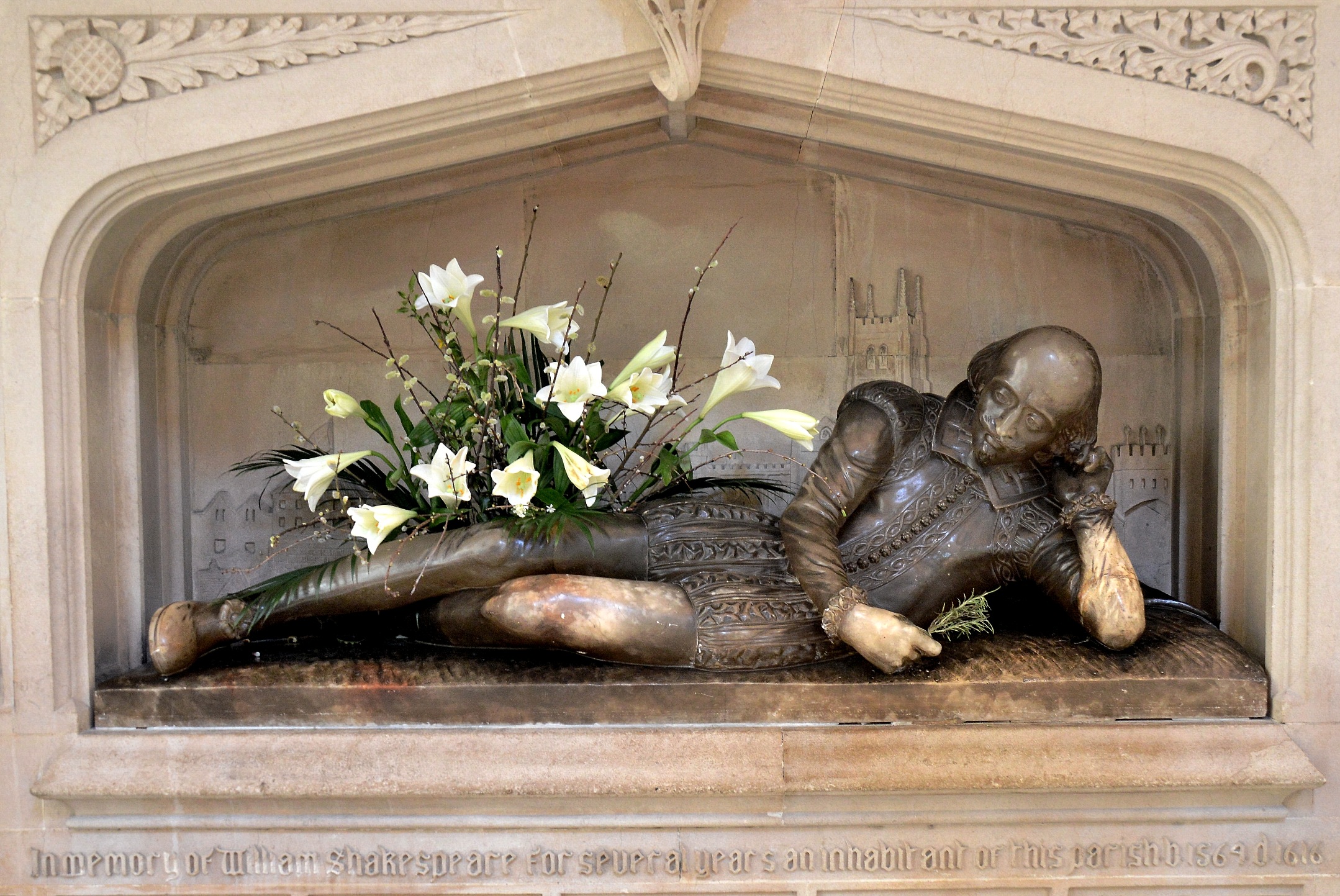
The site of the original Globe Theatre is nearby and William Shakepeare lived in the parish for several years.
 .
.
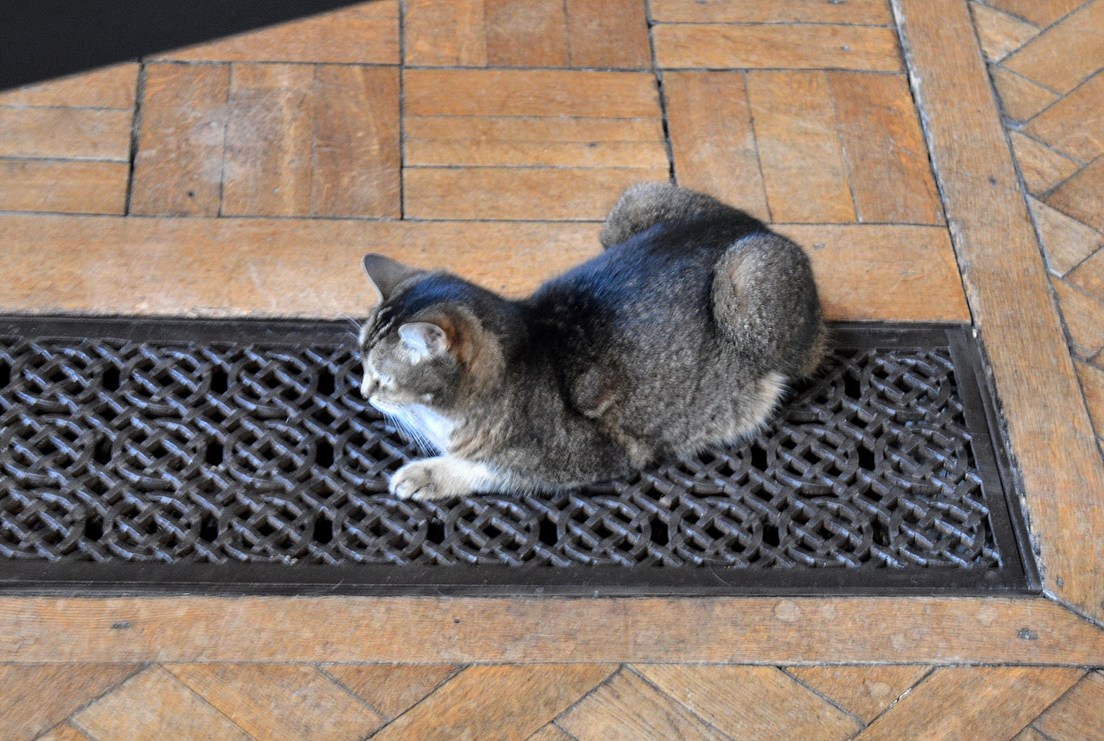
This is the cathedral’s present owner. Well, he thinks he is and that he put the cat in cathedral. 🙂 .
“Everybody else is having a lie down so why not me”. 🙂
.
.
.
.
.
 The Legend of Mary Ovarie
.
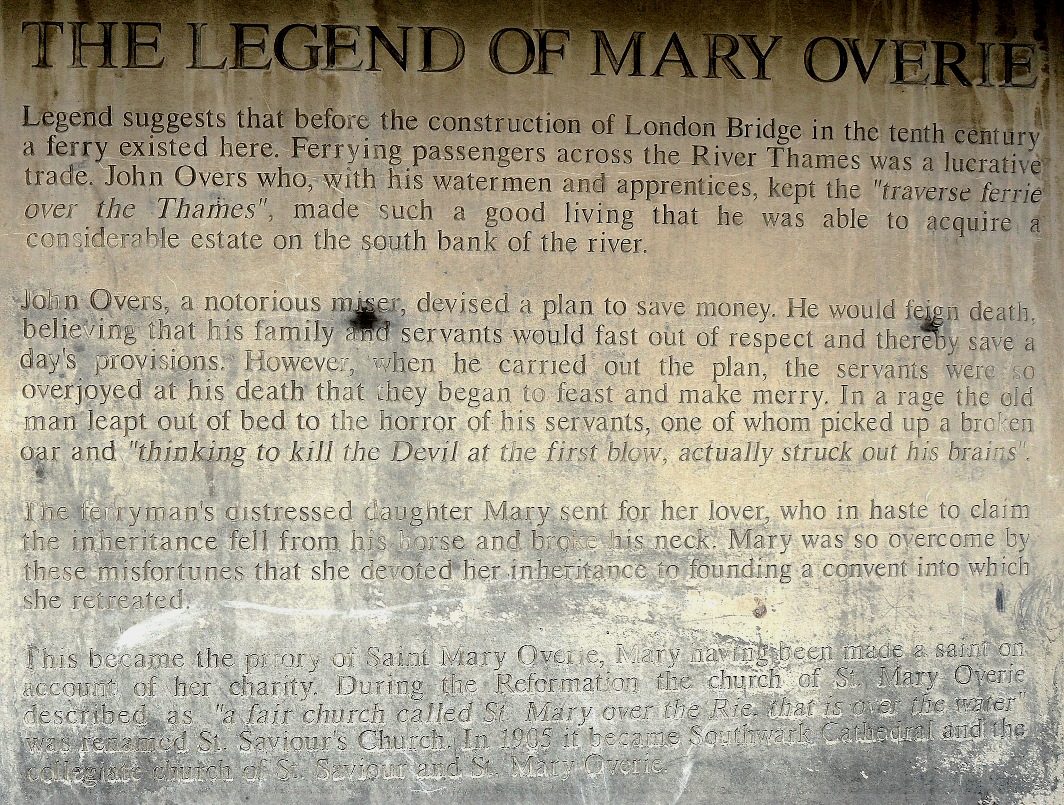
Not far from the cathedral, on Bankside, there is a replica of Drake’s ship the Golden Hinde. Beside the ship is a stone tablet with the strange legend of Mary Ovarie and the origins of Southwark Cathedral.
You can click on the image to expand and magnify, but some of the writing is a little faded so it is reproduced below.
.
.
“Legend suggests that before the construction of London Bridge in the tenth century a ferry existed here. Ferrying passengers across the River Thames was a lucrative trade. John Overs who, with his watermen and apprentices, kept the “traverse ferrie over the Thames”, made such a good living that he was able to acquire a considerable estate on the south bank of the river.
John Overs was a notorious miser and devised a plan to save money. He would feign death believing that his family and servants would fast out of respect and thereby save a day’s provisions. However, when he carried out the plan, the servants were so overjoyed at his death that they began to feast and make merry. In a rage the old man leapt out of bed to the horror of his servants, one of whom picked up a broken oar and “thinking to kill the Devil at the first blow, actually struck out his brains”.
The ferryman’s distressed daughter Mary sent for her lover, who in haste to claim the inheritance fell from his horse and broke his neck. Mary was so overcome by these misfortunes that she devoted her inheritance to founding a convent into which she retreated.
This became the priory of Saint Mary Overie, Mary having been made a saint on account of her charity. During the Reformation the church of St Mary Overie was renamed St Saviour’s Church. In 1905 it became Southwark Cathedral and the collegiate church of St Saviour and St Mary Overie.”
Well, would you Adam and Eve it.
The Tate Britain Art Gallery
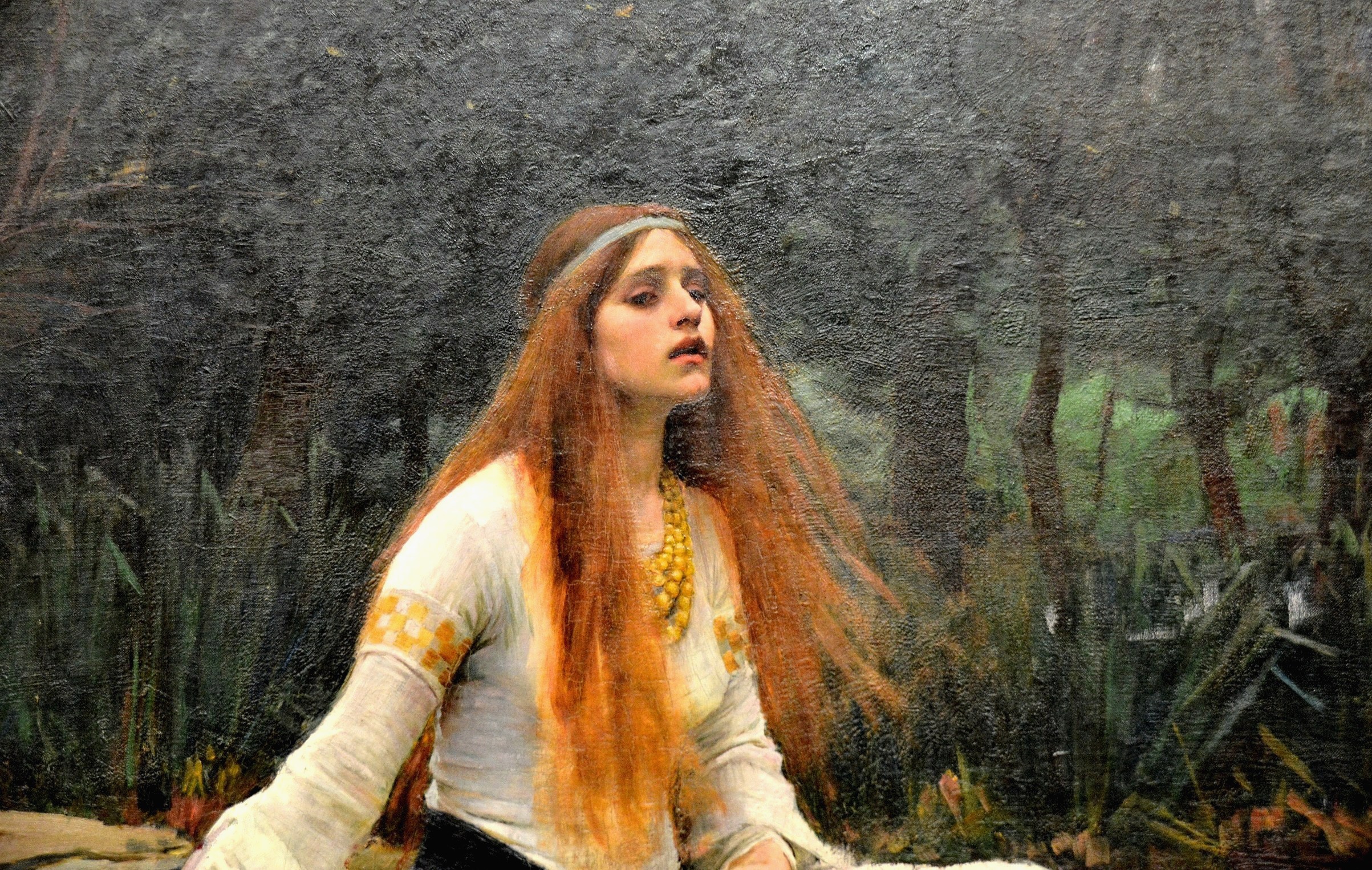
20 pics. The Tate Britain contains a wide range of artwork ranging from the classical to modern. It includes the Lady of Shalott by John William Waterhouse, which was inspired by the poem of Alfred Lord Tennyson (here ⇒) and worth reading. The Tate Britain’s Website ⇒
I’ve introduced a little enhancement to compensate for the loss of colour/detail over time, but not so much as to lose the sense of age. More advanced digital restoration of these pictures and a few more from other galleries can be found at In All Their Glory ⇒ .

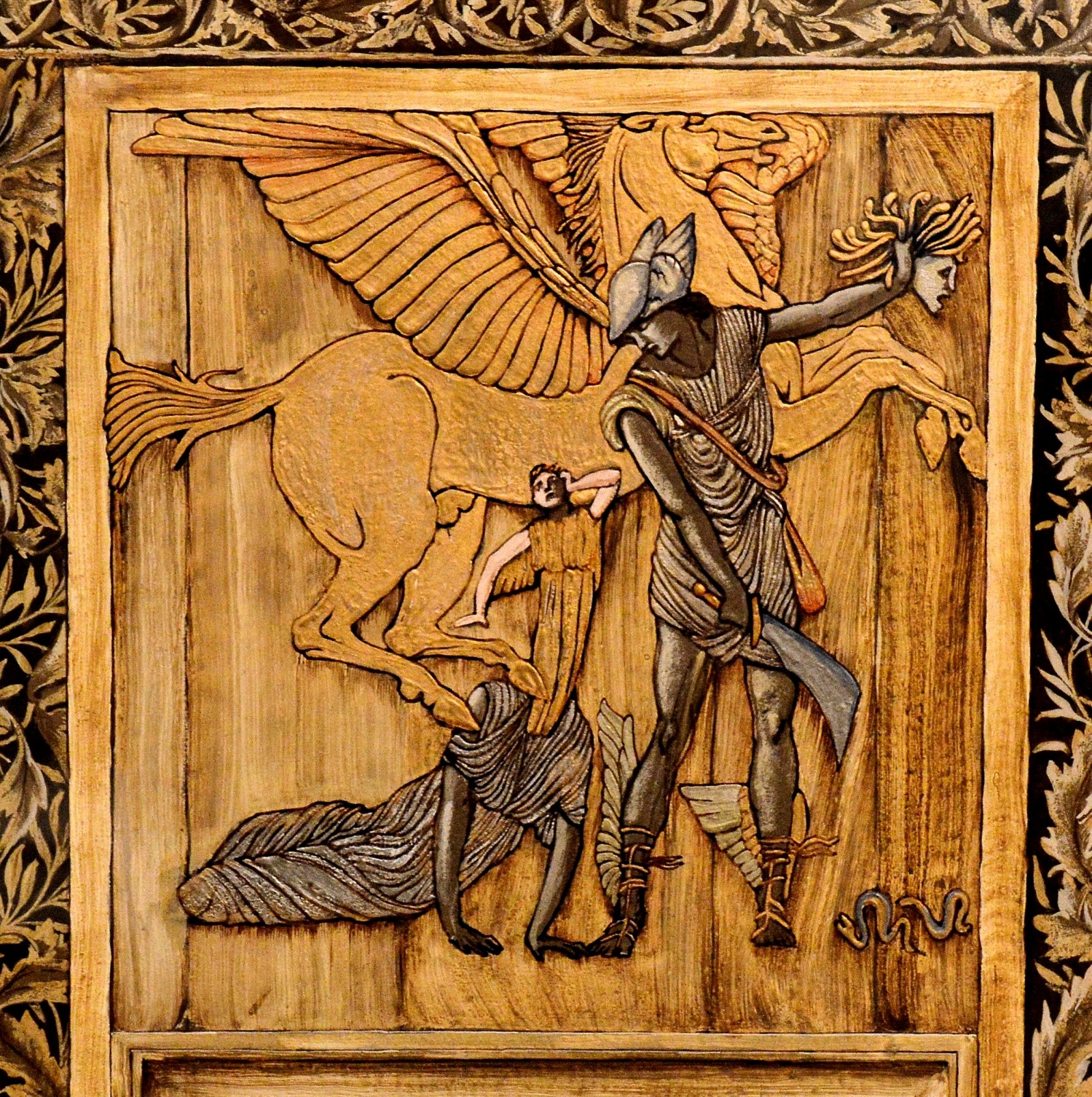
There are several works by the Pre-Raphaelite Brotherhood ⇒ which I particularly like for there vibrancy and detail which requires a patience born of dedication.

Edward Coley Burne-Jones
.
Edward Coley Burne-Jones
.

The Wedding of St George and Princess Sabra by Rossetti
And, more historical works.

Elizabeth I by Steven van Herwijck
There are more paintings of Elizabeth I, together with their subtle meanings, at Hatfield House.
The Tate includes an entire wing dedicated to Turner. Here are just a few.

Turner Self Portrait
.

Palestrina – Composition by Turner
.

The Decline of the Carthage by Turner
And, a good many items of classical appearance.

.

.

George Bernard Shaw
.
 “What do you think of all this modern art then”. “Don’t ask me, I prefer heavy-metal, although I suppose Cranach the Elder wasn’t bad”.

“Some days one wonders if it’s worth getting out of bed”.

“Ow, my eye”.

“Last time I take you down the pub”.

Peace.

.

And the dark shape just below is ~.
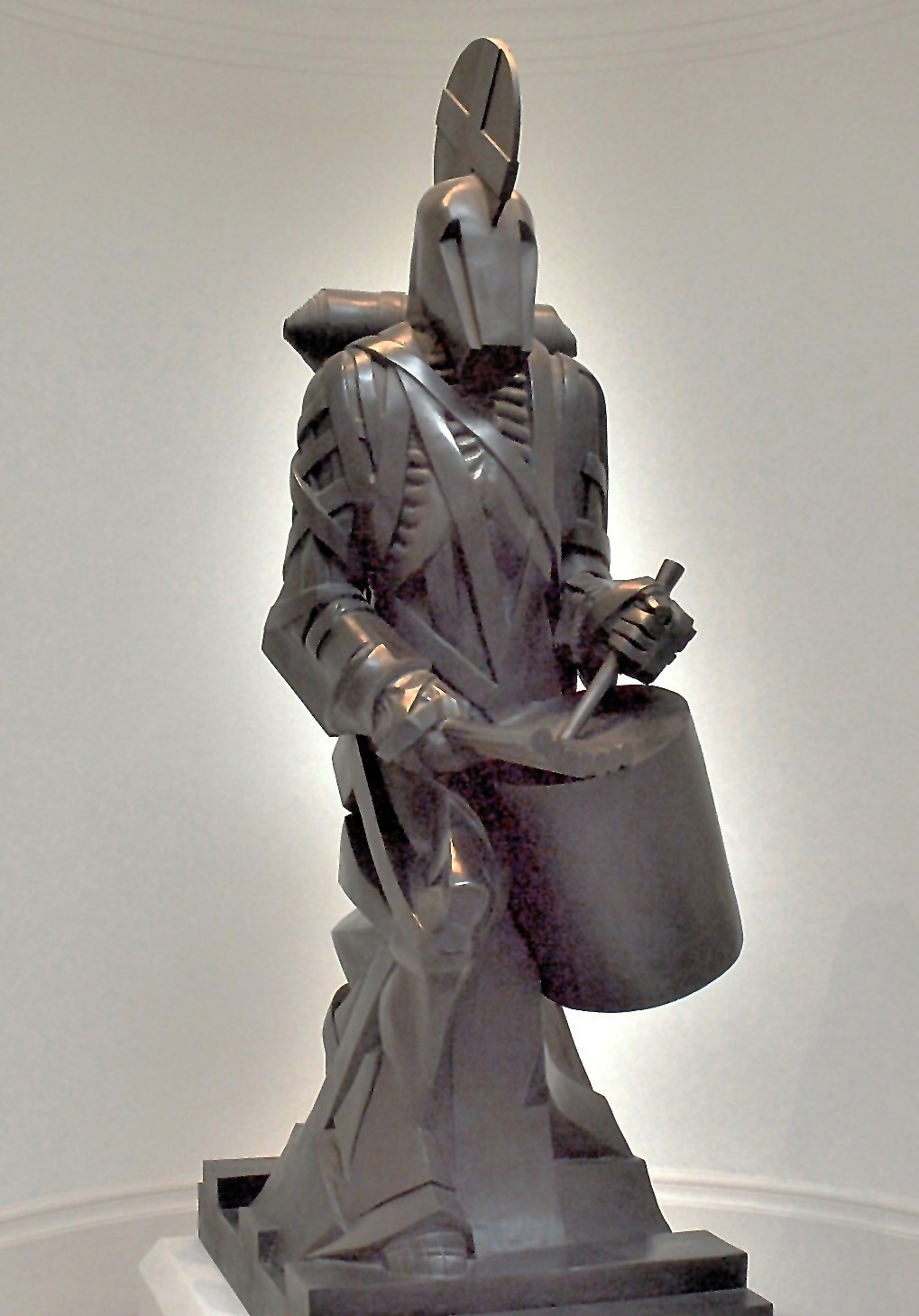
Thank you for coming and a drum roll for our next visit.
Wallace Collection Armoury

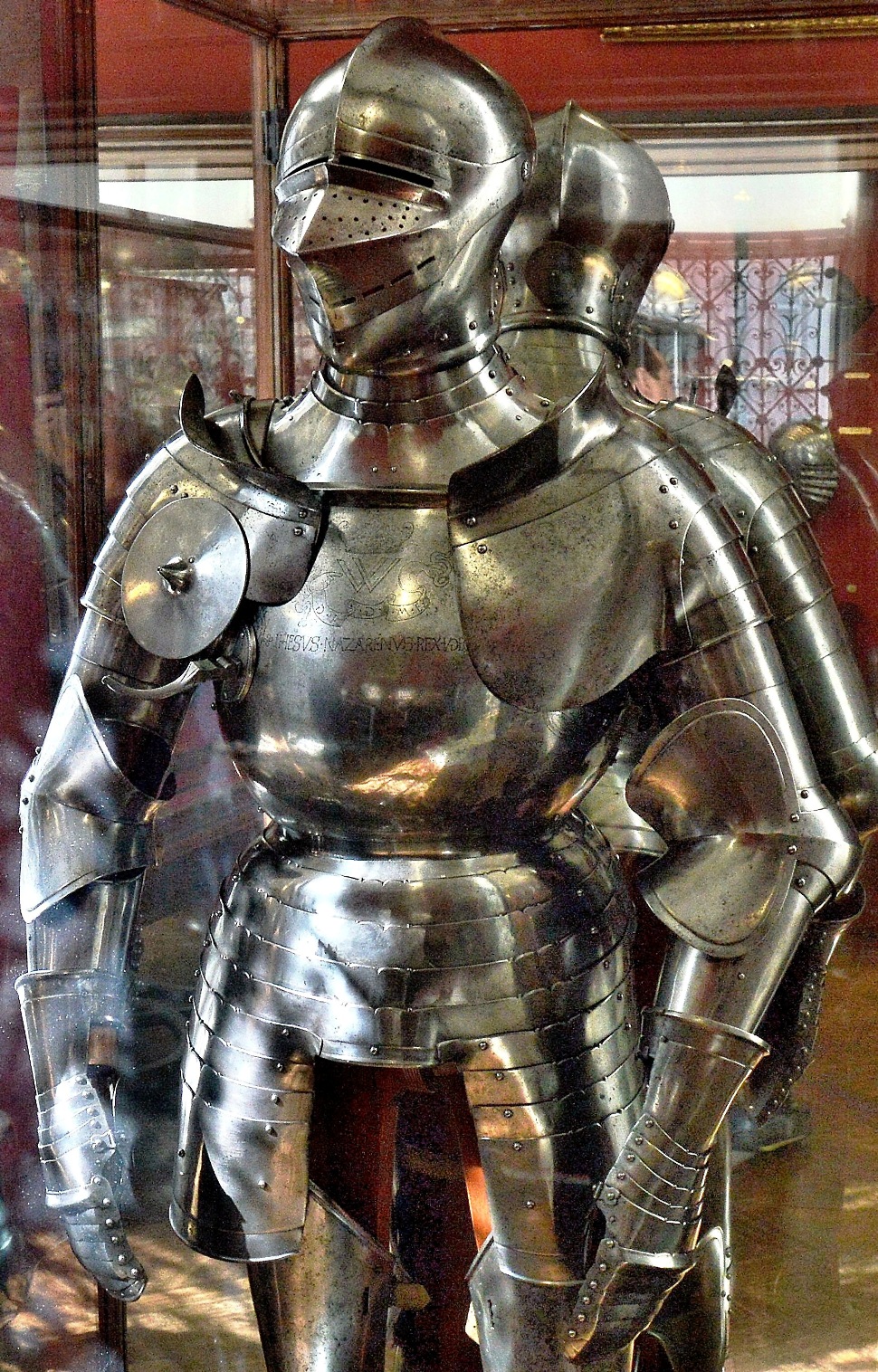
14 pics. Part of the Wallace Collection which also contains many notable works of art.
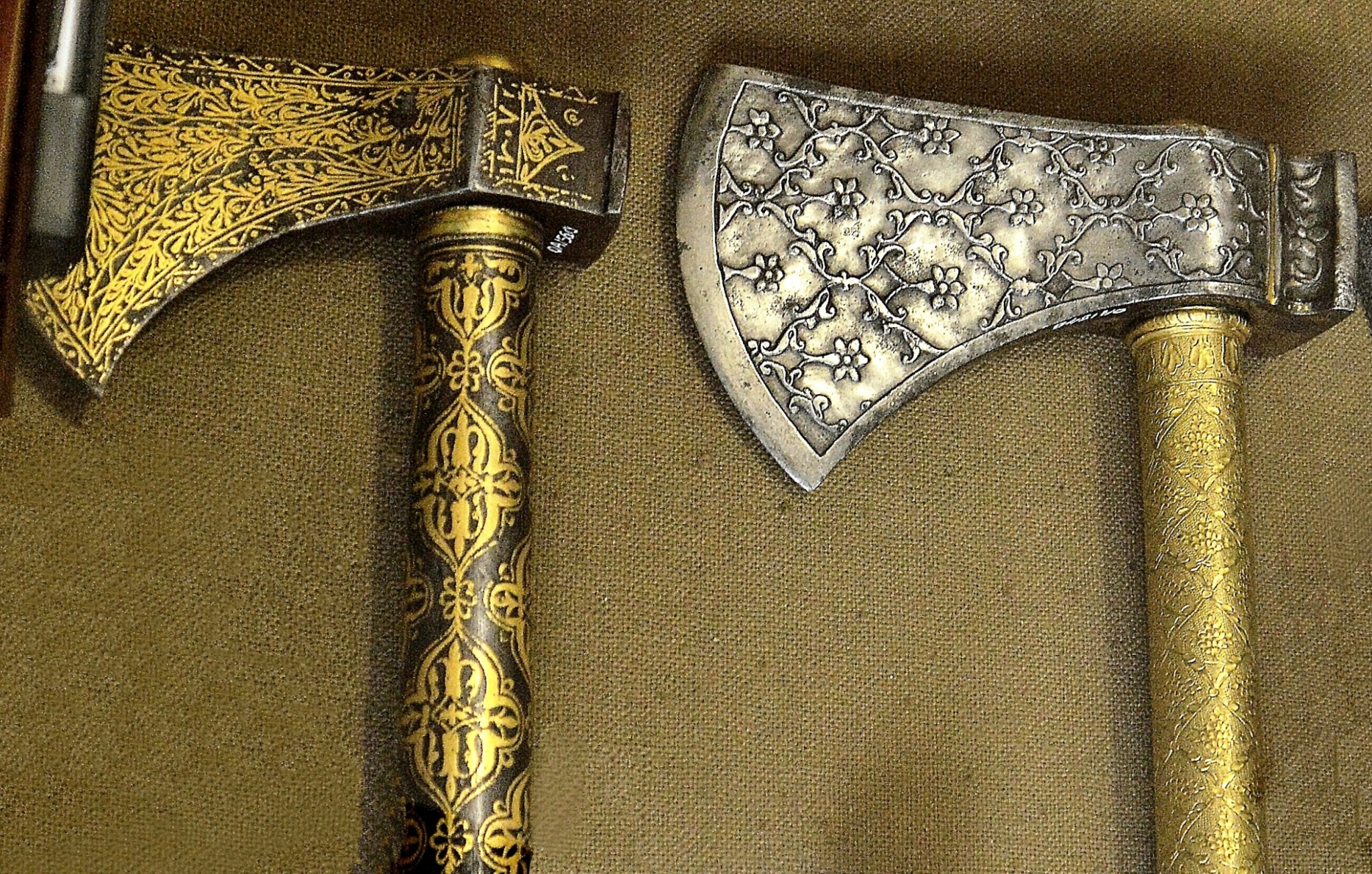
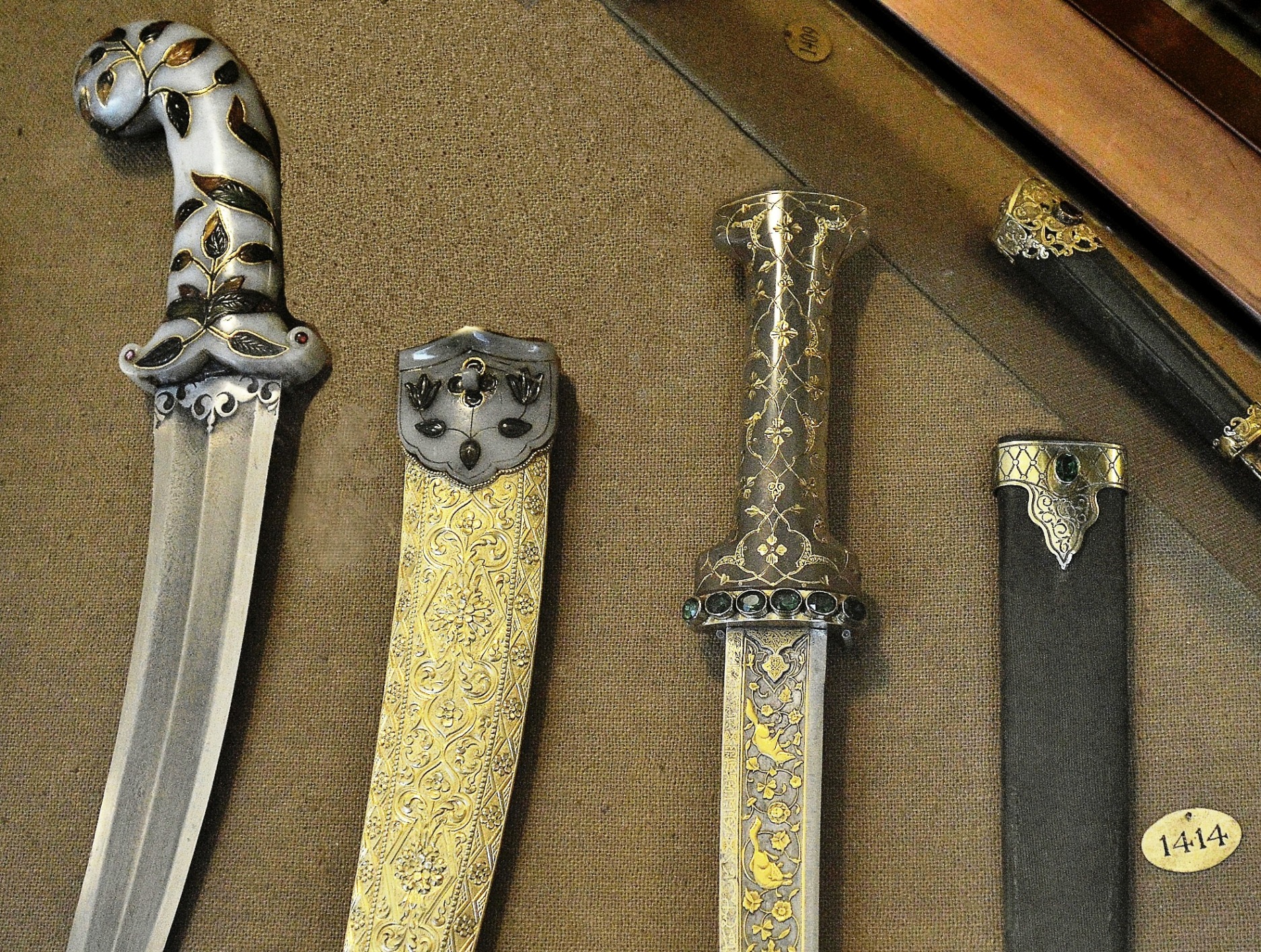
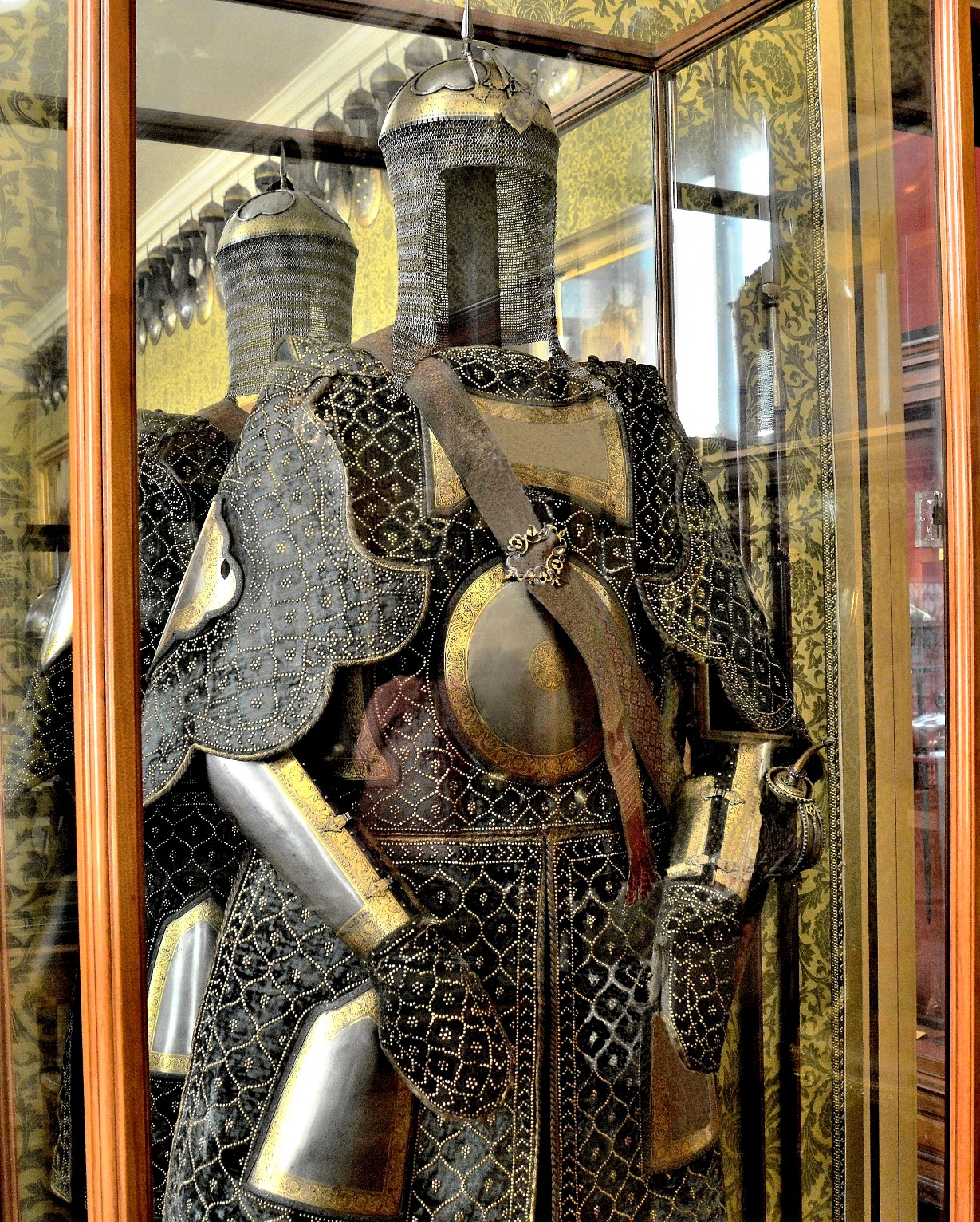
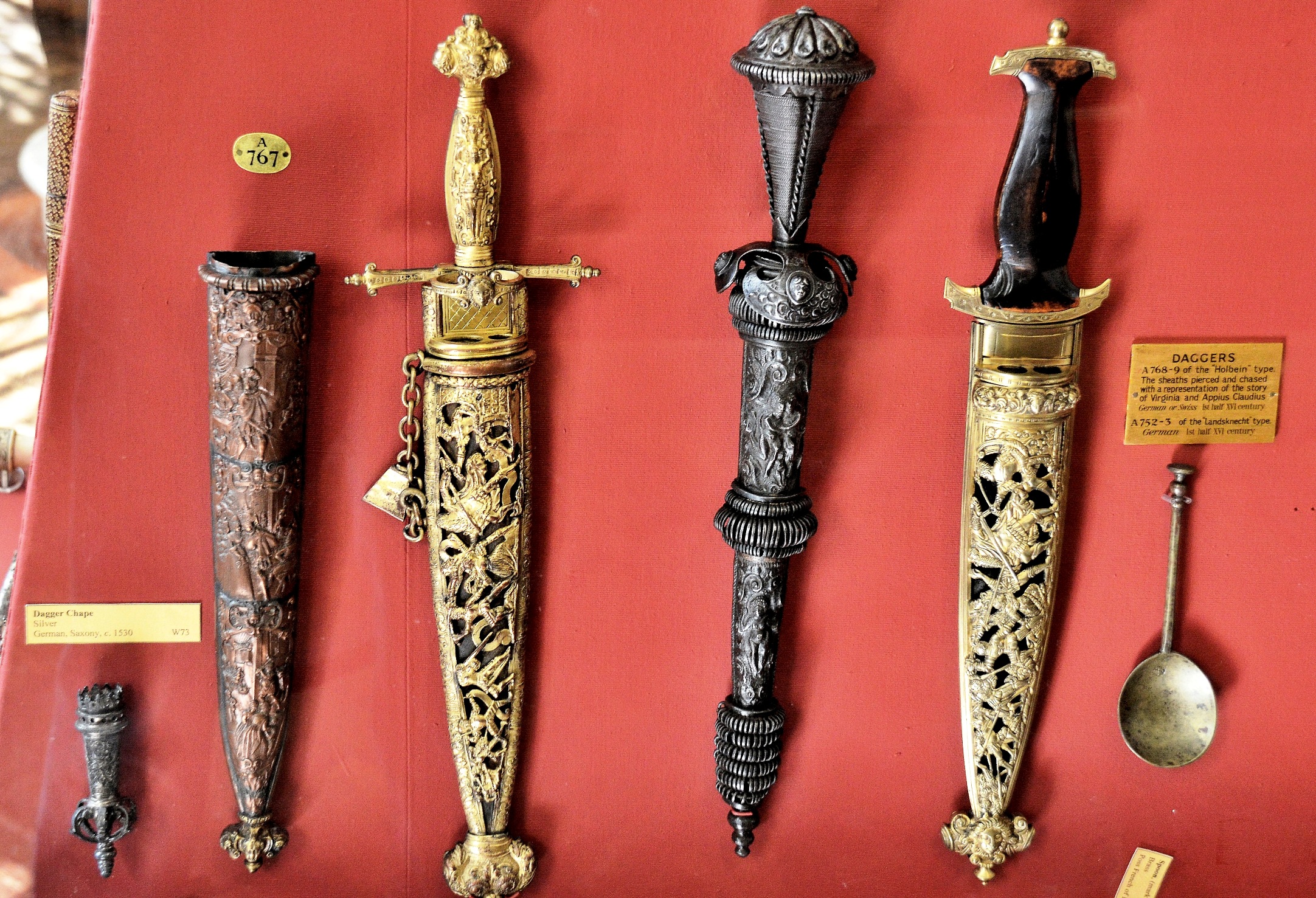
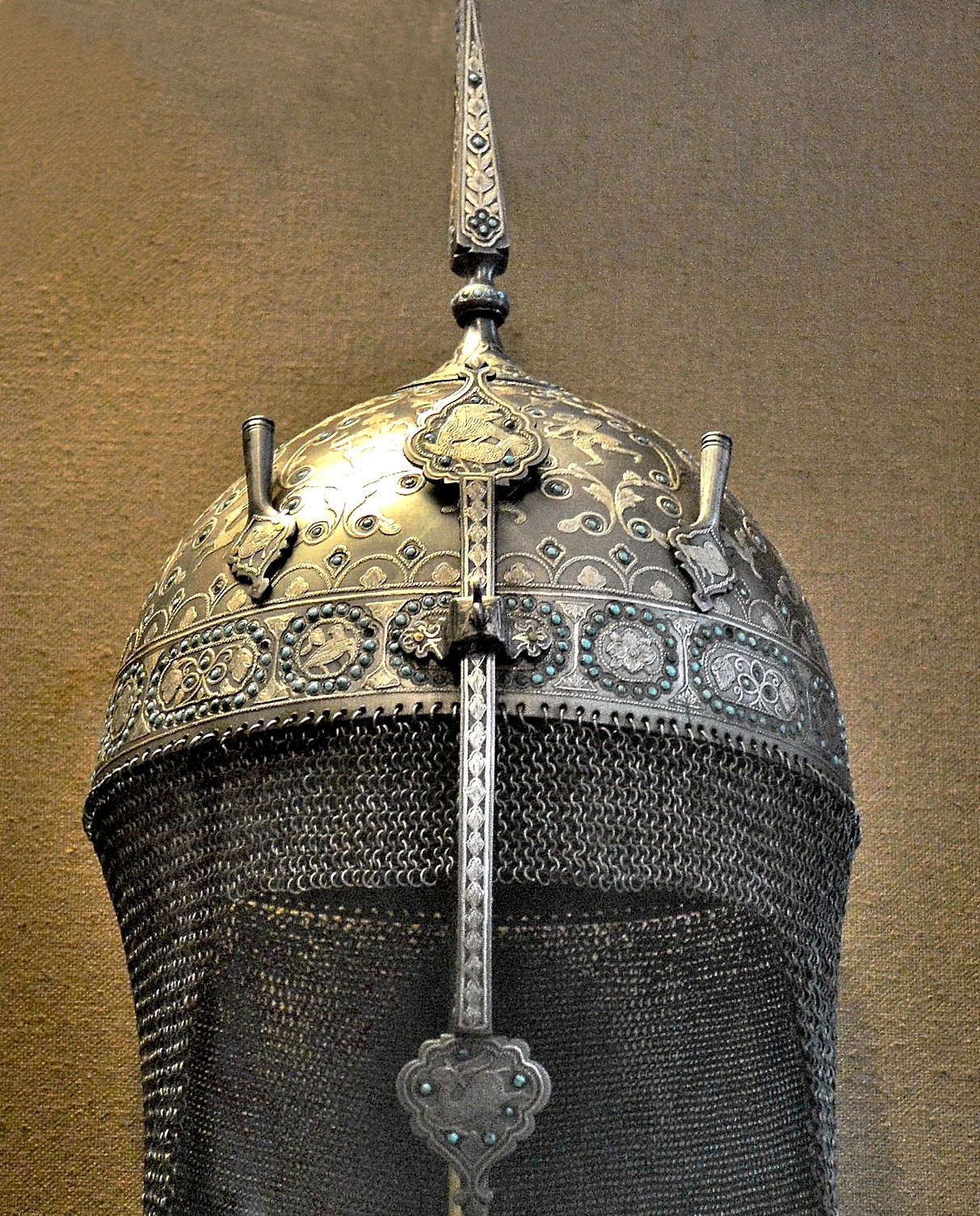
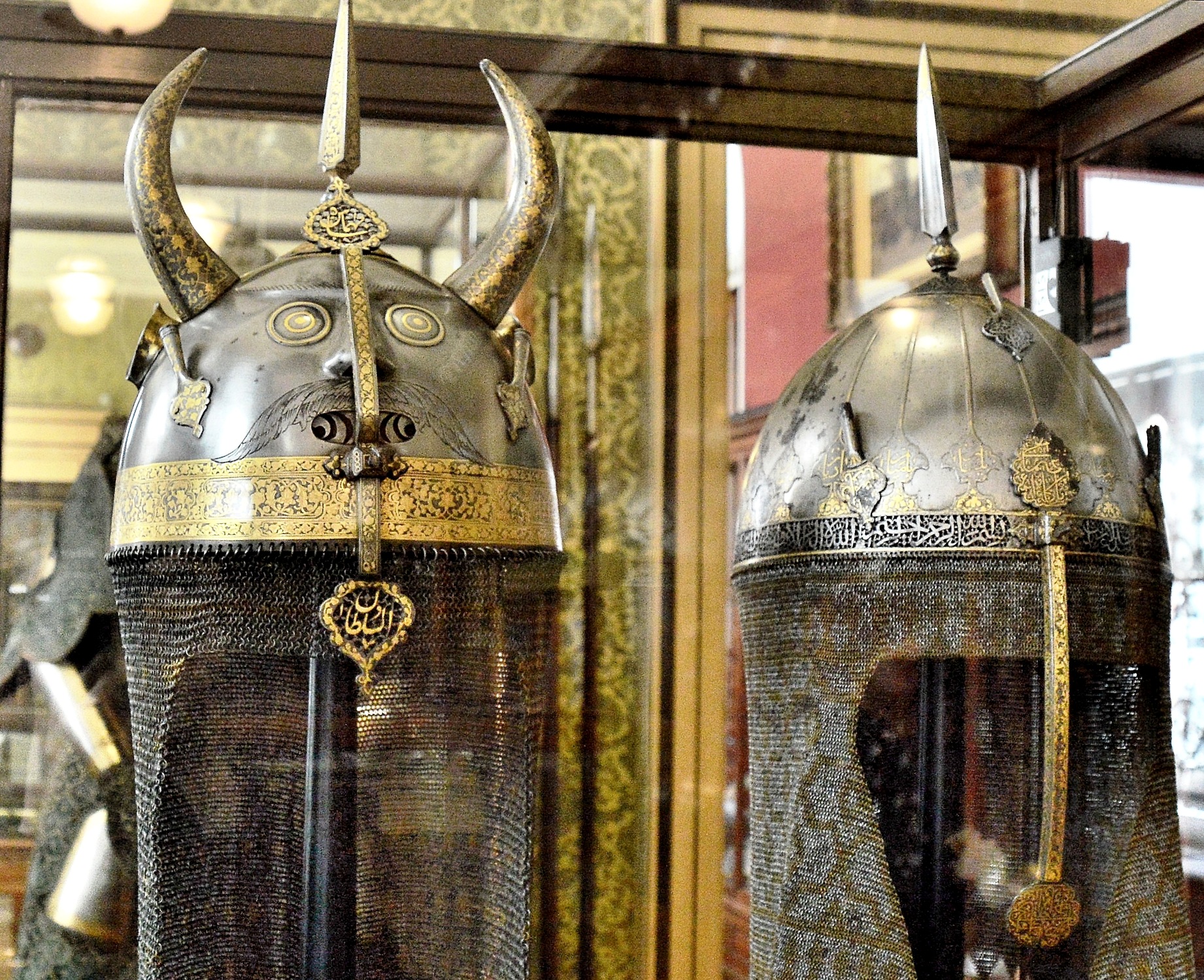
The armoury is on the ground floor. I suppose, for the gentry, such items were as much a statement of status as utilitarian. There purpose may not be so admirable to a more enlightened world but the workmanship, its alternate uses and the attendant history are best not forgotten.
There is more of this past and extraordinary workmanhip at the Tower of London/White Tower.

Henry IV’s Parrying Dagger
.
.

.
.

.

.

.
.
.
.

.
.
Wallace Collection Ornaments
First Floor Gallery


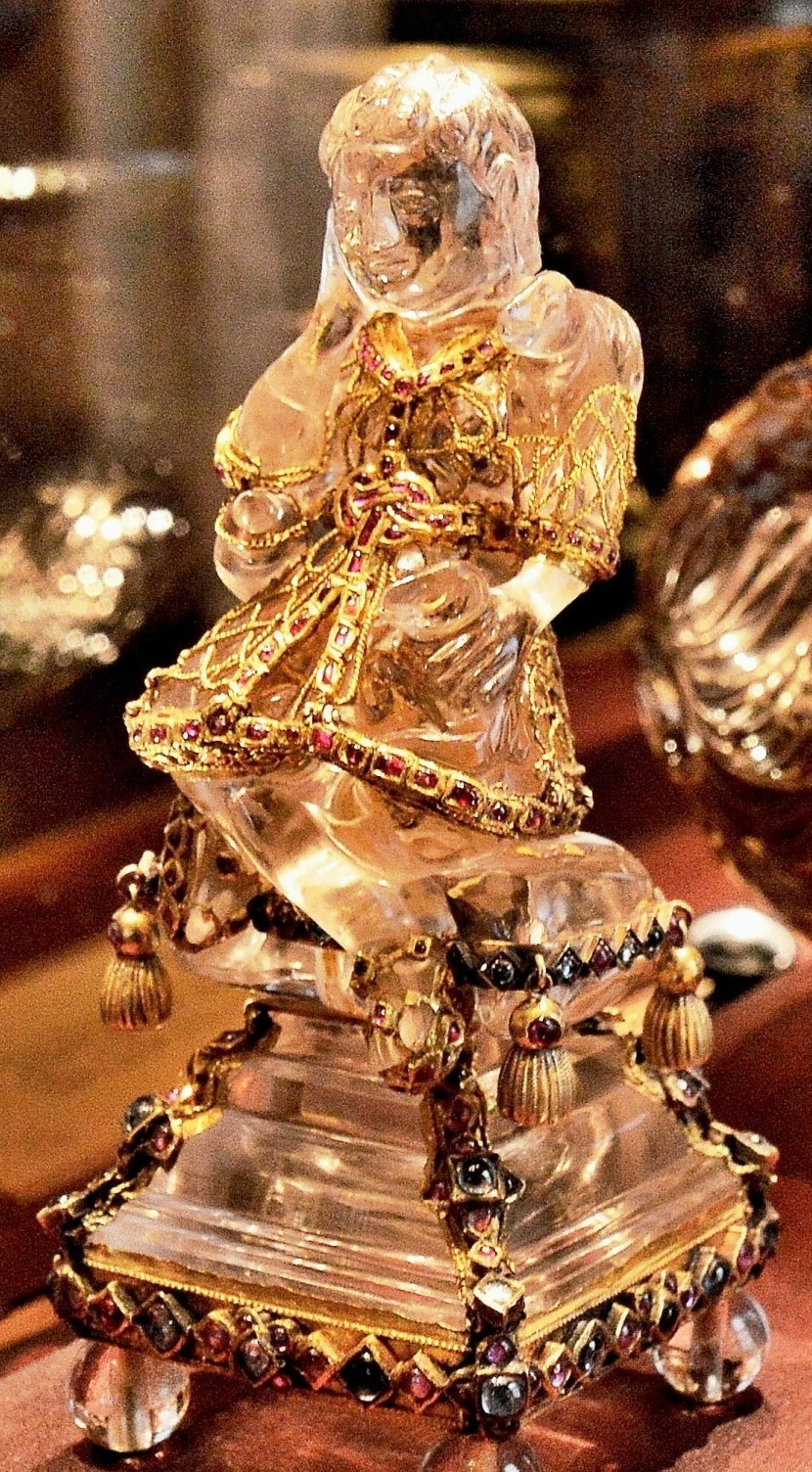
18 pics. Some of the artifacts from the Wallace Collection (click here for more pictures and information). To see the detail, please click on an image and then again to magnify.

.

.
.

.

.

.

.
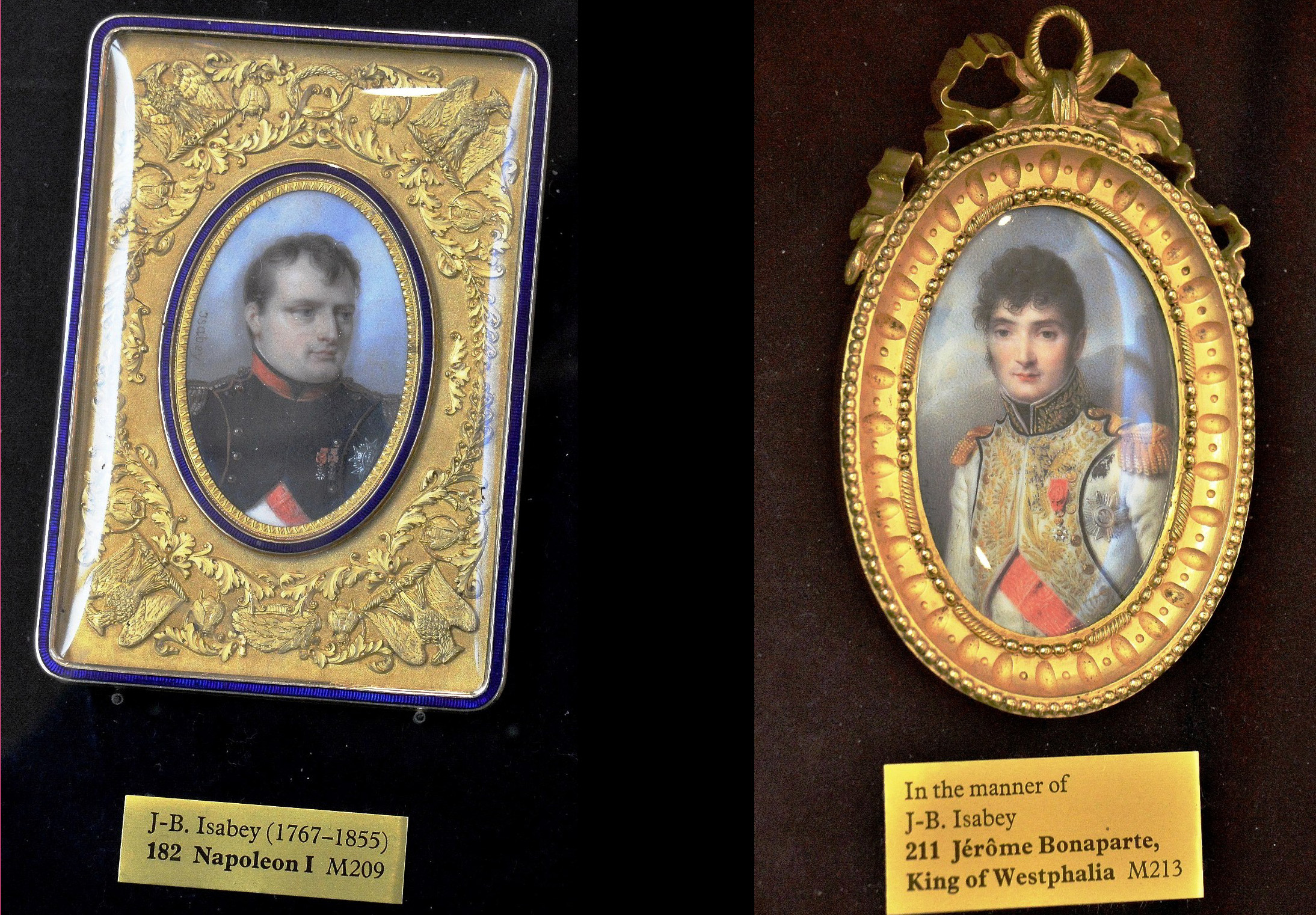
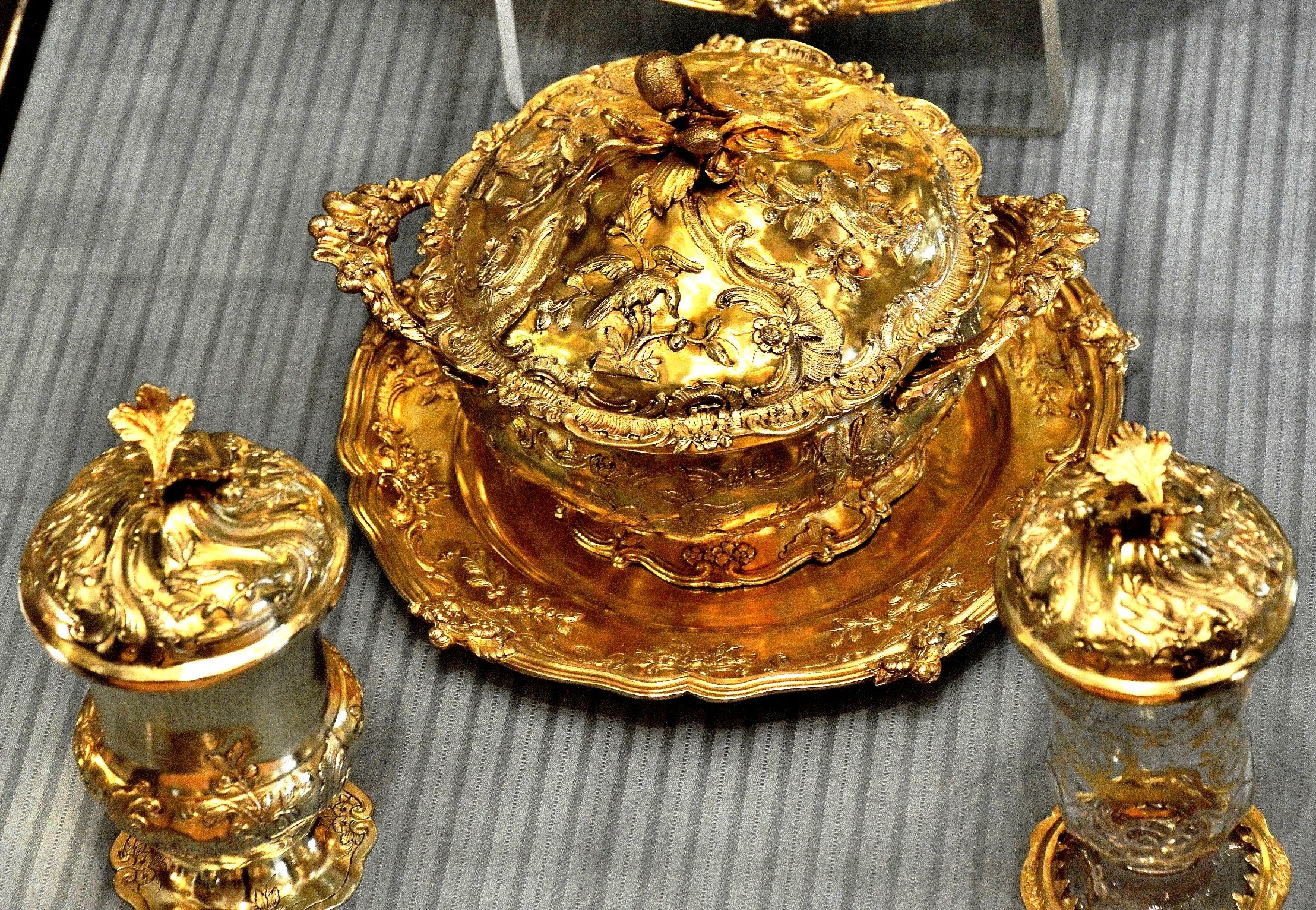
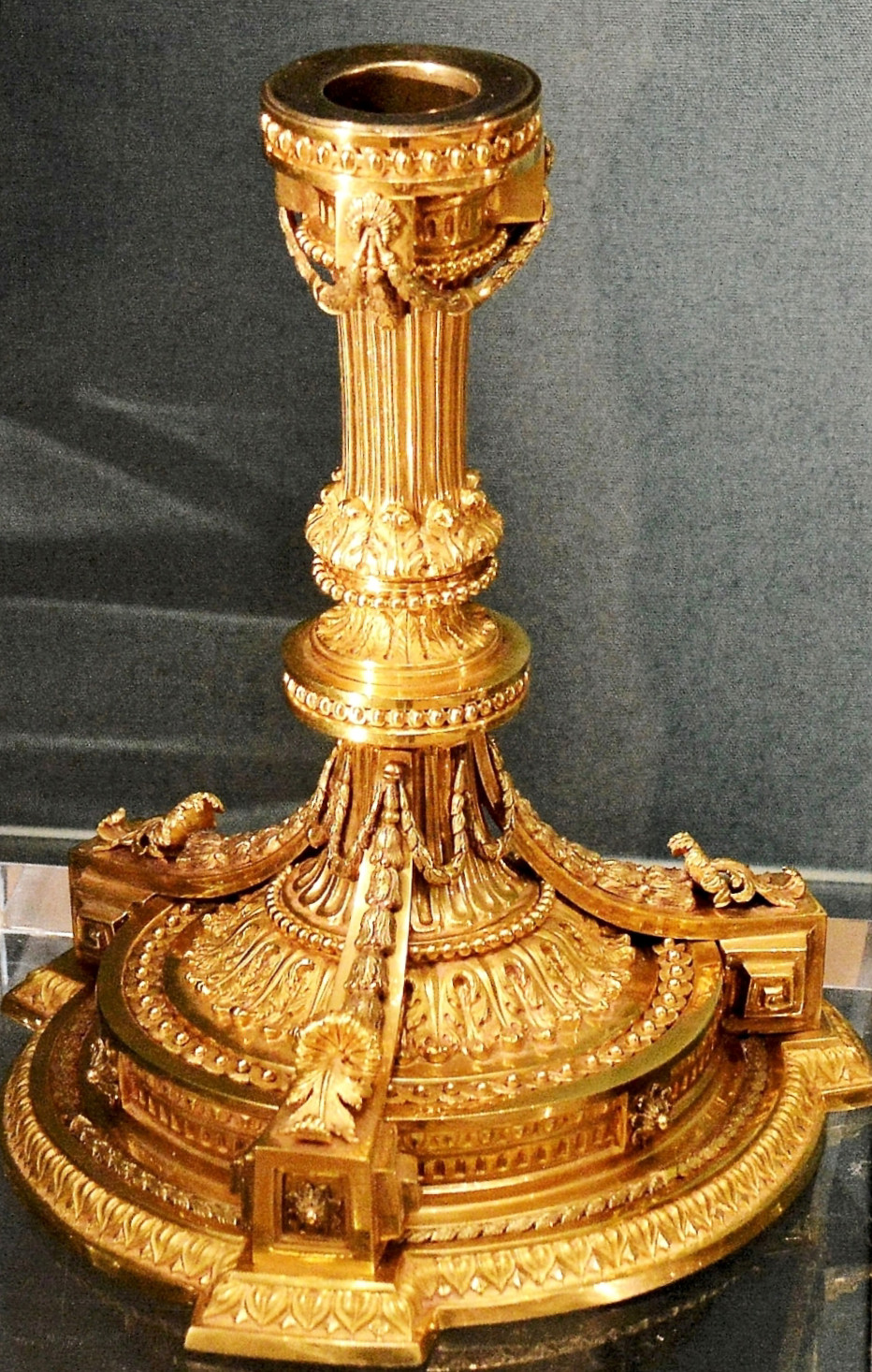
Jérôme Bonaparte was Napoleon’s younger brother, who Napoleon made king of the fabricated realm of the Kingdom Westphalia (not quite the same as Westphalia). It was created as part of ending the 30 years war and a model for the respect of sovereignty. The realm and monarchy lasted for about six years (maybe the clue is in the phonetics) but served its purpose.

.

.

.
.
.

.
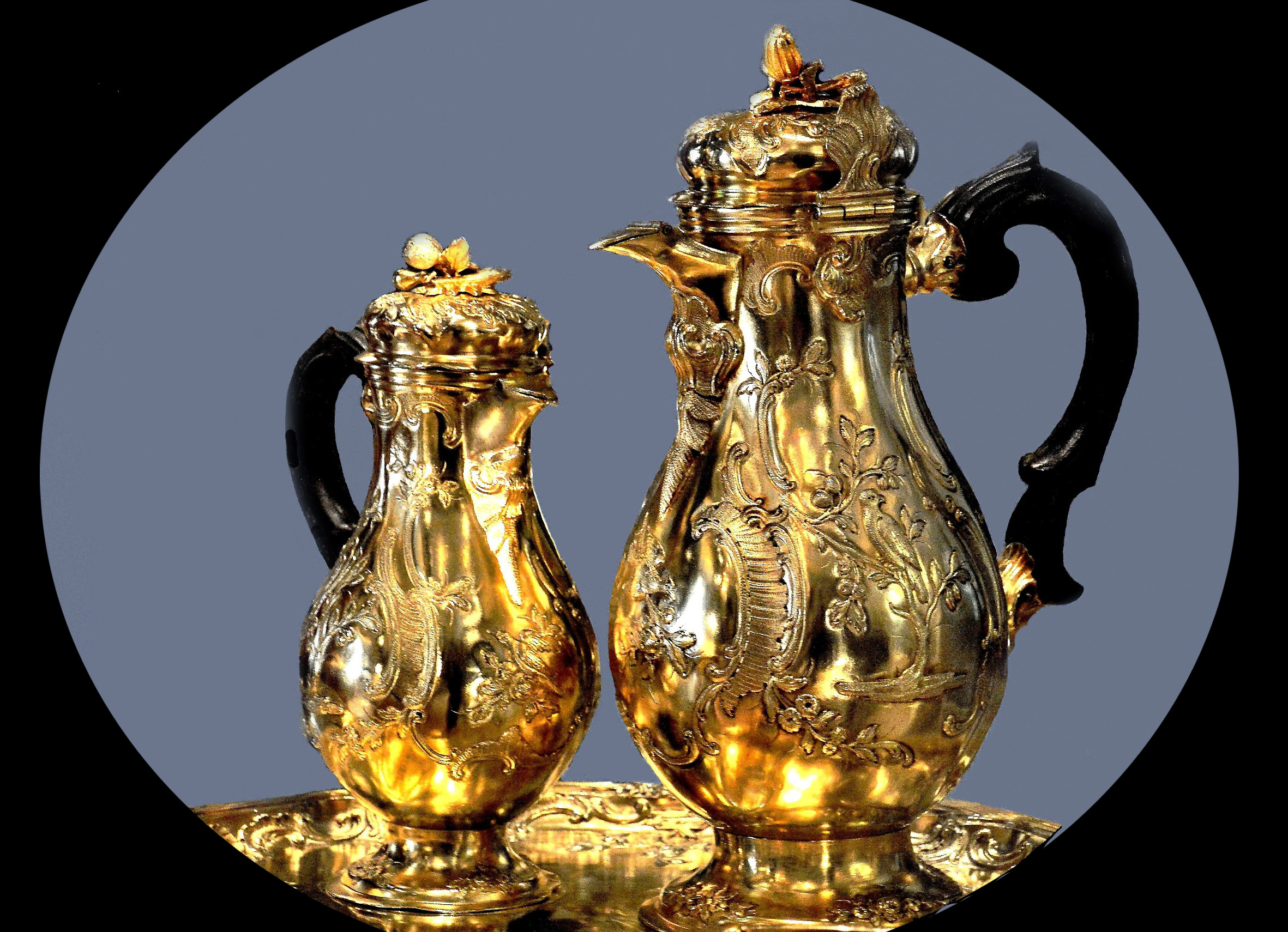
“With this little spout, I feel like a small duck”. “Oh alright, you can have one for Christmas.” 😀
.
On The Ground Floor Armoury

.

More of the armoury here ⇒
The Wallace Collection
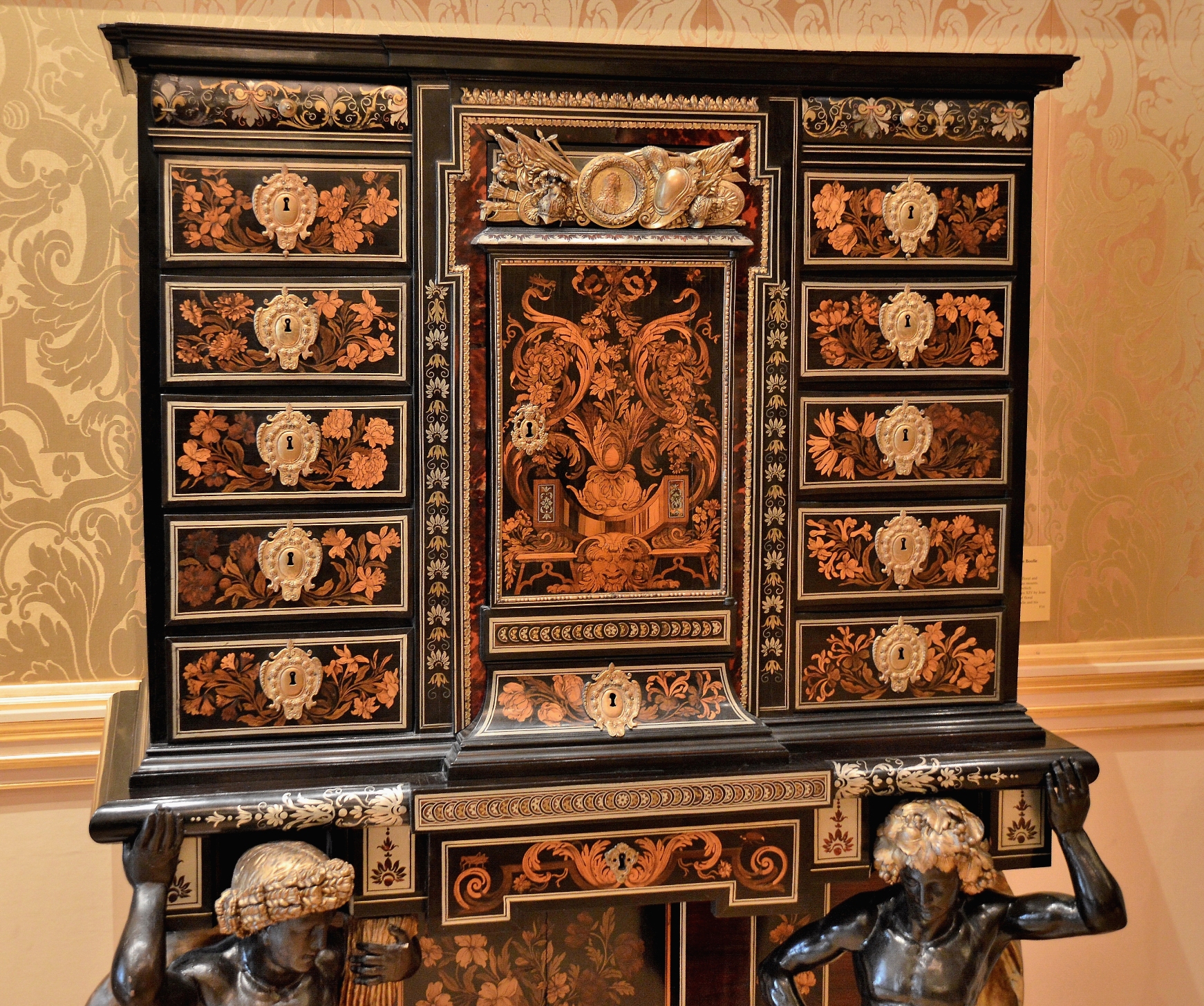
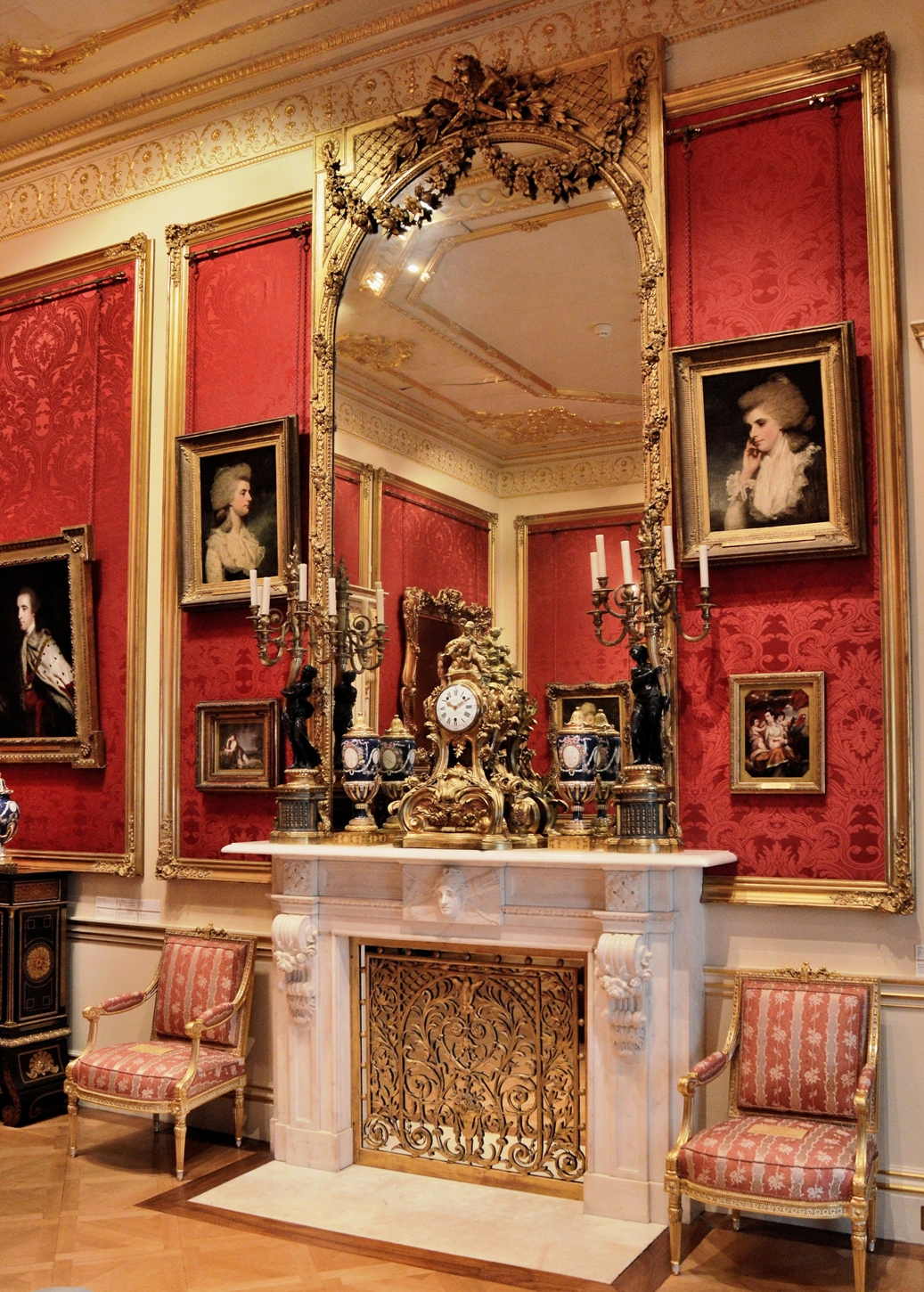
20 pics. Some of the items from the extraordinary Wallace Collection. Displayed at Hertford House in the heart of London (see Google maps), the collection was bequeathed to the nation by Lady Wallace in 1897 and is free to enter. As well as the sample items below, the collection also includes an extensive armoury and a number of beautiful gold, silver and glass ornaments. And, here is the The Wallace Collection Website.
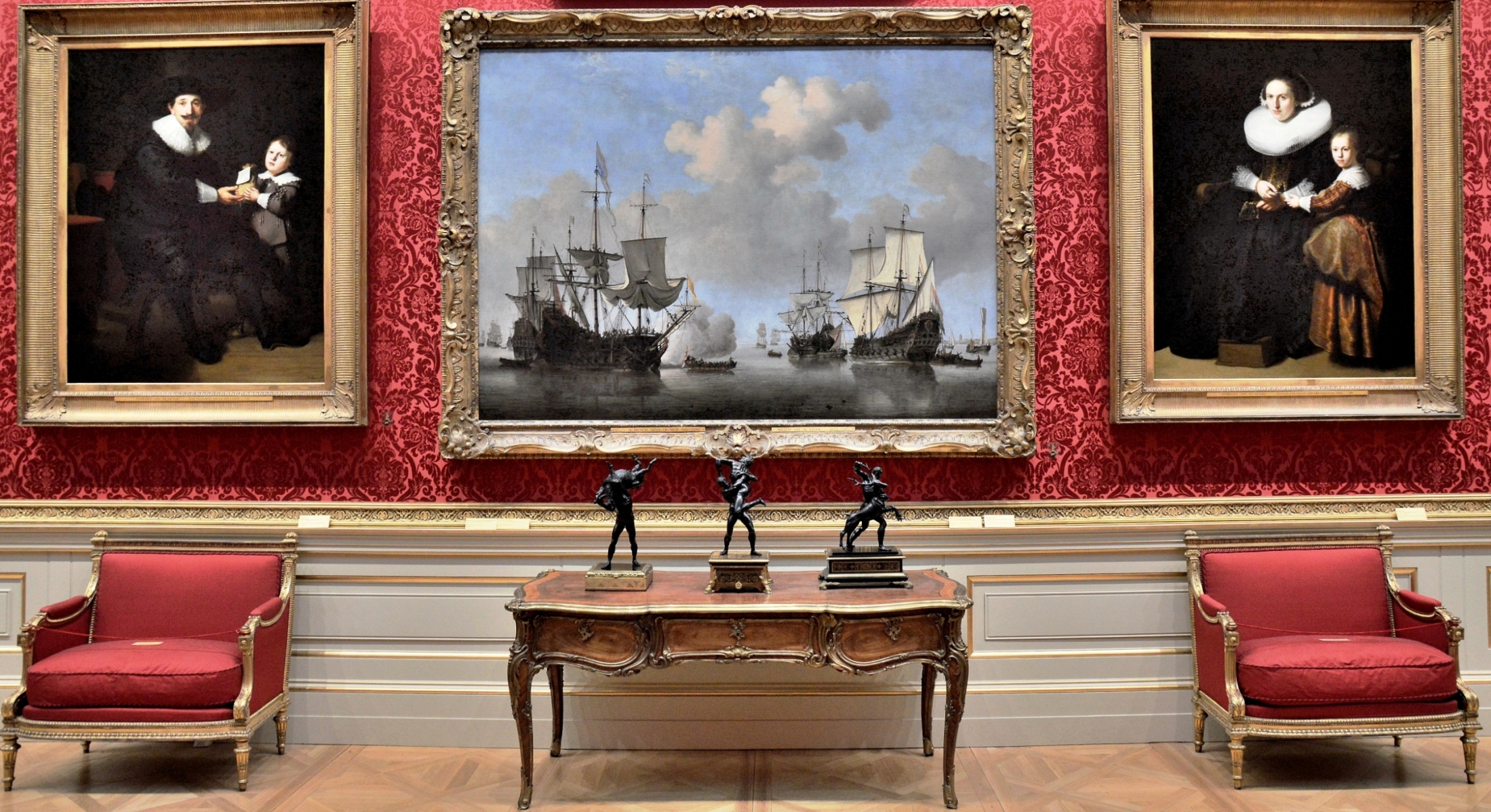
Among the paintings can be found two paintings by Titian, five Rembrandts, nine Rubenses, four Van Dycks, eight Canalettos, nineteen Bouchers, masterpieces by de Hooch, nine Teniers, Frans Hals, nine Murillos, two Velázquez and paintings by Domenichino, Cima, Daddi, Reni, Rosa, Thomas Gainsborough, Joshua Reynolds, Antoine Watteau, Nicholas Lancret, Jan Steen, Aelbert Cuyp and nine Guardis. More information at the Wiki entry.
To view the amazing craftsmanship in more details, please click on an image and then again to magnify, Enjoy :-).

.

The Laughing Cavalier by Frans Hals. Famous for his broad hat 😀 .
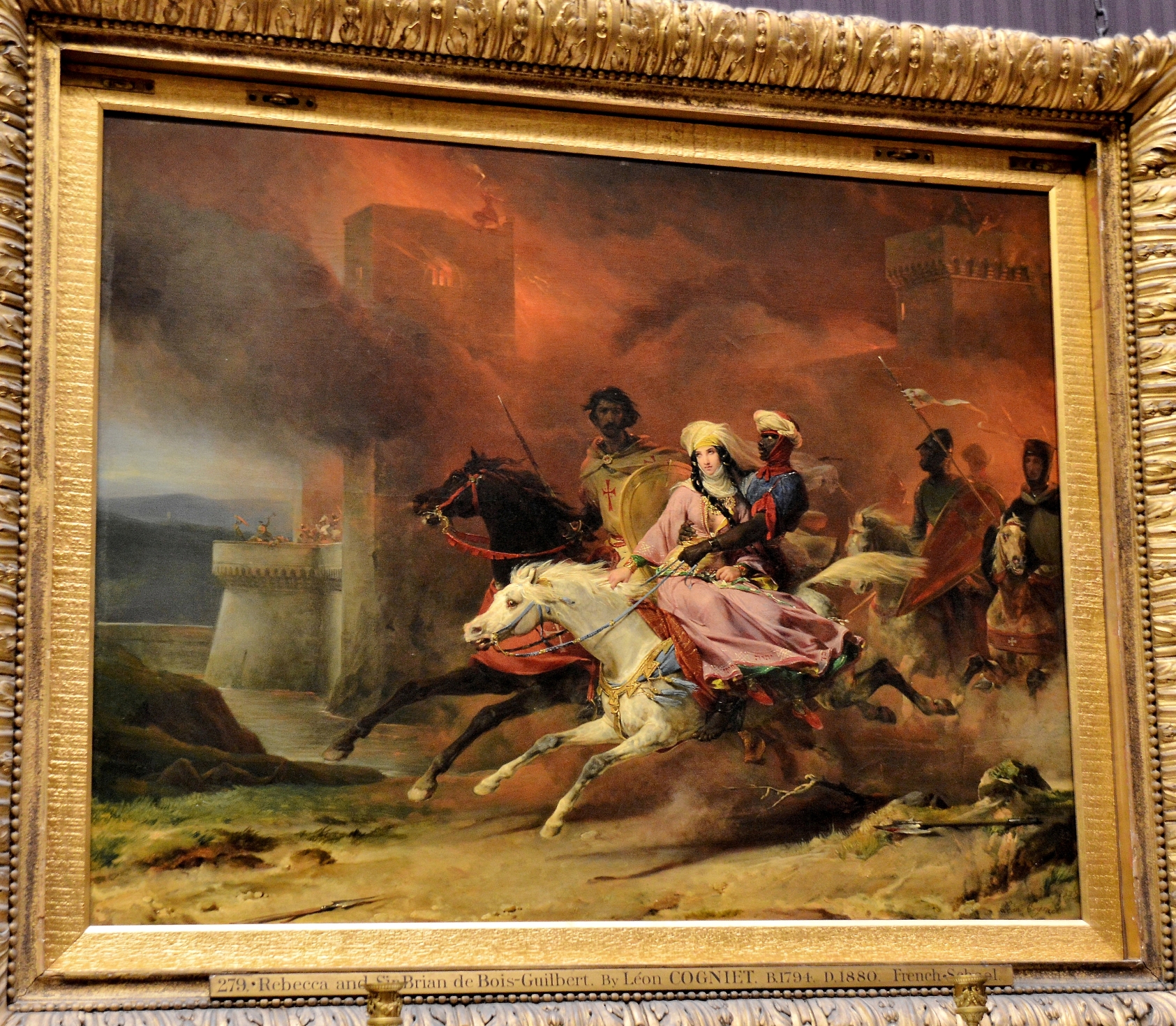
Rebecca and Sir Brian de Bois-Guilbert by Léon Cogniet. A little enhanced to compensate for the fading effect of age.
At the siege of the castle of Torquilstone the beautiful Rebecca, daughter of Isaac the Jew, is abducted by the Norman Templar, Sir Brian de Bois-Guilbert (he’s the one with the templar cross on his tunic). Ulrica, an old Saxon woman who had set fire to the castle, exalts in her vengeful fury at the top of the distant tower.
.
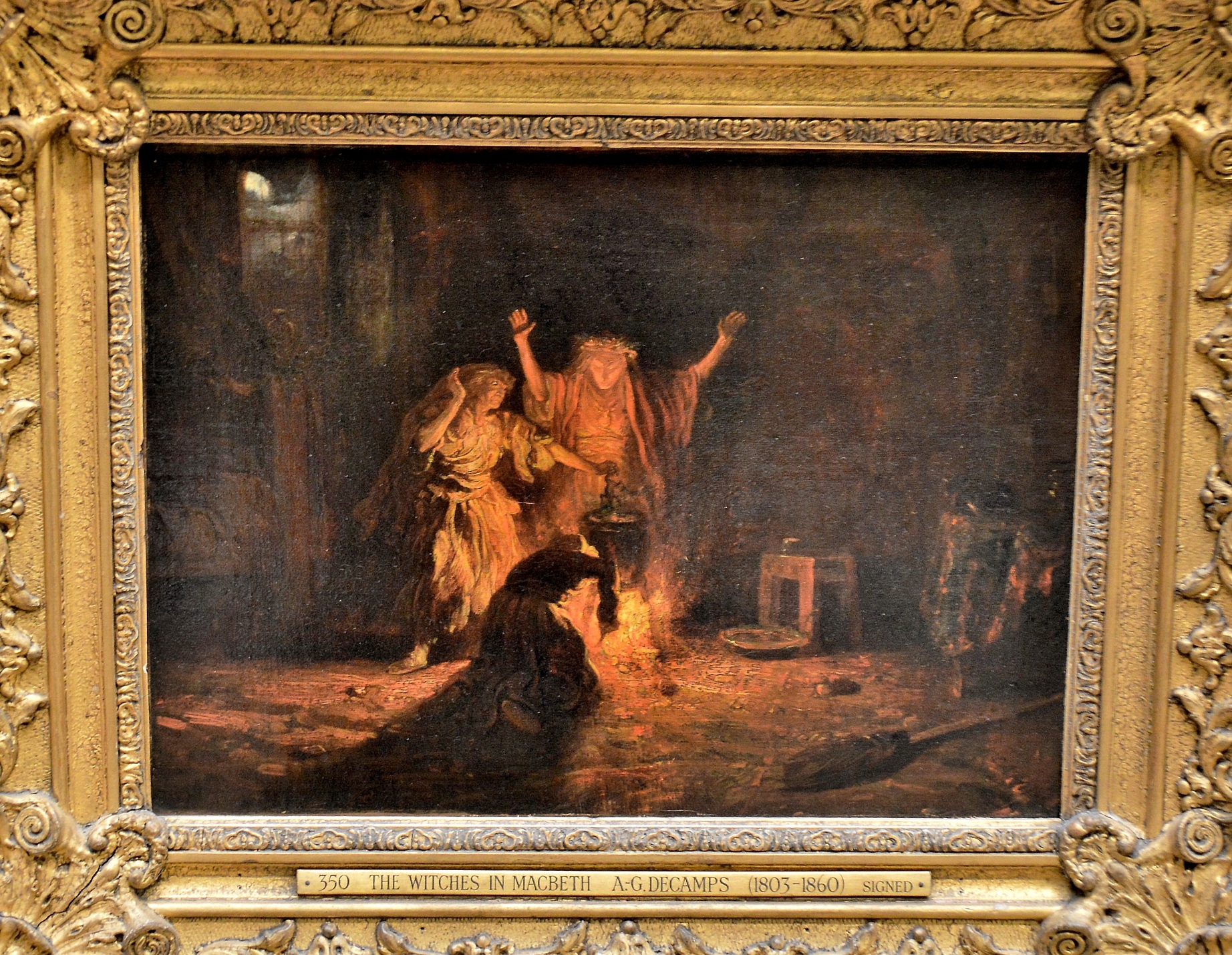
The Witches in Macbeth by Alexandre-Gabriel Decamps.
.

.
.

.
.
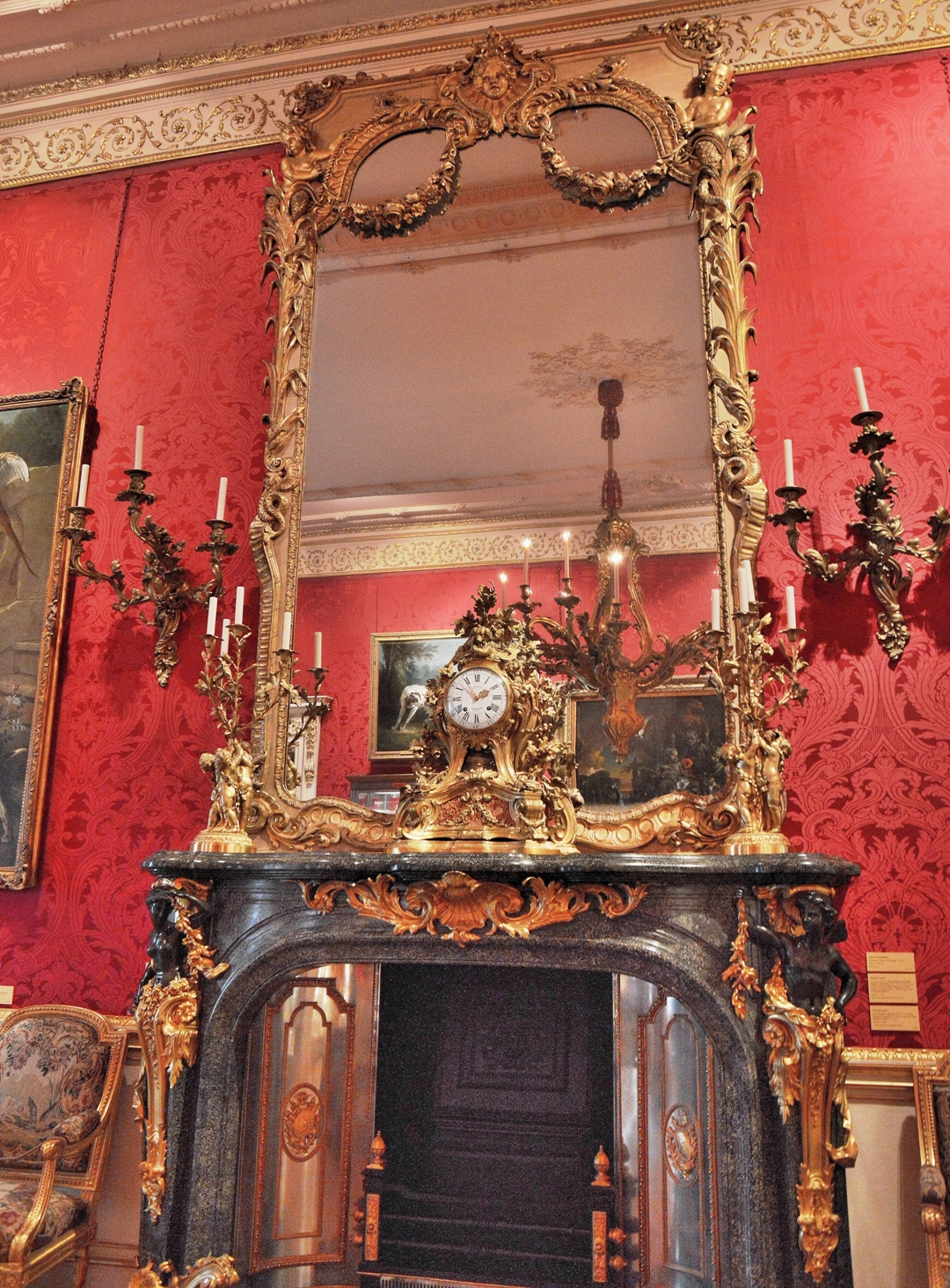
.

.

.

.

.

.

.

.

.

.

All Hallows by the Tower AD 675
 All Hallows by the Tower (AD 675) is the oldest church in London and almost the oldest in the UK. Some of its fascinating history can be found on its website here and its wiki history here. Older churches can be found here and the oldest UK church still functioning is St Martin’s (AD 597) near Canterbury.
The image above is of the Toc H Lamp signifying membership of that international charity which was founded by army chaplain Rev Tubby Clayton as a refuge from the fighting in Belgium during WWI. The Reverend was later vicar of All Hallows from 1922 to 1962.
.
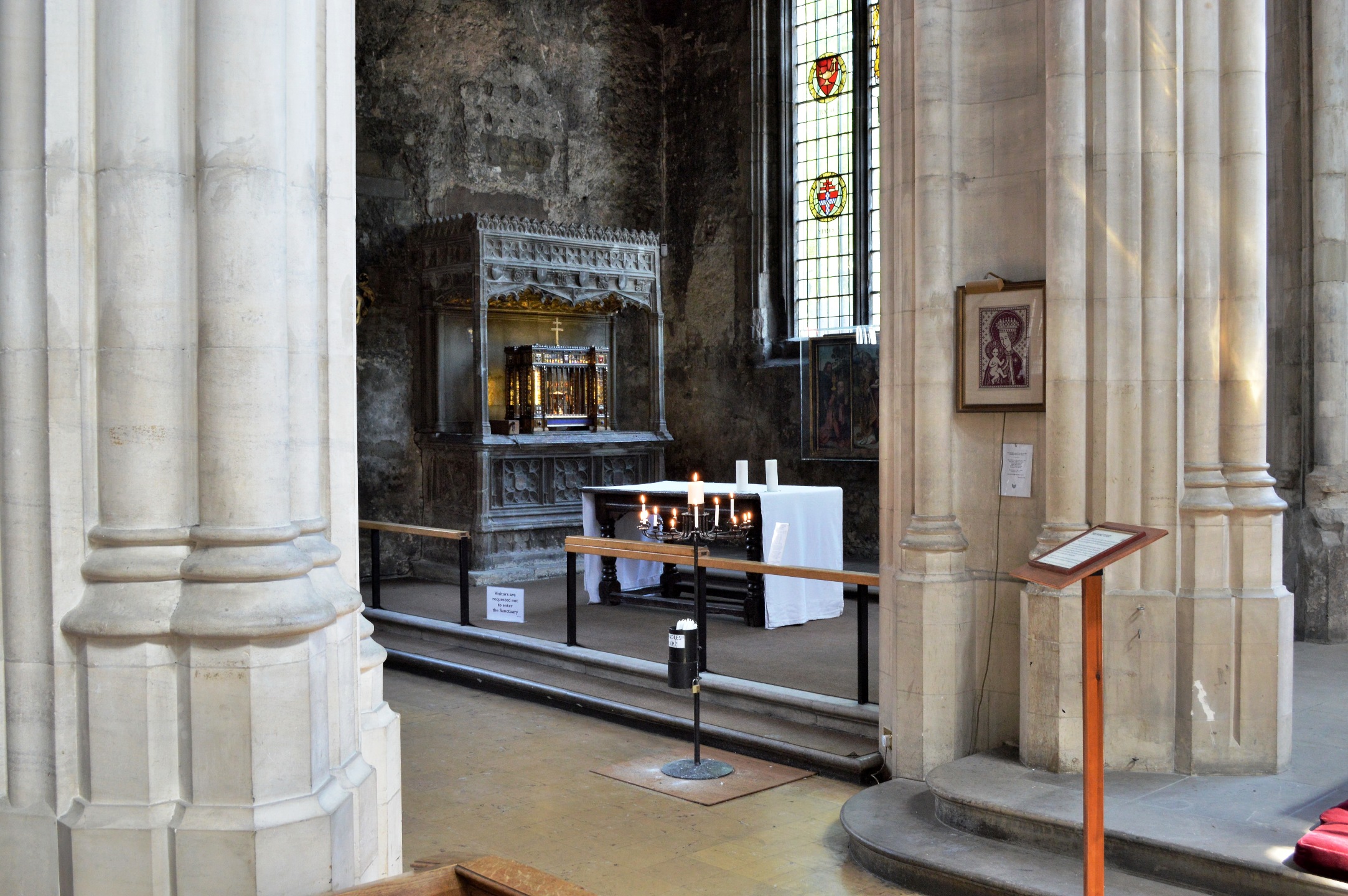
.
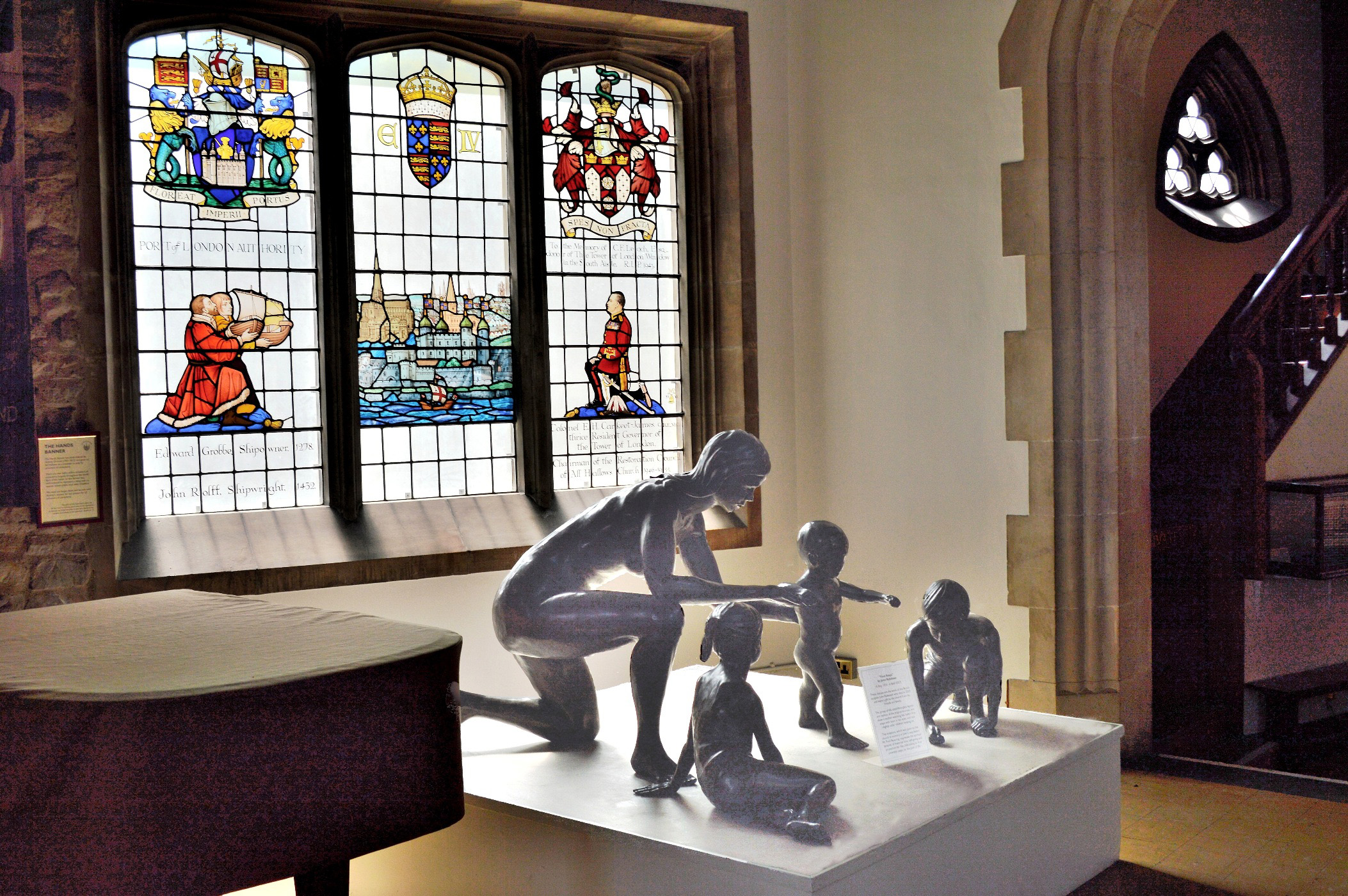
First Steps Sculpture by John Robinson
.
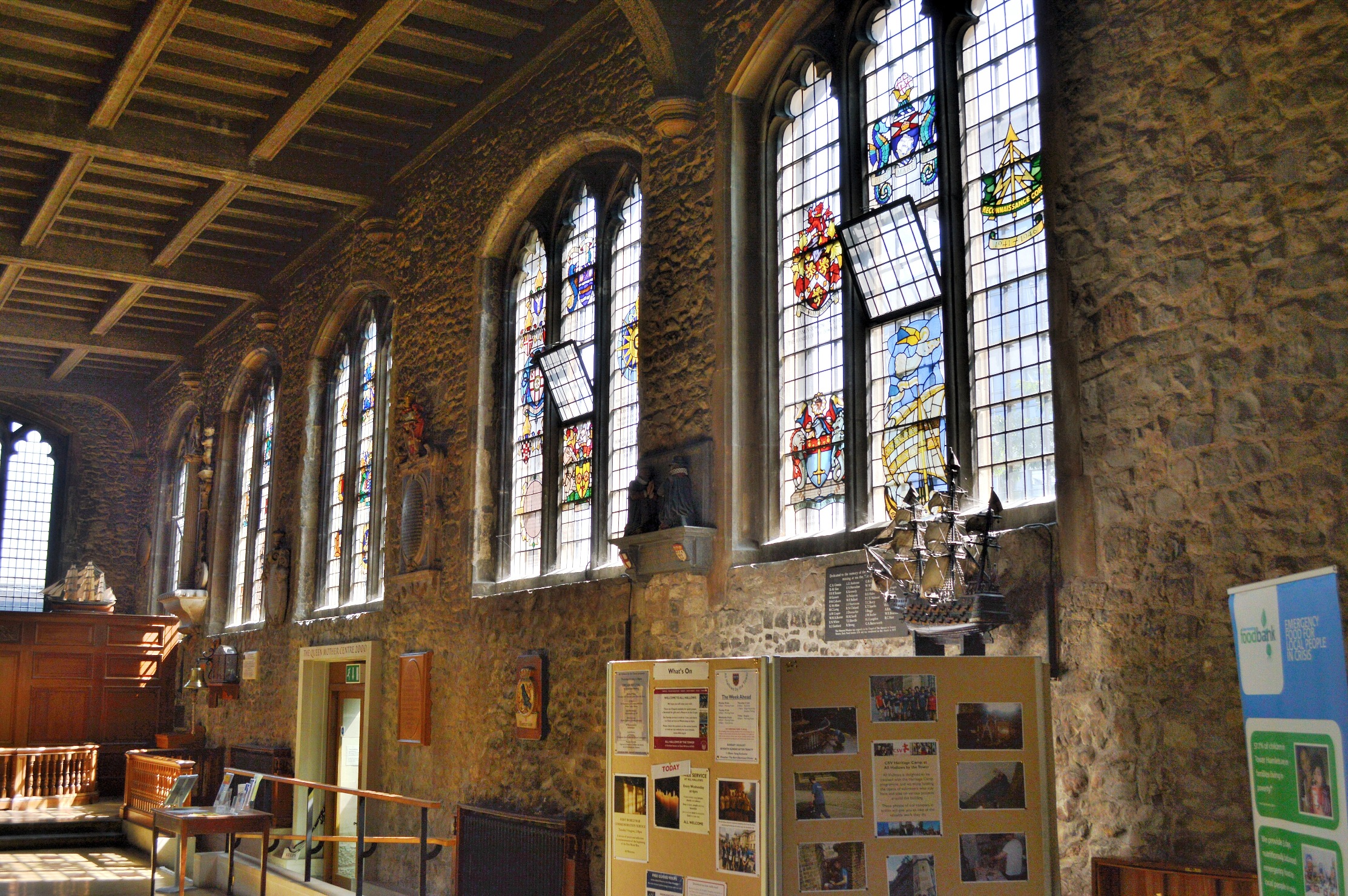
All Hallows is a working church and engages in such enterprises as a food bank.
.
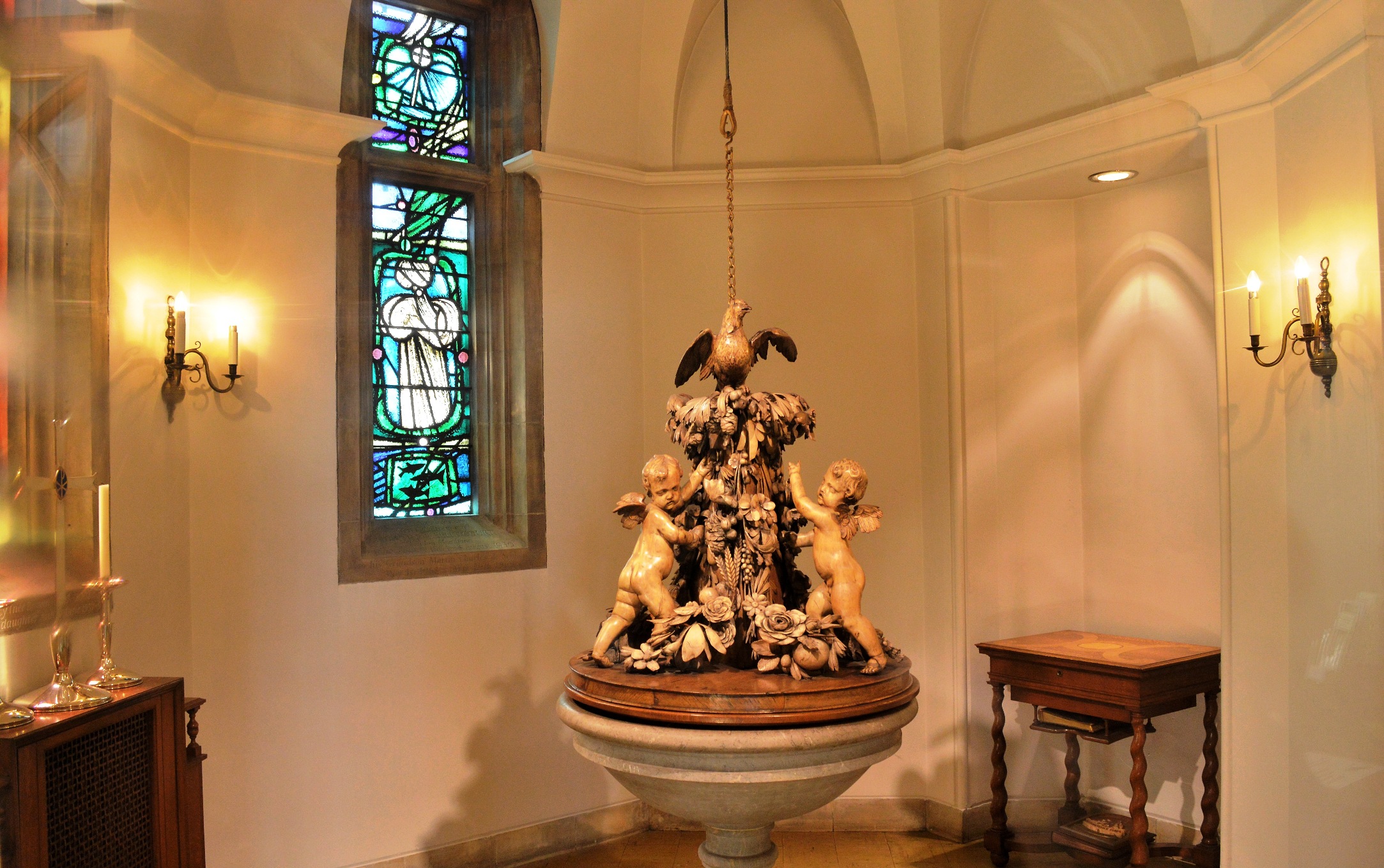
Baptismal Font Cover by Grinling Gibbons in 1682 for £12

Altar stone from the castle of Richard 1 at Athlit in the Holy Land
Part of the church was destroyed during WWII but there is a spiral staircase that leads down to the oldest part of the church, including a small museum with Saxon arches. At the end of the aisle is this alter with the rock face beyond.
.

The church is easy enough to find, being a little to the west of the Tower of London and its green spire easily visible at a distance when emerging from Tower Hill underground rail station.
The Natural History Museum London
The Natural History Museum, the very interesting Science Museum and fabulous Victoria & Albert Museum are all close together and very near South Kensington underground rail station. All are free to enter, although a small donation is usual, and have picnic areas (a wise choice).
The Natural History Museum also contains The Earth’s Treasury and The Vault of precious items. Both are worth seeing. It is advisable to arrive early at the Natural History Museum to avoid queues and download/save/print the the map. The website. Here is the architecture and a few of the exhibits.
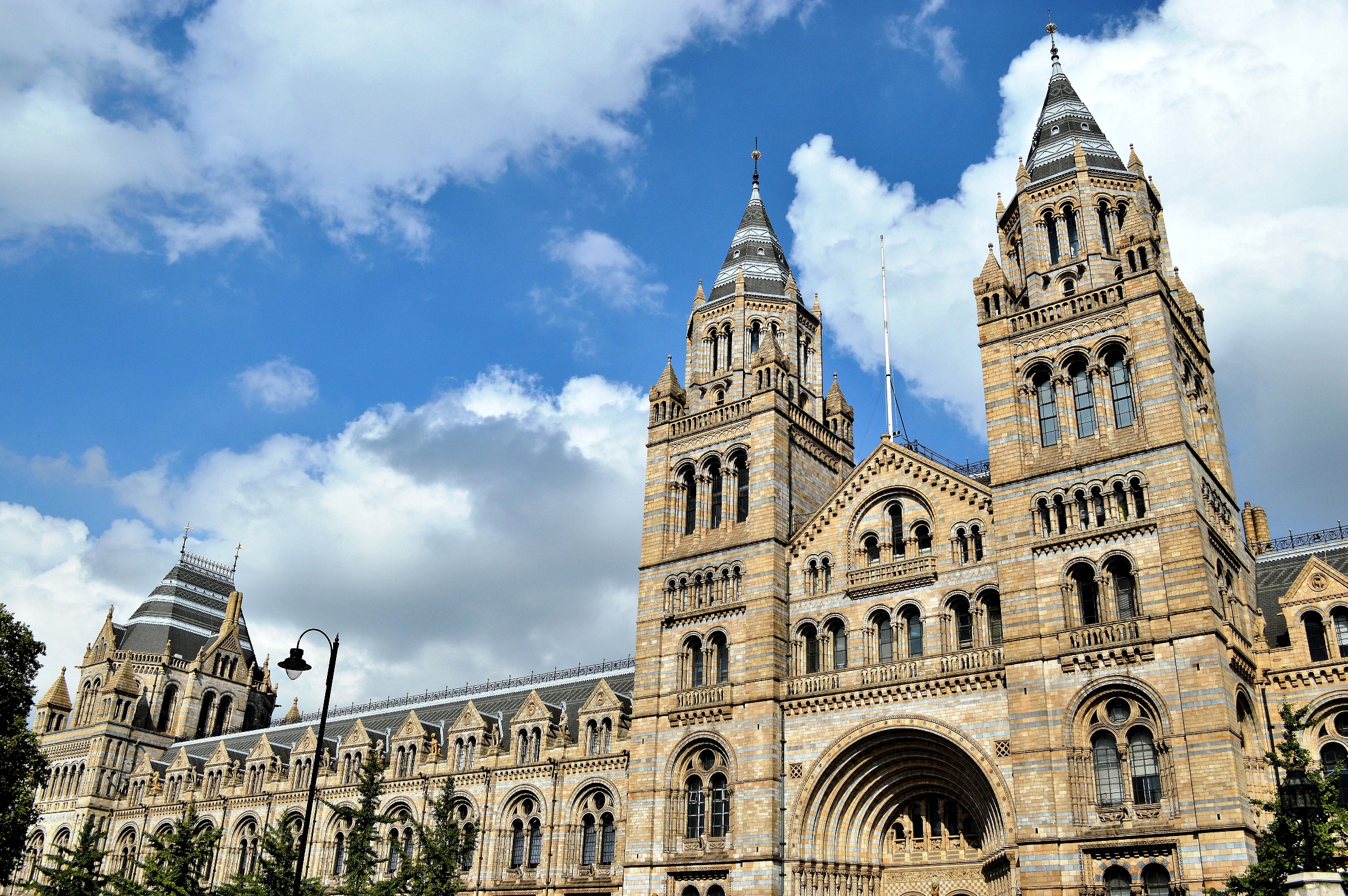
The Architecture and Charles Darwin
.

.

.

Charles Darwin Statue
.
The Exhibits

Diplodocus
At the main entrance “Dippy” (diplodocus), sometimes a Blue Whale, welcomes visitors with equal aplomb. Dippy likes walks in the park, sushi and going to the theater. Would like to meet similar, must have good sense of humour.

At the side entrance one is greeted by a smaller cousin. And then ~

The escalator to hell. It actually leads to a display of information about the earth’s early years and volcanoes. Included is a mock min-market that shakes to simulate an earthquake. It wasn’t working when I was there. How come they always turn off the dangerous stuff whenever I arrive ? It’s a mystery to me.
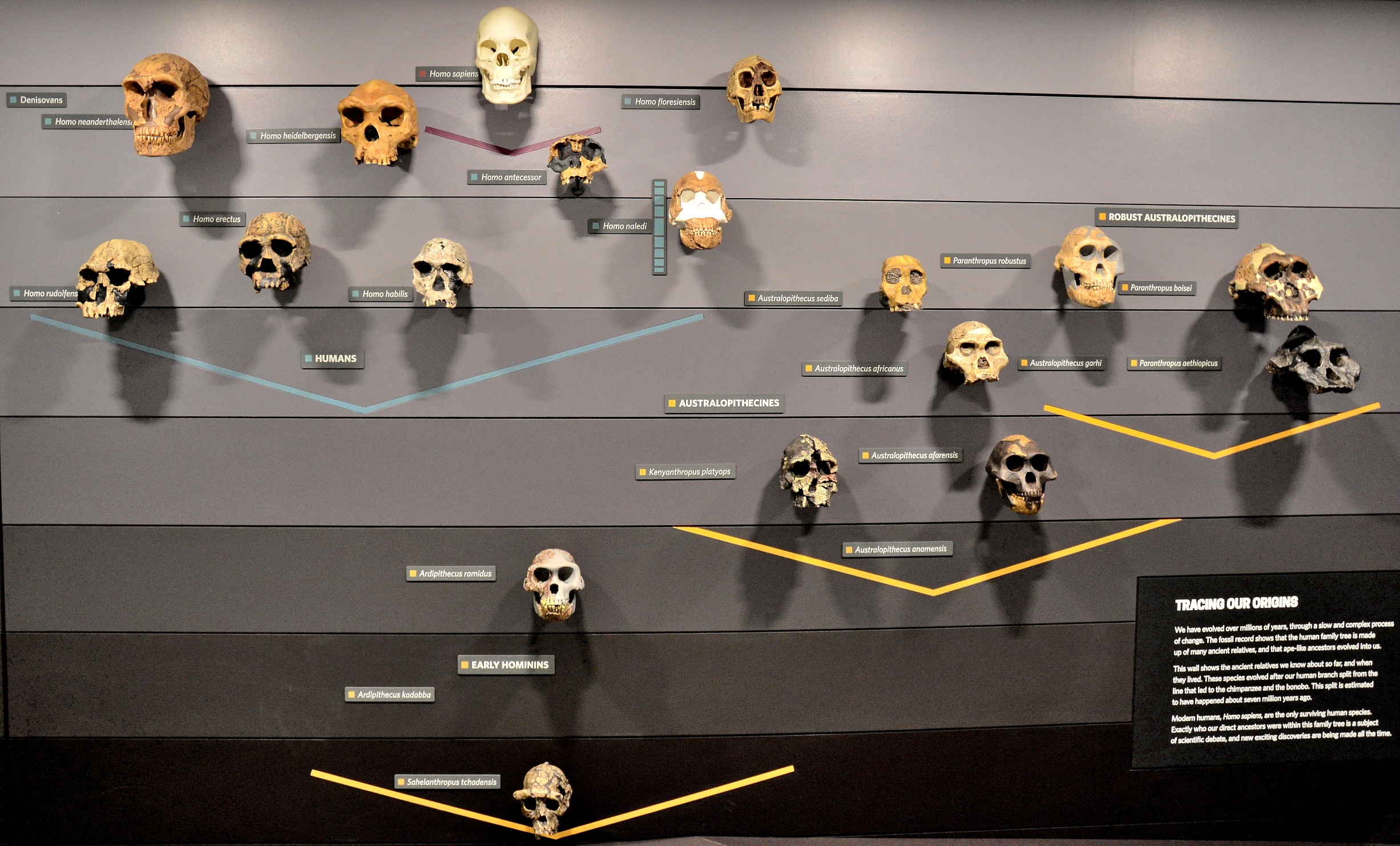
Near the elevator, on the ground floor, you can meet one’s ancestral relatives. The top row is the present and then seven rows of one million years each. Spot anybody that you know ?. To read the labels, click on the image and then again to magnify.
Unfortunately the dinosaur gallery was closed during my visit, but there were a few on show.

This little tyke is animated. Noticeably breathing and occasionally moving in his/her sleep.

Cynognathus
The Cynognathus was supposedly about the size of a dog. If that’s true, I wonder if Lord Baskerville knows it’s out.
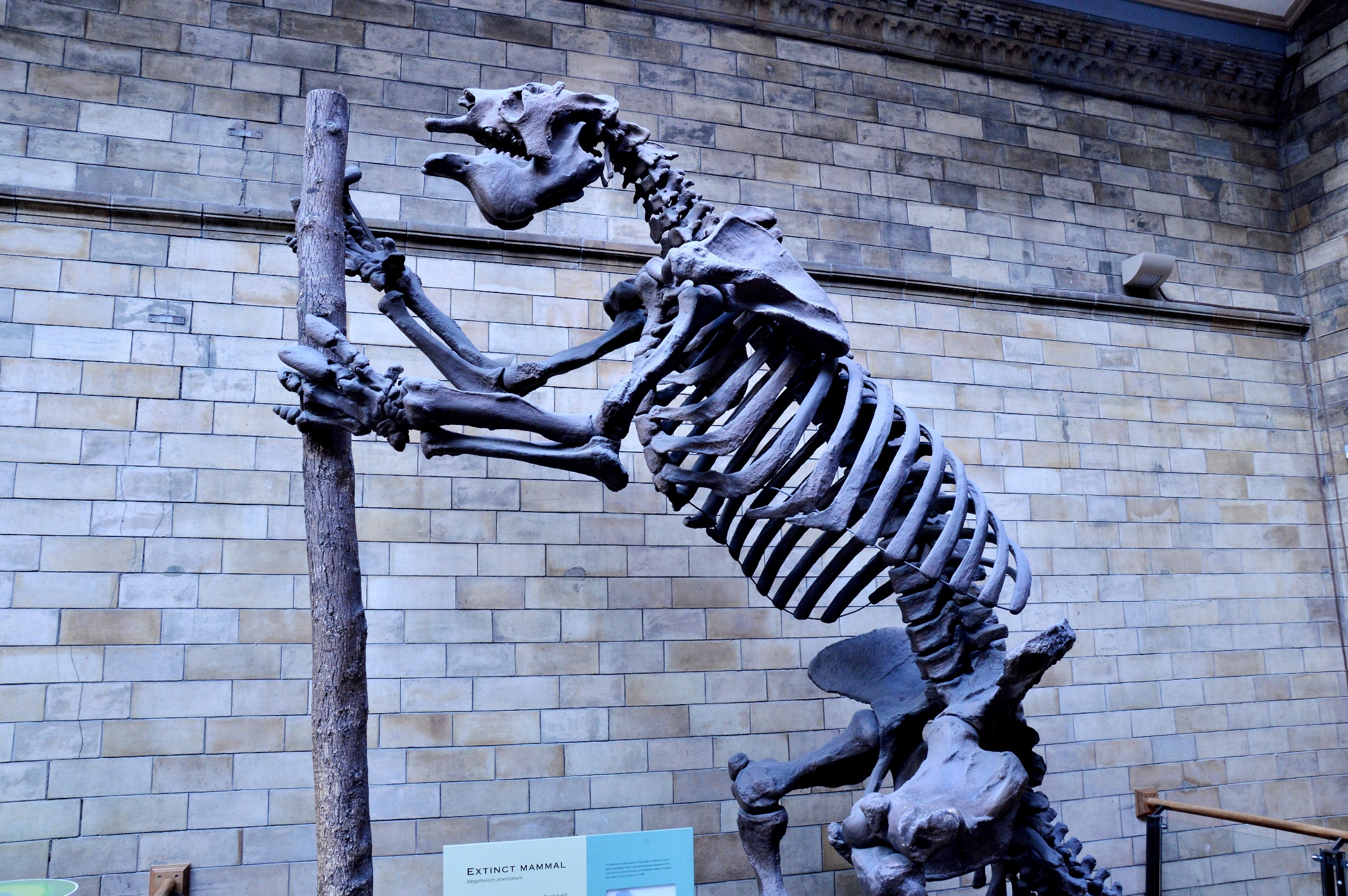
Megatherium Americanum
Aka, prehistoric stick insect.

Killer Bird and Pseudo-elephant
“My mother always said you were a skinflint, look at me when I’m talking to you and when are you going to fix that shelf and stop calling me beaky”. “Aaaarg”

Shell and Triton’s Trumpet
.

Baler Shell
The Baler Shell, so-called because it is very useful for baling out canoes (honest).

Queen Conch
.

There are loads of stuffed animals. I picked just one.

Dodo Bird
The Dodo bird, it is reported, became extinct because it was not sufficiently afraid of mankind. There’s a lesson in that somewhere.
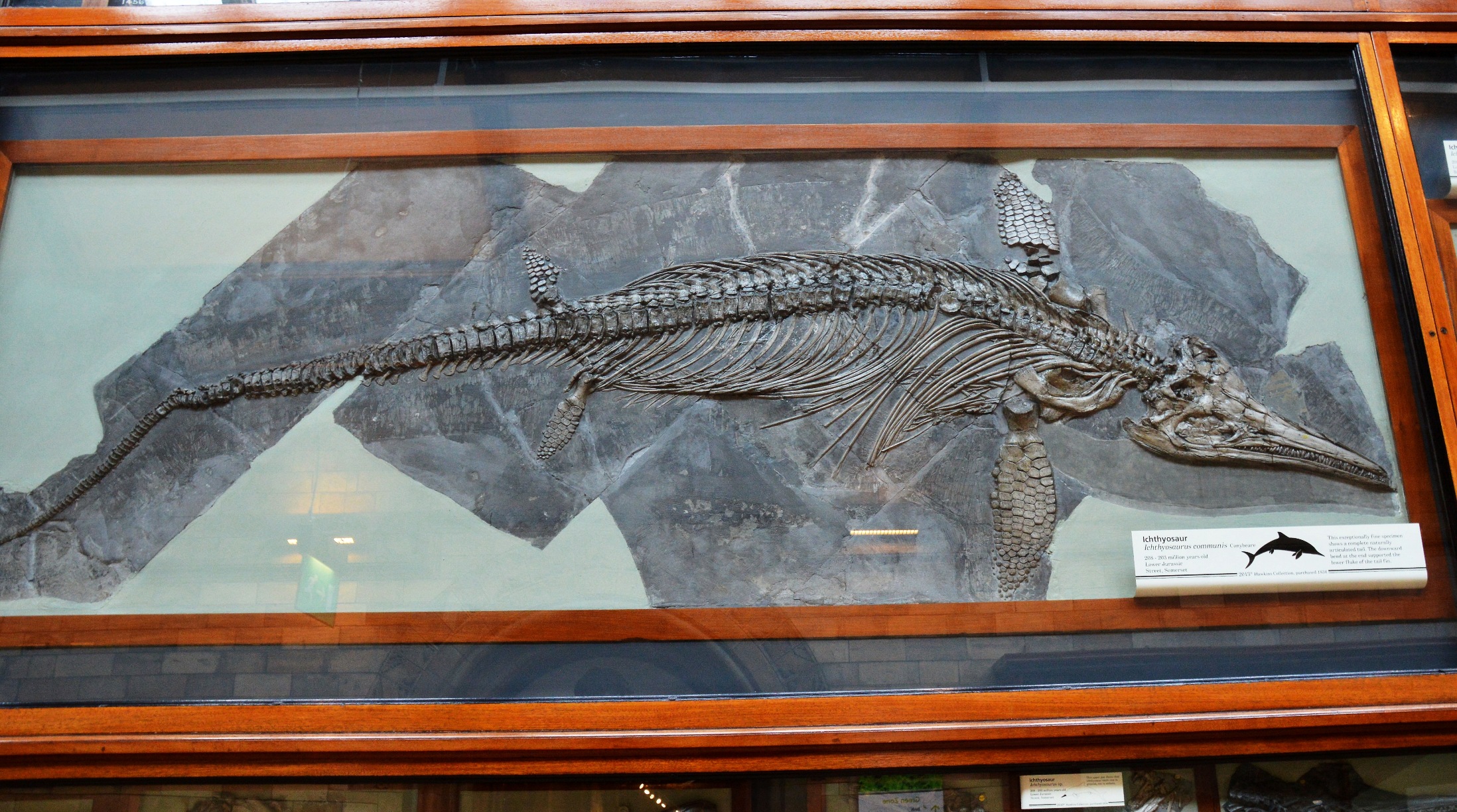
Ichthysaurus Fossil
.

Goethite
I can take a hint.
The Earth’s Treasury 2 at the Natural History Museum London
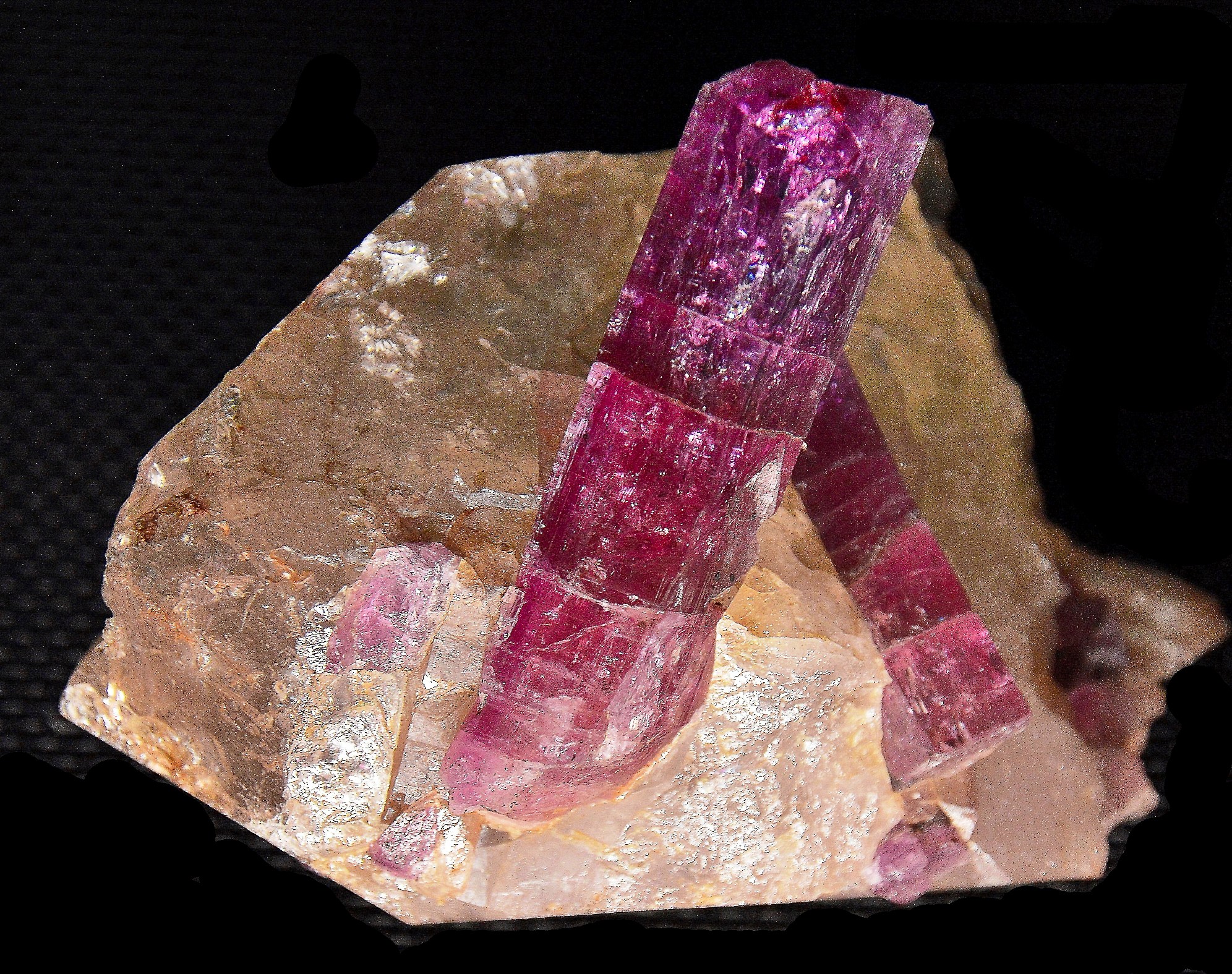
More from the Earth’s Treasury at the Natural History Museum London. There is also Earth’s Treasury 1 and The Vault of precious items.
.
 .
.

.

.

.
.
.
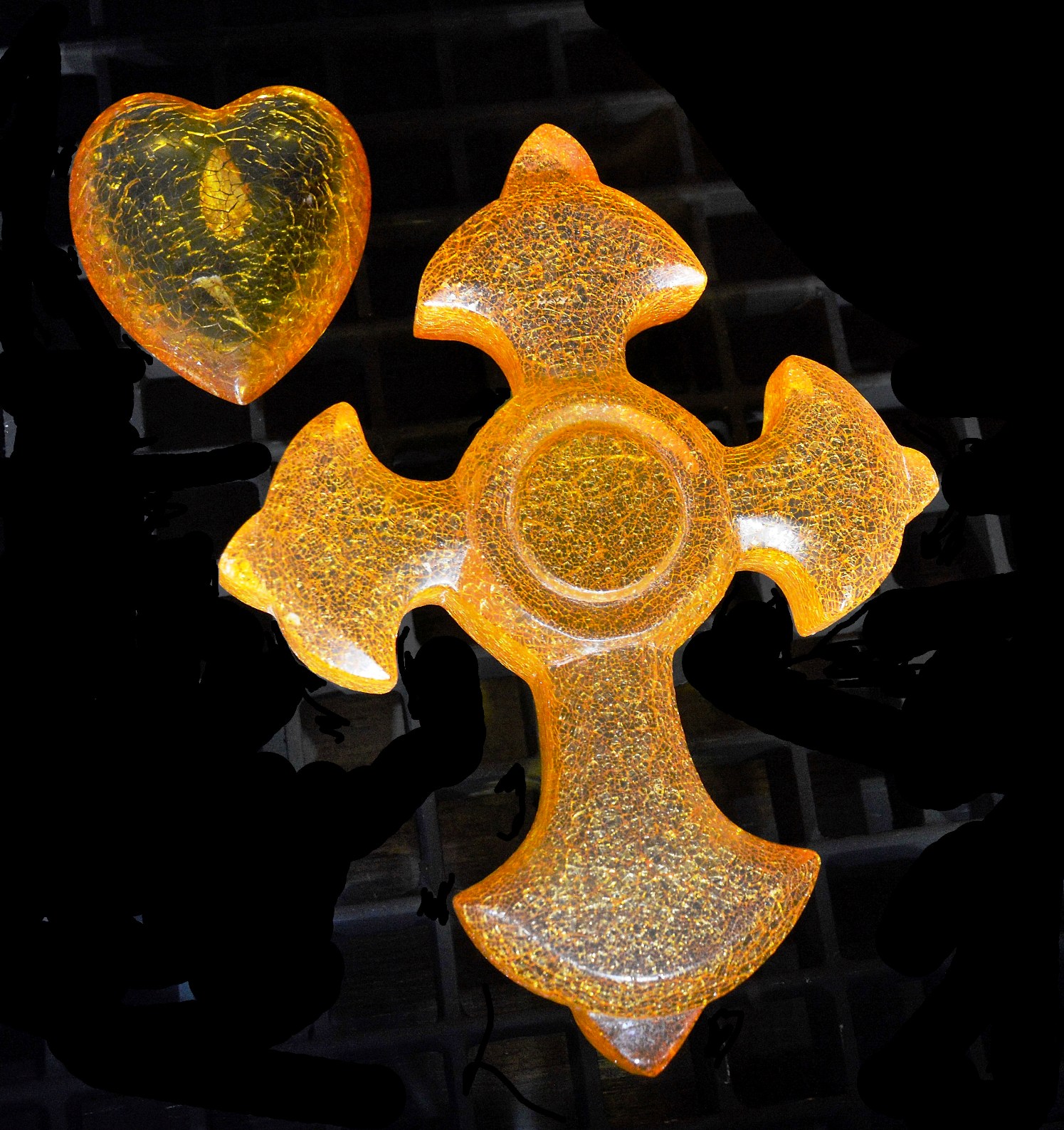
.
 .
.
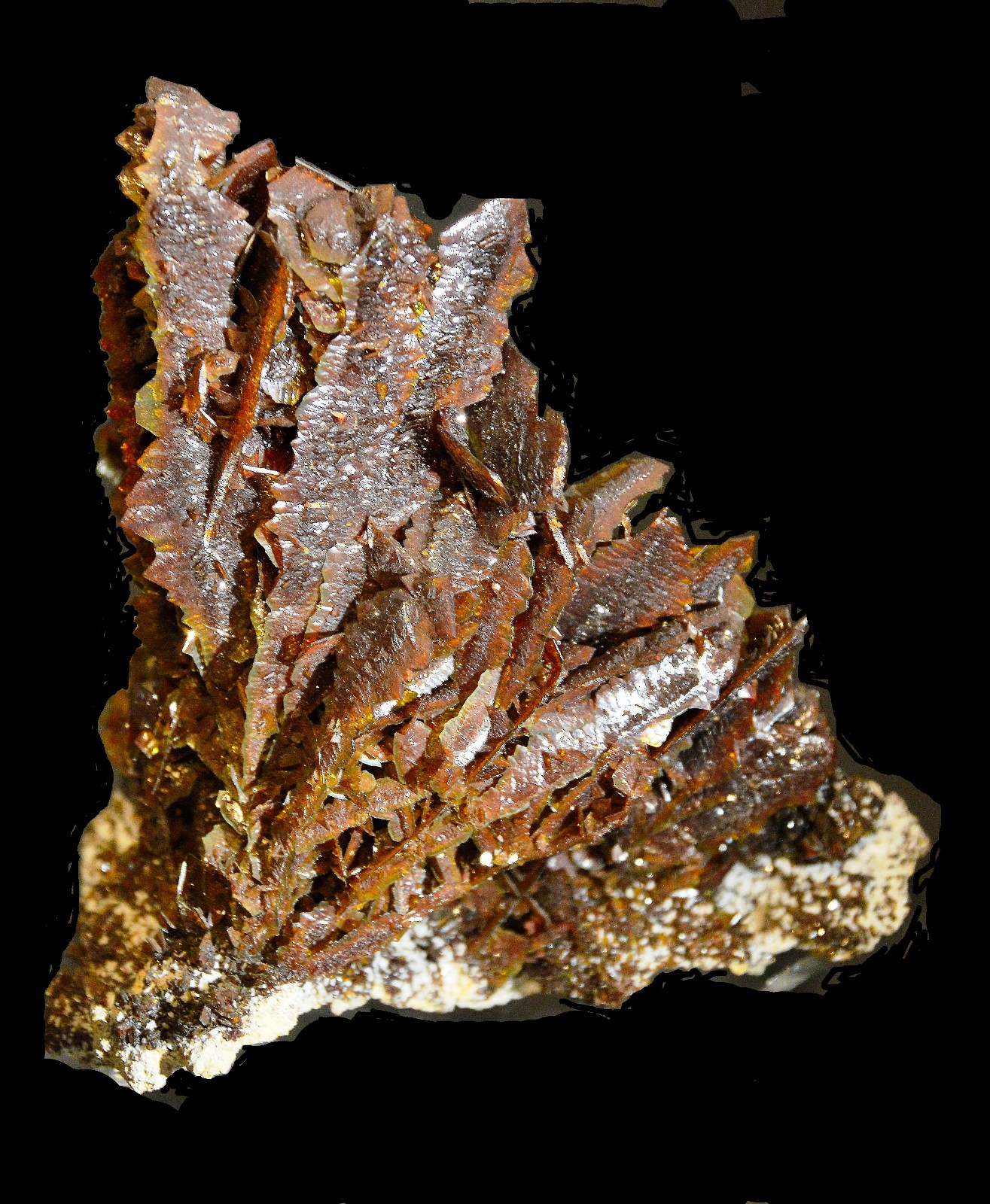
And crunchy chocolate cake to finish, I think.
The Vault and the Cursed Amethyst at the Natural History Museum London

Latrobe Gold Nugget made of rare crystallized gold.
At the end of the Minerals Hall at London’s Natural History Museum is The Vault which contains a number of precious objects including the Latrobe Gold Nugget, the Medusa Emerald, the Cursed Amethyst and a Martian Meteorite. 19 more pics ↓ . And, more at the Earth’s Treasury and Earth’s Treasury 2.
.
The Vault
These are just a few of the rare items in the vault.

Yellow Sapphire and Padparadscha
Sapphires come in various colours and, like ruby, are made of corundum. The orange/pink is a rare colouring of sapphire known as padparadscha.
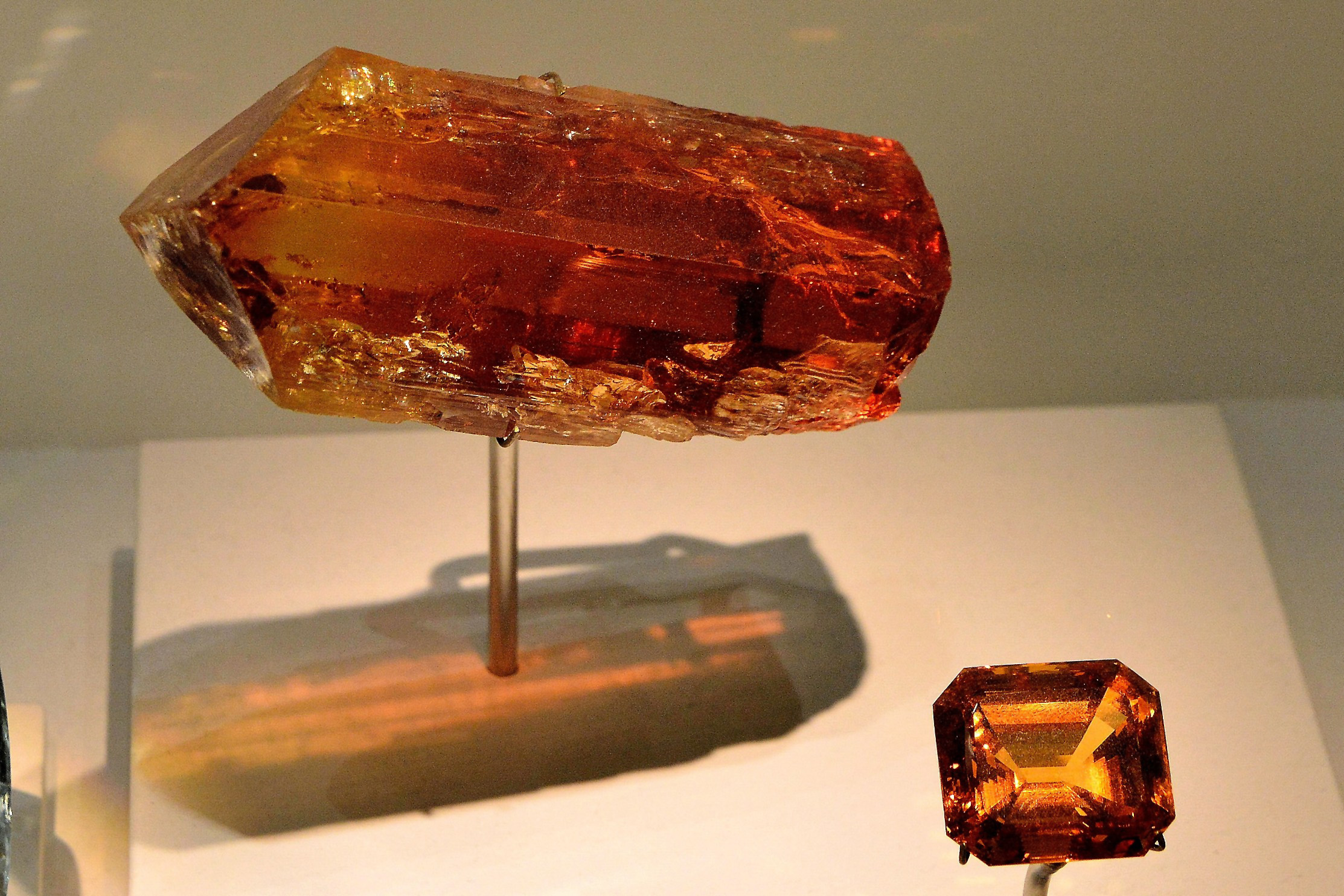
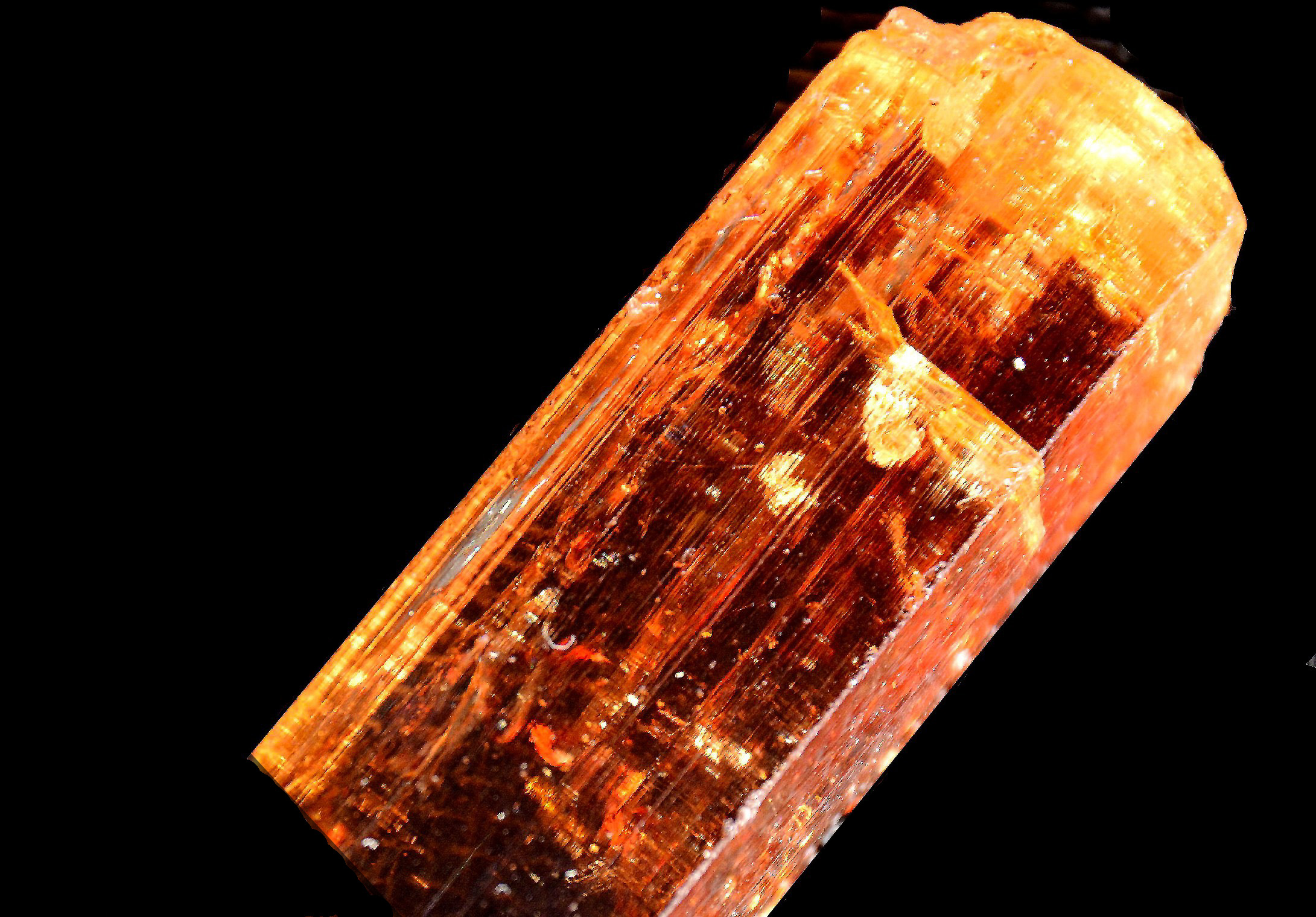
Imperial Topaz
.
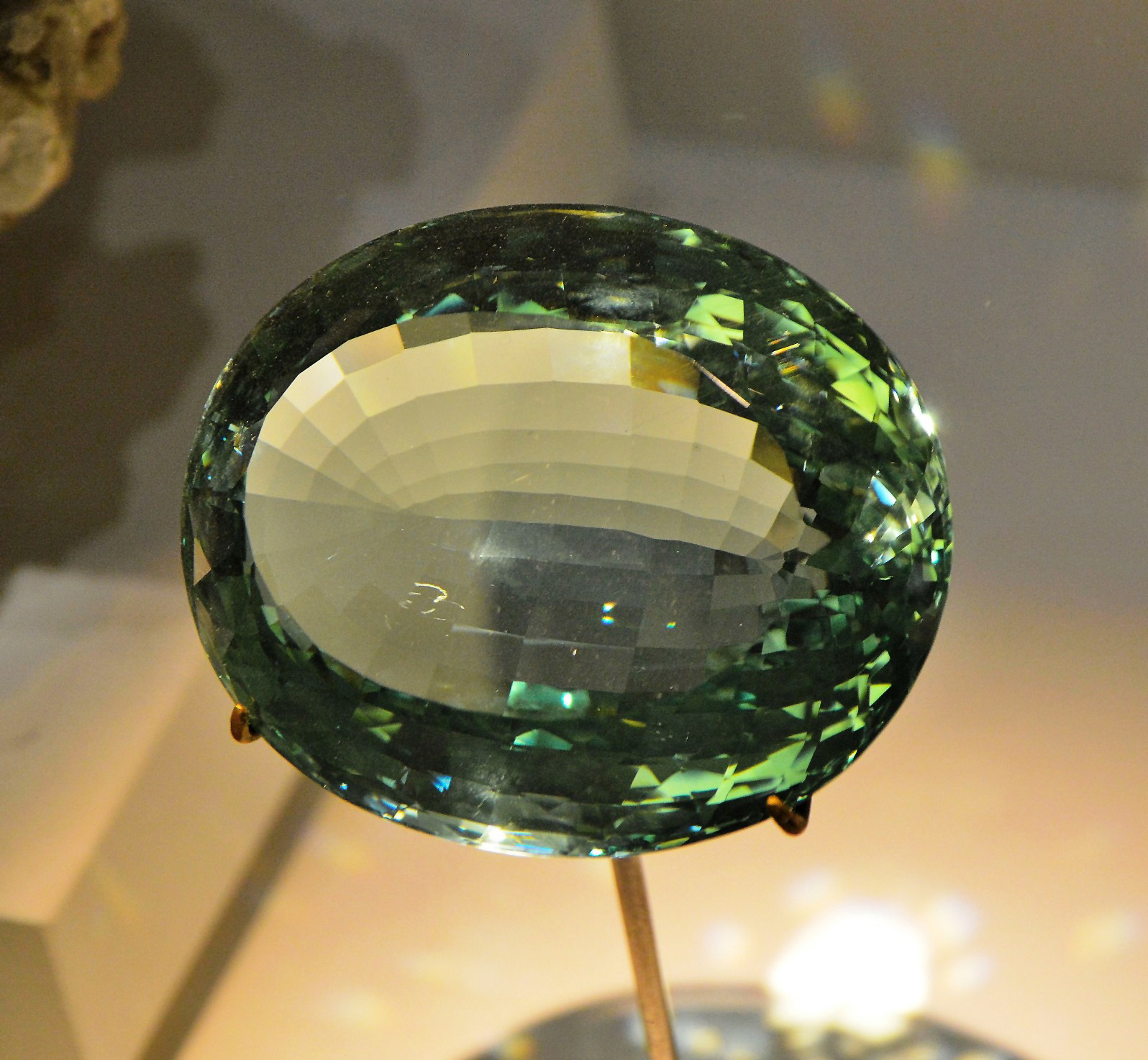
Rain in Seawater – An Aquamarine variety of Beryl
.
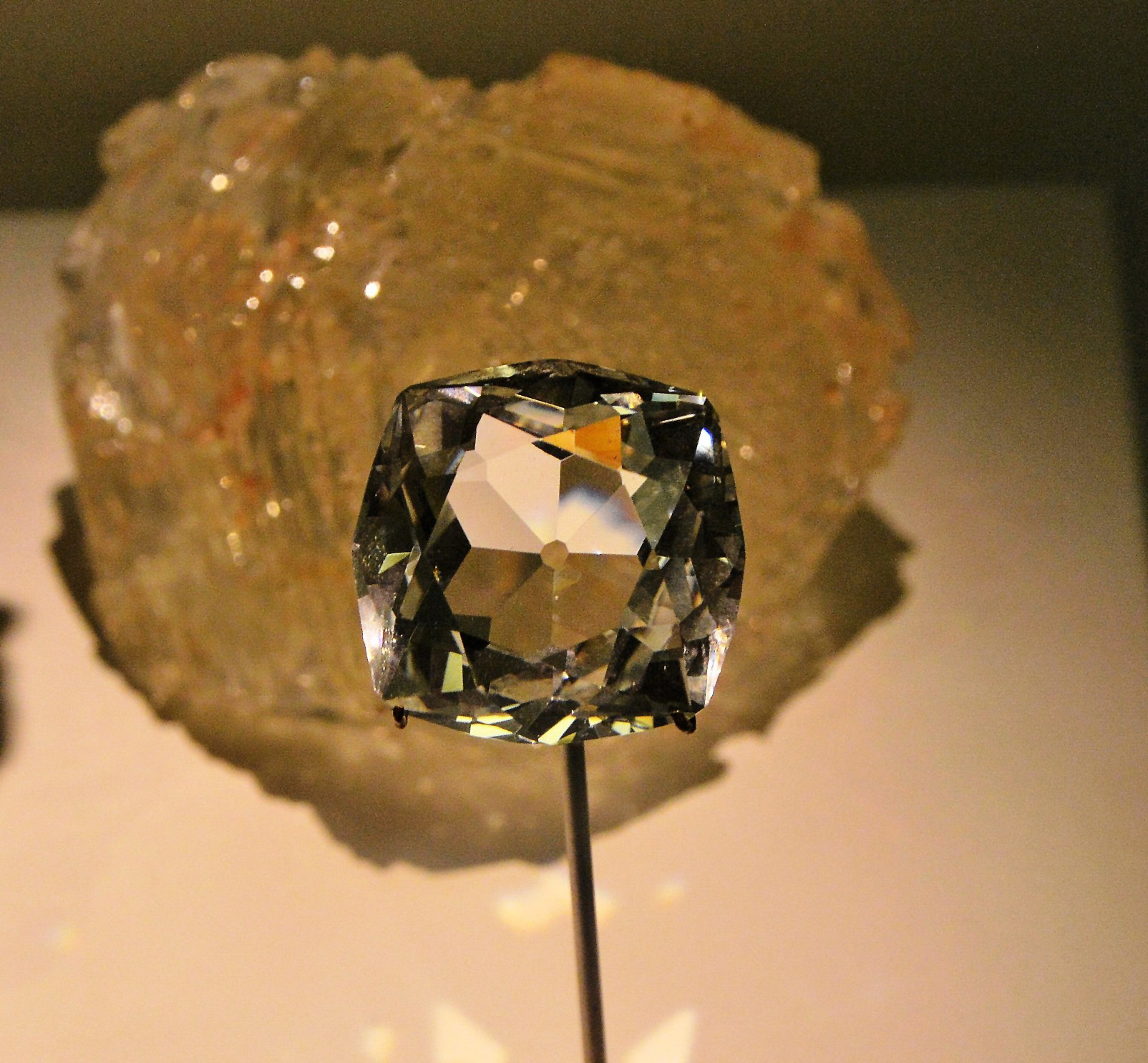
The Scotch Koh-i-Noor – A Goshenite variety of Beryl
It is a bit of a mystery how it got its name, as it probably came from Brazil.

Sapphire Button
.

Opal Necklace
.

The Hope Chrysoberyl
This was once a part of the collection of Henry Philip Hope along with the Hope Diamond.

The Medusa Emerald
The medusa is regarded as one of the world’s finest mineral specimens.
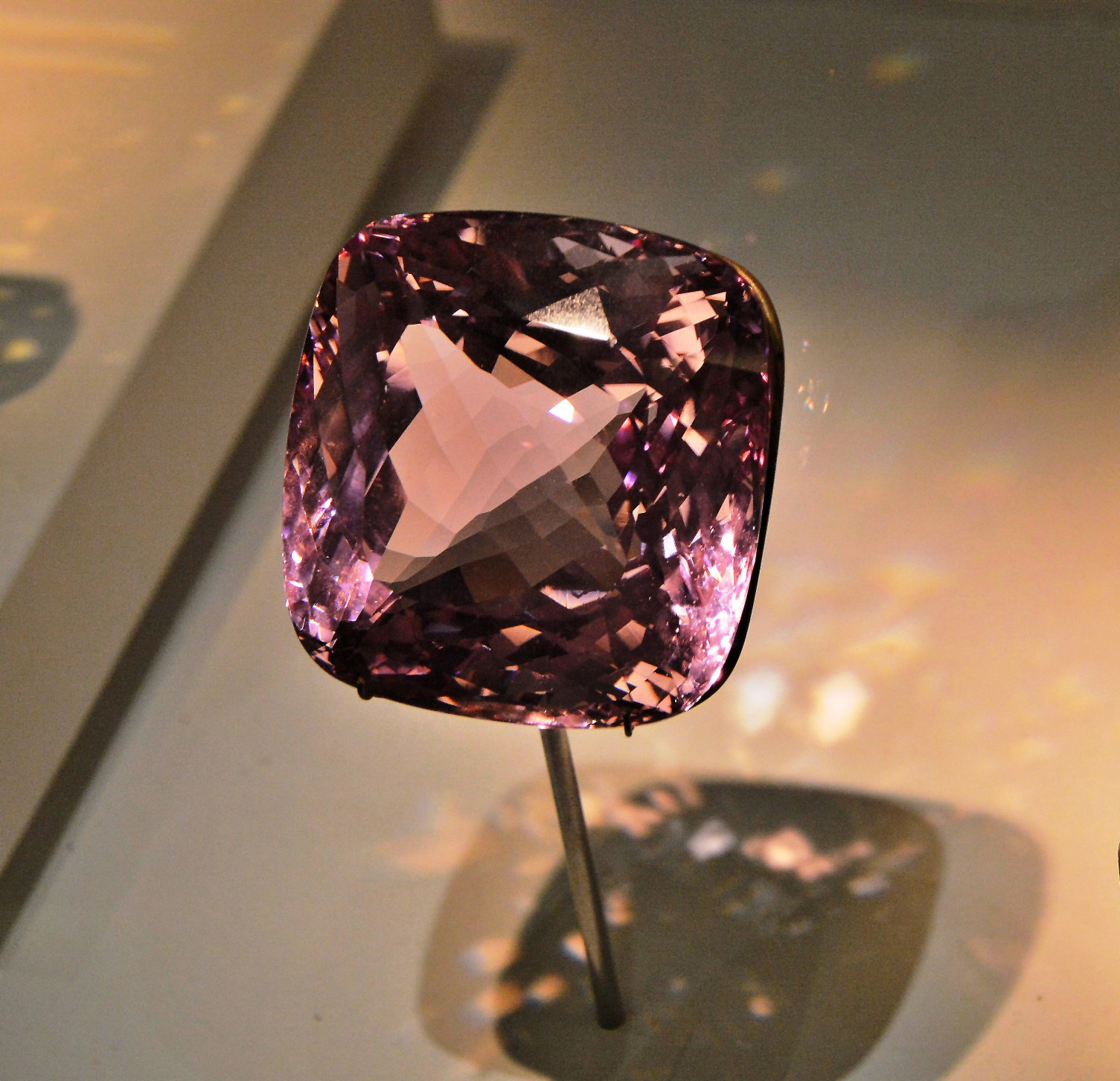
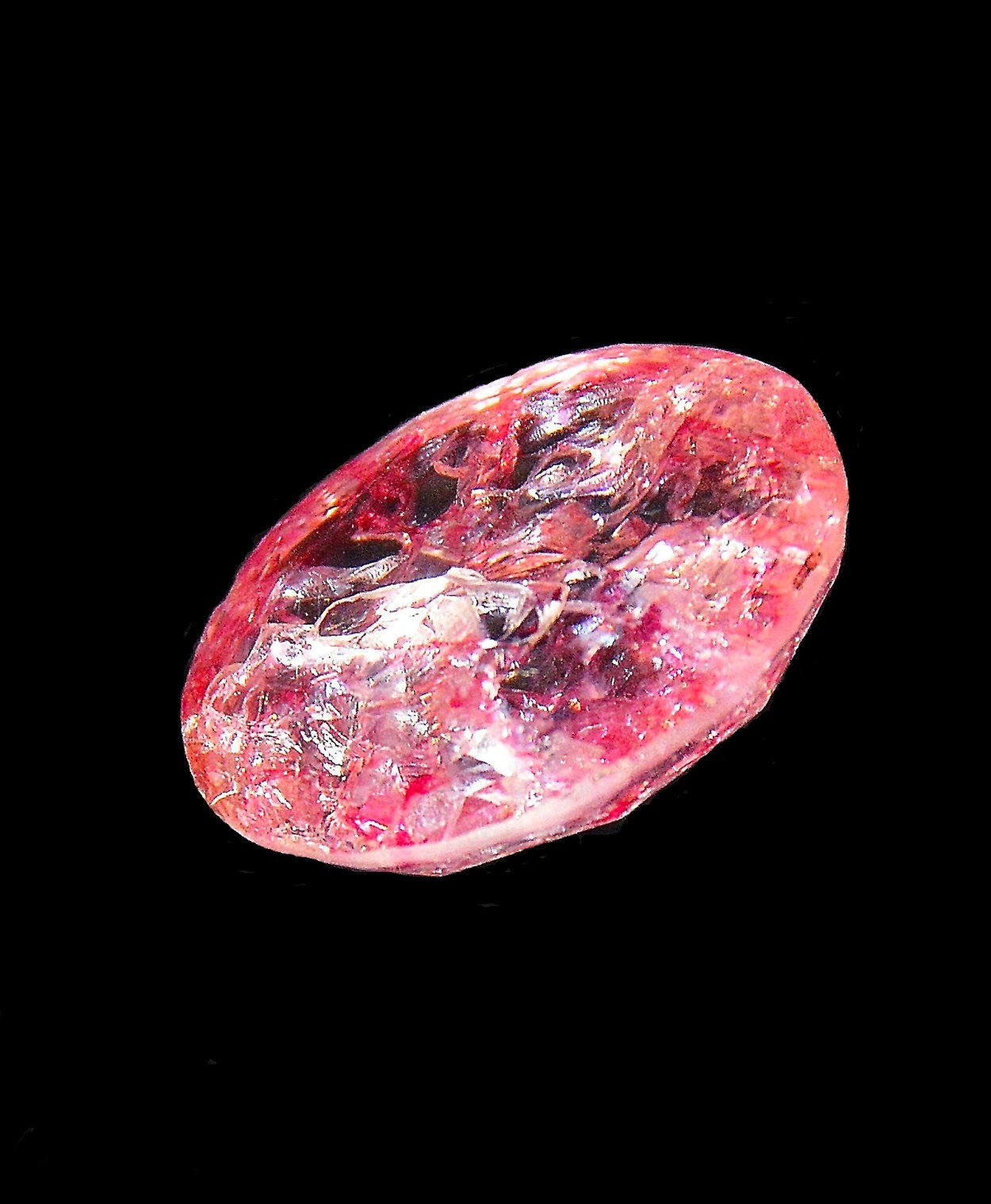
Cut Morganite
.

Crystal within a Crystal
A pink morganite crystal that grew around a blue aquamarine core.
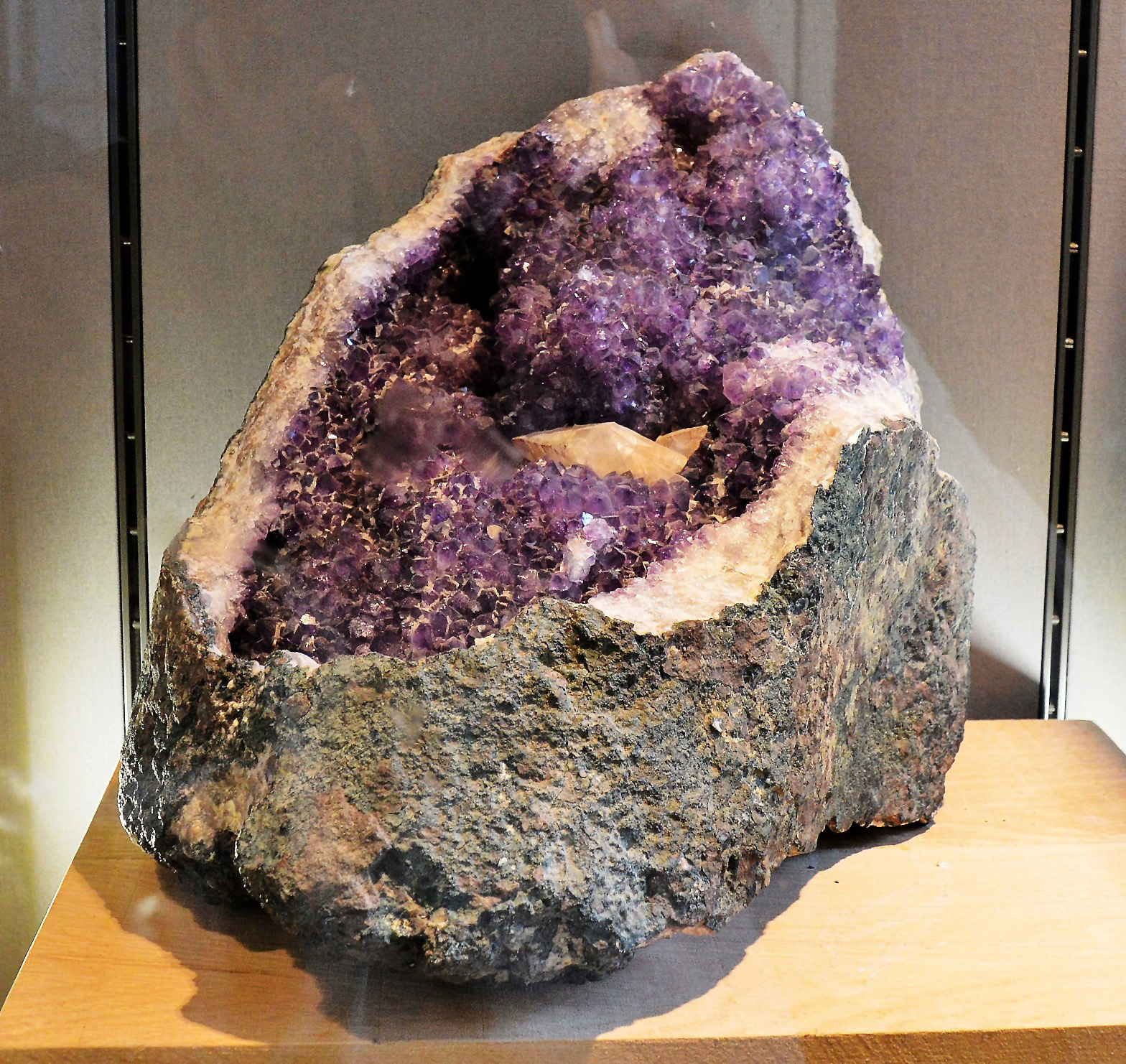
Amethyst Boulder
It is amazing to think what might be found inside an ordinary looking rock. 🙂
.
The Cursed Amethyst
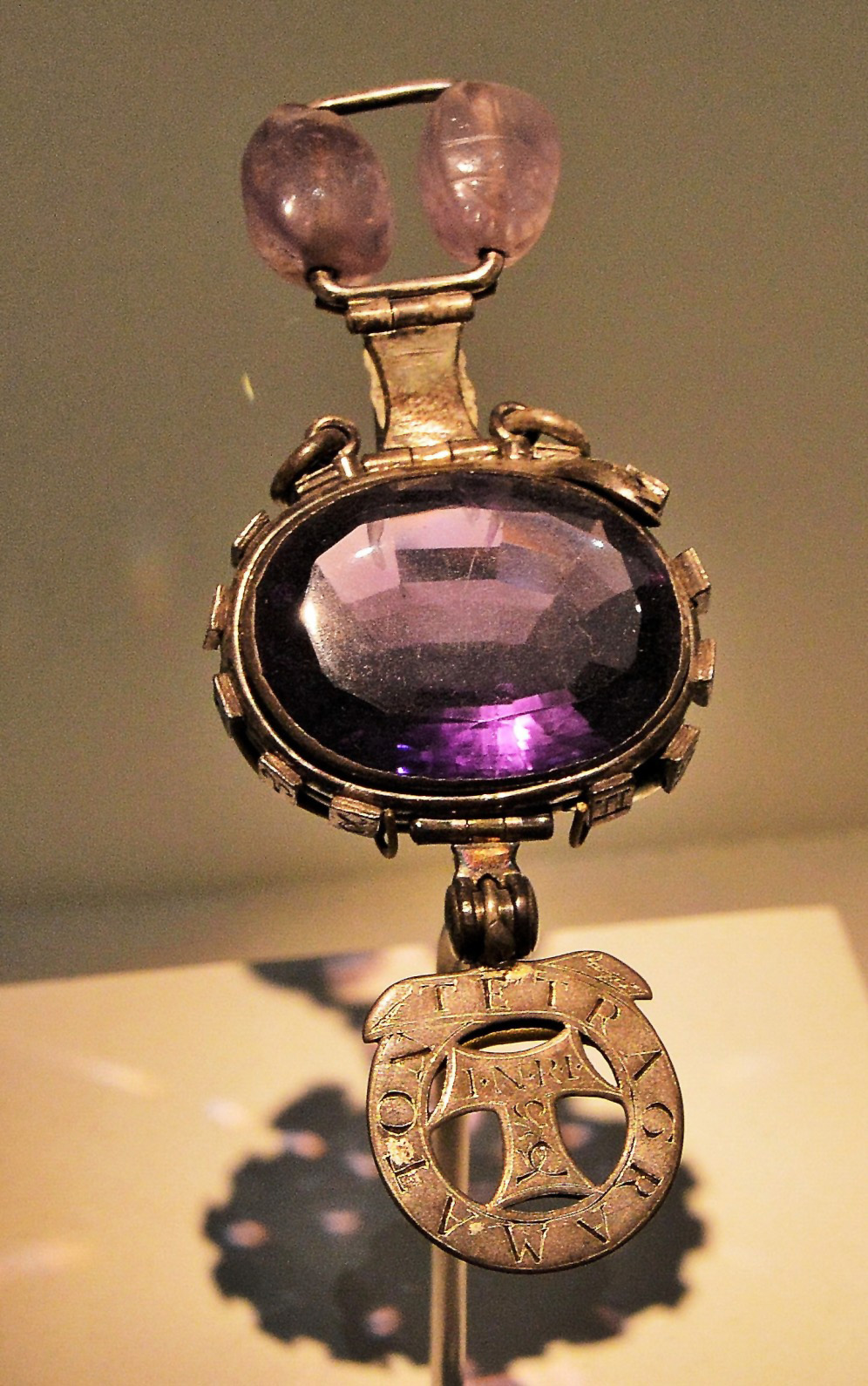
The Cursed Amethyst
It is reputed that the Cursed Amethyst was stolen from an Indian temple in 1857 and then passed through several unfortunate hands before being owned by Edward Heron-Allen who bequeathed it to the museum. Whilst Heron-Allen owned the gem he had it kept in a bank vault within seven locked boxes. The whole story can be found here.
.
The Tissant Meteorite from Mars

Tissint Meteorite
The Tissant Meteorite landed near the village of Tissant in Morocco in 2011, taking 700,000 years to travel from Mars having being ejected by that planet. Its particular importance derives from the indications that there was once liquid water on Mars. If there is water, now beneath the surface, then solar-powered electricity can be used to split the H2O into Hydrogen and Oxygen. The second can be used to support life, and both together as rocket fuel.
On the other hand, we could take more care of our own planet first. 🙂
.
The Minerals Hall
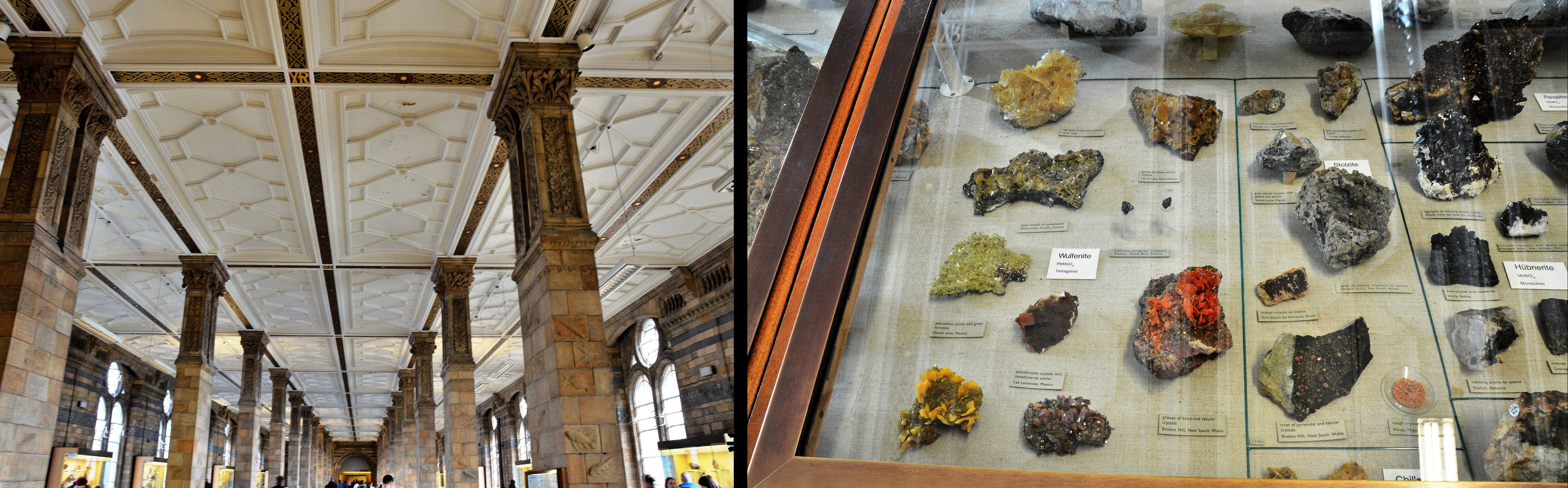
With thousands of specimens.

Hydrohematite
.
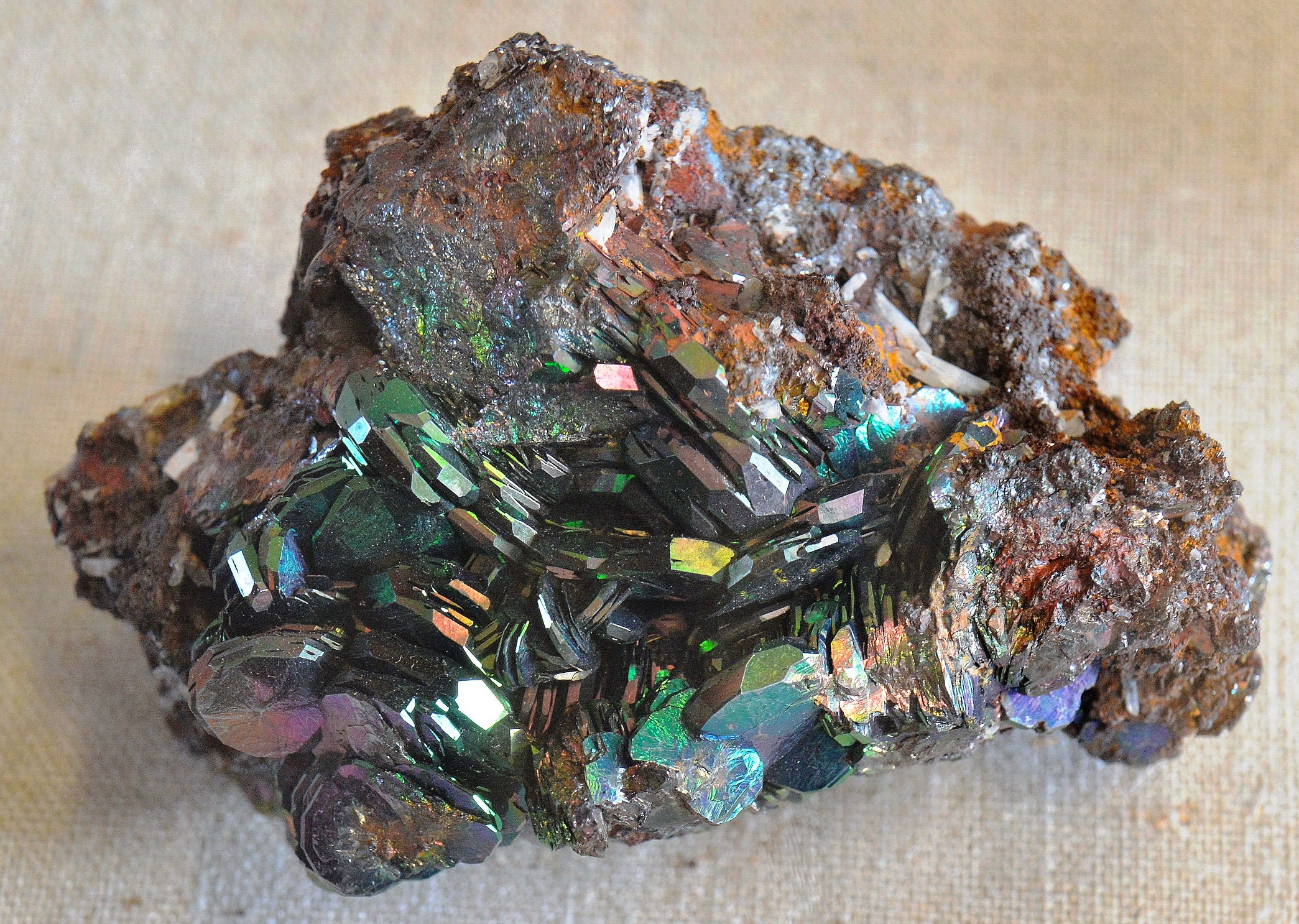
Iridescent crystals
.

Iridescent Stalactites
.
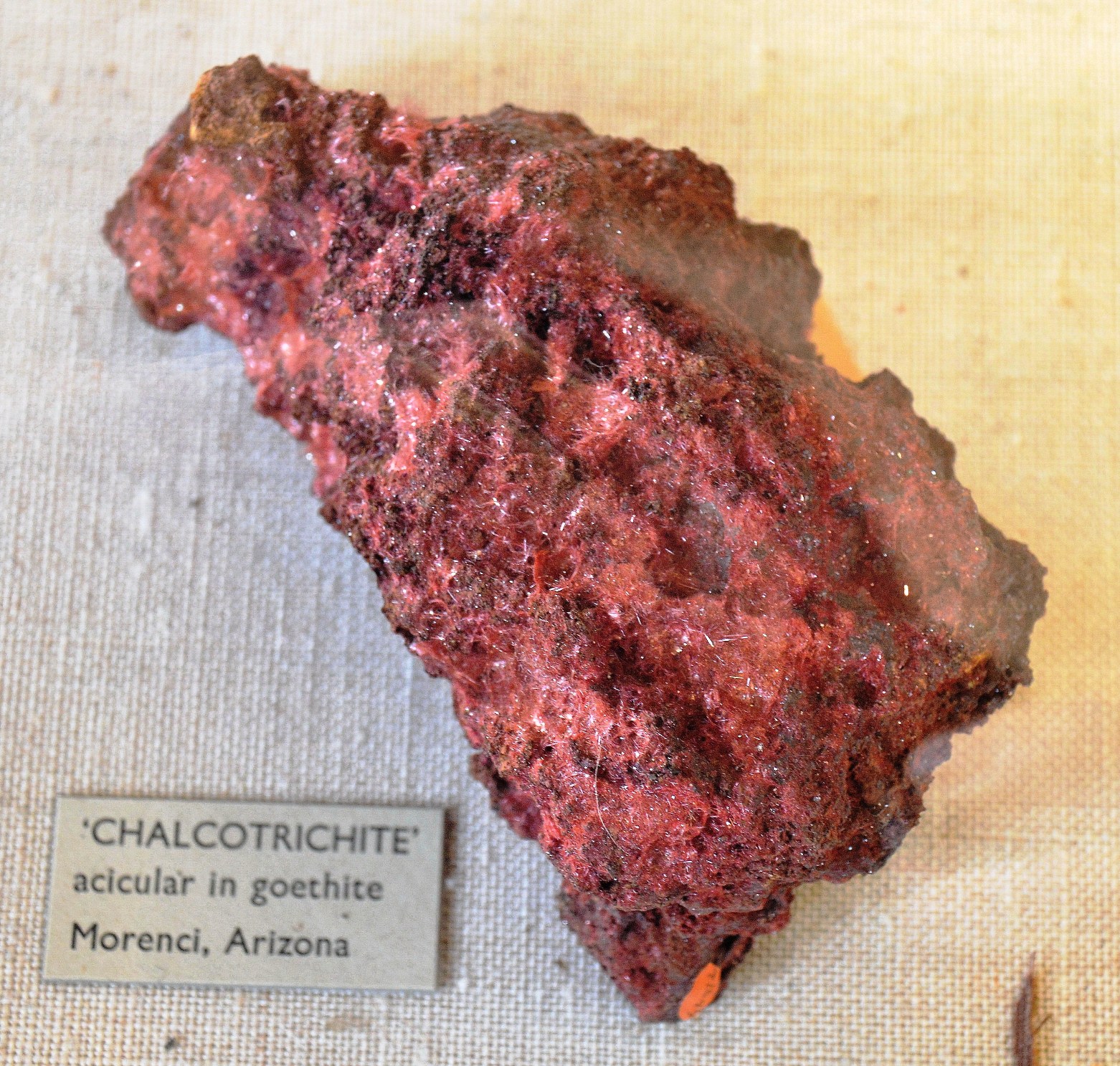
Chalcotrichite
More at the Earth’s Treasury.
Earth’s Treasury at the Natural History Museum London
.

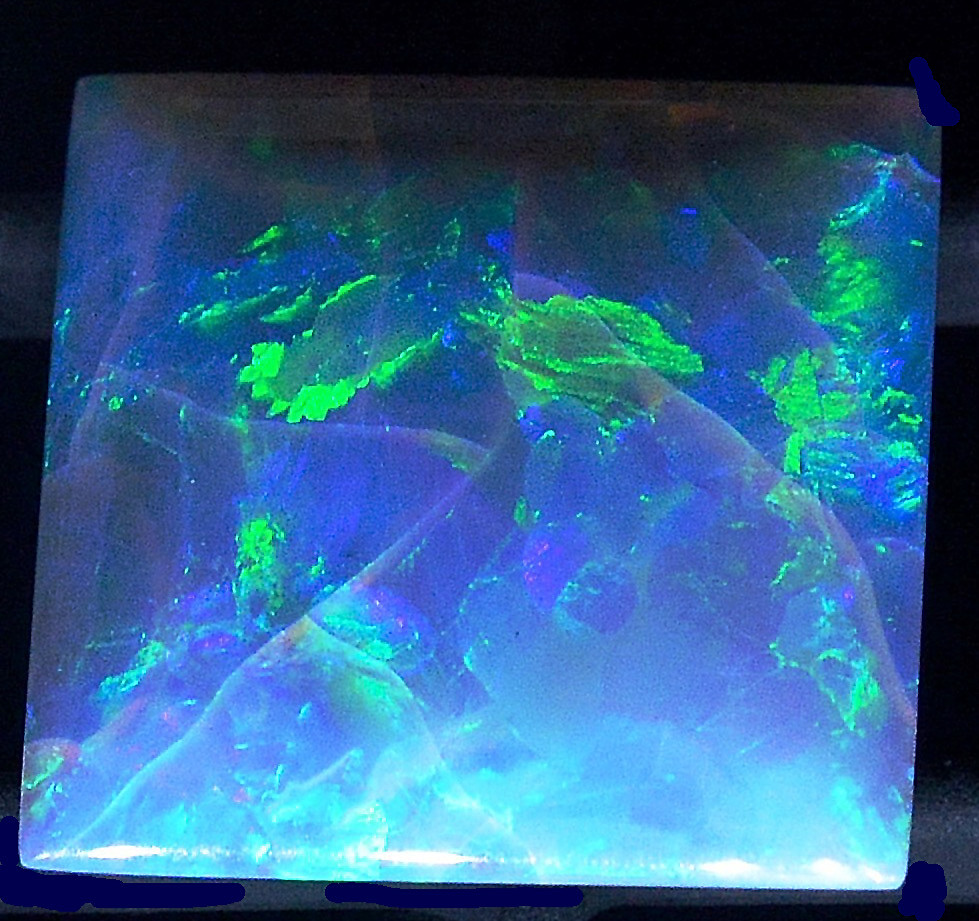
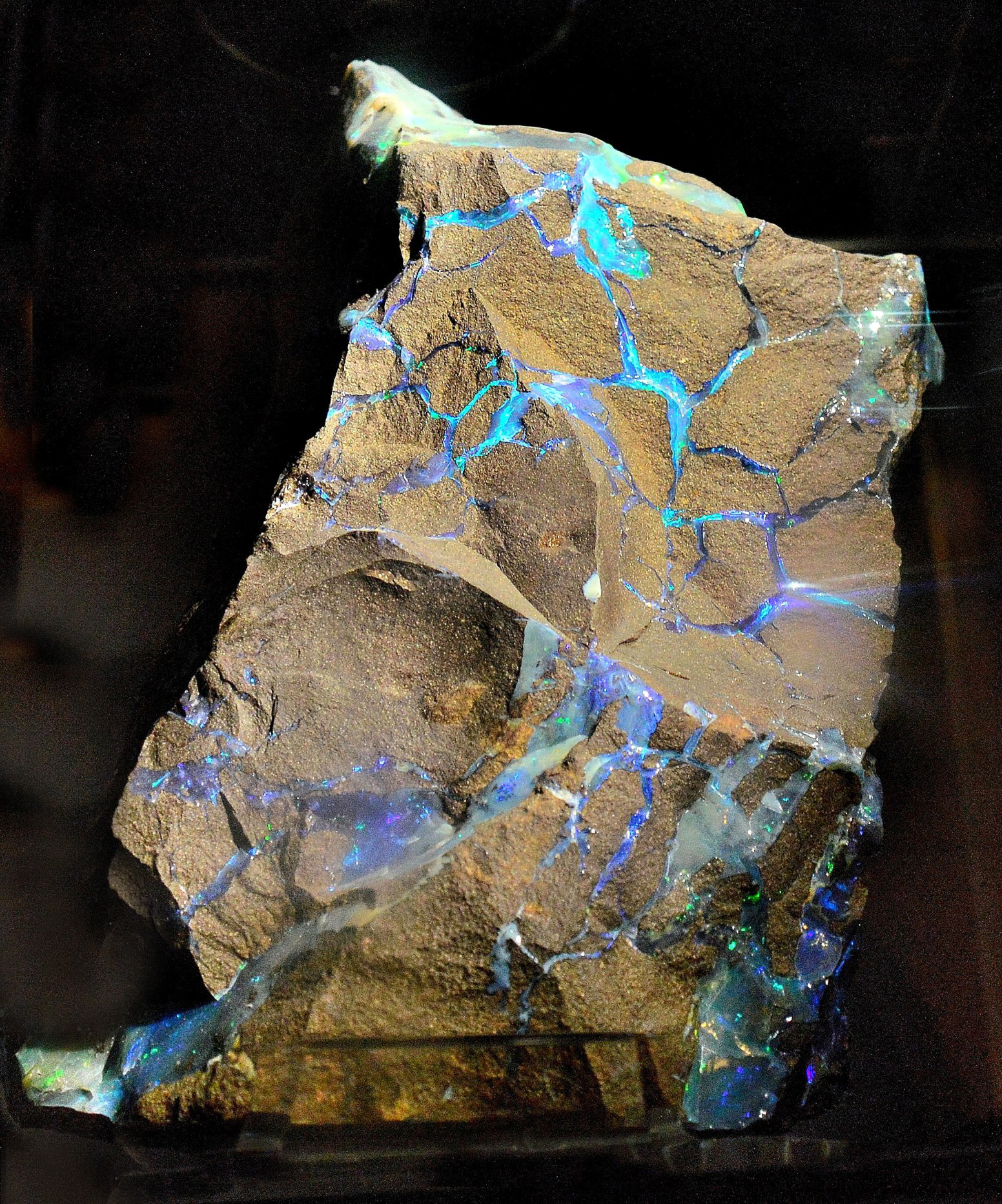
It would be rather marvelous to think that this opalescent wonder is a moon rock. Even more marvelous to realise that it came from our own Earth.
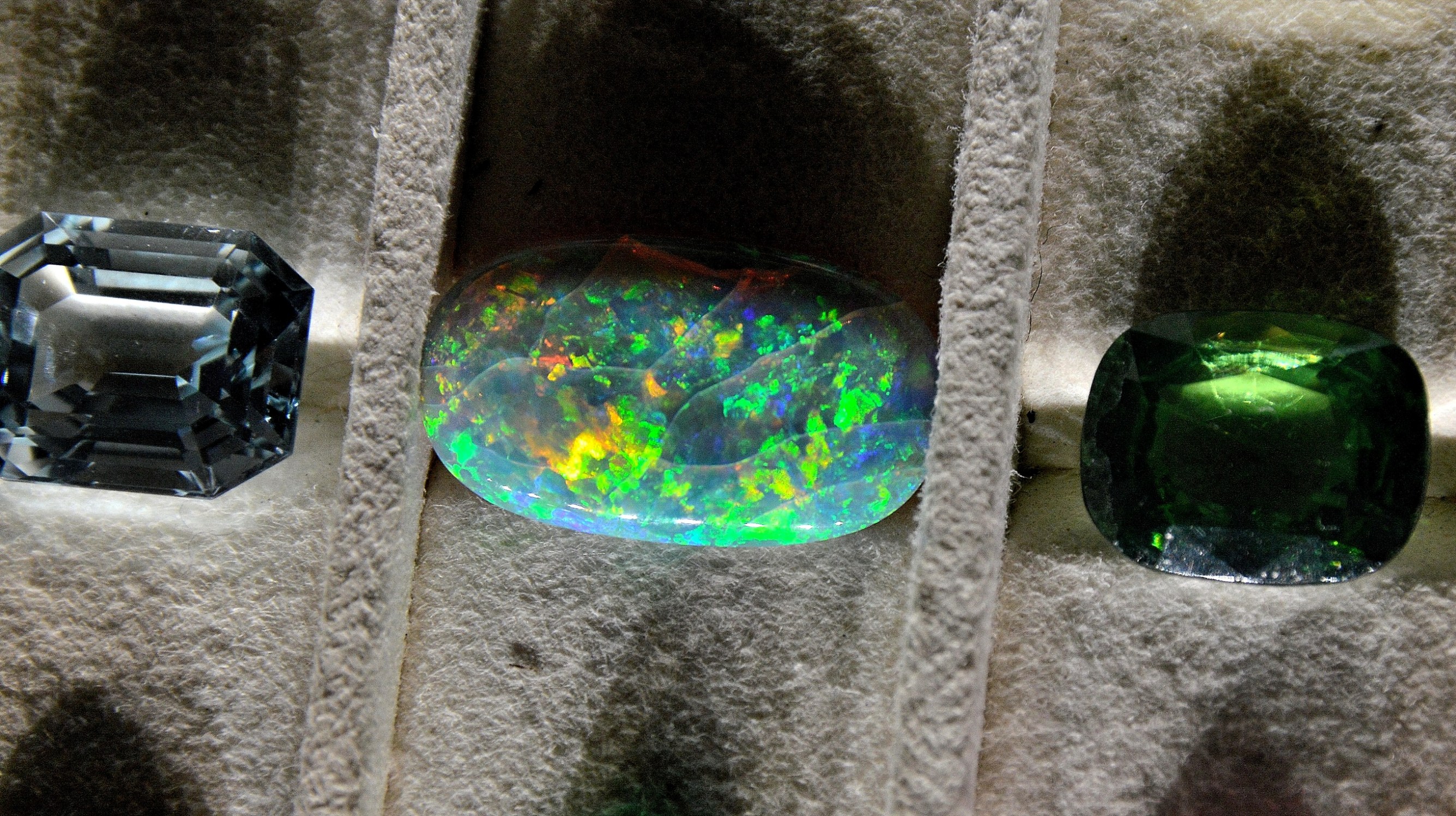
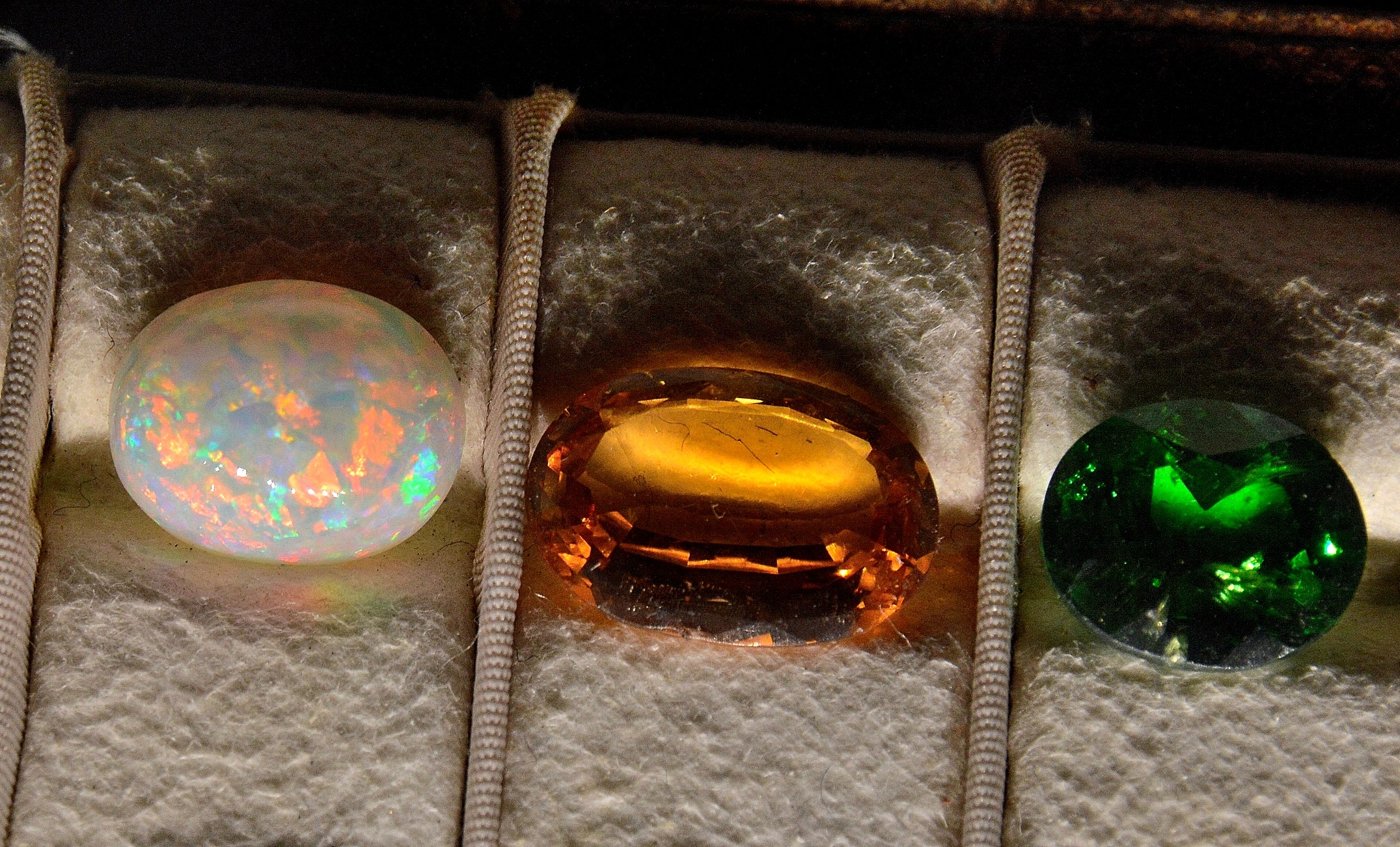
More pics ↓ with an ocean in a small opal and still more at the Vault and more at Earth’s Treasury 2 .
.
.
.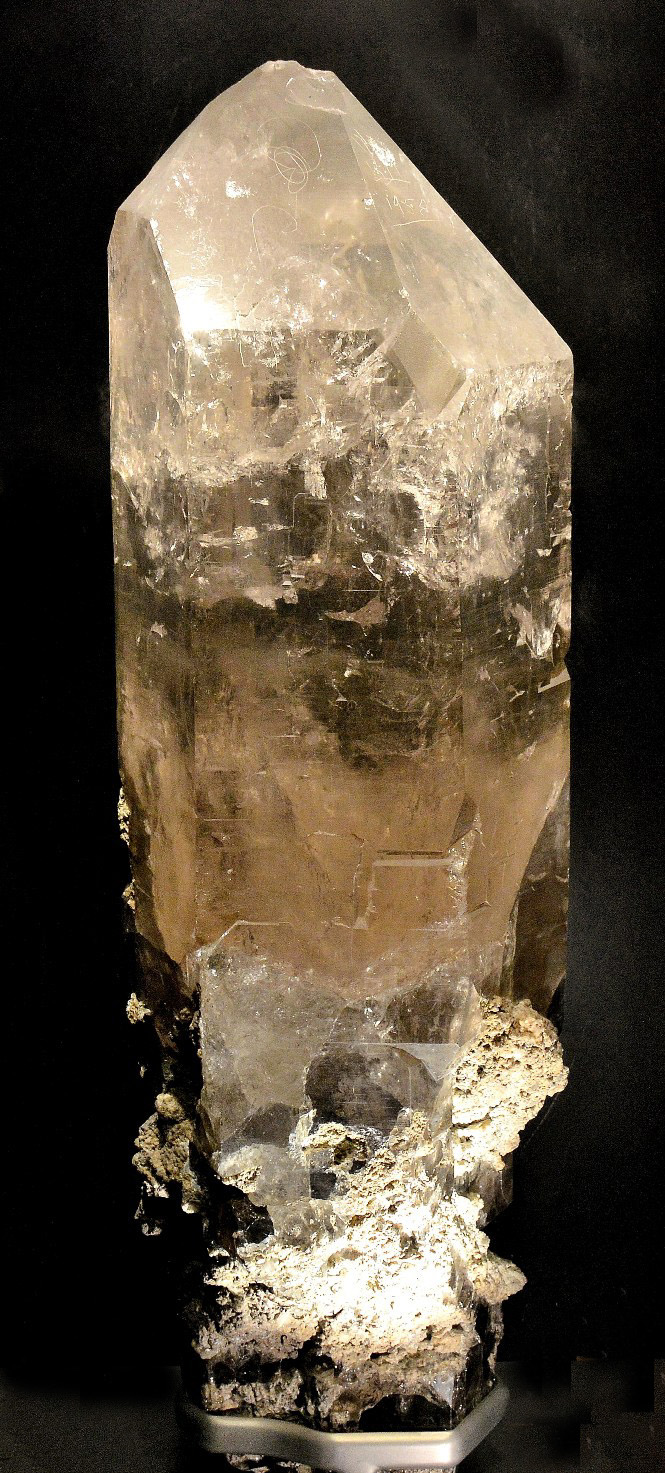
This a real monster at around three feet tall, but it lacked a little colour, so a tiny tweak and ~
.

If that were a drink it would be so delicious.
.
.
.

.
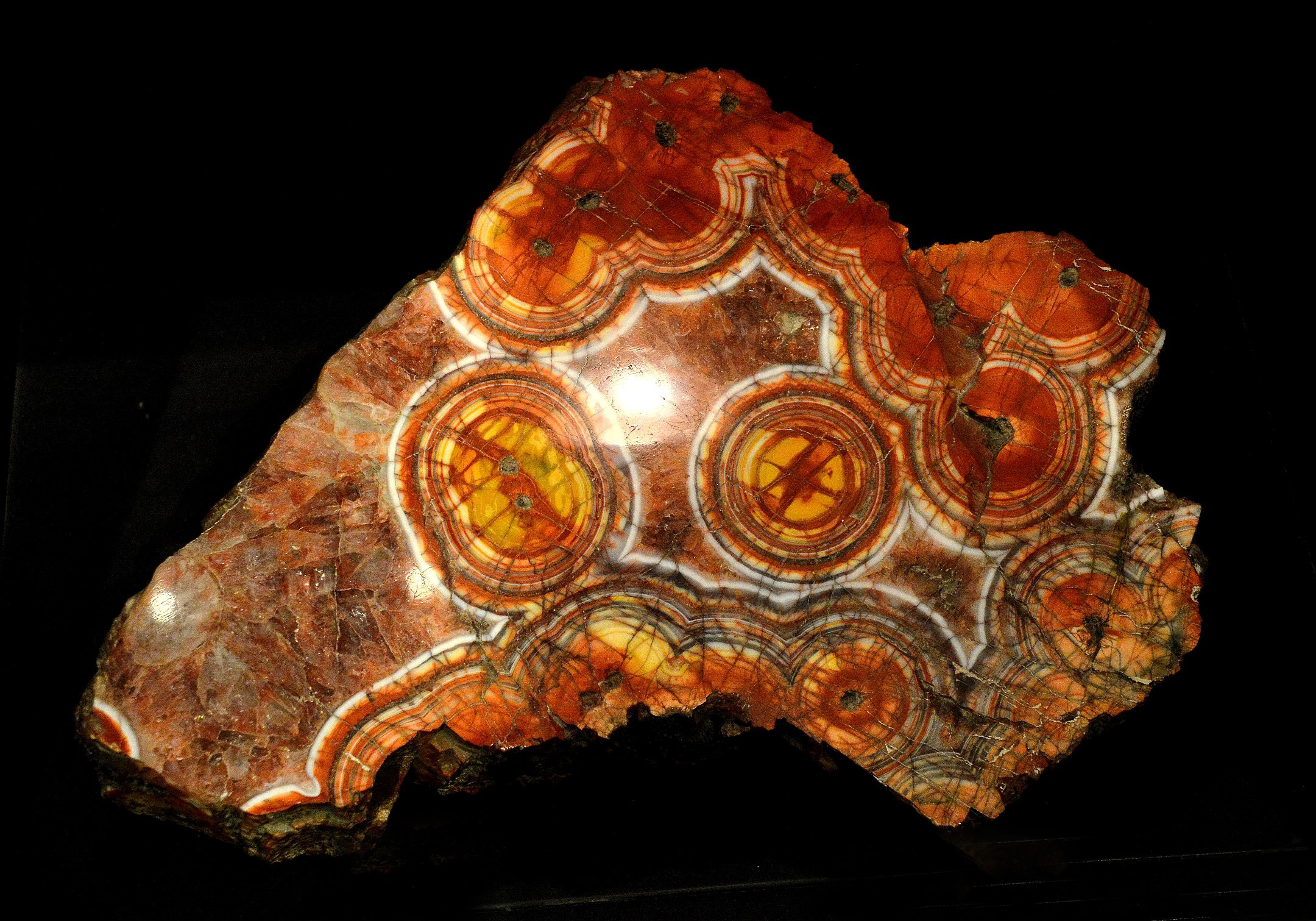
.

.
.
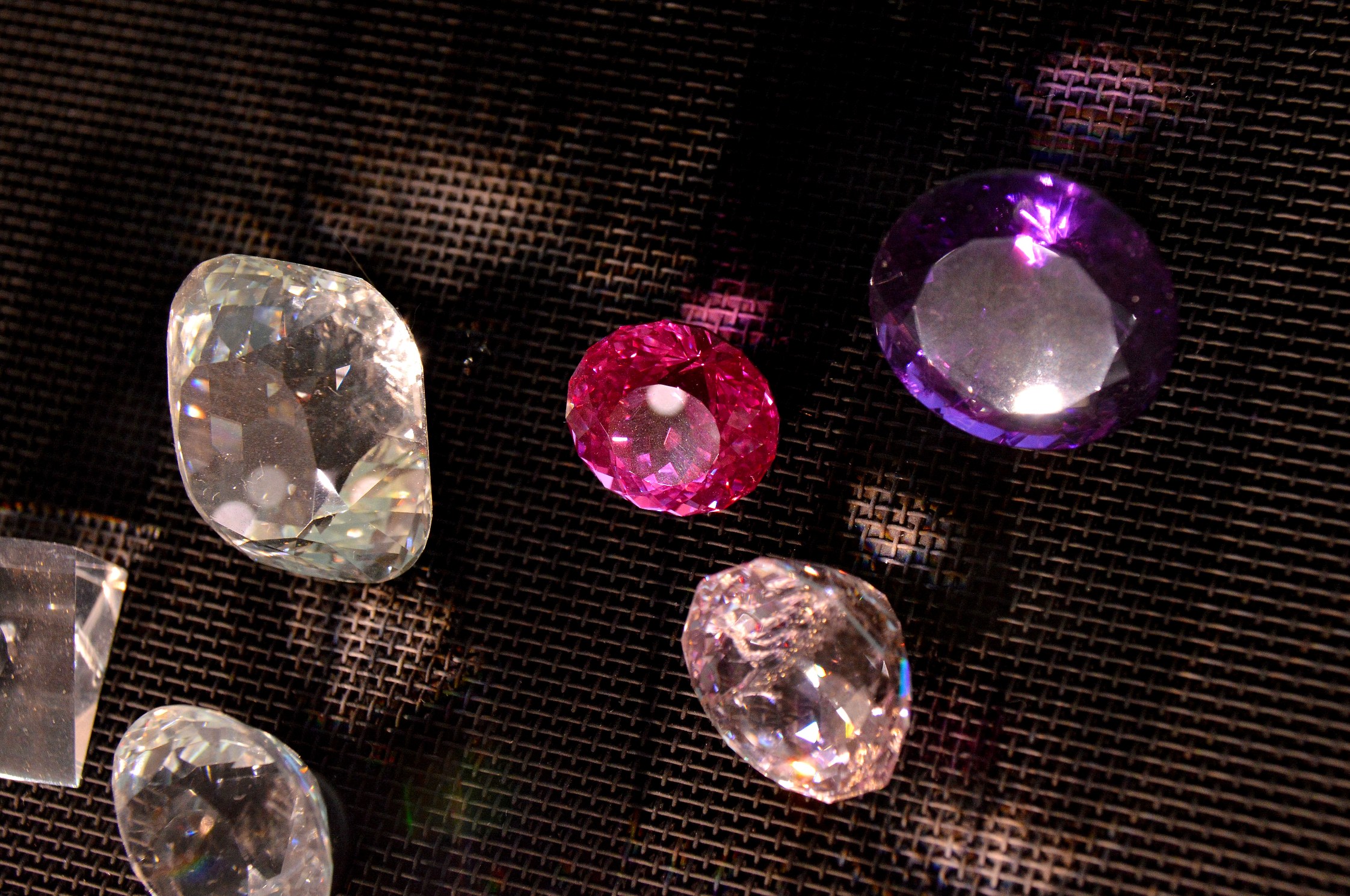
.

There are literally hundreds of these.

.
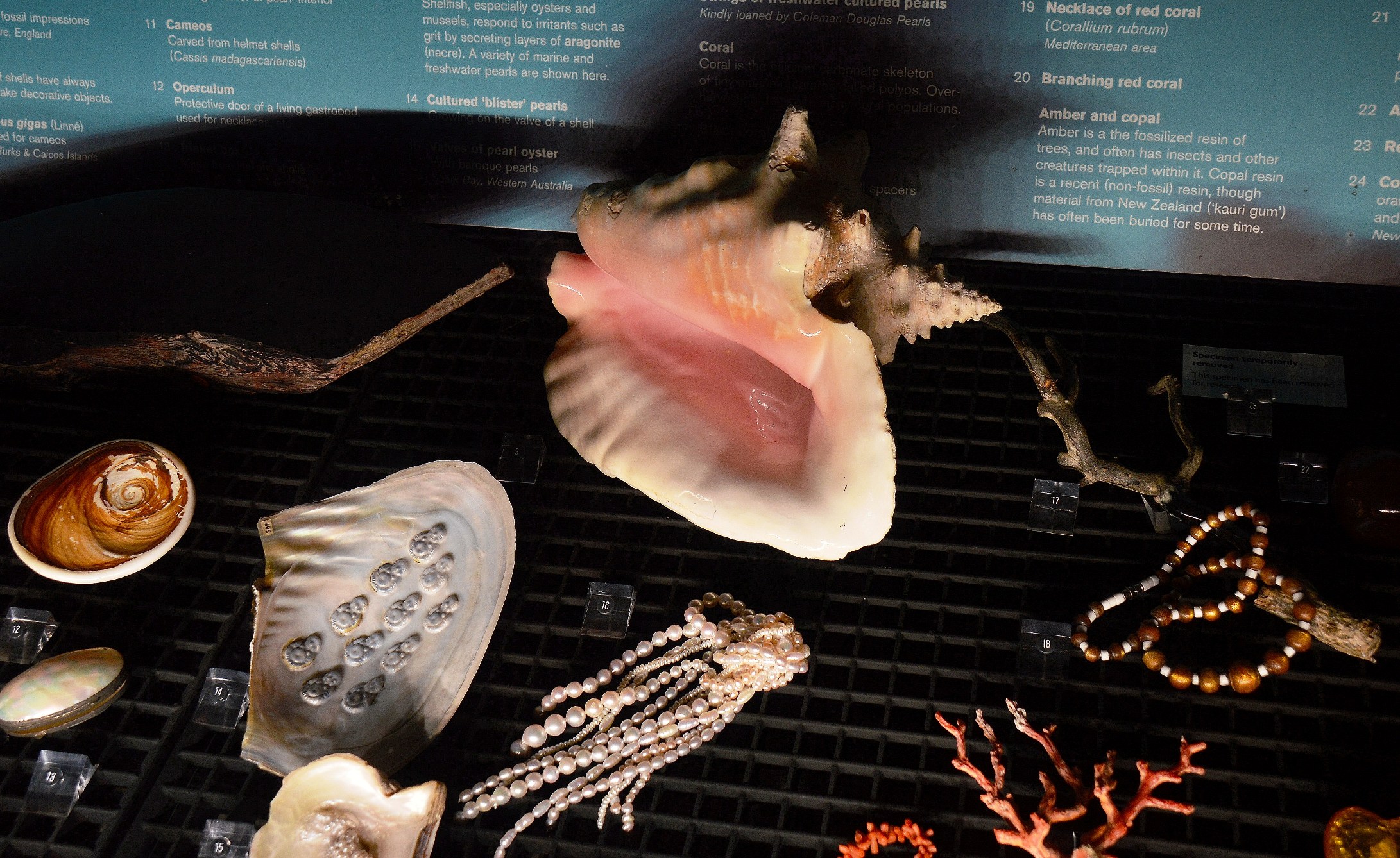
.
 I’m not sure what a carved meerschaum pipe is doing here but I think she would be welcome anywhere.
Such wonders all around,
We need but stop and search the ground,
We need but pause and view the sky,
And cherish time before end is nigh.
Model Steam Engines at the Science Museum

Model of Shand Mason Steam Fire Engine
On the mezzanine floor, that you can only reach by stairs, of the Science Museum in the “Making of the Modern World” hall you can find these hand crafted beauties. The Science Museum also has a wonderful collection of beautiful antique watches.

Model of Alexandra Steam Train

Model of Stephenson’s Long Barrel Steam Locomotive

Model of Austria Steam Locomotive
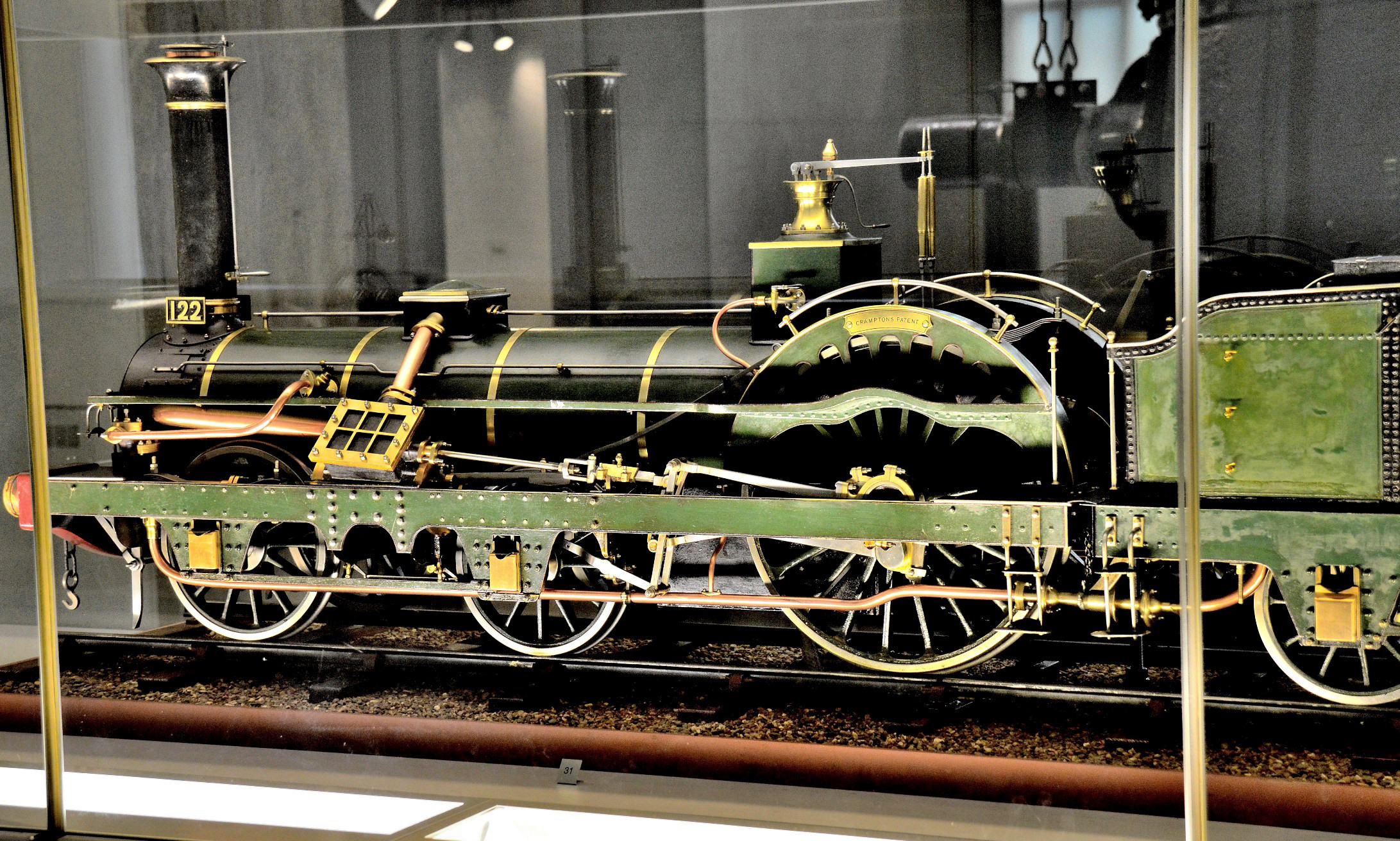
Model of Crampton’s Steam Locomotive

Model of American 4-4-0 Steam Locomotive

Model Steam Train

Model Steam Train Showing Exposed Fire Tubes
This one shows the fire tubes that carry the hot gases from the fire box through the boiler. It was by this innovation that it was possible to transfer a great deal of heat quickly to the surrounding water, hence create and maintain a large volume of high pressure steam to drive the locomotive. The steam rises to the bubble on the top and a throttle controls the steam flow to the cylinders/pistons beneath.
And, a Rolls Royce

Model of Rolls Royce Silver Ghost 1911
And, a Wooden Ship

Model Wooden Ship
And, on the Ground Floor

Model of the Rocket Steam Train

Royal George No 5 Model Steam Train
Happy traveling. :-).
Beautiful Timepieces at the Science Museum London

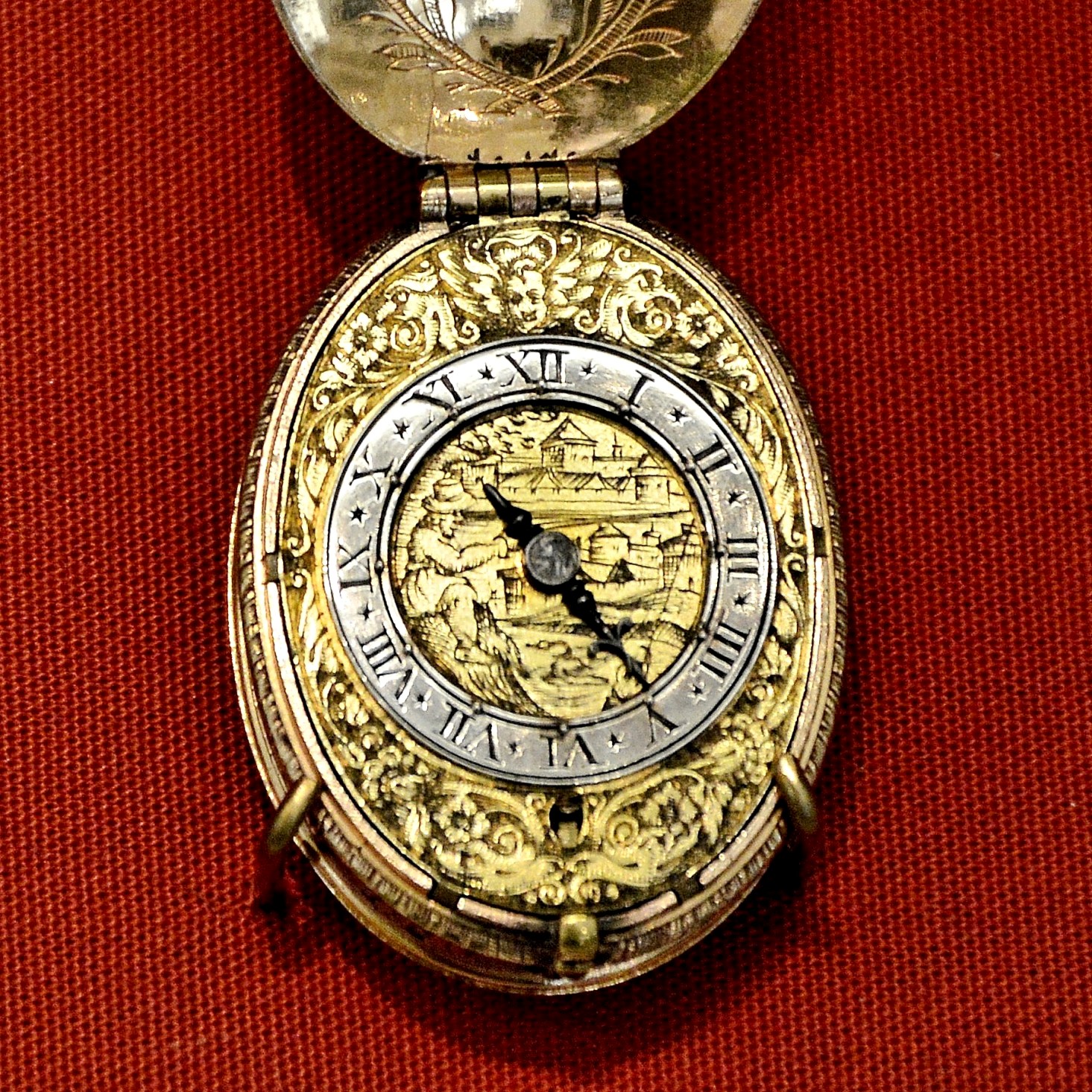
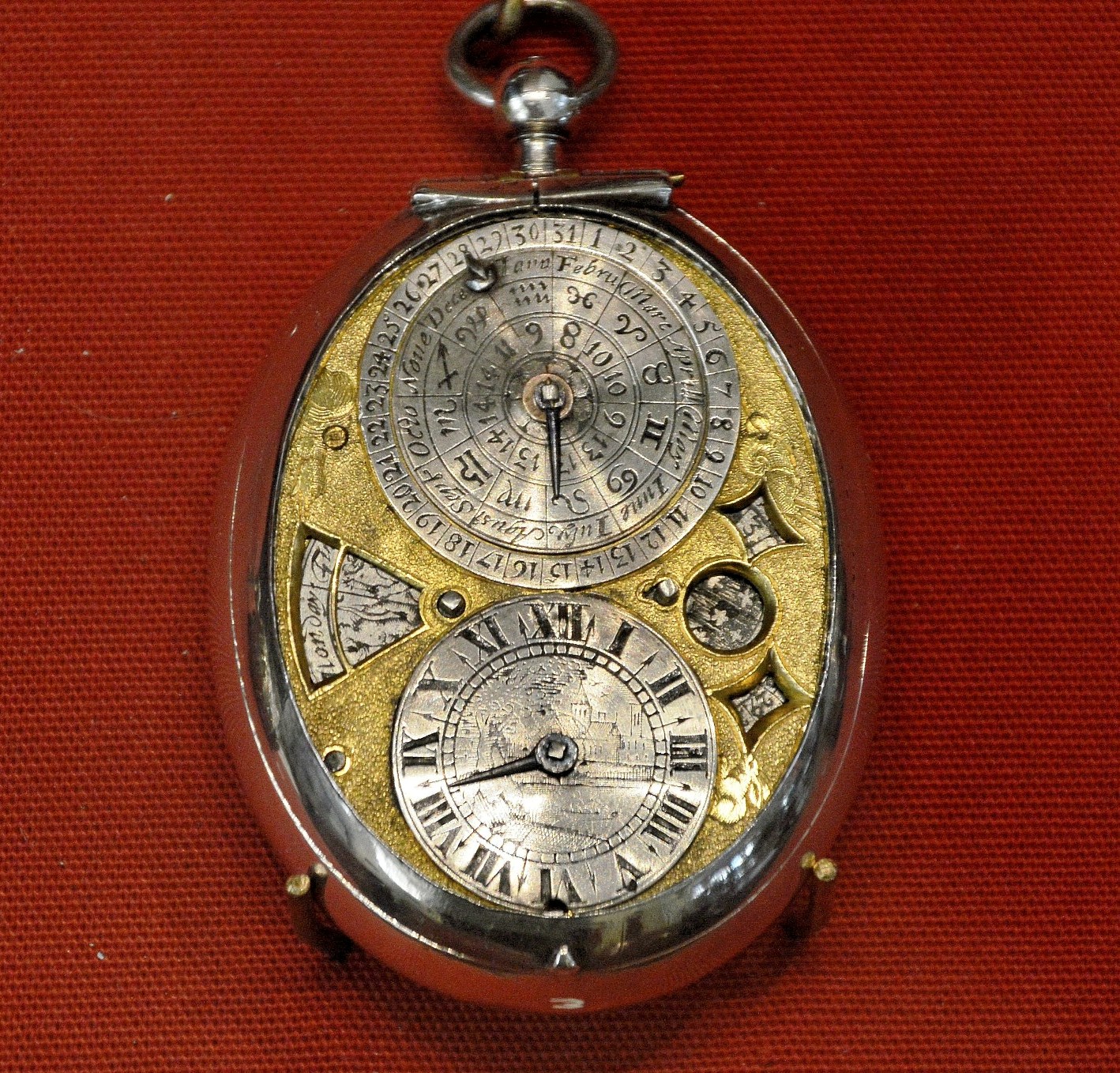
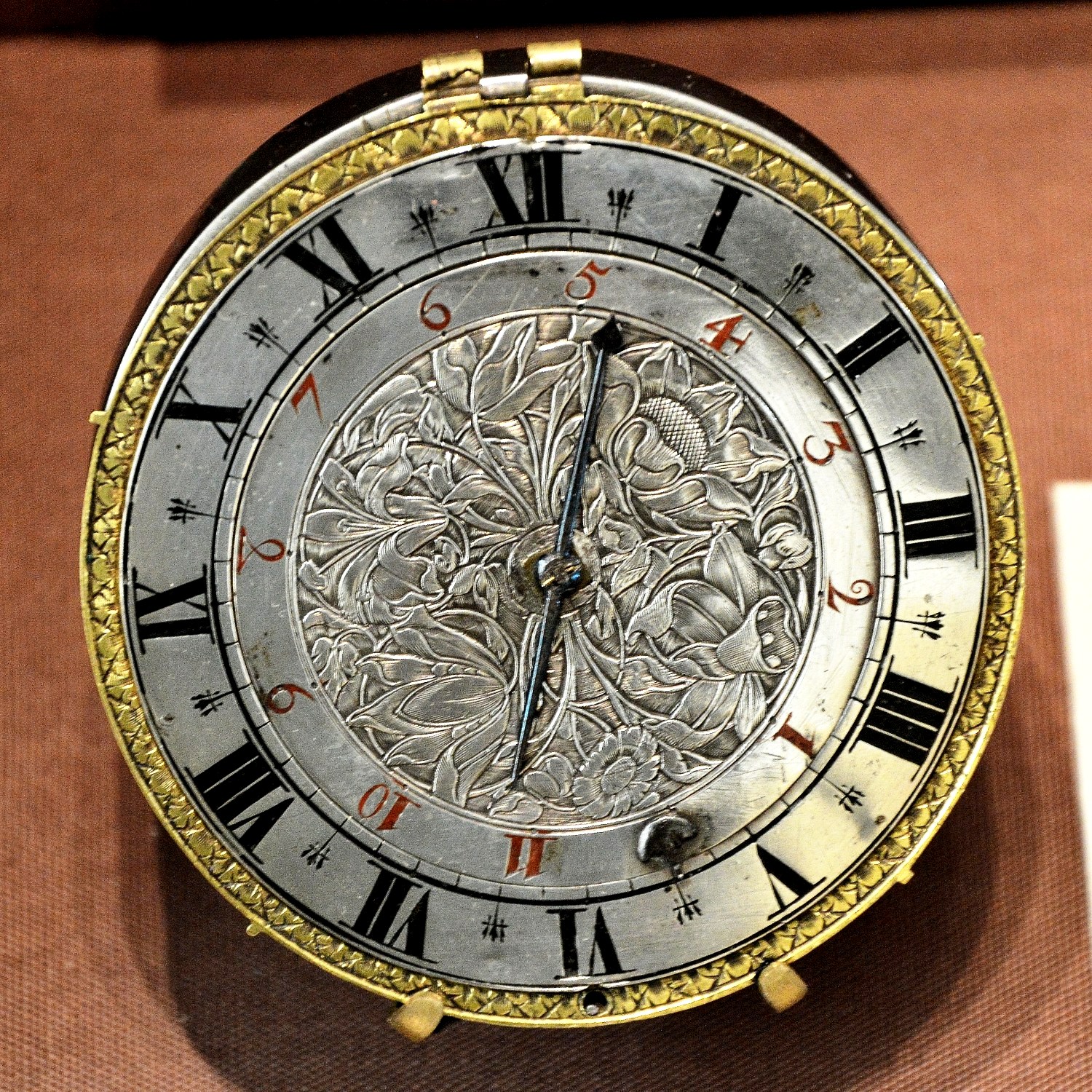
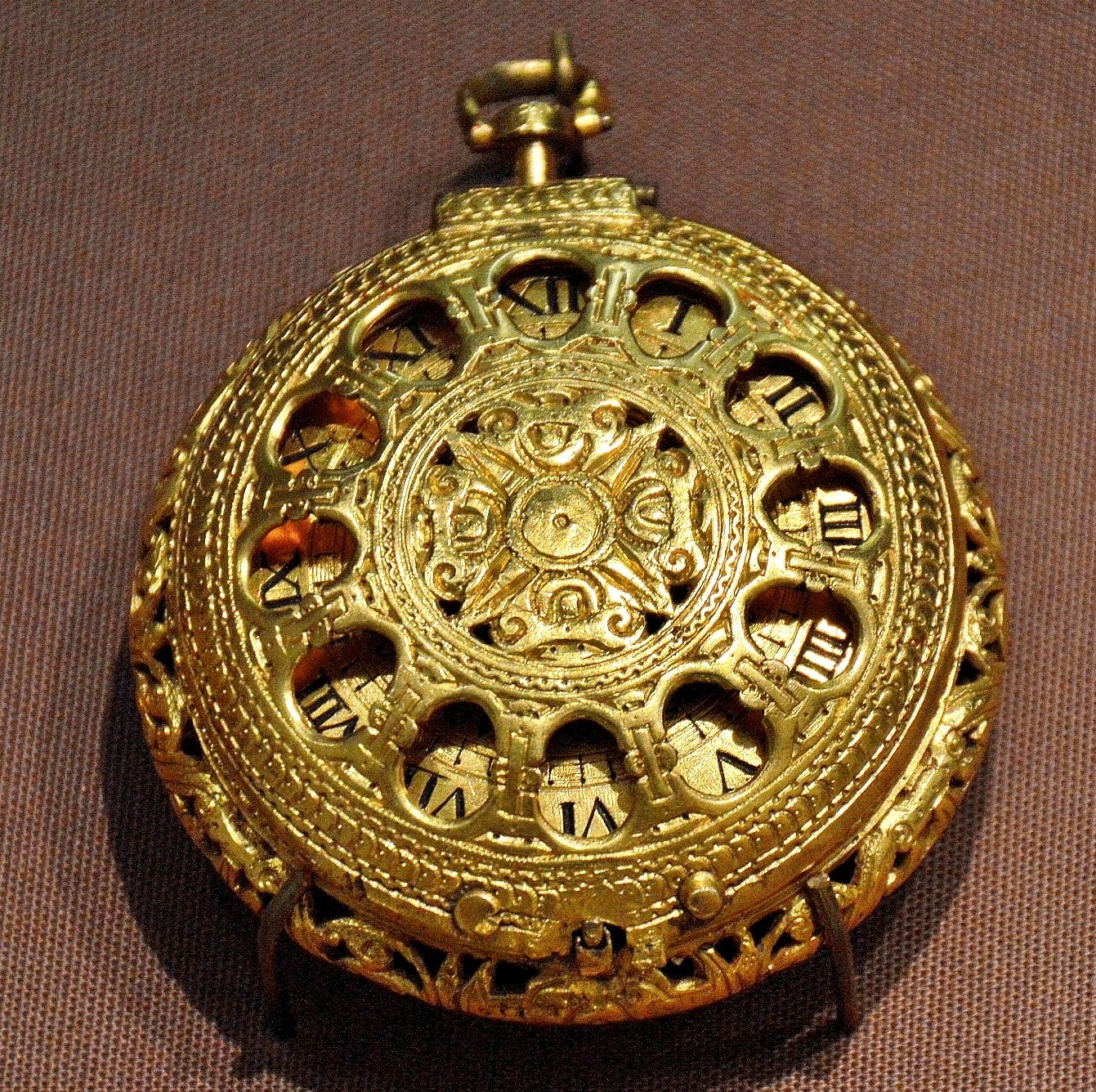
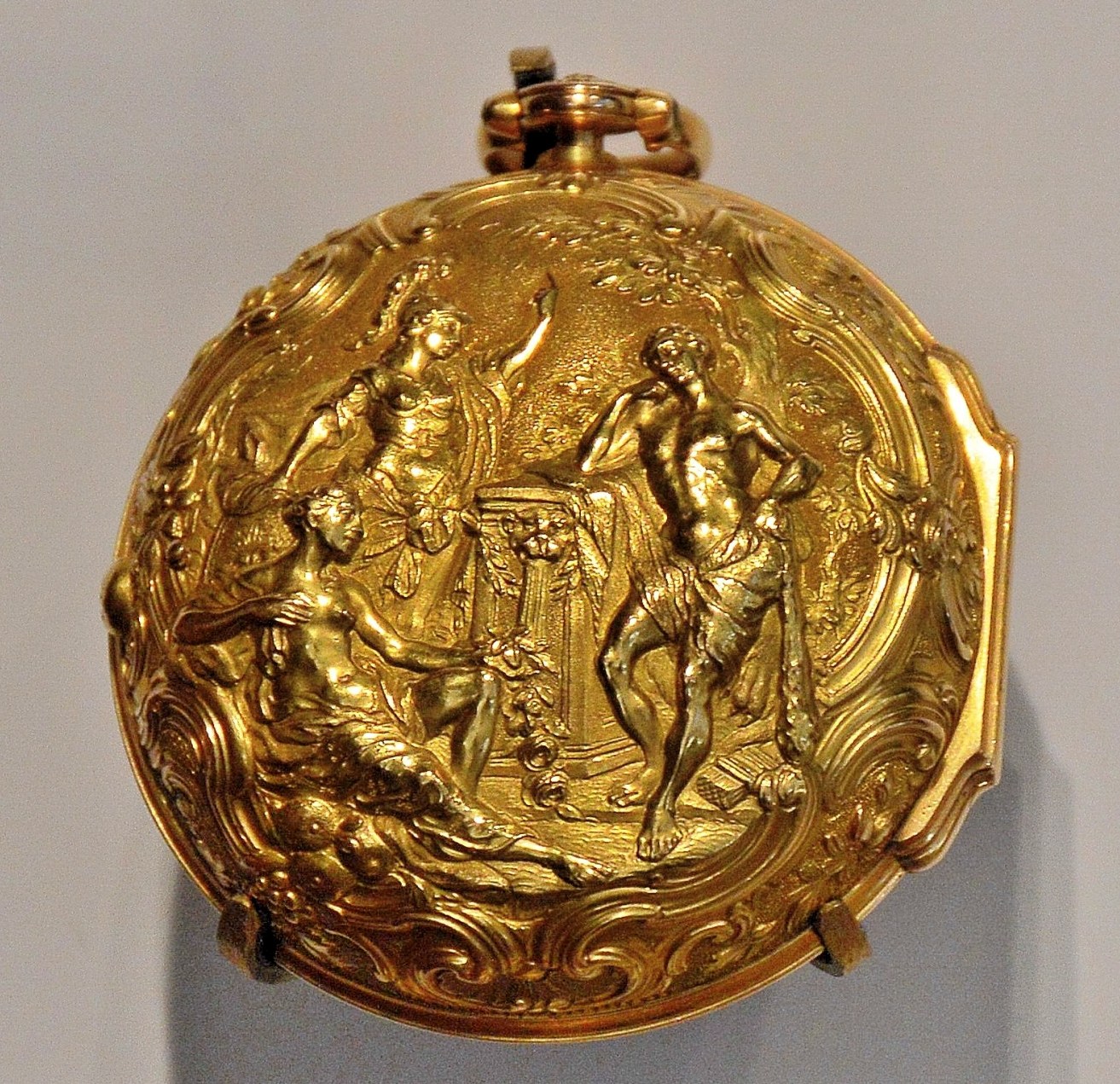
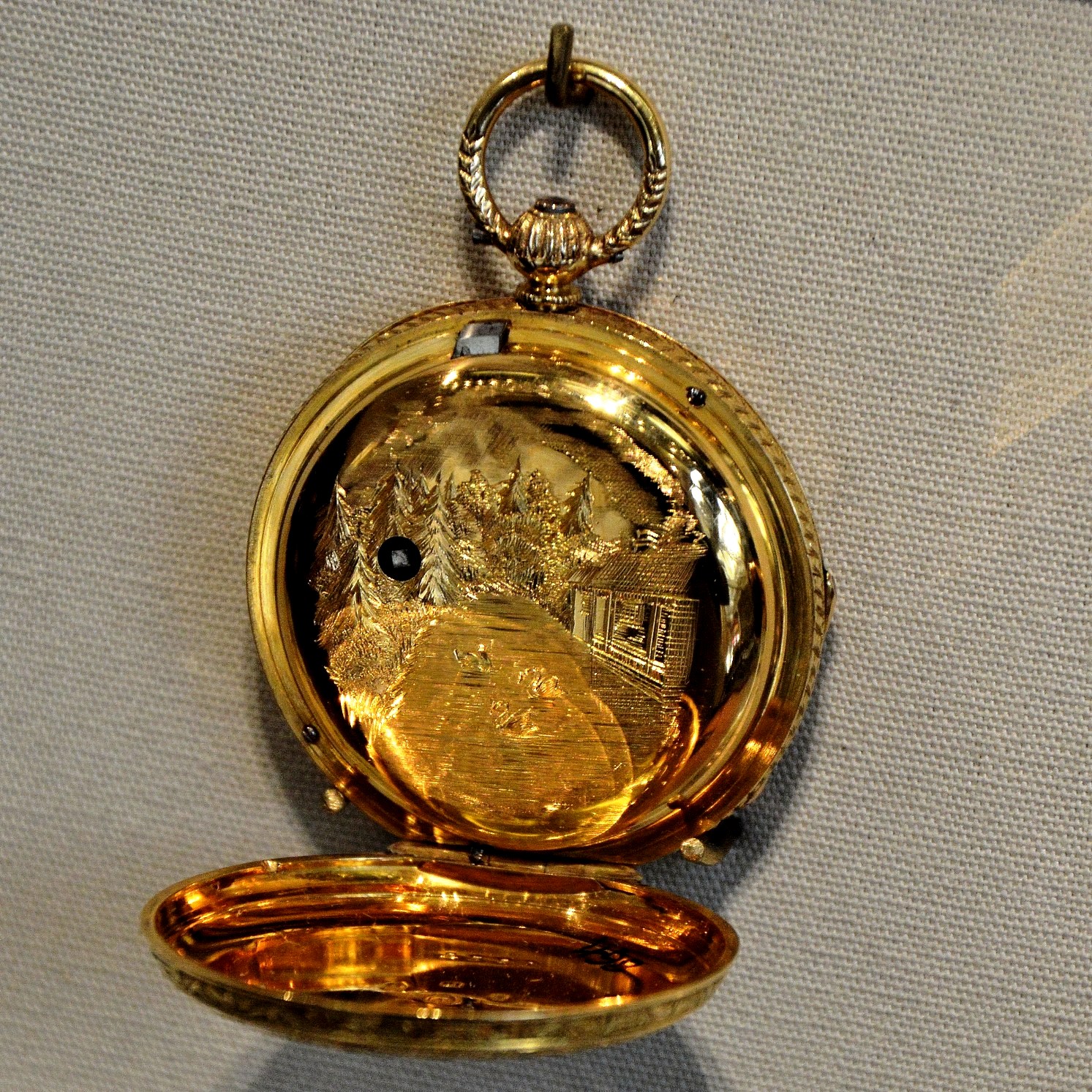
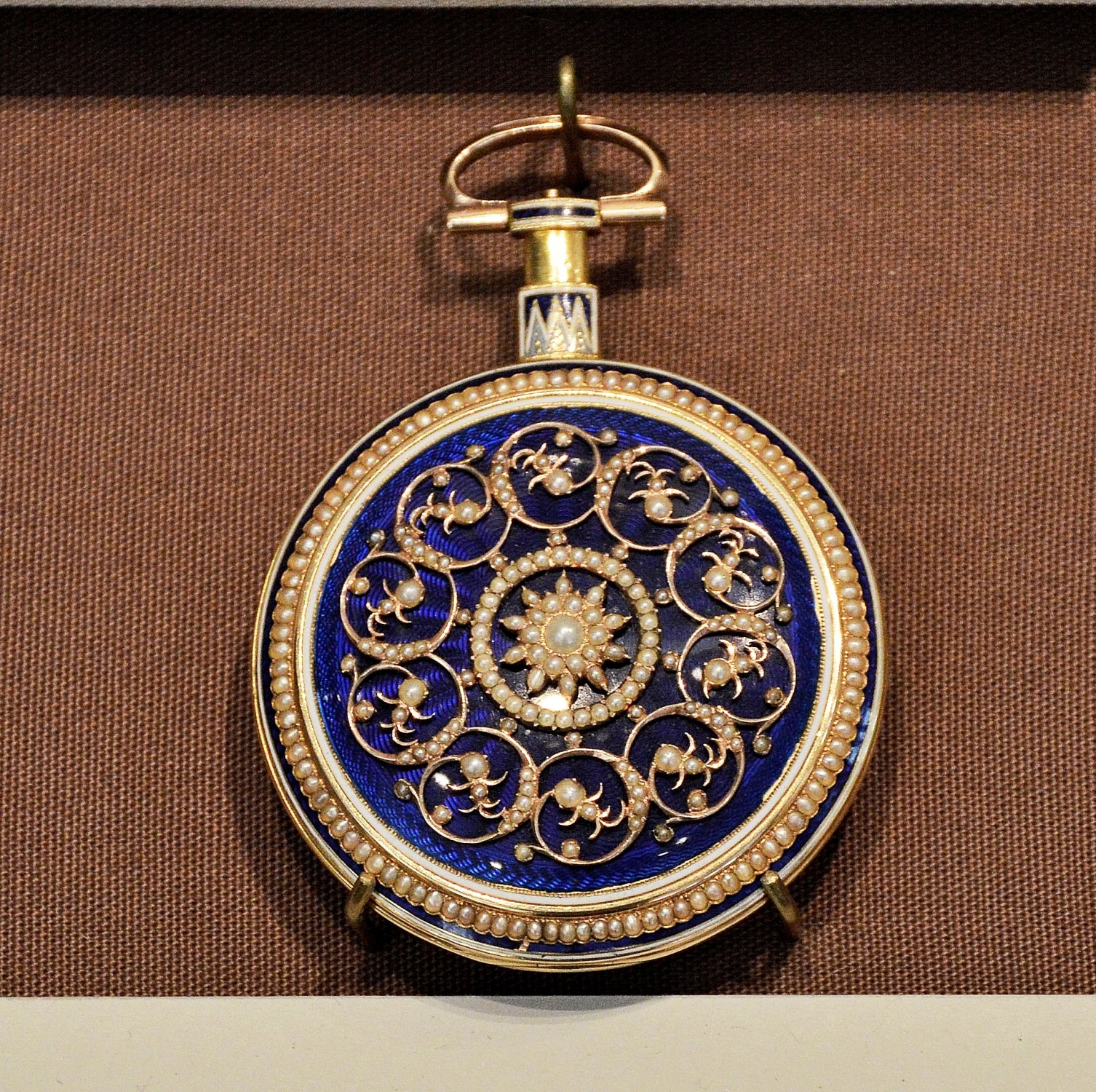
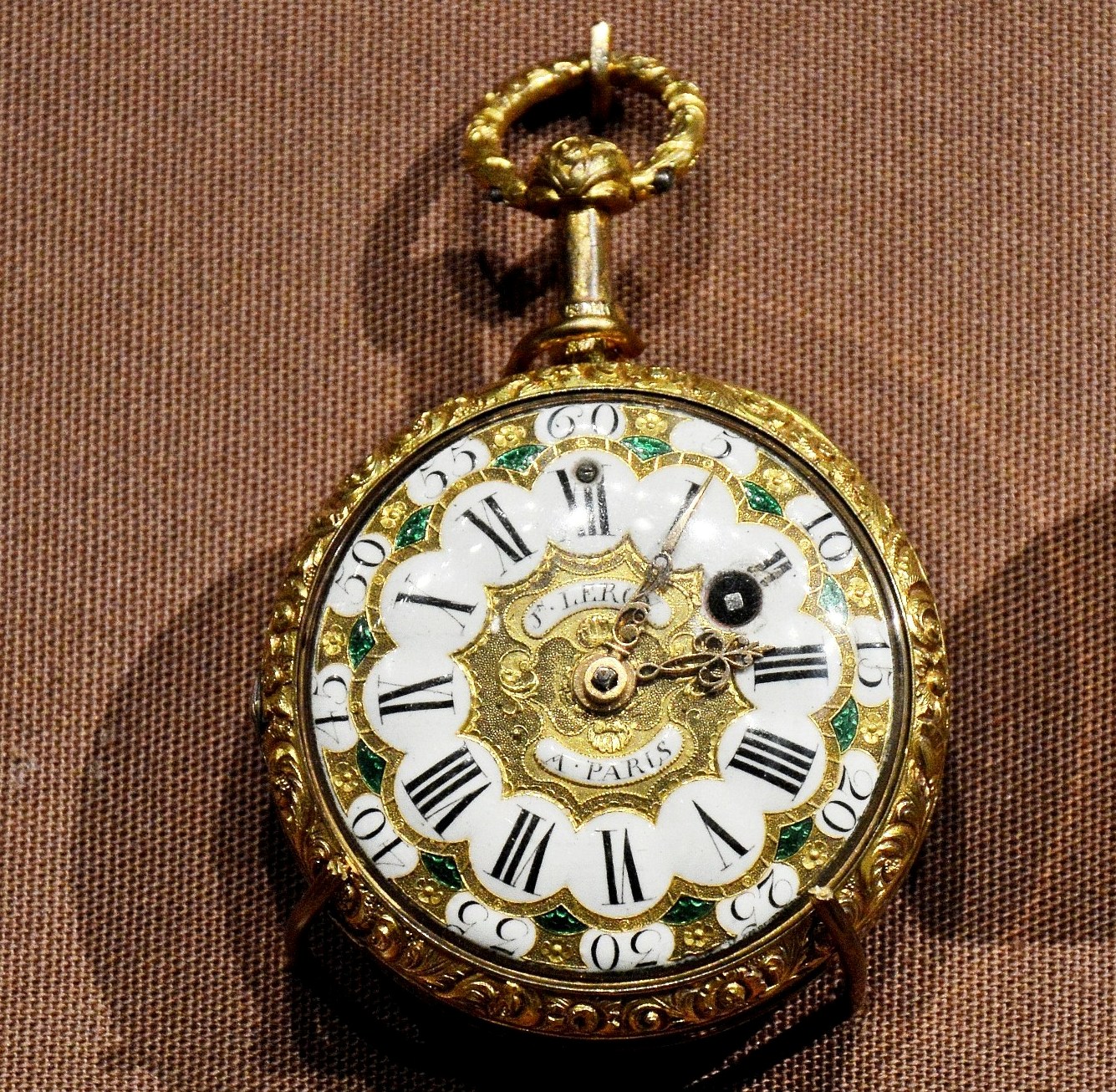
32 pics. The London Science Museum now incorporates the Clock Museum which was previously housed at the Guildhall. Along with some beautifully crafted watches there are examples of chronometers.
The chronometer has been vital to the ability to create charts and safely navigate the world. The first chronometers were invented by John Harrison and are currently kept at Greenwich. Navigation and Greenwich and Greenwich Mean Time and there importance to the modern world can be found here whilst information about Harrison’s timepieces here.
Here are just a few of the hundreds of timepieces on view at the museum. It is well worth viewing the detail by right clicking on a picture, selecting “Open Link in New Tab” and then left click on the image to magnify.
.
The Watches

Cornelius Yate c1620
.
Robert Grinkin c1620
.

Robert Grinkin
.
.

.
.

.
.
.

.
.

Jean Robert Soret c1812
.

L’Epine
.

.
Andrews c1790
.
Jean LeRoy
.
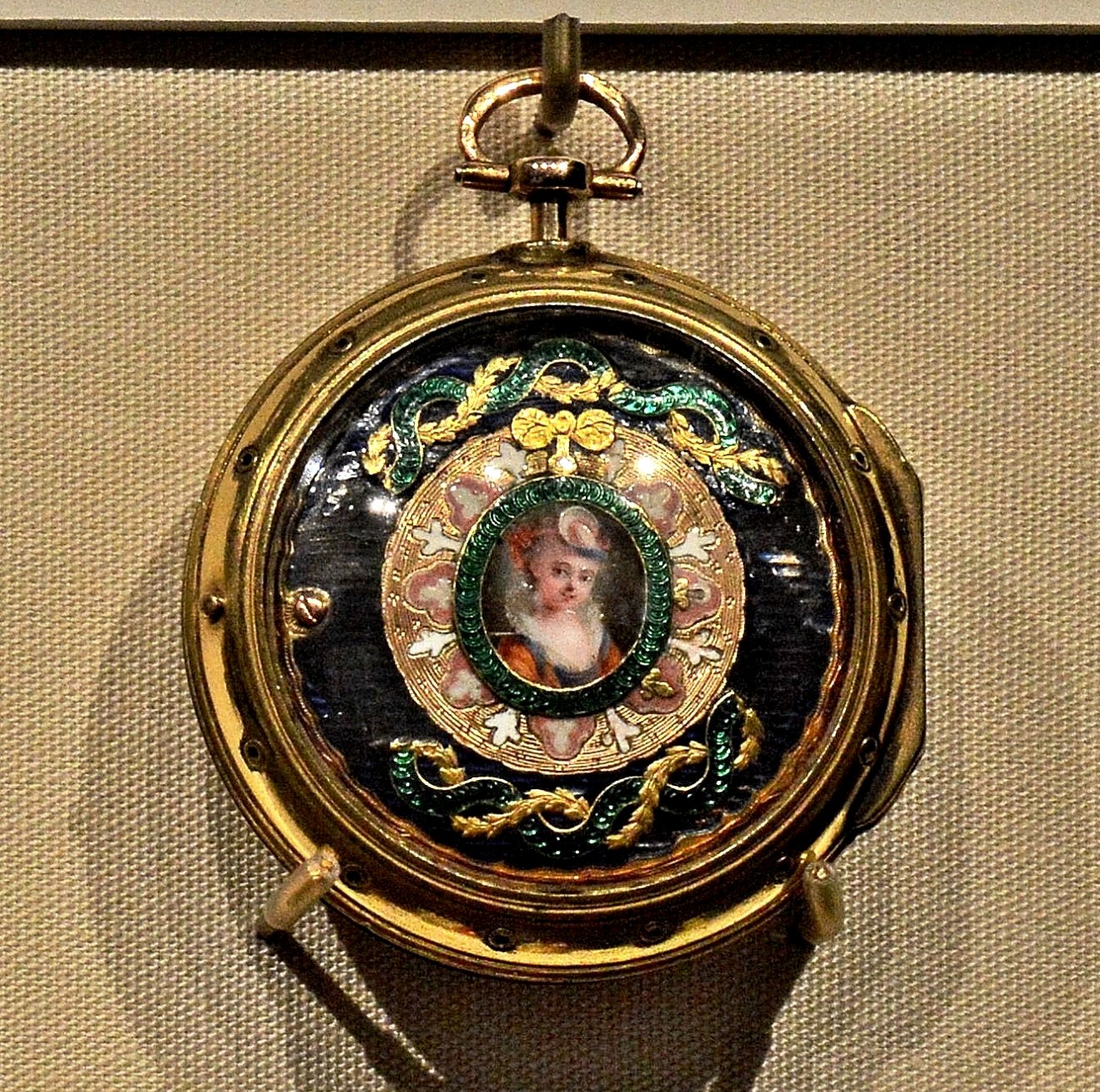
Jean Antoine Lepine Late 18th Century
.

.

.
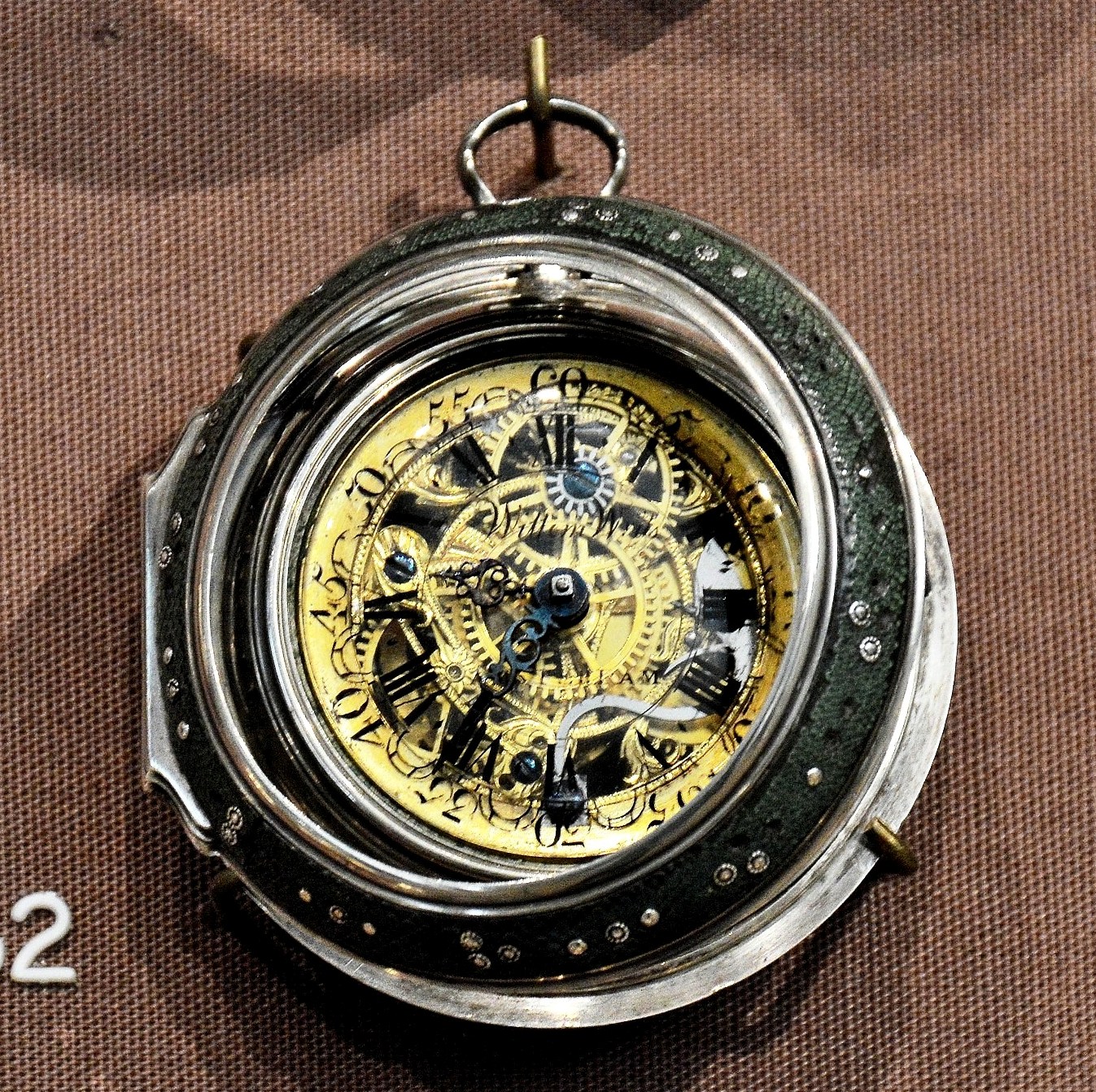
.
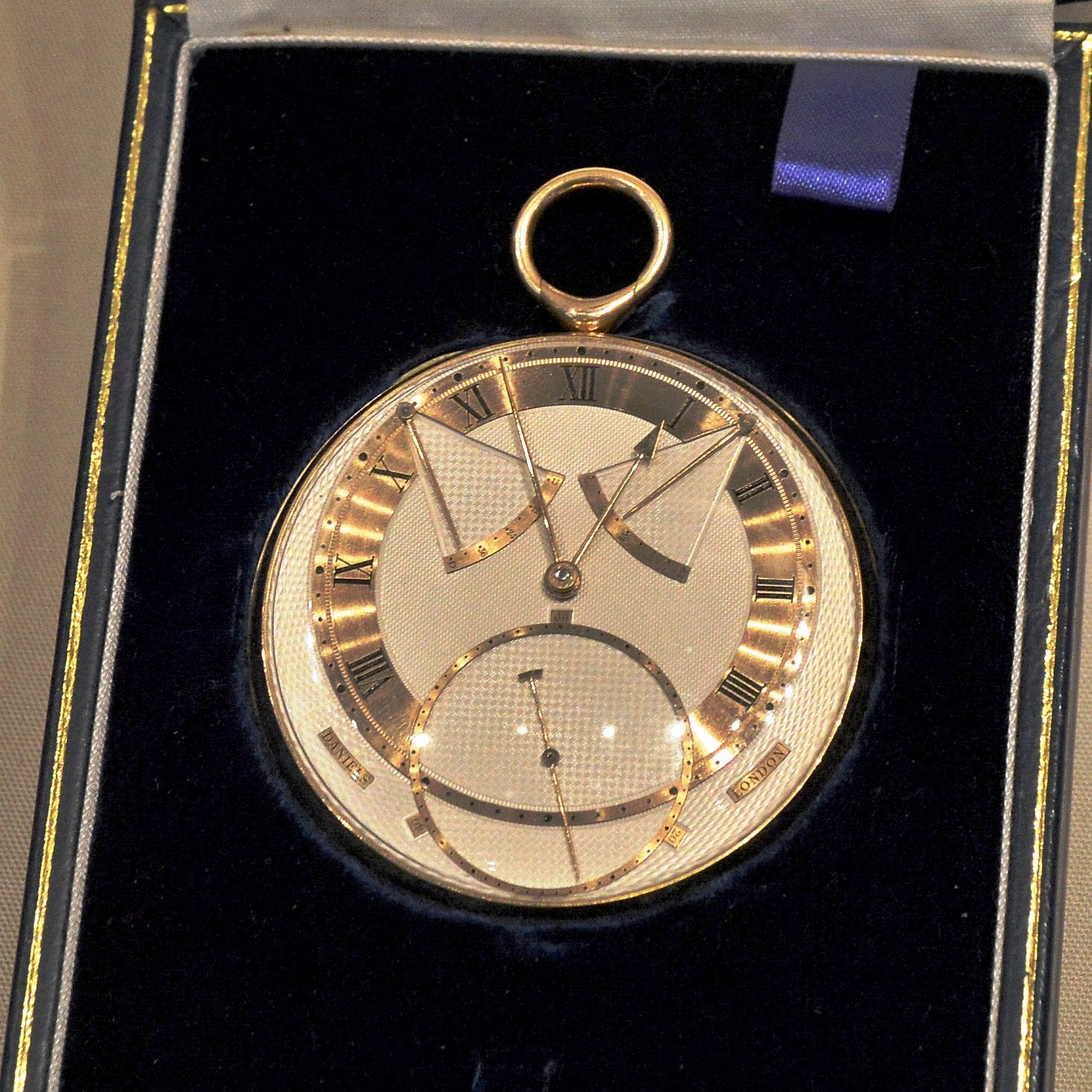
George Daniels c1986
.
The Marine Chronometers

Charles Shepherd c1822 Marine Chronometer
.

Barrauds Marine Chronometer c1822
.
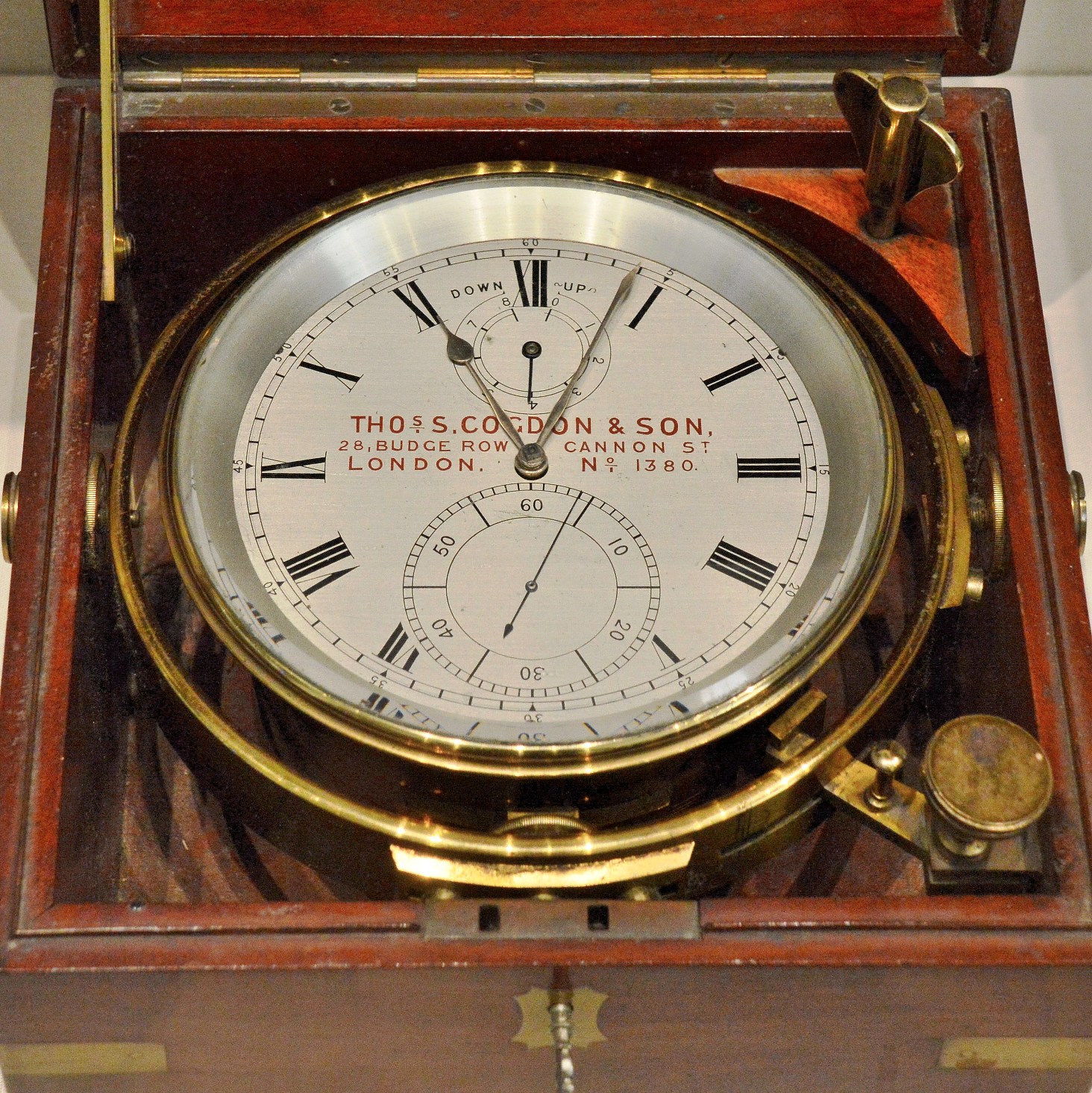
Cogden and Son Marine Chronometer
.

.
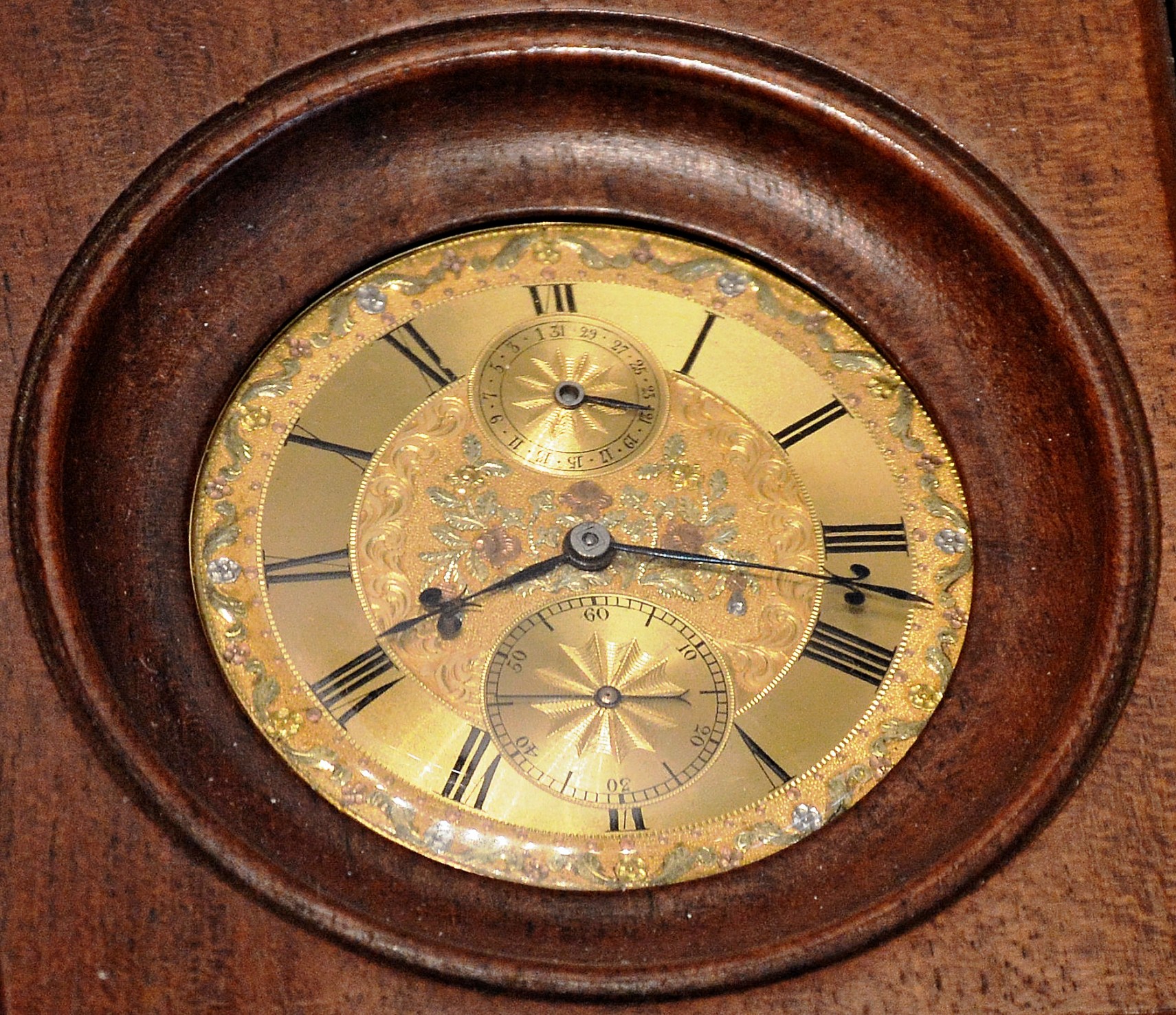
.
The Clocks
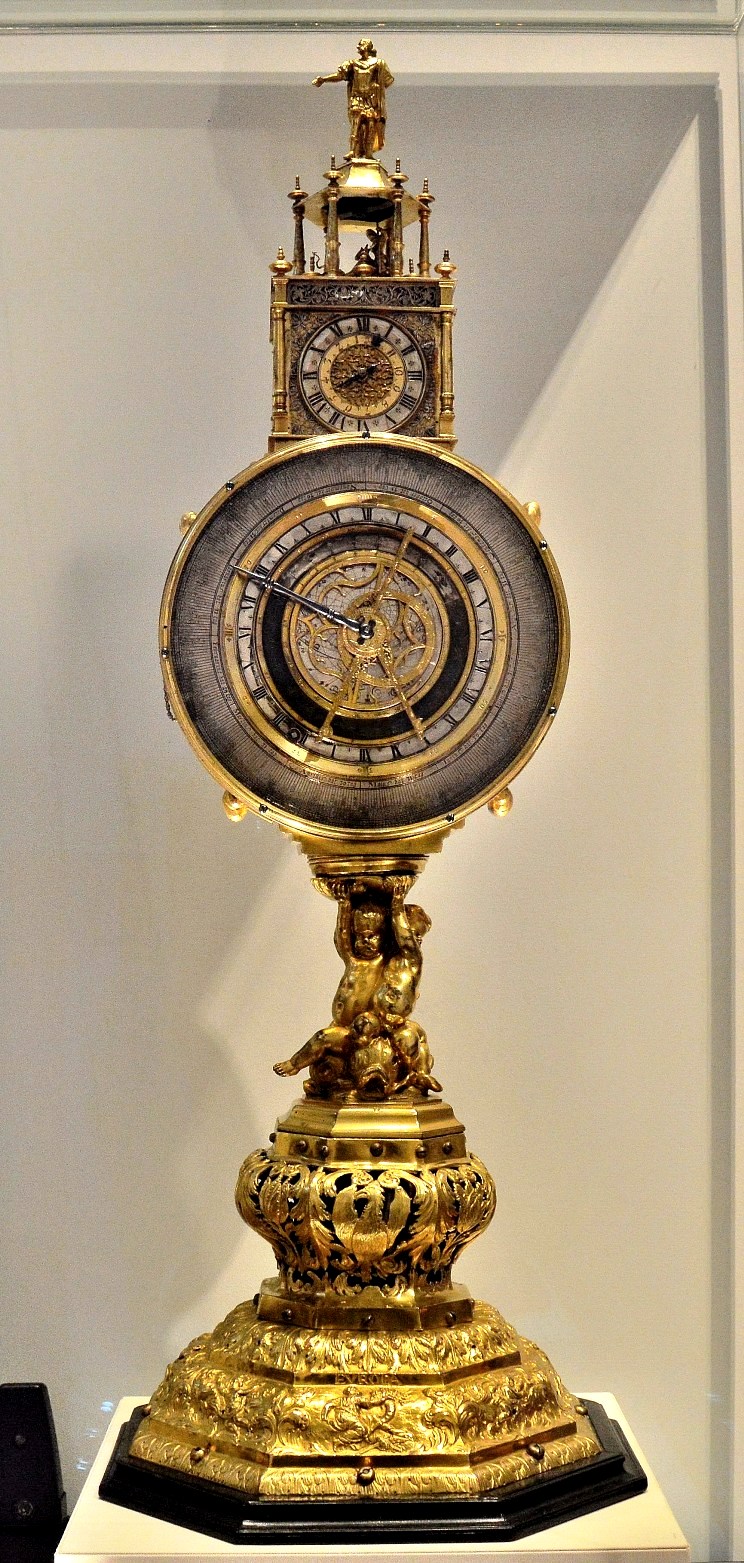
Johan Schneider c1625
.
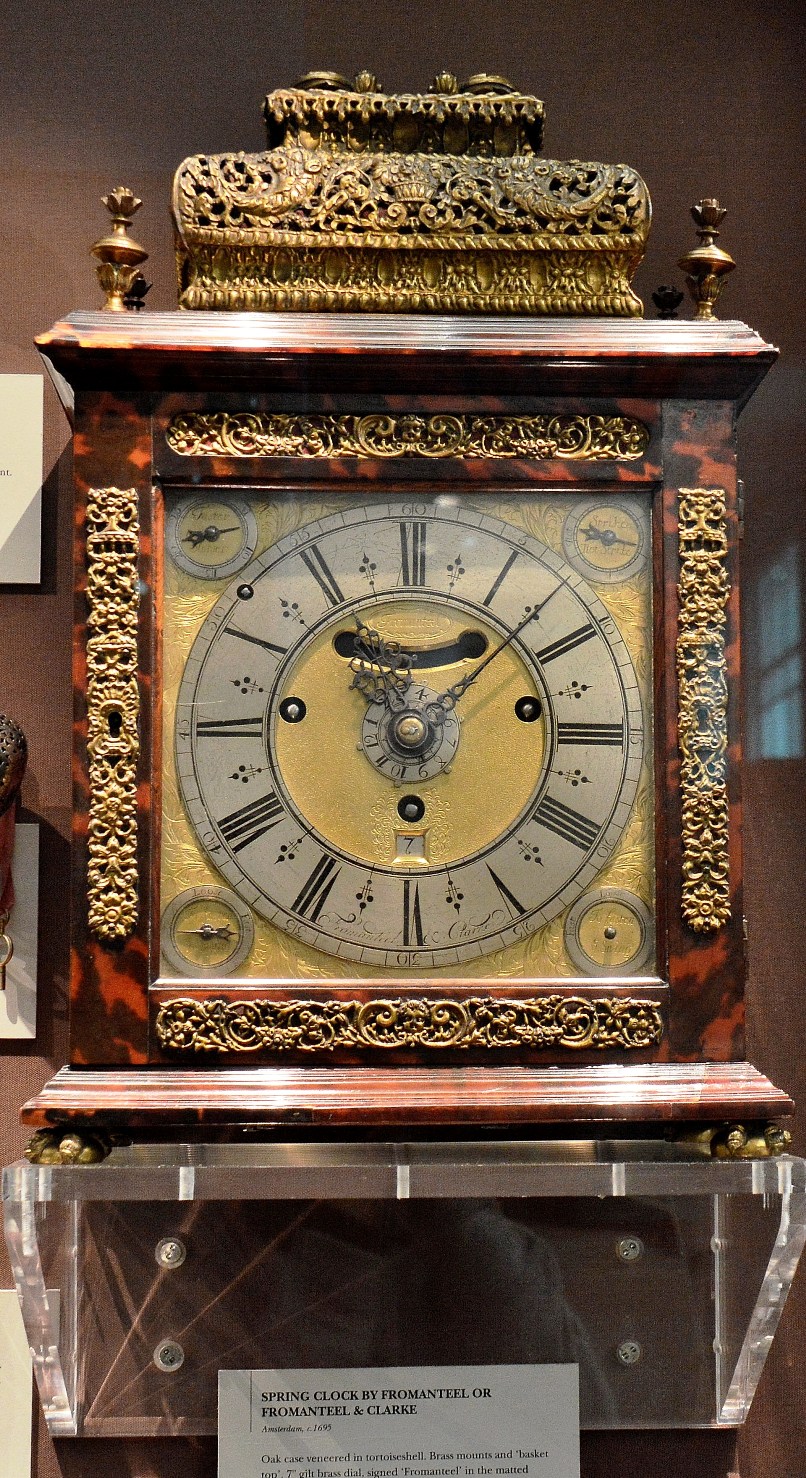
Fromanteel and Clark c1695
.

J. Schmidt Table Clock c1827
.
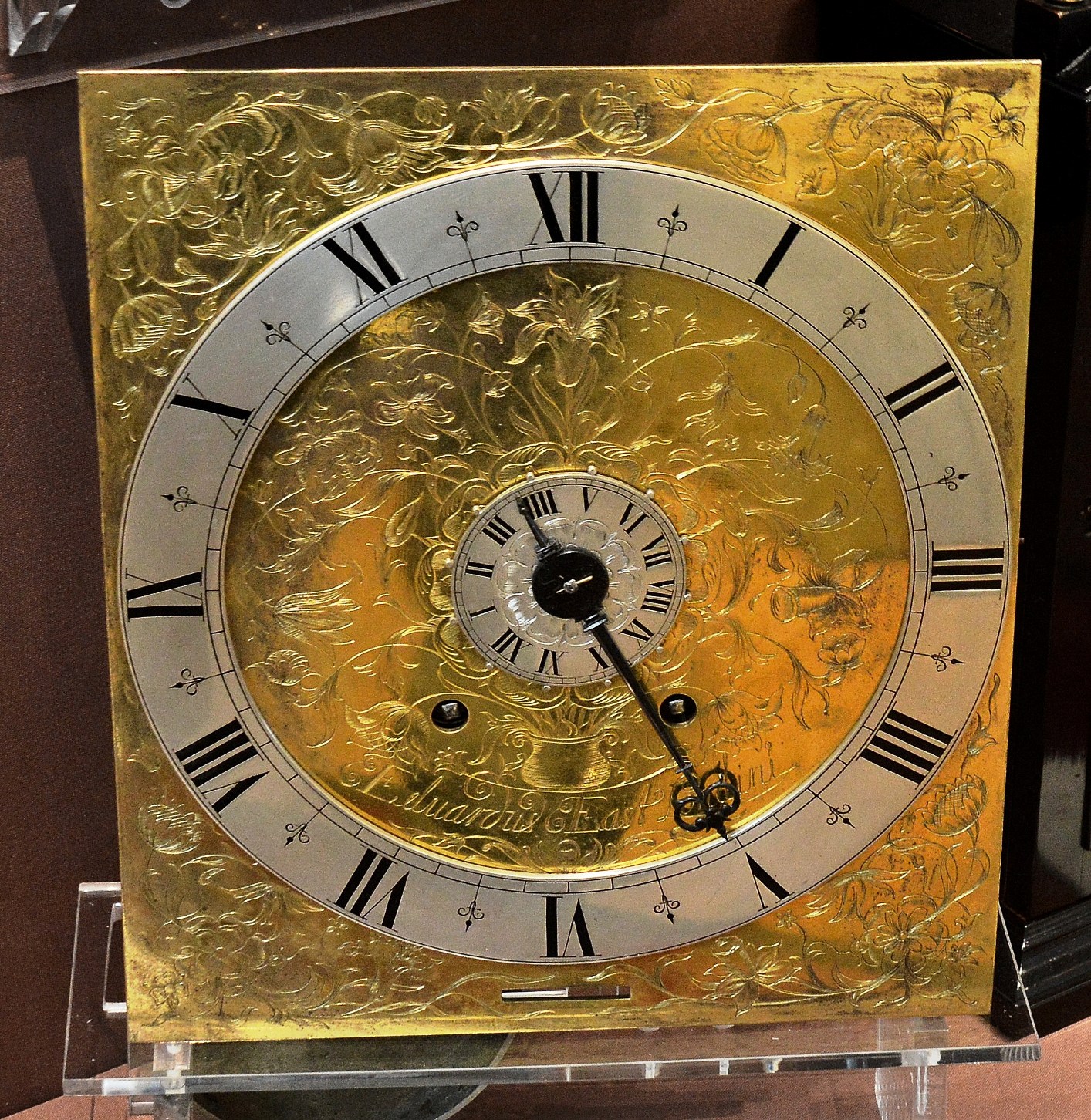
.

I hope you enjoyed that and so it’s goodbye from them and it’s goodbye from me.
Science Museum London
22 pics. The Natural History Museum⇐, Science Museum and fabulous Victoria & Albert Museum⇐ are all close together and very near South Kensington underground rail station. All are free to enter, although a small donation is usual, and have picnic areas (a wise choice).
It is advisable to download/save/print the museum map⇒. Their website is here⇒ and of special interest are the beautiful antique timepieces⇐ and the model steam engines⇐.

Newcomen type Atmospheric Engine
During the early 1700’s there was a developing energy crisis. Coal was needed to fuel industry, especially the smelting casting and forging of iron. Surface coal was becoming rare and deep mines were subject to flooding. Pumping out by hand or animal power was inadequate so Newcomen invented the Atmospheric Engine around 1712 and they continued as the only kind of steam engine until 1802.
The Atmospheric Engine filled a cylinder with steam at normal pressure which then condensed and reduced to less than atmospheric pressure. The external atmospheric pressure then pushed the piston into the cylinder, drawing the beam down and lifting the water pump at the other end. The age of the industrial revolution advanced along with our dependence on fossil fuels.
The one above was built in 1791 and continued in use for 127 years.

Bell Crank Engine by Boulton and Watt
Later, a more powerful type of pressurized steam engine, which pushes a piston along a cylinder, was developed by James Watt in 1802. This one powered a workshop and later an electrical generator.

Puffing Billy
The earliest practical steam locomotive was designed by Richard Trevithick in 1804 and used for the transport of coal. The Puffing Billy, above, was built by William Hedley.

Stephenson’s Rocket
George Stephenson built the Locomotion for the Stockton and Darlington Railway which was the first public steam railway in the world. It was his son, Robert Stephenson, who built the famous and more successful Rocket in 1829.

Grand Junction Railway Locomotive Columbine
Then innovation took off in leaps and bounds.

Traction Engine
.

Pumping Engine
Steam driven pumping became another essential for the advancement of human civilization by the provision of clean water and removal of waste. Both were essential for the limitation of disease. You might like a look at the beautifully ornate Crossness Pumping Station ⇐ and the awesome machines at the London (Kew) Water and Steam Museum ⇐.
.

Bessemer Converter
These developments were aided by the invention of the Bessemer Converter in 1856. Molten iron, refined from iron ore in a Blast Furnace, is poured into the vessel and then air followed by oxygen is forced through the molten metal. This was the first method of removing impurities on a large economic scale to produce steel.
The great gout of fire that spouts from the converter is awesome and can be seen on video by clicking on Bessemer Steel Making at Workington Cumbria⇒.
.

Babbage’s Difference Engine No 2
Meanwhile there had been a need to produce accurate mathematical tables for engineers, astronomers, navigators etc. After around 25 years of trying, Charles Babbage created the Difference Engine No 2. Whilst it can only add and subtract, it can be programmed do so a number of times, hence it can multiply and divide. Modern computers use the same method.
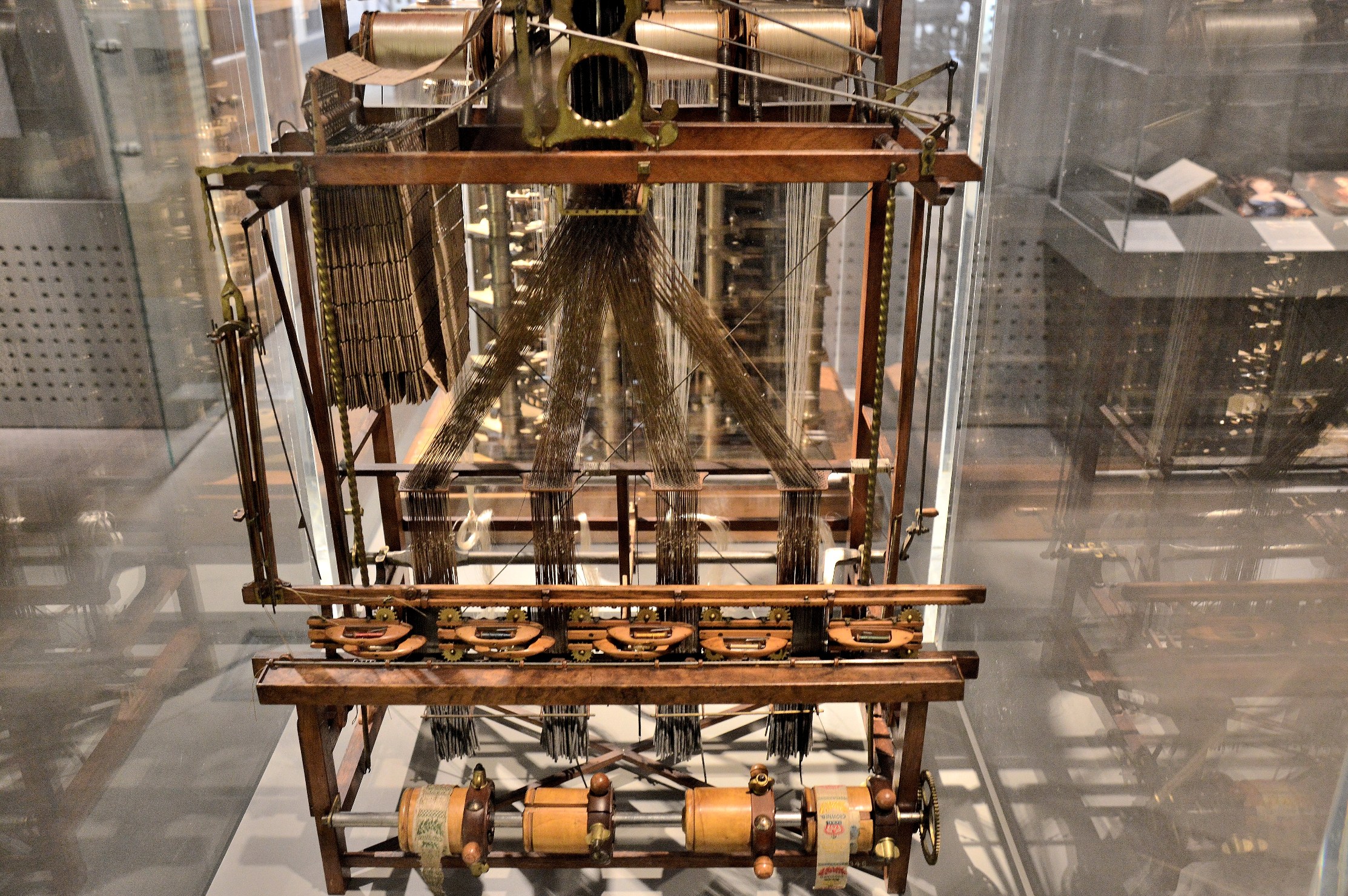
Ribbon Loom by James Heywood using the Jacquard Principle
This clever little device can automatically weave a complex design using a series of punched cards for instruction. That is, a programmable process. Punched cards were used by early computers.
And then :-.

Well alright its early days yet.

Amy Johnson’s Airplane Jason
Amy Johnson was the first person to fly solo from Britain to Australia, although in several legs. If you click on twice to expand, you might notice an AA (Automobile Association) sticker just beneath “Jason”. Now that’s what I call optimism.
And then:-

The Spitfire
.

Lockheed Electra
.
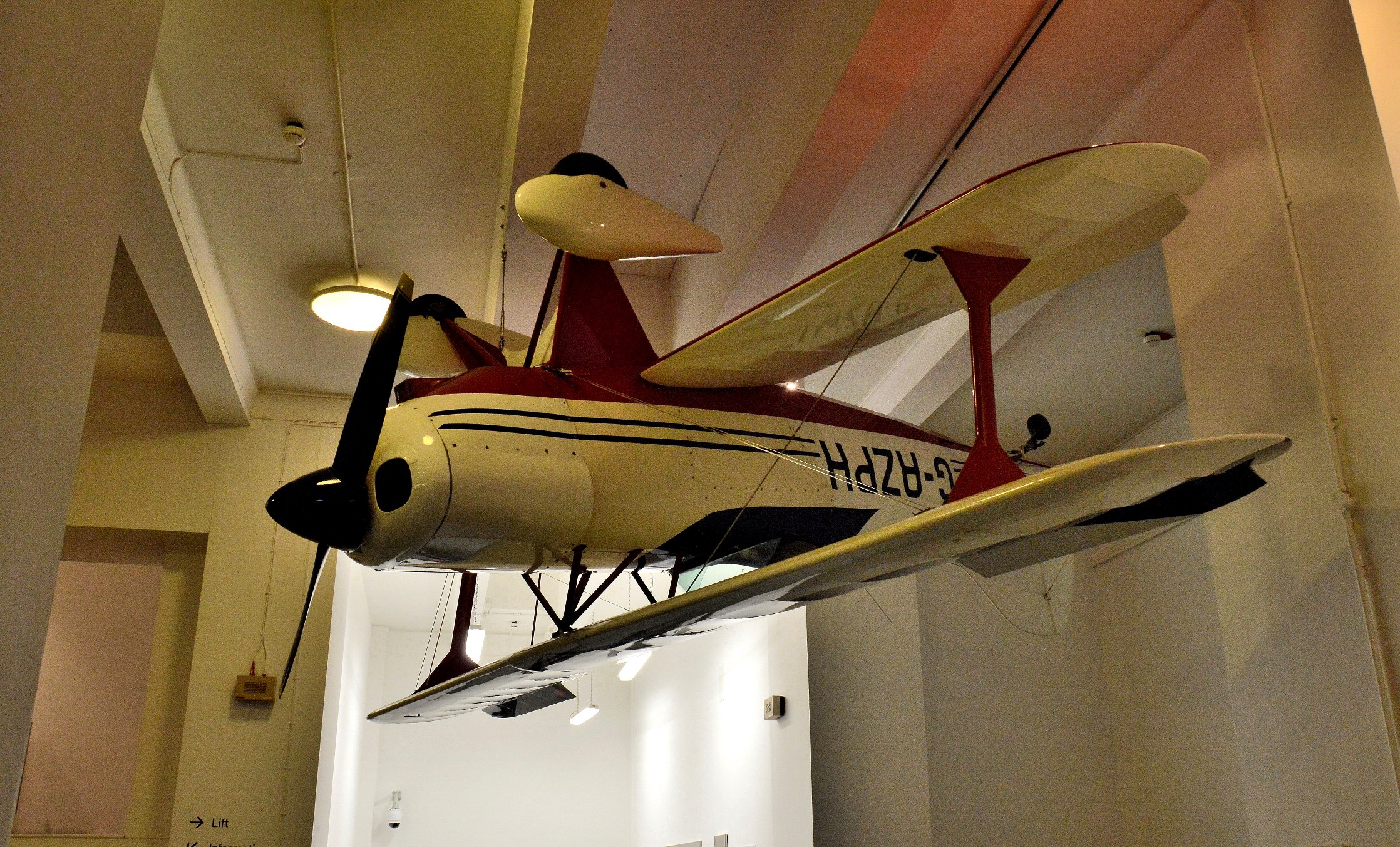
Normal service will be resumed when Grommet gets back from the chip shop. 🙂

Harrier Jump Jet
And then :-
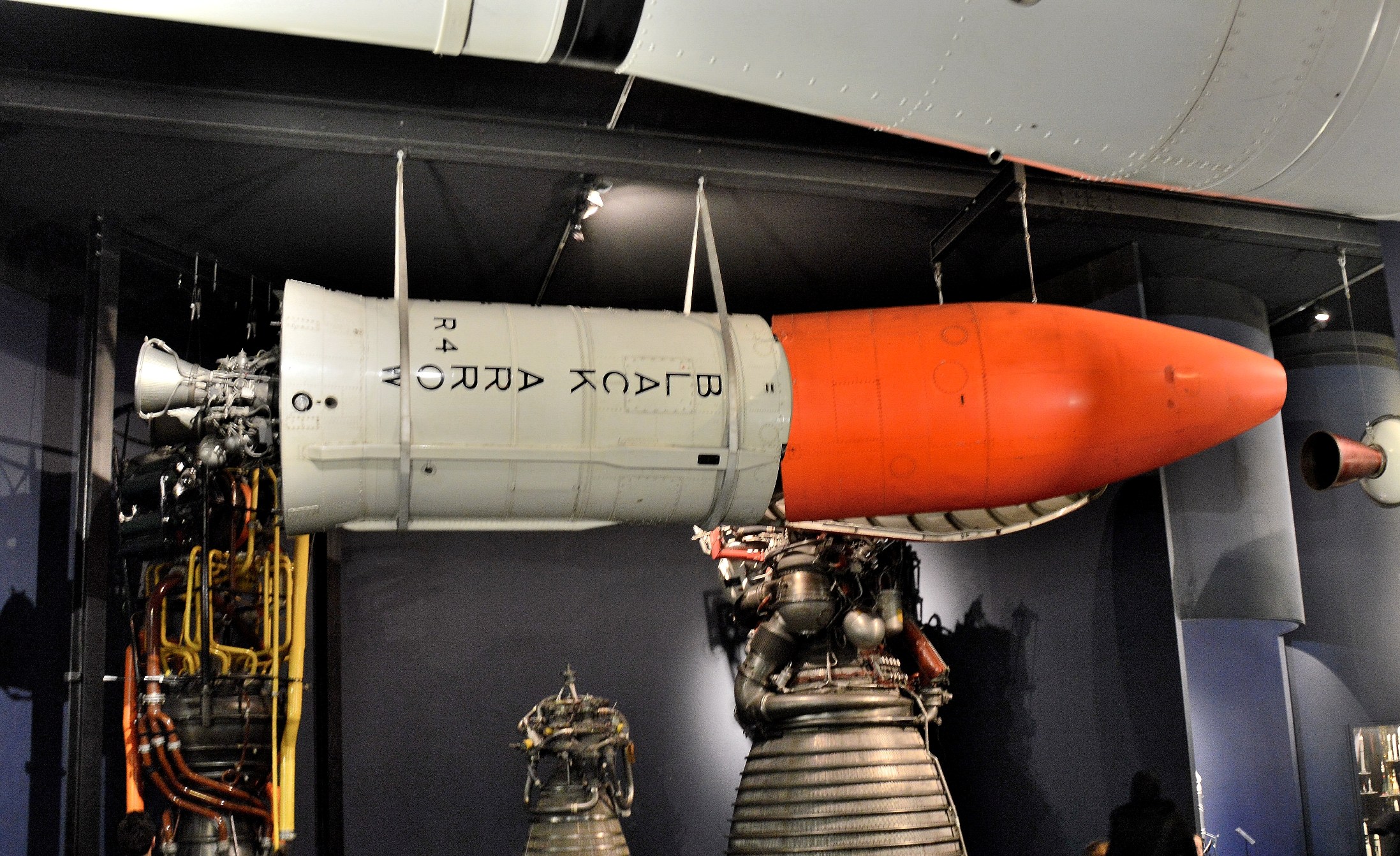
Space Rockets
.

Space Satellite
.

Space Capsule
.

Moon Lander
And then:-

This suspended globe in the Science Museum turns and changes to show the weather patterns and day and night. At times it shows the vast number of lights we are burning.
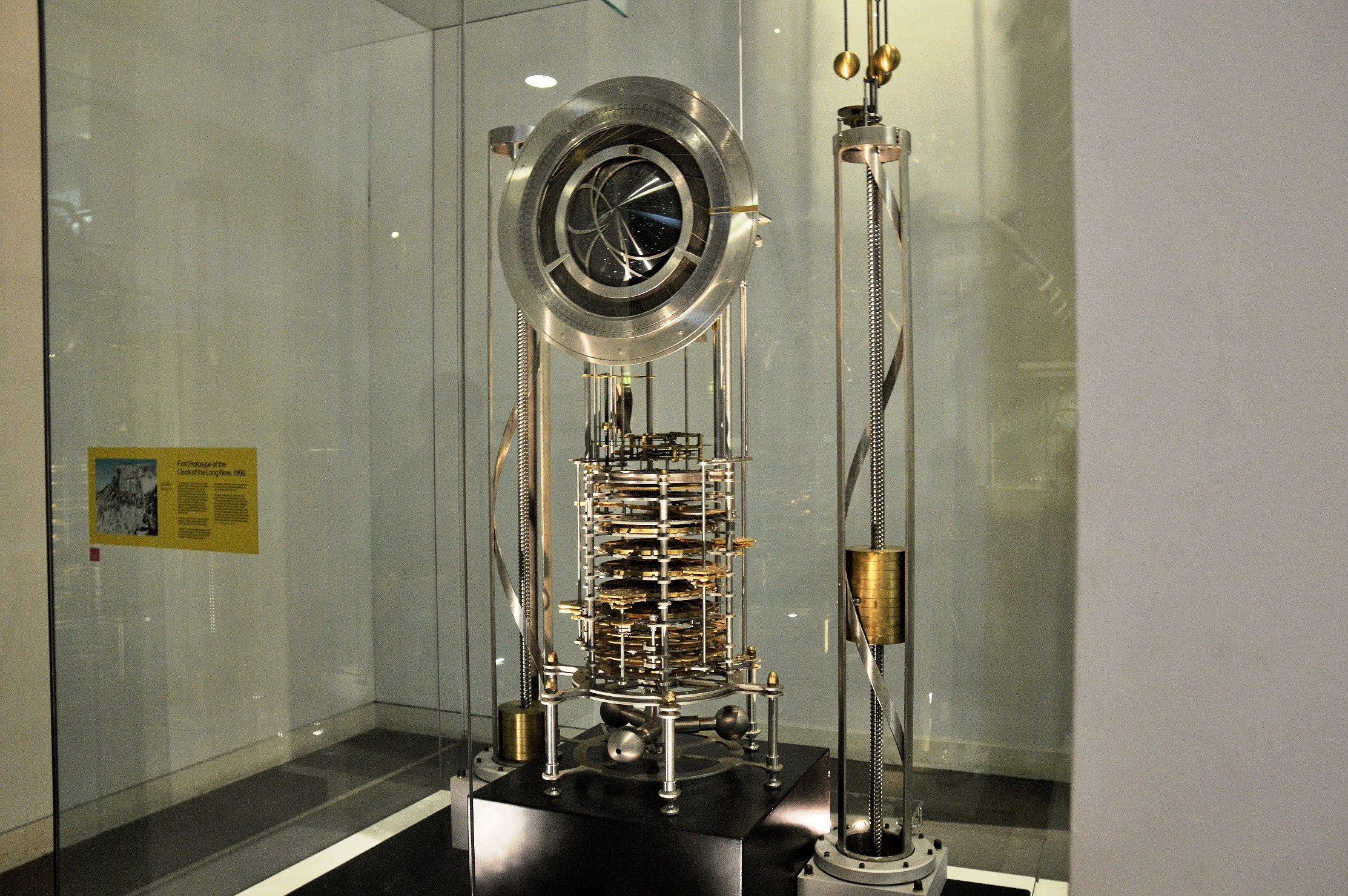
The Clock of the Long Now
Please click on twice to expand the small print.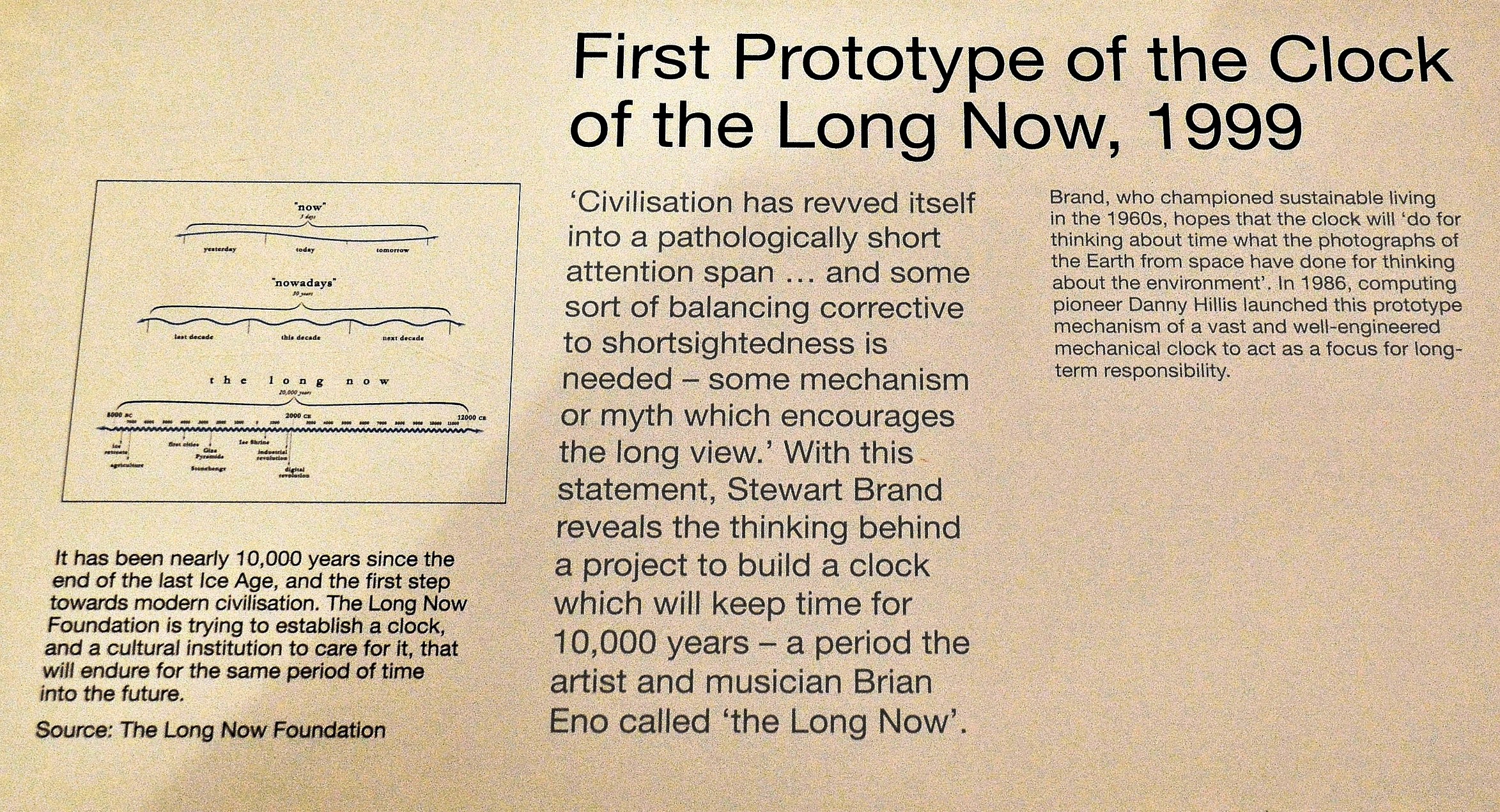
.
Fossil fuels have been the foundation of our modern world and all of its benefits. Knowing no better, we have used a crude and poisonous medicine, we now have to evolve to stop the increasingly damaging side-effects. Considering all that mankind has done, surely we can manage this too.
.
Bow Bells, Cockneys, Dick Whitington and Captain John Smith
The Church of St Mary Le Bow
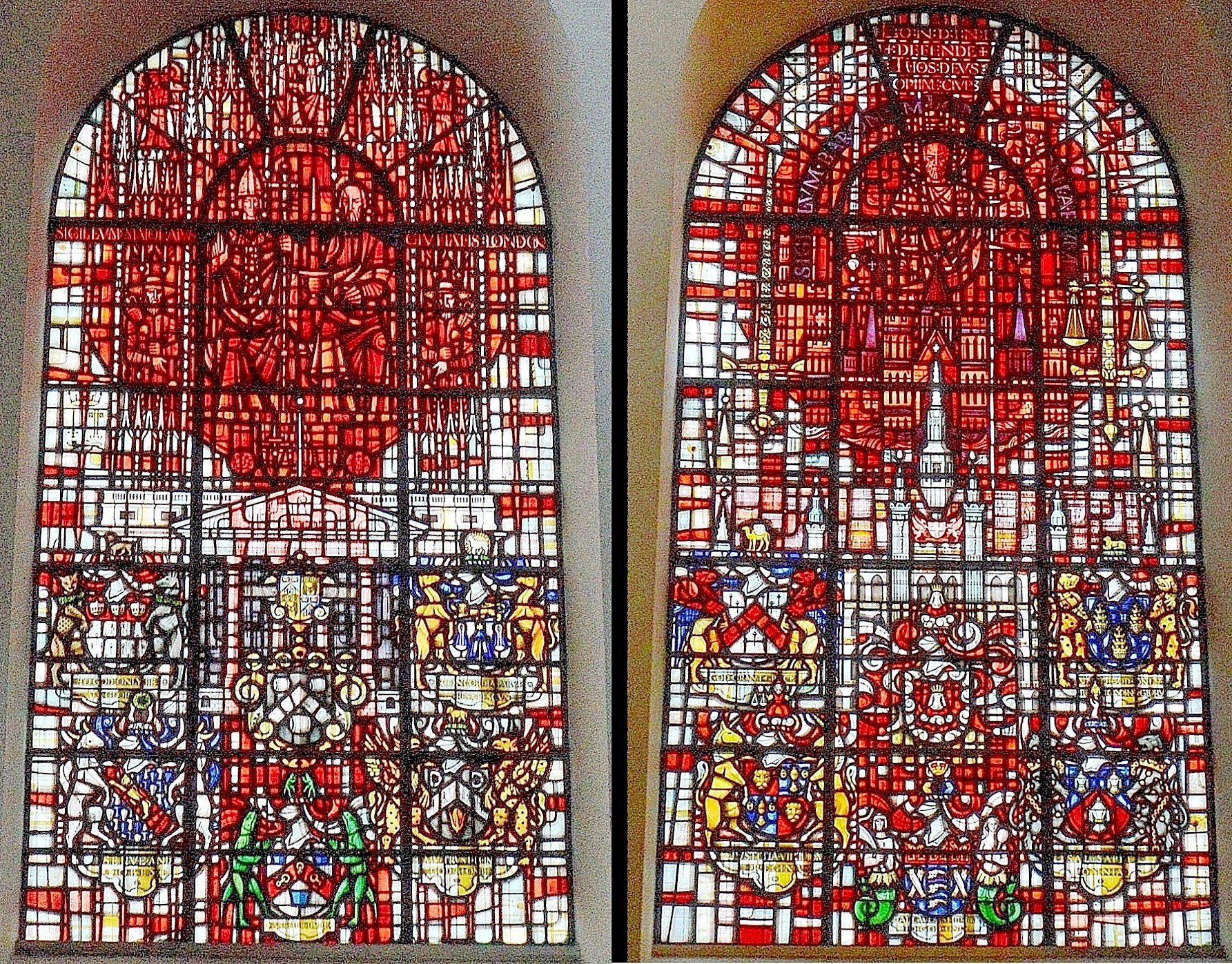
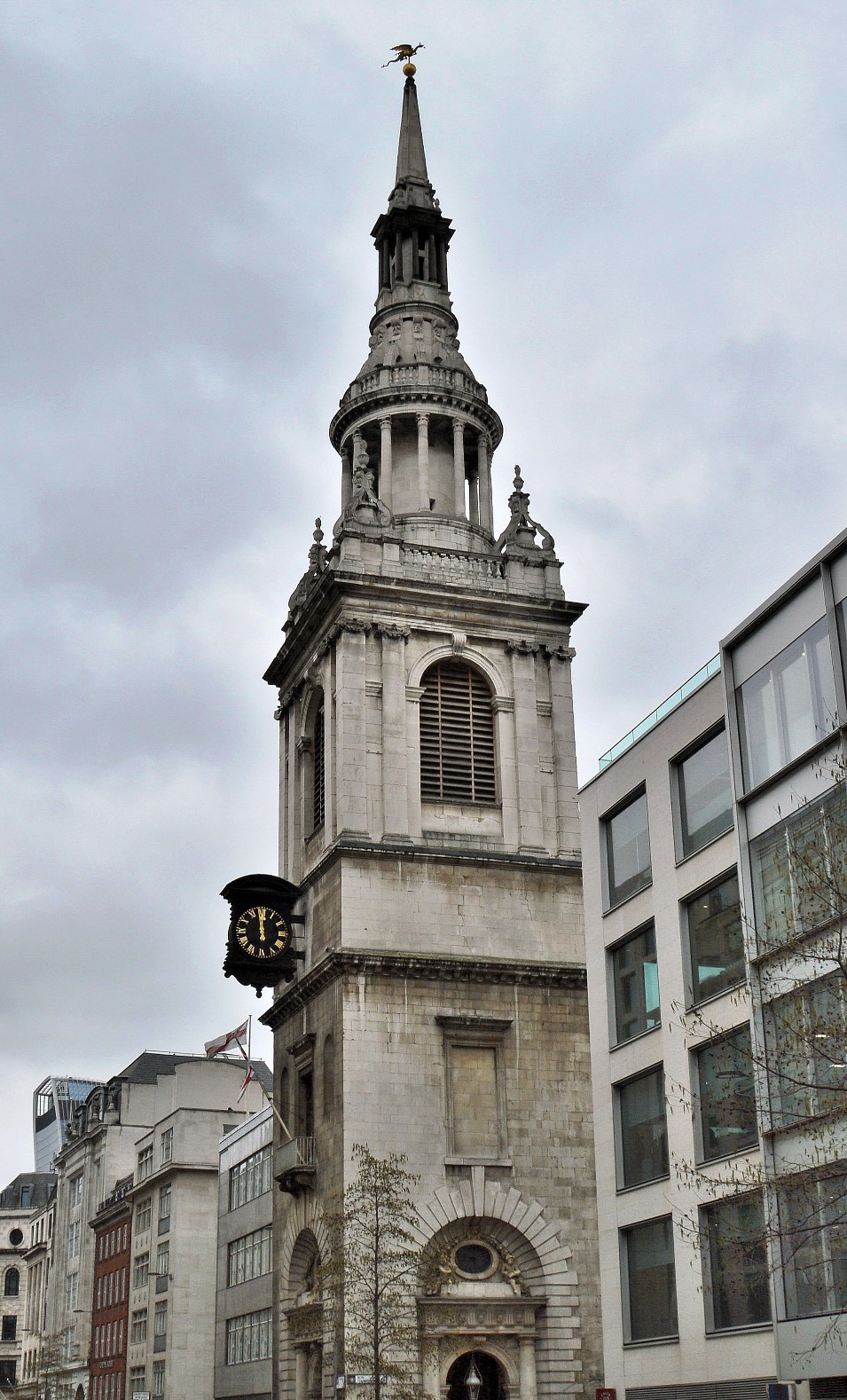
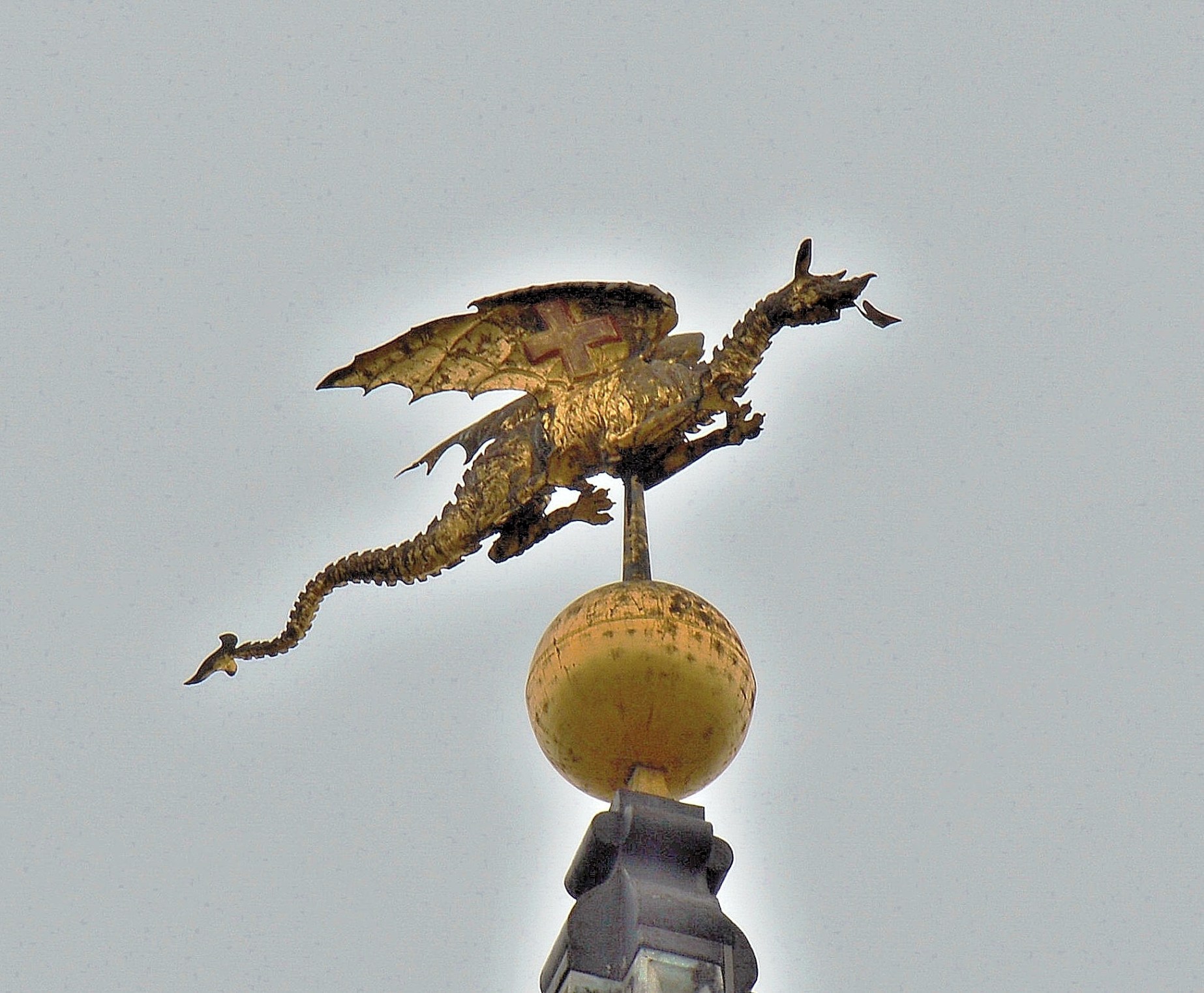
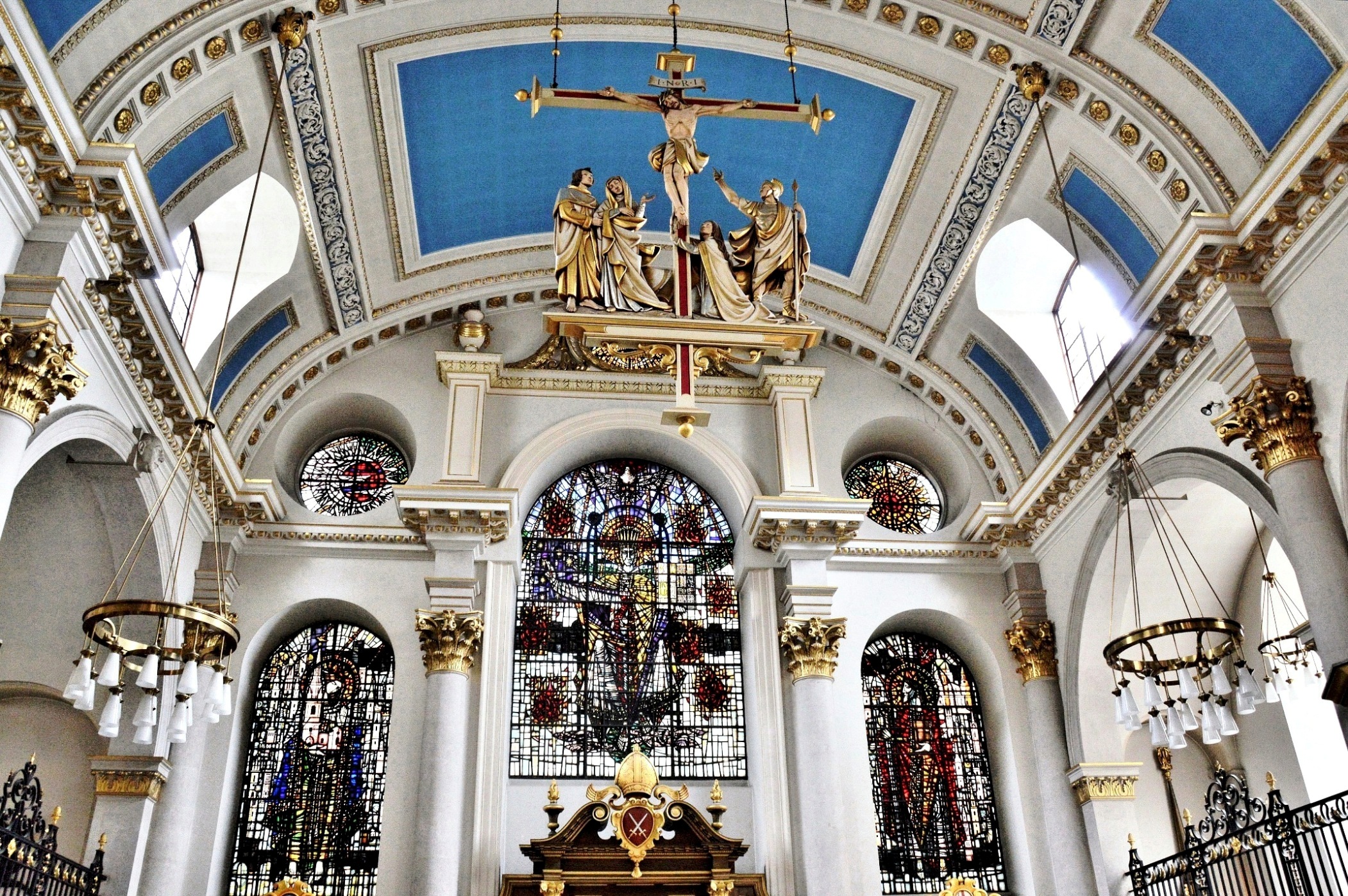 The Church of St Mary Le Bow is in Cheapside and but 3 minutes walk from St Paul’s Cathedral. To be a true Cockney, which is not quite what people think, one must be born within the sound of St Mary Le Bow bells. Their website can be found here and this is not the same place as St Mary’s in the district of Bow.
According to folklore Dick Whittington changed his mind about leaving London when he heard the peal of Bow bells, and so changed his fortunes and became Lord Mayor of London. There was in fact a Richard Whittington who was Lord Mayor of London several times during the 14th century.

.
 .
.
 .
.

There is also a cosy little crypt converted into a pleasant café.
 .
.
 .
.

In the square, just outside the church, is a statue of Captain John Smith. The captain was a mercenary, pirate, explorer and at one time leader of Jamestown the first permanent English colony in America. It is said (mostly by himself) that his life was once saved by Pocohantas. He was probably what we would call now, a real swashbuckler. Anybody who wore rain-catcher boots like that had to be hardy. 🙂

 Freed From Time