
London Water and Steam Museum, Express Tavern and Kew

London Water and Steam Museum Garden
14 pics. Cities could not grow beyond a few tens of thousands and civilisation could not flourish without a plentiful supply of clean water. Otherwise epidemics of water-borne diseases such as cholera and typhoid would devastate the population. The development of filtration and pumping by steam engine was vital to progress.
The London Water and Steam Museum ⇒ (there is an entrance fee) explains the advances in water cleanliness and houses a number of steam-driven pumps, including some truly massive devices. On designated days some of the engines can be seen working.
The other essential was the disposal of waste and an ornate example of this can be found in east London at the renovated Crossness Pumping Station ⇐.
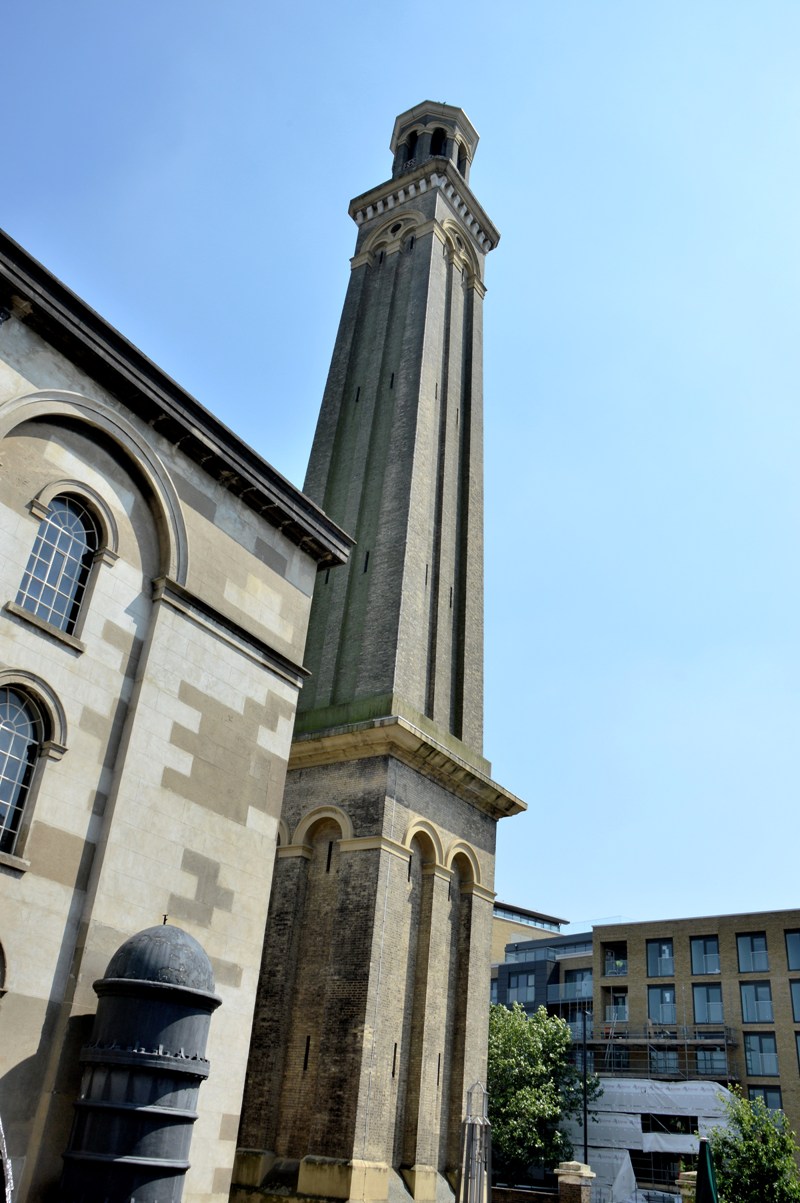
To get to the Water and Steam Museum: On Leaving Kew Bridge station, turn right, pass the very pleasant Express Tavern ⇒, and turn into Green Dragon Lane. The tall chimney is an easy landmark.
Alternatively Kew Gardens ⇐ which includes Kew Palace is just over the nearby bridge..
There is more about our use of steam and the role of fossil fuels at the Science Museum ⇐.
.
.
The above Boulton and Watt 64 inch (piston/cylinder diameter of 64 inches) has a beam weighing 15 tons and delivered 2.5 million gallons of water per day and was last used in 1944.

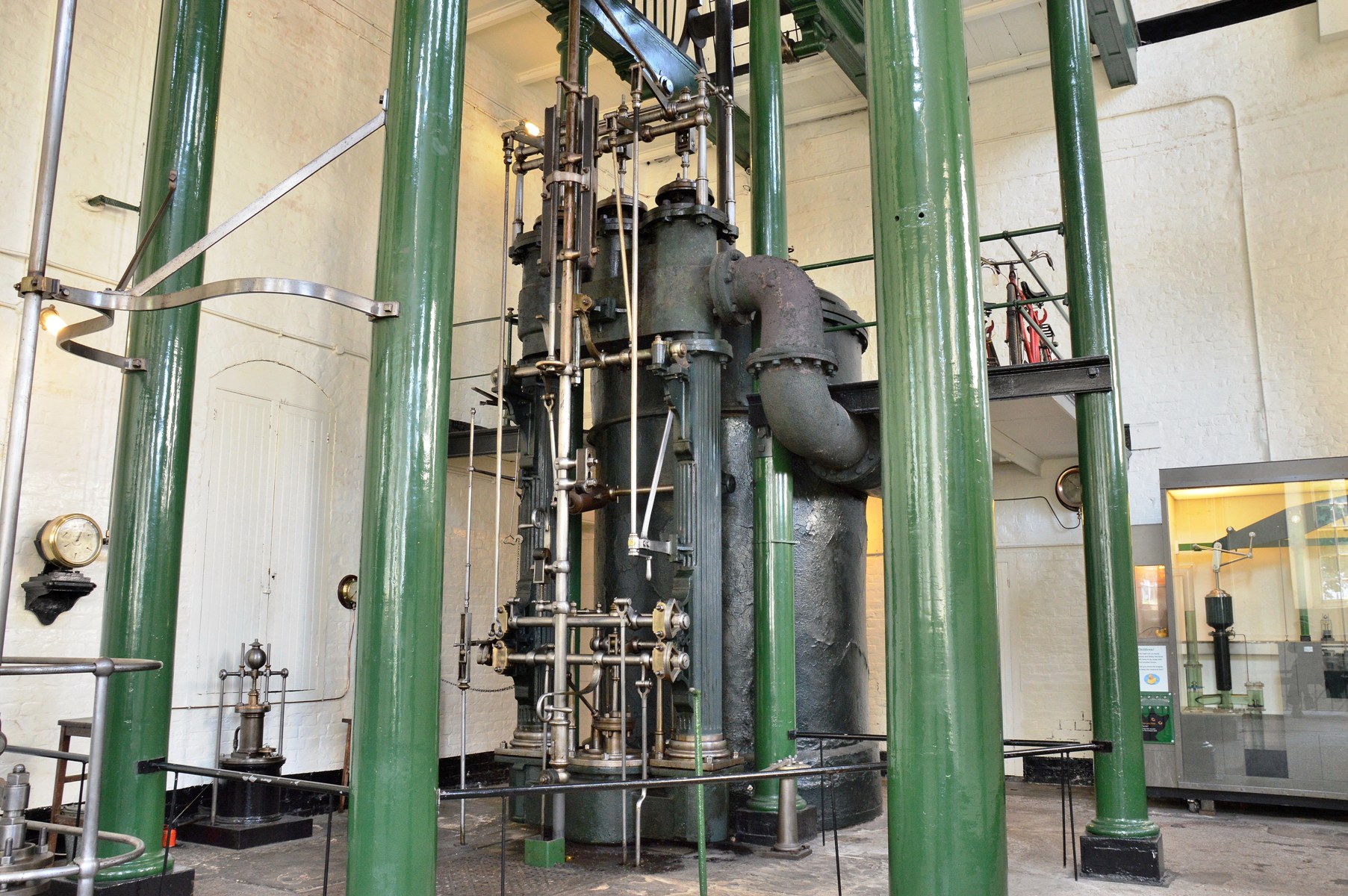
This is the 90 inch Cornish engine with a beam weighing 32 tons and delivered 6.4 million gallons of water per day. It was last used in 1943. The steam cylinder is the massive dark object at the far end. The nearer cylinder is the water pump.
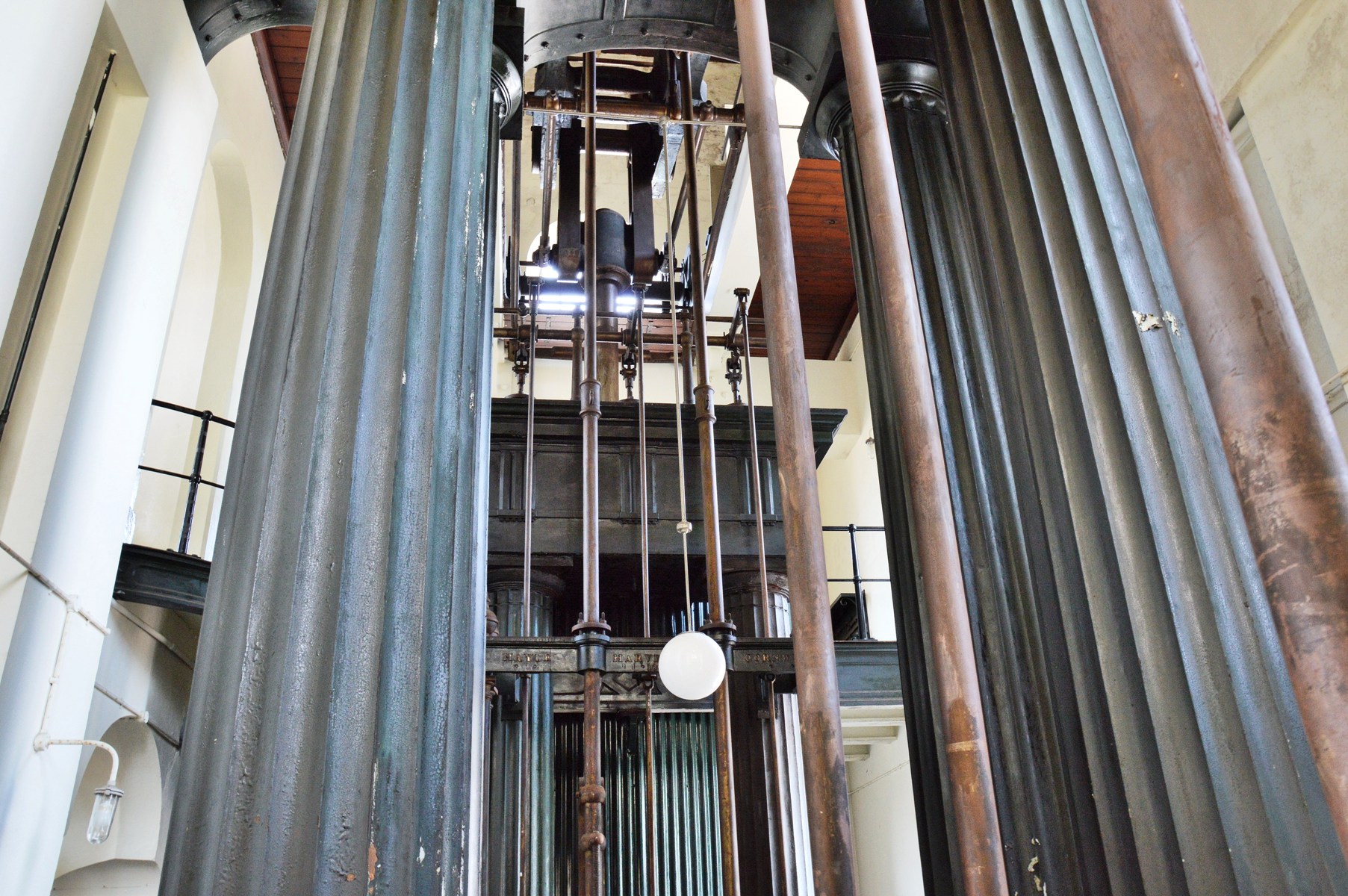
This monster is the 100 inch Cornish engine. The 100 inch (8 foot and 4 inches wide) steam cylinder is the dark object the distance. The beam weighs a staggering 54 tons and it once delivered 7.5 million gallons of water per day. Built in 1869 it remained in service until 1958.

More :-

.
.
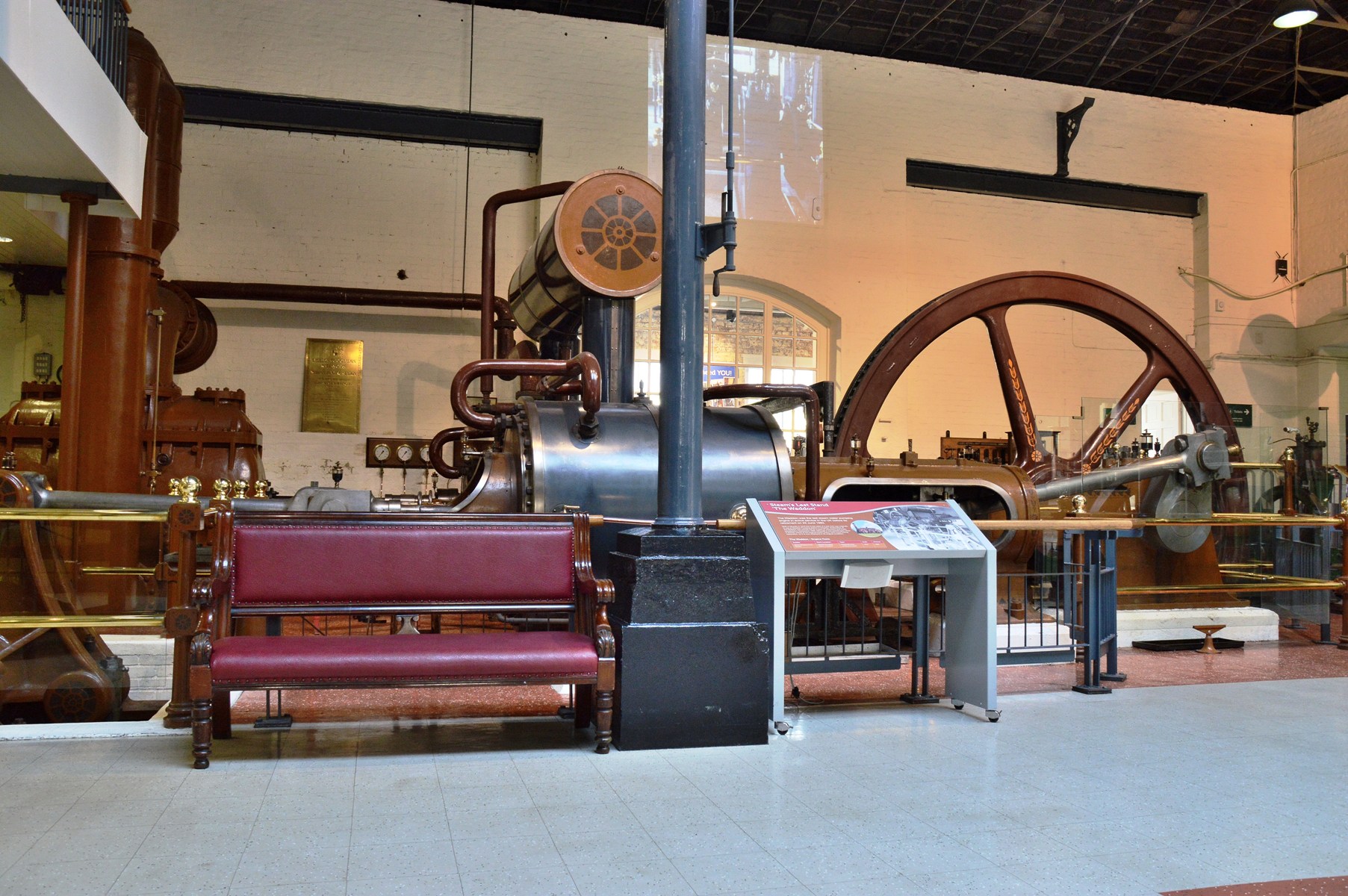
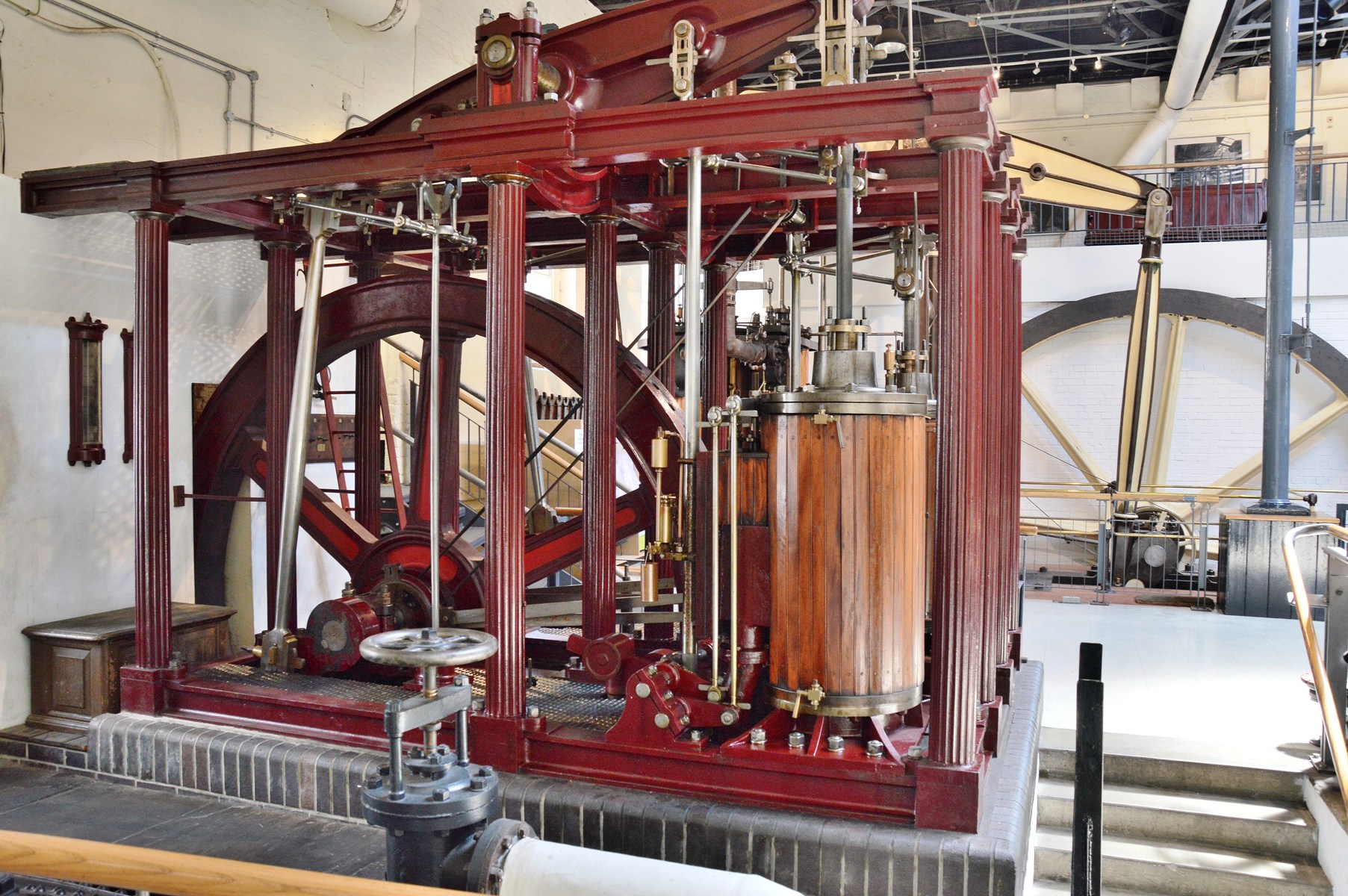
The above is the Waddon steam pumping engine. It was the last steam driven water pump used in the UK and remained in service until 1983.

.

Above is a triple expansion engine. Designed to be more efficient as most of the steam pressure is used by passing the output of one cylinder to the next.
.

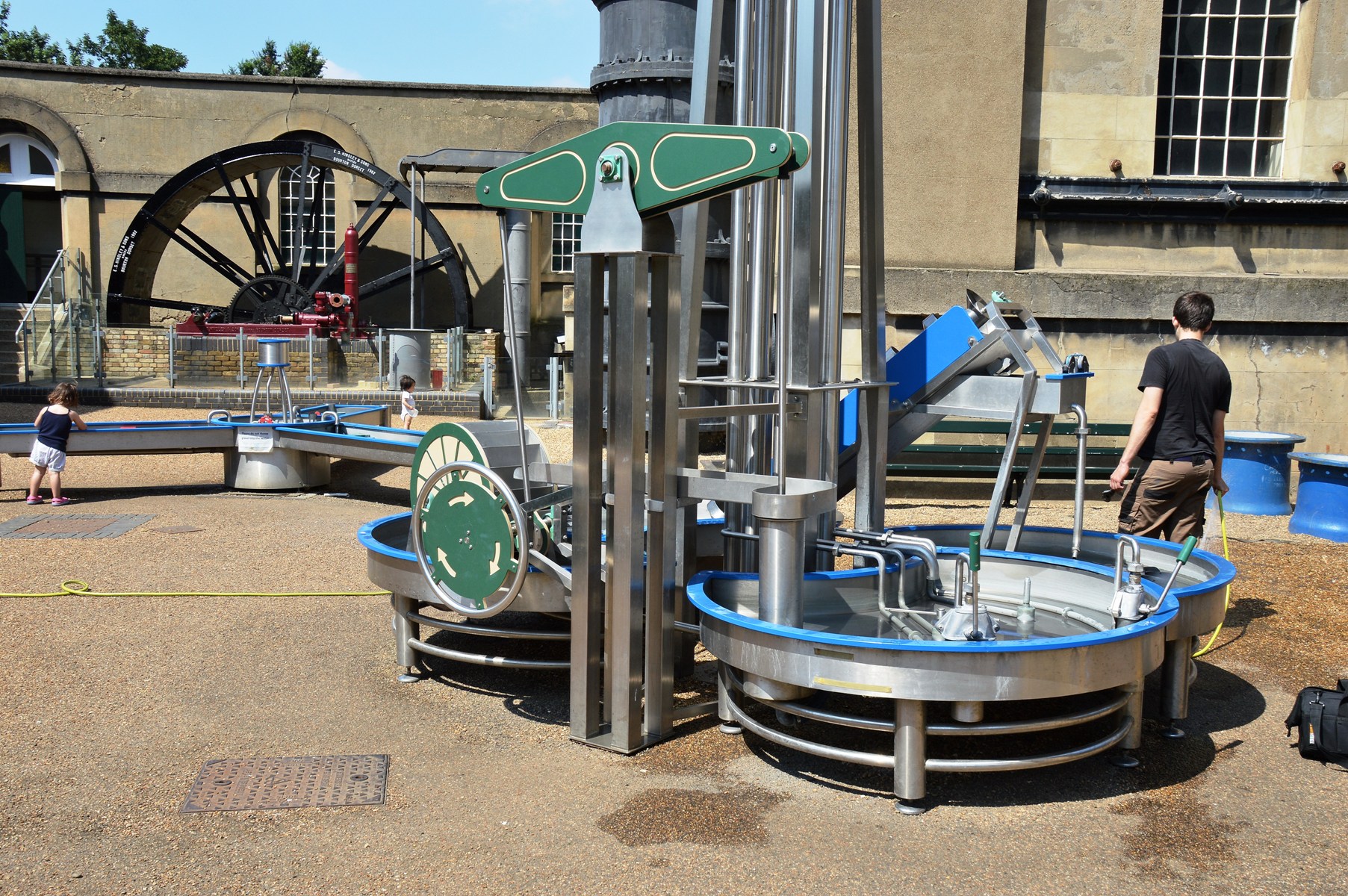
On designated days (website ⇒) a small steam locomotive provides rides, although the track is very short.

On the way back is the Express Tavern ⇒ which has a very pleasant menu and a broad range of beers. Across the nearby bridge is Kew Gardens ⇐.

Victoria and Albert Museum of Childhood: Ancient and Modern and Clangers

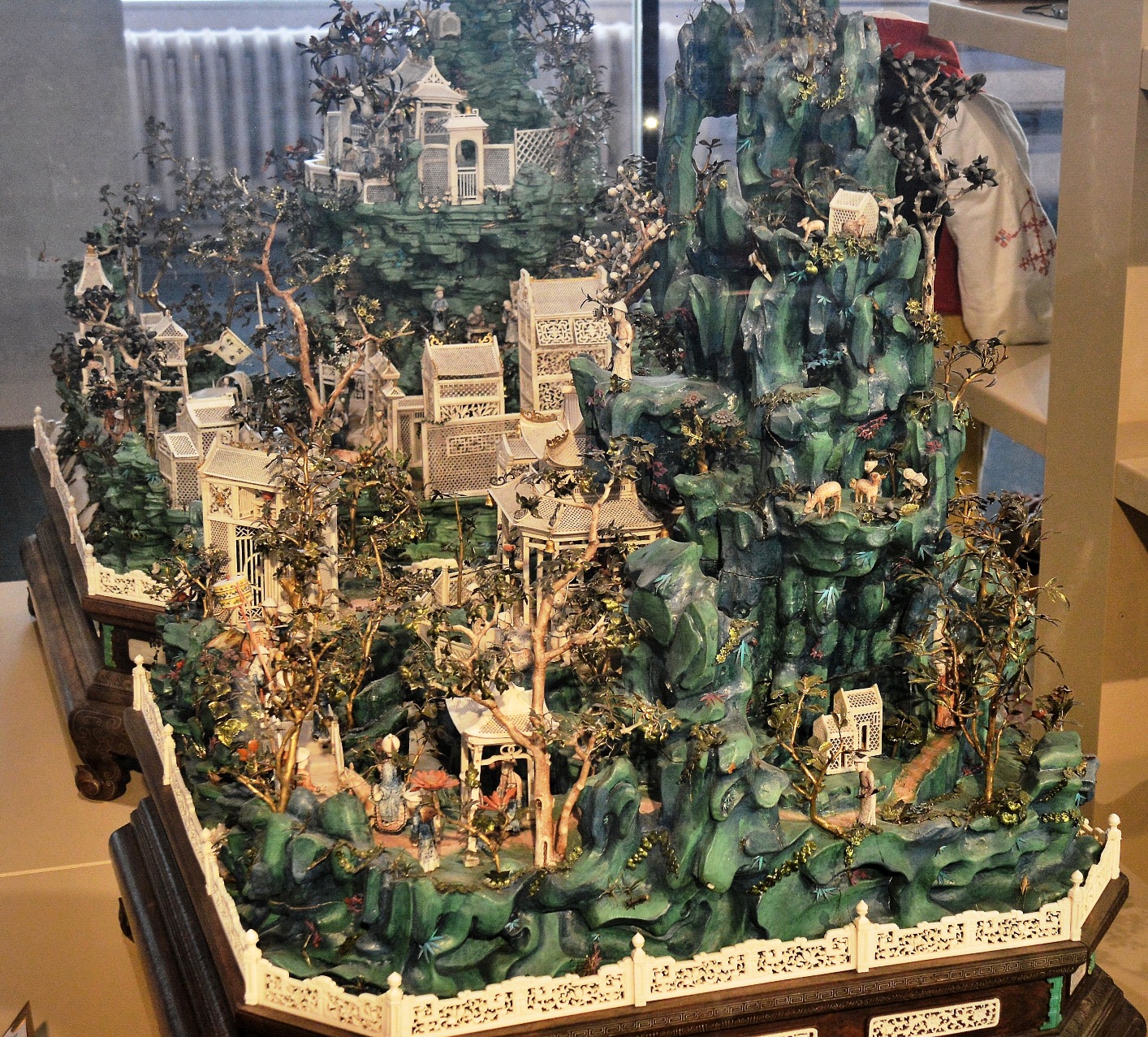
22 pics. These Chinese Rock Gardens were gifts from the Chia Ch’ing Emperor of China (1796-1820) to the French Empress Josephine, wife of Napoleon Bonaparte. It is said that the ship carrying these gifts was captured by an English warship. The English offer to return the rock gardens to the French, after the 1802 Treaty of Amiens, was declined.
It is recorded that gardens arrived at the East India Company’s Museum in 1809 and passed to the South Kensington Museum (now the Victoria and Albert Museum) in 1880 and now displayed at the V & A Museum of Childhood.
They are in remarkably good condition and worth looking at the detail (click on the image and then again to magnify).
For more about the Museum and pictures of the more vintage toys, dolls houses and other items, please click here ⇐. For their website, events and services please click here ⇒.
.

.

.

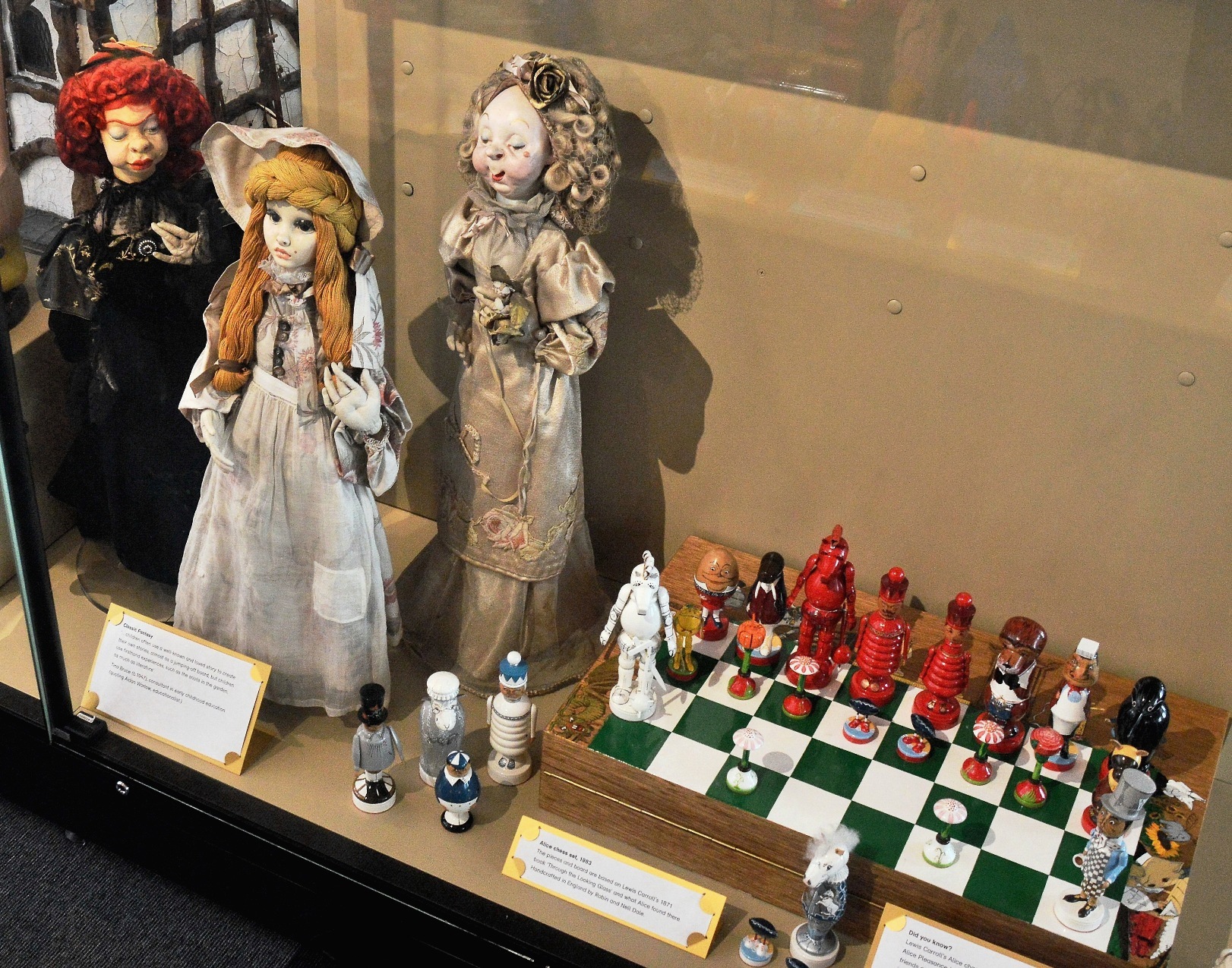
Dolls and Soft Toys
.
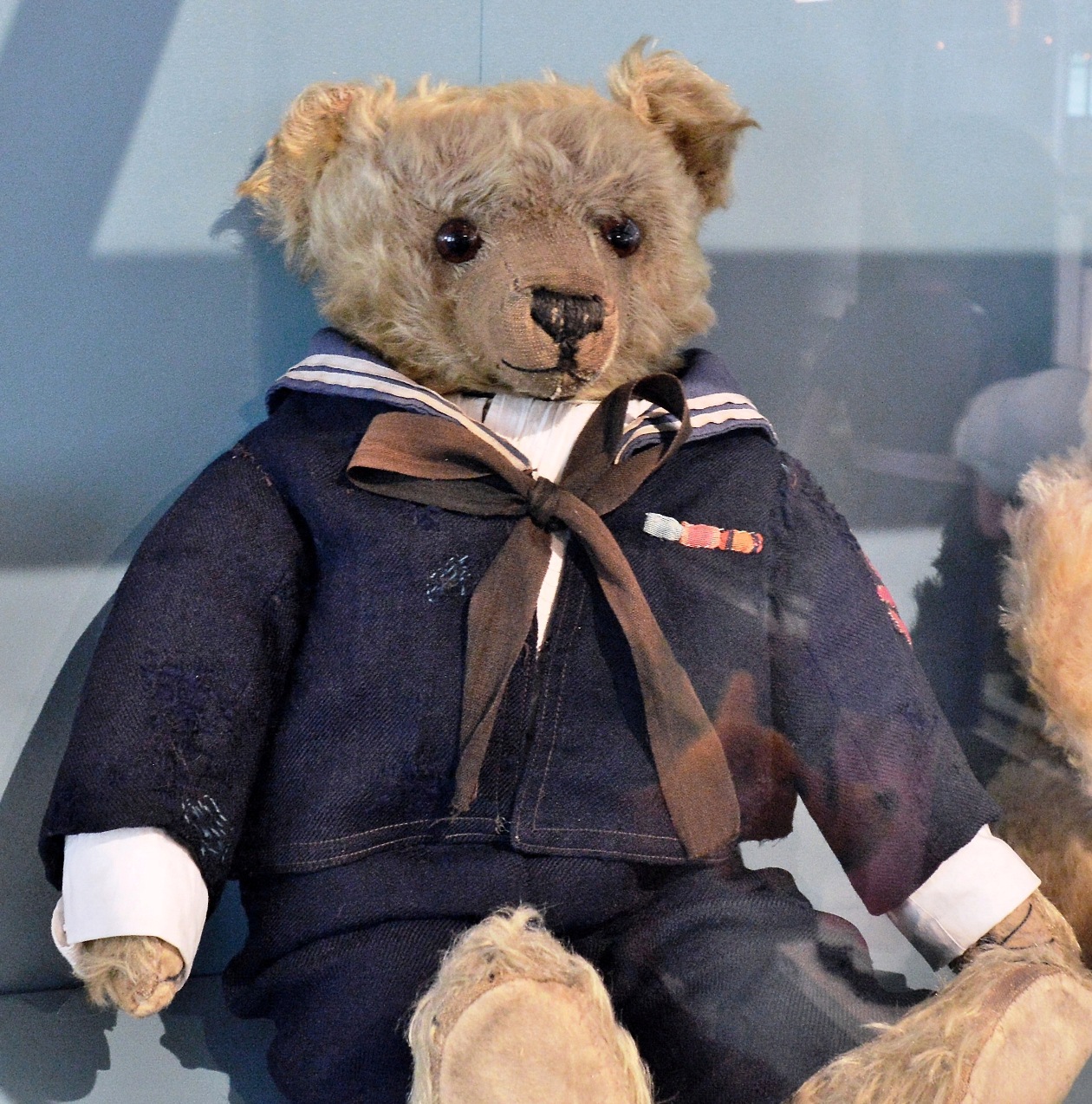
.

Paddington Bear
.

The Snowman, Dogtanian, Sooty, Sweep and Soo
.

.
Bagpus

And, the singing mice.
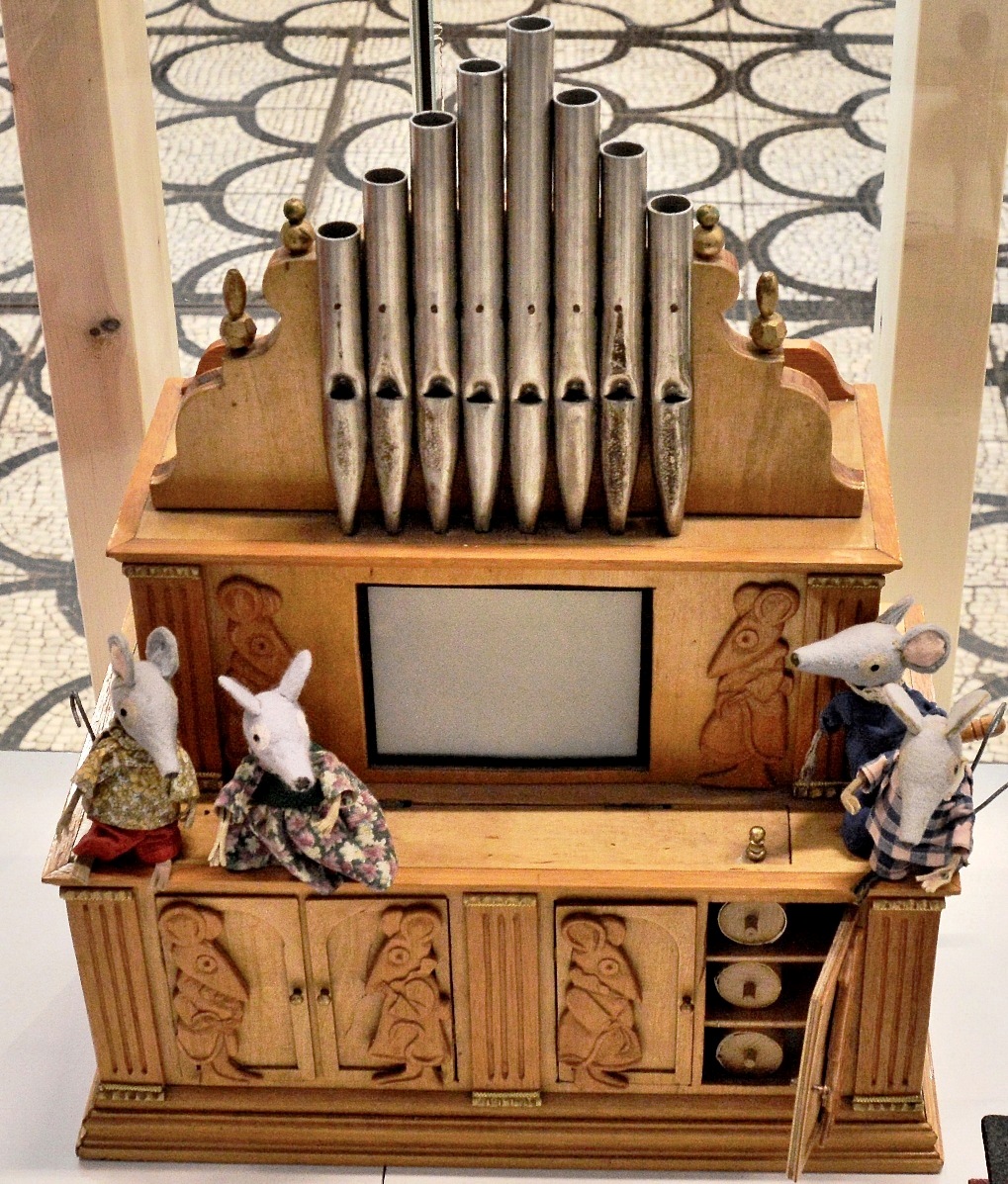
The mice liked to sing so much that they would not work otherwise, not nohow.

They also like to play tricks on Professor Yaffle.

Professor Yaffle
.
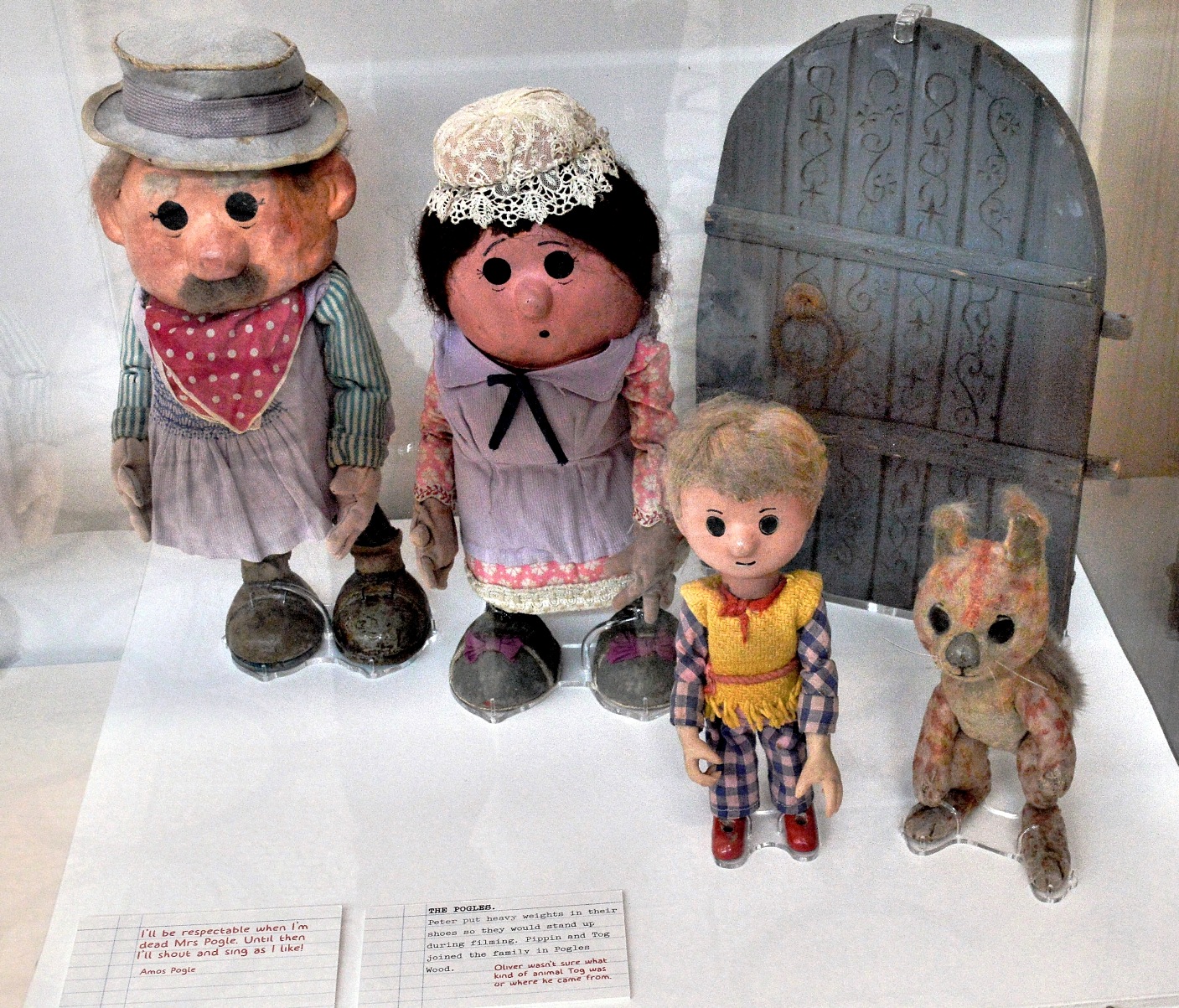
The Pogles
.

.
AND THE :-.

The Clangers live on their own small planet, communicate in mellifluous whistles and eat blue string pudding.

Soup Dragon, Clangers and Froglets
They also like soup from the soup wells tended by the friendly Soup Dragon.

Small Clanger and Tiny Clanger
There are many characters in the Clangers, these are just a few.
A fuller understanding of British consanguineous eccentricity (i.e. as mad as knitting fog) might be obtained from taking a look at Bagpus, Clangers, Portland Bill, Dangermouse, Magic Roundabout (original version) and Shaun the Sheep (especially) on YouTube .
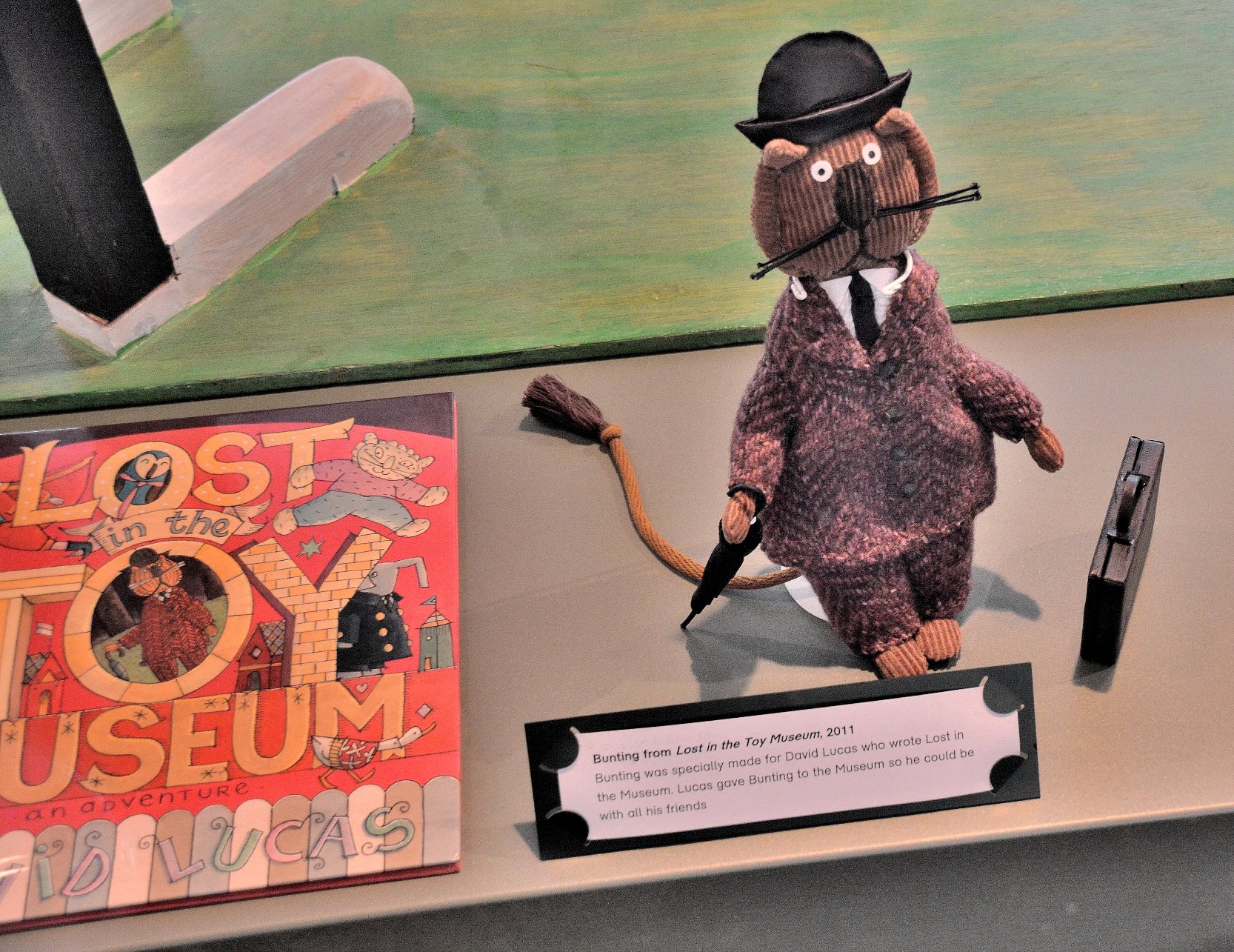
So, it’s goodnight from him,

..and it’s goodnight from ‘im.
Victoria and Albert Museum of Childhood – Vintage toys
24 pics. The V & A Toy Museum is in Bethnal Green just a little north of Bethnal Green Underground station on Cambridge Heath Road. There are numerous events and workshops for children including schools groups. It is worth seeing their website ⇒.
The museum is free to enter and photography is allowed but difficult due the lighting and reflections from the glass cases. Nevertheless it is worth a visit, especially since their stock keeps being replenished from a large archive.
There is a second post with Chinese Rock Gardens, more toys and favourites from television here ⇐. 🙂
The V & A Museum of design in South Kensington is even larger and can be found here ⇐.
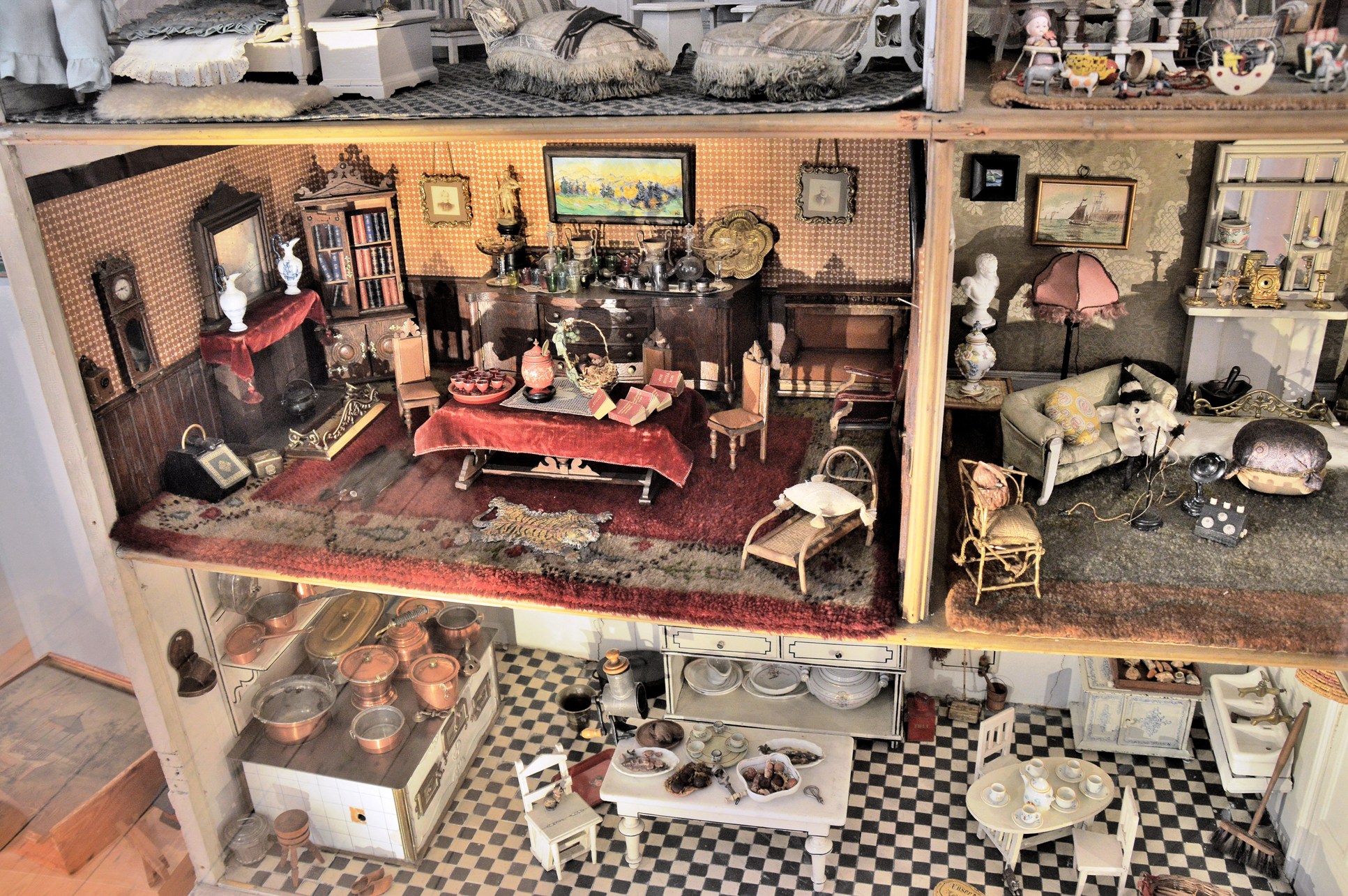
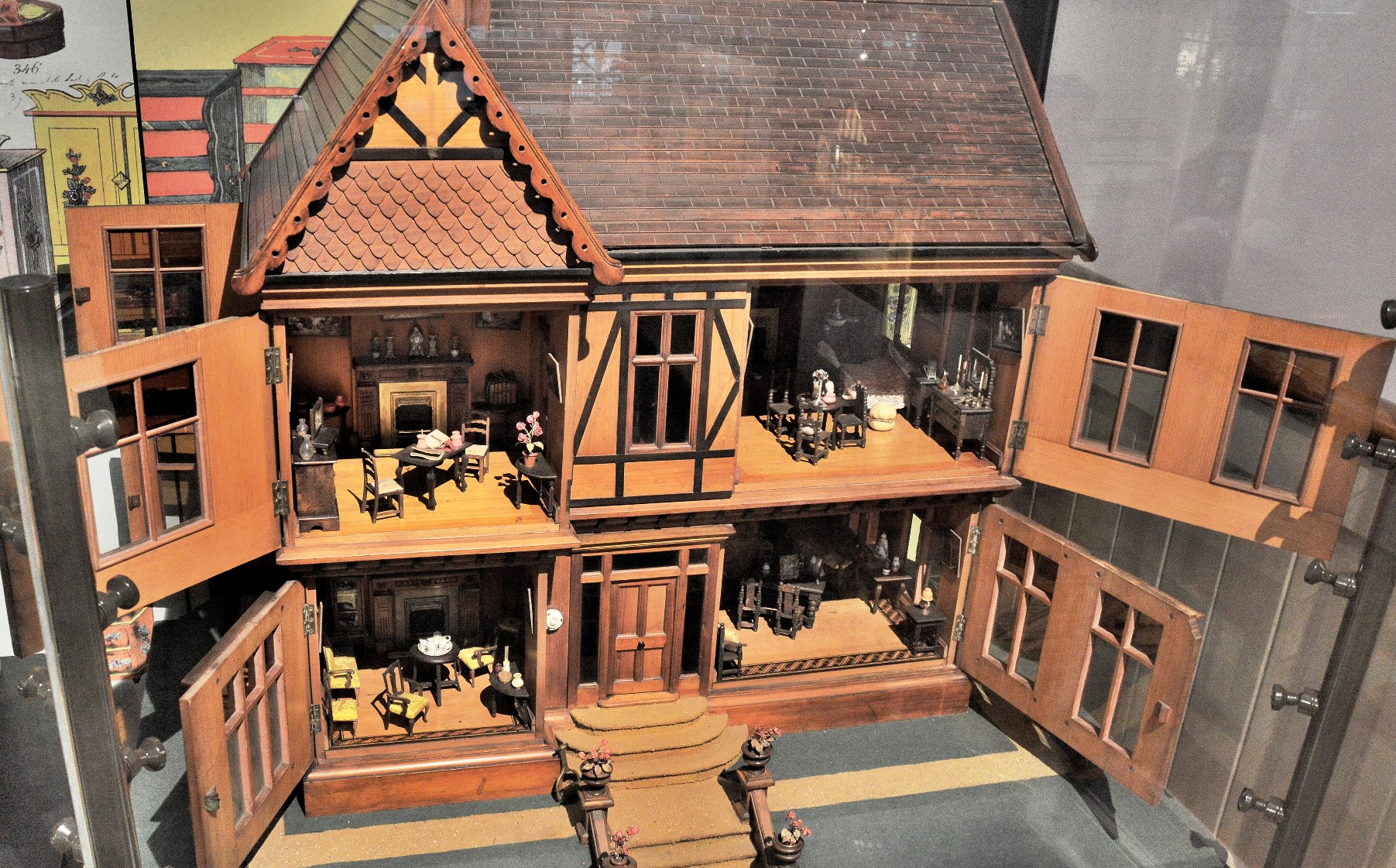
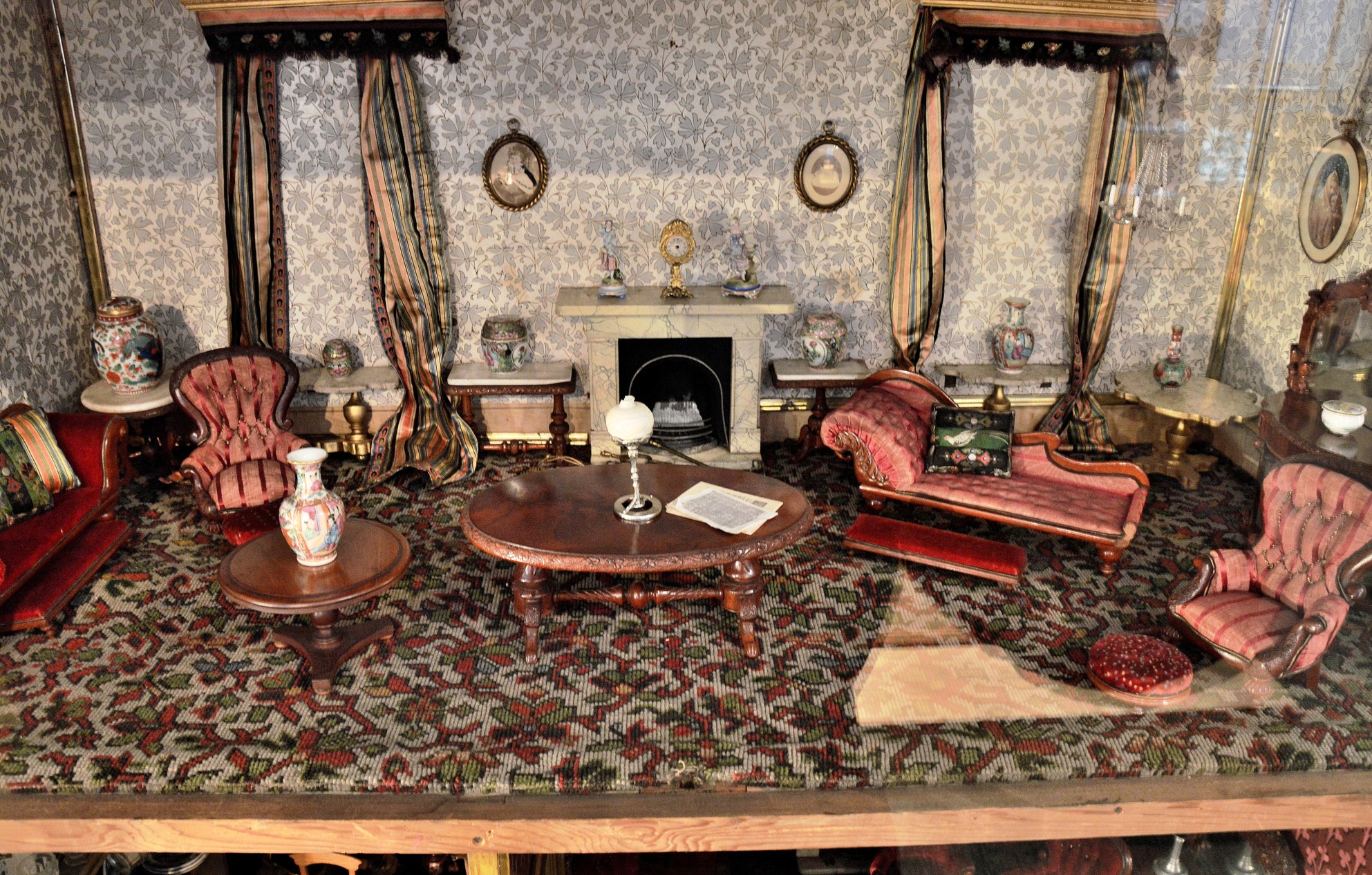
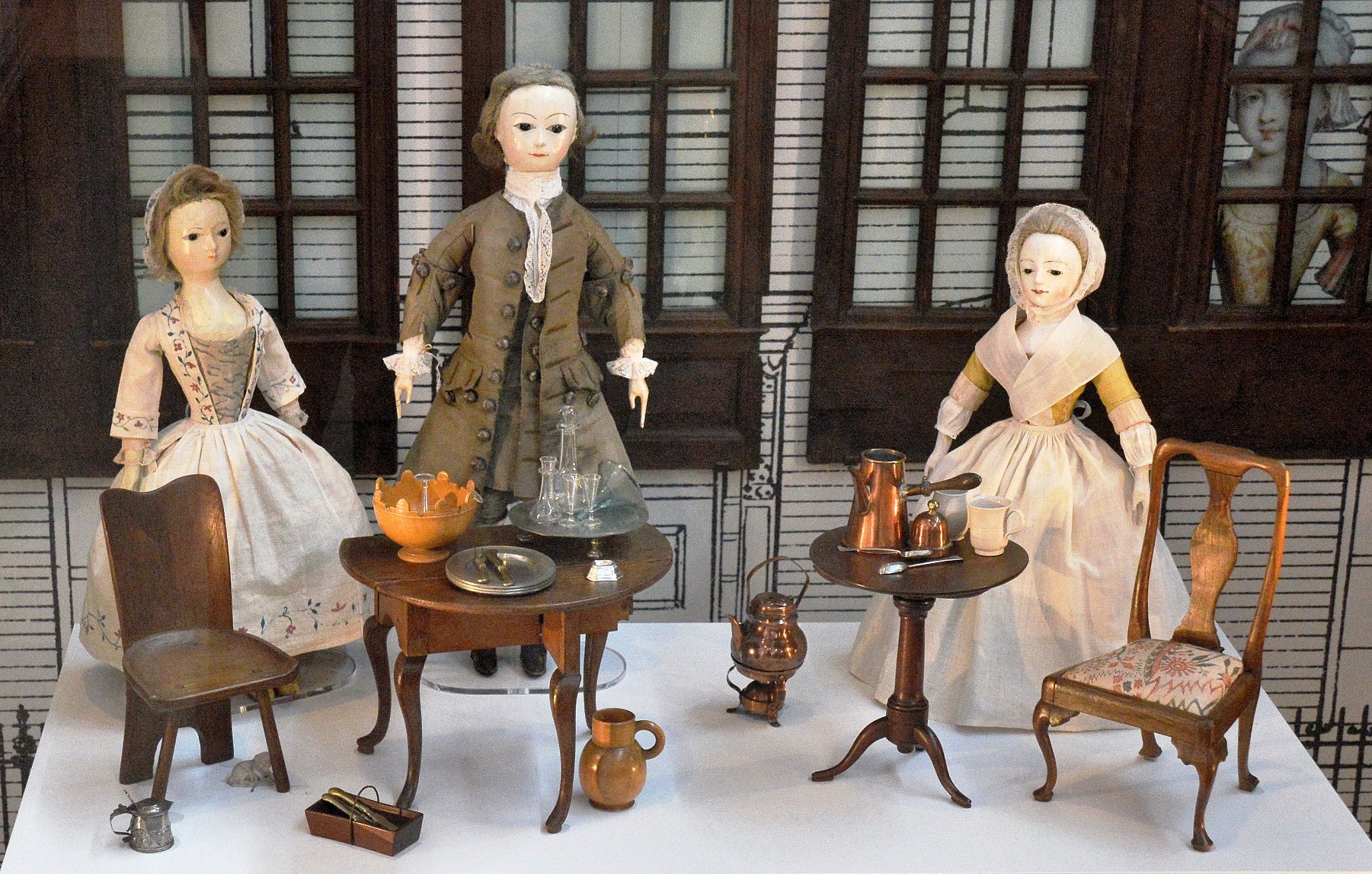
Dolls Houses
This just a sample.
 .
.
.
.

.
 .
.
.
Toy Cooker and Tea Sets

.

Toy Theatres

.
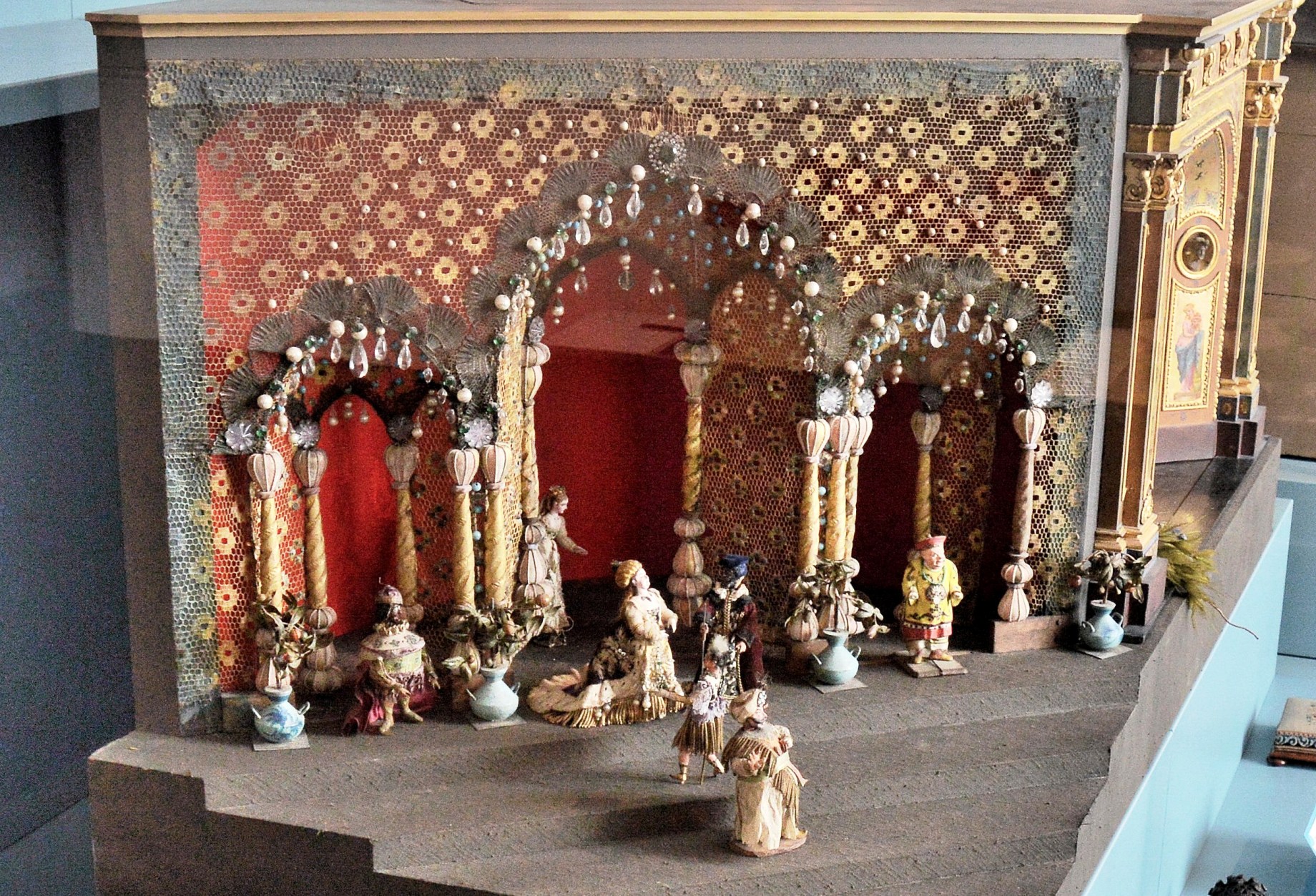
.
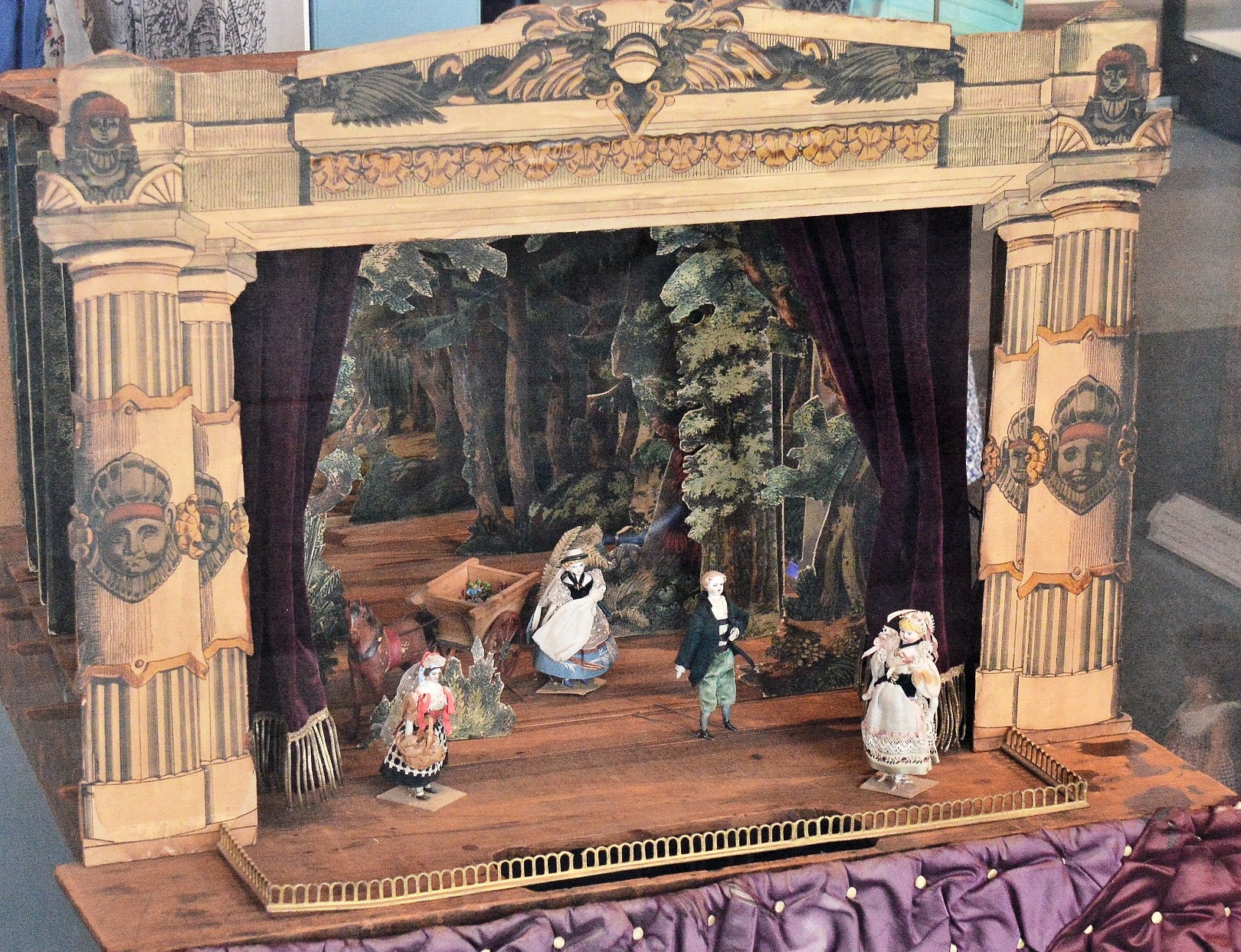
.

.
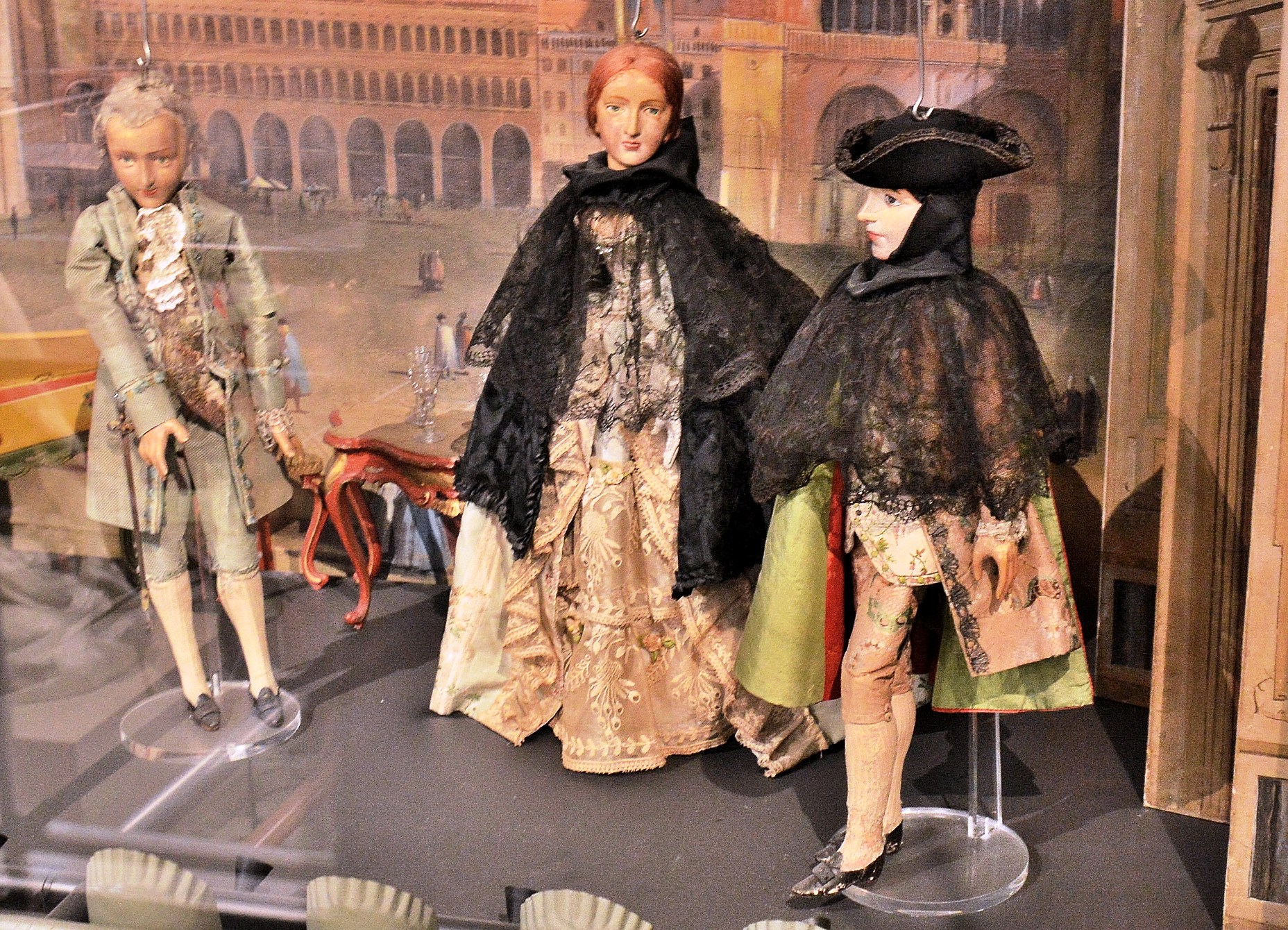
.

Mechanical Puppet
.

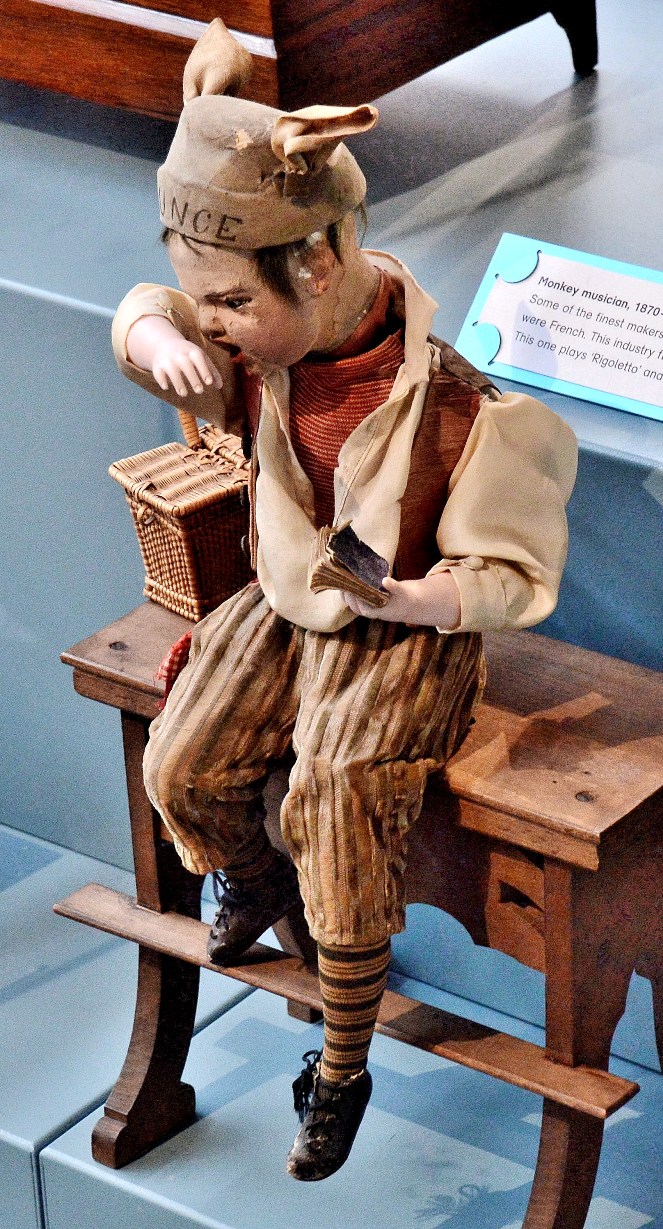
Johnny the Dunce is an early clockwork toy (circa 1850) with music and a swinging leg.
Vintage Models
.

.
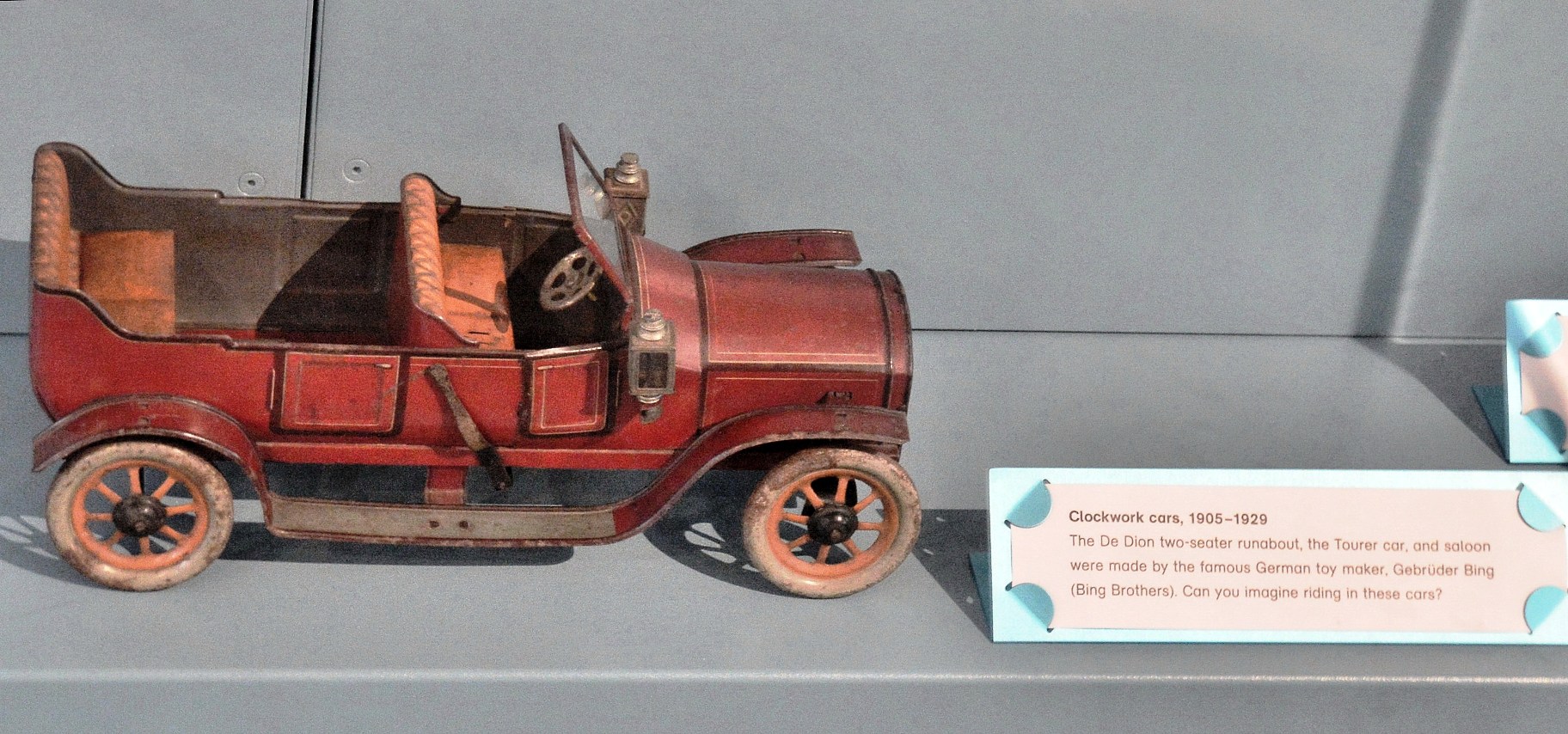
.

Steam Locomotives
The first two of these models have small spirit burners underneath which raise steam and result in locomotion. A good way to set your carpet on fire.
There are more model steam engines/locomotives here ⇐.
.

.

.

Rocking Horse
.

Teddy Bears
.

Painting
.
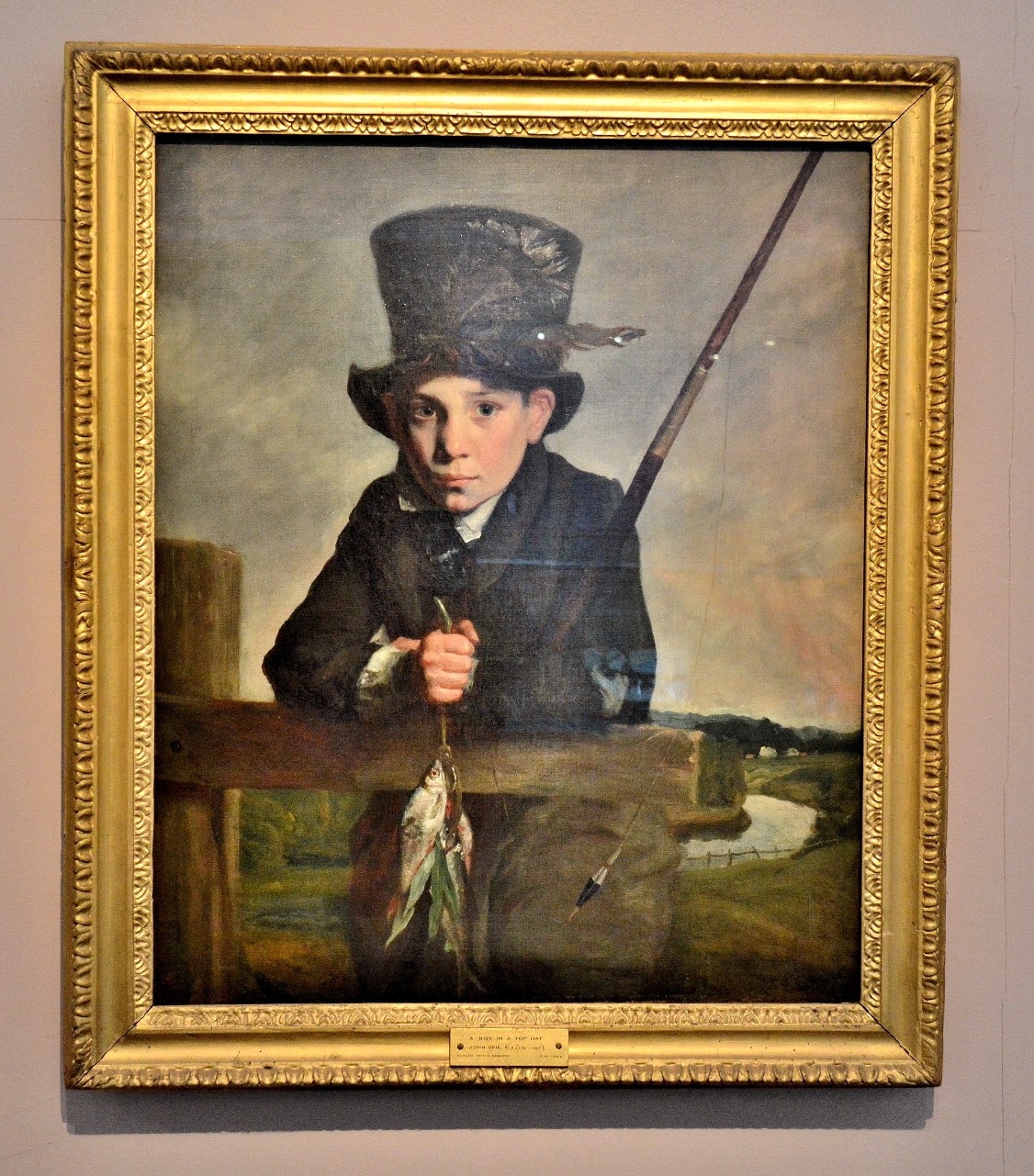
“We used to make our own amusement in the old days”.
London Transport Museum

The London Transport Museum⇒ is at the eastern corner of Covent Garden. Entry is a little expensive at £17 (in 2016) for a single adult but there are a variety of concessions, group tickets and under 18’s go free. The Acton Depot⇒ is much larger but only accessible as part of a tour or on an open day.
Vintage steam engines can be found at the Science Museum⇐ (free entry) and a classic/vintage vehicles race can be seen once a year at Crystal Palace Motorsport⇐.

.

.

Horse drawn coaches developed into horse drawn trams (on rails).

Then trams powered by electricity from overhead power lines.

There were also motorised omnibuses.

Then underground powered by electricity. Although there were three oil fired steam locomotives used during construction of the underground.
.

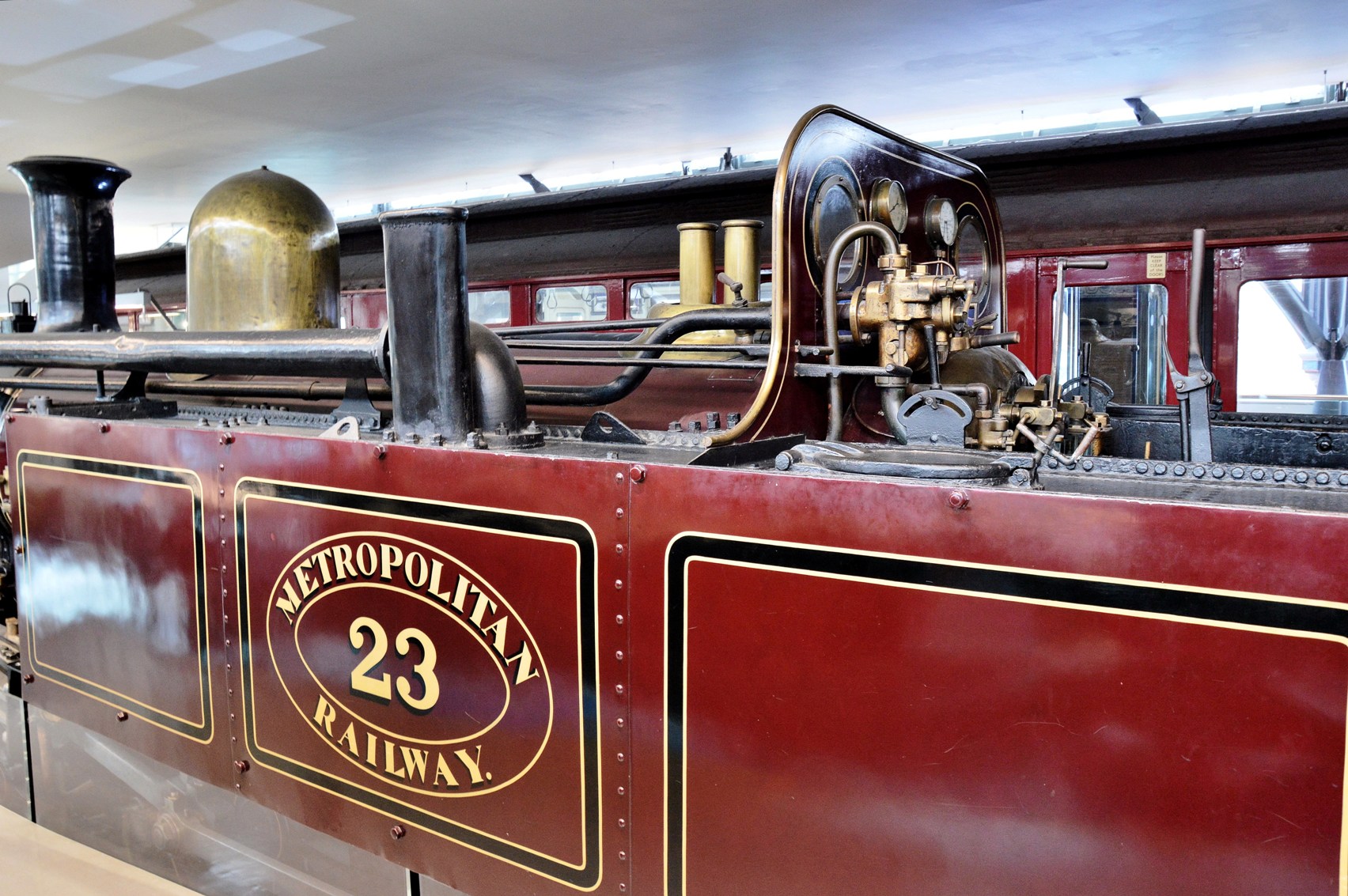
This locomotive was used on an overground line but passed through several small tunnels, hence its minimal height.
.

.

.

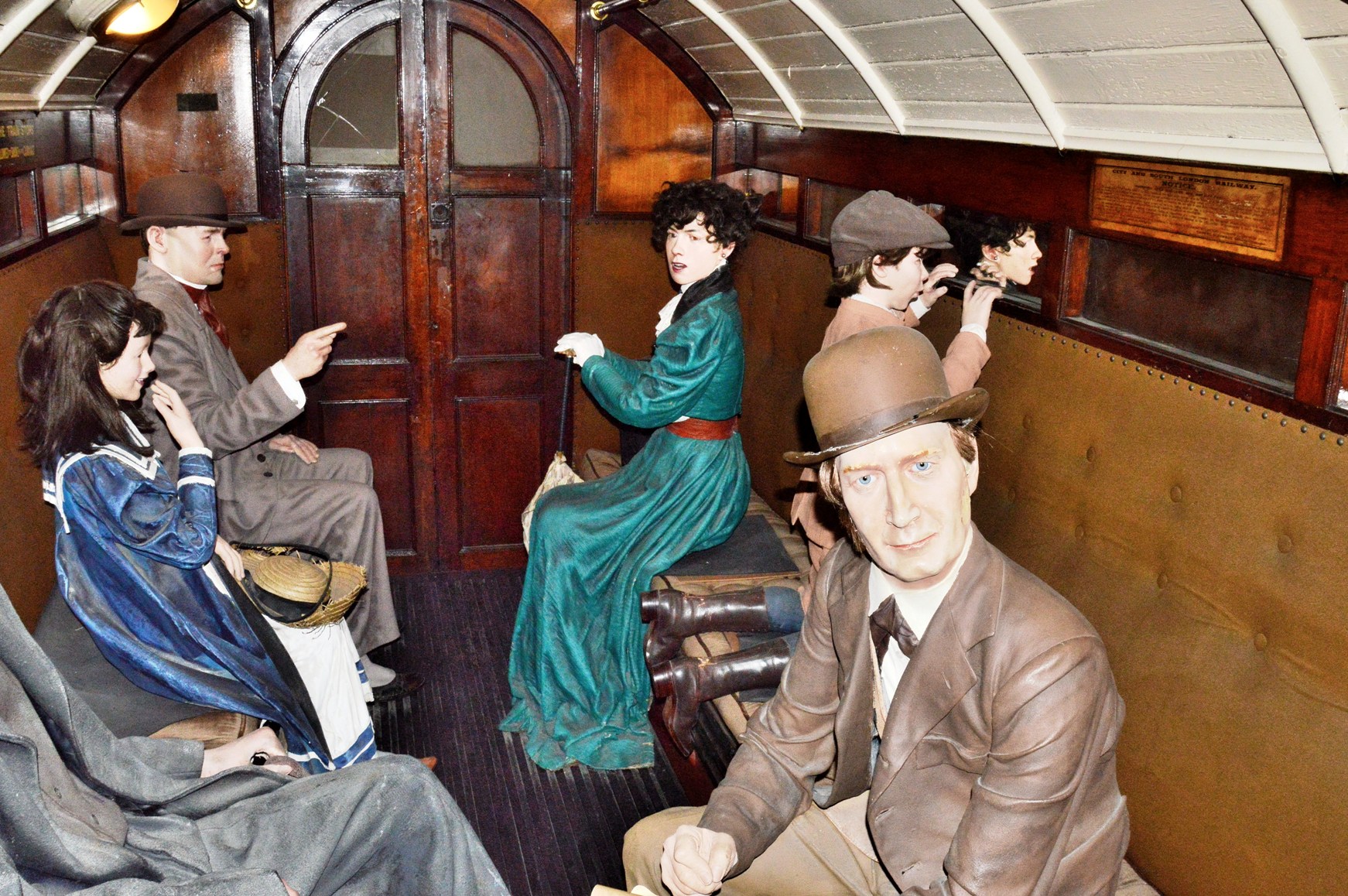
Sprung upholstery. More comfortable than modern day but heavier.

Some of the underground trains remained like this into the 1960’s and even 1970’s. It is a testament to how well they were built.

The Routemaster bus⇐ also lasted well, the basic design being in use from 1956 to 2005.
.
 As luck would have it, I ran into one of these just outside the museum.
Burgh House and Hampstead Museum Interior

Hampstead Museum A Child of Africa by Christine Gregory
Burgh House contains the Hampstead Museum⇒ which, although small, is quite pleasant and useful to those with an interest in the locality and its history. The house also provides an indoor/outdoor café (The Buttery) with some well kept flora⇐, is very near to Fenton House⇐ and not far from Hampstead Heath and Kenwood House⇐.
The Artwork

Hampstead Museum Peggy Jay Gallery
.

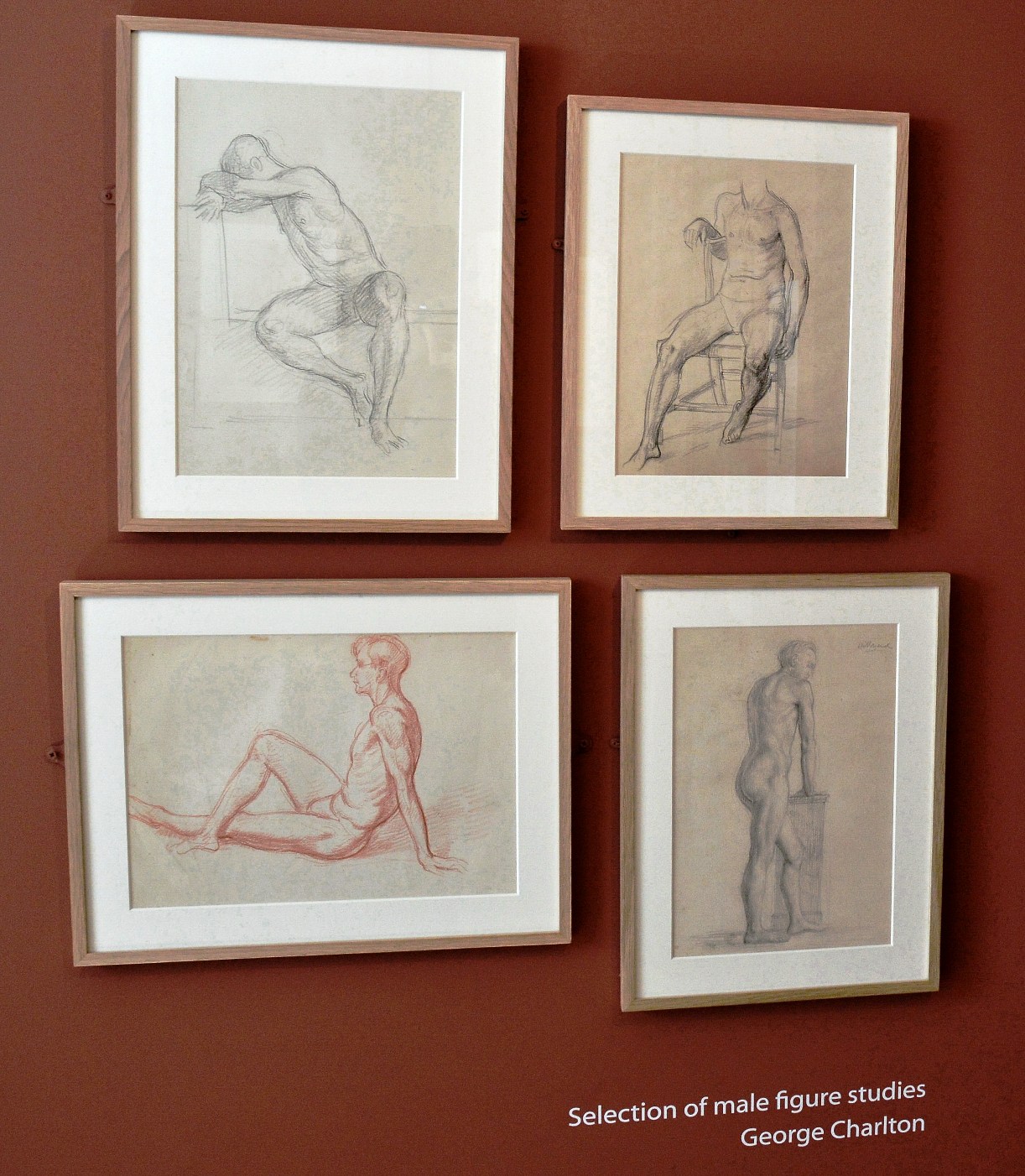
Hampstead Museum George Charlton Portrait
.
.

.
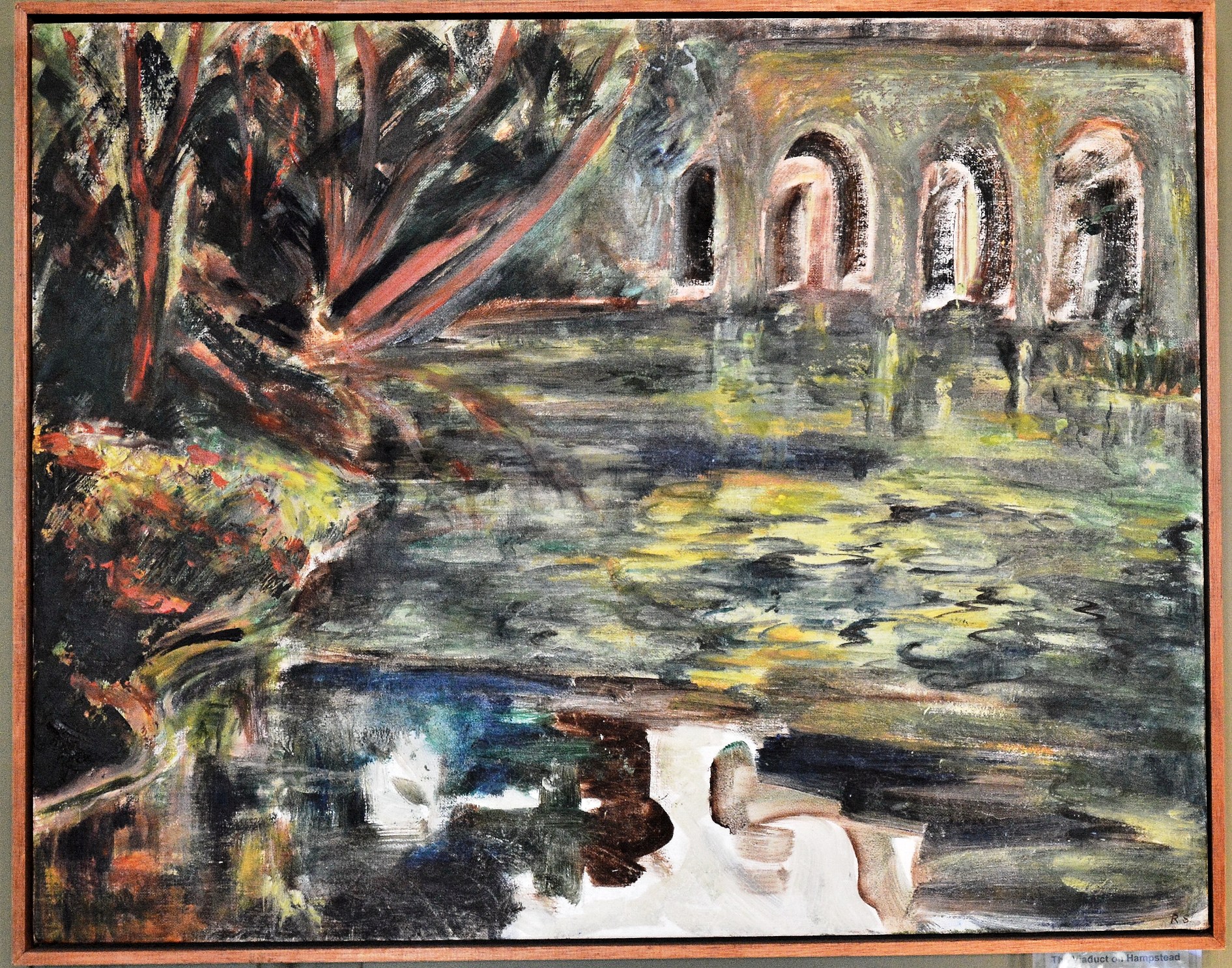
Hampstead Museum Viaduct on Hampstead Heath by Rea Stavropoulos
.
The History
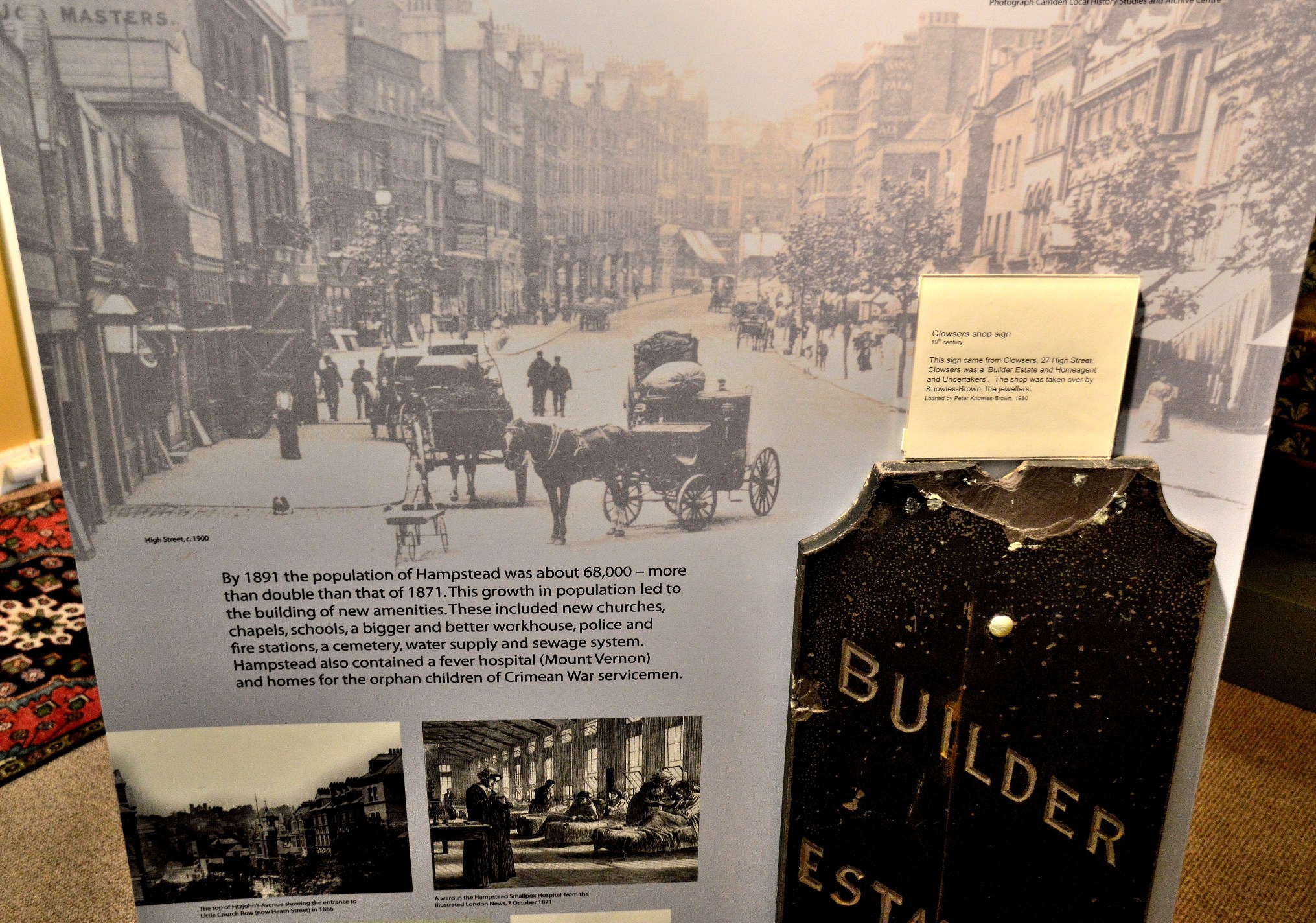
A sample of Hampstead history exhibits, spanning from the Mesolithic period to the present day. The exhibits include items from WWII.

Hampstead Museum Flint Artifacts
.

.

.
.

Hampstead Museum Mayor’s Chair
Wallace Collection Armoury

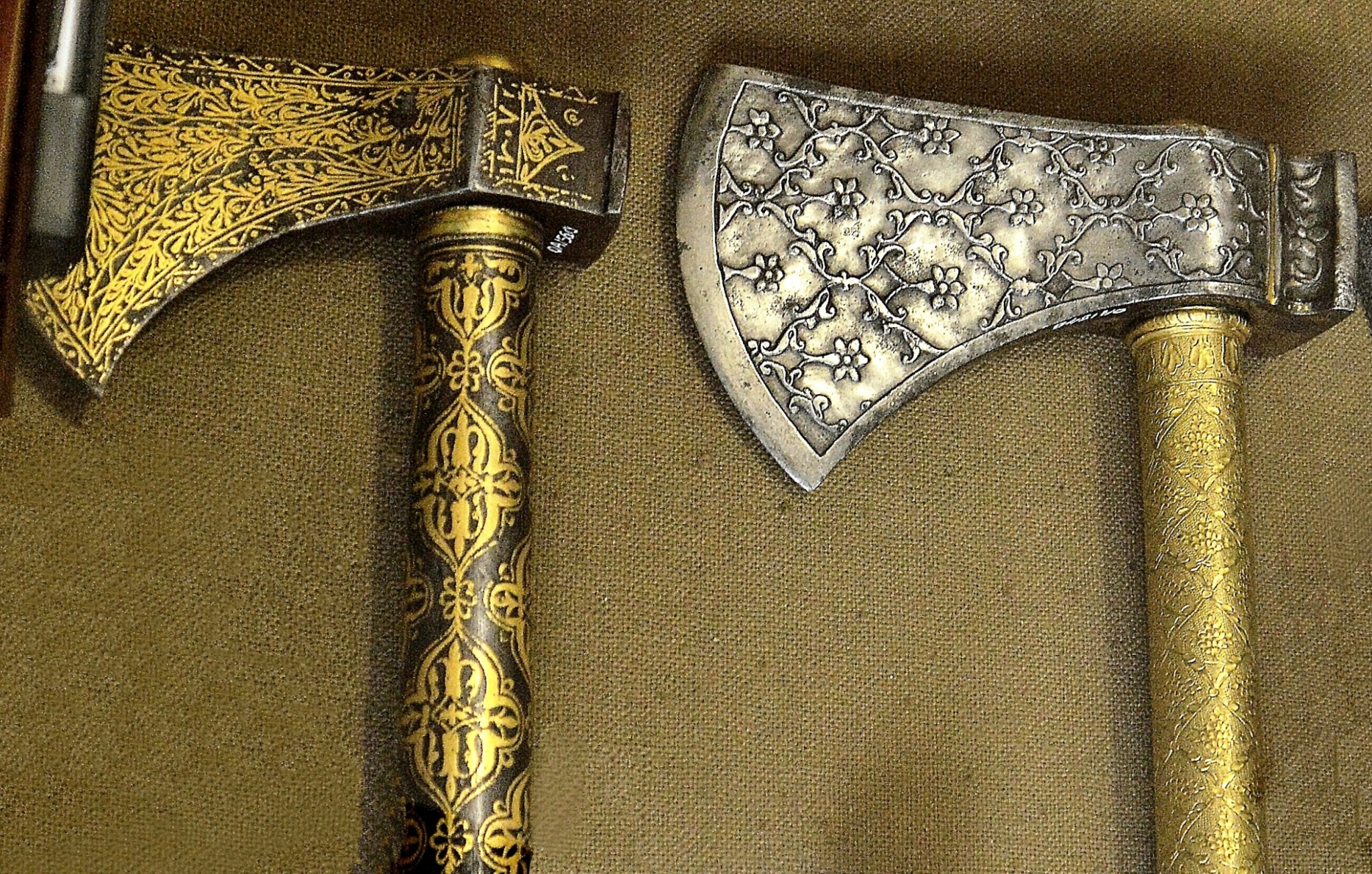
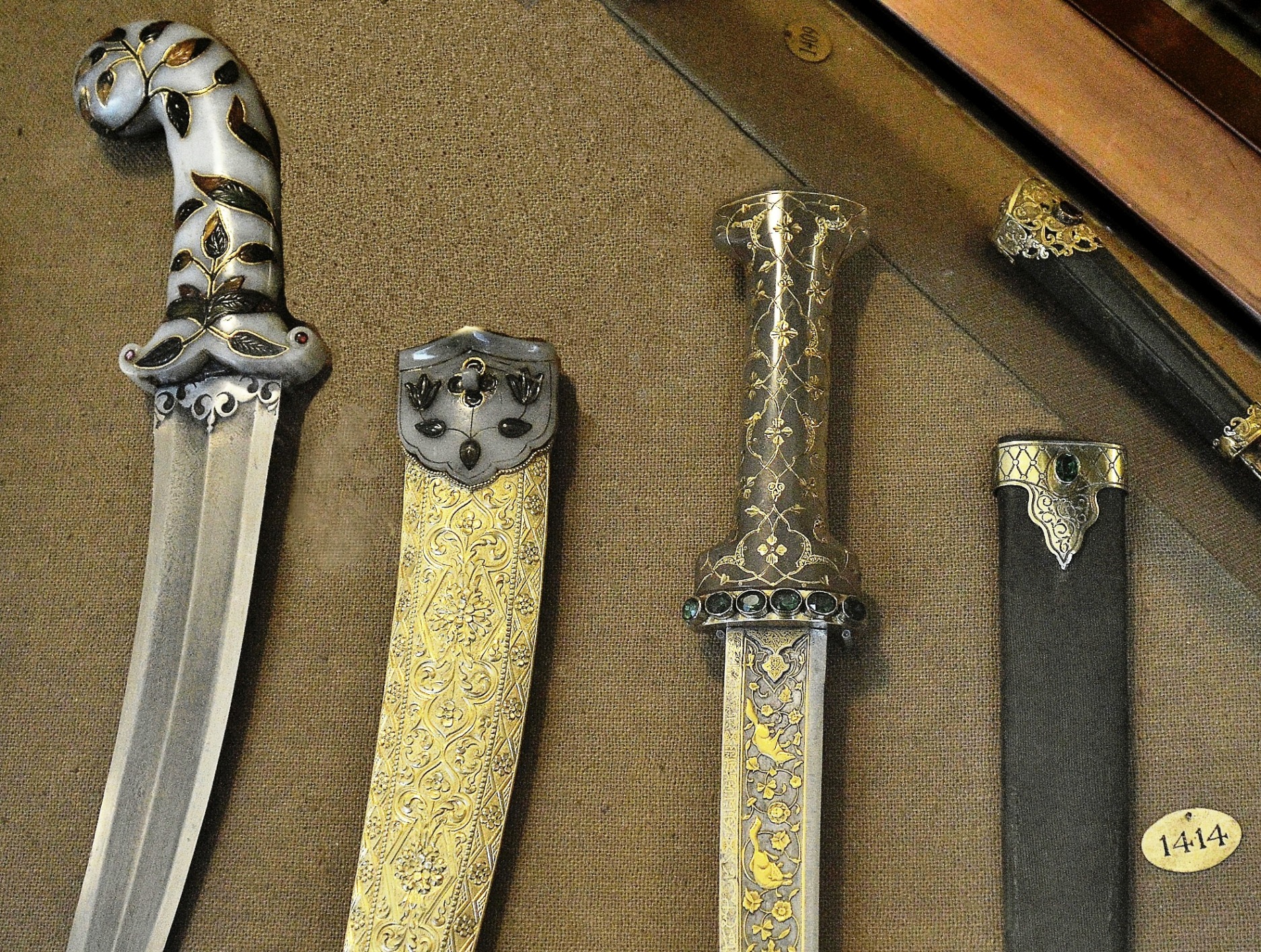
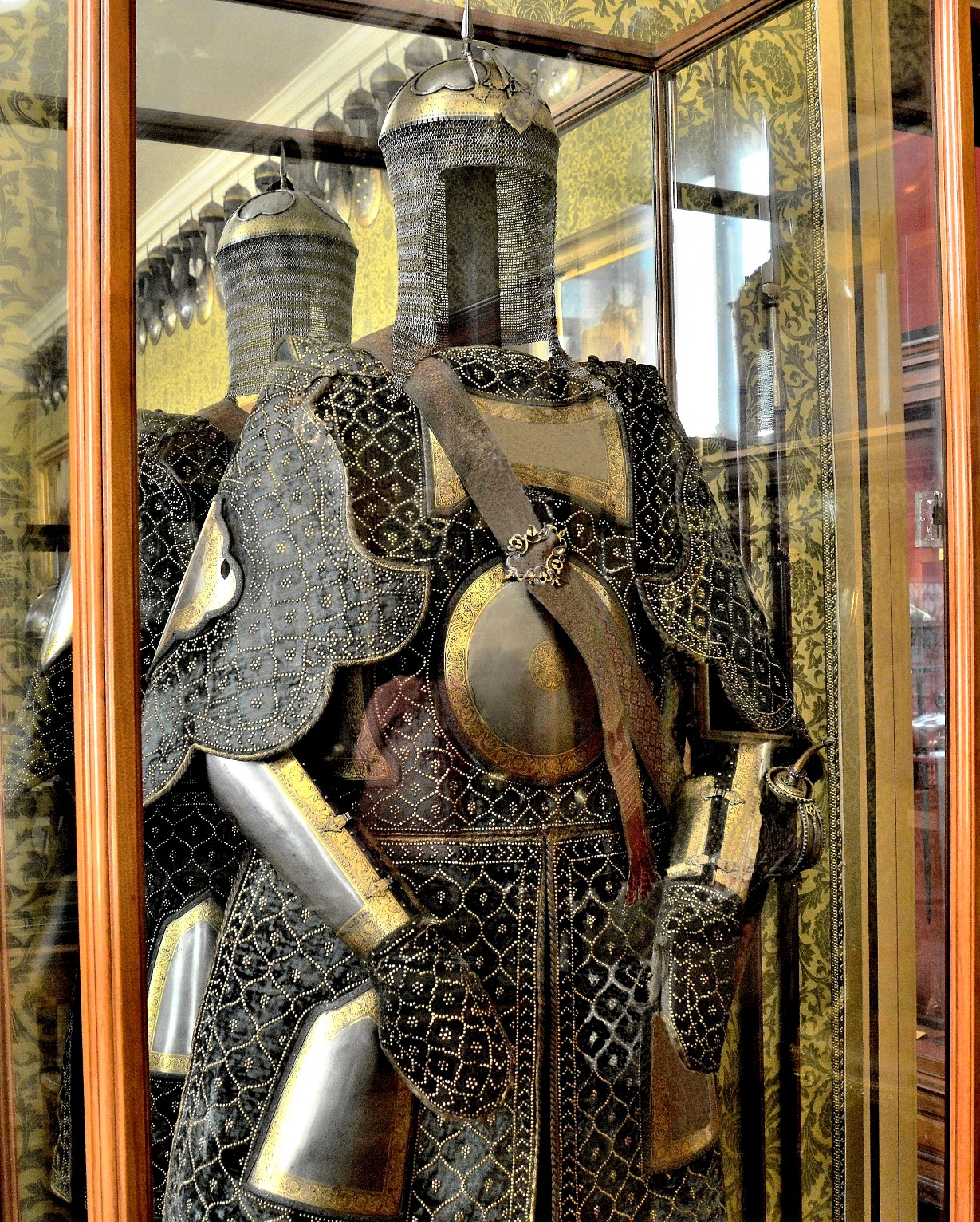
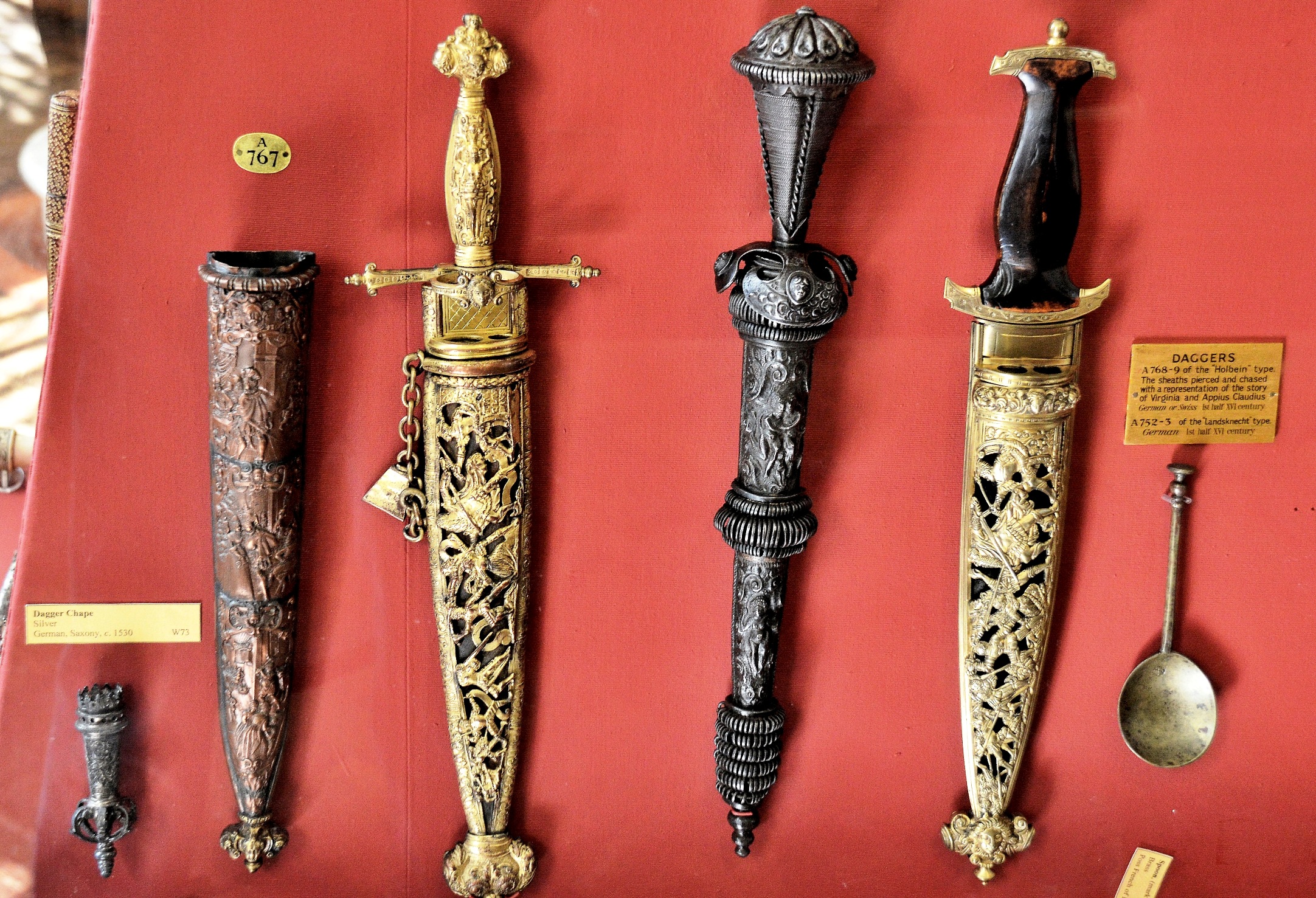
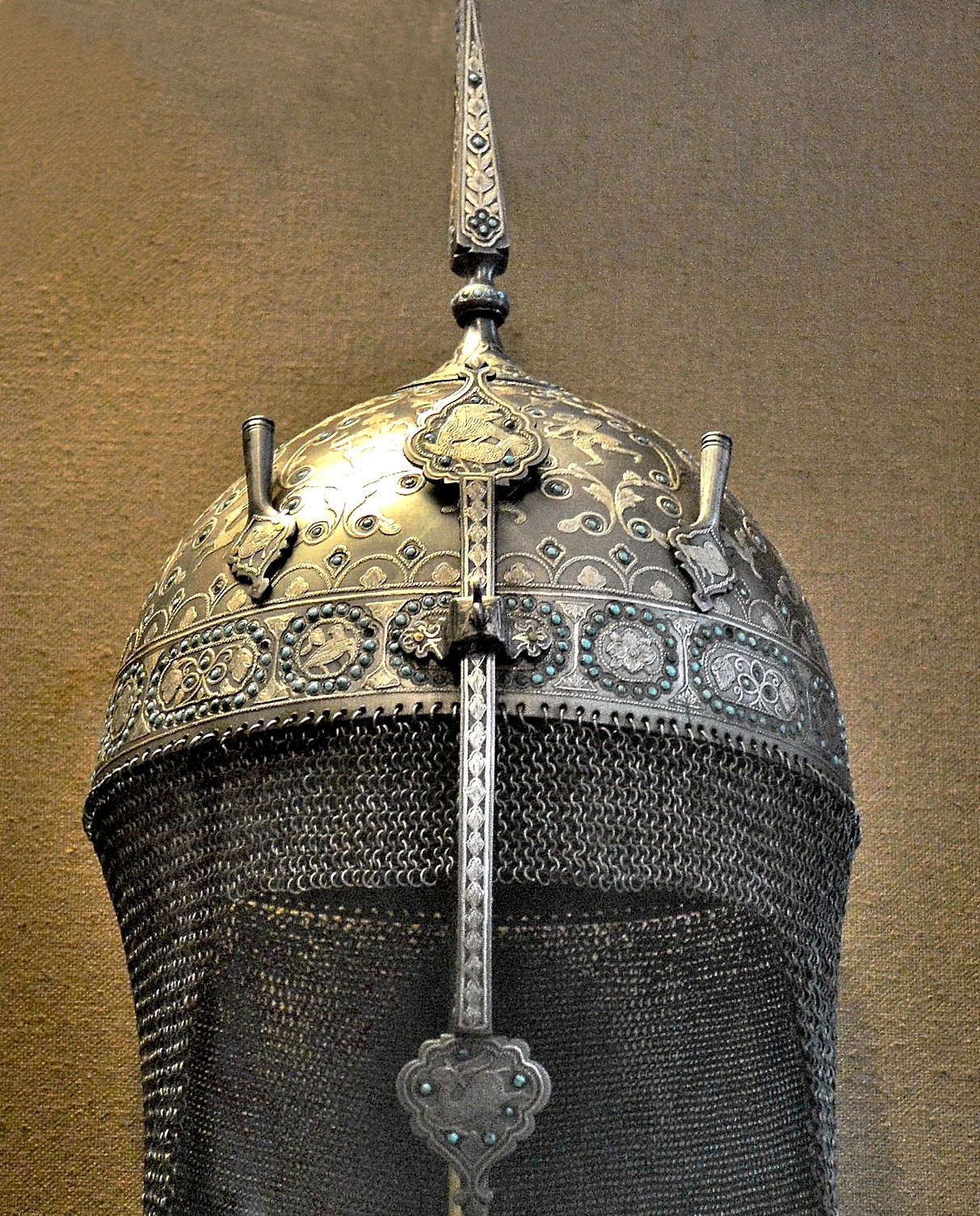
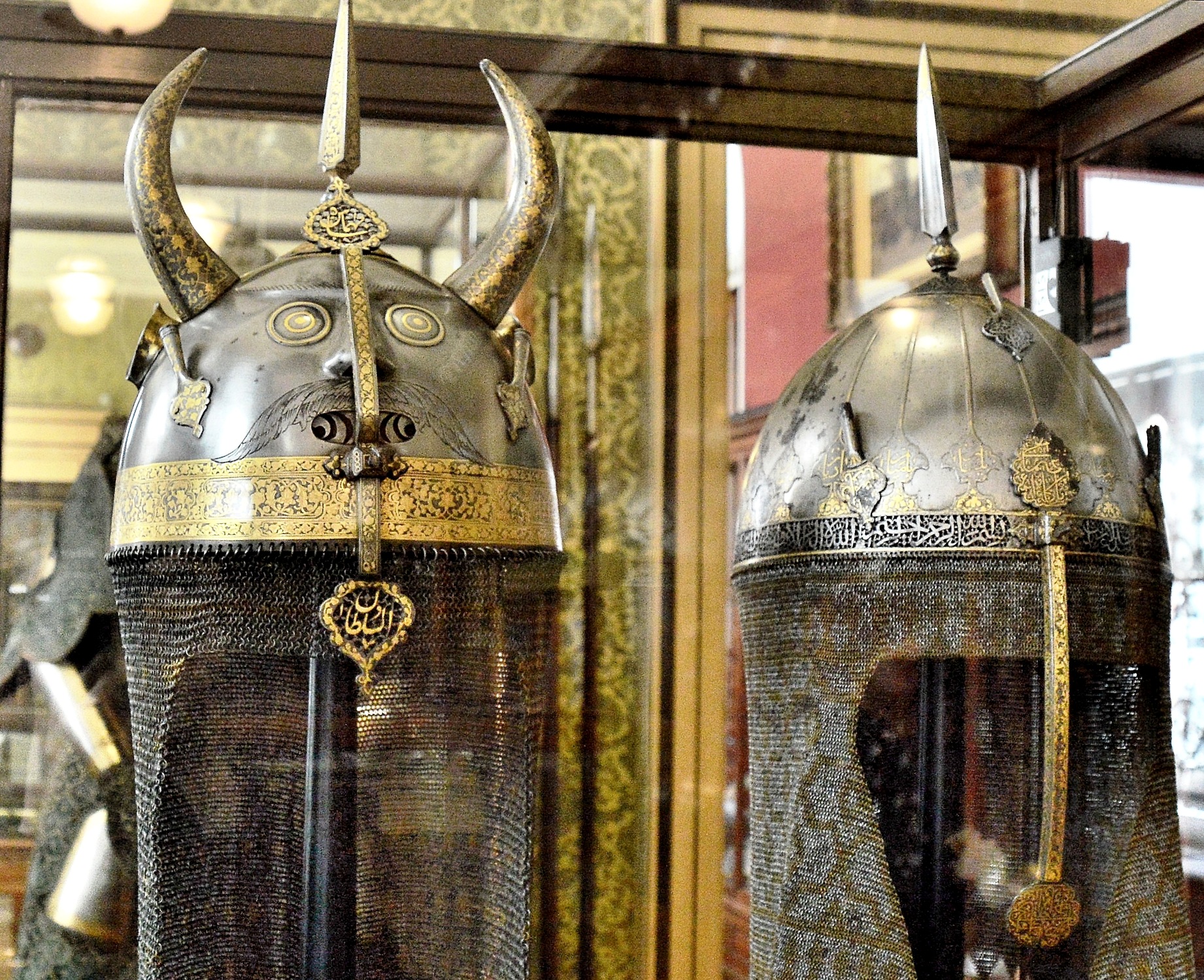
14 pics. Part of the Wallace Collection which also contains many notable works of art.
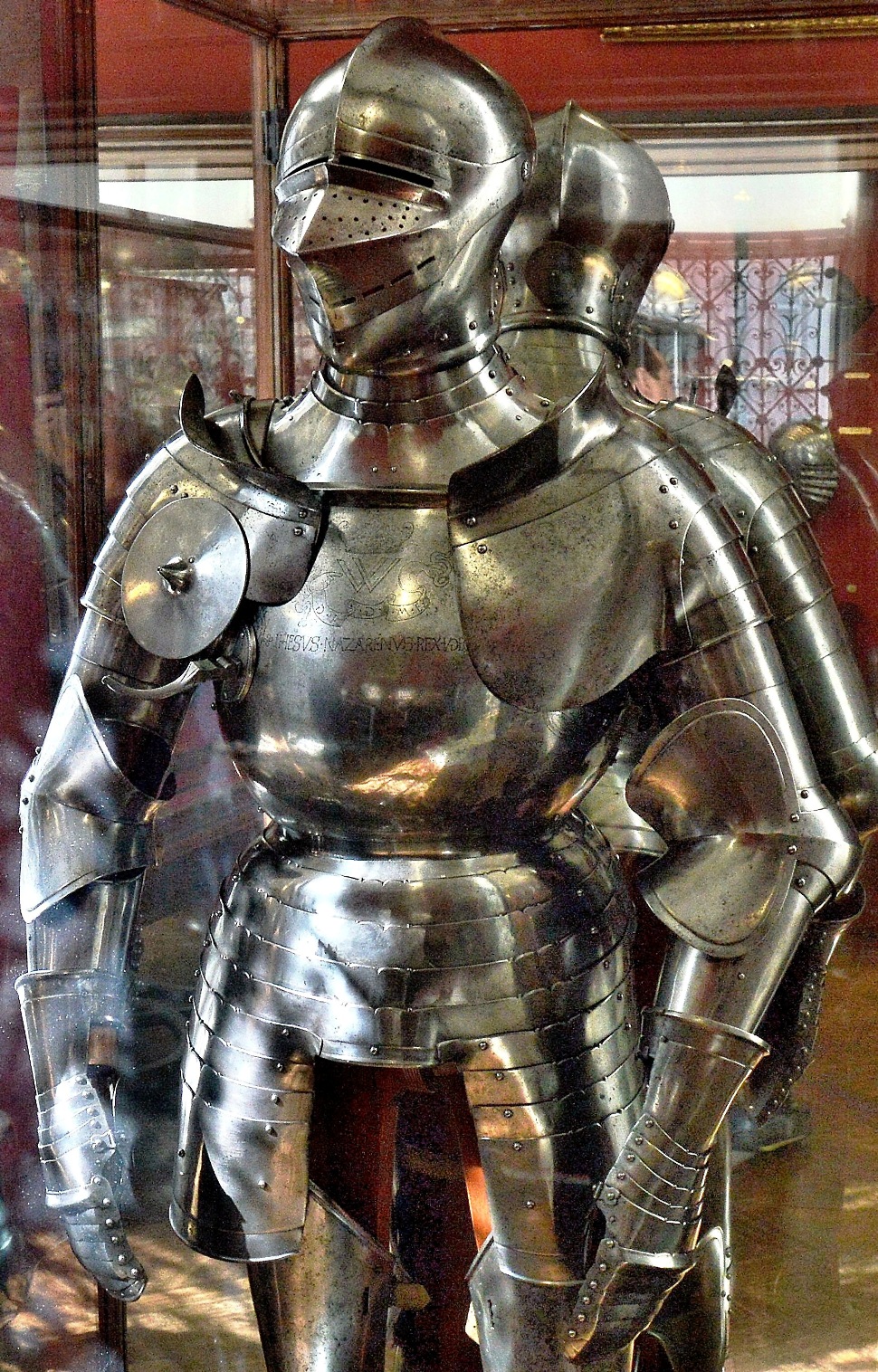
The armoury is on the ground floor. I suppose, for the gentry, such items were as much a statement of status as utilitarian. There purpose may not be so admirable to a more enlightened world but the workmanship, its alternate uses and the attendant history are best not forgotten.
There is more of this past and extraordinary workmanhip at the Tower of London/White Tower.

Henry IV’s Parrying Dagger
.
.

.
.

.

.

.
.
.
.

.
.
Wallace Collection Ornaments
First Floor Gallery


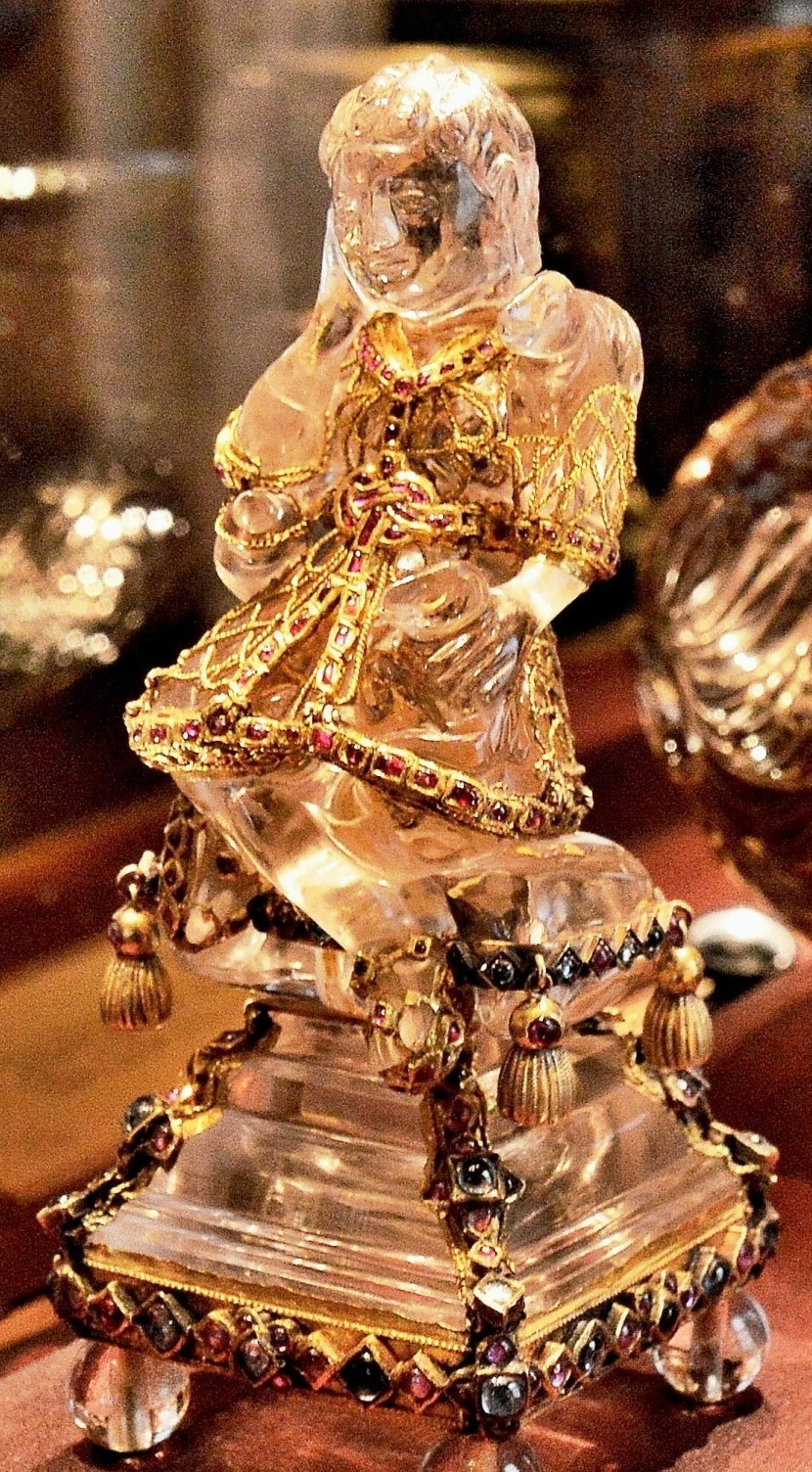
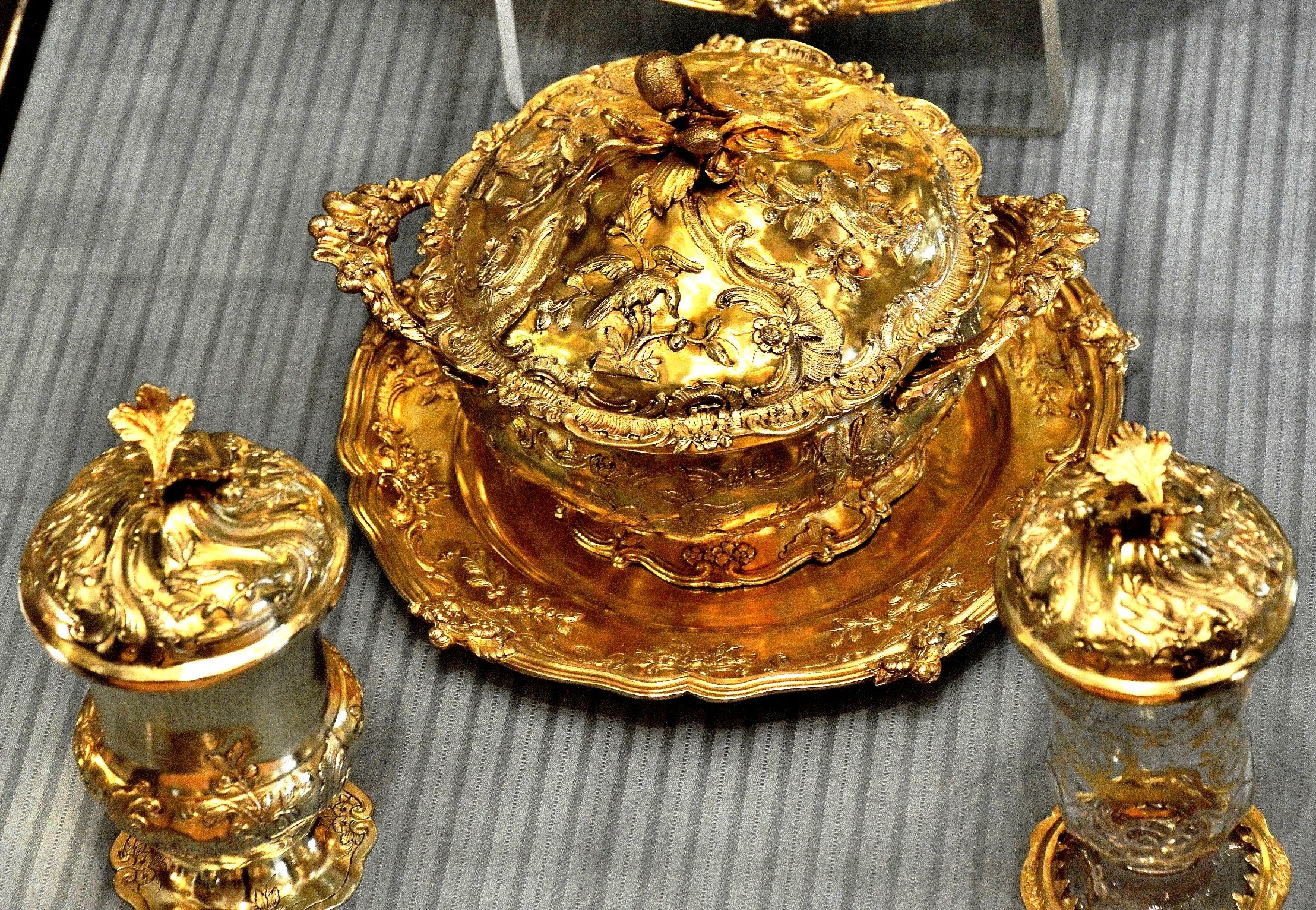
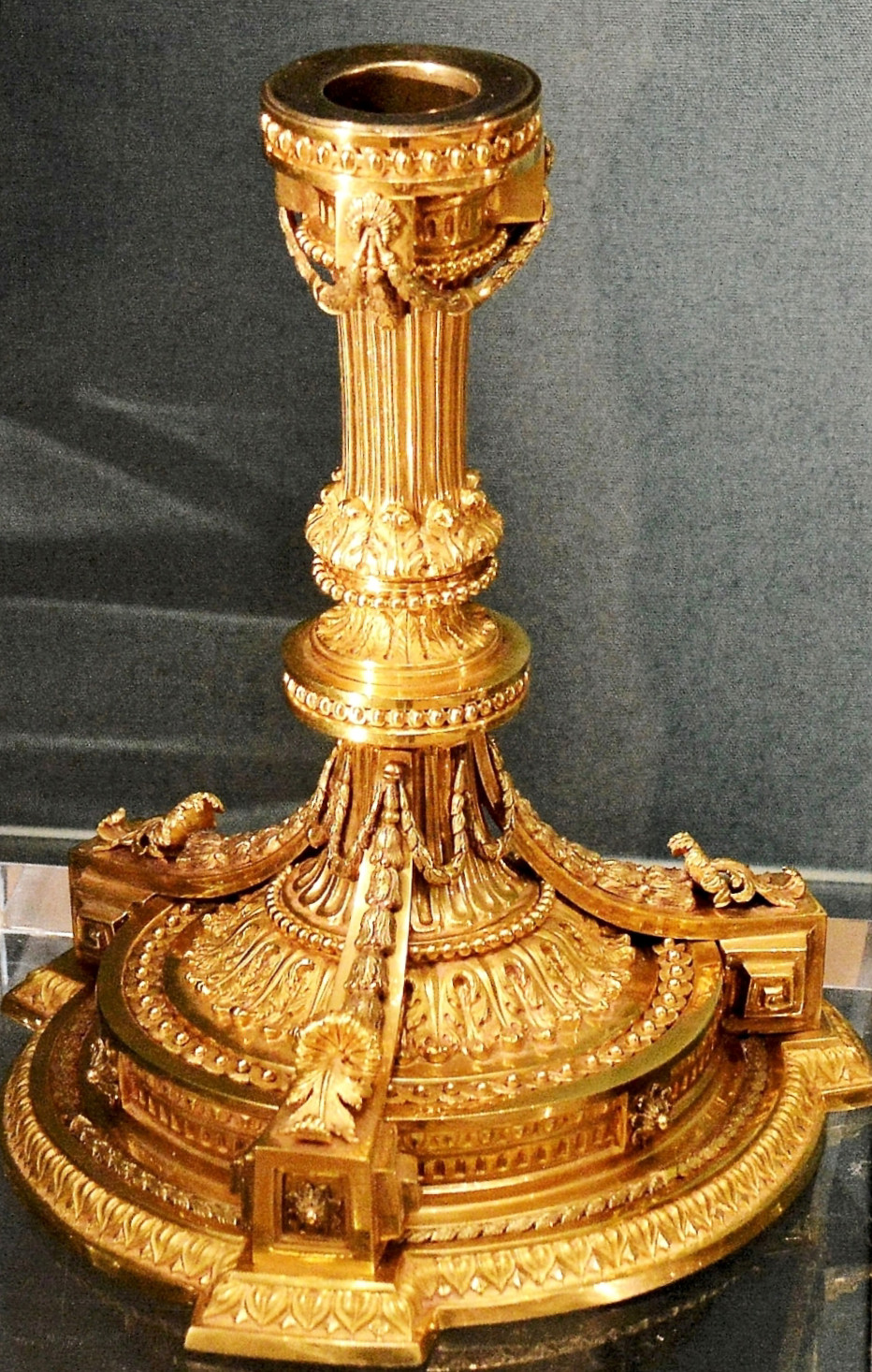
18 pics. Some of the artifacts from the Wallace Collection (click here for more pictures and information). To see the detail, please click on an image and then again to magnify.

.

.
.

.

.

.

.
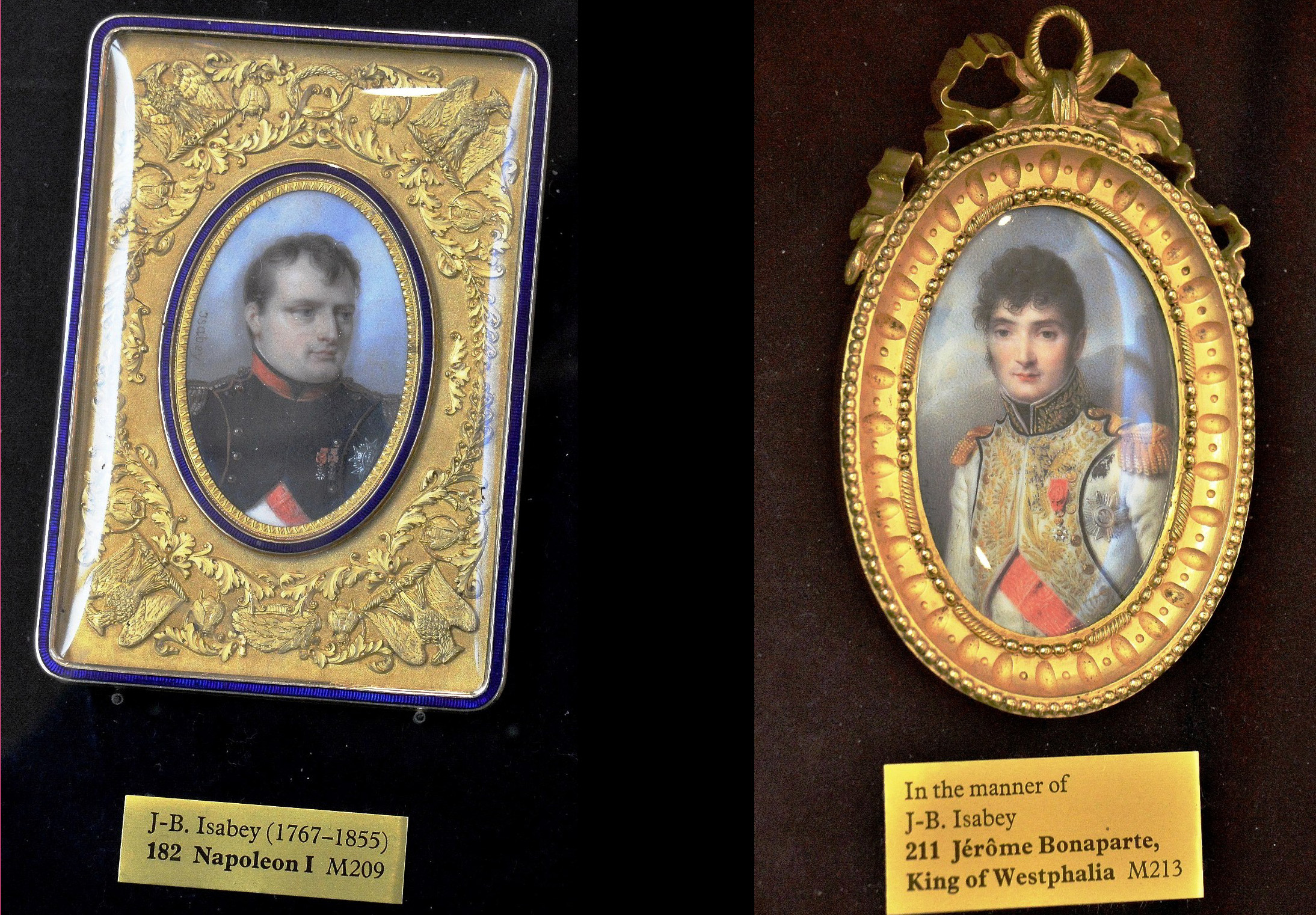
Jérôme Bonaparte was Napoleon’s younger brother, who Napoleon made king of the fabricated realm of the Kingdom Westphalia (not quite the same as Westphalia). It was created as part of ending the 30 years war and a model for the respect of sovereignty. The realm and monarchy lasted for about six years (maybe the clue is in the phonetics) but served its purpose.

.

.

.
.
.

.
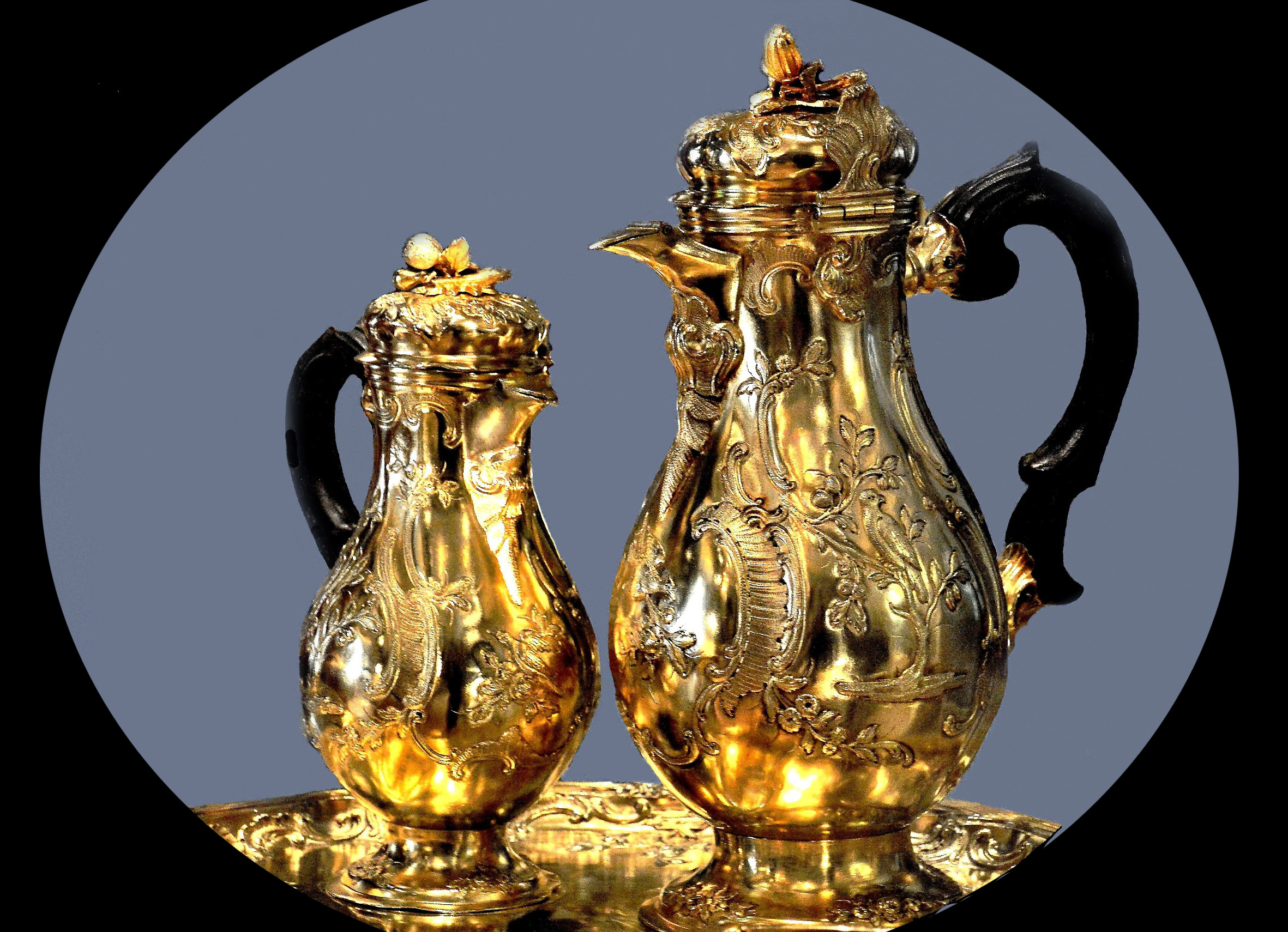
“With this little spout, I feel like a small duck”. “Oh alright, you can have one for Christmas.” 😀
.
On The Ground Floor Armoury

.

More of the armoury here ⇒
The Wallace Collection
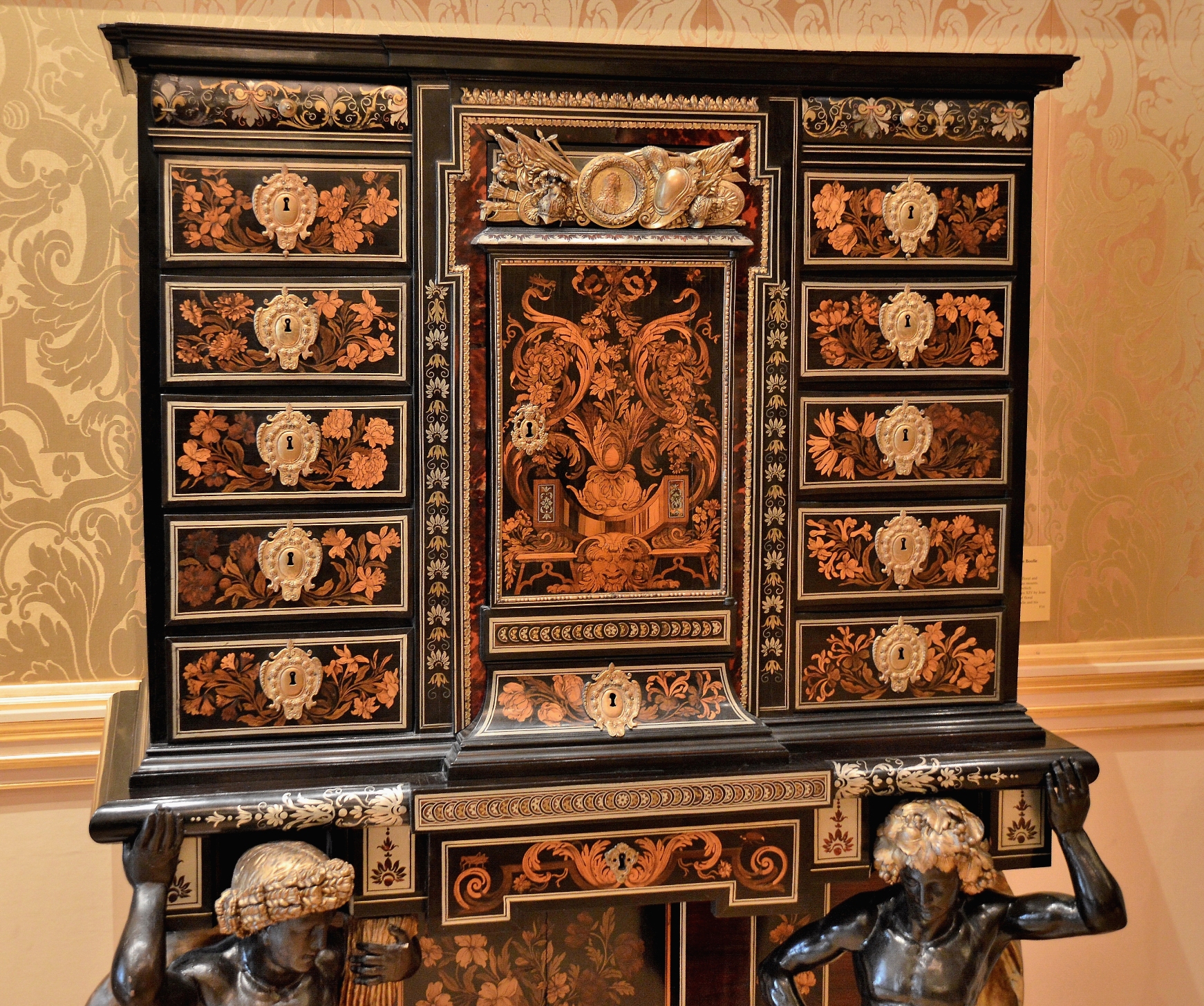
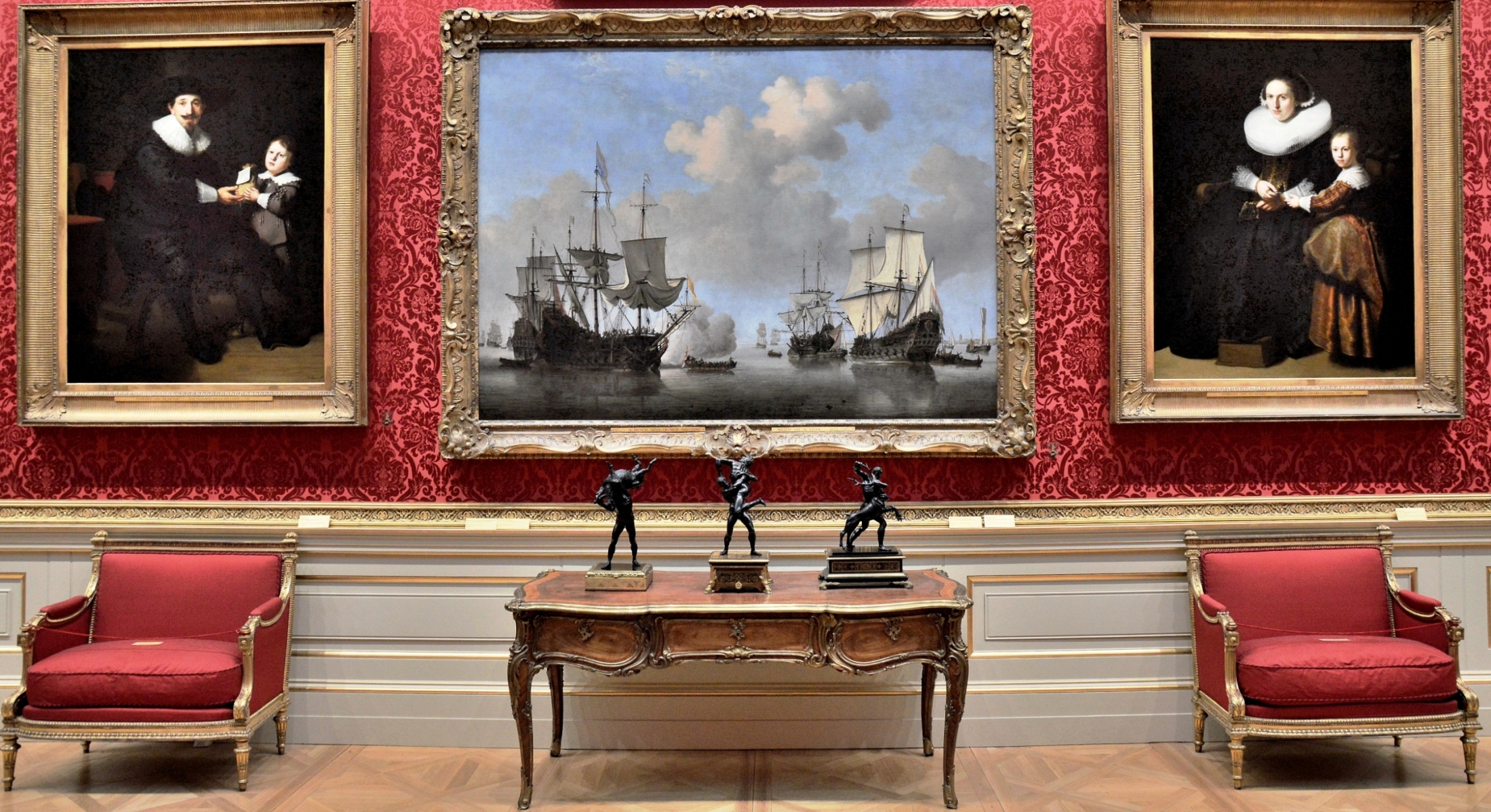
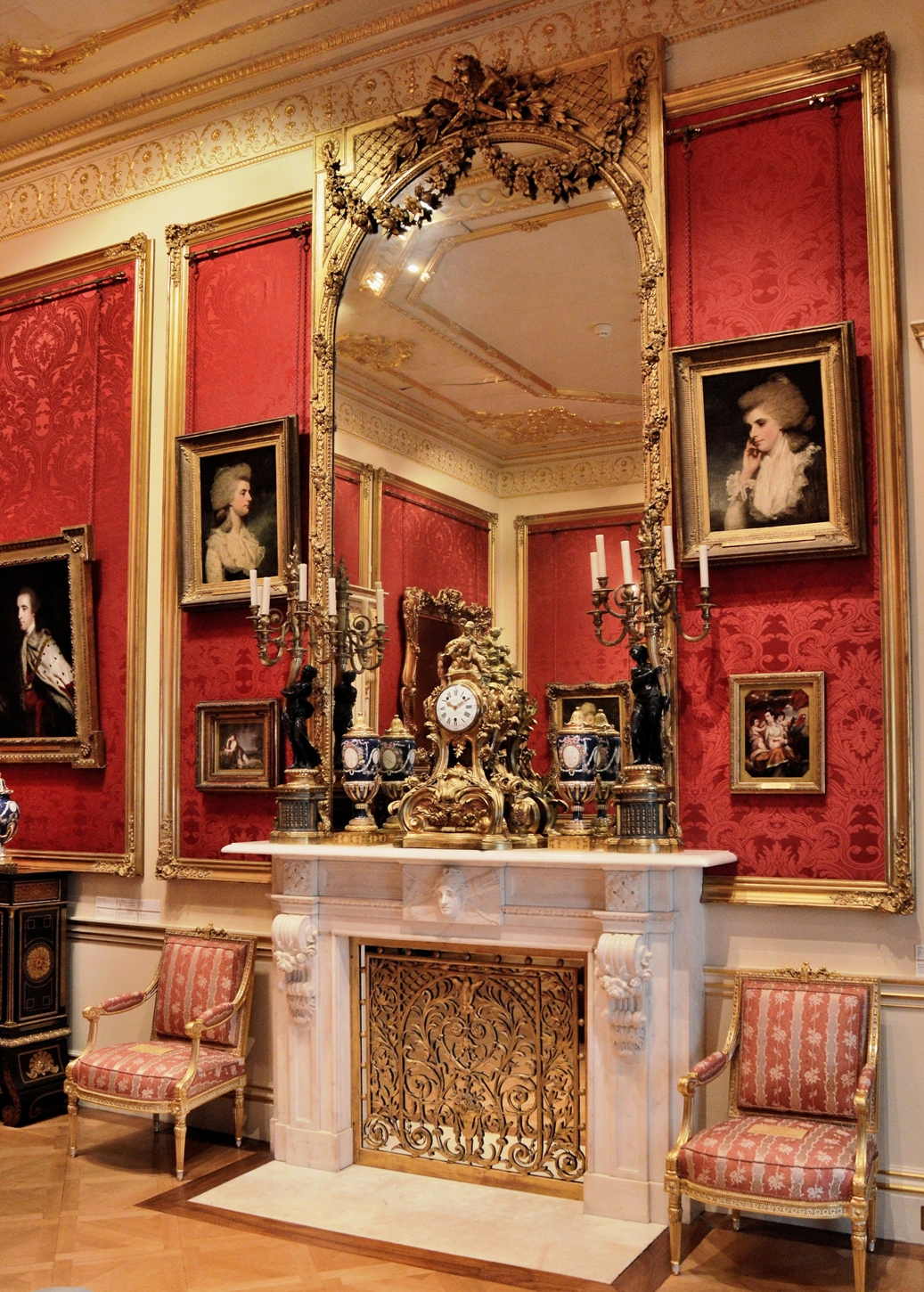
20 pics. Some of the items from the extraordinary Wallace Collection. Displayed at Hertford House in the heart of London (see Google maps), the collection was bequeathed to the nation by Lady Wallace in 1897 and is free to enter. As well as the sample items below, the collection also includes an extensive armoury and a number of beautiful gold, silver and glass ornaments. And, here is the The Wallace Collection Website.
Among the paintings can be found two paintings by Titian, five Rembrandts, nine Rubenses, four Van Dycks, eight Canalettos, nineteen Bouchers, masterpieces by de Hooch, nine Teniers, Frans Hals, nine Murillos, two Velázquez and paintings by Domenichino, Cima, Daddi, Reni, Rosa, Thomas Gainsborough, Joshua Reynolds, Antoine Watteau, Nicholas Lancret, Jan Steen, Aelbert Cuyp and nine Guardis. More information at the Wiki entry.
To view the amazing craftsmanship in more details, please click on an image and then again to magnify, Enjoy :-).

.

The Laughing Cavalier by Frans Hals. Famous for his broad hat 😀 .
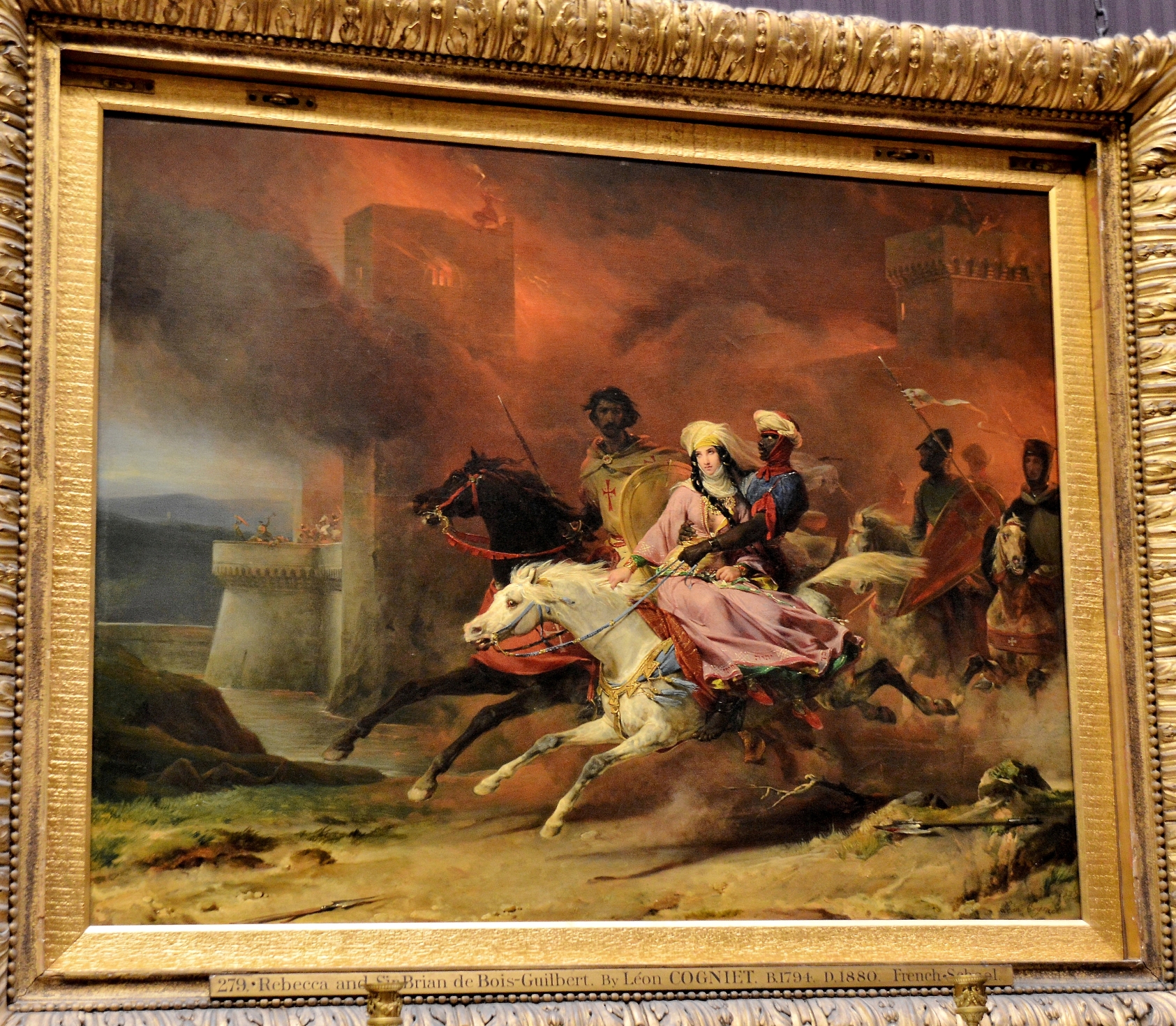
Rebecca and Sir Brian de Bois-Guilbert by Léon Cogniet. A little enhanced to compensate for the fading effect of age.
At the siege of the castle of Torquilstone the beautiful Rebecca, daughter of Isaac the Jew, is abducted by the Norman Templar, Sir Brian de Bois-Guilbert (he’s the one with the templar cross on his tunic). Ulrica, an old Saxon woman who had set fire to the castle, exalts in her vengeful fury at the top of the distant tower.
.
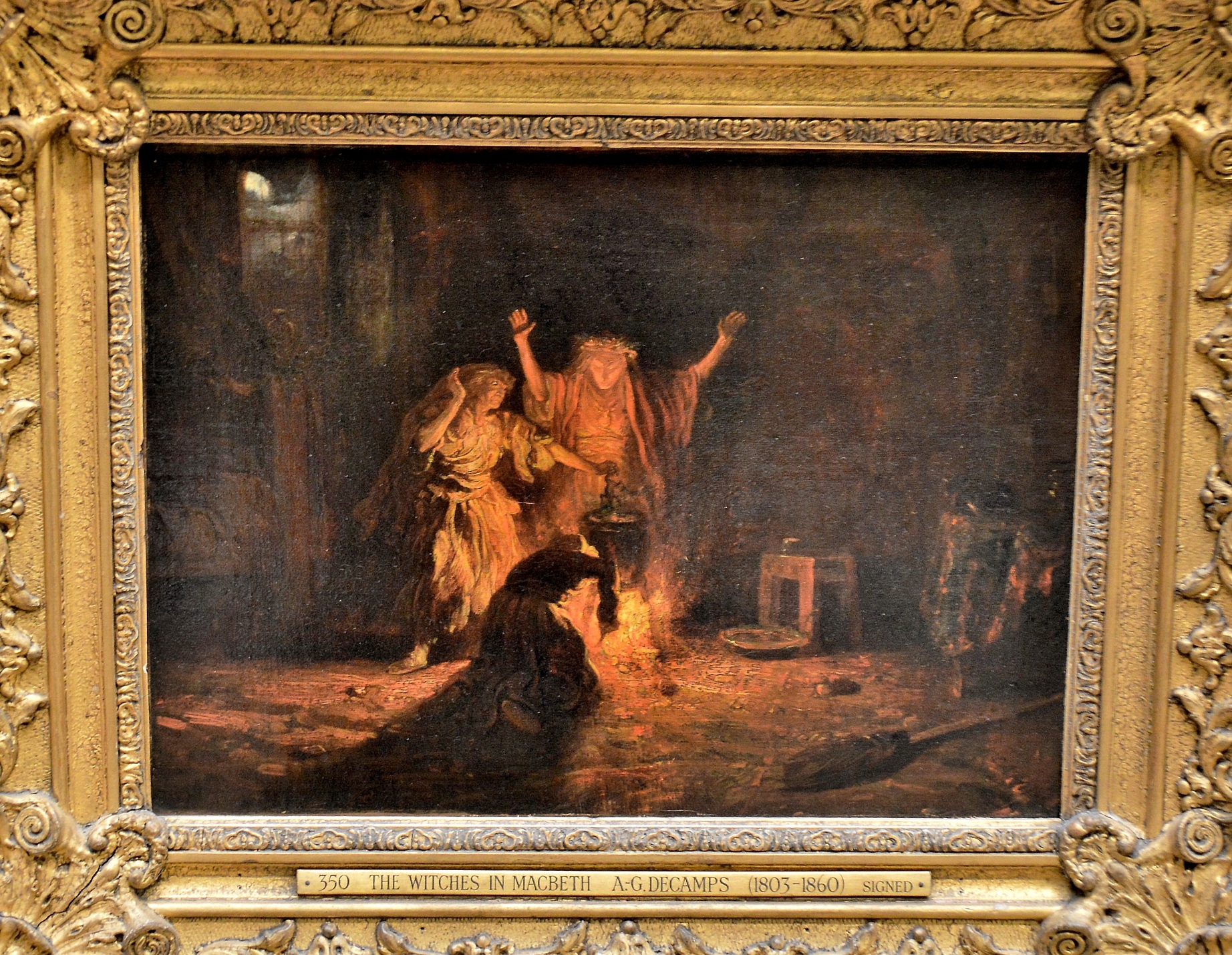
The Witches in Macbeth by Alexandre-Gabriel Decamps.
.

.
.

.
.
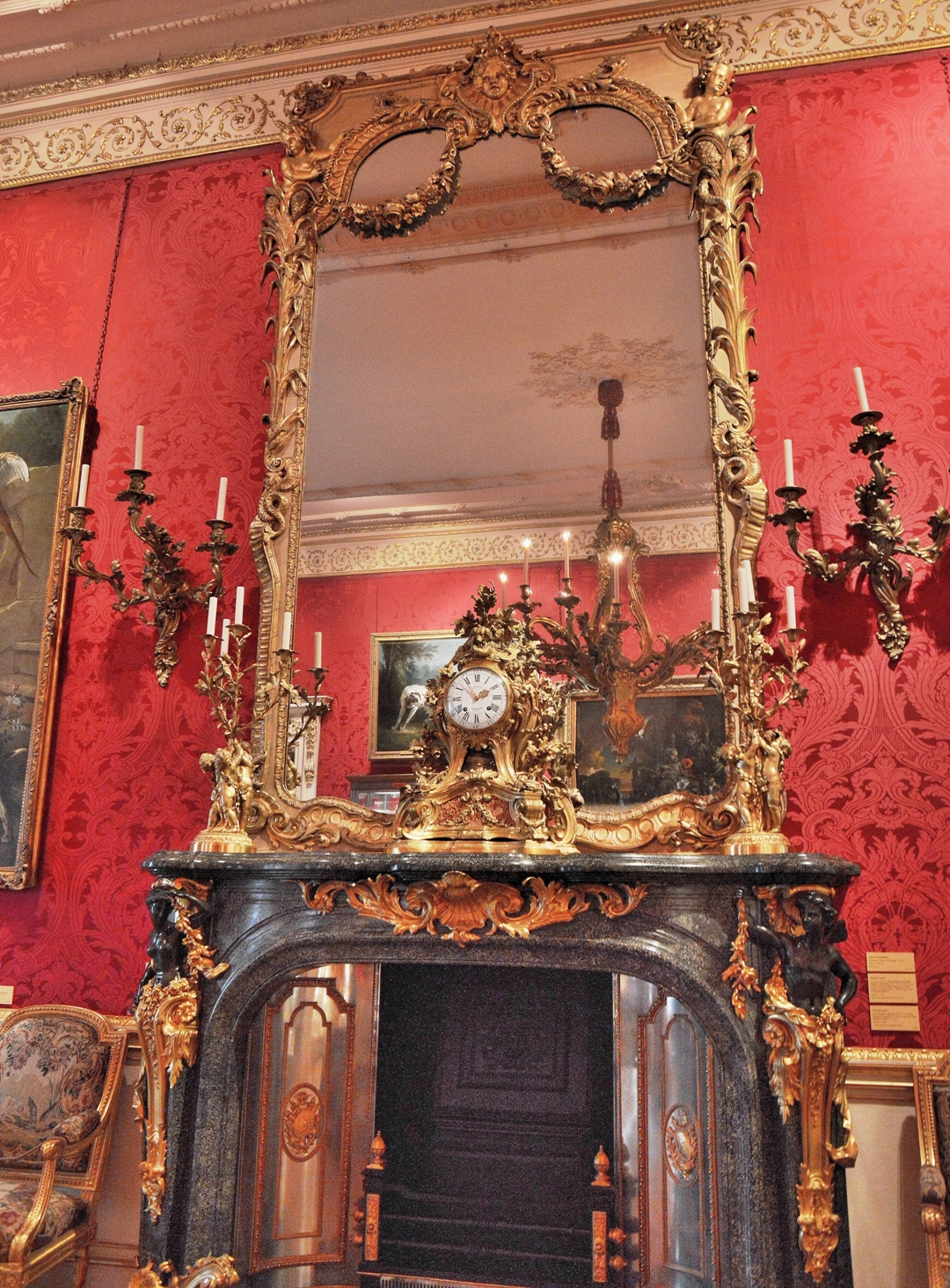
.

.

.

.

.

.

.

.

.

.

The Natural History Museum London
The Natural History Museum, the very interesting Science Museum and fabulous Victoria & Albert Museum are all close together and very near South Kensington underground rail station. All are free to enter, although a small donation is usual, and have picnic areas (a wise choice).
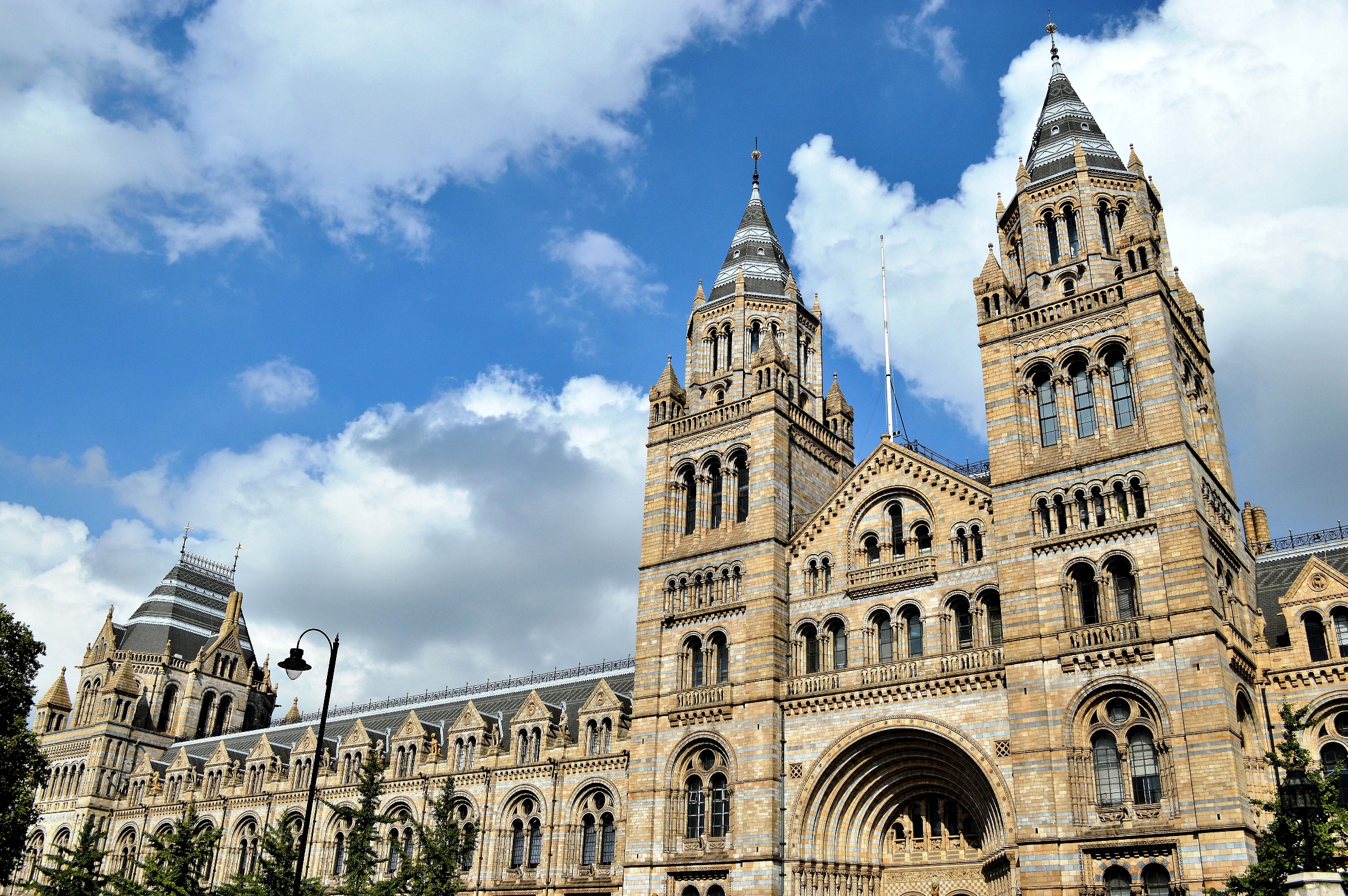
The Natural History Museum also contains The Earth’s Treasury and The Vault of precious items. Both are worth seeing. It is advisable to arrive early at the Natural History Museum to avoid queues and download/save/print the the map. The website. Here is the architecture and a few of the exhibits.
The Architecture and Charles Darwin
.

.

.

Charles Darwin Statue
.
The Exhibits

Diplodocus
At the main entrance “Dippy” (diplodocus), sometimes a Blue Whale, welcomes visitors with equal aplomb. Dippy likes walks in the park, sushi and going to the theater. Would like to meet similar, must have good sense of humour.

At the side entrance one is greeted by a smaller cousin. And then ~

The escalator to hell. It actually leads to a display of information about the earth’s early years and volcanoes. Included is a mock min-market that shakes to simulate an earthquake. It wasn’t working when I was there. How come they always turn off the dangerous stuff whenever I arrive ? It’s a mystery to me.
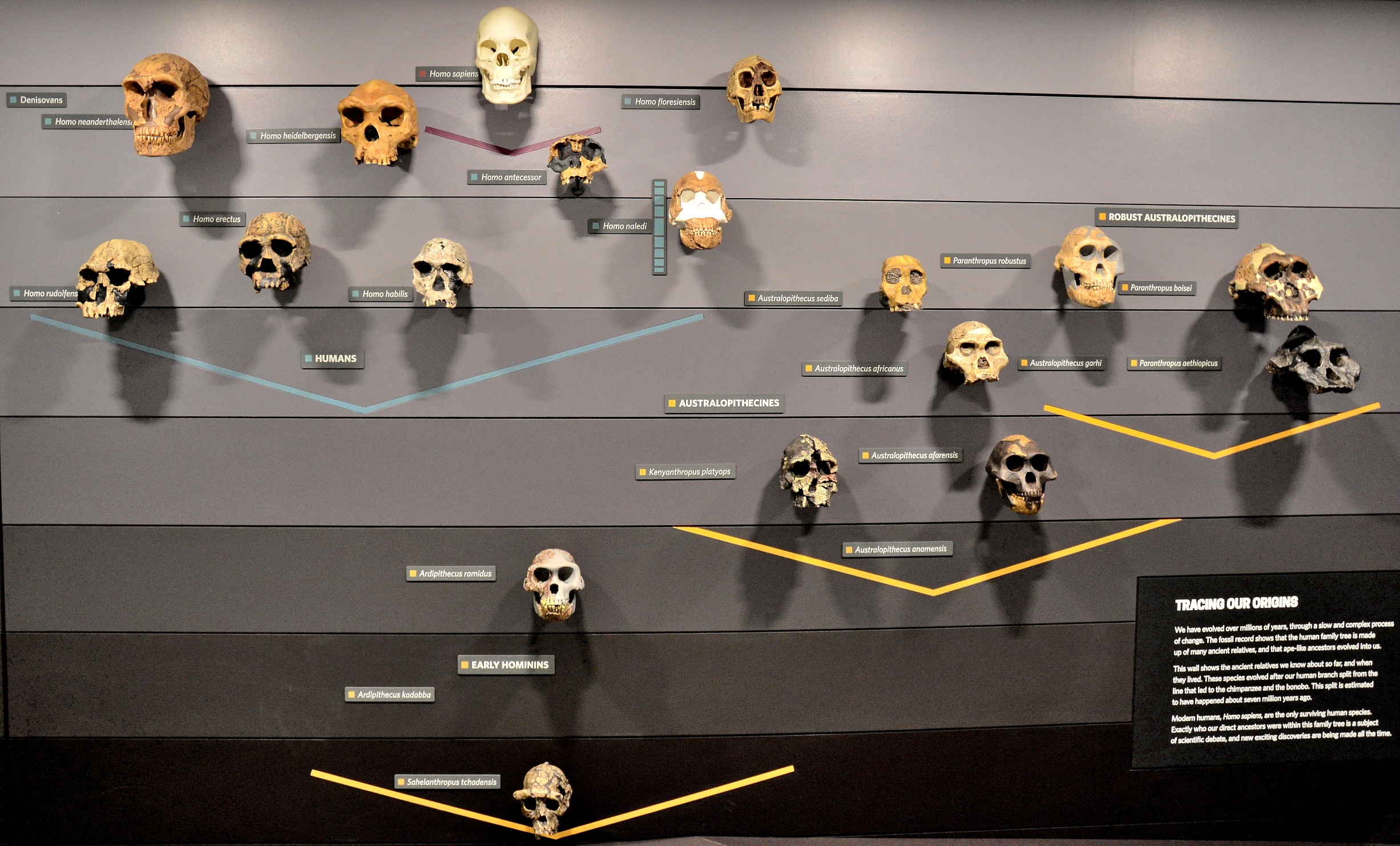
Near the elevator, on the ground floor, you can meet one’s ancestral relatives. The top row is the present and then seven rows of one million years each. Spot anybody that you know ?. To read the labels, click on the image and then again to magnify.
Unfortunately the dinosaur gallery was closed during my visit, but there were a few on show.

This little tyke is animated. Noticeably breathing and occasionally moving in his/her sleep.

Cynognathus
The Cynognathus was supposedly about the size of a dog. If that’s true, I wonder if Lord Baskerville knows it’s out.
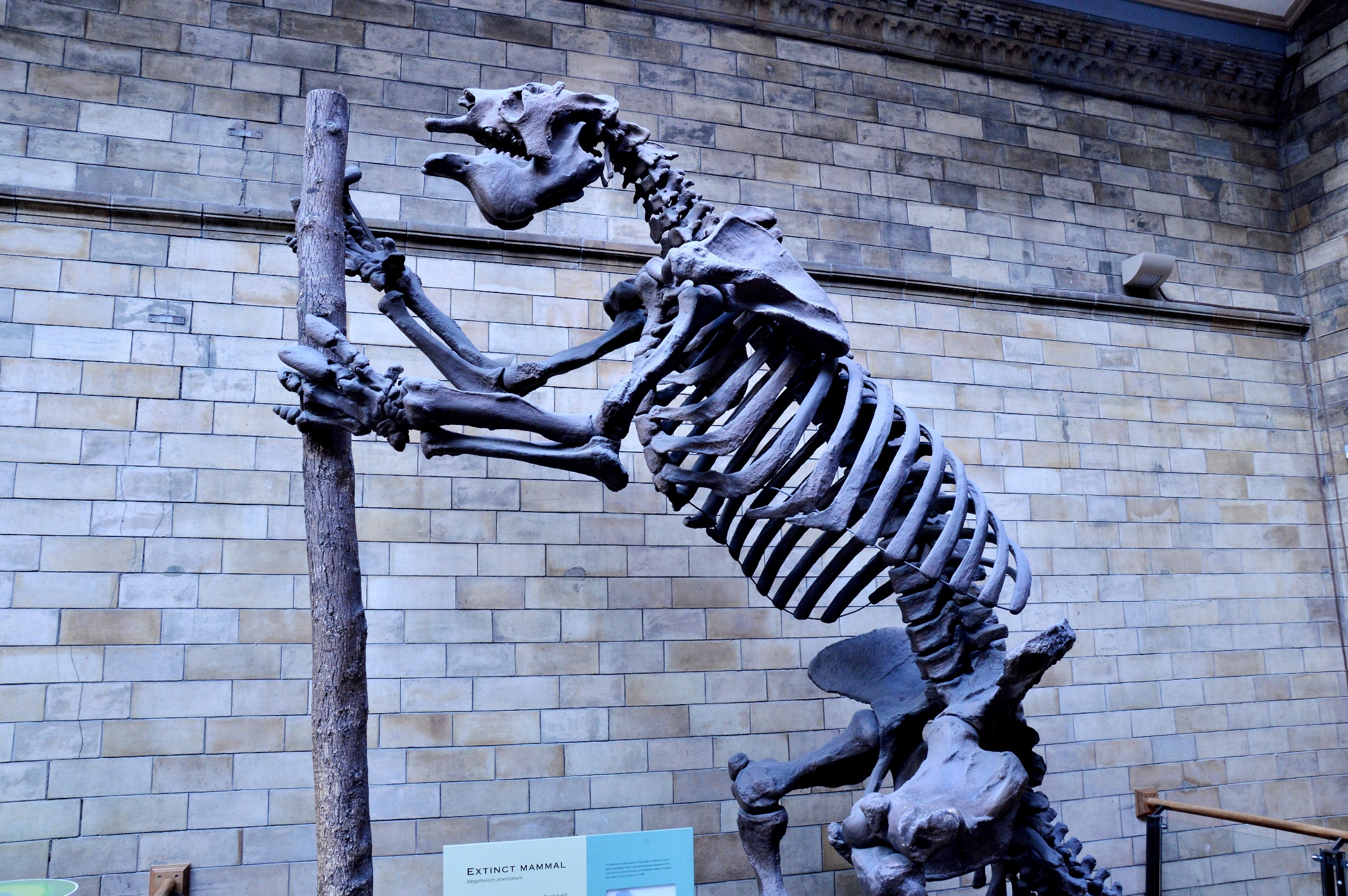
Megatherium Americanum
Aka, prehistoric stick insect.

Killer Bird and Pseudo-elephant
“My mother always said you were a skinflint, look at me when I’m talking to you and when are you going to fix that shelf and stop calling me beaky”. “Aaaarg”

Shell and Triton’s Trumpet
.

Baler Shell
The Baler Shell, so-called because it is very useful for baling out canoes (honest).

Queen Conch
.

There are loads of stuffed animals. I picked just one.

Dodo Bird
The Dodo bird, it is reported, became extinct because it was not sufficiently afraid of mankind. There’s a lesson in that somewhere.
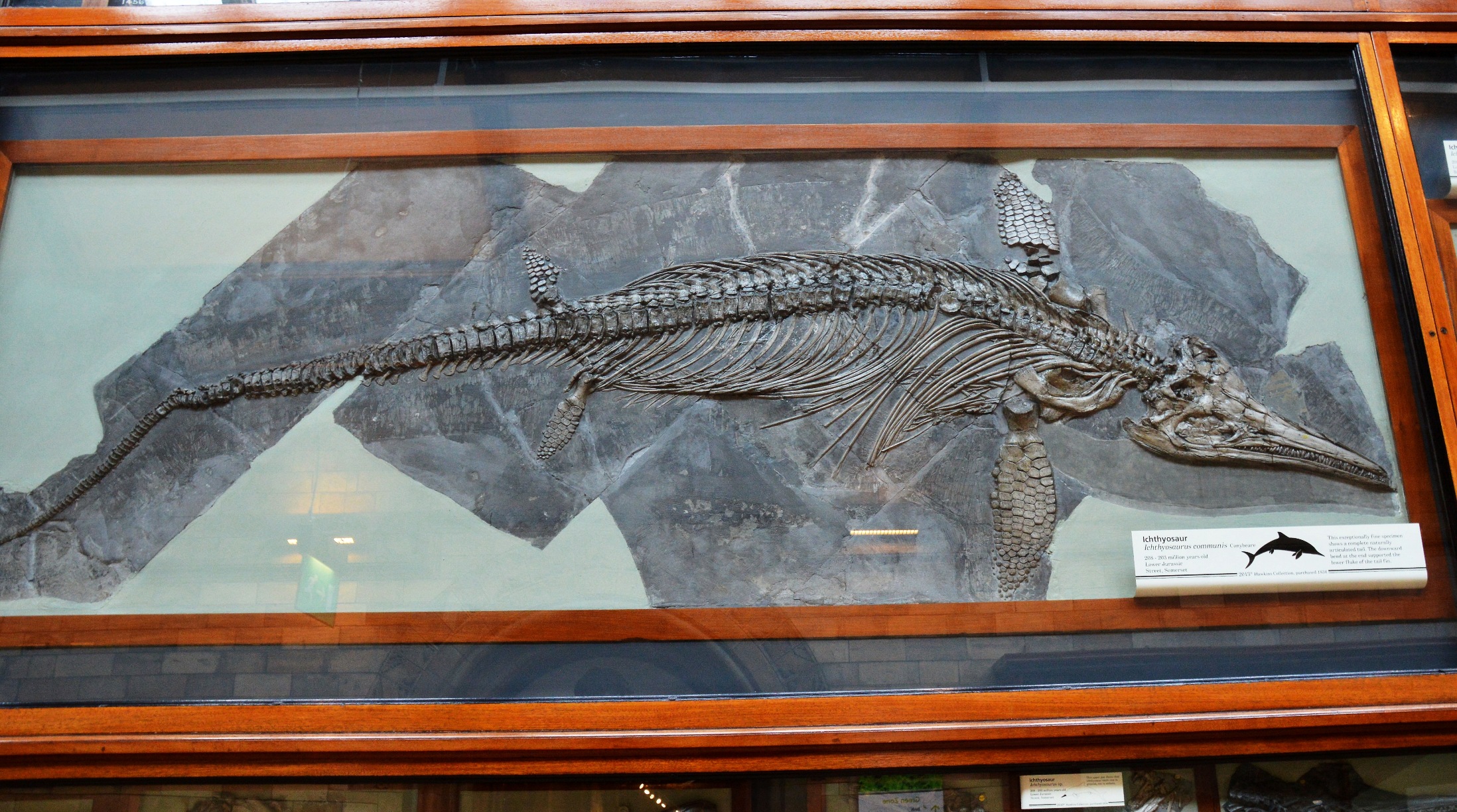
Ichthysaurus Fossil
.

Goethite
I can take a hint.
The Earth’s Treasury 2 at the Natural History Museum London
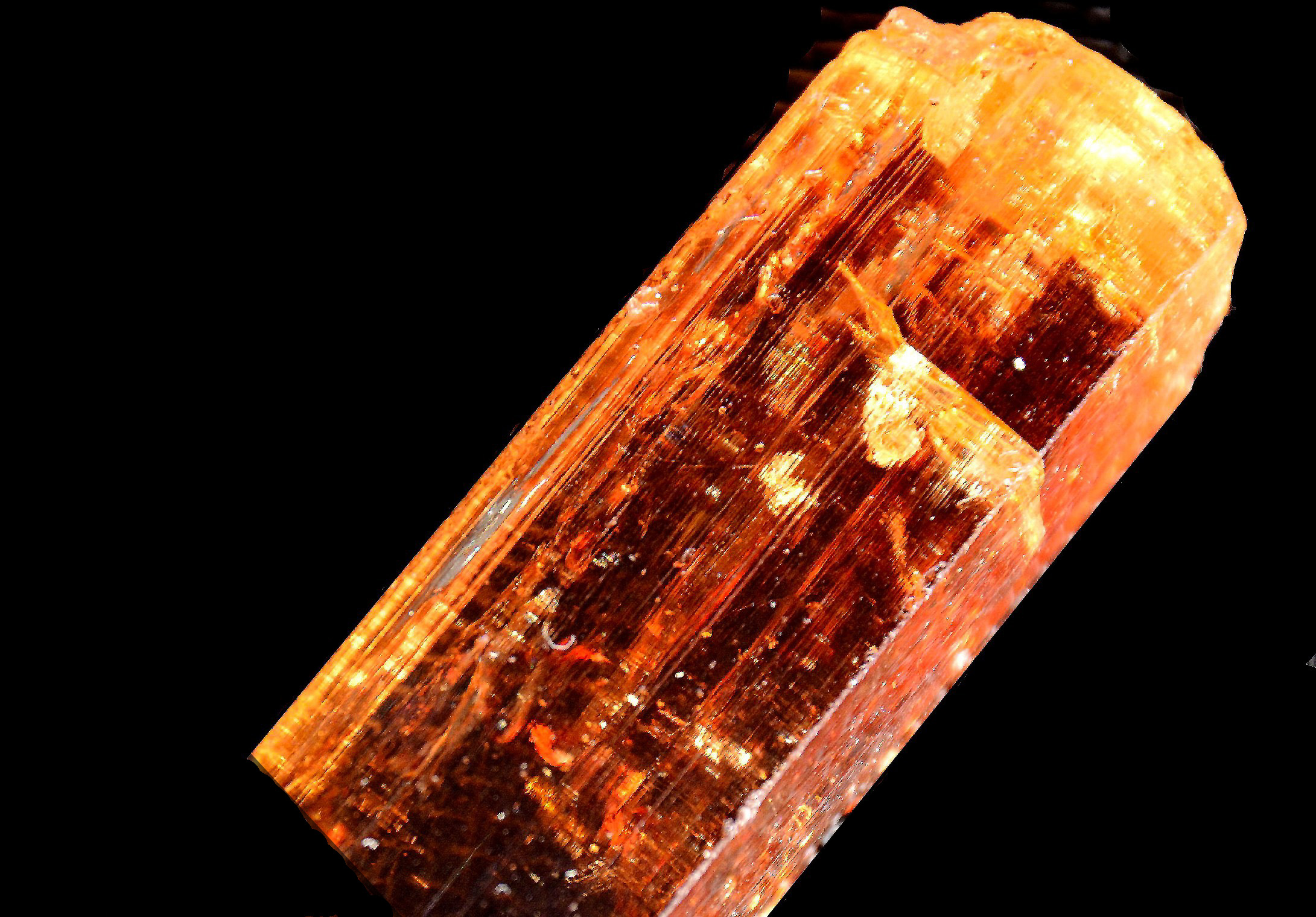
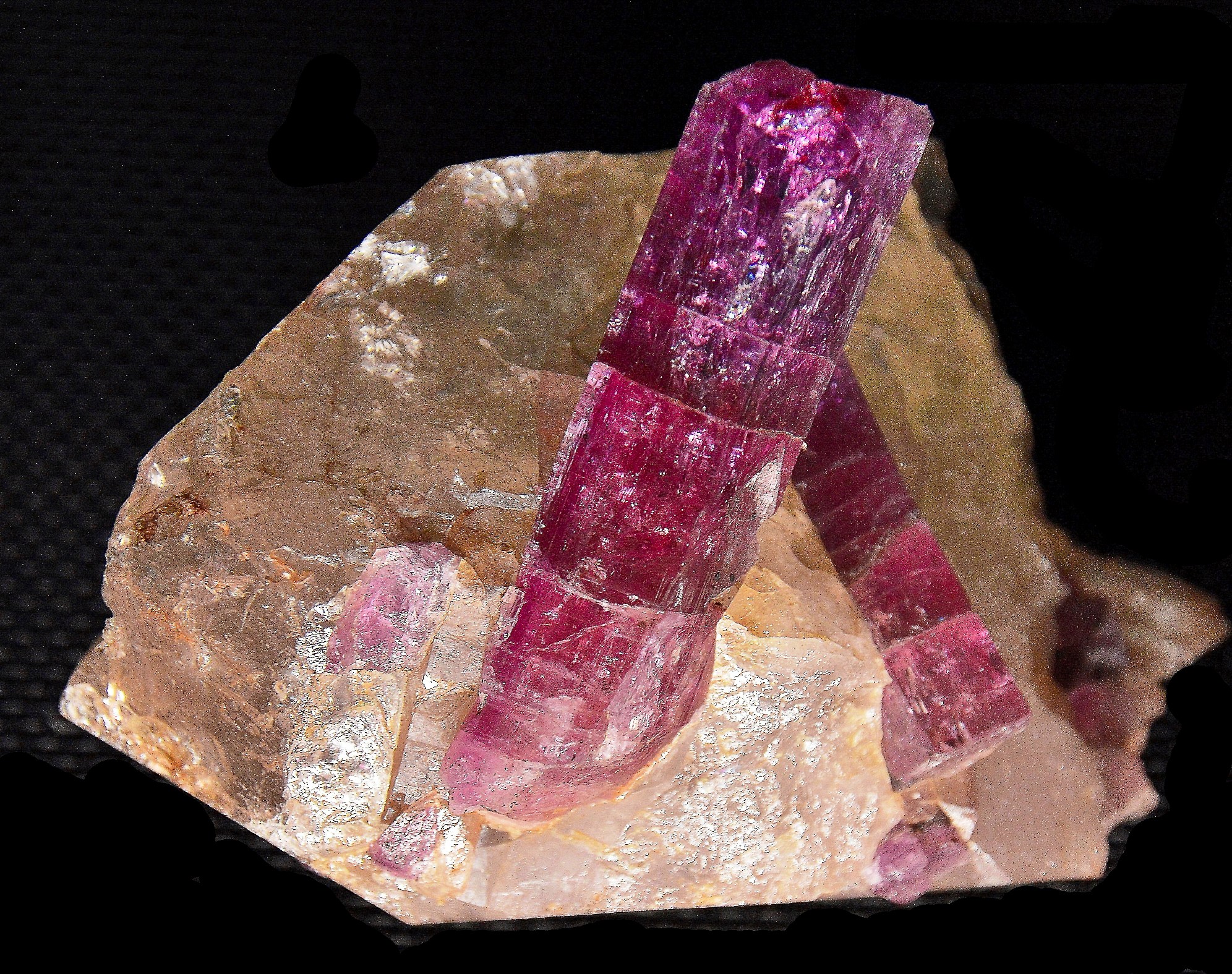
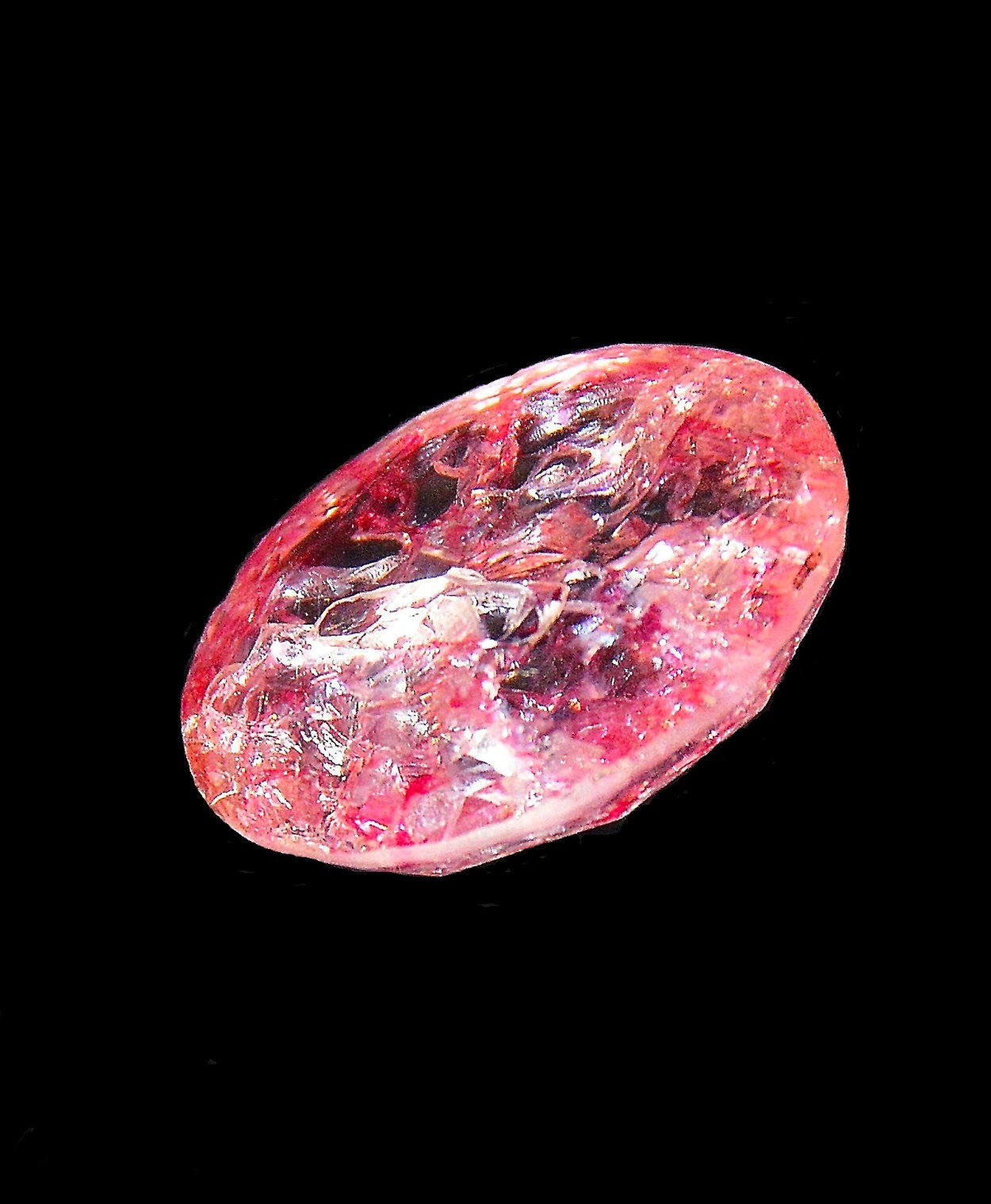
More from the Earth’s Treasury at the Natural History Museum London. There is also Earth’s Treasury 1 and The Vault of precious items.
.
 .
.

.

.

.
.
.
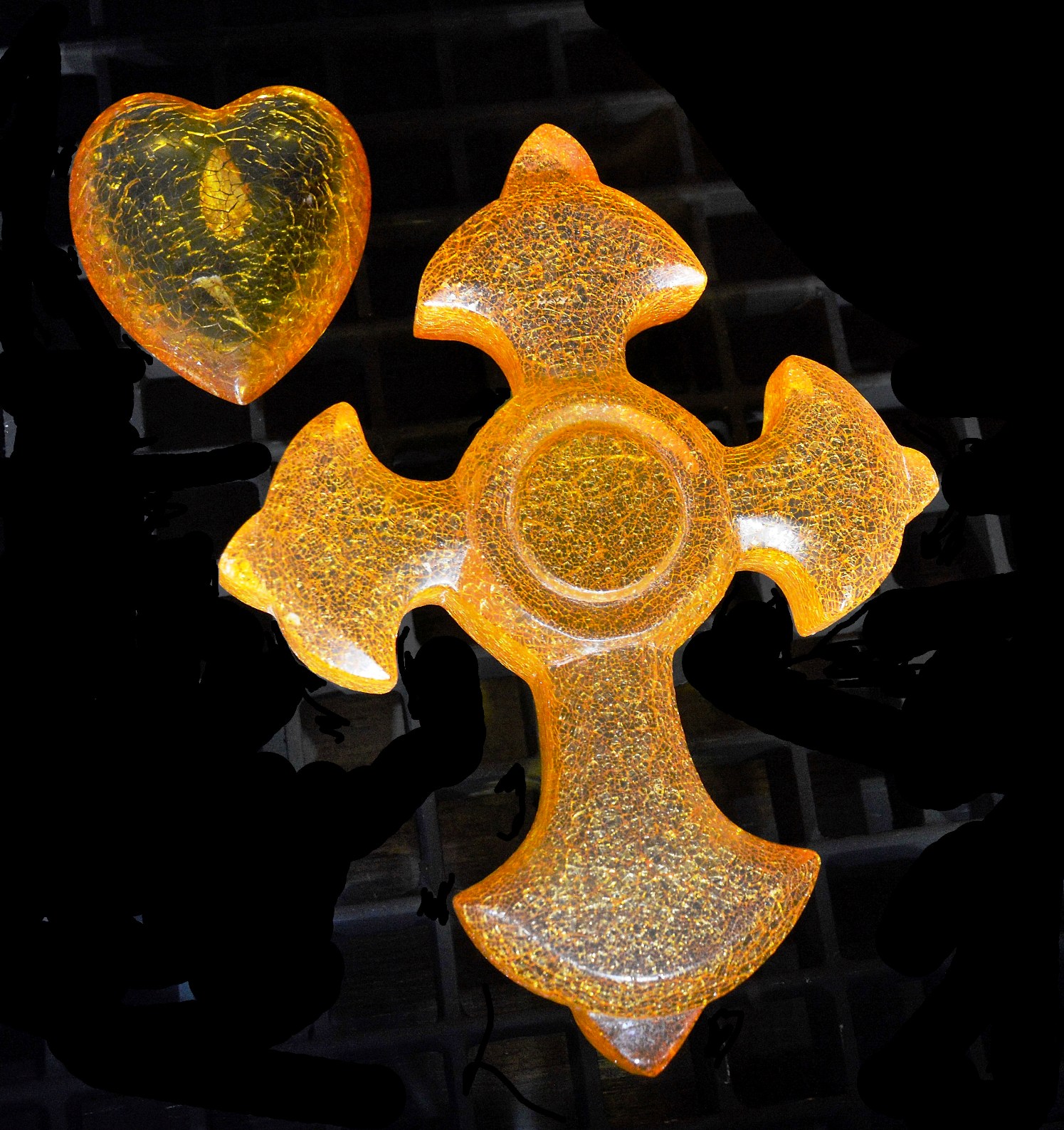
.
 .
.
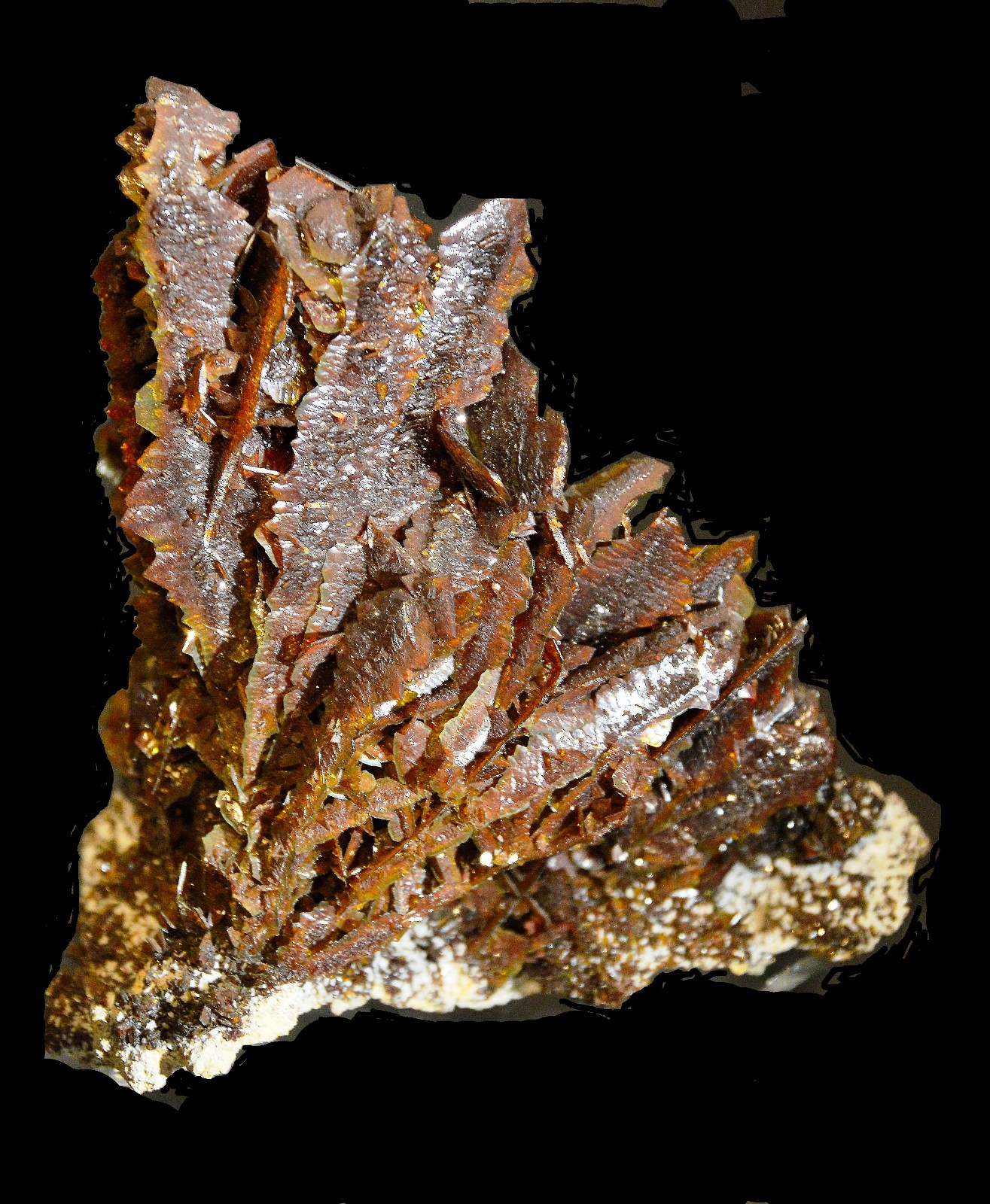
And crunchy chocolate cake to finish, I think.
The Vault and the Cursed Amethyst at the Natural History Museum London

Latrobe Gold Nugget made of rare crystallized gold.
At the end of the Minerals Hall at London’s Natural History Museum is The Vault which contains a number of precious objects including the Latrobe Gold Nugget, the Medusa Emerald, the Cursed Amethyst and a Martian Meteorite. 19 more pics ↓ . And, more at the Earth’s Treasury and Earth’s Treasury 2.
.
The Vault
These are just a few of the rare items in the vault.

Yellow Sapphire and Padparadscha
Sapphires come in various colours and, like ruby, are made of corundum. The orange/pink is a rare colouring of sapphire known as padparadscha.
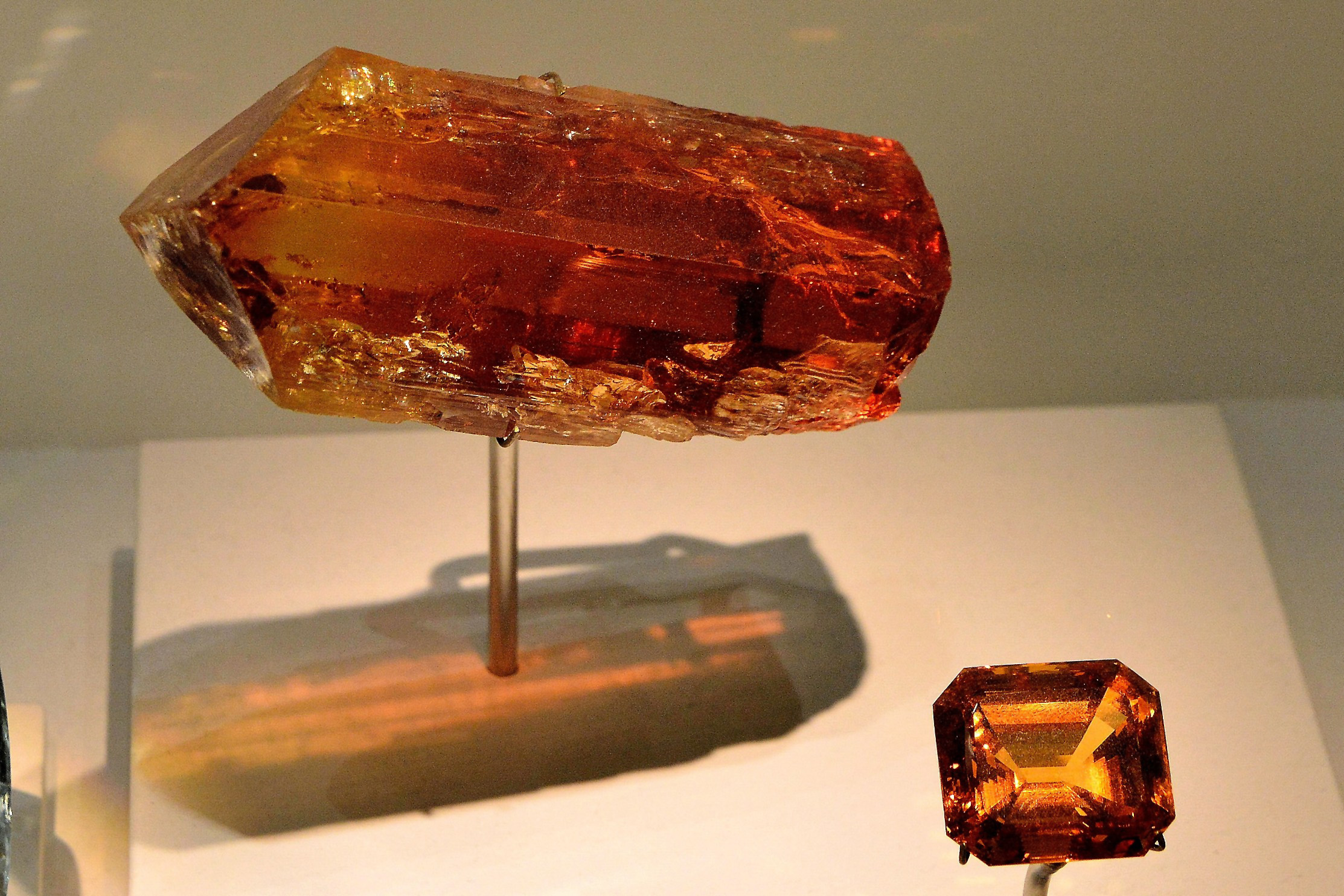
Imperial Topaz
.
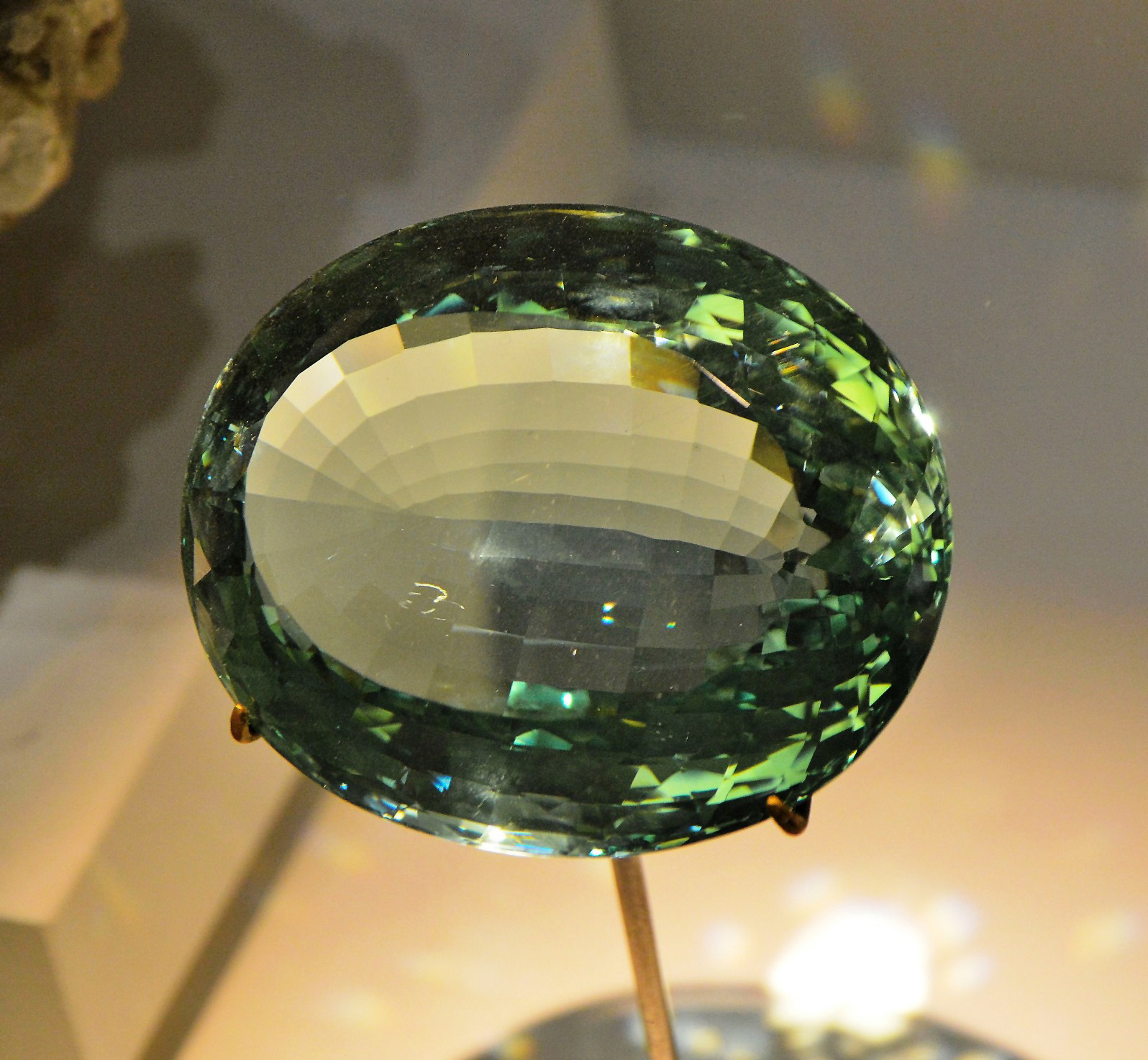
Rain in Seawater – An Aquamarine variety of Beryl
.
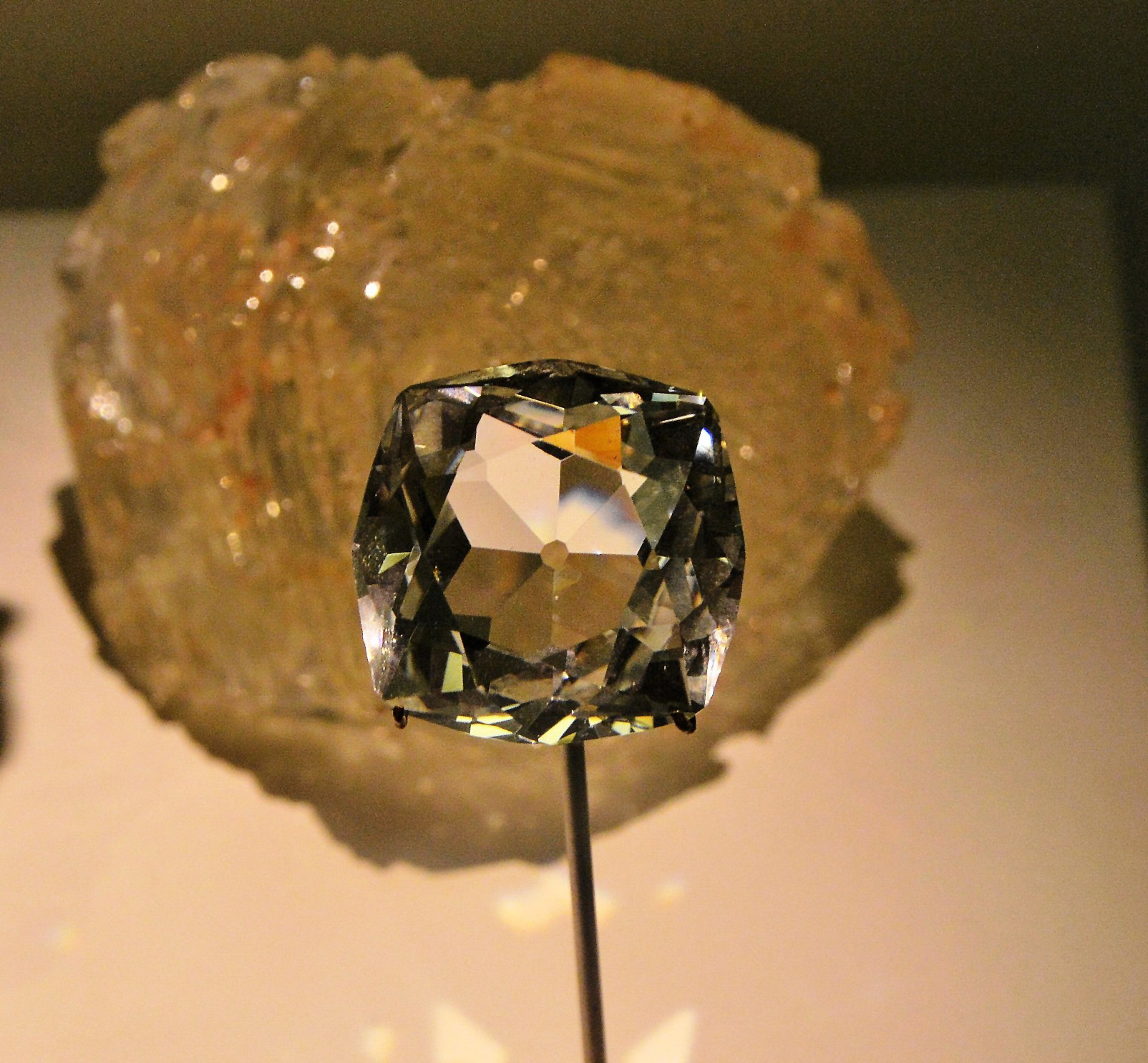
The Scotch Koh-i-Noor – A Goshenite variety of Beryl
It is a bit of a mystery how it got its name, as it probably came from Brazil.

Sapphire Button
.

Opal Necklace
.

The Hope Chrysoberyl
This was once a part of the collection of Henry Philip Hope along with the Hope Diamond.

The Medusa Emerald
The medusa is regarded as one of the world’s finest mineral specimens.
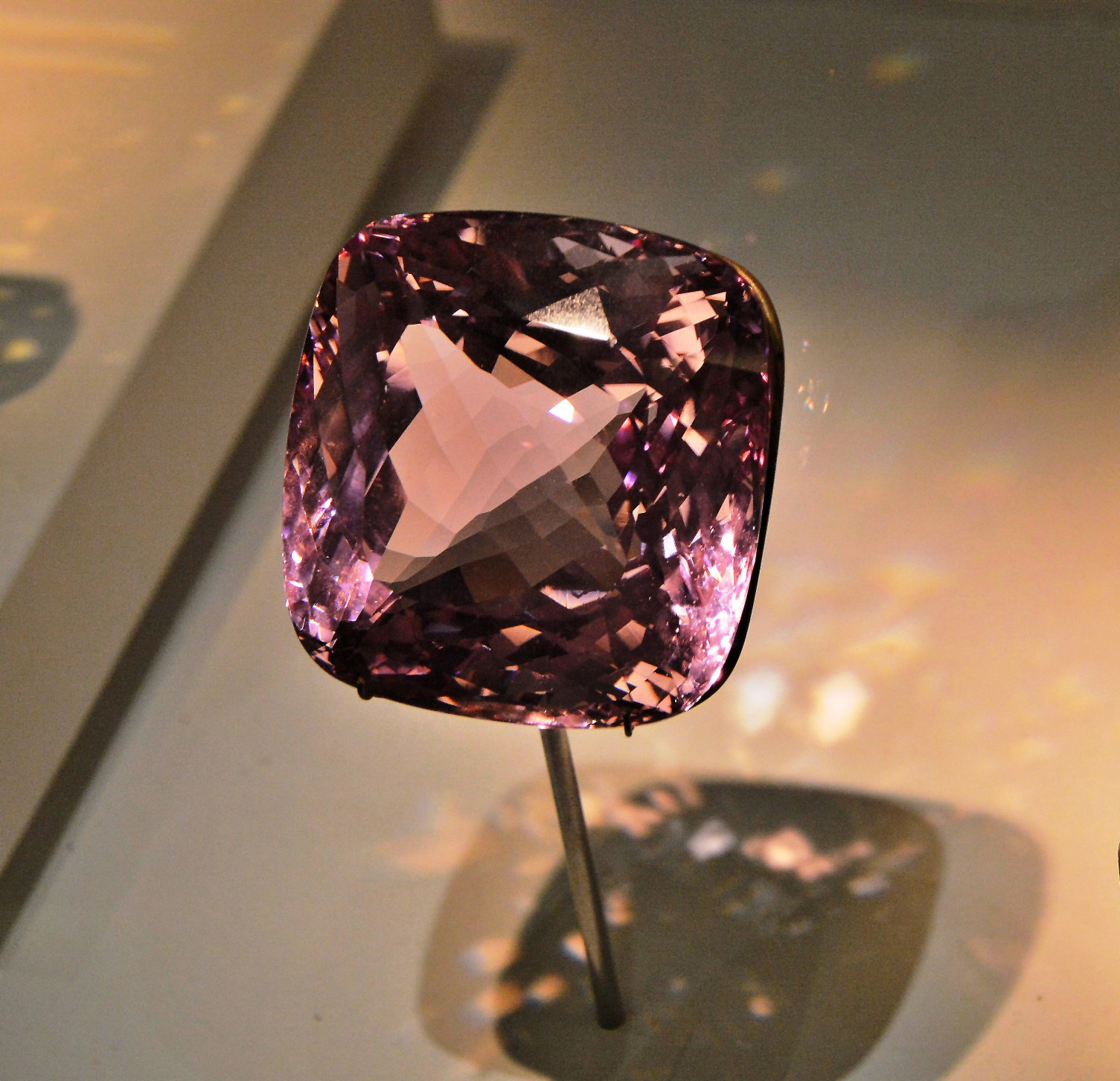
Cut Morganite
.

Crystal within a Crystal
A pink morganite crystal that grew around a blue aquamarine core.
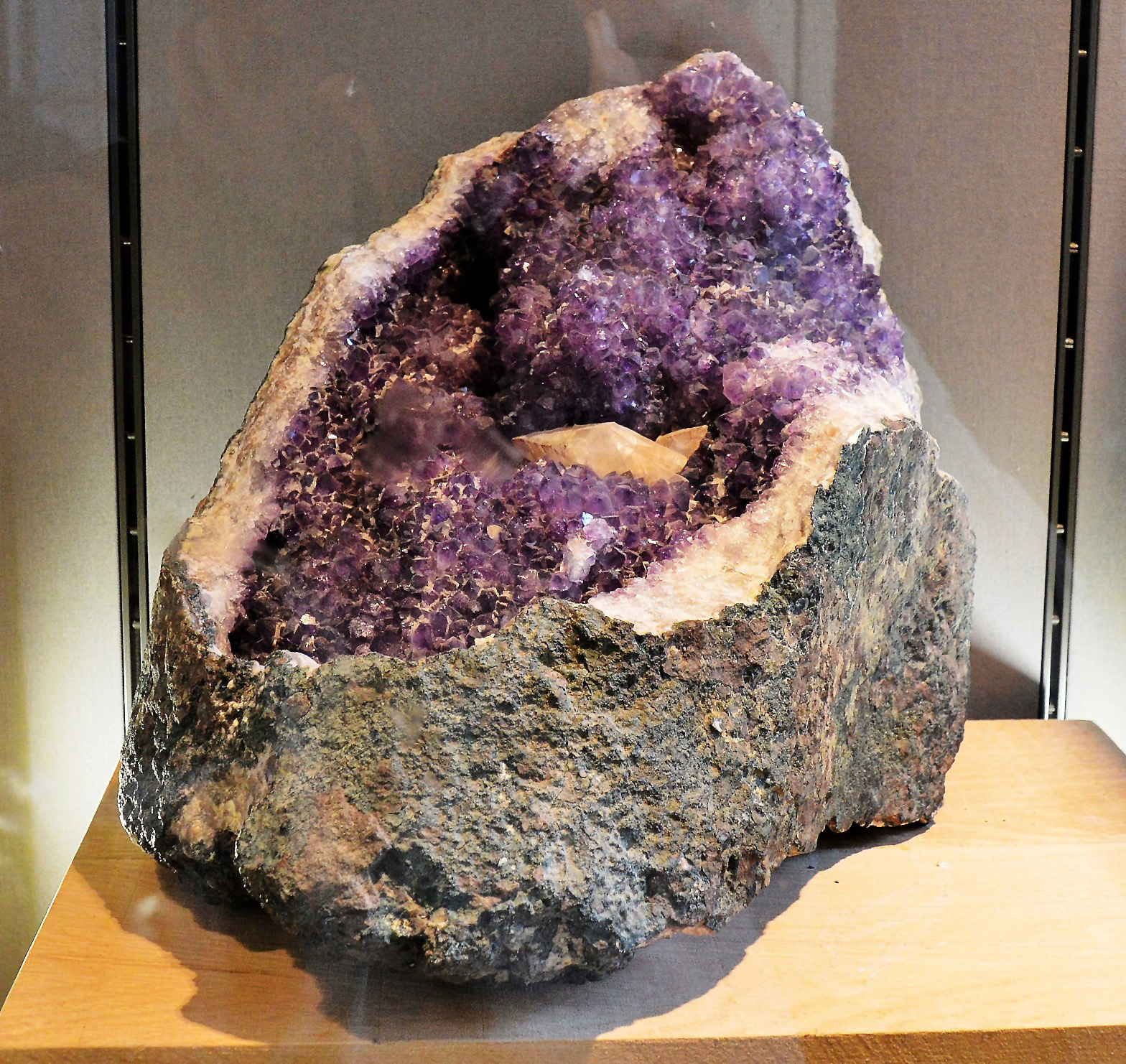
Amethyst Boulder
It is amazing to think what might be found inside an ordinary looking rock. 🙂
.
The Cursed Amethyst
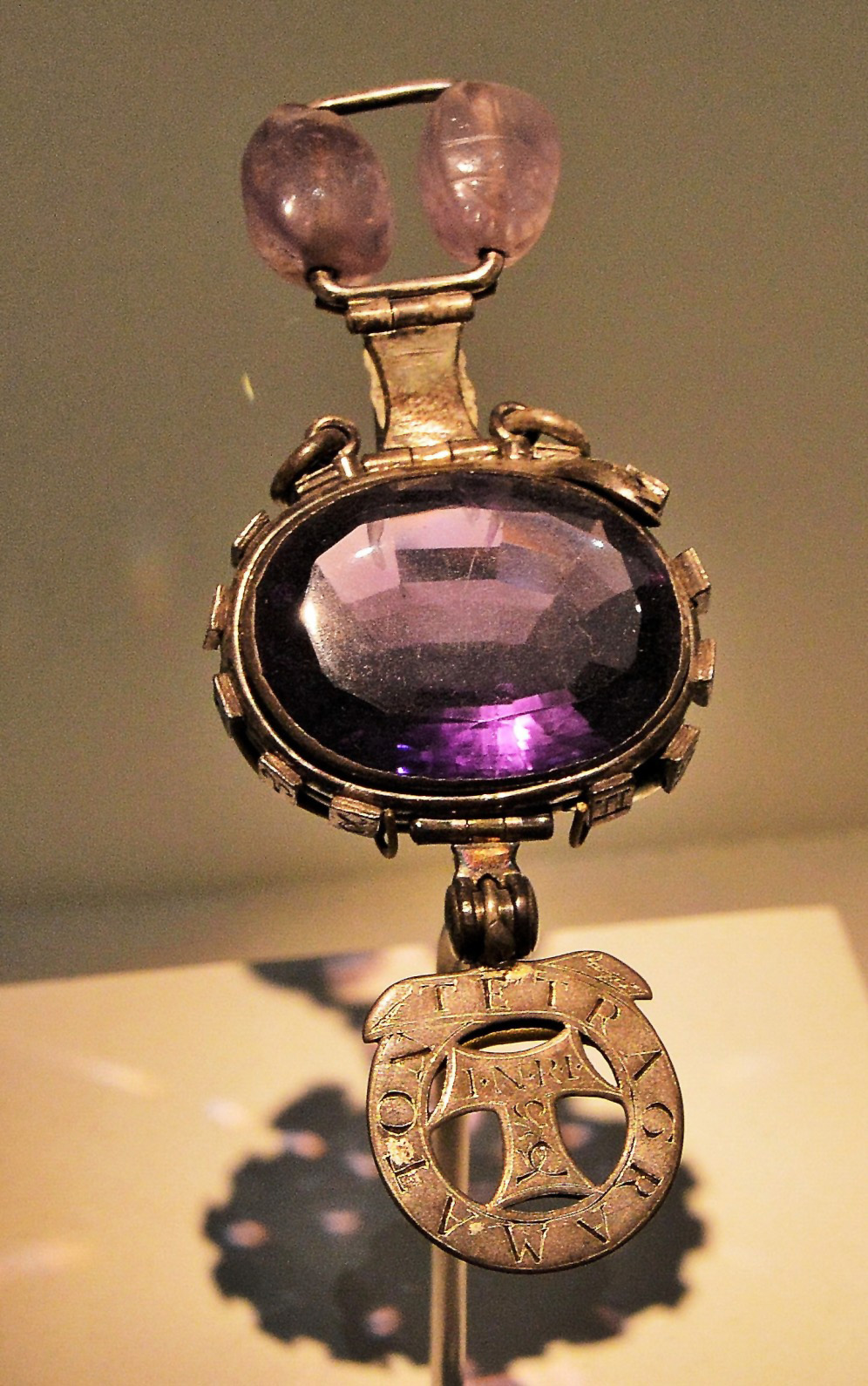
The Cursed Amethyst
It is reputed that the Cursed Amethyst was stolen from an Indian temple in 1857 and then passed through several unfortunate hands before being owned by Edward Heron-Allen who bequeathed it to the museum. Whilst Heron-Allen owned the gem he had it kept in a bank vault within seven locked boxes. The whole story can be found here.
.
The Tissant Meteorite from Mars

Tissint Meteorite
The Tissant Meteorite landed near the village of Tissant in Morocco in 2011, taking 700,000 years to travel from Mars having being ejected by that planet. Its particular importance derives from the indications that there was once liquid water on Mars. If there is water, now beneath the surface, then solar-powered electricity can be used to split the H2O into Hydrogen and Oxygen. The second can be used to support life, and both together as rocket fuel.
On the other hand, we could take more care of our own planet first. 🙂
.
The Minerals Hall
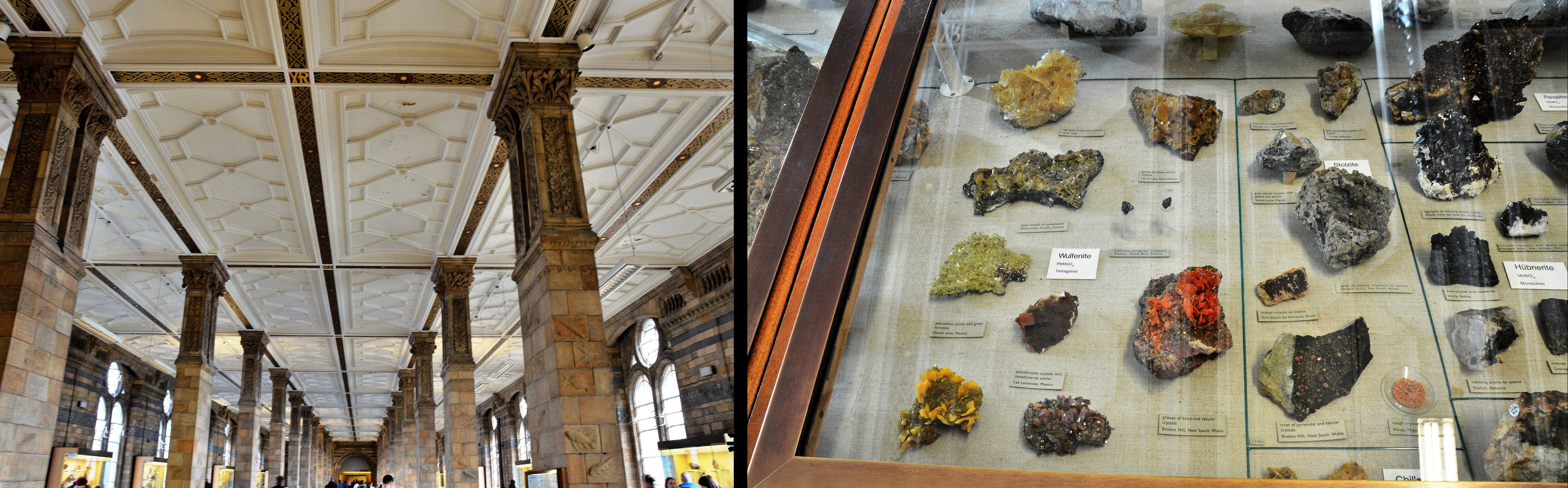
With thousands of specimens.

Hydrohematite
.
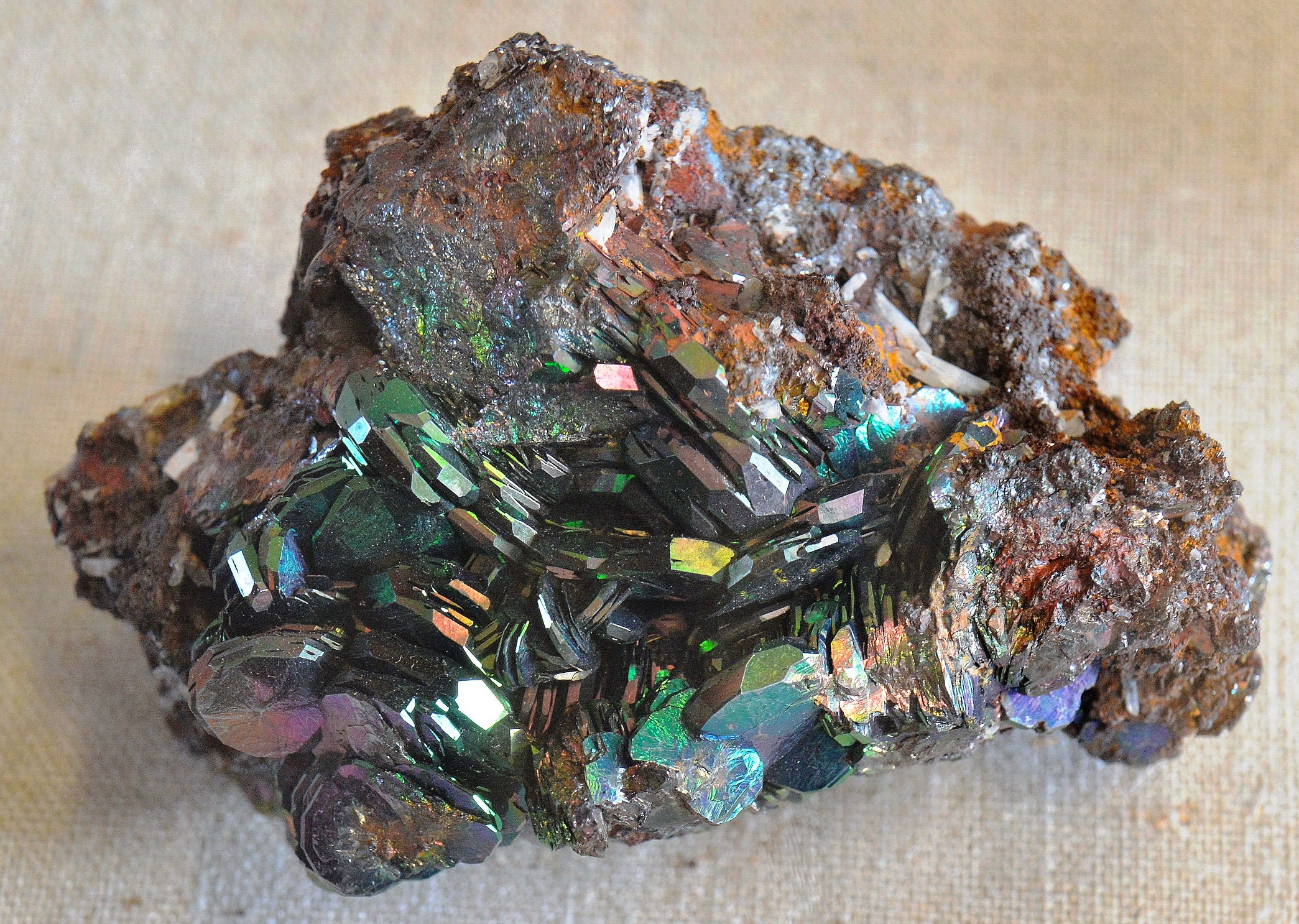
Iridescent crystals
.

Iridescent Stalactites
.
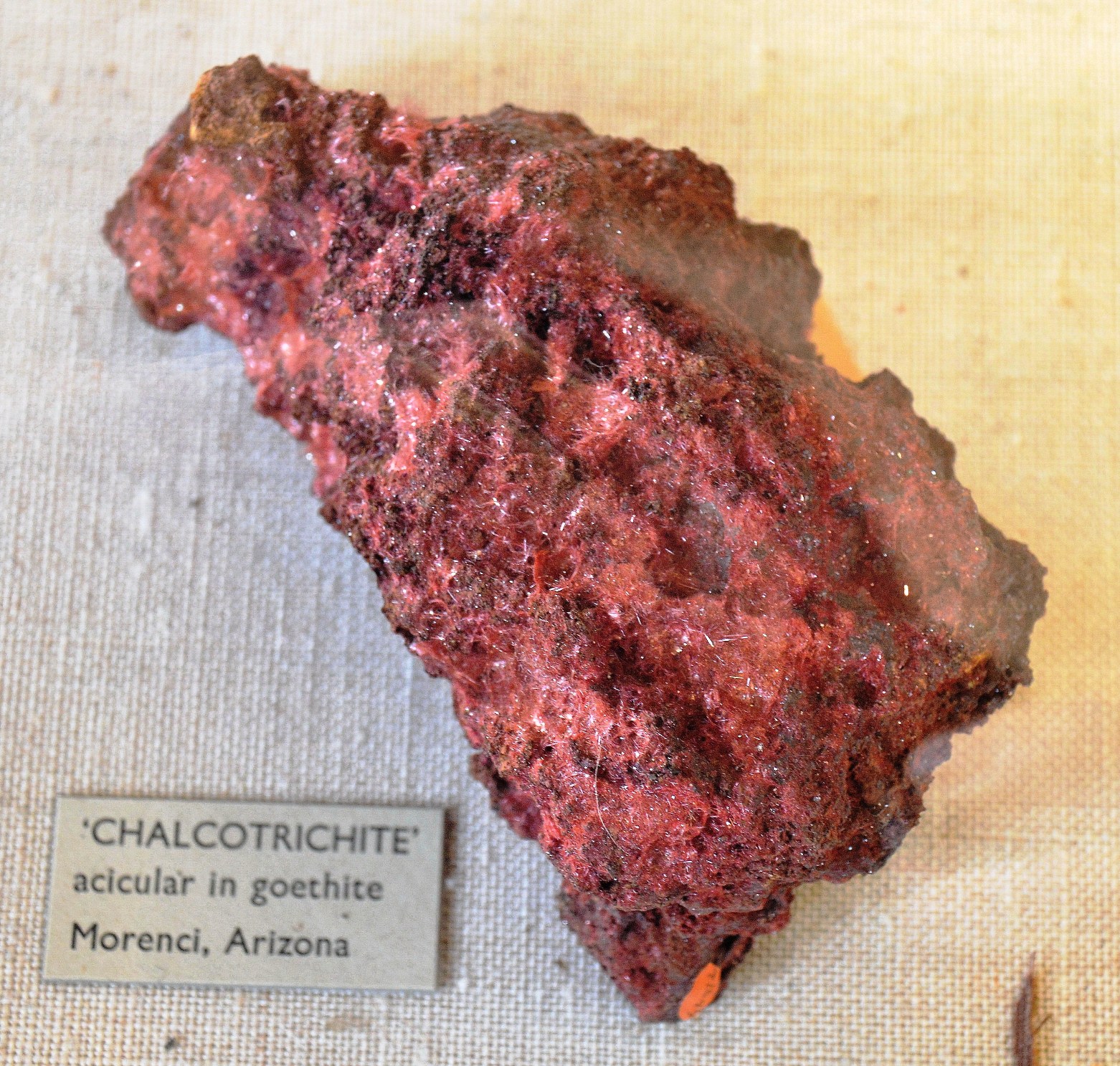
Chalcotrichite
More at the Earth’s Treasury.
Earth’s Treasury at the Natural History Museum London
.

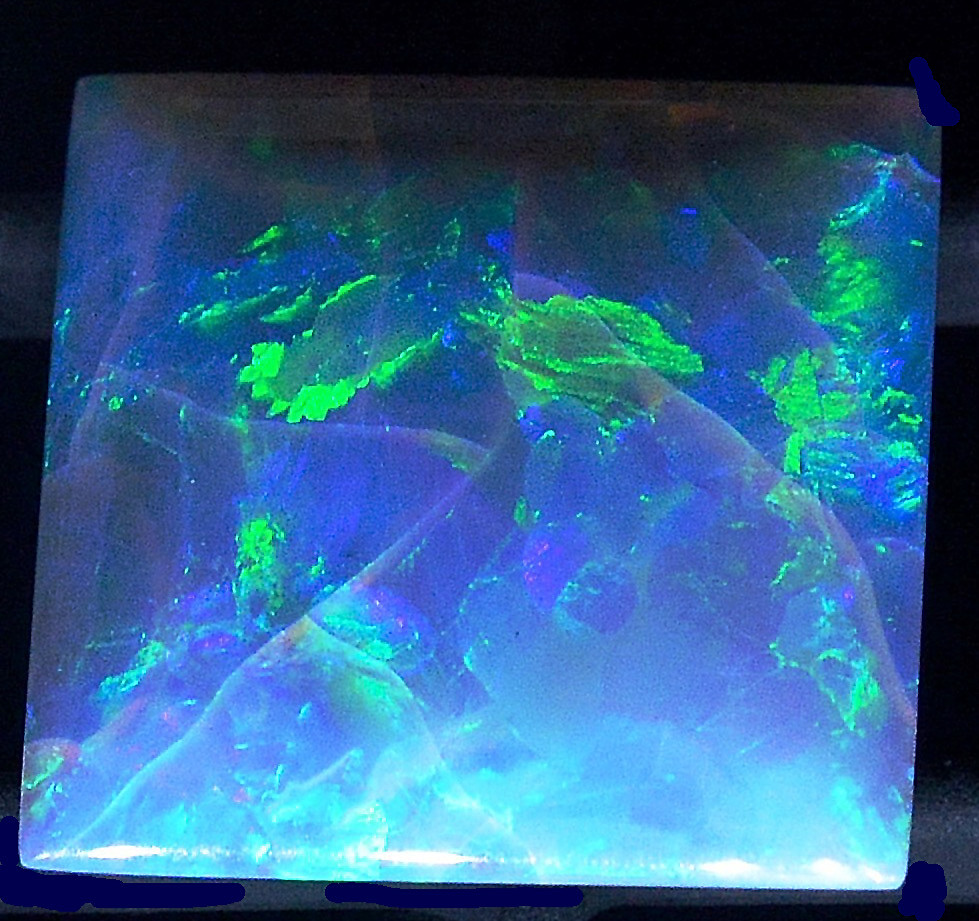
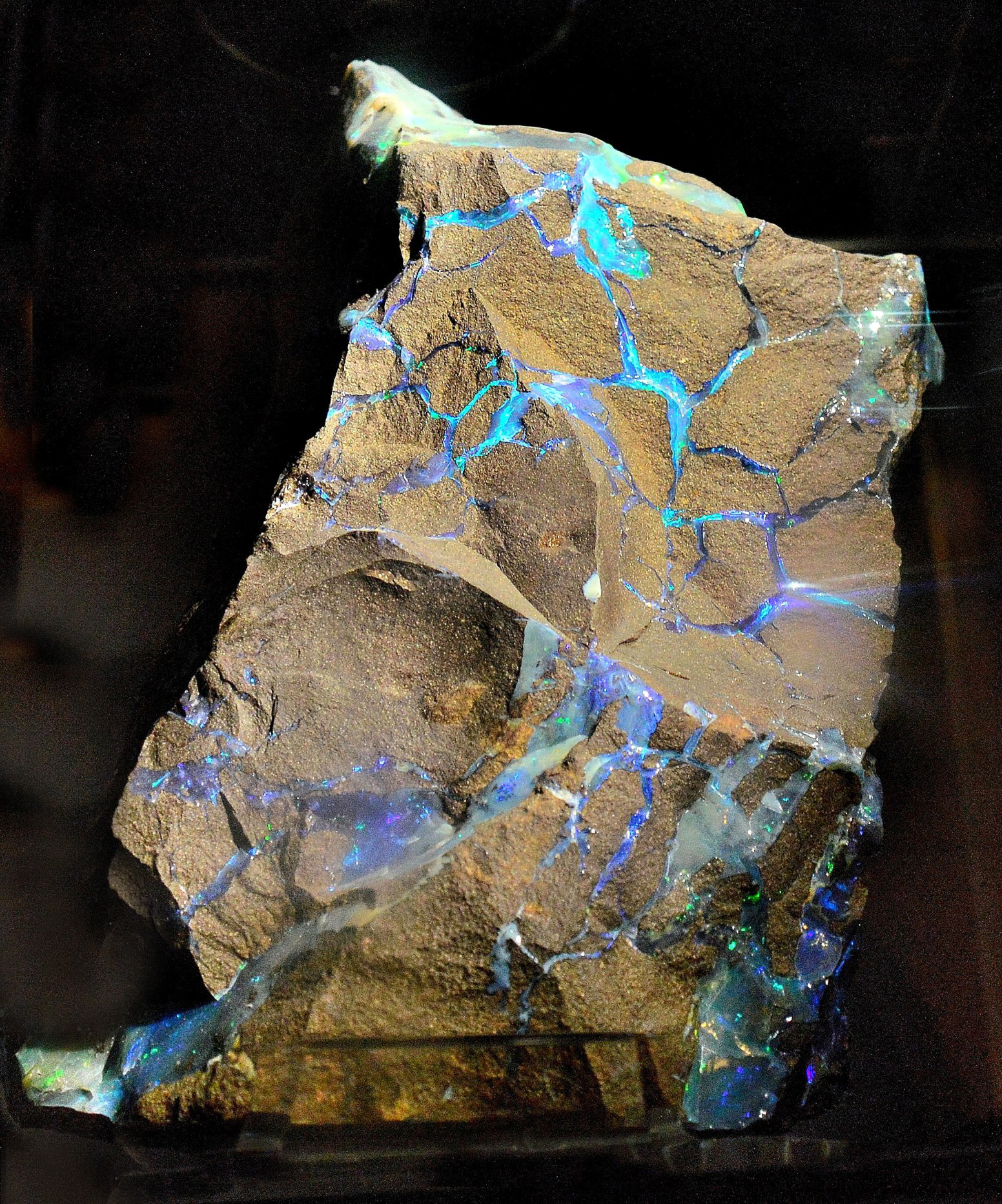
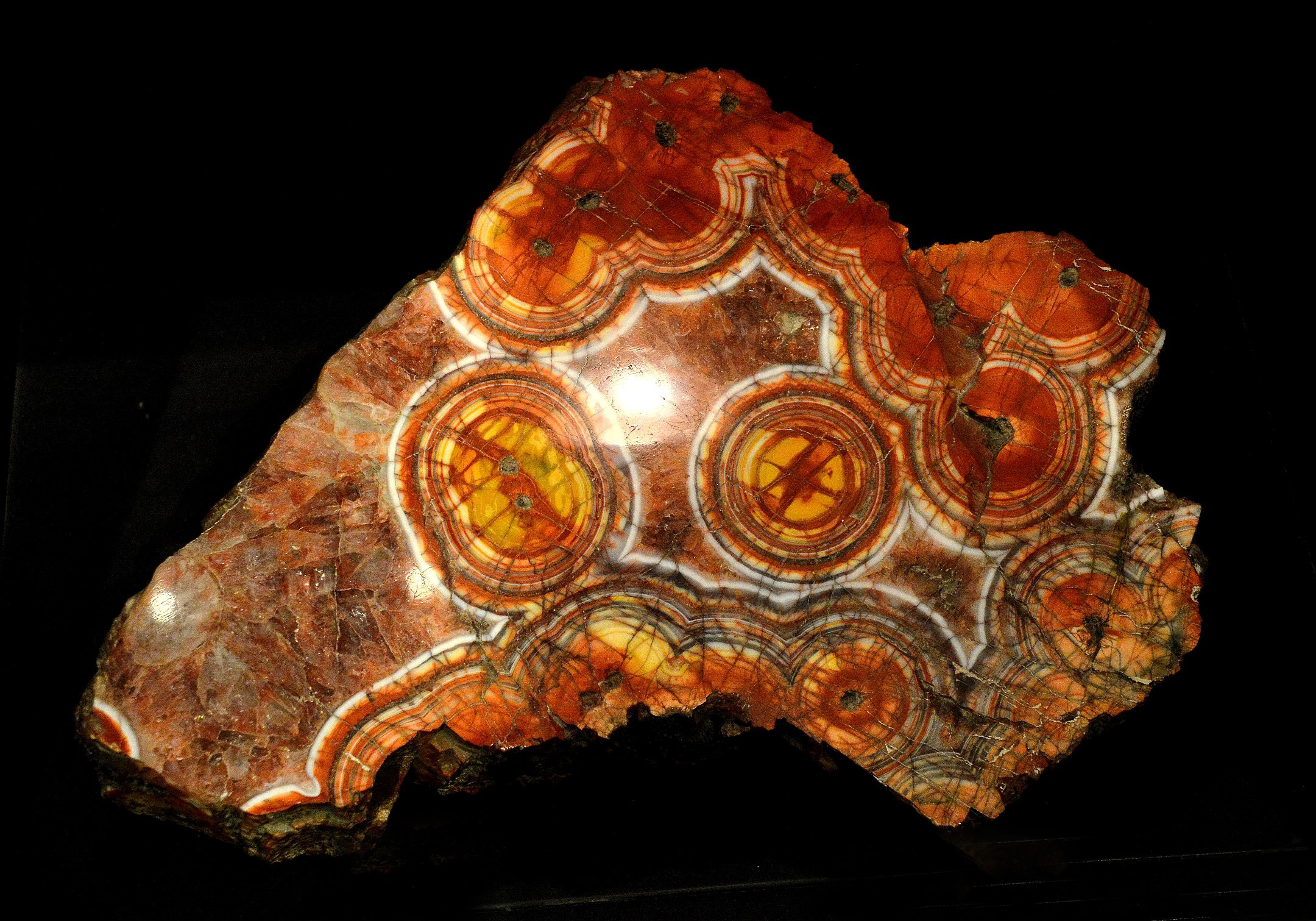
It would be rather marvelous to think that this opalescent wonder is a moon rock. Even more marvelous to realise that it came from our own Earth.
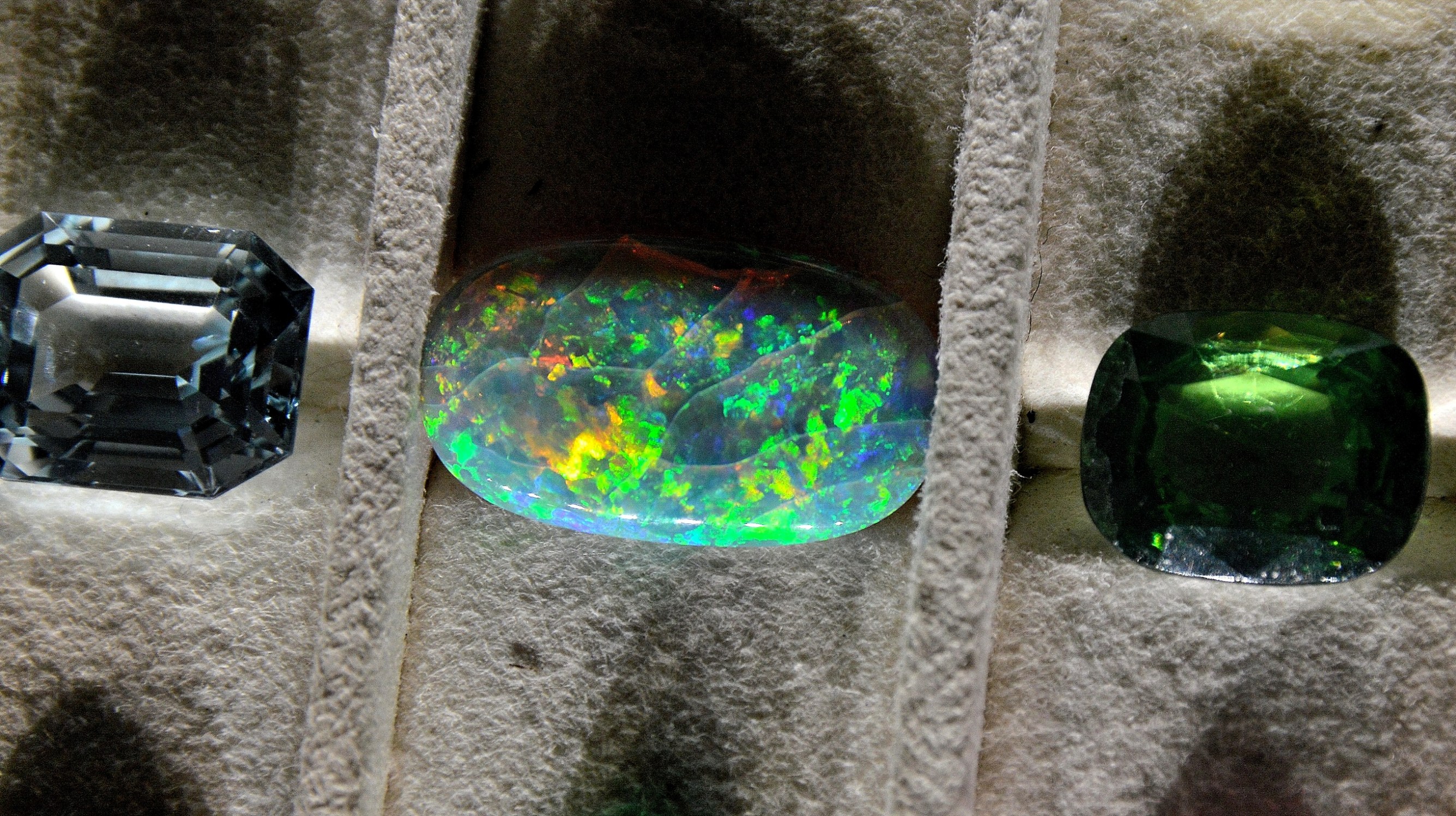
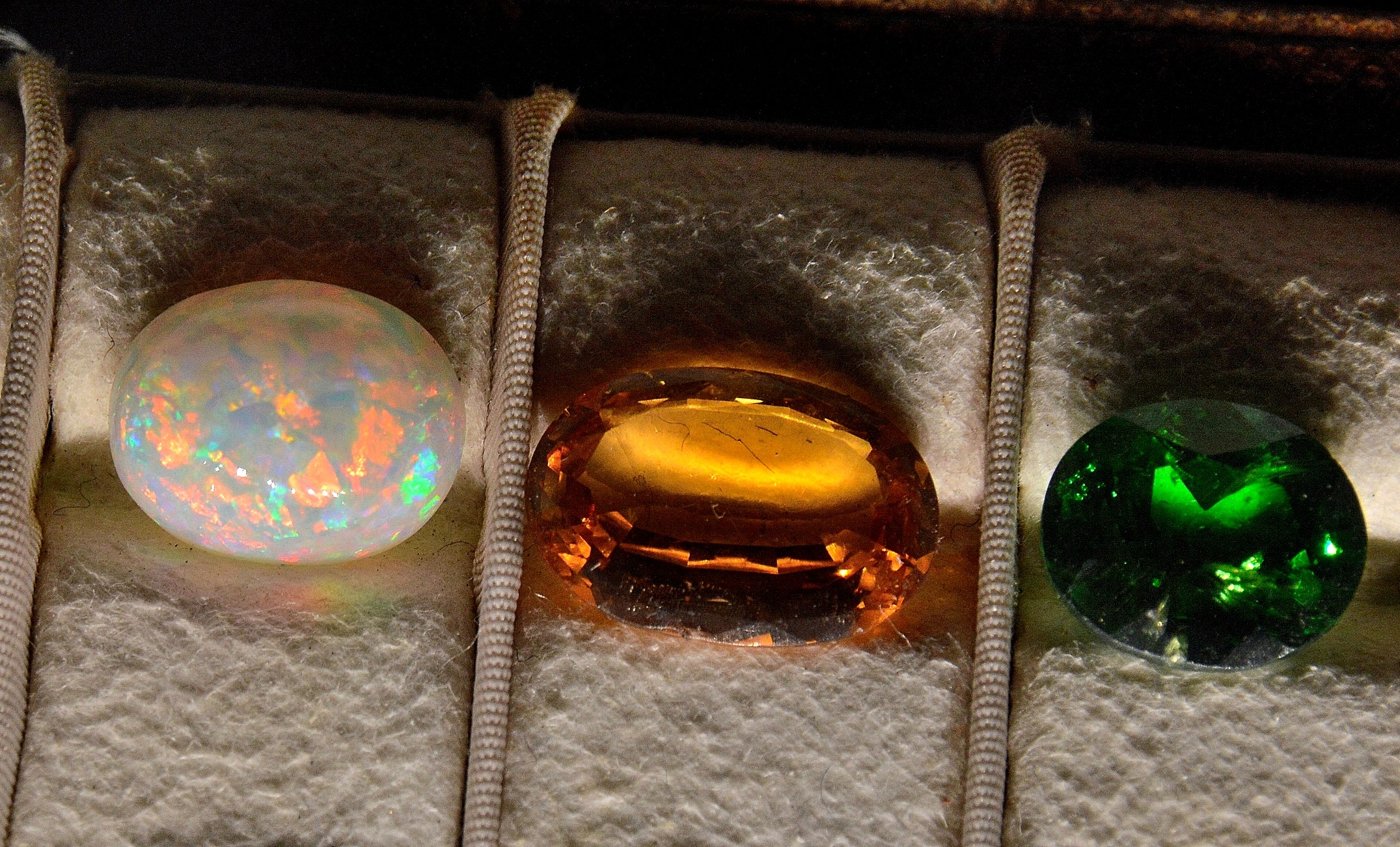
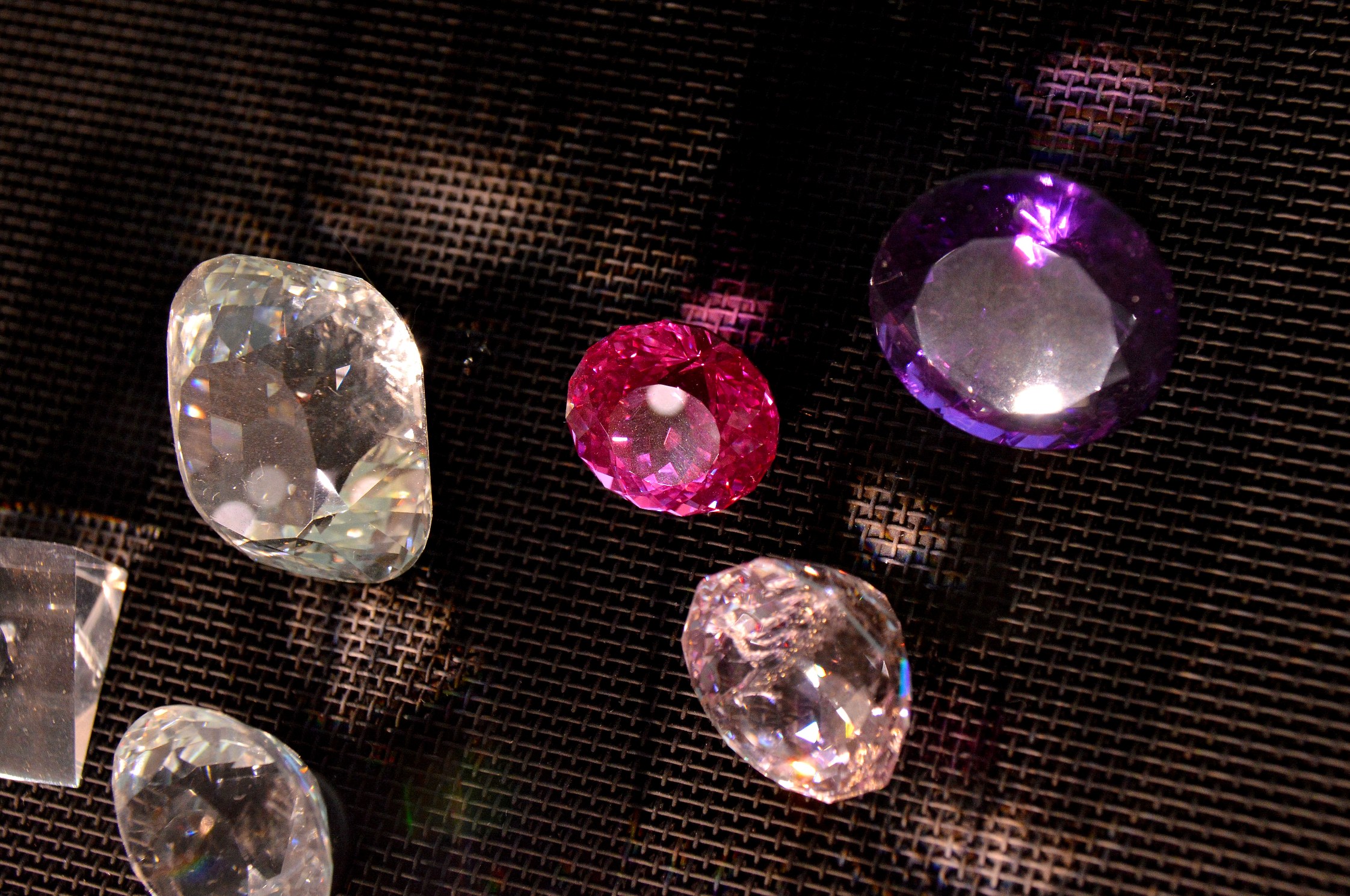
More pics ↓ with an ocean in a small opal and still more at the Vault and more at Earth’s Treasury 2 .
.
.
.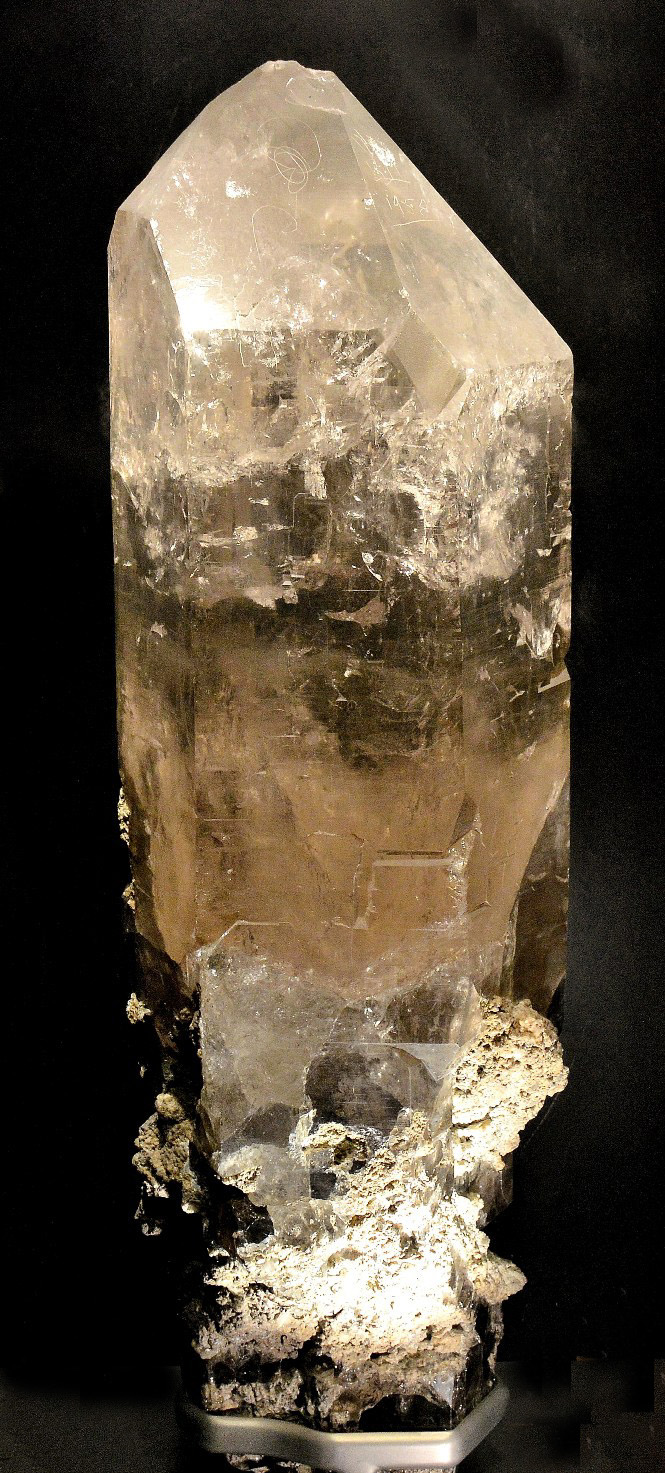
This a real monster at around three feet tall, but it lacked a little colour, so a tiny tweak and ~
.

If that were a drink it would be so delicious.
.
.
.

.
.

.
.
.

There are literally hundreds of these.

.
.
 I’m not sure what a carved meerschaum pipe is doing here but I think she would be welcome anywhere.
Such wonders all around,
We need but stop and search the ground,
We need but pause and view the sky,
And cherish time before end is nigh.
Model Steam Engines at the Science Museum

Model of Shand Mason Steam Fire Engine
On the mezzanine floor, that you can only reach by stairs, of the Science Museum in the “Making of the Modern World” hall you can find these hand crafted beauties. The Science Museum also has a wonderful collection of beautiful antique watches.

Model of Alexandra Steam Train

Model of Stephenson’s Long Barrel Steam Locomotive

Model of Austria Steam Locomotive
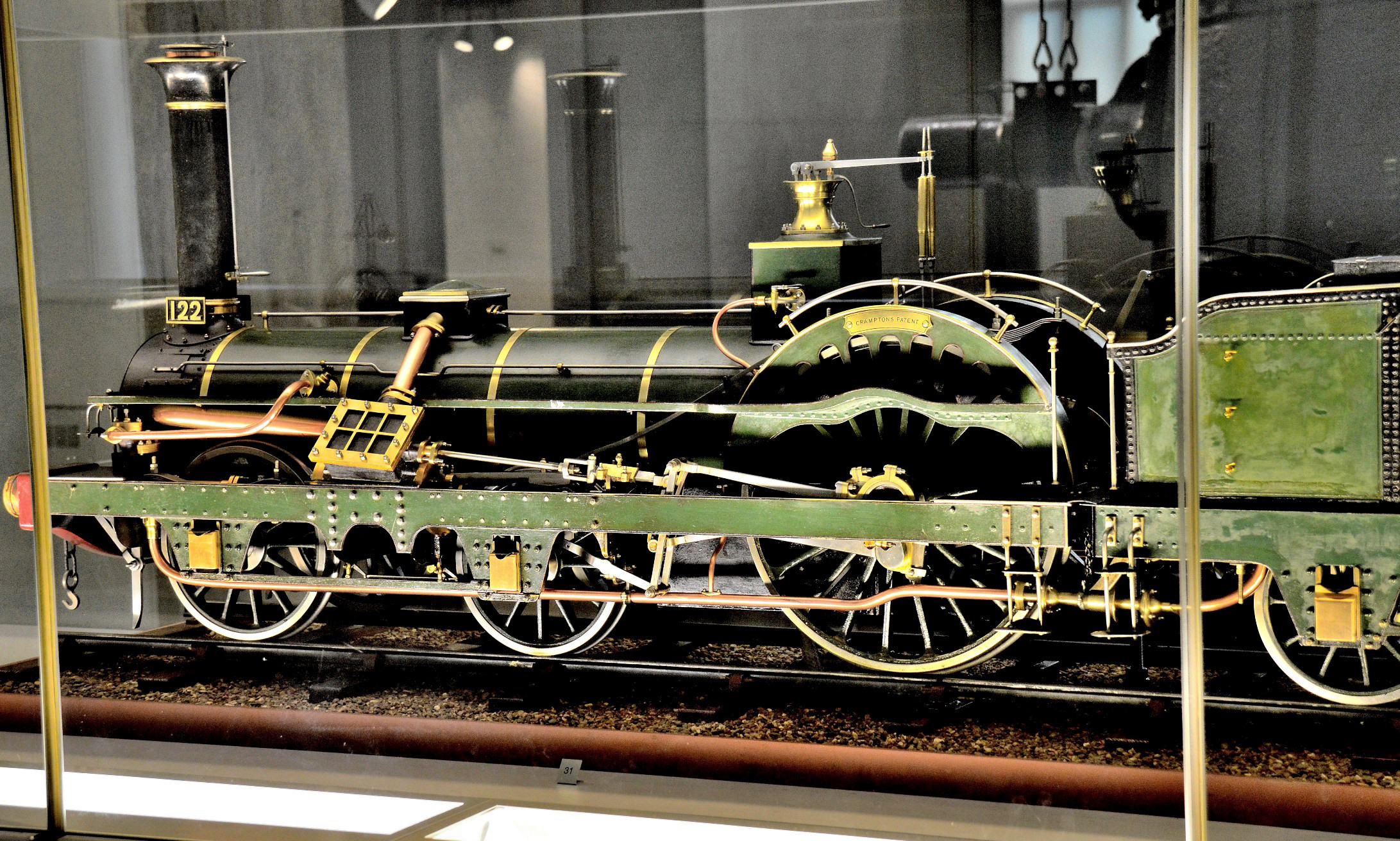
Model of Crampton’s Steam Locomotive

Model of American 4-4-0 Steam Locomotive

Model Steam Train

Model Steam Train Showing Exposed Fire Tubes
This one shows the fire tubes that carry the hot gases from the fire box through the boiler. It was by this innovation that it was possible to transfer a great deal of heat quickly to the surrounding water, hence create and maintain a large volume of high pressure steam to drive the locomotive. The steam rises to the bubble on the top and a throttle controls the steam flow to the cylinders/pistons beneath.
And, a Rolls Royce

Model of Rolls Royce Silver Ghost 1911
And, a Wooden Ship

Model Wooden Ship
And, on the Ground Floor

Model of the Rocket Steam Train

Royal George No 5 Model Steam Train
Happy traveling. :-).
Beautiful Timepieces at the Science Museum London

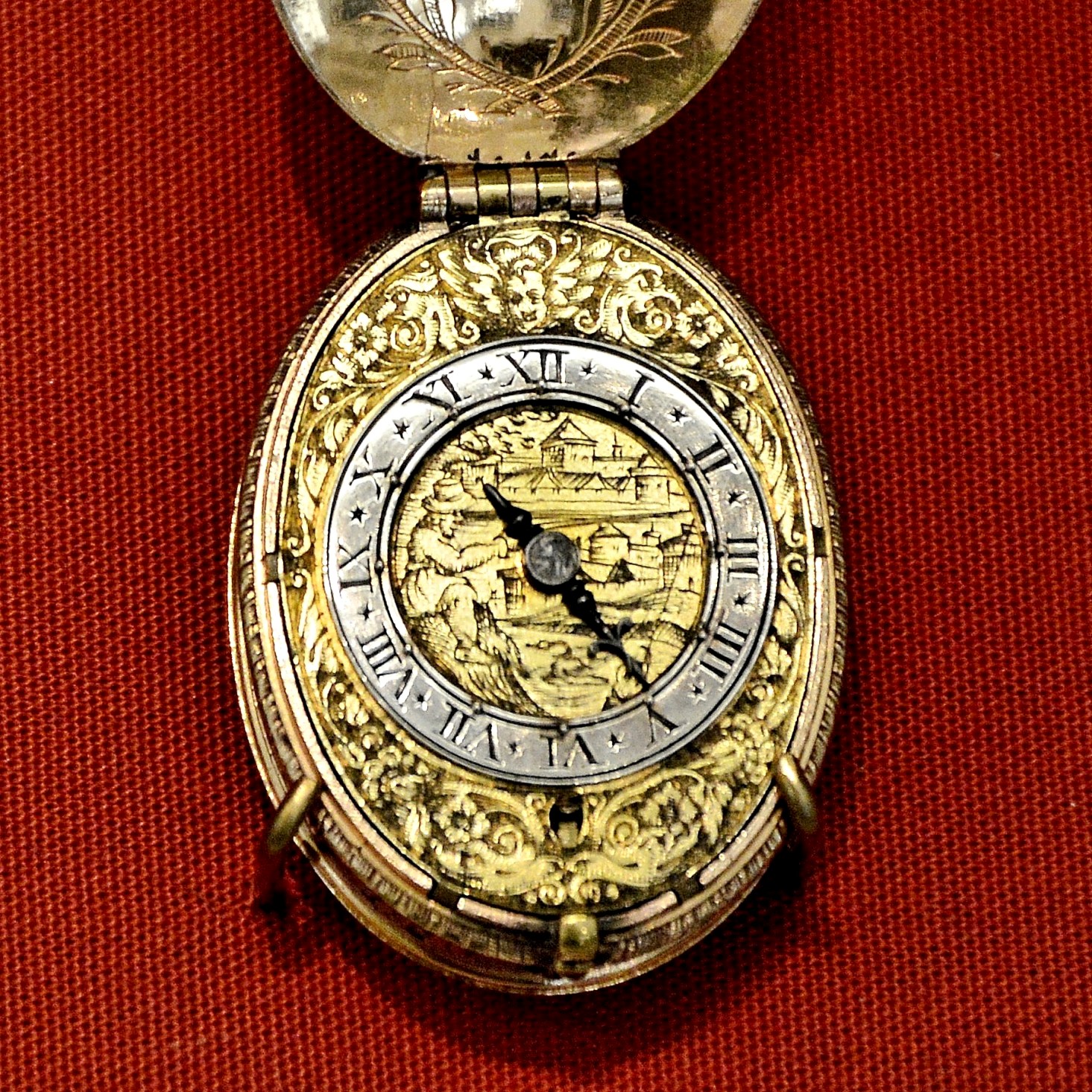
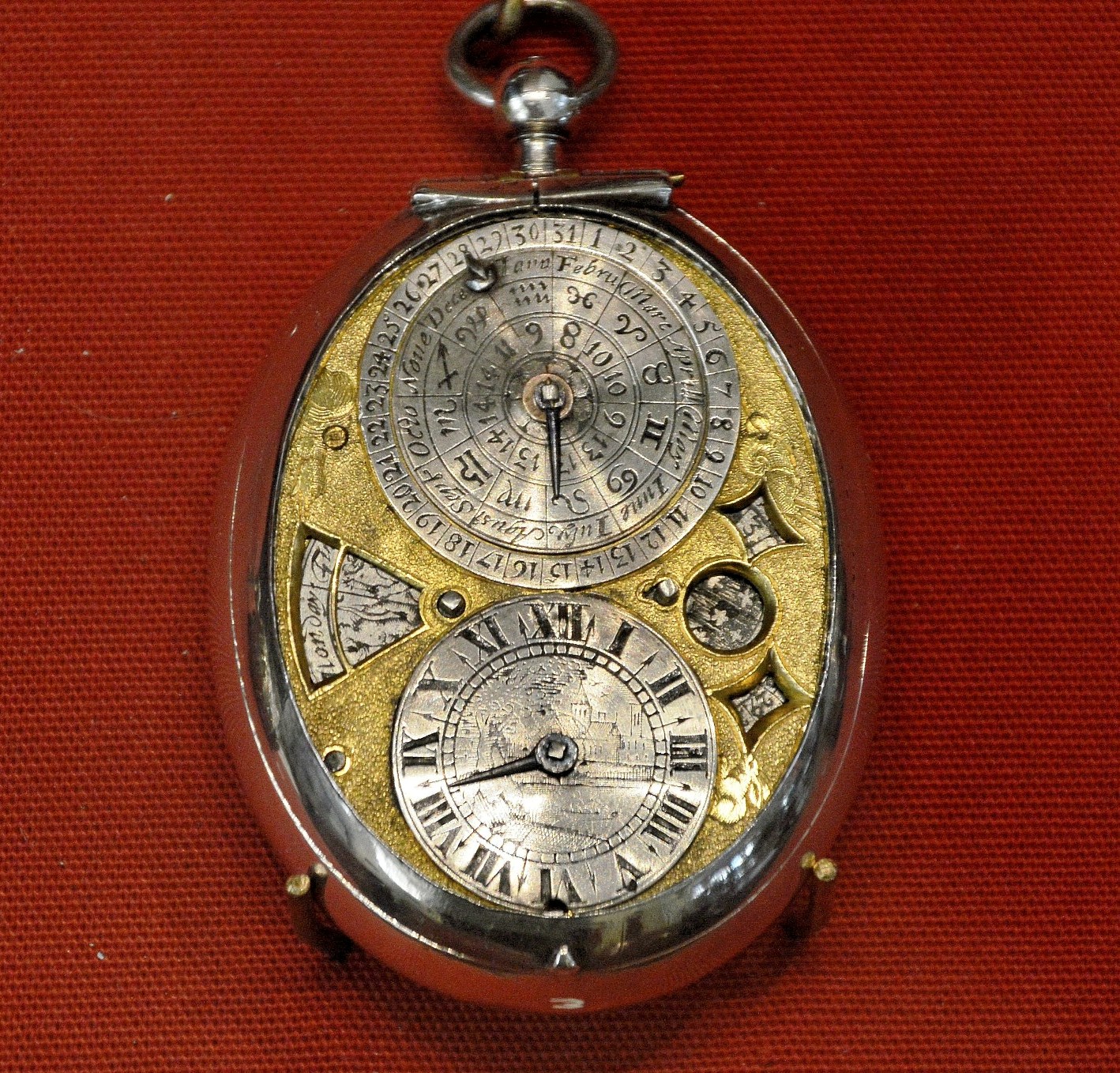
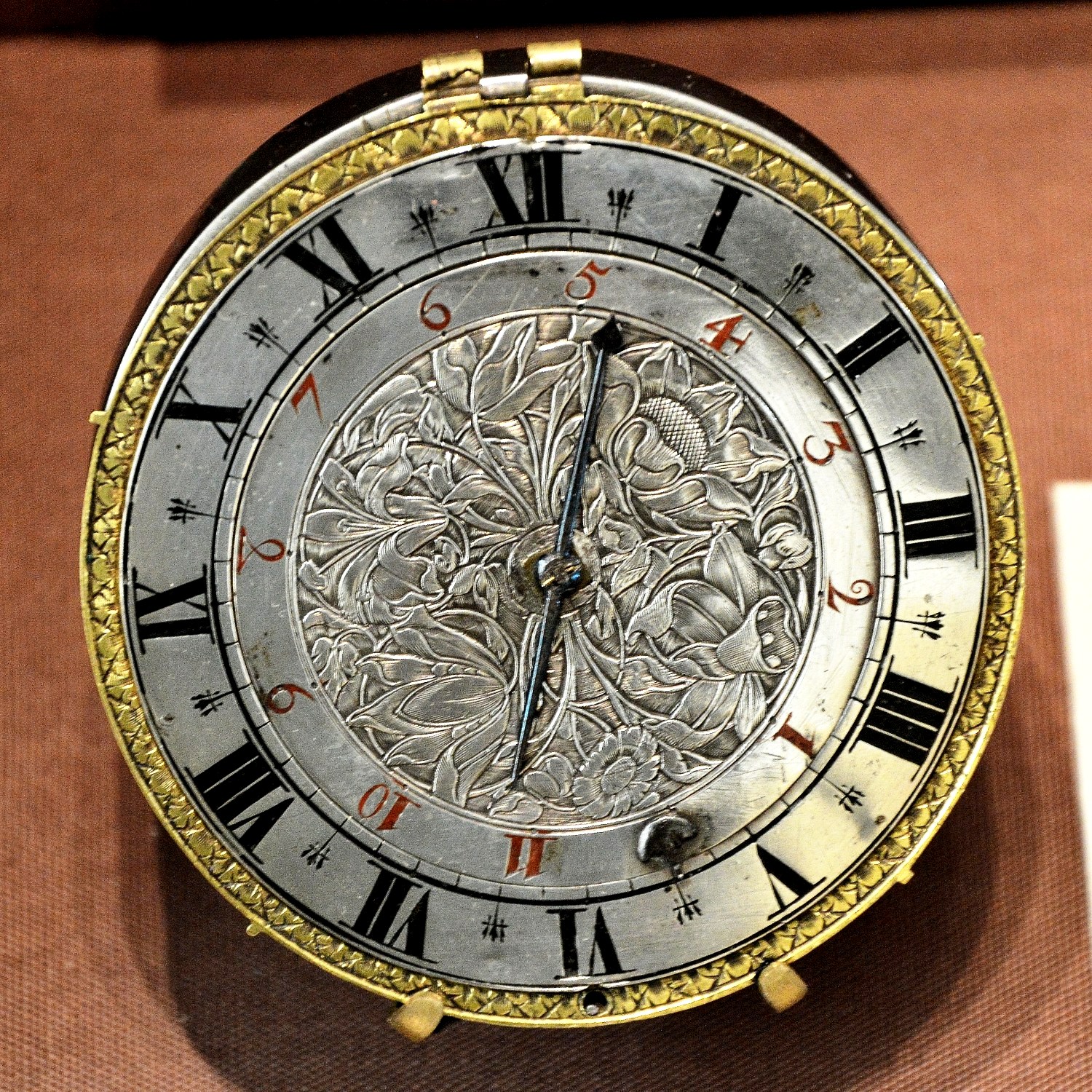
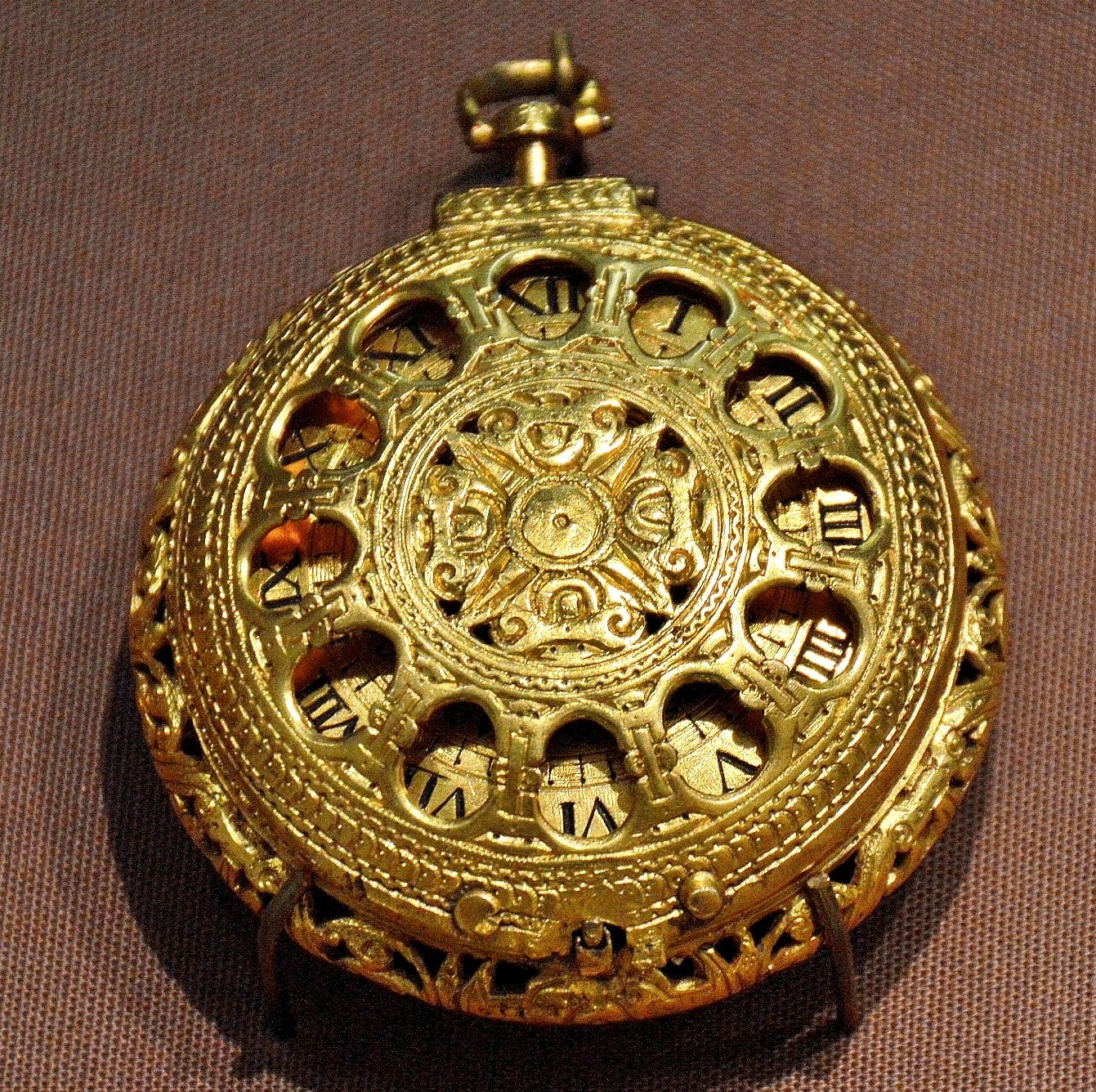
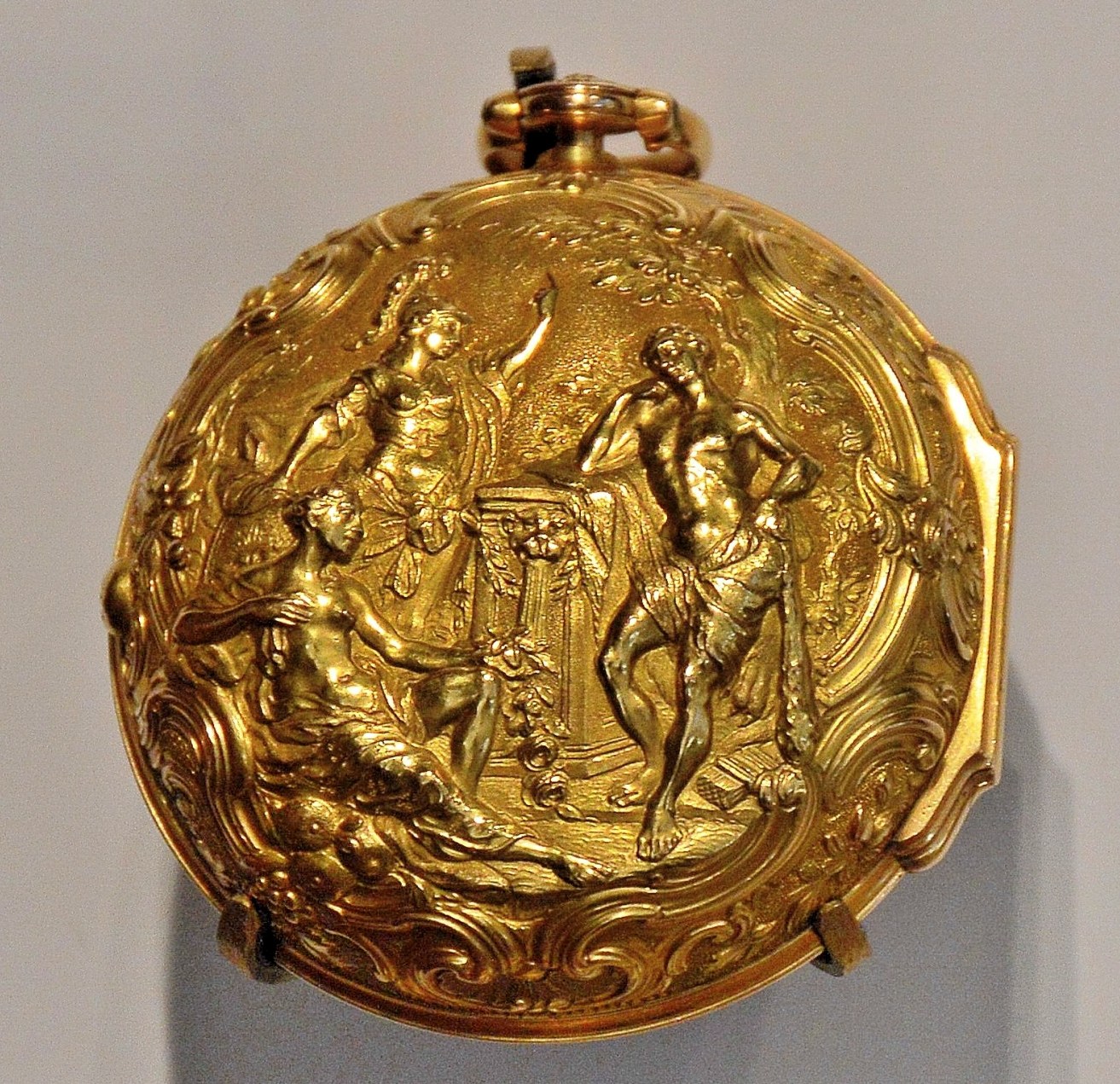
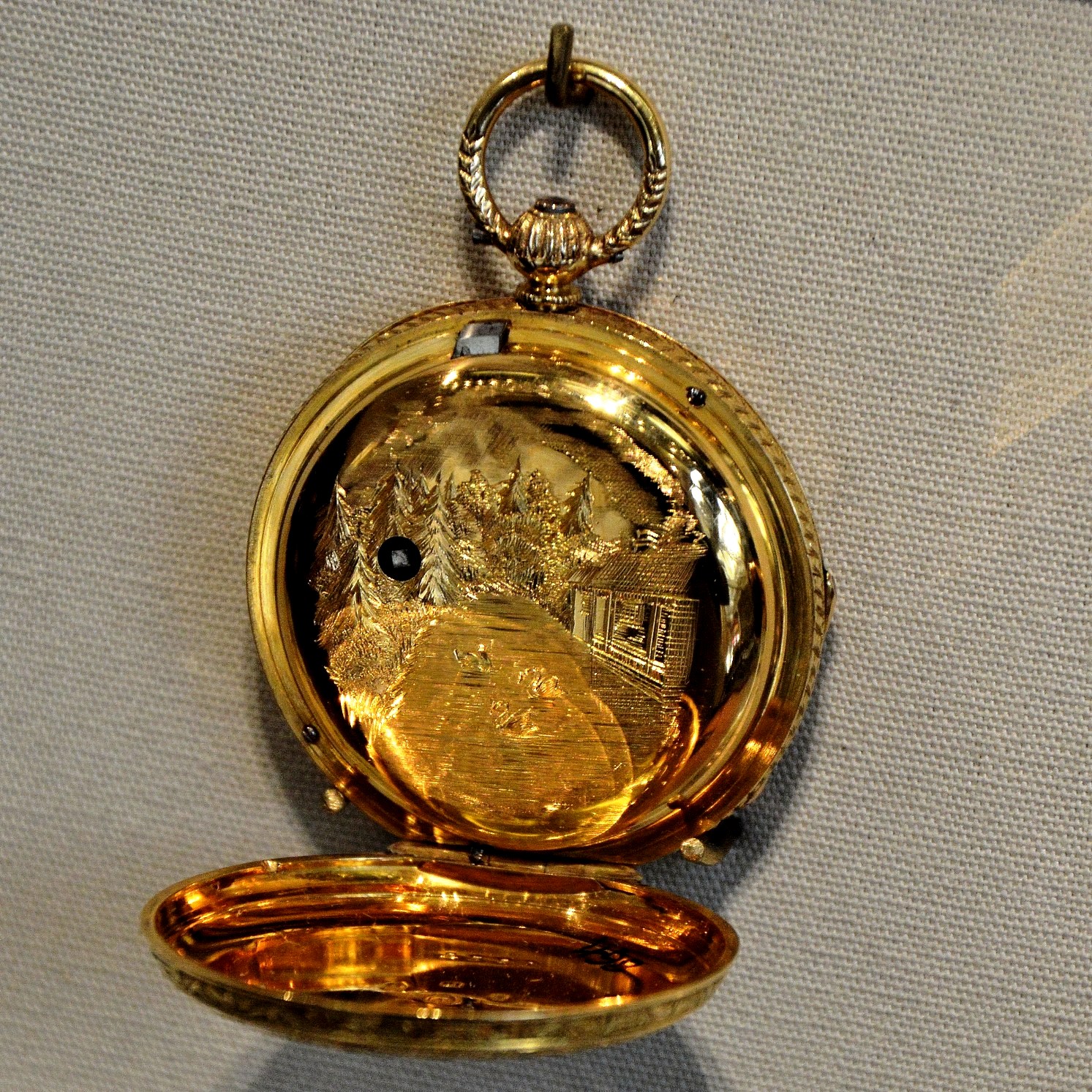
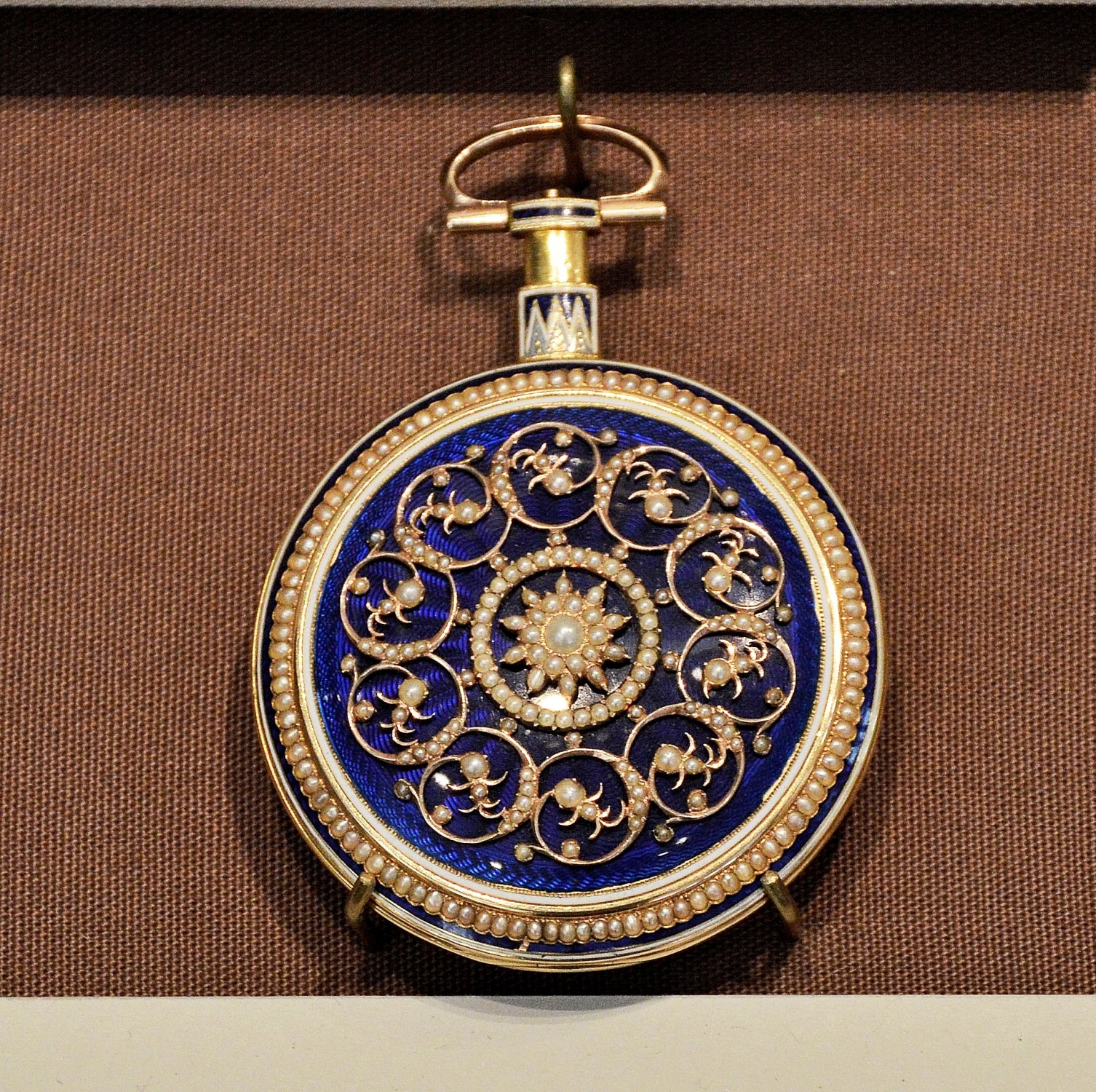
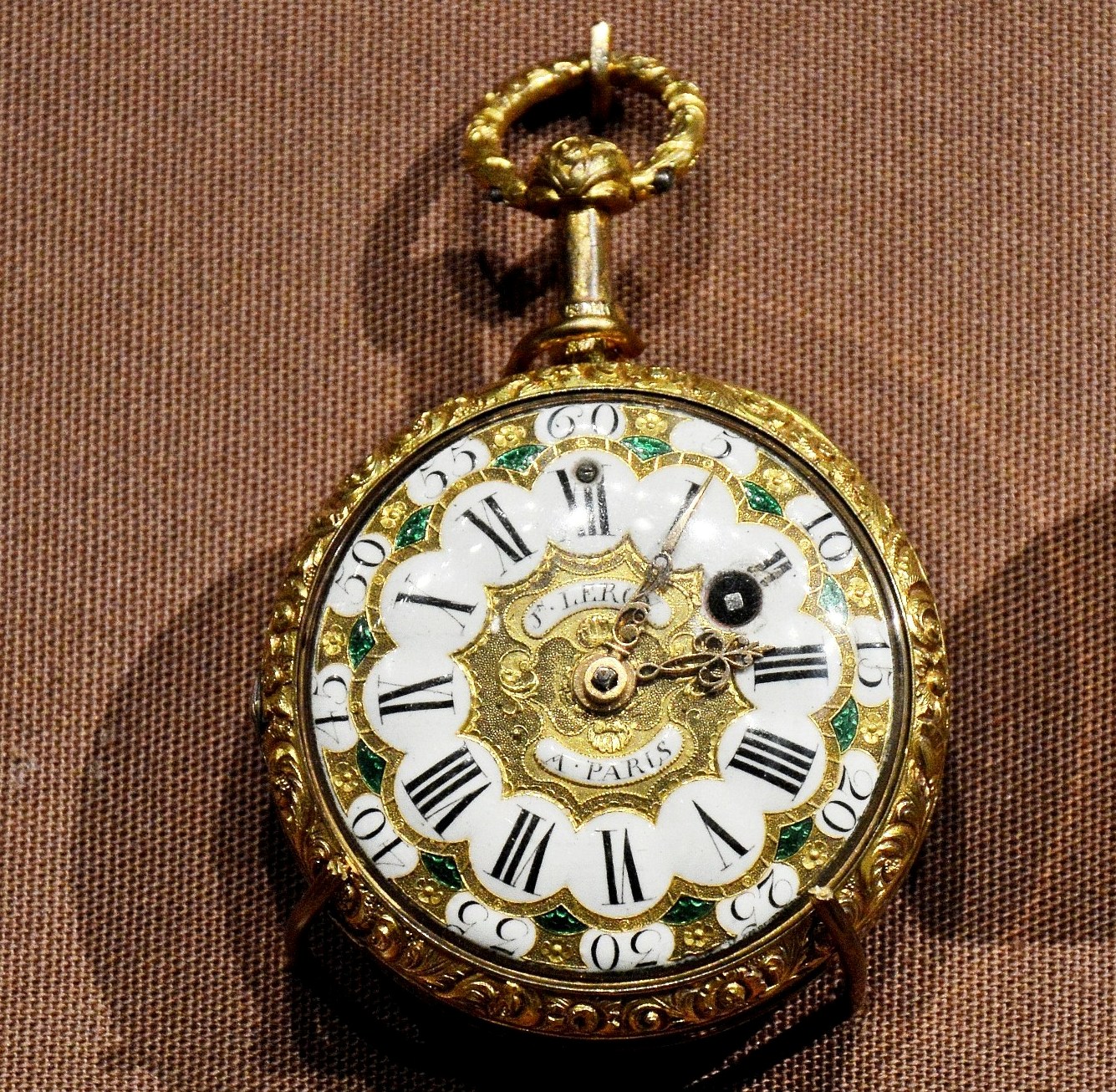
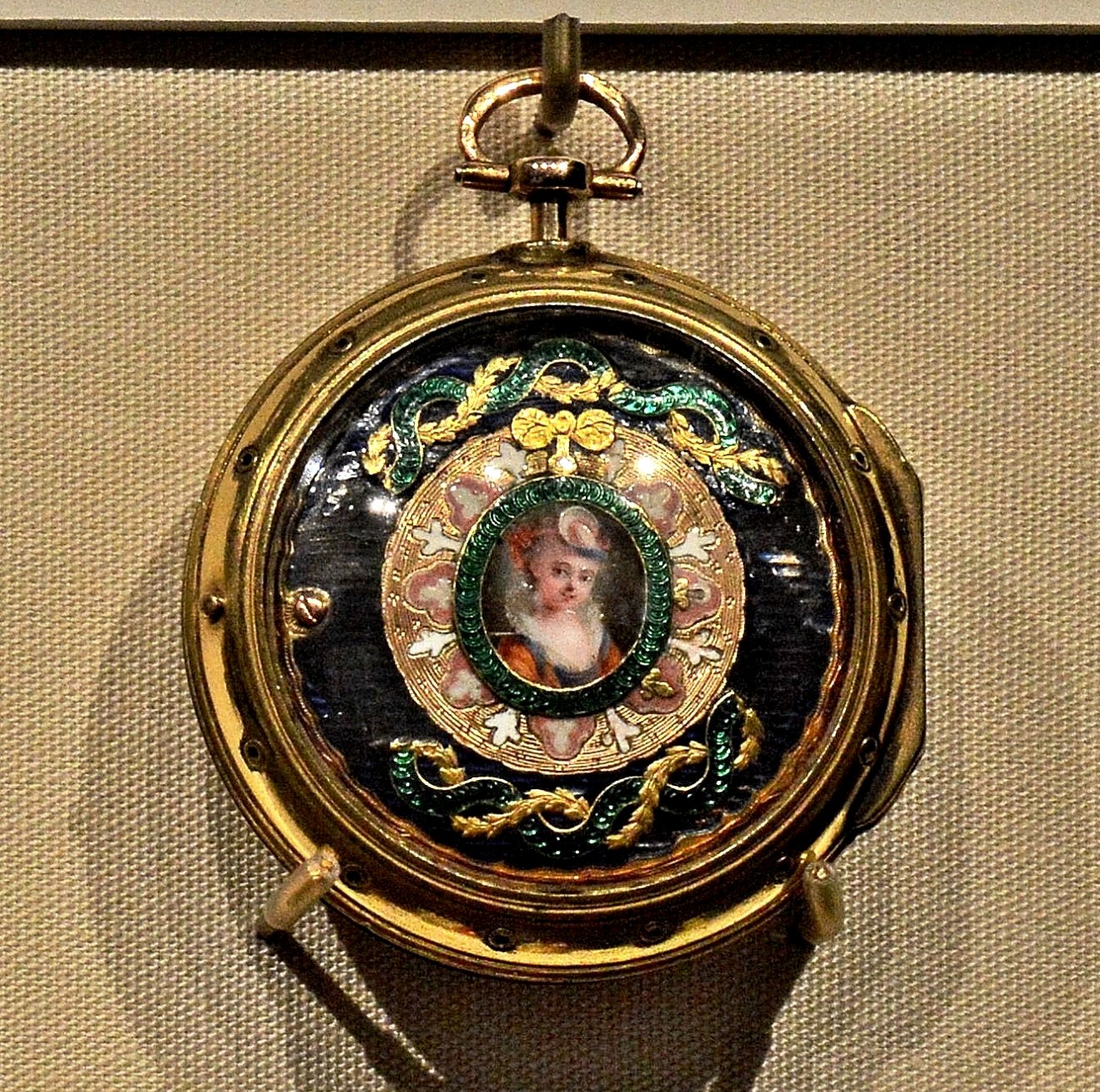
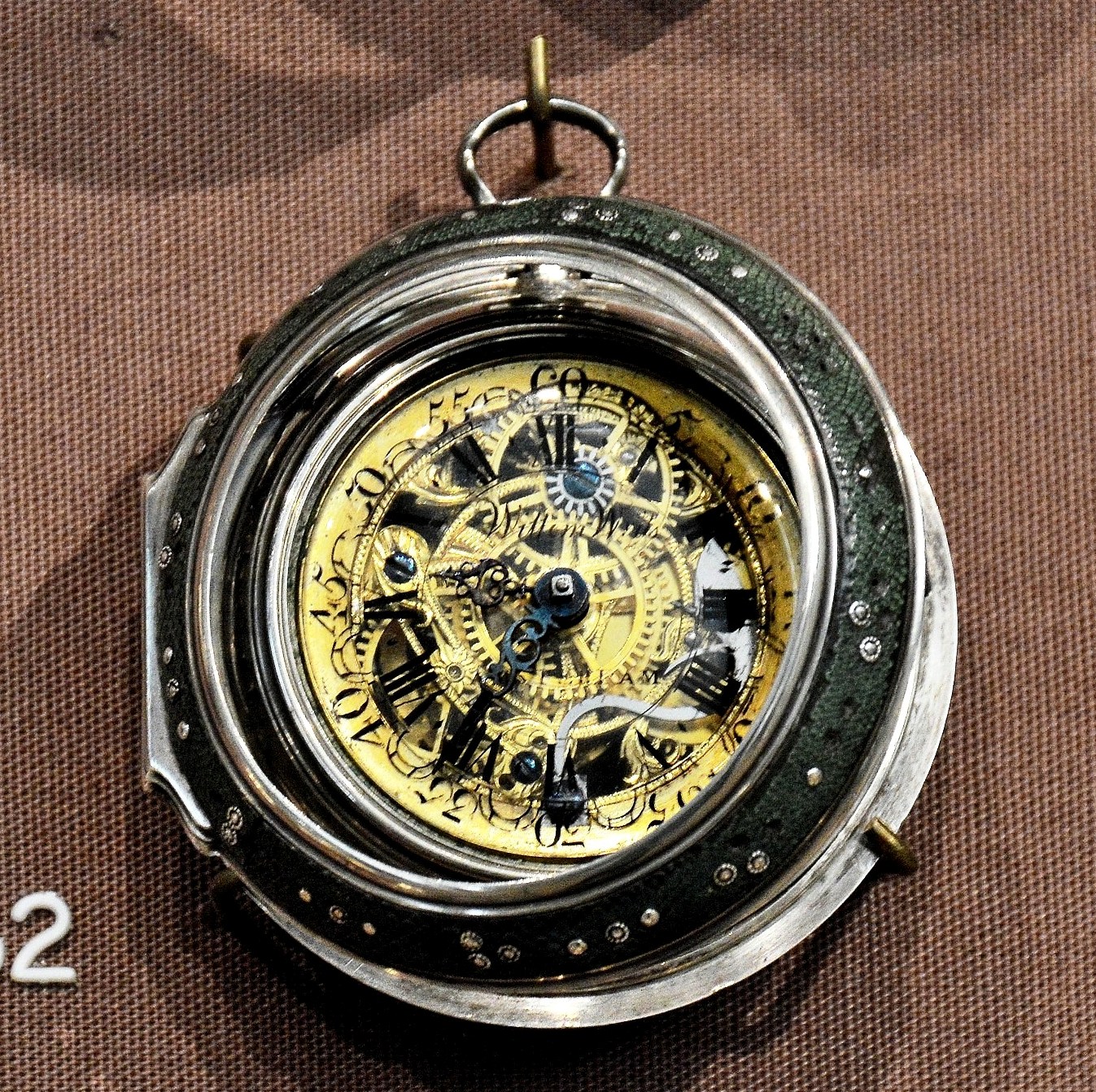
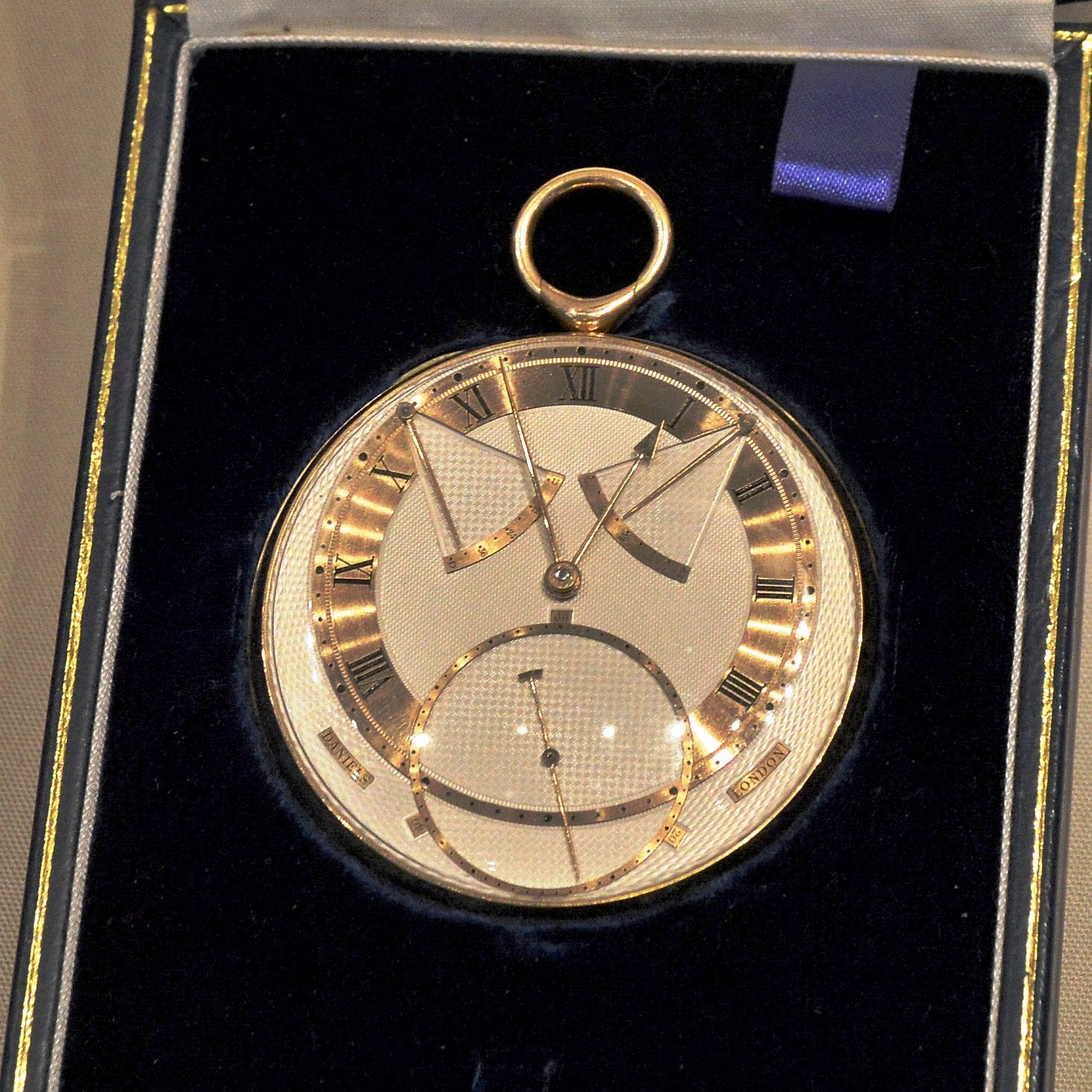
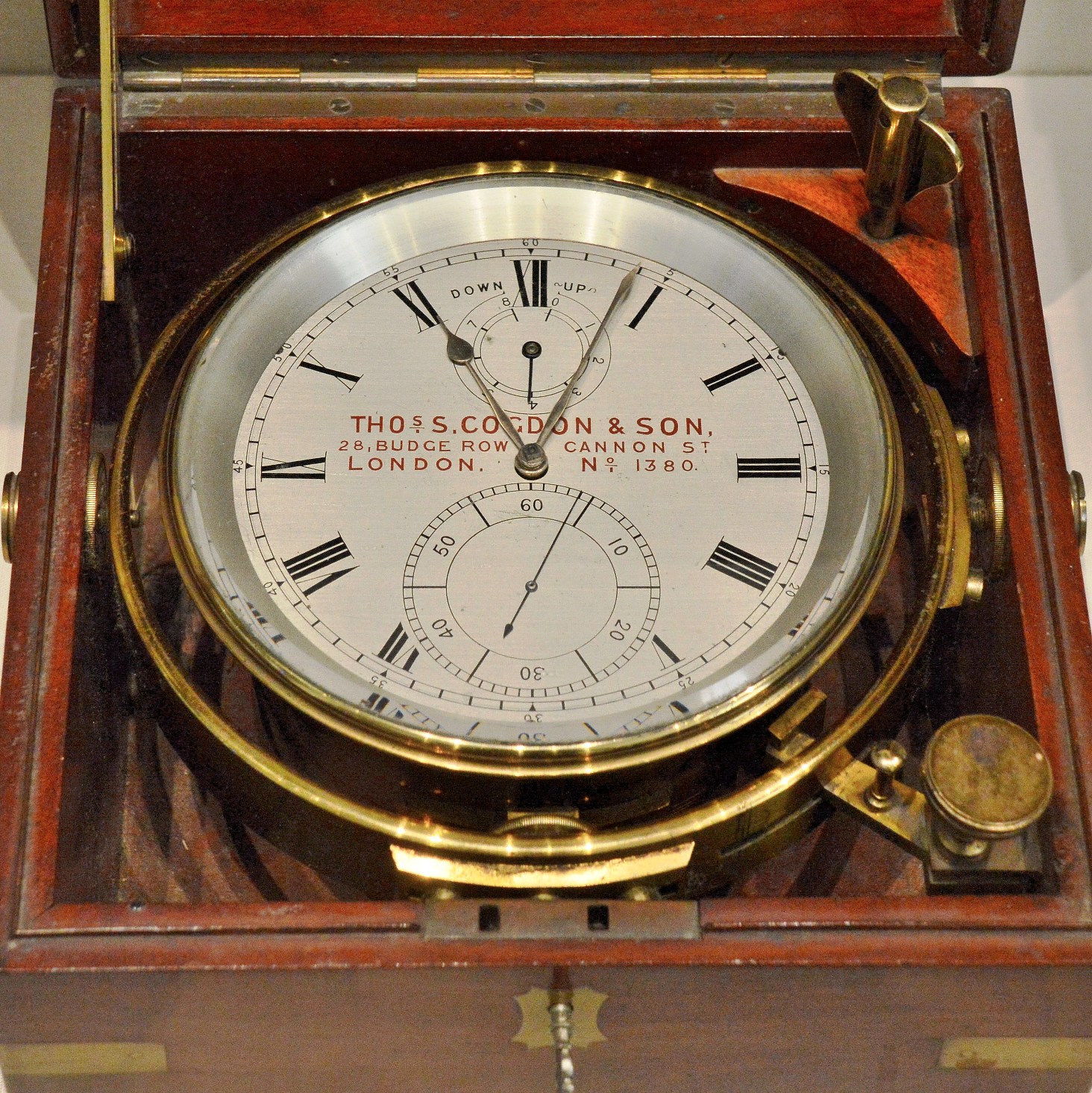
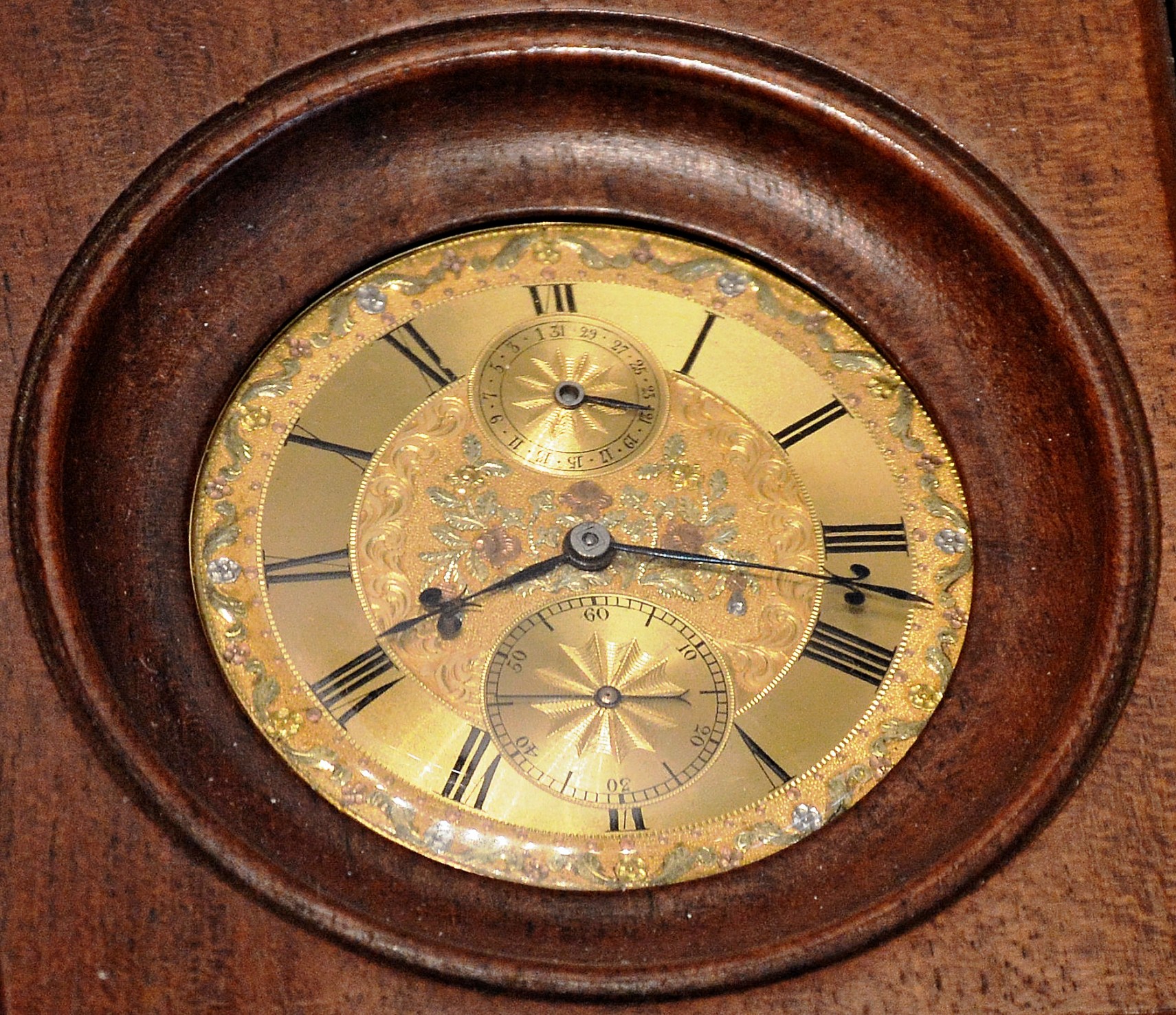
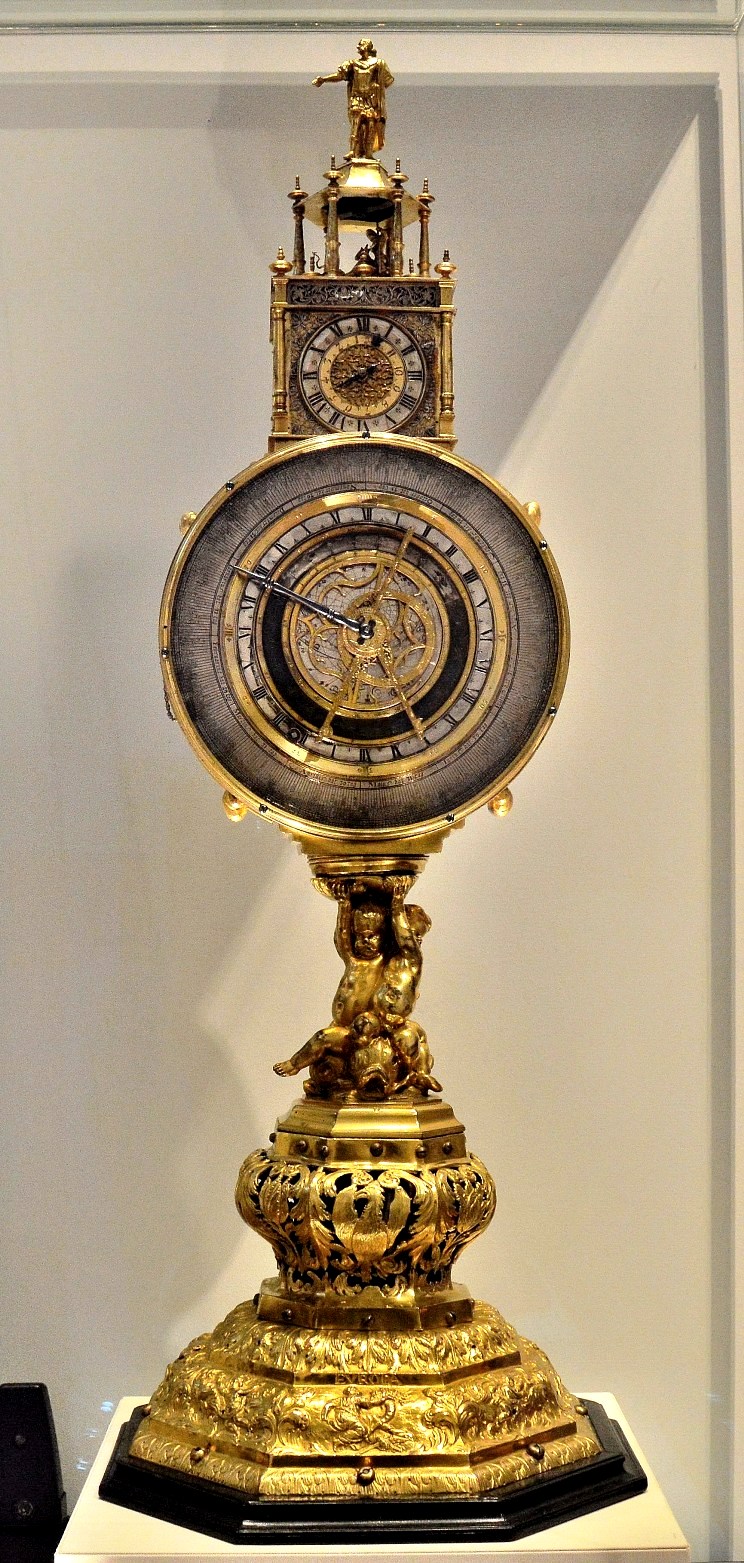
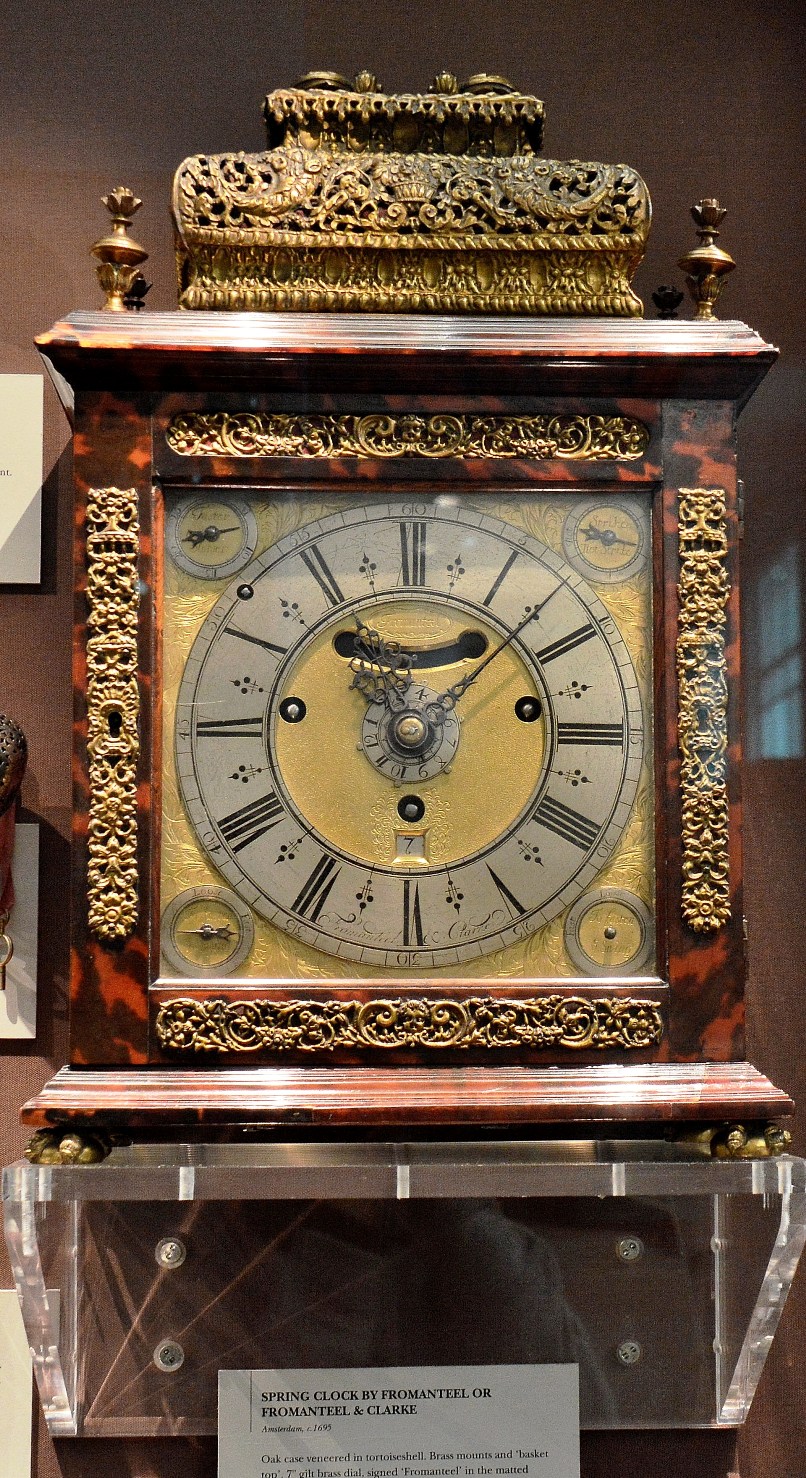
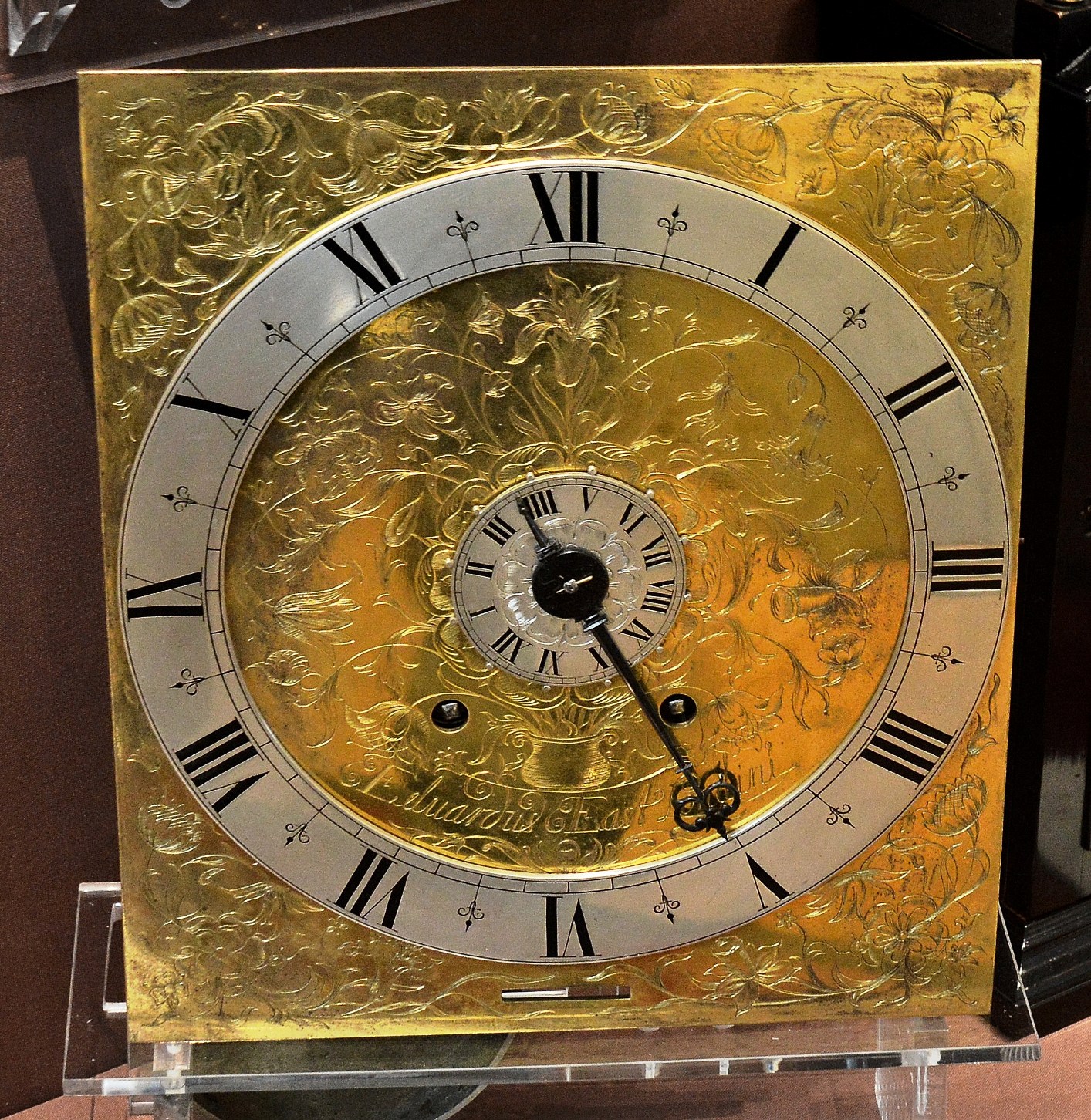
32 pics. The London Science Museum now incorporates the Clock Museum which was previously housed at the Guildhall. Along with some beautifully crafted watches there are examples of chronometers.
The chronometer has been vital to the ability to create charts and safely navigate the world. The first chronometers were invented by John Harrison and are currently kept at Greenwich. Navigation and Greenwich and Greenwich Mean Time and there importance to the modern world can be found here whilst information about Harrison’s timepieces here.
Here are just a few of the hundreds of timepieces on view at the museum. It is well worth viewing the detail by right clicking on a picture, selecting “Open Link in New Tab” and then left click on the image to magnify.
.
The Watches

Cornelius Yate c1620
.
Robert Grinkin c1620
.

Robert Grinkin
.
.

.
.

.
.
.

.
.

Jean Robert Soret c1812
.

L’Epine
.

.
Andrews c1790
.
Jean LeRoy
.
Jean Antoine Lepine Late 18th Century
.

.

.
.
George Daniels c1986
.
The Marine Chronometers

Charles Shepherd c1822 Marine Chronometer
.

Barrauds Marine Chronometer c1822
.
Cogden and Son Marine Chronometer
.

.
.
The Clocks
Johan Schneider c1625
.
Fromanteel and Clark c1695
.

J. Schmidt Table Clock c1827
.
.

I hope you enjoyed that and so it’s goodbye from them and it’s goodbye from me.
Science Museum London
22 pics. The Natural History Museum⇐, Science Museum and fabulous Victoria & Albert Museum⇐ are all close together and very near South Kensington underground rail station. All are free to enter, although a small donation is usual, and have picnic areas (a wise choice).
It is advisable to download/save/print the museum map⇒. Their website is here⇒ and of special interest are the beautiful antique timepieces⇐ and the model steam engines⇐.

Newcomen type Atmospheric Engine
During the early 1700’s there was a developing energy crisis. Coal was needed to fuel industry, especially the smelting casting and forging of iron. Surface coal was becoming rare and deep mines were subject to flooding. Pumping out by hand or animal power was inadequate so Newcomen invented the Atmospheric Engine around 1712 and they continued as the only kind of steam engine until 1802.
The Atmospheric Engine filled a cylinder with steam at normal pressure which then condensed and reduced to less than atmospheric pressure. The external atmospheric pressure then pushed the piston into the cylinder, drawing the beam down and lifting the water pump at the other end. The age of the industrial revolution advanced along with our dependence on fossil fuels.
The one above was built in 1791 and continued in use for 127 years.

Bell Crank Engine by Boulton and Watt
Later, a more powerful type of pressurized steam engine, which pushes a piston along a cylinder, was developed by James Watt in 1802. This one powered a workshop and later an electrical generator.

Puffing Billy
The earliest practical steam locomotive was designed by Richard Trevithick in 1804 and used for the transport of coal. The Puffing Billy, above, was built by William Hedley.

Stephenson’s Rocket
George Stephenson built the Locomotion for the Stockton and Darlington Railway which was the first public steam railway in the world. It was his son, Robert Stephenson, who built the famous and more successful Rocket in 1829.

Grand Junction Railway Locomotive Columbine
Then innovation took off in leaps and bounds.

Traction Engine
.

Pumping Engine
Steam driven pumping became another essential for the advancement of human civilization by the provision of clean water and removal of waste. Both were essential for the limitation of disease. You might like a look at the beautifully ornate Crossness Pumping Station ⇐ and the awesome machines at the London (Kew) Water and Steam Museum ⇐.
.

Bessemer Converter
These developments were aided by the invention of the Bessemer Converter in 1856. Molten iron, refined from iron ore in a Blast Furnace, is poured into the vessel and then air followed by oxygen is forced through the molten metal. This was the first method of removing impurities on a large economic scale to produce steel.
The great gout of fire that spouts from the converter is awesome and can be seen on video by clicking on Bessemer Steel Making at Workington Cumbria⇒.
.

Babbage’s Difference Engine No 2
Meanwhile there had been a need to produce accurate mathematical tables for engineers, astronomers, navigators etc. After around 25 years of trying, Charles Babbage created the Difference Engine No 2. Whilst it can only add and subtract, it can be programmed do so a number of times, hence it can multiply and divide. Modern computers use the same method.
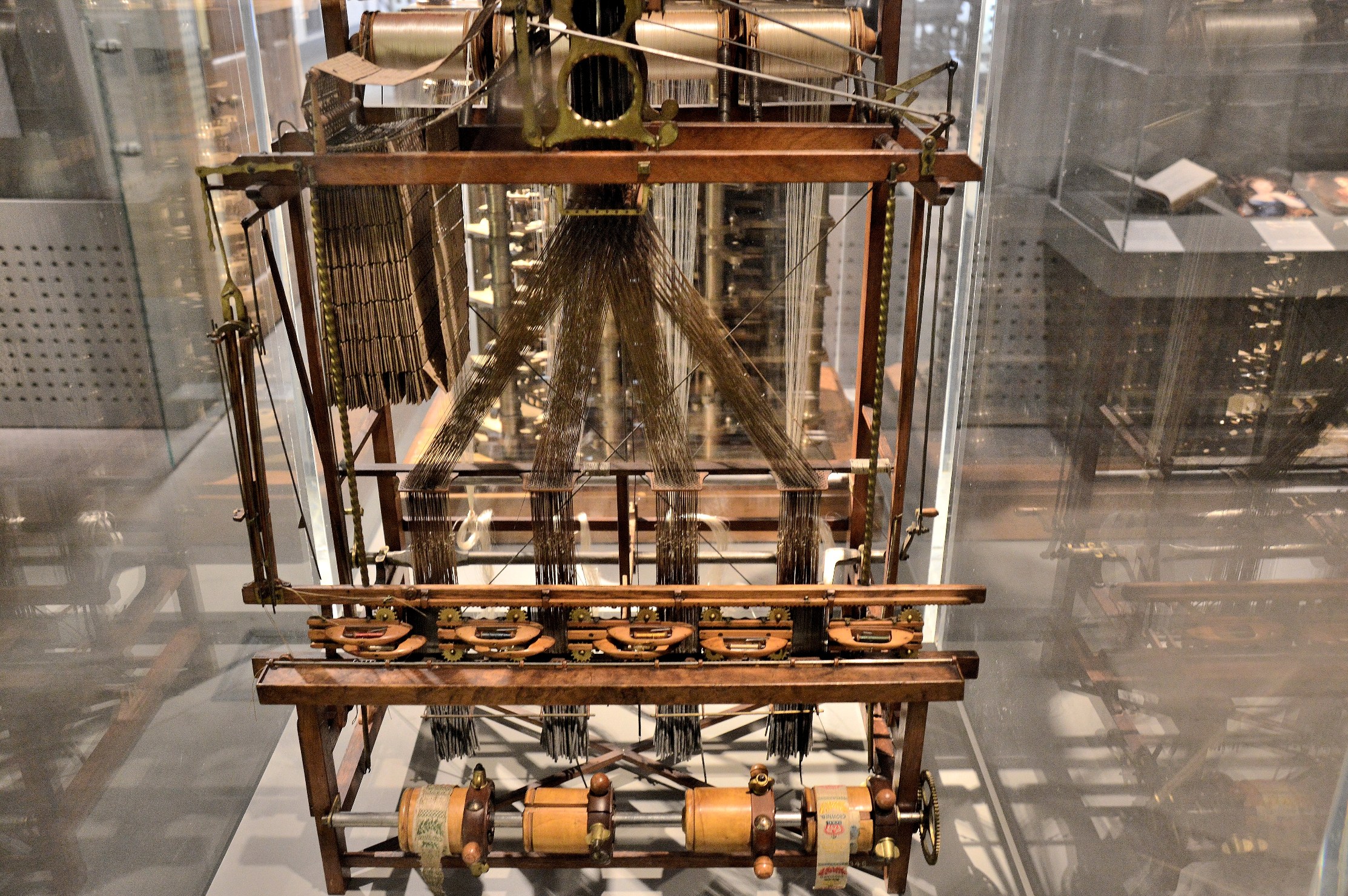
Ribbon Loom by James Heywood using the Jacquard Principle
This clever little device can automatically weave a complex design using a series of punched cards for instruction. That is, a programmable process. Punched cards were used by early computers.
And then :-.

Well alright its early days yet.

Amy Johnson’s Airplane Jason
Amy Johnson was the first person to fly solo from Britain to Australia, although in several legs. If you click on twice to expand, you might notice an AA (Automobile Association) sticker just beneath “Jason”. Now that’s what I call optimism.
And then:-

The Spitfire
.

Lockheed Electra
.
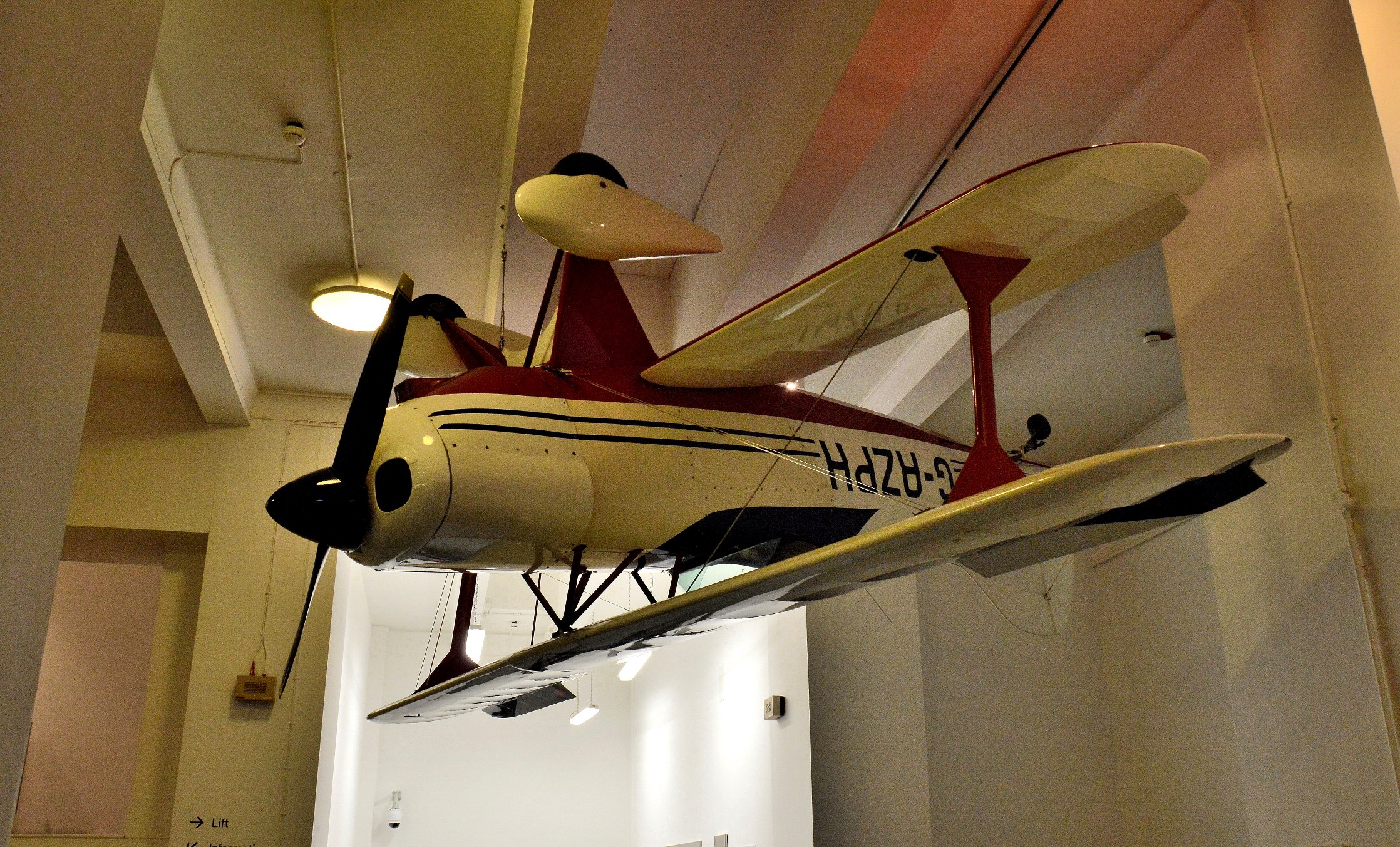
Normal service will be resumed when Grommet gets back from the chip shop. 🙂

Harrier Jump Jet
And then :-
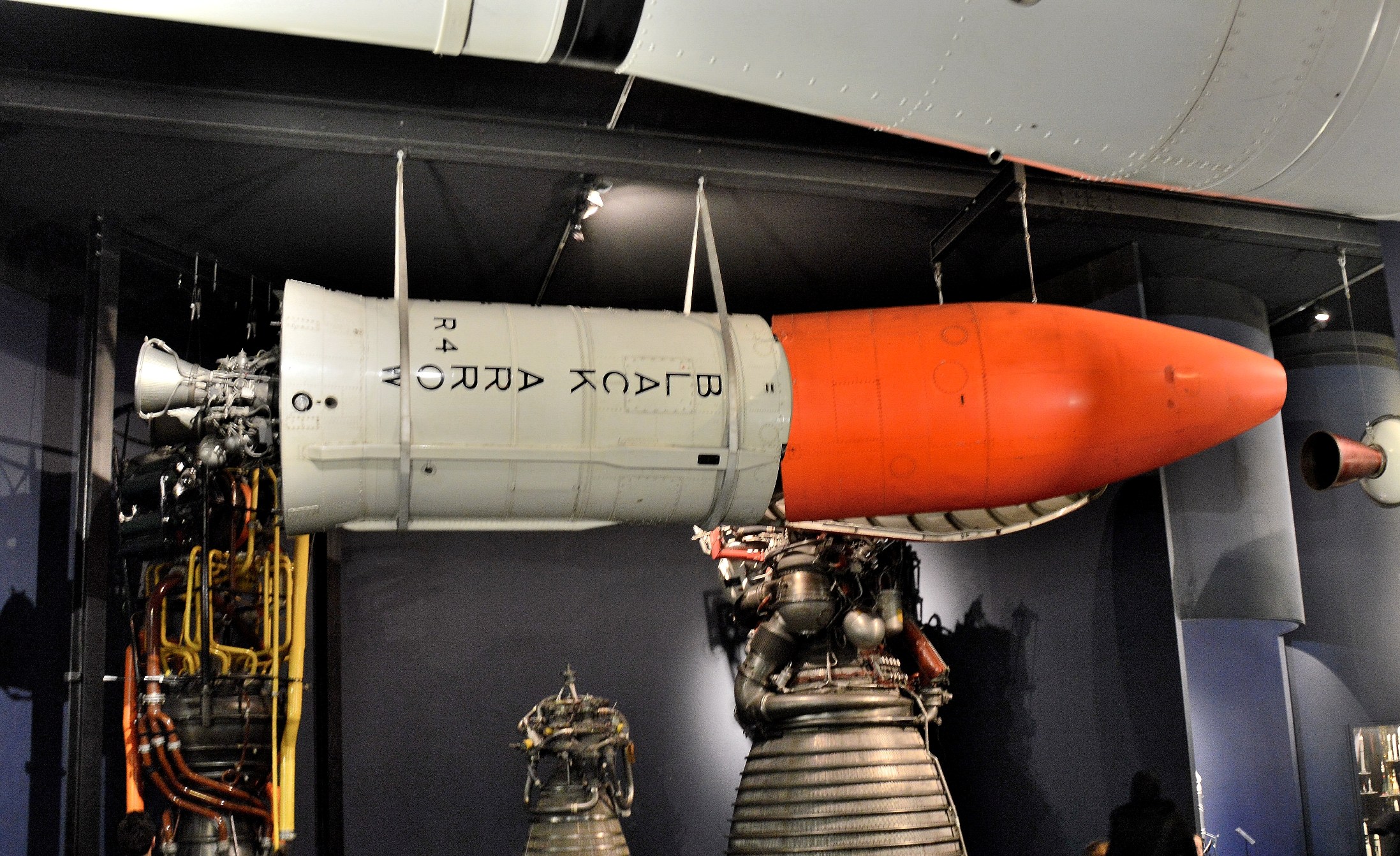
Space Rockets
.

Space Satellite
.

Space Capsule
.

Moon Lander
And then:-

This suspended globe in the Science Museum turns and changes to show the weather patterns and day and night. At times it shows the vast number of lights we are burning.
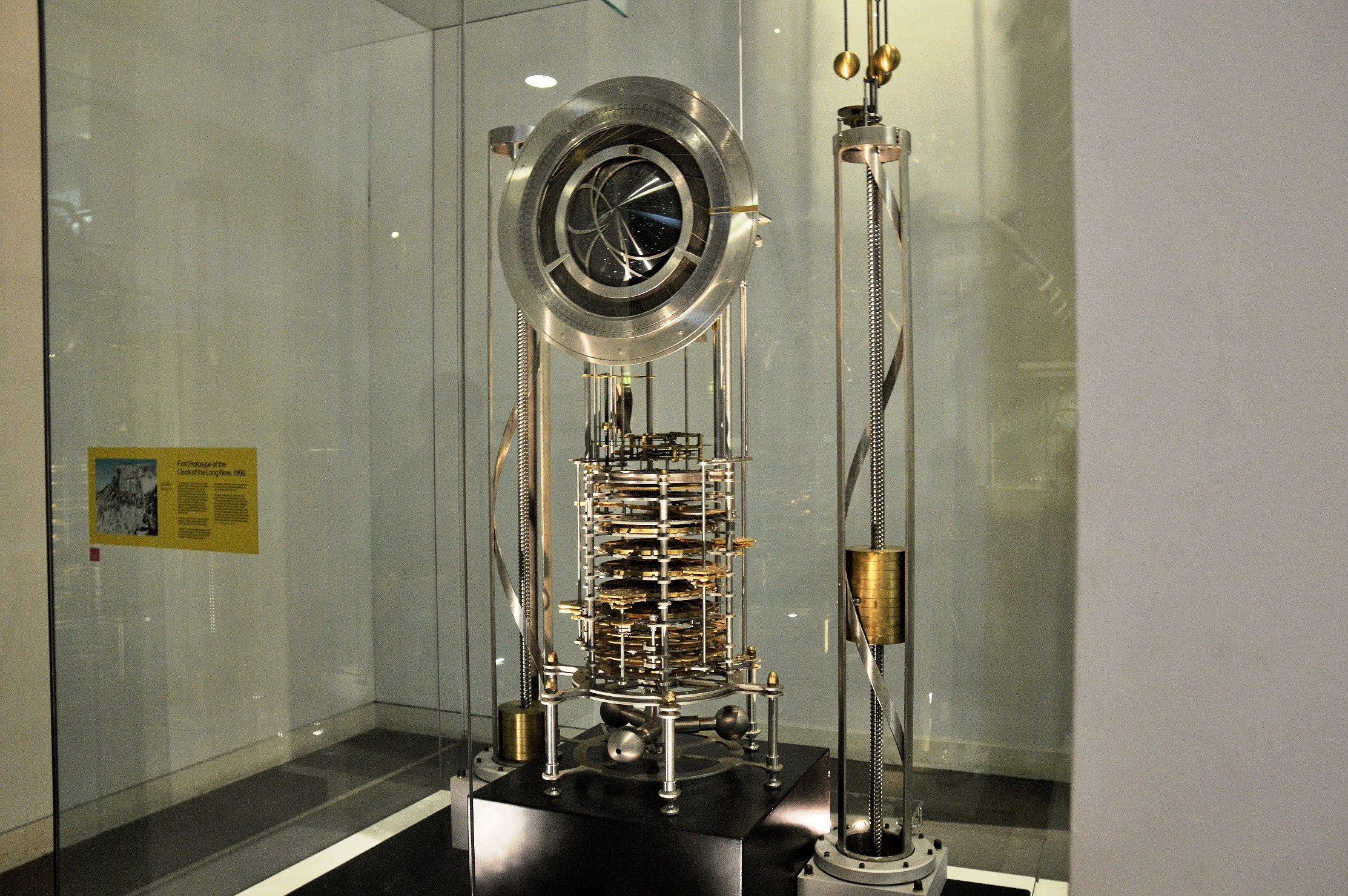
The Clock of the Long Now
Please click on twice to expand the small print.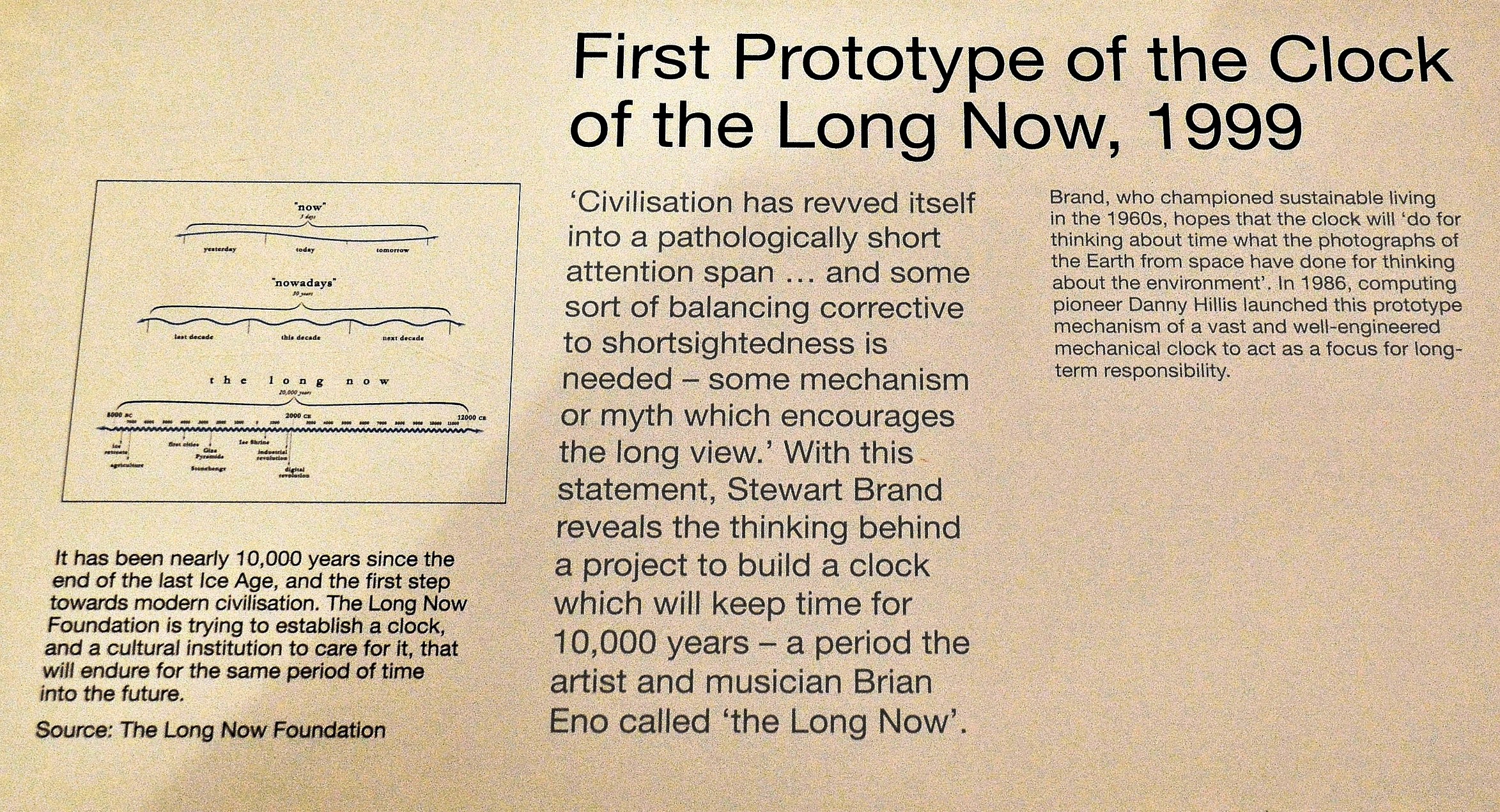
.
Fossil fuels have been the foundation of our modern world and all of its benefits. Knowing no better, we have used a crude and poisonous medicine, we now have to evolve to stop the increasingly damaging side-effects. Considering all that mankind has done, surely we can manage this too.
.
Geffrye Museum – Interiors
The Geoffrye Museum is very close to Hoxton station on the London Overground Line. There is a front and back garden area, which is worth seeing, and entrance to the museum is free. The interior has a long row of rooms which depict interior decor and furniture throughout the ages. There is also an exhibition area in the basement and one may join a tour of a small Alms House exhibit.
Here is a taste of the museum.


British Museum
Sutton Hoo Treasure
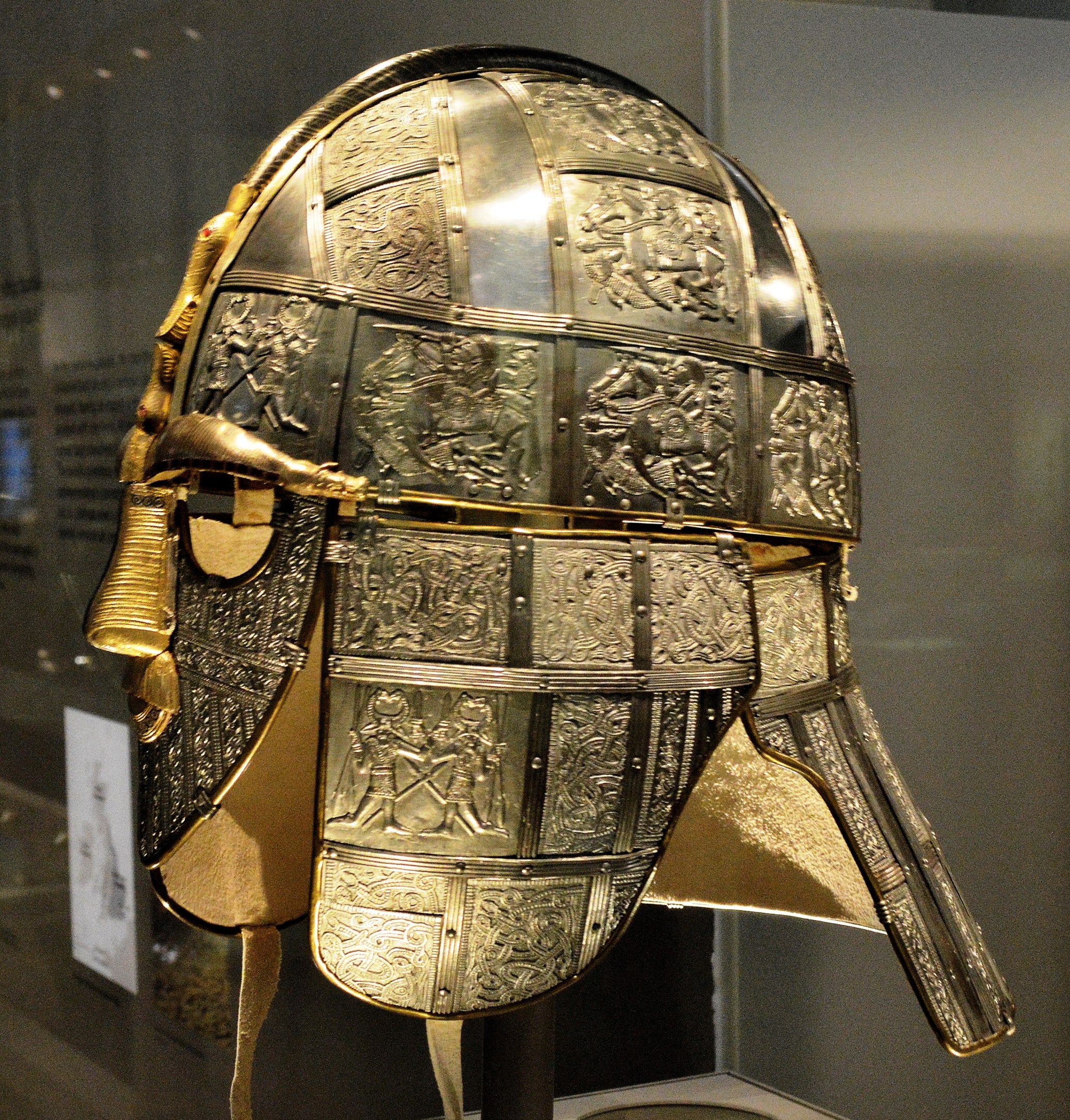
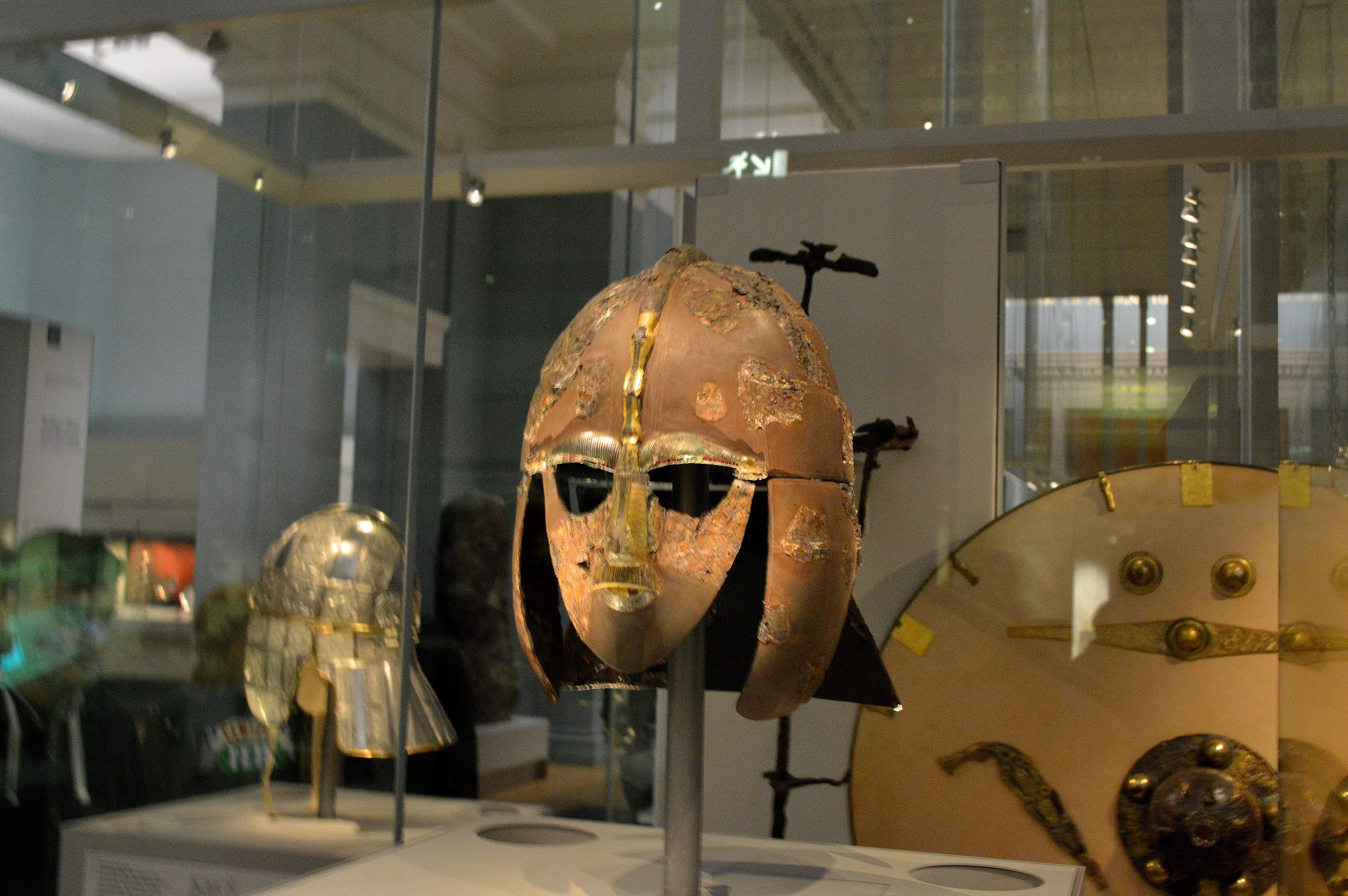
Sutton Hoo Helmet
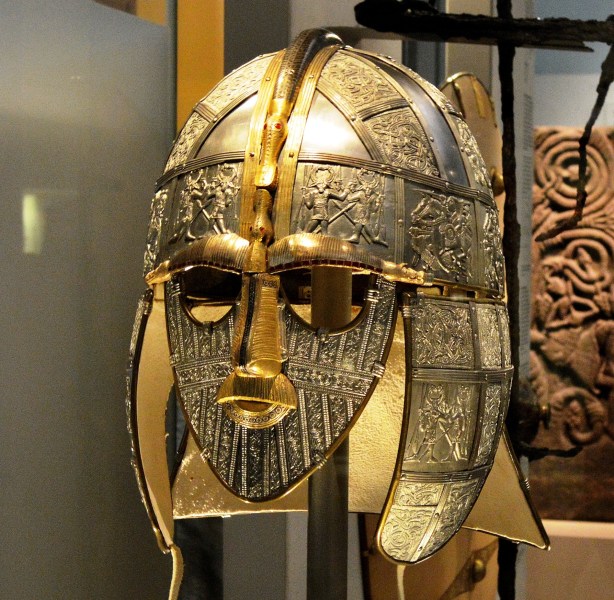

The replica helmet and mask are part of the Sutton Hoo Treasure (Wiki) with more at Sutton Hoo Site. The original find is further down together with more artifacts from antiquity.

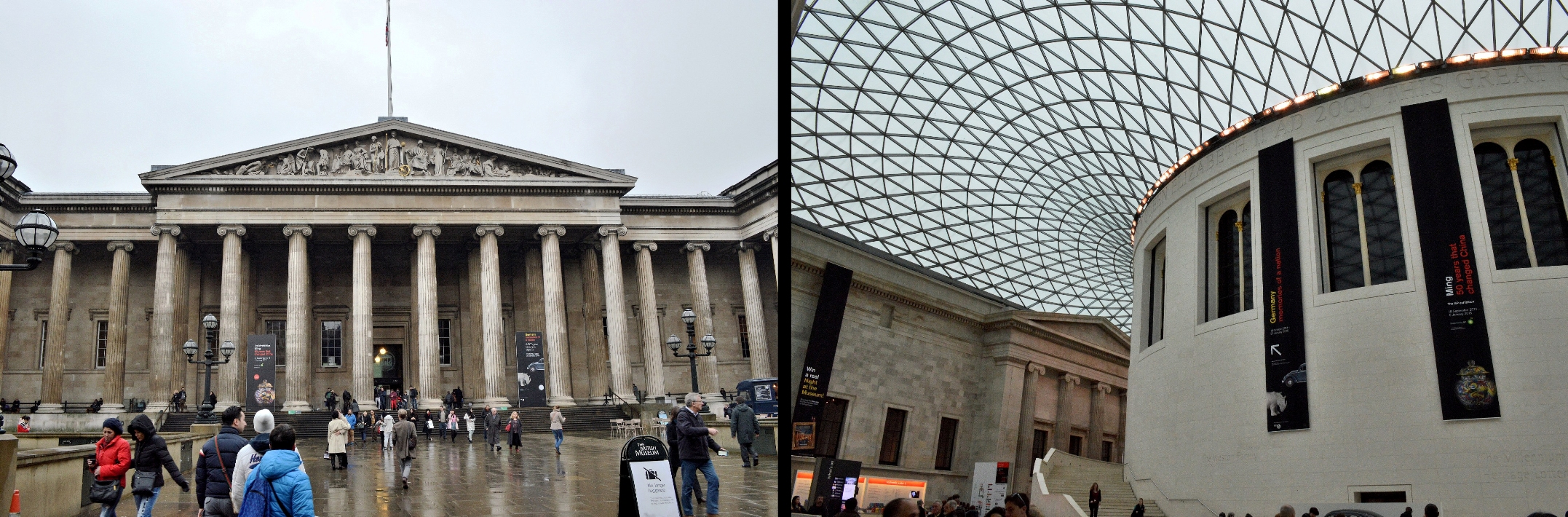
The Museum
The British Museum (for details, admission and location) is probably the largest in the UK and contains artifacts from all over the world, from antiquity to more recent times. Whilst there is some controversy about ownership of some items (e.g. the Elgin Marbles), the museum has preserved what otherwise might have been lost and is free to all visitors. There is a an extensive cloakroom and non-commercial photography is allowed.
Of similar interest is the Victoria and Albert Museum, which is dedicated to design from across the world. More from the British Museum:-

Cosy
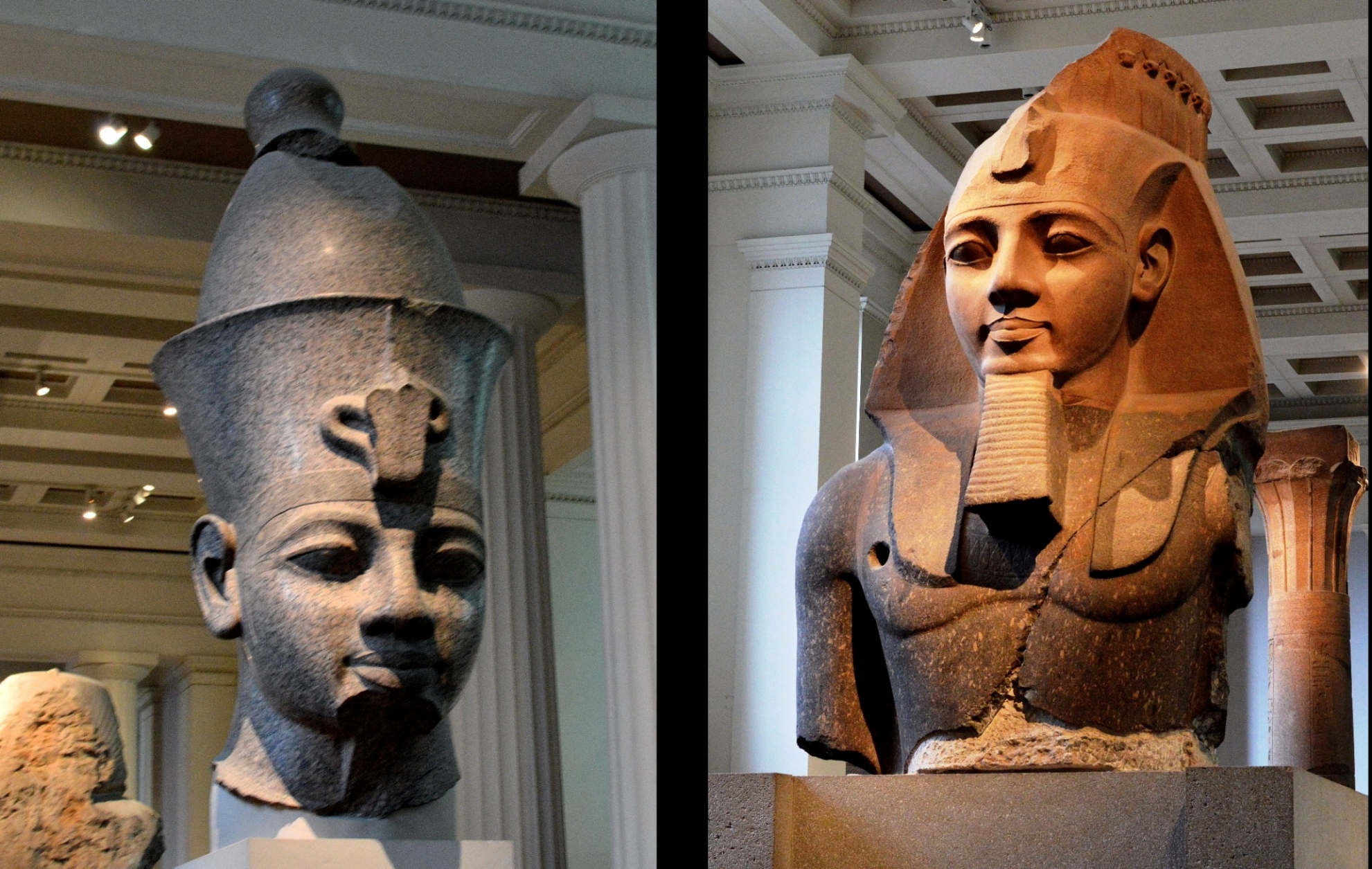
Nefer Teapot Nefer did

Rar

Raaaar
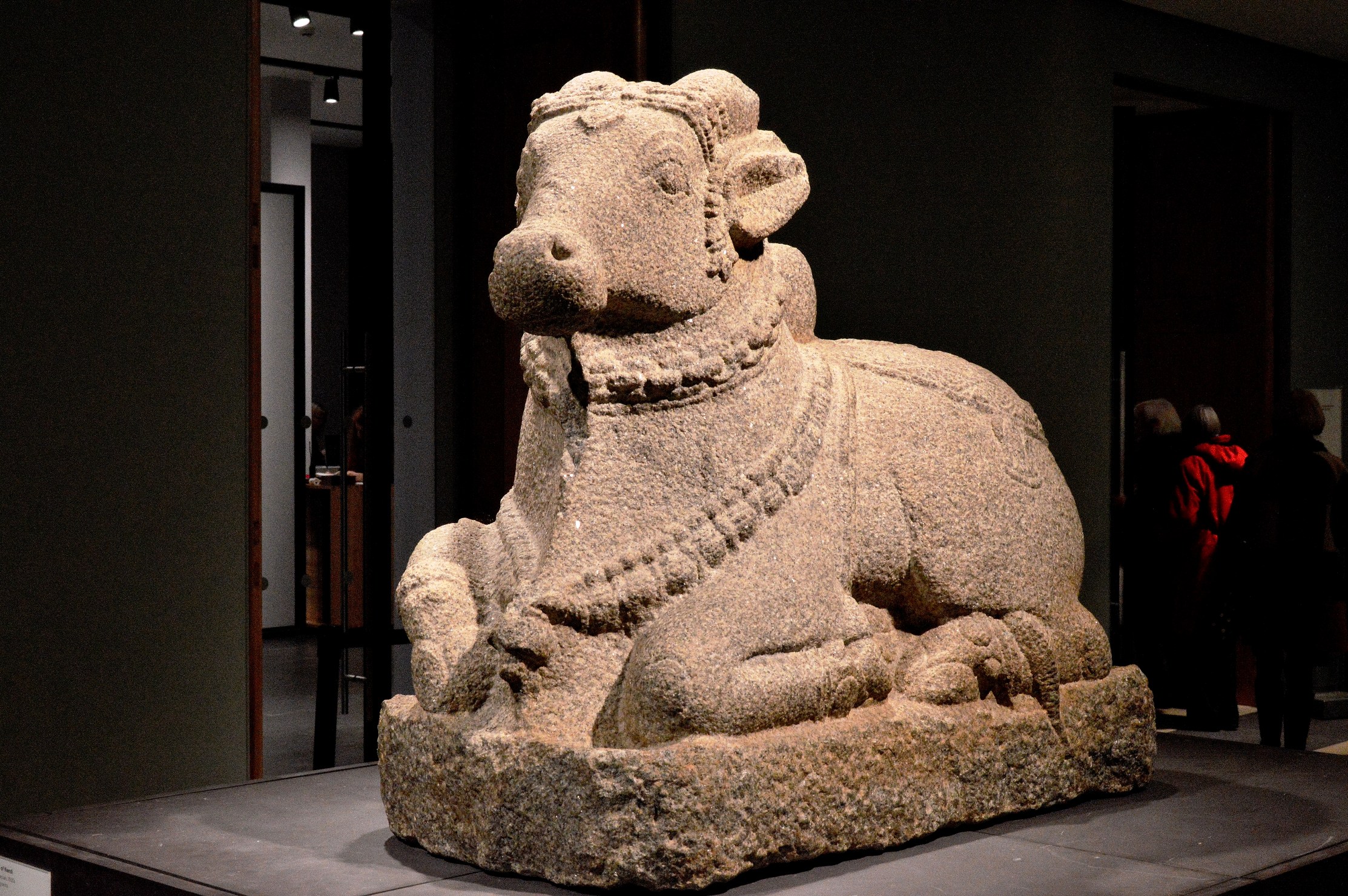
Moo see um

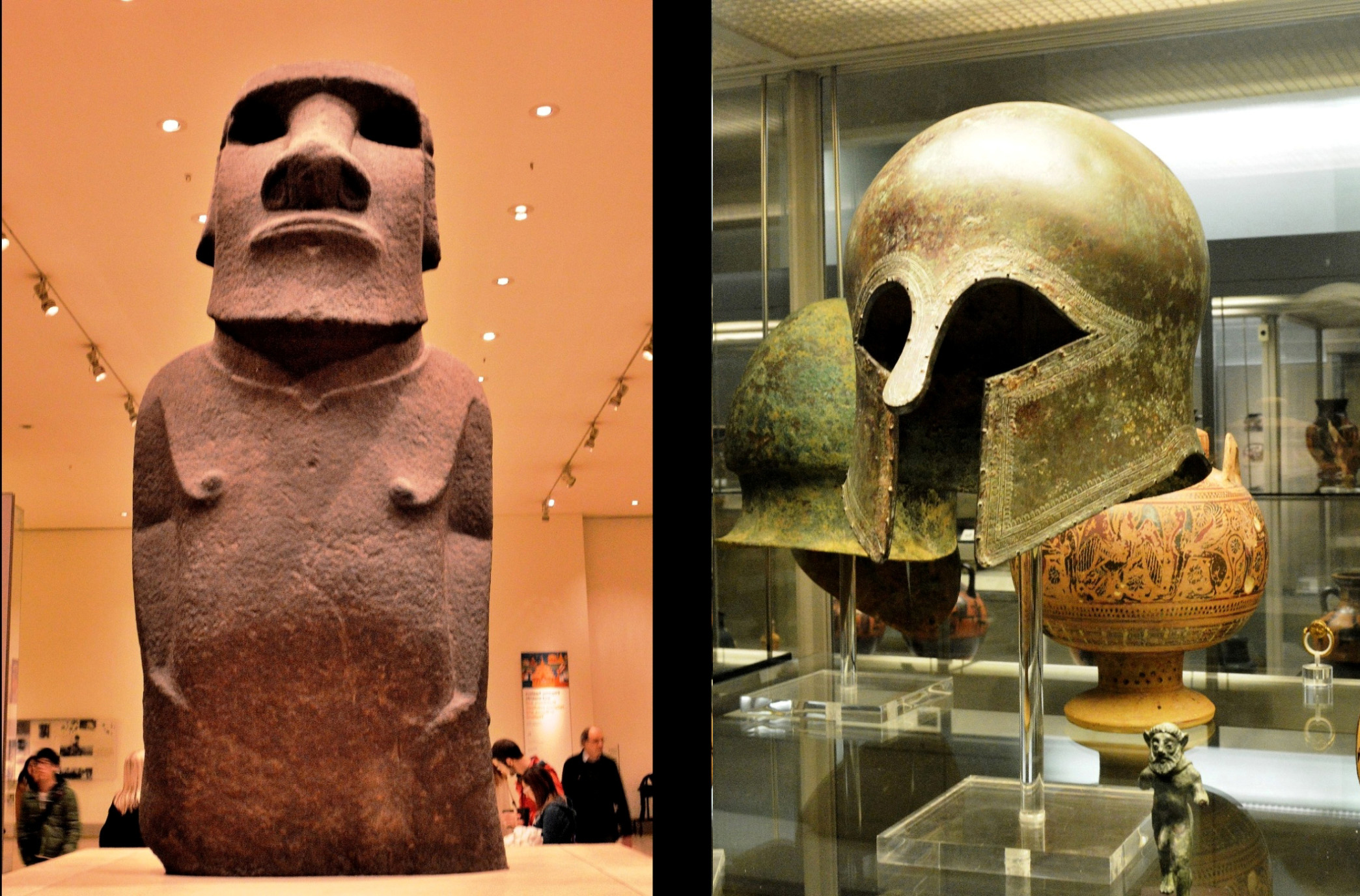
What time do you call this then. ……………………………………………………………….Oh mum, it’s only XXII o’clock
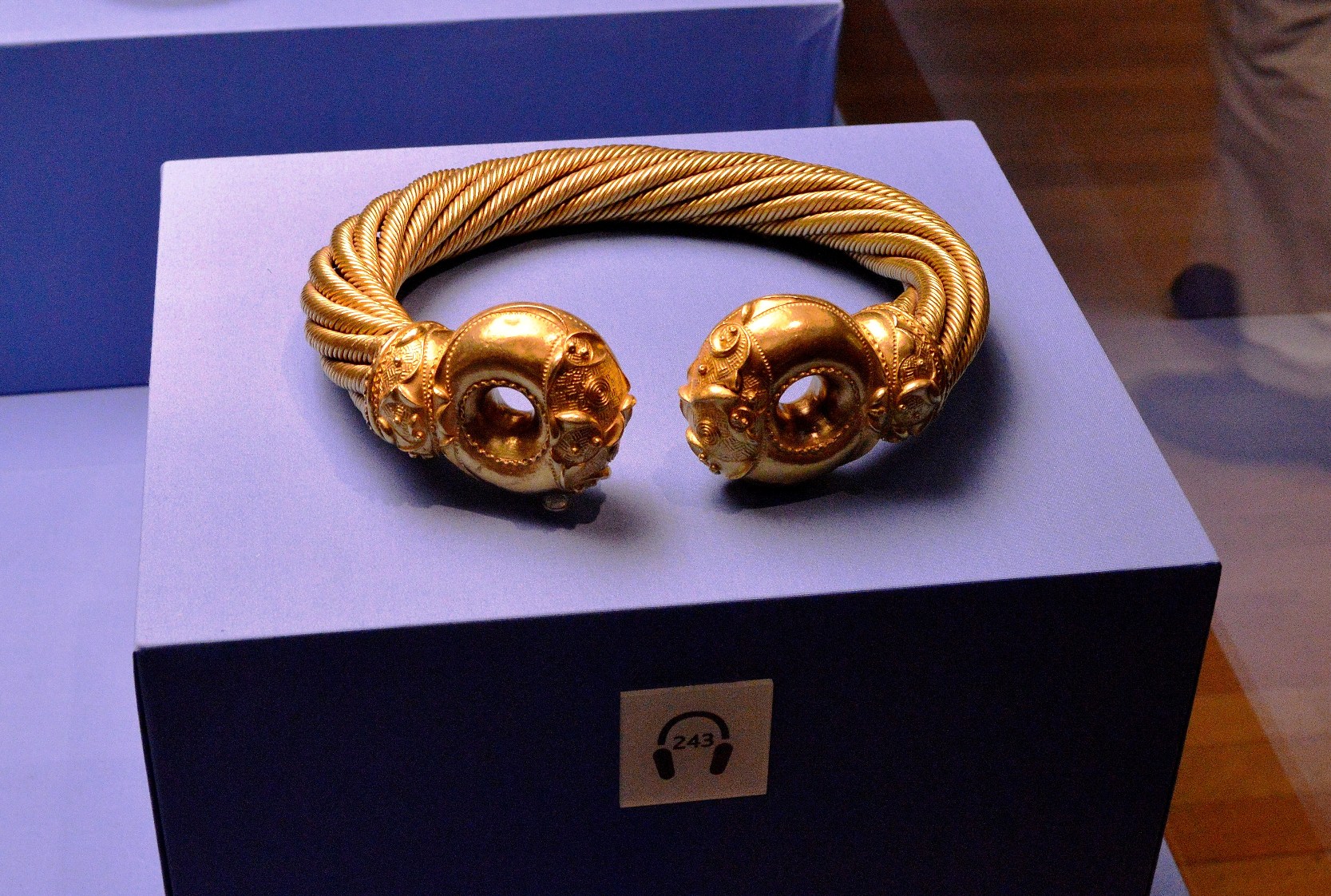

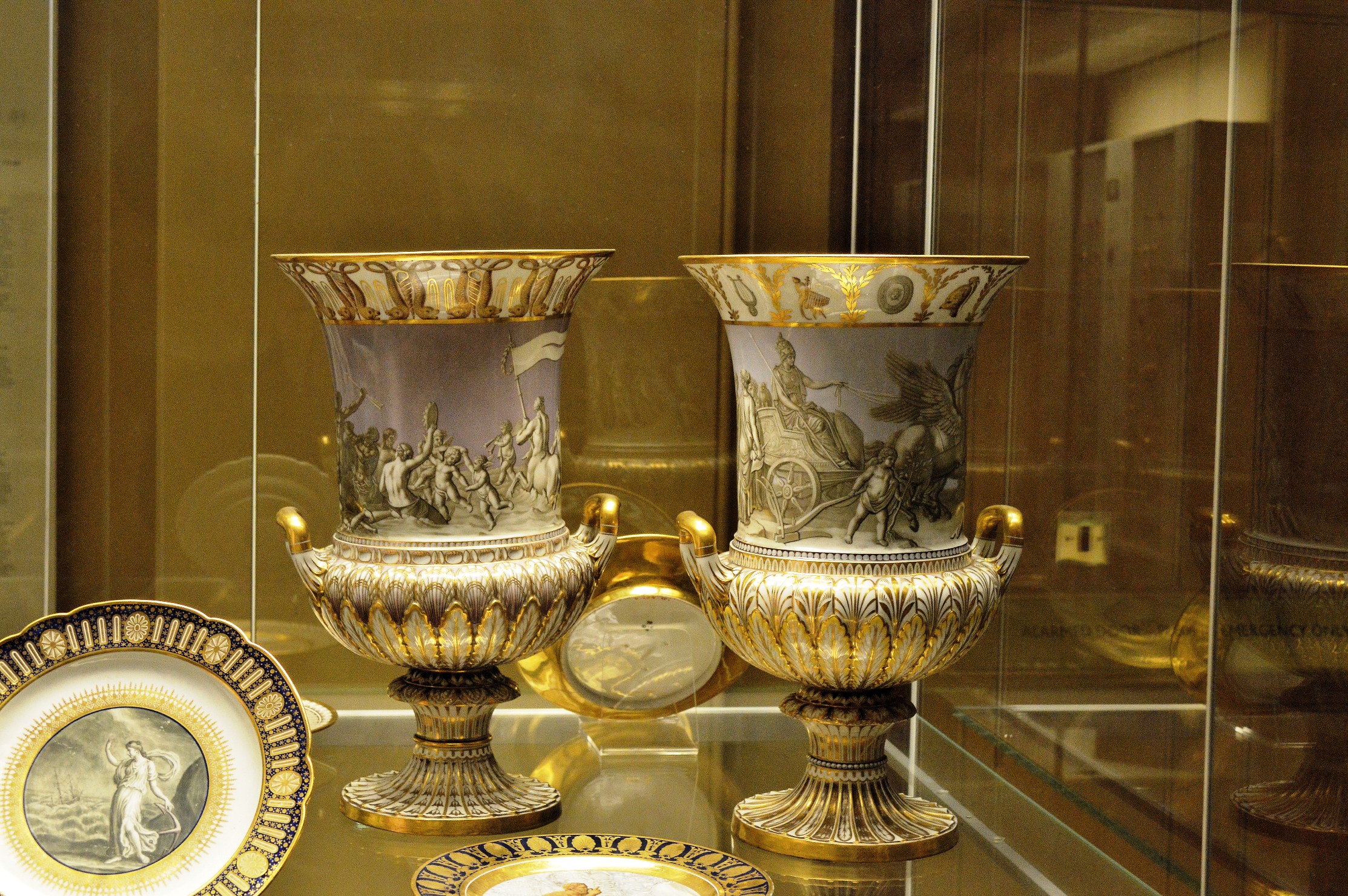

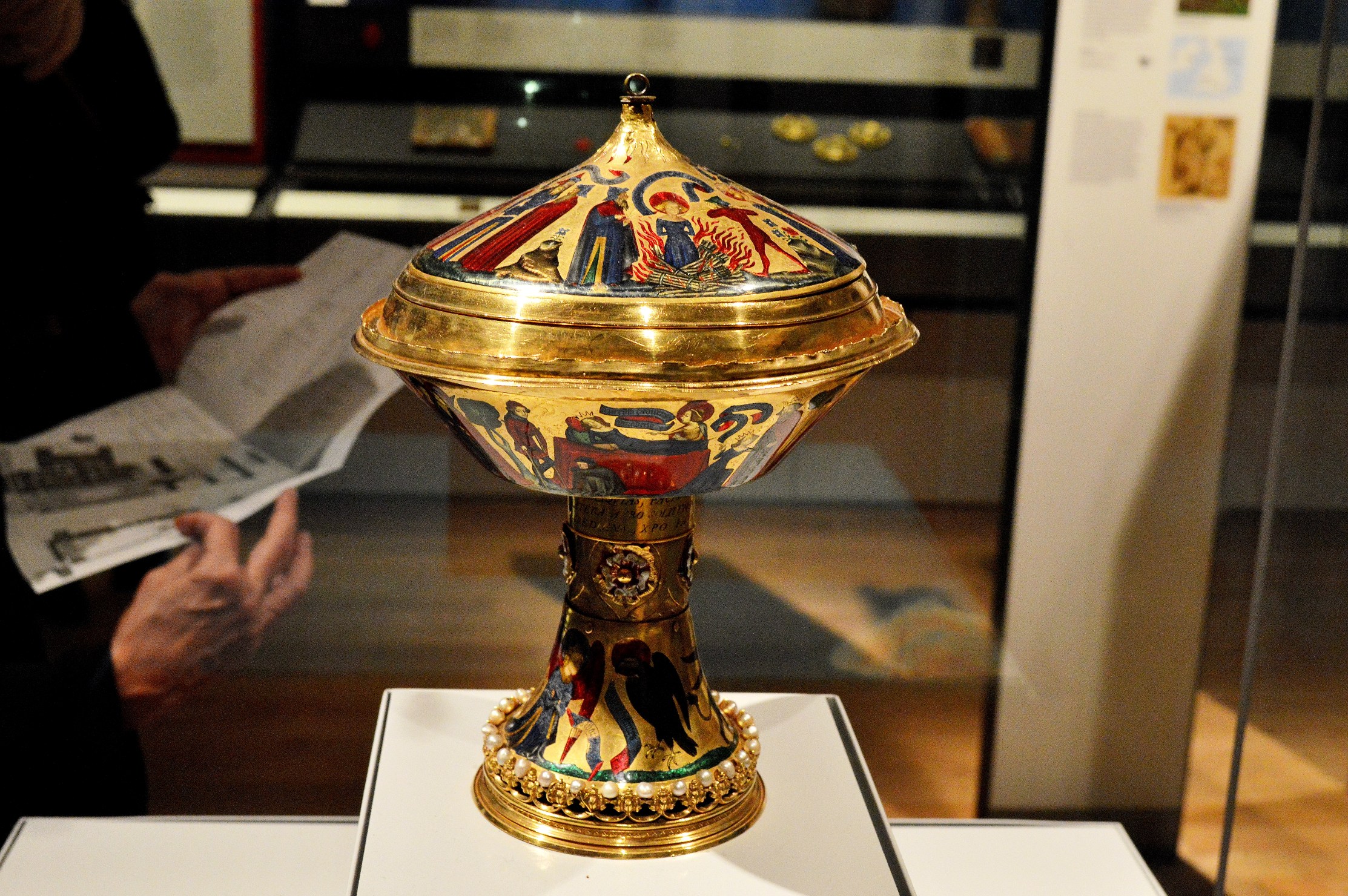
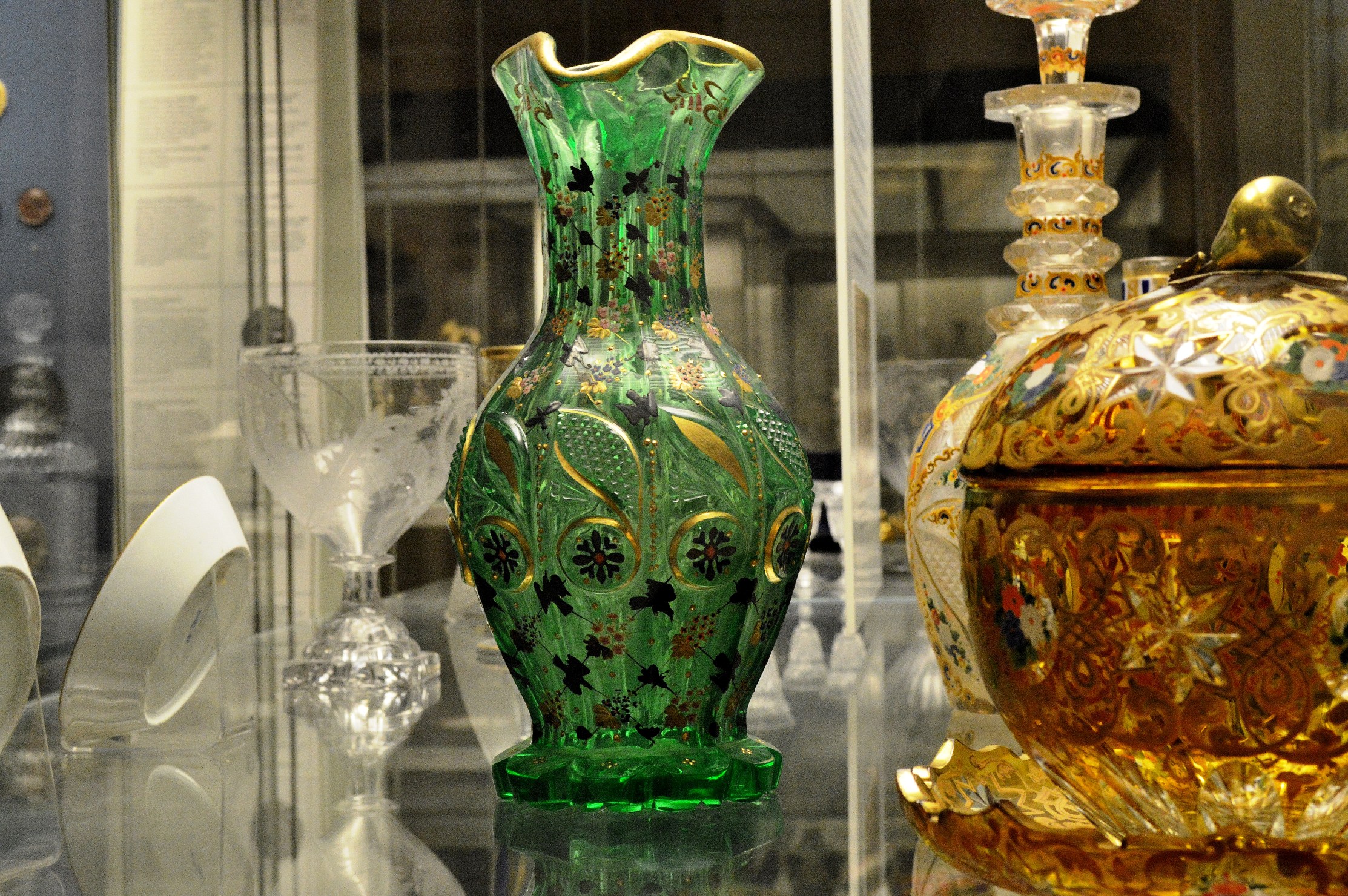
The Horniman Museum
20 pics – The Horniman Museum and grounds are free to enter and include the lower gardens and wonderful flower beds⇐ with more spectacular flowers at the upper gardens⇐.. The museum is a mix of natural history, unusual artifacts from around the word and a small but unusual aquarium (there is a charge of £4).
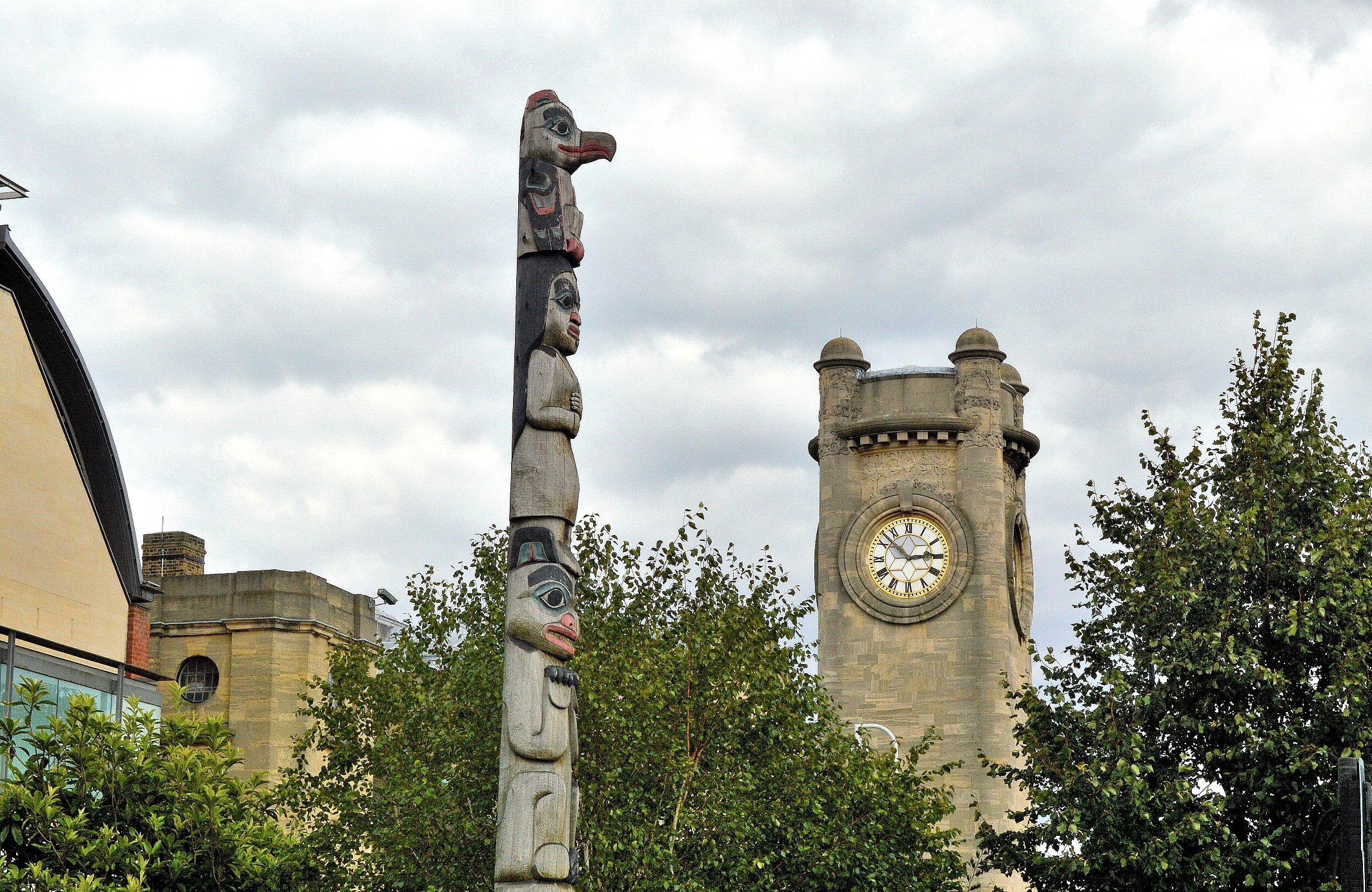
The museum and grounds are located just south of London near Forest Hill rail station and make a good day out at little expense. Please click on information/events⇒ and/or the getting there map⇒. The map shows the route from station to museum as quite short. It is a bit longer than it appears and is better to take one of the buses (listed on the map page) up the steep hill to the museum stop. The museum stop is just past this clock tower at the prow of the hill.
The Museum








The Aquarium
This chap has all the appearance of gnome doing a high-five. You can even see a face.
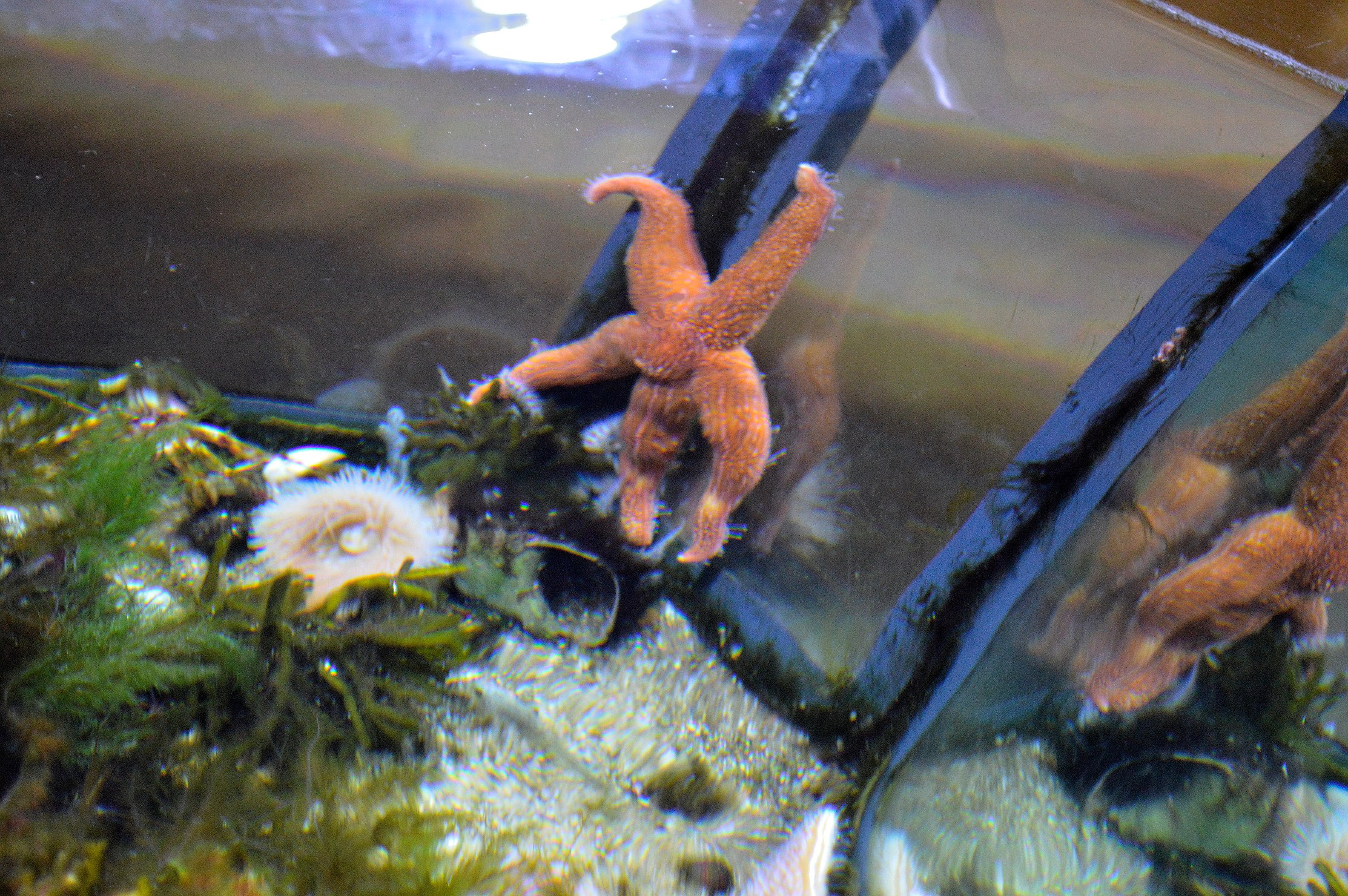


Pretentious, moi ?

Doh.
Victoria and Albert Museum
21 pics. Entry to the Victoria and Albert Museum is free. The museum is dedicated to art and design from around the world. The items here are just a few of many hundreds on display and non-commercial photography is allowed except for the wedding dress exhibit and the wonderful jewel room. There is also a large inner courtyard with water feature that makes a great place for lunch. Packed lunches can be eaten in the Learning Center’s Lunch room on the 3rd floor . The museum map. The website.
At the museum entrance there are steps that speak.
The nearest underground rail station is South Kensington with the very interesting Science Museum and the Natural History Museum nearby.

The Tea Rooms
.

Foyer
.

Please click on the figure to fit screen.

.

.

.
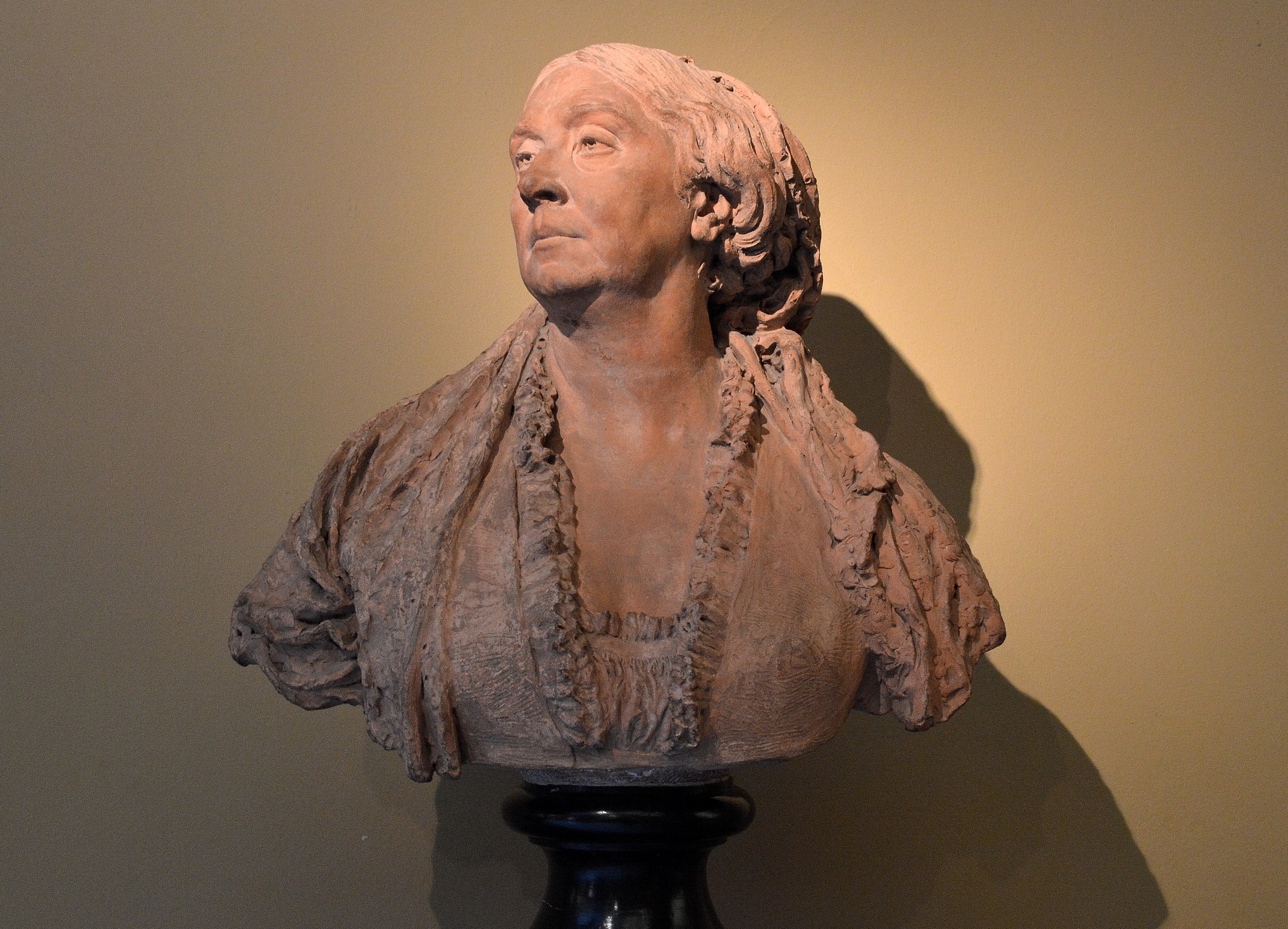
.

.

.
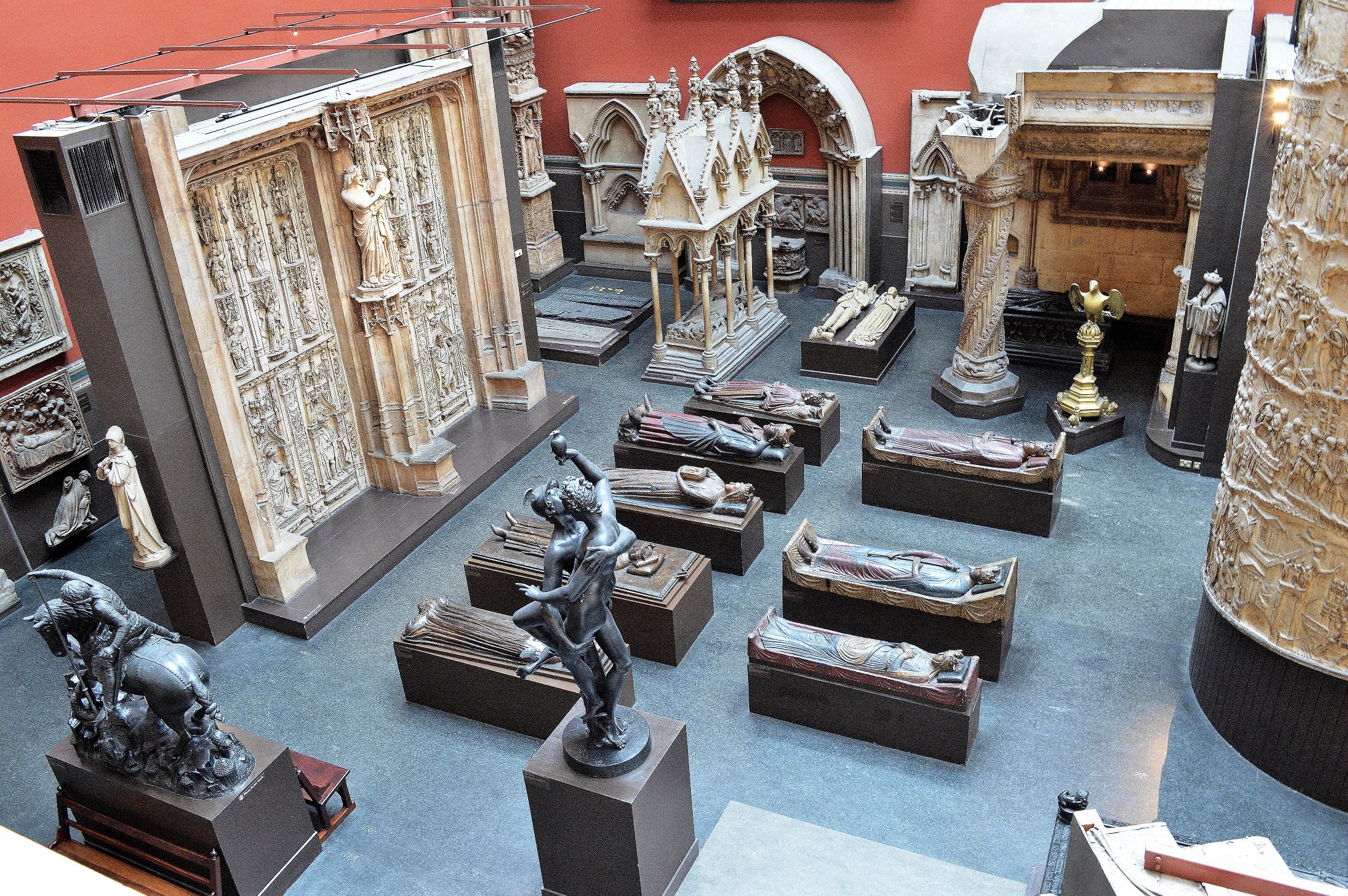
.
.

.
 .
.
.

.
.

.

.

.
.

The Fan Museum at Greenwich
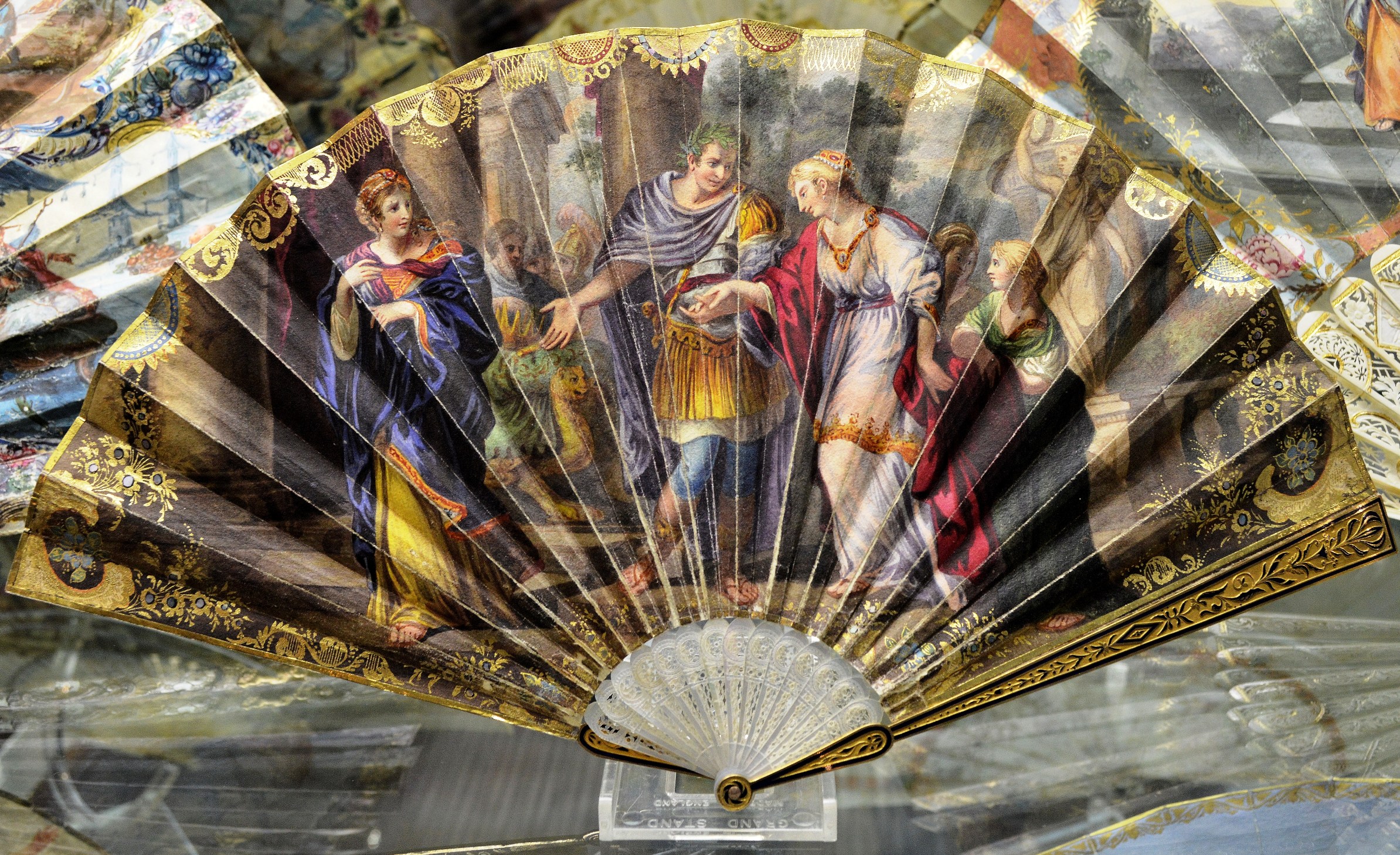
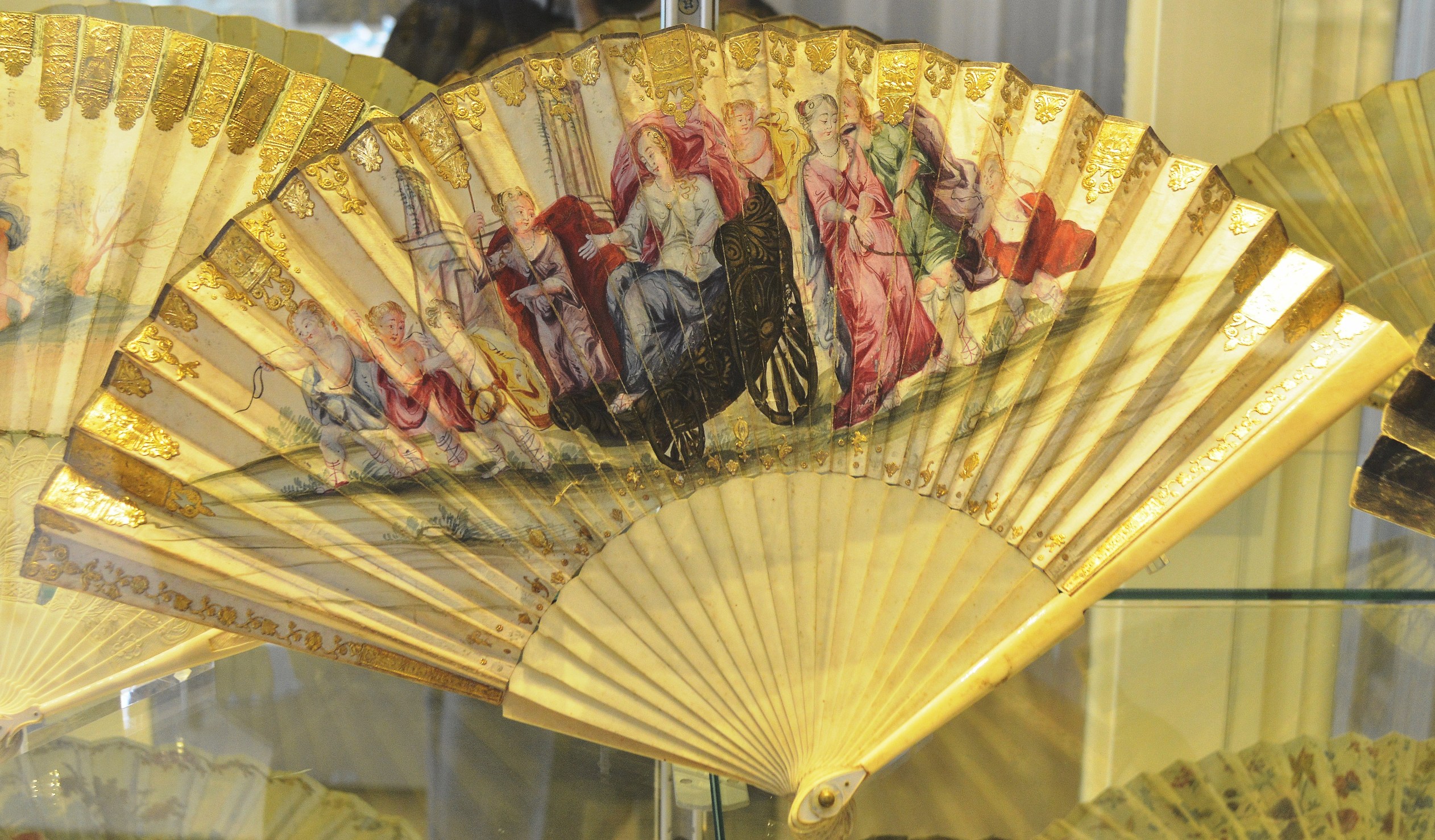
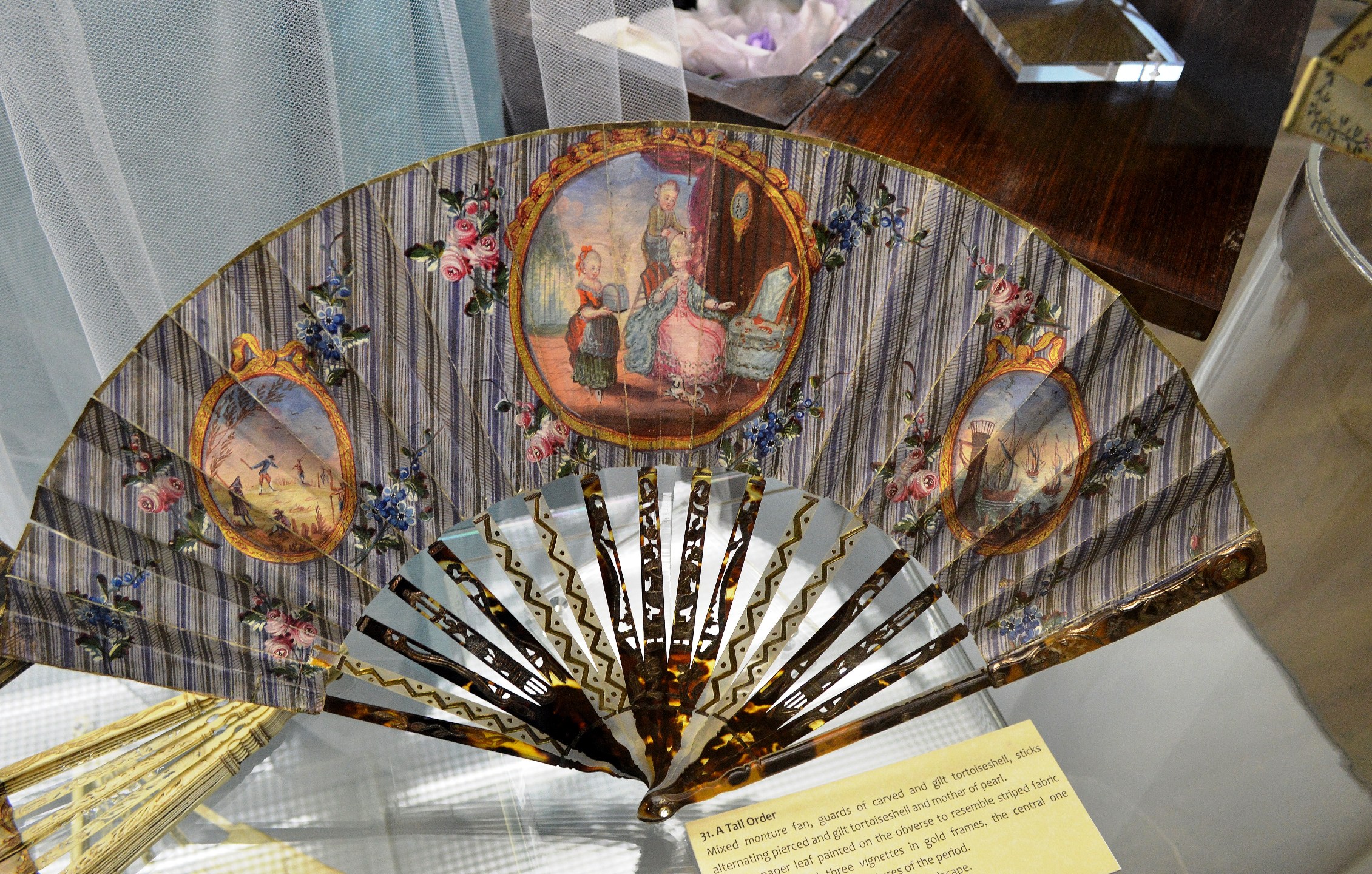
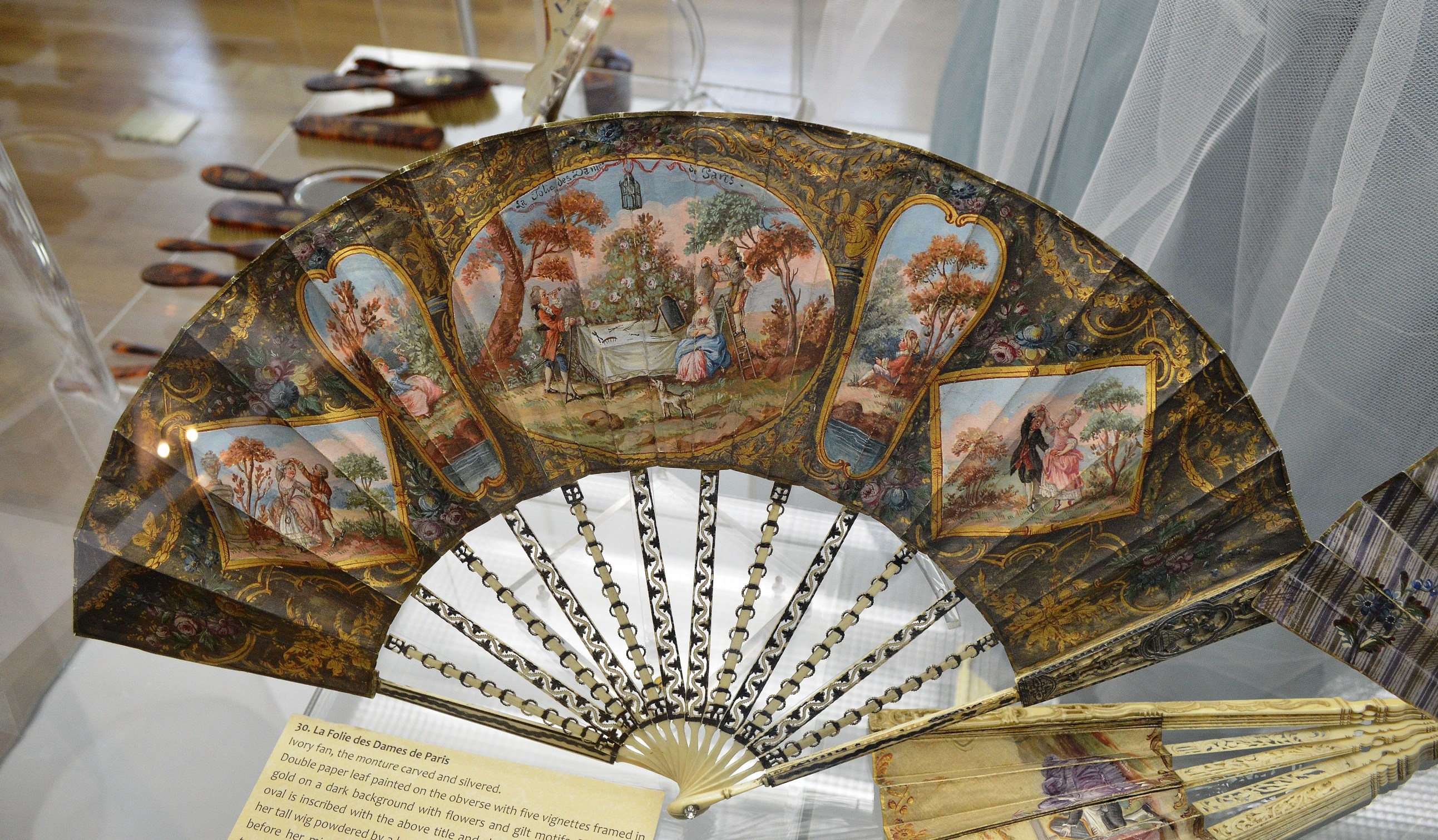
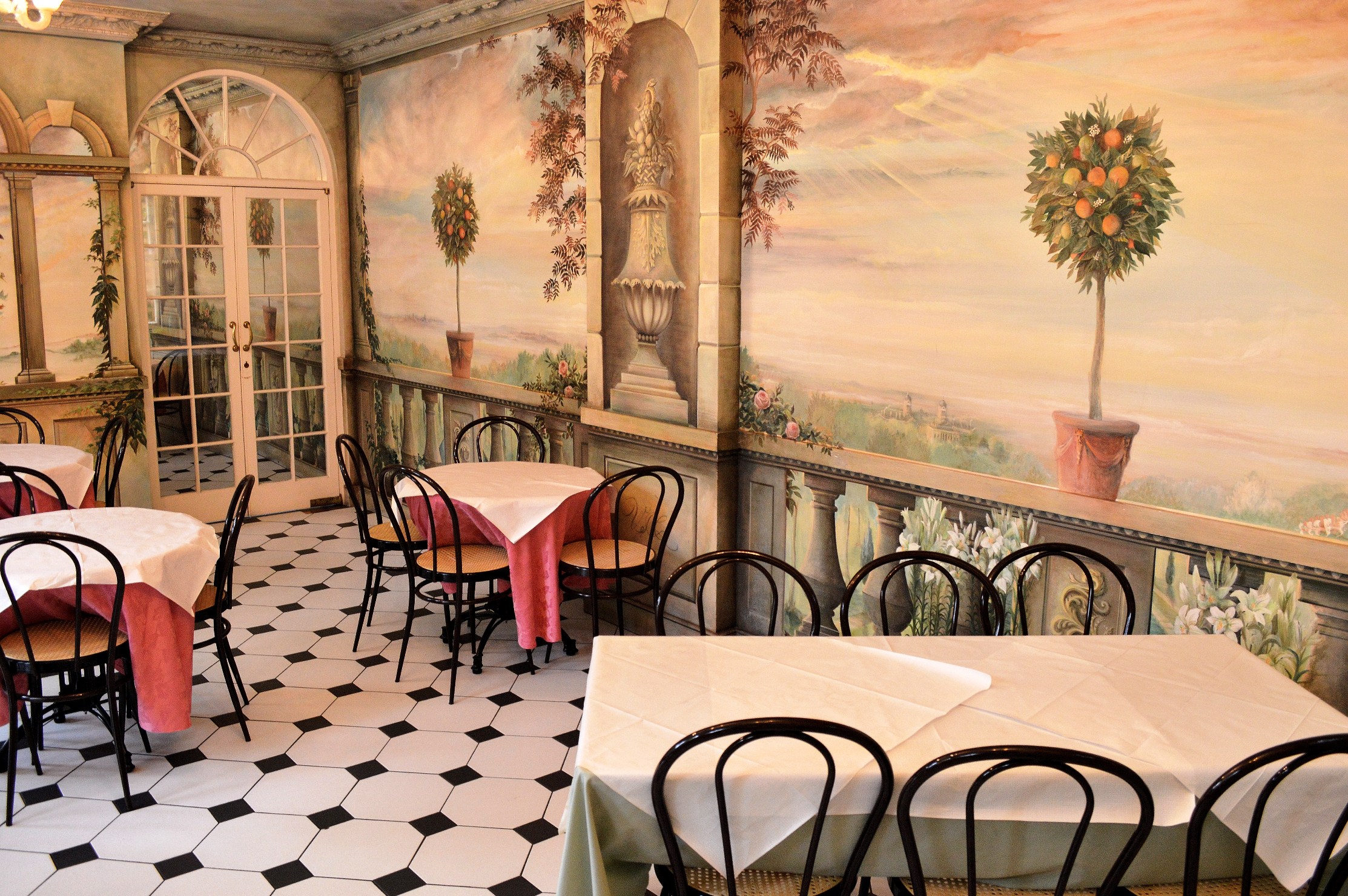
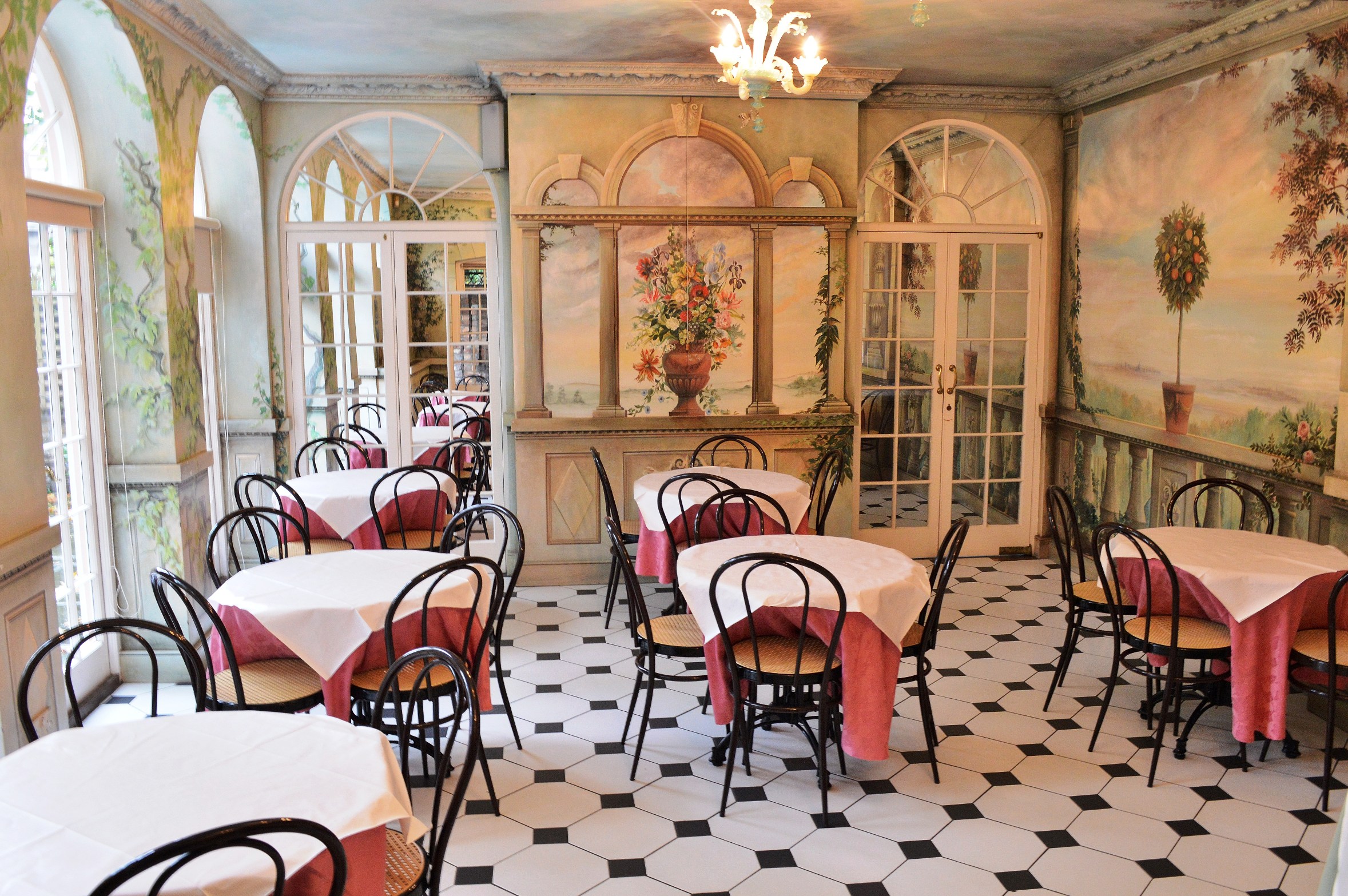
The Fan Museum is at 12 Croom St, Greenwich and, at just £4 entry fee with numerous concessions, is well worth a visit. The museum is thought to be the only museum, dedicated to fans, in the world. There is also a charming Orangery style tea room (you do need to book ahead)
The museum is quite small but has a number of activities and events. You can also create or commission your own designs. For more information please click here and then start with “Practical Information” from the side menu. For more of the many attractions at Greenwich please click here.
The Fans
It is well worth seeing the finer details, which are little obscured by the folds. To do so, please click on the image for full screen and then again to magnify. To return here use the “back arrow” screen button on your browser.

.
.

.

.
.

.
.
.

.

.
The Orangery Tea Rooms
You might notice the false shadow that has been painted on to give a 3D effect. You will need to book for tea, so please see the website (the link is at the top).

The National Maritime Museum, Greenwich
9 Pics. Admission to The National Maritime Museum at Greenwich is free and non-commercial photography does not require a license. There are many other attractions (mostly free) at Greenwich. Please click here for more and for travel information.
The Top Floor Gallery

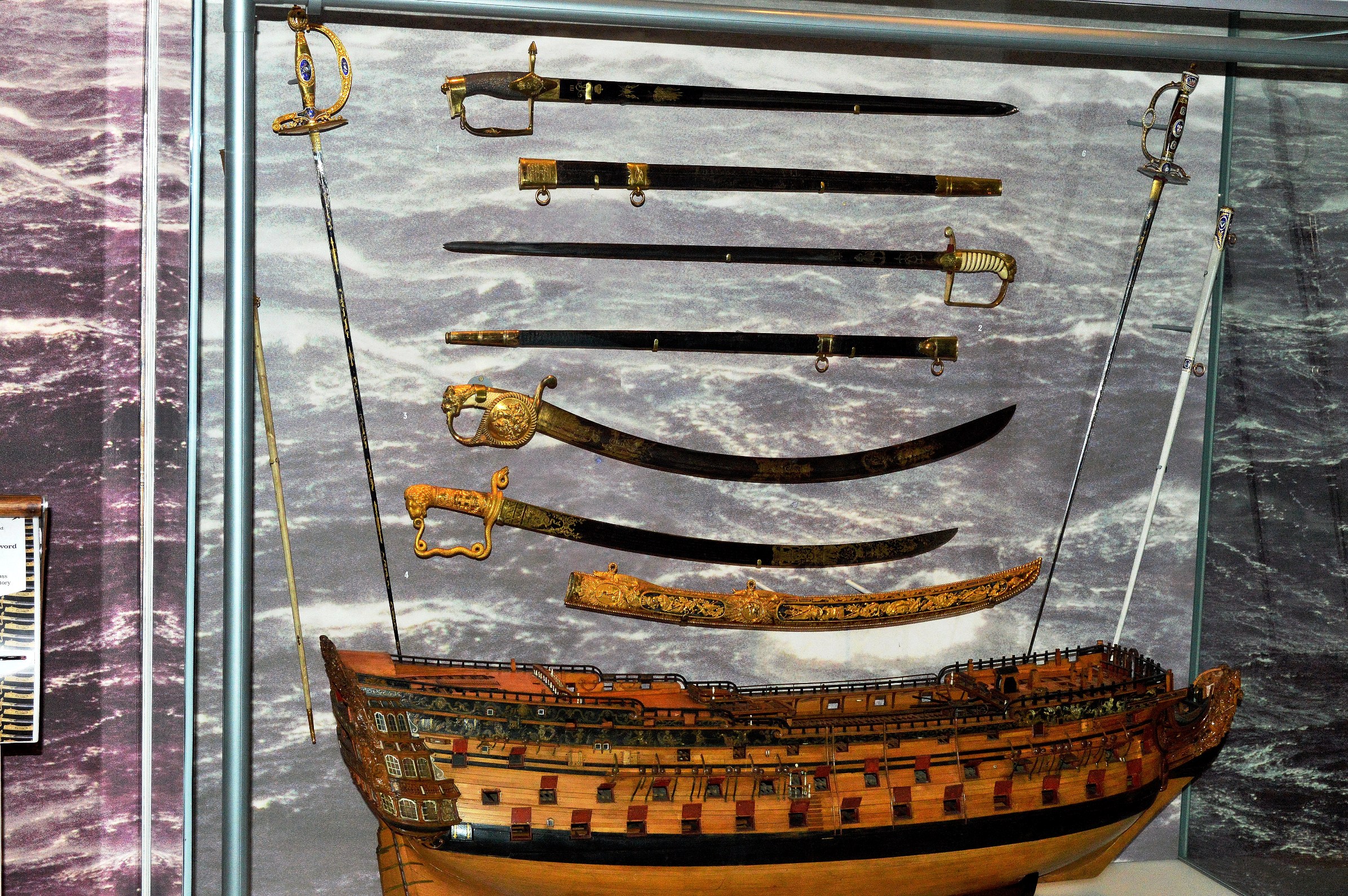

Horatio Nelson. The painting was commissioned by a friend in Nelson’s younger days
The First Floor Mezzanine


The Ground Floor
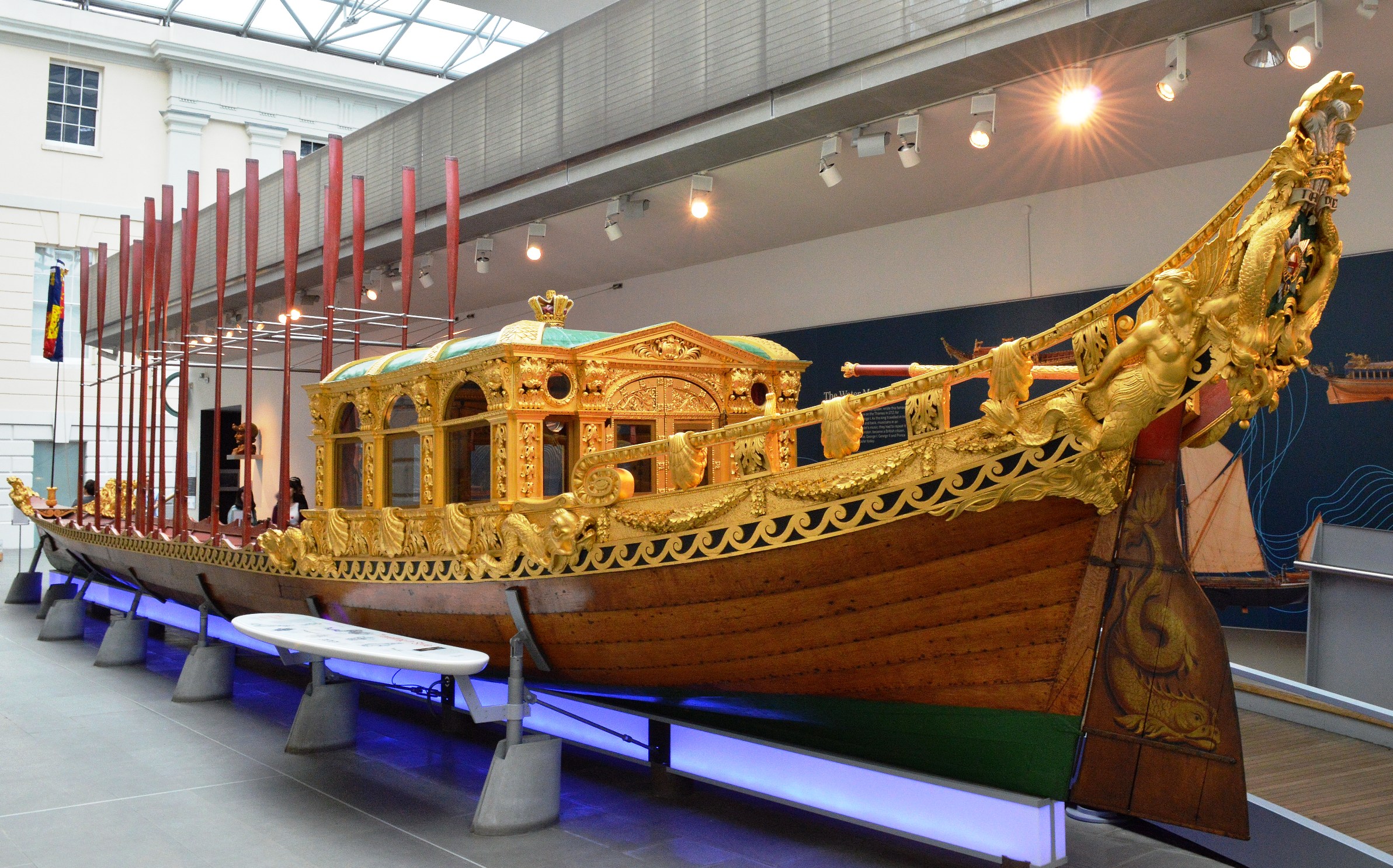


I do like the little dog. He looks like a fiercely loyal friend, or a headbanger. 😛
The First Floor
There isn’t a lot on the first floor but it does provide an elevated view of ground floor exhibits.

It was him. No, it was him with the sword. How dare you sir. I will draw my sword and cut off your nose.
No, it was me with the smug expression, and I’ve got a scroll. 😛

 Freed From Time