

For more than 1,400 years, a Cathedral dedicated to St Paul has stood at the highest point in the City of London. The present cathedral was designed by Sir Christopher Wren and built during the period 1675 and 1710. More History ⇒.
Photography is not usually allowed except on a few days each year or with a permit. The few visitor date/times/charges for photography without a permit during 2017 are here ⇐. For permits and commercial photography/filming, please see here ⇒ . General Admission and charges are here ⇒.
I caught the last opportunity for 2015 and so, of course, went overboard. To view the astonishing detail of the decor, please click on the image and then again to expand.
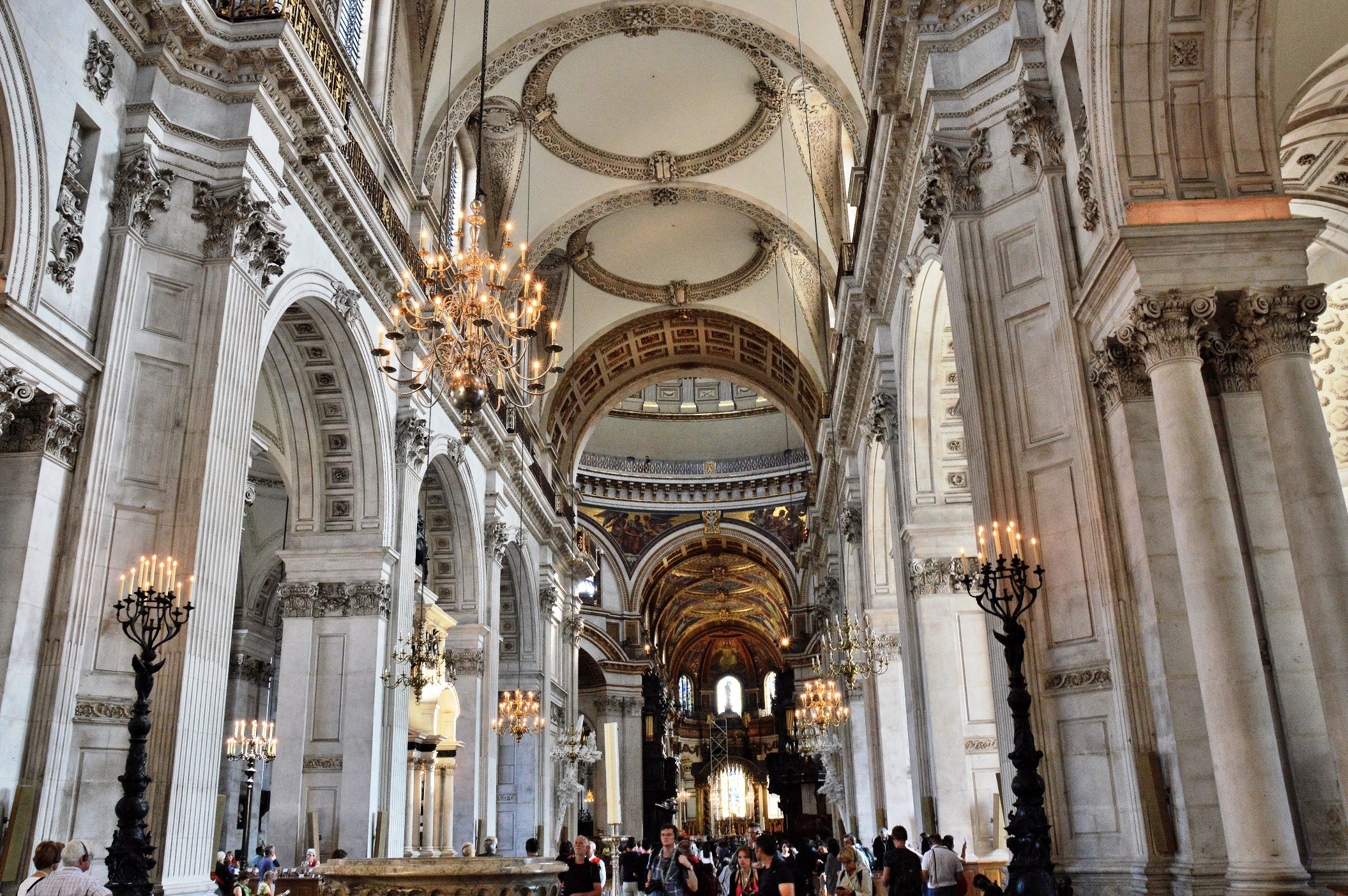
The Nave
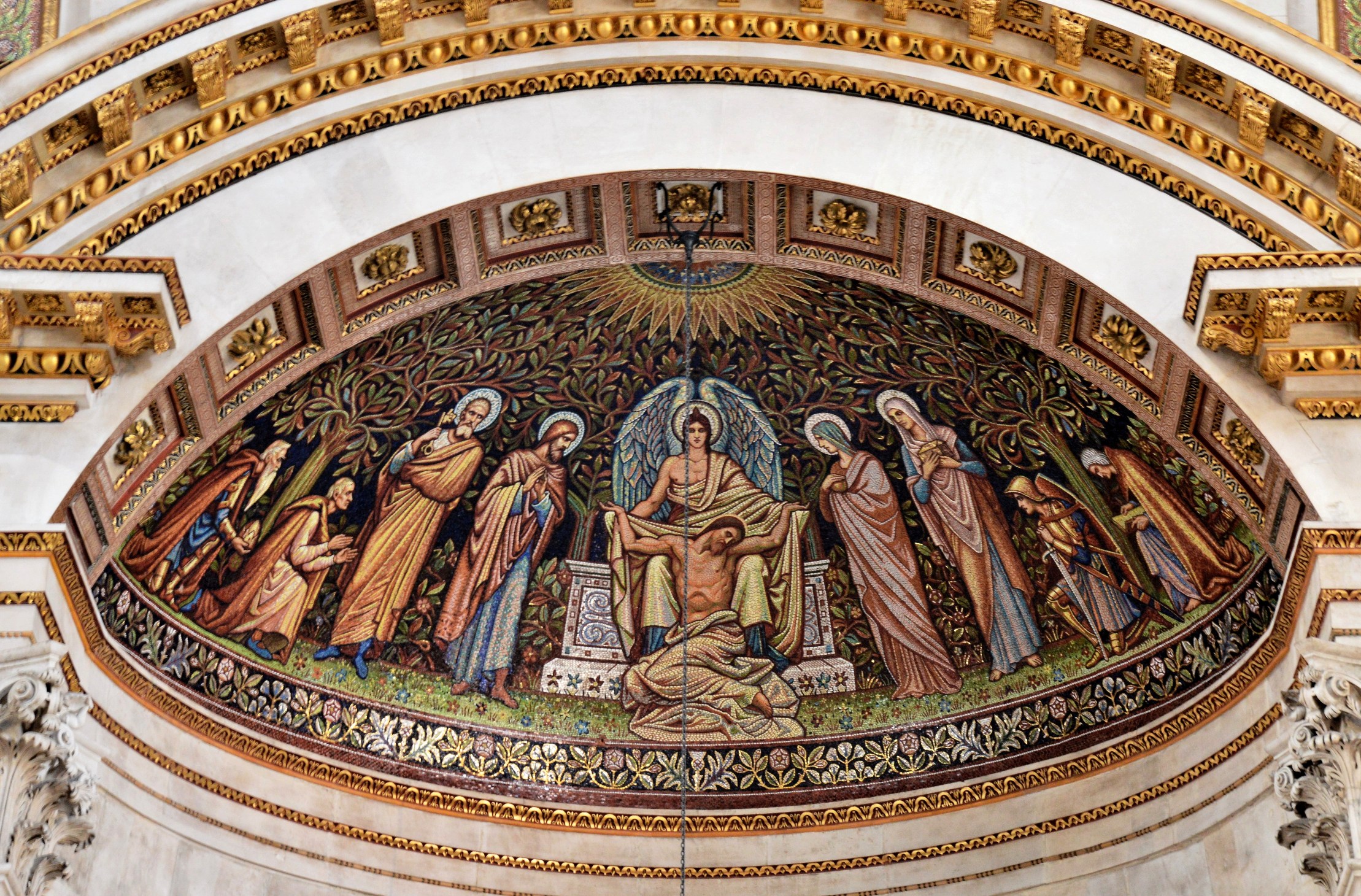
Beside the Dome and the Dome

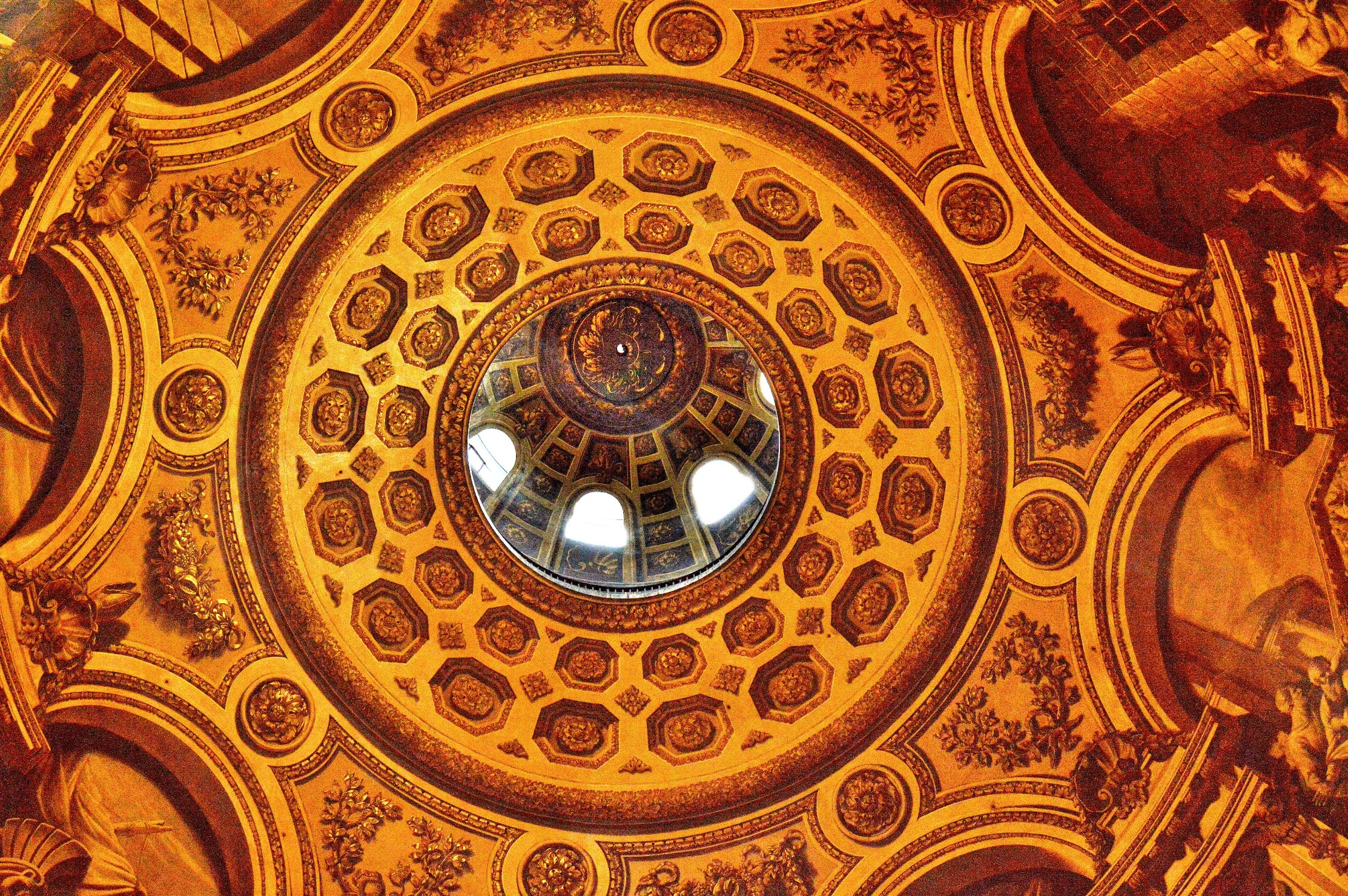
The gallery at the first level is known as the Whispering Gallery at 30 meters above the cathedral floor. So called because, when it is quiet, a whisper on one side will travel around the wall and be heard on the other side.
Higher still is the Stone Gallery at 53 meters and the topmost is the Golden Gallery at 85 meters. If you can climb to the top, they give a you a badge. 😛 .
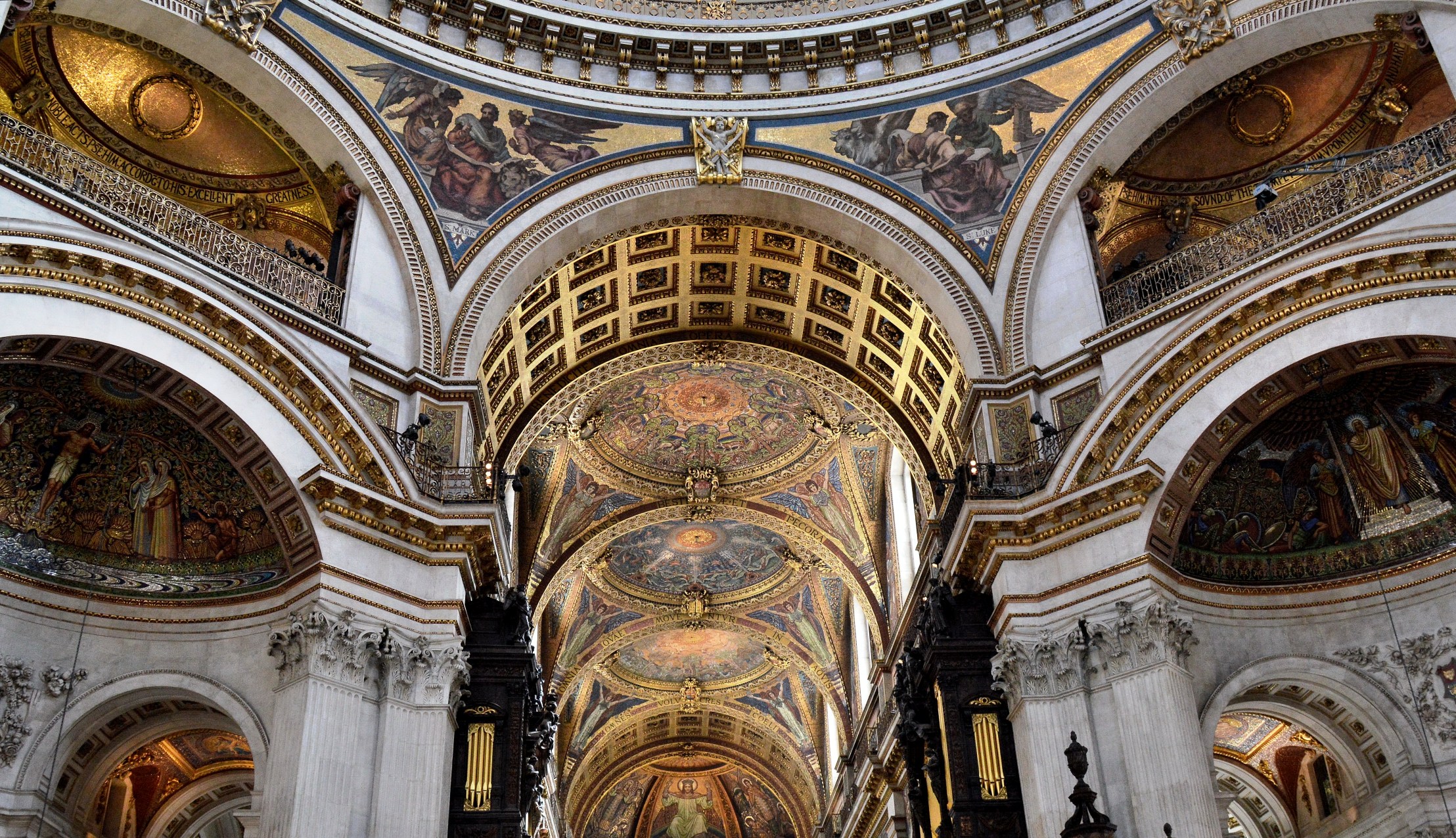
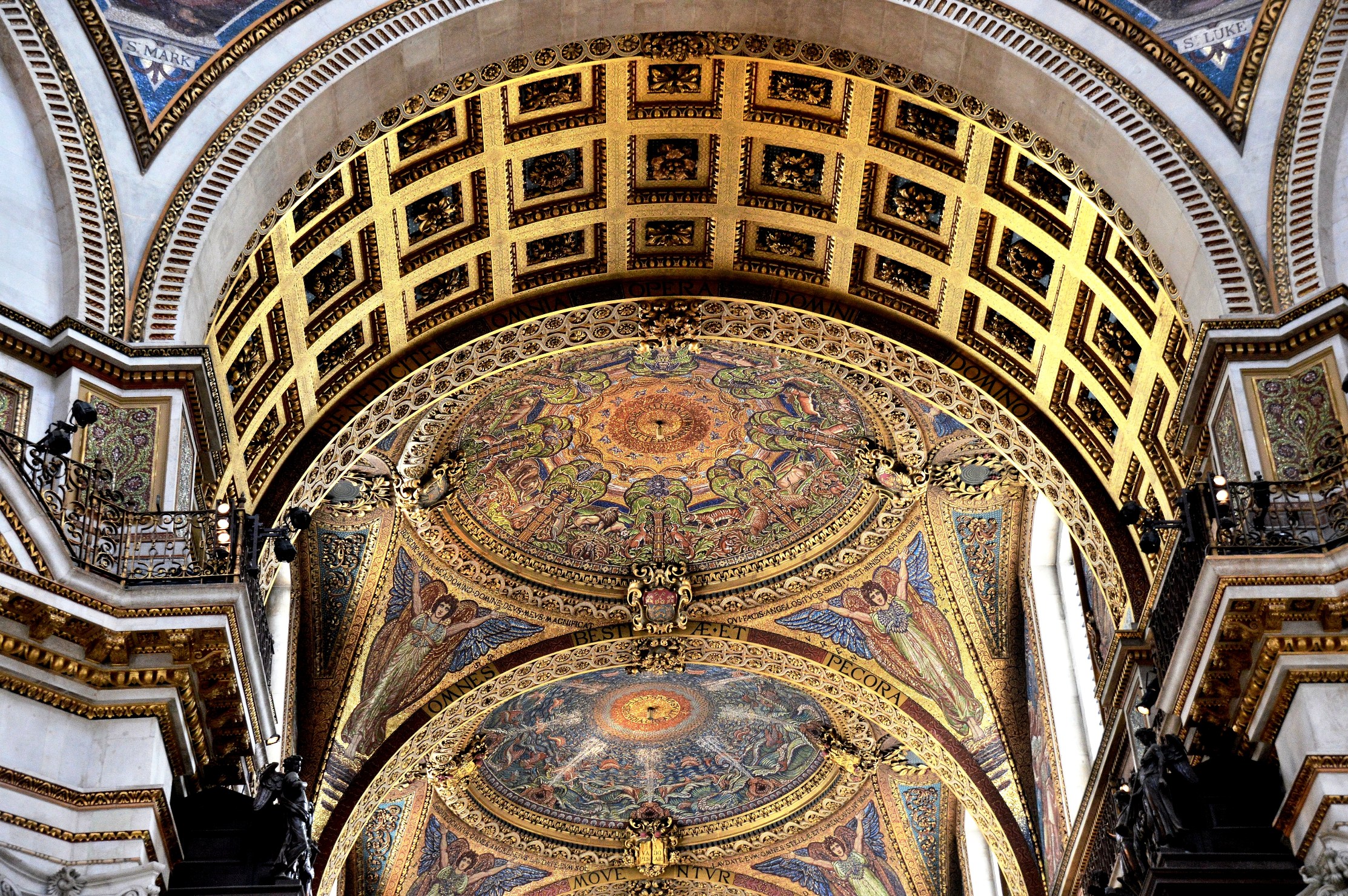
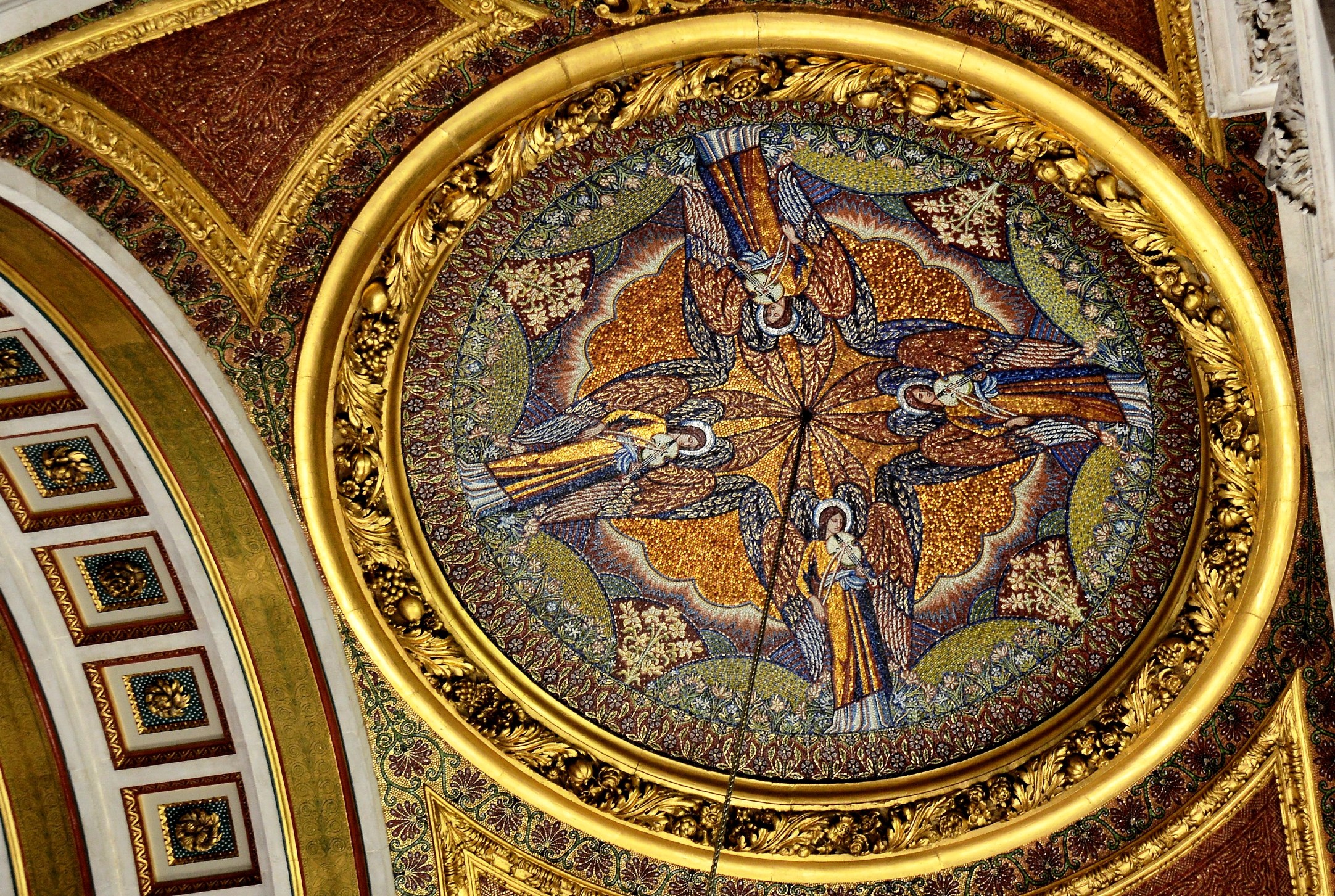
The Ceiling above the Quire
.

.

.

.
.

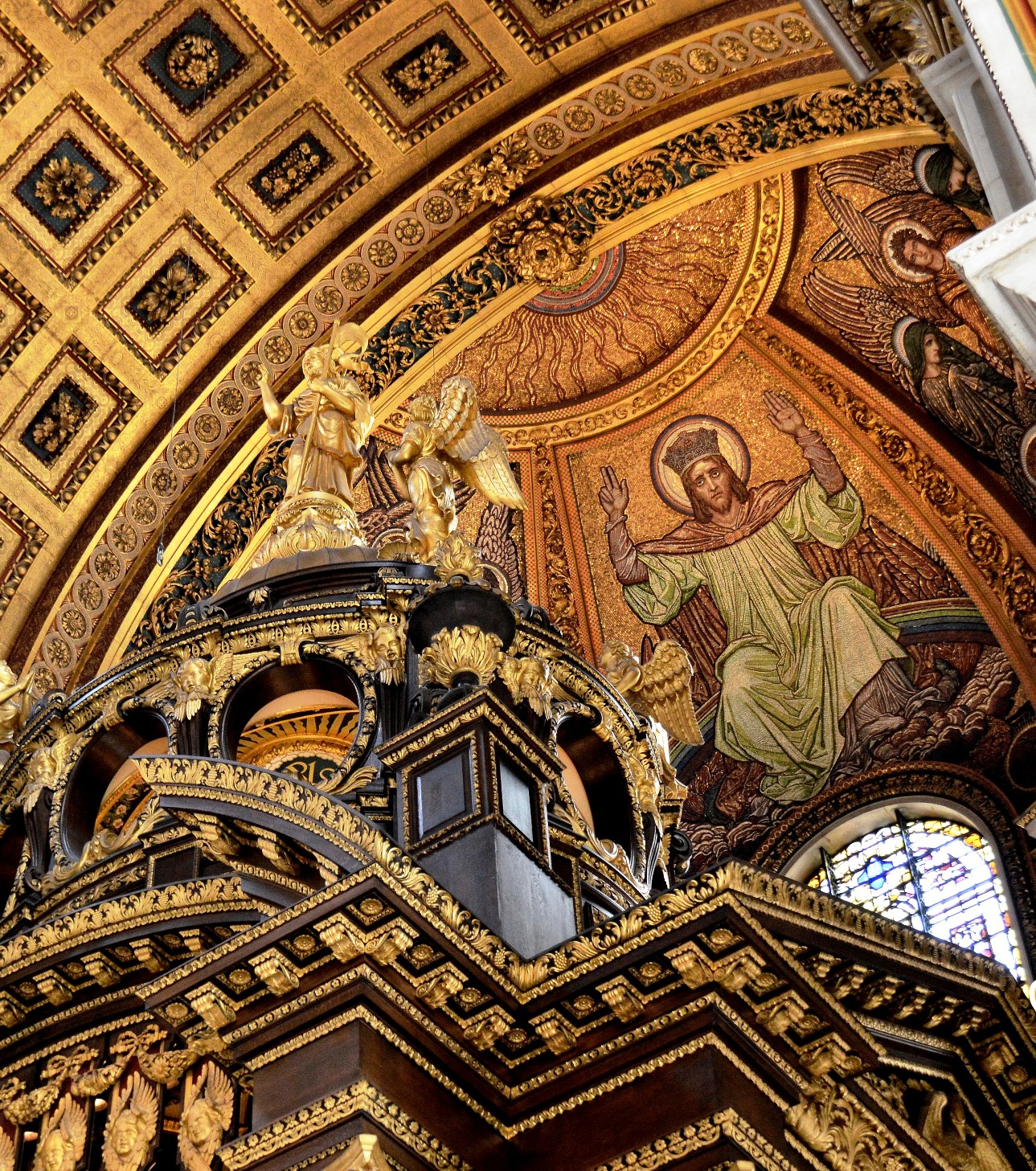
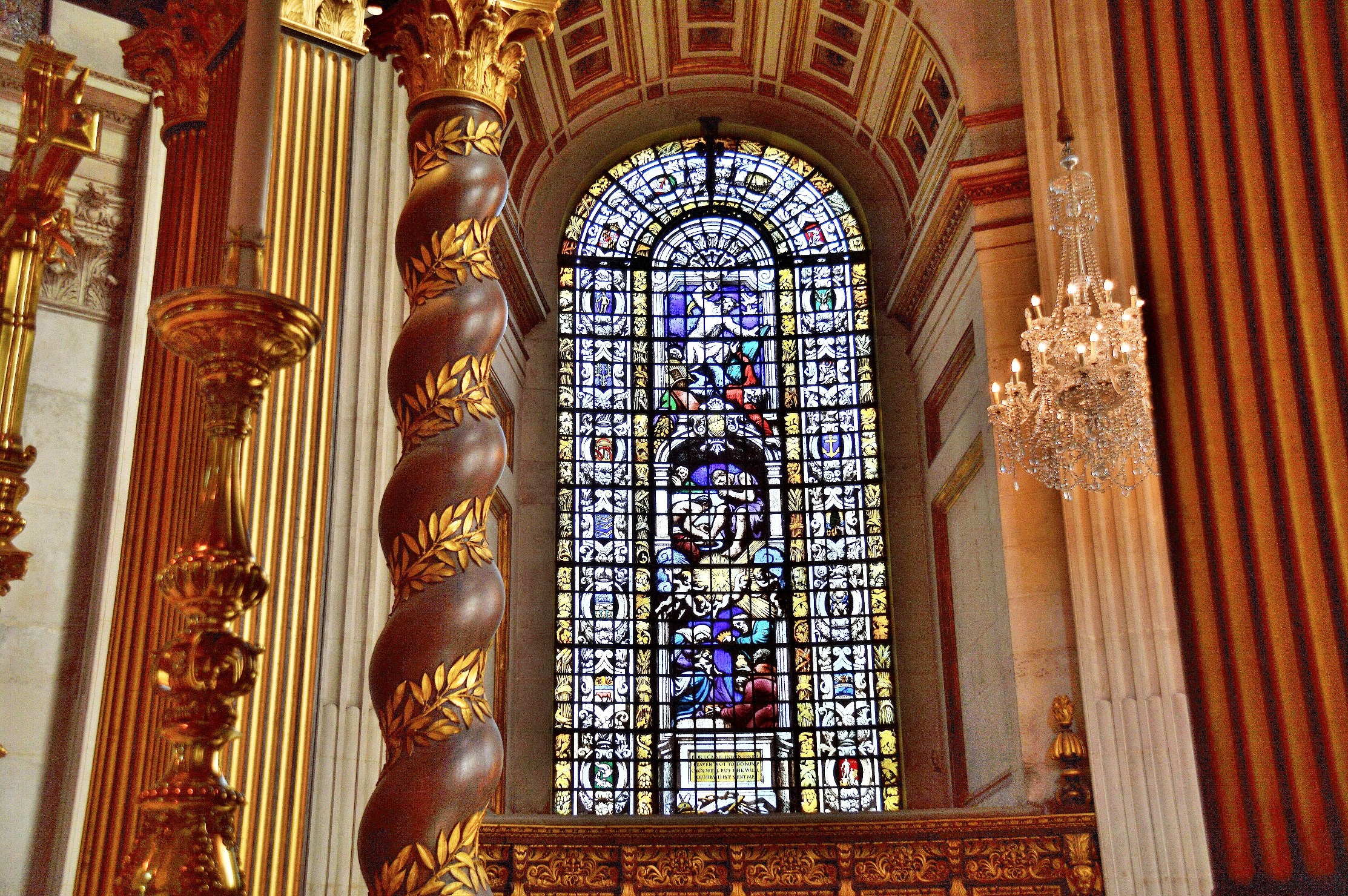
The High Alter and the Apse
.
.
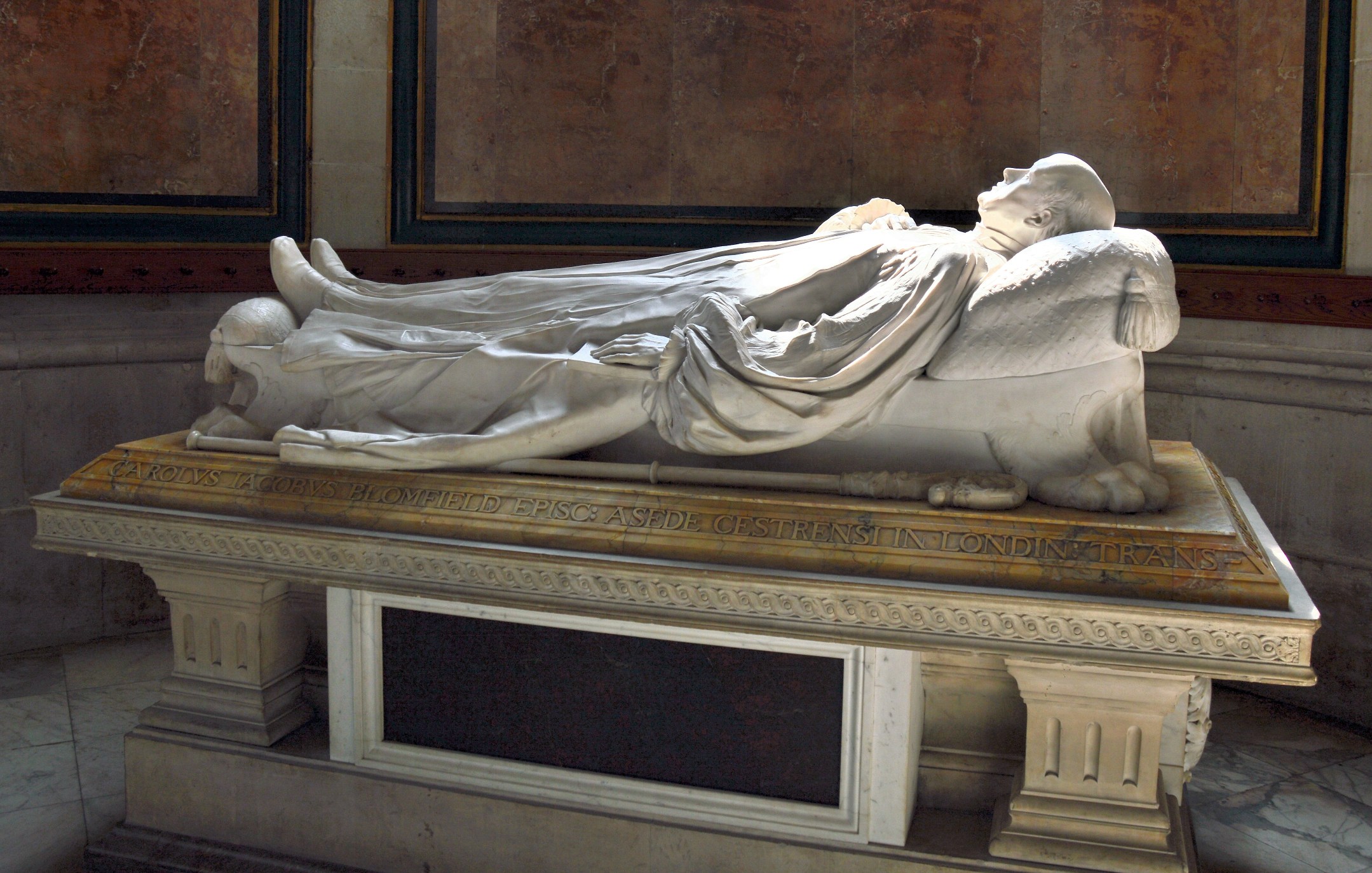
There are many monuments and dedications at the cathedral. I chose this one because of the workmanship and for being a little known personage. It is of course Carolus Jacobus Blomfield.
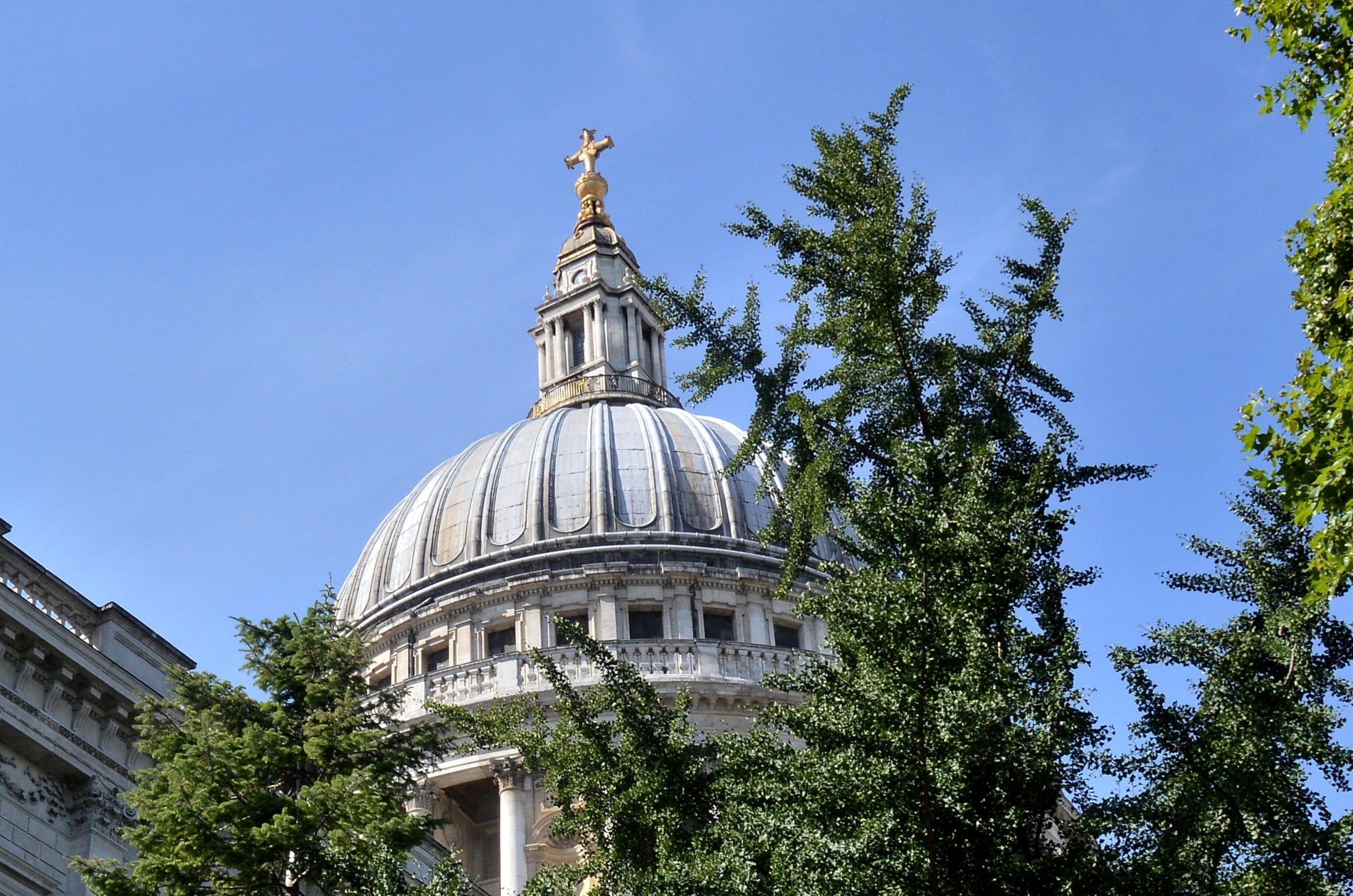
Here is the famous exterior of the Dome.
.
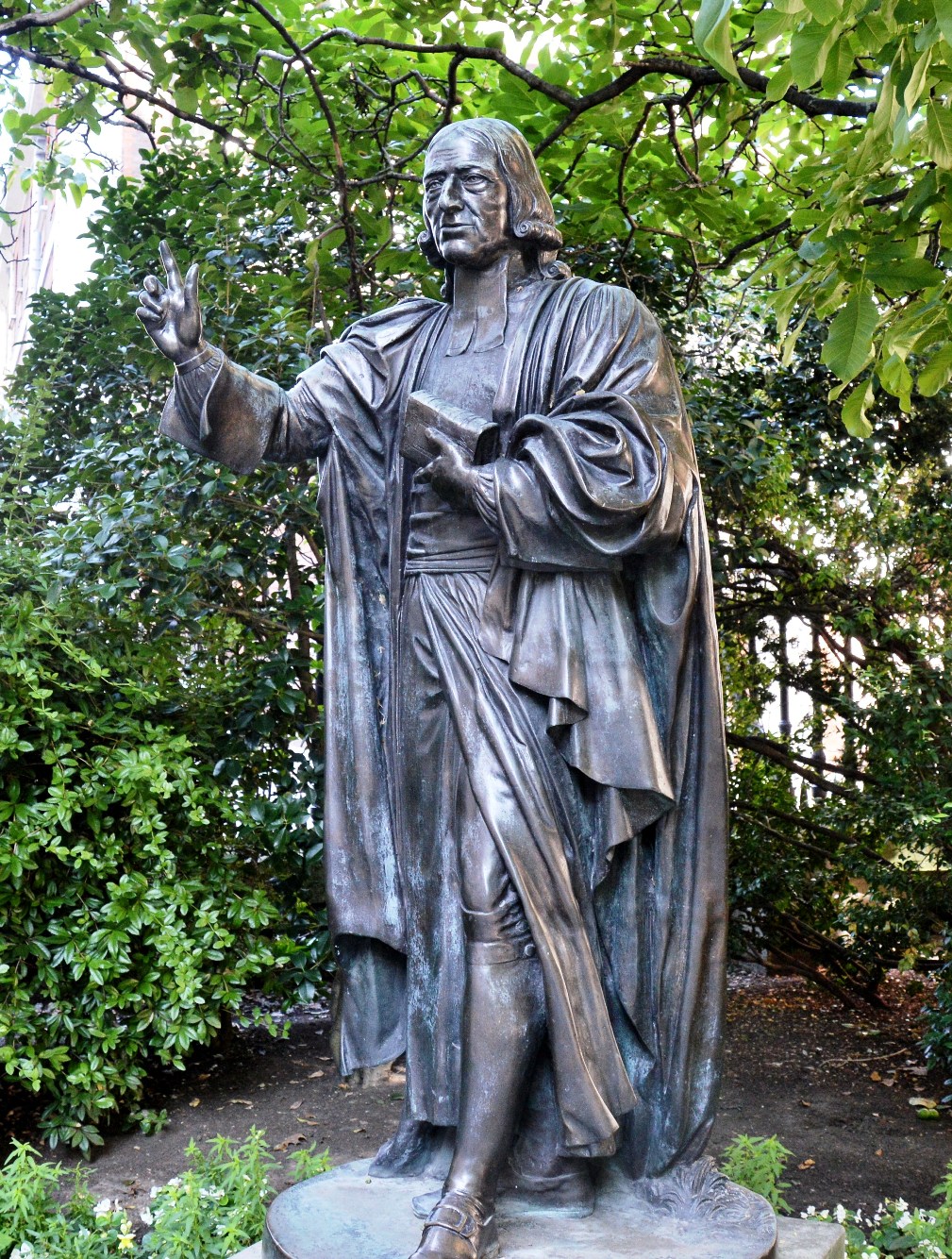 This is John Wesley, Father of Methodism. Another well made statue.
.
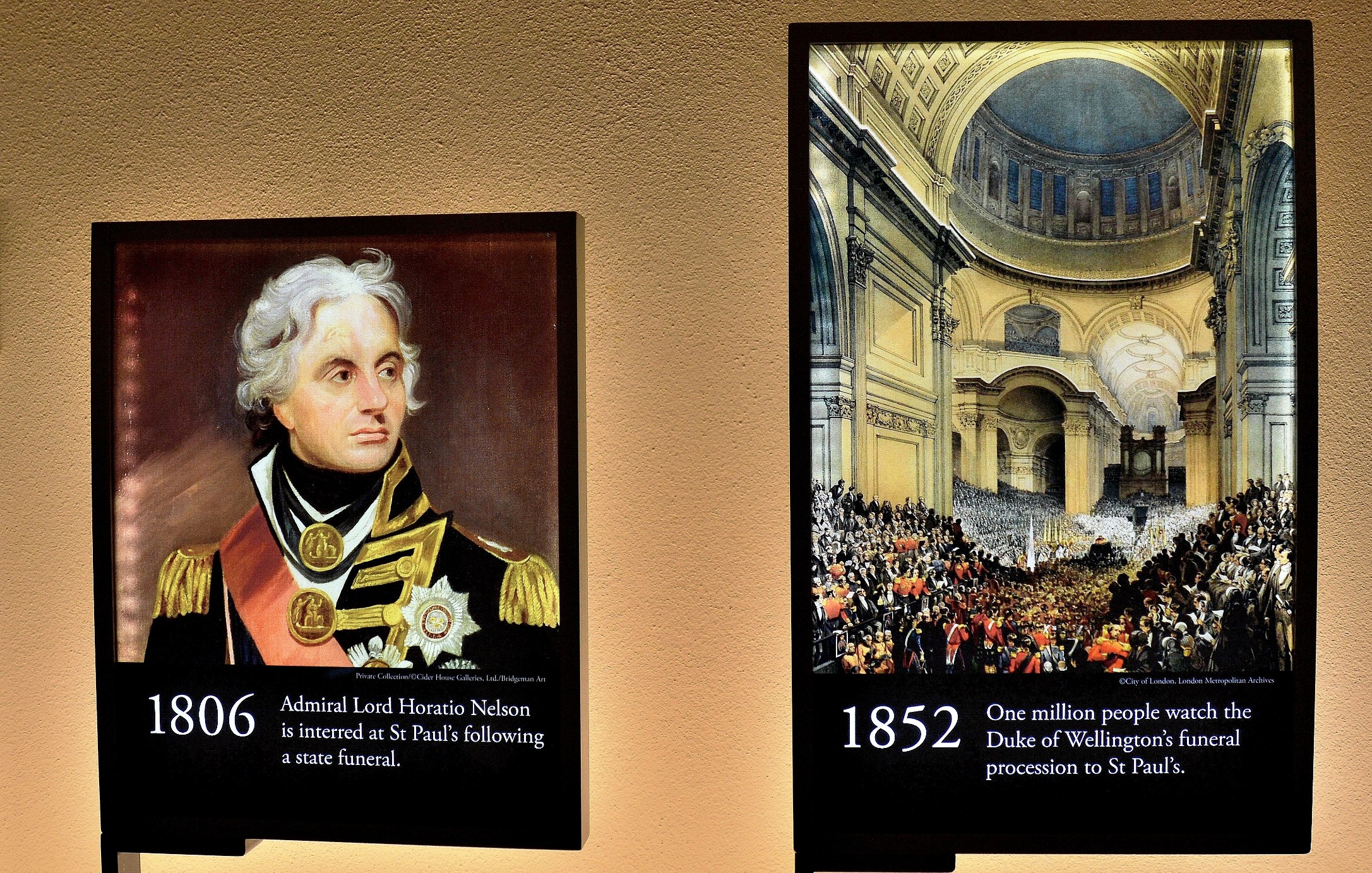
 The Crypt has many tombs, dedications and a cafe. Perhaps the most famous tomb being that of Viscount Horatio Nelson. These are some of the dedications.
.
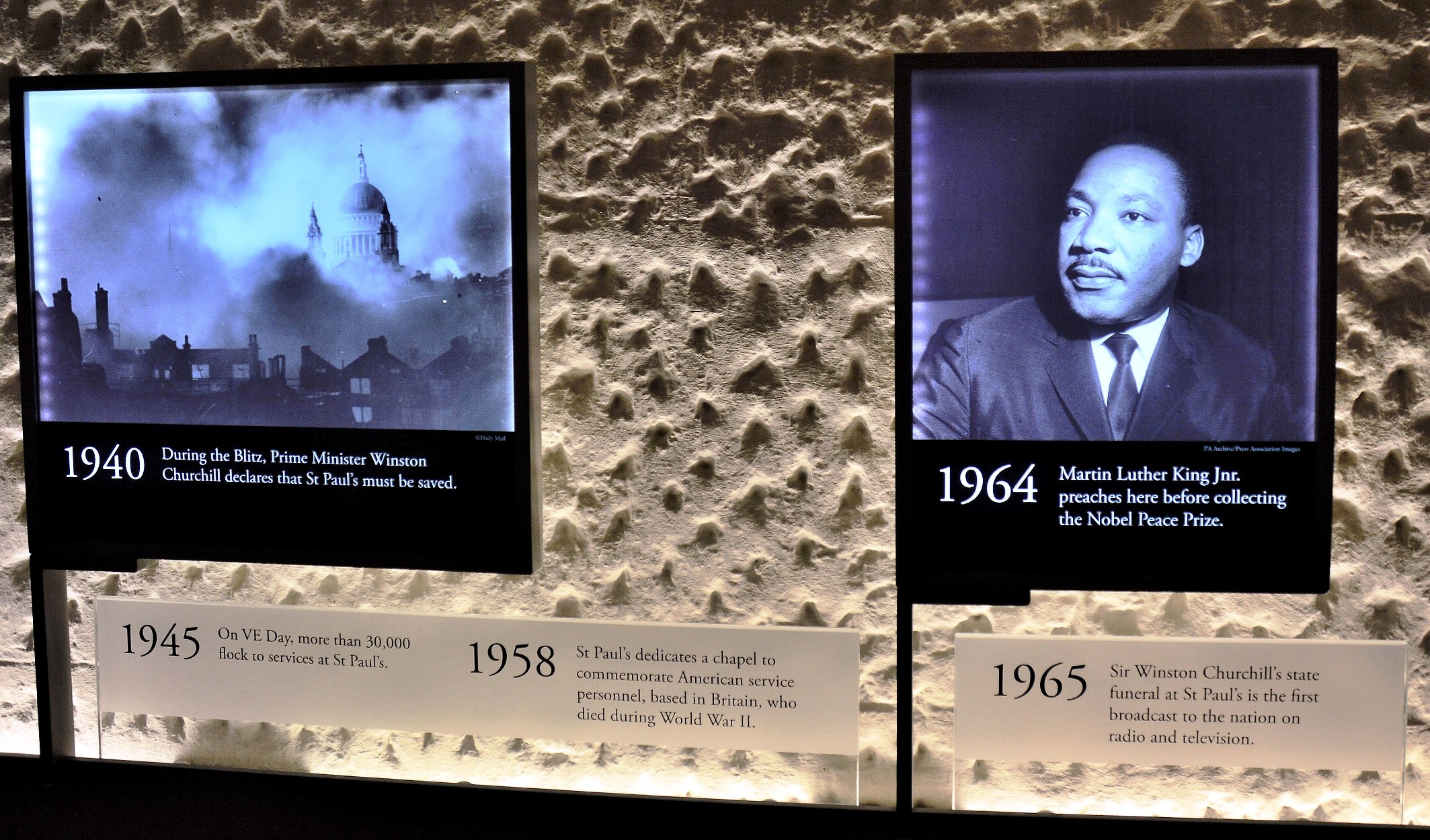
Lastly, the cathedral does have its contemporary side and has housed an exhibition of work by street artist Inkie. Below is one item retained and presently on view just inside the cathedral entrance.


















 Freed From Time
Wheels on Fire
We have come a long way since the horrors of starvation, disease and widespread homelessness of the past, even though we have some way to go and further still in some parts of the world. It is not very long since these scenes were quite common, even the heart of one of the most prosperous empires in the world. Albeit, part of the solution has left us with another problem to solve. Here is some of the past that made the present.
Viewers can click on any picture to expand and again to magnify. These pictures are from a temporary exhibition at the Geffrye Museum
.
The solution was in part due to the great philanthropists who sought social justice as much as charitable actions. Amongst them, those proposed for the Beacon Awards, Angela Burdett-Couts, David Lloyd George, the Salvation Army (150 years and going strong) and many others.
Amongst the work-houses were the Alms Houses, usually provided for those from specific trades or professions who had fallen upon hard times (pictures from a small exhibit/tour at the Geffrye Museum). Alms houses still exist, please click here for more.
.
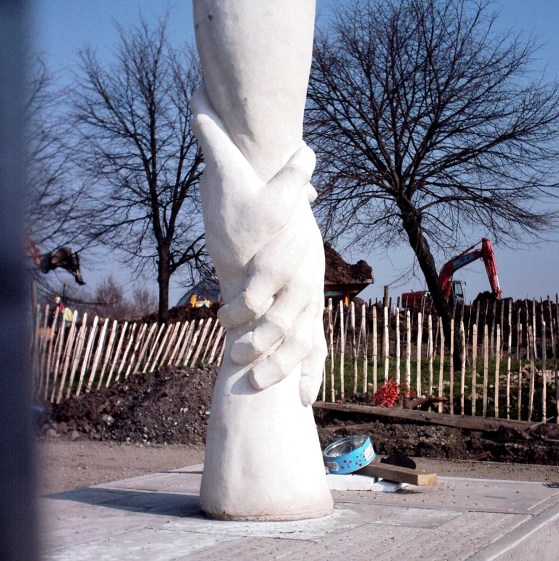
Then there were those who courageously fought for common rights.
The formation of workers unions and the fellowship of humanity.
Even Winston Churchill, who started as a Liberal and became a Conservative, said “The inherent vice of capitalism is the unequal sharing of blessings; the inherent virtue of socialism is the equal sharing of miseries”.
Even surrounded by the pursuits of greed, the slow advance of true humanity has been indomitable. Showing itself as inherent throughout time, it cannot decline, it keeps on being born.
.
.
.
.
Amongst these pursuits has been the advantages of coal, steam and steel. An industrial revolution and an extent of hard toil that gave us all the modern advantages, which we largely take for granted.
Our societies have been the foremost in receiving the advantages of the industrial revolution and therefore the foremost in creating the resulting problems of climate damage. It is those who have yet to follow this route who will suffer the most damage before they receive any major benefit. It is up to us, who have the benefits, to be the foremost in resolving the matter. Those who may wish to know more about how, could click here ⇐, and maybe one day ~
.

.
And, thank you for visiting Freed From Time.
Sharing:
Posted by Graham in Hats | July 19, 2015 | Categories: Climate Change, East London, History, uk | Tags: alms house, Climate Change, geffrye museum, homeless, philanthropists, poverty, salvation army, social comment, social justice, victorian, work house | 6 Comments