
Sounds Like Someone Punched a Goat & Brighten the Day 7
 The Ballad of Beaker video. The thing I like about beaker is he’s daft enough not to give up. There’s a lesson in that somewhere.
Ignore the adverts.
And, a little something to brighten the day.

.

.

.

.

.

More Brighten the Day ⇐.

Brighten the Day 6 with Flowers, Daftness and Songs
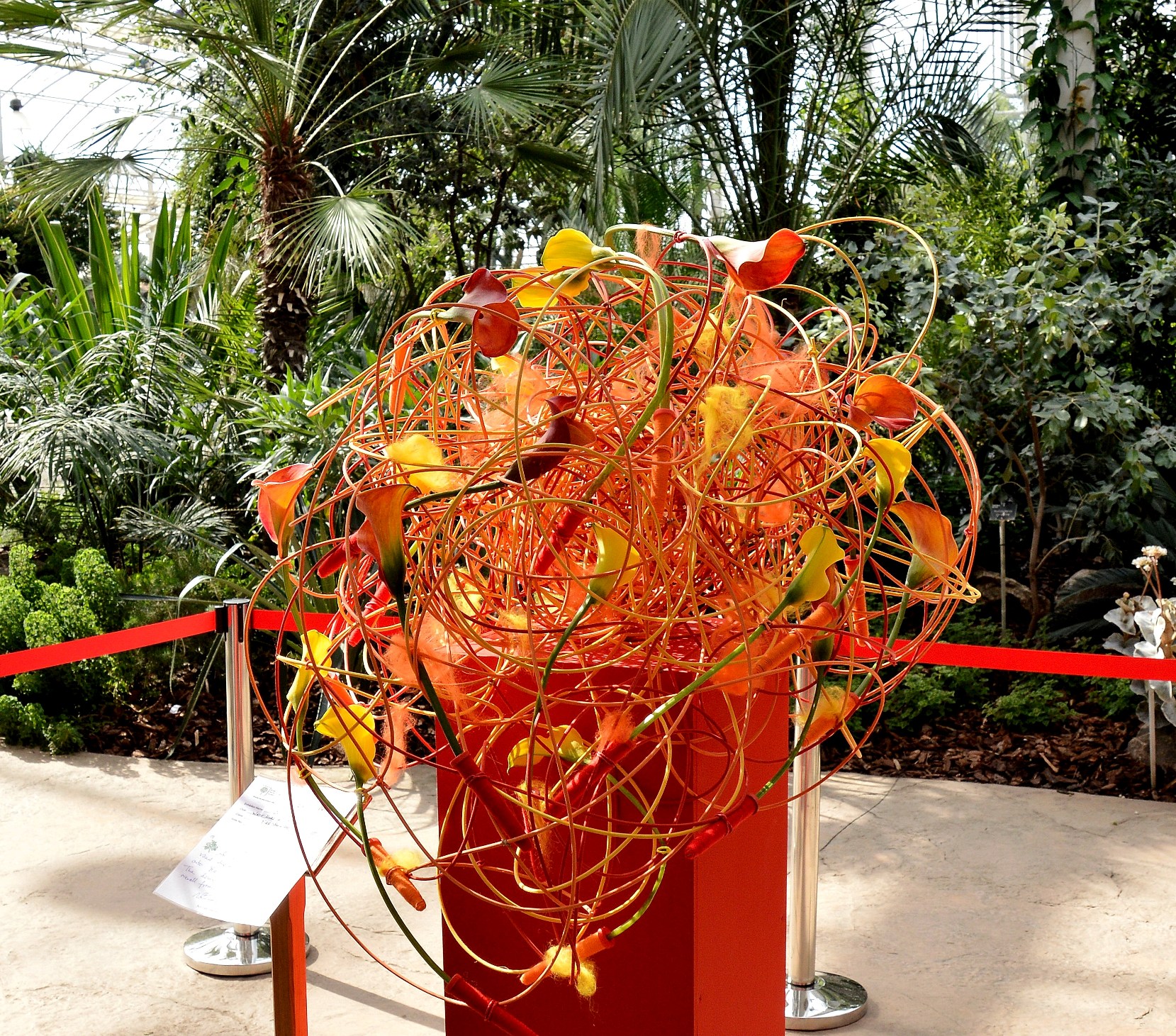
Are you having a bad hair day ?

Just about had enough.

Or have a selfie like mine.
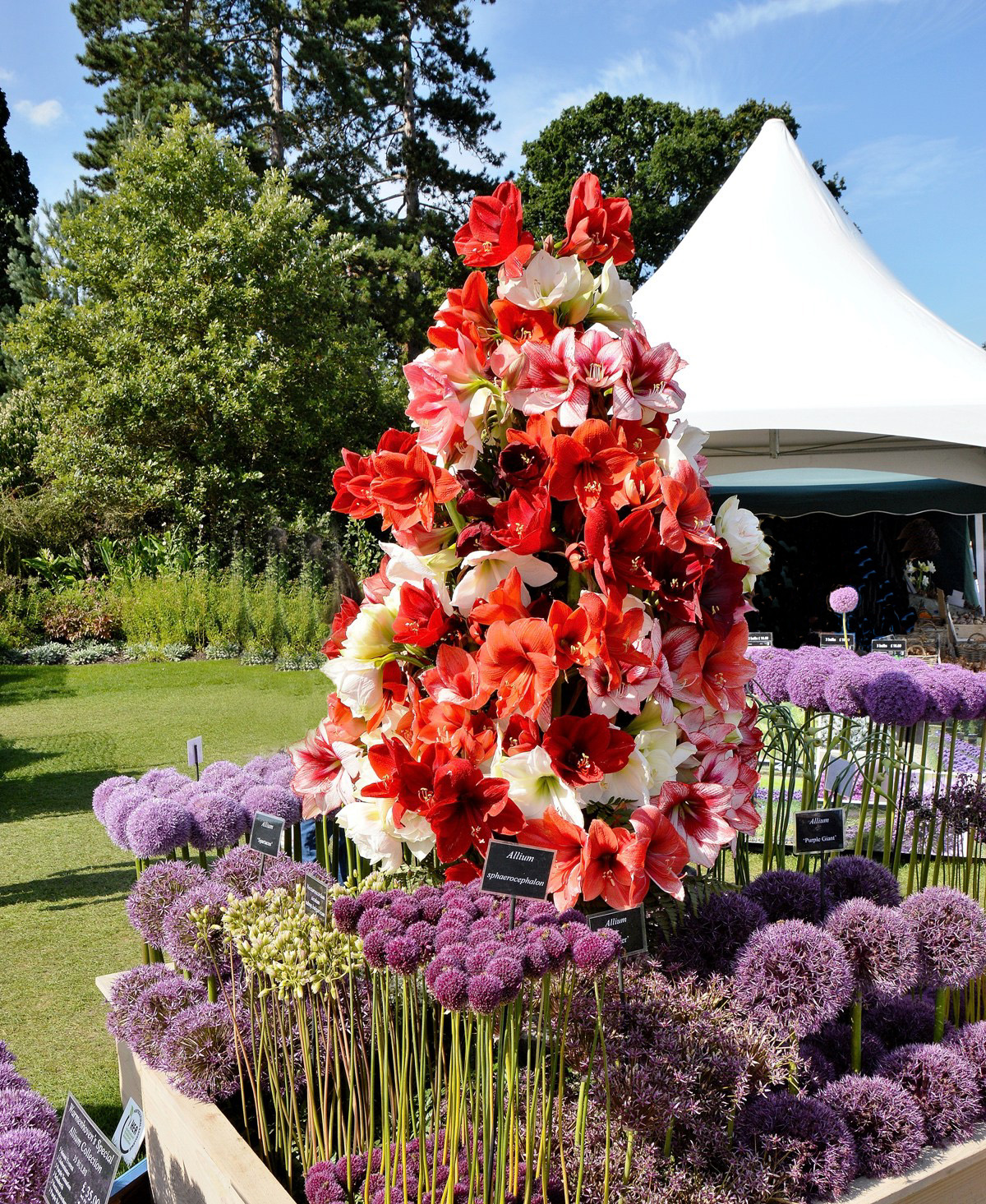
Perhaps you would prefer to feel like this ↑.
Take some of this. Originally by the Statler Bros but this has a little more daft ↓.
.

Or perhaps a little more foot stomping ↓.
.

Or a leaping lizards rocking launch ↓.
.

And a blue bayou bye and bye from the bear.

More Brighten the Day ⇐.
All Hallows by the Tower AD 675
 All Hallows by the Tower (AD 675) is the oldest church in London and almost the oldest in the UK. Some of its fascinating history can be found on its website here and its wiki history here. Older churches can be found here and the oldest UK church still functioning is St Martin’s (AD 597) near Canterbury.
The image above is of the Toc H Lamp signifying membership of that international charity which was founded by army chaplain Rev Tubby Clayton as a refuge from the fighting in Belgium during WWI. The Reverend was later vicar of All Hallows from 1922 to 1962.
.
.
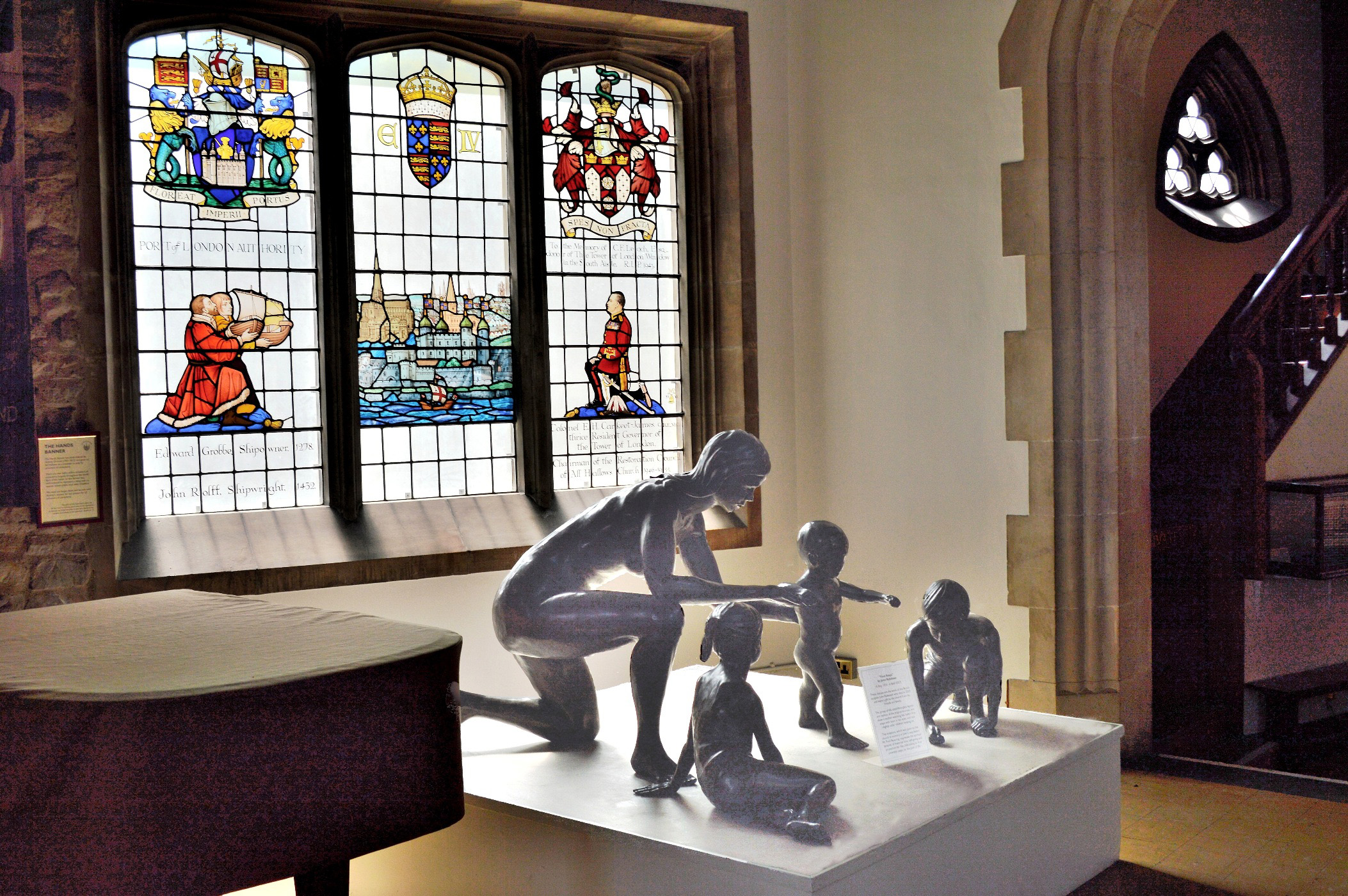
First Steps Sculpture by John Robinson
.
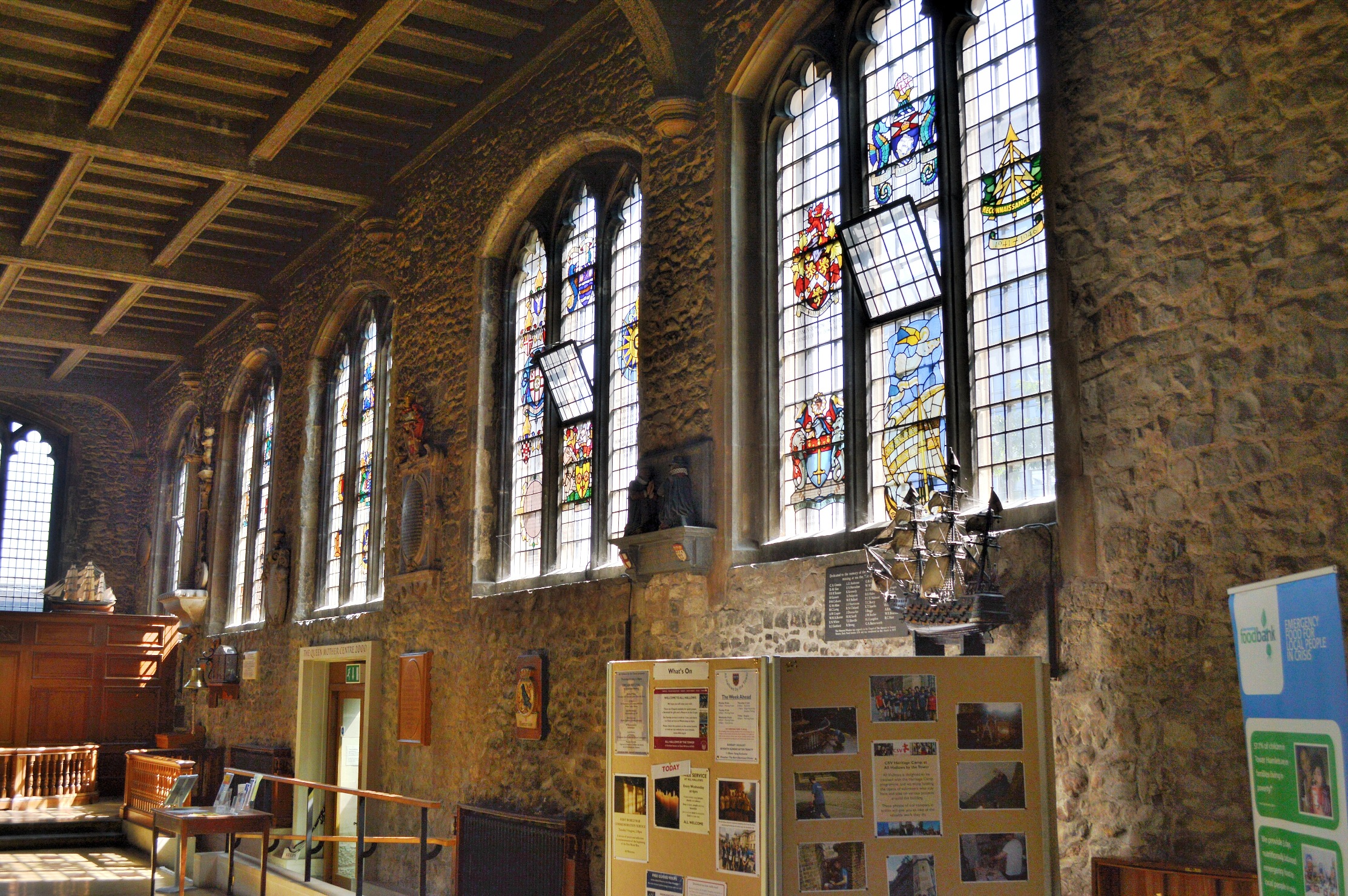
All Hallows is a working church and engages in such enterprises as a food bank.
.
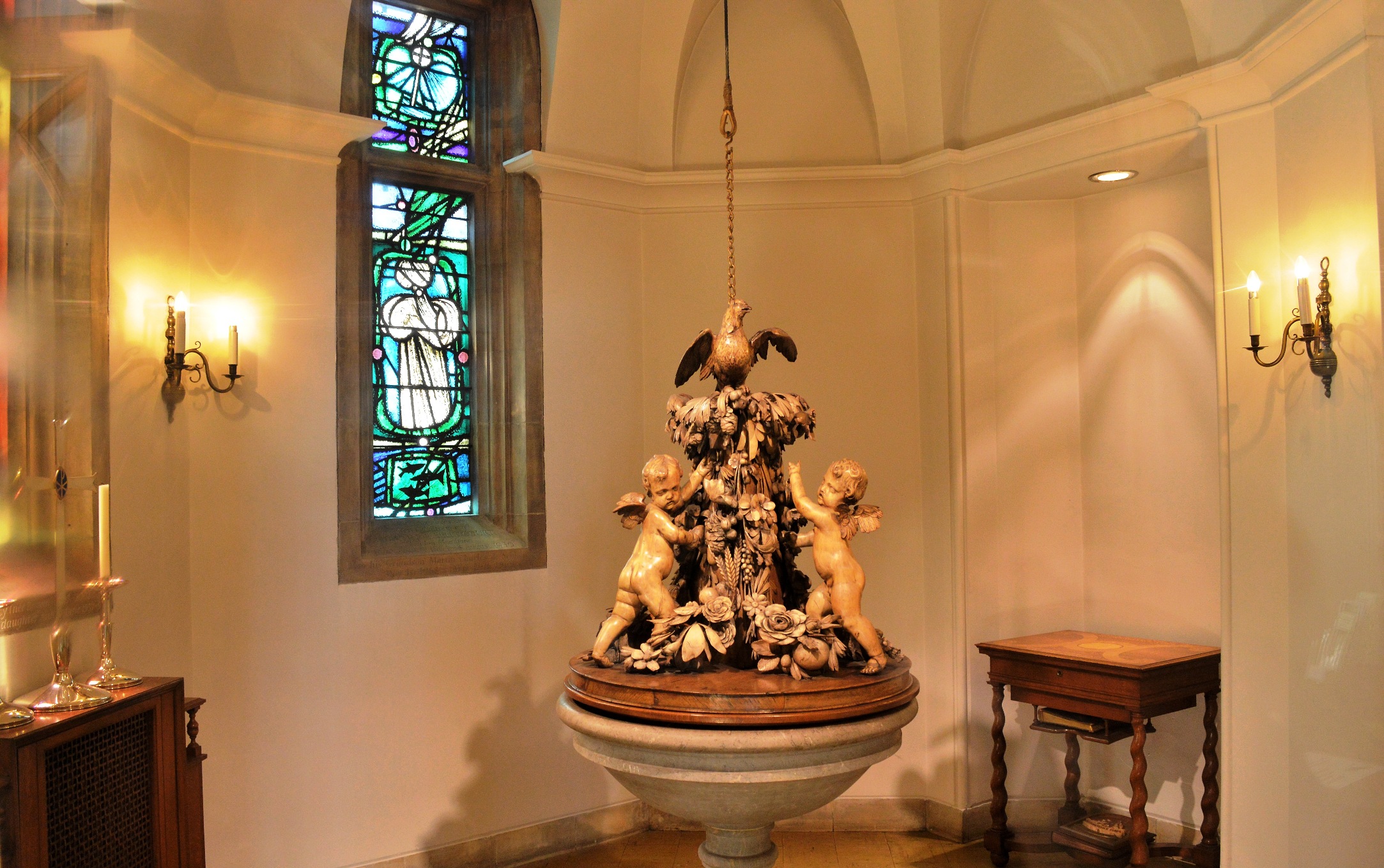
Baptismal Font Cover by Grinling Gibbons in 1682 for £12

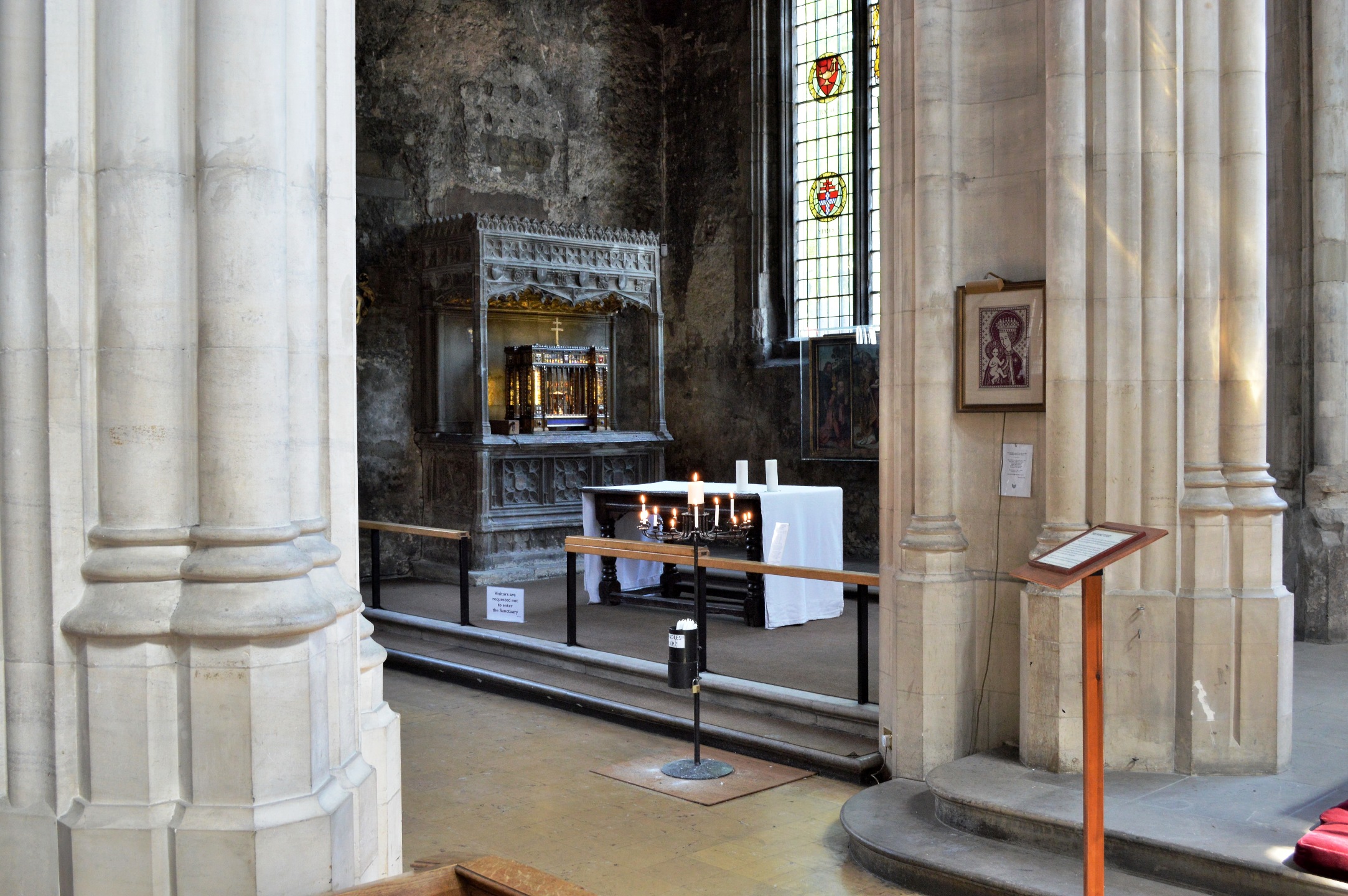
Altar stone from the castle of Richard 1 at Athlit in the Holy Land
Part of the church was destroyed during WWII but there is a spiral staircase that leads down to the oldest part of the church, including a small museum with Saxon arches. At the end of the aisle is this alter with the rock face beyond.
.

The church is easy enough to find, being a little to the west of the Tower of London and its green spire easily visible at a distance when emerging from Tower Hill underground rail station.
The Natural History Museum London
The Natural History Museum, the very interesting Science Museum and fabulous Victoria & Albert Museum are all close together and very near South Kensington underground rail station. All are free to enter, although a small donation is usual, and have picnic areas (a wise choice).
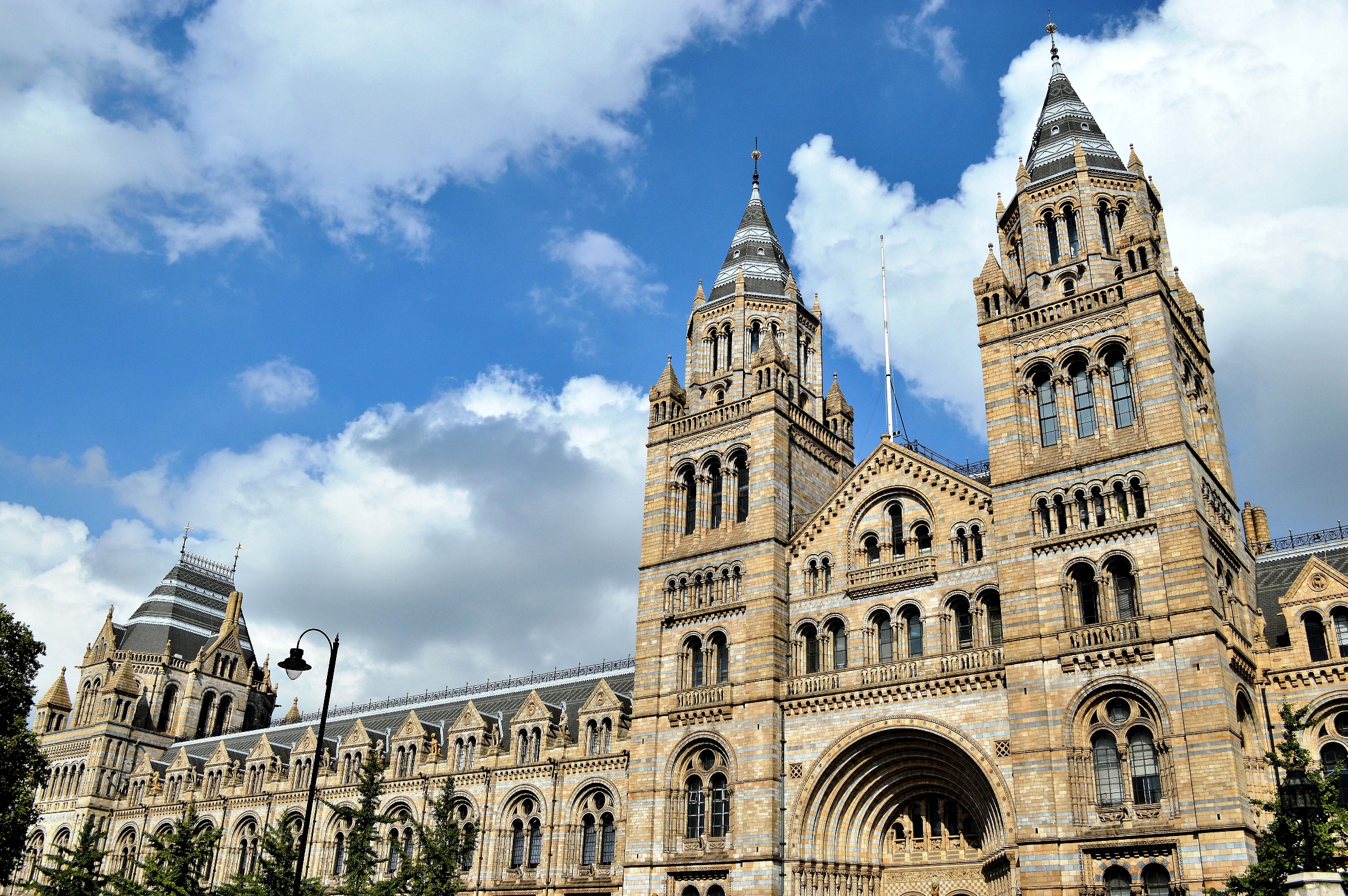
The Natural History Museum also contains The Earth’s Treasury and The Vault of precious items. Both are worth seeing. It is advisable to arrive early at the Natural History Museum to avoid queues and download/save/print the the map. The website. Here is the architecture and a few of the exhibits.
The Architecture and Charles Darwin
.

.

.

Charles Darwin Statue
.
The Exhibits

Diplodocus
At the main entrance “Dippy” (diplodocus), sometimes a Blue Whale, welcomes visitors with equal aplomb. Dippy likes walks in the park, sushi and going to the theater. Would like to meet similar, must have good sense of humour.

At the side entrance one is greeted by a smaller cousin. And then ~

The escalator to hell. It actually leads to a display of information about the earth’s early years and volcanoes. Included is a mock min-market that shakes to simulate an earthquake. It wasn’t working when I was there. How come they always turn off the dangerous stuff whenever I arrive ? It’s a mystery to me.
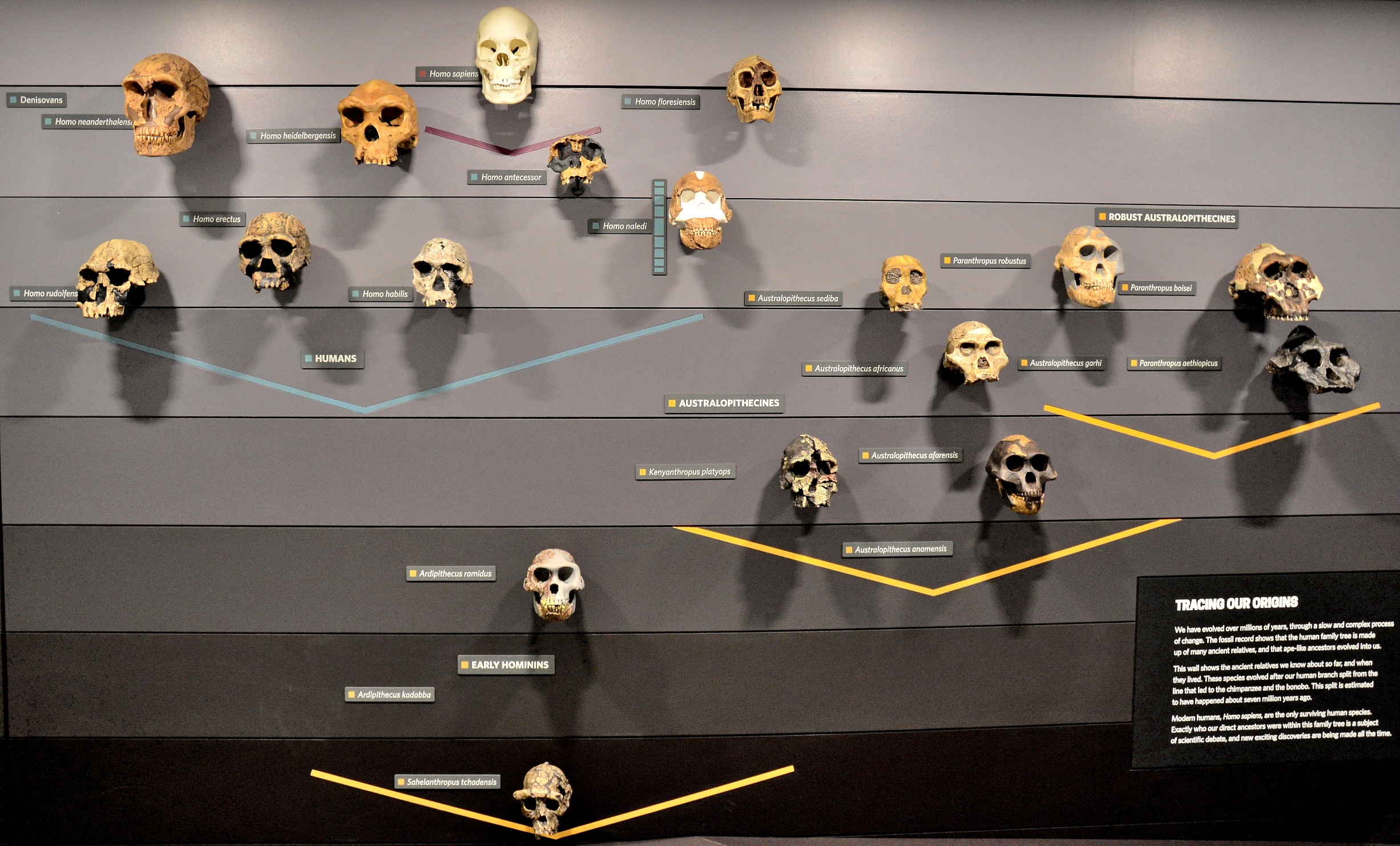
Near the elevator, on the ground floor, you can meet one’s ancestral relatives. The top row is the present and then seven rows of one million years each. Spot anybody that you know ?. To read the labels, click on the image and then again to magnify.
Unfortunately the dinosaur gallery was closed during my visit, but there were a few on show.

This little tyke is animated. Noticeably breathing and occasionally moving in his/her sleep.

Cynognathus
The Cynognathus was supposedly about the size of a dog. If that’s true, I wonder if Lord Baskerville knows it’s out.
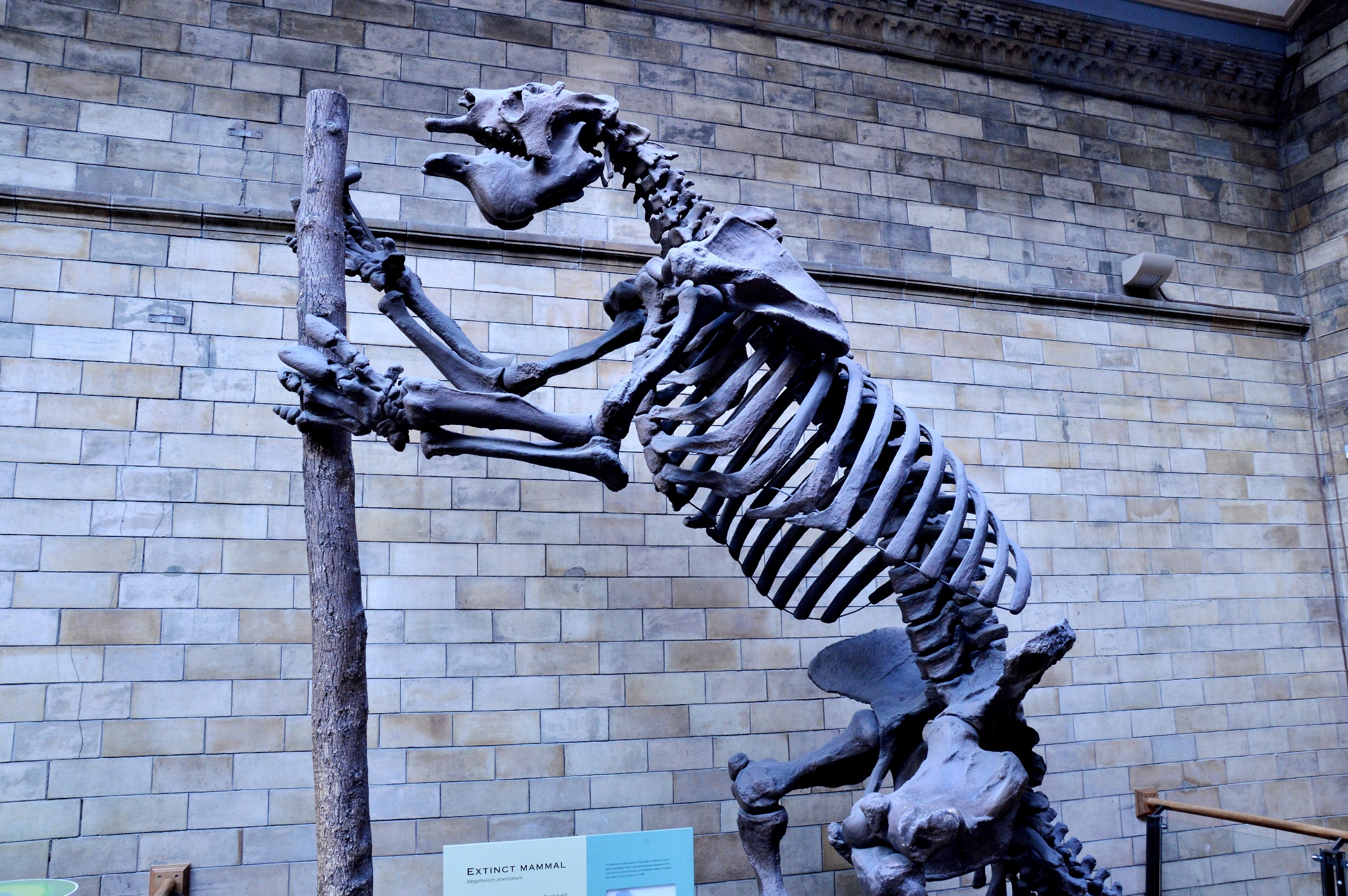
Megatherium Americanum
Aka, prehistoric stick insect.

Killer Bird and Pseudo-elephant
“My mother always said you were a skinflint, look at me when I’m talking to you and when are you going to fix that shelf and stop calling me beaky”. “Aaaarg”

Shell and Triton’s Trumpet
.

Baler Shell
The Baler Shell, so-called because it is very useful for baling out canoes (honest).

Queen Conch
.

There are loads of stuffed animals. I picked just one.

Dodo Bird
The Dodo bird, it is reported, became extinct because it was not sufficiently afraid of mankind. There’s a lesson in that somewhere.
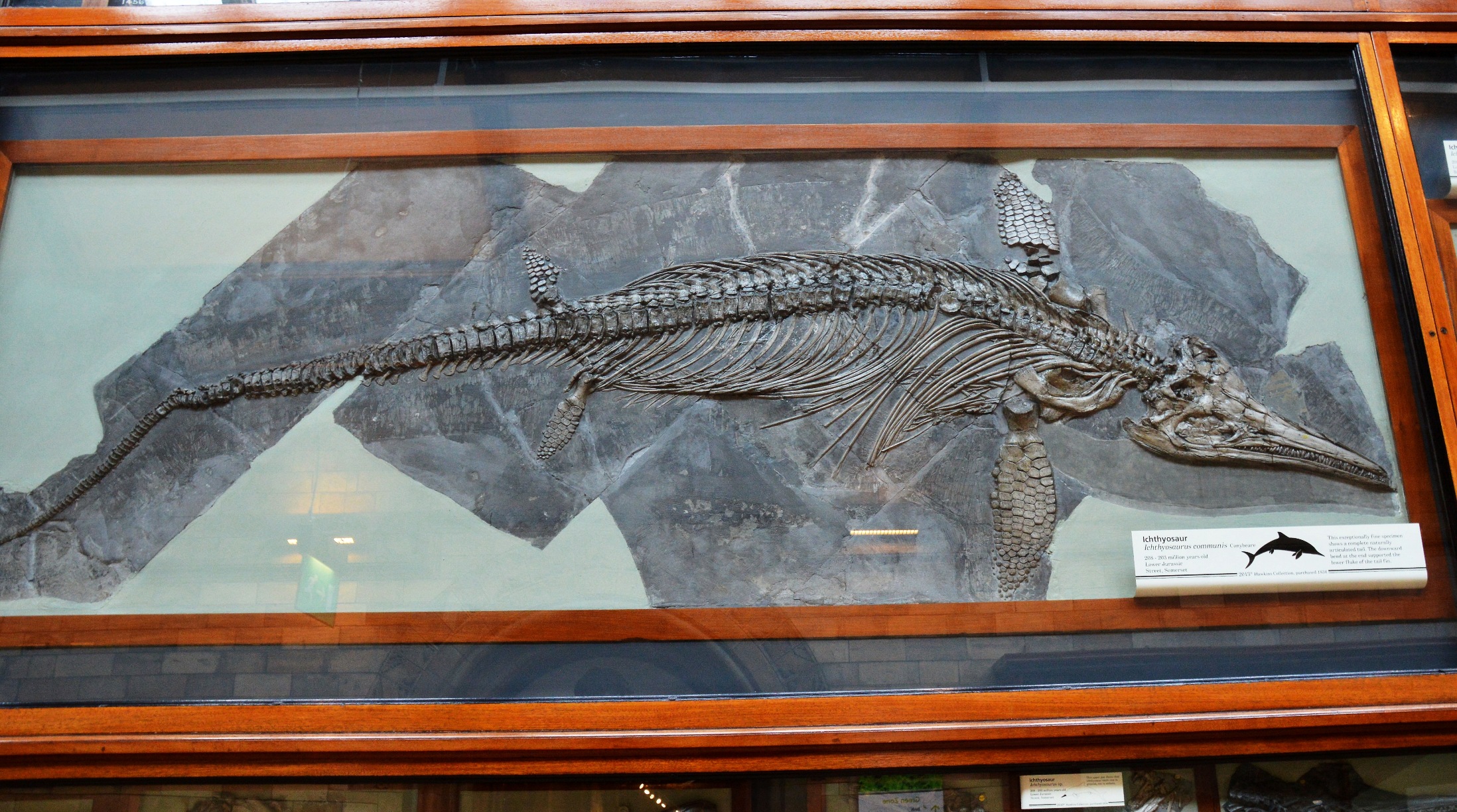
Ichthysaurus Fossil
.

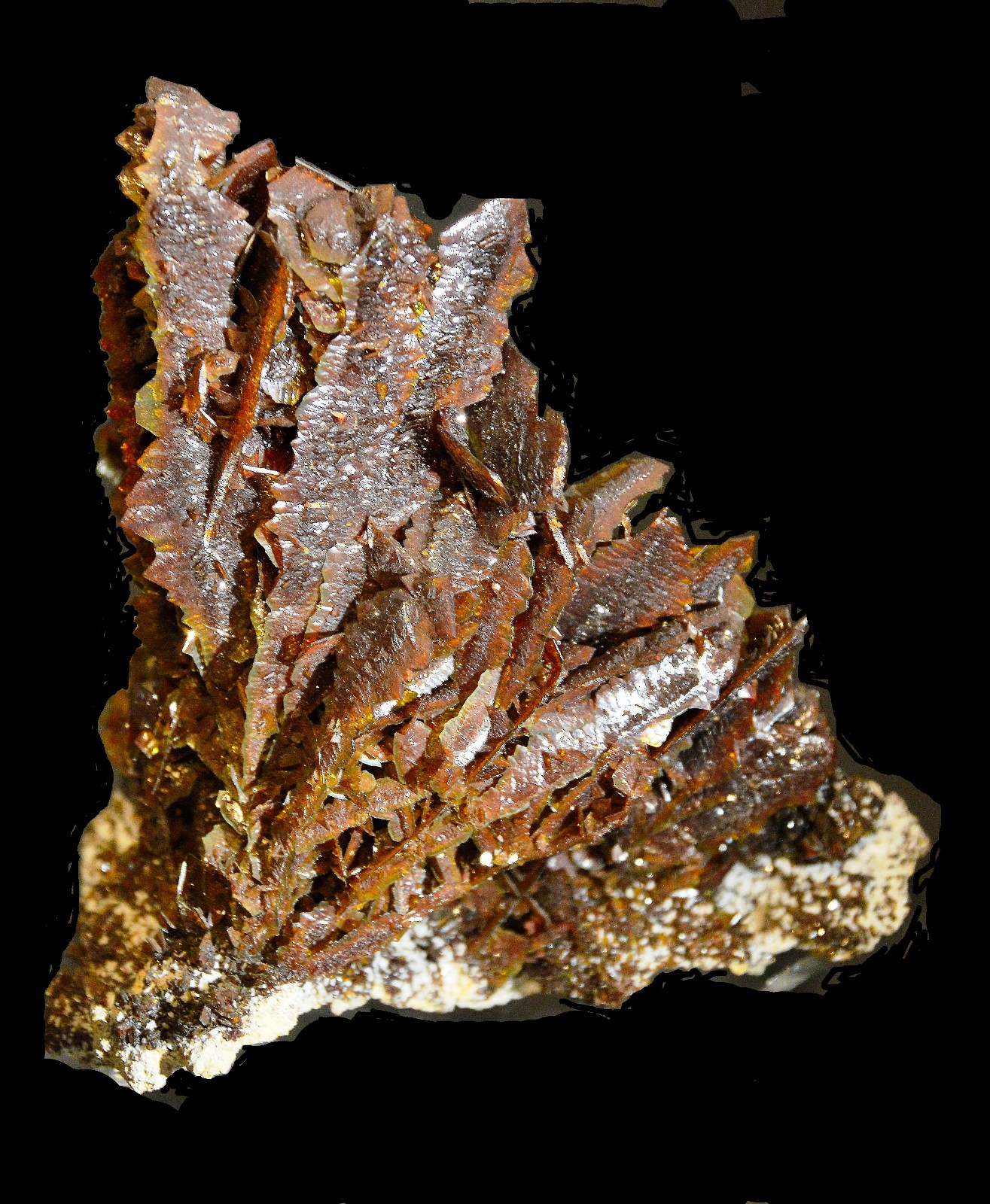
Goethite
I can take a hint.
The Earth’s Treasury 2 at the Natural History Museum London
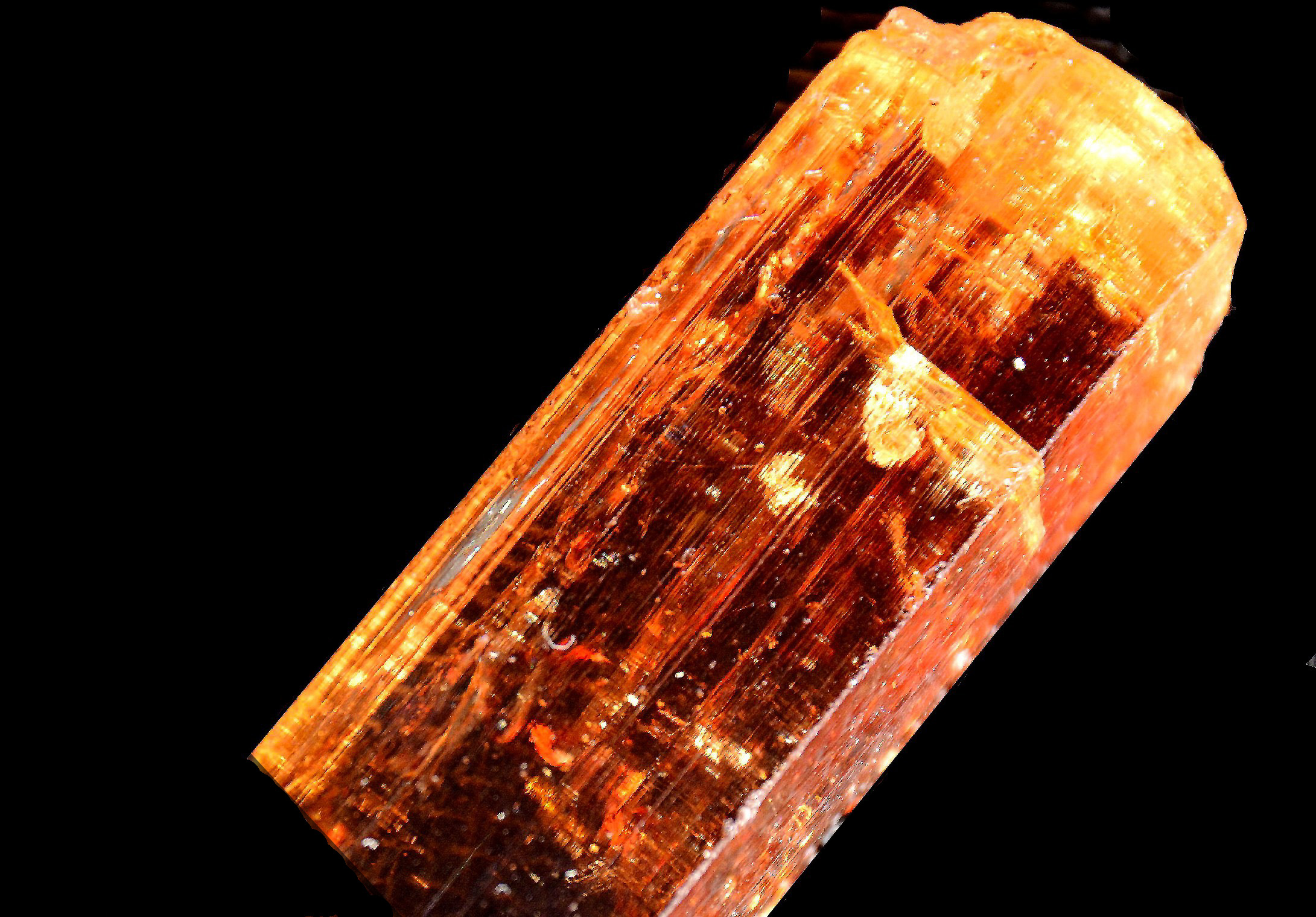
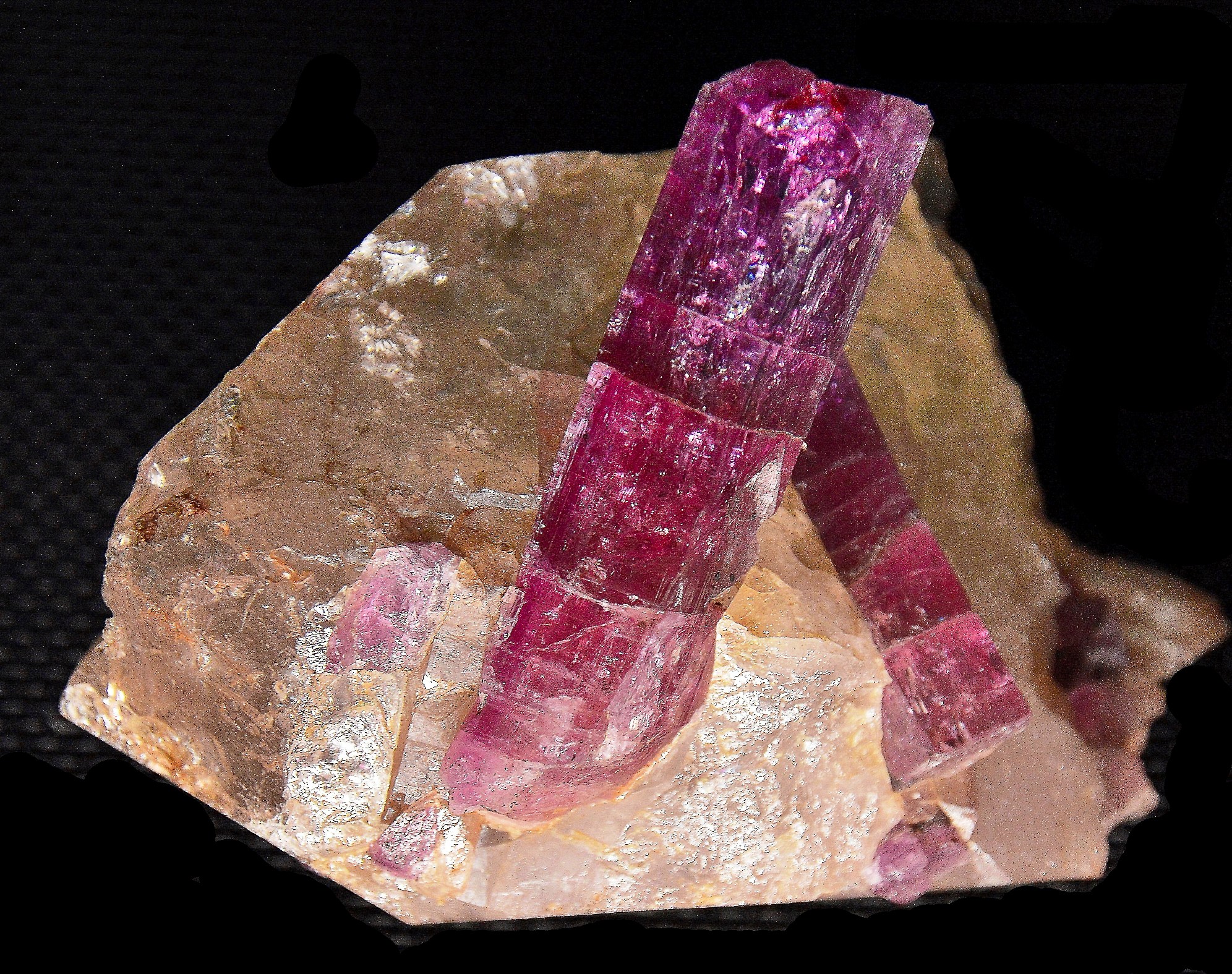
More from the Earth’s Treasury at the Natural History Museum London. There is also Earth’s Treasury 1 and The Vault of precious items.
.
 .
.

.

.

.
.
.
.
 .
.
And crunchy chocolate cake to finish, I think.
The Vault and the Cursed Amethyst at the Natural History Museum London

Latrobe Gold Nugget made of rare crystallized gold.
At the end of the Minerals Hall at London’s Natural History Museum is The Vault which contains a number of precious objects including the Latrobe Gold Nugget, the Medusa Emerald, the Cursed Amethyst and a Martian Meteorite. 19 more pics ↓ . And, more at the Earth’s Treasury and Earth’s Treasury 2.
.
The Vault
These are just a few of the rare items in the vault.

Yellow Sapphire and Padparadscha
Sapphires come in various colours and, like ruby, are made of corundum. The orange/pink is a rare colouring of sapphire known as padparadscha.
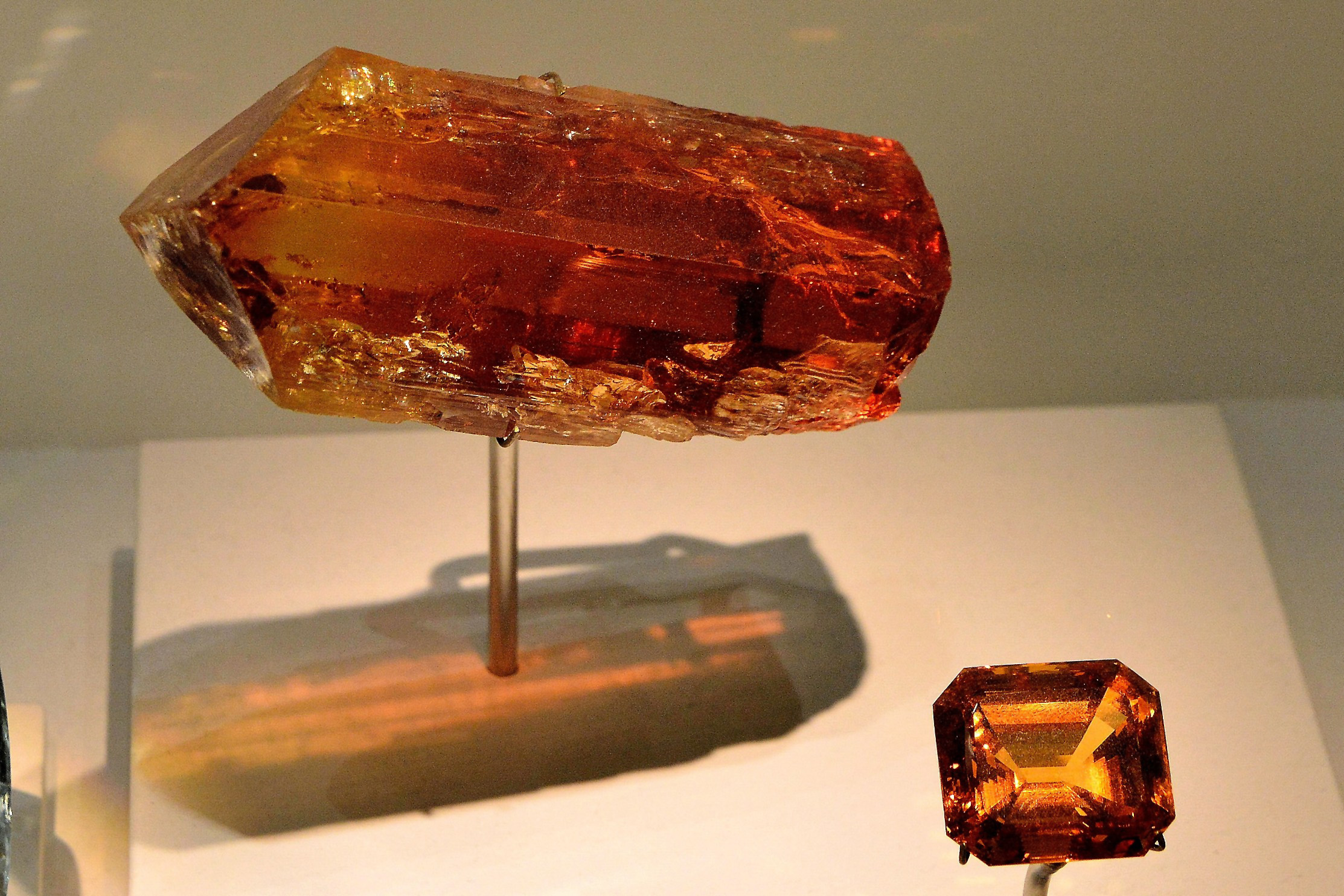
Imperial Topaz
.
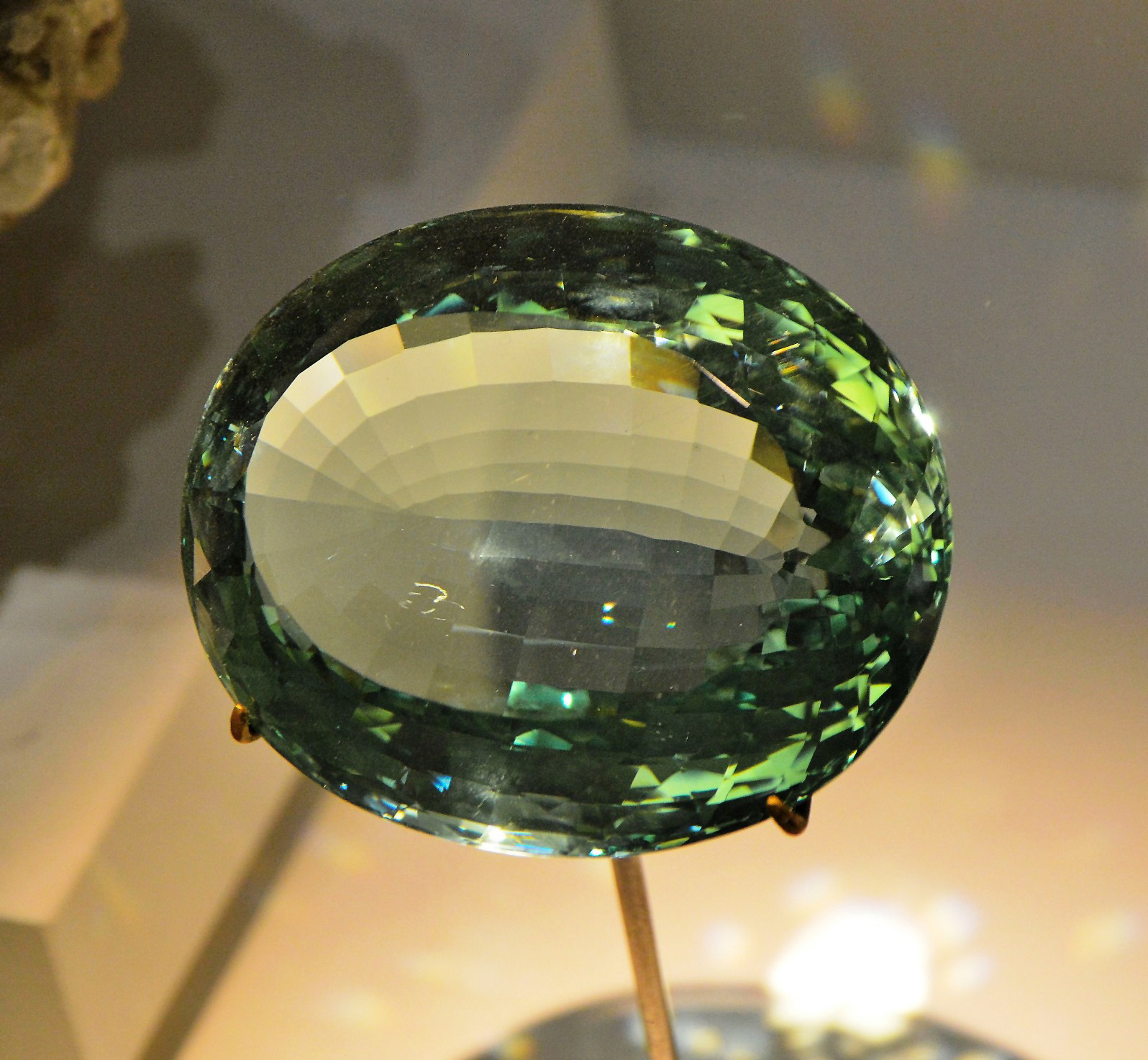
Rain in Seawater – An Aquamarine variety of Beryl
.
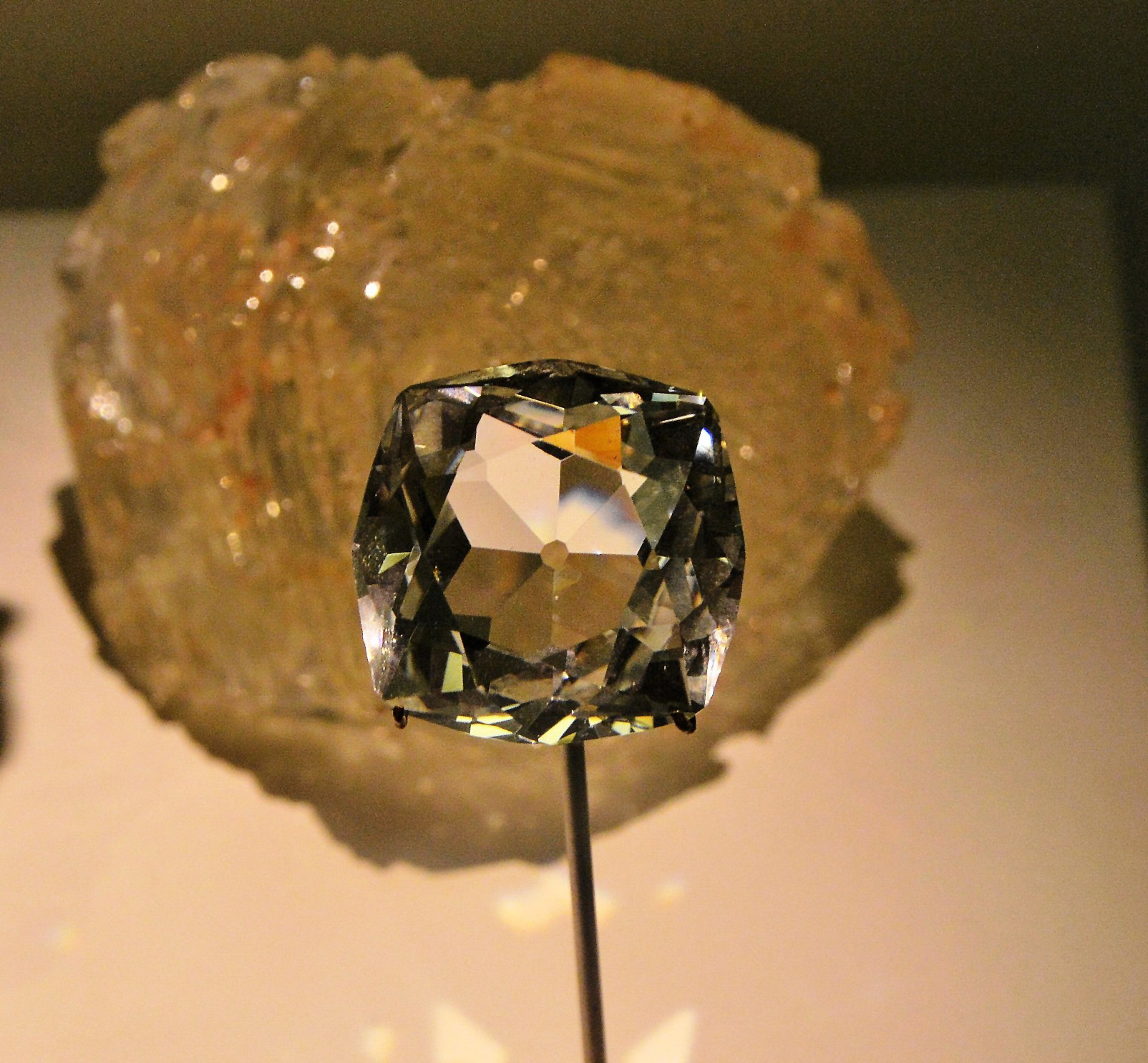
The Scotch Koh-i-Noor – A Goshenite variety of Beryl
It is a bit of a mystery how it got its name, as it probably came from Brazil.

Sapphire Button
.

Opal Necklace
.

The Hope Chrysoberyl
This was once a part of the collection of Henry Philip Hope along with the Hope Diamond.

The Medusa Emerald
The medusa is regarded as one of the world’s finest mineral specimens.
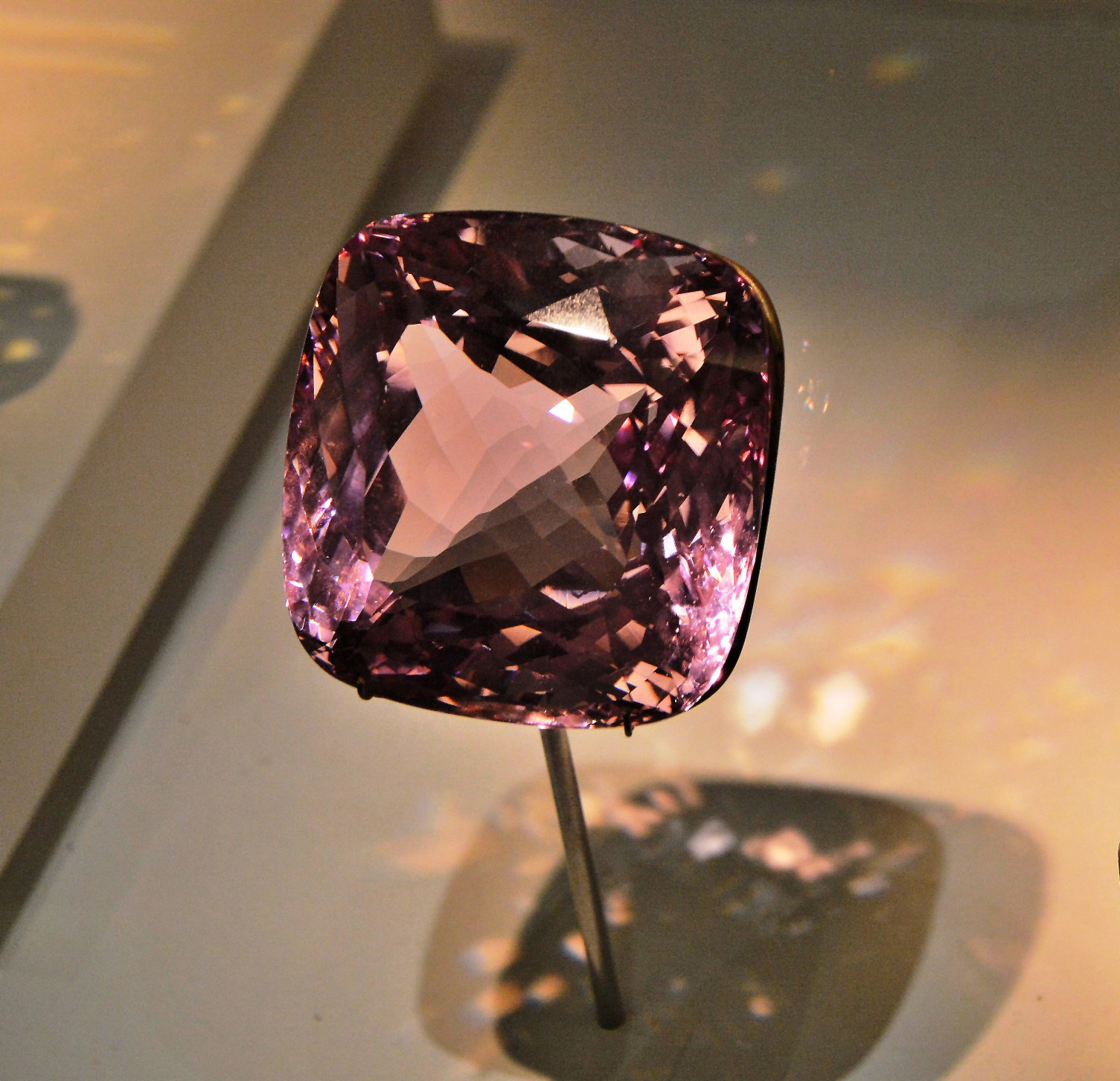
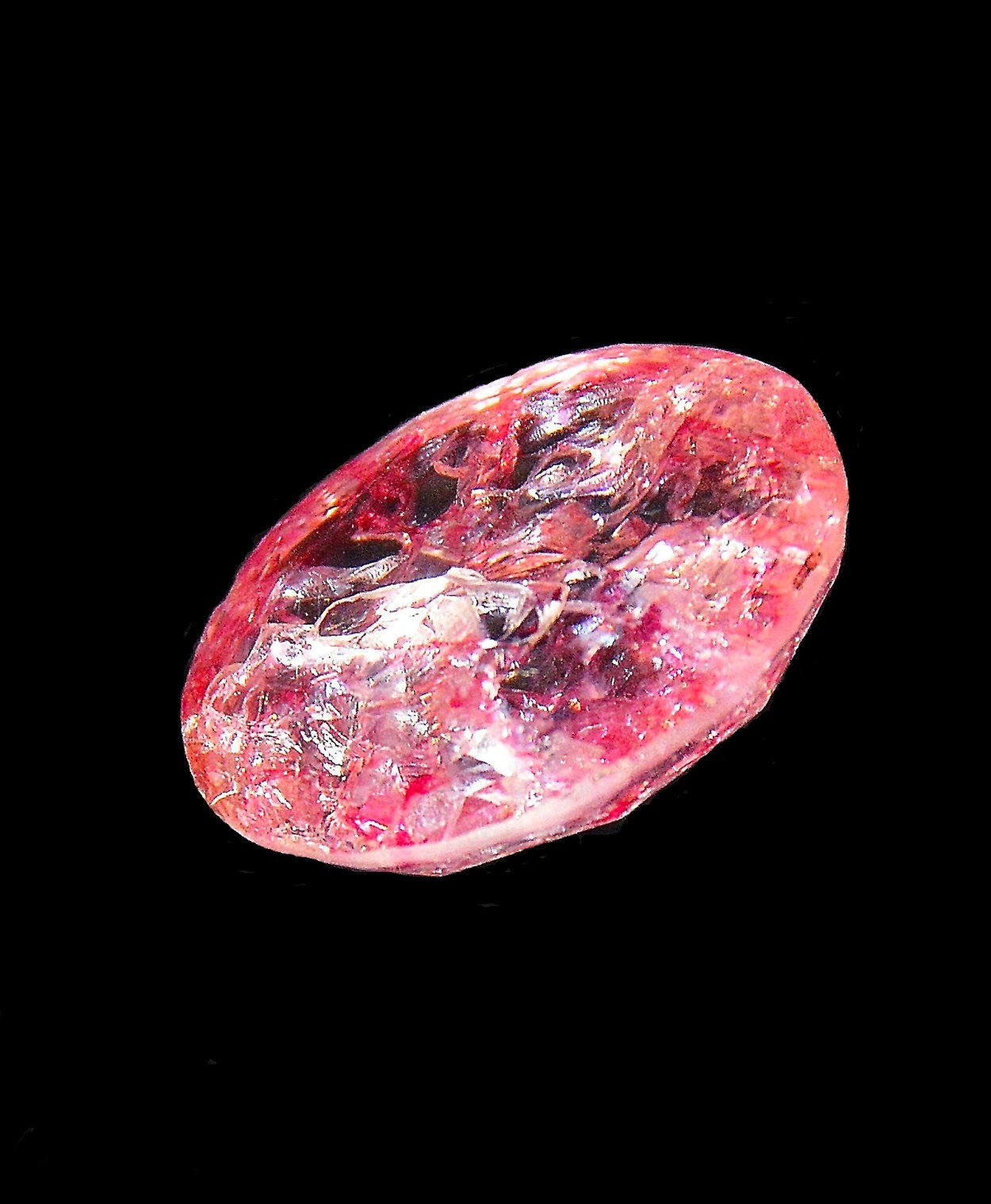
Cut Morganite
.

Crystal within a Crystal
A pink morganite crystal that grew around a blue aquamarine core.
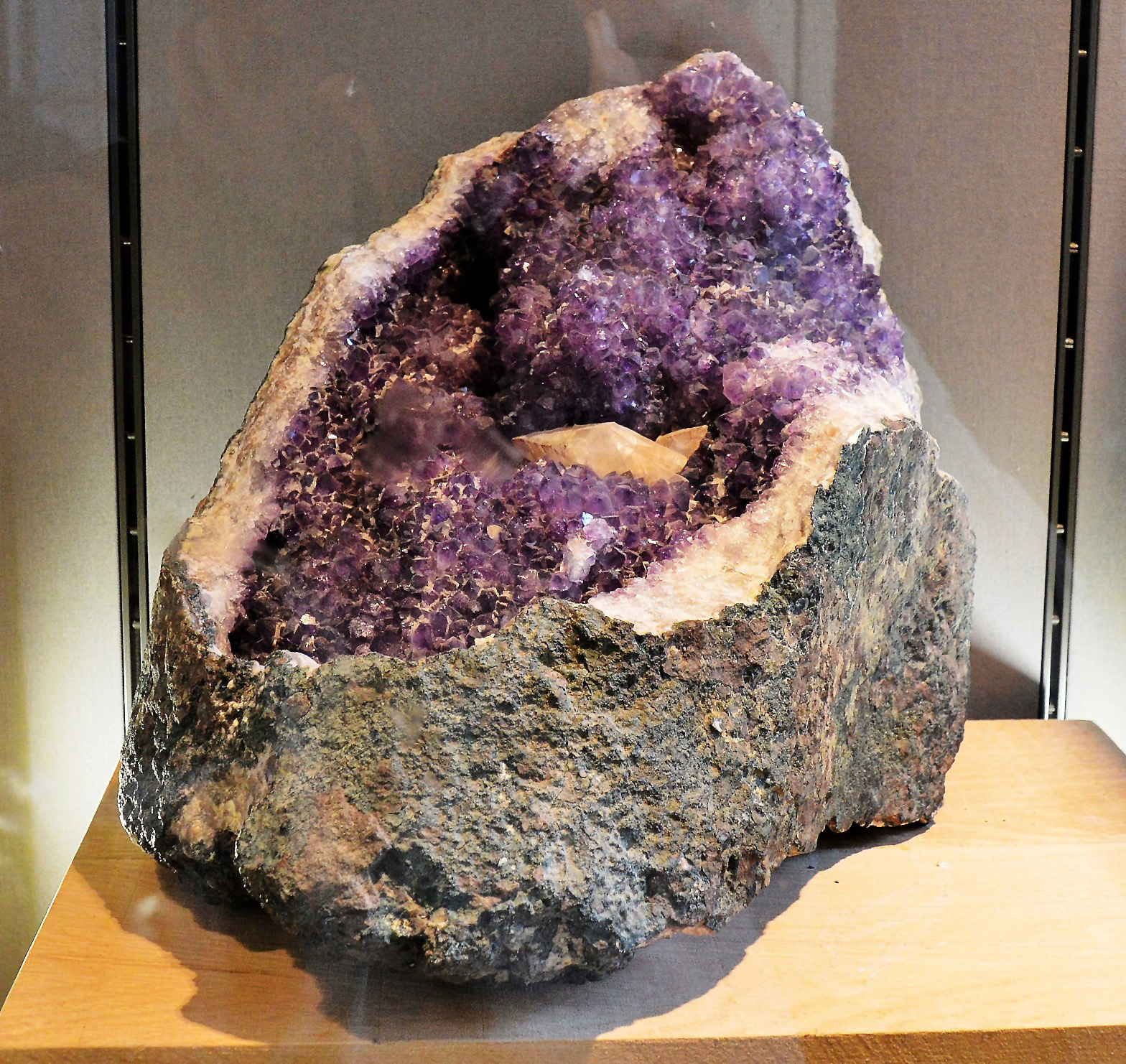
Amethyst Boulder
It is amazing to think what might be found inside an ordinary looking rock. 🙂
.
The Cursed Amethyst
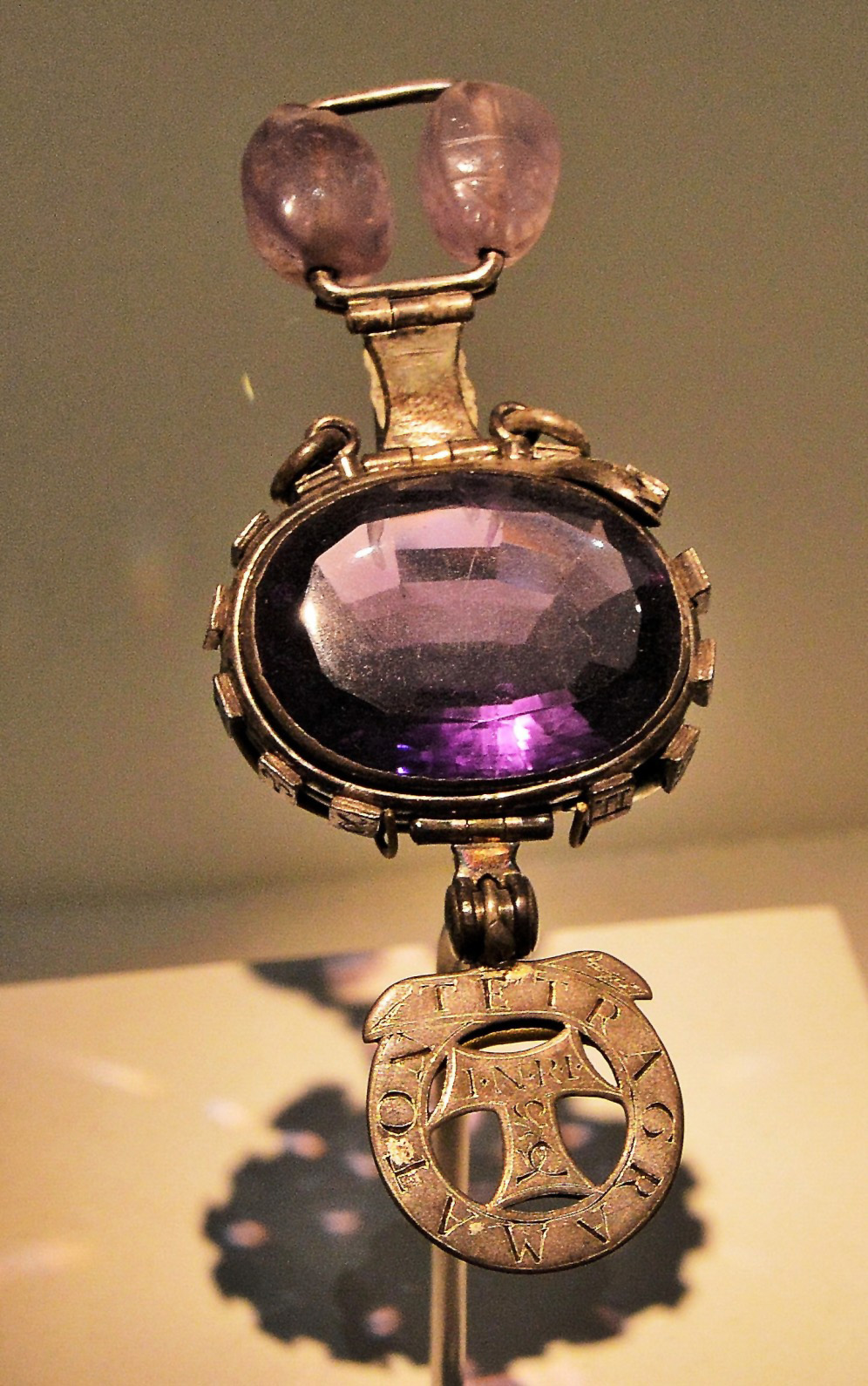
The Cursed Amethyst
It is reputed that the Cursed Amethyst was stolen from an Indian temple in 1857 and then passed through several unfortunate hands before being owned by Edward Heron-Allen who bequeathed it to the museum. Whilst Heron-Allen owned the gem he had it kept in a bank vault within seven locked boxes. The whole story can be found here.
.
The Tissant Meteorite from Mars

Tissint Meteorite
The Tissant Meteorite landed near the village of Tissant in Morocco in 2011, taking 700,000 years to travel from Mars having being ejected by that planet. Its particular importance derives from the indications that there was once liquid water on Mars. If there is water, now beneath the surface, then solar-powered electricity can be used to split the H2O into Hydrogen and Oxygen. The second can be used to support life, and both together as rocket fuel.
On the other hand, we could take more care of our own planet first. 🙂
.
The Minerals Hall
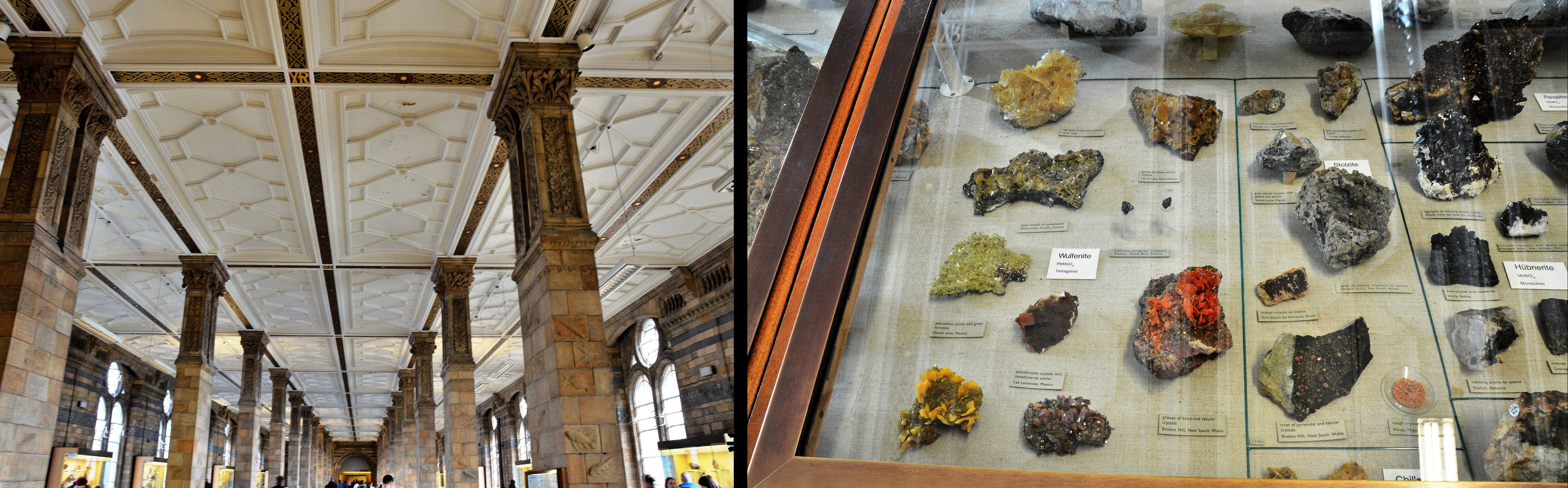
With thousands of specimens.

Hydrohematite
.
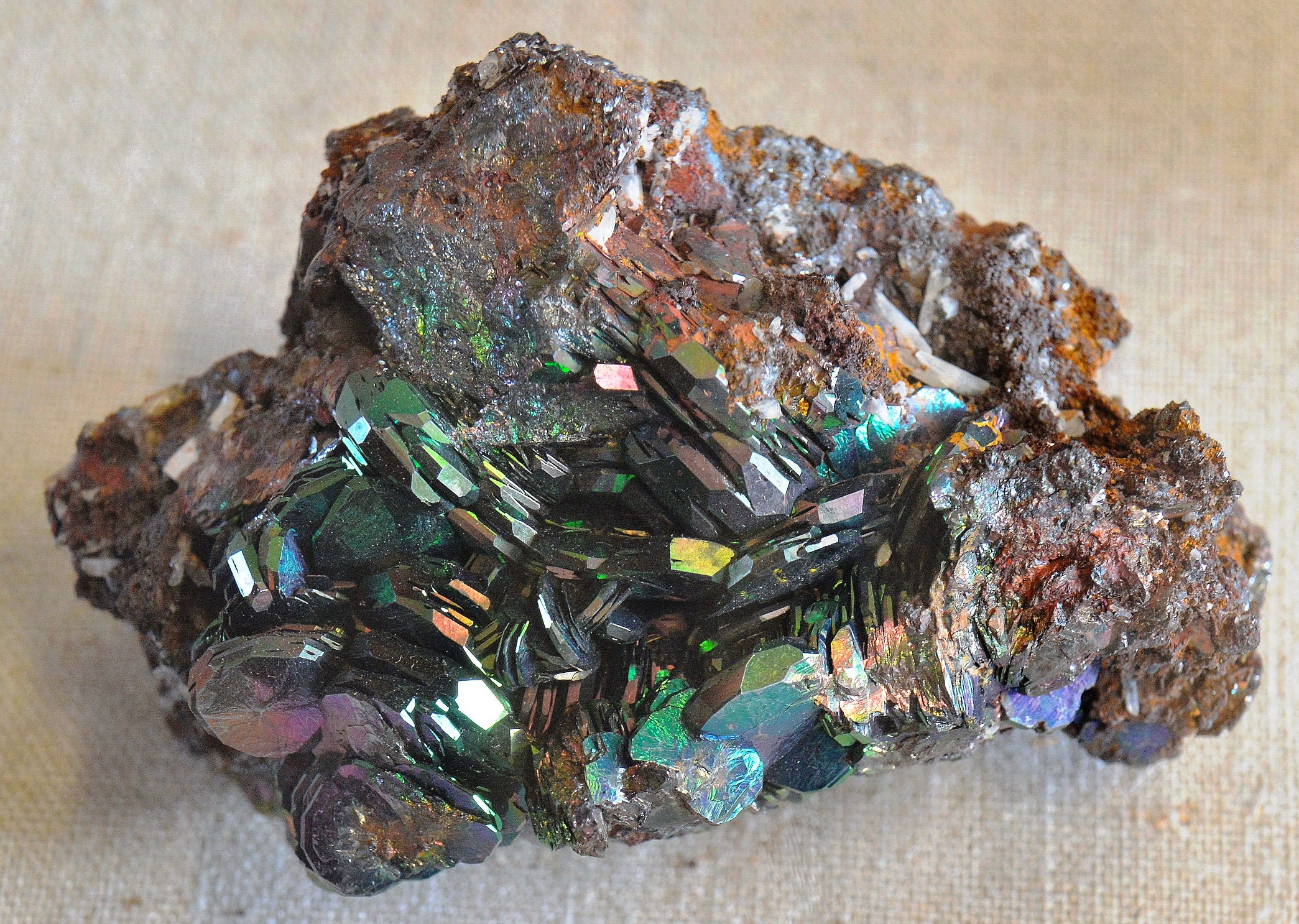
Iridescent crystals
.

Iridescent Stalactites
.
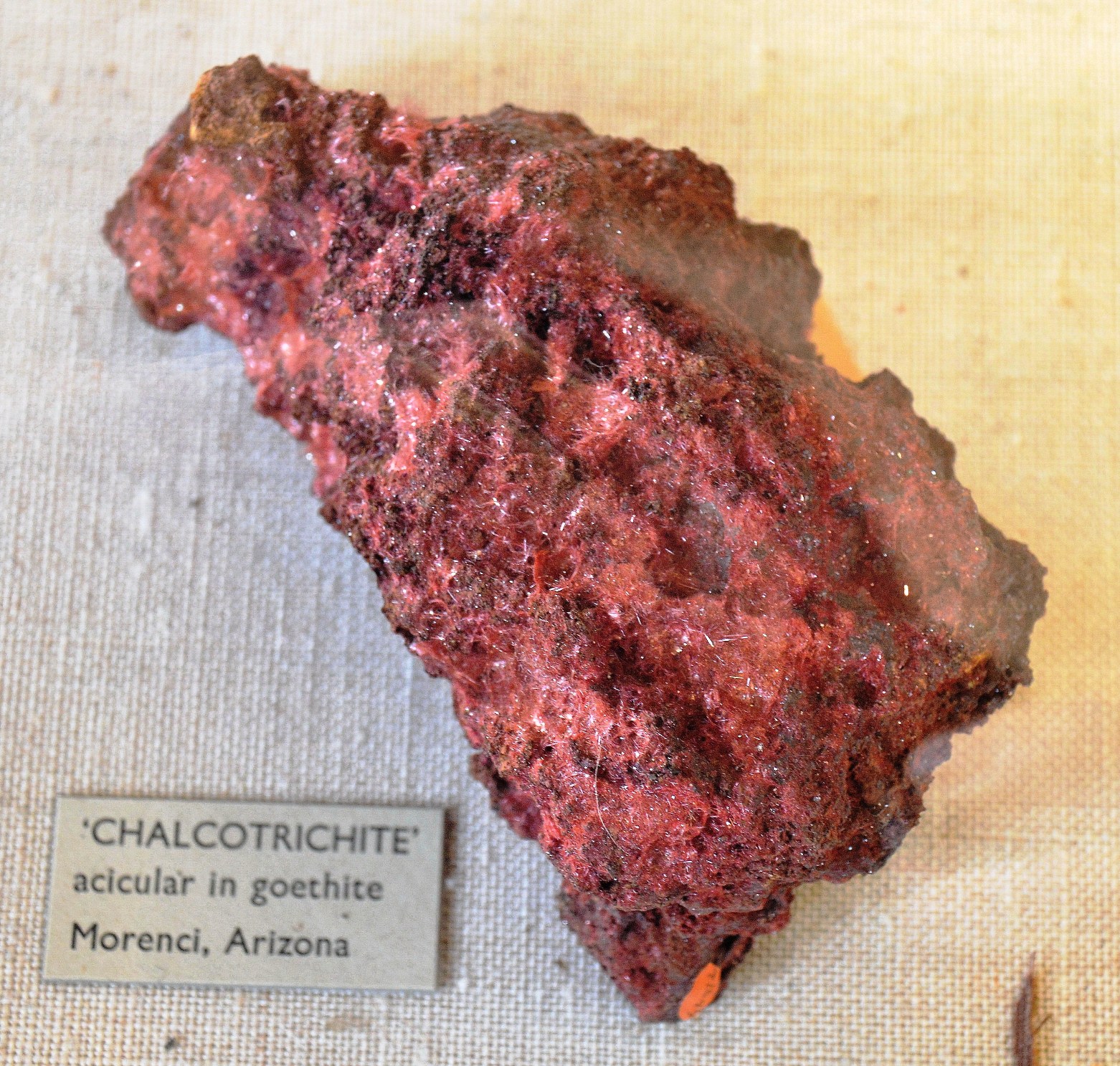
Chalcotrichite
More at the Earth’s Treasury.
Earth’s Treasury at the Natural History Museum London
.

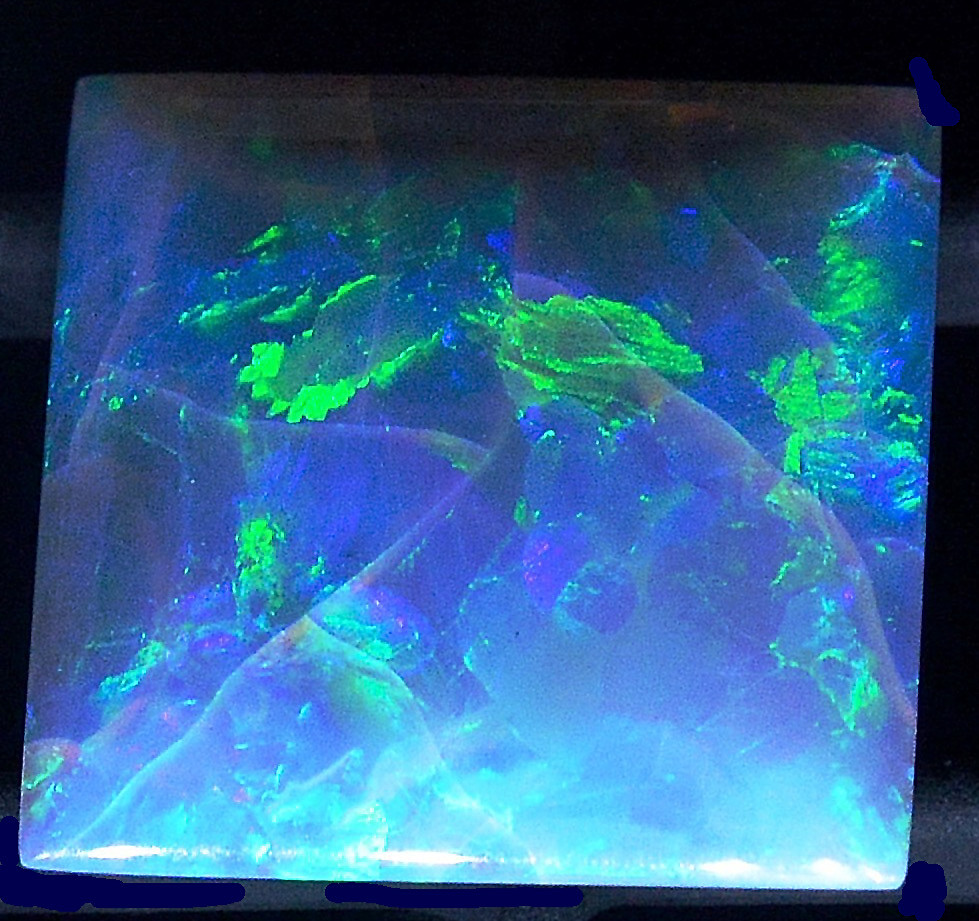
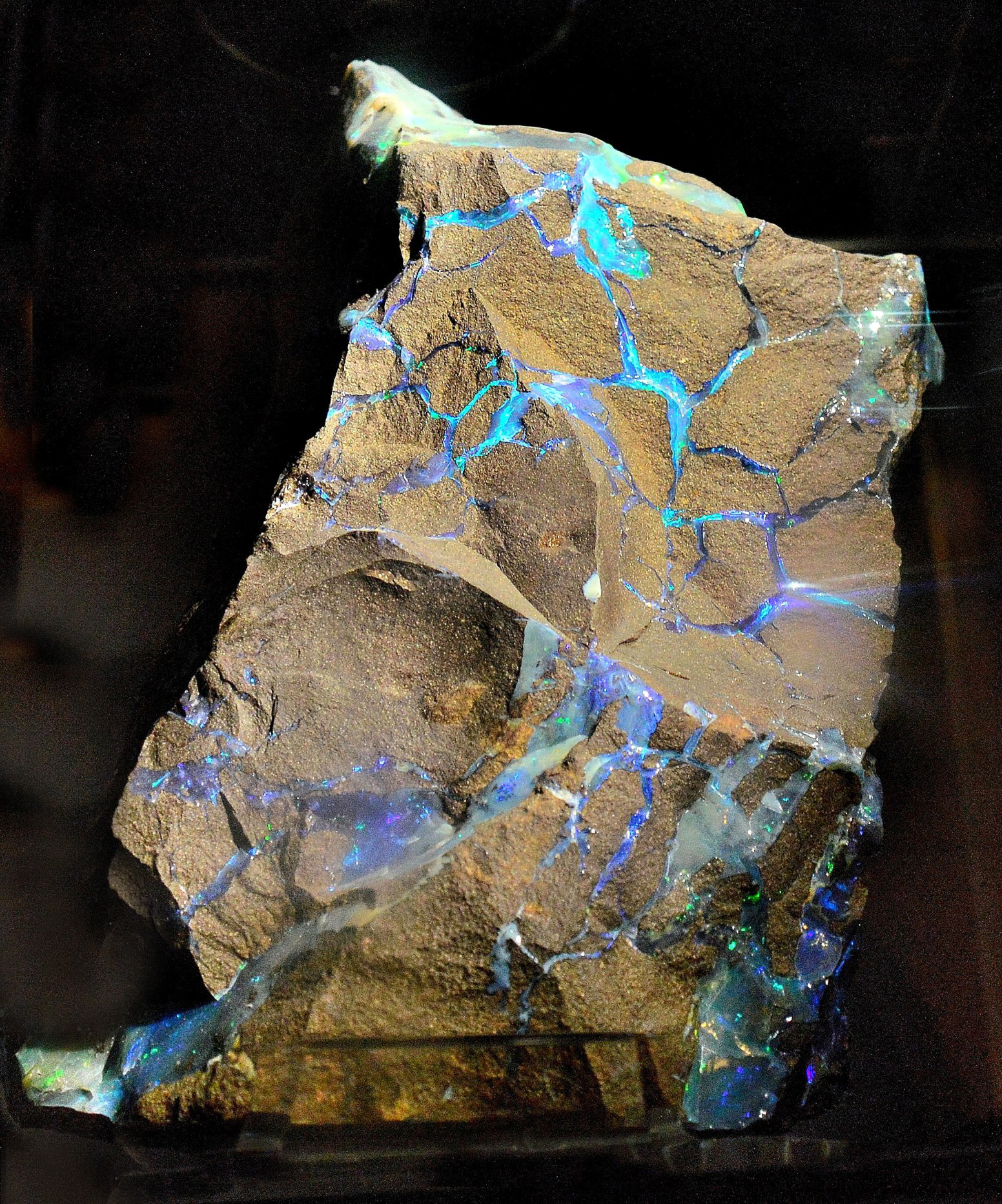
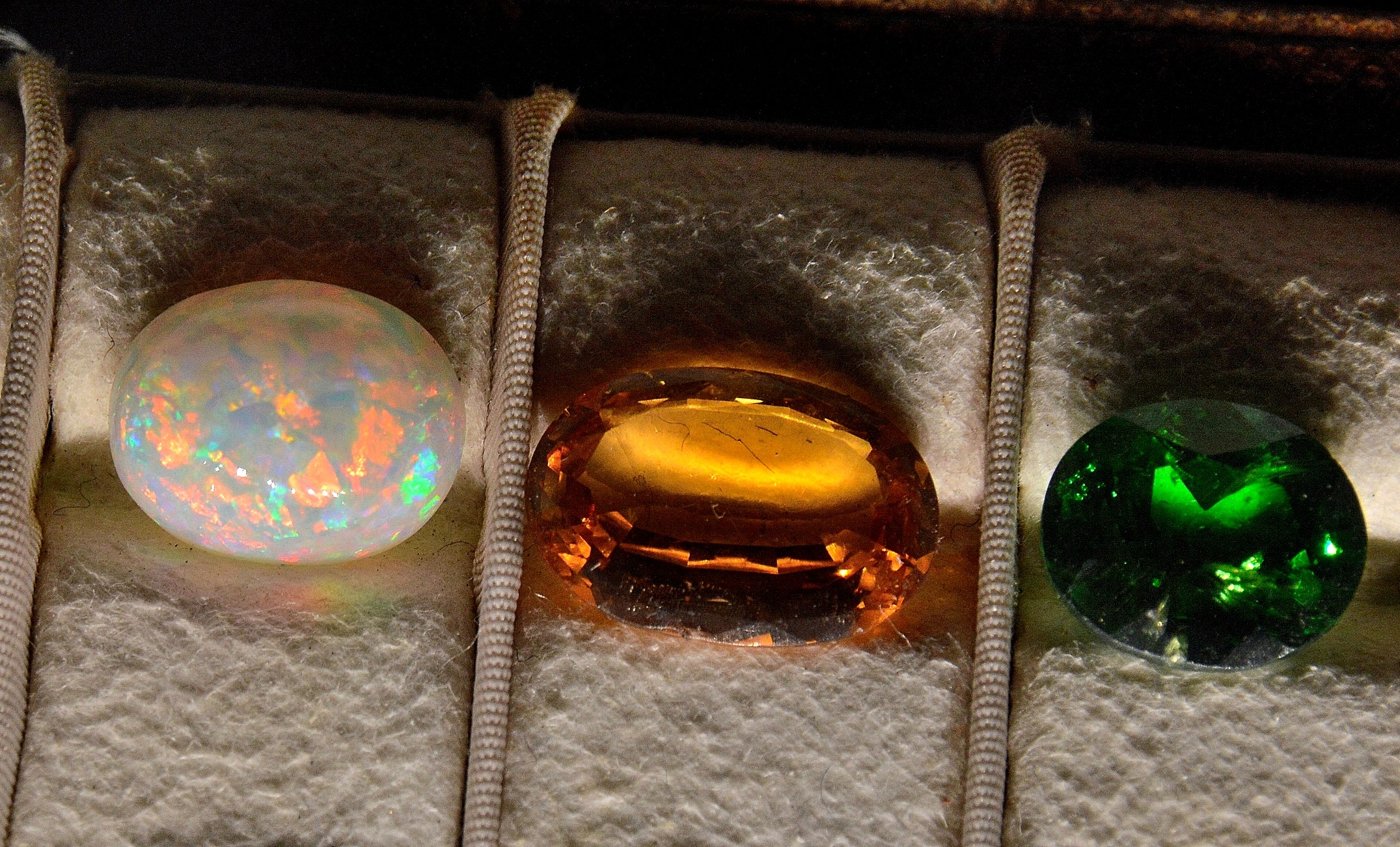
It would be rather marvelous to think that this opalescent wonder is a moon rock. Even more marvelous to realise that it came from our own Earth.
More pics ↓ with an ocean in a small opal and still more at the Vault and more at Earth’s Treasury 2 .
.
.
.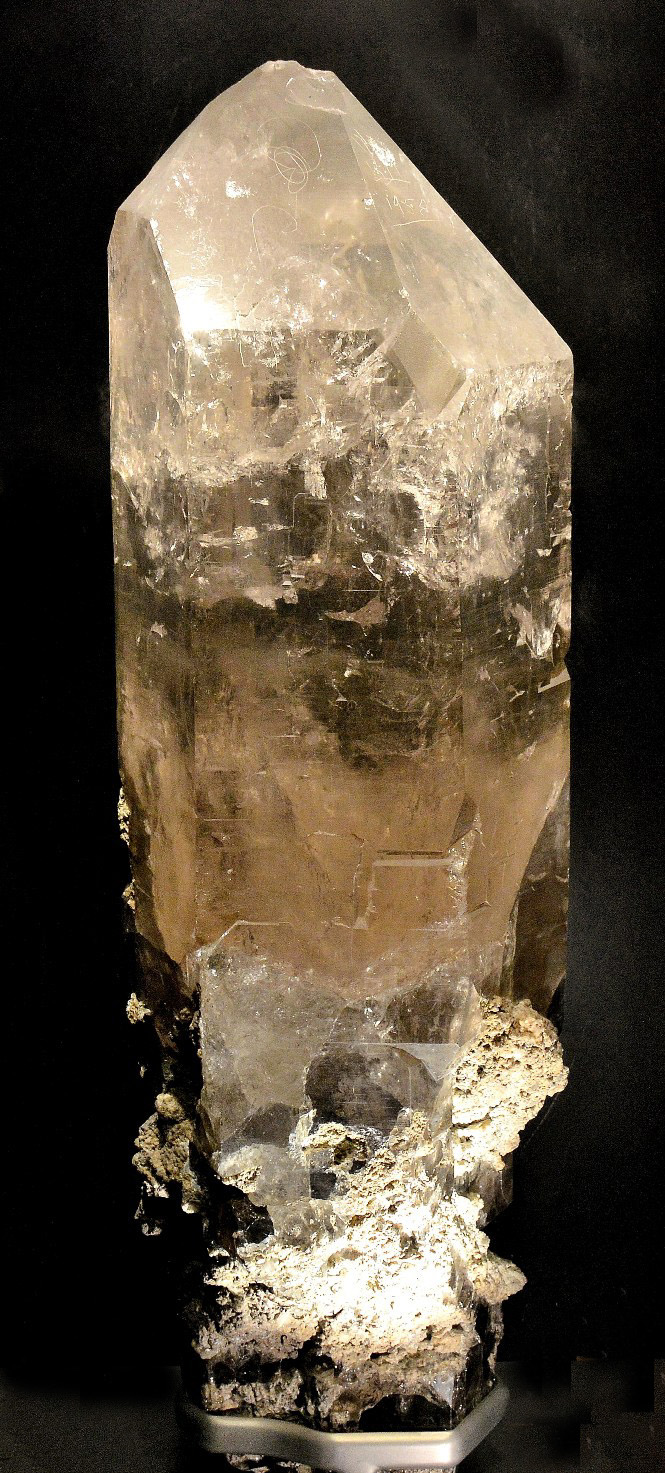
This a real monster at around three feet tall, but it lacked a little colour, so a tiny tweak and ~
.

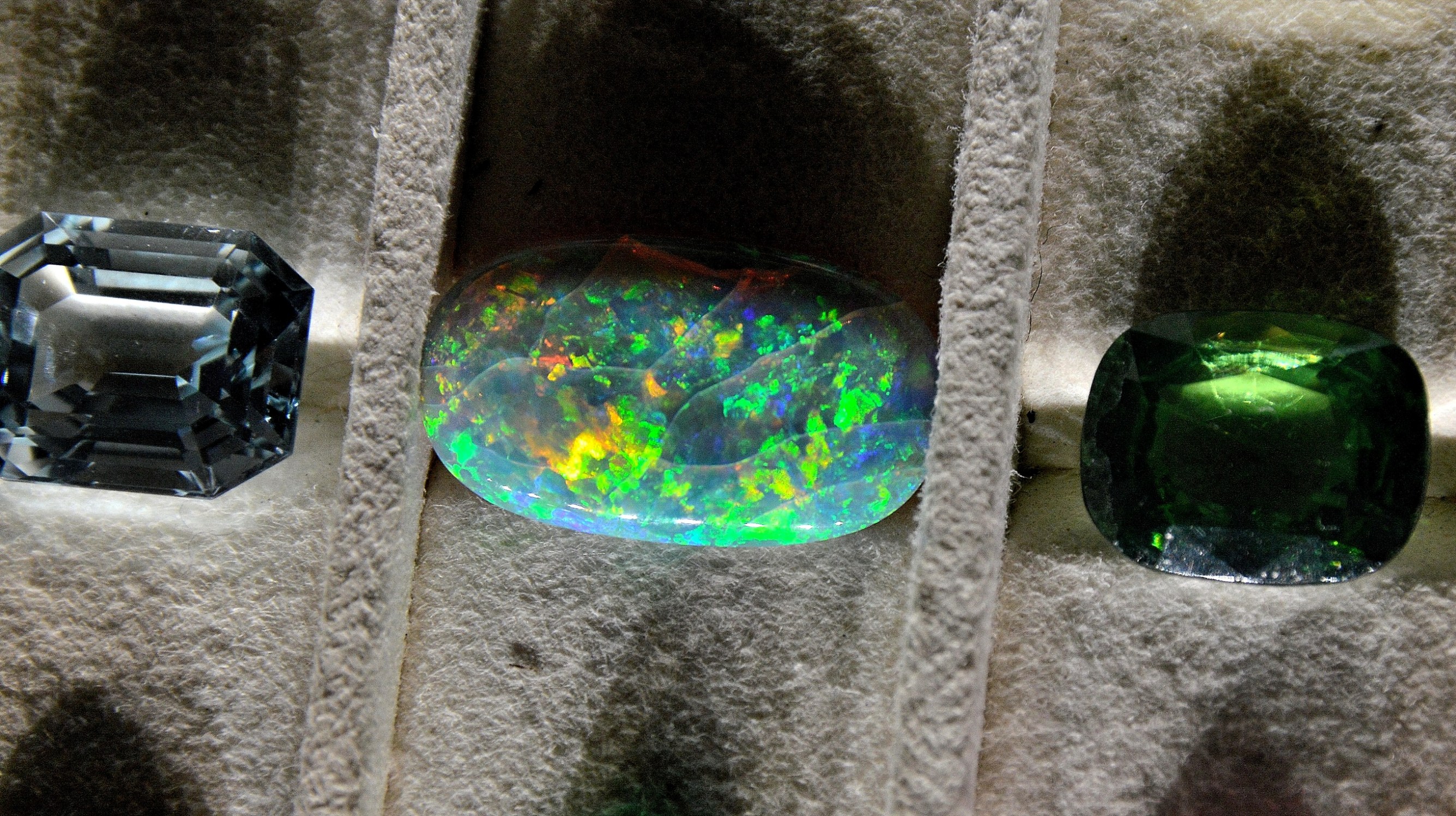
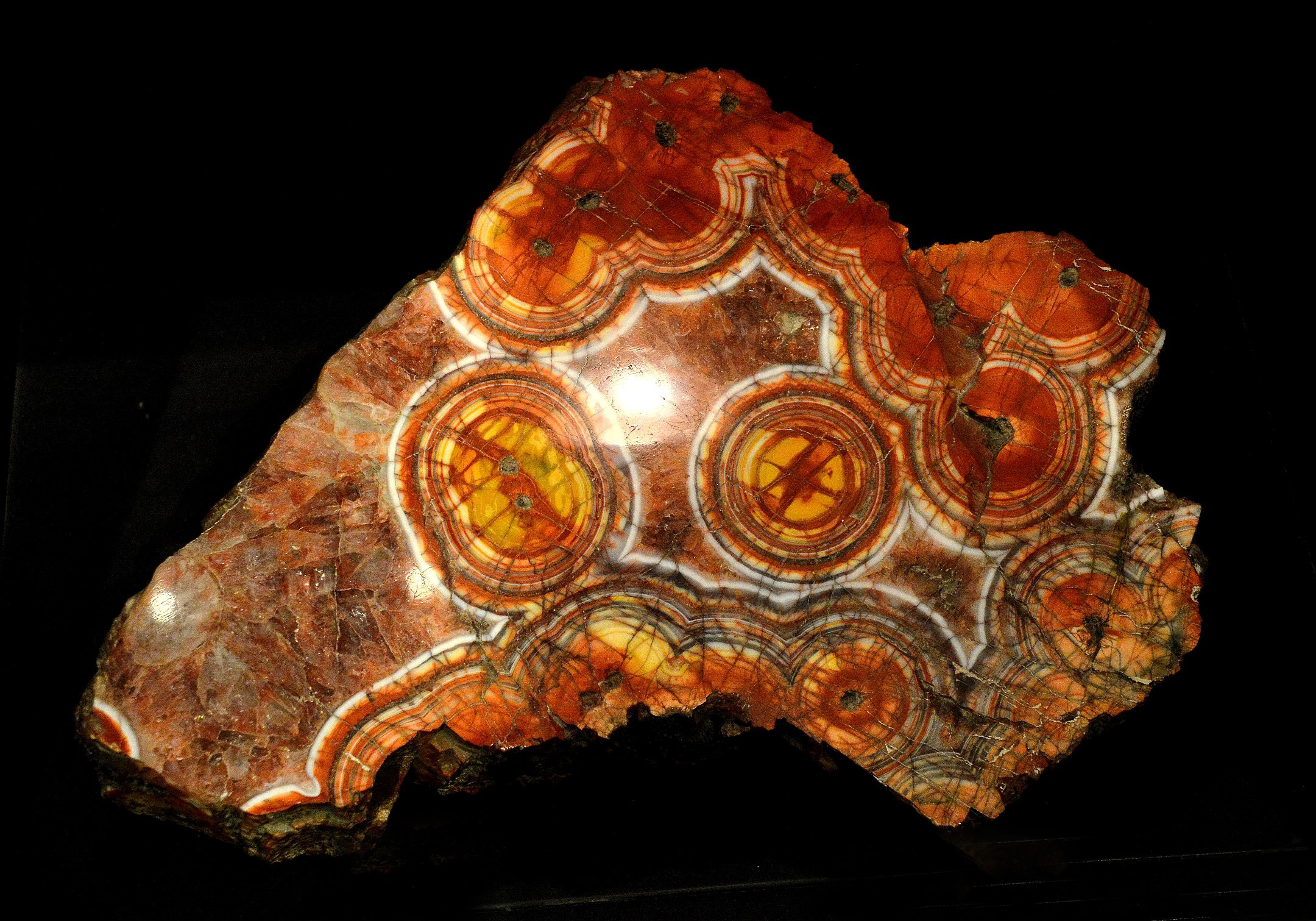
If that were a drink it would be so delicious.
.
.
.

.
.

.
.
.

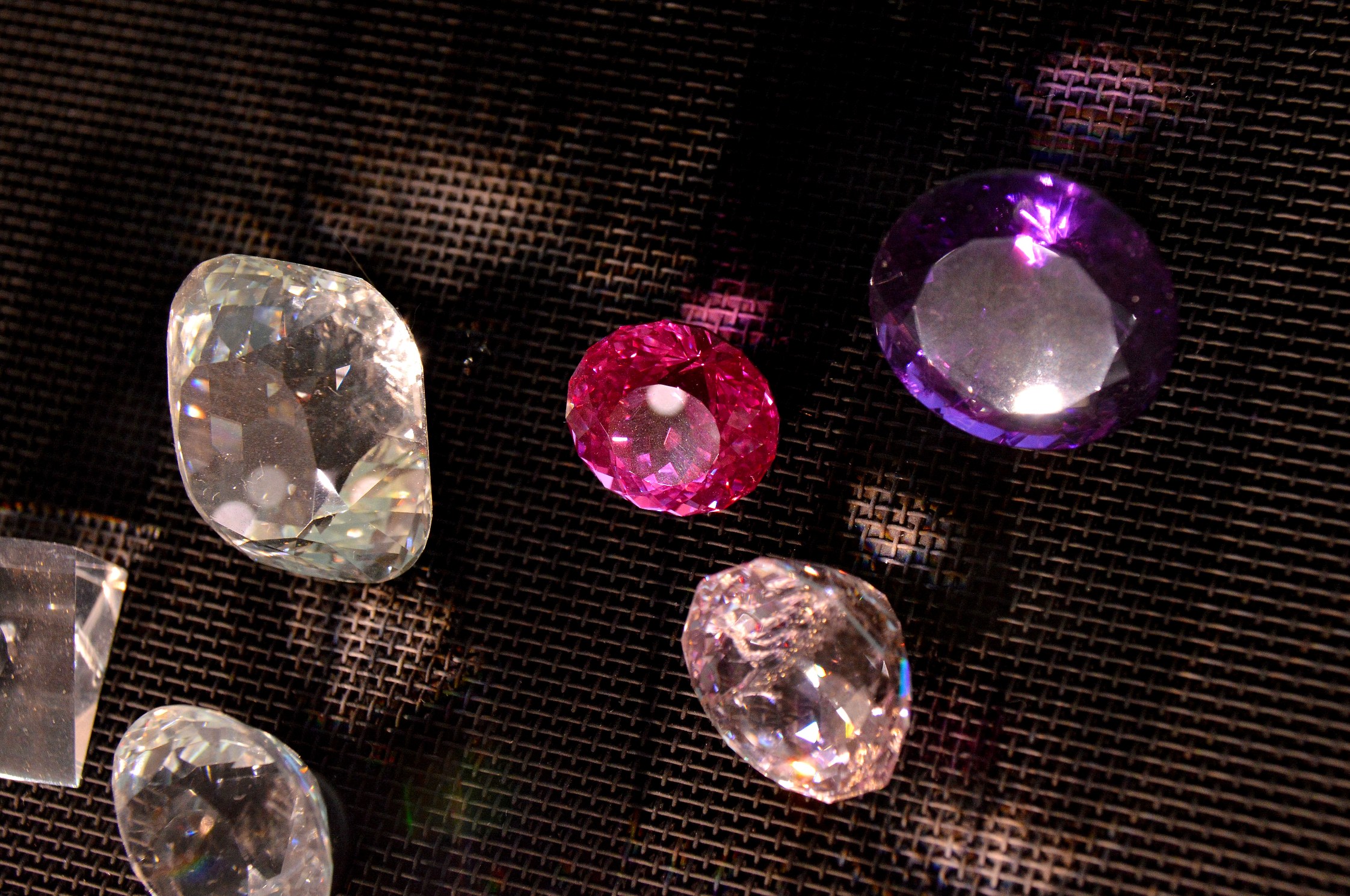
There are literally hundreds of these.

.
.
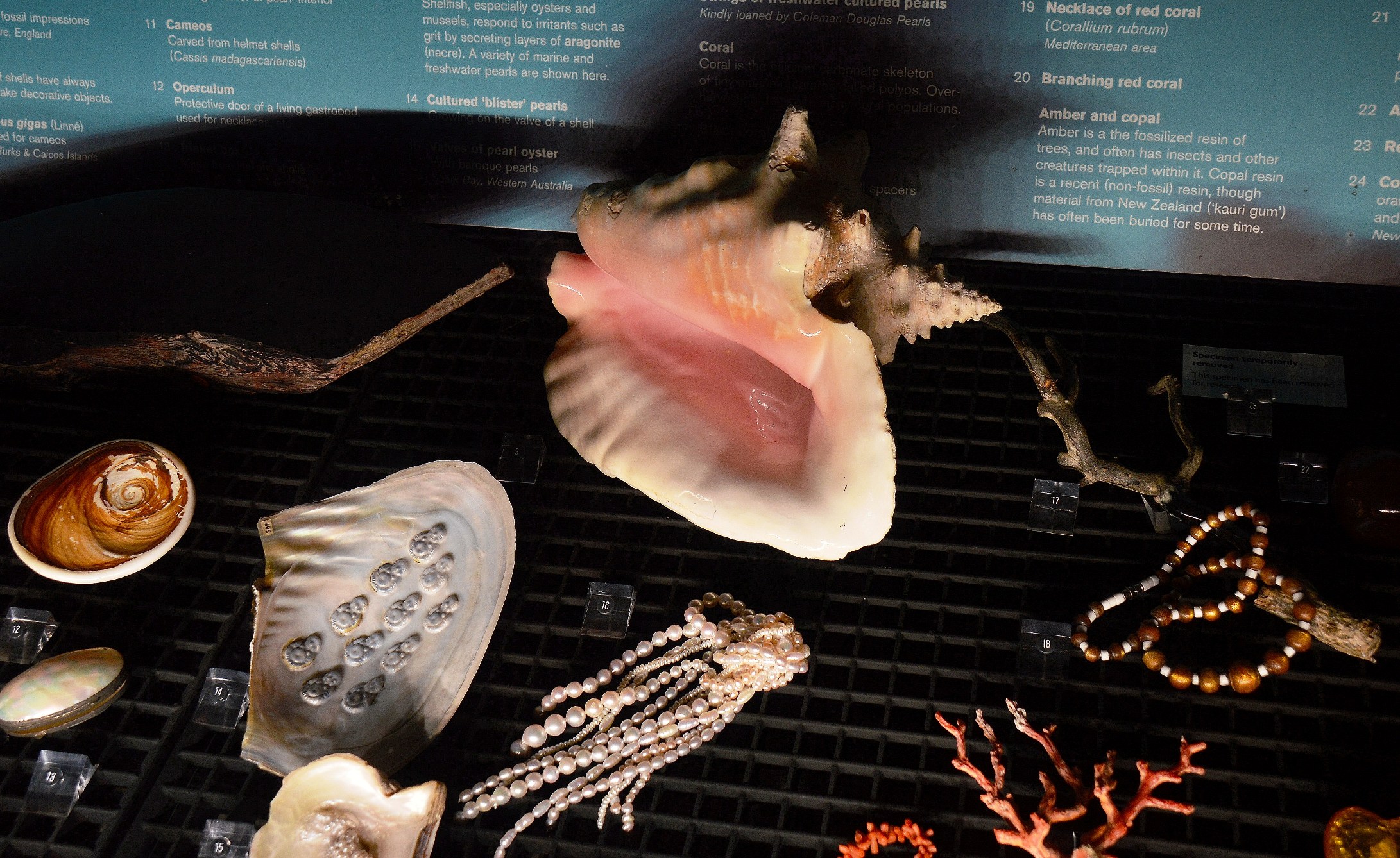
 I’m not sure what a carved meerschaum pipe is doing here but I think she would be welcome anywhere.
Such wonders all around,
We need but stop and search the ground,
We need but pause and view the sky,
And cherish time before end is nigh.
Brighten the Day 5
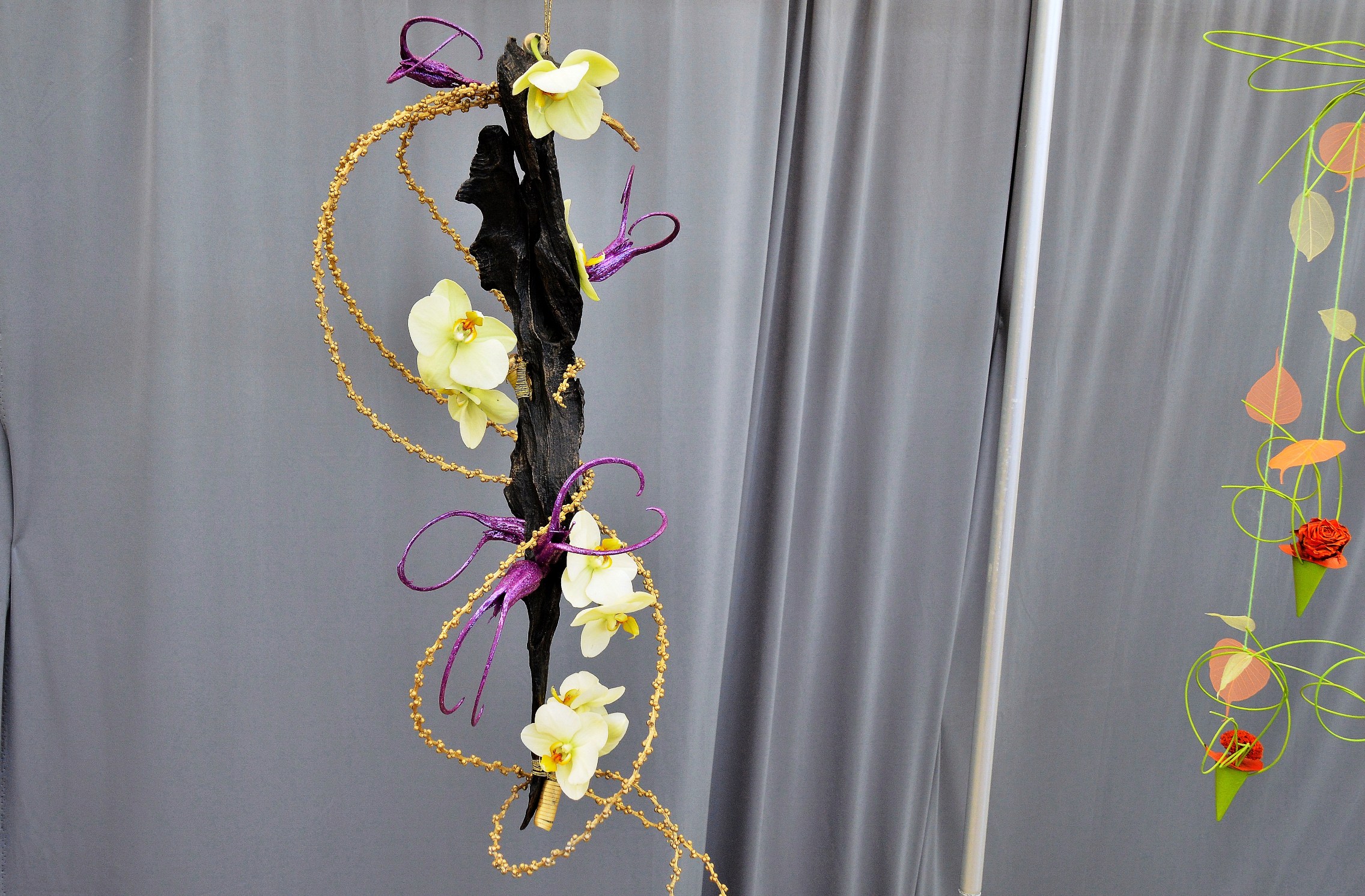
 8 pics. The answer my friend is blowin’ in the wind, the answer is blowin’ in the wind. Bob Dylan.
 Wisley Gardens and Flower Show.
 .
.
 .
.
 .
.
 .
.
 I can’t help it, I’m just whaaaaa.

Bekonscot Model Village Play Train
“I’m so chuffed to meet you all. Enjoy the day”.
More Brighten the Day ⇐.
Model Steam Engines at the Science Museum

Model of Shand Mason Steam Fire Engine
On the mezzanine floor, that you can only reach by stairs, of the Science Museum in the “Making of the Modern World” hall you can find these hand crafted beauties. The Science Museum also has a wonderful collection of beautiful antique watches.

Model of Alexandra Steam Train

Model of Stephenson’s Long Barrel Steam Locomotive

Model of Austria Steam Locomotive
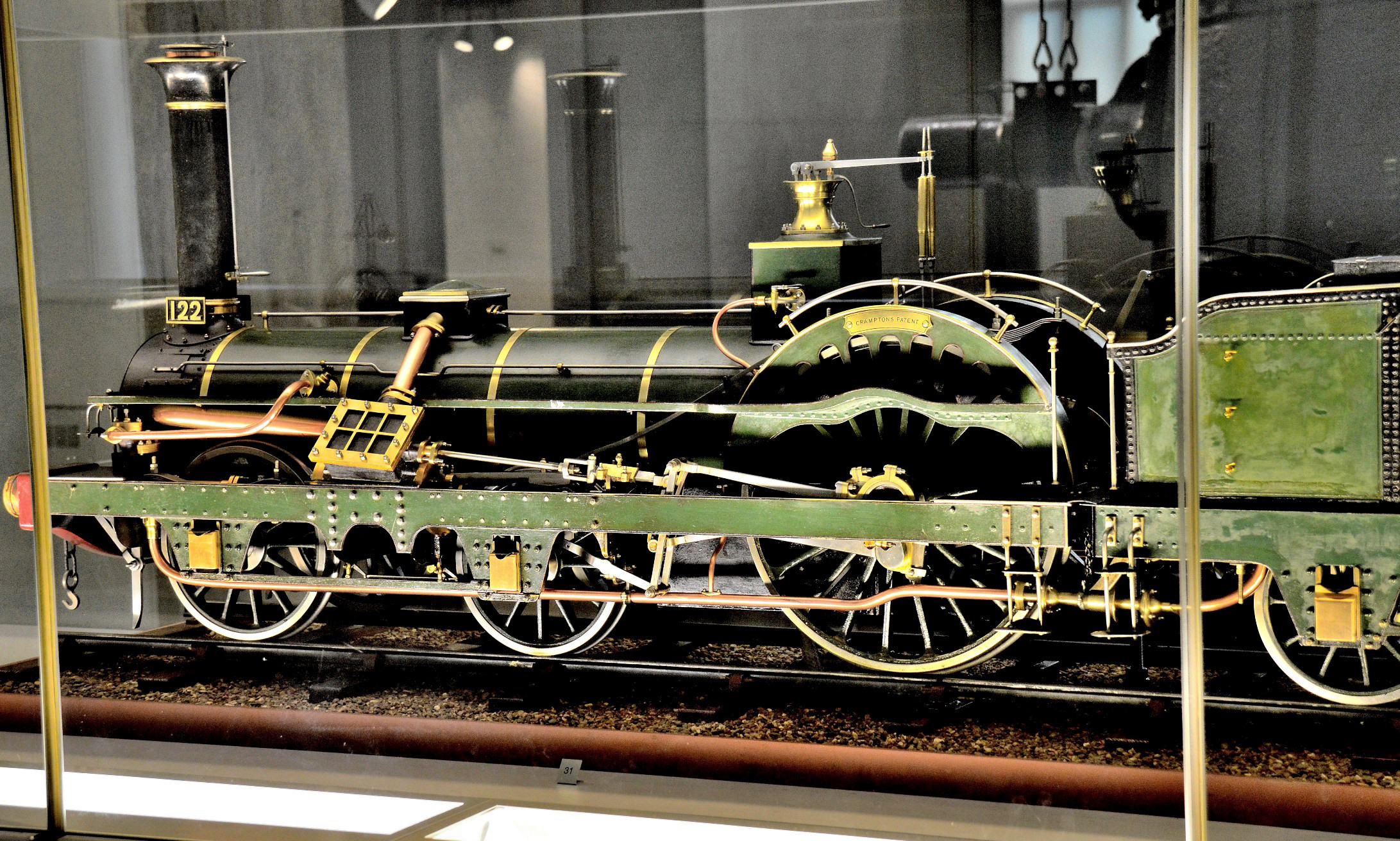
Model of Crampton’s Steam Locomotive

Model of American 4-4-0 Steam Locomotive

Model Steam Train

Model Steam Train Showing Exposed Fire Tubes
This one shows the fire tubes that carry the hot gases from the fire box through the boiler. It was by this innovation that it was possible to transfer a great deal of heat quickly to the surrounding water, hence create and maintain a large volume of high pressure steam to drive the locomotive. The steam rises to the bubble on the top and a throttle controls the steam flow to the cylinders/pistons beneath.
And, a Rolls Royce

Model of Rolls Royce Silver Ghost 1911
And, a Wooden Ship

Model Wooden Ship
And, on the Ground Floor

Model of the Rocket Steam Train

Royal George No 5 Model Steam Train
Happy traveling. :-).
Beautiful Timepieces at the Science Museum London

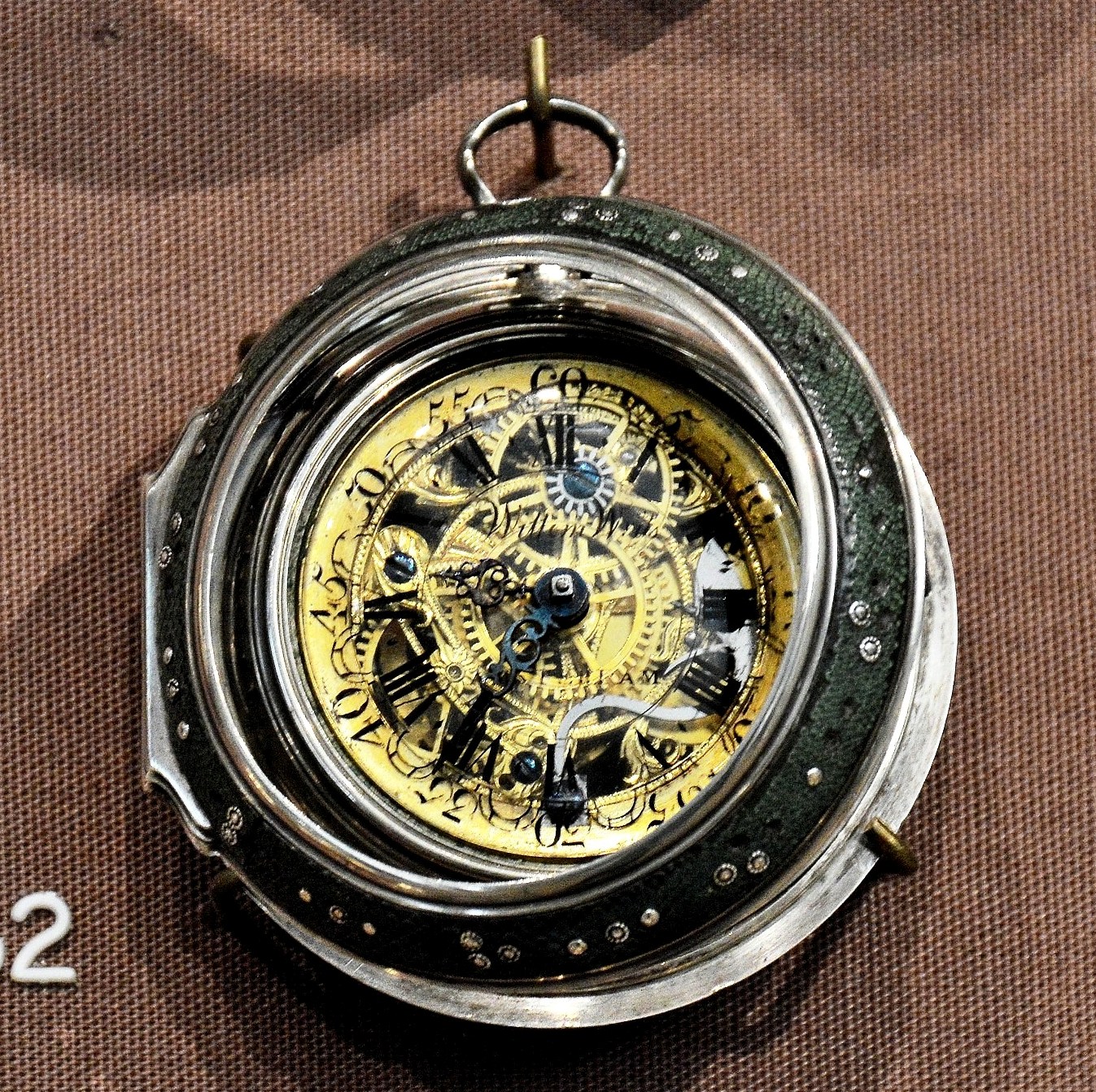
32 pics. The London Science Museum now incorporates the Clock Museum which was previously housed at the Guildhall. Along with some beautifully crafted watches there are examples of chronometers.
The chronometer has been vital to the ability to create charts and safely navigate the world. The first chronometers were invented by John Harrison and are currently kept at Greenwich. Navigation and Greenwich and Greenwich Mean Time and there importance to the modern world can be found here whilst information about Harrison’s timepieces here.
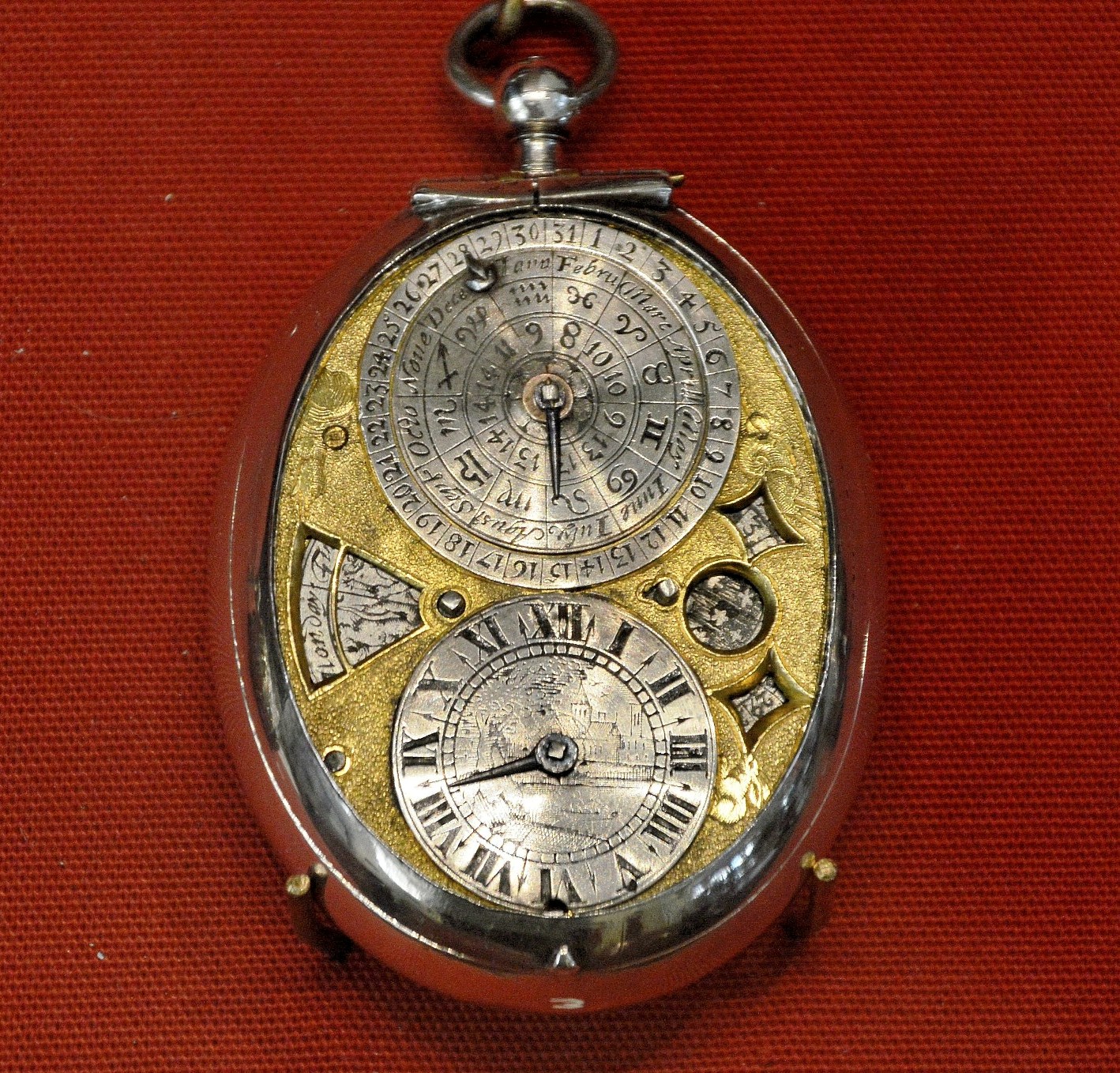
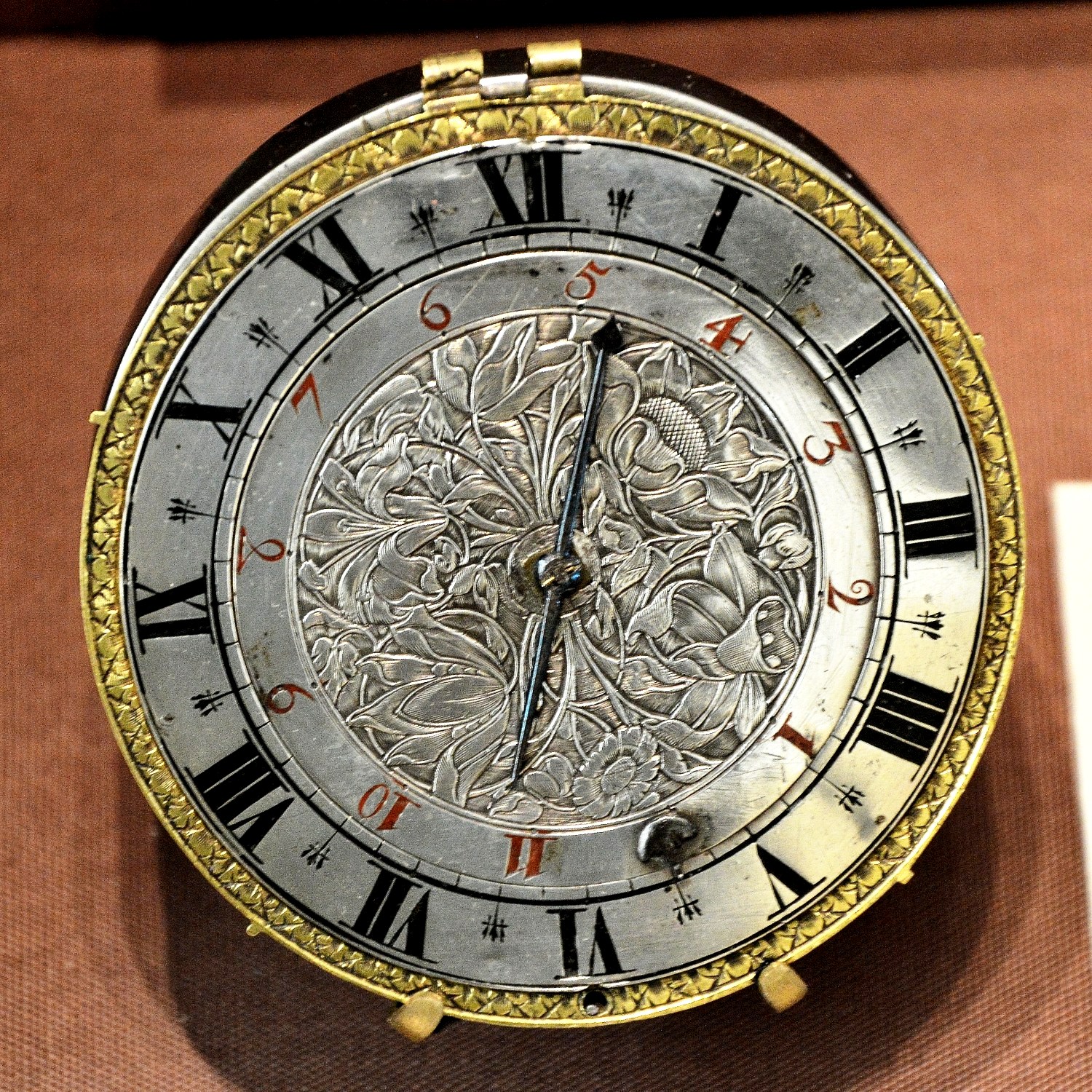
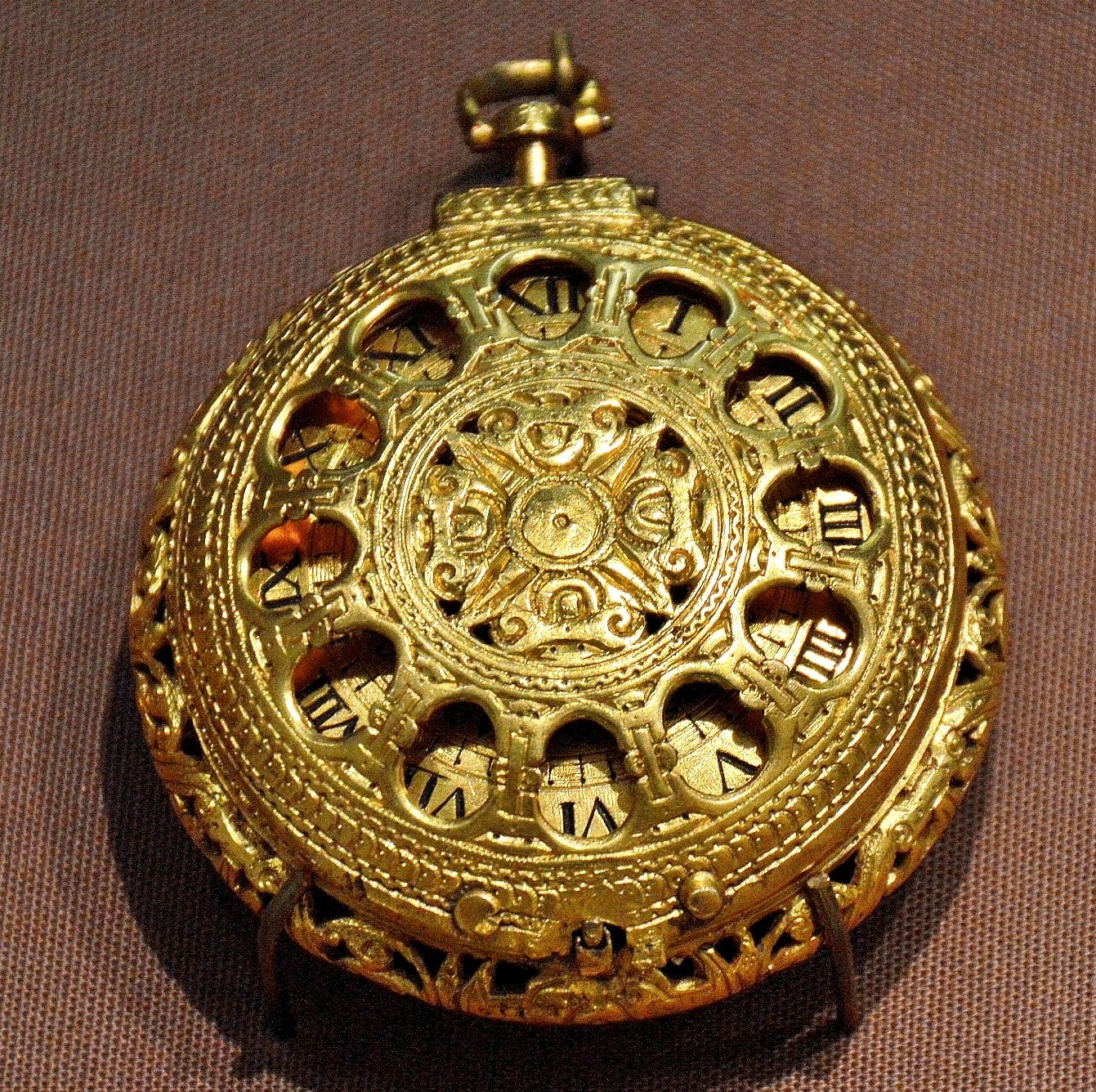
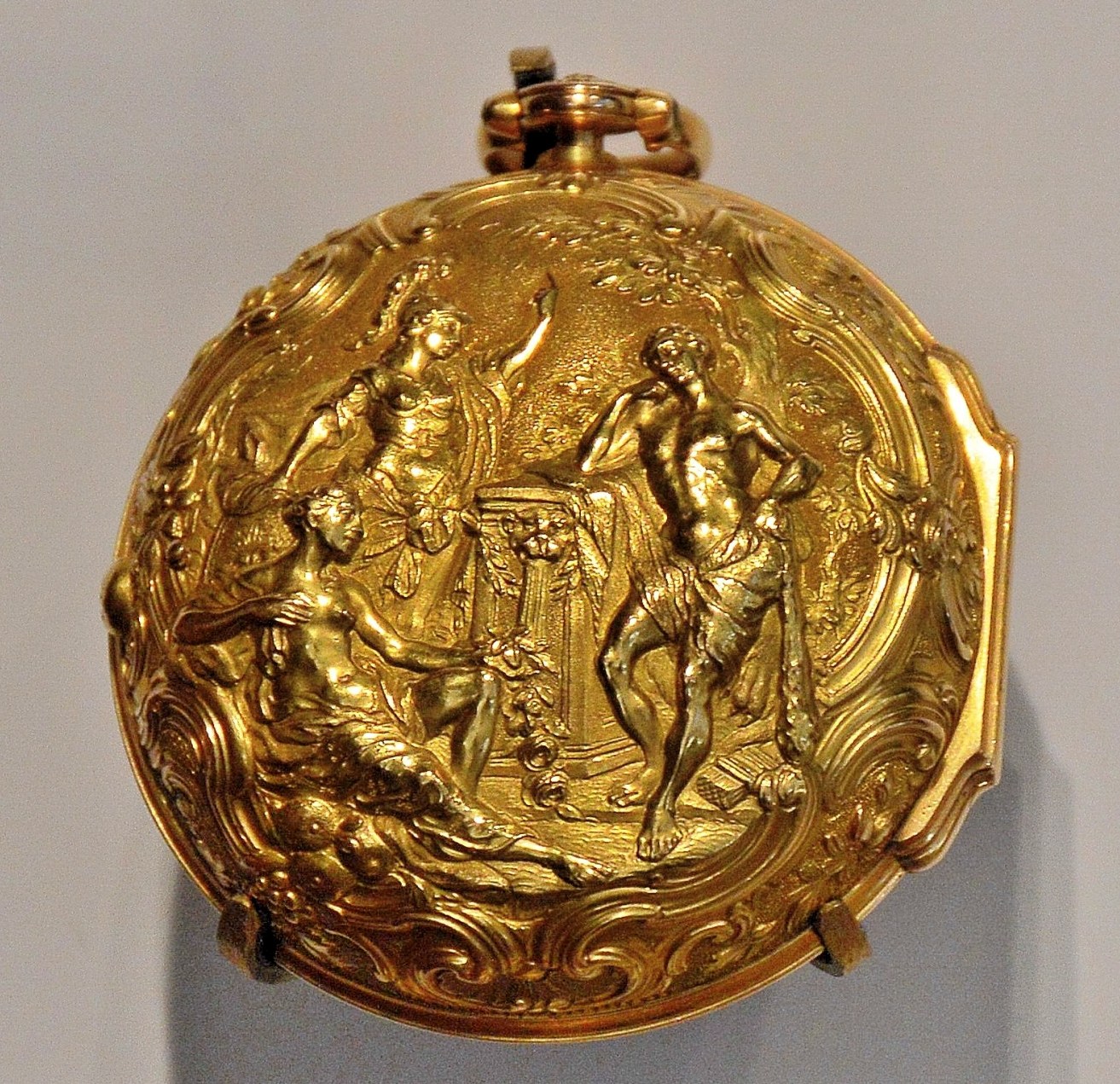
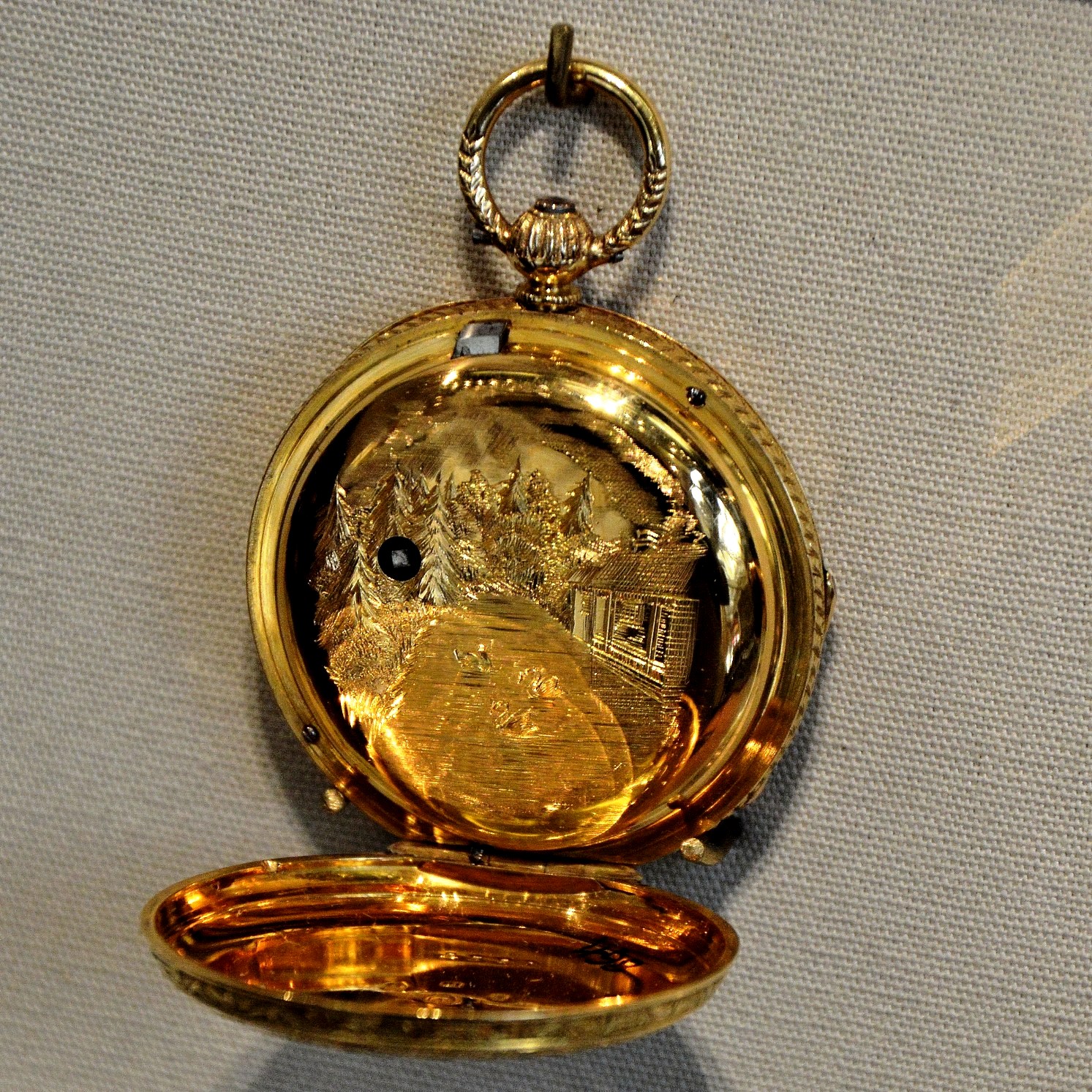
Here are just a few of the hundreds of timepieces on view at the museum. It is well worth viewing the detail by right clicking on a picture, selecting “Open Link in New Tab” and then left click on the image to magnify.
.
The Watches

Cornelius Yate c1620
.
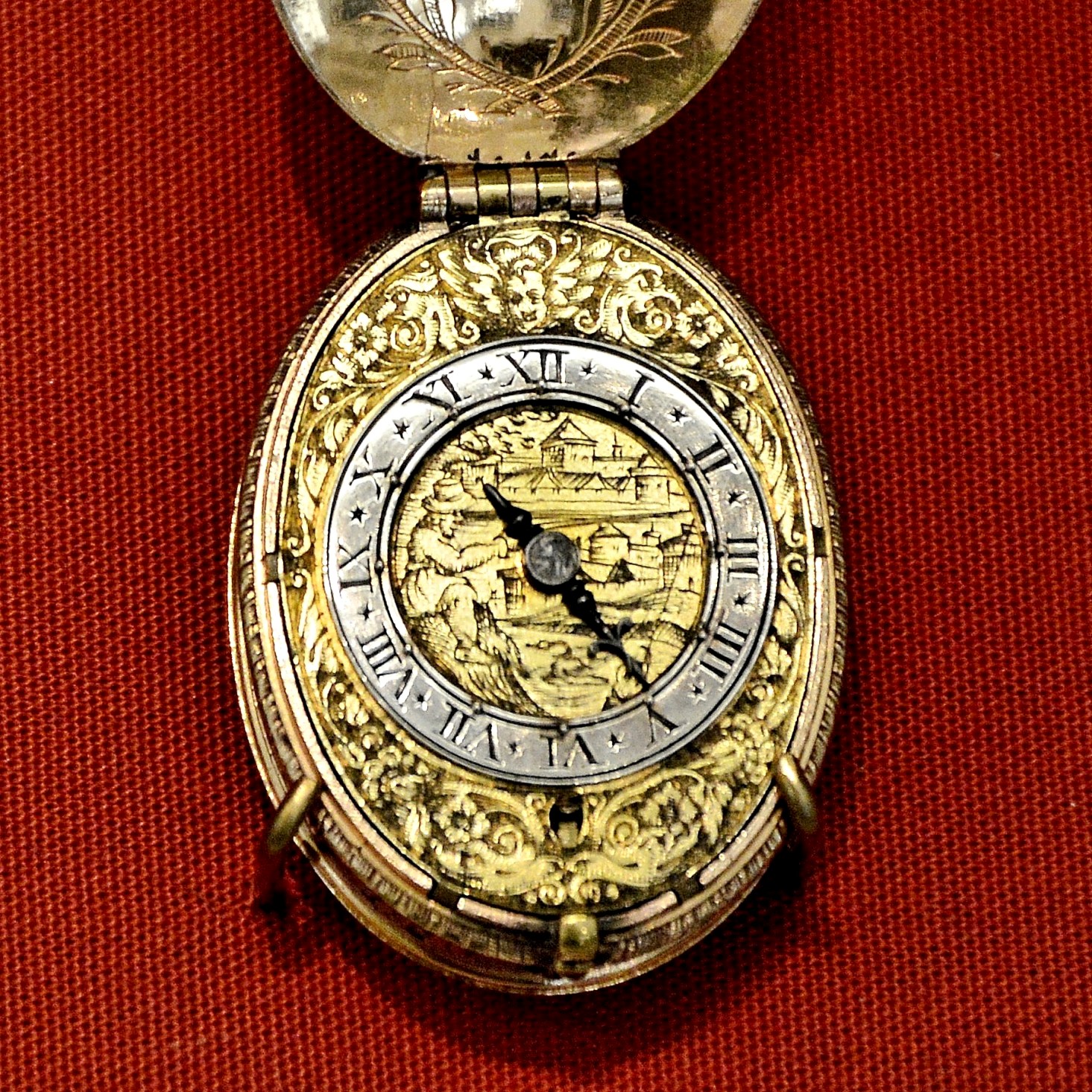
Robert Grinkin c1620
.

Robert Grinkin
.
.

.
.

.
.
.

.
.

Jean Robert Soret c1812
.

L’Epine
.

.
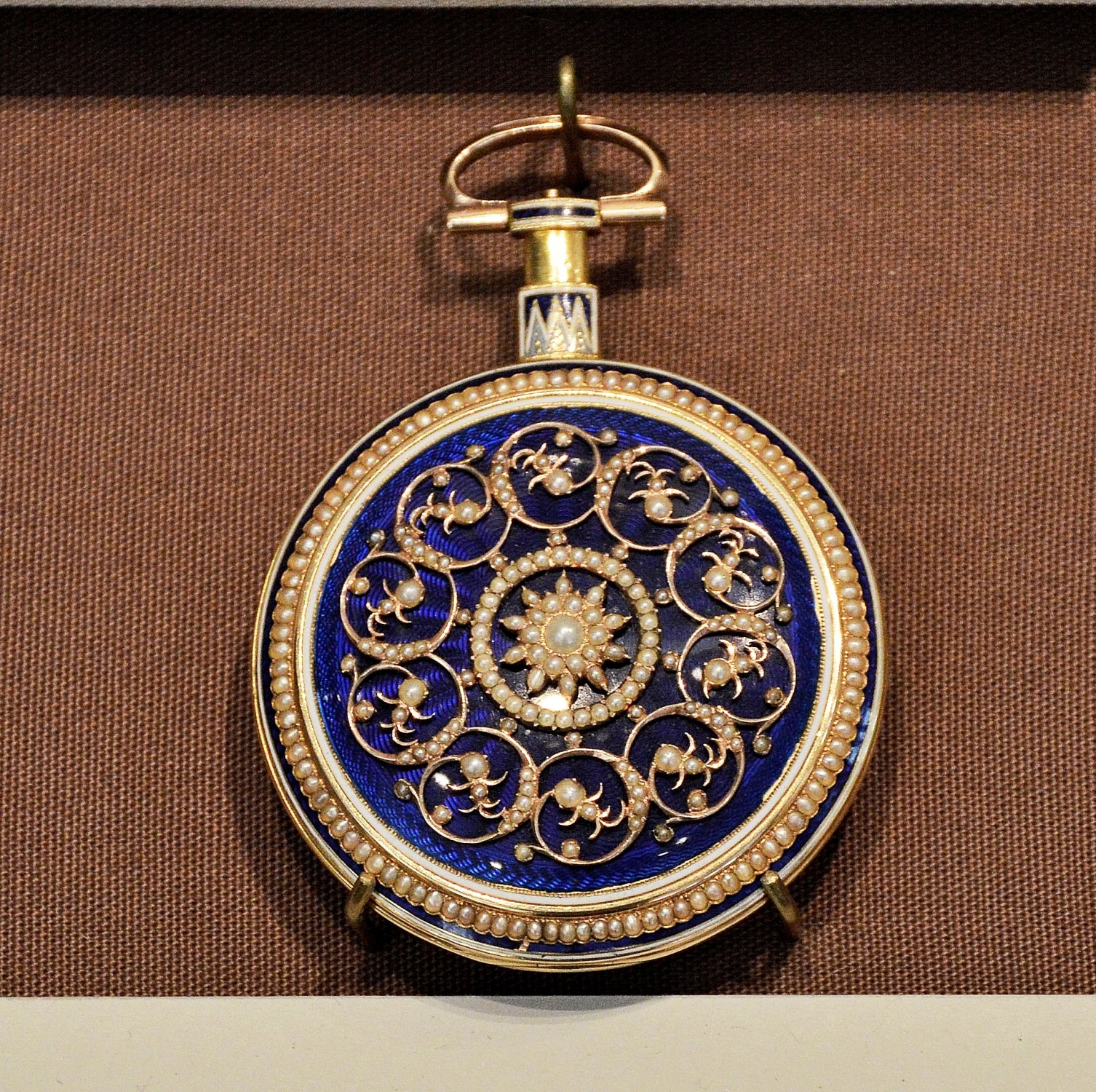
Andrews c1790
.
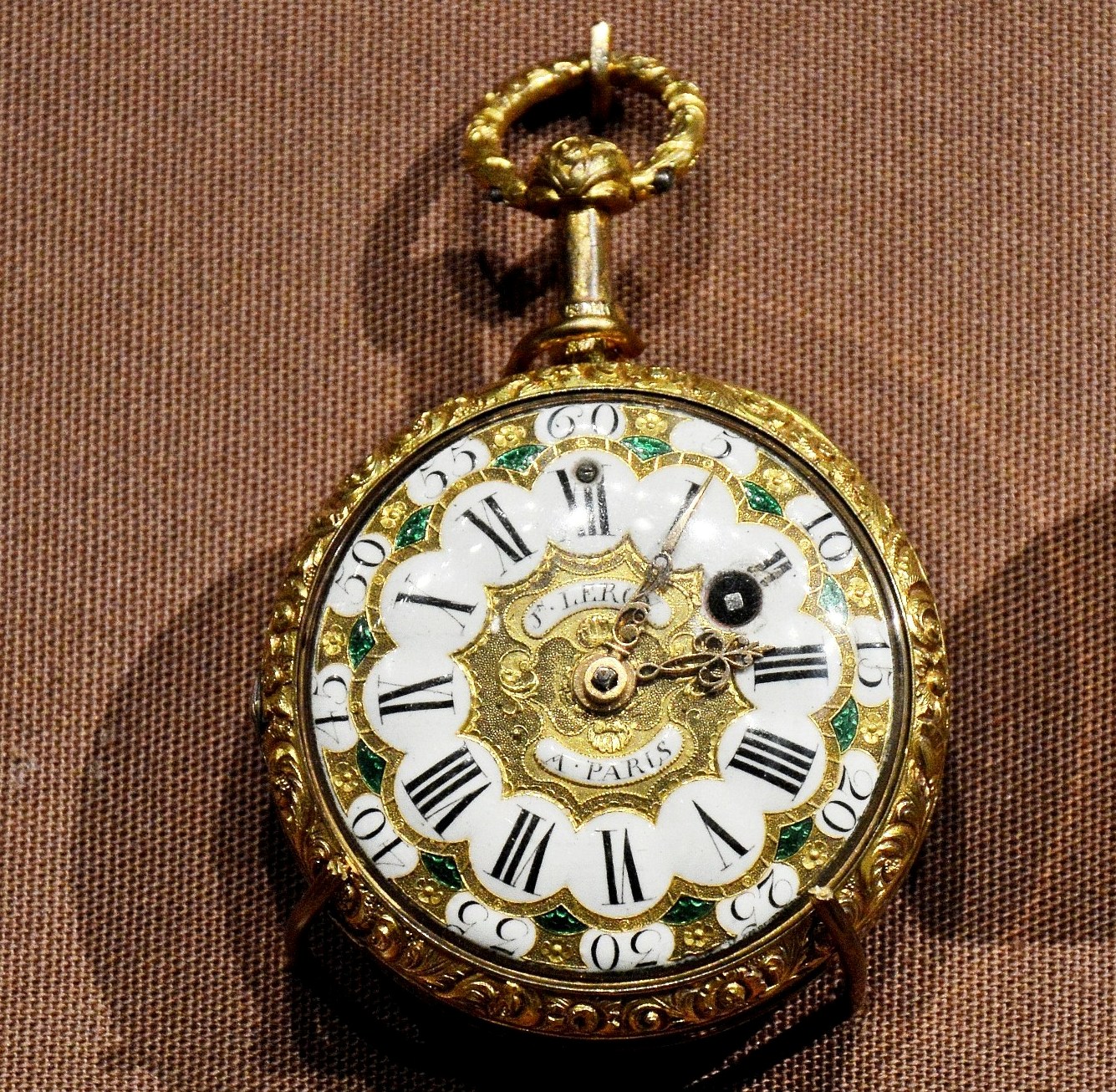
Jean LeRoy
.
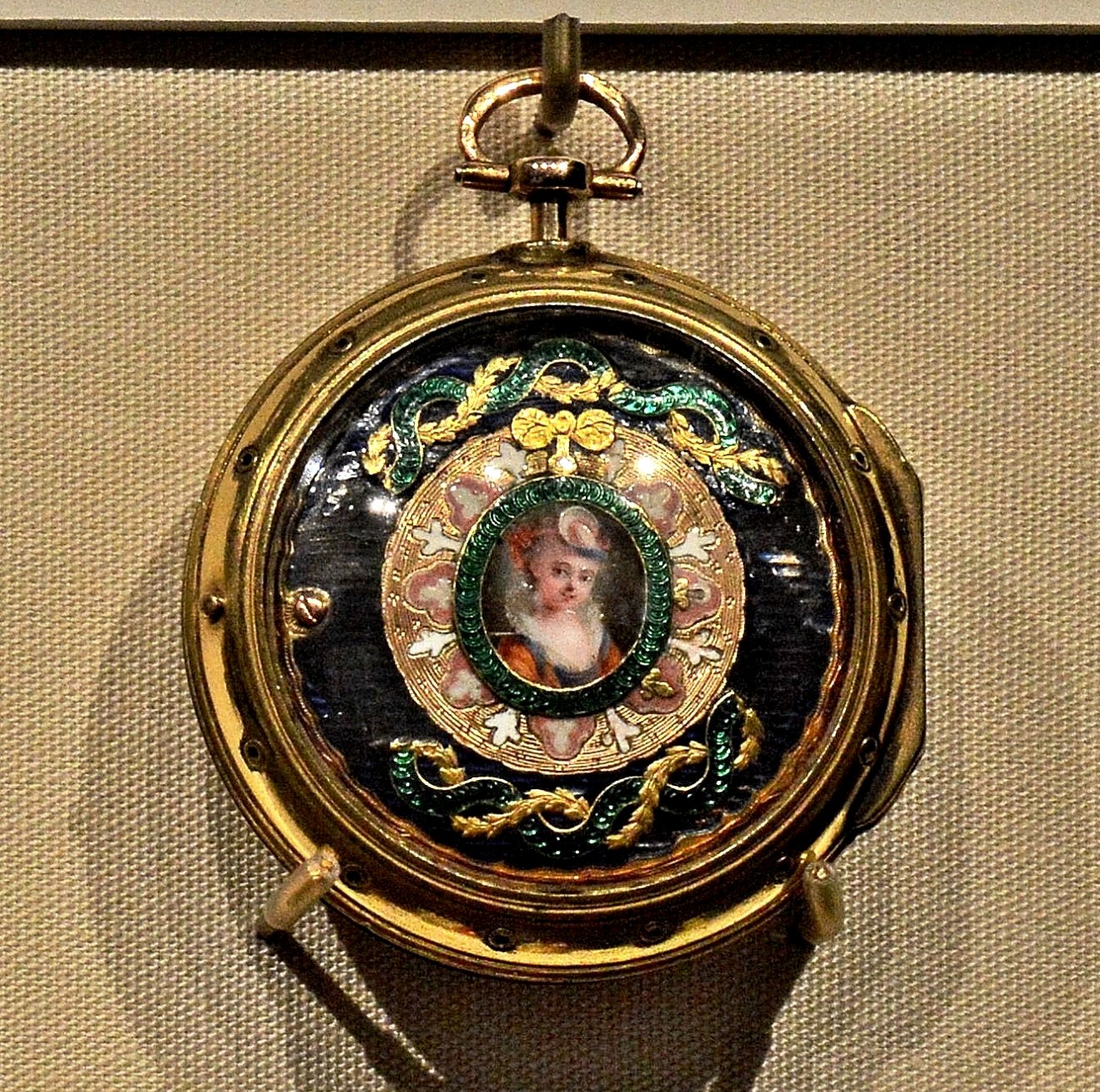
Jean Antoine Lepine Late 18th Century
.

.

.
.
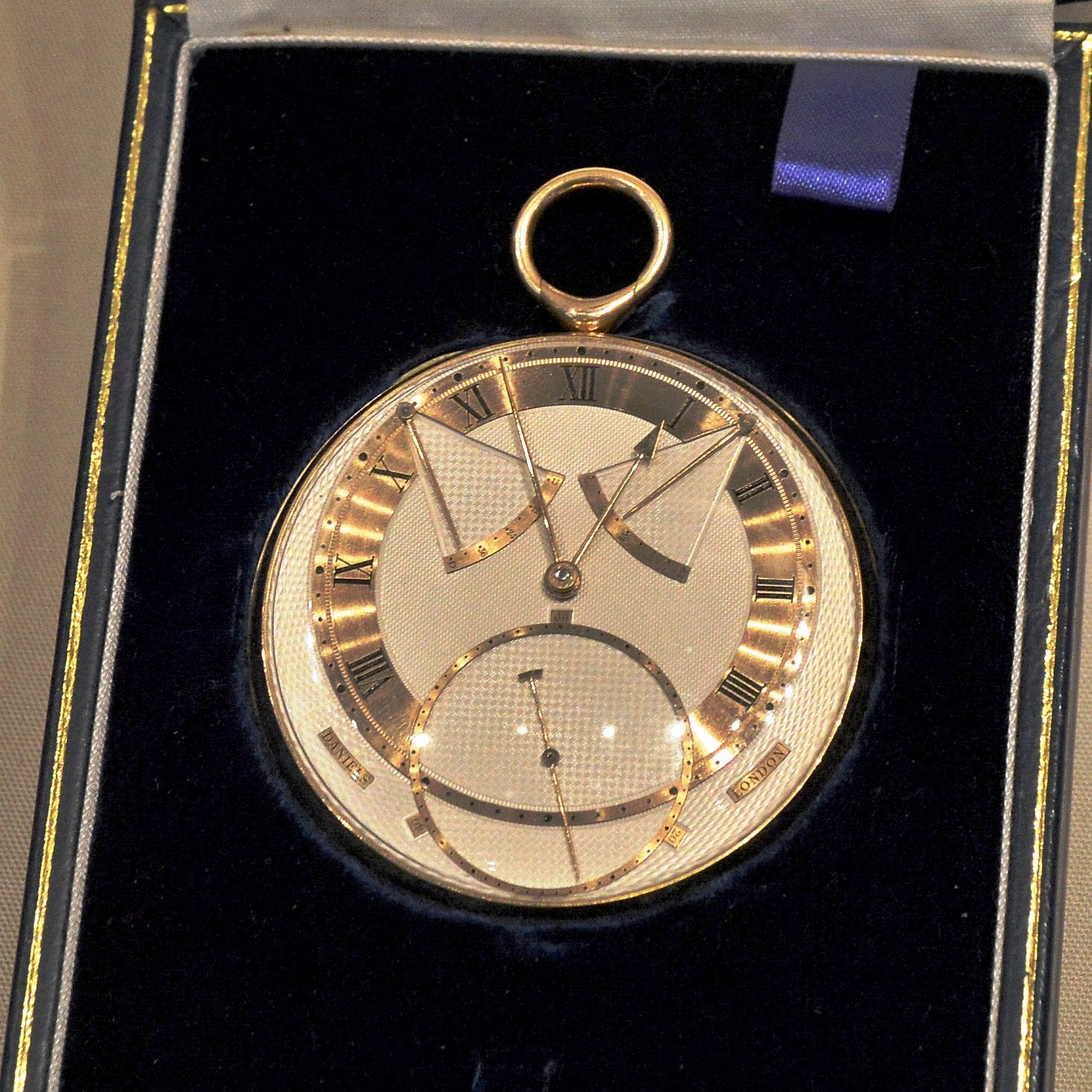
George Daniels c1986
.
The Marine Chronometers

Charles Shepherd c1822 Marine Chronometer
.

Barrauds Marine Chronometer c1822
.
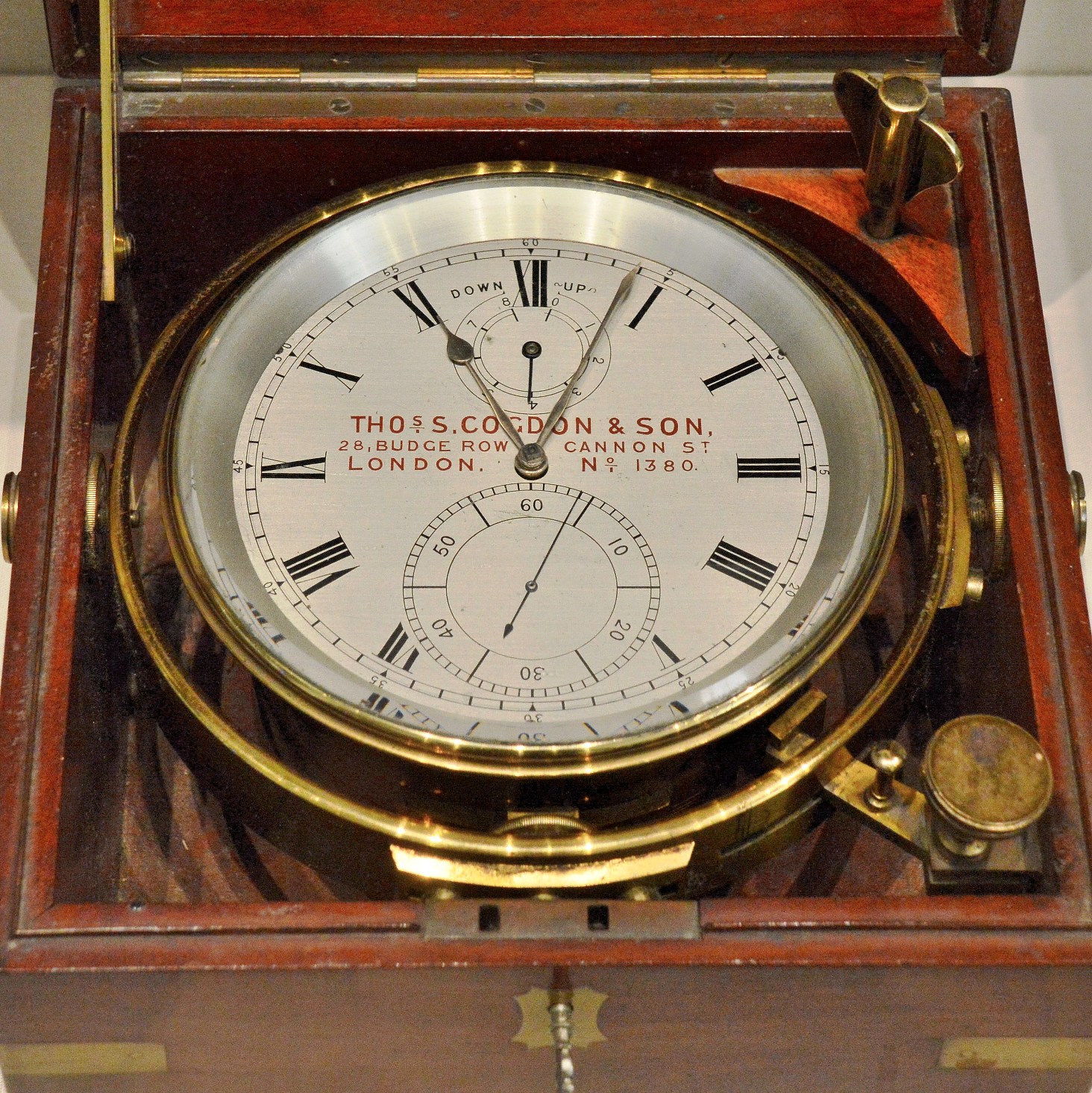
Cogden and Son Marine Chronometer
.

.
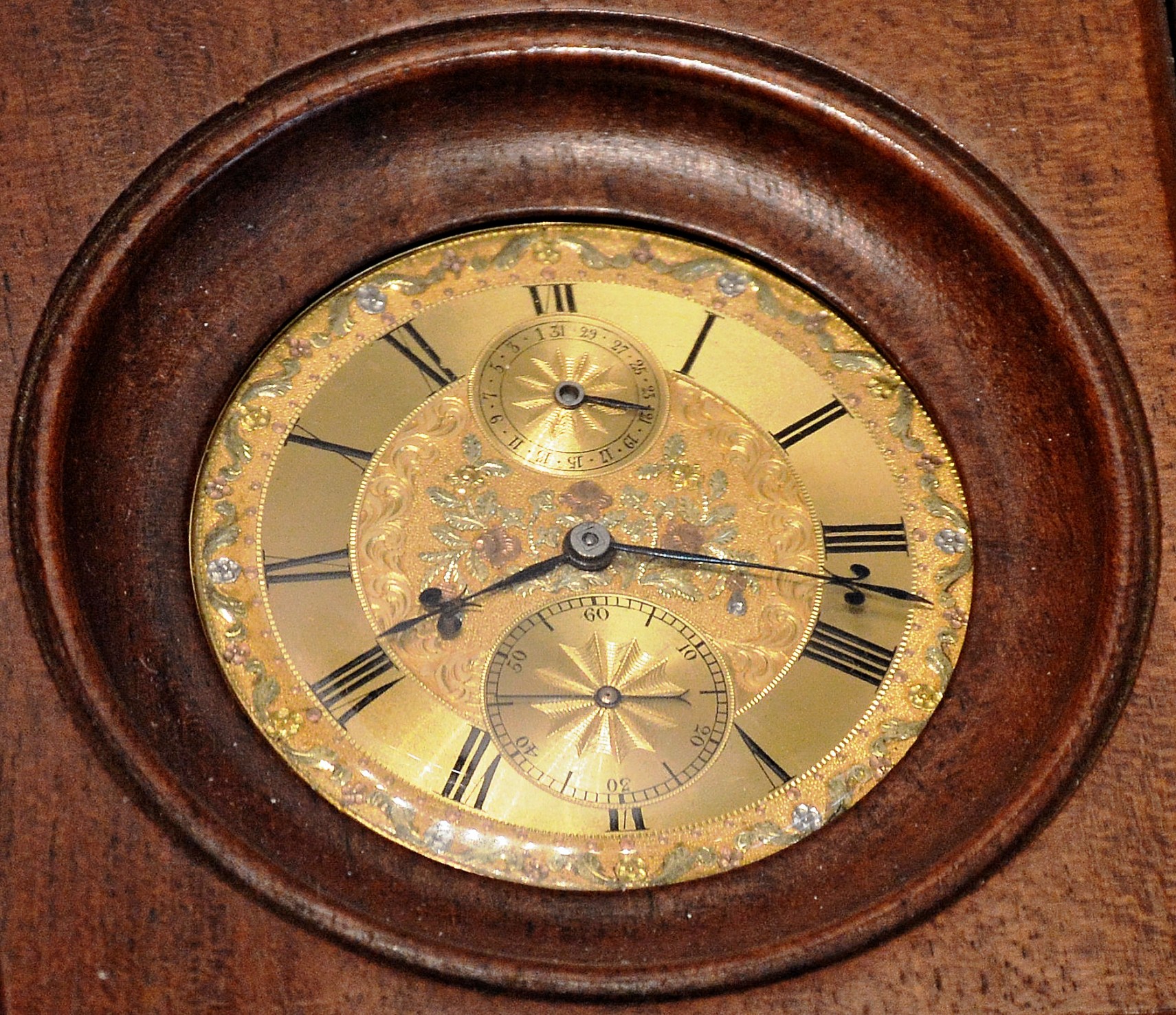
.
The Clocks
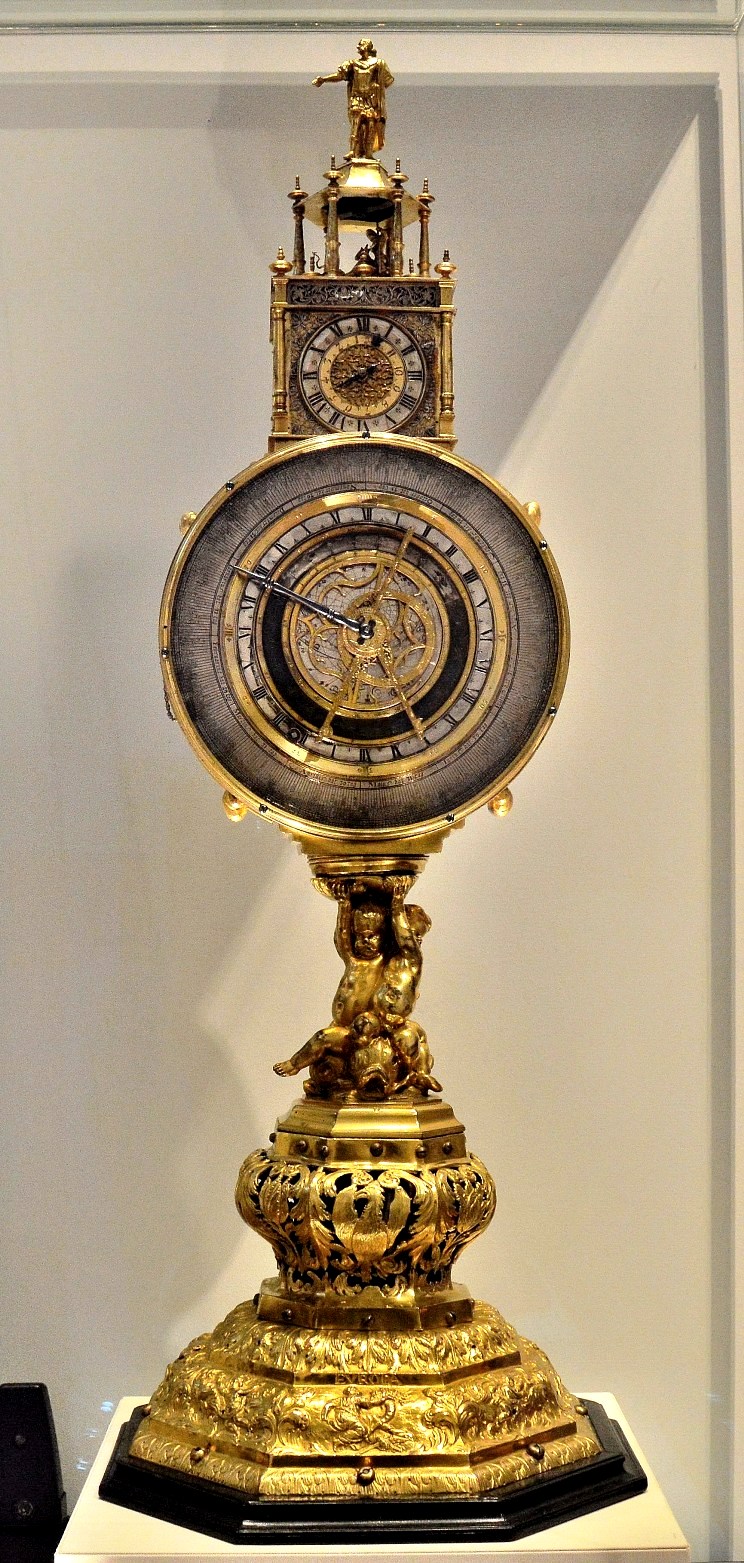
Johan Schneider c1625
.
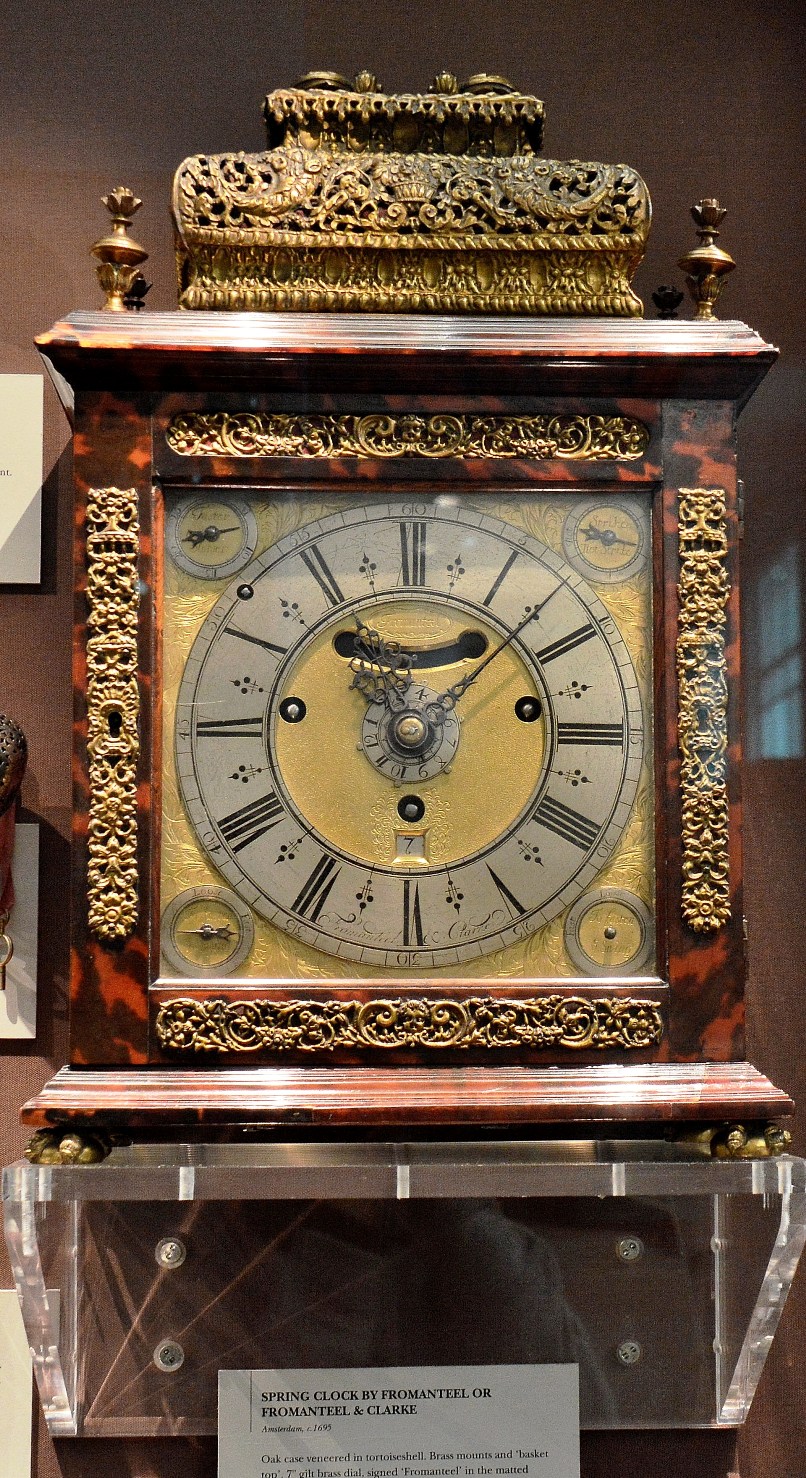
Fromanteel and Clark c1695
.

J. Schmidt Table Clock c1827
.
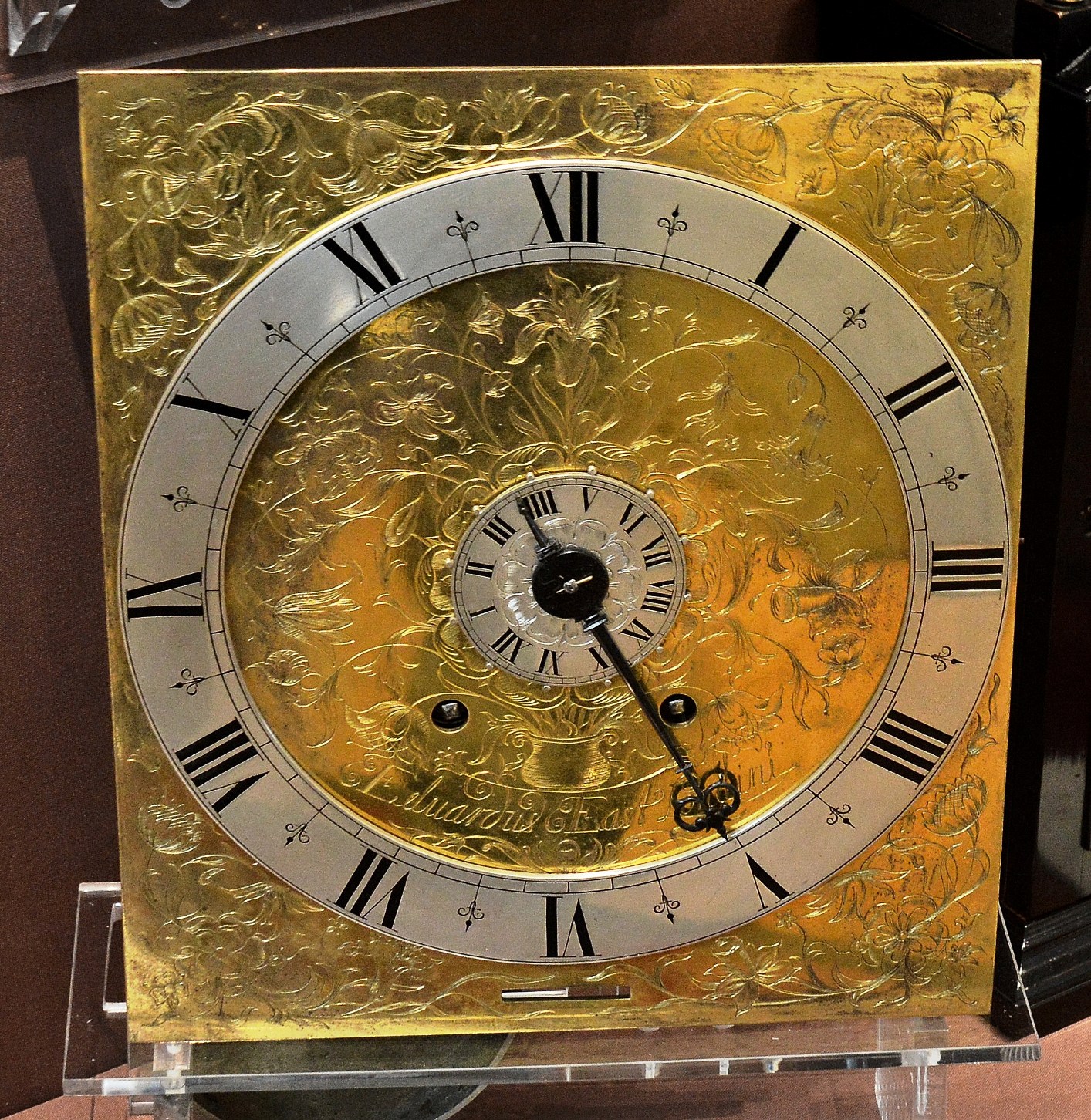
.

I hope you enjoyed that and so it’s goodbye from them and it’s goodbye from me.
Science Museum London
22 pics. The Natural History Museum⇐, Science Museum and fabulous Victoria & Albert Museum⇐ are all close together and very near South Kensington underground rail station. All are free to enter, although a small donation is usual, and have picnic areas (a wise choice).
It is advisable to download/save/print the museum map⇒. Their website is here⇒ and of special interest are the beautiful antique timepieces⇐ and the model steam engines⇐.

Newcomen type Atmospheric Engine
During the early 1700’s there was a developing energy crisis. Coal was needed to fuel industry, especially the smelting casting and forging of iron. Surface coal was becoming rare and deep mines were subject to flooding. Pumping out by hand or animal power was inadequate so Newcomen invented the Atmospheric Engine around 1712 and they continued as the only kind of steam engine until 1802.
The Atmospheric Engine filled a cylinder with steam at normal pressure which then condensed and reduced to less than atmospheric pressure. The external atmospheric pressure then pushed the piston into the cylinder, drawing the beam down and lifting the water pump at the other end. The age of the industrial revolution advanced along with our dependence on fossil fuels.
The one above was built in 1791 and continued in use for 127 years.

Bell Crank Engine by Boulton and Watt
Later, a more powerful type of pressurized steam engine, which pushes a piston along a cylinder, was developed by James Watt in 1802. This one powered a workshop and later an electrical generator.

Puffing Billy
The earliest practical steam locomotive was designed by Richard Trevithick in 1804 and used for the transport of coal. The Puffing Billy, above, was built by William Hedley.

Stephenson’s Rocket
George Stephenson built the Locomotion for the Stockton and Darlington Railway which was the first public steam railway in the world. It was his son, Robert Stephenson, who built the famous and more successful Rocket in 1829.

Grand Junction Railway Locomotive Columbine
Then innovation took off in leaps and bounds.

Traction Engine
.

Pumping Engine
Steam driven pumping became another essential for the advancement of human civilization by the provision of clean water and removal of waste. Both were essential for the limitation of disease. You might like a look at the beautifully ornate Crossness Pumping Station ⇐ and the awesome machines at the London (Kew) Water and Steam Museum ⇐.
.

Bessemer Converter
These developments were aided by the invention of the Bessemer Converter in 1856. Molten iron, refined from iron ore in a Blast Furnace, is poured into the vessel and then air followed by oxygen is forced through the molten metal. This was the first method of removing impurities on a large economic scale to produce steel.
The great gout of fire that spouts from the converter is awesome and can be seen on video by clicking on Bessemer Steel Making at Workington Cumbria⇒.
.

Babbage’s Difference Engine No 2
Meanwhile there had been a need to produce accurate mathematical tables for engineers, astronomers, navigators etc. After around 25 years of trying, Charles Babbage created the Difference Engine No 2. Whilst it can only add and subtract, it can be programmed do so a number of times, hence it can multiply and divide. Modern computers use the same method.
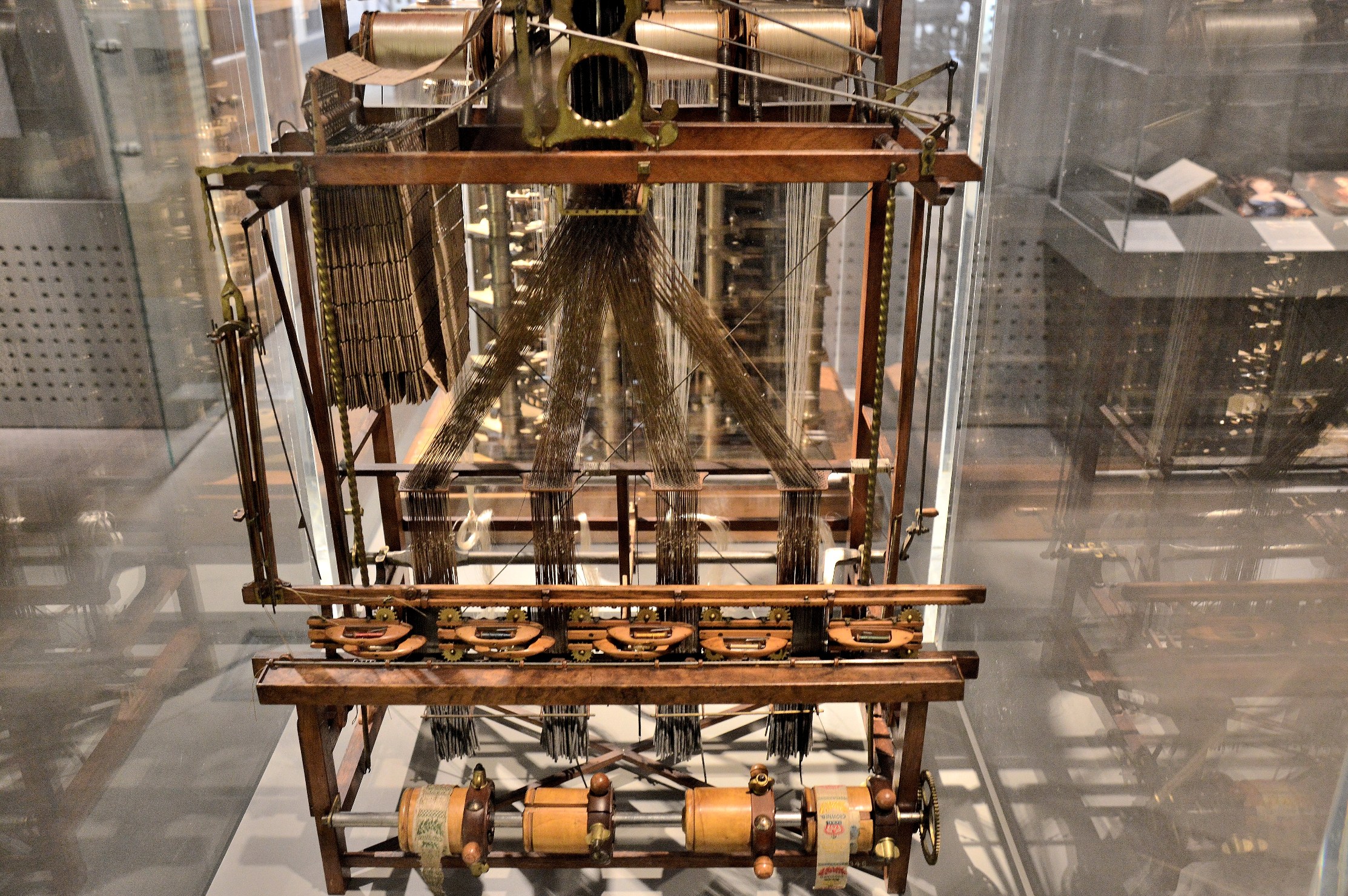
Ribbon Loom by James Heywood using the Jacquard Principle
This clever little device can automatically weave a complex design using a series of punched cards for instruction. That is, a programmable process. Punched cards were used by early computers.
And then :-.

Well alright its early days yet.

Amy Johnson’s Airplane Jason
Amy Johnson was the first person to fly solo from Britain to Australia, although in several legs. If you click on twice to expand, you might notice an AA (Automobile Association) sticker just beneath “Jason”. Now that’s what I call optimism.
And then:-

The Spitfire
.

Lockheed Electra
.
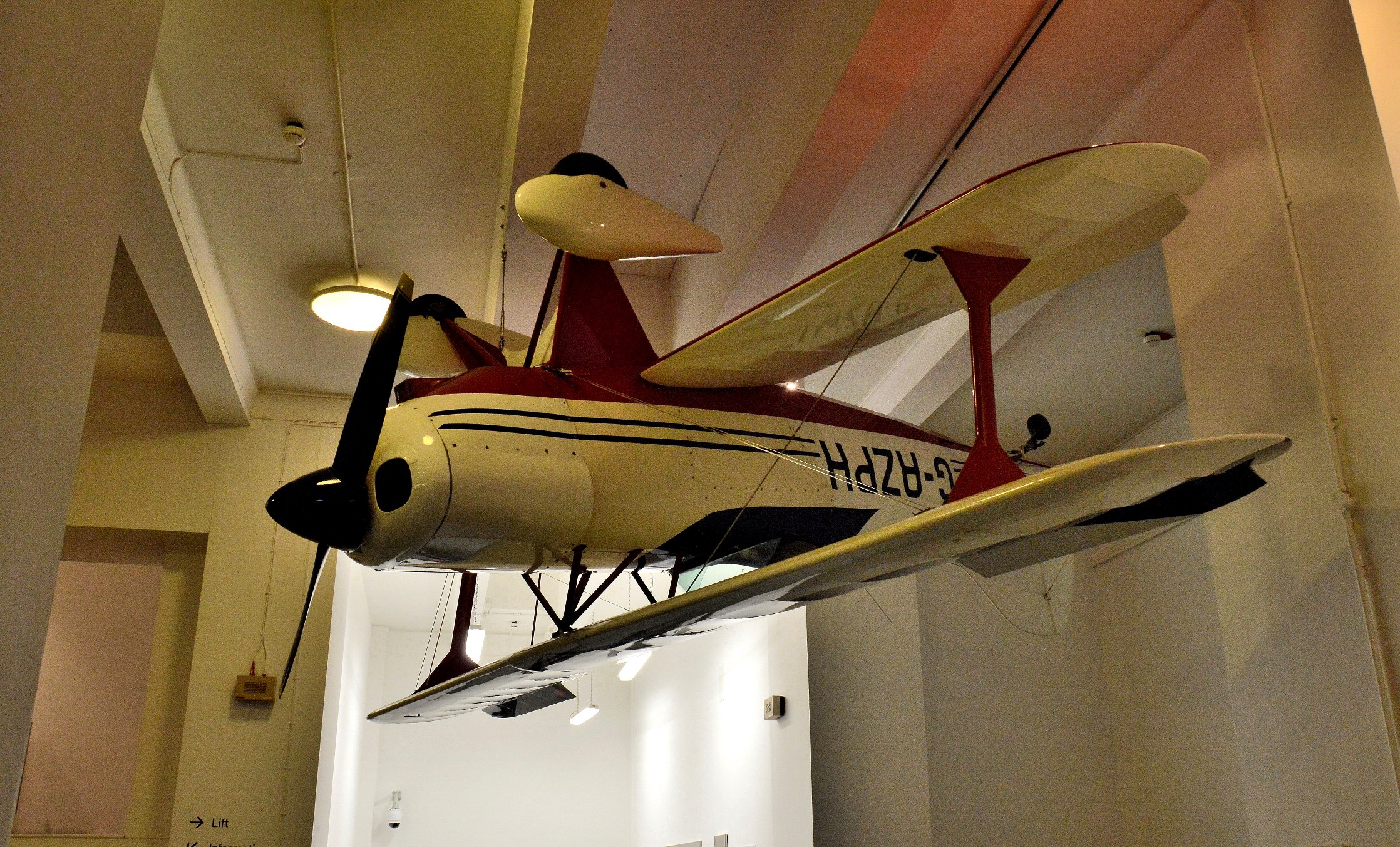
Normal service will be resumed when Grommet gets back from the chip shop. 🙂

Harrier Jump Jet
And then :-
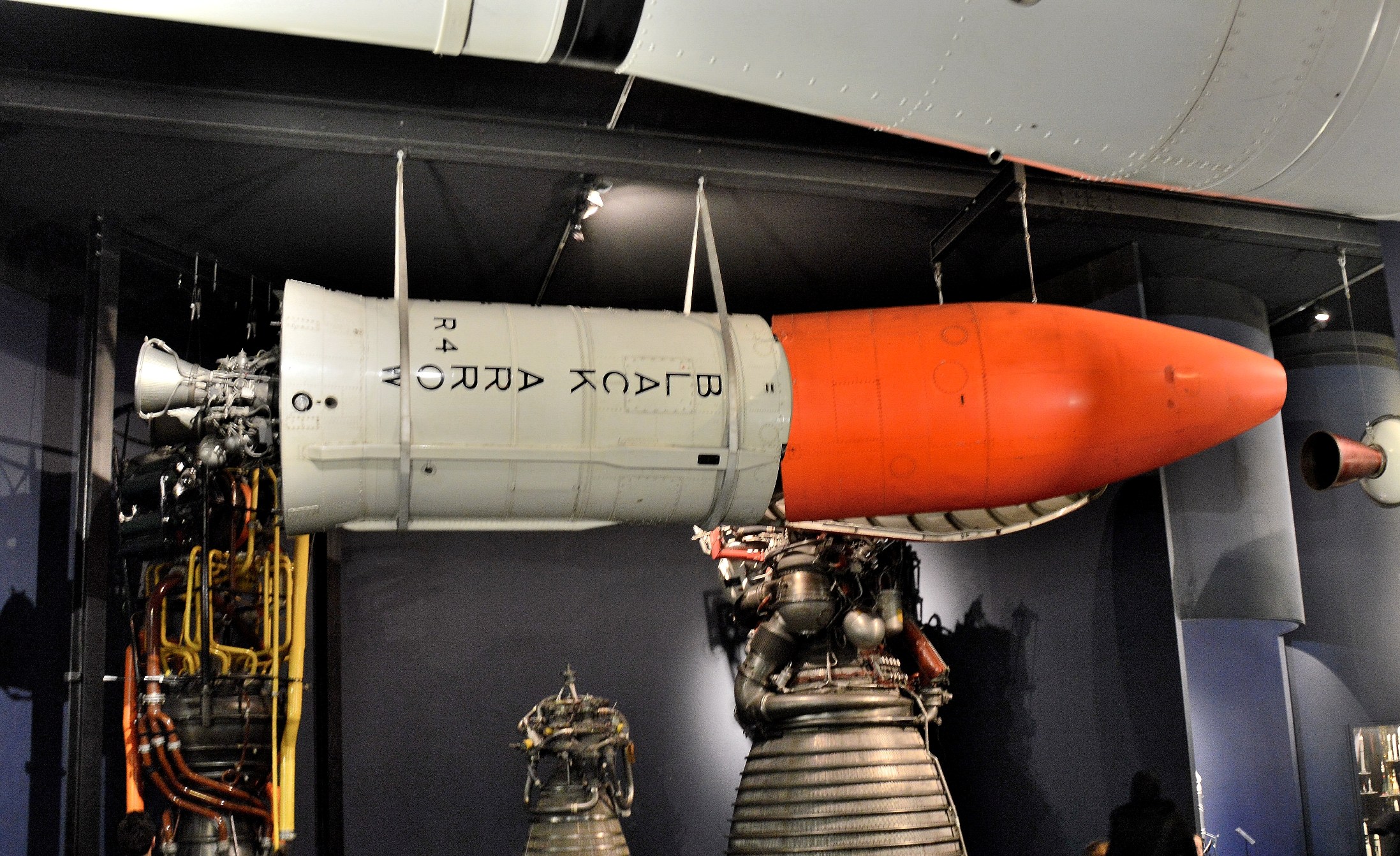
Space Rockets
.

Space Satellite
.

Space Capsule
.

Moon Lander
And then:-

This suspended globe in the Science Museum turns and changes to show the weather patterns and day and night. At times it shows the vast number of lights we are burning.
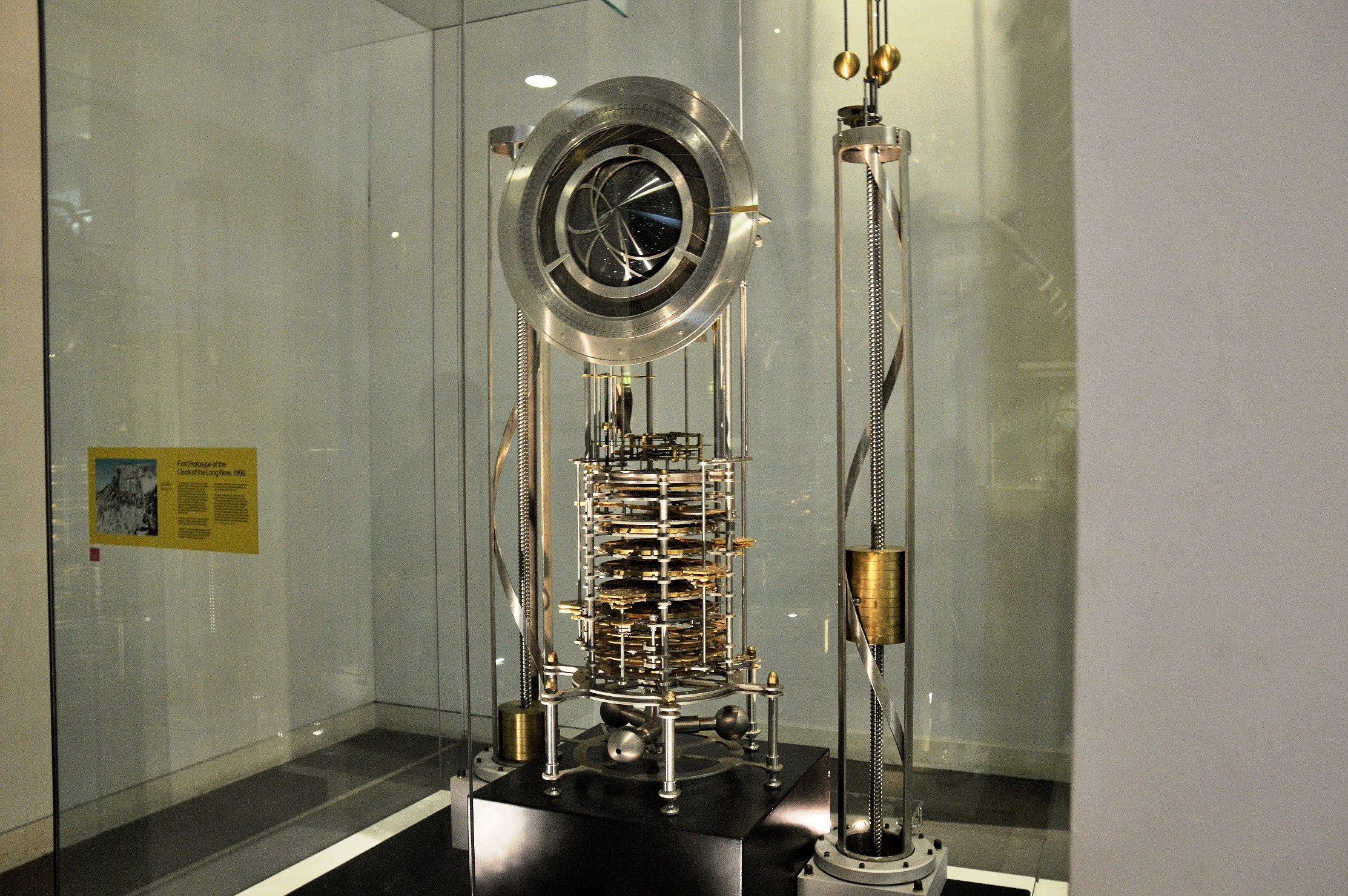
The Clock of the Long Now
Please click on twice to expand the small print.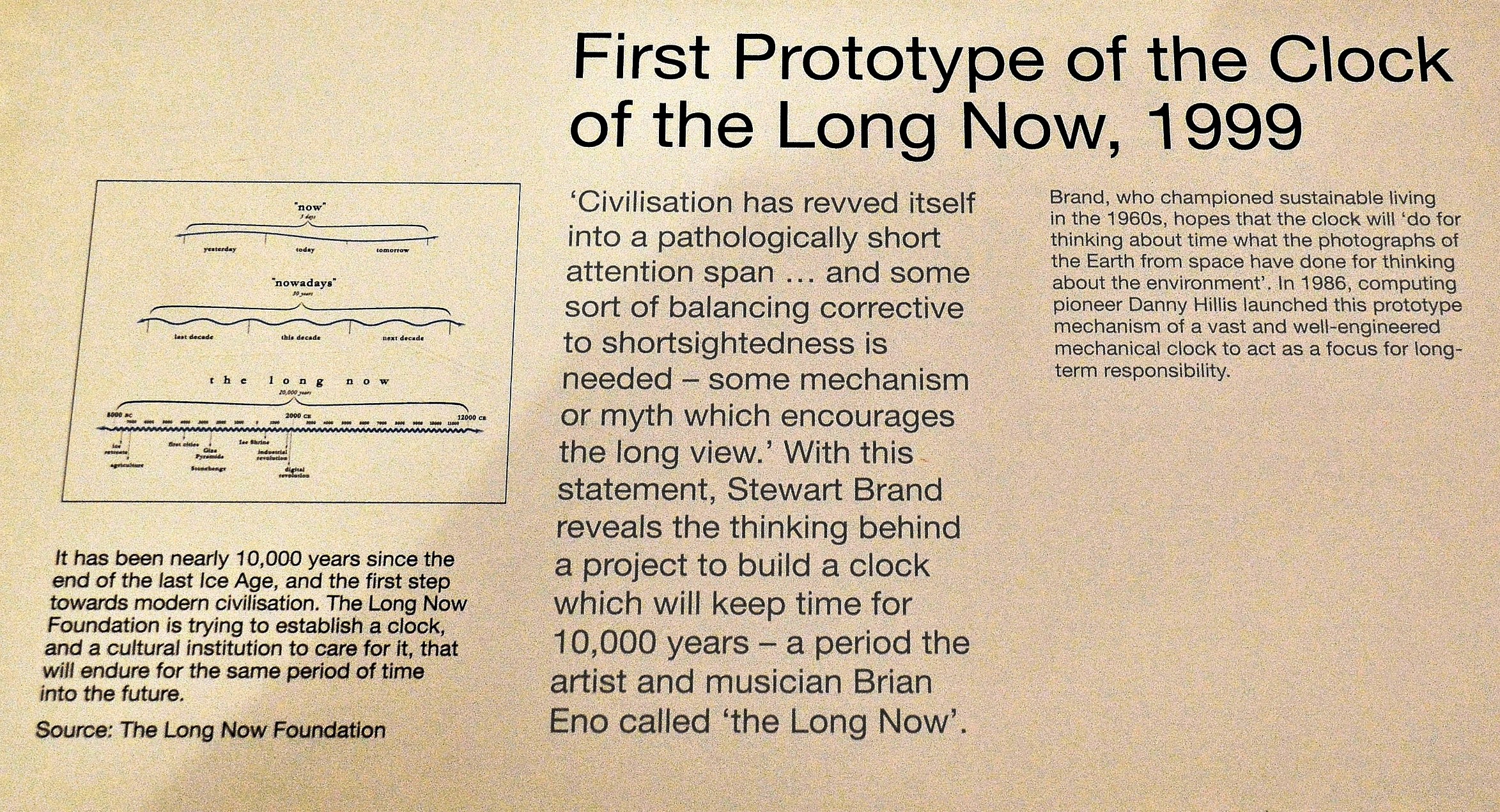
.
Fossil fuels have been the foundation of our modern world and all of its benefits. Knowing no better, we have used a crude and poisonous medicine, we now have to evolve to stop the increasingly damaging side-effects. Considering all that mankind has done, surely we can manage this too.
.
Bow Bells, Cockneys, Dick Whitington and Captain John Smith
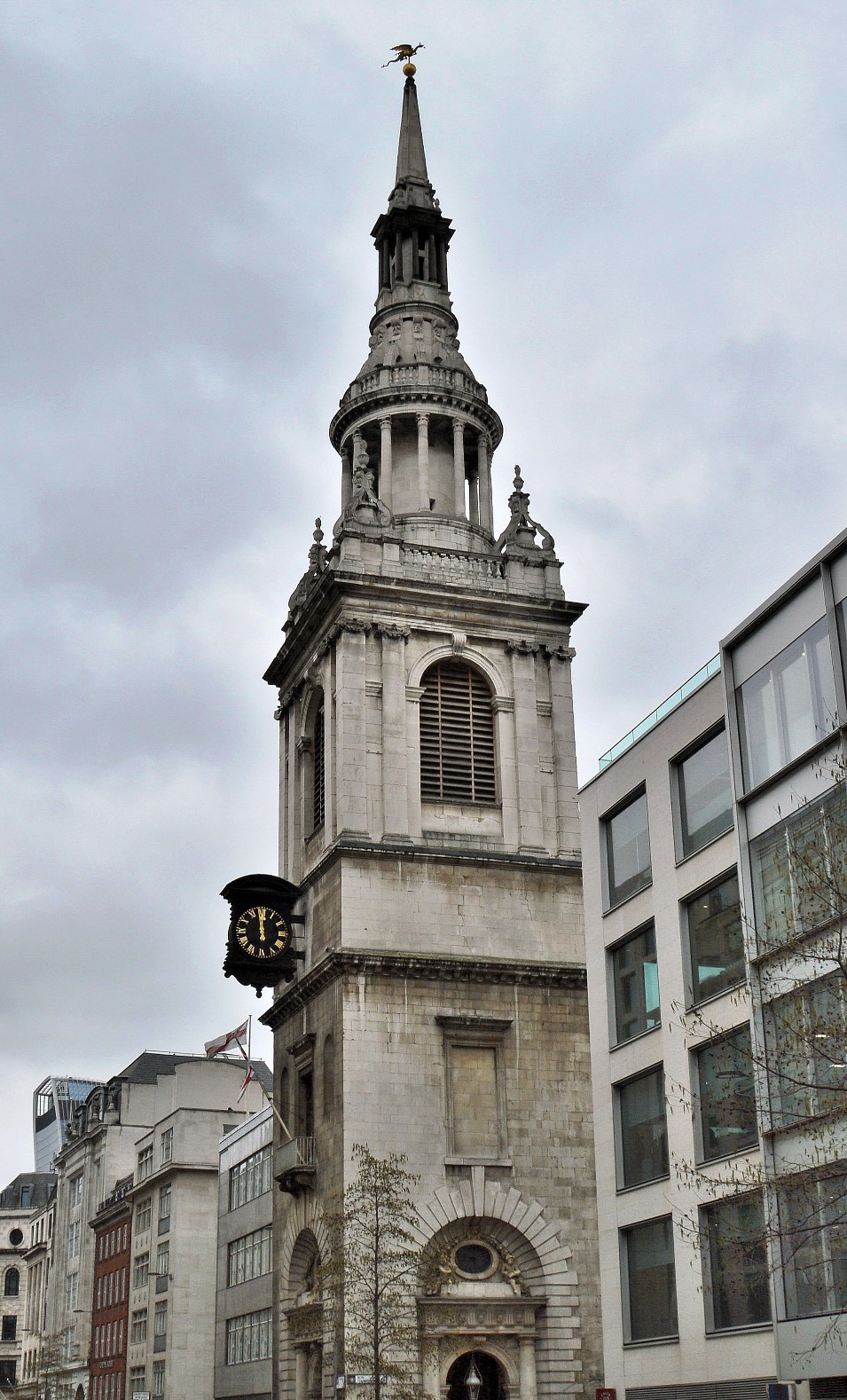
The Church of St Mary Le Bow
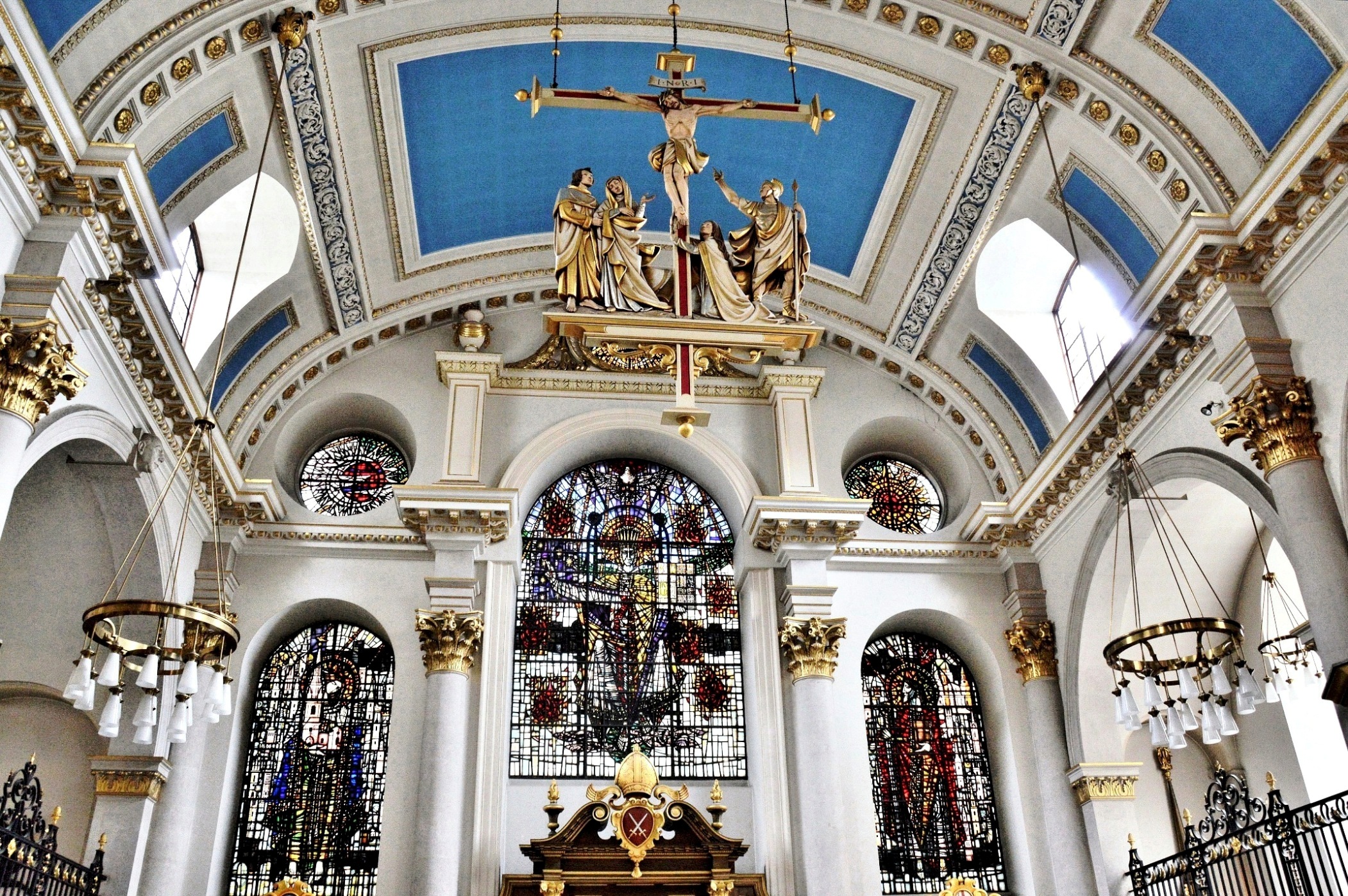 The Church of St Mary Le Bow is in Cheapside and but 3 minutes walk from St Paul’s Cathedral. To be a true Cockney, which is not quite what people think, one must be born within the sound of St Mary Le Bow bells. Their website can be found here and this is not the same place as St Mary’s in the district of Bow.
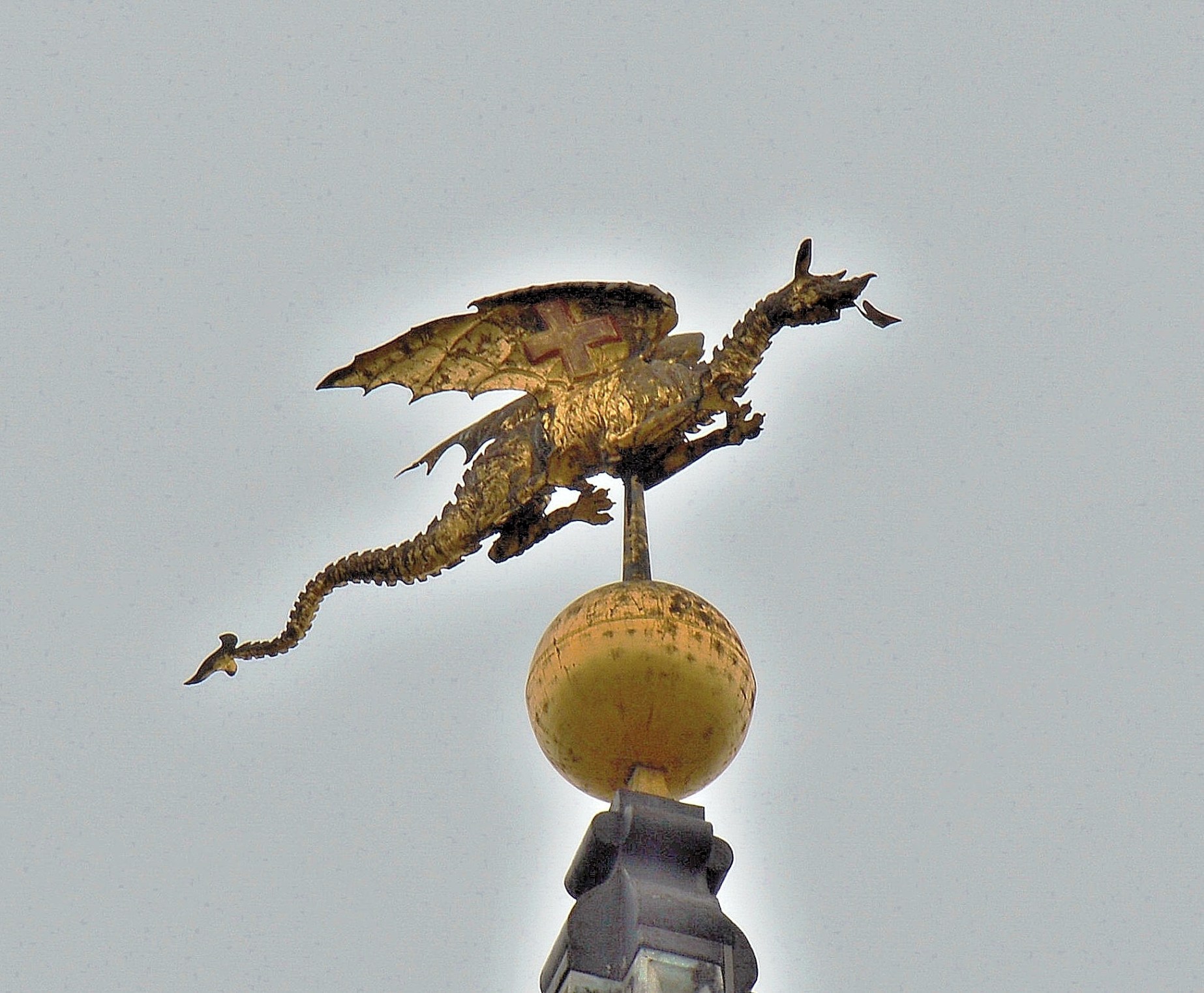
According to folklore Dick Whittington changed his mind about leaving London when he heard the peal of Bow bells, and so changed his fortunes and became Lord Mayor of London. There was in fact a Richard Whittington who was Lord Mayor of London several times during the 14th century.

.
 .
.
 .
.

There is also a cosy little crypt converted into a pleasant café.
 .
.
 .
.

In the square, just outside the church, is a statue of Captain John Smith. The captain was a mercenary, pirate, explorer and at one time leader of Jamestown the first permanent English colony in America. It is said (mostly by himself) that his life was once saved by Pocohantas. He was probably what we would call now, a real swashbuckler. Anybody who wore rain-catcher boots like that had to be hardy. 🙂
Brighten the Day 4
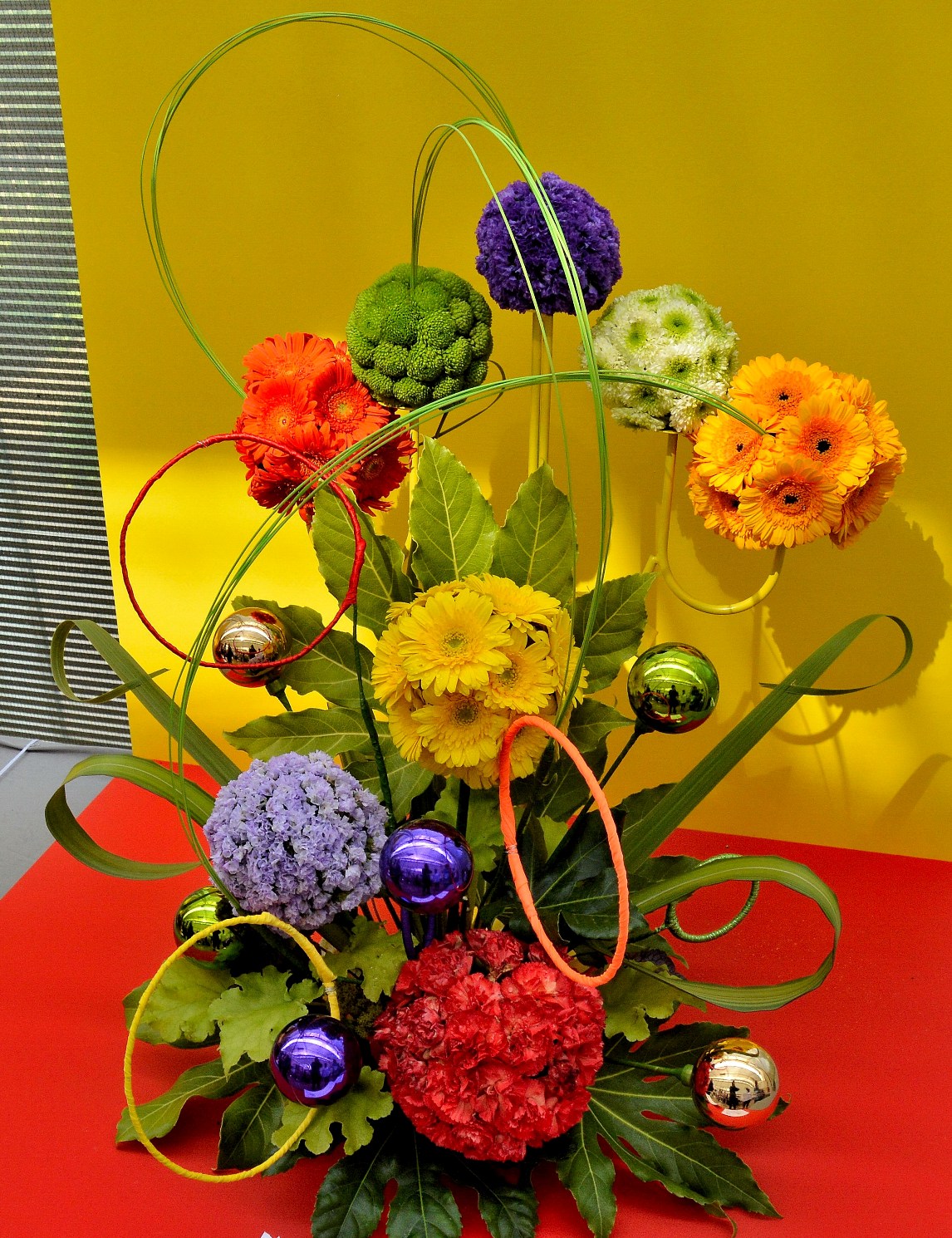
8 Flora and some lyrics to brighten the day.

.

“What do you say to an 8 foot tall Budgerigar ?”. “Who’s a pretty boy then”.

“Call that a hair style, check out the hat”.

“I’m feelin’ glad all over
Yes I’m-a glad all over
Baby I’m glad all over
So glad you’re mine.
The Dave Clark Five
 “That John Wyndham had a good idea”.

“Purple haze, all in my brain
Lately things they don’t seem the same
Actin’ funny, but I don’t know why
Excuse me while I kiss the sky”.
Jimi Hendrix

“Yellow is the color of my true love’s hair
In the mornin’, when we rise
In the mornin’, when we rise
That’s the time, that’s the time
I love the best”
Donovan.

“Blue moon!
Now I’m no longer alone
Without a dream in my heart
Without a love of my own”.
Billie Holiday
And, one more time with a song.
“Sunny, Yesterday my life was filled with rain.
Sunny, You smiled at me and really eased the pain.
The dark days are gone, and the bright days are here,
My Sunny one shines so sincere.
Sunny one so true, I love you.”
Stevie Wonder
More Brighten the Day ⇐.
The Queens Gallery
The Queens Gallery can be found at the southern wall of Buckingham Palace (near Victoria Station) beside the Royal Mews and you can photograph in both. Nearby are the State Rooms, where photography is not allowed. There are also some very royal gift shops.
I’ve chosen paintings and sketch cartoons that show slices of life from the artist’s point of view. They have all been enhanced to compensate for the low lighting and the fading/darkening of paint over time. They show the patience and skill that was employed, which makes them a joy to see.
Paintings

Market Scene by Night by Petrus van Schendel
.
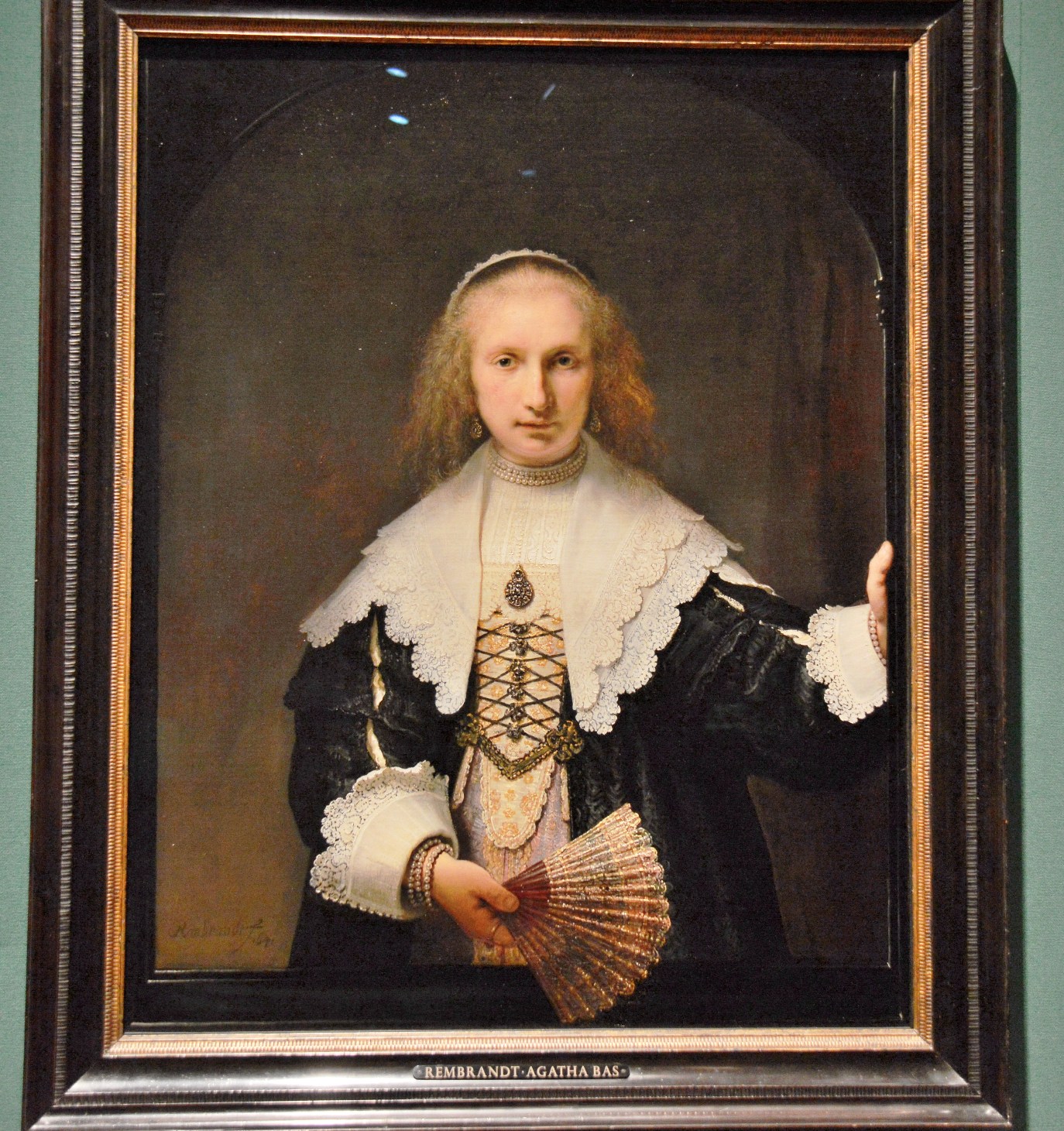
Agatha Bas by Rembrandt van Rijn
.
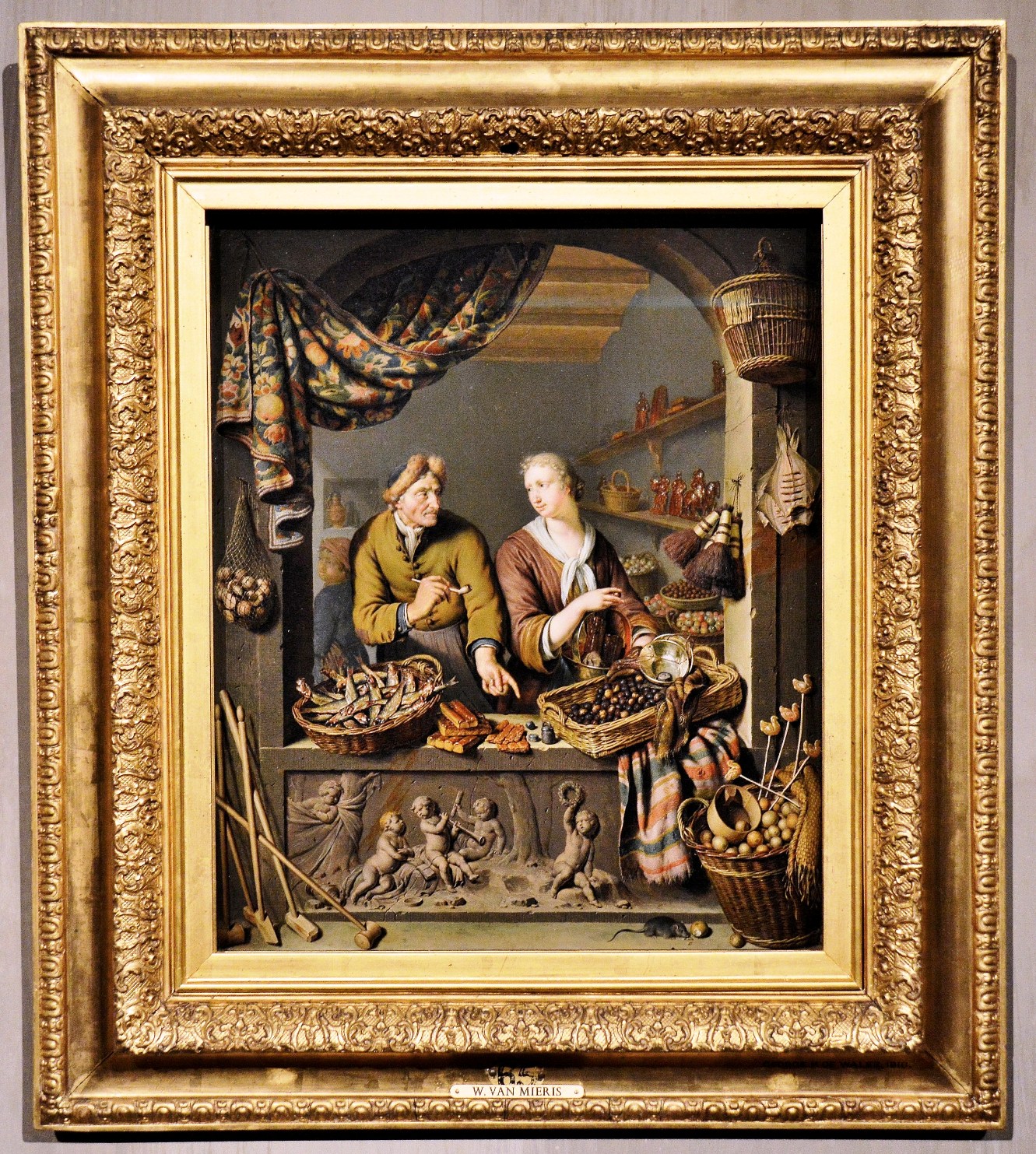
An Old Man and a Girl at a Vegetable and Fish Stall by Willem van Mierls
.

A Village Revel by Jan Steen
.
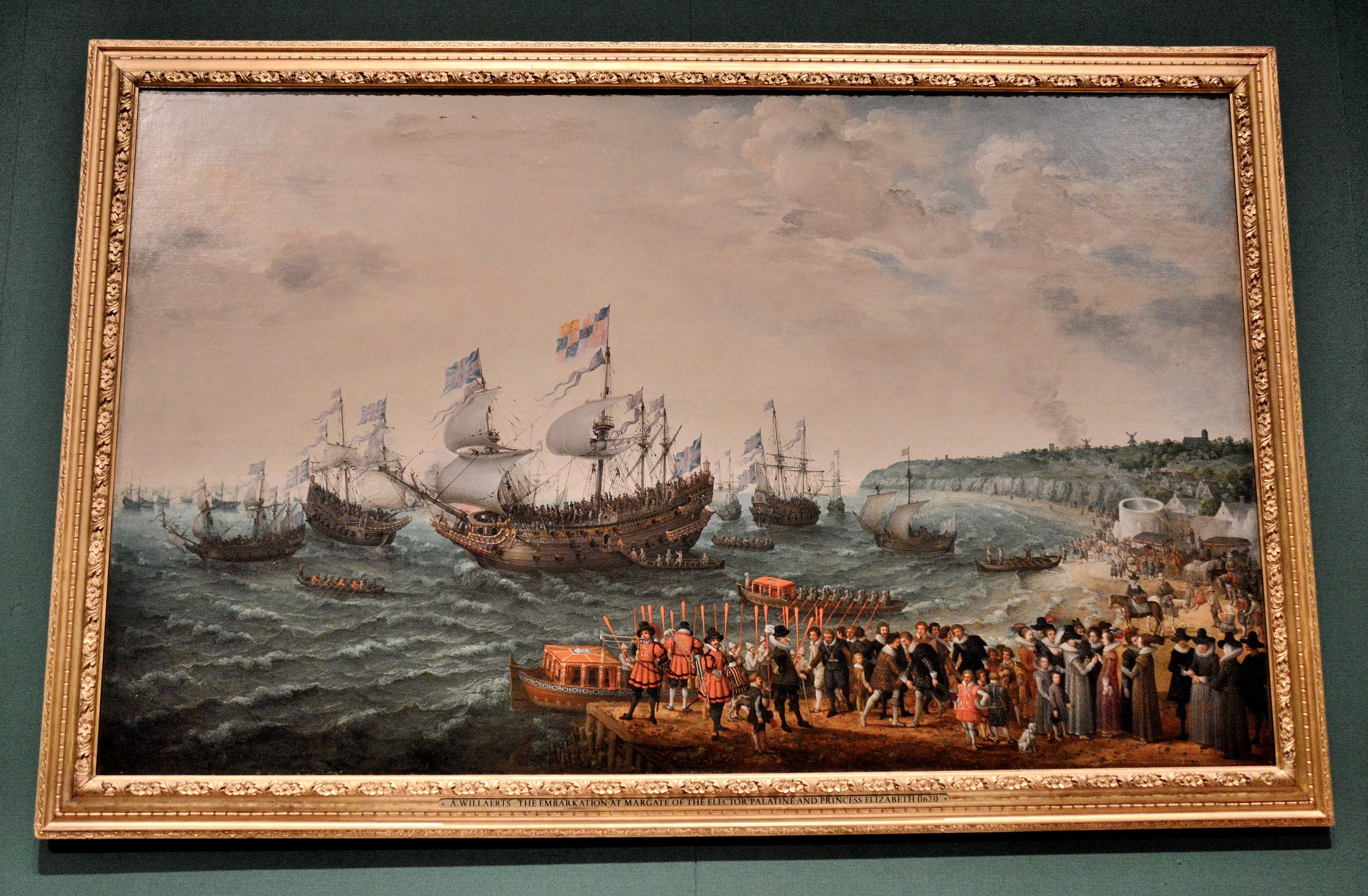
The Embarkation at Margate of the Elector Palatine and Princess Elizabeth by Adam Willaerts
.
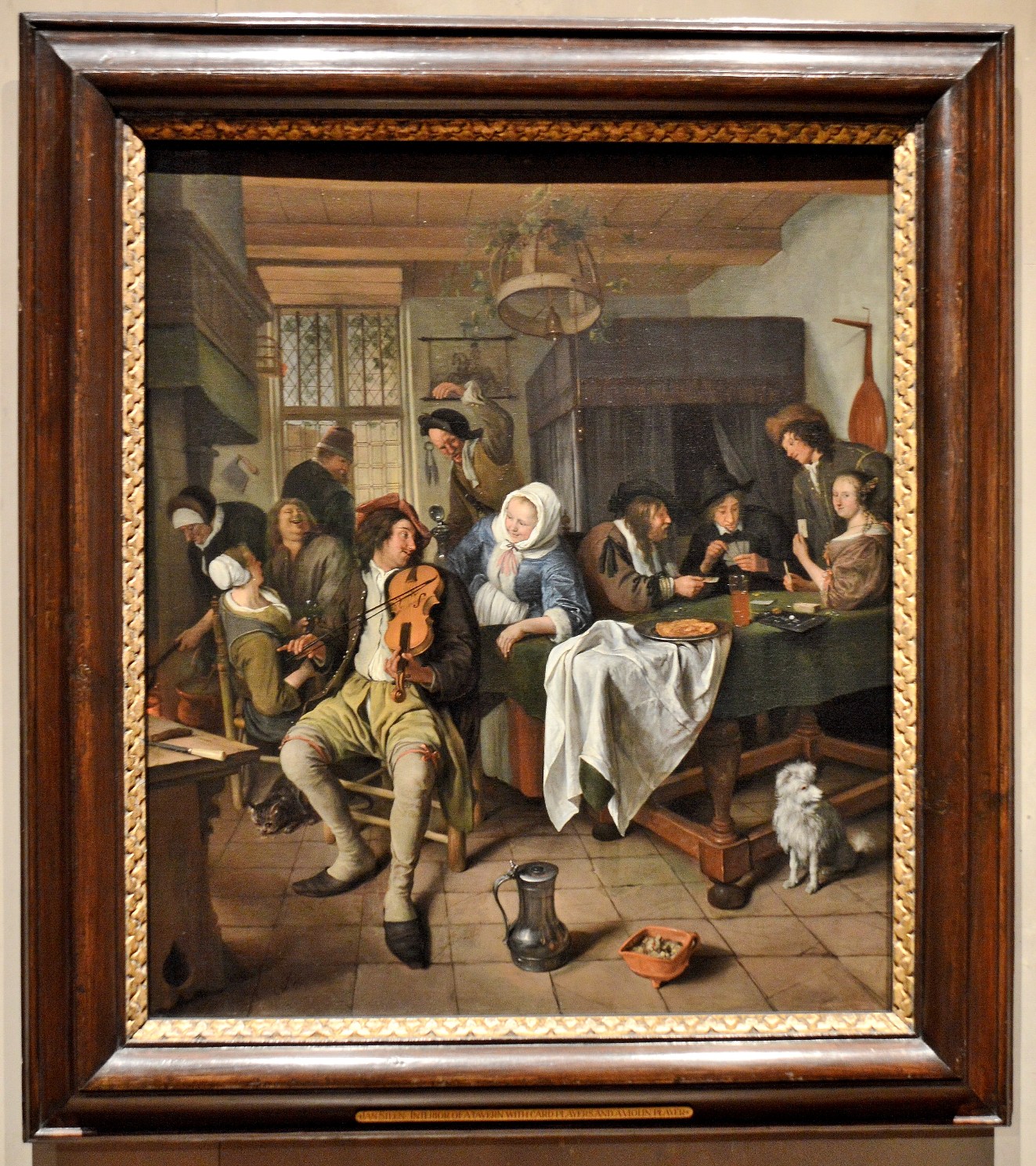
Interior of Tavern with Card Players and a Violin Player by Jan Steen
.
Ornamental

.

.

.

Cartoons
18th century Britain was quite frank in its depictions of society and the notable. Sometimes irreverent and quite often bawdy. The first is a satire of the Duchess of Devonshire trying to assist her lover, Charles James Fox, to obtain a seat in Parliament. Fox succeeded in being elected but the Duchess never regained her reputation.
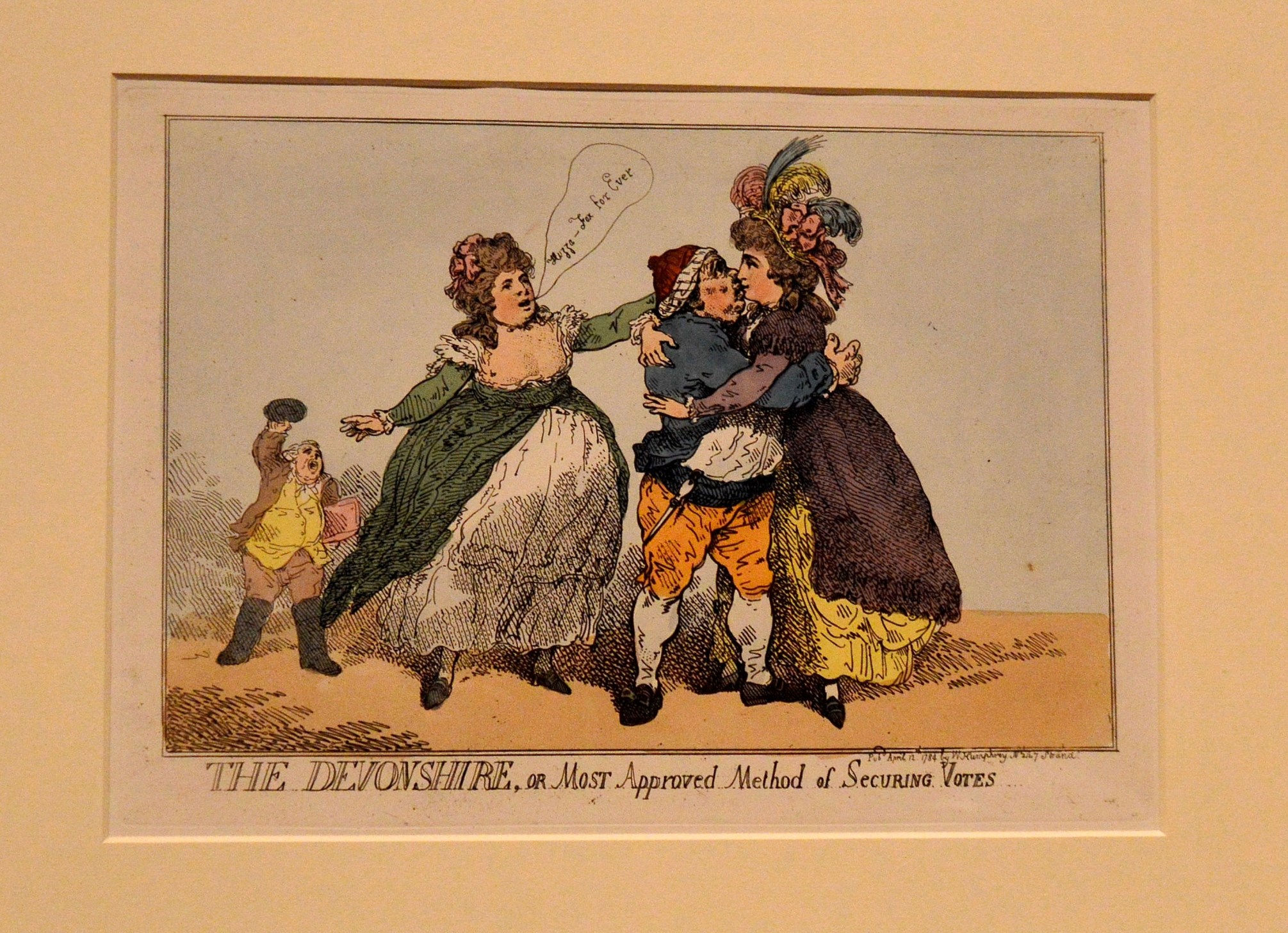
The Devonshire, or Most Approved Method of Securing Votes
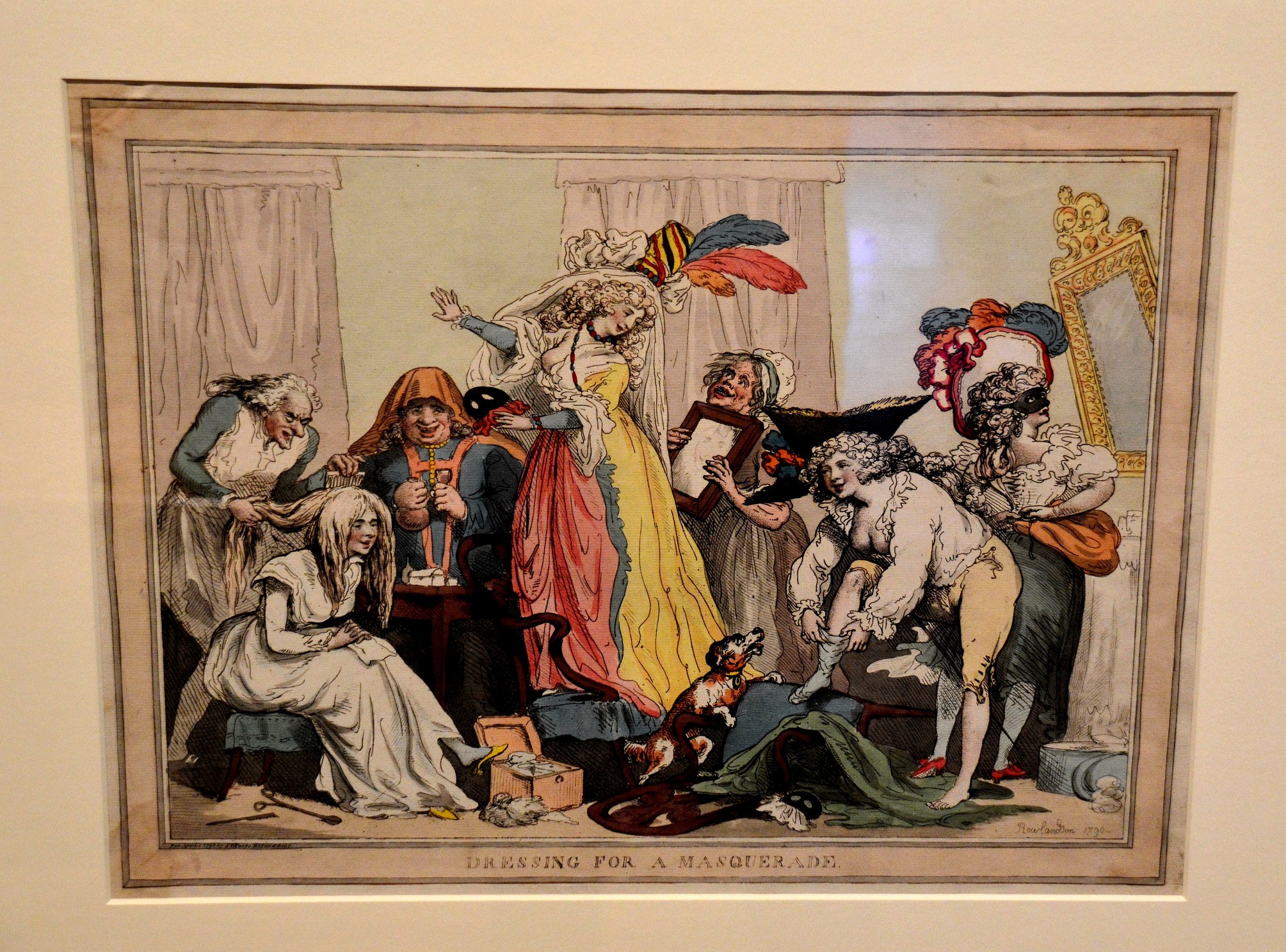
Dressing for a Masquerade

The Unwelcome Visitor
.
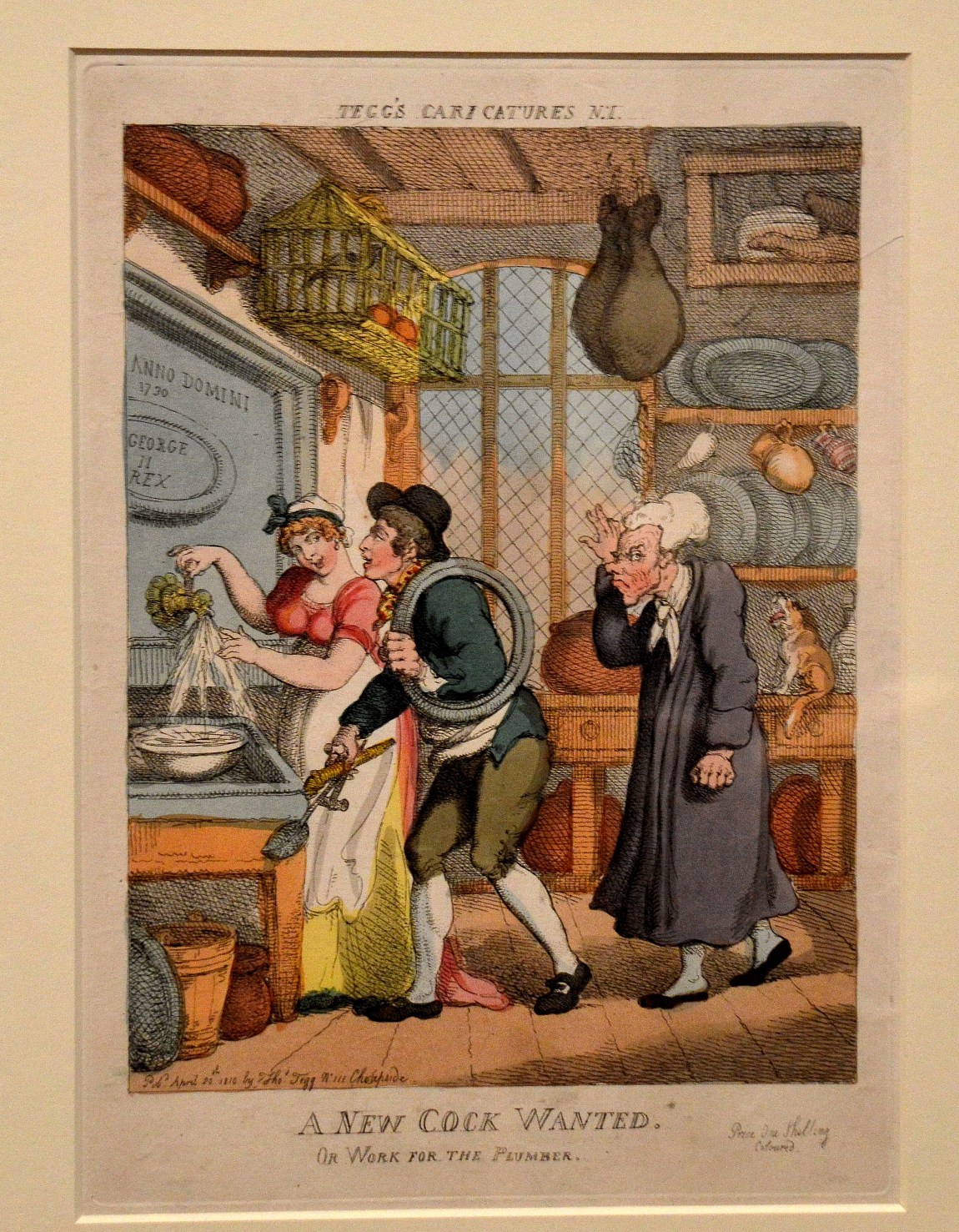
A New Cock Wanted or Work for the Plumber
More Ornaments
To restore some dignity, a picture of bathing implements for the royal corgis. 🙂

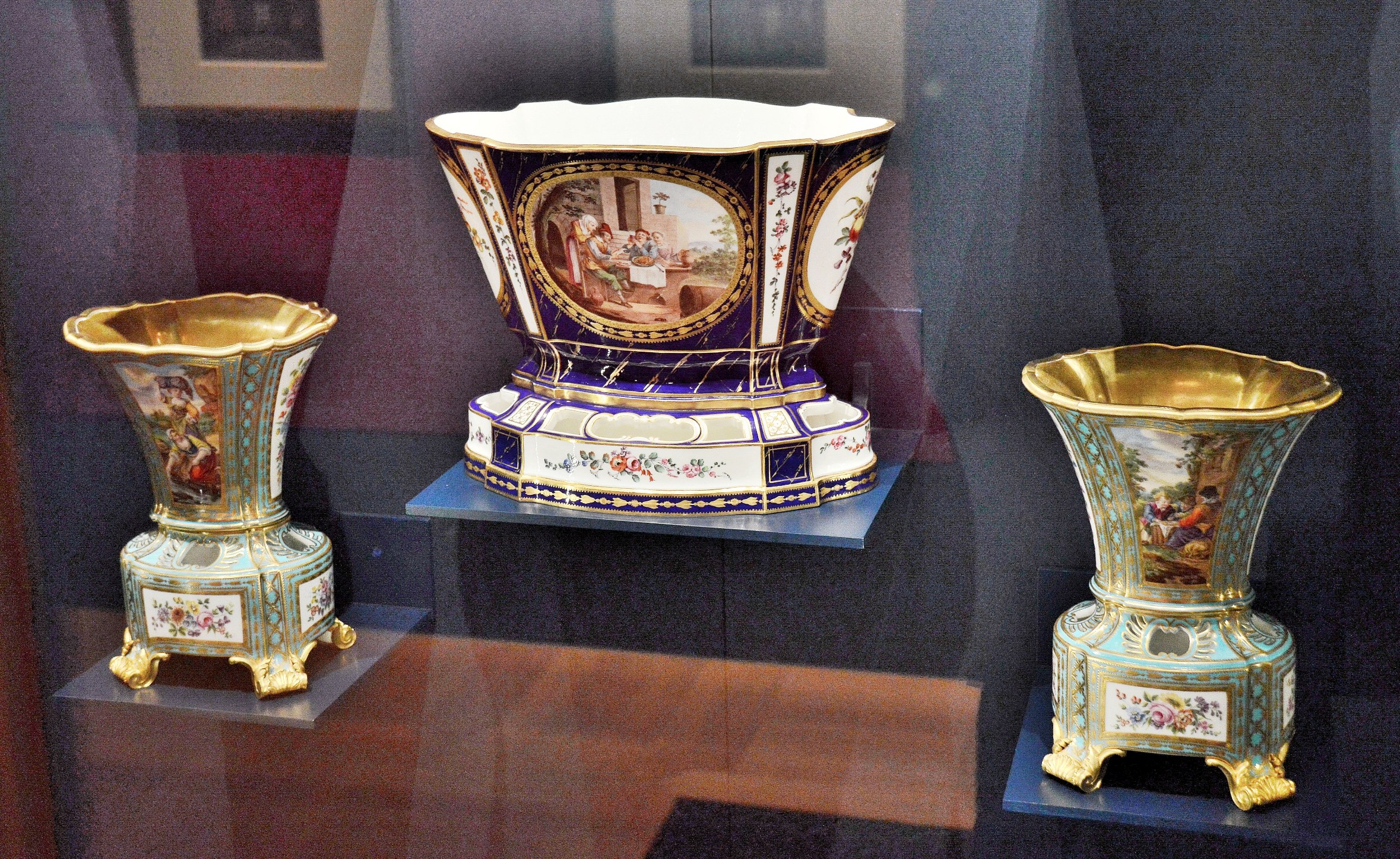
The National Gallery – London – UK

The Horses of Achilles in the style of Anthony van Dyke
The National Gallery (London UK) is adjacent to Trafalgar Square ⇐, St Martin in the Field ⇐ and the National Portrait Gallery ⇐. Entrance is free and you may photograph (no flash or tripod). You can also download images but with very limited use. The website is here ⇒.
Paintings like these provide an insight into past life, attitudes, stories and legends. Many show the enormous skill of the artists. All have been brightened a little to compensate for the low lighting and fading/darkening of paint. You might also like a selection of digitally enhanced versions that try to show their original vibrancy here ⇐.

The National Gallery Entrance (London)

The Fighting Temeraire by Joseph Mallord William Turner

The Virgin and Child with Saints by Lorenzo Costa and Gianfrancesco Maineri

Saints Christina and Ottilia by Lucas Cranach the Elder

Saints Genevieve and Appollonia by Lucas Cranach the Elder

Adriana van Heusden and her Daughter at the New Fish Market in Amsterdam by Emanuel de Witte

Seaport with the Embarkation of the Queen of Sheba by Claude

Dutch Vessels Close Inshore at Low Tide and Men Bathing by Wilem van de Velde

Infant St John with the Lamb by Bartoleme Esteban Murillo

London Interior of the Rotunda at Raneleigh by Canaletto

Phillip th IV Hunting Wild Boar by Diego Valazquez

Eaton College

National Gallery Portico – London
Twas the Night before Christmas

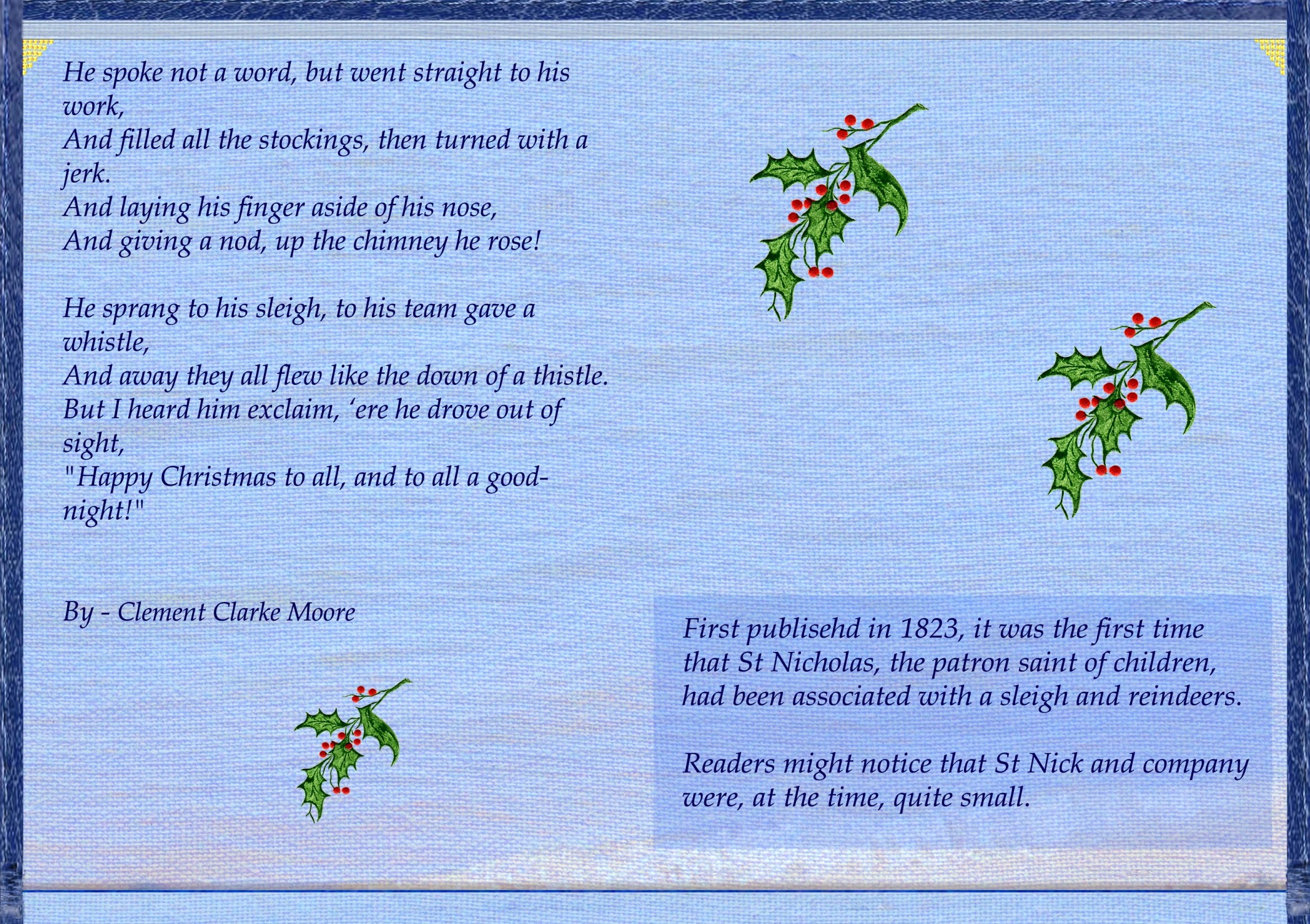
“Twas the Night before Christmas” or “A Visit from St Nicholas”. The complete poem by Clement Clarke Moore first published in 1823 and the first time that St Nicholas was associated with a sleigh and reindeers. It is a real joy to read.
Brighten the Day – Bubblemania
Four morphed bubble pictures (a little colour for your holidays) 😀 and Merry Christmas to you all.




Creative Commons: Available free for non-commercial use.
A Christmas Story – Oops

Twas the day before the night before Christmas and all through the city twas well. Then it got silly.
Advertising in the Age of Innocence ? No 2

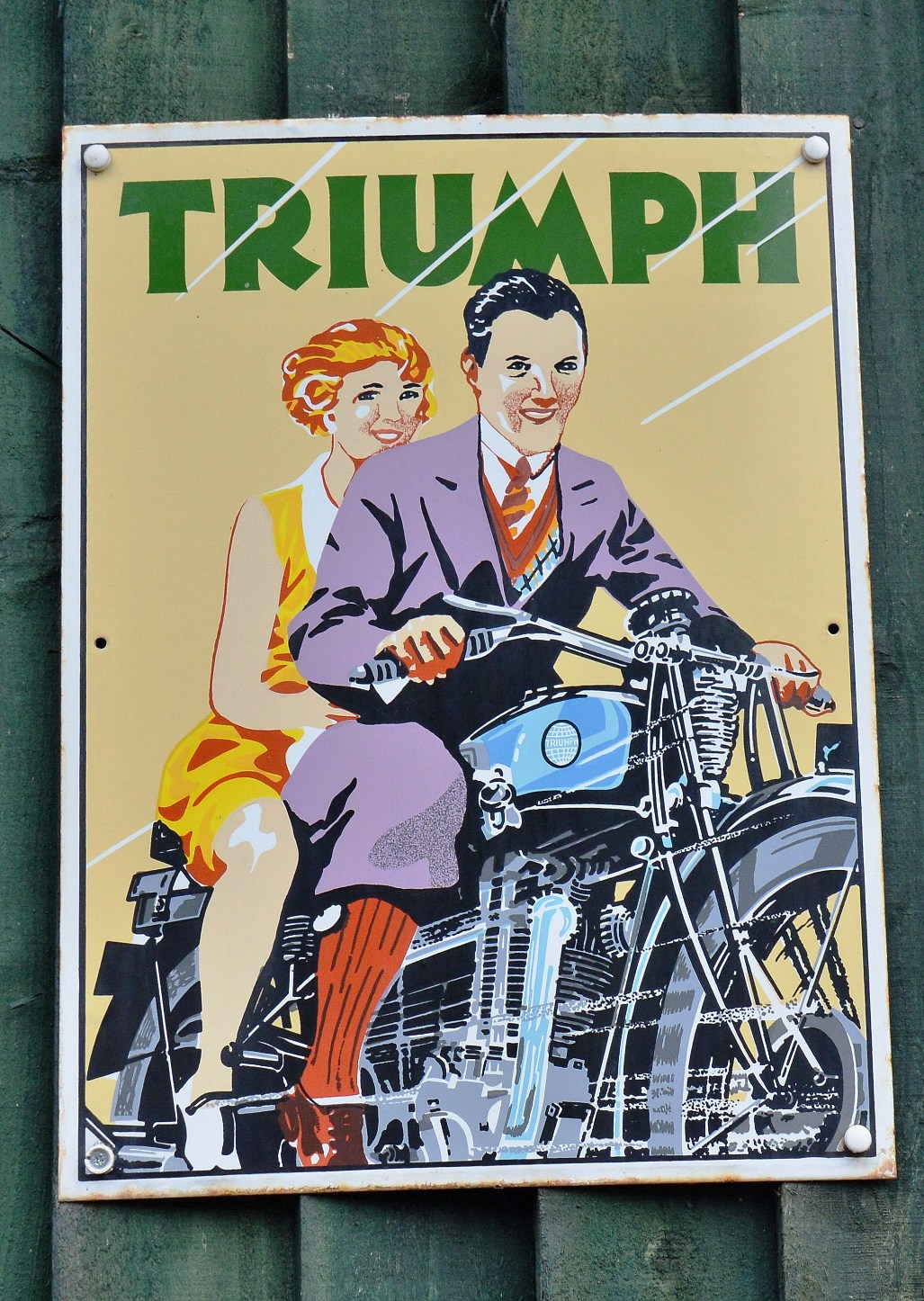
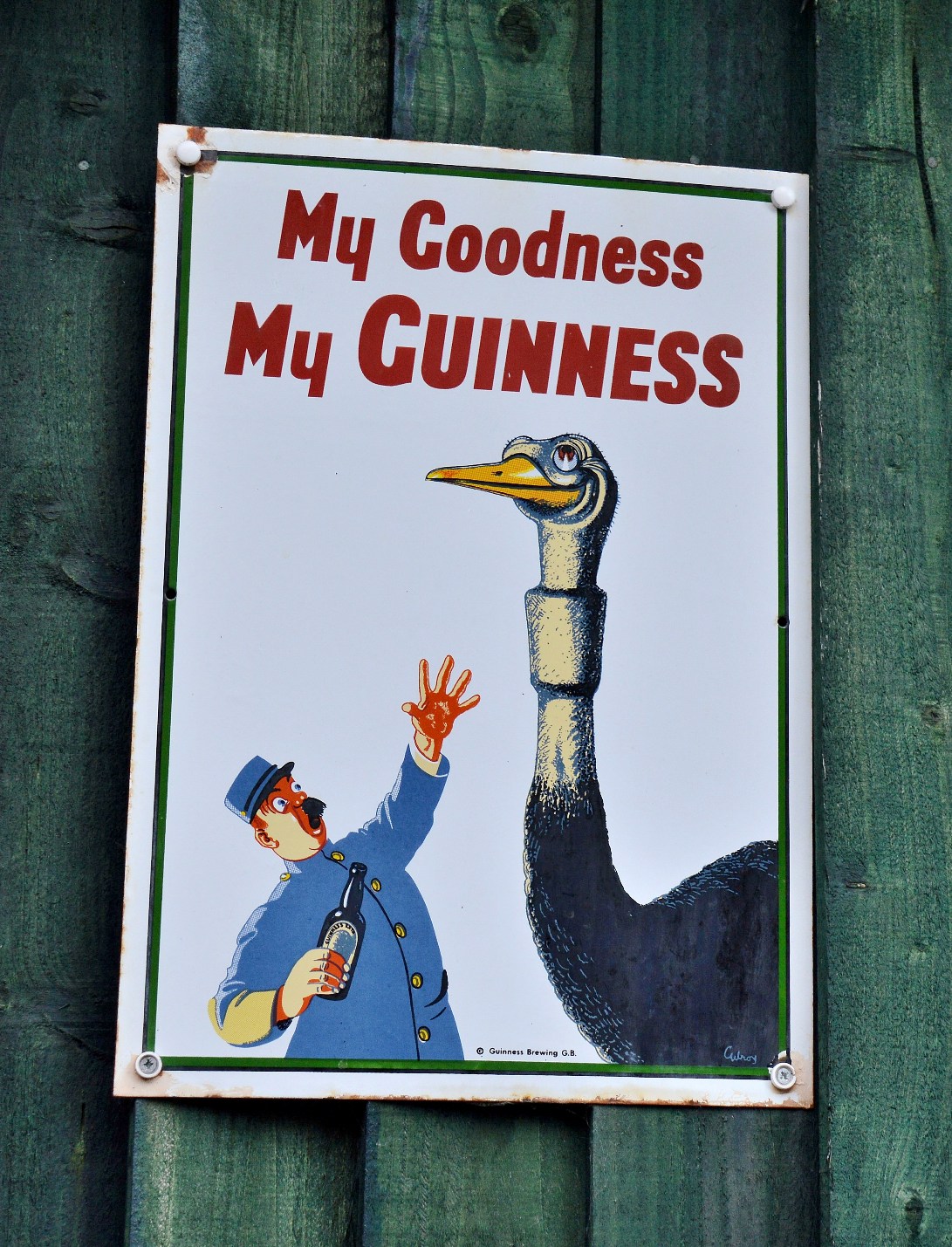
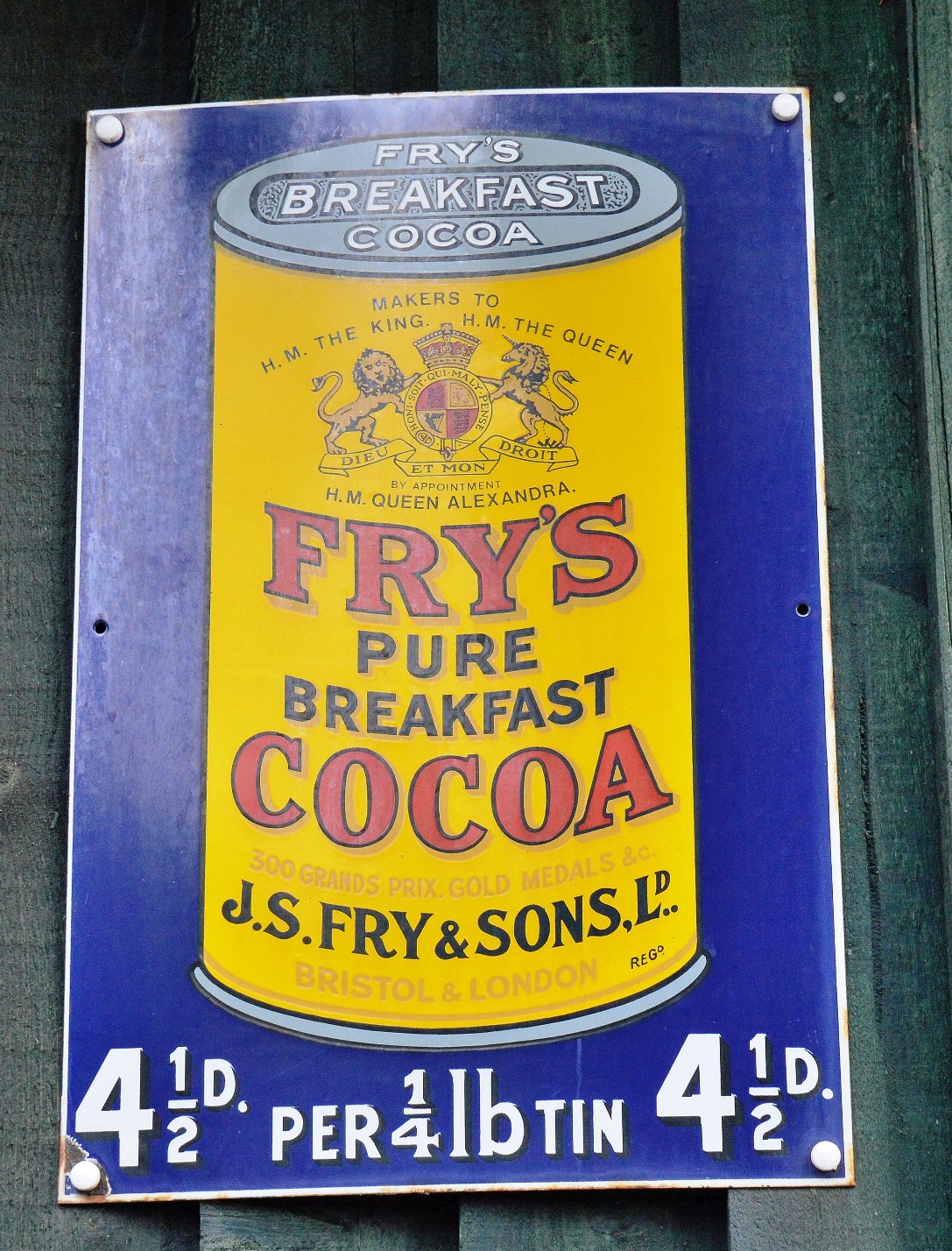
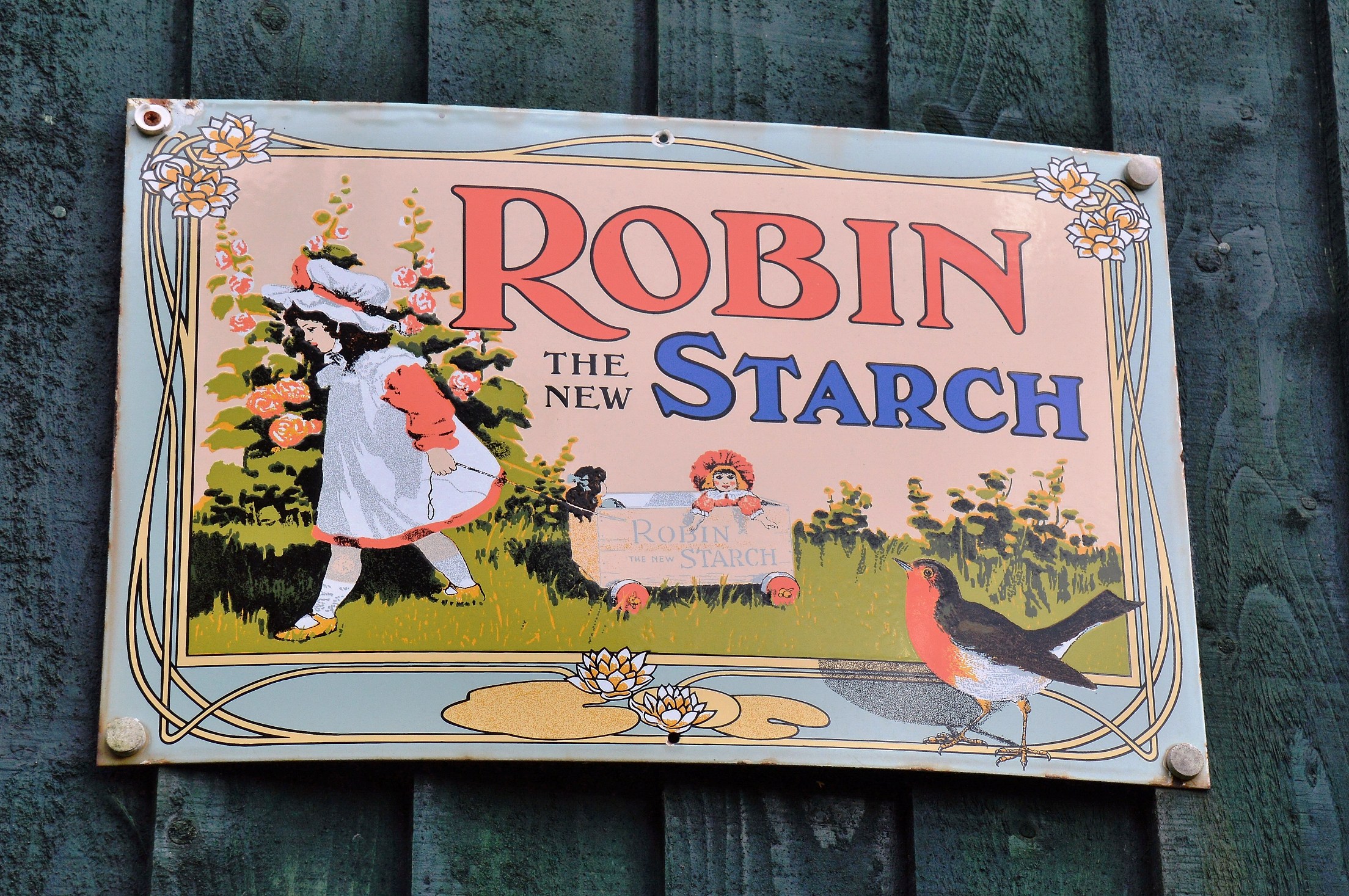
11 Signs found at the Bekonscot Model Village⇐ at Beaconsfield. The other vintage signs are here ⇐ .
These advertising signs seem so simple compared with modern sophistry. Perhaps they are no less clever than those of present time but reflect an appeal to simpler desires and attitudes compared with today. Which do you find persuasive ?
.

.
.

.

.
.

.
.

.
.

The Royal Mews

10 pics and the best is last. I thought a Royal Mews would have cats deep in thought but it turns out to be coaches. The one above is the “Glass Coach” and was used for royal marriages, including our own Queen Elizabeth II.
The Royal Mews can be found at the southern wall of Buckingham Palace (near Victoria Station) beside the Queens Gallery and you can photograph in both. Nearby are the State Rooms, where photography is not allowed. There are also some very royal gift shops,
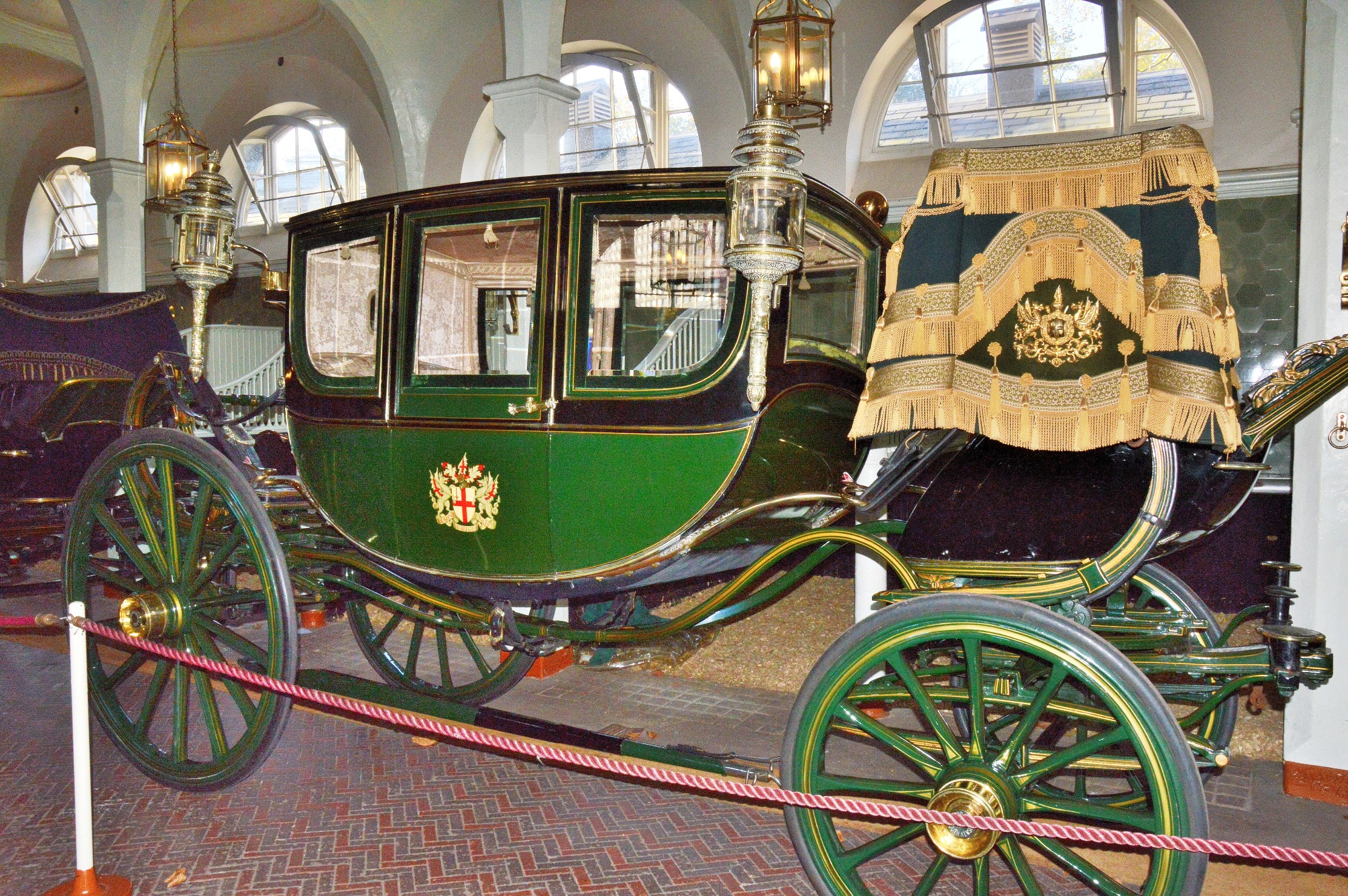
And, there’s a green one,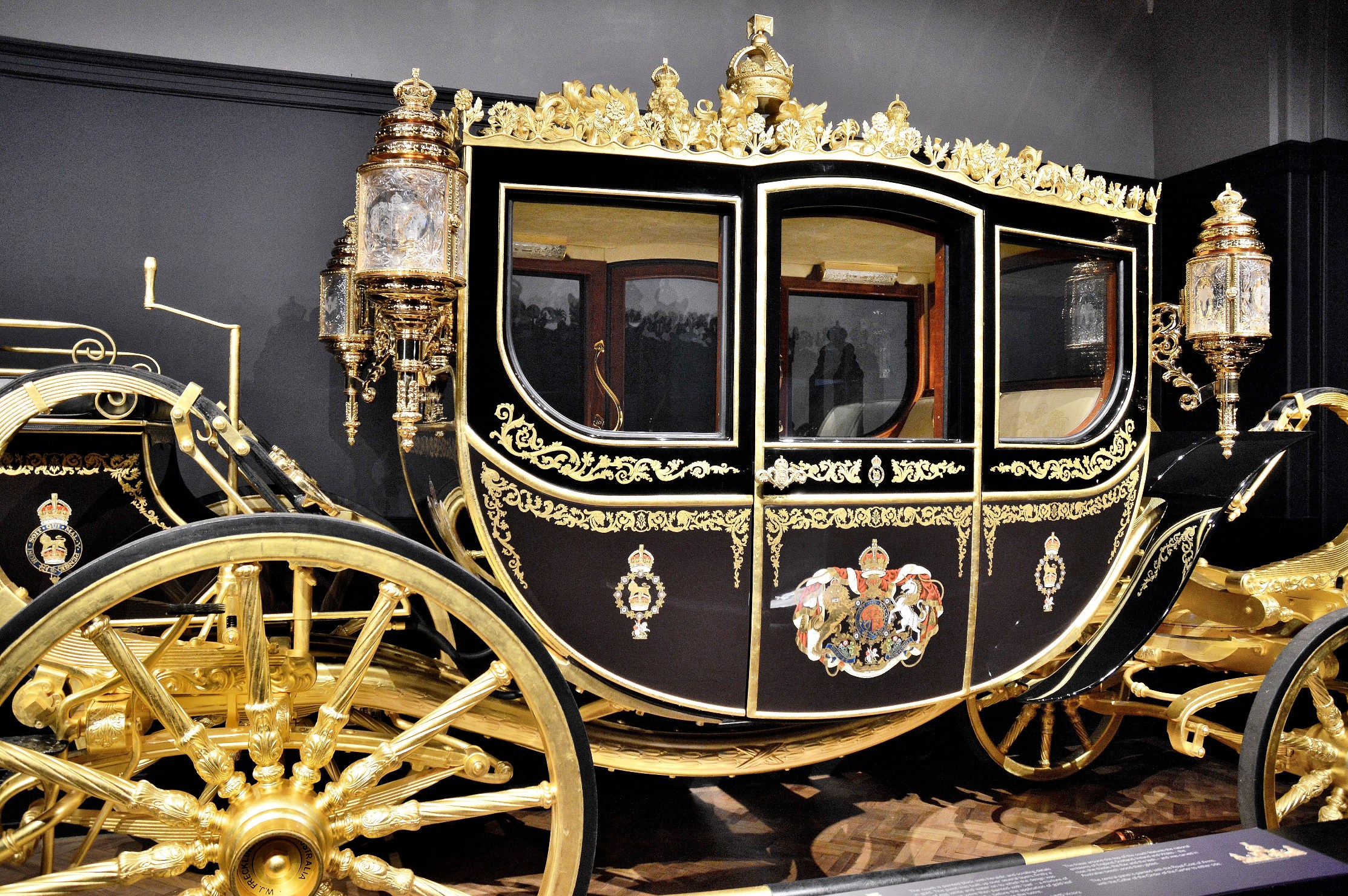
And, Vorsprung durch Technik,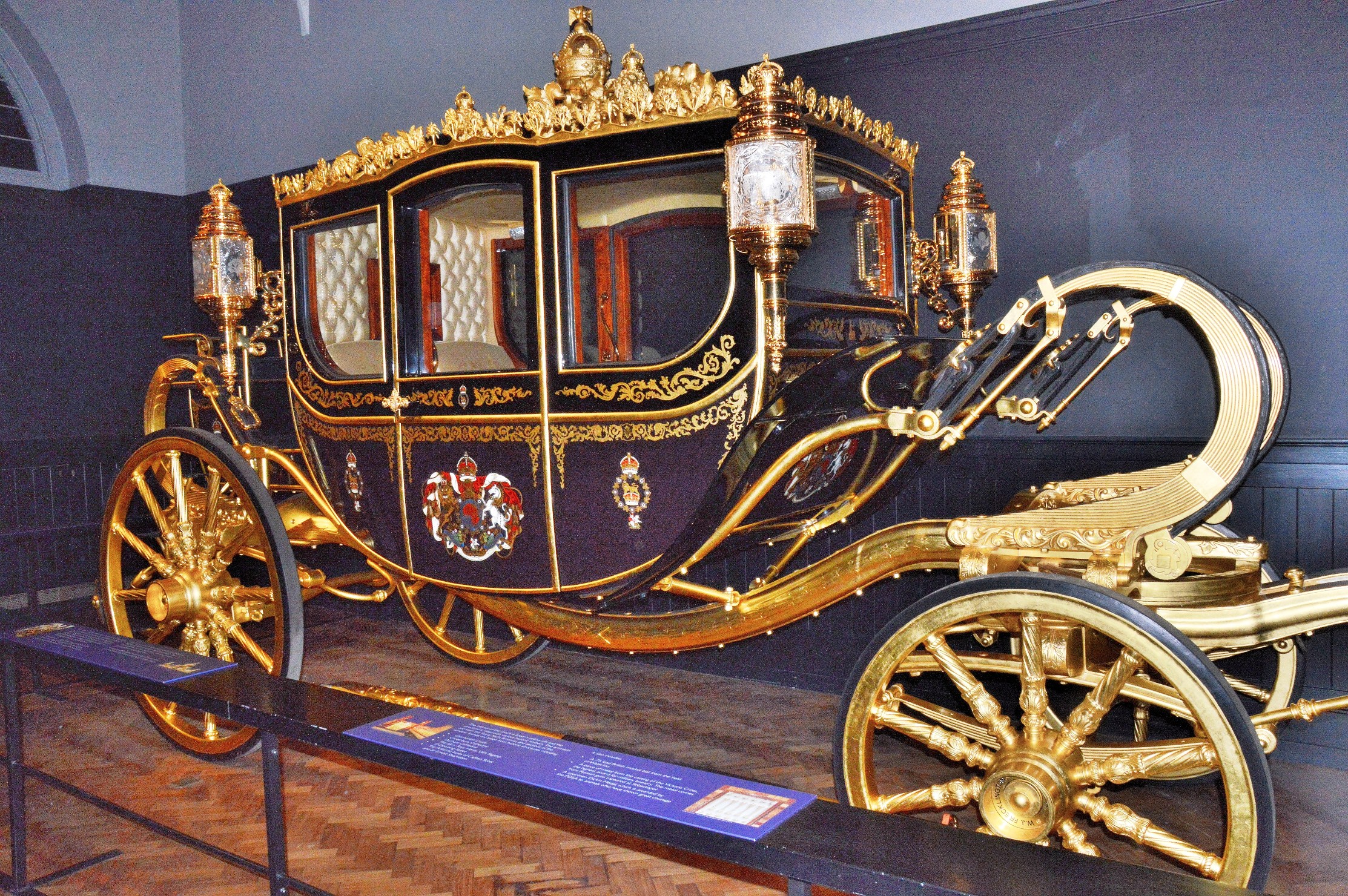
.

This is a Donkey Barouche. Although it would probably look prettier with a donkey sitting in it. 🙂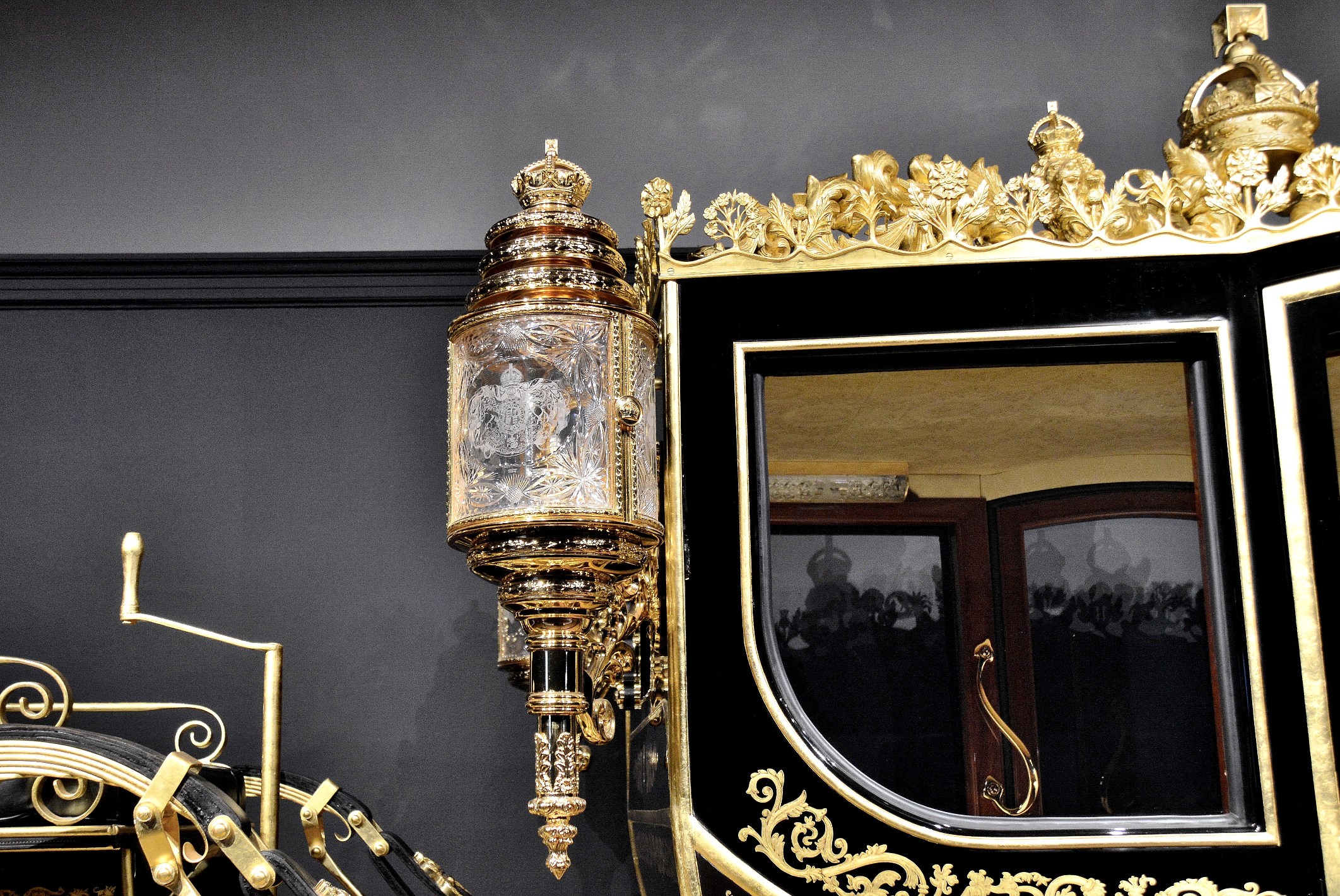
I thought I might borrow this for Christmas. I’m sure they wouldn’t notice. It would make a great tankard full of amber foaming beer for quaffing.

And, here’s my ride. Cinderella would have been jealous.
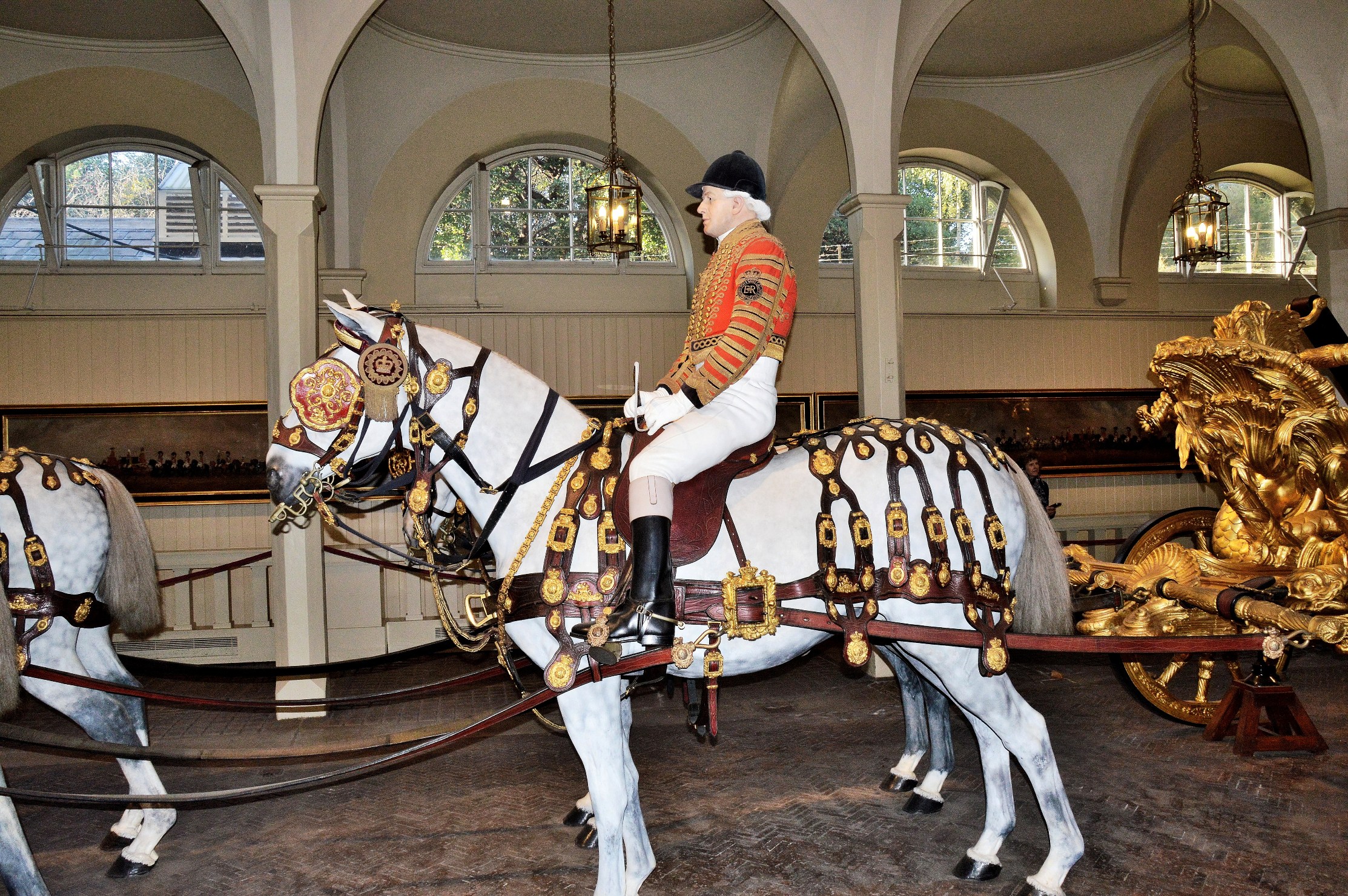
I think the coachmen turn back into corgis at midnight. 🙂
.
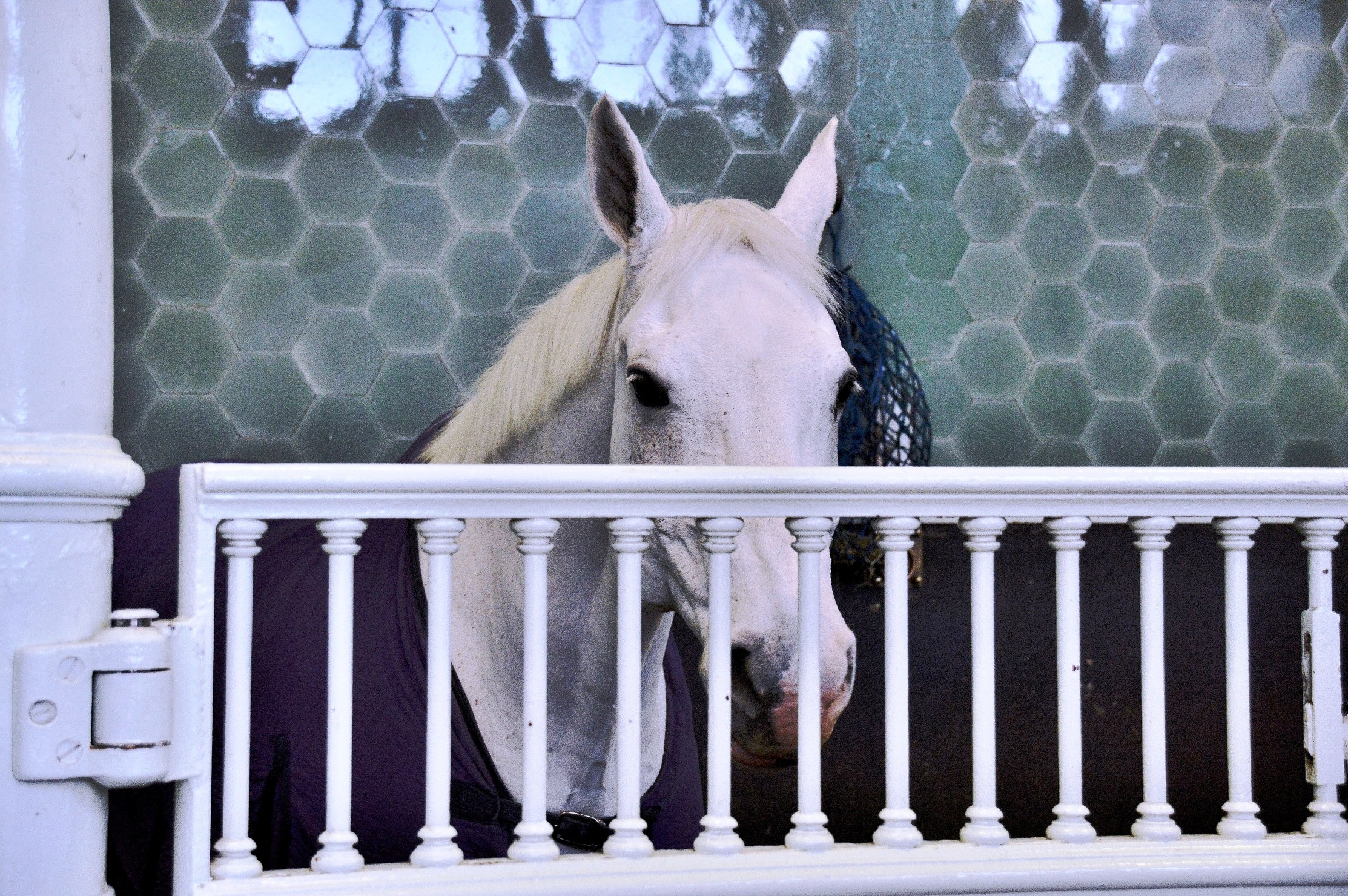
Oh poop, I got caught and put in jail. I’m being held for ransom. Help ! Send mince pies and brandy or it’s jingly bell sleigh duty for me.
The Builders
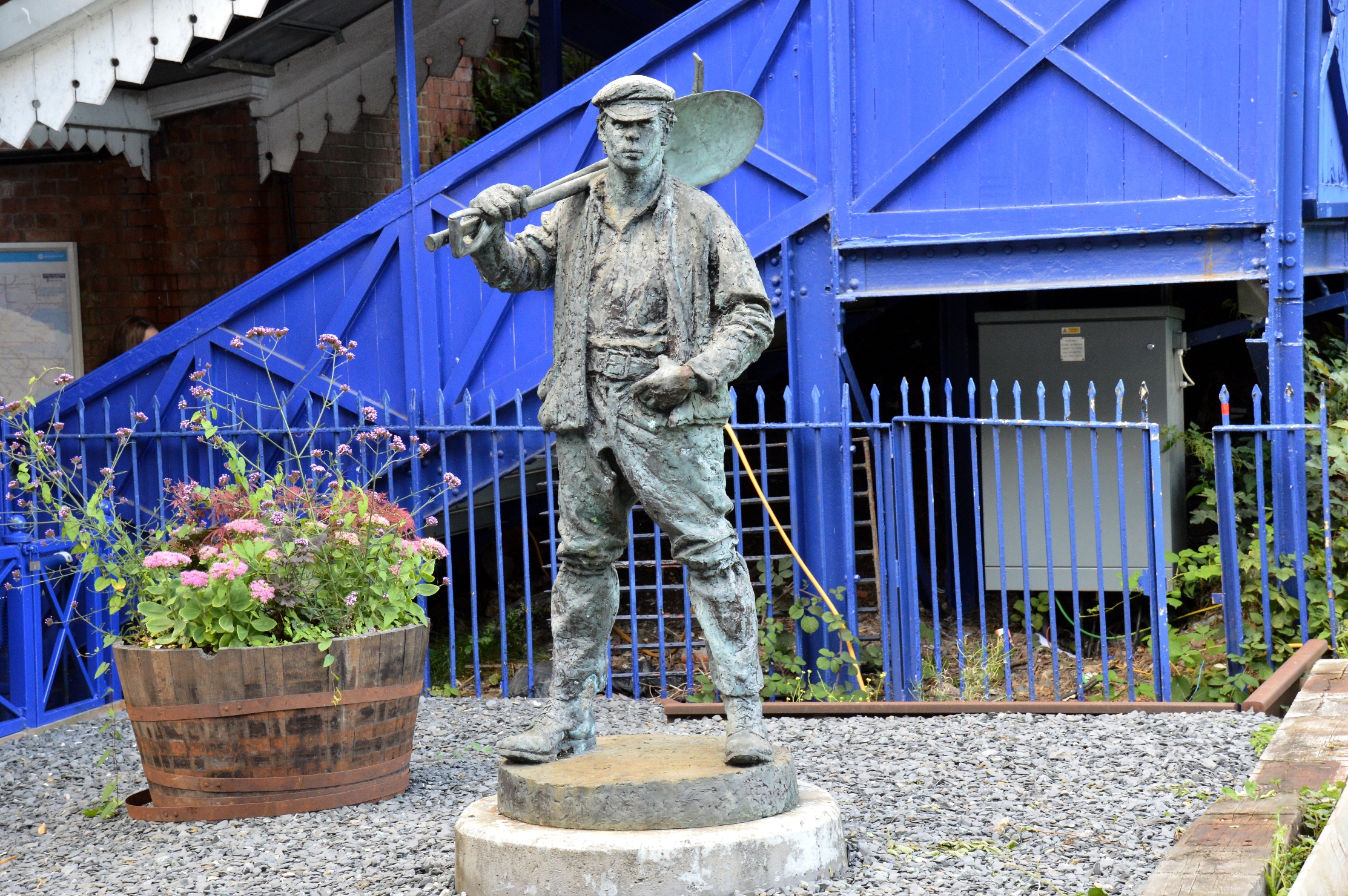
Many of the posts here, are to show the fabulous achievements of past builders, makers, artisans and artists. They gave us the world that we live in but very few are remembered by name. Here and there can be seen works that commemorate their efforts.
Above is “The Unknown Navvy” (navigator) by Anthony Stones which is currently at Gerrards Cross rail station just outside London.
Below is “The Building Worker” by Alan Wilson which can be found just north of the Tower of London beside the main road. Its plaque reads:-
“For the thousands of building workers who have lost their lives at work, we commemorate you”.
“For the thousands of building workers who are today building and rebuilding towns and cities across the United Kingdom, we celebrate you”.

St Martin in the Field

St Martin in the Field is right beside Trafalgar Square and is notable for its concerts. The lunchtime concerts are free and tickets for evening concerts can be booked in advance. The acoustics are truly remarkable and the choir I heard rehearsing were a real wonder. More here ⇒
You might notice the unusual window that appears to be distorted around the light fitting. That is its real shape. More about the window here ⇒ and listen to the choir below. 🙂
London Climate Rally Photographs 2015

They came and they came and there was easily more than 50,000. There were old-uns and young-uns , teenies and tweenies. I hadn’t seen so many join together for a long time and it was inspiring and heart warming.
One People, one Planet and one Purpose.
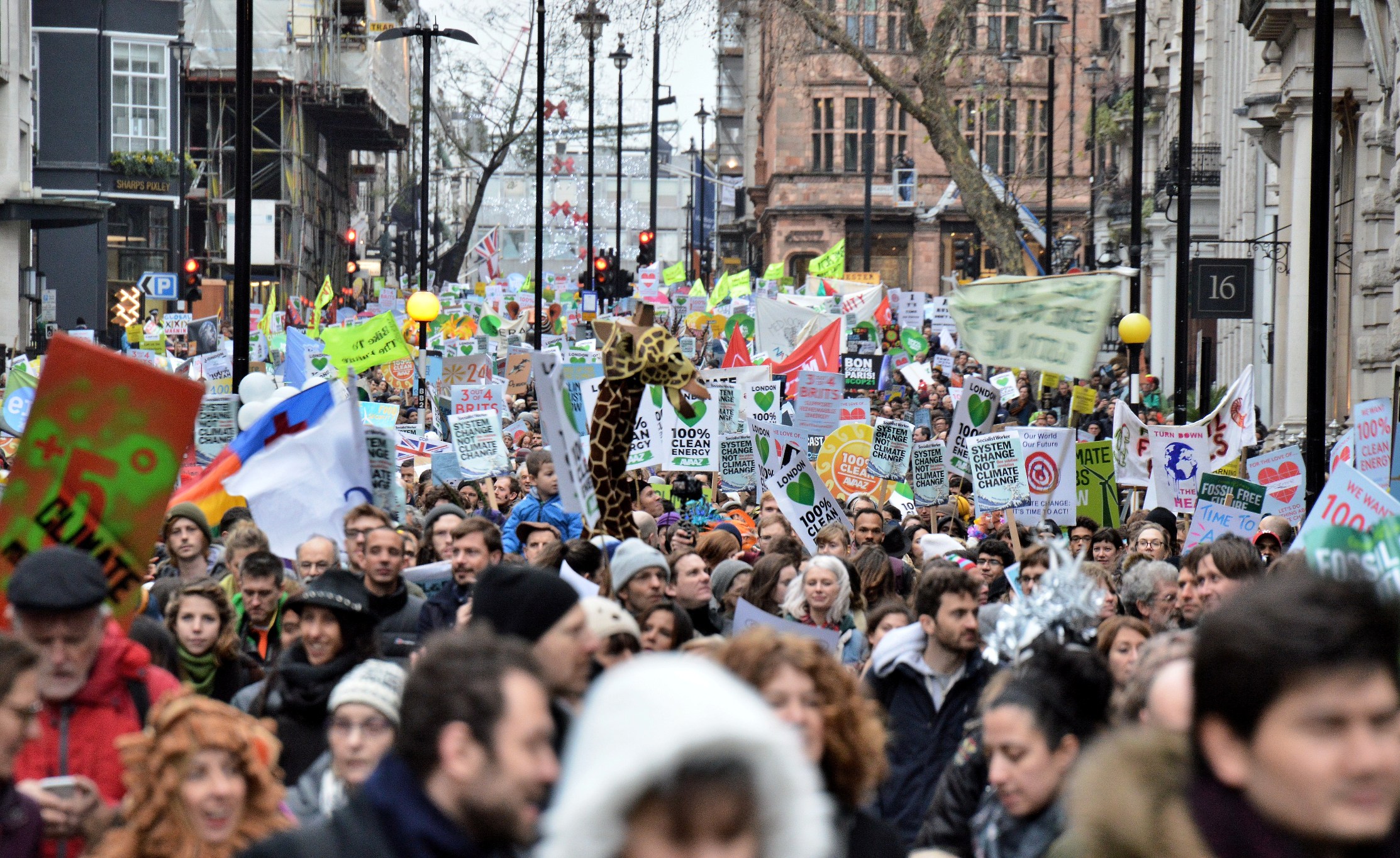 And every now and then a roar would arise and it would travel along the rally like a Mexican wave.
 And they sang.
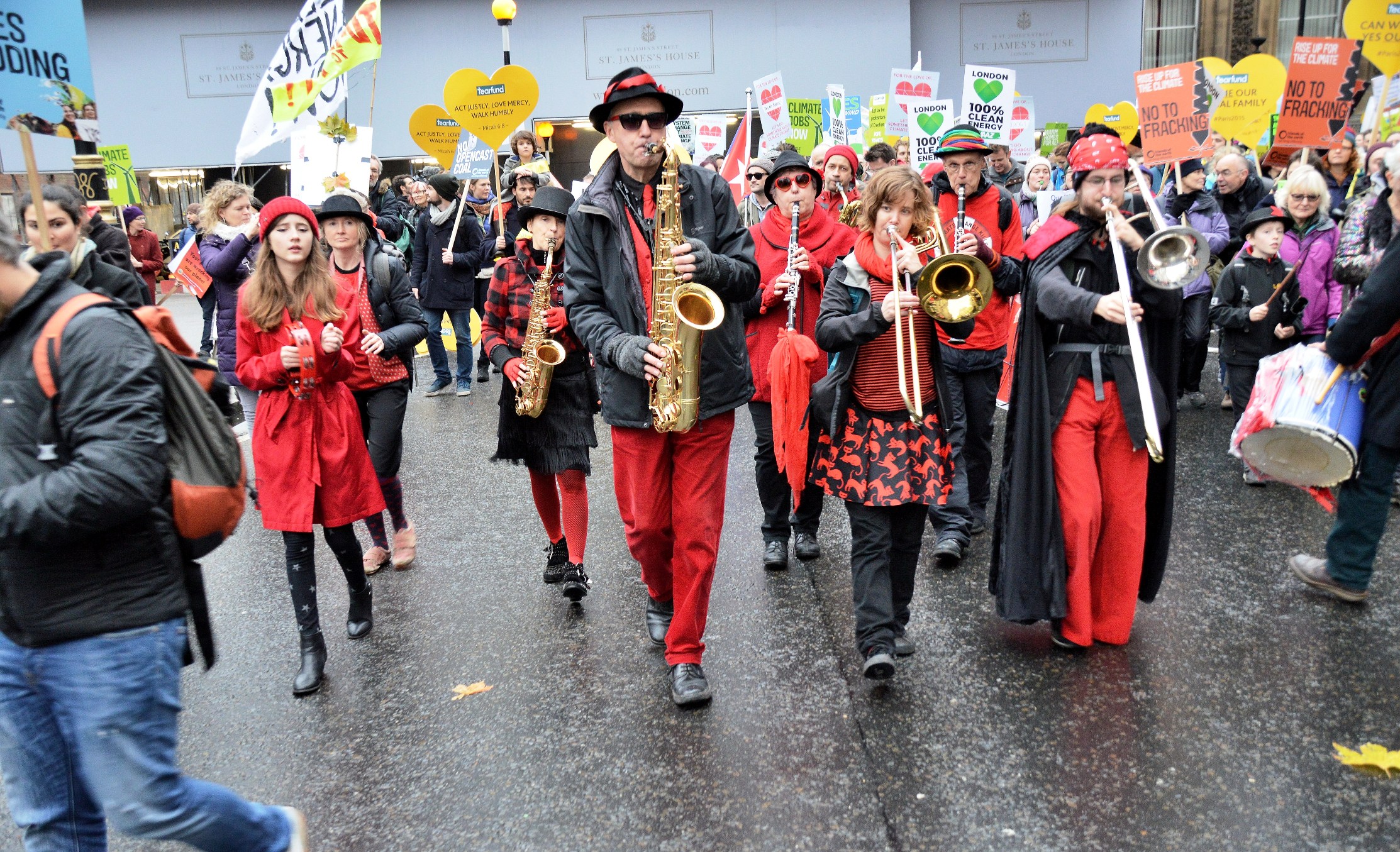 And they rocked.
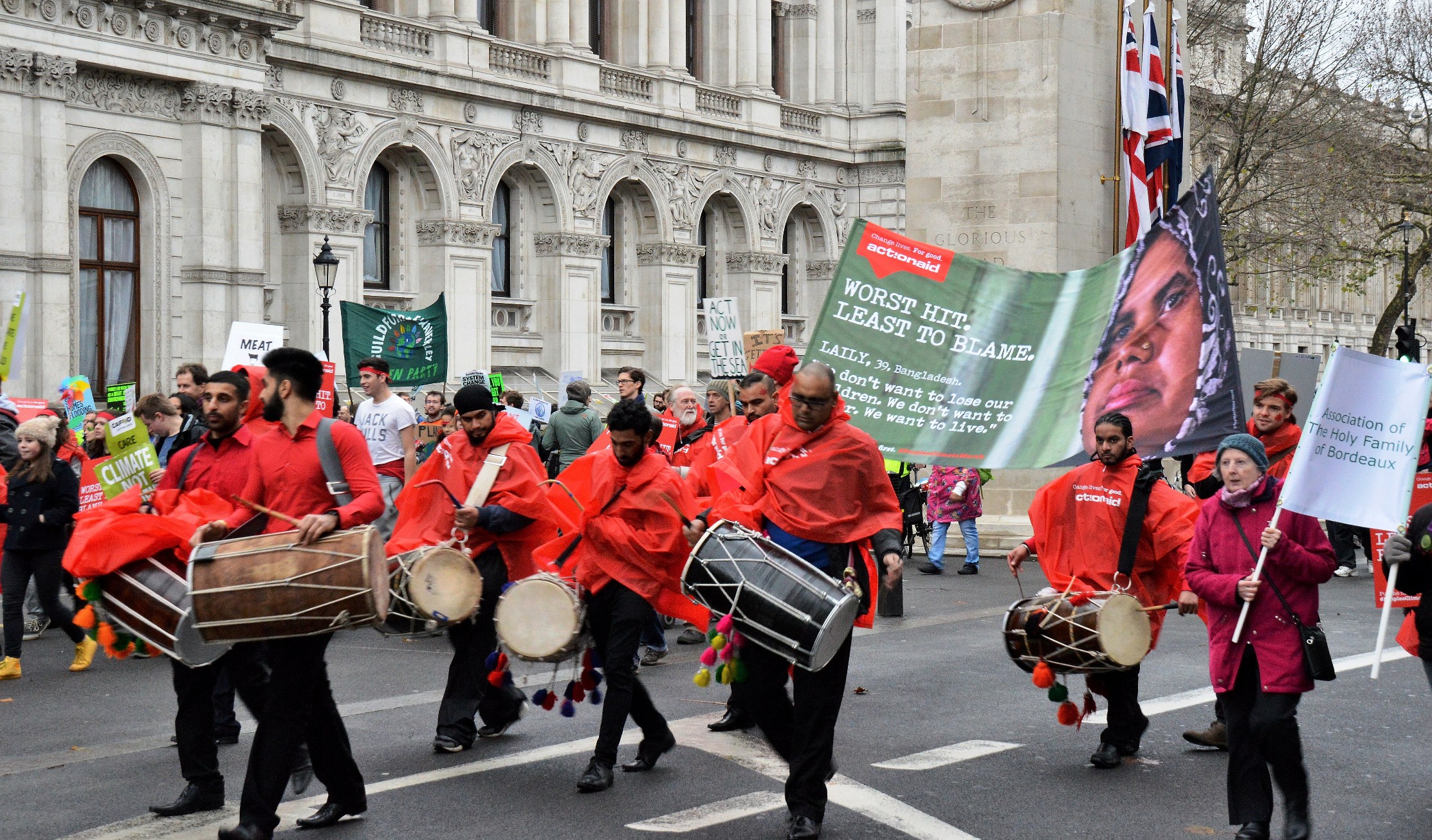 And they drummed.
 And they danced.
 And Towser (has to be a Towser) thought it was mellifluous.
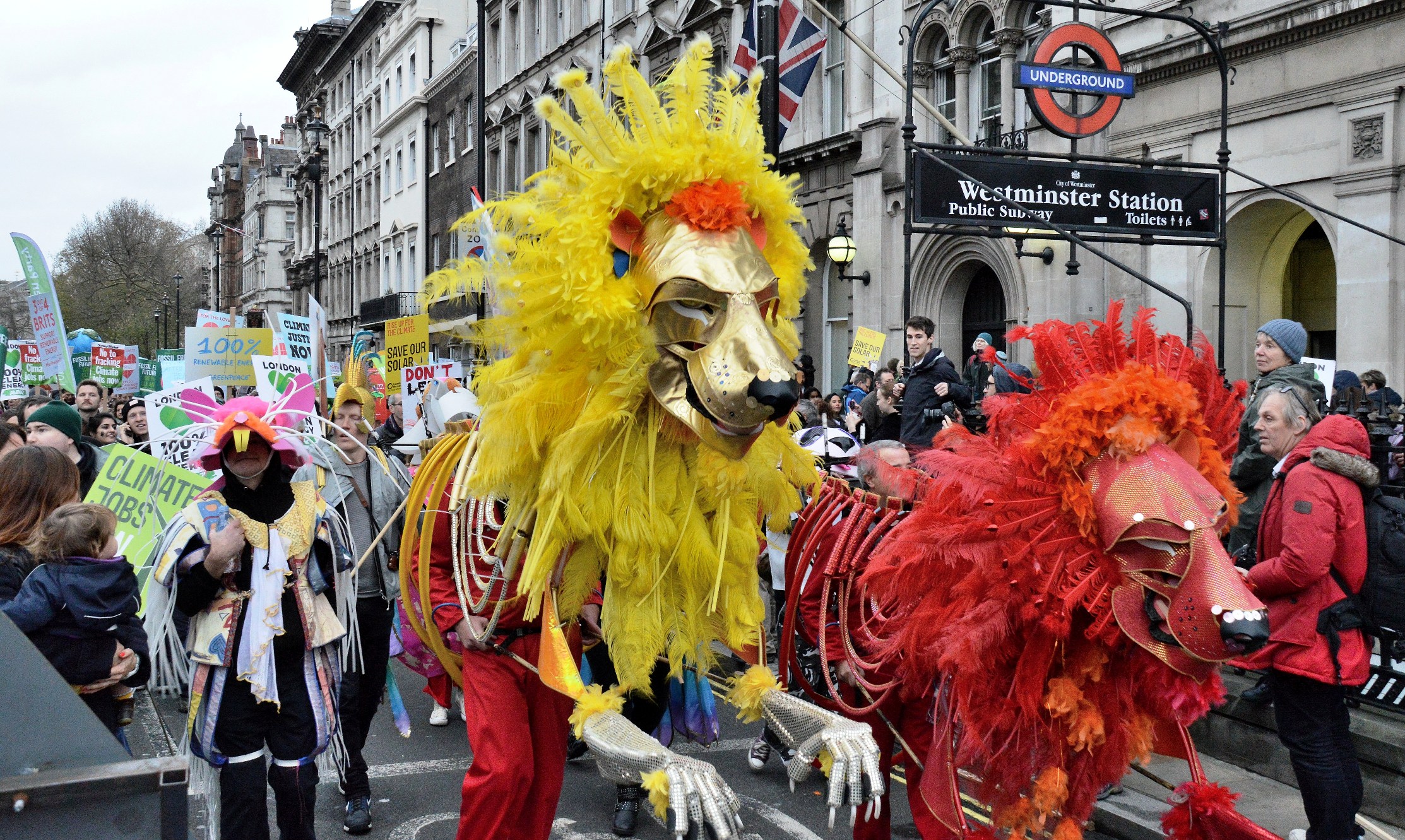 And they wore costumes.
 And they brightened the day.
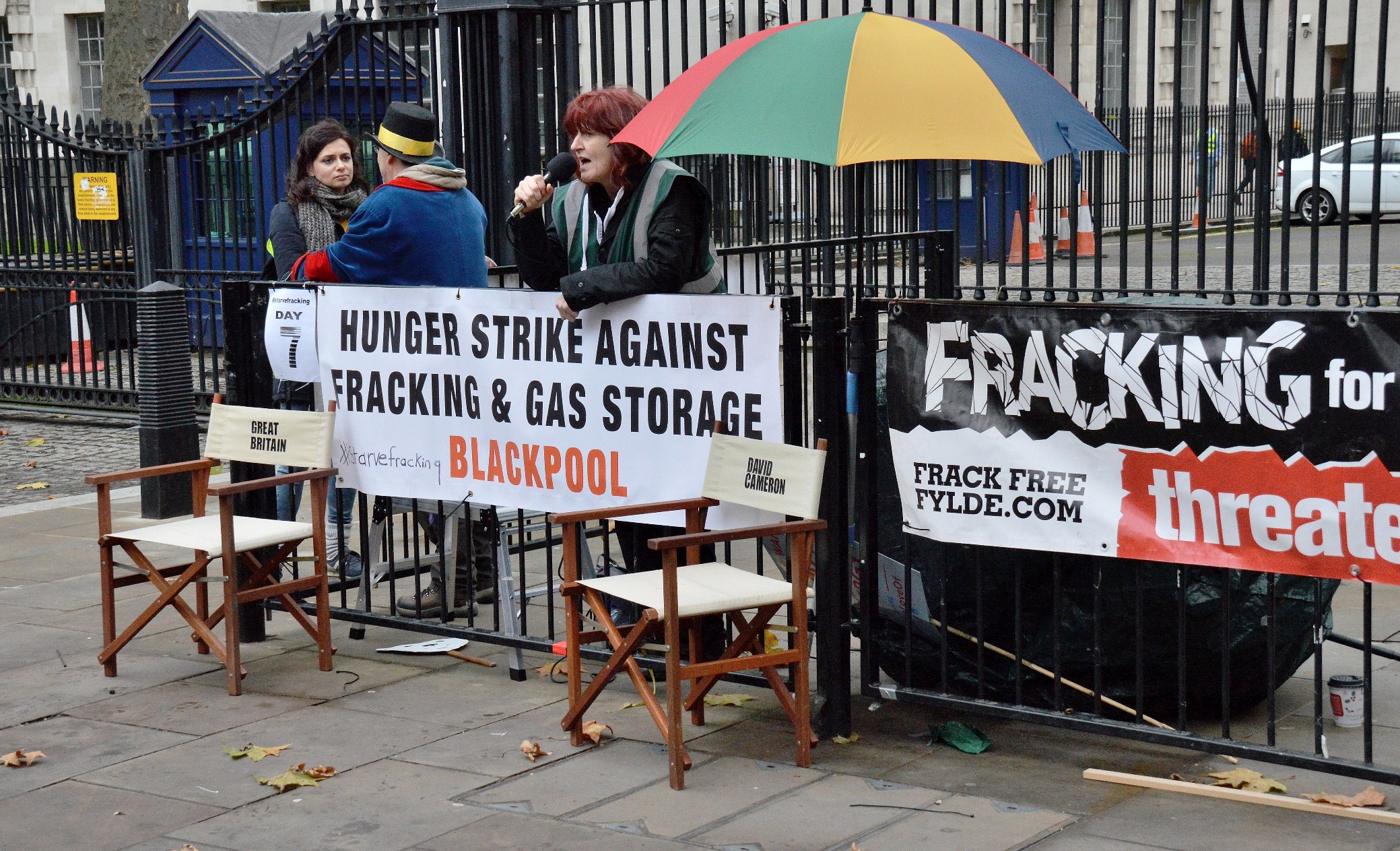 And they were serious.
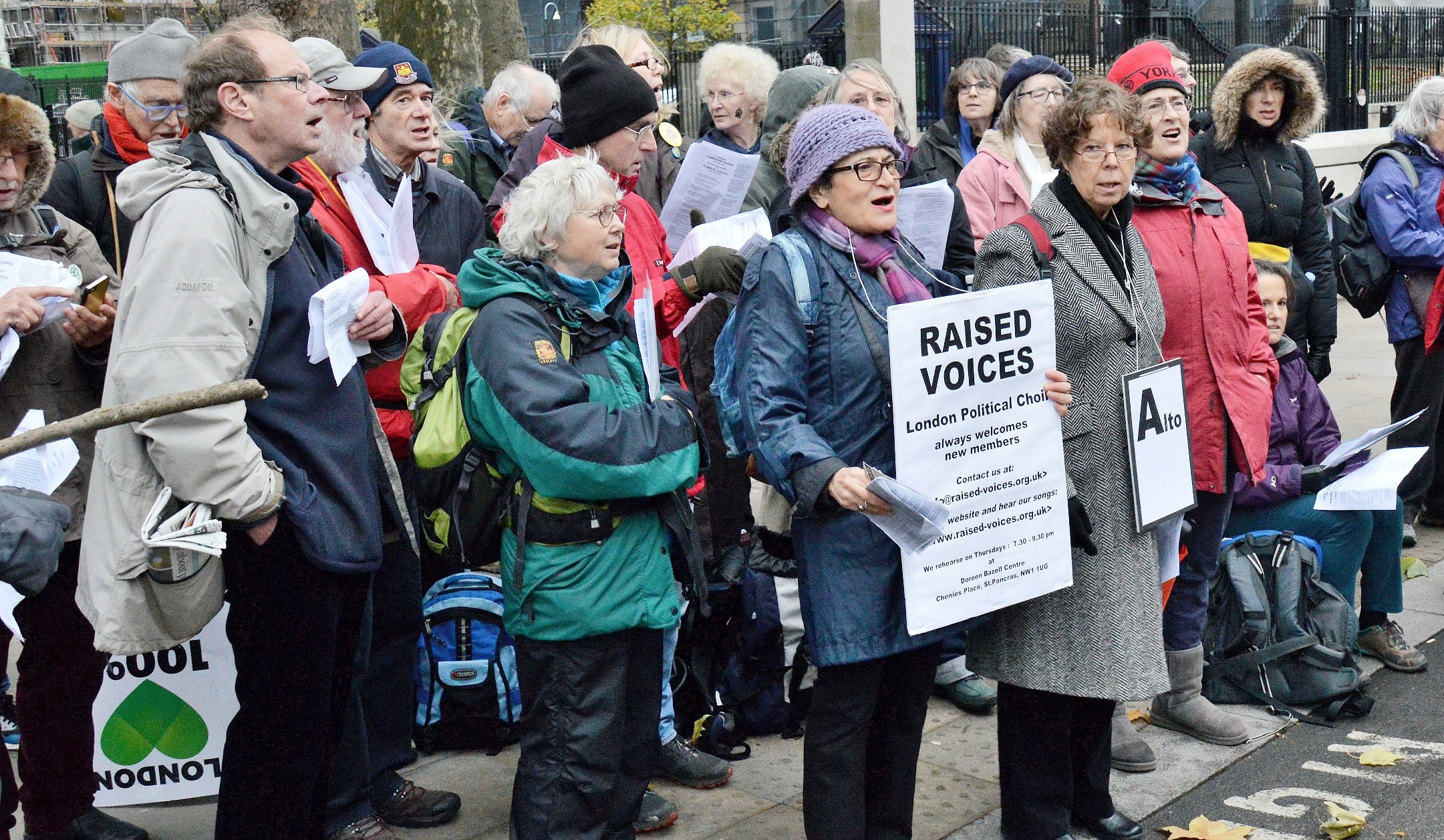 Every one of them. And, every day there are more.
With thanks to The Campaign Against Climate Change, Avaaz, 350.org, Change,org and everybody who made this happen right across the world.
Climate Rally Near You – Sunday Nov 29th 2015
 Events took place as scheduled and here are Photographs of the London Rally.
Original Post
It looks as if the mass Climate Rally in Paris will be impossible due to continued security issues. It is all the more important that people attend local rallies and show the world governments of our concern prior to the Paris conference. You can find an event near you, using the link below. Please pass this on:-
Find a Climate Rally Near You:- http://globalclimatemarch.org/en/
The Paris conference may be the last chance to effect change whilst we can.
Our views do count. Trends create political and business plans. These plans determine the future.
Therefore another useful endeavour, that also shows a trend, is the use of your consumer power. Eventually consumer power is likely to have the greatest beneficial effect. An initial guide to switching energy suppliers or tariff can be found here (UK, USA, Australia, Canada).
Good luck with all your endeavours to protect this amazing planet. 🙂

 Freed From Time