A Photographers & Visitors Guide & Timeless Stories

Latest

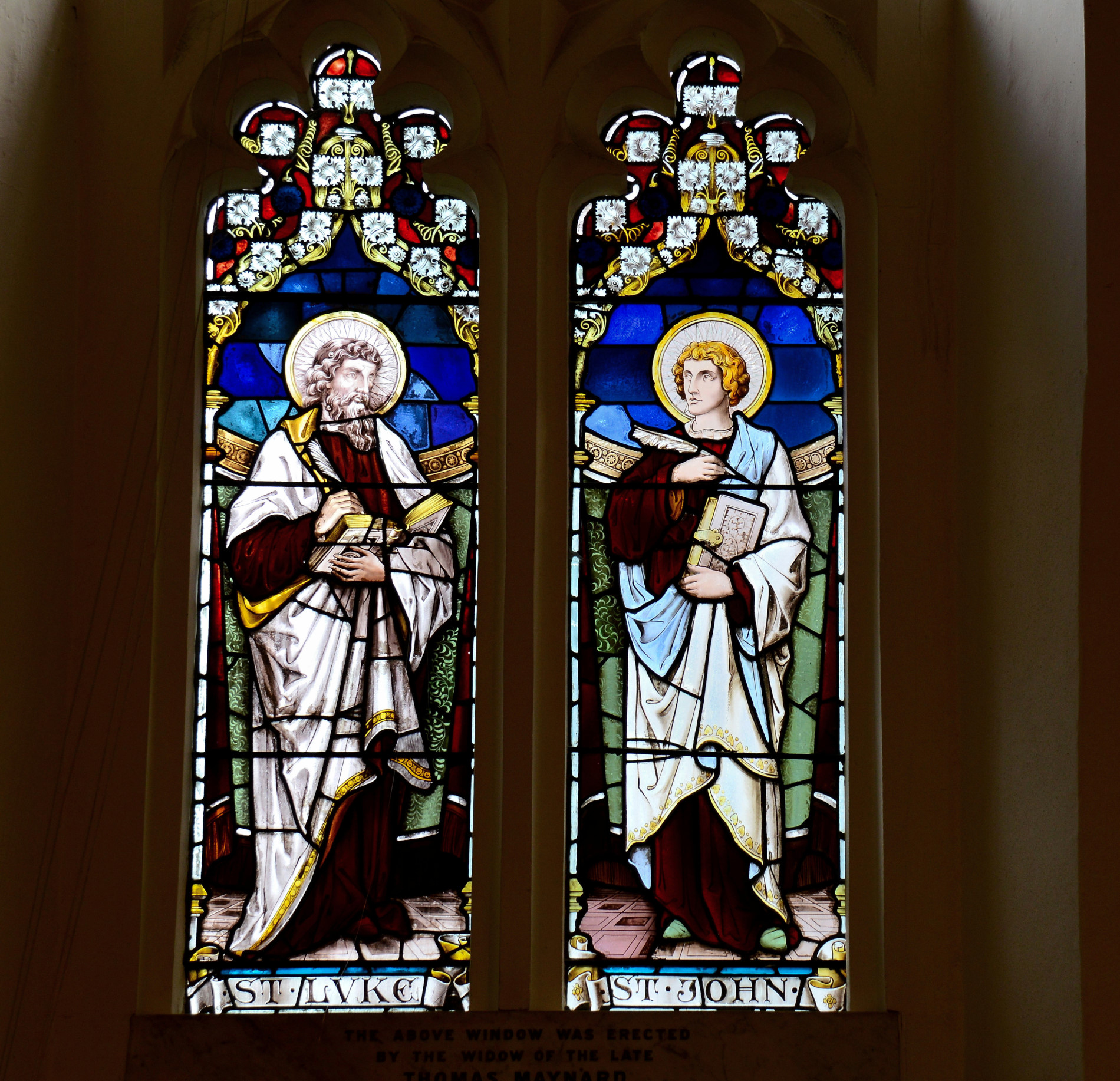
Stained Glass and A Quaint Corner in Walthamstow

Not far from here is Walthamstow Street Market ⇒ which dates from 1885 and is the longest street market in Europe. Also in Walthamsow is the William Morris Gallery ⇐ and just behind that is beautiful Lloyd Park ⇐.


This spot is up St Marys Rd or by bus up Church Hill.  The sign post is rather whimsical as the only place open to the general public is the Vestry Museum and the church (for services and events).   There is of course a pub with a garden.  

Down the hill is Walthamstow.  Behind the tree is the Vestry House Museum (in another post).  To the right is one of the Alms Houses.

The Ancient House.  And, there’s that pub again.  Did I mention that it has a garden ?

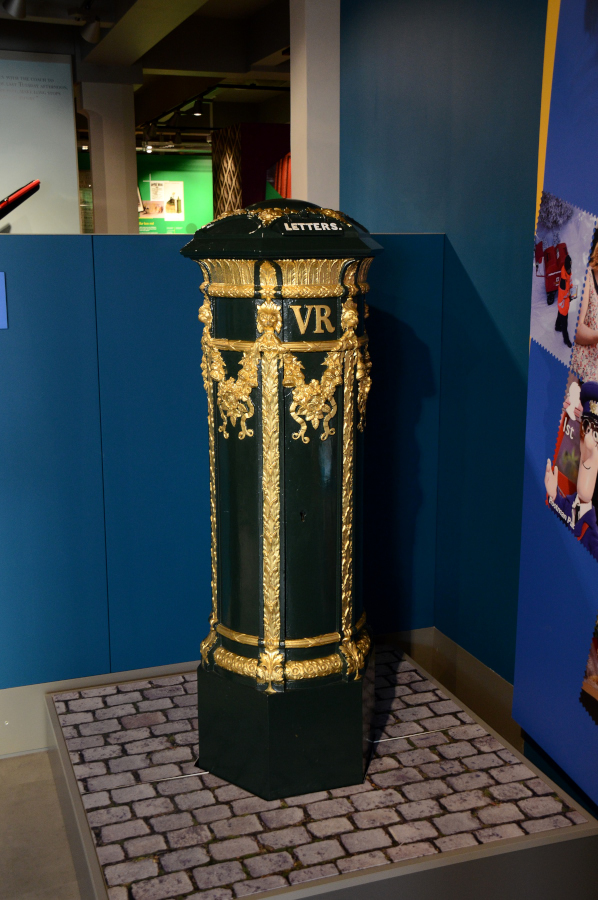
And a n ancient Pillar Box for post.

St Mary’s Church is open for services and a number of events.  I managed to sneak in while they were preparing for a concert.

The above can be expanded for reading. Click on the image and then again to expand.

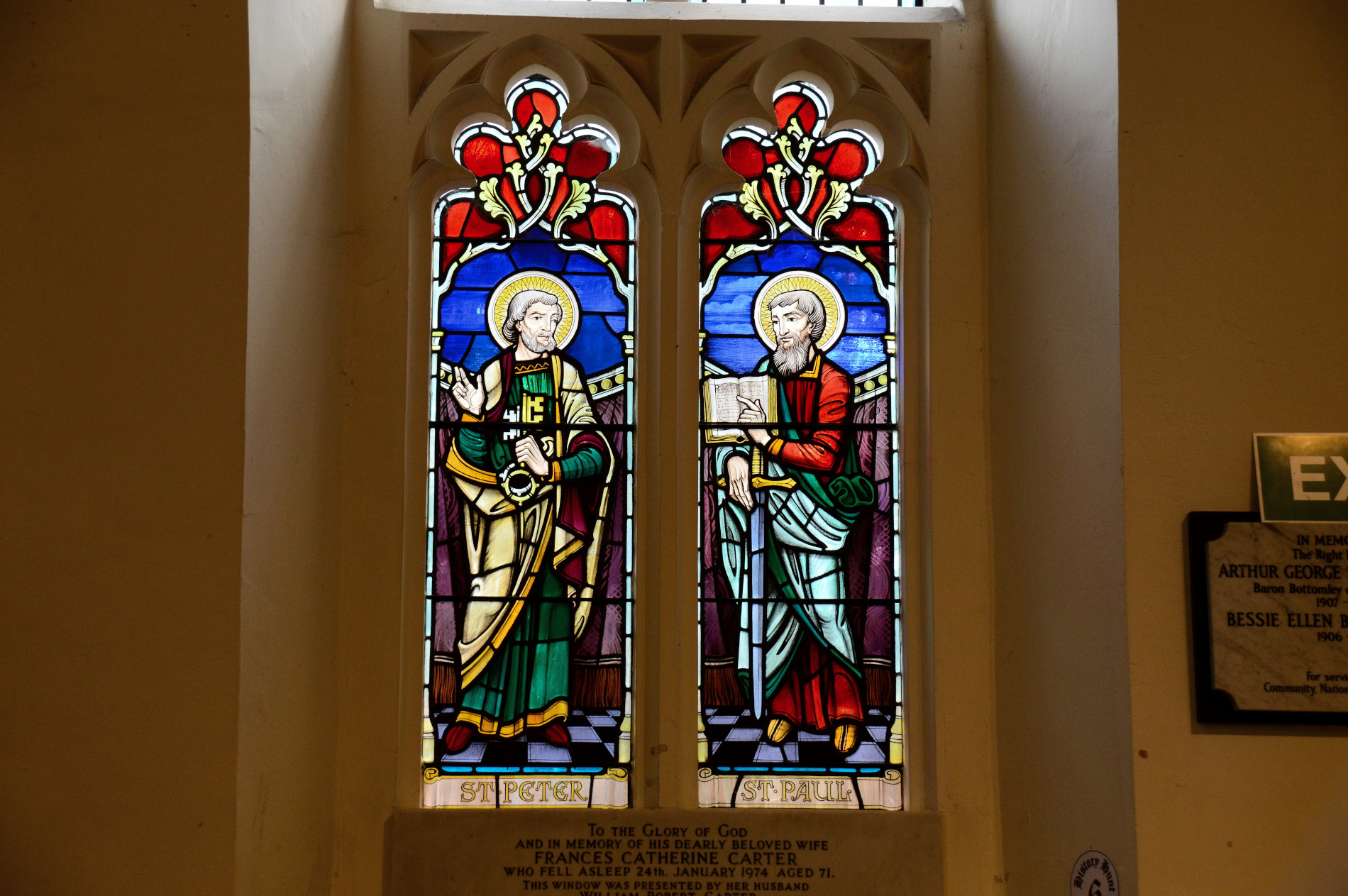
There wasn’t a lot of stained glass but it was of good quality.


So it’s goodbye from sunny (sometimes) Walthamstow

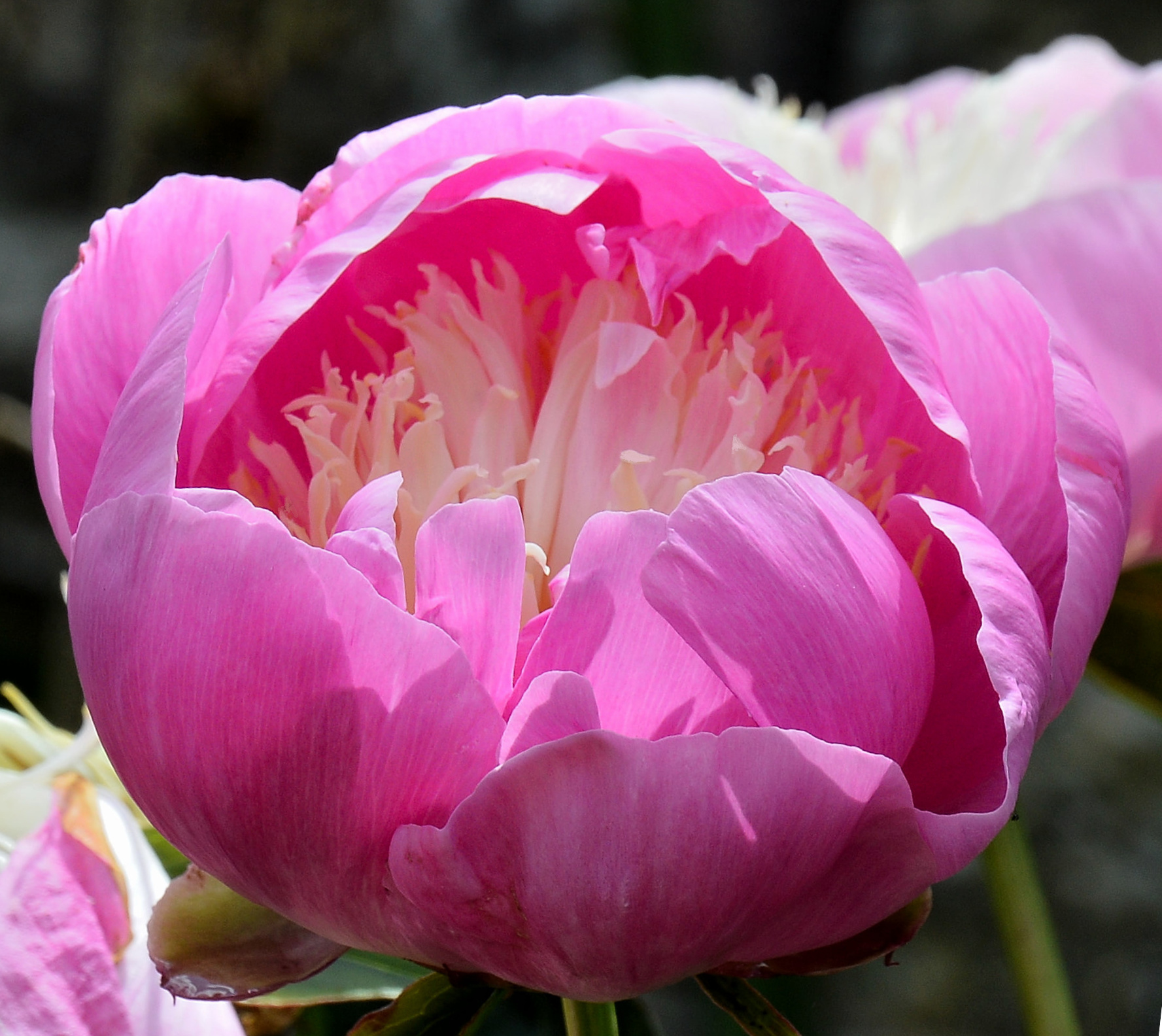
Brighten the Day 12 – Here Comes the Sun

Before we say goodbye to winter a little applause for the sparkles and glistens of frost and snow and yuletide festivities. 🙂

 – all three videos are worth seeing in HD at full screeen – with thanks to Lady Fi for making me think of Sugar Plum Fairies with her Frosty Views ⇒

And this version, by Lauren Cuthbertson, for the extraordinary elegance and precision . 🙂

And, then:-

A wash of colour

https://www.youtube.com/watch?v=bgiQD56eWDk


With spring there is the inevitable silliness (I insist upon it).  🙂

More Brighten the Day  ⇐

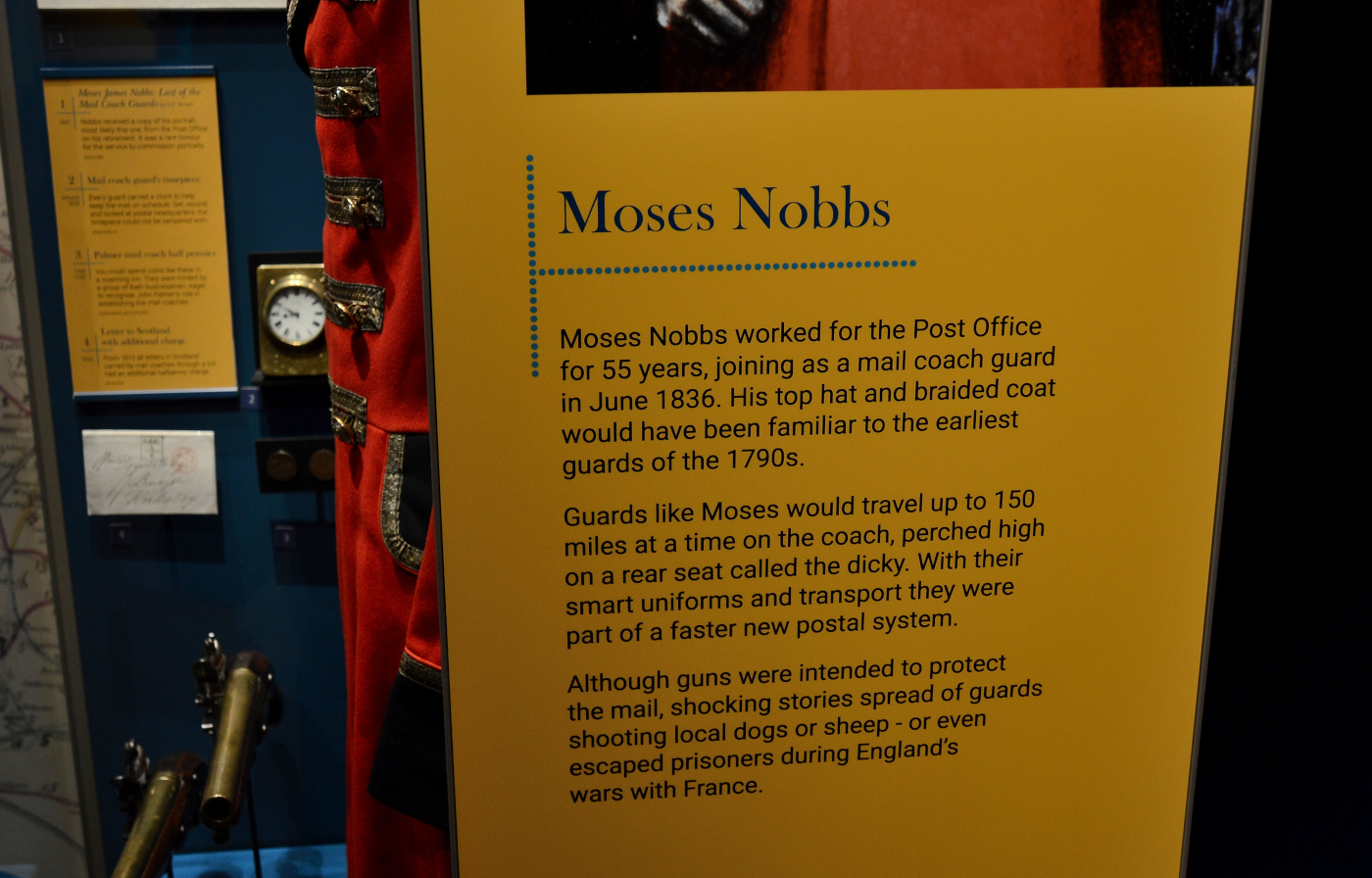
Postal Museum, London

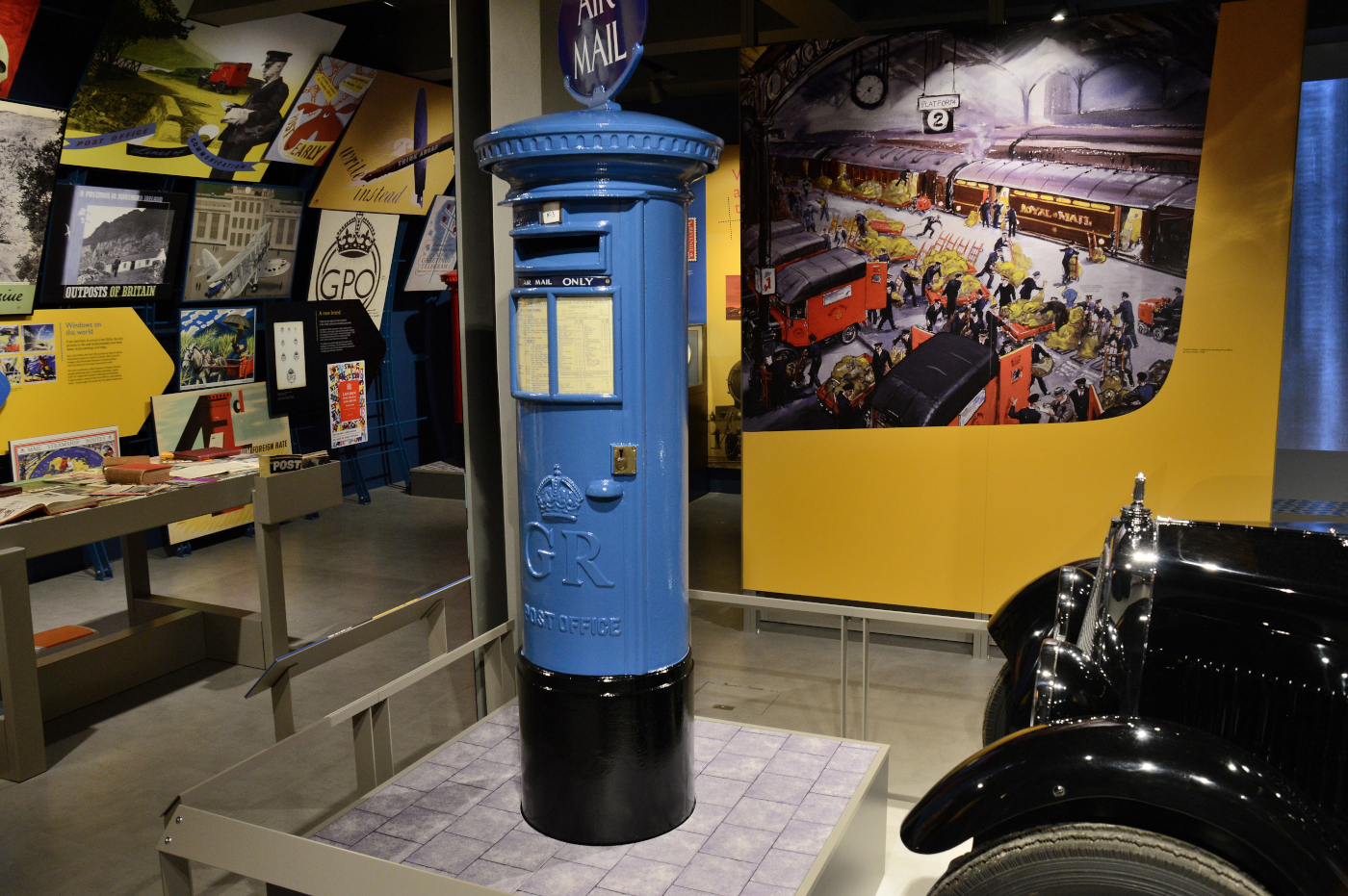
The Royal Mail was first introduced by Henry VIII in 1516 and then made available to the public in 1635.  Later it became part of the General Post Office (GPO) which included the telephone system.  The Royal Mail has been integral to Britain’s growth and maintenance since early times.  More information (prices and location) can be found on it’s website ⇒.

Since early times the mail had to be protected from thieves and pirates.


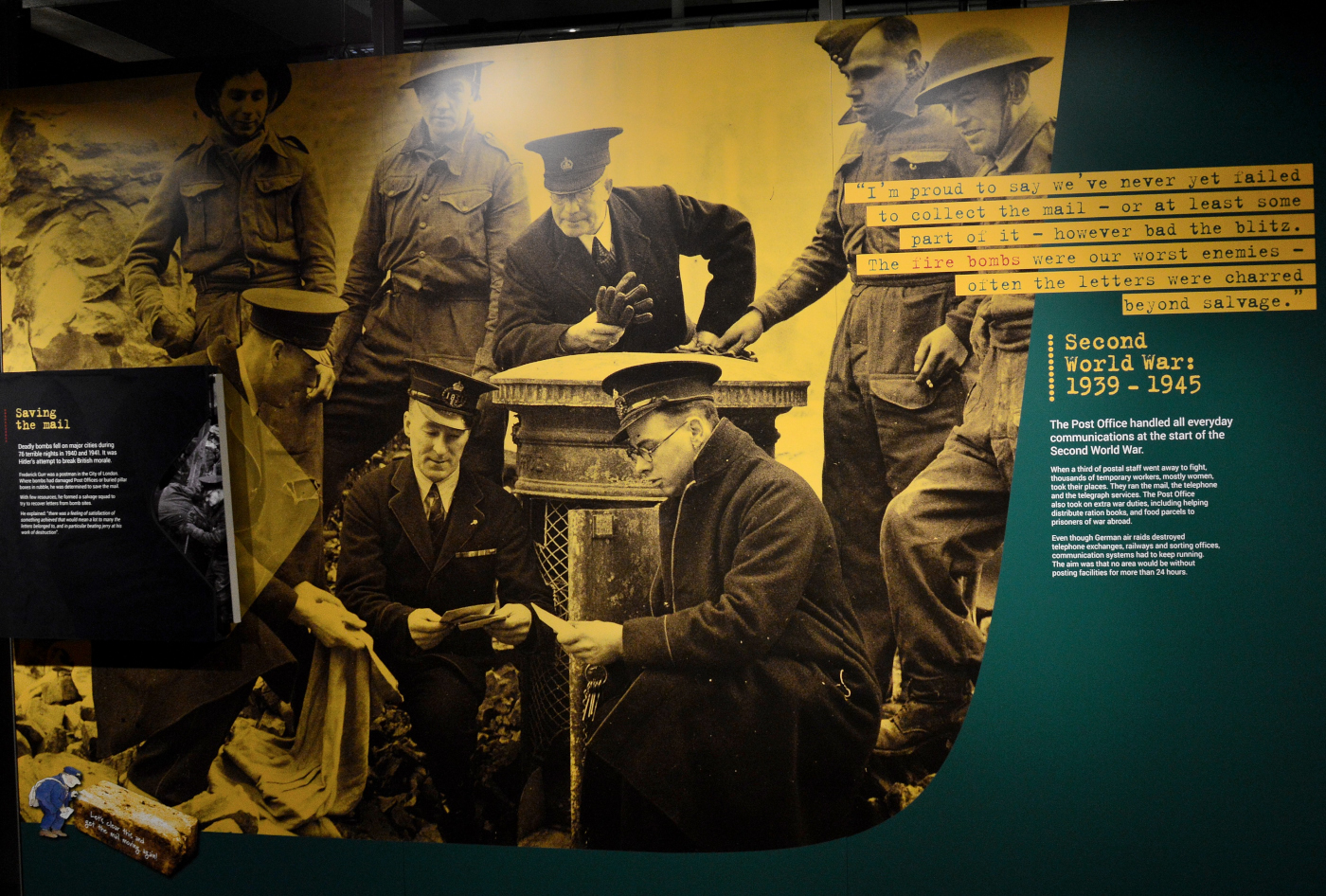
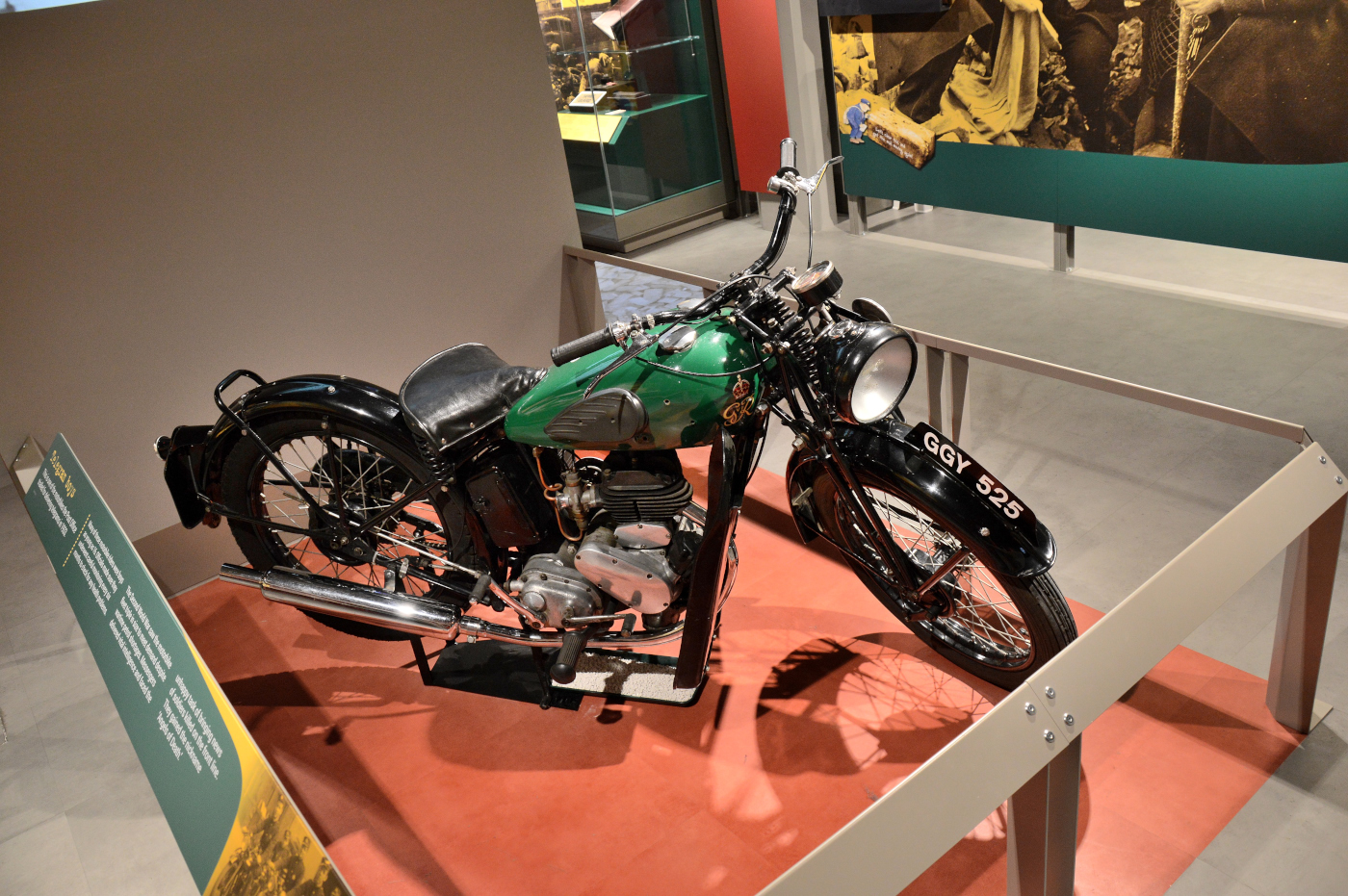
It continued through two world wars, delivering to military personnel as well as civilians


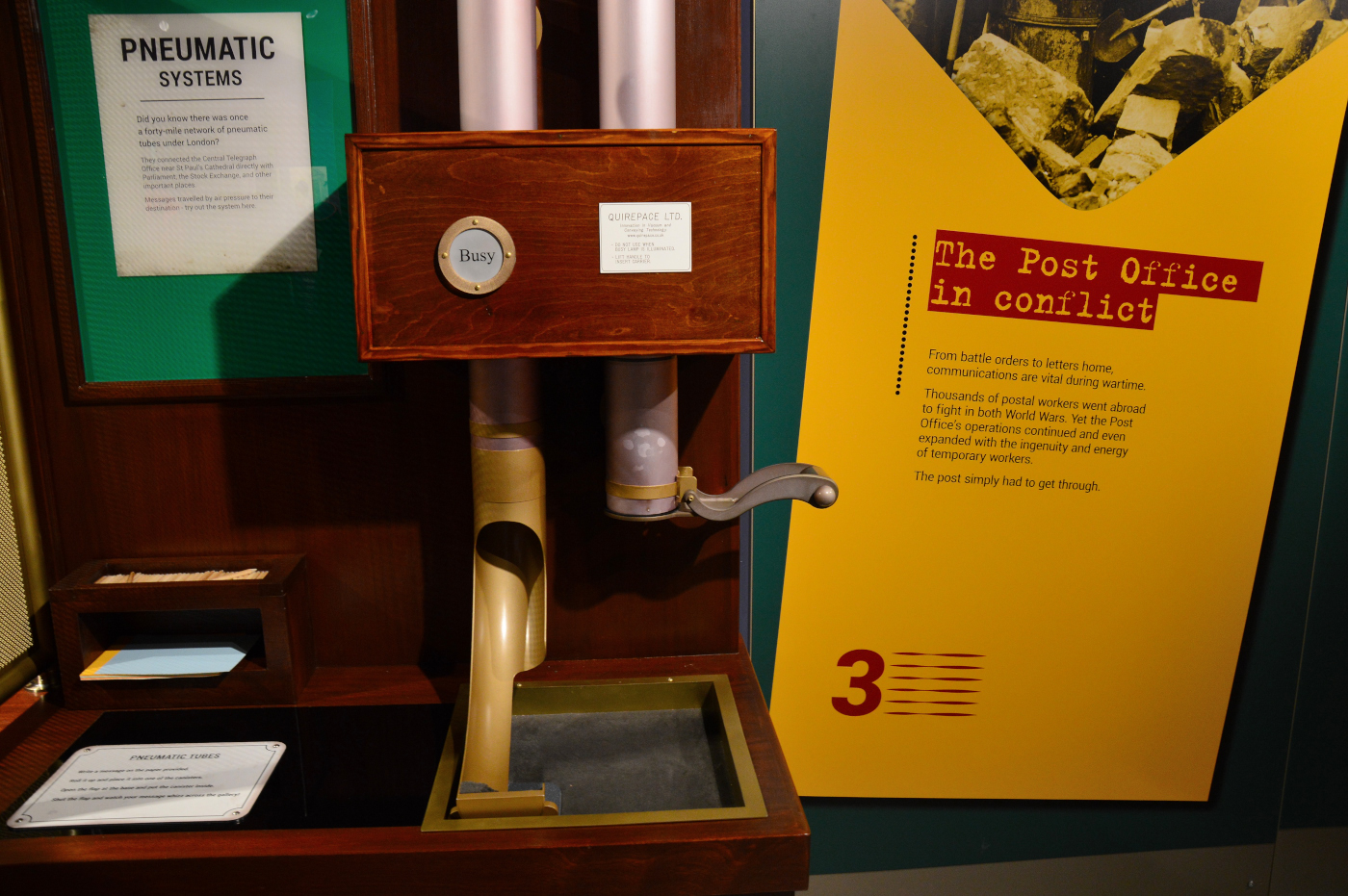
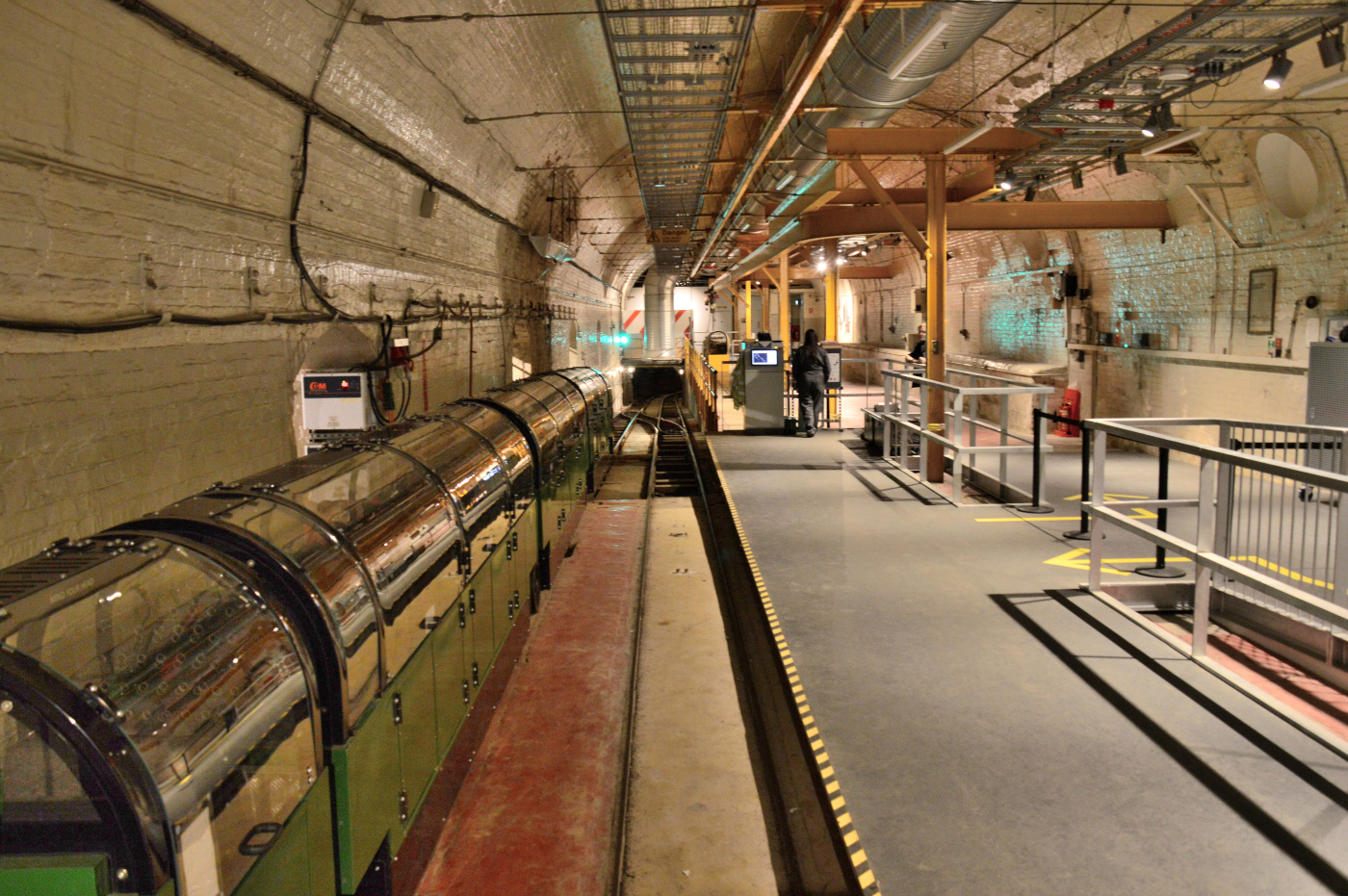
The Royal Mail introduced innovations like the pneumatic delivery system, where a cylinder was sent by compressed air along a tube.  The Royal Mail system had more than 40 miles of tubes beneath London.  And ~.


Just across the road and down the hill a little is the the old Royal Mail’s underground system, where you can have a pre-booked ride (please see the website link above).


Down that hole

And return pre-packed ready to mail home.  🙂


Harry Potter, Kings Cross Station and Platform 9 and 3/4

Inside Kings Cross one might find Harry Potter’s famous Platform 9 and 3/4

By heading for Platform 9  …..

.. and finding the shop ….

….. and then the Platform

You will have your photograph taken but only pay for if you want to buy at the shop.  You can have a friend take photographs without cost.   But, on busy days there is a queue.

There are tours of London film locations like this one ⇒ and the Warner Bros Harry Potter Film Studios ⇒  at 20 miles north-west of London.  You can also google for travel inclusive tours.  Have fun but watch out for those shop prices.

Lloyd Park, Walthamstow and a Mystery Tune

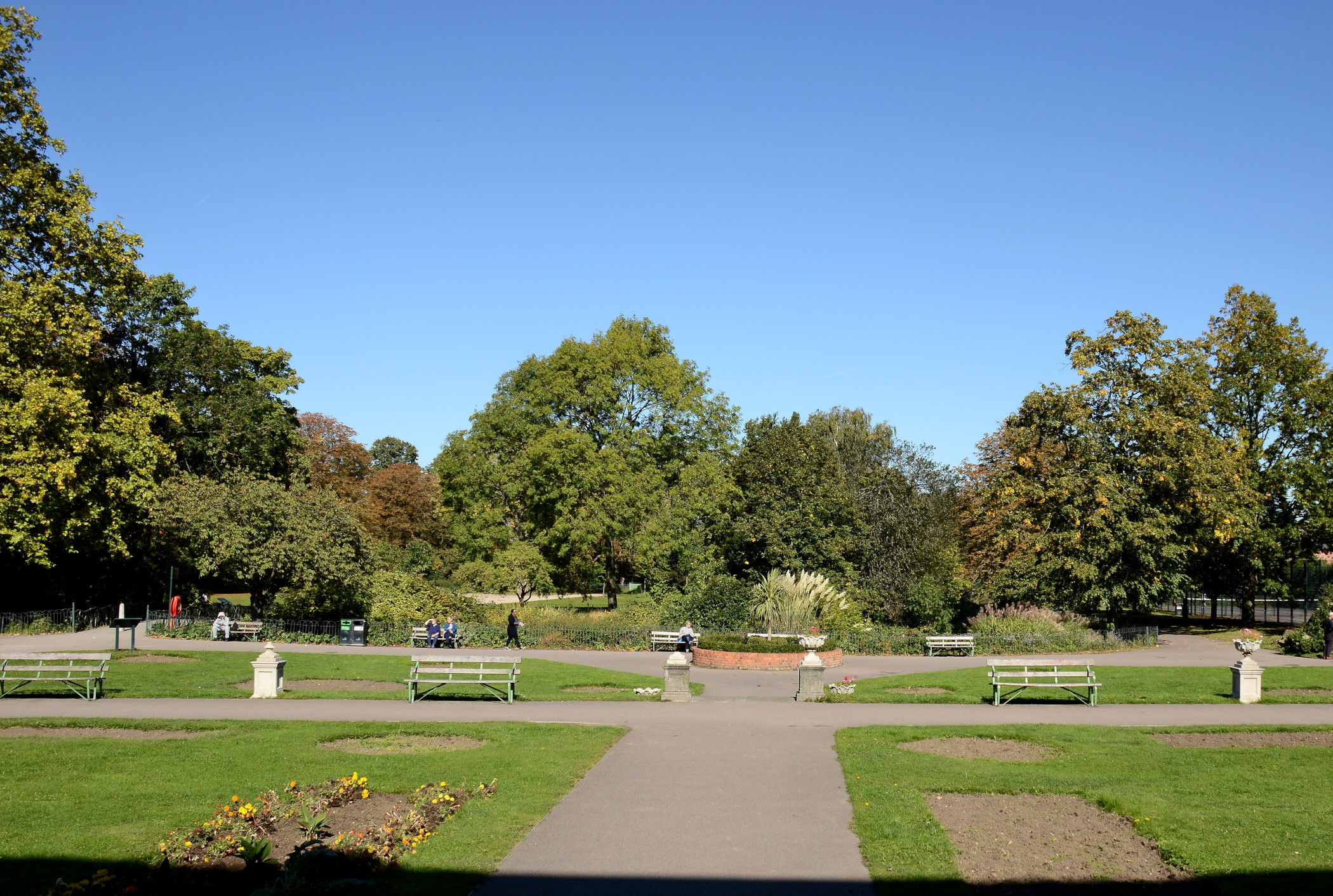
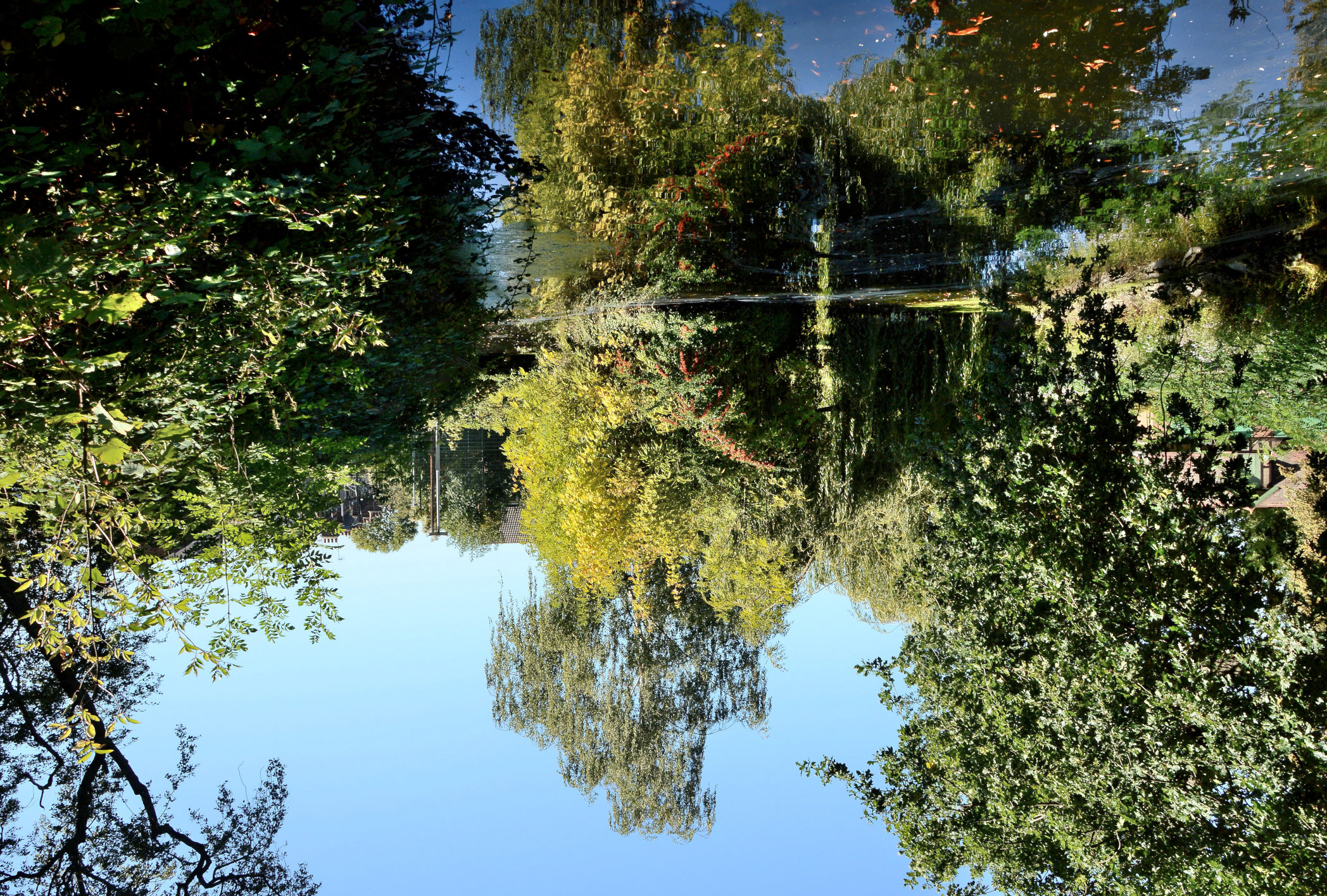
Lloyd Park is right behind the William Morris Gallery ⇐ which has a some outstanding exhibits.  Lloyd Park ⇒ has some pleasant lawns amongst trees and is surrounded by a very pretty moat.  Further down there is a quite beautiful mystery tune but I have no idea who created it.  First the moat.


At the far end is the Delice café and some more park with an art gallery (next time).  Meantime more of the moat.

Add a little whimsy and the mystery tune.

This tune has been passed around for years but nobody knows who created it or where it came from.  So, if anybody can identify it, I would be grateful.   Meantime it is beautiful, calming and very suited to the pictures.


And, back to reality, perhaps.  🙂

William Morris Gallery, Walthamstow

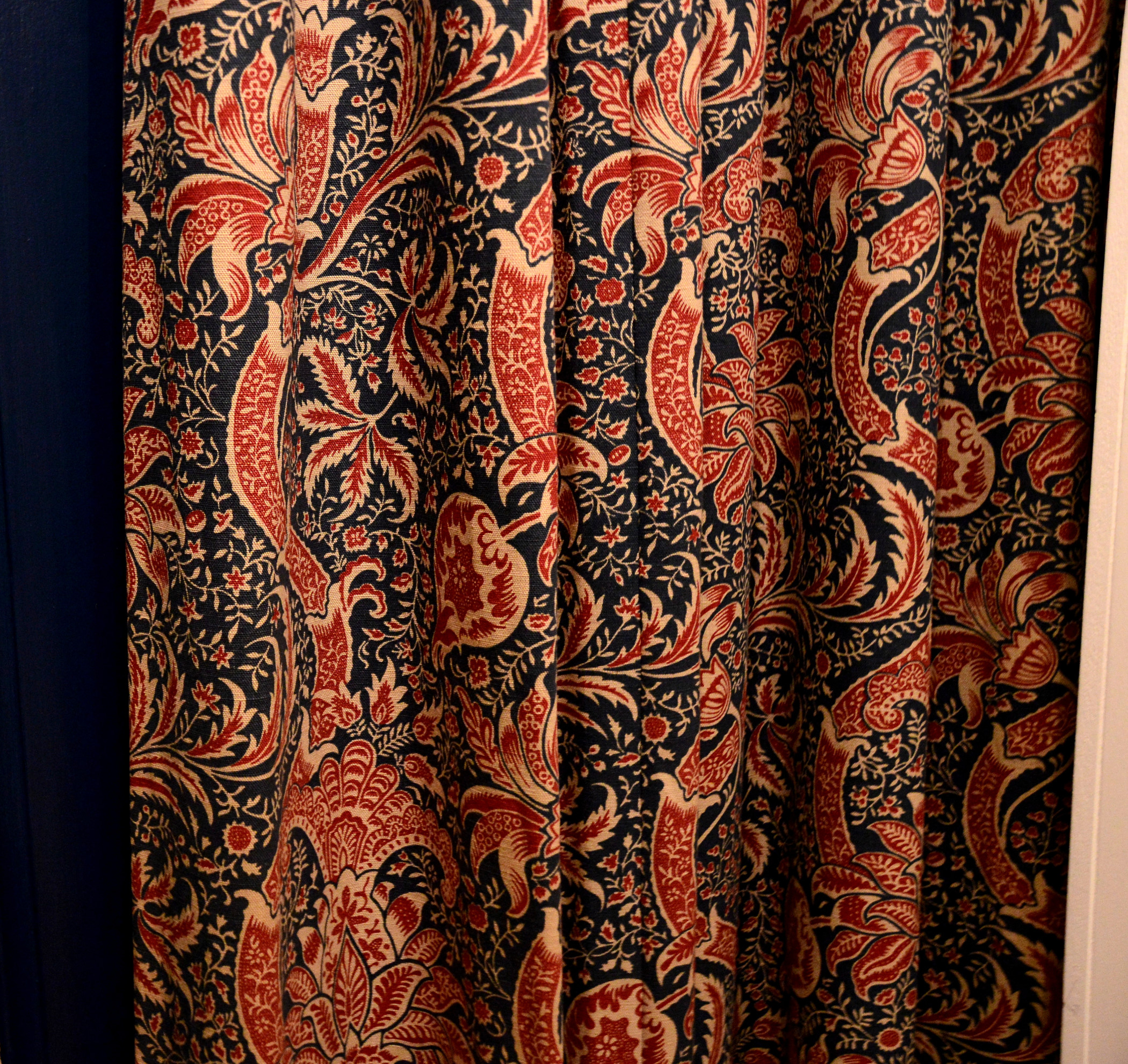
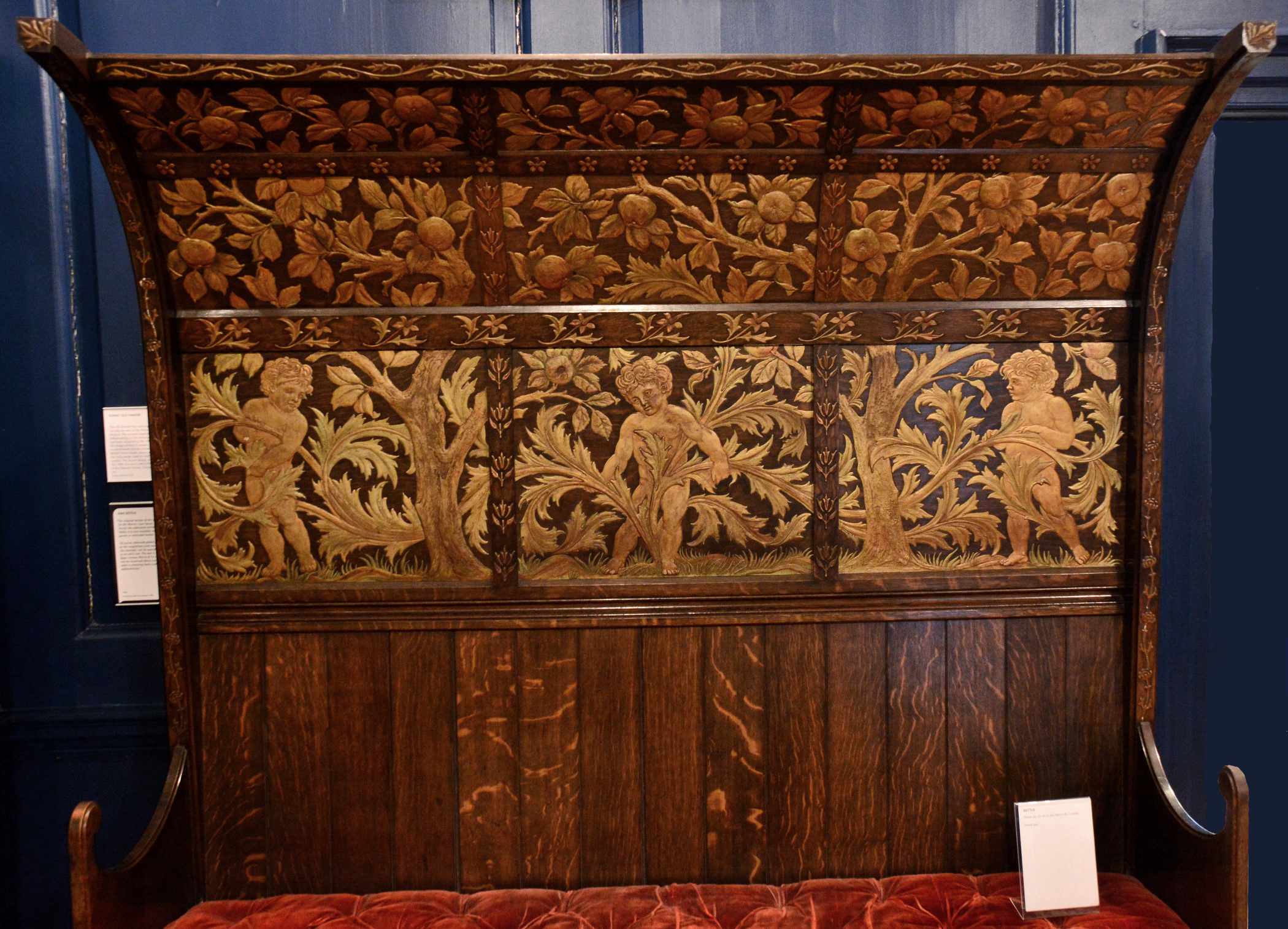
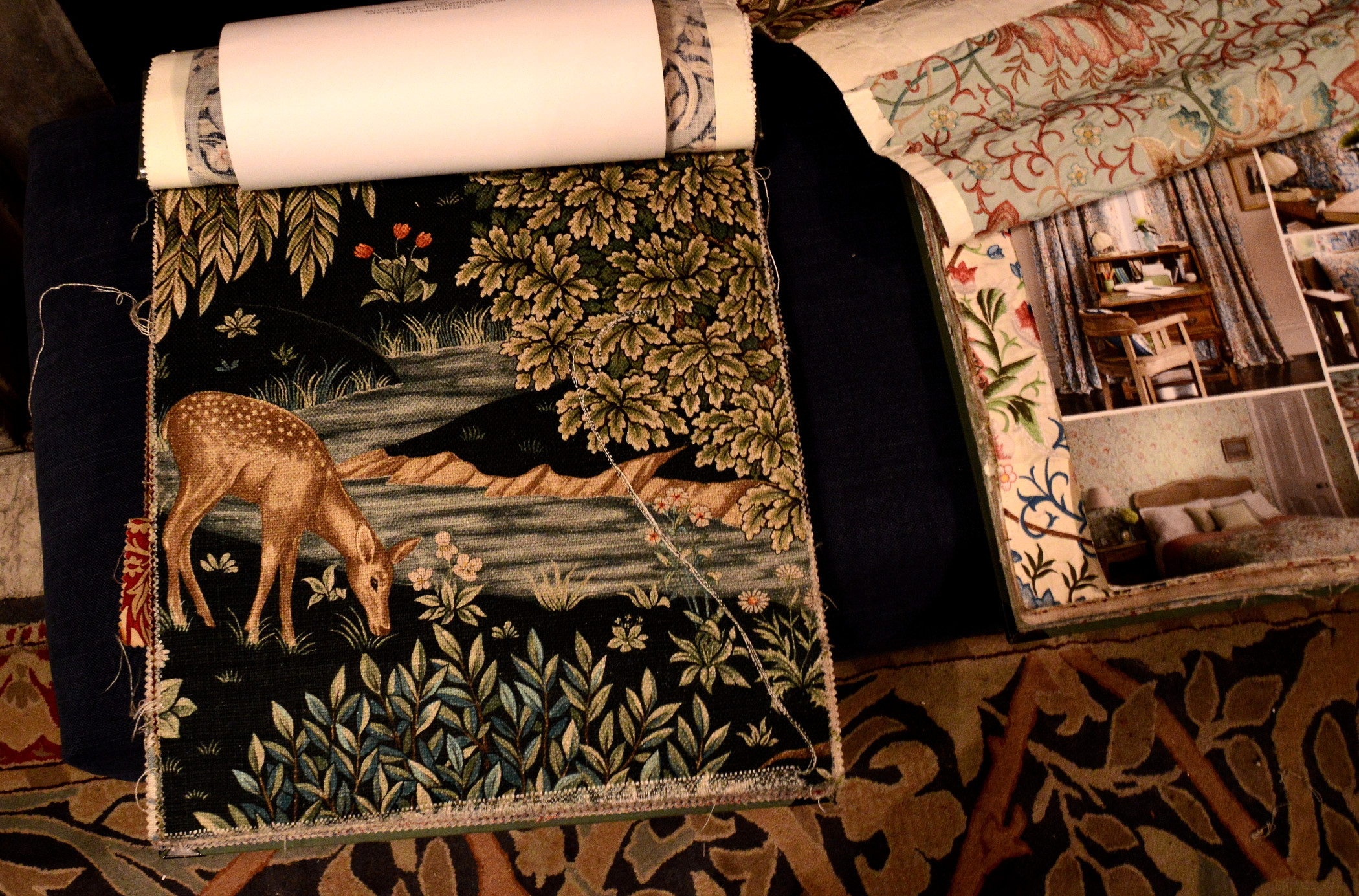
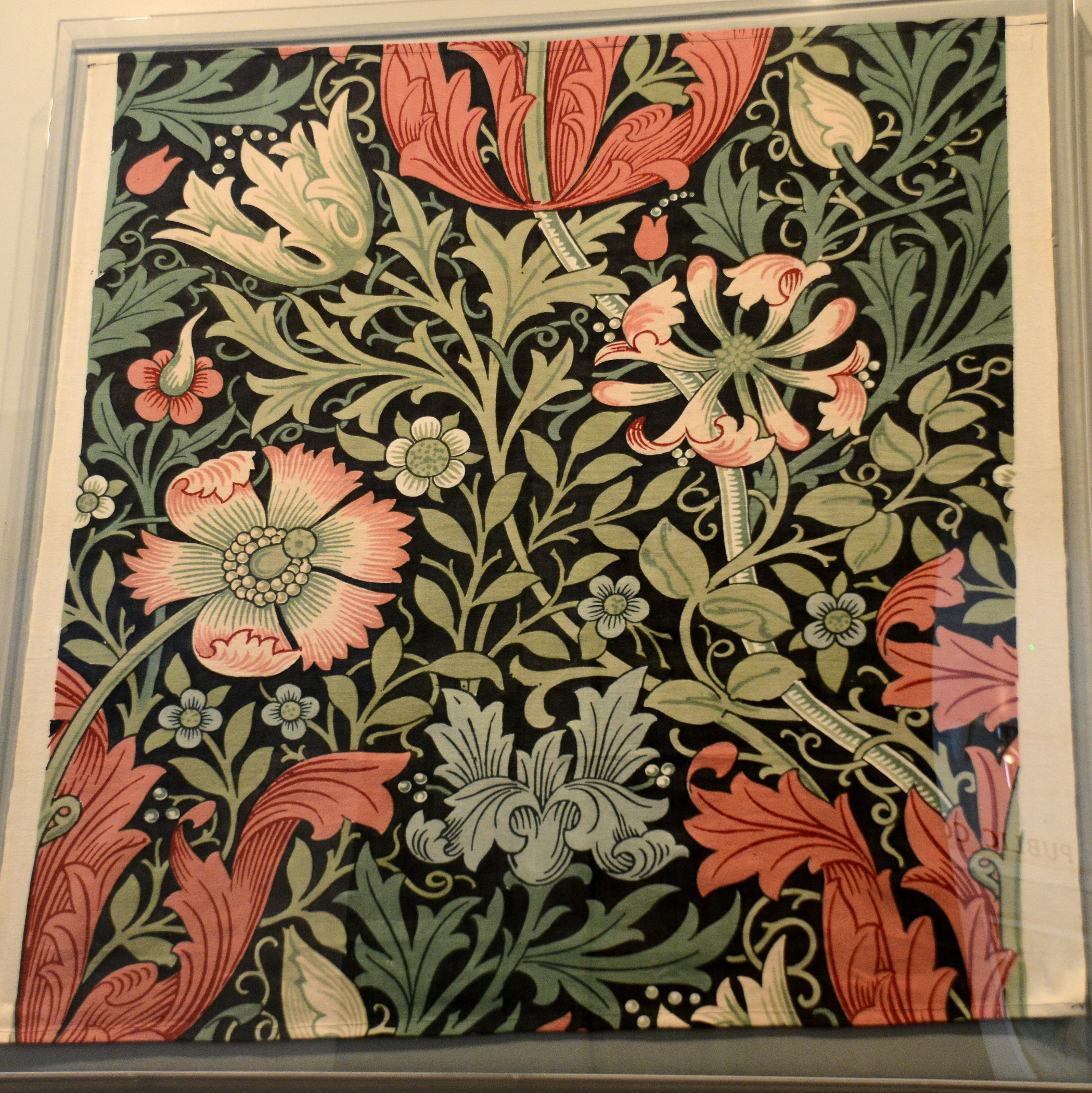
William Morris (1834 to 1896) ⇒ was a writer, illustrator, textile/wallpaper designer, a social activist and founder of the Kelmscott Press. He had a considerable influence upon design during and after the Victorian period and was a close associate of Rossetti, Webb, Ruskin and Burne-Jones.

The gallery is free to enter and contains additional works by Burne-Jones.  It is not a huge collection but there is a lot of educational material and some artifacts with a real wow factor.   In addition the gallery provides an online collection, exhibitions (Mary Morris from October 2017 to January 2018), workshops and masterclasses.  Please see the gallery website ⇒ .  The easiest way to get to the gallery is at the bottom of this page.

More of William Morris can be found at the Red House ⇐ in Bexleheath (south-east of London) where he founded the decorative arts company, Morris, Marshal & Faulkner & Co which included wives and other family members.


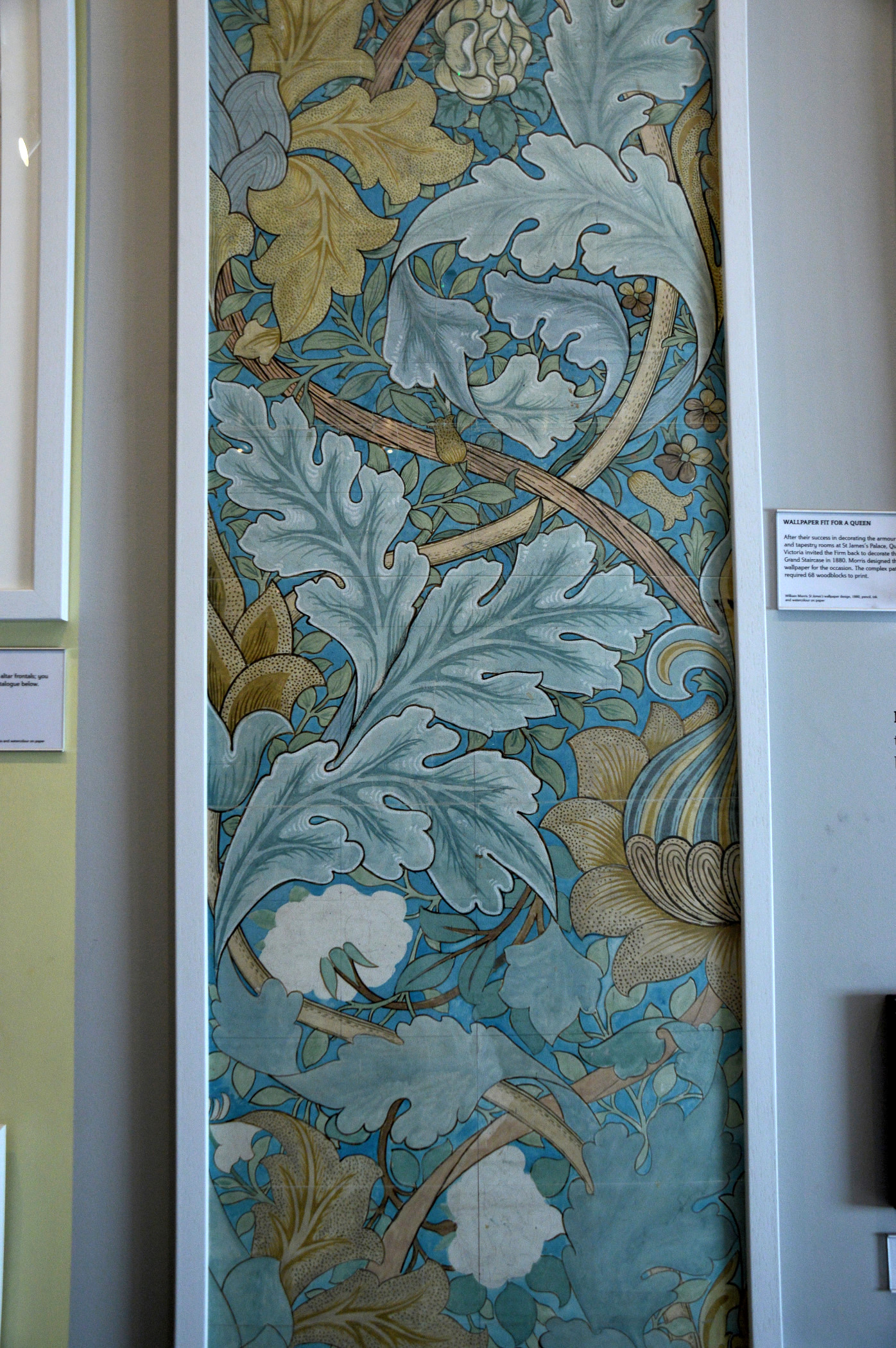
The above wallpaper was for Queen Victoria and required 66 separate woodcuts (that’s how it was done) for each section.

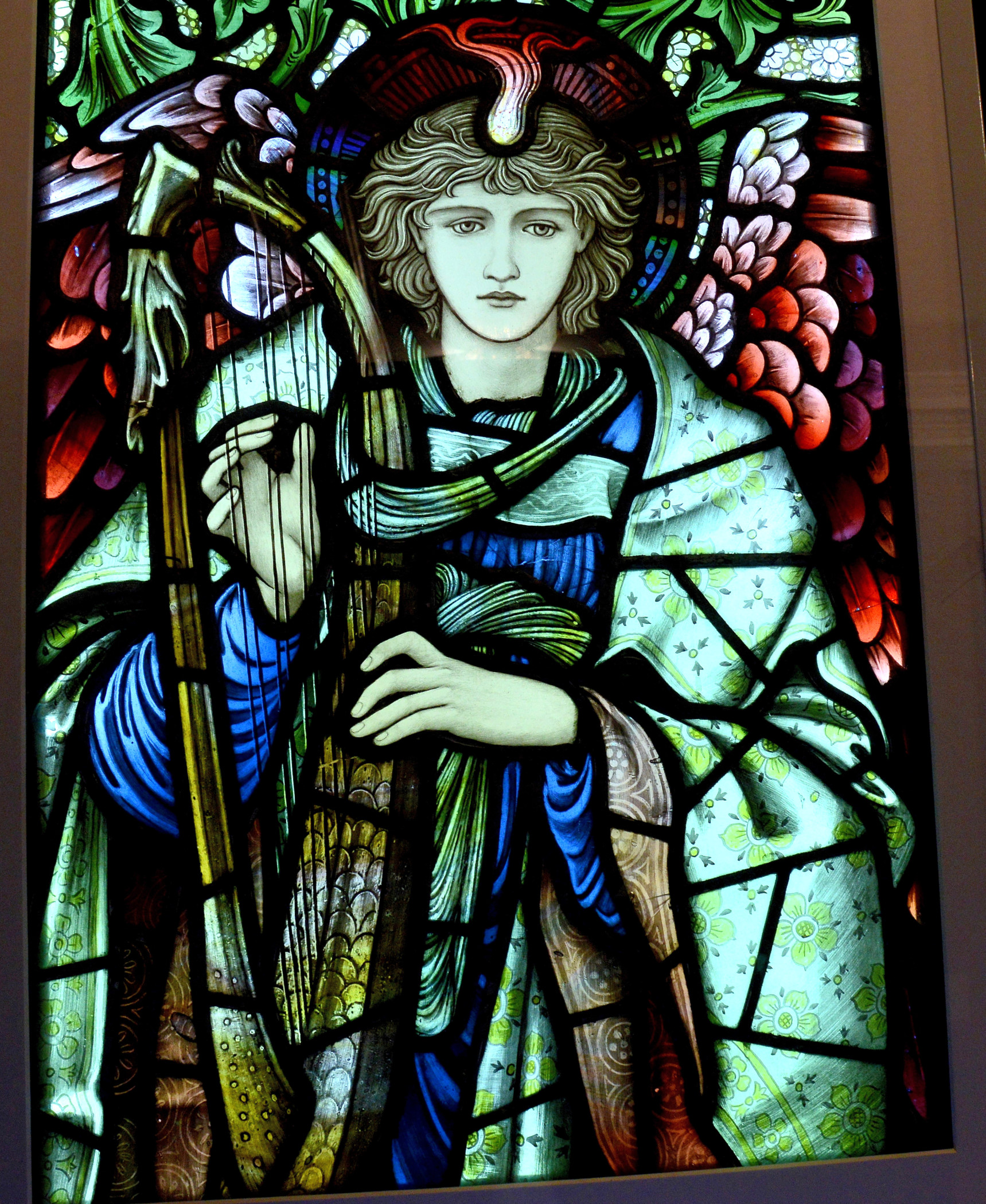
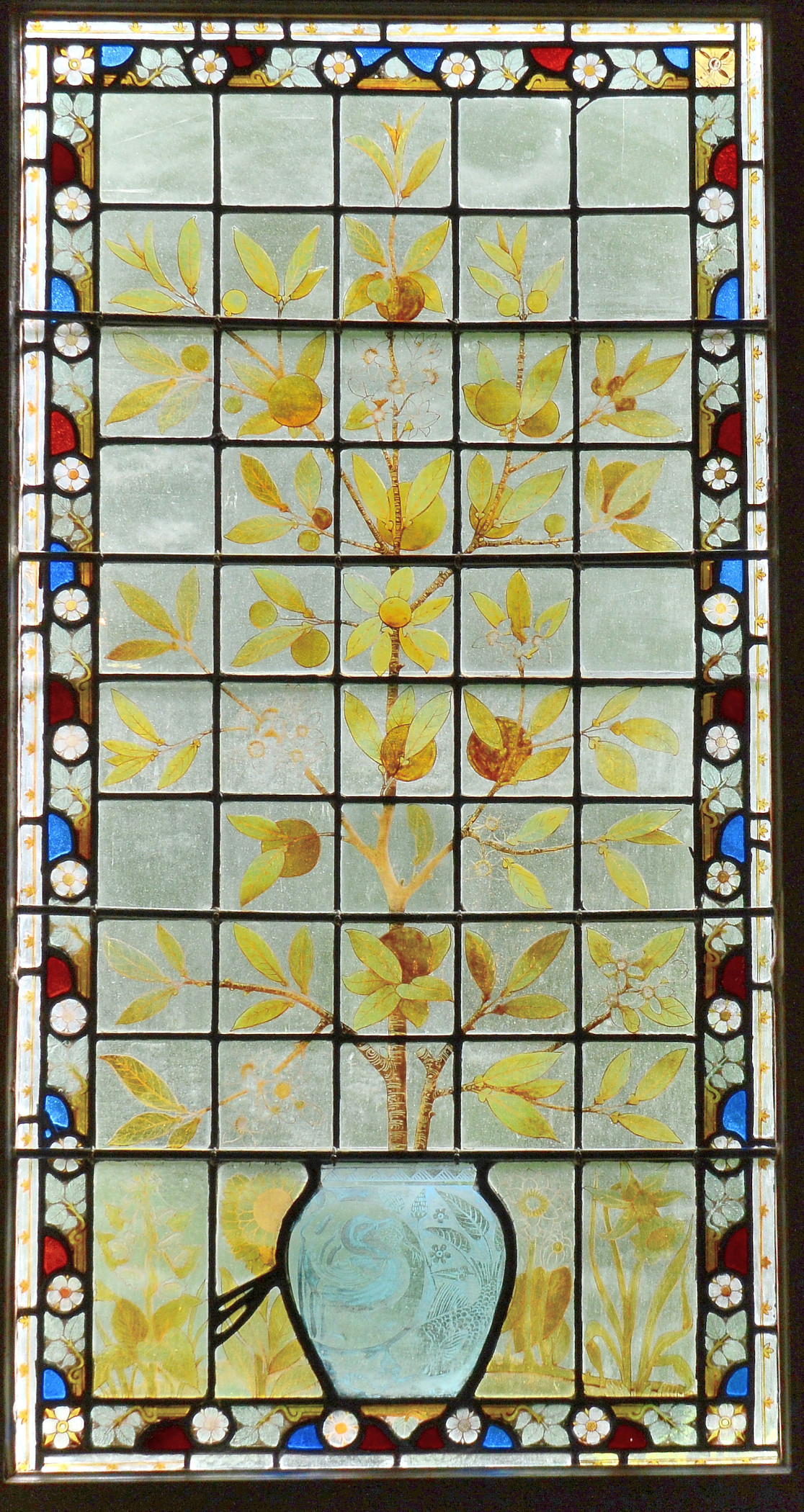
The stained glass is by Edward Burne-Jones


For a closer look please right-click on the image, select “open in a new tab” and then left click in the tab/image to enlarge.


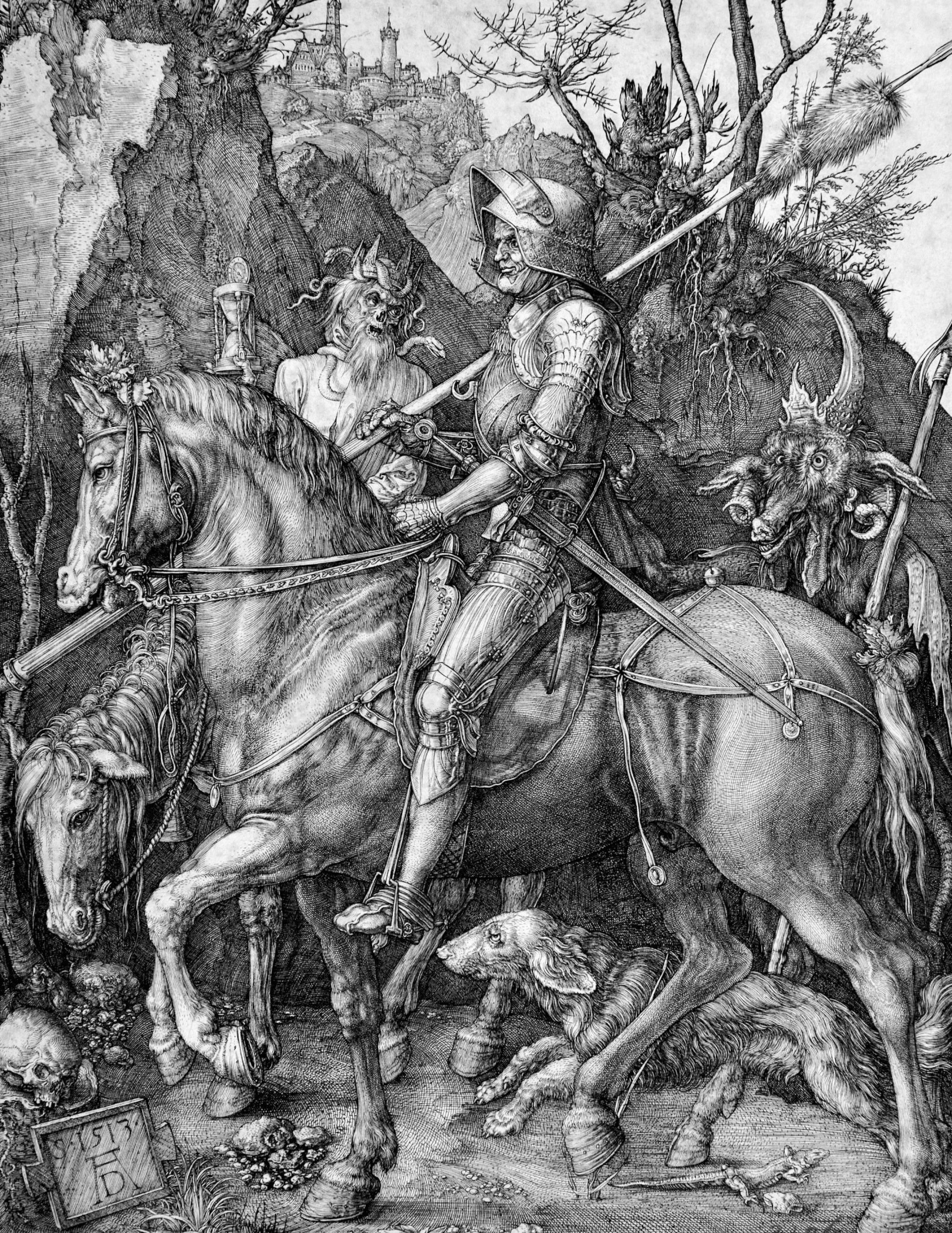
Ruskin advised aspiring artists to copy a work by Albert Dürer “until you can’t look at anything else”.  William Morris and Edward Burne-Jones spent hours with the above Knight, Death and the Devil.

.


Bust of William Morris

The easiest way to get to the gallery is by traveling to Tottenham Hale Rail Station (or Blackhorse Road Staion) and then take the number 123 bus which stops right outside the gallery pictured below.


Behind the gallery is the gallery garden and further on is the very pretty Lloyd Park ⇐.  Together with the free gallery it makes a very pleasant day out. 🙂

Victoriana at 18 Stafford Terrace and the Sambournes

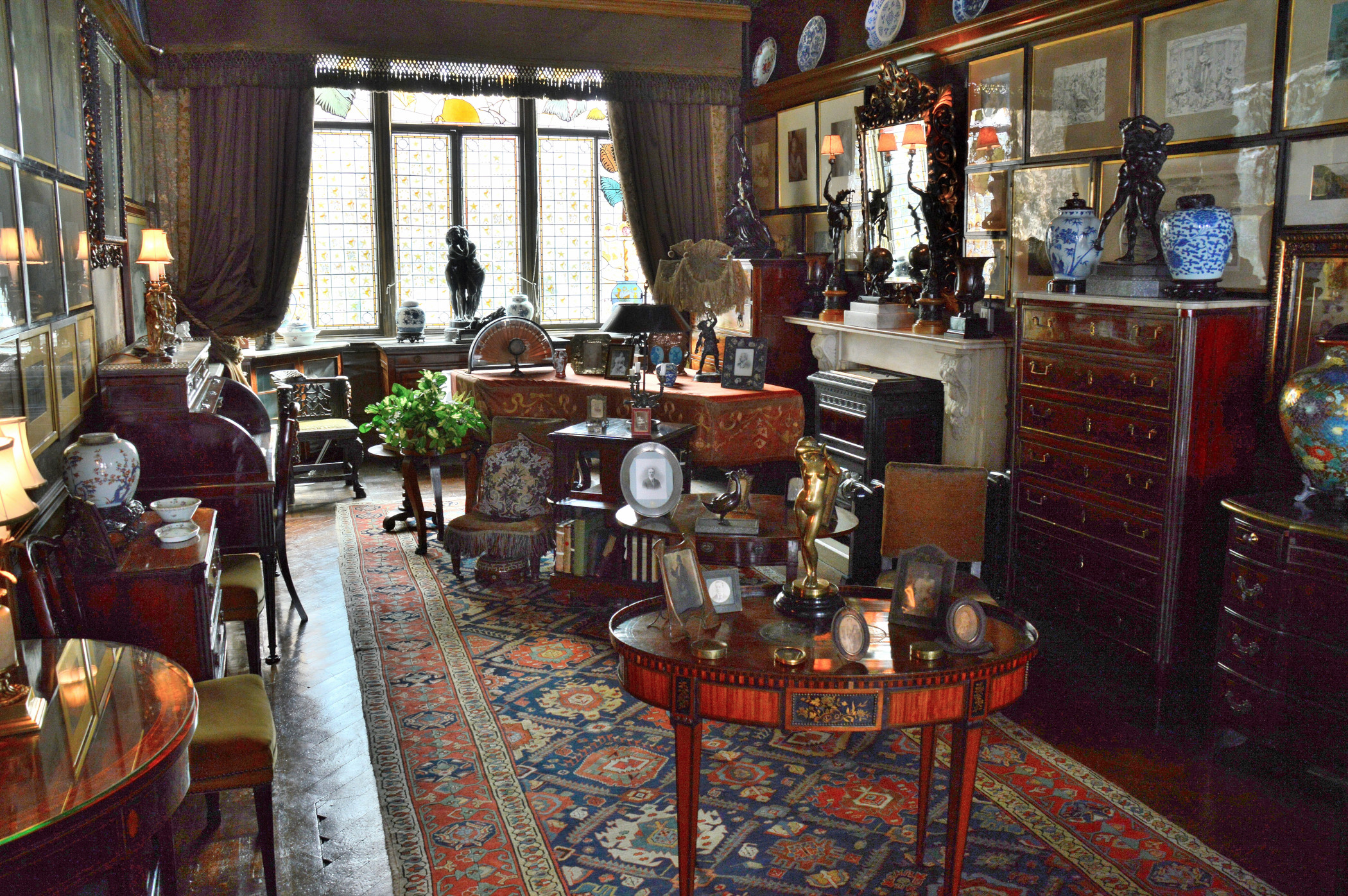
Edward Lynley Sambourne and his wife (Marion) took residence of 18 Stafford Terrace in Kensington in 1874. The Sambourne family and descendants maintained the Victorian style and content.  The house was taken over and maintained by the Victorian Society and then the Royal Borough of Kensington and Chelsea in 1989.

The website ⇒ is informative, interesting and shows much of Edward Lylynley Sambourne’s work as an illustrator.   There are a variety of tours available and open house (when photography is allowed) on some afternoons.  Hence the website is an essential read for those who wish to visit and may wish to note there are four flights of stairs without a lift.

The website is also used by Leighton House.  An interesting place but photography is not allowed (2017). 

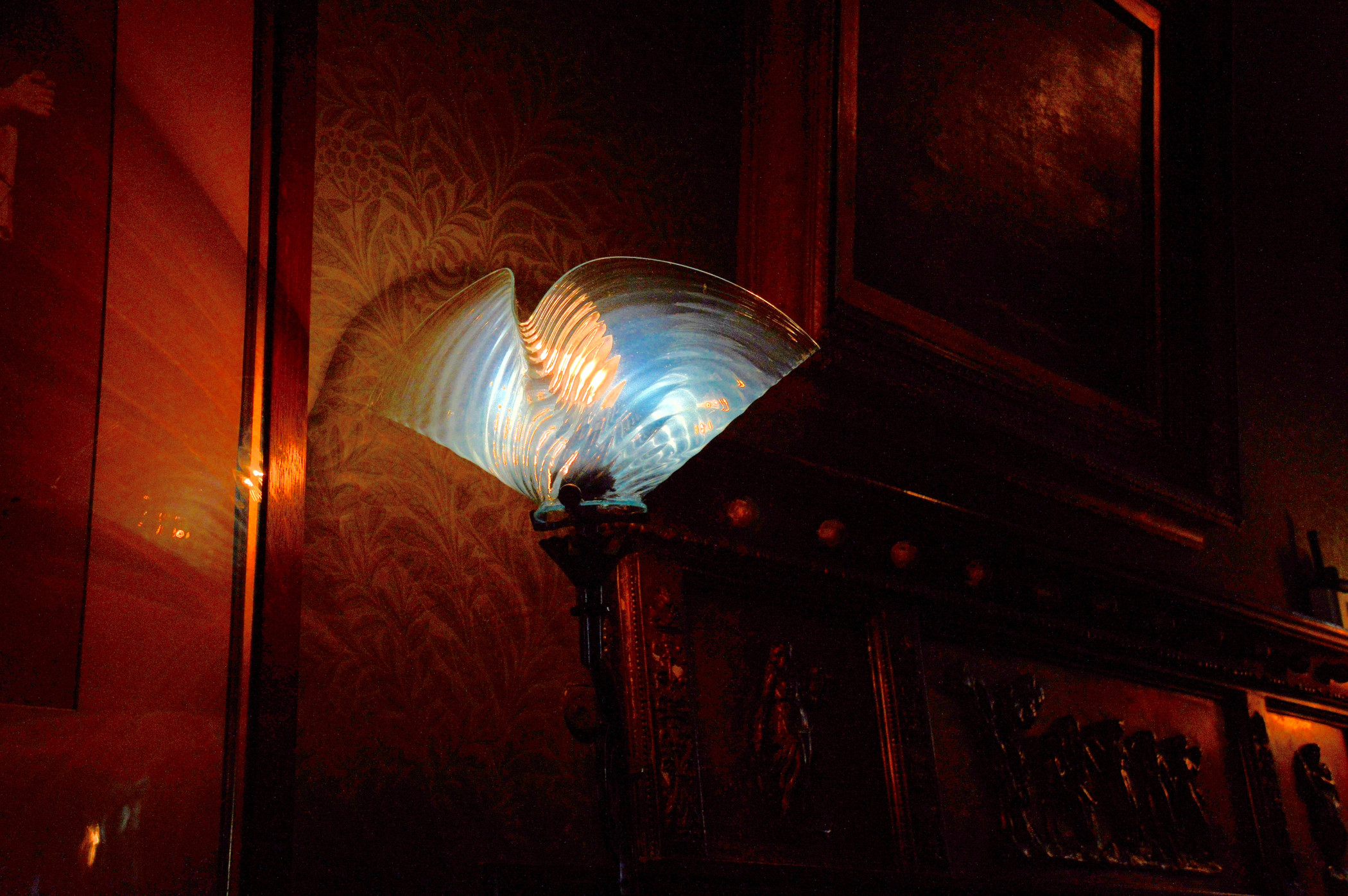
For 40 years Edward Lynley Sambourne was notable contributor to the comedic and satirical magazine Punch ⇒ (its website includes a large gallery of cartoons).  The house at 18 Stafford Terrace is full of drawings, artworks and some very fine stained glass.  He also created the earliest draft drawings for the illustrated version of the Rev Charles Kingsley’s book the Water-Babies.  More of Edward Lynley Sambourne’s work ⇒ as shown on Flickr.

The house and its atmosphere has been so carefully preserved that it is like walking back in time, although one can only enter the edge of each room.  Enjoy ~  🙂


. . and goodnight all.   🙂

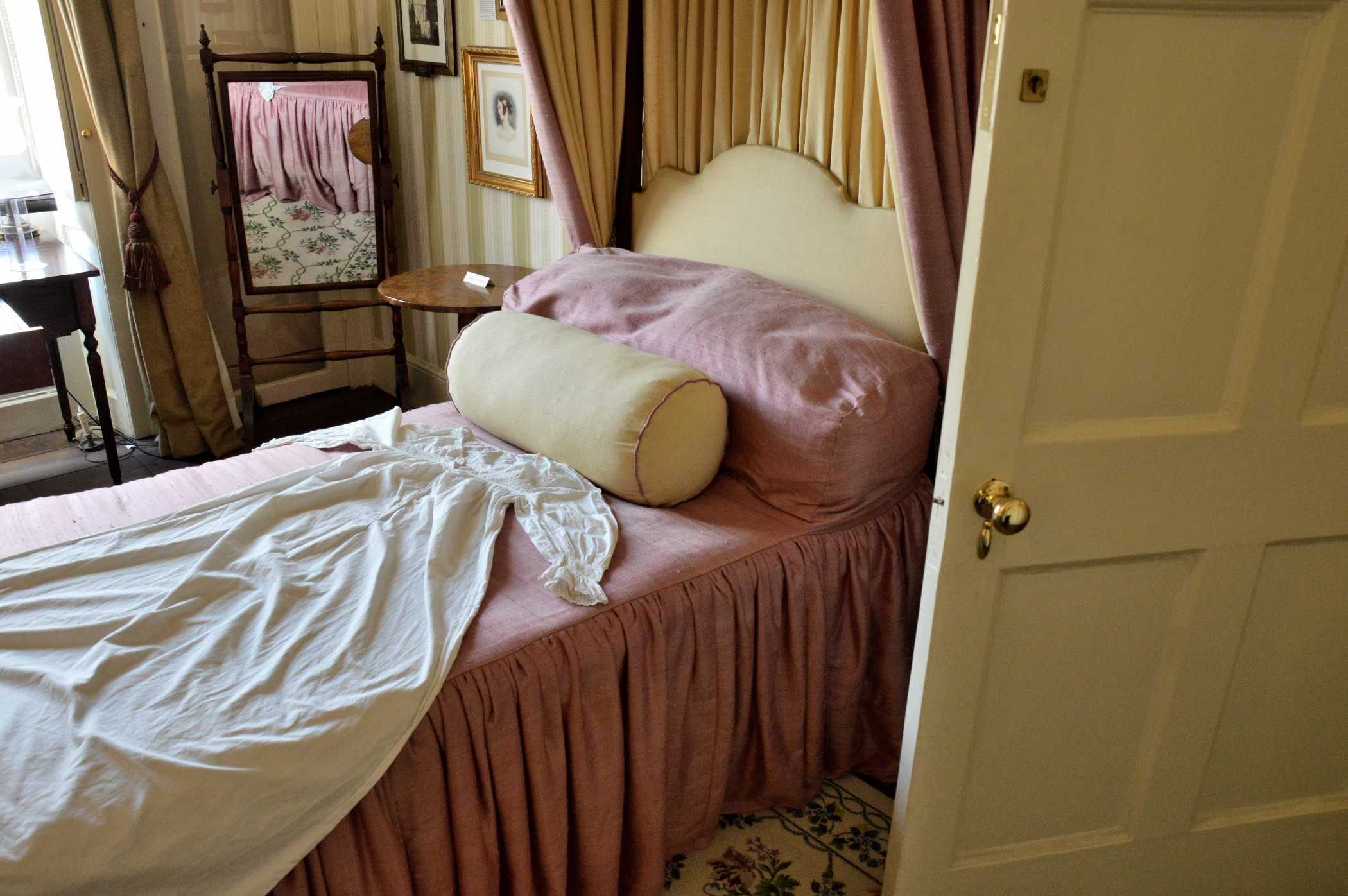
The Charles Dickens Museum

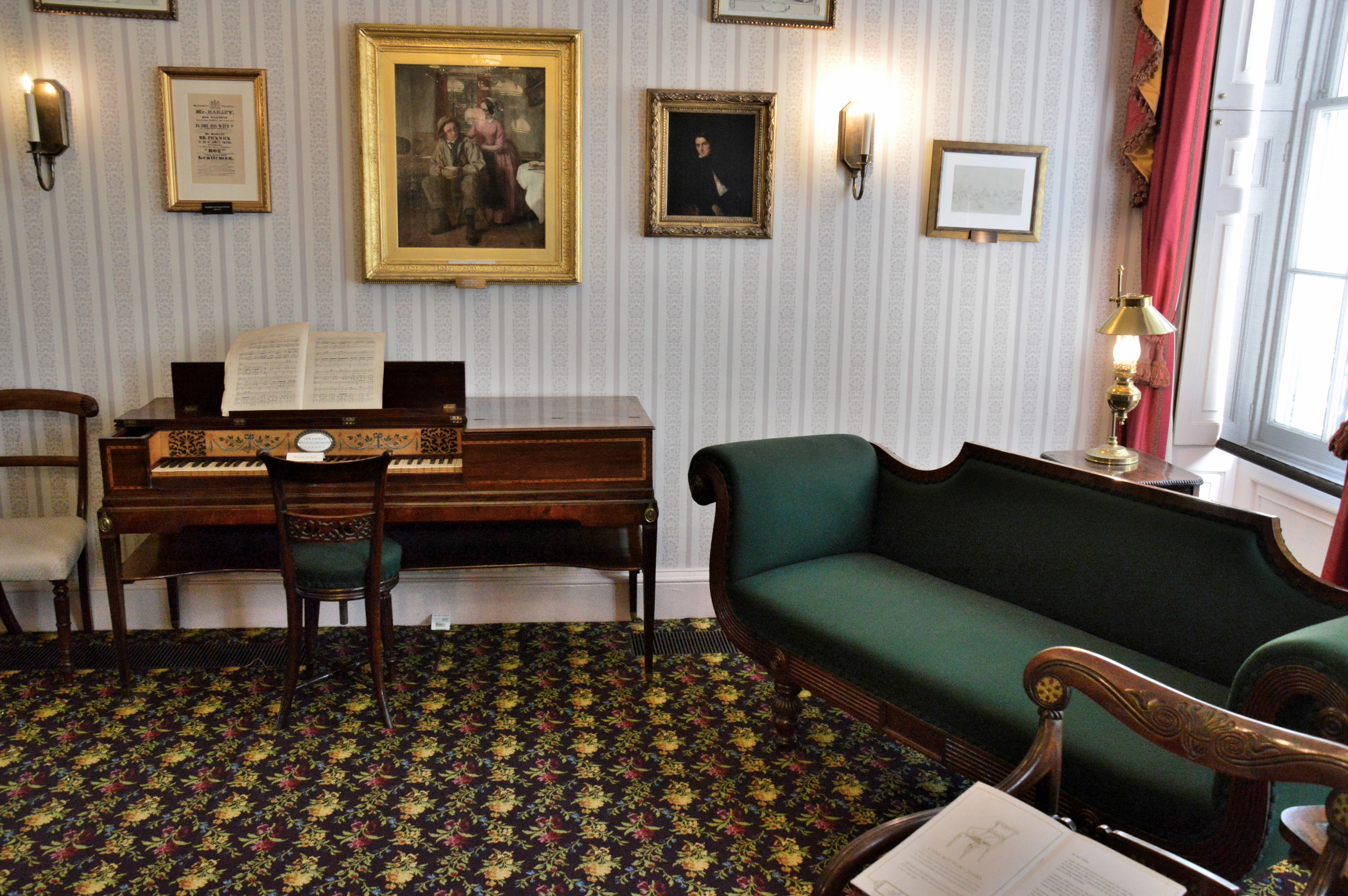
Charles Dickens was more than a novelist, as can be seen at London’s Charles Dickens Museum ⇒.

The museum includes a large number of educational items together with some furniture and artifacts from Dickens life.   Not far away is the Foundling Museum ⇐  which represents a charity supported by Dickens.

A little walk through some of the exhibits common to a Dickens day.


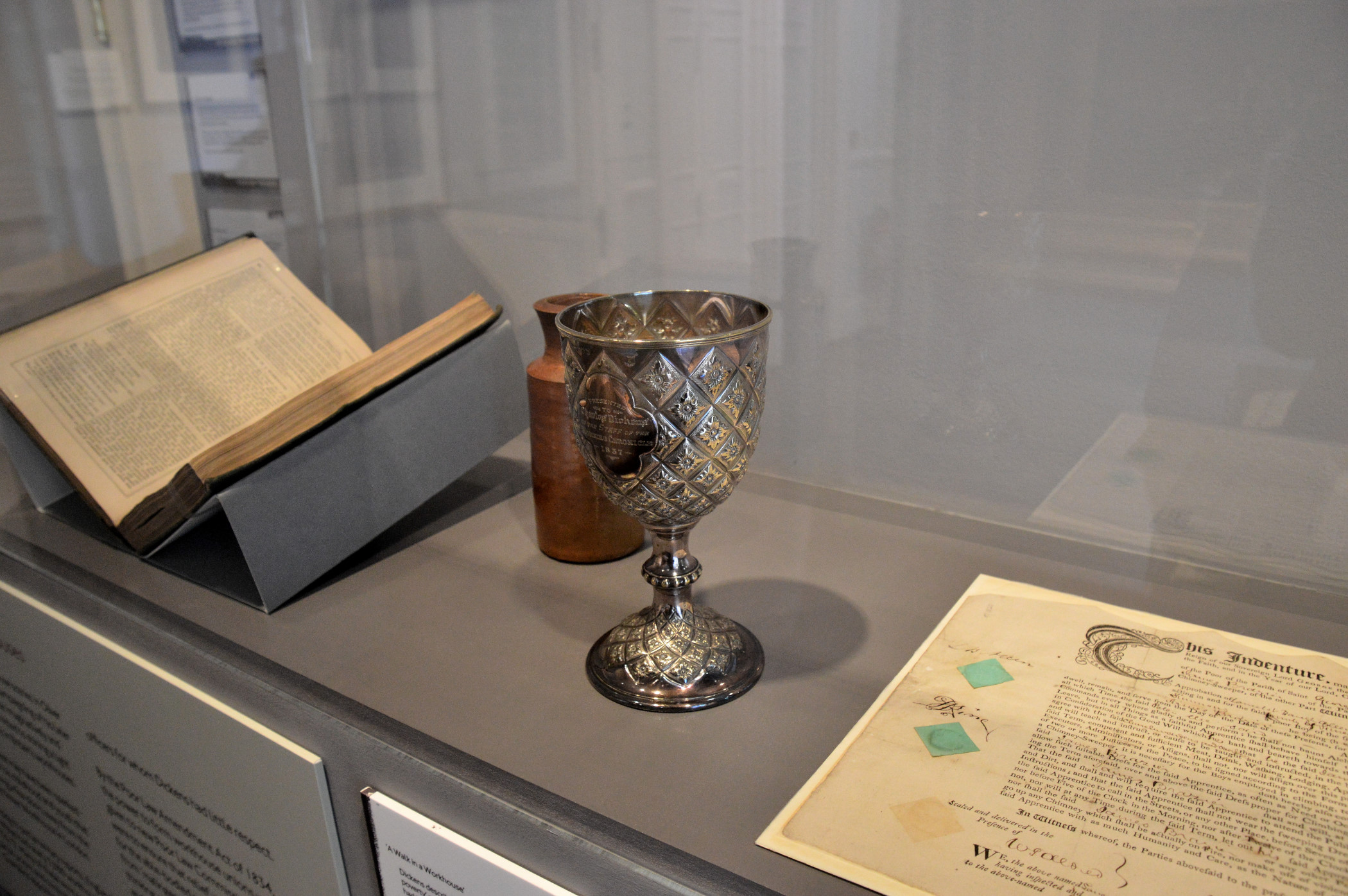
A chalice presented to Charles Dickens by the the Morning Chronicle


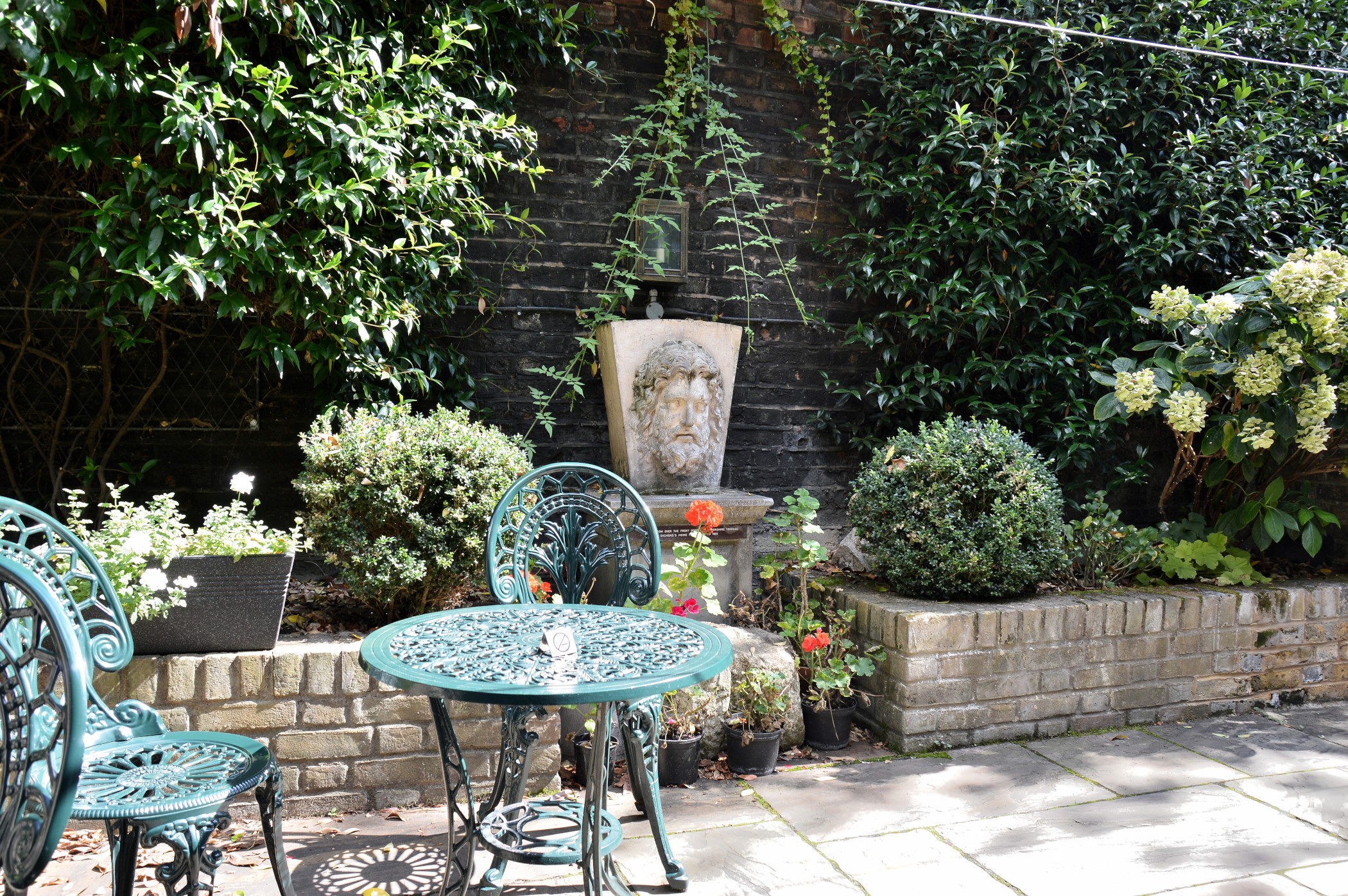
Whilst there is a fee to enter the museum, there is a pleasant indoor/outdoor café that is free to enter.

The Foundling Museum, London

The Foundling Museum includes history and artifacts of the Foundling Hospital.  The creation of the hospital began as a campaign in 1720 by sea captain Thomas Coram to relieve the plight of abandoned children.  Eventually, in 1739, a charter for a foundling hospital was granted by King George II.  Over the years the charity was supported by notables such as Handel, Hogarth and Charles Dickens..

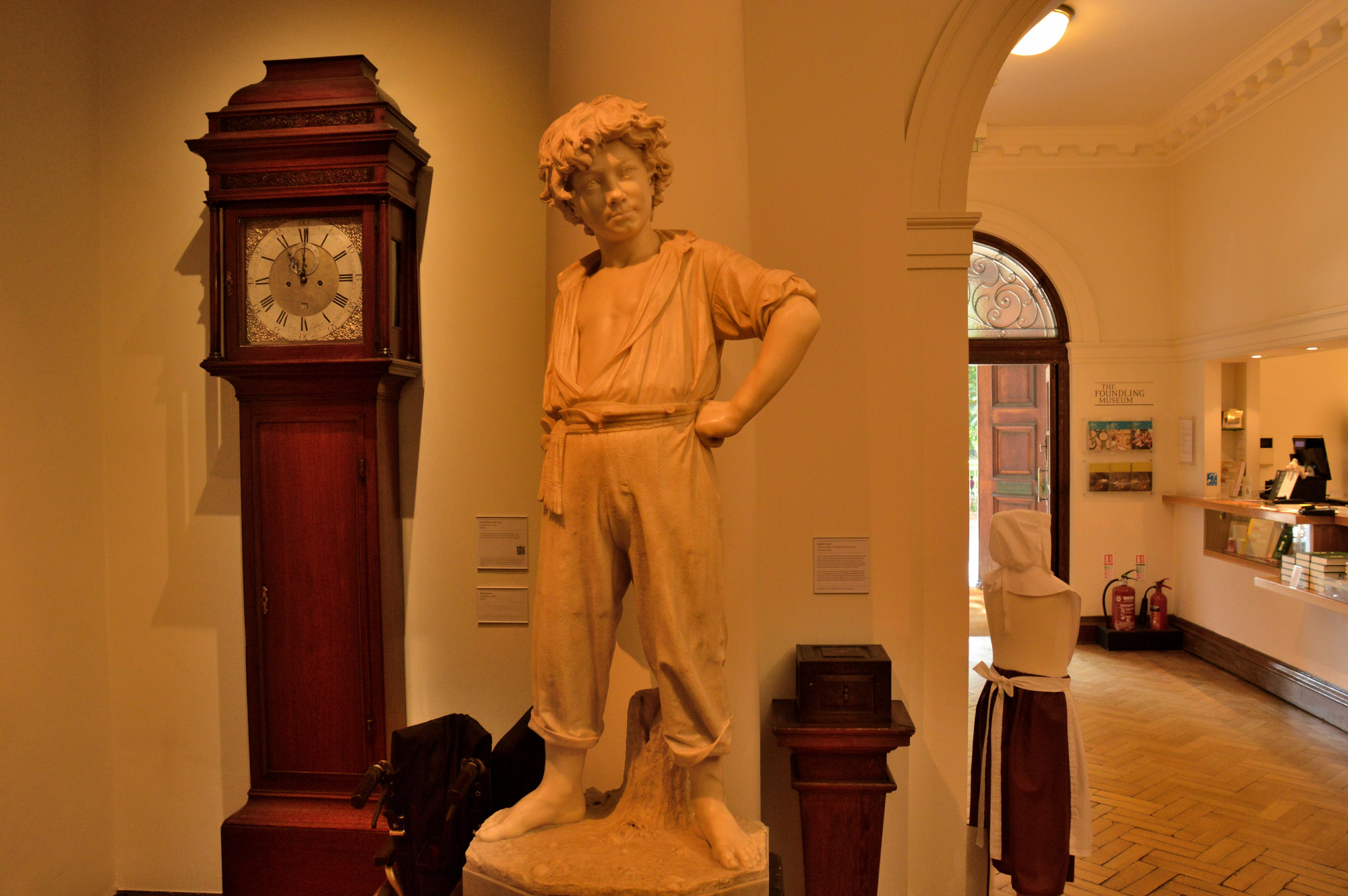
Statue of Thomas Coram

The museum holds a number of exhibitions and displays and it is well worth checking the website ⇒,  the hospital history ⇒ and Coram’s Charity history ⇒.

King George II by John Shackleton

The hospital was based on well meaning intent and saved many young lives.  Nevertheless, life could be harsh in a stern regime especially for boys, as told by the harrowing tale of Tom Mckenzie (The Last Foundling ⇒).

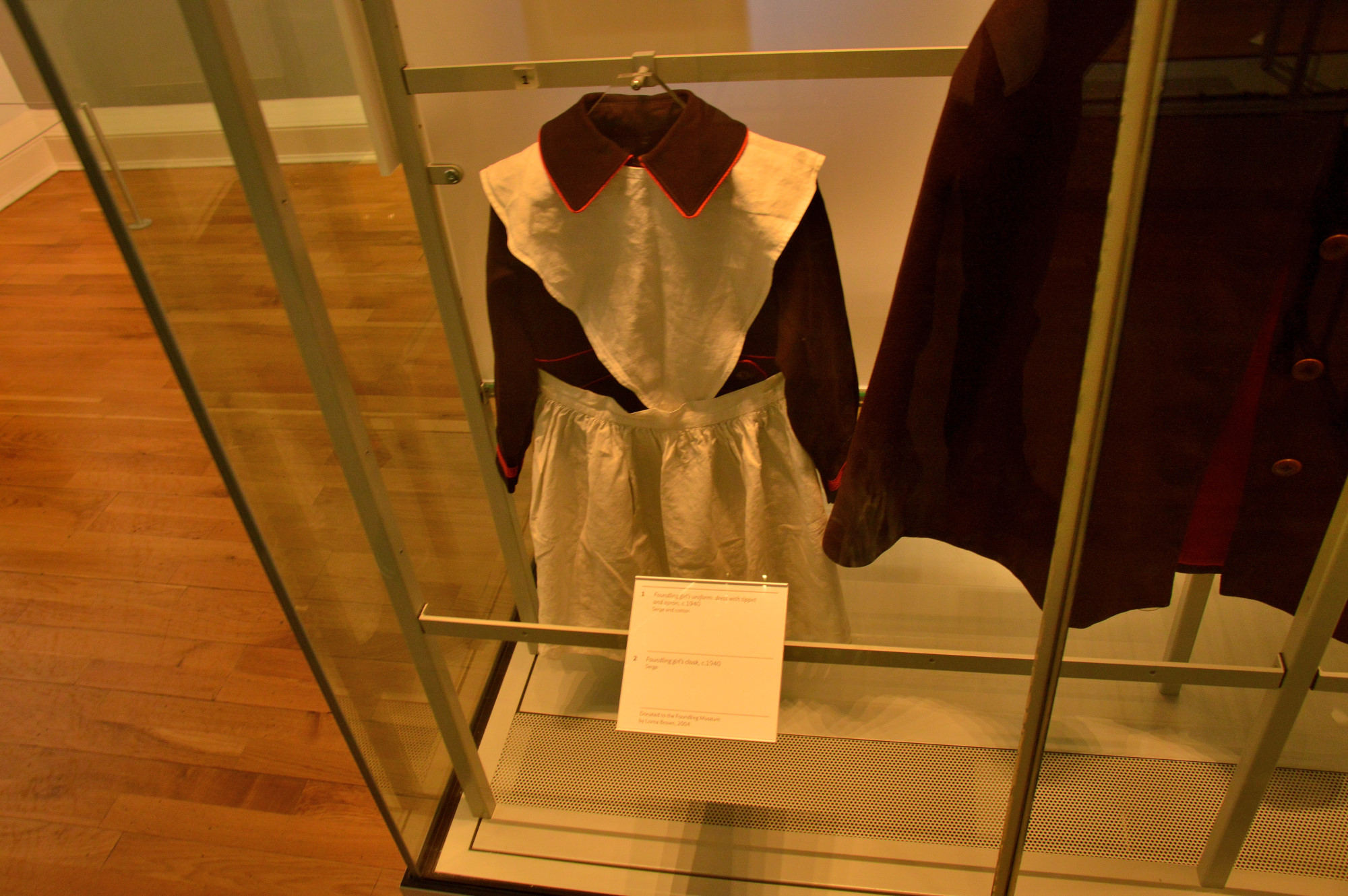
Girls Uniform


Although perhaps not all the time.

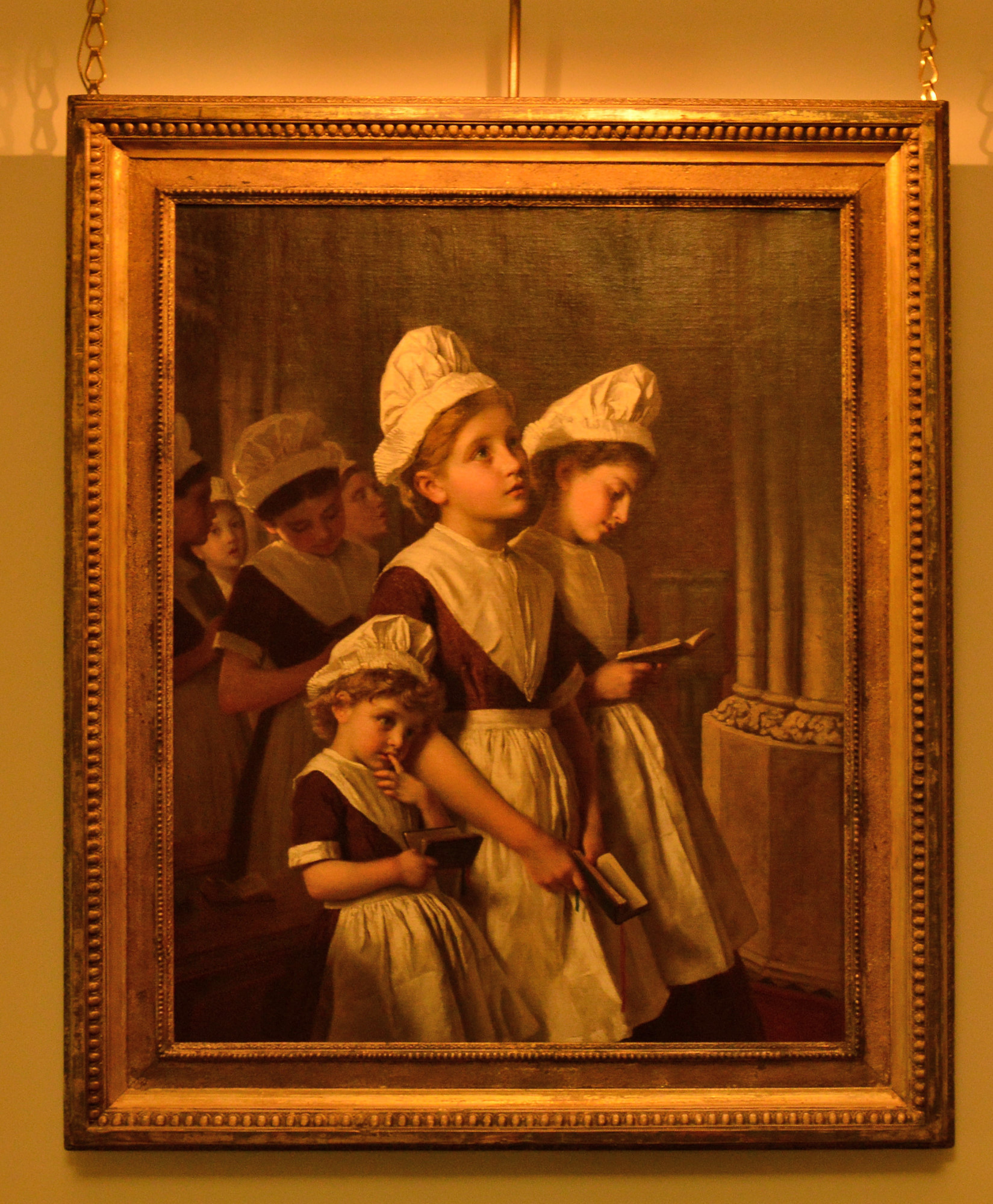
Foundling Girls in the Chapel by Sophia Anderson

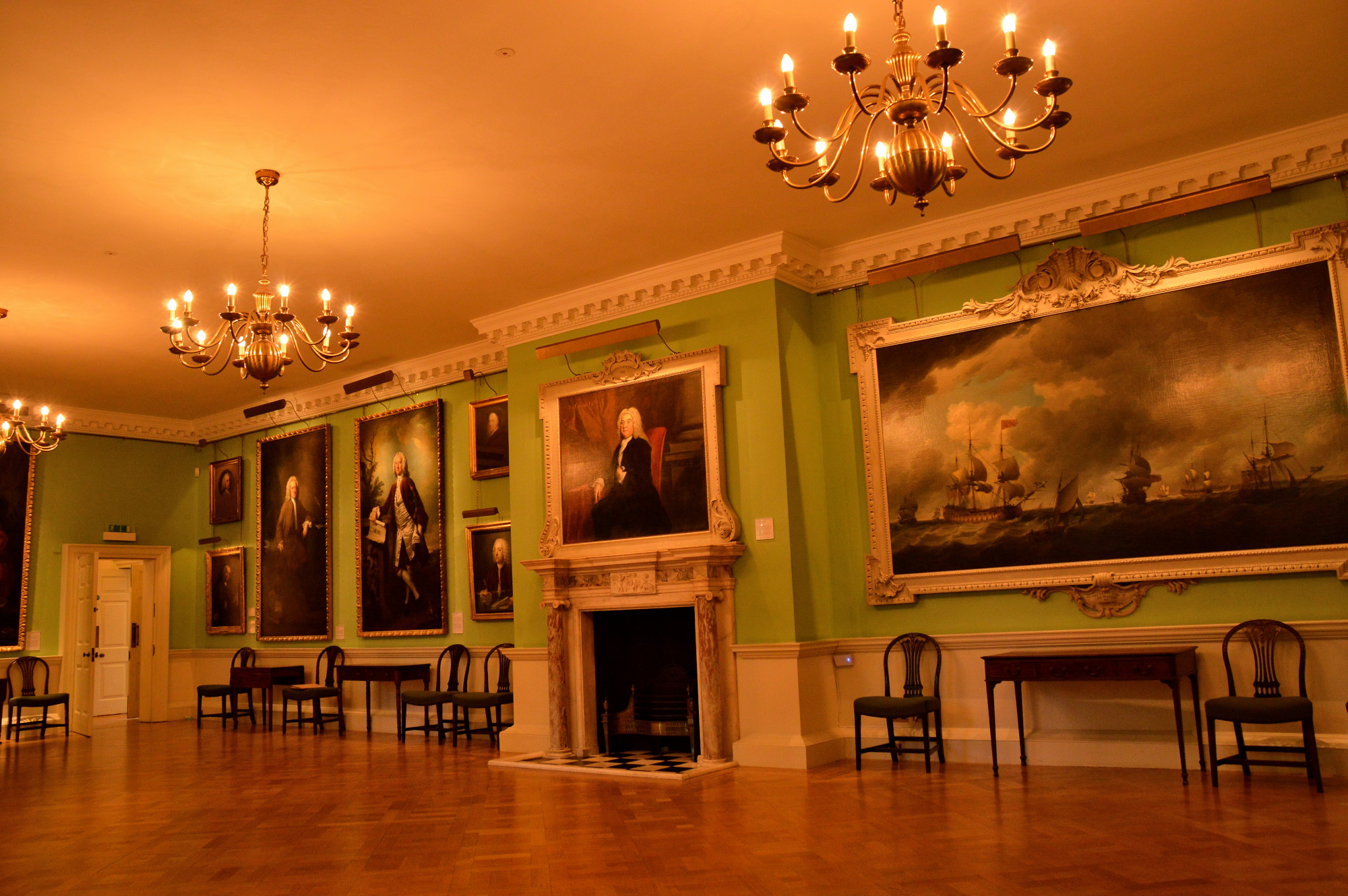
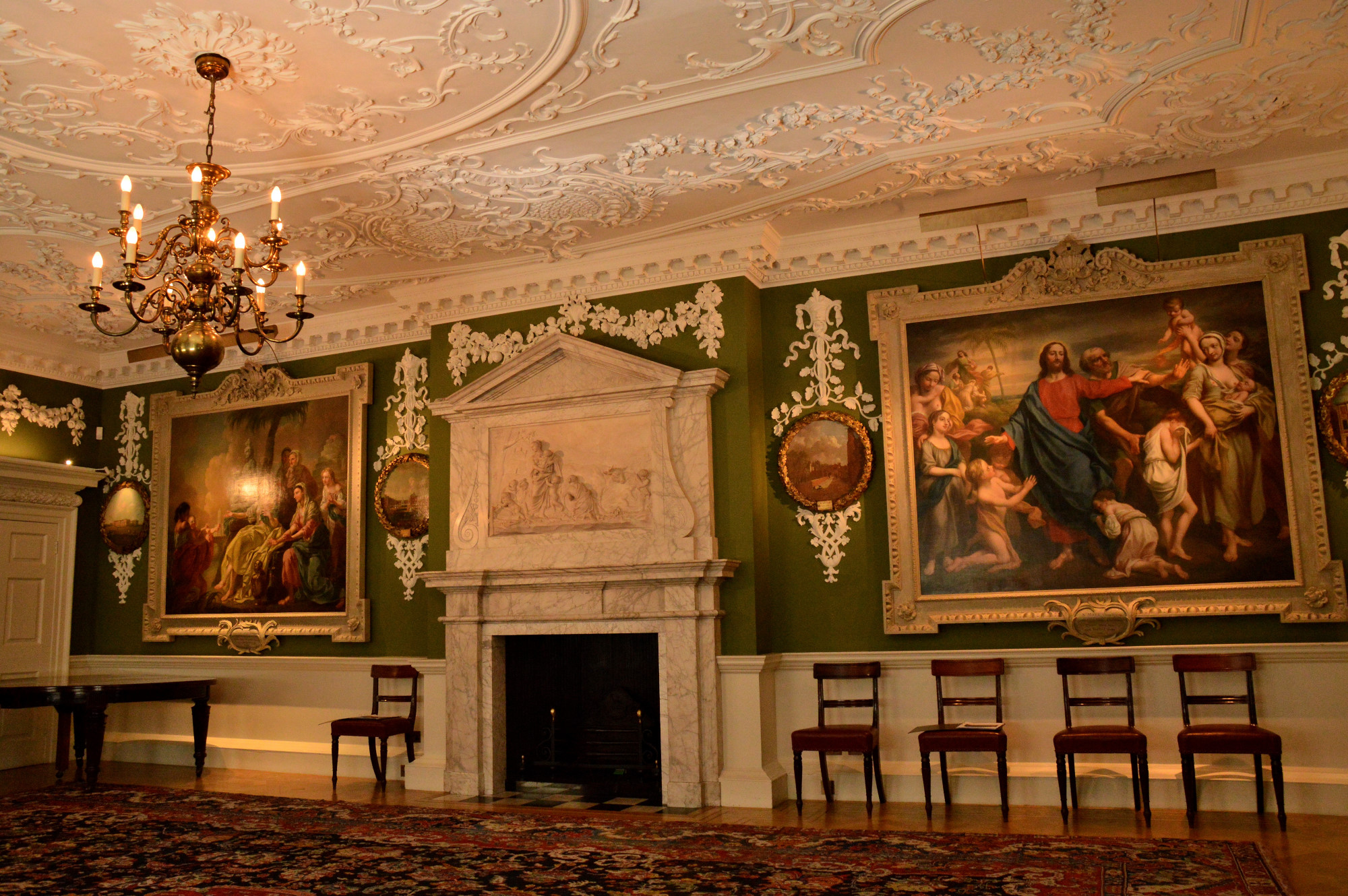
The museum contains numerous works of art donated by the artists.

The March of the Guards to Finchley by Hogarth


Duke of Cambridge


Robert Gray


Hetty Feather

Hetty Feather was a temporary exhibition based around the heroin’s exploits at odds with the strictures of a foundling’s life.  The stories have been in book and TV form.

The young patients at Great Ormond Street Hospital, inspired by the Hetty Feather stories and the lack of kindness that they expose, produced a number of art works telling of the kindness that they receive in more modern times.   Some are on show at the Foundling Museum.  This one caught my eye.

The Kindness Scale.

I have always believed and always observed that when children are treated with wisdom and shown kind example then they show us the the true nature of humanity.  Another example that kind nature being here ⇐  and more of the past that made the present in Wheels on Fire ⇐. 

Have a kind day.