A Photographers & Visitors Guide & Timeless Stories

Latest

The Eastbridge Hospital of St Thomas in Canterbury

The Eastbridge Hospital of St Thomas in Canterbury-dsc_7581

All About Canterbury  ⇐

The Eastbridge Hospital of St Thomas in Canterbury-DSC_7580

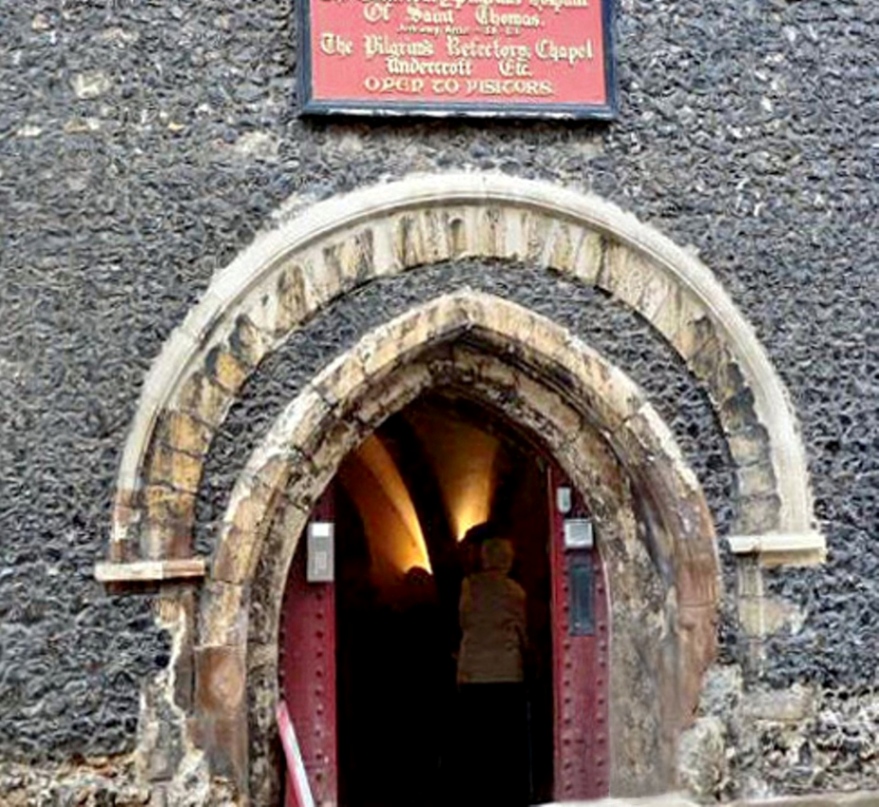
The Eastbridge Hospital of St Thomas is on Canterbury High street and is part of a bridge over a branch of the river Stour.  It isn’t very big but they only ask £2 for a visit.  Visiting ⇒.

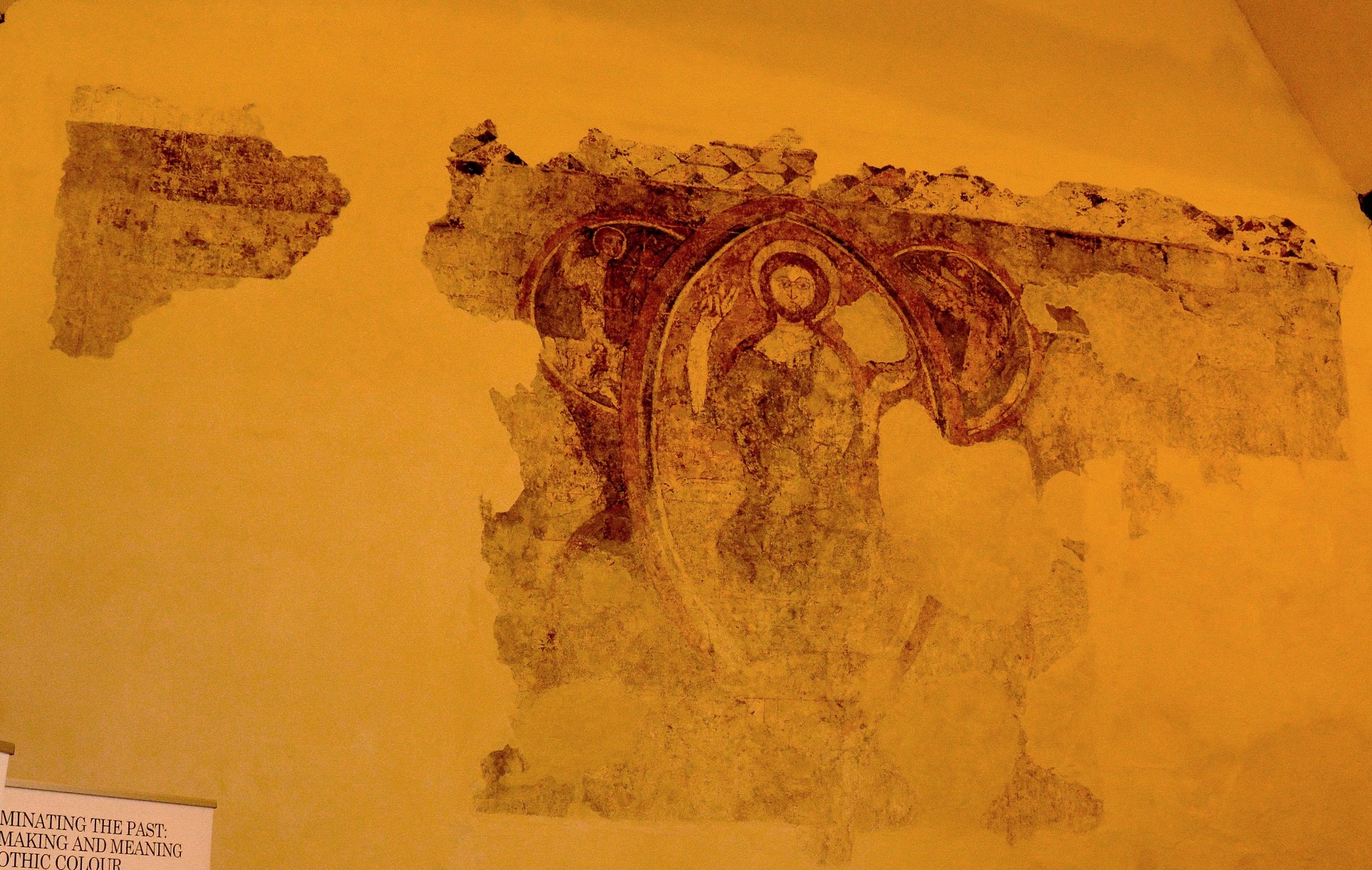
The site was created in 1180 as a place of hospitality for poor pilgrims visiting Canterbury Cathedral ⇐ where Thomas (later St Thomas) Becket was murdered in 1170 and became a martyr.  Next to the chapel is an Alms House with 8 occupied flats.


The Eastbridge Hospital of St Thomas in Canterbury-dsc_7582


The Eastbridge Hospital of St Thomas in Canterbury-dsc_7588


The Eastbridge Hospital of St Thomas in Canterbury-dsc_7584


The Eastbridge Hospital of St Thomas in Canterbury-dsc_7586

Canterbury Heritage Museum

heritage-museum-in-canterbury-dsc_7589

All About Canterbury  ⇐

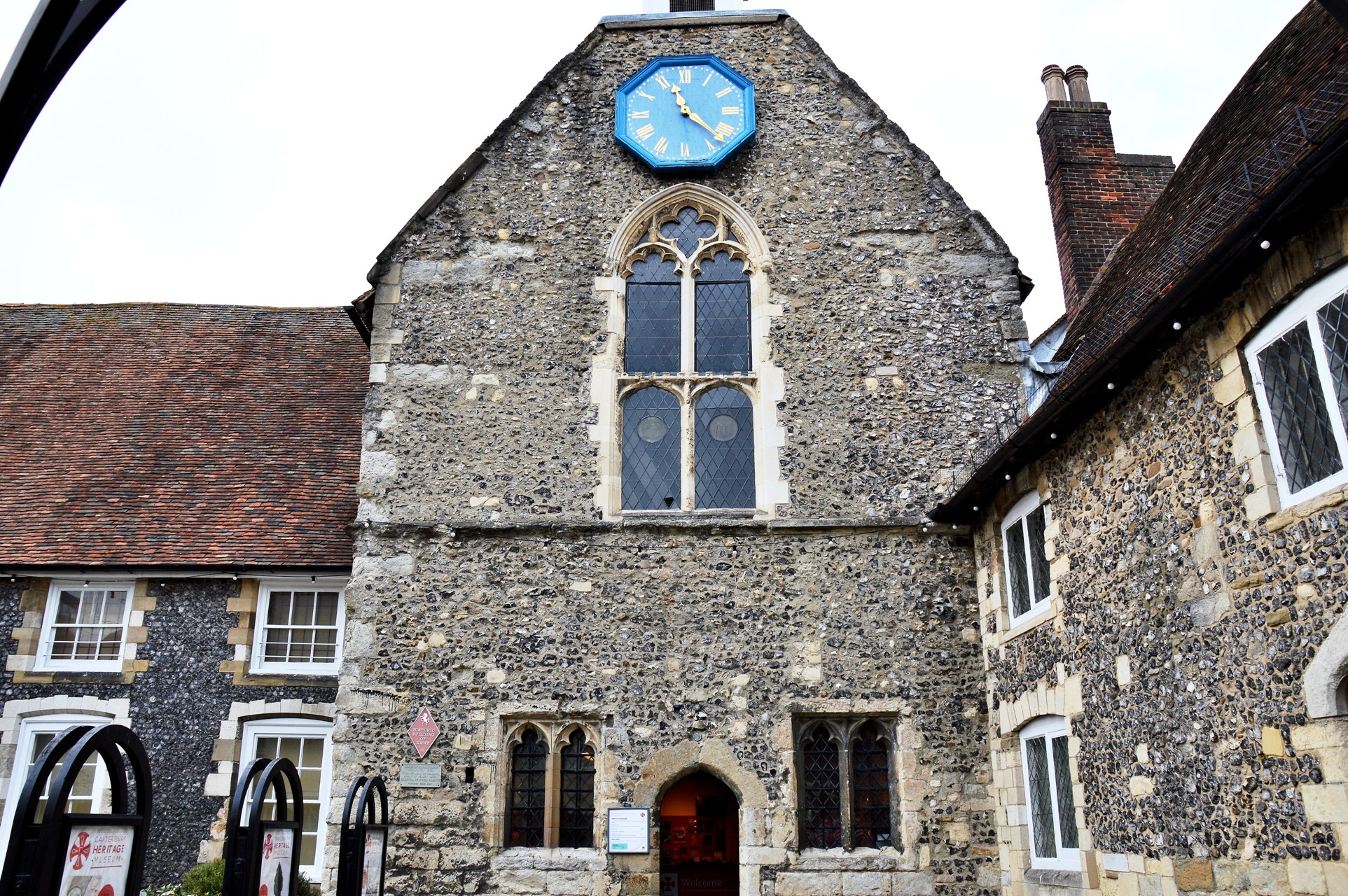
The Heritage Museum building dates from 1373 and is on Stour Street just off Canterbury High Street.  It is quite large, well worth a visit and, for me, second only to Canterbury Cathedral ⇐. The museum is child friendly but there is a charge for adults and it is not open all year round, so please see the website ⇒

For a closer view of an image please left-click once and then again.

heritage-museum-in-canterbury-dsc_7611

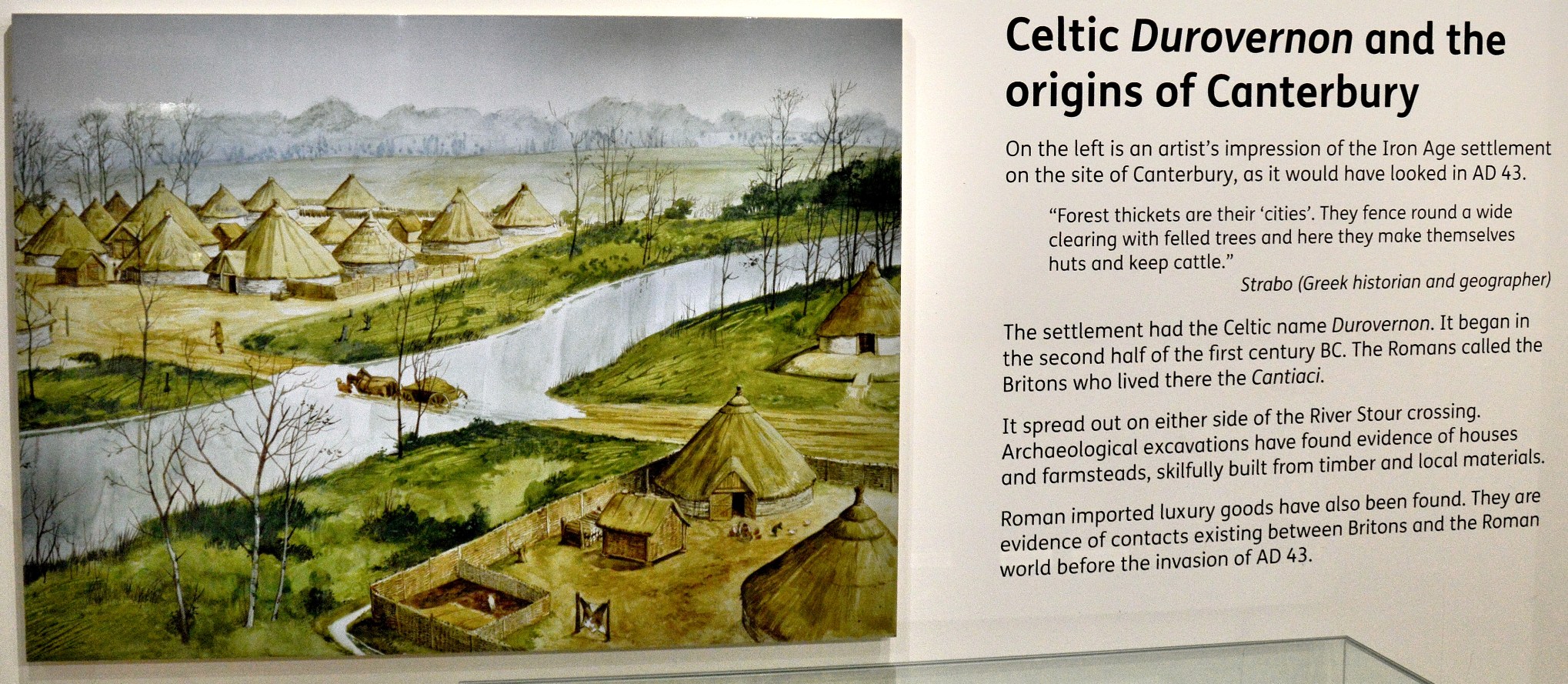
First a little history.

roman-museum-in-canterbury-dsc_7701

The following two artists impression are really from the Roman Museum (a few minutes walk away on Butchery St), but help to complete the picture.

roman-museum-in-canterbury-dsc_7702

Roman Canterbury AD 150

.

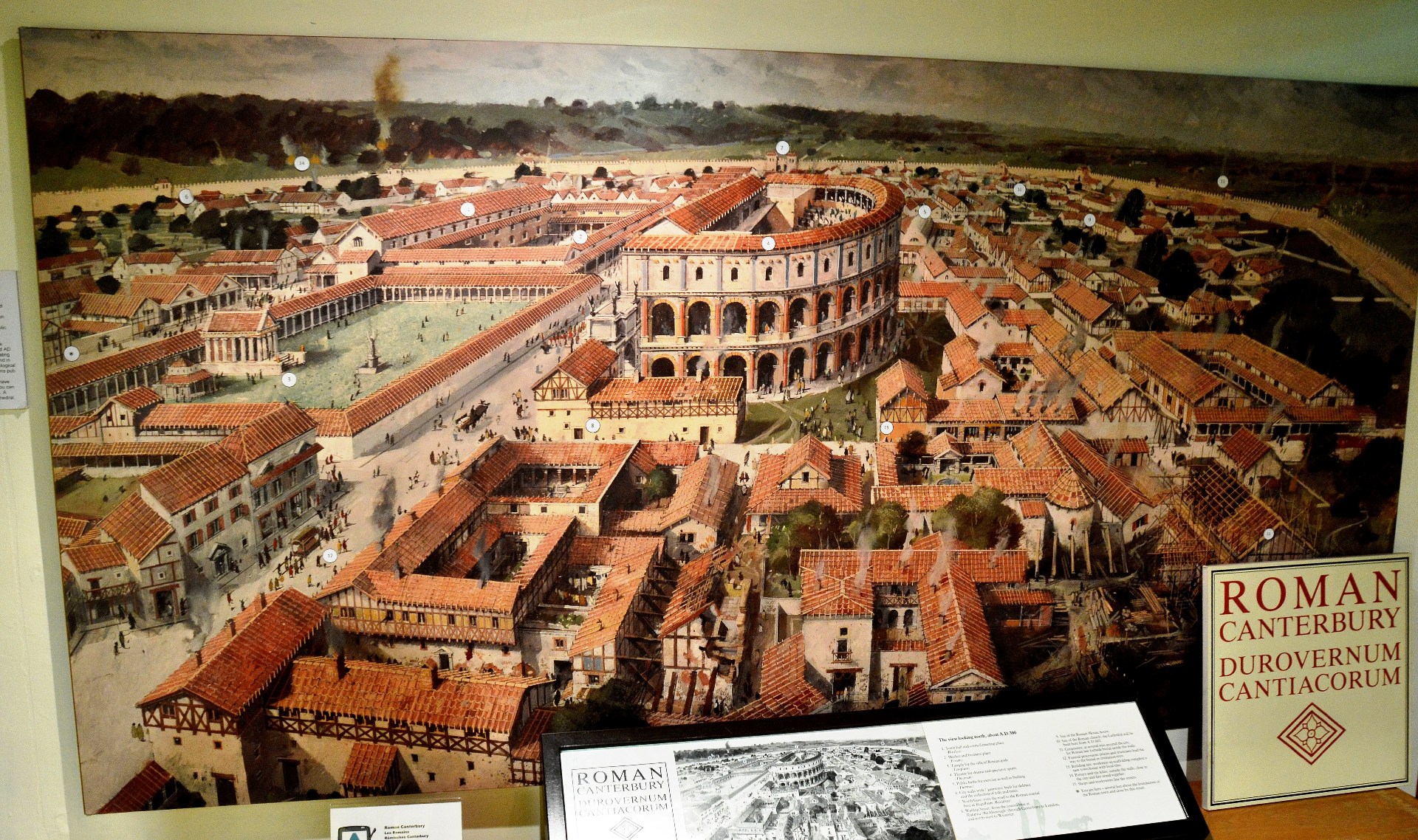
roman-canterbury-ad-300-at-heritage-museum-in-canterbury-dsc_7593

Roman Canterbury AD 300

And, back to the Heritage Museum.

anglo-saxon-canterbury-ad-700-at-heritage-museum-in-canterbury-dsc_7595

Anglo-Saxon Canterbury AD 700

It seems the new locals put aside bijou for hairy Saxon style, although it looks like the early cathedral can be seen in the distance.

Just a few of the items on display:-

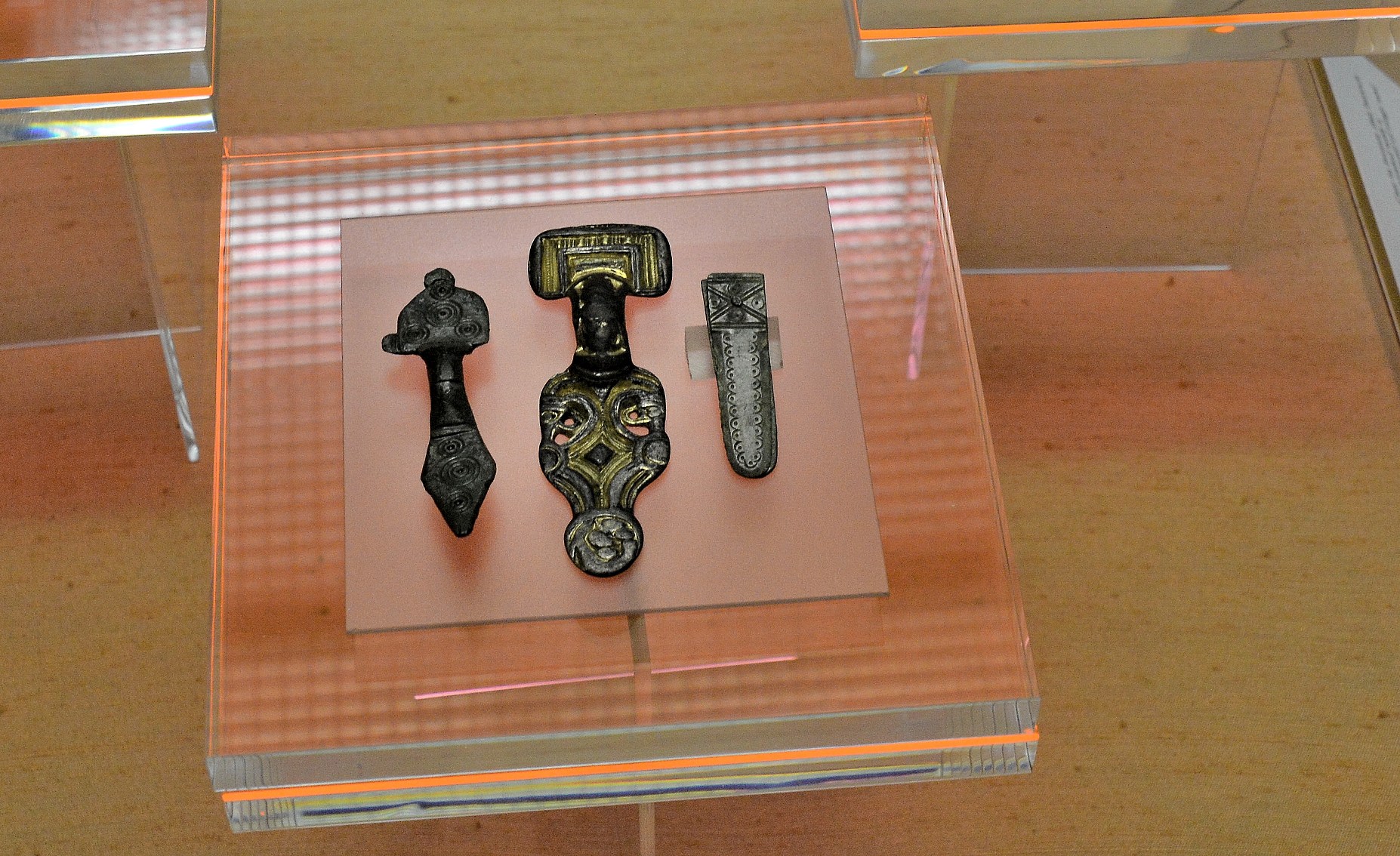
6th-century-anglo-saxon-bronze-brooch-at-heritage-museum-in-canterbury-dsc_7601

6th Century Anglo-Saxon Bronze Brooch

.

heritage-museum-in-canterbury-dsc_7615The Normans came along in the the 11th Century and had a preference for stone.

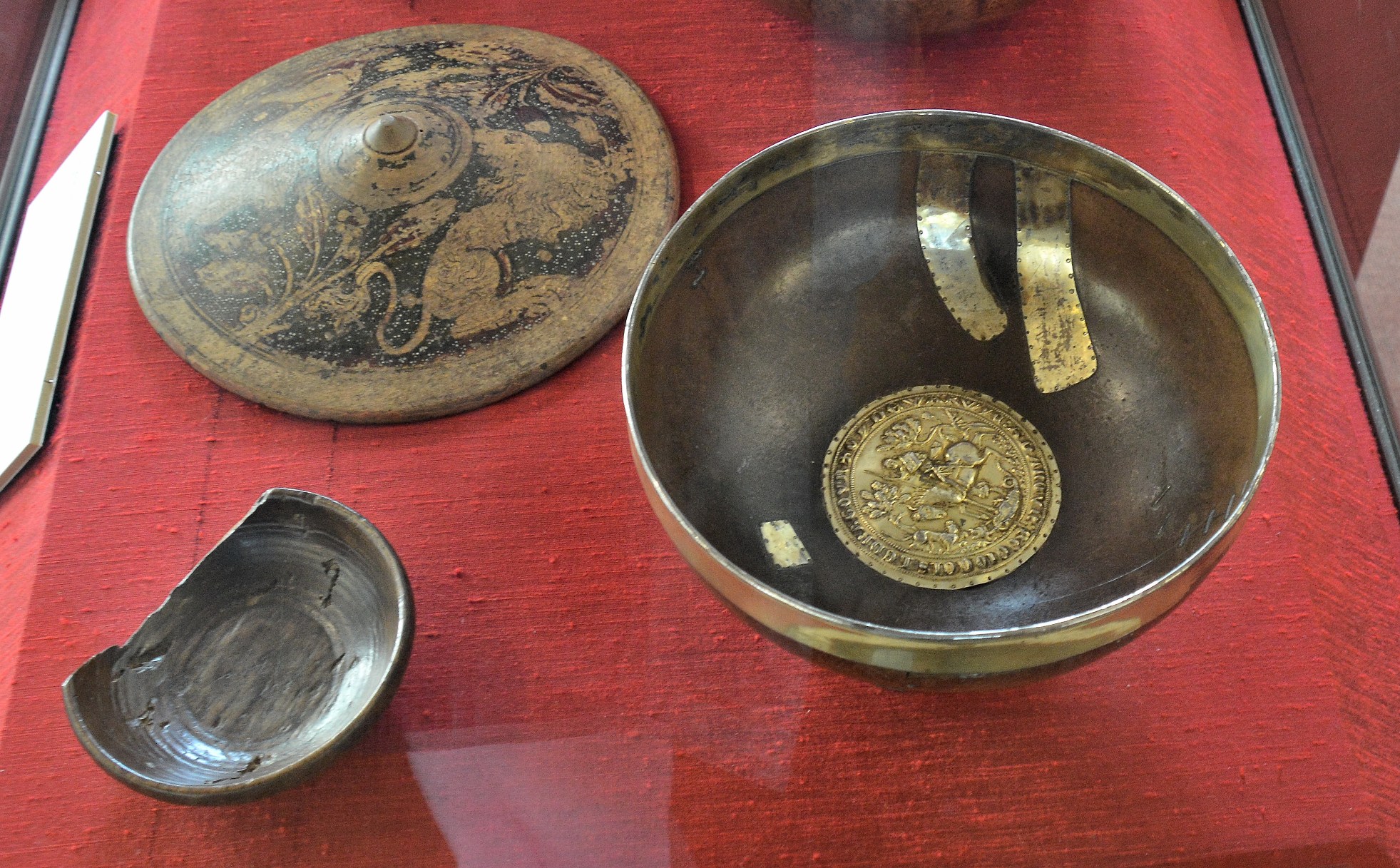
mazer-at-heritage-museum-in-canterbury-dsc_7614

Medieval Mazer

.

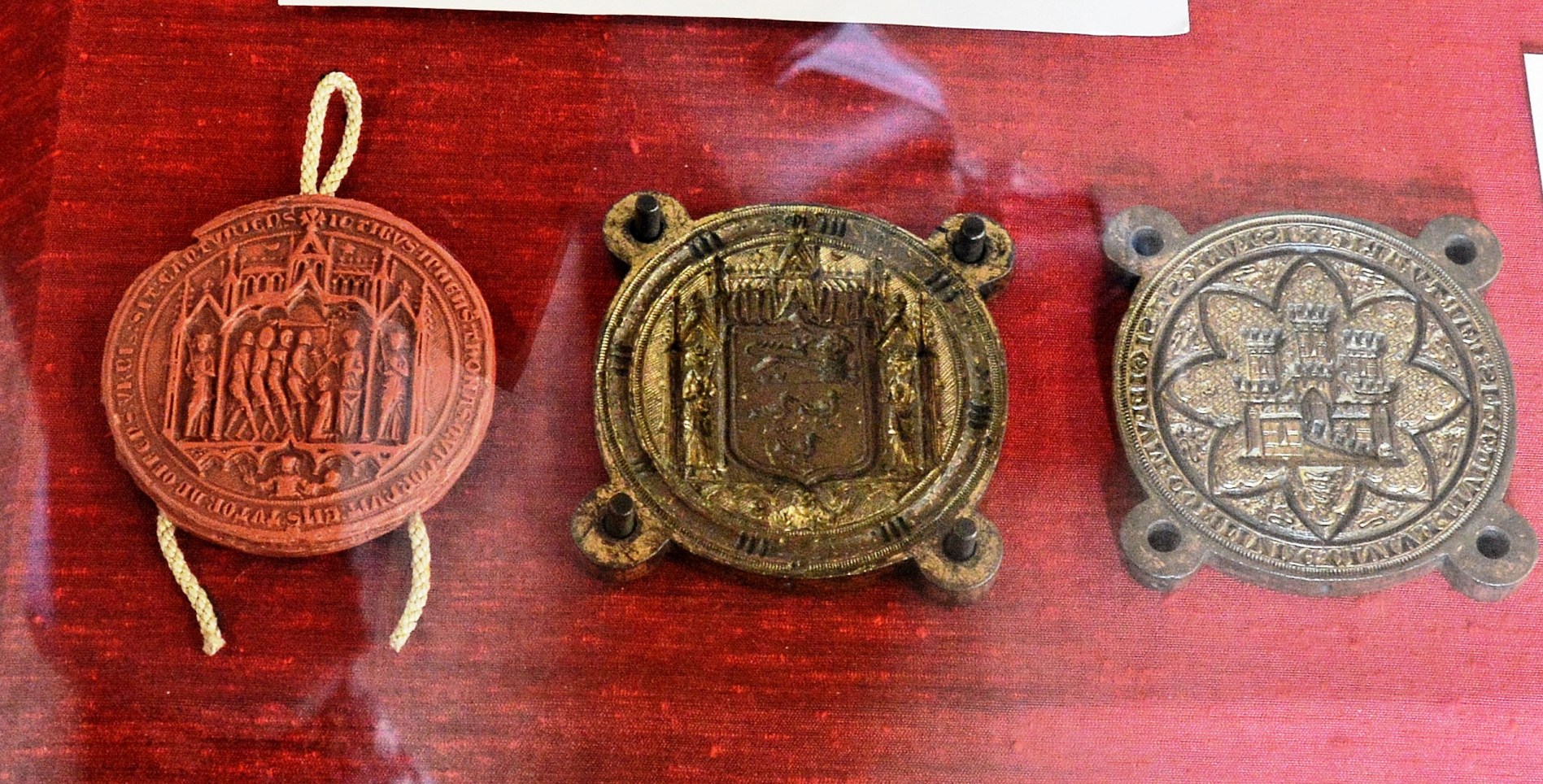
seals-at-heritage-museum-in-canterbury-dsc_7616.

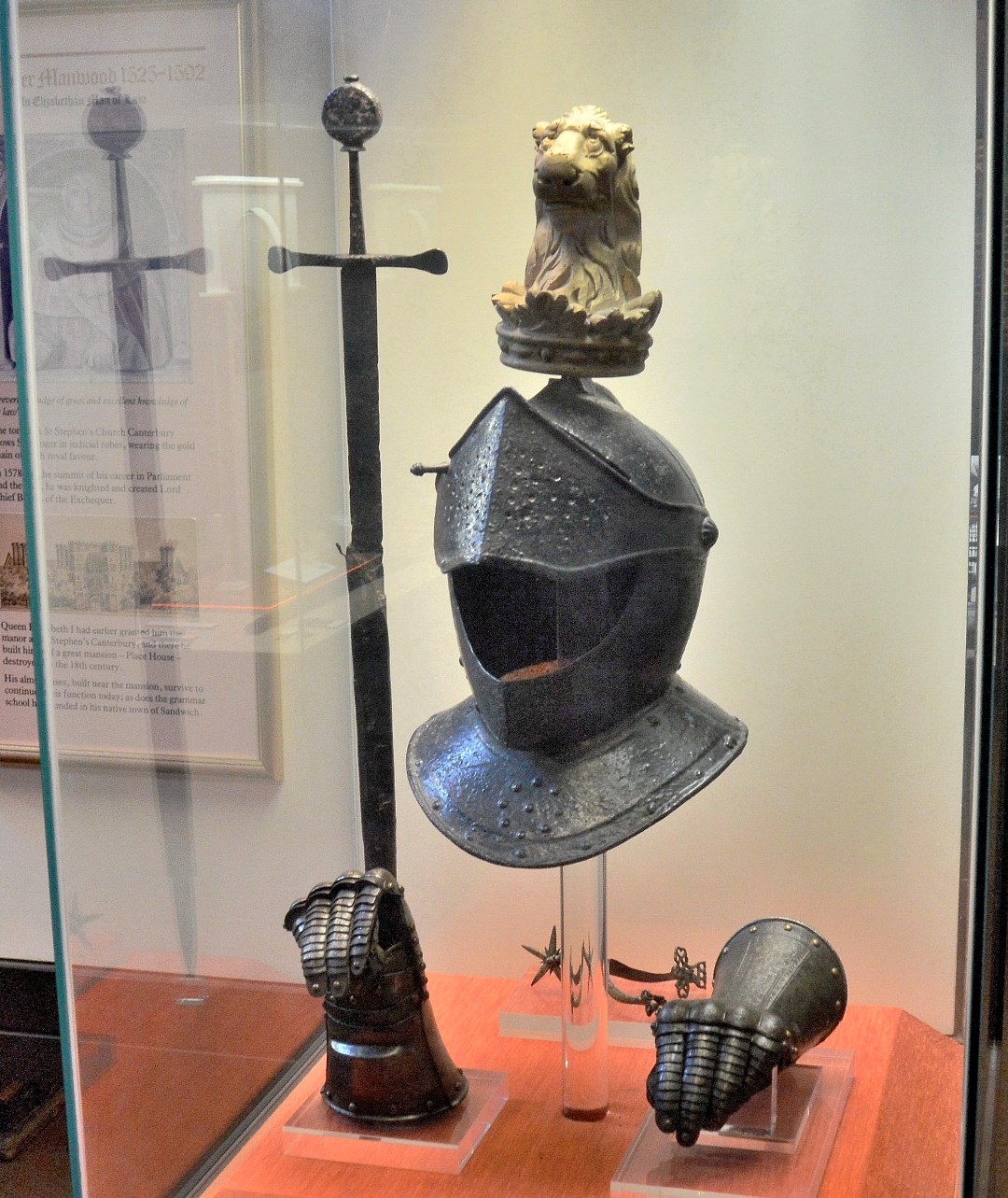
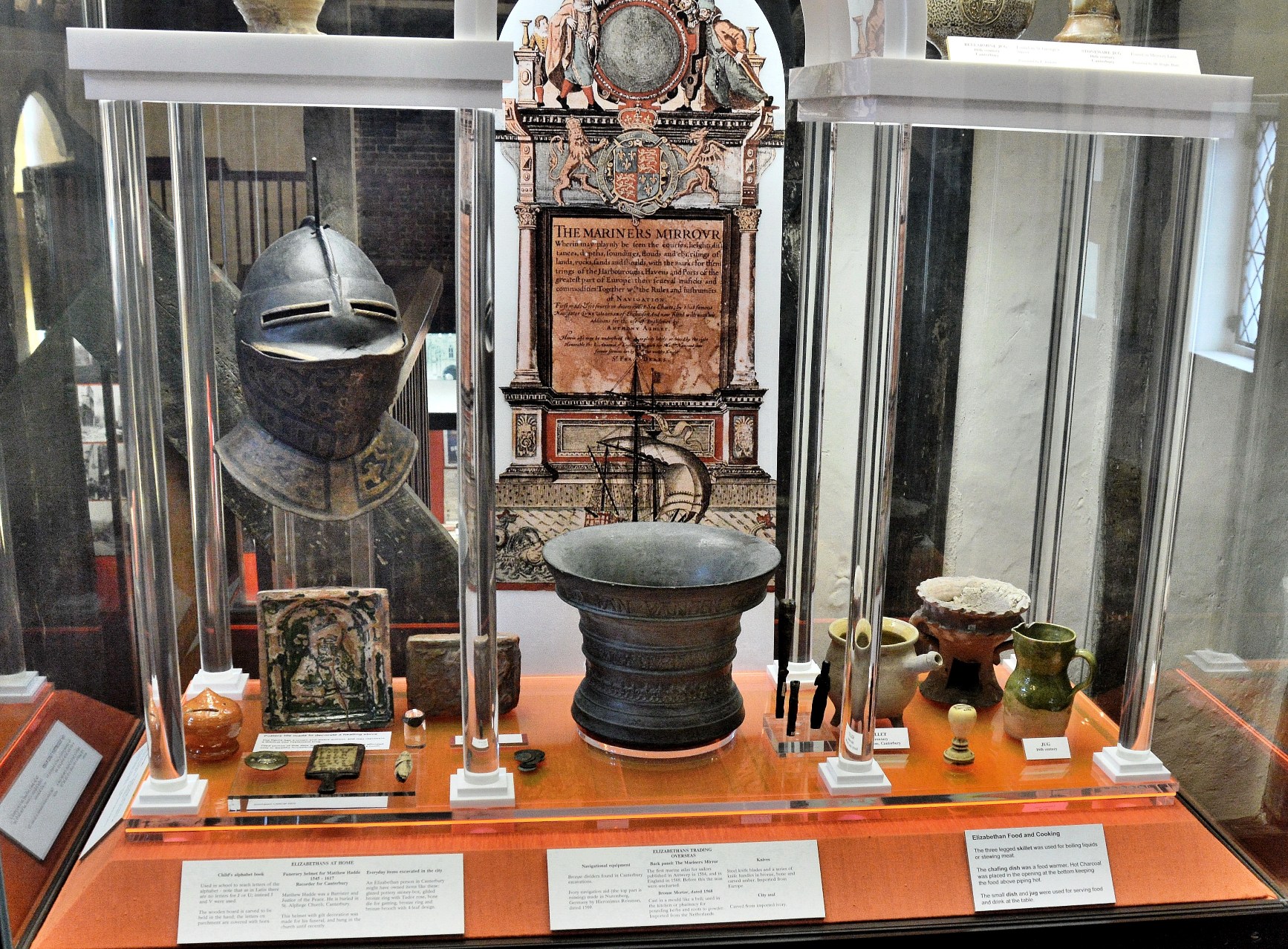
armour-at-heritage-museum-in-canterbury-dsc_7625

And armour.

heritage-museum-in-canterbury-dsc_7622

.

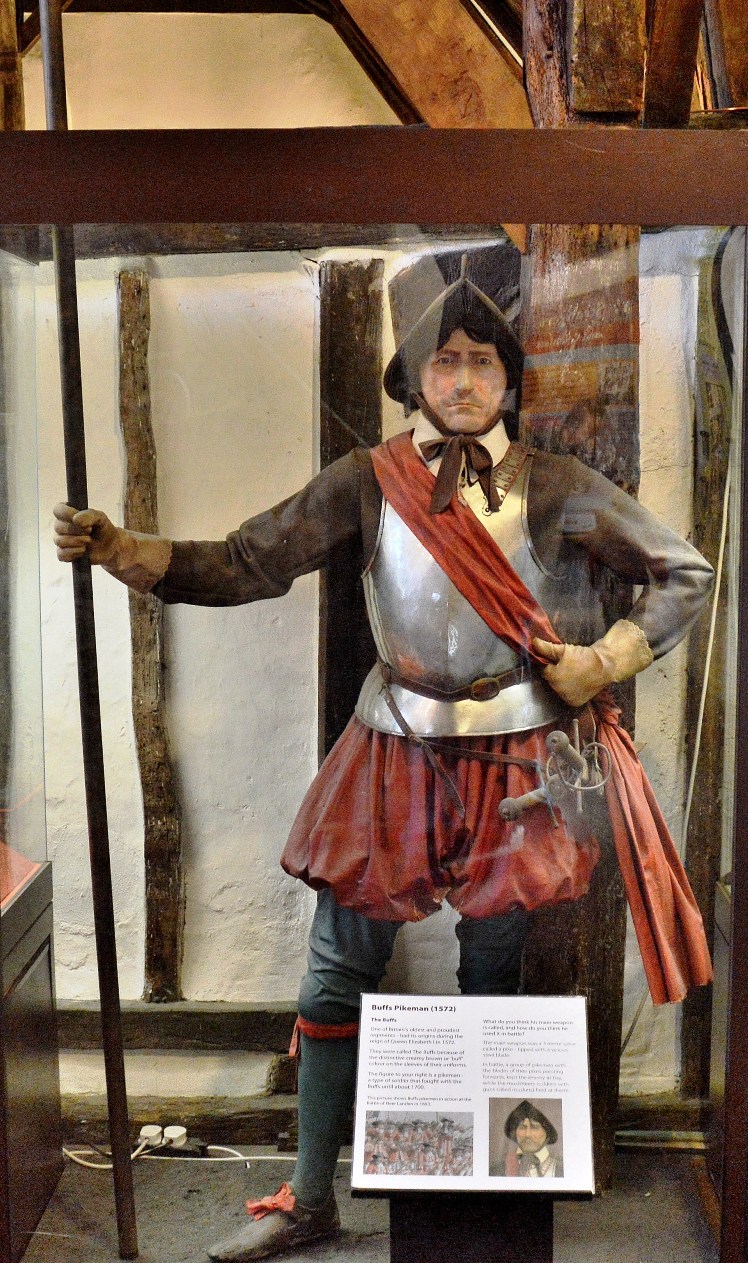
elizabethan-soldier-at-heritage-museum-in-canterbury-dsc_7623

Elizabethan Soldier – A “Buffs” Pikeman 1572

The Buffs are a long-standing regiment originating in Kent and garrisoned at Canterbury.  Once known as the 3rd Light Foot but now known as the Royal East Kent Regiment.  Referred to as the Buffs because of the buff colouring of their sleeves.

In 1858 whilst stationed at Malta, Lieutenant John Cotter, Adjutant of the 2nd Buffs, would shout “Steady, The Buffs!”, a shout which was popularised by Rudyard Kipling and entered common use.

heritage-museum-in-canterbury-dsc_7640

.

invicta-steam-locomotive-at-heritage-museum-in-canterbury-dsc_7629

Invicta Steam Locomotive

Invicta was built at the Stephensons Works, delivered and driven by Edward Fletcher and opened the Canterbury and Whitstable Railway in 1830.

heritage-museum-in-canterbury-dsc_7643

.

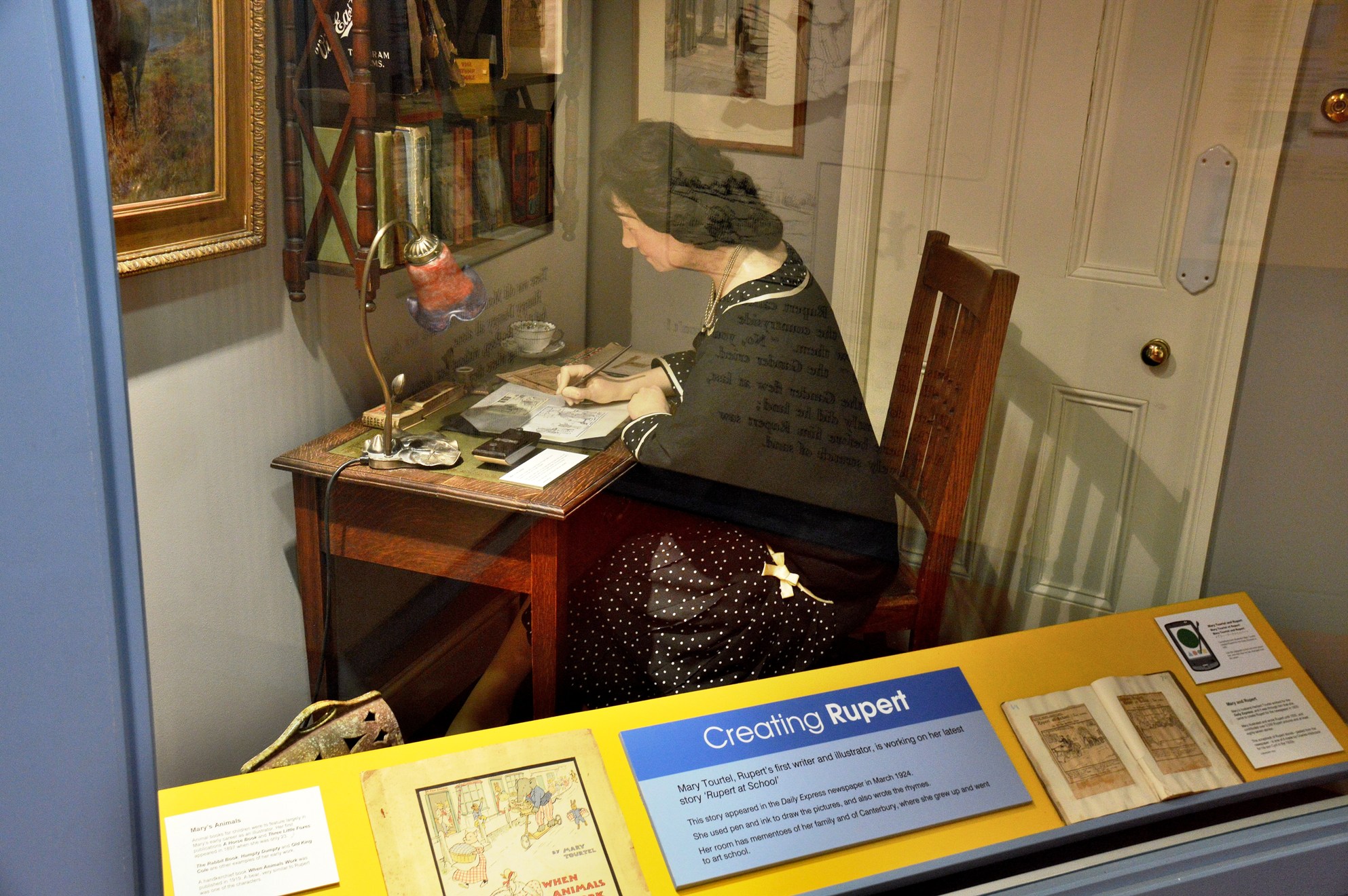
mary-tourtel-at-heritage-museum-in-canterbury-dsc_7633

Mary Tourtel who Created Rupert the Bear in 1920.

ruperts-house-at-heritage-museum-in-canterbury-dsc_7636

.

rupert-the-bears-house-art-heritage-museum-in-canterbury-dsc_7637

.

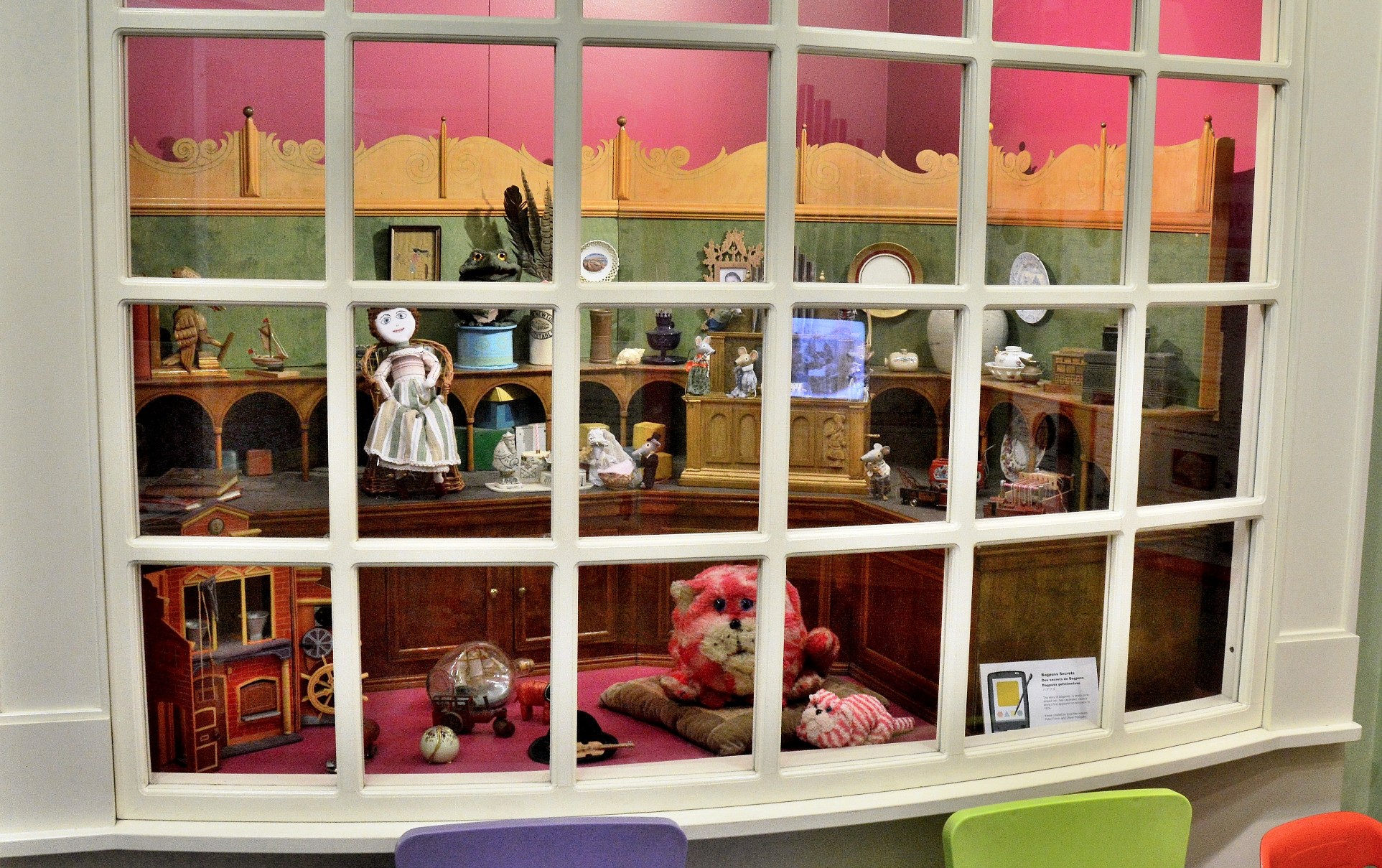
bagpus-heritage-museum-in-canterbury-dsc_7630

Bagpus and Friends

Oliver Postgate and Peter Firmin created Bagpus, Ivor the Engine, Noggin the Nog, the Clangers, Tottie: The Story of a Dolls House and The Pogles family in a converted cowshed in Blean near Canterbury using the company name Smallfilms ⇒

There are more of these exhibits at this museum and at the Victoria and Albert Museum of Childhood ⇐ (East London).

tottie-dolls-house-at-heritage-museum-in-canterbury-dsc_7632

Tottie: The Story of a Dolls House

.

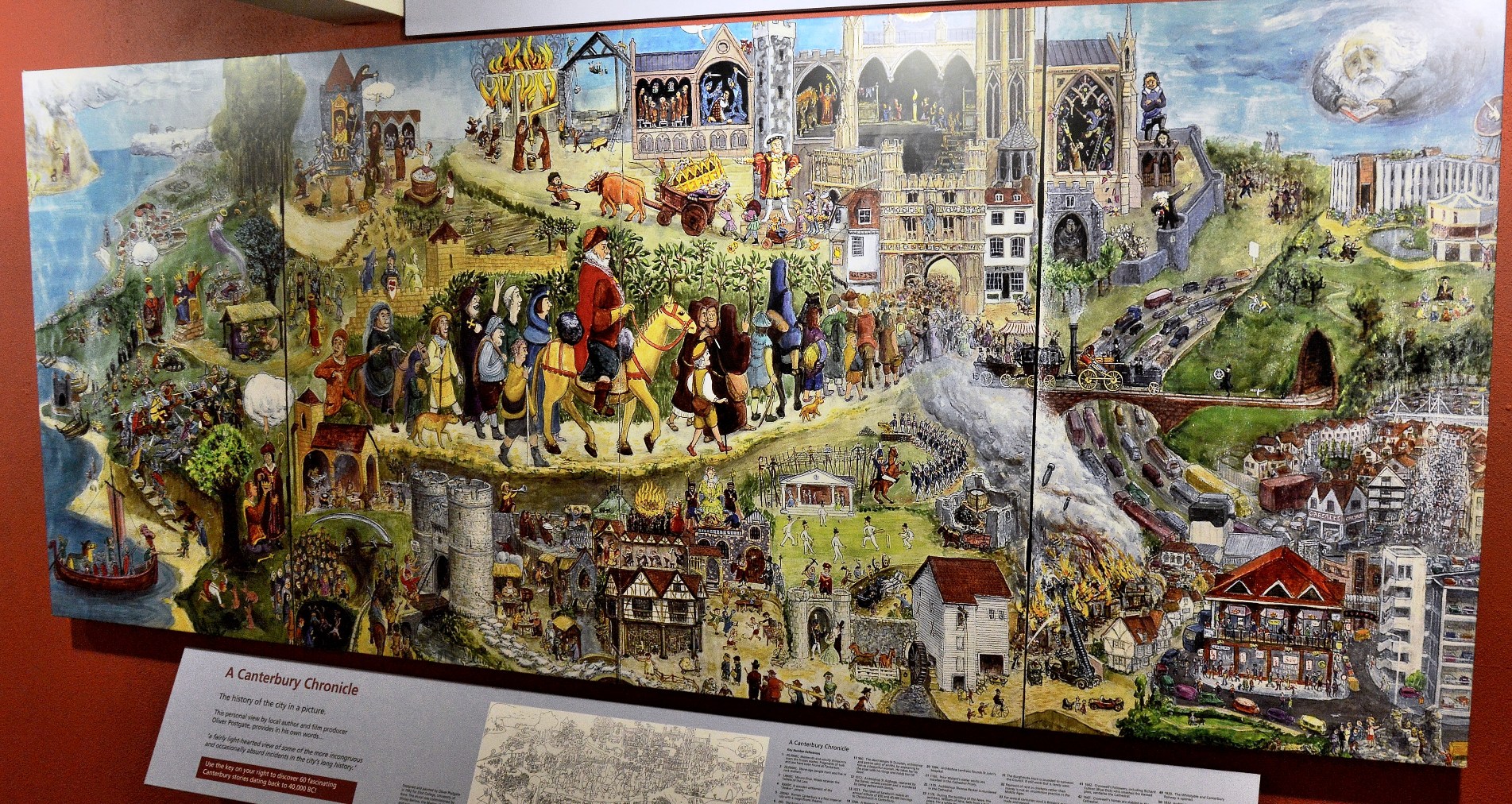
oliver-postgates-canterbury-chronicle-at-heritage-museum-in-canterbury-dsc_7641

Oliver Postgate’s Canterbury Chronicle

And more from amazing Canterbury later.

Canterbury Cathedral

canterbury-cathedral-interior-dsc_7779

All About Canterbury  ⇐

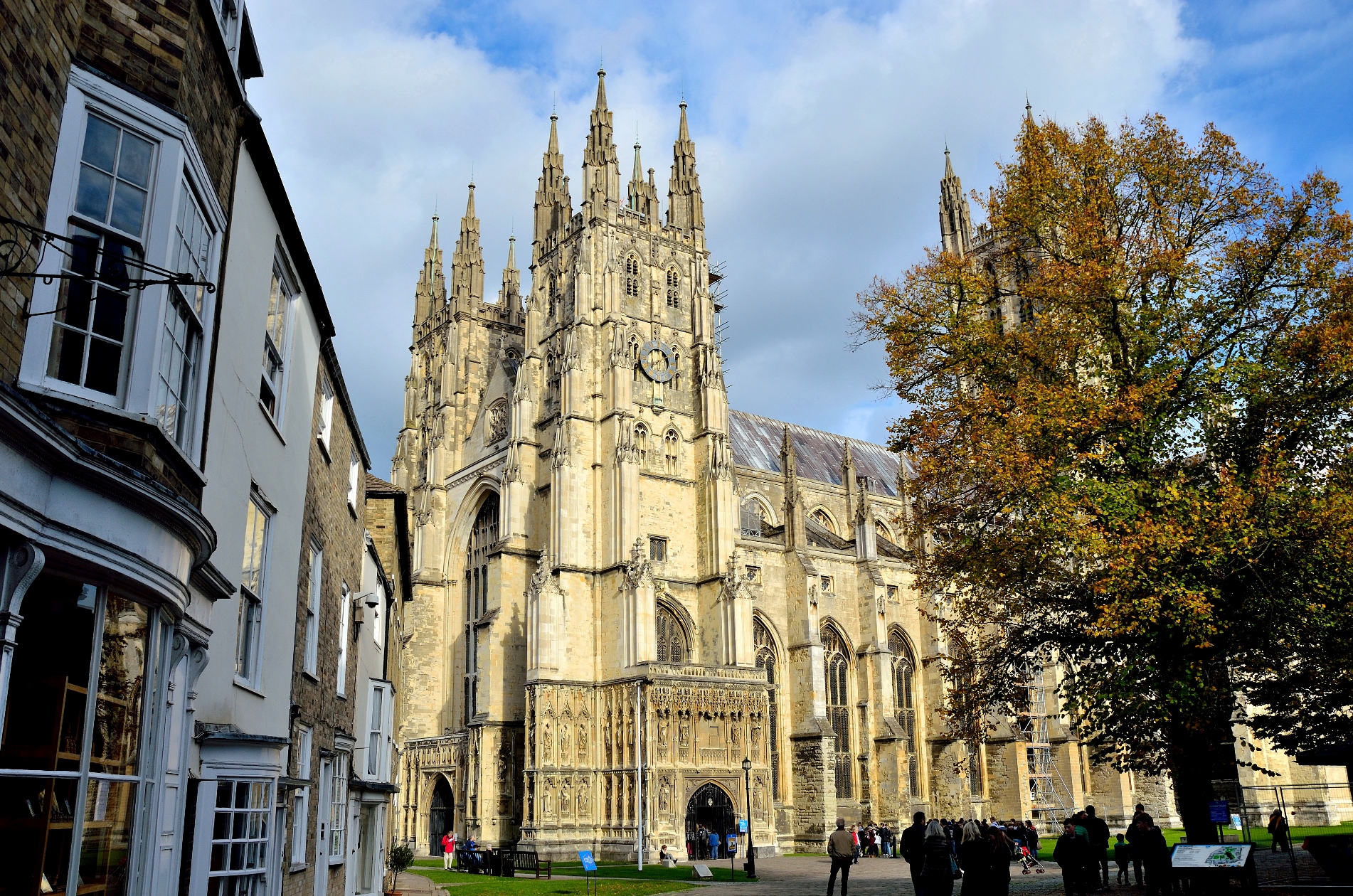
17 Pics.  Canterbury Cathedral ⇒ was founded in 597 by Augustine and enlarged during the 11th and 12th centuries.  The cathedral became notable when archbishop Thomas Becket ⇒ was murdered there by followers of Henry II.  Becket was later cannonised as a martyr and Canterbury became a place of pilgrimage.

Canterbury became yet more famous when Chaucer wrote The Canterbury Tales ⇒ in 1386.

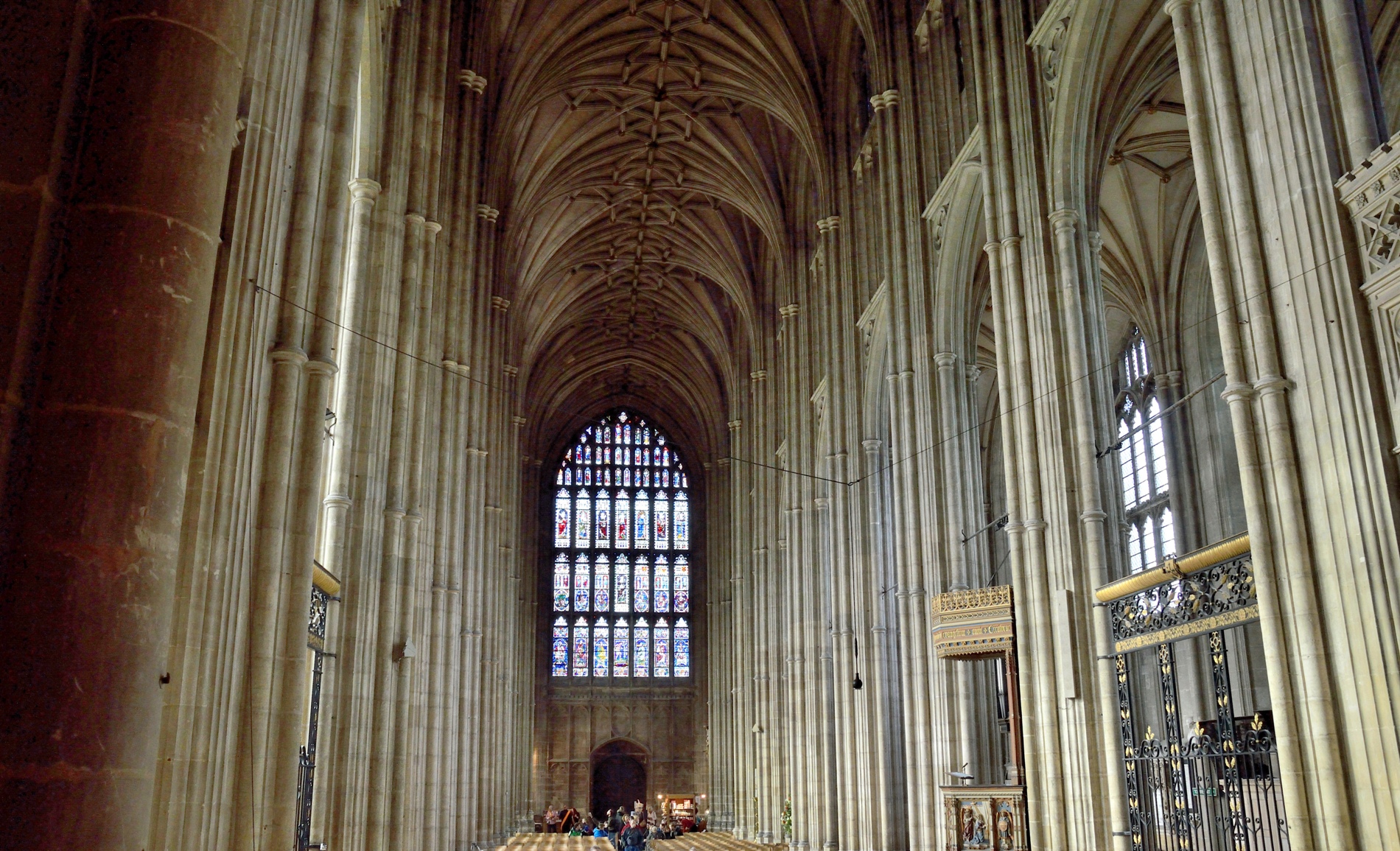
The cathedral is not so greatly ornate as St Paul’s Cathedral ⇐ but it is an extraordinary sight.  There is a charge for entry so please see the website ⇒.

canterbury-cathedral-exterior-7717

.

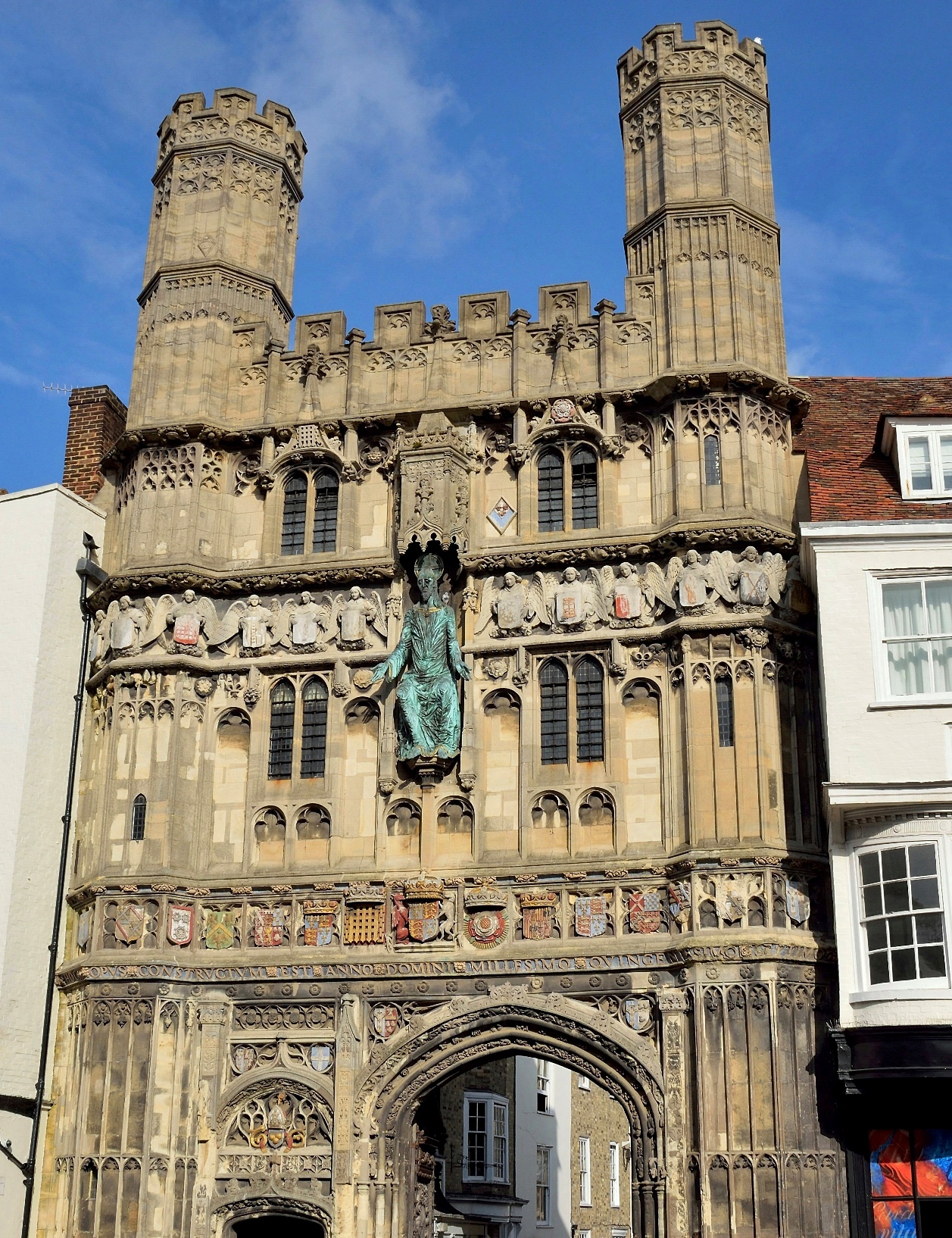
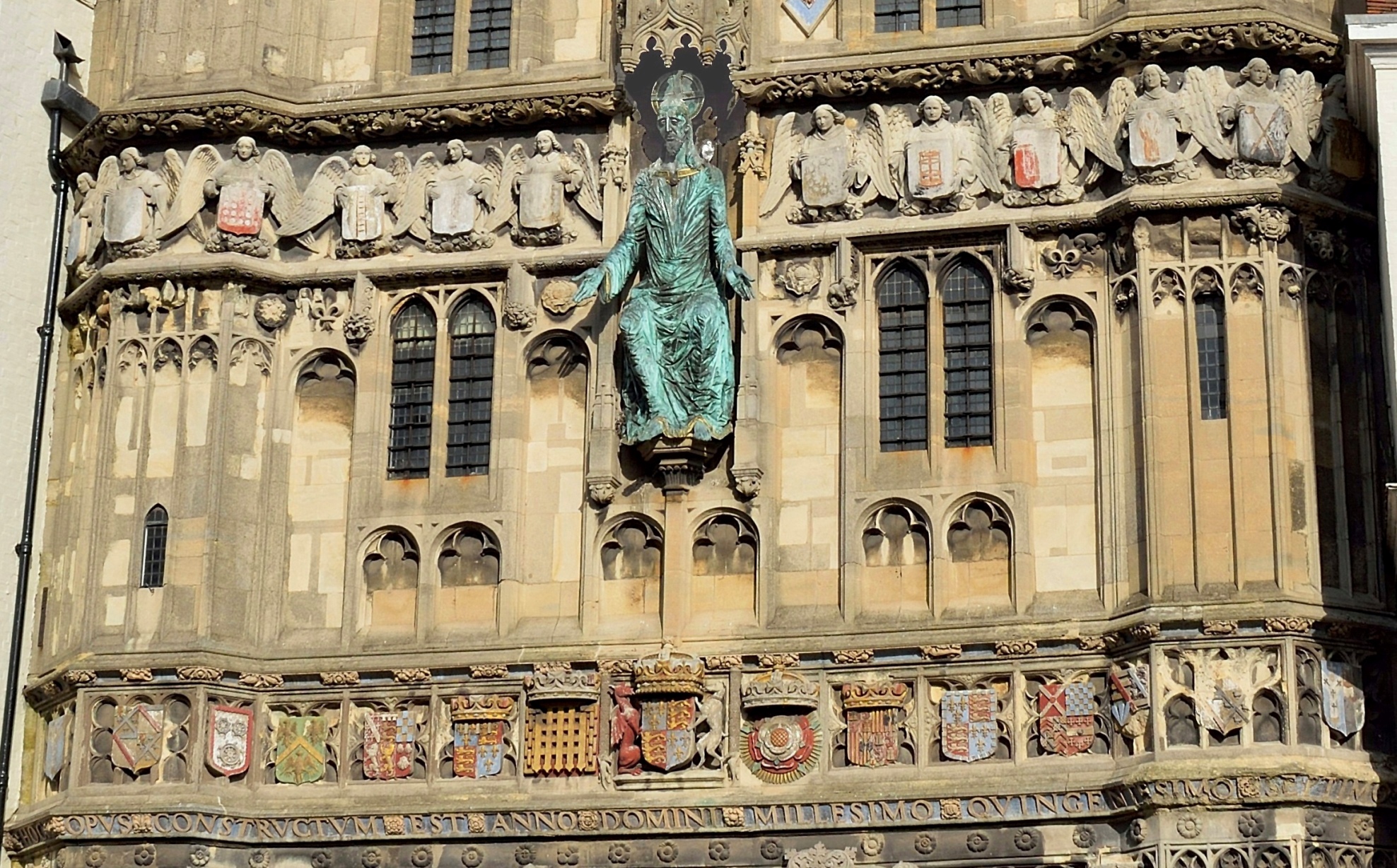
The gate to the cathedral precincts.

.

canterbury-cathedral-exterior

.

canterbury-cathedral-entrance

Cathedral Entrance

.

canterbury-cathedral-interior-nave-1

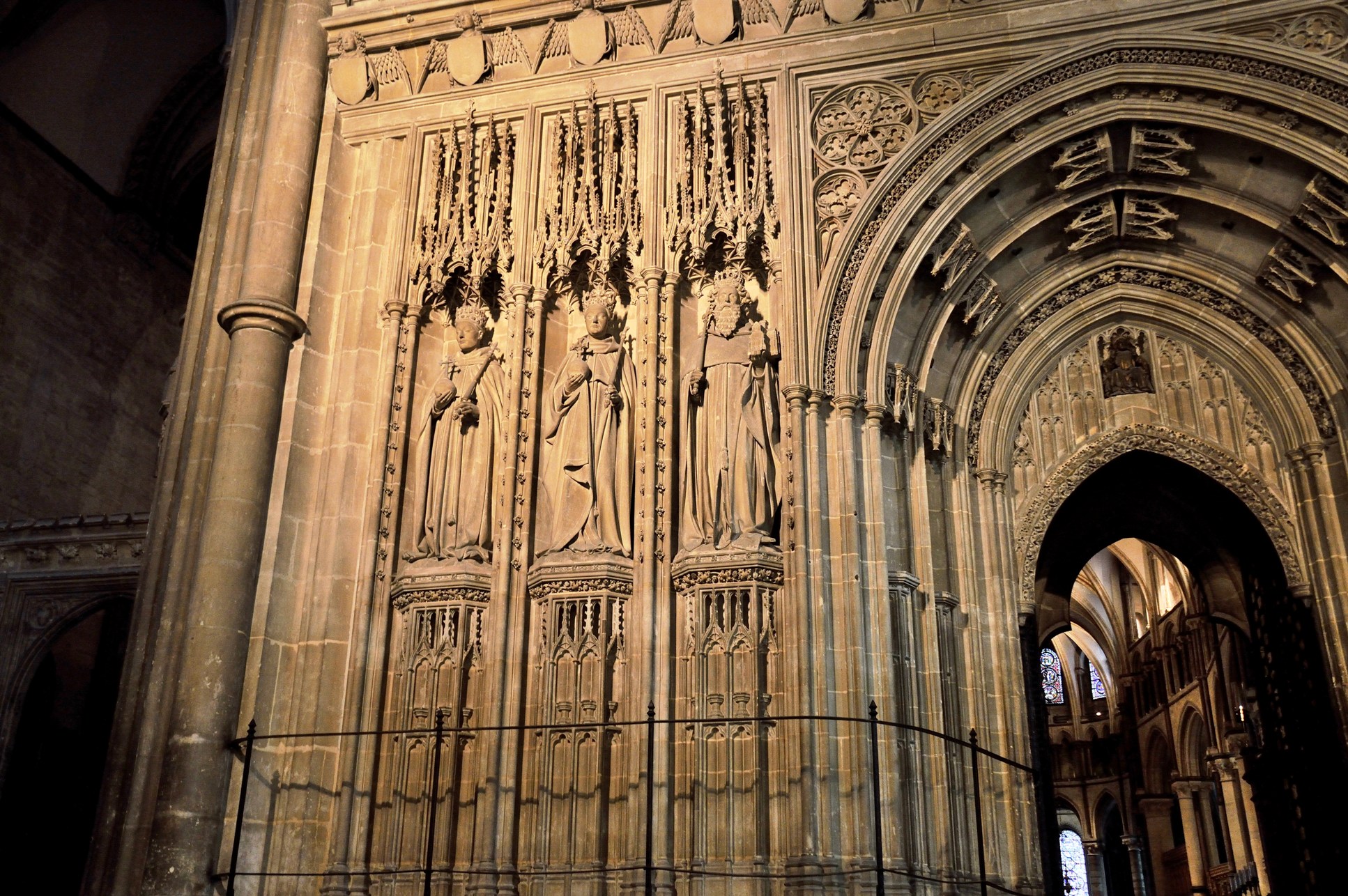
The entrance leads into the Nave and one is struck by the huge size and antiquity of the cathedral.  The ability to construct on this scale without the assistance of modern technology is awe inspiring.

canterbury-cathedral-interior-nave-2

Looking back from the far end of the Nave.

canterbury-cathedral-interior-dsc_7749

Continuing further there is the entrance to the Quire and Trinity Chapel.

canterbury-cathedral-interior-dsc_7753

.

canterbury-cathedral-stained-glass-dsc_7781.

Some of the stained glass along the way.

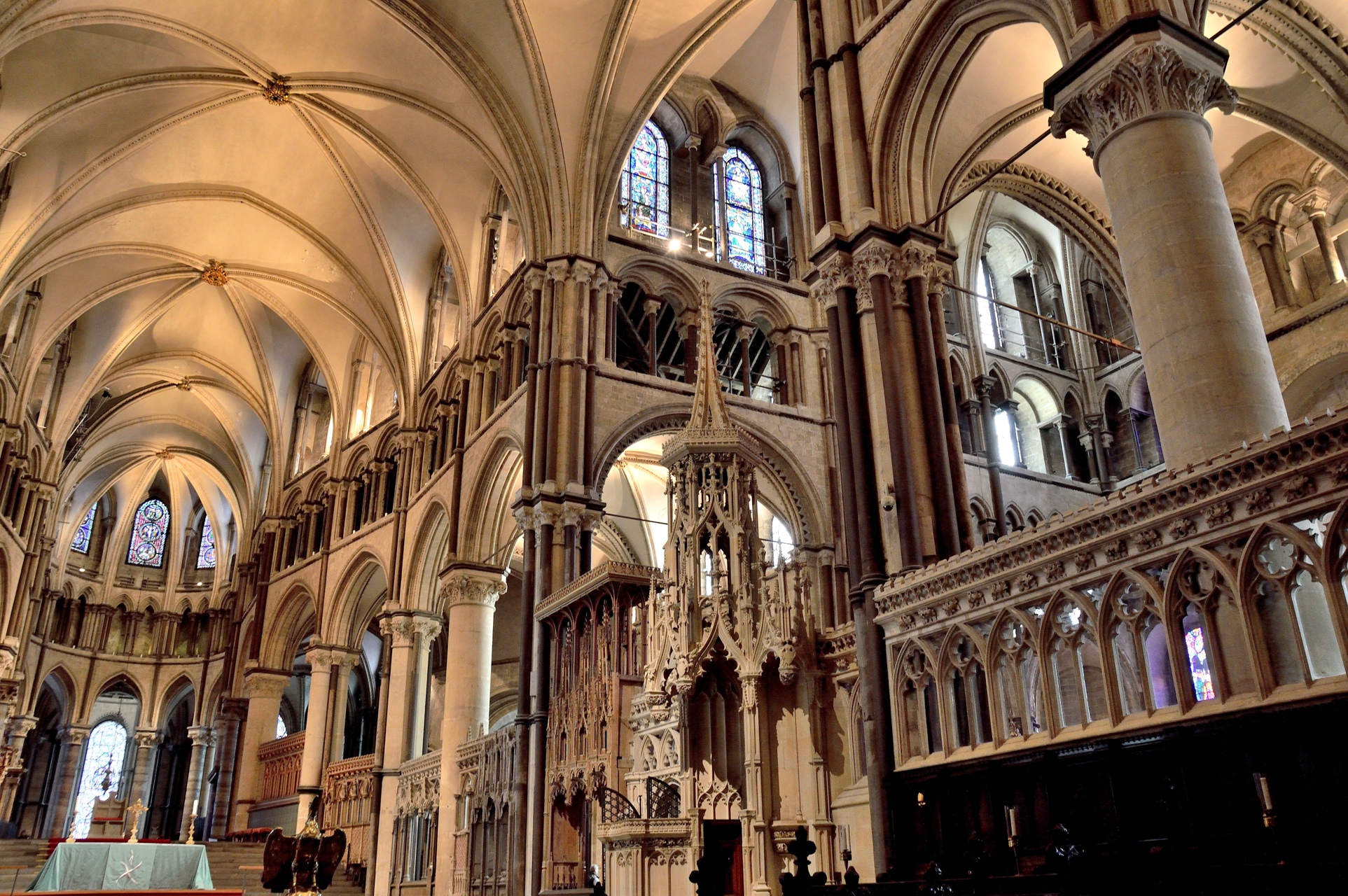
canterbury-cathedral-interior-quire-and-trinity-chapel

The Quire and Trinity Chapel.

canterbury-cathedral-stained-glass-dsc_7766.

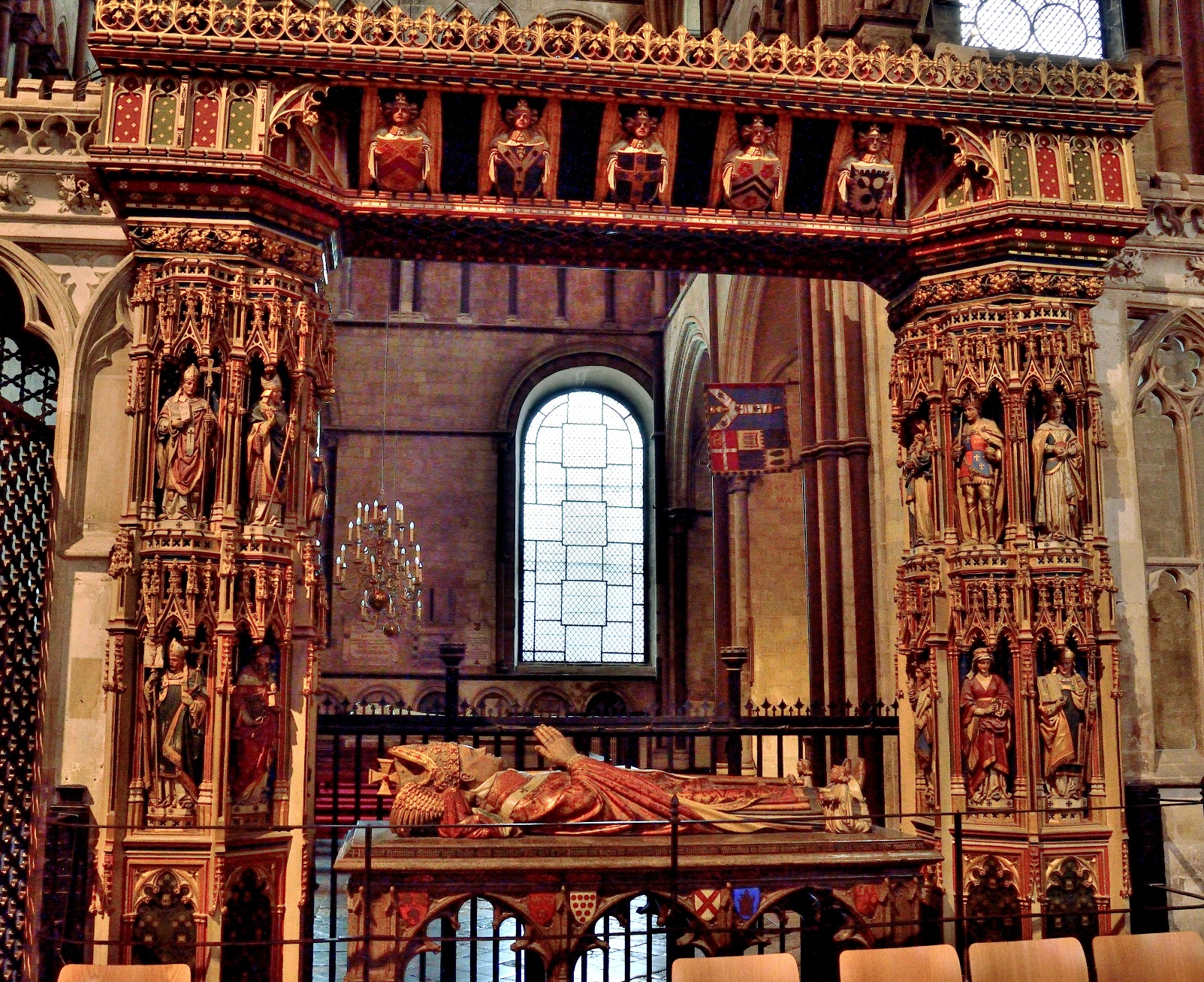
canterbury-cathedral-tomb-of-archbishop-chichelle

The tomb of Archbishop Chichelle.  There are many tombs in the cathedral including Henry IV and Edward the Black Prince. Archbishop Chicelle is the most ornate.  Thomas Becket was buried beneath Trinity Chapel but his bones were destroyed during the Dissolution of the Monasteries in the reign of Henry VIII .

canterbury-cathedral-stained-glass-dsc_7775

.

canterburycathedral-stained-glass-dsc_7773.

canterbury-cathedral-graffiti

It seems that graffiti is nothing new, although it is always worth taking a close look in old churches and buildings for Witch Marks ⇒, which are not quite as they sound.

AND don’t miss out on the Cloisters with their extraordinary ceilings (I did).  They are at the back of the cathedral.  Here are some Google pictures ⇒  .

Thanks for visiting Freed From Time and there are a lot venues at About Canterbury ⇐.

Covent Garden Market, London

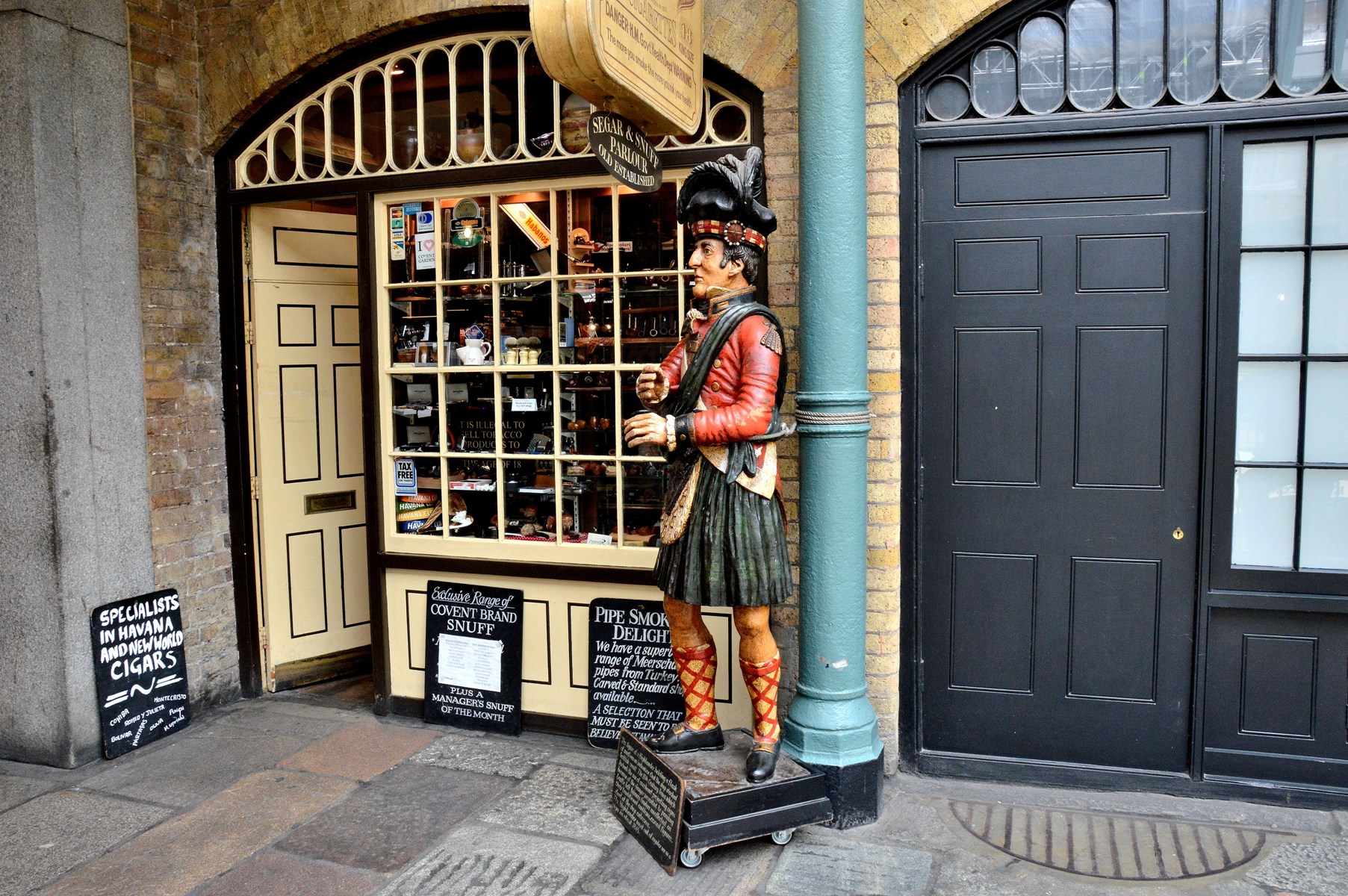
covent-garden-shop

The area was first settled in the 7th century, although abandoned by the 9th century it was eventually walled off by Westminster Abbey in 1201 for use as arable land and orchards.  The area was referred to as the “Garden of the Abbey and Convent”, and then later the “Covent Garden”.   By 1654 a small fruit and vegetable market had developed. By 1974 the market had become substantial and moved to New Covent Garden Market near Nine Elms.

More history ⇒.

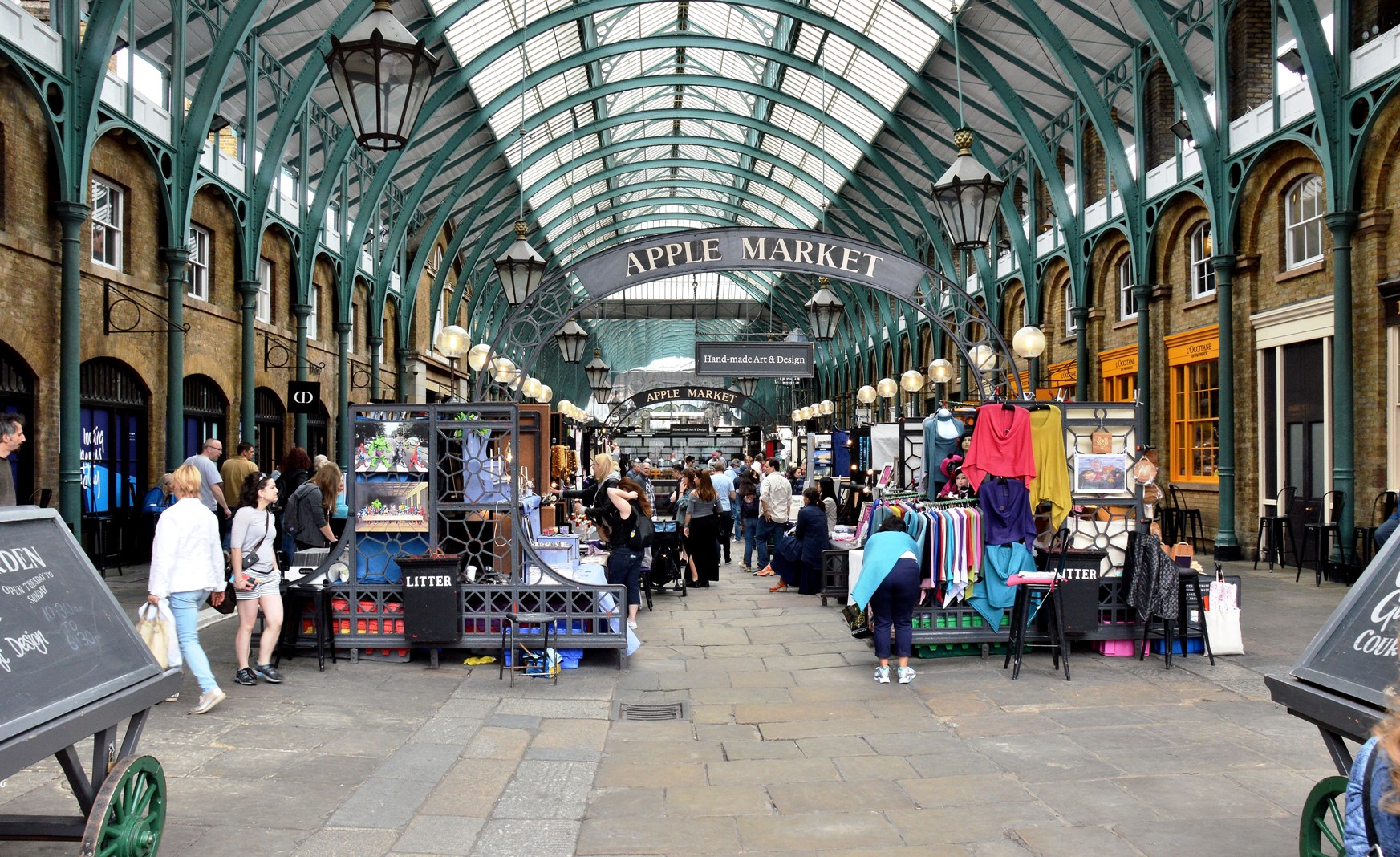
These days the market houses outlets for arts, crafts, fashion and a number of eateries.  Whilst it can be expensive the entertainment is free.  A large, interesting and not necessarily expensive market can be found at Old Spitalfields Market⇒ which has some speciality days. 

Covent Garden:-.

covent-garden

.

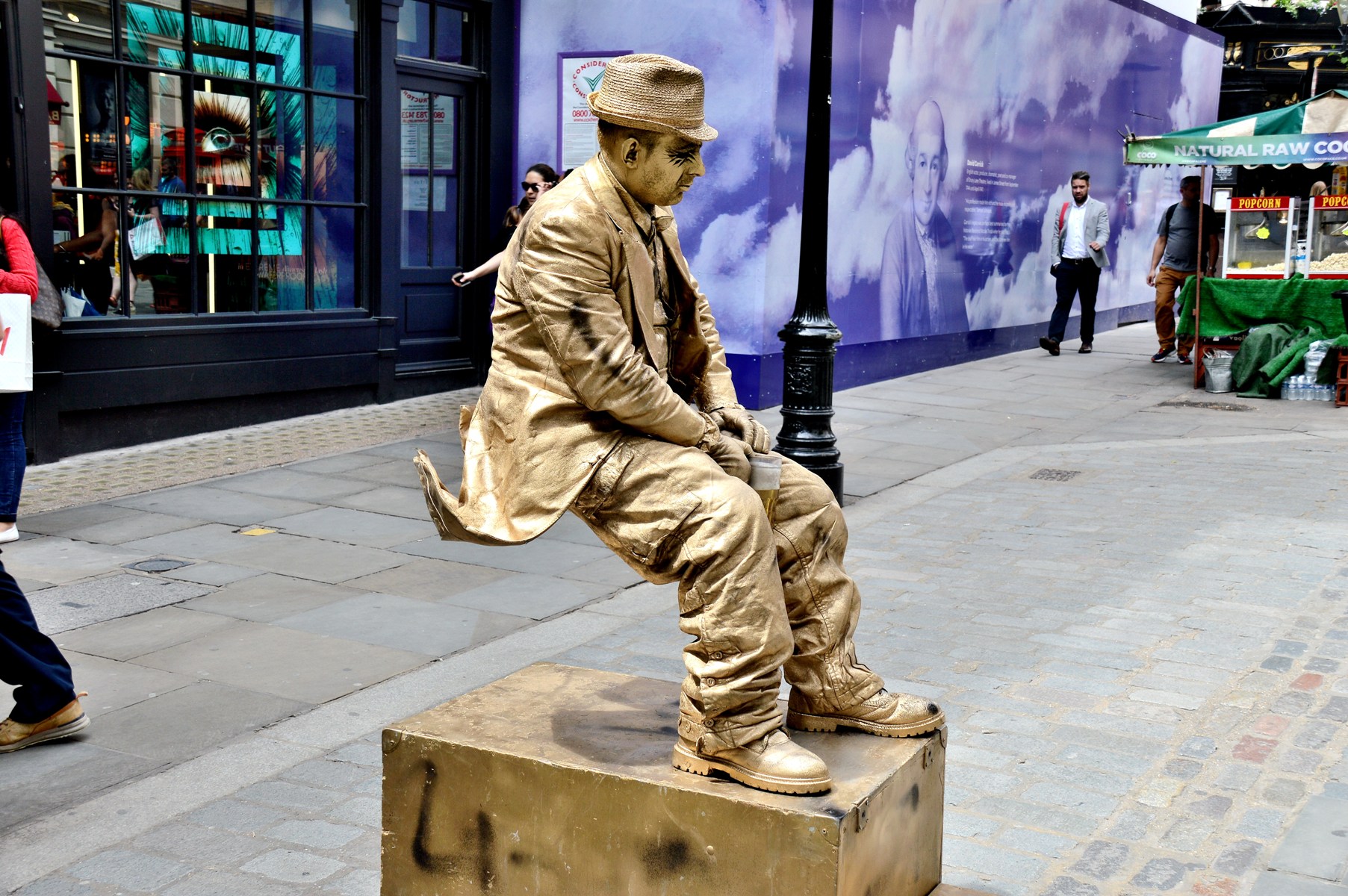
covent-garden-street-performer

.

covent-garden-singer

A little opera (A Capella of course) with ones luncheon.

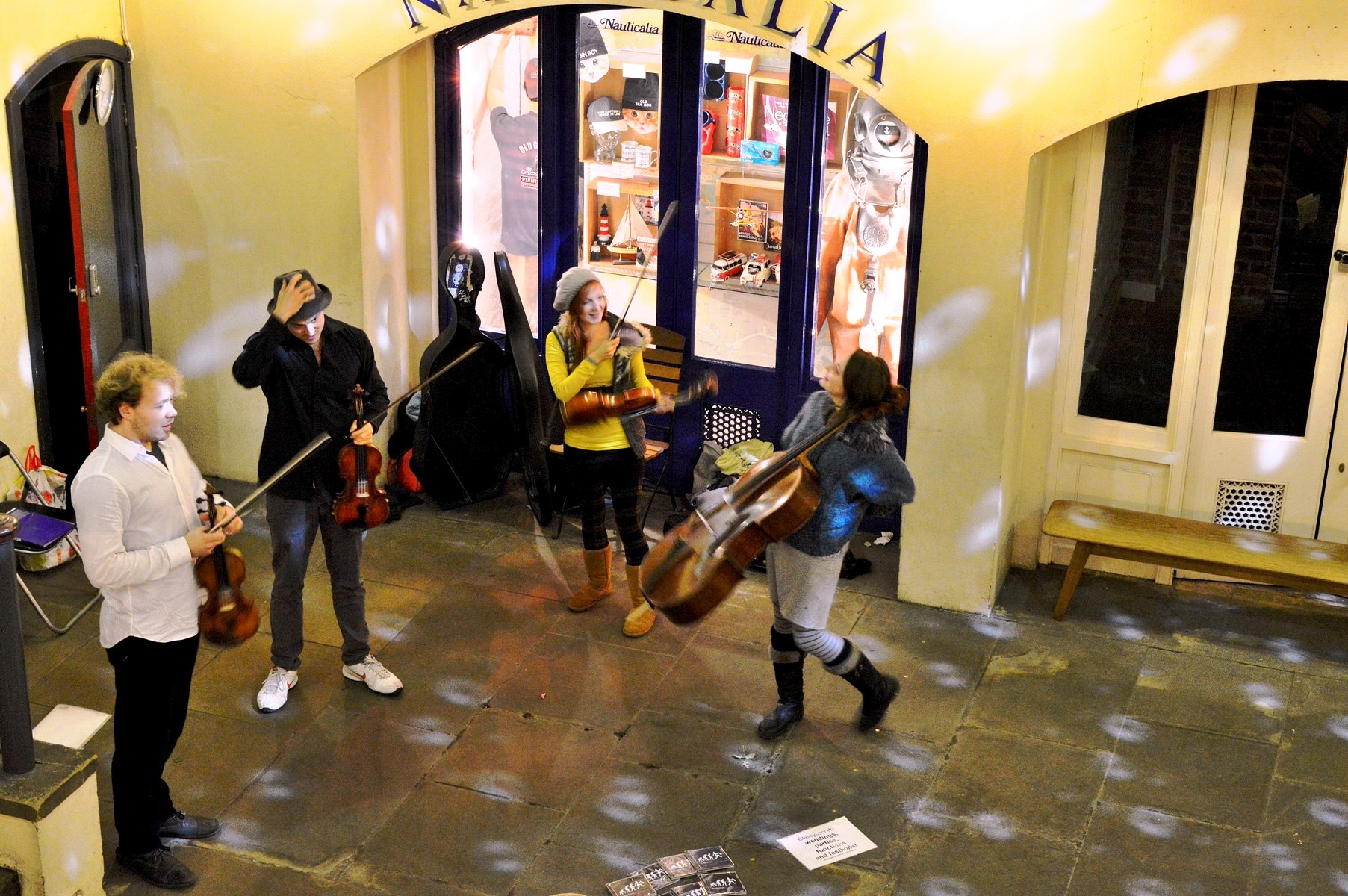
covent-garden-string-quartete

Or a string quartet.

covent-garden-escape-artist

Or perhaps a little bondage.

covent-garden-juggler

Maybe watch someone juggle with sharp stuff.

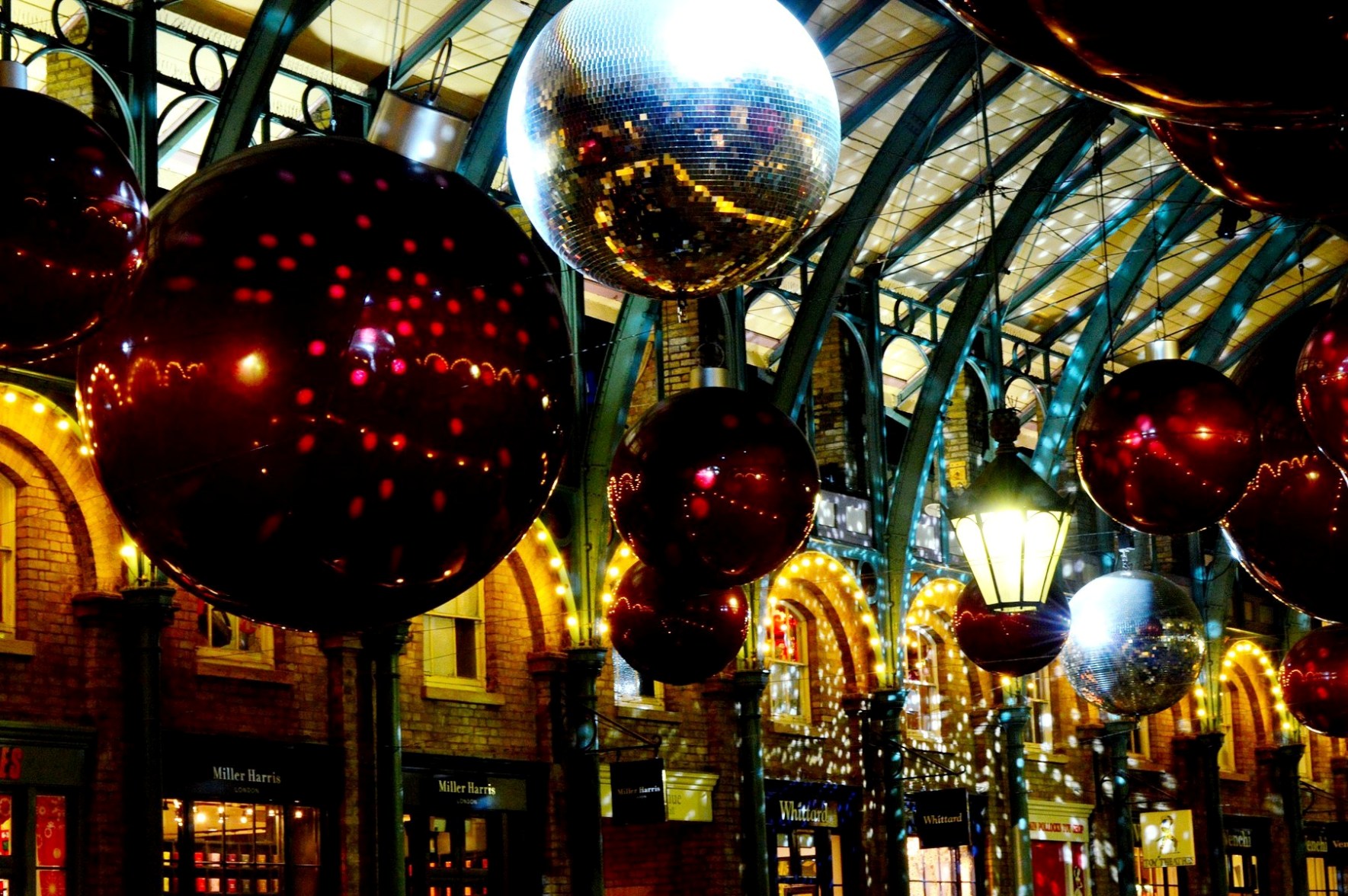
They do make an effort at Christmas.

Christmas is coming, the geese are getting fat
Please to put a penny in the old man’s hat
If you haven’t got a penny, a ha’penny will do
If you haven’t got a ha’penny, then God bless you!

covent-garden-musicians

.

covent-garden-xmas-decorations

.

covent-garden-xmas-decoration

Crossness Pumping Station

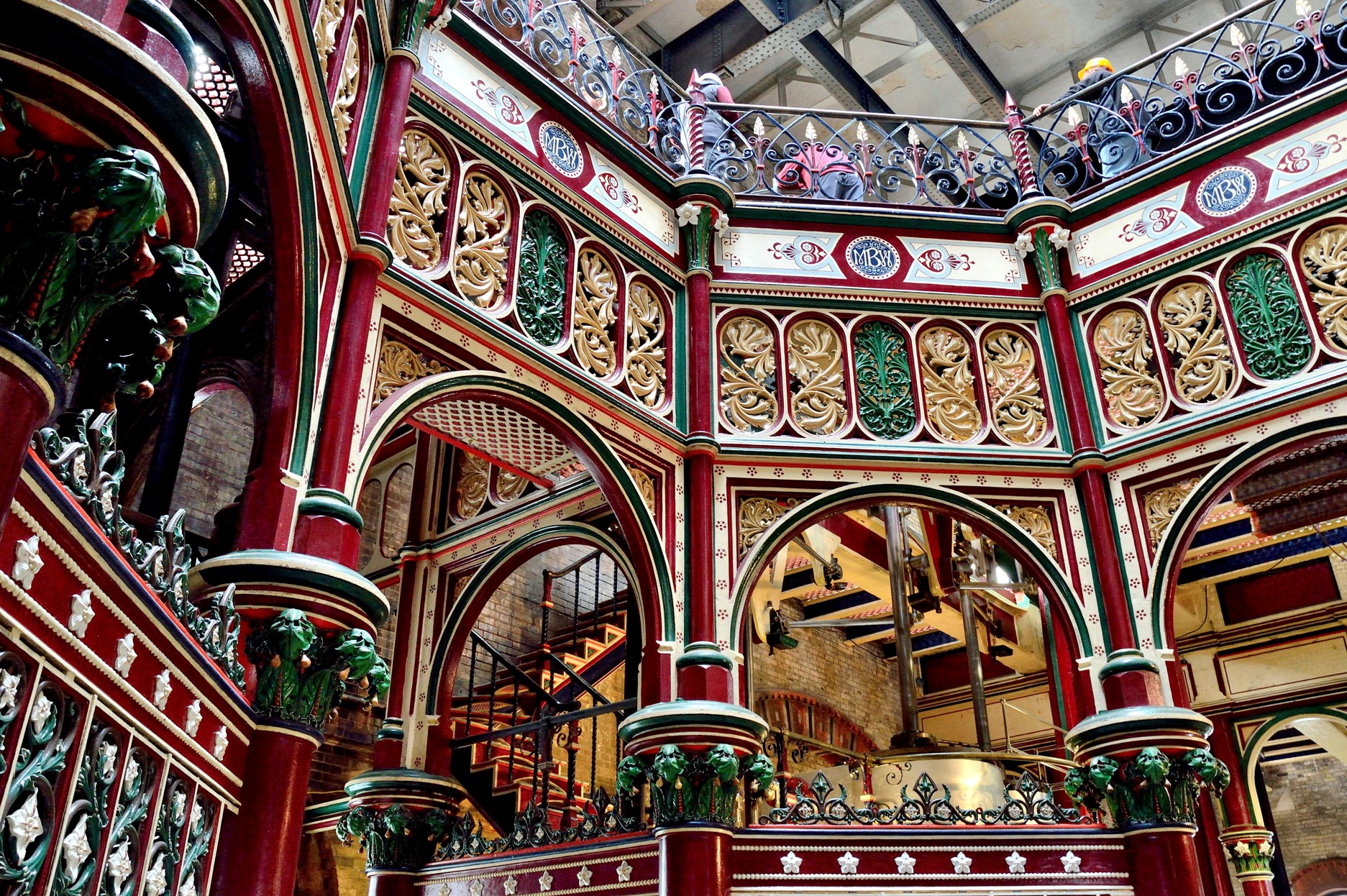
crossness-pumping-station-ornate-ironwork-dsc_7494

18 pics.  The Crossness Pumping Station ⇒ , just east of London, together with 82 miles of brick intercepting sewers, 450 miles of main sewers and 13,000 miles of local sewers were connected and officially opened in 1865.  Visiting ⇒ sometimes steaming but not always open so please check the link.

crossness-pumping-station-ornate-ironwork-dsc_7487

This was to solve :-

crossness-pumping-station-the-great-stink

The Great Stink

At that time they believed that a miasma (odour) was the cause of diseases, such as cholera which killed thousands.  Indeed a city could not grow or prosper without solving the problem.  The solution, of a well designed sewage system, was a major part of resolving the actual cause of such diseases, infected water.  

Another important contribution was a clean water supply system.  An example of this and the great engines can be found at the London Water and Steam Museum ⇐.

The London sewage system was designed by Sir Joseph Bazalgette who also designed many other Victorian London buildings and mustaches. 🙂

crossness-pumping-station-sir-joseph-bazalgette

.

crossness-pumping-station-old-photograph

The pumping station continued in use until the 1950’s, abandoned until 2003 when one of the four engines and most of the ornate ironwork were restored.

crossness-pumping-station-ornate-ironwork-dsc_7554

Visitors get hard hats.

crossness-pumping-station-ornate-ironwork-dsc_7556

.

crossness-pumping-station-ornate-ironwork-dsc_7492

.

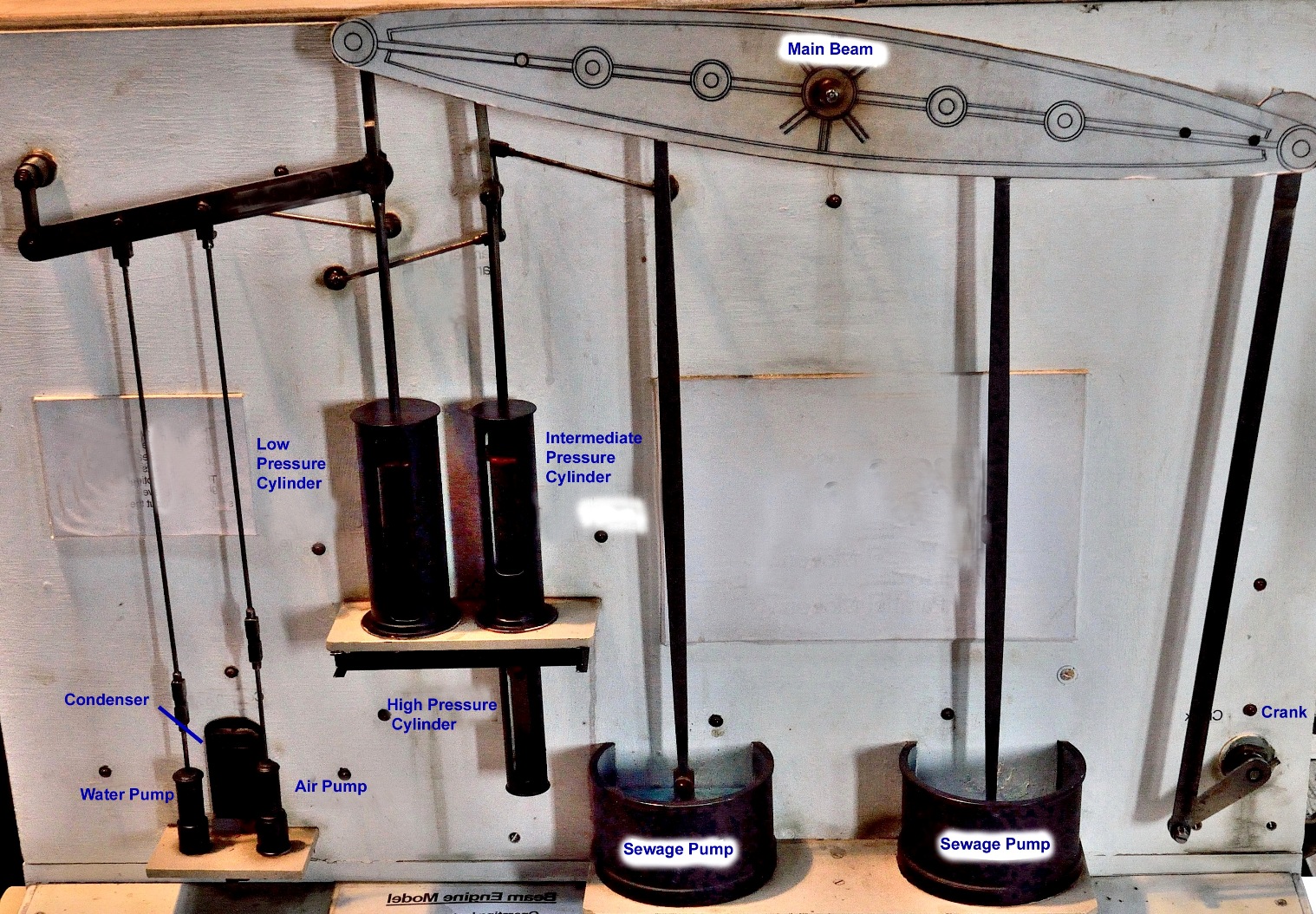
Each engine was of the triple expansion type where; a high pressure steam cylinder (the lower here) received high pressure steam (lots of pounds per square inch) over a small number of square inches, an intermediate pressure cylinder received lower pressure exhaust from the high pressure cylinder over more square inches and the intermediate cylinder exhaust was passed to the largest low pressure cylinder.  An efficient way to use all of the pressure provided by a boiler.

crossness-pumping-station-high-pressure-cylinder

The high pressure cylinder in the basement.

crossness-pumping-station-beam-dsc_7544

The intermediate and low pressure cylinders on the ground floor.

crossness-pumping-station-pressure-cylinders

A chap with a proper hat is always reassuring. 🙂

crossness-pumping-station-beam

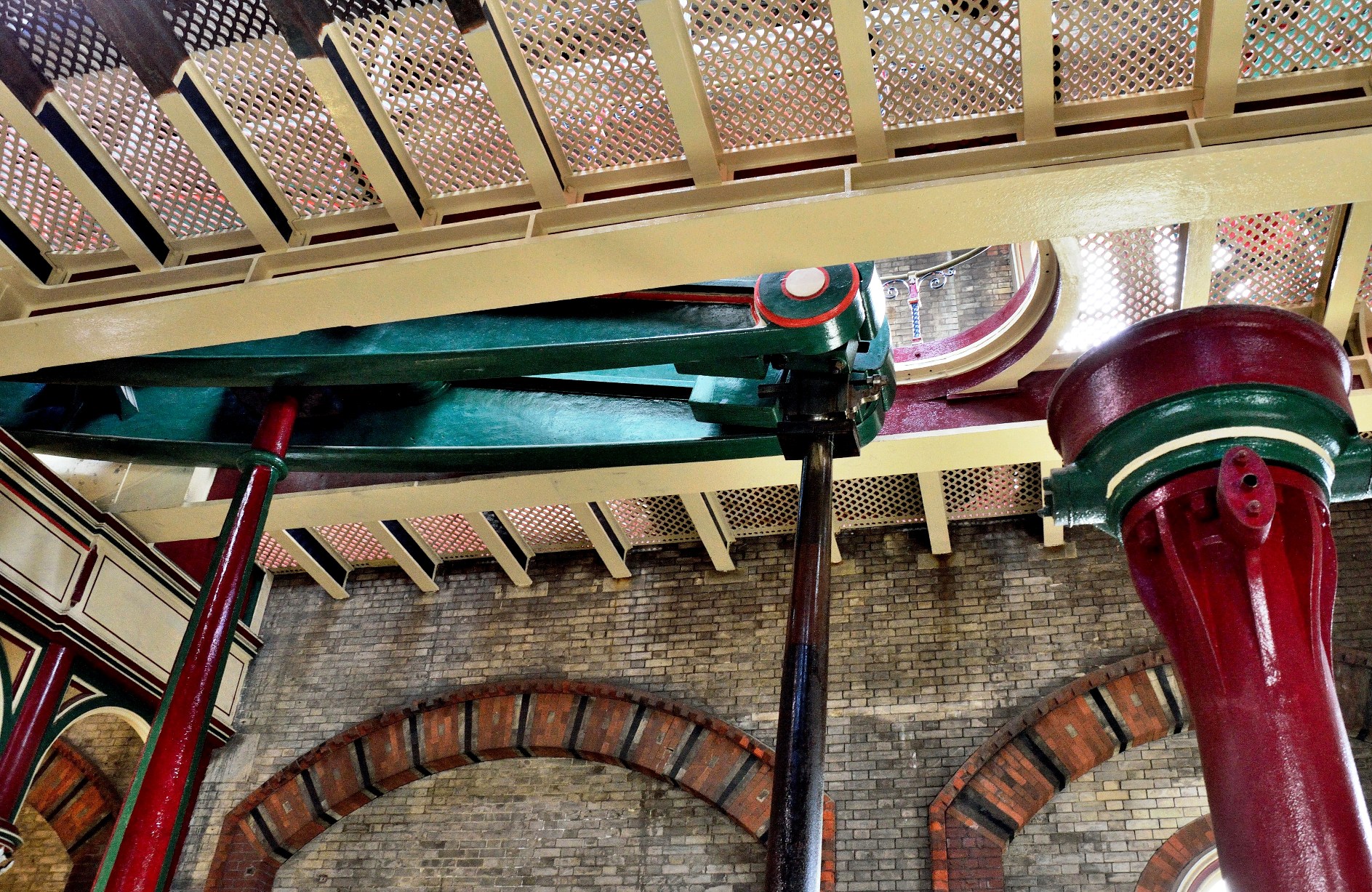
One of the main beams (the refurbished one) on the first floor.

crossness-pumping-station-beam-dsc_7497

And, from underneath.  The shaft on the left operates one of the pumps and the one on the right leads to :-

crossness-pumping-wheel

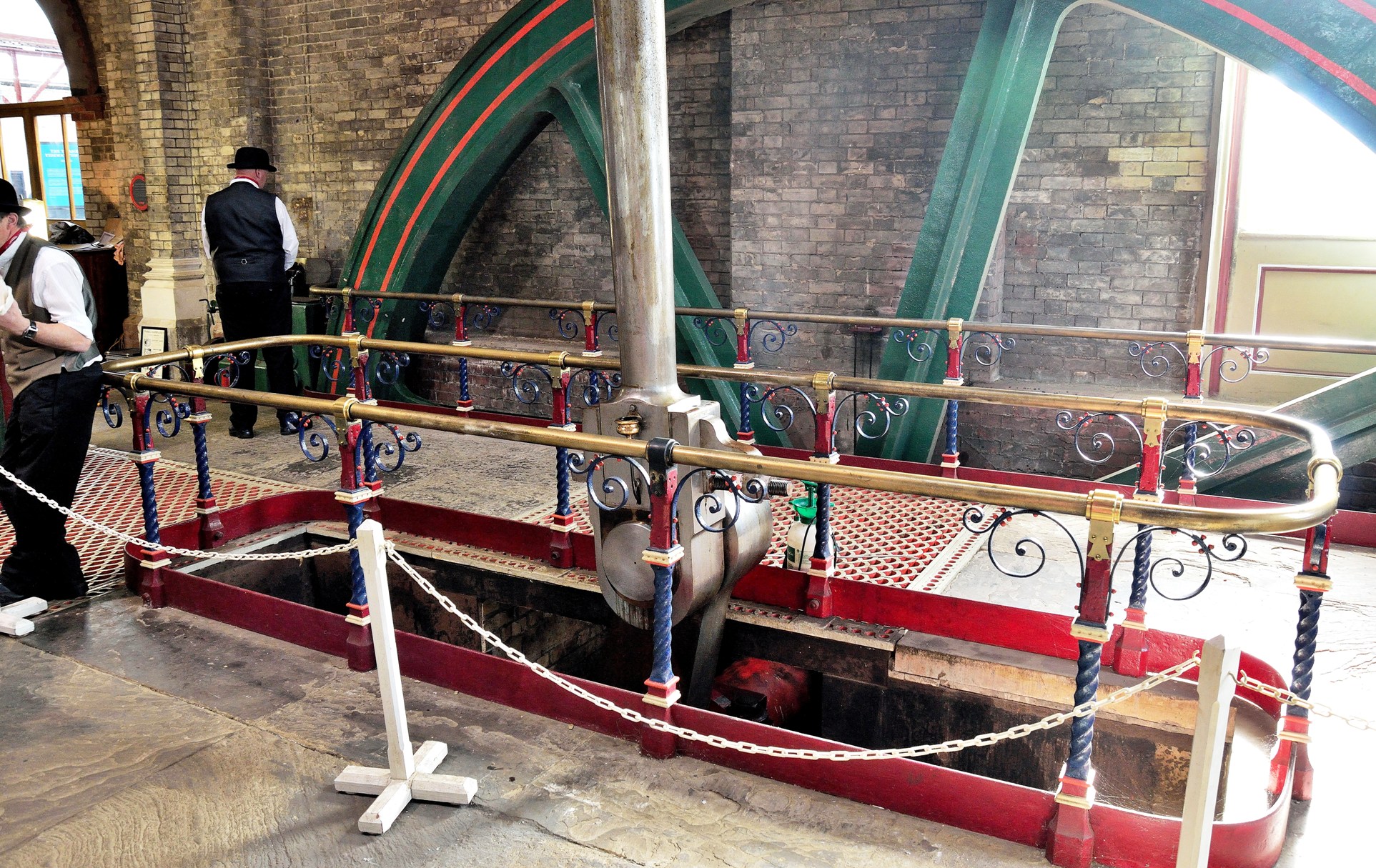
..  the crank and wheel which simply maintain a steady impetus.

crossness-pumping-station-governor

The governor (or regulator) is attached to the engine so that it spins.  The faster it spins the more the weights are forced outward by centrifugal force.  As the weights are forced outward they depress the central plunger which reduces the flow of steam and slows the engine achieving a regulated speed.

crossness-pumping-station-dsc_7560

And, outside on a wet day..

crossness-pumping-station-austin-dsc_7565

I hope you enjoyed your visit.

Tower Bridge

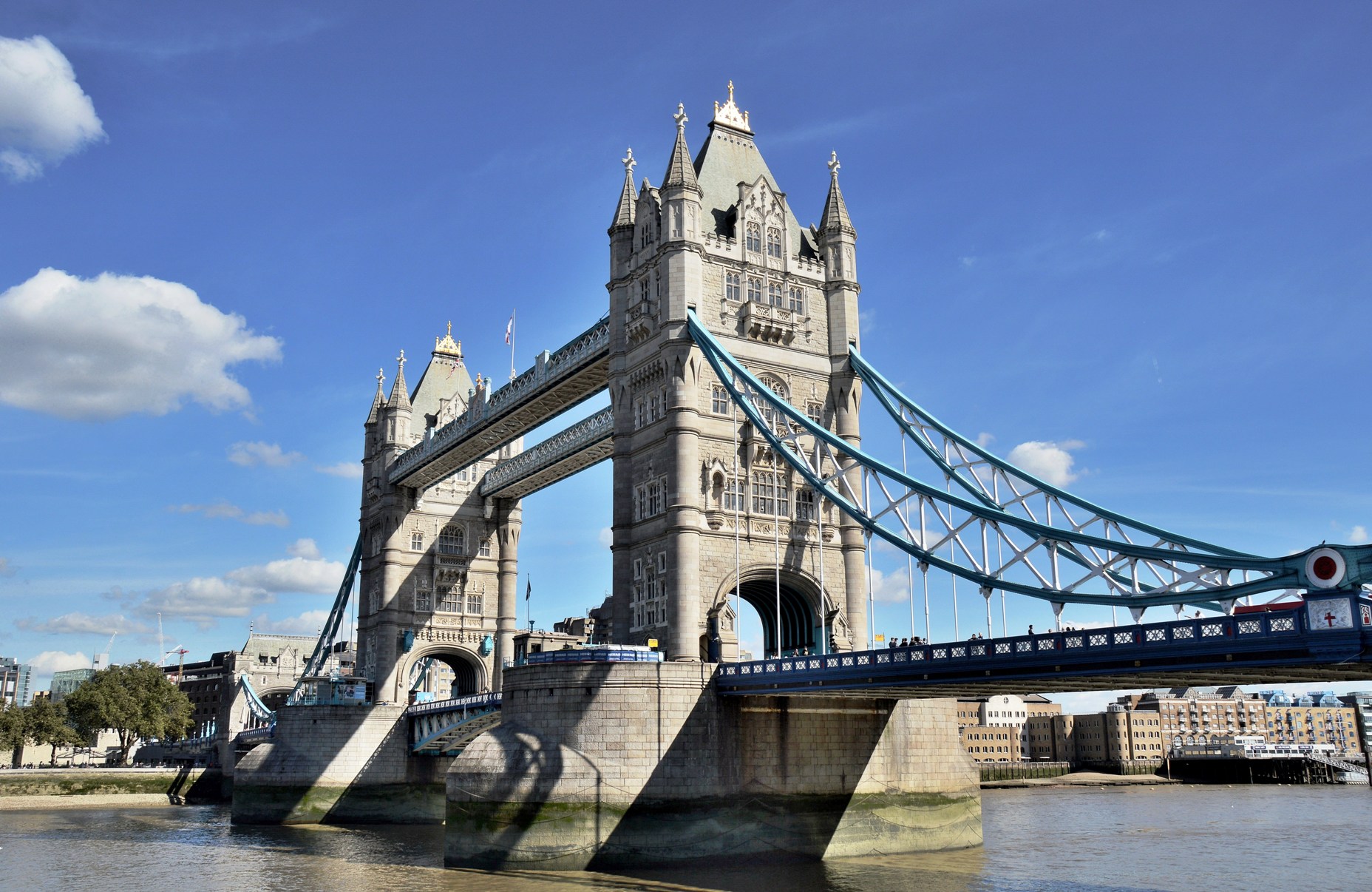
North Approach to Tower Bridge

London’s Tower Bridge ⇒  was built and ready for use by 1894.  The centre section still opens to allow tall vessels to pass.  The bridge lift schedule ⇒.

A little history:-

1912 – during an emergency, Frank McClean had to fly between the bascules (lifting sections) and the high-level walkways in his Short biplane, to avoid an accident.

1952 – a London bus driven by Albert Gunter had to leap from one bascule to the other when the bridge began to rise with the number 78 bus still on it.  – Harry Potter would have been proud.

The bridge is next to The Tower of London ⇐ and both are very close to Tower Hill Underground rail station.

Entrance to the bridge interior is from the either the north or south tower.  Entrance from the north tower is easier because it means that one goes down the only section of  stairs.  I do prefer stairs that go downward. 🙂

Do keep your ticket for later entrance to the old engine rooms.

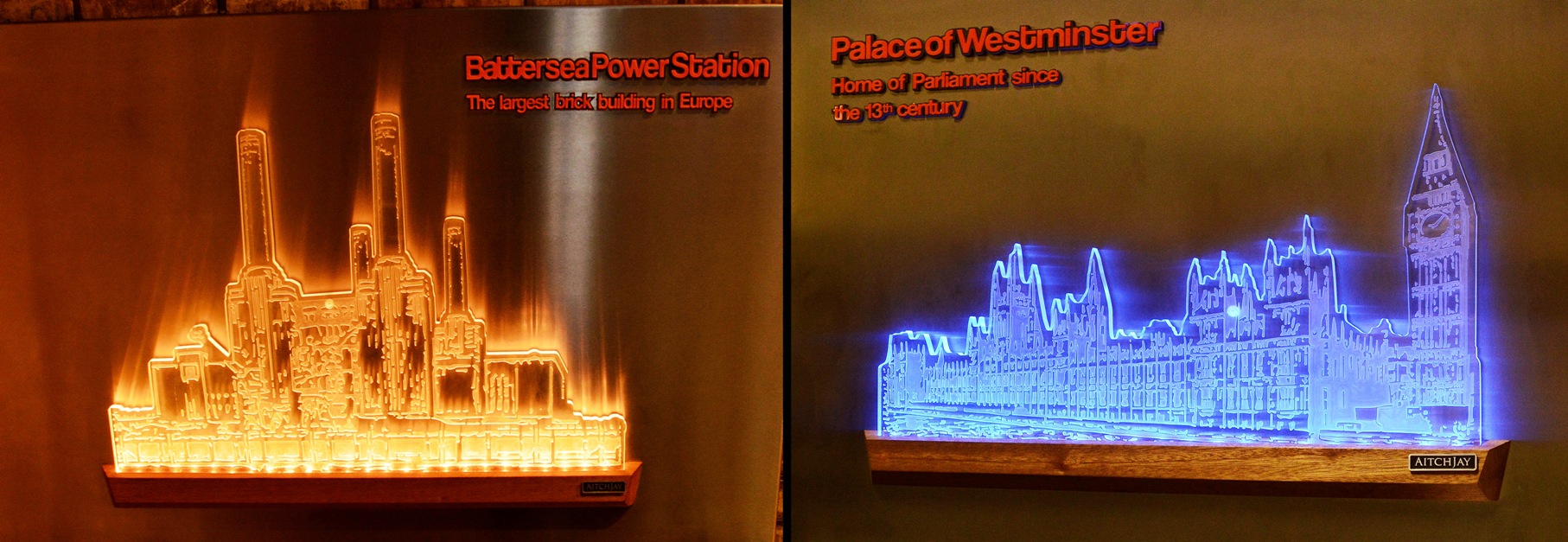
At the base of the north tower there is a lift which leads to a small exhibition/film area.

tower-bridge-exhibition

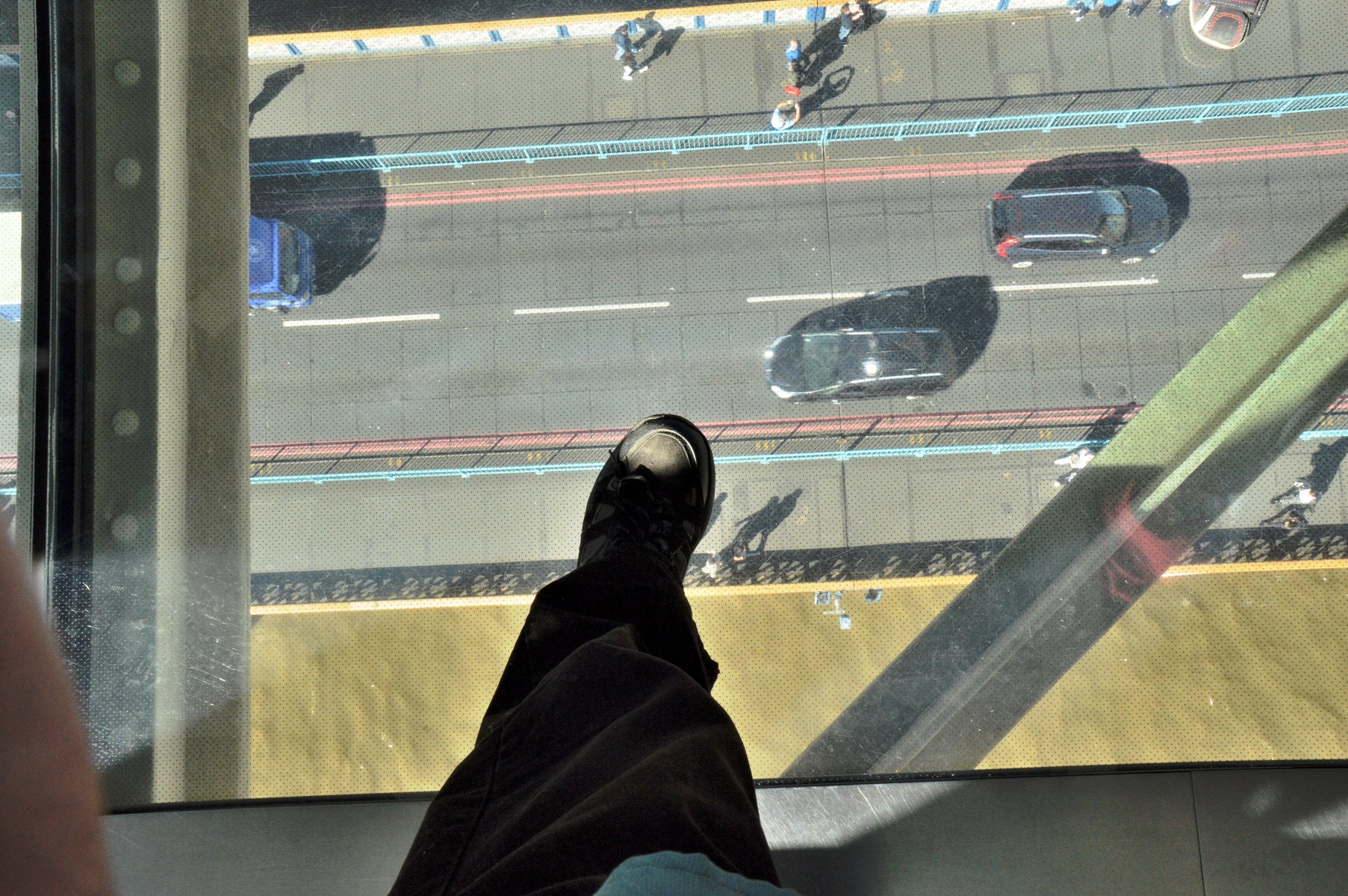
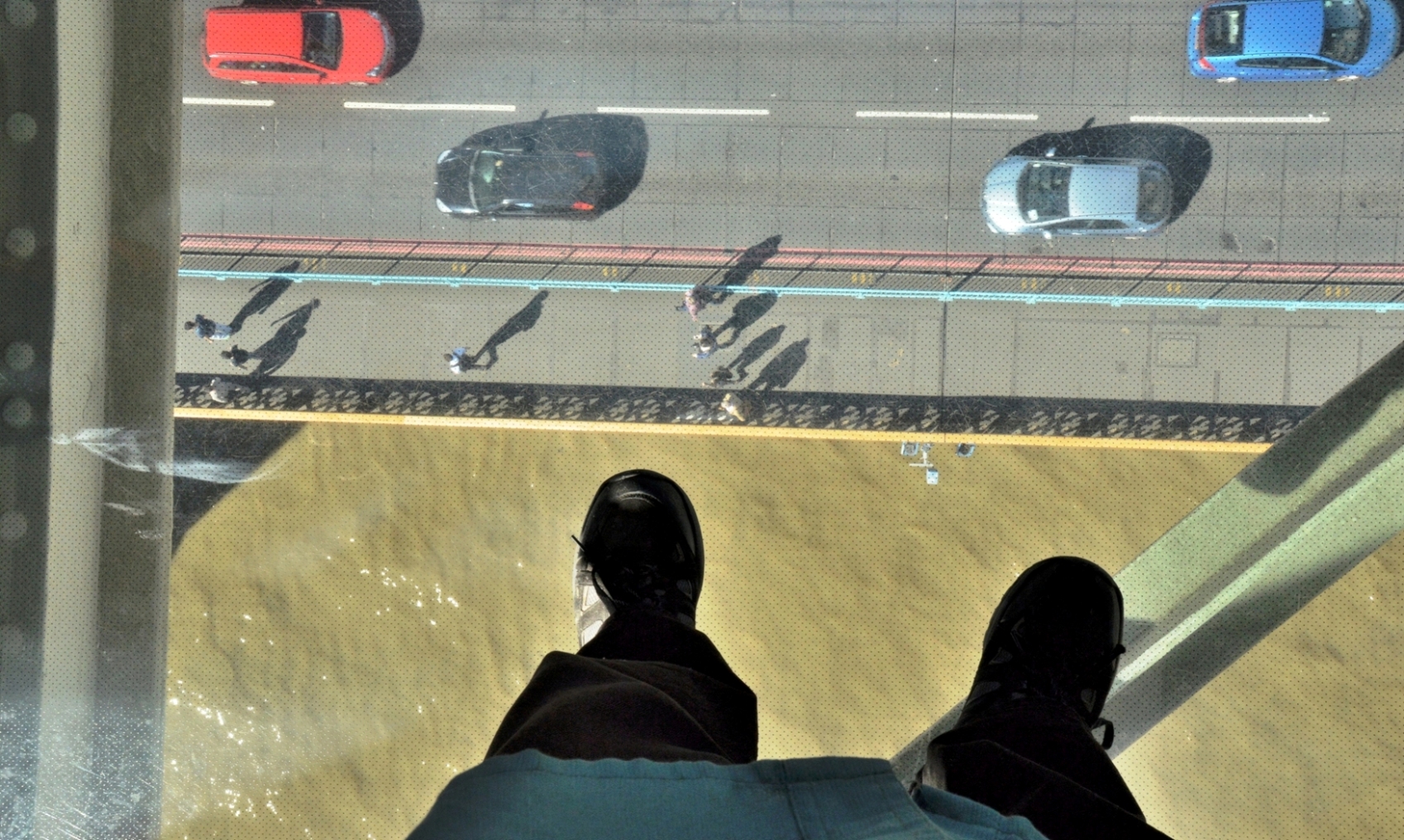
Then to the two walkways.  Each walkway has a section of glass floor..

tower-bridge-glass-floor-1

One small step for man.

tower-bridge-glass-floor-2

One giant leap ~ these boots need a clean. 

Younger feet seemed to have less apprehension doing this.  Perhaps because when I was young glass was more fragile.

tower-bridge-east-view

View to the East and Canary Wharf

.

tower-bridge-west-view

View to the West including HMS Belfast ⇒

.

tower-bridge-workmen-satues

At the top of the South Tower and then down the stairs to the next lift.

tower-bridge-artwork

Then out of the South Tower.

tower-bridge-south-tower

. . and follow the blue line on the pavement to the old engine rooms.

tower-bridge-mechanical-drawing

.

tower-bridge-boiler

Coal fired steam was used to drive an hydraulic pressure pump.

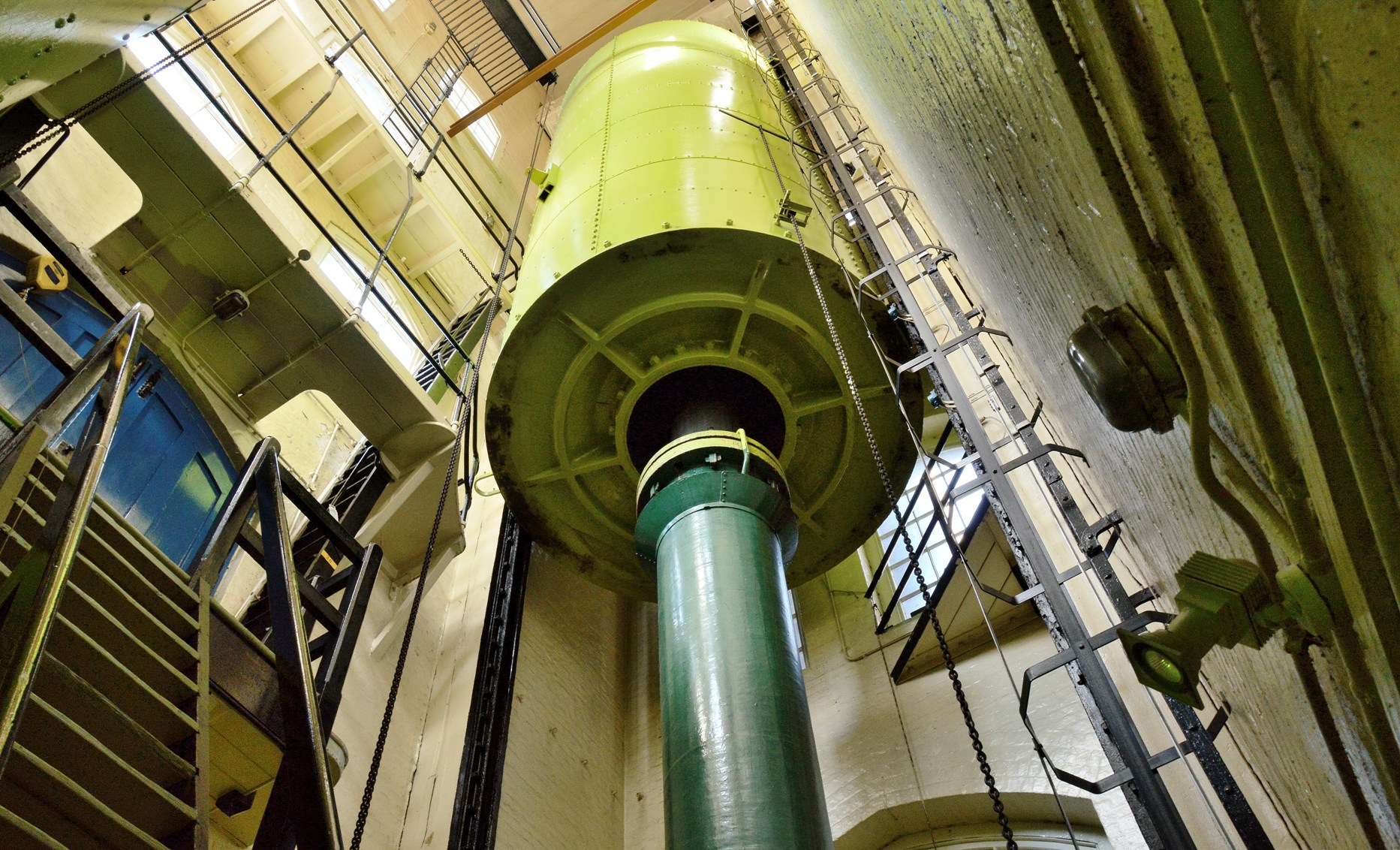
tower-bridge-accumulator

Accumulators

Pressure in the system was accumulated under weights.

tower-bridge-lifting-engine

These are the engines which pumped water under the accumulators.

tower-bridge-hydraulics

.

tower-bridge-bascule-drive-engine

When there was sufficient accumulated water pressure it was used to power the bascules (central raising section) drive engines.  Since 1974 an electrical driven hydraulic system has been used.  Tours ⇒ of the less accessible interior are available.

tower-bridge-south

Now on the South Bank there is access to HMS Belfast, a number of eateries and the extensive South Bank attractions ⇐ .

Greenwich Royal Observatory

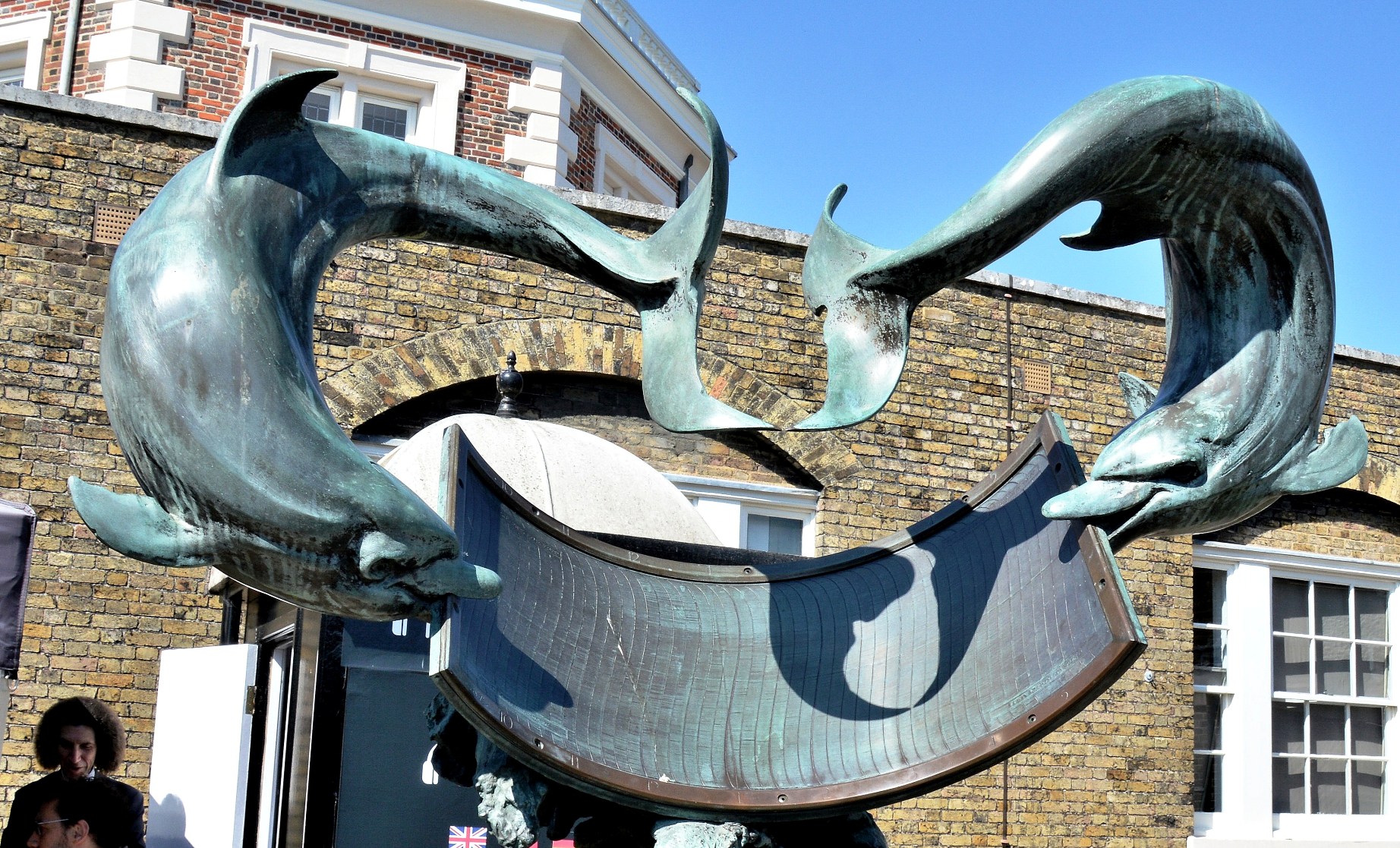
greenwich-royal-observatory-dolphin-sundial-dsc_6911

The Greenwich Royal Observatory includes Flamsteed House and the Harrison Timekeepers ⇐.  In the midst is a small garden with this very impressive Dolphin Sun Dial.

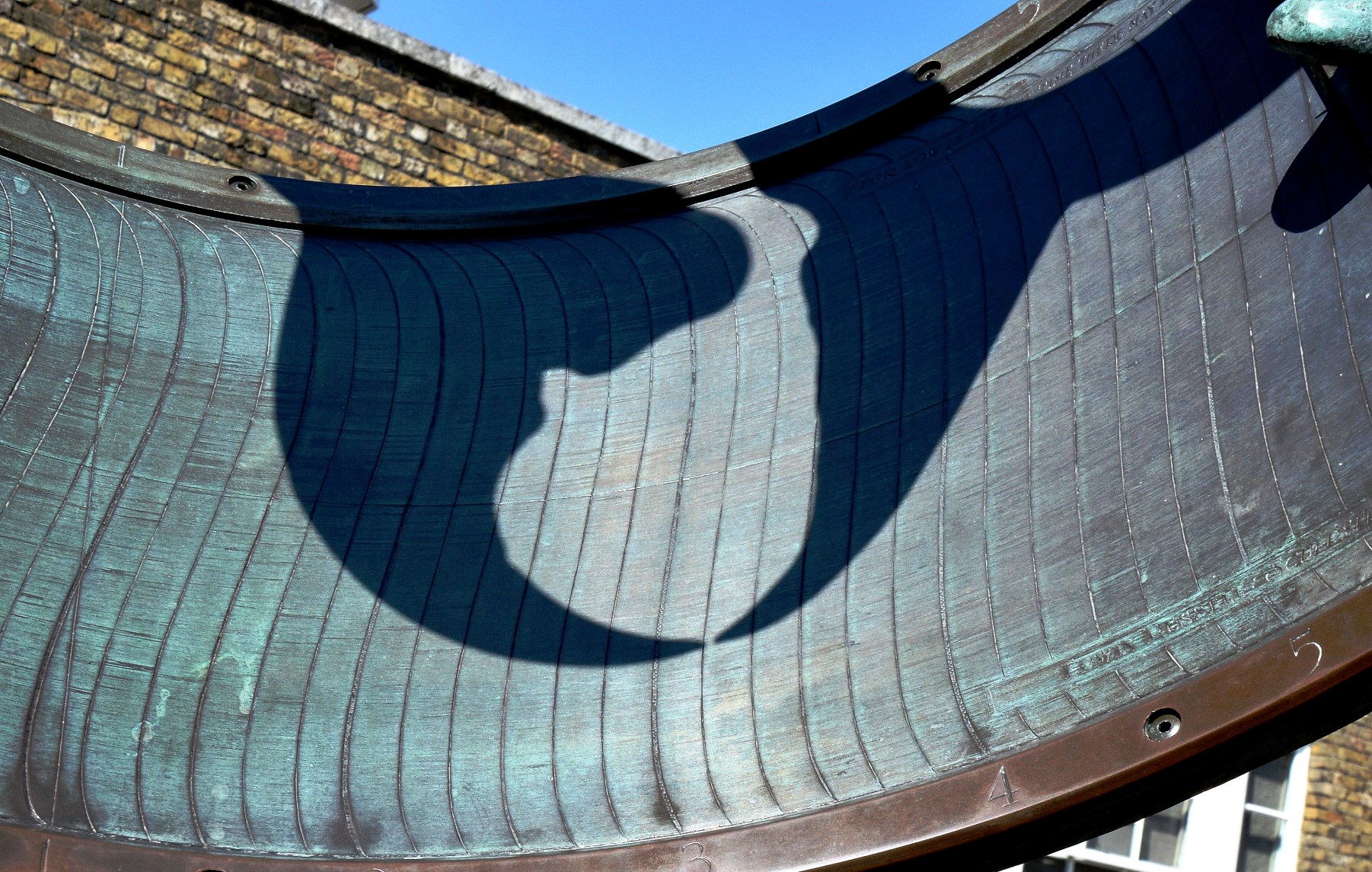
greenwich-royal-observatory-dolphin-sundial-dsc_6912

The sun-dial is self-adjusting.  As the height of the sun changes with the time of the year, the shadow position changes its height and so indicates a corrected time..

greenwch-royal-observatory-and-flamsteed-house

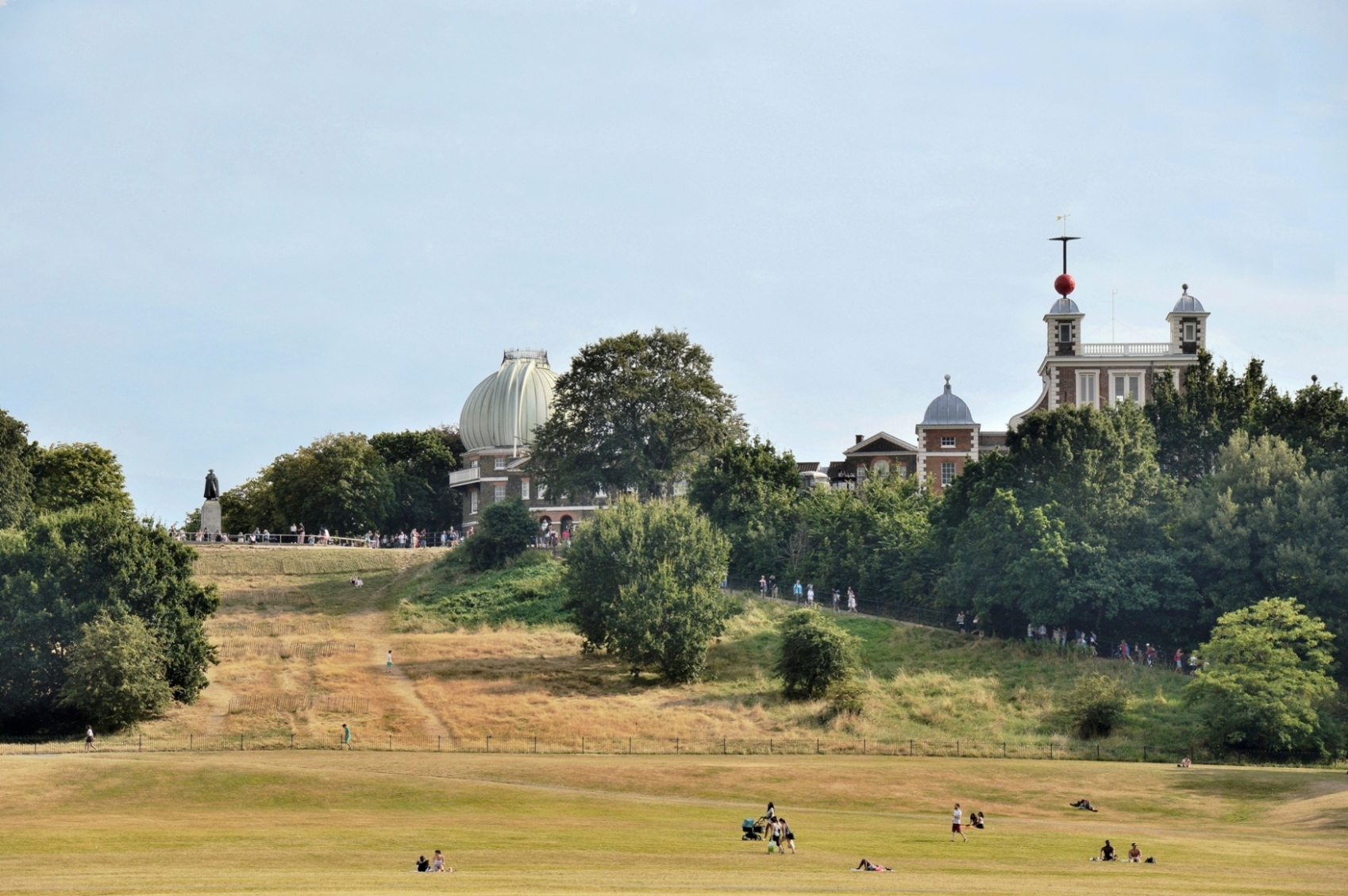
The Greenwich Royal Observatory and Flamsteed House.

royal-observatory-refracting-telescope-dsc_6985

Inside the onion dome is the largest refracting telescope in the UK.  First used in 1893, it remains one of the largest refracting telescopes ever built.   Entry is free except the night sky observation evening. For more and to find out about night sky observation evenings please click here ⇒ .

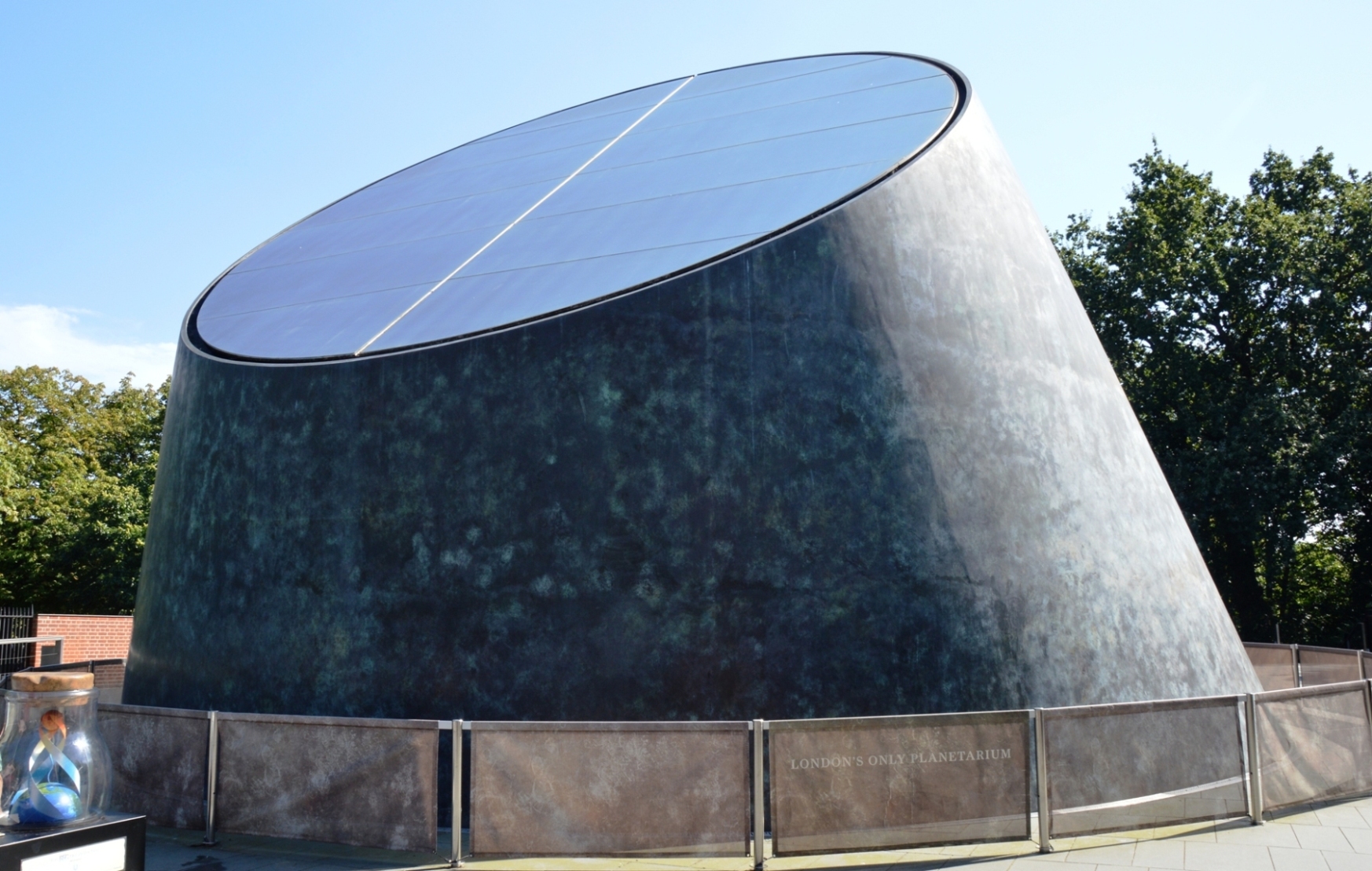
greenwich-planetrium

The Planetarium ⇒for which there is a charge.

greenwich-royal-observatory-astronomy-centre

The Astronomy Center ⇒ is mostly educational and is free to enter.

greeenwich-astronomy-centre

.

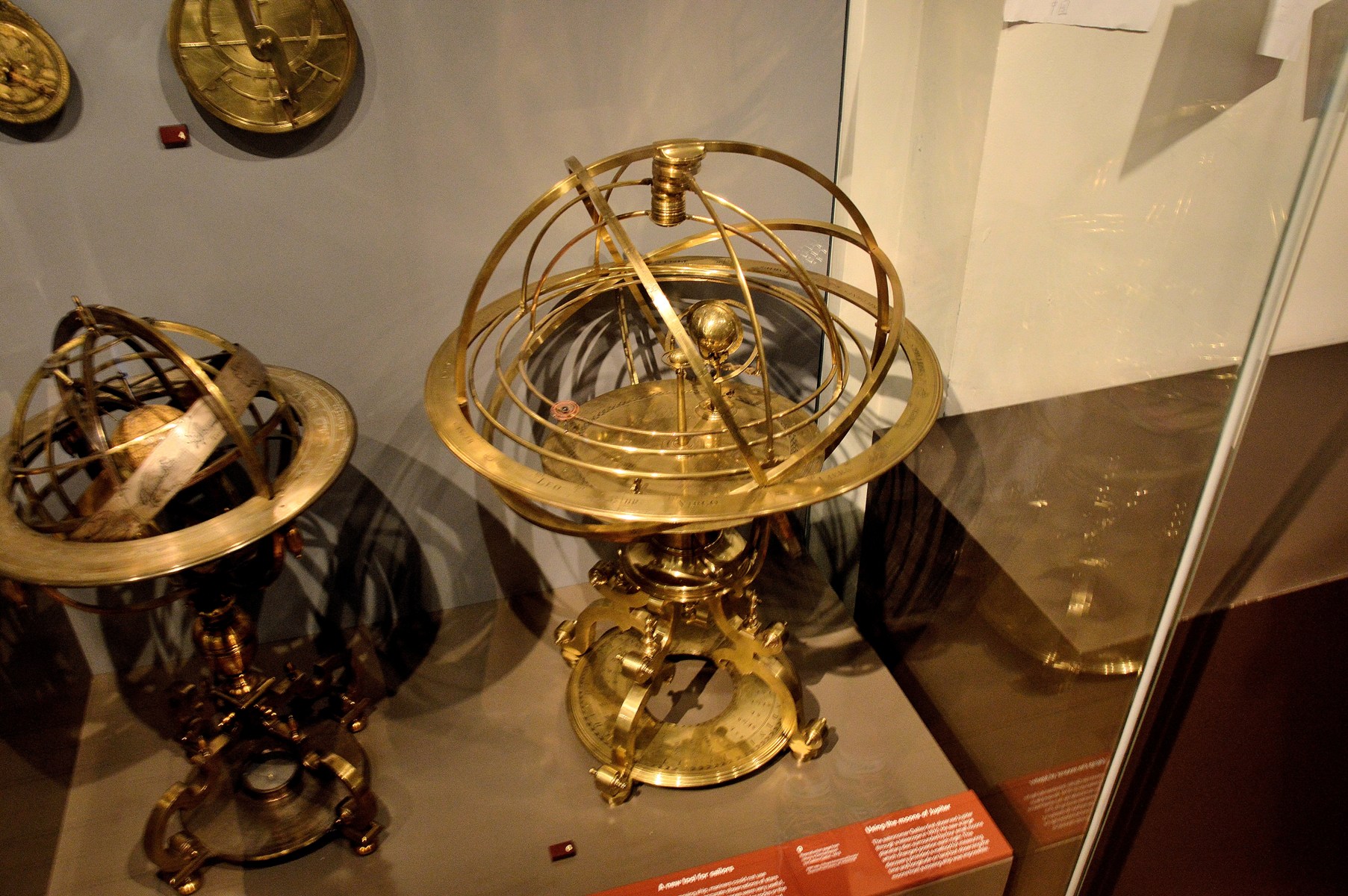
greenwich-royal-observatory-astrolabes-and-armillary-spheres

Astrolabes and Armillary Spheres were used to predict/exhibit planet and moon positions..

greenwich-royal-observatory-astronomy-centre-meteorite

Visitors to the Astronomy Center can touch part of the Gibeon Meteorite ⇒. At 4.5 billion years old it is the oldest thing that a mere earthling might touch.

greenwich-royal-observatory-astronomy-centre-spectrospcope

An early spectroscope.  Spectroscopy ⇒.

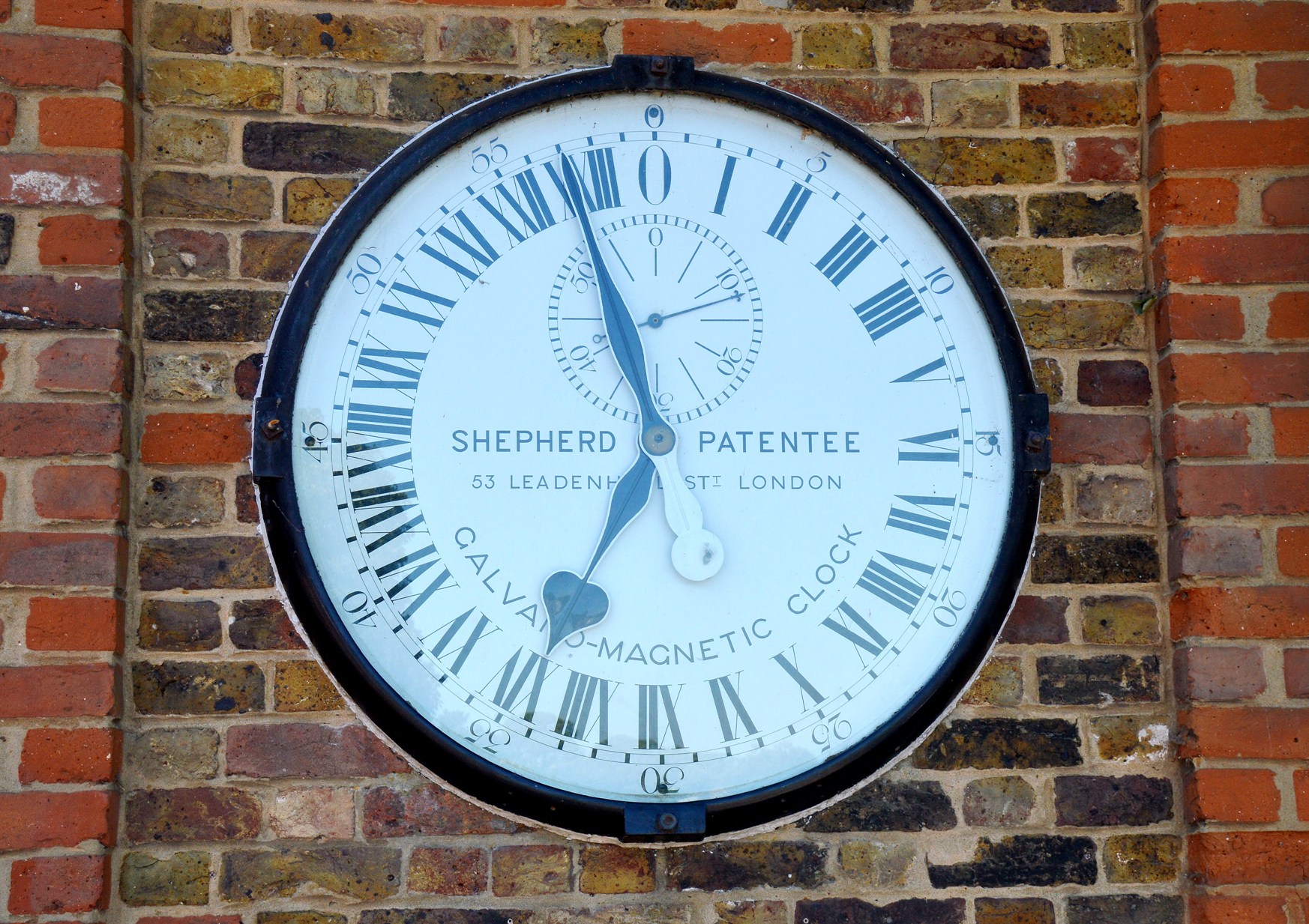
greenwich-royal-observatory-galvano-magnetic-clock

Outside the Meridian Courtyard ⇐ is a 24 hour electric clock.  The use of roman numerals means that it is actually indicates 2 pm.

And, there is a lot more to see and do at Wonderful Greenwich⇐.

Flamsteed House, The Greenwich Meridian and The Harrison Timekeepers

Statue of General Wolfe, the Great Equatorial Telescope, Flamsteed House and the Time Ball at Maritime Greenwich

All about Wonderful Greenwich and its many attractions is here ⇐.

One of the and most significant and greatest endeavours of human history has been the pursuit of navigational method at sea.  It required the accurate measurement of astronomical observations and the development of a marine chronometer.  The later being particularly difficult. 

The Meridian Courtyard

The Meridian Courtyard is just in front of Flamsteed House, with the The Time Ball ⇒ on top.  Here you can stand on the worlds east/west divide at 0 degrees longitude.  Admission to Royal Observatory, Flamsteed House and the Meridian Courtyard is here ⇒

However you can stand on the meridian for free where the red meridian line crosses an intersection in the paths in the park on the tourist map here ⇒.

The Meridian Line
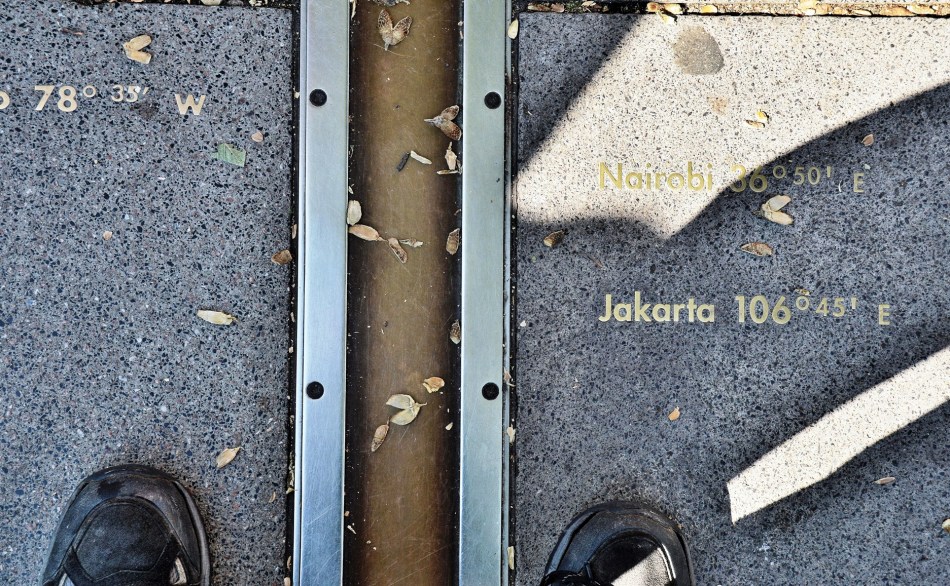
Greenwich Royal Observatory Meridian Line

There is usually a queue to stand astride the Meridian Line. This where the journey to east or west begins.

Inside Flamsteed House

Flamsteed House Sandglasses

Initially ones position, to the east or west of a starting point, could only be determined by dead-reckoning.  That is, by measuring the distance traveled.  At sea that meant measuring ones speed through the water. It was done by throwing a log overboard attached to a rope.  The rope had knots at fixed intervals and the number of knots that were drawn out were counted for a fixed period of time using a sand glass. It was contrived so that one Knot was equal to one nautical mile per hour.  A term that is still used today.

The dead reckoning method was woefully inadequate for long distances, no use for creating accurate charts and led to many disasters.

A better method required an accurate seagoing timekeeper.  Such a timekeeper could be set to keep the time at a meridian.  Greenwich was adopted and the time as Greenwich Mean Time (GMT).   Wherever the ship was it would have the time at Greenwich.  Therefore if at local noon the GMT timekeeper showed one o’clock the ship must be 1/24 of the way around the world.  If the clock showed two o’clock then the ship must be 2/24 around the world etc and with every second that passed a smaller division.   A fuller explanation and an extensive history of navigation can be found here ⇐.

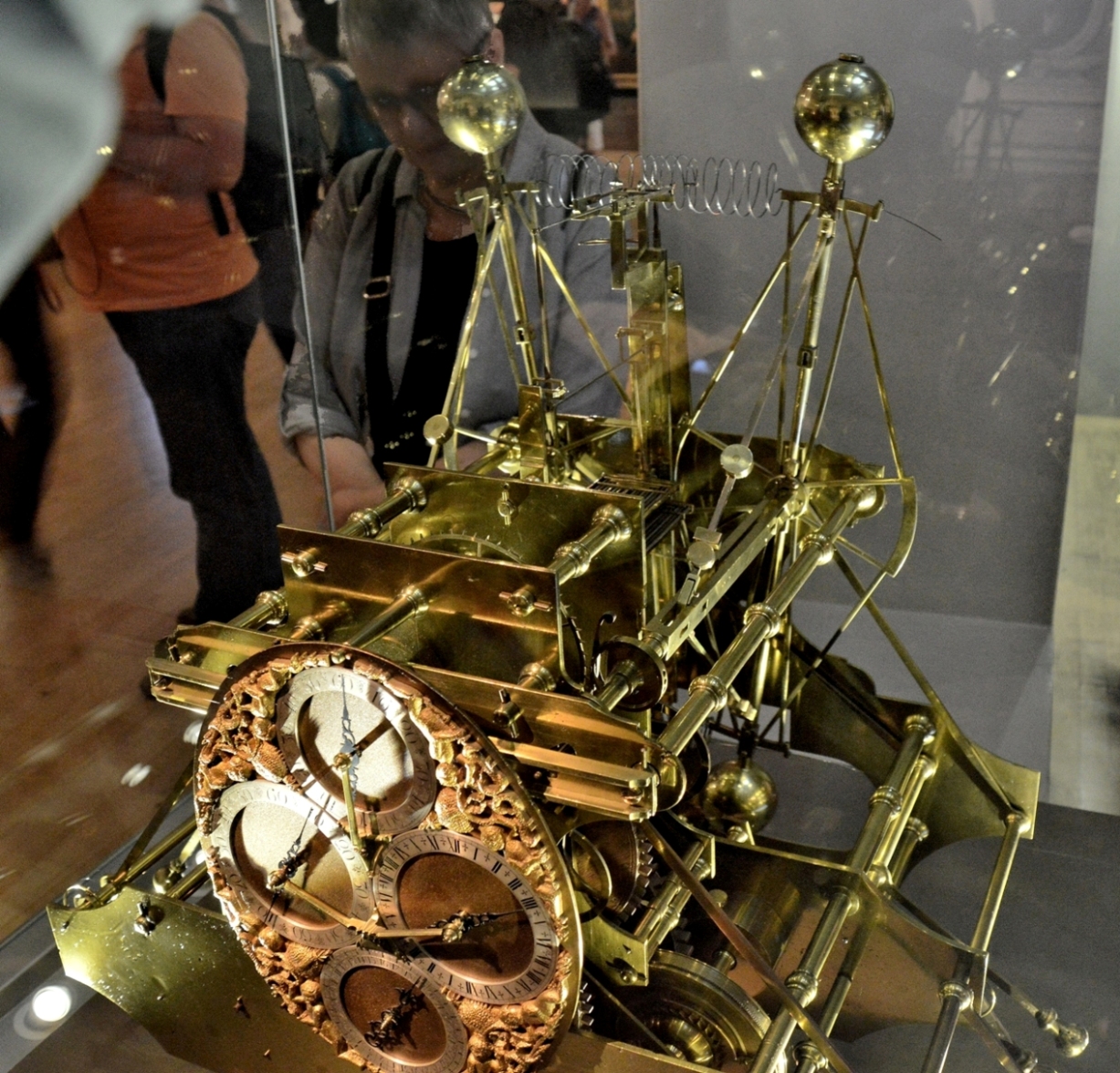
After many years of effort John Harrison created the first maritime chronometer that would keep accurate time even on board a rolling ship.

Flamsteed House Harrison Timekeeper H1

Harrison Timekeeper H1

The project began with H1 which was not accurate enough.
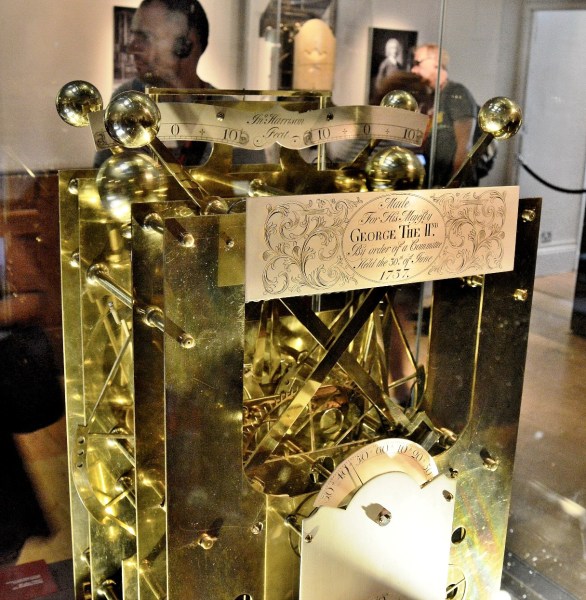
Flamsteed House Harrison Timekeeper H2

Harrison Timekeeper H2

Neither was H2.

Flamsteed House Harrison Timekeeper H3

Harrison Timekeeper H3

Neither was H3.

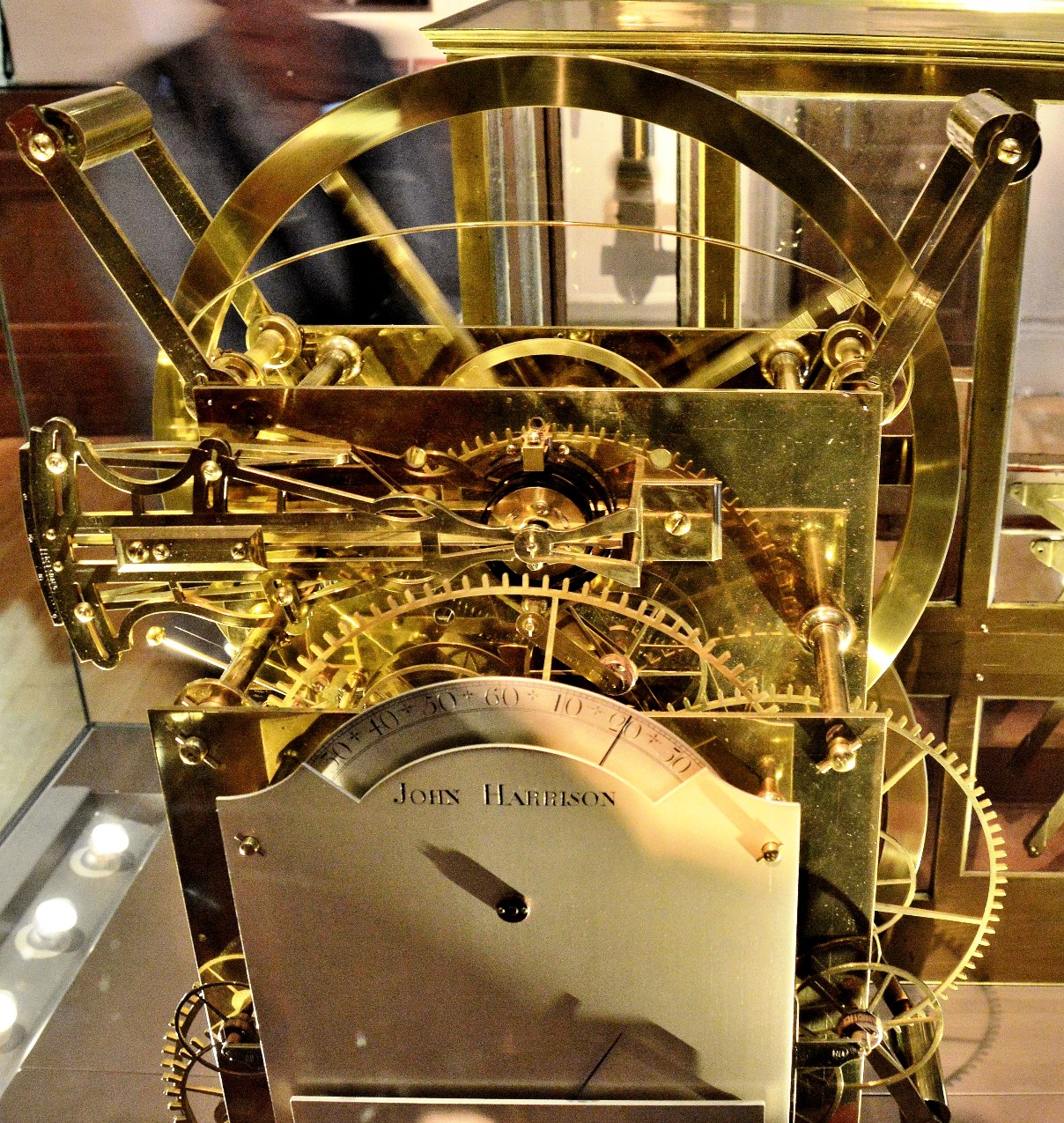
Flamsteed House Harrison Timekeeper H4

Harrison Timekeeper H4

In 1759, after near 30 years of effort, Harrison created H4.  This device had the advantage of advances in metallurgy, temperature compensation and the important realisation that a smaller/faster movement would be less effected by a ships movement.

There are more Antique Timepieces at the London Science Museum⇐

And then:-

Flamsteed House Chronometer

Marine Chronometer

Mechanical Marine Chronometers can be as accurate as 5 secs gain or loss in fifteen days.

Flamsteed House Electric Clock

Electric Clock

.

Flamsteed House Early Quartz Clock

Early Quartz Clock

The first quartz clock was created in 1927 and worked by counting the electrically induced vibration of a piece of quartz.  By 1969 a miniature version could be worn on ones wrist.  Quartz chronometers can be as accurate as 0.7 seconds gain of or loss in 15 days.

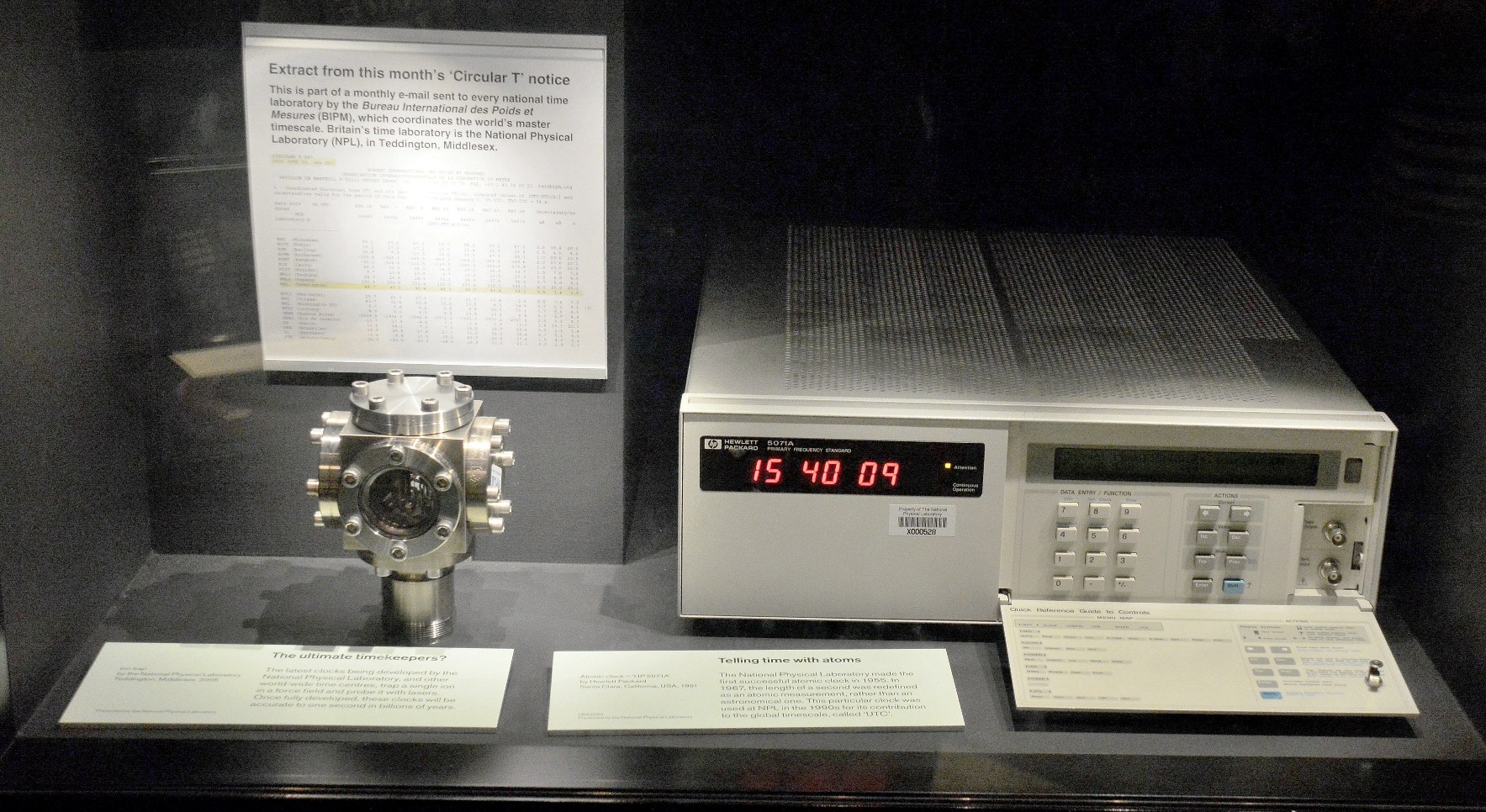
Flamsteed House Atomic Clock

Atomic Clock

A cesium (atomic) clock operates by exposing cesium atoms to microwaves until they vibrate at one of their resonant frequencies.  They are accurate to within one second in 1,400,000 years.

The next generation of atomic clocks will keep time to one second in 15 billion years.  At last the perfect boiled egg.

Back to some of the artifacts in Flamsteed House.

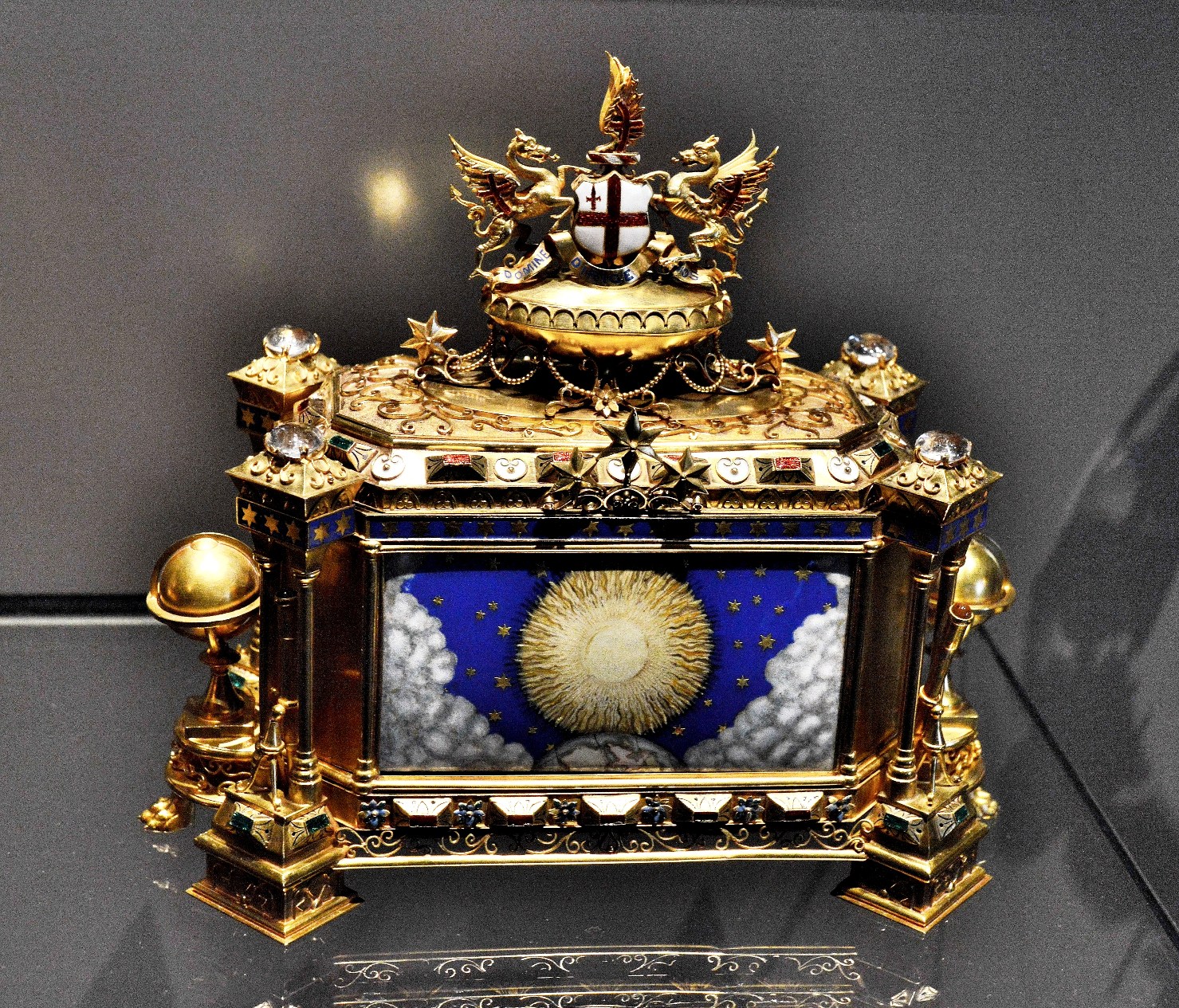
Flamsteed House Museum Ornament

Freedom casket (contains the Freedom of London Scroll) presented to Sir George Biddell Airy (1801-92) Astronomer Royal, by the City of London in 1875

.

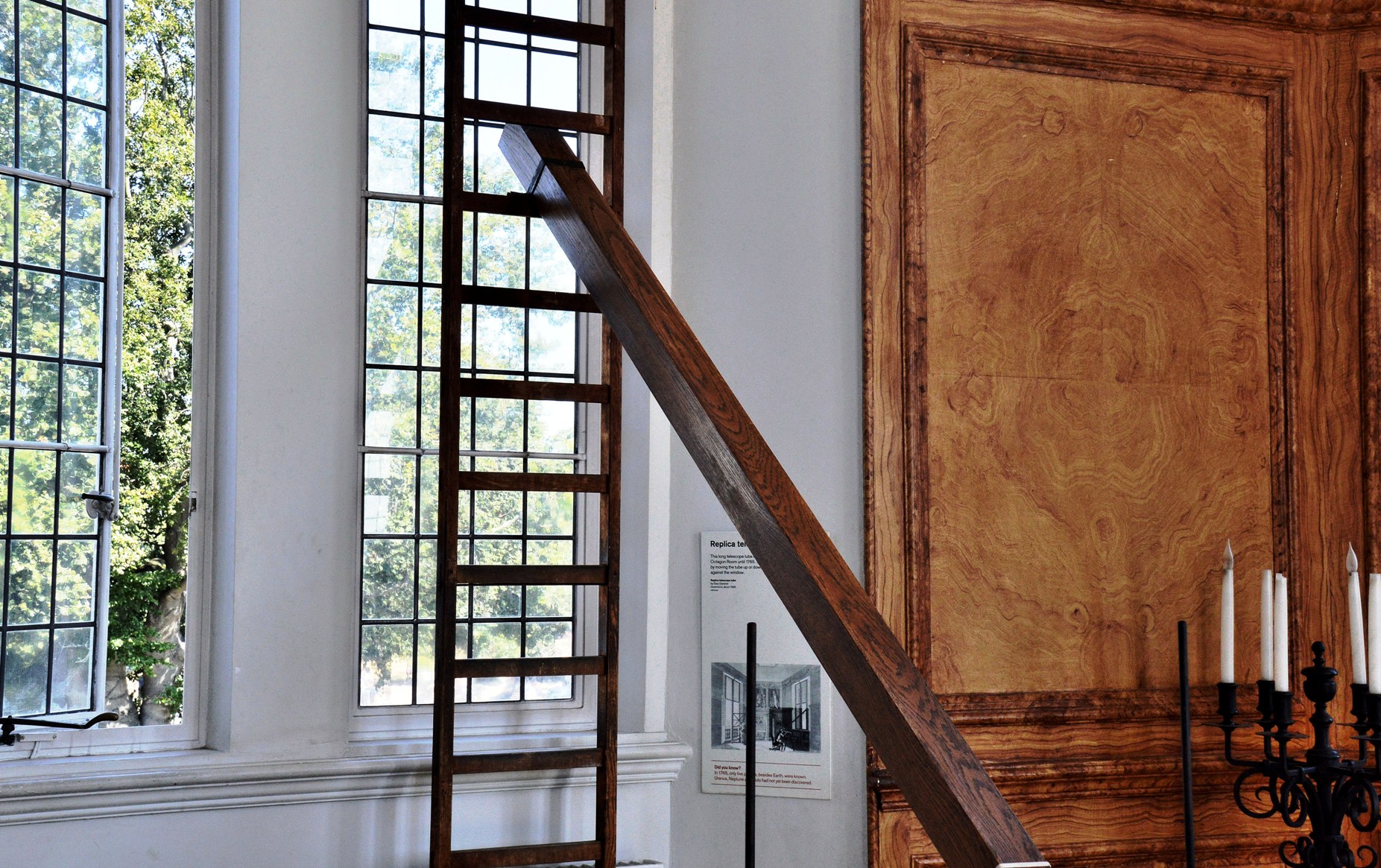
Flamsteed House Telescope

A Wooden Telescope

If you would like to know more about the development of navigation and its importance to our evolution it is here ⇐.

And, thank you for visiting Freed From Time (which isn’t as much of an anomaly as it sounds, probably  🙂 ).

Chelsea Physic Garden

Chelsea Physic Garden Flowers DSC_6682

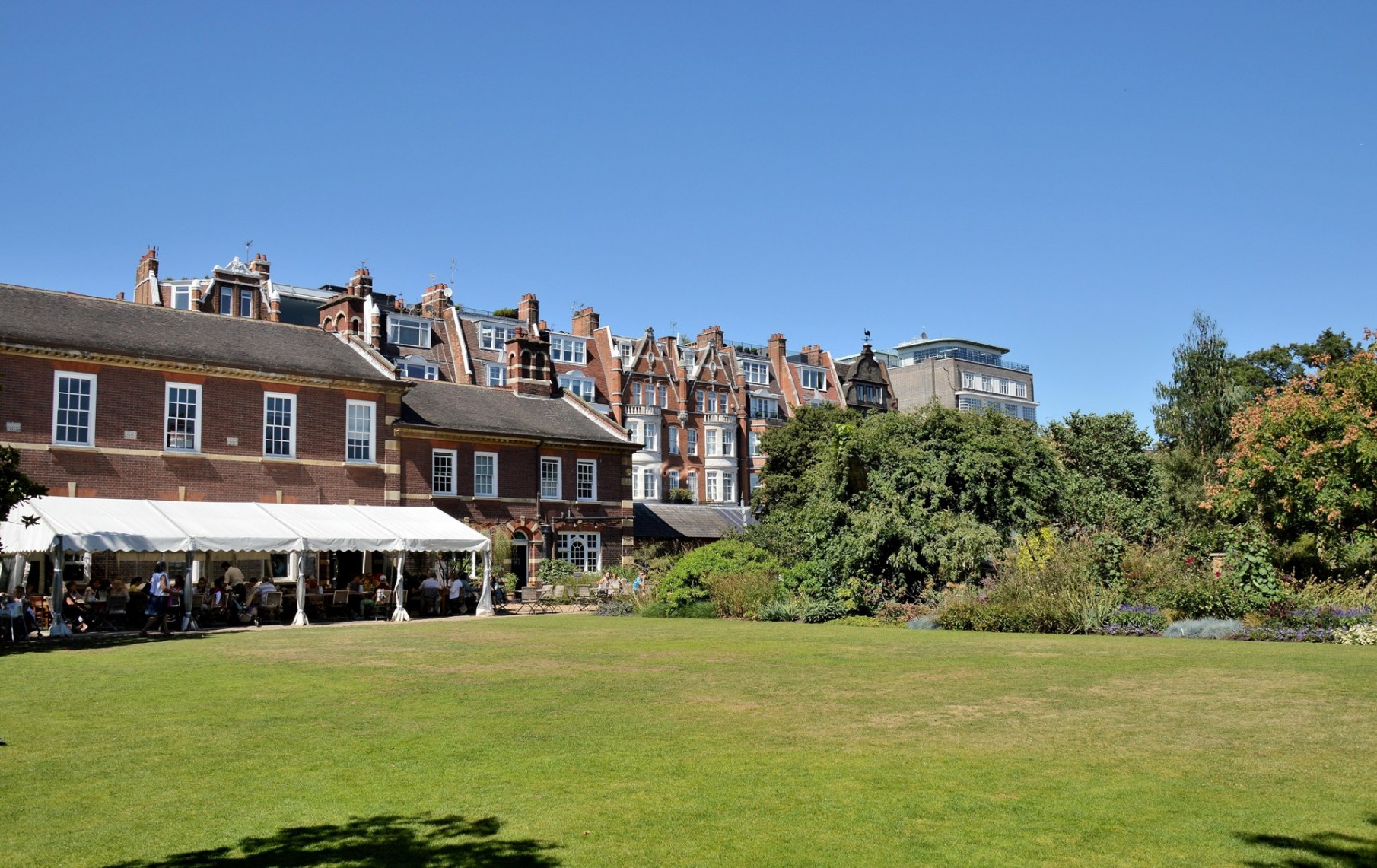
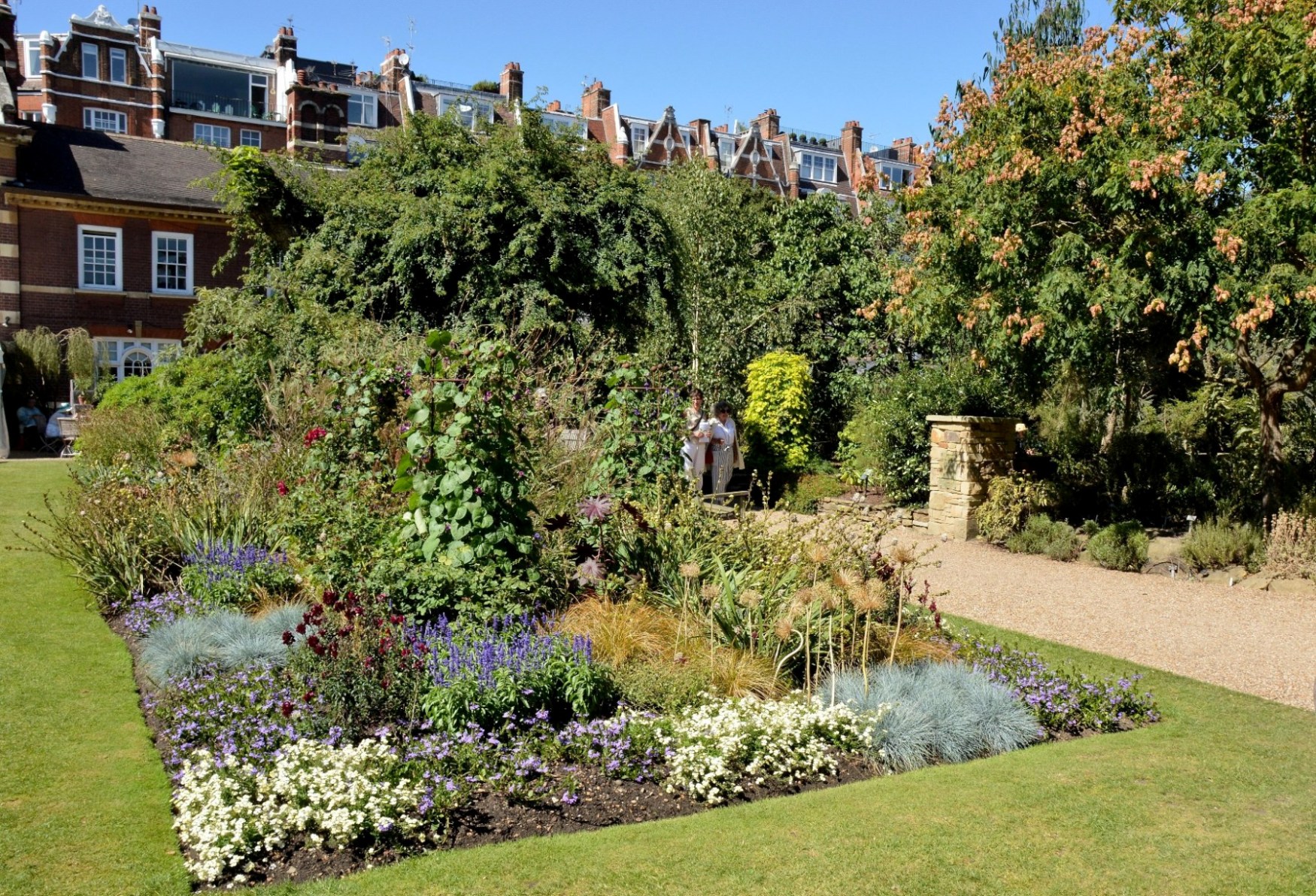
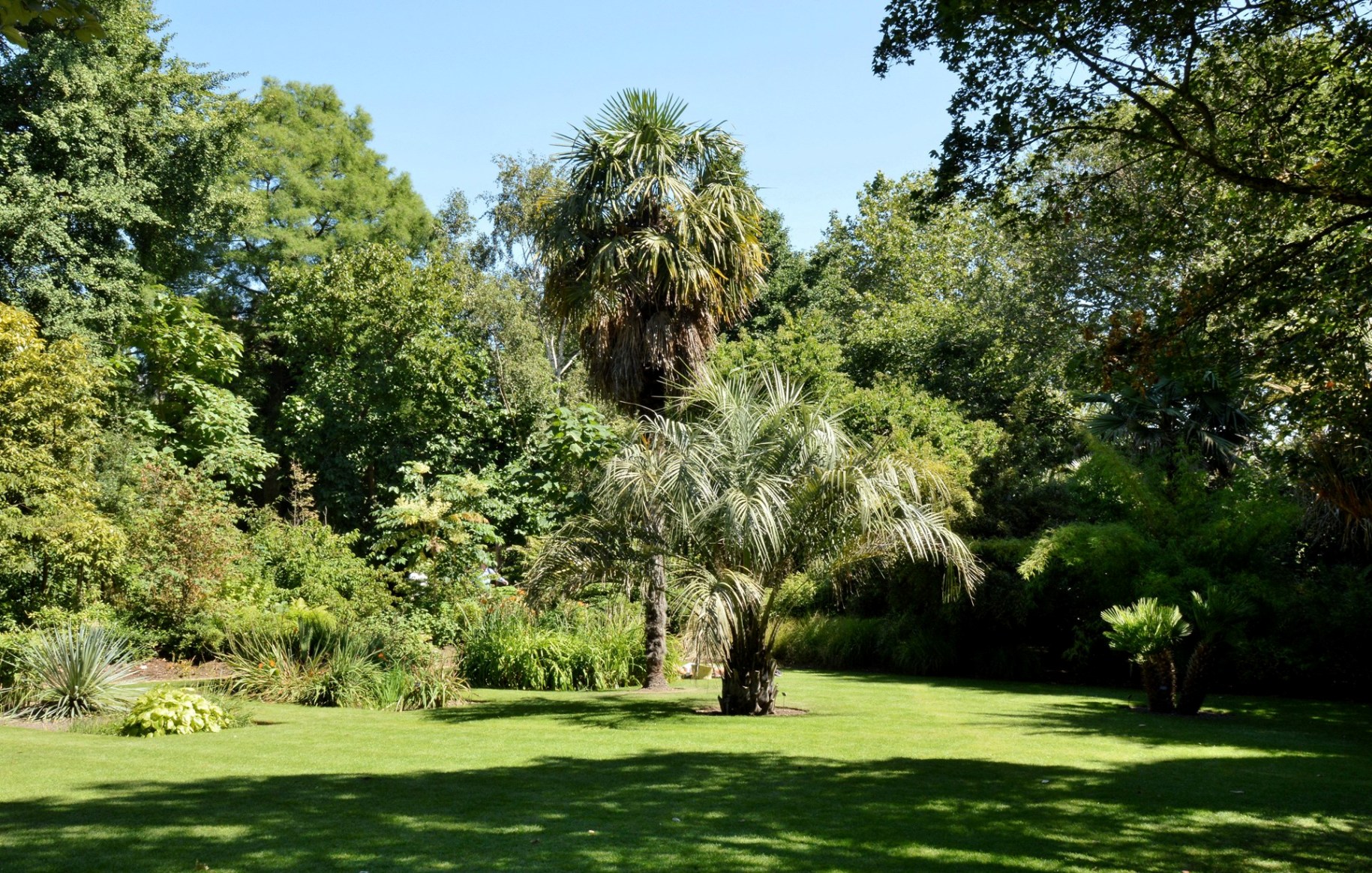
The Chelsea Physic (for healing) Garden ⇒ was established in 1673 and is the second oldest botanic garden in the UK after the Oxford University Botanic Garden ⇒. The garden has approximately 5,000 plants including those with exotic scents. It is a very peaceful and pleasant walled garden hidden away in west London. 

There are some free tours upon entry but there is an entry fee and charges for the workshops, courses and special tours. Please see the website link above.

The easiest approach is by the 170 bus (bound for Roehampton) from Victoria Station to Chelsea Physic Garden. On alighting, just outside the gardens educational center, walk back a short way along the bus route to Swan Walk and the main entrance is little way down that road.  Map of the Garden ⇐.

The garden is next to the the Royal Hospital Chelsea ⇒ (home of the Chelsea Pensioners).

Chelsea Physic Gardens Views and Flowers

Chelsea Physic Garden DSC_6640


Chelsea Physic Garden DSC_6702


In the Greenhouses

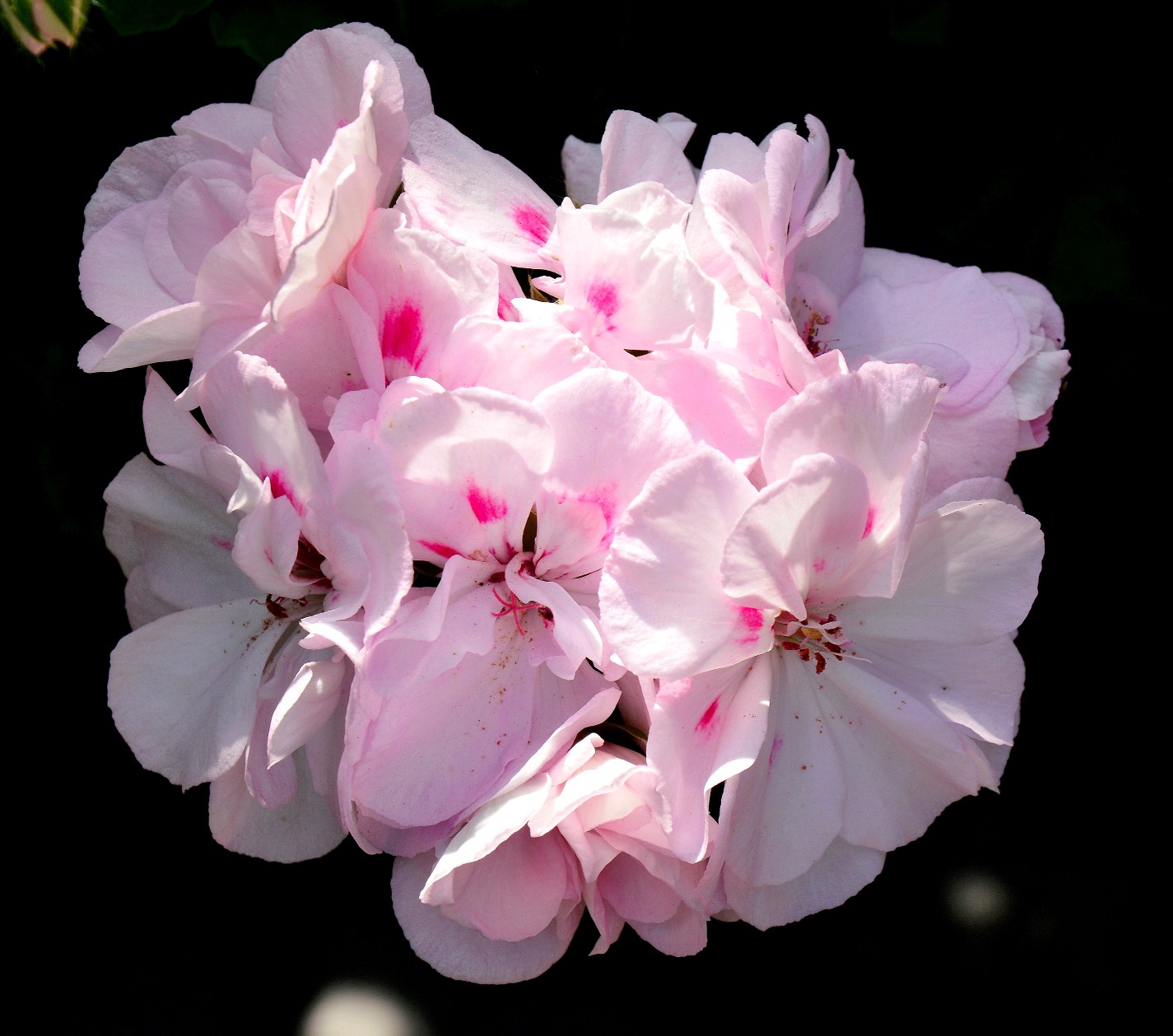
Chelsea Physic Garden Flower Pelargonium Rosa DSC_6569

Pelargonium Rosa


Chelsea Physic Garden Flowers Pelargonium Milfield Gem DSC_6747

Pelargonium Milfield Gem


Chelsea Physic Garden Flowers Pelargonium Bute DSC_6742

Pelargonium Bute


Chelsea Physic Garden Flowers Pelargonium Copthorne DSC_6588

Pelargonium Copthorne


Chelsea Physic Garden Flowers DSC_6737


Around the Gardens and Outdoor Flowers

Chelsea Physic Garden Statue of Sir Hans Sloane

Statue of Sir Hans Sloane

Sir Hans Sloane ⇒

Chelsea Physic Garden DSC_6637


Chelsea Physic Garden DSC_6730


Chelsea Physic Garden Flower DSC_6696


Chelsea Physic Garden Flowers DSC_6608


Chelsea Physic Garden Flowers DSC_6615


Chelsea Physic Garden Flowers DSC_6622


Chelsea Physic Garden Flowers Helienthus Annuus Ring of Fire Sunflower

Helienthus Annuus – Ring of Fire Sunflower


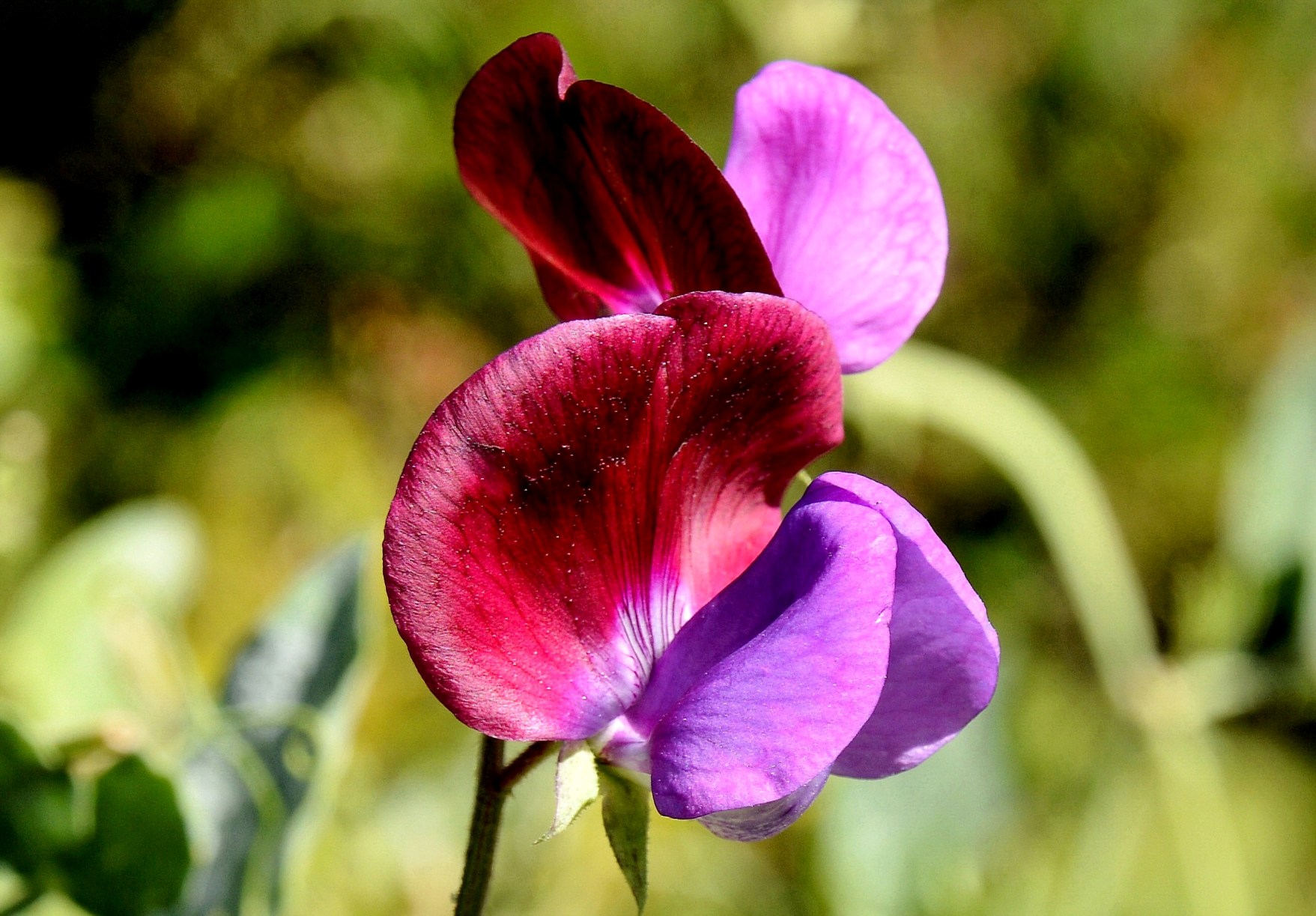
Chelsea Physic Garden Flowers Sweet Pea

Sweet Pea

Farmopolis

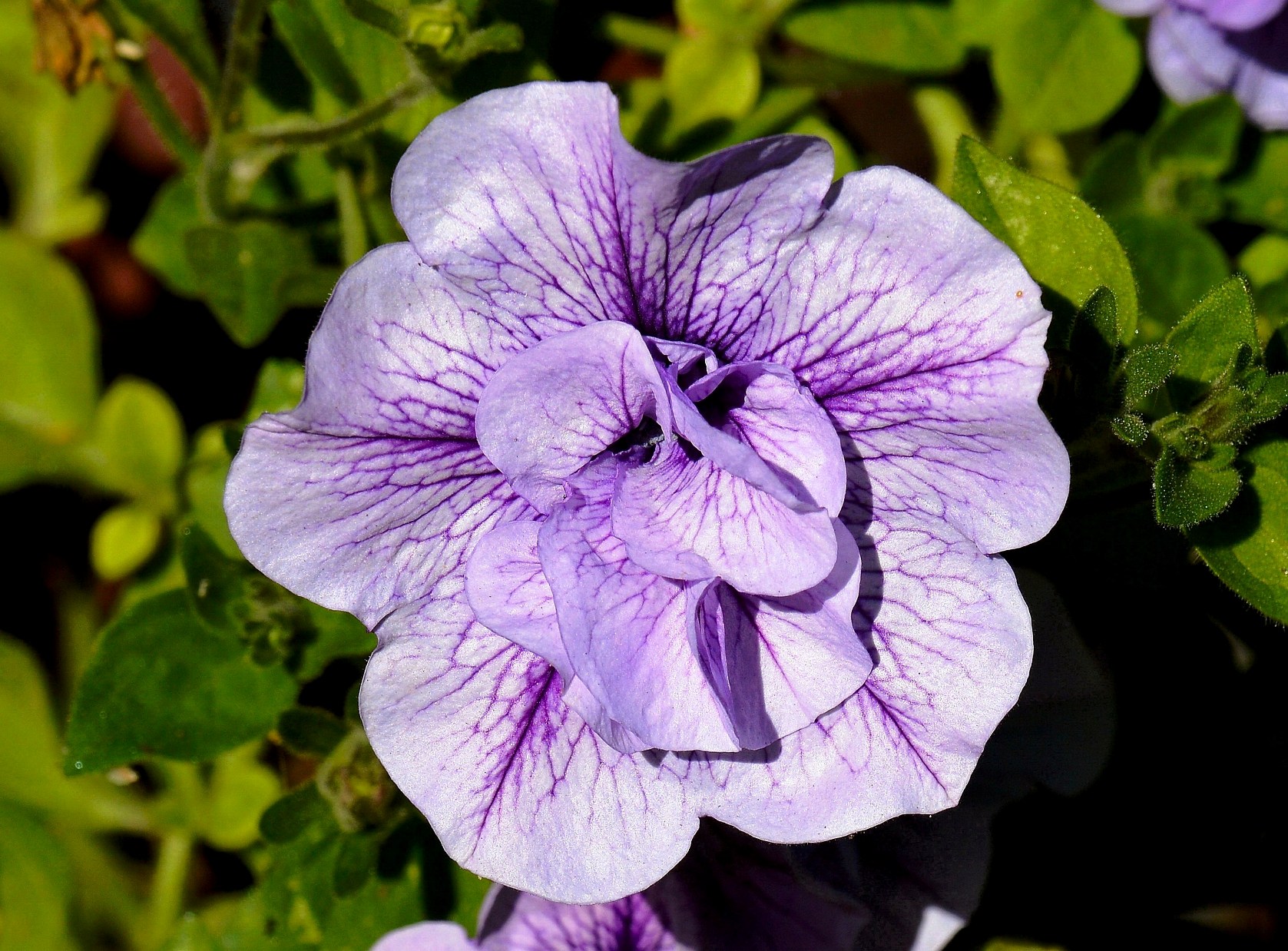
Farmopolis Flowers DSC_6478

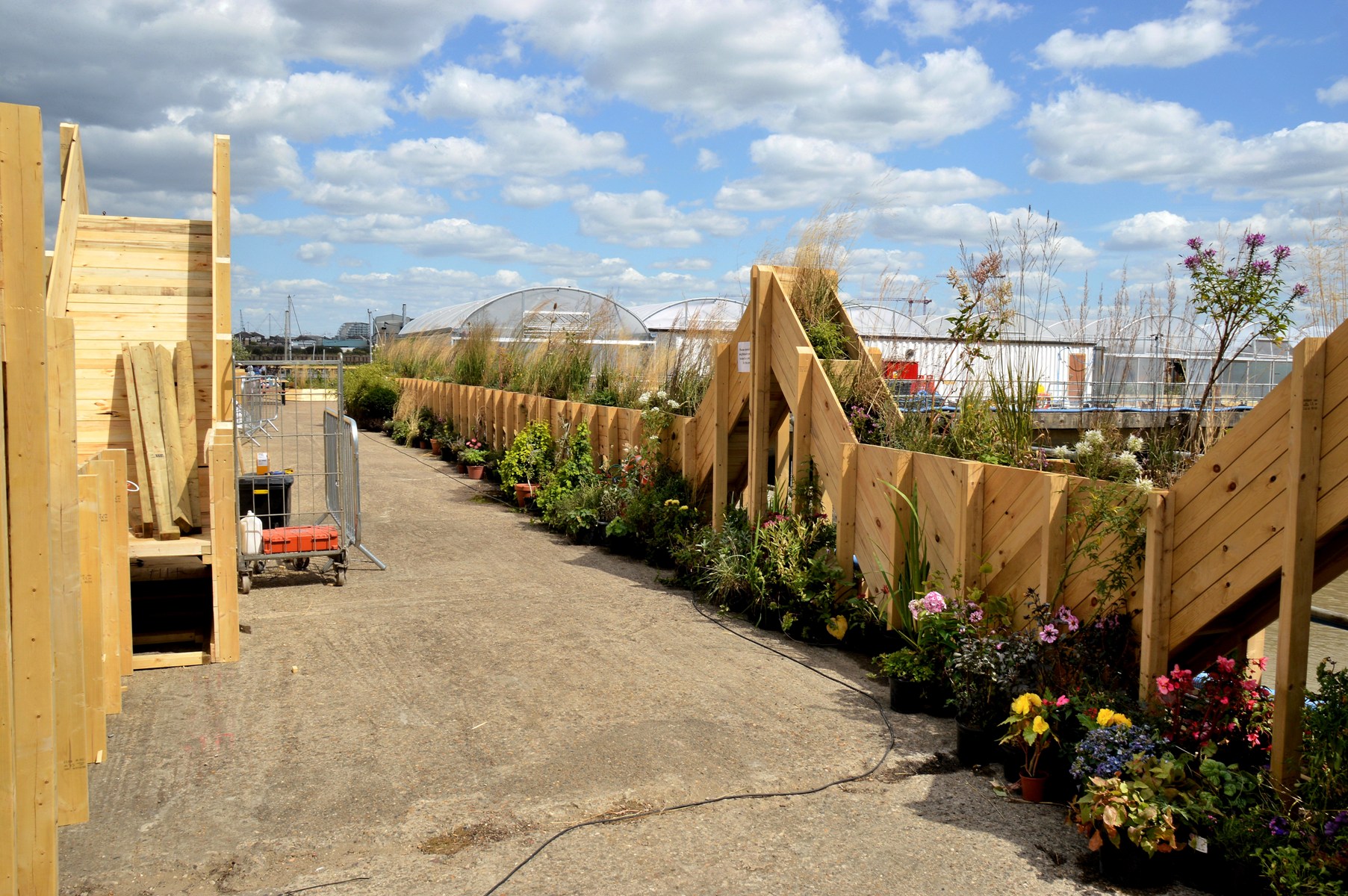
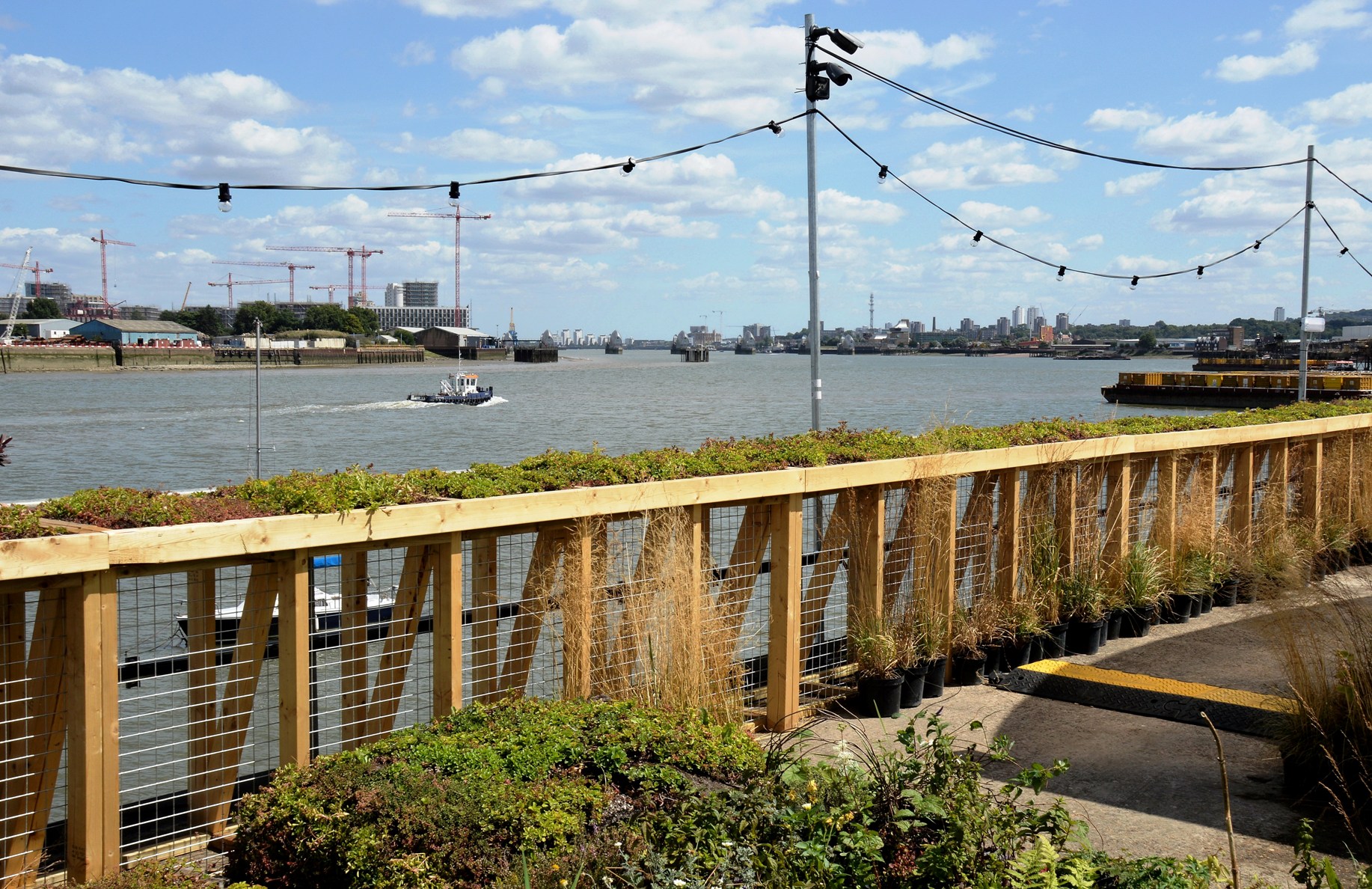
Farmopolis ⇒ is an ambitious project very near to the O2 arena on the Greenwich Peninsula.  At present only a very small part has been built and is still a work in progress.  It consists of a small café/restaurant with some indoor and outdoor seating and surrounded by plants rescued from the Chelsea Flower Show.  These plantings should be complete by the end of August 2016. 
Like many such venues I found the food and drink rather pricey and pretentious, but there are plenty of places nearby where a picnic can be enjoyed. There are events ⇒ at the site and the flowers are worth seeing.

Below is a view from the United Emirates Cable Car ⇐.

Farmopolis DSC_6433

.

Farmopolis DSC_6520

.

Farmopolis DSC_6496

.

Farmopolis DSC_6513

.

Farmopolis Flowers DSC_6477

.

Farmopolis Flowers DSC_6516

.

Farmopolis Flowers DSC_6507

.

Farmopolis Flowers DSC_6500

.

Farmopolis Flowers DSC_6495

.

Farmopolis Flowers DSC_6483

.

Farmopolis Flowers DSC_6487

.

Farmopolis Flowers DSC_6486

.

Farmopolis Flowersd DSC_6456