 The Ballad of Beaker video. The thing I like about beaker is he’s daft enough not to give up. There’s a lesson in that somewhere.
Ignore the adverts.
And, a little something to brighten the day.

.

.

.

.

.

More Brighten the Day ⇐.


The Ballad of Beaker video. The thing I like about beaker is he’s daft enough not to give up. There’s a lesson in that somewhere.
Ignore the adverts.
And, a little something to brighten the day.
.
.
.
.
.
More Brighten the Day ⇐.
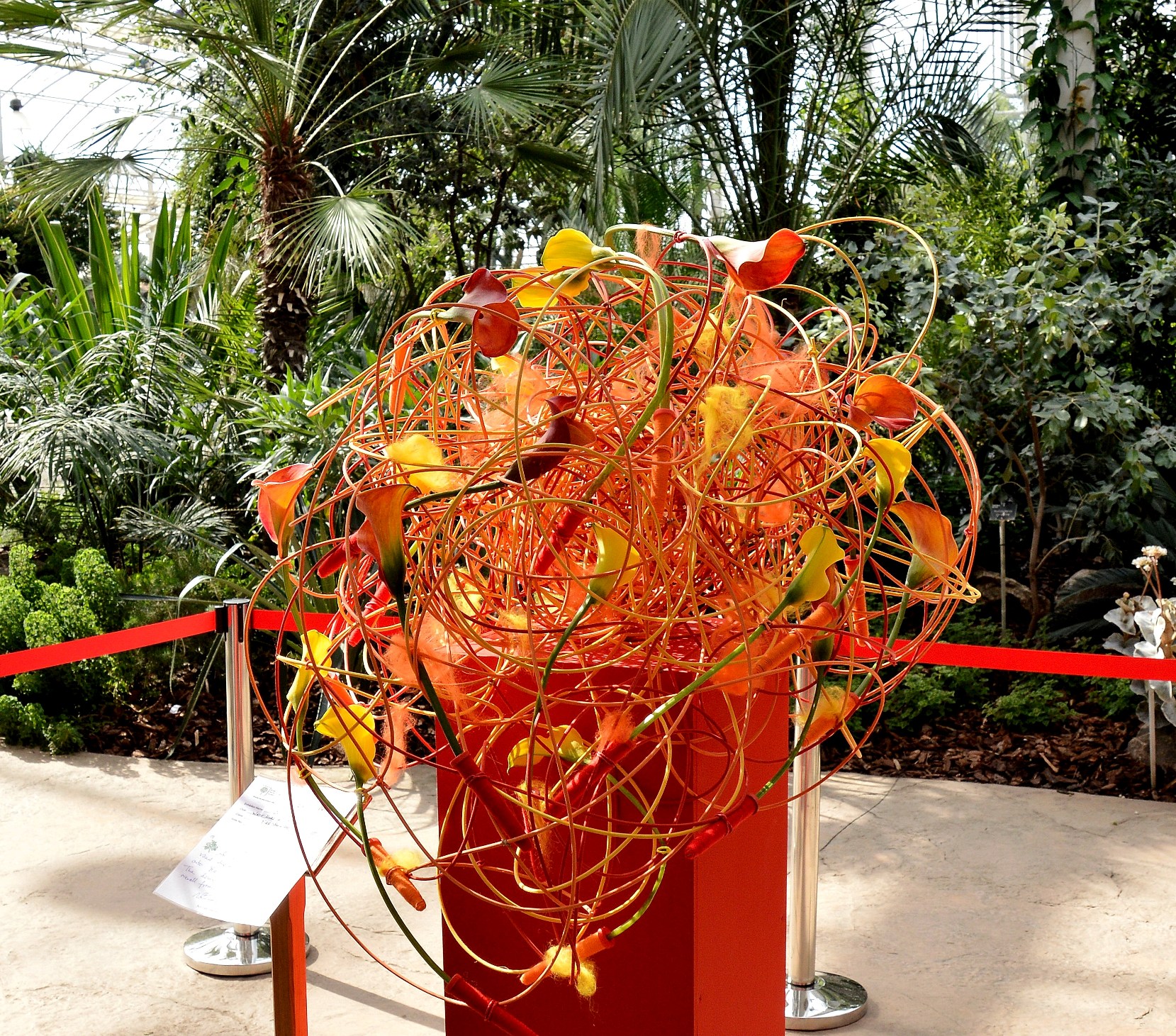
Are you having a bad hair day ?

Just about had enough.

Or have a selfie like mine.
Perhaps you would prefer to feel like this ↑.
Take some of this. Originally by the Statler Bros but this has a little more daft ↓.
.

Or perhaps a little more foot stomping ↓.
.

Or a leaping lizards rocking launch ↓.
.

And a blue bayou bye and bye from the bear.

More Brighten the Day ⇐.
 All Hallows by the Tower (AD 675) is the oldest church in London and almost the oldest in the UK. Some of its fascinating history can be found on its website here and its wiki history here. Older churches can be found here and the oldest UK church still functioning is St Martin’s (AD 597) near Canterbury.
The image above is of the Toc H Lamp signifying membership of that international charity which was founded by army chaplain Rev Tubby Clayton as a refuge from the fighting in Belgium during WWI. The Reverend was later vicar of All Hallows from 1922 to 1962.
.
.
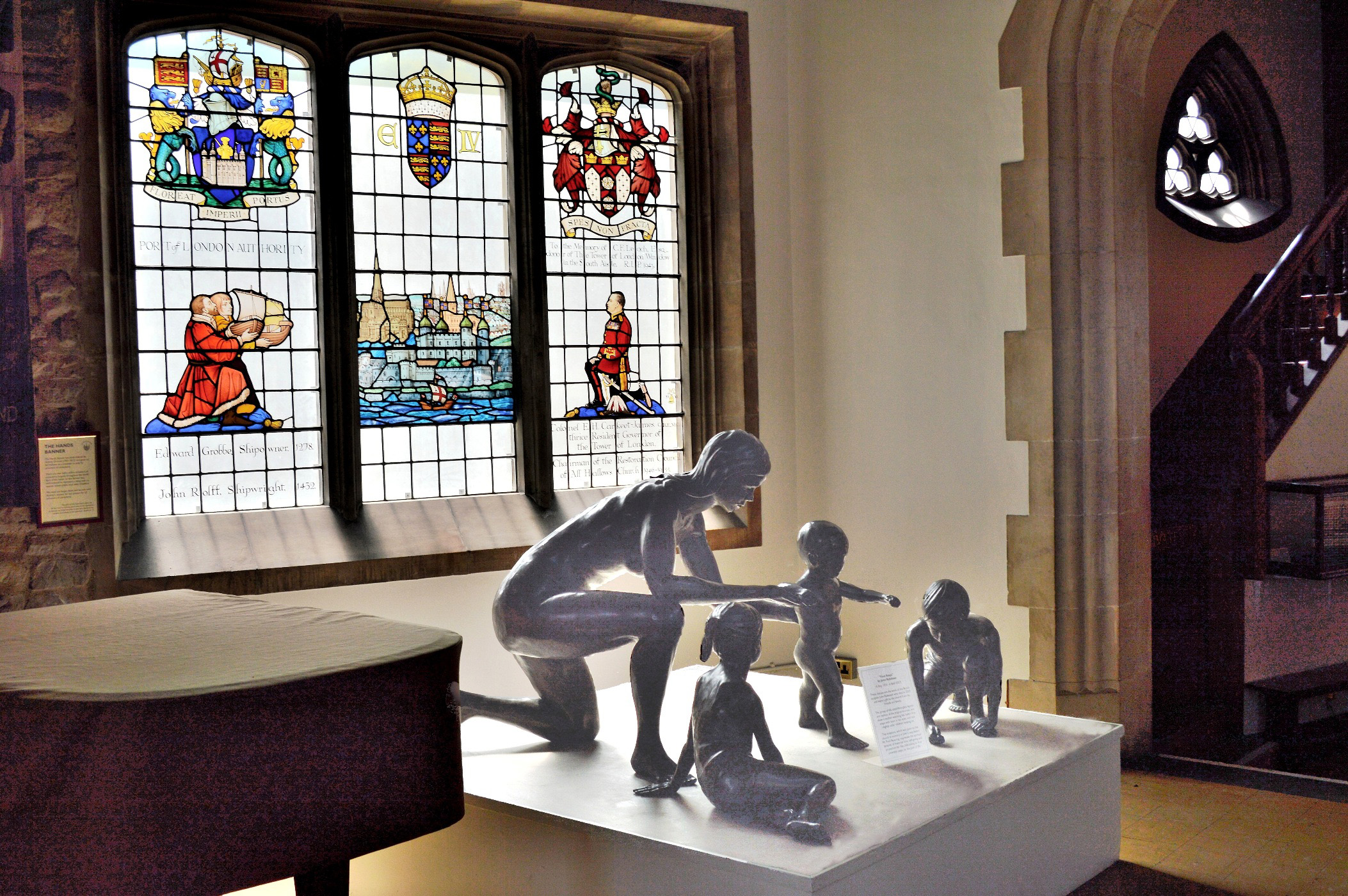
First Steps Sculpture by John Robinson
.
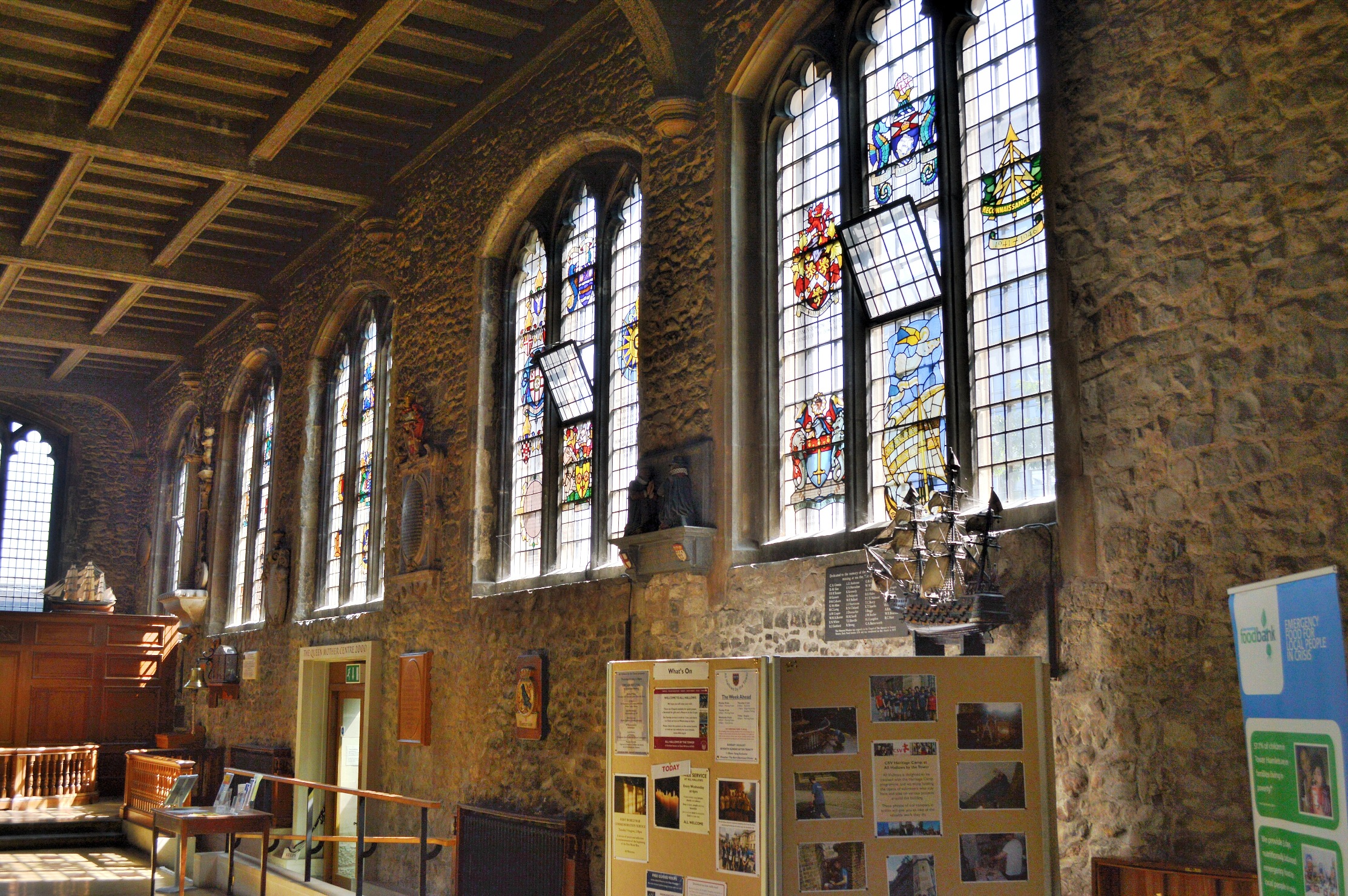
All Hallows is a working church and engages in such enterprises as a food bank.
.
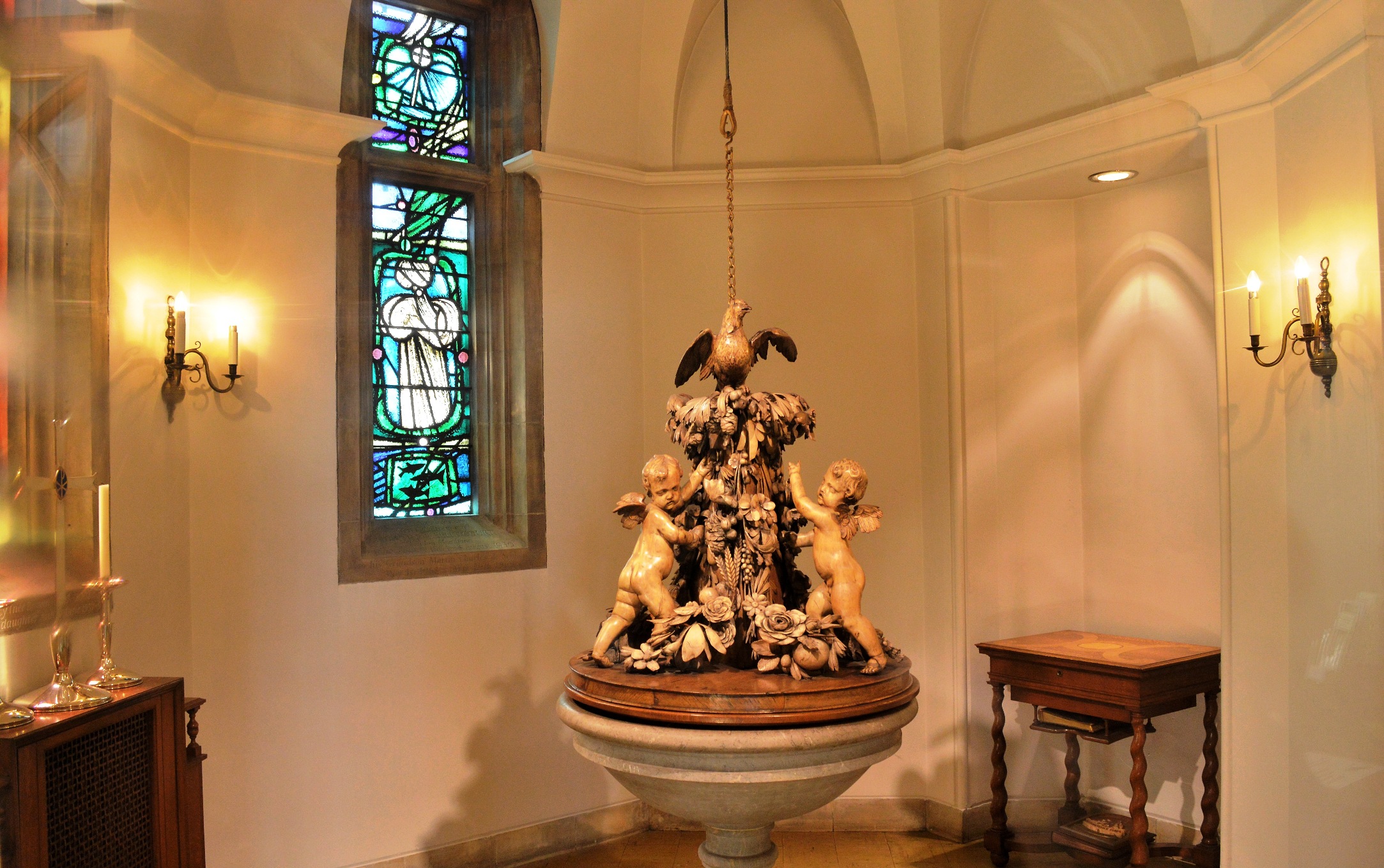
Baptismal Font Cover by Grinling Gibbons in 1682 for £12

Altar stone from the castle of Richard 1 at Athlit in the Holy Land
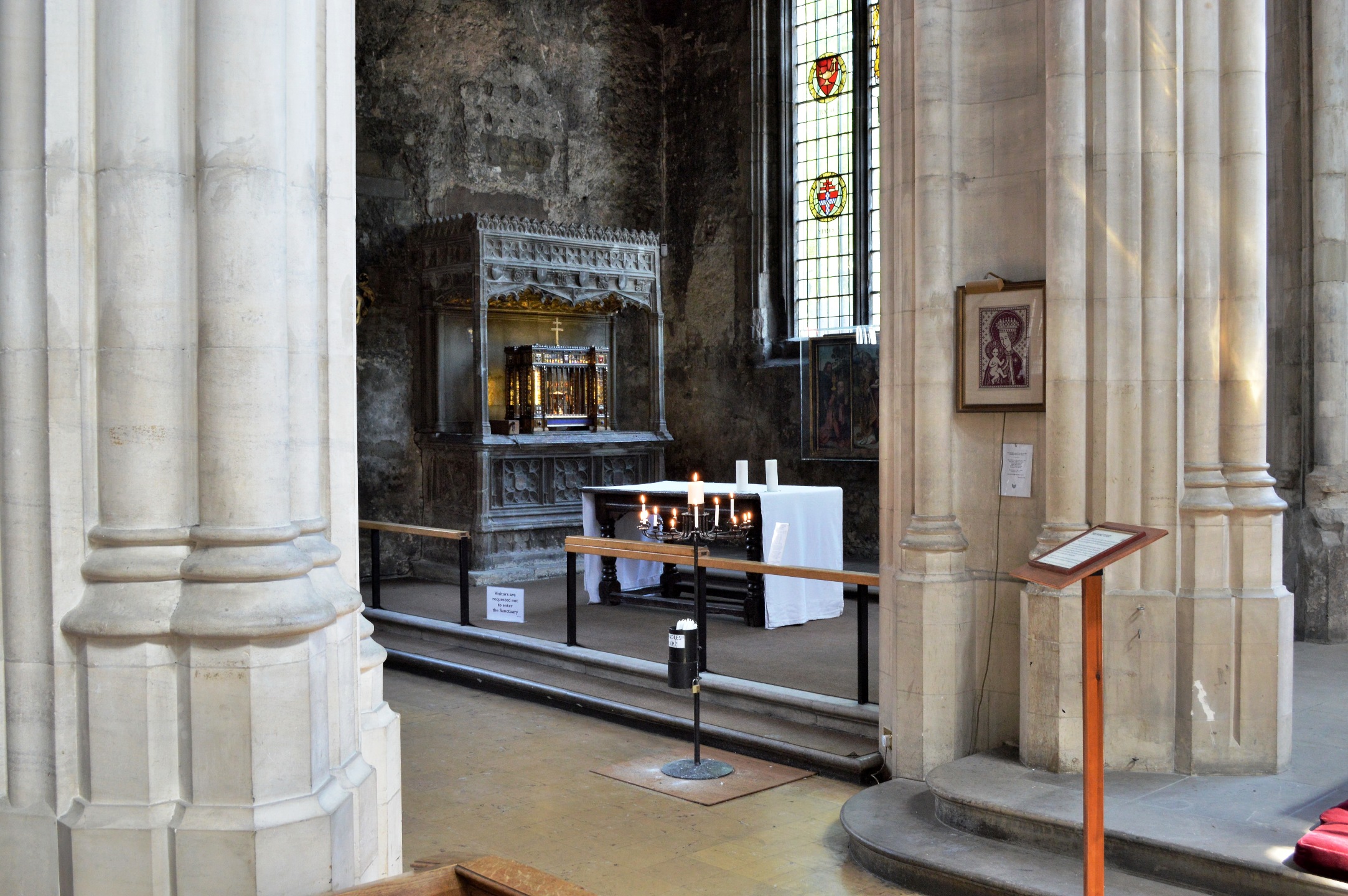
Part of the church was destroyed during WWII but there is a spiral staircase that leads down to the oldest part of the church, including a small museum with Saxon arches. At the end of the aisle is this alter with the rock face beyond.
.

The church is easy enough to find, being a little to the west of the Tower of London and its green spire easily visible at a distance when emerging from Tower Hill underground rail station.
The Natural History Museum, the very interesting Science Museum and fabulous Victoria & Albert Museum are all close together and very near South Kensington underground rail station. All are free to enter, although a small donation is usual, and have picnic areas (a wise choice).
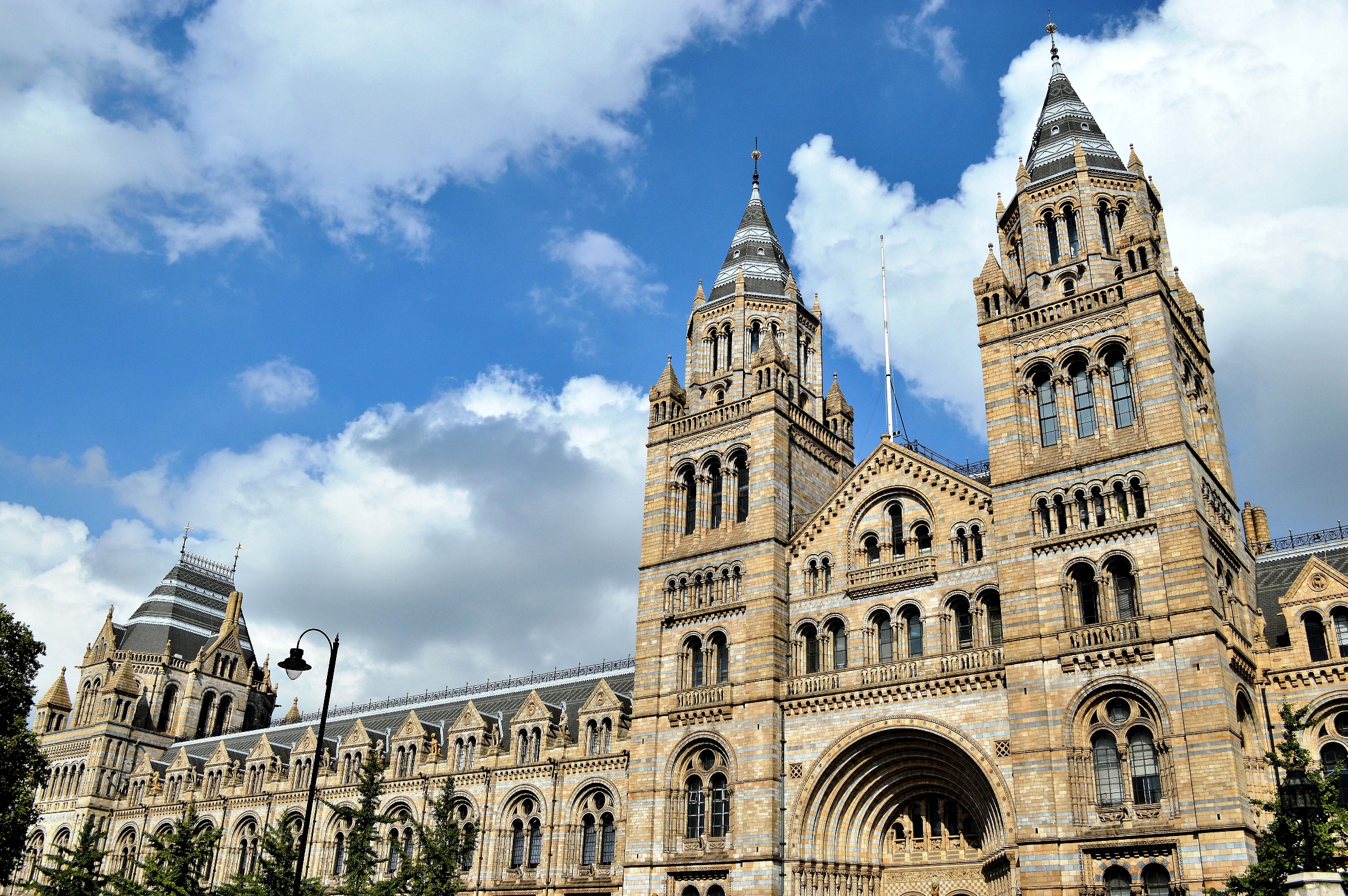
The Natural History Museum also contains The Earth’s Treasury and The Vault of precious items. Both are worth seeing. It is advisable to arrive early at the Natural History Museum to avoid queues and download/save/print the the map. The website. Here is the architecture and a few of the exhibits.
.

.

.

Charles Darwin Statue
.

Diplodocus
At the main entrance “Dippy” (diplodocus), sometimes a Blue Whale, welcomes visitors with equal aplomb. Dippy likes walks in the park, sushi and going to the theater. Would like to meet similar, must have good sense of humour.

At the side entrance one is greeted by a smaller cousin. And then ~

The escalator to hell. It actually leads to a display of information about the earth’s early years and volcanoes. Included is a mock min-market that shakes to simulate an earthquake. It wasn’t working when I was there. How come they always turn off the dangerous stuff whenever I arrive ? It’s a mystery to me.
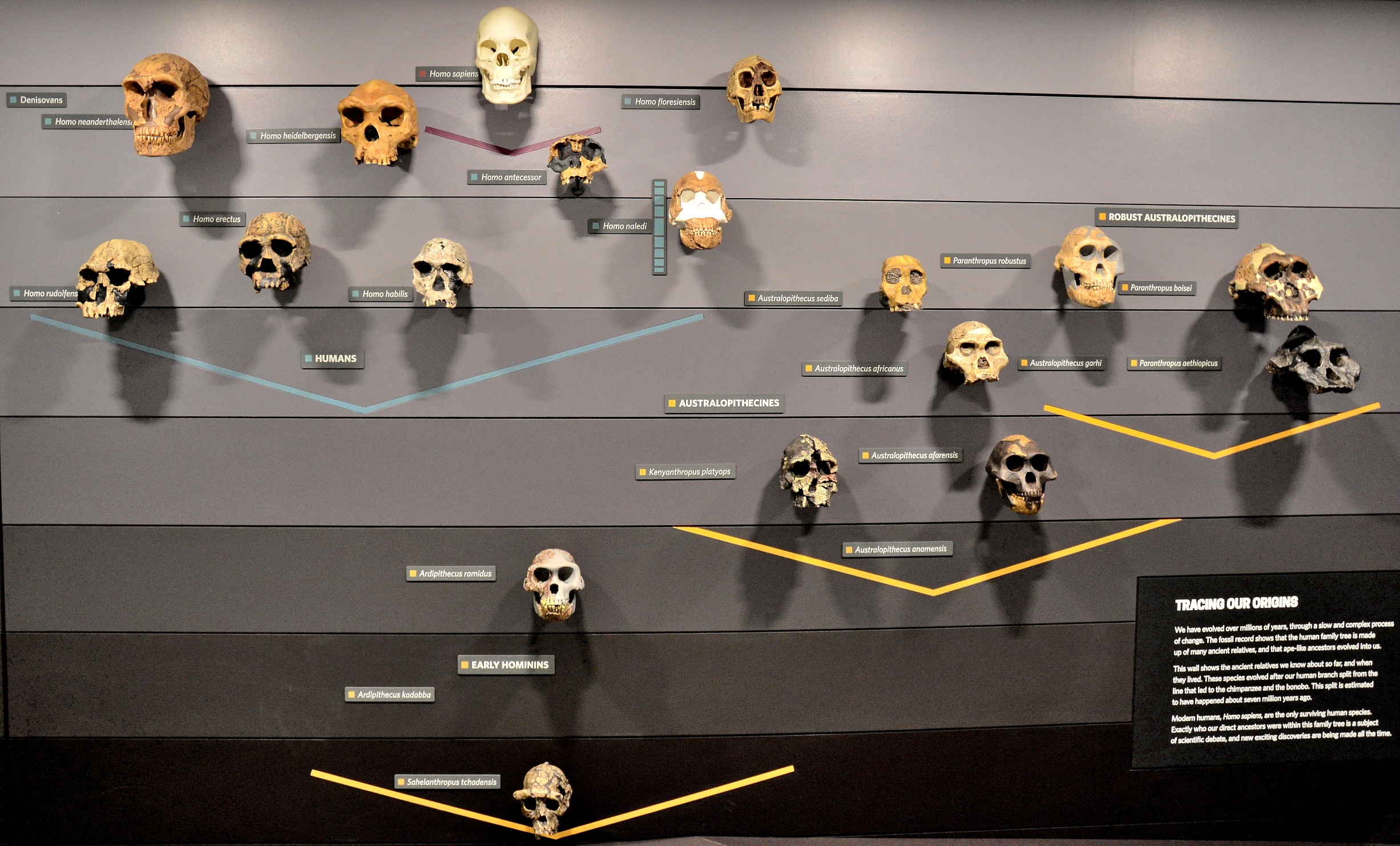
Near the elevator, on the ground floor, you can meet one’s ancestral relatives. The top row is the present and then seven rows of one million years each. Spot anybody that you know ?. To read the labels, click on the image and then again to magnify.
Unfortunately the dinosaur gallery was closed during my visit, but there were a few on show.

This little tyke is animated. Noticeably breathing and occasionally moving in his/her sleep.

Cynognathus
The Cynognathus was supposedly about the size of a dog. If that’s true, I wonder if Lord Baskerville knows it’s out.
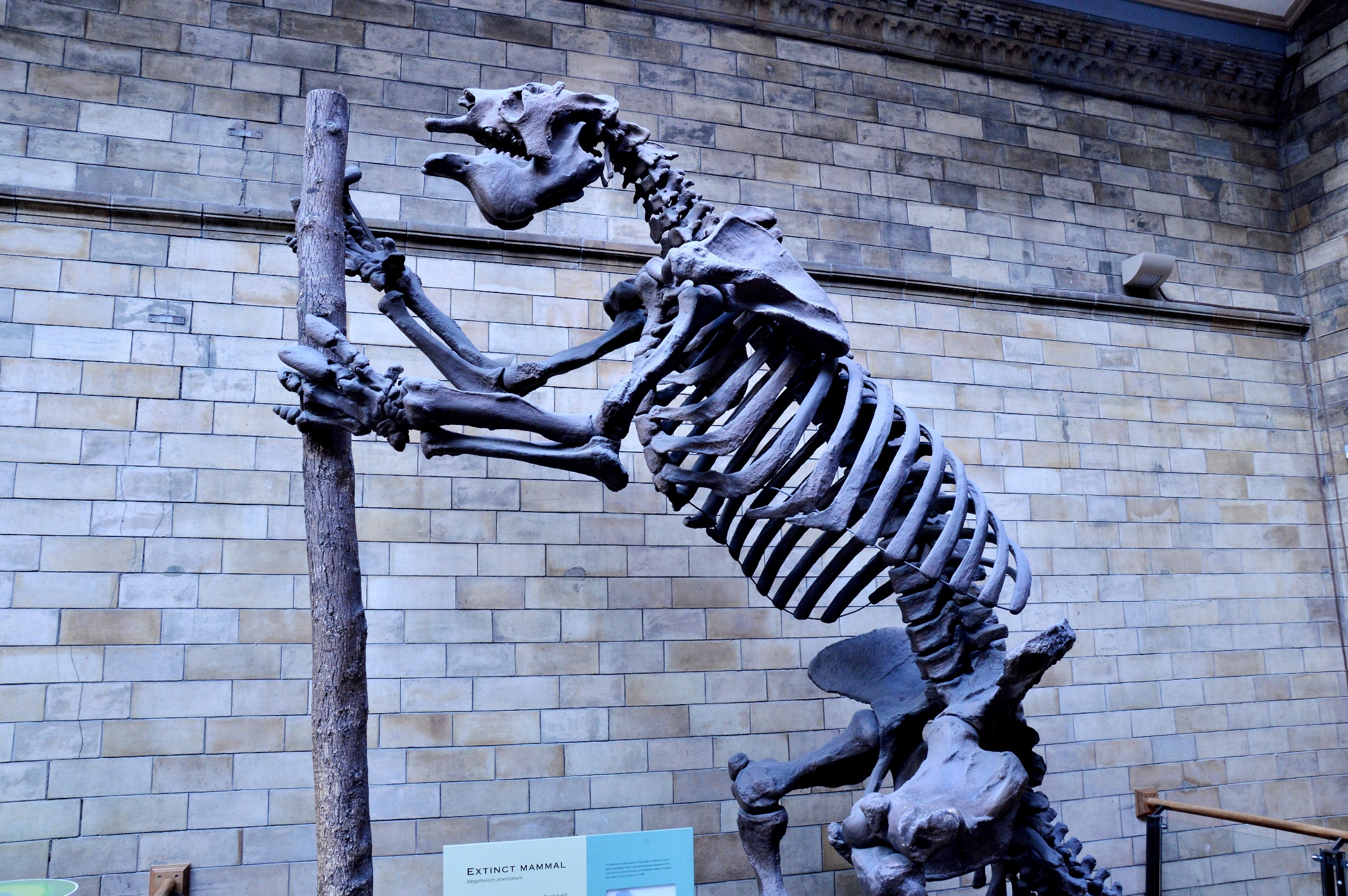
Megatherium Americanum
Aka, prehistoric stick insect.

Killer Bird and Pseudo-elephant
“My mother always said you were a skinflint, look at me when I’m talking to you and when are you going to fix that shelf and stop calling me beaky”. “Aaaarg”

Shell and Triton’s Trumpet
.

Baler Shell
The Baler Shell, so-called because it is very useful for baling out canoes (honest).

Queen Conch
.

There are loads of stuffed animals. I picked just one.

Dodo Bird
The Dodo bird, it is reported, became extinct because it was not sufficiently afraid of mankind. There’s a lesson in that somewhere.
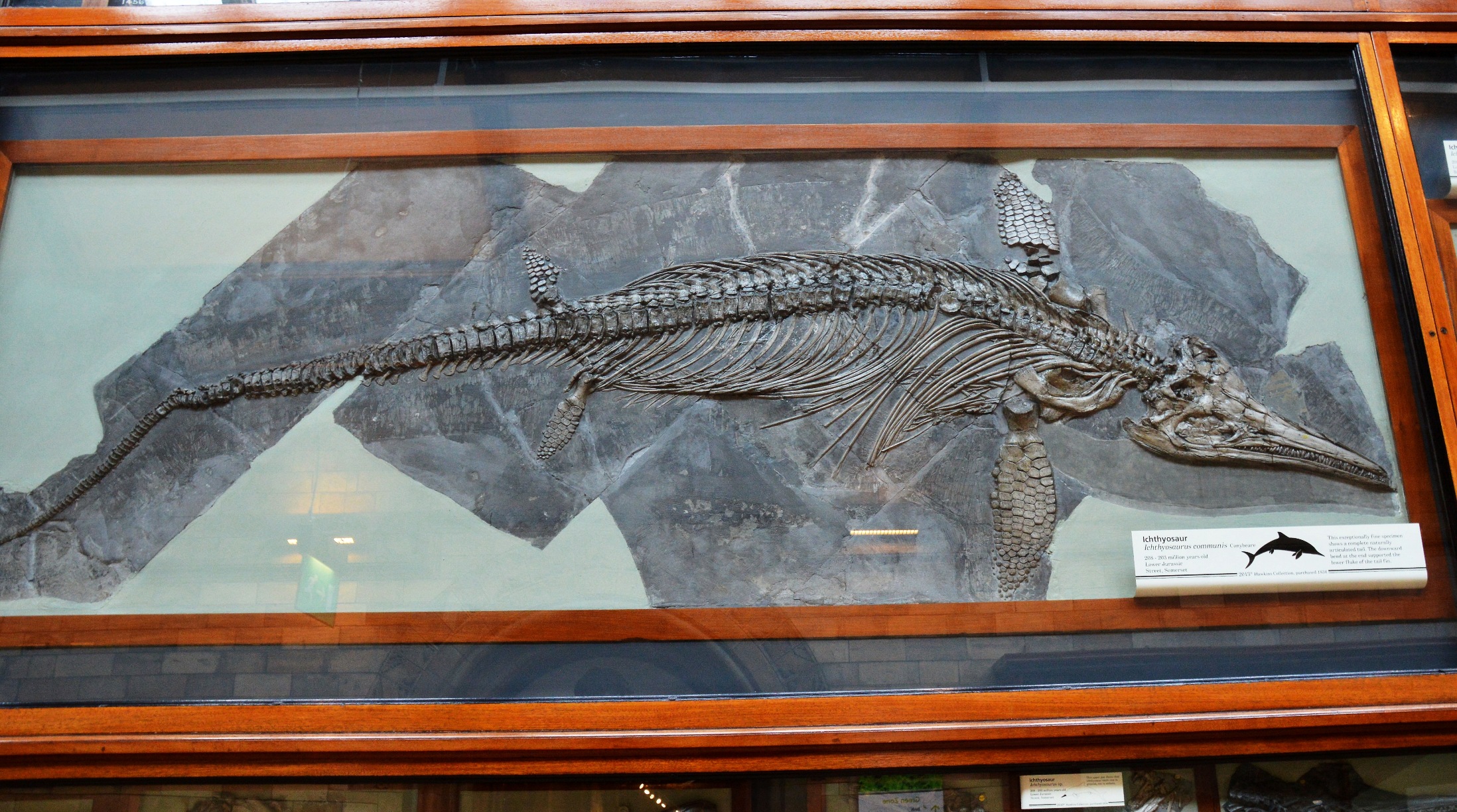
Ichthysaurus Fossil
.

Goethite
I can take a hint.
More from the Earth’s Treasury at the Natural History Museum London. There is also Earth’s Treasury 1 and The Vault of precious items.
.
 .
.

.

.

.
.
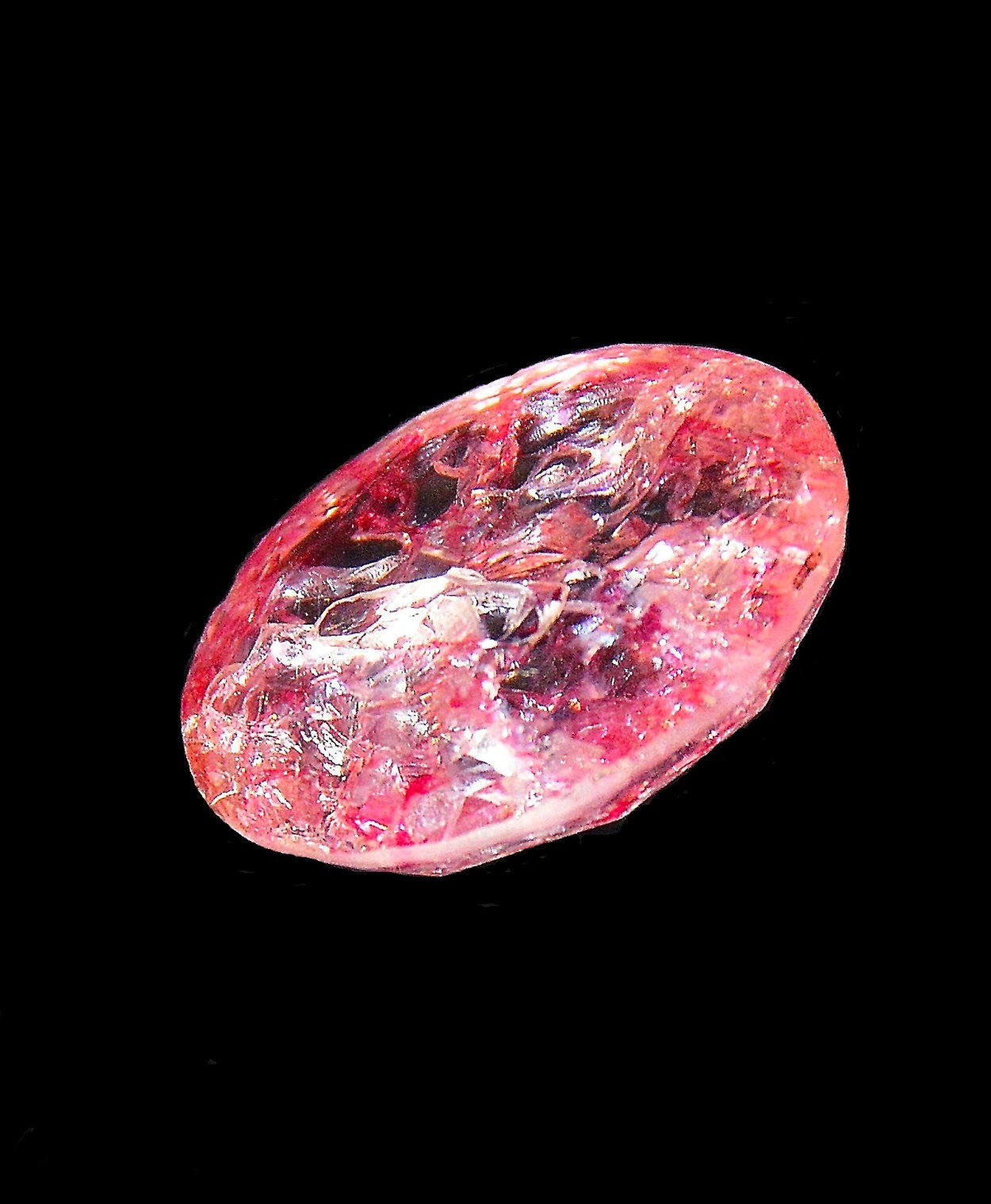
.
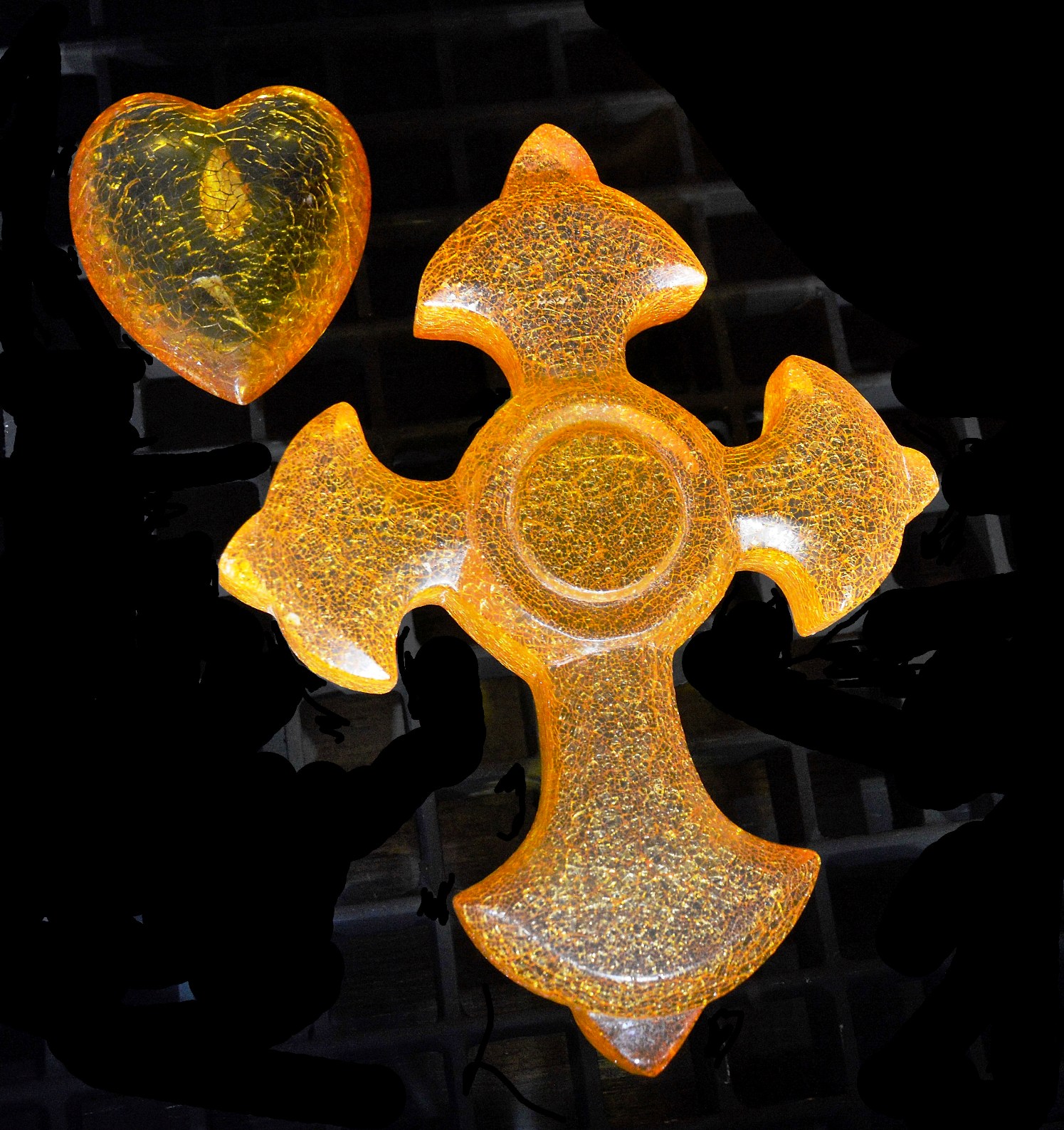
.
 .
.
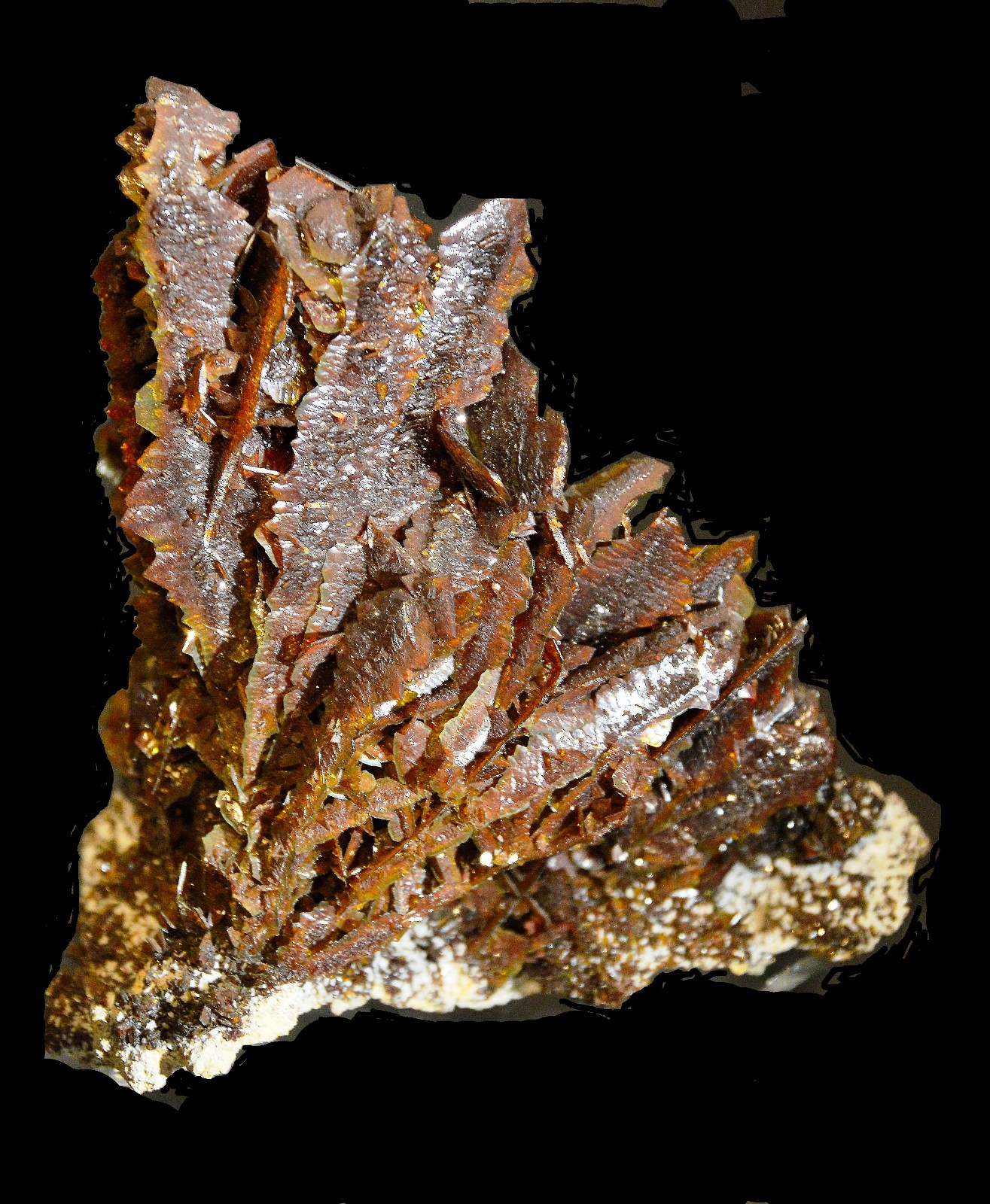
And crunchy chocolate cake to finish, I think.

Latrobe Gold Nugget made of rare crystallized gold.
At the end of the Minerals Hall at London’s Natural History Museum is The Vault which contains a number of precious objects including the Latrobe Gold Nugget, the Medusa Emerald, the Cursed Amethyst and a Martian Meteorite. 19 more pics ↓ . And, more at the Earth’s Treasury and Earth’s Treasury 2.
.
These are just a few of the rare items in the vault.

Yellow Sapphire and Padparadscha
Sapphires come in various colours and, like ruby, are made of corundum. The orange/pink is a rare colouring of sapphire known as padparadscha.
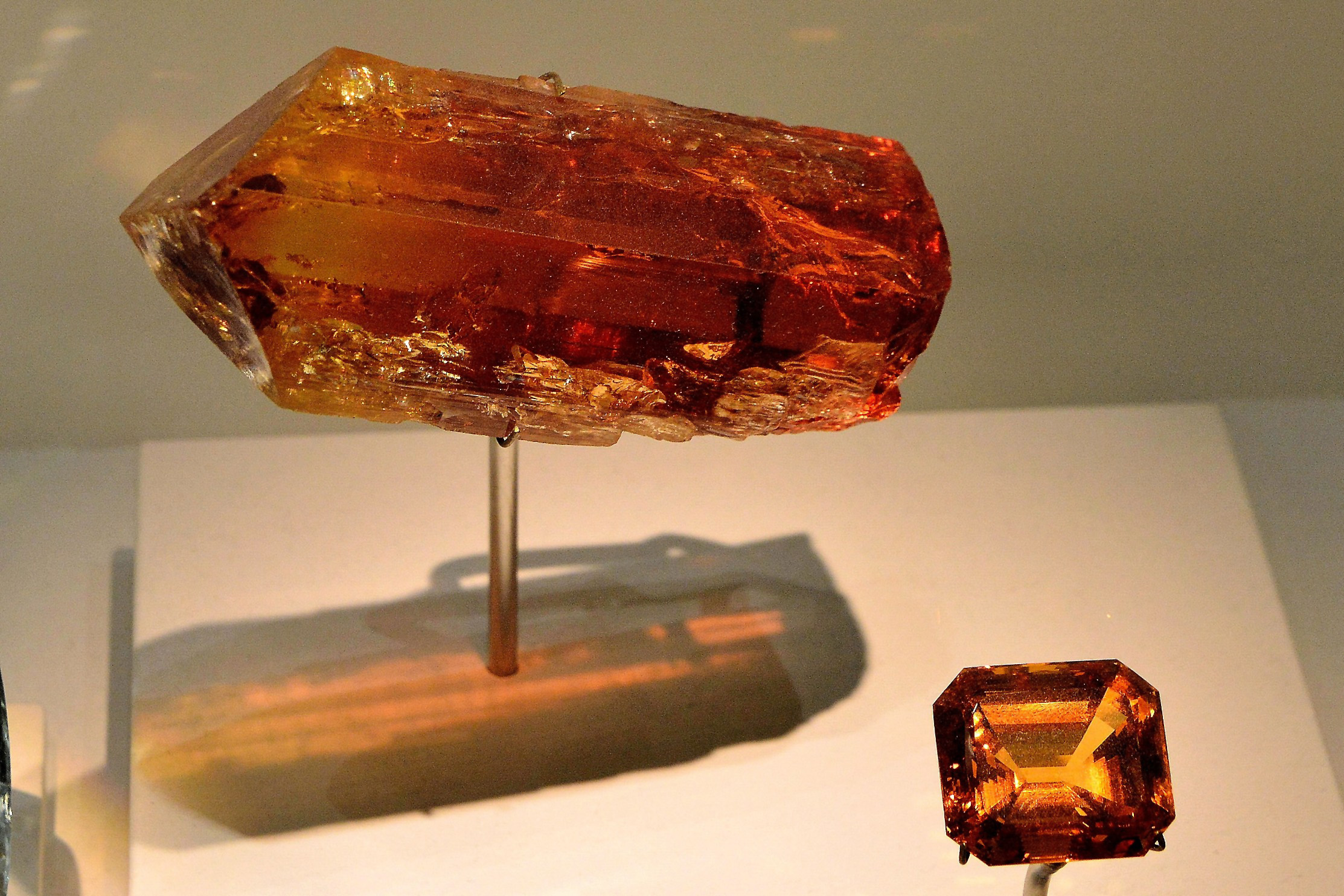
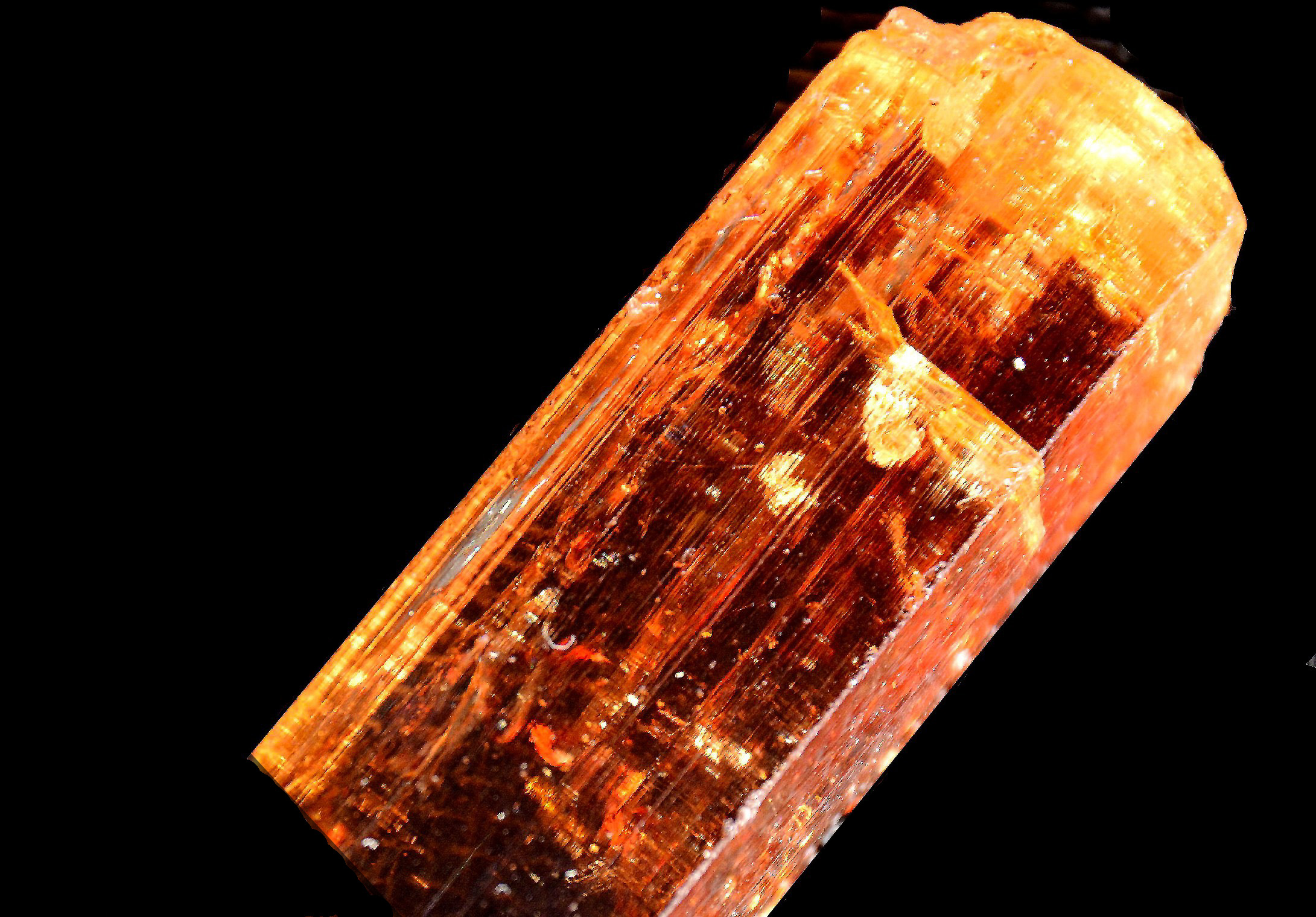
Imperial Topaz
.
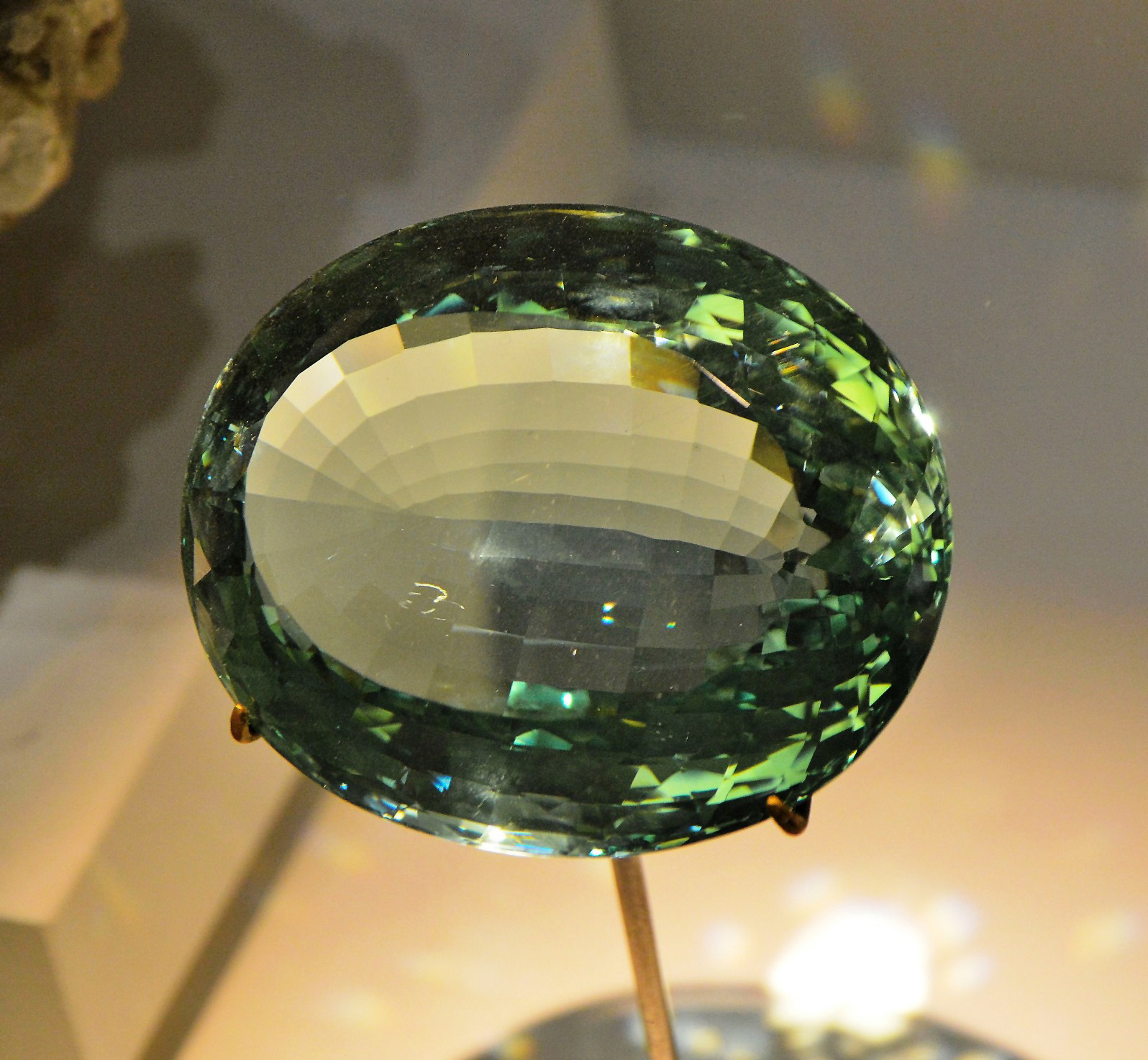
Rain in Seawater – An Aquamarine variety of Beryl
.
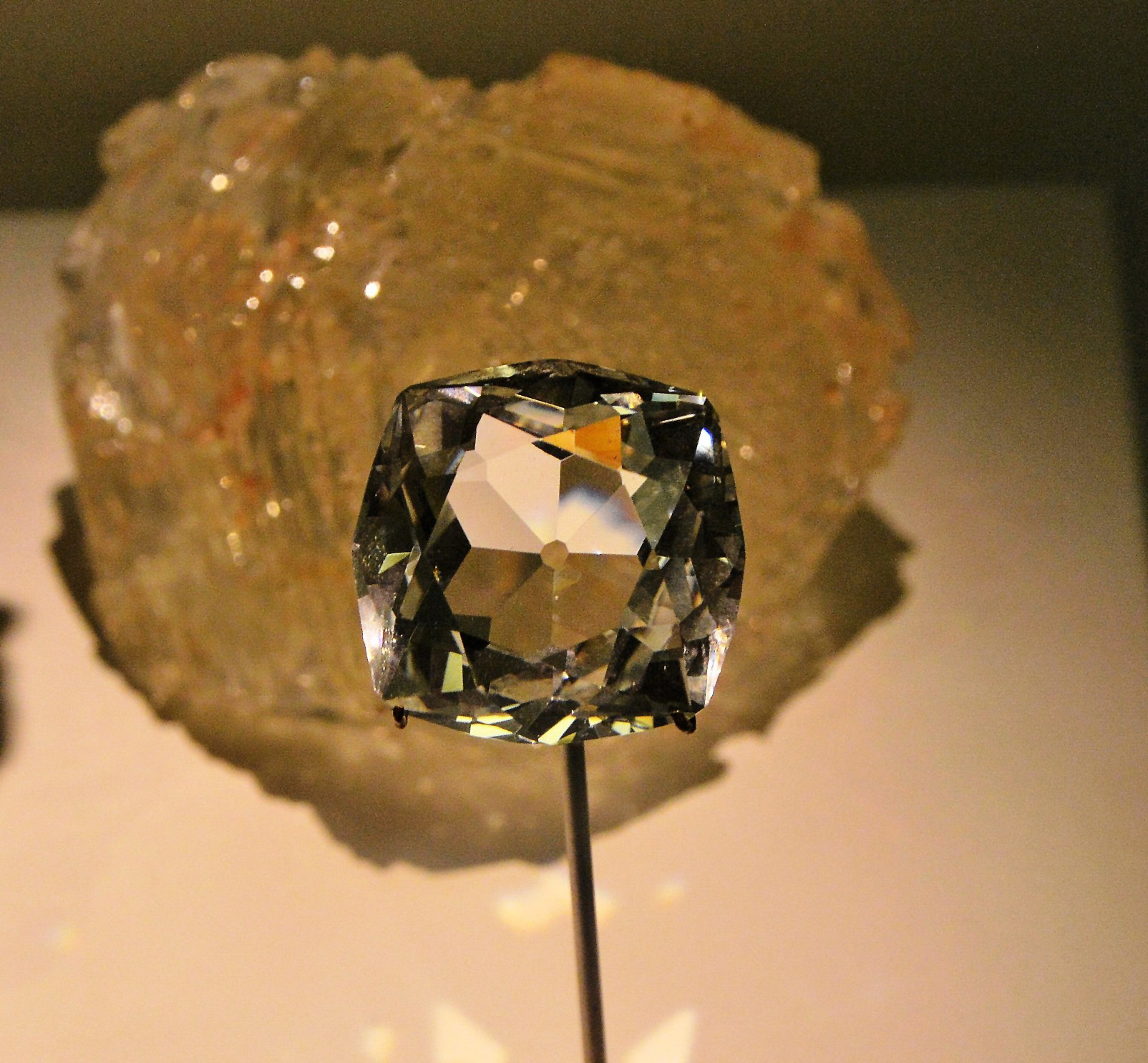
The Scotch Koh-i-Noor – A Goshenite variety of Beryl
It is a bit of a mystery how it got its name, as it probably came from Brazil.

Sapphire Button
.

Opal Necklace
.

The Hope Chrysoberyl
This was once a part of the collection of Henry Philip Hope along with the Hope Diamond.

The Medusa Emerald
The medusa is regarded as one of the world’s finest mineral specimens.
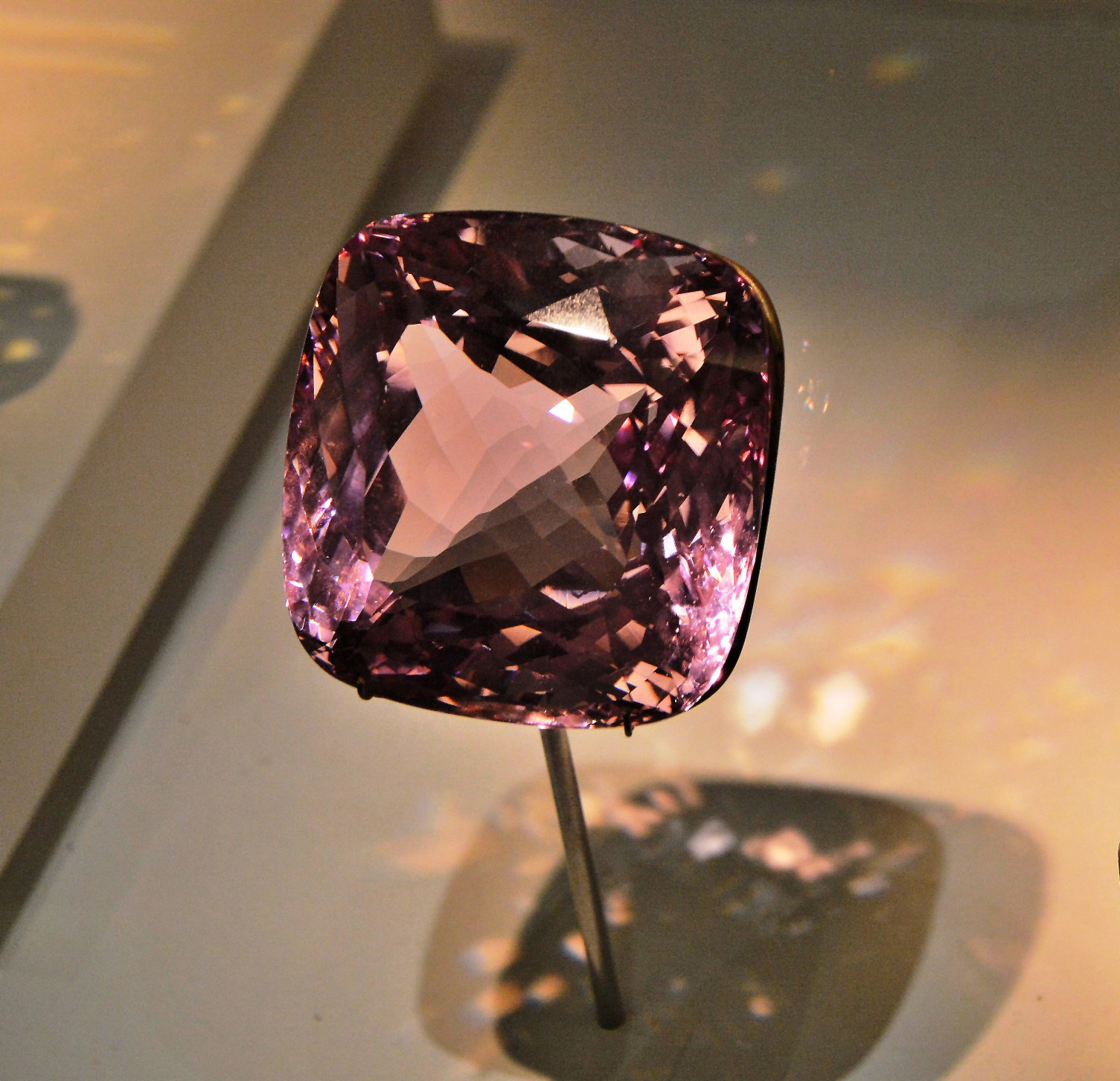
Cut Morganite
.

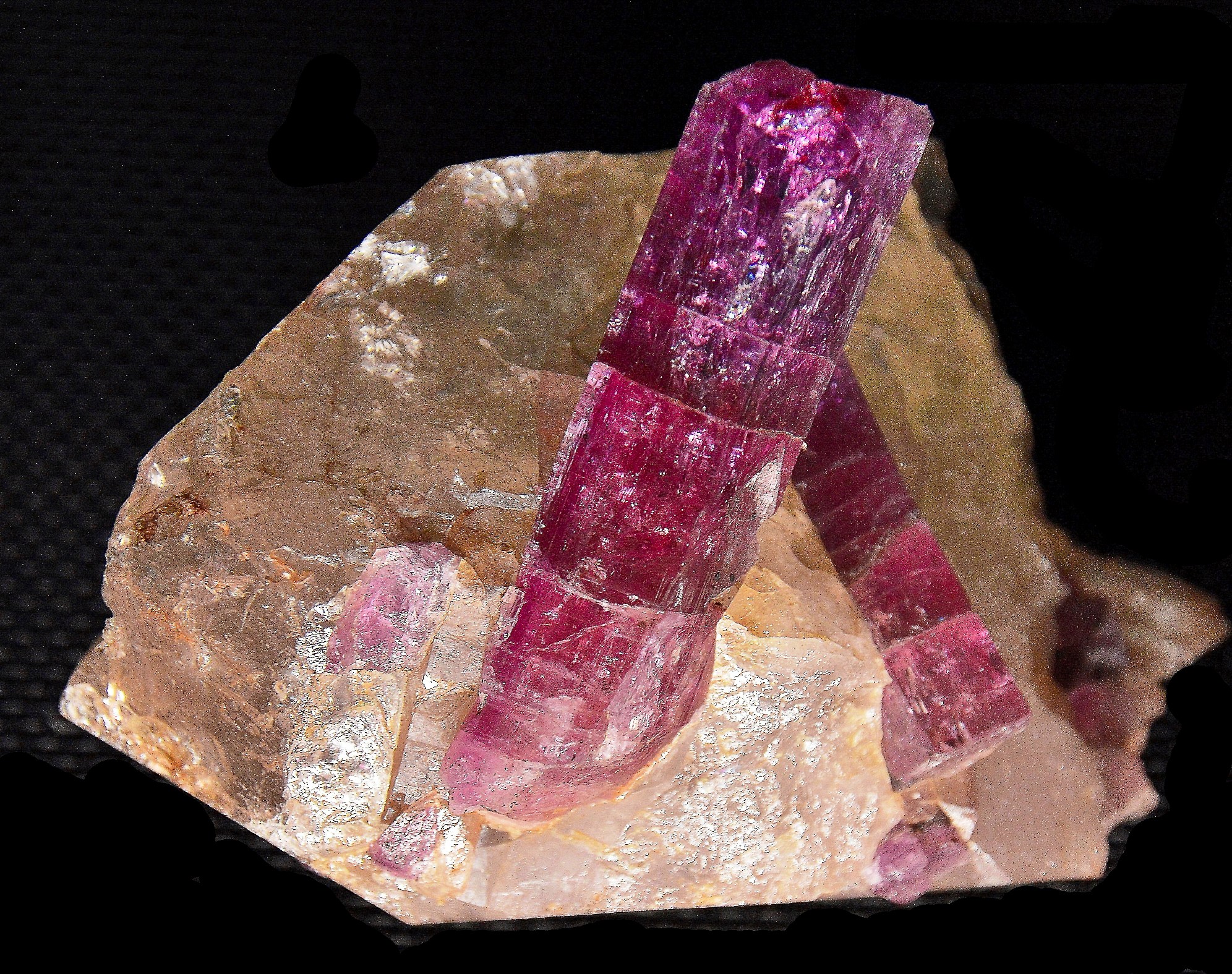
Crystal within a Crystal
A pink morganite crystal that grew around a blue aquamarine core.
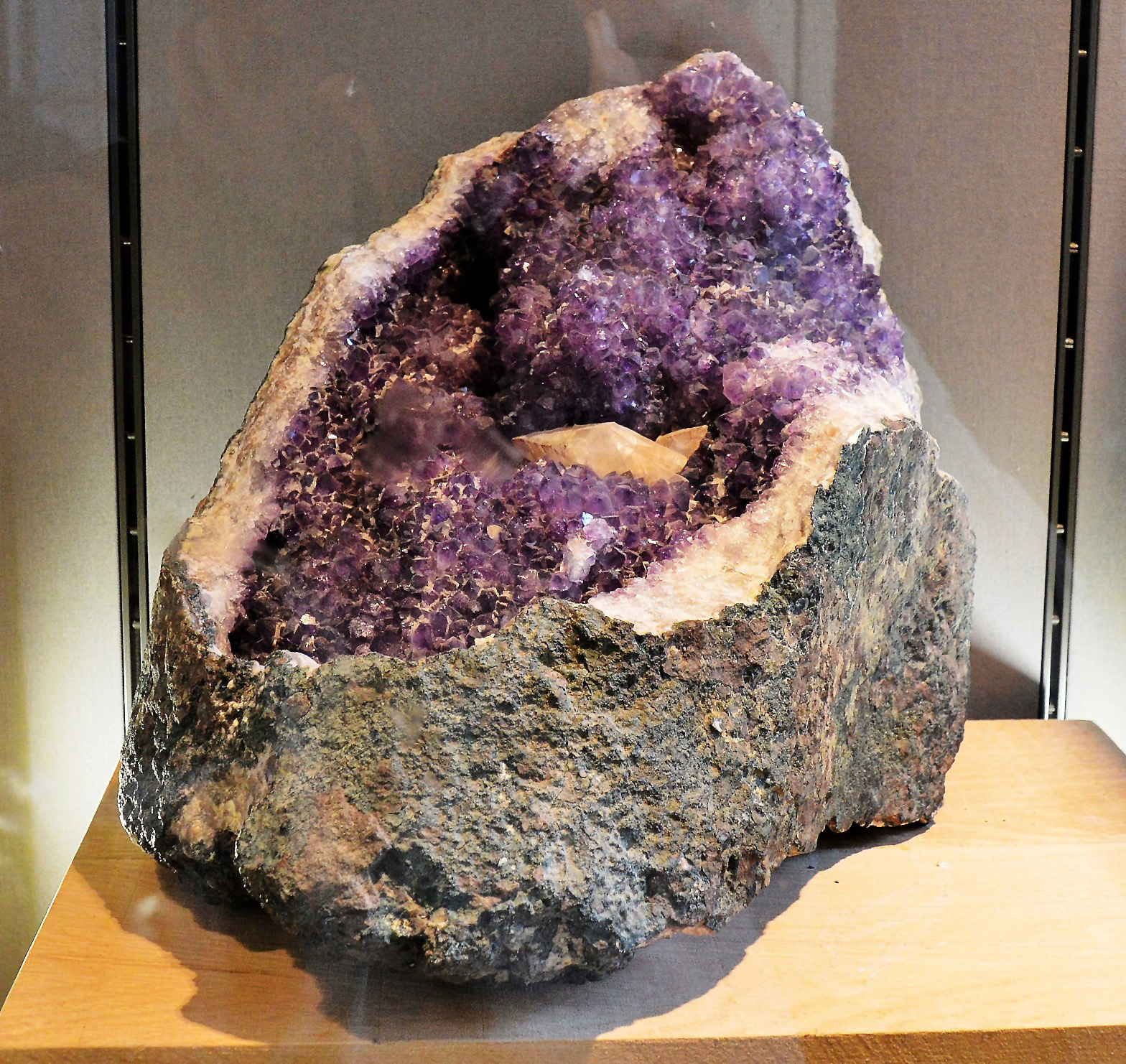
Amethyst Boulder
It is amazing to think what might be found inside an ordinary looking rock. 🙂
.
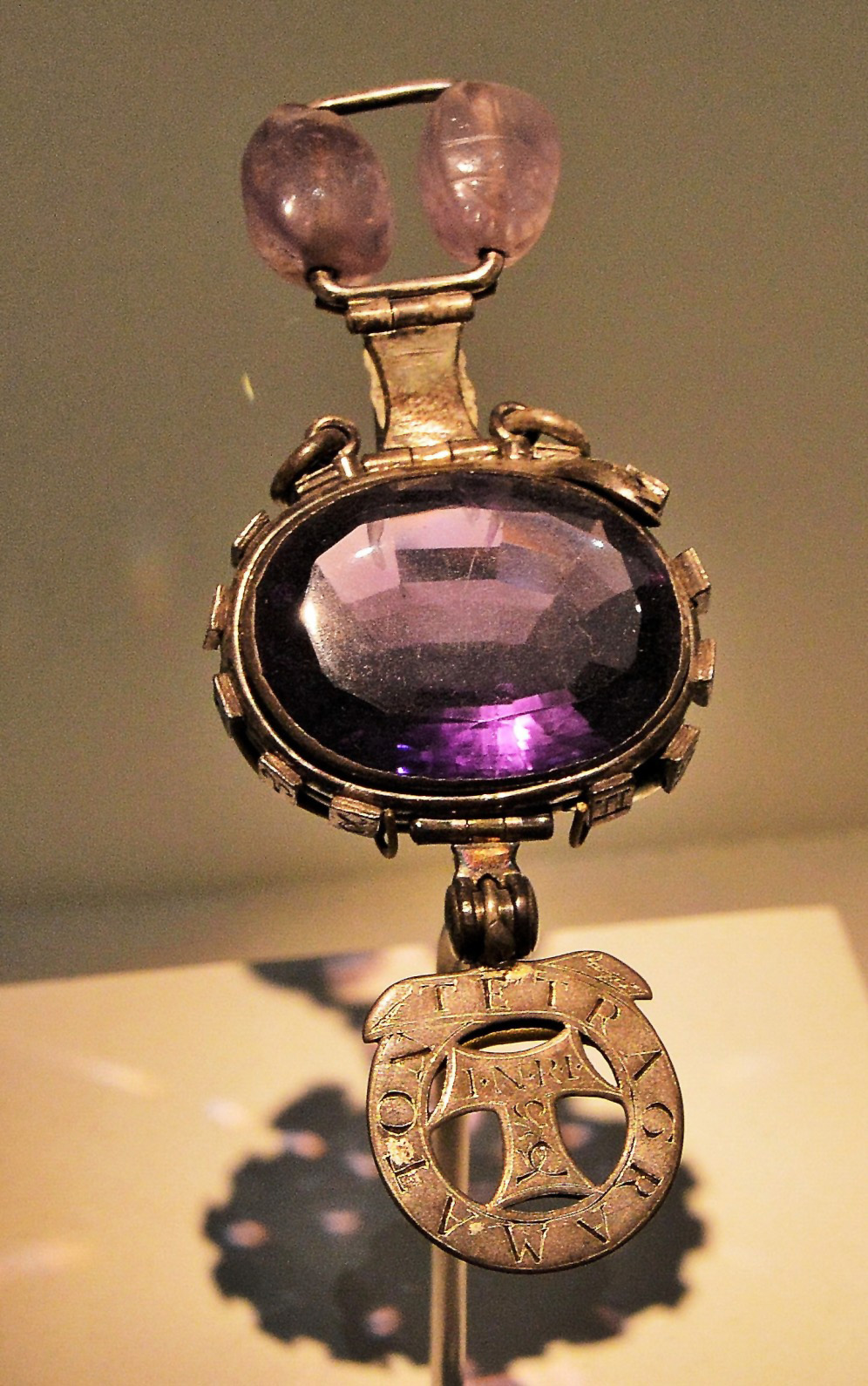
The Cursed Amethyst
It is reputed that the Cursed Amethyst was stolen from an Indian temple in 1857 and then passed through several unfortunate hands before being owned by Edward Heron-Allen who bequeathed it to the museum. Whilst Heron-Allen owned the gem he had it kept in a bank vault within seven locked boxes. The whole story can be found here.
.

Tissint Meteorite
The Tissant Meteorite landed near the village of Tissant in Morocco in 2011, taking 700,000 years to travel from Mars having being ejected by that planet. Its particular importance derives from the indications that there was once liquid water on Mars. If there is water, now beneath the surface, then solar-powered electricity can be used to split the H2O into Hydrogen and Oxygen. The second can be used to support life, and both together as rocket fuel.
On the other hand, we could take more care of our own planet first. 🙂
.
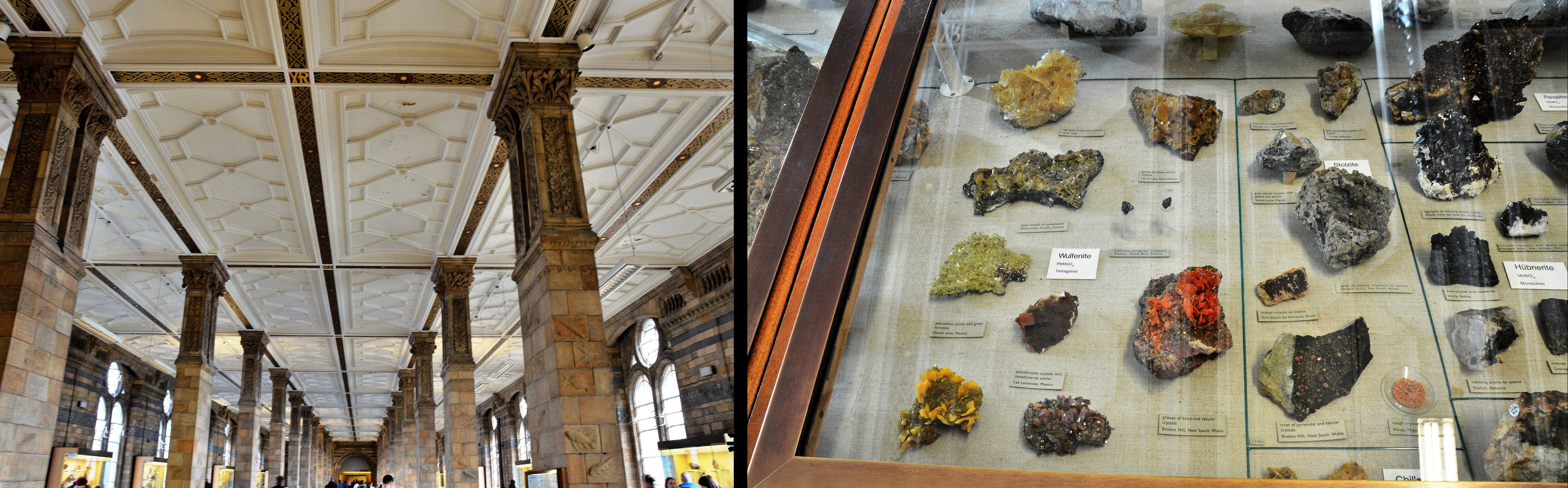
With thousands of specimens.

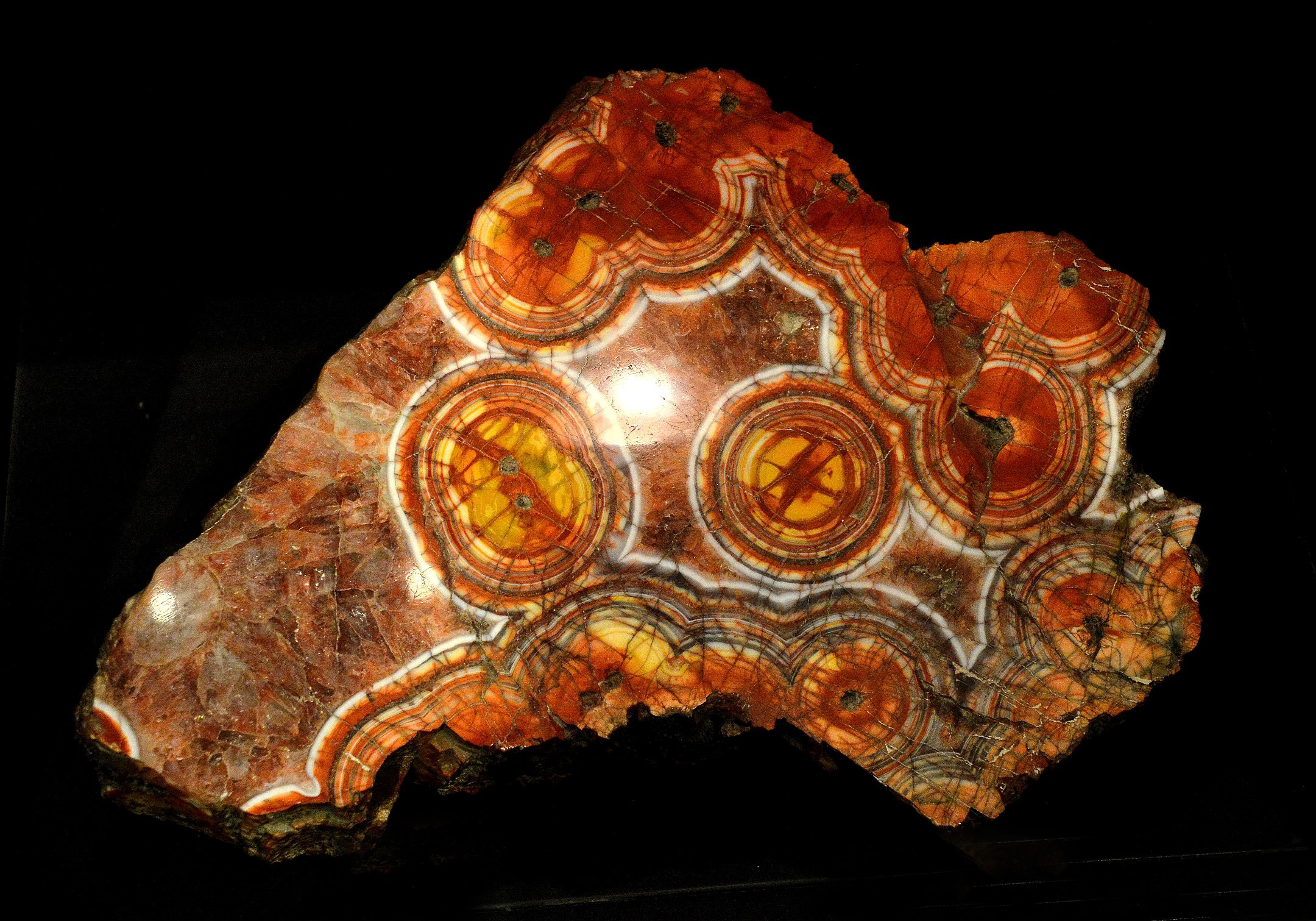
Hydrohematite
.
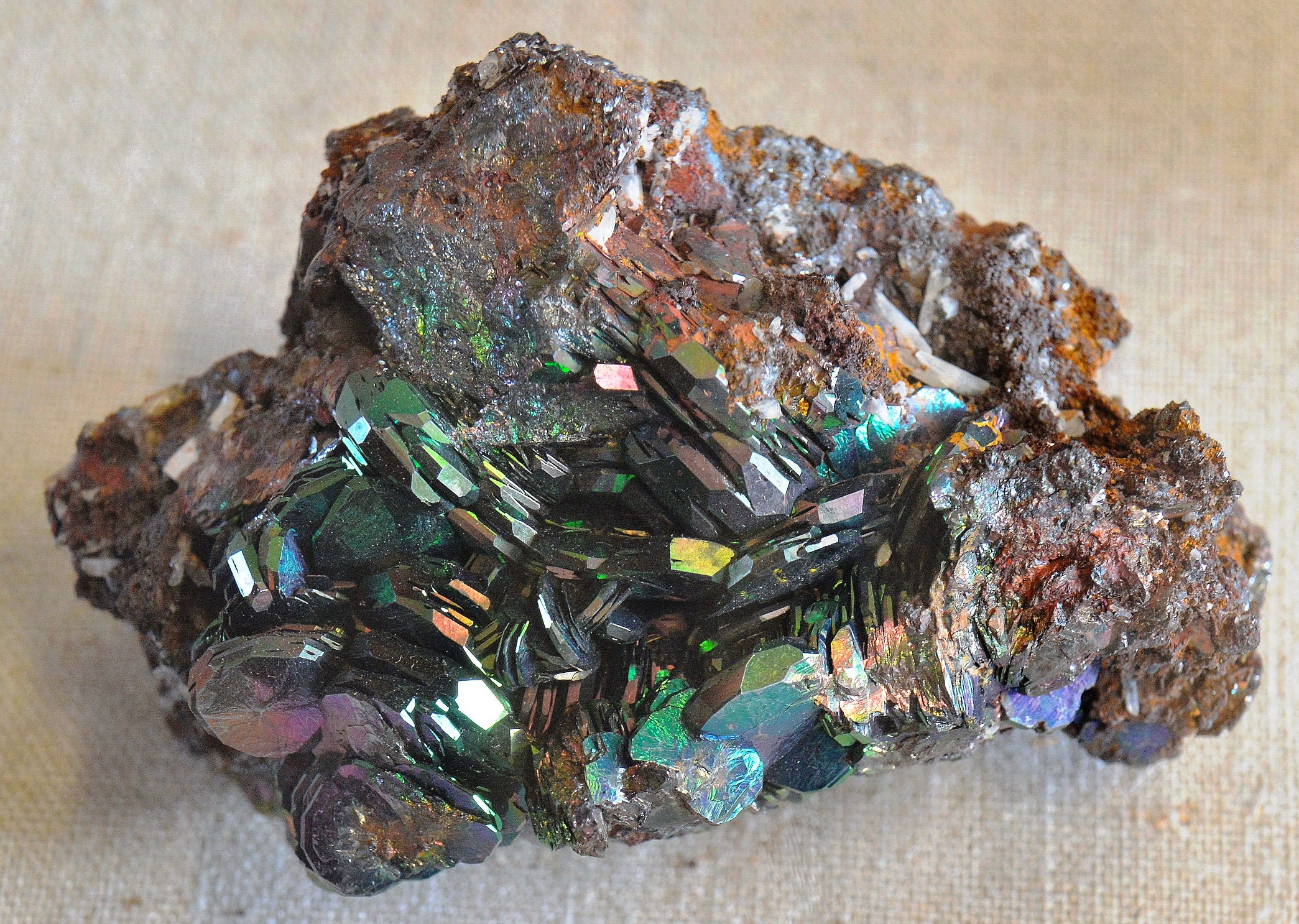
Iridescent crystals
.

Iridescent Stalactites
.
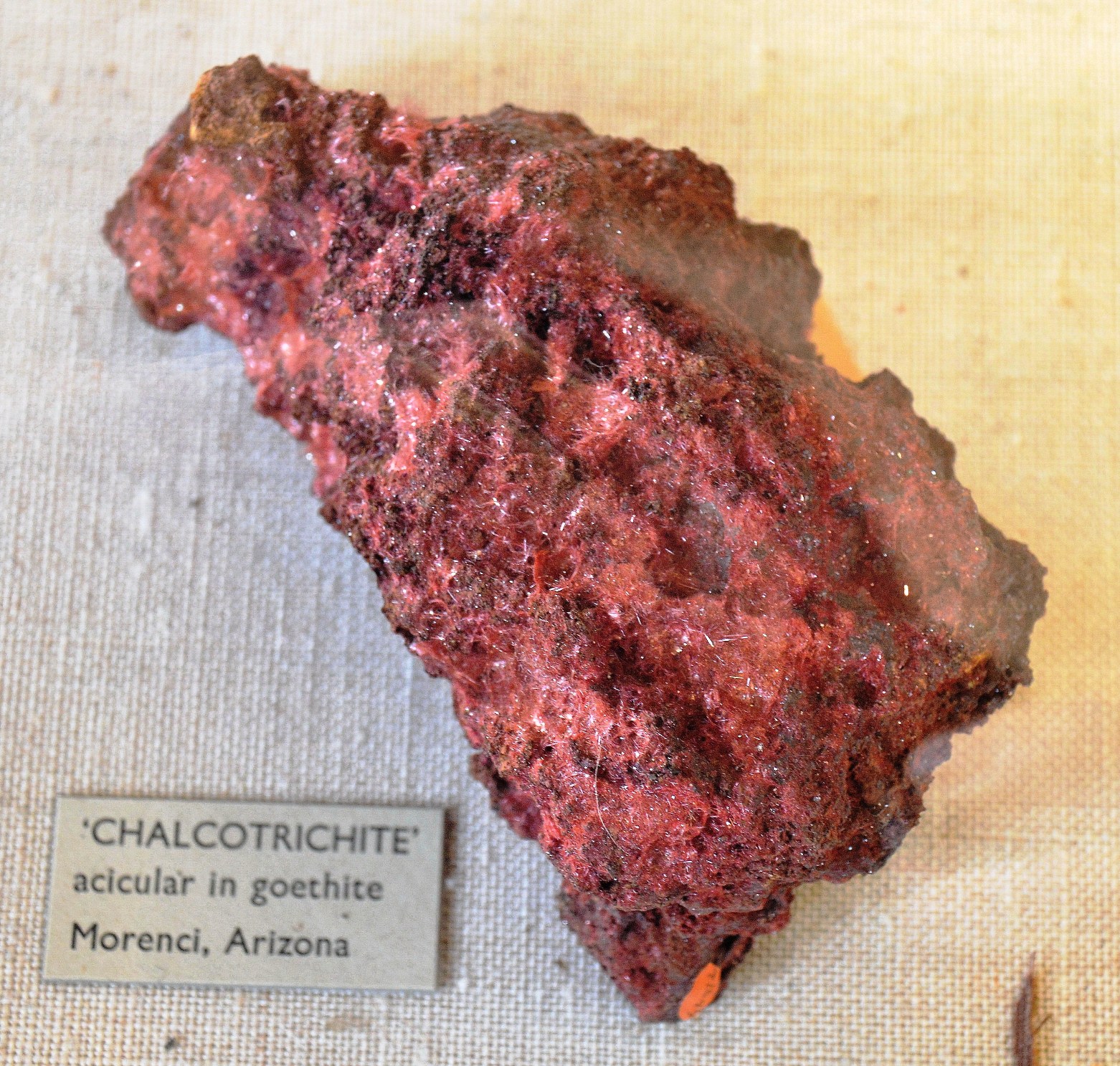
Chalcotrichite
More at the Earth’s Treasury.
.

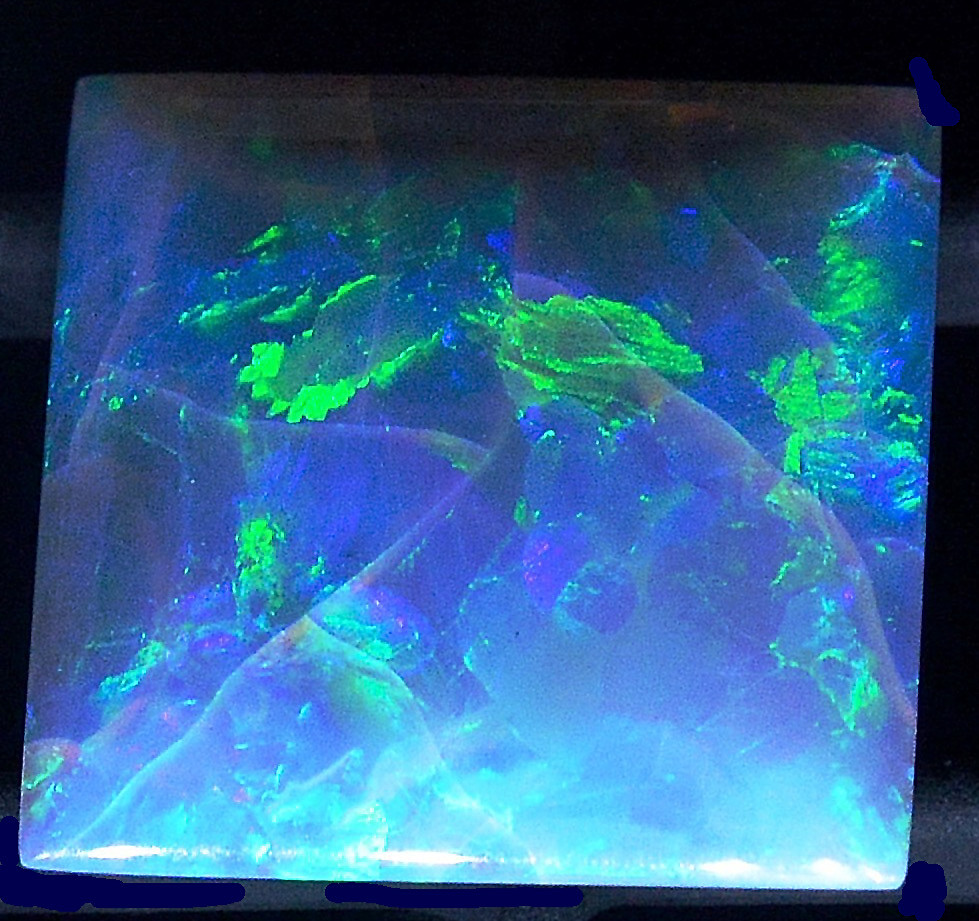
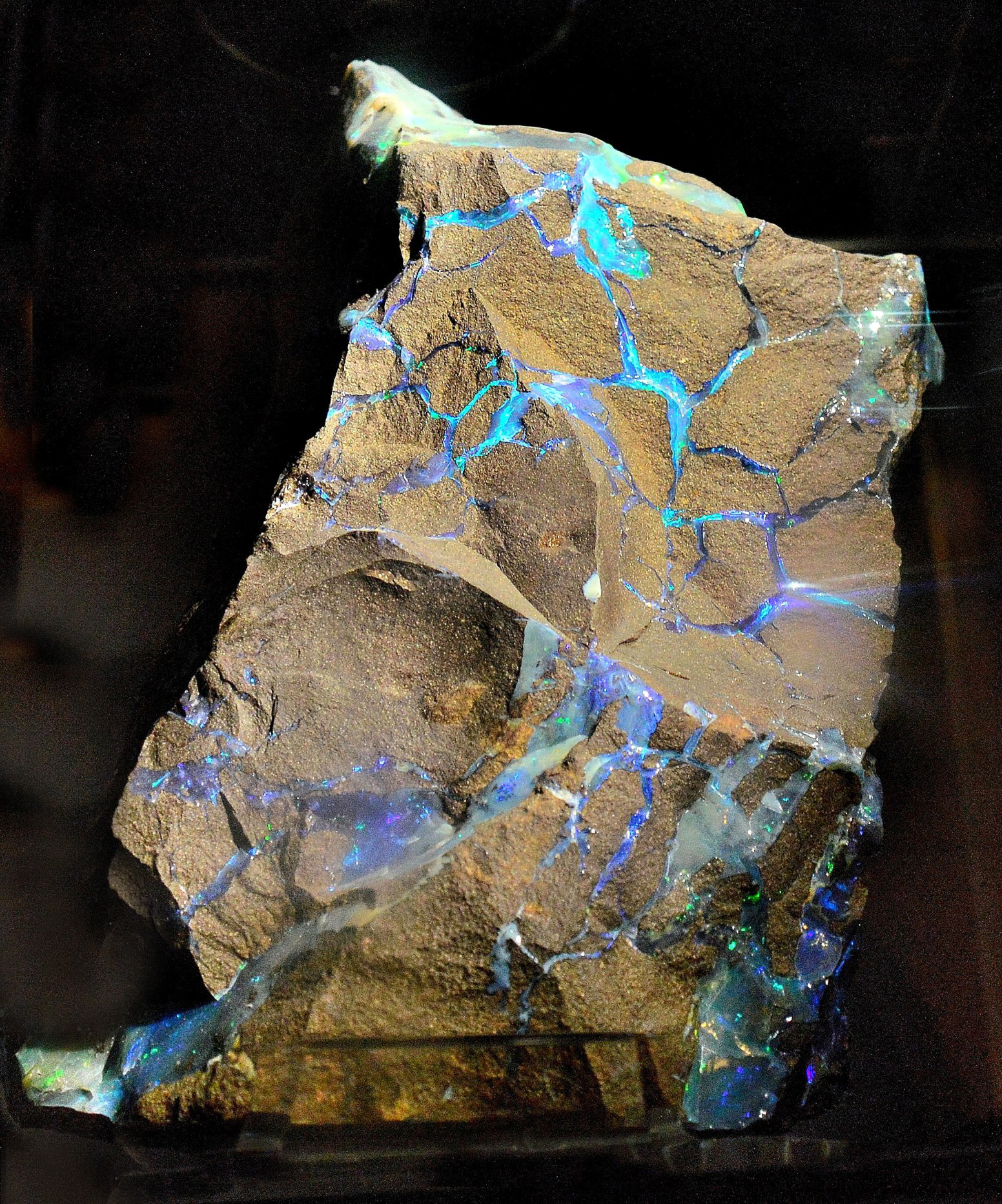
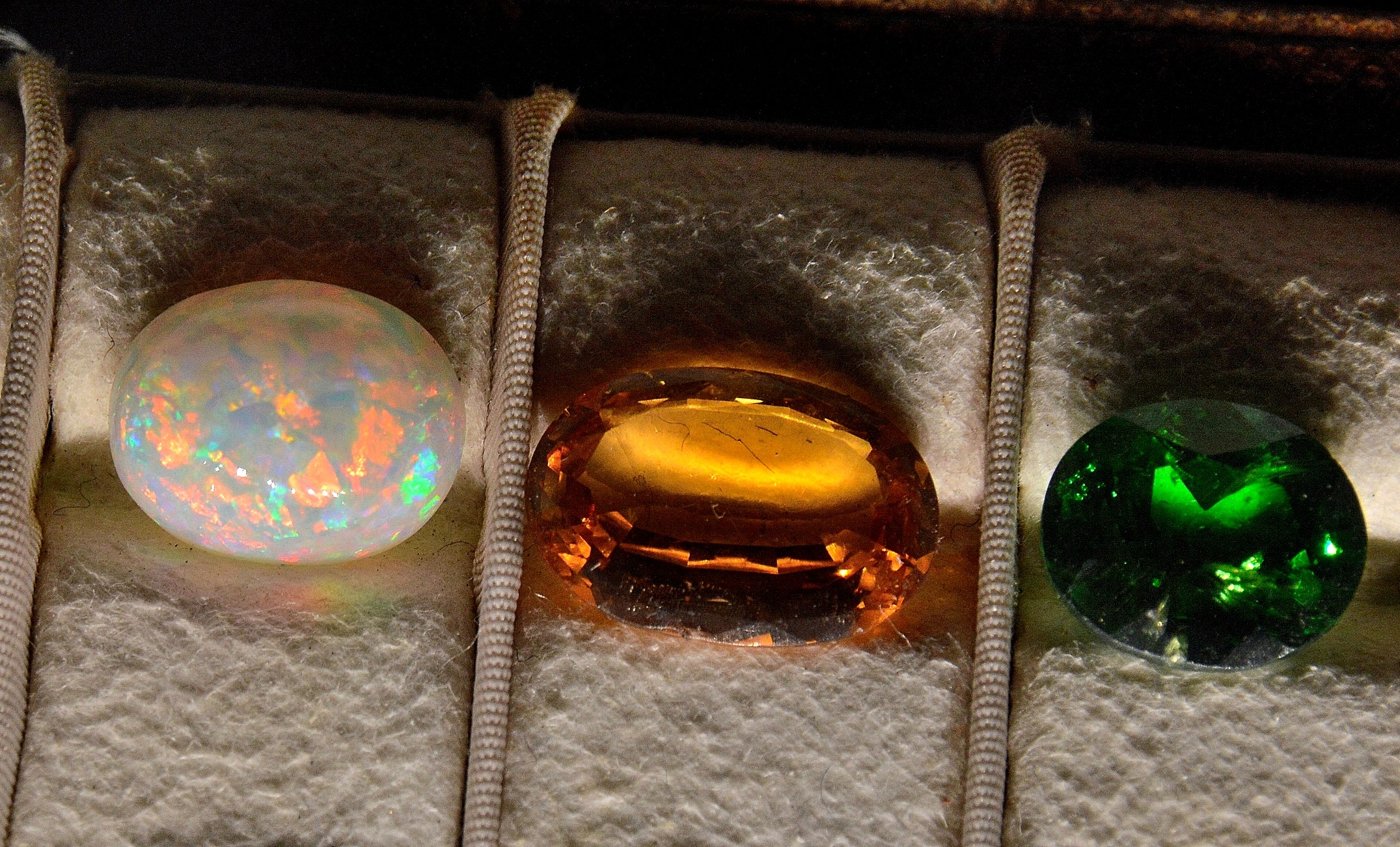
It would be rather marvelous to think that this opalescent wonder is a moon rock. Even more marvelous to realise that it came from our own Earth.
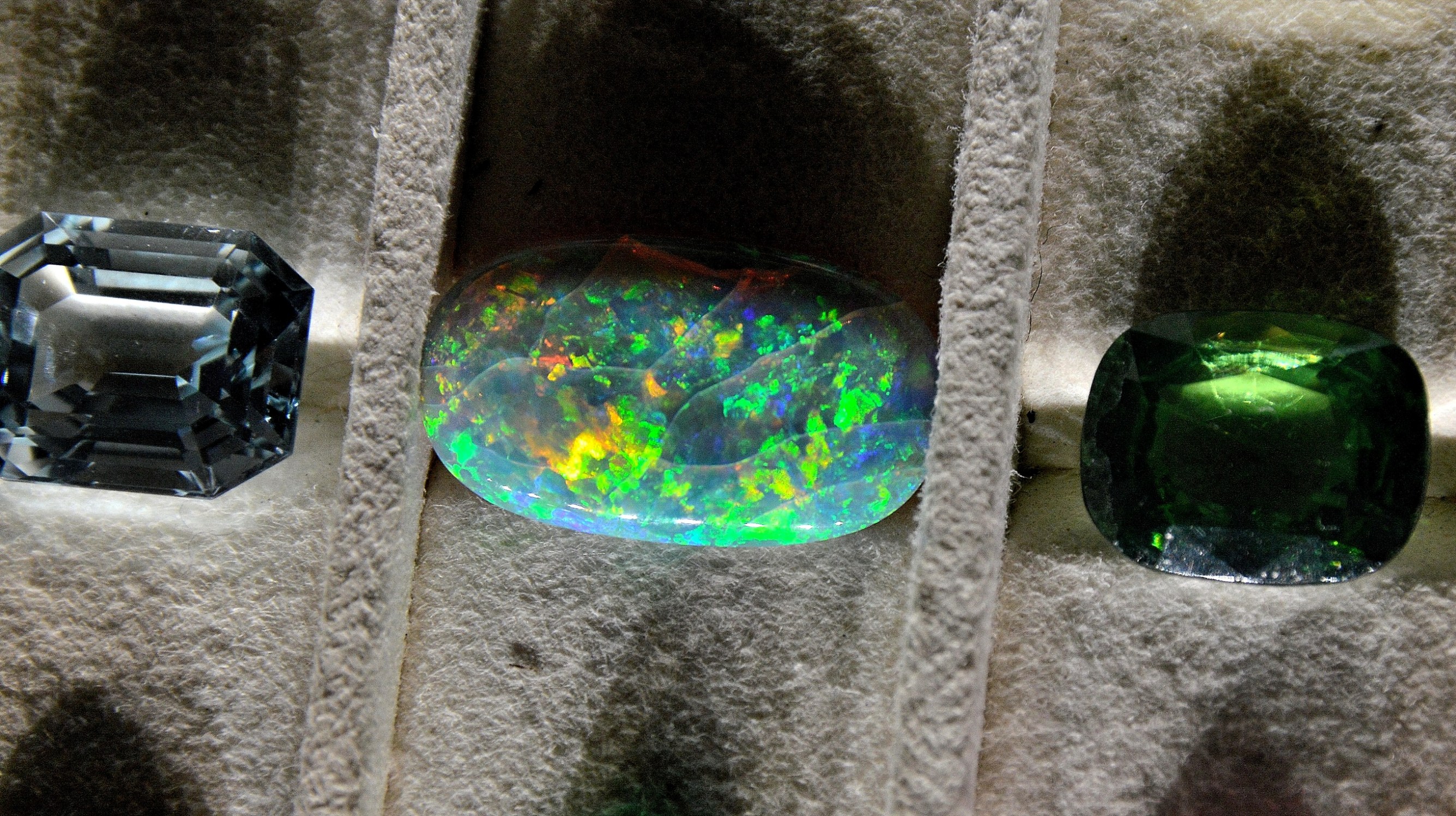
More pics ↓ with an ocean in a small opal and still more at the Vault and more at Earth’s Treasury 2 .
.
.
.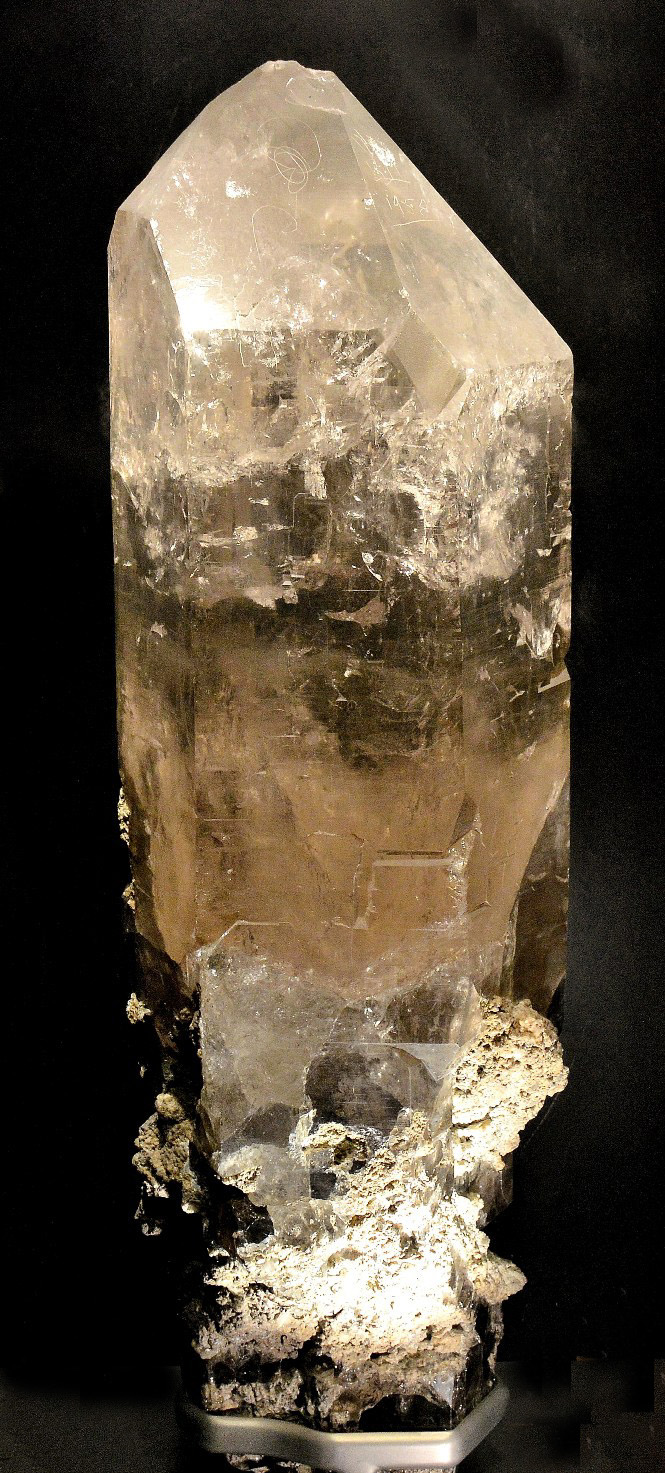
This a real monster at around three feet tall, but it lacked a little colour, so a tiny tweak and ~
.

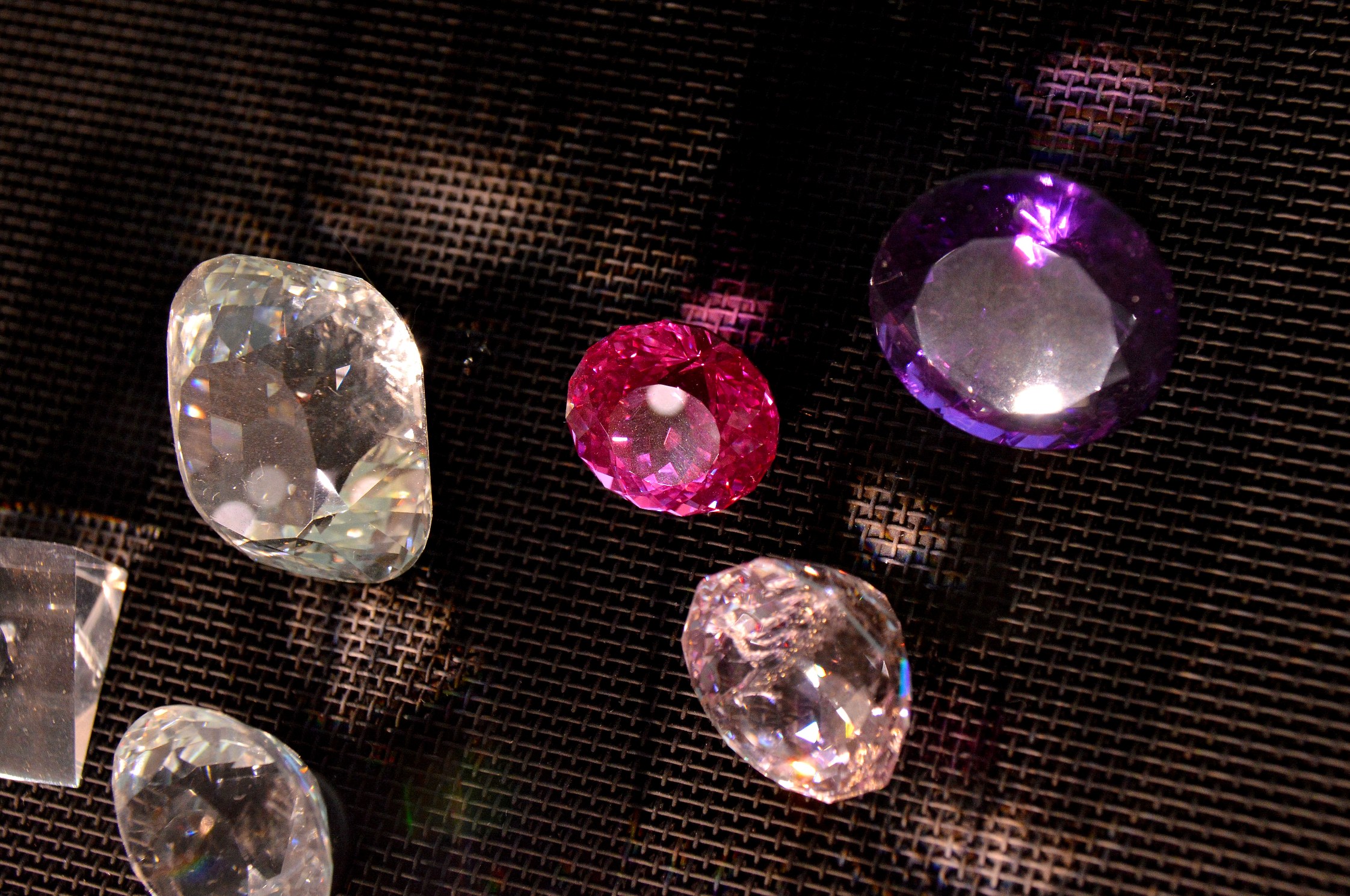
If that were a drink it would be so delicious.
.
.
.

.
.

.
.
.

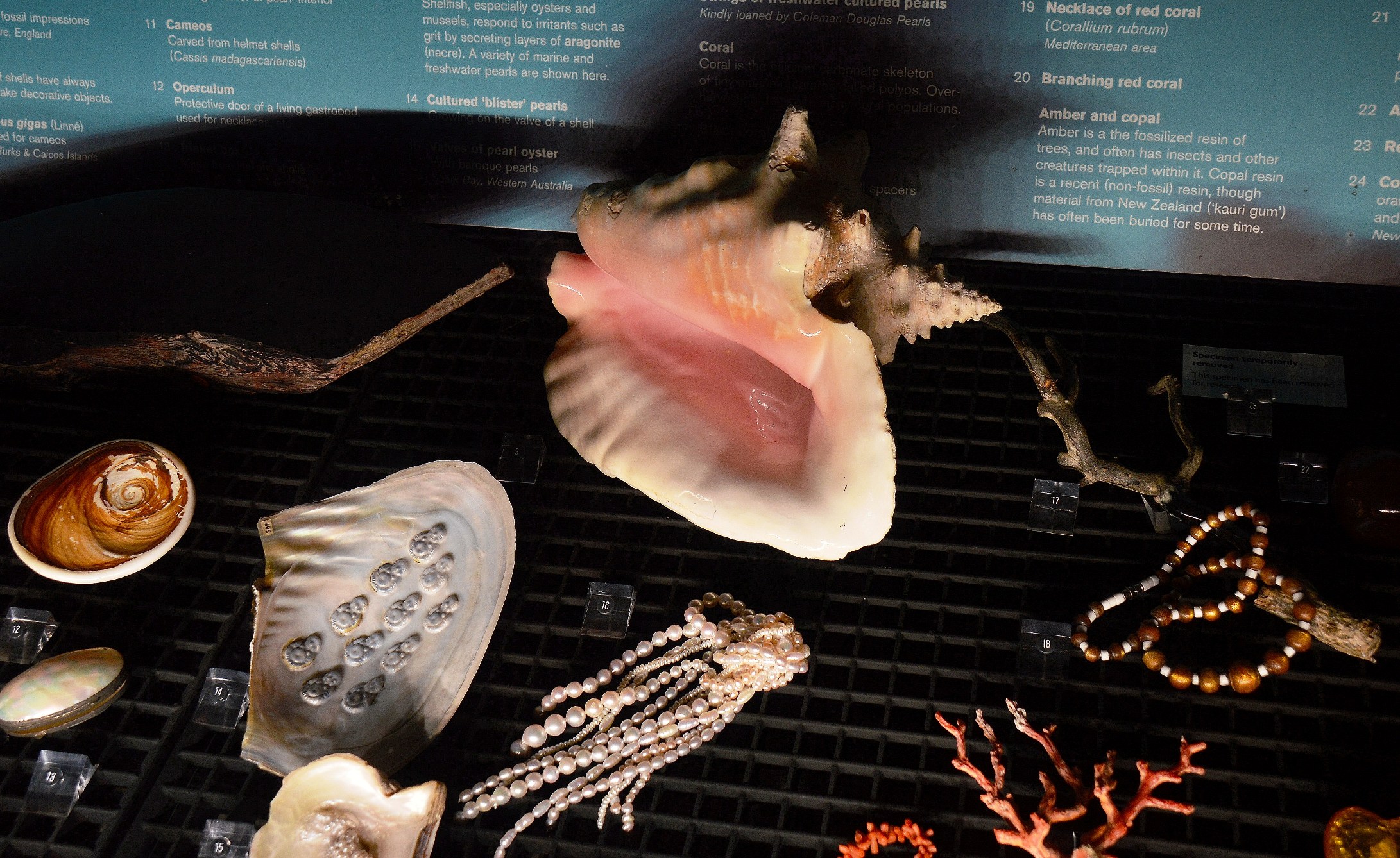
There are literally hundreds of these.

.
.
 I’m not sure what a carved meerschaum pipe is doing here but I think she would be welcome anywhere.
Such wonders all around,
We need but stop and search the ground,
We need but pause and view the sky,
And cherish time before end is nigh.
 8 pics. The answer my friend is blowin’ in the wind, the answer is blowin’ in the wind. Bob Dylan.
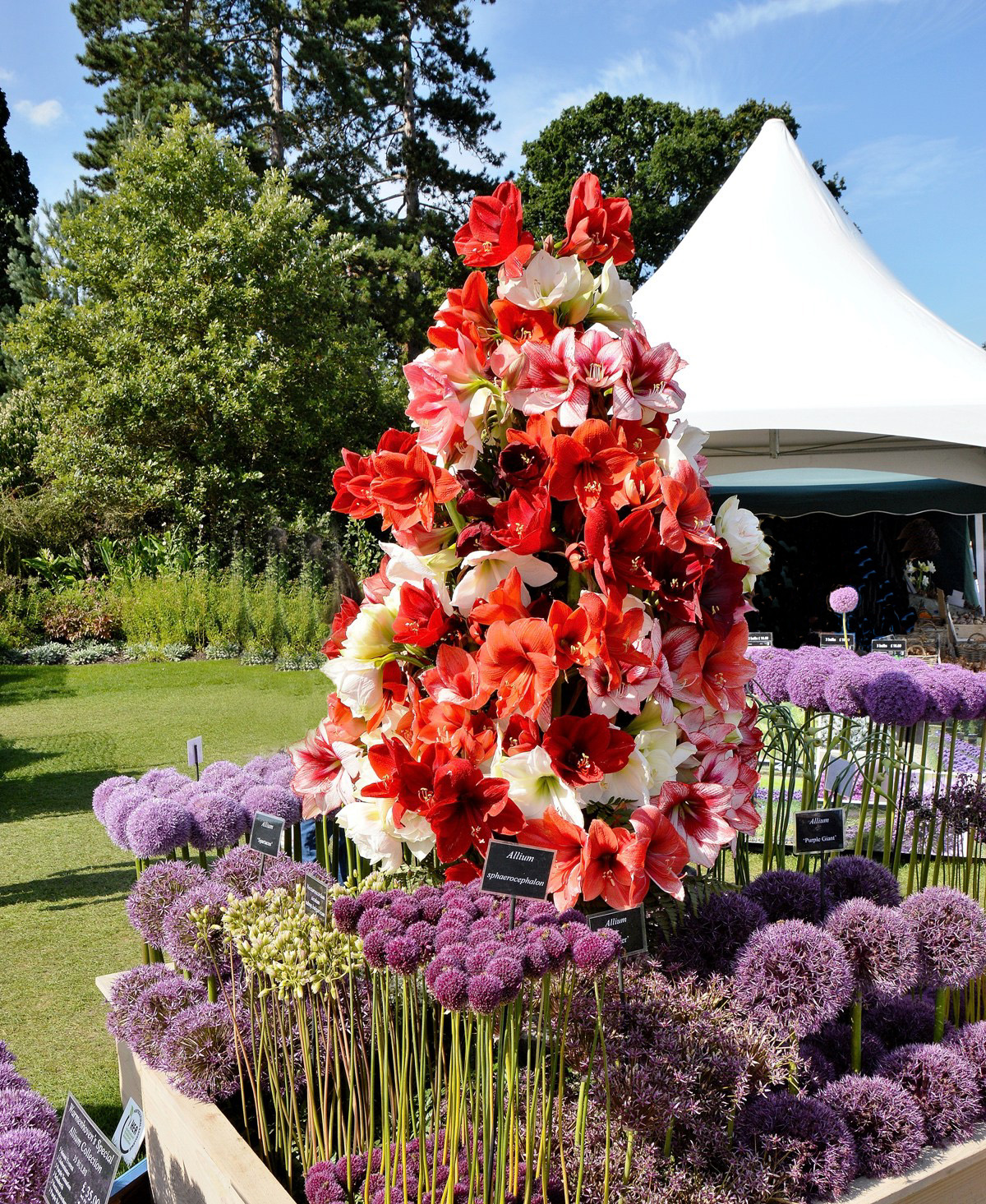
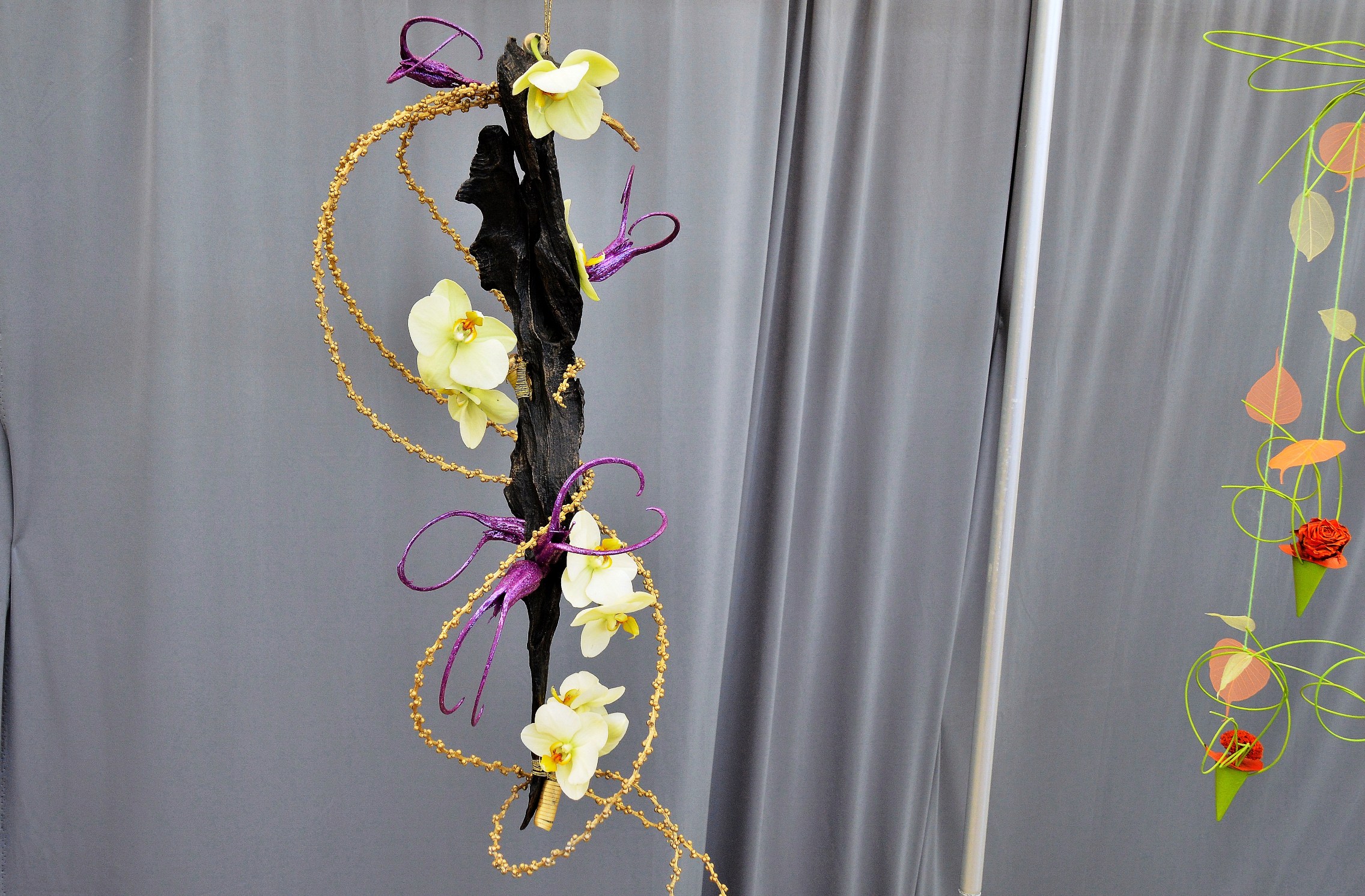
 Wisley Gardens and Flower Show.
 .
.
 .
.
 .
.
 .
.
 I can’t help it, I’m just whaaaaa.

Bekonscot Model Village Play Train
“I’m so chuffed to meet you all. Enjoy the day”.
More Brighten the Day ⇐.

Model of Shand Mason Steam Fire Engine
On the mezzanine floor, that you can only reach by stairs, of the Science Museum in the “Making of the Modern World” hall you can find these hand crafted beauties. The Science Museum also has a wonderful collection of beautiful antique watches.

Model of Alexandra Steam Train

Model of Stephenson’s Long Barrel Steam Locomotive

Model of Austria Steam Locomotive
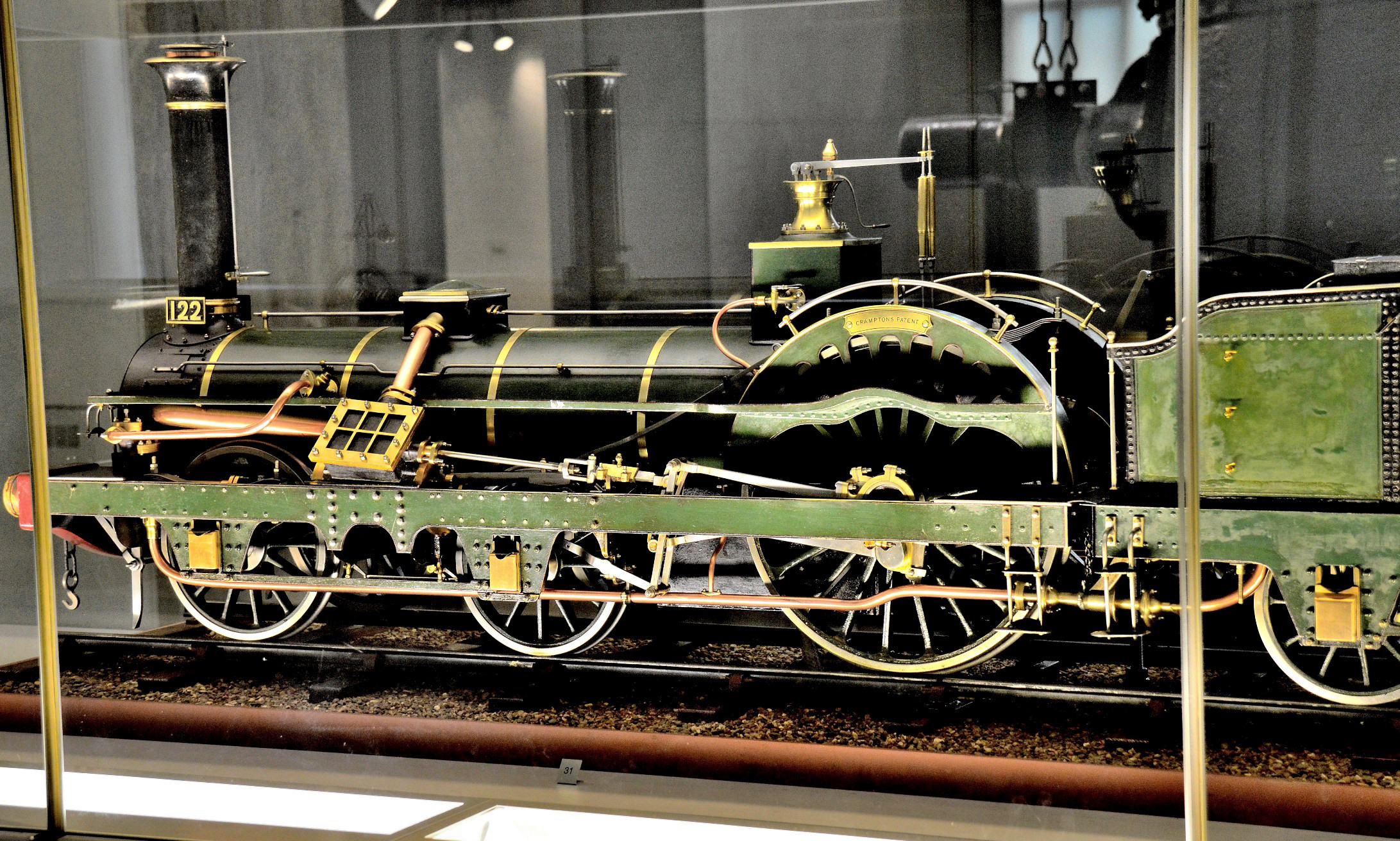
Model of Crampton’s Steam Locomotive

Model of American 4-4-0 Steam Locomotive

Model Steam Train

Model Steam Train Showing Exposed Fire Tubes
This one shows the fire tubes that carry the hot gases from the fire box through the boiler. It was by this innovation that it was possible to transfer a great deal of heat quickly to the surrounding water, hence create and maintain a large volume of high pressure steam to drive the locomotive. The steam rises to the bubble on the top and a throttle controls the steam flow to the cylinders/pistons beneath.

Model of Rolls Royce Silver Ghost 1911

Model Wooden Ship

Model of the Rocket Steam Train

Royal George No 5 Model Steam Train
Happy traveling. :-).

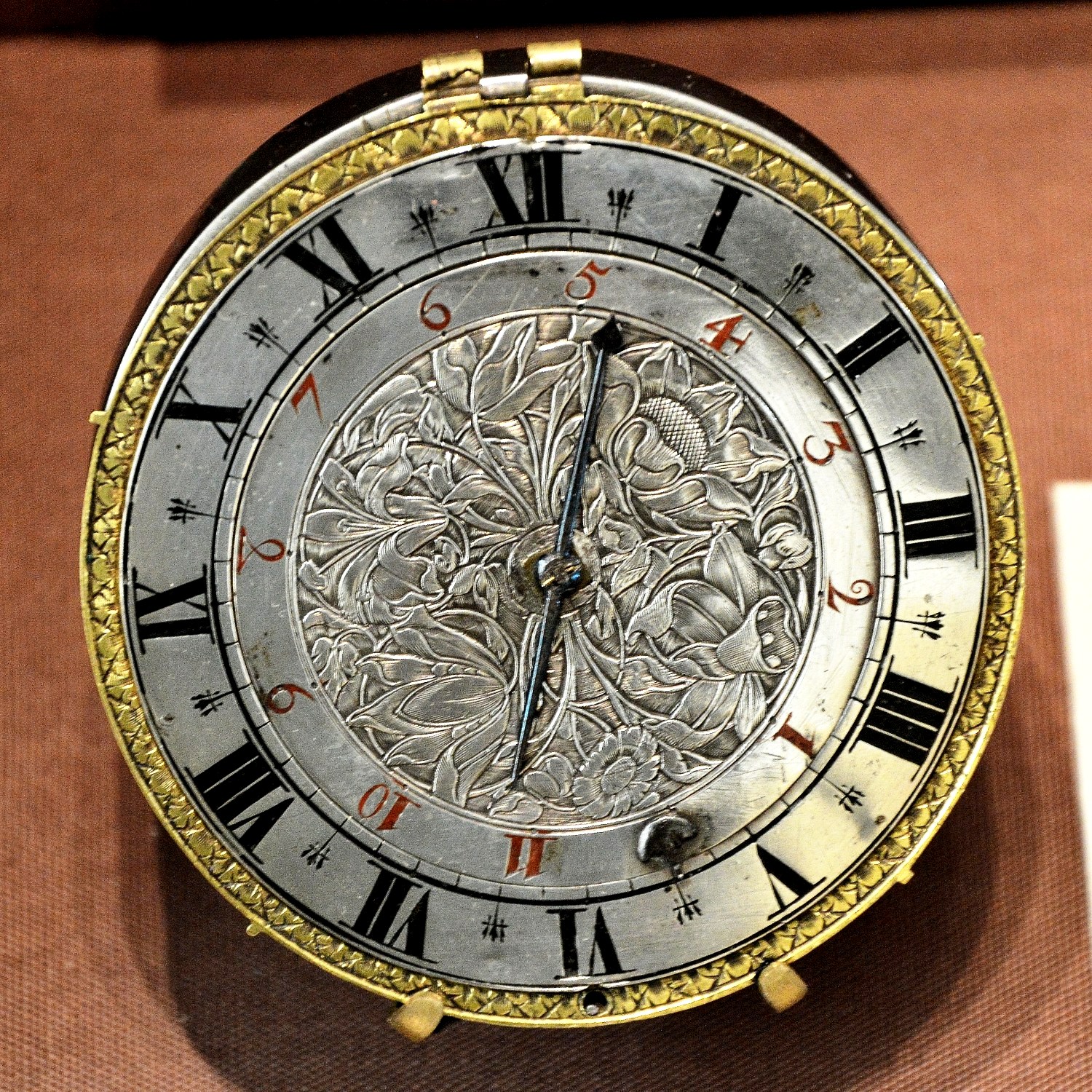
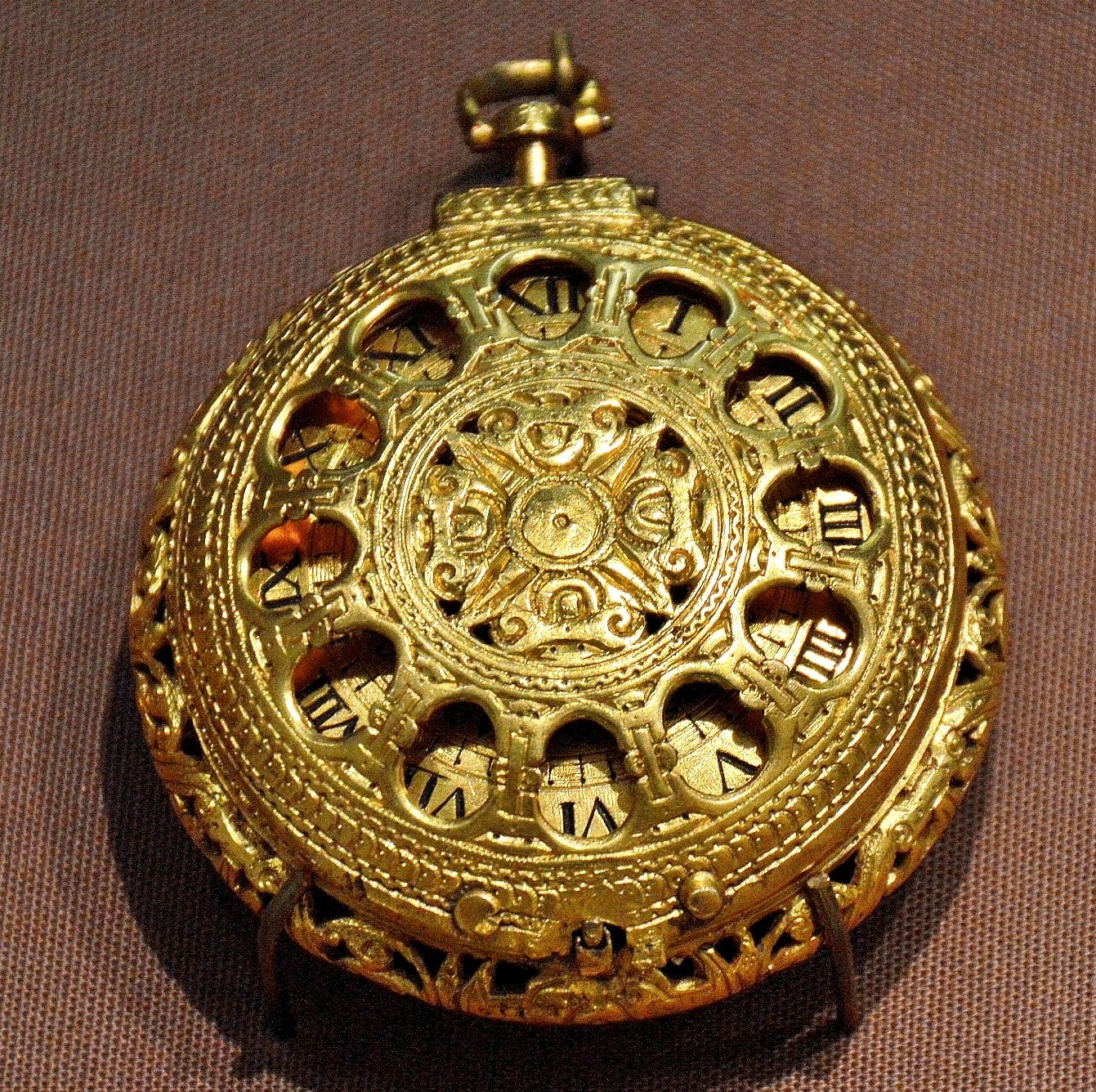
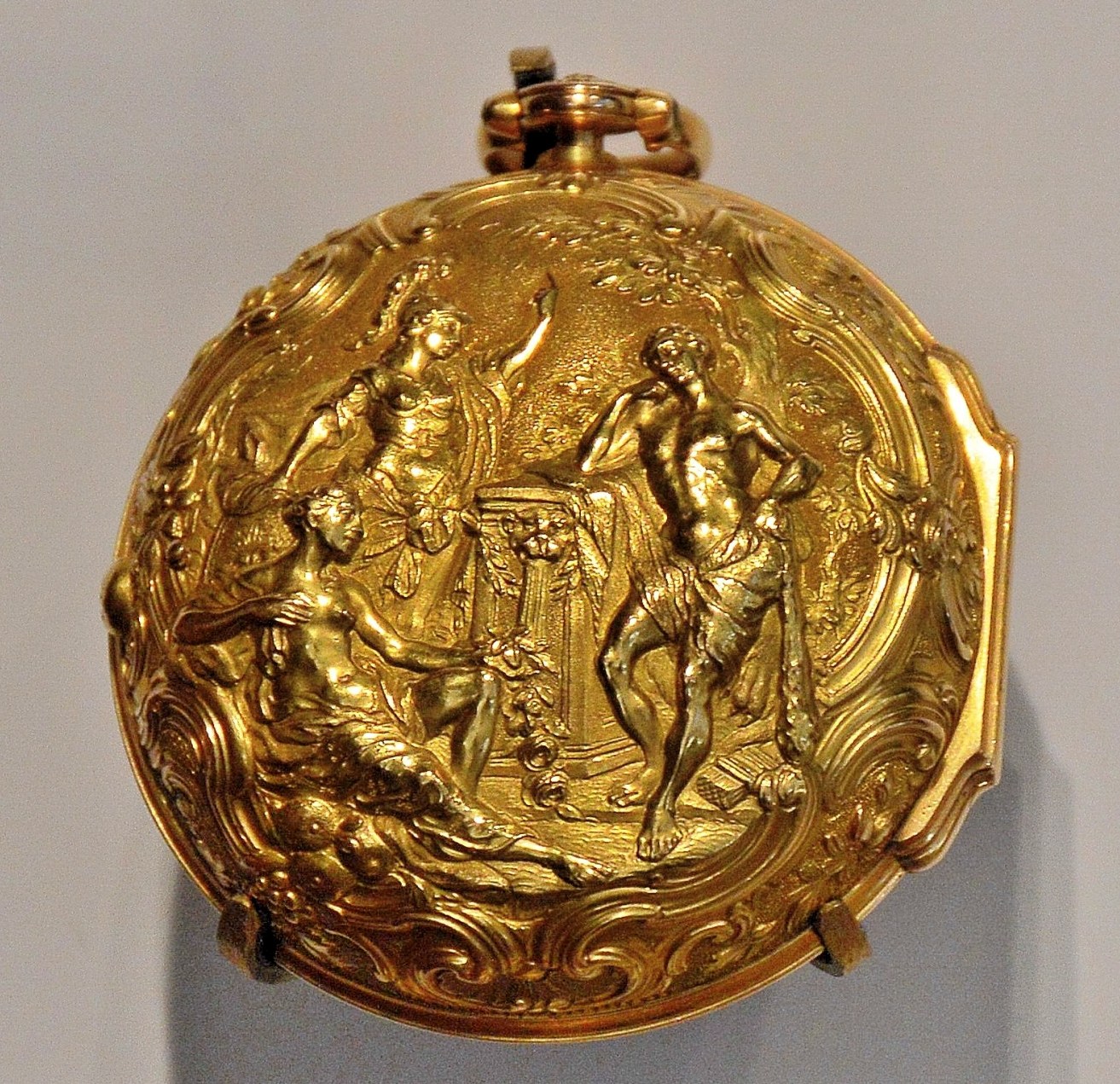
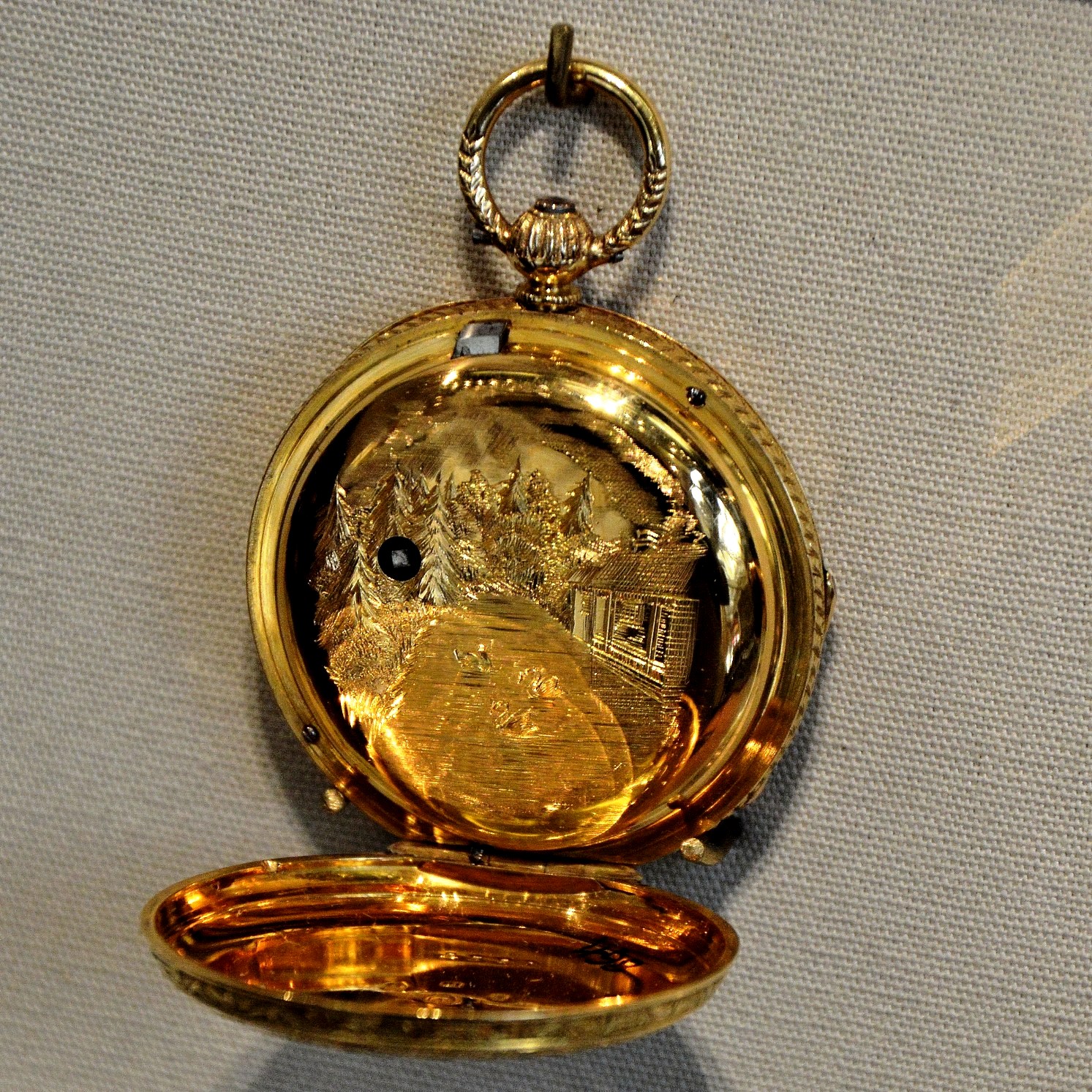
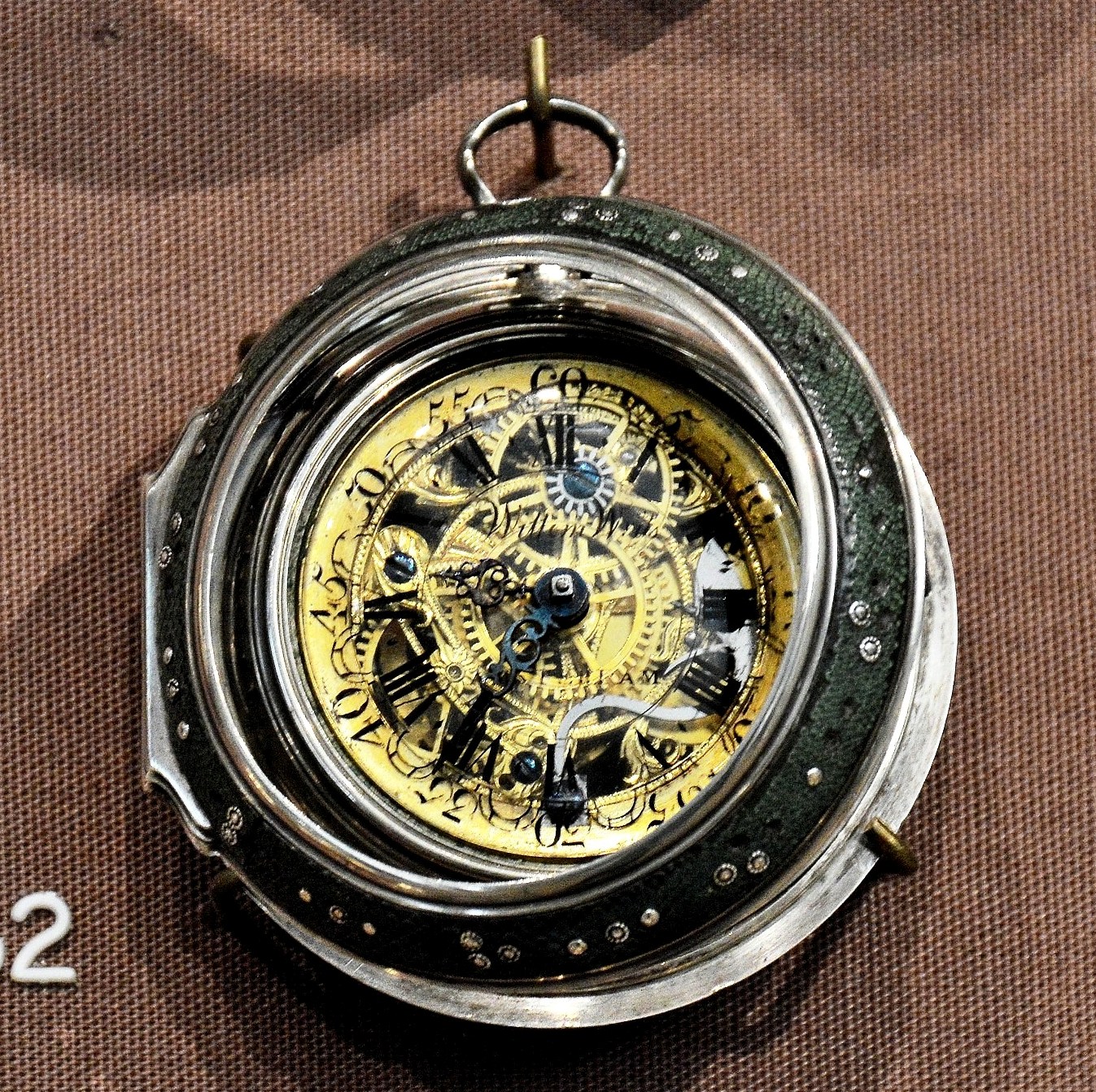
32 pics. The London Science Museum now incorporates the Clock Museum which was previously housed at the Guildhall. Along with some beautifully crafted watches there are examples of chronometers.
The chronometer has been vital to the ability to create charts and safely navigate the world. The first chronometers were invented by John Harrison and are currently kept at Greenwich. Navigation and Greenwich and Greenwich Mean Time and there importance to the modern world can be found here whilst information about Harrison’s timepieces here.
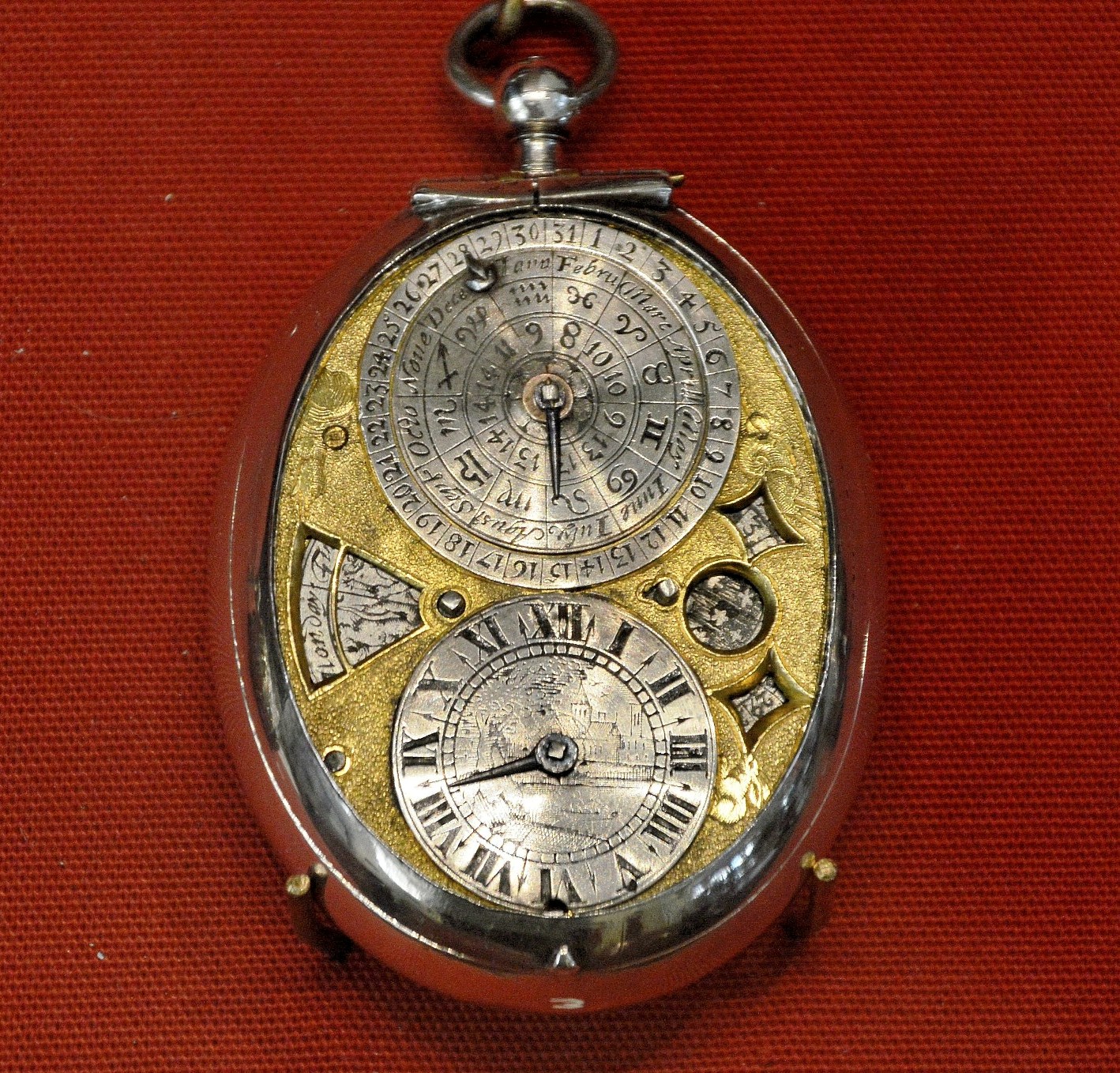
Here are just a few of the hundreds of timepieces on view at the museum. It is well worth viewing the detail by right clicking on a picture, selecting “Open Link in New Tab” and then left click on the image to magnify.
.

Cornelius Yate c1620
.
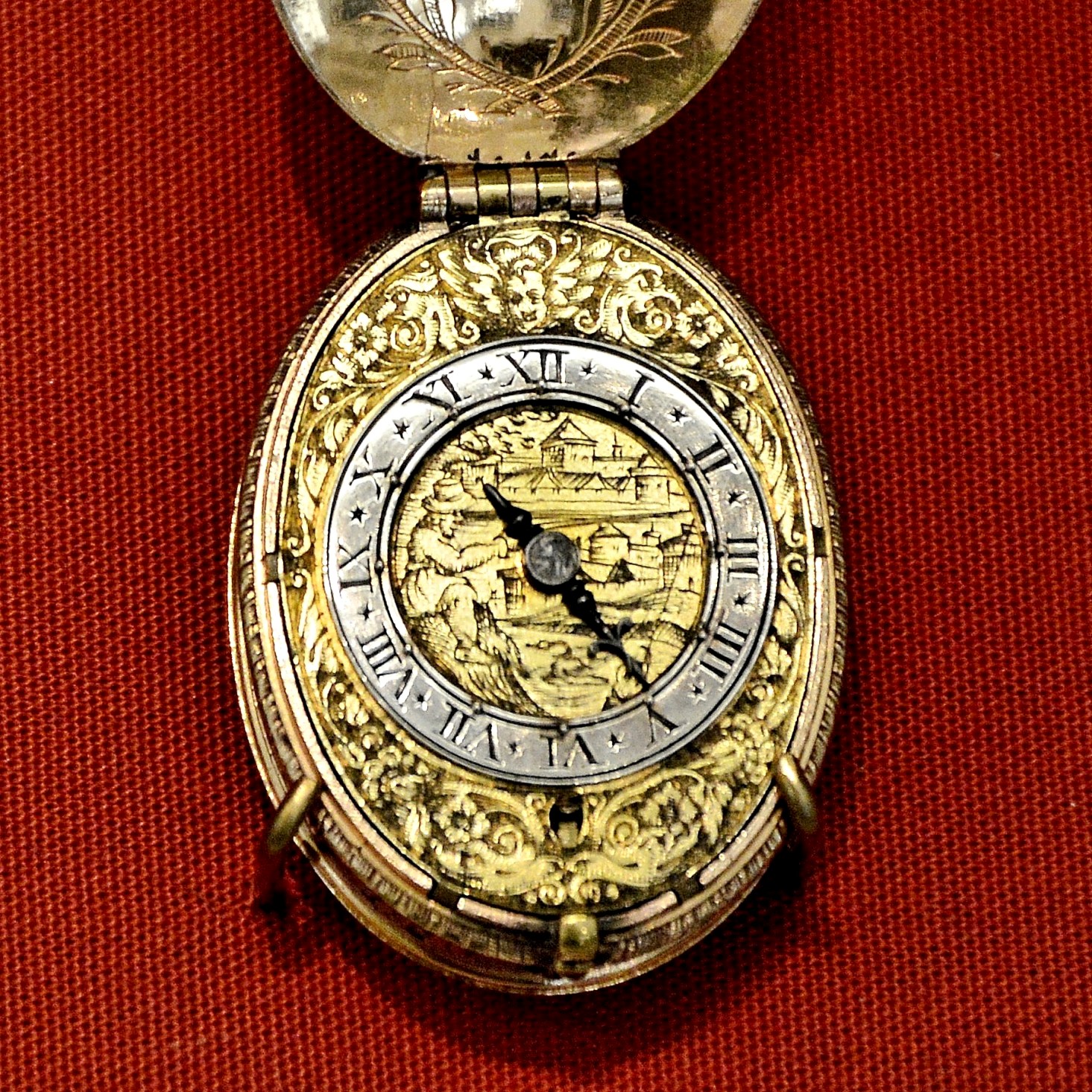
Robert Grinkin c1620
.

Robert Grinkin
.
.

.
.

.
.
.

.
.

Jean Robert Soret c1812
.

L’Epine
.

.
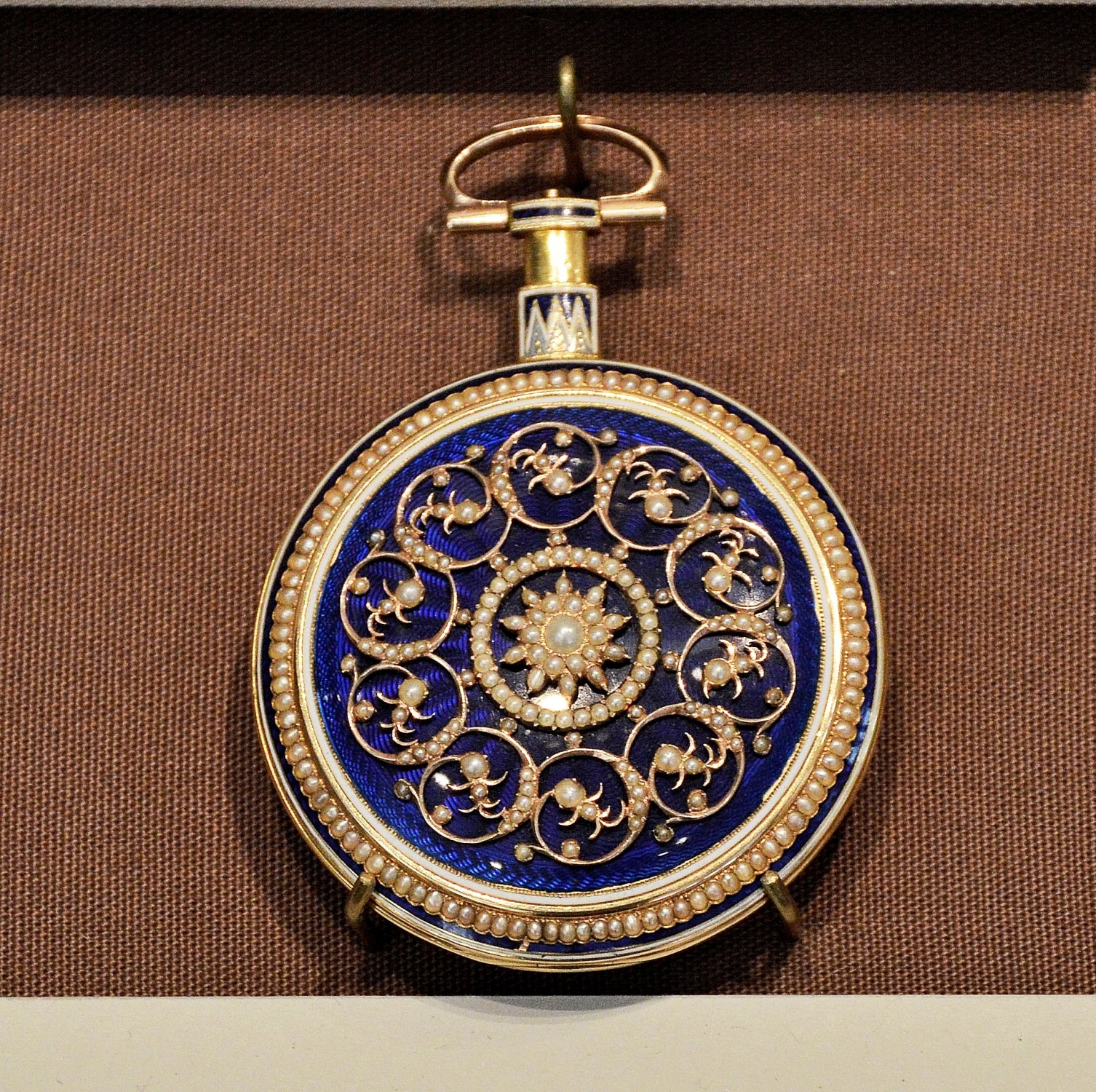
Andrews c1790
.
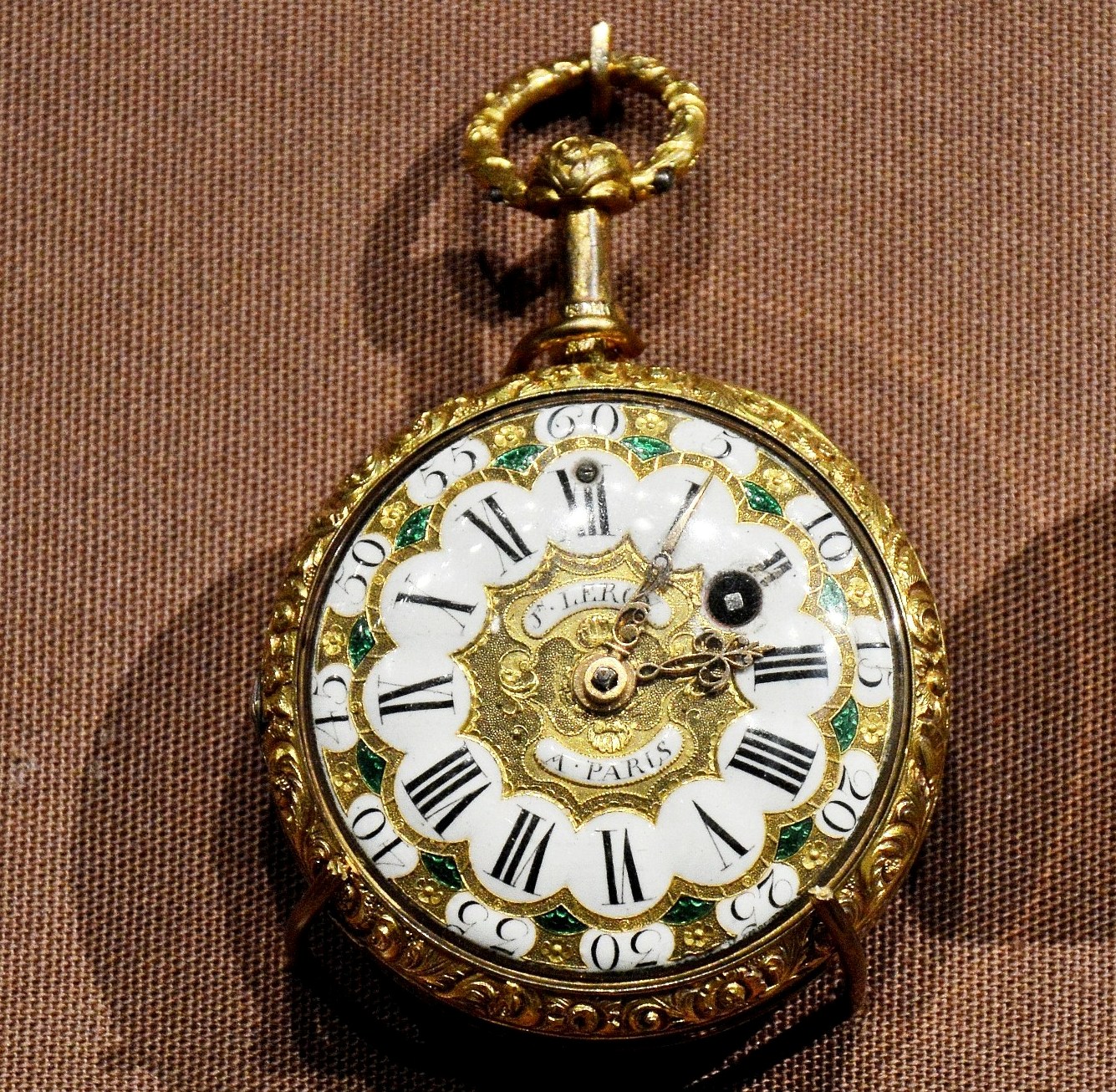
Jean LeRoy
.
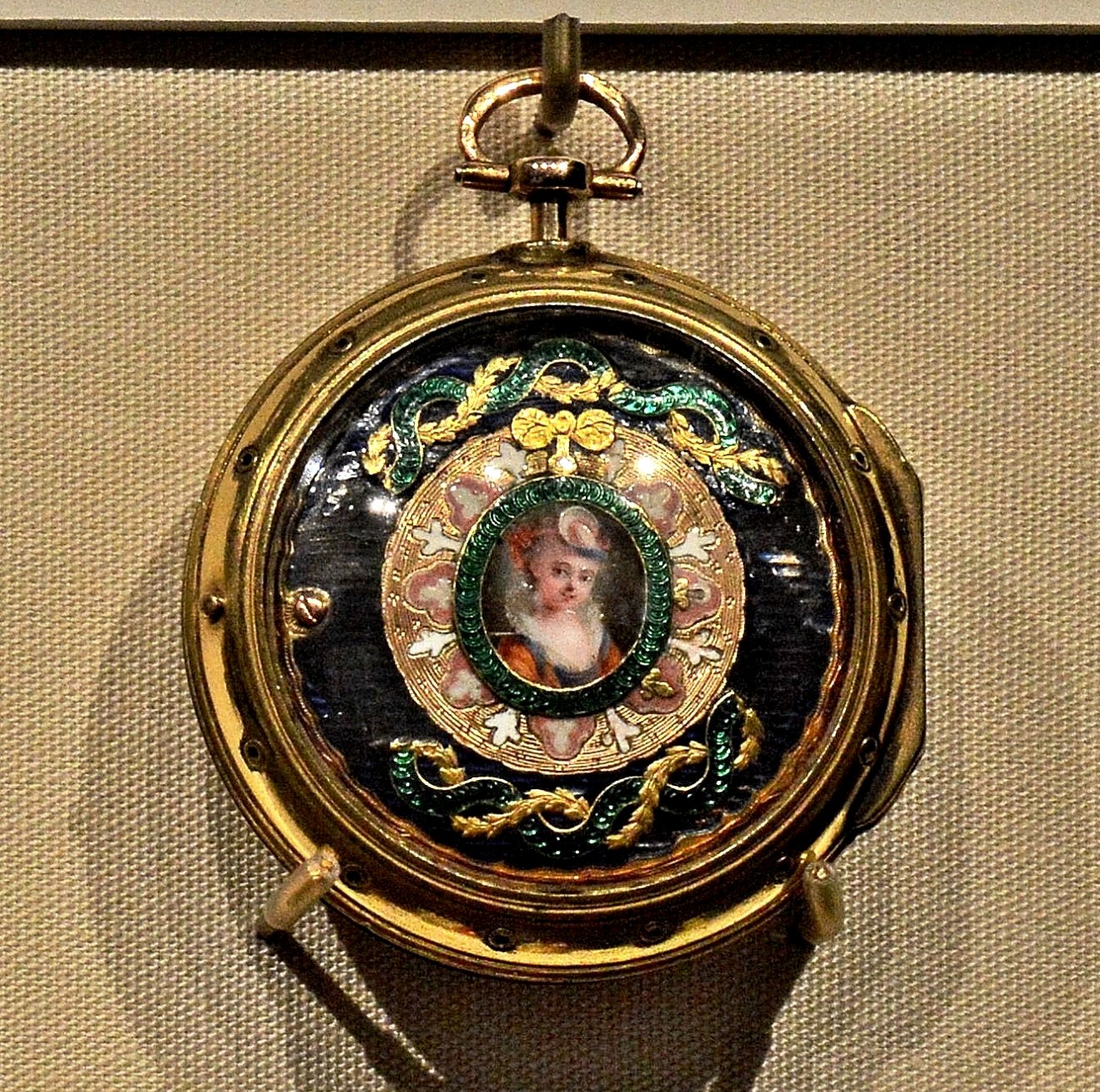
Jean Antoine Lepine Late 18th Century
.

.

.
.
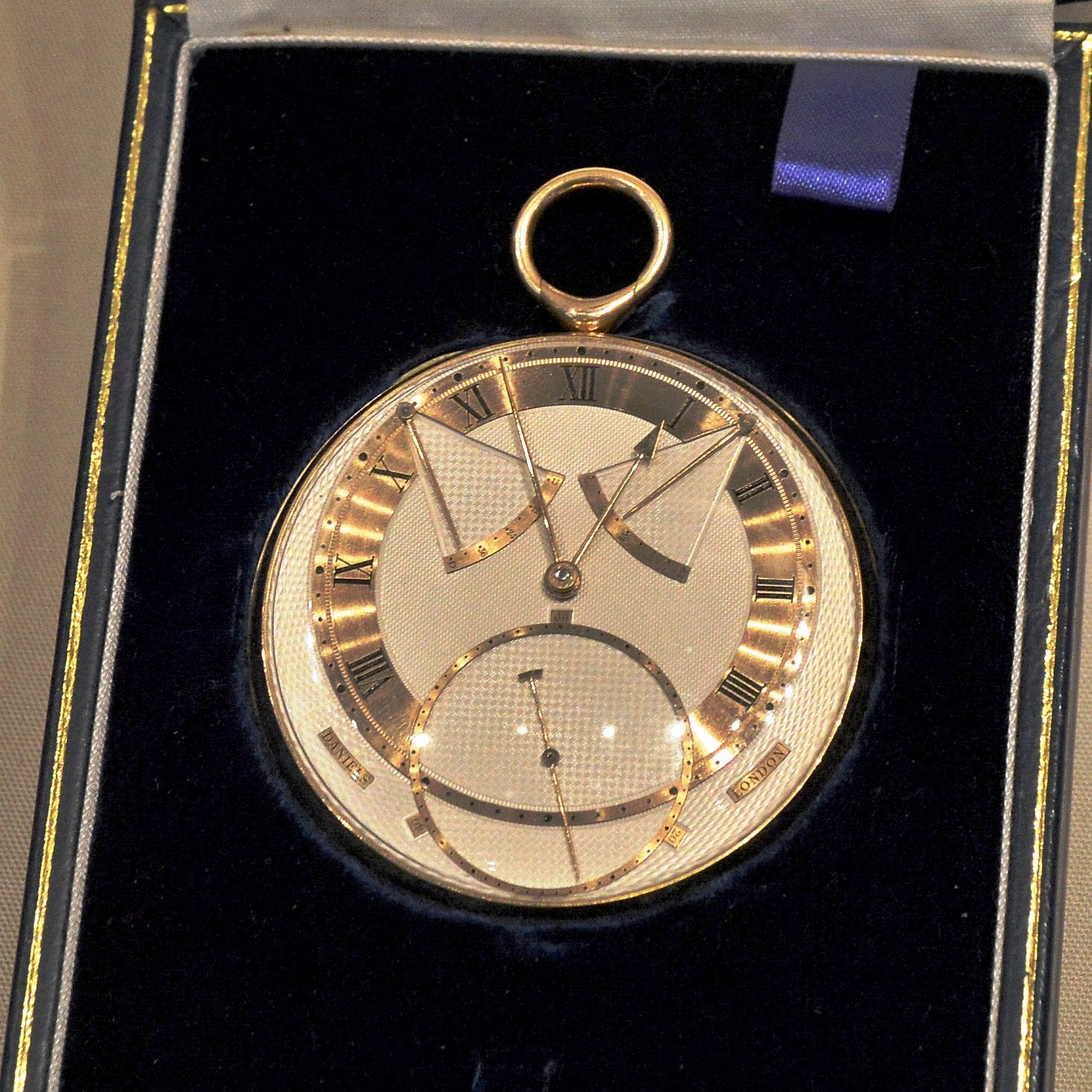
George Daniels c1986
.

Charles Shepherd c1822 Marine Chronometer
.

Barrauds Marine Chronometer c1822
.
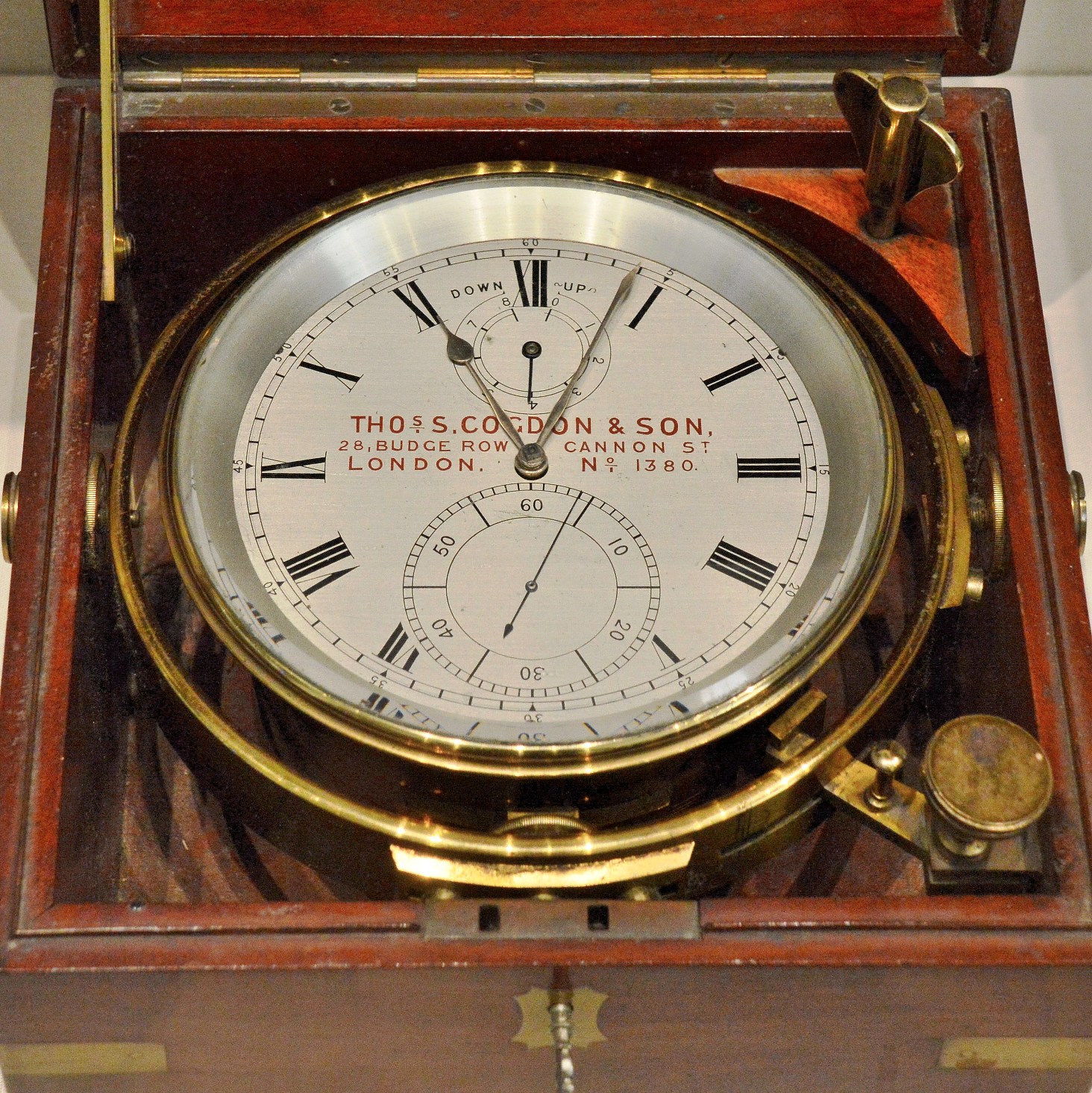
Cogden and Son Marine Chronometer
.

.
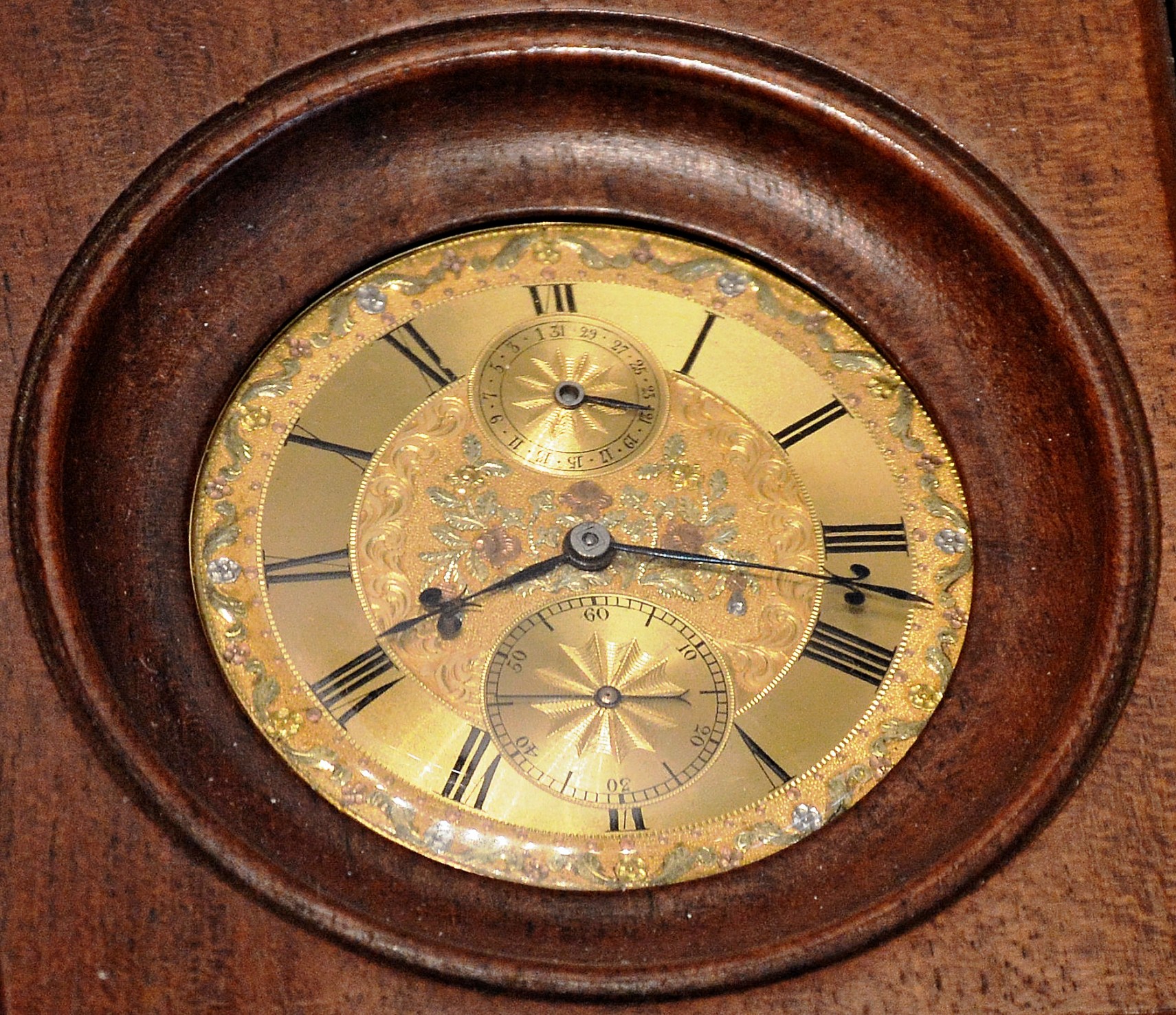
.
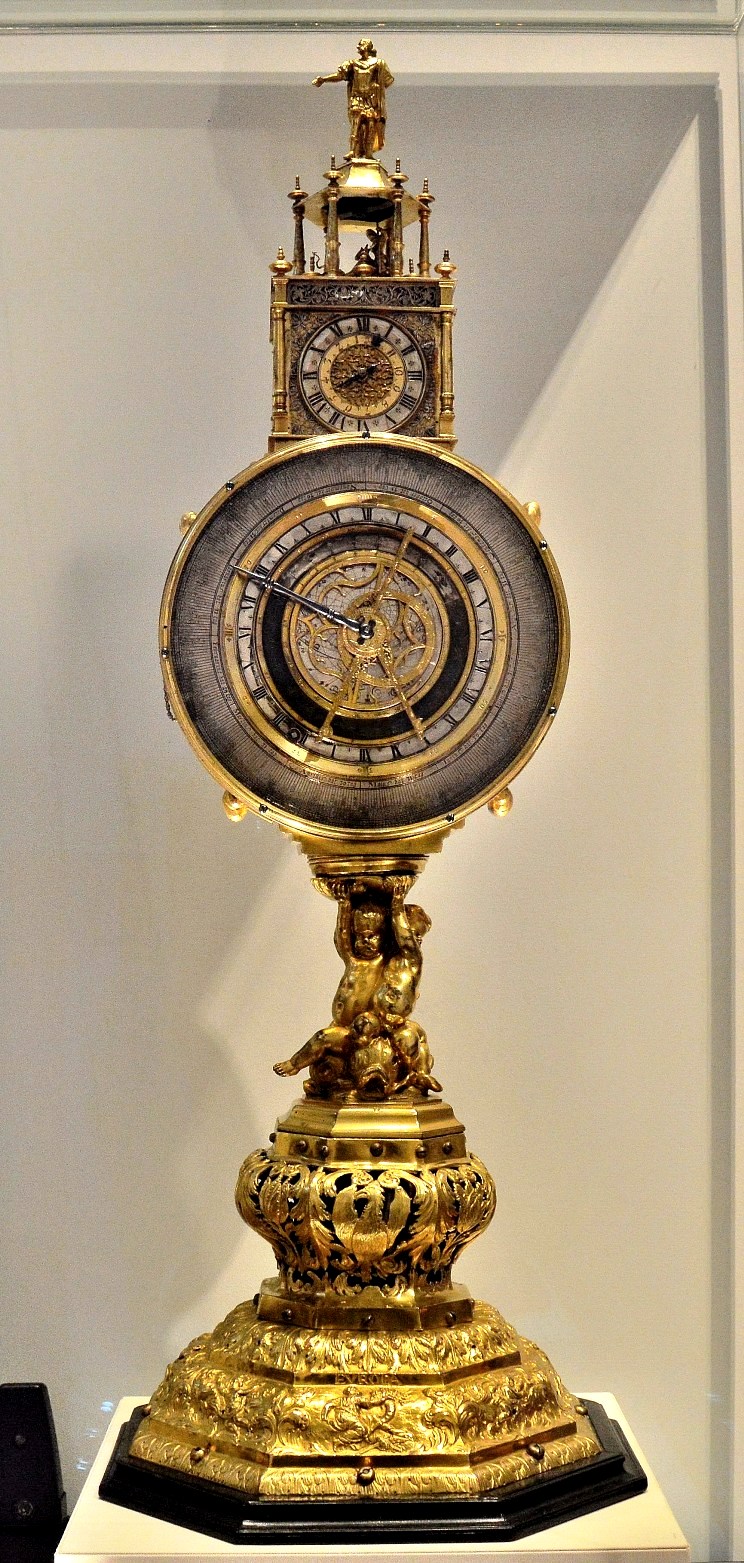
Johan Schneider c1625
.
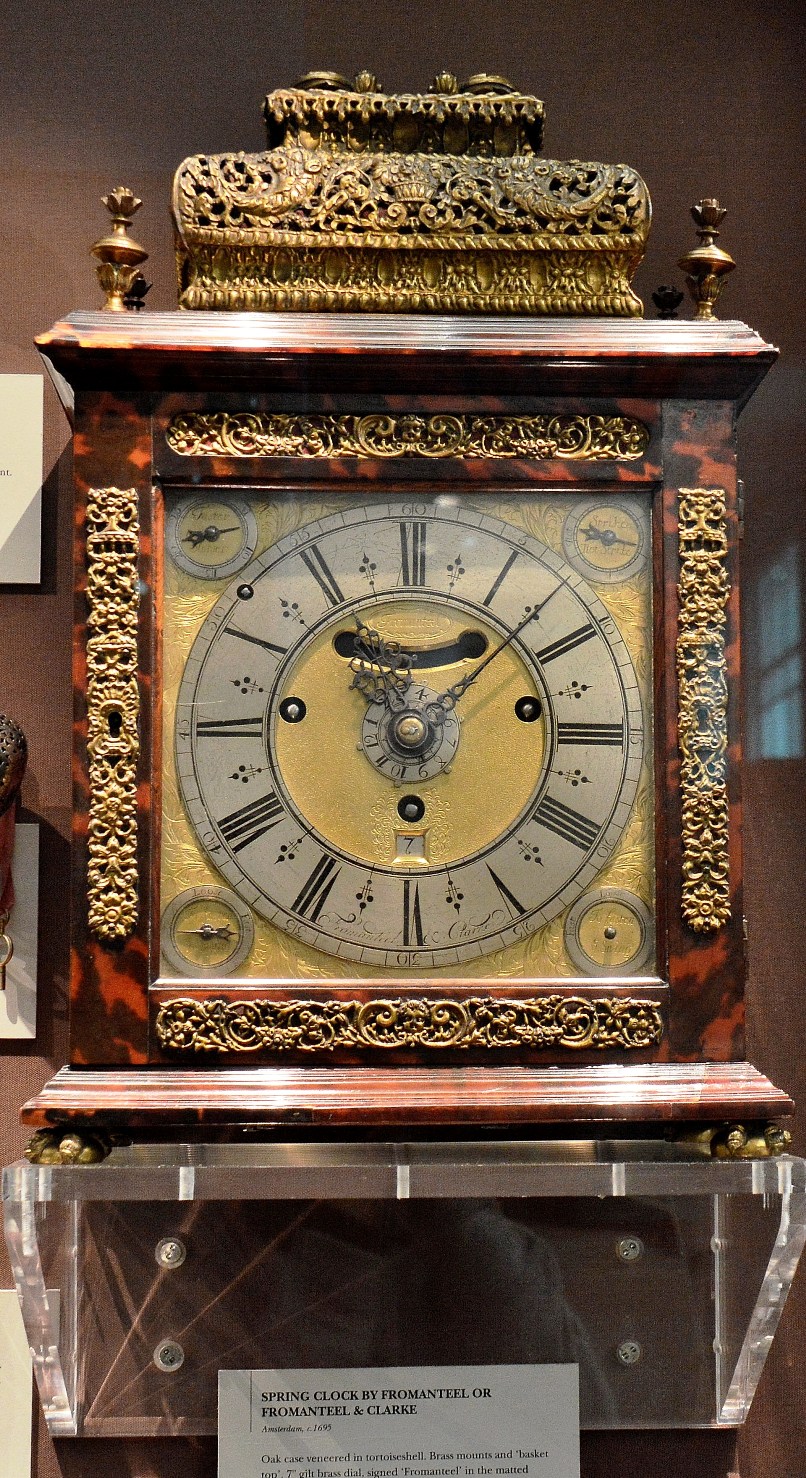
Fromanteel and Clark c1695
.

J. Schmidt Table Clock c1827
.
.

I hope you enjoyed that and so it’s goodbye from them and it’s goodbye from me.

 Freed From Time