
Tower Bridge

North Approach to Tower Bridge
London’s Tower Bridge ⇒ was built and ready for use by 1894. The centre section still opens to allow tall vessels to pass. The bridge lift schedule ⇒.
A little history:-
1912 – during an emergency, Frank McClean had to fly between the bascules (lifting sections) and the high-level walkways in his Short biplane, to avoid an accident.
1952 – a London bus driven by Albert Gunter had to leap from one bascule to the other when the bridge began to rise with the number 78 bus still on it. – Harry Potter would have been proud.
The bridge is next to The Tower of London ⇐ and both are very close to Tower Hill Underground rail station.
Entrance to the bridge interior is from the either the north or south tower. Entrance from the north tower is easier because it means that one goes down the only section of stairs. I do prefer stairs that go downward. 🙂
Do keep your ticket for later entrance to the old engine rooms.
At the base of the north tower there is a lift which leads to a small exhibition/film area.

Then to the two walkways. Each walkway has a section of glass floor..
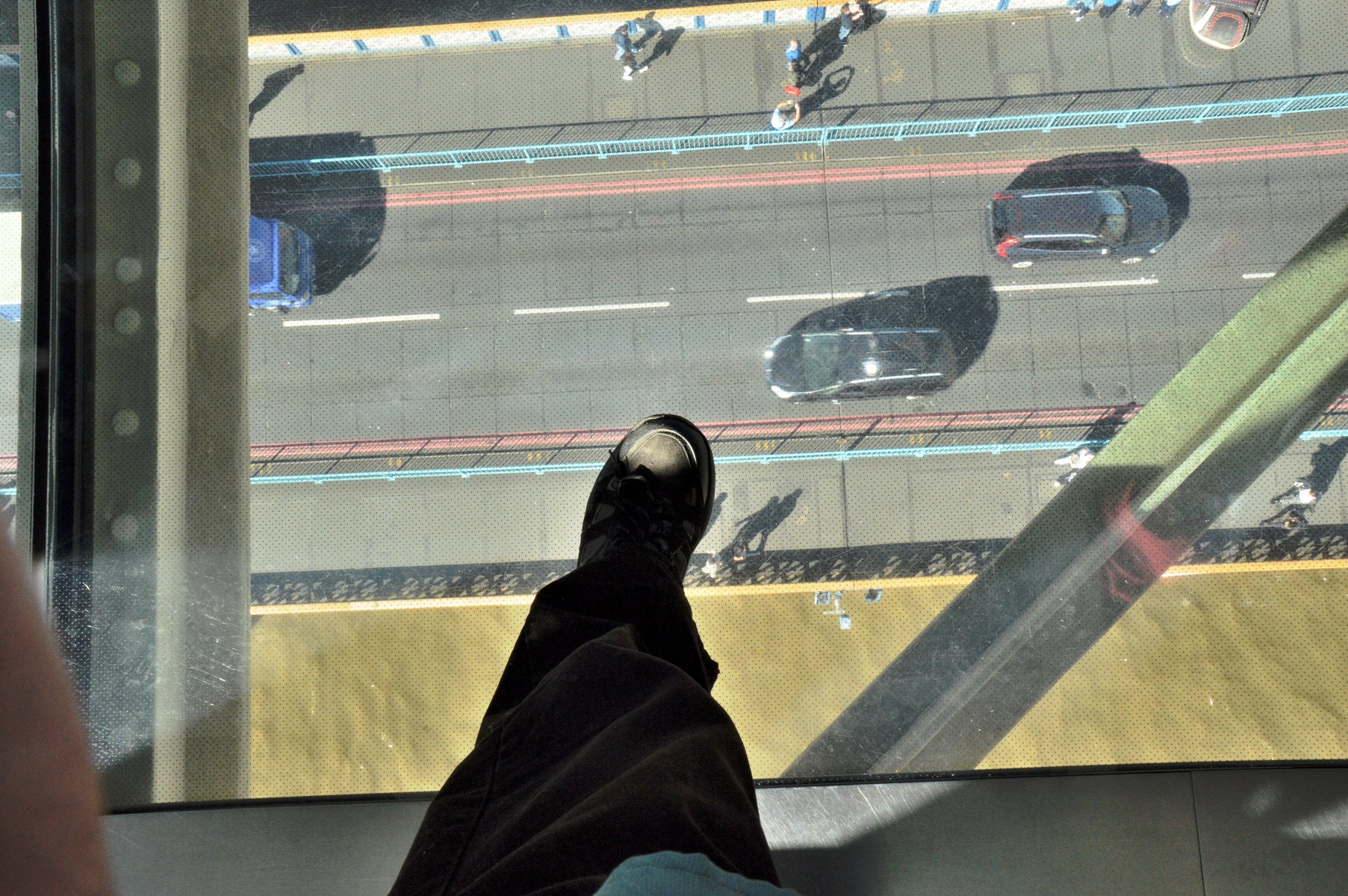
One small step for man.
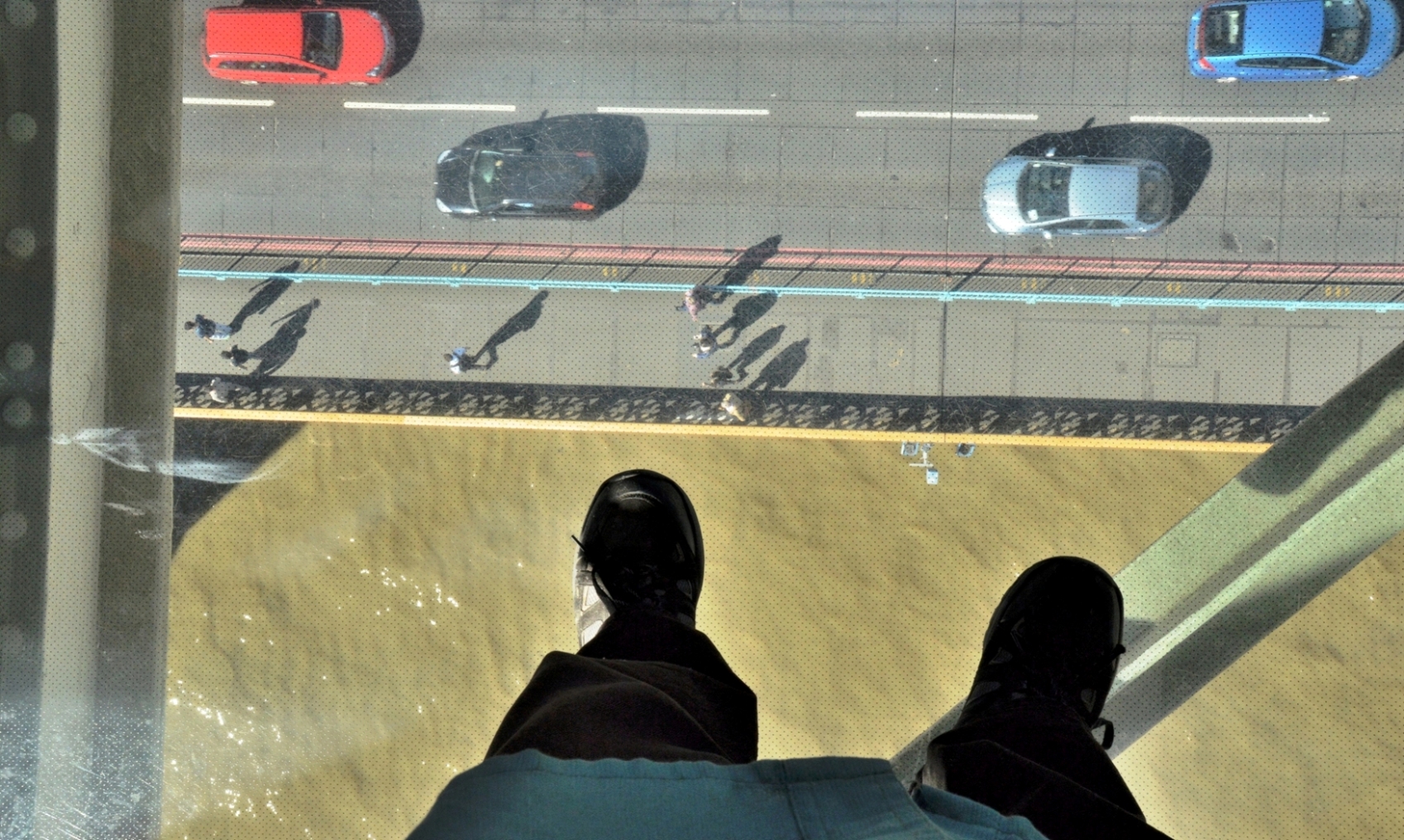
One giant leap ~ these boots need a clean.
Younger feet seemed to have less apprehension doing this. Perhaps because when I was young glass was more fragile.

View to the East and Canary Wharf
.

View to the West including HMS Belfast ⇒
.

At the top of the South Tower and then down the stairs to the next lift.
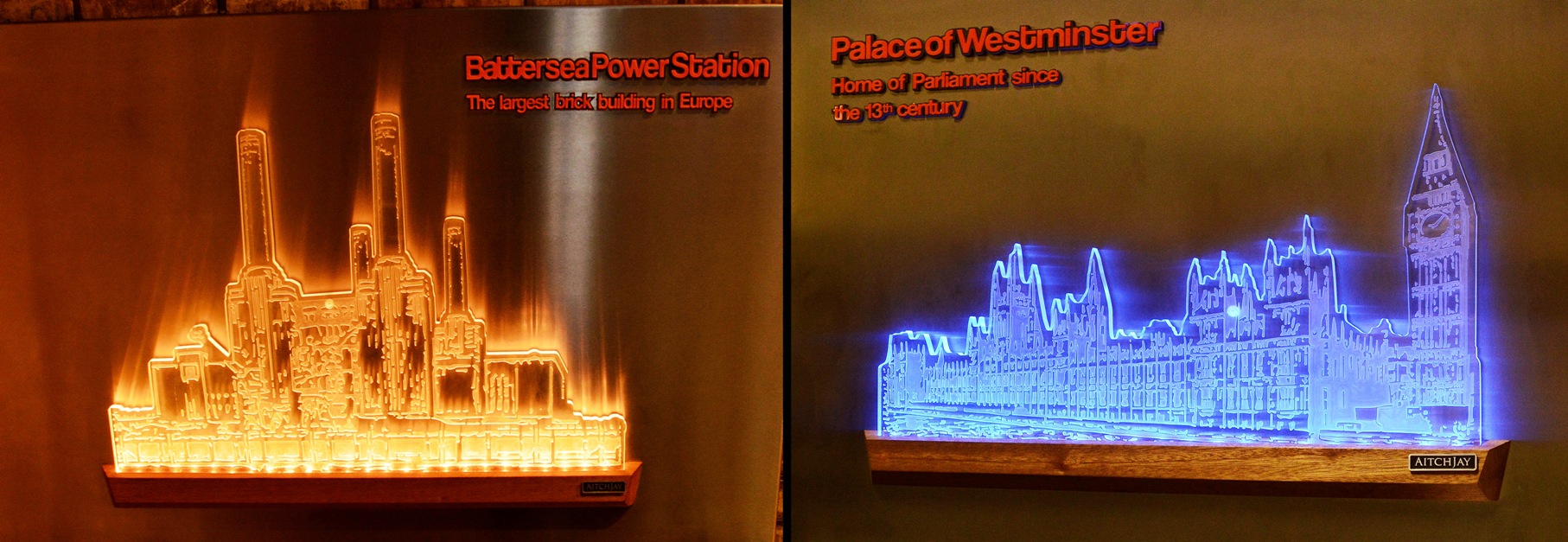
Then out of the South Tower.

. . and follow the blue line on the pavement to the old engine rooms.

.

Coal fired steam was used to drive an hydraulic pressure pump.
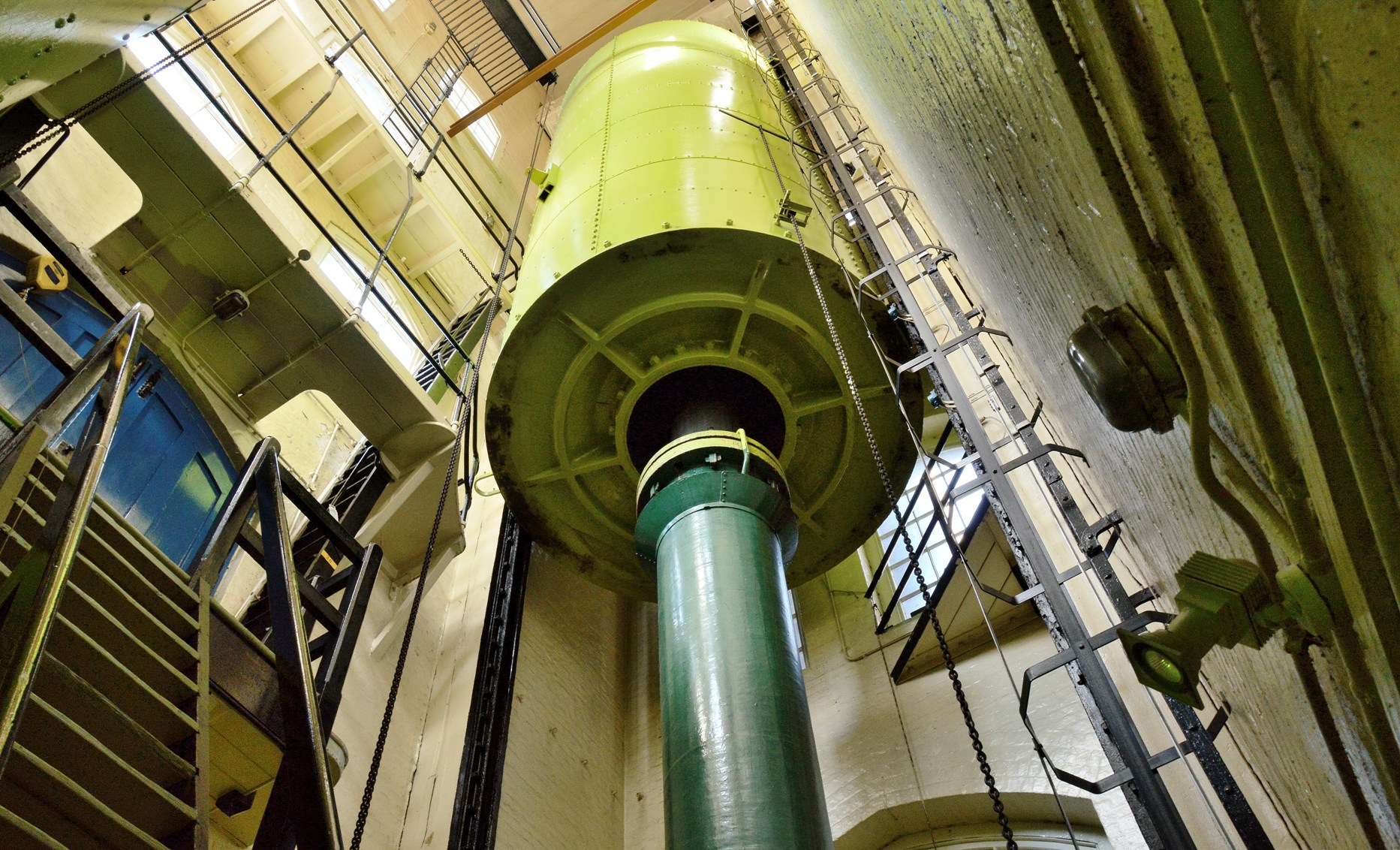
Accumulators
Pressure in the system was accumulated under weights.

These are the engines which pumped water under the accumulators.

.

When there was sufficient accumulated water pressure it was used to power the bascules (central raising section) drive engines. Since 1974 an electrical driven hydraulic system has been used. Tours ⇒ of the less accessible interior are available.
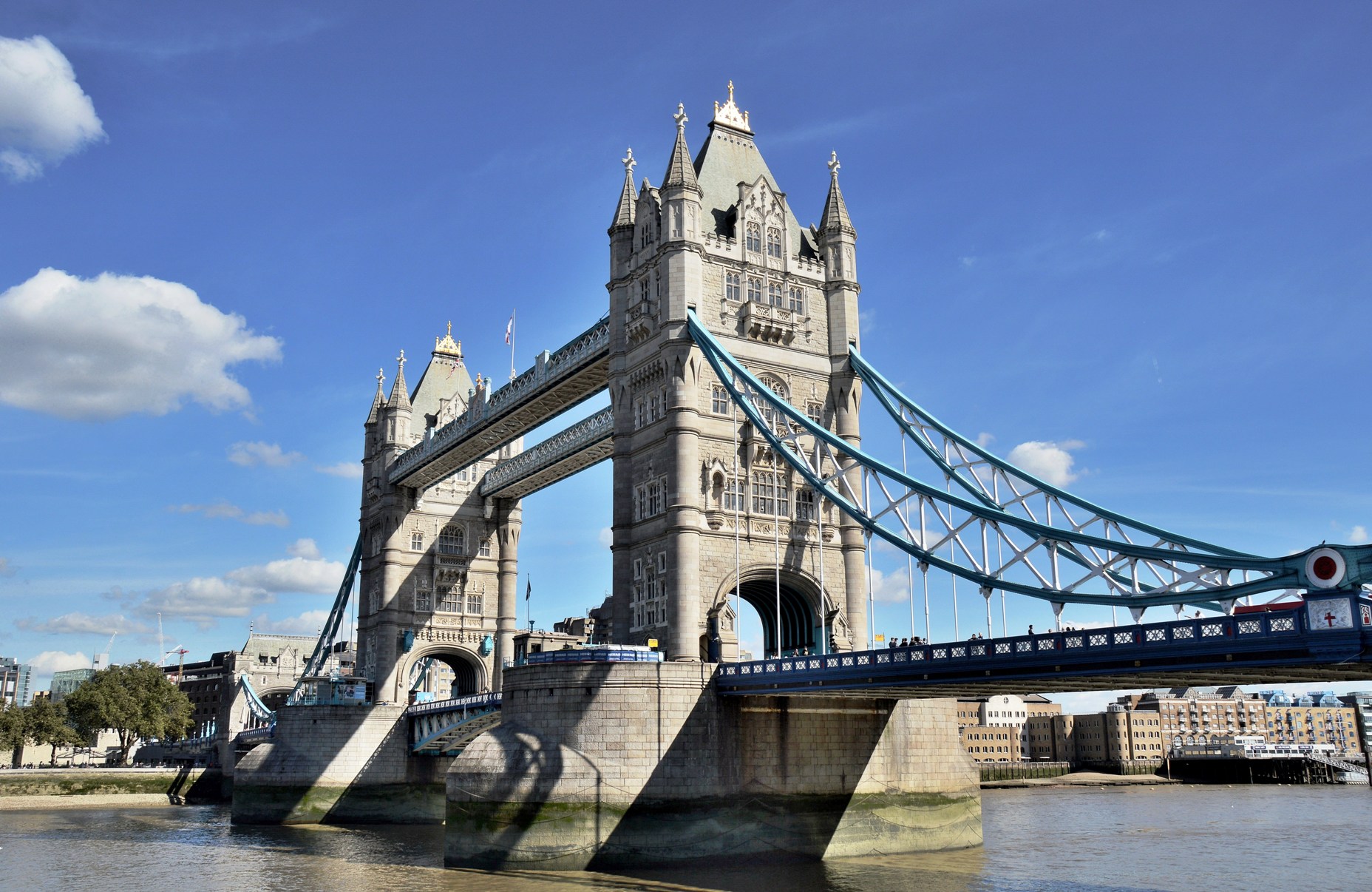
Now on the South Bank there is access to HMS Belfast, a number of eateries and the extensive South Bank attractions ⇐ .

The Tower of London

The view from Tower Hill (just outside Tower Hill underground station). Click here for more about the Tower History, Events Tours and Admission and here for the White Tower Interiors (Armour and Weapons) and here for nearby All Hallows Church (the oldest in London). Visitors can photograph most places except for the Jewel House (home of the famous Crown Jewels). There will be queues for exhibits such as the Jewel House and it is better to arrive early.


Tower Bridge and the Tower itself. The bridge was originally raised by steam powered hydraulic engines but in recent times by an electrically powered hydraulic system . Visit inside the bridge here ⇒.
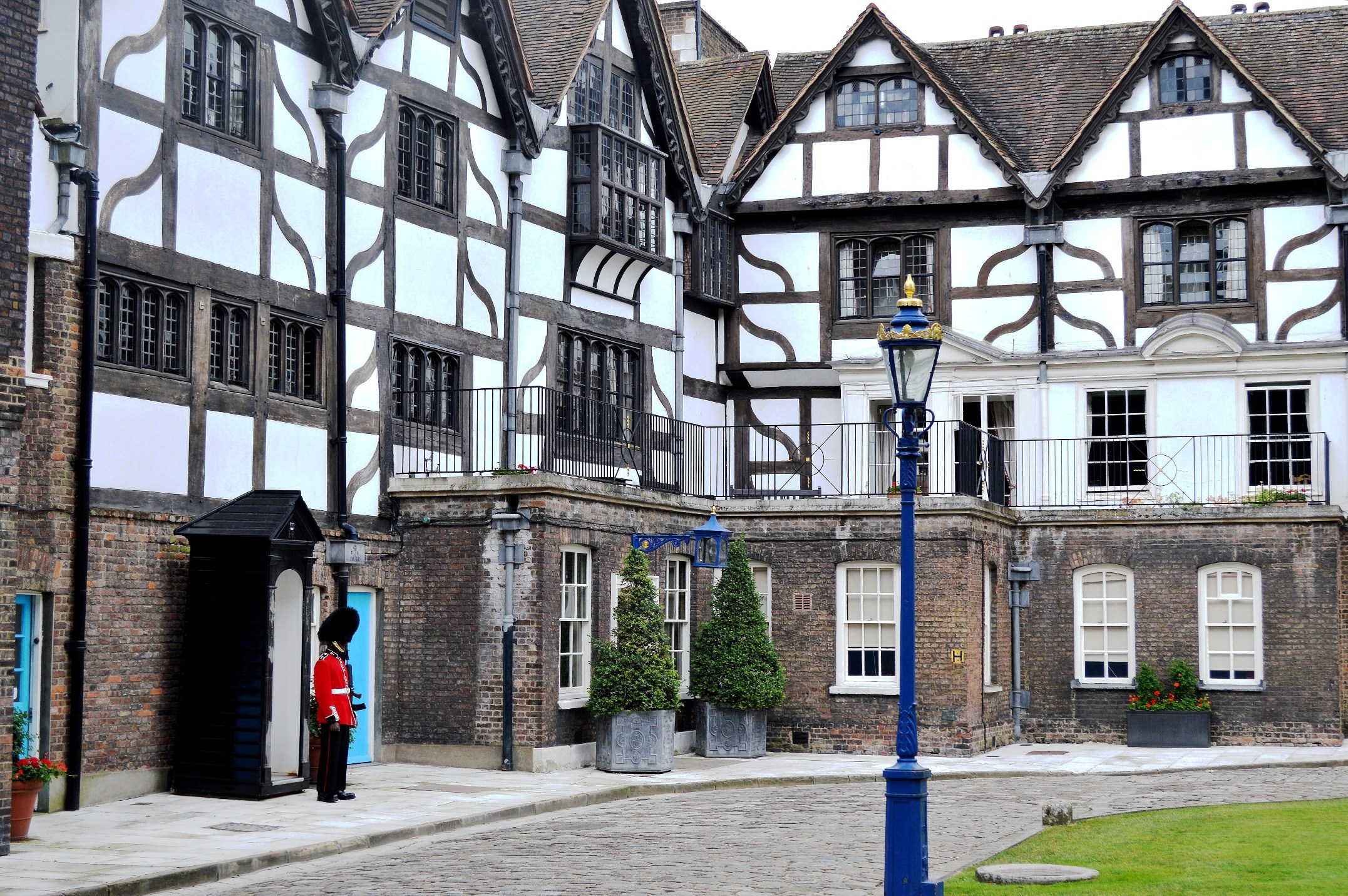
There is always one of these standing guard.
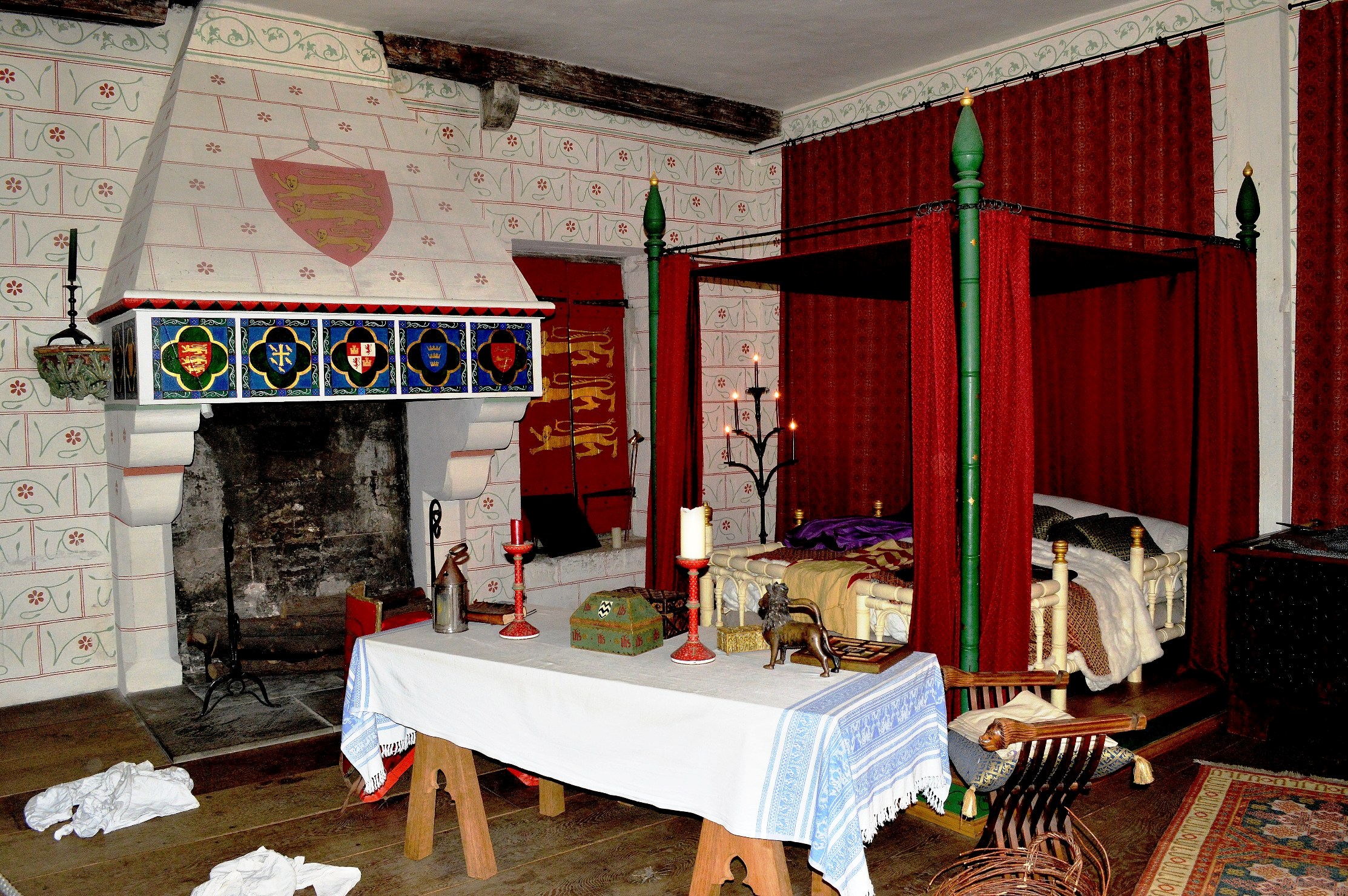

The tower once had a menagerie.


Those accused of treason would be transported to the tower by river and entered via traitors gate and might then go to the Bloody Tower. Below the tower is the remnants of a torture chamber. Visitors were queuing up.


There are a number of tour guides, all happy to be photographed.

The cage holds some of the tower’s ravens. They are not all let free at the same time. The legend is that England will fall if the ravens ever left the tower. They are very well cared for and locked up at night. They also think they own the place.


The guards are not allowed to interact with anybody but you can stand beside one and have your photograph taken. Should anybody get too familiar, or just because the guard feels like it, he will let out a blood curdling scream and present the pointy end of his rifle. Then there is vigorous marching up and down. It has the desired effect.


 Freed From Time