
Postman’s Park
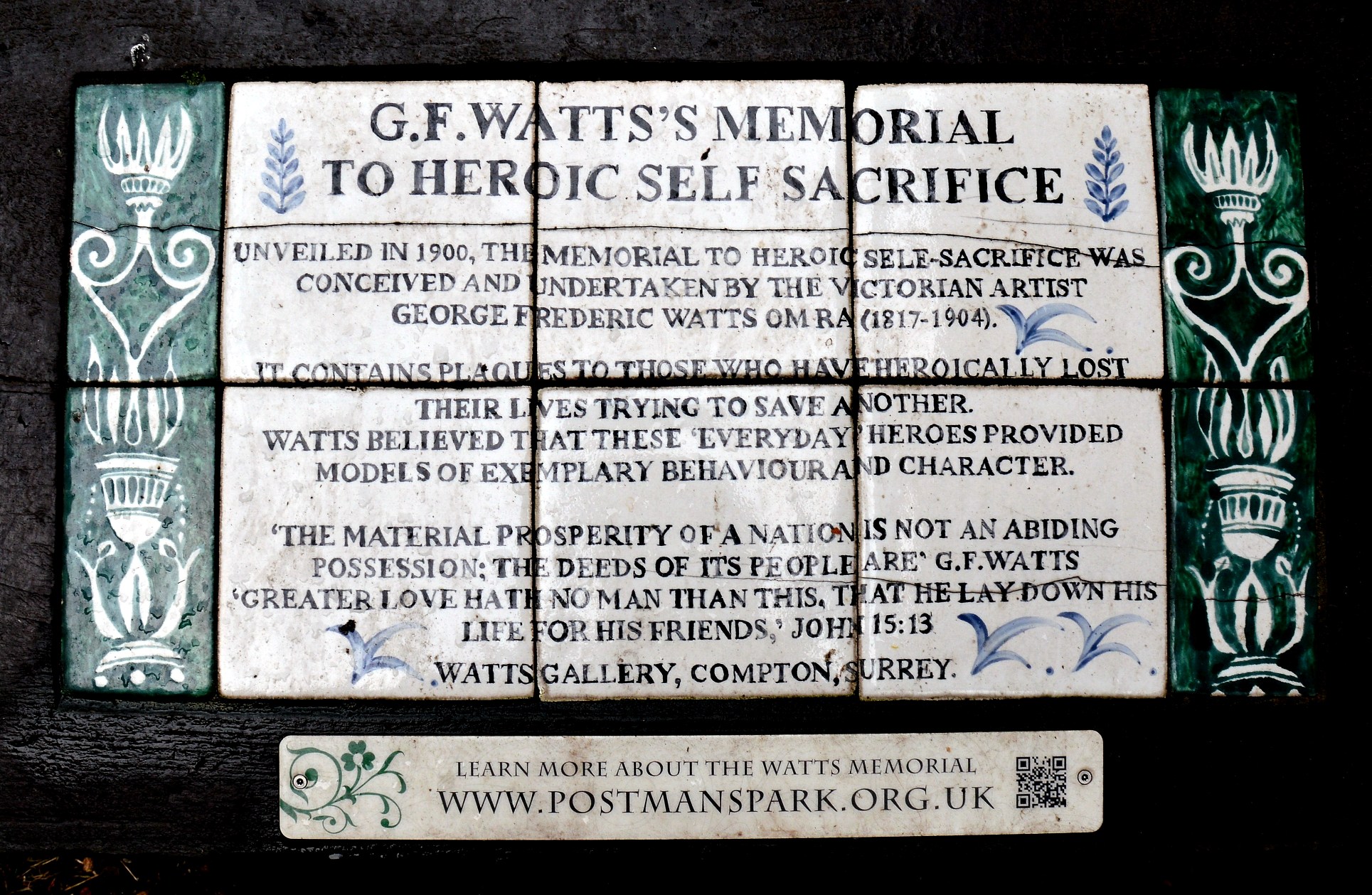
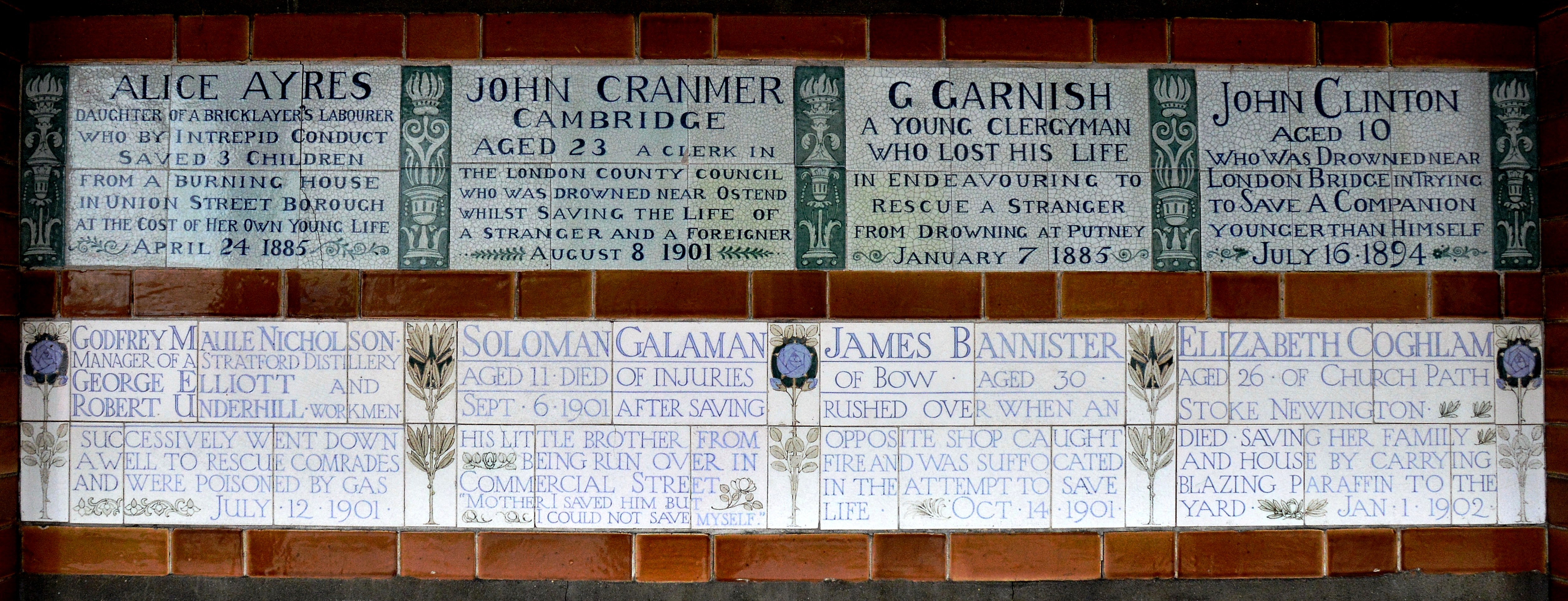
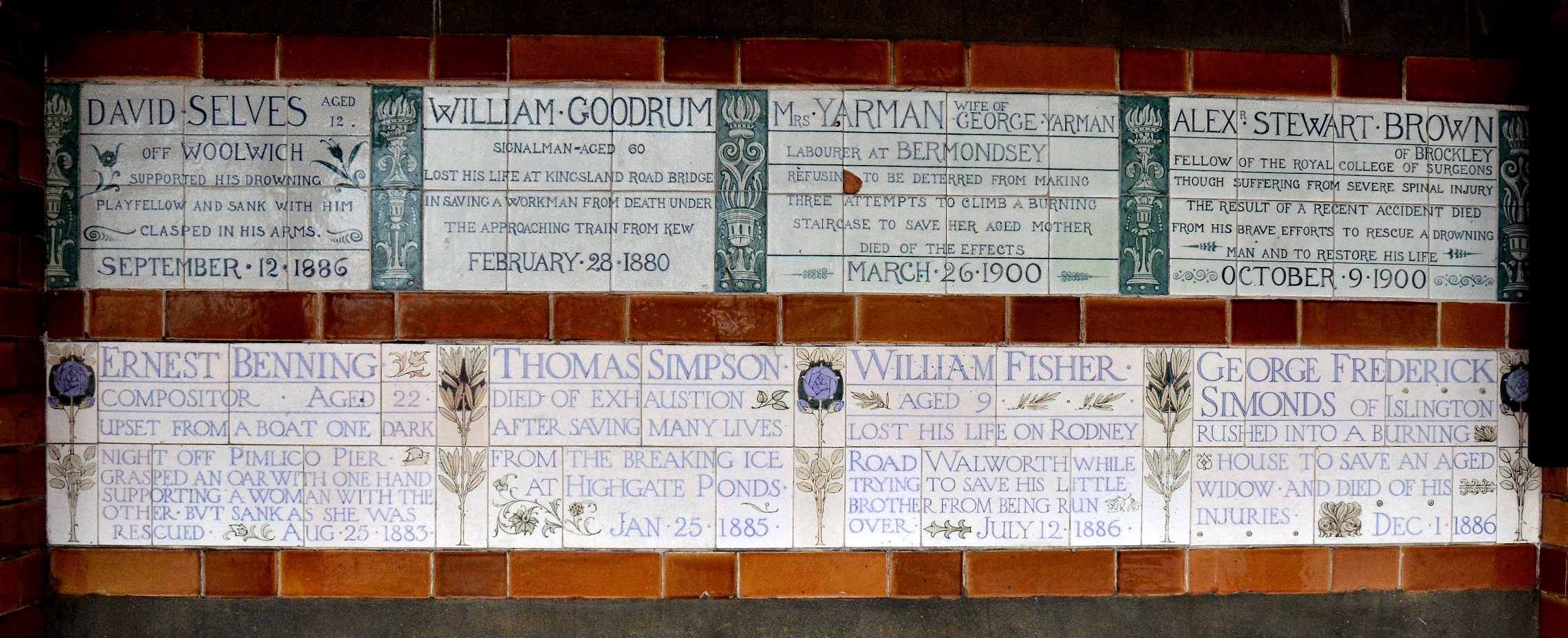
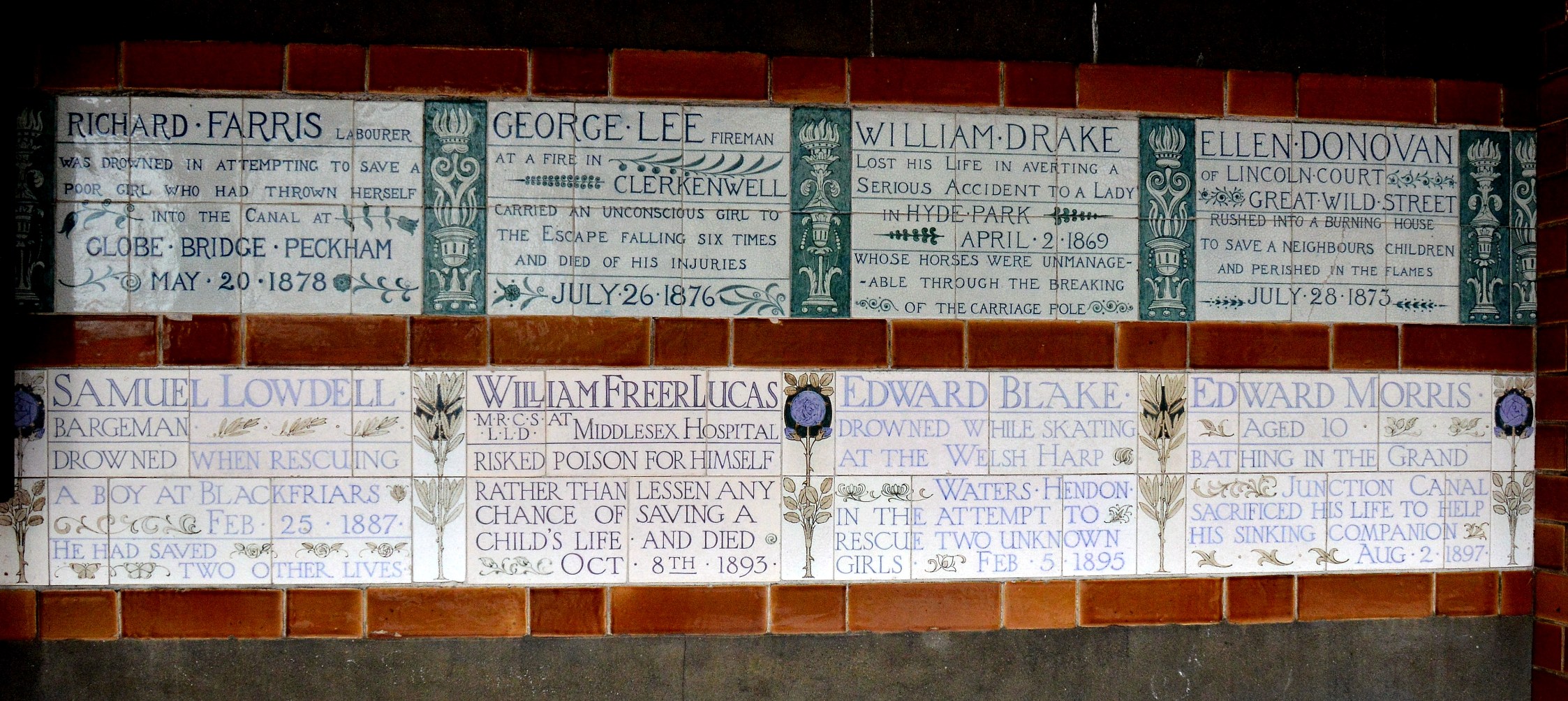
Postman’s Park contains a wonder. “The Material Prosperity Of A Nation Is Not An Abiding Possession: The Deeds of Its People Are”. There are many plaques, each tell a story.
The park is opposite the entrance to London’s St Bartholomew’s Hospital on King Edward Street. It is small but has many benches and is very pretty in summer (this is a dank day in February). About Postman’s Park ⇒.

For a closer view please right-click on an image, choose “Open Link in New Tab” then left click on the image to magnify. Close the new tab to return here..

They weren’t famous people and could easily have been forgotten. George Watts made sure that they were not.
.

.
.
.

.


Museum of London Docklands

14 pics. The Museum of London Docklands ⇒ is in the Docklands region (nearest rail being West India Quay on the Docklands Light Railway) and is all about the history of the Docklands as distinct from the more extensive history of London at the Museum of London ⇐ at 150 London Wall.
The Museum of London Docklands is full of historical information, is free to enter and non-commercial photography is allowed.
There is a lift that goes to the top floor, which is a good place to start. I do prefer stairs that go down.
The Sailors Walk

.

.

.

More Exhibits

.

In Commemoration of the Great Strike Sept 1889 ⇒.
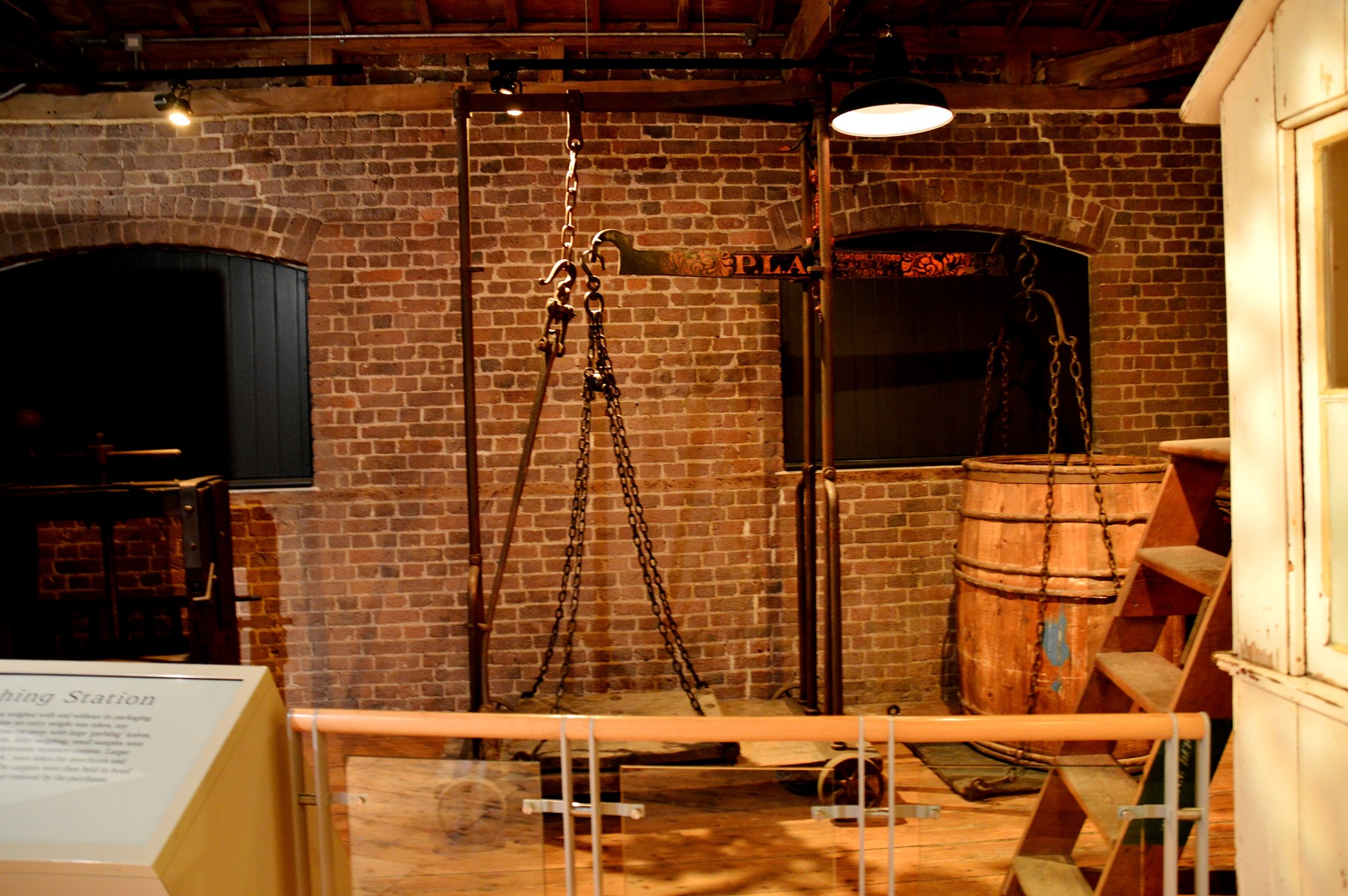
Tobacco Weighing Station
.

The First Bantamweight Lonsdale Belt
For a closer look of the history please click on the image and then again to enlarge.

Steel Consul Shelter
There is an extensive area covering the war years during which the docks were a prime target..
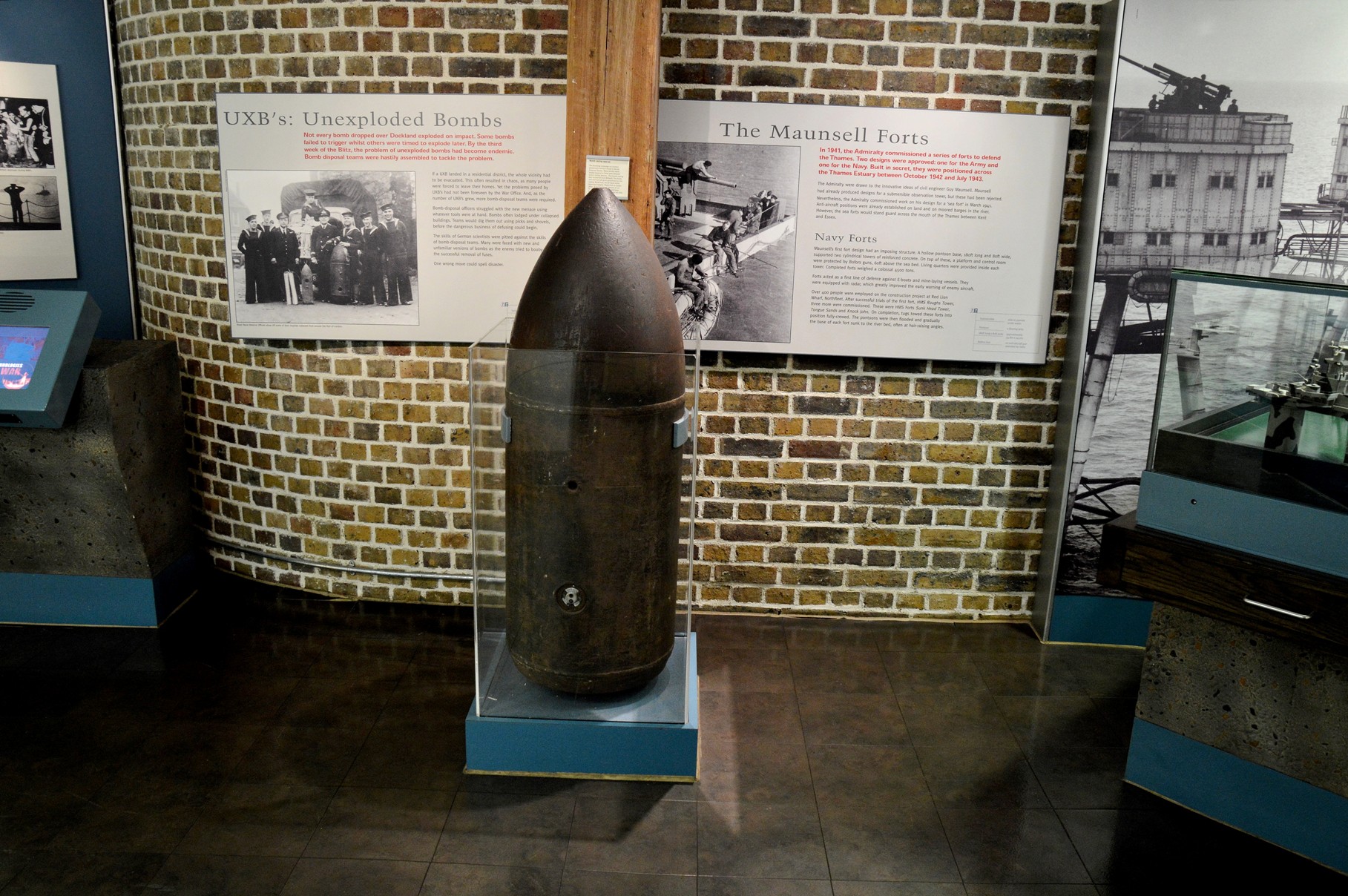
.
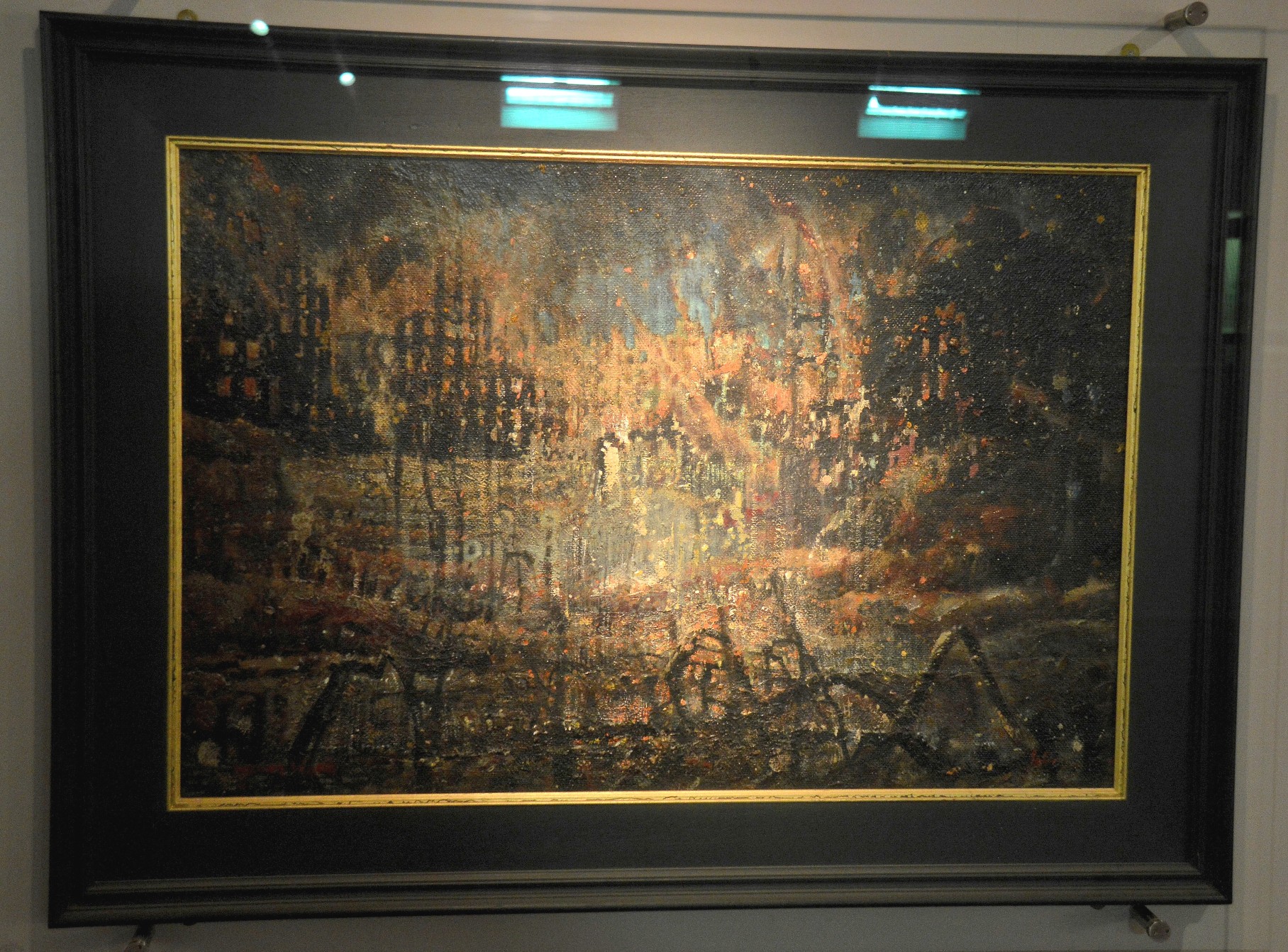
Incendiary Attack by William Ware 1940
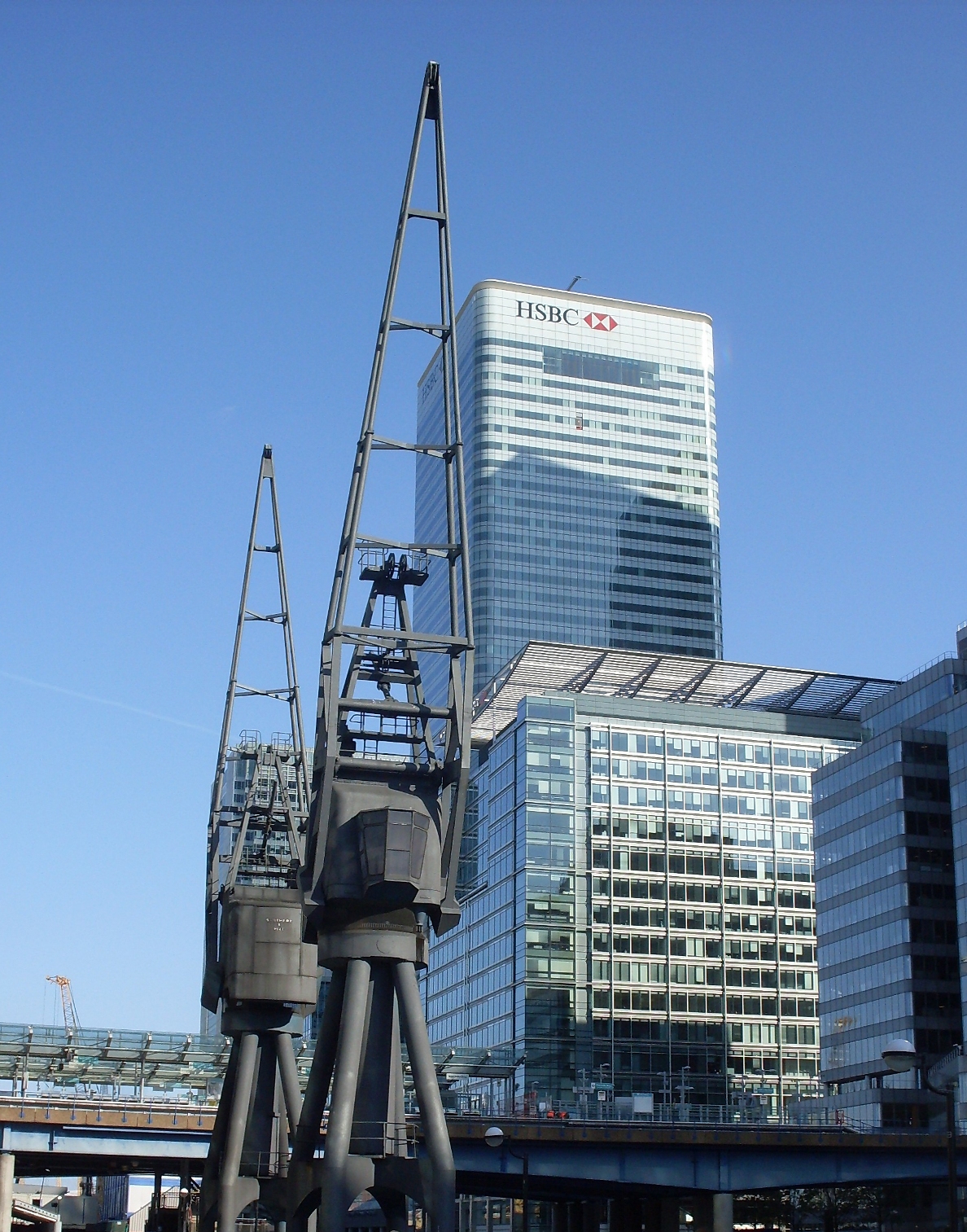
London Docklands Now
.

For more of the Past That Made the Present there is Wheels on Fire ⇐, a timeline at the Science Museum ⇐ and the History of Navigation ⇐.

Museum of London

An Extinct form of Wild Ox – The Aurochs 245,000 to 186,000 BC The 2012 London Olympics
34 pics. The Museum of London ⇒ is at 150 London Wall (as distinct from the Museum of: London Docklands ⇐). Inside is a quite extensive and interesting museum with a timeline that begins on the top floor, from prehistoric times to present day. The museum is free to enter and non-commercial photography is allowed.
The museum is a short walk along St Martin’s Le Grand from St Paul’s underground rail station (central Line) .
Educational sessions, including those for young students, are available.
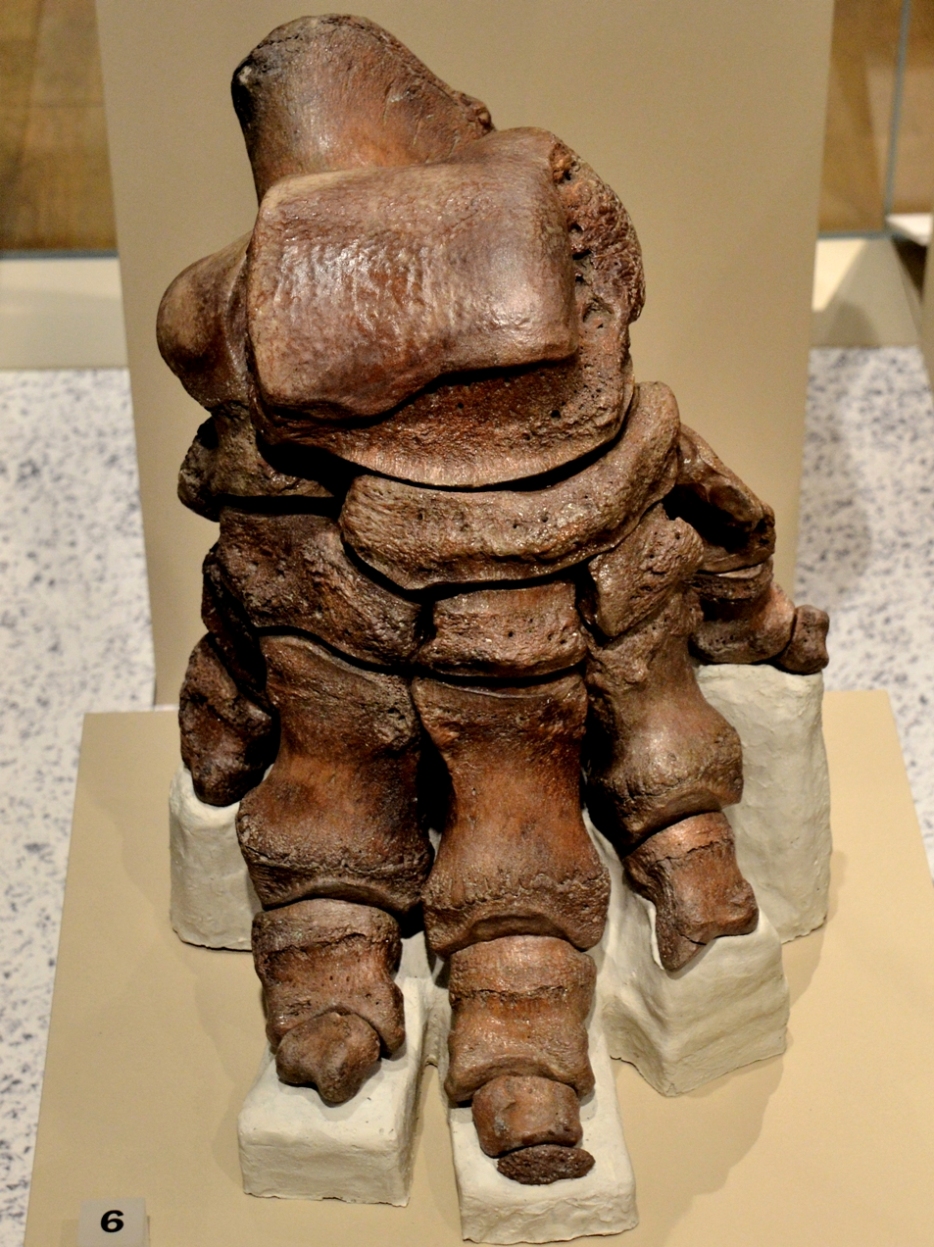
Back Foot of the Straight Tusked Elephant 781,000 to 50,00 years before present.
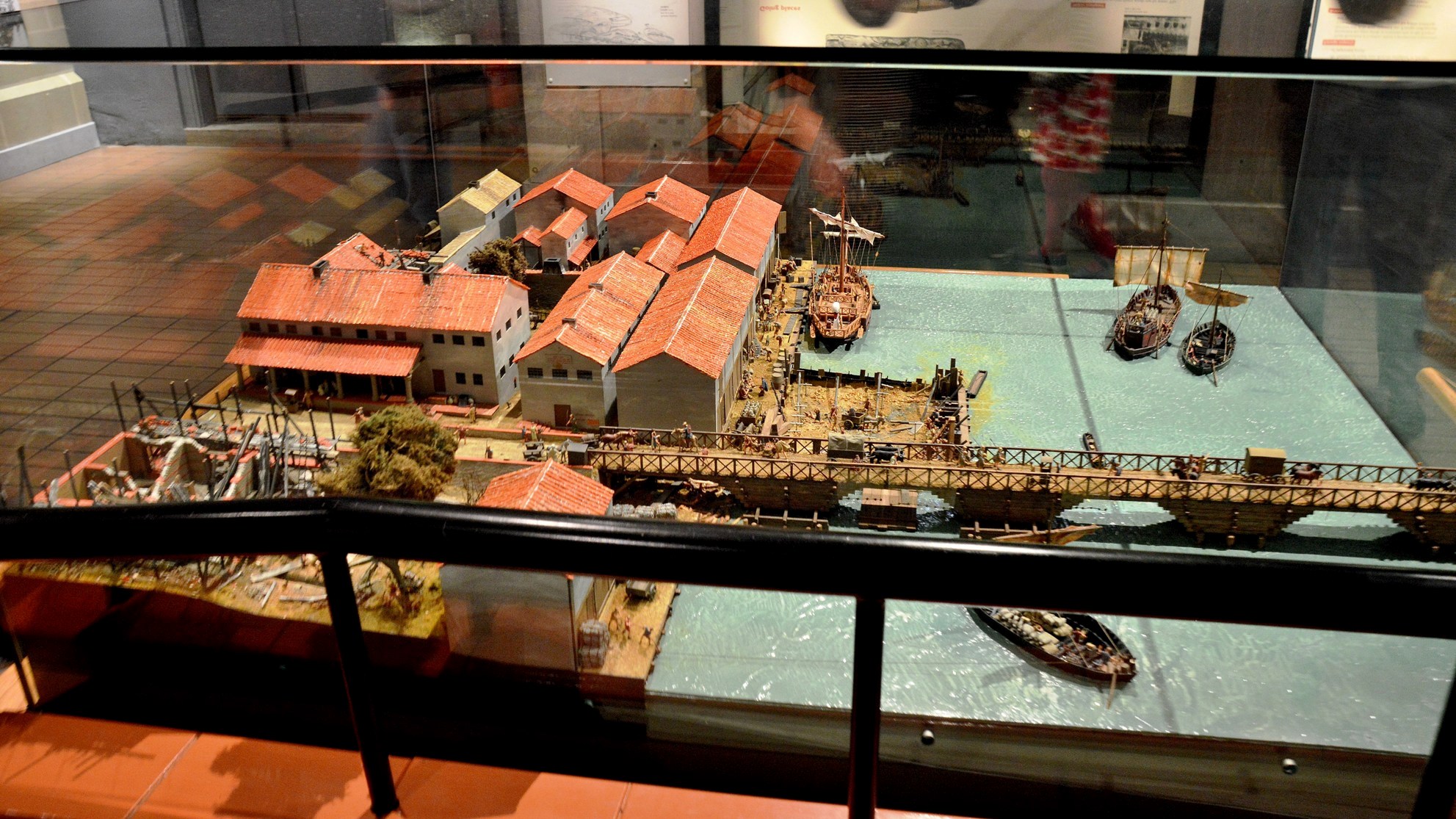
There are a large number of prehistoric, bronze age, pre-Roman, Roman, post-Roman (Saxon) and Norman exhibits. Alongside are a number of educational placards and films. Too many items to show here and get to the exhibitions of later London. So, here is just a taste of early times.

.

.
.
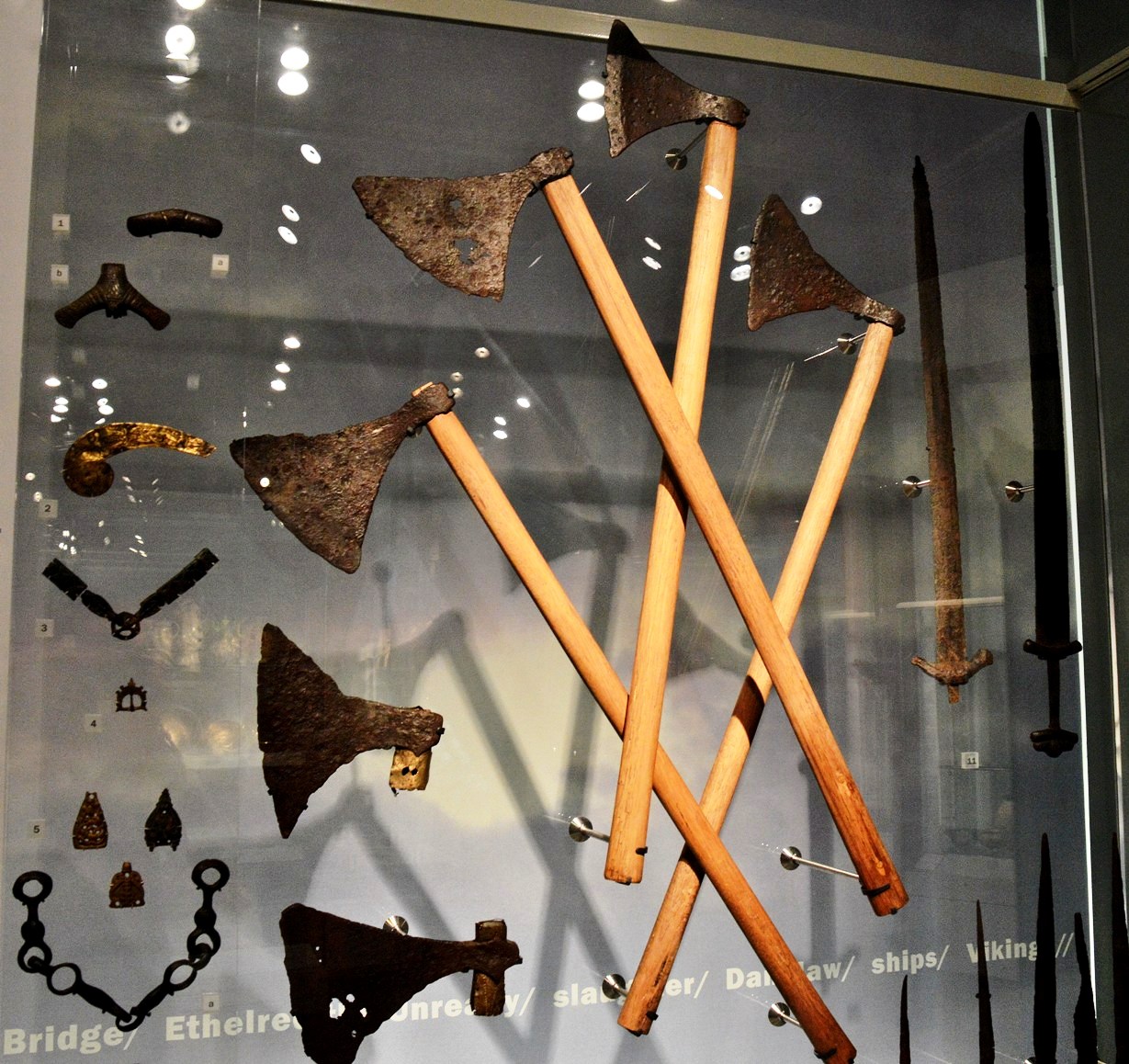 When the Romans finally left, about 400 AD, England was mostly populated by Saxon settlers and invading Norseman/Danes (Vikings) in the north. The Saxons were weren’t necessarily all that war-like but spent most of their time farming. The Norseman were commonly seafaring traders, it is just that some of them were a bit cantankerous.
On the other hand (imported from Waltham Abbey and King Harold’s Day ⇐ ) :-

 In 954 Alfred (the Great) became the first King of All England. By 6th January 1066 the position was taken up by Harold Goodwinson (Harold II). On 25th September 1066 Harold Goodwinson defeated the viking forces of Harald Hadrada and Tostig at Stamford Bridge in the north. Harold was then faced with a forced march of 241 miles to fend of the Norman invader, William (the Conqueror), in the south. By October 14th the Saxon forces were defeated and Harold killed. Thus began the Norman era and thence the reign of the Plantagenets and then the Tudors.

The London City Wall
Within the old city walls, William the Conqueror should only be referred to as William. This is because he did not conquer London but instead gave it a charter.
To see the timeline click-on and then again to magnify. It surprised me to note that our Magna Carta (in 1215 a limited Bill of Rights) was signed at roughly the same time as Genghis Khan conquered Persia.

.
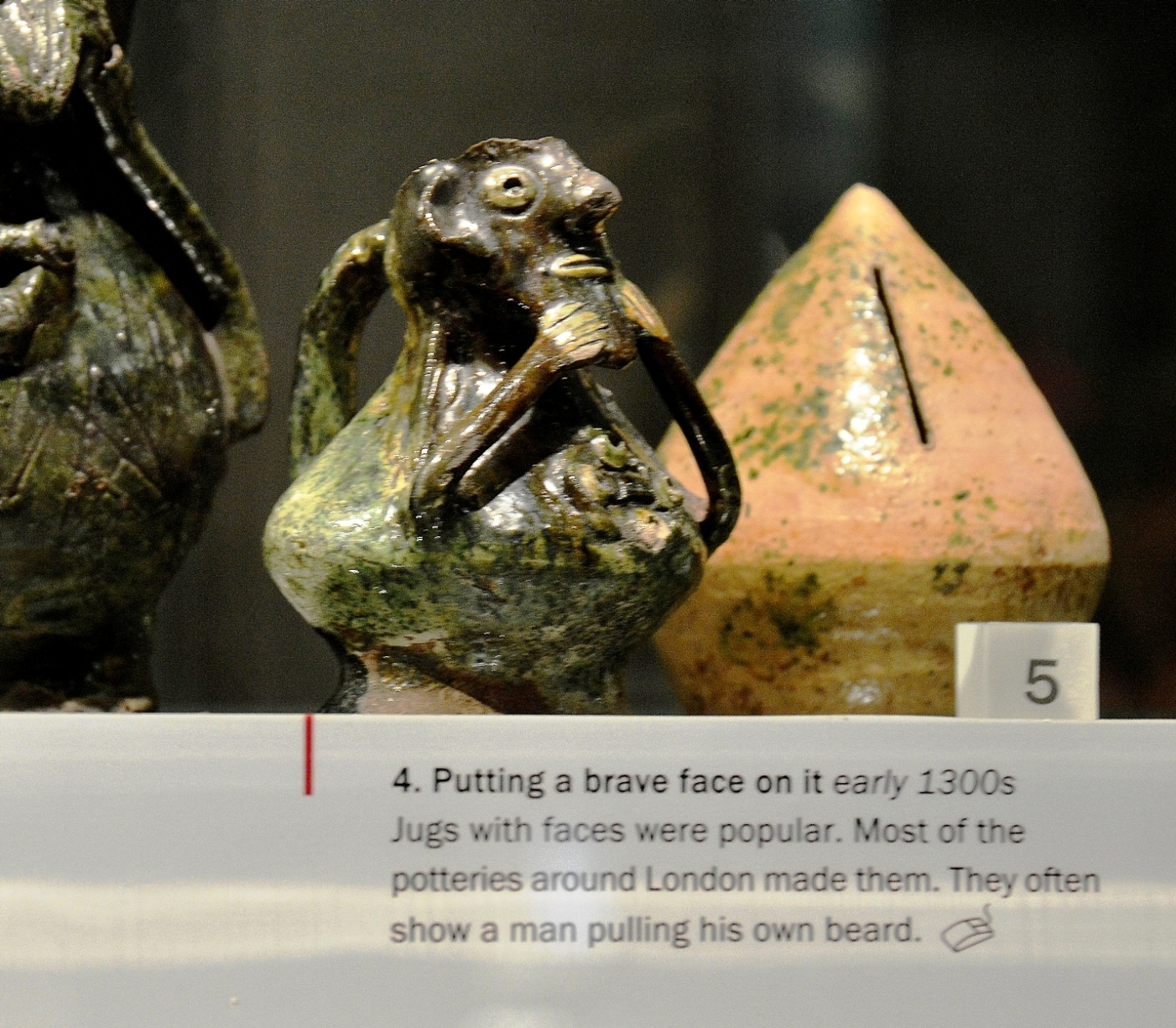
Between 1558 and 1603 was the great boom of wealth, culture and global influence of the Elizabethan era. The effect continued for some time after.

A silk dress for Anne Fanshawe (1625-1680) the daughter of the Lord Mayor of London
Sorry about the glare, I couldn’t find a way around it.

An Eighteenth Century Pleasure Garden
Britain and particularly London continued to advance in wealth and prestige :-

.

.
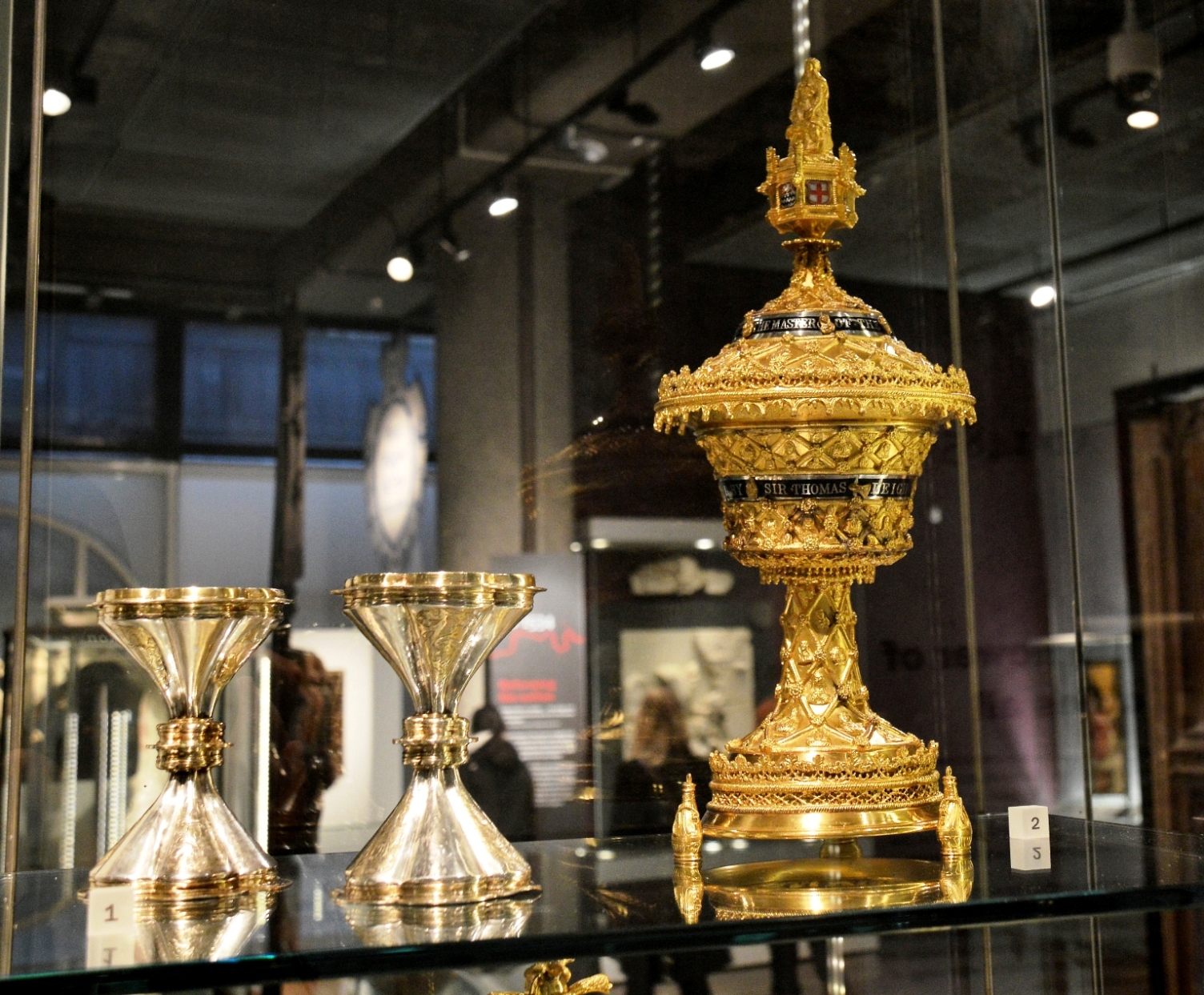
– although not for all:-
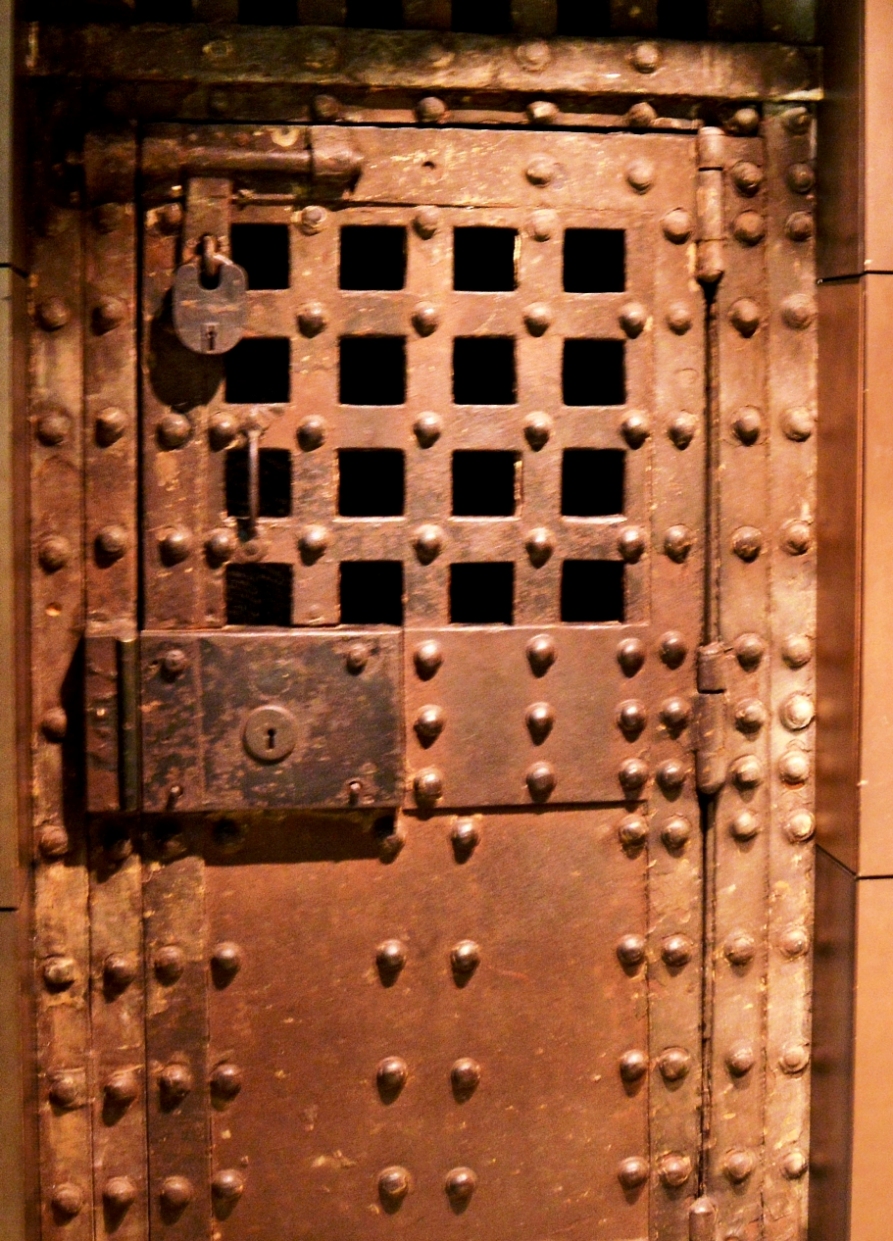
– for some there was debtor’s prison. For others there was stark poverty, starvation, disease with the work house as the only relief in later times. There is the Industrial Revolution and it’s long term impact at the London Science Museum⇐ and Wheels on Fire ⇐ (the struggle for fair play).
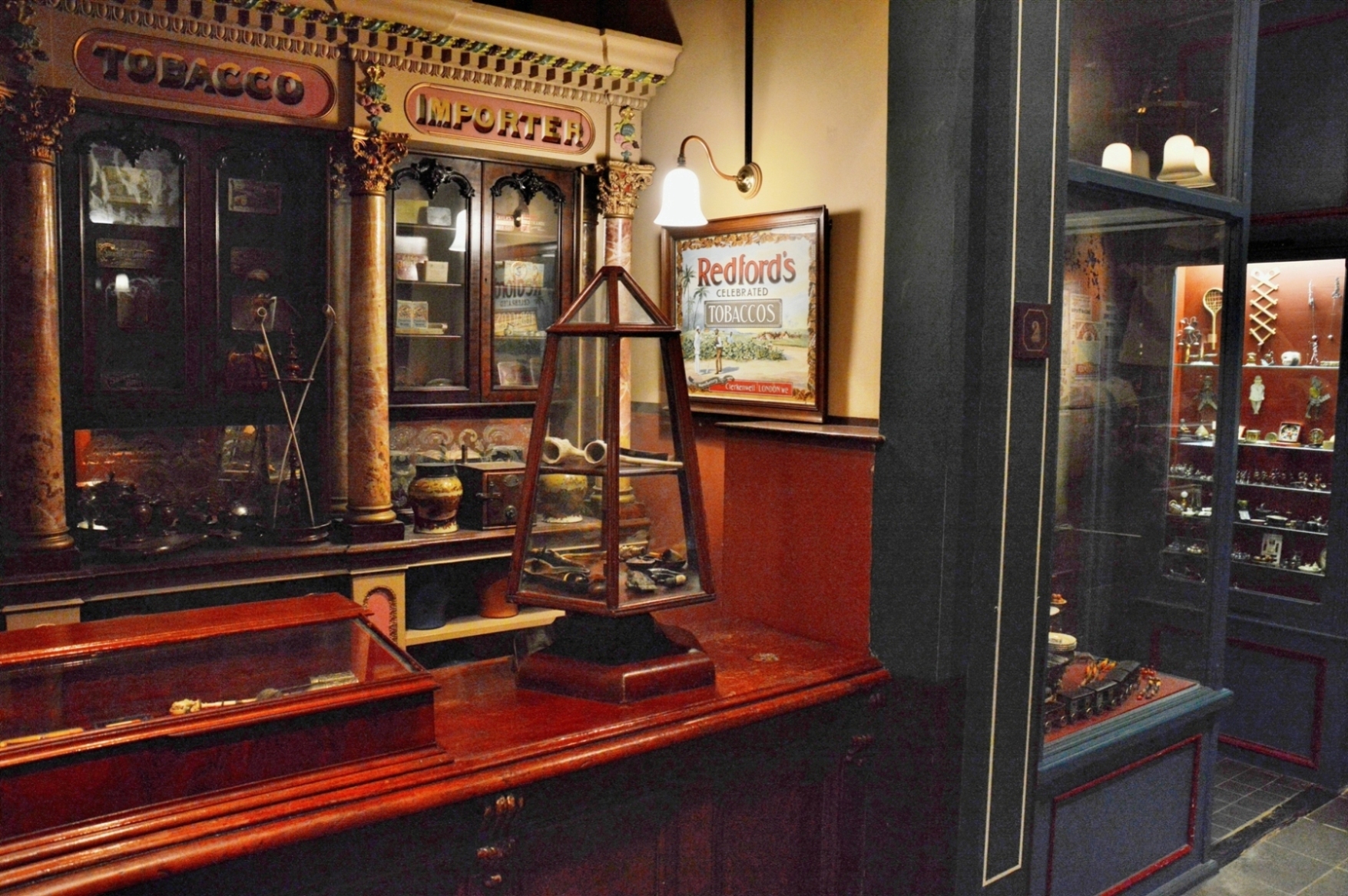
The Victorian Walk

This is a fascinating walk into the past, complete with atmospheric background sounds.
.

.

.

.
The 1920’s boom

A lift at the Savoy Grill

.

.

At the mini cinema you can take a seat and watch an old newsreel.
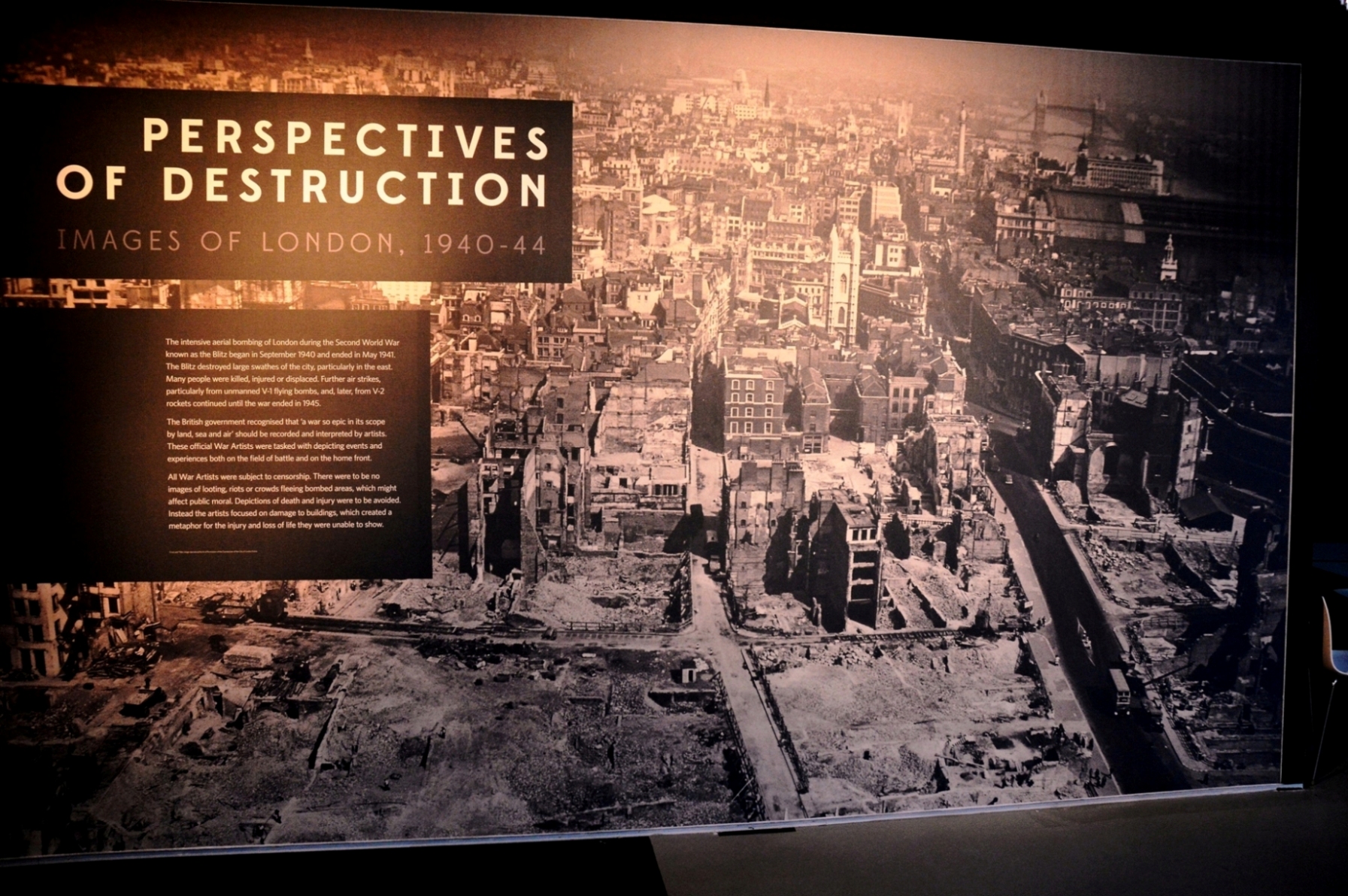
But then there was the 1930’s depression, and then :-.
.
.

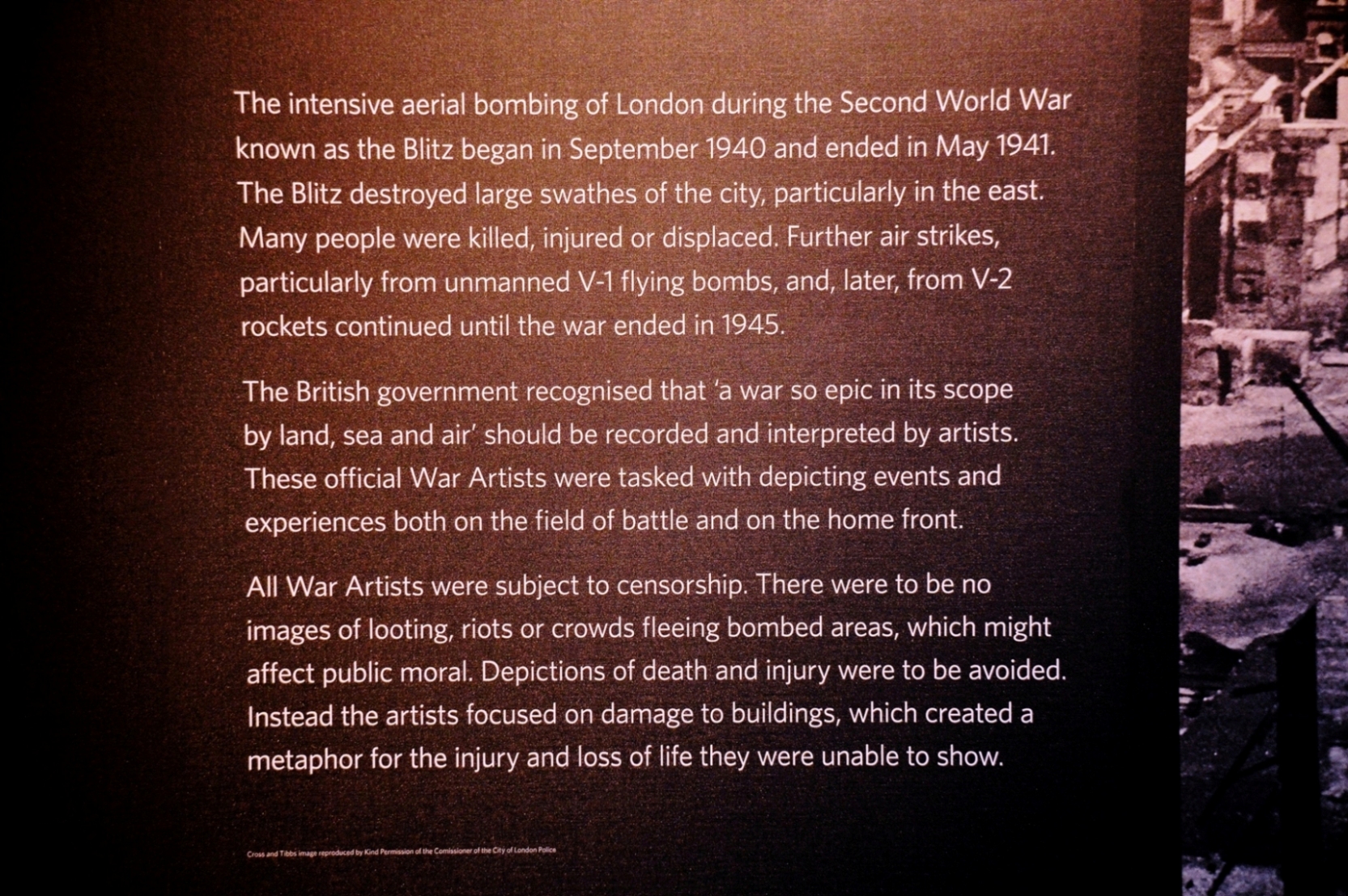
London and Britain itself were almost destroyed. It needed the backing (and loss) of Britain’s entire empire, with considerable determination and sacrifice to hold on. That effort stopped Hitler’s progress and provided a foot-hold for the USA to join us in the liberation of Europe. If Britain had not been able to provide that foot-hold, the consequences could have been very different
At the end of WWII, Britain was in dire straits. Rationing continued until 1953, eight years after the wars end. Austerity continued until the early 1960’s
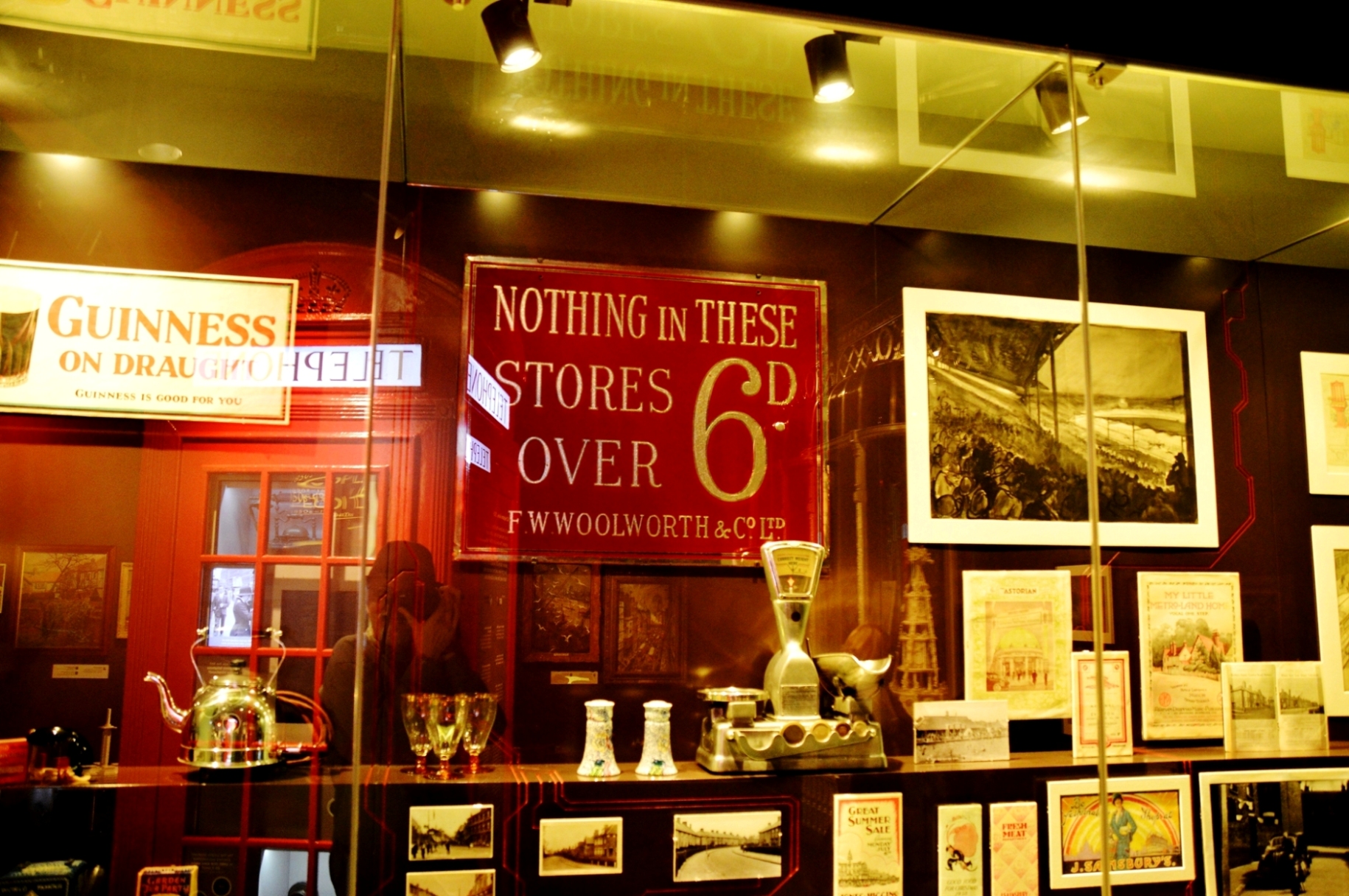
Then things began to pick up. 6D is six old pence (when they were 240 to a UK pound).

Then London began to swing again with a great burst of original art, music and cultural evolution. Not just in London but all over Britain. We may not be so bright at the present but:-.

For more of the Past That Made the Present there is Wheels on Fire ⇐, a timeline at the Science Museum ⇐ and the History of Navigation ⇐.
Guildhall Art gallery and Roman Amphitheater in London

The Guildhall Art Gallery ⇒ is free to enter and is right beside Guildhall ⇐ . Beneath are the remains of a Roman Amphitheater (AD 70) made more atmospheric by illuminated competitors. The gallery houses a moderate size collection of quite impressive art including some pre-Raphaelite works.

Lord Mayor Sir Francis Wyatt Truscot by Charles Bell Birch
.

The Wounded Cavalier by William Shakespeare Burton
.

La Ghirlandata by Dante Gabriel Rossetti
.

Fair St George by John Gilbert
.

The Defeat of the Floating Batteries at Gibraltar (painted) by John Singleton Copley
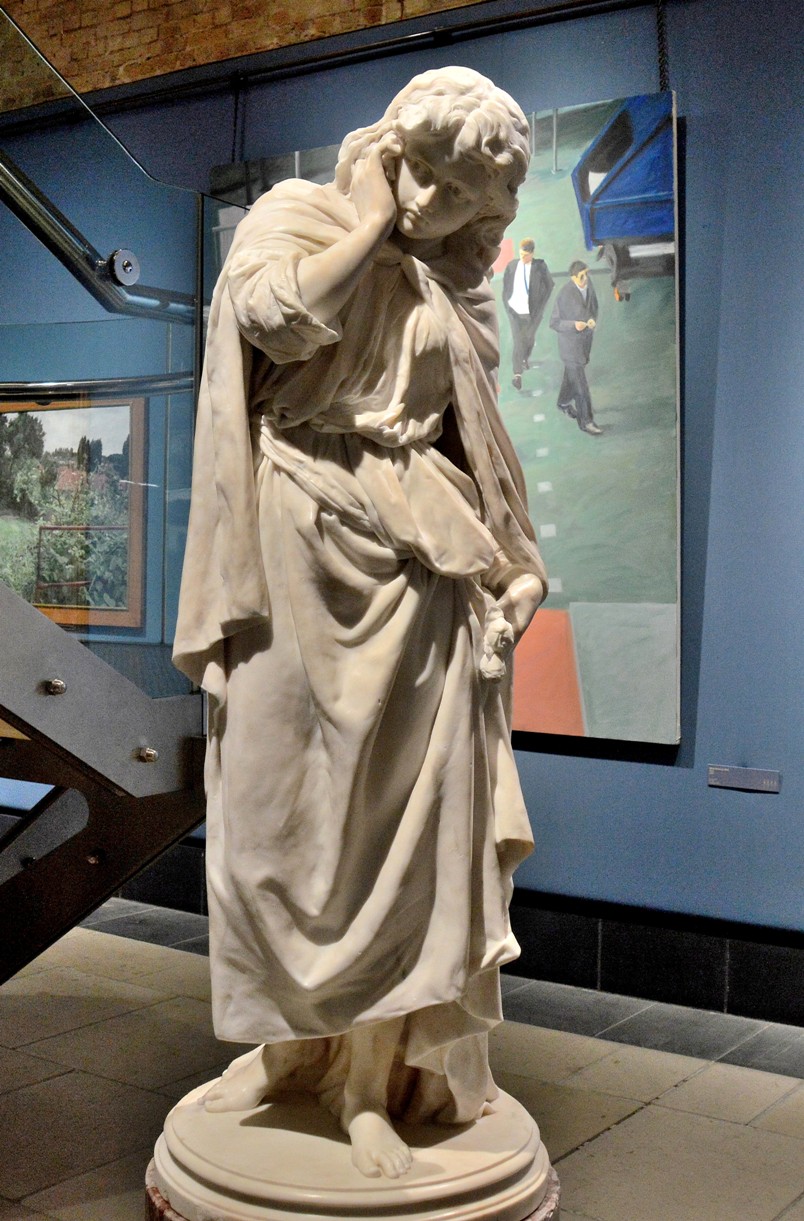
The painting is so large that it occupies two floors. I’m sure that’s Stephen Fry on the horse.
.

Demolition of London Bridge by J.W.S
.

Music Lesson by Frederic Leighton
.
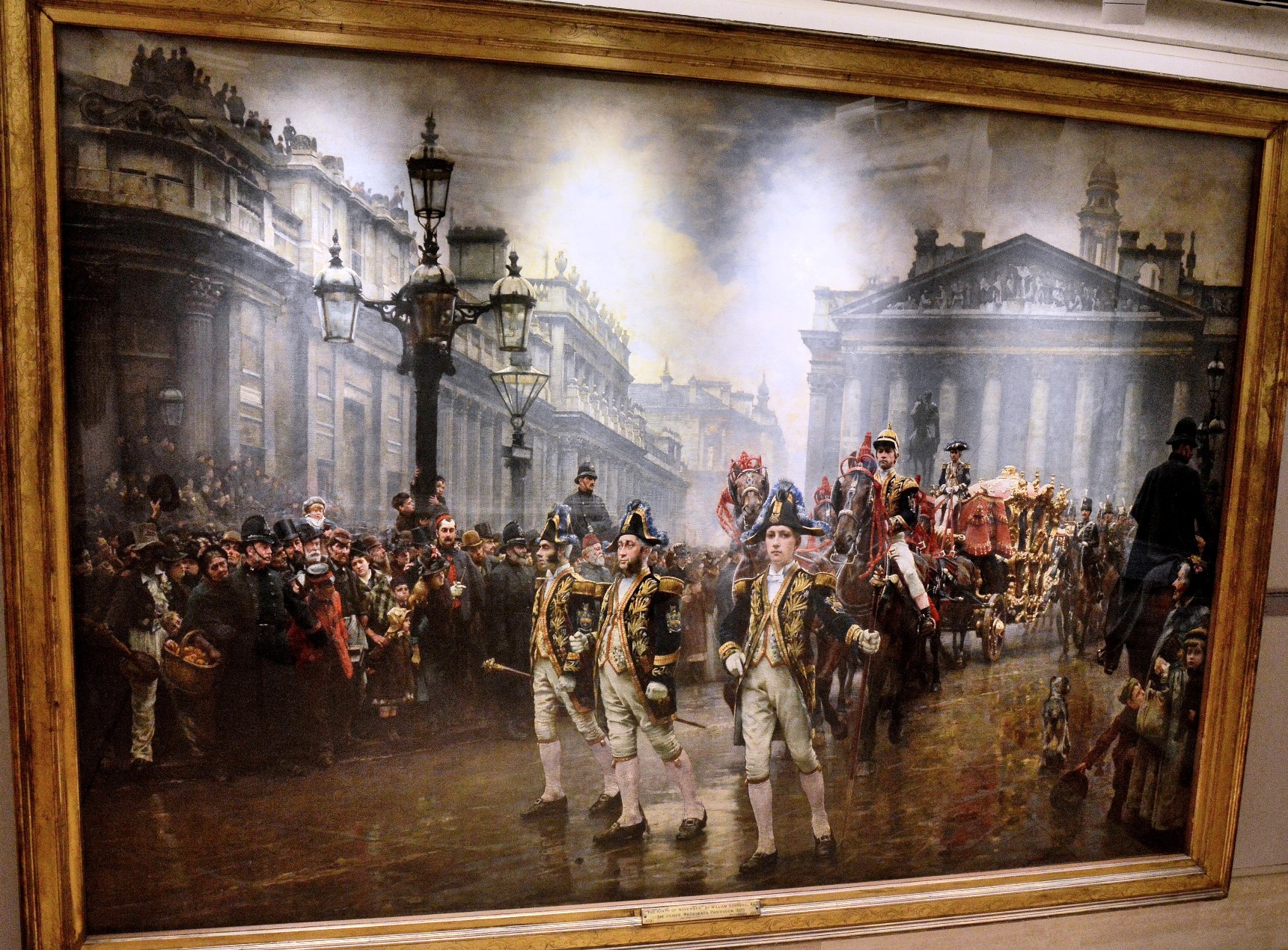
Ninth of November by William Logsdail
.

The Woodmans Daughter by John Everett Millais
Inspired by a tragic poem with the same title by Coventry Patmore.

 Freed From Time